EP3936616A1 - Auf microrna gerichtete therapie für die herzreparatur - Google Patents
Auf microrna gerichtete therapie für die herzreparatur Download PDFInfo
- Publication number
- EP3936616A1 EP3936616A1 EP20185192.0A EP20185192A EP3936616A1 EP 3936616 A1 EP3936616 A1 EP 3936616A1 EP 20185192 A EP20185192 A EP 20185192A EP 3936616 A1 EP3936616 A1 EP 3936616A1
- Authority
- EP
- European Patent Office
- Prior art keywords
- mir
- mirna
- mimic
- hipsc
- cms
- Prior art date
- Legal status (The legal status is an assumption and is not a legal conclusion. Google has not performed a legal analysis and makes no representation as to the accuracy of the status listed.)
- Withdrawn
Links
Images


Classifications
-
- C—CHEMISTRY; METALLURGY
- C12—BIOCHEMISTRY; BEER; SPIRITS; WINE; VINEGAR; MICROBIOLOGY; ENZYMOLOGY; MUTATION OR GENETIC ENGINEERING
- C12N—MICROORGANISMS OR ENZYMES; COMPOSITIONS THEREOF; PROPAGATING, PRESERVING, OR MAINTAINING MICROORGANISMS; MUTATION OR GENETIC ENGINEERING; CULTURE MEDIA
- C12N15/00—Mutation or genetic engineering; DNA or RNA concerning genetic engineering, vectors, e.g. plasmids, or their isolation, preparation or purification; Use of hosts therefor
- C12N15/09—Recombinant DNA-technology
- C12N15/11—DNA or RNA fragments; Modified forms thereof; Non-coding nucleic acids having a biological activity
- C12N15/113—Non-coding nucleic acids modulating the expression of genes, e.g. antisense oligonucleotides; Antisense DNA or RNA; Triplex- forming oligonucleotides; Catalytic nucleic acids, e.g. ribozymes; Nucleic acids used in co-suppression or gene silencing
-
- A—HUMAN NECESSITIES
- A61—MEDICAL OR VETERINARY SCIENCE; HYGIENE
- A61P—SPECIFIC THERAPEUTIC ACTIVITY OF CHEMICAL COMPOUNDS OR MEDICINAL PREPARATIONS
- A61P9/00—Drugs for disorders of the cardiovascular system
-
- C—CHEMISTRY; METALLURGY
- C12—BIOCHEMISTRY; BEER; SPIRITS; WINE; VINEGAR; MICROBIOLOGY; ENZYMOLOGY; MUTATION OR GENETIC ENGINEERING
- C12N—MICROORGANISMS OR ENZYMES; COMPOSITIONS THEREOF; PROPAGATING, PRESERVING, OR MAINTAINING MICROORGANISMS; MUTATION OR GENETIC ENGINEERING; CULTURE MEDIA
- C12N5/00—Undifferentiated human, animal or plant cells, e.g. cell lines; Tissues; Cultivation or maintenance thereof; Culture media therefor
- C12N5/06—Animal cells or tissues; Human cells or tissues
- C12N5/0602—Vertebrate cells
- C12N5/0652—Cells of skeletal and connective tissues; Mesenchyme
- C12N5/0657—Cardiomyocytes; Heart cells
-
- C—CHEMISTRY; METALLURGY
- C12—BIOCHEMISTRY; BEER; SPIRITS; WINE; VINEGAR; MICROBIOLOGY; ENZYMOLOGY; MUTATION OR GENETIC ENGINEERING
- C12N—MICROORGANISMS OR ENZYMES; COMPOSITIONS THEREOF; PROPAGATING, PRESERVING, OR MAINTAINING MICROORGANISMS; MUTATION OR GENETIC ENGINEERING; CULTURE MEDIA
- C12N2310/00—Structure or type of the nucleic acid
- C12N2310/10—Type of nucleic acid
- C12N2310/11—Antisense
- C12N2310/113—Antisense targeting other non-coding nucleic acids, e.g. antagomirs
-
- C—CHEMISTRY; METALLURGY
- C12—BIOCHEMISTRY; BEER; SPIRITS; WINE; VINEGAR; MICROBIOLOGY; ENZYMOLOGY; MUTATION OR GENETIC ENGINEERING
- C12N—MICROORGANISMS OR ENZYMES; COMPOSITIONS THEREOF; PROPAGATING, PRESERVING, OR MAINTAINING MICROORGANISMS; MUTATION OR GENETIC ENGINEERING; CULTURE MEDIA
- C12N2310/00—Structure or type of the nucleic acid
- C12N2310/10—Type of nucleic acid
- C12N2310/14—Type of nucleic acid interfering nucleic acids [NA]
- C12N2310/141—MicroRNAs, miRNAs
-
- C—CHEMISTRY; METALLURGY
- C12—BIOCHEMISTRY; BEER; SPIRITS; WINE; VINEGAR; MICROBIOLOGY; ENZYMOLOGY; MUTATION OR GENETIC ENGINEERING
- C12N—MICROORGANISMS OR ENZYMES; COMPOSITIONS THEREOF; PROPAGATING, PRESERVING, OR MAINTAINING MICROORGANISMS; MUTATION OR GENETIC ENGINEERING; CULTURE MEDIA
- C12N2506/00—Differentiation of animal cells from one lineage to another; Differentiation of pluripotent cells
- C12N2506/45—Differentiation of animal cells from one lineage to another; Differentiation of pluripotent cells from artificially induced pluripotent stem cells
Definitions
- CM cardiomyocytes
- IHD ischemic heart disease
- microRNAs were tested for induction of cardiomyocyte proliferation.
- MicroRNAs are small noncoding RNAs that regulate gene expression at the post-transcriptional level. Repression and/or silencing of gene expression by microRNAs takes place by base-pairing to at least partially complementary sequences present mostly in 3' UTRs of target messenger RNAs (mRNAs). This results in translational repression, mRNA degradation, or both.
- the microRNA seed sequence is generally situated at positions 2-8 from the microRNA 5'-end. The seed sequence is the primary specificity determinant for target selection. The small size of the seed sequence means that a single microRNA may regulate many, even hundreds, different genes.
- MicroRNAs are genome-encoded sequences. They are generally transcribed by the RNA polymerase II into so called primary microRNAs (pri-microRNAs). Two endonucleases of the RNAse III family then process the pri-microRNAs sequentially in the nucleus. Drosha processes the pri-microRNA into a precursor microRNA (pre-microRNA) of approximately 60-80 nucleotides, after which the pre-microRNA is further processed, in the cytoplasm, by Dicer to form a duplex containing two strands, of about 19-23 nucleotides.
- pre-microRNA precursor microRNA
- microRNA duplex is then unwound, and the mature microRNA is incorporated into the RNA-induced silencing complex (RISC), containing, among others, Argonaute and GW182 proteins essential for the silencing by microRNAs.
- RISC RNA-induced silencing complex
- the reference repository of published microRNA sequences is publicly accessible (miRBase; www.mirbase.org).
- microRNAs have been so far clearly implicated in cardiomyocyte proliferation, including among others miR-1, miR-133 and, more recently, members of the miR-15 family.
- Overexpression of miR-1 in the embryonic heart is known to inhibit cardiomyocyte proliferation, which was linked to the repression of Hand2, a transcription factor required for cardiac growth during embryogenesis.
- MiR-133 inhibits proliferation of cardiomyocytes through the repression of SRF and cyclin D2, two essential regulators of muscle cell differentiation.
- the miR-15 family may regulate the post-natal mitotic arrest of mouse cardiomyocytes, by means of a downregulation of the expression of Chek1.
- EP 2842577 A1 is a patent application describing miR-148a, miR-148b, miR-152 & miR-373 as well as variants, analogs and precursors thereof in cardiomyocytes.
- WO 2018183997 describes miR-302 in cardiomyocytes.
- EP 3143123 B1 describes the micro-mRNA of the miR-302-367-cluster in the context of the developing heart.
- US 10,337,002 B2 describes hsa-miR-590-3p and hsa-miR-199a-3p and a primary transcript precursor.
- a miRNA with a RNA sequence which comprises or consists of a sequence having at least 80%, more preferably at least 90%, even more preferably at least 95%, and most preferably being identical to one of the following sequences:
- the miRNA is for use in treatment of a cardiac disease associated with loss of (functional) cardiac myocytes.
- the cardiac disease is selected from myocardial infarction, ischemic and non-ischemic cardiomyopathy, congestive heart failure, hypertrophic cardiomyopathy, dilated cardiomyopathy, myocarditis and chronic heart failure.
- RNA refers to a RNA sequence comprising or consisting of hsa-miR-515-3p with SEQ ID NO: 1, hsa-miR-519e-3p with SEQ ID NO:2, a member of the miR-517 family, specifically hsa-miR-517c-3p with SEQ ID NO: 3 or hsa-miR-517a-3p with SEQ ID NO: 4, or a primary transcript thereof, a precursor thereof, a mimic thereof or a combination thereof.
- the miRNA according to the invention is described for use as a medicament for cardiac repair in patients with myocardial injury caused loss of cardiomyocytes.
- the miRNA according to the invention is described for use as a medicament for patients with heart failure and heart disease caused or accompanied by loss of cardiomyocytes.
- the term “patient” comprises humans and animals, and preferably refers to humans.
- treatment encompasses treatment of humans and animals, preferably humans.
- microRNAs according to the invention are capable of inducing proliferation in cardiomyocytes in vitro, in particular are capable of inducing proliferation of cardiomyocytes of an animal subject, more in particular in different animal subjects, even more in particular in humans.
- the present invention also comprises primary transcripts, precursors and mimics of the microRNAs herein disclosed.
- the concepts of miRNA primary transcript, precursor and mimic are well-known in the art.
- Modifications of microRNA backbone or synthetic nucleic acids anyhow mimicking natural microRNA function are also provided in the present invention. These modifications can be made according to techniques, which are well known to the skilled person, on condition that said modifications do not alter the function of the microRNAs of the present invention. Such modifications, include, but are not restricted to, substitution of non-bonding oxygen atoms in the phosphate group, introduction of an alkyl group in the sugar molecule of nucleotides, inclusion of extra bonds connecting carbon or oxygen atoms in the sugars of nucleotides (for example, the LNA technology), and the like. As stated above, these modifications are well-known to the skilled person and do not require specific further disclosure.
- microRNAs of the present invention are able to increase cardiac myocytes mitosis, cell division (cytokinesis) and cell number in vitro, as demonstrated in the Example section.
- the miRNA according to the invention is described for use as a medicament for cardiac repair in patients with heart failure due or accompanied by loss of cardiomyocytes, in particular one or more selected from the list of acute coronary syndrome, myocardial infarction and cardiomyopathies.
- the miRNA according to the invention is described for use as a medicament for patients who survived a heart attack.
- the miRNA according to the invention is described for use as a medicament in a patients with heart failure, in particular ischemic cardiomyopathy due to myocardial infarction or cardiac dysfunction.
- the microRNAs as medicaments, in particular for the treatment of heart diseases associated with a loss of cardiomyocytes (consequences of myocardial infarction, cardiomyopathy of ischemic and non-ischemic origin, myocarditis and heart failure), they can be administered to a subject suffering from said disease by conventional methods with the specific objective of inducing cardiac regeneration by stimulating proliferation of cardiomyocytes and other cells contributing to cardiac repair, such as endothelial and immune cells.
- said medicament is in the form of a preparation for parenteral, intracoronary, intravenous or intracardiac administration, but other forms are equally suitable for carrying out the present invention.
- the person skilled in the art will decide the effective time of administration, depending on the patient's conditions, degree of severity of the disease, response of the patient and any other clinical parameter within the general knowledge of this matter.
- the miRNA is for administration via gene therapy, liposomal nanoparticle and/or a cardiotropic virus.
- a vector for use as a medicament, preferably for use in treatment of a cardiac disease associated with loss of cardiac myocytes, wherein said vector comprises at least a miRNA according to the invention, or a DNA segment coding for at least one of said miRNA according to the invention.
- the vector is an adeno-associated vector (AAV) of any capsid serotype, either natural, such as, but not restricted to, AAV1, AAV2, AAV6, AAV8, AAV9, AAV10, or a retrovirus, a lentivirus or a polymeric vector or a dendrimer-based vector or a inorganic or lipid nanoparticle or cell-derived membrane vesicles or scaffold-based delivery systems (hydrogels, electrospun fibers).
- AAV adeno-associated vector of any capsid serotype, either natural, such as, but not restricted to, AAV1, AAV2, AAV6, AAV8, AAV9, AAV10, or a retrovirus, a lentivirus or a polymeric vector or a dendrimer-based vector or a inorganic or lipid nanoparticle or cell-derived membrane vesicles or scaffold-based delivery systems (hydrogels, electrospun fibers).
- AAV1 adeno-associated vector
- the miRNA according to the invention is for use as a medicament for intramyocardial injection into the peri-infarct region, in particular after coronary intervention.
- the miRNA according to the invention is for use as a medicament for reducing scar formation and preserve or improve contractility of the myocardium.
- the miRNA according to the invention is for use as a medicament in patients with a cardiac dysfunction or reduced LV-function due to heart failure, in particular ischemic cardiomyopathy.
- ischemic cardiomyopathy a preferred treatment.
- heart failure associated with ischemia such as ischemic cardiomyopathy, myocardial infarction
- the miRNA according to the invention is for use in vivo, ex vivo or in vitro for generation and proliferation of cardiomyocytes, myocardial patches and tissue replacement therapy.
- the miRNA according to the invention is for use as a medicament for administration which takes place orally, parenterally, perlingually, intraarterial, intracoronary or intravenously or via a stent that is used for diseases related to atherosclerosis.
- the miRNA according to the invention is for use as a medicament for administration which takes place via a stent, in particular a medicament that is released into the post-stenotic or post-occluded ischemic myocardium in patients with cardiovascular disease and myocardial infarction.
- a catheter-based myocardial injection system may be used for delivery of miRNA wherein the carrier for the miRNA may be an adeno-associated vector (AAV) of any capsid serotype, either natural (such as, but not restricted to, AAV1, AAV2, AAV8, AAV9) or a retrovirus, a lentivirus or a polymeric vector or a dendrimer-based vector or a inorganic or lipid nanoparticle or cell-derived membrane vesicles or scaffold-based delivery systems (for instance hydrogels, electrospun fibers).
- AAV adeno-associated vector
- the miRNA according to the invention is for use as a medicament for administration which takes place intravenously, in particular via a miRNAs that are chemically modified and delivered through lipoplexes, lipid nanoparticle, polymers or extracellular vesicles which comprises the miRNA according to the invention.
- the miRNA according to the invention is for use as a medicament which takes place intravenously, in particular via a cardiotropic virus, in particular one that do not integrate into the cell genome, for instance AAV6.
- the miRNA according to the invention is for use as a medicament for administration which takes place via intramyocardial injection.
- a pharmaceutical composition comprising at least a miRNA, as descried above, or a vector, as described above, and at least one pharmaceutically acceptable excipient.
- the pharmaceutical composition is for use in treatment of a cardiac disease associated with loss of cardiac myocytes.
- the cardiac disease is selected from myocardial infarction, ischemic and non-ischemic cardiomyopathy, congestive heart failure, hypertrophic cardiomyopathy, dilated cardiomyopathy, myocarditis and chronic heart failure.
- the pharmaceutical compositions will contain at least one of the following: synthetic RNA corresponding to the microRNA of the present invention or its primary transcript or precursor, DNA coding for said microRNA, DNA coding for a primary transcript or precursor for said RNA such as the microRNA is produced inside the cells containing this DNA.
- the microRNAs (or primary transcript or precursor) of the present invention or the corresponding coding DNAs can be administered together with lipidic molecules such as cationic lipids, or peptides, or in the context of polymeric scaffolds, which can facilitate their delivery, according to the art.
- Another method to administer such microRNAs or their corresponding DNAs is by means of a suitable vector known for the administration of RNA or DNA.
- a preferred vector is the adeno-associated vector (AAV) of any capsid serotype, either natural (such as, but not restricted to, AAV1, AAV2, AAV8, AAV9) or artificial, a well-known viral vector for administration of DNA in vivo.
- AAV adeno-associated vector
- All these methods and formulation to administer the above synthetic RNA corresponding to the microRNA of the present invention, DNA coding for said microRNA, DNA coding for a primary transcript or precursor for said RNA such as the microRNA is produced inside the cells containing this DNA are conventional and well known in the art and do not need further explanation.
- Injection is a further preferred administration route.
- the person skilled in the art can decide to administer microRNAs by means of any conventional pharmaceutical composition.
- the administration regime, dosage and posology may be determined by the physician according to his experience, the disease to be treated and the patient's conditions.
- compositions will be in solid or liquid form, suitable for oral, parenteral, intravenous or intra-arterial administration.
- Gene therapy is a further embodiment.
- the compositions according to the present invention contain, along with the active ingredient, at least one pharmaceutically acceptable vehicle or excipient. These may be particularly useful formulation coadjuvants, e.g. solubilizing agents, dispersing agents, suspension agents, and emulsifying agents.
- the active agents for use in the present invention can be administered as a medicament, in particular as a pharmaceutical composition.
- the pharmaceutical composition comprises at least one active agent of the present invention with a suitable carrier.
- Different routes and techniques for administration can be applied, for instance parenteral techniques such as intravenous, intracardiac, and intra-arterial injections, catheterizations and the like. Average quantities of the active agent may vary and may be adapted suitably.
- a method for the in vitro expansion of cardiomyocytes derived from stem cells comprising the step of endogenous overexpression with at least one miRNA in said cells, as described above.
- a method for stimulating proliferation of cardiomyocytes in vitro comprising the step of endogenous overexpression with at least one miRNA in said cells as described above.
- an miRNA according to the invention is described in vitro or ex vivo in the promotion of cardiomyocyte proliferation and in the expansion of cardiomyocytes derived from embryonic stem (ES) cells, induced pluripotent (iPS) cells or stem cells obtained by other procedures.
- ES embryonic stem
- iPS induced pluripotent
- miRNAs Under a standard nomenclature system for miRNAs, names are assigned to experimentally confirmed miRNAs wherein the prefix “miR” is followed by a dash and a number. A capitalized “miR-" refers to the mature form of the miRNA. Further, the term 'hsa-' may be of interest: The first three letters signify the organism. For humans for instance, those letters are 'hsa'.
- the miRNA of the invention as referred to above is intended also for use as a medicament.
- the miRNA according to the invention is described for use in a medical treatment in general.
- miRNA sequences Name Sequence SEQ ID NO hsa-miR-515-3p GAGUGCCUUCUUUUGGAGCGUU SEQ ID NO: 1 hsa-miR-519e-3p AAGUGCCUCCUUUUAGAGUGUU SEQ ID NO: 2 hsa-miR-517c-3p AUCGUGCAUCCUUUUAGAGUGU SEQ ID NO: 3 hsa-miR-517a-3p AUCGUGCAUCCCUUUAGAGUGU SEQ ID NO: 4 hsa-miR-371a-3p AAGUGCCGCCAUCUUUUGAGUGU SEQ ID NO: 5
- FIGURES are a diagrammatic representation of FIGURES.
- hiPSC-CM human induced pluripotent stem cell
- CMs derived cardiomyocytes
- hiPSC-CM human induced pluripotent stem cell
- Female and male donors were used to generate cardiomyocytes, with two different reprogramming based approaches.
- Two female hiPSC lines were generated with a episomal plasmid based transduction.
- One female and one male hiPSC line was reprogrammed with the STEMCCA system, which is a humanized excisable lentiviral system containing all four reprogramming factors OCT4, SOX2, KLF4, and c-MYC in a single "stem cell cassette"(pHAGE2-EF1aFull-hOct4-F2A-hKlf4-IRES-hSox2-P2A-hcMyc-W-loxP).
- the pluripotent clones were expanded up to passage 8.
- the established iPSCs were proven for their pluripotency by both in vitro studies - the expression of pluripotency markers and differentiation experiments - and in vivo teratoma formation assay.
- cardiac culture medium RPME 1640 with Glutamax and HEPES, B27 supplement
- cardio selection medium RPMI 1640 without Glucose, Lactate/HEPES, hAlbumin, human recombinant 100mg L-Ascorbic Acid 2-Phosphate.
- the medium was exchanged every second day.
- Post selection the medium was replaced with cardio culture medium.
- the iPSCs were effectively differentiated and selected in vitro into > 95% pure cardiomyocytes by using the established technologies. Human iPSC-derived cardiomyocytes were used for experiments after 30-40 days post selection.
- Cell detachment was performed using 0.25% trypsin, 0.02% EDTA and Stempro accutase, followed by collagenase diluted in RPME 1640 for cell dissociation. Thereafter, cells were seeded in cardio digestion medium (RPME 1640 with Glutamax and HEPES, B27 Supplement, 10% FBS, Thiazovivin (2 ⁇ M)). Medium was exchanged to cardio culture medium 48 hours later. Cell culture plates were coated with Geltrex for human iPSC-CM and fibronectin for neonatal mouse cardiomyocytes.
- Lullaby stem (OZ Biosciences) was used for transfection of microRNAs using a standard forward transfection protocol. Medium was replaced with fresh cardio culture medium 24 hours post transfection. 48 hours post transfection, hiPSC-CM were exposed to hypoxia (0.5% oxygen, 5% CO2) for 2 hours. 50 hours post transfection, medium was exchanged to cardio culture medium containing EdU, or hiPSC-CM were fixed and stained with H3P or Aurora B and further proceeded for immunocytochemistry. Assessment of FAM-miR transfected hiPSC-CM was performed 24 hours post transfection using fluorescent imaging or fluorescence activated cell sorting (FACS).
- FACS fluorescence activated cell sorting
- mice were decapitated at postnatal day 3, the chest was opened, and hearts were removed with a curved forceps. Atria was removed and ventricles were minced as small as possible using a scalpel blade. For the isolation of cardiomyocytes, minced hearts were digested using gentleMACS Octo Dissociator (Miltenyi Biotech) according to the manufacturers instruction. For cardiomyocyte enrichment, cells were incubated with pre-plating medium (DMEM/F-12 +GlutaMAX; supplemented with: 10% [v/v] FBS 1% [v/v] Pen/Strep 2 mM L-Glutamine).
- pre-plating medium DMEM/F-12 +GlutaMAX
- the non-attached, enriched P3 cardiomyocytes were collected in 50 ml falcon tubes. After centrifugation, cells were resuspended in neonatal culture medium (DMEM/F-12 Glutamax medium supplemented with, 1% Penicillin and Streptomycin and 5% FBS, 2% Horse serum (HS)), counted using hemocytometer and plated with appropriate density. 24 hours later, the medium was replaced with fresh neonatal culture medium and cells were used for transfections.
- DMEM/F-12 Glutamax medium supplemented with, 1% Penicillin and Streptomycin and 5% FBS, 2% Horse serum (HS)
- RNAiMAX Lipofectamine RNAiMAX
- Opti-MEM reduced serum medium
- HT high-throughput screening by using a miRNA-library (Ambion; mirVana Human Library v19.0; 2019 miR-mimics and miR-inhibitors) was performed in two parallel screenings.
- a forward transfection protocol was used for the HT screen.
- Human iPSC-CMs were plated into Geltrex coated 384-well plates (BD Falcon).
- Each individual miRNA of the library was robotically transferred using a Freedom EVO liquid handling workstation (Tecan) after complexing with Lullaby Stem (OZ Biosciences) according to the manufacturer protocol. The mixture was slowly added drop by drop.
- MiRNA transfected hiPSC-CMs were kept for 24 hours at 37 °C in 5% CO2. Medium exchange was performed by a robotic dispenser after 24 hours. 48 hours post transfection, hiPSC-CMs were exposed to a hypoxia (0.5% oxygen, 5% CO2) for 2 hours. Thereafter, cells were replaced with cardio culture medium containing EdU and incubated for 48 hours. Three days post transfection, cells were fixed and processed for immunofluorescence analysis.
- HiPSC-CMs were fixed and stained.
- the immunofluorescence imaging was performed by ArrayScan XTI High Content Screening Platform (ThermoScientific). 20X magnification, with three imaging channels were used. Channel 1 was represented as Hoechst (Nucleus marker), Channel 2 as Troponin T (Cardiac specific Marker) and Channel 3 for EdU or H3P. 36 individual images from each channel were obtained from a single well of a 384 well plate. Images were analyzed using cellomics scan Version 6.6.0 (ThermoScientific HCS Studio). Once the required imaging analysis was obtained, the data was processed using the KNIME analytics platform (KNIME).
- KNIME KNIME analytics platform
- Z-score is represented as standard deviations from being above or below the mean of data points, negative or below a Z-score represents that the acquired data is below the mean average and positive or above a Z-score represents that the acquired data is above the mean average of the data.
- qRT-PCR was performed according to standard protocols. The isolated RNA was dissolved in 14 ⁇ l of RNAse-free water and stored at -80 °C or continued for reverse transcription. High-capacity cDNA reverse transcription kit (Thermo fisher scientific) was used. Syber green detection method was used for performing qRT-PCR. qRT-PCR was performed in 384 well plate and analyzed by Viia R real time PCR system (Applied Bio systems). Changes in gene expression were analyzed by relative quantification of mean Ct value of a housekeeping gene (GAPDH) which served as a normalizing control. The relative expression was calculated by 2- ⁇ CT formula.
- GPDH housekeeping gene
- RNA was isolated after transfection of hiPSC-CMs with hsa-miR-mimic-1825 and hsa-anti-miR-195-5p (Thermo fisher scientific) as mentioned above.
- TaqMan microRNA reverse transcription kit was used to perform reverse transcription and TaqMan microRNA fast advanced master mix and TaqMan microRNA primers were used. Expression of miR-1825 and miR-195-5p was normalized with that of RNU48.
- MiRNA-scrambled, hsa-miR-mimic-515-3p and hsa-miR-mimic-519e-3p were transfected into human iPSC-CM as described above. 72 hours post transfections, cells were washed with DPBS three times. Thereafter QIAzol (Qiagen- MiRNeasy RNA extraction) was added. Resulting lysates were collected in 1.5 ml nuclease free reaction tubes (Eppendorf). RNA-Sequencing and analysis was performed by ArrayStar (Arraystar, Inc., USA). Total RNA was used to prepare the sequencing library using KAPA Stranded RNA-Seq Library Prep Kit (Illumina).
- HiPSC-CMs were transfected with individual microRNAs. 72 hours post transfections, cells were incubated with freshly prepared RIPA lysis buffer. Cell lysates were collected and centrifuged at 13000 rpm for 20 minutes at 4°C. Supernatants from centrifugation were collected and the pellet was discarded. BCA protein assay kit (Pierce) was used to determine the protein concentration. Equal amount of proteins were resolved by 4-20% Pre cast protein gels from (Bio-Rad) and blotted onto a polyvinylidene difluoride (PVDF) membrane. Membranes were blocked with 5% Milk or 5% BSA, incubated with primary antibodies over night at 4°C, followed by incubation with HRP-linked secondary antibodies. Chemiluminescent substrate (Supersignal westDura Extended) solution was added onto the membrane and the membrane was developed under chemiluminesence to detect antibody-labeled proteins (INTAS Detection System).
- LDH assay was performed with the LDH assay kit (Pierce, Thermo scientific) according to the manufacturer protocols. HiPSC-CMs were plated in 96 or 384 well plates, and transfected with either scrambled-miRNA or miRNA-mimics using concentrations ranging from 20nM to 100 nM to assess toxicity. 24 hours post transfection, the medium was carefully collected and placed in a 384 well plate. LDH start reagent was added onto the cells and incubated for a period of 30 minutes. Thereafter, LDH assay stop solution was added to stop the reaction and measured with the Tecan florescent plate reader at 490nm and 690nm absorbance.
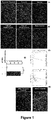
- a liposome-based transfection method was established for efficient delivery of miRNAs into hiPSC-CMs.
- the methodology and the results of evaluation are presented in Figure 1 :
- hiPSC-CM human cardiomyocytes
- iPSC induced pluripotent stem cells
- a liposome-based transfection method was established to efficiently deliver miRNAs into hiPSC-CM (see Figure 1B-D ).
- FAM-miR fluorescent-labelled miRNAs
- FAM-microRNA transfected hiPSC-CMs further underwent FACS-analysis that confirmed efficient transfection (see Figure 1C-D ). Furthermore, transfection with silencing RNAs (siRNAs) inducing cell death substantially initiated a cell-death phenotype at 48 hours (see Figure 1E ).
- siRNAs silencing RNAs
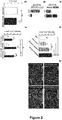
- hsa-miR-1825 a miRNA that is known to induce proliferation in murine cardiomyocytes, was used to test proliferative capacity in human iPSC-CMs.
- Transfection with miR-mimic-1825 increased incorporation of 5-Ethynyl-2-deoxyuridin (EdU) in a dose dependent manner (see Figures 2C, 2D ).
- EdU 5-Ethynyl-2-deoxyuridin
- a protocol that mimics ischemia/reperfusion in hiPSC-CMs in vitro by exposing hiPSC-CMs to transient hypoxia increased cell-cycle reentry after miR-mimic-1825 transfection that was not observed after miR-scrambled transfection (see Figure 2F ).
- RT-qPCR showed significant increase of miR-1825 abundance after overexpression and downregulation of endogenous miR-195 after anti-miR-195 treatment (see Figures 2A, 2B ), supporting efficient overexpression and downregulation of miRNAs using miRNA-mimics and anti-miRNAs, respectively.
- a functional high-throughput screening was performed in human iPSC-CM with the library of miRNA-mimics and anti-miRNAs.
- the resulting proliferative activity of miRNA-transfected human iPSC-CMs was assessed by EdU and the results are shown in Figures 3 :
- the high-throughput screening was performed by using a miRNA-library consisting of 2019 miR-mimics and miR-inhibitors (anti-miRNAs) (Ambion; mirVana Human Library v19.0) in parallel screenings.
- each miRNA of the library was robotically transferred to a 384- well pre-plated with hiPSC-CMs.
- miR-199b-5p overexpression of miR-199b-5p induced the highest proliferative activity ( Figure 3G ).
- miR-199b is known to mitigate pathological remodeling and fibrosis and therefore was not considered for further investigation.
- miR-148a-3p/miR-148b-3p miRNA-148 family
- miR-212-3p/miR-132-3p miRNA 212/132 family
- chromosome 19 miR- cluster C19MC; hsa-miR-515-3p, hsa-miR-519e-3p, hsa-miR-517c-3p
- miR-371-3 cluster hsa-miR-371a-3p, hsa-miR-371b-3p
- This primate-specific cluster represents one of the largest gene cluster of human miRNAs.
- Members of the C19MC are expressed in the placenta and in undifferentiated cells. In human embryonic stem cells (hESCs), this cluster is markedly upregulated as compared to non-hESCs, indicating an important role for dedifferentiation.
- CDKN1A cyclin-dependent kinase inhibitor 1A
- CDKN1A is an important cell cyclin-dependent kinase (CDK)- inhibitor that regulates cell proliferation and G1/S transition.
- CDK cyclin-dependent kinase
- members of the C19MC are also involved in extracellular matrix composition that is known to impact on regenerative capacity of the heart.
- miRNAs that belong to the C19MC cluster regulate proliferation, immunomodulation and extracellular matrix composition, biological features that are also highly relevant for cardiac regeneration. Therefore, the three C19MC-associated miRNAs with the highest proliferative activity in the high-throughput screening, namely hsa-miR-515-3p, hsa-miR-519e-3p and hsa-miR-371a-3p were further investigated for induction of human cardiomyocyte proliferation.
- the mitosis marker histone H3P was analyzed.
- the results are shown in Figure 5 : Treatment with miR-515-3p, miR-519e-3p and miR-371a-3p-mimic increased H3P-positive hiPSC-CM as compared to miR-scrambled treated hiPSC-CMs (see Figure 5A ).
- a transient period of hypoxia as compared to normoxia, increased the number of H3P-positive hiPSC-CM in miR-519e-3p and miR-515-3p-mimic transfected hiPSC-CMs (see Figure 5B and 5C ).
- miR-515-3p, miR-519e-3p and miR-371a-3p induce cardiomyocyte proliferation.
- miR-515-3p and miR-519e-3p showed a more pronounced induction of proliferative activity under transient hypoxia as compared to miR-371a-3p, the further experiments focused on these two miRNAs.
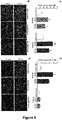
- miRNAs were transfected with increasing concentrations, the results are shown in Figure 6 .
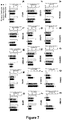
- Cardiomyocyte proliferation is regulated by genes that are necessary for cell-cycle reentry. Therefore, positive and negative cell cycle regulators using RT-qPCR after transfection of hiPSC-CM with miR-515-3p and miR-519e-3p-mimic were assessed. The results are shown in Figure 7 : A marked decrease in expression of cyclin-dependent kinase inhibitor 1A (CDKN1A) after miR-515-3p and miR-519e-3p-mimic transfection was shown. Similarly, downregulation of CDKN1B was observed. Importantly, miR-515-3p and miR-519e-3p-mimic-transfected hiPSC-CMs showed a substantial increase in Cyclin A2 (CCNA2) expression.
- CDKN1A cyclin-dependent kinase inhibitor 1A
- CDKN1B Cyclin A2
- Cyclin A2 is a key regulator of cell cycle through G1-S and G2-M phase.
- the cell-cycle activator Cyclin B1 (CCNB1) was markedly upregulated, whereas Cyclin D2 (CCND2) did not show a differential expression.
- genes that are involved in the Hippo-signaling pathway such as LATS1 and MOB1B were significantly downregulated after miR-515-3p and miR-519e-3p-mimic transfection.
- sarcomeric genes that are involved in structural maturation such as Myosin light chain-2 (MYL-2), Myosin light chain-7 (MYL-7) and Myomesin 3 (MYOM-3) were markedly downregulated.
- NPPA Natriuretic Peptide A
- NPPB Natriuretic Peptide B
- the investigated miRNAs - miR-515-3p and miR-519e-3p - are primate- specific and therefore not expressed in mammals.
- miR-515-3p and miR-519e-3p are also relevant for cardiomyocytes proliferation in non-primate cardiomyocytes.
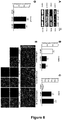
- hsa-miR-515-3p and hsa-miR-519e-3p were tested in mouse cardiomyocytes. The results are shown in Figure 9 : Cardiomyocytes were isolated from mice at day three after birth (P3).
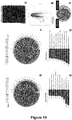
- RNA-Sequencing was performed after overexpression of miR-515-3p and miR- 519e-3p in hiPSC-CM. The results are shown in Figure 10 : As expected, regulated genes after miR-515-3p and miR-519-3p-mimic transfection show an extensive overlap, with 890 shared regulated genes (see Figures 10 A) .
- cell cycle genes such as Cyclins (CCNB1, CCNB2, CCNA2), Kif family members (KIF4a, KIF20A, KIFC1, KIF2C, KIF11) and cytokinesis genes such as Aurora (AURKA, AURKB) and NUSAP1 belong to the most significantly upregulated genes derived from the RNA-Seq (see Figure 10 G) .
- most of the genes that are regulated by YAP are upregulated after miR-515 or miR-519e-3p overexpression in human iPSC-CMs, such as ANLN, BIRC5, CDC20, CENPF, ECT2GAS2L3, KIF23, NUSAP1, TOPA2.
- miRNA- candidates derived from the screen belong to the primate-specific chromosome 19 miR-cluster (C19MC), that is expressed predominantly in placental tissue and adjacent miR-371-3 cluster.
- C19MC primate-specific chromosome 19 miR-cluster
- Experimental and clinical studies revealed that miRNA-members of the C19MC are involved in biological processes relating to proliferation, migration, differentiation, extracellular matrix composition and immunomodulation. Thereby, it is comprehensible that these miRNAs are important for cardiomyocyte proliferation due to their involvement of biological processes that are key factors for cardiac regeneration.
- miR-515-3p and miR-519e-3p substantially enhance expression of cell-cycling markers in human iPSC-CM. Importantly, transient hypoxia further increased incorporation and labeling of early and late mitosis markers.
- Aurora B a protein kinase mandatory for cytokinesis, was strongly upregulated in miR-515-3p and hsa-miR-519e-3p-mimic treated human iPSC-CMs.
- RNA-Seq RNA-Seq
- miR-515-3p and miR-519e-3p used as a medicament according to the present invention can force human cardiomyocytes to divide and therefore be used as a potential therapy for cardiac regeneration.
Landscapes
- Health & Medical Sciences (AREA)
- Engineering & Computer Science (AREA)
- Life Sciences & Earth Sciences (AREA)
- Genetics & Genomics (AREA)
- Biomedical Technology (AREA)
- Bioinformatics & Cheminformatics (AREA)
- Organic Chemistry (AREA)
- Chemical & Material Sciences (AREA)
- Zoology (AREA)
- Biotechnology (AREA)
- Wood Science & Technology (AREA)
- General Engineering & Computer Science (AREA)
- General Health & Medical Sciences (AREA)
- Molecular Biology (AREA)
- Microbiology (AREA)
- Biochemistry (AREA)
- Cardiology (AREA)
- Plant Pathology (AREA)
- Biophysics (AREA)
- Physics & Mathematics (AREA)
- Nuclear Medicine, Radiotherapy & Molecular Imaging (AREA)
- Public Health (AREA)
- General Chemical & Material Sciences (AREA)
- Medicinal Chemistry (AREA)
- Heart & Thoracic Surgery (AREA)
- Pharmacology & Pharmacy (AREA)
- Animal Behavior & Ethology (AREA)
- Chemical Kinetics & Catalysis (AREA)
- Veterinary Medicine (AREA)
- Rheumatology (AREA)
- Cell Biology (AREA)
- Medicines That Contain Protein Lipid Enzymes And Other Medicines (AREA)
- Pharmaceuticals Containing Other Organic And Inorganic Compounds (AREA)
- Micro-Organisms Or Cultivation Processes Thereof (AREA)
- Medicinal Preparation (AREA)
- Medicines Containing Material From Animals Or Micro-Organisms (AREA)
Priority Applications (6)
| Application Number | Priority Date | Filing Date | Title |
|---|---|---|---|
| EP20185192.0A EP3936616A1 (de) | 2020-07-10 | 2020-07-10 | Auf microrna gerichtete therapie für die herzreparatur |
| EP21742376.3A EP4179090A1 (de) | 2020-07-10 | 2021-07-09 | Mikro-rna-gerichtete therapie zur herzreparatur |
| US18/004,877 US20230242911A1 (en) | 2020-07-10 | 2021-07-09 | MicroRNA-TARGETED THERAPY FOR CARDIAC REPAIR |
| PCT/EP2021/069151 WO2022008716A1 (en) | 2020-07-10 | 2021-07-09 | MicroRNA-TARGETED THERAPY FOR CARDIAC REPAIR |
| JP2023501417A JP2023533556A (ja) | 2020-07-10 | 2021-07-09 | 心臓修復のためのマイクロrna標的療法 |
| EP25194793.3A EP4631570A3 (de) | 2020-07-10 | 2021-07-09 | Mikro-rna-gerichtete therapie zur herzreparatur |
Applications Claiming Priority (1)
| Application Number | Priority Date | Filing Date | Title |
|---|---|---|---|
| EP20185192.0A EP3936616A1 (de) | 2020-07-10 | 2020-07-10 | Auf microrna gerichtete therapie für die herzreparatur |
Publications (1)
| Publication Number | Publication Date |
|---|---|
| EP3936616A1 true EP3936616A1 (de) | 2022-01-12 |
Family
ID=71833126
Family Applications (3)
| Application Number | Title | Priority Date | Filing Date |
|---|---|---|---|
| EP20185192.0A Withdrawn EP3936616A1 (de) | 2020-07-10 | 2020-07-10 | Auf microrna gerichtete therapie für die herzreparatur |
| EP21742376.3A Withdrawn EP4179090A1 (de) | 2020-07-10 | 2021-07-09 | Mikro-rna-gerichtete therapie zur herzreparatur |
| EP25194793.3A Pending EP4631570A3 (de) | 2020-07-10 | 2021-07-09 | Mikro-rna-gerichtete therapie zur herzreparatur |
Family Applications After (2)
| Application Number | Title | Priority Date | Filing Date |
|---|---|---|---|
| EP21742376.3A Withdrawn EP4179090A1 (de) | 2020-07-10 | 2021-07-09 | Mikro-rna-gerichtete therapie zur herzreparatur |
| EP25194793.3A Pending EP4631570A3 (de) | 2020-07-10 | 2021-07-09 | Mikro-rna-gerichtete therapie zur herzreparatur |
Country Status (4)
| Country | Link |
|---|---|
| US (1) | US20230242911A1 (de) |
| EP (3) | EP3936616A1 (de) |
| JP (1) | JP2023533556A (de) |
| WO (1) | WO2022008716A1 (de) |
Families Citing this family (2)
| Publication number | Priority date | Publication date | Assignee | Title |
|---|---|---|---|---|
| US20250179485A1 (en) * | 2023-06-09 | 2025-06-05 | Aptamir Therapeutics, Inc. | Active targeting microrna oligonucleotide therapeutics for the treatment of cardio-metabolic diseases |
| WO2025170079A1 (ja) * | 2024-02-09 | 2025-08-14 | セルファクター株式会社 | 慢性炎症を抑制するための医薬組成物 |
Citations (6)
| Publication number | Priority date | Publication date | Assignee | Title |
|---|---|---|---|---|
| WO2013134416A1 (en) * | 2012-03-07 | 2013-09-12 | University Of Pittsburgh - Of The Commonwealth System Of Higher Education | Use of the chromosome 19 microrna cluster (c19mc) for treating microbial disease and promoting authophagy |
| EP2842577A1 (de) | 2010-03-12 | 2015-03-04 | Daiichi Sankyo Company, Limited | Verfahren zur Proliferation von Cardiomyozyten mithilfe von Mikro-RNA |
| WO2017210735A1 (en) * | 2016-06-07 | 2017-12-14 | Garvan Institute Of Medical Research | Methods of treating neuroblastoma and reagents therefor |
| WO2018183997A1 (en) | 2017-03-31 | 2018-10-04 | The Trustees Of The University Of Pennsylvania | Compositions and methods for cardiac regeneration |
| US10337002B2 (en) | 2011-12-23 | 2019-07-02 | International Centre For Genetic Engineering And Biotechnology—Icgeb | MicroRNAs for cardiac regeneration through induction of cardiac myocyte proliferation |
| EP3143123B1 (de) | 2014-05-16 | 2019-11-27 | The Trustees Of The University Of Pennsylvania | Microrna-induktion von kardialer regeneration |
Family Cites Families (3)
| Publication number | Priority date | Publication date | Assignee | Title |
|---|---|---|---|---|
| WO2013048734A1 (en) * | 2011-09-28 | 2013-04-04 | Tufts Medical Center, Inc. | Treatment and prevention of cardiovascular disease with cell derived lipid vesicles, microvesicles and exosomes |
| EP2785839A2 (de) * | 2011-11-30 | 2014-10-08 | University of Bremen | Expression von mirnas in plazentagewebe |
| WO2017181011A1 (en) * | 2016-04-15 | 2017-10-19 | Research Institute At Nationwide Children's Hospital | Adeno-associated virus vector delivery of microrna-29 to treat muscular dystrophy |
-
2020
- 2020-07-10 EP EP20185192.0A patent/EP3936616A1/de not_active Withdrawn
-
2021
- 2021-07-09 US US18/004,877 patent/US20230242911A1/en not_active Abandoned
- 2021-07-09 EP EP21742376.3A patent/EP4179090A1/de not_active Withdrawn
- 2021-07-09 EP EP25194793.3A patent/EP4631570A3/de active Pending
- 2021-07-09 JP JP2023501417A patent/JP2023533556A/ja active Pending
- 2021-07-09 WO PCT/EP2021/069151 patent/WO2022008716A1/en not_active Ceased
Patent Citations (6)
| Publication number | Priority date | Publication date | Assignee | Title |
|---|---|---|---|---|
| EP2842577A1 (de) | 2010-03-12 | 2015-03-04 | Daiichi Sankyo Company, Limited | Verfahren zur Proliferation von Cardiomyozyten mithilfe von Mikro-RNA |
| US10337002B2 (en) | 2011-12-23 | 2019-07-02 | International Centre For Genetic Engineering And Biotechnology—Icgeb | MicroRNAs for cardiac regeneration through induction of cardiac myocyte proliferation |
| WO2013134416A1 (en) * | 2012-03-07 | 2013-09-12 | University Of Pittsburgh - Of The Commonwealth System Of Higher Education | Use of the chromosome 19 microrna cluster (c19mc) for treating microbial disease and promoting authophagy |
| EP3143123B1 (de) | 2014-05-16 | 2019-11-27 | The Trustees Of The University Of Pennsylvania | Microrna-induktion von kardialer regeneration |
| WO2017210735A1 (en) * | 2016-06-07 | 2017-12-14 | Garvan Institute Of Medical Research | Methods of treating neuroblastoma and reagents therefor |
| WO2018183997A1 (en) | 2017-03-31 | 2018-10-04 | The Trustees Of The University Of Pennsylvania | Compositions and methods for cardiac regeneration |
Non-Patent Citations (3)
| Title |
|---|
| HASHIMOTO HISAYUKI ET AL: "Therapeutic approaches for cardiac regeneration and repair", NATURE REVIEWS CARDIOLOGY, NATURE PUBLISHING GROUP, GB, vol. 15, no. 10, 5 June 2018 (2018-06-05), pages 585 - 600, XP036592879, ISSN: 1759-5002, [retrieved on 20180605], DOI: 10.1038/S41569-018-0036-6 * |
| MARTA DIEZ-CUÑADO ET AL: "miRNAs that Induce Human Cardiomyocyte Proliferation Converge on the Hippo Pathway", CELL REPORTS, 1 May 2018 (2018-05-01), pages table S1, XP055754816, Retrieved from the Internet <URL:https://ars.els-cdn.com/content/image/1-s2.0-S2211124718306089-mmc2.xlsx> [retrieved on 20201127] * |
| MARTA DIEZ-CUÑADO ET AL: "miRNAs that Induce Human Cardiomyocyte Proliferation Converge on the Hippo Pathway", CELL REPORTS, vol. 23, no. 7, 1 May 2018 (2018-05-01), US, pages 2168 - 2174, XP055754350, ISSN: 2211-1247, DOI: 10.1016/j.celrep.2018.04.049 * |
Also Published As
| Publication number | Publication date |
|---|---|
| WO2022008716A1 (en) | 2022-01-13 |
| US20230242911A1 (en) | 2023-08-03 |
| JP2023533556A (ja) | 2023-08-03 |
| EP4179090A1 (de) | 2023-05-17 |
| EP4631570A2 (de) | 2025-10-15 |
| EP4631570A3 (de) | 2026-01-21 |
Similar Documents
| Publication | Publication Date | Title |
|---|---|---|
| Clark et al. | MicroRNAs in the myocyte enhancer factor 2 (MEF2)-regulated Gtl2-Dio3 noncoding RNA locus promote cardiomyocyte proliferation by targeting the transcriptional coactivator Cited2 | |
| US9944932B2 (en) | MiRNA molecule defined by its source and its diagnostic and therapeutic uses in diseases or conditions associated with EMT | |
| Sun et al. | Myocardial infarction-induced hippocampal microtubule damage by cardiac originating microRNA-1 in mice | |
| EP2794881B1 (de) | Mirna zur behandlung von kopf-hals-karzinom | |
| EP3143123B1 (de) | Microrna-induktion von kardialer regeneration | |
| Ma et al. | Cardiac over-expression of microRNA-1 induces impairment of cognition in mice | |
| US20140213633A1 (en) | Method for proliferation cardiomyocytes using micro-rna | |
| EP4631570A2 (de) | Mikro-rna-gerichtete therapie zur herzreparatur | |
| EP2886122B1 (de) | Mittel zur behandlung von krebs | |
| US20120059159A1 (en) | Differentiation therapy for sarcomas | |
| WO2011111715A1 (ja) | 細胞周期を制御する核酸 | |
| EP3822350A1 (de) | Rna-interferenz induzierende nukleinsäure, die nicht-kanonische targets von mikro-rna hemmt, und deren verwendung | |
| Karolina et al. | Riboregulators in kidney development and function | |
| EP4185693B1 (de) | Kombinatorische hemmung von transkriptionsfaktoren zur behandlung von herzversagen | |
| US20240417726A1 (en) | miRNA REPROGRAMMING OF SMOOTH MUSCLE CELLS INTO ENDOTHELIAL CELLS | |
| JP2008184450A (ja) | 間葉系細胞の分化抑制剤及び分化促進剤、並びに医薬及びスクリーニング方法 | |
| WO2024182435A1 (en) | Constructs for reprogramming of smooth muscle cells into endothelial cells | |
| WO2025213608A1 (zh) | 一种线粒体来源的miRNA及其在衰老相关疾病中的应用 | |
| Correia | Exploiting the Role of Long Non-Coding RNAs in the Direct Conversion of Fibroblasts into Functional Cardiomyocytes | |
| Turcekova | The role of combinatorial microRNA effects on differentiation and insulin signaling in primary skeletal muscle cells from mice and humans | |
| Armirotti et al. | Meritxell Pons-Espinal, Emanuela de Luca, Matteo Jacopo Marzi, 2 Ruth Beckervordersandforth, 3 | |
| Nguyen | The regulations of miR-30c-3-3p and its antitumor mechanism in ovarian cancer | |
| Maczuga et al. | Therapeutic expression of hairpins targeting Apolipoprotein B100 induces differential changes in murine liver | |
| Smith | Expression of MicroRNAs in the Bovine Corpus Luteum their Impact on Luteal Cell Function |
Legal Events
| Date | Code | Title | Description |
|---|---|---|---|
| PUAI | Public reference made under article 153(3) epc to a published international application that has entered the european phase |
Free format text: ORIGINAL CODE: 0009012 |
|
| STAA | Information on the status of an ep patent application or granted ep patent |
Free format text: STATUS: THE APPLICATION HAS BEEN PUBLISHED |
|
| AK | Designated contracting states |
Kind code of ref document: A1 Designated state(s): AL AT BE BG CH CY CZ DE DK EE ES FI FR GB GR HR HU IE IS IT LI LT LU LV MC MK MT NL NO PL PT RO RS SE SI SK SM TR |
|
| B565 | Issuance of search results under rule 164(2) epc |
Effective date: 20201208 |
|
| STAA | Information on the status of an ep patent application or granted ep patent |
Free format text: STATUS: THE APPLICATION IS DEEMED TO BE WITHDRAWN |
|
| 18D | Application deemed to be withdrawn |
Effective date: 20220713 |