EP3936627A1 - Neue oligonukleotide zum nachweis von staphylokokken - Google Patents
Neue oligonukleotide zum nachweis von staphylokokken Download PDFInfo
- Publication number
- EP3936627A1 EP3936627A1 EP20184339.8A EP20184339A EP3936627A1 EP 3936627 A1 EP3936627 A1 EP 3936627A1 EP 20184339 A EP20184339 A EP 20184339A EP 3936627 A1 EP3936627 A1 EP 3936627A1
- Authority
- EP
- European Patent Office
- Prior art keywords
- sequence
- seq
- staphylococcus
- nucleic acid
- nucleotide sequence
- Prior art date
- Legal status (The legal status is an assumption and is not a legal conclusion. Google has not performed a legal analysis and makes no representation as to the accuracy of the status listed.)
- Withdrawn
Links
- 241000191940 Staphylococcus Species 0.000 title claims abstract description 65
- 108091034117 Oligonucleotide Proteins 0.000 title claims abstract description 33
- JLCPHMBAVCMARE-UHFFFAOYSA-N [3-[[3-[[3-[[3-[[3-[[3-[[3-[[3-[[3-[[3-[[3-[[5-(2-amino-6-oxo-1H-purin-9-yl)-3-[[3-[[3-[[3-[[3-[[3-[[5-(2-amino-6-oxo-1H-purin-9-yl)-3-[[5-(2-amino-6-oxo-1H-purin-9-yl)-3-hydroxyoxolan-2-yl]methoxy-hydroxyphosphoryl]oxyoxolan-2-yl]methoxy-hydroxyphosphoryl]oxy-5-(5-methyl-2,4-dioxopyrimidin-1-yl)oxolan-2-yl]methoxy-hydroxyphosphoryl]oxy-5-(6-aminopurin-9-yl)oxolan-2-yl]methoxy-hydroxyphosphoryl]oxy-5-(6-aminopurin-9-yl)oxolan-2-yl]methoxy-hydroxyphosphoryl]oxy-5-(6-aminopurin-9-yl)oxolan-2-yl]methoxy-hydroxyphosphoryl]oxy-5-(6-aminopurin-9-yl)oxolan-2-yl]methoxy-hydroxyphosphoryl]oxyoxolan-2-yl]methoxy-hydroxyphosphoryl]oxy-5-(5-methyl-2,4-dioxopyrimidin-1-yl)oxolan-2-yl]methoxy-hydroxyphosphoryl]oxy-5-(4-amino-2-oxopyrimidin-1-yl)oxolan-2-yl]methoxy-hydroxyphosphoryl]oxy-5-(5-methyl-2,4-dioxopyrimidin-1-yl)oxolan-2-yl]methoxy-hydroxyphosphoryl]oxy-5-(5-methyl-2,4-dioxopyrimidin-1-yl)oxolan-2-yl]methoxy-hydroxyphosphoryl]oxy-5-(6-aminopurin-9-yl)oxolan-2-yl]methoxy-hydroxyphosphoryl]oxy-5-(6-aminopurin-9-yl)oxolan-2-yl]methoxy-hydroxyphosphoryl]oxy-5-(4-amino-2-oxopyrimidin-1-yl)oxolan-2-yl]methoxy-hydroxyphosphoryl]oxy-5-(4-amino-2-oxopyrimidin-1-yl)oxolan-2-yl]methoxy-hydroxyphosphoryl]oxy-5-(4-amino-2-oxopyrimidin-1-yl)oxolan-2-yl]methoxy-hydroxyphosphoryl]oxy-5-(6-aminopurin-9-yl)oxolan-2-yl]methoxy-hydroxyphosphoryl]oxy-5-(4-amino-2-oxopyrimidin-1-yl)oxolan-2-yl]methyl [5-(6-aminopurin-9-yl)-2-(hydroxymethyl)oxolan-3-yl] hydrogen phosphate Polymers Cc1cn(C2CC(OP(O)(=O)OCC3OC(CC3OP(O)(=O)OCC3OC(CC3O)n3cnc4c3nc(N)[nH]c4=O)n3cnc4c3nc(N)[nH]c4=O)C(COP(O)(=O)OC3CC(OC3COP(O)(=O)OC3CC(OC3COP(O)(=O)OC3CC(OC3COP(O)(=O)OC3CC(OC3COP(O)(=O)OC3CC(OC3COP(O)(=O)OC3CC(OC3COP(O)(=O)OC3CC(OC3COP(O)(=O)OC3CC(OC3COP(O)(=O)OC3CC(OC3COP(O)(=O)OC3CC(OC3COP(O)(=O)OC3CC(OC3COP(O)(=O)OC3CC(OC3COP(O)(=O)OC3CC(OC3COP(O)(=O)OC3CC(OC3COP(O)(=O)OC3CC(OC3COP(O)(=O)OC3CC(OC3COP(O)(=O)OC3CC(OC3CO)n3cnc4c(N)ncnc34)n3ccc(N)nc3=O)n3cnc4c(N)ncnc34)n3ccc(N)nc3=O)n3ccc(N)nc3=O)n3ccc(N)nc3=O)n3cnc4c(N)ncnc34)n3cnc4c(N)ncnc34)n3cc(C)c(=O)[nH]c3=O)n3cc(C)c(=O)[nH]c3=O)n3ccc(N)nc3=O)n3cc(C)c(=O)[nH]c3=O)n3cnc4c3nc(N)[nH]c4=O)n3cnc4c(N)ncnc34)n3cnc4c(N)ncnc34)n3cnc4c(N)ncnc34)n3cnc4c(N)ncnc34)O2)c(=O)[nH]c1=O JLCPHMBAVCMARE-UHFFFAOYSA-N 0.000 title 1
- 238000000034 method Methods 0.000 claims abstract description 54
- 150000007523 nucleic acids Chemical class 0.000 claims abstract description 51
- 108020004707 nucleic acids Proteins 0.000 claims abstract description 50
- 102000039446 nucleic acids Human genes 0.000 claims abstract description 50
- 101150099542 tuf gene Proteins 0.000 claims abstract description 25
- 230000003321 amplification Effects 0.000 claims abstract description 14
- 238000003199 nucleic acid amplification method Methods 0.000 claims abstract description 14
- 239000012472 biological sample Substances 0.000 claims abstract description 12
- 239000002773 nucleotide Substances 0.000 claims description 96
- 125000003729 nucleotide group Chemical group 0.000 claims description 96
- 241000894007 species Species 0.000 claims description 36
- 230000000295 complement effect Effects 0.000 claims description 25
- 238000007481 next generation sequencing Methods 0.000 claims description 22
- 238000012163 sequencing technique Methods 0.000 claims description 20
- 238000006243 chemical reaction Methods 0.000 claims description 13
- 241000894006 Bacteria Species 0.000 claims description 11
- 238000003757 reverse transcription PCR Methods 0.000 claims description 5
- 244000005714 skin microbiome Species 0.000 claims description 5
- 238000003753 real-time PCR Methods 0.000 claims 2
- 244000005702 human microbiome Species 0.000 claims 1
- 239000013615 primer Substances 0.000 abstract description 68
- 239000003155 DNA primer Substances 0.000 abstract description 6
- 108020004414 DNA Proteins 0.000 description 28
- 239000000523 sample Substances 0.000 description 16
- 238000003752 polymerase chain reaction Methods 0.000 description 15
- 244000005700 microbiome Species 0.000 description 14
- 108091028043 Nucleic acid sequence Proteins 0.000 description 11
- 241001464905 Staphylococcus saccharolyticus Species 0.000 description 10
- 108091032973 (ribonucleotides)n+m Proteins 0.000 description 8
- 210000001519 tissue Anatomy 0.000 description 8
- 241000191963 Staphylococcus epidermidis Species 0.000 description 7
- 239000000203 mixture Substances 0.000 description 7
- 108091093088 Amplicon Proteins 0.000 description 6
- 210000001124 body fluid Anatomy 0.000 description 6
- 239000010839 body fluid Substances 0.000 description 6
- 230000001815 facial effect Effects 0.000 description 6
- 241000192087 Staphylococcus hominis Species 0.000 description 5
- 230000001580 bacterial effect Effects 0.000 description 5
- 239000000872 buffer Substances 0.000 description 5
- 241001147736 Staphylococcus capitis Species 0.000 description 4
- 238000000137 annealing Methods 0.000 description 4
- 238000013459 approach Methods 0.000 description 4
- 238000005070 sampling Methods 0.000 description 4
- 238000004458 analytical method Methods 0.000 description 3
- 238000004925 denaturation Methods 0.000 description 3
- 230000036425 denaturation Effects 0.000 description 3
- 238000001514 detection method Methods 0.000 description 3
- 238000000746 purification Methods 0.000 description 3
- 239000002096 quantum dot Substances 0.000 description 3
- 238000010839 reverse transcription Methods 0.000 description 3
- 108700028369 Alleles Proteins 0.000 description 2
- 102000053602 DNA Human genes 0.000 description 2
- 108010014303 DNA-directed DNA polymerase Proteins 0.000 description 2
- 102000016928 DNA-directed DNA polymerase Human genes 0.000 description 2
- 102100034343 Integrase Human genes 0.000 description 2
- 241000736262 Microbiota Species 0.000 description 2
- 238000012408 PCR amplification Methods 0.000 description 2
- 206010036790 Productive cough Diseases 0.000 description 2
- 108010092799 RNA-directed DNA polymerase Proteins 0.000 description 2
- 238000001574 biopsy Methods 0.000 description 2
- 210000004369 blood Anatomy 0.000 description 2
- 239000008280 blood Substances 0.000 description 2
- 239000003153 chemical reaction reagent Substances 0.000 description 2
- 239000002299 complementary DNA Substances 0.000 description 2
- 239000002781 deodorant agent Substances 0.000 description 2
- 230000001419 dependent effect Effects 0.000 description 2
- 238000011161 development Methods 0.000 description 2
- 238000000605 extraction Methods 0.000 description 2
- 208000015181 infectious disease Diseases 0.000 description 2
- 230000000813 microbial effect Effects 0.000 description 2
- 210000002381 plasma Anatomy 0.000 description 2
- 238000002360 preparation method Methods 0.000 description 2
- 238000012545 processing Methods 0.000 description 2
- 108090000623 proteins and genes Proteins 0.000 description 2
- 238000011002 quantification Methods 0.000 description 2
- 230000002441 reversible effect Effects 0.000 description 2
- 210000002966 serum Anatomy 0.000 description 2
- 208000017520 skin disease Diseases 0.000 description 2
- 210000003802 sputum Anatomy 0.000 description 2
- 208000024794 sputum Diseases 0.000 description 2
- 210000002700 urine Anatomy 0.000 description 2
- XLYOFNOQVPJJNP-UHFFFAOYSA-N water Substances O XLYOFNOQVPJJNP-UHFFFAOYSA-N 0.000 description 2
- GUAHPAJOXVYFON-ZETCQYMHSA-N (8S)-8-amino-7-oxononanoic acid zwitterion Chemical compound C[C@H](N)C(=O)CCCCCC(O)=O GUAHPAJOXVYFON-ZETCQYMHSA-N 0.000 description 1
- 108020004465 16S ribosomal RNA Proteins 0.000 description 1
- 208000002874 Acne Vulgaris Diseases 0.000 description 1
- 208000031729 Bacteremia Diseases 0.000 description 1
- 206010005940 Bone and joint infections Diseases 0.000 description 1
- 241000186216 Corynebacterium Species 0.000 description 1
- 229920000742 Cotton Polymers 0.000 description 1
- 241000928573 Cutibacterium Species 0.000 description 1
- 102000004190 Enzymes Human genes 0.000 description 1
- 108090000790 Enzymes Proteins 0.000 description 1
- 241000282412 Homo Species 0.000 description 1
- 108090000988 Lysostaphin Proteins 0.000 description 1
- 102000016943 Muramidase Human genes 0.000 description 1
- 108010014251 Muramidase Proteins 0.000 description 1
- 108010062010 N-Acetylmuramoyl-L-alanine Amidase Proteins 0.000 description 1
- 108020005187 Oligonucleotide Probes Proteins 0.000 description 1
- 238000009004 PCR Kit Methods 0.000 description 1
- 102000008153 Peptide Elongation Factor Tu Human genes 0.000 description 1
- 108010049977 Peptide Elongation Factor Tu Proteins 0.000 description 1
- 108091036407 Polyadenylation Proteins 0.000 description 1
- 238000012300 Sequence Analysis Methods 0.000 description 1
- 206010062255 Soft tissue infection Diseases 0.000 description 1
- 241001147687 Staphylococcus auricularis Species 0.000 description 1
- 241001147698 Staphylococcus cohnii Species 0.000 description 1
- 241001033898 Staphylococcus equorum Species 0.000 description 1
- 241000191984 Staphylococcus haemolyticus Species 0.000 description 1
- 241001134656 Staphylococcus lugdunensis Species 0.000 description 1
- 241000507187 Staphylococcus massiliensis Species 0.000 description 1
- 241000681475 Staphylococcus pettenkoferi Species 0.000 description 1
- 241000191978 Staphylococcus simulans Species 0.000 description 1
- 241000192086 Staphylococcus warneri Species 0.000 description 1
- 108010006785 Taq Polymerase Proteins 0.000 description 1
- 229920004890 Triton X-100 Polymers 0.000 description 1
- 239000013504 Triton X-100 Substances 0.000 description 1
- 206010000496 acne Diseases 0.000 description 1
- 239000011543 agarose gel Substances 0.000 description 1
- 239000003242 anti bacterial agent Substances 0.000 description 1
- 229940088710 antibiotic agent Drugs 0.000 description 1
- 238000003556 assay Methods 0.000 description 1
- 238000003149 assay kit Methods 0.000 description 1
- 239000011324 bead Substances 0.000 description 1
- 210000004027 cell Anatomy 0.000 description 1
- 230000006037 cell lysis Effects 0.000 description 1
- 210000003850 cellular structure Anatomy 0.000 description 1
- 230000009089 cytolysis Effects 0.000 description 1
- 238000012217 deletion Methods 0.000 description 1
- 230000037430 deletion Effects 0.000 description 1
- 201000010099 disease Diseases 0.000 description 1
- 208000037265 diseases, disorders, signs and symptoms Diseases 0.000 description 1
- BNIILDVGGAEEIG-UHFFFAOYSA-L disodium hydrogen phosphate Chemical compound [Na+].[Na+].OP([O-])([O-])=O BNIILDVGGAEEIG-UHFFFAOYSA-L 0.000 description 1
- 229910000397 disodium phosphate Inorganic materials 0.000 description 1
- 235000019800 disodium phosphate Nutrition 0.000 description 1
- 239000003814 drug Substances 0.000 description 1
- 230000009977 dual effect Effects 0.000 description 1
- 238000010828 elution Methods 0.000 description 1
- 238000006911 enzymatic reaction Methods 0.000 description 1
- 229940088598 enzyme Drugs 0.000 description 1
- 235000013305 food Nutrition 0.000 description 1
- 238000007672 fourth generation sequencing Methods 0.000 description 1
- 239000001963 growth medium Substances 0.000 description 1
- 230000036074 healthy skin Effects 0.000 description 1
- 239000007943 implant Substances 0.000 description 1
- 238000003780 insertion Methods 0.000 description 1
- 230000037431 insertion Effects 0.000 description 1
- 229960000274 lysozyme Drugs 0.000 description 1
- 235000010335 lysozyme Nutrition 0.000 description 1
- 239000004325 lysozyme Substances 0.000 description 1
- 239000000463 material Substances 0.000 description 1
- 239000011159 matrix material Substances 0.000 description 1
- 230000007246 mechanism Effects 0.000 description 1
- 108020004999 messenger RNA Proteins 0.000 description 1
- 229910000402 monopotassium phosphate Inorganic materials 0.000 description 1
- 235000019796 monopotassium phosphate Nutrition 0.000 description 1
- 238000010606 normalization Methods 0.000 description 1
- 239000002751 oligonucleotide probe Substances 0.000 description 1
- PJNZPQUBCPKICU-UHFFFAOYSA-N phosphoric acid;potassium Chemical compound [K].OP(O)(O)=O PJNZPQUBCPKICU-UHFFFAOYSA-N 0.000 description 1
- 102000004169 proteins and genes Human genes 0.000 description 1
- 238000012175 pyrosequencing Methods 0.000 description 1
- 238000011867 re-evaluation Methods 0.000 description 1
- 239000011541 reaction mixture Substances 0.000 description 1
- 238000007480 sanger sequencing Methods 0.000 description 1
- 239000001488 sodium phosphate Substances 0.000 description 1
- 210000004872 soft tissue Anatomy 0.000 description 1
- 238000006467 substitution reaction Methods 0.000 description 1
- 210000004243 sweat Anatomy 0.000 description 1
- 238000003786 synthesis reaction Methods 0.000 description 1
- 238000012360 testing method Methods 0.000 description 1
- 238000005382 thermal cycling Methods 0.000 description 1
- 230000000699 topical effect Effects 0.000 description 1
- 230000001052 transient effect Effects 0.000 description 1
- 238000009966 trimming Methods 0.000 description 1
- 208000010603 vasculitis due to ADA2 deficiency Diseases 0.000 description 1
Images

Classifications
-
- C—CHEMISTRY; METALLURGY
- C12—BIOCHEMISTRY; BEER; SPIRITS; WINE; VINEGAR; MICROBIOLOGY; ENZYMOLOGY; MUTATION OR GENETIC ENGINEERING
- C12Q—MEASURING OR TESTING PROCESSES INVOLVING ENZYMES, NUCLEIC ACIDS OR MICROORGANISMS; COMPOSITIONS OR TEST PAPERS THEREFOR; PROCESSES OF PREPARING SUCH COMPOSITIONS; CONDITION-RESPONSIVE CONTROL IN MICROBIOLOGICAL OR ENZYMOLOGICAL PROCESSES
- C12Q1/00—Measuring or testing processes involving enzymes, nucleic acids or microorganisms; Compositions therefor; Processes of preparing such compositions
- C12Q1/68—Measuring or testing processes involving enzymes, nucleic acids or microorganisms; Compositions therefor; Processes of preparing such compositions involving nucleic acids
- C12Q1/6876—Nucleic acid products used in the analysis of nucleic acids, e.g. primers or probes
- C12Q1/6888—Nucleic acid products used in the analysis of nucleic acids, e.g. primers or probes for detection or identification of organisms
- C12Q1/689—Nucleic acid products used in the analysis of nucleic acids, e.g. primers or probes for detection or identification of organisms for bacteria
-
- C—CHEMISTRY; METALLURGY
- C12—BIOCHEMISTRY; BEER; SPIRITS; WINE; VINEGAR; MICROBIOLOGY; ENZYMOLOGY; MUTATION OR GENETIC ENGINEERING
- C12Q—MEASURING OR TESTING PROCESSES INVOLVING ENZYMES, NUCLEIC ACIDS OR MICROORGANISMS; COMPOSITIONS OR TEST PAPERS THEREFOR; PROCESSES OF PREPARING SUCH COMPOSITIONS; CONDITION-RESPONSIVE CONTROL IN MICROBIOLOGICAL OR ENZYMOLOGICAL PROCESSES
- C12Q2600/00—Oligonucleotides characterized by their use
- C12Q2600/156—Polymorphic or mutational markers
Definitions
- the present invention relates to the field of nucleic acid amplification. More particularly, the invention relates to oligonucleotide primers for amplifying the sequence or part of the sequence of a Staphylococcus tuf gene. In another aspect, the invention relates to a method for identifying one or more Staphylococcus species and/or strains which are present in a biological sample, such as a skin swab. In yet another aspect, the invention relates to the use of an oligonucleotide primer of the present invention for amplifying the sequence or part of the sequence of a Staphylococcus tuf gene. Kits which comprise an oligonucleotide primer of the present invention are also provided for carrying out the methods of the invention.
- Coagulase-negative staphylococcal species constitute an important part of the human skin microbiome.
- facultative anaerobic species such as Staphylococcus epidermidis and Staphylococcus capitis can be found on the skin of almost every human being.
- the CoNS species S. epidermidis, S. capitis and S. hominis occupy virtually every human skin site [1, 2].
- Other CoNS species such as S. haemolyticus, S. warneri , S. cohnii, S. simulans, S. auricularis, S. lugdunensis, S.
- S. pettenkoferi can be found in lower amounts, varying from person to person and skin site to skin site [3-7].
- Some other CoNS species such as S. equorum are primary found in food products [8], but are also transient colonizers of human skin.
- NGS next-generation sequencing
- the detection and quantification of bacterial species, and in particular Staphylococcus species, in the skin microbiome of an individual is of utmost importance for understanding the mechanisms which contribute to the development of skin diseases or conditions like acne. It is assumed that in healthy skin, the different Staphylococcus species are well balanced with respect to each other and that disturbing this balance is causative for or at least contributes to the development of diseases. Accordingly, it is important to detect the different Staphylococcus species that occur on the skin of an individual and to determine their relative abundances to be able to provide methods for treating, ameliorating or preventing skin conditions which are tailored to the respective individual. Stated differently, the overall objective is a step towards personalized skin care.
- Amplicon NGS approaches available to date for determining Staphylococcus species have made an essential contribution to reaching this objective.
- further improvements are required on the level of the means and methods that are used for detection.
- the primers used in commonly available amplicon NGS methods are able to detect only some species reliably while other species are not detected at all.
- Amplicon NGS techniques used for determining the Staphylococcus species in a given sample therefore provide an incomplete and hence incorrect picture of the microbiome that is analyzed. Therefore, methods are needed which allow for a more diverse detection of Staphylococcus species in a sample.
- primers target the tuf gene, a gene that is present in all Staphylococcus species and encodes the elongation factor Tu.
- the primers described herein have been found to amplify part of the tuf gene sequence of essentially all Staphylococcus species that commonly occur on human skin. Consequently, it is possible to employ these primers in a universal approach that aims at the identification of all Staphylococcus species that are commonly present in a sample to be analyzed.
- the invention relates to an oligonucleotide primer comprising:
- the primer comprises the nucleotide sequence of SEQ ID NO:1 or its complement. In another preferred embodiment, the primer comprises the nucleotide sequence of SEQ ID NO:2 or its complement.
- a limited degree of sequence variation relative to the nucleotide sequence of SEQ ID NO:1 or SEQ ID NO:2 or their complements may occur without affecting the functionality of the oligonucleotide primers.
- sequence variants may be used having one or more (e.g. 1, 2, 3) substitutions, insertions or deletions of nucleotides relative to the sequence of SEQ ID NO:1 or SEQ ID NO:2 or their complements.
- the variant will have at least 85% sequence identity to the sequence of SEQ ID NO:1 or SEQ ID NO:2 or their complements, preferably at least 86%, 87%, 88%, 89%, 90%, 91%, 92%, 93%, 94%, 95%, 96%, 97%, 98%, or 99% sequence identity.
- the oligonucleotide probe consists of the sequence of SEQ ID NO:1 or SEQ ID NO:2.
- the invention relates to an oligonucleotide primer that comprises or consists of
- oligonucleotide denotes a molecule consisting of at least 5 nucleotides, and preferably at least 10, 15, 20, 25, 30 or 35 nucleotides.
- the length of the molecule will be up to 35 nucleotides, preferably up to 40, 45, 50, 55, 60, 65, 70, 75 or 80 nucleotides.
- an oligonucleotide as defined herein will have a length of 10-70, more preferably 10-50, 15-50, 20-50 or 25-50 nucleotides.
- the oligonucleotide primer of the present invention may include one or more sequences that are not complementary to the Staphylococcus target sequence, such as sequencing adaptors.
- the primer of the invention comprises adapter sequences for NGS. Suitable NGS adapter sequences are known in the art and comprise, e.g. the adapters used in the Illumina NGS sequencing kits.
- Primer sequences with NGS adapter sequences are exemplary set forth in SEQ ID NO:3 and SEQ ID NO:4.
- the invention also relates to an oligonucleotide primer comprising:
- the invention relates to an oligonucleotide primer comprising or consisting of:
- the primer of the invention consists of a sequence of any of SEQ ID NOs:1-4.
- the primers depicted in SEQ ID NOs:1 and 3 are forward primers which can be combined with corresponding reverse primers so as to form a primer pair that can be used for the amplification of the target sequence.
- the primers depicted in SEQ ID NOs:2 and 4 are reverse primers.
- the primer of SEQ ID NO:1 is used in combination with the primer of SEQ ID NO:2
- the primer of SEQ ID NO:3 is used in combination with the primer of SEQ ID NO:4.
- the invention relates to a method for amplifying the sequence or part of the sequence of a Staphylococcus tuf gene, said method comprising:
- nucleic acid is obtained from bacteria of the genus Staphylococcus.
- the nucleic acid can be DNA, RNA or a mixture of DNA and RNA.
- the nucleic acid which is subjected to the method of the invention will comprise DNA derived from bacteria of the genus Staphylococcus, more preferably genomic DNA.
- the nucleic acid used for amplification preferably contains nucleic acids, preferably genomic DNA molecules, from more than one Staphylococcus species or strain, i.e. from two, three, four, five or more Staphylococcus species or strains. This means that the nucleic acid used in step (a) of the method of the second aspect of the invention can be a mixture of nucleic acids derived from different Staphylococcus species or strains.
- the nucleic acid may be genomic DNA isolated from a group of bacteria that are present colonizes a tissue, a tissue surface, e.g. the skin surface, or a body fluid of a subject, preferably a human subject.
- the nucleic acid can be a mixture of nucleic acids of the bacteria that form the microbiome of a specific tissue, tissue surface, or body fluid.
- the term microbiome refers to the entirety of bacterial species that colonize a particular area of the skin, e.g. the facial skin.
- the nucleic acid used in step (a) of the method of the second aspect of the invention is genomic DNA of the microbiome of the human skin, more preferably the human facial skin or the skin of the back or armpit.
- the nucleic acid is genomic DNA of the microbiome of a body fluid.
- body fluid may include whole blood, blood serum, blood plasma, urine, sputum, bronchial lavage, liquor, and the like.
- Samples of the microbiome of a tissue or body fluid can be obtained by commonly known methods, e.g. biopsy, venipuncture and nasal or skin swabs.
- the nucleic acid sample is genomic DNA isolated from the microbiome of the human skin, such as the facial skin or the skin of the back or armpit.
- the microbiome sample preferably is a nasal or skin swab.
- the nucleic acid of the bacteria that are present in the sample can be obtained by using commonly available kits, e.g. kits for the purification of DNA or RNA (available e.g. from Qiagen, Hilden, Germany). These kits normally provide for the lysis of the bacterial cells in the sample, selective binding of the genomic DNA to a matrix, purification of the bound DNA by removal of proteins and other cell components, and elution of the purified genomic DNA. Methods of isolating and purifying genomic DNA from bacteria are well known to a person of skill.
- the nucleic acid obtained in step (a) is amplified by use of at least one oligonucleotide primer as defined hereinabove, i.e. an oligonucleotide primer comprising:
- the nucleic acid is amplified in step (b) by using both (i) a primer comprising the nucleotide sequence of SEQ ID NO:1 (or the complement thereof) or a sequence which is at least 85% or at least 90% identical to any of those, and (ii) a primer comprising the nucleotide sequence of SEQ ID NO:2 (or the complement thereof) or a sequence which is at least 85% or at least 90% identical to any of those. Accordingly, it is preferred that the nucleic acid is amplified in step (b) with both (i) a primer comprising the nucleotide sequence of SEQ ID NO:1 (or the complement thereof) or a sequence which is at least 85% or at least 90% identical to any of those, and (ii) a primer comprising the nucleotide sequence of SEQ ID NO:2 (or the complement thereof) or a sequence which is at least 85% or at least 90% identical to any of those. Accordingly, it is preferred that the nucleic acid is amplified in step
- the amplification can be achieved by a polymerase chain reaction (PCR).
- a PCR is an enzymatic reaction for increasing the amount or concentration of a DNA sequence which is catalyzed by a thermostable DNA-dependent DNA polymerase.
- the primers are complementary to one strand of the double-stranded target sequence.
- the double-stranded target sequence is denatured so as to allow annealing of the primers.
- the primers are extended by means of the DNA polymerase to form a new pair of complementary strands. The steps of denaturation, primer annealing, and polymerase extension are repeated several times, e.g.
- PCR amplification methods are well-known to the skilled person, and PCR kits are purchasable from many different manufacturers.
- the oligonucleotide primers defined above can be used for amplification of a part of the Staphylococcus tuf gene.
- the oligonucleotide primers of the present invention may also be used in an RT-PCR reaction.
- the first step of the amplification is a reverse transcription reaction (RT).
- RT reverse transcription reaction
- the RNA is transcribed into cDNA by means of a reverse transcriptase enzyme.
- Reverse transcription can be achieved by use of a sequence specific primer or an oligo-d(T) primer which is complementary to the poly (A) tail of the RNA.
- the cDNA generated by the reverse transcriptase is then used as a template in a subsequent PCR reaction.
- RT-PCR An amplification reaction comprising a reverse transcription reaction and a subsequent PCR amplification reaction is referred to as "RT-PCR" herein.
- the RT-PCR can be performed as a one-step or two-step RT-PCR.
- the primers defined above can be used for specifically amplifying the Staphylococcus tuf gene when starting from a RNA preparation that was derived from a microbiome that is colonized by Staphylococcus species and/or strains.
- the amplified nucleic acid obtained from step (b) is subjected to sequencing which means that the nucleotide sequence of the amplicons derived from step (b) is determined.
- sequencing any method known in the art for sequencing nucleic acids, in particular DNA, can be used including Maxam-Gilbert sequencing, Sanger sequencing, Shotgun sequencing, and next-generation sequencing (NGS), pyrosequencing, nanopore sequencing and the like.
- NGS next-generation sequencing
- the sequencing step is performed by NGS, for example, by the sequencing-by-synthesis (SBS) technology of Illumina. Sequencing kits for NGS are available from many different manufacturers.
- the invention further relates to a method for identifying one or more Staphylococcus species and/or strains which are present in a biological sample, comprising
- the method of the third aspect of the invention comprises all steps of the method of the second aspect of the invention (with the sequencing step being mandatory) and, in addition, steps in which the sequences are compared to reference sequences, i.e. known sequences of the tuf gene of a defined Staphylococcus species and/or strain.
- Steps (a)-(c) of the method of the third aspect of the invention are carried out as described in relation to steps (a)-(c) of the method of the second aspect of the invention.
- the nucleic acid sequences determined in step (c) are compared to reference sequences from a plurality of different Staphylococcus species and/or strains.
- the sequences determined in step (c) can be compared to a database that harbours the nucleotide sequences of a plurality of tuf genes derived from different Staphylococcus species and/or strains.
- the database will contain at least 10, least 20, least 30, least 40, least 50, least 60, least 70, least 80 or more different complete or partial tuf gene sequences derived from different Staphylococcus species and/or strains.
- a suitable database is provided in the attached sequence listing that comprises the nucleotide sequences of 96 tuf genes. Accordingly, in a preferred embodiment, the sequences determined in step (c) of the above method are compared with two or more of the reference sequences set forth in SEQ ID NOs:5-100, more preferably with at least 5, at least 10, at least 15, at least 20, at least 25, at least 30, at least 35, at least 40, at least 45, at least 50, least 55, at least 60, at least 65, at least 70, at least 75, least 80, at least 85, at least 90, at least 95 or more of these sequences. It is particularly preferred that the sequences determined in step (c) of the method of the third aspect of the invention are compared with a database which harbours all of the nucleotide sequences set forth in SEQ ID NOs:5-100.
- sequences determined in step (c) can also be compared to a freely accessible database that comprises all different types of genomic DNA sequences from different bacterial organisms, such as the GenBank database.
- a sequence determined in step (c) of the method to a specific Staphylococcus reference sequence derived from a defined Staphylococcus species or strain, thereby identifying the species and/or strains.
- a nucleotide sequence determined in step (c) of the claimed method can be assigned to a specific Staphylococcus reference sequence if the sequence identity on the nucleotide level is at least 98%, preferably at least 99%.
- the nucleotide sequence determined in step (c) of the above method can be assigned to a specific Staphylococcus reference sequence if the sequence identity on the nucleotide level is 100%.
- the sequence identity is determined over a length of at least 50 nucleotides, more preferably at least 100 nucleotides, at least 150 nucleotides, at least 200 nucleotides, at least 250 nucleotides, at least 300 nucleotides, at least 350 nucleotides, at least 400 nucleotides, or at least 450 nucleotides of the tuf gene.
- the nucleotide sequence determined in step (c) of the claimed method can be assigned to a specific Staphylococcus reference sequence if the sequence identity on the nucleotide level is at least 98% over a length of at least 200 nucleotides, more preferably at least 300 nucleotides, and even more preferably at least 400 nucleotides.
- sequence identity of at least 98% is measured over a length of between 200-400 nucleotides, preferably between 200-300 nucleotides.
- the nucleotide sequence determined in step (c) of the claimed method can be assigned to a specific Staphylococcus reference sequence if the sequence identity on the nucleotide level is at least 99% over a length of at least 200 nucleotides, more preferably at least 300 nucleotides, and even more preferably at least 400 nucleotides.
- sequence identity of at least 99% is measured over a length of between 200-400 nucleotides, preferably between 200-300 nucleotides.
- the nucleotide sequence determined in step (c) of the claimed method can be assigned to a specific Staphylococcus reference sequence if the sequence identity on the nucleotide level is at least 100% over a length of at least 200 nucleotides, more preferably at least 300 nucleotides, and even more preferably at least 400 nucleotides.
- sequence identity of at least 100% is measured over a length of between 200-400 nucleotides, preferably between 200-300 nucleotides.
- Sequence identity between two or more nucleotide sequences can be determined by using mathematical algorithms. Algorithm used sequences comparison are well know in the art and include the algorithm of Karlin and Altschul, 1990, Proc. Natl. Acad. Sci. USA 87:2264-2268 , and the modified algorithm of Karlin and Altschul, 1993, Proc. Natl. Acad. Sci. USA 90:5873-5877 . These algorithms are incorporated into the NBLAST and XBLAST programs of Altschul et al., 1990, J. Mol. Biol. 215:403-410 .
- Another example of a mathematical algorithm that can be used for the comparison of nucleotide sequences is the algorithm of Myers and Miller, CABIOS (1989 ). This algorithm is used in the ALIGN program (version 2.0) which is part of the GCG sequence alignment software package. Additional algorithms for sequence analysis include FASTA ( Pearson and Lipman, 1988, Proc. Natl. Acad. Sci. USA 85:2444-8 ).
- sequences are usually aligned for optimal comparison. For example, gaps can be introduced in the sequence of a first nucleotide sequence for optimal alignment with a second nucleotide sequence. The nucleotides at corresponding nucleotide positions are then compared. If identical nucleotides occur in corresponding positions in the first and second nucleotide sequence, the sequences are identical at that position.
- step (c) of the above method of the third aspect of the invention By assigning all of the sequences identified in step (c) of the above method of the third aspect of the invention to a single Staphylococcus reference sequence of a defined species or strain, it is possible to determine all the different Staphylococcus species and/or strains that occur within the microbiome from which the ample was derived. In this way, it is possible to identify essentially all of the distinct Staphylococcus species and/or strains that occur, e.g. on a defined skin area of an individual, such as the facial skin.
- the method can also b adapted to provide a quantitative identification.
- a “qualitative” identification means that the different nucleotide sequences determined in step (c) of the method are assigned to a defined Staphylococcus species and/or strain such that all species and/or strains present in the original sample are determined.
- a “quantitative” identification means that not only the occurrence of a species and/or strain I determined, but also the relative or absolute abundance of the respective species and/or strain.
- the relative abundance of a Staphylococcus species on the skin For example, it is known that a high concentration of the species S. hominis on the skin of the armpit is regularly associated with an unpleasant sweat odour, whereas S. epidermidis produces significantly less odour. Accordingly, knowledge of the relative abundances of S. hominis and S. epidermidis on this particular skin area of an individual can assist in the selection of a deodorant that is most suitable for the individual. For example, if the above method of the third aspect of the invention reveals that the concentration of S. hominis is high, a stronger deodorant can be selected for this individual. In this way, the method can contribute to a personalized skin care.
- the invention also relates to the use of an oligonucleotide primer as defined above for amplifying the sequence or part of the sequence of a Staphylococcus tuf gene.
- Such use may include, as indicated elsewhere herein, the amplification of nucleic acid obtained from a mixture of Staphylococcus species and/or strains in order to identify and distinguish those species and/or strains from each other.
- the invention also relates to the use of an oligonucleotide primer as defined above for determining the composition of the Staphylococcus population that occurs within a given microbiome of an individual, i.e. the microbiome of the facial skin.
- the determination can be a qualitative and/or quantitative determination.
- the invention relates to a method for identifying the presence of Staphylococcus saccharolyticus in a biological sample, said method comprising
- the biological sample can be a tissue sample, such as a tissue biopsy or swab, or a body fluid sample, such as whole blood, blood serum, blood plasma, urine, sputum, bronchial lavage, liquor, and the like.
- the biological sample is a tissue swab, such as a swab of the facial skin or the skin of the back or armpit.
- the invention relates to a kit for amplifying the sequence or part of the sequence of a Staphylococcus tuf gene, said kit comprising
- the invention also pertains to a kit for carrying out any of the methods referred to hereinabove.
- the kit comprises at least one of the oligonucleotide primers of the invention, e.g. an oligonucleotide primer comprising or consisting of the nucleotide sequence of SEQ ID NO:1 or an oligonucleotide primer comprising or consisting of the nucleotide sequence of SEQ ID NO:2.
- the kit includes a first oligonucleotide primer comprising: a) the nucleotide sequence of SEQ ID NO:1; or b) a sequence which is at least 85%, preferably at least 85%, preferably at least 90%, identical to the nucleotide sequence of SEQ ID NO:1; or c) the complement of (a) or (b); and a second primer comprising a) the nucleotide sequence of SEQ ID NO:2; or b) a sequence which is at least 85%, preferably at least 90%, identical to the nucleotide sequence of SEQ ID NO:2; or c) the complement of (a) or (b).
- a first oligonucleotide primer comprising: a) the nucleotide sequence of SEQ ID NO:1; or b) a sequence which is at least 85%, preferably at least 85%, preferably at least 90%, identical to the nucleotide sequence of SEQ ID NO:1; or c) the
- the kit includes a first oligonucleotide primer comprising the nucleotide sequence of SEQ ID NO:1 or a complement thereof and a second oligonucleotide primer comprising the nucleotide sequence of SEQ ID NO:2 or a complement thereof.
- the kit also includes means for performing a nucleic acid amplification and/or a sequencing reaction.
- the kit will comprise buffers and reagents that are suitable for amplifying a bacterial nucleic acid, such as DNA.
- the kit may include, for example, suitable buffers or enzymes like one or more polymerases.
- the kit may also include suitable sequencing adapters for NGS sequencing.
- Example 1 Skin sample preparation and processing
- DNA was extracted from the 2 mL sample by use of the DNeasy PowerSoil Kit (QIAGEN) following the manufacturer's protocol, with an additional cell lysis step with lysostaphin (0.05 mg/mL, Sigma) and lysozyme (9.5 mg/mL, Sigma) prior to extraction. DNA concentrations were measured by using Qubit with the Qubit dsDNA HS Assay (ThermoFisher Scientific). The DNA obtained from the extraction process was amplified using tuf -specific primers that contained MiSeq adapter sequences:
- the primers used for the PCR reaction are shown in SEQ ID NO:3 und SEQ ID NO:4.
- the tuf -specific sequence parts of these primers are depicted in SEQ ID NO:1 und SEQ ID NO:2.
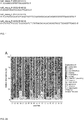
- the primers are also shown in Fig. 1 .
- PCR reaction mixtures were made in a total volume of 25 ⁇ l and comprised 5 ⁇ l of DNA sample, 2.5 ⁇ l AccuPrime PCR Buffer II (Invitrogen), 1.5 ⁇ l of each primer (10 ⁇ M) (DNA Technology), 0.15 ⁇ l AccuPrime Taq DNA Polymerase High Fidelity (Invitrogen), and 14.35 ⁇ l of PCR grade water.
- PCR was performed using the following cycle conditions: an initial denaturation at 94°C for 2 min, followed by 35 cycles of denaturation at 94°C for 20 sec, annealing at 55°C for 30 sec, elongation at 68°C for 1 min, and a final elongation step at 72°C for 5 min.
- the PCR products were verified on an agarose gel and purified using the Qiagen Generead TM Size Selection kit. The concentration of the purified PCR product was measured with a NanoDrop 2000 spectrophotometer (Thermo Scientific).
- Example 1 The PCR products obtained in Example 1 were used to attach indices and Illumina sequencing adapters using the Nextera XT Index kit (Illumina, San Diego). Index PCR was performed using 5 ⁇ l of template PCR product, 2.5 ⁇ l of each index primer, 12.5 ⁇ l of 2x KAPA HiFi HotStart ReadyMix and 2.5 ⁇ l PCR grade water. Thermal cycling scheme was as follows: 95°C for 3 min, 8 cycles of 30s at 95°C, 30s at 55°C and 30s at 72°C and a final extension at 72°C for 5 min. Quantification of the products was performed using the Quant-iT dsDNA HS assay kit and a Qubit fluorometer following the manufacturer's instructions.
- MagSi-NGS PREP Plus Magnetic beads (Steinbrenner Laborsysteme GmbH, Wiesenbach, Germany) were used for purification of the indexed products as recommended by the manufacturer and normalization was performed using the Janus Automated Workstation from Perkin Elmer (Perkin Elmer, Waltham Massachusetts, USA). Sequencing was conducted using Illumina MiSeq platform using dual indexing and MiSeq reagent kit v3 (600 cycles) as recommended by the manufacturer.
Landscapes
- Chemical & Material Sciences (AREA)
- Life Sciences & Earth Sciences (AREA)
- Analytical Chemistry (AREA)
- Proteomics, Peptides & Aminoacids (AREA)
- Organic Chemistry (AREA)
- Zoology (AREA)
- Wood Science & Technology (AREA)
- Health & Medical Sciences (AREA)
- Engineering & Computer Science (AREA)
- Microbiology (AREA)
- Immunology (AREA)
- Molecular Biology (AREA)
- Biotechnology (AREA)
- Biophysics (AREA)
- Physics & Mathematics (AREA)
- Biochemistry (AREA)
- Bioinformatics & Cheminformatics (AREA)
- General Engineering & Computer Science (AREA)
- General Health & Medical Sciences (AREA)
- Genetics & Genomics (AREA)
- Measuring Or Testing Involving Enzymes Or Micro-Organisms (AREA)
Priority Applications (6)
| Application Number | Priority Date | Filing Date | Title |
|---|---|---|---|
| EP20184339.8A EP3936627A1 (de) | 2020-07-06 | 2020-07-06 | Neue oligonukleotide zum nachweis von staphylokokken |
| US18/003,941 US20230257830A1 (en) | 2020-07-06 | 2021-07-06 | Novel oligonucleotides for detecting staphylococcus |
| BR112022027109A BR112022027109A2 (pt) | 2020-07-06 | 2021-07-06 | Oligonucleotídeos inovadores para detectar staphylococcus |
| CN202180046336.XA CN115917011A (zh) | 2020-07-06 | 2021-07-06 | 用于检测葡萄球菌的新的寡核苷酸 |
| EP21739676.1A EP4176088A1 (de) | 2020-07-06 | 2021-07-06 | Neue oligonukleotide zum nachweis von staphylococcus |
| PCT/EP2021/068569 WO2022008472A1 (en) | 2020-07-06 | 2021-07-06 | Novel oligonucleotides for detecting staphylococcus |
Applications Claiming Priority (1)
| Application Number | Priority Date | Filing Date | Title |
|---|---|---|---|
| EP20184339.8A EP3936627A1 (de) | 2020-07-06 | 2020-07-06 | Neue oligonukleotide zum nachweis von staphylokokken |
Publications (1)
| Publication Number | Publication Date |
|---|---|
| EP3936627A1 true EP3936627A1 (de) | 2022-01-12 |
Family
ID=71522988
Family Applications (2)
| Application Number | Title | Priority Date | Filing Date |
|---|---|---|---|
| EP20184339.8A Withdrawn EP3936627A1 (de) | 2020-07-06 | 2020-07-06 | Neue oligonukleotide zum nachweis von staphylokokken |
| EP21739676.1A Pending EP4176088A1 (de) | 2020-07-06 | 2021-07-06 | Neue oligonukleotide zum nachweis von staphylococcus |
Family Applications After (1)
| Application Number | Title | Priority Date | Filing Date |
|---|---|---|---|
| EP21739676.1A Pending EP4176088A1 (de) | 2020-07-06 | 2021-07-06 | Neue oligonukleotide zum nachweis von staphylococcus |
Country Status (5)
| Country | Link |
|---|---|
| US (1) | US20230257830A1 (de) |
| EP (2) | EP3936627A1 (de) |
| CN (1) | CN115917011A (de) |
| BR (1) | BR112022027109A2 (de) |
| WO (1) | WO2022008472A1 (de) |
Citations (4)
| Publication number | Priority date | Publication date | Assignee | Title |
|---|---|---|---|---|
| WO2008118809A1 (en) * | 2007-03-23 | 2008-10-02 | Ibis Biosciences, Inc. | Compositions for use in identification of mixed populations of bioagents |
| WO2011116313A1 (en) * | 2010-03-19 | 2011-09-22 | The Translational Genomics Research Institute | Methods, kits and compositions for detection of mrsa |
| US8632968B2 (en) * | 2005-07-27 | 2014-01-21 | Diagnostic Array Systems Pty Ltd | Method for the detection and/or identification of a microorganism |
| US20170349937A1 (en) * | 2014-07-25 | 2017-12-07 | Microbiome Limited | Test for Microbial Blood Infections |
Family Cites Families (1)
| Publication number | Priority date | Publication date | Assignee | Title |
|---|---|---|---|---|
| US9657353B2 (en) * | 2015-06-26 | 2017-05-23 | Great Basin Scientific, Inc. | Specific detection of organisms derived from a sample |
-
2020
- 2020-07-06 EP EP20184339.8A patent/EP3936627A1/de not_active Withdrawn
-
2021
- 2021-07-06 CN CN202180046336.XA patent/CN115917011A/zh active Pending
- 2021-07-06 US US18/003,941 patent/US20230257830A1/en active Pending
- 2021-07-06 EP EP21739676.1A patent/EP4176088A1/de active Pending
- 2021-07-06 BR BR112022027109A patent/BR112022027109A2/pt unknown
- 2021-07-06 WO PCT/EP2021/068569 patent/WO2022008472A1/en not_active Ceased
Patent Citations (4)
| Publication number | Priority date | Publication date | Assignee | Title |
|---|---|---|---|---|
| US8632968B2 (en) * | 2005-07-27 | 2014-01-21 | Diagnostic Array Systems Pty Ltd | Method for the detection and/or identification of a microorganism |
| WO2008118809A1 (en) * | 2007-03-23 | 2008-10-02 | Ibis Biosciences, Inc. | Compositions for use in identification of mixed populations of bioagents |
| WO2011116313A1 (en) * | 2010-03-19 | 2011-09-22 | The Translational Genomics Research Institute | Methods, kits and compositions for detection of mrsa |
| US20170349937A1 (en) * | 2014-07-25 | 2017-12-07 | Microbiome Limited | Test for Microbial Blood Infections |
Non-Patent Citations (34)
| Title |
|---|
| ALTSCHUL ET AL., J. MOL. BIOL., vol. 215, pages 403 - 410 |
| ANONYMOUS: "EM_PAT:HK296717", 18 February 2015 (2015-02-18), XP055739319, Retrieved from the Internet <URL:http://ibis.internal.epo.org/exam/dbfetch.jsp?id=EM_PAT:HK296717> [retrieved on 20201013] * |
| ANONYMOUS: "GSN:ATR84165", 23 March 2007 (2007-03-23), XP055739383, Retrieved from the Internet <URL:http://ibis.internal.epo.org/exam/dbfetch.jsp?id=GSN:ATR84165> [retrieved on 20201013] * |
| BIEBER, L.G. KAHLMETER: "Staphylococcus lugdunensis in several niches of the normal skin flora", CLIN MICROBIOL INFECT, vol. 16, no. 4, 2010, pages 385 - 8 |
| BOLYEN, E. ET AL.: "Reproducible, interactive, scalable and extensible microbiome data science using QIIME 2", NAT BIOTECHNOL, vol. 37, no. 8, 2019, pages 852 - 857, XP036850011, DOI: 10.1038/s41587-019-0209-9 |
| BRUGGEMANN, H. ET AL.: "Staphylococcus saccharolyticus Isolated From Blood Cultures and Prosthetic Joint Infections Exhibits Excessive Genome Decay", FRONT MICROBIOL, vol. 10, 2019, pages 478 |
| CALLAHAN, B.J. ET AL.: "DADA2: High-resolution sample inference from lllumina amplicon data", NAT METHODS, vol. 13, no. 7, 2016, pages 581 - 3 |
| CHARLOTTE M. AHLE ET AL: "Staphylococcus saccharolyticus: An Overlooked Human Skin Colonizer", MICROORGANISMS, vol. 8, no. 8, 1 August 2020 (2020-08-01), pages 1105, XP055739239, ISSN: 2076-2607, DOI: 10.3390/microorganisms8081105 * |
| DICKSON, R.P. ET AL.: "Analysis of culture-dependent versus culture-independent techniques for identification of bacteria in clinically obtained bronchoalveolar lavage fluid", J CLIN MICROBIOL, vol. 52, no. 10, 2014, pages 3605 - 13 |
| EVANS, C.A.K. L. MATTERN: "Individual differences in the bacterial flora of the skin of the forehead: Peptococcus saccharolyticus", J INVEST DERMATOL, vol. 71, no. 2, 1978, pages 152 - 3 |
| EVANS, C.A.K.L. MATTERNS.L. HALLAM: "Isolation and identification of Peptococcus saccharolyticus from human skin", J CLIN MICROBIOL, vol. 7, no. 3, 1978, pages 261 - 4 |
| FAN, S.H. ET AL.: "MpsAB is important for Staphylococcus aureus virulence and growth at atmospheric C02 levels", NAT COMMUN, vol. 10, no. 1, 2019, pages 3627 |
| FOSTER, A.P.: "Staphylococcal skin disease in livestock", VET DERMATOL, vol. 23, no. 4, 2012, pages 342 - 51,e63 |
| GRICE, E.A. ET AL.: "Topographical and temporal diversity of the human skin microbiome", SCIENCE, vol. 324, no. 5931, 2009, pages 1190 - 2, XP055337790, DOI: 10.1126/science.1171700 |
| HAZARIKA, R.A. ET AL.: "Cutaneous infection associated with Staphylococcus hyicus in cattle", RES VET SCI, vol. 50, no. 3, 1991, pages 374 - 5 |
| HOLGER BRÜGGEMANN ET AL: "Staphylococcus saccharolyticus Isolated From Blood Cultures and Prosthetic Joint Infections Exhibits Excessive Genome Decay", FRONTIERS IN MICROBIOLOGY, vol. 10, 12 March 2019 (2019-03-12), Lausanne, XP055739698, ISSN: 1664-302X, DOI: 10.3389/fmicb.2019.00478 * |
| KARLINALTSCHUL, PROC. NATL. ACAD. SCI. USA, vol. 87, 1990, pages 2264 - 2268 |
| KARLINALTSCHUL, PROC. NATL. ACAD. SCI. USA, vol. 90, 1993, pages 5873 - 5877 |
| KLOOS, W.E.M.S. MUSSELWHITE: "Distribution and persistence of Staphylococcus and Micrococcus species and other aerobic bacteria on human skin.", APPL MICROBIO, vol. 30, no. 3, 1975, pages 381 - 5 |
| KLOOSW.E.S.K. H.: "Staphylococcus auricularis sp. nov. : an Inhabitant of the Human External Ear", INT J SYST BACTERIOL, vol. 33, no. 1, 1983, pages 9 - 14 |
| KONG, H.H.J.A. SEGRE: "Skin microbiome: looking back to move forward", J INVEST DERMATOL, vol. 132, no. 3, 2012, pages 933 - 9 |
| MANSSON, E. ET AL.: "Genomic relatedness of Staphylococcus pettenkoferi isolates of different origins", J MED MICROBIOL, vol. 66, no. 5, 2017, pages 601 - 608 |
| MARTINEAU, F. ET AL.: "Development of a PCR assay for identification of staphylococci at genus and species levels", J CLIN MICROBIOL, vol. 39, no. 7, 2001, pages 2541 - 7, XP003007591, DOI: 10.1128/JCM.39.7.2541-2547.2001 |
| MEUGNIER, H. ET AL.: "Identification and ribotyping of Staphylococcus xylosus and Staphylococcus equorum strains isolated from goat milk and cheese", INT J FOOD MICROBIOL, vol. 31, no. 1-3, 1996, pages 325 - 31 |
| OH, J. ET AL.: "Biogeography and individuality shape function in the human skin metagenome", NATURE, vol. 514, no. 7520, 2014, pages 59 - 64 |
| OH, J. ET AL.: "Temporal Stability of the Human Skin Microbiome", CELL, vol. 165, no. 4, 2016, pages 854 - 66, XP029530762, DOI: 10.1016/j.cell.2016.04.008 |
| PALLEN, M.J.B.W. WREN: "Bacterial pathogenomics", NATURE, vol. 449, no. 7164, 2007, pages 835 - 42 |
| PEARSONLIPMAN, PROC. NATL. ACAD. SCI. USA, vol. 85, 1988, pages 2444 - 8 |
| SCHLEIFERIK.H.K.W. E.: "Isolation and Characterization of Staphylococci from Human Skin I. Amended Descriptions of Staphylococcus epidermidis and Staphylococcus saprophyticus and Descriptions of Three New Species: Staphylococcus cohnii, Staphylococcus haemolyticus, and Staphylococcus xylosus", INT J SYST EVOL MICR, vol. 25, no. 1, 1975, pages 50 - 61 |
| STEINBRUECKNER, B. ET AL.: "Facing a mysterious hospital outbreak of bacteraemia due to Staphylococcus saccharolyticus", J HOSP INFECT, vol. 49, no. 4, 2001, pages 305 - 7 |
| STRUBE, M.L. ET AL.: "A detailed investigation of the porcine skin and nose microbiome using universal and Staphylococcus specific primers", SCI REP, vol. 8, no. 1, 2018, pages 12751 |
| WARNES, G.R.B., B.BONEBAKKER, L.GENTLEMAN, R.HUBER, W.LIAW, A.LUMLEY, T.MAECHLER, M.MAGNUSSON, A.MOELLER, S.SCHWARTZ, M., VARIOUS R PROGRAMMING TOOLS FOR PLOTTING DATA, 2020 |
| WICKHAM, H.: "Elegant Graphics for Data Analysis", 2009, SPRINGER-VERLAG |
| ZONG, Z.: "The newly-recognized species Staphylococcus massiliensis is likely to be part of the human skin microflora", ANTONIE VAN LEEUWENHOEK, vol. 101, no. 2, 2012, pages 449 - 51 |
Also Published As
| Publication number | Publication date |
|---|---|
| EP4176088A1 (de) | 2023-05-10 |
| CN115917011A (zh) | 2023-04-04 |
| WO2022008472A1 (en) | 2022-01-13 |
| BR112022027109A2 (pt) | 2023-05-09 |
| US20230257830A1 (en) | 2023-08-17 |
Similar Documents
| Publication | Publication Date | Title |
|---|---|---|
| Sune et al. | Optimization of 16S rRNA gene analysis for use in the diagnostic clinical microbiology service | |
| US11186867B2 (en) | Next generation genomic sequencing methods | |
| Jordan et al. | Evaluating the near-term infant for early onset sepsis: progress and challenges to consider with 16S rDNA polymerase chain reaction testing | |
| US12203143B2 (en) | Methods and kits to identify Klebsiella strains | |
| van den Brand et al. | Development of a multiplex real-time PCR assay for the rapid diagnosis of neonatal late onset sepsis | |
| JP2014023539A (ja) | 抗生物質耐性細菌の検出および分析のための方法、組成物、およびキット | |
| US20220002785A1 (en) | Rapid identification of bacterial pathogens | |
| JP2021500077A (ja) | Dna増幅の標的化抑制による混合dna試料中のdna集団の選択的富化 | |
| Ahle et al. | Comparison of three amplicon sequencing approaches to determine staphylococcal populations on human skin | |
| Tienda et al. | Polyhydroxyalkanoate production by the plant beneficial rhizobacterium Pseudomonas chlororaphis PCL1606 influences survival and rhizospheric performance | |
| JPH05329000A (ja) | メシチリン耐性スタフィロコッカスを迅速に検出する方法 | |
| KR101373756B1 (ko) | 황색포도상구균의 분자적 동정을 위한 프라이머 및 이를 이용한 황색포도상구균 동정 방법 | |
| Anggraini et al. | Polymorphism analysis of the coA (Coagulase) gene in isolates of methicillin-resistant Staphylococcus aureus with AluI restriction sites | |
| WO2017016600A1 (en) | Genetic testing for predicting resistance of enterobacter species against antimicrobial agents | |
| US20190345542A1 (en) | Rapid antimicrobial susceptibility testing and phylogenetic identification | |
| EP3936627A1 (de) | Neue oligonukleotide zum nachweis von staphylokokken | |
| WO2017079461A2 (en) | Systems and methods of diagnosing and characterizing infections | |
| Shah et al. | Infection of Mycobacterium mageritense at surgical site: a first case report of India. | |
| US7659059B2 (en) | Method for detecting and/or identifying bacteria of the genus Staphylococcus | |
| Gago et al. | Analysis of strain relatedness using High Resolution Melting in a case of recurrent candiduria | |
| Egan | The Population Structure and Mobile Genetic Elements Harboured by Hospital-Adapted Vancomycin-Resistant and Linezolid-Resistant Enterococcus faecium and Enterococcus faecalis in Ireland Investigated by Whole-Genome Sequencing | |
| Japoni et al. | Comparison of arbitrarily primed-polymerase chain reaction and plasmid profiles typing of Pseudomonas aeruginosa strains from burn patients and hospital environment. | |
| JP2024120588A (ja) | エンテロバクター属菌の遺伝子型タイピング法およびこれに用いるプライマーセット | |
| Gago Prieto et al. | Analysis of strain relatedness using high resolution melting in a case of recurrent candiduria | |
| WO2024048755A1 (ja) | 迅速無菌試験法 |
Legal Events
| Date | Code | Title | Description |
|---|---|---|---|
| PUAI | Public reference made under article 153(3) epc to a published international application that has entered the european phase |
Free format text: ORIGINAL CODE: 0009012 |
|
| STAA | Information on the status of an ep patent application or granted ep patent |
Free format text: STATUS: THE APPLICATION HAS BEEN PUBLISHED |
|
| AK | Designated contracting states |
Kind code of ref document: A1 Designated state(s): AL AT BE BG CH CY CZ DE DK EE ES FI FR GB GR HR HU IE IS IT LI LT LU LV MC MK MT NL NO PL PT RO RS SE SI SK SM TR |
|
| B565 | Issuance of search results under rule 164(2) epc |
Effective date: 20201022 |
|
| STAA | Information on the status of an ep patent application or granted ep patent |
Free format text: STATUS: THE APPLICATION IS DEEMED TO BE WITHDRAWN |
|
| 18D | Application deemed to be withdrawn |
Effective date: 20220713 |