EP3944861A1 - Arn non-codant long en tant que cible thérapeutique dans les troubles cardiaques et la régénération cardiaque - Google Patents
Arn non-codant long en tant que cible thérapeutique dans les troubles cardiaques et la régénération cardiaque Download PDFInfo
- Publication number
- EP3944861A1 EP3944861A1 EP20188751.0A EP20188751A EP3944861A1 EP 3944861 A1 EP3944861 A1 EP 3944861A1 EP 20188751 A EP20188751 A EP 20188751A EP 3944861 A1 EP3944861 A1 EP 3944861A1
- Authority
- EP
- European Patent Office
- Prior art keywords
- nucleic acid
- acid molecule
- nucleotide sequence
- cardiac
- foxo6os
- Prior art date
- Legal status (The legal status is an assumption and is not a legal conclusion. Google has not performed a legal analysis and makes no representation as to the accuracy of the status listed.)
- Withdrawn
Links
Images






Classifications
-
- C—CHEMISTRY; METALLURGY
- C12—BIOCHEMISTRY; BEER; SPIRITS; WINE; VINEGAR; MICROBIOLOGY; ENZYMOLOGY; MUTATION OR GENETIC ENGINEERING
- C12Q—MEASURING OR TESTING PROCESSES INVOLVING ENZYMES, NUCLEIC ACIDS OR MICROORGANISMS; COMPOSITIONS OR TEST PAPERS THEREFOR; PROCESSES OF PREPARING SUCH COMPOSITIONS; CONDITION-RESPONSIVE CONTROL IN MICROBIOLOGICAL OR ENZYMOLOGICAL PROCESSES
- C12Q1/00—Measuring or testing processes involving enzymes, nucleic acids or microorganisms; Compositions therefor; Processes of preparing such compositions
- C12Q1/68—Measuring or testing processes involving enzymes, nucleic acids or microorganisms; Compositions therefor; Processes of preparing such compositions involving nucleic acids
- C12Q1/6876—Nucleic acid products used in the analysis of nucleic acids, e.g. primers or probes
- C12Q1/6883—Nucleic acid products used in the analysis of nucleic acids, e.g. primers or probes for diseases caused by alterations of genetic material
-
- A—HUMAN NECESSITIES
- A61—MEDICAL OR VETERINARY SCIENCE; HYGIENE
- A61K—PREPARATIONS FOR MEDICAL, DENTAL OR TOILETRY PURPOSES
- A61K45/00—Medicinal preparations containing active ingredients not provided for in groups A61K31/00 - A61K41/00
- A61K45/06—Mixtures of active ingredients without chemical characterisation, e.g. antiphlogistics and cardiaca
-
- A—HUMAN NECESSITIES
- A61—MEDICAL OR VETERINARY SCIENCE; HYGIENE
- A61K—PREPARATIONS FOR MEDICAL, DENTAL OR TOILETRY PURPOSES
- A61K31/00—Medicinal preparations containing organic active ingredients
- A61K31/70—Carbohydrates; Sugars; Derivatives thereof
- A61K31/7088—Compounds having three or more nucleosides or nucleotides
- A61K31/713—Double-stranded nucleic acids or oligonucleotides
-
- A—HUMAN NECESSITIES
- A61—MEDICAL OR VETERINARY SCIENCE; HYGIENE
- A61K—PREPARATIONS FOR MEDICAL, DENTAL OR TOILETRY PURPOSES
- A61K38/00—Medicinal preparations containing peptides
-
- C—CHEMISTRY; METALLURGY
- C12—BIOCHEMISTRY; BEER; SPIRITS; WINE; VINEGAR; MICROBIOLOGY; ENZYMOLOGY; MUTATION OR GENETIC ENGINEERING
- C12N—MICROORGANISMS OR ENZYMES; COMPOSITIONS THEREOF; PROPAGATING, PRESERVING, OR MAINTAINING MICROORGANISMS; MUTATION OR GENETIC ENGINEERING; CULTURE MEDIA
- C12N15/00—Mutation or genetic engineering; DNA or RNA concerning genetic engineering, vectors, e.g. plasmids, or their isolation, preparation or purification; Use of hosts therefor
- C12N15/09—Recombinant DNA-technology
- C12N15/11—DNA or RNA fragments; Modified forms thereof; Non-coding nucleic acids having a biological activity
-
- C—CHEMISTRY; METALLURGY
- C12—BIOCHEMISTRY; BEER; SPIRITS; WINE; VINEGAR; MICROBIOLOGY; ENZYMOLOGY; MUTATION OR GENETIC ENGINEERING
- C12N—MICROORGANISMS OR ENZYMES; COMPOSITIONS THEREOF; PROPAGATING, PRESERVING, OR MAINTAINING MICROORGANISMS; MUTATION OR GENETIC ENGINEERING; CULTURE MEDIA
- C12N15/00—Mutation or genetic engineering; DNA or RNA concerning genetic engineering, vectors, e.g. plasmids, or their isolation, preparation or purification; Use of hosts therefor
- C12N15/09—Recombinant DNA-technology
- C12N15/11—DNA or RNA fragments; Modified forms thereof; Non-coding nucleic acids having a biological activity
- C12N15/113—Non-coding nucleic acids modulating the expression of genes, e.g. antisense oligonucleotides; Antisense DNA or RNA; Triplex- forming oligonucleotides; Catalytic nucleic acids, e.g. ribozymes; Nucleic acids used in co-suppression or gene silencing
-
- C—CHEMISTRY; METALLURGY
- C12—BIOCHEMISTRY; BEER; SPIRITS; WINE; VINEGAR; MICROBIOLOGY; ENZYMOLOGY; MUTATION OR GENETIC ENGINEERING
- C12N—MICROORGANISMS OR ENZYMES; COMPOSITIONS THEREOF; PROPAGATING, PRESERVING, OR MAINTAINING MICROORGANISMS; MUTATION OR GENETIC ENGINEERING; CULTURE MEDIA
- C12N15/00—Mutation or genetic engineering; DNA or RNA concerning genetic engineering, vectors, e.g. plasmids, or their isolation, preparation or purification; Use of hosts therefor
- C12N15/09—Recombinant DNA-technology
- C12N15/63—Introduction of foreign genetic material using vectors; Vectors; Use of hosts therefor; Regulation of expression
- C12N15/79—Vectors or expression systems specially adapted for eukaryotic hosts
- C12N15/85—Vectors or expression systems specially adapted for eukaryotic hosts for animal cells
-
- C—CHEMISTRY; METALLURGY
- C12—BIOCHEMISTRY; BEER; SPIRITS; WINE; VINEGAR; MICROBIOLOGY; ENZYMOLOGY; MUTATION OR GENETIC ENGINEERING
- C12Q—MEASURING OR TESTING PROCESSES INVOLVING ENZYMES, NUCLEIC ACIDS OR MICROORGANISMS; COMPOSITIONS OR TEST PAPERS THEREFOR; PROCESSES OF PREPARING SUCH COMPOSITIONS; CONDITION-RESPONSIVE CONTROL IN MICROBIOLOGICAL OR ENZYMOLOGICAL PROCESSES
- C12Q1/00—Measuring or testing processes involving enzymes, nucleic acids or microorganisms; Compositions therefor; Processes of preparing such compositions
- C12Q1/68—Measuring or testing processes involving enzymes, nucleic acids or microorganisms; Compositions therefor; Processes of preparing such compositions involving nucleic acids
- C12Q1/6844—Nucleic acid amplification reactions
- C12Q1/6851—Quantitative amplification
-
- C—CHEMISTRY; METALLURGY
- C12—BIOCHEMISTRY; BEER; SPIRITS; WINE; VINEGAR; MICROBIOLOGY; ENZYMOLOGY; MUTATION OR GENETIC ENGINEERING
- C12N—MICROORGANISMS OR ENZYMES; COMPOSITIONS THEREOF; PROPAGATING, PRESERVING, OR MAINTAINING MICROORGANISMS; MUTATION OR GENETIC ENGINEERING; CULTURE MEDIA
- C12N2310/00—Structure or type of the nucleic acid
- C12N2310/10—Type of nucleic acid
- C12N2310/11—Antisense
- C12N2310/111—Antisense spanning the whole gene, or a large part of it
-
- C—CHEMISTRY; METALLURGY
- C12—BIOCHEMISTRY; BEER; SPIRITS; WINE; VINEGAR; MICROBIOLOGY; ENZYMOLOGY; MUTATION OR GENETIC ENGINEERING
- C12Q—MEASURING OR TESTING PROCESSES INVOLVING ENZYMES, NUCLEIC ACIDS OR MICROORGANISMS; COMPOSITIONS OR TEST PAPERS THEREFOR; PROCESSES OF PREPARING SUCH COMPOSITIONS; CONDITION-RESPONSIVE CONTROL IN MICROBIOLOGICAL OR ENZYMOLOGICAL PROCESSES
- C12Q2600/00—Oligonucleotides characterized by their use
- C12Q2600/158—Expression markers
Definitions
- the present invention relates to a long non-coding RNA as a therapeutic target in cardiac disorders.
- Heart failure is one of the leading pathological causes of mortality in the world.
- Myocardial infarction (MI) is the most important cause of heart failure as MI leads to subsequent progressive remodeling of the heart resulting in heart failure with poor prognosis.
- the currently used therapeutic pharmacologic options for heart failure include angiotensin-modulating agents, ⁇ -blockers, diuretics, aldosterone antagonists, a combined neprilysin-inhibitor with angiotensin-II-receptor blocker, vasodilators, or inotropic agents.
- Cardiomyocytes can lead to the development of cardiac remodeling, heart failure and sudden cardiac death.
- Hypertrophic growth of cardiomyocytes is a response to increased cardiac wall stress caused by cardiac volume and/or pressure overload. Initially, cardiac hypertrophy is a compensatory mechanism aiming to decrease wall stress and to increase cardiac output. However, prolonged cardiac hypertrophy progresses to contractile dysfunction, cardiac decompensation and finally heart failure (Hill and Olson, 2008; Barry and Townsend, 2010).
- the transition from physiological to pathological hypertrophy can occur depending on many factors including myocyte loss through apoptosis or necrosis, alterations in autophagy, defects in contractile response, dysregulated calcium homeostasis, desensitization of adrenergic receptors, or cardiac fibrosis (Hill and Olson, 2008; Barry and Townsend, 2010). Hypertrophic signaling is largely mediated by the insulin signaling pathway (DeBosch and Muslin, 2008; Barry and Townsend, 2010).
- IGF-1 insulin and insulin-like growth factor-1
- IGF-1 receptor activates the phosphoinositine-3-kinase (PI3K)
- PI3K activity leads to the activation of the serine/threonine kinase Akt via its phosphorylation and active Akt phosphorylates anti-hypertrophic FoxO transcription factors leading to their de-stabilization and prevention of nuclear localization (Datta et al., 1999; Skurk et al., 2005; Ronnebaum and Patterson, 2010).
- acetylation of FoxO factors by sirtuin-1 leads to their stabilization and nuclear translocation (Frescas et al., 2005).
- Stabilized FoxO transcription factors are localized in the nucleus in order to regulate the expression of anti-hypertrophic genes.
- the anti-hypertrophic functions of FoxO proteins are largely mediated through suppression of the pro-hypertrophic calcineurin signaling pathway via the expression of anti-hypertrophic gene targets of FoxO factors, such as atrogin-1 (Ni et al., 2006; Ronnebaum and Patterson, 2010; Glas, 2010).
- FoxO transcription factors also induce apoptosis and regulate autophagy in cardiomyocytes (Ronnebaum and Patterson, 2010).
- the present inventors have identified a long non-coding RNA (IncRNA) which plays an important role in both heart development and heart disease.
- the respective murine IncRNA Foxo6os is specifically expressed in cardiomyocytes and highly up-regulated during heart development. In contrast thereto, Foxo6os is down-regulated in three different heart disease models.
- the inventors have identified a human locus-conserved transcript AC093151.3, which is up-regulated during the differentiation of human-induced pluripotent stem cells into cardiomyocytes and is down-regulated in hypertrophic stimuli and hypoxic conditions, thus, paralleling the in vivo observations in mice.
- Myeloid zinc finger 1 (Mzf1) a known transcription factor that regulates Nkx2.5 expression and heart development (Doppler et al. 2014), was predicted to regulate Foxo6os transcription.
- the present inventors have identified several Foxo6os-binding proteins, particularly the proteins CIRBP and RBM3, both of which belong to a highly conserved cold shock proteins family, characterized by an N-terminal RNA recognition motif (RRM) and a C-terminal arginine-glycine-rich (RGG) domain.
- RRM N-terminal RNA recognition motif
- RRGG C-terminal arginine-glycine-rich
- Foxo6os and human analogues thereof constitute a therapeutic target in cardiac disorders as well as in cardiac protection and/or cardiac regeneration.
- the IncRNA Foxo6os was found to be down-regulated in skeletal muscle from insulin resistance mouse models and in palmitate stimulated mouse myoblast cells (Zhang et al., 2018). A medical use for Foxo6os, however, has not been postulated.
- IncRNA Foxo6os or an analogous IcnRNA has a therapeutic potential in medicine, particularly in the prevention or treatment of cardiac disorders and/or for cardiac regeneration.
- a first aspect of the present invention relates to a nucleic acid molecule comprising
- a specific embodiment of the invention is the nucleic acid molecule of SEQ ID NO: 1, which is human transcript AC093151.3 transcript 201 (human, ENST00000425554). This transcript is composed of three exons. Its genomic location is in the human genome (GRCh38/hg38) on chromosome 1:41,242,373-41,264,558 (22185 bp).
- the invention relates to a nucleic acid molecule for use in medicine comprising
- a further specific embodiment is the nucleic acid molecule of SEQ ID NO: 2, which is human transcript AC093151.3 transcript 202 (human, NST00000445073).
- the invention relates to a nucleic acid molecule for use in medicine comprising
- nucleic acid molecule of SEQ ID NO: 3 which is human transcript AC093151.3 transcript 203 (human, ENST00000422305).
- the invention relates to a nucleic acid molecule for use in medicine comprising
- nucleic acid molecule of SEQ ID NO: 4 which is human transcript AC0933151.3 transcript 204 (human, ENST00000670398).
- the invention relates to a nucleic acid molecule for use in medicine comprising
- nucleic acid molecule of SEQ ID NO: 5 which is the Foxo6os full-length mouse sequence (mouse, ENSMUST00000152384). This transcript is composed of two exons. Its genomic location is in the mouse genome (GRCm38/mm10) on chromosome 4: 120,291,350-120,303,892 (12542 bp).
- the invention relates to a nucleic acid molecule for use in medicine comprising
- the invention also relates to a nucleic acid molecule, which is a functional fragment of a nucleotide sequence of SEQ ID NO: 1, 2, 3, 4 or 5.
- a functional fragment is understood as a fragment of any of the above sequences, which has at least partially, e.g. at least about 10%, at least about 30%, at least about 50%, at least about 70% and at least about 90% retained the physiological activity of the complete sequence as described in the present Examples.
- a functional fragment may have a deletion of about 100 nt or less, about 50 nt or less, about 20 nt or less or about 10 nt or less at the 5' terminus and/or a deletion of about 100 nt or less, about 50 nt or less, about 20 nt or less or about 10 nt or less at the 3' terminus of the nucleotide sequence of SEQ ID NO: 1, 2, 3, 4 or 5.
- the invention further relates to a nucleic acid molecule, which has an identity of at least about 70 %, at least about 80 %, at least about 90 % or at least about 99 % to the nucleotide sequence of SEQ ID NO: 1, 2, 3, 4 or 5 or a functional fragment thereof.
- the identity of a nucleic acid molecule with a reference nucleic acid molecule is determined over the whole length according to a known algorithm such as BLAST.
- the invention further relates to a nucleic acid molecule, which is complementary to the nucleotide sequence of SEQ ID NO: 1, 2, 3, 4 or 5 or a functional fragment thereof or a nucleotide sequence, which has an identity to one of the sequences as indicated above.
- Complementarity is understood as the capacity of forming a base pair in a double-stranded nucleic acid molecule via hydrogen bonds, particularly a Watson-Crick base pair, e.g. between C and G and between A and T (or U).
- complementarity is understood as complementarity over the whole length or substantially the whole length of two sequences.
- the nucleic acid molecule of the present invention may be a DNA molecule, an RNA molecule, a modified nucleic acid molecule or any combination thereof.
- the nucleic acid molecule may be a single-stranded, double-stranded or partially single- and double-stranded.
- the nucleic acid molecule is an RNA molecule, particularly an RNA molecule (i) or (ii) as indicated above, optionally including a 3'-modification such as a polyA tail and/or a 5'-modification such as a capping group.
- the RNA molecule may be single- or double-stranded.
- the nucleic acid molecule may be a non-modified RNA molecule consisting of A, C, G and U building blocks.
- the RNA molecule comprises at least one modified building block.
- the modified building block may be selected from a base-modified building block, a sugar-modified building block and/or a phosphate-modified building block.
- the RNA molecule comprises at least one base-modified building block, e.g. wherein a naturally occurring RNA nucleobase, i.e. A, C, G or U is replaced by a different nucleobase.
- a nucleobase U may be replaced by T.
- the RNA molecule comprises at least one sugar-modified building block, wherein a naturally occurring RNA sugar, i.e. ribose is replaced by a different sugar or sugar analogue.
- ribose may be replaced by an aza- or a carbacyclic analogue thereof, and/or a substituent on the ribose is modified.
- the 2'-OH substituent on the ribose is replaced by a substituent, which is different from OH.
- the 2'-OH group is replaced by (i) a 2'-OR 1 group, wherein R 1 is C 1 -C 4 alkyl, C 2 -C 4 alkenyl or C 2 -C 4 alkynyl optionally substituted by halo e.g. F, Cl or Br, OH or OC 1 -C 4 alkyl, (ii) a 2'-NR 2 R 3 group, wherein R 2 and R 3 are independently selected from H, C 1 -C 4 alkyl, C 2 -C 4 alkenyl or C 2 -C 4 alkynyl optionally substituted by halo e.g.
- cyclic moiety e.g. a 3-6 membered cyclic moiety
- a 2'-halo group e.g. F, Cl or Br
- a 2'-SR 4 group wherein R 4 is C 1 -C 4 alkyl, C 2 -C 4 alkenyl or C 2 -C 4 alkynyl optionally substituted by halo e.g. F, Cl or Br, OH or OC 1 -C 4 alkyl.
- the RNA molecule comprises at least one backbone-modified building block wherein at least one internucleosidic phosphodiester group is replaced by a modified group e.g. a phosphoramidate or phosphorothioate group.
- the RNA molecule is an RNA vector, e.g. a recombinant retrovirus vector comprising an RNA molecule (iii), i.e. complementary to an RNA molecule (i) or (ii) as indicated above.
- the RNA vector is suitable for gene expression in a prokaryotic cell, or in a eukaryotic cell, particularly in a mammalian cell and more particularly in a human cell. Thereby, an RNA molecule (i) or (ii) may be produced in a target cell.
- Suitable RNA vectors capable of expressing heterologous nucleic acids in a cell e.g. in a mammalian cell, particularly in a human cell, are well known in the art.
- the nucleic acid molecule is a DNA molecule, particularly a DNA molecule encoding an RNA molecule (i) or (ii) as indicated above.
- the DNA molecule may be single- or double-stranded.
- the DNA molecule may be in operative linkage with an expression control sequence, which may include a promotor and optionally further at least one further element such as an enhancer, a transcription factor binding side, etc.
- the expression control sequence is an expression control sequence which promotes expression of the nucleic acid molecule in a predetermined target cell, e.g. a prokaryotic cell or a eukaryotic cell, particularly in a mammalian cell and more particularly in a human cell or in vitro, whereby an RNA molecule encoded by the DNA molecule is obtained.
- the DNA molecule may be a "naked" DNA molecule.
- it may be present on a vector, e.g. an expression vector suitable for transient or stable gene expression in a prokaryotic cell, or in a eukaryotic cell, particularly in a mammalian cell and more particularly in a human cell.
- the vector may be a non-viral vector, for example a plasmid or a viral vector, for example a recombinant adenovirus-associated vector (rAAV), a recombinant adenovirus vector.
- rAAV recombinant adenovirus-associated vector
- Suitable DNA vectors capable of expressing heterologous nucleic acids in a target cell e.g. in a mammalian cell, particularly in a human cell, are well known in the art.
- the nucleic acid molecule is conjugated to a heterologous moiety, e.g. a lipid, sugar or peptide moiety.
- the heterologous moiety may be conjugated to a base, to a sugar and/or to a phosphate group of the nucleic acid molecule.
- the heterologous moiety may be a moiety which improves targeting and/or cellular uptake, e.g. a lipid moiety such as cholesterol or a fatty acid, a saccharide or amino saccharide moiety such as a N-galactosamine containing moiety, a peptide or polypeptide moiety or a nucleosidic or nucleotidic moiety such as an aptamer.
- a heterologous moiety may be conjugated with the 5'- and/or 3'-terminus of the nucleic acid molecule by means of a covalent bond or a spacer.
- a further aspect of the invention relates to a genome editing composition which is adapted for activating endogenous expression of a nucleic acid molecule of SEQ ID NO: 1, 2, 3, 4 or 5 or a nucleotide sequence which has an identity of at least about 70%, at least about 80%, at least about 90% or at least about 99% to the nucleotide sequence of SEQ ID NO: 1, 2, 3, 4 or 5 in a eukaryotic cell or organism, particularly a mammalian cell or organism, more particularly in a human cell or organism.
- the genome editing composition is suitable for modifying the genome of a target cell in order to activate endogenous expression of an RNA molecule as indicated above.
- the modification may include modifying the endogenous expression control sequence of the target IncRNA and/or modifying the endogenous sequence encoding the target IncRNA.
- Modification of the target gene genome may comprise introducing a single- or double-stranded cut into the genome and inserting, deleting and/or substituting nucleic acid sequences of the target cell genome.
- the genome editing composition may comprise a genome-editing enzyme and optionally at least one corresponding genome-editing nucleic acid.
- the genome editing enzyme may be a CRISPR/Cas enzyme, e.g.
- a CRISPR/Cas 9 or 13 enzyme or any variant thereof a transcription activator-like effector-based nuclease (TALEN), a zinc finger nuclease protein, a recombinase, a meganuclease or an Argonaute protein, e.g. of the bacterium Thermus thermophiles (TtAgo).
- the genome-editing nucleic acid may be a sgRNA for use with a CRISPR/Cas enzyme.
- the genome editing composition may comprise a nucleic acid molecule coding for a genome-editing enzyme as indicated above.
- Suitable transfection techniques for introducing proteins or nucleic acids into the eukaryotic target cells are well known in the art and include lipofection, electroporation, e.g. nucleofection, Ca-phosphate or virus-based methods.
- a further aspect of the invention relates to a pharmaceutical preparation comprising a nucleic acid molecule as described above, a genome editing composition as described above, together with a pharmaceutically acceptable carrier.
- nucleic acid molecule, the genome editing composition and the pharmaceutical preparation of the present invention are suitable for use in medicine including human and veterinary medicine, particularly for the prevention and/or treatment of a cardiac disorder and/or for cardioprotection and/or for cardioregeneration.
- prevention in the context of the present invention relates to the administration of the active agent to a patient, who is known or suspected to have an increased risk of developing a certain disorder.
- treatment in the context of the present invention relates to the administration of the active agent to a patient, who has already developed signs and/or symptoms of a certain disorder.
- cardioprotection relates to the administration of the active agent to a patient, who is at risk or suspected being at risk of suffering cardiac damage, with the purpose of at least partially preventing the occurrence of cardiac damage.
- cardiac damage relates to the administration of the active agent to a patient, who has suffered cardiac damage, with the purpose of removing and/or ameliorating the cardiac damage.
- patient relates to a subject in need of administration of the active agent of the invention in the field of human or veterinary medicine. In specific embodiments, the patient is a human patient.
- the active agent of the present invention is useful in the prevention or treatment of a cardiac disorder, particularly of cardiac hypertrophy-associated disorder.
- the active agent is useful in the prevention or treatment of contractile dysfunction, cardiac decompensation, heart failure, e.g. diastolic heart failure, or atrial fibrillation, or for the prevention or treatment of cardiac remodeling after myocardial infarction, myocarditis, valvular heart diseases such as aortic stenosis or mitral valve insufficiency, genetic cardiac disorders with cardiac hypertrophy, e.g. hypertrophic non-obstructive and obstructive cardiomyopathy or Fabry disease.
- the active agent is useful for cardiac protection and/or cardiac regeneration.
- the active agent is useful for administration to patients selected from
- a further aspect of the invention relates to a cell, organ or a non-human organism transfected or transformed with a nucleic acid molecule or a genome editing composition as described above.
- the cell is a cardiomyocyte, particularly a human cardiomyocyte or a precursor cell thereof.
- Still a further aspect of the present invention is a cell, organ or a non-human organism having an increased endogenous expression of a nucleic acid molecule of SEQ ID NO: 1, 2, 3, 4 or 5 or of a nucleotide sequence which has an identity of at least about 70%, at least about 80%, at least about 90% or at least about 99% to the nucleotide sequence of SEQ ID NO: 1, 2, 3, 4 or 5 compared to a wild-type cell, organ or organism.
- the endogenous expression may be increased by at least about 10%, at least about 50% or at least about 100% as measured by quantitative real-time polymerase chain reaction (qPCR) or quantitative RNA fluorescence in situ hybridization (RNA-FISH).
- the active agent of the invention may be administered as a pharmaceutical preparation comprising a pharmacologically acceptable carrier. Administration may be carried out by known methods, wherein the active agent is introduced into the desired target cell or organ of the subject to be treated.
- the active agent may be in the form of a solution, e.g. an injectable solution, emulsion, inhalation, suspension or the like.
- the active agent may be administered in any suitable way, e.g. parenterally, in particular by injection such as subcutaneous, intramuscular, intravenous or intra-arterial injection, or, infusion, by oral or inhalative intake and/or by dermal or transdermal application.
- the carrier may be any suitable pharmaceutical carrier.
- a carrier is used which is capable of increasing the efficacy of nucleic acid molecules to enter the target cells. Suitable examples of such carriers are nanoparticles, liposomes, e.g. cationic liposomes, or predesigned exosomes.
- the active agent is administered in a pharmaceutically effective dosage depending on the route of administration and the type or severity of the disease.
- the active agent may be administered as a monotherapy or in combination with a further different medicament, particularly a medicament suitable for the prevention or treatment of cardiac disorders or fibrotic disorders as described above.
- Examples of further medicaments suitable for the prevention or treatment of cardiac disorders are angiotensin-modulating agents, ⁇ -blockers, diuretics, aldosterone antagonists, vasodilators, ionotrophic agents, statins, or neprilysin-inhibitors or combinations thereof, e.g. a combination of a neprilysin-inhibitor, e.g. sacubitril, with an angiotensin-II-receptor blocker, e.g. valsartan.
- the further medicament is entresto.
- the invention encompasses determining the amount and/or activity of certain physiological parameters in the subject to whom the active agent is administered before, during and/or after administration.
- This concomitant diagnostic procedure and the reagent used for this diagnostic procedure may provide assistance for the medical use as described above.
- the diagnostic procedure may provide assistance in risk assessment, patient stratification, monitoring of treatment course and/or posttreatment control.
- Still a further aspect of the present invention is a method of detecting, diagnosing or monitoring a cardiac disorder comprising detecting a nucleic acid molecule as described above, particularly an endogenous IncRNA molecule and/or an exogenously introduced RNA molecule (i) or (ii) as described above.
- Still a further aspect of the present invention is a reagent for detecting, diagnosing or monitoring a cardiac disorder comprising a reagent or reagent combination for detecting, diagnosing or monitoring a cardiac disorder comprising detecting a nucleic acid molecule as described above, particularly an endogenous IncRNA molecule and/or an exogenously introduced RNA molecule (i) or (ii) as described above.
- the invention encompasses determining the amount and/or activity of an IncRNA as described above. In further embodiments, the invention encompasses determining the amount and/or activity of cardiac markers such as NT-ProBNP and/or troponin T during the course of therapy. In further embodiments, the invention encompasses determining the amount and/or activity of physiological targets of the IncRNA such as CIRBP and RBM3.
- the determination of the above parameters may be carried out in body fluid samples such as blood, plasma or serum or in tissue samples according to known methods at the nucleic acid and/or protein level and may provide useful diagnostic information, e.g. on the course and/or success of the treatment.
- Human transcript AC093151.3 was identified as a locus-conserved transcript for mouse Foxo6os. The results are shown in Figure 7 :
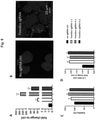
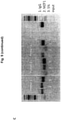
- FIG. 9 Lists of potential transcription factors that bind to promoter of mouse Foxo6os and human AC093151.3 are shown in Figure 9 : The sequence of mouse Foxo6os promoter and human AC093151.3 promoter (1 kp upstream of the transcription start site) were extracted from Ensembl and analyzed by JASPAR, among all of the 1011 TFs, 163 TFs were predicted for (A) mouse Foxo6os and 344 TFs were predicted for (B) human AC093151.3. Note that only the top 25 TFs were shown in the list and Mzf1 was indicated in red box. (C) Chromatin immunoprecipitation (ChIP) was performed against Mzf1 and control IgG followed by qPCR and then the qPCR product was validated by gel electrophoresis.
- ChIP Chromatin immunoprecipitation
- the transcription factor Mzf1 was shown to be essential for transcription of Foxo6os. The results are shown in Figure 10 :
Landscapes
- Health & Medical Sciences (AREA)
- Life Sciences & Earth Sciences (AREA)
- Chemical & Material Sciences (AREA)
- Engineering & Computer Science (AREA)
- Genetics & Genomics (AREA)
- Organic Chemistry (AREA)
- Zoology (AREA)
- Wood Science & Technology (AREA)
- Bioinformatics & Cheminformatics (AREA)
- Biomedical Technology (AREA)
- General Engineering & Computer Science (AREA)
- Biotechnology (AREA)
- Molecular Biology (AREA)
- General Health & Medical Sciences (AREA)
- Biochemistry (AREA)
- Proteomics, Peptides & Aminoacids (AREA)
- Microbiology (AREA)
- Biophysics (AREA)
- Physics & Mathematics (AREA)
- Plant Pathology (AREA)
- Analytical Chemistry (AREA)
- Immunology (AREA)
- Public Health (AREA)
- Animal Behavior & Ethology (AREA)
- Veterinary Medicine (AREA)
- Epidemiology (AREA)
- Pharmacology & Pharmacy (AREA)
- Medicinal Chemistry (AREA)
- Pathology (AREA)
- Chemical Kinetics & Catalysis (AREA)
- Medicines That Contain Protein Lipid Enzymes And Other Medicines (AREA)
- Pharmaceuticals Containing Other Organic And Inorganic Compounds (AREA)
Priority Applications (4)
| Application Number | Priority Date | Filing Date | Title |
|---|---|---|---|
| EP20188751.0A EP3944861A1 (fr) | 2020-07-30 | 2020-07-30 | Arn non-codant long en tant que cible thérapeutique dans les troubles cardiaques et la régénération cardiaque |
| PCT/EP2021/071143 WO2022023413A1 (fr) | 2020-07-30 | 2021-07-28 | Long arn non codant en tant que cible thérapeutique dans des troubles cardiaques et régénération cardiaque |
| EP21754947.6A EP4188392A1 (fr) | 2020-07-30 | 2021-07-28 | Long arn non codant en tant que cible thérapeutique dans des troubles cardiaques et régénération cardiaque |
| US18/007,200 US20230235403A1 (en) | 2020-07-30 | 2021-07-28 | Long non-coding rna as therapeutic target in cardiac disorders and cardiac regeneration |
Applications Claiming Priority (1)
| Application Number | Priority Date | Filing Date | Title |
|---|---|---|---|
| EP20188751.0A EP3944861A1 (fr) | 2020-07-30 | 2020-07-30 | Arn non-codant long en tant que cible thérapeutique dans les troubles cardiaques et la régénération cardiaque |
Publications (1)
| Publication Number | Publication Date |
|---|---|
| EP3944861A1 true EP3944861A1 (fr) | 2022-02-02 |
Family
ID=71894747
Family Applications (2)
| Application Number | Title | Priority Date | Filing Date |
|---|---|---|---|
| EP20188751.0A Withdrawn EP3944861A1 (fr) | 2020-07-30 | 2020-07-30 | Arn non-codant long en tant que cible thérapeutique dans les troubles cardiaques et la régénération cardiaque |
| EP21754947.6A Pending EP4188392A1 (fr) | 2020-07-30 | 2021-07-28 | Long arn non codant en tant que cible thérapeutique dans des troubles cardiaques et régénération cardiaque |
Family Applications After (1)
| Application Number | Title | Priority Date | Filing Date |
|---|---|---|---|
| EP21754947.6A Pending EP4188392A1 (fr) | 2020-07-30 | 2021-07-28 | Long arn non codant en tant que cible thérapeutique dans des troubles cardiaques et régénération cardiaque |
Country Status (3)
| Country | Link |
|---|---|
| US (1) | US20230235403A1 (fr) |
| EP (2) | EP3944861A1 (fr) |
| WO (1) | WO2022023413A1 (fr) |
Families Citing this family (1)
| Publication number | Priority date | Publication date | Assignee | Title |
|---|---|---|---|---|
| CN114592051B (zh) * | 2022-03-30 | 2023-04-21 | 邢珺月 | 一种用于心肌损伤辅助诊断的生物标志物及试剂盒 |
Citations (3)
| Publication number | Priority date | Publication date | Assignee | Title |
|---|---|---|---|---|
| US20020198371A1 (en) * | 1999-08-09 | 2002-12-26 | The Snp Consortium | Identification and mapping of single nucleotide polymorphisms in the human genome |
| WO2007025085A2 (fr) * | 2005-08-24 | 2007-03-01 | Genizon Biosciences Inc. | Carte genetique de genes humains associes a la maladie de crohn |
| WO2018229046A1 (fr) * | 2017-06-12 | 2018-12-20 | Firalis Sa | Utilisations de diagnostic, pronostic et thérapeutique d'arn non codants pour des pathologies et des toxicités entraînant des troubles cardiaques |
-
2020
- 2020-07-30 EP EP20188751.0A patent/EP3944861A1/fr not_active Withdrawn
-
2021
- 2021-07-28 WO PCT/EP2021/071143 patent/WO2022023413A1/fr not_active Ceased
- 2021-07-28 EP EP21754947.6A patent/EP4188392A1/fr active Pending
- 2021-07-28 US US18/007,200 patent/US20230235403A1/en active Pending
Patent Citations (3)
| Publication number | Priority date | Publication date | Assignee | Title |
|---|---|---|---|---|
| US20020198371A1 (en) * | 1999-08-09 | 2002-12-26 | The Snp Consortium | Identification and mapping of single nucleotide polymorphisms in the human genome |
| WO2007025085A2 (fr) * | 2005-08-24 | 2007-03-01 | Genizon Biosciences Inc. | Carte genetique de genes humains associes a la maladie de crohn |
| WO2018229046A1 (fr) * | 2017-06-12 | 2018-12-20 | Firalis Sa | Utilisations de diagnostic, pronostic et thérapeutique d'arn non codants pour des pathologies et des toxicités entraînant des troubles cardiaques |
Non-Patent Citations (14)
| Title |
|---|
| BARRY, S.P.TOWNSEND, P.A.: "What causes a broken heart-Molecular insights into heart failure", INT REV CELL MOL BIOL, vol. 284, 2010, pages 113 - 179 |
| DATTA, S.R.BRUNET, A.GREENBERG, M.E.: "Cellular survival: a play in three Akts", GENES DEV., vol. 13, 1999, pages 2905 - 2927 |
| DEBOSCH, B.J.MUSLIN, A.J.: "Insulin signaling pathways and cardiac growth", J MOL CELL CARDIOL., vol. 44, 2008, pages 855 - 864, XP022639642, DOI: 10.1016/j.yjmcc.2008.03.008 |
| DOPPLER, S.A.WERNER, A.BARZ, M.LAHM, H.DEUTSCH, M.-A.DRER-EN, M.SCHIEMANN, M.VOSS, B.GREGOIRE, S.KUPPUSAMY, R.: "Myerloid Zinc Finger 1 (Mzf1) Differentially Modulates Murine Cardiogenesis by Interacting with an Nkx2.5 Cardiac Enhancer", PLOS ONE 9, vol. 12, 2014, pages e113775 |
| FRESCAS, D.VALENTI, L.ACCILI, D.: "Nuclear trapping of the forkhead transcription factor Fox01 via Sirt1-dependent deacetylation promotes expression of glucogenetic genes", J BIOL CHEM., vol. 280, 2005, pages 20589 - 20595 |
| GLAS, D.J.: "PI3 kinase regulation of skeletal muscle hypertrophy and atrophy", CURR TOP MICROBIOL IMMUNOL., vol. 346, 2010, pages 267 - 278 |
| HILL, J.A.OLSON, E.N: "Cardiac Plasticity", N ENGL J MED., vol. 358, 2008, pages 1370 - 1380 |
| MCMULLEN, J.R.SHIOI, T.HUANG, W.Y.ZHANG, L.TARNAVSKI, O.BISPING, E.SCHINKE, M.KONG, S.SHERWOOD, M.C.BROWN, J. ET AL.: "The insulin-like growth factor 1 receptor induces physiological heart growth via the phosphoinositide 3-kinase (p110alpha) pathway", J BIOL CHEM., vol. 279, 2004, pages 4782 - 4793 |
| NI, Y.G.BERENJI, K.WANG, N.OH, M.SACHAN, N.DEY, A.CHENG, J.LU, G.MORRIS, D.J.CASTRILLON, D.H. ET AL.: "Foxo transcription factors blunt cardiac hypertrophy by inhibiting calcineurin signaling", CIRCULATION, vol. 114, 2006, pages 1159 - 1168 |
| RONNEBAUM, S.M.PATTERSON, C.: "The foxO family in cardiac function and dysfunction", ANNU REV PHYSIOL., vol. 72, 2010, pages 81 - 94 |
| SKURK, C.IZUMIYA, Y.MAATZ, H.RAZEGHI, P.SHIOJIMA, I.SANDRI, M.SATO, K.ZENG, L.SCHIEKOFER, S.PIMENTEL, D. ET AL.: "The FOX03a transcription factor regulates cardiac myocyte size downstream of AKT signaling", J BIOL CHEM., vol. 280, 2005, pages 20814 - 23 |
| WANG YAO ET AL: "The functions of LncRNA in the heart", DIABETES RESEARCH AND CLINICAL PRACTICE, AMSTERDAM, NL, vol. 168, 10 June 2020 (2020-06-10), XP086345621, ISSN: 0168-8227, [retrieved on 20200610], DOI: 10.1016/J.DIABRES.2020.108249 * |
| ZHANG NA ET AL: "Dynamic transcriptome profile indb/dbskeletal muscle reveal critical roles for long noncoding RNA regulator", INTERNATIONAL JOURNAL OF BIOCHEMISTRY AND CELL BIOLOGY, PERGAMON, GB, vol. 104, 1 September 2018 (2018-09-01), pages 14 - 24, XP085507768, ISSN: 1357-2725, DOI: 10.1016/J.BIOCEL.2018.08.013 * |
| ZHANG, N.ZHOU, Y.YUAN, Q.GAO, Y.WANG, Y.WANG, X.CUI, X.XU, P.JI, C.GUO, X.: "Dynamic transcriptome profile in db/db skeletal muscle reveal critical roles for long noncoding RNA", INT. J. BIOCHEM. CELL BIOL., vol. 104, 2018, pages 14 - 24, XP085507768, DOI: 10.1016/j.biocel.2018.08.013 |
Also Published As
| Publication number | Publication date |
|---|---|
| WO2022023413A1 (fr) | 2022-02-03 |
| EP4188392A1 (fr) | 2023-06-07 |
| US20230235403A1 (en) | 2023-07-27 |
Similar Documents
| Publication | Publication Date | Title |
|---|---|---|
| JP2023123520A (ja) | modRNAの細胞特異的発現 | |
| US10435689B2 (en) | MicroRNA inhibition for the treatment of inflammation and myeloproliferative disorders | |
| JP2016539127A (ja) | C/ebpアルファ組成物及び使用方法 | |
| JP7620938B2 (ja) | Klf誘導心筋再生 | |
| JP2024009169A (ja) | アンチセンスオリゴヌクレオチドおよび糖原病Ia型予防または治療用組成物 | |
| KR20230047453A (ko) | 대사 증후군 치료를 위한 조성물 및 방법 | |
| EP3924048A1 (fr) | Myc, cycline t1 et/ou cdk9 pour utilisation dans le traitement de troubles dégénératifs cardiaques et du snc | |
| KR20230041709A (ko) | G-단백질 결합 수용체 75 (gpr75) 억제제를 사용한 비만 치료 | |
| WO2010135714A2 (fr) | Méthodes de modulation de l'expression des adipocytes utilisant des compositions de micro-arn | |
| US20230235403A1 (en) | Long non-coding rna as therapeutic target in cardiac disorders and cardiac regeneration | |
| CN108004310B (zh) | 肾素(原)受体(p)rr基因及其抑制剂的应用 | |
| US20230287427A1 (en) | Inhibition of lncExACT1 to Treat Heart Disease | |
| TW202327626A (zh) | 用於體內編輯肝臟基因之方法 | |
| US20250163420A1 (en) | Promotion of Cardiomyocyte Proliferation and Regenerative Treatment of the Heart by Inhibition of microRNA-128 | |
| KR20210149107A (ko) | Angptl2 안티센스 올리고뉴클레오티드 및 그의 용도 | |
| US20250228885A1 (en) | Compositions and methods for treating liver diseases with sirnas targeting gpam | |
| CN113227375A (zh) | 合成的微小rna模拟物 | |
| US20160122762A1 (en) | Methods of treating atherosclerosis | |
| US11207426B2 (en) | Compositions and methods for selective inhibition of grainyhead-like protein expression | |
| EP3981431A1 (fr) | Complexe d'acide nucléique pour moduler l'expression d'ihh | |
| CN116997653A (zh) | 用糖皮质激素和血管生成素样7(angptl7)抑制剂治疗炎症 | |
| WO2006132606A1 (fr) | Promoteur spécifique aux cellules hépatiques étoilées et son utilisation | |
| CN117795071A (zh) | 用于通过肝配蛋白-b2抑制防止由内皮功能障碍导致的肾功能障碍的反义寡核苷酸 | |
| HK40015245A (en) | Antisense oligonucleotide and composition for prevention or treatment of glycogen storage disease type ia |
Legal Events
| Date | Code | Title | Description |
|---|---|---|---|
| PUAI | Public reference made under article 153(3) epc to a published international application that has entered the european phase |
Free format text: ORIGINAL CODE: 0009012 |
|
| STAA | Information on the status of an ep patent application or granted ep patent |
Free format text: STATUS: THE APPLICATION HAS BEEN PUBLISHED |
|
| AK | Designated contracting states |
Kind code of ref document: A1 Designated state(s): AL AT BE BG CH CY CZ DE DK EE ES FI FR GB GR HR HU IE IS IT LI LT LU LV MC MK MT NL NO PL PT RO RS SE SI SK SM TR |
|
| STAA | Information on the status of an ep patent application or granted ep patent |
Free format text: STATUS: THE APPLICATION IS DEEMED TO BE WITHDRAWN |
|
| 18D | Application deemed to be withdrawn |
Effective date: 20220803 |