EP3965367A1 - Procédé de transmission de données, dispositif terminal et dispositif de réseau - Google Patents
Procédé de transmission de données, dispositif terminal et dispositif de réseau Download PDFInfo
- Publication number
- EP3965367A1 EP3965367A1 EP21196875.5A EP21196875A EP3965367A1 EP 3965367 A1 EP3965367 A1 EP 3965367A1 EP 21196875 A EP21196875 A EP 21196875A EP 3965367 A1 EP3965367 A1 EP 3965367A1
- Authority
- EP
- European Patent Office
- Prior art keywords
- rule
- terminal device
- network device
- session
- pdu session
- Prior art date
- Legal status (The legal status is an assumption and is not a legal conclusion. Google has not performed a legal analysis and makes no representation as to the accuracy of the status listed.)
- Withdrawn
Links
Images



Classifications
-
- H—ELECTRICITY
- H04—ELECTRIC COMMUNICATION TECHNIQUE
- H04W—WIRELESS COMMUNICATION NETWORKS
- H04W76/00—Connection management
- H04W76/10—Connection setup
-
- H—ELECTRICITY
- H04—ELECTRIC COMMUNICATION TECHNIQUE
- H04W—WIRELESS COMMUNICATION NETWORKS
- H04W80/00—Wireless network protocols or protocol adaptations to wireless operation
- H04W80/08—Upper layer protocols
- H04W80/10—Upper layer protocols adapted for application session management, e.g. SIP [Session Initiation Protocol]
-
- H—ELECTRICITY
- H04—ELECTRIC COMMUNICATION TECHNIQUE
- H04W—WIRELESS COMMUNICATION NETWORKS
- H04W76/00—Connection management
- H04W76/10—Connection setup
- H04W76/12—Setup of transport tunnels
-
- H—ELECTRICITY
- H04—ELECTRIC COMMUNICATION TECHNIQUE
- H04L—TRANSMISSION OF DIGITAL INFORMATION, e.g. TELEGRAPHIC COMMUNICATION
- H04L12/00—Data switching networks
- H04L12/02—Details
- H04L12/14—Charging, metering or billing arrangements specially adapted for data communications, e.g. authentication, authorisation and accounting [AAA] framework
- H04L12/1403—Architecture for metering, charging or billing
- H04L12/1407—Policy-and-charging control [PCC] architecture
-
- H—ELECTRICITY
- H04—ELECTRIC COMMUNICATION TECHNIQUE
- H04L—TRANSMISSION OF DIGITAL INFORMATION, e.g. TELEGRAPHIC COMMUNICATION
- H04L12/00—Data switching networks
- H04L12/02—Details
- H04L12/14—Charging, metering or billing arrangements specially adapted for data communications, e.g. authentication, authorisation and accounting [AAA] framework
-
- H—ELECTRICITY
- H04—ELECTRIC COMMUNICATION TECHNIQUE
- H04M—TELEPHONIC COMMUNICATION
- H04M15/00—Arrangements for metering, time-control or time indication ; Metering, charging or billing arrangements for voice wireline or wireless communications, e.g. VoIP
- H04M15/66—Policy and charging system
-
- H—ELECTRICITY
- H04—ELECTRIC COMMUNICATION TECHNIQUE
- H04M—TELEPHONIC COMMUNICATION
- H04M15/00—Arrangements for metering, time-control or time indication ; Metering, charging or billing arrangements for voice wireline or wireless communications, e.g. VoIP
- H04M15/82—Criteria or parameters used for performing billing operations
- H04M15/8228—Session based
-
- H—ELECTRICITY
- H04—ELECTRIC COMMUNICATION TECHNIQUE
- H04W—WIRELESS COMMUNICATION NETWORKS
- H04W4/00—Services specially adapted for wireless communication networks; Facilities therefor
- H04W4/24—Accounting or billing
-
- H—ELECTRICITY
- H04—ELECTRIC COMMUNICATION TECHNIQUE
- H04W—WIRELESS COMMUNICATION NETWORKS
- H04W40/00—Communication routing or communication path finding
- H04W40/02—Communication route or path selection, e.g. power-based or shortest path routing
-
- H—ELECTRICITY
- H04—ELECTRIC COMMUNICATION TECHNIQUE
- H04W—WIRELESS COMMUNICATION NETWORKS
- H04W40/00—Communication routing or communication path finding
- H04W40/24—Connectivity information management, e.g. connectivity discovery or connectivity update
-
- H—ELECTRICITY
- H04—ELECTRIC COMMUNICATION TECHNIQUE
- H04W—WIRELESS COMMUNICATION NETWORKS
- H04W40/00—Communication routing or communication path finding
- H04W40/24—Connectivity information management, e.g. connectivity discovery or connectivity update
- H04W40/248—Connectivity information update
-
- H—ELECTRICITY
- H04—ELECTRIC COMMUNICATION TECHNIQUE
- H04W—WIRELESS COMMUNICATION NETWORKS
- H04W48/00—Access restriction; Network selection; Access point selection
- H04W48/18—Selecting a network or a communication service
-
- H—ELECTRICITY
- H04—ELECTRIC COMMUNICATION TECHNIQUE
- H04W—WIRELESS COMMUNICATION NETWORKS
- H04W72/00—Local resource management
- H04W72/04—Wireless resource allocation
-
- H—ELECTRICITY
- H04—ELECTRIC COMMUNICATION TECHNIQUE
- H04W—WIRELESS COMMUNICATION NETWORKS
- H04W76/00—Connection management
- H04W76/10—Connection setup
- H04W76/18—Management of setup rejection or failure
-
- H—ELECTRICITY
- H04—ELECTRIC COMMUNICATION TECHNIQUE
- H04W—WIRELESS COMMUNICATION NETWORKS
- H04W76/00—Connection management
- H04W76/10—Connection setup
- H04W76/15—Setup of multiple wireless link connections
Definitions
- the embodiments of the disclosure relate to the field of communications, and in particular to a method for transmitting data, a terminal device and a network device.
- a terminal device In a radio communication network, a terminal device cannot carry out a relevant service until a Protocol Data Unit (PDU) session is established.
- PDU Protocol Data Unit
- the terminal device After the terminal device initiates a session establishment process to a network device, the terminal device cannot know the condition of session establishment, resulting in that the terminal device cannot adjust a session establishment policy timely and the performance of a communication system may be degraded.
- the embodiments of the disclosure provide a method for transmitting data, a terminal device and a network device, to improve the performance of a communication system.
- a first aspect provides a method for transmitting data, which may include that: a terminal device sends a first request message to a network device, the first request message being for applying for carrying out, in a first PDU session, session establishment involving N data flows; and the terminal device receives a response message sent by the network device in response to the first request message, the response message being for indicating that the network device rejects to carry out session establishment involving M data flows of the N data flows in the first PDU session, the N and the M being both a positive integer, and the N being greater than or equal to the M.
- the terminal device By feeding the condition of session establishment back to the terminal device by the network device, the terminal device can adjust a session establishment policy timely, and the performance of the communication system can be improved.
- the response message may include a rejection cause value, and the rejection cause value may be for indicating that the first PDU session does not support the M data flows.
- the rejection cause value may be carried in the response message to enable the terminal device to know according to the response message that no support is from the PDU session, the terminal device may adjust the PDU session appropriately and re-initiate session establishment or modification to the network device. Therefore, the possibility of successfully establishing a PDU session can be improved.
- the response message may include an identifier (ID) of each data flow of the M data flows.
- ID an identifier
- the method may further include that: the terminal device sends a second request message to the network device in response to the response message, the second request message being for applying for carrying out, in a second PDU session, session establishment involving at least one data flow of the M data flows.
- the first request message may include an ID of the first PDU session
- the second request message may include an ID of the second PDU session
- the second PDU session may be the first PDU session after the ID of the first PDU session is adjusted.
- the method may further include: the terminal device adjusts an establishment parameter of the second PDU session rather than the first PDU session according to the M data flows.
- the response message may include an ID of the second PDU session.
- the network device may be a Session Management Function (SMF) device.
- SMF Session Management Function
- a second aspect provides a method for transmitting data, which may include: a network device receives a first request message sent by a terminal device, the first request message being for applying for carrying out, in a first PDU session, session establishment involving N data flows; and the network device sends a response message in response to the first request message to the terminal device, the response message being for indicating that the network device rejects to carry out, in the first PDU session, session establishment involving M data flows of the N data flows, the N and the M being both a positive integer, and the N being greater than or equal to the M.
- the response message may include a rejection cause value, and the rejection cause value may be for indicating that the first PDU session does not support the M data flows.
- the response message may include an identifier (ID) of each data flow of the M data flows.
- ID an identifier
- the method may further include: the network device receives a second request message sent by the terminal device, the second request message being for applying for carrying out, in a second PDU session, session establishment involving at least one data flow of the M data flows.
- the response message may include an ID of a second PDU session, rather than the first PDU session, suggested by the network device.
- the network device may be an SMF device, and the method may further include: the SMF device triggers, an access network device according to the first request message to carry out, in the first PDU session, the session establishment involving the N data flows; and the SMF device receives a data flow list sent by the access network device and corresponding to the first PDU session, the data flow list including the M data flows or (N-M) data flows of the N data flows received by the first PDU session.
- a third aspect provides a method for transmitting data, which may include: a terminal device acquires, according to an ID of each rule in at least one rule in a UE Route Selection Policy (URSP), the at least one rule respectively; and the terminal device initiates establishment or modification of at least one PDU session in one-to-one correspondence with the at least one rule to a network device respectively according to the at least one rule.
- URSP UE Route Selection Policy
- the terminal device can acquire a rule according to the IDs of the rules, and the network device no longer needs to send all rules to the terminal device at a time, so that the pressure of the network device can be relieved, and the communication flexibility can be improved.
- the at least one rule may be multiple rules
- the operation that the terminal device respectively initiates establishment or modification of multiple PDU sessions in one-to-one correspondence with the multiple rules to a network device according to the multiple rules may include: the terminal device sequentially initiates the establishment or modification of the multiple PDU sessions to the network device according to precedences of the multiple rules.
- the precedence of each rule may be indicated by the ID of each rule.
- the first rule in the at least one rule may include at least one parameter of the following parameters: a Radio Access Technology (RAT), a session and service continuity mode, a Single-Network Slice Selection Assistance Information (S-NSSAI), a steering type, a Data Network Name (DNN) and a data flow filter.
- RAT Radio Access Technology
- S-NSSAI Single-Network Slice Selection Assistance Information
- DNN Data Network Name
- the first parameter in the at least one parameter may include multiple values for indicating the precedences
- the operation that the terminal device initiates establishment or modification of a first PDU session to a network device according to the first rule may include: the terminal device initiates the establishment or modification of the first PDU session to the network device according to the precedences of the multiple values.
- the operation that the terminal device initiates establishment or modification of a first PDU session to a network device according to a first rule in the at least one rule may include: the terminal device sends a first request message to the network device according to the first rule, the first request message being for requesting the network device to carry out, in the first PDU session, session establishment involving N data flows; and after the terminal device initiates the establishment or modification of the first PDU session to the network device according to the first rule, the method may further include: the terminal device receives a response message sent by the network device in response to the first request message, the response message being for indicating that the network device rejects to carry out the session establishment involving M data flows of the N data flows in the first PDU session, the N and the M being both a positive integer, and the N being greater than or equal to the M.
- the response message may include a rejection cause value
- the rejection cause value may be for indicating at least one condition of the following conditions: not supported PDU session, not allowed RAT access, not supported session or service continuity mode, S-NSSAI is wrong, not supported DNN, and an ID of the PDU session fails to be identified.
- the method may further include: the terminal device adjusts, in response to the response message, a value of a parameter of the first rule corresponding to the rejection cause value; and the terminal device sends a second request message to the network device according to the adjusted first rule, the second request message being for requesting the network device to carry out, in the first PDU session, session establishment involving at least one data flow of the M data flows.
- the parameter of the first rule corresponding to the rejection cause value may include multiple values indicative of precedences
- the operation that the terminal device adjusts, in response to the response message, a value of a parameter of the first rule corresponding to the rejection cause value may include: the terminal device adjusts, in response to the response message, a value of a parameter of a first URSP corresponding to the rejection cause value to a value having a precedence higher than that of a value when establishment of a first PDU session was initiated last time.
- the response message may include the value of the parameter of the first rule corresponding to the rejection cause value and suggested by the network device
- the operation that the terminal device adjusts, in response to the response message, a value of a parameter of a first URSP corresponding to the rejection cause value may include: the terminal device adjusts the value of the parameter of the first rule corresponding to the rejection cause value to a value of a parameter of the first rule corresponding to the rejection cause value and suggested by the network device.
- the method may further include: the terminal device receives a second rule other than the first rule in the at least one rule in the URSP and the ID of the first rule from the network device; and the operation that the terminal device acquires, according to an ID of a first rule, the first rule may include: the terminal device acquires the first rule via a user plane according to the ID of the first rule after the second PDU session corresponding to the second rule is established, or the terminal device triggers the network device according to the ID of the first rule to send the first rule via a control plane.
- the method may further include: the terminal device receives an ID of a server; and the operation that the terminal device acquires the first rule via a user plane according to the ID of the first rule after the second PDU session corresponding to the second rule is established may include: the terminal device acquires the first rule via the user plane according to the ID of the first rule and the ID of the server after the second PDU session corresponding to the second rule is established.
- the precedence of the second rule may be higher than that of the first rule.
- the operation that a terminal device acquires, according to an ID of each rule in at least one rule in a URSP, the at least one rule may include: the terminal device acquires the at least one rule according to the ID of each rule in the at least one rule in a process when the terminal device performs network registration,.
- a fourth aspect provides a method for transmitting data, which may include: a network device sends multiple rules in a URSP to a terminal device via multiple messages in a process when the terminal device performs network registration.
- the pressure of network can be effectively reduced, and the communication flexibility can be improved.
- the operation that a network device sends multiple rules in a URSP to a terminal device via multiple messages in a process when the terminal device performs network registration may include: in the process when the terminal device performs the network registration, the network device sequentially sends the multiple rules to the terminal device via the multiple messages on a control plane according to precedences of the multiple rules.
- the network device may be a Policy Control Function (PCF) device.
- PCF Policy Control Function
- a fifth aspect provides a method for transmitting data, which may include: in a process when a terminal device performs network registration, a network device sends a second rule other than a first rule in a URSP and an ID of the first rule to the terminal device, so that the terminal device acquires the first rule via a user plane according to the ID of the first rule after a second Protocol Data Unit (PDU) session corresponding to the second rule is established.
- PDU Protocol Data Unit
- the pressure of network can be effectively reduced, and the communication flexibility can be improved.
- the method may further include: the network device sends an ID of a server to the terminal device, so that the terminal device acquires the first rule via the user plane according to the ID of the first rule and the ID of the server after the second PDU session corresponding to the second rule is established.
- the network device may be a PCF device.
- a sixth aspect provides a terminal device, configured to execute the method in the first aspect or any possible implementation of the first aspect.
- the terminal device may include a unit configured to execute the method in the first aspect or any possible implementation of the first aspect.
- a seventh aspect provides a network device, configured to execute the method in the second aspect or any possible implementation of the second aspect.
- the network device may include a unit configured to execute the method in the second aspect or any possible implementation of the second aspect.
- An eighth aspect provides a terminal device, configured to execute the method in the third aspect or any possible implementation of the third aspect.
- the terminal device may include a unit configured to execute the method in the third aspect or any possible implementation of the third aspect.
- a ninth aspect provides a network device, configured to execute the method in the fourth aspect or any possible implementation of the fourth aspect.
- the network device may include a unit configured to execute the method in the fourth aspect or any possible implementation of the fourth aspect.
- a tenth aspect provides a network device, configured to execute the method in the fifth aspect or any possible implementation of the fifth aspect.
- the network device may include a unit configured to execute the method in the fifth aspect or any possible implementation of the fifth aspect.
- An eleventh aspect provides a terminal device, which may include: a memory, a processor, an input interface and an output interface.
- the memory, the processor, the input interface and the output interface can be connected via a bus system.
- the memory is configured to store an instruction; and the processor is configured to execute the instruction stored by the memory, and configured to execute the method in the first aspect or any possible implementation of the first aspect.
- a twelfth aspect provides a network device, which may include: a memory, a processor, an input interface and an output interface.
- the memory, the processor, the input interface and the output interface can be connected via a bus system.
- the memory is configured to store an instruction; and the processor is configured to execute the instruction stored by the memory, and configured to execute the method in the second aspect or any possible implementation of the second aspect.
- a thirteenth aspect provides a terminal device, which may include: a memory, a processor, an input interface and an output interface.
- the memory, the processor, the input interface and the output interface can be connected via a bus system.
- the memory is configured to store an instruction; and the processor is configured to execute the instruction stored by the memory, and configured to execute the method in the third aspect or any possible implementation of the third aspect.
- a fourteenth aspect provides a network device, which may include: a memory, a processor, an input interface and an output interface.
- the memory, the processor, the input interface and the output interface can be connected via a bus system.
- the memory is configured to store an instruction; and the processor is configured to execute the instruction stored by the memory, and configured to execute the method in the fourth aspect or any possible implementation of the fourth aspect.
- a fifteenth aspect provides a network device, which may include: a memory, a processor, an input interface and an output interface.
- the memory, the processor, the input interface and the output interface can be connected via a bus system.
- the memory is configured to store an instruction; and the processor is configured to execute the instruction stored by the memory, and configured to execute the method in the fifth aspect or any possible implementation of the fifth aspect.
- a sixteenth aspect provides a computer storage medium, configured to store a computer software instruction for executing the method in the first aspect or any possible implementation of the first aspect, or the method in the second aspect or any possible implementation of the second aspect, or the method in the third aspect or any possible implementation of the third aspect, or the method in the fourth aspect or any possible implementation of the fourth aspect, or the method in the fifth aspect or any possible implementation of the fifth aspect, and including a program designed to execute the above aspects.
- a seventeenth aspect provides a computer program product including an instruction; and the computer program product can enable, when running on a computer, the computer to execute the method in the first aspect or any possible implementation of the first aspect, or the method in the second aspect or any possible implementation of the second aspect, or the method in the third aspect or any possible implementation of the third aspect, or the method in the fourth aspect or any possible implementation of the fourth aspect, or the method in the fifth aspect or any possible implementation of the fifth aspect.
- GSM Global System of Mobile communication
- CDMA Code Division Multiple Access
- WCDMA Wideband Code Division Multiple Access
- GPRS General Packet Radio Service
- LTE LTE
- FDD Frequency Division Duplex
- TDD Time Division Duplex
- UMTS Universal Mobile Telecommunication System
- WiMAX Worldwide Interoperability for Microwave Access
- NR New Radio
- 5G future 5th Generation
- the technical solutions in the embodiments of the disclosure can be applied to various communication systems based on a non-orthogonal multiple access technology, such as a Sparse Code Multiple Access (SCMA) system and a Low Density Signature (LDS) system.
- SCMA Sparse Code Multiple Access
- LDS Low Density Signature
- the SCMA system and the LDS system can also be referred to as other names in the field of communications.
- the technical solutions in the embodiments of the disclosure can be applied to multi-carrier transmission systems adopting the non-orthogonal multiple access technology, such as an Orthogonal Frequency Division Multiplexing (OFDM) system, a Filter Bank Multi-Carrier (FBMC) system, a Generalized Frequency Division Multiplexing (GFDM) system and a Filtered-OFDM (F-OFDM) system.
- OFDM Orthogonal Frequency Division Multiplexing
- FBMC Filter Bank Multi-Carrier
- GFDM Generalized Frequency Division Multiplexing
- FIG. 1 illustrates a wireless communication system 100 to which the embodiments of the disclosure are applied.
- the wireless communication system 100 may include an access network device 110.
- the access network device 110 may be a device for communicating with a terminal device.
- the access network device 110 may provide communication coverage for a specific geographical region and may communicate with the terminal device (for example, User Equipment (UE)) in the coverage.
- the access network device 110 may be a Next Generation Radio Access Network (NG RAN), or a gNB in an NR system, or a wireless controller in a Cloud Radio Access Network (CRAN).
- the access network device may be a relay station, an access point, a vehicle-mounted device, a wearable device, or a network device in a future evolved Public Land Mobile Network (PLMN) or the like.
- PLMN Public Land Mobile Network
- the access network device 110 may also be a base station in an LTE system, for example, an Evolved Universal Terrestrial Radio Access Network (E-UTRAN) device.
- the wireless communication system 100 may further include at least one terminal device 120 within the coverage of the access network device 110.
- the terminal device 120 may be mobile or fixed.
- the terminal device 120 may refer to an access terminal, UE, a user unit, a user station, a mobile station, a mobile radio station, a remote station, a remote terminal, a mobile device, a user terminal, a terminal, a wireless communication device, a user agent or a user device.
- the access terminal may be a cell phone, a cordless phone, a Session Initiation Protocol (SIP) phone, a Wireless Local Loop (WLL) station, a Personal Digital Assistant (PDA), a handheld device with a wireless communication function, a computing device, another processing device connected to a wireless modem, a vehicle-mounted device, a wearable device, a terminal device in the future 5G network, a terminal device in the future evolved PLMN or the like.
- SIP Session Initiation Protocol
- WLL Wireless Local Loop
- PDA Personal Digital Assistant
- the wireless communication system 100 may further include a core network device 130 for communicating with the access network device.
- the core network device 130 may be a 5G core network device, for example, an Access and Mobility Management Function (AMF) or an SMF.
- the core network device 130 may also be an Evolved Packet Core (EPC) device in an LTE network, such as a Session Management Function + Core Packet Gateway (SMF+PGW-C) device.
- EPC Evolved Packet Core
- the SMF+PGW-C can simultaneously implement functions which can be implemented by the SMF and the PGW-C.
- the AMF may exchange information with the SMF, for example, the SMF may acquire some information of an RAN from the AMF.
- the AMF may acquire a fall-back ID from the RAN, or acquire a message indicative of terminal-device related unsuccessful establishment of a first bearer/flow.
- FIG. 1 schematically illustrates one access network device, one core network device and two terminal devices.
- the wireless communication system 100 may include multiple access network devices, and other numbers of terminal devices may be included within a coverage range of each access network device, to which no limits are set in the embodiments of the disclosure.
- the wireless communication system 100 may further include a Mobile Management Entity (MME), a Unified Data Management (UDM), an Authentication Server Function (AUSF), a User Plane Function (UPF), a Signaling Gateway (SGW) and other network entities, to which no limits are set in the embodiments of the disclosure.
- MME Mobile Management Entity
- UDM Unified Data Management
- AUSF Authentication Server Function
- UPF User Plane Function
- SGW Signaling Gateway
- FIG. 2 illustrates a schematic block diagram of a method 200 for transmitting data according to an embodiment of the disclosure.
- the terminal device shown in FIG. 2 may be the terminal device shown in FIG. 1
- the network device shown in FIG. 2 may be the core network device shown in FIG. 1 .
- the method 200 may include the following contents in part or as a whole.
- a terminal device sends a first request message to a network device, the first request message being for applying for carrying out, in a first PDU session, session establishment involving N data flows.
- the terminal device receives a response message sent by the network device in response to the first request message, the response message being for indicating that the network device rejects to carry out, in the first PDU session, session establishment involving M data flows of the N data flows, the N and the M being both a positive integer, and the N being greater than or equal to the M.
- the terminal device may send a Non-Access Stratum (NAS) message to the core network device.
- the NAS message may be used for requesting establishment or modification of a certain PDU session, and the NAS message may include an ID of the PDU session.
- the core network device can know which PDU session establishes a session of data flows. It is to be understood that one terminal device may have multiple PDU sessions, and this embodiment of the disclosure describes a PDU session in multiple PDU sessions of one terminal device.
- the core network device may trigger the access network device to establish or modify multiple data flows in the PDU session.
- the access network device can determine, according to the request, which data flows may be subjected to the session establishment in the PDU session, and which data flows cannot be subjected to the session establishment in the PDU session; and then, the access network device may send a data flow list to the core network device.
- the data flow list may be a data flow list accepted by the access network device, or may be a data flow list rejected by the access network device.
- the core network device may send the response message to the terminal device, to enable the terminal device to know that the network device rejects part of data flows in the requested data flows. After the part of data flows are rejected, the terminal device may make an adjustment, for example, the terminal device may adjust a parameter for establishing the PDU session, or change the PDU session to re-initiate the session establishment for the rejected data flows, etc.
- the terminal device since the condition of session establishment can be fed back to the terminal device, the terminal device can adjust a session establishment policy timely, and thus the performance of the communication system can be improved.
- the core network device in this embodiment of disclosure may be the SMF in 5G.
- the SMF may interact with a UPF for the session establishment.
- the response message may include a rejection cause value, and the rejection cause value may be for indicating that the first PDU session does not support the M data flows.
- the network side may reject establishment of one or more flows in one PDU session, which may lie in many reasons, for example, the PDU session does not allow such flows, an RAT access does not allow such flows, a session or service continuity mode is not supported, S-NSSAI is wrong, the DNN does not support such flows, and the identifier of the PDU session fails to be identified.
- the response message sent by the network side to the terminal device may include a reason value, specifically, the network side may agree with the terminal device in advance to use several bits to represent the above various reasons, for example, 0001 may be used to represent no allowance from the PDU session, and 0010 may be used to represent no allowance from an RAT access, etc.
- the reason that the PDU session does not allow such flows may be that the PDU session is full and the data flows cannot be added to the PDU session; and the cases that no allowance is from the PDU session and a PDU session identifier fails to be identified may be seen as that no support is given by the PDU session.
- the terminal device may adjust the PDU session appropriately and re-initiate session establishment or modification to the network device. Therefore, the possibility of successfully establishing the PDU session can be improved.
- the response message may include an ID of each data flow of the M data flows.
- the network device may further indicate, to the terminal device via the response message, which data flows are rejected by the network side.
- a data flow list accepted by the network device may be carried in the response message, so that the terminal device may determine which data flows are rejected according to the accepted data flow list.
- a data flow list rejected by the network device may be included in the response message.
- a data flow list may include IDs of multiple data flows.
- the terminal device may adjust the session particularly for these rejected data flows. Or, the terminal device does not need to know which data flows are rejected. Once knowing the rejection cause, the terminal device can adjust the session for all data flows.
- the method may further include: the terminal device sends a second request message to the network device in response to the response message, the second request message being for applying for carrying out, in a second PDU session, session establishment involving at least one data flow of the M data flows.
- the first request message may include the ID of the first PDU session
- the second request message may include the ID of the second PDU session
- the second PDU session may be the first PDU session after the ID of the first PDU session is adjusted.
- the method may further include: the terminal device adjusts an establishment parameter of the second PDU session rather than the first PDU session according to the M data flows.
- the terminal device may adjust the session establishment involving the data flows. For example, in a case that the terminal device knows that the ID of the last PDU session fails to be identified by a local network, the terminal device may generate a new ID, and carry out the session establishment again for the rejected data flows by using a content of the last PDU session.
- the local network identifies that a PDU session identifier is 1-100 and the ID of the last PDU session is 101
- the local network cannot identify the ID of the PDU session, and then the network side may notify the terminal device of that the ID of the PDU session fails to be identified, and the terminal device may generate a new ID of the PDU session between 1 and 100, reuse the PDU session to initiate request for a session establishment or modification, and include the newly generated ID of the PDU session into the request.
- the terminal device may bind the rejected data flows to another PDU session and re-initiate the establishment of the PDU session. Specifically, the terminal device may modify an establishment parameter of the another PDU session, and associate the rejected data flows with the another PDU session.
- the response message may include the ID of the second PDU session.
- the network device may send a suggested PDU session to the terminal device, for example, the network device may directly include the ID of the suggested PDU session into the response message. Or, in a case that the network device determines that the ID of the PDU session fails to be identified, the network device may send the ID of the suggested PDU session to the terminal device. In brief, the network device may send a suggested value of each parameter corresponding to the rejection cause value to the terminal device, and this embodiment of the disclosure is not limited thereto.
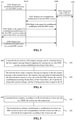
- the flowchart of the method 300 for transmitting data in this embodiment of the disclosure will be described below in detail in combination with FIG. 3 .
- the method is described with a 5G communication system as an example, and the method 300 may include the following contents in part or as a whole.
- a UE sends a request for establishment or modification of a first PDU session to an SMF, the NAS message including an ID of the first PDU session.
- the SMF may interact with a UPF for session establishment after the request for establishment or modification of the first PDU session is received.
- the SMF may trigger an RAN for session establishment or modification after the request for establishment or modification of the first PDU session is received.
- the RAN may make a reply to the SMF after the session establishment is completed, the reply including an accepted or rejected flow list.
- the SMF may make a reply to the UE; the reply may include a rejected flow list which may be rejected completely or partially, or the replay may include a rejection cause, or may include a suggested value, that is, a suggested PDU session or an ID of the suggested PDU session.
- the UE may make an adjustment correspondingly, and re-initiate establishment or modification of the PDU session. Specifically, the UE may send a request for establishment or modification of a second PDU session to the SMF, and the request may include a new ID of the PDU session (corresponding to the case that a PDU session identifier fails to be identified), and may also include the ID of the second PDU session (corresponding to the case that the PDU session is changed) and previously rejected flows.
- FIG. 4 illustrates a schematic block diagram of a method 400 for transmitting data according to an embodiment of the disclosure. As shown in FIG. 4 , the method 400 may include the following contents in part or as a whole.
- a network device receives a first request message sent by a terminal device, the first request message being for applying for carrying out, in a first PDU session, session establishment involving N data flows.
- the network device sends a response message in response to the first request message to the terminal device, the response message being for indicating that the network device rejects to carry out session establishment involving M data flows of the N data flows in the first PDU session, the N and the M being both a positive integer, and the N being greater than or equal to the M.
- the terminal device can adjust a session establishment policy timely, and thus the performance of the communication system can be improved.
- the response message may include a rejection cause value, and the rejection cause value may be for indicating that the first PDU session does not support the M data flows.
- the response message may include an ID of each data flow of the M data flows.
- the method may further include: the network device receives a second request message sent by the terminal device, the second request message being for applying for carrying out, in a second PDU session, session establishment involving at least one data flow of the M data flows.
- the response message may include the ID of the second PDU session, rather than the first PDU session, suggested by the network device.
- the network device may be an SMF device, and the method may further include: the SMF device triggers an access network device according to the first request message to carry out the session establishment involving the N data flows in the first PDU session; and the SMF device receives a data flow list sent by the access network device and corresponding to the first PDU session, the data flow list including the M data flows or (N-M) data flows of the N data flows received by the first PDU session.
- FIG. 5 illustrates a schematic block diagram of a method 500 for transmitting data according to an embodiment of the disclosure. As shown in FIG. 5 , the method 500 may include the following contents in part or as a whole.
- a terminal device acquires, according to an ID of each rule in at least one rule in a URSP, the at least one rule respectively.
- the terminal device initiates establishment or modification of at least one PDU session in one-to-one correspondence with the at least one rule to a network device respectively according to the at least one rule.
- the concept of the URSP is introduced in 5G, and the URSP policy specifies a routing policy of UE for different data flows.
- Each terminal device has one URSP, each URSP may have multiple rules, and the terminal device may initiate establishment of one PDU session based on each rule.
- the terminal device may initiate establishment or modification of one PDU session based on one or more parameters in a rule.
- the one or more parameters may be RAT access, session or service continuity, network slicing or steeringing, etc.
- the parameter in the rule may be measured by a core network, and sent to the terminal device during a registration process of the terminal device, and the terminal device may initiates establishment or modification of the session accordingly.
- the terminal device may acquire some rule according to the IDs of the rules, and the network device no longer needs to send all rules to the terminal device at a time, so that the pressure of the network device can be relieved, and the communication flexibility can be improved.
- the at least one rule may be multiple rules
- the operation that the terminal device initiates establishment or modification of multiple PDU sessions in one-to-one correspondence with the multiple rules to a network device respectively according to the multiple rules may include: the terminal device sequentially initiates the establishment or modification of the multiple PDU sessions to the network device according to precedences of the multiple rules.
- the concept of precedence may be introduced to the multiple rules in the URSP, that is, the terminal device may preferentially initiate, based on a rule, establishment or modification of a PDU session corresponding to the rule to the network device.
- the terminal device may also classify the multiple rules and prioritize each type of rule.
- the PDU sessions initiated in the same type of rule may be not needed to be sorted, that is, the PDU sessions can be initiated at any sequence.
- the precedence of each rule may be indicated by the ID of each rule. For example, once the terminal device obtains the rule #1, the terminal device may consider that the precedence of the rule #1 is the highest.
- the first rule in the at least one rule may include at least one parameter of the following parameters: an RAT, a session and service continuity mode, an S-NSSAI, a steering type, a DNN and a data flow filter.
- each rule in the URSP may include any combination of the above-mentioned various parameters, and the above-mentioned various parameters are merely for systematic description and are not limited by this embodiment of the disclosure.
- the first parameter in the at least one parameter may include multiple values for indicating precedences
- the operation that the terminal device initiates establishment or modification of a first PDU session to a network device according to the first rule may include: the terminal device initiates the establishment or modification of the first PDU session to the network device according to the precedences of the multiple values.
- the first rule may include access RAT, a session and service continuity mode and S-NSSAI, and the value of the access RAT is 3 rd Generation Partnership Project (3GPP) access and Wireless Local Area Networks (WLAN))access.
- the session and service continuity mode may include mode 3 and mode 2
- the S-NSSAI may include S-NSSAI-a and S-NSSAI-b.
- the precedence of the value of each parameter may be sorted, for example, the access RAT may first use the 3GPP access, the S-NSSAI may first use the S-NSSAI-a, and the session and service continuity mode may first use the mode 3, etc.
- the terminal device may randomly select a value of a parameter in the rule corresponding to the PDU session.
- the terminal device may also directly select a value of a parameter having a higher precedence, to improve the possibility of successful establishment of the PDU session.
- the terminal device may select a value of a parameter having a higher precedence and re-initiate the PDU session request, in response to that the network device rejects the request for the PDU session because the randomly selected parameter does not meet the requirement.
- the operation that the terminal device initiates establishment or modification of a first PDU session to a network device according to a first rule in the at least one rule may include: the terminal device sends a first request message to the network device according to the first rule, the first request message being for requesting the network device to carry out session establishment involving N data flows in the first PDU session; and after the terminal device initiates the establishment or modification of the first PDU session to the network device according to the first rule, the method may further include: the terminal device receives a response message sent by the network device in response to the first request message, the response message being for indicating that the network device rejects to carry out the session establishment involving M data flows of the N data flows in the first PDU session, the N and the M being both a positive integer, and the N being greater than or equal to the M.
- the response message may include a rejection cause value
- the rejection cause value may be for indicating at least one condition of the following conditions: not supported PDU session, not allowed RAT access, not supported session or service continuity mode, S-NSSAI is wrong, not supported DNN, and an ID of the PDU session fails to be identified.
- the network side may reject the establishment of one or more flows in one PDU session, which may lie in many reasons.
- the reason may be that the parameter in the rule corresponding to the PDU session in the URSP does not satisfy the requirement, such as no support is from the PDU session, no allowance is from an RAT access, session or service continuity is not satisfied, S-NSSAI is wrong, and no support is from the DNN, or the reason may also be that the ID of the PDU session fails to be identified.
- the response message sent by the network side to the terminal device may include a reason value, specifically, the network side may agree with the terminal device in advance to use several bits to represent the above various reasons, for example, 0001 may represent no allowance from the PDU session, and 0010 may represent no allowance from an RAT access, etc.
- the terminal device may adjust the value of the parameter.
- the method may further include: the terminal device adjusts, in response to the response message, a value of a parameter of the first rule corresponding to the rejection cause value; and the terminal device sends a second request message to the network device according to the adjusted first rule, the second request message being for requesting the network device to carry out, in the first PDU session, session establishment involving at least one data flow of the M data flows.
- the parameter of the first rule corresponding to the rejection cause value may include multiple values indicative of precedences
- the operation that the terminal device adjusts, in response to the response message, a value of a parameter of the first rule corresponding to the rejection cause value may include: the terminal device adjusts, in response to the response message, the value of the parameter of the first URSP corresponding to the rejection cause value to a value having a higher precedence than that when establishment of a first PDU session was initiated last time.
- the response message may include the value of the parameter of the first rule corresponding to the rejection cause value and suggested by the network device
- the operation that the terminal device adjusts, in response to the response message, the value of the parameter of the first URSP corresponding to the rejection cause value may include: the terminal device adjusts the value of the parameter of the first rule corresponding to the rejection cause value to the value of the parameter of the first rule corresponding to the rejection cause value and suggested by the network device.
- the terminal device after the terminal device receives the response message, in a case that the network device includes a suggested value in the response message, the terminal device makes a modification according to the suggested value; and in a case that the suggested value is not included, the parameter in the rule corresponding to the rejection cause value may be adjusted according to the precedence of the parameter. For example, in a case that the reply of the network device is that the RAT access is not satisfied, the terminal device may select the RAT access having a higher precedence to re-initiate the establishment of the PDU session.
- the terminal device may directly re-initiate the establishment of the PDU session based on the 3GPP access.
- the method may further include: the terminal device receives, from the network device, a second rule other than the first rule in the at least one rule in the URSP and the ID of the first rule; and the operation that the terminal device acquires the first rule according to an ID of a first rule may include: the terminal device acquires the first rule via a user plane according to the ID of the first rule after the second PDU session corresponding to the second rule is established, or the terminal device triggers the network device according to the ID of the first rule to send the first rule via a control plane.
- the network device may send the URSP policy to the terminal device via a PCF in the process when the terminal device performs the network registration.
- the method may further include: the terminal device receives the ID of a server; and the operation that the terminal device acquires the first rule via a user plane according to the ID of the first rule after the second PDU session corresponding to the second rule is established may include: the terminal device acquires the first rule via the user plane according to the ID of the first rule and the ID of the server after the second PDU session corresponding to the second rule is established.
- the precedence of the second rule may be higher than that of the first rule.
- the PCF may send segmentations of the URSP comprising multiple rules to the terminal device via a control plane, for example, the PCT may group the multiple rules and send a group of rules in each message, or may prioritize the multiple rules to send segmentations of the URSP comprising the multiple rules initiatively, that is, send the rules with precedences from high to low.
- the terminal device may also send the ID of the required rule to the PCF once receiving one segmentation of rules, specifically, in a case that the PCF first sends the rule 1 and the rule 2 to the terminal device, the terminal device may feed the IDs of the rule 3 and the rule 4 to the PCF, so that the PCF can send the rule 3 and the rule 4 to the terminal device.
- the PCF may also first send part of rules to the terminal device and also carry the IDs of another part of rules. After the terminal device establishes a user plane according to the part of rules, the terminal device may acquire the another part of rules according to the IDs of the another part of rules. Further, the PCF may send an ID of a server which stores the another part of rules to the terminal device. After the terminal device establishes the user plane according to the part of rules, the terminal device may acquire the another part of rules from the server corresponding to the user plane according to the IDs of the another part of rules.
- the URSP policy can be acquired in form of segmentations, the network pressure can be effectively reduced, and the communication flexibility can be improved.
- the operation that a terminal device acquires, according to an ID of each rule in at least one rule in a URSP, the at least one rule respectively may include: in the process when the terminal device performs network registration, the terminal device acquires the at least one rule according to the ID of each rule in the at least one rule.
- FIG. 6 illustrates a schematic block diagram of a method 600 for transmitting data according to an embodiment of the disclosure. As shown in FIG. 6 , the method 600 may include the following contents in part or as a whole.
- a network device in the process when a terminal device performs network registration, a network device sends multiple rules in a URSP to the terminal device via multiple messages.
- the URSP policy can be acquired in form of segmentations, the network pressure can be effectively reduced, and the communication flexibility can be improved.
- the operation that in the process when a terminal device performs network registration, a network device sends multiple rules in a URSP to the terminal device via multiple messages may include: in the process when the terminal device performs the network registration, the network device sequentially sends the multiple rules to the terminal device via multiple messages on a control plane according to precedences of the multiple rules.
- the network device may be a PCF device.
- FIG. 7 illustrates a schematic block diagram of a method 700 for transmitting data according to an embodiment of the disclosure. As shown in FIG. 7 , the method 700 may include the following contents in part or as a whole.
- a network device in the process when a terminal device performs network registration, a network device sends a second rule other than a first rule in a URSP and an ID of the first rule to the terminal device, so that the terminal device acquires the first rule via a user plane according to the ID of the first rule after a second Protocol Data Unit (PDU) session corresponding to the second rule is established.
- PDU Protocol Data Unit
- the network pressure can be effectively reduced, and the communication flexibility can be improved.
- the method may further include: the network device sends the ID of a server to the terminal device, so that the terminal device acquires the first rule via the user plane according to the ID of the first rule and the ID of the server after the second PDU session corresponding to the second rule is established.
- the network device may be a PCF device.
- sequence numbers of the foregoing processes in various embodiments of the disclosure do not mean execution sequences.
- the execution sequences of the processes may be determined according to functions and internal logics of the processes, and should not be construed as any limitation to the implementation processes of the embodiments of the disclosure.
- FIG. 8 illustrates a schematic block diagram of a terminal device 800 according to an embodiment of the disclosure.
- the terminal device 800 may include: a sending unit 810 and a receiving unit 820.
- the sending unit 810 is configured to send a first request message to a network device, the first request message being for applying for carrying out, in a first PDU session, session establishment involving N data flows.
- the receiving unit 820 is configured to receive a response message sent by the network device in response to the first request message, the response message being for indicating that the network device rejects to carry out, in the first PDU session, session establishment involving M data flows of the N data flows, the N and the M being both a positive integer, and the N being greater than or equal to the M.
- the terminal device by receiving the condition of session establishment fed back by the network device, the terminal device can adjust a session establishment policy timely, and the performance of the communication system can be improved.
- the response message may include a rejection cause value, and the rejection cause value may be for indicating that the first PDU session does not support the M data flows.
- the response message may include an ID of each data flow of the M data flows.
- the sending unit may be further configured to send a second request message to the network device in response to the response message, the second request message being for applying for carrying out, in a second PDU session, session establishment involving at least one data flow of the M data flows.
- the first request message may include the ID of the first PDU session
- the second request message may include the ID of the second PDU session
- the second PDU session may be the first PDU session after the ID of the first PDU session is adjusted.
- the terminal device may further include: a processing unit, configured to adjust an establishment parameter of the second PDU session rather than the first PDU session according to the M data flows.
- the response message may include the ID of the second PDU session.
- the network device may be an SMF device.
- terminal device 800 may correspond to the terminal device in the method embodiment of the disclosure. Furthermore, the above and other operations and/or functions of each unit in the terminal device 800 are respectively intended to implement a corresponding process of the terminal device in the method in FIG. 2 and FIG. 3 and will not be repeated for the briefness.
- FIG. 9 illustrates a schematic block diagram of a network device 900 according to an embodiment of the disclosure.
- the network device 900 may include: a receiving unit 910 and a sending unit 920.
- the receiving unit 910 is configured to receive a first request message sent by a terminal device, the first request message being for applying for carrying out, in a first PDU session, session establishment involving N data flows.
- the sending unit 920 is configured to send a response message in response to the first request message to the terminal device, the response message being for indicating that the network device rejects to carry out, in the first PDU session, the session establishment involving M data flows of the N data flows, the N and the M being both a positive integer, and the N being greater than or equal to the M.
- the network device in this embodiment of the disclosure by feeding the condition of session establishment back to the terminal device, can enable the terminal device to adjust a session establishment policy timely, so that the performance of the communication system can be improved.
- the response message may include a rejection cause value, and the rejection cause value may be for indicating that the first PDU session does not support the M data flows.
- the response message may include an ID of each data flow of the M data flows.
- the receiving unit may be further configured to receive a second request message sent by the terminal device, the second request message being for applying for carrying out, in a second PDU session, session establishment involving at least one data flow of the M data flows.
- the response message may include the ID of the second PDU session, rather than the first PDU session, suggested by the network device.
- the network device may be an SMF device, and the network device may further include: a processing unit, configured to trigger an access network device according to the first request message to carry out the session establishment involving the N data flows in the first PDU session; and the receiving unit may be further configured to receive a data flow list sent by the access network device and corresponding to the first PDU session, the data flow list including the M data flows or (N-M) data flows of the N data flows received by the first PDU session.
- a processing unit configured to trigger an access network device according to the first request message to carry out the session establishment involving the N data flows in the first PDU session
- the receiving unit may be further configured to receive a data flow list sent by the access network device and corresponding to the first PDU session, the data flow list including the M data flows or (N-M) data flows of the N data flows received by the first PDU session.
- the network device 900 may correspond to the terminal device in the method embodiment of the disclosure. Furthermore, the above and other operations and/or functions of each unit in the network device 900 are respectively intended to implement a corresponding process of the network device in the method in FIG. 4 and will not be repeated for the briefness.
- FIG. 10 illustrates a schematic block diagram of a terminal device 1000 according to an embodiment of the disclosure.
- the terminal device 1000 may include: a processing unit 1100.
- the processing unit 1100 is configured to acquire, according to an ID of each rule in at least one rule in a URSP, the at least one rule respectively.
- the processing unit 1100 is further configured to initiate establishment or modification of at least one PDU session in one-to-one correspondence with the at least one rule to a network device respectively according to the at least one rule.
- the terminal device in this embodiment of the disclosure may acquire some rule according to the IDs of the rules, and the network device no longer needs to send all rules to the terminal device at a time, so that the pressure of the network device can be relieved, and the communication flexibility can be improved.
- the at least one rule may be multiple rules, and the processing unit may be specifically configured to: initiate the establishment or modification of the multiple PDU sessions to the network device according to precedences of the multiple rules.
- the first rule in the at least one rule may include at least one parameter of the following parameters: an RAT, a session and service continuity mode, an S-NSSAI, a steering type, a DNN and a data flow filter.
- the first parameter in the at least one parameter may include multiple values indicative of precedences
- the processing unit may be specifically configured to: initiate, according to the precedences of the multiple values, the establishment or modification of the first PDU session to the network device.
- the processing unit may be further configured to send a first request message to the network device according to the first rule, the first request message being for requesting the network device to carry out session establishment involving N data flows in the first PDU session; and after the processing unit initiates the establishment or modification of the first PDU session to the network device according to the first rule, the terminal device may further include: a receiving unit, configured to receive a response message sent by the network device in response to the first request message, the response message being for indicating that the network device rejects to carry out the session establishment involving M data flows of the N data flows in the first PDU session, the N and the M being both a positive integer, and the N being greater than or equal to the M.
- the response message may include a rejection cause value
- the rejection cause value may be for indicating at least one condition of the following conditions: not supported PDU session, not allowed RAT access, not supported session or service continuity mode, S-NSSAI is wrong, not supported DNN, and an ID of the PDU session fails to be identified.
- the terminal device may further include: the processing unit, further configured to adjust, in response to the response message, a value of a parameter of the first rule corresponding to the rejection cause value; and a sending unit, configured to send a second request message to the network device according to the adjusted first rule, the second request message being for requesting the network device to carry out, in the first PDU session, the session establishment involving at least one data flow of the M data flows.
- the processing unit further configured to adjust, in response to the response message, a value of a parameter of the first rule corresponding to the rejection cause value
- a sending unit configured to send a second request message to the network device according to the adjusted first rule, the second request message being for requesting the network device to carry out, in the first PDU session, the session establishment involving at least one data flow of the M data flows.
- the parameter of the first rule corresponding to the rejection cause value may include multiple values indicative of precedences
- the processing unit may be further configured to adjust, in response to the response message, the value of the parameter of the first URSP corresponding to the rejection cause value to a value having a higher precedence than that when establishment of a first PDU session was initiated last time.
- the response message may include the value of the parameter of the first rule corresponding to the rejection cause value and suggested by the network device
- the operation that the processing unit adjusts, in response to the response message, the value of the parameter of the first URSP corresponding to the rejection cause value may include: the processing unit adjusts the value of the parameter of the first rule corresponding to the rejection cause value as the value of the parameter of the first rule corresponding to the rejection cause value and suggested by the network device.
- the terminal device may further include: a receiving unit, configured to receive a second rule other than the first rule in the at least one rule in the URSP and the ID of the first rule from the network device; and the operation that the processing unit acquires, according to an ID of a first rule, the first rule may include:
- the processing unit acquires the first rule via a user plane according to the ID of the first rule after the second PDU session corresponding to the second rule is established, or the processing unit triggers the network device according to the ID of the first rule to send the first rule via a control plane.
- the receiving unit may be further configured to receive an ID of a server; and the operation that the processing unit acquires the first rule via a user plane according to the ID of the first rule after the second PDU session corresponding to the second rule is established may include: the processing unit acquires the first rule via the user plane according to the ID of the first rule and the ID of the server after the second PDU session corresponding to the second rule is established.
- the precedence of the second rule may be higher than that of the first rule.
- the operation that the processing unit respectively acquires, according to an ID of each rule in at least one rule in a URSP, the at least one rule may include: in the process when the terminal device performs network registration, the processing unit acquires the at least one rule according to the ID of each rule in the at least one rule.
- terminal device 1000 may correspond to the terminal device in the method embodiment of the disclosure. Furthermore, the above and other operations and/or functions of each unit in the terminal device 1000 are respectively intended to implement a corresponding process of the terminal device in the method in FIG. 5 and will not be repeated for the briefness.
- FIG. 11 illustrates a schematic block diagram of a network device 2000 according to an embodiment of the disclosure.
- the network device 2000 may include: a sending unit 2100.
- the sending unit 2100 is configured to send, in the process when a terminal device performs network registration, multiple rules in a URSP to the terminal device via multiple messages.
- the network device in this embodiment of the disclosure since the URSP policy can be acquired in segmentations, the network pressure can be effectively reduced, and the communication flexibility can be improved.
- the processing unit may be specifically configured to: sequentially send the multiple rules to the terminal device via multiple messages on a control plane according to precedences of the multiple rules.
- the network device may be a PCF device.
- terminal device 2000 may correspond to the terminal device in the method embodiment of the disclosure. Furthermore, the above and other operations and/or functions of each unit in the terminal device 2000 are respectively intended to implement a corresponding process of the terminal device in the method in FIG. 6 and will not be repeated for the briefness.
- FIG. 12 illustrates a schematic block diagram of a network device 3000 according to an embodiment of the disclosure.
- the network device 3000 may include: a sending unit 3100.
- the sending unit 3100 is configured to send, in the process when a terminal device performs network registration, a second rule other than a first rule in a URSP and an ID of the first rule to the terminal device, so that the terminal device acquires the first rule via a user plane according to the ID of the first rule after a second Protocol Data Unit (PDU) session corresponding to the second rule is established.
- PDU Protocol Data Unit
- the network device in this embodiment of the disclosure since the URSP policy can be acquired in segmentations, the network pressure may be effectively reduced, and the communication flexibility can be improved.
- the sending unit may be further configured to send the ID of a server to the terminal device, so that the terminal device acquires the first rule via the user plane according to the ID of the first rule and the ID of the server after the second PDU session corresponding to the second rule is established.
- the network device may be a PCF device.
- terminal device 3000 may correspond to the terminal device in the method embodiment of the disclosure. Furthermore, the above and other operations and/or functions of each unit in the terminal device 3000 are respectively intended to implement a corresponding process of the terminal device in the method in FIG. 7 and will not be repeated for the briefness.
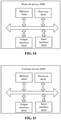
- an embodiment of the disclosure further provides a terminal device 4000.
- the terminal device 4000 may be the terminal device 800 in FIG. 8 , and can be configured to execute the operations of the terminal device corresponding to the method 200 in FIG. 2 .
- the terminal device 4000 may include: an input interface 4010, an output interface 4020, a processor 4030 and a memory 4040.
- the input interface 4010, the output interface 4020, the processor 4030 and the memory 4040 may be connected via a bus system.
- the memory 4040 is configured to store a program, an instruction or a code.
- the processor 4030 is configured to execute the program, the instruction or the code in the memory 4040, to control the input interface 4010 to receive a signal and control the output interface 4020 to send the signal, and complete the operations in the foregoing method embodiment.
- the terminal device by receiving the condition of session establishment fed back by the network device, the terminal device can adjust a session establishment policy timely, and the performance of the communication system can be improved.
- the processor 4030 may be a Central Processing Unit (CPU), and the processor 4030 may also be another universal processor, a Digital Signal Processor (DSP), an Application Specific Integrated Circuit (ASIC), a Field Programmable Gate Array (FPGA) or another programmable logic device, separate gate or transistor logic device, separate hardware component and the like.
- the universal processor may be a microprocessor, or the processor may also be any conventional processor, etc.
- the memory 4040 may include a Read-Only Memory (ROM) and a Random Access Memory (RAM) and provide an instruction and data for the processor 4030.
- a part of the processor 4040 may further include a nonvolatile random access memory.
- the processor 4040 may further store information on a device type.
- all the contents of the method may be completed by means of the instruction in a form of an integrated logic circuit of hardware in the processor 4030 or software.
- the contents of the method disclosed in combination with this embodiment of the disclosure may be directly embodied as a hardware processor for execution and completion, or a combination of hardware and software modules in the processor for execution and completion.
- the software module may be located in a mature storage medium in the art such as the RAM, a flash memory, a programmable ROM or an electrically erasable programmable memory, and a register.
- the storage medium is located in the memory 4040.
- the processor 4030 reads information in the memory 4040, and completes the content of the above method in combination with hardware. In order to prevent repetition, the above will no longer be described in detail.
- the sending unit in the terminal device 800 may be implemented by the output interface 4020 in FIG. 13
- the receiving unit in the terminal device 800 may be implemented by the input interface 4010 in FIG. 13 .
- an embodiment of the disclosure further provides a network device 5000.
- the network device 5000 may be the network device 900 in FIG. 9 , and can be configured to execute all the operations of the network device corresponding to the method 400 in FIG. 4 .
- the network device 5000 may include: an input interface 5010, an output interface 5020, a processor 5030 and a memory 5040.
- the input interface 5010, the output interface 5020, the processor 5030 and the memory 5040 may be connected via a bus system.
- the memory 5040 is configured to store a program, an instruction or a code.
- the processor 5030 is configured to execute the program, the instruction or the code in the memory 5040, to control the input interface 5010 to receive a signal, and control the output interface 5020 to send the signal and complete the operations in the foregoing method embodiment.
- the network device in this embodiment of the disclosure by feeding the condition of session establishment back to the terminal device, can enable the terminal device to adjust a session establishment policy timely, and the performance of the communication system can be improved.
- the processor 5030 may be a CPU, and the processor 5030 may further be another universal processor, a DSP, an ASIC, an FPGA or another programmable logic device, separate gate or transistor logic device, separate hardware component and the like.
- the universal processor may be a microprocessor, or the processor may also be any conventional processor, etc.
- the memory 5040 may include an ROM and an RAM and provide an instruction and data for the processor 5030.
- a part of the processor 5040 may further include a nonvolatile random access memory.
- the processor 5040 may further store information on a device type.
- all the contents of the method may be completed by means of the instruction in a form of an integrated logic circuit of hardware in the processor 5030 or software.
- the contents of the method described in combination with this embodiment of the disclosure may be directly embodied as a hardware processor for execution and completion, or a combination of hardware and software modules in the processor for execution and completion.
- the software module may be located in a mature storage medium in the art such as the RAM, a flash memory, a programmable ROM or an electrically erasable programmable memory, and a register.
- the storage medium is located in the memory 5040.
- the processor 5030 reads information in the memory 5040, and completes the content of the above method in combination with hardware. In order to prevent repetition, the above will no longer be described in detail.
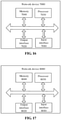
- the sending unit in the network device 900 may be implemented by the output interface 5020 in FIG. 14
- the receiving unit in the network device 900 may be implemented by the input interface 5010 in FIG. 14 .
- an embodiment of the disclosure further provides a terminal device 6000.
- the terminal device 6000 may be the terminal device 1000 in FIG. 10 , and can be configured to execute the operations of the terminal device corresponding to the method 500 in FIG. 5 .
- the terminal device 6000 may include: an input interface 6010, an output interface 6020, a processor 6030 and a memory 6060.
- the input interface 6010, the output interface 6020, the processor 6030 and the memory 6060 may be connected via a bus system.
- the memory 6060 is configured to store a program, an instruction or a code.
- the processor 6030 is configured to execute the program, the instruction or the code in the memory 6060, to control the input interface 6010 to receive a signal, and control the output interface 6020 to send the signal and complete the operations in the foregoing method embodiment.
- the terminal device in this embodiment of the disclosure may acquire a rule according to the IDs of the rules, and the network device no longer needs to send all rules to the terminal device at a time, so that the pressure of the network device can be relieved, and the communication flexibility can be improved.
- the processor 6030 may be a Central Processing Unit (CPU), and the processor 6030 may further be other universal processor, a Digital Signal Processor (DSP), an Application Specific Integrated Circuit (ASIC), a Field Programmable Gate Array (FPGA) or other programmable logic device, separate gate or transistor logic device, separate hardware component and the like.
- the universal processor may be a microprocessor, or the processor may also be any conventional processor, etc.
- the memory 6060 may include an ROM and an RAM and provide an instruction and data for the processor 6030. Part of the processor 6060 may further include a nonvolatile random access memory. For example, the processor 6060 may further store information on a device type.
- all the contents of the method may be completed by means of the instruction in a form of an integrated logic circuit of hardware in the processor 6030 or software.
- the content of the method disclosed in combination with this embodiment of the disclosure may be directly embodied as a hardware processor for execution and completion, or a combination of hardware and software modules in the processor for execution and completion.
- the software module may be located in a mature storage medium in the art such as the RAM, a flash memory, a programmable ROM or an electrically erasable programmable memory, and a register.
- the storage medium is located in the memory 6060.
- the processor 6030 reads information in the memory 6060, and completes the content of the above method in combination with hardware. In order to prevent repetition, the above will no longer be described in detail.
- the processing unit in the terminal device 1000 may be implemented by the processor 6030 in FIG. 15 .
- an embodiment of the disclosure further provides a network device 7000.
- the network device 7000 may be the network device 2000 in FIG. 11 , and can be configured to execute the operations of the network device corresponding to the method 600 in FIG. 6 .
- the network device 7000 may include: an input interface 7010, an output interface 7020, a processor 7030 and a memory 7040.
- the input interface 7010, the output interface 7020, the processor 7030 and the memory 7040 may be connected via a bus system.
- the memory 7040 is configured to store a program, an instruction or a code.
- the processor 7030 is configured to execute the program, the instruction or the code in the memory 7040, to control the input interface 7010 to receive a signal, and control the output interface 7020 to send the signal and complete the operations in the foregoing method embodiment.
- the network device in this embodiment of the disclosure since the URSP policy can be acquired in segmentations, the network pressure can be effectively reduced, and the communication flexibility can be improved.
- the processor 7030 may be a Central Processing Unit (CPU), and the processor 7030 may also be other universal processors, a Digital Signal Processor (DSP), an Application Specific Integrated Circuit (ASIC), a Field Programmable Gate Array (FPGA) or other programmable logic device, separate gate or transistor logic device, separate hardware component and the like.
- the universal processor may be a microprocessor, or the processor may also be any conventional processor, etc.
- the memory 7040 may include an ROM and an RAM and provide an instruction and data for the processor 7030.
- a part of the processor 7040 may further include a nonvolatile random access memory.
- the processor 7040 may further store information on a device type.
- all the contents of the method may be completed by means of the instruction in a form of an integrated logic circuit of hardware in the processor 7030 or software.
- the content of the method disclosed in combination with this embodiment of the disclosure may be directly embodied as a hardware processor for execution and completion, or a combination of hardware and software modules in the processor for execution and completion.
- the software module may be located in a mature storage medium in the art such as the RAM, a flash memory, a programmable ROM or an electrically erasable programmable memory, and a register.
- the storage medium is located in the memory 7040.
- the processor 7030 reads information in the memory 7040, and completes the content of the above method in combination with hardware. In order to prevent repetition, the above will no longer be described in detail.
- the sending unit in the network device 2000 may be implemented by the output interface 7020 in FIG. 16 .
- an embodiment of the disclosure further provides a network device 8000.
- the network device 8000 may be the network device 3000 in FIG. 12 , and can be configured to execute a content of the network device corresponding to the method 700 in FIG. 7 .
- the network device 8000 may include: an input interface 8010, an output interface 8020, a processor 8030 and a memory 8040.
- the input interface 8010, the output interface 8020, the processor 8030 and the memory 8040 may be connected via a bus system.
- the memory 8040 is configured to store a program, an instruction or a code.
- the processor 8030 is configured to execute the program, the instruction or the code in the memory 8040, to control the input interface 8010 to receive a signal, and control the output interface 8020 to send the signal and complete the operations in the foregoing method embodiment.
- the network device in this embodiment of the disclosure since the URSP policy can be acquired in segmentations, the network pressure can be effectively reduced, and the communication flexibility can be improved.
- the processor 8030 may be a Central Processing Unit (CPU), and the processor 8030 may also be other universal processor, a Digital Signal Processor (DSP), an Application Specific Integrated Circuit (ASIC), a Field Programmable Gate Array (FPGA) or other programmable logic device, separate gate or transistor logic device, separate hardware component and the like.
- the universal processor may be a microprocessor, or the processor may also be any conventional processor, etc.
- the memory 8040 may include an ROM and an RAM and provide an instruction and data for the processor 8030. Part of the processor 8040 may further include a nonvolatile random access memory. For example, the processor 8040 may further store information on a device type.
- each content of the method may be completed by means of the instruction in a form of an integrated logic circuit of hardware in the processor 8030 or software.
- the content of the method disclosed in combination with this embodiment of the disclosure may be directly embodied as a hardware processor for execution and completion, or a combination of hardware and software modules in the processor for execution and completion.
- the software module may be located in a mature storage medium in the art such as the RAM, a flash memory, a programmable ROM or an electrically erasable programmable memory, and a register.
- the storage medium may be located in the memory 8040.
- the processor 8030 may read information in the memory 8040, and complete the content of the above method in combination with hardware. In order to prevent repetition, the above will not be described in detail.
- the sending unit in the network device 3000 may be implemented by the output interface 8020 in FIG. 17 .
- the disclosed system, apparatus, and method may be implemented in other manners.
- the described apparatus embodiment is merely exemplary.
- the unit division is merely logical function division and may be other division in actual implementation.
- a plurality of units or components may be combined or integrated into another system, or some features may be ignored or not performed.
- the displayed or discussed mutual couplings or direct couplings or communication connections may be implemented through some interfaces.
- the indirect couplings or communication connections between the apparatuses or units may be implemented in electronic, mechanical, or other forms.
- the units described as separate parts may or may not be physically separate, and parts displayed as units may or may not be physical units, may be located in one position, or may be distributed on a plurality of network units. Some or all of the units may be selected according to actual needs to achieve the objectives of the solutions of the embodiments.
- functional units in the embodiments of the disclosure may be integrated into one processing unit, or each of the units may exist alone physically, or two or more units are integrated into one unit.
- the functions When the functions are implemented in the form of a software functional unit and sold or used as an independent product, the functions may be stored in a computer-readable storage medium. Based on such an understanding, the technical solutions of the disclosure essentially, or the part contributing to the prior art, or some of the technical solutions may be implemented in a form of a software product.
- the computer software product may be stored in a storage medium and may include several instructions for instructing a computer device (which may be a personal computer, a server, or a network device) to perform all or some of the steps of the methods described in the embodiments of the disclosure.
- the foregoing storage medium may include: any medium that can store a program code, such as a U disk, a mobile hard disk, an ROM, an RAM, a magnetic disk, or an optical disc.
Landscapes
- Engineering & Computer Science (AREA)
- Computer Networks & Wireless Communication (AREA)
- Signal Processing (AREA)
- Computer Security & Cryptography (AREA)
- Business, Economics & Management (AREA)
- Accounting & Taxation (AREA)
- Mobile Radio Communication Systems (AREA)
- Communication Control (AREA)
- Computer And Data Communications (AREA)
- Data Exchanges In Wide-Area Networks (AREA)
Priority Applications (1)
| Application Number | Priority Date | Filing Date | Title |
|---|---|---|---|
| EP21196875.5A EP3965367A1 (fr) | 2017-10-20 | 2017-10-20 | Procédé de transmission de données, dispositif terminal et dispositif de réseau |
Applications Claiming Priority (3)
| Application Number | Priority Date | Filing Date | Title |
|---|---|---|---|
| PCT/CN2017/107168 WO2019075763A1 (fr) | 2017-10-20 | 2017-10-20 | Procédé de transmission de données, dispositif terminal et dispositif réseau |
| EP17928855.0A EP3700268B1 (fr) | 2017-10-20 | 2017-10-20 | Procédé de transmission de données et dispositif terminal de selection un règle d'une politique de sélection d'itinéraire d'ue (ursp) |
| EP21196875.5A EP3965367A1 (fr) | 2017-10-20 | 2017-10-20 | Procédé de transmission de données, dispositif terminal et dispositif de réseau |
Related Parent Applications (1)
| Application Number | Title | Priority Date | Filing Date |
|---|---|---|---|
| EP17928855.0A Division EP3700268B1 (fr) | 2017-10-20 | 2017-10-20 | Procédé de transmission de données et dispositif terminal de selection un règle d'une politique de sélection d'itinéraire d'ue (ursp) |
Publications (1)
| Publication Number | Publication Date |
|---|---|
| EP3965367A1 true EP3965367A1 (fr) | 2022-03-09 |
Family
ID=66173169
Family Applications (3)
| Application Number | Title | Priority Date | Filing Date |
|---|---|---|---|
| EP21196875.5A Withdrawn EP3965367A1 (fr) | 2017-10-20 | 2017-10-20 | Procédé de transmission de données, dispositif terminal et dispositif de réseau |
| EP17928855.0A Active EP3700268B1 (fr) | 2017-10-20 | 2017-10-20 | Procédé de transmission de données et dispositif terminal de selection un règle d'une politique de sélection d'itinéraire d'ue (ursp) |
| EP18868123.3A Active EP3691380B1 (fr) | 2017-10-20 | 2018-06-19 | Procédé de transmission de données, dispositif terminal, et dispositif de fonction de gestion de session (smf) |
Family Applications After (2)
| Application Number | Title | Priority Date | Filing Date |
|---|---|---|---|
| EP17928855.0A Active EP3700268B1 (fr) | 2017-10-20 | 2017-10-20 | Procédé de transmission de données et dispositif terminal de selection un règle d'une politique de sélection d'itinéraire d'ue (ursp) |
| EP18868123.3A Active EP3691380B1 (fr) | 2017-10-20 | 2018-06-19 | Procédé de transmission de données, dispositif terminal, et dispositif de fonction de gestion de session (smf) |
Country Status (12)
| Country | Link |
|---|---|
| US (3) | US11304260B2 (fr) |
| EP (3) | EP3965367A1 (fr) |
| JP (2) | JP7063988B2 (fr) |
| KR (3) | KR102477765B1 (fr) |
| CN (4) | CN111182572B (fr) |
| AU (2) | AU2017436351B2 (fr) |
| CA (1) | CA3079480C (fr) |
| ES (1) | ES2900193T3 (fr) |
| PL (1) | PL3700268T3 (fr) |
| RU (1) | RU2761443C2 (fr) |
| TW (1) | TWI779117B (fr) |
| WO (4) | WO2019075763A1 (fr) |
Families Citing this family (44)
| Publication number | Priority date | Publication date | Assignee | Title |
|---|---|---|---|---|
| CN111182572B (zh) * | 2017-10-20 | 2021-03-05 | Oppo广东移动通信有限公司 | 用于传输数据的方法、终端设备和网络设备 |
| CN110149651B (zh) * | 2018-02-13 | 2021-09-14 | 华为技术有限公司 | 一种确定ssc模式的方法及装置 |
| CN112087815B (zh) * | 2019-06-13 | 2023-03-10 | 华为技术有限公司 | 通信方法、装置及系统 |
| CN114271016B (zh) * | 2019-06-21 | 2024-12-06 | 诺基亚技术有限公司 | 基于优先级的会话准入控制方法和装置 |
| CN110474969B (zh) * | 2019-07-29 | 2021-07-16 | 华为技术有限公司 | 会话管理方法及装置 |
| CN110557798B (zh) * | 2019-08-26 | 2022-08-12 | 中国联合网络通信集团有限公司 | 一种确定ursp的方法及装置 |
| JP7401567B2 (ja) * | 2019-09-12 | 2023-12-19 | オッポ広東移動通信有限公司 | 無線通信の方法および装置 |
| WO2021066423A1 (fr) | 2019-10-02 | 2021-04-08 | Samsung Electronics Co., Ltd. | Procédé et dispositif de commande du débit de données dans une tranche de réseau d'un système de communication sans fil |
| EP4079048A1 (fr) * | 2019-12-19 | 2022-10-26 | Telefonaktiebolaget Lm Ericsson (Publ) | Verrouillage de dispositif de module d'identification de l'abonné et/ou de tranche |
| CN113365267B (zh) * | 2020-03-06 | 2025-02-18 | 华为技术有限公司 | 通信方法和装置 |
| WO2021201448A1 (fr) * | 2020-03-30 | 2021-10-07 | Samsung Electronics Co., Ltd. | Procédés et systèmes de gestion de continuité de flux de données dans des réseaux 5g |
| US12363616B2 (en) * | 2020-05-21 | 2025-07-15 | Apple Inc. | Enhancements for handling network slice quota |
| CN115868207B (zh) * | 2020-05-28 | 2025-03-14 | 高通股份有限公司 | 建立协议数据单元会话的方法 |
| CN115428362B (zh) * | 2020-06-03 | 2025-06-03 | Oppo广东移动通信有限公司 | 信息处理方法及装置 |
| CN113950106B (zh) * | 2020-07-15 | 2023-07-07 | 华为技术有限公司 | 多接入连接建立的方法、装置和系统 |
| CN114080056B (zh) * | 2020-08-13 | 2024-08-09 | 中国移动通信有限公司研究院 | 一种会话更新方法、终端和网络侧设备 |
| CN112188643B (zh) * | 2020-10-09 | 2022-11-15 | 哲库科技(北京)有限公司 | Pdu会话的建立方法、装置、终端及存储介质 |
| CN114697998A (zh) * | 2020-12-28 | 2022-07-01 | 中国移动通信有限公司研究院 | 协商方法、装置、设备及可读存储介质 |
| CN116250360A (zh) * | 2021-01-11 | 2023-06-09 | Oppo广东移动通信有限公司 | 一种连接建立方法及装置、网络设备 |
| WO2022160123A1 (fr) * | 2021-01-27 | 2022-08-04 | Oppo广东移动通信有限公司 | Procédé de sélection de mode d'accès, dispositif terminal et dispositif de réseau |
| WO2022165787A1 (fr) * | 2021-02-07 | 2022-08-11 | Oppo广东移动通信有限公司 | Procédé et appareil de configuration de paramètres, dispositif, et support de stockage |
| CN115334138B (zh) * | 2021-04-26 | 2023-09-01 | 华为技术有限公司 | Quic数据传输方法、装置、客户端及服务端 |
| CN113225124B (zh) * | 2021-05-07 | 2022-04-19 | 广州爱浦路网络技术有限公司 | 卫星终端端对端通信链路的建立方法、系统、装置及介质 |
| CN115473814B (zh) * | 2021-05-24 | 2025-01-24 | 中国移动通信有限公司研究院 | 一种网络切片连接配置方法、装置及网络设备 |
| CN115412979B (zh) * | 2021-05-28 | 2025-06-17 | 展讯半导体(南京)有限公司 | 一种会话切换方法、装置、芯片及模组设备 |
| CN113423073B (zh) * | 2021-06-08 | 2023-01-31 | Oppo广东移动通信有限公司 | 消息处理方法、装置、电子设备和存储介质 |
| CN113163511B (zh) * | 2021-06-28 | 2021-10-26 | 中移(上海)信息通信科技有限公司 | 信息处理方法、装置、网络网元、终端及可读存储介质 |
| CN117529966A (zh) * | 2021-07-15 | 2024-02-06 | Oppo广东移动通信有限公司 | 一种数据传输方法及装置、终端设备、网络设备 |
| CN113795019B (zh) * | 2021-08-09 | 2022-12-30 | 华为技术有限公司 | 一种通信控制方法和通信设备 |
| CN115915072B (zh) * | 2021-08-26 | 2024-07-16 | 大唐移动通信设备有限公司 | 一种端到端的pdu会话管理方法、装置及网络设备 |
| EP4152045A1 (fr) | 2021-09-16 | 2023-03-22 | Samsung Electronics Co., Ltd. | Capteur d'image pour mesurer la distance et module de caméra le comprenant |
| CN118077305A (zh) * | 2021-09-30 | 2024-05-24 | 三星电子株式会社 | 在nsacf处维持ma pdu会话的无线网络和方法 |
| WO2023058134A1 (fr) * | 2021-10-05 | 2023-04-13 | 楽天モバイル株式会社 | Système d'identification de cause et procédé d'identification de cause |
| CN116074921A (zh) * | 2021-11-02 | 2023-05-05 | 广州三星通信技术研究有限公司 | 网络切片连接方法、装置、设备及介质 |
| CN116346882A (zh) * | 2021-12-24 | 2023-06-27 | 中移(成都)信息通信科技有限公司 | 一种会话处理方法、装置、通信设备和存储介质 |
| CN116506891A (zh) * | 2022-01-18 | 2023-07-28 | 北京小米移动软件有限公司 | Ursp信息的传输方法、装置及存储介质 |
| CN116527560A (zh) * | 2022-01-20 | 2023-08-01 | 广州三星通信技术研究有限公司 | 更新用户设备路由选择策略的方法、用户设备和服务器 |
| CN114915996B (zh) * | 2022-05-16 | 2024-10-25 | Oppo广东移动通信有限公司 | 通信异常处理方法及相关装置 |
| CN114666919B (zh) * | 2022-05-18 | 2022-08-30 | 广州世炬网络科技有限公司 | 随机接入方法、信息广播方法、装置及电子设备 |
| CN115696491A (zh) * | 2022-09-27 | 2023-02-03 | 中国联合网络通信集团有限公司 | 协议数据单元会话建立方法、装置和设备 |
| CN119815575B (zh) * | 2023-10-10 | 2025-11-14 | 中国电信股份有限公司技术创新中心 | 一种协议数据单元pdu会话建立方法及相关装置 |
| CN120825819A (zh) * | 2024-04-11 | 2025-10-21 | 大唐移动通信设备有限公司 | 业务会话建立方法、装置及可读存储介质 |
| WO2026044216A1 (fr) * | 2024-08-22 | 2026-02-26 | Dish Wireless L.L.C. | Gestion de trafic prioritaire dans un réseau sans fil |
| WO2026063597A1 (fr) * | 2024-09-20 | 2026-03-26 | Samsung Electronics Co., Ltd. | Gestion de capacité de découpage de réseau d'un ue dans un réseau sans fil |
Family Cites Families (25)
| Publication number | Priority date | Publication date | Assignee | Title |
|---|---|---|---|---|
| CN100464308C (zh) | 2007-04-20 | 2009-02-25 | 北京搜狗科技发展有限公司 | 一种用户词库同步更新的方法和系统 |
| CN101651909B (zh) | 2008-08-12 | 2012-03-07 | 华为技术有限公司 | 无线链路建立的请求方法、设备和系统 |
| EP2689567B1 (fr) * | 2011-03-22 | 2015-06-24 | Telefonaktiebolaget L M Ericsson (publ) | Noeud de réseau et méthode de routage de traffic à travers ou autour de noeuds de détection de traffic |
| EP2849488A1 (fr) | 2012-05-10 | 2015-03-18 | Fujitsu Limited | Procédé et dispositif de négociation de réglage mobile |
| CN103546304B (zh) | 2012-07-11 | 2017-08-25 | 华为技术有限公司 | 业务处理方法、设备及系统 |
| CN103428708B (zh) | 2013-08-08 | 2016-03-16 | 中国科学院计算技术研究所 | 一种认知无线网络中的无线接入方法和系统 |
| US9860872B2 (en) | 2014-06-03 | 2018-01-02 | Intel Corporation | In-band control signaling for integrated WLAN/3GPP RAT architectures |
| CN112911726B (zh) | 2014-06-19 | 2023-04-07 | 北京三星通信技术研究有限公司 | 一种用户平面承载建立的方法及装置 |
| ES2926077T3 (es) | 2014-09-05 | 2022-10-21 | Huawei Tech Co Ltd | Método y aparato de negociación de las políticas de descarga |
| US20190037636A1 (en) | 2016-02-17 | 2019-01-31 | Lg Electronics Inc. | Method for transmitting/receiving location registration-related message in wireless communication system and apparatus for same |
| CN107241764B (zh) * | 2016-03-29 | 2020-11-06 | 电信科学技术研究院 | 一种上行、下行小数据传输方法及装置 |
| US10667181B2 (en) * | 2016-04-04 | 2020-05-26 | Motorola Mobility Llc | PDU sessions with various types of session continuity |
| US10142994B2 (en) * | 2016-04-18 | 2018-11-27 | Electronics And Telecommunications Research Institute | Communication method and apparatus using network slicing |
| CN106155818B (zh) | 2016-06-17 | 2018-09-07 | 腾讯科技(深圳)有限公司 | 一种终端拉取信息的处理方法和终端以及服务器 |
| CN106900081B (zh) | 2016-08-23 | 2019-06-25 | 中国移动通信有限公司研究院 | 接入网节点粒度的用户面数据隧道传输的方法及装置 |
| CN106851856B (zh) | 2016-12-23 | 2019-04-09 | 电信科学技术研究院有限公司 | 一种基于移动中继的无线通信建立方法及网络设备 |
| CN107018542A (zh) | 2017-03-27 | 2017-08-04 | 中兴通讯股份有限公司 | 网络系统中状态信息的处理方法、装置及存储介质 |
| CN107018194A (zh) | 2017-04-07 | 2017-08-04 | 厦门天锐科技股份有限公司 | 一种策略及时正确下载的实现方法 |
| US10820185B2 (en) * | 2017-05-08 | 2020-10-27 | Qualcomm Incorporated | Mobility between areas with heterogeneous network slices |
| JP2020113808A (ja) | 2017-05-09 | 2020-07-27 | シャープ株式会社 | 端末装置、amf、smf、コアネットワーク装置、及び通信制御方法 |
| JP6854712B2 (ja) * | 2017-06-19 | 2021-04-07 | シャープ株式会社 | Ue及びueの通信制御方法 |
| WO2018236164A1 (fr) | 2017-06-21 | 2018-12-27 | 엘지전자(주) | Procédé et dispositif d'exécution d'une procédure de demande de service dans un système de communication sans fil |
| IL272552B2 (en) * | 2017-08-11 | 2023-09-01 | Idac Holdings Inc | Traffic routing and switching between multiple access networks |
| CN111182572B (zh) | 2017-10-20 | 2021-03-05 | Oppo广东移动通信有限公司 | 用于传输数据的方法、终端设备和网络设备 |
| US10855814B2 (en) * | 2017-10-20 | 2020-12-01 | Comcast Cable Communications, Llc | Non-access stratum capability information |
-
2017
- 2017-10-20 CN CN202010099121.1A patent/CN111182572B/zh active Active
- 2017-10-20 AU AU2017436351A patent/AU2017436351B2/en active Active
- 2017-10-20 EP EP21196875.5A patent/EP3965367A1/fr not_active Withdrawn
- 2017-10-20 WO PCT/CN2017/107168 patent/WO2019075763A1/fr not_active Ceased
- 2017-10-20 JP JP2020521884A patent/JP7063988B2/ja active Active
- 2017-10-20 PL PL17928855T patent/PL3700268T3/pl unknown
- 2017-10-20 KR KR1020227006555A patent/KR102477765B1/ko active Active
- 2017-10-20 CN CN201780092464.1A patent/CN110809899B/zh active Active
- 2017-10-20 RU RU2020116371A patent/RU2761443C2/ru active
- 2017-10-20 CA CA3079480A patent/CA3079480C/fr active Active
- 2017-10-20 KR KR1020207014334A patent/KR102370267B1/ko active Active
- 2017-10-20 ES ES17928855T patent/ES2900193T3/es active Active
- 2017-10-20 EP EP17928855.0A patent/EP3700268B1/fr active Active
- 2017-10-20 US US16/755,879 patent/US11304260B2/en active Active
- 2017-11-17 WO PCT/CN2017/111688 patent/WO2019075816A1/fr not_active Ceased
-
2018
- 2018-06-19 CN CN201880057322.6A patent/CN111052832B/zh active Active
- 2018-06-19 KR KR1020207013837A patent/KR102477774B1/ko active Active
- 2018-06-19 CN CN202010303770.9A patent/CN111654922B/zh active Active
- 2018-06-19 EP EP18868123.3A patent/EP3691380B1/fr active Active
- 2018-06-19 WO PCT/CN2018/091888 patent/WO2019076075A1/fr not_active Ceased
- 2018-06-19 AU AU2018353168A patent/AU2018353168A1/en not_active Abandoned
- 2018-06-19 JP JP2020521993A patent/JP7182621B2/ja active Active
- 2018-09-10 WO PCT/CN2018/104911 patent/WO2019076167A1/fr not_active Ceased
- 2018-10-17 TW TW107136608A patent/TWI779117B/zh active
-
2020
- 2020-04-16 US US16/850,844 patent/US11330666B2/en active Active
-
2022
- 2022-02-01 US US17/590,604 patent/US20220159781A1/en not_active Abandoned
Non-Patent Citations (2)
| Title |
|---|
| "3rd Generation Partnership Project; Technical Specification Group Services and System Aspects; System Architecture for the 5G System; Stage 2 (Release 15)", 3GPP STANDARD ; TECHNICAL SPECIFICATION ; 3GPP TS 23.501, 3RD GENERATION PARTNERSHIP PROJECT (3GPP), MOBILE COMPETENCE CENTRE ; 650, ROUTE DES LUCIOLES ; F-06921 SOPHIA-ANTIPOLIS CEDEX ; FRANCE, vol. SA WG2, no. V1.3.0, 9 September 2017 (2017-09-09), pages 1 - 176, XP051336907 * |
| OPPO: "Updating for clause 6.1.2.2 in TS 23503", vol. SA WG2, no. Ljubljana, Slovenia; 20171023 - 20171027, 17 October 2017 (2017-10-17), XP051359695, Retrieved from the Internet <URL:http://www.3gpp.org/ftp/tsg_sa/WG2_Arch/TSGS2_123_Ljubljana/Docs/> [retrieved on 20171017] * |
Also Published As
Similar Documents
| Publication | Publication Date | Title |
|---|---|---|
| US20220159781A1 (en) | Data transmission method, terminal device, and network device | |
| US12185173B2 (en) | Method for determining core network type during handover process, terminal device, access network device, and core network device | |
| CN110999256B (zh) | 通信方法、终端设备和核心网络设备 | |
| CN117956458A (zh) | 一种通信方法以及装置 |
Legal Events
| Date | Code | Title | Description |
|---|---|---|---|
| PUAI | Public reference made under article 153(3) epc to a published international application that has entered the european phase |
Free format text: ORIGINAL CODE: 0009012 |
|
| STAA | Information on the status of an ep patent application or granted ep patent |
Free format text: STATUS: THE APPLICATION HAS BEEN PUBLISHED |
|
| AC | Divisional application: reference to earlier application |
Ref document number: 3700268 Country of ref document: EP Kind code of ref document: P |
|
| AK | Designated contracting states |
Kind code of ref document: A1 Designated state(s): AL AT BE BG CH CY CZ DE DK EE ES FI FR GB GR HR HU IE IS IT LI LT LU LV MC MK MT NL NO PL PT RO RS SE SI SK SM TR |
|
| STAA | Information on the status of an ep patent application or granted ep patent |
Free format text: STATUS: REQUEST FOR EXAMINATION WAS MADE |
|
| 17P | Request for examination filed |
Effective date: 20220909 |
|
| RBV | Designated contracting states (corrected) |
Designated state(s): AL AT BE BG CH CY CZ DE DK EE ES FI FR GB GR HR HU IE IS IT LI LT LU LV MC MK MT NL NO PL PT RO RS SE SI SK SM TR |
|
| STAA | Information on the status of an ep patent application or granted ep patent |
Free format text: STATUS: THE APPLICATION HAS BEEN WITHDRAWN |
|
| 18W | Application withdrawn |
Effective date: 20230417 |