EP3967314A1 - Souches de distasonis parabacteroides à utiliser dans le traitement et la prévention des maladies gastro-intestinales et de troubles associés à des maladies gastro-intestinales - Google Patents
Souches de distasonis parabacteroides à utiliser dans le traitement et la prévention des maladies gastro-intestinales et de troubles associés à des maladies gastro-intestinales Download PDFInfo
- Publication number
- EP3967314A1 EP3967314A1 EP20306033.0A EP20306033A EP3967314A1 EP 3967314 A1 EP3967314 A1 EP 3967314A1 EP 20306033 A EP20306033 A EP 20306033A EP 3967314 A1 EP3967314 A1 EP 3967314A1
- Authority
- EP
- European Patent Office
- Prior art keywords
- bacterial strain
- cncm
- inflammatory
- accession number
- under accession
- Prior art date
- Legal status (The legal status is an assumption and is not a legal conclusion. Google has not performed a legal analysis and makes no representation as to the accuracy of the status listed.)
- Withdrawn
Links
Images







Classifications
-
- A—HUMAN NECESSITIES
- A61—MEDICAL OR VETERINARY SCIENCE; HYGIENE
- A61P—SPECIFIC THERAPEUTIC ACTIVITY OF CHEMICAL COMPOUNDS OR MEDICINAL PREPARATIONS
- A61P1/00—Drugs for disorders of the alimentary tract or the digestive system
-
- A—HUMAN NECESSITIES
- A23—FOODS OR FOODSTUFFS; TREATMENT THEREOF, NOT COVERED BY OTHER CLASSES
- A23L—FOODS, FOODSTUFFS OR NON-ALCOHOLIC BEVERAGES, NOT OTHERWISE PROVIDED FOR; PREPARATION OR TREATMENT THEREOF
- A23L33/00—Modifying nutritive qualities of foods; Dietetic products; Preparation or treatment thereof
- A23L33/10—Modifying nutritive qualities of foods; Dietetic products; Preparation or treatment thereof using additives
- A23L33/135—Bacteria or derivatives thereof, e.g. probiotics
-
- A—HUMAN NECESSITIES
- A61—MEDICAL OR VETERINARY SCIENCE; HYGIENE
- A61K—PREPARATIONS FOR MEDICAL, DENTAL OR TOILETRY PURPOSES
- A61K35/00—Medicinal preparations containing materials or reaction products thereof with undetermined constitution
- A61K35/66—Microorganisms or materials therefrom
- A61K35/74—Bacteria
- A61K35/741—Probiotics
-
- A—HUMAN NECESSITIES
- A61—MEDICAL OR VETERINARY SCIENCE; HYGIENE
- A61K—PREPARATIONS FOR MEDICAL, DENTAL OR TOILETRY PURPOSES
- A61K45/00—Medicinal preparations containing active ingredients not provided for in groups A61K31/00 - A61K41/00
- A61K45/06—Mixtures of active ingredients without chemical characterisation, e.g. antiphlogistics and cardiaca
-
- A—HUMAN NECESSITIES
- A61—MEDICAL OR VETERINARY SCIENCE; HYGIENE
- A61P—SPECIFIC THERAPEUTIC ACTIVITY OF CHEMICAL COMPOUNDS OR MEDICINAL PREPARATIONS
- A61P29/00—Non-central analgesic, antipyretic or antiinflammatory agents, e.g. antirheumatic agents; Non-steroidal antiinflammatory drugs [NSAID]
-
- A—HUMAN NECESSITIES
- A61—MEDICAL OR VETERINARY SCIENCE; HYGIENE
- A61P—SPECIFIC THERAPEUTIC ACTIVITY OF CHEMICAL COMPOUNDS OR MEDICINAL PREPARATIONS
- A61P3/00—Drugs for disorders of the metabolism
- A61P3/04—Anorexiants; Antiobesity agents
-
- A—HUMAN NECESSITIES
- A61—MEDICAL OR VETERINARY SCIENCE; HYGIENE
- A61K—PREPARATIONS FOR MEDICAL, DENTAL OR TOILETRY PURPOSES
- A61K35/00—Medicinal preparations containing materials or reaction products thereof with undetermined constitution
- A61K2035/11—Medicinal preparations comprising living procariotic cells
- A61K2035/115—Probiotics
Definitions
- the present invention relates to Parabacteroides distasonis strains for use thereof in the treatment and prevention of gastrointestinal diseases in an individual as well as in the treatment and prevention of disorders associated with gastrointestinal diseases, such as obesity.
- the present invention relates to Parabacteroides distasonis strains for use thereof in the treatment and prevention of:
- Inflammation is a natural biological process which constitutes a normal part of the response to lesions or infections and contributes to protecting the organism against internal or external attacks.
- a dysfunction of the inflammation mechanisms may cause painful diseases and endanger the patient's life.
- diseases comprise, for example, skin disorders, bowel disorders, neurological disorders, arthritis and autoimmune diseases.
- Several of these inflammatory diseases still have no treatment or have no appropriate treatment.
- An inflammatory bowel disease is a group of disorders characterized by a chronic and recurrent inflammation of the gastrointestinal tract. The most common form of this group is Crohn's disease.
- the pathogenesis involves inappropriate and continuous activation of the mucosal immune system caused by the presence of the intestinal microbiota in a genetically predisposed patient.
- Another factor playing a role in the appearance of inflammatory disorders in the gastrointestinal tract is the alteration of the intestinal permeability.
- the gastroinstestinal tract is indeed in particular characterized in that it comprises a contiguous layer of cells whose function is to separate the external environment, i.e. the lumen of the bowel, from the inside of the body. This function is highly important because of the numerous environmental agents that can be harmful to the organism if they cross the epithelial barrier.
- the intestine of course normally exhibits some permeability to allow nutrients and water to pass through the epithelial barrier and does not usually let particles bigger than about 15 ⁇ pass into the organism.
- the permeability of the epithelial barrier can increase, notably through the disruption of tight junction proteins, which allows many elements from the lumen to bypass the epithelial barrier and to penetrate the intestinal wall and thus the organism.
- Experiments performed on rats in the 1990s, where luminal compounds were directly placed into the colonic wall of said rats initiated inflammatory diseases. Accordingly, maintaining or restauring the epithelial barrier function in the gastrointestinal tract of an individual can significantly help preventing the onset of a gastrointestinal inflammation.
- gut barrier function which can also be called intestinal hyperpermeability or leaky gut or leaky gastrointestinal mucosal barrier
- intestinal hyperpermeability or leaky gut or leaky gastrointestinal mucosal barrier can play an important role in the onset of various diseases in many parts of the body, such as for example obesity and diabetes.
- studies have demonstrated that not only people suffering from diabetes, in particular from type 1 diabetes, but also pre-diabetic individuals, present an increased permeability.
- preventing and/or treating a leaky gut is not only a good way of preventing the onset of gastrointestinal inflammatory disorders, but also of non-inflammatory gastrointestinal disorders such as IBS (Irritable Bowel Syndrome) and of non-gastrointestinal disorders.
- IBS Irritable Bowel Syndrome
- the mammalian gut harbors a complex and dynamic community of microorganisms, collectively called the gut microbiota, including archeae, fungi, viruses, protists, helminths and mainly bacteria ( Hoffmann, C. et al. PLoS ONE 2013, 8, e66019 and Qin, J. et al. Nature 2010, 464, 59-65 ).
- bacteria Bacteroidetes and Firmicutes are the most abundant phyla together with less abundant Proteobacteria, Actinobacteria, Fusobacteria and Verrucomicrobia.
- the microbiota plays a key role in maintaining the intestinal epithelial barrier function, the immune homeostasis and the protection against pathogen colonization ( Pickard, J.M. et al. Immunol. Rev. 2017, 279, 70-89 ).
- IBD inflammatory bowel disease
- IBD is characterized by the alteration in Firmicutes abundance, especially reduction in Clostridium cluster XIVa and IV, with Faecalibacterium prausnitzii as the dominant species ( Frank, D.N. et al. Proc. Natl. Acad. Sci. U.S.A. 2007, 104, 13780-13785 ; Lopez-Siles, M. et al.
- FMT Fecal microbial transplantation
- probiotics have received a lot of attention in the last decade because of the "natural" and safety aspects of such treatment ( Parvez, S. et al. J. Appl. Microbiol. 2006, 100, 1171-1185 ).
- Traditional probiotics are indeed based to their classification as QPS (Qualified Presumption of Safety) by the European Food Safety Authority (EFSA) or GRAS (Generally Regarded as Safe) by the United States Food and Drug Administration (FDA). They mostly include limited number of genera, mainly belonging to Lactobacillus spp. and Bifidobacterium spp. with a long history of use with proved biological safety. Many beneficial effects have been attributed to such microorganisms using various in vitro and animal experimental models.
- mice have reported beneficial impact of traditional probiotics administration in mice, highlighting their capacity to promote immune regulatory responses ( Foligne, B. et al. PLoS ONE 2007, 2, e313 and Macho Fernandez, E. et al. Gut 2011, 60, 1050-1059 ), antimicrobial responses ( Hrdy et al, Sci. Rep. 2020, 10, 5345 ) and epithelial barrier strengthening ( Alard, J. et al. Benef Microbes 2018, 9, 317-331 and Zaylaa, M. et al. Journal of Functional Foods 2018, 47, 304-315 ).
- next generation probiotics Next generation probiotics
- F. prausnitzii as a NGP have been successfully shown in several murine models of IBD and IBS ( Sokol, H. et al. Proc. Natl. Acad. Sci. U.S.A. 2008, 105, 16731-16736 ) and is also currently under clinical investigation. These results provided a rationale for the use of bacteria isolated from the gut microbiota as a source of NGP.
- the objective of the present invention is to provide novel substances, in particular next generation probiotics (NGP) or pharmabiotics ( Shanahan et al. Funct Food Rev. 2009;1:20-25 ), and compositions comprising them, for the treatment and/or prevention of gastrointestinal diseases, as well as in the treatment and/or prevention of disorders associated with a gastrointestinal disease, and more particularly for the treatment and/or prevention of (i) inflammatory gastrointestinal diseases; (ii) disorders associated with an inflammatory gastrointestinal disease; and/or (iii) a leaky gastrointestinal mucosal barrier.
- NGP next generation probiotics
- pharmabiotics Shanahan et al. Funct Food Rev. 2009;1:20-25
- compositions comprising them for the treatment and/or prevention of gastrointestinal diseases, as well as in the treatment and/or prevention of disorders associated with a gastrointestinal disease, and more particularly for the treatment and/or prevention of (i) inflammatory gastrointestinal diseases; (ii) disorders associated with an inflammatory gastrointestinal disease; and/
- the present invention relates to a bacterial strain of the species Parabacteroides distasonis for use thereof in the treatment and/or prevention of a gastrointestinal disease, or of a disorder associated with a gastrointestinaldisease, in an individual, said bacterial strain being selected from the group consisting of:
- the bacterial strain of the species Parabacteroides distasonis is for use in the treatment and/or prevention of:
- the inventors have indeed unexpectedly discovered that two bacterial strains from the species Parabacteroides distasonis possess various advantageous properties and are in particular able to treat and prevent inflammatory gastrointestinal diseases, disorders associated with an inflammatory gastrointestinal disease and to prevent the alteration of the permeability of the gut barrier and restaure the gut barrier.
- These bacterial strains are those deposited with the CNCM under accession number CNCM 1-5576; and the bacterial strain deposited with the CNCM under accession number CNCM 1-5578.
- the strains according to the invention are not only capable of restoring and strengthening the epithelial barrier, and to prevent and treat obesity, but also present strong anti-inflammatory profiles, as they are for example able to increase the production of anti-inflammatory molecules, such as interleukins 6 (IL-6) and 10 (IL-10).
- IL-6 interleukins 6
- IL-10 interleukins 6
- mice were able to demonstrate that the in vivo administration of the strains according to the invention protected mice from colitis induced by TNBS.
- the bacterial strain of the invention is in a live, semi-active, inactivated, such as inactivated by heat, and/or dead form, and in particular in a live form or in an inactivated by heat form.
- An individual according to the invention is preferably a mammal, including a non-human mammal, and is, in particular, a human being.
- the individual of the invention is an infant or a child, and in particular is a newborn infant.
- the infant is a premature infant and/or an infant born by caesarean section.
- the inflammatory gastrointestinal disease is an inflammatory bowel disease (IBD), more particularly a colonic inflammatory bowel disease.
- IBD inflammatory bowel disease
- Said colonic inflammatory bowel disease may in particular be chosen from the group consisting of Crohn's disease, ulcerative colitis and pouchitis, in particular the group consisting of Crohn's disease and ulcerative colitis.
- the disorder associated with gastrointestinal inflammation is obesity.
- the bacterial strain for use thereof according to the invention is in a composition comprising a physiologically acceptable medium.
- composition for use according to the invention comprises:
- a composition of the invention is suitable for the administration of a daily dose representing from 10 7 to 10 11 colony-forming units (cfu) as a medicament, preferably in the form of a daily dose equivalent to 10 10 cfu of the bacterial strain(s).
- a composition of the invention is in particular for oral administration.
- a composition of the invention for oral administration may be chosen from the group consisting of a food product, a beverage, a pharmaceutical product, a nutraceutical, a food additive, a food supplement and a milk product and is, in particular, in the form of a food supplement.
- a composition of the invention may further comprise at least one from the list of ingredients consisting of antioxidants, fish oils, DHA, EPA, vitamins, minerals, phytonutrients, a protein, a lipid, probiotics, prebiotics, fibers, postbiotics, polyphenols, flavonoids, and combinations thereof.
- the present invention also relates to a bacterial strain deposited with the CNCM under accession number CNCM 1-5576 .
- the present invention also relates to a bacterial strain deposited with the CNCM under accession number CNCM 1-5578.
- a further object of the invention relates to a composition
- a composition comprising, in a physiologically acceptable medium, at least a bacterial strain of the invention, i.e. a bacterial strain deposited with the CNCM under accession number CNCM 1-5576 and/or a bacterial strain deposited with the CNCM under accession number CNCM 1-5578.
- the term " prevent” denotes the reduction to a lesser degree of the risk or of the probability of occurrence of a given phenomenon, that is to say, in the present invention, a gastrointestinal inflammation, in particular a bowel inflammation.
- treating or “ treat” include alleviation of the symptoms associated with a specific disorder or condition and/or elimination of said symptoms.
- An " infant” as defined herein is a human child from birth to the end of the first year of life.
- a "child” as defined herein is a human child between infancy and puberty. Puberty, which is the process of physical changes through which a child's body matures into an adult body capable of sexual reproduction, may be reached at different ages for different children. Generally, a child may be defined as a human child between the ages of one and 10 for a female child, and between one and fifteen for a male child.
- a " newborn infant” or " neonate” is a human infant from the time of birth through the 28th day of life
- a " premature infant" as used herein is one born before a gestational age of 37 completed weeks (259 days). The duration of gestation is measured from the first day of the last menstrual period and is expressed in completed days or weeks.
- an " infant born by caesarean” is an infant that is delivered by the use of surgery, called a caesarean section, or C-section, or caesarean delivery.
- a caesarean section is an alternative to vaginal delivery, and is often necessary when vaginal delivery is too risky for the baby or the mother (e.g. obstructed labor, twin pregnancy, high blood pressure in the mother, breech birth, or problems with the placenta of umbilical cord).
- obesity is meant a pathophysiological condition in which an individual has, in particular, an excess of adipose tissue, generally induced by an obesogenic diet, comprising, in particular, excessive caloric consumption, genetic predispositions or an insufficient or non-existent practice of sports.
- An individual declared as obese has a body mass index (BMI) greater than 30.
- the body mass index according to an official definition of the World Health Organization (WHO), is the indicator of health risks associated with overweight and underweight.
- WHO World Health Organization
- a BMI value is associated with a specific body size according to the classification given by the WHO.
- physiologically acceptable medium is intended to denote a medium which is compatible with the body of the individual to whom said composition must be administered. It is, for example, a non-toxic solvent such as water. In particular, said medium is compatible with oral administration.
- next generation probiotics or " pharmabiotics” as defined herein refer to a live commensal microorganism, or their products, that present a proven pharmacological role in health or in treating and/or preventing diseases.
- the inventors have determined, unexpectedly, that the P. distasonis strains CNCM 1-5576 and CNCM 1-5578 have the capacity to reduce a gastrointestinal inflammation, in particular a bowel inflammation, or a disorder associated with gastrointestinal inflammation, in an individual.
- Parabacteroides distasonis (previously known as Bacteroides distasonis ) is a Gram-negative, non-spore forming, anaerobic, rod-shaped, and non-motile bacterium from the genus of Parabacteroides.
- P. distasonis is a member of the normal distal human gut microbiota.
- the distal gut microbiota contains more bacterial cells than all of our body's other microbial communities combined. More than 90% of phylogenetic types belong to two phyla, the Bacteroidetes and the Firmicutes, with the remaining types distributed among four other divisions.
- P. distasonis has the smallest genome (accession number NC_009615) among the sequenced human gut-associated Bacteroidetes, the smallest repertoire of genes involved in environmental sensing and gene regulation and the smallest number of genes associated with carbon source degradation. It lacks many accessory hemicellulases, pectinases and polysaccharidases that target non-plant carbohydrates. Of note, there are currently 12 known species belonging to the Parabacteroides genus.
- the P. distasonis strains CNCM 1-5576 and CNCM 1-5578 of the invention have been isolated from neonates gut microbiota.
- the present invention accordingly relates to the bacterial strain deposited with the CNCM under accession number CNCM 1-5576 and to the bacterial strain deposited with the CNCM under accession number CNCM 1-5578, per se.
- the present invention also relates to a Parabacteroides distasonis strain of the invention, selected from the group consisting of the bacterial strain deposited with the CNCM under accession number CNCM 1-5576 and the bacterial strain deposited with the CNCM under accession number CNCM 1-5578, is for use thereof in the treatment and/or prevention of a gastrointestinal disease in an individual, in particular of a gastrointestinal inflammation, and more particularly of a bowel inflammation in an individual.
- a Parabacteroides distasonis strain of the invention selected from the group consisting of the bacterial strain deposited with the CNCM under accession number CNCM I-5576 and the bacterial strain deposited with the CNCM under accession number CNCM I-5578, is for use thereof in the treatment and/or prevention of a disease associated with a gastrointestinal disease, and in particular associated with a gastrointestinal inflammation.
- a Parabacteroides distasonis strain of the invention selected from the group consisting of the bacterial strain deposited with the CNCM under accession number CNCM 1-5576 and the bacterial strain deposited with the CNCM under accession number CNCM 1-5578, is for use thereof in the treatment and/or prevention of:
- the bacterial strain of the invention is in a live, semi-active, inactivated, such as inactivated by heat, and/or dead form, and in particular in a live form or in an inactivated by heat form.
- a bacterial strain in a semi-active form is a microorganism whose capacity to proliferate is reduced, temporarily or permanently.
- semi-active thus designates a bacterium with low physiological activity. This activity can be measured by an exponential growth phase or a longer generation time, a slower metabolism or an incomplete physiological response to changes in the environment, for example. In some extreme cases, the number of bacteria can be reduced since they can no longer resist changes in the environment.
- an “ inactivated” bacterial strain is a bacterial strain which is no longer able, temporarily or permanently, to proliferate.
- a " dead " bacterial strain is a bacterial strain which is no longer capable, definitively, of proliferating.
- Dead or inactivated bacterial strains can have intact or ruptured cell membranes. Accordingly, the term “inactivated” also designates the extracts and lysates of bacterial strains. Obtaining dead or inactivated bacterial strains can be carried out by any method known to those skilled in the art.
- An inactivated bacterial strain suitable for the invention can be prepared by irradiation, thermal inactivation also called inactivation by heat or heat killed, or lyophilization of a preparation of bacterial strain. These methods are known to those skilled in the art.
- a strain of the invention is administered in a live form.
- the bacterial strains of the invention may be administered to the intestines of an individual in need thereof in various ways, and in particular orally or rectally. Bacterial strains according to the invention are in particular administered orally.
- the bacterial strains of the invention are in a composition comprising a physiologically acceptable medium.
- the present invention also relates to a composition
- a composition comprising, in a physiologically acceptable medium, at least a Parabacteroides distasonis strain of the invention, selected from the group consisting of the bacterial strain deposited with the CNCM under accession number CNCM 1-5576 and the bacterial strain deposited with the CNCM under accession number CNCM I-5578.
- the present invention accordingly also relates to a bacterial strain of the species Parabacteroides distasonis of the invention for its use as mentioned above, the bacterial strain being in a composition comprising a physiologically acceptable medium.
- a composition according to the invention is intended for the digestive tract, in particular the intestines.
- composition according to the invention is in particular chosen from an oral or rectal composition, i.e. a composition according to the invention is in particular in an form appropriate for administration through the oral or rectal route to an individual.
- a composition of the invention is in particular an oral composition, i.e. it is intended for oral administration to an individual.
- Such a composition may be in the form of a suspension, a tablet, a pill, a capsule, a granule or a powder.
- composition according to the invention for oral administration may in particular be chosen from the group consisting of a food product, a beverage, a pharmaceutical product, a nutraceutical, a food additive, a food supplement or a milk product and is, in particular, a food supplement.
- a composition according to the invention is a food supplement.
- a food supplement for oral administration may be present in capsules, gel capsules, soft capsules, tablets, sugar-coated tablets, pills, pastes, lozenges, gums, oral solutions or emulsions, a syrup or a gel.
- a food supplement according to the invention may also comprise a sweetener, a stabilizer, an antioxidant, an additive, a flavoring agent and/or a dye.
- the formulation thereof is carried out by means of the usual methods for producing sugar-coated tablets, gel capsules, gels, controlled-release hydrogels, emulsions, tablets or capsules.
- a composition according to the invention may also be in the form of a nutritional composition.
- a nutritional composition according to the invention is in the form of a yogurt, a cereal bar, breakfast cereals, a dessert, a frozen food, a soup, a pet food, a liquid suspension, a powder, a tablet, a gum or a candy.
- a composition according to the invention intended for oral administration, may be provided with a gastric-juice-resistant coating, in order to ensure that the bacterial strain of the invention included in said composition can pass through the damaged stomach. The release of the bacterial strain may thus take place for the first time in the upper intestinal tract.
- a composition containing the bacterial strains of the invention is a rectal composition, i.e. it is intended to be intrarectally administered.
- Such rectal administration can be carried out in the form of a suppository, an enema or a foam.
- a composition of the invention can comprise one of the strains of the invention or the two strains of the invention.
- composition of the invention comprises:
- a composition of the invention is suitable for the administration of a daily dose representing from 10 7 to 10 11 colony-forming units (cfu) as a medicament, preferably in the form of a daily dose equivalent to 10 9 cfu of the bacterial strain(s) of the invention.
- a composition according to the invention may be administered to an individual requiring it, at a single daily dose of 1 g containing the bacterial strain deposited with the CNCM under accession number CNCM 1-5576, the bacterial strain deposited with the CNCM under accession number CNCM 1-5578 or a mixture thereof, in an amount equivalent to a dose of between 10 7 and 10 11 cfu, preferably 10 10 cfu.
- a composition according to the invention may be administered to an individual requiring it, at a single daily dose of 0.2 g containing the bacterial strain deposited with the CNCM under accession number CNCM 1-5576, the bacterial strain deposited with the CNCM under accession number CNCM 1-5578 or a mixture thereof, in an amount equivalent to an amount of between 10 7 and 10 11 cfu, preferably 10 10 cfu.
- a composition according to the invention may be administered to an individual requiring it, twice a day on the basis of two doses of 1 g, each dose containing, independently, the bacterial strain deposited with the CNCM under accession number CNCM 1-5576, the bacterial strain deposited with the CNCM under accession number CNCM 1-5578 or a mixture thereof in an amount equivalent to an amount of between 5 ⁇ 10 6 and 5 ⁇ 10 10 cfu (on the dry weight basis), preferably 5 ⁇ 10 9 cfu, so that the total daily dose of the bacterial strain deposited with the CNCM under accession number CNCM 1-5576, the bacterial strain deposited with the CNCM under accession number CNCM 1-5578, or a mixture thereof administered to the individual is as indicated above.
- a composition according to the invention may also comprise at least one from the list of ingredients consisting of: antioxidants, fish oils, DHA, EPA, vitamins, minerals, phytonutrients, a protein, a lipid, probiotics, prebiotics, postbiotics, polyphenols, flavonoids, and combinations thereof.
- a bacterial strain of invention as well as a composition comprising it, is for use thereof in the treatment and/or prevention of a gastrointestinal disease, or of a disorder associated with a gastrointestinal disease, in an individual.
- a a bacterial strain of invention is for use thereof in the treatment and/or prevention of:
- An inflammatory gastrointestinal disease of the invention can in particular be an inflammatory bowel disease (IBD).
- IBD inflammatory bowel disease
- an IBD may be a colonic inflammatory bowel disease.
- an IBD may be localised in other parts of the gastrointestinal tract, such as in ileal, ileocolonic or colonic sites.
- Said inflammatory bowel disease may in particular be chosen from the group consisting of Crohn's disease, ulcerative colitis and pouchitis. It is more particularly chosen from the group consisting of Crohn's disease and ulcerative colitis.
- disorders associated with gastrointestinal inflammation/an inflammatory gastroinstestinal disease include:
- disorders associated with gastrointestinal inflammation are also associated with gut microbiota dysbiosis. As such, these disorders are either caused by or responsible of causing gut microbiota dysbiosis.
- Said disorder associated with an inflammatory gastrointestinal diserase is in particular obesity or diabetes, and is in particular obesity.
- a bacterial strain of the invention can also be used for the treatment and/or prevention of a leaky gastrointestinal mucosal barrier, also termed a leaky gut.
- a strain according to the invention, and in particular strain 1-5578 is indeed able, even in the absence of a local inflammation, to restore the integrity or limit the permeability of a gut barrier, and in particular to restaure the integrity of a gut barrier characterized by a permeability which is superior to the one of an healthy gut barrier.
- An individual to which a strain or composition of the invention is administered can in particular be an infant or a child, in particular a newborn infant, and in particular is a premature infant or an infant born by caesarean section.
- Premature infants and/or infants born by caesarean are usually born with a more immature immune system than babies born by vaginal birth and/or at term.
- a strain according to the invention can be administered in combination with other medical treatments known for their ability to prevent and/or treat the targeted disorder or disease.
- Such medical treatments are well known to one skilled in the art and may be selected by a medical practioner, in particular taking into account the age, the sex and the overall condition of the patient to be treated.
- Said medical treatments may include at least one ingredient selected from the group consisting of antioxidants, vitamins, minerals, phytonutrients, a protein, a lipid, probiotics, prebiotics, fibers, postbiotics, polyphenols, flavonoids, and combinations thereof. Mention may also be made of synthetic antiinflammatories, anti-alpha-TNF, inhibitors of signalling pathways, protease inhibitors, statins, etc.
- Such medical treatments can be administered simultaneously or sequentially compared to a strain or a composition of the invention.
- said medical treatment consists at least partially in the administration of a medical active to the considered individual
- said medical active and a strain according to the invention can be administered in the same composition or in separate compositions.
- the composition comprising a strain according to the invention and the composition comprising the medical active can be administered through the same route or through different routes.
- compositions can be administered at the same moment or up to the same day or couple of days.
- compositions can be administered with at least several days, for example at least two days of difference.
- the Parabacteroides distasonis strains according to the invention deposited with the CNCM under the accession numbers CNCM 1-5576 and CNCM 1-5578, were tested and compared to another P. distasonis strain, CNCM 1-5577, for their capacity to modulate, in vitro and in vivo, the immune response and have a direct impact on the gastrointestinal inflammation.
- P. distasonis strains were cultured at 37°C in Brain-heart infusion medium supplemented (BHIS) with yeast extract (0.5%, Difco), hemin (0.5 mg/mL; Sigma-Aldrich), maltose (0.5 mg/mL; Sigma-Aldrich), cellobiose (0.5 mg/mL; Sigma-Aldrich), cysteine (0.5 mg/mL; Sigma-Aldrich) and K1 vitamin (0.098 mg/L; Sigma-Aldrich) in an anaerobic chamber (Jacomex, Fr) supplied with BIO300 (Air Liquide, Fr).
- BHIS Brain-heart infusion medium supplemented
- cell pellets were suspended at 10 9 CFU/mL in anaerobic PBS containing 25% glycerol and suspensions were frozen in liquid nitrogen before storage at -80°C.
- dry pellets (without PBS) were frozen in liquid nitrogen and stored at -80°C.
- bacterial suspensions were heated 30 min at 70°C. The absence of viability was checked by plating the suspension on medium. Suspensions were frozen as described for live bacteria until use for PBMC stimulation. Table 1. Bacterial strains, growth media and origins. Strain designations Species Growth medium Origin CNCM 1-5576 Parabacteroides distasonis BHIS Newborn fecal samples CNCM 1-5577 Parabacteroides distasonis BHIS Newborn fecal samples CNCM 1-5578 Parabacteroides distasonis BHIS Newborn fecal samples
- Lactobacillus acidophilus NCFM kindly provided by DuPont TM Danisco (Madison, WI, USA) was included as a pro-Th1 reference strain ( Foligne, B. et al. World J. Gastroenterol. 2007, 13, 236-243 ) and was grown under limited aeration at 37°C in in De Man, Rogosa and Sharpe broth (MRS, Difco, Detroit, MI, USA).
- the human colon epithelial cell line Caco-2 clone TC7 ( Chantret, I. et al. J. Cell. Sci. 1994, 107 (Pt 1), 213-225 ) was grown at 37°C with 10% CO2 in Dulbecco's modified Eagle Medium (DMEM, Life technologies, Grand Island, USA) supplemented with 5% heat-inactivated foetal calf serum, 1% non-essential amino acids, 2 mM glutamine (Gibco). 100 U/mL penicillin and 100 ⁇ g/mL streptomycin, as previously described ( Alard, J. et al. Benef Microbes 2018, 9, 317-331 ).
- DMEM Dulbecco's modified Eagle Medium
- streptomycin 100 U/mL penicillin and 100 ⁇ g/mL streptomycin, as previously described ( Alard, J. et al. Benef Microbes 2018, 9, 317-331 ).
- permeability assay cells were grown on 12-well Transwell ® insert filter (polycarbonate membrane with 0.4 ⁇ m pore size, 12 mm diameters; Costar, Corning Life Science, Kennebunk, USA) at a density of 105 cells per cm2. The medium was changed every two days until day 17 when optimal trans-epithelial resistance was reached (TEER ⁇ 1800 ⁇ /cm2), measured using a millicell-ERS (Electrical Resistance System; Millipore, Billerica, USA).
- PBMCs peripheral blood mononuclear cells
- PBMCs were recovered at the interface, washed in RPMI-1640 medium (Gibco, Life Technologies, Ghent, Belgium), and adjusted to 2 ⁇ 10 6 cells per ml in RPMI supplemented with gentamicin (150 ⁇ g/ml), glutamine (2 mM), and 10% heat-inactivated foetal calf serum (Gibco, Life Technologies, Grand Island, USA).
- PBMCs were stimulated with PBS or bacteria at a bacteria-to-cell ratio of 10:1. After 24 h of stimulation at 37°C under 5% CO2, supernatants were collected, clarified by centrifugation and stored at -20°C until cytokine measurements performed using R&D Duoset ELISA kits (R&D, Minneapolis, USA).
- mice received daily an intragastric administration of bacteria (1 x 10 9 CFU/ mice) in 200 ⁇ L gavage buffer or gavage buffer as control (200 mM NaHCO3 containing 1% glucose), starting 5 days before until 1 day after colitis induction.
- Control mice received only gavage buffer.
- mice received an intra-rectal administration (50 ⁇ L) of TNBS (Sigma-Aldrich Chemical, France) dissolved in 0.9% NaCl/ethanol (50/50 v/v) at a final concentration of 95 mg/kg.
- TNBS Stigma-Aldrich Chemical, France
- 0.9% NaCl/ethanol 50/50 v/v
- a group of mice was treated with the solvent alone (50% ethanol, control "ethanol” mice) and a group of untreated mice (control "healthy mice”) was also included.
- mice were weighed prior to TNBS administration and at sacrifice performed 48h after colitis induction. Blood samples were obtained by retro-orbital bleeding just before. Serum was stored at -20°C until measurement of IL-6 by ELISA (Duoset ELISA kits, R&D, Minneapolis, USA). Colons were removed, washed and carefully opened and macroscopic inflammation grading was performed blindly according to the Wallace criteria ( Wallace, J.L. et al. Gastroenterology 1989, 96, 29-36 ), reflecting both the intensity and the extent of the inflammatory lesions.
- H&E Hematoxylin & Eosine
- RNA samples were homogenized using Lysing Matrix D (MPbio, Eschwege, Germany).
- Total RNA was extracted using Macherey-Nagel NucleoSpin RNAII isolation kit (Düren, Germany) according to the manufacturer's recommendation. Quantity and quality of RNA was checked by Nanodrop (260/280 nm, 260/230 nm).
- Complementary DNA was prepared by reverse transcription of 1 ⁇ g total RNA using High Capacity cDNA Reverse Transcription Kit (Applied Biosystems, Woolston Warrington, UK).
- qRT-PCR was performed using the Power SYBR Green PCR Master Mix (Applied Biosystems) on the QuantStudio TM 12K Flex Real-Time PCR System (Applied Biosystems, New Jersey, USA). All the results were normalized with the house keeping gene TATA-box-binding protein (Tbp).
- tnfa-F 5'-CCCTCACACTCAGATCATCTTCTC-3' SEQ ID NO. 8 tnfa-R 5'-GGCTACAGGCTTGTCACTCG-3' SEQ ID NO.
- C57BL/6J mice males of 5-week-old were purchased from Janvier Laboratories (L'Arbresle, France). Animals were housed in specific pathogen-free conditions in the animal facilities of the Institut Pasteur de Lille (accredited no. A59107) and maintained in a temperature-controlled (20 ⁇ 2°C) facility with a strict 12-hour dark/light cycle. Housing and experimentations were performed in compliance with current national and institutional regulations and ethical guidelines (accredited no. APAFIS#22499-2019101811141602v2 from the Mini amalgam de l' Education Nationale, de l'Enseignement Su Southerneur et de labericht, France).
- mice were provided a one week acclimatisation period and were given ad libitum access to regular mouse chow and water.
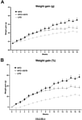
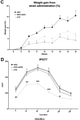
- mice were mainained on diet and received a daily oral administration of 10 9 colony-forming units (CFU) of the CNCM 1-5578 strain resuspensed in sterile PBS or PBS alone (control LFD and HFD mice), five consecutive days per week, for additional 8 weeks. Body weights were weekly recorded. Intraperitoneal glucose tolerance (IP-GTT) test was performed as previously described (Alard et al., 2016) after 12 weeks of diet. Sub-cutaneous (SCAT), epididymal (EWAT) adipose tissues, liver were collected and weighted at sacrifice. Blood, intestinal segments, caecal contents and fresh feces were also collected.
- CFU colony-forming units
- RT-qPCR Real-time quantitative PCR
- Primers used in the study are indicated in Table S2.
- the 2 - ⁇ CT method was used to normalize gene expression. All the results were normalized with the house keeping gene TATA-box-binding protein (Tbp).
- the inventors evaluated the ability of three selected strains of the P. distasonis species to restore or strengthen the gut barrier function, by using an in vitro epithelial barrier model as previously described ( Alard, J. et al. Benef Microbes 2018, 9, 317-331 and Seth, A. et al. Am. J. Physiol. Gastrointest. Liver Physiol. 2008, 294, G1060-1069 ). Strains CNCM I-5576 and CNCM 1-5578, according to the invention, and strain CNCM 1-5577, outside the invention, which served as a comparative strain, were used.
- Polarized Caco-2 cell monolayers were exposed (or not) to the bacteria and were sensitized (or not) with H2O2.
- PBMCs human immune cells
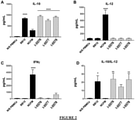
- strains CNCM 1-5576 and CNCM 1-5578 exhibited an elevated and significant anti-inflammatory in vitro profile, while CNCM 1-5577 displayed the lowest anti-inflammatory effect.
- CNCM 1-5576 and CNCM 1-5578 were the most potent strains to counteract inflammation in a murine model of TNBS-induced colitis
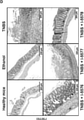
- TNBS administration induced a strong colitis resulting in significant body weight loss (by 16.3 ⁇ 1.33%, Figure 3A ), high macroscopic (Wallace score of 7 ⁇ 0.25; p ⁇ 0.0001; Figure 3B ) and histological (Ameho score of 6.625 ⁇ 0.263; Figures 3C and 3D ) scores of inflammation, correlated with a significant increase in the plasmatic level of IL-6 (795 pg/mL; p ⁇ 0.05; Figure 4A ) and of the expression of all the pro-inflammatory genes tested ( Figure 4C ; p ⁇ 0.05 to 0.0001).
- CNCM 1-5576 and CNCM 1-5578 were able to alleviate acute colitis.
- P. distasonis strain CNCM 1-5578 was the most protective strain, as shown by the lowest weight loss (9.22 ⁇ 2.14; p ⁇ 0.01), reduction of the macroscopic (2.43; p ⁇ 0.0001) and histological scores (3 ⁇ 0.65; p ⁇ 0.0001) of inflammation, leading to a protection of 65% ( Figure 3A-D ).
- the anti-inflammatory properties of the CNCM 1-5578 strain were confirmed by a significant decrease of the plasmatic IL-6 level (67 ⁇ 19.5 pg/mL; p ⁇ 0.05) in comparison to TNBS control mice ( Figure 4A ) and its ability to significantly limit the expression of all the pro-inflammatory genes tested, Il1b (p ⁇ 0.01), Il6 (p ⁇ 0.0001), Tnfa (p ⁇ 0.01) and Cxcl2 (p ⁇ 0.05) ( Figure 4C ).
- P. distasonis strain CNCM 1-5576 also significantly protected mice from colitis, as shown by the significant decrease in the macroscopic (3.68 ⁇ 0.5; p ⁇ 0.0001) and histological (3.5 ⁇ 0.26; p ⁇ 0.0001) score of inflammation and leading to a 47% protection. This was correlated by a significant downregulation of the expression of Il-6, CXCL2 and Tnf-a genes expression and to a lesser extend I1-1 ⁇ ( Figure 4C ).
- strain CNCM 1-5577 exhibited no ability to improve the epithelial barrier function in vivo.
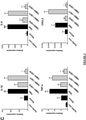
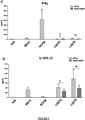
- CNCM 1-5576 and CNCM 1-5578 exhibit anti-inflammatory in vitro profiles even after heat inactivation
- PBMCs human immune cells
- HFD high fat-induced obesity
- CNCM 1-5578 performed after 8 weeks HFD diet (in obese mice) was able to limit weight gain, as shown by the reduction of body weight (in g) and weight gain (in %) either compared to the time of starting the diet or strating the bacterial treatment.
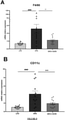
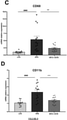
- CNCM 1-5578 was also able to limit the development of fat depots (visceral and sub-cutaneous, Figure 7A-B ) and the local inflammation in the visceral adipose tissues, as measured by the expression of inflammatory genes (TNF- ⁇ , MCP-1) and genes corresponding to specific markers of monocyte/macrophage recruitment (F4/80, CD11b, CD11c, CD68) ( Figure 8 ).
- TNF- ⁇ , MCP-1 inflammatory genes
- nucleic acid sequences are disclosed in the present specification that serve as references. The same sequences are also presented in a sequence listing formatted according to standard requirements for the purpose of patent matters. In case of any sequence discrepancy with the standard sequence listing, the sequences described in the present specification shall be the reference.
Landscapes
- Health & Medical Sciences (AREA)
- Life Sciences & Earth Sciences (AREA)
- Chemical & Material Sciences (AREA)
- Animal Behavior & Ethology (AREA)
- Veterinary Medicine (AREA)
- Public Health (AREA)
- Medicinal Chemistry (AREA)
- Pharmacology & Pharmacy (AREA)
- General Health & Medical Sciences (AREA)
- Nuclear Medicine, Radiotherapy & Molecular Imaging (AREA)
- Chemical Kinetics & Catalysis (AREA)
- Organic Chemistry (AREA)
- General Chemical & Material Sciences (AREA)
- Engineering & Computer Science (AREA)
- Mycology (AREA)
- Bioinformatics & Cheminformatics (AREA)
- Microbiology (AREA)
- Epidemiology (AREA)
- Hematology (AREA)
- Child & Adolescent Psychology (AREA)
- Obesity (AREA)
- Diabetes (AREA)
- Molecular Biology (AREA)
- Pain & Pain Management (AREA)
- Rheumatology (AREA)
- Nutrition Science (AREA)
- Food Science & Technology (AREA)
- Polymers & Plastics (AREA)
- Medicines Containing Material From Animals Or Micro-Organisms (AREA)
Priority Applications (4)
| Application Number | Priority Date | Filing Date | Title |
|---|---|---|---|
| EP20306033.0A EP3967314A1 (fr) | 2020-09-15 | 2020-09-15 | Souches de distasonis parabacteroides à utiliser dans le traitement et la prévention des maladies gastro-intestinales et de troubles associés à des maladies gastro-intestinales |
| EP21785769.7A EP4213864A1 (fr) | 2020-09-15 | 2021-09-15 | Souches de parabacteroides distasonis pour leur utilisation dans le traitement et la prévention de maladies gastro-intestinales et de troubles associés à des maladies gastro-intestinales |
| US18/245,446 US20230355688A1 (en) | 2020-09-15 | 2021-09-15 | Parabacteroides distasonis strains for use thereof in the treatment and prevention of gastrointestinal diseases and of disorders associated with gastrointestinal diseases |
| PCT/EP2021/075363 WO2022058372A1 (fr) | 2020-09-15 | 2021-09-15 | Souches de parabacteroides distasonis pour leur utilisation dans le traitement et la prévention de maladies gastro-intestinales et de troubles associés à des maladies gastro-intestinales |
Applications Claiming Priority (1)
| Application Number | Priority Date | Filing Date | Title |
|---|---|---|---|
| EP20306033.0A EP3967314A1 (fr) | 2020-09-15 | 2020-09-15 | Souches de distasonis parabacteroides à utiliser dans le traitement et la prévention des maladies gastro-intestinales et de troubles associés à des maladies gastro-intestinales |
Publications (1)
| Publication Number | Publication Date |
|---|---|
| EP3967314A1 true EP3967314A1 (fr) | 2022-03-16 |
Family
ID=72852568
Family Applications (2)
| Application Number | Title | Priority Date | Filing Date |
|---|---|---|---|
| EP20306033.0A Withdrawn EP3967314A1 (fr) | 2020-09-15 | 2020-09-15 | Souches de distasonis parabacteroides à utiliser dans le traitement et la prévention des maladies gastro-intestinales et de troubles associés à des maladies gastro-intestinales |
| EP21785769.7A Pending EP4213864A1 (fr) | 2020-09-15 | 2021-09-15 | Souches de parabacteroides distasonis pour leur utilisation dans le traitement et la prévention de maladies gastro-intestinales et de troubles associés à des maladies gastro-intestinales |
Family Applications After (1)
| Application Number | Title | Priority Date | Filing Date |
|---|---|---|---|
| EP21785769.7A Pending EP4213864A1 (fr) | 2020-09-15 | 2021-09-15 | Souches de parabacteroides distasonis pour leur utilisation dans le traitement et la prévention de maladies gastro-intestinales et de troubles associés à des maladies gastro-intestinales |
Country Status (3)
| Country | Link |
|---|---|
| US (1) | US20230355688A1 (fr) |
| EP (2) | EP3967314A1 (fr) |
| WO (1) | WO2022058372A1 (fr) |
Cited By (2)
| Publication number | Priority date | Publication date | Assignee | Title |
|---|---|---|---|---|
| EP4252764A1 (fr) * | 2022-04-01 | 2023-10-04 | Greentech | Souche de parabacteroides distasonis isolée à partir de matières fécales humaines et ses applications |
| WO2023237683A1 (fr) * | 2022-06-10 | 2023-12-14 | Dsm Ip Assets B.V. | Combinaisons comprenant de la vitamine c et bacillus coagulans |
Families Citing this family (1)
| Publication number | Priority date | Publication date | Assignee | Title |
|---|---|---|---|---|
| JP2026505892A (ja) * | 2023-03-21 | 2026-02-19 | スーチュァン アナエロビック バイオテクノロジー カンパニー リミテッド | プロバイオティクスおよびその使用 |
Citations (2)
| Publication number | Priority date | Publication date | Assignee | Title |
|---|---|---|---|---|
| WO2016203220A1 (fr) * | 2015-06-15 | 2016-12-22 | 4D Pharma Research Limited | Compositions comprenant des souches bactériennes |
| CA2942720A1 (fr) * | 2016-09-22 | 2018-03-22 | Queen's University At Kingston | Preparations de feces synthetiques |
-
2020
- 2020-09-15 EP EP20306033.0A patent/EP3967314A1/fr not_active Withdrawn
-
2021
- 2021-09-15 WO PCT/EP2021/075363 patent/WO2022058372A1/fr not_active Ceased
- 2021-09-15 US US18/245,446 patent/US20230355688A1/en not_active Abandoned
- 2021-09-15 EP EP21785769.7A patent/EP4213864A1/fr active Pending
Patent Citations (2)
| Publication number | Priority date | Publication date | Assignee | Title |
|---|---|---|---|---|
| WO2016203220A1 (fr) * | 2015-06-15 | 2016-12-22 | 4D Pharma Research Limited | Compositions comprenant des souches bactériennes |
| CA2942720A1 (fr) * | 2016-09-22 | 2018-03-22 | Queen's University At Kingston | Preparations de feces synthetiques |
Non-Patent Citations (55)
| Title |
|---|
| "Human Microbiome Project Consortium Structure, function and diversity of the healthy human microbiome", NATURE, vol. 486, 2012, pages 207 - 214 |
| ALARD, J. ET AL., BENEF MICROBES, vol. 9, 2018, pages 317 - 331 |
| AMEHO, C.K. ET AL., GUT, vol. 41, 1997, pages 487 - 493 |
| ARBOLEYA, S. ET AL.: "Establishment and development of intestinal microbiota in preterm neonates", FEMS MICROBIOL. ECOL., vol. 79, 2012, pages 763 - 772 |
| BACKHED, F. ET AL., SCIENCE, vol. 307, 2005, pages 1915 - 1920 |
| BAUMGART, M. ET AL., ISME J, vol. 1, 2007, pages 403 - 418 |
| BURNS, P. ET AL., SCI REP, vol. 7, 2017, pages 43211 |
| BUTEL, M.-J. ET AL.: "Conditions of bifidobacterial colonization in preterm infants: a prospective analysis", J. PEDIATR. GASTROENTEROL. NUTR., vol. 44, 2007, pages 577 - 582 |
| BUTTO, L.F.HALLER, D., INTERNATIONAL JOURNAL OF MEDICAL MICROBIOLOGY, vol. 306, 2016, pages 302 - 309 |
| CELL REPORTS, vol. 26, no. 1, 2 January 2019 (2019-01-02), pages 222 - 235, ISSN: 2211-1247(print), DOI: 10.1016/J.CELREP.2018.12.028 * |
| CHAN, H.C.NG, S.C., J GASTROENTEROL, vol. 52, 2017, pages 141 - 150 |
| CHANTRET, I. ET AL., J. CELL. SCI., vol. 107, 1994, pages 213 - 225 |
| CHASSAING ET AL., PLOS ONE, vol. 7, 2012, pages e44328 |
| CUFFARO BERNARDO ET AL: "In Vitro Characterization of Gut Microbiota-Derived Commensal Strains: Selection of Parabacteroides distasonis Strains Alleviating TNBS-Induced Colitis in Mice", CELLS, vol. 9, no. 2104, 16 September 2020 (2020-09-16), pages 1 - 22, XP055780640, Retrieved from the Internet <URL:https://www.ncbi.nlm.nih.gov/pmc/articles/PMC7565435/pdf/cells-09-02104.pdf> [retrieved on 20210301], DOI: 10.3390/cells9092104 * |
| DARFEUILLE-MICHAUD, A., INT. J. MED. MICROBIOL., vol. 292, 2002, pages 185 - 193 |
| DATABASE BIOSIS [online] BIOSCIENCES INFORMATION SERVICE, PHILADELPHIA, PA, US; 2 January 2019 (2019-01-02), WANG KAI ET AL: "Parabacteroides distasonis Alleviates Obesity and Metabolic Dysfunctions via Production of Succinate and Secondary Bile Acids", XP002802237, Database accession no. PREV201900211580 * |
| DAVE, M. ET AL., INFLAMM. BOWEL DIS., vol. 20, 2014, pages 196 - 212 |
| DOMINGUEZ-BELLO, M. G. ET AL., NATURE MED., vol. 22, 2016, pages 250 - 253 |
| EL HAGE, R. ET AL., FRONTIERS IN MICROBIOLOGY, vol. 8, 2017 |
| FANG, H. ET AL., BIOMED RES INT, vol. 2018, 2018 |
| FOLIGNE, B. ET AL., DIG. DIS. SCI., vol. 51, 2006, pages 390 - 400 |
| FOLIGNE, B. ET AL., PLOS ONE, vol. 2, 2007, pages e313 |
| FOLIGNE, B. ET AL., WORLD J. GASTROENTEROL., vol. 13, 2007, pages 236 - 243 |
| FRANK, D.N. ET AL., PROC. NATL. ACAD. SCI. U.S.A., vol. 104, 2007, pages 13780 - 13785 |
| GEVERS, D. ET AL., CELL HOST MICROBE, vol. 15, 2014, pages 382 - 392 |
| GHOURI, Y.A. ET AL., CLIN EXP GASTROENTEROL, vol. 7, 2014, pages 473 - 487 |
| HOFFMANN, C. ET AL., PLOS ONE, vol. 8, 2013, pages e66019 |
| HRDY ET AL., SCI. REP., vol. 10, 2020, pages 5345 |
| JACQUOT, A. ET AL.: "Dynamics and clinical evolution of bacterial gut microflora in extremely premature patients", J. PEDIATR., vol. 158, 2011, pages 390 - 396, XP028362585, DOI: 10.1016/j.jpeds.2010.09.007 |
| KOSTIC, A.D. ET AL., CELL HOST MICROBE, vol. 17, 2015, pages 260 - 273 |
| LE CHATELIER, E. ET AL., NATURE, vol. 500, 2013, pages 541 - 546 |
| LEY, R.E. ET AL., PROC. NATL. ACAD. SCI. U.S.A., vol. 102, 2005, pages 11070 - 11075 |
| LOPEZ-SILES, M. ET AL., APPL. ENVIRON. MICROBIOL., vol. 81, 2015, pages 7582 - 7592 |
| MACHO FERNANDEZ, E. ET AL., GUT, vol. 60, 2011, pages 1050 - 1059 |
| MANICHANH, C. ET AL., GUT, vol. 55, 2006, pages 205 - 211 |
| PARVEZ, S. ET AL., J. APPL. MICROBIOL., vol. 100, 2006, pages 1171 - 1185 |
| PASCAL ET AL., GUT, 2017 |
| PICKARD, J.M. ET AL., IMMUNOL. REV., vol. 279, 2017, pages 70 - 89 |
| QIN, J. ET AL., NATURE, vol. 464, 2010, pages 59 - 65 |
| QIN, J. ET AL., NATURE, vol. 490, 2012, pages 55 - 60 |
| SAEZ-LARA, M.J. ET AL., BIOMED RES INT, vol. 2015, 2015, pages 505878 |
| SARTOR, R.B., GASTROENTEROLOGY, vol. 126, 2004, pages 1620 - 1633 |
| SCHAUBECK, M. ET AL., GUT, vol. 65, 2016, pages 225 - 237 |
| SELLON, R.K. ET AL., INFECT. IMMUN., vol. 66, 1998, pages 5224 - 5231 |
| SETH, A. ET AL., AM. J. PHYSIOL. GASTROINTEST. LIVER PHYSIOL., vol. 294, 2008, pages G1060 - 1069 |
| SHANAHAN ET AL., FUNCT FOOD REV, vol. 1, 2009, pages 20 - 25 |
| SHAO, Y. ET AL., NATURE, 2019, Retrieved from the Internet <URL:https://doi.org/10.1038/s41586-019-1560-l> |
| SLACK, E. ET AL., SCIENCE, vol. 325, 2009, pages 617 - 620 |
| SOKOL, H. ET AL., INFLAMM. BOWEL DIS., vol. 15, 2009, pages 1183 - 1189 |
| SOKOL, H. ET AL., PROC. NATL. ACAD. SCI. U.S.A., vol. 105, 2008, pages 16731 - 16736 |
| TURNBAUGH, P.J. ET AL., NATURE, vol. 444, 2006, pages 1027 - 1031 |
| TURNBAUGH, P.J.GORDON, J.I. J., PHYSIOL. (LOND., vol. 587, 2009, pages 4153 - 4158 |
| WALLACE, J.L. ET AL., GASTROENTEROLOGY, vol. 96, 1989, pages 29 - 36 |
| WESTERBEEK, E. A. ET AL.: "The intestinal bacterial colonisation in preterm infants: a review of the literature", CLIN. NUTR., vol. 25, 2006, pages 361 - 368, XP005492230, DOI: 10.1016/j.clnu.2006.03.002 |
| ZAYLAA, M. ET AL., JOURNAL OF FUNCTIONAL FOODS, vol. 47, 2018, pages 304 - 315 |
Cited By (4)
| Publication number | Priority date | Publication date | Assignee | Title |
|---|---|---|---|---|
| EP4252764A1 (fr) * | 2022-04-01 | 2023-10-04 | Greentech | Souche de parabacteroides distasonis isolée à partir de matières fécales humaines et ses applications |
| WO2023187205A1 (fr) * | 2022-04-01 | 2023-10-05 | Greentech | Souche de parabacteroides distasonis isolée de selles humaines et applications associées |
| US20250327021A1 (en) * | 2022-04-01 | 2025-10-23 | Greentech | Parabacteroides distasonis strain isolated from human feces and applications thereof |
| WO2023237683A1 (fr) * | 2022-06-10 | 2023-12-14 | Dsm Ip Assets B.V. | Combinaisons comprenant de la vitamine c et bacillus coagulans |
Also Published As
| Publication number | Publication date |
|---|---|
| EP4213864A1 (fr) | 2023-07-26 |
| WO2022058372A1 (fr) | 2022-03-24 |
| US20230355688A1 (en) | 2023-11-09 |
Similar Documents
| Publication | Publication Date | Title |
|---|---|---|
| CN113180109B (zh) | 罗伊氏乳杆菌在制备预防或治疗发育障碍类疾病产品中的应用 | |
| Yan et al. | A ropy exopolysaccharide producing strain Bifidobacterium longum subsp. longum YS108R alleviates DSS-induced colitis by maintenance of the mucosal barrier and gut microbiota modulation | |
| CN102548566B (zh) | 植物乳杆菌菌株用作降血胆固醇试剂 | |
| CN101744841B (zh) | 用于治疗炎性疾病的双歧杆菌 | |
| AU2017211244B2 (en) | Faecalibacterium prausnitzii strain CNCM 1-4573 for the treatment and prevention of gastrointestinal inflammation | |
| WO2020182916A1 (fr) | Bacterie de la famille des christensenellacées dans la prevention et/ou le traitement de maladies inflammatoires chroniques et/ou de maladies gastro-intestinales inflammatoires et/ou de cancers | |
| KR102390806B1 (ko) | 아토피성 피부염의 치료 및/또는 예방에서의 프로바이오틱스의 용도 | |
| JP2018111711A (ja) | リボフラビン、リン酸リボフラビン又は生理学上許容されるその塩 | |
| CN105555283B (zh) | 用于婴儿过度啼哭的益生菌 | |
| WO2010081126A2 (fr) | Compositions comprenant des composants probiotiques et prébiotiques et des sels minéraux, ainsi que de la lactoferrine | |
| US20230355688A1 (en) | Parabacteroides distasonis strains for use thereof in the treatment and prevention of gastrointestinal diseases and of disorders associated with gastrointestinal diseases | |
| US20130064859A1 (en) | Combinatorial vitamin d and probiotic therapy for inflammatory bowel disease | |
| CA3132239A1 (fr) | Bacterie de la famille des christensenellacees dans la prevention et/ou le traitement de maladies inflammatoires chroniques et/ou de maladies gastro-intestinales inflammatoires et/ou de cancers | |
| EP2220210B1 (fr) | Souches de<i>lactobacillus plantarum</i>en tant que probiotique avec effet immunomodulateur spécifique | |
| Fan et al. | Close association between intestinal microbiota and irritable bowel syndrome | |
| AU2011314299B2 (en) | Compositions and methods for augmenting kidney function | |
| Horvath et al. | Probiotics, prebiotics, and dietary fiber in the management of functional gastrointestinal disorders | |
| KR20240093392A (ko) | 질병 치료를 위한 조성물 및 방법 | |
| US10881674B2 (en) | Synthetic composition for treating metabolic disorders | |
| US20220339207A1 (en) | Faecalibacterium prausnitzii and christensenella bacterial strains for the treatment and prevention of bowel inflammation | |
| Pande et al. | Prospectus of probiotics in modern age diseases | |
| KR20240141161A (ko) | 바실러스 클라우시 균주, 이의 조성물 및 사용 방법 | |
| Wibowo et al. | The status of probiotics supplementation during pregnancy | |
| Evangelia et al. | Gut microbiome and gastrointestinal disorders | |
| FR3099054A1 (fr) | Souche de Christensenella pour son utilisation dans le traitement et la prévention d’une inflammation gastro-intestinale |
Legal Events
| Date | Code | Title | Description |
|---|---|---|---|
| PUAI | Public reference made under article 153(3) epc to a published international application that has entered the european phase |
Free format text: ORIGINAL CODE: 0009012 |
|
| STAA | Information on the status of an ep patent application or granted ep patent |
Free format text: STATUS: THE APPLICATION HAS BEEN PUBLISHED |
|
| AK | Designated contracting states |
Kind code of ref document: A1 Designated state(s): AL AT BE BG CH CY CZ DE DK EE ES FI FR GB GR HR HU IE IS IT LI LT LU LV MC MK MT NL NO PL PT RO RS SE SI SK SM TR |
|
| STAA | Information on the status of an ep patent application or granted ep patent |
Free format text: STATUS: THE APPLICATION IS DEEMED TO BE WITHDRAWN |
|
| 18D | Application deemed to be withdrawn |
Effective date: 20220917 |