EP3975659B1 - Verfahren und vorrichtung zur kanalüberwachung, endgerät, basisstation und speichermedium - Google Patents
Verfahren und vorrichtung zur kanalüberwachung, endgerät, basisstation und speichermedium Download PDFInfo
- Publication number
- EP3975659B1 EP3975659B1 EP19942515.8A EP19942515A EP3975659B1 EP 3975659 B1 EP3975659 B1 EP 3975659B1 EP 19942515 A EP19942515 A EP 19942515A EP 3975659 B1 EP3975659 B1 EP 3975659B1
- Authority
- EP
- European Patent Office
- Prior art keywords
- random access
- duration
- base station
- time
- contention resolution
- Prior art date
- Legal status (The legal status is an assumption and is not a legal conclusion. Google has not performed a legal analysis and makes no representation as to the accuracy of the status listed.)
- Active
Links
Images

Classifications
-
- H—ELECTRICITY
- H04—ELECTRIC COMMUNICATION TECHNIQUE
- H04W—WIRELESS COMMUNICATION NETWORKS
- H04W74/00—Wireless channel access
- H04W74/08—Non-scheduled access, e.g. ALOHA
- H04W74/0833—Random access procedures, e.g. with 4-step access
- H04W74/0841—Random access procedures, e.g. with 4-step access with collision treatment
-
- H—ELECTRICITY
- H04—ELECTRIC COMMUNICATION TECHNIQUE
- H04L—TRANSMISSION OF DIGITAL INFORMATION, e.g. TELEGRAPHIC COMMUNICATION
- H04L43/00—Arrangements for monitoring or testing data switching networks
- H04L43/08—Monitoring or testing based on specific metrics, e.g. QoS, energy consumption or environmental parameters
- H04L43/0852—Delays
- H04L43/0864—Round trip delays
-
- H—ELECTRICITY
- H04—ELECTRIC COMMUNICATION TECHNIQUE
- H04W—WIRELESS COMMUNICATION NETWORKS
- H04W74/00—Wireless channel access
- H04W74/002—Transmission of channel access control information
- H04W74/006—Transmission of channel access control information in the downlink, i.e. towards the terminal
-
- H—ELECTRICITY
- H04—ELECTRIC COMMUNICATION TECHNIQUE
- H04W—WIRELESS COMMUNICATION NETWORKS
- H04W74/00—Wireless channel access
- H04W74/08—Non-scheduled access, e.g. ALOHA
- H04W74/0833—Random access procedures, e.g. with 4-step access
-
- H—ELECTRICITY
- H04—ELECTRIC COMMUNICATION TECHNIQUE
- H04W—WIRELESS COMMUNICATION NETWORKS
- H04W84/00—Network topologies
- H04W84/02—Hierarchically pre-organised networks, e.g. paging networks, cellular networks, WLAN [Wireless Local Area Network] or WLL [Wireless Local Loop]
- H04W84/04—Large scale networks; Deep hierarchical networks
- H04W84/06—Airborne or Satellite Networks
Definitions
- the present disclosure relates to the field of communications, and more particularly, to a channel listening method, a channel listening apparatus, a terminal, a base station, and a storage medium.
- Random access technology is a primary step of establishing a connection between a User Equipment (UE) and a network for communication in a mobile communication system.
- UE User Equipment
- NR New Radio
- the contention-based random access scheme in the NR technology mainly includes the followings.
- a UE transmits a preamble (Message 1, Msg1) to a network on a selected Physical Random Access Channel (PRACH). After transmitting the Msg1, the UE starts a random access response time window, and listens to a Physical Downlink Control Channel (PDCCH) scrambled with a Random Access Radio Network Temporary Identifier (RA-RNTI) within the random access response time window.
- PDCCH Physical Downlink Control Channel
- RA-RNTI Random Access Radio Network Temporary Identifier
- the UE After successfully listening to a Random Access Response (RAR) carried on the PDCCH scrambled with the RA-RNTI, i.e., after receiving Message 2 (Msg2), the UE transmits Message 3 (Msg3) to the network on an uplink resource scheduled by the RAR. After each Msg3 transmission, the UE starts/restarts a contention resolution timer (ra-ContentionResolutionTimer), and listens to the PDCCH within the running time of the contention resolution timer in order for receiving a contention resolution message (Message 4, Msg4).
- RAR Random Access Response
- NTN Non Terrestrial Network
- an embodiment of the present disclosure provides a channel listening method as set out in claim 1. Additional features are set out in claims 2 to 4.
- an embodiment of the present disclosure provides a channel listening method as set out in claim 5. Additional features are set out in claims 6 to 8.
- an embodiment of the present disclosure provides a channel listening apparatus as set out in claim 9.
- the NTN technology generally provides communication services to terrestrial users by means of satellite communication, and the satellite communication has many unique advantages compared with terrestrial cellular network communication.
- the satellite communication is not limited by user regions.
- the general terrestrial communication cannot cover regions where a communication equipment cannot be set up, such as oceans, mountains, deserts, and the like, or regions where communication coverage is not performed due to underpopulation.
- the satellite communication since one satellite can cover a broader ground and the satellite can orbit around the earth, theoretically every corner on the earth can be covered by the satellite communication.
- the satellite communication has a great social value.
- the satellite communication can cover remote mountain areas, poor and laggard countries or areas at a lower cost, so that people in these areas can enjoy advanced voice communication and mobile internet technology, the digital gap between these areas and developed areas is favorably reduced, and the development of these areas is promoted. Thirdly, the distance of the satellite communication is long, and the communication cost is not obviously increased when the communication distance is increased. And finally, the satellite communication has high stability and is not limited by natural disasters.
- LEO Low-Earth Orbit
- MEO Medium-Earth Orbit
- GEO Geostationary Orbit
- HEO High Elliptic Orbit
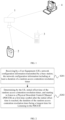
- FIG. 1 is a schematic diagram showing an application scenario of the channel listening method according to an embodiment of the present disclosure.
- the scenario includes a base station 1, a UE 2, a UE 3, and a UE 4, where the base station 1 communicates with the UE 2, the UE 3, and the UE 4 via a network.
- the base station 1 may be, but not limited to, an LEO satellite, an MEO satellite, a GEO satellite, an HEO satellite, and the like.
- the UEs may be, but not limited to, various personal computers, notebook computers, smart phones, tablets, portable wearable devices, and the like. It should be noted that, the present disclosure may include a greater number of base stations and UEs, and is not limited to FIG. 1 .
- FIG. 1 for a contention-based random access procedure in the NR technology, after a UE transmits Msg3 to the base station each time, the UE starts or restarts a timer (ra-ContentionResolutionTimer) and listens to a PDCCH during the running time of the timer to receive Msg4 transmitted by the base station. If the UE receives no PDCCH scrambled with a Cell Radio Network Temporary Identifier (C-RNTI) or a Temporary Cell Radio Network Temporary Identifier (TC-RNTI) until the ra-ContentionResolutionTimer expires, it is considered that the current random access fails, and the UE will retransmit the Msg1.
- C-RNTI Cell Radio Network Temporary Identifier
- TC-RNTI Temporary Cell Radio Network Temporary Identifier
- the ra-ContentionResolutionTimer starts at a next time symbol after each Msg3 transmission by the UE.
- the duration of the timer may be configured by the network.
- a delay offset for starting the ra-ContentionResolutionTimer by the UE needs to be introduced, and on the other hand, a longer duration may need to be configured for the ra-ContentionResolutionTimer.
- the channel listening method according to the embodiment of the present disclosure can solve the problem of large terminal power consumption caused by the above two situations. That is, the following problems need to be solved:
- FIG. 2 is a flowchart illustrating a channel listening method according to an embodiment of the present disclosure.
- the method relates to a specific implementation process in which, after a UE receives network configuration information transmitted by a base station, the UE starts to, at a time symbol after the initial offset time is reached, listen to a Physical Downlink Control Channel (PDCCH) within a duration of a random access contention resolution timer configured by a network.
- PDCCH Physical Downlink Control Channel
- a UE receives network configuration information transmitted by a base station, the network configuration information including at least a duration of a random access contention resolution timer.
- the duration of the random access contention resolution timer may be a duration determined by the base station based on a plurality of factors.
- the factors may include a difference between a signal RTT between a position closest to the base station and the base station and a signal RTT between a position farthest from the base station and the base station within a ground range covered by the base station, time for the network to process Msg3, time required to schedule Msg4, and the like, and may be determined in different manners based on different scenarios.
- the base station configures, for the UE within its coverage area, network configuration information for random access.
- the network configuration information may include at least a duration of a random access contention resolution timer.
- the network configuration information may further include an initial time offset, and the base station may configure different network configuration information based on different scenarios. For example, for a scenario in which all the UEs within a service range of the base station do not have positioning capabilities, the base station may configure the duration of the random access contention resolution timer and the initial time offset in the network configuration information, and the behaviors of the UE in starting and maintaining the random access contention resolution timer both follow the network configuration information.
- the base station may configure the duration of the random access contention resolution timer in the network configuration information, and the UE may determine the starting time of the random access contention resolution timer based on an estimation of the signal RTT between the position of the UE and the base station by use of its own positioning capability.
- the base station may transmit the network configuration information in a broadcast manner, or the base station may transmit the network configuration information to the UE in a directional manner.
- the network configuration information is configured to be public for a cell, and the network configuration information may be carried in a system message, for example, a System Information Block (SIBx) (x is greater than or equal to 1).
- SIBx System Information Block
- the UE determines initial offset time of the random access contention resolution timer, and starts to listen to a Physical Downlink Control Channel (PDCCH) at a first time symbol after the initial offset time is reached, the duration of the random access contention resolution timer being a longest time for listening to the PDCCH.
- PDCCH Physical Downlink Control Channel
- the UE may determine the initial offset time of the random access contention resolution timer in different manners based on different scenarios and content in the network configuration information, and start to listen to the PDCCH at the first time symbol after the initial offset time is reached.
- the duration of the random access contention resolution timer is the longest time for listening to the PDCCH. For example, based on the network configuration information, in the random access process, after the UE transmits Msg3 each time, the UE starts to listen to the PDCCH scrambled with a C-RNTI or a TC-RNTI at a first time symbol after the initial offset time of the random access contention resolution timer is reached, and receives a corresponding contention resolution message.
- the UE may determine the initial offset time of the random access contention resolution timer in different manners. For example, if the network configuration information further includes an initial time offset of the random access contention resolution timer, the UE may determine the initial offset time based on the time when the Msg3 is transmitted and the initial time offset of the random access contention resolution timer. Alternatively, the network configuration information does not carry the initial time offset of the random access contention resolution timer, and the UE may determine the initial offset time based on the signal RTT between the satellite and a position closest to the base station within the ground range covered by the base station.
- the UE receives the network configuration information transmitted by the base station, determines the initial offset time of the random access contention resolution timer, and starts listening to the PDCCH at the first time symbol after the initial offset time is reached.
- the duration of the random access contention resolution timer is the longest time for listening to the PDCCH.
- the UE farther from the base station can still receive a random access contention resolution during a running period of the ra-ContentionResolutionTimer, and the UE can determine the initial offset time of the random access contention resolution timer based on its own condition, thereby avoiding a problem of invalid listening caused by the fact that the UE prematurely starts the ra-ContentionResolutionTimer due to an RTT that is too long, and reducing a loss of the terminal.
- FIG. 3 is a flowchart illustrating another channel listening method according to an embodiment of the present disclosure.
- the method relates to a specific implementation process in which, a base station transmits network configuration information to a UE, so that the UE starts to, at a time symbol after the initial offset time is reached, listen to a PDCCH within a duration of a random access contention resolution timer configured by a network.
- the method includes the following steps.
- a base station transmits network configuration information to a UE, the network configuration information including at least a duration of a random access contention resolution timer; and the UE determines initial offset time of the random access contention resolution timer, and starts to listen to a Physical Downlink Control Channel (PDCCH) at a first time symbol after the initial offset time is reached, the duration of the random access contention resolution timer being a longest time for listening to the PDCCH.
- PDCCH Physical Downlink Control Channel
- the satellite configures the initial offset time and the duration of the random access contention resolution timer in a broadcasting mode, and the behaviors of all the UEs in starting and maintaining the random access contention resolution timer follow the configuration of the network.
- the network configuration information further includes an initial time offset of the random access contention resolution timer, and the initial offset time is determined by the UE based on the initial time offset of the random access contention resolution timer.
- the base station may configure an initial time offset of the random access contention resolution timer in the network configuration information, and the UE may obtain the initial offset time according to the time when the Msg3 is transmitted plus the initial time offset.
- the initial time offset of the random access contention resolution timer is determined by the base station based on a signal RTT between a first position and the base station.
- the first position is a ground position closest to the base station within a ground range covered by the base station.
- the initial time offset of the random access contention resolution timer being determined by the base station based on the signal RTT between the first position and the base station includes:
- the configuration of the TimeOffset depends on the network implementation, and the above is only one implementation method of the network, and the network may determine the configuration of the TimeOffset based on other methods.
- the duration of the random access contention resolution timer is determined by the base station based on a transmission delay
- the transmission delay is determined by the base station based on a difference between a signal Round Trip Time (RTT) between a first position and the base station and a signal RTT between a second position and the base station, time for processing Message 3 (Msg3) in random access, and time for scheduling Message 4 (Msg4) in the random access.
- RTT Round Trip Time
- Msg3 time for processing Message 3
- Msg4 time for scheduling Message 4
- the first position is a ground position closest to the base station within a ground range covered by the base station
- the second position is a ground position farthest from the base station within the ground range covered by the base station.
- the network can determine the configuration of the duration of the random access contention resolution timer (the ra-ContentionResolutionTimer) based on the difference between the signal RTT between the position closest to the satellite in the ground range covered by the satellite and the satellite and the signal RTT between the position farthest from the satellite in the ground range covered by the satellite and the satellite, and the time required by the network to process the Msg3 and schedule the Msg4 take into account, so as to guarantee that both the UE farthest from the satellite and the UE closet to the satellite can detect the Msg4 transmitted on the PDCCH.
- the ra-ContentionResolutionTimer the time required by the network to process the Msg3 and schedule the Msg4 take into account, so as to guarantee that both the UE farthest from the satellite and the UE closet to the satellite can detect the Msg4 transmitted on the PDCCH.
- the duration of the random access contention resolution timer being determined by the base station based on the transmission delay includes:
- the duration of the random access contention resolution timer may be determined for the following two cases.
- the configuration of the ra-ContentionResolutionTimer depends on the network implementation, and the above is only one implementation method of the network, and the network may determine the configuration of the ra-ContentionResolutionTimer according to other methods.
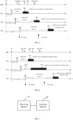
- FIG. 4 is a schematic timing diagram showing a channel listening method according to an embodiment.
- a UE receives network configuration information broadcasted by a satellite, and obtains a configuration of a random access contention resolution timer (ra-ContentionResolutionTimer), including an initial time offset (TimeOffset) and a timer duration of the ra-ContentionResolutionTimer.
- ra-ContentionResolutionTimer random access contention resolution timer
- TimeOffset initial time offset
- timera-ContentionResolutionTimer a timer duration of the ra-ContentionResolutionTimer.
- each UE starts the ra-ContentionResolutionTimer at a first time symbol after a period of TimeOffset elapsed since the UE transmitted Msg3, and listens to and receives a PDCCH scrambled with C-RNTI or TC-RNTI during the operation of the ra-ContentionResolutionTimer, until the PDCCH is successfully received or the ra-ContentionResolutionTimer expires.
- the durations of the TimeOffset and the ra-ContentionResolutionTimer both adopt values configured by the network.
- the satellite uniformly configures the initiate time offset and duration of the random access contention resolution timer, and the behaviors of all the UEs in starting and maintaining the random access contention resolution timer follow the configuration of the network, so that all the UEs can start the random access contention resolution timer at accurate time and listen to the PDCCH within a sufficient duration of the random access contention resolution timer, thereby ensuring listening quality and reducing terminal power consumption.
- the satellite configures a duration of a random access contention resolution timer in a broadcasting mode, each of the UEs determines starting time of the random access contention resolution timer based on an estimated signal RTT between the UE and the satellite, and a longest time for listening to a PDCCH indicating contention resolution (namely the duration of the random access contention resolution timer) follows the configuration of a network.
- the duration of the random access contention resolution timer is determined by the base station based on time for processing a first message (Message 3 (Msg3) in random access) and time for scheduling a second message (Message 4 (Msg4) in the random access).
- the network may determine the configuration of duration based on the time required to process the Msg3 and schedule the Msg4.
- FIG. 5 is a schematic timing diagram showing a channel listening method according to another embodiment.
- a UE receives network configuration information broadcasted by a satellite, and obtains configuration of a random access contention resolution timer, mainly a duration of a timer ra-ContentionResolutionTimer.
- a random access contention resolution timer mainly a duration of a timer ra-ContentionResolutionTimer.
- each UE estimates a signal RTT in the communication between the UE and the satellite based on the positioning capability, which is RTT_1, RTT_2, and RTT_3 respectively, and further determines initial offset time of the ra-ContentionResolutionTimer for the UE.
- the UE 1 starts a ra-ContentionResolutionTimer at a first time symbol after a period of TimeOffset_1 elapsed since the UE1 transmitted Msg3, and a duration of the timer has a value configured by the network; for the UE 2, the UE 2 starts a ra-ContentionResolutionTimer at a first time symbol after a period of TimeOffset_2 elapsed since the UE2 transmitted Msg3, and a duration of the timer has a value configured by the network; for the UE 3, the UE 3 starts a ra-ContentionResolutionTimer at a first time symbol after a period of TimeOffset_3 elapsed since the UE3 transmitted Msg3, and a duration of the timer has a value configured by the network.
- Each UE listens to and receives a PDCCH scrambled with C-RNTI or TC-RNTI during the operation of the ra-ContentionResolutionTimer until the PDCCH is successfully received or the ra-ContentionResolutionTimer expires.
- the satellite configures the duration of the random access contention resolution timer in a broadcast manner, and each of the UEs determines the starting time of the random access contention resolution timer based on an estimated signal RTT between the UE and the satellite.
- the positioning capabilities of the UEs are fully utilized, such that the UEs can determine the starting time of the random access contention resolution timers based on signal RTTs between the respective UEs and the satellite, and therefore each of the UEs can obtain a more accurate starting time.
- the satellite configures one initial time offset of a random access contention resolution timer and two durations of random access contention resolution timers in a broadcasting mode.
- different methods are adopted to determine a starting time of the random access contention resolution timer and a longest time for listening to a PDCCH (namely the duration of the random access contention resolution timer).
- the network configuration information includes a first duration and a second duration of the random access contention resolution timer, the first duration is greater than the second duration, and the network configuration information further includes an initial time offset of the random access contention resolution timer.
- the UE receives the network configuration information, configures relevant parameters of ra-ContentionResolutionTimer, including one initial time offset of ra-ContentionResolutionTimer and 2 durations of ra-ContentionResolutionTimers which are a first duration ra-ContentionResolutionTimer_long and a second ra-ContentionResolutionTimer_short, respectively.
- the first duration is determined by the base station based on a transmission delay
- the transmission delay is determined by the base station based on a difference between a signal Round Trip Time (RTT) between a first position and the base station and a signal RTT between a second position and the base station, time for processing Message 3 (Msg3) in random access, and time for scheduling Message 4 (Msg4) in the random access.
- RTT Round Trip Time
- Msg3 time for processing Message 3
- Msg4 time for scheduling Message 4
- the first duration being determined by the base station based on the transmission delay includes the followings.
- the first duration is a candidate duration which is greater than the transmission delay and has a minimum difference from the transmission delay.
- the first duration is a maximum candidate duration.
- the first duration ra-ContentionResolutionTimer_long may be determined based on a difference between the signal RTT between the position closest to the satellite in the ground range covered by the satellite and the satellite and the signal RTT between the position farthest from the satellite in the ground range covered by the satellite and the satellite, as well as the time required by the network to process the Msg3 and schedule the Msg4 take into account.
- the second duration is determined by the base station based on time for processing the Message 3 (Msg3) in the random access and scheduling the Message 4 (Msg4) in the random access.
- the second duration ra-ContentionResolutionTimer_short may be determined based on the time required by the network to process the Msg3 and schedule the Msg4.
- a method for determining the duration of the random access contention resolution timer in Scenario 2 may be used, and details thereof will be omitted here.
- the initial time offset of the random access contention resolution timer is determined by the base station based on a signal RTT between a first position and the base station, and the first position is a ground position closest to the base station within a ground range covered by the base station. Further, the initial time offset of the random access contention resolution timer being determined by the base station based on the signal RTT between the first position and the base station includes the followings. When a candidate initial time offset among all candidate initial time offsets is smaller than the RTT, the initial time offset of the random access contention resolution timer is a candidate initial time offset which is smaller than the RTT and has a minimum difference from the RTT. When all the candidate initial time offsets are greater than the RTT, the initial time offset of the random access contention resolution timer is a minimum candidate initial time offset.
- the network may determine the initial time offset TimeOffset of the ra-ContentionResolutionTimer based on the signal transmission RTT between the position closest to the satellite in the ground range covered by the satellite and the satellite, that is, the same method as that in scenario 1 is adopted, and details thereof will be omitted here.
- the initial offset time of the ra-ContentionResolutionTimer and the configuration of the duration of the ra-ContentionResolutionTimer depend on the network implementation.
- the above only provides one implementation method of the network, but the network may determine the configuration of these parameters based on other methods and is not limited thereto.
- each of the UEs determines the initial offset time of the ra-ContentionResolutionTimer and the duration of the ra-ContentionResolutionTimer based on whether the UE has positioning capability.
- the initial offset time of ra-ContentionResolutionTimer is determined by the UE based on TimeOffset in the network configuration information, and the duration of ra-ContentionResolutionTimer is the first duration ra-ContentionResolutionTimer_long configured by the network.
- FIG. 6 is a schematic timing diagram showing a channel listening method according to another embodiment.
- a UE receives network configuration information broadcasted by a satellite, and obtains a configuration of the random access contention resolution timer.
- the configuration includes one initial time offset TimeOffset _config of a timer and two timer durations i.e., ra-ContentionResolutionTimer_short and ra-ContentionResolutionTimer_long.
- timeOffset _config of a timer
- ra-ContentionResolutionTimer_short i.e., ra-ContentionResolutionTimer_short and ra-ContentionResolutionTimer_long.
- UE 1 UE 1, UE 2, and UE 3
- each UE determines initial offset time of its ra-ContentionResolutionTimer and a duration of the ra-ContentionResolutionTimer based on whether it has positioning capability.
- the UE For each UE, in the random access procedure, the UE starts ra-ContentionResolutionTimer at the first time symbol after a period of TimeOffset elapsed since the UE transmitted Msg3 each time, and the longest time for listening to the random access contention resolution message by the UE is the duration of the ra-ContentionResolutionTimer.
- the TimeOffset and ra-ContentionResolutionTimer uses the values determined in the above steps.
- the satellite configures one initial time offset of a random access contention resolution timer and two durations of random access contention resolution timers in a broadcasting mode.
- different methods are adopted to determine the starting time of the respective random access contention resolution timers and the longest time for listening to a PDCCH.
- the configuration manner is flexible, and can ensure that both the UE with positioning capability and the UE without positioning capability can obtain accurate initial offset time and duration of the random access contention resolution timer, thereby guaranteeing the listening quality and reducing the terminal loss.
- steps in the flowcharts of FIG. 2 and FIG. 3 are shown in order as indicated by arrows, the steps are not necessarily performed in order as indicated by the arrows. Unless explicitly stated herein, the steps are not limited to being performed in the exact order illustrated and, may be performed in other orders. In addition, at least some of the steps in FIG. 2 and FIG. 3 may include multiple sub-steps or multiple stages that are not necessarily performed at the same time, but may be performed at different time. The sub-steps or stages are not necessarily performed in a sequential order, but may be performed alternately or alternately with other steps or at least some of sub-steps or stages of other steps.
- a channel listening apparatus includes a receiving module 11 and a listening module 12.
- the receiving module 11 is configured to receive network configuration information transmitted by a base station, the network configuration information including at least a duration of a random access contention resolution timer.
- the listening module 12 is configured to determine initial offset time of the random access contention resolution timer, and start to listen to a Physical Downlink Control Channel (PDCCH) at a first time symbol after the initial offset time is reached, the duration of the random access contention resolution timer being a longest time for listening to the PDCCH.
- PDCCH Physical Downlink Control Channel
- a channel listening apparatus includes a processing module 21 and a transmitting module 22.
- the processing module 21 is configured to transmit network configuration information to a User Equipment (LTE) through the transmitting module 22, the network configuration information includes at least a duration of a random access contention resolution timer.
- the UE is configured to determine initial offset time of the random access contention resolution timer, and start to listen to a Physical Downlink Control Channel (PDCCH) at a first time symbol after the initial offset time is reached, the duration of the random access contention resolution timer is a longest time for listening to the PDCCH.
- PDCCH Physical Downlink Control Channel
- the network configuration information further includes an initial time offset of the random access contention resolution timer, and the initial offset time is determined by the UE based on the initial time offset of the random access contention resolution timer.
- the duration of the random access contention resolution timer is determined by the base station based on a transmission delay
- the transmission delay is determined by the base station based on a difference between a signal Round Trip time (RTT) between a first position and the base station and a signal RTT between a second position and the base station, time for processing Message 3 (Msg3) in random access, and time for scheduling Message 4 (Msg4) in the random access.
- RTT Round Trip time
- Msg3 time for processing Message 3
- Msg4 time for scheduling Message 4
- the duration of the random access contention resolution timer being determined by the base station based on the transmission delay includes:
- the initial offset time is determined by the UE based on a signal Round Trip time (RTT) between a position of the UE and the base station.
- RTT Round Trip time
- the duration of the random access contention resolution timer is determined by the base station based on time for processing Message 3 (Msg3) in random access and time for scheduling Message 4 (Msg4) in the random access.
- the network configuration information includes a first duration and a second duration of the random access contention resolution timer, the first duration is greater than the second duration, and the network configuration information further includes an initial time offset of the random access contention resolution timer.
- the first duration is determined by the base station based on a transmission delay
- the transmission delay is determined by the base station based on a difference between a signal Round Trip Time (RTT) between a first position and the base station and a signal RTT between a second position and the base station, time for processing Message 3 (Msg3) in random access, and time for scheduling Message 4 (Msg4) in the random access.
- RTT Round Trip Time
- Msg3 time for processing Message 3
- Msg4 time for scheduling Message 4
- the first duration being determined by the base station based on the transmission delay includes:
- the second duration is determined by the base station based on time for processing Message 3 (Msg3) in random access and time for scheduling Message 4 (Msg4) in the random access.
- the initial time offset of the random access contention resolution timer is determined by the base station based on a signal Round Trip time (RTT) between a first position and the base station, and the first position is a ground position closest to the base station within a ground range covered by the base station.
- RTT Round Trip time
- the initial time offset of the random access contention resolution timer being determined by the base station based on the signal RTT between the first position and the base station includes:
- the UE is a terminal with positioning capability
- the initial offset time of the random access contention resolution timer is determined by the UE based on a signal RTT between a position of the UE and the base station.
- the second duration is the longest time for listening to the PDCCH.
- the UE is a terminal without positioning capability
- the initial offset time of the random access contention resolution timer is determined by the UE based on the initial time offset of the random access contention resolution timer carried in the network configuration information.
- the first duration is the longest time for listening to the PDCCH.
- the network configuration information is carried in a system message.
- the various modules in the channel listening apparatus described above may be implemented in whole or in part by software, hardware, and combinations thereof.
- the modules can be embedded in a hardware form in a processor in the computer device or independent of a processor in the computer device in a hardware form, and can also be stored in a memory in the computer device in a software form, so that the processor can invoke and execute operations corresponding to the modules.
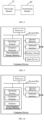
- FIG. 9 shows an internal structure diagram of the computer device.
- the computer device includes a processor, a memory, a network interface, a display screen and an input device which are connected through a system bus.
- the processor of the computer device is configured to provide computing and control capabilities.
- the memory of the computer device includes a non-transitory storage medium and an internal memory.
- the non-transitory storage medium stores an operating system and a computer program.
- the internal memory provides an environment in which the operating system and the computer program in the non-transitory storage medium can run.
- the network interface of the computer device is configured to communicate with an external terminal through a network connection.
- the computer program when executed by the processor can implement a channel listening method.
- the display screen of the computer device can be a liquid crystal display screen or an electronic ink display screen
- the input device of the computer device can be a touch layer covered on the display screen, a key, a track ball or a touch pad arranged on a shell of the computer device, an external keyboard, touch pad or mouse and the like.
- FIG. 10 shows an internal structure diagram of the computer device.
- the computer device includes a processor, a memory, a network interface, and a database connected by a system bus.
- the processor of the computer device is configured to provide computing and control capabilities.
- the memory of the computer device includes a non-transitory storage medium and an internal memory.
- the non-transitory storage medium stores an operating system, a computer program, and a database.
- the internal memory provides an environment in which the operating system and the computer program in the non-transitory storage medium can run.
- the database of the computer device is configured to store channel listening data.
- the network interface of the computer device is configured to communicate with an external terminal through a network connection.
- the computer program when executed by the processor can implement a channel listening method.
- FIG. 9 or FIG. 10 are only block diagrams of portions of configurations relevant to the present disclosure, and do not constitute a limitation to the computer device to which the solution of the present disclosure is applied.
- a particular computer device may include more or less components than those shown in the figures, or may combine certain components, or have a different arrangement of components.
- a terminal in one non-claimed embodiment, includes a processor and a memory storing a computer program.
- the computer program when executed by the processor, implements the following steps:
- a base station including a processor and a memory storing a computer program.
- the computer program when executed by the processor, implements the following steps:
- a computer-readable storage medium having a computer program stored therein.
- the computer program when executed by a processor, implements the following steps:
- a computer-readable storage medium having a computer program stored therein.
- the computer program when executed by a processor, implements the following steps:
- a computer program may instruct related hardware to implement all or a part of the processes of the methods in the embodiments described above.
- the computer program may be stored in a non-transitory computer-readable storage medium.
- the computer program when executed, may perform the processes of the methods in the embodiments described above.
- Any reference to memory, storage, database or other medium used in the embodiments provided in the present disclosure can include non-transitory and/or transitory memory.
- the non-transitory memory can include a read-only memory (ROM), a Programmable ROM (PROM), an Electrically Programmable ROM (EPROM), an Electrically Erasable Programmable ROM (EEPROM), or a flash memory.
- the transitory memory can include a Random Access Memory (RAM) or an external cache memory.
- RAM is available in a variety of forms such as a Static RAM (SRAM), a Dynamic RAM (DRAM), a Synchronous DRAM (SDRAM), a Double Data Rate SDRAM (DDRSDRAM), an Enhanced SDRAM (ESDRAM), a synchronous Link (Synchlink) DRAM (SLDRAM), a memory bus (such as Rambus) Direct RAM (such as RDRAM), a Direct memory bus (such as Rambus) dynamic RAM (such as DRDRAM), a memory bus (such as Rambus) dynamic RAM (RDRAM), etc.
Landscapes
- Engineering & Computer Science (AREA)
- Computer Networks & Wireless Communication (AREA)
- Signal Processing (AREA)
- Physics & Mathematics (AREA)
- Astronomy & Astrophysics (AREA)
- General Physics & Mathematics (AREA)
- Environmental & Geological Engineering (AREA)
- Mobile Radio Communication Systems (AREA)
Claims (9)
- Verfahren zur Kanalüberwachung, das in einem Szenario angewendet wird, in dem ein Benutzergerät, UE, mit Positionierungsfähigkeit und ein UE ohne Positionierungsfähigkeit in einem Versorgungsbereich einer Basisstation koexistieren, wobei das Verfahren zur Kanalüberwachung folgende Vorgänge umfasst:Empfangen (S201), durch ein UE, von Netzauslegungsinformationen, die von der Basisstation gesendet werden, wobei die Netzauslegungsinformationen mindestens eine Dauer eines Zeitgebers für Konfliktauflösung bei wahlfreiem Zugriff umfassen;Bestimmen (S202), durch das UE, eines Anfangszeitversatzes des Zeitgebers für Konfliktauflösung bei wahlfreiem Zugriff, und Starten der Überwachung eines "Physical Downlink Control Channel", PDCCH, bei einem ersten Zeitsymbol, nachdem der Anfangszeitversatz erreicht ist, wobei die Dauer des Zeitgebers für Konfliktauflösung bei wahlfreiem Zugriff eine längste Zeit für die Überwachung des PDCCH ist,dadurch gekennzeichnet, dass die Netzauslegungsinformationen eine erste Dauer und eine zweite Dauer des Zeitgebers für Konfliktauflösung bei wahlfreiem Zugriff umfassen, wobei die erste Dauer größer als die zweite Dauer ist, und die Netzauslegungsinformationen ferner einen Anfangszeitversatz des Zeitgebers für Konfliktauflösung bei wahlfreiem Zugriff umfassen,wenn das UE das UE mit Positionierungsfähigkeit ist, der Anfangszeitversatz des Zeitgebers für Konfliktauflösung bei wahlfreiem Zugriff durch das UE mit Positionierungsfähigkeit auf der Grundlage einer Signal-"Round Trip Time", -RTT, zwischen einer Position des UE mit Positionierungsfähigkeit und der Basisstation bestimmt wird, und die zweite Dauer die längste Zeit für das UE mit Positionierungsfähigkeit zum Überwachen des PDCCH ist, undwenn das UE das UE ohne Positionierungsfähigkeit ist, der Anfangszeitversatz des Zeitgebers für Konfliktauflösung bei wahlfreiem Zugriff durch das UE ohne Positionierungsfähigkeit auf der Grundlage des Anfangszeitversatzes des Zeitgebers für Konfliktauflösung bei wahlfreiem Zugriff bestimmt wird, der in den Netzauslegungsinformationen getragen wird, und die erste Dauer die längste Zeit für das UE ohne Positionierungsfähigkeit zum Überwachen des PDCCH ist, wobei die erste Dauer durch die Basisstation auf der Grundlage einer Übertragungsverzögerung bestimmt wird, wobei die Übertragungsverzögerung durch die Basisstation auf der Grundlage einer Differenz zwischen einer Signal-RTT zwischen einer ersten Position und der Basisstation und einer Signal-RTT zwischen einer zweiten Position und der Basisstation, der Zeit für die Verarbeitung von "Message 3", Msg3, bei wahlfreiem Zugriff und der Zeit für die Planung von "Message 4", Msg4, bei wahlfreiem Zugriff bestimmt wird, wobei die erste Position eine Bodenposition ist, die der Basisstation innerhalb eines von der Basisstation versorgten Bodenbereichs am nächsten ist, und die zweite Position eine Bodenposition ist, die am weitesten von der Basisstation entfernt ist.
- Verfahren nach Anspruch 1, wobei die Netzauslegungsinformationen in einer Systemnachricht getragen werden.
- Verfahren nach Anspruch 1, wobei das Bestimmen der ersten Dauer, durch die Basisstation, auf der Grundlage der Übertragungsverzögerung umfasst:wenn ein Wert einer in Frage kommenden Dauer unter allen in Frage kommenden Dauern des Zeitgebers für Konfliktauflösung bei wahlfreiem Zugriff größer ist als die Übertragungsverzögerung, die erste Dauer eine in Frage kommende Dauer ist, die größer ist als die Übertragungsverzögerung und eine minimale Differenz zur Übertragungsverzögerung aufweist; undwenn keine der in Frage kommenden Dauern des Zeitgebers für Konfliktauflösung bei wahlfreiem Zugriff einen Wert hat, der größer ist als die Übertragungsverzögerung, die erste Dauer eine maximale in Frage kommende Dauer ist.
- Verfahren nach einem der Ansprüche 1 bis 3, wobei die zweite Dauer von der Basisstation auf der Grundlage der Zeit für die Verarbeitung von "Message 3", Msg3, im wahlfreien Zugriff und der Zeit für die Planung von "Message 4", Msg4, im wahlfreien Zugriff bestimmt wird.
- Verfahren zur Kanalüberwachung, das in einem Szenario angewendet wird, in dem ein UE mit Positionierungsfähigkeit und ein UE ohne Positionierungsfähigkeit in einem Versorgungsbereich einer Basisstation koexistieren, wobei das Verfahren folgende Vorgänge umfasst:Senden (S301), durch die Basisstation, von Netzauslegungsinformationen an das UE, wobei die Netzauslegungsinformationen mindestens eine Dauer eines Zeitgebers für Konfliktauflösung bei wahlfreiem Zugriff umfassen; undBestimmen (S301), durch das UE, eines Anfangszeitversatzes des Zeitgebers für Konfliktauflösung bei wahlfreiem Zugriff, und Starten der Überwachung eines "Physical Downlink Control Channel", PDCCH, bei einem ersten Zeitsymbol, nachdem der Anfangszeitversatz erreicht ist, wobei die Dauer des Zeitgebers für Konfliktauflösung bei wahlfreiem Zugriff eine längste Zeit für die Überwachung des PDCCH ist,dadurch gekennzeichnet, dass die Netzauslegungsinformationen eine erste Dauer und eine zweite Dauer des Zeitgebers für Konfliktauflösung bei wahlfreiem Zugriff umfassen, wobei die erste Dauer größer als die zweite Dauer ist, und die Netzauslegungsinformationen ferner einen Anfangszeitversatz des Zeitgebers für Konfliktauflösung bei wahlfreiem Zugriff umfassen,wenn das UE das UE mit Positionierungsfähigkeit ist, der Anfangszeitversatz des Zeitgebers für Konfliktauflösung bei wahlfreiem Zugriff durch das UE mit Positionierungsfähigkeit auf der Grundlage einer Signal-"Round Trip Time", -RTT, zwischen einer Position des UE mit Positionierungsfähigkeit und der Basisstation bestimmt wird, und die zweite Dauer die längste Zeit für das UE mit Positionierungsfähigkeit zum Überwachen des PDCCH ist, undwenn das UE das UE ohne Positionierungsfähigkeit ist, der Anfangszeitversatz des Zeitgebers für Konfliktauflösung bei wahlfreiem Zugriff durch das UE ohne Positionierungsfähigkeit auf der Grundlage des Anfangszeitversatzes des Zeitgebers für Konfliktauflösung bei wahlfreiem Zugriff bestimmt wird, der in den Netzauslegungsinformationen getragen wird, und die erste Dauer die längste Zeit für das UE ohne Positionierungsfähigkeit zum Überwachen des PDCCH ist, wobei die erste Dauer durch die Basisstation auf der Grundlage einer Übertragungsverzögerung bestimmt wird, wobei die Übertragungsverzögerung durch die Basisstation auf der Grundlage einer Differenz zwischen einer Signal-RTT zwischen einer ersten Position und der Basisstation und einer Signal-RTT zwischen einer zweiten Position und der Basisstation, der Zeit für die Verarbeitung von "Message 3", Msg3, bei wahlfreiem Zugriff und der Zeit für die Planung von "Message 4", Msg4, bei wahlfreiem Zugriff bestimmt wird, wobei die erste Position eine Bodenposition ist, die der Basisstation innerhalb eines von der Basisstation versorgten Bodenbereichs am nächsten ist, und die zweite Position eine Bodenposition ist, die am weitesten von der Basisstation entfernt ist.
- Verfahren nach Anspruch 5, wobei die Netzauslegungsinformationen in einer Systemnachricht getragen werden.
- Verfahren nach Anspruch 5, wobei das Bestimmen der ersten Dauer, durch die Basisstation, auf der Grundlage der Übertragungsverzögerung umfasst:wenn ein Wert einer in Frage kommenden Dauer unter allen in Frage kommenden Dauern des Zeitgebers für Konfliktauflösung bei wahlfreiem Zugriff größer ist als die Übertragungsverzögerung, die erste Dauer eine in Frage kommende Dauer ist, die größer ist als die Übertragungsverzögerung und eine minimale Differenz zur Übertragungsverzögerung aufweist; undwenn keine der in Frage kommenden Dauern des Zeitgebers für Konfliktauflösung bei wahlfreiem Zugriff einen Wert hat, der größer ist als die Übertragungsverzögerung, die erste Dauer eine maximale in Frage kommende Dauer ist.
- Verfahren nach einem der Ansprüche 5 bis 7, wobei die zweite Dauer von der Basisstation auf der Grundlage der Zeit für die Verarbeitung von "Message 3", Msg3, im wahlfreien Zugriff und der Zeit für die Planung von "Message 4", Msg4, im wahlfreien Zugriff bestimmt wird.
- Vorrichtung zur Kanalüberwachung, umfassend einen Prozessor und einen Speicher, wobei der Speicher dafür ausgelegt ist, ein Computerprogramm zu speichern, und der Prozessor dafür ausgelegt ist, das im Speicher gespeicherte Computerprogramm zum Implementieren von Schritten des Verfahrens nach einem der Ansprüche 1 bis 4 aufzurufen und auszuführen.
Applications Claiming Priority (1)
| Application Number | Priority Date | Filing Date | Title |
|---|---|---|---|
| PCT/CN2019/101860 WO2021031169A1 (zh) | 2019-08-21 | 2019-08-21 | 信道监听方法、装置、终端、基站和存储介质 |
Publications (3)
| Publication Number | Publication Date |
|---|---|
| EP3975659A1 EP3975659A1 (de) | 2022-03-30 |
| EP3975659A4 EP3975659A4 (de) | 2022-06-22 |
| EP3975659B1 true EP3975659B1 (de) | 2024-05-08 |
Family
ID=74659991
Family Applications (1)
| Application Number | Title | Priority Date | Filing Date |
|---|---|---|---|
| EP19942515.8A Active EP3975659B1 (de) | 2019-08-21 | 2019-08-21 | Verfahren und vorrichtung zur kanalüberwachung, endgerät, basisstation und speichermedium |
Country Status (4)
| Country | Link |
|---|---|
| US (1) | US12396038B2 (de) |
| EP (1) | EP3975659B1 (de) |
| CN (1) | CN113574960B (de) |
| WO (1) | WO2021031169A1 (de) |
Families Citing this family (6)
| Publication number | Priority date | Publication date | Assignee | Title |
|---|---|---|---|---|
| CN112584507B (zh) * | 2019-09-30 | 2022-05-17 | 华为技术有限公司 | 一种数据处理方法、装置及存储介质 |
| WO2022227086A1 (zh) * | 2021-04-30 | 2022-11-03 | Oppo广东移动通信有限公司 | 通信方法及装置 |
| US11979919B2 (en) | 2021-09-17 | 2024-05-07 | Qualcomm Incorporated | Flexible random access channel configurations |
| CN118541959A (zh) * | 2021-12-16 | 2024-08-23 | 上海诺基亚贝尔股份有限公司 | 增强型盲重传方案 |
| CN118476289A (zh) * | 2022-01-17 | 2024-08-09 | Oppo广东移动通信有限公司 | 无线通信的方法和终端设备 |
| WO2023245451A1 (zh) * | 2022-06-21 | 2023-12-28 | 北京小米移动软件有限公司 | 随机接入方法和装置 |
Family Cites Families (39)
| Publication number | Priority date | Publication date | Assignee | Title |
|---|---|---|---|---|
| CN100428653C (zh) | 2004-11-16 | 2008-10-22 | 戴闽鲁 | 基站间时间同步关系及tdd共信道干扰基站的判定方法 |
| KR100968020B1 (ko) * | 2008-06-18 | 2010-07-08 | 엘지전자 주식회사 | 랜덤 액세스 절차를 수행하는 방법 및 그 단말 |
| CN101959210B (zh) | 2009-07-20 | 2013-06-19 | 电信科学技术研究院 | 一种测量时机的计算方法及装置 |
| CN102104465B (zh) | 2010-04-02 | 2013-11-06 | 电信科学技术研究院 | 载波去激活的方法和设备 |
| CN102545997B (zh) | 2010-12-31 | 2014-12-10 | 中国移动通信集团公司 | 一种确定系统帧号的方法、通信系统和设备 |
| CN102257859B (zh) | 2011-06-01 | 2013-08-07 | 华为技术有限公司 | 混合非连续接收方法及基站和用户设备 |
| CN102821454B (zh) | 2011-06-10 | 2017-11-10 | 中兴通讯股份有限公司 | Drx模式下终端保持上行同步的处理方法及装置 |
| CN102264148B (zh) | 2011-08-12 | 2013-09-04 | 大唐移动通信设备有限公司 | 一种drx功能的实现方法及装置 |
| US20130039309A1 (en) * | 2011-08-14 | 2013-02-14 | Industrial Technology Research Institute | Method for renewing indication of system information and base station and user equipment using the same |
| CN103139920B (zh) | 2011-11-24 | 2016-06-29 | 华为技术有限公司 | 一种用于非连续接收配置的方法和用户设备 |
| CN102710399B (zh) | 2012-05-03 | 2015-06-10 | 北京创毅讯联科技股份有限公司 | 一种lte中自动重传的方法和装置 |
| CN103391166B (zh) | 2012-05-08 | 2016-08-10 | 普天信息技术研究院有限公司 | 一种pusch的授权和harq传输方法 |
| US8989113B2 (en) * | 2012-05-11 | 2015-03-24 | Blackberry Limited | Method and system for partitioning contention based resources in a wireless network |
| CN103458494B (zh) | 2012-05-29 | 2017-03-29 | 电信科学技术研究院 | 基站同步的方法和设备 |
| CN105657814B (zh) | 2012-05-29 | 2019-01-08 | 电信科学技术研究院 | 基站同步的方法和设备 |
| CN103702408B (zh) | 2012-09-27 | 2017-03-15 | 上海贝尔股份有限公司 | 上行同步的方法和装置 |
| CN103945471B (zh) | 2013-01-21 | 2019-01-22 | 电信科学技术研究院 | 一种小区切换方法及装置 |
| CN105101104B (zh) | 2014-04-18 | 2019-01-01 | 成都鼎桥通信技术有限公司 | 集群业务中调整cce聚集级别的方法、基站及监听终端 |
| CN106162919B (zh) | 2015-04-01 | 2021-05-11 | 中兴通讯股份有限公司 | 一种实现非连续接收的方法及终端 |
| WO2017171322A2 (ko) * | 2016-03-29 | 2017-10-05 | 엘지전자 주식회사 | 차세대 무선 통신 시스템에서 랜덤 액세스 절차 수행 방법 및 이를 위한 장치 |
| CN107438265B (zh) | 2016-05-27 | 2019-12-10 | 北京佰才邦技术有限公司 | 一种发送系统信息的方法、装置、基站及终端 |
| EP3506695B1 (de) | 2016-09-29 | 2020-03-25 | Huawei Technologies Co., Ltd. | Verfahren und vorrichtung zur ausgabe einer semi-persistenten planungsressource |
| CN106488550B (zh) | 2016-12-20 | 2019-11-12 | 华为技术有限公司 | 确定终端与基站时钟时间偏差的方法与装置 |
| CN108738159B (zh) * | 2017-04-13 | 2021-04-16 | 普天信息技术有限公司 | 一种随机接入方法 |
| CN110710321A (zh) * | 2017-05-26 | 2020-01-17 | Lg电子株式会社 | 执行随机接入过程的方法和用户设备 |
| US11419143B2 (en) * | 2017-06-08 | 2022-08-16 | Qualcomm Incorporated | Random access procedure in a wireless backhaul network |
| EP3666020A4 (de) * | 2017-08-08 | 2021-04-28 | LG Electronics Inc. | Verfahren zur durchführung eines direktzugriffsverfahrens in einem drahtloskommunikationssystem und vorrichtung dafür |
| US10813137B2 (en) * | 2017-12-13 | 2020-10-20 | Asustek Computer Inc. | Method and apparatus of handling BWP inactivity timer during random access procedure in a wireless communication system |
| CN111970088B (zh) * | 2018-01-30 | 2024-07-23 | 上海朗帛通信技术有限公司 | 一种用于无线通信的通信节点中的方法和装置 |
| US11343857B2 (en) * | 2018-02-14 | 2022-05-24 | Idac Holdings, Inc. | Random access in a non-terrestrial network |
| GB2572336B (en) * | 2018-03-26 | 2022-02-02 | Samsung Electronics Co Ltd | Improvements in and relating to random access in a telecommunication network |
| KR20250069973A (ko) * | 2018-04-03 | 2025-05-20 | 인터디지탈 패튼 홀딩스, 인크 | 비-지상 네트워크 통신에 대한 타이밍 어드밴스 |
| CN109219116B (zh) * | 2018-08-09 | 2022-05-31 | 华为技术有限公司 | 一种终端设备的休眠方法及装置 |
| KR20240093866A (ko) * | 2018-08-10 | 2024-06-24 | 텔레폰악티에볼라겟엘엠에릭슨(펍) | 위성 통신을 위한 랜덤 액세스 절차 |
| US11979222B2 (en) * | 2018-09-27 | 2024-05-07 | Telefonaktiebolaget Lm Ericsson (Publ) | Systems and methods for timing adaptation for satellite communications |
| CN109413734B (zh) | 2018-12-14 | 2020-10-30 | 郑州联睿电子科技有限公司 | 一种多时基基站及其构建方法 |
| US11483869B2 (en) * | 2019-01-17 | 2022-10-25 | Qualcomm Incorporated | Timing control for random access channel (RACH) |
| CN114845375A (zh) * | 2019-04-23 | 2022-08-02 | 华为技术有限公司 | 一种通信方法、终端、网络设备及存储介质 |
| JP7306483B2 (ja) * | 2019-04-30 | 2023-07-11 | 富士通株式会社 | 信号送信方法、装置及び通信システム |
-
2019
- 2019-08-21 WO PCT/CN2019/101860 patent/WO2021031169A1/zh not_active Ceased
- 2019-08-21 EP EP19942515.8A patent/EP3975659B1/de active Active
- 2019-08-21 CN CN201980094040.8A patent/CN113574960B/zh active Active
-
2021
- 2021-12-29 US US17/565,328 patent/US12396038B2/en active Active
Non-Patent Citations (1)
| Title |
|---|
| ZTE ET AL: "Report of Email Discussion [106#70] [NR/NTN] RACH capacity/procedures", vol. RAN WG2, no. Prague, Czech; 20190826 - 20190830, 15 August 2019 (2019-08-15), XP051767060, Retrieved from the Internet <URL:http://www.3gpp.org/ftp/tsg_ran/WG2_RL2/TSGR2_107/Docs/R2-1909256.zip> [retrieved on 20190815] * |
Also Published As
| Publication number | Publication date |
|---|---|
| EP3975659A4 (de) | 2022-06-22 |
| CN113574960A (zh) | 2021-10-29 |
| US20220183077A1 (en) | 2022-06-09 |
| EP3975659A1 (de) | 2022-03-30 |
| CN113574960B (zh) | 2024-06-04 |
| US12396038B2 (en) | 2025-08-19 |
| WO2021031169A1 (zh) | 2021-02-25 |
Similar Documents
| Publication | Publication Date | Title |
|---|---|---|
| EP3975659B1 (de) | Verfahren und vorrichtung zur kanalüberwachung, endgerät, basisstation und speichermedium | |
| CN115052368B (zh) | 随机接入方法、终端设备、网络设备及存储介质 | |
| US12452908B2 (en) | Wireless communication method and terminal device | |
| US20230119893A1 (en) | Wireless communication method and terminal device | |
| CN113498628B (zh) | 监听随机接入响应的方法、设备及存储介质 | |
| KR20210063393A (ko) | 무선 단말, 무선 액세스 네트워크 노드, 및 이들의 방법 | |
| US20230189349A1 (en) | Data transmission method and terminal device | |
| US12309841B2 (en) | Method for random access and communication device | |
| US20250081251A1 (en) | Method and device for random access | |
| US20240365401A1 (en) | Wireless communication method and terminal device | |
| CN114731708B (zh) | 一种随机接入的方法、网络设备及终端设备 | |
| JP2024515269A (ja) | 非sdtデータを取り扱うための方法、装置、および媒体 | |
| EP4258758A1 (de) | Verfahren zum senden von zeitinformationen, endgerät und netzwerkseitige vorrichtung | |
| CN116530160B (zh) | 终端设备切换搜索空间集分组sssg的方法、终端设备和网络设备 | |
| CN115843462B (zh) | 随机接入的方法、终端设备和网络设备 | |
| US20230042104A1 (en) | Wireless communication method, terminal device, and network device | |
| CN115868132B (zh) | 无线通信方法和设备 | |
| CN117501795A (zh) | 随机接入的方法、终端设备和网络设备 | |
| US12526756B2 (en) | Cell switching method, terminal device, and storage medium | |
| WO2024031632A1 (en) | Method and apparatus for dynamic adaptation of discontinuous reception configuration | |
| CN117413547A (zh) | 信息指示方法、终端设备、网络设备、芯片和存储介质 | |
| CN117882460A (zh) | 信息上报方法、装置、设备、存储介质及程序产品 | |
| WO2023137643A1 (zh) | 重复传输请求方法、装置、设备、系统、芯片及存储介质 | |
| CN120019703A (zh) | 无线通信方法及终端设备 | |
| HK1232373B (en) | Base station, user equipment and methods for random access |
Legal Events
| Date | Code | Title | Description |
|---|---|---|---|
| STAA | Information on the status of an ep patent application or granted ep patent |
Free format text: STATUS: THE INTERNATIONAL PUBLICATION HAS BEEN MADE |
|
| PUAI | Public reference made under article 153(3) epc to a published international application that has entered the european phase |
Free format text: ORIGINAL CODE: 0009012 |
|
| STAA | Information on the status of an ep patent application or granted ep patent |
Free format text: STATUS: REQUEST FOR EXAMINATION WAS MADE |
|
| 17P | Request for examination filed |
Effective date: 20211224 |
|
| AK | Designated contracting states |
Kind code of ref document: A1 Designated state(s): AL AT BE BG CH CY CZ DE DK EE ES FI FR GB GR HR HU IE IS IT LI LT LU LV MC MK MT NL NO PL PT RO RS SE SI SK SM TR |
|
| A4 | Supplementary search report drawn up and despatched |
Effective date: 20220524 |
|
| RIC1 | Information provided on ipc code assigned before grant |
Ipc: H04W 84/06 20090101ALI20220518BHEP Ipc: H04W 74/08 20090101ALI20220518BHEP Ipc: H04W 28/04 20090101ALI20220518BHEP Ipc: H04W 76/28 20180101AFI20220518BHEP |
|
| DAV | Request for validation of the european patent (deleted) | ||
| DAX | Request for extension of the european patent (deleted) | ||
| STAA | Information on the status of an ep patent application or granted ep patent |
Free format text: STATUS: EXAMINATION IS IN PROGRESS |
|
| 17Q | First examination report despatched |
Effective date: 20221209 |
|
| RIC1 | Information provided on ipc code assigned before grant |
Ipc: H04W 84/06 20090101ALI20231109BHEP Ipc: H04W 74/08 20090101ALI20231109BHEP Ipc: H04W 28/04 20090101ALI20231109BHEP Ipc: H04W 76/28 20180101AFI20231109BHEP |
|
| GRAP | Despatch of communication of intention to grant a patent |
Free format text: ORIGINAL CODE: EPIDOSNIGR1 |
|
| STAA | Information on the status of an ep patent application or granted ep patent |
Free format text: STATUS: GRANT OF PATENT IS INTENDED |
|
| INTG | Intention to grant announced |
Effective date: 20231221 |
|
| RIC1 | Information provided on ipc code assigned before grant |
Ipc: H04W 84/06 20090101ALI20231208BHEP Ipc: H04W 74/08 20090101ALI20231208BHEP Ipc: H04W 28/04 20090101ALI20231208BHEP Ipc: H04W 76/28 20180101AFI20231208BHEP |
|
| GRAS | Grant fee paid |
Free format text: ORIGINAL CODE: EPIDOSNIGR3 |
|
| GRAA | (expected) grant |
Free format text: ORIGINAL CODE: 0009210 |
|
| STAA | Information on the status of an ep patent application or granted ep patent |
Free format text: STATUS: THE PATENT HAS BEEN GRANTED |
|
| AK | Designated contracting states |
Kind code of ref document: B1 Designated state(s): AL AT BE BG CH CY CZ DE DK EE ES FI FR GB GR HR HU IE IS IT LI LT LU LV MC MK MT NL NO PL PT RO RS SE SI SK SM TR |
|
| REG | Reference to a national code |
Ref country code: GB Ref legal event code: FG4D |
|
| REG | Reference to a national code |
Ref country code: CH Ref legal event code: EP |
|
| REG | Reference to a national code |
Ref country code: DE Ref legal event code: R096 Ref document number: 602019052127 Country of ref document: DE |
|
| REG | Reference to a national code |
Ref country code: IE Ref legal event code: FG4D |
|
| REG | Reference to a national code |
Ref country code: LT Ref legal event code: MG9D |
|
| REG | Reference to a national code |
Ref country code: NL Ref legal event code: MP Effective date: 20240508 |
|
| PG25 | Lapsed in a contracting state [announced via postgrant information from national office to epo] |
Ref country code: IS Free format text: LAPSE BECAUSE OF FAILURE TO SUBMIT A TRANSLATION OF THE DESCRIPTION OR TO PAY THE FEE WITHIN THE PRESCRIBED TIME-LIMIT Effective date: 20240908 |
|
| PG25 | Lapsed in a contracting state [announced via postgrant information from national office to epo] |
Ref country code: BG Free format text: LAPSE BECAUSE OF FAILURE TO SUBMIT A TRANSLATION OF THE DESCRIPTION OR TO PAY THE FEE WITHIN THE PRESCRIBED TIME-LIMIT Effective date: 20240508 |
|
| P01 | Opt-out of the competence of the unified patent court (upc) registered |
Free format text: CASE NUMBER: APP_49558/2024 Effective date: 20240902 |
|
| PG25 | Lapsed in a contracting state [announced via postgrant information from national office to epo] |
Ref country code: HR Free format text: LAPSE BECAUSE OF FAILURE TO SUBMIT A TRANSLATION OF THE DESCRIPTION OR TO PAY THE FEE WITHIN THE PRESCRIBED TIME-LIMIT Effective date: 20240508 Ref country code: FI Free format text: LAPSE BECAUSE OF FAILURE TO SUBMIT A TRANSLATION OF THE DESCRIPTION OR TO PAY THE FEE WITHIN THE PRESCRIBED TIME-LIMIT Effective date: 20240508 |
|
| PG25 | Lapsed in a contracting state [announced via postgrant information from national office to epo] |
Ref country code: GR Free format text: LAPSE BECAUSE OF FAILURE TO SUBMIT A TRANSLATION OF THE DESCRIPTION OR TO PAY THE FEE WITHIN THE PRESCRIBED TIME-LIMIT Effective date: 20240809 |
|
| PG25 | Lapsed in a contracting state [announced via postgrant information from national office to epo] |
Ref country code: PT Free format text: LAPSE BECAUSE OF FAILURE TO SUBMIT A TRANSLATION OF THE DESCRIPTION OR TO PAY THE FEE WITHIN THE PRESCRIBED TIME-LIMIT Effective date: 20240909 |
|
| REG | Reference to a national code |
Ref country code: AT Ref legal event code: MK05 Ref document number: 1686035 Country of ref document: AT Kind code of ref document: T Effective date: 20240508 |
|
| PG25 | Lapsed in a contracting state [announced via postgrant information from national office to epo] |
Ref country code: NL Free format text: LAPSE BECAUSE OF FAILURE TO SUBMIT A TRANSLATION OF THE DESCRIPTION OR TO PAY THE FEE WITHIN THE PRESCRIBED TIME-LIMIT Effective date: 20240508 |
|
| PG25 | Lapsed in a contracting state [announced via postgrant information from national office to epo] |
Ref country code: ES Free format text: LAPSE BECAUSE OF FAILURE TO SUBMIT A TRANSLATION OF THE DESCRIPTION OR TO PAY THE FEE WITHIN THE PRESCRIBED TIME-LIMIT Effective date: 20240508 |
|
| PG25 | Lapsed in a contracting state [announced via postgrant information from national office to epo] |
Ref country code: AT Free format text: LAPSE BECAUSE OF FAILURE TO SUBMIT A TRANSLATION OF THE DESCRIPTION OR TO PAY THE FEE WITHIN THE PRESCRIBED TIME-LIMIT Effective date: 20240508 |
|
| PG25 | Lapsed in a contracting state [announced via postgrant information from national office to epo] |
Ref country code: PL Free format text: LAPSE BECAUSE OF FAILURE TO SUBMIT A TRANSLATION OF THE DESCRIPTION OR TO PAY THE FEE WITHIN THE PRESCRIBED TIME-LIMIT Effective date: 20240508 |
|
| PG25 | Lapsed in a contracting state [announced via postgrant information from national office to epo] |
Ref country code: LV Free format text: LAPSE BECAUSE OF FAILURE TO SUBMIT A TRANSLATION OF THE DESCRIPTION OR TO PAY THE FEE WITHIN THE PRESCRIBED TIME-LIMIT Effective date: 20240508 |
|
| PG25 | Lapsed in a contracting state [announced via postgrant information from national office to epo] |
Ref country code: PT Free format text: LAPSE BECAUSE OF FAILURE TO SUBMIT A TRANSLATION OF THE DESCRIPTION OR TO PAY THE FEE WITHIN THE PRESCRIBED TIME-LIMIT Effective date: 20240909 Ref country code: PL Free format text: LAPSE BECAUSE OF FAILURE TO SUBMIT A TRANSLATION OF THE DESCRIPTION OR TO PAY THE FEE WITHIN THE PRESCRIBED TIME-LIMIT Effective date: 20240508 Ref country code: NO Free format text: LAPSE BECAUSE OF FAILURE TO SUBMIT A TRANSLATION OF THE DESCRIPTION OR TO PAY THE FEE WITHIN THE PRESCRIBED TIME-LIMIT Effective date: 20240808 Ref country code: NL Free format text: LAPSE BECAUSE OF FAILURE TO SUBMIT A TRANSLATION OF THE DESCRIPTION OR TO PAY THE FEE WITHIN THE PRESCRIBED TIME-LIMIT Effective date: 20240508 Ref country code: LV Free format text: LAPSE BECAUSE OF FAILURE TO SUBMIT A TRANSLATION OF THE DESCRIPTION OR TO PAY THE FEE WITHIN THE PRESCRIBED TIME-LIMIT Effective date: 20240508 Ref country code: IS Free format text: LAPSE BECAUSE OF FAILURE TO SUBMIT A TRANSLATION OF THE DESCRIPTION OR TO PAY THE FEE WITHIN THE PRESCRIBED TIME-LIMIT Effective date: 20240908 Ref country code: HR Free format text: LAPSE BECAUSE OF FAILURE TO SUBMIT A TRANSLATION OF THE DESCRIPTION OR TO PAY THE FEE WITHIN THE PRESCRIBED TIME-LIMIT Effective date: 20240508 Ref country code: GR Free format text: LAPSE BECAUSE OF FAILURE TO SUBMIT A TRANSLATION OF THE DESCRIPTION OR TO PAY THE FEE WITHIN THE PRESCRIBED TIME-LIMIT Effective date: 20240809 Ref country code: FI Free format text: LAPSE BECAUSE OF FAILURE TO SUBMIT A TRANSLATION OF THE DESCRIPTION OR TO PAY THE FEE WITHIN THE PRESCRIBED TIME-LIMIT Effective date: 20240508 Ref country code: ES Free format text: LAPSE BECAUSE OF FAILURE TO SUBMIT A TRANSLATION OF THE DESCRIPTION OR TO PAY THE FEE WITHIN THE PRESCRIBED TIME-LIMIT Effective date: 20240508 Ref country code: BG Free format text: LAPSE BECAUSE OF FAILURE TO SUBMIT A TRANSLATION OF THE DESCRIPTION OR TO PAY THE FEE WITHIN THE PRESCRIBED TIME-LIMIT Effective date: 20240508 Ref country code: AT Free format text: LAPSE BECAUSE OF FAILURE TO SUBMIT A TRANSLATION OF THE DESCRIPTION OR TO PAY THE FEE WITHIN THE PRESCRIBED TIME-LIMIT Effective date: 20240508 Ref country code: RS Free format text: LAPSE BECAUSE OF FAILURE TO SUBMIT A TRANSLATION OF THE DESCRIPTION OR TO PAY THE FEE WITHIN THE PRESCRIBED TIME-LIMIT Effective date: 20240808 |
|
| PG25 | Lapsed in a contracting state [announced via postgrant information from national office to epo] |
Ref country code: DK Free format text: LAPSE BECAUSE OF FAILURE TO SUBMIT A TRANSLATION OF THE DESCRIPTION OR TO PAY THE FEE WITHIN THE PRESCRIBED TIME-LIMIT Effective date: 20240508 |
|
| PG25 | Lapsed in a contracting state [announced via postgrant information from national office to epo] |
Ref country code: EE Free format text: LAPSE BECAUSE OF FAILURE TO SUBMIT A TRANSLATION OF THE DESCRIPTION OR TO PAY THE FEE WITHIN THE PRESCRIBED TIME-LIMIT Effective date: 20240508 |
|
| PG25 | Lapsed in a contracting state [announced via postgrant information from national office to epo] |
Ref country code: CZ Free format text: LAPSE BECAUSE OF FAILURE TO SUBMIT A TRANSLATION OF THE DESCRIPTION OR TO PAY THE FEE WITHIN THE PRESCRIBED TIME-LIMIT Effective date: 20240508 |
|
| PG25 | Lapsed in a contracting state [announced via postgrant information from national office to epo] |
Ref country code: SK Free format text: LAPSE BECAUSE OF FAILURE TO SUBMIT A TRANSLATION OF THE DESCRIPTION OR TO PAY THE FEE WITHIN THE PRESCRIBED TIME-LIMIT Effective date: 20240508 Ref country code: RO Free format text: LAPSE BECAUSE OF FAILURE TO SUBMIT A TRANSLATION OF THE DESCRIPTION OR TO PAY THE FEE WITHIN THE PRESCRIBED TIME-LIMIT Effective date: 20240508 |
|
| PG25 | Lapsed in a contracting state [announced via postgrant information from national office to epo] |
Ref country code: SM Free format text: LAPSE BECAUSE OF FAILURE TO SUBMIT A TRANSLATION OF THE DESCRIPTION OR TO PAY THE FEE WITHIN THE PRESCRIBED TIME-LIMIT Effective date: 20240508 |
|
| PG25 | Lapsed in a contracting state [announced via postgrant information from national office to epo] |
Ref country code: SM Free format text: LAPSE BECAUSE OF FAILURE TO SUBMIT A TRANSLATION OF THE DESCRIPTION OR TO PAY THE FEE WITHIN THE PRESCRIBED TIME-LIMIT Effective date: 20240508 Ref country code: SK Free format text: LAPSE BECAUSE OF FAILURE TO SUBMIT A TRANSLATION OF THE DESCRIPTION OR TO PAY THE FEE WITHIN THE PRESCRIBED TIME-LIMIT Effective date: 20240508 Ref country code: RO Free format text: LAPSE BECAUSE OF FAILURE TO SUBMIT A TRANSLATION OF THE DESCRIPTION OR TO PAY THE FEE WITHIN THE PRESCRIBED TIME-LIMIT Effective date: 20240508 Ref country code: EE Free format text: LAPSE BECAUSE OF FAILURE TO SUBMIT A TRANSLATION OF THE DESCRIPTION OR TO PAY THE FEE WITHIN THE PRESCRIBED TIME-LIMIT Effective date: 20240508 Ref country code: DK Free format text: LAPSE BECAUSE OF FAILURE TO SUBMIT A TRANSLATION OF THE DESCRIPTION OR TO PAY THE FEE WITHIN THE PRESCRIBED TIME-LIMIT Effective date: 20240508 Ref country code: CZ Free format text: LAPSE BECAUSE OF FAILURE TO SUBMIT A TRANSLATION OF THE DESCRIPTION OR TO PAY THE FEE WITHIN THE PRESCRIBED TIME-LIMIT Effective date: 20240508 |
|
| PG25 | Lapsed in a contracting state [announced via postgrant information from national office to epo] |
Ref country code: IT Free format text: LAPSE BECAUSE OF FAILURE TO SUBMIT A TRANSLATION OF THE DESCRIPTION OR TO PAY THE FEE WITHIN THE PRESCRIBED TIME-LIMIT Effective date: 20240508 |
|
| REG | Reference to a national code |
Ref country code: DE Ref legal event code: R097 Ref document number: 602019052127 Country of ref document: DE |
|
| REG | Reference to a national code |
Ref country code: DE Ref legal event code: R119 Ref document number: 602019052127 Country of ref document: DE |
|
| PLBE | No opposition filed within time limit |
Free format text: ORIGINAL CODE: 0009261 |
|
| STAA | Information on the status of an ep patent application or granted ep patent |
Free format text: STATUS: NO OPPOSITION FILED WITHIN TIME LIMIT |
|
| REG | Reference to a national code |
Ref country code: CH Ref legal event code: PL |
|
| 26N | No opposition filed |
Effective date: 20250211 |
|
| PG25 | Lapsed in a contracting state [announced via postgrant information from national office to epo] |
Ref country code: LU Free format text: LAPSE BECAUSE OF NON-PAYMENT OF DUE FEES Effective date: 20240821 |
|
| PG25 | Lapsed in a contracting state [announced via postgrant information from national office to epo] |
Ref country code: SI Free format text: LAPSE BECAUSE OF FAILURE TO SUBMIT A TRANSLATION OF THE DESCRIPTION OR TO PAY THE FEE WITHIN THE PRESCRIBED TIME-LIMIT Effective date: 20240508 Ref country code: CH Free format text: LAPSE BECAUSE OF NON-PAYMENT OF DUE FEES Effective date: 20240831 Ref country code: MC Free format text: LAPSE BECAUSE OF FAILURE TO SUBMIT A TRANSLATION OF THE DESCRIPTION OR TO PAY THE FEE WITHIN THE PRESCRIBED TIME-LIMIT Effective date: 20240508 |
|
| REG | Reference to a national code |
Ref country code: BE Ref legal event code: MM Effective date: 20240831 |
|
| PG25 | Lapsed in a contracting state [announced via postgrant information from national office to epo] |
Ref country code: DE Free format text: LAPSE BECAUSE OF NON-PAYMENT OF DUE FEES Effective date: 20250301 |
|
| PG25 | Lapsed in a contracting state [announced via postgrant information from national office to epo] |
Ref country code: BE Free format text: LAPSE BECAUSE OF NON-PAYMENT OF DUE FEES Effective date: 20240831 |
|
| PG25 | Lapsed in a contracting state [announced via postgrant information from national office to epo] |
Ref country code: FR Free format text: LAPSE BECAUSE OF NON-PAYMENT OF DUE FEES Effective date: 20240831 |
|
| PG25 | Lapsed in a contracting state [announced via postgrant information from national office to epo] |
Ref country code: IE Free format text: LAPSE BECAUSE OF NON-PAYMENT OF DUE FEES Effective date: 20240821 |
|
| PG25 | Lapsed in a contracting state [announced via postgrant information from national office to epo] |
Ref country code: SE Free format text: LAPSE BECAUSE OF FAILURE TO SUBMIT A TRANSLATION OF THE DESCRIPTION OR TO PAY THE FEE WITHIN THE PRESCRIBED TIME-LIMIT Effective date: 20240508 |
|
| PGFP | Annual fee paid to national office [announced via postgrant information from national office to epo] |
Ref country code: GB Payment date: 20250826 Year of fee payment: 7 |
|
| PG25 | Lapsed in a contracting state [announced via postgrant information from national office to epo] |
Ref country code: CY Free format text: LAPSE BECAUSE OF FAILURE TO SUBMIT A TRANSLATION OF THE DESCRIPTION OR TO PAY THE FEE WITHIN THE PRESCRIBED TIME-LIMIT; INVALID AB INITIO Effective date: 20190821 |
|
| PG25 | Lapsed in a contracting state [announced via postgrant information from national office to epo] |
Ref country code: HU Free format text: LAPSE BECAUSE OF FAILURE TO SUBMIT A TRANSLATION OF THE DESCRIPTION OR TO PAY THE FEE WITHIN THE PRESCRIBED TIME-LIMIT; INVALID AB INITIO Effective date: 20190821 |