EP3991501B1 - Procédé et appareil de transmission d'un signal de liaison montante dans un système de communication sans fil - Google Patents
Procédé et appareil de transmission d'un signal de liaison montante dans un système de communication sans fil Download PDFInfo
- Publication number
- EP3991501B1 EP3991501B1 EP20848410.5A EP20848410A EP3991501B1 EP 3991501 B1 EP3991501 B1 EP 3991501B1 EP 20848410 A EP20848410 A EP 20848410A EP 3991501 B1 EP3991501 B1 EP 3991501B1
- Authority
- EP
- European Patent Office
- Prior art keywords
- block size
- transport block
- random access
- message
- fallback
- Prior art date
- Legal status (The legal status is an assumption and is not a legal conclusion. Google has not performed a legal analysis and makes no representation as to the accuracy of the status listed.)
- Active
Links
Images


Classifications
-
- H—ELECTRICITY
- H04—ELECTRIC COMMUNICATION TECHNIQUE
- H04W—WIRELESS COMMUNICATION NETWORKS
- H04W28/00—Network traffic management; Network resource management
- H04W28/02—Traffic management, e.g. flow control or congestion control
- H04W28/08—Load balancing or load distribution
- H04W28/082—Load balancing or load distribution among bearers or channels
-
- H—ELECTRICITY
- H04—ELECTRIC COMMUNICATION TECHNIQUE
- H04W—WIRELESS COMMUNICATION NETWORKS
- H04W74/00—Wireless channel access
- H04W74/08—Non-scheduled access, e.g. ALOHA
- H04W74/0833—Random access procedures, e.g. with 4-step access
-
- H—ELECTRICITY
- H04—ELECTRIC COMMUNICATION TECHNIQUE
- H04L—TRANSMISSION OF DIGITAL INFORMATION, e.g. TELEGRAPHIC COMMUNICATION
- H04L1/00—Arrangements for detecting or preventing errors in the information received
- H04L1/0001—Systems modifying transmission characteristics according to link quality, e.g. power backoff
- H04L1/0002—Systems modifying transmission characteristics according to link quality, e.g. power backoff by adapting the transmission rate
- H04L1/0003—Systems modifying transmission characteristics according to link quality, e.g. power backoff by adapting the transmission rate by switching between different modulation schemes
- H04L1/0004—Systems modifying transmission characteristics according to link quality, e.g. power backoff by adapting the transmission rate by switching between different modulation schemes applied to control information
-
- H—ELECTRICITY
- H04—ELECTRIC COMMUNICATION TECHNIQUE
- H04L—TRANSMISSION OF DIGITAL INFORMATION, e.g. TELEGRAPHIC COMMUNICATION
- H04L1/00—Arrangements for detecting or preventing errors in the information received
- H04L1/0001—Systems modifying transmission characteristics according to link quality, e.g. power backoff
- H04L1/0006—Systems modifying transmission characteristics according to link quality, e.g. power backoff by adapting the transmission format
- H04L1/0007—Systems modifying transmission characteristics according to link quality, e.g. power backoff by adapting the transmission format by modifying the frame length
- H04L1/0008—Systems modifying transmission characteristics according to link quality, e.g. power backoff by adapting the transmission format by modifying the frame length by supplementing frame payload, e.g. with padding bits
-
- H—ELECTRICITY
- H04—ELECTRIC COMMUNICATION TECHNIQUE
- H04L—TRANSMISSION OF DIGITAL INFORMATION, e.g. TELEGRAPHIC COMMUNICATION
- H04L1/00—Arrangements for detecting or preventing errors in the information received
- H04L1/0001—Systems modifying transmission characteristics according to link quality, e.g. power backoff
- H04L1/0009—Systems modifying transmission characteristics according to link quality, e.g. power backoff by adapting the channel coding
- H04L1/001—Systems modifying transmission characteristics according to link quality, e.g. power backoff by adapting the channel coding applied to control information
-
- H—ELECTRICITY
- H04—ELECTRIC COMMUNICATION TECHNIQUE
- H04L—TRANSMISSION OF DIGITAL INFORMATION, e.g. TELEGRAPHIC COMMUNICATION
- H04L1/00—Arrangements for detecting or preventing errors in the information received
- H04L1/0001—Systems modifying transmission characteristics according to link quality, e.g. power backoff
- H04L1/0023—Systems modifying transmission characteristics according to link quality, e.g. power backoff characterised by the signalling
-
- H—ELECTRICITY
- H04—ELECTRIC COMMUNICATION TECHNIQUE
- H04L—TRANSMISSION OF DIGITAL INFORMATION, e.g. TELEGRAPHIC COMMUNICATION
- H04L1/00—Arrangements for detecting or preventing errors in the information received
- H04L1/0001—Systems modifying transmission characteristics according to link quality, e.g. power backoff
- H04L1/0023—Systems modifying transmission characteristics according to link quality, e.g. power backoff characterised by the signalling
- H04L1/0028—Formatting
- H04L1/003—Adaptive formatting arrangements particular to signalling, e.g. variable amount of bits
-
- H—ELECTRICITY
- H04—ELECTRIC COMMUNICATION TECHNIQUE
- H04L—TRANSMISSION OF DIGITAL INFORMATION, e.g. TELEGRAPHIC COMMUNICATION
- H04L1/00—Arrangements for detecting or preventing errors in the information received
- H04L1/0078—Avoidance of errors by organising the transmitted data in a format specifically designed to deal with errors, e.g. location
- H04L1/0084—Formats for payload data
-
- H—ELECTRICITY
- H04—ELECTRIC COMMUNICATION TECHNIQUE
- H04L—TRANSMISSION OF DIGITAL INFORMATION, e.g. TELEGRAPHIC COMMUNICATION
- H04L5/00—Arrangements affording multiple use of the transmission path
- H04L5/0091—Signalling for the administration of the divided path, e.g. signalling of configuration information
- H04L5/0092—Indication of how the channel is divided
-
- H—ELECTRICITY
- H04—ELECTRIC COMMUNICATION TECHNIQUE
- H04W—WIRELESS COMMUNICATION NETWORKS
- H04W72/00—Local resource management
- H04W72/20—Control channels or signalling for resource management
- H04W72/23—Control channels or signalling for resource management in the downlink direction of a wireless link, i.e. towards a terminal
-
- H—ELECTRICITY
- H04—ELECTRIC COMMUNICATION TECHNIQUE
- H04W—WIRELESS COMMUNICATION NETWORKS
- H04W74/00—Wireless channel access
- H04W74/002—Transmission of channel access control information
- H04W74/004—Transmission of channel access control information in the uplink, i.e. towards network
-
- H—ELECTRICITY
- H04—ELECTRIC COMMUNICATION TECHNIQUE
- H04W—WIRELESS COMMUNICATION NETWORKS
- H04W74/00—Wireless channel access
- H04W74/002—Transmission of channel access control information
- H04W74/006—Transmission of channel access control information in the downlink, i.e. towards the terminal
-
- H—ELECTRICITY
- H04—ELECTRIC COMMUNICATION TECHNIQUE
- H04W—WIRELESS COMMUNICATION NETWORKS
- H04W74/00—Wireless channel access
- H04W74/08—Non-scheduled access, e.g. ALOHA
- H04W74/0833—Random access procedures, e.g. with 4-step access
- H04W74/0841—Random access procedures, e.g. with 4-step access with collision treatment
- H04W74/085—Random access procedures, e.g. with 4-step access with collision treatment collision avoidance
-
- H—ELECTRICITY
- H04—ELECTRIC COMMUNICATION TECHNIQUE
- H04L—TRANSMISSION OF DIGITAL INFORMATION, e.g. TELEGRAPHIC COMMUNICATION
- H04L1/00—Arrangements for detecting or preventing errors in the information received
- H04L1/12—Arrangements for detecting or preventing errors in the information received by using return channel
- H04L1/16—Arrangements for detecting or preventing errors in the information received by using return channel in which the return channel carries supervisory signals, e.g. repetition request signals
- H04L1/18—Automatic repetition systems, e.g. Van Duuren systems
- H04L1/1812—Hybrid protocols; Hybrid automatic repeat request [HARQ]
-
- H—ELECTRICITY
- H04—ELECTRIC COMMUNICATION TECHNIQUE
- H04W—WIRELESS COMMUNICATION NETWORKS
- H04W72/00—Local resource management
- H04W72/12—Wireless traffic scheduling
- H04W72/1263—Mapping of traffic onto schedule, e.g. scheduled allocation or multiplexing of flows
- H04W72/1268—Mapping of traffic onto schedule, e.g. scheduled allocation or multiplexing of flows of uplink data flows
-
- H—ELECTRICITY
- H04—ELECTRIC COMMUNICATION TECHNIQUE
- H04W—WIRELESS COMMUNICATION NETWORKS
- H04W74/00—Wireless channel access
- H04W74/08—Non-scheduled access, e.g. ALOHA
- H04W74/0833—Random access procedures, e.g. with 4-step access
- H04W74/0836—Random access procedures, e.g. with 4-step access with 2-step access
-
- H—ELECTRICITY
- H04—ELECTRIC COMMUNICATION TECHNIQUE
- H04W—WIRELESS COMMUNICATION NETWORKS
- H04W74/00—Wireless channel access
- H04W74/08—Non-scheduled access, e.g. ALOHA
- H04W74/0833—Random access procedures, e.g. with 4-step access
- H04W74/0838—Random access procedures, e.g. with 4-step access using contention-free random access [CFRA]
Definitions
- the transmission method may also determine the random access method to be used with equal probability.
- the transmitting the fallback Msg3 according to the configuration information indicated by the fallback random access response may include: determining a resource block size, a transport block size, and a modulation and coding scheme for the fallback Msg3; and transmitting the fallback Msg3 according to the determined resource block size, transport block size and modulation and coding scheme.
- the transmitting the fallback Msg3 according to the configuration information indicated by the fallback random access response may further include: when only one configuration of the transport block size, the modulation and coding scheme and/or the resource block size available for the fallback Msg3 exists, performing the transmission of the fallback Msg3 according to a result of comparing the transport block size offered in the one configuration and the transport block size used by the uplink data in the first message; and when multiple configurations of the transport block size, the modulation and coding scheme and/or the resource block size available for the fallback Msg3 exist, selecting at least one of the resource block size, the transport block size, and the modulation and coding scheme for the fallback Msg3 according to at least one of the resource block size, the transport block size, and the modulation and coding scheme used by the uplink data in the first message, or informing the network side of the at least one of the resource block size, the transport block size, and the modulation and coding scheme selected by the user equipment through attaching uplink control information to the physical up
- At least one of the following operations may be performed: selecting a combination of the transport block size and/or the modulation and coding scheme and/or the resource block size that can obtain the same transport block size as that used by the uplink data in the first message; selecting a combination of the transport block size and/or the modulation and coding scheme and/or the resource block size that can obtain the transport block size closest to that used by the uplink data in the first message; and selecting a combination of the transport block size and/or the modulation and coding scheme and/or the resource block size that can obtain the transport block size not smaller than and closest to that used by the uplink data in the first message.
- the computer-executable instruction when executed by the processor, may also determine the random access method to be used with equal probability.
- the computer-executable instruction when executed by the processor, may further perform the following operations: when only one configuration of the transport block size, the modulation and coding scheme and/or the resource block size available for the fallback Msg3 exists, performing the transmission of the fallback Msg3 according to a result of comparing the transmission block side offered in the one configuration and the transport block size used by the uplink data in the first message; and when multiple configurations of the transport block size, the modulation and coding scheme and/or the resource block size available for the fallback Msg3 exist, selecting at least one of the resource block size, the transport block size, and the modulation and coding scheme for the fallback Msg3 according to at least one of the resource block size, the transport block size, and the modulation and coding scheme used by the uplink data in the first message, or informing the network side of the at least one of the resource block size, the transport block size, and the modulation and coding scheme selected by the user equipment through attaching uplink control information to the physical uplink shared channel.
- the at least one processor is further configured to: determine the transport block size indicated by the received information associated with the transport block size is different from the transport block size of the first message, and determine the transport block size for transmitting the PUSCH based on a preset rule.
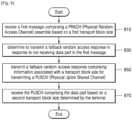
- a method, performed by a base station, of receiving an uplink signal in a wireless communication system may include receiving a first message comprising a PRACH (Physical Random Access Channel) preamble based on a first transport block size; determining to transmit a fallback random access response in response to not receiving data part in the first message; transmitting a fallback random access response comprising information associated with a transport block size for transmitting a PUSCH (Physical Uplink Shared Channel); and receiving the PUSCH comprising the data part based on a second transport block size determined by the terminal, wherein the second transport block size is the same as the first transport block size.
- PRACH Physical Random Access Channel
- the method may further include transmitting, a terminal in an RRC-connected state, serving cell configuration including uplink configuration, wherein the uplink configuration comprises a bandwidth configuration for the first message; and wherein the receiving the first message comprises receiving the first message based on the bandwidth configuration for the first message.
- Another aspect of the present disclosure is to provide a computer which includes a readable medium for storing a computer program and a processor, which when the processor executes the computer program, can execute an instruction of the transmission method of the uplink signal described above.
- the network side e.g., a base station
- the network side e.g., a base station
- first, second, and the like in the present disclosure can be used to describe various elements, but these elements should not be understood to be limited to these terms. These terms are only used to separate one element from the other elements. For example, without departing from the scope of the present disclosure, a first element may be referred to as a second element and vice versa.
- various functions described below can be implemented or supported by one or more computer programs, each of which is formed from computer readable program code and embodied in a computer readable medium.
- application and “program” refer to one or more computer programs, software components, sets of instructions, procedures, functions, objects, classes, instances, related data, or a portion thereof adapted for implementation in a suitable computer readable program code.
- computer readable program code includes any type of computer code, including source code, object code, and executable code.
- a frequency domain unit in the present disclosure may be a subcarrier, a subcarrier group (consisting of a plurality of subcarriers), a resource block (RB) (which may also be called a physical resource block (PRB)), a resource block group (consisting of a plurality of RBs), a bandwidth part (BWP), a bandwidth part group (consisting of a plurality of BWPs), a bandwidth/carrier, and a bandwidth group/carrier group.
- the frequency domain unit may be an absolute frequency domain unit (such as 1HZ, 1kHZ and so on).
- the frequency domain unit may also be a combination of various granularity, for example, M1 PRBs plus M2 subcarriers.
- four-step random access in the present disclosure refers to a procedure where a user equipment transmits a preamble to a network side, the network side transmits a random access response to the user equipment, then the user equipment transmits a third message (Msg3) to the network side, and the network side transmits conflict resolution information to the user equipment.
- Two-step random access refers to a procedure where the user equipment transmits a message including a preamble and a data part to the network side, and the network side transmits feedback of the message to the user equipment.
- the user equipment may determine the parameters according to a relative relation with corresponding parameters in the four-step random access configuration information. For example, the user equipment may receive the two-step random access configuration period by a calculation according to the four-step random access configuration period and a predefined or configured extension parameter.
- the above listed items are only exemplary, but the present disclosure is not limited thereto.
- the Downlink beam (e.g., SSB and/or CSI-RS) configuration information may include at least one of a downlink beam period size, the number of downlink beams transmitted within one downlink beam period, an index of the downlink beam transmitted within one downlink beam period, a time unit location of the downlink beam transmitted within one downlink beam period, and a frequency domain unit location of the downlink beam transmitted within one downlink beam period etc.
- a downlink beam period size the number of downlink beams transmitted within one downlink beam period
- an index of the downlink beam transmitted within one downlink beam period e.g., a time unit location of the downlink beam transmitted within one downlink beam period
- a frequency domain unit location of the downlink beam transmitted within one downlink beam period e.g., a frequency domain unit location of the downlink beam transmitted within one downlink beam period etc.
- the user equipment uses a first time unit following N (or N+x_id*M1, or N+x_id*M1*X, or N+x_id*M1+delta or N+x_id*M1*X+delta) time units following the last time unit within a time range of the selected two-step random access time frequency resource as the time domain initial position of the two-step PUSCH time frequency resource corresponding to the selected two-step random access time frequency resource, where x_id may be a RO index or an index t_id on the time frequency of the selected RO, delta may be a predefined or configured additional time unit.
- N or N+x_id*M1, or N+x_id*M1*X, or N+x_id*M1+delta or N+x_id*M1*X+delta
- x_id may be a RO index or an index t_id on the time frequency of the selected RO
- delta may be a predefined or configured
- the network side may have two possible configuration types:
- the user equipment may also randomly select to employ the four-step random access or the two-step random access method with equal probability.
- the above example is only exemplary, but the present disclosure is not limited thereto.
- the user equipment If the user equipment detects fallback random access response, it transmits a fallback Msg3 according to configuration information indicated by the fallback random access response. In this case, it is necessary to determine a resource block size, a transport block size, and a modulation and coding scheme of the fallback Msg3, and then transmit the fallback Msg3 according to the determined resource block size, transport block size and modulation and coding scheme.
- the user equipment may perform the transmission according to the obtained transport block size and zero-pad the transmission block used by the uplink data in the sent first message (for example, pad delta zeros, where delta is a difference between the obtained transport block size and the transport block size used by the uplink data in the first message).
- pad delta zeros where delta is a difference between the obtained transport block size and the transport block size used by the uplink data in the first message.
- random redundancy bits i.e., delta redundancy bits, can be padded, to serve for virtual Cyclic Redundancy Check (CRC).
- CRC Cyclic Redundancy Check
- the user equipment may consider this an error configuration, does not expect to receive such a configuration, or ignores the modulation and coding scheme and/or transport block size indicated in the fallback random access response, thus determines the available modulation and coding scheme according to the transport block size used by the uplink data in the sent first message and the configured resource block size.
- Determining whether the user equipment transmits the fallback Msg3 according to at least one of the resource block size, the transport block size, and the modulation and coding scheme notified by the configuration information indicated by the fallback random access response, and/or whether the network side needs to combine the uplink data in the first message with the fallback Msg3 can achieve the following (but not limited to) scenarios: the user equipment determines by the above method or a system predefined method that the network side needs to combine the uplink data in the sent first message with the fallback third message. By receiving the first message, the network side can determine the transport block size used by the user equipment for data transmission of the first message.
- the transmission of the fallback Msg3 is performed according to a result of comparing the transport block size offered in the one configuration and the transport block size used by the uplink data in the first message. Specifically, when the transport block size offered in the one configuration is smaller than the transport block size used by the uplink data in the first message, whether the network side needs to combine the uplink data in the first message with the fallback Msg3 is ignored and the transmission of the fallback Msg3 is performed according to the one configuration.
- the user equipment may prepare to transmit the fallback Msg3 according to this configuration.
- the transport block size in the only one existing configuration available for fallback Msg3 is greater than the transport block size used by the user equipment for the uplink data in the sent first message, the user equipment may consider that this configuration is an error configuration, and does not expect to receive such configuration, the user equipment behavior is undefined, the user equipment may prepare to transmit the fallback Msg3 according to this configuration, and zero-pad the transmission block used by the uplink data in the sent first message (for example, pad delta zeros, where delta is a difference between the obtained transport block size and the transport block size used by the uplink data in the first message) to the transport block size of this configuration, thereafter perform the transmission.
- random redundancy bits i.e., delta redundancy bits, can be padded, to serve for virtual Cyclic Red
- the multiple configurations (combinations) of the transport block size, the modulation and coding scheme and/or the resource block size available for the fallback Msg3 may include: multiple combinations of the transport block size and/or the modulation and coding scheme and/or the resource block size which are obtained according to the configuration information indicated by the fallback random access response, multiple combinations of the transport block size and/or the modulation and coding scheme and/or the resource block size which are selected from combinations of the transport block size and/or the modulation and coding scheme and/or the resource block size available when sending the first message, and multiple combinations of the transport block size and/or the modulation and coding scheme and/or the resource block size which are derived from preset rules using one combination, wherein the one combination is obtained according to the configuration information indicated by the fallback random access response.
- the multiple configurations available for the fallback Msg3 may include (but not limited to): multiple combinations of the transport block size and/or the modulation and coding scheme and/or the resource block size which are obtained through the configuration information indicated by the fallback random access response; or combinations of the transport block size and/or the modulation and coding scheme and/or the resource block size selectable when reusing the sent first message, that is, the user equipment may select the multiple combinations of the transport block size and/or the modulation and coding scheme and/or the resource block size when transmitting the first message, and may also select from the same multiple combinations of the transport block size and/or the modulation and coding scheme and/or the resource block size when performing the transmission of the fallback Msg3 after receiving the fallback random access response indication; and a combination of the transport block size and/or the modulation and coding scheme and/ or the resource block size which is obtained through the configuration information indicated by the fallback random access response; and available multiple combinations of the transport block size and/or the modulation and coding scheme and
- the user equipment may perform at least one of the following operations: selecting a combination of the transport block size and/or the modulation and coding scheme and/or the resource block size that can obtain the same transport block size as that used by the uplink data in the first message; selecting a combination of the transport block size and/or the modulation and coding scheme and/or the resource block size that can obtain the transport block size closest to that used by the uplink data in the first message; and selecting a combination of the transport block size and/or the modulation and coding scheme and/or the resource block size that can obtain the transport block size not smaller than and closest to that used by the uplink data in the first message. That is, the user equipment may select one from the above multiple configurations (combinations), and the selected configuration (combination) includes the transport block size that is the same or closest to or not smaller than and closest to the transport block size used by the uplink data in the first message.
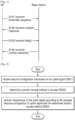
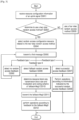
- the user equipment may receive resource configuration information of the uplink signal from network side configured and/or pre-configured information at step S301.
- the received resource configuration information may include at least one of four-step random access configuration information, two-step random access configuration information, downlink beam configuration information, data resource configuration information of two-step random access, and configuration type information and so on. Content regarding the resource configuration information has been described above, which will be omitted here.
- the first message is transmitted according to the obtained random access configuration information.
- the first message here includes not only the preamble but also the data part and so on. In this way, the uplink signal can be transmitted faster. Then the user equipment performs the subsequent operations according to a feedback type for the first message.
- step S308 if the user equipment detects fallback random access response, it proceeds to step S309.
- the user equipment may ignore the transport block size and/or modulation and coding scheme indicated by the fallback random access response, and determine the modulation and coding scheme according to the transport block size used by the uplink data in the first message and configured resource block size, so as to perform the transmission of the fallback Msg3.
- the user equipment may ignore whether the network side needs to combine the uplink data in the first message with the fallback Msg3 and perform the transmission of the fallback Msg3 according to the one configuration.
- the transport block size offered in the one configuration is same as the transport block size used by the uplink data in the first message, the user equipment may perform the transmission of the fallback Msg3 directly according to the one configuration.
- At least one of the resource block size, the transport block size, and the modulation and coding scheme can be obtained, and then the resource block size, the transport block size, and the modulation and coding scheme that are not obtained can be calculated or derived according to the obtained at least one of the resource block size, the transport block size, and the modulation and coding scheme.
- the user equipment may determine the resource block size, the transport block size, and the modulation and coding scheme for the fallback Msg3 using any combination or separately using one of the above methods.
- the above example is only exemplary, but the present disclosure is not limited thereto.
- the user equipment performs an operation according to feedback for the fallback Msg3. For example, the user equipment searches for possible network feedback information in the configured downlink control search space after transmitting the fallback Msg3. For example, if retransmission scheduling information for the Msg3 is searched, the user equipment performs the retransmission of the Msg3, if conflict resolution information is searched, the user equipment read the conflict resolution information, if the conflict resolution succeeds, the user equipment completes the random access procedure, and if the conflict resolution has not been successful, the user equipment may retransmit the first message.
- the user equipment searches for possible network feedback information in the configured downlink control search space after transmitting the fallback Msg3. For example, if retransmission scheduling information for the Msg3 is searched, the user equipment performs the retransmission of the Msg3, if conflict resolution information is searched, the user equipment read the conflict resolution information, if the conflict resolution succeeds, the user equipment completes the random access procedure, and if the conflict resolution has not been successful, the
- the base station transmits feedback information of the first message to the user equipment.
- the user equipment searches possible feedback information in a configured search space. If the feedback information of the base station is not detected, or the conflict resolution identity or RAPID in the feedback information does not match, the user equipment may retransmit the first message. If the successful feedback information is detected, the transmission of the uplink signal is performed directly. If the fallback random access response is detected, it is necessary to determine the transport block size, the resource block size, and the modulation and coding scheme for transmitting the fallback Msg3. A method of determining the transport block size, the resource block size, and the modulation and coding scheme for transmitting the fallback Msg3 has been described in detail in Figs. 2 and 3 , which will be omitted here. In one embodiment, it is assumed that the fallback random access response is found.
- the user equipment transmits the fallback Msg3 to the base station according to the determined transport block size, the resource block size, and the modulation and coding scheme.
- the processor 502 may detect a PDCCH on a configured control resource set.
- the processor 502 determines a method for dividing CBs and a method for rate matching of a PDSCH according to the PDCCH.
- the processor 502 may control the transceiver to receive the PDSCH according to the PDCCH.
- the processor 502 may generate HARQ-ACK information according to the PDSCH.
- the processor 502 may control the transceiver to transmit the HARQ-ACK information.
- the instruction can also implement the operation of how to determine the transport block size, the resource block size, and the modulation and coding scheme for the fallback Msg3 and so on.
- the instruction is not limited to the above operations. It can also implement steps as described in Figs. 2 and 3 , the specific description will be omitted here.
- the processor 602 may detect a PUCCH on a configured control resource set.
- the processor 602 determines a method for dividing CBs and a method for rate matching of a PUSCH according to the PUCCH.
- the processor 602 may control the transceiver to receive the PUSCH according to the PUCCH.
- the processor 602 may generate HARQ-ACK information according to the PUSCH.
- the processor 602 may control the transceiver to transmit the HARQ-ACK information.
- the UE may transmit a first message comprising a PRACH (Physical Random Access Channel) preamble and data part.
- PRACH Physical Random Access Channel
- the random access preamble is considered to be transmitted together with the data part (they are represented as a first message), and then feedback (represented as a second message) from the network side is searched in the downlink channel.
- the UE may receive a fallback random access response comprising information associated with a transport block size for transmitting a PUSCH (Physical Uplink Shared Channel).
- PUSCH Physical Uplink Shared Channel
- the user equipment does not detect the available random access response in a specific case (including a case where the user equipment does not detect the downlink control information, or a case where the user equipment detects the downlink control information but does not detect matched feedback information in the downlink shared channel scheduled by the downlink control information (e.g., there is no matched preamble sequence and/or no a matched user equipment terminal identity or conflict resolution identity) and so on), in this case, the user equipment retransmits the first message.
- a specific case including a case where the user equipment does not detect the downlink control information, or a case where the user equipment detects the downlink control information but does not detect matched feedback information in the downlink shared channel scheduled by the downlink control information (e.g., there is no matched preamble sequence and/or no a matched user equipment terminal identity or conflict resolution identity) and so on
- the user equipment retransmits the first message.
- the user equipment detects successful random access response, it performs transmission of the uplink signal. For example, when detecting the successful random access response, the user equipment may perform the uplink transmission according to uplink scheduling information indicated in the random access response, and/or receive downlink data according to downlink scheduling information, and/or perform HARQ-ACK feedback according to PUCCH resource indication.
- the determining the resource block size, the transport block size, and the modulation and coding scheme for the fallback Msg3 it is also possible to determine whether the user equipment transmits the fallback Msg3 according to at least one of the resource block size, the transport block size, and the modulation and coding scheme notified by the configuration information indicated by the fallback random access response, and/or determine whether the network side needs to combine uplink data in the first message with the fallback Msg3 using at least one of 1-bit explicit indication mode, implicit indication mode and system predefined mode according to the obtained resource configuration information.
- the user equipment may consider that this configuration is an error configuration.
- the user equipment does not expect to receive such configuration, the user equipment behavior is undefined, the user equipment may prepare to transmit the fallback Msg3 according to this configuration, and ignore whether the network side (for example, the base station) needs to combine the uplink data in the sent first message with the fallback Msg3.
- FIG. 8 illustrates a flow chart illustrating a method performed by a base station (BS) in a wireless communication system.
- BS base station
- the user equipment after transmitting the first message, the user equipment searches possible random access response on the configured or preset downlink control channel resources, and then performs different operations according to a type of the received feedback. Specifically, if the user equipment does not detect the available random access response, the first message is retransmitted.
- the processor here may be any type suitable for the technical environment of the present disclosure, including but not limit to at least one or more of general-purpose computers, special-purpose computers, microprocessors, digital signal processors DSPs, and processors having a multi-core processor architecture.
- the present disclosure includes devices related to performing one or more the operations/steps in the present application. These devices may be specially designed and manufactured for required purposes, or they may be known devices in general-purpose computers. These devices have computer programs stored therein that are selectively activated or reconstructed.
Landscapes
- Engineering & Computer Science (AREA)
- Signal Processing (AREA)
- Computer Networks & Wireless Communication (AREA)
- Quality & Reliability (AREA)
- Mobile Radio Communication Systems (AREA)
Claims (9)
- Procédé, exécuté par un terminal, dans un système de communication sans fil, le procédé comprenant:recevoir, d'une station de base, un message de contrôle de ressources radio, RRC, incluant des premières informations de configuration de liaison montante associées à un premier message pour un accès aléatoire en 2 étapes ;transmettre (710) le premier message comprenant un préambule de Canal d'Accès Aléatoire Physique, PRACH, et un Canal Partagé de Liaison Montante Physique, PUSCH, sur la base des premières informations de configuration de liaison montante ;recevoir (730) une réponse d'accès aléatoire, RAR, en réponse au premier message transmis ;identifier si la RAR reçue est une RAR de repli ou une RAR de succès ;dans le cas où la RAR reçue est la RAR de repli :déterminer (750) une taille de bloc de transport pour un PUSCH programmé par la RAR de repli, où la taille de bloc de transport pour le PUSCH programmé par la RAR de repli est la même qu'une taille de bloc de transport du PUSCH inclus dans le premier message ;déterminer un schéma de modulation et de codage pour le PUSCH programmé par la RAR de repli ; ettransmettre (770) le PUSCH programmé par la RAR de repli sur la base de la taille de bloc de transport déterminée et du schéma de modulation et de codage déterminé ; etdans le cas où la RAR reçue est la RAR de succès :
transmettre des informations relatives à une rétroaction d'Accusé de réception de demande de Répétition Automatique Hybride, HARQ-ACK, sur la base d'un indicateur de ressource de Canal de Commande de Liaison Montante Physique, PUCCH, inclus dans la RAR de succès. - Procédé selon la revendication 1, où la détermination de la taille de bloc de transport pour le PUSCH comprend :identifier que la taille de bloc de transport indiquée par la RAR de repli est différente de la taille de bloc de transport du PUSCH inclus dans le premier message ; etdéterminer la taille de bloc de transport pour transmettre le PUSCH programmé par la RAR de repli sur la base d'une règle prédéfinie.
- Procédé selon la revendication 1, comprenant en outre :où, dans le cas où le terminal est dans un état de Veille ou un état Inactif, recevoir des informations de système incluant des deuxièmes informations de configuration de liaison montante associées au premier message pour l'accès aléatoire en 2 étapes ; etoù la transmission du premier message comprend la transmission du premier message sur la base des deuxièmes informations de configuration de liaison montante.
- Terminal pour un système de communication sans fil, le terminal comprenant :un émetteur-récepteur ; etau moins un processeur connecté de manière opérationnelle à l'émetteur-récepteur, l'au moins un processeur configuré pour :commander à l'émetteur-récepteur de recevoir, d'une station de base, un message de contrôle de ressources radio, RRC, incluant des premières informations de configuration de liaison montante associées à un premier message pour un accès aléatoire en 2 étapes,commander à l'émetteur-récepteur de transmettre le premier message comprenant un préambule de Canal d'Accès Aléatoire Physique, PRACH, et un Canal Partagé de Liaison Montante Physique, PUSCH, sur la base des premières informations de configuration de liaison montante,commander à l'émetteur-récepteur de recevoir une réponse d'accès aléatoire, RAR, en réponse au premier message transmis,commander à l'émetteur-récepteur d'identifier si la RAR reçue est une RAR de repli ou une RAR de succès,dans le cas où la RAR reçue est la RAR de repli :commander à l'émetteur-récepteur de déterminer une taille de bloc de transport pour un PUSCH programmé par la RAR de repli, où la taille de bloc de transport pour le PUSCH programmé par la RAR de repli est la même qu'une taille de bloc de transport du PUSCH inclus dans le premier message,commander à l'émetteur-récepteur de déterminer un schéma de modulation et de codage pour le PUSCH programmé par la RAR de repli, etcommander à l'émetteur-récepteur de transmettre le PUSCH programmé par la RAR de repli sur la base de la taille de bloc de transport déterminée et du schéma de modulation et de codage déterminé, et dans le cas où la RAR reçue est la RAR de succès :
commander à l'émetteur-récepteur de transmettre des informations relatives à une rétroaction d'Accusé de réception de demande de Répétition Automatique Hybride, HARQ-ACK, sur la base d'un indicateur de ressource de Canal de Commande de Liaison Montante Physique, PUCCH, inclus dans la RAR de succès. - Terminal selon la revendication 4, où l'au moins un processeur est en outre configuré pour :identifier que la taille de bloc de transport indiquée par la RAR de repli est différente de la taille du bloc de transport du PUSCH inclus dans le premier message, etdéterminer la taille de bloc de transport pour transmettre le PUSCH programmé par la RAR de repli sur la base d'une règle prédéfinie.
- Terminal selon la revendication 4, où l'au moins un processeur est en outre configuré pour :où, dans le cas où le terminal est dans un état de Veille ou un état Inactif,recevoir des informations de système incluant des deuxièmes informations de configuration de liaison montante associées au premier message pour l'accès aléatoire en 2 étapes, ettransmettre le premier message sur la base des deuxièmes informations de configuration de liaison montante.
- Procédé, exécuté par une station de base, dans un système de communication sans fil, le procédé comprenant :transmettre un message de contrôle de ressources radio, RRC, incluant des premières informations de configuration de liaison montante associées à un premier message pour un accès aléatoire en 2 étapes ;recevoir, d'un terminal, le premier message sur la base des premières informations de configuration de liaison montante ;identifier si le premier message comprend un préambule de Canal d'Accès Aléatoire Physique, PRACH, et un Canal Partagé de Liaison Montante Physique, PUSCH ;dans le cas où le premier message comprend le préambule PRACH et le PUSCH :transmettre, au terminal, une réponse d'accès aléatoire, RAR, de succès, où le PUSCH est transmis sur la base d'une première taille de bloc de transport ;recevoir, du terminal, des informations relatives à une rétroaction d'Accusé de réception de demande de Répétition Automatique Hybride, HARQ-ACK, envoyées sur la base d'un indicateur de ressource de Canal de Commande de Liaison Montante Physique, PUCCH, inclus dans la RAR de succès ; etdans le cas où le premier message comprend le préambule PRACH et ne comprend pas le PUSCH :transmettre, au terminal, une réponse d'accès aléatoire, RAR, de repli ; etrecevoir un PUSCH sur la base d'une deuxième taille de bloc de transport et d'un schéma de modulation et de codage déterminé par un terminal,où la deuxième taille de bloc de transport est la même que la première taille de bloc de transport du PUSCH inclus dans le premier message.
- Procédé selon la revendication 7, où la deuxième taille de bloc de transport est déterminée sur la base d'une règle prédéfinie lorsqu'une taille de bloc de transport indiquée par la RAR de repli est différente de la taille de bloc de transport du PUSCH inclus dans le premier message.
- Procédé selon la revendication 7, comprenant en outre :où, dans le cas où le terminal est dans un état de veille ou un état inactif,transmettre des informations de système incluant des deuxièmes informations de configuration de liaison montante associées au premier message pour l'accès aléatoire en 2 étapes, etoù la réception du premier message comprend la réception du premier message sur la base des deuxièmes informations de configuration de liaison montante.
Applications Claiming Priority (2)
| Application Number | Priority Date | Filing Date | Title |
|---|---|---|---|
| CN201910681206.8A CN112312479B (zh) | 2019-07-26 | 2019-07-26 | 上行信号的发送方法以及用户设备 |
| PCT/KR2020/009847 WO2021020832A1 (fr) | 2019-07-26 | 2020-07-27 | Procédé et appareil de transmission d'un signal de liaison montante dans un système de communication sans fil |
Publications (3)
| Publication Number | Publication Date |
|---|---|
| EP3991501A1 EP3991501A1 (fr) | 2022-05-04 |
| EP3991501A4 EP3991501A4 (fr) | 2022-08-31 |
| EP3991501B1 true EP3991501B1 (fr) | 2025-04-16 |
Family
ID=74228713
Family Applications (1)
| Application Number | Title | Priority Date | Filing Date |
|---|---|---|---|
| EP20848410.5A Active EP3991501B1 (fr) | 2019-07-26 | 2020-07-27 | Procédé et appareil de transmission d'un signal de liaison montante dans un système de communication sans fil |
Country Status (5)
| Country | Link |
|---|---|
| US (1) | US20220264653A1 (fr) |
| EP (1) | EP3991501B1 (fr) |
| KR (1) | KR102912607B1 (fr) |
| CN (1) | CN112312479B (fr) |
| WO (1) | WO2021020832A1 (fr) |
Families Citing this family (10)
| Publication number | Priority date | Publication date | Assignee | Title |
|---|---|---|---|---|
| WO2021030998A1 (fr) * | 2019-08-16 | 2021-02-25 | Qualcomm Incorporated | Procédure harq pour message de réponse rach dans une procédure rach en deux étapes |
| EP4021106A1 (fr) * | 2019-08-19 | 2022-06-29 | Ntt Docomo, Inc. | Terminal |
| WO2021046828A1 (fr) * | 2019-09-12 | 2021-03-18 | 北京小米移动软件有限公司 | Procédé et appareil d'accès aléatoire |
| US12402097B2 (en) * | 2020-07-01 | 2025-08-26 | Beijing Xiaomi Mobile Software Co., Ltd. | Positioning method, terminal, and network device |
| KR102385859B1 (ko) * | 2020-09-03 | 2022-04-12 | 주식회사 뮤즈라이브 | 비가청 음파 통신을 이용한 인증 정보 전송 장치 |
| US12192812B2 (en) * | 2020-11-30 | 2025-01-07 | Qualcomm Incorporated | Techniques for per-polarization beam scheduling for multiple-input multiple-output (MIMO) communication |
| CN115119328A (zh) * | 2021-03-19 | 2022-09-27 | 华为技术有限公司 | 无线通信的方法和通信装置 |
| CN118301784A (zh) * | 2023-01-03 | 2024-07-05 | 大唐移动通信设备有限公司 | 数据传输方法和装置 |
| CN119276439A (zh) * | 2023-07-04 | 2025-01-07 | 大唐移动通信设备有限公司 | 信息传输方法、装置、终端及网络设备 |
| WO2025086094A1 (fr) * | 2023-10-24 | 2025-05-01 | 华为技术有限公司 | Procédé de transmission d'informations et appareil de communication |
Family Cites Families (14)
| Publication number | Priority date | Publication date | Assignee | Title |
|---|---|---|---|---|
| WO2018085726A1 (fr) * | 2016-11-04 | 2018-05-11 | Intel IP Corporation | Exécution de procédures de canal d'accès aléatoire (rach) en 2 étapes |
| CN108282899B (zh) * | 2017-01-05 | 2020-03-06 | 电信科学技术研究院 | 一种两步竞争随机接入方法和装置 |
| CN115297535B (zh) * | 2017-08-11 | 2025-02-25 | 中兴通讯股份有限公司 | 一种数据传输方法及装置、计算机可读存储介质 |
| US10893543B2 (en) * | 2017-10-30 | 2021-01-12 | Samsung Electronics Co., Ltd. | Method and apparatus for random access design of NR unlicensed |
| EP3586469B1 (fr) * | 2018-01-09 | 2020-12-02 | Ofinno, LLC | Processus de couche physique et mac dans un dispositif sans fil |
| WO2019141685A1 (fr) * | 2018-01-19 | 2019-07-25 | Sony Corporation | Dispositif de communications, équipement d'infrastructure et procédés |
| US11102764B2 (en) * | 2018-02-07 | 2021-08-24 | Apple Inc. | Minimization of padding and resource wastage in message 3 (MSG3) for early data transmission (EDT) |
| US11711851B2 (en) * | 2018-11-02 | 2023-07-25 | FG Innovation Company Limited | Two-step random access procedure in next generation wireless networks |
| US20200288506A1 (en) * | 2019-02-15 | 2020-09-10 | Qualcomm Incorporated | Techniques for supporting co-existence between 2-step random access and 4-step random access |
| WO2020164618A1 (fr) * | 2019-02-15 | 2020-08-20 | 华为技术有限公司 | Procédé et appareil de transmission pour une procédure d'accès aléatoire |
| EP3964005B1 (fr) * | 2019-04-30 | 2024-08-21 | ZTE Corporation | Indication de ressource en accès aléatoire |
| US11882591B2 (en) * | 2019-04-30 | 2024-01-23 | Qualcomm Incorporated | Two-step random access channel configuration period |
| WO2020223836A1 (fr) * | 2019-05-03 | 2020-11-12 | Qualcomm Incorporated | Techniques permettant de sélectionner des préambules d'accès aléatoire et des formats de charge utile dans des communications sans fil |
| US11672013B2 (en) * | 2019-06-10 | 2023-06-06 | Qualcomm Incorporated | Considerations for a random access response for a two-step random access procedure |
-
2019
- 2019-07-26 CN CN201910681206.8A patent/CN112312479B/zh active Active
-
2020
- 2020-07-27 US US17/630,493 patent/US20220264653A1/en active Pending
- 2020-07-27 WO PCT/KR2020/009847 patent/WO2021020832A1/fr not_active Ceased
- 2020-07-27 KR KR1020200093030A patent/KR102912607B1/ko active Active
- 2020-07-27 EP EP20848410.5A patent/EP3991501B1/fr active Active
Non-Patent Citations (2)
| Title |
|---|
| CATT: "Consideration on 2-step RACH", vol. RAN WG2, no. Xi'an, China; 20190408 - 20190412, 6 April 2019 (2019-04-06), XP051700506, Retrieved from the Internet <URL:http://www.3gpp.org/ftp/Meetings%5F3GPP%5FSYNC/RAN2/Docs/R2%2D1903152%2Ezip> [retrieved on 20190406] * |
| LG ELECTRONICS INC: "General 2-Step RACH procedure", vol. RAN WG2, no. Reno, USA; 20190513 - 20190517, 3 May 2019 (2019-05-03), pages 1 - 3, XP051710866, Retrieved from the Internet <URL:http://www.3gpp.org/ftp/tsg%5Fran/WG2%5FRL2/TSGR2%5F106/Docs/R2%2D1906555%2Ezip> [retrieved on 20190503] * |
Also Published As
| Publication number | Publication date |
|---|---|
| EP3991501A1 (fr) | 2022-05-04 |
| KR102912607B1 (ko) | 2026-01-13 |
| WO2021020832A1 (fr) | 2021-02-04 |
| CN112312479B (zh) | 2025-08-29 |
| EP3991501A4 (fr) | 2022-08-31 |
| US20220264653A1 (en) | 2022-08-18 |
| CN112312479A (zh) | 2021-02-02 |
| KR20210012977A (ko) | 2021-02-03 |
Similar Documents
| Publication | Publication Date | Title |
|---|---|---|
| EP3991501B1 (fr) | Procédé et appareil de transmission d'un signal de liaison montante dans un système de communication sans fil | |
| EP3695679B1 (fr) | Procédés et appareils pour déterminer et configurer une ressource temps-fréquence dans le processus d'accès aléatoire | |
| EP3888409B1 (fr) | Procédé et appareil de transmission et de réception d'un signal dans un système de communication sans fil | |
| US11838943B2 (en) | Method for generating preamble, method for configuring preamble and equipment thereof, random access method, device, user equipment and base station | |
| EP3858067B1 (fr) | Procédé d'accès aléatoire, équipement terminal et station de base | |
| US11395289B2 (en) | Method and apparatus for decoding random access response message in wireless communication system | |
| EP3847865B1 (fr) | Procédé et appareil destinés à une procédure d'accès aléatoire | |
| US11889296B2 (en) | Method and apparatus for transmitting uplink information | |
| US20220150956A1 (en) | Method and apparatus for resource determination | |
| EP4140242B1 (fr) | Transmissions à accès aléatoire répétitives | |
| CN112753274A (zh) | 用于支持用于2步随机接入过程的多个消息a大小和上行链路覆盖的方法和装置 | |
| US20140254429A1 (en) | Signaling for device-to-device wireless communication | |
| KR102940110B1 (ko) | 무선 통신 시스템에서 신호를 송수신하는 방법 및 장치 | |
| US12438663B2 (en) | Method and device for transmitting random access signal, and computer readable medium | |
| US12232171B2 (en) | Method and apparatus for transmitting uplink information | |
| US20220061098A1 (en) | Communication method and device for reduced-capability ue in wireless communication system | |
| US20210136804A1 (en) | Method and device for transmitting signal | |
| US11483194B2 (en) | Partial discrete fourier transform-based sequence design and application to random access channel preambles | |
| EP4156832A1 (fr) | Procédé et dispositif de transmission de signal d'accès aléatoire | |
| EP4118922B1 (fr) | Procédé et dispositif pour déterminer une configuration | |
| CN119678450A (zh) | 重复传输方法、终端设备和网络设备 | |
| WO2020064369A1 (fr) | Transmissions d'accès aléatoire dans des réseaux sans fil |
Legal Events
| Date | Code | Title | Description |
|---|---|---|---|
| STAA | Information on the status of an ep patent application or granted ep patent |
Free format text: STATUS: THE INTERNATIONAL PUBLICATION HAS BEEN MADE |
|
| PUAI | Public reference made under article 153(3) epc to a published international application that has entered the european phase |
Free format text: ORIGINAL CODE: 0009012 |
|
| STAA | Information on the status of an ep patent application or granted ep patent |
Free format text: STATUS: REQUEST FOR EXAMINATION WAS MADE |
|
| 17P | Request for examination filed |
Effective date: 20220131 |
|
| AK | Designated contracting states |
Kind code of ref document: A1 Designated state(s): AL AT BE BG CH CY CZ DE DK EE ES FI FR GB GR HR HU IE IS IT LI LT LU LV MC MK MT NL NO PL PT RO RS SE SI SK SM TR |
|
| A4 | Supplementary search report drawn up and despatched |
Effective date: 20220803 |
|
| RIC1 | Information provided on ipc code assigned before grant |
Ipc: H04W 72/04 20090101ALI20220728BHEP Ipc: H04W 74/08 20090101ALI20220728BHEP Ipc: H04W 74/00 20090101ALI20220728BHEP Ipc: H04W 72/12 20090101AFI20220728BHEP |
|
| DAV | Request for validation of the european patent (deleted) | ||
| DAX | Request for extension of the european patent (deleted) | ||
| STAA | Information on the status of an ep patent application or granted ep patent |
Free format text: STATUS: EXAMINATION IS IN PROGRESS |
|
| 17Q | First examination report despatched |
Effective date: 20240425 |
|
| GRAP | Despatch of communication of intention to grant a patent |
Free format text: ORIGINAL CODE: EPIDOSNIGR1 |
|
| STAA | Information on the status of an ep patent application or granted ep patent |
Free format text: STATUS: GRANT OF PATENT IS INTENDED |
|
| RIC1 | Information provided on ipc code assigned before grant |
Ipc: H04W 74/0833 20240101ALN20241127BHEP Ipc: H04W 72/1268 20230101ALN20241127BHEP Ipc: H04L 1/00 20060101ALN20241127BHEP Ipc: H04W 72/04 20090101ALI20241127BHEP Ipc: H04W 74/08 20090101ALI20241127BHEP Ipc: H04W 74/00 20090101ALI20241127BHEP Ipc: H04W 72/12 20090101AFI20241127BHEP |
|
| INTG | Intention to grant announced |
Effective date: 20241205 |
|
| GRAS | Grant fee paid |
Free format text: ORIGINAL CODE: EPIDOSNIGR3 |
|
| GRAA | (expected) grant |
Free format text: ORIGINAL CODE: 0009210 |
|
| STAA | Information on the status of an ep patent application or granted ep patent |
Free format text: STATUS: THE PATENT HAS BEEN GRANTED |
|
| AK | Designated contracting states |
Kind code of ref document: B1 Designated state(s): AL AT BE BG CH CY CZ DE DK EE ES FI FR GB GR HR HU IE IS IT LI LT LU LV MC MK MT NL NO PL PT RO RS SE SI SK SM TR |
|
| REG | Reference to a national code |
Ref country code: GB Ref legal event code: FG4D |
|
| REG | Reference to a national code |
Ref country code: CH Ref legal event code: EP Ref country code: DE Ref legal event code: R096 Ref document number: 602020049681 Country of ref document: DE |
|
| REG | Reference to a national code |
Ref country code: IE Ref legal event code: FG4D |
|
| REG | Reference to a national code |
Ref country code: NL Ref legal event code: FP |
|
| PGFP | Annual fee paid to national office [announced via postgrant information from national office to epo] |
Ref country code: GB Payment date: 20250624 Year of fee payment: 6 |
|
| PGFP | Annual fee paid to national office [announced via postgrant information from national office to epo] |
Ref country code: NL Payment date: 20250623 Year of fee payment: 6 |
|
| PGFP | Annual fee paid to national office [announced via postgrant information from national office to epo] |
Ref country code: FR Payment date: 20250624 Year of fee payment: 6 |
|
| REG | Reference to a national code |
Ref country code: AT Ref legal event code: MK05 Ref document number: 1786736 Country of ref document: AT Kind code of ref document: T Effective date: 20250416 |
|
| PG25 | Lapsed in a contracting state [announced via postgrant information from national office to epo] |
Ref country code: ES Free format text: LAPSE BECAUSE OF FAILURE TO SUBMIT A TRANSLATION OF THE DESCRIPTION OR TO PAY THE FEE WITHIN THE PRESCRIBED TIME-LIMIT Effective date: 20250416 Ref country code: PT Free format text: LAPSE BECAUSE OF FAILURE TO SUBMIT A TRANSLATION OF THE DESCRIPTION OR TO PAY THE FEE WITHIN THE PRESCRIBED TIME-LIMIT Effective date: 20250818 Ref country code: FI Free format text: LAPSE BECAUSE OF FAILURE TO SUBMIT A TRANSLATION OF THE DESCRIPTION OR TO PAY THE FEE WITHIN THE PRESCRIBED TIME-LIMIT Effective date: 20250416 |
|
| PGFP | Annual fee paid to national office [announced via postgrant information from national office to epo] |
Ref country code: DE Payment date: 20250624 Year of fee payment: 6 |
|
| REG | Reference to a national code |
Ref country code: LT Ref legal event code: MG9D |
|
| PG25 | Lapsed in a contracting state [announced via postgrant information from national office to epo] |
Ref country code: GR Free format text: LAPSE BECAUSE OF FAILURE TO SUBMIT A TRANSLATION OF THE DESCRIPTION OR TO PAY THE FEE WITHIN THE PRESCRIBED TIME-LIMIT Effective date: 20250717 Ref country code: NO Free format text: LAPSE BECAUSE OF FAILURE TO SUBMIT A TRANSLATION OF THE DESCRIPTION OR TO PAY THE FEE WITHIN THE PRESCRIBED TIME-LIMIT Effective date: 20250716 |
|
| PG25 | Lapsed in a contracting state [announced via postgrant information from national office to epo] |
Ref country code: PL Free format text: LAPSE BECAUSE OF FAILURE TO SUBMIT A TRANSLATION OF THE DESCRIPTION OR TO PAY THE FEE WITHIN THE PRESCRIBED TIME-LIMIT Effective date: 20250416 |
|
| PG25 | Lapsed in a contracting state [announced via postgrant information from national office to epo] |
Ref country code: BG Free format text: LAPSE BECAUSE OF FAILURE TO SUBMIT A TRANSLATION OF THE DESCRIPTION OR TO PAY THE FEE WITHIN THE PRESCRIBED TIME-LIMIT Effective date: 20250416 |
|
| PG25 | Lapsed in a contracting state [announced via postgrant information from national office to epo] |
Ref country code: HR Free format text: LAPSE BECAUSE OF FAILURE TO SUBMIT A TRANSLATION OF THE DESCRIPTION OR TO PAY THE FEE WITHIN THE PRESCRIBED TIME-LIMIT Effective date: 20250416 |
|
| PG25 | Lapsed in a contracting state [announced via postgrant information from national office to epo] |
Ref country code: AT Free format text: LAPSE BECAUSE OF FAILURE TO SUBMIT A TRANSLATION OF THE DESCRIPTION OR TO PAY THE FEE WITHIN THE PRESCRIBED TIME-LIMIT Effective date: 20250416 |
|
| PG25 | Lapsed in a contracting state [announced via postgrant information from national office to epo] |
Ref country code: RS Free format text: LAPSE BECAUSE OF FAILURE TO SUBMIT A TRANSLATION OF THE DESCRIPTION OR TO PAY THE FEE WITHIN THE PRESCRIBED TIME-LIMIT Effective date: 20250716 |
|
| PG25 | Lapsed in a contracting state [announced via postgrant information from national office to epo] |
Ref country code: IS Free format text: LAPSE BECAUSE OF FAILURE TO SUBMIT A TRANSLATION OF THE DESCRIPTION OR TO PAY THE FEE WITHIN THE PRESCRIBED TIME-LIMIT Effective date: 20250816 |
|
| PG25 | Lapsed in a contracting state [announced via postgrant information from national office to epo] |
Ref country code: LV Free format text: LAPSE BECAUSE OF FAILURE TO SUBMIT A TRANSLATION OF THE DESCRIPTION OR TO PAY THE FEE WITHIN THE PRESCRIBED TIME-LIMIT Effective date: 20250416 |
|
| PG25 | Lapsed in a contracting state [announced via postgrant information from national office to epo] |
Ref country code: DK Free format text: LAPSE BECAUSE OF FAILURE TO SUBMIT A TRANSLATION OF THE DESCRIPTION OR TO PAY THE FEE WITHIN THE PRESCRIBED TIME-LIMIT Effective date: 20250416 Ref country code: SM Free format text: LAPSE BECAUSE OF FAILURE TO SUBMIT A TRANSLATION OF THE DESCRIPTION OR TO PAY THE FEE WITHIN THE PRESCRIBED TIME-LIMIT Effective date: 20250416 |
|
| REG | Reference to a national code |
Ref country code: DE Ref legal event code: R097 Ref document number: 602020049681 Country of ref document: DE |
|
| PG25 | Lapsed in a contracting state [announced via postgrant information from national office to epo] |
Ref country code: CZ Free format text: LAPSE BECAUSE OF FAILURE TO SUBMIT A TRANSLATION OF THE DESCRIPTION OR TO PAY THE FEE WITHIN THE PRESCRIBED TIME-LIMIT Effective date: 20250416 |
|
| PG25 | Lapsed in a contracting state [announced via postgrant information from national office to epo] |
Ref country code: EE Free format text: LAPSE BECAUSE OF FAILURE TO SUBMIT A TRANSLATION OF THE DESCRIPTION OR TO PAY THE FEE WITHIN THE PRESCRIBED TIME-LIMIT Effective date: 20250416 |
|
| PG25 | Lapsed in a contracting state [announced via postgrant information from national office to epo] |
Ref country code: SK Free format text: LAPSE BECAUSE OF FAILURE TO SUBMIT A TRANSLATION OF THE DESCRIPTION OR TO PAY THE FEE WITHIN THE PRESCRIBED TIME-LIMIT Effective date: 20250416 Ref country code: RO Free format text: LAPSE BECAUSE OF FAILURE TO SUBMIT A TRANSLATION OF THE DESCRIPTION OR TO PAY THE FEE WITHIN THE PRESCRIBED TIME-LIMIT Effective date: 20250416 |
|
| PG25 | Lapsed in a contracting state [announced via postgrant information from national office to epo] |
Ref country code: IT Free format text: LAPSE BECAUSE OF FAILURE TO SUBMIT A TRANSLATION OF THE DESCRIPTION OR TO PAY THE FEE WITHIN THE PRESCRIBED TIME-LIMIT Effective date: 20250416 |
|
| PLBE | No opposition filed within time limit |
Free format text: ORIGINAL CODE: 0009261 |
|
| STAA | Information on the status of an ep patent application or granted ep patent |
Free format text: STATUS: NO OPPOSITION FILED WITHIN TIME LIMIT |
|
| REG | Reference to a national code |
Ref country code: CH Ref legal event code: H13 Free format text: ST27 STATUS EVENT CODE: U-0-0-H10-H13 (AS PROVIDED BY THE NATIONAL OFFICE) Effective date: 20260224 |
|
| REG | Reference to a national code |
Ref country code: CH Ref legal event code: L10 Free format text: ST27 STATUS EVENT CODE: U-0-0-L10-L00 (AS PROVIDED BY THE NATIONAL OFFICE) Effective date: 20260225 |
|
| PG25 | Lapsed in a contracting state [announced via postgrant information from national office to epo] |
Ref country code: LU Free format text: LAPSE BECAUSE OF NON-PAYMENT OF DUE FEES Effective date: 20250727 |
|
| 26N | No opposition filed |
Effective date: 20260119 |
|
| REG | Reference to a national code |
Ref country code: BE Ref legal event code: MM Effective date: 20250731 |
|
| PG25 | Lapsed in a contracting state [announced via postgrant information from national office to epo] |
Ref country code: BE Free format text: LAPSE BECAUSE OF NON-PAYMENT OF DUE FEES Effective date: 20250731 |
|
| PG25 | Lapsed in a contracting state [announced via postgrant information from national office to epo] |
Ref country code: CH Free format text: LAPSE BECAUSE OF NON-PAYMENT OF DUE FEES Effective date: 20250731 |