EP3991725A1 - Neues enteroantiseptikum zur behandlung gastrointestinaler infektionen bei menschen - Google Patents
Neues enteroantiseptikum zur behandlung gastrointestinaler infektionen bei menschen Download PDFInfo
- Publication number
- EP3991725A1 EP3991725A1 EP20020504.5A EP20020504A EP3991725A1 EP 3991725 A1 EP3991725 A1 EP 3991725A1 EP 20020504 A EP20020504 A EP 20020504A EP 3991725 A1 EP3991725 A1 EP 3991725A1
- Authority
- EP
- European Patent Office
- Prior art keywords
- compound
- treatment
- thymol
- entero
- antiseptic
- Prior art date
- Legal status (The legal status is an assumption and is not a legal conclusion. Google has not performed a legal analysis and makes no representation as to the accuracy of the status listed.)
- Granted
Links
Images



Classifications
-
- A—HUMAN NECESSITIES
- A61—MEDICAL OR VETERINARY SCIENCE; HYGIENE
- A61K—PREPARATIONS FOR MEDICAL, DENTAL OR TOILETRY PURPOSES
- A61K31/00—Medicinal preparations containing organic active ingredients
- A61K31/16—Amides, e.g. hydroxamic acids
- A61K31/165—Amides, e.g. hydroxamic acids having aromatic rings, e.g. colchicine, atenolol, progabide
-
- A—HUMAN NECESSITIES
- A61—MEDICAL OR VETERINARY SCIENCE; HYGIENE
- A61K—PREPARATIONS FOR MEDICAL, DENTAL OR TOILETRY PURPOSES
- A61K31/00—Medicinal preparations containing organic active ingredients
- A61K31/045—Hydroxy compounds, e.g. alcohols; Salts thereof, e.g. alcoholates
- A61K31/05—Phenols
-
- A—HUMAN NECESSITIES
- A61—MEDICAL OR VETERINARY SCIENCE; HYGIENE
- A61K—PREPARATIONS FOR MEDICAL, DENTAL OR TOILETRY PURPOSES
- A61K9/00—Medicinal preparations characterised by special physical form
- A61K9/0012—Galenical forms characterised by the site of application
- A61K9/0019—Injectable compositions; Intramuscular, intravenous, arterial, subcutaneous administration; Compositions to be administered through the skin in an invasive manner
-
- A—HUMAN NECESSITIES
- A61—MEDICAL OR VETERINARY SCIENCE; HYGIENE
- A61K—PREPARATIONS FOR MEDICAL, DENTAL OR TOILETRY PURPOSES
- A61K9/00—Medicinal preparations characterised by special physical form
- A61K9/20—Pills, tablets, discs, rods
- A61K9/2004—Excipients; Inactive ingredients
- A61K9/2009—Inorganic compounds
-
- A—HUMAN NECESSITIES
- A61—MEDICAL OR VETERINARY SCIENCE; HYGIENE
- A61K—PREPARATIONS FOR MEDICAL, DENTAL OR TOILETRY PURPOSES
- A61K9/00—Medicinal preparations characterised by special physical form
- A61K9/20—Pills, tablets, discs, rods
- A61K9/2004—Excipients; Inactive ingredients
- A61K9/2022—Organic macromolecular compounds
- A61K9/205—Polysaccharides, e.g. alginate, gums; Cyclodextrin
- A61K9/2054—Cellulose; Cellulose derivatives, e.g. hydroxypropyl methylcellulose
-
- A—HUMAN NECESSITIES
- A61—MEDICAL OR VETERINARY SCIENCE; HYGIENE
- A61K—PREPARATIONS FOR MEDICAL, DENTAL OR TOILETRY PURPOSES
- A61K9/00—Medicinal preparations characterised by special physical form
- A61K9/20—Pills, tablets, discs, rods
- A61K9/28—Dragees; Coated pills or tablets, e.g. with film or compression coating
- A61K9/2806—Coating materials
- A61K9/2833—Organic macromolecular compounds
- A61K9/286—Polysaccharides, e.g. gums; Cyclodextrin
- A61K9/2866—Cellulose; Cellulose derivatives, e.g. hydroxypropyl methylcellulose
-
- A—HUMAN NECESSITIES
- A61—MEDICAL OR VETERINARY SCIENCE; HYGIENE
- A61P—SPECIFIC THERAPEUTIC ACTIVITY OF CHEMICAL COMPOUNDS OR MEDICINAL PREPARATIONS
- A61P31/00—Antiinfectives, i.e. antibiotics, antiseptics, chemotherapeutics
-
- A—HUMAN NECESSITIES
- A61—MEDICAL OR VETERINARY SCIENCE; HYGIENE
- A61P—SPECIFIC THERAPEUTIC ACTIVITY OF CHEMICAL COMPOUNDS OR MEDICINAL PREPARATIONS
- A61P31/00—Antiinfectives, i.e. antibiotics, antiseptics, chemotherapeutics
- A61P31/04—Antibacterial agents
-
- Y—GENERAL TAGGING OF NEW TECHNOLOGICAL DEVELOPMENTS; GENERAL TAGGING OF CROSS-SECTIONAL TECHNOLOGIES SPANNING OVER SEVERAL SECTIONS OF THE IPC; TECHNICAL SUBJECTS COVERED BY FORMER USPC CROSS-REFERENCE ART COLLECTIONS [XRACs] AND DIGESTS
- Y02—TECHNOLOGIES OR APPLICATIONS FOR MITIGATION OR ADAPTATION AGAINST CLIMATE CHANGE
- Y02A—TECHNOLOGIES FOR ADAPTATION TO CLIMATE CHANGE
- Y02A50/00—TECHNOLOGIES FOR ADAPTATION TO CLIMATE CHANGE in human health protection, e.g. against extreme weather
- Y02A50/30—Against vector-borne diseases, e.g. mosquito-borne, fly-borne, tick-borne or waterborne diseases whose impact is exacerbated by climate change
Definitions
- the compound is a novel entero-antiseptic for the treatment of gastrointenstinal infections in humans.
- This invention is addressing the problems of gastrointestinal infections in humans with the different etiology of pathogens.
- the compound is a broad-spectrum entero-antiseptic compound in the form of a 600 mg tablet for the treatment of acute infective gastroenteritis.
- the antimicrobial effect of Thymol and Carvacrol is well known.
- Several patents based on Carvacrol and Procaine-Carvacrol have been granted in the US and the EU patent offices.
- One of such patents is a US patent no. 6,921,539 and the same invention in the EU as an EU patent no. EP 1 482 791 B1 .
- this invention is completely novel because Thymol and Carvacrol, by the special process of synthesis have been bounced into one stabile compound.
- the active principle of the compound is a stable quaternary ammonium complex of Thymol and Carvacrol in the form of a tablet.
- the compound is more effective than standard 3rd generation cephalosporin antibiotics in the treatment of mentioned infections.
- the compound is created to fight antibiotic resistance of pathogenic bacteria, such as E . coli, Salmonella, Campylobacter, Shigella, Vibrio, Yersinia, Listeria, and other bacteria causing acute infective gastroenteritis in humans.
- pathogenic bacteria such as E . coli, Salmonella, Campylobacter, Shigella, Vibrio, Yersinia, Listeria, and other bacteria causing acute infective gastroenteritis in humans.
- the active compound of this invention is different from any other antibiotic currently available on the market.
- an extra potent effect of the synergy of Thymol and Carvacrol is achieved.
- the antimicrobial efficacy of this novel compound will be significantly more effective than Thymol and Carvacrol by
- the synthesis of our novel compound is carried out in a few steps via Steglich esterification.
- the first step was protecting the amino group of glycine (with a t-BOC protecting group) using a di-tert-butyl dicarbonate in the presence of 4-Dimethylaminopyridine (DMAP) as a base.
- DMAP 4-Dimethylaminopyridine
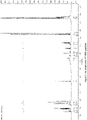
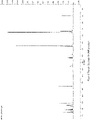
- the characterization of purity of our novel compound will be done using gass-mass chromatography, IR, 1H NMR and 13C NMR spectra.
- the position of the peaks in gass chromatography will provide us with data about the purity of the sample.
- the mass spectrometry will provide mass fragments specific for a certain compound.
- 1H NMR spectra will give us the position of protons in the molecule and we can compare its peaks with the peaks of the same positions of protons in the precursor compounds spectra as well as the spectra of pure Thymol and Carvacrol.
- the density of the compound is 1.097g mL -1 and melting point is 68°C.
- our compound is light yellow to white solid substance that has a melting point of 68°C and a density of 1.09g mL -1 .
- gass-mass or HPLC chromatography By measuring the area of belonging peaks, we can know how much of our compound is in the mixture and what is its purity in comparison with the potential impurities. It is important to know what are impurities. In our case, impurities could be unreacted or hydrolized Thymol, Carvacrol or Glycine. Since we are dealing with a solvent of a low boiling point, dichloromethane, it easily evaporates during the purification step and does not pose a problem.
- the compound can easily dissociate into free Carvacrol and Thymol-glycidate ester. That ester can be further hydrolized in acidic media into Thymol and Glycine by a slow acid-catalyzed ester hydrolysis reaction.
- the obtained Thymol which is slowly released can be amgood source of constant new small amounts of Thymol after the fast Carvacrol release during the ionization step.
- Carvacrol and Thymol are monoterpene phenols with chemical reactivity and properties of a phenol group. Their physiological activity is well known. The structure of the compound is selected to be synthesized because of a few factors and a higher effectiveness than sole Thymol and Carvacrol. The phenol groups of both Thymol and Carvacrol are very aggressive to pathogens: bacteria, fungi etc. These groups are needed for bioactivity of our product. What has been done was making the phenol group less reactive by reacting them with carboxylic and amino group of glycine. The product should be administered p.o. (per os). The novelty idea was to hydrolyze a part of the new molecule in the stomach by hydrochloric acid.
- This formula can be used for the treatment of Crohn's disease because the coated cellulose will allow the compound active compound to be released into the large intestine, particularly in the colon.
- the test results were generated and monitored in order to obtain the relevant information and facts.
- the general monitored parameters were: pulse, breathing, ECG (Electrocardiography), any discomfort, adverse events and/or allergy monitoring. These parameters were measured before the treatment with the compound and 15 minutes after its intake.
- the compound was ingested on the therapeutic days in each patient at 8.00 AM and 8.00 PM CET (paragraph [0025] and paragraph [0026]). After The compound had been consumed, the physician made observations for 30 min. Feeling of the patients during and after the intake of The compound will also be recorded for each participant.
- the blood sample of each patient was checked for biochemical parameters. Blood samples were taken from each patient before the beginning of the test, on the 4th day from the tests beginning, and on the 8th day form the tests beginning. The last blood samples have to be checked 12 hours from the last intake of Carotym.
- the biochemical parameters that were measured in blood samples include:
- the dose was: 250 mg of the compound/30 kg of the body weight every 12 hours for seven (7) days (paragraph [0025] and paragraph [0026]).
- Amount used The novel compound 0.05 mL; Cephalosporin 0.1 mL; Ampicillin 0.2 mL.
- the testing took place at the Salk Institute for Biological Studies, San Diego, Califor- nia, US.
- the mentor and project leader of this test was: Prof. Dr. Jozef Gulyas.
- the subject of the testing was to determine the acute toxicity - LD50 of The compound in tablet form on mice and rats. Both mice and rats were specially selected for the testing of the toxicity of the compounds, medicine and chemicals. Only the acute toxicity of the testing was done since the active therapy with The compound takes from one (1) - three (3) days. Sub-acute toxicity was not necessary and applicable since long treatment with The compound will not be in function or planned. Testing was done in the oral application (per os - p.o.) in both white lab rats and white lab mice.
- the oral acute toxicity LD50 testing was upon the standard procedure: application p.o. with the special lab pipette easy to administer liquid product: orally to the lab animals.
- mice 1 mg/kg, 5 mg/kg, 10 mg/kg, 20 mg/kg, 50 mg/kg, 100 mg/kg, 150 mg/kg, 200 mg/kg, 300 mg/kg, 400 mg/kg, 500 mg/kg, 600 mg/kg, 650 mg/kg, 750 mg/kg, 850 mg/kg, 1,000 mg/kg, 1250mg/kg, 1,500 mg/kg, 1,750 mg/kg and 2,000 mg/kg.
- mice At the level of oral dose LD50 2,000 mg/kg - twenty- one (21) mice out of a hundred (100), have changed their behavior and demonstrated light discomfort: running as well as anxiety.
- Oral (p.o.) application of The compound testing LD50 has been on rats: 1 mg/kg, 5 mg/kg, 10 mg/kg, 20 mg/kg, 50 mg/kg, 100 mg/kg, 150 mg/kg, 200 mg/kg, 300 mg/kg, 400 mg/kg, 500 mg/kg, 600 mg/kg, 650 mg/kg, 750 mg/kg, 850 mg/kg, 1,000 mg/kg, 1250 mg/kg, 1,500 mg/kg, 2,000 mg/kg, 2,250 mg/kg and 2,500 mg/kg.
- rats At the level of oral dose LD50 2,500 mg/kg - thirty-seven (37) rats out of a hundred (100), have changed their behavior and demonstrated light discomfort: running over the glass cubical, as well as anxiety.
- Intraperitoneal application i.p.
- the testing LD50 has been done on mice: 1 mg/kg, 5 mg/kg, 10 mg/kg, 20 mg/kg, 50 mg/kg, 100 mg/kg, 150 mg/kg, 200 mg/kg, 300 mg/kg, 400 mg/kg, 500 mg/kg, 600 mg/kg, 650 mg/kg, 750 mg/kg, 850 mg/kg, 1,000 mg/kg, 1250 mg/kg, 1,500 mg/kg, 1,750 mg/kg, 2,000 mg/kg, and 2,250 mg/kg.
- mice 1 mg/kg, 5 mg/kg, 10 mg/kg, 20 mg/kg, 50 mg/kg, 100 mg/kg, 150 mg/kg, 200 mg/kg, 300 mg/kg, 400 mg/kg, 500 mg/kg, 600 mg/kg, 650 mg/kg, 750 mg/kg, 850 mg/kg, 1,000 mg/kg, 1250 mg/kg, 1,500 mg/kg, 1,750 mg/kg, 2,000 mg/kg, and 2,250 mg/kg
- mice out of a hundred (100) have changed their behavior and demonstrated discomfort: running as well as anxiety. Breading and cardiac functions were regular, function of the thorax was regular and without visual changes. Discomfort symptoms were noticed after the applications, they disappeared after 3-5 min., diverse from mouse to mouse. No mouse has ended lethally during this test. Conclusion based on these test results was: The compound in tablet form has parenteral - intraperitoneal LD50 over 2,250 mg/kg for mice (i.p). The compound is low toxic in the applied doses for mice parenterally - intraperitoneally (i.p.).
- Intraperitoneal application i.p.
- the testing LD50 has been done on rats: 1 mg/kg, 5 mg/kg, 10 mg/kg, 20 mg/kg, 50 mg/kg, 100 mg/kg, 150 mg/kg, 200 mg/kg, 300 mg/kg, 400 mg/kg, 500 mg/kg, 600 mg/kg, 650 mg/kg, 750 mg/kg, 850 mg/kg, 1,000 mg/kg, 1250 mg/kg, 1,500 mg/kg, 1,750 mg/kg, 2,000 mg/kg, 2,250 mg/kg, and 2,500 mg/kg.
- rats 1 mg/kg, 5 mg/kg, 10 mg/kg, 20 mg/kg, 50 mg/kg, 100 mg/kg, 150 mg/kg, 200 mg/kg, 300 mg/kg, 400 mg/kg, 500 mg/kg, 600 mg/kg, 650 mg/kg, 750 mg/kg, 850 mg/kg, 1,000 mg/kg, 1250 mg/kg, 1,500 mg/kg, 1,750 mg/kg, 2,000 mg/kg,
Landscapes
- Health & Medical Sciences (AREA)
- Chemical & Material Sciences (AREA)
- Public Health (AREA)
- Veterinary Medicine (AREA)
- Medicinal Chemistry (AREA)
- Pharmacology & Pharmacy (AREA)
- General Health & Medical Sciences (AREA)
- Life Sciences & Earth Sciences (AREA)
- Animal Behavior & Ethology (AREA)
- Epidemiology (AREA)
- Nuclear Medicine, Radiotherapy & Molecular Imaging (AREA)
- Communicable Diseases (AREA)
- Oncology (AREA)
- Chemical Kinetics & Catalysis (AREA)
- General Chemical & Material Sciences (AREA)
- Organic Chemistry (AREA)
- Bioinformatics & Cheminformatics (AREA)
- Inorganic Chemistry (AREA)
- Dermatology (AREA)
- Engineering & Computer Science (AREA)
- Pharmaceuticals Containing Other Organic And Inorganic Compounds (AREA)
- Acyclic And Carbocyclic Compounds In Medicinal Compositions (AREA)
Priority Applications (2)
| Application Number | Priority Date | Filing Date | Title |
|---|---|---|---|
| EP20020504.5A EP3991725B1 (de) | 2020-11-02 | 2020-11-02 | Neues enteroantiseptikum zur behandlung gastrointestinaler infektionen bei menschen |
| HRP20260265TT HRP20260265T1 (hr) | 2020-11-02 | 2020-11-02 | Novi enteroantiseptik namijenjen liječenju gastrointestinalnih infekcija kod ljudi |
Applications Claiming Priority (1)
| Application Number | Priority Date | Filing Date | Title |
|---|---|---|---|
| EP20020504.5A EP3991725B1 (de) | 2020-11-02 | 2020-11-02 | Neues enteroantiseptikum zur behandlung gastrointestinaler infektionen bei menschen |
Publications (3)
| Publication Number | Publication Date |
|---|---|
| EP3991725A1 true EP3991725A1 (de) | 2022-05-04 |
| EP3991725B1 EP3991725B1 (de) | 2026-01-28 |
| EP3991725C0 EP3991725C0 (de) | 2026-01-28 |
Family
ID=73131609
Family Applications (1)
| Application Number | Title | Priority Date | Filing Date |
|---|---|---|---|
| EP20020504.5A Active EP3991725B1 (de) | 2020-11-02 | 2020-11-02 | Neues enteroantiseptikum zur behandlung gastrointestinaler infektionen bei menschen |
Country Status (2)
| Country | Link |
|---|---|
| EP (1) | EP3991725B1 (de) |
| HR (1) | HRP20260265T1 (de) |
Cited By (1)
| Publication number | Priority date | Publication date | Assignee | Title |
|---|---|---|---|---|
| US20240374551A1 (en) * | 2023-05-12 | 2024-11-14 | Dusan Ninkov | Entero-antiseptic for the treatment of gastrointestinal infections in humans |
Citations (4)
| Publication number | Priority date | Publication date | Assignee | Title |
|---|---|---|---|---|
| WO1997001348A1 (en) * | 1995-06-29 | 1997-01-16 | Nitsas Fotios A | Pharmaceutical compositions containing herbal-based active ingredients; method for preparing same and uses of same for medical and veterinary purposes |
| US6921539B2 (en) | 2002-02-20 | 2005-07-26 | Dusan Ninkov | Antimicrobial therapeutic compositions and method of use |
| WO2013182709A1 (de) * | 2012-06-08 | 2013-12-12 | Finzelberg Gmbh & Co. Kg | Extrakte aus quendelkraut und ihre verwendung |
| WO2020208344A1 (en) * | 2019-04-08 | 2020-10-15 | Anpario Plc | Composition for reducing antimicrobial resistance |
-
2020
- 2020-11-02 HR HRP20260265TT patent/HRP20260265T1/hr unknown
- 2020-11-02 EP EP20020504.5A patent/EP3991725B1/de active Active
Patent Citations (5)
| Publication number | Priority date | Publication date | Assignee | Title |
|---|---|---|---|---|
| WO1997001348A1 (en) * | 1995-06-29 | 1997-01-16 | Nitsas Fotios A | Pharmaceutical compositions containing herbal-based active ingredients; method for preparing same and uses of same for medical and veterinary purposes |
| US6921539B2 (en) | 2002-02-20 | 2005-07-26 | Dusan Ninkov | Antimicrobial therapeutic compositions and method of use |
| EP1482791B1 (de) | 2002-02-20 | 2010-08-25 | Dusan Dr. Ninkov | Antimikrobielle therapeutische zusammensetzungen und ihre verwendung |
| WO2013182709A1 (de) * | 2012-06-08 | 2013-12-12 | Finzelberg Gmbh & Co. Kg | Extrakte aus quendelkraut und ihre verwendung |
| WO2020208344A1 (en) * | 2019-04-08 | 2020-10-15 | Anpario Plc | Composition for reducing antimicrobial resistance |
Cited By (1)
| Publication number | Priority date | Publication date | Assignee | Title |
|---|---|---|---|---|
| US20240374551A1 (en) * | 2023-05-12 | 2024-11-14 | Dusan Ninkov | Entero-antiseptic for the treatment of gastrointestinal infections in humans |
Also Published As
| Publication number | Publication date |
|---|---|
| HRP20260265T1 (hr) | 2026-04-10 |
| EP3991725B1 (de) | 2026-01-28 |
| EP3991725C0 (de) | 2026-01-28 |
Similar Documents
| Publication | Publication Date | Title |
|---|---|---|
| EP2404894B1 (de) | Mevalonsäurederivate | |
| EP2703396A1 (de) | Hemmer des natriumabhängigen glucose-transportproteins sowie verfahren zu seiner herstellung und verwendung | |
| US20240287043A1 (en) | Ketoamide derivative and application thereof | |
| EP3448375B1 (de) | Benzoylglycinderivate und verfahren zur herstellung und verwendung davon | |
| EP3991725B1 (de) | Neues enteroantiseptikum zur behandlung gastrointestinaler infektionen bei menschen | |
| CN103524318A (zh) | 一类含烯丙基的单羰基姜黄素类似物在制备抗炎药物中的应用 | |
| EP4606798A1 (de) | Benzoisothiazolverbindung sowie pharmazeutische zusammensetzung und verwendung davon | |
| CN106188176B (zh) | 连翘脂素葡萄糖醛酸衍生物、制备方法及其应用 | |
| SU1250172A3 (ru) | Способ получени 2,3-диарил-5-галоидтиофенов | |
| US20240374551A1 (en) | Entero-antiseptic for the treatment of gastrointestinal infections in humans | |
| EP3166960B1 (de) | Niedrigsubstituierte polymyxine und zusammensetzungen davon | |
| CA3191511A1 (en) | Novel entero-antiseptic for the treatment of gastrointestinal infections in humans | |
| CN111925318B (zh) | 一个烟醇醚衍生物的马来酸盐及其晶型和应用 | |
| KR100407849B1 (ko) | 헬리코박터의감염에기인하는질환의치료제 | |
| CN116763794A (zh) | 1,7-二氢-6h-嘌呤-6-酮化合物在制备抗肺纤维化药物中的应用 | |
| CN110218202B (zh) | 一类n-苄基取代的氨基水杨酸2-坎醇酯的哌嗪衍生物及其药物用途 | |
| EP4014973B1 (de) | Inhalationsflüssigkeit zur behandlung von durch antibiotikaresistente erreger verursachte atemwegsinfektionen beim menschen | |
| CN106995368B (zh) | 一种非atp竞争性fgfr1抑制剂及其应用 | |
| EP4252756A1 (de) | Therapeutikum für lungenfibrose | |
| CN103819356A (zh) | 一种苦柯胺b的类似物或其药用盐的制备方法及用途 | |
| WO2004080455A1 (ja) | 抗菌剤と抗ガン剤 | |
| CN102850364B (zh) | 鬼臼衍生物及其组合物、制备方法和应用 | |
| CN114426538A (zh) | 一种小檗碱卡格列净衍生物及其制备方法和应用 | |
| US20240374736A1 (en) | Inhaled liquid for the treatment of respiratory infections in humans caused by pathogens resistant to antibiotics | |
| US3459854A (en) | Tetracycline cyclohexyl sulphamate and process for preparation |
Legal Events
| Date | Code | Title | Description |
|---|---|---|---|
| REG | Reference to a national code |
Ref country code: HR Ref legal event code: TUEP Ref document number: P20260265T Country of ref document: HR |
|
| PUAI | Public reference made under article 153(3) epc to a published international application that has entered the european phase |
Free format text: ORIGINAL CODE: 0009012 |
|
| STAA | Information on the status of an ep patent application or granted ep patent |
Free format text: STATUS: THE APPLICATION HAS BEEN PUBLISHED |
|
| AK | Designated contracting states |
Kind code of ref document: A1 Designated state(s): AL AT BE BG CH CY CZ DE DK EE ES FI FR GB GR HR HU IE IS IT LI LT LU LV MC MK MT NL NO PL PT RO RS SE SI SK SM TR |
|
| STAA | Information on the status of an ep patent application or granted ep patent |
Free format text: STATUS: REQUEST FOR EXAMINATION WAS MADE |
|
| 17P | Request for examination filed |
Effective date: 20221027 |
|
| STAA | Information on the status of an ep patent application or granted ep patent |
Free format text: STATUS: EXAMINATION IS IN PROGRESS |
|
| 17Q | First examination report despatched |
Effective date: 20240417 |
|
| RIC1 | Information provided on ipc code assigned before grant |
Ipc: A61K 31/05 20060101AFI20250821BHEP Ipc: A61K 9/00 20060101ALI20250821BHEP Ipc: A61P 31/04 20060101ALI20250821BHEP Ipc: A61P 31/00 20060101ALI20250821BHEP Ipc: A61K 31/165 20060101ALI20250821BHEP Ipc: A61K 9/20 20060101ALI20250821BHEP Ipc: A61K 9/28 20060101ALI20250821BHEP |
|
| GRAP | Despatch of communication of intention to grant a patent |
Free format text: ORIGINAL CODE: EPIDOSNIGR1 |
|
| STAA | Information on the status of an ep patent application or granted ep patent |
Free format text: STATUS: GRANT OF PATENT IS INTENDED |
|
| INTG | Intention to grant announced |
Effective date: 20251008 |
|
| GRAS | Grant fee paid |
Free format text: ORIGINAL CODE: EPIDOSNIGR3 |
|
| GRAA | (expected) grant |
Free format text: ORIGINAL CODE: 0009210 |
|
| STAA | Information on the status of an ep patent application or granted ep patent |
Free format text: STATUS: THE PATENT HAS BEEN GRANTED |
|
| AK | Designated contracting states |
Kind code of ref document: B1 Designated state(s): AL AT BE BG CH CY CZ DE DK EE ES FI FR GB GR HR HU IE IS IT LI LT LU LV MC MK MT NL NO PL PT RO RS SE SI SK SM TR |
|
| REG | Reference to a national code |
Ref country code: CH Ref legal event code: F10 Free format text: ST27 STATUS EVENT CODE: U-0-0-F10-F00 (AS PROVIDED BY THE NATIONAL OFFICE) Effective date: 20260128 Ref country code: GB Ref legal event code: FG4D |
|
| REG | Reference to a national code |
Ref country code: DE Ref legal event code: R096 Ref document number: 602020065745 Country of ref document: DE |
|
| REG | Reference to a national code |
Ref country code: IE Ref legal event code: FG4D |
|
| U01 | Request for unitary effect filed |
Effective date: 20260210 |
|
| U07 | Unitary effect registered |
Designated state(s): AT BE BG DE DK EE FI FR IT LT LU LV MT NL PT RO SE SI Effective date: 20260216 |
|
| REG | Reference to a national code |
Ref country code: HR Ref legal event code: T1PR Ref document number: P20260265 Country of ref document: HR |