EP3992048B1 - Bildverarbeitungsvorrichtung, bildgebungsvorrichtung, beweglicher körper und bildverarbeitungsverfahren - Google Patents
Bildverarbeitungsvorrichtung, bildgebungsvorrichtung, beweglicher körper und bildverarbeitungsverfahren Download PDFInfo
- Publication number
- EP3992048B1 EP3992048B1 EP20832862.5A EP20832862A EP3992048B1 EP 3992048 B1 EP3992048 B1 EP 3992048B1 EP 20832862 A EP20832862 A EP 20832862A EP 3992048 B1 EP3992048 B1 EP 3992048B1
- Authority
- EP
- European Patent Office
- Prior art keywords
- action
- movable object
- target
- image processing
- processing apparatus
- Prior art date
- Legal status (The legal status is an assumption and is not a legal conclusion. Google has not performed a legal analysis and makes no representation as to the accuracy of the status listed.)
- Active
Links
Images
Classifications
-
- H—ELECTRICITY
- H04—ELECTRIC COMMUNICATION TECHNIQUE
- H04N—PICTORIAL COMMUNICATION, e.g. TELEVISION
- H04N23/00—Cameras or camera modules comprising electronic image sensors; Control thereof
- H04N23/50—Constructional details
-
- B—PERFORMING OPERATIONS; TRANSPORTING
- B60—VEHICLES IN GENERAL
- B60W—CONJOINT CONTROL OF VEHICLE SUB-UNITS OF DIFFERENT TYPE OR DIFFERENT FUNCTION; CONTROL SYSTEMS SPECIALLY ADAPTED FOR HYBRID VEHICLES; ROAD VEHICLE DRIVE CONTROL SYSTEMS FOR PURPOSES NOT RELATED TO THE CONTROL OF A PARTICULAR SUB-UNIT
- B60W40/00—Estimation or calculation of non-directly measurable driving parameters for road vehicle drive control systems not related to the control of a particular sub unit, e.g. by using mathematical models
- B60W40/02—Estimation or calculation of non-directly measurable driving parameters for road vehicle drive control systems not related to the control of a particular sub unit, e.g. by using mathematical models related to ambient conditions
-
- B—PERFORMING OPERATIONS; TRANSPORTING
- B60—VEHICLES IN GENERAL
- B60W—CONJOINT CONTROL OF VEHICLE SUB-UNITS OF DIFFERENT TYPE OR DIFFERENT FUNCTION; CONTROL SYSTEMS SPECIALLY ADAPTED FOR HYBRID VEHICLES; ROAD VEHICLE DRIVE CONTROL SYSTEMS FOR PURPOSES NOT RELATED TO THE CONTROL OF A PARTICULAR SUB-UNIT
- B60W40/00—Estimation or calculation of non-directly measurable driving parameters for road vehicle drive control systems not related to the control of a particular sub unit, e.g. by using mathematical models
- B60W40/02—Estimation or calculation of non-directly measurable driving parameters for road vehicle drive control systems not related to the control of a particular sub unit, e.g. by using mathematical models related to ambient conditions
- B60W40/04—Traffic conditions
-
- B—PERFORMING OPERATIONS; TRANSPORTING
- B60—VEHICLES IN GENERAL
- B60W—CONJOINT CONTROL OF VEHICLE SUB-UNITS OF DIFFERENT TYPE OR DIFFERENT FUNCTION; CONTROL SYSTEMS SPECIALLY ADAPTED FOR HYBRID VEHICLES; ROAD VEHICLE DRIVE CONTROL SYSTEMS FOR PURPOSES NOT RELATED TO THE CONTROL OF A PARTICULAR SUB-UNIT
- B60W60/00—Drive control systems specially adapted for autonomous road vehicles
- B60W60/001—Planning or execution of driving tasks
- B60W60/0027—Planning or execution of driving tasks using trajectory prediction for other traffic participants
-
- G—PHYSICS
- G06—COMPUTING OR CALCULATING; COUNTING
- G06V—IMAGE OR VIDEO RECOGNITION OR UNDERSTANDING
- G06V20/00—Scenes; Scene-specific elements
- G06V20/50—Context or environment of the image
- G06V20/56—Context or environment of the image exterior to a vehicle by using sensors mounted on the vehicle
- G06V20/58—Recognition of moving objects or obstacles, e.g. vehicles or pedestrians; Recognition of traffic objects, e.g. traffic signs, traffic lights or roads
-
- G—PHYSICS
- G06—COMPUTING OR CALCULATING; COUNTING
- G06V—IMAGE OR VIDEO RECOGNITION OR UNDERSTANDING
- G06V40/00—Recognition of biometric, human-related or animal-related patterns in image or video data
- G06V40/10—Human or animal bodies, e.g. vehicle occupants or pedestrians; Body parts, e.g. hands
- G06V40/103—Static body considered as a whole, e.g. static pedestrian or occupant recognition
-
- G—PHYSICS
- G06—COMPUTING OR CALCULATING; COUNTING
- G06V—IMAGE OR VIDEO RECOGNITION OR UNDERSTANDING
- G06V40/00—Recognition of biometric, human-related or animal-related patterns in image or video data
- G06V40/20—Movements or behaviour, e.g. gesture recognition
-
- G—PHYSICS
- G08—SIGNALLING
- G08G—TRAFFIC CONTROL SYSTEMS
- G08G1/00—Traffic control systems for road vehicles
- G08G1/09—Arrangements for giving variable traffic instructions
- G08G1/0962—Arrangements for giving variable traffic instructions having an indicator mounted inside the vehicle, e.g. giving voice messages
- G08G1/0967—Systems involving transmission of highway information, e.g. weather, speed limits
- G08G1/096708—Systems involving transmission of highway information, e.g. weather, speed limits where the received information might be used to generate an automatic action on the vehicle control
- G08G1/096725—Systems involving transmission of highway information, e.g. weather, speed limits where the received information might be used to generate an automatic action on the vehicle control where the received information generates an automatic action on the vehicle control
-
- G—PHYSICS
- G08—SIGNALLING
- G08G—TRAFFIC CONTROL SYSTEMS
- G08G1/00—Traffic control systems for road vehicles
- G08G1/16—Anti-collision systems
- G08G1/166—Anti-collision systems for active traffic, e.g. moving vehicles, pedestrians, bikes
-
- H—ELECTRICITY
- H04—ELECTRIC COMMUNICATION TECHNIQUE
- H04N—PICTORIAL COMMUNICATION, e.g. TELEVISION
- H04N23/00—Cameras or camera modules comprising electronic image sensors; Control thereof
- H04N23/80—Camera processing pipelines; Components thereof
-
- B—PERFORMING OPERATIONS; TRANSPORTING
- B60—VEHICLES IN GENERAL
- B60R—VEHICLES, VEHICLE FITTINGS, OR VEHICLE PARTS, NOT OTHERWISE PROVIDED FOR
- B60R2300/00—Details of viewing arrangements using cameras and displays, specially adapted for use in a vehicle
- B60R2300/10—Details of viewing arrangements using cameras and displays, specially adapted for use in a vehicle characterised by the type of camera system used
- B60R2300/105—Details of viewing arrangements using cameras and displays, specially adapted for use in a vehicle characterised by the type of camera system used using multiple cameras
-
- B—PERFORMING OPERATIONS; TRANSPORTING
- B60—VEHICLES IN GENERAL
- B60R—VEHICLES, VEHICLE FITTINGS, OR VEHICLE PARTS, NOT OTHERWISE PROVIDED FOR
- B60R2300/00—Details of viewing arrangements using cameras and displays, specially adapted for use in a vehicle
- B60R2300/20—Details of viewing arrangements using cameras and displays, specially adapted for use in a vehicle characterised by the type of display used
-
- B—PERFORMING OPERATIONS; TRANSPORTING
- B60—VEHICLES IN GENERAL
- B60R—VEHICLES, VEHICLE FITTINGS, OR VEHICLE PARTS, NOT OTHERWISE PROVIDED FOR
- B60R2300/00—Details of viewing arrangements using cameras and displays, specially adapted for use in a vehicle
- B60R2300/30—Details of viewing arrangements using cameras and displays, specially adapted for use in a vehicle characterised by the type of image processing
-
- B—PERFORMING OPERATIONS; TRANSPORTING
- B60—VEHICLES IN GENERAL
- B60W—CONJOINT CONTROL OF VEHICLE SUB-UNITS OF DIFFERENT TYPE OR DIFFERENT FUNCTION; CONTROL SYSTEMS SPECIALLY ADAPTED FOR HYBRID VEHICLES; ROAD VEHICLE DRIVE CONTROL SYSTEMS FOR PURPOSES NOT RELATED TO THE CONTROL OF A PARTICULAR SUB-UNIT
- B60W2420/00—Indexing codes relating to the type of sensors based on the principle of their operation
- B60W2420/40—Photo, light or radio wave sensitive means, e.g. infrared sensors
- B60W2420/403—Image sensing, e.g. optical camera
-
- B—PERFORMING OPERATIONS; TRANSPORTING
- B60—VEHICLES IN GENERAL
- B60W—CONJOINT CONTROL OF VEHICLE SUB-UNITS OF DIFFERENT TYPE OR DIFFERENT FUNCTION; CONTROL SYSTEMS SPECIALLY ADAPTED FOR HYBRID VEHICLES; ROAD VEHICLE DRIVE CONTROL SYSTEMS FOR PURPOSES NOT RELATED TO THE CONTROL OF A PARTICULAR SUB-UNIT
- B60W2554/00—Input parameters relating to objects
- B60W2554/40—Dynamic objects, e.g. animals, windblown objects
- B60W2554/402—Type
- B60W2554/4029—Pedestrians
-
- G—PHYSICS
- G06—COMPUTING OR CALCULATING; COUNTING
- G06V—IMAGE OR VIDEO RECOGNITION OR UNDERSTANDING
- G06V2201/00—Indexing scheme relating to image or video recognition or understanding
- G06V2201/07—Target detection
-
- G—PHYSICS
- G06—COMPUTING OR CALCULATING; COUNTING
- G06V—IMAGE OR VIDEO RECOGNITION OR UNDERSTANDING
- G06V40/00—Recognition of biometric, human-related or animal-related patterns in image or video data
- G06V40/10—Human or animal bodies, e.g. vehicle occupants or pedestrians; Body parts, e.g. hands
- G06V40/16—Human faces, e.g. facial parts, sketches or expressions
- G06V40/174—Facial expression recognition
Definitions
- the present invention relates to an image processing apparatus, an imaging apparatus, a movable object, and a method for image processing.
- PTL 2 discloses an apparatus according to the preamble of claim 1 and a method according to the preamble of claim 12.
- the present invention provides an image processing apparatus according to claim 1, an imaging apparatus according to claim 10, a movable object according to claim 11, and a method for image processing according to claim 12.
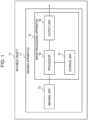
- An imaging apparatus 11 including an image processing apparatus 10 according to an embodiment of the present invention is mounted, for example, in or on a movable object 12 as depicted in Fig. 1 .
- Examples of the movable object 12 may include a vehicle.
- Examples of a vehicle may include an automobile, an industrial vehicle, a rail car, a resident car, and a fixed-wing aircraft that taxies along a runway.
- Examples of an automobile may include a passenger car, a truck, a bus, a motorcycle, and a trolleybus.
- Examples of an industrial vehicle may include vehicles used for agriculture and vehicles used for construction.
- Examples of an industrial vehicle may include a forklift truck and a golf cart.
- Examples of an industrial vehicle used for agriculture may include a tractor, a cultivator, a transplanting machine, a binder, a combine, and a lawnmower.
- Examples of an industrial vehicle used for construction may include a bulldozer, a scraper, an excavator, a crane truck, a dump truck, and a road roller.
- Examples of a vehicle may include a human-powered vehicle. Categories of vehicles are not limited to the examples described above.
- examples of an automobile may include an industrial vehicle that can run on a road. One vehicle may be included in multiple categories.
- the imaging apparatus 11 includes an imaging unit 13 and the image processing apparatus 10.
- Examples of the imaging unit 13 include a vehicle-mounted camera mounted in or on the movable object 12.
- the imaging unit 13 generates imagery that captures a region around the movable object 12 and outputs the imagery to the image processing apparatus 10.
- Multiple imaging units 13 may be mounted in or on the movable object 12.
- the multiple imaging units 13 are disposed separately at a position from which imagery of a neighboring region in front of the movable object 12 can be captured, a position from which imagery of a neighboring region behind the movable object 1 can be captured, a position from which imagery of a neighboring region on the left side of the movable object 1 can be captured, and a position from which imagery of a neighboring region on the right side of the movable object 12 can be captured.
- Imagery of the neighboring regions of the movable object 12 in all directions can be captured with such an arrangement.
- the imaging unit 13 at least includes imaging optics and an imaging element.
- the imaging optics include optical components such as one or more lenses and apertures.
- a lens included in the imaging optics has a wide angle of view, and a fisheye lens or the like is an example.
- the imaging optics form a subject image on a photosensitive surface of the imaging element.
- Examples of the imaging element include a charge coupled device (CCD) image sensor and a complementary metal-oxide semiconductor (CMOS) image sensor.
- CMOS complementary metal-oxide semiconductor
- the imaging unit 13 outputs the imagery of a surrounding region generated by the imaging element to the image processing apparatus 10 via wireline or wireless communication.
- the imaging unit 13 may output the imagery of the surrounding region to external devices such as an electronic control unit (ECU), a display, and a navigation device, which are mounted in or on the movable object 12.
- ECU electronice control unit
- display e.g., a liquid crystal display
- navigation device e.g., a navigation device, which are mounted in or on the movable object 12.
- the image processing apparatus 10 senses a state of a target by using imagery of a region around the movable object 12 and determines in accordance with the sensed state of the target an action to be performed by the movable object 12.
- a target include a person, another movable object, and an animal.
- Examples of a person as a target include a pedestrian and a person riding a bicycle.
- Examples of the movable object 12 include a vehicle having an autonomous driving capability.
- the term "autonomous driving" used in the present embodiment indicates automation of all or part of operation to be performed by a user who drives a vehicle. For example, autonomous driving may involve one of Level 1 to Level 5 defined by the Society of Automotive Engineers (SAE).
- SAE Society of Automotive Engineers
- the movable object 12 has a full autonomous driving capability in a level equal to or higher than Level 4 defined by SAE.
- a vehicle having a full autonomous driving capability is sometimes referred to as a full autonomous driving vehicle.
- the image processing apparatus 10 includes an output unit 14, a storage unit 15, and a processor 16.
- the output unit 14 is, for example, a communication interface and communicates with various ECUs of the movable object 12 via wireline or wireless communication.
- the output unit 14 outputs to the movable object 12 information indicating an action to be performed by the movable object 12.
- the output unit 14 outputs the information indicating the action to be performed by the movable object 12, for example, by communicating with an ECU that controls driving of the movable object 12 and an ECU that controls operations of the movable object 12, such as causing a light and a turn signal to blink and sounding a horn.
- the output unit 14 which is the communication interface, communicates with various ECUs of the movable object 12 and may acquire information from the various ECUs, the information including actions that have been performed by the movable object 12, a path ahead of the movable object 12, and traffic in the surrounding region.
- the actions that have been performed by the movable object 12 include moving forward, moving backward, stopping, slowing down, changing direction, switching on a light, flashing, causing a turn signal to blink, sounding a horn, presenting a display viewable from outside, maintaining the current state, outputting a voice message, and projecting a predetermined image.
- the storage unit 15 includes one or more memories.
- the term "memory" used in the present embodiment indicates a semiconductor memory, a magnetic memory, or an optical memory as non-limiting examples.
- Each memory included in the storage unit 15 may function, for example, as a main storage device, an auxiliary storage device, or a cache memory.
- the storage unit 15 may store any information to be used for operations of the image processing apparatus 10.
- the storage unit 38 may store, for example, a system program, an application program, and other programs.
- the processor 16 includes at least one of a general-purpose processor and a dedicated processor.
- the general-purpose processor loads a specific program and executes a specific function, and the dedicated processor is designed exclusively for a specific process.
- the dedicated processor may include an application specific integrated circuit (ASIC).
- the processor 16 may include a programmable logic device (PLD).
- the PLD may include a field-programmable gate array (FPGA).
- the processor 16 controls operation of each building component of the image processing apparatus 10.
- the processor 16 determines whether a target is present, for example, in imagery of the surrounding region acquired from the imaging unit 13.
- a target include a flagman in a specific situation, a pedestrian in a specific situation, and other movable objects.
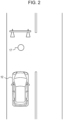
- Examples of a flagman 17 in a specific situation include a person who regulates traffic when a path ahead of the movable object 12 is under construction and one of two lanes is blocked as depicted in Fig. 2 .
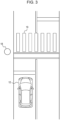
- Examples of a pedestrian 18 in a specific situation include a person near an end of a crosswalk 19 across a path ahead of the movable object 12 as depicted in Fig. 3 .
- the processor 16 senses a state of the target. For example, if the target is the flagman 17 or the pedestrian 18 in a specific situation, the processor 16 senses a state in accordance with at least one piece of information regarding the flagman 17 or the pedestrian 18. Examples of one piece of information regarding the flagman 17 or the pedestrian 18 include the direction of movement, the facing direction of the head or the direction of the line of sight, the facial expression, and the limbs.
- the state that is sensed is a state in which the flagman 17 is making either a gesture to allow passage, a gesture to forbid passage, a gesture to give a direction to follow, or an unclear gesture.
- the target is the pedestrian 18 in the specific situation, which is depicted in Fig. 3
- examples of the state that is sensed include a state in which the pedestrian 18 is standing still in front of the crosswalk 19, a state in which the pedestrian 18 starts crossing, and a state in which the pedestrian 18 is making either a gesture indicating no intention of walking on the crosswalk 19 or a gesture to encourage forward movement of the movable object 12.
- the processor 16 may sense a change in a facial expression by using multiple pieces of imagery of the surrounding region that form consecutive frames. For example, an intensity of a specific feeling such as anger may be scored with respect to a normal facial expression, and a change in a facial expression may be sensed as a change in the score.
- the processor 16 determines based on the state of the target a first action to be performed by the movable object 12, the first action being selected from various actions that the movable object 12 can perform.
- the various actions that the movable object 12 can perform include moving forward, moving backward, stopping, slowing down, changing direction, switching on a light, flashing, causing a turn signal to blink, sounding a horn, presenting a display viewable from outside, maintaining the current state, outputting a voice message, and projecting a predetermined image.
- the processor 16 determines stopping as the first action if the target is in one of the specific states that are defined for the target. Examples of the specific states include a state in which the flagman 17 is making an unclear gesture in the specific situation and a state in which the pedestrian 18 is standing still in the specific situation. Once the first action is determined, the processor 16 causes the output unit 14 to output information indicating the first action to various ECUs.
- the processor 16 After outputting the first action or recognizing the notification sent from an ECU that has detected the execution of the first action, the processor 16 senses in the imagery of the surrounding region, which is acquired from the imaging unit 13, the state of the target for which the first action has been determined.
- the processor 16 calculates the speed of a predetermined motion determined for the state of the target for which the first action has been determined. The speed of a predetermined motion that is made either before the first action is determined or after the first action of the movable object 12 is calculated. If the target is the flagman 17 in the specific situation, examples of the predetermined motion include the unclear gesture described above. If the target is the pedestrian 18 in the specific situation, examples of the predetermined motion include the pedestrian 18 running and walking. The processor 16 calculates the speed of the predetermined motion by using multiple pieces of imagery of the surrounding region that form consecutive frames.
- the processor 16 determines based on the sensed state of the target a second action to be performed by the movable object 12, the second action being selected from various actions that the movable object 12 can perform. If it is determined based on the sensed state of the target that no meaningful response to the first action is obtained, the processor 16 may determine an action to attract attention of the target as the second action.
- a meaningful response indicates a response by which the intention of the target is recognizable. If the target is the flagman 17 in the specific situation, examples of a meaningful response include a gesture to allow passage, a gesture to forbid passage, and a gesture to provide a direction to follow. If the target is the pedestrian 18 in the specific situation, examples of a meaningful response include a state in which the pedestrian 18 starts crossing and a state in which the pedestrian 18 makes either a gesture indicating no intention of walking on the crosswalk 19 or a gesture to encourage forward movement of the movable object 12.
- Examples of the action to attract attention of the target include flashing, moving forward by a small amount, sounding a horn, outputting a voice message, and projecting a predetermined image. Flashing indicates switching on a headlight of the movable object 12 in an upward direction (high beam) for an instant, and moving forward by a small amount indicates moving the movable object 12 forward by several tens of centimeters.
- the second action may be formed by one of these actions to attract attention of the target or by an appropriate combination of these actions.
- the processor 16 may use imagery of the surrounding region captured during a time period that elapses after the first action is performed, the time period depending on the calculated speed of the predetermined motion.
- the time period may be determined, for example, so as to decrease as the speed of the predetermined motion increases.
- the processor 16 causes the output unit 14 to output information indicating the second action, which has been determined, to the various ECUs at a time depending on the calculated speed of the predetermined motion.
- the time may be determined with respect to the time point at which the information indicating the first action is output.
- the time may be advanced as the speed of the predetermined motion increases.
- the processor 16 may change the time in accordance with not only the predetermined motion but also the traffic around the movable object 12. The time may be advanced as the traffic around the movable object 12 becomes busier. If the target is a person, the processor 16 may change the time in accordance with not only the predetermined motion and further the traffic in the surrounding region but also a change in the facial expression of the target, which has been sensed. The time may be advanced as the change in the facial expression of the target increases.
- the processor 16 After outputting the second action or recognizing the notification sent from an ECU that has detected the execution of the second action, the processor 16 senses in the imagery of the surrounding region, which is acquired from the imaging unit 13, the state of the target for which the second action has been determined.
- the processor 16 repeats an operation of sensing the state of the target in the imagery of the surrounding region, determining an action to be performed by the movable object 12, and outputting the action that has been determined.
- the operation is repeated until the target reaches a specific stage, or the operation is repeated a predetermined number of times.
- the operation is similar to the operation being conducted after the first action is performed and until the information indicating the second action is output.
- the specific stage is, for example, a state in which the target is making a meaningful response.
- the predetermined number of times is, for example, three times.
- the processor 16 may determine a different action each time. When determining a different action for each of the multiple actions performed after the first action, the processor 16 may determine an action in accordance with priorities predetermined for each state of the target.
- the processor 16 may change the predetermined priorities in accordance with the environment around the movable object 12. For example, for an operation at night, the processor 16 may assign a low priority to an action that may cause loud noise, such as sounding a horn, and assign a high priority to an action that does not cause loud noise, such as switching on a light, flashing, or causing a turn signal to blink.
- loud noise such as sounding a horn
- high priority to an action that does not cause loud noise, such as switching on a light, flashing, or causing a turn signal to blink.
- the processor 16 may terminate full autonomous driving of the movable object 12 if the movable object 12 has been caused to perform a predetermined number of actions before the target reaches the specific stage.
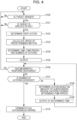
- the reaction process starts when full autonomous driving of the movable object 12 starts.
- step S100 the processor 16 determines whether a target is sensed in imagery of the surrounding region that is acquired from the imaging unit 13. If it is determined that a target is not sensed, the process returns to step S100. If it is determined that a target is sensed, the process proceeds to step S101.
- step S101 the processor 16 determines whether the state of the target that is sensed in step S100 is a specific state. If it is determined that the state of the target is not a specific state, the process returns to step S100. If it is determined that the state of the target is a specific state, the process proceeds to step S102.
- step S102 the processor 16 determines a first action to be performed by the movable object 12. After the determination, the process proceeds to step S103.
- step S103 the processor 16 calculates the speed of a predetermined motion that is determined for the state of the target for which the first action has been determined in step S102. After the calculation of the speed, the process proceeds to step S104.
- step S104 the processor 16 determines based on the speed calculated in step S103 both a time to output information indicating a second action and a time period during which imagery of the surrounding region is captured to determine the second action.
- the processor 16 also determines in accordance with the state of the target for which the first action has been determined in step S102 the number of actions to be performed on the target. After the determination, the process proceeds to step S105.
- step S105 the processor 16 causes the output unit 14 to output information indicating the first action, which has been determined, to the various ECUs. After the output, the process proceeds to step S106.
- step S106 based on a state of the target that is sensed in imagery of the surrounding region captured after the first action has been performed by the movable object 12, the processor 16 determines whether the target has made a meaningful response. If it is determined that a meaningful response has been made, full autonomous driving is performed in accordance with the meaningful response, and the process returns to step S100. If it is determined that a meaningful response has not been made, the process proceeds to step S107.
- step S107 the processor 16 determines whether the number of actions that have been determined after the first action is performed exceeds the number determined in step S104. If the determination is negative, the process proceeds to step S108. If the determination is affirmative, the process proceeds to step S110.
- step S108 the processor 16 senses a state of the target by using imagery of the surrounding region captured during the time period, which elapses after the first action is performed, the time period being determined in step S104.
- the processor 16 determines based on the sensed state of the target an action that the movable object 12 is to perform. After the action is determined, the process proceeds to step S109.
- step S109 at the time determined in step S104, the processor 16 causes the output unit 14 to output information indicating the action, which has been determined in step S108, to the various ECUs. After the output, the process returns to step S106.
- step S110 the processor 16 causes the output unit 14 to output information indicating the termination of the full autonomous driving to the various ECUs. After the output, the reaction process ends.
- the image processing apparatus 10 determines the first action of the movable object 12 based on the state of the target sensed in the imagery of the surrounding region and determines the second action of the movable object 12 based on the state of the target sensed in the imagery of the surrounding region captured after the first action of the movable object 12.
- Advantageous effects provided by the image processing apparatus 10, which is configured in this way, will be described below.
- a full autonomous driving vehicle that has been conceived in the art sometimes causes a stalemate with a target.
- a stalemate can occur, for example, in a situation in which the flagman 17 is standing in a path ahead of a movable object, which is a full autonomous driving vehicle that has been conceived in the art, as depicted in Fig. 2 .
- the flagman 17 generally makes either a gesture to allow the movable object to pass or a gesture to forbid the movable object from passing.
- the movable object can fail to recognize a gesture, for example, because the gesture by the flagman 17 is different from a gesture that is usually made.
- the movable object is generally expected to prioritize safety and stop under such circumstances. If the gesture by the flagman 17 keeps unrecognizable after the stop, the movable object remains stopped. In this way, it is possible that a stalemate between the movable object and the flagman 17 occurs and smooth traffic is obstructed.
- a stalemate can occur, for example, in a situation in which the pedestrian 18 is standing near an end of the crosswalk 19 across a path ahead of a movable object, which is a full autonomous driving vehicle that has been conceived in the art, as depicted in Fig. 3 .
- the movable object stops in front of the crosswalk 19 to allow the pedestrian 18 to walk on the crosswalk 19.
- the pedestrian 18 does not necessarily walk on the crosswalk 19 and can be standing still near the crosswalk 19.
- the movable object remains stopped in front of the crosswalk 19 because the pedestrian 18 is standing still near the end of the crosswalk 19 despite having no intention to walk on the crosswalk 19. In this way, it is possible that a stalemate between the movable object and the pedestrian 18 occurs and smooth traffic is obstructed.
- the image processing apparatus 10 which is configured as describe above, performs a further action on the target and can thereby sense the intention of the target by encouraging a new response from the target.
- the image processing apparatus 10 can achieve smooth traffic by decreasing the probability of causing a stalemate and can consequently improve the convenience of using the movable object 12 for transportation.
- the image processing apparatus 10 outputs information indicating the second action at a time depending on the speed of the predetermined motion of the target.
- each target expects that the second action is performed at a different time in response to the motion made as a response to the first action.
- the target is a person, such a person as is either impatient or in a hurry is likely to expect a quick action as a response from the movable object 12 to the motion or the state of the target.
- an impatient person and a person being in a hurry quickly perform motions such as a gesture, walking, and running.
- the image processing apparatus 10 which is configured as described above, reacts to a response from the target and outputs the second action to the movable object 12 at a time that the target strongly wants, a response from the target can more smoothly be encouraged. Accordingly, the image processing apparatus 10 can further improve the convenience of using the movable object 12 for transportation.
- the image processing apparatus 10 uses the imagery of the surrounding region captured during a time period that elapses after the first action of the movable object 12, the time period depending on the speed of the predetermined motion.
- each target responds to the first action of the movable object 12 with a different response time, which is the time period that elapses before the target responds. For example, if the target is a person, such a person as is either impatient or in a hurry is likely to respond to the first action instantly, and such a person as is either placid or not in a hurry is likely to respond to the first action slowly.
- the image processing apparatus 10 which is configured as described above, can determine the second action after waiting for the target to respond to the first action of the movable object 12. Accordingly, since the image processing apparatus 10 can comprehend the intention of the target accurately and improve the accuracy of the comprehension, the image processing apparatus 10 can further improve the convenience of using the movable object 12 for transportation.
- the image processing apparatus 10 also changes the time to output information indicating the second action in accordance with the traffic around the movable object 12.
- a requirement for the promptness of an action of the movable object 12 changes in accordance with the traffic.
- the image processing apparatus 10 which is configured as described above, can further improve the convenience of using the movable object 12 for transportation.
- the image processing apparatus 10 determines in accordance with predetermined priorities multiple actions to be performed after the first action.
- Various actions that can be performed by the movable object 12 have different capabilities of alerting the target and different degrees of inconvenience caused to the neighbors.
- the image processing apparatus 10, which is configured as described above determines actions in order of the suitability for the situation and can improve the capability of alerting the target while reducing the inconvenience caused to the neighbors.
- the image processing apparatus 10 changes the predetermined priorities in accordance with the surrounding environment.
- the capability of alerting the target and the degree of inconvenience caused to the neighbors can change depending on the space where the movable object 12 is located, a time period, and other parameters. Accordingly, the image processing apparatus 10, which is configured as described above, can further improve the capability of alerting the target while reducing the inconvenience caused to the neighbors.
- the image processing apparatus 10 is mounted in or on the movable object 12 in the present embodiment, the image processing apparatus 10 need not be mounted in or on the movable object 12.
- the image processing apparatus 10 may be an apparatus such as a server on a network. Then, by using communication with the server via the network, imagery of the surrounding region may be acquired from the movable object 12, and the information indicating the first action and the actions following the first action may be supplied to the movable object 12.
- a number of aspects of content of this invention are presented as a series of operations performed by hardware such as a computer system that can execute program commands.
- the hardware such as a computer system include programmable data processing apparatuses such as a general-purpose computer, a personal computer (PC), a dedicated computer, a workstation, a personal communications system (PCS) or a personal mobile communications system, a mobile (cellular) telephone, a mobile telephone having a data processing function, a radio frequency identification (RFID) receiver, a game machine, an electronic notepad, a laptop computer, and a global positioning system (GPS) receiver.
- RFID radio frequency identification
- Examples of the one or more processors which execute components such as logic blocks and program modules, include one or more microprocessors, a central processing unit (CPU), an application specific integrated circuit (ASIC), a digital signal processor (DSP), a programmable logic device (PLD), a field programmable gate array (FPGA), a processor, a controller, a micro-controller, a microprocessor, an electronic device, other devices designed to be able to perform the functions described herein, and/or a combination of the devices described herein.
- the embodiment described herein is implemented by using, for example, hardware, software, firmware, middleware, microcode, or a combination thereof.
- a command may be a program code or a code segment for executing a necessary task.
- a command can be stored in a non-transitory machine-readable storage medium or other media.
- a code segment may represent any combination of a procedure, a function, a subprogram, a program, a routine, a subroutine, a module, a software package, a class or a command, a data structure, and a program statement.
- a code segment transmits and/or receives information, data arguments, variables, or stored content to and/or from other code segments or hardware circuits, thereby connecting to the other code segments or the hardware circuits.
Landscapes
- Engineering & Computer Science (AREA)
- Physics & Mathematics (AREA)
- Multimedia (AREA)
- General Physics & Mathematics (AREA)
- Theoretical Computer Science (AREA)
- Human Computer Interaction (AREA)
- Mechanical Engineering (AREA)
- Automation & Control Theory (AREA)
- Transportation (AREA)
- Health & Medical Sciences (AREA)
- General Health & Medical Sciences (AREA)
- Mathematical Physics (AREA)
- Signal Processing (AREA)
- Computer Vision & Pattern Recognition (AREA)
- Psychiatry (AREA)
- Social Psychology (AREA)
- Oral & Maxillofacial Surgery (AREA)
- Atmospheric Sciences (AREA)
- Life Sciences & Earth Sciences (AREA)
- Traffic Control Systems (AREA)
- Image Analysis (AREA)
- Fittings On The Vehicle Exterior For Carrying Loads, And Devices For Holding Or Mounting Articles (AREA)
- Control Of Driving Devices And Active Controlling Of Vehicle (AREA)
- Acoustics & Sound (AREA)
Claims (12)
- Bildverarbeitungsvorrichtung (10), aufweisend:eine Ausgabeeinheit (14), die konfiguriert ist, um an ein bewegbares Objekt (12) eine Information auszugeben, die eine durch das bewegbare Objekt (12) auszuführende Aktion anzeigt, undeinen Prozessor (16), der konfiguriert ist, umeine erste Aktion des bewegbaren Objekts (12) basierend auf einem Zustand eines Ziels zu ermitteln, wobei der Zustand in aufgenommenem Bildmaterial eines Bereichs um das bewegbare Objekt (12) erfasst wird,die Ausgabeeinheit (14) zu veranlassen, eine Information auszugeben, die die erste Aktion anzeigt, undeine zweite Aktion des bewegbaren Objekts (12) basierend auf einem zweiten Zustand des Ziels zu ermitteln, wobei der zweite Zustand in Bildmaterial des Bereichs um das bewegbare Objekt (12) erfasst wird, das nach der ersten Aktion des bewegbaren Objekts (12) aufgenommen wird,dadurch gekennzeichnet, dass der Prozessor (16) ferner konfiguriert ist, um die Ausgabeeinheit (14) zu veranlassen, eine Information auszugeben, die die zweite Aktion anzeigt, zu einem Zeitpunkt in Abhängigkeit von einer Geschwindigkeit einer vorbestimmten Bewegung, die das Ziel ausführt, bevor die erste Aktion ermittelt wird, oder zu einem Zeitpunkt in Abhängigkeit von einer Geschwindigkeit einer vorbestimmten Bewegung, die das Ziel nach der ersten Aktion des bewegbaren Objekts (12) ausführt.
- Bildverarbeitungsvorrichtung (10) gemäß Anspruch 1,
wobei das Bildmaterial des Bereichs um das bewegbare Objekt (12), das beim Ermitteln der zweiten Aktion verwendet wird, während eines Zeitraums erfasst wird, der nach der ersten Aktion des bewegbaren Objekts (12) verstreicht, wobei der Zeitraum von der Geschwindigkeit der vorbestimmten Bewegung abhängt. - Bildverarbeitungsvorrichtung (10) gemäß Anspruch 1 oder 2,
wobei die Zeit vorgerückt wird, wenn die Geschwindigkeit der vorbestimmten Bewegung zunimmt. - Bildverarbeitungsvorrichtung (10) gemäß irgendeinem der Ansprüche 1 bis 3,
wobei der Prozessor (16) konfiguriert ist, um die Zeit gemäß dem Verkehr um das bewegbare Objekt (12) herum zu ändern. - Bildverarbeitungsvorrichtung (10) gemäß Anspruch 4,
wobei die Zeit vorgerückt wird, wenn der Verkehr um das bewegbare Objekt (12) herum dicht wird. - Bildverarbeitungsvorrichtung (10) gemäß Anspruch 1,
wobei der Prozessor (16) konfiguriert ist, um die zweite Aktion zu ermitteln, wenn basierend auf dem zweiten Zustand des Ziels ermittelt wird, dass keine sinnvolle Reaktion auf die erste Aktion von dem Ziel erhalten wird. - Bildverarbeitungsvorrichtung (10) gemäß irgendeinem der Ansprüche 1 bis 6,
wobei der Prozessor (16) konfiguriert ist, um als die erste Aktion und die zweite Aktion mindestens eines von einem Vorwärtsbewegen, Rückwärtsbewegen, Anhalten, Verlangsamen, Richtungsändern, Einschalten eines Lichts, Aufblenden, Bewirken eines Blinkens eines Abbiegesignals, Betätigen einer Hupe, Darstellen einer von außen sichtbaren Anzeige, Beibehalten eines aktuellen Zustands, Ausgeben einer Sprachnachricht und/oder Projizieren eines vorbestimmten Bildes zu ermitteln. - Bildverarbeitungsvorrichtung (10) gemäß irgendeinem der Ansprüche 1 bis 6,
wobei der Prozessor (16) konfiguriert ist, um gemäß vorbestimmter Prioritäten eine Mehrzahl von Aktionen zu ermitteln, die nach der ersten Aktion auszuführen sind, wobei die Mehrzahl von Aktionen ausgewählt ist aus einem Vorwärtsbewegen, Rückwärtsbewegen, Anhalten, Verlangsamen, Richtungsändern, Einschalten eines Lichts, Aufblenden, Bewirken eines Blinkens eines Abbiegesignals, Betätigen einer Hupe, Darstellen einer von außen sichtbaren Anzeige, Beibehalten eines aktuellen Zustands, Ausgeben einer Sprachnachricht und/oder Projizieren eines vorbestimmten Bildes. - Bildverarbeitungsvorrichtung (10) gemäß Anspruch 8,
wobei der Prozessor (16) konfiguriert ist, um die vorbestimmten Prioritäten gemäß einer Umgebung zu ändern. - Abbildungsvorrichtung (11), aufweisend:die Bildverarbeitungsvorrichtung (10) gemäß irgendeinem der Ansprüche 1 bis 9 undeine Abbildungseinheit (13), die konfiguriert ist, um das Bildmaterial des Bereichs um das bewegbare Objekt (12) zu erzeugen.
- Bewegbares Objekt (12), aufweisend die Abbildungsvorrichtung (11) gemäß Anspruch 10.
- Verfahren zur Bildverarbeitung, aufweisend:Erfassen eines Zustands eines Ziels in aufgenommenem Bildmaterial eines Bereichs um ein bewegbares Objekt (12),Ermitteln einer ersten Aktion des bewegbaren Objekts (12) basierend auf dem Zustand des Ziels,Ausgeben einer Information, die die erste Aktion anzeigt, an das bewegbare Objekt (12),Erfassen eines zweiten Zustands des Ziels in Bildmaterial des Bereichs um das bewegbare Objekt (12), wobei das Bildmaterial nach der ersten Aktion des bewegbaren Objekts (12) aufgenommen wird, undErmitteln einer zweiten Aktion des bewegbaren Objekts (12) basierend auf dem zweiten Zustand des Ziels,gekennzeichnet durch Ausgeben einer Information, die die zweite Aktion anzeigt, an das bewegbare Objekt (12) zu einem Zeitpunkt, der von einer Geschwindigkeit einer vorbestimmten Bewegung abhängt, die das Ziel ausführt, bevor die erste Aktion ermittelt wird, oder zu einem Zeitpunkt, der von einer Geschwindigkeit einer vorbestimmten Bewegung abhängt, die das Ziel nach der ersten Aktion des bewegbaren Objekts (12) ausführt.
Applications Claiming Priority (2)
| Application Number | Priority Date | Filing Date | Title |
|---|---|---|---|
| JP2019117763A JP7326041B2 (ja) | 2019-06-25 | 2019-06-25 | 画像処理装置、撮像装置、移動体、および画像処理方法 |
| PCT/JP2020/021797 WO2020261898A1 (ja) | 2019-06-25 | 2020-06-02 | 画像処理装置、撮像装置、移動体、および画像処理方法 |
Publications (3)
| Publication Number | Publication Date |
|---|---|
| EP3992048A1 EP3992048A1 (de) | 2022-05-04 |
| EP3992048A4 EP3992048A4 (de) | 2023-06-28 |
| EP3992048B1 true EP3992048B1 (de) | 2024-09-18 |
Family
ID=74061227
Family Applications (1)
| Application Number | Title | Priority Date | Filing Date |
|---|---|---|---|
| EP20832862.5A Active EP3992048B1 (de) | 2019-06-25 | 2020-06-02 | Bildverarbeitungsvorrichtung, bildgebungsvorrichtung, beweglicher körper und bildverarbeitungsverfahren |
Country Status (5)
| Country | Link |
|---|---|
| US (1) | US12307780B2 (de) |
| EP (1) | EP3992048B1 (de) |
| JP (3) | JP7326041B2 (de) |
| CN (1) | CN114051720B (de) |
| WO (1) | WO2020261898A1 (de) |
Family Cites Families (31)
| Publication number | Priority date | Publication date | Assignee | Title |
|---|---|---|---|---|
| JP2003343305A (ja) * | 2002-05-30 | 2003-12-03 | Toyota Motor Corp | クルーズコントロール装置 |
| JP4528999B2 (ja) | 2003-12-16 | 2010-08-25 | 富士通テン株式会社 | 追突防止装置 |
| JP4350563B2 (ja) * | 2004-03-15 | 2009-10-21 | 富士通テン株式会社 | 自車存在報知装置および自車存在報知方法 |
| FR2889882B1 (fr) * | 2005-08-19 | 2009-09-25 | Renault Sas | Procede et systeme de prediction de choc entre un vehicule et un pieton. |
| US20080065328A1 (en) * | 2006-09-08 | 2008-03-13 | Andreas Eidehall | Method and system for collision avoidance |
| JP2008243065A (ja) | 2007-03-28 | 2008-10-09 | Fujitsu Ten Ltd | 運転支援装置および運転支援方法 |
| JP2010066810A (ja) | 2008-09-08 | 2010-03-25 | Mazda Motor Corp | 車両用歩行者検出装置 |
| JP2010271906A (ja) | 2009-05-21 | 2010-12-02 | Kenwood Corp | 車両の運転支援装置 |
| JP5586436B2 (ja) | 2009-12-03 | 2014-09-10 | パナソニック インテレクチュアル プロパティ コーポレーション オブ アメリカ | 生活スタイル収集装置、ユーザインターフェース装置及び生活スタイル収集方法 |
| JP2012156903A (ja) * | 2011-01-27 | 2012-08-16 | Kyocera Corp | 車両周辺監視装置 |
| DE102011121442A1 (de) * | 2011-12-16 | 2013-06-20 | Gm Global Technology Operations, Llc | Autonomes Anfahren |
| US8457827B1 (en) | 2012-03-15 | 2013-06-04 | Google Inc. | Modifying behavior of autonomous vehicle based on predicted behavior of other vehicles |
| US10347127B2 (en) * | 2013-02-21 | 2019-07-09 | Waymo Llc | Driving mode adjustment |
| CN104885448B (zh) * | 2013-02-21 | 2018-04-06 | 本田技研工业株式会社 | 驾驶辅助装置以及图像处理程序 |
| US20150307025A1 (en) | 2014-04-24 | 2015-10-29 | SAVTi | Identifying and Responding to Tailgating Vehicles |
| EP2950294B1 (de) * | 2014-05-30 | 2019-05-08 | Honda Research Institute Europe GmbH | Verfahren und Fahrzeug mit fortschrittlichem Fahrerassistenzsystem zur risikobasierten Verkehrsszenenanalyse |
| JP5962706B2 (ja) * | 2014-06-04 | 2016-08-03 | トヨタ自動車株式会社 | 運転支援装置 |
| DE102014111023A1 (de) | 2014-08-04 | 2016-02-04 | Fraunhofer-Gesellschaft zur Förderung der angewandten Forschung e.V. | Verfahren und Vorrichtung zum Steuern eines automatisierten Fahrzeuges |
| US9944291B2 (en) | 2015-10-27 | 2018-04-17 | International Business Machines Corporation | Controlling driving modes of self-driving vehicles |
| JP2017200786A (ja) * | 2016-05-02 | 2017-11-09 | 本田技研工業株式会社 | 車両制御システム、車両制御方法、および車両制御プログラム |
| WO2017208529A1 (ja) * | 2016-06-02 | 2017-12-07 | オムロン株式会社 | 運転者状態推定装置、運転者状態推定システム、運転者状態推定方法、運転者状態推定プログラム、対象者状態推定装置、対象者状態推定方法、対象者状態推定プログラム、および記録媒体 |
| EP3491358A4 (de) | 2016-07-31 | 2019-07-31 | Netradyne, Inc. | Bestimmung der ursachen von verkehrsereignissen und förderung eines guten fahrverhalten |
| JP6703128B2 (ja) * | 2016-10-25 | 2020-06-03 | 三菱電機株式会社 | 周辺情報判定装置 |
| JP6458792B2 (ja) * | 2016-11-04 | 2019-01-30 | 本田技研工業株式会社 | 車両制御システム、車両制御方法、および車両制御プログラム |
| JP6855796B2 (ja) | 2017-01-11 | 2021-04-07 | スズキ株式会社 | 運転支援装置 |
| EP3435355B1 (de) * | 2017-07-28 | 2023-08-30 | Panasonic Intellectual Property Corporation of America | Informationsverarbeitungsvorrichtung, informationsverarbeitungsverfahren und aufzeichnungsmedium |
| CN109819675B (zh) * | 2017-09-12 | 2023-08-25 | 松下知识产权经营株式会社 | 图像生成装置以及图像生成方法 |
| WO2019147939A1 (en) * | 2018-01-26 | 2019-08-01 | Nvidia Corporation | Detection of hazardous driving using machine learning |
| WO2019146385A1 (ja) | 2018-01-29 | 2019-08-01 | 京セラ株式会社 | 画像処理装置、撮像装置、移動体および画像処理方法 |
| US10710580B2 (en) | 2018-04-10 | 2020-07-14 | Valeo Schalter Und Sensoren Gmbh | Tailgating situation handling by an automated driving vehicle |
| US11899448B2 (en) * | 2019-02-21 | 2024-02-13 | GM Global Technology Operations LLC | Autonomous vehicle that is configured to identify a travel characteristic based upon a gesture |
-
2019
- 2019-06-25 JP JP2019117763A patent/JP7326041B2/ja active Active
-
2020
- 2020-06-02 CN CN202080046133.6A patent/CN114051720B/zh active Active
- 2020-06-02 WO PCT/JP2020/021797 patent/WO2020261898A1/ja not_active Ceased
- 2020-06-02 US US17/597,082 patent/US12307780B2/en active Active
- 2020-06-02 EP EP20832862.5A patent/EP3992048B1/de active Active
-
2023
- 2023-08-02 JP JP2023126486A patent/JP7511727B2/ja active Active
-
2024
- 2024-06-25 JP JP2024102215A patent/JP2024129060A/ja active Pending
Also Published As
| Publication number | Publication date |
|---|---|
| JP2024129060A (ja) | 2024-09-26 |
| CN114051720B (zh) | 2024-07-19 |
| CN114051720A (zh) | 2022-02-15 |
| EP3992048A4 (de) | 2023-06-28 |
| JP7326041B2 (ja) | 2023-08-15 |
| US20220319187A1 (en) | 2022-10-06 |
| WO2020261898A1 (ja) | 2020-12-30 |
| EP3992048A1 (de) | 2022-05-04 |
| JP2021005169A (ja) | 2021-01-14 |
| JP7511727B2 (ja) | 2024-07-05 |
| US12307780B2 (en) | 2025-05-20 |
| JP2023133522A (ja) | 2023-09-22 |
Similar Documents
| Publication | Publication Date | Title |
|---|---|---|
| US9987979B2 (en) | Vehicle lighting system | |
| JP7658392B2 (ja) | 自動運転装置、自動運転方法及び制御プログラム | |
| CN110001643B (zh) | 车辆控制装置、车辆控制方法、存储介质、以及信息获取装置 | |
| CN113246993B (zh) | 驾驶支援系统 | |
| CN108859938B (zh) | 用于自动驾驶车辆的自动车辆应急灯控制的方法和系统 | |
| US9493163B2 (en) | Driving support apparatus for vehicle | |
| EP3339124B1 (de) | System zum autonomen fahren | |
| JP6428928B2 (ja) | オクルージョン制御装置 | |
| JP2019156174A (ja) | 車両制御装置、車両、車両制御方法およびプログラム | |
| JP7707419B6 (ja) | 車両ライト制御方法、照明システムおよび車両 | |
| JPWO2019043847A1 (ja) | 走行制御装置、車両および走行制御方法 | |
| JP7637796B2 (ja) | 車両ナビゲーション中の光干渉検出 | |
| US10803307B2 (en) | Vehicle control apparatus, vehicle, vehicle control method, and storage medium | |
| CN115071702A (zh) | 车辆控制装置、车辆控制方法以及车辆控制用计算机程序 | |
| JP6913602B2 (ja) | 情報処理装置およびプログラム | |
| JP2020052920A (ja) | 情報処理システム及び情報処理方法 | |
| CN115179863B (zh) | 移动体的控制装置及控制方法、存储介质以及车辆 | |
| EP3992048B1 (de) | Bildverarbeitungsvorrichtung, bildgebungsvorrichtung, beweglicher körper und bildverarbeitungsverfahren | |
| US12485918B2 (en) | Vehicular driving assistance system with enhanced road curve management | |
| JP2025186100A (ja) | 処理装置、処理方法、処理プログラム | |
| US12266087B2 (en) | Control device and control method for mobile object, storage medium, and vehicle | |
| JP7236279B2 (ja) | 走行支援方法及び走行支援装置 | |
| JP7825368B2 (ja) | 車両制御装置、車両制御方法及び車両制御用コンピュータプログラム | |
| JP7746903B2 (ja) | 走行制御方法及び走行制御装置 | |
| JP2019214223A (ja) | 車両制御装置、車両制御方法およびプログラム |
Legal Events
| Date | Code | Title | Description |
|---|---|---|---|
| STAA | Information on the status of an ep patent application or granted ep patent |
Free format text: STATUS: THE INTERNATIONAL PUBLICATION HAS BEEN MADE |
|
| PUAI | Public reference made under article 153(3) epc to a published international application that has entered the european phase |
Free format text: ORIGINAL CODE: 0009012 |
|
| STAA | Information on the status of an ep patent application or granted ep patent |
Free format text: STATUS: REQUEST FOR EXAMINATION WAS MADE |
|
| 17P | Request for examination filed |
Effective date: 20211221 |
|
| AK | Designated contracting states |
Kind code of ref document: A1 Designated state(s): AL AT BE BG CH CY CZ DE DK EE ES FI FR GB GR HR HU IE IS IT LI LT LU LV MC MK MT NL NO PL PT RO RS SE SI SK SM TR |
|
| DAV | Request for validation of the european patent (deleted) | ||
| DAX | Request for extension of the european patent (deleted) | ||
| P01 | Opt-out of the competence of the unified patent court (upc) registered |
Effective date: 20230505 |
|
| A4 | Supplementary search report drawn up and despatched |
Effective date: 20230601 |
|
| RIC1 | Information provided on ipc code assigned before grant |
Ipc: G08G 1/16 20060101ALI20230525BHEP Ipc: B60W 60/00 20200101ALI20230525BHEP Ipc: B60R 11/02 20060101ALI20230525BHEP Ipc: B60W 40/02 20060101AFI20230525BHEP |
|
| GRAP | Despatch of communication of intention to grant a patent |
Free format text: ORIGINAL CODE: EPIDOSNIGR1 |
|
| STAA | Information on the status of an ep patent application or granted ep patent |
Free format text: STATUS: GRANT OF PATENT IS INTENDED |
|
| INTG | Intention to grant announced |
Effective date: 20240415 |
|
| GRAS | Grant fee paid |
Free format text: ORIGINAL CODE: EPIDOSNIGR3 |
|
| GRAA | (expected) grant |
Free format text: ORIGINAL CODE: 0009210 |
|
| STAA | Information on the status of an ep patent application or granted ep patent |
Free format text: STATUS: THE PATENT HAS BEEN GRANTED |
|
| AK | Designated contracting states |
Kind code of ref document: B1 Designated state(s): AL AT BE BG CH CY CZ DE DK EE ES FI FR GB GR HR HU IE IS IT LI LT LU LV MC MK MT NL NO PL PT RO RS SE SI SK SM TR |
|
| REG | Reference to a national code |
Ref country code: GB Ref legal event code: FG4D |
|
| REG | Reference to a national code |
Ref country code: CH Ref legal event code: EP |
|
| REG | Reference to a national code |
Ref country code: IE Ref legal event code: FG4D |
|
| REG | Reference to a national code |
Ref country code: DE Ref legal event code: R096 Ref document number: 602020038073 Country of ref document: DE |
|
| REG | Reference to a national code |
Ref country code: LT Ref legal event code: MG9D |
|
| PG25 | Lapsed in a contracting state [announced via postgrant information from national office to epo] |
Ref country code: NO Free format text: LAPSE BECAUSE OF FAILURE TO SUBMIT A TRANSLATION OF THE DESCRIPTION OR TO PAY THE FEE WITHIN THE PRESCRIBED TIME-LIMIT Effective date: 20241218 |
|
| PG25 | Lapsed in a contracting state [announced via postgrant information from national office to epo] |
Ref country code: GR Free format text: LAPSE BECAUSE OF FAILURE TO SUBMIT A TRANSLATION OF THE DESCRIPTION OR TO PAY THE FEE WITHIN THE PRESCRIBED TIME-LIMIT Effective date: 20241219 Ref country code: FI Free format text: LAPSE BECAUSE OF FAILURE TO SUBMIT A TRANSLATION OF THE DESCRIPTION OR TO PAY THE FEE WITHIN THE PRESCRIBED TIME-LIMIT Effective date: 20240918 |
|
| PG25 | Lapsed in a contracting state [announced via postgrant information from national office to epo] |
Ref country code: BG Free format text: LAPSE BECAUSE OF FAILURE TO SUBMIT A TRANSLATION OF THE DESCRIPTION OR TO PAY THE FEE WITHIN THE PRESCRIBED TIME-LIMIT Effective date: 20240918 |
|
| PG25 | Lapsed in a contracting state [announced via postgrant information from national office to epo] |
Ref country code: LV Free format text: LAPSE BECAUSE OF FAILURE TO SUBMIT A TRANSLATION OF THE DESCRIPTION OR TO PAY THE FEE WITHIN THE PRESCRIBED TIME-LIMIT Effective date: 20240918 |
|
| PG25 | Lapsed in a contracting state [announced via postgrant information from national office to epo] |
Ref country code: HR Free format text: LAPSE BECAUSE OF FAILURE TO SUBMIT A TRANSLATION OF THE DESCRIPTION OR TO PAY THE FEE WITHIN THE PRESCRIBED TIME-LIMIT Effective date: 20240918 |
|
| REG | Reference to a national code |
Ref country code: NL Ref legal event code: MP Effective date: 20240918 |
|
| PG25 | Lapsed in a contracting state [announced via postgrant information from national office to epo] |
Ref country code: RS Free format text: LAPSE BECAUSE OF FAILURE TO SUBMIT A TRANSLATION OF THE DESCRIPTION OR TO PAY THE FEE WITHIN THE PRESCRIBED TIME-LIMIT Effective date: 20241218 |
|
| PG25 | Lapsed in a contracting state [announced via postgrant information from national office to epo] |
Ref country code: RS Free format text: LAPSE BECAUSE OF FAILURE TO SUBMIT A TRANSLATION OF THE DESCRIPTION OR TO PAY THE FEE WITHIN THE PRESCRIBED TIME-LIMIT Effective date: 20241218 Ref country code: NO Free format text: LAPSE BECAUSE OF FAILURE TO SUBMIT A TRANSLATION OF THE DESCRIPTION OR TO PAY THE FEE WITHIN THE PRESCRIBED TIME-LIMIT Effective date: 20241218 Ref country code: LV Free format text: LAPSE BECAUSE OF FAILURE TO SUBMIT A TRANSLATION OF THE DESCRIPTION OR TO PAY THE FEE WITHIN THE PRESCRIBED TIME-LIMIT Effective date: 20240918 Ref country code: HR Free format text: LAPSE BECAUSE OF FAILURE TO SUBMIT A TRANSLATION OF THE DESCRIPTION OR TO PAY THE FEE WITHIN THE PRESCRIBED TIME-LIMIT Effective date: 20240918 Ref country code: GR Free format text: LAPSE BECAUSE OF FAILURE TO SUBMIT A TRANSLATION OF THE DESCRIPTION OR TO PAY THE FEE WITHIN THE PRESCRIBED TIME-LIMIT Effective date: 20241219 Ref country code: FI Free format text: LAPSE BECAUSE OF FAILURE TO SUBMIT A TRANSLATION OF THE DESCRIPTION OR TO PAY THE FEE WITHIN THE PRESCRIBED TIME-LIMIT Effective date: 20240918 Ref country code: BG Free format text: LAPSE BECAUSE OF FAILURE TO SUBMIT A TRANSLATION OF THE DESCRIPTION OR TO PAY THE FEE WITHIN THE PRESCRIBED TIME-LIMIT Effective date: 20240918 |
|
| REG | Reference to a national code |
Ref country code: AT Ref legal event code: MK05 Ref document number: 1724464 Country of ref document: AT Kind code of ref document: T Effective date: 20240918 |
|
| PG25 | Lapsed in a contracting state [announced via postgrant information from national office to epo] |
Ref country code: NL Free format text: LAPSE BECAUSE OF FAILURE TO SUBMIT A TRANSLATION OF THE DESCRIPTION OR TO PAY THE FEE WITHIN THE PRESCRIBED TIME-LIMIT Effective date: 20240918 |
|
| PG25 | Lapsed in a contracting state [announced via postgrant information from national office to epo] |
Ref country code: PT Free format text: LAPSE BECAUSE OF FAILURE TO SUBMIT A TRANSLATION OF THE DESCRIPTION OR TO PAY THE FEE WITHIN THE PRESCRIBED TIME-LIMIT Effective date: 20250120 Ref country code: IS Free format text: LAPSE BECAUSE OF FAILURE TO SUBMIT A TRANSLATION OF THE DESCRIPTION OR TO PAY THE FEE WITHIN THE PRESCRIBED TIME-LIMIT Effective date: 20250118 |
|
| PG25 | Lapsed in a contracting state [announced via postgrant information from national office to epo] |
Ref country code: RO Free format text: LAPSE BECAUSE OF FAILURE TO SUBMIT A TRANSLATION OF THE DESCRIPTION OR TO PAY THE FEE WITHIN THE PRESCRIBED TIME-LIMIT Effective date: 20240918 Ref country code: SM Free format text: LAPSE BECAUSE OF FAILURE TO SUBMIT A TRANSLATION OF THE DESCRIPTION OR TO PAY THE FEE WITHIN THE PRESCRIBED TIME-LIMIT Effective date: 20240918 |
|
| PG25 | Lapsed in a contracting state [announced via postgrant information from national office to epo] |
Ref country code: ES Free format text: LAPSE BECAUSE OF FAILURE TO SUBMIT A TRANSLATION OF THE DESCRIPTION OR TO PAY THE FEE WITHIN THE PRESCRIBED TIME-LIMIT Effective date: 20240918 |
|
| PG25 | Lapsed in a contracting state [announced via postgrant information from national office to epo] |
Ref country code: AT Free format text: LAPSE BECAUSE OF FAILURE TO SUBMIT A TRANSLATION OF THE DESCRIPTION OR TO PAY THE FEE WITHIN THE PRESCRIBED TIME-LIMIT Effective date: 20240918 Ref country code: EE Free format text: LAPSE BECAUSE OF FAILURE TO SUBMIT A TRANSLATION OF THE DESCRIPTION OR TO PAY THE FEE WITHIN THE PRESCRIBED TIME-LIMIT Effective date: 20240918 |
|
| PG25 | Lapsed in a contracting state [announced via postgrant information from national office to epo] |
Ref country code: PL Free format text: LAPSE BECAUSE OF FAILURE TO SUBMIT A TRANSLATION OF THE DESCRIPTION OR TO PAY THE FEE WITHIN THE PRESCRIBED TIME-LIMIT Effective date: 20240918 Ref country code: CZ Free format text: LAPSE BECAUSE OF FAILURE TO SUBMIT A TRANSLATION OF THE DESCRIPTION OR TO PAY THE FEE WITHIN THE PRESCRIBED TIME-LIMIT Effective date: 20240918 |
|
| PG25 | Lapsed in a contracting state [announced via postgrant information from national office to epo] |
Ref country code: IT Free format text: LAPSE BECAUSE OF FAILURE TO SUBMIT A TRANSLATION OF THE DESCRIPTION OR TO PAY THE FEE WITHIN THE PRESCRIBED TIME-LIMIT Effective date: 20240918 Ref country code: SK Free format text: LAPSE BECAUSE OF FAILURE TO SUBMIT A TRANSLATION OF THE DESCRIPTION OR TO PAY THE FEE WITHIN THE PRESCRIBED TIME-LIMIT Effective date: 20240918 |
|
| REG | Reference to a national code |
Ref country code: DE Ref legal event code: R097 Ref document number: 602020038073 Country of ref document: DE |
|
| PGFP | Annual fee paid to national office [announced via postgrant information from national office to epo] |
Ref country code: DE Payment date: 20250429 Year of fee payment: 6 |
|
| PG25 | Lapsed in a contracting state [announced via postgrant information from national office to epo] |
Ref country code: DK Free format text: LAPSE BECAUSE OF FAILURE TO SUBMIT A TRANSLATION OF THE DESCRIPTION OR TO PAY THE FEE WITHIN THE PRESCRIBED TIME-LIMIT Effective date: 20240918 |
|
| PGFP | Annual fee paid to national office [announced via postgrant information from national office to epo] |
Ref country code: GB Payment date: 20250501 Year of fee payment: 6 |
|
| PGFP | Annual fee paid to national office [announced via postgrant information from national office to epo] |
Ref country code: FR Payment date: 20250508 Year of fee payment: 6 |
|
| PLBE | No opposition filed within time limit |
Free format text: ORIGINAL CODE: 0009261 |
|
| STAA | Information on the status of an ep patent application or granted ep patent |
Free format text: STATUS: NO OPPOSITION FILED WITHIN TIME LIMIT |
|
| 26N | No opposition filed |
Effective date: 20250619 |
|
| PG25 | Lapsed in a contracting state [announced via postgrant information from national office to epo] |
Ref country code: SE Free format text: LAPSE BECAUSE OF FAILURE TO SUBMIT A TRANSLATION OF THE DESCRIPTION OR TO PAY THE FEE WITHIN THE PRESCRIBED TIME-LIMIT Effective date: 20240918 |
|
| REG | Reference to a national code |
Ref country code: CH Ref legal event code: H13 Free format text: ST27 STATUS EVENT CODE: U-0-0-H10-H13 (AS PROVIDED BY THE NATIONAL OFFICE) Effective date: 20260127 |
|
| PG25 | Lapsed in a contracting state [announced via postgrant information from national office to epo] |
Ref country code: MC Free format text: LAPSE BECAUSE OF FAILURE TO SUBMIT A TRANSLATION OF THE DESCRIPTION OR TO PAY THE FEE WITHIN THE PRESCRIBED TIME-LIMIT Effective date: 20240918 |
|
| PG25 | Lapsed in a contracting state [announced via postgrant information from national office to epo] |
Ref country code: LU Free format text: LAPSE BECAUSE OF NON-PAYMENT OF DUE FEES Effective date: 20250602 |
|
| REG | Reference to a national code |
Ref country code: BE Ref legal event code: MM Effective date: 20250630 |
|
| PG25 | Lapsed in a contracting state [announced via postgrant information from national office to epo] |
Ref country code: IE Free format text: LAPSE BECAUSE OF NON-PAYMENT OF DUE FEES Effective date: 20250602 |
|
| PG25 | Lapsed in a contracting state [announced via postgrant information from national office to epo] |
Ref country code: BE Free format text: LAPSE BECAUSE OF NON-PAYMENT OF DUE FEES Effective date: 20250630 |
|
| PG25 | Lapsed in a contracting state [announced via postgrant information from national office to epo] |
Ref country code: CH Free format text: LAPSE BECAUSE OF NON-PAYMENT OF DUE FEES Effective date: 20250630 |