EP3995131A1 - Composition pour le traitement de la rosacee et/ou de la telangiectasie - Google Patents
Composition pour le traitement de la rosacee et/ou de la telangiectasie Download PDFInfo
- Publication number
- EP3995131A1 EP3995131A1 EP21204830.0A EP21204830A EP3995131A1 EP 3995131 A1 EP3995131 A1 EP 3995131A1 EP 21204830 A EP21204830 A EP 21204830A EP 3995131 A1 EP3995131 A1 EP 3995131A1
- Authority
- EP
- European Patent Office
- Prior art keywords
- composition
- advantageously
- inci
- glucose
- rosacea
- Prior art date
- Legal status (The legal status is an assumption and is not a legal conclusion. Google has not performed a legal analysis and makes no representation as to the accuracy of the status listed.)
- Granted
Links
Images
Classifications
-
- A—HUMAN NECESSITIES
- A61—MEDICAL OR VETERINARY SCIENCE; HYGIENE
- A61K—PREPARATIONS FOR MEDICAL, DENTAL OR TOILETRY PURPOSES
- A61K9/00—Medicinal preparations characterised by special physical form
- A61K9/0012—Galenical forms characterised by the site of application
- A61K9/0014—Skin, i.e. galenical aspects of topical compositions
-
- A—HUMAN NECESSITIES
- A61—MEDICAL OR VETERINARY SCIENCE; HYGIENE
- A61K—PREPARATIONS FOR MEDICAL, DENTAL OR TOILETRY PURPOSES
- A61K8/00—Cosmetics or similar toiletry preparations
- A61K8/18—Cosmetics or similar toiletry preparations characterised by the composition
- A61K8/72—Cosmetics or similar toiletry preparations characterised by the composition containing organic macromolecular compounds
- A61K8/73—Polysaccharides
- A61K8/732—Starch; Amylose; Amylopectin; Derivatives thereof
-
- A—HUMAN NECESSITIES
- A61—MEDICAL OR VETERINARY SCIENCE; HYGIENE
- A61K—PREPARATIONS FOR MEDICAL, DENTAL OR TOILETRY PURPOSES
- A61K47/00—Medicinal preparations characterised by the non-active ingredients used, e.g. carriers or inert additives; Targeting or modifying agents chemically bound to the active ingredient
- A61K47/30—Macromolecular organic or inorganic compounds, e.g. inorganic polyphosphates
- A61K47/36—Polysaccharides; Derivatives thereof, e.g. gums, starch, alginate, dextrin, hyaluronic acid, chitosan, inulin, agar or pectin
-
- A—HUMAN NECESSITIES
- A61—MEDICAL OR VETERINARY SCIENCE; HYGIENE
- A61K—PREPARATIONS FOR MEDICAL, DENTAL OR TOILETRY PURPOSES
- A61K8/00—Cosmetics or similar toiletry preparations
- A61K8/18—Cosmetics or similar toiletry preparations characterised by the composition
- A61K8/30—Cosmetics or similar toiletry preparations characterised by the composition containing organic compounds
- A61K8/60—Sugars; Derivatives thereof
- A61K8/602—Glycosides, e.g. rutin
-
- A—HUMAN NECESSITIES
- A61—MEDICAL OR VETERINARY SCIENCE; HYGIENE
- A61K—PREPARATIONS FOR MEDICAL, DENTAL OR TOILETRY PURPOSES
- A61K8/00—Cosmetics or similar toiletry preparations
- A61K8/18—Cosmetics or similar toiletry preparations characterised by the composition
- A61K8/72—Cosmetics or similar toiletry preparations characterised by the composition containing organic macromolecular compounds
- A61K8/73—Polysaccharides
-
- A—HUMAN NECESSITIES
- A61—MEDICAL OR VETERINARY SCIENCE; HYGIENE
- A61K—PREPARATIONS FOR MEDICAL, DENTAL OR TOILETRY PURPOSES
- A61K9/00—Medicinal preparations characterised by special physical form
- A61K9/10—Dispersions; Emulsions
- A61K9/107—Emulsions ; Emulsion preconcentrates; Micelles
-
- A—HUMAN NECESSITIES
- A61—MEDICAL OR VETERINARY SCIENCE; HYGIENE
- A61Q—SPECIFIC USE OF COSMETICS OR SIMILAR TOILETRY PREPARATIONS
- A61Q19/00—Preparations for care of the skin
-
- A—HUMAN NECESSITIES
- A61—MEDICAL OR VETERINARY SCIENCE; HYGIENE
- A61Q—SPECIFIC USE OF COSMETICS OR SIMILAR TOILETRY PREPARATIONS
- A61Q19/00—Preparations for care of the skin
- A61Q19/02—Preparations for care of the skin for chemically bleaching or whitening the skin
Definitions
- the invention relates to the field of dermatological care, and more particularly to the treatment of inflammatory skin conditions. More specifically, the invention relates to a composition, advantageously cosmetic, for the treatment of rosacea and/or telangiectasia.
- the skin is the main barrier that separates the body from the external environment and is made up of the superposition of three main layers, respectively from the deepest to the most superficial: the hypodermis, the dermis and the epidermis.
- the skin undergoes multiple attacks (viruses, bacteria, UV rays, chemical attacks, extreme temperatures, etc.) which alter its balance.
- viruses viruses, bacteria, UV rays, chemical attacks, extreme temperatures, etc.
- each individual presents internal factors having an impact on the health of the skin, namely, genetic heritage or hormones.
- Rosacea therefore has a real impact on morale, social relationships and self-confidence.
- Rosacea and rosacea-related skin pathologies are among the list of chronic inflammatory skin diseases. Rosacea is characterized by redness on the cheeks, nose, forehead and chin. Rosacea and diseases of Rosacea-related skin affects the small vessels of the face. They are therefore not only manifested by redness, but also by apparent vessels, and in certain more severe cases by pimples and thickening of the skin.
- Rosacea and rosacea-related diseases usually sensitize the skin and in some cases make it intolerant.
- rosacea In addition to rosacea, there are therefore different forms of skin diseases linked to rosacea, including telangiectasia, flushes, couperose, ocular rosacea, papulo-pustular rosacea, the hypertrophic form, phymatous rosacea or even erythematotelangiectatic rosacea.
- rosacea and the diseases associated with this skin pathology should be differentiated from other skin conditions such as psoriasis (red patches that peel) or seborrheic dermatitis (which affects the sebaceous glands).
- Telangiectasia is a condition characterized by venules that become visible under the skin as they are dilated. These small vessels appear red or purplish. It can also be symptoms associated with vascular rosacea or couperose.
- Rosacea is manifested by erythema (occasional or persistent redness), rosacea (also called telangiectasia) and/or papulopustules (skin lesions similar to acne lesions but without comedones). At later stages, rosacea can be accompanied by hypertrophy rather localized on the nose (rhinophyma) or ocular involvement.
- rosacea The prevalence of rosacea remains highly variable between countries, populations studied and age. In Europe, the affected population is estimated between 2 and 10%. For example, in Germany the prevalence is estimated at 12.3%, in England at 1.8%, in the United States at 1.34%, and in France between 2 and 3%.
- cathelicidin is an antimicrobial peptide that plays an important role in defending the skin against pathogens.
- This mediator is secreted in the form of an 18 kDa pro-peptide, called hCAP18, which is biologically inactive.
- the proteolytic cleavage of the C terminal side by proteases allows the release of the active antimicrobial form called LL-37 but also of other peptide fragments.
- the LL-37 peptide targets Gram + and Gram - bacteria and also has antifungal activity.
- LL-37 exhibits pro-inflammatory properties via a chemoattractant effect on monocytes, neutrophils and T cells and affects angiogenesis. This pro-inflammatory effect helps the body to better respond to pathogen attacks, but at the same time can exacerbate skin irritation.
- KLK-5 protease kallikrein 5
- the KLK-5 enzyme Given its ability to degrade the proteins that form the extracellular component of cell junctions in the stratum corneum, the KLK-5 enzyme also plays a role in the elimination of corneocytes by desquamation. Due to its role in desquamation, an increased proteolytic activity of KLK-5 then leads to a progressive deterioration of the barrier function.
- KLK-5 activation occurs after its proenzyme form is cleaved by MMP-9.
- MMP-9 matrix metalloproteinases
- Activation of PAR-2 has several effects on barrier function. In particular, it decreases intercellular adhesion via E-cadherin, which results in increased permeability of the epidermal barrier.
- PAR-2 agonist peptides have been shown to significantly delay the recovery of epidermal barrier impermeability after acute barrier disruption in mouse model skin.
- KLK-5 is involved in the disruption of the barrier function observed in rosacea, in particular through its activation of PAR-2.
- this proteolytic enzyme or protease
- KLK-5 is therefore a preferential target for the treatment of rosacea and/or telangiectasia because the inhibition of its activity and/or the reduction of its expression can contribute to reinforcing the barrier function, which limits the penetration of allergens, bacteria and irritants and, at the same time, reduce inflammation.
- the document FR 3 022 139 describes a cosmetic composition comprising mineral salts of xanthan gum, a hydroalcoholic extract of ginseng and an extract of Ascophyllum nodosum, for its use in the treatment of rosacea through its inhibitory activity on the enzymatic activity of KLK -5.
- this cosmetic composition has the major drawback of containing extracts not titrated in active molecules and whose composition appears neither known nor mastered.
- Another rosacea treatment available is to use laser to burst the small vessels, by selective photothermolysis or to seal the small vessels by photothermocoagulation.
- a major disadvantage of this treatment is that it is expensive. In addition, it needs to be done outside of sunny periods.
- compositions comprising dermatological active compounds which are safe for human topical use and which make it possible to effectively and long-term treat rosacea and/or telangiectasia through the inhibition of the overproduction KLK-5 protease.
- the invention aims, in general, to meet a real cosmetic need by moisturizing and soothing the skin, by reducing feelings of discomfort and, ultimately, by improving the appearance of the skin.
- the invention aims to treat rosacea and/or telangiectasia in order to improve the appearance of the skin, reduce imperfections.
- An object of the invention is to provide a composition which makes it possible to reduce the cleavage of the hCAP 18 protein in LL-37, to reduce the content of LL-37 in the skin, to reduce the expression of the KLK-5 gene and/or the proteolytic activity of the KLK-5 enzyme and decrease PAR-2 gene expression and/or PAR-2 activity.
- the Applicant has observed that the dermatological active ingredients according to the invention make it possible to reduce the levels of KLK-5 production and/or expression of the KLK-5 protease gene and/or the proteolytic activity of KLK -5et therefore, the invention can treat skin inflammation and / or strengthen the barrier function of the skin.
- dermatological active principle is meant a substance or a compound intended to be applied to the skin and which has biological and/or therapeutic properties which underlie a physiological effect.
- the dermatological active principle is to be differentiated from the at least one excipient, present in the composition according to the invention.
- levels of KLK-5 is meant the level of production of the KLK-5 protease, that is to say the content of KLK-5, and/or the level of expression KLK-5 protease gene and/or KLK-5 protease activity.
- excipient is meant a substance other than the dermatological active principle which gives the composition properties, in particular, of consistency, galenic and/or vectorization of the active principle.
- the invention relates to a composition
- a composition comprising, as dermatological active principle, at least one polysaccharide chosen from the group consisting of heteropolymers of glucose and trehalose; hydrogenated branched glucose homopolymers comprising ⁇ (1-4) and ⁇ (1-6) linkages and branched glucose homopolymers comprising ⁇ (1-4) and ⁇ (1-6) linkages, for use in the treatment rosacea and/or telangiectasia.
- composition according to the invention also denotes the composition according to the invention for its use for the treatment of rosacea and/or telangiectasia.
- the heteropolymer of glucose and trehalose according to the invention corresponds to the INCI designation maltooligosyl glucoside (or maltooligosyl glucoside (INCI)).
- maltooligosyl glucoside means the INCI designation maltooligosyl glucoside.
- the heteropolymer of glucose and trehalose corresponds to a mixture of oligosaccharides consisting of one, two, three or four glucose residues linked to a trehalose residue.
- the heteropolymer of glucose and trehalose according to the invention advantageously maltooligosyl glucoside (INCI), comprises maltotriosyl glucoside, that is to say, an oligosaccharide consisting of three glucose residues linked to a residue of trehalose.
- the heteropolymer of glucose and trehalose according to the invention is a mixture of several oligosaccharides comprising maltotriosyl glucoside in an amount of between 40% and 90% by weight total of the mixture of oligosaccharides (that is to say by total weight of the maltooligosyl glucoside), advantageously between 50% and 80%.
- the heteropolymer of glucose and trehalose according to the invention advantageously maltooligosyl glucoside (INCI)
- the heteropolymer of glucose and trehalose according to the invention advantageously maltooligosyl glucoside (INCI), further comprises maltotetraitol and maltotriiol.
- the heteropolymer of glucose and trehalose according to the invention advantageously maltooligosyl glucoside (INCI), can be obtained by chemical synthesis or, preferably, by biotechnology.
- the heteropolymer of glucose and trehalose according to the invention advantageously maltooligosyl glucoside, represents between 0.001% and 2% by weight of the composition, advantageously between 0.01% and 0.5%.
- the hydrogenated branched glucose homopolymer comprising ⁇ (1-4) and ⁇ (1-6) bonds according to the invention corresponds to the INCI designation hydrogenated starch hydrolysate (or hydrogenated starch hydrolysate (INCI) ).
- hydrogenated starch hydrolysate means the INCI designation hydrogenated starch hydrolysate.
- the hydrogenated branched glucose homopolymer comprising ⁇ (1-4) and ⁇ (1-6) bonds according to the invention is obtained by controlled hydrogenation of partially digested vegetable starch. It may be a starch extracted from one or more plants, such as corn and/or potato, for example.
- the hydrolysis can be carried out, for example, by enzymatic digestion or treatment with a weak acid while the hydrogenation can be carried out according to the methods known to those skilled in the art in the field of the food industry, for example, incubation with hydrogen gas in the presence of metal catalysts.
- the hydrogenated homopolymer of branched glucose comprising ⁇ (1-4) and ⁇ (1-6) bonds advantageously hydrogenated starch hydrolysate, represents between 0.001% and 2% by weight of the composition , advantageously between 0.01% and 0.5%.
- the branched glucose homopolymer comprising ⁇ (1-4) and ⁇ (1-6) bonds according to the invention corresponds to the INCI designation glycogen (or glycogen (INCI)).
- glycogen or glycogen (INCI)
- glycogen or glycogen (INCI)
- the branched glucose homopolymer comprising ⁇ (1-4) and ⁇ (1-6) bonds, advantageously glycogen represents between 0.001% and 2% by weight of the composition, advantageously between 0 .01% and 0.6%.
- the branched glucose homopolymer comprising ⁇ (1-4) and ⁇ (1-6) bonds, advantageously glycogen, has a molecular weight of between 1 KDa and 10 KDa, advantageously between 4 and 6 kDa.
- Glycogen is a branched glucose polysaccharide found in most organisms, including humans.
- the branched glucose homopolymer comprising ⁇ (1-4) and ⁇ (1-6) bonds according to the invention, advantageously glycogen, can be obtained by chemical synthesis or, preferably, by biotechnology.
- the branched glucose homopolymer comprising ⁇ (1-4) and ⁇ (1-6) bonds can be of animal or plant origin, for example, from corn or potato, or Again.
- the glycogen (INCI) according to the invention corresponds to glycogen whose purity is 80%, even 90%, preferably 95%, even 99% or more, for example 100%.
- the branched glucose homopolymer comprising ⁇ (1-4) and ⁇ (1-6) bonds according to the invention corresponding to the INCI designation glycogen (INCI) is the raw material BIOGLYCOGEN ® marketed by GLICO NUTRITION CO., LTD.
- composition according to the invention comprises maltooligosyl glucoside and hydrogenated starch hydrolysate.
- composition according to the invention comprises maltooligosyl glucoside, hydrogenated starch hydrolysate and glycogen.
- the composition according to the invention is a cosmetic composition.
- the composition, advantageously cosmetic, according to the invention makes it possible to relieve the embarrassment and the discomfort associated with rosacea and/or telangiectasia.
- the composition according to the invention reduces the intensity of redness, soothes (reduction of tightness and feelings of roughness) and hydrates the skin.
- the present invention makes it possible to meet a real cosmetic need.
- composition according to the invention is free of probiotics.
- probiotics living microorganisms which confer a benefit on the health of the host, when they are consumed in sufficient concentrations. They can interact with the host to improve immunity, intestinal homeostasis, stimulate metabolism or even reduce the risk of infection by opportunistic pathogens. Most bacterial probiotics belong to lactic acid bacteria. This group includes 10 genera, the best known of which are Lactobacillus, Pediococcus, Lactococcus, Enterococcus, Streptococcus, Leuconostoc and Carnobacterium.
- composition according to the invention is free of the following probiotics: Lactobacillus casei, Lactobacillus acidophillus, Bacillus coagulans and/or Bifida ferment lysate (INCI).
- the composition according to the invention also comprises at least one UV screening agent. Filtration of UV light is known to improve the general condition of the skin, especially in individuals affected by rosacea and/or telangiectasia.
- UV filter denotes organic compounds (or chemical compounds) or minerals capable of filtering UV-A, UV-B and/or UV-C.
- they may just as well be mineral filters as chemical or organic filters.
- compositions according to the invention may contain one or more broad-spectrum UV filters, that is to say compounds or mixtures which absorb UV-A, UV-B, UV-C and optionally visible light. .
- the filters corresponding to the following INCI designations can be used in the context of the invention: tris biphenyl triazine, bis ethylhexyloxyphenol methoxyphenyl triazine, methylene bis-benzotriazolyl tetramethylbutylphenol.
- these are marketed by the company BASF under the names of TINOSORB S ® /TINOSORB AQUA ® , TINOSORB A2B ® , TINOSORB M ® , respectively.
- a broad-spectrum filter suitable for the composition according to the invention corresponds to the INCI designation diethylhexyl butamido triazone, for example marketed by the company SIGMA 3V under the name UVASORB HEB ® .
- the composition according to the invention comprises at least one filter chosen from the following group of compounds identified by their INCI designation: tris biphenyl triazine, bis ethylhexyloxyphenol methoxyphenyl triazine, and methylene bis-benzotriazolyl tetramethylbutylphenol, diethylhexyl triazone butamido, or mixtures thereof.
- the composition comprises the bis-ethylhexyloxyphenol methoxyphenyl triazine screening agent.
- the composition contains at least one UV-A and/or UV-B filter, organic and/or mineral, which can present in aqueous (lipophilic) and/or oily (fat-soluble) phase.
- composition according to the invention may contain fat-soluble UV-B filters, capable of contributing to the stabilization or solubilization of broad-spectrum filters or even of stabilizing each other and thereby increasing the sun protection factor (FPS or "SPF" in English).
- FPS sun protection factor
- such filters correspond to the following INCI designations: homosalate, octocrylene, ethylhexyl salicylate, ethylhexyl triazone.
- the composition according to the invention comprises ethylhexyl triazone, marketed by BASF under the name UVINUL T150 ® .
- the fat-soluble UV-B filter is a-(trimethylsilyl)- ⁇ -(trimethylsilyloxy)poly[oxy(dimethyl)silylene]-co-[oxy(methyl)(2- ⁇ 4-[ 2,2-bis(ethoxycarbonyl)vinyl]phenoxy ⁇ -1-methyleneethyl)silylene]-co-[oxy(methyl)(2-(4-[2,2-bis(ethoxycarbonyl)vinyl]phenoxy)prop-1- enyl)silylene], a silicone polymer able to filter in the UV-B.
- This filter corresponds for example to the cosmetic raw material Parsol SLX ® , marketed by the company DSM according to the INCI designation polysilicone-15.
- the composition according to the invention comprises at least one UV-B screening agent chosen from the following group of compounds identified by their INCI designation: homosalate, ethylhexyl salicylate, ethylhexyl triazone, polysilicone-15, or mixtures thereof.
- the composition is free of the following screening agents: 4-methylbenzylidene camphor, benzophenone-2, benzophenone-3, ethylhexyl methoxycinnamate, octocrylene.
- the composition according to the invention comprises at least one UV-A filter, in order to ensure complete filtration of the harmful part of the solar spectrum.
- UV-A filters within the meaning of the present invention are butyl methoxydibenzoylmethane (INCI) and diethylamino hydroxybenzoyl hexyl benzoate (INCI), corresponding respectively to the raw materials Parsol 1789 ® marketed by the company DSM and UVINUL ® A+ marketed by the company BASF.
- the UV-A filter is bis-(diethylaminohydroxybenzoyl benzoyl) piperazine (INCI) (number CAS 919803-06-8 ), corresponding for example to the raw material C1332 ® marketed by the company BASF.
- the composition according to the invention comprises at least one filter chosen from the following group of compounds identified by their inci designation butyl methoxydibenzoylmethane, diethylamino hydroxybenzoyl hexyl benzoate, bis-(diethylaminohydroxybenzoyl benzoyl) piperazine, or mixtures thereof.
- the composition according to the invention comprises at least one water-soluble screening agent chosen from the following group of compounds identified by their INCI designation: disodium phenyl dibenzimidazole tetrasulfonate, phenylbenzimidazole sulfonic acid, or mixtures thereof.
- the inorganic mineral filters, or mineral screens are metal oxides and/or other compounds which are not easily soluble or insoluble in water, in particular oxides of titanium (TiO 2 ), zinc (ZnO), iron (Fe 2 O 3 ), zirconium (ZrO 2 ), silicon (SiO 2 ), manganese (for example MnO), aluminum (Al 2 O 3 ), or cerium (Ce 2 O 3 ).
- the inorganic mineral screening agents can be used in the form of an oily or aqueous predispersion available on the market.
- These predispersions can advantageously be supplemented with dispersion auxiliaries and/or solubilization mediators.
- Inorganic mineral filters can also be surface-treated or encapsulated, in order to give them a hydrophilic, amphiphilic or hydrophobic character.
- This surface treatment may consist in the mineral filters being provided with a thin hydrophilic and/or hydrophobic inorganic and/or organic film.
- the composition according to the invention comprises at least one mineral screen chosen from the following group of compounds identified by their INCI designation: Zinc oxide, Titanium dioxide, or mixtures thereof.
- the UV screening agents as described above, present in the composition according to the invention represent from 0.1% to 30% by weight of the composition, advantageously between 0.5% and 20%, even more advantageously between 1% and 15%.
- the composition according to the invention has a sun protection factor ("SPF" or SPF) greater than or equal to 10, preferably greater than or equal to 20, advantageously greater than or equal to 30, even more advantageously greater than or equal to 50.
- SPPF sun protection factor
- the composition according to the invention comprises a UV-A/UV-B protection ratio equal to or greater than 1/3.
- the composition according to the invention comprises at least four solubilizers chosen from the following group of compounds identified by their INCI designation: caprylyl caprylate/caprate, dibutyl adipate, dicaprylyl carbonate, diisopropyl sebacate, dicaprylyl ether, coco- caprylate, C12-15 alkyl benzoate, propylheptyl caprylate and butylene glycol dicaprylate/dicaprate
- the composition according to the invention comprises the solubilizers corresponding to the INCI designations dibutyl adipate, dicaprylyl carbonate, diisopropyl sebacate.
- the composition according to the invention also comprises at least one other solubilizer chosen from the following group of compounds identified by their INCI designation: propylheptyl caprylate, dicaprylyl ether, coco-caprylate, C12-15 alkyl benzoate, caprylyl caprylate/caprate.
- it is propylheptyl caprylate.
- the total weight of the solubilizers as defined above represent between 5% and 80% by weight of the total of the composition, advantageously between 10% and 70%, even more advantageously between 15 and 60% .
- the composition according to the invention also comprises one or more substances capable of filtering visible light, in particular blue light.
- the compounds described in the document EP 1 484 051 can be used to filter blue light.
- compositions according to the invention are formulated from an aqueous base having a defined composition and containing in particular calcium chloride; potassium chloride; potassium phosphate; magnesium sulfate; sodium chloride; sodium hydrogen carbonate; sodium hydrogen phosphate; sodium citrate; citric acid; carnosine and hypotaurine (2-aminoethanesulfinic acid).
- composition according to the invention also contains active principles capable of improving skin hydration.
- the advantageously cosmetic composition according to the invention also comprises an apple seed extract, optionally supplemented with vitamin B3 (niacinamide or vitamin PP) or its derivatives.
- Apple seed extract Panolinamide or vitamin PP
- Aquaporins are proteins that play a key role in the balance of skin hydration.
- Vitamin PP and its derivatives act by stimulating the activity of serine palmitoyl transferase, an enzyme involved in the synthesis of sphingosine, a precursor molecule of ceramides, thereby improving the skin's barrier function and combating skin dryness.
- the apple seed extract is an extract of lipophilic nature.
- the cosmetic raw material EDERLINE S corresponding to the INCI designation Hexyldecanol & butylene glycol & Pyrus malus (apple) seed extract
- the raw material EDERLINE LS corresponding to the INCI designation hexyldecanol & Pyrus malus (apple) seed extract & Brassica campestris (rapeseed) sterols & tocopherol
- the niacinamide raw material it is marketed by the company QUIMICA MASSO and corresponds to the INCI designation niacinamide.
- the composition according to the invention comprises from 0.001% to 1% of plant extract of Pyrus malus and/or from 0.001% to 10% of niacinamide by total weight of the composition.
- the advantageously cosmetic composition according to the invention further comprises an extract of the plant Imperata cylindrica ( I. cylindrica ), preferably a root extract, advantageously titrated in aquaporins.
- an extract of the plant Imperata cylindrica I. cylindrica
- a root extract advantageously titrated in aquaporins.
- the MOIST 24 PH raw material corresponding to the INCI designation I. cylindrica root extract & water & glycerin & PEG-8 & carbomer & phenoxyethanol & sodium citrate & potassium sorbate & citric acid and marketed by the company SEDERMA can be used in the context of the present invention.
- the composition according to the invention comprises between 0.001% and 1% by weight of said composition of I plant extract. cylindrica, preferably between 0.01% and 0.1%.
- the advantageously cosmetic composition according to the invention further comprises a bioactive system combining, on the one hand, a stable form in aqueous solution of a nucleotide chosen from ATP (adenosine triphosphate) Gp4G ( diguanosine tetraphosphate) and Ap4A (diadenosine tetraphosphate); and on the other hand, at least one biomimetic peptide comprising at most six amino acids, mimicking a cutaneous polypeptide or a cutaneous protein, or an agonist or antagonist biomolecule of said peptide or of said protein.
- a bioactive system combining, on the one hand, a stable form in aqueous solution of a nucleotide chosen from ATP (adenosine triphosphate) Gp4G ( diguanosine tetraphosphate) and Ap4A (diadenosine tetraphosphate); and on the other hand, at least one biomimetic peptide comprising at most six
- the combination of these active principles makes it possible to catalyze the metabolic activity of the cells of the skin while obtaining a dermocosmetic or therapeutic effect thanks to the use of biomimetic peptides.
- the latter can be selected in order to obtain the desired effect, for example, an effect of inhibiting irritation of neurogenic origin, a depigmenting activity, an effect inhibiting any intolerance or sensitization, etc.
- the nucleotide represents at most 10% by weight of the composition, preferably between 0.001% and 5%; and the biomimetic peptide represents between 0.001% to 1% by weight of the composition.
- the composition according to the invention may also comprise an extract of the bacterium Arthrobacter agilis, in particular an extract rich in carotenoids.
- an extract of the bacterium Arthrobacter agilis in particular an extract rich in carotenoids.
- the raw material corresponding to the INCI designation micrococcus lysate marketed by the company GREENTECH can be used in the context of the present invention.
- the composition according to the invention comprises between 0.00001% and 0.1% by weight of the composition, preferably between 0.0001% and 0.001% of such a dry extract.
- the composition according to the invention also comprises other components which may contribute to internal protection by an action which may consist of DNA protection, a reduction in immunosuppression induced by UV radiation, an antiradical action or a combined effect of these actions.
- the protective action of a preparation according to the invention against oxidative stress or against the effect of free radicals can be further improved if it additionally comprises one or more antioxidants, easily selected by humans.
- antioxidants easily selected by humans.
- totarol magnolol, honokiol
- amino acids and their derivatives for example anserine, hypotaurine, taurine
- carotenoids for example anserine, hypotaurine, taurine
- carotenoids carotenes (a-carotene, ⁇ -carotene, lycopene) and their derivatives, chlorogenic acid and its derivatives, lipoic acid and its derivatives (dihydrolipoic acid), aurothioglucose, propylthiouracil and other thiols (thioredoxin, glutathione, cysteine, cystine, cystamine and their glycosyl, N-acetyl, methyl, ethyl, propyl, amyl, butyl
- the composition according to the invention also contains glycyrrhetinic acid, a derivative or a salt of this acid, used as a soothing agent (anti-inflammatory agent) and representing between 0.01% and 2% by weight of the composition, preferably between 0.1% and 1%.
- the ⁇ -lipoic acid or one of its salts represents less than 0.1%, advantageously less than 0.01% by weight of the cell culture medium, preferably between 0.001% and 0.0005%.
- the vitamin C derivative chosen from ethyl ascorbic acid and sodium ascorbate or their mixture, advantageously ethyl ascorbic acid, preferably 3-O ethyl ether of ascorbic acid, represents between 0.001% and 10 % by weight of the cell culture medium, advantageously between 0.01% and 5%, preferably between 0.1% and 1%.
- the hyaluronic acid whose molecular weight (Mw) is advantageously between 0.5 and 15 kDa, preferably 0.5 and 10 kDa, represents between 0.001% and 10% by weight of the cell culture medium, advantageously between 0.01% and 5%, preferably between 0.1% and 1%.
- composition according to the invention may also also comprise peptide extracts of soybean and/or wheat.
- the peptide extracts come from soybean and wheat seeds are derived from an enzymatic hydrolysis of said seeds via peptidases which makes it possible to recover peptides with an average size of 700 Daltons.
- the soy peptide extract is the extract identified under the number CAS 68607-88-5 just as the wheat peptide extract is the extract identified under the number CAS 70084-87-6 .
- Wheat and soy extracts may correspond to the INCI designations Hydrolyzed wheat protein and Hydrolyzed soy protein, respectively.
- the soybean and wheat peptide extracts are used together, for example in a weight ratio respectively between 80/20 and 20/80, advantageously between 70/30 and 30/70, preferably equal at 60/40.
- the soybean and/or wheat peptide extracts are free of synthetic GHK tripeptides (glycyl-histidyl-lysine; INCI: Tripeptide-1).
- GHK tripeptides GHK tripeptides
- the peptide extracts of soya and/or wheat represent between 0.01% and 20% by weight of the composition, advantageously between 0.1% and 10%, preferably between 0.2% and 0.7%.
- composition according to the invention is advantageously formulated to be cosmetically acceptable, that is to say compatible with the skin, the mucous membranes, the hair and the scalp.
- the composition of the invention is a composition for cutaneous application or for topical use.
- composition for cutaneous application or “for topical use” denotes a composition compatible with application to the skin, the mucous membranes, the hair and/or the scalp, preferably human skin.
- composition of the invention may be in any appropriate pharmaceutical form for topical application, in particular in the form of an aqueous, aqueous-alcoholic, organic or oily solution; suspension or dispersion in solvents or fatty substances, of the lotion or serum type; in the form of a vesicular dispersion; in the form of a water-in-oil (W/O), oil-in-water (O/W) or multiple emulsion such as a water-in-oil-in-water (W/O/W) emulsion.
- W/O water-in-oil
- O/W oil-in-water
- W/O/W water-in-water
- W/O/W water-in-oil-in-water
- the emulsion can be more or less thick and comes in the form of cream or milk; the composition of the invention may also be in the form of an ointment, a gel, a solid stick, pasty or solid anhydrous products, a foam, in particular an aerosol, a biphasic composition or even a sprayable composition.
- the galenic form of the composition and its method of preparation, and consequently the excipients suitable for the composition of the invention can be chosen by those skilled in the art on the basis of their general knowledge depending on the type of composition sought.
- compositions according to the present invention comprise an advantageously colored particle with a soft-focus effect or a mixture of several particles with a soft-focus effect.
- particles with a blur effect are also referred to as “particles with a soft-focus effect” or else “particles with a blur effect”.
- particle with a blurring effect a particle, advantageously colored, intended to give more transparency to the complexion and a blurring effect.
- the particle with a blurring effect enables the composition which contains it to attenuate, by optical effect, the cutaneous microrelief, and in particular cutaneous defects such as spots, wrinkles, fine lines.
- compositions of the invention comprise, as a particle with a soft-focus effect, a composite particle comprising sericite, brown iron oxide, titanium dioxide and silica.
- a composite particle comprising sericite, brown iron oxide, titanium dioxide and silica.
- Such particles are marketed for example under the references COVERLEAF NS or JS or MF by the company CHEMICALS AND CATALYSTS.
- the colored particle with a soft-focus effect may have a structure which may for example be of the silica microsphere type containing iron oxide, such as that marketed by the company MIYOSHI under the reference PC BALL PC-LL-100 P, this pigment consisting of silica microspheres containing yellow iron oxide.
- a composite particle having a structure of the sericite/brown iron oxide/titanium dioxide/silica type such as that marketed under the reference COVERLEAF MF by the company CHEMICALS AND CATALYSTS is used as a colored particle with a blurring effect. .
- the raw material GRANPOWDER USQ marketed by the company Grant Industries Inc and corresponding to the INCI designations polymethylsilsesquioxane (and) HDI/Trimethylol Hexyllactone Crosspolymer can be used as a particle with a blurring effect.
- the raw material COVAMED PMMA 2 MUSI marketed by the company SENSIENT COSMETICS TECHNOLOGY corresponding to the INCI designations Methyl methacrylate crosspolymer and Silica can be used as a particle with a blurring effect.
- the raw material D-400 marketed by the company TOCHI corresponding to the INCI designations HDI/trimethylol hexyllactone crosspolymer and Silica can be used as a colored particle with a blurring effect.
- the raw material KSP-100 marketed by the company SHINETSU corresponding to the INCI designation Vinyl dimethicone/methicone silsesquioxane crosspolymer can be used as a particle with a blurring effect.
- compositions according to the invention comprise from 0.5% to 20%, advantageously from 1% to 10%, even more advantageously from 1% to 5% by weight of particles with a soft-focus effect by weight of the composition.
- the composition according to the invention comprises any fatty substance usually used in the cosmetics field.
- Mention may in particular be made of silicone fatty substances such as silicone oils, gums and waxes, as well as non-silicone fatty substances such as oils and waxes of vegetable, mineral, animal and/or synthetic origin. Oils can be volatile or non-volatile. Mention may also be made of hydrocarbons, synthetic esters and ethers, fatty alcohols and fatty acids.
- the composition may also comprise an aqueous medium, a hydroalcoholic medium containing an alcohol such as ethanol or isopropanol, or an organic medium comprising usual organic solvents such as C1-6 alcohols, in particular ethanol and isopropanol, glycols such as propylene glycol, ketones.
- an aqueous medium a hydroalcoholic medium containing an alcohol such as ethanol or isopropanol
- an organic medium comprising usual organic solvents such as C1-6 alcohols, in particular ethanol and isopropanol, glycols such as propylene glycol, ketones.
- the composition may comprise at least one conventional emulsifier, chosen from amphoteric, anionic, cationic or nonionic emulsifiers, used alone or as a mixture.
- hydrophilic or lipophilic thickeners or gelling agents hydrophilic or lipophilic additives
- active agents in particular cosmetics, preservatives, antioxidants, perfumes, fillers, pigments, absorbers odor, colorants, moisturizers (glycerine), vitamins, essential fatty acids, fat-soluble polymers, in particular hydrocarbon-based polymers, opacifiers, stabilizers, sequestrants, conditioners and propellants.
- composition of the invention may be particularly advantageous to formulate so that it is sprayable. This can be done, for example, by formulation of specific emulsions comprising particular combinations of excipients.
- the invention relates to a cosmetic treatment process consisting in applying to the skin a composition as defined above.
- compositions used in this treatment process are those described above.
- composition of the invention is applied or administered topically.
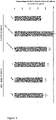
- the figure 1 shows the effect of the combination of polysaccharides maltooligosyl glucoside (MOG) and hydrogenated starch hydrolyzate (HHA) on the inhibition of the synthesis of KLK5 secreted by the KHNs after 48 hours of incubation.
- the positive control chosen is dexamethasone at 1 ⁇ M.
- the results are expressed as percentage expression normalized with respect to cell viability. They represent the data obtained on 1 experiment carried out in triplicate.
- the figure 1 shows the effect of the combination of polysaccharides maltooligosyl glucoside (INCI; hereinafter referred to as MOG) and hydrogenated starch hydrolyzate (INCI; hereinafter referred to as HHA) on the inhibition of the synthesis of KLK-5 secreted by human keratinocytes normal (KHN) after 48 hours of incubation.
- MOG polysaccharides maltooligosyl glucoside
- HHA hydrogenated starch hydrolyzate
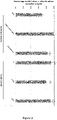
- the figure 2 shows the effect of the polysaccharide glycogen (INCI; hereinafter referred to as gGG) on the inhibition of the synthesis of KLK-5 secreted by normal human keratinocytes (KHN) after 48 hours of incubation.
- the positive control chosen is dexamethasone at 1 ⁇ M. Results are expressed as a percentage expression normalized to cell viability. They represent the data obtained on 1 experiment carried out in triplicate.
- Example 1 Cosmetic composition within the meaning of the invention - O/W emulsion - fluid cream
- a composition according to the invention is described in Table 1.
- Compound (INCI designation) Weight (in %) Water 77.165 Hydrogenated polydecene 10.00 Glycerine 5.00 Cetearyl alcohol 2.40 Phenoxyethanol 1.015 PEG-100 stearate 1.00 Glyceryl stearate 1.00 1,2-hexanediol 1.00 Cetearyl glucoside 0.60 Maltooligosyl glucoside 0.235 Disodium EDTA 0.20 caprylyl glycol 0.15 Hydrogenated starch hydrolyzate 0.135 Carbomer 0.10
- Example 2 Cosmetic composition within the meaning of the invention - O/W emulsion - rich balm
- a composition according to the invention is described in Table 2 Compound (INCI designation) Weight (in %) Water 64.51 Caprylic/capric triglyceride 9.00 Glycerine 8.00 Olea europaea (olive) fruit oil 7.00 Mangifero indica (mango) seed butter 3.00 Sucrose stearate 2.50 Sucrose distearate 2.50 C10-C18 triglycerides 2.00 glycogen 0.30 Xanthan gum 0.30 Potassium sorbate 0.20 Sodium benzoate 0.20 Sodium citrate 0.20 lactic acid 0.19 Fragrance 0.1
- Example 3 Actions of the active agents according to the invention on the cellular synthesis of KLK-5 in an environment mimicking rosacea
- the aim of the study is to demonstrate the effect of active ingredients on the inhibition of the synthesis of the KLK5 protein by normal human keratinocytes (KHN) in an environment mimicking rosacea.
- KLK-5 inducers listed in Table 3 were used in the study: Inductor Vendor Concentration tested Stock solution IL-17 R&D systems 10ng/ml 50 mcg/ml Vit D Sigma 10 -7M 0.418g/L
- the quantification of KLK-5 in the supernatants is carried out using an ELISA test, Enzyme Linked Immunosorbent Assay (Ref: DY8459-05, R&D systems, France) with the reagents recommended by the manufacturer (DuoSet Ancillary Reagent Kit 2, Ref: DY008 , R&D systems, France) and used according to the manufacturer's instructions.
- Enzyme Linked Immunosorbent Assay Ref: DY8459-05, R&D systems, France
- DuoSet Ancillary Reagent Kit 2 Ref: DY008 , R&D systems, France
- the Optical Density (OD) is read on a spectrophotometer at 450 nm.
- the KLK-5 concentration is calculated from the standard range (15.6 to 1000 pg/ml) established with the recombinant human KLK-5 protein.
- MTT is a yellow soluble dye which is metabolized by mitochondrial enzymes (succinate dehydrogenase) into a dark blue compound: formazan.
- the formazan crystals are then dissolved in DMSO then the optical density is measured spectrophotometrically at 540 nm. This method was established by Mosmann (1983), then the protocol was later modified by Denizot et al. (1986).
- the KHNs are seeded in KGM medium and incubated for 24 hours at 37° C. in the presence of 5% CO 2 before the treatment with the compounds under study in KGM and 1 mM CaCl 2 . After 1 h of incubation with the active agents, the induction of KLK-5 is carried out with the combination of IL-17 at 10 ng/ml + Vit D at 10 ⁇ 7 mol/L. The KHN are incubated for 48 hours at 37° C. in the presence of 5% CO 2 ; subsequently, the supernatants are recovered and the ELISA assays of KLK-5 as well as the cell viability test with MTT are carried out.
- the active ingredients selected are water-soluble.
- the amount of solvent in the active ingredients has been adjusted to 0.1% ETOH: In fact, there is presence of 0.1% ETOH in the Vit D inducer. The results of the active ingredients are reported in relation to the solvent controls.
- dexamethasone at 1 ⁇ M inhibits the synthesis of KLK-5 by 16.6%.
- MOG+HHA polysaccharides maltooligosyl glucoside & hydrogenated starch hydrolysate; INCI
- the polysaccharide GG (glycogen; INCI) according to the invention significantly reduces the synthesis of KLK-5 by 7.6%, 20% and 8.1% respectively at doses of 1%, 0.5% and 0.25 %.
Landscapes
- Health & Medical Sciences (AREA)
- Life Sciences & Earth Sciences (AREA)
- Animal Behavior & Ethology (AREA)
- General Health & Medical Sciences (AREA)
- Public Health (AREA)
- Veterinary Medicine (AREA)
- Epidemiology (AREA)
- Chemical & Material Sciences (AREA)
- Birds (AREA)
- Dermatology (AREA)
- Medicinal Chemistry (AREA)
- Pharmacology & Pharmacy (AREA)
- Dispersion Chemistry (AREA)
- Inorganic Chemistry (AREA)
- Cosmetics (AREA)
- Pharmaceuticals Containing Other Organic And Inorganic Compounds (AREA)
Abstract
Description
- L'invention se rapporte au domaine des soins dermatologiques, et plus particulièrement du traitement des affections inflammatoires cutanées. Plus précisément, l'invention concerne une composition, avantageusement cosmétique, pour le traitement de la rosacée et/ou de la télangiectasie
- La peau constitue la principale barrière qui sépare l'organisme du milieu extérieur et se compose de la superposition de trois couches principales, respectivement de la plus profonde à la plus superficielle : l'hypoderme, le derme et l'épiderme. Plusieurs facteurs ont une incidence sur la santé de la peau. Ainsi et en raison de son interaction constante avec l'environnement, la peau subit de multiples agressions (virus, bactéries, UV, agressions chimiques, températures extrêmes...) qui altèrent son équilibre. En parallèle de ces atteintes exogènes, chaque individu présente des facteurs internes ayant une incidence sur la santé de la peau à savoir, le patrimoine génétique ou encore les hormones.
- Ces différents facteurs exogènes et endogènes peuvent être à l'origine de pathologies dermatologiques, notamment des affections inflammatoires cutanées.
- Ces affections inflammatoires cutanées, comme la rosacée, engendrent des sensations d'inconfort physique. De plus, elles peuvent devenir une entrave à la vie sociale. En d'autres termes, ces affections, notamment la rosacée et/ou la télangiectasie, sont à l'origine d'inconvénients cosmétiques et esthétiques.
- Concernant la rosacée, toutes les formes sont visibles et les épisodes de poussée inflammatoire comme ceux de rémission sont imprévisibles, ce qui rend la maladie difficile à maîtriser. La rosacée a donc un véritable impact sur le moral, sur les relations sociales et la confiance en soi.
- La rosacée et les pathologies cutanées liées à la rosacée figurent parmi la liste des maladies inflammatoires chroniques cutanées. La rosacée se caractérise par des rougeurs sur les joues, le nez, le front et le menton. La rosacée et les maladies de peau liées à la rosacée touchent les petits vaisseaux du visage. Elles ne se manifestent donc pas seulement par des rougeurs, mais également par des vaisseaux apparents, et dans certains cas plus sévères par des boutons et un épaississement de la peau.
- La rosacée et les maladies associées à la rosacée sensibilisent généralement la peau et dans certains cas, la rendent intolérante.
- En plus de la rosacée, il existe donc différentes formes de maladies de la peau liées à la rosacée parmi lesquelles la télangiectasie, les flushs, la couperose, la rosacée oculaire, la rosacée papulo-pustuleuse, la forme hypertrophique, la rosacée phymateuse ou encore la rosacée érythèmatotélangiectasique. Toutefois, la rosacée et les maladies associées à cette pathologie de la peau sont à différencier d'autres affections de la peau comme le psoriasis (plaques rouges qui desquament) ou la dermatite séborrhéique (qui touche les glandes sébacées).
- La télangiectasie est une pathologie caractérisée par des veinules qui deviennent visibles sous la peau car elles sont dilatées. Ces petits vaisseaux apparaissent rouges ou violacés. Il peut également s'agir de symptômes associés à la rosacée vasculaire ou couperose.
- La rosacée se manifeste par un érythème (rougeurs occasionnelles ou persistantes), une couperose (appelée également télangiectasie) et/ou des papulopustules (lésions cutanées semblable à des lésions d'acné mais sans comédon). A des stades plus ultimes, la rosacée peut s'accompagner d'une hypertrophie plutôt localisée sur le nez (rhinophyma) ou d'une atteinte oculaire.
- La prévalence de la rosacée reste très variable entre les pays, les populations étudiées et l'âge. En Europe, la population touchée est estimée entre 2 et 10 %. A titre d'exemple, en Allemagne la prévalence est estimée à 12,3 %, en Angleterre à 1,8%, aux Etats-Unis à 1,34 %, et en France entre 2 et 3 %.
- Les études épidémiologiques montrent que les personnes à peaux et yeux clairs sont majoritairement atteintes. Toutefois, les populations avec un phototype V et VI peuvent l'être également.
- Les causes exactes de la rosacée sont encore en cours de définition mais il a été solidement établi que cette condition est d'origine multifactorielle. Si la contribution de composante vasculaire est évidente, dans les dernières années elle semble être passée au second plan, derrière le rôle de l'immunité innée qui a été mis en avant par de nombreuses études fondamentales et clinico-biologiques. Selon ce scénario, maintenant favorisé par la plupart des chercheurs dans le domaine, une stimulation anormale de l'immunité innée aboutit à l'augmentation de médiateurs inflammatoires et également à une perturbation de la fonction barrière de la peau.
- Parmi les médiateurs de l'immunité innée qui ont été impliqués de façon convaincante dans l'étiologie de la rosacée, un rôle clé a été attribué au peptide antimicrobien cathélicidine. La cathélicidine humaine est un peptide antimicrobien qui joue un rôle important dans la défense de la peau face aux pathogènes. Ce médiateur est sécrété sous forme de pro-peptide de 18 kDa, appelé hCAP18, biologiquement inactif. Le clivage protéolytique du côté C terminal par des protéases permet la libération de la forme antimicrobienne active dénommée LL-37 mais aussi d'autres fragments peptidiques.
- Une corrélation crédible existe entre des niveaux élevés de LL-37 dans l'épiderme et l'apparition de la rosacée. Dans la peau normale, la teneur en peptide LL-37 est faible, tandis que dans la peau de patients atteints de rosacée, le peptide LL-37 est présent à un niveau 10 fois plus élevé que chez les témoins au niveau de l'épiderme.
- Le peptide LL-37 cible les bactéries Gram + et Gram - et possède également une activité antifongique. En plus de son activité antimicrobienne, LL-37 présente des propriétés pro-inflammatoires via un effet chémoattractant sur les monocytes, les neutrophiles et les lymphocytes T et affecte l'angiogenèse. Cet effet pro-inflammatoire aide l'organisme à mieux répondre aux attaques de pathogènes, mais au même temps, peut exacerber l'irritation de la peau.
- Le clivage de la protéine hCAP18 dans sa forme active pro-inflammatoire LL-37 est effectuée par la protéase kallicréine 5 (KLK-5). KLK-5 est une sérine protéase exprimée par les kératinocytes dans la peau normale. Il a été montré que la peau lésionnelle des sujets atteints de rosacée possède une expression du gène KLK-5 supérieure à celle de la peau des sujets contrôles sains. Il est intéressant de noter que cette surexpression est corrélée à celle de la cathélicidine.
- Compte tenu de sa capacité à dégrader les protéines qui forment la composante extracellulaire des jonctions cellulaires dans le stratum corneum, l'enzyme KLK-5 joue également un rôle dans l'élimination des cornéocytes par desquamation. De par son rôle dans la desquamation, une activité protéolytique augmentée de KLK-5 entraîne alors une détérioration progressive de la fonction barrière.
- L'activité enzymatique de KLK-5 est également régulée par les métalloprotéinases matricielles (MMPs). Plus précisément, l'activation de KLK-5 se produit après le clivage de sa forme de proenzyme par la MMP-9. Notamment, une expression accrue de MMP-2 et de MMP-9 a été observée dans la peau de patients atteints de rosacée. Une telle expression accrue de MMPs a des implications potentielles pour la dégénérescence par les UV observée dans la rosacée. De plus, l'initiation de l'activation de KLK-5 par les MMPs conduit à une activation supplémentaire de LL-37, la forme clivée de la cathélicidine, amplifiant de cette façon la cascade pro-inflammatoire.
- Il a également été montré que l'enzyme KLK-5 est capable d'activer PAR-2 (récepteur activé par la protéase 2), Ce récepteur cellulaire est fortement exprimé par les kératinocytes de la couche granuleuse, où il est impliqué dans la régulation de l'homéostasie de la barrière cutanée.
- Des échantillons de peau de patients atteints de rosacée ont démontré, après coloration immunohistochimique, des niveaux plus élevés d'expression de PAR-2 que ceux des sujets sains.
- L'activation de PAR-2 a plusieurs effets sur la fonction barrière. En particulier, elle diminue l'adhérence intercellulaire via l'E-cadhérine, ce qui se traduit par une perméabilité accrue de la barrière épidermique.
- Il a été montré que des peptides agonistes de PAR-2 retardent de manière significative la récupération d'imperméabilité de la barrière épidermique après une perturbation aiguë de la barrière dans la peau d'un modèle murin.
- Ces données montrent que KLK-5 est impliquée dans la perturbation de la fonction barrière observée dans la rosacée, notamment par le biais de son activation de PAR-2. De plus, l'implication de cette enzyme protéolytique (ou protéase) dans l'activation de LL-37 confirme son rôle majeur dans le processus inflammatoire qui accompagne les manifestations de la rosacée.
- KLK-5 est donc une cible préférentielle pour le traitement de la rosacée et/ou de la télangiectasie car l'inhibition de son activité et/ou la diminution de son expression peut contribuer à renforcer la fonction barrière, ce qui limite la pénétration d'allergènes, de bactéries et d'agents irritants et, en même temps, réduire l'inflammation.
- Le ciblage de la KLK-5 par des actifs dermatologiques a déjà été décrit. A titre d'exemple, le document
FR 3 022 139 - Cependant, cette composition cosmétique présente l'inconvénient majeur de contenir des extraits non-titrés en molécules actives et dont la composition n'apparait ni connue ni maitrisée.
- D'autres traitements conventionnels consistent à administrer au patient des antibiotiques pour leur effet anti-inflammatoire. Toutefois, de tels traitements sont photosensibilisants (augmentation de la sensibilité de la peau aux UV) et nécessitent l'utilisation d'une protection solaire efficace. Des traitements locaux (crème, gel ou émulsion) sont également connus, éventuellement en combinaison avec l'administration orale d'antiobiotiques. Cependant, ces traitements ont pour inconvénients d'entrainer des effets indésirables chez le sujet atteint de rosacée, comme une aggravation des rougeurs ou une sensation d'échauffement de la peau.
- Un autre traitement de la rosacée disponible consiste à recourir au laser afin de faire éclater les petits vaisseaux, par photothermolyse sélective ou à souder les petits vaisseaux par photothermocoagulation. Un inconvénient majeur de ce traitement est qu'il est coûteux. En outre, il nécessite d'être effectué en dehors des périodes ensoleillées.
- Il subsiste donc un besoin évident de mettre au point une composition comprenant des composés actifs dermatologiques qui soient surs pour l'utilisation topique humaine et permettant de traiter efficacement et à long terme la rosacée et/ou la télangiectasie à travers l'inhibition de la surproduction de la protéase KLK-5.
- Le Demandeur a constaté que, de manière surprenante, plusieurs principes actifs dermatologiques, qui sont parfaitement sûrs et adaptés à l'utilisation cosmétique humaine, permettent de surmonter les inconvénients et de répondre aux besoins précédemment décrits.
- L'invention vise, de manière générale, à répondre à un besoin cosmétique réel en hydratant et apaisant la peau, en réduisant les sensations d'inconfort et, in fine, en améliorant l'aspect de la peau.
- En particulier, l'invention vise à traiter la rosacée et/ou la télangiectasie afin d'améliorer l'aspect de la peau, réduire les imperfections.
- Un but de l'invention est de proposer une composition permettant de diminuer le clivage de la protéine hCAP 18 en LL-37, diminuer la teneur en LL-37 dans la peau, diminuer l'expression du gène de KLK-5 et/ou l'activité protéolytique de l'enzyme KLK-5 et diminuer l'expression du gène de PAR-2 et/ou l'activité de PAR-2.
- En particulier, le Demandeur a constaté que les principes actifs dermatologiques selon l'invention permettent de réduire les niveaux de production de KLK-5 et/ou d'expression du gène de la protéase KLK-5 et/ou l'activité protéolytique de KLK-5et de ce fait, l'invention permet de traiter l'inflammation cutanée et/ou de renforcer la fonction barrière de la peau.
- Au sens de l'invention, par « principe actif dermatologique » on désigne une substance ou un composé destiné à être appliqué sur la peau et qui possède des propriétés biologiques et/ou thérapeutiques qui sous-tendent un effet physiologique.
- Le principe actif dermatologique est à différencier du au moins un excipient, présent dans la composition selon l'invention.
- Au sens de l'invention, par « niveaux de KLK-5 » on désigne le niveau de production de la protéase KLK-5, c'est-à-dire la teneur en KLK-5, et/ou le niveau d'expression du gène de la protéase KLK-5 et/ou l'activité de la protéase KLK-5.
- Au sens de l'invention, par « excipient » on désigne une autre substance que le principe actif dermatologique qui confère à la composition des propriétés, notamment, de consistance, galénique et/ou de vectorisation du principe actif.
- Ainsi et selon un premier aspect, l'invention concerne une composition comprenant, en tant que principe actif dermatologique, au moins un polysaccharide choisi parmi le groupe consistant en les hétéropolymères de glucose et tréhalose ; les homopolymères hydrogénés de glucose ramifiés comprenant des liaisons α (1-4) et α (1-6) et les homopolymères de glucose ramifiés comprenant des liaisons α (1-4) et α (1-6), pour utilisation pour le traitement de la rosacée et/ou de la télangiectasie.
- Dans la suite de la description, par « composition selon l'invention » on désigne également la composition selon l'invention pour son utilisation pour le traitement de la rosacée et/ou de la télangiectasie.
- Selon un mode de réalisation particulier, l'hétéropolymère de glucose et tréhalose selon l'invention correspond à la désignation INCI maltooligosyl glucoside (ou maltooligosyl glucoside (INCI)). Dans la suite de la description, par « maltooligosyl glucoside » on entend la désignation INCI maltooligosyl glucoside.
- Au sens de l'invention, l'hétéropolymère de glucose et tréhalose, avantageusement le maltooligosyl glucoside, correspond à un mélange d'oligosaccharides constitués d'un, deux, trois ou quatre résidus de glucose lié à un résidu de tréhalose.
- Selon un mode de réalisation particulier, l'hétéropolymère de glucose et tréhalose selon l'invention, avantageusement le maltooligosyl glucoside (INCI), comprend du maltotriosyl glucoside, c'est-à-dire, un oligosaccharide constitué de trois résidus de glucose liés à un résidu de tréhalose.
- Selon un autre mode de réalisation particulier, l'hétéropolymère de glucose et tréhalose selon l'invention, avantageusement le maltooligosyl glucoside (INCI), est un mélange de plusieurs oligosaccharides comprenant du maltotriosyl glucoside dans une quantité comprise entre 40% et 90% en poids total du mélange d'oligosaccharides (c'est-à-dire en poids total du maltooligosyl glucoside), avantageusement entre 50% et 80%.
- Selon un autre mode de réalisation particulier, l'hétéropolymère de glucose et tréhalose selon l'invention, avantageusement le maltooligosyl glucoside (INCI), comprend la combinaison de maltriosyl glucoside et de maltotetrasyl glucoside, ladite combinaison représentant entre 10% et 40% en poids total du mélange d'oligosaccharides (c'est-à-dire en poids total du maltooligosyl glucoside), de préférence entre 15% et 25%.
- Avantageusement, l'hétéropolymère de glucose et tréhalose selon l'invention, avantageusement le maltooligosyl glucoside (INCI), comprend, en outre, du maltotetraitol et maltotriiol.
- L'hétéropolymère de glucose et tréhalose selon l'invention, avantageusement le maltooligosyl glucoside (INCI), peut être obtenu par synthèse chimique ou, de préférence, par biotechnologie.
- Selon un mode de réalisation particulier, l'hétéropolymère de glucose et tréhalose selon l'invention, avantageusement le maltooligosyl glucoside, représente entre 0,001% et 2% en poids de la composition, avantageusement entre 0,01% à 0,5%.
- Selon un mode de réalisation particulier, l'homopolymère hydrogéné de glucose ramifié comprenant des liaisons α (1-4) et α (1-6) selon l'invention correspond à la désignation INCI hydrogenated starch hydrolysate (ou hydrogenated starch hydrolysate (INCI)). Dans la suite de la description, par « hydrogenated starch hydrolysate » on entend la désignation INCI hydrogenated starch hydrolysate.
- L'homopolymère hydrogéné de glucose ramifié comprenant des liaisons α (1-4) et α (1-6) selon l'invention, avantageusement l'hydrogenated starch hydrolysate (INCI) ou hydrolysat d'amidon hydrogéné, est obtenu par hydrogénation contrôlé de l'amidon végétale partiellement digéré. Il peut s'agir d'un amidon extrait d'un ou plusieurs végétaux, comme par exemple le maïs et/ou la pomme de terre. L'hydrolyse peut être effectuée, par exemple, par digestion enzymatique ou traitement avec un acide faible tandis que l'hydrogénation peut s'effectuer selon les méthodes connues à l'homme du métier dans le domaine de l'industrie alimentaire, par exemple, l'incubation avec du dihydrogène gazeux en présence de catalyseurs métalliques.
- Selon un mode de réalisation particulier, l'homopolymère hydrogéné de glucose ramifié comprenant des liaisons α (1-4) et α (1-6), avantageusement l'hydrogenated starch hydrolysate, représente entre 0,001% et 2% en poids de la composition, avantageusement entre 0,01% et 0,5%.
- Selon un mode de réalisation particulier, l'homopolymère de glucose ramifiés comprenant des liaisons α (1-4) et α (1-6) selon l'invention correspond à la désignation INCI glycogen (ou glycogen (INCI)). Dans la suite de la description, par « glycogen » on entend la désignation INCI glycogen.
- Selon un mode de réalisation particulier, l'homopolymère de glucose ramifié comprenant des liaisons α (1-4) et α (1-6), avantageusement le glycogen, représente entre 0,001% et 2% en poids de la composition, avantageusement entre 0,01% et 0,6%.
- Selon un mode de réalisation particulier, l'homopolymère de glucose ramifié comprenant des liaisons α (1-4) et α (1-6), avantageusement le glycogen, a un poids moléculaire compris entre 1 KDa et 10 KDa, avantageusement entre 4 et 6 KDa.
- Le glycogène est un polysaccharide de glucose ramifié qu'on retrouve dans la plupart des organismes, notamment chez l'Homme. L'homopolymère de glucose ramifié comprenant des liaisons α (1-4) et α (1-6) selon l'invention, avantageusement le glycogen, peut être obtenu par synthèse chimique ou, de préférence, par biotechnologie.
- L'homopolymère de glucose ramifié comprenant des liaisons α (1-4) et α (1-6), avantageusement le glycogen, peut être d'origine animale ou végétale, par exemple, issu de maïs ou de la pomme de terre, ou encore.
- Avantageusement, le glycogen (INCI) selon l'invention correspond à du glycogène dont la pureté est de 80%, voire 90%, de préférence 95%, voire 99% ou plus, par exemple 100%.
- Selon un mode de réalisation particulier, l'homopolymère de glucose ramifié comprenant des liaisons α (1-4) et α (1-6) selon l'invention correspondant à la désignation INCI glycogen (INCI) est la matière première BIOGLYCOGEN® commercialisée par la société GLICO NUTRITION CO., LTD.
- Selon un mode de réalisation préféré, la composition selon l'invention comprend :
- au moins un hétéropolymère de glucose et tréhalose, représentant avantageusement entre 0,001 % et 2% en poids de la composition, de préférence entre 0,01% à 0,5% ; et
- au moins un homopolymère hydrogéné de glucose ramifiés comprenant des liaisons α-(1-4) et α-(1-6), représentant avantageusement entre 0,001% et 2% en poids de la composition, de préférence entre 0,01% et 0,5%.
- Avantageusement, la composition selon l'invention comprend du maltooligosyl glucoside et de l'hydrogenated starch hydrolysate.
- Selon un mode de réalisation particulier, la composition selon l'invention comprend :
- au moins un hétéropolymère de glucose et tréhalose, représentant avantageusement entre 0,001% et 2% en poids de la composition, de préférence entre 0,01% à 0,5% ;
- au moins un homopolymère hydrogéné de glucose ramifiés comprenant des liaisons α-(1-4) et α-(1-6), représentant avantageusement entre 0,001% et 2% en poids de la composition, de préférence entre 0,01% et 0,5%; et
- au moins un homopolymère de glucose ramifiés comprenant des liaisons α-(1-4) et α-(1-6), représentant avantageusement entre 0,001% et 2% en poids de la composition, avantageusement entre 0,01% et 0,6%.
- Avantageusement, la composition selon l'invention comprend du maltooligosyl glucoside, de l'hydrogenated starch hydrolysate et du glycogen.
- Selon un mode de réalisation particulier, la composition selon l'invention comprend :
- au moins un hétéropolymère de glucose et tréhalose, représentant avantageusement entre 0,001% et 2% en poids de la composition, de préférence entre 0,01% à 0,5% ;
- au moins un homopolymère hydrogéné de glucose ramifiés comprenant des liaisons α-(1-4) et α-(1-6), représentant avantageusement entre 0,001% et 2% en poids de la composition, de préférence entre 0,01% et 0,5% ; et éventuellement
- au moins un homopolymère de glucose ramifiés comprenant des liaisons α-(1-4) et α-(1-6), représentant avantageusement entre 0,001% et 2% en poids de la composition, avantageusement entre 0,01% et 0,6% ; en outre, ladite composition présente un rapport pondéral entre le au moins un hétéropolymère de glucose et tréhalose et le au moins un homopolymère hydrogéné de glucose ramifiés comprenant des liaisons α-(1-4) et α-(1-6), avantageusement entre le INCI maltooligosyl glucoside et le glycogen, compris entre 3/1 et 1/3, de préférence entre 2/1 et 1/2.
- Selon un mode de réalisation particulier, la composition selon l'invention est une composition cosmétique.
- Il ressort de ce qui précède que la composition, avantageusement cosmétique, selon l'invention permet de soulager la gêne et l'inconfort lié à la rosacée et/ou la télangiectasie. En particulier, la composition selon l'invention réduit l'intensité des rougeurs, apaise (réduction des tiraillements et des sensations de rugosité) et hydrate la peau. Ainsi, la présente invention permet de répondre à un besoin cosmétique réel.
- Selon un mode de réalisation particulier, la composition selon l'invention est exempte de probiotiques.
- Au sens de l'invention, par « probiotiques » on désigne des microorganismes vivants qui confèrent un bénéfice pour la santé de l'hôte, lorsqu'ils sont consommés à des concentrations suffisantes. Ils peuvent interagir avec l'hôte pour améliorer l'immunité, l'homéostasie intestinale, stimuler le métabolisme ou encore réduire le risque d'infection par des agents pathogènes opportunistes. La plupart des probiotiques bactériens appartiennent aux bactéries lactiques. Ce groupe inclut 10 genres dont les plus connus sont Lactobacillus, Pediococcus, Lactococcus, Enterococcus, Streptococcus, Leuconostoc et Carnobacterium.
- Avantageusement la composition selon l'invention est exempte des probiotiques suivants : Lactobacillus casei, Lactobacillus acidophillus, Bacillus coagulans et/ou Bifida ferment lysate (INCI).
- Selon un autre mode de réalisation, la composition selon l'invention comprend, en outre, au moins un filtre UV. La filtration de la lumière UV est connue pour améliorer l'état générale de la peau, notamment chez les individus atteints par la rosacée et/ou la télangiectasie.
- Au sens de l'invention, par « filtre UV » on désigne les composés organiques (ou composés chimiques) ou minéraux capables de filtrer les UV-A, les UV-B et/ou les UV-C.
- Selon l'invention, il peut aussi bien s'agir de filtres minéraux que de filtres chimiques ou organiques.
- Les compositions selon l'invention peuvent contenir un ou plusieurs filtres UV à large spectre, c'est-à-dire des composés ou des mélanges qui absorbent les UV-A, les UV-B, les UV-C et éventuellement la lumière visible.
- Parmi les filtres organiques à large spectre, les filtres correspondant aux désignations INCI suivantes peuvent être utilisés dans le cadre de l'invention : tris biphenyl triazine, bis ethylhexyloxyphenol methoxyphenyl triazine, methylene bis-benzotriazolyl tetramethylbutylphenol. A titre d'exemple, ceux-ci sont commercialisés par la société BASF sous les noms de TINOSORB S®/TINOSORB AQUA®, TINOSORB A2B®, TINOSORB M®, respectivement. Un autre exemple de filtre à large spectre adapté à la composition selon l'invention répond à la désignation INCI diethylhexyl butamido triazone, par exemple commercialisé par la société SIGMA 3V sous le nom d'UVASORB HEB®.
- Ainsi et dans un mode de réalisation particulier, la composition selon l'invention comprend au moins un filtre choisi dans le groupe suivant de composés identifiés par leur désignation INCI : tris biphenyl triazine, bis ethylhexyloxyphenol methoxyphenyl triazine, et methylene bis-benzotriazolyl tetramethylbutylphenol, diethylhexyl butamido triazone, ou leurs mélanges.
- Avantageusement, la composition comprend le filtre bis-ethylhexyloxyphenol methoxyphenyl triazine.
- Selon un autre mode de réalisation, à la place ou en plus du ou des filtre(s) à large spectre, la composition contient au moins un filtre UV-A et/ou UV-B, organique et/ou minéral, qui peut se présenter en phase aqueuse (lipophile) et/ou huileuse (liposoluble).
- Ainsi et à titre d'exemple, la composition selon l'invention peut contenir des filtres UV-B liposolubles, susceptibles de contribuer à la stabilisation ou à la solubilisation des filtres à large spectre ou encore de se stabiliser réciproquement et par ce fait, augmenter le facteur de protection solaire (FPS ou « SPF » en anglais).
- Avantageusement, de tels filtres correspondent aux désignations INCI suivantes: homosalate, octocrylene, ethylhexyl salicylate, ethylhexyl triazone.
- Dans un mode de réalisation préféré, la composition selon l'invention comprend de l'ethylhexyl triazone, commercialisé par BASF sous le nom d'UVINUL T150®.
- Dans un autre mode de réalisation, le filtre UV-B liposoluble est l'a-(triméthylsilyl)-ω-(triméthylsilyloxy)poly[oxy(diméthyl)silylène]-co-[oxy(méthyl)(2-{4-[2,2-bis(éthoxycarbonyl)vinyl]phénoxy}-1-méthylèneéthyl)silylène]-co-[oxy(méthyl)(2-(4-[2,2-bis(éthoxycarbonyl)vinyl]phénoxy)prop-1-ényl)silylène], un polymère siliconé capable de filtrer dans l'UV-B. Ce filtre correspond par exemple à la matière première cosmétique Parsol SLX®, commercialisée par la société DSM selon la désignation INCI polysilicone-15.
- Dans un mode de réalisation particulier, la composition selon l'invention comprend au moins un filtre UV-B choisi dans le groupe suivant de composés identifiés par leur désignation INCI : homosalate, ethylhexyl salicylate, ethylhexyl triazone, polysilicone-15, ou leurs mélanges.
- Dans un mode de réalisation particulier, la composition est exempte des filtres suivants : 4-methylbenzylidene camphor, benzophenone-2, benzophenone-3, ethylhexyl methoxycinnamate, octocrylene.
- Dans un mode de réalisation avantageux, la composition selon l'invention comprend au moins un filtre UV-A, afin d'assurer une filtration complète de la partie nuisible du spectre solaire.
- Des filtres UV-A avantageux au sens de la présente invention sont le butyl methoxydibenzoylmethane (INCI) et le diethylamino hydroxybenzoyl hexyl benzoate (INCI), correspondant respectivement aux matières premières Parsol 1789® commercialisée par la société DSM et UVINUL® A+ commercialisée par la société BASF.
- Dans un mode de réalisation particulier, le filtre UV-A est le bis-(diethylaminohydroxybenzoyl benzoyl) piperazine (INCI) (numéro CAS 919803-06-8), correspondant par exemple à la matière première C1332® commercialisée par la société BASF.
- Ainsi et dans un mode de réalisation préféré, la composition selon l'invention comprend au moins un filtre choisi dans le groupe suivant de composés identifiés par leur désignation inci butyl methoxydibenzoylmethane, diethylamino hydroxybenzoyl hexyl benzoate, bis- (diethylaminohydroxybenzoyl benzoyl) piperazine, ou leurs mélanges.
- D'autres filtres UV avantageux au sens de la présente invention sont des filtres hydrosolubles, comme par exemple :
- le filtre correspondant à la désignation INCI disodium phenyl dibenzimidazole tetrasulfonate, notamment disponible sous la dénomination Neo Heliopan® AP (Symrise) ;
- le filtre correspondant à la désignation INCI phenylbenzimidazole sulfonic acid, notamment disponible sous la dénomination Neo Heliopan® hydro (Symrise), de préférence en combinaison avec un acide aminé basique, avantageusement de l'arginine. En pratique, l'acide aminé basique représente entre 0,5 et 2% en poids de la composition, de préférence entre 1 et 1,5% en poids de la composition.
- Dans un mode de réalisation préféré, la composition selon l'invention comprend au moins un filtre hydrosoluble choisi dans le groupe suivant de composés identifiés par leur désignation INCI : disodium phenyl dibenzimidazole tetrasulfonate, phenylbenzimidazole sulfonic acid, ou leurs mélanges.
- Avantageusement, les filtres minéraux inorganiques, ou écrans minéraux, sont des oxydes métalliques et/ou d'autres composés difficilement solubles ou insolubles dans l'eau, en particulier les oxydes de titane (TiO2), de zinc (ZnO), de fer (Fe2O3), de zirconium (ZrO2), de silicium (SiO2), de manganèse (par exemple MnO), d'aluminium (Al2O3), ou de cérium (Ce2O3).
- Selon un mode de réalisation particulier, les filtres minéraux inorganiques peuvent être utilisés sous forme de prédispersion huileuse ou aqueuse disponible sur le marché. Ces prédispersions peuvent être additionnées avantageusement d'auxiliaires de dispersion et/ou de médiateurs de solubilisation.
- Les filtres minéraux inorganiques peuvent également être traités en surface ou encapsulés, afin de leur conférer un caractère hydrophile, amphiphile ou hydrophobe. Ce traitement de surface peut consister en ce que les filtres minéraux soient dotés d'une mince pellicule inorganique et/ou organique hydrophile et/ou hydrophobe.
- Dans un mode de réalisation préféré, la composition selon l'invention comprend au moins un écran minéral choisi dans le groupe suivant de composés identifiés par leur désignation INCI : Zinc oxide, Titanium dioxide, ou leurs mélanges.
- Les listes des filtres UV cités pouvant être mis en œuvre au sens de la présente invention sont bien entendu donnés à titre indicatif et non limitatif.
- De manière avantageuse, les filtres UV tels que décrits ci-dessus, présents dans la composition selon l'invention, représentent de 0,1% à 30% en poids de la composition, avantageusement entre 0,5 % et 20 %, encore plus avantageusement entre 1% et 15%.
- Selon un mode de réalisation particulier, la composition selon l'invention présente un facteur de protection solaire (« SPF » ou FPS) supérieur ou égal à 10, de préférence supérieur ou égal à 20, avantageusement supérieur ou égal à 30, encore plus avantageusement supérieur ou égal à 50.
- Selon un mode de réalisation préféré, la composition selon l'invention comporte un ratio de protection UV-A/UV-B égal ou supérieur à 1/3.
- La composition solaire selon l'invention comprend au moins un solubilisants de filtres solaires choisi dans le groupe suivant de composés identifiés par leur désignation INCI : caprylyl caprylate/caprate, dibutyl adipate, dicaprylyl carbonate, diisopropyl sebacate, dicaprylyl ether, coco-caprylate, C12-15 alkyl benzoate, propylheptyl caprylate et butylene glycol dicaprylate/dicaprate. Ces solubilisants sont disponibles sur le marché auprès de plusieurs fournisseurs. A titre d'exemple, les matières premières suivantes peuvent être mises en œuvre dans la composition selon l'invention :
- Plusieurs matières premières de la gamme CETIOL® commercialisées par la société BASF, notamment le CETIOL® RLF, CETIOL® B, CETIOL® CC, CETIOL® O, CETIOL® C5, CETIOL® AB, CETIOL® SENSOFT correspondant respectivement aux désignations INCI caprylyl caprylate/caprate, dibutyl adipate, dicaprylyl carbonate, dicaprylyl ether, coco-caprylate, C12-15 alkyl benzoate, propylheptyl caprylate ;
- le DUB DIS commercialisé par la société STEARINE DUBOIS correspondant à la désignation INCI diisopropyl sebacate ;
- Le MIGLYOL® 8810 commercialisé par la société IOI Oleo GmbH correspondant à la désignation INCI butylene glycol dicaprylate/dicaprate.
- Dans un mode de réalisation préféré, la composition selon l'invention comprend au moins quatre solubilisants choisi dans le groupe suivant de composés identifiés par leur désignation INCI : caprylyl caprylate/caprate, dibutyl adipate, dicaprylyl carbonate, diisopropyl sebacate, dicaprylyl ether, coco-caprylate, C12-15 alkyl benzoate, propylheptyl caprylate et butylene glycol dicaprylate/dicaprate
- Dans un mode de réalisation particulier, la composition selon l'invention comprend les solubilisants répondant aux désignations INCI dibutyl adipate, dicaprylyl carbonate, diisopropyl sebacate. Dans un mode de réalisation préféré, la composition selon l'invention comprend en outre au moins un autre solubilisant choisi dans le groupe suivant de composés identifiés par leur désignation INCI : propylheptyl caprylate, dicaprylyl ether, coco-caprylate, C12-15 alkyl benzoate, caprylyl caprylate/caprate. Avantageusement, il s'agit du propylheptyl caprylate.
- Selon un mode de réalisation préféré, le poids total des solubilisants tels que définis ci-dessus représentent entre 5% et 80% en poids sur le total de la composition, avantageusement entre 10% et 70%, encore plus avantageusement entre 15 et 60%.
- La composition selon l'invention, peut en outre comprendre un « booster » de SPF, c'est-à-dire un agent amplificateur du facteur de protection solaire, et/ou un photostabilisant, c'est à dire un ingrédient qui permet d'augmenter le SPF ou de photostabiliser les filtres, un tel ingrédient n'étant pas considéré lui-même comme un filtre solaire. On peut par exemple citer :
- le butyloctyl salicylate (INCI), photostabilisant représentant avantageusement entre 0,01% et 10% en poids de la composition, encore plus avantageusement ente 0,1% et 2%. Cette matière première est par exemple commercialisée par la société HALLSTAR sous le nom de Hallbrite® BHB ;
- le benzotriazolyl dodecyl p-cresol (INCI), photostabilisant représentant avantageusement entre 0,01% et 10% en poids de la composition, encore plus avantageusement entre 0,1% et 2%. Cette matière première est par exemple commercialisée par la société BASF sous le nom de TINOGARD® TL ;
- le pongamol (INCI), molécule végétale absorbant dans les UV-A, représentant avantageusement entre 0,5 et 2% en poids de la composition, encore plus avantageusement de l'ordre de 1%. A titre d'exemple, la matière première Pongamia Extract commercialisée par la société GIVAUDAN peut être utilisée dans le cadre la présente invention ;
- l'ethylhexyl methoxycrylene (INCI), photostabilisant, solubilisant et « booster » de SPF représentant avantageusement entre 1% et 5% en poids de la composition. La matière première SolaStay® S1 commercialisée par la société HALLSTAR peut être utilisée dans le cadre de la présente invention ;
- un copolymère de styrène acrylate (INCI : styrene/acrylate copolymer), représentant de préférence entre 1% et 10% en poids de la composition selon l'invention. Les matières premières SunSpheres® H53 et SunSpheres® PGL Polymer, commercialisées par la société DOWCHEMICALS, peuvent être utilisées dans le cadre de la présente invention ;
- le diethylhexyl syringylidene malonate (INCI), représentant avantageusement entre 1% et 10% en poids de la composition. La matière première OXYNET® ST, commercialisée par la société MERCK, peut être utilisée dans le cadre de la présente invention ;
- un polyester hydrodispersible, correspondant aux désignations INCI polyester-5 (and) Sodium silicoaluminate, représentant avantageusement entre 1% et 10% en poids de la composition, notamment l'EASTMANN AQTM38S Polymer commercialisé par la société SAFIC-ALCAN ;
- un copolymère d'acrylate ayant une température de transition vitreuse de -5°C à -15°C telle que mesurée par calorimétrie différentielle à balayage, ledit copolymère représentant avantageusement entre 1% et 10% en poids de la composition. Par exemple, un polymère correspondant à la désignation INCI Acrylate copolymer, tel que la matière première EPITEX 66, commercialisée par la société DOW CHEMICALS, peut être utilisée dans le cadre de la présente invention.
- Dans un mode de réalisation particulier, la composition selon l'invention comprend également une ou plusieurs substances aptes à filtrer la lumière visible, en particulier la lumière bleue. A titre d'exemple, les composés décrits dans le document
EP 1 484 051 peuvent être employés pour assurer une filtration de la lumière bleue. - Selon un autre aspect de l'invention, les compositions selon l'invention sont formulées à partir d'une base aqueuse ayant une composition définie et contenant notamment du chlorure de calcium ; du chlorure de potassium ; du phosphate de potassium ; du sulfate de magnésium ; du chlorure de sodium ; de l'hydrogénocarbonate de sodium ; de l'hydrogénophosphate de sodium ; du citrate de sodium ; de l'acide citrique ; de la carnosine et de l'hypotaurine (acide 2-aminoéthanesulfinique).
- De préférence, ladite base aqueuse comprend :
- De 0,000001% à 0,1% en poids total de la base aqueuse de chlorure de calcium, avantageusement de 0,0001% à 0,1 % ;
- De 0,0001% à 0,1% en poids total de la base 5 aqueuse de chlorure de potassium, avantageusement de 0,001% à 0,1% ;
- De 0,00001% à 0,1% en poids total de la base aqueuse de phosphate de potassium, avantageusement de 0,0001% à 0,1% ;
- De 0,0001% à 0,1% en poids total de la base aqueuse de sulfate de magnésium, avantageusement de 0,001% à 0,1% ; - De 0,001 à 4% de en poids total de la base aqueuse chlorure de sodium, avantageusement de 0,1 à 4% ;
- De 0,0001 à 0,1% en poids total de la base aqueuse d'hydrogénocarbonate de sodium ; - De 0,0001% à 0,1% en poids total de la base aqueuse d'hydrogénophosphate de sodium ;
- De 0,0001% à 1% en poids total de la base aqueuse d'acide citrique, avantageusement de 0,001% à 1 % ;
- De 0,001% à 1% en poids total de la base aqueuse de citrate de sodium ;
- De 0,0001% à 1% en poids total de la base aqueuse de carnosine, avantageusement de 0,001% à 1 % ;
- De 0,0001 à 1% en poids total de la base aqueuse d'acide 2-aminoéthanesulfinique, avantageusement de 0,001 à 1%.
- Dans un mode de réalisation particulier, la composition selon l'invention contient également des principes actifs aptes à améliorer l'hydratation cutanée.
- Dans un mode de réalisation particulier, la composition avantageusement cosmétique selon l'invention comprend en outre, un extrait de pépins de pomme, éventuellement complémenté par de la vitamine B3 (niacinamide ou vitamine PP) ou ses dérivés. L'extrait de pépins de pomme (Pyrus malus) permet d'augmenter la synthèse de plusieurs aquaporines. Les aquaporines sont des protéines qui jouent un rôle clef dans les équilibres de l'hydratation cutanée.
- La vitamine PP et ses dérivés agissent en stimulant l'activité de la sérine palmitoyl transférase, une enzyme impliquée dans la synthèse de sphingosine, molécule précurseur des céramides et de ce fait, améliorent la fonction barrière de la peau et combattent la sécheresse cutanée.
- De préférence, l'extrait de pépins de pomme est un extrait de nature lipophile. En pratique, la matière première cosmétique EDERLINE S, correspondant à la désignation INCI Hexyldecanol & butylene glycol & Pyrus malus (apple) seed extract, ou encore la matière première EDERLINE LS, correspondant à la désignation INCI hexyldecanol & Pyrus malus (apple) seed extract & Brassica campestris (rapeseed) sterols & tocopherol, peuvent être utilisées comme source d'extrait de pépins de pommes. Quant à la matière première niacinamide, elle est commercialisée par l'entreprise QUIMICA MASSO et correspond à la désignation INCI niacinamide.
- Avantageusement, la composition selon l'invention comprend de 0,001% à 1% d'extrait végétal de Pyrus malus et/ou de 0,001% à 10% de niacinamide en poids total de la composition.
- Dans un autre mode de réalisation, la composition avantageusement cosmétique selon l'invention comprend en outre, un extrait de la plante Imperata cylindrica (I. cylindrica), de préférence un extrait de racine, avantageusement titré en aquaporines. En effet, l'incorporation d'extraits d'Imperata cylindrica dans la composition comprenant la composition selon l'invention permet d'améliorer l'hydratation du stratum corneum.
- En pratique, la matière première MOIST 24 PH correspondant à la désignation INCI I. cylindrica root extract & water & glycerin & PEG-8 & carbomer & phenoxyethanol & sodium citrate & potassium sorbate & citric acid et commercialisée par la société SEDERMA peut être utilisée dans le cadre de la présente invention. Avantageusement, la composition selon l'invention comprend entre 0,001% et 1% en poids de ladite composition d'extrait végétal d'I. cylindrica, de préférence entre 0,01% et 0,1%.
- Dans un autre mode de réalisation, la composition avantageusement cosmétique selon l'invention comprend en outre, un système bioactif associant d'une part, une forme stable en solution aqueuse d'un nucléotide choisi parmi l'ATP (adenosine triphosphate) le Gp4G (diguanosine tetraphosphate) et l'Ap4A (diadénosine tetraphosphate) ; et d'autre part, au moins un peptide biomimétique comprenant au plus six acides aminés, mimant un polypeptide cutané ou une protéine cutanée, ou une biomolécule agoniste ou antagoniste dudit peptide ou de ladite protéine. En pratique, l'association de ces principes actifs permet de catalyser l'activité métabolique des cellules de la peau tout en obtenant un effet dermocosmétique ou thérapeutique grâce à l'utilisation des peptides biomimétiques. Ces derniers peuvent être sélectionnés afin d'obtenir l'effet souhaité, par exemple, un effet d'inhibition des irritations d'origine neurogène, une activité dépigmentante, un effet inhibant toute intolérance ou sensibilisation etc.
- En pratique, dans le système bioactif selon l'invention, le nucléotide représente au plus 10% en poids de la composition, de préférence entre 0,001% et 5% ; et le peptide biomimétique représente entre 0,001% à 1% en poids de la composition.
- Selon un autre mode de réalisation, la composition selon l'invention peut comprendre en outre, un extrait de la bactérie Arthrobacter agilis, notamment un extrait riche en caroténoïdes. Ainsi la matière première correspondant à la désignation INCI micrococcus lysate commercialisée par la société GREENTECH peut être utilisée dans le cadre de la présente invention. Avantageusement, la composition selon l'invention comprend entre 0,00001% et 0,1% en poids de la composition, de préférence entre 0,0001% et 0,001% d'un tel extrait sec.
- Selon un autre mode de réalisation, la composition selon l'invention comprend en outre d'autres composants pouvant contribuer à la protection interne par une action qui peut consister en une protection de l'ADN, une diminution de l'immunosuppression induite par les radiations UV, une action antiradicalaire ou un effet combiné de ces actions.
- L'action protectrice d'une préparation selon l'invention contre le stress oxydatif ou à l'encontre de l'effet des radicaux libres peut être encore améliorée si celle-ci comprend en outre un ou plusieurs antioxydants, aisément sélectionnées par l'Homme du métier par exemple dans la liste suivante : le totarol, le magnolol, l'honokiol, les acides aminés et leurs dérivés, des peptides et leurs dérivés (par exemple l'ansérine, l'hypotaurine, la taurine), les caroténoïdes, les carotènes (a-carotène, β-carotène, lycopène) et leurs dérivés, l'acide chlorogénique et ses dérivés, l'acide lipoïque et ses dérivés (acide dihydrolipoïque), l'aurothioglucose, le propylthiouracile et autres thiols (thiorédoxine, glutathion, cystéine, cystine, cystamine et leurs esters glycosyle, N-acétyle, méthyle, éthyle, propyle, amyle, butyle et lauryle, palmitoyle, oléyle, γ-linoléique, cholestéryle et glycéryle) ainsi que des sels de ceux-ci, le thiodipropionate de dilauryle, le thiodipropionate de distéaryle, l'acide thiodipropionique et ses dérivés, les composés sulfoximine (sulfoximine de buthionine, l'homocystéine sulfoximine, les buthionine sulfones, penta-, hexa- et heptathionine sulfoximine), des agents chélatants (tels que les acides α-hydroxygras, l'acide palmitique, l'acide phytique, la lactoferrine), les α-hydroxyacides (tels que l'acide citrique, lactique, ou malique), l'acide humique, l'acide biliaire, la bilirubine, la biliverdine, le tétraméthylène phosphonate pentasodique d'éthylènediamine et ses dérivés, les acides gras insaturés et leurs dérivés, la vitamine A et ses dérivés (palmitate de vitamine A), le benzoate de coniféryle, l'acide rutinique et ses dérivés, l'a-glycosyl rutine, l'acide férulique et ses dérivés, le furfurylideneglucitol, le butylhydroxytoluène, le butylhydroxyanisole, l'acide nordihydroguaiarétique, trihydroxybutyrophenone, la quercétine, l'acide urique et ses dérivés, le mannose et les dérivés de ceux-ci, le le sélénium et ses dérivés (sélénométhionine), les stilbènes et leurs dérivés (l'oxyde de stilbène, l'oxyde trans-stilbène).
- Dans un mode de réalisation particulier, la composition selon l'invention contient en outre de l'acide glycyrrhétinique, un dérivé ou un sel de cet acide, utilisé comme apaisant (agent anti-inflammatoire) et représentant entre 0,01% et 2% en poids de la composition, de préférence entre 0,1% et 1%.
- Selon un autre mode de réalisation de l'invention, la composition avantageusement cosmétique comprend au moins un, voire tous les constituants suivants exerçant une activité biologique in vivo sur les cellules de la peau, des lèvres, des cheveux et/ou des muqueuses soumises à un rayonnement UV-A et/ou UV-B, respectivement :
- un agent antiradicalaire préservant les structures cellulaires, tel que par exemple la vitamine E et/ou ses dérivés liposolubles ou hydrosolubles, en particulier le tocotriénol et/ou le tocophérol, représentant avantageusement entre 0,001% et 10% en poids de la composition, encore plus avantageusement entre 0,02% et 2%, de préférence 0,04% ;
- un agent limitant l'immunosuppression, tel que par exemple la vitamine PP, représentant avantageusement entre 0,001% et 1% en poids de la composition, de préférence entre 0,01% et 0,3%;
- un agent protecteur de la protéine p53, tel que par exemple l'épigallocatéchine gallate (EGCG), représentant avantageusement entre 0,001% et 0,1% en poids de la composition, de préférence entre 0,005% et 0,05%.
- Dans un mode de réalisation particulier de l'invention, la composition avantageusement cosmétique selon l'invention contient également des principes actifs aptes à stimuler la prolifération de cellules cutanées, avantageusement des fibroblastes et/ou de kératinocytes, de préférence des fibroblastes humains ou animaux. En particulier et selon ce mode de réalisation, la composition cosmétique selon l'invention comprend en outre :
- de l'acide α-lipoïque ou l'un de ses sels ;
- un dérivé de vitamine C choisi parmi l'éthyle acide ascorbique et l'ascorbate de sodium ou leur mélange ; et
- de l'acide hyaluronique, dont le poids moléculaire (Mw) est avantageusement compris entre 0,5 et 15 kDa, de préférence 0,5 et 10 kDa.
- Avantageusement, l'acide α-lipoïque ou l'un de ses sels représente de moins de 0,1%, avantageusement moins de 0,01% en poids du milieu de culture cellulaire, de préférence entre 0,001% et 0,0005%.
- Avantageusement, le dérivé de vitamine C choisi parmi l'éthyle acide ascorbique et l'ascorbate de sodium ou leur mélange, avantageusement l'éthyle acide ascorbique, de préférence le 3-O éthyl éther d'acide ascorbique, représente entre 0,001% et 10% en poids du milieu de culture cellulaire, avantageusement entre 0,01 % et 5%, de préférence entre 0,1% et 1%.
- Avantageusement, l'acide hyaluronique, dont le poids moléculaire (Mw) est avantageusement compris entre 0,5 et 15 kDa, de préférence 0,5 et 10 kDa, représente entre 0,001% et 10% en poids du milieu de culture cellulaire, avantageusement entre 0,01% et 5%, de préférence entre 0,1% et 1%.
- La composition selon l'invention peut également comprendre en outre des extraits peptidiques de soja et/ou de blé.
- En pratique, les extraits peptidiques proviennent de graines de soja et de blé sont issu d'une hydrolyse enzymatique desdites graines par l'intermédiaire de peptidases qui permet de récupérer des peptides d'une taille moyenne de 700 Daltons. Préférentiellement, l'extrait peptidique de soja est l'extrait identifié sous le numéro CAS 68607-88-5 de même que l'extrait peptidique de blé est l'extrait identifié sous le numéro CAS 70084-87-6. Les extraits de blé et soja peuvent correspondre aux désignations INCI Hydrolyzed wheat protein et Hydrolyzed soy protein, respectivement.
- Dans un mode de réalisation particulier, les extraits peptidiques de soja et de blé sont utilisés ensemble, par exemple dans un rapport pondéral respectivement compris entre 80/20 et 20/80, avantageusement compris entre 70/30 et 30/70, de préférence égal à 60/40.
- Dans un mode de réalisation avantageux, les extraits peptidiques de soja et/ou de blé sont exempts de tripeptides synthétiques GHK (glycyl-histidyl-lysine ; INCI : Tripeptide-1). En pratique, les extraits peptidiques de soja et/ou blé représentent entre 0,01% et 20% en poids de la composition, avantageusement entre 0,1% et 10%, de préférence entre 0,2% et 0,7%.
- La composition selon l'invention est avantageusement formulée pour être cosmétiquement acceptable, c'est-à-dire compatible avec la peau, les muqueuses, les cheveux et le cuir chevelu. De préférence, la composition de l'invention est une composition pour application cutanée ou à usage topique.
- Par « composition pour application cutanée » ou « à usage topique » on désigne une composition compatible avec une application sur la peau, les muqueuses, les cheveux et/ou le cuir chevelu, de préférence la peau humaine.
- La composition de l'invention peut se présenter sous toutes les formes galéniques appropriées pour une application topique, notamment sous forme de solution aqueuse, hydroalcoolique, organique ou huileuse ; de suspension ou de dispersion dans des solvants ou des corps gras, de type lotion ou sérum ; sous forme de dispersion vésiculaire ; sous forme d'émulsion eau dans huile (E/H), huile dans eau (H/E) ou multiple telle qu'une émulsion eau dans huile dans eau (E/H/E). L'émulsion peut être plus au moins épaisse et se présente sous forme de crème ou de lait; la composition de l'invention peut se présenter également sous forme de pommade, de gel, de bâtonnet solide, de produits anhydres pâteux ou solides, de mousse, notamment aérosol, de composition biphasique ou encore de composition pulvérisable.
- La forme galénique de la composition et son mode de préparation, et par conséquent les excipients appropriés à la composition de l'invention, peuvent être choisis par l'Homme du métier sur la base de ses connaissances générales en fonction du type de composition recherchée.
- En particulier et selon un mode de réalisation préféré, les compositions selon la présente invention comprennent une particule avantageusement colorée à effet flouteur ou un mélange de plusieurs particules à effet flouteur. Ces particules à effet flouteur sont également désignées « particules à effet soft-focus » ou encore « particules à effet de flou ».
- Selon l'invention, par « particule à effet flouteur » on entend une particule, avantageusement colorée, destinée à donner plus de transparence au teint et un effet de flou. En particulier, la particule à effet flouteur permet à la composition qui la contient d'atténuer, par effet optique, le microrelief cutané, et en particulier les défauts cutanés tels que les taches, les rides, les ridules.
- Plusieurs particules à effet soft-focus ou flouteur sont disponibles sur les marchés ; à titre d'exemple, on peut citer les matières premières de la gamme Ronasphere (MERCK) à base de substrat silice, notamment le RONASPHERE FLAWLESS, ainsi que plusieurs matières premières commercialisées par les entreprises JGC-C&C (gamme Coverleaf à base de substrat séricite ou séricite/talc), Nihon Koken (gamme Relief Color, Silséem à base de substrat mica/silice), ou Miyoshi Kasei (gamme PC-Bail à base de substrat silice).
- Selon un mode de réalisation préféré, les compositions de l'invention comprennent, à titre de particule à effet flouteur, une particule composite comprenant de la séricite, de l'oxyde de fer brun, du dioxyde de titane et de la silice. De telles particules sont commercialisées par exemple sous les références COVERLEAF NS ou JS ou MF par la société CHEMICALS AND CATALYSTS.
- La particule colorée à effet flouteur peut avoir une structure qui peut être par exemple de type microsphères de silice contenant de l'oxyde de fer, tel que celui commercialisé par la société MIYOSHI sous la référence PC BALL PC-LL-100 P, ce pigment étant constitué de microsphères de silice contenant de l'oxyde de fer jaune. Selon un mode préféré, on utilise en qualité de particule colorée à effet flouteur une particule composite ayant une structure de type séricite/oxyde de fer brun/dioxyde de titane/silice tel que celui commercialisé sous la référence COVERLEAF MF par la société CHEMICALS AND CATALYSTS.
- Selon un autre mode de réalisation, la matière première GRANPOWDER USQ commercialisée par l'entreprise Grant Industries Inc et correspondant aux désignations INCI polymethylsilsesquioxane (and) HDI/Trimethylol Hexyllactone Crosspolymer peut être utilisée en qualité de particule à effet flouteur.
- Alternativement, la matière première COVAMED PMMA 2 MUSI commercialisée par l'entreprise SENSIENT COSMETICS TECHNOLOGY correspondant aux désignations INCI Methyl methacrylate crosspolymer and Silica peut être utilisée en qualité de particule à effet flouteur.
- Selon un mode de réalisation alternatif, la matière première D-400 commercialisée par l'entreprise TOCHI correspondant aux désignations INCI HDI/trimethylol hexyllactone crosspolymer et Silica peut être utilisée en qualité de particule colorée à effet flouteur.
- Selon encore un autre mode de réalisation, la matière première KSP-100 commercialisée par l'entreprise SHINETSU correspondant à la désignation INCI Vinyl dimethicone/methicone silsesquioxane crosspolymer peut être utilisée en qualité de particule à effet flouteur.
- De préférence, les compositions selon l'invention comprennent de 0,5% à 20%, avantageusement de 1% à 10%, encore plus avantageusement de 1% à 5% en poids de particules à effet flouteur en poids de la composition.
- Selon un mode de réalisation particulier, la composition selon l'invention comprend tout corps gras usuellement utilisé dans le domaine cosmétique. On peut notamment citer les corps gras siliconés tels que les huiles, les gommes et les cires de silicone, ainsi que les corps gras non siliconés tels que les huiles et les cires d'origine végétale, minérale, animale et/ou synthétique. Les huiles peuvent être volatiles ou non volatiles. On peut encore citer les hydrocarbures, les esters et les éthers de synthèse, les alcools gras et les acides gras. La composition peut également comprendre un milieu aqueux, un milieu hydroalcoolique contenant un alcool tel que l'éthanol ou l'isopropanol, ou un milieu organique comprenant des solvants organiques usuels tels que des alcools en C1-6, notamment l'éthanol et l'isopropanol, des glycols tels que le propylène glycol, des cétones.
- La composition peut comprendre au moins un émulsifiant classique, choisi parmi les émulsifiants amphotères, anioniques, cationiques ou non ioniques, utilisés seuls ou en mélange.
- Elle peut également comprendre les adjuvants habituels dans le domaine considéré, tels que les épaississants ou gélifiants hydrophiles ou lipophiles, les additifs hydrophiles ou lipophiles, les actifs notamment cosmétiques, les conservateurs, les antioxydants, les parfums, les charges, les pigments, les absorbeurs d'odeur, les colorants, les hydratants (glycérine), des vitamines, des acides gras essentiels, des polymères liposolubles notamment hydrocarbonés, les opacifiants, les stabilisants, les séquestrants, les conditionneurs et les agents propulseurs.
- Bien entendu, l'homme du métier veillera à choisir ce ou ces éventuels adjuvants ou excipients complémentaires, et/ou leur quantité, de manière telle que les propriétés avantageuses de la composition selon l'invention ne soient pas, ou substantiellement pas, altérées par l'adjonction envisagée.
- Il peut être particulièrement avantageux de formuler la composition de l'invention de façon qu'elle soit pulvérisable. Ceci peut être réalisé par exemple par la formulation d'émulsions spécifiques comprenant des combinaisons particulières d'excipients.
- Selon un autre aspect, l'invention concerne un procédé de traitement cosmétique consistant à appliquer sur la peau une composition telle que définie ci-dessus.
- Les compositions utilisées dans ce procédé de traitement sont celles décrites précédemment.
- Avantageusement et en relation avec ces différentes applications, la composition de l'invention est appliquée ou administrée par voie topique.
- La manière dont l'invention peut être réalisée et les avantages qui en découlent ressortiront mieux des exemples de réalisation qui suivent, donnés à titre indicatif et non limitatif, à l'appui des figures annexées.
- La
figure 1 montre l'effet de l'association de polysaccharides maltooligosyl glucoside (MOG) et hydrolysat hydrogéné d'amidon (HHA) sur l'inhibition de la synthèse de KLK5 sécrétée par les KHN après 48 heures d'incubation. Le témoin positif choisi est la dexaméthasone à 1µM. Les résultats sont exprimés sous forme de pourcentage d'expression normalisée par rapport à la viabilité cellulaire. Ils représentent les données obtenues sur 1 expérience réalisée en triplicat. - La
figure 1 montre l'effet de l'association de polysaccharides maltooligosyl glucoside (INCI ; dénommé ci-après MOG) et hydrogenated starch hydrolysate (INCI ; dénommé ci-après HHA) sur l'inhibition de la synthèse de KLK-5 sécrétée par les kératinocytes humains normaux (KHN) après 48 heures d'incubation. Le témoin positif choisi est la dexaméthasone à 1µM. Les résultats sont exprimés sous forme de pourcentage d'expression normalisée par rapport à la viabilité cellulaire. Ils représentent les données obtenues sur 1 expérience réalisée en triplicate. - La
figure 2 montre l'effet du polysaccharide glycogen (INCI ; dénommé ci-après gGG) sur l'inhibition de la synthèse de KLK-5 sécrétée par les kératinocytes humains normaux (KHN) après 48 heures d'incubation. Le témoin positif choisi est la dexaméthasone à 1µM. Les résultats sont exprimés sous forme de pourcentage d'expression normalisée par rapport à la viabilité cellulaire. Ils représentent les données obtenues sur 1 expérience réalisée en triplicate. - Une composition selon l'invention est décrite dans le tableau 1.
Composé (désignation INCI) Poids (en %) Water 77,165 Hydrogenated polydecene 10,00 Glycerin 5,00 Cetearyl alcohol 2,40 Phenoxyethanol 1,015 PEG-100 stearate 1,00 Glyceryl stearate 1,00 1,2-hexanediol 1,00 Cetearyl glucoside 0,60 Maltooligosyl glucoside 0,235 Disodium EDTA 0,20 caprylyl glycol 0,15 Hydrogenated starch hydrolysate 0,135 Carbomer 0,10 - Une composition selon l'invention est décrite dans le tableau 2
Composé (désignation INCI) Poids (en %) Water 64,51 Caprylic/capric triglyceride 9,00 Glycerin 8,00 Olea europaea (olive) fruit oil 7,00 Mangifero indica (mango) seed butter 3,00 Sucrose stearate 2,50 Sucrose distearate 2,50 C10-C18 triglycerides 2,00 Glycogen 0,30 Xanthan gum 0,30 Potassium sorbate 0,20 Sodium benzoate 0,20 Sodium citrate 0,20 Lactic acid 0,19 Fragrance 0,1 - Le but de l'étude est de mettre en évidence l'effet d'actifs sur l'inhibition de la synthèse de la protéine KLK5 par des kératinocytes humains normaux (KHN) dans un environnement mimant la rosacée.
- Des KHN provenant de la société LONZA (France) ont été utilisés dans cette étude.
- Les conditions de culture sont les suivantes :
- Type cellulaire : KHN donneur PP12
- Milieu de culture : KBM + compléments Lonza = KGM
- Densité d'ensemencement : 15 000 cellules/puits dans des plaques 96 puits avec 100 µl de milieu.
- Les conditions d'induction de la synthèse de KLK-5 sont les suivantes :
- Présence de 1mM de Calcium
- Mix d'inducteur :(cf. Tableau 1) IL-17 à 10ng/ml + Vit D à 10-7 mol/L
- Temps de traitement : 48 heures
- Témoin positif d'inhibition de KLK5 induit : Dexaméthasone à 1µM
- Les inducteurs de KLK-5 suivants listés dans le tableau 3 ont été utilisés dans l'étude :
Inducteur Fournisseur Concentration testée Solution mère IL-17 R&D systems 10 ng/ml 50 µg/ml Vit D Sigma 10-7 M 0,418 g/L - La quantification de KLK-5 dans les surnageants est réalisée grâce à un test ELISA, Enzyme Linked Immunosorbent Assay (Ref : DY8459-05, R&D systems, France) avec les réactifs recommandés par le fabricant (DuoSet Ancillary Reagent Kit 2, Ref : DY008, R&D systems, France) et utilisés selon les instructions du fabricant.
- La Densité Optique (DO) est lue au spectrophotomètre à 450 nm. La concentration de KLK-5 est calculée à partir de la gamme étalon (15.6 à 1000 pg/ml) établie avec la protéine humaine recombinante de KLK-5.
- Une dilution des surnageants au 1/50éme est obligatoire afin que les échantillons ne soient pas hors gammes. Les résultats sont exprimés en pg/ml de KLK-5 par puits. Sur le tapis cellulaire un test de viabilité au MTT ((3-4,5-dimethylthiazol-2-yl)-2,5-diphenyl tetrazolium bromide) est réalisé. Les dosages de KLK-5 sont exploités seulement si la viabilité cellulaire est supérieure à 80%, et sont rapportés à cette valeur de viabilité cellulaire.
- Le MTT est un colorant soluble jaune qui est métabolisé par les enzymes mitochondriales (succinate deshydrogenase) en un composé bleu foncé : le formazan. Les cristaux de formazan sont ensuite solubilisés dans du DMSO puis la densité optique est mesurée spectrophotométriquement à 540 nm. Cette méthode a été établie par Mosmann (1983), puis le protocole a ensuite été modifié par Denizot et al. (1986).
- Les KHN sont ensemencés dans du milieu KGM et incubés pendant 24h à 37°C en présence de 5% CO2 avant le traitement avec les composés à l'étude dans du KGM et 1 mM de CaCl2. Après 1 h d'incubation avec les actifs, l'induction de KLK-5 est effectuée avec l'association IL-17 à 10ng/ml + Vit D à 10-7 mol/L. Le KHN sont incubés pendant 48h à 37°C en présence de 5% CO2 ; par la suite, les surnageants sont récupérés et les dosage ELISA de KLK-5 ainsi que le test de viabilité cellulaire au MTT sont effectués.
- Les polysaccharides suivants listés dans le tableau 4 ont été testés :
Actifs (abréviation) Nom INCI MG-60 (MOG+HHA) Maltooligosyl glucoside & hydrogenated starch hydrolysate Bioglycogen (GG) glycogen - Les actifs sélectionnés sont hydrosolubles.
- La quantité de solvant dans les actifs a été ajustée à 0,1% ETOH : En effet il y a présence de 0,1% ETOH dans l'inducteur Vit D. Les résultats des actifs sont rapportés par rapport aux témoin solvant.
- Les données ont été collectées à partir d'expériences indépendantes réalisées en triplicat. Les analyses quantitatives sont exprimées sous forme de moyenne ± l'écart type. La significativité statistique est déterminée par un test de Student. Les différences sont considérées comme statistiquement significative à partir de p<0.05.
(NS : p>0.05 ; * : p≤0.05 ; ** : p≤0.01 ; *** : p≤0.001). - Les résultats sont représentés dans les
figures 1 et2 sous forme de graphique. - Conformément à ce qui était attendu pour la condition témoin, la dexaméthasone à 1µM inhibe la synthèse de KLK-5 de 16,6 %.
- L'association de polysaccharides MOG+HHA (maltooligosyl glucoside & hydrogenated starch hydrolysate ; INCI) selon l'invention diminue la synthèse de KLK-5 de façon significative de 21,5%, 27,3% et 26,7% respectivement aux doses de 1%, 0,5% et 0,25% (
figure 1 ) - Le polysaccharide GG (glycogen ; INCI) selon l'invention diminue la synthèse de KLK-5 de façon significative de 7,6%, 20% et 8,1% respectivement aux doses de 1%, 0,5% et 0,25%.
- Cette étude démontre clairement que la combinaison des polysaccharides maltooligosyl glucoside & hydrogenated starch hydrolysate (INCI ; MOG + HHA ou encore le polysaccharide glycogen (INCI ; GG) selon l'invention diminuent de façon significative la synthèse de KLK-5 par les kératinocytes humains normaux cultivés dans un environnement mimant la rosacée.
Claims (8)
- Composition comprenant, en tant que principe actif dermatologique, au moins un polysaccharide consistant en un hétéropolymère de glucose et tréhalose et un homopolymère hydrogéné de glucose ramifié comprenant des liaisons α (1-4) et α (1-6), pour utilisation pour le traitement de la rosacée et/ou de la télangiectasie.
- Composition pour son utilisation selon la revendication 1, caractérisée en ce que l'hétéropolymère de glucose et tréhalose est un mélange comprenant du maltotriosyl glucoside dans une quantité comprise entre 40% et 90% en poids total du mélange, avantageusement entre 50% et 80%.
- Composition pour son utilisation, selon l'une des revendications précédentes, caractérisée en ce que l'hétéropolymère de glucose et tréhalose correspond à la désignation INCI maltooligosyl glucoside.
- Composition pour son utilisation selon l'une des revendications précédentes, caractérisée en ce que l'hétéropolymère de glucose et tréhalose, avantageusement le maltooligosyl glucoside, représente entre 0,001% et 2% en poids de la composition, avantageusement entre 0,01% à 0,5%
- Composition pour son utilisation selon l'une des revendications précédentes, caractérisée en ce que l'homopolymère hydrogéné de glucose ramifié comprenant des liaisons α (1-4) et α (1-6) correspond à la désignation INCI hydrogenated starch hydrolysate.
- Composition pour son utilisation selon l'une des revendications précédentes, caractérisée en ce que l'homopolymère hydrogéné de glucose ramifié comprenant des liaisons α (1-4) et α (1-6), avantageusement l'hydrogenated starch hydrolysate, représente entre 0,001% et 2% en poids de la composition, avantageusement entre 0,01% et 0,5%.
- Composition pour son utilisation selon l'une des revendications précédentes, caractérisée en ce qu'elle comprend au moins un hétéropolymère de glucose et tréhalose et au moins un homopolymère hydrogéné de glucose ramifiés comprenant des liaisons α-(1-4) et α- (1-6), avantageusement la composition comprend le maltooligosyl glucoside et l'hydrogenated starch hydrolysate.
- Composition pour son utilisation selon l'une des revendications précédentes, caractérisée en ce qu'il s'agit d'une composition cosmétique.
Applications Claiming Priority (1)
| Application Number | Priority Date | Filing Date | Title |
|---|---|---|---|
| FR2011519A FR3115989B1 (fr) | 2020-11-10 | 2020-11-10 | Composition pour le traitement de la rosacee et/ou de la telangiectasie |
Publications (2)
| Publication Number | Publication Date |
|---|---|
| EP3995131A1 true EP3995131A1 (fr) | 2022-05-11 |
| EP3995131B1 EP3995131B1 (fr) | 2024-06-26 |
Family
ID=74553973
Family Applications (1)
| Application Number | Title | Priority Date | Filing Date |
|---|---|---|---|
| EP21204830.0A Active EP3995131B1 (fr) | 2020-11-10 | 2021-10-26 | Composition pour le traitement de la rosacee et/ou de la telangiectasie |
Country Status (4)
| Country | Link |
|---|---|
| US (1) | US11813350B2 (fr) |
| EP (1) | EP3995131B1 (fr) |
| CA (1) | CA3138057A1 (fr) |
| FR (1) | FR3115989B1 (fr) |
Cited By (2)
| Publication number | Priority date | Publication date | Assignee | Title |
|---|---|---|---|---|
| WO2025088285A1 (fr) * | 2023-10-27 | 2025-05-01 | Naos Institute Of Life Science | Composition topique ecobiologique apte a lutter contre les rougeurs et les inconforts cutanes |
| FR3154601A1 (fr) * | 2023-10-27 | 2025-05-02 | Jean-Noël Thorel | Composition topique ecobiologique apte a lutter contre les rougeurs et les inconforts cutanes |
Citations (4)
| Publication number | Priority date | Publication date | Assignee | Title |
|---|---|---|---|---|
| US5912330A (en) * | 1994-03-01 | 1999-06-15 | Kabushiki Kaisha Hayashibara Seibutsu Kagaku Kenkyujo | Crystalline maltosyl glucoside, and its production and use |
| EP1484051A2 (fr) | 2003-06-05 | 2004-12-08 | L'oreal | Utilisation d'au moins un filtre de la lumière bleue pour préserver le capital de caroténoides endogènes de la peau; nouveaux filtres de la lumière bleue; compositions cosmétiques |
| CN103735458A (zh) * | 2013-12-25 | 2014-04-23 | 珠海市时代经典化妆品有限公司 | 一种新型皮肤抗敏修护组合物 |
| FR3022139A1 (fr) | 2014-06-12 | 2015-12-18 | Dermatologiques D Uriage Lab | Nouvelles compositions pour le traitement des rougeurs cutanees et de la rosacee |
Family Cites Families (2)
| Publication number | Priority date | Publication date | Assignee | Title |
|---|---|---|---|---|
| US8128947B2 (en) * | 2005-10-11 | 2012-03-06 | Dpt Laboratories, Ltd. | Surfactant-free dispersions, compositions, and use in topical formulations |
| US11090352B2 (en) * | 2019-02-18 | 2021-08-17 | Mary Kay Inc. | Topical skin compositions for treating rosacea and skin redness |
-
2020
- 2020-11-10 FR FR2011519A patent/FR3115989B1/fr active Active
-
2021
- 2021-10-26 EP EP21204830.0A patent/EP3995131B1/fr active Active
- 2021-11-03 CA CA3138057A patent/CA3138057A1/fr active Pending
- 2021-11-08 US US17/521,064 patent/US11813350B2/en active Active
Patent Citations (4)
| Publication number | Priority date | Publication date | Assignee | Title |
|---|---|---|---|---|
| US5912330A (en) * | 1994-03-01 | 1999-06-15 | Kabushiki Kaisha Hayashibara Seibutsu Kagaku Kenkyujo | Crystalline maltosyl glucoside, and its production and use |
| EP1484051A2 (fr) | 2003-06-05 | 2004-12-08 | L'oreal | Utilisation d'au moins un filtre de la lumière bleue pour préserver le capital de caroténoides endogènes de la peau; nouveaux filtres de la lumière bleue; compositions cosmétiques |
| CN103735458A (zh) * | 2013-12-25 | 2014-04-23 | 珠海市时代经典化妆品有限公司 | 一种新型皮肤抗敏修护组合物 |
| FR3022139A1 (fr) | 2014-06-12 | 2015-12-18 | Dermatologiques D Uriage Lab | Nouvelles compositions pour le traitement des rougeurs cutanees et de la rosacee |
Non-Patent Citations (4)
| Title |
|---|
| ANONYMOUS: "MALTOOLIGOSYL GLUCOSIDE", 17 May 2017 (2017-05-17), XP055817720, Retrieved from the Internet <URL:https://web.archive.org/web/20170517222147/https://cosmetics.specialchem.com/inci/maltooligosyl-glucoside> [retrieved on 20210624] * |
| CAS, no. 70084-87-6 |
| CAS, no. 919803-06-8 |
| LI YAN-FEI ET AL: "Inhibitory effect of timolol on topical glucocorticoid-induced skin telangiectasia", vol. 18, 1 January 2018 (2018-01-01), GR, pages 2823 - 2831, XP055818411, ISSN: 1791-2997, Retrieved from the Internet <URL:https://www.ncbi.nlm.nih.gov/pmc/articles/PMC6102693/pdf/mmr-18-03-2823.pdf> DOI: 10.3892/mmr.2018.9266 * |
Cited By (2)
| Publication number | Priority date | Publication date | Assignee | Title |
|---|---|---|---|---|
| WO2025088285A1 (fr) * | 2023-10-27 | 2025-05-01 | Naos Institute Of Life Science | Composition topique ecobiologique apte a lutter contre les rougeurs et les inconforts cutanes |
| FR3154601A1 (fr) * | 2023-10-27 | 2025-05-02 | Jean-Noël Thorel | Composition topique ecobiologique apte a lutter contre les rougeurs et les inconforts cutanes |
Also Published As
| Publication number | Publication date |
|---|---|
| FR3115989B1 (fr) | 2023-10-27 |
| US11813350B2 (en) | 2023-11-14 |
| US20220142901A1 (en) | 2022-05-12 |
| EP3995131B1 (fr) | 2024-06-26 |
| FR3115989A1 (fr) | 2022-05-13 |
| CA3138057A1 (fr) | 2022-05-10 |
Similar Documents
| Publication | Publication Date | Title |
|---|---|---|
| FR2956818A1 (fr) | Utilisation d'un hydrolysat peptidique de lin dans une composition pour apaiser la peau | |
| EP1252882B1 (fr) | Procede pour augmenter le seuil de tolerance d'une peau sensible ou intolerante | |
| FR2998477A1 (fr) | Systemes a deux composants pour administrer de l'acide ascorbique stabilise | |
| EP2049074A1 (fr) | Utilisation d'un hydrolysat de proteines de riz en tant que principe actif pigmentant | |
| EP2364135B1 (fr) | Médicament ou compostion dermatologique comprenant un extrait peptidique d'avocat destiné au traitement et à la prévention du prurit interne | |
| JP2022530057A (ja) | セルロースナノファイバーを含有する局所送達系 | |
| EP3995131B1 (fr) | Composition pour le traitement de la rosacee et/ou de la telangiectasie | |
| EP3247466B1 (fr) | Extrait peptidique et osidique de fruit de schizandra et amelioration de la reponse du systeme neurosensoriel cutane | |
| WO2023247838A1 (fr) | Composition cosmetique ou dermatologique comprenant des dendrimeres de polylysine et utilisation | |
| US20200046617A1 (en) | Composition For Combating The Signs Of Ageing Of The Skin And Hair And Nails | |
| FR2844198A1 (fr) | Utilisation d'un activeur de protectin pour ameliorer la resistance de la peau, composition contenant de tels activateurs et procede de selection | |
| FR2926021A1 (fr) | Utilisation de derives c-glycoside a titre d'actif vasculaire | |
| WO2022018347A1 (fr) | Composition aqueuse ayant des propriétés trophiques vis-a-vis de cellules de la peau et apte à faciliter la formulation de produits cosmétiques ou vétérinaires | |
| FR3080765A1 (fr) | Composition comprenant de l'acide alpha-lipoique ou l'un de ses sels, un derive de vitamine c et de l'acide hyaluronique et son utilisation | |
| EP4019015B1 (fr) | Composition cosmetique apte a renforcer les jonctions serrees epidermiques pour la prevention et/ou le traitement de la dermatite atopique | |
| FR3114027A1 (fr) | Principe actif cosmétique comprenant un extrait de son et de germe d’Oryza sativa. | |
| FR3031301A1 (fr) | Nouvelle composition associant derives de chromone et de tyrosine pour le traitement de la peau | |
| FR3091652A1 (fr) | Composition topique solaire protectrice de la peau exposee a l’irradiation de la lumiere visible a haute energie | |
| EP4009940B1 (fr) | Nouvelle utilisation cosmétique d'un extrait d'epilobium angustifolium | |
| JP2012031122A (ja) | コラーゲン産生促進剤 | |
| FR2885802A1 (fr) | Utilisation cosmetique de la vitamine k pour ameliorer la fonction barriere de la peau | |
| FR2850024A1 (fr) | Compositions pour applicaton topique comprenant au moins un polypeptide de la famille des hydrolases a activite amidasique et/ou un produit capable de moduler son activite. | |
| JP2017210451A (ja) | チロシナーゼ活性阻害剤 | |
| CA3223396A1 (fr) | Utilisation de la phenylene bis-diphenyltriazine pour la preservation de la fonction barriere et du microbiote cutanes | |
| CA3185341A1 (fr) | Nouvelles compositions associant des derives de chanvre et au moins un peptide et leur utilisation |
Legal Events
| Date | Code | Title | Description |
|---|---|---|---|
| PUAI | Public reference made under article 153(3) epc to a published international application that has entered the european phase |
Free format text: ORIGINAL CODE: 0009012 |
|
| STAA | Information on the status of an ep patent application or granted ep patent |
Free format text: STATUS: THE APPLICATION HAS BEEN PUBLISHED |
|
| AK | Designated contracting states |
Kind code of ref document: A1 Designated state(s): AL AT BE BG CH CY CZ DE DK EE ES FI FR GB GR HR HU IE IS IT LI LT LU LV MC MK MT NL NO PL PT RO RS SE SI SK SM TR |
|
| STAA | Information on the status of an ep patent application or granted ep patent |
Free format text: STATUS: REQUEST FOR EXAMINATION WAS MADE |
|
| 17P | Request for examination filed |
Effective date: 20221110 |
|
| RBV | Designated contracting states (corrected) |
Designated state(s): AL AT BE BG CH CY CZ DE DK EE ES FI FR GB GR HR HU IE IS IT LI LT LU LV MC MK MT NL NO PL PT RO RS SE SI SK SM TR |
|
| P01 | Opt-out of the competence of the unified patent court (upc) registered |
Effective date: 20230527 |
|
| GRAP | Despatch of communication of intention to grant a patent |
Free format text: ORIGINAL CODE: EPIDOSNIGR1 |
|
| STAA | Information on the status of an ep patent application or granted ep patent |
Free format text: STATUS: GRANT OF PATENT IS INTENDED |
|
| RIC1 | Information provided on ipc code assigned before grant |
Ipc: A61Q 19/00 20060101ALI20240125BHEP Ipc: A61K 8/60 20060101ALI20240125BHEP Ipc: A61K 47/36 20060101ALI20240125BHEP Ipc: A61K 9/107 20060101ALI20240125BHEP Ipc: A61K 9/00 20060101AFI20240125BHEP |
|
| INTG | Intention to grant announced |
Effective date: 20240208 |
|
| GRAS | Grant fee paid |
Free format text: ORIGINAL CODE: EPIDOSNIGR3 |
|
| GRAA | (expected) grant |
Free format text: ORIGINAL CODE: 0009210 |
|
| STAA | Information on the status of an ep patent application or granted ep patent |
Free format text: STATUS: THE PATENT HAS BEEN GRANTED |
|
| AK | Designated contracting states |
Kind code of ref document: B1 Designated state(s): AL AT BE BG CH CY CZ DE DK EE ES FI FR GB GR HR HU IE IS IT LI LT LU LV MC MK MT NL NO PL PT RO RS SE SI SK SM TR |
|
| REG | Reference to a national code |
Ref country code: GB Ref legal event code: FG4D Free format text: NOT ENGLISH |
|
| REG | Reference to a national code |
Ref country code: CH Ref legal event code: EP |
|
| REG | Reference to a national code |
Ref country code: DE Ref legal event code: R096 Ref document number: 602021014769 Country of ref document: DE |
|
| PG25 | Lapsed in a contracting state [announced via postgrant information from national office to epo] |
Ref country code: BG Free format text: LAPSE BECAUSE OF FAILURE TO SUBMIT A TRANSLATION OF THE DESCRIPTION OR TO PAY THE FEE WITHIN THE PRESCRIBED TIME-LIMIT Effective date: 20240626 |
|
| PG25 | Lapsed in a contracting state [announced via postgrant information from national office to epo] |
Ref country code: FI Free format text: LAPSE BECAUSE OF FAILURE TO SUBMIT A TRANSLATION OF THE DESCRIPTION OR TO PAY THE FEE WITHIN THE PRESCRIBED TIME-LIMIT Effective date: 20240626 Ref country code: HR Free format text: LAPSE BECAUSE OF FAILURE TO SUBMIT A TRANSLATION OF THE DESCRIPTION OR TO PAY THE FEE WITHIN THE PRESCRIBED TIME-LIMIT Effective date: 20240626 |
|
| REG | Reference to a national code |
Ref country code: LT Ref legal event code: MG9D |
|
| PG25 | Lapsed in a contracting state [announced via postgrant information from national office to epo] |
Ref country code: GR Free format text: LAPSE BECAUSE OF FAILURE TO SUBMIT A TRANSLATION OF THE DESCRIPTION OR TO PAY THE FEE WITHIN THE PRESCRIBED TIME-LIMIT Effective date: 20240927 |
|
| PG25 | Lapsed in a contracting state [announced via postgrant information from national office to epo] |
Ref country code: LV Free format text: LAPSE BECAUSE OF FAILURE TO SUBMIT A TRANSLATION OF THE DESCRIPTION OR TO PAY THE FEE WITHIN THE PRESCRIBED TIME-LIMIT Effective date: 20240626 |
|
| REG | Reference to a national code |
Ref country code: NL Ref legal event code: MP Effective date: 20240626 |
|
| PG25 | Lapsed in a contracting state [announced via postgrant information from national office to epo] |
Ref country code: NO Free format text: LAPSE BECAUSE OF FAILURE TO SUBMIT A TRANSLATION OF THE DESCRIPTION OR TO PAY THE FEE WITHIN THE PRESCRIBED TIME-LIMIT Effective date: 20240926 Ref country code: LV Free format text: LAPSE BECAUSE OF FAILURE TO SUBMIT A TRANSLATION OF THE DESCRIPTION OR TO PAY THE FEE WITHIN THE PRESCRIBED TIME-LIMIT Effective date: 20240626 Ref country code: HR Free format text: LAPSE BECAUSE OF FAILURE TO SUBMIT A TRANSLATION OF THE DESCRIPTION OR TO PAY THE FEE WITHIN THE PRESCRIBED TIME-LIMIT Effective date: 20240626 Ref country code: GR Free format text: LAPSE BECAUSE OF FAILURE TO SUBMIT A TRANSLATION OF THE DESCRIPTION OR TO PAY THE FEE WITHIN THE PRESCRIBED TIME-LIMIT Effective date: 20240927 Ref country code: FI Free format text: LAPSE BECAUSE OF FAILURE TO SUBMIT A TRANSLATION OF THE DESCRIPTION OR TO PAY THE FEE WITHIN THE PRESCRIBED TIME-LIMIT Effective date: 20240626 Ref country code: BG Free format text: LAPSE BECAUSE OF FAILURE TO SUBMIT A TRANSLATION OF THE DESCRIPTION OR TO PAY THE FEE WITHIN THE PRESCRIBED TIME-LIMIT Effective date: 20240626 Ref country code: RS Free format text: LAPSE BECAUSE OF FAILURE TO SUBMIT A TRANSLATION OF THE DESCRIPTION OR TO PAY THE FEE WITHIN THE PRESCRIBED TIME-LIMIT Effective date: 20240926 |
|
| PG25 | Lapsed in a contracting state [announced via postgrant information from national office to epo] |
Ref country code: NL Free format text: LAPSE BECAUSE OF FAILURE TO SUBMIT A TRANSLATION OF THE DESCRIPTION OR TO PAY THE FEE WITHIN THE PRESCRIBED TIME-LIMIT Effective date: 20240626 |
|
| REG | Reference to a national code |
Ref country code: AT Ref legal event code: MK05 Ref document number: 1697118 Country of ref document: AT Kind code of ref document: T Effective date: 20240626 |
|
| PG25 | Lapsed in a contracting state [announced via postgrant information from national office to epo] |
Ref country code: NL Free format text: LAPSE BECAUSE OF FAILURE TO SUBMIT A TRANSLATION OF THE DESCRIPTION OR TO PAY THE FEE WITHIN THE PRESCRIBED TIME-LIMIT Effective date: 20240626 |
|
| PG25 | Lapsed in a contracting state [announced via postgrant information from national office to epo] |
Ref country code: PT Free format text: LAPSE BECAUSE OF FAILURE TO SUBMIT A TRANSLATION OF THE DESCRIPTION OR TO PAY THE FEE WITHIN THE PRESCRIBED TIME-LIMIT Effective date: 20241028 |
|
| PG25 | Lapsed in a contracting state [announced via postgrant information from national office to epo] |
Ref country code: PT Free format text: LAPSE BECAUSE OF FAILURE TO SUBMIT A TRANSLATION OF THE DESCRIPTION OR TO PAY THE FEE WITHIN THE PRESCRIBED TIME-LIMIT Effective date: 20241028 |
|
| PG25 | Lapsed in a contracting state [announced via postgrant information from national office to epo] |
Ref country code: PL Free format text: LAPSE BECAUSE OF FAILURE TO SUBMIT A TRANSLATION OF THE DESCRIPTION OR TO PAY THE FEE WITHIN THE PRESCRIBED TIME-LIMIT Effective date: 20240626 |
|
| PG25 | Lapsed in a contracting state [announced via postgrant information from national office to epo] |
Ref country code: EE Free format text: LAPSE BECAUSE OF FAILURE TO SUBMIT A TRANSLATION OF THE DESCRIPTION OR TO PAY THE FEE WITHIN THE PRESCRIBED TIME-LIMIT Effective date: 20240626 |
|
| PG25 | Lapsed in a contracting state [announced via postgrant information from national office to epo] |
Ref country code: IS Free format text: LAPSE BECAUSE OF FAILURE TO SUBMIT A TRANSLATION OF THE DESCRIPTION OR TO PAY THE FEE WITHIN THE PRESCRIBED TIME-LIMIT Effective date: 20241026 Ref country code: AT Free format text: LAPSE BECAUSE OF FAILURE TO SUBMIT A TRANSLATION OF THE DESCRIPTION OR TO PAY THE FEE WITHIN THE PRESCRIBED TIME-LIMIT Effective date: 20240626 |
|
| PG25 | Lapsed in a contracting state [announced via postgrant information from national office to epo] |
Ref country code: CZ Free format text: LAPSE BECAUSE OF FAILURE TO SUBMIT A TRANSLATION OF THE DESCRIPTION OR TO PAY THE FEE WITHIN THE PRESCRIBED TIME-LIMIT Effective date: 20240626 |
|
| PG25 | Lapsed in a contracting state [announced via postgrant information from national office to epo] |
Ref country code: RO Free format text: LAPSE BECAUSE OF FAILURE TO SUBMIT A TRANSLATION OF THE DESCRIPTION OR TO PAY THE FEE WITHIN THE PRESCRIBED TIME-LIMIT Effective date: 20240626 Ref country code: SK Free format text: LAPSE BECAUSE OF FAILURE TO SUBMIT A TRANSLATION OF THE DESCRIPTION OR TO PAY THE FEE WITHIN THE PRESCRIBED TIME-LIMIT Effective date: 20240626 |
|
| PG25 | Lapsed in a contracting state [announced via postgrant information from national office to epo] |
Ref country code: SM Free format text: LAPSE BECAUSE OF FAILURE TO SUBMIT A TRANSLATION OF THE DESCRIPTION OR TO PAY THE FEE WITHIN THE PRESCRIBED TIME-LIMIT Effective date: 20240626 Ref country code: ES Free format text: LAPSE BECAUSE OF FAILURE TO SUBMIT A TRANSLATION OF THE DESCRIPTION OR TO PAY THE FEE WITHIN THE PRESCRIBED TIME-LIMIT Effective date: 20240626 |
|
| PG25 | Lapsed in a contracting state [announced via postgrant information from national office to epo] |
Ref country code: SM Free format text: LAPSE BECAUSE OF FAILURE TO SUBMIT A TRANSLATION OF THE DESCRIPTION OR TO PAY THE FEE WITHIN THE PRESCRIBED TIME-LIMIT Effective date: 20240626 Ref country code: SK Free format text: LAPSE BECAUSE OF FAILURE TO SUBMIT A TRANSLATION OF THE DESCRIPTION OR TO PAY THE FEE WITHIN THE PRESCRIBED TIME-LIMIT Effective date: 20240626 Ref country code: RO Free format text: LAPSE BECAUSE OF FAILURE TO SUBMIT A TRANSLATION OF THE DESCRIPTION OR TO PAY THE FEE WITHIN THE PRESCRIBED TIME-LIMIT Effective date: 20240626 Ref country code: PL Free format text: LAPSE BECAUSE OF FAILURE TO SUBMIT A TRANSLATION OF THE DESCRIPTION OR TO PAY THE FEE WITHIN THE PRESCRIBED TIME-LIMIT Effective date: 20240626 Ref country code: IS Free format text: LAPSE BECAUSE OF FAILURE TO SUBMIT A TRANSLATION OF THE DESCRIPTION OR TO PAY THE FEE WITHIN THE PRESCRIBED TIME-LIMIT Effective date: 20241026 Ref country code: ES Free format text: LAPSE BECAUSE OF FAILURE TO SUBMIT A TRANSLATION OF THE DESCRIPTION OR TO PAY THE FEE WITHIN THE PRESCRIBED TIME-LIMIT Effective date: 20240626 Ref country code: EE Free format text: LAPSE BECAUSE OF FAILURE TO SUBMIT A TRANSLATION OF THE DESCRIPTION OR TO PAY THE FEE WITHIN THE PRESCRIBED TIME-LIMIT Effective date: 20240626 Ref country code: CZ Free format text: LAPSE BECAUSE OF FAILURE TO SUBMIT A TRANSLATION OF THE DESCRIPTION OR TO PAY THE FEE WITHIN THE PRESCRIBED TIME-LIMIT Effective date: 20240626 Ref country code: AT Free format text: LAPSE BECAUSE OF FAILURE TO SUBMIT A TRANSLATION OF THE DESCRIPTION OR TO PAY THE FEE WITHIN THE PRESCRIBED TIME-LIMIT Effective date: 20240626 |
|
| PG25 | Lapsed in a contracting state [announced via postgrant information from national office to epo] |
Ref country code: IT Free format text: LAPSE BECAUSE OF FAILURE TO SUBMIT A TRANSLATION OF THE DESCRIPTION OR TO PAY THE FEE WITHIN THE PRESCRIBED TIME-LIMIT Effective date: 20240626 |
|
| REG | Reference to a national code |
Ref country code: DE Ref legal event code: R097 Ref document number: 602021014769 Country of ref document: DE |
|
| PG25 | Lapsed in a contracting state [announced via postgrant information from national office to epo] |
Ref country code: DK Free format text: LAPSE BECAUSE OF FAILURE TO SUBMIT A TRANSLATION OF THE DESCRIPTION OR TO PAY THE FEE WITHIN THE PRESCRIBED TIME-LIMIT Effective date: 20240626 |
|
| PLBE | No opposition filed within time limit |
Free format text: ORIGINAL CODE: 0009261 |
|
| STAA | Information on the status of an ep patent application or granted ep patent |
Free format text: STATUS: NO OPPOSITION FILED WITHIN TIME LIMIT |
|
| 26N | No opposition filed |
Effective date: 20250327 |
|
| PG25 | Lapsed in a contracting state [announced via postgrant information from national office to epo] |
Ref country code: MC Free format text: LAPSE BECAUSE OF FAILURE TO SUBMIT A TRANSLATION OF THE DESCRIPTION OR TO PAY THE FEE WITHIN THE PRESCRIBED TIME-LIMIT Effective date: 20240626 |
|
| PG25 | Lapsed in a contracting state [announced via postgrant information from national office to epo] |
Ref country code: LU Free format text: LAPSE BECAUSE OF NON-PAYMENT OF DUE FEES Effective date: 20241026 |
|
| PG25 | Lapsed in a contracting state [announced via postgrant information from national office to epo] |
Ref country code: SE Free format text: LAPSE BECAUSE OF FAILURE TO SUBMIT A TRANSLATION OF THE DESCRIPTION OR TO PAY THE FEE WITHIN THE PRESCRIBED TIME-LIMIT Effective date: 20240626 |
|
| PG25 | Lapsed in a contracting state [announced via postgrant information from national office to epo] |
Ref country code: IE Free format text: LAPSE BECAUSE OF NON-PAYMENT OF DUE FEES Effective date: 20241026 |
|
| REG | Reference to a national code |
Ref country code: CH Ref legal event code: U11 Free format text: ST27 STATUS EVENT CODE: U-0-0-U10-U11 (AS PROVIDED BY THE NATIONAL OFFICE) Effective date: 20251101 |
|
| PGFP | Annual fee paid to national office [announced via postgrant information from national office to epo] |
Ref country code: DE Payment date: 20251015 Year of fee payment: 5 |
|
| PGFP | Annual fee paid to national office [announced via postgrant information from national office to epo] |
Ref country code: GB Payment date: 20251023 Year of fee payment: 5 |
|
| PGFP | Annual fee paid to national office [announced via postgrant information from national office to epo] |
Ref country code: FR Payment date: 20251030 Year of fee payment: 5 |
|
| PGFP | Annual fee paid to national office [announced via postgrant information from national office to epo] |
Ref country code: BE Payment date: 20251020 Year of fee payment: 5 |
|
| PGFP | Annual fee paid to national office [announced via postgrant information from national office to epo] |
Ref country code: CH Payment date: 20251101 Year of fee payment: 5 |
|
| PG25 | Lapsed in a contracting state [announced via postgrant information from national office to epo] |
Ref country code: CY Free format text: LAPSE BECAUSE OF FAILURE TO SUBMIT A TRANSLATION OF THE DESCRIPTION OR TO PAY THE FEE WITHIN THE PRESCRIBED TIME-LIMIT; INVALID AB INITIO Effective date: 20211026 |
|
| PG25 | Lapsed in a contracting state [announced via postgrant information from national office to epo] |
Ref country code: HU Free format text: LAPSE BECAUSE OF FAILURE TO SUBMIT A TRANSLATION OF THE DESCRIPTION OR TO PAY THE FEE WITHIN THE PRESCRIBED TIME-LIMIT; INVALID AB INITIO Effective date: 20211026 |
|
| REG | Reference to a national code |
Ref country code: DE Ref legal event code: R082 Ref document number: 602021014769 Country of ref document: DE Representative=s name: VUILLERMOZ, BRUNO, FR |