EP4000704A1 - Procédé de commande d'objet virtuel, dispositif, terminal et support de stockage - Google Patents
Procédé de commande d'objet virtuel, dispositif, terminal et support de stockage Download PDFInfo
- Publication number
- EP4000704A1 EP4000704A1 EP20911968.4A EP20911968A EP4000704A1 EP 4000704 A1 EP4000704 A1 EP 4000704A1 EP 20911968 A EP20911968 A EP 20911968A EP 4000704 A1 EP4000704 A1 EP 4000704A1
- Authority
- EP
- European Patent Office
- Prior art keywords
- virtual
- virtual object
- game
- battle
- bullet
- Prior art date
- Legal status (The legal status is an assumption and is not a legal conclusion. Google has not performed a legal analysis and makes no representation as to the accuracy of the status listed.)
- Pending
Links
- 238000000034 method Methods 0.000 title claims abstract description 70
- 230000004044 response Effects 0.000 claims abstract description 28
- 230000036541 health Effects 0.000 claims description 19
- 230000008569 process Effects 0.000 claims description 12
- 230000000996 additive effect Effects 0.000 claims description 8
- 238000004904 shortening Methods 0.000 abstract description 2
- 230000003213 activating effect Effects 0.000 abstract 1
- 238000010586 diagram Methods 0.000 description 14
- 230000006870 function Effects 0.000 description 10
- 238000001514 detection method Methods 0.000 description 8
- 230000000694 effects Effects 0.000 description 8
- 230000002093 peripheral effect Effects 0.000 description 6
- 238000011084 recovery Methods 0.000 description 5
- 238000004590 computer program Methods 0.000 description 4
- 230000001960 triggered effect Effects 0.000 description 4
- 238000005516 engineering process Methods 0.000 description 3
- 230000002452 interceptive effect Effects 0.000 description 3
- 210000001015 abdomen Anatomy 0.000 description 1
- 230000009286 beneficial effect Effects 0.000 description 1
- 230000008901 benefit Effects 0.000 description 1
- 230000008859 change Effects 0.000 description 1
- 230000001186 cumulative effect Effects 0.000 description 1
- 230000006872 improvement Effects 0.000 description 1
- 230000003993 interaction Effects 0.000 description 1
- 230000004048 modification Effects 0.000 description 1
- 238000012986 modification Methods 0.000 description 1
- 230000003287 optical effect Effects 0.000 description 1
- 239000007787 solid Substances 0.000 description 1
- 230000004083 survival effect Effects 0.000 description 1
- 230000001052 transient effect Effects 0.000 description 1
Images

Classifications
-
- A—HUMAN NECESSITIES
- A63—SPORTS; GAMES; AMUSEMENTS
- A63F—CARD, BOARD, OR ROULETTE GAMES; INDOOR GAMES USING SMALL MOVING PLAYING BODIES; VIDEO GAMES; GAMES NOT OTHERWISE PROVIDED FOR
- A63F13/00—Video games, i.e. games using an electronically generated display having two or more dimensions
- A63F13/55—Controlling game characters or game objects based on the game progress
- A63F13/56—Computing the motion of game characters with respect to other game characters, game objects or elements of the game scene, e.g. for simulating the behaviour of a group of virtual soldiers or for path finding
-
- A—HUMAN NECESSITIES
- A63—SPORTS; GAMES; AMUSEMENTS
- A63F—CARD, BOARD, OR ROULETTE GAMES; INDOOR GAMES USING SMALL MOVING PLAYING BODIES; VIDEO GAMES; GAMES NOT OTHERWISE PROVIDED FOR
- A63F13/00—Video games, i.e. games using an electronically generated display having two or more dimensions
- A63F13/50—Controlling the output signals based on the game progress
- A63F13/53—Controlling the output signals based on the game progress involving additional visual information provided to the game scene, e.g. by overlay to simulate a head-up display [HUD] or displaying a laser sight in a shooting game
- A63F13/533—Controlling the output signals based on the game progress involving additional visual information provided to the game scene, e.g. by overlay to simulate a head-up display [HUD] or displaying a laser sight in a shooting game for prompting the player, e.g. by displaying a game menu
-
- A—HUMAN NECESSITIES
- A63—SPORTS; GAMES; AMUSEMENTS
- A63F—CARD, BOARD, OR ROULETTE GAMES; INDOOR GAMES USING SMALL MOVING PLAYING BODIES; VIDEO GAMES; GAMES NOT OTHERWISE PROVIDED FOR
- A63F13/00—Video games, i.e. games using an electronically generated display having two or more dimensions
- A63F13/30—Interconnection arrangements between game servers and game devices; Interconnection arrangements between game devices; Interconnection arrangements between game servers
- A63F13/35—Details of game servers
-
- A—HUMAN NECESSITIES
- A63—SPORTS; GAMES; AMUSEMENTS
- A63F—CARD, BOARD, OR ROULETTE GAMES; INDOOR GAMES USING SMALL MOVING PLAYING BODIES; VIDEO GAMES; GAMES NOT OTHERWISE PROVIDED FOR
- A63F13/00—Video games, i.e. games using an electronically generated display having two or more dimensions
- A63F13/45—Controlling the progress of the video game
- A63F13/46—Computing the game score
-
- A—HUMAN NECESSITIES
- A63—SPORTS; GAMES; AMUSEMENTS
- A63F—CARD, BOARD, OR ROULETTE GAMES; INDOOR GAMES USING SMALL MOVING PLAYING BODIES; VIDEO GAMES; GAMES NOT OTHERWISE PROVIDED FOR
- A63F13/00—Video games, i.e. games using an electronically generated display having two or more dimensions
- A63F13/50—Controlling the output signals based on the game progress
- A63F13/53—Controlling the output signals based on the game progress involving additional visual information provided to the game scene, e.g. by overlay to simulate a head-up display [HUD] or displaying a laser sight in a shooting game
- A63F13/537—Controlling the output signals based on the game progress involving additional visual information provided to the game scene, e.g. by overlay to simulate a head-up display [HUD] or displaying a laser sight in a shooting game using indicators, e.g. showing the condition of a game character on screen
-
- A—HUMAN NECESSITIES
- A63—SPORTS; GAMES; AMUSEMENTS
- A63F—CARD, BOARD, OR ROULETTE GAMES; INDOOR GAMES USING SMALL MOVING PLAYING BODIES; VIDEO GAMES; GAMES NOT OTHERWISE PROVIDED FOR
- A63F13/00—Video games, i.e. games using an electronically generated display having two or more dimensions
- A63F13/55—Controlling game characters or game objects based on the game progress
- A63F13/57—Simulating properties, behaviour or motion of objects in the game world, e.g. computing tyre load in a car race game
- A63F13/577—Simulating properties, behaviour or motion of objects in the game world, e.g. computing tyre load in a car race game using determination of contact between game characters or objects, e.g. to avoid collision between virtual racing cars
-
- A—HUMAN NECESSITIES
- A63—SPORTS; GAMES; AMUSEMENTS
- A63F—CARD, BOARD, OR ROULETTE GAMES; INDOOR GAMES USING SMALL MOVING PLAYING BODIES; VIDEO GAMES; GAMES NOT OTHERWISE PROVIDED FOR
- A63F13/00—Video games, i.e. games using an electronically generated display having two or more dimensions
- A63F13/55—Controlling game characters or game objects based on the game progress
- A63F13/58—Controlling game characters or game objects based on the game progress by computing conditions of game characters, e.g. stamina, strength, motivation or energy level
-
- A—HUMAN NECESSITIES
- A63—SPORTS; GAMES; AMUSEMENTS
- A63F—CARD, BOARD, OR ROULETTE GAMES; INDOOR GAMES USING SMALL MOVING PLAYING BODIES; VIDEO GAMES; GAMES NOT OTHERWISE PROVIDED FOR
- A63F13/00—Video games, i.e. games using an electronically generated display having two or more dimensions
- A63F13/80—Special adaptations for executing a specific game genre or game mode
- A63F13/837—Shooting of targets
-
- A—HUMAN NECESSITIES
- A63—SPORTS; GAMES; AMUSEMENTS
- A63F—CARD, BOARD, OR ROULETTE GAMES; INDOOR GAMES USING SMALL MOVING PLAYING BODIES; VIDEO GAMES; GAMES NOT OTHERWISE PROVIDED FOR
- A63F13/00—Video games, i.e. games using an electronically generated display having two or more dimensions
- A63F13/90—Constructional details or arrangements of video game devices not provided for in groups A63F13/20 or A63F13/25, e.g. housing, wiring, connections or cabinets
- A63F13/92—Video game devices specially adapted to be hand-held while playing
-
- A—HUMAN NECESSITIES
- A63—SPORTS; GAMES; AMUSEMENTS
- A63F—CARD, BOARD, OR ROULETTE GAMES; INDOOR GAMES USING SMALL MOVING PLAYING BODIES; VIDEO GAMES; GAMES NOT OTHERWISE PROVIDED FOR
- A63F2300/00—Features of games using an electronically generated display having two or more dimensions, e.g. on a television screen, showing representations related to the game
- A63F2300/60—Methods for processing data by generating or executing the game program
- A63F2300/65—Methods for processing data by generating or executing the game program for computing the condition of a game character
Definitions
- the present disclosure relates to the field of computer and Internet technologies, and in particular, to a virtual object control method, a virtual object control apparatus, a terminal, and a storage medium.
- shooting games have become more and more popular.
- the user controls a virtual object to kill other virtual objects by means of shooting in a virtual environment, thereby winning the game.
- the virtual object may hold a virtual firearm, and the virtual object fires virtual bullets to other virtual objects by using the virtual firearm, to cause damage to other virtual objects.
- the virtual object fires a plurality of virtual bullets, and cumulative damage to another virtual object reaches a specified value, the other virtual object is switched from an alive state to a death state.
- Embodiments of the present disclosure provide a virtual object control method, a virtual object control apparatus, a terminal, and a storage medium, which can reduce a game battle duration of a shooting game, thereby reducing a processing overhead of a server.
- the technical solutions are as follows.
- an embodiment of the present disclosure provides a virtual object control method, executable by a terminal, the method including:
- an embodiment of the present disclosure provides a virtual object control apparatus, including:
- an embodiment of the present disclosure provides a terminal, including a processor and a memory, the memory storing at least one instruction, at least one program, a code set, or an instruction set, the at least one instruction, where the at least one program, the code set, or the instruction set is used to, when being loaded and executed by the processor, execute the virtual object control method described above.
- an embodiment of the present disclosure provides a computer-readable storage medium, storing at least one instruction, at least one program, a code set, or an instruction set, the at least one instruction, where the at least one program, the code set, or the instruction set is used to, when being loaded and executed by a processor, execute the virtual object control method described above.
- an embodiment of the present disclosure provides a computer program product, the computer program product, when run on a terminal, causing the mobile terminal to perform the virtual object control method.
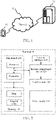
- FIG. 1 shows a schematic diagram of a game running environment according to an embodiment of the present disclosure.
- the game running environment may include a terminal 10 and a server 20.
- the terminal 10 may be an electronic device such as a mobile phone, a tablet computer, a game console, an e-book reader, a multimedia player, a wearable device, or a personal computer (PC).
- a client of an application (such as a game application) may be installed on the terminal 10.
- the application refers to a shooting game application.
- the shooting game application can provide a virtual environment, such that a virtual character played and operated by a user to perform activities in the virtual environment, such as walking and shooting.
- the shooting game application may be a third-personal shooting (TPS) game, a first-person shooting (FPS) game, a multiplayer online battle arena (MOBA) game, a multiplayer gunfight survival game, or the like.
- TPS third-personal shooting
- FPS first-person shooting
- MOBA multiplayer online battle arena
- virtual objects provided in different applications have different forms and different functions, which may be preset according to an actual requirement, which is not limited in the embodiments of the present disclosure.
- the virtual environment is a scene displayed (or provided) when a client of an application (such as a game application) runs on a terminal.
- the virtual environment refers to a scene created for a virtual object to perform activities (such as game competition), for example, a virtual house, a virtual island, or a virtual map.
- the virtual environment may be a simulated environment of a real world, or may be a semi-simulated and semi-fictional environment, or may be a completely fictional environment.
- the virtual environment may be a two-dimensional virtual environment, a 2.5-dimensional virtual environment, or a three-dimensional virtual environment, which is not limited in the embodiments of the present disclosure.
- the virtual object is a virtual character controlled by a user account in an application.
- the application is a game application.
- the virtual object is a game character controlled by the user account in the game application.
- the virtual object may be in a human form or animal, cartoon, or other forms, which is not limited in the embodiments of the present disclosure.
- the virtual object may be presented in a three-dimensional form or a two-dimensional form, which is not limited in the embodiments of the present disclosure.
- the virtual object is a three-dimensional model created based on a skeletal animation technology.
- Each virtual object has a shape and a size in the three-dimensional virtual environment, and occupies some space in the three-dimensional virtual environment.
- the server 20 is configured to provide a back-end service to a client of an application in the terminal 10.
- the server 20 may be a back-end server of the application.
- the server 20 may be one server, a server cluster including a plurality of servers, or a cloud computing service center.
- the server 20 provides a back-end service to applications in a plurality of terminals 10 at the same time.
- the terminal 10 may communicate with the server 20 through a network 30.
- the network 30 may be a wired network or a wireless network.
- the terminal 10 includes at least a first terminal and a second terminal.
- the first terminal and the second terminal may be installed with clients of the same application.
- the client in the first terminal is referred to as a first client
- the client in the second terminal is referred to as a second client.
- a login user account in the first client is recorded as a first user account
- a login user account in the second client is recorded as a second user account.
- a virtual object controlled by the first client is referred to as a first virtual object
- a virtual object controlled by the second client is referred to as a second virtual object, where the first virtual object and the second virtual object have a hostile relationship.
- the hostile relationship refers to the relationship between virtual objects in different camps (or groups). For example, there are 100 users participating in the same game battle, and the 100 users may form a plurality of different groups. For example, each group may have at most four users. Virtual objects controlled by users in the current group have a hostile relationship with virtual objects controlled by users in other groups. For another example, ten users participate in a matching game, and are divided into two teams: a red team and a blue team, that is, every five users form a group. At this time, virtual objects in the red team and virtual objects in the blue team have a hostile relationship.
- an entity executing the steps of the method may be a terminal, for example, the client of the application run on the terminal.
- the application is an application developed based on a three-dimensional virtual environment engine.
- the virtual environment engine is a Unity engine, and the virtual environment engine may construct three-dimensional virtual environments, virtual objects, virtual props, and the like, to bring more immersive experience to the users.
- FIG. 2 shows a schematic structural diagram of a terminal according to an embodiment of the present disclosure.
- the terminal 10 may include a mainboard 110, an external output/input device 120, a memory 130, an external interface 140, a touch system 150, and a power supply 160.
- Processing elements such as a processor and a controller are integrated in the mainboard 110.
- the external output/input device 120 of the terminal may include a display component (for example, a display screen), a sound playback component (for example, a speaker), a sound collecting component (for example, a microphone), and various buttons.
- the external output/input device 120 of the PC terminal may include a display component (for example, a display screen), a sound playback component (for example, a speaker), a sound collecting component (for example, a microphone), and various buttons (for example, a mouse and a keyboard).
- the memory 130 stores program code and data.
- the external interface 140 may include an earphone interface, a charging interface, a data interface, and the like.
- the touch system 150 may be integrated in the display component or the buttons of the external output/input device 120, and the touch system 150 is configured to detect touch operations performed by a user on the display component or the buttons.
- the power supply 160 is configured to supply power to other components in the terminal 10.
- the processor in the mainboard 110 may generate a user interface (UI) (for example, a game interface) by executing or calling the program code and the data stored in the memory, and present the generated UI (for example, the game interface) by using the external output/input device 120.
- UI user interface
- the processor in the mainboard 110 may generate a user interface (UI) (for example, a game interface) by executing or calling the program code and the data stored in the memory, and present the generated UI (for example, the game interface) by using the external output/input device 120.
- UI user interface
- the processor in the mainboard 110 may generate a user interface (UI) (for example, a game interface) by executing or calling the program code and the data stored in the memory, and present the generated UI (for example, the game interface) by using the external output/input device 120.
- a touch operation performed in interaction between the user and the UI for example, the game interface
- a response is made to the touch operation.
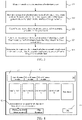
- FIG. 3 shows a flowchart of a virtual object control method according to an embodiment of the present disclosure.
- the method may be applied to the game running environment of the terminal 10 shown in FIG. 1 , for example, an entity executing the steps of the method may be a client of the application installed on the terminal 10 (hereinafter referred to as the "client").
- the method may include the following steps (301 to 305):
- Step 301 Display a mode selection interface of a shooting game.
- the shooting game refers to a battle game in which a user is provided with a virtual firearm as a virtual weapon in a game battle.
- the user may control a virtual object to use the virtual firearm to attack other virtual objects.
- the mode selection interface is used for presenting the game mode provided for the shooting game.
- the mode selection interface includes at least one game mode.
- a plurality of game modes are provided for user selection, where different game modes correspond to different game playing methods and rules.
- the client when a user starts a game, the client displays the mode selection interface of the shooting game. Further, the client starts a game battle in response to obtaining a selection instruction of the user, and displays a battle interface of the game battle.
- the mode selection interface further includes: game mode types, game modes, playing methods and rules, and the like.
- game mode types 41 is displayed in a mode selection interface 40, and the game mode types 41 includes type-A game modes, type-B game modes, and type-C game modes.
- the type-B game modes include a game mode a, a game mode b, a game mode c and a game mode d.
- the mode selection interface 40 displays a game rule 42 corresponding to the game mode d.
- the game rule 42 includes a recommended number of players and a game playing method, and the game playing method is used for prompting the user how to win the game.
- Step 302 Start, in response to a selection instruction of selecting a target game mode in the mode selection interface, a game battle of the target game mode, and display a battle interface of the game battle.
- the selection instruction is an operation instruction for selecting the target game mode from at least one game mode provided in the mode selection interface.
- the generation of the selection instruction may be triggered by the user. For example, the user may click an option corresponding to the target game mode in the mode selection interface, to trigger to generate the selection instruction of selecting the target game mode.
- the game battle refers to an interactive game environment corresponding to the target game mode.
- a game battle usually takes a certain time.
- a virtual object may attack other virtual objects through a virtual firearm, to win the game battle.
- the battle interface refers to a UI used to present a virtual environment of the game battle to the user.
- the battle interface may include a display screen of the virtual environment, which includes, for example, elements in the virtual environment, such as virtual buildings, virtual props, virtual objects, and the like.
- the battle interface further includes some operation controls such as buttons, sliders, and icons for the user to operate.
- the battle interface may further include virtual objects and virtual firearms used by the virtual objects.
- the user may select the target game mode in the mode selection interface, to start the game battle.
- the user clicks the target game mode to trigger to generate the selection instruction of selecting the target game mode.
- the client may start the game battle of the target game mode according to the selection instruction, and display the battle interface of the game battle.
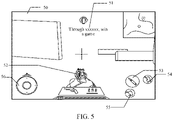
- the user triggers to generate a selection instruction of selecting the game mode d.
- the client starts a game battle of the game mode d in response to the selection instruction, and displays a battle interface 50 of the game battle.
- the battle interface 50 may display a game rule 51 in the game battle, to prompt the user how to win the game battle.
- a server may allocate a virtual weapon to each virtual object in the game battle, and the virtual weapon may be a virtual firearm.
- the method further includes the following substeps:
- the firearm configuration information refers to related information that the virtual firearm is configured for the corresponding virtual object.
- the firearm configuration information transmitted by the server to the client corresponding to the first virtual object is used for designating the virtual firearm used by the first virtual object in the game battle.
- the firearm configuration information includes identification information of the virtual firearm.
- the client may determine the virtual firearm of the first virtual object according to the firearm configuration information, and display the virtual firearm used by the first virtual object in the battle interface, for example, a virtual firearm 52 in FIG. 5 .
- the server may configure a virtual firearm for each virtual object in the game battle.
- each virtual object in the game battle is configured to use the same virtual firearm.
- each virtual object participating in the same game battle is configured to use the same virtual firearm, which helps to ensure fairness of the game.
- at least two virtual objects in the game battle are configured to use different virtual firearms.
- the first virtual object may kill a second virtual object and snatch a virtual firearm used by the second virtual object, thereby making the game more diversified and strategic.
- the first virtual object and the second virtual object have a hostile relationship.
- virtual weapons configured by the server are only exemplary and explanatory.
- the client may alternatively configure one or more other virtual weapons for the virtual objects in the game battle, such as virtual daggers, virtual explosives, and the like.
- Step 303 Control the first virtual object to operate in the virtual environment provided for the game battle.
- the first virtual object refers to a user-controlled virtual object that can interact with the virtual environment.
- the user may operate an operation control in the battle interface to generate a corresponding touch operation instruction.
- the client controls the first virtual object to operate in the virtual environment provided for the game battle according to the touch operation instruction.
- the battle interface 50 includes an operation control A 53, an operation control B 54, an operation control C 55, and an operation control D 56.
- the operation control A 53, the operation control B 54, and the operation control C 55 are skill operation controls of the first virtual object, and the user may click a corresponding operation control, to control the first virtual object to cast a corresponding skill in the virtual environment.
- the operation control D 56 is a movement operation control of the first virtual object, and the user may slide the operation control D 56, to control the first virtual object to move in the virtual environment.
- Step 304 Control, in response to a shooting instruction for the virtual firearm used by the first virtual object, the virtual firearm to fire a virtual bullet.
- the virtual firearm refers to an offensive virtual prop used by a virtual object.
- the virtual bullet refers to a virtual prop equipped on the virtual firearm and used for attacking or damaging virtual objects other than the virtual object using the virtual firearm.
- the shooting instruction refers to a control instruction used for triggering the virtual firearm used by the virtual object to fire the virtual bullet.
- the generation of the shooting instruction is triggered by the user.
- the user may click an operation control corresponding to the shooting instruction in the battle interface to trigger to generate the shooting instruction.
- the user may alternatively press a corresponding key (such as an R key) on a keyboard to trigger to generate the shooting instruction.
- the key refers to a key corresponding to the operation control corresponding to the shooting instruction.
- the key may be set according to personal habits of the user.
- the user may click the operation control corresponding to the shooting instruction to trigger to generate the shooting instruction. Further, after receiving the shooting instruction, the client may control the first virtual object to use the virtual firearm to fire the virtual bullet according to the shooting instruction.
- a damage value of the virtual bullet is greater than or equal to a health point value of any virtual object in the game battle.
- the damage value of the virtual bullet is greater than or equal to a health point value of any virtual object in the game battle.
- each virtual object in the game battle has the same health point value, which is referred to as a first health point value
- the damage value of the virtual bullet is greater than or equal to the first health point value
- a highest health point value among which is referred to as a second health point value the damage value of the virtual bullet is greater than or equal to the second health point value.
- a health point value of the second virtual object is reset to zero, that is, the second virtual object is killed.
- a kill quantity of the first virtual object in the game battle is increased.
- the second virtual object may be any virtual object other than the first virtual object in the game battle, and the second virtual object has a hostile relationship with the first virtual object.
- the virtual bullet is equipped to the virtual firearm by the client when configuring the virtual firearm for the first virtual object at the beginning of the game battle.
- a quantity of virtual bullets equipped on the virtual firearm is limited, which may be 1, 2, 3, 4, or the like, and is not limited in the embodiments of the present disclosure.
- a condition for responding to the shooting instruction is that a quantity of available virtual bullets of the virtual firearm is not zero.
- the client may detect whether the quantity of available virtual bullets of the virtual firearm is zero. In a case that the quantity of available virtual bullets is not zero, the client responds to the shooting instruction; and in a case that the quantity of available virtual bullets is zero, the client does not respond to the shooting instruction.
- the condition for responding to the shooting instruction is that a time length between a moment at which a previous virtual bullet is fired from the virtual firearm and a moment at which the current shooting instruction is received is greater than a preset time length.
- the client may obtain a time length between the moment at which the shooting instruction is received and the moment at which the previous virtual bullet is fired.
- the step of the responding to the shooting instruction is performed, that is, the client controls, in response to the shooting instruction for the virtual firearm used by the first virtual object, the virtual firearm to fire the virtual bullet.
- each time a shooting instruction is triggered only one virtual bullet can be fired, i.e., a plurality of virtual bullets cannot be fired without a time interval.
- the time length is less than or equal to the preset time length, the client does not respond to the shooting instruction.
- the preset time length may be 1s, 2s, or 3s, which is not limited in the embodiments of the present disclosure.
- the preset time length is less than a time length of automatic recovery of virtual bullets.
- the condition for responding to the shooting instruction may be that the quantity of available virtual bullets of the virtual firearm is not zero, and the time length between the moment at which the previous virtual bullet is fired and the moment at which the current shooting instruction is received is greater than the preset time length.
- the client detects whether the quantity of available virtual bullets of the virtual firearm is zero, and obtains the time length between the moment at which the previous virtual bullet is fired and the moment at which the current shooting instruction is received.
- the client responds to the shooting instruction; and in a case that the quantity of available virtual bullets is zero or the time length is less than or equal to the preset time length, the client does not respond to the shooting instruction.
- the client may display first prompt information in the battle interface, and the first prompt information is used for prompting the user that use of a virtual bullet for attack is disallowed currently.
- the first prompt information may include a condition for allowing use of a virtual bullet, for example, "an attack using a virtual bullet is allowed n minutes later".
- Step 305 Determine, in a case that the virtual bullet hits the second virtual object in the game battle, that the second virtual object is switched from an alive state to a death state.
- the alive state refers to a state in which a health point value of a virtual object in a game battle is not zero.
- the user may control the first virtual object to perform interactive operations on the virtual environment or the second virtual object.
- the death state refers to a state in which the health point value of the virtual object in the game battle is zero.
- the user cannot control the first virtual object to perform interactive operations.
- the user may freely switch a perspective to observe the game battle.
- the damage value of the virtual bullet is not less than the health point value of the virtual object. Therefore, for example, in the case that the virtual bullet hits the second virtual object in the game battle, the client may determine that the second virtual object is switched from the alive state to the death state.
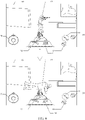
- a second virtual object 61 is in the alive state
- the battle interface 60 is switched to a battle interface 62.
- the second virtual object 61 is in the death state in the battle interface 62.
- the client may determine whether the second virtual object is hit by the virtual bullet by transmitting a detection ray.
- a collision box is disposed on or around the second virtual object, and the collision box is used for detecting whether the virtual object is attacked.
- the collision box may be cuboidal, cylindrical, spherical, or the like, which is not limited in the embodiments of the present disclosure.
- the client may control the first virtual object to transmit the detection ray from a designated position, where the designated position may be a position from which the virtual bullet is fired, for example, a muzzle of the virtual firearm used by the first virtual object, and a trajectory of the detection ray overlaps with a movement trajectory of the virtual bullet.
- after the client receives the shooting instruction in a case that the detection ray intersects the collision box of the second virtual object, it is determined that the second virtual object is hit by the virtual bullet.
- a detection ray 73 is transmitted in real time, where a muzzle of a virtual firearm 72 used by a first virtual object 71 is used as a start point.
- a collision box 75 is disposed on a second virtual object 74.
- the client receives the shooting instruction, in a case that the detection ray 73 intersects the collision box 75, it is determined that the second virtual object 74 is hit by a virtual bullet, and the second virtual object 74 is controlled to be switched from an alive state to a death state.
- a size of the collision box may be set by the server.
- the second virtual object in a case that any part of the second virtual object is hit by the virtual bullet, the second virtual object is switched from the alive state to the death state.
- the size of the collision box is large enough to cover all body parts of the second virtual object.
- a quantity of collision boxes is sufficient to cover all body parts of the second virtual object.
- the collision box only covers the specific part, and the specific part may be a head, chest, abdomen, or the like of the second virtual object.
- the virtual bullet has penetrability.
- the penetrability means that the virtual bullet may penetrate the second virtual object and continue to fly after hitting the second virtual object.
- the client may control the virtual bullet to penetrate the second virtual object, and continuously move in a designated direction; and control the virtual bullet to stop moving in a case that a moving state of the virtual bullet meets a condition.
- the condition refers to a limitation condition of determining whether to stop the virtual bullet.
- the condition refers to a flying distance of the virtual bullet.
- the flying distance may be set by the server. After the virtual bullet hits the second virtual object, the client may control the virtual bullet to continuously move in the designated direction; and in a case that a moving distance of the virtual object reaches the flying distance, the client controls the virtual bullet to stop flying.
- the condition means that the virtual bullet hits a virtual obstacle, for example, a virtual tree, a virtual building, a virtual wall, or the like.
- the client may control the virtual bullet to continuously move in the designated direction; and in a case that the virtual bullet hits the virtual obstacle, the client controls the virtual bullet to stop flying.
- the condition means that the virtual bullet hits n second virtual objects in the flying distance.
- n may be 2, 3, 4, or the like.
- the client may control the virtual bullet to continuously move in the designated direction; and in a case that the virtual object continuously hits the n second virtual objects, the client controls the virtual bullet to stop flying.
- a damage value of the virtual bullet is set to be greater than or equal to a health point value of each virtual object in the game battle, which achieves a product function of killing by one shot (namely, "one-hit kill") without changing other code logic of the game application, thereby significantly reducing development costs of new modes.
- a quantity of virtual bullets equipped by the client while configuring the virtual firearm for the first virtual object is limited.
- the virtual bullets may be automatically recovered after consumed. A recovery method of the virtual bullets is introduced below.
- step 304 the method further includes the following substeps:
- the first time period refers to a time period for recovering the quantity of available virtual bullets after the client receives a shooting instruction or the first virtual object consumes a virtual bullet to successfully kill the second virtual object.
- the first value refers to a recovery quantity of virtual bullets.
- the client may control the quantity of available virtual bullets equipped on the virtual firearm used by the first virtual object to be increased by the first value after the first time period.
- the first time period may be 0.050s, 0.066s, 0.080s, or the like, and the first value may be 1, 2, 3, or the like.
- the first value is less than an upper limit value of the quantity of available virtual bullets equipped on the virtual firearm.
- the upper limit value may be set by the server to 3, 4, 5, or the like, which is not limited in the embodiments of the present disclosure.
- the second time period refers to a time period for recovering the quantity of available virtual bullets after the client receives the shooting instruction.
- the second value refers to a recovery quantity of virtual bullets.
- the second time period is greater than the first time period.
- the client may control the quantity of available virtual bullets equipped on the virtual firearm used by the first virtual object to be increased by the second value after the second time period.
- the second time period may be 1 min, 3 min, 5 min, or the like, and the second value may be 1, 2, 3, or the like.
- the second value is less than the upper limit value of the quantity of available virtual bullets equipped on the virtual firearm.
- the second value is equal to the first value.
- both the second value and the first value are 1.
- the first time period is 0 and the first value is 1, namely, after the first virtual object uses the virtual firearm to fire a virtual bullet, in a case that the virtual bullet hits the second virtual object, the quantity of available virtual bullets of the virtual firearm is immediately increased by 1.
- the quantity of available virtual bullets of the virtual firearm is 3, and in a case that the first virtual object hits the second virtual object after a first shooting instruction is generated, the quantity of available virtual bullets is immediately recovered to 3.
- the quantity of available virtual bullets of the virtual firearm is recovered to 3 when the time period of recovering the virtual bullets reaches the second time period.
- a progress icon is displayed in the battle interface during a process of increasing the quantity of available virtual bullets, where the progress icon is used for indicating increment progress of the quantity of available virtual bullets.
- the upper limit value of the quantity of available virtual bullets equipped on the virtual firearm being 3 is used as an example.
- the quantity of available virtual bullets is 3, and a progress icon 63 is in the form of a full bar at this time.
- the quantity of available virtual bullets may be recovered to 1 after the first time period in the battle interface 62, and the form of the progress icon 63 changes with the second time period at this time.
- the form of a virtual bullet icon may change with the quantity of available virtual bullets. In a case that the quantity of available virtual bullets equipped on the virtual firearm 52 reaches the upper limit value, the quantity of available virtual bullets stops being increased.
- a time period for recovering virtual bullets is determined according to whether a virtual bullet hits a virtual object.
- the recovery time period is relatively short. Therefore, the user is required to have higher shooting accuracy, which helps to enhance the intensity of the game battle.
- the increment progress of the quantity of available virtual bullets is displayed during the process of increasing virtual bullets, which helps the user to determine an increasing time of the quantity of available virtual bullets through the increment progress, thereby making the game more strategic.
- the client may automatically throw a virtual missile in the game battle.
- a throwing time or throwing location of the virtual missile may be determined by the server, and the virtual missile may be used for increasing competitiveness of a virtual object in the game battle.
- generation of an obtaining instruction for the virtual missile may be triggered, and the client may control the first virtual object to obtain a capability additive effect included in the virtual missile according to the obtaining instruction, where the capability additive effect is used for increasing a capability value of the first virtual object, for example, shortening the first time period or the second time period, increasing an attack speed or a movement speed, and the like.
- the virtual missile may alternatively bring a specific gain effect for the virtual object, for example, a stealth skill, teleport skill, or a death-free skill.
- the first virtual object may alternatively obtain the capability additive effect or the gain effect.
- the capability additive effect or the gain effect may have a time limitation, or have no time limitation.
- a capability effect of the virtual object is increased through the virtual missile, to improve the intensity of the game battle.
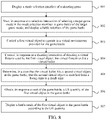
- FIG. 8 shows a flowchart of a virtual object control method according to another embodiment of the present disclosure.
- the method may be applied to the game running environment of the terminal 10 shown in FIG. 1 , for example, an entity executing the method may be a client of the application installed on the terminal 10 (hereinafter referred to as the "client").
- the method may include the following steps (801 to 807):
- the client may sort kill quantities of all virtual objects in the game battle, and display the battle result of the first virtual object in the game battle.
- the battle result includes the result of sorting.
- the battle result may alternatively include other data of the first virtual object, for example, a hit rate of the first virtual object in the current game battle, a rank of the hit rate of the first virtual object in the current game battle, a capability value of the first virtual object in the current game battle, and a rank of the capability value of the first virtual object in the current game battle.
- the killed virtual object may be respawned after a preset time length, and the preset time length may be set by the server.
- the killed virtual object may refuse to be respawned according to actual conditions, which is not limited in the embodiments of the present disclosure.
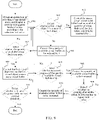
- a technical solution of the present disclosure is described by using an example that a game mode is a "one-hit kill" mode.
- Step 901 A client obtains a selection instruction of selecting a "one-hit kill” mode, and displays a corresponding game battle interface according to the selection instruction.
- Step 902 The client detects whether a first virtual object hits a second virtual object. In a case that the first virtual object hits the second virtual object, step 903 is performed; and in a case that the first virtual object does not hit the second virtual object, step 904 is performed.
- Step 903 The client controls the second virtual object to be killed, and controls a quantity of available virtual bullets of the first virtual object to be increased by 1.
- Step 904 The client controls the quantity of available virtual bullets to be reduced by 1.
- Step 905 The client detects whether the quantity of available virtual bullets is zero. In a case that the quantity of available virtual bullets is zero, step 906 is performed; and in a case that the quantity of available virtual bullets is not zero, step 902 is performed.
- Step 906 The client controls the first virtual object so that the first virtual object cannot use a virtual bullet.
- Step 907 The client detects whether increment progress of the quantity of available virtual bullets ends. In a case that the increment progress of the quantity of available virtual bullets ends, step 908 is performed; and in a case that the increment progress of the quantity of available virtual bullets does not end, step 906 is performed.
- Step 908 The client controls the quantity of available virtual bullets to be increased.
- Step 909 The client detects whether the quantity of available virtual bullets reaches an upper limit value. In a case that the quantity of available virtual bullets reaches the upper limit value, step 910 is performed; and in a case that the quantity of available virtual bullets does not reach the upper limit value, step 908 is performed.
- Step 910 The client controls the quantity of available virtual bullets to stop being increased.
- Step 911 The client detects whether a duration of a game battle reaches a preset threshold. In a case that the duration of the game battle reaches the preset threshold, the game ends; and in a case that the duration of the game battle reaches the preset threshold, the game continues.
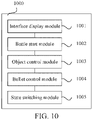
- FIG. 10 shows a block diagram of a virtual object control apparatus according to an embodiment of the present disclosure.
- the apparatus has a function of realizing the virtual object control method, and the function may be realized by hardware or by hardware executing corresponding software.
- the apparatus may be a terminal or may be disposed in a terminal.
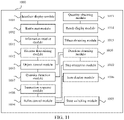
- An apparatus 1000 may include: an interface display module 1101, a battle start module 1002, an object control module 1003, a bullet control module 1004, and a state switching module 1005.
- the interface display module 1001 is configured to display a mode selection interface of a shooting game, the mode selection interface including at least one game mode.
- the battle start module 1002 is configured to start, in response to an instruction of selecting a target game mode in the mode selection interface, a game battle of the target game mode, and display a battle interface of the game battle.
- the object control module 1003 is configured to control a first virtual object to operate in a virtual environment provided for the game battle.
- the bullet control module 1004 is configured to control, in response to a shooting instruction of shooting a virtual firearm used by the first virtual object, the virtual firearm to fire a virtual bullet, a damage value of the virtual bullet being greater than or equal to a health point value of any virtual object in the game battle.
- the state switching module 1005 is configured to determine, in a case that the virtual bullet hits a second virtual object in the game battle, that the second virtual object is switched from an alive state to a death state.
- the bullet control module 1004 is configured to control, in a case that the virtual bullet hits a second virtual object in the game battle, a quantity of available virtual bullets equipped on the virtual firearm to be increased by a first value after a first time period; and control, in a case that the virtual bullet does not hit the second virtual object in the game battle, the quantity of available virtual bullets equipped on the virtual firearm to be increased by a second value after a second time period, where the first time period is less than the second time period.
- the apparatus 1000 further includes: an icon display module 1006.
- the icon display module 1006 is configured to display a progress icon in the battle interface during a process of increasing the quantity of available virtual bullets, where the progress icon is used for indicating increment progress of the quantity of available virtual bullets.
- the apparatus 1000 further includes: a quantity detection module 1007 and an instruction response module 1008.
- the quantity detection module 1007 is configured to detect whether the quantity of available virtual bullets is zero after the shooting instruction is received.
- the instruction response module 1008 is configured to respond to the shooting instruction in a case that the quantity of available virtual bullets is not zero.
- the apparatus 1000 further includes: a time length obtaining module 1009 and a step execution module 1010.
- the time length obtaining module 1009 is configured to obtain a time length between a moment at which the shooting instruction is received and a moment at which a previous virtual bullet is fired;
- the step execution module 1010 is configured to perform the step of the responding to the shooting instruction in a case that the time length is greater than a preset time length.
- the apparatus 1000 further includes: an information receiving module 1011 and a firearm determining module 1012.
- the information receiving module 1011 is configured to receive firearm configuration information transmitted by a server, where the firearm configuration information is used for configuring the virtual firearm used by the first virtual object in the game battle.
- the firearm determining module 1012 is configured to determine the virtual firearm used by the first virtual object according to the firearm configuration information.
- each virtual object in the game battle is configured to use the same virtual firearm; or, at least two virtual objects in the game battle are configured to use different virtual firearms.
- the apparatus 1000 further includes: a quantity obtaining module 1013 and a result display module 1014.
- the quantity obtaining module 1013 is configured to obtain, in response to the end of the game battle, a kill quantity of the first virtual object in the game battle.
- the result display module 1014 is configured to display a battle result of the first virtual object in the game battle according to the kill quantity.
- the apparatus 1000 further includes: an effect obtaining module 1015.
- the effect obtaining module 1015 is configured to control, in response to an instruction that the first virtual object obtains a virtual missile, the first virtual object to obtain a capability additive effect included in the virtual missile, where the capability additive effect is used for increasing a capability value of the first virtual object.
- the bullet control module 1004 is further configured to control, after the virtual bullet hits the second virtual object, the virtual bullet to penetrate the second virtual object, and continuously move in a designated direction; and control the virtual bullet to stop moving in a case that a moving state of the virtual bullet meets a condition.
- the division of the foregoing functional modules is merely an example for description.
- the functions may be assigned to and completed by different functional modules according to the requirements, that is, the internal structure of the device is divided into different functional modules, to implement all or some of the functions described above.
- the apparatus and method embodiments provided in the foregoing embodiments belong to the same concept. For the specific implementation process, reference may be made to the method embodiments, and details are not described herein again.
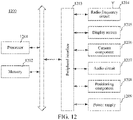
- FIG. 12 shows a structural block diagram of a terminal 1200 according to an embodiment of the present disclosure.
- the terminal 1200 may be an electronic device, for example, a mobile phone, a tablet computer, a game console, an e-book reader, a multimedia player, a wearable device, a PC, or the like.
- the terminal is configured to implement the virtual object control method provided in the foregoing embodiments.
- the terminal may be the terminal 10 in the game running environment shown in FIG. 1 .
- the terminal 1200 includes a processor 1201 and a memory 1202.
- the processor 1201 may include one or more processing cores.
- the processor 1201 may be a 4-core processor or an 8-core processor.
- the processor 1201 may be implemented by using at least one hardware form of a digital signal processor (DSP), a field programmable gate array (FPGA), and a programmable logic array (PLA).
- DSP digital signal processor
- FPGA field programmable gate array
- PDA programmable logic array
- the processor 1201 may alternatively include a main processor and a coprocessor.
- the main processor is configured to process data in an active state, also referred to as a central processing unit (CPU).
- the coprocessor is a low-power processor configured to process data in a standby state.
- the processor 1201 may be integrated with a graphics processing unit (GPU).
- the GPU is configured to render and draw content that needs to be displayed on a display.
- the processor 1201 may further include an AI processor.
- the AI processor is configured to process computing operations related to ML.
- the memory 1202 may include one or more computer-readable storage media that may be non-transitory.
- the memory 1202 may further include a high-speed random access memory, and a nonvolatile memory such as one or more magnetic disk storage devices and a flash storage device.
- the non-transient computer-readable storage medium in the memory 1202 is configured to store at least one instruction, at least one program, a code set, or an instruction set, the at least one instruction, the at least one program, the code set, or the instruction set being configured to be executed by one or more processors to implement the virtual object control method.
- the terminal 1200 may optionally include a peripheral interface 1203 and at least one peripheral.
- the processor 1201, the memory 1202, and the peripheral interface 1203 may be connected by using a bus or a signal cable.
- Each peripheral may be connected to the peripheral interface 1203 by using a bus, a signal cable, or a circuit board.
- the peripheral includes: at least one of a radio frequency (RF) circuit 1204, a display screen 1205, a camera component 1207, an audio circuit 1207, a positioning component 1208, and a power supply 1209.
- RF radio frequency
- FIG. 12 does not constitute a limitation to the terminal 1200, and the terminal may include more or fewer components than those shown in the figure, or some components may be combined, or a different component deployment may be used.
- a computer-readable storage medium is further provided, storing at least one instruction, at least one program, a code set, or an instruction set, the at least one instruction, the at least one program, the code set, or the instruction set, when executed by a processor, implementing the virtual object control method.
- the computer-readable storage medium may include: a read-only memory (ROM), a random access memory (RAM), a solid state drive (SSD), an optical disc, or the like.
- the RAM may include a resistance random access memory (ReRAM) and a dynamic random access memory (DRAM).
- a computer program product is further provided, the computer program product, when executed by a processor, being used for implementing the virtual object control method.
- step numbers described in this specification merely exemplarily show a possible execution sequence of the steps. In some other embodiments, the steps may not be performed according to the number sequence. For example, two steps with different numbers may be performed simultaneously, or two steps with different numbers may be performed according to a sequence contrary to the sequence shown in the figure. This is not limited in the embodiments of the present disclosure.
Landscapes
- Engineering & Computer Science (AREA)
- Multimedia (AREA)
- Physics & Mathematics (AREA)
- Optics & Photonics (AREA)
- Theoretical Computer Science (AREA)
- Human Computer Interaction (AREA)
- User Interface Of Digital Computer (AREA)
Applications Claiming Priority (2)
| Application Number | Priority Date | Filing Date | Title |
|---|---|---|---|
| CN202010018370.3A CN111228812B (zh) | 2020-01-08 | 2020-01-08 | 虚拟对象的控制方法、装置、终端及存储介质 |
| PCT/CN2020/126227 WO2021139371A1 (fr) | 2020-01-08 | 2020-11-03 | Procédé de commande d'objet virtuel, dispositif, terminal et support de stockage |
Publications (2)
| Publication Number | Publication Date |
|---|---|
| EP4000704A1 true EP4000704A1 (fr) | 2022-05-25 |
| EP4000704A4 EP4000704A4 (fr) | 2022-10-26 |
Family
ID=70877668
Family Applications (1)
| Application Number | Title | Priority Date | Filing Date |
|---|---|---|---|
| EP20911968.4A Pending EP4000704A4 (fr) | 2020-01-08 | 2020-11-03 | Procédé de commande d'objet virtuel, dispositif, terminal et support de stockage |
Country Status (5)
| Country | Link |
|---|---|
| US (1) | US12090401B2 (fr) |
| EP (1) | EP4000704A4 (fr) |
| JP (1) | JP7362191B2 (fr) |
| CN (1) | CN111228812B (fr) |
| WO (1) | WO2021139371A1 (fr) |
Families Citing this family (19)
| Publication number | Priority date | Publication date | Assignee | Title |
|---|---|---|---|---|
| CN109701274B (zh) * | 2018-12-26 | 2019-11-08 | 网易(杭州)网络有限公司 | 信息处理方法及装置、存储介质、电子设备 |
| CN111228812B (zh) | 2020-01-08 | 2021-08-10 | 腾讯科技(深圳)有限公司 | 虚拟对象的控制方法、装置、终端及存储介质 |
| CN112057857B (zh) * | 2020-09-11 | 2022-05-31 | 腾讯科技(深圳)有限公司 | 互动道具处理方法、装置、终端及存储介质 |
| CN112121426A (zh) * | 2020-09-17 | 2020-12-25 | 腾讯科技(深圳)有限公司 | 道具获取方法和装置、存储介质及电子设备 |
| CN112138374B (zh) * | 2020-10-15 | 2023-03-28 | 腾讯科技(深圳)有限公司 | 虚拟对象属性值控制方法、计算机设备及存储介质 |
| CN112138393A (zh) * | 2020-10-15 | 2020-12-29 | 腾讯科技(深圳)有限公司 | 虚拟道具的配置方法、装置、终端及存储介质 |
| CN112221135B (zh) * | 2020-11-06 | 2022-07-29 | 腾讯科技(深圳)有限公司 | 画面显示方法、装置、设备以及存储介质 |
| CN112295228B (zh) * | 2020-11-25 | 2022-05-27 | 腾讯科技(深圳)有限公司 | 虚拟对象的控制方法、装置、电子设备及存储介质 |
| CN112704876B (zh) * | 2020-12-30 | 2022-10-04 | 腾讯科技(深圳)有限公司 | 虚拟对象互动模式的选择方法、装置、设备及存储介质 |
| CN112774189B (zh) * | 2021-02-08 | 2023-03-28 | 腾讯科技(深圳)有限公司 | 画面显示方法、装置、终端及存储介质 |
| CN113082694B (zh) * | 2021-03-01 | 2022-12-09 | 上海硬通网络科技有限公司 | 游戏模式切换方法、装置及电子设备 |
| CN113101667B (zh) * | 2021-05-13 | 2023-02-28 | 腾讯科技(深圳)有限公司 | 虚拟对象的控制方法、装置、设备及计算机可读存储介质 |
| CN113730904A (zh) * | 2021-08-26 | 2021-12-03 | 上海硬通网络科技有限公司 | 一种虚拟对象的控制方法、装置、电子设备及存储介质 |
| CN113926187A (zh) * | 2021-10-20 | 2022-01-14 | 腾讯科技(深圳)有限公司 | 虚拟场景中的对象控制方法、装置及终端设备 |
| CN114159791B (zh) * | 2021-12-10 | 2025-09-09 | 腾讯科技(深圳)有限公司 | 界面显示方法、装置、终端、存储介质及计算机程序产品 |
| CN116407830A (zh) * | 2021-12-31 | 2023-07-11 | 上海米哈游璃月科技有限公司 | 数据处理方法、电子设备、计算机可读介质 |
| CN115212576B (zh) * | 2022-09-20 | 2022-12-02 | 腾讯科技(深圳)有限公司 | 游戏数据处理方法、装置、设备以及存储介质 |
| CN115634449A (zh) * | 2022-10-31 | 2023-01-24 | 不鸣科技(杭州)有限公司 | 虚拟场景中控制虚拟对象的方法、装置、设备及产品 |
| KR20240109341A (ko) * | 2023-01-04 | 2024-07-11 | (주)스코넥엔터테인먼트 | 가상 현실 제어 시스템 |
Family Cites Families (20)
| Publication number | Priority date | Publication date | Assignee | Title |
|---|---|---|---|---|
| US5853324A (en) * | 1995-09-07 | 1998-12-29 | Namco Ltd. | Shooting game machine and method of computing the same |
| JPH10272258A (ja) * | 1997-01-30 | 1998-10-13 | Sega Enterp Ltd | 画像処理装置 |
| JP3887819B2 (ja) * | 2002-10-11 | 2007-02-28 | 株式会社セガ | コンピュータプログラム |
| JP4832826B2 (ja) * | 2005-07-26 | 2011-12-07 | 任天堂株式会社 | オブジェクト制御プログラムおよび情報処理装置 |
| US20080054570A1 (en) * | 2006-08-28 | 2008-03-06 | Battenfeld Technologies, Inc. | Shooting targets, including teaching targets, target assemblies and associated systems |
| US7896733B2 (en) * | 2006-09-14 | 2011-03-01 | Nintendo Co., Ltd. | Method and apparatus for providing interesting and exciting video game play using a stability/energy meter |
| US20120142415A1 (en) * | 2010-12-03 | 2012-06-07 | Lindsay L Jon | Video Show Combining Real Reality and Virtual Reality |
| TW201343227A (zh) * | 2012-04-25 | 2013-11-01 | Fu Li Ye Internat Corp | 具有觸控面板裝置媒體的互動遊戲控制方法 |
| JP6266220B2 (ja) * | 2013-03-29 | 2018-01-24 | 株式会社バンダイナムコエンターテインメント | ゲームシステム、サーバシステム及びプログラム |
| US20150375110A1 (en) * | 2014-06-30 | 2015-12-31 | AlternativaPlatform Ltd. | Systems and methods for shooting in online action games using automatic weapon aiming |
| US10311679B2 (en) * | 2014-12-12 | 2019-06-04 | Synergy Blue, Llc | First person shooter, RPG and sports themed hybrid arcade-type, wager-based gaming techniques |
| US10183222B2 (en) * | 2016-04-01 | 2019-01-22 | Glu Mobile Inc. | Systems and methods for triggering action character cover in a video game |
| JP2018015507A (ja) * | 2016-07-25 | 2018-02-01 | 幹央 横田 | ダッシュストップ出来るシューティングゲームについて。 |
| JP6466890B2 (ja) * | 2016-09-30 | 2019-02-06 | 株式会社バンダイナムコエンターテインメント | ゲームシステム及びプログラム |
| US11052311B2 (en) * | 2018-09-07 | 2021-07-06 | Valve Corporation | Machine-learned trust scoring based on sensor data |
| CN109529356B (zh) * | 2018-11-23 | 2022-02-18 | 腾讯科技(深圳)有限公司 | 对战结果确定方法、装置及存储介质 |
| CN110523080A (zh) * | 2019-09-05 | 2019-12-03 | 腾讯科技(深圳)有限公司 | 基于虚拟环境的射击显示方法、装置、设备及存储介质 |
| CN111228812B (zh) * | 2020-01-08 | 2021-08-10 | 腾讯科技(深圳)有限公司 | 虚拟对象的控制方法、装置、终端及存储介质 |
| US11141658B2 (en) * | 2020-01-30 | 2021-10-12 | Dell Products L.P. | Gameplay event detection and gameplay enhancement operations |
| US20220134238A1 (en) * | 2020-10-29 | 2022-05-05 | Logitech Europe S.A. | Computer simulation skills training techniques |
-
2020
- 2020-01-08 CN CN202010018370.3A patent/CN111228812B/zh active Active
- 2020-11-03 JP JP2022519311A patent/JP7362191B2/ja active Active
- 2020-11-03 WO PCT/CN2020/126227 patent/WO2021139371A1/fr not_active Ceased
- 2020-11-03 EP EP20911968.4A patent/EP4000704A4/fr active Pending
-
2022
- 2022-01-28 US US17/588,156 patent/US12090401B2/en active Active
Also Published As
| Publication number | Publication date |
|---|---|
| CN111228812A (zh) | 2020-06-05 |
| US20220152496A1 (en) | 2022-05-19 |
| EP4000704A4 (fr) | 2022-10-26 |
| CN111228812B (zh) | 2021-08-10 |
| JP2022549703A (ja) | 2022-11-28 |
| JP7362191B2 (ja) | 2023-10-17 |
| US12090401B2 (en) | 2024-09-17 |
| WO2021139371A1 (fr) | 2021-07-15 |
Similar Documents
| Publication | Publication Date | Title |
|---|---|---|
| US12090401B2 (en) | Virtual object control method and apparatus, terminal, and storage medium | |
| US12128312B2 (en) | Method and apparatus for prompting that virtual object is attacked, terminal, and storage medium | |
| KR102748820B1 (ko) | 정보 디스플레이 방법 및 장치, 디바이스, 및 저장 매체 | |
| KR20210151838A (ko) | 가상 객체 제어 방법 및 장치, 디바이스 및 저장 매체 | |
| CN110465087B (zh) | 虚拟物品的控制方法、装置、终端及存储介质 | |
| CN112221135B (zh) | 画面显示方法、装置、设备以及存储介质 | |
| CN111359206B (zh) | 虚拟对象的控制方法、装置、终端和存储介质 | |
| CN110681152A (zh) | 虚拟对象的控制方法、装置、终端及存储介质 | |
| WO2022007567A1 (fr) | Procédé d'affichage de ressource virtuelle et dispositif associé | |
| US20240390795A1 (en) | Method and apparatus for controlling virtual object, and terminal and storage medium | |
| US20230390650A1 (en) | Expression display method and apparatus in virtual scene, device and medium | |
| CN112245917B (zh) | 虚拟对象控制方法、装置、设备以及存储介质 | |
| CN111202983A (zh) | 虚拟环境中的道具使用方法、装置、设备及存储介质 | |
| CN114210062B (zh) | 虚拟道具的使用方法、装置、终端、存储介质及程序产品 | |
| HK40024034A (en) | Method and device for controlling virtual objects, terminal and storage medium | |
| HK40024034B (en) | Method and device for controlling virtual objects, terminal and storage medium | |
| HK40026145B (en) | Method and apparatus for controlling virtual object, terminal and storage medium | |
| HK40026145A (en) | Method and apparatus for controlling virtual object, terminal and storage medium | |
| HK40018602A (en) | Method, apparatus, terminal, and storage medium for prompting virtual object being hit | |
| HK40018602B (en) | Method, apparatus, terminal, and storage medium for prompting virtual object being hit | |
| HK40037339A (en) | Method and device for controlling virtual object, apparatus and storage medium | |
| HK40037339B (en) | Method and device for controlling virtual object, apparatus and storage medium | |
| CN117298581A (zh) | 虚拟对象的控制方法、装置、设备及存储介质 | |
| HK40037340B (en) | Method and device for displaying picture, apparatus and storage medium | |
| HK40037340A (en) | Method and device for displaying picture, apparatus and storage medium |
Legal Events
| Date | Code | Title | Description |
|---|---|---|---|
| STAA | Information on the status of an ep patent application or granted ep patent |
Free format text: STATUS: THE INTERNATIONAL PUBLICATION HAS BEEN MADE |
|
| PUAI | Public reference made under article 153(3) epc to a published international application that has entered the european phase |
Free format text: ORIGINAL CODE: 0009012 |
|
| STAA | Information on the status of an ep patent application or granted ep patent |
Free format text: STATUS: REQUEST FOR EXAMINATION WAS MADE |
|
| 17P | Request for examination filed |
Effective date: 20220216 |
|
| AK | Designated contracting states |
Kind code of ref document: A1 Designated state(s): AL AT BE BG CH CY CZ DE DK EE ES FI FR GB GR HR HU IE IS IT LI LT LU LV MC MK MT NL NO PL PT RO RS SE SI SK SM TR |
|
| RAP3 | Party data changed (applicant data changed or rights of an application transferred) |
Owner name: TENCENT TECHNOLOGY (SHENZHEN) COMPANY LIMITED |
|
| REG | Reference to a national code |
Ref country code: DE Ref legal event code: R079 Free format text: PREVIOUS MAIN CLASS: A63F0013560000 Ipc: A63F0013837000 |
|
| A4 | Supplementary search report drawn up and despatched |
Effective date: 20220922 |
|
| RIC1 | Information provided on ipc code assigned before grant |
Ipc: A63F 13/533 20140101ALI20220916BHEP Ipc: A63F 13/58 20140101ALI20220916BHEP Ipc: A63F 13/537 20140101ALI20220916BHEP Ipc: A63F 13/46 20140101ALI20220916BHEP Ipc: A63F 13/577 20140101ALI20220916BHEP Ipc: A63F 13/56 20140101ALI20220916BHEP Ipc: A63F 13/837 20140101AFI20220916BHEP |
|
| DAV | Request for validation of the european patent (deleted) | ||
| DAX | Request for extension of the european patent (deleted) | ||
| STAA | Information on the status of an ep patent application or granted ep patent |
Free format text: STATUS: EXAMINATION IS IN PROGRESS |
|
| 17Q | First examination report despatched |
Effective date: 20241004 |