EP4002062A1 - Procédé et appareil d'affichage, dispositif électronique et support lisible par ordinateur - Google Patents
Procédé et appareil d'affichage, dispositif électronique et support lisible par ordinateur Download PDFInfo
- Publication number
- EP4002062A1 EP4002062A1 EP20840907.8A EP20840907A EP4002062A1 EP 4002062 A1 EP4002062 A1 EP 4002062A1 EP 20840907 A EP20840907 A EP 20840907A EP 4002062 A1 EP4002062 A1 EP 4002062A1
- Authority
- EP
- European Patent Office
- Prior art keywords
- layer
- interface
- mixed
- bullet screen
- synthesize
- Prior art date
- Legal status (The legal status is an assumption and is not a legal conclusion. Google has not performed a legal analysis and makes no representation as to the accuracy of the status listed.)
- Withdrawn
Links
Images


Classifications
-
- G—PHYSICS
- G09—EDUCATION; CRYPTOGRAPHY; DISPLAY; ADVERTISING; SEALS
- G09G—ARRANGEMENTS OR CIRCUITS FOR CONTROL OF INDICATING DEVICES USING STATIC MEANS TO PRESENT VARIABLE INFORMATION
- G09G5/00—Control arrangements or circuits for visual indicators common to cathode-ray tube indicators and other visual indicators
- G09G5/003—Details of a display terminal, the details relating to the control arrangement of the display terminal and to the interfaces thereto
- G09G5/006—Details of the interface to the display terminal
-
- G—PHYSICS
- G09—EDUCATION; CRYPTOGRAPHY; DISPLAY; ADVERTISING; SEALS
- G09G—ARRANGEMENTS OR CIRCUITS FOR CONTROL OF INDICATING DEVICES USING STATIC MEANS TO PRESENT VARIABLE INFORMATION
- G09G5/00—Control arrangements or circuits for visual indicators common to cathode-ray tube indicators and other visual indicators
- G09G5/36—Control arrangements or circuits for visual indicators common to cathode-ray tube indicators and other visual indicators characterised by the display of a graphic pattern, e.g. using an all-points-addressable [APA] memory
- G09G5/37—Details of the operation on graphic patterns
- G09G5/377—Details of the operation on graphic patterns for mixing or overlaying two or more graphic patterns
-
- G—PHYSICS
- G06—COMPUTING OR CALCULATING; COUNTING
- G06F—ELECTRIC DIGITAL DATA PROCESSING
- G06F1/00—Details not covered by groups G06F3/00 - G06F13/00 and G06F21/00
- G06F1/26—Power supply means, e.g. regulation thereof
- G06F1/32—Means for saving power
- G06F1/3203—Power management, i.e. event-based initiation of a power-saving mode
- G06F1/3234—Power saving characterised by the action undertaken
- G06F1/3243—Power saving in microcontroller unit
-
- G—PHYSICS
- G06—COMPUTING OR CALCULATING; COUNTING
- G06F—ELECTRIC DIGITAL DATA PROCESSING
- G06F1/00—Details not covered by groups G06F3/00 - G06F13/00 and G06F21/00
- G06F1/26—Power supply means, e.g. regulation thereof
- G06F1/32—Means for saving power
- G06F1/3203—Power management, i.e. event-based initiation of a power-saving mode
- G06F1/3234—Power saving characterised by the action undertaken
- G06F1/325—Power saving in peripheral device
- G06F1/3265—Power saving in display device
-
- G—PHYSICS
- G06—COMPUTING OR CALCULATING; COUNTING
- G06T—IMAGE DATA PROCESSING OR GENERATION, IN GENERAL
- G06T1/00—General purpose image data processing
- G06T1/20—Processor architectures; Processor configuration, e.g. pipelining
-
- G—PHYSICS
- G09—EDUCATION; CRYPTOGRAPHY; DISPLAY; ADVERTISING; SEALS
- G09G—ARRANGEMENTS OR CIRCUITS FOR CONTROL OF INDICATING DEVICES USING STATIC MEANS TO PRESENT VARIABLE INFORMATION
- G09G5/00—Control arrangements or circuits for visual indicators common to cathode-ray tube indicators and other visual indicators
- G09G5/36—Control arrangements or circuits for visual indicators common to cathode-ray tube indicators and other visual indicators characterised by the display of a graphic pattern, e.g. using an all-points-addressable [APA] memory
- G09G5/39—Control of the bit-mapped memory
- G09G5/393—Arrangements for updating the contents of the bit-mapped memory
-
- H—ELECTRICITY
- H04—ELECTRIC COMMUNICATION TECHNIQUE
- H04N—PICTORIAL COMMUNICATION, e.g. TELEVISION
- H04N21/00—Selective content distribution, e.g. interactive television or video on demand [VOD]
- H04N21/40—Client devices specifically adapted for the reception of or interaction with content, e.g. set-top-box [STB]; Operations thereof
- H04N21/41—Structure of client; Structure of client peripherals
- H04N21/426—Internal components of the client ; Characteristics thereof
- H04N21/42653—Internal components of the client ; Characteristics thereof for processing graphics
-
- H—ELECTRICITY
- H04—ELECTRIC COMMUNICATION TECHNIQUE
- H04N—PICTORIAL COMMUNICATION, e.g. TELEVISION
- H04N21/00—Selective content distribution, e.g. interactive television or video on demand [VOD]
- H04N21/40—Client devices specifically adapted for the reception of or interaction with content, e.g. set-top-box [STB]; Operations thereof
- H04N21/43—Processing of content or additional data, e.g. demultiplexing additional data from a digital video stream; Elementary client operations, e.g. monitoring of home network or synchronising decoder's clock; Client middleware
- H04N21/431—Generation of visual interfaces for content selection or interaction; Content or additional data rendering
-
- H—ELECTRICITY
- H04—ELECTRIC COMMUNICATION TECHNIQUE
- H04N—PICTORIAL COMMUNICATION, e.g. TELEVISION
- H04N21/00—Selective content distribution, e.g. interactive television or video on demand [VOD]
- H04N21/40—Client devices specifically adapted for the reception of or interaction with content, e.g. set-top-box [STB]; Operations thereof
- H04N21/43—Processing of content or additional data, e.g. demultiplexing additional data from a digital video stream; Elementary client operations, e.g. monitoring of home network or synchronising decoder's clock; Client middleware
- H04N21/433—Content storage operation, e.g. storage operation in response to a pause request, caching operations
- H04N21/4331—Caching operations, e.g. of an advertisement for later insertion during playback
-
- H—ELECTRICITY
- H04—ELECTRIC COMMUNICATION TECHNIQUE
- H04N—PICTORIAL COMMUNICATION, e.g. TELEVISION
- H04N21/00—Selective content distribution, e.g. interactive television or video on demand [VOD]
- H04N21/40—Client devices specifically adapted for the reception of or interaction with content, e.g. set-top-box [STB]; Operations thereof
- H04N21/43—Processing of content or additional data, e.g. demultiplexing additional data from a digital video stream; Elementary client operations, e.g. monitoring of home network or synchronising decoder's clock; Client middleware
- H04N21/44—Processing of video elementary streams, e.g. splicing a video clip retrieved from local storage with an incoming video stream or rendering scenes according to encoded video stream scene graphs
- H04N21/44008—Processing of video elementary streams, e.g. splicing a video clip retrieved from local storage with an incoming video stream or rendering scenes according to encoded video stream scene graphs involving operations for analysing video streams, e.g. detecting features or characteristics in the video stream
-
- H—ELECTRICITY
- H04—ELECTRIC COMMUNICATION TECHNIQUE
- H04N—PICTORIAL COMMUNICATION, e.g. TELEVISION
- H04N21/00—Selective content distribution, e.g. interactive television or video on demand [VOD]
- H04N21/40—Client devices specifically adapted for the reception of or interaction with content, e.g. set-top-box [STB]; Operations thereof
- H04N21/47—End-user applications
-
- G—PHYSICS
- G09—EDUCATION; CRYPTOGRAPHY; DISPLAY; ADVERTISING; SEALS
- G09G—ARRANGEMENTS OR CIRCUITS FOR CONTROL OF INDICATING DEVICES USING STATIC MEANS TO PRESENT VARIABLE INFORMATION
- G09G2320/00—Control of display operating conditions
- G09G2320/02—Improving the quality of display appearance
- G09G2320/0252—Improving the response speed
-
- G—PHYSICS
- G09—EDUCATION; CRYPTOGRAPHY; DISPLAY; ADVERTISING; SEALS
- G09G—ARRANGEMENTS OR CIRCUITS FOR CONTROL OF INDICATING DEVICES USING STATIC MEANS TO PRESENT VARIABLE INFORMATION
- G09G2320/00—Control of display operating conditions
- G09G2320/10—Special adaptations of display systems for operation with variable images
- G09G2320/103—Detection of image changes, e.g. determination of an index representative of the image change
-
- G—PHYSICS
- G09—EDUCATION; CRYPTOGRAPHY; DISPLAY; ADVERTISING; SEALS
- G09G—ARRANGEMENTS OR CIRCUITS FOR CONTROL OF INDICATING DEVICES USING STATIC MEANS TO PRESENT VARIABLE INFORMATION
- G09G2330/00—Aspects of power supply; Aspects of display protection and defect management
- G09G2330/02—Details of power systems and of start or stop of display operation
- G09G2330/021—Power management, e.g. power saving
-
- G—PHYSICS
- G09—EDUCATION; CRYPTOGRAPHY; DISPLAY; ADVERTISING; SEALS
- G09G—ARRANGEMENTS OR CIRCUITS FOR CONTROL OF INDICATING DEVICES USING STATIC MEANS TO PRESENT VARIABLE INFORMATION
- G09G2340/00—Aspects of display data processing
- G09G2340/10—Mixing of images, i.e. displayed pixel being the result of an operation, e.g. adding, on the corresponding input pixels
-
- G—PHYSICS
- G09—EDUCATION; CRYPTOGRAPHY; DISPLAY; ADVERTISING; SEALS
- G09G—ARRANGEMENTS OR CIRCUITS FOR CONTROL OF INDICATING DEVICES USING STATIC MEANS TO PRESENT VARIABLE INFORMATION
- G09G2340/00—Aspects of display data processing
- G09G2340/12—Overlay of images, i.e. displayed pixel being the result of switching between the corresponding input pixels
- G09G2340/125—Overlay of images, i.e. displayed pixel being the result of switching between the corresponding input pixels wherein one of the images is motion video
-
- G—PHYSICS
- G09—EDUCATION; CRYPTOGRAPHY; DISPLAY; ADVERTISING; SEALS
- G09G—ARRANGEMENTS OR CIRCUITS FOR CONTROL OF INDICATING DEVICES USING STATIC MEANS TO PRESENT VARIABLE INFORMATION
- G09G2360/00—Aspects of the architecture of display systems
- G09G2360/18—Use of a frame buffer in a display terminal, inclusive of the display panel
Definitions
- the present disclosure relates to the technology field of video processing, and more particularly to a display method and device, an electronic device, and a computer-readable medium.
- a graphics processor graphics processing unit, GPU
- MDP multimedia display processor
- the present disclosure provides a display method and device, an electronic device, and a computer-readable medium to improve the above-mentioned deficiencies.
- an embodiment of the present disclosure provides a display method for an electronic device.
- the electronic device includes a multimedia display processor and a graphics processor.
- the method includes: obtaining a layer to be synthesized, wherein the layer to be synthesized comprises an interface layer of a video playback interface and a multimedia layer corresponding to a video used for being played in the video playback interface; obtaining a layer to be mixed by calling the graphics processor to synthesize the interface layer; obtaining a target image by calling the multimedia display processor to synthesize the multimedia layer and the layer to be mixed; and displaying the target image on the video playback interface.
- an embodiment of the present disclosure provides a display device for an electronic device.
- the electronic device includes a multimedia display processor and a graphics processor.
- the device includes: an image obtaining module configured to obtain a layer to be synthesized, wherein the layer to be synthesized comprises an interface layer of a video playback interface and a multimedia layer corresponding to a video used for being played in the video playback interface; a first synthesis module configured to obtain a layer to be mixed by calling the graphics processor to synthesize the interface layer; a second synthesis module configured to obtain a target image by calling the multimedia display processor to synthesize the multimedia layer and the layer to be mixed; and an image display module configured to display the target image on the video playback interface.
- an embodiment of the present disclosure provides an electronic device including: one or more processors; a memory; a graphics processor; a multimedia display processor; and one or more application programs, wherein the one or more application programs are stored in the memory and configured to be executed by the one or more processors, and the one or more programs are configured to execute the above-mentioned method.
- an embodiment of the present disclosure provides a computer-readable medium.
- the computer-readable medium includes program codes stored thereon.
- the program codes are invoked by a processor to execute the above-mentioned method.
- the display method and device, the electronic device, and the computer-readable medium call different processors according to layer types of a layer to be mixed to perform a synthesis operation when the layer to be mixed is obtained.
- the graphics processor is called to synthesize the interface layer to obtain the layer to be mixed.
- the multimedia display processor is called to synthesize the multimedia layer and the layer to be mixed to obtain the target image. Power consumption of the multimedia display processor is lower. As such, by calling different processors to synthesize the layer to be synthesized, power consumption of superimposing multiple layers can be saved, and a layer synthesis speed can be increased. Accordingly, an image synthesis method is more reasonable.
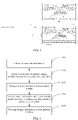
- FIG. 1 illustrates a logical framework diagram of image processing provided by an embodiment of the present disclosure.
- An application can create a window through a Windows Manager.
- the Window Manager creates a surface for each window for drawing various elements required to be displayed. Each surface corresponds to a layer. That is, a layer can be drawn on each surface.
- a plurality of layers can be included, such as a navigation bar, a status bar, a program interface and so on.
- Each layer is drawn on a corresponding surface. That is, a corresponding layer is drawn on each surface.
- layer drawing can be performed on a canvas provided by a surface through a hardware accelerated renderer (HWUI) and/or a Skia graphics library.
- HWUI hardware accelerated renderer
- a system uses a layer transfer module (SurfaceFlinger) service to synthesize each surface, that is, to synthesize each layer.
- the SurfaceFlinger service runs in a process of the system and is configured to uniformly manage a frame buffer (FrameBuffer) of the system.
- the SurfaceFlinger obtains all layers and can use a graphics processor (Graphics Processing Unit, GPU) to synthesize the layers.
- a synthesized result is stored into the frame buffer.
- the GPU can synthesize all or a part of the layers.
- a hardware layer mixer hardware composer, HWC
- HWC hardware composer
- the HWC can call a Multimedia Display Processor (MDP) to synthesize the layer in the frame buffer which is obtained after the GPU synthesizes with at least one layer which is not synthesized.
- MDP Multimedia Display Processor
- an electronic device can synthesize layers through an MDP, synthesize layers through a GPU, or synthesize layers through a combination of the MDP and the GPU.
- the GPU is a general graphics processor which can perform 2D image processing, 3D image processing, special effects and so on. Accordingly, the GPU is commonly used for image synthesis, and the power consumption is high. As such, endurance of the electronic device is affected.
- an embodiment of the present disclosure provides a display method.
- the display method is for an electronic device.
- the method is used for reasonably setting an image synthesis strategy, thereby saving the power consumption of superimposing multiple layers and increasing an image synthesis speed.
- the method includes S101 to S104.
- the layer to be synthesized includes layers corresponding to a current image which is required to be displayed on a screen of the electronic device.
- the layer to be synthesized includes an interface layer of a video playback interface and a multimedia layer corresponding to a video used for being played in the video playback interface.
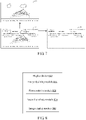
- a current interface displayed on the screen is a video playback interface 10 of a video client.
- the interface layer and the multimedia layer of the client are displayed in the video playback interface.
- the interface layer is a layer used for displaying an operation interface of the client.
- the interface layer can be a layer including various UIs in the client, such as a layer 11.
- the multimedia layer is a layer, such as a layer 12, corresponding to the video played on the video playback interface.
- the multimedia layer can be a layer including various parts of video playback content, such as bullet screens, subtitles, or video images.
- the interface layer is a static layer, and the multimedia layer is a dynamic layer. That is, in the current interface of the client, an image in the multimedia layer might be changed, but an image in the interface layer is generally not changed.
- the current client is a video APP. An image of the video playback content is displayed in an area of the multimedia layer of the client, and data in the image of the video playback content is changed with the change of the video playback content.
- the multimedia layer in a current frame of image displayed on the screen is different from the multimedia layer in a last frame.
- a video frame image played in the last frame might be different from a video frame image played in the current frame.
- the interface layer in the current frame of image is the same as the interface layer in the last frame of image.
- the client when the client determines the content to be displayed, it can determine the layers corresponding to the displayed content, so that the layers can be rendered and combined for display.
- a layer to be mixed is obtained by calling a graphics processor to synthesize the interface layer.
- the graphics processor can be a GPU.
- the GPU is a general graphics processor having powerful graphics processing functions.
- the GPU can further perform 3D image processing, special effects and so on and can superimpose multiple layers at one time. Because data amount of the interface layer is small, the power consumption required by the graphics processor to synthesize the interface layer is also small.
- a number of layers required to be superimposed in a next synthesis step can be reduced, and a number of layers required to be superimposed at one time in the following step can be reduced. As such, high-power consumption does not occur.
- a target image is obtained by calling a multimedia display processor to synthesize the multimedia layer and the layer to be mixed.
- the target image is an image corresponding to the layer to be synthesized which has been synthesized.
- the layer to be synthesized includes the layers corresponding to the current image which is required to be displayed on the screen of the electronic device.
- the target image is the current image which is required to be displayed on the screen of the electronic device, that is, the image which is obtained after the layer to be synthesized has been synthesized.
- the current image displayed on the screen is the video playback interface of the video client.
- the interface layer and the multimedia layer of the video client are displayed on the video playback interface.
- the MDP is a dedicated display image processing unit which can perform conventional two-dimensional image processing.
- a main advantage is low power consumption, but cost is high.
- pipes FIFO pipes
- an MDP has 8 FIFO pipes and can superimpose up to 8 layers at one time.
- an MDP has only 4 FIFO pipes and can superimpose up to 4 layers at one time.
- a two-dimensional image which a user finally watches is actually superimposed by a plurality of layers, such as a wallpaper layer, a status bar layer, a navigation bar layer, an APP layer, a floating ball layer, a video layer and so on.
- layers such as a wallpaper layer, a status bar layer, a navigation bar layer, an APP layer, a floating ball layer, a video layer and so on.
- numbers of these layers are different.
- a displayed interface includes only 4 layers, and thus the synthesis can be performed using an MDP.
- a displayed interface includes 7 layers or even more, and thus it is impossible to complete the task by relying on only one MDP hardware to perform the superimposed synthesis.
- the GPU is a general graphics processor, which is much more powerful than MDP in graphics processing.
- the GPU can further perform 3D image processing, special effects and so on.
- power consumption is relatively high, and a plurality of layers can be superimposed at one time.
- the power consumption of the MDP is less than the power consumption of the GPU, but the number of layers which the MDP can superimpose at one time is small. Accordingly, for different layers to be synthesized, a simple interface layer is synthesized by first calling the GPU with higher power consumption, and then the video layer and the layer to be mixed are synthesized by calling the MDP with lower power consumption. As such, the requirement of the number of layers which the MDP can superimpose at one time can be reduced. When the number of FIFO pipes which the MDP can use is limited, the layer synthesis speed can be increased to make the method of synthesizing the layers more reasonable. Furthermore, the endurance of the electronic device is enhanced due to the lower power consumption, and user experience is improved.
- the target image is displayed on the video playback interface.
- the target image is the image which is obtained after the layer to be synthesized has been synthesized and is used for being displaying on the video playback interface.
- the image required to be displayed on the video playback interface is displayed after being synthesized, so as to realize the playback of the video playback content on the video playback interface.
- the user can operate the video playback interface to realize corresponding control effect. For example, during the video playback process, the played video can be paused by clicking the video playback interface. Alternatively, the video playback interface can be locked by clicking a lock control, so as not to respond to a clicking operation of the user.
- the simple interface layer is synthesized by calling the GPU with higher power consumption first, and then the video layer and the layer to be mixed are synthesized by calling the MDP with lower power consumption.
- the power consumption of synthesizing the layers can be reduced.
- a part of the layer to be synthesized, such as an interface layer is synthesized by the GPU first and the layer to be mixed which has been synthesized and a video layer are synthesized by the MDP, the requirement of the number of layers which the MDP can superimpose at one time can be reduced.
- the layer synthesis speed can be increased to make the method of synthesizing the layers more reasonable.
- the endurance of the electronic device is enhanced due to the lower power consumption, and user experience is improved.
- FIG. 4 illustrates a display method provided by an embodiment of the present disclosure.
- the method is for an electronic device.
- the method is used for reasonably setting an image synthesis strategy, thereby saving the power consumption of superimposing multiple layers and improving an image synthesis speed.
- the method includes S201 to S205.
- a layer to be mixed is obtained by calling a graphics processor to synthesize an interface layer.
- the layer to be mixed is stored in a frame buffer module.
- the frame buffer module is a frame buffer (FrameBuffer).
- the graphics processor is called to synthesize the layer
- the synthesized layer can be stored in the frame buffer module.
- the graphics processor is called to synthesize the interface layer to obtain the layer to be mixed, and the layer to be mixed is stored in the frame buffer module.
- a target image is obtained by calling a multimedia display processor to synthesize a multimedia layer and the layer to be mixed.
- the MDP synthesizes the layer to be mixed in the frame buffer module which is obtained after the GPU synthesizes and at least one other multimedia layer which is not synthesized to obtain the target image.
- the target image is displayed on a video playback interface.
- the target image in the frame buffer module is displayed on the video playback interface.
- the frame buffer module can include a temporary frame buffer module.
- the graphics processor is called to synthesize the interface layer to obtain the layer to be mixed
- the layer to be mixed is stored in the temporary frame buffer module.
- the layer to be mixed which is stored in the temporary frame buffer module is retained.
- the layer to be mixed in the last frame stored by the temporary frame buffer module can be determined as the layer to be mixed in the current frame. Accordingly, it is not necessary to synthesize the interface layer the same as the interface in the last frame again to further save the power consumption of superimposing the layer and to increase the layer synthesis speed.
- the method is for an electronic device.
- the method is used for reasonably setting an image synthesis strategy, thereby saving the power consumption of superimposing multiple layers and improving an image synthesis speed.
- the method includes S301 to S307.
- the interface layer is stored in a specific location, such as a temporary frame buffer module, for judging whether the interface layer obtained last time is the same as the interface layer obtained this time. Furthermore, the interface layer stored this time is also used for being compared with an interface layer obtained next time to judge whether they are the same. As such, before the GPU is called to synthesize the interface layer, it can be judged whether the interface layer obtained this time is required to be synthesized by judging whether the interface layer obtained this time is the same as the interface layer obtained last time.
- the specific location can be any location in a memory of the electronic device and is not limited thereto. It can be understood that the specific location has a specific address. Specifically, after the interface layer is obtained this time, the interface layer obtained last time is obtained from the specific location and compared to the interface layer this time to judge whether the interface layer is the same as the interface layer obtained last time.
- the electronic device can store not only the interface layer obtained last time but also the interface layers obtained several times before. As such, before the GPU is called to synthesize the interface layer, it can be judged whether the interface layer obtained this time is required to be synthesized by judging whether the interface layer obtained this time is the same as the interface layers obtained several times before. Specifically, as a way, the electronic device can judge whether the interface layer in the layer to be synthesized (that is, the interface layer obtained this time) is the same as a first interface layer. When the interface layer is different from the first interface layer, it continues to judge whether the interface layer is the same as a second interface layer.
- the graphics processor can be called to synthesize the interface layer to obtain the image to be mixed.
- the first interface layer is an interface layer which is obtained before the interface layer obtained this time
- the second interface layer is an interface layer which is obtained before the first interface layer.
- the layer to be mixed which is stored in the temporary frame buffer module is determined as the layer to be mixed for synthesis this time.
- the layer to be mixed which is stored last time is still retained in the temporary frame buffer module after the layer to be mixed is synthesized. That is, the layer to be mixed stored last time is not deleted from the temporary frame buffer module before being synthesized. Accordingly, when the interface layer obtained this time is the same as the interface layer obtained last time, the layer to be mixed which is stored last time is determined as the layer to be mixed which is used for synthesis this time for performing the following synthesis. As such, when the interface layer is unchanged, the layer to be mixed which is stored last time is determined as the layer to be mixed for synthesis this time. A number of synthesizing the same interface can be reduced, and the required power consumption can be correspondingly reduced to save the power consumption of superimposing multiple layers.
- the layer to be mixed is obtained by calling a graphics processor to synthesize the interface layer.
- the layer to be mixed is stored in the temporary frame buffer module.
- the layer to be mixed is stored in the temporary frame buffer module. After a target image is displayed on a video playback interface, the layer to be mixed stored in the temporary frame buffer module is retained. As such, the layer to be mixed which is stored in the temporary frame buffer module can be retained after the present synthesis.
- the interface layer obtained last time can be determined as the layer to be mixed for synthesis this time. It is not necessary to synthesize the interface layer obtained this time.
- the layer to be mixed which is stored last time is determined as the layer to be mixed for synthesis this time. The number of synthesizing the same interface can be reduced, and the required power consumption can be correspondingly reduced to save the power consumption of superimposing multiple layers.
- the graphics processor is called to synthesize the interface layer to obtain the layer to be mixed for synthesis this time, and the layer to be mixed which is stored last time in the temporary frame buffer module is deleted.
- the layer to be mixed which is stored last time is replaced with the layer to be mixed which is used for synthesis this time. Storage can be optimized to reduce storage pressure, and the operating efficiency of layer synthesis can be ensured.
- the graphics processor is called to synthesize the interface layer to obtain the layer to be mixed for synthesis this time.
- the layer to be mixed which is stored last time in the temporary frame buffer module is not deleted, so that the interface layer obtained next time can be compared to the interface layers obtained last time and this time.
- the layer to be mixed obtained last time can be further determined as the layer to be mixed for synthesis next time.
- the temporary frame buffer module can store two or more layers to be mixed at the same time.
- the layer to be mixed corresponding to the second interface layer can be further determined as the layer to be mixed for synthesis this time. That is, the interface layer can be compared to not only the interface layer obtained last time but also the interface layers obtained several times before. As such, when the interface layer is changed only in few frames and then is recovered to the original interface layer, it is not necessary to synthesize a new layer to be mixed. The power consumption of superimposing layers can be further saved, and the efficiency of layer synthesis can be increased.
- the interface layer obtained next time when the interface layer obtained next time is compared to the interface layer obtained last time and the interface layer obtained this time, the interface layer obtained next time can be compared to the interface layer obtained this time first. That is, the interface layer obtained next time is compared to the interface layer obtained this time first. Then, the interface layer obtained next time is compared to the interface layer obtained last time when the interface layer obtained next time is different from the interface layer obtained this time. Since the possibility that the interface layer in consecutive frames is not changed is higher than the possibility that the interface layer in consecutive frames is changed, comparing the interface layer obtained next time to the interface layer obtained this time can further increase the efficiency of layer synthesis.
- a target image is obtained by calling a multimedia display processor to synthesize a multimedia layer and the layer to be mixed.
- the target image is displayed on the video playback interface.
- the multimedia layer includes at least one bullet screen layer and a video layer. Since data volume corresponding to the at least one bullet screen layer is small, the required power consumption for synthesizing the at least one bullet screen layer is small. A number of the at least one bullet screen layers is often larger, and the number of layers which the MDP can superimposes at one time is also limited. Therefore, when the number of the at least one bullet screen layer is large, the GPU can be called to synthesize the at least one bullet screen layer to obtain a bullet screen layer to be mixed, thereby ensuring a layer synthesis speed without excessive power consumption.
- FIG. 6 which illustrates a method of selecting different synthesis strategies according to the number of the at least one bullet screen layer when the multimedia layer and the layer to be mixed are synthesized. The method includes S401 to S405.
- the multimedia layer includes at least one bullet screen layer and a video layer.
- the at least one bullet screen layer is a layer which contains at least one bullet screen on a video playback interface.
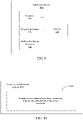
- the video layer is a layer corresponding to video content of the video playback interface. Specifically, refer to FIG. 7 .
- the multimedia layer 12 includes a bullet screen layer 121 and a video layer 122.
- the number of the at least one bullet screen layer is a number of at least one bullet screen corresponding to a video image obtained this time at this moment. That is, one bullet screen corresponds to one bullet screen layer. At this time, when the number of the at least one bullet screen is more, the number of the at least one bullet screen layer is also more.
- the at least one bullet screen is more and synthesized by the multimedia display processor, it is difficult to output the target image in time for display. This is because the number of layers which the MDP can superimpose at one time is limited. Accordingly, when it is judged that the number of the at least one bullet screen is greater than the preset number, the GPU which can superimpose more layers at one time can be called to synthesize the at least one bullet screen layer.
- the layer synthesis speed can be increased, and the power consumption is not large because the data volume of the at least one bullet screen layer is small.
- the preset number can be set according to the number of FIFO pipes of the MDP. Specifically, the preset number can be equal to or less than the number of the FIFO pipes of the MDP to judge whether the number of the at least one bullet screen layer is greater than the preset number.
- the GPU can be called to synthesize the at least one bullet screen layer.
- the preset number can be determined according to a number of idle FIFO pipes of the MDP. Specifically, the preset number can be equal to or less than the number of the idle FIFO pipes of the MDP to judge whether the number of the at least one bullet screen layer is greater than the preset number.
- the GPU can be called to synthesize the at least one bullet screen layer.
- the MDP can be called to synthesize the at least one bullet screen layer.
- the preset number can also be set arbitrarily, such as 8, 3 and son on and is not limited herein.
- the method can include:
- a target image is obtained by calling the multimedia display processor to synthesize the multimedia layer and the layer to be mixed.
- the multimedia display processor can be called to synthesize the multimedia layer and the layer to be mixed to obtain the target image. That is, when the number is not large, the MDP can still be called to synthesize to save the power consumption of superimposing the layers.
- the synthesis strategy for the at least one bullet screen can be selected according to the number of the FIFO pipes of the multimedia display processor. For example, when the idle FIFO pipes of the MDP is not less than the number of the at least one bullet screen, the MDP can be called to synthesize the at least one bullet screen layer. When the number of the idle FIFO pipes of the MDP is less than the number of the at least one bullet screen layer, the GPU can be called to synthesize the at least one bullet screen layer.
- the GPU can be called to synthesize all bullet screen layers, thereby improving the layer synthesis speed.
- the GPU can be called to synthesize at least one bullet screen layer more than the number of the idle FIFO pipes, and the MDP is called to synthesize the remaining bullet screen layers.
- the GPU can be called to synthesize an extra one layer and the MDP is called to synthesize two bullet screen layers, so as to fully use the idle FIFO pipes and save the power consumption of superimposing the layers.
- the MDP can be used for synthesizing on the basis of synthesis which the MDP can superimpose as much as possible, it can avoid excessive power consumption.
- a bullet screen layer to be mixed is obtained by calling a graphics processor to synthesize the at least one bullet screen layer.
- the graphics processor can be called to synthesize the at least one bullet screen layer to obtain the at least one bullet screen layer to be mixed.
- the preset number is set according to the number of the FIFO pipes of the MDP, such as 4, 7 and so on.
- the GPU which can superimpose more layers at one time is called to synthesize to increase the synthesis speed.
- the target image can be synthesized in time and displayed on the video playback interface to ensure the user experience of watching the video. Furthermore, the data volume of the at least one bullet screen layer is small, and the excessive power consumption of calling the GPU for synthesis is not caused.
- the bullet screen layer to be mixed is stored in a non-temporary frame buffer module.
- the frame buffer module can further include the non-temporary frame buffer module.
- the layer stored in the non-temporary frame buffer module is deleted after the present synthesis.
- the bullet screen is dynamically changed. For example, at least one new bullet screen is generated, or a bullet screen is scrolling in the video playback interface. Accordingly, the bullet screen layer in a last frame and the bullet screen layer in a current frame are different. Therefore, by storing the bullet screen layer to be mixed in the non-temporary frame buffer module and deleting, after the present synthesis, the bullet screen layer to be mixed in the present synthesis from the non-temporary frame buffer module, the requirements for the temporary frame buffer module can be reduced, and the operating efficiency of the MDP can be increased.
- the target image is obtained by calling the multimedia display processor to synthesize the bullet screen layer to be mixed, the video layer, and the layer to be mixed.
- the layer to be mixed is obtained from the temporary frame buffer module, and the bullet screen layer to be mixed in the non-temporary frame buffer module, the video layer, and the layer to be mixed are synthesized to obtain the final target image to be displayed. Then, the target image is displayed on the video playback page.
- the bullet screen layer and the video layer are separately processed.
- the GPU is called to process the at least one bullet screen layer with a small amount of data to obtain the bullet screen layer to be mixed, and then the MDP is called to synthesize the bullet screen layer to be mixed, the video layer, and the layer to be mixed to obtain the target image.
- the layer synthesis speed can be ensured without increasing excessive power consumption.
- the frame buffer module can further include the non-temporary frame buffer module.
- the GPU is called to synthesize the at least one bullet screen layer to obtain the bullet screen to be mixed and the bullet screen to be mixed is stored in the non-temporary frame buffer module.
- the layer stored in the non-temporary frame buffer module is deleted. Since the bullet screen layer in a last frame and the bullet screen layer in a current frame are often different, deleting, in the present synthesis, the bullet screen layer to be mixed which is stored in the last frame can reduce the storage requirements for the temporary frame buffer module and increase the operating efficiency of the MDP.
- the display device 800 can include: an image obtaining module 810, a first synthesis module 820, a second synthesis module 830, and an image display module 840.
- the image obtaining module 810 is configured to obtain a layer to be synthesized.
- the layer to be synthesized includes an interface layer of a video playback interface and a multimedia layer corresponding to a video used for being played in the video playback interface.
- the first synthesis module 820 is configured to obtain a layer to be mixed by calling a graphics processor to synthesize the interface layer.
- the second synthesis module 830 is configured to obtain a target image by calling a multimedia display processor to synthesize the multimedia layer and the layer to be mixed.
- the image display module 840 is configured to display the target image on the video playback interface.
- the display device 800 further includes a first storage module.
- the first storage module is configured to store the layer to be mixed in a frame buffer module.
- the frame buffer module includes a temporary frame buffer module.
- the first storage module includes a first storage unit and a layer retention unit.
- the first storage unit is configured to store the layer to be mixed in the temporary frame buffer module.
- the layer retention unit is configured to retain the layer to be mixed stored in the temporary frame buffer module after the target image is displayed on the video playback interface.
- the first synthesis module includes a first judging unit and a first synthesis unit.
- the first judging unit is configured to judge whether the interface layer is the same as an interface layer obtained last time.
- the first synthesis unit is configured to obtain the layer to be mixed by calling the graphics processor to synthesize the interface layer when the interface layer is different from the interface layer obtained last time.
- the first synthesis module further includes a first determining unit.
- the first determining unit is configured to determine the layer to be mixed which is stored in the temporary storage frame buffer module last time as the layer to be mixed which is used for synthesis this time when the interface layer is different from the interface layer obtained last time.
- the multimedia layer includes at least one bullet screen layer and a video layer.
- the second synthesis module includes a second judging unit, a second synthesis unit, and a third synthesis unit.
- the second judging unit is configured to judge whether a number of the at least one bullet screen layer is greater than a preset number.
- the second synthesis unit is configured to obtain a bullet screen layer to be mixed by calling the graphics processor to synthesize the at least one bullet screen layer when the number of the at least one bullet screen layer is greater than the preset number.
- the third synthesis unit is configured to obtain the target image by calling the multimedia display processor to synthesize the bullet screen layer to be mixed, the video layer, and the layer to be mixed.
- the frame buffer module includes a non-temporary frame buffer module.
- the second synthesis unit includes:
- the coupling between any two modules can be electrical, mechanical or include other forms of coupling.
- modules provided by the embodiments of the present disclosure can be integrated into one processing unit, or each of the modules can exist alone physically, or two or more modules are integrated into one module.
- the integrated module can be implemented in a form of hardware, or can be implemented in a form of a software functional module.
- the electronic device 900 can be an electronic device capable of running application programs, such as a smart phone, a tablet computer, an e-book and so on.
- the electronic device 900 of the present disclosure can include one or more of the following components: a processor 910, a memory 120, a graphics processor 930, a multimedia display processor 940, and one or more application programs.
- the one or more application programs can be stored in the memory 920 and configured to be executed by the one or more processors 910.
- the one or more programs are configured to execute the methods described in the above-mentioned method embodiments.
- the processor 910 can include one or more processing cores.
- the processor 910 connects every portion of the entire electronic device 900 via various interfaces and lines, and performs various functions and processes data of the electronic device 900, by executing instructions, programs, sets of codes, or sets of instructions stored in the memory 920 and invoking data stored in the memory 920.
- the processor 910 can adopt at least one hardware form of a digital signal processing (DSP), a field-programmable gate array (FPGA), and a programmable logic array (PLA).
- DSP digital signal processing
- FPGA field-programmable gate array
- PDA programmable logic array
- the processor 110 can be integrated with one or more of a central processing unit (CPU), a graphics processing unit (GPU), a modem and so on.
- the CPU mainly deals with the operating system, user interfaces and applications.
- the GPU is responsible for rendering of display content.
- the modem is used for processing wireless communication. It can be understood that the above-mentioned modem may
- the memory 920 can include a random access memory (RAM), and can include a read-only memory.
- the memory 920 can be used for storing instructions, programs, codes, sets of codes, or sets of instructions.
- the memory 920 can include a storage program area and a storage data area.
- the storage program area can store instructions for implementing the operating system, instructions for implementing at least one function (such as a touch function, a sound playback function, an image playback function and so on), instructions for implementing the methods of the above described embodiments and so on.
- the storage data area can store data (such as a phone book, audio and video data, chat recording data) created by the electronic device 900 during use.
- the graphics processor 930 is a general graphics processor, which is much more powerful than an MDP in graphics processing. In addition to two-dimensional image processing, the graphics processor 930 can further perform 3D image processing, special effects and so on. However, power consumption is relatively high, and a plurality of layers can be superimposed at one time.
- the multimedia display processor 940 is a dedicated display image processing unit which can perform conventional two-dimensional image processing.
- a main advantage is low power consumption, but cost is high.
- FIFO pipes which are required inside the MDP are more.
- an MDP has 8 FIFO pipes and can superimpose up to 8 layers at one time.
- an MDP has only 4 FIFO pipes and can superimpose up to 4 layers at one time.
- FIG. 10 illustrates a structural block diagram of a computer-readable storage medium provided by an embodiment of the present disclosure.
- Program codes are stored in the computer-readable storage medium 1000, and the program codes can be invoked by a processor to execute the methods described in the above-mentioned method embodiments.
- the computer readable storage medium 1000 can be an electronic memory, such as a flash memory, an electrically erasable programmable read only memory (EEPROM), an EPROM, a hard disk, a ROM and son on.
- the computer-readable storage medium 1000 includes a non-transitory computer-readable storage medium.
- the computer-readable storage medium 1000 has a storage space for executing program codes 1010 which are configured to perform any of the method steps described above.
- the program codes can be read from or written to one or more computer program products.
- the program codes 1010 can be compressed, for example, in a suitable form.
Landscapes
- Engineering & Computer Science (AREA)
- Theoretical Computer Science (AREA)
- General Physics & Mathematics (AREA)
- Physics & Mathematics (AREA)
- Signal Processing (AREA)
- Multimedia (AREA)
- Computer Hardware Design (AREA)
- General Engineering & Computer Science (AREA)
- Computer Graphics (AREA)
- Controls And Circuits For Display Device (AREA)
- User Interface Of Digital Computer (AREA)
- Digital Computer Display Output (AREA)
- Processing Or Creating Images (AREA)
Applications Claiming Priority (2)
| Application Number | Priority Date | Filing Date | Title |
|---|---|---|---|
| CN201910647562.8A CN110427094B (zh) | 2019-07-17 | 2019-07-17 | 显示方法、装置、电子设备及计算机可读介质 |
| PCT/CN2020/099807 WO2021008373A1 (fr) | 2019-07-17 | 2020-07-02 | Procédé et appareil d'affichage, dispositif électronique et support lisible par ordinateur |
Publications (2)
| Publication Number | Publication Date |
|---|---|
| EP4002062A1 true EP4002062A1 (fr) | 2022-05-25 |
| EP4002062A4 EP4002062A4 (fr) | 2022-08-24 |
Family
ID=68410880
Family Applications (1)
| Application Number | Title | Priority Date | Filing Date |
|---|---|---|---|
| EP20840907.8A Withdrawn EP4002062A4 (fr) | 2019-07-17 | 2020-07-02 | Procédé et appareil d'affichage, dispositif électronique et support lisible par ordinateur |
Country Status (4)
| Country | Link |
|---|---|
| US (1) | US20220139353A1 (fr) |
| EP (1) | EP4002062A4 (fr) |
| CN (1) | CN110427094B (fr) |
| WO (1) | WO2021008373A1 (fr) |
Families Citing this family (21)
| Publication number | Priority date | Publication date | Assignee | Title |
|---|---|---|---|---|
| CN110427094B (zh) * | 2019-07-17 | 2021-08-17 | Oppo广东移动通信有限公司 | 显示方法、装置、电子设备及计算机可读介质 |
| CN112835660A (zh) * | 2019-11-23 | 2021-05-25 | 西安诺瓦星云科技股份有限公司 | 媒体图层展示方法、装置及系统、存储介质 |
| CN111273881B (zh) * | 2020-01-15 | 2023-08-08 | Oppo广东移动通信有限公司 | 显示控制方法及相关产品 |
| CN111356026B (zh) * | 2020-03-06 | 2022-03-29 | Oppo广东移动通信有限公司 | 图像数据处理方法及相关装置 |
| CN111522520B (zh) * | 2020-04-03 | 2024-04-19 | 广东小天才科技有限公司 | 软件仿类纸的处理方法、装置、设备和存储介质 |
| CN111565337A (zh) * | 2020-04-26 | 2020-08-21 | 华为技术有限公司 | 图像处理方法、装置和电子设备 |
| WO2021253141A1 (fr) * | 2020-06-15 | 2021-12-23 | 华为技术有限公司 | Appareil et procédé de traitement de données d'image |
| CN112241303B (zh) * | 2020-10-15 | 2023-02-21 | 展讯半导体(南京)有限公司 | 图像处理方法及系统、电子设备及存储介质 |
| CN112616083A (zh) * | 2020-12-11 | 2021-04-06 | 湖南国科微电子股份有限公司 | 一种视频的显示层叠加处理方法、装置、设备及存储介质 |
| CN114764358A (zh) * | 2021-01-13 | 2022-07-19 | 华为技术有限公司 | 一种界面显示方法及电子设备 |
| CN113012263B (zh) * | 2021-03-16 | 2024-10-01 | 维沃移动通信有限公司 | 图层合成方式的配置方法和电子设备 |
| CN113110910B (zh) * | 2021-04-20 | 2024-01-23 | 上海卓易科技股份有限公司 | 一种安卓容器实现的方法、系统及设备 |
| CN114296840B (zh) * | 2021-05-28 | 2024-08-23 | 海信视像科技股份有限公司 | 一种壁纸显示方法及显示设备 |
| CN115834923A (zh) * | 2021-09-16 | 2023-03-21 | 艾锐势企业有限责任公司 | 用于视频内容处理的网络设备、系统和方法 |
| CN113873206B (zh) * | 2021-10-30 | 2024-05-14 | 珠海研果科技有限公司 | 一种多路视频录制方法及系统 |
| CN114546513B (zh) * | 2022-01-04 | 2025-04-25 | 合肥杰发科技有限公司 | 基于操作系统的显示方法、显示系统 |
| CN115357324A (zh) * | 2022-08-22 | 2022-11-18 | 展讯通信(上海)有限公司 | 图层处理方法及装置、电子设备及存储介质 |
| CN115525347B (zh) * | 2022-09-28 | 2025-12-19 | 国科础石(重庆)软件有限公司 | 操作系统调度延迟诊断方法、装置、电子设备及存储介质 |
| CN118860118A (zh) * | 2023-04-26 | 2024-10-29 | 华为技术有限公司 | 图层合成方法及终端设备 |
| CN119743606A (zh) * | 2024-06-11 | 2025-04-01 | 荣耀终端股份有限公司 | 视频播放方法及相关设备 |
| CN121284180A (zh) * | 2024-06-28 | 2026-01-06 | 荣耀终端股份有限公司 | 一种图像合成方法及电子设备 |
Family Cites Families (16)
| Publication number | Priority date | Publication date | Assignee | Title |
|---|---|---|---|---|
| US8774048B2 (en) * | 2009-01-29 | 2014-07-08 | Qualcomm Incorporated | Link management for multimedia content mobility |
| US20130148947A1 (en) * | 2011-12-13 | 2013-06-13 | Ati Technologies Ulc | Video player with multiple grpahics processors |
| US9317175B1 (en) * | 2013-09-24 | 2016-04-19 | Amazon Technologies, Inc. | Integration of an independent three-dimensional rendering engine |
| CN103593155B (zh) * | 2013-11-06 | 2016-09-07 | 华为终端有限公司 | 显示帧生成方法和终端设备 |
| US9538155B2 (en) * | 2013-12-04 | 2017-01-03 | Dolby Laboratories Licensing Corporation | Decoding and display of high dynamic range video |
| US20160132284A1 (en) * | 2014-11-07 | 2016-05-12 | Qualcomm Incorporated | Systems and methods for performing display mirroring |
| US9928021B2 (en) * | 2014-12-30 | 2018-03-27 | Qualcomm Incorporated | Dynamic selection of content for display on a secondary display device |
| US9953620B2 (en) * | 2015-07-29 | 2018-04-24 | Qualcomm Incorporated | Updating image regions during composition |
| US9792531B2 (en) * | 2015-09-16 | 2017-10-17 | Siemens Healthcare Gmbh | Intelligent multi-scale medical image landmark detection |
| US10140679B2 (en) * | 2016-12-31 | 2018-11-27 | Intel IP Corporation | Smart composition of output layers |
| CN106896899B (zh) * | 2017-03-10 | 2020-04-17 | Oppo广东移动通信有限公司 | 一种移动终端图像绘制的控制方法、装置及移动终端 |
| WO2018170393A2 (fr) * | 2017-03-17 | 2018-09-20 | Portland State University | Interpolation d'images par convolution adaptative et convolution séparable adaptative |
| WO2018176734A1 (fr) * | 2017-03-27 | 2018-10-04 | 华为技术有限公司 | Procédé de traitement de données et terminal |
| US10257487B1 (en) * | 2018-01-16 | 2019-04-09 | Qualcomm Incorporated | Power efficient video playback based on display hardware feedback |
| CN109871192B (zh) * | 2019-03-04 | 2021-12-31 | 京东方科技集团股份有限公司 | 一种显示方法、装置、电子设备及计算机可读存储介质 |
| CN110427094B (zh) * | 2019-07-17 | 2021-08-17 | Oppo广东移动通信有限公司 | 显示方法、装置、电子设备及计算机可读介质 |
-
2019
- 2019-07-17 CN CN201910647562.8A patent/CN110427094B/zh not_active Expired - Fee Related
-
2020
- 2020-07-02 EP EP20840907.8A patent/EP4002062A4/fr not_active Withdrawn
- 2020-07-02 WO PCT/CN2020/099807 patent/WO2021008373A1/fr not_active Ceased
-
2022
- 2022-01-06 US US17/570,186 patent/US20220139353A1/en not_active Abandoned
Also Published As
| Publication number | Publication date |
|---|---|
| WO2021008373A1 (fr) | 2021-01-21 |
| EP4002062A4 (fr) | 2022-08-24 |
| CN110427094B (zh) | 2021-08-17 |
| CN110427094A (zh) | 2019-11-08 |
| US20220139353A1 (en) | 2022-05-05 |
Similar Documents
| Publication | Publication Date | Title |
|---|---|---|
| US20220139353A1 (en) | Display method, electronic device, and non-transitory computer-readable storage medium | |
| CN110377257B (zh) | 图层合成方法、装置、电子设备及存储介质 | |
| CN110377263B (zh) | 图像合成方法、装置、电子设备及存储介质 | |
| CN110362186B (zh) | 图层处理方法、装置、电子设备及计算机可读介质 | |
| CN110377264B (zh) | 图层合成方法、装置、电子设备及存储介质 | |
| WO2021008427A1 (fr) | Procédé et appareil de synthèse d'image, dispositif électronique et support d'informations | |
| US20220139017A1 (en) | Layer composition method, electronic device, and storage medium | |
| EP2756481B1 (fr) | Système et procédé de disposition en couches faisant appel à des dispositifs de rendu avec des pavés | |
| CN109587546B (zh) | 视频处理方法、装置、电子设备和计算机可读介质 | |
| US10446071B2 (en) | Device and method of using slice update map | |
| CN112686797B (zh) | 用于gpu功能验证的目标帧数据获取方法、装置及存储介质 | |
| US12532011B2 (en) | Method and apparatus for processing video compression, and medium | |
| CN112184538B (zh) | 图像加速方法、相关装置、设备及存储介质 | |
| CN116185743A (zh) | OpenGL接口的双显卡对比调试方法、装置及介质 | |
| CN110377258B (zh) | 图像渲染方法、装置、电子设备及存储介质 | |
| CN109688462B (zh) | 降低设备功耗的方法、装置、电子设备及存储介质 | |
| CN117234655B (zh) | 基于安卓系统运行Linux桌面程序的方法、装置、设备及介质 | |
| CN111179386A (zh) | 动画生成方法、装置、设备及存储介质 | |
| US12307548B2 (en) | Image processing | |
| CN119135820B (zh) | 视频录制方法、装置、存储介质以及终端 | |
| WO2023141917A1 (fr) | Résolution de forme d'affichage flexible séquentielle | |
| CN118799466A (zh) | 数据处理方法、装置、电子设备及计算机可读介质 | |
| CN118695013A (zh) | 一种显示方法及相关设备 |
Legal Events
| Date | Code | Title | Description |
|---|---|---|---|
| STAA | Information on the status of an ep patent application or granted ep patent |
Free format text: STATUS: THE INTERNATIONAL PUBLICATION HAS BEEN MADE |
|
| PUAI | Public reference made under article 153(3) epc to a published international application that has entered the european phase |
Free format text: ORIGINAL CODE: 0009012 |
|
| STAA | Information on the status of an ep patent application or granted ep patent |
Free format text: STATUS: REQUEST FOR EXAMINATION WAS MADE |
|
| 17P | Request for examination filed |
Effective date: 20220215 |
|
| AK | Designated contracting states |
Kind code of ref document: A1 Designated state(s): AL AT BE BG CH CY CZ DE DK EE ES FI FR GB GR HR HU IE IS IT LI LT LU LV MC MK MT NL NO PL PT RO RS SE SI SK SM TR |
|
| A4 | Supplementary search report drawn up and despatched |
Effective date: 20220722 |
|
| RIC1 | Information provided on ipc code assigned before grant |
Ipc: G09G 5/377 20060101ALI20220718BHEP Ipc: H04N 21/47 20110101ALI20220718BHEP Ipc: H04N 21/44 20110101ALI20220718BHEP Ipc: H04N 21/433 20110101ALI20220718BHEP Ipc: H04N 21/431 20110101ALI20220718BHEP Ipc: H04N 21/426 20110101ALI20220718BHEP Ipc: G06T 1/60 20060101ALI20220718BHEP Ipc: G06T 1/20 20060101ALI20220718BHEP Ipc: G06F 1/3218 20190101AFI20220718BHEP |
|
| DAV | Request for validation of the european patent (deleted) | ||
| DAX | Request for extension of the european patent (deleted) | ||
| STAA | Information on the status of an ep patent application or granted ep patent |
Free format text: STATUS: EXAMINATION IS IN PROGRESS |
|
| 17Q | First examination report despatched |
Effective date: 20230629 |
|
| STAA | Information on the status of an ep patent application or granted ep patent |
Free format text: STATUS: THE APPLICATION IS DEEMED TO BE WITHDRAWN |
|
| 18D | Application deemed to be withdrawn |
Effective date: 20230912 |