EP4004775B1 - Enceintes de stockage - Google Patents
Enceintes de stockage Download PDFInfo
- Publication number
- EP4004775B1 EP4004775B1 EP19940012.8A EP19940012A EP4004775B1 EP 4004775 B1 EP4004775 B1 EP 4004775B1 EP 19940012 A EP19940012 A EP 19940012A EP 4004775 B1 EP4004775 B1 EP 4004775B1
- Authority
- EP
- European Patent Office
- Prior art keywords
- computing device
- enclosure
- network
- hardware
- logical configuration
- Prior art date
- Legal status (The legal status is an assumption and is not a legal conclusion. Google has not performed a legal analysis and makes no representation as to the accuracy of the status listed.)
- Active
Links
Images


Classifications
-
- G—PHYSICS
- G06—COMPUTING OR CALCULATING; COUNTING
- G06F—ELECTRIC DIGITAL DATA PROCESSING
- G06F21/00—Security arrangements for protecting computers, components thereof, programs or data against unauthorised activity
- G06F21/70—Protecting specific internal or peripheral components, in which the protection of a component leads to protection of the entire computer
- G06F21/86—Secure or tamper-resistant housings
-
- G—PHYSICS
- G07—CHECKING-DEVICES
- G07C—TIME OR ATTENDANCE REGISTERS; REGISTERING OR INDICATING THE WORKING OF MACHINES; GENERATING RANDOM NUMBERS; VOTING OR LOTTERY APPARATUS; ARRANGEMENTS, SYSTEMS OR APPARATUS FOR CHECKING NOT PROVIDED FOR ELSEWHERE
- G07C9/00—Individual registration on entry or exit
- G07C9/20—Individual registration on entry or exit involving the use of a pass
- G07C9/27—Individual registration on entry or exit involving the use of a pass with central registration
-
- G—PHYSICS
- G06—COMPUTING OR CALCULATING; COUNTING
- G06F—ELECTRIC DIGITAL DATA PROCESSING
- G06F21/00—Security arrangements for protecting computers, components thereof, programs or data against unauthorised activity
- G06F21/30—Authentication, i.e. establishing the identity or authorisation of security principals
- G06F21/31—User authentication
-
- G—PHYSICS
- G06—COMPUTING OR CALCULATING; COUNTING
- G06F—ELECTRIC DIGITAL DATA PROCESSING
- G06F21/00—Security arrangements for protecting computers, components thereof, programs or data against unauthorised activity
- G06F21/50—Monitoring users, programs or devices to maintain the integrity of platforms, e.g. of processors, firmware or operating systems
- G06F21/57—Certifying or maintaining trusted computer platforms, e.g. secure boots or power-downs, version controls, system software checks, secure updates or assessing vulnerabilities
-
- G—PHYSICS
- G06—COMPUTING OR CALCULATING; COUNTING
- G06F—ELECTRIC DIGITAL DATA PROCESSING
- G06F21/00—Security arrangements for protecting computers, components thereof, programs or data against unauthorised activity
- G06F21/70—Protecting specific internal or peripheral components, in which the protection of a component leads to protection of the entire computer
- G06F21/88—Detecting or preventing theft or loss
-
- G—PHYSICS
- G07—CHECKING-DEVICES
- G07C—TIME OR ATTENDANCE REGISTERS; REGISTERING OR INDICATING THE WORKING OF MACHINES; GENERATING RANDOM NUMBERS; VOTING OR LOTTERY APPARATUS; ARRANGEMENTS, SYSTEMS OR APPARATUS FOR CHECKING NOT PROVIDED FOR ELSEWHERE
- G07C9/00—Individual registration on entry or exit
- G07C9/00174—Electronically operated locks; Circuits therefor; Nonmechanical keys therefor, e.g. passive or active electrical keys or other data carriers without mechanical keys
- G07C9/00309—Electronically operated locks; Circuits therefor; Nonmechanical keys therefor, e.g. passive or active electrical keys or other data carriers without mechanical keys operated with bidirectional data transmission between data carrier and locks
-
- G—PHYSICS
- G07—CHECKING-DEVICES
- G07C—TIME OR ATTENDANCE REGISTERS; REGISTERING OR INDICATING THE WORKING OF MACHINES; GENERATING RANDOM NUMBERS; VOTING OR LOTTERY APPARATUS; ARRANGEMENTS, SYSTEMS OR APPARATUS FOR CHECKING NOT PROVIDED FOR ELSEWHERE
- G07C9/00—Individual registration on entry or exit
- G07C9/00174—Electronically operated locks; Circuits therefor; Nonmechanical keys therefor, e.g. passive or active electrical keys or other data carriers without mechanical keys
- G07C9/00896—Electronically operated locks; Circuits therefor; Nonmechanical keys therefor, e.g. passive or active electrical keys or other data carriers without mechanical keys specially adapted for particular uses
-
- G—PHYSICS
- G07—CHECKING-DEVICES
- G07C—TIME OR ATTENDANCE REGISTERS; REGISTERING OR INDICATING THE WORKING OF MACHINES; GENERATING RANDOM NUMBERS; VOTING OR LOTTERY APPARATUS; ARRANGEMENTS, SYSTEMS OR APPARATUS FOR CHECKING NOT PROVIDED FOR ELSEWHERE
- G07C9/00—Individual registration on entry or exit
- G07C9/20—Individual registration on entry or exit involving the use of a pass
- G07C9/22—Individual registration on entry or exit involving the use of a pass in combination with an identity check of the pass holder
-
- G—PHYSICS
- G07—CHECKING-DEVICES
- G07F—COIN-FREED OR LIKE APPARATUS
- G07F17/00—Coin-freed apparatus for hiring articles; Coin-freed facilities or services
- G07F17/10—Coin-freed apparatus for hiring articles; Coin-freed facilities or services for means for safe-keeping of property, left temporarily, e.g. by fastening the property
- G07F17/12—Coin-freed apparatus for hiring articles; Coin-freed facilities or services for means for safe-keeping of property, left temporarily, e.g. by fastening the property comprising lockable containers, e.g. for accepting clothes to be cleaned
-
- H—ELECTRICITY
- H04—ELECTRIC COMMUNICATION TECHNIQUE
- H04L—TRANSMISSION OF DIGITAL INFORMATION, e.g. TELEGRAPHIC COMMUNICATION
- H04L63/00—Network architectures or network communication protocols for network security
- H04L63/02—Network architectures or network communication protocols for network security for separating internal from external traffic, e.g. firewalls
-
- H—ELECTRICITY
- H04—ELECTRIC COMMUNICATION TECHNIQUE
- H04L—TRANSMISSION OF DIGITAL INFORMATION, e.g. TELEGRAPHIC COMMUNICATION
- H04L63/00—Network architectures or network communication protocols for network security
- H04L63/08—Network architectures or network communication protocols for network security for authentication of entities
- H04L63/0876—Network architectures or network communication protocols for network security for authentication of entities based on the identity of the terminal or configuration, e.g. MAC address, hardware or software configuration or device fingerprint
-
- G—PHYSICS
- G06—COMPUTING OR CALCULATING; COUNTING
- G06F—ELECTRIC DIGITAL DATA PROCESSING
- G06F8/00—Arrangements for software engineering
- G06F8/60—Software deployment
-
- G—PHYSICS
- G06—COMPUTING OR CALCULATING; COUNTING
- G06F—ELECTRIC DIGITAL DATA PROCESSING
- G06F9/00—Arrangements for program control, e.g. control units
- G06F9/06—Arrangements for program control, e.g. control units using stored programs, i.e. using an internal store of processing equipment to receive or retain programs
- G06F9/44—Arrangements for executing specific programs
- G06F9/4401—Bootstrapping
- G06F9/4411—Configuring for operating with peripheral devices; Loading of device drivers
-
- G—PHYSICS
- G07—CHECKING-DEVICES
- G07C—TIME OR ATTENDANCE REGISTERS; REGISTERING OR INDICATING THE WORKING OF MACHINES; GENERATING RANDOM NUMBERS; VOTING OR LOTTERY APPARATUS; ARRANGEMENTS, SYSTEMS OR APPARATUS FOR CHECKING NOT PROVIDED FOR ELSEWHERE
- G07C9/00—Individual registration on entry or exit
- G07C9/00174—Electronically operated locks; Circuits therefor; Nonmechanical keys therefor, e.g. passive or active electrical keys or other data carriers without mechanical keys
- G07C2009/00753—Electronically operated locks; Circuits therefor; Nonmechanical keys therefor, e.g. passive or active electrical keys or other data carriers without mechanical keys operated by active electrical keys
- G07C2009/00769—Electronically operated locks; Circuits therefor; Nonmechanical keys therefor, e.g. passive or active electrical keys or other data carriers without mechanical keys operated by active electrical keys with data transmission performed by wireless means
- G07C2009/00793—Electronically operated locks; Circuits therefor; Nonmechanical keys therefor, e.g. passive or active electrical keys or other data carriers without mechanical keys operated by active electrical keys with data transmission performed by wireless means by Hertzian waves
-
- G—PHYSICS
- G07—CHECKING-DEVICES
- G07C—TIME OR ATTENDANCE REGISTERS; REGISTERING OR INDICATING THE WORKING OF MACHINES; GENERATING RANDOM NUMBERS; VOTING OR LOTTERY APPARATUS; ARRANGEMENTS, SYSTEMS OR APPARATUS FOR CHECKING NOT PROVIDED FOR ELSEWHERE
- G07C2209/00—Indexing scheme relating to groups G07C9/00 - G07C9/38
- G07C2209/60—Indexing scheme relating to groups G07C9/00174 - G07C9/00944
- G07C2209/63—Comprising locating means for detecting the position of the data carrier, i.e. within the vehicle or within a certain distance from the vehicle
Definitions
- Storage enclosures can be utilized to securely store devices from unauthorized users.
- a storage enclosure can include a locker with a storage area and a locking device to prevent unauthorized access to the storage area.
- a storage enclosure can be utilized by a user to securely store a device while the user is at a remote location from the storage enclosure.
- a storage enclosure can be utilized to securely store a device provided by a first user to allow a second user to retrieve the device from the storage enclosure.
- WO2017196319 discloses a security system to control access to an electronic device.
- a storage enclosure can be utilized to securely store devices.
- a storage enclosure can include a locking mechanism to prevent unauthorized access to devices within the storage enclosure.
- the locking mechanism can include an authentication system to authorize a user prior to unlocking or providing access to a storage area of the storage enclosure.
- the locking mechanism can be activated or in a locked position to prevent access to the storage area of the storage enclosure.
- the locking mechanism can be coupled to an authentication system to receive authentication information (e.g., personal identification number (PIN), badge, etc.) to authenticate a user.
- PIN personal identification number
- the locking mechanism can be switched to a deactivated or an unlocked position when the authentication information is determined to be from an authorized user.
- the present disclosure relates to storage enclosures that can be utilized to store computing devices (e.g., desktop, laptop, cell phone, phablet, etc.) or other types of devices.
- the devices may be updated or altered while the device is stored within the storage enclosure.
- the storage enclosures can include a first network that can be utilized to alter instructions or features of the device while the device is stored within the storage enclosure.
- the first network can be utilized to alter instructions or personalize a computing device stored within the storage enclosure and a second network can be utilized to control and/or manage the storage enclosures.
- a firewall can be utilized to prevent communication and/or manage communication between the first network and the second network.
- the first network can provide access to a first group of authorized users and the second network can provide access to a second group of authorized users.
- the storage enclosures described herein can provide a secure physical location to store computing devices and a secure network connection to allow authorized users to alter instructions and/or personalize the computing device stored within the storage enclosure.
- Figure 1 is an example system 100 for a storage enclosure 102 consistent with the present disclosure.
- the system 100 can include a storage enclosure 102 that can include a storage area 104 to physically enclose or store a device 106 within the storage area 104.
- the storage enclosure 102 can utilize a locking system 108 to lock or prevent access to the device 106 within the storage area 104 when the locking system 108 is activated or in a locked state.
- the storage enclosure 102 can be a storage room and/or locker with a plurality of storage areas similar to storage area 104.
- the storage enclosure 102 can be an enclosure or room that includes a plurality of individual enclosures or storage areas that can each be utilized to securely store a device (e.g., device 106, etc.).
- the storage enclosure 102 can be utilized to securely store and alter the instructions of the device 106 while the device 106 is within the storage area 104 of the storage enclosure 102.
- the system 100 can include a logical configuration system 110 that can include instructions to identify the device 106 within the storage area 104 and alter instructions associated with the device 106 within the storage area 104.
- the logical configuration system 110 can be communicatively coupled to the device 106 through a communication path 134.
- the logical configuration system 110 can be coupled to the device 106 through an Ethernet connection, local area network (LAN), and/or other type of communication path. In this way, the logical configuration system 110 can be utilized to communicate with the device 106 while the device 106 is positioned within the storage area 104 of the storage enclosure 102.
- LAN local area network
- the logical configuration system 110 can be coupled to the device 106 when the device 106 is positioned within the storage area 104 of the enclosure 102. For example, a user can place the device 106 within the storage area 104 and connect the device 106 to a communication path 134 before utilizing the locking system 108 to lock the device 106 within the storage area 104.
- the logical configuration system 110 can be utilized to alter instructions of the device 106 including when the device 106 is locked within the storage area 104.
- altering instructions of the device 106 can include altering software, firmware, and/or instructions (e.g., machine readable instructions, etc.) of the device 106. That is, altering instructions of the device 106 can include updating instructions, altering firmware instructions, downloading a device image, and/or other types of alterations that can be performed through a communication path 134.
- the logical configuration system 110 can be utilized to determine a device type and/or unique identifier of the device 106 when the device 106 is positioned within the storage area 104.
- the logical configuration system 110 can be utilized to determine a serial number of the device 106, determine a media access channel (MAC) address associated with the device 106, and/or other information associated with the device 106.
- the logical configuration system 110 can utilize a first device identification system 114 to retrieve the device type and/or unique identifier of the device 106.
- the system 100 can include a first device identification system 114 that can be utilized to determine a device type and/or unique identifier of the device 106 while the device 106 is positioned within the storage area 104.
- the first device identification system 114 can include a radio frequency identification (RFID) reader to extract the device type, unique identifier, MAC address, network information, power status, power source and/or other information relating to the device 106 from a RFID tag associated with the device 106.
- the device 106 can include a passive RFID tag with device information (e.g., device type, unique identifier, MAC address, network connection status, power connection status, etc.) stored on the passive RFID tag.
- a manufacturer or organization can store the information on the passive RFID tag and install the passive RFID on or within the device 106.
- the device 106 can include a dynamic RFID tag.
- a dynamic RFID tag can be a RFID memory resource that stores current or up to date device information by the device 106 when the device 106 is operating.
- a dynamic RFID tag can include current device information (e.g., MAC address, unique identifier, network status, power status, correctly connected to a power source, correctly connected to a network, etc.) even if the device information has been altered during operation of the device 106.
- the device 106 can alter a network status during operation and update the dynamic RFID tag with the updated network status.
- a network status or network connection status can be an indication whether the device 106 is connected to a network (e.g., local area network, wide area network, cellular network, etc.).
- the dynamic RFID tag can include an updated power status or power connection status.
- the power connection status can include an indication whether the device 106 is connected to a power source (e.g., electrical grid, remote battery, etc.).
- the dynamic RFID tag can include updated device information for the device 106 at a time when the device 106 was positioned within the storage area 104.
- a passive RFID tag may include outdated or incorrect device information related to the device 106.
- the system 100 can include a locking system 108 to lock and unlock the storage area 104 of the storage enclosure 102.
- the locking system 108 can include a plurality of locking devices that can be utilized to lock a door or hatch that provides access to the storage area 104.
- the locking system 108 can be utilized to activate a particular locking device to lock a corresponding storage area (e.g., storage area 104, etc.) to prevent unauthorized access to the device within the corresponding storage area and/or deactivate a particular locking device to unlock a corresponding storage area to allow access to the corresponding storage area.
- a corresponding storage area e.g., storage area 104, etc.
- the system 100 includes a hardware logistic system 112 to control the locking system 108 and/or communicate with the locking system 108.
- the hardware logistic system 112 can be communicatively coupled to the locking system 108 through a communication path 138.
- the hardware logistic system 112 can include instructions to activate and/or deactivate locking devices of the locking system 108.
- the hardware logistic system 112 can include instructions to determine device information of a device 106 positioned within a particular storage area 104.
- the system 100 can include a second device identification system 116 to extract the device information extracted by the first device identification system 114. The device information can be provided to the hardware logistic system 112.
- the second device identification system 116 can include a RFID reader to extract the device information stored on the RFID tag associated with the device 106 in a similar way as the first identification system 114.
- the first identification system 114 and/or the second device identification system 116 can be positioned within the storage area 104 and/or within a readable range of the device 106.
- a readable range of the device 106 can be a distance between an RFID tag and a RFID reader where the RFID reader can extract data (e.g., device information, etc.) from the RFID tag.
- the first identification system 114 can be positioned within the storage area 104 and the second identification system 116 can be positioned outside the storage area 104. In these examples, the second identification system 116 can be positioned within the readable range of the device 106. In this way, an interference between the first identification system 114 and the second identification system 116 can be lowered or eliminated.
- the hardware logistic system 112 can utilize the device information to determine whether to activate or deactivate the locking devices of the locking system 108.
- a device 106 can be positioned within the storage area 104 and coupled to the communication path 134.
- the device information of the device 106 can be provided to the hardware logistic system 112 as described further herein and the hardware logistic system 112 can determine if the device 106 is positioned within the correct or designated storage area 104.
- the hardware logistic system 112 can be utilized to instruct the locking system 108 to lock the storage area 104 when the device 106 is positioned within the storage area 104 or when the device 106 is designated to be positioned within the storage area 104.
- the hardware logistic system 112 can be utilized to instruct the locking system 108 to lock the storage area 104 when the device 108 is connected directly to a power source, communication path 134, and/or within a proximity of the device identification system 114 when the device identification system 114 is an RFID reader.
- a particular storage area can be designated to receive a particular device.
- an organization can designate a particular storage area to receive a corresponding device from a user to ensure that the corresponding device is delivered before providing a different device to the user.
- the hardware logistic system 112 can be utilized to ensure that a correct device is powered and/or connected within a corresponding storage area of the storage enclosure 102.
- the system 100 includes a firewall 130 to prevent direct communication between the logical configuration system 110 and the hardware logistic system 112.
- the logical configuration system 110 can utilize a first network (e.g., communication path 134, communication path 136, etc.) and the hardware logistic system 112 can utilize a second network (e.g., communication path 138, communication path 140, etc.) that is separated by a firewall 130.
- a firewall 130 can include a computing system to block unauthorized access to a network or device while allowing outward communication from the network or device.
- the logical configuration system 110 can utilize the first network and/or the communication path 136 to communication with a logical management system 128.
- the logical management system 128 can be utilized to manage the logical configuration system 110.
- the logical management system 128 can provide instructions to the logical configuration system 110 for altering instructions for the device 106 within the storage area 104 and/or other devices positioned within the storage enclosure 102.
- the hardware logistic system 112 can utilize the second network and/or communication path 140 to communicate with a hardware management system 126.
- the hardware management system 126 can manage the hardware logistic system 112 by providing instructions to the hardware logistic system 112.
- the logical management system can be communicatively coupled to the hardware management system 126 through a communication path 132.
- the communication path 132 can be a secured communication path.
- a secured communication path can utilize encryption or other technique to securely transmit communication between a plurality of devices.
- the logical management system 128 can send encrypted communication to the hardware management system 126 and the hardware management system 126 can send encrypted communication to the logical management system 128 through the communication path 132.
- the firewall 130 can be utilized to selectively allow communication through the communication path 132 to allow communication between the hardware management system 126 and the logical management system 128.
- the communication path 132 can be opened specifically for communication between the hardware management system 126 and the logical management system 128.
- the logical management system 128 can communicate directly with the hardware management system 126 without compromising the firewall 130 between the first network and the second network.
- device information relating to the device 106 can be extracted by the first device identification system 114 while the device 106 is positioned within the storage area 104.
- the first identification system 114 can provide the device information to the logical configuration system 110 and the logical configuration system 110 can provide the device information to the logical management system 128 through the first network and/or communication path 136.
- the logical management system 128 can provide the device information to the hardware management system 126 through the secure communication path 132 and provide the device information to the hardware logistic system 112 or second device identification system 116 through the second network and/or communication path 140. In this way, the device information can be extracted from the device 106 and provided to the hardware logistic system 112 to be utilized as described herein.
- the first device identification system 114 can utilize a status posting system 111 to post the device information.
- a status posting system 111 can include a memory resource to allow data, such as device information, to be stored or written.
- the status posting system 111 can provide the device information or other data stored in the memory resource to a status reading system 113.
- a status reading system 113 can include a memory resource that can store data, such as device information, to be read.
- the hardware logistic system 112 can read the data stored on the status reading system 113 to determine the device information for the device 106.
- the first network (e.g., communication path 134, communication path 136, etc.) can be utilized to provide access to a logical user 142 associated with altering the instructions of the device 106 positioned within the storage area 104.
- a logical user 142 can include a local information technology (IT) administrator, a remote end user of the device 106, and/or a remote IT administrator.
- the second network (e.g., communication path 138, communication path 140, etc.) can be utilized to provide access to a hardware user 144 associated with operating and maintaining the locking system 108.
- the hardware user 144 can include a local logistic administrator and/or a remote logistic administrator.
- the system 100 can include a logical user authentication system 118 and a hardware user authentication system 120 to allow users 122 that are physically located or remote to the storage enclosure 102 to gain access to the respective systems (e.g., logical configuration system 110, hardware logistic system 112, etc.).
- a user 122 can provide credentials to the logical user authentication system 118 to access the logical configuration system 110 and/or the storage area 104 to access the device 106 and/or position the device 106 within the storage area 104.
- the user 122 can provide credentials to the hardware user authentication system 120 to gain access to the hardware logistic system 112 and/or locking system 108.
- the correct credentials provided to the logical user authentication system 118 to gain access can be different than the correct credentials provided to the hardware user authentication system 120 to gain access.
- the firewall 130 can prevent communication between the hardware user authentication system 120 and the logical user authentication system 118. In this way, a first group of users can have authorization to the logical authentication system 118 and a second group of users can have authorization to the hardware user authentication system 120. This can increase the security of the system 100.
- a user can part of the first group of users and the second group of users.
- the system 100 can provide for secure storage of devices, such as device 106.
- the system 100 can provide for a secure location to alter instructions associated with the device 106 while the device 106 is within the storage area 104.
- the device 106 can be securely stored within the storage area 104 and updated or altered through the logical configuration system 110 including when the device is stored within the storage area 104.
- an organization can allow devices, such as device 106, to be dropped off by a user and a different device to be picked up by the user without risk that the devices are stolen or altered by an unauthorized user.
- the system 100 allows a user to alter or update a device 106 while the device 106 is positioned within the storage area 104 prior to picking up the device from the storage area 104. In this way, the user can personalize and/or delegate personalization of the device 106 before picking up the device from the storage area 104.
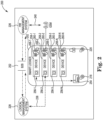
- Figure 2 is an example system 200 for a storage enclosure 202 consistent with the present disclosure.
- the system 200 can include the same or similar elements as system 100 as referenced in Figure 1 .
- the system 200 can include a storage enclosure 202 that can store a plurality of devices 206-1, 206-2, 206-3, 206-N within a storage area and/or within a plurality of corresponding storage areas.
- the system 200 can include a logical management system 228 and a hardware management system 226.
- the logical management system 228 can be communicatively coupled to the plurality of devices 206-1, 206-2, 206-3, 206-N through a first network 236 and the hardware management system 226 can be communicatively coupled to the locking mechanisms and/or device identification devices 260-1, 260-2, 260-3, 260-N through a second network 240.
- the first network 236 can be distinct and/or separated from the second network 240.
- the first network 236 can be separated from the second network 240 by a firewall (e.g., firewall 130 as referenced in Figure 1 , etc.).
- the first network 236 and the second network 240 can be separate networks that operate independently.
- the first network 236 and the second network 240 can be a shared network or hybrid network such that access to one network allows access to the other network when security between the logical management system 228 and the hardware management system 226 is not a concern.
- the plurality of devices 206-1, 206-2, 206-3, 206-N can include corresponding network connections 256-1, 256-2, 256-3, 256-N.
- a network connection can be a device that is capable of connecting to a network.
- the network connections 256-1, 256-2, 256-3, 256-N can be Ethernet ports, wireless network controllers, and/or other types of connections to communicatively couple the plurality of devices 206-1, 206-2, 206-3, 206-N to the first network 236 and/or to the logical management system 228.
- a device from the plurality of devices 206-1, 206-2, 206-3, 206-N can be positioned within the storage enclosure 202 and communicatively coupled to the first network 236 and/or the logical management system 228 prior to locking the storage enclosure 202 and/or corresponding storage area.
- a first device 206-1 can be positioned within the storage enclosure 202.
- a first network connection 256-1 for the first device 206-1 can be coupled to the first network 236 and/or the logical management system 228.
- the logical management system 228 can confirm that the first device 206-1 is communicatively coupled and positioned within the storage enclosure 202.
- the logical management system 228 can utilize a business to business (B2B) network 252 to inform the hardware management system 226 that the first device 206-1 is positioned within the storage enclosure 202 and is communicatively coupled to the logical management system 228.
- B2B business to business
- the hardware management system 226 can lock the corresponding storage area for the first device 206-1 and/or lock the storage enclosure 202 in response to receiving an instruction that the first device 206-1 is positioned within the storage enclosure 202 and is communicatively coupled to the first network 236 and/or the logical management system 228.
- the B2B network 252 can be a network where a first business exchanges information with a second business.
- the hardware management system 226 can extract device information from the plurality of devices 206-1, 206-2, 206-3, 206-N.
- the device information can include details relating to the plurality of devices 206-1, 206-2, 206-3, 206-N.
- the device information can include a unique identifier (e.g., serial number, model number, etc.) of the plurality of devices 206-1, 206-2, 206-3, 206-N, MAC addresses associated with the plurality of devices 206-1, 206-2, 206-3, 206-N, and/or other information related to the plurality of devices 206-1, 206-2, 206-3, 206-N.
- a unique identifier e.g., serial number, model number, etc.
- the device information can be stored on a corresponding memory resource of the plurality of devices 206-1, 206-2, 206-3, 206-N.
- the plurality of devices 206-1, 206-2, 206-3, 206-N can include a corresponding RFID tag 258-1, 258-2, 258-3, 258-N.
- a RFID tag can include a memory resource coupled to a radio frequency device.
- the plurality of RFID tags 258-1, 258-2, 258-3, 258-N can include a memory resource to store device information and a radio frequency transmitter to transmit the stored device information to a RFID reader.
- the plurality of RFID tags 258-1, 258-2, 258-3, 258-N can include an excitation coil that can receive radio frequency waves to generate power for the RFID transmitter.
- a RFID reader can provide radio frequency waves to the excitation coil and the plurality of RFID tags 258-1, 258-2, 258-3, 258-N can transmit the corresponding device information to the RFID reader in response to the excitation coil receiving the radio frequency waves.
- the plurality of RFID tags 258-1, 258-2, 258-3, 258-N can be passive RFID tags.
- a passive RFID tag can include a memory resource that includes static device information. The device information can be static when the device information is not updated by a corresponding device during operation of the corresponding device.
- the plurality of RFID tags 258-1, 258-2, 258-3, 258-N can be dynamic RFID tags.
- a dynamic RFID tag can include a memory resource that is actively updated (e.g., periodically, during a boot, etc.) by a device with device information. As described herein, a dynamic RFID tag can be updated by the device during operation.
- the device 206-1 can include an active RFID tag 258-1.
- the device 206-1 can check the accuracy of the data stored on the RFID tag 258-1 and determine if the data needs to be altered or updated based on a comparison of the data to a current status of the device. If the data is out of date or incorrect, the device 206-1 can alter the information stored on the RFID tag 258-1. In this way, the device information stored on the RFID tag 258-1 can be determined to be current device information for the device 206-1 when the RFID tag 258-1 is an active RFID tag.
- the system 200 can include a plurality of device identification devices 260-1, 260-2, 260-3, 260-N communicatively coupled to the hardware management system 226 through the second network 240.
- the plurality of device identification devices 260-1, 260-2, 260-3, 260-N can include RFID readers to extract device information from the plurality of RFID tags 258-1, 258-2, 258-3, 258-N.
- the device information can include a serial number, MAC address, model number, among other information related to the plurality of devices 206-1, 206-2, 206-3, 206-N.
- the hardware management system 226 can activate or deactivate a locking system or locking device based on the device information.
- a particular storage area may be prepared for a particular device from the plurality of devices 206-1, 206-2, 206-3, 206-N.
- the hardware management system 226 can utilize the device information to confirm that the correct device is positioned, powered, and/or communicatively connected within the correct storage area.
- the hardware management system 226 can utilize the B2B network 252 to transfer the device information to the logical management system 228.
- the system 200 can include an image loader 254.
- the image loader 254 can be a configuration device to load a device image on to the plurality of devices 206-1, 206-2, 206-3, 206-N.
- the image loader 254 can include a plurality of device images that can correspond to a plurality of different users. For example, a first user can utilize a first device image and a second user can utilize a second device image.
- the first device image can include a first set of settings, preferences, and/or applications to be applied to a particular device and the second device image can include a second set of settings, preferences, and/or applications to be applied to a particular device.
- the image loader 254 can apply a first device image to the first device 206-1 that corresponds to a first user and apply a second device image to the second device 206-2 that corresponds to a second user.
- each of the plurality of devices 206-1, 206-2, 206-3, 206-N can be uniquely configured for a particular user of the device.
- the image loader 254 can include a wake on LAN (WOL) function.
- WOL wake on LAN
- a WOL function can allow the image loader 254 or other device to activate the plurality of devices 206-1, 206-2, 206-3, 206-N and perform functions (e.g., provide a device image, etc.) on the plurality of devices 206-1, 206-2, 206-3, 206-N.
- the image loader 254 and the plurality of devices 206-1, 206-2, 206-3, 206-N can be communicatively coupled to the first network 236.
- a first device 206-1 can be activated from a deactivated or off state such that the image loader 254 is able to download a particular device image to the first device 206-1.
- the image loader 254 can deactivate the first device 206-1 once the particular device image is installed on the first device 206-1. This can allow the first device 206-1 to include particular settings, preferences, and/or applications for a particular user before the user picks up the device from the storage enclosure 202.
- the system 200 can include a logical user authentication system 218 and a hardware user authentication system 220 to allow users that are physically located or remote to the storage enclosure 202 to gain access to the respective systems.
- a user picking up the first device 206-1 and dropping off the second device 206-2 can provide credentials to the logical user authentication system 218.
- the user is capable of unlocking the first device 206-1 from the storage area and locking the second device 206-2 within the storage area. In this way, the user can replace the second device 206-2 with the first device 206-1 without having to configure the first device 206-1 since the first device 206-1 can be loaded with a particular device image prior to the user dropping off the second device 206-2.
- the user may not have to alter the settings of the second device 206-2 prior to dropping off the second device 206-2 since the image loader 254 is capable of altering the instructions of the second device 206-2 when the second device 206-2 is communicatively coupled to the first network 236 as described herein.
- the system 200 can provide for secure storage of devices, such as the plurality of devices 206-1, 206-2, 206-3, 206-N.
- the system 200 can provide for a secure location to alter instructions associated with the plurality of devices 206-1, 206-2, 206-3, 206-N while the plurality of devices 206-1, 206-2, 206-3, 206-N are stored within the storage enclosure 202.
- the plurality of devices 206-1, 206-2, 206-3, 206-N can be securely stored within the storage enclosure 202 and updated or altered while the plurality of devices 206-1, 206-2, 206-3, 206-N are stored within the storage enclosure 202.
- the system 200 allows a user to alter or update a device while the device is positioned within the storage enclosure 202 prior to picking up the device from the storage enclosure 202. In this way, the user can personalize the device before picking up the device from the storage enclosure.
- Figure 3 is an example system 300 for a storage enclosure 302 consistent with the present disclosure.
- the system 300 can include the same or similar elements as system 100 as referenced in Figure 1 and/or system 200 as referenced in Figure 2 .
- the system 300 can include a storage enclosure 302 that can store a plurality of devices 306-1, 306-2, 306-3, 306-N within a storage area and/or within a plurality of corresponding storage areas.
- the system 300 can include a logical management system 328 and a hardware management system 326.
- the logical management system 328 can be communicatively coupled to the plurality of devices 306-1, 306-2, 306-3, 306-N through a first network 336 and the hardware management system 326 can be communicatively coupled to the locking mechanisms through a second network 340.
- the first network 336 can be distinct and/or separated from the second network 340.
- the first network 336 can be separated from the second network 340 by a firewall (e.g., firewall 130 as referenced in Figure 1 , etc.).
- the first network 336 and the second network 340 can be separate networks that operate independently.
- the first network 336 and the second network 340 can be a shared network or hybrid network such that access to one network allows access to the other network when security between the logical management system 328 and the hardware management system 326 is not a concern.
- the plurality of devices 306-1, 306-2, 306-3, 306-N can include corresponding network connections 356-1, 356-2, 356-3, 356-N.
- a network connection can be a device that is capable of connecting to a network.
- the network connections 356-1, 356-2, 356-3, 356-N can be Ethernet ports, wireless network controllers, and/or other types of connections to communicatively couple the plurality of devices 306-1, 306-2, 306-3, 306-N to the first network 336 and/or to the logical management system 328.
- a device from the plurality of devices 306-1, 306-2, 306-3, 306-N can be positioned within the storage enclosure 302 and communicatively coupled to the first network 336 and/or the logical management system 328 prior to locking the storage enclosure 302 and/or corresponding storage area.
- the logical management system 328 and/or the hardware management system 326 can utilize device information for the plurality of devices 306-1, 306-2, 306-3, 306-N.
- the logical management system 328 can utilize a unique identifier and/or a MAC address of the plurality of devices 306-1, 306-2, 306-3, 306-N to alter instructions associated with the plurality of devices 306-1, 306-2, 306-3, 306-N.
- the hardware management system 326 can utilize the device information to confirm a particular device is stored in a particular storage area of the storage enclosure 302.
- the hardware management system 326 can determine whether to lock or unlock a particular storage area based on the device information. In these examples, a particular user may want to access a particular storage area and the hardware management system 326 can confirm that a corresponding device is positioned within the particular storage area prior to unlocking the particular storage area for the user.
- the system 300 can include a database 362 that can be utilized to store device information for the plurality of devices 306-1, 306-2, 306-3, 306-N and/or other devices.
- the database 362 can include unique identifiers, serial numbers, MAC addresses, and/or other device information for the plurality of devices 306-1, 306-2, 306-3, 306-N.
- the database can be communicatively coupled to the logical management system 328 through a first communication path 364 and communicatively coupled to the hardware management system 326 through a second communication path 366.
- the first communication path 364 can be separated from the second communication path 366.
- first communication path 364 and the second communication path 366 can be separated by a firewall as described herein.
- the logical management system 328 and the hardware management system 326 can each securely obtain device information for a particular device stored within the storage enclosure 302.
- the logical management system 328 and the hardware management system 326 can communicate over the B2B network 352.
- the logical management system 328 can determine a location or storage area of a particular device from the plurality of devices 306-1, 306-2, 306-3, 306-N.
- the logical management system 328 can request the device information from the database 362 for the particular device.
- the logical management system 328 can provide the storage location for the particular device to the hardware management system 326 and the hardware management system 326 can request the device information for the particular device from the database 362.
- the hardware management system 326 can utilize the storage location of the particular device and/or the device information to determine whether to lock or unlock a particular storage area of the storage enclosure 302.
- the system 300 can include an image loader 354.
- the image loader 354 can be a configuration device to load a device image on to the plurality of devices 306-1, 306-2, 306-3, 306-N.
- the image loader 354 can include a plurality of device images that can correspond to a plurality of different users. For example, a first user can utilize a first device image and a second user can utilize a second device image.
- the image loader 354 can include a WOL function.
- the system 300 can include a logical user authentication system 318 and a hardware user authentication system 320 to allow local users that are physically located to the storage enclosure 302 to gain access to the respective systems.
- the system 300 can provide for secure storage of devices, such as the plurality of devices 306-1, 306-2, 306-3, 306-N.
- the system 300 can provide for a secure location to alter instructions associated with the plurality of devices 306-1, 306-2, 306-3, 306-N while the plurality of devices 306-1, 306-2, 306-3, 306-N are stored within the storage enclosure 302.
- the plurality of devices 306-1, 306-2, 306-3, 306-N can be securely stored within the storage enclosure 302 and updated or altered while the plurality of devices 306-1, 306-2, 306-3, 306-N are stored within the storage enclosure 302.
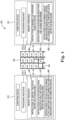
- Figure 4 is an example system 400 for a storage enclosure 402 consistent with the present disclosure.
- the system 400 can include the same or similar elements as system 100 as referenced in Figure 1 , system 200 as referenced in Figure 2 , and/or system 300 as referenced in Figure 3 .
- the system 400 can include a storage enclosure 402 that can store a plurality of devices within a storage area 404 and/or within a plurality of corresponding storage areas.
- the system 400 can include a first computing device 410 and a second computing device 412.
- the first computing device 410 can be utilized as a logical configuration system (e.g., logical configuration system 110 as referenced in Figure 1 , etc.) and the second computing device 412 can be utilized as a hardware logistic system (e.g., hardware logistic system 112 as referenced in Figure 1 , etc.).
- the first computing device 410 and the second computing device 412 can include a corresponding processing resource 472-1, 472-2 and/or a corresponding memory resource 474-1, 474-2 storing instructions to perform particular functions.
- a processing resource as used herein, can include a number of processing resources capable of executing instructions stored by a memory resource.
- the instructions can include instructions stored on the memory resource and executable by the processing resource to implement a particular function.
- the memory resource can include a number of memory components capable of storing non-transitory instructions that can be executed by the processing resource.
- the memory resource can be in communication with the processing resource via a communication link (e.g., path).
- the communication link can be local or remote to an electronic device associated with the processing resource.
- the memory resource 474-1 includes instructions 476, 478, 480 and the memory resource 474-2 includes instructions 482, 484, 486.
- the memory resources 474-1, 474-2 can include more or fewer instructions than illustrated to perform the various functions described herein.
- instructions e.g., software, firmware, etc.
- MRM memory resource
- a hard-wired program e.g., logic
- the computing devices 410, 412 can be hardware, such as an application-specific integrated circuit (ASIC), that can include instructions to perform particular functions.
- ASIC application-specific integrated circuit
- the first computing device 410 can include instructions 476, when executed by a processing resource 472-1 can identify the device within the storage area 404 of a storage enclosure 402. As described herein, the first computing device 410 can identify the device within the storage area 404 utilizing device information associated with the device. In some examples, the device can include a passive or dynamic RFID tag that can allow the first computing device 410 to extract the device information utilizing a RFID reader device.
- the first computing device 410 can include instructions 478, when executed by a processing resource 472-1 can alter instructions associated with the device within the storage area 404 of the storage enclosure 402.
- altering instructions associated with the device can include altering settings of the device, updating instructions or firmware of the device, and/or downloading a device image to the device.
- altering the instructions associated with the device can include personalizing the device for a particular user by altering specific instructions of the device based on user preferences.
- the first computing device 410 can include instructions 480, when executed by a processing resource 472-1 can upload a device image to a computing device based on a user associated with the computing device.
- a device image can be a set of instructions to provide particular settings, preferences, and/or applications to a particular device. The device image can be applied such that a particular user can more easily utilize the device.
- the second computing device 412 can include instructions 482, when executed by a processing resource 472-2 can manage a hardware logistic system of the storage enclosure 402.
- the managing the hardware logistic system can include instructions to provide device information to the hardware logistic system, instruct the hardware logistic system to activate or deactivate particular locking mechanisms, and/or authenticate users attempting to access the hardware logistic system. In some examples, this function can be performed by a hardware management system as described herein.
- the second computing device 412 can include instructions 484, when executed by a processing resource 472-2 can activate and deactivate the locking mechanism of a storage area 404 of the storage enclosure 402. As described herein, the second computing device 412 can be communicatively coupled to the locking mechanism of a storage area 404 and/or the storage enclosure 402. In some examples, the second computing device 412 can activate and/or deactivate the locking mechanism based on the device information. For example, the second computing device 412 can deactivate the locking mechanism to allow an authorized user access to a particular storage area 404. In this example, the second computing device 412 can activate the locking mechanism when an authorized user places an authorized device within the storage area 404.
- the second computing device 412 can include instructions 486, when executed by a processing resource 472-2 can determine a unique identifier and Media Access Control (MAC) address of a computing device within a storage area 404 of the storage enclosure 402.
- the device information for a device such as a computing device can include the MAC address and unique identifier for the computing device.
- the second computing device 412 can determine the unique identifier and/or MAC address of the computing device based on device information that can be extracted from an RFID tag associated with the computing device stored within the storage area 404 of the storage enclosure 402.
- the system 400 can provide for secure storage of devices, such as computing devices.
- the system 400 can provide for a secure location to alter instructions associated with the plurality of devices while the plurality of devices are stored within the storage enclosure 402.
- the plurality of devices can be securely stored within a storage area 404 of the storage enclosure 402 and updated or altered while the plurality of devices are stored within the storage enclosure 402.
Landscapes
- Engineering & Computer Science (AREA)
- Physics & Mathematics (AREA)
- General Physics & Mathematics (AREA)
- Computer Hardware Design (AREA)
- Computer Security & Cryptography (AREA)
- Theoretical Computer Science (AREA)
- General Engineering & Computer Science (AREA)
- Software Systems (AREA)
- Computer Networks & Wireless Communication (AREA)
- Computing Systems (AREA)
- Signal Processing (AREA)
- Power Engineering (AREA)
- Storage Device Security (AREA)
Claims (15)
- Enceinte de stockage physique (102, 202, 302, 402), comprenant :un mécanisme de verrouillage pour empêcher le retrait d'un dispositif d'une zone de stockage (104, 404) ;un système de configuration logique (110) couplé au dispositif au niveau de la zone de stockage (104, 404), dans laquelle le système de configuration logique (110) comporte des instructions pour identifier le dispositif au niveau de la zone de stockage (104, 404) et modifier des instructions associées au dispositif au niveau de la zone de stockage (104, 404) ;un système logistique du matériel (112) couplé au mécanisme de verrouillage pour activer et désactiver le mécanisme de verrouillage ; etun pare-feu pour restreindre la communication entre le système de configuration logique (110) et le système logistique du matériel (112).
- Enceinte de stockage physique (102, 202, 302, 402) selon la revendication 1, dans laquelle le système de configuration logique (110) est couplé à un premier réseau (236, 336) qui fournit une communication au dispositif au niveau de la zone de stockage (104, 404).
- Enceinte de stockage physique (102, 202, 302, 402) selon la revendication 2, dans laquelle le système logistique du matériel (112) est couplé à un second réseau (240, 340) qui fournit une communication au mécanisme de verrouillage.
- Enceinte de stockage physique (102, 202, 302, 402) selon la revendication 3, dans laquelle le pare-feu restreint la communication entre le premier réseau (236, 336) et le second réseau (240, 340).
- Enceinte de stockage physique (102, 202, 302, 402) selon la revendication 1, dans laquelle le système logistique du matériel (112) comporte un premier système d'authentification pour authentifier un utilisateur tentant d'accéder au système logistique du matériel (112) et le système de configuration logique (110) comporte un second système d'authentification pour authentifier un utilisateur tentant d'accéder au système de configuration logique (110).
- Enceinte de stockage physique (102, 202, 302, 402) selon la revendication 5, dans laquelle le pare-feu restreint la communication entre le premier système d'authentification et le second système d'authentification.
- Système, comprenant :une enceinte pour recevoir un dispositif informatique et stocker le dispositif informatique au sein de l'enceinte ;un mécanisme de verrouillage couplé pour verrouiller l'enceinte lorsque le mécanisme de verrouillage est activé ;un système de configuration logique (110) couplé au dispositif informatique au sein de l'enceinte pour modifier des instructions associées au dispositif informatique au sein de l'enceinte ;un système de gestion logique (128, 228, 328) pour gérer le système de configuration logique (110) et une pluralité de systèmes de configuration logique supplémentaires ;un système logistique matériel (112) couplé au mécanisme de verrouillage pour activer et désactiver le mécanisme de verrouillage ;un système de gestion matériel (126, 226, 326) pour gérer le système logistique matériel (112) et une pluralité de systèmes logistiques du matériel supplémentaires ; etun pare-feu pour restreindre la communication entre le système de configuration logique (110) et le système logistique matériel (112) et permettre une communication entre un système de gestion logique (128, 228, 328) et le système de gestion du matériel (126, 226, 326).
- Système selon la revendication 7, dans lequel le système de configuration logique (110) est couplé au système de gestion logique (128, 228, 328) par l'intermédiaire d'une première connexion réseau et dans lequel le système logistique du matériel (112) est couplé au système de gestion du matériel (126, 226, 326) par l'intermédiaire d'une seconde connexion réseau.
- Système selon la revendication 7, dans lequel le système de gestion logique (128, 228, 328) fournit une identification du dispositif informatique au système de gestion du matériel (126, 226, 326) par l'intermédiaire du pare-feu.
- Système selon la revendication 7, dans lequel le système de configuration logique (110) comporte des instructions pour déterminer un identificateur unique et une adresse de commande d'accès au support (MAC) du dispositif informatique au sein de l'enceinte.
- Système selon la revendication 7, comprenant un système d'identification pour récupérer un état de connexion de réseau et un état de connexion de puissance pour le dispositif informatique à partir d'une balise de fréquence radio dynamique (RF) du dispositif informatique, dans lequel la balise RF dynamique est mise à jour avec l'état de connexion de réseau et l'état de connexion de puissance par le dispositif informatique lorsque le dispositif informatique est activé.
- Système selon la revendication 11, dans lequel le système d'identification comporte un lecteur RFID positionné dans une plage lisible de l'enceinte pour récupérer l'identifiant unique et l'adresse MAC à partir de la balise RF dynamique.
- Enceinte de stockage de dispositif informatique (102, 202, 302, 402), comprenant :l'enceinte de stockage physique selon la revendication 1 pour stocker un dispositif informatique ;un système d'identification de dispositif pour déterminer un identifiant unique du dispositif informatique positionné au sein de l'enceinte ;dans laquelle le système de configuration logique (110) est couplé au dispositif informatique par l'intermédiaire d'un premier réseau au sein de l'enceinte et est configuré pour modifier des instructions associées au dispositif informatique à l'intérieur de l'enceinte sur la base de l'identifiant unique du dispositif informatique positionné à l'intérieur de l'enceinte ;l'enceinte de stockage de dispositif informatique (102, 202, 302, 402) comprenant en outre :un système d'affichage d'état (111) pour recevoir une mise à jour d'état pour des instructions modifiées mises en oeuvre par le système de configuration logique (110) et pour recevoir l'identificateur unique du dispositif informatique ;un système de lecture d'état (113) pour recevoir la mise à jour d'état pour des instructions modifiées mises en oeuvre par le système de configuration logique (110) et pour recevoir l'identifiant unique du dispositif informatique ;et dans laquelle le système logistique matériel (112) est couplé au mécanisme de verrouillage par le biais d'un second réseau et est configuré pour activer et désactiver le mécanisme de verrouillage sur la base de l'identifiant unique du dispositif informatique positionné à l'intérieur de l'enceinte.
- Enceinte de stockage de dispositif informatique (102, 202, 302, 402) selon la revendication 13, dans laquelle le système de configuration logique (110) comporte des instructions pour charger une image de dispositif au dispositif informatique sur la base d'un utilisateur associé au dispositif informatique.
- Enceinte de stockage de dispositif informatique (102, 202, 302, 402) selon la revendication 13, dans laquelle le premier réseau (236, 336) comporteun premier système d'authentification pour fournir un accès au premier réseau (236, 336) et le second réseau (240, 340) comporte un second système d'authentification pour fournir un accès au second réseau (240, 340).
Applications Claiming Priority (1)
| Application Number | Priority Date | Filing Date | Title |
|---|---|---|---|
| PCT/US2019/043559 WO2021021070A1 (fr) | 2019-07-26 | 2019-07-26 | Enceintes de stockage |
Publications (3)
| Publication Number | Publication Date |
|---|---|
| EP4004775A1 EP4004775A1 (fr) | 2022-06-01 |
| EP4004775A4 EP4004775A4 (fr) | 2023-04-26 |
| EP4004775B1 true EP4004775B1 (fr) | 2024-02-28 |
Family
ID=74230461
Family Applications (1)
| Application Number | Title | Priority Date | Filing Date |
|---|---|---|---|
| EP19940012.8A Active EP4004775B1 (fr) | 2019-07-26 | 2019-07-26 | Enceintes de stockage |
Country Status (5)
| Country | Link |
|---|---|
| US (1) | US11699317B2 (fr) |
| EP (1) | EP4004775B1 (fr) |
| CN (1) | CN114127719B (fr) |
| TW (1) | TWI757783B (fr) |
| WO (1) | WO2021021070A1 (fr) |
Families Citing this family (2)
| Publication number | Priority date | Publication date | Assignee | Title |
|---|---|---|---|---|
| US11842186B2 (en) * | 2021-06-10 | 2023-12-12 | Dell Products L.P. | Firmware update system |
| US11941389B1 (en) | 2023-10-12 | 2024-03-26 | Lockmasters, Inc. | Systems and methods for providing customized firmware packages to a locking device |
Family Cites Families (25)
| Publication number | Priority date | Publication date | Assignee | Title |
|---|---|---|---|---|
| SU1681304A1 (ru) | 1988-07-21 | 1991-09-30 | Научно-Исследовательский И Конструкторско-Технологический Институт Средств Контроля Электронной Аппаратуры И Изделий Электронной Техники | Устройство дл автоматического поиска дефектов в логических блоках |
| US5944823A (en) | 1996-10-21 | 1999-08-31 | International Business Machines Corporations | Outside access to computer resources through a firewall |
| US7024449B1 (en) | 1996-11-29 | 2006-04-04 | Ellis Iii Frampton E | Global network computers |
| US20030083009A1 (en) * | 2001-10-25 | 2003-05-01 | Freyman Phillip Kent | Access device internet lock out reature |
| US20040189439A1 (en) | 2003-03-28 | 2004-09-30 | Cansino Juan Miguel Dominguez | Local and remote management of lock systems from a network |
| US8000502B2 (en) | 2005-03-09 | 2011-08-16 | Sandisk Technologies Inc. | Portable memory storage device with biometric identification security |
| US8819178B2 (en) | 2005-03-16 | 2014-08-26 | Icontrol Networks, Inc. | Controlling data routing in integrated security systems |
| US20100070582A1 (en) | 2005-07-04 | 2010-03-18 | Viswanath Somasekhar | Device Management Across Firewall Architecture |
| US20070130294A1 (en) | 2005-12-02 | 2007-06-07 | Leo Nishio | Methods and apparatus for communicating with autonomous devices via a wide area network |
| US8151337B2 (en) | 2006-06-30 | 2012-04-03 | Microsoft Corporation | Applying firewalls to virtualized environments |
| US8155714B2 (en) | 2008-06-28 | 2012-04-10 | Microsoft Corporation | Portable media player having a flip form factor |
| US8429735B2 (en) | 2010-01-26 | 2013-04-23 | Frampton E. Ellis | Method of using one or more secure private networks to actively configure the hardware of a computer or microchip |
| US8171142B2 (en) * | 2010-06-30 | 2012-05-01 | Vmware, Inc. | Data center inventory management using smart racks |
| TWI462016B (zh) * | 2011-12-13 | 2014-11-21 | Delta Electronics Inc | 伺服器的自動安裝與設定方法及其應用程式 |
| JP6048204B2 (ja) | 2013-02-20 | 2016-12-21 | 株式会社リコー | 情報処理装置、情報処理システム、及び情報処理プログラム |
| GB2512817A (en) * | 2013-02-22 | 2014-10-15 | Chargebox Ltd | Secure device charging |
| US9684778B2 (en) * | 2013-12-28 | 2017-06-20 | Intel Corporation | Extending user authentication across a trust group of smart devices |
| RU149331U8 (ru) | 2014-09-30 | 2015-04-27 | Общество с ограниченной ответственностью "Московский завод "ФИЗПРИБОР" | Шкаф базовый программно-технического комплекса средств автоматизированного управления |
| US10104228B2 (en) * | 2015-05-01 | 2018-10-16 | Vyng, Inc. | Methods and systems for management of media content associated with message context on mobile computing devices |
| US9971899B2 (en) * | 2016-01-04 | 2018-05-15 | International Business Machines Corporation | Secure, targeted, customizable data removal |
| WO2017196319A1 (fr) | 2016-05-11 | 2017-11-16 | Hewlett Packard Enterprise Development Lp | Commande d'accès à un dispositif électronique |
| WO2018067994A1 (fr) * | 2016-10-06 | 2018-04-12 | JPS Engineering Corp. | Systèmes et procédés de cybersécurité |
| US10210062B2 (en) * | 2017-06-08 | 2019-02-19 | International Business Machines Corporation | Data storage system comprising an array of drives |
| US10547715B2 (en) * | 2017-06-16 | 2020-01-28 | Cisco Technology, Inc. | Event generation in response to network intent formal equivalence failures |
| EP3679685A1 (fr) | 2017-09-08 | 2020-07-15 | Nchain Holdings Limited | Technique de verrouillage temporel améliorée pour sécuriser une ressource sur une chaîne de blocs |
-
2019
- 2019-07-26 EP EP19940012.8A patent/EP4004775B1/fr active Active
- 2019-07-26 WO PCT/US2019/043559 patent/WO2021021070A1/fr not_active Ceased
- 2019-07-26 US US17/418,275 patent/US11699317B2/en active Active
- 2019-07-26 CN CN201980098808.9A patent/CN114127719B/zh active Active
-
2020
- 2020-07-08 TW TW109123060A patent/TWI757783B/zh not_active IP Right Cessation
Also Published As
| Publication number | Publication date |
|---|---|
| CN114127719B (zh) | 2026-03-03 |
| EP4004775A1 (fr) | 2022-06-01 |
| TWI757783B (zh) | 2022-03-11 |
| TW202109325A (zh) | 2021-03-01 |
| CN114127719A (zh) | 2022-03-01 |
| US11699317B2 (en) | 2023-07-11 |
| WO2021021070A1 (fr) | 2021-02-04 |
| EP4004775A4 (fr) | 2023-04-26 |
| US20220172538A1 (en) | 2022-06-02 |
Similar Documents
| Publication | Publication Date | Title |
|---|---|---|
| US8635462B2 (en) | Method and device for managing access control | |
| CN101172546B (zh) | 改进电梯系统的控制的方法 | |
| EP2620919A1 (fr) | Système de verrouillage | |
| US20170309100A1 (en) | Long range wireless credentials for entryway | |
| EP4004775B1 (fr) | Enceintes de stockage | |
| EP4057661A1 (fr) | Système, module, circuits et procédé | |
| JP2019523959A (ja) | 設置場所においてアクセス制御装置を構成するための方法および装置 | |
| US11848929B2 (en) | IMEI storage | |
| JP6726483B2 (ja) | 電気錠制御システム、収納システム、電気錠制御装置、及び電気錠制御方法 | |
| US20260010359A1 (en) | Method and Devices for Communicating Between an Internet of Things Device and a Remote Computer System | |
| AU2023206011B2 (en) | A locking system of one or more buildings | |
| US12572661B2 (en) | Update agent with provisioning connectivity and secure element comprising the same | |
| US10824194B2 (en) | Multi-blade device dispensing system | |
| EP4708943A1 (fr) | Procédé, programme de configuration, ensemble de données de programme de diversification, support de données lisible par ordinateur et dispositif serveur pour configurer un dispositif utilisateur | |
| JP6726484B2 (ja) | 電気錠制御システム、収納システム、電気錠制御装置、及び電気錠制御方法 | |
| Manthey et al. | Novel Blockchain-based, Decentralized, Offline Locking System | |
| US12323797B2 (en) | System and method of distributed communications | |
| HK40089290A (en) | A locking system of one or more buildings | |
| GB2611739A (en) | System, module, circuitry and method | |
| JP4190023B1 (ja) | 認証装置、方法及びコンピュータプログラム | |
| WO2021089908A1 (fr) | Procédé et appareil permettant de fournir des dispositifs internet |
Legal Events
| Date | Code | Title | Description |
|---|---|---|---|
| STAA | Information on the status of an ep patent application or granted ep patent |
Free format text: STATUS: THE INTERNATIONAL PUBLICATION HAS BEEN MADE |
|
| PUAI | Public reference made under article 153(3) epc to a published international application that has entered the european phase |
Free format text: ORIGINAL CODE: 0009012 |
|
| STAA | Information on the status of an ep patent application or granted ep patent |
Free format text: STATUS: REQUEST FOR EXAMINATION WAS MADE |
|
| 17P | Request for examination filed |
Effective date: 20220124 |
|
| AK | Designated contracting states |
Kind code of ref document: A1 Designated state(s): AL AT BE BG CH CY CZ DE DK EE ES FI FR GB GR HR HU IE IS IT LI LT LU LV MC MK MT NL NO PL PT RO RS SE SI SK SM TR |
|
| DAV | Request for validation of the european patent (deleted) | ||
| DAX | Request for extension of the european patent (deleted) | ||
| A4 | Supplementary search report drawn up and despatched |
Effective date: 20230327 |
|
| RIC1 | Information provided on ipc code assigned before grant |
Ipc: G06F 9/4401 20180101ALI20230321BHEP Ipc: G06F 21/86 20130101ALI20230321BHEP Ipc: G06F 21/88 20130101ALI20230321BHEP Ipc: G07F 17/12 20060101ALI20230321BHEP Ipc: G07F 17/10 20060101ALI20230321BHEP Ipc: G06F 21/57 20130101ALI20230321BHEP Ipc: G06F 8/71 20180101ALI20230321BHEP Ipc: G06F 8/61 20180101ALI20230321BHEP Ipc: G06F 8/60 20180101ALI20230321BHEP Ipc: G06F 21/35 20130101ALI20230321BHEP Ipc: G06F 21/31 20130101AFI20230321BHEP |
|
| GRAP | Despatch of communication of intention to grant a patent |
Free format text: ORIGINAL CODE: EPIDOSNIGR1 |
|
| STAA | Information on the status of an ep patent application or granted ep patent |
Free format text: STATUS: GRANT OF PATENT IS INTENDED |
|
| INTG | Intention to grant announced |
Effective date: 20231130 |
|
| GRAS | Grant fee paid |
Free format text: ORIGINAL CODE: EPIDOSNIGR3 |
|
| GRAA | (expected) grant |
Free format text: ORIGINAL CODE: 0009210 |
|
| STAA | Information on the status of an ep patent application or granted ep patent |
Free format text: STATUS: THE PATENT HAS BEEN GRANTED |
|
| AK | Designated contracting states |
Kind code of ref document: B1 Designated state(s): AL AT BE BG CH CY CZ DE DK EE ES FI FR GB GR HR HU IE IS IT LI LT LU LV MC MK MT NL NO PL PT RO RS SE SI SK SM TR |
|
| REG | Reference to a national code |
Ref country code: GB Ref legal event code: FG4D |
|
| REG | Reference to a national code |
Ref country code: CH Ref legal event code: EP |
|
| REG | Reference to a national code |
Ref country code: DE Ref legal event code: R096 Ref document number: 602019047584 Country of ref document: DE |
|
| REG | Reference to a national code |
Ref country code: IE Ref legal event code: FG4D |
|
| REG | Reference to a national code |
Ref country code: LT Ref legal event code: MG9D |
|
| PG25 | Lapsed in a contracting state [announced via postgrant information from national office to epo] |
Ref country code: IS Free format text: LAPSE BECAUSE OF FAILURE TO SUBMIT A TRANSLATION OF THE DESCRIPTION OR TO PAY THE FEE WITHIN THE PRESCRIBED TIME-LIMIT Effective date: 20240628 |
|
| REG | Reference to a national code |
Ref country code: NL Ref legal event code: MP Effective date: 20240228 |
|
| PG25 | Lapsed in a contracting state [announced via postgrant information from national office to epo] |
Ref country code: LT Free format text: LAPSE BECAUSE OF FAILURE TO SUBMIT A TRANSLATION OF THE DESCRIPTION OR TO PAY THE FEE WITHIN THE PRESCRIBED TIME-LIMIT Effective date: 20240228 |
|
| PG25 | Lapsed in a contracting state [announced via postgrant information from national office to epo] |
Ref country code: GR Free format text: LAPSE BECAUSE OF FAILURE TO SUBMIT A TRANSLATION OF THE DESCRIPTION OR TO PAY THE FEE WITHIN THE PRESCRIBED TIME-LIMIT Effective date: 20240529 |
|
| PG25 | Lapsed in a contracting state [announced via postgrant information from national office to epo] |
Ref country code: NL Free format text: LAPSE BECAUSE OF FAILURE TO SUBMIT A TRANSLATION OF THE DESCRIPTION OR TO PAY THE FEE WITHIN THE PRESCRIBED TIME-LIMIT Effective date: 20240228 Ref country code: RS Free format text: LAPSE BECAUSE OF FAILURE TO SUBMIT A TRANSLATION OF THE DESCRIPTION OR TO PAY THE FEE WITHIN THE PRESCRIBED TIME-LIMIT Effective date: 20240528 Ref country code: HR Free format text: LAPSE BECAUSE OF FAILURE TO SUBMIT A TRANSLATION OF THE DESCRIPTION OR TO PAY THE FEE WITHIN THE PRESCRIBED TIME-LIMIT Effective date: 20240228 |
|
| PG25 | Lapsed in a contracting state [announced via postgrant information from national office to epo] |
Ref country code: ES Free format text: LAPSE BECAUSE OF FAILURE TO SUBMIT A TRANSLATION OF THE DESCRIPTION OR TO PAY THE FEE WITHIN THE PRESCRIBED TIME-LIMIT Effective date: 20240228 |
|
| PG25 | Lapsed in a contracting state [announced via postgrant information from national office to epo] |
Ref country code: RS Free format text: LAPSE BECAUSE OF FAILURE TO SUBMIT A TRANSLATION OF THE DESCRIPTION OR TO PAY THE FEE WITHIN THE PRESCRIBED TIME-LIMIT Effective date: 20240528 Ref country code: NO Free format text: LAPSE BECAUSE OF FAILURE TO SUBMIT A TRANSLATION OF THE DESCRIPTION OR TO PAY THE FEE WITHIN THE PRESCRIBED TIME-LIMIT Effective date: 20240528 Ref country code: NL Free format text: LAPSE BECAUSE OF FAILURE TO SUBMIT A TRANSLATION OF THE DESCRIPTION OR TO PAY THE FEE WITHIN THE PRESCRIBED TIME-LIMIT Effective date: 20240228 Ref country code: LT Free format text: LAPSE BECAUSE OF FAILURE TO SUBMIT A TRANSLATION OF THE DESCRIPTION OR TO PAY THE FEE WITHIN THE PRESCRIBED TIME-LIMIT Effective date: 20240228 Ref country code: IS Free format text: LAPSE BECAUSE OF FAILURE TO SUBMIT A TRANSLATION OF THE DESCRIPTION OR TO PAY THE FEE WITHIN THE PRESCRIBED TIME-LIMIT Effective date: 20240628 Ref country code: HR Free format text: LAPSE BECAUSE OF FAILURE TO SUBMIT A TRANSLATION OF THE DESCRIPTION OR TO PAY THE FEE WITHIN THE PRESCRIBED TIME-LIMIT Effective date: 20240228 Ref country code: GR Free format text: LAPSE BECAUSE OF FAILURE TO SUBMIT A TRANSLATION OF THE DESCRIPTION OR TO PAY THE FEE WITHIN THE PRESCRIBED TIME-LIMIT Effective date: 20240529 Ref country code: FI Free format text: LAPSE BECAUSE OF FAILURE TO SUBMIT A TRANSLATION OF THE DESCRIPTION OR TO PAY THE FEE WITHIN THE PRESCRIBED TIME-LIMIT Effective date: 20240228 Ref country code: ES Free format text: LAPSE BECAUSE OF FAILURE TO SUBMIT A TRANSLATION OF THE DESCRIPTION OR TO PAY THE FEE WITHIN THE PRESCRIBED TIME-LIMIT Effective date: 20240228 Ref country code: BG Free format text: LAPSE BECAUSE OF FAILURE TO SUBMIT A TRANSLATION OF THE DESCRIPTION OR TO PAY THE FEE WITHIN THE PRESCRIBED TIME-LIMIT Effective date: 20240228 |
|
| PG25 | Lapsed in a contracting state [announced via postgrant information from national office to epo] |
Ref country code: PL Free format text: LAPSE BECAUSE OF FAILURE TO SUBMIT A TRANSLATION OF THE DESCRIPTION OR TO PAY THE FEE WITHIN THE PRESCRIBED TIME-LIMIT Effective date: 20240228 Ref country code: PT Free format text: LAPSE BECAUSE OF FAILURE TO SUBMIT A TRANSLATION OF THE DESCRIPTION OR TO PAY THE FEE WITHIN THE PRESCRIBED TIME-LIMIT Effective date: 20240628 |
|
| REG | Reference to a national code |
Ref country code: AT Ref legal event code: MK05 Ref document number: 1661883 Country of ref document: AT Kind code of ref document: T Effective date: 20240228 |
|
| PG25 | Lapsed in a contracting state [announced via postgrant information from national office to epo] |
Ref country code: SE Free format text: LAPSE BECAUSE OF FAILURE TO SUBMIT A TRANSLATION OF THE DESCRIPTION OR TO PAY THE FEE WITHIN THE PRESCRIBED TIME-LIMIT Effective date: 20240228 Ref country code: PT Free format text: LAPSE BECAUSE OF FAILURE TO SUBMIT A TRANSLATION OF THE DESCRIPTION OR TO PAY THE FEE WITHIN THE PRESCRIBED TIME-LIMIT Effective date: 20240628 Ref country code: PL Free format text: LAPSE BECAUSE OF FAILURE TO SUBMIT A TRANSLATION OF THE DESCRIPTION OR TO PAY THE FEE WITHIN THE PRESCRIBED TIME-LIMIT Effective date: 20240228 Ref country code: LV Free format text: LAPSE BECAUSE OF FAILURE TO SUBMIT A TRANSLATION OF THE DESCRIPTION OR TO PAY THE FEE WITHIN THE PRESCRIBED TIME-LIMIT Effective date: 20240228 |
|
| PG25 | Lapsed in a contracting state [announced via postgrant information from national office to epo] |
Ref country code: DK Free format text: LAPSE BECAUSE OF FAILURE TO SUBMIT A TRANSLATION OF THE DESCRIPTION OR TO PAY THE FEE WITHIN THE PRESCRIBED TIME-LIMIT Effective date: 20240228 |
|
| PG25 | Lapsed in a contracting state [announced via postgrant information from national office to epo] |
Ref country code: SM Free format text: LAPSE BECAUSE OF FAILURE TO SUBMIT A TRANSLATION OF THE DESCRIPTION OR TO PAY THE FEE WITHIN THE PRESCRIBED TIME-LIMIT Effective date: 20240228 |
|
| PG25 | Lapsed in a contracting state [announced via postgrant information from national office to epo] |
Ref country code: EE Free format text: LAPSE BECAUSE OF FAILURE TO SUBMIT A TRANSLATION OF THE DESCRIPTION OR TO PAY THE FEE WITHIN THE PRESCRIBED TIME-LIMIT Effective date: 20240228 Ref country code: CZ Free format text: LAPSE BECAUSE OF FAILURE TO SUBMIT A TRANSLATION OF THE DESCRIPTION OR TO PAY THE FEE WITHIN THE PRESCRIBED TIME-LIMIT Effective date: 20240228 |
|
| PG25 | Lapsed in a contracting state [announced via postgrant information from national office to epo] |
Ref country code: AT Free format text: LAPSE BECAUSE OF FAILURE TO SUBMIT A TRANSLATION OF THE DESCRIPTION OR TO PAY THE FEE WITHIN THE PRESCRIBED TIME-LIMIT Effective date: 20240228 |
|
| PG25 | Lapsed in a contracting state [announced via postgrant information from national office to epo] |
Ref country code: SK Free format text: LAPSE BECAUSE OF FAILURE TO SUBMIT A TRANSLATION OF THE DESCRIPTION OR TO PAY THE FEE WITHIN THE PRESCRIBED TIME-LIMIT Effective date: 20240228 |
|
| PG25 | Lapsed in a contracting state [announced via postgrant information from national office to epo] |
Ref country code: SM Free format text: LAPSE BECAUSE OF FAILURE TO SUBMIT A TRANSLATION OF THE DESCRIPTION OR TO PAY THE FEE WITHIN THE PRESCRIBED TIME-LIMIT Effective date: 20240228 Ref country code: SK Free format text: LAPSE BECAUSE OF FAILURE TO SUBMIT A TRANSLATION OF THE DESCRIPTION OR TO PAY THE FEE WITHIN THE PRESCRIBED TIME-LIMIT Effective date: 20240228 Ref country code: RO Free format text: LAPSE BECAUSE OF FAILURE TO SUBMIT A TRANSLATION OF THE DESCRIPTION OR TO PAY THE FEE WITHIN THE PRESCRIBED TIME-LIMIT Effective date: 20240228 Ref country code: EE Free format text: LAPSE BECAUSE OF FAILURE TO SUBMIT A TRANSLATION OF THE DESCRIPTION OR TO PAY THE FEE WITHIN THE PRESCRIBED TIME-LIMIT Effective date: 20240228 Ref country code: DK Free format text: LAPSE BECAUSE OF FAILURE TO SUBMIT A TRANSLATION OF THE DESCRIPTION OR TO PAY THE FEE WITHIN THE PRESCRIBED TIME-LIMIT Effective date: 20240228 Ref country code: CZ Free format text: LAPSE BECAUSE OF FAILURE TO SUBMIT A TRANSLATION OF THE DESCRIPTION OR TO PAY THE FEE WITHIN THE PRESCRIBED TIME-LIMIT Effective date: 20240228 Ref country code: AT Free format text: LAPSE BECAUSE OF FAILURE TO SUBMIT A TRANSLATION OF THE DESCRIPTION OR TO PAY THE FEE WITHIN THE PRESCRIBED TIME-LIMIT Effective date: 20240228 |
|
| REG | Reference to a national code |
Ref country code: DE Ref legal event code: R097 Ref document number: 602019047584 Country of ref document: DE |
|
| PG25 | Lapsed in a contracting state [announced via postgrant information from national office to epo] |
Ref country code: IT Free format text: LAPSE BECAUSE OF FAILURE TO SUBMIT A TRANSLATION OF THE DESCRIPTION OR TO PAY THE FEE WITHIN THE PRESCRIBED TIME-LIMIT Effective date: 20240228 |
|
| PG25 | Lapsed in a contracting state [announced via postgrant information from national office to epo] |
Ref country code: IT Free format text: LAPSE BECAUSE OF FAILURE TO SUBMIT A TRANSLATION OF THE DESCRIPTION OR TO PAY THE FEE WITHIN THE PRESCRIBED TIME-LIMIT Effective date: 20240228 |
|
| PLBE | No opposition filed within time limit |
Free format text: ORIGINAL CODE: 0009261 |
|
| STAA | Information on the status of an ep patent application or granted ep patent |
Free format text: STATUS: NO OPPOSITION FILED WITHIN TIME LIMIT |
|
| 26N | No opposition filed |
Effective date: 20241129 |
|
| PG25 | Lapsed in a contracting state [announced via postgrant information from national office to epo] |
Ref country code: MC Free format text: LAPSE BECAUSE OF FAILURE TO SUBMIT A TRANSLATION OF THE DESCRIPTION OR TO PAY THE FEE WITHIN THE PRESCRIBED TIME-LIMIT Effective date: 20240228 |
|
| REG | Reference to a national code |
Ref country code: CH Ref legal event code: PL |
|
| PG25 | Lapsed in a contracting state [announced via postgrant information from national office to epo] |
Ref country code: LU Free format text: LAPSE BECAUSE OF NON-PAYMENT OF DUE FEES Effective date: 20240726 |
|
| GBPC | Gb: european patent ceased through non-payment of renewal fee |
Effective date: 20240726 |
|
| PG25 | Lapsed in a contracting state [announced via postgrant information from national office to epo] |
Ref country code: LU Free format text: LAPSE BECAUSE OF NON-PAYMENT OF DUE FEES Effective date: 20240726 |
|
| PG25 | Lapsed in a contracting state [announced via postgrant information from national office to epo] |
Ref country code: SI Free format text: LAPSE BECAUSE OF FAILURE TO SUBMIT A TRANSLATION OF THE DESCRIPTION OR TO PAY THE FEE WITHIN THE PRESCRIBED TIME-LIMIT Effective date: 20240228 Ref country code: CH Free format text: LAPSE BECAUSE OF NON-PAYMENT OF DUE FEES Effective date: 20240731 Ref country code: BE Free format text: LAPSE BECAUSE OF NON-PAYMENT OF DUE FEES Effective date: 20240731 |
|
| PG25 | Lapsed in a contracting state [announced via postgrant information from national office to epo] |
Ref country code: FR Free format text: LAPSE BECAUSE OF NON-PAYMENT OF DUE FEES Effective date: 20240731 |
|
| PG25 | Lapsed in a contracting state [announced via postgrant information from national office to epo] |
Ref country code: GB Free format text: LAPSE BECAUSE OF NON-PAYMENT OF DUE FEES Effective date: 20240726 |
|
| REG | Reference to a national code |
Ref country code: BE Ref legal event code: MM Effective date: 20240731 |
|
| PG25 | Lapsed in a contracting state [announced via postgrant information from national office to epo] |
Ref country code: IE Free format text: LAPSE BECAUSE OF NON-PAYMENT OF DUE FEES Effective date: 20240726 |
|
| PGFP | Annual fee paid to national office [announced via postgrant information from national office to epo] |
Ref country code: DE Payment date: 20250620 Year of fee payment: 7 |
|
| PG25 | Lapsed in a contracting state [announced via postgrant information from national office to epo] |
Ref country code: CY Free format text: LAPSE BECAUSE OF FAILURE TO SUBMIT A TRANSLATION OF THE DESCRIPTION OR TO PAY THE FEE WITHIN THE PRESCRIBED TIME-LIMIT; INVALID AB INITIO Effective date: 20190726 |
|
| PG25 | Lapsed in a contracting state [announced via postgrant information from national office to epo] |
Ref country code: HU Free format text: LAPSE BECAUSE OF FAILURE TO SUBMIT A TRANSLATION OF THE DESCRIPTION OR TO PAY THE FEE WITHIN THE PRESCRIBED TIME-LIMIT; INVALID AB INITIO Effective date: 20190726 |