EP4004925B1 - Verfahren zur erzeugung von varianten eines proteins - Google Patents
Verfahren zur erzeugung von varianten eines proteins Download PDFInfo
- Publication number
- EP4004925B1 EP4004925B1 EP20742760.0A EP20742760A EP4004925B1 EP 4004925 B1 EP4004925 B1 EP 4004925B1 EP 20742760 A EP20742760 A EP 20742760A EP 4004925 B1 EP4004925 B1 EP 4004925B1
- Authority
- EP
- European Patent Office
- Prior art keywords
- protein
- ligand
- variant
- activity
- stability
- Prior art date
- Legal status (The legal status is an assumption and is not a legal conclusion. Google has not performed a legal analysis and makes no representation as to the accuracy of the status listed.)
- Active
Links
Images


Classifications
-
- C—CHEMISTRY; METALLURGY
- C07—ORGANIC CHEMISTRY
- C07K—PEPTIDES
- C07K14/00—Peptides having more than 20 amino acids; Gastrins; Somatostatins; Melanotropins; Derivatives thereof
- C07K14/435—Peptides having more than 20 amino acids; Gastrins; Somatostatins; Melanotropins; Derivatives thereof from animals; from humans
- C07K14/705—Receptors; Cell surface antigens; Cell surface determinants
- C07K14/72—Receptors; Cell surface antigens; Cell surface determinants for hormones
- C07K14/723—G protein coupled receptor, e.g. TSHR-thyrotropin-receptor, LH/hCG receptor, FSH receptor
-
- C—CHEMISTRY; METALLURGY
- C07—ORGANIC CHEMISTRY
- C07K—PEPTIDES
- C07K14/00—Peptides having more than 20 amino acids; Gastrins; Somatostatins; Melanotropins; Derivatives thereof
- C07K14/435—Peptides having more than 20 amino acids; Gastrins; Somatostatins; Melanotropins; Derivatives thereof from animals; from humans
- C07K14/705—Receptors; Cell surface antigens; Cell surface determinants
-
- G—PHYSICS
- G16—INFORMATION AND COMMUNICATION TECHNOLOGY [ICT] SPECIALLY ADAPTED FOR SPECIFIC APPLICATION FIELDS
- G16B—BIOINFORMATICS, i.e. INFORMATION AND COMMUNICATION TECHNOLOGY [ICT] SPECIALLY ADAPTED FOR GENETIC OR PROTEIN-RELATED DATA PROCESSING IN COMPUTATIONAL MOLECULAR BIOLOGY
- G16B15/00—ICT specially adapted for analysing two-dimensional [2D] or three-dimensional [3D] molecular structures, e.g. structural or functional relations or structure alignment
- G16B15/20—Protein or domain folding
-
- G—PHYSICS
- G16—INFORMATION AND COMMUNICATION TECHNOLOGY [ICT] SPECIALLY ADAPTED FOR SPECIFIC APPLICATION FIELDS
- G16B—BIOINFORMATICS, i.e. INFORMATION AND COMMUNICATION TECHNOLOGY [ICT] SPECIALLY ADAPTED FOR GENETIC OR PROTEIN-RELATED DATA PROCESSING IN COMPUTATIONAL MOLECULAR BIOLOGY
- G16B15/00—ICT specially adapted for analysing two-dimensional [2D] or three-dimensional [3D] molecular structures, e.g. structural or functional relations or structure alignment
- G16B15/30—Drug targeting using structural data; Docking or binding prediction
-
- G—PHYSICS
- G16—INFORMATION AND COMMUNICATION TECHNOLOGY [ICT] SPECIALLY ADAPTED FOR SPECIFIC APPLICATION FIELDS
- G16B—BIOINFORMATICS, i.e. INFORMATION AND COMMUNICATION TECHNOLOGY [ICT] SPECIALLY ADAPTED FOR GENETIC OR PROTEIN-RELATED DATA PROCESSING IN COMPUTATIONAL MOLECULAR BIOLOGY
- G16B20/00—ICT specially adapted for functional genomics or proteomics, e.g. genotype-phenotype associations
- G16B20/50—Mutagenesis
Definitions
- the present invention relates to a method for generating variants of a protein.
- the invention also concern a computer implemented program to carry out said method.
- the invention further concerns a variant of a protein obtained by the method according to the present invention and polynucleotide encoding said variant.
- membrane receptors sense extracellular stimuli and transduce these signals into intracellular signaling responses. Subtle differences in protein sequence often give rise to profound changes in signaling response with no obvious connection to their structure.
- Allostery is a fundamental property that enables long-range communication between distant sites on a molecule. Allostery is known either for protein membrane receptor or soluble protein. It is at the origin of a large diversity of regulatory mechanisms of biological molecular functions but its biophysical underpinnings remain poorly understood. Allosteric communications are thought to be primarily mediated by intraprotein networks of coupled residues (i.e. allosteric residues) physically connecting extracellular and intracellular regions of the protein. Long-range structural coupling can promote the effective communication between distant protein sites through the propagation of even small changes in local structure and dynamics.
- the document WO02/18590 describes a method for identifying constitutively activating mutations where libraries of mutations are generated and screened using cell-based assays for modified receptor activities. Briefly, this is a scanning mutagenesis approach where small residues are mutated to larger ones with the hope that it will destabilize the resting state of the receptor and eventually stabilize the active state.
- the disclosed method is not a computational approach that can predict with the effect of the mutations on the receptor stability, constitutive activity and ligand-induced activity.
- the disclosed screening approach lacks a strong rationale for selecting the mutations, has no predictive power and rely on screening enough mutations to identify ones with desired activities.
- WO2010/149964 describes a method for identifying stabilizing mutations of GPCRs. Based on previous findings, they identify that a local region around position 2.46 is prone to stabilization by mutagenesis. However, this approach lacks a strong rationale for selecting the mutations, has no predictive power and relies on screening enough mutations and neighboring sites to identify ones with enhanced stabilities. For instance, the resulting effects are not consistent across receptors since they vary from substantial stabilization of agonist bound form to non significant stabilization of antagonist-bound forms. Additionally, the engineered receptors tested for signaling were shown to be considerably inactivated by the mutations. Therefore, since such engineered receptors are mostly inactive, they may bias and mislead the search for new drugs.
- the present invention concerns a computer implemented method for generating variants of a protein based on a native protein regulated by allosteric pathway, the method comprising:
- ⁇ G-coupling is computed.
- Correl_dyn is the dynamic correlation between microswitches i and j calculated using an elastic network model of the protein.
- a change in ligand-induced activity of the variant compared to the native protein is determined by comparison between the ⁇ L coupling of the variant compared to the one of the native protein.
- ⁇ L activity of the variant is superior to ⁇ L activity of the native protein, it means the variant exhibits an increased sensitivity to ligand binding compared to the native protein. If ⁇ L activity of the variant is inferior to ⁇ L activity of the native protein, it means the variant exhibits a decreased sensitivity to ligand binding compared to the native protein.
- ⁇ G-stability For stability microswitch, a score named ⁇ G-stability is computed. ⁇ G-stability is computed by the sum of all interactions between the residues of the protein in a specific conformation and in absence of ligand (i.e. the total free energy of the system). In other words, the ⁇ G-stability is computed from the free energy difference between each conformation in the absence of ligand.
- ⁇ L activity of the variant is superior to ⁇ L activity of the native protein, it means the variant exhibits an increased stability compared to the native protein when bound to the ligand. If ⁇ L activity of the variant is inferior to ⁇ L activity of the native protein, it means the variant exhibits a decreased stability compared to the native protein when bound to the ligand.
- said microswitch is identified by molecular dynamic simulations, for instance long time scale molecular dynamics.
- Molecular dynamic simulations are for instance described in Battacharya et al, Biophysical Journal, July 2014, 107(2), 422-434 .
- pairs of residues with high dynamic correlations or Mutual Information located on either binding sites (i.e. extracellular and intracellular) of the receptor are identified from the simulation trajectories.
- Pathways linking these sites through non-covalent interactions with other residues are identified that maximize the mutual information between all the connected residues in the pathway. For instance, allosteric microswitches are defined as the residues involved in multiple pathways.
- said microswitch can be identified from the structures of a receptor or protein in distinct signaling states. Usually, a microswitch will change conformation when the receptor or protein switches between functional states ( Zhou et al., elife 2019; 8:e50279 ). Additionally, a microswitch can be identified through sequence covariation analysis since it is usually functionally coupled to at least another microswitch in the receptor or protein structure ( Sun et al., PNAS 2016 113(13):3539-44 ).
- the 3D structures of the native protein is generated by homology modeling based on at least one homolog protein.
- the present invention can be applied to any protein with available homolog protein.
- the present invention is not limited to protein for which 3D data structure are available. For instance, so far, less than 5% of all GPCRs have been structurally characterized. Using homology modeling enables to expand the structural coverage and provide reliable structural models for close to 40% of all GPCRs.
- said in silico mutations process is based on random mutagenesis using genetic algorithm.
- the Genetic algorithm evolves an initial population of protein sequences to optimize its fitness over multiple generations using two genetic operators: point mutagenesis and cross over recombination between 2 sequences. For a given population of sequences, the GA will calculate the fitness for each sequence. Then, it will create a new population of sequences defining the subsequent generation by preferentially selecting and modifying a subset of the current sequences that have the highest fitness.
- the probabilities for point mutagenesis and cross over recombination by the GA are defined by the user beforehand.
- the protein is chosen among protein membrane receptor or soluble protein.
- a protein membrane receptor i.e. membrane receptor, is defined as protein receptor embedded in a cellular membrane.
- a soluble protein can also bind a ligand, but the soluble protein is not embedded in the cellular membrane.
- said receptor regulated by allosteric pathway is chosen among GPCR.
- the method could be applied to other families of multi-pass and single-pass receptors including Cytokine, Tyrosine kinases but also transporters, channels.
- the method further comprises a validation step for testing, preferably in vitro and/or in cellulo testing, preferably in vitro, preferably in cellulo, the predicted activity of the selected variant. It allows to improve the success rate of computational techniques. For instance, the present invention achieves about 80% success rate.
- a validation step helps to identify and rank the designed protein based on their measured activities. The validation step could also help increasing the success rate by incorporating the result of the validation step to proofread or improve the method according to the present invention, for instance the generation of in silico mutation.
- the feedback from the experiments is advantageous as it enables to optimize the computational approach and parameters guiding the calculations.
- the method is arranged for generating a variant of protein with an improved parameter for the ligand compared to the one of said ligand with the native protein, said parameter being chosen among sensitivity (defined as the capacity of the ligand to activate the protein), selectivity, affinity, in particular sensitivity.
- the method is arranged for generating a variant of protein designed for interacting with a ligand distinct from or identical to the ligand interacting with the native protein.
- the present invention enables the design of protein (for instance receptor or biosensor) with fine-tuned properties to a large diversity of ligands without having to design protein (for instance receptor or biosensor) from scratch which is very challenging.
- design protein for instance receptor or biosensor
- the present invention achieves high success rate and efficiency and can be applied to design protein (for instance receptor or biosensor) for a large variety of ligands and signals.
- the invention also concerns a computer implemented program comprising instructions which, when the program is executed by a computer, cause the computer to carry out the method according to the present invention.
- Also described herein is a data processing apparatus comprising means for carrying out the method according to the present invention.
- a protein based on a native protein
- an active fragment or analog thereof which protein sequence has been determined, designed, obtained, or is obtainable, by the method according to the present invention, wherein the sequence of said protein, or active fragment or analog thereof, comprises at least one mutation in the microswitch region.
- a protein, or an active fragment or analog thereof obtained by any method, wherein the sequence of said protein, or active fragment or analog thereof, comprises at least one mutation in the microswitch region.
- sequence of the protein of the invention, active fragment or analog thereof comprises at least one mutation in the microswitch region.
- the sequence of the protein of the invention, active fragment or analog thereof comprises at least one, for example, 1, 2, 3, 4, 5, etc. mutation(s) in the microswitch region.
- polypeptide As used herein, the terms “protein” or “polypeptide” are used interchangeably and are intended to encompass a singular “polypeptide” as well as plural “polypeptides,” and refers to a molecule composed of monomers (amino acids) linearly linked by amide bonds (also known as peptide bonds).
- polypeptide refers to any chain or chains of two or more amino acids, and does not refer to a specific length of the product.
- polypeptides dipeptides, tripeptides, oligopeptides, "protein,” “amino acid chain,” or any other term used to refer to a chain or chains of two or more amino acids, are included within the definition of “polypeptide,” and the term “polypeptide” may be used instead of, or interchangeably with any of these terms.
- polypeptide or protein are also intended to refer to the products of post-expression modifications of the polypeptide, including without limitation glycosylation, acetylation, phosphorylation, amidation, derivatization by known protecting/blocking groups, proteolytic cleavage, or modification by non- naturally occurring amino acids as disclosed herein.
- protein or “polypeptide” refers to any protein or polypeptide with available homolog protein.
- the present invention is thus not limited to protein for which 3D data structure are available
- the protein is selected from the group comprising multi-pass and single-pass receptors including Cytokine, Tyrosine kinases but also transporters, channels, G protein coupled receptors (GPCR), i.e. rhodopsin (family A), secretin (family B), glutamate (family C), adhesion and Frizzled/Taste2.
- GPCR G protein coupled receptors
- the ligand sensing and/or signaling response is modified when compared to the native sequence of said protein.
- Also described herein is a polynucleotide encoding a protein, or an active fragment or analog thereof, according to the present invention.
- a "fragment" of a protein, peptide or polypeptide of the invention refers to a sequence containing less amino acids in length than the protein, peptide or polypeptide of the invention. This sequence can be used as long as it exhibits the same properties, i.e. is biologically active, as the native sequence from which it derives.
- sequences of such analogs will have a high degree of sequence homology to the reference (native) sequence, e.g., sequence homology of more than 50%, generally more than 60%-70%, even more particularly 80%-85% or more, such as at least 90%-95% or more, when the two sequences are aligned.
- Non-naturally occurring amino acids include, without limitation, trans-3-methylproline, 2,4-methano-proline, cis-4-hydroxyproline, trans-4-hydroxy-proline, N-methylglycine, allo-threonine, methyl-threonine, hydroxy-ethylcysteine, hydroxyethylhomo-cysteine, nitro-glutamine, homoglutamine, pipecolic acid, tert-leucine, norvaline, 2-azaphenylalanine, 3-azaphenyl-alanine, 4-azaphenyl-alanine, and 4-fluorophenylalanine.
- Several methods are known in the art for incorporating non-naturally occurring amino acid residues into proteins.
- a gene delivery vector or expression vector or gene therapy vector preferably in the form of a plasmid or a vector, which comprises one or more polynucleotide(s) encoding a protein, or an active fragment or analog thereof of the invention.
- a "vector” is capable of transferring nucleic acid sequences to target cells (e.g., viral vectors, non-viral vectors, particulate carriers, and liposomes).
- target cells e.g., viral vectors, non-viral vectors, particulate carriers, and liposomes.
- expression vector e.g., viral vectors, non-viral vectors, particulate carriers, and liposomes.
- expression vector refers to any vector that is effective to incorporate and express one or more nucleic acid(s), in a cell, preferably under the regulation of a promoter.
- a cloning or expression vector may comprise additional elements, for example, regulatory and/or post-transcriptional regulatory elements in addition to a promoter, as well as tags at the C- or N- terminus of the nucleic acid to be expressed (e.g. HA signal sequence(s), His tag(s) or flag(s)).
- the promoter can be inducible and/or cell type-specific for
- Suitable vectors include derivatives of SV40 and known bacterial plasmids, e. g., E. coli plasmids col EI, pCRI, pBR322, pLive, pMB9 and their derivatives, plasmids such as RP4; phage DNAs, e. g., the numerous derivatives of phage X, e. g., NM989, and other phage DNA, e.
- E. coli plasmids col EI, pCRI, pBR322, pLive, pMB9 and their derivatives, plasmids such as RP4
- phage DNAs e. g., the numerous derivatives of phage X, e. g., NM989, and other phage DNA, e.
- a host cell comprising a plasmid or vector of the invention or one or more nucleic acid(s) encoding the peptides of the invention, analogs or fragments thereof.
- the host cell can be any prokaryotic or eukaryotic cell, preferably the host cell is a eukaryotic cell, most preferably the host cell is a mammalian cell. Even more preferably, the host cell is a human neuronal or glial cell.
- “Pharmaceutically acceptable diluent or carrier” means a carrier or diluent that is useful in preparing a pharmaceutical composition that is generally safe, non-toxic, and desirable, and includes carriers or diluents that are acceptable for human pharmaceutical use.
- Such pharmaceutically acceptable carriers can be sterile liquids, such as water and oils, including those of petroleum, animal, vegetable or synthetic origin, such as peanut oil, soybean oil, mineral oil, sesame oil and the like. Water is a preferred carrier when the pharmaceutical composition is administered intravenously. Saline solutions and aqueous dextrose and glycerol solutions can also be employed as liquid carriers, particularly for injectable solutions.
- Pharmaceutically acceptable diluent or carrier include starch, glucose, lactose, sucrose, sodium stearate, glycerol monostearate, talc, sodium chloride, dried skim milk, glycerol, propylene glycol, water, ethanol and the like.
- the pharmaceutical compositions may further contain one or more pharmaceutically acceptable salts such as, for example, a mineral acid salt such as a hydrochloride, a hydrobromide, a phosphate, a sulfate, etc.; and the salts of organic acids such as acetates, propionates, malonates, benzoates, etc.
- auxiliary substances such as wetting or emulsifying agents, pH buffering substances, gels or gelling materials, flavorings, colorants, microspheres, polymers, suspension agents, etc. may also be present herein.
- Suitable exemplary ingredients include macrocrystalline cellulose, carboxymethyf cellulose sodium, polysorbate 80, phenyletbyl alcohol, chiorobutanol, potassium sorbate, sorbic acid, sulfur dioxide, propyl gallate, the parabens, ethyl vanillin, glycerin, phenol, parachlorophenol, gelatin, albumin and a combination thereof.
- the pharmaceutical composition of the disclosure further comprises one or more additional therapeutic agent.
- the vector is a gene delivery vector for site-directed mutagenesis, preferably a viral vector issued for delivering a gene editing system (CRISP, TALEN, etc...) comprising i) at least one sgRNA, or crRNA and tracrRNA, targeting the genomic sequence (target DNA) encoding the protein of interest, and ii) a structureguided endonuclease such as an RNA-guided endonuclease.
- RNA-guided endonuclease can be employed as long as it is effective for specifically binding a target DNA of the invention and it may be selected from the non-limiting group comprising Cas9, Cpf1, and FEN-1.
- the RNA-guided endonuclease is Cas9.
- Also described herein is a method of treating and/or preventing a disease such as e.g. a neurodegenerative disease or condition, or an associated symptom, in a subject in need thereof, the method comprising administering to said subject a pharmaceutical composition of the invention.
- a disease such as e.g. a neurodegenerative disease or condition, or an associated symptom
- Examples of neurodegenerative diseases or conditions comprise Parkinson, Schizophrenia, Huntington, Attention Deficit and Hyperactivity Disorder, and Addiction.
- the protein of the invention is selected from the group comprising from SEQ ID No. 1, SEQ ID No 2, SEQ ID No. 3, SEQ ID No. 4, SEQ ID No. 5, SEQ ID No. 6, SEQ ID No. 7, SEQ ID No. 8, SEQ ID No. 9, SEQ ID No. 10, SEQ ID No. 11, SEQ ID No. 12, SEQ ID No. 13, SEQ ID No. 14, SEQ ID No. 15, SEQ ID No. 16, SEQ ID No. 17, SEQ ID No. 18, SEQ ID No. 19, SEQ ID No. 20, SEQ ID No. 21, SEQ ID No. 22, SEQ ID No. 23, SEQ ID No. 24, SEQ ID No. 25, SEQ ID No. 26, SEQ ID No. 27, SEQ ID No. 28, SEQ ID No. 29, SEQ ID No. 30, SEQ ID No. 33, or an active fragment or analog thereof, or any combination thereof.
- the protein, fragment or analog thereof, of the disclosure can be prepared by a variety of methods and techniques known in the art such as for example chemical synthesis or recombinant techniques as described in Maniatis et al. 1982, Molecular Cloning, A laboratory Manual, Cold Spring Harbor Laboratory .
- the protein, fragment or analog thereof, of the disclosure is/are preferably produced, recombinantly, in a cell expression system.
- a wide variety of unicellular host cells are useful in expressing the polynucleotide sequence (e.g. DNA) encoding the protein, fragment or analog thereof of this invention.
- These hosts may include well known eukaryotic and prokaryotic hosts, such as strains of E. coli, Pseudomonas, Bacillus, Streptomyces, fungi such as yeasts, and animal cells, such as CHO, YB/20, NSO, SP2/0, RI. 1, B-W and L-M cells, African Green Monkey kidney cells (e. g., COS 1, COS 7, BSCI, BSC40, and BMTIO), insect cells (e. g., Sf9), and human cells and plant cells in tissue culture.
- eukaryotic and prokaryotic hosts such as strains of E. coli, Pseudomona
- the protein of the disclosure, or active fragment or analog thereof is characterized in that the ligand sensing and/or signaling response is modified when compared to the native sequence of said protein, or active fragment or analog thereof.
- the ligand sensing and/or signaling response is enhanced or decreased when compared to the native sequence of said protein, or active fragment or analog thereof. Even more preferably, the ligand sensing and/or signaling response is enhanced when compared to the native sequence of said protein, or active fragment or analog thereof, as shown in the examples and figures.
- the present disclosure also contemplates an in-vivo or in-vitro method of identifying an agent that modulates the signaling response of a variant of a protein, or an active fragment or analog thereof, wherein the sequence of said protein variant, or active fragment thereof, comprises at least one mutation in the microswitch region, the method comprising:
- the present invention is applied on GPCR to generate variants of GPCR but the invention is not limited to this class of receptor.
- the present invention can also be applied to other class of protein receptor.
- GPCRs are prime examples of signal transduction across biological membranes. These receptors have evolved to activate several key intracellular pathways and physiological processes in response to a large diversity of extracellular stimuli. GPCR dysfunctions including misfolding, stability loss, and altered signaling activity are often associated with serious diseases. Furthermore, drugs triggering severe side-effects have been found to activate undesired signaling pathways. Hence, the mapping of receptor stability and signal transduction pathways determinants would greatly enhance the development of effective therapies and personalized medicine approaches but has remained very challenging.
- the point was to generate (in other words engineer) dopamine D2 receptor variants, i.e. proteins of the invention.
- the 3D structures of ligand free and ligand bound states were engineered by homology modeling.
- ligand dopamine and serotonin
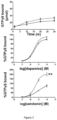
- Figure 2 shows the in vitro measurements of D2 activation. top. constitutive (time course); bottom. Agonist induced (dose response) as percent of maximal dopamine induced D2 WT activity. ** two-sided unpaired t-test: p ⁇ 0.05.). Therefore, the present invention allows to generate a D2 receptor with an increased sensitivity for both dopamine and serotonin ligands.
- DRD2 active and inactive states Computational modeling of DRD2 active and inactive states.
- the inactive and active state structures of DRD2 WT were modeled from the close homolog inactive state structure of DRD3 (3PBL) and the more distant homolog active state structure of ⁇ 2 AR, respectively, using the software iPHoLD ( Draper-Joyce, C. J. et al. Structure of the adenosinebound human adenosine A1 receptor-Gi complex. Nature 558, 559-563 (2018 )).
- Low energy representative models of the DRD2 WT were selected for design calculations, as previously described.
- Receptor variants were partially purified from thawed membrane preparations immediately prior to assaying via anti-HA agarose beads.
- Membrane preparations were solubilized with 1% n-dodecylmaltoside (DDM) for one hour at 4°C, and loaded onto anti-HA agarose beads (Pierce/Thermo Scientific) for one hour at 4°C.
- DDM n-dodecylmaltoside
- the beads were washed with TBS with 0.1% DDM wash buffer three times and HA-tagged receptor variants were eluted with HA peptide (1mg/mL in TBS with 0.1% DDM).
- Gi2 subunits were cloned into pFastbacl (Invitrogen) followed by transformation into DH10 ⁇ cells.
- Recombinant bacmid DNA was isolated and transfected in Sf9 insect cells with Cellfectin II (Invitrogen). The transfected cells were grown at 28°C for 72 hours followed by centrifugation in 15mL Falcon tubes to pellet cell debris. The supernatant was saved as P1 viral stock.
- Virus was amplified by infecting Sf9 cells with P1 viral stock solution at a 2-fold multiplicity-of-infection and cultured for 72 hours prior to harvesting. This amplification process was repeated to generate a high-titer P3, which was used for infection and protein expression.
- P3 stock was used to infect Sf9 cells at an MOI of 4 and harvested 48 hours post infection.
- Cells were washed three times in ice-cold PBS and resuspended in homogenization buffer (10mM Tris-HCl, 25mM NaCl, 10mM MgCl 2 , 1mM EGTA, 1mM DTT, protease inhibitor cocktail, 10uM GDP, pH 8.0).
- homogenization buffer 10mM Tris-HCl, 25mM NaCl, 10mM MgCl 2 , 1mM EGTA, 1mM DTT, protease inhibitor cocktail, 10uM GDP, pH 8.0.
- Gi2 was purified and reconstituted as described previously ( Chen et al., Nat Chem Biol 2019; doi: 10.1038/s41589-019-0407-2 ).
- D2DR variants were assayed for their ability to induce guanine nucleotide exchange by the G protein Gi2.
- the reaction mixture consisted of 4uM Gi2, 20uM of [ 35 S]-GTP ⁇ S mix, 50mM Tris-HCl, pH 7.2, 100mM NaCl, 4mM MgCl 2 , 1mM dithiothreitol.
- Receptor concentrations were ⁇ 10nM per sample. Reactions were started by adding 150uL partially purified receptor samples to 300uL of reaction mixture and incubating on ice over a period of time from 0-30 minutes for timecourse measurements.
- Ligand binding affinity To determine the binding affinities of dopamine and spiperone to D2DR variants, anti-HA agarose affinity purified receptor samples prepared as described above were titrated with [ 3 H]-dopamine or [ 3 H]-spiperone in a total volume of 150uL per sample, incubated for 1 hour on ice followed by loading onto Millipore nitrocellulose filters or Whatman fiberglass filters pretreated with polyethylenimine and washed for scintillation counting as mentioned above.
- Apparent agonist-bound D2DR stability was determined by measuring either receptor binding to agonist (apparent meting temperature) or receptor activities (apparent receptor half-life) as a function of temperature. To measure apparent melting temperature, HA agarose affinity purified receptor samples prepared as described above were first pre-incubated at increasing temperatures for 30 min. The fraction of receptor binding dopamine was then assessed by radioligand binding assay described above. To measure apparent receptor half-life, purified receptor samples were pre-incubated at 37°C over a time period from 0-60 minutes prior to addition to the reaction mixture containing Gi, [ 35 S]-GTP ⁇ S and 20uM dopamine as described above. Apparent melting temperatures and active state half-life curves were fitted using GraphPad Prism software and analyzed for statistical significance by student t-tests.
- the ICL3 triple mutant (K231E.E232I.T251R) displayed a dramatically increased constitutive activity compared to WT reaching higher than 40% of the light-induced maximal activity and an increased apparent stability (data not shown, manuscript in preparation).
- designed opsins display increased conformational stability and up to 7.5 fold enhancement in transducin activation compared to wild-type opsin while retinal binding and light-induced activities remain unperturbed.
Landscapes
- Health & Medical Sciences (AREA)
- Life Sciences & Earth Sciences (AREA)
- Chemical & Material Sciences (AREA)
- Physics & Mathematics (AREA)
- Engineering & Computer Science (AREA)
- Spectroscopy & Molecular Physics (AREA)
- Bioinformatics & Cheminformatics (AREA)
- General Health & Medical Sciences (AREA)
- Biophysics (AREA)
- Medical Informatics (AREA)
- Bioinformatics & Computational Biology (AREA)
- Biotechnology (AREA)
- Evolutionary Biology (AREA)
- Theoretical Computer Science (AREA)
- Organic Chemistry (AREA)
- Molecular Biology (AREA)
- Proteomics, Peptides & Aminoacids (AREA)
- Medicinal Chemistry (AREA)
- Genetics & Genomics (AREA)
- Crystallography & Structural Chemistry (AREA)
- Zoology (AREA)
- Gastroenterology & Hepatology (AREA)
- Biochemistry (AREA)
- Toxicology (AREA)
- Immunology (AREA)
- Cell Biology (AREA)
- Endocrinology (AREA)
- Pharmacology & Pharmacy (AREA)
- Analytical Chemistry (AREA)
- Peptides Or Proteins (AREA)
Claims (7)
- Computerimplementiertes Verfahren zum Erzeugen von Varianten eines Proteins basierend auf einem nativen Protein, das durch den allosterischen Weg reguliert wird, wobei das Verfahren Folgendes umfasst:- i) Bereitstellen von 3D-Strukturen des nativen Proteins, wobei die 3D-Strukturen die aktive Konformation und die inaktive Konfirmation des Proteins sowohl für den ligandenfreien als auch den ligandengebundenen Zustand umfassen;- ii) Identifizieren mindestens eines Paares gekoppelter allosterischer Stellen innerhalb der Aminosäuresequenz des nativen Proteins, wobei jede allosterische Stelle als Mikroschalter bezeichnet wird und jeder Mikroschalter aus einer Aminosäure besteht, die an der Regulierung eines Signals beteiligt ist, das von dem nativen Protein übertragen wird,- iii) Erzeugen von In-silico-Mutationen des identifizierten Mikroschalters, um einen Pool von Varianten zu erzeugen, deren Aminosäuresequenzen im Vergleich zu der nativen Sequenz mindestens eine Mutation umfassen,- iv) Berechnen mindestens eines Scores, der Folgendes widerspiegelt:- iv)a) eine Variation der allosterischen Kopplung für jede Variante im Vergleich zur allosterischen Kopplung des nativen Proteins widerspiegelt, die als ΔG-Kopplung bezeichnet wird; und/oder- iv) b) eine Variation der relativen Stabilität jeder Konformation für jede Variante, wobei die Variation als ΔG-Stabilität bezeichnet wird;- v) Vorhersagen der Aktivität jeder Variante im Vergleich zu dem nativen Protein basierend auf dem Score ΔG-Kopplung oder ΔG-Stabilität, nämlich- v)a) eine Änderung der ligandeninduzierten Aktivität der Variante im Vergleich zu dem nativen Protein, die als ΔL-Aktivität bezeichnet wird, wobei die Änderung berechnet wird durch
 - v)a) eine Änderung der ligandenfreien Aktivität der Variante im Vergleich zu dem nativen Protein, die als ΔC-Aktivität bezeichnet wird, wobei die Änderung berechnet wird durch
 wobei für die Konformationen im ligandenfreien Zustand die aktive und die inaktive Konformation des Variantenproteins als A bzw. I bezeichnet werden;wobei für die Konformationen im ligandengebundenen Zustand die aktive und die inaktive Konformation des Variantenproteins als AL bzw. IL bezeichnet werden;und wobei die Vorhersage der Aktivität der Variante auf einer Fitnessfunktion basiert, die definiert ist durch:
 - vi) In-vitro-Testen der vorhergesagten Aktivität einer ausgewählten Variante in einem Validierungsschritt;
wobei das Verfahren dazu ausgelegt ist, eine Proteinvariante mit einem verbesserten Parameter für den Liganden im Vergleich zu dem des Liganden mit dem nativen Protein zu erzeugen, wobei der Parameter aus Selektivität, Spezifität, Affinität und vorzugsweise Sensitivität ausgewählt wird. - Verfahren nach Anspruch 1, wobei die ΔG-Kopplung aus Dynamik-Korrelationen zwischen identifizierten Mikroschaltern unter Verwendung eines elastischen Modells des Proteins berechnet wird.
- Verfahren nach einem der Ansprüche 1 bis 2, wobei die ΔG-Stabilität aus der Summe aller Wechselwirkungen zwischen den Aminosäuren des Proteins in einer spezifischen Konformationen und in Abwesenheit eines Liganden berechnet wird.
- Verfahren nach einem der Ansprüche 1 bis 3, wobei die Variation der allosterischen Kopplung der Variante aus Folgenden ausgewählt wird:- a) einer erhöhten konstitutiven Aktivität für die aktive ligandenfreie Konformation A im Vergleich zu der inaktiven ligandenfreien Konformation I;- a) einer verstärkten Signalantwort für die aktive ligandengebundene Konformation AL im Vergleich zu der inaktiven ligandengebundenen Konformation IL.
- Verfahren nach einem der Ansprüche 1 bis 4, wobei das Protein aus Membranrezeptoren, löslichen Proteinen, beispielsweise GPCR, Zytokinen, Tyrosinkinasen, Transportern, Kanälen ausgewählt wird.
- Verfahren nach einem der Ansprüche 1 bis 5, wobei das Verfahren dazu ausgelegt ist, eine Proteinvariante zu erzeugen, die für die Wechselwirkung mit einem Liganden konzipiert ist, der sich von dem mit dem nativen Protein wechselwirkenden Liganden unterscheidet oder damit identisch ist.
- Computerimplementiertes Programm, umfassend Anweisungen, die bei Ausführung des Programms durch einen Computer den Computer zum Durchführen des Verfahrens nach einem der Ansprüche 1 bis 6 veranlassen.
Applications Claiming Priority (3)
| Application Number | Priority Date | Filing Date | Title |
|---|---|---|---|
| EP19189259.5A EP3772065A1 (de) | 2019-07-31 | 2019-07-31 | Verfahren zur erzeugung von varianten eines proteins |
| EP20177770 | 2020-06-02 | ||
| PCT/EP2020/070907 WO2021018756A1 (en) | 2019-07-31 | 2020-07-24 | Method for generating variants of a protein |
Publications (3)
| Publication Number | Publication Date |
|---|---|
| EP4004925A1 EP4004925A1 (de) | 2022-06-01 |
| EP4004925B1 true EP4004925B1 (de) | 2025-06-25 |
| EP4004925C0 EP4004925C0 (de) | 2025-06-25 |
Family
ID=71670273
Family Applications (1)
| Application Number | Title | Priority Date | Filing Date |
|---|---|---|---|
| EP20742760.0A Active EP4004925B1 (de) | 2019-07-31 | 2020-07-24 | Verfahren zur erzeugung von varianten eines proteins |
Country Status (3)
| Country | Link |
|---|---|
| US (1) | US20230227534A1 (de) |
| EP (1) | EP4004925B1 (de) |
| WO (1) | WO2021018756A1 (de) |
Family Cites Families (5)
| Publication number | Priority date | Publication date | Assignee | Title |
|---|---|---|---|---|
| WO2002018590A2 (en) | 2000-08-30 | 2002-03-07 | John Hopkins University School Of Medicine | Identification of activated receptors and ion channels |
| AU2009211148B2 (en) * | 2008-02-05 | 2014-08-28 | Zymeworks Inc. | Methods for determining correlated residues in a protein or other biopolymer using molecular dynamics |
| GB0910725D0 (en) | 2009-06-22 | 2009-08-05 | Heptares Therapeutics Ltd | Mutant proteins and methods for producing them |
| CN105593240B (zh) * | 2013-06-11 | 2024-05-31 | 保罗·谢勒学院 | 用于以单氨基酸分辨率确定可突变配体-gpcr结合的方法以及突变配体和gpcr对 |
| WO2017192872A1 (en) * | 2016-05-05 | 2017-11-09 | Bowman Gregory R | Methods of protein docking and rational drug design |
-
2020
- 2020-07-24 EP EP20742760.0A patent/EP4004925B1/de active Active
- 2020-07-24 US US17/631,640 patent/US20230227534A1/en active Pending
- 2020-07-24 WO PCT/EP2020/070907 patent/WO2021018756A1/en not_active Ceased
Also Published As
| Publication number | Publication date |
|---|---|
| WO2021018756A1 (en) | 2021-02-04 |
| EP4004925C0 (de) | 2025-06-25 |
| EP4004925A1 (de) | 2022-06-01 |
| US20230227534A1 (en) | 2023-07-20 |
Similar Documents
| Publication | Publication Date | Title |
|---|---|---|
| Yuan et al. | Homer binds TRPC family channels and is required for gating of TRPC1 by IP3 receptors | |
| JP3438186B2 (ja) | 糖尿病治療剤スクリーニング方法 | |
| EP2852397B1 (de) | Huwentoxin-iv-varianten und verfahren zur verwendung | |
| JP2004526441A (ja) | 内因性および非内因性型ヒトgタンパク質共役受容体 | |
| US8663936B2 (en) | Sodium channel protein type III α-subunit splice variant | |
| MXPA06014083A (es) | Estructura cristalina de dipeptidil peptidasa iv y usos de la misma. | |
| EP4004925B1 (de) | Verfahren zur erzeugung von varianten eines proteins | |
| US7972813B2 (en) | Tetrodotoxin-resistant sodium channel alpha subunit | |
| Liu et al. | Structure of G protein-coupled receptor GPR1 bound to full-length chemerin adipokine reveals a chemokine-like reverse binding mode | |
| Stitham et al. | New insights into human prostacyclin receptor structure and function through natural and synthetic mutations of transmembrane charged residues | |
| JP4344928B2 (ja) | ヒスタミン受容体h3常活性変異体およびその利用 | |
| CA2351874A1 (en) | G protein-coupled receptor resembling the leukotriene b4 receptor | |
| EP3772065A1 (de) | Verfahren zur erzeugung von varianten eines proteins | |
| Pejana | Expression, Purification and Signaling Profile Exploration of the Mechanosensitive Apelin Receptor | |
| Seyedabadi et al. | Receptor-Arrestin Interactions: The GPCR Perspective. Biomolecules 2021, 11, 218 | |
| US20050239093A1 (en) | Toll-like receptor | |
| Achat et al. | Structural insights into the inactive state of the adhesion GPCR ADGRV1 | |
| US20040048310A1 (en) | Novel human protein kinases and protein kinase-like enzymes | |
| JP2001029083A (ja) | 新規なg蛋白質共役型レセプター | |
| Vishnivetskiy | Conservation of the Phosphate-sensitive Elements in the Arrestin Family of Proteins | |
| US20080200408A1 (en) | Deletion mutants of tetrodotoxin-resistant sodium channel alpha subunit | |
| JP2003125780A (ja) | 新規gpcr、それをコードする遺伝子及びそれらの用途 | |
| Singh | A model system for understanding cellular signaling of the cannabinoid CB2 receptor via the inhibitory Gi protein | |
| JP2001054389A (ja) | 新規なg蛋白質共役型レセプター | |
| Uppal | Screening protein ligand interactions using microelectrode arrays |
Legal Events
| Date | Code | Title | Description |
|---|---|---|---|
| STAA | Information on the status of an ep patent application or granted ep patent |
Free format text: STATUS: UNKNOWN |
|
| STAA | Information on the status of an ep patent application or granted ep patent |
Free format text: STATUS: THE INTERNATIONAL PUBLICATION HAS BEEN MADE |
|
| PUAI | Public reference made under article 153(3) epc to a published international application that has entered the european phase |
Free format text: ORIGINAL CODE: 0009012 |
|
| STAA | Information on the status of an ep patent application or granted ep patent |
Free format text: STATUS: REQUEST FOR EXAMINATION WAS MADE |
|
| 17P | Request for examination filed |
Effective date: 20220209 |
|
| AK | Designated contracting states |
Kind code of ref document: A1 Designated state(s): AL AT BE BG CH CY CZ DE DK EE ES FI FR GB GR HR HU IE IS IT LI LT LU LV MC MK MT NL NO PL PT RO RS SE SI SK SM TR |
|
| DAV | Request for validation of the european patent (deleted) | ||
| DAX | Request for extension of the european patent (deleted) | ||
| GRAP | Despatch of communication of intention to grant a patent |
Free format text: ORIGINAL CODE: EPIDOSNIGR1 |
|
| STAA | Information on the status of an ep patent application or granted ep patent |
Free format text: STATUS: GRANT OF PATENT IS INTENDED |
|
| INTG | Intention to grant announced |
Effective date: 20250127 |
|
| RIC1 | Information provided on ipc code assigned before grant |
Ipc: C07K 14/72 20060101ALI20250120BHEP Ipc: C07K 14/705 20060101ALI20250120BHEP Ipc: G16B 20/50 20190101ALI20250120BHEP Ipc: G16B 15/20 20190101ALI20250120BHEP Ipc: G16B 15/30 20190101AFI20250120BHEP |
|
| GRAS | Grant fee paid |
Free format text: ORIGINAL CODE: EPIDOSNIGR3 |
|
| GRAA | (expected) grant |
Free format text: ORIGINAL CODE: 0009210 |
|
| STAA | Information on the status of an ep patent application or granted ep patent |
Free format text: STATUS: THE PATENT HAS BEEN GRANTED |
|
| AK | Designated contracting states |
Kind code of ref document: B1 Designated state(s): AL AT BE BG CH CY CZ DE DK EE ES FI FR GB GR HR HU IE IS IT LI LT LU LV MC MK MT NL NO PL PT RO RS SE SI SK SM TR |
|
| REG | Reference to a national code |
Ref country code: GB Ref legal event code: FG4D |
|
| REG | Reference to a national code |
Ref country code: CH Ref legal event code: EP |
|
| REG | Reference to a national code |
Ref country code: CH Ref legal event code: EP |
|
| REG | Reference to a national code |
Ref country code: IE Ref legal event code: FG4D |
|
| REG | Reference to a national code |
Ref country code: DE Ref legal event code: R096 Ref document number: 602020053324 Country of ref document: DE |
|
| U01 | Request for unitary effect filed |
Effective date: 20250716 |
|
| U07 | Unitary effect registered |
Designated state(s): AT BE BG DE DK EE FI FR IT LT LU LV MT NL PT RO SE SI Effective date: 20250723 |
|
| U20 | Renewal fee for the european patent with unitary effect paid |
Year of fee payment: 6 Effective date: 20250723 |
|
| PG25 | Lapsed in a contracting state [announced via postgrant information from national office to epo] |
Ref country code: NO Free format text: LAPSE BECAUSE OF FAILURE TO SUBMIT A TRANSLATION OF THE DESCRIPTION OR TO PAY THE FEE WITHIN THE PRESCRIBED TIME-LIMIT Effective date: 20250925 Ref country code: GR Free format text: LAPSE BECAUSE OF FAILURE TO SUBMIT A TRANSLATION OF THE DESCRIPTION OR TO PAY THE FEE WITHIN THE PRESCRIBED TIME-LIMIT Effective date: 20250926 |
|
| PGFP | Annual fee paid to national office [announced via postgrant information from national office to epo] |
Ref country code: GB Payment date: 20250710 Year of fee payment: 6 |
|
| PG25 | Lapsed in a contracting state [announced via postgrant information from national office to epo] |
Ref country code: HR Free format text: LAPSE BECAUSE OF FAILURE TO SUBMIT A TRANSLATION OF THE DESCRIPTION OR TO PAY THE FEE WITHIN THE PRESCRIBED TIME-LIMIT Effective date: 20250625 |
|
| PGFP | Annual fee paid to national office [announced via postgrant information from national office to epo] |
Ref country code: CH Payment date: 20250801 Year of fee payment: 6 |
|
| PG25 | Lapsed in a contracting state [announced via postgrant information from national office to epo] |
Ref country code: RS Free format text: LAPSE BECAUSE OF FAILURE TO SUBMIT A TRANSLATION OF THE DESCRIPTION OR TO PAY THE FEE WITHIN THE PRESCRIBED TIME-LIMIT Effective date: 20250925 |
|
| PG25 | Lapsed in a contracting state [announced via postgrant information from national office to epo] |
Ref country code: IS Free format text: LAPSE BECAUSE OF FAILURE TO SUBMIT A TRANSLATION OF THE DESCRIPTION OR TO PAY THE FEE WITHIN THE PRESCRIBED TIME-LIMIT Effective date: 20251025 |
|
| PG25 | Lapsed in a contracting state [announced via postgrant information from national office to epo] |
Ref country code: SM Free format text: LAPSE BECAUSE OF FAILURE TO SUBMIT A TRANSLATION OF THE DESCRIPTION OR TO PAY THE FEE WITHIN THE PRESCRIBED TIME-LIMIT Effective date: 20250625 |
|
| PG25 | Lapsed in a contracting state [announced via postgrant information from national office to epo] |
Ref country code: CZ Free format text: LAPSE BECAUSE OF FAILURE TO SUBMIT A TRANSLATION OF THE DESCRIPTION OR TO PAY THE FEE WITHIN THE PRESCRIBED TIME-LIMIT Effective date: 20250625 |
|
| PG25 | Lapsed in a contracting state [announced via postgrant information from national office to epo] |
Ref country code: PL Free format text: LAPSE BECAUSE OF FAILURE TO SUBMIT A TRANSLATION OF THE DESCRIPTION OR TO PAY THE FEE WITHIN THE PRESCRIBED TIME-LIMIT Effective date: 20250625 |
|
| PG25 | Lapsed in a contracting state [announced via postgrant information from national office to epo] |
Ref country code: SK Free format text: LAPSE BECAUSE OF FAILURE TO SUBMIT A TRANSLATION OF THE DESCRIPTION OR TO PAY THE FEE WITHIN THE PRESCRIBED TIME-LIMIT Effective date: 20250625 |
|
| PG25 | Lapsed in a contracting state [announced via postgrant information from national office to epo] |
Ref country code: ES Free format text: LAPSE BECAUSE OF FAILURE TO SUBMIT A TRANSLATION OF THE DESCRIPTION OR TO PAY THE FEE WITHIN THE PRESCRIBED TIME-LIMIT Effective date: 20250625 |
|
| PG25 | Lapsed in a contracting state [announced via postgrant information from national office to epo] |
Ref country code: MC Free format text: LAPSE BECAUSE OF FAILURE TO SUBMIT A TRANSLATION OF THE DESCRIPTION OR TO PAY THE FEE WITHIN THE PRESCRIBED TIME-LIMIT Effective date: 20250625 |
|
| PLBE | No opposition filed within time limit |
Free format text: ORIGINAL CODE: 0009261 |
|
| STAA | Information on the status of an ep patent application or granted ep patent |
Free format text: STATUS: NO OPPOSITION FILED WITHIN TIME LIMIT |