EP4005593A1 - Procédé de délivrance de doses à variables multiples destiné à être mise en oeuvre dans le traitement d'un cancer dans lequel l'expression de l'egfr est forte - Google Patents
Procédé de délivrance de doses à variables multiples destiné à être mise en oeuvre dans le traitement d'un cancer dans lequel l'expression de l'egfr est forte Download PDFInfo
- Publication number
- EP4005593A1 EP4005593A1 EP20843953.9A EP20843953A EP4005593A1 EP 4005593 A1 EP4005593 A1 EP 4005593A1 EP 20843953 A EP20843953 A EP 20843953A EP 4005593 A1 EP4005593 A1 EP 4005593A1
- Authority
- EP
- European Patent Office
- Prior art keywords
- dose
- cancer
- weeks
- treatment
- regimen
- Prior art date
- Legal status (The legal status is an assumption and is not a legal conclusion. Google has not performed a legal analysis and makes no representation as to the accuracy of the status listed.)
- Withdrawn
Links
Images




Classifications
-
- C—CHEMISTRY; METALLURGY
- C07—ORGANIC CHEMISTRY
- C07K—PEPTIDES
- C07K16/00—Immunoglobulins [IG], e.g. monoclonal or polyclonal antibodies
- C07K16/18—Immunoglobulins [IG], e.g. monoclonal or polyclonal antibodies against material from animals or humans
- C07K16/28—Immunoglobulins [IG], e.g. monoclonal or polyclonal antibodies against material from animals or humans against receptors, cell surface antigens or cell surface determinants
- C07K16/2863—Immunoglobulins [IG], e.g. monoclonal or polyclonal antibodies against material from animals or humans against receptors, cell surface antigens or cell surface determinants against receptors for growth factors, growth regulators
-
- A—HUMAN NECESSITIES
- A61—MEDICAL OR VETERINARY SCIENCE; HYGIENE
- A61K—PREPARATIONS FOR MEDICAL, DENTAL OR TOILETRY PURPOSES
- A61K39/00—Medicinal preparations containing antigens or antibodies
- A61K39/395—Antibodies; Immunoglobulins; Immune serum, e.g. antilymphocytic serum
- A61K39/39533—Antibodies; Immunoglobulins; Immune serum, e.g. antilymphocytic serum against materials from animals
- A61K39/39558—Antibodies; Immunoglobulins; Immune serum, e.g. antilymphocytic serum against materials from animals against tumor tissues, cells, antigens
-
- A—HUMAN NECESSITIES
- A61—MEDICAL OR VETERINARY SCIENCE; HYGIENE
- A61P—SPECIFIC THERAPEUTIC ACTIVITY OF CHEMICAL COMPOUNDS OR MEDICINAL PREPARATIONS
- A61P35/00—Antineoplastic agents
-
- A—HUMAN NECESSITIES
- A61—MEDICAL OR VETERINARY SCIENCE; HYGIENE
- A61P—SPECIFIC THERAPEUTIC ACTIVITY OF CHEMICAL COMPOUNDS OR MEDICINAL PREPARATIONS
- A61P35/00—Antineoplastic agents
- A61P35/04—Antineoplastic agents specific for metastasis
-
- A—HUMAN NECESSITIES
- A61—MEDICAL OR VETERINARY SCIENCE; HYGIENE
- A61K—PREPARATIONS FOR MEDICAL, DENTAL OR TOILETRY PURPOSES
- A61K39/00—Medicinal preparations containing antigens or antibodies
- A61K2039/505—Medicinal preparations containing antigens or antibodies comprising antibodies
-
- A—HUMAN NECESSITIES
- A61—MEDICAL OR VETERINARY SCIENCE; HYGIENE
- A61K—PREPARATIONS FOR MEDICAL, DENTAL OR TOILETRY PURPOSES
- A61K39/00—Medicinal preparations containing antigens or antibodies
- A61K2039/545—Medicinal preparations containing antigens or antibodies characterised by the dose, timing or administration schedule
-
- C—CHEMISTRY; METALLURGY
- C07—ORGANIC CHEMISTRY
- C07K—PEPTIDES
- C07K2317/00—Immunoglobulins specific features
- C07K2317/50—Immunoglobulins specific features characterized by immunoglobulin fragments
- C07K2317/56—Immunoglobulins specific features characterized by immunoglobulin fragments variable (Fv) region, i.e. VH and/or VL
- C07K2317/565—Complementarity determining region [CDR]
-
- C—CHEMISTRY; METALLURGY
- C07—ORGANIC CHEMISTRY
- C07K—PEPTIDES
- C07K2317/00—Immunoglobulins specific features
- C07K2317/90—Immunoglobulins specific features characterized by (pharmaco)kinetic aspects or by stability of the immunoglobulin
- C07K2317/92—Affinity (KD), association rate (Ka), dissociation rate (Kd) or EC50 value
Definitions
- the present disclosure relates to a multiple-variable dosage regimen for the treatment of cancers with high expression of EGFR, and methods for using the regimen to treat and prevent EGFR-related diseases.
- EGFR is a member of the erbB family, which includes 4 relevant cell membrane receptors, erbB1 (EGFR, Her1), erbB2 (Her2), erbB3 (Her3) and erbB4 (Her4).
- EGFR is a transmembrane glycoprotein comprising an extracellular ligand-binding region and an intracellular tyrosine kinase activity region having signal transduction function.
- EGFR can form homodimers with ligands or form heterodimers with family members. The formation of dimers can further activate cell signal transduction pathways and regulate cell proliferation, differentiation, migration, invasion and angiogenesis (see Schlessinger J. Ligand-induced, receptor-mediated dimerization and activation of EGF receptor.
- Dysregulation of EGFR function or expression has been observed in common cancers (such as lung cancer, colon cancer, head and neck cancer) and non-epithelial malignancies (such as gliocytoma). These malignancies are usually associated with poor prognosis of patients ( Mendelsohn (2002) J. Clin. Oncol. 20:1S-13S ).
- a number of studies have confirmed that EGFR is highly expressed in multiple solid tumors such as head and neck squamous cell carcinoma, colorectal cancer, and esophageal squamous cell carcinoma, suggesting that the EGFR signaling pathway plays an important role in the occurrence and development of these tumors.
- Anti-EGFR monoclonal antibodies specifically bind to EGFR, thereby blocking the activation of EGFR signaling pathway and realizing the purpose of tumor inhibition.
- multiple anti-EGFR monoclonal antibodies cetuximab, panitumumab, etc. have been approved both domestically and abroad for the treatment of multiple indications, including colorectal cancer, head and neck squamous cell carcinoma, and lung cancer.
- the present disclosure relates to a multiple-variable dosage regimen for the treatment of cancers with high expression of EGFR, and methods for using the regimen to treat and prevent EGFR-related diseases.
- the present disclosure provides a multiple-variable dosage regimenfor treating cancers with high EGFR expression in a subject in need, comprising:
- said first treatment cycle is the first 1-6 weeks of treatment.
- said first dose is administered once a week during the first treatment cycle.
- said first dose is 6 mg/kg to 12 mg/kg, preferably 6 mg/kg, 9 mg/kg or 12 mg/kg, most preferably 6 mg/kg.
- said second treatment cycle is a second treatm ent cycle subsequent to the first treatment cycle.
- sai d second treatment cycle is also referred to as the maintenance treatment sta ge.
- said second dose is administered every two weeks during the second treatment cycle.
- said second dose is 8 mg/kg to 15 mg/kg, preferably 8 mg/kg, 12 mg/kg or 15 mg/kg, most preferably 8 mg/kg.
- the multiple-variable dosage regimen can also be combined with other regimen.
- said cancer with high EGFR expression is colorectal cancer, head and neck cancer, lung cancer, breast cancer, esophageal cancer, gastric cancer, intestinal cancer, gastroesophageal junction cancer, liver cancer, pancreatic cancer, cholangiocarcinoma, gallbladder carcinoma, kidney cancer, or ovarian cancer.
- said subject suffers from metastatic colorectal cancer and has failed treatment with fluorouracil, oxaliplatin, and irinotecan;
- the multiple-variable dosage regimen includes dose of 6 mg/kg once a week for the first 6 weeks; subsequent dose of 8 mg/kg once every two weeks for maintenance treatment until disease progression or intolerable toxicity occurs.
- said subject suffers from recurrent and/or metastatic head and neck squamous cell carcinoma and has failed platinum-based drugs treatment;
- the multiple-variable dosage regimen includes dose of 6 mg/kg once a week for the first 6 weeks; subsequent dose of 8 mg/kg once every two weeks for maintenance treatment until disease progression or intolerable toxicity occurs.
- said subject suffers from recurrent and/or metastatic head and neck squamous cell carcinoma and has not received systemic treatment previously;
- the multiple-variable dosage regimen includes dose of 6 mg/kg once a week for the first 6 weeks; subsequent dose of 8 mg/kg once every two weeks for maintenance treatment;
- the multiple-variable dosage regimen is combined with the PF regimen, wherein said PF regimen is a cisplatin combined 5-fluorouracil treatment regimen, and the cisplatin dosage regimen is dosing on the first day with a dose of 75mg/m 2 ; the 5-fluorouracil dosage regimen is dosing for 5 consecutive days with a dose of 750mg/m 2 ;
- the total dosing cycle is up to 6 cycles of treatment wherein 3 weeks is 1 cycle, until disease progression or intolerable toxicity occurs.
- said subject suffers from recurrent or metastatic triple-negative breast cancer that has received at least first-line systemic treatment previously;
- the multiple-variable dosage regimen includes dose of 6 mg/kg once a week for the first 6 weeks; subsequent dose of 8 mg/kg once every two weeks for maintenance treatment until disease progression or intolerable toxicity occurs.
- said subject suffers from advanced esophageal squamous cell carcinoma that has failed platinum-based, taxane-based, or fluorouracil-based therapy previously;
- the multiple-variable dosage regimen includes dose of 6 mg/kg once a week for the first 6 weeks; subsequent dose of 8 mg/kg once every two weeks for maintenance treatment until disease progression or intolerable toxicity occurs.
- said subject suffers from locally advanced or metastatic squamous non-small cell lung cancer that has failed treatment with at least two chemotherapy regimens previously;
- the multiple-variable dosage regimen includes: dose of 9 mg/kg once a week for the first 6 weeks; subsequent dose of 12 mg/kg once every two weeks for maintenance treatment until disease progression or intolerable toxicity; or dose of 12mg/kg once a week for the first 6 weeks; subsequent dose of 15mg/kg once every two weeks for maintenance treatment until disease progression, or intolerable toxicity occurs.
- said subject suffers from an advanced solid tumor that has failed standard treatments previously;
- the multiple-variable dosage includes dose of 6 mg/kg once a week for the first 6 weeks; subsequent dose of 8 mg/kg once every two weeks for maintenance treatment until disease progression or intolerable toxicity occurs;
- the solid tumor is selected from one or more of gastric cancer, gastroesophageal junction cancer, liver cancer, pancreatic cancer, cholangiocarcinoma, gallbladder carcinoma, kidney cancer, and ovarian cancer.
- said anti-EGFR antibody or antigen-binding fragment thereof comprises a light chain variable region having a light chain CDR1 region having the amino acid sequence shown in SEQ ID NO: 1, a light chain CDR2 region having the amino acid sequence shown in SEQ ID NO: 2, and a light chain CDR3 region having the amino acid sequence shown in SEQ ID NO: 3; and a heavy chain variable region having a heavy chain CDR1 region having the amino acid sequence shown in SEQ ID NO: 4, a heavy chain CDR2 region having the amino acid sequence shown in SEQ ID NO: 5 and a heavy chain CDR3 region having the amino acid sequence shown in SEQ ID NO:6.
- said anti-EGFR antibody or antigen-binding fragment thereof comprises a light chain variable region having the amino acid sequence shown in SEQ ID NO: 7 or the amino acid sequence having at least 90%, 92%, 95%, 98%, or 99% sequence identity therewith, and a heavy chain variable region having the amino acid sequence shown in SEQ ID NO: 8 or the amino acid sequence having at least 90%, 92%, 95%, 98%, or 99% sequence identity therewith.
- said anti-EGFR antibody is an IgGlK type monoclonal antibody.
- said anti-EGFR antibody comprises a light chain constant region having the amino acid sequence shown in SEQ ID NO: 9 or the amino acid sequence having at least 90%, 92%, 95%, 98%, or 99% sequence identity therewith., and a heavy chain constant region having the amino acid sequence shown in SEQ ID NO: 10 or the amino acid sequence having at least 90%, 92%, 95%, 98%, or 99% sequence identity therewith.
- the binding affinity of said anti-EGFR antibody to the EGFR ECD recombinant protein KD 0.5 ⁇ 10-10M.
- said anti-EGFR antibody or antigen-binding fragment thereof is N6-3 or antigen-binding fragment thereof.
- mg/kg refers to the dosage (mg) of the active pharmaceutical ingredient per kg of the subject's body weight.
- multiple-variable dose includes different doses of anti-EGFR antibodies or antigen-binding fragments thereof administered to a subject for treatment.
- Multiple-variable dosage regimen or “multiple-variable dosing method” describes a treatment regimen based on administering different amounts of anti-EGFR antibodies or antigen-binding fragments thereof at different time points throughout the course of treatment.
- the present disclosure describes a multiple-variable dosage regimen comprising a first treatment cycle and a second treatment cycle, wherein the second treatment cycle is administered at a higher dose and at greater time intervals.
- the first treatment cycle refers to the time period from the start of treatment, preferably the first 1-6 weeks from the start of treatment.
- the second treatment cycle is the treatment cycle subsequent to the first treatment cycle.
- the duration of the second treatment cycle is not particularly limited.
- the second treatment cycle can be from the end of the first treatment cycle to 12 months of treatment, disease progression occurs, or intolerable toxicity occurs.
- the second treatment cycle is also referred to as the maintenance treatment stage.
- antibody means an immunoglobulin molecule, and refers to any form of antibody that exhibits the desired biological activity, including but not limited to monoclonal antibodies (including full-length monoclonal antibodies), polyclonal antibodies and multi-specific antibodies (such as bispecific antibodies), and even antibody fragments.
- the full-length antibody structure preferably comprises 4 polypeptide chains, usually 2 heavy (H) chains and 2 light (L) chains associated to each other by disulfide bonds. Each heavy chain contains a heavy chain variable region and a heavy chain constant region. Each light chain contains a light chain variable region and a light chain constant region.
- H heavy
- L light
- Each heavy chain contains a heavy chain variable region and a heavy chain constant region.
- Each light chain contains a light chain variable region and a light chain constant region.
- its structure also includes other derivative forms.
- Said heavy chain variable region and light chain variable region can be further subdivided into more conservative regions (called framework regions (FR)) and hypervariable regions (called complementarity determining regions (CDR)) interspersed therewith.
- framework regions FR
- CDR complementarity determining regions
- CDR complementarity determining region
- CDR1, CDR2, and CDR3 refers to such amino acid residues of the variable region of an antibody, the presence of which is necessary for antigen binding.
- Each variable region typically has 3 CDR regions identified as CDR1, CDR2, and CDR3.
- Each complementarity determining region may contain amino acid residues from the "complementarity determining region” defined by Kabat ( Kabat et al., Sequences of Proteins of Immulological Interest, 5th Ed. Public Health Service, National Institutes of Health, Bethesda, MD. 1991 )) and/or those residues from the "hypervariable loop" ( Chothia and Lesk; J Mol Biol 196: 901-917 (1987 )).
- Each heavy chain variable region and light chain variable region usually comprises 3 CDRs and up to 4 FRs.
- Said CDRs and FRs are arranged from the amino terminus to the carboxyl terminus in the following order, for example: FR1, CDR1, FR2, CDR2, FR3, CDR3, FR4.
- CDRs complementarity determining regions
- FRs framework regions
- constant region refers to such amino acid sequences on the light chain and heavy chain of an antibody, which do not directly participate in the binding of the antibody to the antigen, but exhibit a variety of effector functions, such as antibody-dependent cell-mediated cytotoxicity.
- the heavy chain of an antibody can be classified into five classes: ⁇ , ⁇ , ⁇ , ⁇ , and ⁇ ; when forming a complete antibody with the light chain, it can be classified into five classes: IgA , IgD, IgE, IgG and IgM, several of these classes can be further classified into subclasses (isotypes), such as IgG1, IgG2, IgG3, IgG4, IgA and IgA2.
- the light chain of an antibody can be classified into kappa and lambda.
- an "antigen-binding fragment of an antibody” comprises a portion of a complete antibody molecule, that retains at least some of the binding specificity of the parent antibody, and usually comprises at least a portion of the antigen-binding region or variable region (such as one or more CDRs) of the parent antibody.
- antigen-binding fragments include, but are not limited to, Fv, Fab, Fab', Fab'-SH, F(ab')2, Fd fragment, Fd' fragment, single-chain antibody molecules (e.g., scFv, di-scFv, or tri-scFv , Diabody or scFab), single domain antibody.
- antibody fragment refers to a non-complete antibody molecule that retains at least some biological properties of the parent antibody, and examples thereof include, but are not limited to, Fc fragments in addition to those mentioned in the aforementioned "antigen-binding fragments".
- chimeric antibody refers to an antibody in which a part of the heavy chain and/or light chain is derived from a specific source or species, and the remaining part is derived from a different source or species.
- the “chimeric antibody” may also be a functional fragment as defined above.
- Humanized antibody is a subset of “chimeric antibody”.
- humanized antibody or “humanized antigen-binding fragment” is defined herein as an antibody or antibody fragment that is: (i) derived from a non-human source (for example, a transgenic mouse carrying a heterologous immune system) and based on the human germline sequence; or (ii) chimeric antibodies in which the variable region is of non-human origin and the constant region is of human origin; or (iii) CDR transplants in which the CDRs in the variable region are of non-human origin and one or more of the FRs in the variable region is of human origin and the constant region (if any) is of human origin.
- the purpose of "humanization” is to eliminate the immunogenicity of antibodies of non-human origin in humans, while retaining the maximum possible affinity.
- a “monoclonal antibody” refers to an antibody obtained from a substantially homogeneous antibody population, i.e., said population comprising identical antibodies except for possible mutations (such as natural mutations) that may be present in very small amounts.
- the term “monoclonal” indicates the properties of said antibodies, that is, not a mixture of unrelated antibodies.
- polyclonal antibody formulations which usually include different antibodies directed against different determinants (epitopes)
- each monoclonal antibody of a monoclonal antibody formulation is directed against one single determinant on the antigen.
- the advantage of monoclonal antibody formulations is that they are generally not impurified by other antibodies.
- the term “monoclonal” should not be understood as requiring any particular method of producing said antibodies.
- the antibody "specifically binds" to a target antigen such as a tumor-associated peptide antigen target, i.e. binds said antigen with sufficient affinity to enable said antibody to be used as a therapeutic reagent, targeting a cell or tissue expressing said antigen, and does not significantly cross-react with other proteins , or does not significantly cross-react with proteins other than the homologues and variants of the target proteins mentioned above (e.g. mutant forms, splice variants, or protein hydrolysis truncated forms).
- a target antigen such as a tumor-associated peptide antigen target, i.e. binds said antigen with sufficient affinity to enable said antibody to be used as a therapeutic reagent, targeting a cell or tissue expressing said antigen, and does not significantly cross-react with other proteins , or does not significantly cross-react with proteins other than the homologues and variants of the target proteins mentioned above (e.g. mutant forms, splice variants, or protein hydrolysis
- binding affinity refers to the strength of the sum of the non-covalent interactions between a molecule's individual binding sites and its binding partners. Unless otherwise stated, “binding affinity”, when used herein, refers to the intrinsic binding affinity, which reflects a 1:1 interaction between members of a binding pair (e.g. antibody and antigen).
- KD refers to the equilibrium dissociation constant of the antibody-antigen interaction.
- k on refers to the rate constant at which an antibody binds to an antigen.
- k off refers to the rate constant at which an antibody dissociates from an antibody/antigen complex.
- Binding affinity i.e. the tight degree at which a ligand binds a particular protein. Binding affinity is influenced by non-covalent intermolecular interactions such as hydrogen bonding, electrostatic interactions, hydrophobic and van der Waals forces between two molecules. In addition, the binding affinity between a ligand and its target molecule may be influenced by the presence of other molecules. Affinity can be analyzed by conventional methods known in the art, including ELISA described herein.
- epitope includes any protein determinant capable of specifically binding to an antibody or T cell receptor.
- Epitope determinants typically consist of chemically active surface groups of molecules (such as amino acids or sugar side chains, or combinations thereof), and usually have specific three-dimensional structural characteristics and specific charge characteristics.
- isolated antibody is an antibody that has been identified and isolated from the component of the cell in which it is expressed. Isolated antibodies include in situ antibodies in recombinant cells, where at least one component of the natural environment of said antibodies is not present. However, isolated antibodies are typically prepared by at least one purification step.
- dose refers to the amount of EGFR antibody administered to a subject.
- multiple-variable dose includes different doses of EGFR antibody administered to a subject for treatment.
- Multiple-variable dosage regimen or “multiple-variable dosage therapy” describes a treatment regimen based on administering different amounts of EGFR antibody at different time points throughout the course of treatment.
- the invention disclosure describes a multiple-variable dosage regimen including a first treatment cycle and a second treatment cycle, wherein a higher dose of EGFR antibody is administered during the second treatment cycle.
- the term “combination” includes the co-administration of a first active pharmaceutical ingredient and a second active pharmaceutical ingredient, for example, they can be dissolved or mixed into the same pharmaceutically acceptable carrier, or the first active pharmaceutical ingredient can be administered followed by the second active pharmaceutical ingredient, or the second active pharmaceutical ingredient can be administered followed by the first active pharmaceutical ingredient.
- the present disclosure includes combined treatment methods and combined pharmaceutical compositions.
- combination therapy refers to the administration of two or more therapeutic substances, such as an anti-EGFR antibody and another one or more drugs.
- the administration of the anti-EGFR antibody is accompanied by the administration of the other drug(s) at the same time, before or after the administration of the anti-EGFR antibody.
- Said anti-EGFR antibody or antigen-binding fragment thereof described in the present disclosure can be any anti-EGFR antibody or antigen-binding fragment thereof, preferably the anti-EGFR antibody or antigen-binding fragment thereof described in the Applicant's previous Chinese Patent No. CN101058609B .
- N6-3 The recombinant fully human anti-EGFR monoclonal antibody N6-3 described in the Applicant's previous Chinese Patent No. CN101058609B is an IgGlK type monoclonal antibody composed of 1326 amino acids and with a molecular weight of about 145kDa. N6-3 can specifically bind to the extracellular ligand binding region of the EGFR target and become a competitive antagonist of endogenous ligands (see Figure 1 ).
- N6-3 simultaneously exerts its anti-tumor efficacy through EGFR antagonism and antibody-dependent cell-mediated cytotoxicity.
- EGFR antagonism As a fully human IgG1 type anti-EGFR antibody, the antigen binding epitope, the physical and chemical properties, and biological activities of N6-3 are different from those of the marketed drugs.
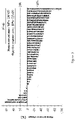
- N6-3 exhibited better anti-tumor effects than cetuximab (Erbitux) (see Figure 2 ).
- cetuximab cetuximab
- said antibody described herein is the antibody N6-3 described in the Applicant's previous Chinese Patent No. CN101058609B .
- the binding affinity of the antibody to the EGFR ECD recombinant protein KD 0.5 ⁇ 10 -10 M.
- the multiple-variable dosage regimen of the present disclosure can be used to treat cancers with high EGFR expression, including colorectal cancer, head and neck cancer (e.g., head and neck squamous cell carcinoma), lung cancer (e.g., small cell lung cancer or non-small cell lung cancer, such as squamous non-small cell lung cancer), breast cancer, esophageal cancer (e.g., esophageal squamous cell carcinoma), gastric cancer, bowel cancer, gastroesophageal junction cancer, liver cancer, pancreatic cancer, cholangiocarcinoma, gallbladder carcinoma, kidney cancer, or ovarian cancer.
- colorectal cancer e.g., head and neck squamous cell carcinoma
- lung cancer e.g., small cell lung cancer or non-small cell lung cancer, such as squamous non-small cell lung cancer
- breast cancer esophageal cancer (e.g., esophageal squamous cell carcinoma
- treatment used in the present disclosure generally refers to obtaining a desired pharmacological and/or physiological effect.
- the effect may be prophylactic in terms of completely or partially preventing the disease or its symptoms; and/or may be therapeutic in terms of partially or completely stabilizing or curing the disease and/or side effects due to the disease.
- Treatment covers any treatment of a patient's disease, including: (a) preventing diseases or symptoms in patients who are susceptible to diseases or symptoms but have not yet been diagnosed with the disease; (b) suppressing disease symptoms, i.e., stopping its progression; or (c) relieving the symptoms of the disease, i.e., causing the disease or symptoms to degenerate.
- a pharmaceutical composition comprising the said anti-EGFR antibody or antigen-binding fragment thereof can be prepared, comprises said anti-EGFR antibody or antigen-binding fragment thereof and one or more pharmaceutically acceptable carriers.
- the proportion of active ingredients may vary, and may range from about 0.01% to about 99% of the weight of a given dosage form.
- the amount of the active ingredient allows for an effective dose level to be obtained.
- the active ingredient can also be administered intravenously or intraperitoneally by infusion or injection.
- a buffered aqueous solution of the active ingredient can be prepared, optionally mixed with an osmotic pressure regulating agent, stabilizing agent and surfactant.
- the therapeutically effective amount of the active ingredient depends on, in addition to the property of the active ingredient itself, the mode of administration, the nature of the disease to be treated, and the age and health status of the patient, and ultimately depends on the decision of the physician or clinician on site.
- formulations may be presented in a dosage form, which is a physically discrete unit containing a unit dose, suitable for administration to humans and other mammals.
- This study was designed as single-center, non-randomized, open label, dose-escalation phase I clinical trial, selecting subjects with metastatic colorectal cancer who had failed treatment with fluorouracil, oxaliplatin, and irinotecan as the study population.
- the trial design was consisted of a single-dose trial stage and a multiple-dose trial stage, with the subjects in single-dose stage divided into 6 dose-escalation groups (0.5mg/kg, 1.0mg/kg, 2.0mg/kg, 4.0mg/kg, 6.0mg/kg and 8.0mg/kg) for a dose-escalation trial.
- subjects who completed the single-dose tolerance assessment were entered into multiple-dose study at the original dose level, with the 0.5 mg/kg, 1.0 mg/kg, and 2.0 mg/kg dose groups receiving QW (once weekly), 4 study doses; the 4.0 mg/kg group receiving QW, 6 study doses; 6.0 mg/kg group receiving QW, 6 study doses and Q2W (once every two weeks), 3 study doses, and the 8.0 mg/kg dose group receiving Q2W, 3 study doses.
- Subjects who have achieved at least stable disease after completing the 6-week study treatment were entered into maintenance treatment stage until 12 months of treatment, the onset of progressive disease (PD), or intolerable toxicity occurred. After completion of the dose-escalation trial, if the target dose is determined, an extension study at the target dose is allowed.
- phase I clinical research plan Based on the data of the aforementioned clinical trials, on the basis of the phase I clinical research plan, three high-dose groups (9.0 mg/kg, 12.0 mg/kg, and 15.0 mg/kg) were added to the phase I clinical study protocol for a dose-escalation trial to observe the dose-limiting toxicity of N6-3.
- the 56 subjects included 22 subjects enrolled in the dose-escalation group, 25 subjects enrolled in the 6mg/kg dose expansion group, and 9 subjects in the high-dose group added later.
- ORR 40% (17 /43)
- DCR was 84% (36/43).
- N6-3 was safe and well tolerated in subjects with advanced colorectal cancer.
- the incidence of drug-related adverse events was 100% (13/13) among which 6 cases of dose reduction or dose interruption due to adverse events.
- Adverse events associated with N6-3 included cases of cutaneous toxicity, hypomagnesemia, and infusion-related reactions similar to those of special attention in the instructions of similar drugs (cetuximab and panitumumab).
- the N6-3 single-dose pharmacokinetic study was completed at 6 dose levels of 0.5mg/kg, 1.0mg/kg, 2.0mg/kg, 4.0mg/kg, 6.0mg/kg and 8.0mg/kg for evaluation.
- Each dose group completed a single-dose followed by a 3-week washout period and entered a multiple-dose stage based on the original dose level.
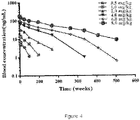
- the low-dose group (0.5mg/kg ⁇ 2.0mg/kg) showed rapid target clearance, and the blood concentration was undetectable or close to the lower limit of detection after one week, while the high dose group (6.0mg/kg ⁇ 8.0mg/kg) at 4.0mg/kg and above showed a gradual saturation of target clearance in vivo.
- the N6-3 single-dose blood concentration-time curve is shown in Figure 4 .
- the trough concentrations could reach the saturated steady-state pharmacological activity value when N6-3 is administered at 4.0 mg/kg, 6.0 mg/kg weekly (QW) for six consecutive doses, and at 8.0 mg/kg dose every two weeks (Q2W) for three consecutive doses.
- the N6-3 multiple-dose (weekly dosing (QW)) blood concentration-time curve is shown in Figure 5 .
- the N6-3 multiple-dose (biweekly dosing (Q2W)) blood concentration-time curve is shown in Figure 6 .
- phase II dosing regimen (RP2D): 6.0mg/kg/QW, for six weeks consecutive dosing; followed by tumor efficacy assessment and, for subjects in stable and response status, a subsequent dosing regimen of 8.0 mg/kg/Q2W for consecutive dosing until tumor progression or intolerable toxicity occurred.
- Example 2 Phase II clinical study of N6-3 monotherapy in the third-line treatment of colorectal cancer
- AEs adverse events related or possibly related to the study drug mainly include skin rash and hypomagnesemia; Grade 3 or above AEs related to the study drug include one case of anterior myocardial infarction, one case of hand-foot syndrome, and one case of acneiform eruption and 1 case of hypokalemia.
- Example 3 Phase II clinical study of N6-3 monotherapy in the second-line treatment of head and neck squamous cell carcinoma
- Example 4 Phase II clinical study of N6-3+PF combination therapy in the first-line treatment of head and neck squamous cell carcinoma
- Example 5 Phase II clinical study of N6-3 monotherapy in the second-line and above treatment of triple-negative breast cancer
- Example 6 Phase Ib clinical study of N6-3 monotherapy in the second-line and above treatment of esophageal squamous cell carcinoma
- Example 7 Phase Ib clinical study of N6-3 monotherapy in the third-line and above treatment of squamous non-small cell lung cancer
- Example 8 Phase Ib clinical study of N6-3 monotherapy in the treatment of advanced solid tumors that had failed standard chemotherapy
Landscapes
- Health & Medical Sciences (AREA)
- Chemical & Material Sciences (AREA)
- Organic Chemistry (AREA)
- Life Sciences & Earth Sciences (AREA)
- Medicinal Chemistry (AREA)
- Immunology (AREA)
- General Health & Medical Sciences (AREA)
- Veterinary Medicine (AREA)
- Public Health (AREA)
- Animal Behavior & Ethology (AREA)
- Pharmacology & Pharmacy (AREA)
- Nuclear Medicine, Radiotherapy & Molecular Imaging (AREA)
- Oncology (AREA)
- General Chemical & Material Sciences (AREA)
- Proteomics, Peptides & Aminoacids (AREA)
- Molecular Biology (AREA)
- Genetics & Genomics (AREA)
- Biophysics (AREA)
- Biochemistry (AREA)
- Chemical Kinetics & Catalysis (AREA)
- Engineering & Computer Science (AREA)
- Biomedical Technology (AREA)
- Bioinformatics & Cheminformatics (AREA)
- Microbiology (AREA)
- Mycology (AREA)
- Epidemiology (AREA)
- Medicines Containing Antibodies Or Antigens For Use As Internal Diagnostic Agents (AREA)
- Peptides Or Proteins (AREA)
- Pharmaceuticals Containing Other Organic And Inorganic Compounds (AREA)
Applications Claiming Priority (2)
| Application Number | Priority Date | Filing Date | Title |
|---|---|---|---|
| CN201910673607 | 2019-07-24 | ||
| PCT/CN2020/103618 WO2021013207A1 (fr) | 2019-07-24 | 2020-07-22 | Procédé de délivrance de doses à variables multiples destiné à être mise en oeuvre dans le traitement d'un cancer dans lequel l'expression de l'egfr est forte |
Publications (2)
| Publication Number | Publication Date |
|---|---|
| EP4005593A1 true EP4005593A1 (fr) | 2022-06-01 |
| EP4005593A4 EP4005593A4 (fr) | 2023-08-16 |
Family
ID=74193268
Family Applications (1)
| Application Number | Title | Priority Date | Filing Date |
|---|---|---|---|
| EP20843953.9A Withdrawn EP4005593A4 (fr) | 2019-07-24 | 2020-07-22 | Procédé de délivrance de doses à variables multiples destiné à être mise en oeuvre dans le traitement d'un cancer dans lequel l'expression de l'egfr est forte |
Country Status (4)
| Country | Link |
|---|---|
| US (1) | US20220259316A1 (fr) |
| EP (1) | EP4005593A4 (fr) |
| CN (1) | CN113993544A (fr) |
| WO (1) | WO2021013207A1 (fr) |
Family Cites Families (6)
| Publication number | Priority date | Publication date | Assignee | Title |
|---|---|---|---|---|
| MX2007009963A (es) * | 2005-02-24 | 2007-09-26 | Amgen Inc | Mutaciones del receptor del factor de crecimiento epidermico. |
| CN101058609B (zh) * | 2006-05-26 | 2011-04-13 | 神州细胞工程有限公司 | 人源抗体及其表达 |
| CL2009000843A1 (es) * | 2008-04-11 | 2009-07-24 | Galaxy Biotech Llc | Metodo para tratar cancer en un paciente que comprende la administracion de un primer agente que es inhibidor de factor de crecimiento de hepatocito (hgf) en combinacion con un segundo agente que es inhibidor de una ruta de senalizacion celular diferente de la ruta hgf/cmet. |
| US8628773B2 (en) * | 2011-04-07 | 2014-01-14 | Amgen Inc. | Antigen binding proteins |
| TWI641619B (zh) * | 2012-06-25 | 2018-11-21 | 美商再生元醫藥公司 | 抗-egfr抗體及其用途 |
| CN106963950B (zh) * | 2016-01-14 | 2020-06-16 | 上海津曼特生物科技有限公司 | 用于治疗肿瘤的联合用药物 |
-
2020
- 2020-07-22 EP EP20843953.9A patent/EP4005593A4/fr not_active Withdrawn
- 2020-07-22 WO PCT/CN2020/103618 patent/WO2021013207A1/fr not_active Ceased
- 2020-07-22 CN CN202080045431.3A patent/CN113993544A/zh active Pending
-
2022
- 2022-01-24 US US17/582,908 patent/US20220259316A1/en not_active Abandoned
Also Published As
| Publication number | Publication date |
|---|---|
| US20220259316A1 (en) | 2022-08-18 |
| WO2021013207A1 (fr) | 2021-01-28 |
| CN113993544A (zh) | 2022-01-28 |
| EP4005593A4 (fr) | 2023-08-16 |
Similar Documents
| Publication | Publication Date | Title |
|---|---|---|
| JP2024079823A (ja) | ErbB-2およびErbB-3に結合する抗体 | |
| US10058610B2 (en) | Methods for treating cancer by administering humanized pan-HER antibody compositions | |
| US9522956B2 (en) | Combination therapy using anti-EGFR and anti-HER2 antibodies | |
| EP2635604B1 (fr) | Composition d'antcorps pan-her | |
| KR20200013231A (ko) | 항암 조합 요법 | |
| US20150110788A1 (en) | Bispecific antibodies with an fgf2 binding domain | |
| CN111148534A (zh) | 抗igf和抗pd-1抗癌组合疗法 | |
| IL300388A (en) | Treatment with drug-conjugated antibodies specific for the HER2 site | |
| JP7304815B2 (ja) | Erbb-2、erbb-2/erbb-3陽性腫瘍を有する個体の処置のための、erb-2及びerbb-3の細胞外部分上のエピトープに結合する抗原結合部位を含むerbb-2標的化剤及び二重特異性抗体 | |
| US20220259316A1 (en) | Multiple-Variable Dosage Regimen for the Treatment of Cancers with High Expression of EGFR | |
| WO2024041652A1 (fr) | Méthodes de traitement du cancer | |
| US20220218838A1 (en) | Adc for a treatment concomitant with or subsequent to docetaxel | |
| CN121622859A (zh) | TGF-β受体融合蛋白在制备治疗胃及胃食管结合部腺癌的药物中的用途 | |
| CN118176017A (zh) | 治疗肿瘤的联用药物 | |
| NZ724012B2 (en) | Antibody that binds erbb-2 and erbb-3 |
Legal Events
| Date | Code | Title | Description |
|---|---|---|---|
| STAA | Information on the status of an ep patent application or granted ep patent |
Free format text: STATUS: THE INTERNATIONAL PUBLICATION HAS BEEN MADE |
|
| PUAI | Public reference made under article 153(3) epc to a published international application that has entered the european phase |
Free format text: ORIGINAL CODE: 0009012 |
|
| STAA | Information on the status of an ep patent application or granted ep patent |
Free format text: STATUS: REQUEST FOR EXAMINATION WAS MADE |
|
| 17P | Request for examination filed |
Effective date: 20220209 |
|
| AK | Designated contracting states |
Kind code of ref document: A1 Designated state(s): AL AT BE BG CH CY CZ DE DK EE ES FI FR GB GR HR HU IE IS IT LI LT LU LV MC MK MT NL NO PL PT RO RS SE SI SK SM TR |
|
| DAV | Request for validation of the european patent (deleted) | ||
| DAX | Request for extension of the european patent (deleted) | ||
| A4 | Supplementary search report drawn up and despatched |
Effective date: 20230713 |
|
| RIC1 | Information provided on ipc code assigned before grant |
Ipc: A61P 35/00 20060101ALI20230707BHEP Ipc: C07K 16/28 20060101ALI20230707BHEP Ipc: A61K 39/395 20060101AFI20230707BHEP |
|
| STAA | Information on the status of an ep patent application or granted ep patent |
Free format text: STATUS: EXAMINATION IS IN PROGRESS |
|
| 17Q | First examination report despatched |
Effective date: 20240416 |
|
| STAA | Information on the status of an ep patent application or granted ep patent |
Free format text: STATUS: THE APPLICATION IS DEEMED TO BE WITHDRAWN |
|
| 18D | Application deemed to be withdrawn |
Effective date: 20241029 |