EP4006162A1 - Genetically modified microorganism and method for producing diamine compound - Google Patents
Genetically modified microorganism and method for producing diamine compound Download PDFInfo
- Publication number
- EP4006162A1 EP4006162A1 EP20843995.0A EP20843995A EP4006162A1 EP 4006162 A1 EP4006162 A1 EP 4006162A1 EP 20843995 A EP20843995 A EP 20843995A EP 4006162 A1 EP4006162 A1 EP 4006162A1
- Authority
- EP
- European Patent Office
- Prior art keywords
- modified microorganism
- genetically modified
- alcohol dehydrogenase
- gene
- group
- Prior art date
- Legal status (The legal status is an assumption and is not a legal conclusion. Google has not performed a legal analysis and makes no representation as to the accuracy of the status listed.)
- Pending
Links
- 244000005700 microbiome Species 0.000 title claims abstract description 187
- -1 diamine compound Chemical class 0.000 title claims abstract description 146
- 238000004519 manufacturing process Methods 0.000 title description 51
- 108010021809 Alcohol dehydrogenase Proteins 0.000 claims abstract description 134
- 102000007698 Alcohol dehydrogenase Human genes 0.000 claims abstract description 133
- 230000000694 effects Effects 0.000 claims abstract description 101
- 238000000034 method Methods 0.000 claims abstract description 80
- 108090000790 Enzymes Proteins 0.000 claims abstract description 67
- 102000004190 Enzymes Human genes 0.000 claims abstract description 61
- 238000003786 synthesis reaction Methods 0.000 claims abstract description 20
- 230000015572 biosynthetic process Effects 0.000 claims abstract description 19
- 229910052799 carbon Inorganic materials 0.000 claims abstract description 13
- 125000000962 organic group Chemical group 0.000 claims abstract description 13
- 229910052757 nitrogen Inorganic materials 0.000 claims abstract description 10
- 125000004122 cyclic group Chemical group 0.000 claims abstract description 6
- 229910052739 hydrogen Inorganic materials 0.000 claims abstract description 5
- 229910052717 sulfur Inorganic materials 0.000 claims abstract description 5
- 108090000623 proteins and genes Proteins 0.000 claims description 195
- 150000001413 amino acids Chemical class 0.000 claims description 86
- 102000004169 proteins and genes Human genes 0.000 claims description 73
- 101100098786 Bacillus subtilis (strain 168) tapA gene Proteins 0.000 claims description 54
- 101100321116 Escherichia coli (strain K12) yqhD gene Proteins 0.000 claims description 54
- 239000002243 precursor Substances 0.000 claims description 41
- 101100108235 Escherichia coli (strain K12) adhP gene Proteins 0.000 claims description 36
- 101100297542 Streptomyces viridochromogenes (strain DSM 40736 / JCM 4977 / BCRC 1201 / Tue 494) phpC gene Proteins 0.000 claims description 36
- 101150035934 eutG gene Proteins 0.000 claims description 36
- 101150030625 fucO gene Proteins 0.000 claims description 36
- 101150010642 ybbO gene Proteins 0.000 claims description 33
- 230000014509 gene expression Effects 0.000 claims description 32
- 108010019670 Chimeric Antigen Receptors Proteins 0.000 claims description 29
- 101100319874 Escherichia coli (strain K12) yahK gene Proteins 0.000 claims description 29
- 239000002609 medium Substances 0.000 claims description 28
- 230000004048 modification Effects 0.000 claims description 27
- 238000012986 modification Methods 0.000 claims description 27
- 108090000340 Transaminases Proteins 0.000 claims description 25
- 102000003929 Transaminases Human genes 0.000 claims description 25
- 241000588724 Escherichia coli Species 0.000 claims description 24
- 238000006243 chemical reaction Methods 0.000 claims description 23
- WNLRTRBMVRJNCN-UHFFFAOYSA-N adipic acid Chemical compound OC(=O)CCCCC(O)=O WNLRTRBMVRJNCN-UHFFFAOYSA-N 0.000 claims description 22
- 150000001299 aldehydes Chemical class 0.000 claims description 22
- OFOBLEOULBTSOW-UHFFFAOYSA-N Malonic acid Chemical compound OC(=O)CC(O)=O OFOBLEOULBTSOW-UHFFFAOYSA-N 0.000 claims description 19
- 239000001963 growth medium Substances 0.000 claims description 19
- 108010001814 phosphopantetheinyl transferase Proteins 0.000 claims description 17
- 230000001580 bacterial effect Effects 0.000 claims description 15
- 230000009467 reduction Effects 0.000 claims description 15
- KXDHJXZQYSOELW-UHFFFAOYSA-N Carbamic acid Chemical compound NC(O)=O KXDHJXZQYSOELW-UHFFFAOYSA-N 0.000 claims description 14
- IJGRMHOSHXDMSA-UHFFFAOYSA-N Atomic nitrogen Chemical compound N#N IJGRMHOSHXDMSA-UHFFFAOYSA-N 0.000 claims description 12
- 101100082381 Escherichia coli (strain K12) patA gene Proteins 0.000 claims description 11
- 239000001361 adipic acid Substances 0.000 claims description 11
- 235000011037 adipic acid Nutrition 0.000 claims description 11
- 238000013519 translation Methods 0.000 claims description 10
- OKTJSMMVPCPJKN-UHFFFAOYSA-N Carbon Chemical compound [C] OKTJSMMVPCPJKN-UHFFFAOYSA-N 0.000 claims description 8
- 238000013518 transcription Methods 0.000 claims description 8
- 230000035897 transcription Effects 0.000 claims description 8
- SLXKOJJOQWFEFD-UHFFFAOYSA-N 6-aminohexanoic acid Chemical compound NCCCCCC(O)=O SLXKOJJOQWFEFD-UHFFFAOYSA-N 0.000 claims description 7
- 229910019142 PO4 Inorganic materials 0.000 claims description 7
- 125000003178 carboxy group Chemical group [H]OC(*)=O 0.000 claims description 7
- 239000010452 phosphate Substances 0.000 claims description 7
- 239000000243 solution Substances 0.000 claims description 7
- 229960002684 aminocaproic acid Drugs 0.000 claims description 6
- PNPPVRALIYXJBW-UHFFFAOYSA-N 6-oxohexanoic acid Chemical compound OC(=O)CCCCC=O PNPPVRALIYXJBW-UHFFFAOYSA-N 0.000 claims description 5
- 239000007864 aqueous solution Substances 0.000 claims description 5
- 238000012258 culturing Methods 0.000 claims description 5
- FQVLRGLGWNWPSS-BXBUPLCLSA-N (4r,7s,10s,13s,16r)-16-acetamido-13-(1h-imidazol-5-ylmethyl)-10-methyl-6,9,12,15-tetraoxo-7-propan-2-yl-1,2-dithia-5,8,11,14-tetrazacycloheptadecane-4-carboxamide Chemical compound N1C(=O)[C@@H](NC(C)=O)CSSC[C@@H](C(N)=O)NC(=O)[C@H](C(C)C)NC(=O)[C@H](C)NC(=O)[C@@H]1CC1=CN=CN1 FQVLRGLGWNWPSS-BXBUPLCLSA-N 0.000 claims description 4
- 102100034035 Alcohol dehydrogenase 1A Human genes 0.000 claims description 4
- 102100034042 Alcohol dehydrogenase 1C Human genes 0.000 claims description 4
- 102100031794 Alcohol dehydrogenase 6 Human genes 0.000 claims description 4
- 102100039702 Alcohol dehydrogenase class-3 Human genes 0.000 claims description 4
- 102100034044 All-trans-retinol dehydrogenase [NAD(+)] ADH1B Human genes 0.000 claims description 4
- 102100031795 All-trans-retinol dehydrogenase [NAD(+)] ADH4 Human genes 0.000 claims description 4
- 101710193111 All-trans-retinol dehydrogenase [NAD(+)] ADH4 Proteins 0.000 claims description 4
- 102100026663 All-trans-retinol dehydrogenase [NAD(+)] ADH7 Human genes 0.000 claims description 4
- 101100257981 Arabidopsis thaliana S-ACP-DES3 gene Proteins 0.000 claims description 4
- 101100257986 Arabidopsis thaliana S-ACP-DES4 gene Proteins 0.000 claims description 4
- 241000193830 Bacillus <bacterium> Species 0.000 claims description 4
- 101100508894 Bacillus subtilis (strain 168) iolS gene Proteins 0.000 claims description 4
- 101100375837 Bacillus subtilis (strain 168) yccK gene Proteins 0.000 claims description 4
- 101100376979 Bacillus subtilis (strain 168) yqkF gene Proteins 0.000 claims description 4
- 101100321173 Bacillus subtilis (strain 168) yrpG gene Proteins 0.000 claims description 4
- 241000186216 Corynebacterium Species 0.000 claims description 4
- 101000796894 Coturnix japonica Alcohol dehydrogenase 1 Proteins 0.000 claims description 4
- ZNZYKNKBJPZETN-WELNAUFTSA-N Dialdehyde 11678 Chemical compound N1C2=CC=CC=C2C2=C1[C@H](C[C@H](/C(=C/O)C(=O)OC)[C@@H](C=C)C=O)NCC2 ZNZYKNKBJPZETN-WELNAUFTSA-N 0.000 claims description 4
- 101100538918 Escherichia coli (strain K12) tusE gene Proteins 0.000 claims description 4
- 101100431554 Escherichia coli (strain K12) ybdR gene Proteins 0.000 claims description 4
- 101100159722 Escherichia coli (strain K12) yeaE gene Proteins 0.000 claims description 4
- 101100269244 Escherichia coli (strain K12) yiaY gene Proteins 0.000 claims description 4
- 101100267667 Escherichia coli (strain K12) yohF gene Proteins 0.000 claims description 4
- 101000892220 Geobacillus thermodenitrificans (strain NG80-2) Long-chain-alcohol dehydrogenase 1 Proteins 0.000 claims description 4
- 101000780443 Homo sapiens Alcohol dehydrogenase 1A Proteins 0.000 claims description 4
- 101000780463 Homo sapiens Alcohol dehydrogenase 1C Proteins 0.000 claims description 4
- 101000775460 Homo sapiens Alcohol dehydrogenase 6 Proteins 0.000 claims description 4
- 101000959452 Homo sapiens Alcohol dehydrogenase class-3 Proteins 0.000 claims description 4
- 101000775437 Homo sapiens All-trans-retinol dehydrogenase [NAD(+)] ADH4 Proteins 0.000 claims description 4
- 101000690766 Homo sapiens All-trans-retinol dehydrogenase [NAD(+)] ADH7 Proteins 0.000 claims description 4
- 101100533888 Hypocrea jecorina (strain QM6a) sor4 gene Proteins 0.000 claims description 4
- 241000589516 Pseudomonas Species 0.000 claims description 4
- 101100433692 Saccharomyces cerevisiae (strain ATCC 204508 / S288c) AAD10 gene Proteins 0.000 claims description 4
- 101100433693 Saccharomyces cerevisiae (strain ATCC 204508 / S288c) AAD14 gene Proteins 0.000 claims description 4
- 101100433694 Saccharomyces cerevisiae (strain ATCC 204508 / S288c) AAD15 gene Proteins 0.000 claims description 4
- 101100433696 Saccharomyces cerevisiae (strain ATCC 204508 / S288c) AAD3 gene Proteins 0.000 claims description 4
- 101100433697 Saccharomyces cerevisiae (strain ATCC 204508 / S288c) AAD4 gene Proteins 0.000 claims description 4
- 101100502339 Saccharomyces cerevisiae (strain ATCC 204508 / S288c) SFA1 gene Proteins 0.000 claims description 4
- 101100053441 Saccharomyces cerevisiae (strain ATCC 204508 / S288c) YPR1 gene Proteins 0.000 claims description 4
- 101150014383 adhE gene Proteins 0.000 claims description 4
- 101150084197 dkgA gene Proteins 0.000 claims description 4
- 101150019698 dkgB gene Proteins 0.000 claims description 4
- 101150032129 egsA gene Proteins 0.000 claims description 4
- 101150043213 frmA gene Proteins 0.000 claims description 4
- 101150033931 gldA gene Proteins 0.000 claims description 4
- 229910052760 oxygen Inorganic materials 0.000 claims description 4
- 101150078527 ydjG gene Proteins 0.000 claims description 4
- 101150097894 yghA gene Proteins 0.000 claims description 4
- 241000589291 Acinetobacter Species 0.000 claims description 3
- 108700037654 Acyl carrier protein (ACP) Proteins 0.000 claims description 3
- 102000048456 Acyl carrier protein (ACP) Human genes 0.000 claims description 3
- 241000228212 Aspergillus Species 0.000 claims description 3
- 241001453380 Burkholderia Species 0.000 claims description 3
- 241000193403 Clostridium Species 0.000 claims description 3
- 241000588722 Escherichia Species 0.000 claims description 3
- 102000004316 Oxidoreductases Human genes 0.000 claims description 3
- 108090000854 Oxidoreductases Proteins 0.000 claims description 3
- 241000235648 Pichia Species 0.000 claims description 3
- 241000235070 Saccharomyces Species 0.000 claims description 3
- 241000235346 Schizosaccharomyces Species 0.000 claims description 3
- 241000235013 Yarrowia Species 0.000 claims description 3
- 101150102852 adhP gene Proteins 0.000 claims description 3
- 241000222120 Candida <Saccharomycetales> Species 0.000 claims description 2
- 125000003275 alpha amino acid group Chemical group 0.000 claims 7
- 150000001735 carboxylic acids Chemical class 0.000 claims 3
- 235000018102 proteins Nutrition 0.000 description 53
- NAQMVNRVTILPCV-UHFFFAOYSA-N hexane-1,6-diamine Chemical compound NCCCCCCN NAQMVNRVTILPCV-UHFFFAOYSA-N 0.000 description 43
- XXMIOPMDWAUFGU-UHFFFAOYSA-N hexane-1,6-diol Chemical compound OCCCCCCO XXMIOPMDWAUFGU-UHFFFAOYSA-N 0.000 description 22
- 210000004027 cell Anatomy 0.000 description 21
- 108020004414 DNA Proteins 0.000 description 20
- 241001198387 Escherichia coli BL21(DE3) Species 0.000 description 20
- 239000013612 plasmid Substances 0.000 description 20
- 239000006227 byproduct Substances 0.000 description 18
- 101150067366 adh gene Proteins 0.000 description 17
- 244000253724 Saccharomyces cerevisiae S288c Species 0.000 description 14
- 235000004905 Saccharomyces cerevisiae S288c Nutrition 0.000 description 14
- 150000001732 carboxylic acid derivatives Chemical class 0.000 description 14
- 230000037361 pathway Effects 0.000 description 14
- 239000000047 product Substances 0.000 description 14
- 108091026890 Coding region Proteins 0.000 description 12
- 125000003158 alcohol group Chemical group 0.000 description 12
- 150000001875 compounds Chemical class 0.000 description 12
- YQLZOAVZWJBZSY-UHFFFAOYSA-N decane-1,10-diamine Chemical compound NCCCCCCCCCCN YQLZOAVZWJBZSY-UHFFFAOYSA-N 0.000 description 12
- 241001485655 Corynebacterium glutamicum ATCC 13032 Species 0.000 description 10
- VHRGRCVQAFMJIZ-UHFFFAOYSA-N cadaverine Chemical compound NCCCCCN VHRGRCVQAFMJIZ-UHFFFAOYSA-N 0.000 description 10
- 230000001965 increasing effect Effects 0.000 description 10
- 239000007788 liquid Substances 0.000 description 10
- BASFCYQUMIYNBI-UHFFFAOYSA-N platinum Chemical compound [Pt] BASFCYQUMIYNBI-UHFFFAOYSA-N 0.000 description 10
- CXMXRPHRNRROMY-UHFFFAOYSA-N sebacic acid Chemical compound OC(=O)CCCCCCCCC(O)=O CXMXRPHRNRROMY-UHFFFAOYSA-N 0.000 description 10
- 239000013598 vector Substances 0.000 description 9
- 235000017934 Bacillus subtilis subsp subtilis str 168 Nutrition 0.000 description 8
- 241000276408 Bacillus subtilis subsp. subtilis str. 168 Species 0.000 description 8
- 108020004705 Codon Proteins 0.000 description 8
- LFQSCWFLJHTTHZ-UHFFFAOYSA-N Ethanol Chemical compound CCO LFQSCWFLJHTTHZ-UHFFFAOYSA-N 0.000 description 8
- 241001197104 Nocardia iowensis Species 0.000 description 8
- 235000001014 amino acid Nutrition 0.000 description 8
- 230000000052 comparative effect Effects 0.000 description 8
- KIDHWZJUCRJVML-UHFFFAOYSA-N putrescine Chemical compound NCCCCN KIDHWZJUCRJVML-UHFFFAOYSA-N 0.000 description 8
- XFNJVJPLKCPIBV-UHFFFAOYSA-N trimethylenediamine Chemical compound NCCCN XFNJVJPLKCPIBV-UHFFFAOYSA-N 0.000 description 8
- 229940024606 amino acid Drugs 0.000 description 7
- 125000003277 amino group Chemical group 0.000 description 7
- 238000000354 decomposition reaction Methods 0.000 description 7
- 150000004985 diamines Chemical class 0.000 description 7
- 239000012634 fragment Substances 0.000 description 7
- 239000002994 raw material Substances 0.000 description 7
- 230000001603 reducing effect Effects 0.000 description 7
- 150000003839 salts Chemical group 0.000 description 7
- 239000006228 supernatant Substances 0.000 description 7
- 238000011282 treatment Methods 0.000 description 7
- 241000894006 Bacteria Species 0.000 description 6
- WQZGKKKJIJFFOK-GASJEMHNSA-N Glucose Natural products OC[C@H]1OC(O)[C@H](O)[C@@H](O)[C@@H]1O WQZGKKKJIJFFOK-GASJEMHNSA-N 0.000 description 6
- PEDCQBHIVMGVHV-UHFFFAOYSA-N Glycerine Chemical compound OCC(O)CO PEDCQBHIVMGVHV-UHFFFAOYSA-N 0.000 description 6
- 108091034117 Oligonucleotide Proteins 0.000 description 6
- FAPWRFPIFSIZLT-UHFFFAOYSA-M Sodium chloride Chemical compound [Na+].[Cl-] FAPWRFPIFSIZLT-UHFFFAOYSA-M 0.000 description 6
- JLCPHMBAVCMARE-UHFFFAOYSA-N [3-[[3-[[3-[[3-[[3-[[3-[[3-[[3-[[3-[[3-[[3-[[5-(2-amino-6-oxo-1H-purin-9-yl)-3-[[3-[[3-[[3-[[3-[[3-[[5-(2-amino-6-oxo-1H-purin-9-yl)-3-[[5-(2-amino-6-oxo-1H-purin-9-yl)-3-hydroxyoxolan-2-yl]methoxy-hydroxyphosphoryl]oxyoxolan-2-yl]methoxy-hydroxyphosphoryl]oxy-5-(5-methyl-2,4-dioxopyrimidin-1-yl)oxolan-2-yl]methoxy-hydroxyphosphoryl]oxy-5-(6-aminopurin-9-yl)oxolan-2-yl]methoxy-hydroxyphosphoryl]oxy-5-(6-aminopurin-9-yl)oxolan-2-yl]methoxy-hydroxyphosphoryl]oxy-5-(6-aminopurin-9-yl)oxolan-2-yl]methoxy-hydroxyphosphoryl]oxy-5-(6-aminopurin-9-yl)oxolan-2-yl]methoxy-hydroxyphosphoryl]oxyoxolan-2-yl]methoxy-hydroxyphosphoryl]oxy-5-(5-methyl-2,4-dioxopyrimidin-1-yl)oxolan-2-yl]methoxy-hydroxyphosphoryl]oxy-5-(4-amino-2-oxopyrimidin-1-yl)oxolan-2-yl]methoxy-hydroxyphosphoryl]oxy-5-(5-methyl-2,4-dioxopyrimidin-1-yl)oxolan-2-yl]methoxy-hydroxyphosphoryl]oxy-5-(5-methyl-2,4-dioxopyrimidin-1-yl)oxolan-2-yl]methoxy-hydroxyphosphoryl]oxy-5-(6-aminopurin-9-yl)oxolan-2-yl]methoxy-hydroxyphosphoryl]oxy-5-(6-aminopurin-9-yl)oxolan-2-yl]methoxy-hydroxyphosphoryl]oxy-5-(4-amino-2-oxopyrimidin-1-yl)oxolan-2-yl]methoxy-hydroxyphosphoryl]oxy-5-(4-amino-2-oxopyrimidin-1-yl)oxolan-2-yl]methoxy-hydroxyphosphoryl]oxy-5-(4-amino-2-oxopyrimidin-1-yl)oxolan-2-yl]methoxy-hydroxyphosphoryl]oxy-5-(6-aminopurin-9-yl)oxolan-2-yl]methoxy-hydroxyphosphoryl]oxy-5-(4-amino-2-oxopyrimidin-1-yl)oxolan-2-yl]methyl [5-(6-aminopurin-9-yl)-2-(hydroxymethyl)oxolan-3-yl] hydrogen phosphate Polymers Cc1cn(C2CC(OP(O)(=O)OCC3OC(CC3OP(O)(=O)OCC3OC(CC3O)n3cnc4c3nc(N)[nH]c4=O)n3cnc4c3nc(N)[nH]c4=O)C(COP(O)(=O)OC3CC(OC3COP(O)(=O)OC3CC(OC3COP(O)(=O)OC3CC(OC3COP(O)(=O)OC3CC(OC3COP(O)(=O)OC3CC(OC3COP(O)(=O)OC3CC(OC3COP(O)(=O)OC3CC(OC3COP(O)(=O)OC3CC(OC3COP(O)(=O)OC3CC(OC3COP(O)(=O)OC3CC(OC3COP(O)(=O)OC3CC(OC3COP(O)(=O)OC3CC(OC3COP(O)(=O)OC3CC(OC3COP(O)(=O)OC3CC(OC3COP(O)(=O)OC3CC(OC3COP(O)(=O)OC3CC(OC3COP(O)(=O)OC3CC(OC3CO)n3cnc4c(N)ncnc34)n3ccc(N)nc3=O)n3cnc4c(N)ncnc34)n3ccc(N)nc3=O)n3ccc(N)nc3=O)n3ccc(N)nc3=O)n3cnc4c(N)ncnc34)n3cnc4c(N)ncnc34)n3cc(C)c(=O)[nH]c3=O)n3cc(C)c(=O)[nH]c3=O)n3ccc(N)nc3=O)n3cc(C)c(=O)[nH]c3=O)n3cnc4c3nc(N)[nH]c4=O)n3cnc4c(N)ncnc34)n3cnc4c(N)ncnc34)n3cnc4c(N)ncnc34)n3cnc4c(N)ncnc34)O2)c(=O)[nH]c1=O JLCPHMBAVCMARE-UHFFFAOYSA-N 0.000 description 6
- WQZGKKKJIJFFOK-VFUOTHLCSA-N beta-D-glucose Chemical compound OC[C@H]1O[C@@H](O)[C@H](O)[C@@H](O)[C@@H]1O WQZGKKKJIJFFOK-VFUOTHLCSA-N 0.000 description 6
- 229960005091 chloramphenicol Drugs 0.000 description 6
- WIIZWVCIJKGZOK-RKDXNWHRSA-N chloramphenicol Chemical compound ClC(Cl)C(=O)N[C@H](CO)[C@H](O)C1=CC=C([N+]([O-])=O)C=C1 WIIZWVCIJKGZOK-RKDXNWHRSA-N 0.000 description 6
- 238000010367 cloning Methods 0.000 description 6
- WLJVNTCWHIRURA-UHFFFAOYSA-N pimelic acid Chemical compound OC(=O)CCCCCC(O)=O WLJVNTCWHIRURA-UHFFFAOYSA-N 0.000 description 6
- ATHGHQPFGPMSJY-UHFFFAOYSA-N spermidine Chemical compound NCCCCNCCCN ATHGHQPFGPMSJY-UHFFFAOYSA-N 0.000 description 6
- 239000000126 substance Substances 0.000 description 6
- 230000001629 suppression Effects 0.000 description 6
- 239000002028 Biomass Substances 0.000 description 5
- 235000014680 Saccharomyces cerevisiae Nutrition 0.000 description 5
- 240000004808 Saccharomyces cerevisiae Species 0.000 description 5
- 210000000349 chromosome Anatomy 0.000 description 5
- 238000012239 gene modification Methods 0.000 description 5
- 230000005017 genetic modification Effects 0.000 description 5
- 235000013617 genetically modified food Nutrition 0.000 description 5
- 239000003446 ligand Substances 0.000 description 5
- 230000035772 mutation Effects 0.000 description 5
- 101150111412 npt gene Proteins 0.000 description 5
- 150000007523 nucleic acids Chemical group 0.000 description 5
- 229910052697 platinum Inorganic materials 0.000 description 5
- 239000000758 substrate Substances 0.000 description 5
- 238000012546 transfer Methods 0.000 description 5
- 238000011144 upstream manufacturing Methods 0.000 description 5
- 235000014469 Bacillus subtilis Nutrition 0.000 description 4
- 244000063299 Bacillus subtilis Species 0.000 description 4
- UXVMQQNJUSDDNG-UHFFFAOYSA-L Calcium chloride Chemical compound [Cl-].[Cl-].[Ca+2] UXVMQQNJUSDDNG-UHFFFAOYSA-L 0.000 description 4
- 241001646716 Escherichia coli K-12 Species 0.000 description 4
- DHMQDGOQFOQNFH-UHFFFAOYSA-N Glycine Chemical compound NCC(O)=O DHMQDGOQFOQNFH-UHFFFAOYSA-N 0.000 description 4
- 239000006142 Luria-Bertani Agar Substances 0.000 description 4
- 108091028043 Nucleic acid sequence Proteins 0.000 description 4
- 101710181647 Putrescine aminotransferase Proteins 0.000 description 4
- 108020004422 Riboswitch Proteins 0.000 description 4
- 238000004458 analytical method Methods 0.000 description 4
- 230000003115 biocidal effect Effects 0.000 description 4
- 239000001110 calcium chloride Substances 0.000 description 4
- 229910001628 calcium chloride Inorganic materials 0.000 description 4
- 229940041514 candida albicans extract Drugs 0.000 description 4
- 238000005119 centrifugation Methods 0.000 description 4
- 238000010276 construction Methods 0.000 description 4
- FOTKYAAJKYLFFN-UHFFFAOYSA-N decane-1,10-diol Chemical compound OCCCCCCCCCCO FOTKYAAJKYLFFN-UHFFFAOYSA-N 0.000 description 4
- QFTYSVGGYOXFRQ-UHFFFAOYSA-N dodecane-1,12-diamine Chemical compound NCCCCCCCCCCCCN QFTYSVGGYOXFRQ-UHFFFAOYSA-N 0.000 description 4
- 238000005516 engineering process Methods 0.000 description 4
- 238000011156 evaluation Methods 0.000 description 4
- 239000007789 gas Substances 0.000 description 4
- 239000008103 glucose Substances 0.000 description 4
- PWSKHLMYTZNYKO-UHFFFAOYSA-N heptane-1,7-diamine Chemical compound NCCCCCCCN PWSKHLMYTZNYKO-UHFFFAOYSA-N 0.000 description 4
- 238000005984 hydrogenation reaction Methods 0.000 description 4
- 238000002347 injection Methods 0.000 description 4
- 239000007924 injection Substances 0.000 description 4
- 108020004999 messenger RNA Proteins 0.000 description 4
- 239000000203 mixture Substances 0.000 description 4
- TXXHDPDFNKHHGW-UHFFFAOYSA-N muconic acid Chemical compound OC(=O)C=CC=CC(O)=O TXXHDPDFNKHHGW-UHFFFAOYSA-N 0.000 description 4
- 230000007935 neutral effect Effects 0.000 description 4
- BDJRBEYXGGNYIS-UHFFFAOYSA-N nonanedioic acid Chemical compound OC(=O)CCCCCCCC(O)=O BDJRBEYXGGNYIS-UHFFFAOYSA-N 0.000 description 4
- 230000001105 regulatory effect Effects 0.000 description 4
- 230000002441 reversible effect Effects 0.000 description 4
- PFNFFQXMRSDOHW-UHFFFAOYSA-N spermine Chemical compound NCCCNCCCCNCCCN PFNFFQXMRSDOHW-UHFFFAOYSA-N 0.000 description 4
- TYFQFVWCELRYAO-UHFFFAOYSA-N suberic acid Chemical compound OC(=O)CCCCCCC(O)=O TYFQFVWCELRYAO-UHFFFAOYSA-N 0.000 description 4
- 239000012137 tryptone Substances 0.000 description 4
- 239000012138 yeast extract Substances 0.000 description 4
- PWGJDPKCLMLPJW-UHFFFAOYSA-N 1,8-diaminooctane Chemical compound NCCCCCCCCN PWGJDPKCLMLPJW-UHFFFAOYSA-N 0.000 description 3
- QTBSBXVTEAMEQO-UHFFFAOYSA-N Acetic acid Chemical compound CC(O)=O QTBSBXVTEAMEQO-UHFFFAOYSA-N 0.000 description 3
- NLXLAEXVIDQMFP-UHFFFAOYSA-N Ammonium chloride Substances [NH4+].[Cl-] NLXLAEXVIDQMFP-UHFFFAOYSA-N 0.000 description 3
- 241000186226 Corynebacterium glutamicum Species 0.000 description 3
- 108700039691 Genetic Promoter Regions Proteins 0.000 description 3
- 241001508003 Mycobacterium abscessus Species 0.000 description 3
- MUBZPKHOEPUJKR-UHFFFAOYSA-N Oxalic acid Chemical compound OC(=O)C(O)=O MUBZPKHOEPUJKR-UHFFFAOYSA-N 0.000 description 3
- 239000005700 Putrescine Substances 0.000 description 3
- CZMRCDWAGMRECN-UGDNZRGBSA-N Sucrose Chemical compound O[C@H]1[C@H](O)[C@@H](CO)O[C@@]1(CO)O[C@@H]1[C@H](O)[C@@H](O)[C@H](O)[C@@H](CO)O1 CZMRCDWAGMRECN-UGDNZRGBSA-N 0.000 description 3
- 229930006000 Sucrose Natural products 0.000 description 3
- 150000001412 amines Chemical class 0.000 description 3
- 238000000855 fermentation Methods 0.000 description 3
- 230000004151 fermentation Effects 0.000 description 3
- 150000002430 hydrocarbons Chemical class 0.000 description 3
- OOYGSFOGFJDDHP-KMCOLRRFSA-N kanamycin A sulfate Chemical compound OS(O)(=O)=O.O[C@@H]1[C@@H](O)[C@H](O)[C@@H](CN)O[C@@H]1O[C@H]1[C@H](O)[C@@H](O[C@@H]2[C@@H]([C@@H](N)[C@H](O)[C@@H](CO)O2)O)[C@H](N)C[C@@H]1N OOYGSFOGFJDDHP-KMCOLRRFSA-N 0.000 description 3
- 229960002064 kanamycin sulfate Drugs 0.000 description 3
- 230000000813 microbial effect Effects 0.000 description 3
- 108020004707 nucleic acids Proteins 0.000 description 3
- 102000039446 nucleic acids Human genes 0.000 description 3
- 238000007254 oxidation reaction Methods 0.000 description 3
- 230000010076 replication Effects 0.000 description 3
- 108091008146 restriction endonucleases Proteins 0.000 description 3
- 239000011780 sodium chloride Substances 0.000 description 3
- 239000005720 sucrose Substances 0.000 description 3
- 238000012360 testing method Methods 0.000 description 3
- 108091032973 (ribonucleotides)n+m Proteins 0.000 description 2
- RTBFRGCFXZNCOE-UHFFFAOYSA-N 1-methylsulfonylpiperidin-4-one Chemical compound CS(=O)(=O)N1CCC(=O)CC1 RTBFRGCFXZNCOE-UHFFFAOYSA-N 0.000 description 2
- PBLZLIFKVPJDCO-UHFFFAOYSA-N 12-aminododecanoic acid Chemical compound NCCCCCCCCCCCC(O)=O PBLZLIFKVPJDCO-UHFFFAOYSA-N 0.000 description 2
- JZUHIOJYCPIVLQ-UHFFFAOYSA-N 2-methylpentane-1,5-diamine Chemical compound NCC(C)CCCN JZUHIOJYCPIVLQ-UHFFFAOYSA-N 0.000 description 2
- JJMDCOVWQOJGCB-UHFFFAOYSA-N 5-aminopentanoic acid Chemical compound [NH3+]CCCCC([O-])=O JJMDCOVWQOJGCB-UHFFFAOYSA-N 0.000 description 2
- KAKZBPTYRLMSJV-UHFFFAOYSA-N Butadiene Chemical compound C=CC=C KAKZBPTYRLMSJV-UHFFFAOYSA-N 0.000 description 2
- 238000010356 CRISPR-Cas9 genome editing Methods 0.000 description 2
- 101100289888 Caenorhabditis elegans lys-5 gene Proteins 0.000 description 2
- RGJOEKWQDUBAIZ-IBOSZNHHSA-N CoASH Chemical compound O[C@@H]1[C@H](OP(O)(O)=O)[C@@H](COP(O)(=O)OP(O)(=O)OCC(C)(C)[C@@H](O)C(=O)NCCC(=O)NCCS)O[C@H]1N1C2=NC=NC(N)=C2N=C1 RGJOEKWQDUBAIZ-IBOSZNHHSA-N 0.000 description 2
- 102000016928 DNA-directed DNA polymerase Human genes 0.000 description 2
- 108010014303 DNA-directed DNA polymerase Proteins 0.000 description 2
- 102000004163 DNA-directed RNA polymerases Human genes 0.000 description 2
- 108090000626 DNA-directed RNA polymerases Proteins 0.000 description 2
- 101710088194 Dehydrogenase Proteins 0.000 description 2
- ULGZDMOVFRHVEP-RWJQBGPGSA-N Erythromycin Chemical compound O([C@@H]1[C@@H](C)C(=O)O[C@@H]([C@@]([C@H](O)[C@@H](C)C(=O)[C@H](C)C[C@@](C)(O)[C@H](O[C@H]2[C@@H]([C@H](C[C@@H](C)O2)N(C)C)O)[C@H]1C)(C)O)CC)[C@H]1C[C@@](C)(OC)[C@@H](O)[C@H](C)O1 ULGZDMOVFRHVEP-RWJQBGPGSA-N 0.000 description 2
- VZCYOOQTPOCHFL-OWOJBTEDSA-N Fumaric acid Chemical compound OC(=O)\C=C\C(O)=O VZCYOOQTPOCHFL-OWOJBTEDSA-N 0.000 description 2
- 108700007698 Genetic Terminator Regions Proteins 0.000 description 2
- 239000004471 Glycine Substances 0.000 description 2
- CKLJMWTZIZZHCS-REOHCLBHSA-N L-aspartic acid Chemical compound OC(=O)[C@@H](N)CC(O)=O CKLJMWTZIZZHCS-REOHCLBHSA-N 0.000 description 2
- WHUUTDBJXJRKMK-VKHMYHEASA-N L-glutamic acid Chemical compound OC(=O)[C@@H](N)CCC(O)=O WHUUTDBJXJRKMK-VKHMYHEASA-N 0.000 description 2
- 108010036940 Levansucrase Proteins 0.000 description 2
- TWRXJAOTZQYOKJ-UHFFFAOYSA-L Magnesium chloride Chemical compound [Mg+2].[Cl-].[Cl-] TWRXJAOTZQYOKJ-UHFFFAOYSA-L 0.000 description 2
- CSNNHWWHGAXBCP-UHFFFAOYSA-L Magnesium sulfate Chemical compound [Mg+2].[O-][S+2]([O-])([O-])[O-] CSNNHWWHGAXBCP-UHFFFAOYSA-L 0.000 description 2
- AFVFQIVMOAPDHO-UHFFFAOYSA-N Methanesulfonic acid Chemical compound CS(O)(=O)=O AFVFQIVMOAPDHO-UHFFFAOYSA-N 0.000 description 2
- TXXHDPDFNKHHGW-CCAGOZQPSA-N Muconic acid Natural products OC(=O)\C=C/C=C\C(O)=O TXXHDPDFNKHHGW-CCAGOZQPSA-N 0.000 description 2
- 241000186359 Mycobacterium Species 0.000 description 2
- 241000187492 Mycobacterium marinum Species 0.000 description 2
- 241000187480 Mycobacterium smegmatis Species 0.000 description 2
- PXHVJJICTQNCMI-UHFFFAOYSA-N Nickel Chemical compound [Ni] PXHVJJICTQNCMI-UHFFFAOYSA-N 0.000 description 2
- 108700026244 Open Reading Frames Proteins 0.000 description 2
- 102000008153 Peptide Elongation Factor Tu Human genes 0.000 description 2
- 108010049977 Peptide Elongation Factor Tu Proteins 0.000 description 2
- 241000030574 Ruegeria pomeroyi Species 0.000 description 2
- KDYFGRWQOYBRFD-UHFFFAOYSA-N Succinic acid Natural products OC(=O)CCC(O)=O KDYFGRWQOYBRFD-UHFFFAOYSA-N 0.000 description 2
- KKEYFWRCBNTPAC-UHFFFAOYSA-N Terephthalic acid Chemical compound OC(=O)C1=CC=C(C(O)=O)C=C1 KKEYFWRCBNTPAC-UHFFFAOYSA-N 0.000 description 2
- XSQUKJJJFZCRTK-UHFFFAOYSA-N Urea Chemical compound NC(N)=O XSQUKJJJFZCRTK-UHFFFAOYSA-N 0.000 description 2
- 240000008042 Zea mays Species 0.000 description 2
- 235000005824 Zea mays ssp. parviglumis Nutrition 0.000 description 2
- 235000002017 Zea mays subsp mays Nutrition 0.000 description 2
- XJLXINKUBYWONI-DQQFMEOOSA-N [[(2r,3r,4r,5r)-5-(6-aminopurin-9-yl)-3-hydroxy-4-phosphonooxyoxolan-2-yl]methoxy-hydroxyphosphoryl] [(2s,3r,4s,5s)-5-(3-carbamoylpyridin-1-ium-1-yl)-3,4-dihydroxyoxolan-2-yl]methyl phosphate Chemical compound NC(=O)C1=CC=C[N+]([C@@H]2[C@H]([C@@H](O)[C@H](COP([O-])(=O)OP(O)(=O)OC[C@@H]3[C@H]([C@@H](OP(O)(O)=O)[C@@H](O3)N3C4=NC=NC(N)=C4N=C3)O)O2)O)=C1 XJLXINKUBYWONI-DQQFMEOOSA-N 0.000 description 2
- 238000002835 absorbance Methods 0.000 description 2
- BTGRAWJCKBQKAO-UHFFFAOYSA-N adiponitrile Chemical compound N#CCCCCC#N BTGRAWJCKBQKAO-UHFFFAOYSA-N 0.000 description 2
- 125000002723 alicyclic group Chemical group 0.000 description 2
- 125000001931 aliphatic group Chemical group 0.000 description 2
- JFCQEDHGNNZCLN-UHFFFAOYSA-N anhydrous glutaric acid Natural products OC(=O)CCCC(O)=O JFCQEDHGNNZCLN-UHFFFAOYSA-N 0.000 description 2
- 239000003242 anti bacterial agent Substances 0.000 description 2
- 235000003704 aspartic acid Nutrition 0.000 description 2
- 125000004429 atom Chemical group 0.000 description 2
- LFYJSSARVMHQJB-QIXNEVBVSA-N bakuchiol Chemical compound CC(C)=CCC[C@@](C)(C=C)\C=C\C1=CC=C(O)C=C1 LFYJSSARVMHQJB-QIXNEVBVSA-N 0.000 description 2
- UCMIRNVEIXFBKS-UHFFFAOYSA-N beta-alanine Chemical compound NCCC(O)=O UCMIRNVEIXFBKS-UHFFFAOYSA-N 0.000 description 2
- OQFSQFPPLPISGP-UHFFFAOYSA-N beta-carboxyaspartic acid Natural products OC(=O)C(N)C(C(O)=O)C(O)=O OQFSQFPPLPISGP-UHFFFAOYSA-N 0.000 description 2
- 230000006696 biosynthetic metabolic pathway Effects 0.000 description 2
- OTBHHUPVCYLGQO-UHFFFAOYSA-N bis(3-aminopropyl)amine Chemical compound NCCCNCCCN OTBHHUPVCYLGQO-UHFFFAOYSA-N 0.000 description 2
- KDYFGRWQOYBRFD-NUQCWPJISA-N butanedioic acid Chemical compound O[14C](=O)CC[14C](O)=O KDYFGRWQOYBRFD-NUQCWPJISA-N 0.000 description 2
- 239000001913 cellulose Substances 0.000 description 2
- 229920002678 cellulose Polymers 0.000 description 2
- 238000003776 cleavage reaction Methods 0.000 description 2
- RGJOEKWQDUBAIZ-UHFFFAOYSA-N coenzime A Natural products OC1C(OP(O)(O)=O)C(COP(O)(=O)OP(O)(=O)OCC(C)(C)C(O)C(=O)NCCC(=O)NCCS)OC1N1C2=NC=NC(N)=C2N=C1 RGJOEKWQDUBAIZ-UHFFFAOYSA-N 0.000 description 2
- 239000005516 coenzyme A Substances 0.000 description 2
- 229940093530 coenzyme a Drugs 0.000 description 2
- 238000007796 conventional method Methods 0.000 description 2
- 235000005822 corn Nutrition 0.000 description 2
- 239000012228 culture supernatant Substances 0.000 description 2
- 238000012217 deletion Methods 0.000 description 2
- 230000037430 deletion Effects 0.000 description 2
- KDTSHFARGAKYJN-UHFFFAOYSA-N dephosphocoenzyme A Natural products OC1C(O)C(COP(O)(=O)OP(O)(=O)OCC(C)(C)C(O)C(=O)NCCC(=O)NCCS)OC1N1C2=NC=NC(N)=C2N=C1 KDTSHFARGAKYJN-UHFFFAOYSA-N 0.000 description 2
- 235000014113 dietary fatty acids Nutrition 0.000 description 2
- 238000006911 enzymatic reaction Methods 0.000 description 2
- 229930195729 fatty acid Natural products 0.000 description 2
- 239000000194 fatty acid Substances 0.000 description 2
- 150000004665 fatty acids Chemical class 0.000 description 2
- 125000000524 functional group Chemical group 0.000 description 2
- CHTHALBTIRVDBM-UHFFFAOYSA-N furan-2,5-dicarboxylic acid Chemical compound OC(=O)C1=CC=C(C(O)=O)O1 CHTHALBTIRVDBM-UHFFFAOYSA-N 0.000 description 2
- 101150116670 gabT gene Proteins 0.000 description 2
- BTCSSZJGUNDROE-UHFFFAOYSA-N gamma-aminobutyric acid Chemical compound NCCCC(O)=O BTCSSZJGUNDROE-UHFFFAOYSA-N 0.000 description 2
- 238000010353 genetic engineering Methods 0.000 description 2
- 229960002449 glycine Drugs 0.000 description 2
- IPCSVZSSVZVIGE-UHFFFAOYSA-N hexadecanoic acid Chemical compound CCCCCCCCCCCCCCCC(O)=O IPCSVZSSVZVIGE-UHFFFAOYSA-N 0.000 description 2
- 230000006801 homologous recombination Effects 0.000 description 2
- 238000002744 homologous recombination Methods 0.000 description 2
- QQVIHTHCMHWDBS-UHFFFAOYSA-N isophthalic acid Chemical compound OC(=O)C1=CC=CC(C(O)=O)=C1 QQVIHTHCMHWDBS-UHFFFAOYSA-N 0.000 description 2
- 229930027917 kanamycin Natural products 0.000 description 2
- 229960000318 kanamycin Drugs 0.000 description 2
- SBUJHOSQTJFQJX-NOAMYHISSA-N kanamycin Chemical compound O[C@@H]1[C@@H](O)[C@H](O)[C@@H](CN)O[C@@H]1O[C@H]1[C@H](O)[C@@H](O[C@@H]2[C@@H]([C@@H](N)[C@H](O)[C@@H](CO)O2)O)[C@H](N)C[C@@H]1N SBUJHOSQTJFQJX-NOAMYHISSA-N 0.000 description 2
- 229930182823 kanamycin A Natural products 0.000 description 2
- 150000002576 ketones Chemical class 0.000 description 2
- 101150109249 lacI gene Proteins 0.000 description 2
- JVTAAEKCZFNVCJ-UHFFFAOYSA-N lactic acid Chemical compound CC(O)C(O)=O JVTAAEKCZFNVCJ-UHFFFAOYSA-N 0.000 description 2
- 239000003550 marker Substances 0.000 description 2
- 238000012269 metabolic engineering Methods 0.000 description 2
- VNWKTOKETHGBQD-UHFFFAOYSA-N methane Chemical compound C VNWKTOKETHGBQD-UHFFFAOYSA-N 0.000 description 2
- 125000001570 methylene group Chemical group [H]C([H])([*:1])[*:2] 0.000 description 2
- 238000012544 monitoring process Methods 0.000 description 2
- 229930027945 nicotinamide-adenine dinucleotide Natural products 0.000 description 2
- SXJVFQLYZSNZBT-UHFFFAOYSA-N nonane-1,9-diamine Chemical compound NCCCCCCCCCN SXJVFQLYZSNZBT-UHFFFAOYSA-N 0.000 description 2
- 230000003647 oxidation Effects 0.000 description 2
- XNGIFLGASWRNHJ-UHFFFAOYSA-N phthalic acid Chemical compound OC(=O)C1=CC=CC=C1C(O)=O XNGIFLGASWRNHJ-UHFFFAOYSA-N 0.000 description 2
- 230000008569 process Effects 0.000 description 2
- 238000012827 research and development Methods 0.000 description 2
- 229930195734 saturated hydrocarbon Natural products 0.000 description 2
- 230000007017 scission Effects 0.000 description 2
- VWDWKYIASSYTQR-UHFFFAOYSA-N sodium nitrate Chemical compound [Na+].[O-][N+]([O-])=O VWDWKYIASSYTQR-UHFFFAOYSA-N 0.000 description 2
- 229940063673 spermidine Drugs 0.000 description 2
- 239000007858 starting material Substances 0.000 description 2
- 125000001424 substituent group Chemical group 0.000 description 2
- 238000006467 substitution reaction Methods 0.000 description 2
- UIUJIQZEACWQSV-UHFFFAOYSA-N succinic semialdehyde Chemical compound OC(=O)CCC=O UIUJIQZEACWQSV-UHFFFAOYSA-N 0.000 description 2
- VZCYOOQTPOCHFL-UHFFFAOYSA-N trans-butenedioic acid Natural products OC(=O)C=CC(O)=O VZCYOOQTPOCHFL-UHFFFAOYSA-N 0.000 description 2
- KLNPWTHGTVSSEU-UHFFFAOYSA-N undecane-1,11-diamine Chemical compound NCCCCCCCCCCCN KLNPWTHGTVSSEU-UHFFFAOYSA-N 0.000 description 2
- 239000011782 vitamin Substances 0.000 description 2
- 235000013343 vitamin Nutrition 0.000 description 2
- 229940088594 vitamin Drugs 0.000 description 2
- 229930003231 vitamin Natural products 0.000 description 2
- OYHQOLUKZRVURQ-NTGFUMLPSA-N (9Z,12Z)-9,10,12,13-tetratritiooctadeca-9,12-dienoic acid Chemical compound C(CCCCCCC\C(=C(/C\C(=C(/CCCCC)\[3H])\[3H])\[3H])\[3H])(=O)O OYHQOLUKZRVURQ-NTGFUMLPSA-N 0.000 description 1
- WRIDQFICGBMAFQ-UHFFFAOYSA-N (E)-8-Octadecenoic acid Natural products CCCCCCCCCC=CCCCCCCC(O)=O WRIDQFICGBMAFQ-UHFFFAOYSA-N 0.000 description 1
- BJEPYKJPYRNKOW-REOHCLBHSA-N (S)-malic acid Chemical compound OC(=O)[C@@H](O)CC(O)=O BJEPYKJPYRNKOW-REOHCLBHSA-N 0.000 description 1
- 125000002030 1,2-phenylene group Chemical group [H]C1=C([H])C([*:1])=C([*:2])C([H])=C1[H] 0.000 description 1
- 125000001989 1,3-phenylene group Chemical group [H]C1=C([H])C([*:1])=C([H])C([*:2])=C1[H] 0.000 description 1
- WZCQRUWWHSTZEM-UHFFFAOYSA-N 1,3-phenylenediamine Chemical compound NC1=CC=CC(N)=C1 WZCQRUWWHSTZEM-UHFFFAOYSA-N 0.000 description 1
- HNSDLXPSAYFUHK-UHFFFAOYSA-N 1,4-bis(2-ethylhexyl) sulfosuccinate Chemical compound CCCCC(CC)COC(=O)CC(S(O)(=O)=O)C(=O)OCC(CC)CCCC HNSDLXPSAYFUHK-UHFFFAOYSA-N 0.000 description 1
- 125000001140 1,4-phenylene group Chemical group [H]C1=C([H])C([*:2])=C([H])C([H])=C1[*:1] 0.000 description 1
- CBCKQZAAMUWICA-UHFFFAOYSA-N 1,4-phenylenediamine Chemical compound NC1=CC=C(N)C=C1 CBCKQZAAMUWICA-UHFFFAOYSA-N 0.000 description 1
- XAUQWYHSQICPAZ-UHFFFAOYSA-N 10-amino-decanoic acid Chemical compound NCCCCCCCCCC(O)=O XAUQWYHSQICPAZ-UHFFFAOYSA-N 0.000 description 1
- OWEGMIWEEQEYGQ-UHFFFAOYSA-N 100676-05-9 Natural products OC1C(O)C(O)C(CO)OC1OCC1C(O)C(O)C(O)C(OC2C(OC(O)C(O)C2O)CO)O1 OWEGMIWEEQEYGQ-UHFFFAOYSA-N 0.000 description 1
- QFGCFKJIPBRJGM-UHFFFAOYSA-N 12-[(2-methylpropan-2-yl)oxy]-12-oxododecanoic acid Chemical compound CC(C)(C)OC(=O)CCCCCCCCCCC(O)=O QFGCFKJIPBRJGM-UHFFFAOYSA-N 0.000 description 1
- JCUZDQXWVYNXHD-UHFFFAOYSA-N 2,2,4-trimethylhexane-1,6-diamine Chemical compound NCCC(C)CC(C)(C)CN JCUZDQXWVYNXHD-UHFFFAOYSA-N 0.000 description 1
- UWMHHZFHBCYGCV-UHFFFAOYSA-N 2,3,2-tetramine Chemical compound NCCNCCCNCCN UWMHHZFHBCYGCV-UHFFFAOYSA-N 0.000 description 1
- DPQHRXRAZHNGRU-UHFFFAOYSA-N 2,4,4-trimethylhexane-1,6-diamine Chemical compound NCC(C)CC(C)(C)CCN DPQHRXRAZHNGRU-UHFFFAOYSA-N 0.000 description 1
- PAWQVTBBRAZDMG-UHFFFAOYSA-N 2-(3-bromo-2-fluorophenyl)acetic acid Chemical compound OC(=O)CC1=CC=CC(Br)=C1F PAWQVTBBRAZDMG-UHFFFAOYSA-N 0.000 description 1
- JAHNSTQSQJOJLO-UHFFFAOYSA-N 2-(3-fluorophenyl)-1h-imidazole Chemical compound FC1=CC=CC(C=2NC=CN=2)=C1 JAHNSTQSQJOJLO-UHFFFAOYSA-N 0.000 description 1
- LQJBNNIYVWPHFW-UHFFFAOYSA-N 20:1omega9c fatty acid Natural products CCCCCCCCCCC=CCCCCCCCC(O)=O LQJBNNIYVWPHFW-UHFFFAOYSA-N 0.000 description 1
- RXFCIXRFAJRBSG-UHFFFAOYSA-N 3,2,3-tetramine Chemical compound NCCCNCCNCCCN RXFCIXRFAJRBSG-UHFFFAOYSA-N 0.000 description 1
- RNLHGQLZWXBQNY-UHFFFAOYSA-N 3-(aminomethyl)-3,5,5-trimethylcyclohexan-1-amine Chemical compound CC1(C)CC(N)CC(C)(CN)C1 RNLHGQLZWXBQNY-UHFFFAOYSA-N 0.000 description 1
- ZDBWYUOUYNQZBM-UHFFFAOYSA-N 3-(aminomethyl)aniline Chemical compound NCC1=CC=CC(N)=C1 ZDBWYUOUYNQZBM-UHFFFAOYSA-N 0.000 description 1
- XUSNPFGLKGCWGN-UHFFFAOYSA-N 3-[4-(3-aminopropyl)piperazin-1-yl]propan-1-amine Chemical compound NCCCN1CCN(CCCN)CC1 XUSNPFGLKGCWGN-UHFFFAOYSA-N 0.000 description 1
- OSJPPGNTCRNQQC-UWTATZPHSA-N 3-phospho-D-glyceric acid Chemical compound OC(=O)[C@H](O)COP(O)(O)=O OSJPPGNTCRNQQC-UWTATZPHSA-N 0.000 description 1
- LNPMZQXEPNWCMG-UHFFFAOYSA-N 4-(2-aminoethyl)aniline Chemical compound NCCC1=CC=C(N)C=C1 LNPMZQXEPNWCMG-UHFFFAOYSA-N 0.000 description 1
- BFWYZZPDZZGSLJ-UHFFFAOYSA-N 4-(aminomethyl)aniline Chemical compound NCC1=CC=C(N)C=C1 BFWYZZPDZZGSLJ-UHFFFAOYSA-N 0.000 description 1
- 108010060511 4-Aminobutyrate Transaminase Proteins 0.000 description 1
- IGSBHTZEJMPDSZ-UHFFFAOYSA-N 4-[(4-amino-3-methylcyclohexyl)methyl]-2-methylcyclohexan-1-amine Chemical compound C1CC(N)C(C)CC1CC1CC(C)C(N)CC1 IGSBHTZEJMPDSZ-UHFFFAOYSA-N 0.000 description 1
- DZIHTWJGPDVSGE-UHFFFAOYSA-N 4-[(4-aminocyclohexyl)methyl]cyclohexan-1-amine Chemical compound C1CC(N)CCC1CC1CCC(N)CC1 DZIHTWJGPDVSGE-UHFFFAOYSA-N 0.000 description 1
- 102100035923 4-aminobutyrate aminotransferase, mitochondrial Human genes 0.000 description 1
- CCYXEHOXJOKCCJ-UHFFFAOYSA-N 6-aminohexanal Chemical compound NCCCCCC=O CCYXEHOXJOKCCJ-UHFFFAOYSA-N 0.000 description 1
- IWHLYPDWHHPVAA-UHFFFAOYSA-N 6-hydroxyhexanoic acid Chemical compound OCCCCCC(O)=O IWHLYPDWHHPVAA-UHFFFAOYSA-N 0.000 description 1
- XDOLZJYETYVRKV-UHFFFAOYSA-N 7-Aminoheptanoic acid Chemical compound NCCCCCCC(O)=O XDOLZJYETYVRKV-UHFFFAOYSA-N 0.000 description 1
- UQXNEWQGGVUVQA-UHFFFAOYSA-N 8-aminooctanoic acid Chemical compound NCCCCCCCC(O)=O UQXNEWQGGVUVQA-UHFFFAOYSA-N 0.000 description 1
- QSBYPNXLFMSGKH-UHFFFAOYSA-N 9-Heptadecensaeure Natural products CCCCCCCC=CCCCCCCCC(O)=O QSBYPNXLFMSGKH-UHFFFAOYSA-N 0.000 description 1
- VWPQCOZMXULHDM-UHFFFAOYSA-N 9-aminononanoic acid Chemical compound NCCCCCCCCC(O)=O VWPQCOZMXULHDM-UHFFFAOYSA-N 0.000 description 1
- 101150104892 AHR gene Proteins 0.000 description 1
- 241001165345 Acinetobacter baylyi Species 0.000 description 1
- NLHHRLWOUZZQLW-UHFFFAOYSA-N Acrylonitrile Chemical compound C=CC#N NLHHRLWOUZZQLW-UHFFFAOYSA-N 0.000 description 1
- 108010001058 Acyl-CoA Dehydrogenase Proteins 0.000 description 1
- 102000002735 Acyl-CoA Dehydrogenase Human genes 0.000 description 1
- UMHJEEQLYBKSAN-UHFFFAOYSA-N Adipaldehyde Chemical compound O=CCCCCC=O UMHJEEQLYBKSAN-UHFFFAOYSA-N 0.000 description 1
- 229920001817 Agar Polymers 0.000 description 1
- 241000589155 Agrobacterium tumefaciens Species 0.000 description 1
- GUBGYTABKSRVRQ-XLOQQCSPSA-N Alpha-Lactose Chemical compound O[C@@H]1[C@@H](O)[C@@H](O)[C@@H](CO)O[C@H]1O[C@@H]1[C@@H](CO)O[C@H](O)[C@H](O)[C@H]1O GUBGYTABKSRVRQ-XLOQQCSPSA-N 0.000 description 1
- ATRRKUHOCOJYRX-UHFFFAOYSA-N Ammonium bicarbonate Chemical compound [NH4+].OC([O-])=O ATRRKUHOCOJYRX-UHFFFAOYSA-N 0.000 description 1
- VHUUQVKOLVNVRT-UHFFFAOYSA-N Ammonium hydroxide Chemical compound [NH4+].[OH-] VHUUQVKOLVNVRT-UHFFFAOYSA-N 0.000 description 1
- 239000004254 Ammonium phosphate Substances 0.000 description 1
- 241000185996 Arthrobacter citreus Species 0.000 description 1
- 108020004652 Aspartate-Semialdehyde Dehydrogenase Proteins 0.000 description 1
- 241001507865 Aspergillus fischeri Species 0.000 description 1
- 241000228197 Aspergillus flavus Species 0.000 description 1
- 240000006439 Aspergillus oryzae Species 0.000 description 1
- 235000002247 Aspergillus oryzae Nutrition 0.000 description 1
- 241001465318 Aspergillus terreus Species 0.000 description 1
- 101710132601 Capsid protein Proteins 0.000 description 1
- 239000004215 Carbon black (E152) Substances 0.000 description 1
- OKTJSMMVPCPJKN-NJFSPNSNSA-N Carbon-14 Chemical compound [14C] OKTJSMMVPCPJKN-NJFSPNSNSA-N 0.000 description 1
- 108090000489 Carboxy-Lyases Proteins 0.000 description 1
- 102000004031 Carboxy-Lyases Human genes 0.000 description 1
- 108010035563 Chloramphenicol O-acetyltransferase Proteins 0.000 description 1
- 241000588879 Chromobacterium violaceum Species 0.000 description 1
- 241000193401 Clostridium acetobutylicum Species 0.000 description 1
- 241000186570 Clostridium kluyveri Species 0.000 description 1
- 101710094648 Coat protein Proteins 0.000 description 1
- 244000251987 Coprinus macrorhizus Species 0.000 description 1
- 235000001673 Coprinus macrorhizus Nutrition 0.000 description 1
- QNAYBMKLOCPYGJ-UHFFFAOYSA-N D-alpha-Ala Natural products CC([NH3+])C([O-])=O QNAYBMKLOCPYGJ-UHFFFAOYSA-N 0.000 description 1
- FEWJPZIEWOKRBE-JCYAYHJZSA-N Dextrotartaric acid Chemical compound OC(=O)[C@H](O)[C@@H](O)C(O)=O FEWJPZIEWOKRBE-JCYAYHJZSA-N 0.000 description 1
- 101100246464 Escherichia coli (strain K12) puuE gene Proteins 0.000 description 1
- PLUBXMRUUVWRLT-UHFFFAOYSA-N Ethyl methanesulfonate Chemical compound CCOS(C)(=O)=O PLUBXMRUUVWRLT-UHFFFAOYSA-N 0.000 description 1
- 241000206602 Eukaryota Species 0.000 description 1
- 229930091371 Fructose Natural products 0.000 description 1
- 239000005715 Fructose Substances 0.000 description 1
- RFSUNEUAIZKAJO-ARQDHWQXSA-N Fructose Chemical compound OC[C@H]1O[C@](O)(CO)[C@@H](O)[C@@H]1O RFSUNEUAIZKAJO-ARQDHWQXSA-N 0.000 description 1
- 241000233866 Fungi Species 0.000 description 1
- 101710150242 Glutamate decarboxylase A Proteins 0.000 description 1
- 102000002667 Glycine hydroxymethyltransferase Human genes 0.000 description 1
- 108010043428 Glycine hydroxymethyltransferase Proteins 0.000 description 1
- 235000010469 Glycine max Nutrition 0.000 description 1
- 102100021181 Golgi phosphoprotein 3 Human genes 0.000 description 1
- 241000735439 Heterobasidion annosum Species 0.000 description 1
- 108010025076 Holoenzymes Proteins 0.000 description 1
- UFHFLCQGNIYNRP-UHFFFAOYSA-N Hydrogen Chemical compound [H][H] UFHFLCQGNIYNRP-UHFFFAOYSA-N 0.000 description 1
- VQTUBCCKSQIDNK-UHFFFAOYSA-N Isobutene Chemical group CC(C)=C VQTUBCCKSQIDNK-UHFFFAOYSA-N 0.000 description 1
- 241000235058 Komagataella pastoris Species 0.000 description 1
- QNAYBMKLOCPYGJ-UWTATZPHSA-N L-Alanine Natural products C[C@@H](N)C(O)=O QNAYBMKLOCPYGJ-UWTATZPHSA-N 0.000 description 1
- QNAYBMKLOCPYGJ-REOHCLBHSA-N L-alanine Chemical compound C[C@H](N)C(O)=O QNAYBMKLOCPYGJ-REOHCLBHSA-N 0.000 description 1
- 108010016900 L-aminoadipate-semialdehyde dehydrogenase Proteins 0.000 description 1
- GUBGYTABKSRVRQ-QKKXKWKRSA-N Lactose Natural products OC[C@H]1O[C@@H](O[C@H]2[C@H](O)[C@@H](O)C(O)O[C@@H]2CO)[C@H](O)[C@@H](O)[C@H]1O GUBGYTABKSRVRQ-QKKXKWKRSA-N 0.000 description 1
- 108090000364 Ligases Proteins 0.000 description 1
- 101710125418 Major capsid protein Proteins 0.000 description 1
- GUBGYTABKSRVRQ-PICCSMPSSA-N Maltose Natural products O[C@@H]1[C@@H](O)[C@H](O)[C@@H](CO)O[C@@H]1O[C@@H]1[C@@H](CO)OC(O)[C@H](O)[C@H]1O GUBGYTABKSRVRQ-PICCSMPSSA-N 0.000 description 1
- 241000589195 Mesorhizobium loti Species 0.000 description 1
- 241000186367 Mycobacterium avium Species 0.000 description 1
- 241000187478 Mycobacterium chelonae Species 0.000 description 1
- 241001646019 Mycobacterium immunogenum Species 0.000 description 1
- 241000187469 Mycobacterium neoaurum Species 0.000 description 1
- VZUNGTLZRAYYDE-UHFFFAOYSA-N N-methyl-N'-nitro-N-nitrosoguanidine Chemical compound O=NN(C)C(=N)N[N+]([O-])=O VZUNGTLZRAYYDE-UHFFFAOYSA-N 0.000 description 1
- YLBZIDMEEPTYHS-UHFFFAOYSA-N NCCCCCCCCCCN.NCCCCCCCCCCN Chemical compound NCCCCCCCCCCN.NCCCCCCCCCCN YLBZIDMEEPTYHS-UHFFFAOYSA-N 0.000 description 1
- NKTXIFLNLXPNRU-UHFFFAOYSA-N NCCCCCCCN.NCCCCCCCN Chemical compound NCCCCCCCN.NCCCCCCCN NKTXIFLNLXPNRU-UHFFFAOYSA-N 0.000 description 1
- 241000221961 Neurospora crassa Species 0.000 description 1
- 241000187678 Nocardia asteroides Species 0.000 description 1
- 241001503696 Nocardia brasiliensis Species 0.000 description 1
- 241001503673 Nocardia farcinica Species 0.000 description 1
- 108020004485 Nonsense Codon Proteins 0.000 description 1
- 238000000636 Northern blotting Methods 0.000 description 1
- 101710141454 Nucleoprotein Proteins 0.000 description 1
- 239000005642 Oleic acid Substances 0.000 description 1
- ZQPPMHVWECSIRJ-UHFFFAOYSA-N Oleic acid Natural products CCCCCCCCC=CCCCCCCCC(O)=O ZQPPMHVWECSIRJ-UHFFFAOYSA-N 0.000 description 1
- 240000007594 Oryza sativa Species 0.000 description 1
- 235000007164 Oryza sativa Nutrition 0.000 description 1
- 235000019482 Palm oil Nutrition 0.000 description 1
- 235000021314 Palmitic acid Nutrition 0.000 description 1
- 235000019483 Peanut oil Nutrition 0.000 description 1
- 239000001888 Peptone Substances 0.000 description 1
- 108010080698 Peptones Proteins 0.000 description 1
- 108091000080 Phosphotransferase Proteins 0.000 description 1
- 101710083689 Probable capsid protein Proteins 0.000 description 1
- 241001240958 Pseudomonas aeruginosa PAO1 Species 0.000 description 1
- 241000589776 Pseudomonas putida Species 0.000 description 1
- 230000006819 RNA synthesis Effects 0.000 description 1
- 241000235347 Schizosaccharomyces pombe Species 0.000 description 1
- 241000823037 Segniliparus rotundus Species 0.000 description 1
- 241000823035 Segniliparus rugosus Species 0.000 description 1
- 241001674251 Serpula lacrymans Species 0.000 description 1
- CDBYLPFSWZWCQE-UHFFFAOYSA-L Sodium Carbonate Chemical compound [Na+].[Na+].[O-]C([O-])=O CDBYLPFSWZWCQE-UHFFFAOYSA-L 0.000 description 1
- 241000203745 Sphaerobacter thermophilus Species 0.000 description 1
- 229920002472 Starch Polymers 0.000 description 1
- NINIDFKCEFEMDL-UHFFFAOYSA-N Sulfur Chemical compound [S] NINIDFKCEFEMDL-UHFFFAOYSA-N 0.000 description 1
- 235000019486 Sunflower oil Nutrition 0.000 description 1
- 241001453296 Synechococcus elongatus Species 0.000 description 1
- FEWJPZIEWOKRBE-UHFFFAOYSA-N Tartaric acid Natural products [H+].[H+].[O-]C(=O)C(O)C(O)C([O-])=O FEWJPZIEWOKRBE-UHFFFAOYSA-N 0.000 description 1
- 102000004357 Transferases Human genes 0.000 description 1
- 108090000992 Transferases Proteins 0.000 description 1
- 241000204063 Tsukamurella paurometabola Species 0.000 description 1
- 241000607291 Vibrio fluvialis Species 0.000 description 1
- 241000235015 Yarrowia lipolytica Species 0.000 description 1
- QLBRROYTTDFLDX-UHFFFAOYSA-N [3-(aminomethyl)cyclohexyl]methanamine Chemical compound NCC1CCCC(CN)C1 QLBRROYTTDFLDX-UHFFFAOYSA-N 0.000 description 1
- FDLQZKYLHJJBHD-UHFFFAOYSA-N [3-(aminomethyl)phenyl]methanamine Chemical compound NCC1=CC=CC(CN)=C1 FDLQZKYLHJJBHD-UHFFFAOYSA-N 0.000 description 1
- OXIKYYJDTWKERT-UHFFFAOYSA-N [4-(aminomethyl)cyclohexyl]methanamine Chemical compound NCC1CCC(CN)CC1 OXIKYYJDTWKERT-UHFFFAOYSA-N 0.000 description 1
- ISKQADXMHQSTHK-UHFFFAOYSA-N [4-(aminomethyl)phenyl]methanamine Chemical compound NCC1=CC=C(CN)C=C1 ISKQADXMHQSTHK-UHFFFAOYSA-N 0.000 description 1
- 101150057540 aar gene Proteins 0.000 description 1
- 239000002253 acid Substances 0.000 description 1
- 101150079502 acr1 gene Proteins 0.000 description 1
- 230000009471 action Effects 0.000 description 1
- 125000002252 acyl group Chemical group 0.000 description 1
- SPNAEHGLBRRCGL-BIEWRJSYSA-N adipoyl-CoA Chemical compound O[C@@H]1[C@H](OP(O)(O)=O)[C@@H](COP(O)(=O)OP(O)(=O)OCC(C)(C)[C@@H](O)C(=O)NCCC(=O)NCCSC(=O)CCCCC(O)=O)O[C@H]1N1C2=NC=NC(N)=C2N=C1 SPNAEHGLBRRCGL-BIEWRJSYSA-N 0.000 description 1
- 239000008272 agar Substances 0.000 description 1
- 229960003767 alanine Drugs 0.000 description 1
- 150000001298 alcohols Chemical class 0.000 description 1
- BJEPYKJPYRNKOW-UHFFFAOYSA-N alpha-hydroxysuccinic acid Natural products OC(=O)C(O)CC(O)=O BJEPYKJPYRNKOW-UHFFFAOYSA-N 0.000 description 1
- DTOSIQBPPRVQHS-PDBXOOCHSA-N alpha-linolenic acid Chemical compound CC\C=C/C\C=C/C\C=C/CCCCCCCC(O)=O DTOSIQBPPRVQHS-PDBXOOCHSA-N 0.000 description 1
- 235000020661 alpha-linolenic acid Nutrition 0.000 description 1
- 229940126574 aminoglycoside antibiotic Drugs 0.000 description 1
- 239000002647 aminoglycoside antibiotic agent Substances 0.000 description 1
- QGZKDVFQNNGYKY-UHFFFAOYSA-N ammonia Natural products N QGZKDVFQNNGYKY-UHFFFAOYSA-N 0.000 description 1
- ZRSKSQHEOZFGLJ-UHFFFAOYSA-N ammonium adipate Chemical compound [NH4+].[NH4+].[O-]C(=O)CCCCC([O-])=O ZRSKSQHEOZFGLJ-UHFFFAOYSA-N 0.000 description 1
- 235000019293 ammonium adipate Nutrition 0.000 description 1
- 239000001099 ammonium carbonate Substances 0.000 description 1
- 235000012501 ammonium carbonate Nutrition 0.000 description 1
- 235000019270 ammonium chloride Nutrition 0.000 description 1
- 235000011114 ammonium hydroxide Nutrition 0.000 description 1
- 229910000148 ammonium phosphate Inorganic materials 0.000 description 1
- 235000019289 ammonium phosphates Nutrition 0.000 description 1
- BFNBIHQBYMNNAN-UHFFFAOYSA-N ammonium sulfate Chemical compound N.N.OS(O)(=O)=O BFNBIHQBYMNNAN-UHFFFAOYSA-N 0.000 description 1
- 229910052921 ammonium sulfate Inorganic materials 0.000 description 1
- 235000011130 ammonium sulphate Nutrition 0.000 description 1
- AVKUERGKIZMTKX-NJBDSQKTSA-N ampicillin Chemical compound C1([C@@H](N)C(=O)N[C@H]2[C@H]3SC([C@@H](N3C2=O)C(O)=O)(C)C)=CC=CC=C1 AVKUERGKIZMTKX-NJBDSQKTSA-N 0.000 description 1
- 229960000723 ampicillin Drugs 0.000 description 1
- 230000003321 amplification Effects 0.000 description 1
- 150000004982 aromatic amines Chemical class 0.000 description 1
- 125000002029 aromatic hydrocarbon group Chemical group 0.000 description 1
- 125000003118 aryl group Chemical group 0.000 description 1
- 101150107204 asd gene Proteins 0.000 description 1
- QVGXLLKOCUKJST-UHFFFAOYSA-N atomic oxygen Chemical compound [O] QVGXLLKOCUKJST-UHFFFAOYSA-N 0.000 description 1
- 125000000751 azo group Chemical group [*]N=N[*] 0.000 description 1
- WPYMKLBDIGXBTP-UHFFFAOYSA-N benzoic acid Chemical compound OC(=O)C1=CC=CC=C1 WPYMKLBDIGXBTP-UHFFFAOYSA-N 0.000 description 1
- 239000003782 beta lactam antibiotic agent Substances 0.000 description 1
- 229940000635 beta-alanine Drugs 0.000 description 1
- GUBGYTABKSRVRQ-QUYVBRFLSA-N beta-maltose Chemical compound OC[C@H]1O[C@H](O[C@H]2[C@H](O)[C@@H](O)[C@H](O)O[C@@H]2CO)[C@H](O)[C@@H](O)[C@@H]1O GUBGYTABKSRVRQ-QUYVBRFLSA-N 0.000 description 1
- 238000005842 biochemical reaction Methods 0.000 description 1
- 239000012620 biological material Substances 0.000 description 1
- 229920001222 biopolymer Polymers 0.000 description 1
- IFVTZJHWGZSXFD-UHFFFAOYSA-N biphenylene Chemical group C1=CC=C2C3=CC=CC=C3C2=C1 IFVTZJHWGZSXFD-UHFFFAOYSA-N 0.000 description 1
- 238000009395 breeding Methods 0.000 description 1
- 230000001488 breeding effect Effects 0.000 description 1
- 239000004202 carbamide Substances 0.000 description 1
- 125000004432 carbon atom Chemical group C* 0.000 description 1
- 125000002915 carbonyl group Chemical group [*:2]C([*:1])=O 0.000 description 1
- 239000012159 carrier gas Substances 0.000 description 1
- 239000003054 catalyst Substances 0.000 description 1
- 235000010980 cellulose Nutrition 0.000 description 1
- 230000002759 chromosomal effect Effects 0.000 description 1
- 239000003245 coal Substances 0.000 description 1
- 230000000295 complement effect Effects 0.000 description 1
- 230000021615 conjugation Effects 0.000 description 1
- 238000011109 contamination Methods 0.000 description 1
- 101150049887 cspB gene Proteins 0.000 description 1
- 101150041068 cspJ gene Proteins 0.000 description 1
- 101150010904 cspLB gene Proteins 0.000 description 1
- 238000005520 cutting process Methods 0.000 description 1
- 125000004093 cyano group Chemical group *C#N 0.000 description 1
- 125000000753 cycloalkyl group Chemical group 0.000 description 1
- 125000004976 cyclobutylene group Chemical group 0.000 description 1
- 125000004977 cycloheptylene group Chemical group 0.000 description 1
- GEQHKFFSPGPGLN-UHFFFAOYSA-N cyclohexane-1,3-diamine Chemical compound NC1CCCC(N)C1 GEQHKFFSPGPGLN-UHFFFAOYSA-N 0.000 description 1
- VKIRRGRTJUUZHS-UHFFFAOYSA-N cyclohexane-1,4-diamine Chemical compound NC1CCC(N)CC1 VKIRRGRTJUUZHS-UHFFFAOYSA-N 0.000 description 1
- 125000005725 cyclohexenylene group Chemical group 0.000 description 1
- 125000004956 cyclohexylene group Chemical group 0.000 description 1
- 125000004978 cyclooctylene group Chemical group 0.000 description 1
- 125000004979 cyclopentylene group Chemical group 0.000 description 1
- APQPRKLAWCIJEK-UHFFFAOYSA-N cystamine Chemical compound NCCSSCCN APQPRKLAWCIJEK-UHFFFAOYSA-N 0.000 description 1
- 230000007812 deficiency Effects 0.000 description 1
- 230000002950 deficient Effects 0.000 description 1
- MNNHAPBLZZVQHP-UHFFFAOYSA-N diammonium hydrogen phosphate Chemical compound [NH4+].[NH4+].OP([O-])([O-])=O MNNHAPBLZZVQHP-UHFFFAOYSA-N 0.000 description 1
- 238000006471 dimerization reaction Methods 0.000 description 1
- NCXUIEDQTCQZRK-UHFFFAOYSA-L disodium;decanedioate Chemical compound [Na+].[Na+].[O-]C(=O)CCCCCCCCC([O-])=O NCXUIEDQTCQZRK-UHFFFAOYSA-L 0.000 description 1
- JMLPVHXESHXUSV-UHFFFAOYSA-N dodecane-1,1-diamine Chemical compound CCCCCCCCCCCC(N)N JMLPVHXESHXUSV-UHFFFAOYSA-N 0.000 description 1
- 238000004520 electroporation Methods 0.000 description 1
- 230000008030 elimination Effects 0.000 description 1
- 238000003379 elimination reaction Methods 0.000 description 1
- 230000002708 enhancing effect Effects 0.000 description 1
- 229960003276 erythromycin Drugs 0.000 description 1
- 125000005678 ethenylene group Chemical group [H]C([*:1])=C([H])[*:2] 0.000 description 1
- 125000001033 ether group Chemical group 0.000 description 1
- 125000000816 ethylene group Chemical group [H]C([H])([*:1])C([H])([H])[*:2] 0.000 description 1
- 230000001747 exhibiting effect Effects 0.000 description 1
- 239000013613 expression plasmid Substances 0.000 description 1
- 239000000284 extract Substances 0.000 description 1
- 239000003925 fat Substances 0.000 description 1
- 235000019197 fats Nutrition 0.000 description 1
- 235000013312 flour Nutrition 0.000 description 1
- 239000002803 fossil fuel Substances 0.000 description 1
- 231100000221 frame shift mutation induction Toxicity 0.000 description 1
- 230000037433 frameshift Effects 0.000 description 1
- 239000001530 fumaric acid Substances 0.000 description 1
- 229960003692 gamma aminobutyric acid Drugs 0.000 description 1
- 230000005251 gamma ray Effects 0.000 description 1
- 230000002068 genetic effect Effects 0.000 description 1
- 229960002989 glutamic acid Drugs 0.000 description 1
- 150000004676 glycans Chemical class 0.000 description 1
- 102000006602 glyceraldehyde-3-phosphate dehydrogenase Human genes 0.000 description 1
- 108020004445 glyceraldehyde-3-phosphate dehydrogenase Proteins 0.000 description 1
- 230000002414 glycolytic effect Effects 0.000 description 1
- 125000000623 heterocyclic group Chemical group 0.000 description 1
- 125000004836 hexamethylene group Chemical group [H]C([H])([*:2])C([H])([H])C([H])([H])C([H])([H])C([H])([H])C([H])([H])[*:1] 0.000 description 1
- SWFMWXHHVGHUFO-UHFFFAOYSA-N hexane-1,6-diamine Chemical compound NCCCCCCN.NCCCCCCN SWFMWXHHVGHUFO-UHFFFAOYSA-N 0.000 description 1
- 125000003651 hexanedioyl group Chemical group C(CCCCC(=O)*)(=O)* 0.000 description 1
- 229930195733 hydrocarbon Natural products 0.000 description 1
- 239000001257 hydrogen Substances 0.000 description 1
- 125000002887 hydroxy group Chemical group [H]O* 0.000 description 1
- 125000001841 imino group Chemical group [H]N=* 0.000 description 1
- 238000000126 in silico method Methods 0.000 description 1
- 230000002779 inactivation Effects 0.000 description 1
- 230000001939 inductive effect Effects 0.000 description 1
- 150000002484 inorganic compounds Chemical class 0.000 description 1
- 229910010272 inorganic material Inorganic materials 0.000 description 1
- 238000003780 insertion Methods 0.000 description 1
- 230000037431 insertion Effects 0.000 description 1
- 238000004255 ion exchange chromatography Methods 0.000 description 1
- 150000002500 ions Chemical class 0.000 description 1
- QXJSBBXBKPUZAA-UHFFFAOYSA-N isooleic acid Natural products CCCCCCCC=CCCCCCCCCC(O)=O QXJSBBXBKPUZAA-UHFFFAOYSA-N 0.000 description 1
- 125000001449 isopropyl group Chemical group [H]C([H])([H])C([H])(*)C([H])([H])[H] 0.000 description 1
- GKQPCPXONLDCMU-CCEZHUSRSA-N lacidipine Chemical compound CCOC(=O)C1=C(C)NC(C)=C(C(=O)OCC)C1C1=CC=CC=C1\C=C\C(=O)OC(C)(C)C GKQPCPXONLDCMU-CCEZHUSRSA-N 0.000 description 1
- 239000004310 lactic acid Substances 0.000 description 1
- 235000014655 lactic acid Nutrition 0.000 description 1
- 239000008101 lactose Substances 0.000 description 1
- 229960004488 linolenic acid Drugs 0.000 description 1
- KQQKGWQCNNTQJW-UHFFFAOYSA-N linolenic acid Natural products CC=CCCC=CCC=CCCCCCCCC(O)=O KQQKGWQCNNTQJW-UHFFFAOYSA-N 0.000 description 1
- 239000003120 macrolide antibiotic agent Substances 0.000 description 1
- 229910001629 magnesium chloride Inorganic materials 0.000 description 1
- 229910052943 magnesium sulfate Inorganic materials 0.000 description 1
- 235000019341 magnesium sulphate Nutrition 0.000 description 1
- 238000012423 maintenance Methods 0.000 description 1
- VZCYOOQTPOCHFL-UPHRSURJSA-N maleic acid Chemical compound OC(=O)\C=C/C(O)=O VZCYOOQTPOCHFL-UPHRSURJSA-N 0.000 description 1
- 239000011976 maleic acid Substances 0.000 description 1
- 239000001630 malic acid Substances 0.000 description 1
- 235000011090 malic acid Nutrition 0.000 description 1
- 125000000346 malonyl group Chemical group C(CC(=O)*)(=O)* 0.000 description 1
- 238000005259 measurement Methods 0.000 description 1
- 235000013372 meat Nutrition 0.000 description 1
- 239000013028 medium composition Substances 0.000 description 1
- 230000002503 metabolic effect Effects 0.000 description 1
- MBABOKRGFJTBAE-UHFFFAOYSA-N methyl methanesulfonate Chemical compound COS(C)(=O)=O MBABOKRGFJTBAE-UHFFFAOYSA-N 0.000 description 1
- LVHBHZANLOWSRM-UHFFFAOYSA-N methylenebutanedioic acid Natural products OC(=O)CC(=C)C(O)=O LVHBHZANLOWSRM-UHFFFAOYSA-N 0.000 description 1
- 235000013379 molasses Nutrition 0.000 description 1
- 239000003471 mutagenic agent Substances 0.000 description 1
- 231100000707 mutagenic chemical Toxicity 0.000 description 1
- KMBPCQSCMCEPMU-UHFFFAOYSA-N n'-(3-aminopropyl)-n'-methylpropane-1,3-diamine Chemical compound NCCCN(C)CCCN KMBPCQSCMCEPMU-UHFFFAOYSA-N 0.000 description 1
- WQEPLUUGTLDZJY-UHFFFAOYSA-N n-Pentadecanoic acid Natural products CCCCCCCCCCCCCCC(O)=O WQEPLUUGTLDZJY-UHFFFAOYSA-N 0.000 description 1
- 125000004957 naphthylene group Chemical group 0.000 description 1
- 239000003345 natural gas Substances 0.000 description 1
- 229910052759 nickel Inorganic materials 0.000 description 1
- 125000000449 nitro group Chemical group [O-][N+](*)=O 0.000 description 1
- QJGQUHMNIGDVPM-UHFFFAOYSA-N nitrogen group Chemical group [N] QJGQUHMNIGDVPM-UHFFFAOYSA-N 0.000 description 1
- 230000037434 nonsense mutation Effects 0.000 description 1
- 238000003199 nucleic acid amplification method Methods 0.000 description 1
- 239000002773 nucleotide Substances 0.000 description 1
- 125000003729 nucleotide group Chemical group 0.000 description 1
- 235000016709 nutrition Nutrition 0.000 description 1
- AUPHFAHKPPVLSB-UHFFFAOYSA-N octane-1,8-diamine Chemical compound NCCCCCCCCN.NCCCCCCCCN AUPHFAHKPPVLSB-UHFFFAOYSA-N 0.000 description 1
- 239000003921 oil Substances 0.000 description 1
- 235000019198 oils Nutrition 0.000 description 1
- ZQPPMHVWECSIRJ-KTKRTIGZSA-N oleic acid Chemical compound CCCCCCCC\C=C/CCCCCCCC(O)=O ZQPPMHVWECSIRJ-KTKRTIGZSA-N 0.000 description 1
- 235000021313 oleic acid Nutrition 0.000 description 1
- 229920001542 oligosaccharide Polymers 0.000 description 1
- 150000002482 oligosaccharides Chemical class 0.000 description 1
- 238000005457 optimization Methods 0.000 description 1
- 150000007524 organic acids Chemical class 0.000 description 1
- 235000005985 organic acids Nutrition 0.000 description 1
- 238000007500 overflow downdraw method Methods 0.000 description 1
- 235000006408 oxalic acid Nutrition 0.000 description 1
- 125000003452 oxalyl group Chemical group *C(=O)C(*)=O 0.000 description 1
- 125000001820 oxy group Chemical group [*:1]O[*:2] 0.000 description 1
- 239000001301 oxygen Substances 0.000 description 1
- 239000002540 palm oil Substances 0.000 description 1
- 239000000312 peanut oil Substances 0.000 description 1
- 125000004817 pentamethylene group Chemical group [H]C([H])([*:2])C([H])([H])C([H])([H])C([H])([H])C([H])([H])[*:1] 0.000 description 1
- 235000019319 peptone Nutrition 0.000 description 1
- 239000003208 petroleum Substances 0.000 description 1
- NBIIXXVUZAFLBC-UHFFFAOYSA-K phosphate Chemical compound [O-]P([O-])([O-])=O NBIIXXVUZAFLBC-UHFFFAOYSA-K 0.000 description 1
- 230000026731 phosphorylation Effects 0.000 description 1
- 238000006366 phosphorylation reaction Methods 0.000 description 1
- 102000020233 phosphotransferase Human genes 0.000 description 1
- 229920006122 polyamide resin Polymers 0.000 description 1
- 125000003367 polycyclic group Chemical group 0.000 description 1
- 229920000642 polymer Polymers 0.000 description 1
- 229920001282 polysaccharide Polymers 0.000 description 1
- 239000005017 polysaccharide Substances 0.000 description 1
- 239000000843 powder Substances 0.000 description 1
- 238000002360 preparation method Methods 0.000 description 1
- 125000006410 propenylene group Chemical group 0.000 description 1
- 125000004805 propylene group Chemical group [H]C([H])([H])C([H])([*:1])C([H])([H])[*:2] 0.000 description 1
- 210000001938 protoplast Anatomy 0.000 description 1
- 101150096195 puuE gene Proteins 0.000 description 1
- 108020003175 receptors Proteins 0.000 description 1
- 101150044854 repA gene Proteins 0.000 description 1
- 238000003757 reverse transcription PCR Methods 0.000 description 1
- 235000009566 rice Nutrition 0.000 description 1
- 229920006395 saturated elastomer Polymers 0.000 description 1
- 238000004088 simulation Methods 0.000 description 1
- 239000004317 sodium nitrate Substances 0.000 description 1
- 235000010344 sodium nitrate Nutrition 0.000 description 1
- 239000003549 soybean oil Substances 0.000 description 1
- 235000012424 soybean oil Nutrition 0.000 description 1
- 241000894007 species Species 0.000 description 1
- 229940063675 spermine Drugs 0.000 description 1
- 239000008107 starch Substances 0.000 description 1
- 235000019698 starch Nutrition 0.000 description 1
- 101150031436 sucD gene Proteins 0.000 description 1
- 125000002730 succinyl group Chemical group C(CCC(=O)*)(=O)* 0.000 description 1
- 239000011593 sulfur Substances 0.000 description 1
- 239000002600 sunflower oil Substances 0.000 description 1
- 230000002194 synthesizing effect Effects 0.000 description 1
- 235000002906 tartaric acid Nutrition 0.000 description 1
- 239000011975 tartaric acid Substances 0.000 description 1
- 229940072172 tetracycline antibiotic Drugs 0.000 description 1
- 125000000383 tetramethylene group Chemical group [H]C([H])([*:1])C([H])([H])C([H])([H])C([H])([H])[*:2] 0.000 description 1
- 125000004149 thio group Chemical group *S* 0.000 description 1
- 125000002813 thiocarbonyl group Chemical group *C(*)=S 0.000 description 1
- 125000003396 thiol group Chemical group [H]S* 0.000 description 1
- 235000013619 trace mineral Nutrition 0.000 description 1
- 239000011573 trace mineral Substances 0.000 description 1
- 238000006276 transfer reaction Methods 0.000 description 1
- 125000003258 trimethylene group Chemical group [H]C([H])([*:2])C([H])([H])C([H])([H])[*:1] 0.000 description 1
- 229930195735 unsaturated hydrocarbon Natural products 0.000 description 1
- 150000003722 vitamin derivatives Chemical class 0.000 description 1
- 238000010792 warming Methods 0.000 description 1
- 239000002699 waste material Substances 0.000 description 1
- 238000001262 western blot Methods 0.000 description 1
- 101150061013 yahK gene Proteins 0.000 description 1
- 101150113187 yqhD gene Proteins 0.000 description 1
- 239000002132 β-lactam antibiotic Substances 0.000 description 1
- 229940124586 β-lactam antibiotics Drugs 0.000 description 1
Images


Classifications
-
- C—CHEMISTRY; METALLURGY
- C12—BIOCHEMISTRY; BEER; SPIRITS; WINE; VINEGAR; MICROBIOLOGY; ENZYMOLOGY; MUTATION OR GENETIC ENGINEERING
- C12N—MICROORGANISMS OR ENZYMES; COMPOSITIONS THEREOF; PROPAGATING, PRESERVING, OR MAINTAINING MICROORGANISMS; MUTATION OR GENETIC ENGINEERING; CULTURE MEDIA
- C12N15/00—Mutation or genetic engineering; DNA or RNA concerning genetic engineering, vectors, e.g. plasmids, or their isolation, preparation or purification; Use of hosts therefor
- C12N15/09—Recombinant DNA-technology
- C12N15/11—DNA or RNA fragments; Modified forms thereof; Non-coding nucleic acids having a biological activity
- C12N15/52—Genes encoding for enzymes or proenzymes
-
- C—CHEMISTRY; METALLURGY
- C12—BIOCHEMISTRY; BEER; SPIRITS; WINE; VINEGAR; MICROBIOLOGY; ENZYMOLOGY; MUTATION OR GENETIC ENGINEERING
- C12N—MICROORGANISMS OR ENZYMES; COMPOSITIONS THEREOF; PROPAGATING, PRESERVING, OR MAINTAINING MICROORGANISMS; MUTATION OR GENETIC ENGINEERING; CULTURE MEDIA
- C12N15/00—Mutation or genetic engineering; DNA or RNA concerning genetic engineering, vectors, e.g. plasmids, or their isolation, preparation or purification; Use of hosts therefor
- C12N15/09—Recombinant DNA-technology
- C12N15/63—Introduction of foreign genetic material using vectors; Vectors; Use of hosts therefor; Regulation of expression
- C12N15/70—Vectors or expression systems specially adapted for E. coli
-
- C—CHEMISTRY; METALLURGY
- C12—BIOCHEMISTRY; BEER; SPIRITS; WINE; VINEGAR; MICROBIOLOGY; ENZYMOLOGY; MUTATION OR GENETIC ENGINEERING
- C12N—MICROORGANISMS OR ENZYMES; COMPOSITIONS THEREOF; PROPAGATING, PRESERVING, OR MAINTAINING MICROORGANISMS; MUTATION OR GENETIC ENGINEERING; CULTURE MEDIA
- C12N9/00—Enzymes; Proenzymes; Compositions thereof; Processes for preparing, activating, inhibiting, separating or purifying enzymes
- C12N9/0004—Oxidoreductases (1.)
- C12N9/0006—Oxidoreductases (1.) acting on CH-OH groups as donors (1.1)
-
- C—CHEMISTRY; METALLURGY
- C12—BIOCHEMISTRY; BEER; SPIRITS; WINE; VINEGAR; MICROBIOLOGY; ENZYMOLOGY; MUTATION OR GENETIC ENGINEERING
- C12N—MICROORGANISMS OR ENZYMES; COMPOSITIONS THEREOF; PROPAGATING, PRESERVING, OR MAINTAINING MICROORGANISMS; MUTATION OR GENETIC ENGINEERING; CULTURE MEDIA
- C12N9/00—Enzymes; Proenzymes; Compositions thereof; Processes for preparing, activating, inhibiting, separating or purifying enzymes
- C12N9/0004—Oxidoreductases (1.)
- C12N9/0008—Oxidoreductases (1.) acting on the aldehyde or oxo group of donors (1.2)
-
- C—CHEMISTRY; METALLURGY
- C12—BIOCHEMISTRY; BEER; SPIRITS; WINE; VINEGAR; MICROBIOLOGY; ENZYMOLOGY; MUTATION OR GENETIC ENGINEERING
- C12N—MICROORGANISMS OR ENZYMES; COMPOSITIONS THEREOF; PROPAGATING, PRESERVING, OR MAINTAINING MICROORGANISMS; MUTATION OR GENETIC ENGINEERING; CULTURE MEDIA
- C12N9/00—Enzymes; Proenzymes; Compositions thereof; Processes for preparing, activating, inhibiting, separating or purifying enzymes
- C12N9/0004—Oxidoreductases (1.)
- C12N9/001—Oxidoreductases (1.) acting on the CH-CH group of donors (1.3)
-
- C—CHEMISTRY; METALLURGY
- C12—BIOCHEMISTRY; BEER; SPIRITS; WINE; VINEGAR; MICROBIOLOGY; ENZYMOLOGY; MUTATION OR GENETIC ENGINEERING
- C12N—MICROORGANISMS OR ENZYMES; COMPOSITIONS THEREOF; PROPAGATING, PRESERVING, OR MAINTAINING MICROORGANISMS; MUTATION OR GENETIC ENGINEERING; CULTURE MEDIA
- C12N9/00—Enzymes; Proenzymes; Compositions thereof; Processes for preparing, activating, inhibiting, separating or purifying enzymes
- C12N9/10—Transferases (2.)
- C12N9/1096—Transferases (2.) transferring nitrogenous groups (2.6)
-
- C—CHEMISTRY; METALLURGY
- C12—BIOCHEMISTRY; BEER; SPIRITS; WINE; VINEGAR; MICROBIOLOGY; ENZYMOLOGY; MUTATION OR GENETIC ENGINEERING
- C12P—FERMENTATION OR ENZYME-USING PROCESSES TO SYNTHESISE A DESIRED CHEMICAL COMPOUND OR COMPOSITION OR TO SEPARATE OPTICAL ISOMERS FROM A RACEMIC MIXTURE
- C12P13/00—Preparation of nitrogen-containing organic compounds
- C12P13/001—Amines; Imines
-
- C—CHEMISTRY; METALLURGY
- C12—BIOCHEMISTRY; BEER; SPIRITS; WINE; VINEGAR; MICROBIOLOGY; ENZYMOLOGY; MUTATION OR GENETIC ENGINEERING
- C12Y—ENZYMES
- C12Y206/00—Transferases transferring nitrogenous groups (2.6)
- C12Y206/01—Transaminases (2.6.1)
-
- C—CHEMISTRY; METALLURGY
- C12—BIOCHEMISTRY; BEER; SPIRITS; WINE; VINEGAR; MICROBIOLOGY; ENZYMOLOGY; MUTATION OR GENETIC ENGINEERING
- C12Y—ENZYMES
- C12Y207/00—Transferases transferring phosphorus-containing groups (2.7)
- C12Y207/08—Transferases for other substituted phosphate groups (2.7.8)
- C12Y207/08007—Holo-[acyl-carrier-protein] synthase (2.7.8.7)
-
- C—CHEMISTRY; METALLURGY
- C12—BIOCHEMISTRY; BEER; SPIRITS; WINE; VINEGAR; MICROBIOLOGY; ENZYMOLOGY; MUTATION OR GENETIC ENGINEERING
- C12R—INDEXING SCHEME ASSOCIATED WITH SUBCLASSES C12C - C12Q, RELATING TO MICROORGANISMS
- C12R2001/00—Microorganisms ; Processes using microorganisms
- C12R2001/01—Bacteria or Actinomycetales ; using bacteria or Actinomycetales
- C12R2001/185—Escherichia
- C12R2001/19—Escherichia coli
-
- C—CHEMISTRY; METALLURGY
- C12—BIOCHEMISTRY; BEER; SPIRITS; WINE; VINEGAR; MICROBIOLOGY; ENZYMOLOGY; MUTATION OR GENETIC ENGINEERING
- C12Y—ENZYMES
- C12Y101/00—Oxidoreductases acting on the CH-OH group of donors (1.1)
- C12Y101/01—Oxidoreductases acting on the CH-OH group of donors (1.1) with NAD+ or NADP+ as acceptor (1.1.1)
- C12Y101/01001—Alcohol dehydrogenase (1.1.1.1)
-
- C—CHEMISTRY; METALLURGY
- C12—BIOCHEMISTRY; BEER; SPIRITS; WINE; VINEGAR; MICROBIOLOGY; ENZYMOLOGY; MUTATION OR GENETIC ENGINEERING
- C12Y—ENZYMES
- C12Y102/00—Oxidoreductases acting on the aldehyde or oxo group of donors (1.2)
- C12Y102/99—Oxidoreductases acting on the aldehyde or oxo group of donors (1.2) with other acceptors (1.2.99)
- C12Y102/99006—Carboxylate reductase (1.2.99.6)
-
- C—CHEMISTRY; METALLURGY
- C12—BIOCHEMISTRY; BEER; SPIRITS; WINE; VINEGAR; MICROBIOLOGY; ENZYMOLOGY; MUTATION OR GENETIC ENGINEERING
- C12Y—ENZYMES
- C12Y103/00—Oxidoreductases acting on the CH-CH group of donors (1.3)
- C12Y103/01—Oxidoreductases acting on the CH-CH group of donors (1.3) with NAD+ or NADP+ as acceptor (1.3.1)
- C12Y103/01025—1,6-Dihydroxycyclohexa-2,4-diene-1-carboxylate dehydrogenase (1.3.1.25)
Definitions
- the present invention relates to a genetically modified microorganism that produces a diamine compound and a method of producing a diamine compound.
- a diamine compound is widely used as a raw material of a polymer such as a polyamide resin.
- examples of representative compounds include hexamethylenediamine (1,6-diaminohexane), heptamethylenediamine (1,7-diaminoheptane), octamethylenediamine (1,8-diaminooctane), decamethylenediamine (1,10-diaminodecane), and dodecamethylenediamine (1,12-diaminododecane).
- Non Patent Literature 1 Hexamethylenediamine is synthesized by obtaining adiponitrile through hydrogenation of butadiene, electrolytic dimerization of acrylonitrile, or nitridation of adipic acid, and further performing hydrogenation using nickel as a catalyst.
- Non Patent Literature 1 Hexamethylenediamine is industrially produced by this method, but adiponitrile is once synthesized, and then, a hydrogenation reaction is performed.
- decanediamine octanediamine, dodecanediamine, or the like, similarly to the above adipic acid raw material, a method of obtaining a corresponding dinitrile and synthesizing the dinitrile by hydrogenation is known.
- Patent Literatures 1 and 2 Similar to the above adipic acid raw material, a method of obtaining a corresponding dinitrile and synthesizing the dinitrile by hydrogenation is known.
- Non Patent Literature 2 1,3-diaminopropane
- Non Patent Literature 3 1,4-diaminobutane or 1,5-diaminopentane
- Patent Literature 4 4-aminophenylethylamine
- a method of producing diamine obtained by combining an exogeneous enzyme, for example, a carboxylic acid decarboxylase or aminotransferase from a dicarboxylic acid or an aminocarboxylic acid, a dialdehyde, and the like in cells using a genetically modified microorganism has wide applicability of a compound as a substrate, and for example, hexamethylenediamine (Patent Literatures 3 and 4) and heptamethylenediamine (Patent Literature 5) have been reported.
- Patent Literature 3 expects and exemplifies an enzyme gene whose yield is expected to improve due to deletion or disruption in a microbial host modified to have a hexamethylenediamine production pathway based on a metabolic simulation in in silico. However, neither a by-product derived from an intermediate in the hexamethylenediamine production pathway nor a method of suppressing the same is mentioned.
- Patent Literature 4 describes a method of producing hexamethylenediamine by an enzymatic reaction pathway via 6-hydroxyhexanoic acid. However, neither production of a by-product derived from an intermediate in a hexamethylenediamine production pathway newly constructed by a genetic modification nor a suppression method thereof is mentioned.
- Patent Literature 5 describes a method of producing heptamethylenediamine using an enzymatic reaction pathway via pimelic acid or the like. However, neither a by-product derived from an intermediate in a reaction pathway nor a suppression method thereof is mentioned.
- the prior arts do not disclose production of a by-product due to a conversion pathway to a diamine compound or a suppression method thereof, at all.
- a technique capable of more efficiently suppressing a by-product and efficiently producing a diamine compound is required.
- An object of the present invention is to provide a microorganism that produces a diamine compound and a method of producing a diamine compound.
- the present inventors found that an alcohol form derived from a diamine biosynthetic pathway intermediate is generated as a by-product by an endogenous alcohol dehydrogenase activity in a microorganism having a diamine compound production pathway.
- the present inventors achieved the present invention based on the findings that production of an alcohol form that is a by-product can be suppressed and/or a production amount of a diamine compound can be increased by performing a modification so as to reduce an alcohol dehydrogenase activity of a host microorganism.
- the present invention provides the following:
- a diamine compound can be produced.
- a genetically modified microorganism according to the present invention is a genetically modified microorganism that has a diamine compound production pathway and, at the same time, is modified to reduce an alcohol dehydrogenase activity.
- the modification includes substitution, deletion, insertion, and/or addition.
- the "genetically modified microorganism" is simply referred to as a "modified microorganism”.
- the modified microorganism expresses an enzyme involved in synthesis of a diamine compound or an enzyme group involved in synthesis of a diamine compound.
- the enzyme involved in synthesis of a diamine compound include a carboxylic acid reductase and an aminotransferase.
- the carboxylic acid reductase has an activity of converting, for example, a carboxyl group of a carboxylic acid semialdehyde, a dicarboxylic acid, or an aminocarboxylic acid into an aldehyde.
- the aminotransferase has an activity of converting an aldehyde into an amine.
- the microorganism "that expresses an enzyme involved in synthesis of a diamine compound or an enzyme group involved in synthesis of a diamine compound” means that a host microorganism itself may have an ability of expressing an enzyme or an enzyme group or a host microorganism may be modified to express an enzyme or an enzyme group.
- the "diamine compound” (hereinafter, simply referred to as a "diamine”) in the present invention is represented by Formula: H 2 N-R-NH 2 .
- R is a chain or cyclic divalent organic group comprised of one or more atoms selected from the group consisting of C, H, O, N, and S.
- a chain organic group includes a linear organic group and a branched organic group.
- a cyclic organic group includes an alicyclic organic group, a heterocyclic organic group, a polycyclic organic group, and an aromatic organic group.
- Examples of the organic group constituting R include, but are not limited to, an aliphatic hydrocarbon group such as a methylene group, an ethylene group, a vinylene group, a trimethylene group, a propylene group, a propenylene group, a tetramethylene group, an isobutylene group, a pentamethylene group, a hexamethylene group, and an octamethylene group; an alicyclic hydrocarbon group such as a cyclobutylene group, a cyclopentylene group, a cyclohexylene group, a cycloheptylene group, a cyclooctylene group, a cyclohexenylene group, and a cyclohexadienylene group; an aromatic hydrocarbon group such as an o-phenylene group, an m-phenylene group, a p-phenylene group, a diphenylene group, a naphthylene group,
- substituents may be included in R.
- substituents include, but are not limited to, an amino group, a carboxy group, a cyano group, a nitro group, a hydroxy group, and a thiol group.
- R is a chain or cyclic hydrocarbon, and a linear and branched, saturated and unsaturated hydrocarbons are included in the chain hydrocarbon.
- R is a hydrocarbon group having 3 to 20 carbon atoms. More preferably, R is a linear saturated hydrocarbon group represented by Formula: CH 2 (CH 2 ) n CH 2 , wherein n is 1, 2, 3, 4, 5, 6, 7, 8, 9, or 10. Still more preferably, n is 2, 3, 4, 5, 6, 7, or 8, and particularly preferably, n is 4, 5, 6, 7, or 8.
- Examples of a typical diamine compound include, but are not limited to, 1,3-diaminopropane (trimethylenediamine), 1,4-diaminobutane (tetramethylenediamine (putrescine)), 1,5-diaminopentane (pentamethylenediamine (cadaverine)), 1,6-diaminohexane (hexamethylenediamine), 1,7-diaminoheptane (heptamethylenediamine), 1,8-diaminooctane (octamethylenediamine), 1,9-diaminononane (nonamethylenediamine), 1,10-diaminodecane (decamethylenediamine), 1,11-diaminoundecane (undecamethylenediamine), 1,12-diaminododecane (dodecamethylenediamine), 3-aminobenzylamine, 4-aminobenzylamine, 2-methylpent
- the "dicarboxylic acid” in the present specification refers to a compound having a structure represented by a chemical formula HOOC-R-COOH (wherein, R is as described above).
- R is as described above.
- An aliphatic dicarboxylic acid and an aromatic carboxylic acid are included in the dicarboxylic acid.
- Examples of a typical dicarboxylic acid include, but are not limited to, oxalic acid, malonic acid, succinic acid, fumaric acid, itaconic acid, glutaric acid, adipic acid, muconic acid, pimelic acid, suberic acid, azelaic acid, sebacic acid, dodecanedioic acid, malic acid, 2,5-furandicarboxylic acid, phthalic acid, isophthalic acid, terephthalic acid, maleic acid, tartaric acid, and muconic acid. It is appreciated by those skilled in the art that the dicarboxylic acid has a neutral or ionized form including an arbitrary salt form and the form depends on pH.
- carboxylic acid semialdehyde in the present specification refers to a compound having a structure represented by a chemical formula HOOC-R-CHO (wherein, R is as described above).
- Examples of a typical carboxylic acid semialdehyde include, but are not limited to, succinic acid semialdehyde, glutaric acid semialdehyde, adipic acid semialdehyde, pimelic acid semialdehyde, suberic acid semialdehyde, azelaic acid semialdehyde, and sebacic acid semialdehyde. It is appreciated by those skilled in the art that the carboxylic acid semialdehyde has a neutral or ionized form including an arbitrary salt form and that the form depends on pH.
- aminocarboxylic acid in the present specification refers to a compound having a structure represented by a chemical formula H 2 N-R-COOH (wherein, R is as described above).
- examples of a typical aminocarboxylic acid include, but are not limited to, glycine, ⁇ -alanine, 4-aminobutanoic acid, 5-aminopentanoic acid, 6-aminohexanoic acid, 7-aminoheptanoic acid, 8-aminooctanoic acid, 9-aminononanoic acid, 10-aminodecanoic acid, and 12-aminododecanoic acid. It is appreciated by those skilled in the art that the aminocarboxylic acid has a neutral or ionized form including an arbitrary salt form and that the form depends on pH.
- endogenous or “endogenous property” is used to mean that the host microorganism without a genetic modification has the gene referred to or the protein encoded by the same (typically, an enzyme), regardless of whether the gene or the protein is functionally expressed to the extent that a predominant biochemical reaction can proceed in the host cell.
- exogeneous or “exogeneous property” is used to mean that a gene or a nucleic acid sequence according to the present invention is introduced into a host in a case where a pre-genetically modified host microorganism does not have a gene to be introduced according to the present invention, in a case where the pre-genetically modified host microorganism does not substantially express an enzyme by the gene, or in a case where the pre-genetically modified host microorganism does not express an endogenous enzyme activity corresponding to after the genetic modification although an amino acid sequence of the enzyme is encoded by a different gene.
- exogeneous property and “external property” are used interchangeably in the present specification.
- Fig. 1 illustrates an example of conversion of functional groups of synthesis pathways for a diamine compound in the present invention.
- a diamine is synthesized using an aldehyde-inducible compound and/or an aldehyde as a precursor.
- the aldehyde is converted into an amine by an aminotransferase.
- the genetically modified microorganism according to the present invention is modified to reduce an activity of an alcohol dehydrogenase, thereby suppressing the conversion of the aldehyde that is an intermediate in the pathway into an alcohol.
- the alcohol dehydrogenase includes one or more proteins having an alcohol dehydrogenase activity.
- the host microorganism used in the present invention is not particularly limited, and may be either a prokaryote or a eukaryote. Any one of a microorganism isolated and preserved in advance, a microorganism newly isolated from nature, a microorganism subjected to a genetic modification, and a microorganism modified so that the compound can be metabolized can be arbitrarily selected. Examples thereof include, but are not limited to, a bacterium, for example, the genus Escherichia such as Escherichia coli (E.
- E. coli the genus Pseudomonas such as Pseudomonas putida, the genus Bacillus such as Bacillus subtilis, the genus Corynebacterium such as Corynebacterium glutamicum, the genus Clostridium such as Clostridium acetobutylicum, the genus Acinetobacter, and the genus Burkholderia; a yeast, for example, the genus Saccharomyces such as Saccharomyces cerevisiae, the genus Schizosaccharomyces such as Schizosaccharomyces pombe, the genus Pichia such as Pichia pastoris, and the genus Yarrowia such as Yarrowia lipolytica; and a filamentous fungus, for example, the genus Aspergillus such as Aspergillus oryzae.
- E. coli is preferably used as a host microorganism
- the genetically modified microorganism according to the present invention is further modified to reduce an endogenous alcohol dehydrogenase (ADH) activity compared to a non-reduced strain.
- ADH alcohol dehydrogenase
- the present inventors found that in a host microorganism having a diamine compound production pathway, an alcohol form derived from a diamine biosynthetic pathway intermediate is produced as a by-product due to an endogenous alcohol dehydrogenase activity.
- the present inventors found that production of an alcohol form that is a by-product can be suppressed and/or a production amount of a diamine compound is increased by modifying a host microorganism to reduce an activity of an alcohol dehydrogenase compared to a non-reduced strain, , resulting in efficient production of a diamine compound.
- the alcohol dehydrogenase is an enzyme having an activity of reducing an aldehyde and a ketone to be converted into an alcohol in the presence of an electron donor.
- the alcohol dehydrogenase also includes a protein containing an amino acid sequence in which one or more amino acids are deleted, substituted, inserted, and/or added in an amino acid sequence of the enzyme, the protein being functionally equivalent to the enzyme.
- the “functionally equivalent protein” is a protein having the equivalent activity to the activity of the enzyme.
- the “functionally equivalent protein” includes a protein having 80%, 85%, 90%, 95%, 97%, 98%, or 99% or more of sequence identity with the amino acid sequence of the enzyme.
- alcohol dehydrogenase includes a protein containing an amino acid sequence having 80%, 85%, 90%, 95%, 97%, 98%, or 99% or more of sequence identity with the amino acid sequence set forth in the following specific sequence number, and having an alcohol dehydrogenase activity.
- the gene encoding an alcohol dehydrogenase contains:
- the "stringent condition” is, for example, a condition of about “1xSSC, 0.1%SDS, 60°C", a more severe condition of about "0.1xSSC, 0.1%SDS, 60°C”, and a still more severe condition of about "0.1xSSC, 0.1%SDS, 68°C”.
- an enzyme represented by EC 1.1.1.m (wherein, m is an integer of 1 or more) is included in the alcohol dehydrogenase.
- the alcohol dehydrogenase include, but are not limited to, enzymes classified as EC 1.1.1.1, EC 1.1.1.2, and EC 1.1.1.71.
- examples of the alcohol dehydrogenase include proteins encoded by yqhD, fucO, adhP, ybbO, eutG, ahr, yahK, adhE, ybdR, dkgA, yiaY, frmA, dkgB, yghA, ydjG, gldA, yohF, and yeaE genes.
- examples of the alcohol dehydrogenase include proteins encoded by ADH1, ADH2, ADH3, ADH4, ADH5, ADH6, ADH7, SFA1, AAD3, AAD4, AAD10, AAD14, AAD15, and YPR1 genes.
- examples of the alcohol dehydrogenase include proteins encoded by NCgl0324, NCgl0313, NCgl0219, NCgl2709, NCgl1112, NCgl2382, NCgl0186, NCgl0099, NCgl2952, and NCgl1459 genes.
- examples of the alcohol dehydrogenase include proteins encoded by a yogA, bdhK, bdhJ, akrN, yqkF, yccK, iolS, and yrpG genes.
- the alcohol dehydrogenase is not limited thereto as long as it has an alcohol dehydrogenase activity.
- the alcohol dehydrogenase is a protein encoded by, for example, at least one gene selected from the group consisting of yqhD, fucO, adhP, eutG, ybbO, ahr, and yahK. Modification of at least one gene selected from the group consisting of the above genes such that the activity of the alcohol dehydrogenase is reduced compared to a non-reduced strain can suppress production of an alcohol form that is a by-product and/or increase a production amount of a diamine compound, resulting in efficient production of a diamine compound.
- the alcohol dehydrogenase is preferably encoded by at least one gene selected from the group consisting of yqhD, fucO, adhP, ybbO, eutG, ahr, and yahK genes, more preferably encoded by at least one gene selected from the group consisting of yqhD, ahr, and yahK genes, and still more preferably encoded by at least one gene selected from the group consisting of ahr and yahK genes.
- the alcohol dehydrogenase is preferably encoded by at least one gene selected from the group consisting of yqhD and adhP genes, and more preferably encoded by an adhP gene.
- the production amount of the diamine compound can be increased in the genetically modified microorganism.
- the alcohol dehydrogenase is preferably encoded by at least one gene selected from the group consisting of yqhD, fucO, eutG, ybbO, ahr, and yahK, and more preferably encoded by at least one gene selected from the group consisting of eutG, ybbO, ahr, and yahK.
- the production of the diamine compound by modifying the microorganism to reduce the activity of at least one of these genes, the production of an alcohol form that is a by-product can be suppressed in the genetically modified microorganism.
- the alcohol dehydrogenase is preferably encoded by two or more genes selected from the group consisting of yqhD, fucO, adhP, eutG, ybbO, ahr, and yahK, and more preferably encoded by a yqhD gene and one or more genes selected from the group consisting of fucO, adhP, eutG, ybbO, ahr, and yahK.
- the production amount of the diamine compound can be significantly increased, and production of an alcohol form that is a by-product can also be suppressed in the genetically modified microorganism.
- the alcohol dehydrogenase is preferably encoded by a gene of one combination selected from the group consisting of
- Amino acid sequences of typical proteins encoded by the aforementioned alcohol dehydrogenase genes and base sequences of coding regions are shown in Tables 1-1 to 1-50. In the first row of each table, genes, protein names, accession numbers, and origins are shown.
- subtilis str. 168 Amino acid sequence Base sequence [Table 1-44] bdhK/NP_391014.1/Bacillus subtilis subsp. subtilis str. 168 Amino acid sequence Base sequence [Table 1-45] bdhJ/NP_391015.1/Bacillus subtilis subsp. subtilis str. 168 Amino acid sequence Base sequence [Table 1-46] akrN/NP_388834.1/Bacillus subtilis subsp. subtilis str. 168 Amino acid sequence Base sequence [Table 1-47] yqkF/NP_390243.1/Bacillus subtilis subsp. subtilis str.
- an activity of one kind of ADH may be reduced, and activities of two or more kinds of ADH may be reduced. It is preferable that activities of two or more kinds of ADH are reduced from the viewpoint of further reducing production of an alcohol form as a by-product.
- ADH non-reduced strain refers to a strain which is not modified such that the ADH activity is reduced.
- the ADH non-reduced strain include, but are not limited to, a wild-type strain or a reference strain of each microbial strain and a derivative strain including a strain obtained by breeding.
- E. coli strains include, but are not limited to, K-12 strain, B strain, C strain, W strain, and derivative strains thereof such as BL21 (DE3) strain, W3110 strain, MG1655 strain, JM109 strain, DH5 ⁇ strain, and HB101 strain.
- the genetically modified microorganism "modified to reduce an activity of an alcohol dehydrogenase” means that a modification is performed at least to suppress expression of a gene encoding an alcohol dehydrogenase.
- the "modification to reduce an activity of an alcohol dehydrogenase” includes a modification to suppress an activity of the enzyme, in addition to the modification to suppress expression of a gene encoding an alcohol dehydrogenase. That is, the modified microorganism of the present invention contains a modification to suppress expression of a gene encoding an alcohol dehydrogenase compared to a non-reduced strain (for example, a host microorganism) or a modification to suppress an activity of the enzyme.
- the "modification to reduce an activity of an alcohol dehydrogenase” means that a modification is performed at least to suppress expression of a gene encoding an alcohol dehydrogenase, and a modification is preferably performed to suppress expression of a gene encoding an alcohol dehydrogenase and to suppress an activity of an alcohol dehydrogenase.
- a host microorganism may have plural genes each encoding an alcohol dehydrogenase and plural alcohol dehydrogenases exhibiting an activity against the same substrate may be present, even in the case where "the modification is performed to reduce an activity of an alcohol dehydrogenase", the activity of the alcohol dehydrogenase may be maintained in a decomposition activity of alcohol species compared to a non-reduced strain. Therefore, as described above, the case where "the modification is performed to reduce an activity of an alcohol dehydrogenase" includes a case where an activity of an alcohol dehydrogenase is maintained compared to a non-reduced strain even though the modification aimed to reduce the activity is performed.
- “suppression of expression” also includes “reduction in expression”.
- “suppression of activity” is synonymous with “suppression of function”, “reduction in function”, and “reduction in activity”, and these are used interchangeably.
- the genetically modified microorganism of the present invention preferably contains a modification to suppress expression of two or more genes encoding an alcohol dehydrogenase.
- the production amount of the diamine compound can be significantly increased, and production of an alcohol form that is a by-product can also be suppressed, by modifying the microorganism to suppress expression of a plurality of kinds of genes.
- the modification performed to reduce the activity of an ADH can be achieved by, for example, reducing expression of a gene encoding an ADH. More specifically, the reduction in the expression of the gene may mean that a transcription amount of a gene (mRNA amount) is reduced and/or that a translation amount of a gene (protein amount) is reduced. The reduction in the expression of the gene also includes a case where a gene is not expressed at all.
- the reduction in the expression of the gene may be, for example, a reduction in transcription amount, a reduction in translation amount, or a combination thereof.
- the reduction in the transcription amount can be achieved by, for example, a method of modifying an expression regulatory region such as a promoter region or a ribosome binding site (RBS) of an ADH gene.
- the reduction in the transcription amount of the gene can be evaluated by a method known to those skilled in the art, and examples of the method include a quantitative RT-PCR method and a Northern blotting method.
- the transcription amount of the gene may be reduced to, for example, 50% or less, 20% or less, 10% or less, 5% or less, or 0% compared to the ADH non-reduced strain.
- An example of a method of reducing the translation amount includes a method of suppressing translation by inserting a riboswitch region into the upstream of a gene.
- the riboswitch refers to an RNA that selectively binds to a specific low-molecular compound, and the low-molecular compound refers to a ligand.
- a secondary structure is formed by RNA base pairs in the absence of a ligand to affect nucleic acids around the riboswitch.
- the access of the ribosome to the ribosome binding site is blocked, which interferes with translation of mRNA of a gene located further downstream.
- the ribosome can access the ribosome binding site in the presence of a ligand through secondary-structure elimination according to ligand binding. Therefore, when a ligand is not added, mRNA of a gene is not translated, and expression of a target gene is suppressed.
- the reduction in the translation amount of the gene can be evaluated by a method known to those skilled in the art, and an example of the method includes a Western blotting method.
- the translation amount of the gene may be reduced to, for example, 50% or less, 20% or less, 10% or less, 5% or less, or 0% compared to the ADH non-reduced strain.
- the modification to reduce the activity of the ADH is achieved by disrupting a gene encoding an ADH.
- the disruption of the ADH gene means that a gene is modified so that a protein having an ADH activity is not expressed, and includes a case where a protein is not produced at all and a case where a protein with reduced or eliminated ADH activity is produced.
- the disruption can be achieved by deficiency of a part or all of a coding region of a gene on a chromosome.
- the entire gene containing sequences before and after a gene on a chromosome may be deleted. As long as the reduction of the ADH activity can be achieved, the deleted region may be any one of the N-terminus region, the internal region, and the C-terminus region.
- the disruption of the ADH gene can be achieved by a method of introducing amino acid substitution (missense mutation) or introducing a stop codon (nonsense mutation) into a coding region of an ADH gene on a chromosome, or a method of introducing a frameshift mutation that adds or deletes one or two bases.
- the disruption of the ADH gene can be achieved by inserting another sequence into a coding region of a gene on a chromosome.
- sequences include an antibiotic-resistant gene or a transposon, but are not particularly limited as long as the ADH activity is reduced.
- the disruption of the ADH gene can be performed by using a method of homologous recombination, and examples of the method include, but are not limited to, a method of using Red reconbinase of A-phage ( Datsenko, Kirill A., and Barry L. Wanner.
- the disruption of the ADH gene can be performed by a mutation treatment.
- the mutation treatment include physical treatments such as an X-ray treatment, an ultraviolet ray treatment, and a ⁇ -ray treatment, and chemical treatments with mutagens such as N-methyl-N'-nitro-N-nitrosoguanidine, ethyl methanesulfonate, and methyl methanesulfonate, but are not particularly limited as long as the ADH activity is reduced.
- the ADH activity can be evaluated by a method known to those skilled in the art.
- an example of the evaluation method includes a method of monitoring oxidation of NAD(P)H by incubating a substrate (an aldehyde or a ketone) and NAD(P)H and measuring an absorbance at 340 nm ( Pick, et al., Applied microbiology and biotechnology 97.13 (2013): 5815-5824 ).
- the ADH activity may be reduced to, for example, 50% or less, 20% or less, 10% or less, 5% or less, or 0% compared to an ADH of an ADH non-reduced strain.
- the enzyme involved in synthesis of a diamine compound may have an endogenous property, an exogenous property, or a combination thereof.
- the genetically modified microorganism according to the present invention preferably expresses a carboxylic acid reductase as an enzyme gene involved in synthesis of a diamine compound.
- the carboxylic acid reductase generally refers to an arbitrary protein having an activity of reducing a carboxylic acid to convert into an aldehyde.
- the carboxylic acid reductase has an activity of converting, for example, a carboxyl group of a carboxylic acid semialdehyde, a dicarboxylic acid, or an aminocarboxylic acid into an aldehyde.
- Examples of the carboxylic acid reductase include, but are not limited to, enzymes classified as EC 1.2.1.30, EC 1.2.1.31, EC 1.2.1.95, EC 1.2.99.6 or the like.
- a source of a gene encoding the enzyme is not particularly limited as long as it has a carboxylic acid reducing activity, and examples thereof include, but are not limited to, Nocardia iowensis, Nocardia asteroides, Nocardia brasiliensis, Nocardia farcinica, Segniliparus rugosus, Segniliparus rotundus, Tsukamurella paurometabola, Mycobacterium marinum, Mycobacterium neoaurum, Mycobacterium abscessus, Mycobacterium avium, Mycobacterium chelonae, Mycobacterium immunogenum, Mycobacterium smegmatis, Serpula lacrymans, Heterobasidion annosum, Coprinopsis cinerea, Aspergillus flavus, Aspergillus terreus, Neurospora crassa, and Saccharomyces cerevisiae.
- a gene encoding a protein consisting of an amino acid sequence set forth in any one of SEQ ID NOs: 101 to 104 is used.
- a gene encoding a carboxylic acid reductase MaCar derived from Mycobacterium abscessus is preferably used.
- a base sequence of a coding region of a MaCar gene is set forth in SEQ ID NO: 105, and an amino acid sequence of MaCar is set forth in SEQ ID NO: 103. [Table 2-1] Accession No.
- the activity of the carboxylic acid reductase can be evaluated by a method known to those skilled in the art, and examples of the evaluation method include a method of monitoring oxidation of NADPH by incubating a substrate (a carboxylic acid) and an enzyme in the presence of ATP and NADPH and measuring an absorbance at 340 nm, and a method of quantifying a consumption amount of a substrate and/or a production amount of a product (an aldehyde) ( Venkitasubramanian et al., Journal of Biological Chemistry, Vol. 282, No. 1, 478-485 (2007 )).
- the carboxylic acid reductase can be converted into an active holoenzyme by being phosphopantetinylated ( Venkitasubramanian et al., Journal of Biological Chemistry, Vol. 282, No. 1, 478-485 (2007 )).
- the phosphopantetinylation is catalyzed by a phosphopantetheinyl transferase (PT) (for example, an example thereof includes an enzyme classified as EC 2.7.8.7). Therefore, the microorganism of the present invention may be further modified such that an activity of the phosphopantetheinyl transferase is increased.
- PT phosphopantetheinyl transferase
- Examples of a method of increasing the activity of the phosphopantetheinyl transferase include, but are not limited to, a method of introducing an exogenous phosphopantetheinyl transferase and a method of enhancing expression of an endogenous phosphopantetheinyl transferase.
- An example of a donor of the phosphopantetheinyl group includes a coenzyme A (CoA).
- a source of a PT gene is not particularly limited as long as it has a phosphopantetheinyl group transfer activity, and examples of a gene encoding a typical phosphopantetheinyl transferase include Sfp of Bacillus subtilis, Npt of Nocardia iowensis ( Venkitasubramanian et al., Journal of Biological Chemistry,Vol.282,No.1,478-485 (2007 )), and Lys5 of Saccharomyces cerevisiae ( Ehmann et al., Biochemistry 38.19 (1999): 6171-6177 ).
- a gene encoding a protein consisting of an amino acid sequence set forth in any one of SEQ ID NOs: 106 to 108 is used.
- An Npt gene of Nocardia iowensis derived from Nocardia iowensis is preferably used.
- a base sequence of a coding region of the Npt gene is set forth in SEQ ID NO: 109, and an amino acid sequence of Npt is set forth in SEQ ID NO: 107. [Table 3-1] Accession No.
- the genetically modified microorganism of the present invention may express acyl-(acyl carrier protein (ACP)) reductase (AAR).
- AAR is an enzyme that converts acyl-ACP into an aldehyde.
- a gene encoding AAR is not particularly limited, and an example of a typical AAR gene includes AAR of Synechococcus elongatus ( Schirmer, Andreas, et al., Science 329.5991 (2010): 559-562 ).
- an enzyme that produces an aldehyde from acyl-CoA may be expressed.
- a gene encoding an enzyme that catalyzes this reaction include, but are not limited to, acr1 of Acinetobacter baylyi encoding fatty acid acyl-CoA dehydrogenase ( ZHENG, Yan-Ning, et al., Microbial cell factories, 2012, 11.1:65 ) and an sucD gene of Clostridium kluyveri encoding succinic acid semialdehyde dehydrogenase ( Sohling, B., and Gerhard Gottschalk., Journal of bacteriology 178.3 (1996): 871-880 ).
- an enzyme that produces an aldehyde from acyl phosphate may be expressed, and for example, aspartic acid semialdehyde dehydrogenase (ASD; EC 1.2.1.11) that catalyzes a reaction of aspartic acid semialdehyde from NADPH-dependant 4-aspartyl phosphate can catalyze the same reaction, and an asd gene of E. coli or the like can be used.
- ASSD aspartic acid semialdehyde dehydrogenase
- the genetically modified microorganism according to the present invention expresses an aminotransferase as an enzyme gene involved in synthesis of a diamine compound.
- the aminotransferase refers to an arbitrary enzyme that catalyzes an amino group transfer reaction in the presence of an amino group donor and a receptor.
- An example of the aminotransferase includes an enzyme classified as EC 2.6.1.p (wherein, p is an integer of 1 or more).
- Examples of the amino group donor include, but are not limited to, L-glutamic acid, L-alanine, and glycine.
- a gene encoding the aminotransferase is not particularly limited as long as it has an amino group transfer activity, and putrescine aminotransferase or other diamine transferases can be preferably used. Examples thereof include a ygjG gene encoding putrescine aminotransferase of E.
- an ⁇ -transaminase derived from Ruegeria pomeroyi, Chromobacterium violaceum, Arthrobacter citreus, Sphaerobacter thermophilus, Aspergillus fischeri, Vibrio fluvialis, Agrobacterium tumefaciens, Mesorhizobium loti, or the like also has an amino group transfer activity to a diamine compound such as 1,8-diaminooctane and 1,10-diaminodecane, and can be preferably used ( Sung et al., Green Chemistry 20.20 (2016): 4591-4595 , Sattler et al., Angewandte Chemie 124.36 (2012): 9290-9293 ).
- the gene encoding an aminotransferase for example, a gene encoding a protein consisting of an amino acid sequence set forth in any one of SEQ ID NOs: 110 to 114 is used.
- a putrescine aminotransferase ygjG gene derived from E. coli is preferably used.
- a base sequence of a coding region of the ygjG gene is set forth in SEQ ID NO: 115, and an amino acid sequence of ygjG is set forth in SEQ ID NO: 110.
- the gene encoding the enzyme that can be used in the present invention may be derived from an organism other than the exemplified organism or artificially synthesized, and may be any gene that can express a substantial enzyme activity in a host microorganism cell.
- the enzyme gene that can be used for the present invention may have all naturally occurring mutations or artificially introduced mutations and modifications as long as it can express a substantial enzyme activity in the host microorganism cell.
- extra codons are present in various codons encoding a specific amino acid. Therefore, in the present invention, alternative codons that are to be finally translated into the same amino acid may also be used. That is, since a genetic code degenerates, a plurality of codons can be used to encode a particular amino acid, so that the amino acid sequence can be encoded by an arbitrary set of similar DNA oligonucleotides.
- DNA encoding a natural sequence can by identified and isolated, and such a gene can also be used in the present invention.
- an appropriate stringent condition for example, hybridize at 3xSSC and 68°C and wash at 2xSSC and 0.1%SDS and 68°C
- DNA encoding a natural sequence can by identified and isolated, and such a gene can also be used in the present invention.
- most organisms are known to preferentially use a subset of a specific codon (optimal codon) ( Gene, Vol. 105, pp. 61-72, 1991 , and the like)
- performing of "codon optimization" depending on a host microorganism can also be useful in the present invention.
- the genetically modified microorganism according to the present invention can contain a base sequence having, for example, 80%, 85%, 90%, 95%, 97%, 98%, or 99% or more of sequence identity with the base sequence of the enzyme gene under a condition in which a substantial enzyme activity can be expressed.
- the genetically modified microorganism according to the present invention can contain a base sequence having, for example, 80%, 85%, 90%, 95%, 97%, 98%, or 99% or more of sequence identity with the base sequence encoding the amino acid sequence of the enzyme.
- the expression cassette refers to a nucleotide containing a nucleic acid sequence that is functionally linked to a nucleic acid to be expressed or a gene to be expressed and regulates transcription and translation.
- the expression cassette of the present invention contains a promoter sequence on the 5' upstream from the coding sequence, a terminator sequence on the 3' upstream, and an optionally additional normal regulatory element in a functionally linked state, and in such a case, a nucleic acid to be expressed or a gene to be expressed is introduced into a host microorganism.
- the promoter is defined as a DNA sequence that allows RNA polymerase to bind to DNA to initiate RNA synthesis, regardless of whether the promoter is a constitutive expression promoter or an inductive expression promoter.
- a strong promoter is a promoter that initiates mRNA synthesis at a high frequency, and is also preferably used in the present invention.
- coli a major operator and promoter region of a lac system, a trp system, a tac or trc system, or A-phage, a control region for fd coat protein, a promoter for a glycolytic enzyme (for example, 3-phosphoglycerate kinase or glyceraldehyde-3-phosphate dehydrogenase), glutamate decarboxylase A, or serine hydroxymethyltransferase, a promoter region of RNA polymerase derived from T7 phage, and the like can be used.
- a glycolytic enzyme for example, 3-phosphoglycerate kinase or glyceraldehyde-3-phosphate dehydrogenase
- glutamate decarboxylase A glutamate decarboxylase A
- serine hydroxymethyltransferase a promoter region of RNA polymerase derived from T7 phage, and the like can be used.
- HCE high-level constitutive expression
- cspB cspB promoter
- sodA elongation factor Tu
- EF-Tu elongation factor Tu
- the terminator a T7 terminator, an rrnBT1T2 terminator, a lac terminator, and the like can be used.
- other examples of regulatory elements may include a selection marker, an amplification signal, and a replication point. A preferred regulatory sequence is described in, for example, " Gene Expression Technology: Methods in Enzymology 185" Academic Press (1990 )".
- the expression cassette described above is incorporated into a vector consisting of, for example, a plasmid, a phage, a transposon, an IS element, a fosmid, a cosmid, or a linear or cyclic DNA and is inserted into a host microorganism.
- a plasmid and a phage are preferred.
- the vector may be self-replicated in a host microorganism or may be replicated by a chromosome.
- Examples of a preferred plasmid include pLG338, pACYC184, pBR322, pUC18, pUC19, pKC30, pRep4, pHS1, pKK223-3, pDHE19.2, pHS2, pPLc236, pMBL24, pLG200, pUR290, pIN-III113-B1, ⁇ gt11, or pBdCI of E. coli; pUB110, pC194, or pBD214 of a bacillus; and pSA77 or pAJ667 of the genus Corynebacterium.
- Other plasmids that can also be used are described in " Cloning Vectors", Elsevier, 1985 .
- the expression cassette can be introduced into the vector by a conventional method of including cutting with an appropriate restriction enzyme, cloning, and ligation. Each expression cassette may be located on one vector or on two or more vectors.
- a conventional method can be used as a method that can be applied when the vector is introduced into a host microorganism.
- the method include, but are not limited to, a calcium chloride method, an electroporation method, a conjugation transfer method, and a protoplast fusion method, and a method suitable for a host microorganism can be selected.
- the modified microorganism obtained as described above is cultured and maintained under conditions suitable for growth and/or maintenance of the modified microorganism for production of the diamine compound of the present invention.
- a medium composition, culture conditions, and culture time suitable for the modified microorganisms derived from various host microorganisms can be easily set by those skilled in the art.
- Another embodiment of the present invention relates to a method of producing a diamine compound using the modified microorganism described above.
- the method of producing a diamine includes, for example, the following steps.
- the method of producing a diamine compound includes a culture step of culturing the modified microorganism according to the embodiment described above.
- the modified microorganism is cultured in a medium containing a carbon source and a nitrogen source to obtain a culture medium containing bacterial cells.
- the present production method may include bringing the genetically modified microorganism into contact with a precursor of a diamine compound.
- a method of supplying the precursor of the diamine compound to the modified microorganism include a method of producing a precursor of a diamine compound in a modified microorganism and a method of supplying a precursor of a diamine compound from the outside of a cell without relying on a modified microorganism.
- the medium in the culture step, in a case where the modified microorganism is brought into contact with a precursor of a diamine compound, the medium may further contain a precursor, or a precursor may be added to the medium during the culture step.
- the medium may be a natural, semi-synthetic, or synthetic medium containing one or more carbon sources, nitrogen sources, inorganic salts, vitamins, and optionally a trace component such as a trace element or vitamin.
- the medium to be used is required to appropriately satisfy nutritional requirements of microorganisms to be cultured.
- the carbon source examples include D-glucose, sucrose, lactose, fructose, maltose, oligosaccharides, polysaccharides, starch, cellulose, rice bran, waste molasses, fats and oils (for example, soybean oil, sunflower oil, peanut oil, palm oil, and the like), fatty acids (for example, palmitic acid, linoleic acid, oleic acid, linolenic acid, and the like), alcohols (for example, glycerol, ethanol, and the like), and organic acids (for example, acetic acid, lactic acid, succinic acid, and the like).
- the carbon source may be biomass containing D-glucose. Examples of preferred biomass include a corn decomposition liquid and a cellulose decomposition liquid. These carbon sources can be used alone or as a mixture.
- the diamine compound produced using a raw material derived from biomass can be clearly distinguished from a synthetic raw material derived from, for example, petroleum, natural gas, or coal, by measurement of a biomass carbon content based on Carbon-14 (radiocarbon) analysis defined in ISO 16620-2 or ASTM D6866.
- nitrogen source examples include nitrogen-containing organic compounds (for example, peptone, casamino acid, tryptone, a yeast extract, a meat extract, a malt extract, a corn steep liquor, soy flour, an amino acid, urea, and the like) and inorganic compounds (for example, an aqueous ammonia solution, ammonium sulfate, ammonium chloride, ammonium phosphate, ammonium carbonate, sodium nitrate, ammonium nitrate, and the like). These nitrogen sources can be used alone or as a mixture.
- organic compounds for example, peptone, casamino acid, tryptone, a yeast extract, a meat extract, a malt extract, a corn steep liquor, soy flour, an amino acid, urea, and the like
- inorganic compounds for example, an aqueous ammonia solution, ammonium sulfate, ammonium chloride, ammonium phosphate, ammonium carbonate, sodium nitrate, ammoni
- the medium may contain a corresponding antibiotic in a case where a modified microorganism expresses a useful additional trait, for example, in a case where a modified microorganism contains a marker resistant to an antibiotic. Therefore, a risk of contamination by various bacteria during culture is reduced.
- the antibiotic include, but are not limited to, a ⁇ -lactam antibiotic such as ampicillin, an aminoglycoside antibiotic such as kanamycin, a macrolide antibiotic such as erythromycin, a tetracycline antibiotic, and chloramphenicol.
- the "precursor" of the diamine compound refers to a compound that can induce a diamine compound by the enzyme involved in synthesis of a diamine compound of the present invention.
- the precursor include, but are not limited to, a dicarboxylic acid, a carboxylic acid semialdehyde, a dialdehyde, an aminocarboxylic acid, an aminoaldehyde, acyl-ACP, acyl-CoA, and acyl phosphate.
- adipic acid for example, adipic acid, adipic acid semialdehyde, adipaldehyde, 6-aminohexanoic acid, 6-aminohexanal, adipyl-CoA, adipyl phosphate, or the like can be used.
- the modified microorganism is brought into contact with adipic acid that is a precursor, such that the adipic acid is converted into hexamethylenediamine by a carboxylic acid reductase and an aminotransferase produced by the modified microorganism.
- the modified microorganism is brought into contact with sebacic acid that is a precursor, such that the sebacic acid is converted into 1,10-decanediamine by a carboxylic acid reductase and an aminotransferase produced by the modified microorganism.
- the precursor one precursor may be used, or two or more precursors may be combined.
- the precursor in a case where the compound is a compound that can adopt a salt form, the precursor may be used as a salt, a free form, or a mixture thereof.
- the method of producing a precursor is not particularly limited, and a precursor can be produced by, for example, a chemical synthesis method, an enzyme method, a bioconversion method, a fermentation method, or a combination thereof.
- the genetically modified microorganism of the present invention can be brought into contact with a precursor of a diamine compound to generate and accumulate a diamine compound in a medium, thereby producing a diamine compound.
- the genetically modified microorganism of the present invention may be allowed to act in an aqueous solution containing a precursor of a diamine compound to produce and accumulate a diamine compound in the reaction solution.
- the present step is a step of bringing a precursor of a diamine compound into contact with the modified microorganism to produce a target diamine compound from the precursor of the diamine compound.
- the contact of the precursor of the diamine compound may be performed, for example, in the culture step described above, or may be performed after the culture step.
- the culture medium and/or bacterial cells obtained in the culture step can be brought into contact with an aqueous solution containing a precursor of a diamine compound to obtain a reaction solution containing a diamine compound.
- the diamine compound is produced and accumulated in the reaction solution by being brought into contact with such a precursor.
- the culture medium containing the bacterial cells obtained in the culture step and/or the bacterial cells from which a supernatant is removed by centrifugation or the like from the culture medium obtained in the culture step are brought into contact with an aqueous solution containing a precursor to obtain a reaction solution.
- bacteria that produce a precursor by fermentation and the modified microorganism according to the present invention may be co-cultured.
- the precursor produced by the bacteria can be efficiently converted into a target diamine compound by the enzyme produced by the modified composition according to the present invention.
- the genetically modified microorganism according to the present invention is allowed to have an ability of producing a precursor of a diamine compound so that a diamine compound may be produced and accumulated from components in the medium.
- a method of producing 6-aminohexanoic acid using glucose as a starting material Turk et al., ACS synthetic biology 5.1 (2015): 65-73
- a method of producing adipic acid using glucose or glycerol as a starting material Zhao et al., Metabolic engineering 47 (2016): 254-262
- the method is not limited as long as a precursor can be produced.
- the modified microorganism has an ability of producing a dicarboxylic acid, a carboxylic acid semialdehyde, or an aminocarboxylic acid, and further expresses an aminotransferase and a carboxylic acid reductase so that a diamine compound can be produced.
- the modified microorganism has an ability of producing adipic acid, adipic acid semialdehyde, or 6-aminohexanoic acid, and further expresses an aminotransferase and a carboxylic acid reductase so that hexamethylenediamine can be produced.
- the microorganism that expresses an enzyme required to produce a diamine compound is modified to reduce an activity of an alcohol dehydrogenase compared to a non-reduced strain, thereby suppressing production of an alcohol form that is a by-product and efficiently producing a diamine compound.
- nucleotide sequences are described from 5' directions to 3' direction.
- pHAK1 deposited with biotechnology division of National Institute of Technology and Evaluation (NITE), Patent Microorganisms Depositary (NPMD) (address: #122, 2-5-8, Kazusakamatari, Kisarazu-shi, Chiba, Japan) on March 18, 2019, under the accession number NITE P-02919).
- pHAK1 contains a temperature-sensitive variant repA gene, a kanamycin resistant gene, and a levansucrase gene SacB derived from Bacillus subtilis. The levansucrase gene lethally acts on a host microorganism under the presence of sucrose.
- the PCR fragment was amplified using PrimeSTAR Max DNA Polymerase (trade name, manufactured by TAKARA BIO INC.), and the plasmid was prepared using an E. coli HST08 strain.
- a PCR product containing an upstream region, a coding region, and a downstream region of a disruption target gene was obtained.
- the combinations of the target gene and the primer sequence are shown in the following table.
- Target gene Forward primer SEQ ID NO
- Reverse primer SEQ ID NO
- yqhD TATCGCATGCAGATCTGCGCTAATGGGCTCCAGGA
- fucO TATCGCATGCAGATCCCGCCAATGCCGGAAGAGTT
- adhP TATCGCATGCAGATCGACAACGTAGGCTTTGTTCA
- SEQ ID NO: 121 eutG TATCGCATGCAGATCGCGAACATCGATGGGTTAGC
- ybbO TATCGCATGCAGATCGTCCTGATCCTGCAACGGAA SEQ ID NO: 125
- ahr TATCGCATGCAGATCTCGCAGCAGGTAAGATGATT SEQ ID NO: 127) yahK TATCGCATGCAGATCTTTTTGATTTTCAAGTATGT (SEQ ID NO: 129)
- PCR was performed using the pHAK1 plasmid into which the DNA fragment containing the upstream region, the coding region, and the downstream region of the obtained disruption target gene as a template and using primers shown in the following table, thereby obtaining a plasmid fragment in which the coding region of the disruption target gene was partially or entirely removed.
- Target gene Forward primer SEQ ID NO
- Reverse primer SEQ ID NO: 132
- CCAATATGAGGGCAGAGAACGATC SEQ ID NO: 133) fucO ATGCGCTGATGTGATAATGC
- CCTTCCTTGTTGCTTTA SEQ ID NO: 135) adhP GAGGCCTTTGCTGCGACTGC (SEQ ID NO: 136)
- AGTTCCTCCTTTTCGGATGAT SEQ ID NO: 137
- eutG ATGCCGGATGCGACGCTT SEQ ID NO: 138
- TCATTTTGCATATAGCCCCT SEQ ID NO: 139
- ybbO TGACCTGGGCAGTAATGGTG SEQ ID NO: 140
- CAGGATCTCCGTTGCTTTATGAGTC SEQ ID NO: 141) ahr CGTGGTGTTGAAAGCCGATTATTG
- the obtained plasmid fragment was subjected to terminal phosphorylation and circularization by self-ligation to obtain a plasmid for disrupting a gene.
- a plasmid for disrupting a desired gene was transformed into the E. coli BL21 (DE3) strain by a calcium chloride method (refer to Genetic Engineering Laboratory Notebook, by Takaaki Tamura, Yodosha), and then applied to an LB agar medium (10 g/L of tryptone, 5 g/L of yeast extract, 5 g/L of sodium chloride, and 15 g/L of agar powder) containing 100 mg/L of kanamycin sulfate, and culture was performed at 30°C overnight to obtain a single colony, thereby obtaining a transformant.
- LB agar medium (10 g/L of tryptone, 5 g/L of yeast extract, 5 g/L of sodium chloride, and 15 g/L of agar powder) containing 100 mg/L of kanamycin sulfate
- the present transformant was inoculated into 1 mL of an LB liquid medium (10 g/L of tryptone, 5 g/L of yeast extract, and 5 g/L of sodium chloride) containing 100 mg/L of kanamycin sulfate with a platinum loop, and shaking culture was performed at 30°C.
- the obtained culture medium was applied to an LB agar medium containing 100 mg/L of kanamycin sulfate, and culture was performed at 42°C overnight.
- a plasmid was inserted into the genome by single crossover.
- the colony was inoculated into 1 mL of an LB liquid medium with a platinum loop, and shaking culture was performed at 30°C.
- the obtained culture medium was applied to an LB agar medium containing 10% sucrose, and culture was performed overnight. Disruption of a desired gene in the obtained colony was observed by colony direct PCR using the primer set shown in Table 8.
- the constructed ADH gene-disrupted E. coli strain is shown in Table 9. In the table, ⁇ indicates that the enzyme gene is deficient.
- Target gene Forward primer SEQ ID NO
- Reverse primer SEQ ID NO
- yqhD TATTCTCAATCCGTTTCAGCACGCG
- SEQ ID NO: 146 TTCGGGATCACCACCAGGCCG
- fucO CGGAAATGGACGAACAGTGG
- CGTCATCAGCGTTTACCAGATT SEQ ID NO: 149
- adhP GCATAAACACTGTCCGCGTC
- GAAATCGAGAAGGCAGAAGCGAAA SEQ ID NO: 151
- eutG GGTGCGGTCACCATTGTTCG SEQ ID NO:152
- CATATCGCACGCCAGCAGTG SEQ ID NO: 153
- ybbO GGTGAGGATGGAGAGTTCATG SEQ ID NO:154
- CAGTTCGATTTGCGCCACCAG SEQ ID NO: 155) ahr TCCGCTAGTGTGATTTCAGG (SEQ ID NO: 156) GAAATT
- 1,6-hexanediol is one of alcohol forms that are by-products of the production reaction of hexamethylenediamine. In this test, based on the fact that the reaction between the aldehyde and the alcohol catalyzed by ADH illustrated in Fig.
- 1,6-hexanediol a conversion reaction from the alcohol (here, 1,6-hexanediol) to the aldehyde was focused on, and the consumption of 1,6-hexanediol was used as an index of the decomposition activity of 1,6-hexanediol by ADH.
- the bacterial cells of each of the ADH gene-disrupted E. coli strains were inoculated into 2 mL of an LB liquid medium with a platinum loop, and shaking culture was performed at 37°C overnight as pre-culture.
- the obtained pre-culture medium was inoculated into 2 mL of an LB liquid medium containing 10 mM 1,6-hexanediol in an amount corresponding to 1%, and shaking culture was performed at 37°C for 48 hours as a main culture.
- the culture medium was separated into the bacterial cells and the supernatant by centrifugation, and a concentration of 1,6-hexanediol in the supernatant was analyzed.
- the concentration of 1,6-hexanediol in the culture supernatant 48 hours after the main culture is shown in Fig. 2 .
- WT is an abbreviation of Wild type and indicates wild type
- 1,6-hexanediol was consumed by the action of the ADH
- the ADH gene-disrupted strain particularly regarding two genes: the ahr gene and the yahK gene, consumption of 1,6-hexanediol was suppressed by single gene disruption. It was confirmed from the present results that the decomposition activity of 1,6-hexanediol was reduced in the ADH gene-disrupted strain.
- the PCR fragment was amplified using PrimeSTAR Max DNA Polymerase (trade name, manufactured by TAKARA BIO INC.), and the plasmid was prepared using an E. coli JM109 strain.
- PCR was performed using the genome DNA of the Eshcherichia coli W3110 strain (NBRC12713) as a template, and using oligonucleotides of SEQ ID NOs: 160 and 161 as primers, thereby obtaining a PCR product containing a coding region of a ygjG gene.
- PCR product was inserted between restriction enzymes NcoI and HindIII cleavage sites of plasmid pACYCDuet (trademark)-1 (trade name, manufactured by Merck & Co., Inc.) using an In-Fusion HD cloning kit (trade name, manufactured by Clontech Laboratories, Inc.), and the PCR product was named "pDA50".
- pDA50 In-Fusion HD cloning kit
- PCR was performed using the genome DNA of the Mycobacterium abscessus JCM13569 strain (provided by RIKEN BRC through Ministry of Education, Culture, Sports, Science and Technology/the National BioResource Project of Japan Agency for Medical Research and Development) as a template and using oligonucleotides of SEQ ID NOs: 162 and 163 as primers, thereby obtaining a PCR product containing a coding region of an MaCar gene.
- the PCR product was inserted between restriction enzymes NdeI and AvrII cleavage sites of pDA50 using an In-Fusion HD cloning kit (trade name, manufactured by Clontech Laboratories, Inc.), and the PCR product was named "pDA52".
- [Table 11] TAAGAAGGAGATATACATATGACTGAAACGATCTC (SEQ ID NO: 162) GTGGCAGCAGCCTAGCTACACCAGGCCCAACAGCT (SEQ ID NO: 163)
- PCR was performed using the genome DNA of the Nocardia iowensis JCM18299 strain (provided by RIKEN BRC through Ministry of Education, Culture, Sports, Science and Technology/the National BioResource Project of Japan Agency for Medical Research and Development) as a template and using oligonucleotides of SEQ ID NOs: 164 and 165 as primers, thereby obtaining a PCR product containing a coding region of an Npt gene.
- PCR was performed using pDA52 as a template and using oligonucleotides of SEQ ID NOs: 166 and 167 as primers, thereby obtaining a pDA52 fragment.
- pDA56 The plasmid map of pDA56 is illustrated in Fig. 3 .
- pDA56 was introduced into an ADH gene non-disrupted E. coli strain or an ADH gene-disrupted strain by a calcium chloride method (refer to Genetic Engineering Laboratory Notebook, by Takaaki Tamura, Yodosha), and culture was performed in an LB agar medium containing 34 mg/L of chloramphenicol overnight, thereby obtaining a transformant.
- the obtained transformants were named transformants A to S as shown in the following table.
- the transformant A is an ADH gene non-disrupted strain
- the transformants B to H are strains in which any one of genes encoding an ADH are disrupted
- the transformants I to S are strains in which at least two of genes encoding ADH are disrupted (multiply disrupted).
- the bacterial cells of the transformants A to S were inoculated in 2 mL of an LB liquid medium containing 34 mg/L of chloramphenicol with a platinum loop, and shaking culture was performed at 37°C overnight as pre-culture.
- the obtained pre-culture medium was inoculated in 1 mL of an SOB liquid medium (20 g/L of tryptone, 5 g/L of yeast extract, 0.5 g/L of sodium chloride, 2.5 mM calcium chloride, 10 mM magnesium sulfate, and 10 mM magnesium chloride) containing 50 mM diammonium adipate, 34 mg/L of chloramphenicol, and 2% glucose in an amount corresponding to 1%, and shaking culture was performed at 37°C.
- SOB liquid medium (20 g/L of tryptone, 5 g/L of yeast extract, 0.5 g/L of sodium chloride, 2.5 mM calcium chloride, 10 mM magnesium sulfate, and 10 mM magnesium chloride
- IPTG isopropyl ⁇ -thiogalactopyranoside
- the analysis of the concentration of hexamethylenediamine was performed using ion chromatograph.
- the conditions are as follows.
- the concentration of hexamethylenediamine and the concentration of 1,6-hexanediol in each of the culture media are shown in Table 14.
- Table 14 The concentration of hexamethylenediamine and the concentration of 1,6-hexanediol in each of the culture media are shown in Table 14.
- the concentration of hexamethylenediamine an increase in production amount of hexamethylenediamine was observed in the ADH gene-disrupted strains of Examples 1, 3, and 8 to 18 compared to the ADH gene non-disrupted strain (Comparative example 1).
- the production amount of 1,6-hexanediol was reduced.
- the production amount of hexamethylenediamine was further increased by multiple disruption of the ADH gene (Examples 8 to 18).
- the bacterial cells of the transformants A to S were inoculated in 2 mL of an LB liquid medium containing 34 mg/L of chloramphenicol with a platinum loop, and shaking culture was performed at 37°C overnight as pre-culture.
- the obtained pre-culture medium was inoculated in 1 mL of an SOB liquid medium containing 50 mM sodium sebacate, 34 mg/L of chloramphenicol, and 2% glucose in an amount corresponding to 1%, and shaking culture was performed at 37°C.
- IPTG was added so that the final concentration was 0.2 mM, and shaking culture was performed at 30°C for 48 hours.
- the culture medium was separated into the bacterial cells and the supernatant by centrifugation, and a concentration of 1,10-decanediamine and a concentration of 1,10-decanediol in the supernatant were analyzed.
- the concentration of 1,10-decanediol was performed using gas chromatograph under the same conditions as in (1-c).
- the concentration of 1,10-decanediamine in each of the culture media is shown in Table 15. It was observed that the production amount of 1,10-decanediol was suppressed in the ADH gene-disrupted strains of Examples 19 and 20 compared to the ADH gene non-disrupted strain (Comparative example 2).
- the plasmid pHAK1 was deposited with biotechnology division of National Institute of Technology and Evaluation (NITE), Patent Microorganisms Depositary (NPMD) (address: #122, 2-5-8, Kazusakamatari, Kisarazu-shi, Chiba, Japan) on July 21, 2020, under "NITE ABP-02919 (accession number)" (the demand for conversion from NITE P-02919 to the deposit under Budapest Treaty was filed).
- NITE National Institute of Technology and Evaluation
- NPMD Patent Microorganisms Depositary
- the genetically modified microorganism of the present invention can be suitably used in production of a diamine compound. 20200722111720202007161145140240_P1AP101_19_73.app
Landscapes
- Life Sciences & Earth Sciences (AREA)
- Health & Medical Sciences (AREA)
- Chemical & Material Sciences (AREA)
- Genetics & Genomics (AREA)
- Organic Chemistry (AREA)
- Engineering & Computer Science (AREA)
- Wood Science & Technology (AREA)
- Zoology (AREA)
- Bioinformatics & Cheminformatics (AREA)
- General Engineering & Computer Science (AREA)
- Biochemistry (AREA)
- General Health & Medical Sciences (AREA)
- Biotechnology (AREA)
- Biomedical Technology (AREA)
- Microbiology (AREA)
- Molecular Biology (AREA)
- Medicinal Chemistry (AREA)
- Physics & Mathematics (AREA)
- Biophysics (AREA)
- Plant Pathology (AREA)
- Proteomics, Peptides & Aminoacids (AREA)
- Chemical Kinetics & Catalysis (AREA)
- General Chemical & Material Sciences (AREA)
- Preparation Of Compounds By Using Micro-Organisms (AREA)
- Micro-Organisms Or Cultivation Processes Thereof (AREA)
Abstract
Description
- The present invention relates to a genetically modified microorganism that produces a diamine compound and a method of producing a diamine compound.
- A diamine compound is widely used as a raw material of a polymer such as a polyamide resin. As the diamine compound that is industrially used, examples of representative compounds include hexamethylenediamine (1,6-diaminohexane), heptamethylenediamine (1,7-diaminoheptane), octamethylenediamine (1,8-diaminooctane), decamethylenediamine (1,10-diaminodecane), and dodecamethylenediamine (1,12-diaminododecane).
- For example, hexamethylenediamine is synthesized by obtaining adiponitrile through hydrogenation of butadiene, electrolytic dimerization of acrylonitrile, or nitridation of adipic acid, and further performing hydrogenation using nickel as a catalyst. (Non Patent Literature 1) Hexamethylenediamine is industrially produced by this method, but adiponitrile is once synthesized, and then, a hydrogenation reaction is performed. In addition, as for decanediamine, octanediamine, dodecanediamine, or the like, similarly to the above adipic acid raw material, a method of obtaining a corresponding dinitrile and synthesizing the dinitrile by hydrogenation is known. (
Patent Literatures 1 and 2) - In recent years, in a chemical product producing process, it is desired to switch from a fossil fuel-derived raw material which may be depleted and contributes to global warming to a renewable raw material such as a biomass-derived raw material. In order to solve this problem, a method of producing a diamine compound such as 1,3-diaminopropane (Non Patent Literature 2), 1,4-diaminobutane or 1,5-diaminopentane (Non Patent Literature 3), or 4-aminophenylethylamine (Non Patent Literature 4) using a microorganism metabolically modified by a genetic modification is disclosed.
- Among them, a method of producing diamine obtained by combining an exogeneous enzyme, for example, a carboxylic acid decarboxylase or aminotransferase from a dicarboxylic acid or an aminocarboxylic acid, a dialdehyde, and the like in cells using a genetically modified microorganism has wide applicability of a compound as a substrate, and for example, hexamethylenediamine (
Patent Literatures 3 and 4) and heptamethylenediamine (Patent Literature 5) have been reported. -
Patent Literature 3 expects and exemplifies an enzyme gene whose yield is expected to improve due to deletion or disruption in a microbial host modified to have a hexamethylenediamine production pathway based on a metabolic simulation in in silico. However, neither a by-product derived from an intermediate in the hexamethylenediamine production pathway nor a method of suppressing the same is mentioned. - Patent Literature 4 describes a method of producing hexamethylenediamine by an enzymatic reaction pathway via 6-hydroxyhexanoic acid. However, neither production of a by-product derived from an intermediate in a hexamethylenediamine production pathway newly constructed by a genetic modification nor a suppression method thereof is mentioned.
- Patent Literature 5 describes a method of producing heptamethylenediamine using an enzymatic reaction pathway via pimelic acid or the like. However, neither a by-product derived from an intermediate in a reaction pathway nor a suppression method thereof is mentioned.
- Therefore, the prior arts do not disclose production of a by-product due to a conversion pathway to a diamine compound or a suppression method thereof, at all. In the production of the diamine compound by the genetically modified microorganism, a technique capable of more efficiently suppressing a by-product and efficiently producing a diamine compound is required.
-
- Patent Literature 1:
JP 57-70842 A - Patent Literature 2:
JP 49-24446 B - Patent Literature 3:
JP 2015-146810 A - Patent Literature 4:
JP 2017-544854 A - Patent Literature 5:
JP 2014-525741 A -
- Non Patent Literature 1: Process Economics Program Report 31B (IHS market)
- Non Patent Literature 2: Chae, T. et al., Metabolic engineering of Escherichia coli for the production of 1,3-diaminopropane, a three carbon diamine., Sci Rep. 2015 Aug 11; 5:13040
- Non Patent Literature 3: Tsuge,Y. et al., Engineering cell factories for producing building block chemicals for biopolymer synthesis., Microb. Cell Fact., Vol., 15, 19 (2016)
- Non Patent Literature 4: Masuo, S., et al, Bacterial fermentation platform for producing artificial aromatic amines., Scientific Reports )
- An object of the present invention is to provide a microorganism that produces a diamine compound and a method of producing a diamine compound.
- In conducting the studies, the present inventors found that an alcohol form derived from a diamine biosynthetic pathway intermediate is generated as a by-product by an endogenous alcohol dehydrogenase activity in a microorganism having a diamine compound production pathway. As a result of conducting intensive studies, the present inventors achieved the present invention based on the findings that production of an alcohol form that is a by-product can be suppressed and/or a production amount of a diamine compound can be increased by performing a modification so as to reduce an alcohol dehydrogenase activity of a host microorganism.
- That is, the present invention provides the following:
- [1] A genetically modified microorganism that expresses an enzyme involved in synthesis of a diamine compound, in which
- the diamine compound is represented by Formula: H2N-R-NH2
- (wherein, R is a chain or cyclic organic group comprised of one or more atoms selected from the group consisting of C, H, O, N, and S), and
- the genetically modified microorganism is modified to reduce an activity of an alcohol dehydrogenase compared to a non-reduced strain;
- [2] The genetically modified microorganism according to [1], in which the modification performed to reduce the activity of the alcohol dehydrogenase compared to the non-reduced strain is
- a modification to suppress expression of a gene encoding an alcohol dehydrogenase or
- a modification to suppress expression of a gene encoding an alcohol dehydrogenase and to suppress an activity of an alcohol dehydrogenase;
- [3] The modified microorganism according to [1] or [2], in which the alcohol dehydrogenase is a protein encoded by
- DNA consisting of a base sequence selected from SEQ ID NOs: 2, 4, 6, 8, 10, 12, 14, 16, 18, 20, 22, 24, 26, 28, 30, 32, 34, 36, 38, 40, 42, 44, 46, 48, 50, 52, 54, 56, 58, 60, 62, 64, 66, 68, 70, 72, 74, 76, 78, 80, 82, 84, 86, 88, 90, 92, 94, 96, 98, and 100,
- DNA consisting of a base sequence having 85% or more of sequence identity with a base sequence selected from SEQ ID NOs: 2, 4, 6, 8, 10, 12, 14, 16, 18, 20, 22, 24, 26, 28, 30, 32, 34, 36, 38, 40, 42, 44, 46, 48, 50, 52, 54, 56, 58, 60, 62, 64, 66, 68, 70, 72, 74, 76, 78, 80, 82, 84, 86, 88, 90, 92, 94, 96, 98, and 100 and encoding a protein having an alcohol dehydrogenase activity,
- DNA consisting of a base sequence encoding a protein consisting of an amino acid sequence obtained by deleting, substituting, inserting, and/or adding 1 to 10 amino acids with respect to an amino acid sequence of a protein encoded by a base sequence selected from SEQ ID NOs: 2, 4, 6, 8, 10, 12, 14, 16, 18, 20, 22, 24, 26, 28, 30, 32, 34, 36, 38, 40, 42, 44, 46, 48, 50, 52, 54, 56, 58, 60, 62, 64, 66, 68, 70, 72, 74, 76, 78, 80, 82, 84, 86, 88, 90, 92, 94, 96, 98, and 100 and encoding a protein having an alcohol dehydrogenase activity, or
- DNA consisting of a degenerate isomer of a base sequence selected from SEQ ID NOs: 2, 4, 6, 8, 10, 12, 14, 16, 18, 20, 22, 24, 26, 28, 30, 32, 34, 36, 38, 40, 42, 44, 46, 48, 50, 52, 54, 56, 58, 60, 62, 64, 66, 68, 70, 72, 74, 76, 78, 80, 82, 84, 86, 88, 90, 92, 94, 96, 98, and 100;
- [4] The modified microorganism according to any one of [1] to [3], in which the alcohol dehydrogenase is a protein containing an amino acid sequence having 80% or more of sequence identity with an amino acid sequence selected from SEQ ID NOs: 1, 3, 5, 7, 9, 11, 13, 15, 17, 19, 21, 23, 25, 27, 29, 31, 33, 35, 37, 39, 41, 43, 45, 47, 49, 51, 53, 55, 57, 59, 61, 63, 65, 67, 69, 71, 73, 75, 77, 79, 81, 83, 85, 87, 89, 91, 93, 95, 97, and 99 and having an alcohol dehydrogenase activity;
- [5] The genetically modified microorganism according to any one of [1] to [4], in which the alcohol dehydrogenase is a protein encoded by at least one gene selected from the group consisting of yqhD, fucO, adhP, ybbO, eutG, ahr, yahK, adhE, ybdR, dkgA, yiaY, frmA, dkgB, yghA, ydjG, gldA, yohF, yeaE, ADH1, ADH2, ADH3, ADH4, ADH5, ADH6, ADH7, SFA1, AAD3, AAD4, AAD10, AAD14, AAD15, YPR1, NCgl0324, NCgl0313, NCgl0219, NCgl2709, NCgl1112, NCgl2382, NCgl0186, NCgl0099, NCgl2952, NCgl1459, yogA, bdhK, bdhJ, akrN, yqkF, yccK, iolS, and yrpG;
- [6] The genetically modified microorganism according to any one of [1] to [5], in which the alcohol dehydrogenase is a protein encoded by at least one gene selected from the group consisting of yqhD, fucO, adhP, eutG, ybbO, ahr, and yahK;
- [7] The genetically modified microorganism according to any one of [1] to [6], in which the alcohol dehydrogenase is a protein encoded by at least one gene selected from the group consisting of yqhD and adhP;
- [8] The genetically modified microorganism according to [7], in which the alcohol dehydrogenase is a protein encoded by an adhP gene;
- [9] The genetically modified microorganism according to any one of [1] to [6], in which the alcohol dehydrogenase is a protein encoded by at least one gene selected from the group consisting of yqhD, fucO, eutG, ybbO, ahr, and yahK;
- [10] The genetically modified microorganism according to [9], in which the alcohol dehydrogenase is a protein encoded by at least one gene selected from the group consisting of eutG, ybbO, ahr, and yahK;
- [11] The genetically modified microorganism according to any one of [1] to [6], in which the alcohol dehydrogenase is a protein encoded by two or more genes selected from the group consisting of yqhD, fucO, adhP, eutG, ybbO, ahr, and yahK;
- [12] The genetically modified microorganism according to any one of [1] to [6], in which the alcohol dehydrogenase is a protein encoded by a gene of one combination selected from the group consisting of:
- yqhD and fucO,
- yqhD and adhP,
- yqhD and eutG,
- yqhD and ybbO,
- yqhD and ahr,
- yqhD and yahK,
- yqhD, fucO, and adhP,
- yqhD, fucO, adhP, and eutG,
- yqhD, fucO, adhP, eutG, and ybbO,
- yqhD, fucO, adhP, eutG, ybbO, and ahr,
and - yqhD, fucO, adhP, eutG, ybbO, ahr, and yahK;
- [13] The modified microorganism according to any one of [1] to [12], in which the modification performed to reduce the activity of the alcohol dehydrogenase compared to the non-reduced strain is performed by one or more selected from the group consisting of
- a reduction in transcription amount and/or translation amount of a gene encoding the alcohol dehydrogenase in the microorganism and
- a disruption of a gene encoding the alcohol dehydrogenase in the microorganism;
- [14] The genetically modified microorganism according to any one of [1] to [13], in which the genetically modified microorganism belongs to a genus selected from the group consisting of the genus Escherichia, the genus Corynebacterium, the genus Bacillus, the genus Acinetobacter, the genus Burkholderia, the genus Pseudomonas, the genus Clostridium, the genus Saccharomyces, the genus Schizosaccharomyces, the genus Yarrowia, the genus Candida, the genus Pichia, and the genus Aspergillus;
- [15] The genetically modified microorganism according to any one of [1] to [14], in which the genetically modified microorganism is Escherichia coli;
- [16] The genetically modified microorganism according to any one of [1] to [15], in which the genetically modified microorganism expresses an aminotransferase as the enzyme involved in the synthesis of the diamine compound;
- [17] The genetically modified microorganism according to any one of [1] to [16], in which the genetically modified microorganism expresses a carboxylic acid reductase as the enzyme involved in the synthesis of the diamine compound;
- [18] The genetically modified microorganism according to [17], in which the carboxylic acid reductase has an activity of converting a carboxyl group of a carboxylic acid semialdehyde, a dicarboxylic acid, or an aminocarboxylic acid into an aldehyde;
- [19] The genetically modified microorganism according to any one of [1] to [18], in which the genetically modified microorganism
- has an ability of producing a dicarboxylic acid, a carboxylic acid semialdehyde, or an aminocarboxylic acid, and
- further expresses an aminotransferase and a carboxylic acid reductase;
- [20] The genetically modified microorganism according to any one of [1] to [19], in which the genetically modified microorganism
- has an ability of producing adipic acid, adipic acid semialdehyde, or 6-aminohexanoic acid, and
- further expresses an aminotransferase and a carboxylic acid reductase;
- [21] The genetically modified microorganism according to any one of [11] to [20], in which the genetically modified microorganism is further modified to increase an activity of a phosphopantetheinyl transferase;
- [22] The genetically modified microorganism according to any one of [16] to [21], in which a gene encoding the aminotransferase is ygjG;
- [23] The genetically modified microorganism according to any one of [17] to [22], in which a gene encoding the carboxylic acid reductase is MaCar;
- [24] The genetically modified microorganism according to any one of [21] to [23], in which a gene encoding the phosphopantetheinyl transferase is Npt;
- [25] The modified microorganism according to any one of [1] to [24], in which the modified microorganism contains
- a base sequence having 85% or more of sequence identity with a base sequence set forth in SEQ ID NO: 115 and encoding a protein having an aminotransferase activity or
- a base sequence having 85% or more of sequence identity with a base sequence encoding an amino acid sequence set forth in any one of SEQ ID NOs: 110 to 114 and encoding a protein having an aminotransferase activity;
- [26] The modified microorganism according to any one of [1] to [25], in which the modified microorganism contains
- a base sequence having 85% or more of sequence identity with a base sequence set forth in SEQ ID NO: 105 and encoding a protein having a carboxylic acid reductase activity or
- a base sequence having 85% or more of sequence identity with a base sequence encoding an amino acid sequence set forth in any one of SEQ ID NOs: 101 to 104 and encoding a protein having a carboxylic acid reductase activity;
- [27] The modified microorganism according to any one of [21] to [26], in which the modified microorganism contains
- a base sequence having 85% or more of sequence identity with a base sequence set forth in SEQ ID NO: 109 and encoding a protein having a phosphopantetheinyl transferase activity or
- a base sequence having 80% or more of sequence identity with a base sequence encoding an amino acid sequence set forth in any one of SEQ ID NOs: 106 to 108 and encoding a protein having a phosphopantetheinyl transferase activity;
- [28] The genetically modified microorganism according to any one of [1] to [27], in which the genetically modified microorganism expresses one or more enzymes selected from the group consisting of
- acyl-(acyl carrier protein (ACP)) reductase (AAR),
- an enzyme that produces an aldehyde from acyl-CoA, and
- an enzyme that produces an aldehyde from acyl phosphate;
- [29] A method of producing a diamine compound using the genetically modified microorganism according to any one of [1] to [28];
- [30] A method of producing a diamine compound, the method including a culture step of culturing the genetically modified microorganism according to [1] to [28] in a medium containing a carbon source and a nitrogen source to obtain a culture medium containing bacterial cells;
- [31] The method of producing a diamine compound according to [30], in which
- the medium further contains a precursor of a diamine compound, or
- in the culture step, the precursor is added to the medium;
- [32] The method of producing a diamine compound according to [30] or [31], further including a reaction step of bringing the culture medium and/or the bacterial cells into contact with an aqueous solution containing a precursor of a diamine compound to obtain a reaction solution containing a diamine compound; and
- [33] The method of producing a diamine compound according to [31] or [32], in which the precursor is selected from the group consisting of a dicarboxylic acid, a carboxylic acid semialdehyde, an aminocarboxylic acid, an aminoaldehyde, a dialdehyde, acyl-ACP, acyl-CoA, and acyl phosphate.
- According to the present invention, a diamine compound can be produced.
-
-
Fig. 1 schematically illustrates conversion of functional groups from various precursors into an amine as an example of a production pathway for a diamine compound in a genetically modified microorganism of the present invention. -
Fig. 2 illustrates a concentration of 1,6-hexanediol in a culture supernatant after culturing an E. coli strain in which an ADH gene is disrupted in a medium containing 1,6-hexanediol for 48 hours. -
Fig. 3 is a plasmid map of pDA56, in which "lacI" represents an lacI gene, "T7 Promoter" represents a T7 promotor, "T7 Terminator" represents a T7 terminator, "ygjG" represents a ygjG gene derived from Escherichia coli, "MaCar" represents a carboxylic acid reductase gene derived from Mycobacterium abcessus, "Npt" represents a phosphopantetheinyl transferase gene derived from Nocardia iowensis, "CAT" represents a chloramphenicol acetyltransferase gene, and "P15Aori" represents a replication point. - Hereinafter, embodiments of the present invention will be described in detail.
- A genetically modified microorganism according to the present invention is a genetically modified microorganism that has a diamine compound production pathway and, at the same time, is modified to reduce an alcohol dehydrogenase activity. Here, the modification includes substitution, deletion, insertion, and/or addition. Hereinafter, the "genetically modified microorganism" is simply referred to as a "modified microorganism".
- The modified microorganism expresses an enzyme involved in synthesis of a diamine compound or an enzyme group involved in synthesis of a diamine compound. Examples of the enzyme involved in synthesis of a diamine compound include a carboxylic acid reductase and an aminotransferase. As illustrated in
Fig. 1 , the carboxylic acid reductase has an activity of converting, for example, a carboxyl group of a carboxylic acid semialdehyde, a dicarboxylic acid, or an aminocarboxylic acid into an aldehyde. As illustrated inFig. 1 , the aminotransferase has an activity of converting an aldehyde into an amine. In the present invention, the microorganism "that expresses an enzyme involved in synthesis of a diamine compound or an enzyme group involved in synthesis of a diamine compound" means that a host microorganism itself may have an ability of expressing an enzyme or an enzyme group or a host microorganism may be modified to express an enzyme or an enzyme group. - The "diamine compound" (hereinafter, simply referred to as a "diamine") in the present invention is represented by Formula: H2N-R-NH2. In the formula, R is a chain or cyclic divalent organic group comprised of one or more atoms selected from the group consisting of C, H, O, N, and S. A chain organic group includes a linear organic group and a branched organic group. A cyclic organic group includes an alicyclic organic group, a heterocyclic organic group, a polycyclic organic group, and an aromatic organic group.
- Examples of the organic group constituting R include, but are not limited to, an aliphatic hydrocarbon group such as a methylene group, an ethylene group, a vinylene group, a trimethylene group, a propylene group, a propenylene group, a tetramethylene group, an isobutylene group, a pentamethylene group, a hexamethylene group, and an octamethylene group; an alicyclic hydrocarbon group such as a cyclobutylene group, a cyclopentylene group, a cyclohexylene group, a cycloheptylene group, a cyclooctylene group, a cyclohexenylene group, and a cyclohexadienylene group; an aromatic hydrocarbon group such as an o-phenylene group, an m-phenylene group, a p-phenylene group, a diphenylene group, a naphthylene group, a 1,2-phenylenedimethylene group, a 1,3-phenylenedimethylene group, a 1,4-phenylenedimethylene group, a 1,4-phenylylenediethylene group, a methylene diphenylene group, and an ethylene diphenylene group; an oxygen-containing characteristic group such as an oxy group and a carbonyl group; an ether group such as a methylenedioxy group and an ethylenedioxy group; an acyl group such as an oxalyl group, a malonyl group, a succinyl group, a glutalyl group, an adipoyl group, a speroyl group, an o-phthaloyl group, an m-phthaloyl group, and a p-phthaloyl group; a sulfur-containing characteristic group such as a thio group and a thiocarbonyl group; a nitrogen-containing characteristic group such as an imino group and an azo group; and a combination thereof.
- In addition, one or more substituents may be included in R. Examples of the substituent that can be included in R include, but are not limited to, an amino group, a carboxy group, a cyano group, a nitro group, a hydroxy group, and a thiol group.
- In one aspect, R is a chain or cyclic hydrocarbon, and a linear and branched, saturated and unsaturated hydrocarbons are included in the chain hydrocarbon. In a preferred aspect, R is a hydrocarbon group having 3 to 20 carbon atoms. More preferably, R is a linear saturated hydrocarbon group represented by Formula: CH2(CH2)nCH2, wherein n is 1, 2, 3, 4, 5, 6, 7, 8, 9, or 10. Still more preferably, n is 2, 3, 4, 5, 6, 7, or 8, and particularly preferably, n is 4, 5, 6, 7, or 8.
- Examples of a typical diamine compound include, but are not limited to, 1,3-diaminopropane (trimethylenediamine), 1,4-diaminobutane (tetramethylenediamine (putrescine)), 1,5-diaminopentane (pentamethylenediamine (cadaverine)), 1,6-diaminohexane (hexamethylenediamine), 1,7-diaminoheptane (heptamethylenediamine), 1,8-diaminooctane (octamethylenediamine), 1,9-diaminononane (nonamethylenediamine), 1,10-diaminodecane (decamethylenediamine), 1,11-diaminoundecane (undecamethylenediamine), 1,12-diaminododecane (dodecamethylenediamine), 3-aminobenzylamine, 4-aminobenzylamine, 2-methylpentamethylenediamine, 2-methylpentamethylenediamine, 2,2,4-trimethylhexamethylenediamine, 2,4,4-trimethylhexamethylenediamine, 1,3-bis(aminomethyl)cyclohexane, 1,4-bis(aminomethyl)cyclohexane, m-xylene diamine, p-xylene diamine, 1-amino-3-aminomethyl-3,5,5-trimethylcyclohexane, bis(4-aminocyclohexyl)methane, bis(4-amino-3-methylcyclohexyl)methane, 1,4-bis(aminopropyl)piperazine, 1,3-diaminocyclohexane, 1,4-diaminocyclohexane, 1,3-phenylenediamine, 1,4-phenylenediamine, N-(3-aminopropyl)1,4-butanediamine (spermidine), 3,3'-diaminodipropylamine, N,N-bis(3-aminopropyl)methylamine, N,N'-bis(3-aminopropyl)ethylenediamine, N,N'-bis(2-aminoethyl)-1,3-propanediamine, N,N'-bis(3-aminopropyl)-1,4-butanediamine (spermine), 2,2'-dithiobis(ethylamine), and dipropylenetriamine. It is appreciated by those skilled in the art that the diamine has a neutral or ionized form including an arbitrary salt form and that the form depends on pH.
- The "dicarboxylic acid" in the present specification refers to a compound having a structure represented by a chemical formula HOOC-R-COOH (wherein, R is as described above). An aliphatic dicarboxylic acid and an aromatic carboxylic acid are included in the dicarboxylic acid. Examples of a typical dicarboxylic acid include, but are not limited to, oxalic acid, malonic acid, succinic acid, fumaric acid, itaconic acid, glutaric acid, adipic acid, muconic acid, pimelic acid, suberic acid, azelaic acid, sebacic acid, dodecanedioic acid, malic acid, 2,5-furandicarboxylic acid, phthalic acid, isophthalic acid, terephthalic acid, maleic acid, tartaric acid, and muconic acid. It is appreciated by those skilled in the art that the dicarboxylic acid has a neutral or ionized form including an arbitrary salt form and the form depends on pH.
- The "carboxylic acid semialdehyde" in the present specification refers to a compound having a structure represented by a chemical formula HOOC-R-CHO (wherein, R is as described above). Examples of a typical carboxylic acid semialdehyde include, but are not limited to, succinic acid semialdehyde, glutaric acid semialdehyde, adipic acid semialdehyde, pimelic acid semialdehyde, suberic acid semialdehyde, azelaic acid semialdehyde, and sebacic acid semialdehyde. It is appreciated by those skilled in the art that the carboxylic acid semialdehyde has a neutral or ionized form including an arbitrary salt form and that the form depends on pH.
- The "aminocarboxylic acid" in the present specification refers to a compound having a structure represented by a chemical formula H2N-R-COOH (wherein, R is as described above). Examples of a typical aminocarboxylic acid include, but are not limited to, glycine, β-alanine, 4-aminobutanoic acid, 5-aminopentanoic acid, 6-aminohexanoic acid, 7-aminoheptanoic acid, 8-aminooctanoic acid, 9-aminononanoic acid, 10-aminodecanoic acid, and 12-aminododecanoic acid. It is appreciated by those skilled in the art that the aminocarboxylic acid has a neutral or ionized form including an arbitrary salt form and that the form depends on pH.
- In the present specification, the term "endogenous" or "endogenous property" is used to mean that the host microorganism without a genetic modification has the gene referred to or the protein encoded by the same (typically, an enzyme), regardless of whether the gene or the protein is functionally expressed to the extent that a predominant biochemical reaction can proceed in the host cell.
- In the present specification, the term "exogeneous" or "exogeneous property" is used to mean that a gene or a nucleic acid sequence according to the present invention is introduced into a host in a case where a pre-genetically modified host microorganism does not have a gene to be introduced according to the present invention, in a case where the pre-genetically modified host microorganism does not substantially express an enzyme by the gene, or in a case where the pre-genetically modified host microorganism does not express an endogenous enzyme activity corresponding to after the genetic modification although an amino acid sequence of the enzyme is encoded by a different gene. The term "exogeneous property" and "external property" are used interchangeably in the present specification.
-
Fig. 1 illustrates an example of conversion of functional groups of synthesis pathways for a diamine compound in the present invention. A diamine is synthesized using an aldehyde-inducible compound and/or an aldehyde as a precursor. The aldehyde is converted into an amine by an aminotransferase. The genetically modified microorganism according to the present invention is modified to reduce an activity of an alcohol dehydrogenase, thereby suppressing the conversion of the aldehyde that is an intermediate in the pathway into an alcohol. Here, the alcohol dehydrogenase includes one or more proteins having an alcohol dehydrogenase activity. - The host microorganism used in the present invention is not particularly limited, and may be either a prokaryote or a eukaryote. Any one of a microorganism isolated and preserved in advance, a microorganism newly isolated from nature, a microorganism subjected to a genetic modification, and a microorganism modified so that the compound can be metabolized can be arbitrarily selected. Examples thereof include, but are not limited to, a bacterium, for example, the genus Escherichia such as Escherichia coli (E. coli), the genus Pseudomonas such as Pseudomonas putida, the genus Bacillus such as Bacillus subtilis, the genus Corynebacterium such as Corynebacterium glutamicum, the genus Clostridium such as Clostridium acetobutylicum, the genus Acinetobacter, and the genus Burkholderia; a yeast, for example, the genus Saccharomyces such as Saccharomyces cerevisiae, the genus Schizosaccharomyces such as Schizosaccharomyces pombe, the genus Pichia such as Pichia pastoris, and the genus Yarrowia such as Yarrowia lipolytica; and a filamentous fungus, for example, the genus Aspergillus such as Aspergillus oryzae. In the present invention, E. coli is preferably used as a host microorganism.
- The genetically modified microorganism according to the present invention is further modified to reduce an endogenous alcohol dehydrogenase (ADH) activity compared to a non-reduced strain. The present inventors found that in a host microorganism having a diamine compound production pathway, an alcohol form derived from a diamine biosynthetic pathway intermediate is produced as a by-product due to an endogenous alcohol dehydrogenase activity. After conducting further intensive studies, the present inventors found that production of an alcohol form that is a by-product can be suppressed and/or a production amount of a diamine compound is increased by modifying a host microorganism to reduce an activity of an alcohol dehydrogenase compared to a non-reduced strain, , resulting in efficient production of a diamine compound.
- The alcohol dehydrogenase is an enzyme having an activity of reducing an aldehyde and a ketone to be converted into an alcohol in the presence of an electron donor. Here, the alcohol dehydrogenase also includes a protein containing an amino acid sequence in which one or more amino acids are deleted, substituted, inserted, and/or added in an amino acid sequence of the enzyme, the protein being functionally equivalent to the enzyme. Here, the "functionally equivalent protein" is a protein having the equivalent activity to the activity of the enzyme. For example, the "functionally equivalent protein" includes a protein having 80%, 85%, 90%, 95%, 97%, 98%, or 99% or more of sequence identity with the amino acid sequence of the enzyme. Specifically, the term "alcohol dehydrogenase" includes a protein containing an amino acid sequence having 80%, 85%, 90%, 95%, 97%, 98%, or 99% or more of sequence identity with the amino acid sequence set forth in the following specific sequence number, and having an alcohol dehydrogenase activity.
- The gene encoding an alcohol dehydrogenase contains:
- DNA consisting of a base sequence set forth in the following specific sequence number,
- DNA hybridizing to DNA containing a base sequence complementary to a base sequence set forth in the following specific sequence number under a stringent condition and encoding a protein having an alcohol dehydrogenase activity,
- DNA consisting of a base sequence having 85%, 90%, 95%, 97%, 98%, or 99% or more of sequence identity with a base sequence set forth in the following specific sequence number and encoding a protein having an alcohol dehydrogenase activity,
- DNA consisting of a base sequence encoding a protein consisting of an amino acid sequence in which one or more (for example, 1 to 10, preferably 1 to 7, more preferably 1 to 5, still more preferably 1 to 3, and still further preferably 1 or 2) of amino acids are deleted, substituted, inserted, and/or added in an amino acid sequence of a protein encoded by a base sequence set forth in the following sequence number, and encoding a protein having an alcohol dehydrogenase activity,
and - DNA consisting of a degenerate isomer of a base sequence set forth in the following specific sequence number.
- The "stringent condition" is, for example, a condition of about "1xSSC, 0.1%SDS, 60°C", a more severe condition of about "0.1xSSC, 0.1%SDS, 60°C", and a still more severe condition of about "0.1xSSC, 0.1%SDS, 68°C".
- In a preferred aspect of the present invention, an enzyme represented by EC 1.1.1.m (wherein, m is an integer of 1 or more) is included in the alcohol dehydrogenase. Examples of the alcohol dehydrogenase include, but are not limited to, enzymes classified as EC 1.1.1.1, EC 1.1.1.2, and EC 1.1.1.71.
- In the case of E. coli, examples of the alcohol dehydrogenase include proteins encoded by yqhD, fucO, adhP, ybbO, eutG, ahr, yahK, adhE, ybdR, dkgA, yiaY, frmA, dkgB, yghA, ydjG, gldA, yohF, and yeaE genes.
- In the case of Saccharomyces cerevisiae, examples of the alcohol dehydrogenase include proteins encoded by ADH1, ADH2, ADH3, ADH4, ADH5, ADH6, ADH7, SFA1, AAD3, AAD4, AAD10, AAD14, AAD15, and YPR1 genes. In the case of Corynebacterium glutamicum, examples of the alcohol dehydrogenase include proteins encoded by NCgl0324, NCgl0313, NCgl0219, NCgl2709, NCgl1112, NCgl2382, NCgl0186, NCgl0099, NCgl2952, and NCgl1459 genes. In the case of Bachillus subtilis, examples of the alcohol dehydrogenase include proteins encoded by a yogA, bdhK, bdhJ, akrN, yqkF, yccK, iolS, and yrpG genes. However, the alcohol dehydrogenase is not limited thereto as long as it has an alcohol dehydrogenase activity.
- The alcohol dehydrogenase is a protein encoded by, for example, at least one gene selected from the group consisting of yqhD, fucO, adhP, eutG, ybbO, ahr, and yahK. Modification of at least one gene selected from the group consisting of the above genes such that the activity of the alcohol dehydrogenase is reduced compared to a non-reduced strain can suppress production of an alcohol form that is a by-product and/or increase a production amount of a diamine compound, resulting in efficient production of a diamine compound.
- The alcohol dehydrogenase is preferably encoded by at least one gene selected from the group consisting of yqhD, fucO, adhP, ybbO, eutG, ahr, and yahK genes, more preferably encoded by at least one gene selected from the group consisting of yqhD, ahr, and yahK genes, and still more preferably encoded by at least one gene selected from the group consisting of ahr and yahK genes.
- The alcohol dehydrogenase is preferably encoded by at least one gene selected from the group consisting of yqhD and adhP genes, and more preferably encoded by an adhP gene. In the production of the diamine compound, by modifying the microorganism to reduce the activity of at least one of these genes, the production amount of the diamine compound can be increased in the genetically modified microorganism.
- The alcohol dehydrogenase is preferably encoded by at least one gene selected from the group consisting of yqhD, fucO, eutG, ybbO, ahr, and yahK, and more preferably encoded by at least one gene selected from the group consisting of eutG, ybbO, ahr, and yahK. In the production of the diamine compound, by modifying the microorganism to reduce the activity of at least one of these genes, the production of an alcohol form that is a by-product can be suppressed in the genetically modified microorganism.
- The alcohol dehydrogenase is preferably encoded by two or more genes selected from the group consisting of yqhD, fucO, adhP, eutG, ybbO, ahr, and yahK, and more preferably encoded by a yqhD gene and one or more genes selected from the group consisting of fucO, adhP, eutG, ybbO, ahr, and yahK. In the production of the diamine compound, by modifying the microorganism to reduce the activities of two or more of these genes, the production amount of the diamine compound can be significantly increased, and production of an alcohol form that is a by-product can also be suppressed in the genetically modified microorganism.
- The alcohol dehydrogenase is preferably encoded by a gene of one combination selected from the group consisting of
- yqhD and fucO,
- yqhD and adhP,
- yqhD and eutG,
- yqhD and ybbO,
- yqhD and ahr,
- yqhD and yahK,
- yqhD, fucO, and adhP,
- yqhD, fucO, adhP, and eutG,
- yqhD, fucO, adhP, eutG, and ybbO,
- yqhD, fucO, adhP, eutG, ybbO, and ahr,
and - yqhD, fucO, adhP, eutG, ybbO, ahr, and yahK. As described above, in the production of the diamine compound, the production amount of the diamine compound can be significantly increased, and production of an alcohol form that is a by-product can also be significantly suppressed, by modifying the microorganism to reduce the activities of two or more genes.
- Amino acid sequences of typical proteins encoded by the aforementioned alcohol dehydrogenase genes and base sequences of coding regions are shown in Tables 1-1 to 1-50. In the first row of each table, genes, protein names, accession numbers, and origins are shown.
[Table 1-1] yqhD/ACT44688.1/Escherichia coli BL21(DE3) Amino acid sequence 
Base sequence 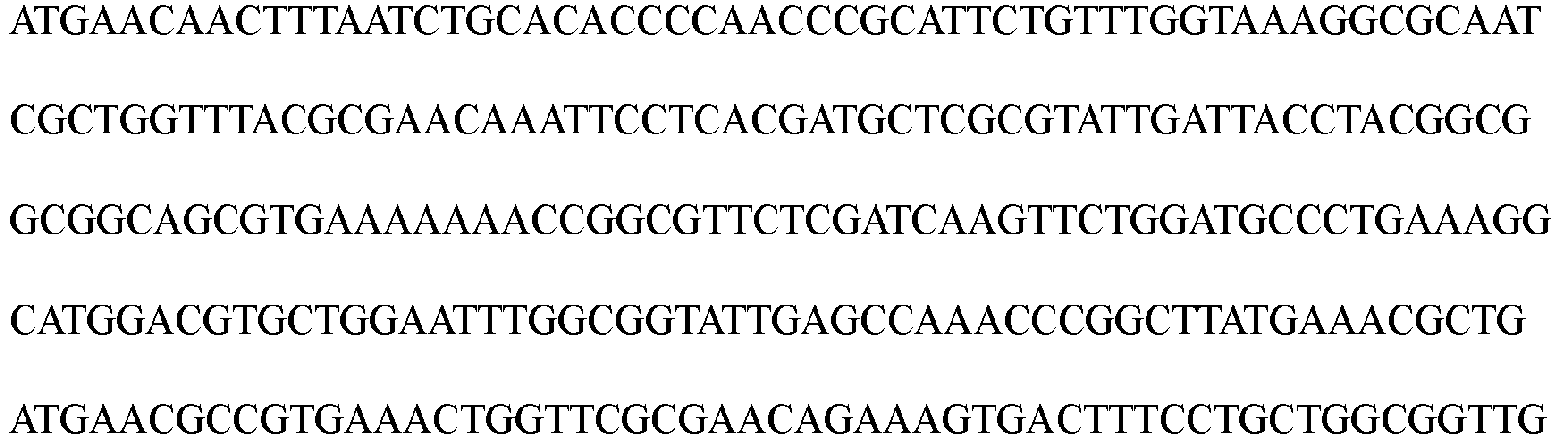

[Table 1-2] fucO/ACT44461.1/Escherichia coli BL21(DE3) Amino acid sequence 
Base sequence 

[Table 1-3] adhP/ACT43318.1/Escherichia coli BL21(DE3) Amino acid sequence 
Base sequence 

[Table 1-4] ybbO/ACT42343.1/Escherichia coli BL21(DE3) Amino acid sequence 
Base sequence 
[Table 1-5] eutG/ACT44165.1/Escherichia coli BL21(DE3) Amino acid sequence 

Base sequence 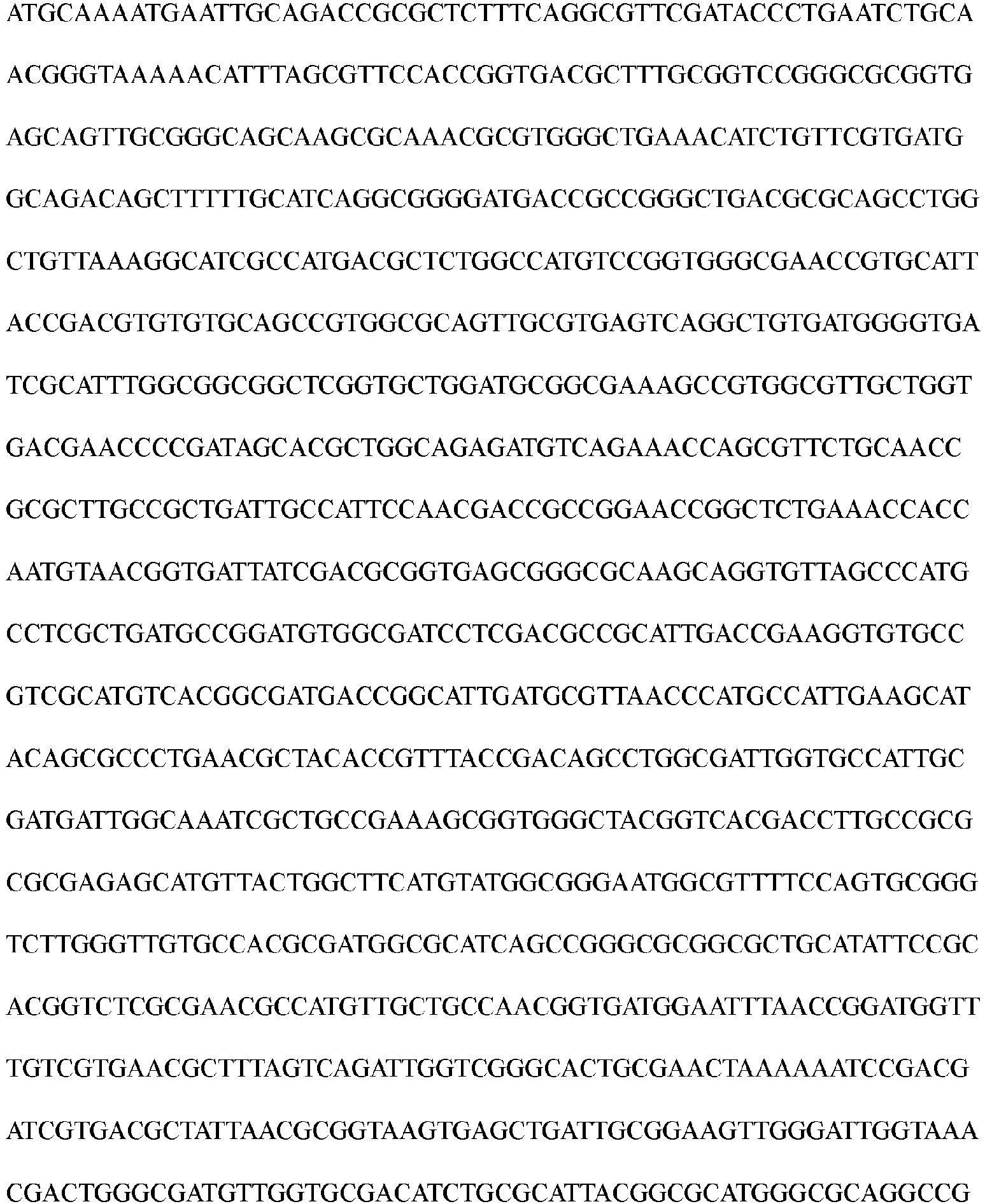

[Table 1-6] ahr/ACT45923.1/Escherichia coli BL21(DE3) Amino acid sequence 
Base sequence 

[Table 1-7] yahK/ACT42179.1/Escherichia coli BL21(DE3) Amino acid sequence 
Base sequence 

[Table 1-8] adhE/ACT43105.1/Escherichia coli BL21(DE3) Amino acid sequence 

Base sequence 


[Table 1-9] ybdR/ACT42455.1/Escherichia coli BL21(DE3) Amino acid sequence 

Base sequence 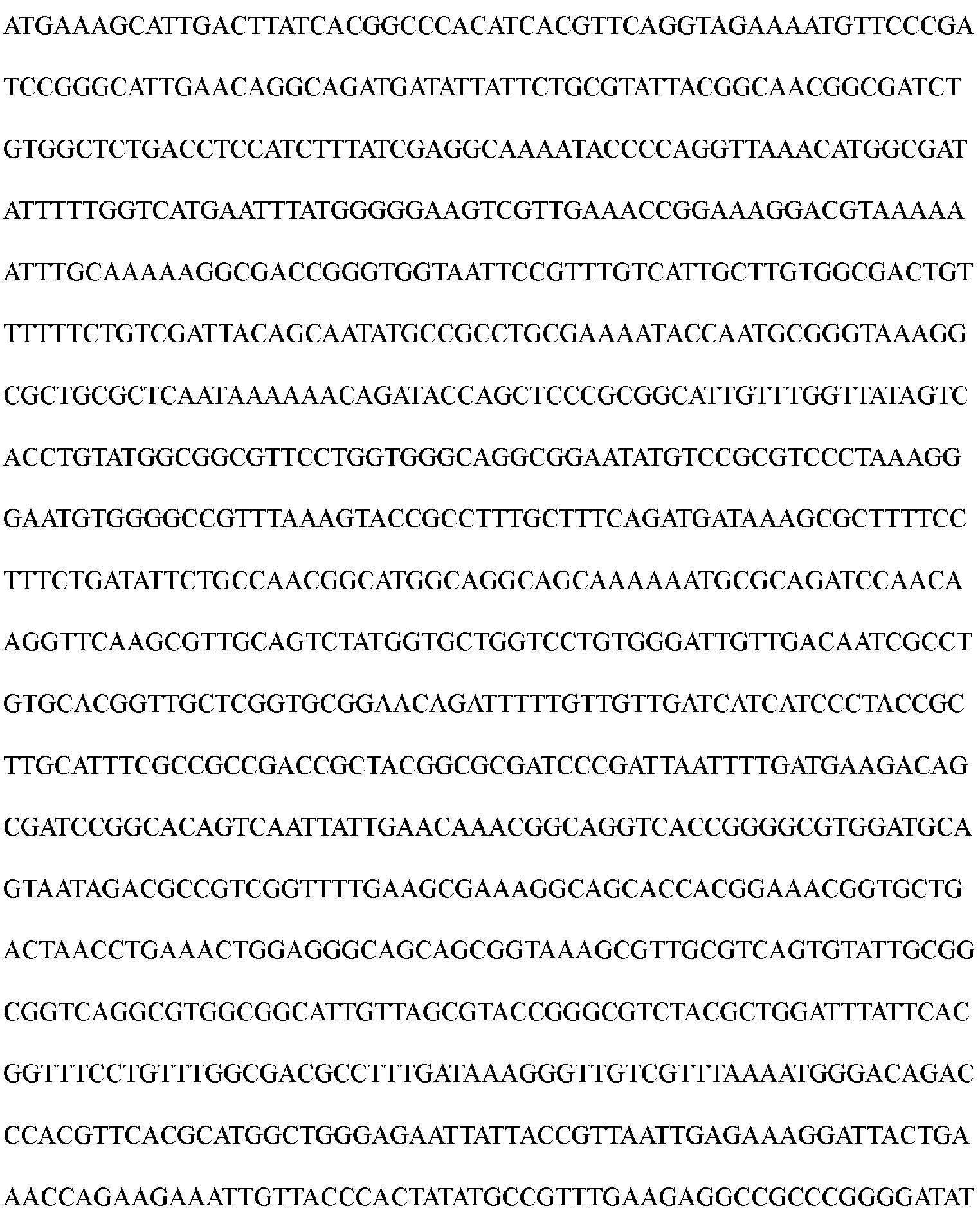

[Table 1-10] dkgA/ACT44689.1/Escherichia coli BL21(DE3) Amino acid sequence 
Base sequence 
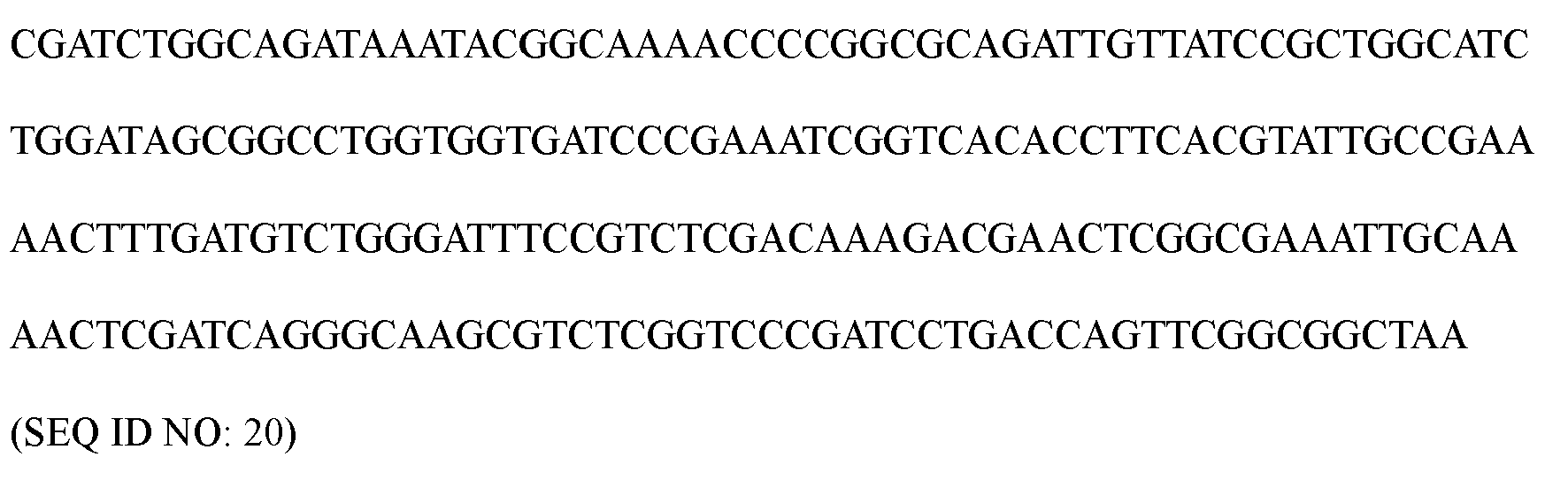
[Table 1-11] yiaY/ACT45243.1/Escherichia coli BL21(DE3) Amino acid sequence 
Base sequence 

[Table 1-12] frmA/ACT42209.1/Escherichia coli BL21(DE3) Amino acid sequence 
Base sequence 
[Table 1-13] dkgB/ACT42101.1/Escherichia coli BL21(DE3) Amino acid sequence 
Base sequence 
[Table 1-14] yghA/ACT44682.1/Escherichia coli BL21(DE3) Amino acid sequence 
Base sequence 
[Table 1-15] ydjG/ACT43594.1/Escherichia coli BL21(DE3) Amino acid sequence 
Base sequence 

[Table 1-16] gldA/ACT45624.1/Escherichia coli BL21(DE3) Amino acid sequence 
Base sequence 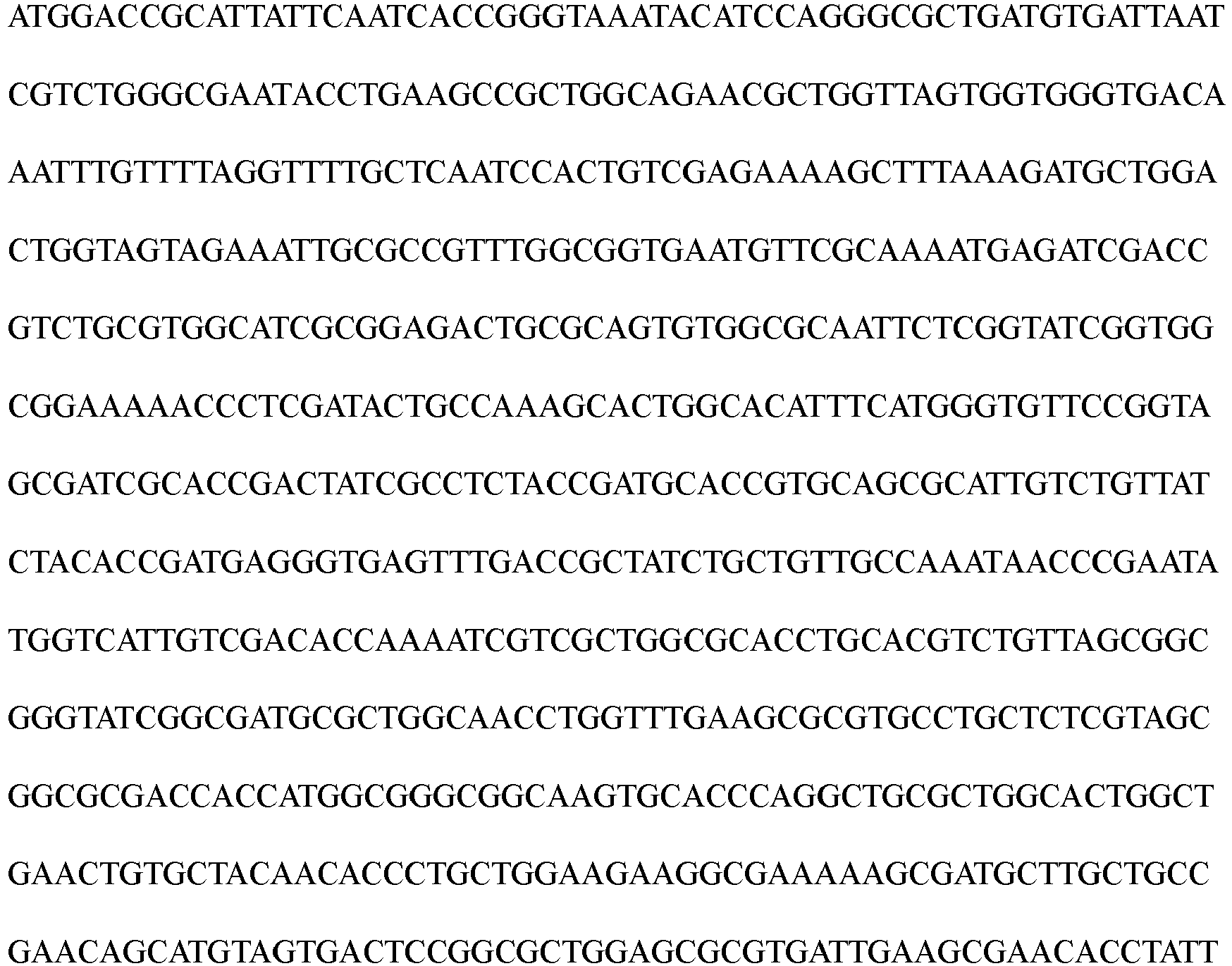

[Table 1-17] yohF/ACT43891.1/Escherichia coli BL21(DE3) Amino acid sequence 
Base sequence 

[Table 1-18] yeaE/ACT43604.1/Escherichia coli BL21(DE3) Amino acid sequence 
Base sequence 

[Table 1-19] ADH1/NP_014555.1/Saccharomyces cerevisiae S288C Amino acid sequence 
Base sequence 

[Table 1-20] ADH2/NP_014032.1/Saccharomyces cerevisiae S288C Amino acid sequence 
Base sequence 

[Table 1-21] ADH3/NP_013800.1/Saccharomyces cerevisiae S288C Amino acid sequence 

Base sequence 

[Table 1-22] ADH4/NP_011258.2/Saccharomyces cerevisiae S288C Amino acid sequence 
Base sequence 
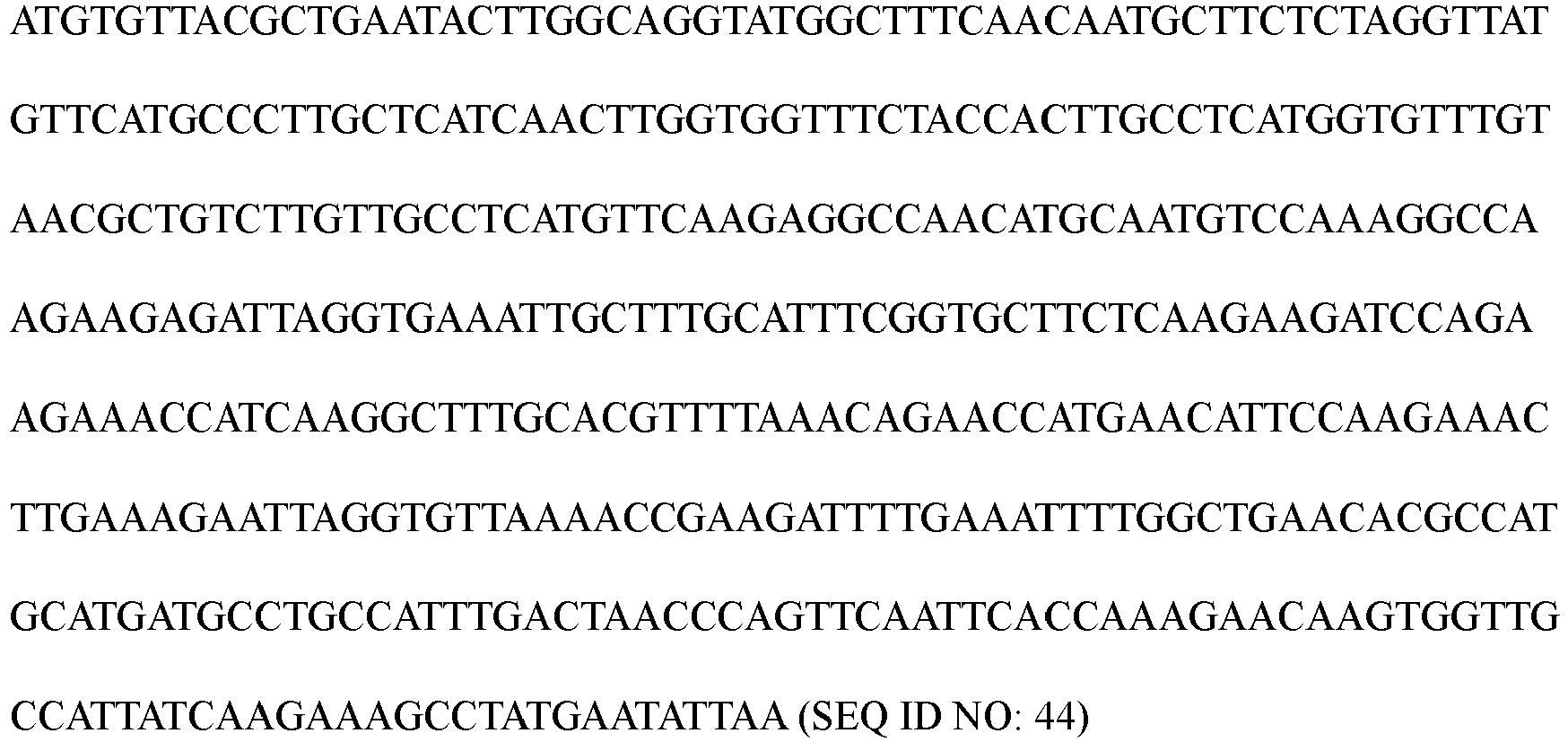
[Table 1-23] ADH5/NP_009703.3/Saccharomyces cerevisiae S288C Amino acid sequence 
Base sequence 

[Table 1-24] ADH6/NP_014051.3/Saccharomyces cerevisiae S288C Amino acid sequence 
Base sequence 
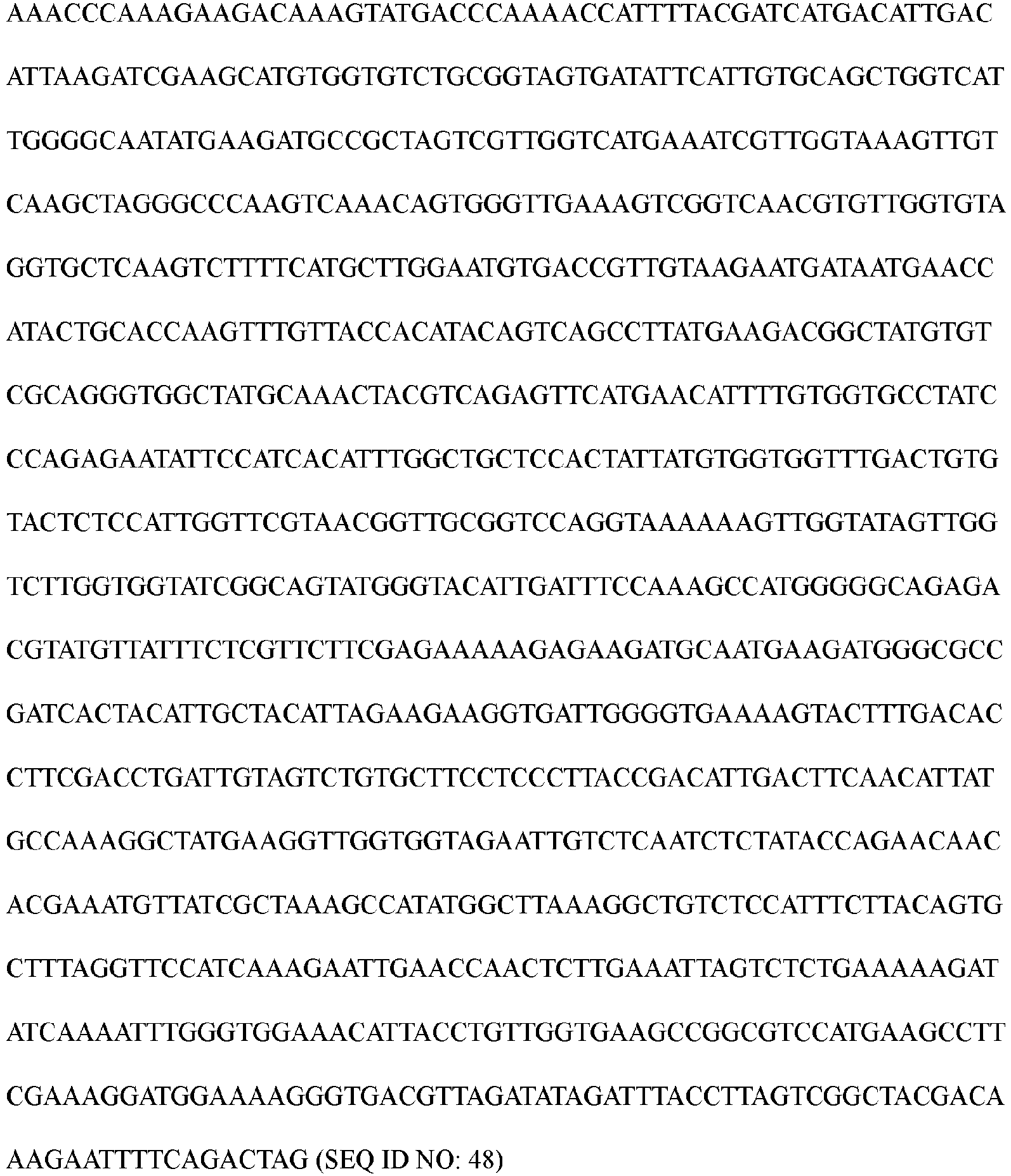
[Table 1-25] ADH7/NP_010030.1/Saccharomyces cerevisiae S288C Amino acid sequence 
Base sequence 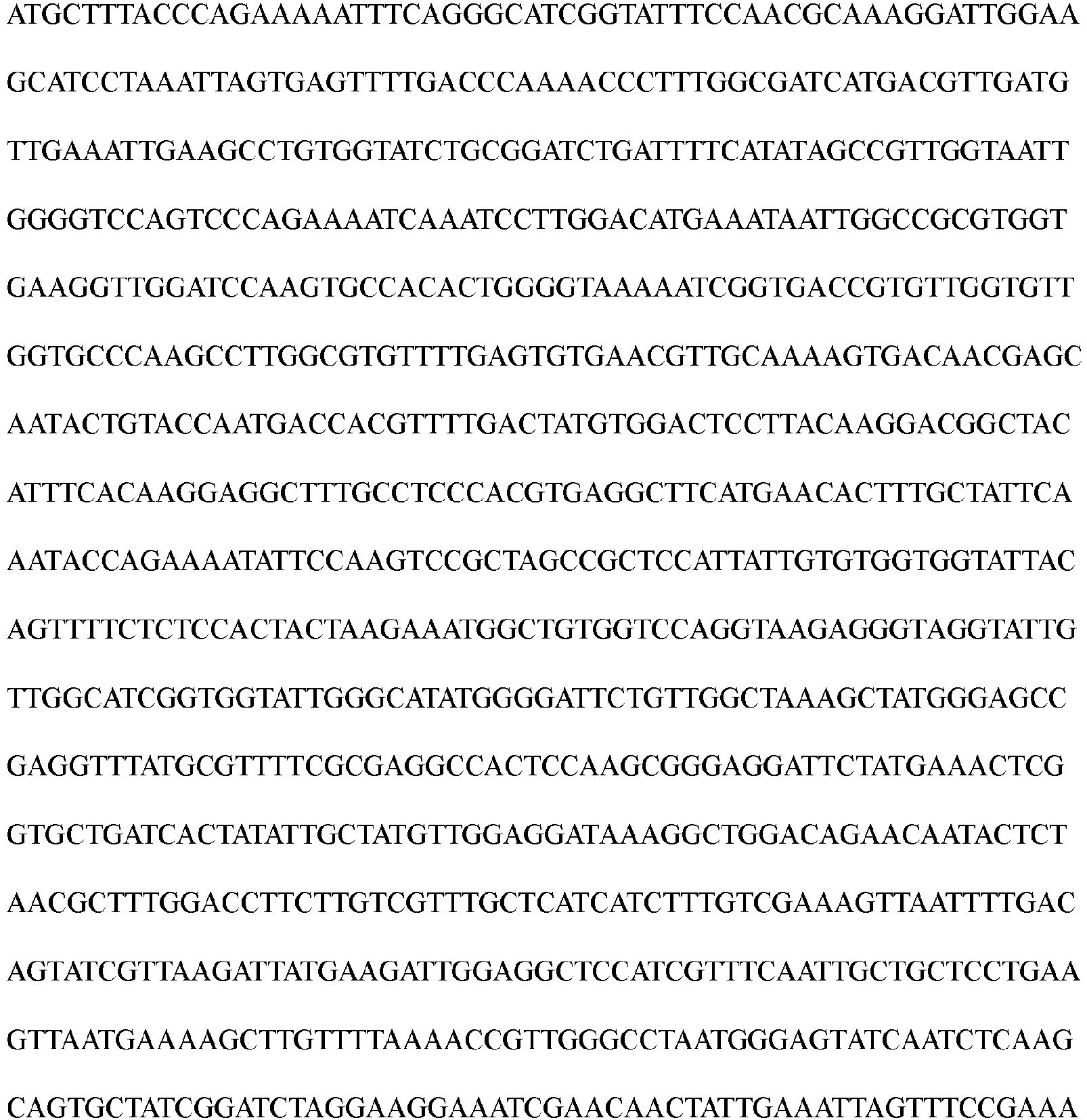

[Table 1-26] SFA1/NP_010113.1/Saccharomyces cerevisiae S288C Amino acid sequence 
Base sequence 

[Table 1-27] AAD3/NP_010032.1/Saccharomyces cerevisiae S288C Amino acid sequence 
Base sequence 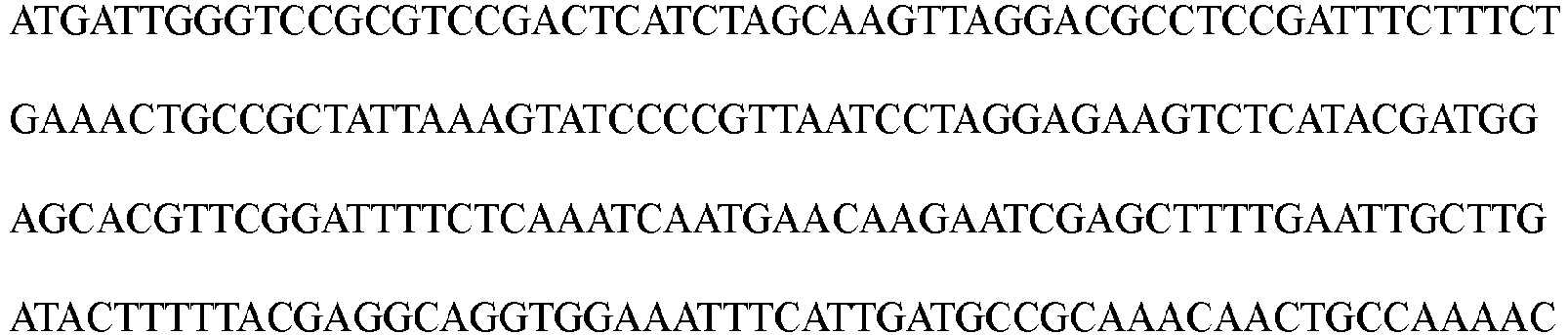

[Table 1-28] AAD4/NP_010038.1/Saccharomyces cerevisiae S288C Amino acid sequence 

Base sequence 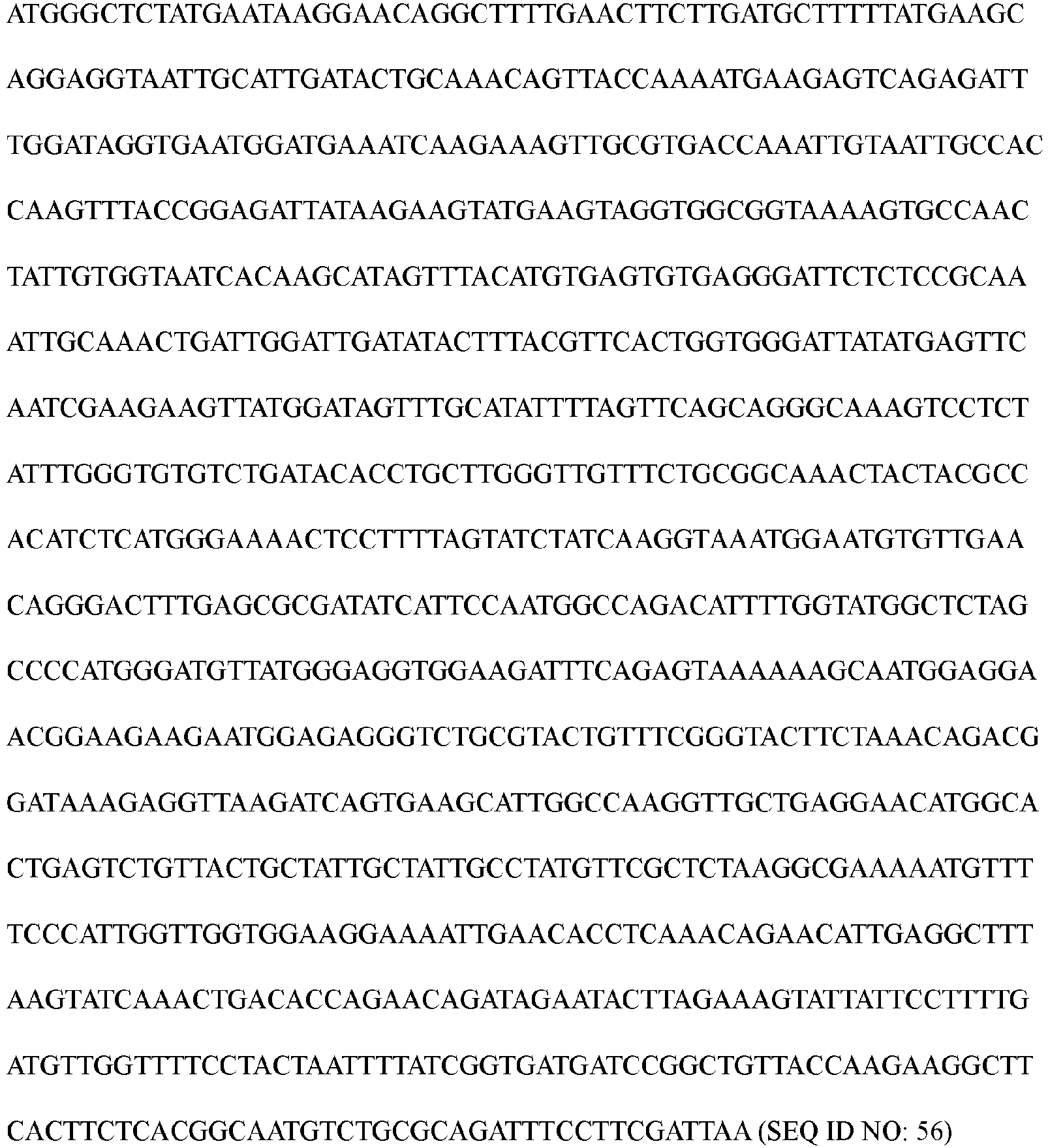
[Table 1-29] AAD10/NP_012689.1/Saccharomyces cerevisiae S288C Amino acid sequence 
Base sequence 
[Table 1-30] AAD14/NP_014068.1/Saccharomyces cerevisiae S288C Amino acid sequence 
Base sequence 

[Table 1-31] AAD15/NP_014477.1/Saccharomyces cerevisiae S288C Amino acid sequence 
Base sequence 
[Table 1-32] YPR1/NP_010656.1/Saccharomyces cerevisiae S288C Amino acid sequence 
Base sequence 
[Table 1-33] NCg10324/NP_599582.1/Corynebacterium glutamicum ATCC 13032 Amino acid sequence 
Base sequence 

[Table 1-34] NCg10313/NP_599571.1/Corynebacterium glutamicum ATCC 13032 Amino acid sequence 
Base sequence 

[Table 1-35] NCg10219/NP_599475.1/Corynebacterium glutamicum ATCC 13032 Amino acid sequence 
Base sequence 

[Table 1-36] NCg12709/NP_601999.1/Corynebacterium glutamicum ATCC 13032 Amino acid sequence 

Base sequence 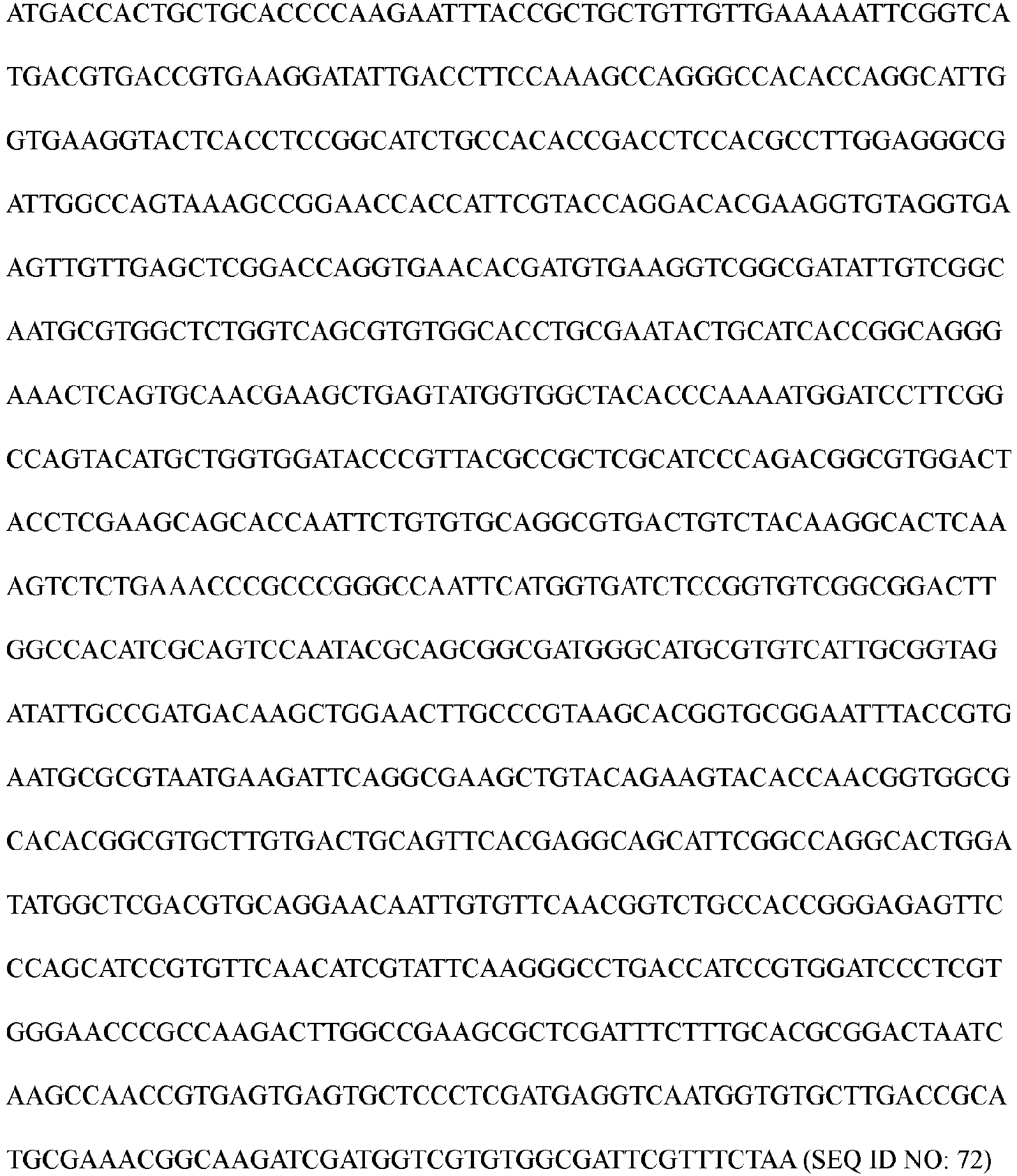
[Table 1-37] NCgl1112/NP_600385.1/Corynebacterium glutamicum ATCC 13032 Amino acid sequence 
Base sequence 

[Table 1-38] NCgl2382/NP_601669.1/Corynebacterium glutamicum ATCC 13032 Amino acid sequence 
Base sequence 

[Table 1-39] NCgl0186/NP_599442.1/Corynebacterium glutamicum ATCC 13032 Amino acid sequence 
Base sequence 

[Table 1-40] NCgl0099/NP_599352.1/Corynebacterium glutamicum ATCC 13032 Amino acid sequence 
Base sequence 

[Table 1-41] NCgl2952/NP_602249.1/Corynebacterium glutamicum ATCC 13032 Amino acid sequence 
Base sequence 

[Table 1-42] NCgl1459/NP_600732.2/Corynebacterium glutamicum ATCC 13032 Amino acid sequence 
Base sequence 
[Table 1-43] yogA/NP_389725.1/Bacillus subtilis subsp. subtilis str. 168 Amino acid sequence 
Base sequence 

[Table 1-44] bdhK/NP_391014.1/Bacillus subtilis subsp. subtilis str. 168 Amino acid sequence 
Base sequence 

[Table 1-45] bdhJ/NP_391015.1/Bacillus subtilis subsp. subtilis str. 168 Amino acid sequence 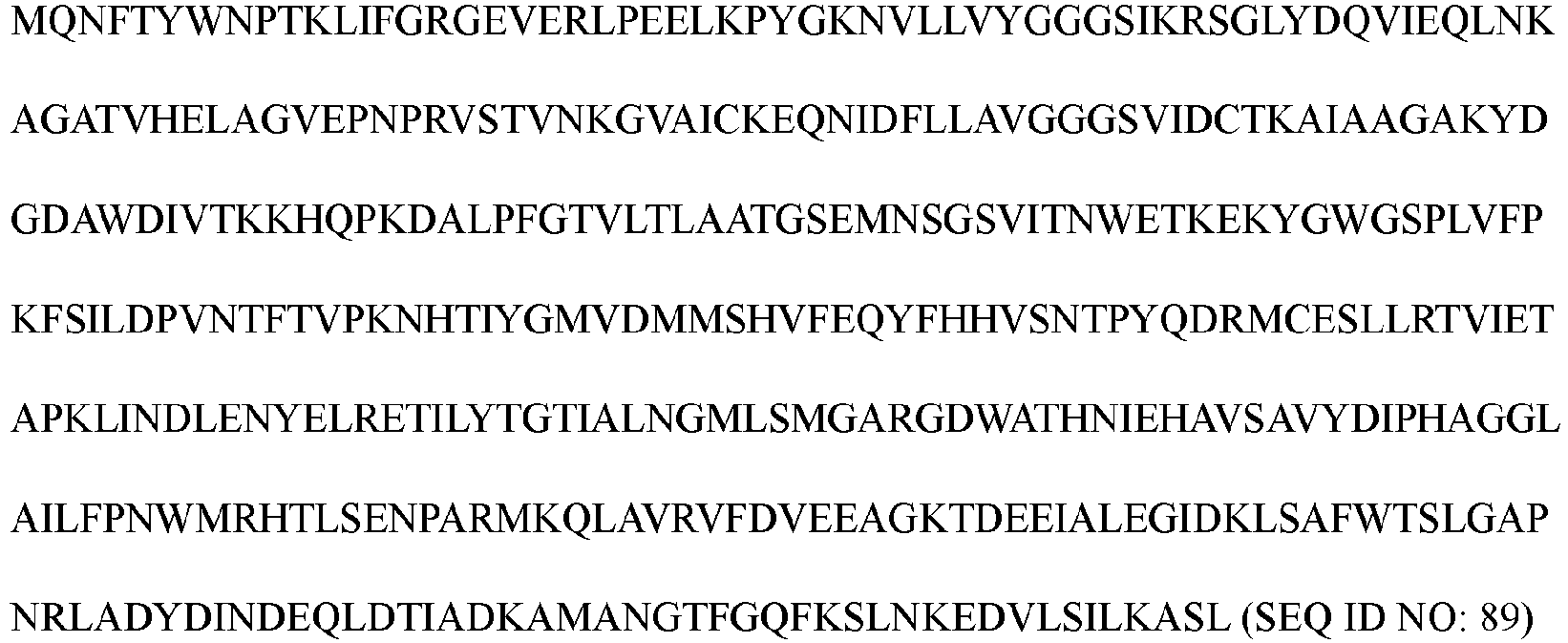
Base sequence 
[Table 1-46] akrN/NP_388834.1/Bacillus subtilis subsp. subtilis str. 168 Amino acid sequence 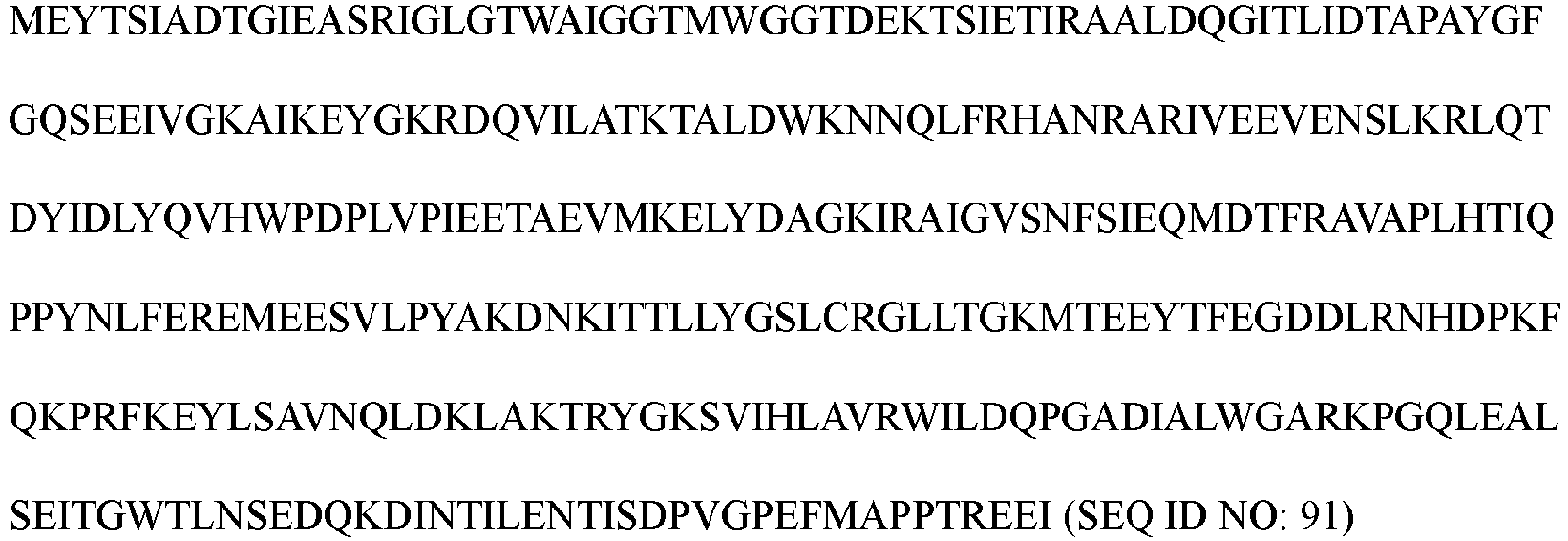
Base sequence 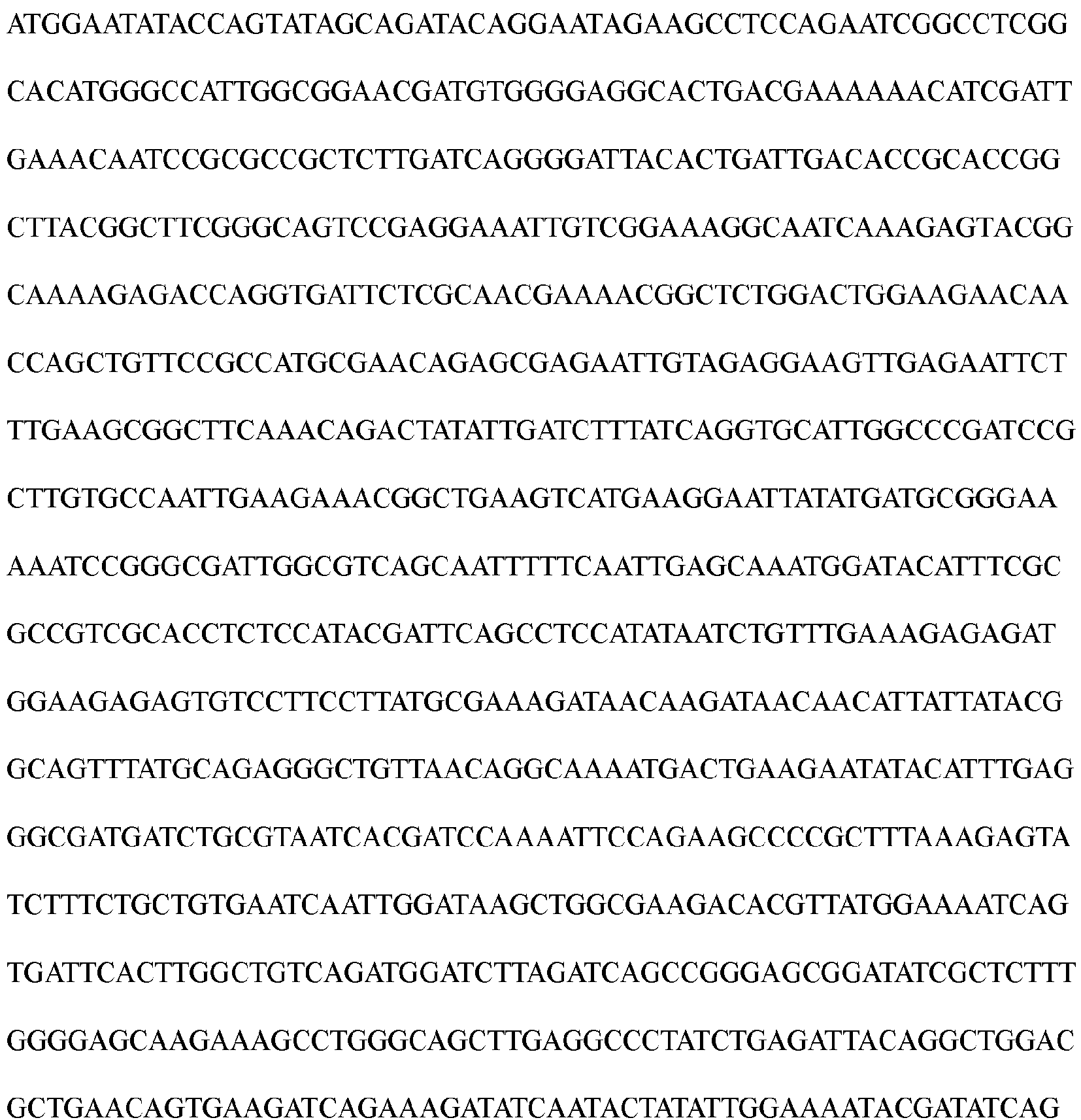

[Table 1-47] yqkF/NP_390243.1/Bacillus subtilis subsp. subtilis str. 168 Amino acid sequence 
Base sequence 

[Table 1-48] yccK/NP_388159.1/Bacillus subtilis subsp. subtilis str. 168 Amino acid sequence 
Base sequence 

[Table 1-49] iolS/NP_391857.1/Bacillus subtilis subsp. subtilis str. 168 Amino acid sequence 
Base sequence 

[TABLE 1-50] yrpG/NP_390562.2/Bacillus subtilis subsp. subtilis str. 168 Amino acid sequence 
Base sequence 

- In the present invention, an activity of one kind of ADH may be reduced, and activities of two or more kinds of ADH may be reduced. It is preferable that activities of two or more kinds of ADH are reduced from the viewpoint of further reducing production of an alcohol form as a by-product.
- In the present invention, "ADH non-reduced strain" (alternatively, also simply referred to as a "non-reduced strain") refers to a strain which is not modified such that the ADH activity is reduced. Examples of the ADH non-reduced strain include, but are not limited to, a wild-type strain or a reference strain of each microbial strain and a derivative strain including a strain obtained by breeding. Examples of E. coli strains include, but are not limited to, K-12 strain, B strain, C strain, W strain, and derivative strains thereof such as BL21 (DE3) strain, W3110 strain, MG1655 strain, JM109 strain, DH5α strain, and HB101 strain.
- The genetically modified microorganism "modified to reduce an activity of an alcohol dehydrogenase" means that a modification is performed at least to suppress expression of a gene encoding an alcohol dehydrogenase. The "modification to reduce an activity of an alcohol dehydrogenase" includes a modification to suppress an activity of the enzyme, in addition to the modification to suppress expression of a gene encoding an alcohol dehydrogenase. That is, the modified microorganism of the present invention contains a modification to suppress expression of a gene encoding an alcohol dehydrogenase compared to a non-reduced strain (for example, a host microorganism) or a modification to suppress an activity of the enzyme. More specifically, the "modification to reduce an activity of an alcohol dehydrogenase" means that a modification is performed at least to suppress expression of a gene encoding an alcohol dehydrogenase, and a modification is preferably performed to suppress expression of a gene encoding an alcohol dehydrogenase and to suppress an activity of an alcohol dehydrogenase. Since a host microorganism may have plural genes each encoding an alcohol dehydrogenase and plural alcohol dehydrogenases exhibiting an activity against the same substrate may be present, even in the case where "the modification is performed to reduce an activity of an alcohol dehydrogenase", the activity of the alcohol dehydrogenase may be maintained in a decomposition activity of alcohol species compared to a non-reduced strain. Therefore, as described above, the case where "the modification is performed to reduce an activity of an alcohol dehydrogenase" includes a case where an activity of an alcohol dehydrogenase is maintained compared to a non-reduced strain even though the modification aimed to reduce the activity is performed. In the present invention, with regard to the gene encoding an enzyme, "suppression of expression" also includes "reduction in expression". In addition, with regard to the enzyme, "suppression of activity" is synonymous with "suppression of function", "reduction in function", and "reduction in activity", and these are used interchangeably.
- The genetically modified microorganism of the present invention preferably contains a modification to suppress expression of two or more genes encoding an alcohol dehydrogenase. In the production of the diamine compound, the production amount of the diamine compound can be significantly increased, and production of an alcohol form that is a by-product can also be suppressed, by modifying the microorganism to suppress expression of a plurality of kinds of genes.
- The modification performed to reduce the activity of an ADH can be achieved by, for example, reducing expression of a gene encoding an ADH. More specifically, the reduction in the expression of the gene may mean that a transcription amount of a gene (mRNA amount) is reduced and/or that a translation amount of a gene (protein amount) is reduced. The reduction in the expression of the gene also includes a case where a gene is not expressed at all.
- The reduction in the expression of the gene may be, for example, a reduction in transcription amount, a reduction in translation amount, or a combination thereof. The reduction in the transcription amount can be achieved by, for example, a method of modifying an expression regulatory region such as a promoter region or a ribosome binding site (RBS) of an ADH gene. The reduction in the transcription amount of the gene can be evaluated by a method known to those skilled in the art, and examples of the method include a quantitative RT-PCR method and a Northern blotting method. The transcription amount of the gene may be reduced to, for example, 50% or less, 20% or less, 10% or less, 5% or less, or 0% compared to the ADH non-reduced strain.
- An example of a method of reducing the translation amount includes a method of suppressing translation by inserting a riboswitch region into the upstream of a gene. The riboswitch refers to an RNA that selectively binds to a specific low-molecular compound, and the low-molecular compound refers to a ligand. A secondary structure is formed by RNA base pairs in the absence of a ligand to affect nucleic acids around the riboswitch. In particular, in a case where a ribosome binding site is included in the downstream of the riboswitch, the access of the ribosome to the ribosome binding site is blocked, which interferes with translation of mRNA of a gene located further downstream. On the other hand, the ribosome can access the ribosome binding site in the presence of a ligand through secondary-structure elimination according to ligand binding. Therefore, when a ligand is not added, mRNA of a gene is not translated, and expression of a target gene is suppressed. The reduction in the translation amount of the gene can be evaluated by a method known to those skilled in the art, and an example of the method includes a Western blotting method. The translation amount of the gene may be reduced to, for example, 50% or less, 20% or less, 10% or less, 5% or less, or 0% compared to the ADH non-reduced strain.
- In addition, the modification to reduce the activity of the ADH is achieved by disrupting a gene encoding an ADH. The disruption of the ADH gene means that a gene is modified so that a protein having an ADH activity is not expressed, and includes a case where a protein is not produced at all and a case where a protein with reduced or eliminated ADH activity is produced. For example, the disruption can be achieved by deficiency of a part or all of a coding region of a gene on a chromosome. Furthermore, the entire gene containing sequences before and after a gene on a chromosome may be deleted. As long as the reduction of the ADH activity can be achieved, the deleted region may be any one of the N-terminus region, the internal region, and the C-terminus region.
- In addition, the disruption of the ADH gene can be achieved by a method of introducing amino acid substitution (missense mutation) or introducing a stop codon (nonsense mutation) into a coding region of an ADH gene on a chromosome, or a method of introducing a frameshift mutation that adds or deletes one or two bases.
- Furthermore, the disruption of the ADH gene can be achieved by inserting another sequence into a coding region of a gene on a chromosome. Examples of other sequences include an antibiotic-resistant gene or a transposon, but are not particularly limited as long as the ADH activity is reduced.
- The disruption of the ADH gene can be performed by using a method of homologous recombination, and examples of the method include, but are not limited to, a method of using Red reconbinase of A-phage (Datsenko, Kirill A., and Barry L. Wanner. "One-step inactivation of chromosomal genes in Escherichia coli K-12 using PCR products." Proceedings of the National Academy of Sciences 97.12 (2000): 6640-6645.), a method of using a Suicide vector containing a temperature sensitive origin of replication (Blomfield et al., Molecular microbiology 5.6 (1991): 1447-1457.), and a method of using a CRISPR-Cas9 system (Jiang, Yu, et al. "Multigene editing in the Escherichia coli genome via the CRISPR-Cas9 system." Appl. Environ. Microbiol. 81.7 (2015): 2506-2514.).
- In addition, the disruption of the ADH gene can be performed by a mutation treatment. Examples of the mutation treatment include physical treatments such as an X-ray treatment, an ultraviolet ray treatment, and a γ-ray treatment, and chemical treatments with mutagens such as N-methyl-N'-nitro-N-nitrosoguanidine, ethyl methanesulfonate, and methyl methanesulfonate, but are not particularly limited as long as the ADH activity is reduced.
- The ADH activity can be evaluated by a method known to those skilled in the art. For example, an example of the evaluation method includes a method of monitoring oxidation of NAD(P)H by incubating a substrate (an aldehyde or a ketone) and NAD(P)H and measuring an absorbance at 340 nm (Pick, et al., Applied microbiology and biotechnology 97.13 (2013): 5815-5824). The ADH activity may be reduced to, for example, 50% or less, 20% or less, 10% or less, 5% or less, or 0% compared to an ADH of an ADH non-reduced strain.
- In the genetically modified microorganism according to the present invention, the enzyme involved in synthesis of a diamine compound may have an endogenous property, an exogenous property, or a combination thereof.
- The genetically modified microorganism according to the present invention preferably expresses a carboxylic acid reductase as an enzyme gene involved in synthesis of a diamine compound. The carboxylic acid reductase (CAR) generally refers to an arbitrary protein having an activity of reducing a carboxylic acid to convert into an aldehyde. In the present invention, the carboxylic acid reductase has an activity of converting, for example, a carboxyl group of a carboxylic acid semialdehyde, a dicarboxylic acid, or an aminocarboxylic acid into an aldehyde. Examples of the carboxylic acid reductase include, but are not limited to, enzymes classified as EC 1.2.1.30, EC 1.2.1.31, EC 1.2.1.95, EC 1.2.99.6 or the like.
- A source of a gene encoding the enzyme is not particularly limited as long as it has a carboxylic acid reducing activity, and examples thereof include, but are not limited to, Nocardia iowensis, Nocardia asteroides, Nocardia brasiliensis, Nocardia farcinica, Segniliparus rugosus, Segniliparus rotundus, Tsukamurella paurometabola, Mycobacterium marinum, Mycobacterium neoaurum, Mycobacterium abscessus, Mycobacterium avium, Mycobacterium chelonae, Mycobacterium immunogenum, Mycobacterium smegmatis, Serpula lacrymans, Heterobasidion annosum, Coprinopsis cinerea, Aspergillus flavus, Aspergillus terreus, Neurospora crassa, and Saccharomyces cerevisiae. In the present invention, for example, a gene encoding a protein consisting of an amino acid sequence set forth in any one of SEQ ID NOs: 101 to 104 is used. A gene encoding a carboxylic acid reductase MaCar derived from Mycobacterium abscessus is preferably used. A base sequence of a coding region of a MaCar gene is set forth in SEQ ID NO: 105, and an amino acid sequence of MaCar is set forth in SEQ ID NO: 103.
[Table 2-1] Accession No. / origin (name of protein) Amino acid sequence AAR91681 / Nocardia iowensis 

ACC40567 / Mycobacterium marinum 

CAM64782 / Mycobacterium abcessus 
(MaCar) 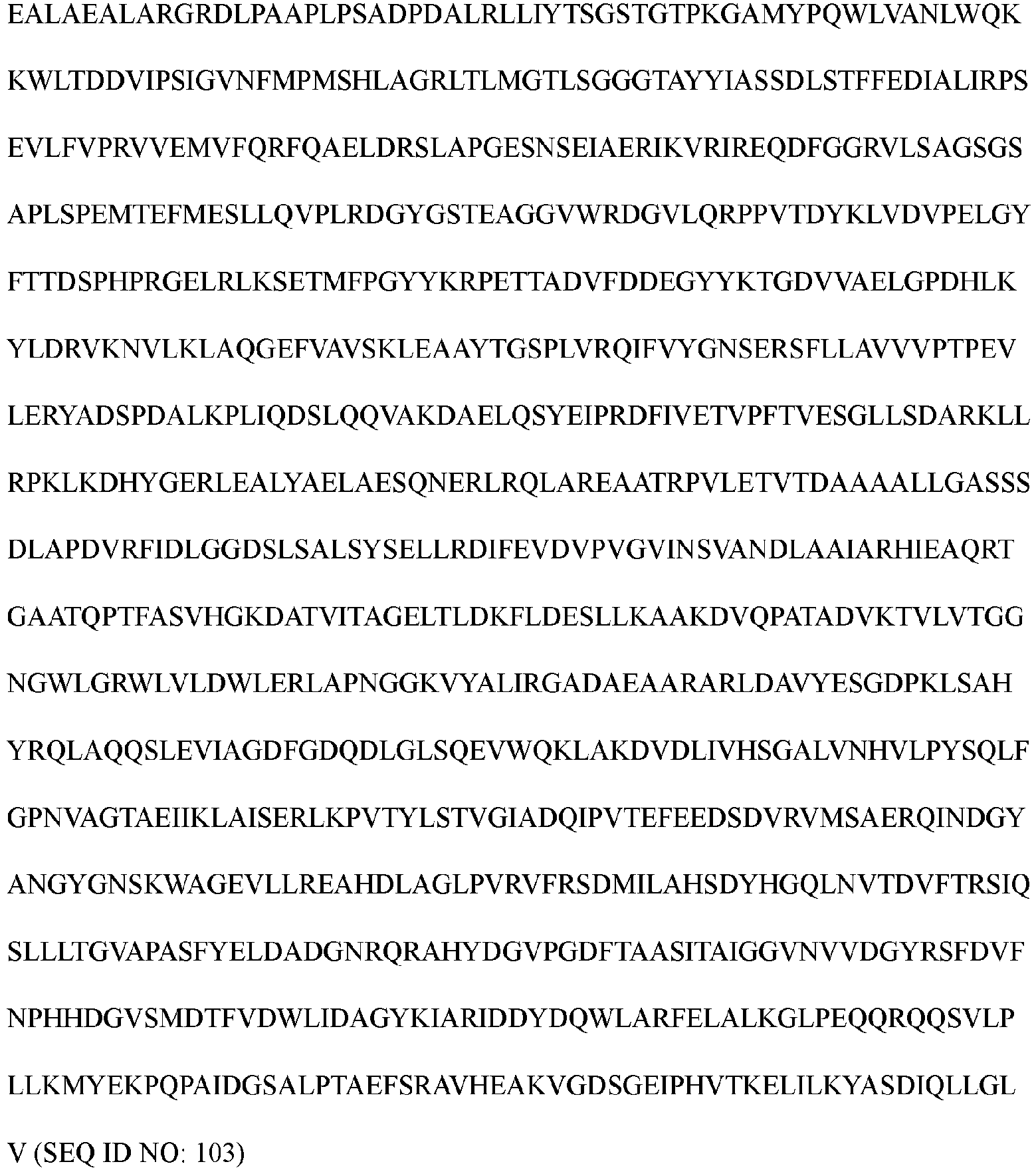
AFP42026 / Mycobacterium smegmatis 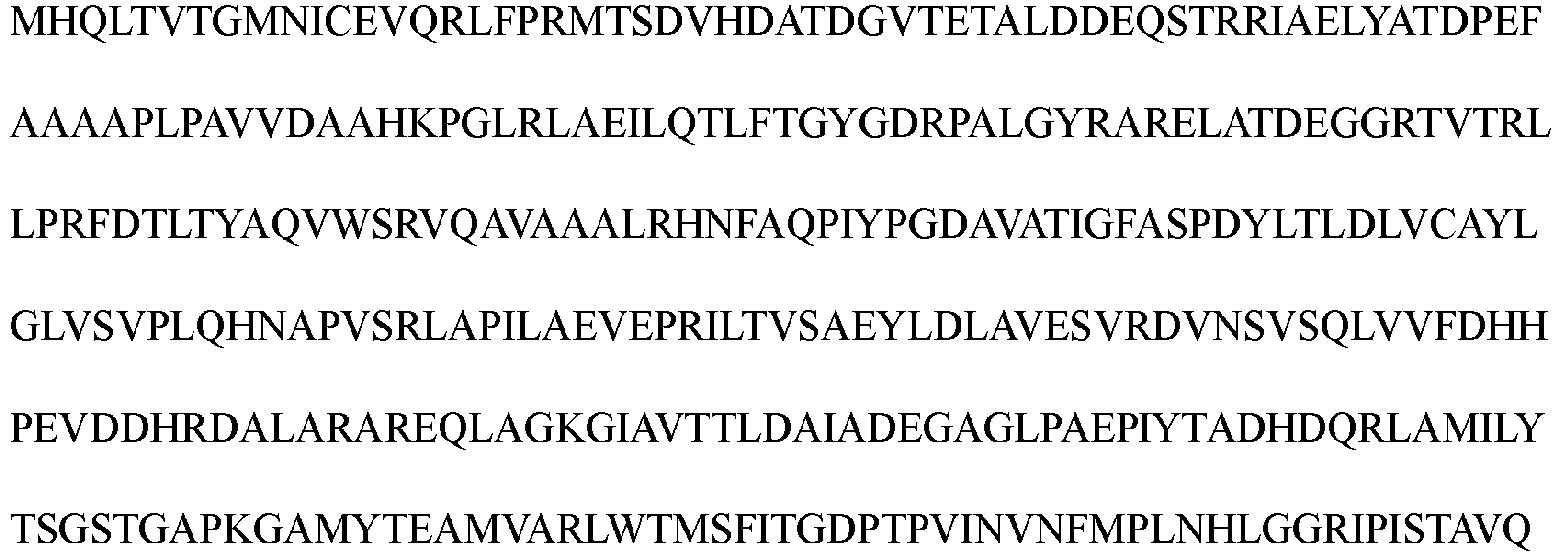

[Table 2-2] Base sequence of a region encoding MaCar 


- The activity of the carboxylic acid reductase can be evaluated by a method known to those skilled in the art, and examples of the evaluation method include a method of monitoring oxidation of NADPH by incubating a substrate (a carboxylic acid) and an enzyme in the presence of ATP and NADPH and measuring an absorbance at 340 nm, and a method of quantifying a consumption amount of a substrate and/or a production amount of a product (an aldehyde) (Venkitasubramanian et al., Journal of Biological Chemistry, Vol. 282, No. 1, 478-485 (2007)).
- In addition, the carboxylic acid reductase can be converted into an active holoenzyme by being phosphopantetinylated (Venkitasubramanian et al., Journal of Biological Chemistry, Vol. 282, No. 1, 478-485 (2007)). The phosphopantetinylation is catalyzed by a phosphopantetheinyl transferase (PT) (for example, an example thereof includes an enzyme classified as EC 2.7.8.7). Therefore, the microorganism of the present invention may be further modified such that an activity of the phosphopantetheinyl transferase is increased. Examples of a method of increasing the activity of the phosphopantetheinyl transferase include, but are not limited to, a method of introducing an exogenous phosphopantetheinyl transferase and a method of enhancing expression of an endogenous phosphopantetheinyl transferase. An example of a donor of the phosphopantetheinyl group includes a coenzyme A (CoA).
- A source of a PT gene is not particularly limited as long as it has a phosphopantetheinyl group transfer activity, and examples of a gene encoding a typical phosphopantetheinyl transferase include Sfp of Bacillus subtilis, Npt of Nocardia iowensis (Venkitasubramanian et al., Journal of Biological Chemistry,Vol.282,No.1,478-485 (2007)), and Lys5 of Saccharomyces cerevisiae (Ehmann et al., Biochemistry 38.19 (1999): 6171-6177). In the present invention, for example, a gene encoding a protein consisting of an amino acid sequence set forth in any one of SEQ ID NOs: 106 to 108 is used. An Npt gene of Nocardia iowensis derived from Nocardia iowensis is preferably used. A base sequence of a coding region of the Npt gene is set forth in SEQ ID NO: 109, and an amino acid sequence of Npt is set forth in SEQ ID NO: 107.
[Table 3-1] Accession No. / origin (name of protein) Amino acid sequence CAA44858 / derived from Bacillus subtilis/ (Sfp) 

ABI83656 / derived from Nocardia iowensis (Npt) 
CAA96866 / derived from Sacharomyces cerevisiae (Lys5) 
[Table 3-2] Base sequence of a region encoding Npt 
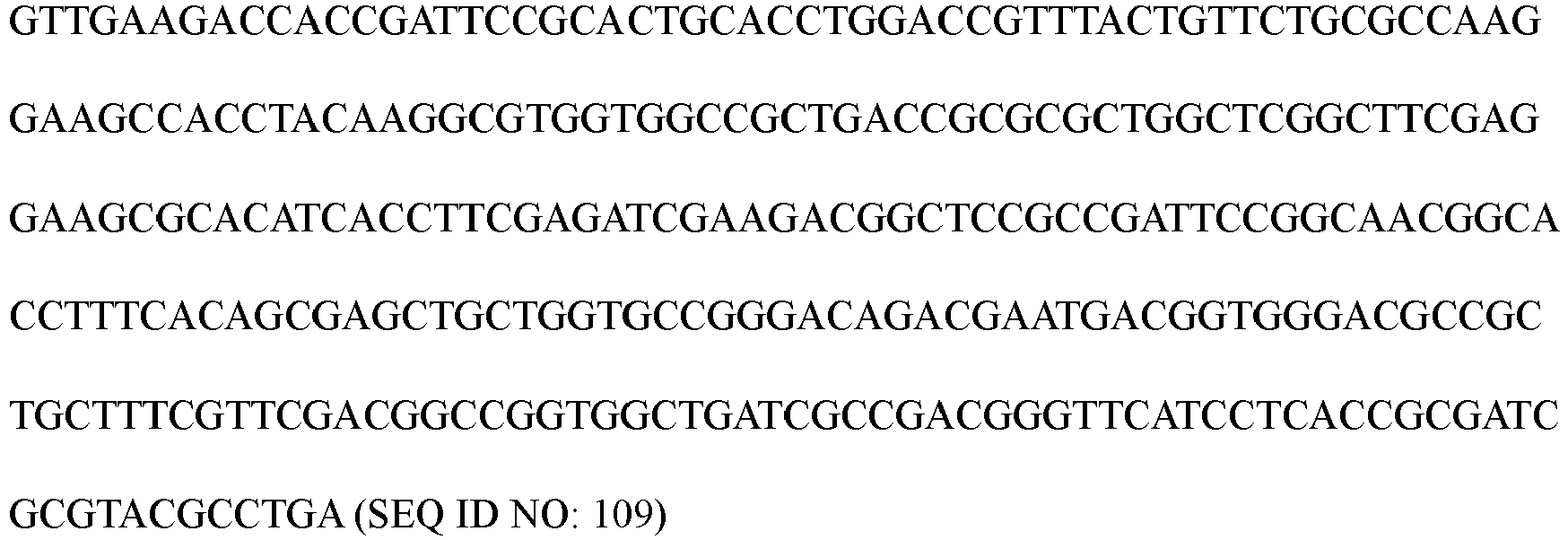
- As another aspect of producing an aldehyde, the genetically modified microorganism of the present invention may express acyl-(acyl carrier protein (ACP)) reductase (AAR). AAR is an enzyme that converts acyl-ACP into an aldehyde. A gene encoding AAR is not particularly limited, and an example of a typical AAR gene includes AAR of Synechococcus elongatus (Schirmer, Andreas, et al., Science 329.5991 (2010): 559-562).
- In addition, as another aspect, an enzyme that produces an aldehyde from acyl-CoA may be expressed. Examples of a gene encoding an enzyme that catalyzes this reaction include, but are not limited to, acr1 of Acinetobacter baylyi encoding fatty acid acyl-CoA dehydrogenase (ZHENG, Yan-Ning, et al., Microbial cell factories, 2012, 11.1:65) and an sucD gene of Clostridium kluyveri encoding succinic acid semialdehyde dehydrogenase (Sohling, B., and Gerhard Gottschalk., Journal of bacteriology 178.3 (1996): 871-880).
- Furthermore, an enzyme that produces an aldehyde from acyl phosphate may be expressed, and for example, aspartic acid semialdehyde dehydrogenase (ASD; EC 1.2.1.11) that catalyzes a reaction of aspartic acid semialdehyde from NADPH-dependant 4-aspartyl phosphate can catalyze the same reaction, and an asd gene of E. coli or the like can be used.
- The genetically modified microorganism according to the present invention expresses an aminotransferase as an enzyme gene involved in synthesis of a diamine compound.
- The aminotransferase refers to an arbitrary enzyme that catalyzes an amino group transfer reaction in the presence of an amino group donor and a receptor. An example of the aminotransferase includes an enzyme classified as EC 2.6.1.p (wherein, p is an integer of 1 or more). Examples of the amino group donor include, but are not limited to, L-glutamic acid, L-alanine, and glycine.
- A gene encoding the aminotransferase is not particularly limited as long as it has an amino group transfer activity, and putrescine aminotransferase or other diamine transferases can be preferably used. Examples thereof include a ygjG gene encoding putrescine aminotransferase of E. coli, which is reported to perform amino group transfer on cadaverine and spermidine (Samsonova., et al., BMC microbiology 3.1 (2003): 2), an SpuC gene encoding putrescine aminotransferase of the genus Pseudomonas (Lu et al., Journal of bacteriology 184.14 (2002): 3765-3773, Galman et al., Green Chemistry 19.2 (2017): 361-366.), and a gabT gene and a puuE gene encoding GABA aminotransferase of E. coli. Furthermore, it is reported that an ω-transaminase derived from Ruegeria pomeroyi, Chromobacterium violaceum, Arthrobacter citreus, Sphaerobacter thermophilus, Aspergillus fischeri, Vibrio fluvialis, Agrobacterium tumefaciens, Mesorhizobium loti, or the like also has an amino group transfer activity to a diamine compound such as 1,8-diaminooctane and 1,10-diaminodecane, and can be preferably used (Sung et al., Green Chemistry 20.20 (2018): 4591-4595, Sattler et al., Angewandte Chemie 124.36 (2012): 9290-9293).
- In the present invention, as the gene encoding an aminotransferase, for example, a gene encoding a protein consisting of an amino acid sequence set forth in any one of SEQ ID NOs: 110 to 114 is used. A putrescine aminotransferase ygjG gene derived from E. coli is preferably used. A base sequence of a coding region of the ygjG gene is set forth in SEQ ID NO: 115, and an amino acid sequence of ygjG is set forth in SEQ ID NO: 110.
[Table 4-1] Accession No. / origin (name of protein) Amino acid sequence BAE77123 / derived from Escherichia coli K-12 (ygjG) 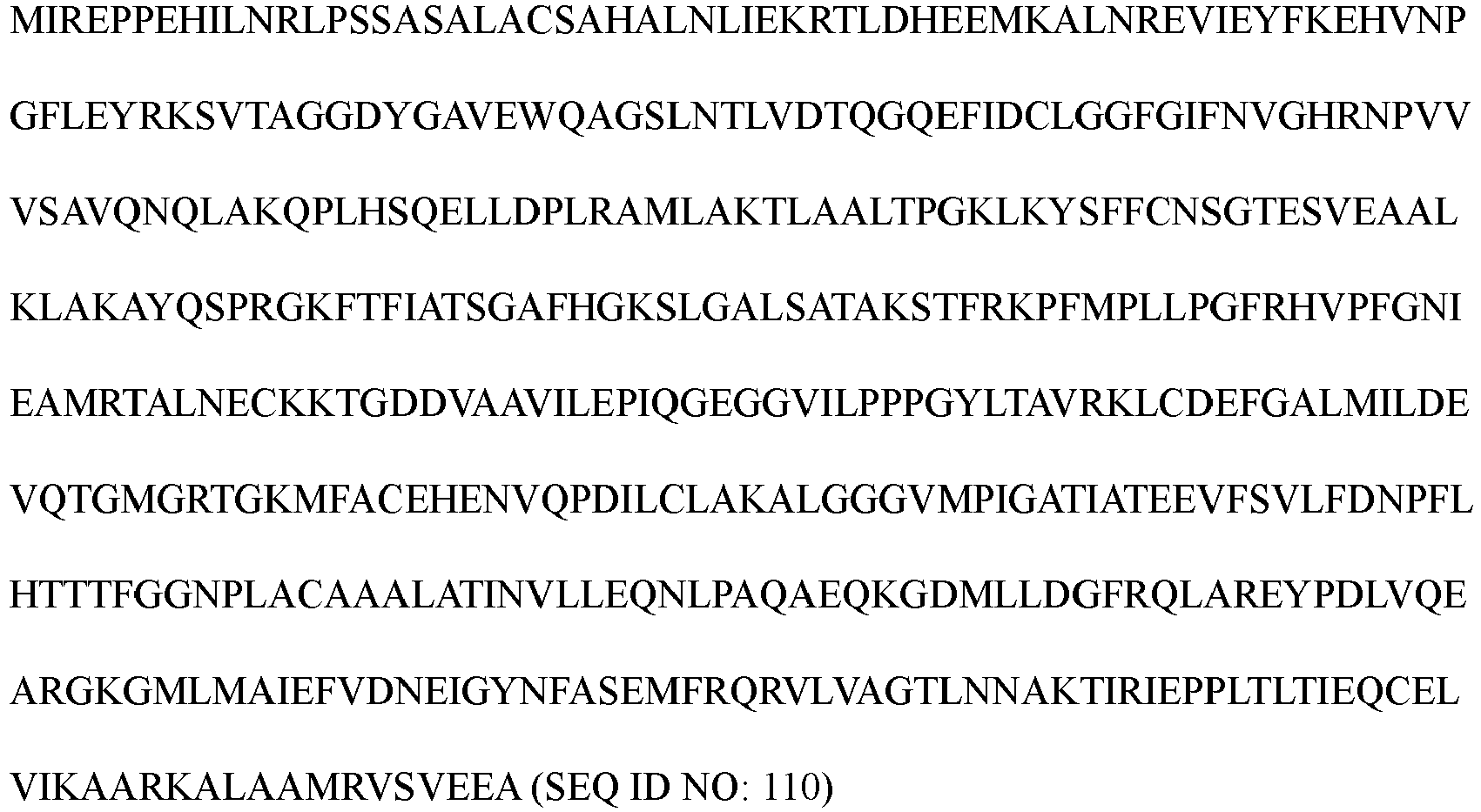
AAG03688 / derived from Pseudomonas aeruginosa PAO1 

BAA16525 / derived from Escherichia coli K-12 (gabT) 
BAA14871 / derived from Escherichia coli K-12 (puuE) 
WP_011049154 / derived from Ruegeria pomeroyi 

[Table 4-2] Base sequence of a region encoding ygjG 

- The gene encoding the enzyme that can be used in the present invention may be derived from an organism other than the exemplified organism or artificially synthesized, and may be any gene that can express a substantial enzyme activity in a host microorganism cell.
- In addition, the enzyme gene that can be used for the present invention may have all naturally occurring mutations or artificially introduced mutations and modifications as long as it can express a substantial enzyme activity in the host microorganism cell. For example, it is known that extra codons are present in various codons encoding a specific amino acid. Therefore, in the present invention, alternative codons that are to be finally translated into the same amino acid may also be used. That is, since a genetic code degenerates, a plurality of codons can be used to encode a particular amino acid, so that the amino acid sequence can be encoded by an arbitrary set of similar DNA oligonucleotides. Only the member of the set is identical to the gene sequence of the natural enzyme; however, even mismatched DNA oligonucleotides can hybridize to natural sequences under an appropriate stringent condition (for example, hybridize at 3xSSC and 68°C and wash at 2xSSC and 0.1%SDS and 68°C), DNA encoding a natural sequence can by identified and isolated, and such a gene can also be used in the present invention. In particular, since most organisms are known to preferentially use a subset of a specific codon (optimal codon) (Gene, Vol. 105, pp. 61-72, 1991, and the like), performing of "codon optimization" depending on a host microorganism can also be useful in the present invention.
- Therefore, the genetically modified microorganism according to the present invention can contain a base sequence having, for example, 80%, 85%, 90%, 95%, 97%, 98%, or 99% or more of sequence identity with the base sequence of the enzyme gene under a condition in which a substantial enzyme activity can be expressed. Alternatively, the genetically modified microorganism according to the present invention can contain a base sequence having, for example, 80%, 85%, 90%, 95%, 97%, 98%, or 99% or more of sequence identity with the base sequence encoding the amino acid sequence of the enzyme.
- In the present invention, when the diamine compound synthetase gene group is introduced in a host microorganism cell as an "expression cassette", a more stable and high level of enzyme activity can be obtained. In the present specification, the "expression cassette" refers to a nucleotide containing a nucleic acid sequence that is functionally linked to a nucleic acid to be expressed or a gene to be expressed and regulates transcription and translation. Typically, the expression cassette of the present invention contains a promoter sequence on the 5' upstream from the coding sequence, a terminator sequence on the 3' upstream, and an optionally additional normal regulatory element in a functionally linked state, and in such a case, a nucleic acid to be expressed or a gene to be expressed is introduced into a host microorganism.
- The promoter is defined as a DNA sequence that allows RNA polymerase to bind to DNA to initiate RNA synthesis, regardless of whether the promoter is a constitutive expression promoter or an inductive expression promoter. A strong promoter is a promoter that initiates mRNA synthesis at a high frequency, and is also preferably used in the present invention. In E. coli, a major operator and promoter region of a lac system, a trp system, a tac or trc system, or A-phage, a control region for fd coat protein, a promoter for a glycolytic enzyme (for example, 3-phosphoglycerate kinase or glyceraldehyde-3-phosphate dehydrogenase), glutamate decarboxylase A, or serine hydroxymethyltransferase, a promoter region of RNA polymerase derived from T7 phage, and the like can be used. In Corynebacterium glutamicum, a high-level constitutive expression (HCE) promoter, a cspB promoter, a sodA promoter, an elongation factor Tu (EF-Tu) promoter, and the like can be used. As the terminator, a T7 terminator, an rrnBT1T2 terminator, a lac terminator, and the like can be used. In addition to the promoter and terminator sequences, other examples of regulatory elements may include a selection marker, an amplification signal, and a replication point. A preferred regulatory sequence is described in, for example, "Gene Expression Technology: Methods in Enzymology 185" Academic Press (1990)".
- The expression cassette described above is incorporated into a vector consisting of, for example, a plasmid, a phage, a transposon, an IS element, a fosmid, a cosmid, or a linear or cyclic DNA and is inserted into a host microorganism. A plasmid and a phage are preferred. The vector may be self-replicated in a host microorganism or may be replicated by a chromosome. Examples of a preferred plasmid include pLG338, pACYC184, pBR322, pUC18, pUC19, pKC30, pRep4, pHS1, pKK223-3, pDHE19.2, pHS2, pPLc236, pMBL24, pLG200, pUR290, pIN-III113-B1, λgt11, or pBdCI of E. coli; pUB110, pC194, or pBD214 of a bacillus; and pSA77 or pAJ667 of the genus Corynebacterium. Other plasmids that can also be used are described in "Cloning Vectors", Elsevier, 1985. The expression cassette can be introduced into the vector by a conventional method of including cutting with an appropriate restriction enzyme, cloning, and ligation. Each expression cassette may be located on one vector or on two or more vectors.
- After the vector having the expression cassette of the present invention is constructed as described above, a conventional method can be used as a method that can be applied when the vector is introduced into a host microorganism. Examples of the method include, but are not limited to, a calcium chloride method, an electroporation method, a conjugation transfer method, and a protoplast fusion method, and a method suitable for a host microorganism can be selected.
- The modified microorganism obtained as described above is cultured and maintained under conditions suitable for growth and/or maintenance of the modified microorganism for production of the diamine compound of the present invention. A medium composition, culture conditions, and culture time suitable for the modified microorganisms derived from various host microorganisms can be easily set by those skilled in the art.
- Another embodiment of the present invention relates to a method of producing a diamine compound using the modified microorganism described above. The method of producing a diamine includes, for example, the following steps.
- The method of producing a diamine compound includes a culture step of culturing the modified microorganism according to the embodiment described above. For example, the modified microorganism is cultured in a medium containing a carbon source and a nitrogen source to obtain a culture medium containing bacterial cells.
- The present production method may include bringing the genetically modified microorganism into contact with a precursor of a diamine compound. Examples of a method of supplying the precursor of the diamine compound to the modified microorganism include a method of producing a precursor of a diamine compound in a modified microorganism and a method of supplying a precursor of a diamine compound from the outside of a cell without relying on a modified microorganism.
- In the culture step, in a case where the modified microorganism is brought into contact with a precursor of a diamine compound, the medium may further contain a precursor, or a precursor may be added to the medium during the culture step.
- The medium may be a natural, semi-synthetic, or synthetic medium containing one or more carbon sources, nitrogen sources, inorganic salts, vitamins, and optionally a trace component such as a trace element or vitamin. However, the medium to be used is required to appropriately satisfy nutritional requirements of microorganisms to be cultured.
- Examples of the carbon source include D-glucose, sucrose, lactose, fructose, maltose, oligosaccharides, polysaccharides, starch, cellulose, rice bran, waste molasses, fats and oils (for example, soybean oil, sunflower oil, peanut oil, palm oil, and the like), fatty acids (for example, palmitic acid, linoleic acid, oleic acid, linolenic acid, and the like), alcohols (for example, glycerol, ethanol, and the like), and organic acids (for example, acetic acid, lactic acid, succinic acid, and the like). Furthermore, the carbon source may be biomass containing D-glucose. Examples of preferred biomass include a corn decomposition liquid and a cellulose decomposition liquid. These carbon sources can be used alone or as a mixture.
- The diamine compound produced using a raw material derived from biomass can be clearly distinguished from a synthetic raw material derived from, for example, petroleum, natural gas, or coal, by measurement of a biomass carbon content based on Carbon-14 (radiocarbon) analysis defined in ISO 16620-2 or ASTM D6866.
- Examples of the nitrogen source include nitrogen-containing organic compounds (for example, peptone, casamino acid, tryptone, a yeast extract, a meat extract, a malt extract, a corn steep liquor, soy flour, an amino acid, urea, and the like) and inorganic compounds (for example, an aqueous ammonia solution, ammonium sulfate, ammonium chloride, ammonium phosphate, ammonium carbonate, sodium nitrate, ammonium nitrate, and the like). These nitrogen sources can be used alone or as a mixture.
- In addition, the medium may contain a corresponding antibiotic in a case where a modified microorganism expresses a useful additional trait, for example, in a case where a modified microorganism contains a marker resistant to an antibiotic. Therefore, a risk of contamination by various bacteria during culture is reduced. Examples of the antibiotic include, but are not limited to, a β-lactam antibiotic such as ampicillin, an aminoglycoside antibiotic such as kanamycin, a macrolide antibiotic such as erythromycin, a tetracycline antibiotic, and chloramphenicol.
- The "precursor" of the diamine compound refers to a compound that can induce a diamine compound by the enzyme involved in synthesis of a diamine compound of the present invention. Examples of the precursor include, but are not limited to, a dicarboxylic acid, a carboxylic acid semialdehyde, a dialdehyde, an aminocarboxylic acid, an aminoaldehyde, acyl-ACP, acyl-CoA, and acyl phosphate.
- As a specific precursor that can induce hexamethylenediamine, for example, adipic acid, adipic acid semialdehyde, adipaldehyde, 6-aminohexanoic acid, 6-aminohexanal, adipyl-CoA, adipyl phosphate, or the like can be used.
- For example, in a case where a diamine compound is hexamethylenediamine, the modified microorganism is brought into contact with adipic acid that is a precursor, such that the adipic acid is converted into hexamethylenediamine by a carboxylic acid reductase and an aminotransferase produced by the modified microorganism.
- In addition, for example, in a case where a diamine compound is 1,10-decanediamine, the modified microorganism is brought into contact with sebacic acid that is a precursor, such that the sebacic acid is converted into 1,10-decanediamine by a carboxylic acid reductase and an aminotransferase produced by the modified microorganism.
- As the precursor, one precursor may be used, or two or more precursors may be combined. In addition, in a case where the compound is a compound that can adopt a salt form, the precursor may be used as a salt, a free form, or a mixture thereof.
- The method of producing a precursor is not particularly limited, and a precursor can be produced by, for example, a chemical synthesis method, an enzyme method, a bioconversion method, a fermentation method, or a combination thereof.
- In the culture step, the genetically modified microorganism of the present invention can be brought into contact with a precursor of a diamine compound to generate and accumulate a diamine compound in a medium, thereby producing a diamine compound. In addition, as described below, in a reaction step, the genetically modified microorganism of the present invention may be allowed to act in an aqueous solution containing a precursor of a diamine compound to produce and accumulate a diamine compound in the reaction solution.
- The present step is a step of bringing a precursor of a diamine compound into contact with the modified microorganism to produce a target diamine compound from the precursor of the diamine compound. The contact of the precursor of the diamine compound may be performed, for example, in the culture step described above, or may be performed after the culture step. In a case where the present reaction step is performed after the culture step, the culture medium and/or bacterial cells obtained in the culture step can be brought into contact with an aqueous solution containing a precursor of a diamine compound to obtain a reaction solution containing a diamine compound. The diamine compound is produced and accumulated in the reaction solution by being brought into contact with such a precursor.
- In one aspect, in the present step, the culture medium containing the bacterial cells obtained in the culture step and/or the bacterial cells from which a supernatant is removed by centrifugation or the like from the culture medium obtained in the culture step are brought into contact with an aqueous solution containing a precursor to obtain a reaction solution.
- In addition, in another aspect, bacteria that produce a precursor by fermentation and the modified microorganism according to the present invention may be co-cultured. By co-culturing the bacteria and the modified microorganism, the precursor produced by the bacteria can be efficiently converted into a target diamine compound by the enzyme produced by the modified composition according to the present invention.
- In still another aspect, the genetically modified microorganism according to the present invention is allowed to have an ability of producing a precursor of a diamine compound so that a diamine compound may be produced and accumulated from components in the medium.
- As an example of a precursor production pathway by the genetically modified microorganism, a method of producing 6-aminohexanoic acid using glucose as a starting material (Turk et al., ACS synthetic biology 5.1 (2015): 65-73) and a method of producing adipic acid using glucose or glycerol as a starting material (Zhao et al., Metabolic engineering 47 (2018): 254-262) are disclosed, and the method is not limited as long as a precursor can be produced.
- For example, the modified microorganism has an ability of producing a dicarboxylic acid, a carboxylic acid semialdehyde, or an aminocarboxylic acid, and further expresses an aminotransferase and a carboxylic acid reductase so that a diamine compound can be produced.
- In addition, for example, the modified microorganism has an ability of producing adipic acid, adipic acid semialdehyde, or 6-aminohexanoic acid, and further expresses an aminotransferase and a carboxylic acid reductase so that hexamethylenediamine can be produced.
- According to the genetically modified microorganism and the method of producing a diamine compound using the microorganism of the present invention, production of a by-product can be suppressed, and a diamine compound can be more efficiently produced. Specifically, for example, the microorganism that expresses an enzyme required to produce a diamine compound is modified to reduce an activity of an alcohol dehydrogenase compared to a non-reduced strain, thereby suppressing production of an alcohol form that is a by-product and efficiently producing a diamine compound.
- Hereinafter, examples are given for the purpose of further description, and the present invention is not limited to the examples. In the present specification, unless otherwise specified, nucleotide sequences are described from 5' directions to 3' direction.
- Hereinafter, the present invention will be explained based on examples, but the present invention is not limited to these examples.
- Disruption of an ADH gene was performed by a homologous recombination method using pHAK1 (deposited with biotechnology division of National Institute of Technology and Evaluation (NITE), Patent Microorganisms Depositary (NPMD) (address: #122, 2-5-8, Kazusakamatari, Kisarazu-shi, Chiba, Japan) on March 18, 2019, under the accession number NITE P-02919). pHAK1 contains a temperature-sensitive variant repA gene, a kanamycin resistant gene, and a levansucrase gene SacB derived from Bacillus subtilis. The levansucrase gene lethally acts on a host microorganism under the presence of sucrose. The PCR fragment was amplified using PrimeSTAR Max DNA Polymerase (trade name, manufactured by TAKARA BIO INC.), and the plasmid was prepared using an E. coli HST08 strain. Using the genomic DNA of the E. coli BL21 (DE3) strain as a template, a PCR product containing an upstream region, a coding region, and a downstream region of a disruption target gene was obtained. The combinations of the target gene and the primer sequence are shown in the following table.
[Table 5] Target gene Forward primer (SEQ ID NO) Reverse primer (SEQ ID NO) yqhD 
TATCGCATGCAGATCTGCGCTAATGGGCTCCAGGA (SEQ ID NO: 117) fucO 
TATCGCATGCAGATCCCGCCAATGCCGGAAGAGTT (SEQ ID NO: 119) adhP 
TATCGCATGCAGATCGACAACGTAGGCTTTGTTCA (SEQ ID NO: 121) eutG 
TATCGCATGCAGATCGCGAACATCGATGGGTTAGC (SEQ ID NO: 123) ybbO 
TATCGCATGCAGATCGTCCTGATCCTGCAACGGAA (SEQ ID NO: 125) ahr 
TATCGCATGCAGATCTCGCAGCAGGTAAGATGATT (SEQ ID NO: 127) yahK 
TATCGCATGCAGATCTTTTTGATTTTCAAGTATGT (SEQ ID NO: 129) - Next, the present PCR product was inserted into the pHAK1 plasmid fragment amplified using primers of SEQ ID NOs: 130 and 131 using an In-Fusion HD cloning kit (trade name, manufactured by Clontech Laboratories, Inc.) to circularize it.
[Table 6] GATCTGCATGCGATATCTCTAGAACGCGTAAGCTT (SEQ ID NO: 130) TCTCGAGCCGATTTATTCAACAAAGCCGC (SEQ ID NO: 131) - PCR was performed using the pHAK1 plasmid into which the DNA fragment containing the upstream region, the coding region, and the downstream region of the obtained disruption target gene as a template and using primers shown in the following table, thereby obtaining a plasmid fragment in which the coding region of the disruption target gene was partially or entirely removed.
[Table 7] Target gene Forward primer (SEQ ID NO) Reverse primer (SEQ ID NO) yqhD ACTTTCGTTTTCGGGCATTTCGTCC (SEQ ID NO: 132) CCAATATGAGGGCAGAGAACGATC SEQ ID NO: 133) fucO ATGCGCTGATGTGATAATGC (SEQ ID NO: 134) CCTTCTCCTTGTTGCTTTA (SEQ ID NO: 135) adhP GAGGCCTTTGCTGCGACTGC (SEQ ID NO: 136) AGTTCCTCCTTTTCGGATGAT (SEQ ID NO: 137) eutG ATGCCGGATGCGACGCTT (SEQ ID NO: 138) TCATTTTGCATATAGCCCCT (SEQ ID NO: 139) ybbO TGACCTGGGCAGTAATGGTG (SEQ ID NO: 140) CAGGATCTCCGTTGCTTTATGAGTC (SEQ ID NO: 141) ahr CGTGGTGTTGAAAGCCGATTATTG (SEQ ID NO: 142) CATAAACTTCCAGTTCTCCGCCC (SEQ ID NO: 143) yahK TCGCACACTAACAGACTGAA (SEQ ID NO: 144) TGTGTTTACTCCTGATTAGC (SEQ ID NO: 145) - The obtained plasmid fragment was subjected to terminal phosphorylation and circularization by self-ligation to obtain a plasmid for disrupting a gene.
- A plasmid for disrupting a desired gene was transformed into the E. coli BL21 (DE3) strain by a calcium chloride method (refer to Genetic Engineering Laboratory Notebook, by Takaaki Tamura, Yodosha), and then applied to an LB agar medium (10 g/L of tryptone, 5 g/L of yeast extract, 5 g/L of sodium chloride, and 15 g/L of agar powder) containing 100 mg/L of kanamycin sulfate, and culture was performed at 30°C overnight to obtain a single colony, thereby obtaining a transformant. The present transformant was inoculated into 1 mL of an LB liquid medium (10 g/L of tryptone, 5 g/L of yeast extract, and 5 g/L of sodium chloride) containing 100 mg/L of kanamycin sulfate with a platinum loop, and shaking culture was performed at 30°C. The obtained culture medium was applied to an LB agar medium containing 100 mg/L of kanamycin sulfate, and culture was performed at 42°C overnight. In the obtained colony, a plasmid was inserted into the genome by single crossover. The colony was inoculated into 1 mL of an LB liquid medium with a platinum loop, and shaking culture was performed at 30°C. The obtained culture medium was applied to an LB agar medium containing 10% sucrose, and culture was performed overnight. Disruption of a desired gene in the obtained colony was observed by colony direct PCR using the primer set shown in Table 8. The constructed ADH gene-disrupted E. coli strain is shown in Table 9. In the table, Δ indicates that the enzyme gene is deficient.
[Table 8] Target gene Forward primer (SEQ ID NO) Reverse primer (SEQ ID NO) yqhD TATTCTCAATCCGTTTCAGCACGCG (SEQ ID NO: 146) TTCGGGATCACCACCAGGCCG (SEQ ID NO: 147) fucO CGGAAATGGACGAACAGTGG (SEQ ID NO:148) CGTCATCAGCGTTTACCAGATT (SEQ ID NO: 149) adhP GCATAAACACTGTCCGCGTC (SEQ ID NO:150) GAAATCGAGAAGGCAGAAGCGAAA (SEQ ID NO: 151) eutG GGTGCGGTCACCATTGTTCG (SEQ ID NO:152) CATATCGCACGCCAGCAGTG (SEQ ID NO: 153) ybbO GGTGAGGATGGAGAGTTCATG (SEQ ID NO:154) CAGTTCGATTTGCGCCACCAG (SEQ ID NO: 155) ahr TCCGCTAGTGTGATTTCAGG (SEQ ID NO: 156) GAAATTATTATGCCGCCAGGCGT (SEQ ID NO: 157) yahK TTATGGTCTGGGCGACATGC (SEQ ID NO: 158) GCATCATCCTGGTCATATACCC (SEQ ID NO: 159) [Table 9] BL21(DE3) ΔyqhD BL21(DE3) ΔfucO BL21(DE3) ΔadhP BL21(DE3) ΔeutG BL21(DE3) ΔybbO BL21(DE3) Δahr BL21(DE3) ΔyahK BL21(DE3) ΔyqhD ΔfucO BL21(DE3) ΔyqhD ΔadhP BL21(DE3) ΔyqhD ΔeutG BL21(DE3) ΔyqhD ΔybbO BL21(DE3) ΔyqhD Δahr BL21(DE3) ΔyqhD ΔyahK BL21(DE3) ΔyqhD ΔfucO ΔadhP BL21(DE3) ΔyqhD ΔfucO ΔadhP ΔeutG BL21 (DE3) ΔyqhD ΔfucO ΔadhP ΔeutG ΔybbO BL21(DE3) ΔyqhD ΔfucO ΔadhP ΔeutG ΔybbO Δahr BL21(DE3) ΔyqhD ΔfucO ΔadhP ΔeutG ΔybbO Δahr ΔyahK - The reduction in decomposition activity of 1,6-hexanediol of the constructed ADH gene-disrupted E. coli strain was confirmed by the progress of the oxidation reaction of 1,6-hexanediol. 1,6-Hexanediol is one of alcohol forms that are by-products of the production reaction of hexamethylenediamine. In this test, based on the fact that the reaction between the aldehyde and the alcohol catalyzed by ADH illustrated in
Fig. 1 is a reversible reaction, a conversion reaction from the alcohol (here, 1,6-hexanediol) to the aldehyde was focused on, and the consumption of 1,6-hexanediol was used as an index of the decomposition activity of 1,6-hexanediol by ADH. In this test, the bacterial cells of each of the ADH gene-disrupted E. coli strains were inoculated into 2 mL of an LB liquid medium with a platinum loop, and shaking culture was performed at 37°C overnight as pre-culture. The obtained pre-culture medium was inoculated into 2 mL of an LB liquid medium containing 10mM 1,6-hexanediol in an amount corresponding to 1%, and shaking culture was performed at 37°C for 48 hours as a main culture. The culture medium was separated into the bacterial cells and the supernatant by centrifugation, and a concentration of 1,6-hexanediol in the supernatant was analyzed. - The analysis of the concentration of 1,6-hexanediol was performed using gas chromatograph.
- The conditions are as follows.
- GC system: GC-2010 (manufactured by Shimadzu Corporation)
- Detector: Hydrogen flame ionization detector
- Column: DB-WAX (manufactured by Agilent Technologies, column length: 30 m, inner diameter: 0.25 mm, film thickness: 0.25 mm)
- Carrier gas: He
- Gas pressure: 100 kPa
- Column temperature: 50°C-(25°C/min)-230°C-(holding for 20 min)
- Detector temperature: 250°C
- Inlet temperature: 250°C
- Injection amount: 1 µL
- Injection method: Split injection method (split ratio: 36.3)
- The concentration of 1,6-hexanediol in the culture supernatant 48 hours after the main culture is shown in
Fig. 2 . In the wild-type strain (BL21(DE3) strain, WT is an abbreviation of Wild type and indicates wild type) in which the ADH gene was not disrupted, 1,6-hexanediol was consumed by the action of the ADH, whereas in the ADH gene-disrupted strain, particularly regarding two genes: the ahr gene and the yahK gene, consumption of 1,6-hexanediol was suppressed by single gene disruption. It was confirmed from the present results that the decomposition activity of 1,6-hexanediol was reduced in the ADH gene-disrupted strain. - The PCR fragment was amplified using PrimeSTAR Max DNA Polymerase (trade name, manufactured by TAKARA BIO INC.), and the plasmid was prepared using an E. coli JM109 strain. PCR was performed using the genome DNA of the Eshcherichia coli W3110 strain (NBRC12713) as a template, and using oligonucleotides of SEQ ID NOs: 160 and 161 as primers, thereby obtaining a PCR product containing a coding region of a ygjG gene. Next, the present PCR product was inserted between restriction enzymes NcoI and HindIII cleavage sites of plasmid pACYCDuet (trademark)-1 (trade name, manufactured by Merck & Co., Inc.) using an In-Fusion HD cloning kit (trade name, manufactured by Clontech Laboratories, Inc.), and the PCR product was named "pDA50".
[Table 10] ATAAGGAGATATACCATGATACGCGAGCCTCCGGA (SEQ ID NO: 160) ATGCGGCCGCAAGCTTTACGCTTCTTCGACACTTA (SEQ ID NO: 161) - PCR was performed using the genome DNA of the Mycobacterium abscessus JCM13569 strain (provided by RIKEN BRC through Ministry of Education, Culture, Sports, Science and Technology/the National BioResource Project of Japan Agency for Medical Research and Development) as a template and using oligonucleotides of SEQ ID NOs: 162 and 163 as primers, thereby obtaining a PCR product containing a coding region of an MaCar gene. Next, the PCR product was inserted between restriction enzymes NdeI and AvrII cleavage sites of pDA50 using an In-Fusion HD cloning kit (trade name, manufactured by Clontech Laboratories, Inc.), and the PCR product was named "pDA52".
[Table 11] TAAGAAGGAGATATACATATGACTGAAACGATCTC (SEQ ID NO: 162) GTGGCAGCAGCCTAGCTACACCAGGCCCAACAGCT (SEQ ID NO: 163) - PCR was performed using the genome DNA of the Nocardia iowensis JCM18299 strain (provided by RIKEN BRC through Ministry of Education, Culture, Sports, Science and Technology/the National BioResource Project of Japan Agency for Medical Research and Development) as a template and using oligonucleotides of SEQ ID NOs: 164 and 165 as primers, thereby obtaining a PCR product containing a coding region of an Npt gene. Next, PCR was performed using pDA52 as a template and using oligonucleotides of SEQ ID NOs: 166 and 167 as primers, thereby obtaining a pDA52 fragment. The PCR products were connected to each other using an In-Fusion HD cloning kit (trade name, manufactured by Clontech Laboratories, Inc.). The plasmid was extracted from the obtained transformant, and the product into which the Npt gene was inserted was named "pDA56". The plasmid map of pDA56 is illustrated in
Fig. 3 .[Table 12] TTTAAGGAGTTCGATATGATCGAGACAATTTTGCC (SEQ ID NO: 164) GGTGGCAGCAGCCTAGTCAGGCGTACGCGATCGCG (SEQ ID NO: 165) CTAGGCTGCTGCCACCGCTG (SEQ ID NO: 166) ATCGAACTCCTTAAATTTATCTACACCAGGCCCAACAGCT (SEQ ID NO: 167) - pDA56 was introduced into an ADH gene non-disrupted E. coli strain or an ADH gene-disrupted strain by a calcium chloride method (refer to Genetic Engineering Laboratory Notebook, by Takaaki Tamura, Yodosha), and culture was performed in an LB agar medium containing 34 mg/L of chloramphenicol overnight, thereby obtaining a transformant. The obtained transformants were named transformants A to S as shown in the following table. As shown in the table, the transformant A is an ADH gene non-disrupted strain, the transformants B to H are strains in which any one of genes encoding an ADH are disrupted, and the transformants I to S are strains in which at least two of genes encoding ADH are disrupted (multiply disrupted).
[Table 13] Name of transformant Microorganism strain Plasmid A BL21(DE3) B BL21(DE3) ΔyqhD C BL21(DE3) ΔfucO D BL21(DE3) ΔadhP E BL21(DE3) ΔeutG F BL21(DE3) ΔybbO G BL21(DE3) Δahr H BL21(DE3) ΔyahK I BL21(DE3) ΔyqhDΔfucO J BL21(DE3) ΔyqhDΔadhP pDA56 K BL21(DE3) ΔyqhDΔeutG L BL21(DE3) ΔyqhDΔybbO M BL21(DE3) ΔyqhDΔahr N BL21(DE3) ΔyqhDΔyahK O BL21(DE3) ΔyqhDΔfucOΔadhP P BL21(DE3) ΔyqhDΔfucOΔadhPΔeutG Q BL21(DE3) ΔyqhDΔfucOΔadhPΔeutGΔybbO R BL21(DE3) ΔyqhDΔfucOΔadhPΔeutGΔybbOΔahr S BL21(DE3) ΔyqhDΔfucOΔadhPΔeutGΔybbOΔahrΔyahK - The bacterial cells of the transformants A to S were inoculated in 2 mL of an LB liquid medium containing 34 mg/L of chloramphenicol with a platinum loop, and shaking culture was performed at 37°C overnight as pre-culture. The obtained pre-culture medium was inoculated in 1 mL of an SOB liquid medium (20 g/L of tryptone, 5 g/L of yeast extract, 0.5 g/L of sodium chloride, 2.5 mM calcium chloride, 10 mM magnesium sulfate, and 10 mM magnesium chloride) containing 50 mM diammonium adipate, 34 mg/L of chloramphenicol, and 2% glucose in an amount corresponding to 1%, and shaking culture was performed at 37°C. After 2 hours of culture, isopropyl β-thiogalactopyranoside (IPTG) was added so that the final concentration was 0.2 mM, and shaking culture was performed at 30°C for 48 hours. The culture medium was separated into the bacterial cells and the supernatant by centrifugation, and a concentration of hexamethylenediamine and a concentration of 1,6-hexanediol in the supernatant were analyzed.
- The analysis of the concentration of hexamethylenediamine was performed using ion chromatograph. The conditions are as follows.
- Apparatus: ICS-3000 (manufactured by Dionex Corporation)
- Detector: Electrical conductivity detector
- Column: IonPac CG19 (2 × 50 mm)/CS19(2 × 250 mm) (manufactured by Thermo Fisher Scientific)
- Oven temperature: 30°C
- Mobile phase: 8 mM aqueous methanesulfonic acid solution (A), 70 mM aqueous methanesulfonic acid solution (B)
- Gradient condition: (A: 100%, B: 0%) - (10 min)-(A: 0%, B: 100%)-(holding for 1 min)
- Flow rate: 0.35 mL/min
- Injection amount: 20 µL
- The concentration of 1,6-hexanediol was performed using gas chromatograph under the same conditions as in (1-c).
- The concentration of hexamethylenediamine and the concentration of 1,6-hexanediol in each of the culture media are shown in Table 14. First, as for the concentration of hexamethylenediamine, an increase in production amount of hexamethylenediamine was observed in the ADH gene-disrupted strains of Examples 1, 3, and 8 to 18 compared to the ADH gene non-disrupted strain (Comparative example 1). In addition, in the ADH gene-disrupted strains of Examples 1, 2, and 4 to 18, the production amount of 1,6-hexanediol was reduced. In addition, the production amount of hexamethylenediamine was further increased by multiple disruption of the ADH gene (Examples 8 to 18). Regarding the concentration of 1,6-hexanediol, it was observed that the production was suppressed compared to the ADH gene non-disrupted strain (Comparative example 1).
[Table 14] Transformant Concentration of hexamethylenediamine (µM) Concentration of 1,6-hexanediol (mM) Comparative example 1 A 2 1.70 Example 1 B 10 0.22 Example 2 C 2 1.41 Example 3 D 4 2.01 Example 4 E 2 1.57 Example 5 F 1 1.18 Example 6 G 2 1.30 Example 7 H 2 1.28 Example 8 I 38 0.27 Example 9 J 81 0.38 Example 10 K 48 0.29 Example 11 L 18 0.18 Example 12 M 69 0.08 Example 13 N 63 0.26 Example 14 O 68 0.31 Example 15 P 54 0.28 Example 16 Q 42 0.24 Example 17 R 38 0.09 Example 18 S 47 0.05 - The bacterial cells of the transformants A to S were inoculated in 2 mL of an LB liquid medium containing 34 mg/L of chloramphenicol with a platinum loop, and shaking culture was performed at 37°C overnight as pre-culture. The obtained pre-culture medium was inoculated in 1 mL of an SOB liquid medium containing 50 mM sodium sebacate, 34 mg/L of chloramphenicol, and 2% glucose in an amount corresponding to 1%, and shaking culture was performed at 37°C. After 2 hours of culture, IPTG was added so that the final concentration was 0.2 mM, and shaking culture was performed at 30°C for 48 hours. The culture medium was separated into the bacterial cells and the supernatant by centrifugation, and a concentration of 1,10-decanediamine and a concentration of 1,10-decanediol in the supernatant were analyzed.
- The analysis of the concentration of 1,10-decanediamine was performed by ion chromatography under the same conditions as in (2-c). The concentration of 1,10-decanediamine in each of the culture media is shown in Table 15. It was observed that the production amount of 1,10-diaminodecane in the ADH gene-disrupted strain of each of Examples 19 and 20 was increased compared to the ADH gene non-disrupted strain (Comparative Example 2).
- The concentration of 1,10-decanediol was performed using gas chromatograph under the same conditions as in (1-c). The concentration of 1,10-decanediamine in each of the culture media is shown in Table 15. It was observed that the production amount of 1,10-decanediol was suppressed in the ADH gene-disrupted strains of Examples 19 and 20 compared to the ADH gene non-disrupted strain (Comparative example 2).
[Table 15] Transformant Concentration of 1,10-decanediamine (µM) Concentration of 1,10-decanediol (mM) Comparative example 2 A 107 1.03 Example 19 B 199 0.55 Example 20 S 228 0.57 - The plasmid pHAK1 was deposited with biotechnology division of National Institute of Technology and Evaluation (NITE), Patent Microorganisms Depositary (NPMD) (address: #122, 2-5-8, Kazusakamatari, Kisarazu-shi, Chiba, Japan) on July 21, 2020, under "NITE ABP-02919 (accession number)" (the demand for conversion from NITE P-02919 to the deposit under Budapest Treaty was filed).
- The genetically modified microorganism of the present invention can be suitably used in production of a diamine compound.
20200722111720202007161145140240_P1AP101_19_73.app

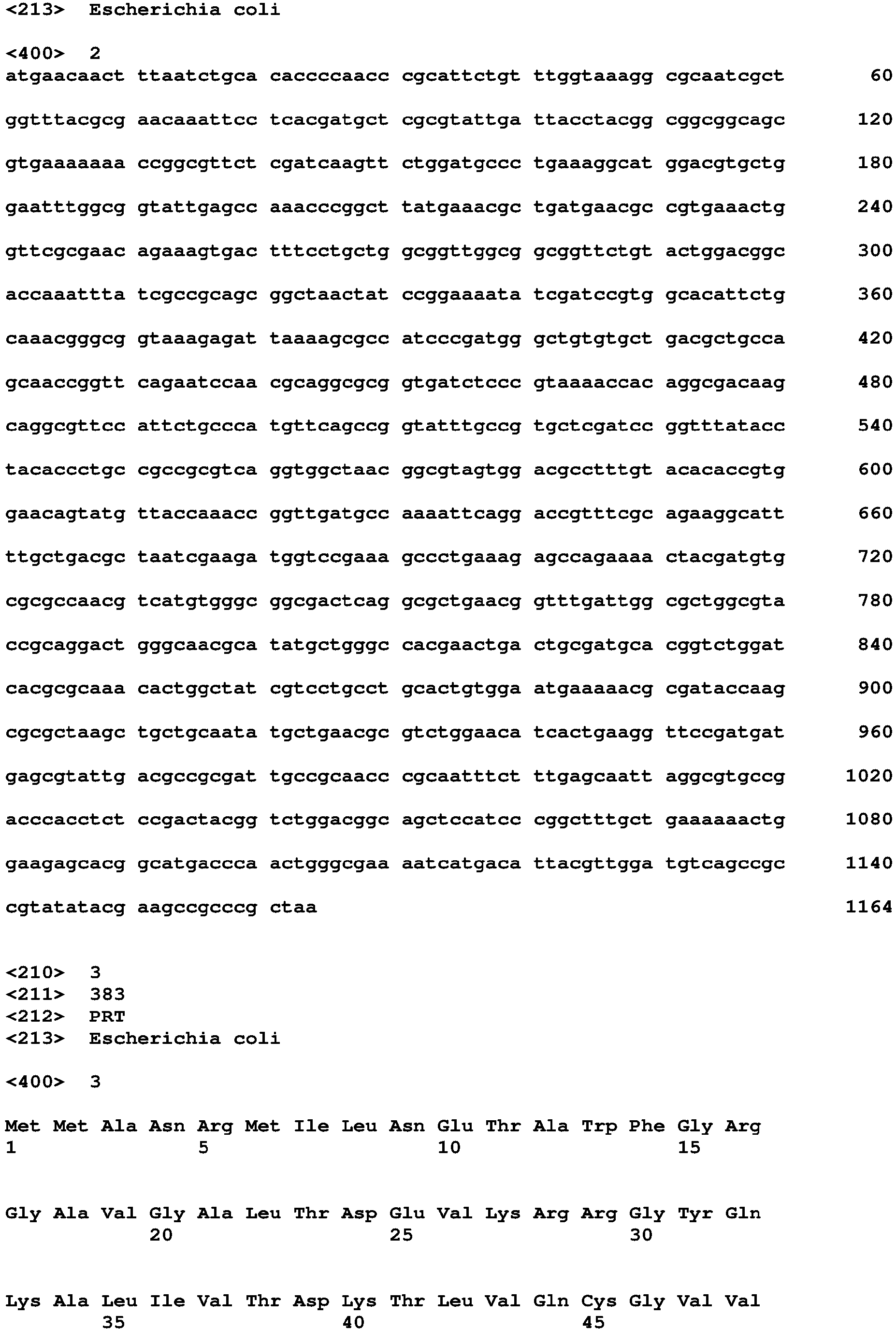


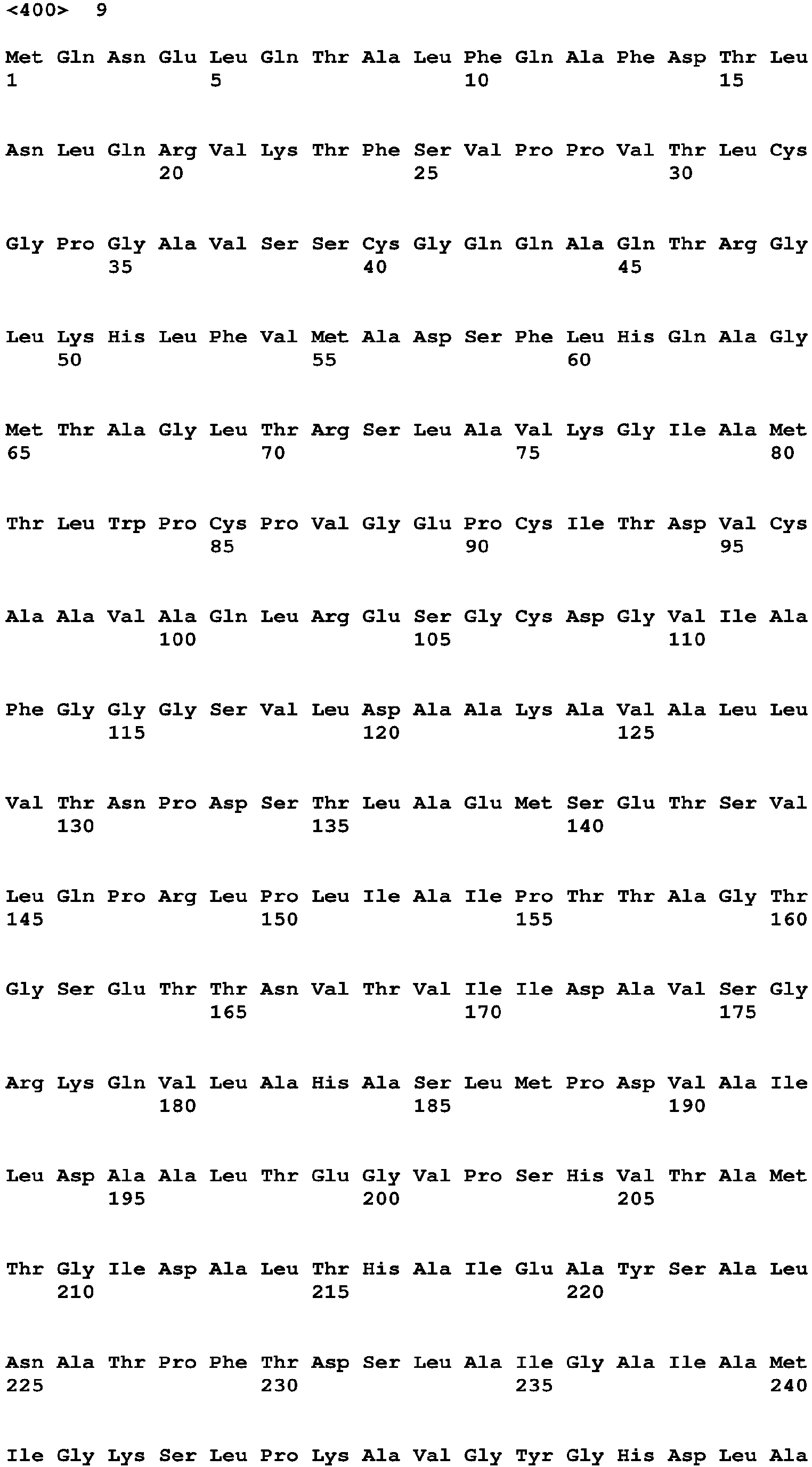


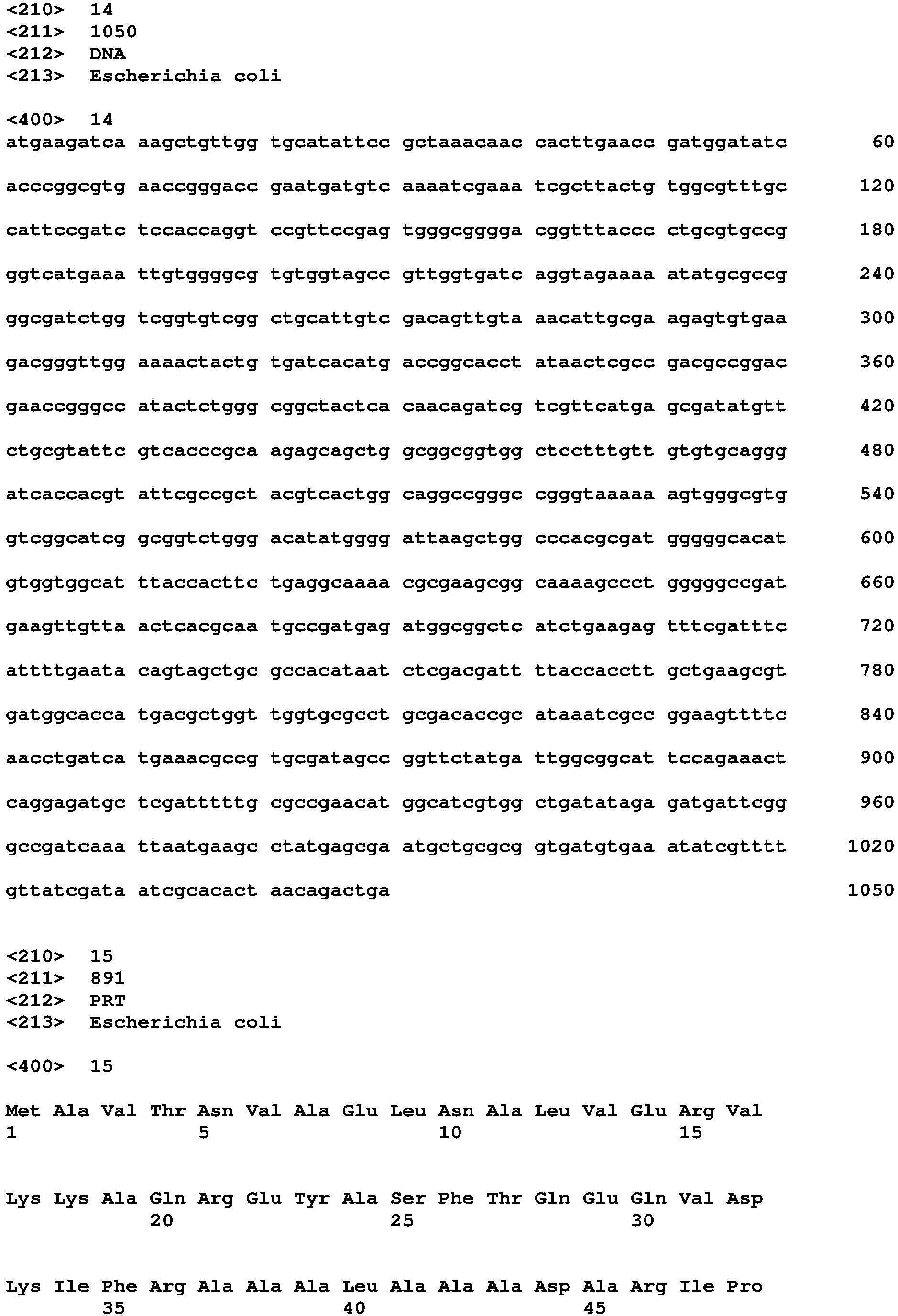

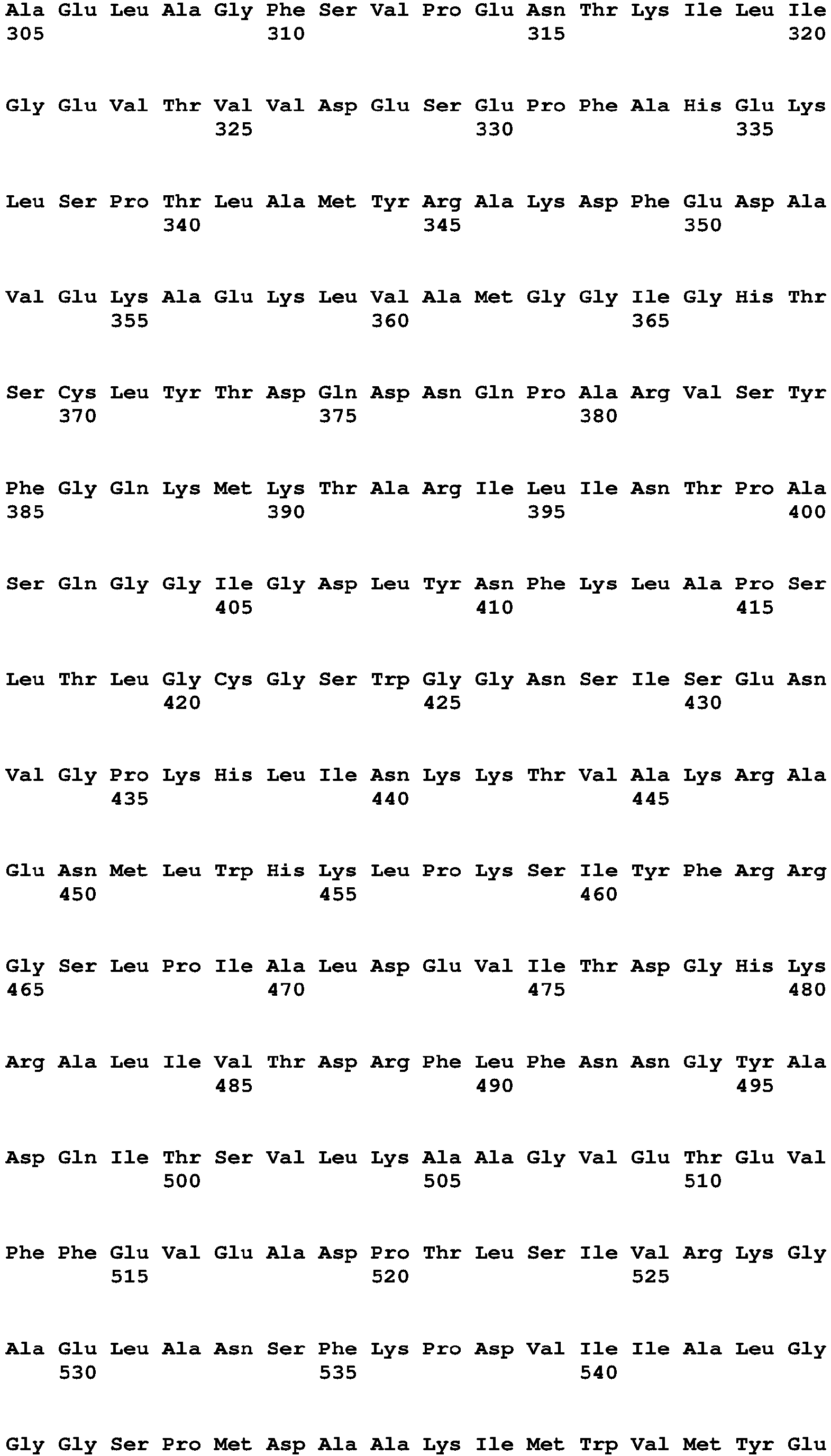
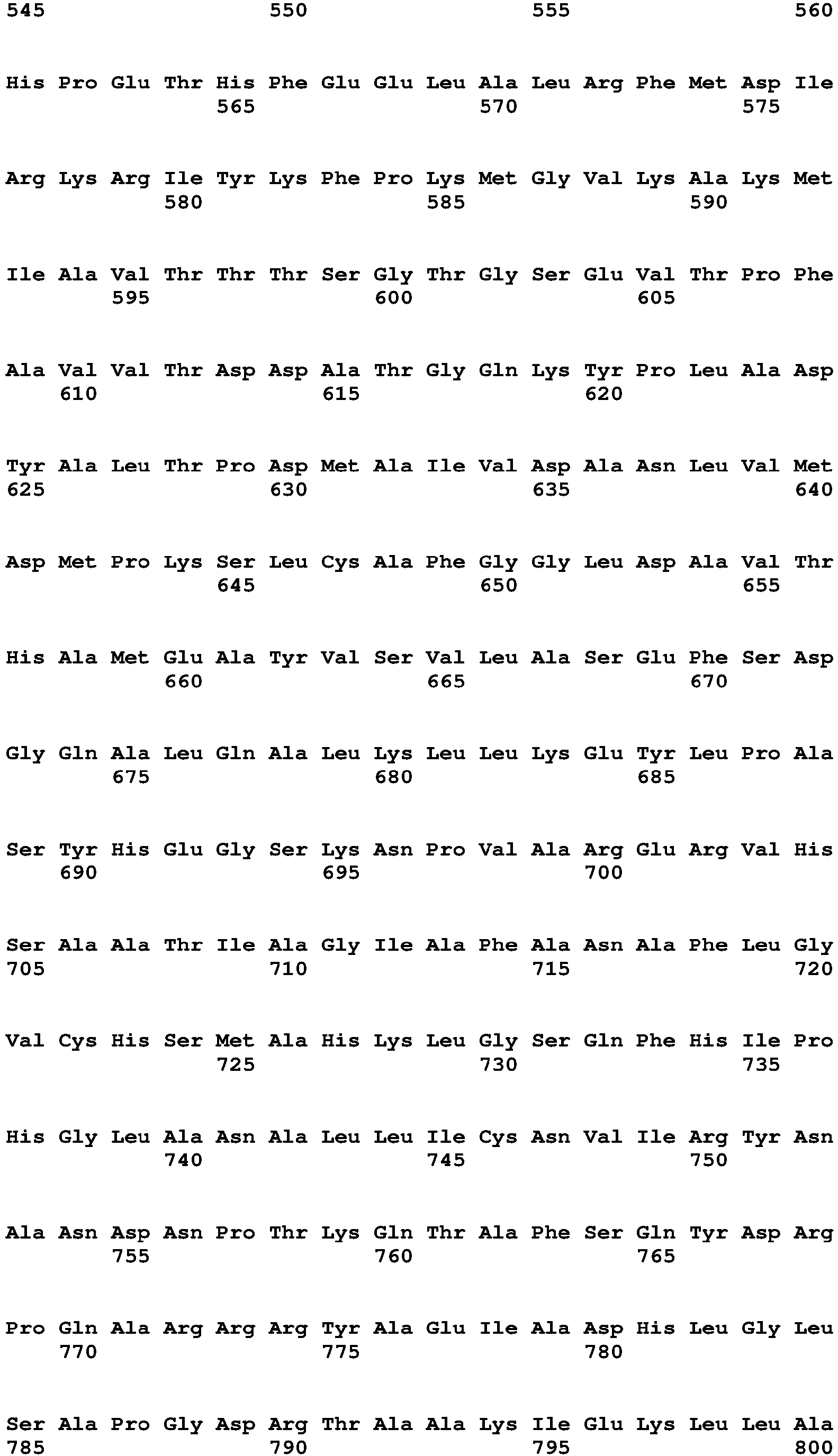


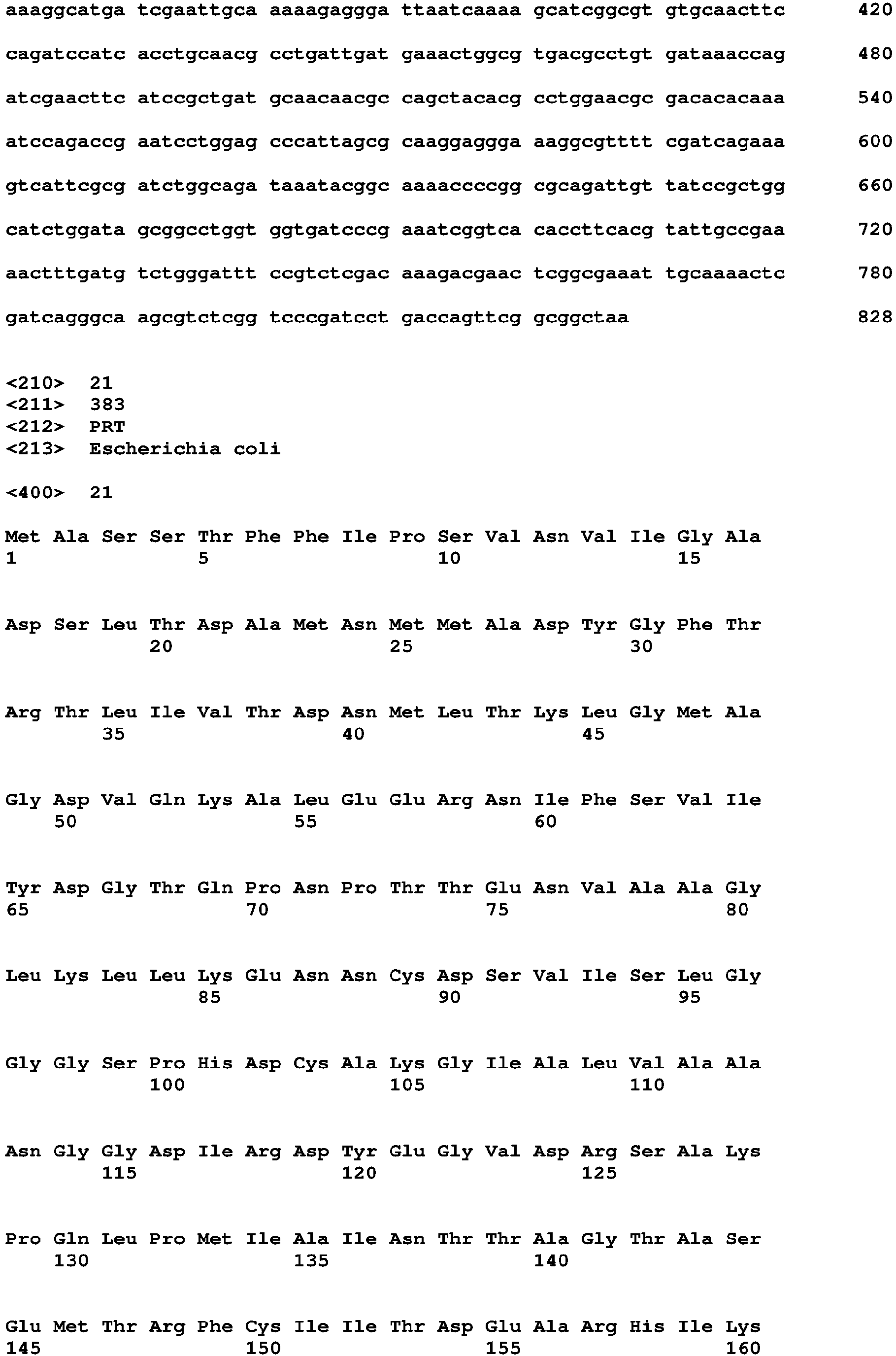

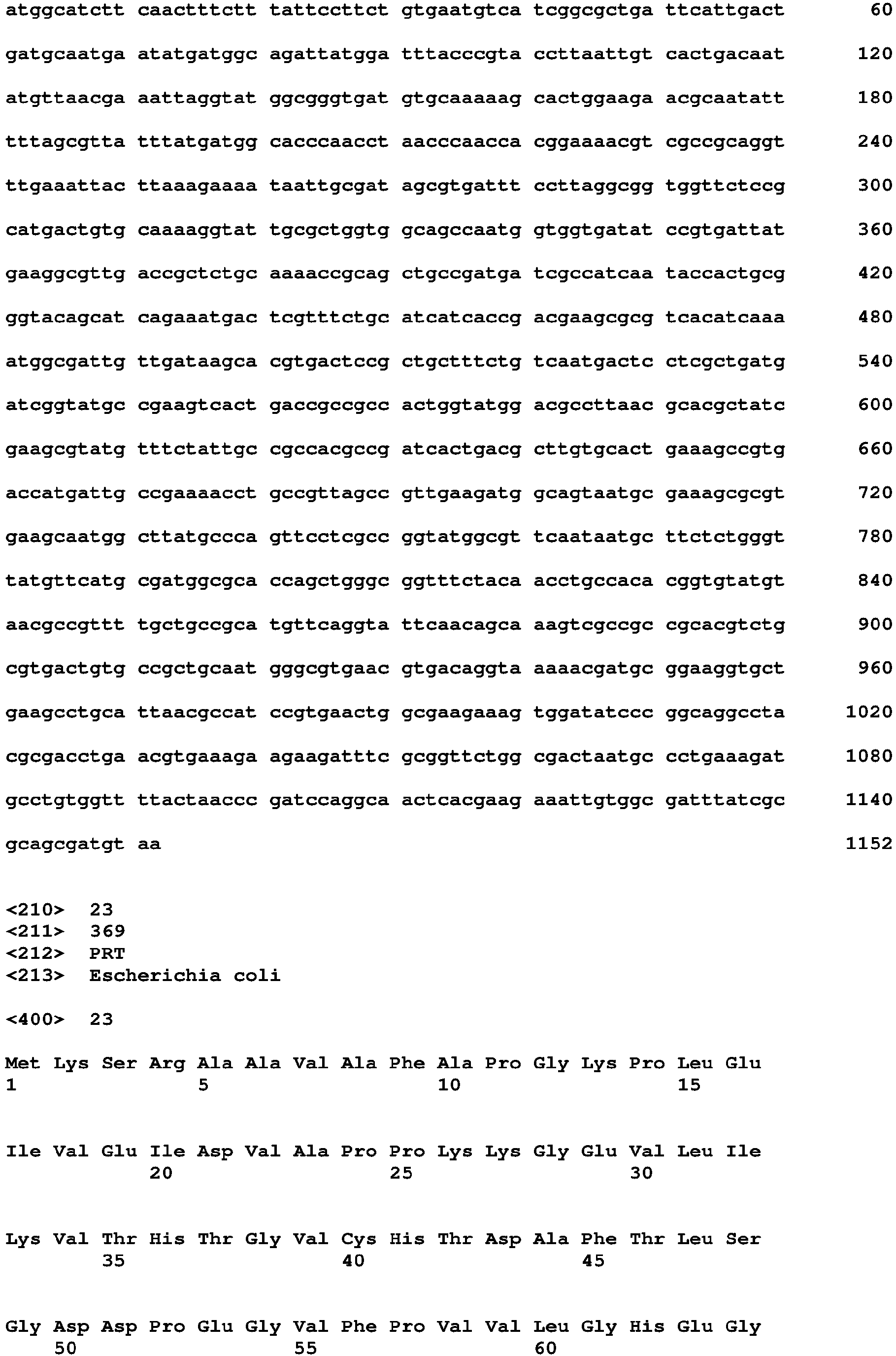
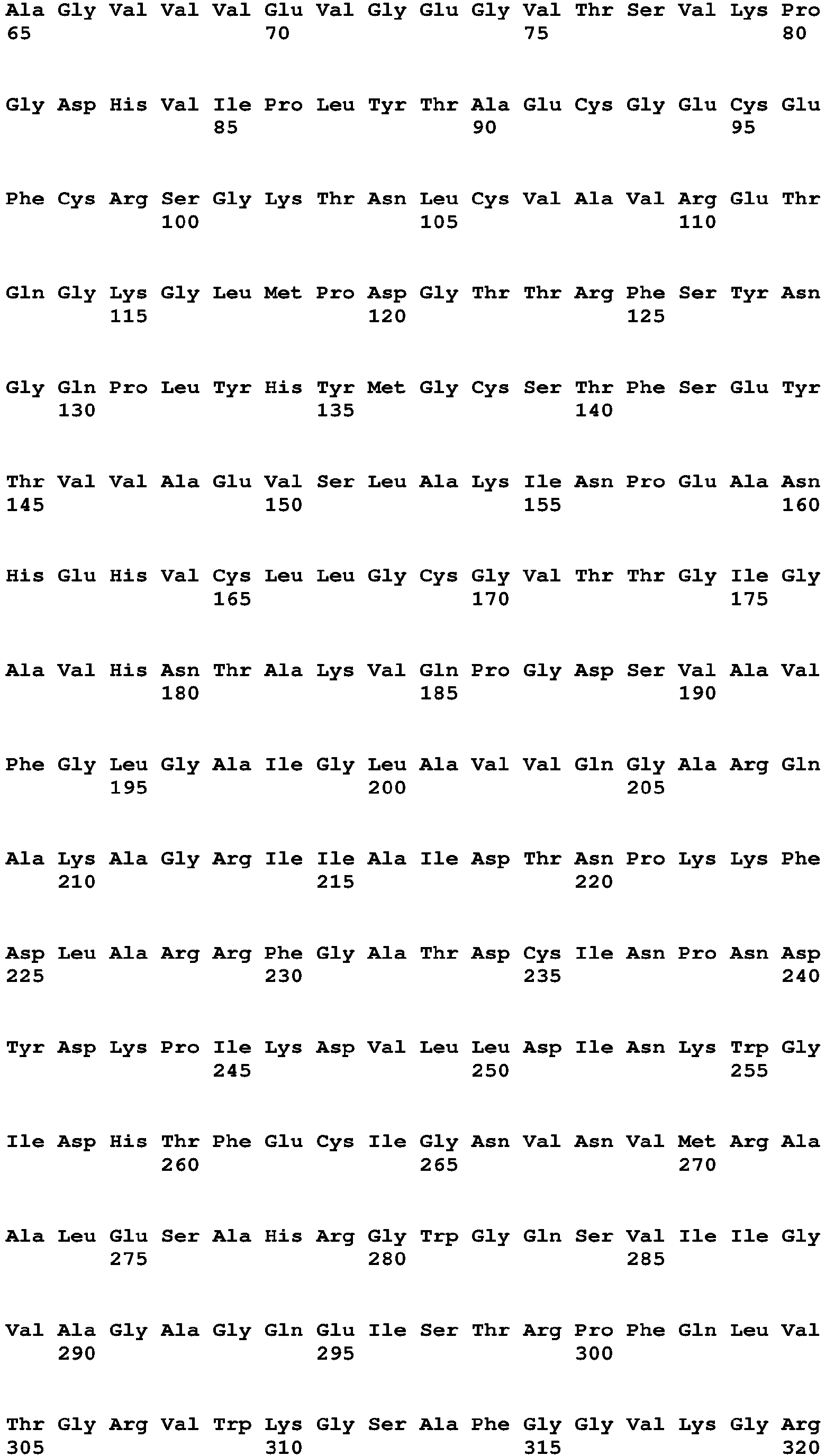


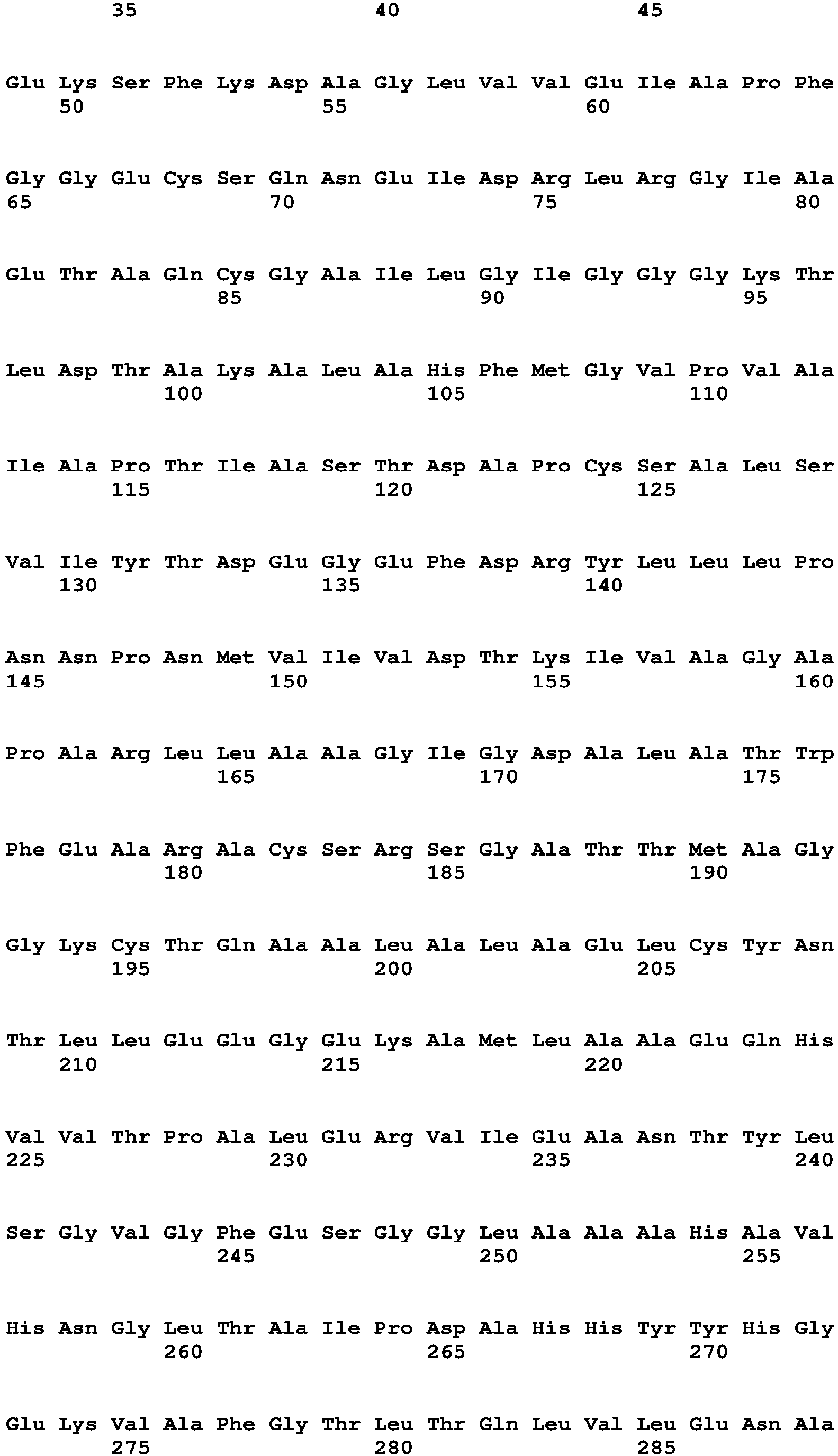


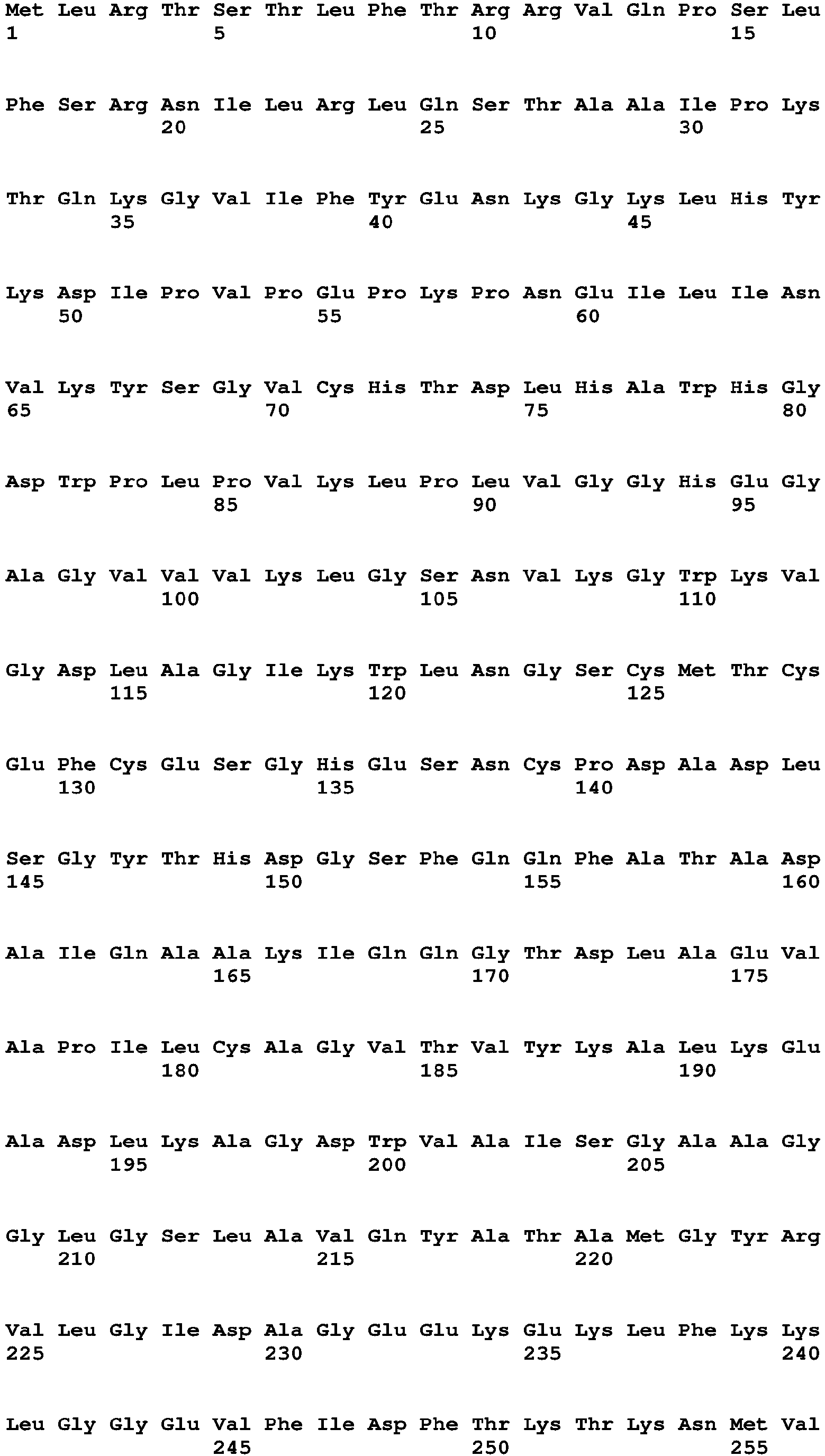


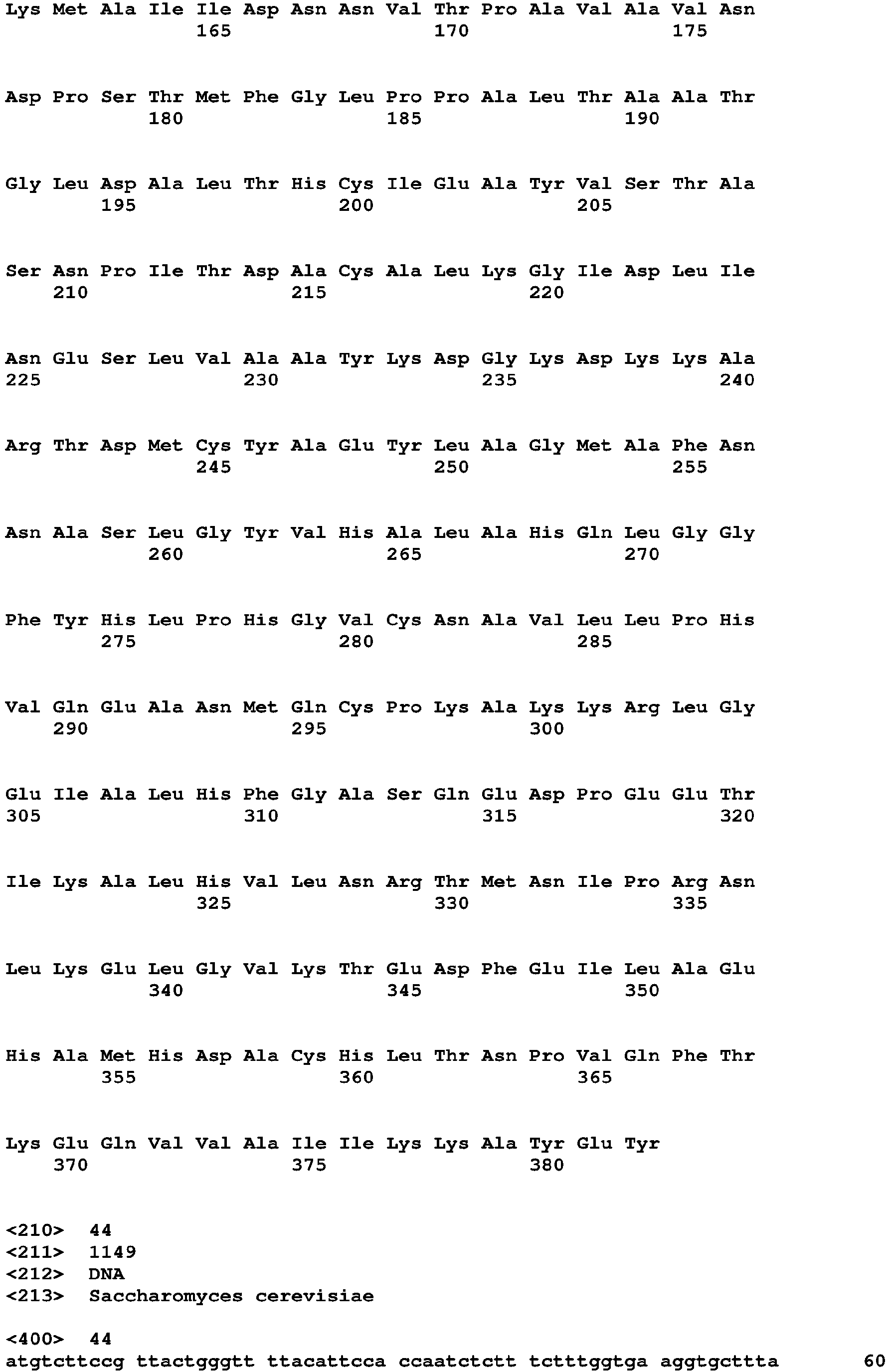


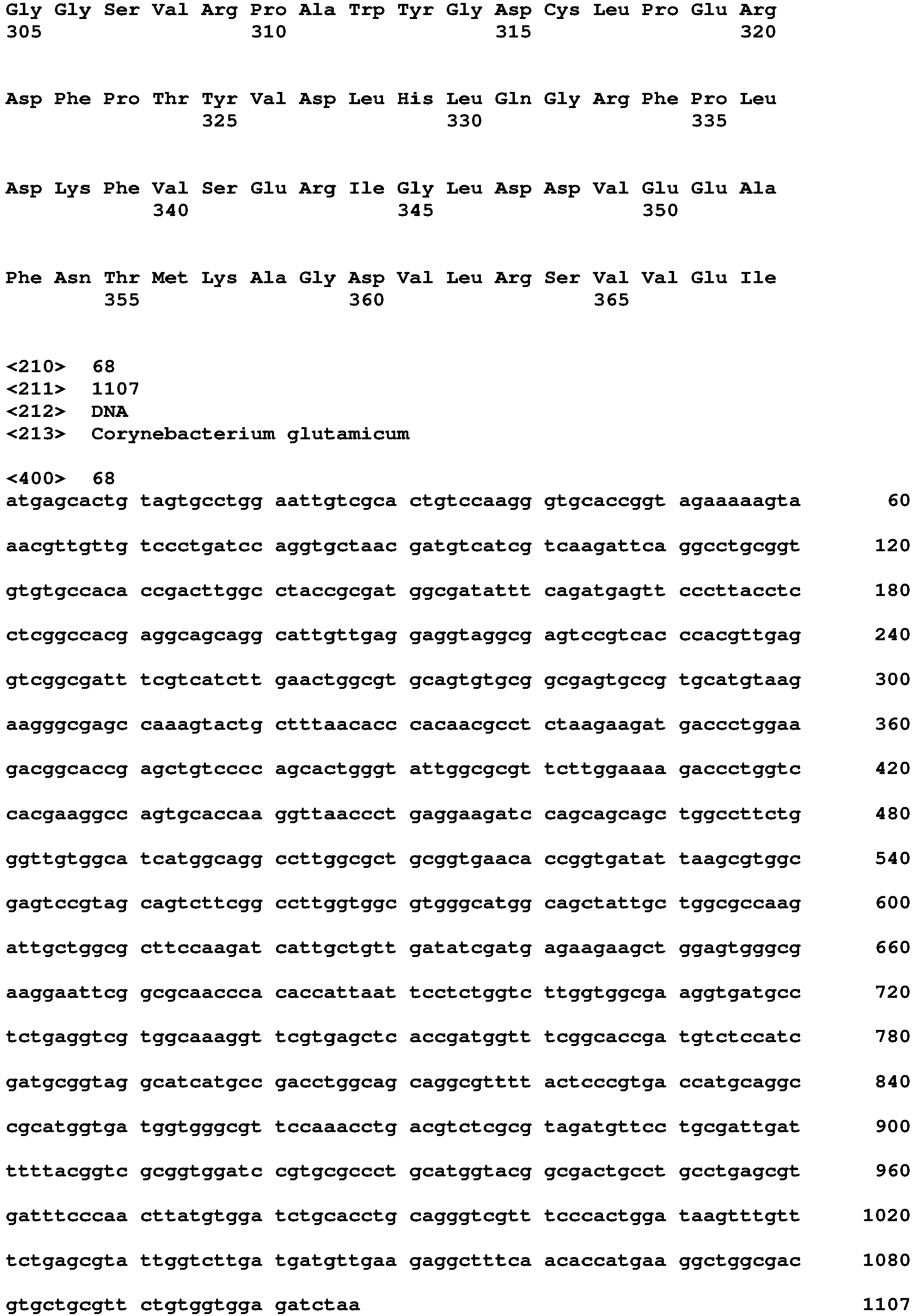
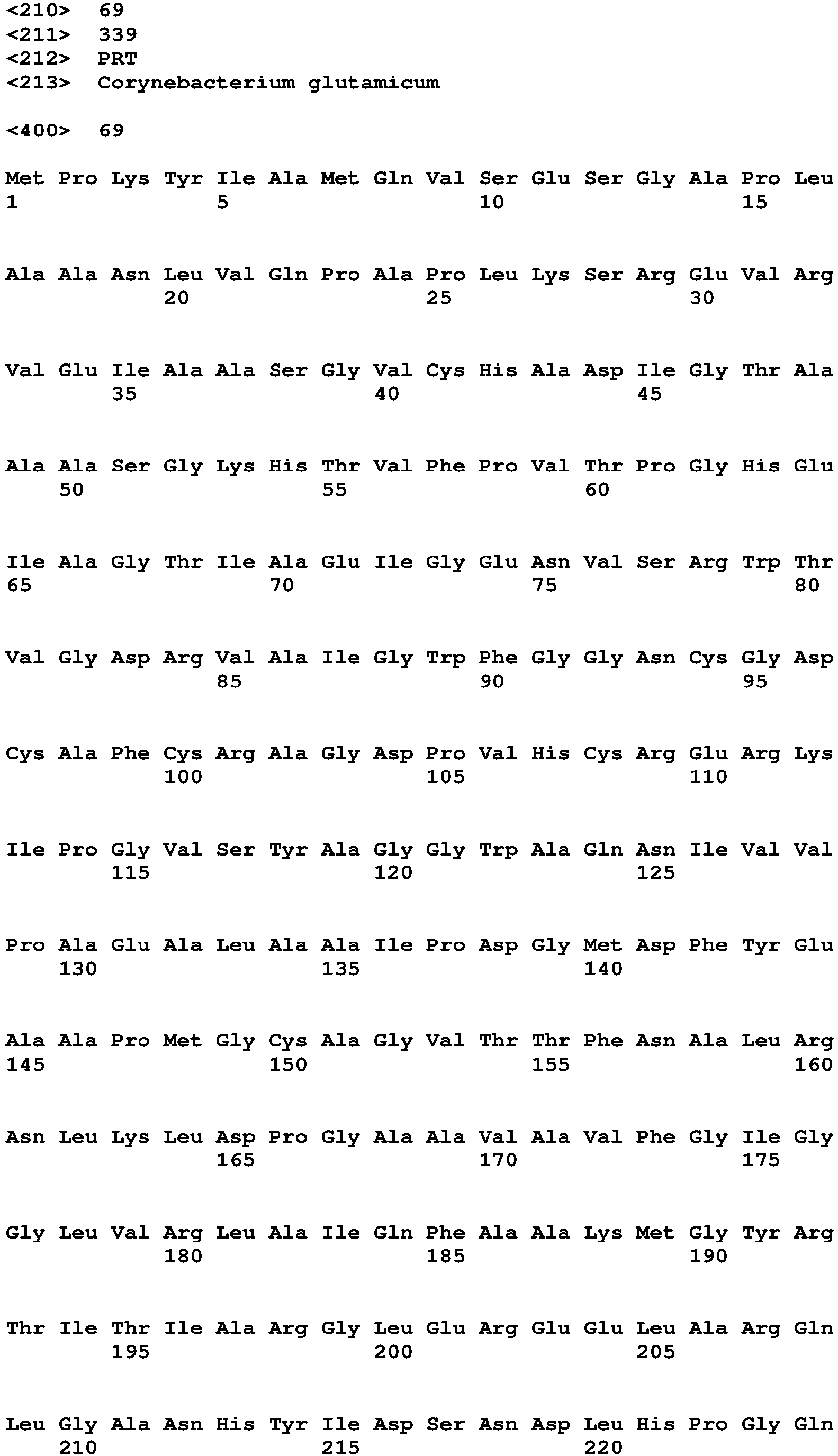

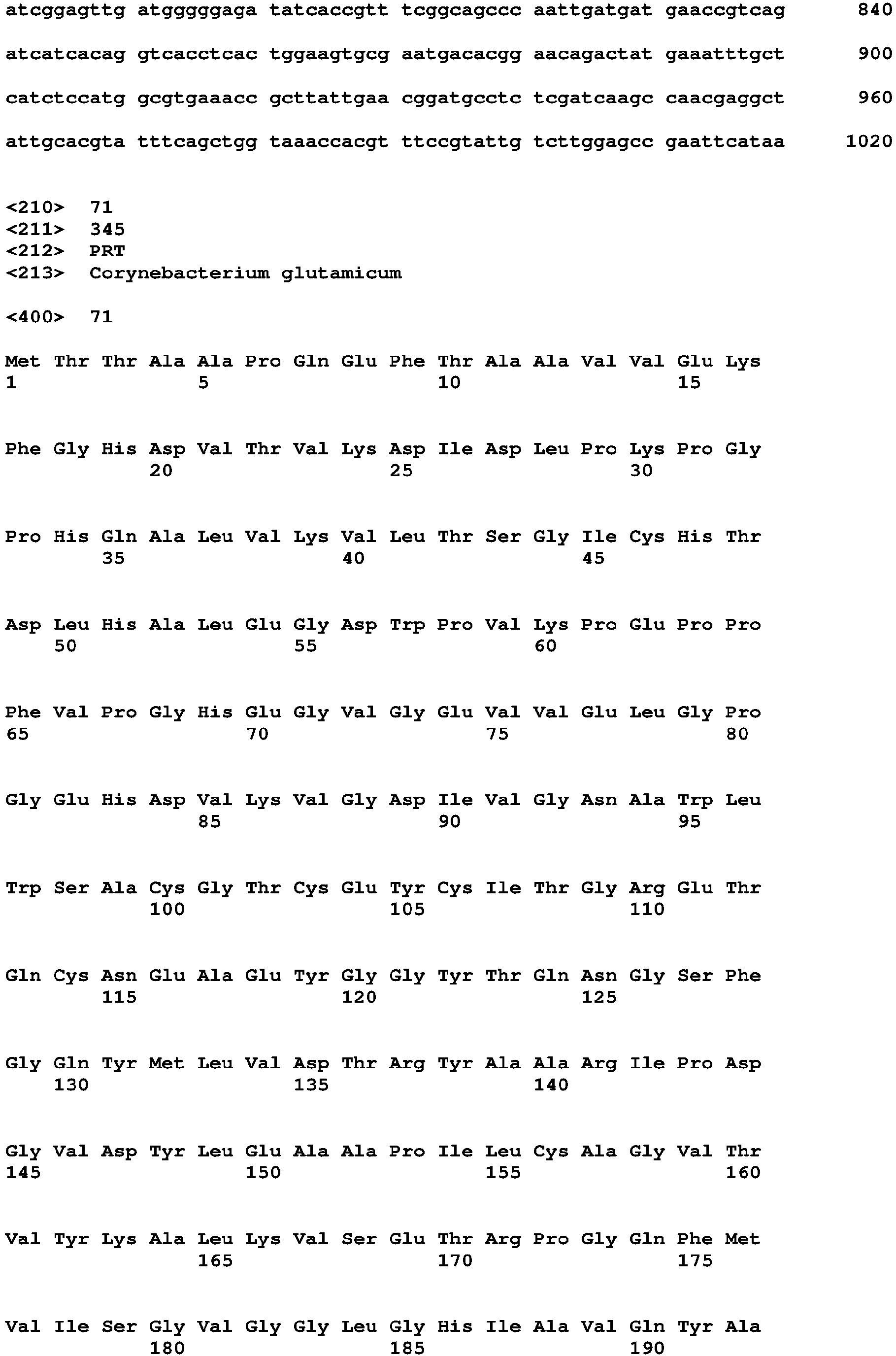


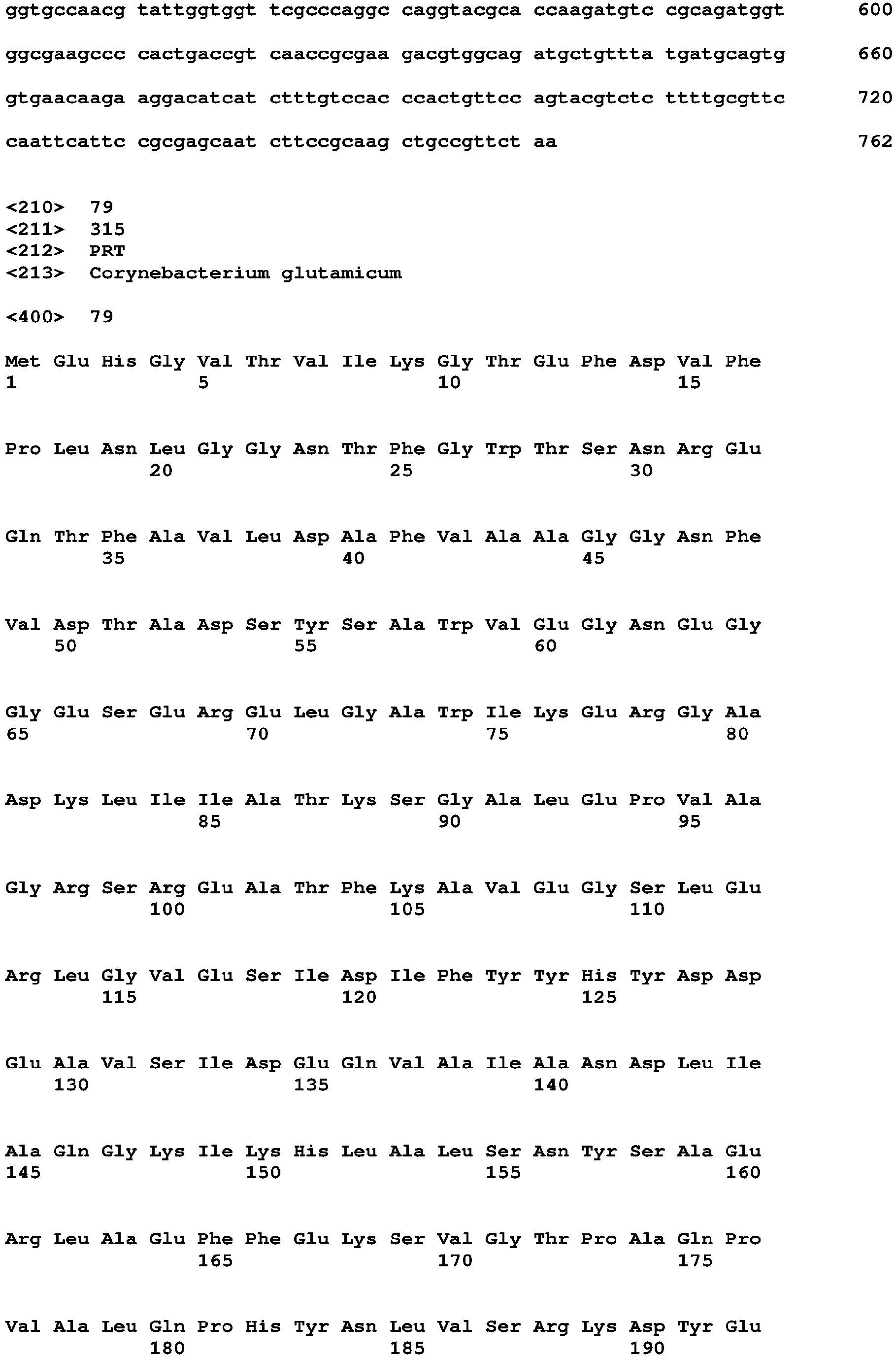


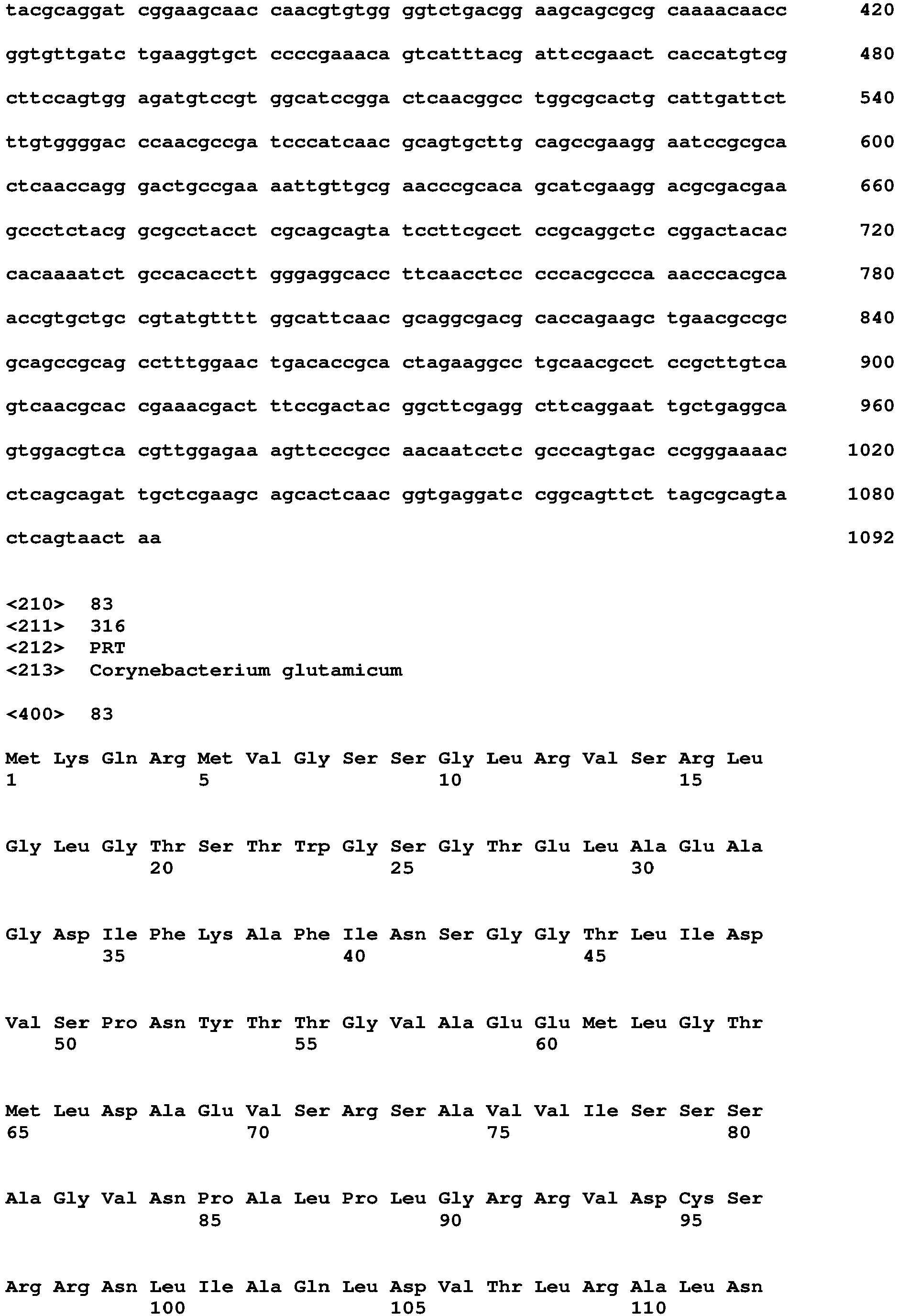

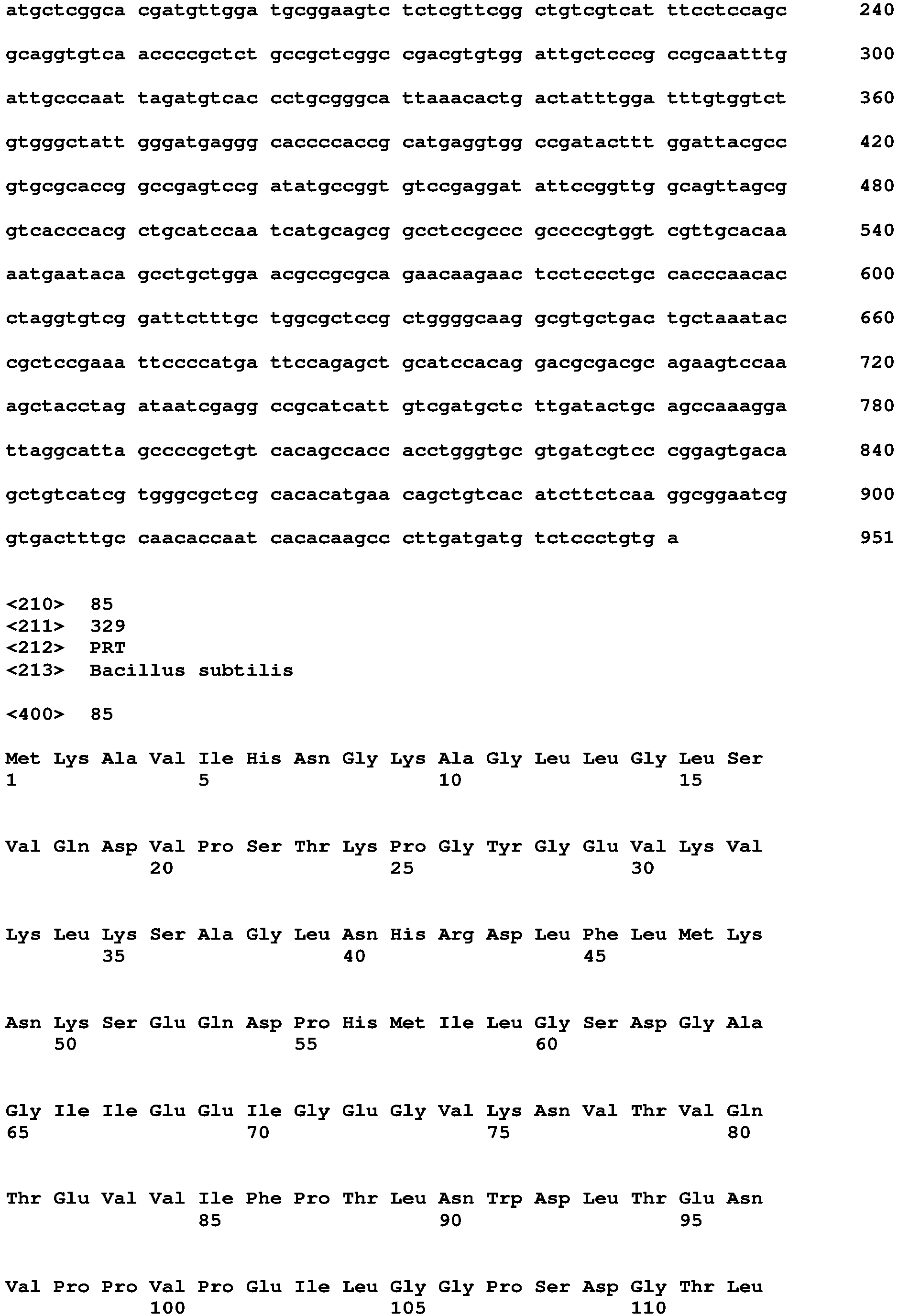


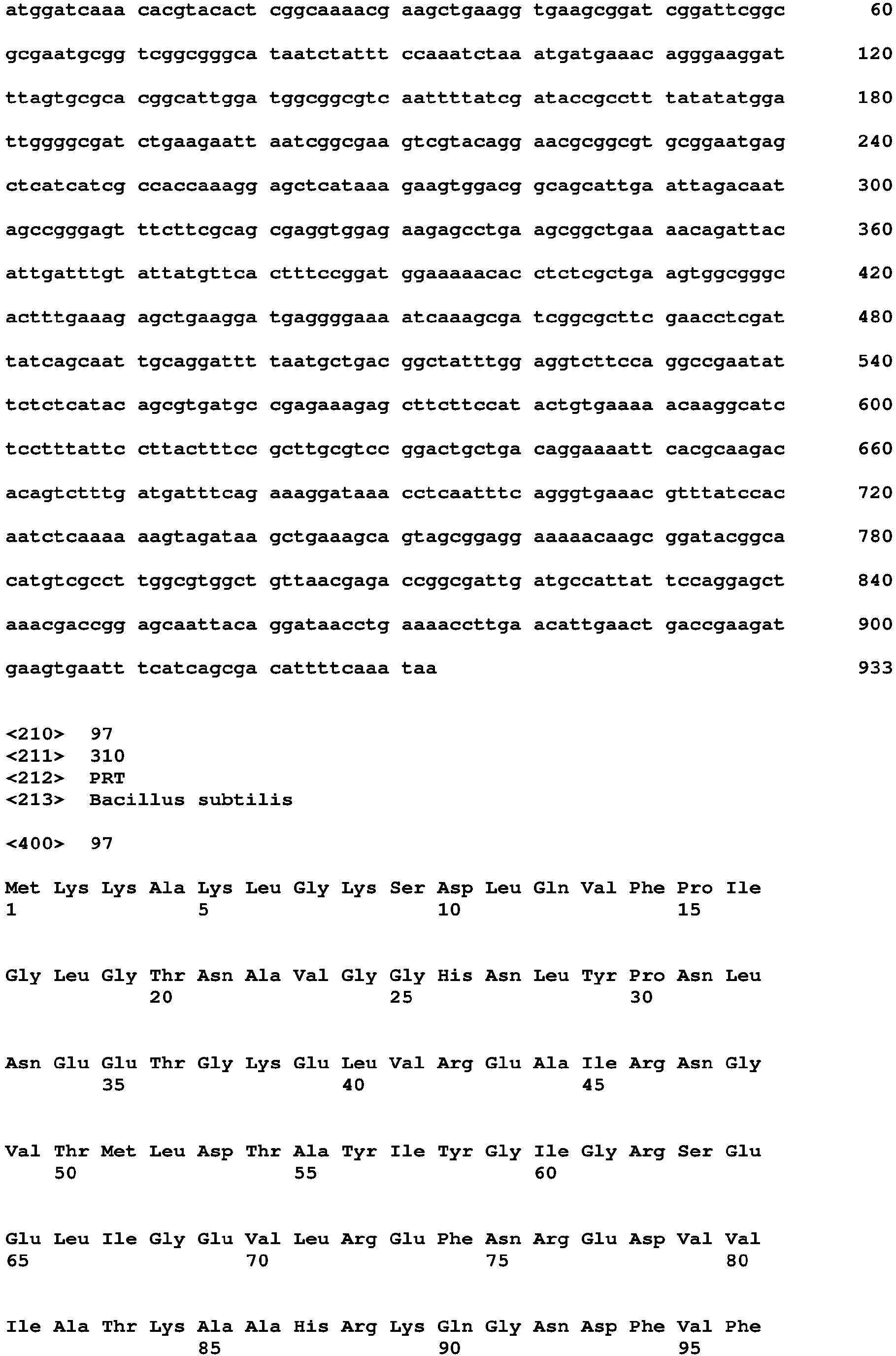


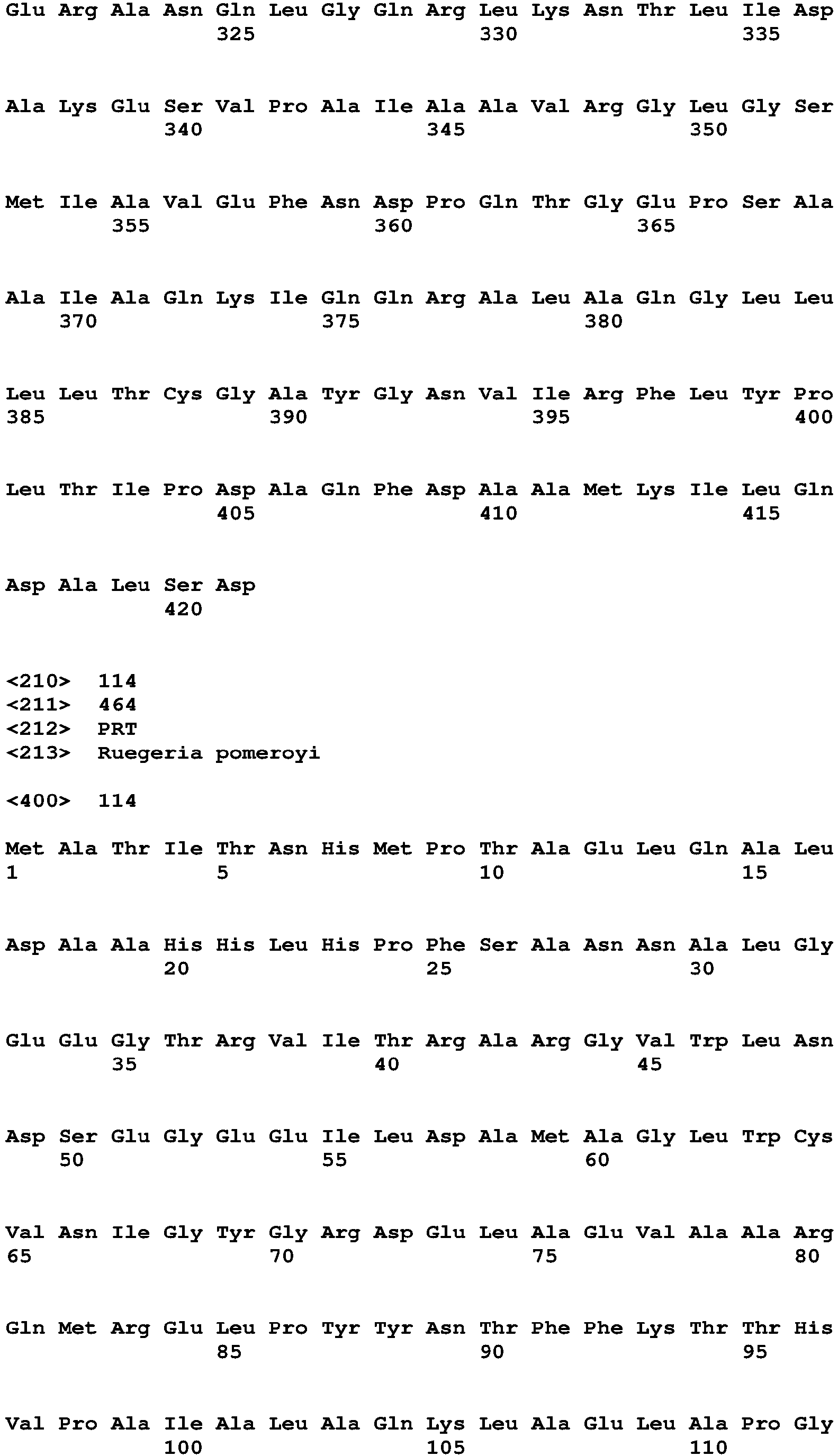

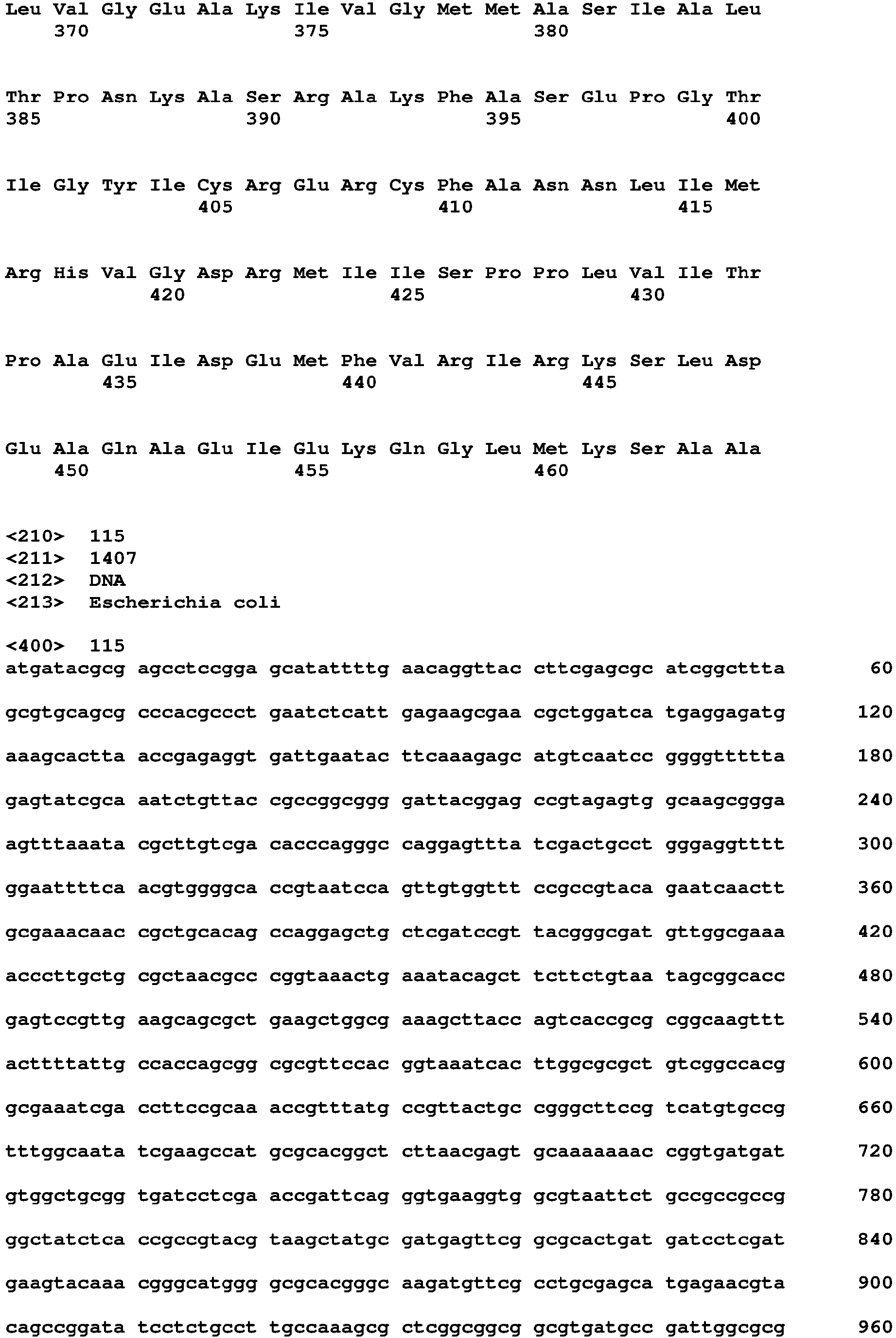


Claims (33)
- A genetically modified microorganism that expresses an enzyme involved in synthesis of a diamine compound, whereinthe diamine compound is represented by Formula: H2N-R-NH2(wherein, R is a chain or cyclic organic group comprised of one or more atoms selected from the group consisting of C, H, O, N, and S), andthe genetically modified microorganism is modified to reduce an activity of an alcohol dehydrogenase compared to a non-reduced strain.
- The genetically modified microorganism according to claim 1, wherein the modification performed to reduce the activity of the alcohol dehydrogenase compared to the non-reduced strain isa modification to suppress expression of a gene encoding an alcohol dehydrogenase ora modification to suppress expression of a gene encoding an alcohol dehydrogenase and to suppress an activity of an alcohol dehydrogenase.
- The modified microorganism according to claim 1 or 2, wherein the alcohol dehydrogenase is a protein encoded byDNA consisting of a base sequence selected from SEQ ID NOs: 2, 4, 6, 8, 10, 12, 14, 16, 18, 20, 22, 24, 26, 28, 30, 32, 34, 36, 38, 40, 42, 44, 46, 48, 50, 52, 54, 56, 58, 60, 62, 64, 66, 68, 70, 72, 74, 76, 78, 80, 82, 84, 86, 88, 90, 92, 94, 96, 98, and 100,DNA consisting of a base sequence having 85% or more of sequence identity with a base sequence selected from SEQ ID NOs: 2, 4, 6, 8, 10, 12, 14, 16, 18, 20, 22, 24, 26, 28, 30, 32, 34, 36, 38, 40, 42, 44, 46, 48, 50, 52, 54, 56, 58, 60, 62, 64, 66, 68, 70, 72, 74, 76, 78, 80, 82, 84, 86, 88, 90, 92, 94, 96, 98, and 100 and encoding a protein having an alcohol dehydrogenase activity,DNA consisting of a base sequence encoding a protein consisting of an amino acid sequence obtained by deleting, substituting, inserting, and/or adding 1 to 10 amino acids with respect to an amino acid sequence of a protein encoded by a base sequence selected from SEQ ID NOs: 2, 4, 6, 8, 10, 12, 14, 16, 18, 20, 22, 24, 26, 28, 30, 32, 34, 36, 38, 40, 42, 44, 46, 48, 50, 52, 54, 56, 58, 60, 62, 64, 66, 68, 70, 72, 74, 76, 78, 80, 82, 84, 86, 88, 90, 92, 94, 96, 98, and 100 and encoding a protein having an alcohol dehydrogenase activity, orDNA consisting of a degenerate isomer of a base sequence selected from SEQ ID NOs: 2, 4, 6, 8, 10, 12, 14, 16, 18, 20, 22, 24, 26, 28, 30, 32, 34, 36, 38, 40, 42, 44, 46, 48, 50, 52, 54, 56, 58, 60, 62, 64, 66, 68, 70, 72, 74, 76, 78, 80, 82, 84, 86, 88, 90, 92, 94, 96, 98, and 100.
- The modified microorganism according to any one of claims 1 to 3, wherein the alcohol dehydrogenase is a protein containing an amino acid sequence having 80% or more of sequence identity with an amino acid sequence selected from SEQ ID NOs: 1, 3, 5, 7, 9, 11, 13, 15, 17, 19, 21, 23, 25, 27, 29, 31, 33, 35, 37, 39, 41, 43, 45, 47, 49, 51, 53, 55, 57, 59, 61, 63, 65, 67, 69, 71, 73, 75, 77, 79, 81, 83, 85, 87, 89, 91, 93, 95, 97, and 99 and having an alcohol dehydrogenase activity.
- The genetically modified microorganism according to any one of claims 1 to 4, wherein the alcohol dehydrogenase is a protein encoded by at least one gene selected from the group consisting of yqhD, fucO, adhP, ybbO, eutG, ahr, yahK, adhE, ybdR, dkgA, yiaY, frmA, dkgB, yghA, ydjG, gldA, yohF, yeaE, ADH1, ADH2, ADH3, ADH4, ADH5, ADH6, ADH7, SFA1, AAD3, AAD4, AAD10, AAD14, AAD15, YPR1, NCgl0324, NCgl0313, NCgl0219, NCgl2709, NCgl1112, NCgl2382, NCgl0186, NCgl0099, NCgl2952, NCgl1459, yogA, bdhK, bdhJ, akrN, yqkF, yccK, iolS, and yrpG.
- The genetically modified microorganism according to any one of claims 1 to 5, wherein the alcohol dehydrogenase is a protein encoded by at least one gene selected from the group consisting of yqhD, fucO, adhP, eutG, ybbO, ahr, and yahK.
- The genetically modified microorganism according to any one of claims 1 to 6, wherein the alcohol dehydrogenase is a protein encoded by at least one gene selected from the group consisting of yqhD and adhP.
- The genetically modified microorganism according to claim 7, wherein the alcohol dehydrogenase is a protein encoded by an adhP gene.
- The genetically modified microorganism according to any one of claims 1 to 6, wherein the alcohol dehydrogenase is a protein encoded by at least one gene selected from the group consisting of yqhD, fucO, eutG, ybbO, ahr, and yahK.
- The genetically modified microorganism according to claim 9, wherein the alcohol dehydrogenase is a protein encoded by at least one gene selected from the group consisting of eutG, ybbO, ahr, and yahK.
- The genetically modified microorganism according to any one of claims 1 to 6, wherein the alcohol dehydrogenase is a protein encoded by two or more genes selected from the group consisting of yqhD, fucO, adhP, eutG, ybbO, ahr, and yahK.
- The genetically modified microorganism according to any one of claims 1 to 6, wherein the alcohol dehydrogenase is a protein encoded by a gene of one combination selected from the group consisting of:- yqhD and fucO,- yqhD and adhP,- yqhD and eutG,- yqhD and ybbO,- yqhD and ahr,- yqhD and yahK,- yqhD, fucO, and adhP,- yqhD, fucO, adhP, and eutG,- yqhD, fucO, adhP, eutG, and ybbO,- yqhD, fucO, adhP, eutG, ybbO, and ahr,
and- yqhD, fucO, adhP, eutG, ybbO, ahr, and yahK. - The modified microorganism according to any one of claims 1 to 12, wherein the modification performed to reduce the activity of the alcohol dehydrogenase compared to the non-reduced strain is performed by one or more selected from the group consisting ofa reduction in transcription amount and/or translation amount of a gene encoding the alcohol dehydrogenase in the microorganism anda disruption of a gene encoding the alcohol dehydrogenase in the microorganism.
- The genetically modified microorganism according to any one of claims 1 to 13, wherein the genetically modified microorganism belongs to a genus selected from the group consisting of the genus Escherichia, the genus Corynebacterium, the genus Bacillus, the genus Acinetobacter, the genus Burkholderia, the genus Pseudomonas, the genus Clostridium, the genus Saccharomyces, the genus Schizosaccharomyces, the genus Yarrowia, the genus Candida, the genus Pichia, and the genus Aspergillus.
- The genetically modified microorganism according to any one of claims 1 to 14, wherein the genetically modified microorganism is Escherichia coli.
- The genetically modified microorganism according to any one of claims 1 to 15, wherein the genetically modified microorganism expresses an aminotransferase as the enzyme involved in the synthesis of the diamine compound.
- The genetically modified microorganism according to any one of claims 1 to 16, wherein the genetically modified microorganism expresses a carboxylic acid reductase as the enzyme involved in the synthesis of the diamine compound.
- The genetically modified microorganism according to claim 17, wherein the carboxylic acid reductase has an activity of converting a carboxyl group of a carboxylic acid semialdehyde, a dicarboxylic acid, or an aminocarboxylic acid into an aldehyde.
- The genetically modified microorganism according to any one of claims 1 to 18, wherein the genetically modified microorganismhas an ability of producing a dicarboxylic acid, a carboxylic acid semialdehyde, or an aminocarboxylic acid, andfurther expresses an aminotransferase and a carboxylic acid reductase.
- The genetically modified microorganism according to any one of claims 1 to 19, wherein the genetically modified microorganismhas an ability of producing adipic acid, adipic acid semialdehyde, or 6-aminohexanoic acid, andfurther expresses an aminotransferase and a carboxylic acid reductase.
- The genetically modified microorganism according to any one of claims 17 to 20, wherein the genetically modified microorganism is further modified to increase an activity of a phosphopantetheinyl transferase.
- The genetically modified microorganism according to any one of claims 16 to 21, wherein a gene encoding the aminotransferase is ygjG.
- The genetically modified microorganism according to any one of claims 17 to 22, wherein a gene encoding the carboxylic acid reductase is MaCar.
- The genetically modified microorganism according to any one of claims 21 to 23, wherein a gene encoding the phosphopantetheinyl transferase is Npt.
- The modified microorganism according to any one of claims 1 to 24, wherein the modified microorganism containsa base sequence having 85% or more of sequence identity with a base sequence set forth in SEQ ID NO: 115 and encoding a protein having an aminotransferase activity ora base sequence having 85% or more of sequence identity with a base sequence encoding an amino acid sequence set forth in any one of SEQ ID NOs: 110 to 114 and encoding a protein having an aminotransferase activity.
- The modified microorganism according to any one of claims 1 to 25, wherein the modified microorganism containsa base sequence having 85% or more of sequence identity with a base sequence set forth in SEQ ID NO: 105 and encoding a protein having a carboxylic acid reductase activity ora base sequence having 85% or more of sequence identity with a base sequence encoding an amino acid sequence set forth in any one of SEQ ID NOs: 101 to 104 and encoding a protein having a carboxylic acid reductase activity.
- The modified microorganism according to any one of claims 21 to 26, wherein the modified microorganism containsa base sequence having 85% or more of sequence identity with a base sequence set forth in SEQ ID NO: 109 and encoding a protein having a phosphopantetheinyl transferase activity ora base sequence having 80% or more of sequence identity with a base sequence encoding an amino acid sequence set forth in any one of SEQ ID NOs: 106 to 108 and encoding a protein having a phosphopantetheinyl transferase activity.
- The genetically modified microorganism according to any one of claims 1 to 27, wherein the genetically modified microorganism expresses one or more enzymes selected from the group consisting ofacyl-(acyl carrier protein (ACP)) reductase (AAR),an enzyme that produces an aldehyde from acyl-CoA, andan enzyme that produces an aldehyde from acyl phosphate.
- A method of producing a diamine compound using the genetically modified microorganism according to any one of claims 1 to 28.
- A method of producing a diamine compound, the method comprising a culture step of culturing the genetically modified microorganism according to any one of claims 1 to 28 in a medium containing a carbon source and a nitrogen source to obtain a culture medium containing bacterial cells.
- The method of producing a diamine compound according to claim 30, whereinthe medium further contains a precursor of a diamine compound, orin the culture step, the precursor is added to the medium.
- The method of producing a diamine compound according to claim 30 or 31, further comprising a reaction step of bringing the culture medium and/or the bacterial cells into contact with an aqueous solution containing a precursor of a diamine compound to obtain a reaction solution containing a diamine compound.
- The method of producing a diamine compound according to claim 31 or 32, wherein the precursor is selected from the group consisting of a dicarboxylic acid, a carboxylic acid semialdehyde, an aminocarboxylic acid, an aminoaldehyde, a dialdehyde, acyl-ACP, acyl-CoA, and acyl phosphate.
Applications Claiming Priority (2)
| Application Number | Priority Date | Filing Date | Title |
|---|---|---|---|
| JP2019134306 | 2019-07-22 | ||
| PCT/JP2020/028456 WO2021015242A1 (en) | 2019-07-22 | 2020-07-22 | Genetically modified microorganism and method for producing diamine compound |
Publications (2)
| Publication Number | Publication Date |
|---|---|
| EP4006162A1 true EP4006162A1 (en) | 2022-06-01 |
| EP4006162A4 EP4006162A4 (en) | 2023-06-28 |
Family
ID=74192570
Family Applications (1)
| Application Number | Title | Priority Date | Filing Date |
|---|---|---|---|
| EP20843995.0A Pending EP4006162A4 (en) | 2019-07-22 | 2020-07-22 | Genetically modified microorganism and method for producing diamine compound |
Country Status (7)
| Country | Link |
|---|---|
| US (1) | US20220396800A1 (en) |
| EP (1) | EP4006162A4 (en) |
| JP (1) | JP7440519B2 (en) |
| KR (1) | KR20220032084A (en) |
| CN (1) | CN114555779A (en) |
| TW (1) | TWI775115B (en) |
| WO (1) | WO2021015242A1 (en) |
Families Citing this family (4)
| Publication number | Priority date | Publication date | Assignee | Title |
|---|---|---|---|---|
| JP7696228B2 (en) * | 2021-04-30 | 2025-06-20 | 旭化成株式会社 | Recombinant microorganisms and methods for producing compounds |
| WO2022270597A1 (en) * | 2021-06-25 | 2022-12-29 | 旭化成株式会社 | Recombinant polypeptide having aminotransferase activity |
| GB202306433D0 (en) * | 2023-05-02 | 2023-06-14 | C3 Biotechnologies Ltd | Amine synthesis |
| CN118421719B (en) * | 2024-04-24 | 2025-09-02 | 华南理工大学 | A method for synthesizing 1,3-propylenediamine by multi-enzyme cascade catalysis |
Family Cites Families (11)
| Publication number | Priority date | Publication date | Assignee | Title |
|---|---|---|---|---|
| JPS4924446B1 (en) | 1970-03-05 | 1974-06-22 | ||
| JPS5630521B2 (en) | 1972-06-19 | 1981-07-15 | ||
| JPS5770842A (en) | 1980-10-21 | 1982-05-01 | Ube Ind Ltd | Preparation of 1,12-dodecanediamine |
| EP2427544B1 (en) | 2009-05-07 | 2019-07-17 | Genomatica, Inc. | Microorganisms and methods for the biosynthesis of adipate, hexamethylenediamine and 6-aminocaproic acid |
| CN104011216A (en) | 2011-06-30 | 2014-08-27 | 英威达技术有限责任公司 | Bioconversion process for producing nylon-7, nylon-7,7 and polyesters |
| WO2016077800A1 (en) * | 2014-11-14 | 2016-05-19 | Invista North America S.á.r.l. | Methods and materials for producing 6-carbon monomers |
| US10233474B2 (en) * | 2014-12-22 | 2019-03-19 | Invista North America S.á.r.l. | Materials and methods for producing 6-carbon monomers |
| CN107922957A (en) * | 2015-06-23 | 2018-04-17 | 基因组股份公司 | For producing microorganism and the method for the target product with the biosynthesis for dropping low-level accessory substance |
| WO2018022440A2 (en) | 2016-07-25 | 2018-02-01 | Invista North America S.A.R.L. | Materials and methods for directing carbon flux and increased production of carbon based chemicals |
| US10801046B2 (en) | 2016-07-25 | 2020-10-13 | Invista North America S.A.R.L. | Methods and materials for biosynthesizing multifunctional, multivariate molecules via carbon chain modification |
| KR102510355B1 (en) * | 2018-01-09 | 2023-03-15 | 건국대학교 산학협력단 | Method for preparering amino fatty acids or derivates thereof comprising diamins or aminol |
-
2020
- 2020-07-22 TW TW109124773A patent/TWI775115B/en active
- 2020-07-22 WO PCT/JP2020/028456 patent/WO2021015242A1/en not_active Ceased
- 2020-07-22 CN CN202080048331.6A patent/CN114555779A/en active Pending
- 2020-07-22 US US17/623,542 patent/US20220396800A1/en not_active Abandoned
- 2020-07-22 KR KR1020227004223A patent/KR20220032084A/en active Pending
- 2020-07-22 EP EP20843995.0A patent/EP4006162A4/en active Pending
- 2020-07-22 JP JP2021534076A patent/JP7440519B2/en active Active
Also Published As
| Publication number | Publication date |
|---|---|
| WO2021015242A1 (en) | 2021-01-28 |
| JP7440519B2 (en) | 2024-02-28 |
| CN114555779A (en) | 2022-05-27 |
| US20220396800A1 (en) | 2022-12-15 |
| EP4006162A4 (en) | 2023-06-28 |
| JPWO2021015242A1 (en) | 2021-01-28 |
| TWI775115B (en) | 2022-08-21 |
| KR20220032084A (en) | 2022-03-15 |
| TW202115242A (en) | 2021-04-16 |
Similar Documents
| Publication | Publication Date | Title |
|---|---|---|
| EP4006162A1 (en) | Genetically modified microorganism and method for producing diamine compound | |
| Schneider et al. | Putrescine production by engineered Corynebacterium glutamicum | |
| TWI701230B (en) | PREPARATION OF 6-AMINOCAPROIC ACID FROM α-KETOPIMELIC ACID | |
| AU2005261861B2 (en) | Biochemical synthesis of 1,4-butanediamine | |
| Mindt et al. | Microbial engineering for production of N‐functionalized amino acids and amines | |
| WO2011031147A1 (en) | Preparation of a compound comprising an amine group from an alpha-keto acid | |
| EP2818552B1 (en) | Method for producing glucaric acid | |
| EP4317416A1 (en) | Recombinant microorganism and method for producing c6 compound | |
| JP6982452B2 (en) | Method for Producing 1,5-Pentanediol by Genetically Manipulated Microorganisms | |
| MX2007000565A (en) | Biochemical synthesis of 1,4-butanediamine. | |
| EP2456879B1 (en) | Process for preparing 1,4-butanediamine via n-protected 1,4-butanediamine | |
| CN103097541A (en) | Preparation of 6-aminocaproic acid from alpha-ketopimelic acid | |
| JP7672486B2 (en) | Recombinant microorganism capable of producing diamine and method for producing diamine | |
| CN117500912A (en) | Recombinant microorganism with diamine production capability and method for manufacturing diamine | |
| JP7696228B2 (en) | Recombinant microorganisms and methods for producing compounds | |
| Wendisch et al. | Microbial production of amines and amino acids by fermentation | |
| JP7827466B2 (en) | Modified microorganisms and methods for producing compounds | |
| Pérez-García | Microbial Production of Diamines | |
| Deniņa et al. | The effect of stringent control on valine biosynthesis by Corynebacterium glutamicum |
Legal Events
| Date | Code | Title | Description |
|---|---|---|---|
| STAA | Information on the status of an ep patent application or granted ep patent |
Free format text: STATUS: THE INTERNATIONAL PUBLICATION HAS BEEN MADE |
|
| PUAI | Public reference made under article 153(3) epc to a published international application that has entered the european phase |
Free format text: ORIGINAL CODE: 0009012 |
|
| STAA | Information on the status of an ep patent application or granted ep patent |
Free format text: STATUS: REQUEST FOR EXAMINATION WAS MADE |
|
| 17P | Request for examination filed |
Effective date: 20220215 |
|
| AK | Designated contracting states |
Kind code of ref document: A1 Designated state(s): AL AT BE BG CH CY CZ DE DK EE ES FI FR GB GR HR HU IE IS IT LI LT LU LV MC MK MT NL NO PL PT RO RS SE SI SK SM TR |
|
| DAV | Request for validation of the european patent (deleted) | ||
| DAX | Request for extension of the european patent (deleted) | ||
| RIC1 | Information provided on ipc code assigned before grant |
Ipc: C12N 1/21 20060101ALI20221216BHEP Ipc: C12N 1/19 20060101ALI20221216BHEP Ipc: C12N 15/70 20060101ALI20221216BHEP Ipc: C12N 15/54 20060101ALI20221216BHEP Ipc: C12N 15/53 20060101ALI20221216BHEP Ipc: C12N 9/10 20060101ALI20221216BHEP Ipc: C12N 9/06 20060101ALI20221216BHEP Ipc: C12N 9/04 20060101ALI20221216BHEP Ipc: C12N 9/02 20060101ALI20221216BHEP Ipc: C12P 13/00 20060101AFI20221216BHEP |
|
| STAA | Information on the status of an ep patent application or granted ep patent |
Free format text: STATUS: EXAMINATION IS IN PROGRESS |
|
| A4 | Supplementary search report drawn up and despatched |
Effective date: 20230526 |
|
| RIC1 | Information provided on ipc code assigned before grant |
Ipc: C12N 1/21 20060101ALI20230522BHEP Ipc: C12N 1/19 20060101ALI20230522BHEP Ipc: C12N 15/70 20060101ALI20230522BHEP Ipc: C12N 15/54 20060101ALI20230522BHEP Ipc: C12N 15/53 20060101ALI20230522BHEP Ipc: C12N 9/10 20060101ALI20230522BHEP Ipc: C12N 9/06 20060101ALI20230522BHEP Ipc: C12N 9/04 20060101ALI20230522BHEP Ipc: C12N 9/02 20060101ALI20230522BHEP Ipc: C12P 13/00 20060101AFI20230522BHEP |
|
| 17Q | First examination report despatched |
Effective date: 20230607 |