EP4007232A1 - Resource scheduling method, apparatus and system - Google Patents
Resource scheduling method, apparatus and system Download PDFInfo
- Publication number
- EP4007232A1 EP4007232A1 EP20891970.4A EP20891970A EP4007232A1 EP 4007232 A1 EP4007232 A1 EP 4007232A1 EP 20891970 A EP20891970 A EP 20891970A EP 4007232 A1 EP4007232 A1 EP 4007232A1
- Authority
- EP
- European Patent Office
- Prior art keywords
- shareable
- resources
- resource
- information
- pod
- Prior art date
- Legal status (The legal status is an assumption and is not a legal conclusion. Google has not performed a legal analysis and makes no representation as to the accuracy of the status listed.)
- Granted
Links
Images
Classifications
-
- H—ELECTRICITY
- H04—ELECTRIC COMMUNICATION TECHNIQUE
- H04L—TRANSMISSION OF DIGITAL INFORMATION, e.g. TELEGRAPHIC COMMUNICATION
- H04L67/00—Network arrangements or protocols for supporting network services or applications
- H04L67/01—Protocols
- H04L67/10—Protocols in which an application is distributed across nodes in the network
-
- G—PHYSICS
- G06—COMPUTING OR CALCULATING; COUNTING
- G06F—ELECTRIC DIGITAL DATA PROCESSING
- G06F9/00—Arrangements for program control, e.g. control units
- G06F9/06—Arrangements for program control, e.g. control units using stored programs, i.e. using an internal store of processing equipment to receive or retain programs
- G06F9/44—Arrangements for executing specific programs
- G06F9/455—Emulation; Interpretation; Software simulation, e.g. virtualisation or emulation of application or operating system execution engines
- G06F9/45533—Hypervisors; Virtual machine monitors
- G06F9/45558—Hypervisor-specific management and integration aspects
-
- G—PHYSICS
- G06—COMPUTING OR CALCULATING; COUNTING
- G06F—ELECTRIC DIGITAL DATA PROCESSING
- G06F9/00—Arrangements for program control, e.g. control units
- G06F9/06—Arrangements for program control, e.g. control units using stored programs, i.e. using an internal store of processing equipment to receive or retain programs
- G06F9/46—Multiprogramming arrangements
- G06F9/48—Program initiating; Program switching, e.g. by interrupt
- G06F9/4806—Task transfer initiation or dispatching
- G06F9/4843—Task transfer initiation or dispatching by program, e.g. task dispatcher, supervisor, operating system
- G06F9/4881—Scheduling strategies for dispatcher, e.g. round robin, multi-level priority queues
-
- G—PHYSICS
- G06—COMPUTING OR CALCULATING; COUNTING
- G06F—ELECTRIC DIGITAL DATA PROCESSING
- G06F9/00—Arrangements for program control, e.g. control units
- G06F9/06—Arrangements for program control, e.g. control units using stored programs, i.e. using an internal store of processing equipment to receive or retain programs
- G06F9/46—Multiprogramming arrangements
- G06F9/50—Allocation of resources, e.g. of the central processing unit [CPU]
- G06F9/5005—Allocation of resources, e.g. of the central processing unit [CPU] to service a request
- G06F9/5027—Allocation of resources, e.g. of the central processing unit [CPU] to service a request the resource being a machine, e.g. CPUs, Servers, Terminals
- G06F9/5055—Allocation of resources, e.g. of the central processing unit [CPU] to service a request the resource being a machine, e.g. CPUs, Servers, Terminals considering software capabilities, i.e. software resources associated or available to the machine
-
- G—PHYSICS
- G06—COMPUTING OR CALCULATING; COUNTING
- G06F—ELECTRIC DIGITAL DATA PROCESSING
- G06F9/00—Arrangements for program control, e.g. control units
- G06F9/06—Arrangements for program control, e.g. control units using stored programs, i.e. using an internal store of processing equipment to receive or retain programs
- G06F9/46—Multiprogramming arrangements
- G06F9/50—Allocation of resources, e.g. of the central processing unit [CPU]
- G06F9/5061—Partitioning or combining of resources
- G06F9/5072—Grid computing
-
- H—ELECTRICITY
- H04—ELECTRIC COMMUNICATION TECHNIQUE
- H04L—TRANSMISSION OF DIGITAL INFORMATION, e.g. TELEGRAPHIC COMMUNICATION
- H04L67/00—Network arrangements or protocols for supporting network services or applications
- H04L67/50—Network services
- H04L67/60—Scheduling or organising the servicing of application requests, e.g. requests for application data transmissions using the analysis and optimisation of the required network resources
-
- G—PHYSICS
- G06—COMPUTING OR CALCULATING; COUNTING
- G06F—ELECTRIC DIGITAL DATA PROCESSING
- G06F9/00—Arrangements for program control, e.g. control units
- G06F9/06—Arrangements for program control, e.g. control units using stored programs, i.e. using an internal store of processing equipment to receive or retain programs
- G06F9/44—Arrangements for executing specific programs
- G06F9/455—Emulation; Interpretation; Software simulation, e.g. virtualisation or emulation of application or operating system execution engines
- G06F9/45533—Hypervisors; Virtual machine monitors
- G06F9/45558—Hypervisor-specific management and integration aspects
- G06F2009/4557—Distribution of virtual machine instances; Migration and load balancing
-
- G—PHYSICS
- G06—COMPUTING OR CALCULATING; COUNTING
- G06F—ELECTRIC DIGITAL DATA PROCESSING
- G06F9/00—Arrangements for program control, e.g. control units
- G06F9/06—Arrangements for program control, e.g. control units using stored programs, i.e. using an internal store of processing equipment to receive or retain programs
- G06F9/44—Arrangements for executing specific programs
- G06F9/455—Emulation; Interpretation; Software simulation, e.g. virtualisation or emulation of application or operating system execution engines
- G06F9/45533—Hypervisors; Virtual machine monitors
- G06F9/45558—Hypervisor-specific management and integration aspects
- G06F2009/45595—Network integration; Enabling network access in virtual machine instances
-
- G—PHYSICS
- G06—COMPUTING OR CALCULATING; COUNTING
- G06F—ELECTRIC DIGITAL DATA PROCESSING
- G06F2209/00—Indexing scheme relating to G06F9/00
- G06F2209/50—Indexing scheme relating to G06F9/50
- G06F2209/5011—Pool
Definitions
- the embodiments of the present invention relate to, but are not limited to, the field of computer application technology, and in particular, relate to a resource scheduling method, apparatus and system.
- Container technologies represented by Docker have been paid more and more attention, and become an important choice of Cloud-Native applications.
- a mainstream cloud platform Kubernetes provides powerful Platform as a Service (PaaS) capabilities, such as orchestration and scheduling, scaling, and High Available (HA) guarantee of applications, and has become de facto standards of container scheduling platforms.
- PaaS Platform as a Service
- HA High Available
- Kubernetes supports management and scheduling of universal resources such as CPU, memory and storage while providing a good extension mechanism for extending management and scheduling of external devices or external resources (such as a graphics processing unit (GPU), a field programmable gate array (FPGA), and a tensor processing unit (TPU)).
- external devices or external resources such as a graphics processing unit (GPU), a field programmable gate array (FPGA), and a tensor processing unit (TPU)
- GPU graphics processing unit
- FPGA field programmable gate array
- TPU tensor processing unit
- the embodiments of the present invention provide a resource scheduling method, apparatus and system, which can save resources and increase the resource utilization.
- the embodiments of the present invention provide a resource scheduling method, including the followings.
- a slave node acquires shareable information of each shareable device, wherein the shareable information includes: an identifier (ID) of the shareable device, a maximum shareable number of the shareable device, and a device state and resource property information of the shareable device; and the device state includes: whether the shareable device is healthy and whether the shareable device is available.
- ID an identifier
- the device state includes: whether the shareable device is healthy and whether the shareable device is available.
- the slave node converts the shareable information into shareable resource information, and reports the shareable resource information to a management node, wherein the shareable resource information of the device includes: the ID of the shareable device, the resource property information of the shareable device and the maximum shareable number of the shareable device.
- the embodiments of the present invention provide a resource scheduling method, including the followings.
- a management node receives a Pod creation request from a user, wherein the Pod creation request includes: requirements of each container for each type of shareable resources.
- the management node selects a node for a Pod object to be created, and allocates each type of shareable resources of each container to the Pod object according to shareable resource information of a shareable device in the selected node.
- the embodiments of the present invention provide a resource scheduling apparatus, including a processor and a computer-readable storage medium, wherein the computer-readable storage medium has instructions stored therein, and when the instructions are executed by the processor, any one of the described resource scheduling methods is implemented.
- the embodiments of the present invention provide a computer-readable storage medium which has computer programs stored therein, wherein when the computer programs are executed by a processor, operations of any one of the described resource scheduling methods are implemented.
- the embodiments of the present invention provide a resource scheduling apparatus, including a shareable information acquisition module and a shareable resource information reporting module.
- the shareable information acquisition module is configured to acquire shareable information of each shareable device, wherein the shareable information includes: an ID of the shareable device, a maximum shareable number of the shareable device, and a device state and resource property information of the shareable device; and the device state includes: whether the shareable device is healthy and whether the shareable device is available.
- the shareable resource information reporting module is configured to convert the shareable information into shareable resource information, and report the shareable resource information to a management node, wherein the shareable resource information includes: the ID of the shareable device, the resource property information of the shareable device and the maximum shareable number of the shareable device.
- the embodiments of the present invention provide a resource scheduling apparatus, including a Pod request receiving module and a Pod object binding module.
- the Pod request receiving module is configured to receive a Pod creation request from a user, wherein the Pod creation request includes: requirements of each container for each type of shareable resources.
- the Pod object binding module is configured to select a node for a Pod object to be created, and allocate each type of shareable resources of each container to the Pod object according to shareable resource information of a shareable device in the selected node.
- the embodiments of the present invention provide a resource scheduling system, including a slave node and a management node.
- the slave node is configured to acquire shareable information of each shareable device, wherein the shareable information includes: an ID of the shareable device, a maximum shareable number of the shareable device, and a device state and resource property information of the shareable device; and the device state includes: whether the shareable device is healthy and whether the shareable device is available; and configured to convert the shareable information into shareable resource information, and report the shareable resource information to a management node, wherein the shareable resource information includes: the ID of the shareable device, the resource property information of the shareable device and the maximum shareable number of the shareable device.
- the management node is configured to receive the shareable resource information of the shareable device reported by the slave node, and store or update the shareable resource information of the shareable device, wherein the shareable resource information includes: the ID of the shareable device, the resource property information of the shareable device and the maximum shareable number of the shareable device; configured to receive a Pod creation request from a user, wherein the Pod creation request includes: requirements of each container for each resource; and configured to select a node for a Pod object to be created, and allocate each type of shareable resources of each container to the Pod object according to the shareable resource information of the shareable device in the selected node.
- a management node receives a Pod creation request from a user, wherein the Pod creation request includes: requirements of each container for each type of shareable resources; and the management node selects a node for a Pod object to be created, and allocates each type of shareable resources of each container to the Pod object according to shareable resource information of a shareable device in the selected node.
- the embodiments of the present invention introduce a management and scheduling mechanism for shared resources, thereby saving resources and increasing the resource utilization.
- Fig. 1 is an architecture diagram of a current system for managing and scheduling resources on the basis of Kubernetes. As shown in Fig. 1 , the system includes: a management node (referred to as Kube-Master) and at least one slave node (referred to as Kube-Node).
- Kube-Master a management node
- Kube-Node a slave node
- the management node includes an application server (e.g., an Application Programming Interface (API) Server) and a scheduling program (referred to as Scheduler).
- Each slave node includes a node agent (referred to as kubelet) and a Device plugin.
- the API Sever and the Scheduler may be provided as independent node(s) (i.e., management node(s)), and may also be provided on the same node as the kubelet and the Device plugin.
- the slave node becomes a management node.
- management node and the slave node may be the same node or may be different nodes.
- the Device plugin is configured to acquire device information and report the device information to the kubelet, wherein the device information includes: an ID of the device and a device state, and the device state includes: whether the device is healthy, whether the device is available, etc.
- the kubelet is configured to convert the device information into the number of available resources corresponding to each device, and report the number of available resources corresponding to each device to the API Server; and periodically acquire, from the API Server, a Pod object which is bound to the present node but is not started, invoke an Allocate interface of the Device Plugin according to allocated resource information in the Pod object so as to trigger loading of the device and acquire configuration information, and create a Pod according to the configuration information and the allocated resource information.
- the API Server is configured to store the number of available resources corresponding to each device and receive a Pod creation request from a user.
- the Pod creation request includes: image information of a container, the number of each type of resources requested (including CPU, memory, GPU, etc.) and basic information of the Pod, etc.
- the API Server is also configured to store the Pod object bound to the node and the available resources.
- the Scheduler is configured to periodically acquire, from the API Server, a Pod object to be created; select, for the Pod object, a node of which the number of each type of available resources is greater than or equal to the number of resources requested; allocate resources for the Pod object from the available resources; bind the Pod object, the selected node and the allocated resources, i.e. storing information of the selected node and information of the allocated resources in the Pod object; and return the Pod object bound to the node and the allocated resources to the API Server.
- some embodiments of the present invention provide a resource scheduling method, applied to a slave node, the method including operations 200 to 201.
- a slave node acquires shareable information of each shareable device.
- the first module acquires the shareable information of each shareable device, and reports the shareable information of the shareable device to the second module.
- the shareable information includes: an ID of the shareable device, a maximum shareable number of the shareable device, and a device state and resource property information of the shareable device.
- the maximum shareable number refers to the number of all sub-resources obtained by segmenting the shareable device as a shareable resource, and the specific number of the sub-resources which are segmented may be preset.
- the device state includes: whether the shareable device is healthy, whether the shareable device is available, etc.
- the shareable device refers to a device capable of supporting concurrent use of multiple containers in the device, such as a GPU and an FPGA.
- the shareable information corresponding to all the shareable devices may be reported to the second module at one time in the form of a list, or the shareable information corresponding to one shareable device may be reported at one time, or the shareable information corresponding to multiple shareable devices may be reported at one time.
- the shareable information when reporting the shareable information corresponding to each shareable device, may be reported in multiple modes.
- the shareable information may be reported by using modes such as an object and a data structure.
- the reported json object is:
- SharedDevice is an object name of the device
- ID is the ID of the device
- max_share_num is the maximum shareable number
- properties are resource properties (such as a GPU display memory, and the number of processing units of the device)
- health is the device state.
- the first module reports the shareable information of the device to the second module via a ListAndWatch interface.
- the slave node converts the shareable information into shareable resource information, and reports the shareable resource information to a management node.
- the second module converts the shareable information into shareable resource information, and reports the shareable resource information to the third module of the management node, and the third module stores or updates the shareable resource information.
- the shareable resource information includes: the ID of the shareable device, the resource property information of the shareable device and the maximum shareable number of the shareable device.
- the shareable resource information of the shareable devices may be reported to the third module at one time in the form of a list, or the shareable resource information of one shareable device may be reported at one time, or the shareable resource information of multiple shareable devices may be reported at one time.
- the shareable information when reporting the shareable resource information of each shareable device, may be reported in multiple modes.
- the shareable information may be reported by using modes such as an object and a data structure.
- the reported object when reporting by using an object mode, the reported object is:
- the shareable resource information of a shareable device includes: an ID of the shareable device, a maximum shareable number of the shareable device and resource property information of the shareable device.
- the method further includes the following operation 202.
- the slave node acquires, from the management node, a Pod object which is bound to the slave node but is not started, and creates a Pod according to allocated resources bound to the Pod object.
- the allocated resources bound to the Pod object loading of the device is triggered and configuration information is acquired, and the Pod is created according to the configuration information and information of the allocated resources.
- Creating a Pod means creating all containers in the Pod.
- the allocated resources include shareable resources, or shareable resources and non-shareable resources.
- the second module acquires, from the third module, the Pod object which is bound to the slave node but is not started; invokes, according to the allocated resources bound to the Pod object, the first module to trigger loading of the device and acquire configuration information; and creates containers according to the configuration information and information of the allocated resources.
- the operation that the second module invokes, according to the allocated resources bound to the Pod object, the first module to trigger loading of the device and acquire configuration information includes the followings.
- the second module sends a request message of an Allocate interface to the first module, wherein the request message includes allocated shareable resources, and the allocated shareable resources include: the ID of the shareable device and the number of allocated shareable resources; and the first module returns configuration information of the shareable device corresponding to the ID of the device to the second module.
- the request message of the Allocate interface is as follows:
- deviceID is the ID of the shareable device
- value is the number of allocated shareable resources
- the unit of the allocated shareable resources is slice.
- some other embodiments of the present invention provide a resource scheduling method, applied to a management node, the method including operation 300 and 301.
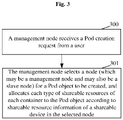
- a management node receives a Pod creation request from a user.
- the third module receives the Pod creation request from the user, and creates a Pod object according to the Pod creation request.
- the Pod creation request includes: requirements of each container for each type of shareable resources, wherein the requirements for each type of shareable resources include: the number of shareable resources; or the number of shareable resources and resource property requirements corresponding to the shareable resources.
- the resource property requirements include: a resource property value requested or an expression that the resource property value satisfies. For example, a certain resource property value is 10, and a resource property value requested is 6. For another example, the resource property value is required to be greater than 10.
- the Pod creation request further includes: image information of containers, and basic information of the Pod, etc.
- the number of each type of shareable resources requested in the Pod creation request should be an integer.
- a unit, e.g., slice is not specified for the number of each type of shareable resources requested, the unit of the shareable resource requested is device by default and the device is processed according to an exclusive mode, and in this case, the unit of the number of each type of shareable resources requested needs to be converted into slice.
- a unit, e.g., slice is specified for the number of each type of shareable resources requested, the device is processed according to a sharing mode, and in this case, the number of each type of shareable resources requested can only be less than or equal to the maximum shareable number of one shareable device. That is to say, a device being used in both an exclusive mode and a sharing mode is not supported, for example, if a user requests for four slices, two slices cannot be allocated on each of two devices.
- the exclusive mode means that one device is exclusively used by one container, and the performance will not be impaired due to the introduction of the sharing mode into a system.
- the sharing mode means that one device is used concurrently by multiple containers.
- the Pod creation request includes the following information:
- the Pod creation request includes the following information:
- the Pod creation request includes the following information:
- the management node selects a node (which may be a management node and may also be a slave node) for a Pod object to be created, and allocates each type of shareable resources of each container to the Pod object according to shareable resource information of a shareable device in the selected node.
- a node which may be a management node and may also be a slave node
- the fourth module periodically acquires, from the third module, the Pod object to be created; selects, for the Pod object to be created, a node that has a device that satisfies the requirements of the requested shareable resources for each type of shareable resources requested; and allocates each type of shareable resources requested to the Pod object according to shareable resource information of a shareable device in the selected node.
- the selected node needs to be capable of allocating the requested shareable resources to all the containers requiring to be created, for example, the selected node at least needs to satisfy: for the requirements of each container in the Pod creation request for each type of shareable resources, there is a shareable device satisfying the requirements of shareable resources in the selected node.
- the selected node needs to be capable of allocating the requested shareable resources to all the containers requiring to be created, for example, the selected node at least needs to satisfy: for the requirements of each container in the Pod creation request for each type of shareable resources, there is a shareable device satisfying the requirements of shareable resources in the selected node.
- the shareable device satisfying the requirements of shareable resources includes a shareable device.
- the shareable device satisfies conditions that the shareable device includes allocated shareable resources and the number of shareable resources requested is less than or equal to a difference between the maximum shareable number of the shareable device and the number of the allocated shareable resources.
- the shareable device satisfies conditions that the shareable device includes allocated shareable resources, the number of shareable resources requested is less than or equal to a difference between the maximum shareable number of the shareable device and the number of the allocated shareable resources, and an amount of resource properties requested is less than or equal to a product of a ratio of the number of shareable resources requested to the maximum shareable number of the shareable device multiplied by the resource property value.
- the shareable device satisfies conditions that the shareable device includes allocated shareable resources, the number of shareable resources requested is less than or equal to a difference between the maximum shareable number of the shareable device and the number of the allocated resources, and an amount of resource properties satisfies an expression in resource property requirements.
- the shareable device satisfies conditions that the shareable device does not include allocated shareable resources and the number of shareable resources requested is less than or equal to the maximum shareable number of the shareable device.
- the shareable device satisfies conditions that the shareable device does not include allocated shareable resources, the number of shareable resources requested is less than or equal to the maximum shareable number of the shareable device, and an amount of shareable resource properties requested is less than or equal to a product of the ratio of the number of shareable resources requested to the maximum shareable number of the shareable device multiplied by the resource property value.
- the shareable device satisfies conditions that the shareable device does not include allocated shareable resources, the number of shareable resources requested is less than or equal to the maximum shareable number of the shareable device, and an amount of resource properties satisfies an expression in resource property requirements.
- allocating each type of shareable resources of each container to the Pod object according to shareable resource information of a shareable device in the selected node includes any one or more of the following:
- the first device includes a shareable device.
- the shareable device satisfies conditions that the shareable device includes allocated shareable resources and the number of shareable resources requested is less than or equal to a difference between the maximum shareable number of the shareable device and the number of the allocated shareable resources.
- the shareable device satisfies conditions that the shareable device includes allocated shareable resources, the number of shareable resources requested is less than or equal to a difference between the maximum shareable number of the shareable device and the number of the allocated shareable resources, and an amount of resource properties requested is less than or equal to a product of the ratio of the number of shareable resources requested to the maximum shareable number of the shareable device multiplied by the resource property value.
- the shareable device satisfies conditions that the shareable device includes allocated shareable resources, the number of shareable resources requested is less than or equal to a difference between the maximum shareable number of the shareable device and the number of the allocated shareable resources, and an amount of resource properties satisfies an expression in resource property requirements.
- the second device includes a shareable device.
- the shareable device satisfies conditions that the shareable device does not include allocated shareable resources and the number of shareable resources requested is less than or equal to the maximum shareable number of the shareable device.
- the shareable device satisfies conditions that the shareable device does not include allocated shareable resources, the number of shareable resources requested is less than or equal to the maximum shareable number of the shareable device, and an amount of resource properties requested is less than or equal to a product of a ratio of the number of shareable resources requested to the maximum shareable number of the shareable device multiplied by the resource property value.
- the shareable device satisfies conditions that the shareable device does not include allocated shareable resources, the number of shareable resources requested is less than or equal to the maximum shareable number of the shareable device, and an amount of resource properties satisfies an expression in resource property requirements.
- each type of shareable resources of each container is allocated to the Pod object, either the same type of shareable resources allocated to the same container belongs to the same shareable device, or multiple shareable devices are allocated to the same type of shareable resources of the same container and a shareable device which has allocated shareable resources is preferentially allocated.
- the method further includes the followings.
- the Pod object, the selected node and the allocated resources are bound, and the Pod object bound to the selected node and the allocated resources is stored.
- the allocated resources include: shareable resources, or shareable resources and non-shareable resources.
- the fourth module binds the Pod object, the selected node and the allocated resources, returns the Pod object bound to the selected node and the allocated resources to the third module, and the third module stores the Pod object bound to the selected node and the allocated resources.
- the operation of binding the Pod object, the selected node and the allocated resources refers to storing information of the selected node and information of the allocated resources in the Pod object.
- the method further includes the followings.
- the management node receives the shareable resource information of the shareable device reported by the slave node, and stores or updates the shareable resource information of the shareable device.
- the third module receives the shareable resource information of the shareable device reported by the second module, and stores or updates the shareable resource information of the shareable device.
- the shareable resource information includes: an ID of the shareable device, resource property information of the shareable device and a maximum shareable number of the shareable device.
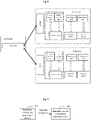
- This embodiment describes a method for hybrid scheduling of a GPU device in a hybrid mode on a Kubernetes platform.
- a Kubernetes cluster simultaneously receives a training job and an inference job (i.e., the described Pod object), adaptively allocates GPU resources according to a job request, and schedules different jobs for a GPU in an exclusive mode and a sharing mode respectively.
- a training job and an inference job i.e., the described Pod object
- Exemplary environment a Kubernetes cluster carrying a Ubuntu 16.04 system, including one management node and one slave node; and each node contains four GTX 1080Ti GPUs, CUDA driver version 9.0, and nvidia-docker is installed thereon.
- This architecture solution can increase the utilization of a GPU device to the greatest extent while satisfying multiple job types. Furthermore, the proportion of the exclusive mode and the proportion of the sharing mode can be adaptively adjusted according to the service condition of the system, for example, when the amount of services requiring shared resources is relatively large, the proportion of the GPU sharing mode is dynamically increased, thereby further increasing the utilization of the GPU device.
- Some other embodiments of the present invention provide a resource scheduling apparatus, including a processor and a computer-readable storage medium, wherein the computer-readable storage medium has instructions stored therein, and when the instructions are executed by the processor, any one of the described resource scheduling methods is implemented.
- Some other embodiments of the present invention provide a computer-readable storage medium which has computer programs stored therein, wherein when the computer programs are executed by a processor, operations of any one of the described resource scheduling methods are implemented.
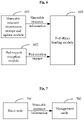
- some other embodiments of the present invention provide a resource scheduling apparatus, including: a shareable information acquisition module 501 (such as the described Device plugin) and a shareable resource information reporting module 502 (such as the described kubelet).
- a shareable information acquisition module 501 such as the described Device plugin
- a shareable resource information reporting module 502 such as the described kubelet
- the shareable information acquisition module 501 (such as the described Device plugin) is configured to acquire shareable information of each shareable device, wherein the shareable information includes: an ID of the shareable device, a maximum shareable number of the shareable device, and a device state and resource property information of the shareable device; and the device state includes: whether the shareable device is healthy and whether the shareable device is available.
- the shareable resource information reporting module 502 (such as the described kubelet) is configured to convert the shareable information into shareable resource information, and report the shareable resource information to a management node, wherein the shareable resource information of the device includes: the ID of the shareable device, the resource property information of the shareable device and the maximum shareable number of the shareable device.
- the shareable resource information reporting module 502 is further configured to: periodically acquire, from the management node, a Pod object which is bound to a slave node but is not started, and create a Pod according to allocated resources bound to the Pod object.
- the specific implementation process of the slave node in the embodiments of the present invention is the same as the specific implementation process of the resource scheduling method applied to a slave node in the described embodiments, and will not be repeated herein.
- some other embodiments of the present invention provide a resource scheduling apparatus, including: a Pod object creation module 602 (such as the described API Server) and a Pod object binding module 603 (such as the described Scheduler).
- a Pod object creation module 602 such as the described API Server
- a Pod object binding module 603 such as the described Scheduler
- the Pod object creation module 602 (such as the described API Server) is configured to receive a Pod creation request from a user, wherein the Pod creation request includes: requirements of each container for each type of shareable resources.
- the Pod object binding module 603 (such as the described Scheduler) is configured to select a node for a Pod object to be created, and allocate each type of shareable resources of each container to the Pod object according to shareable resource information of a shareable device in the selected node.
- the Pod object binding module 603 is further configured to: bind the Pod object, the selected node and allocated resources, and store the Pod object bound to the selected node and the allocated resources.
- the apparatus further includes a shareable resource information storage and update module 601 (such as the described API Server).
- a shareable resource information storage and update module 601 such as the described API Server.
- the shareable resource information storage and update module 601 (such as the described API Server) is configured to receive shareable resource information of a shareable device reported by a slave node, and store or update the shareable resource information of the shareable device, wherein the shareable resource information includes: an ID of the shareable device, resource property information of the shareable device and a maximum shareable number of the shareable device.
- the requirements for each type of shareable resources include: the number of shareable resources; or the number of shareable resources and resource property requirements corresponding to the shareable resources.
- the resource property requirements include: a resource property value requested or an expression that the resource property value satisfies.
- the Pod object binding module 603 is configured to allocate each type of shareable resources of each container to the Pod object according to shareable resource information of a shareable device in the selected node by using any one or more of the following modes:
- the first device includes a shareable device.
- the shareable device satisfies conditions that the shareable device includes allocated shareable resources and the number of shareable resources requested is less than or equal to a difference between the maximum shareable number of the shareable device and the number of the allocated shareable resources.
- the shareable device satisfies conditions that the shareable device includes allocated shareable resources, the number of shareable resources requested is less than or equal to a difference between the maximum shareable number of the shareable device and the number of the allocated shareable resources, and an amount of resource properties requested is less than or equal to a product of a ratio of the number of shareable resources requested to the maximum shareable number of the shareable device multiplied by the resource property value.
- the shareable device satisfies conditions that the shareable device includes allocated shareable resources, the number of shareable resources requested is less than or equal to a difference between the maximum shareable number of the shareable device and the number of the allocated shareable resources, and an amount of resource properties satisfies an expression in resource property requirements.
- the second device includes a shareable device.
- the shareable device satisfies conditions that the shareable device does not include allocated shareable resources and the number of shareable resources requested is less than or equal to the maximum shareable number of the shareable device.
- the shareable device satisfies conditions that the shareable device does not include allocated shareable resources, the number of shareable resources requested is less than or equal to the maximum shareable number of the shareable device, and an amount of resource properties requested is less than or equal to a product of a ratio of the number of shareable resources requested to the maximum shareable number of the shareable device multiplied by the resource property value.
- the shareable device satisfies conditions that the shareable device does not include allocated shareable resources, the number of shareable resources requested is less than or equal to the maximum shareable number of the shareable device, and an amount of resource properties satisfies an expression in resource property requirements.
- the specific implementation process of a management node in the embodiments of the present invention is the same as the specific implementation process of the resource scheduling method applied to a management node in the described embodiments, and will not be repeated herein.
- some other embodiments of the present invention provide a resource scheduling system, including a slave node 701 and a management node 702.
- the slave node 701 is configured to acquire shareable information of each shareable device, wherein the shareable information includes: an ID of the shareable device, a maximum shareable number of the shareable device, and a device state and resource property information of the shareable device; and the device state includes: whether the shareable device is healthy and whether the shareable device is available; and configured to convert the shareable information into shareable resource information, and report the shareable resource information to a management node, wherein the shareable resource information includes: the ID of the shareable device, the resource property information of the shareable device and the maximum shareable number of the shareable device.
- the management node 702 is configured to receive the shareable resource information of the shareable device reported by the slave node, and store or update the shareable resource information of the shareable device, wherein the shareable resource information includes: an ID of the shareable device, resource property information of the shareable device and a maximum shareable number of the shareable device; configured to receive a Pod creation request from a user, wherein the Pod creation request includes: requirements of each container for each type of shareable resources; and configured to select a node for a Pod object to be created, and allocate each type of shareable resources of each container to the Pod object according to shareable resource information of a shareable device in the selected node.
- slave node 701 and management node 702 are the same as the specific implementation processes in the described embodiments, and are not repeated herein.
- the functional modules/units in all or some of the operations, systems and apparatuses of the methods disclosed above can be implemented as software, firmware, hardware, and any suitable combination thereof.
- the division of functional modules/units mentioned in the description above does not necessarily correspond to the division of physical components; for example, one physical component may have multiple functions, or one function or operation may be performed cooperatively by several physical components.
- Some or all of the components may be implemented as software executed by a processor, such as a digital signal processor or a microprocessor, or implemented as hardware, or implemented as an integrated circuit, such as an application-specific integrated circuit.
- Such software may be distributed on a computer-readable medium which may include a computer storage medium (or non-transitory medium) and a communication medium (or transitory medium).
- a computer storage medium or non-transitory medium
- a communication medium or transitory medium
- computer storage medium includes transitory and non-transitory, removable and non-removable medium implemented in any method or technology for storing information (such as computer-readable instructions, data structures, program modules, or other data).
- the computer storage medium includes but is not limited to, RAM, ROM, EEPROM, flash memory or other memory technology, CD-ROM, digital versatile disk (DVD) or other optical disk storage, magnetic cassettes, magnetic tapes, magnetic disk storage or other magnetic storage apparatuses, or any other medium which can be used to store desired information and can be accessed by a computer.
- the communication medium typically includes computer-readable instructions, data structures, program modules, or other data in a modulated data signal such as a carrier or other transmission mechanisms, and may include any information delivery medium.
- a management node receives a Pod creation request from a user, wherein the Pod creation request includes: requirements of each container for each type of shareable resources; and the management node selects a node for a Pod object to be created, and allocates each type of shareable resources of each container to the Pod object according to shareable resource information of a shareable device in the selected node.
- the embodiments of the present invention introduce a mechanism for managing and scheduling shared resources, that is, a mechanism for managing and scheduling shared devices/resources is introduced into Kubernetes, which provides a good extension mechanism, facilitates the introduction of other shared devices (such as FPGA and TPU), and can increase the utilization of a device by multiplssse times.
- hybrid scheduling of an exclusive mode and a sharing mode of a shareable device in Kubernetes is supported, thereby improving the ease of use for users and reducing operation and maintenance costs.
Landscapes
- Engineering & Computer Science (AREA)
- Software Systems (AREA)
- Theoretical Computer Science (AREA)
- Physics & Mathematics (AREA)
- General Engineering & Computer Science (AREA)
- General Physics & Mathematics (AREA)
- Computer Networks & Wireless Communication (AREA)
- Signal Processing (AREA)
- Mathematical Physics (AREA)
- Information Retrieval, Db Structures And Fs Structures Therefor (AREA)
- Data Exchanges In Wide-Area Networks (AREA)
- Mobile Radio Communication Systems (AREA)
Abstract
Description
- The embodiments of the present invention relate to, but are not limited to, the field of computer application technology, and in particular, relate to a resource scheduling method, apparatus and system.
- Container technologies represented by Docker have been paid more and more attention, and become an important choice of Cloud-Native applications. Moreover, a mainstream cloud platform Kubernetes provides powerful Platform as a Service (PaaS) capabilities, such as orchestration and scheduling, scaling, and High Available (HA) guarantee of applications, and has become de facto standards of container scheduling platforms.
- Kubernetes supports management and scheduling of universal resources such as CPU, memory and storage while providing a good extension mechanism for extending management and scheduling of external devices or external resources (such as a graphics processing unit (GPU), a field programmable gate array (FPGA), and a tensor processing unit (TPU)). By developing specific device plugins by users or device manufacturers, scheduling of these devices on Kubernetes can be well supported. However, when performing resource scheduling, related mechanisms of Kubernetes can only perform scheduling by taking a device as a unit. Nevertheless, along with the increase of degree of integration, a single device can usually provide powerful processing capabilities. For example, regarding the use of a GPU, in certain scenarios (for example, artificial intelligence (AI) model inference), not all processing capabilities of a device are needed. Thus, in such scenarios, when an exclusive device is allocated to a single application, if the application cannot use all processing capabilities of the device, a huge waste of resources is caused.
- The embodiments of the present invention provide a resource scheduling method, apparatus and system, which can save resources and increase the resource utilization.
- The embodiments of the present invention provide a resource scheduling method, including the followings.
- A slave node acquires shareable information of each shareable device, wherein the shareable information includes: an identifier (ID) of the shareable device, a maximum shareable number of the shareable device, and a device state and resource property information of the shareable device; and the device state includes: whether the shareable device is healthy and whether the shareable device is available.
- The slave node converts the shareable information into shareable resource information, and reports the shareable resource information to a management node, wherein the shareable resource information of the device includes: the ID of the shareable device, the resource property information of the shareable device and the maximum shareable number of the shareable device.
- The embodiments of the present invention provide a resource scheduling method, including the followings.
- A management node receives a Pod creation request from a user, wherein the Pod creation request includes: requirements of each container for each type of shareable resources.
- The management node selects a node for a Pod object to be created, and allocates each type of shareable resources of each container to the Pod object according to shareable resource information of a shareable device in the selected node.
- The embodiments of the present invention provide a resource scheduling apparatus, including a processor and a computer-readable storage medium, wherein the computer-readable storage medium has instructions stored therein, and when the instructions are executed by the processor, any one of the described resource scheduling methods is implemented.
- The embodiments of the present invention provide a computer-readable storage medium which has computer programs stored therein, wherein when the computer programs are executed by a processor, operations of any one of the described resource scheduling methods are implemented.
- The embodiments of the present invention provide a resource scheduling apparatus, including a shareable information acquisition module and a shareable resource information reporting module.
- The shareable information acquisition module is configured to acquire shareable information of each shareable device, wherein the shareable information includes: an ID of the shareable device, a maximum shareable number of the shareable device, and a device state and resource property information of the shareable device; and the device state includes: whether the shareable device is healthy and whether the shareable device is available.
- The shareable resource information reporting module is configured to convert the shareable information into shareable resource information, and report the shareable resource information to a management node, wherein the shareable resource information includes: the ID of the shareable device, the resource property information of the shareable device and the maximum shareable number of the shareable device.
- The embodiments of the present invention provide a resource scheduling apparatus, including a Pod request receiving module and a Pod object binding module.
- The Pod request receiving module is configured to receive a Pod creation request from a user, wherein the Pod creation request includes: requirements of each container for each type of shareable resources.
- The Pod object binding module is configured to select a node for a Pod object to be created, and allocate each type of shareable resources of each container to the Pod object according to shareable resource information of a shareable device in the selected node.
- The embodiments of the present invention provide a resource scheduling system, including a slave node and a management node.
- The slave node is configured to acquire shareable information of each shareable device, wherein the shareable information includes: an ID of the shareable device, a maximum shareable number of the shareable device, and a device state and resource property information of the shareable device; and the device state includes: whether the shareable device is healthy and whether the shareable device is available; and configured to convert the shareable information into shareable resource information, and report the shareable resource information to a management node, wherein the shareable resource information includes: the ID of the shareable device, the resource property information of the shareable device and the maximum shareable number of the shareable device.
- The management node is configured to receive the shareable resource information of the shareable device reported by the slave node, and store or update the shareable resource information of the shareable device, wherein the shareable resource information includes: the ID of the shareable device, the resource property information of the shareable device and the maximum shareable number of the shareable device; configured to receive a Pod creation request from a user, wherein the Pod creation request includes: requirements of each container for each resource; and configured to select a node for a Pod object to be created, and allocate each type of shareable resources of each container to the Pod object according to the shareable resource information of the shareable device in the selected node.
- In the embodiments of the present invention, a management node receives a Pod creation request from a user, wherein the Pod creation request includes: requirements of each container for each type of shareable resources; and the management node selects a node for a Pod object to be created, and allocates each type of shareable resources of each container to the Pod object according to shareable resource information of a shareable device in the selected node. The embodiments of the present invention introduce a management and scheduling mechanism for shared resources, thereby saving resources and increasing the resource utilization.
- Additional features and advantages of the embodiments of the present invention will be set forth in the following description, and in part will be obvious from the description, or may be learned by implementing the embodiments of the present invention. The objectives and other advantages of the embodiments of the present invention can be achieved and obtained by the structures particularly pointed out in the description, claims and drawings.
- The drawings are used for providing further understanding of the technical solutions of embodiments of the present invention and constitute a part of the description, and are used for explaining the technical solutions of embodiments of the present invention together with the embodiments of the present invention, rather than constitute limitation on the technical solutions of embodiments of the present invention.
-
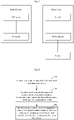
Fig. 1 is an architecture diagram of a system for managing and scheduling resources on the basis of Kubernetes in the related art; -
Fig. 2 is a flowchart of a resource scheduling method provided in some embodiments of the present invention; -
Fig. 3 is a flowchart of a resource scheduling method provided in some other embodiments of the present invention; -
Fig. 4 is a schematic diagram of coexistence of a sharing mode and an exclusive mode of resources of a device in examples of embodiments of the present invention; -
Fig. 5 is a schematic structural diagram of composition of a resource scheduling apparatus provided in some other embodiments of the present invention; -
Fig. 6 is a schematic structural diagram of composition of a resource scheduling apparatus provided in some other embodiments of the present invention; and -
Fig. 7 is a schematic structural diagram of composition of a resource scheduling system provided in some other embodiments of the present invention. - Hereinafter, the embodiments of the present invention will be described in detail with reference to the accompanying drawings. It is to be noted that embodiments and the features in the embodiments of the present invention can be combined with each other without conflicts.
- Operations shown in the flowcharts of the accompanying drawings can be executed in a computer system such as a set of computer-executable instructions. Moreover, although the logic sequences are shown in the flowcharts, in some cases, the shown or described operations can be executed in sequences different from those described herein.
-
Fig. 1 is an architecture diagram of a current system for managing and scheduling resources on the basis of Kubernetes. As shown inFig. 1 , the system includes: a management node (referred to as Kube-Master) and at least one slave node (referred to as Kube-Node). - The management node includes an application server (e.g., an Application Programming Interface (API) Server) and a scheduling program (referred to as Scheduler). Each slave node includes a node agent (referred to as kubelet) and a Device plugin. It should be noted that the API Sever and the Scheduler may be provided as independent node(s) (i.e., management node(s)), and may also be provided on the same node as the kubelet and the Device plugin. When a slave node provided with the kubelet and the Device plugin are simultaneously provided with the API Server and the Scheduler, the slave node becomes a management node.
- The following embodiments are described from the perspective of a management node and a slave node. However, the management node and the slave node may be the same node or may be different nodes.
- The Device plugin is configured to acquire device information and report the device information to the kubelet, wherein the device information includes: an ID of the device and a device state, and the device state includes: whether the device is healthy, whether the device is available, etc.
- The kubelet is configured to convert the device information into the number of available resources corresponding to each device, and report the number of available resources corresponding to each device to the API Server; and periodically acquire, from the API Server, a Pod object which is bound to the present node but is not started, invoke an Allocate interface of the Device Plugin according to allocated resource information in the Pod object so as to trigger loading of the device and acquire configuration information, and create a Pod according to the configuration information and the allocated resource information.
- The API Server is configured to store the number of available resources corresponding to each device and receive a Pod creation request from a user. The Pod creation request includes: image information of a container, the number of each type of resources requested (including CPU, memory, GPU, etc.) and basic information of the Pod, etc. The API Server is also configured to store the Pod object bound to the node and the available resources.
- The Scheduler is configured to periodically acquire, from the API Server, a Pod object to be created; select, for the Pod object, a node of which the number of each type of available resources is greater than or equal to the number of resources requested; allocate resources for the Pod object from the available resources; bind the Pod object, the selected node and the allocated resources, i.e. storing information of the selected node and information of the allocated resources in the Pod object; and return the Pod object bound to the node and the allocated resources to the API Server.
- In the following embodiments, description is made by taking the Device Plugin as a first module, the kubelet as a second module, the API Server as a third module, and the Scheduler as a fourth module.
- Referring to
Fig. 2 , some embodiments of the present invention provide a resource scheduling method, applied to a slave node, themethod including operations 200 to 201. - In
operation 200, a slave node acquires shareable information of each shareable device. - In some exemplary implementations, the first module acquires the shareable information of each shareable device, and reports the shareable information of the shareable device to the second module.
- In the embodiments of the present invention, the shareable information includes: an ID of the shareable device, a maximum shareable number of the shareable device, and a device state and resource property information of the shareable device.
- In some exemplary embodiments, the maximum shareable number refers to the number of all sub-resources obtained by segmenting the shareable device as a shareable resource, and the specific number of the sub-resources which are segmented may be preset.
- In some exemplary embodiments, the device state includes: whether the shareable device is healthy, whether the shareable device is available, etc.
- In the embodiments of the present invention, the shareable device refers to a device capable of supporting concurrent use of multiple containers in the device, such as a GPU and an FPGA.
- In the embodiments of the present invention, when the first module reports the shareable information to the second module, if there are multiple shareable devices, the shareable information corresponding to all the shareable devices may be reported to the second module at one time in the form of a list, or the shareable information corresponding to one shareable device may be reported at one time, or the shareable information corresponding to multiple shareable devices may be reported at one time.
- In some exemplary implementations, when reporting the shareable information corresponding to each shareable device, the shareable information may be reported in multiple modes. For example, the shareable information may be reported by using modes such as an object and a data structure.
- For example, when reporting in a json object mode, the reported json object is:
     Shareable Device {
        "ID": "1", # the ID of the device
        "max_share_num": 4, # the maximum shareable number
        "properties": {"memory": "16GB"}, # resource properties
        "health": "Healthy" # device state
     }
     type Resource struct {
         MilliCPU int64
         Memory int64
         EphemeralStorage int64
         ......
         // ScalarResources
         ScalarResources map [v1.ResourceName] int64
          //Newly-added ShareableResources field
         SharableResouces map[v1.ResourceName][]SharableResouce
     }
wherein MilliCPU is the number of CPU millicores, Memory is the memory size, EphemeralStorage is an ephemeral storage size, ScalarResources is the number of available resources, and SharableResouces is a list of shareable resource information of a shareable device.
     type SharableResouce struct{
     Id string
     Value int64 //the number of allocatable shareable resources
     Properties map[string][]int
     }
wherein Id is the ID of the shareable device, Value is the maximum shareable number of shareable devices, and Properties are resource property information.
     AllocateRequest [
     {
        "deviceID": 0,
        "value": 2
     }
     apiVersion: V1 # API version
     kind: Pod # resource type
     metadata: # metamessage
        name: share-demo # Pod name
     spec: # detailed description of pod
     container: # description of container
          - name: shared-container-1 # container name
             image: ai.kubernetes.io/inference:2.0 # image information used by a container
            resources: # description of resources
               limits: # resource limits
                  cpu: "1" # the number of CPUs used by a container is limited to be 1
                memory: "500Mi" # the size of memory used by a container is limited to be
 500Mb
                 # a yaml description mode of shared resources which is newly added in the
 embodiments of the present invention
     alpha.kubernetes.io/share-resource1: # shared resource name
        value: 2slice # applying for 2 slices of shareable resources
        <property_name>: 10 # applying for a certain property value no less than 10
     ... # the previous information remains unchanged
     resources:
               limits: # resource limits
                  cpu: "1" # the number of CPUs used by a container is limited to be 1
     memory: "500Mi" # the size of memory is limited to be 500Mb
     alpha.kubernetes.io/share-resource1: 2slice # applying for 2 slices of shareable resources
     ... # the previous information remains unchanged
            resources:
               limits: # resource limits
                  cpu: "1" # the number of CPUs used by a container is limited to be 1
                memory: "500Mi" # the size of memory is limited to be 500Mb
     alpha.kubernetes.io/share-resource1: 2 # applying for exclusively using two devices capable
 of sharing resources
- for each type of shareable resources of each container, in a case where the selected node has a shareable device including allocated shareable resources, resources in a first device are allocated to the Pod object; and
- for each type of shareable resources of each container, in a case where none of shareable devices in the selected node includes allocated shareable resources, resources in a second device are allocated to the Pod object.
- 1. A mechanism for managing and scheduling shared devices/resources is introduced into Kubernetes, which provides a good extension mechanism, facilitates the introduction of other shared devices (such as FPGA and TPU), and can increase the utilization of a device by multiple times; and
- 2. Hybrid scheduling of an exclusive mode and a sharing mode of a shareable device in Kubernetes is supported, thereby improving the ease of use for users and reducing operation and maintenance costs.
     # applying for two independent GPUs
     apiVersion: v1
     kind: Pod
     metadata:
        name: train-demo
     spec:
     container:
          - name: gpu-container-1
             image: ai.zte.io/train:2.0
            resources:
               limits:
     alpha.kubernetes.io/zte-gpu: 2
     # applying for 2 slices of GPUs
     apiVersion: v1
     kind: Pod
     metadata:
        name: inference-demo
     spec:
     container:
          - name: gpu-container-1
             image: ai.zte.io/inference:2.0
            resources:
               limits:
     alpha.kubernetes.io/zte-gpu: 2slice
periodically acquire, from the management node, a Pod object which is bound to a slave node but is not started, and create a Pod according to allocated resources bound to the Pod object.
- for each type of shareable resources of each container, in a case where the selected node has a shareable device including allocated shareable resources, shareable resources in a first device are allocated to the Pod object; and
- for each type of shareable resources of each container, in a case where none of shareable devices in the selected node includes allocated shareable resources, shareable resources in a second device are allocated to the Pod object.
Claims (12)
- A resource scheduling method, comprising:receiving, by a management node, a Pod creation request from a user, wherein the Pod creation request comprises: requirements of each container for each type of shareable resources; andselecting, by the management node, a node for a Pod object to be created, and allocating each type of shareable resources of each container to the Pod object according to shareable resource information of a shareable device in the selected node, wherein the shareable resource information comprises: an identifier, ID, of the shareable device, resource property information of the shareable device and a maximum shareable number of the shareable device.
- The method according to claim 1, further comprising:
receiving, by the management node, shareable resource information of a shareable device reported by a slave node, and storing or updating the shareable resource information of the shareable device. - The method according to claim 1, wherein the requirements for each type of shareable resources comprise: the number of shareable resources requested; or the number of shareable resources requested and resource property requirements corresponding to the shareable resources, wherein the resource property requirements comprise: a resource property value requested or an expression that the resource property value satisfies.
- The method according to claim 3, wherein allocating each type of shareable resources of each container to the Pod object according to shareable resource information of a shareable device in the selected node comprises any one or more of the following:for each type of shareable resources of each container, in a case where the selected node has a shareable device comprising allocated shareable resources, allocating shareable resources in a first device to the Pod object; andfor each type of shareable resources of each container, in a case where none of shareable devices in the selected node comprises allocated shareable resources, allocating shareable resources in a second device to the Pod object;wherein the first device comprises:a shareable device satisfying conditions that the shareable device comprises allocated shareable resources and the number of shareable resources requested is less than or equal to a difference between the maximum shareable number of the shareable device and the number of the allocated shareable resources;or a shareable device satisfying conditions that the shareable device comprises allocated shareable resources, the number of shareable resources requested is less than or equal to a difference between the maximum shareable number of the shareable device and the number of the allocated shareable resources, and an amount of resource properties requested is less than or equal to a product of a ratio of the number of shareable resources requested to the maximum shareable number of the shareable device multiplied by the resource property value;or a shareable device satisfying conditions that the shareable device comprises allocated shareable resources, the number of shareable resources requested is less than or equal to a difference between the maximum shareable number of the shareable device and the number of the allocated shareable resources, and an amount of resource properties satisfies the expression in the resource property requirements; andthe second device comprises:a shareable device satisfying conditions that the shareable device does not comprise allocated shareable resources and the number of shareable resources requested is less than or equal to the maximum shareable number of the shareable device;or a shareable device satisfying conditions that the shareable device does not comprise allocated shareable resources, the number of shareable resources requested is less than or equal to the maximum shareable number of the shareable device, and an amount of resource properties requested is less than or equal to a product of a ratio of the number of shareable resources requested to the maximum shareable number of the shareable device multiplied by the resource property value;or a shareable device satisfying conditions that the shareable device does not comprise allocated shareable resources, the number of shareable resources requested is less than or equal to the maximum shareable number of the shareable device, and an amount of resource properties satisfies the expression in the resource property requirements.
- A resource scheduling method, comprising:acquiring, by a slave node, shareable information of each shareable device, wherein the shareable information comprises: an identifier, ID, of the shareable device, a maximum shareable number of the shareable device, and a device state and resource property information of the shareable device; and the device state comprises: whether the shareable device is healthy and whether the shareable device is available; andconverting, by the slave node, the shareable information into shareable resource information, and reporting the shareable resource information to a management node, wherein the shareable resource information comprises: the ID of the shareable device, the resource property information of the shareable device and the maximum shareable number of the shareable device.
- A resource scheduling apparatus, comprising a processor and a computer-readable storage medium, wherein the computer-readable storage medium has instructions stored therein, and when the instructions are executed by the processor, the following operations are implemented:receiving a Pod creation request from a user, wherein the Pod creation request comprises: requirements of each container for each type of shareable resources; andselecting a node for a Pod object to be created, and allocating each type of shareable resources of each container to the Pod object according to shareable resource information of a shareable device in the selected node.
- A computer-readable storage medium, on which computer programs are stored, wherein when the computer programs are executed by a processor, the following operations are implemented:receiving a Pod creation request from a user, wherein the Pod creation request comprises: requirements of each container for each type of shareable resources; andselecting a node for a Pod object to be created, and allocating each type of shareable resources of each container to the Pod object according to shareable resource information of a shareable device in the selected node.
- A resource scheduling apparatus, comprising a processor and a computer-readable storage medium, wherein the computer-readable storage medium has instructions stored therein, and when the instructions are executed by the processor, the following operations are implemented:acquiring shareable information of each shareable device, wherein the shareable information comprises: an identifier, ID, of the shareable device, a maximum shareable number of the shareable device, and a device state and resource property information of the shareable device; and the device state comprises: whether the shareable device is healthy and whether the shareable device is available; andconverting the shareable information into shareable resource information, and reporting the shareable resource information to a management node, wherein the shareable resource information comprises: the ID of the shareable device, the resource property information of the shareable device and the maximum shareable number of the shareable device.
- A computer-readable storage medium, on which computer programs are stored, wherein when the computer programs are executed by a processor, the following operations are implemented:acquiring shareable information of each shareable device, wherein the shareable information comprises: an identifier, ID, of the shareable device, a maximum shareable number of the shareable device, and a device state and resource property information of the shareable device; and the device state comprises: whether the shareable device is healthy and whether the shareable device is available; andconverting the shareable information into shareable resource information, and reporting the shareable resource information to a management node, wherein the shareable resource information comprises: the ID of the shareable device, the resource property information of the shareable device and the maximum shareable number of the shareable device.
- A resource scheduling apparatus, comprising:a shareable information acquisition module, configured to acquire shareable information of each shareable device, wherein the shareable information comprises: an identifier, ID, of the shareable device, a maximum shareable number of the shareable device, and a device state and resource property information of the shareable device; and the device state comprises: whether the shareable device is healthy and whether the shareable device is available; anda shareable resource information reporting module, configured to convert the shareable information into shareable resource information, and report the shareable resource information to a management node, wherein the shareable resource information comprises: the ID of the shareable device, the resource property information of the shareable device and the maximum shareable number of the shareable device.
- A resource scheduling apparatus, comprising:a Pod request receiving module, configured to receive a Pod creation request from a user, wherein the Pod creation request comprises: requirements of each container for each type of shareable resources; anda Pod object binding module, configured to select a node for a Pod object to be created, and allocate each type of shareable resources of each container to the Pod object according to shareable resource information of a shareable device in the selected node.
- A resource scheduling system, comprising:a slave node, configured to acquire shareable information of each shareable device, wherein the shareable information comprises: an identifier, ID, of the shareable device, a maximum shareable number of the shareable device, and a device state and resource property information of the shareable device; and the device state comprises: whether the shareable device is healthy and whether the shareable device is available; and configured to convert the shareable information into shareable resource information, and report the shareable resource information to a management node, wherein the shareable resource information comprises: the ID of the shareable device, the resource property information of the shareable device and the maximum shareable number of the shareable device; andthe management node, configured to receive the shareable resource information of the shareable device reported by the slave node, and store or update the shareable resource information of the shareable device, wherein the shareable resource information comprises: the ID of the shareable device, the resource property information of the shareable device and the maximum shareable number of the shareable device; configured to receive a Pod creation request from a user, wherein the Pod creation request comprises the following description information: requirements of each container for each type of shareable resources; and configured to select a node for a Pod object to be created, and allocate each type of shareable resources of each container to the Pod object according to the shareable resource information of the shareable device in the selected node.
Applications Claiming Priority (2)
| Application Number | Priority Date | Filing Date | Title |
|---|---|---|---|
| CN201911192927.9A CN112866321B (en) | 2019-11-28 | 2019-11-28 | A resource scheduling method, device and system |
| PCT/CN2020/128420 WO2021104033A1 (en) | 2019-11-28 | 2020-11-12 | Resource scheduling method, apparatus and system |
Publications (3)
| Publication Number | Publication Date |
|---|---|
| EP4007232A1 true EP4007232A1 (en) | 2022-06-01 |
| EP4007232A4 EP4007232A4 (en) | 2022-11-30 |
| EP4007232B1 EP4007232B1 (en) | 2024-06-19 |
Family
ID=75995690
Family Applications (1)
| Application Number | Title | Priority Date | Filing Date |
|---|---|---|---|
| EP20891970.4A Active EP4007232B1 (en) | 2019-11-28 | 2020-11-12 | Resource scheduling method, apparatus and system |
Country Status (4)
| Country | Link |
|---|---|
| US (1) | US12236279B2 (en) |
| EP (1) | EP4007232B1 (en) |
| CN (1) | CN112866321B (en) |
| WO (1) | WO2021104033A1 (en) |
Families Citing this family (10)
| Publication number | Priority date | Publication date | Assignee | Title |
|---|---|---|---|---|
| US20220291956A1 (en) * | 2021-03-11 | 2022-09-15 | Nanjing University Of Posts And Telecommunications | Distributed container scheduling method and system based on shared gpus |
| EP4071613A1 (en) * | 2021-04-06 | 2022-10-12 | Bull SAS | High-performance calculating device with adaptable calculating power |
| CN114860536B (en) * | 2022-04-22 | 2025-05-06 | 郑州云海信息技术有限公司 | A GPU card monitoring method, monitoring system and related devices |
| CN114840344A (en) * | 2022-05-19 | 2022-08-02 | 银河麒麟软件(长沙)有限公司 | GPU equipment resource allocation method and system based on kubernetes |
| US20240004709A1 (en) * | 2022-06-30 | 2024-01-04 | Intel Corporation | Concept for Software Application Container Hardware Resource Allocation |
| US12101204B2 (en) * | 2022-09-09 | 2024-09-24 | Juniper Networks, Inc. | Network segmentation for container orchestration platforms |
| CN115658332A (en) * | 2022-12-28 | 2023-01-31 | 摩尔线程智能科技(北京)有限责任公司 | A GPU sharing method and device, electronic equipment and storage medium |
| CN117251286B (en) * | 2023-09-28 | 2024-11-29 | 中电云计算技术有限公司 | A method and device for dynamically allocating large pages for cloud native applications |
| CN119254716B (en) * | 2024-08-08 | 2025-11-18 | 浪潮通信信息系统有限公司 | Resource service activation methods, devices, electronic equipment, storage media and program products |
| CN119254539B (en) * | 2024-12-04 | 2025-06-13 | 中孚信息股份有限公司 | Application deployment isolation method, system and medium for container cloud scenarios |
Family Cites Families (24)
| Publication number | Priority date | Publication date | Assignee | Title |
|---|---|---|---|---|
| US10191778B1 (en) * | 2015-11-16 | 2019-01-29 | Turbonomic, Inc. | Systems, apparatus and methods for management of software containers |
| WO2014036717A1 (en) * | 2012-09-07 | 2014-03-13 | 运软网络科技(上海)有限公司 | Virtual resource object component |
| CN105677479B (en) * | 2015-12-30 | 2019-05-10 | 北京奇艺世纪科技有限公司 | The implementation method and device of parallel operation GPU operation program |
| US11775341B2 (en) * | 2016-02-05 | 2023-10-03 | Sas Institute Inc. | Automated job flow generation to provide object views in container-supported many task computing |
| WO2017152178A1 (en) * | 2016-03-04 | 2017-09-08 | Bladelogic, Inc. | Provisioning of containers for virtualized applications |
| US10303899B2 (en) * | 2016-08-11 | 2019-05-28 | Intel Corporation | Secure public cloud with protected guest-verified host control |
| US10579421B2 (en) * | 2016-08-29 | 2020-03-03 | TidalScale, Inc. | Dynamic scheduling of virtual processors in a distributed system |
| US20180167487A1 (en) * | 2016-12-13 | 2018-06-14 | Red Hat, Inc. | Container deployment scheduling with constant time rejection request filtering |
| US10684893B2 (en) * | 2017-02-25 | 2020-06-16 | Vmware, Inc. | Methods and apparatus to manage compute resources in a hyperconverged infrastructure computing environment |
| US10469616B2 (en) * | 2017-06-09 | 2019-11-05 | Red Hat, Inc. | Data driven bin packing implementation for data centers with variable node capabilities |
| US10419437B2 (en) * | 2017-06-30 | 2019-09-17 | Futurewei Technologies, Inc. | Quasi-agentless cloud resource management |
| CN109936604B (en) * | 2017-12-18 | 2022-07-26 | 北京图森智途科技有限公司 | Resource scheduling method, device and system |
| US10613961B2 (en) * | 2018-02-05 | 2020-04-07 | Red Hat, Inc. | Baselining for compute resource allocation |
| US10841336B2 (en) | 2018-05-21 | 2020-11-17 | International Business Machines Corporation | Selectively providing mutual transport layer security using alternative server names |
| CN109376009A (en) * | 2018-09-26 | 2019-02-22 | 郑州云海信息技术有限公司 | A method and device for sharing resources |
| US11169856B2 (en) * | 2019-01-31 | 2021-11-09 | Hewlett Packard Enterprise Development Lp | Container management |
| US11321130B2 (en) * | 2019-08-01 | 2022-05-03 | Kyndryl, Inc. | Container orchestration in decentralized network computing environments |
| CN110471766B (en) * | 2019-08-06 | 2022-12-30 | 北京华恒盛世科技有限公司 | GPU resource scheduling system and method based on CUDA |
| US11086681B2 (en) * | 2019-08-28 | 2021-08-10 | Red Hat, Inc. | Workflow resource management for cloud computing services |
| US20210072966A1 (en) * | 2019-09-05 | 2021-03-11 | International Business Machines Corporation | Method and system for service rolling-updating in a container orchestrator system |
| US11182196B2 (en) * | 2019-11-13 | 2021-11-23 | Vmware, Inc. | Unified resource management for containers and virtual machines |
| KR102154446B1 (en) * | 2019-11-14 | 2020-09-09 | 한국전자기술연구원 | Method for fast scheduling for resource balanced allocation on distributed and collaborative container platform environment |
| KR102172607B1 (en) * | 2019-11-15 | 2020-11-02 | 한국전자기술연구원 | Method for balanced scale-out of resource on distributed and collaborative container platform environment |
| CN112948050A (en) * | 2019-11-26 | 2021-06-11 | 西安华为技术有限公司 | Method and device for deploying pod |
-
2019
- 2019-11-28 CN CN201911192927.9A patent/CN112866321B/en active Active
-
2020
- 2020-11-12 EP EP20891970.4A patent/EP4007232B1/en active Active
- 2020-11-12 US US17/637,840 patent/US12236279B2/en active Active
- 2020-11-12 WO PCT/CN2020/128420 patent/WO2021104033A1/en not_active Ceased
Also Published As
| Publication number | Publication date |
|---|---|
| EP4007232A4 (en) | 2022-11-30 |
| CN112866321B (en) | 2024-06-18 |
| US12236279B2 (en) | 2025-02-25 |
| WO2021104033A1 (en) | 2021-06-03 |
| US20220283869A1 (en) | 2022-09-08 |
| CN112866321A (en) | 2021-05-28 |
| EP4007232B1 (en) | 2024-06-19 |
Similar Documents
| Publication | Publication Date | Title |
|---|---|---|
| EP4007232B1 (en) | Resource scheduling method, apparatus and system | |
| US11467864B2 (en) | Unified resource scheduling coordinator, method for creating a virtual machine and/or container, and unified resource scheduling system | |
| CN112463375B (en) | Data processing method and device | |
| US12299488B2 (en) | Method and apparatus for segmenting GPU resources into virtual processing resource types and allocating to different target tasks | |
| US11231955B1 (en) | Dynamically reallocating memory in an on-demand code execution system | |
| CN110351384B (en) | Big data platform resource management method, device, equipment and readable storage medium | |
| US9052932B2 (en) | Hybrid virtual machine configuration management | |
| JP2022550402A (en) | Network resource management method, system, network equipment and readable storage medium | |
| CN112905342B (en) | Resource scheduling method, device, equipment and computer readable storage medium | |
| CN113535332B (en) | Cluster resource scheduling method and device, computer equipment and storage medium | |
| CN110166507B (en) | Multi-resource scheduling method and device | |
| KR20180061299A (en) | Network function virtualization resource processing method and virtual network function manager | |
| US20220318656A1 (en) | Model parameter sharing between inference application instances in processing unit of information processing system | |
| CN107305505A (en) | The operation method and virtual platform of virtual platform | |
| CN113835897A (en) | Method for allocating and using GPU resources on distributed computing cluster Kubernets | |
| US20130332938A1 (en) | Non-Periodic Check-Pointing for Fine Granular Retry of Work in a Distributed Computing Environment | |
| US11567804B2 (en) | Computing resource allocation for virtual network functions | |
| CN113419839A (en) | Resource scheduling method and device for multi-type jobs, electronic equipment and storage medium | |
| CN111240824A (en) | CPU resource scheduling method and electronic equipment | |
| WO2021002961A1 (en) | Harvest virtual machine for utilizing cloud-computing resources | |
| CN108563509A (en) | Data query implementation method, device, medium and electronic equipment | |
| CN114546587A (en) | A method for expanding and shrinking capacity of online image recognition service and related device | |
| CN117591282A (en) | GPU-based resource allocation method, device, equipment and storage medium | |
| CN115964152A (en) | GPU resource scheduling method, equipment and storage medium | |
| CN111400021B (en) | Deep learning method, device and system |
Legal Events
| Date | Code | Title | Description |
|---|---|---|---|
| STAA | Information on the status of an ep patent application or granted ep patent |
Free format text: STATUS: THE INTERNATIONAL PUBLICATION HAS BEEN MADE |
|
| PUAI | Public reference made under article 153(3) epc to a published international application that has entered the european phase |
Free format text: ORIGINAL CODE: 0009012 |
|
| STAA | Information on the status of an ep patent application or granted ep patent |
Free format text: STATUS: REQUEST FOR EXAMINATION WAS MADE |
|
| 17P | Request for examination filed |
Effective date: 20220228 |
|
| AK | Designated contracting states |
Kind code of ref document: A1 Designated state(s): AL AT BE BG CH CY CZ DE DK EE ES FI FR GB GR HR HU IE IS IT LI LT LU LV MC MK MT NL NO PL PT RO RS SE SI SK SM TR |
|
| RIC1 | Information provided on ipc code assigned before grant |
Ipc: H04L 65/40 20220101ALI20220720BHEP Ipc: H04L 67/60 20220101ALI20220720BHEP Ipc: H04L 67/10 20220101AFI20220720BHEP |
|
| REG | Reference to a national code |
Ref country code: DE Ref legal event code: R079 Free format text: PREVIOUS MAIN CLASS: H04L0029080000 Ipc: H04L0067100000 Ref country code: DE Ref legal event code: R079 Ref document number: 602020032792 Country of ref document: DE Free format text: PREVIOUS MAIN CLASS: H04L0029080000 Ipc: H04L0067100000 |
|
| A4 | Supplementary search report drawn up and despatched |
Effective date: 20221027 |
|
| RIC1 | Information provided on ipc code assigned before grant |
Ipc: H04L 65/40 20220101ALI20221021BHEP Ipc: H04L 67/60 20220101ALI20221021BHEP Ipc: H04L 67/10 20220101AFI20221021BHEP |
|
| DAV | Request for validation of the european patent (deleted) | ||
| DAX | Request for extension of the european patent (deleted) | ||
| GRAP | Despatch of communication of intention to grant a patent |
Free format text: ORIGINAL CODE: EPIDOSNIGR1 |
|
| STAA | Information on the status of an ep patent application or granted ep patent |
Free format text: STATUS: GRANT OF PATENT IS INTENDED |
|
| INTG | Intention to grant announced |
Effective date: 20240212 |
|
| GRAS | Grant fee paid |
Free format text: ORIGINAL CODE: EPIDOSNIGR3 |
|
| GRAA | (expected) grant |
Free format text: ORIGINAL CODE: 0009210 |
|
| STAA | Information on the status of an ep patent application or granted ep patent |
Free format text: STATUS: THE PATENT HAS BEEN GRANTED |
|
| AK | Designated contracting states |
Kind code of ref document: B1 Designated state(s): AL AT BE BG CH CY CZ DE DK EE ES FI FR GB GR HR HU IE IS IT LI LT LU LV MC MK MT NL NO PL PT RO RS SE SI SK SM TR |
|
| REG | Reference to a national code |
Ref country code: GB Ref legal event code: FG4D |
|
| REG | Reference to a national code |
Ref country code: CH Ref legal event code: EP |
|
| REG | Reference to a national code |
Ref country code: DE Ref legal event code: R096 Ref document number: 602020032792 Country of ref document: DE |
|
| PG25 | Lapsed in a contracting state [announced via postgrant information from national office to epo] |
Ref country code: BG Free format text: LAPSE BECAUSE OF FAILURE TO SUBMIT A TRANSLATION OF THE DESCRIPTION OR TO PAY THE FEE WITHIN THE PRESCRIBED TIME-LIMIT Effective date: 20240619 |
|
| PG25 | Lapsed in a contracting state [announced via postgrant information from national office to epo] |
Ref country code: HR Free format text: LAPSE BECAUSE OF FAILURE TO SUBMIT A TRANSLATION OF THE DESCRIPTION OR TO PAY THE FEE WITHIN THE PRESCRIBED TIME-LIMIT Effective date: 20240619 Ref country code: FI Free format text: LAPSE BECAUSE OF FAILURE TO SUBMIT A TRANSLATION OF THE DESCRIPTION OR TO PAY THE FEE WITHIN THE PRESCRIBED TIME-LIMIT Effective date: 20240619 |
|
| REG | Reference to a national code |
Ref country code: LT Ref legal event code: MG9D |
|
| PG25 | Lapsed in a contracting state [announced via postgrant information from national office to epo] |
Ref country code: GR Free format text: LAPSE BECAUSE OF FAILURE TO SUBMIT A TRANSLATION OF THE DESCRIPTION OR TO PAY THE FEE WITHIN THE PRESCRIBED TIME-LIMIT Effective date: 20240920 |
|
| REG | Reference to a national code |
Ref country code: NL Ref legal event code: MP Effective date: 20240619 |
|
| PG25 | Lapsed in a contracting state [announced via postgrant information from national office to epo] |
Ref country code: LV Free format text: LAPSE BECAUSE OF FAILURE TO SUBMIT A TRANSLATION OF THE DESCRIPTION OR TO PAY THE FEE WITHIN THE PRESCRIBED TIME-LIMIT Effective date: 20240619 |
|
| PG25 | Lapsed in a contracting state [announced via postgrant information from national office to epo] |
Ref country code: NO Free format text: LAPSE BECAUSE OF FAILURE TO SUBMIT A TRANSLATION OF THE DESCRIPTION OR TO PAY THE FEE WITHIN THE PRESCRIBED TIME-LIMIT Effective date: 20240919 Ref country code: LV Free format text: LAPSE BECAUSE OF FAILURE TO SUBMIT A TRANSLATION OF THE DESCRIPTION OR TO PAY THE FEE WITHIN THE PRESCRIBED TIME-LIMIT Effective date: 20240619 Ref country code: HR Free format text: LAPSE BECAUSE OF FAILURE TO SUBMIT A TRANSLATION OF THE DESCRIPTION OR TO PAY THE FEE WITHIN THE PRESCRIBED TIME-LIMIT Effective date: 20240619 Ref country code: GR Free format text: LAPSE BECAUSE OF FAILURE TO SUBMIT A TRANSLATION OF THE DESCRIPTION OR TO PAY THE FEE WITHIN THE PRESCRIBED TIME-LIMIT Effective date: 20240920 Ref country code: FI Free format text: LAPSE BECAUSE OF FAILURE TO SUBMIT A TRANSLATION OF THE DESCRIPTION OR TO PAY THE FEE WITHIN THE PRESCRIBED TIME-LIMIT Effective date: 20240619 Ref country code: BG Free format text: LAPSE BECAUSE OF FAILURE TO SUBMIT A TRANSLATION OF THE DESCRIPTION OR TO PAY THE FEE WITHIN THE PRESCRIBED TIME-LIMIT Effective date: 20240619 Ref country code: RS Free format text: LAPSE BECAUSE OF FAILURE TO SUBMIT A TRANSLATION OF THE DESCRIPTION OR TO PAY THE FEE WITHIN THE PRESCRIBED TIME-LIMIT Effective date: 20240919 |
|
| PG25 | Lapsed in a contracting state [announced via postgrant information from national office to epo] |
Ref country code: NL Free format text: LAPSE BECAUSE OF FAILURE TO SUBMIT A TRANSLATION OF THE DESCRIPTION OR TO PAY THE FEE WITHIN THE PRESCRIBED TIME-LIMIT Effective date: 20240619 |
|
| REG | Reference to a national code |
Ref country code: AT Ref legal event code: MK05 Ref document number: 1696716 Country of ref document: AT Kind code of ref document: T Effective date: 20240619 |
|
| PG25 | Lapsed in a contracting state [announced via postgrant information from national office to epo] |
Ref country code: NL Free format text: LAPSE BECAUSE OF FAILURE TO SUBMIT A TRANSLATION OF THE DESCRIPTION OR TO PAY THE FEE WITHIN THE PRESCRIBED TIME-LIMIT Effective date: 20240619 |
|
| PG25 | Lapsed in a contracting state [announced via postgrant information from national office to epo] |
Ref country code: PT Free format text: LAPSE BECAUSE OF FAILURE TO SUBMIT A TRANSLATION OF THE DESCRIPTION OR TO PAY THE FEE WITHIN THE PRESCRIBED TIME-LIMIT Effective date: 20241021 |
|
| PG25 | Lapsed in a contracting state [announced via postgrant information from national office to epo] |
Ref country code: PT Free format text: LAPSE BECAUSE OF FAILURE TO SUBMIT A TRANSLATION OF THE DESCRIPTION OR TO PAY THE FEE WITHIN THE PRESCRIBED TIME-LIMIT Effective date: 20241021 |
|
| PG25 | Lapsed in a contracting state [announced via postgrant information from national office to epo] |
Ref country code: PL Free format text: LAPSE BECAUSE OF FAILURE TO SUBMIT A TRANSLATION OF THE DESCRIPTION OR TO PAY THE FEE WITHIN THE PRESCRIBED TIME-LIMIT Effective date: 20240619 |
|
| PG25 | Lapsed in a contracting state [announced via postgrant information from national office to epo] |
Ref country code: EE Free format text: LAPSE BECAUSE OF FAILURE TO SUBMIT A TRANSLATION OF THE DESCRIPTION OR TO PAY THE FEE WITHIN THE PRESCRIBED TIME-LIMIT Effective date: 20240619 |
|
| PG25 | Lapsed in a contracting state [announced via postgrant information from national office to epo] |
Ref country code: IS Free format text: LAPSE BECAUSE OF FAILURE TO SUBMIT A TRANSLATION OF THE DESCRIPTION OR TO PAY THE FEE WITHIN THE PRESCRIBED TIME-LIMIT Effective date: 20241019 Ref country code: AT Free format text: LAPSE BECAUSE OF FAILURE TO SUBMIT A TRANSLATION OF THE DESCRIPTION OR TO PAY THE FEE WITHIN THE PRESCRIBED TIME-LIMIT Effective date: 20240619 |
|
| PG25 | Lapsed in a contracting state [announced via postgrant information from national office to epo] |
Ref country code: CZ Free format text: LAPSE BECAUSE OF FAILURE TO SUBMIT A TRANSLATION OF THE DESCRIPTION OR TO PAY THE FEE WITHIN THE PRESCRIBED TIME-LIMIT Effective date: 20240619 |
|
| PG25 | Lapsed in a contracting state [announced via postgrant information from national office to epo] |
Ref country code: SK Free format text: LAPSE BECAUSE OF FAILURE TO SUBMIT A TRANSLATION OF THE DESCRIPTION OR TO PAY THE FEE WITHIN THE PRESCRIBED TIME-LIMIT Effective date: 20240619 Ref country code: RO Free format text: LAPSE BECAUSE OF FAILURE TO SUBMIT A TRANSLATION OF THE DESCRIPTION OR TO PAY THE FEE WITHIN THE PRESCRIBED TIME-LIMIT Effective date: 20240619 |
|
| PG25 | Lapsed in a contracting state [announced via postgrant information from national office to epo] |
Ref country code: SM Free format text: LAPSE BECAUSE OF FAILURE TO SUBMIT A TRANSLATION OF THE DESCRIPTION OR TO PAY THE FEE WITHIN THE PRESCRIBED TIME-LIMIT Effective date: 20240619 Ref country code: ES Free format text: LAPSE BECAUSE OF FAILURE TO SUBMIT A TRANSLATION OF THE DESCRIPTION OR TO PAY THE FEE WITHIN THE PRESCRIBED TIME-LIMIT Effective date: 20240619 |
|
| PG25 | Lapsed in a contracting state [announced via postgrant information from national office to epo] |
Ref country code: SM Free format text: LAPSE BECAUSE OF FAILURE TO SUBMIT A TRANSLATION OF THE DESCRIPTION OR TO PAY THE FEE WITHIN THE PRESCRIBED TIME-LIMIT Effective date: 20240619 Ref country code: SK Free format text: LAPSE BECAUSE OF FAILURE TO SUBMIT A TRANSLATION OF THE DESCRIPTION OR TO PAY THE FEE WITHIN THE PRESCRIBED TIME-LIMIT Effective date: 20240619 Ref country code: RO Free format text: LAPSE BECAUSE OF FAILURE TO SUBMIT A TRANSLATION OF THE DESCRIPTION OR TO PAY THE FEE WITHIN THE PRESCRIBED TIME-LIMIT Effective date: 20240619 Ref country code: PL Free format text: LAPSE BECAUSE OF FAILURE TO SUBMIT A TRANSLATION OF THE DESCRIPTION OR TO PAY THE FEE WITHIN THE PRESCRIBED TIME-LIMIT Effective date: 20240619 Ref country code: IS Free format text: LAPSE BECAUSE OF FAILURE TO SUBMIT A TRANSLATION OF THE DESCRIPTION OR TO PAY THE FEE WITHIN THE PRESCRIBED TIME-LIMIT Effective date: 20241019 Ref country code: ES Free format text: LAPSE BECAUSE OF FAILURE TO SUBMIT A TRANSLATION OF THE DESCRIPTION OR TO PAY THE FEE WITHIN THE PRESCRIBED TIME-LIMIT Effective date: 20240619 Ref country code: EE Free format text: LAPSE BECAUSE OF FAILURE TO SUBMIT A TRANSLATION OF THE DESCRIPTION OR TO PAY THE FEE WITHIN THE PRESCRIBED TIME-LIMIT Effective date: 20240619 Ref country code: CZ Free format text: LAPSE BECAUSE OF FAILURE TO SUBMIT A TRANSLATION OF THE DESCRIPTION OR TO PAY THE FEE WITHIN THE PRESCRIBED TIME-LIMIT Effective date: 20240619 Ref country code: AT Free format text: LAPSE BECAUSE OF FAILURE TO SUBMIT A TRANSLATION OF THE DESCRIPTION OR TO PAY THE FEE WITHIN THE PRESCRIBED TIME-LIMIT Effective date: 20240619 |
|
| PG25 | Lapsed in a contracting state [announced via postgrant information from national office to epo] |
Ref country code: IT Free format text: LAPSE BECAUSE OF FAILURE TO SUBMIT A TRANSLATION OF THE DESCRIPTION OR TO PAY THE FEE WITHIN THE PRESCRIBED TIME-LIMIT Effective date: 20240619 |
|
| REG | Reference to a national code |
Ref country code: DE Ref legal event code: R097 Ref document number: 602020032792 Country of ref document: DE |
|
| PG25 | Lapsed in a contracting state [announced via postgrant information from national office to epo] |
Ref country code: DK Free format text: LAPSE BECAUSE OF FAILURE TO SUBMIT A TRANSLATION OF THE DESCRIPTION OR TO PAY THE FEE WITHIN THE PRESCRIBED TIME-LIMIT Effective date: 20240619 |
|
| PLBE | No opposition filed within time limit |
Free format text: ORIGINAL CODE: 0009261 |
|
| STAA | Information on the status of an ep patent application or granted ep patent |
Free format text: STATUS: NO OPPOSITION FILED WITHIN TIME LIMIT |
|
| 26N | No opposition filed |
Effective date: 20250320 |
|
| REG | Reference to a national code |
Ref country code: CH Ref legal event code: PL |
|
| PG25 | Lapsed in a contracting state [announced via postgrant information from national office to epo] |
Ref country code: MC Free format text: LAPSE BECAUSE OF FAILURE TO SUBMIT A TRANSLATION OF THE DESCRIPTION OR TO PAY THE FEE WITHIN THE PRESCRIBED TIME-LIMIT Effective date: 20240619 |
|
| PG25 | Lapsed in a contracting state [announced via postgrant information from national office to epo] |
Ref country code: LU Free format text: LAPSE BECAUSE OF NON-PAYMENT OF DUE FEES Effective date: 20241112 |
|
| REG | Reference to a national code |
Ref country code: CH Ref legal event code: PL |
|
| PG25 | Lapsed in a contracting state [announced via postgrant information from national office to epo] |
Ref country code: CH Free format text: LAPSE BECAUSE OF NON-PAYMENT OF DUE FEES Effective date: 20241130 |
|
| REG | Reference to a national code |
Ref country code: BE Ref legal event code: MM Effective date: 20241130 |
|
| PG25 | Lapsed in a contracting state [announced via postgrant information from national office to epo] |
Ref country code: SE Free format text: LAPSE BECAUSE OF FAILURE TO SUBMIT A TRANSLATION OF THE DESCRIPTION OR TO PAY THE FEE WITHIN THE PRESCRIBED TIME-LIMIT Effective date: 20240619 |
|
| PG25 | Lapsed in a contracting state [announced via postgrant information from national office to epo] |
Ref country code: BE Free format text: LAPSE BECAUSE OF NON-PAYMENT OF DUE FEES Effective date: 20241130 |
|
| PG25 | Lapsed in a contracting state [announced via postgrant information from national office to epo] |
Ref country code: IE Free format text: LAPSE BECAUSE OF NON-PAYMENT OF DUE FEES Effective date: 20241112 |
|
| PGFP | Annual fee paid to national office [announced via postgrant information from national office to epo] |
Ref country code: DE Payment date: 20251119 Year of fee payment: 6 |
|
| PGFP | Annual fee paid to national office [announced via postgrant information from national office to epo] |
Ref country code: GB Payment date: 20251121 Year of fee payment: 6 |
|
| PGFP | Annual fee paid to national office [announced via postgrant information from national office to epo] |
Ref country code: FR Payment date: 20251126 Year of fee payment: 6 |
|
| PG25 | Lapsed in a contracting state [announced via postgrant information from national office to epo] |
Ref country code: HU Free format text: LAPSE BECAUSE OF FAILURE TO SUBMIT A TRANSLATION OF THE DESCRIPTION OR TO PAY THE FEE WITHIN THE PRESCRIBED TIME-LIMIT; INVALID AB INITIO Effective date: 20201112 |
|
| PG25 | Lapsed in a contracting state [announced via postgrant information from national office to epo] |
Ref country code: CY Free format text: LAPSE BECAUSE OF FAILURE TO SUBMIT A TRANSLATION OF THE DESCRIPTION OR TO PAY THE FEE WITHIN THE PRESCRIBED TIME-LIMIT; INVALID AB INITIO Effective date: 20201112 |