EP4011372A1 - Composition pharmaceutique pour traiter la fièvre porcine africaine, et son utilisation - Google Patents
Composition pharmaceutique pour traiter la fièvre porcine africaine, et son utilisation Download PDFInfo
- Publication number
- EP4011372A1 EP4011372A1 EP20850334.2A EP20850334A EP4011372A1 EP 4011372 A1 EP4011372 A1 EP 4011372A1 EP 20850334 A EP20850334 A EP 20850334A EP 4011372 A1 EP4011372 A1 EP 4011372A1
- Authority
- EP
- European Patent Office
- Prior art keywords
- composition
- group
- mice
- virus
- cells
- Prior art date
- Legal status (The legal status is an assumption and is not a legal conclusion. Google has not performed a legal analysis and makes no representation as to the accuracy of the status listed.)
- Pending
Links
Images



Classifications
-
- A—HUMAN NECESSITIES
- A61—MEDICAL OR VETERINARY SCIENCE; HYGIENE
- A61P—SPECIFIC THERAPEUTIC ACTIVITY OF CHEMICAL COMPOUNDS OR MEDICINAL PREPARATIONS
- A61P31/00—Antiinfectives, i.e. antibiotics, antiseptics, chemotherapeutics
- A61P31/04—Antibacterial agents
-
- A—HUMAN NECESSITIES
- A61—MEDICAL OR VETERINARY SCIENCE; HYGIENE
- A61K—PREPARATIONS FOR MEDICAL, DENTAL OR TOILETRY PURPOSES
- A61K31/00—Medicinal preparations containing organic active ingredients
- A61K31/70—Carbohydrates; Sugars; Derivatives thereof
- A61K31/7042—Compounds having saccharide radicals and heterocyclic rings
- A61K31/7052—Compounds having saccharide radicals and heterocyclic rings having nitrogen as a ring hetero atom, e.g. nucleosides, nucleotides
- A61K31/706—Compounds having saccharide radicals and heterocyclic rings having nitrogen as a ring hetero atom, e.g. nucleosides, nucleotides containing six-membered rings with nitrogen as a ring hetero atom
-
- A—HUMAN NECESSITIES
- A61—MEDICAL OR VETERINARY SCIENCE; HYGIENE
- A61K—PREPARATIONS FOR MEDICAL, DENTAL OR TOILETRY PURPOSES
- A61K31/00—Medicinal preparations containing organic active ingredients
- A61K31/185—Acids; Anhydrides, halides or salts thereof, e.g. sulfur acids, imidic, hydrazonic or hydroximic acids
- A61K31/19—Carboxylic acids, e.g. valproic acid
- A61K31/195—Carboxylic acids, e.g. valproic acid having an amino group
- A61K31/197—Carboxylic acids, e.g. valproic acid having an amino group the amino and the carboxyl groups being attached to the same acyclic carbon chain, e.g. gamma-aminobutyric acid [GABA], beta-alanine, epsilon-aminocaproic acid or pantothenic acid
- A61K31/198—Alpha-amino acids, e.g. alanine or edetic acid [EDTA]
-
- A—HUMAN NECESSITIES
- A61—MEDICAL OR VETERINARY SCIENCE; HYGIENE
- A61K—PREPARATIONS FOR MEDICAL, DENTAL OR TOILETRY PURPOSES
- A61K31/00—Medicinal preparations containing organic active ingredients
- A61K31/33—Heterocyclic compounds
- A61K31/335—Heterocyclic compounds having oxygen as the only ring hetero atom, e.g. fungichromin
- A61K31/365—Lactones
-
- A—HUMAN NECESSITIES
- A61—MEDICAL OR VETERINARY SCIENCE; HYGIENE
- A61K—PREPARATIONS FOR MEDICAL, DENTAL OR TOILETRY PURPOSES
- A61K31/00—Medicinal preparations containing organic active ingredients
- A61K31/33—Heterocyclic compounds
- A61K31/335—Heterocyclic compounds having oxygen as the only ring hetero atom, e.g. fungichromin
- A61K31/365—Lactones
- A61K31/375—Ascorbic acid, i.e. vitamin C; Salts thereof
-
- A—HUMAN NECESSITIES
- A61—MEDICAL OR VETERINARY SCIENCE; HYGIENE
- A61K—PREPARATIONS FOR MEDICAL, DENTAL OR TOILETRY PURPOSES
- A61K31/00—Medicinal preparations containing organic active ingredients
- A61K31/33—Heterocyclic compounds
- A61K31/395—Heterocyclic compounds having nitrogen as a ring hetero atom, e.g. guanethidine or rifamycins
- A61K31/495—Heterocyclic compounds having nitrogen as a ring hetero atom, e.g. guanethidine or rifamycins having six-membered rings with two or more nitrogen atoms as the only ring heteroatoms, e.g. piperazine or tetrazines
- A61K31/4985—Pyrazines or piperazines ortho- or peri-condensed with heterocyclic ring systems
-
- A—HUMAN NECESSITIES
- A61—MEDICAL OR VETERINARY SCIENCE; HYGIENE
- A61K—PREPARATIONS FOR MEDICAL, DENTAL OR TOILETRY PURPOSES
- A61K31/00—Medicinal preparations containing organic active ingredients
- A61K31/33—Heterocyclic compounds
- A61K31/395—Heterocyclic compounds having nitrogen as a ring hetero atom, e.g. guanethidine or rifamycins
- A61K31/495—Heterocyclic compounds having nitrogen as a ring hetero atom, e.g. guanethidine or rifamycins having six-membered rings with two or more nitrogen atoms as the only ring heteroatoms, e.g. piperazine or tetrazines
- A61K31/505—Pyrimidines; Hydrogenated pyrimidines, e.g. trimethoprim
- A61K31/519—Pyrimidines; Hydrogenated pyrimidines, e.g. trimethoprim ortho- or peri-condensed with heterocyclic rings
-
- A—HUMAN NECESSITIES
- A61—MEDICAL OR VETERINARY SCIENCE; HYGIENE
- A61K—PREPARATIONS FOR MEDICAL, DENTAL OR TOILETRY PURPOSES
- A61K45/00—Medicinal preparations containing active ingredients not provided for in groups A61K31/00 - A61K41/00
- A61K45/06—Mixtures of active ingredients without chemical characterisation, e.g. antiphlogistics and cardiaca
-
- A—HUMAN NECESSITIES
- A61—MEDICAL OR VETERINARY SCIENCE; HYGIENE
- A61P—SPECIFIC THERAPEUTIC ACTIVITY OF CHEMICAL COMPOUNDS OR MEDICINAL PREPARATIONS
- A61P31/00—Antiinfectives, i.e. antibiotics, antiseptics, chemotherapeutics
- A61P31/12—Antivirals
-
- A—HUMAN NECESSITIES
- A61—MEDICAL OR VETERINARY SCIENCE; HYGIENE
- A61P—SPECIFIC THERAPEUTIC ACTIVITY OF CHEMICAL COMPOUNDS OR MEDICINAL PREPARATIONS
- A61P31/00—Antiinfectives, i.e. antibiotics, antiseptics, chemotherapeutics
- A61P31/12—Antivirals
- A61P31/14—Antivirals for RNA viruses
-
- A—HUMAN NECESSITIES
- A61—MEDICAL OR VETERINARY SCIENCE; HYGIENE
- A61P—SPECIFIC THERAPEUTIC ACTIVITY OF CHEMICAL COMPOUNDS OR MEDICINAL PREPARATIONS
- A61P31/00—Antiinfectives, i.e. antibiotics, antiseptics, chemotherapeutics
- A61P31/12—Antivirals
- A61P31/14—Antivirals for RNA viruses
- A61P31/16—Antivirals for RNA viruses for influenza or rhinoviruses
-
- A—HUMAN NECESSITIES
- A61—MEDICAL OR VETERINARY SCIENCE; HYGIENE
- A61P—SPECIFIC THERAPEUTIC ACTIVITY OF CHEMICAL COMPOUNDS OR MEDICINAL PREPARATIONS
- A61P31/00—Antiinfectives, i.e. antibiotics, antiseptics, chemotherapeutics
- A61P31/12—Antivirals
- A61P31/20—Antivirals for DNA viruses
Definitions
- the present invention belongs to the field of medicine, and specifically relates to a pharmaceutical composition which can produce nitric oxide in an animal body, and can provide a safe and sufficient amount of nitric oxide for prevention and treatment of diseases.
- African swine fever is an acute, febrile, highly contact, and fatal animal infectious disease caused by African swine fever virus (ASFV).
- the main hosts of ASFV are domestic pigs of various breeds, African and Eurasian wild boars, Ornithodoros, etc. Among them, warthogs and bush pigs can both be infected, but they do not show clinical symptoms. Warthogs and other African wild boars and Ornithodoros are the hosts of ASFV. According to the virulence of ASFV, the clinical symptoms and infection process of ASF are significantly different, and the mortality of the most acute and acute infections is 100%.
- African swine fever There is no effective preventive vaccine or specific therapeutic drug for African swine fever.
- domestic pigs at all stages, wild boars and soft ticks are the natural hosts of African swine fever, which can be propagated directly between domestic pigs and wild boars, or through tick bites, and can also be propagated across countries and regions through virus-contaminated swill, feed and pork products such as cured dry ham.
- ASF is one of the most serious infectious diseases that harm pigs in the world and is the number one foreign animal disease that China focuses on preventing.
- influenza viruses are developing rapidly, and selective pressure of antibodies on seasonal influenza viruses promotes the emergence of escape mutants. These mutants can cause epidemics in communities immune to early strains, which is why seasonal flu vaccines need to be updated frequently.
- seasonal flu vaccines need to be updated frequently.
- the specificity of antibody response also laid a foundation for the emergence of a pandemic.
- influenza virus or coronavirus pandemics including, A(H1N1), A(H2N2), A(H3N2), A(H1N1), SARS new coronavirus and COVID-19, occurred in 1918, 1957, 1968, 2009, 2001 and 2020, respectively.
- T cells can mediate cross-protective immunity.
- T cells cannot prevent virus infections, but they can perceive infected cells by recognizing viral protein (epitope) fragments complexed with human leukocyte antigen (HLA) molecules on the surface of infected epithelial cells or antigen-presenting cells.
- HLA human leukocyte antigen
- T cells preferentially see epitopes derived from conserved internal proteins of the virus, cross-protective immunity has been attributed to pre-existing cytotoxic CD8+ T cells. These cells will kill the virus-infected cells presenting these conserved epitopes, reducing the time and severity of pandemic virus infection due to lack of antibody protection.
- African swine fever virus has a unique property that neutralizing antibodies are induced in pigs that will not recover from the infection, so as to further resist the recurrence of the virus.
- Non-neutralizing antibodies lead to the possible ADE (antibody-dependent enhancement) effect of African swine fever, that is, the antibodies not only do not prevent the virus infection, but also aggravate the virus infection and pathological processes of related diseases.
- the non-neutralizing antibodies lead to persistent antigen positive in pigs immunized with attenuated vaccines.
- SFV pA179 L Bcl-2 family proteins bind to and inhibit some BH3-only domain pro-apoptotic proteins.
- pA224 L IAP family proteins bind to and inhibit caspase 3 and activate NF-kB signaling, thereby increasing expression of anti-apoptotic genes (including cFLIP, cIAP2 and c-rel).
- the above mechanism causes the African swine fever virus to inhibit apoptosis of infected cells to ensure continued replication of the virus, but induce apoptosis of uninfected lymphocytes through TNF- ⁇ .
- the main feature of acute ASFV disease is massive apoptosis of B and T lymphocytes in lymphoid tissues and blood.
- treatment drugs for viruses in human mainly include two categories, namely M2 ion channel blockers and neuraminidase inhibitors.
- M2 ion channel blockers have overall virus resistance effects and nervous system side effects, which make their clinical use not ideal.
- the neuraminidase inhibitors can induce viruses, their effects are relatively weak.
- virus outbreaks such as avian influenza virus, African swine fever virus, and atypical pneumonia virus. The toxicological consequences of these viruses are very serious. For patients or sick animals, doctors cannot come up with good treatment methods.
- antiviral drugs are developed with new ideas.
- Use of the human immune system to treat virus infections is an important direction, especially for NO and immune-related drugs, in order to achieve a versatile antiviral effect.
- Nitric oxide is colorless and tasteless, soluble in water, alcohols, and fats.
- nitric oxide was just an ordinary and useless chemical gas. It was only known that nitric oxide existed in automobile exhaust and gaseous pollutants from certain chemical processes.
- endothelial cells produced a substance (called "an endothelium-derived relaxing factor”).
- the first experimental paper submitted by Ignarro in 1986 claimed that the endothelium-derived relaxing factor (EDRF) was nitric oxide.
- NO is reduced by Nicotinamide Adenine Dinucleotide Phosphate (NADPH) from L-arginine under the catalysis of nitric oxide synthase (NOS).
- the nitric oxide synthase can be divided into endothelial nitric oxide synthase (eNOS), inducible nitric oxide synthase (iNOS), and neural nitric oxide synthase (nNOS). They are respectively involved in the regulation of the cardiocerebral vascular system, immune regulation, and nervous system regulation in different tissue cells of a human body.
- NO involved in immunity can be produced by multiple immune cells (dendritic cells, NK cells, macrophages, eosinophils and neutrophils).
- iNOS a large amount of NO can be produced, which acts as the body's active defense mechanism.
- NO can inhibit virus replication, and related mechanisms include reducing palmitoylation of viral spike proteins, inhibiting viral proteases, and hindering viral protein and nucleic acid synthesis.
- Nitric oxide synthase is a dimer, which will uncouple under oxidizing conditions, resulting in the conversion of a reaction pathway originally synthesizing NO to production of O2-, NO3- (PON) and other reactive oxygen species (ROS). NO itself can also react with the ROS to produce reactive nitrogen species (RNS).
- a tolerable dose of PON also shows positive effects, for example, resisting the harm of viruses, germs, pathogens, cancer cells and the like to the human body.
- NO the star molecule in 1992, is actually everywhere in living bodies. NO is a messenger of the immune system and plays an important role in regulating blood flow, nerve conduction, and brain development. NO can kill germs, viruses, pathogens, and cancer cells, and is a very important part of non-specific immunity. Foreign microbes or abnormal cells killed by NO can release a large amount of antigen substances after autolysis, and initiate specific immunity. NO can also cause the body to release many cytokines such as interleukin, interferon, tumor necrosis factors (TNF), and colony stimulating factors (CSF), to regulate the immune response
- cytokines such as interleukin, interferon, tumor necrosis factors (TNF), and colony stimulating factors (CSF)
- PON peroxynitrite
- NO reacts with superoxide anions and other free radicals to form peroxynitrite (PON), which are extremely oxidative and has a special nitration ability.
- PON will cause inflammation and release cytokines affecting a pathological process.
- PON destroys protein functions through protein nitration, thereby breaking DNA strand, promoting virus variation, disrupting immune balance, awakening proto-oncogenes, and promoting cancer.
- NO is involved in immune regulation.
- Acute inflammation is a complex but highly coordinated sequence of events involving molecular, cellular and physiological changes. Among them, if a host's response to the infection is unregulated, and an abnormal immune response is further caused, the resulting syndrome of organ dysfunction is called sepsis.
- Studies on the treatment of sepsis reflect the advancement of people's understanding of pathophysiology and host-microbe interactions. In the early days, people mainly paid attention to microbes and pathogenicity thereof. In the 1980s, with implementation of molecular cloning and sequencing of human inflammatory genes, the study on sepsis focused more on a host's response to invading pathogens.
- sepsis is defined as an organ dysfunction which threatens the host's life due to imbalance of the host's response to infection.
- Clinical manifestations of sepsis include fever, accelerated breathing, changes in consciousness and low blood pressure, and are accompanied by symptoms related to sepsis such as pneumonia caused by lung infection, kidney infection, and urinary tract infection.
- Inflammation is a host's defense response to pathogen invasion. Therefore, clinically preferred treatment for removing pathogens is to use antibiotics or antiviral drugs to reduce external stimulation of pathogen antigens. Once virus infectious diseases develop to the stage of immune disorders, severe inflammation will occur. Some treatments to stop inflammation or anti-inflammation will reduce the number of macrophages in an inflamed area, and a decision to improve immunity or reduce immune response is often difficult to implement. Common anti-inflammatory drugs include non-steroidal anti-inflammatory drugs, glucocorticoids, etc. When severe inflammation occurs, glucocorticoids are often used clinically, but for sepsis, the use of cortisol has no substantial benefit.
- 5-methyltetrahydrofolic acid is the active form of folic acid in a human body, and it is not observed that 5-methyltetrahydrofolic acid has a direct antiviral effect.
- the direct link between folic acid and viruses is mainly folate receptor ⁇ (FR ⁇ ), which has been described as a factor which mediates viruses including Ebola into cells.
- FR ⁇ folate receptor ⁇
- 5-methyltetrahydrofolic acid has a direct antioxidant effect. It promotes the conversion of BH2 to BH4 through dihydrofolate reductase. It is well known that BH4 is an essential cofactor for eNOS. It has been proved that 5-methyltetrahydrofolic acid is beneficial to prevention and protection of cardiovascular diseases through promoting eNOS.
- 5-methyltetrahydrofolic acid is beneficial to prevention and protection of cardiovascular diseases through promoting eNOS.
- L-arginine is the precursor for endogenous synthesis of NO. Under the action of nitric oxide synthase, L-arginine will react to produce NO and L-citrulline. Although only a small part of L-arginine is metabolized in vivo in this way, in the case of acute inflammation, NO produced by iNOS of macrophages can greatly exceed a normal dose of the human body.
- L-arginine is a non-essential amino acid, and can be synthesized endogenously in the metabolic pathways of proline, glutamine or glutamate (in the process of systemic protein degradation). In the kidney, citrulline is converted into arginine through arginine succinate synthase and arginine succinate lyase.
- arginine is very important under different pathophysiological conditions.
- the present invention finds that 5-methyltetrahydrofolic acid at a "pharmacological" concentration has a physiological activity, which is different from that at a low concentration as a "nutrition support", and a composition containing 5-methyltetrahydrofolic acid has an effect of treating virus infections. It is further discovered that 5-methyltetrahydrofolic acid has therapeutic effects on different pathogens, including bacteria, fungi, etc.
- the present invention also finds that the activity of dehydroascorbic acid and nicotinamide mononucleotide (NMN) is similar to that of 5-methyltetrahydrofolic acid.
- the present invention provides the following technical solutions.
- the pharmaceutical composition of the present invention includes an NO toxicity decreasing agent and an optional NO extender.
- the NO toxicity decreasing agent is selected from antioxidant substances for scavenging peroxynitrous acid or salt thereof (PON) at a dose.
- PON peroxynitrous acid or salt thereof
- the toxicity decreasing agent does not inhibit expression of inducible nitric oxide synthase (iNOS) at a concentration of not less than 10 ⁇ mol/L, for example, does not inhibit expression of iNOS in macrophages induced by LSP.
- iNOS inducible nitric oxide synthase
- the NO toxicity decreasing agent of the present invention is selected from antioxidant substances, which do not affect activation of iNOS and selectively quench peroxynitrite.
- the NO toxicity decreasing agent is selected from one or more of the following substances: 5-methyltetrahydrofolic acid or salt thereof, dehydroascorbic acid, and NMN.
- the NO extender of the present invention is selected from enzyme-producing NO substrates, and the enzyme-producing NO substrates are selected from L-arginine or salt thereof, citrulline or salt thereof, or arginine activator additive.
- the pharmaceutical composition of the present invention includes 5-methyltetrahydrofolic acid or salt thereof and arginine or salt thereof. Further, the pharmaceutical composition may include phytohemagglutinin.
- a single dose of the 5-methyltetrahydrofolic acid is not less than 15 mg, and a single dose of the arginine is not less than 50 mg.
- the present invention further provides use of the pharmaceutical composition for preparing drugs for preventing or treating diseases caused by pathogenic microorganism infections.
- the pathogenic microorganism infection is virus infection.
- the pharmaceutical composition can increase the level of T cells in a virus-infected host, especially CD4 and CD8 T cells, and reduce expression of inflammatory factors, thereby being used for anti-viral infection.
- the virus is influenza virus, herpes virus, African swine fever virus, and coronavirus such as COVID-19.
- the present invention provides a pharmaceutical composition for preventing and treating swine fever, and the pharmaceutical composition includes an NO toxicity decreasing agent and an NO extender.
- the NO toxicity decreasing agent is selected from one or more of 5-methyltetrahydrofolic acid or salt thereof, dehydroascorbic acid, and NMN
- the NO extender is selected from one or more of arginine, citrulline or arginine activator additive.
- the composition for treating swine fever according to the present invention includes 5-methyltetrahydrofolic acid and arginine. Further, the composition may include phytohemagglutinin, and a mass ratio of the three is 2:8:1.
- the swine fever is African swine fever.
- the composition for treating swine fever of the present invention can increase the level of T cells in a virus-infected host, especially CD4 and CD8 T cells, reduce expression of inflammatory factors, and resist viral infection.
- a single dose of active components of the composition is at least 30 mg/kg, e.g., 50 mg/kg.
- the composition is used for preparing drugs for preventing and treating sepsis and systemic inflammatory response syndrome caused by infection.
- the pharmaceutical composition according to the present invention includes 5-methyltetrahydrofolic acid or salt thereof and vitamin C.
- a mass ratio of the 5-methyltetrahydrofolate calcium to the vitamin C is 2:1 to 5:1, e.g., 3:1, 4:1.
- the present invention further provides use of the pharmaceutical composition, for preparing drugs for treating systemic inflammatory response syndrome and sepsis caused by non-infectious factors.
- the sepsis is caused by Staphylococcus aureus , Streptococcus pneumoniae , Pseudomonas aeruginosa , and influenza virus infection.
- the pharmaceutical composition according to the present invention can be prepared from active components and pharmaceutically acceptable auxiliary materials, e.g., the pharmaceutical preparation is selected from tablets, capsules, granules, injections, topical ointments or sprays.
- the pharmaceutical composition according to the present invention is an immune adjuvant.
- a safe amount of nitric oxide means that the proportion of nitric oxide converted into toxic free radicals and RNS represented by peroxynitrous acid is controllable, and safety requirements in using nitric oxide to prevent and treat diseases can be met.
- These free radicals severely affect the metabolism of substances and energy in vivo, affect and even destroy the functions of cells and tissues, significantly increase the chance of gene mutations, and are also the cause of many diseases.
- composition of the present invention controls toxic free radicals and effectively increases the amount of nitric oxide produced to meet the requirements for preventing and treating diseases.
- the pharmaceutical composition capable of producing a safe amount of nitric oxide has use potential in treatment of various diseases.
- the composition of the present invention can promote proliferation and activation of T cells, increase the level of CD4 and CD8 cells in a host in the course of infection, block apoptosis of CD4 and CD8 T cells, significantly increase the survival rate of the host, and improve inflammatory response in the course of infection.
- the present invention administers a composition containing 5-methyltetrahydrofolic acid and arginine to mice infected with influenza virus, and obtains a large proportion of healing results with the course of disease significantly shortened.
- the main function of folic acid is a carbon transmitter, and folic acid participates in DNA methylation, synthesis of purine and thymine, and further synthesis of DNA and RNA.
- Viruses replicate in host cells in large amounts with the structure of DNA or RNA.
- An adequate supply of folic acid should be conducive to the replication and transmission of the virus.
- An experimental result is surprising.
- 5-methyltetrahydrofolic acid combined with a nitric oxide extender inhibited the virus.
- the present invention proposes use of the composition of 5-methyltetrahydrofolic acid and arginine in microbial infections, especially viral infections for the first time.
- iNOS is a key enzyme that produces NO in an immune system. It is known in the prior art that oxidation of iNOS will cause uncoupling of dimers, and a reaction pathway for producing NO is converted into a reaction pathway for producing free radicals and RNS.
- 5-methyltetrahydrofolic acid is an endogenous antioxidant, and can activate NADPH to achieve a good antioxidant effect and exert a direct antioxidant effect.
- the composition of the present invention can enable the body with pathogen infection to produce NO while avoiding production of free radicals unfavorable to the body, including reactive oxygen species (ROS) and reactive nitrogen species (RNS).
- ROS reactive oxygen species
- RNS reactive nitrogen species
- the present invention provides a method for producing sufficient nitric oxide in vivo.
- the composition of the present invention inhibits production of peroxynitrite without inhibiting but inducing increase in the activity of nitric oxide synthase, and further increases an enzyme-producing nitric oxide substrate arginine and precursors thereof, so that sufficient nitric oxide is produced in vivo.
- the concept of sufficient amount refers to the minimum dose of nitric oxide reaching or exceeding that required for preventing and treating diseases.
- the present invention provides a systematic solution for providing sufficient nitric oxide, which can be selected and optimized as required.
- a nitric oxide synthase inducer such as phytohemagglutinin
- PHA phytohemagglutinin
- Another objective of the present invention is to provide multiple uses of the safe nitric oxide composition.
- the active component in the composition of the present invention includes 5-methyltetrahydrofolic acid or salt thereof.
- the salt is selected from but not limited to calcium salt, arginine salt, glucosamine salt, and sodium salt.
- the amount of 5-methyltetrahydrofolic acid or salt thereof in a single dose of composition of the present invention is 15 mg or more, preferably 25 mg or more, and more preferably 50-1000 mg.
- the composition includes 5-methyltetrahydrofolic acid or salt thereof, or dehydroascorbic acid, or NMN, and arginine; and the amount of 5-methyltetrahydrofolic acid or salt thereof in a single dose of composition is 15 mg or more, preferably 25 mg or more, more preferably 50-1000 mg, and further more preferably 50-500 mg.
- the amount of arginine is 50-5000 mg, preferably 100-1000 mg.
- the composition includes 5-methyltetrahydrofolic acid or salt thereof, arginine and phytohemagglutinin (PHA).
- the amount of 5-methyltetrahydrofolic acid or salt thereof per unit dose of composition is 15 mg or more (equivalent to the amount of 5-methyltetrahydrofolic acid), preferably 25 mg or more, more preferably 50-1000 mg, and further more preferably 50-500 mg;
- the amount of arginine per unit dose of composition is 50-5000 mg, preferably 100-1000 mg;
- the amount of phytohemagglutinin per unit dose of composition is 10-500 mg, preferably 20-100 mg.
- the pharmaceutical preparation can be selected from tablets, capsules, granules, injections, topical ointments or gas preparations.
- NF- ⁇ B acts as a main switch of inflammation and is related to production of H 2 O 2 .
- NF- ⁇ B is regulated by redox.
- Most reducing agents or antioxidants have anti-inflammatory effects to some extent, inhibit the NF- ⁇ B pathway, and can inhibit expression of iNOS.
- LPS lipopolysaccharide
- antioxidants may cause down-regulation of iNOS.
- the present invention finds that the following antioxidants, namely 5-methyltetrahydrofolic acid, dehydroascorbic acid, and NMN, have unique properties, which do not reduce the expression of iNOS at a certain concentration, but have a better ability to scavenge peroxynitrite.
- the above antioxidants all have the ability to not reduce immune response after an antigen activates the immunity, especially not to negatively affect the expression of iNOS in the course of infection, and also reduce production of peroxynitrite.
- NO has an effect of inhibiting cell apoptosis. NO inhibits caspases-8, caspases-9 or caspases-3 through S-nitrosylation, while peroxynitrite promotes cell apoptosis through DNA damage and up-regulation of p53.
- NO has direct and indirect effects on infectious microorganisms. NO can directly destroy the enzyme structure of pathogenic microorganisms, especially [Fe-S] clusters. In virus infection, expression of NO can inhibit the enzyme activity of the virus and inhibit replication of the virus. Direct toxicity of NO, especially the extracellular antiviral activity, has been fully demonstrated, but indirect effect of NO on regulation of the immune function is much more complicated. Studies have proven that iNOS-deficient mice infected with influenza virus have almost no histopathological evidence of pneumonia. Therefore, the scholar believes that iNOS of a host may contribute more to pneumonia than virus replication [ Karupiah G, Chen JH, Mahalingam S, Nathan CF, MacMicking JD.
- exogenous NO inhibits proliferation of T lymphocytes
- exogenous NO that is, NO is not produced by T cells
- GSNOR S-nitrosoglutathione reductase
- 5-methyltetrahydrofolic acid at a concentration of 15.625 ⁇ m hardly affects secretion of NO in macrophages. More interestingly, when no LPS stimulation is provided, 5-methyltetrahydrofolic acid is found to promote the secretion of NO at a low concentration.
- Combined use of the NO toxicity decreasing agent and the NO extender selected in the present invention shows that the activity of CD4+ T cell proliferation after antigenic stimulation can be significantly increased.
- Existing studies have shown that virus clearance is mediated by antigen-specific CD8+ effector T cells, and memory CD4+ T cells play an important role in maintaining memory response of CD8+ T and B cells [ Stambas J, Guillonneau C, Kedzierska K, et al. Killer T cells in influenza[J]. Pharmacology & therapeutics, 2008, 120(2): 186-196 .].
- both CD4+ and CD8+ T cells are related to control of pneumonia, and limit excessive tissue damage through production of interleukin-10. Therefore, the pharmaceutical composition containing the NO toxicity decreasing agent and the NO extender of the present invention can be used in virus clearance and anti-inflammatory treatment.
- the composition of the present invention can significantly stimulate proliferation of T cells in the thymus and spleen of mice.
- the administration of the combination of arginine and 5-methyltetrahydrofolic acid can significantly increase proliferation of CD4 cells compared to addition of only arginine, which indicates that the composition can increase the proliferation ability of effector CD4+ T cells.
- the number of virus-specific memory CD4 + T cells can predict the severity of human infection with influenza virus, and the number of the virus-specific T cells is inversely proportional to the severity of disease.
- the composition of the present invention has a potential to treat influenza virus infection and can reduce the severity of disease. It has been known before that peroxynitrite affects immune response of cells. Studies have supported that peroxynitrite prevents the feedback ability of inhibiting inflammation and repairing, which can easily cause immune disorder of a host during infection.
- the used composition can not only improve the immunity of the host, but also maintain a negative feedback mechanism of inflammation, so that the host can defend against infection, especially viral infection.
- the pharmaceutical composition of the present invention has a subversive effect on the treatment of influenza: the composition takes effect quickly. According to the follow-up visit results of more than 40 trial users, influenza symptoms generally disappeared within 48 hours after the composition is taken. Although no double-blind controlled clinical trials are conducted, the related feedback results of trial use of the composition are also beyond expectations.
- the present invention verifies the anti-viral infection effect of the composition in an animal model, and the results show that the composition can protect the immune function of mice, alleviate the pathological state of an influenza virus infected lung, and alleviate lung tissue damage.
- the composition of 5-methyltetrahydrofolic acid and arginine can significantly reduce the level of inflammatory factors caused by infection, and significantly reduce the virus titer in lungs 5 days after infection, which suggests that the composition has a certain antiviral effect.
- the use of the composition can significantly increase the levels of CD4 + and CD8 + T cells in the spleen and thymus of infected mice, which suggests that although the composition reduces the inflammatory factors, it does not reduce the immunity of the host.
- the results of lung tissue sections show that the composition can reduce lung tissue damage and inflammation, and shows excellent curative effects in a host model for influenza viruses.
- the composition is used in treatment of pigs infected with African swine fever virus, excellent effects are achieved, and the survival rate of the pigs infected with African swine fever virus is significantly improved, which further proves the antiviral potential of the composition.
- the present invention finds that the composition of the present invention can significantly protect the survival of a host in a high-dose virus challenge experiment, which shows a certain potential for the treatment of sepsis.
- the present invention finds that 5-methyltetrahydrofolic acid can significantly reduce the mortality of LPS-induced sepsis mice, which suggests that 5-methyltetrahydrofolic acid may be beneficial to treatment of sepsis caused by severe allergies.
- the present invention finds that the composition of 5-methyltetrahydrofolic acid and arginine can significantly reduce the mortality of sepsis mice caused by infection with microorganisms (e.g., Staphylococcus aureus ). Sepsis is a highly fatal disease characterized by extensive apoptosis-induced depletion of immune cells and subsequent immunosuppression.
- the present invention finds that the composition of 5-methyltetrahydrofolic acid and arginine can significantly increase the survival rate of a host, and block apoptosis of CD4 and CD8 T cells, and the curative effects of the composition are proved in sepsis models caused by a variety of bacteria and viruses.
- the antioxidant used in the composition of the present invention has unique properties, can alleviate symptoms caused by pathogenic microorganism infection, and simultaneously increases the level of NO, so that an NO-mediated pathogen killing effect overcomes an oxidative stress mechanism triggered by NO.
- T cells do play an important role in cross protection.
- inactivated virus vaccines often protect against certain viruses by inducing specific antibodies, but have little effect on enhancing response of cross-protective T cells.
- the composition of the present invention has an effect of enhancing immune response.
- the use of the composition significantly increases the antibody level of an immunized animal inoculated with a rabies vaccine.
- the present invention makes use of the immune system of human and animals, which is a natural and powerful antiviral tool.
- African swine fever is a severe infectious disease, with a fatality rate of 95%-100%, to which the existing technology is completely useless.
- the present invention shows a clear curative effect, which shows that the anti-viral infection ability of the composition exceeds expectations.
- Oura, C. A L. In vivo depletion of CD8+ T lymphocytes abrogates protective immunity to African swine fever virus[J]. Journal of General Virology, 2005, 86(9):2445-2450 .] reported an attenuated virus isolate OUR/T88/3.
- the present invention proposes a concept of applying safe and sufficient amount of nitric oxide in anti-viral infection for the first time, and the used compositions synergistically exhibit a good effect.
- Some researchers even introduced a concept of "yin and yang balance" in Eastern civilization to express a double-edged sword-like role of various target mechanisms [ Burke A J, Sullivan F J, Giles F J, et al. The yin and yang of nitric oxide in cancer progression[J].
- composition of the present invention from the overall perspective of immunity achieves very significant technical effects: 1. significantly increasing the level of immune cells in a host, or preventing apoptosis of the immune cells; 2. effectively reducing inflammatory factors and alleviating inflammatory damage; 3. regulating the immune function for antivirus to make the host better resist secondary infection; and 4. being favorable in safety of components in the composition.
- the salt in the present invention refers to a pharmaceutically acceptable salt.
- mice were anesthetized with 150 ⁇ l of 5% chloral hydrate injected intraperitoneally, and the mice were infected with PR8 influenza virus (1 ⁇ 10 6 pfu/mouse) by nasal drip.
- 5-methyltetrahydrofolate calcium was prepared with distilled water to a concentration of 6 mg/ml, administered as per 200 ⁇ l/mouse, that was, 1.2 mg/mouse, by gavage 32 hours after the infection in this experiment.
- Body weight, body temperature, water intake, and food intake were measured starting on the day of infection.
- the body weight, food intake and water intake of mice were measured once a day at a fixed time.
- the body temperature was measured twice a day within 3 days after infection at an interval of 12 hours, and starting from day 4 after infection, measured once a day at a fixed time.
- the experiment lasted to day 15 after infection, and at that time, the body weight of the mice basically recovered.
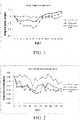
- the body weight change curve of each group is shown in FIG. 1
- the body temperature change curve is shown in FIG. 2
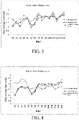
- the food intake change curve is shown in FIG. 3
- the water intake change curve is shown in FIG. 4
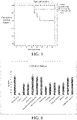
- the survival curve is shown in FIG. 5 . From the figures, the condition of the administration group was greatly improved.
- the ordinates in FIGs. 1-4 are relative ratios based on values as 1 on the first day.
- Mouse macrophages RAW264.7 were cultured in a Dulbecco's modified Eagle medium (DMEM) high glucose medium containing 10% FBS in a 37°C, 5% CO2 incubator.
- DMEM Dulbecco's modified Eagle medium
- the cell density was adjusted to 5 ⁇ 10 4 cell/mL, and 100 ⁇ L of cell suspension was added per well of a 96-well plate, and cultured in a CO2 incubator for 24 h.
- the level of iNOS protein in macrophages was determined by ELISA using an anti-human iNOS polyclonal antibody (Stressgen). The number of macrophages was determined by using an automatic flow cytometer.
- the results are shown in FIG. 6 .
- the results show that 5-methyltetrahydrofolic acid, glutathione, NMN, and tetrahydrobiopterin did not affect expression of iNOS at the concentration of 10 ⁇ mol/L.
- 3-morpholino-sydnonimine (SIN-1) as a peroxynitrite donor was added to 15 test tubes at a concentration of 1 ⁇ mol/L.
- 5-methyltetrahydrofolate calcium was added to test tubes containing the SIN-1 solution to the final concentrations of 1 ⁇ mol/L, 10 ⁇ mol/L, and 100 ⁇ mol/L respectively;
- dehydroascorbic acid was added to test tubes containing the SIN-1 solution to the final concentrations of 1 ⁇ mol/L, 10 ⁇ mol/L, and 100 ⁇ mol/L respectively;
- glutathione was added to test tubes containing the SIN-1 solution to the final concentrations of 1 ⁇ mol/L, 10 ⁇ mol/L, and 100 ⁇ m ⁇ l/L respectively;
- NMN was added to test tubes containing the SIN-1 solution to the final concentrations of 1 ⁇ mol/L, 10 ⁇ mol/L, and 100 ⁇ mol/L respectively;
- tetrahydrobiopterin was
- mice were sacrificed by cervical dislocation.
- the spleen and lymph nodes of the mice were aseptically separated and placed in a Hank's solution.
- CD4 T cells were purified from the spleen and lymph nodes of the mice using immune microspheres (CD4+ cell extraction kit; Miltenyi Biotec, USA).
- 4 ⁇ g/mL mouse CD3 monoclonal antibodies and 2 ⁇ g/mL anti-CD28 (Biolegend) were added to a 96-well plate, and DMEM (without L-arginine), trace penicillin, glycine, and 10% fetal bovine serum were added.
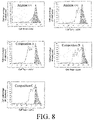
- Composition A group in a cell culture solution, 5-methyltetrahydrofolate calcium was added to a final concentration of 10 ⁇ mol/L, and arginine was added to a final concentration of 40 ⁇ mol/L;
- Composition B group in a cell culture solution, dehydroascorbic acid was added to a final concentration of 10 ⁇ mol/L, and arginine was added to a final concentration of 40 ⁇ mol/L;
- Composition C group in a cell culture solution, NMN was added to a final concentration of 10 ⁇ mol/L, and arginine was added to a final concentration of 40 ⁇ mol/L;
- Arginine group in a cell culture solution, arginine was added to a final concentration of 40 ⁇ mol/L; and Blank group: the initial cell culture solution (without L-arginine) was used.
- Purified T cells were stained with the Cell Violet Trace Proliferation kit (Invitrogen) and cultured for three days, and then analyzed by flow cytometry to determine proliferation.
- Cell Violet Trace Proliferation kit Invitrogen
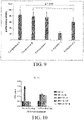
- results are shown in FIGs. 8 and 9 .
- the results show that the selected compositions could increase proliferation of stimulated CD4 cells to a certain extent, and showed an ability to improve the cellular immunity of an infected host.
- Prescribed GK301 capsules (folate 300 mg, L-arginine 100 mg) were administered by influenza patients, and the results are listed in Table 2.
- Table 2 Clinical analysis of influenza patients (disappearance time of symptoms, hours) Patient No. Headache Nasal stuffiness Running nose Sneezing Low fever Fatigue Dry and itchy throat Intolerance of cold and cold limbs Muscular soreness Inappetence Nausea Cough Sore throat Basic rehabilitation Complete rehabilitation B01 35 11 35 35 35 35 B02 15 18 15 18 41 18 41 B03 6.5 6.5 6.5 38 6.5 37.5 B04 9 9 9 9 9 B05 13 36 13 36 B06 11 11 11 11 11 B07 13 13 13 13 84 13 84 B08 13 24 13 13 13 48 13 48 B09 15 15 15 15 15 15 15 15 B10 9 9 9 9 9 9 B11 16 22 36 60 36 60 B12 9 9 9 9 9 9 9 9 9 9 B13 9 9 9 9 19 9 9 9 33 19 33 B14 9 9 9 9 9 B15 12 12 12 12 12 12 12 12
- NO secretion rate (OD sample well-OD blank well)/(OD normal well-OD blank well) ⁇ 100%, and the NO secretion amount was calculated according to a standard curve.
- mice 20 Balb/c mice (5 in each group), female, 6 weeks old, 15-17 g, purchased from Vital River Laboratory Animal Co., Ltd.
- a drug was dissolved with deionized water, prepared and used within 30 minutes.
- the low-dose group and the high-dose group were administered by gavage.
- the model group was only modeled but not administered, and given an equal volume of deionized water.
- the blank control group was given an equal volume of deionized water. All groups were administered once.
- mice were anesthetized with 150 ⁇ l of 5% chloral hydrate injected intraperitoneally, and the mice were infected with PR8 influenza virus (1 ⁇ 10 6 pfu/mouse) by nasal drip.
- mice The body weight of the mice was measured on the day of infection, and the body weight of the mice was measured once a day at a fixed time. 3 days after infection, 100 ⁇ l of venous blood was taken from the orbit, and serum was prepared and frozen. Mice were sacrificed 5 days after infection, and the lungs, the thymus, the spleen and peripheral blood were collected.
- Serum Serum was prepared, part of which was tested for cytokines (external test), and the rest was frozen.
- the lung tissue was divided into 2 parts, one part (the right lung lobe) was used to determine the virus titer, and the other part (the upper tip of the left lung lobe) was fixed, paraffin-embedded, sectioned and HE stained.
- the spleen and thymus were subjected to weighing, photographing, cell counting and immune cell staining.
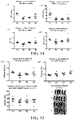
- Body weight changes The body weight was measured every day. Sample keeping: The serum sample on day 5 was used to detect inflammatory factors (detected using Biolegend's LEGENDplex Mouse Inflammation Panel, external test). The lungs were used to measure the virus titer, make pathological sections of lung tissue, and detect changes in inflammatory factors in the lung tissue. The thymus was subjected to weighing, photographing, total thymus cell counting, and lymphocyte staining (CD4 + , CD8 + T cells).
- the spleen was subjected to weighing, photographing, total splenic cell counting, and splenic lymphocyte staining analysis (surface staining, B cells, CD4 + T cells, CD8 + T cells, NK cells, NKT cells, monocytes, macrophages, dendritic cells, and neutrophils).
- the results show that after infection with influenza virus, except the normal control group, in the other groups, the number of spleen lymphocytes of the mice decreased, and the thymuses were shrunk.
- the thymus changes of the high-dose group were smaller.
- the spleen and thymus are both immune organs and are related to the immune function of mice. Shrinkage of the thymus is one of the reasons for the weakened immune function, which suggests that the composition may help protect the immune organs and have a certain protective effect against the weakened immunity caused by viral infection.
- the model group and the treatment groups showed similar lymphocyte infiltration and changes in lung tissue structure.
- the high-dose treatment group had slightly less lung tissue damage than the model group, which suggests that the composition helped to reduce a pathological state of the lungs in the early stage of influenza virus infection and reduce lung tissue damage.
- mice 60 male Kunming mice weighing 14-18 g were used. Hela cells were attacked by HSV-1, and HSV-1 was cultured in the Hela cells for 48 hours. The virus was collected to determine the virus titer, and mice were inoculated with the virus with a mass fraction of 100TCID 50 10 -5 . Mice were divided into a control group, a model group, a normal saline treatment group, an acyclovir treatment group (10 mg/kg), and a composition treatment group (5-methyltetrahydrofolic acid 14 mg/kg, arginine 50 mg/kg, and phytohemagglutinin 7 mg/kg).
- control group was injected with 0.03 ml of sterile normal saline, and the model group and the treatment groups were injected with 0.03 ml of HSV-1 virus solution and then administered by gavage for 4 consecutive days. The death and other changes in each group were observed. After 7 days, 0.5 ml of blood was taken from the eyeballs, stored in a 35°C incubator for 2 h, and centrifuged at 1000 r/min for 5 min.
- the detection results of NO and 1L-1 ⁇ are as follows: Table 4 Number of deaths and mortality of different groups Groups n 48 h D4 D7 Mortality Control group 15 0 0 0 0 Model group 15 2 5 8 100% Acyclovir treatment group 15 0 4 5 60% Composition treatment group 15 2 4 1 33% Table 5 The levels of NO and 1L-1 ⁇ in the serum of mice in the control group, model group, acyclovir group and nitric oxide composition group ( x ⁇ s) Groups n NO ( ⁇ mol/L) 1L-1 ⁇ (mg/L) Control group 15 43.31 ⁇ 9.16 0.153 ⁇ 0.02 Model group 0 - - Acyclovir treatment group 6 79.21 ⁇ 6.23 0.264 ⁇ 0.01 Composition treatment group 10 94.11 ⁇ 9.31 0.172 ⁇ 0.03
- composition can significantly reduce the mortality of mice with herpes virus infection, increase the release of NO in mice in the infection process, and reduce the level of inflammatory factors.
- mice 6-8-week-old male C57 mice weighing 18-22 g were used. The general physiological index, body weight and food intake conditions of the mice were observed. The mice were adaptively fed for one week with standard pellet feed and free drinking water, under natural day and night lighting at a room temperature of 18-26°C and relative humidity of 40%-70%. LPS was purchased from sigma company, with an article number of L2880.
- mice 49 male C57 mice were divided into 7 groups, including 6 administration groups and 1 model group, 7 mice in each group.
- Each group was intraperitoneally injected with LPS as per 13 mg/kg (the dose was determined by a pre-experiment, because the 120-hour condition cannot be observed under an LPS dose of 20 mg/kg, to prolong the survival time of the model group, the pre-experiment confirmed that the dose is 13 mg/kg).
- mice in groups C and D showed signs of trembling and obvious listlessness.
- Groups E and F were in the best condition, followed by groups A and B. No animals died in all groups after 144 h.
- SPF-grade Kunming mice weighing about 20 g were used. A single colony of Staphylococcus aureus was inoculated into a culture solution, and shaking was performed for culture overnight at 37°C. The bacterial solution was collected and centrifuged at 4000 rpm for 3 min, and the precipitate was collected and washed twice with sterile normal saline. The bacterial solution was about 5 ⁇ 10 9 CFU/ml (pre-experiments showed that intraperitoneal injection of 2 ml of bacterial solution had a 7-day mortality rate of 90% or above).
- mice were randomly divided into 5 groups, half male and half female, and grouped as follows:
- mice were administered according to the above dose three times (on day 0, day 2, and day 4), once every other day.
- Table 7 Treatment of Staphylococcus aureus -induced sepsis model Groups Death time Survival rate 0 1 2 3 4 5 6 7 Group A 3 4 2 10% Group B 3 2 1 2 1 10% Group C 2 1 2 1 2 2 0% Group D 1 2 1 1 2 1 1 10% Model group 2 2 1 2 1 1 1 0%
- 5-methyltetrahydrofolate calcium, arginine, and phytohemagglutinin were mixed in a ratio of 2:8:1 to obtain a composition of formula C.
- mice 120 healthy ICR mice weighing 18-24 g, half male and half female were used. Staphylococcus aureus and Streptococcus pneumoniae were used as the test bacteria, and the mice were randomly divided into a normal group, a model group, a low-dose composition group (40 mg/kg), a medium-dose composition group (80 mg/kg), a high-dose composition group (160 mg/kg), and an amoxicillin group (120 mg/kg) according to body weight. The above groups were administered intraperitoneally as per 20 ml/kg once a day.
- mice in the other groups were intraperitoneally injected with a Staphylococcus aureus solution (5 ⁇ 10 9 CFU/ml) as per 0.5 ml/mouse.
- Staphylococcus aureus solution 5 ⁇ 10 9 CFU/ml
- Streptococcus pneumoniae infection method and grouping were the same as those of Staphylococcus aureus
- the death of mice in each group within 4 days after injection of the bacterial solution was observed, the differences among the groups were compared, and the survival rate was calculated.
- the experimental results are as follows.
- the composition could significantly improve the survival rate of the host.
- an independent experiment was carried out. ICR mice were injected with 0.5 ml of Staphylococcus aureus solution (5 ⁇ 10 9 CFU/ml) respectively, among which 10 model mice were injected intraperitoneally with a composition solution of 5-methyltetrahydrofolic acid and arginine as per 20 mg/kg. 24 hours after modeling, the mice were sacrificed and spleens were collected. The spleens were subjected to total cell counting and splenic lymphocyte staining analysis (surface staining, B cells, CD4 + T cells, CD8 + T cells, and NK cells).
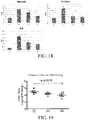
- the results are shown in FIG. 20 , and the results show that the composition could prevent apoptosis of CD4 and CD8 T cells in sepsis.
- sepsis induced apoptosis of all types of immune effector cells.
- 5-methyltetrahydrofolate calcium, arginine, and phytohemagglutinin were mixed in a ratio of 2:8:1, and after total mixing, a composition of formula C was prepared.
- mice weighing 18-22 g were divided into 6 groups with 8 mice in each group.
- 2 groups were experimental groups, and the rest were control groups, namely a low-dose composition group (40 mg/kg), a high-dose composition group (80 mg/kg), a normal group, a model group, a penicillin group (450 mg/kg), and a meropenem group (75 mg/kg) respectively.
- a bacterial solution of Pseudomonas aeruginosa was cultured by streaking on an LB solid medium, a typical colony was picked and inoculated into an ordinary LB liquid medium.
- mice in each experimental group and three control groups were intraperitoneally injected with a fatal dose of Pseudomonas aeruginosa solution at a dose of 500 ⁇ L/mouse.
- the medium-dose composition group and the high-dose composition group were administered with drugs by gavage
- the penicillin group and the meropenem group were also administered with drugs by gavage
- the normal group was administered with purified water by gavage.
- the BAL B/C male mice in each experimental group and control group were administered for the second time, and the drug type and dosage were the same as the administration for the first time.
- the BAL B/C male mice were observed every 24 h after administration, and their survival was recorded. All animals were sacrificed on the day 15.
- composition of formula C of the present invention could inhibit Gram-negative bacteria in animals and had a low toxicity.
- the composition of the present invention could maintain 100% survival of mice infected with the fatal dose of Pseudomonas aeruginosa in 14 days.
- the survival rate of mice in the meropenem group was 100% after 14 days, while all the mice in the penicillin group died, and all the mice in the model group died.
- FM1 toxic strains (at a concentration of 100. TICD 50 ) were purchased, passaged by the inventor's laboratory, and stored in a refrigerator at -80°C.
- test animals were all subjected to nasal drip infection with a 1000-fold dilution of the FM1 toxic strain, and the composition was divided into three dosage groups of high, medium and low.
- a preventive administration group was set up, and administered at a low dose once.
- a vitamin group was set up to compare with the middle-dose group.
- mice were infected with FM1 virus solutions of different concentrations by nasal drip as per 45 ⁇ l/mouse. There were 10 mice in each concentration group. The death of animals within 12 days after infection was observed, and the concentration of the virus solution that caused 80 ⁇ 5% of the death of mice was used as the infective concentration for the formal experiment. The results are shown in Table 9. Table 9 Determination of the concentration of a solution of influenza virus FM1 causing death in mice Concentration Number of animals Number of deaths Mortality (%) 250-fold diluent 10 10 100 500-fold diluent 10 9 90 1000-fold diluent 10 8 80
- the 1000-fold FM1 diluent was used in the formal experiment as per 45 ⁇ l/mouse by nasal drip infection.
- a total of 130 ICR mice were randomly divided into 7 groups according to body weight levels, namely, a normal control group, a model control group, high-, medium-, and low-dose composition groups, a composition preventive group, and a composition post-treatment group. Except 10 mice in the normal control group, 20 mice in each of the other groups were infected with H1N1 influenza virus by nasal drip as per 45 ⁇ l/mouse. After infection, each administration group was administered by gavage as per 0.1 ml/10 g.
- the normal control group was given the same volume of normal saline.
- the model control group was given the same volume of model saline.
- mice which survived the above influenza virus infection or survived after drug intervention will be subjected to a repeated infection experiment.
- the surviving mice were infected with the same kind of influenza virus once again, and the deaths within 7 days of reinfection were observed.
- the effects of different treatment groups on the mortality and death protection rate of mice reinfected with the influenza virus were compared. No drug intervention was conducted in each group in the repeated infection experiment.
- the preventive administration group also had a certain protective effect, which suggests that in addition to reduction of the mortality of mice caused by influenza virus, and better therapeutic and death protection effects on animals, preventive administration of the composition also showed a certain protective effect, and could prolong the survival time of mice.
- composition of formula A 5-methyltetrahydrofolate calcium and vitamin C were mixed at a mass ratio of 1:1, and after three-dimensional mixing and total mixing, the composition of formula A was prepared.
- Endotoxin preparation According to previous reports, the pyrogenic dose of endotoxin was determined to be 250 ng/ml/kg after a pre-experiment, and endotoxin was prepared with normal saline before the experiment.
- Each rabbit was injected with endotoxin from the ear vein.
- the rectal temperature was measured, and the rabbits were divided into groups equally according to changes in body temperature, namely, a model group, a positive drug group, and high- (40 mg/kg), medium- (20 mg/kg), and low- (10 mg/kg) dose groups of the pharmaceutical composition of formula A of the present invention.
- Each administration group was administered once by gavage as per 2 ml/kg, and the model group was given distilled water under the same conditions.
- the rectal temperature was measured 0.5 h, 1 h, 1.5 h, and 2 h respectively after administration.
- the experimental results are shown in Table 13.
- the international standard strain of mycoplasma pneumoniae (ATCCFH15531) was purchased from American Type Culture Collection.
- a composition of formula C was prepared in the laboratory. 5-methyltetrahydrofolate calcium, arginine, and phytohemagglutinin were mixed in a ratio of 2:8:1, and after total mixing, the composition of formula C was obtained.
- mice 50 BALB/C mice, half male and half female, weighing 16-20 g, were purchased from Guangdong Medical Experimental Animal Center.
- a positive drug group was administered with azithromycin dispersible tablets, produced by Harbin Pharmaceutical Group No. 6 Pharmaceutical Factory, with a batch number of 160303, and a specification of 0.25 g/tablet.
- mice were randomly divided into 5 groups, half male and half female, namely a normal control group, a model control group, a positive drug control group (40 mg/kg), a high-dose composition C group (80 mg/kg), and a low-dose composition C group (40 mg/kg). Except the normal control group, the mice in the other groups were anesthetized with ether, and were infected with 50 ⁇ L of mycoplasma pneumoniae (MP) bacterial solution with an infective concent of 10 6 CCU/ml by nasal drip for 3 consecutive days. After that, drugs were administered by gavage once a day for 10 consecutive days. 4 h after the last administration, blood was collected from the mice's eyeballs and the mice were sacrificed.
- MP mycoplasma pneumoniae
- the splenic index of the mice in the blank control group was significantly different, and the splenic index of the mice in each administration group was significantly different, which suggests that MP was killed in the body after the administration. Stimulation on immune organs was reduced and the splenic index was reduced.
- a nitric oxide composition of formula B was prepared by mixing 5-methyltetrahydrofolate calcium and arginine at a mass ratio of 1:4 to obtain the composition of formula B.
- the 30 mice, half male and half female, were divided into 3 groups with 10 mice in each group, namely a blank control group, a virus oral immunization group, and a formula B + virus oral immunization group.
- Corresponding vaccines were taken orally on days 1, 7, and 14 respectively, and blood was collected from the orbit as per 300 ⁇ L/mouse on days 0, 14, 21, 35, 42, and 70 after immunization. After standing for 1 h, the blood was centrifuged at 5000 r/min for 5 min, and serum was pipetted. Simultaneously, about 0.05 g of mouse feces was collected, put in 500 ⁇ L of PBS (with a pH value of about 7.4), and pulverized to form a turbid solution; the turbid solution was centrifuged to pipet the supernatant; and the supernatant was stored in a refrigerator at -20°C.
- PBS with a pH value of about 7.4
- Serum IgG antibodies were detected by an ELISA detection kit, and fecal IgA antibodies were detected by a mouse serum rabies-specific IgA antibody ELISA detection kit. The results are shown in the table below.
- Table 15 Serum anti-rabies-specific IgG levels (U/ml) detected at different times after initial immunization of mice in each group Groups 14 d 21 d 35 d 42 d 70 d Blank control group 73.00 ⁇ 53.26 73.42 ⁇ 55.73 71.13 ⁇ 52.73 79.73 ⁇ 51.72 75.32 ⁇ 54.61
- composition B could increase the level of IgG antibodies in the serum.
- the oral vaccine was combined with the composition B, there was a considerable degree of antibodies on day 14. 21 days after immunization, there were significant differences in antibodies among different groups.
- Table 16 Fecal SIgA levels (U/ml) detected at different times after initial immunization of mice in each group Groups 14 d 21 d 35 d 42 d 70 d Blank control group 1.63 ⁇ 0.01 0.74 ⁇ 0.08 0.22 ⁇ 0.08 0.32 ⁇ 0.08 0.92 ⁇ 0.09 Composition B + oral vaccine group 24.22 ⁇ 0.33 35.22 ⁇ 0.27 42.43 ⁇ 0.35 51.03+1.28 62.01+2.14 Oral vaccine group 20.35 ⁇ 0.24 31.25 ⁇ 0.16 35.35 ⁇ 0.4.4 43.21 ⁇ 0.56 47.53 ⁇ 0.41
- composition of formula B could improve the immunological competence of the vaccine.
- the rSRV9 virus oral attenuated vaccine could significantly increase antibody expression in mice, and had the actions of reducing the number of immunizations, and improving the immune effect.
- a case of African swine fever was confirmed by the China Animal Health and Epidemiology Research Center on a sample sent by Jiangsu Animal Disease Prevention and Control Center.
- the positive sample came from a farmer in Ganyu District, Lianyungang, Jiangsu province.
- the farmer had 300 live pigs, 130 cases of disease, and more than 120 deaths.
- the dead sick pigs were dissected, and pathological examination found pulmonary hemorrhage, interstitial pneumonia and other symptoms; spleen dissection revealed severe splenomegaly by 7 times; stomach dissection revealed diffuse hemorrhage on the gastric serosal surface; and kidney swelling was obvious, which was in line with the symptoms of African swine fever.
- composition injection of formula C 5-methyltetrahydrofolate calcium, L-arginine and phytohemagglutinin were mixed in a ratio of 2:8:1, and after total mixing, the composition of formula C was obtained.
- the composition of formula C was sterilized, dissolved in normal saline, filtered through a microfiltration membrane, adsorbed with activated carbon to remove a heat source, and then prepared into an injection.
- 18 pigs at the initial stage of disease were isolated, and harmless treatment of related feed, waste water and feces was conducted. The average body temperature of the sick pigs was 40°C. Some sick pigs had dermohemia and cyanosis, and had multiple bleeding or red spots on the ears and under the abdomen. All sick pigs did not eat normally and lost appetite. Blood tests of the sick pigs found that the level of white blood cells was lower than that of normal pigs.
- the 18 sick pigs were subjected to interventional treatment with the composition of formula C.
- Each pig was injected with an injection containing the composition of formula C every day at a dose of 50 mg/kg for 2 days, during which the body temperature of each pig was measured.
- results show that an unexpected effect was achieved on African swine fever pigs, which suggests that the composition of formula C has a very good antiviral effect.
- the results show that only one pig died within 7 days. Afterwards, due to policy requirements, all infected pigs were put to death, and other infected pigs of the farmer died 3-4 days after the onset of illness.
- the dead sick pigs were dissected, and it was found that the spleen of the dead sick pigs was severely swollen, and the spleen was congested and fragile; hemorrhage in the lungs, that was, massive hemorrhage in the lungs, were found, and the lung tissue was observed and identified as interstitial pneumonia; hemorrhage was also found in the stomach, with diffuse hemorrhage on the gastric serosal surface; and the kidneys were obviously swollen.
- the cured pigs were sacrificed and dissected to conduct pathological observation. It was found that the cured pigs had local hemorrhage in the lungs besides the slightly larger spleen. Blood was collected, allowed to stand for 1 h, and centrifuged at 5000 r/min for 5 min, and the serum was pipetted. The level of IgG antibodies was detected. A Krebs-HEPES buffer was added to the blood, and a resulting mixture was allowed to stand at 37°C for 30 min. L-NAME (100 ⁇ M) was added, and the contents of nitrite and NO were detected by photochemical methods.
- composition of the present invention can reduce death caused by malignant virus due to immune overexpression by reducing RNS, and maintain normal operation of the immune system to achieve the purpose of clearing the virus.
- the implementation effect of the composition of the present invention greatly exceeds expectations.
- Example 24 Effect of the composition on immune cells of domestic pigs 3 common domestic pigs, about 3 months old, weighing about 25 kg, were administered with a composition containing 5-methyltetrahydrofolic acid.
- a preparation process of the composition was as follows: 5-methyltetrahydrofolate calcium, L-arginine and phytohemagglutinin were mixed at a ratio of 1:4:0.1 to obtain a pharmaceutical composition.
- ear blood was collected for blood routine examination.
- the composition was taken orally as per 30 mg per kilogram of pig body weight every day, and ear blood was collected in the first week and the second week for blood routine examination.
- the main indexes of the blood routine examination are LYMP (lymphocytes) and NEUP (neutrophils).
- the blood routine examination indexes are as follows: Days D1 D9 D16 Pig blood routine examination LYMP NEUP LYMP NEUP LYMP NEUP W1 68.7 24.2 70.1 21.8 70.7 23.2 W2 49.0 46.7 69.5 22.2 66.3 20.9 W3 37.8 57.6 53.9 39.6 62.1 29.8
- a patient with a higher immune index LYMP/NEUP will have milder symptoms of virus infection.
- FIG. 21 it is shown that the composition could increase the LYMP/NEUP ratio and could limit the severity of symptoms of virus infection. To a certain extent, it is shown that the composition has a preventive effect on viruses.
Landscapes
- Health & Medical Sciences (AREA)
- Life Sciences & Earth Sciences (AREA)
- Chemical & Material Sciences (AREA)
- Medicinal Chemistry (AREA)
- Pharmacology & Pharmacy (AREA)
- Animal Behavior & Ethology (AREA)
- General Health & Medical Sciences (AREA)
- Public Health (AREA)
- Veterinary Medicine (AREA)
- Epidemiology (AREA)
- Virology (AREA)
- Molecular Biology (AREA)
- Organic Chemistry (AREA)
- General Chemical & Material Sciences (AREA)
- Nuclear Medicine, Radiotherapy & Molecular Imaging (AREA)
- Oncology (AREA)
- Communicable Diseases (AREA)
- Chemical Kinetics & Catalysis (AREA)
- Engineering & Computer Science (AREA)
- Biotechnology (AREA)
- Pulmonology (AREA)
- Acyclic And Carbocyclic Compounds In Medicinal Compositions (AREA)
- Pharmaceuticals Containing Other Organic And Inorganic Compounds (AREA)
- Medicines That Contain Protein Lipid Enzymes And Other Medicines (AREA)
- Medicinal Preparation (AREA)
- Medicines Containing Antibodies Or Antigens For Use As Internal Diagnostic Agents (AREA)
- Medicines Containing Plant Substances (AREA)
- Botany (AREA)
- Gastroenterology & Hepatology (AREA)
- Bioinformatics & Cheminformatics (AREA)
- Immunology (AREA)
- Proteomics, Peptides & Aminoacids (AREA)
Applications Claiming Priority (2)
| Application Number | Priority Date | Filing Date | Title |
|---|---|---|---|
| CN201910719544 | 2019-08-06 | ||
| PCT/CN2020/107411 WO2021023264A1 (fr) | 2019-08-06 | 2020-08-06 | Composition pharmaceutique pour traiter la fièvre porcine africaine, et son utilisation |
Publications (2)
| Publication Number | Publication Date |
|---|---|
| EP4011372A1 true EP4011372A1 (fr) | 2022-06-15 |
| EP4011372A4 EP4011372A4 (fr) | 2023-08-30 |
Family
ID=73500191
Family Applications (2)
| Application Number | Title | Priority Date | Filing Date |
|---|---|---|---|
| EP20850334.2A Pending EP4011372A4 (fr) | 2019-08-06 | 2020-08-06 | Composition pharmaceutique pour traiter la fièvre porcine africaine, et son utilisation |
| EP20850185.8A Pending EP4011371A4 (fr) | 2019-08-06 | 2020-08-06 | Composition pharmaceutique produisant une quantité sûre de monoxyde d'azote dans le corps et utilisation associée |
Family Applications After (1)
| Application Number | Title | Priority Date | Filing Date |
|---|---|---|---|
| EP20850185.8A Pending EP4011371A4 (fr) | 2019-08-06 | 2020-08-06 | Composition pharmaceutique produisant une quantité sûre de monoxyde d'azote dans le corps et utilisation associée |
Country Status (7)
| Country | Link |
|---|---|
| US (3) | US20220273686A1 (fr) |
| EP (2) | EP4011372A4 (fr) |
| JP (2) | JP7681000B2 (fr) |
| CN (2) | CN114340609B (fr) |
| AU (1) | AU2020324248A1 (fr) |
| BR (2) | BR112022002156A2 (fr) |
| WO (2) | WO2021023264A1 (fr) |
Families Citing this family (7)
| Publication number | Priority date | Publication date | Assignee | Title |
|---|---|---|---|---|
| US20220273686A1 (en) * | 2019-08-06 | 2022-09-01 | Lianyungang Jinkang Hexin Pharmaceutical Co., Ltd. | Pharmaceutical composition for producing safe amount of nitric oxide and use thereof |
| BR112022021454A2 (pt) * | 2020-04-23 | 2023-01-31 | Thirty Respiratory Ltd | Óxido nítrico ou composições liberadoras de óxido nítrico para uso no tratamento de sars-cov e sars-cov-2 |
| CN113018306A (zh) * | 2021-03-05 | 2021-06-25 | 中国人民解放军军事科学院军事医学研究院 | 烟酰胺单核苷酸在制备抑制SARS-CoV-2病毒易感性药物中的应用 |
| CN113197902A (zh) * | 2021-04-16 | 2021-08-03 | 连云港金康和信药业有限公司 | 6s-5-甲基四氢叶酸及其药学上可接受的盐用于增强免疫力的应用 |
| CN114469913B (zh) * | 2022-02-17 | 2024-03-22 | 中国农业科学院哈尔滨兽医研究所(中国动物卫生与流行病学中心哈尔滨分中心) | Tilorone用于预防/治疗非洲猪瘟病毒感染的应用 |
| CN118490687B (zh) * | 2024-05-11 | 2026-03-27 | 中国农业科学院兰州兽医研究所(中国动物卫生与流行病学中心兰州分中心) | 化合物r-7050用于预防或治疗非洲猪瘟的新用途 |
| CN119174772B (zh) * | 2024-11-26 | 2025-02-28 | 四川省医学科学院·四川省人民医院 | 果糖-1,6-二磷酸在制备防治单纯疱疹病毒1型感染药物中的应用 |
Family Cites Families (28)
| Publication number | Priority date | Publication date | Assignee | Title |
|---|---|---|---|---|
| GB9318611D0 (en) * | 1993-09-08 | 1993-10-27 | Sandoz Nutrition Ltd | Improvements in or relating to organic compounds |
| US6043268A (en) * | 1994-06-29 | 2000-03-28 | Hiroshi Maeda | Agent for treatment of viral infections |
| EP1671630A3 (fr) * | 1999-02-05 | 2007-05-09 | Angiogenix, Inc. | Formulations basées sur l-arginine pour le traitment des maladies et méthodes utilisants les memes |
| US6544994B2 (en) * | 2000-06-07 | 2003-04-08 | Eprov Ag | Pharmaceutical preparation for treating or preventing cardiovascular or neurological disorders by modulating of the activity of nitric oxide synthase |
| US6689810B2 (en) * | 2001-08-21 | 2004-02-10 | Cellular Sciences, Inc. | Method for treating pulmonary disease states in mammals by altering indigenous in vivo levels of nitric oxide |
| US8076373B2 (en) * | 2001-09-11 | 2011-12-13 | North Cell Pharmacetical | Method for treating mammalian diseases and injuries caused by the over-expression of peroxynitrite |
| CH696628A5 (de) * | 2002-02-26 | 2007-08-31 | Eprova Ag | Verwendung von Folaten zur Herstellung einer Zubereitung geeignet zur Vorbeugung und Behandlung von Entzündungen und entzündungsassoziierter Krankheiten, im Speziellen zur Beeinflussung der |
| US20080213403A1 (en) * | 2002-07-25 | 2008-09-04 | Alain Martin | Method for treating pulmonary disease states in mammals by altering indigenous in vivo levels of nitric oxide |
| US20090047340A1 (en) * | 2006-03-29 | 2009-02-19 | Guilford F Timothy | Liposomal reduced glutathione and 1-arginine, including with other ingredient(s), capable of multipath administration for reversal and prevention of obesity and for mitochondrial biogenesis |
| CN101116670B (zh) * | 2006-08-01 | 2010-11-10 | 广州和竺生物科技有限公司 | 可提供活性甲基或参与甲基转移的化合物作为制备治疗病毒性疾病的药的应用 |
| US20080064702A1 (en) * | 2006-09-08 | 2008-03-13 | Charalambos Antoniades | Use of folates for the prevention and treatment of vascular diseases |
| US9359411B2 (en) * | 2008-07-31 | 2016-06-07 | Maw Hsing Biotech Co., Ltd. | Yeast expressed classical swine fever virus glycoprotein E2 and use thereof |
| FI20095550A0 (fi) * | 2009-05-19 | 2009-05-19 | Bayer Schering Pharma Oy | Vaginaalinen antojärjestelmä |
| JP5838969B2 (ja) * | 2010-02-26 | 2016-01-06 | 味の素株式会社 | 低分子化合物とアルギニンとを含有するウイルス不活化用組成物 |
| US9216178B2 (en) * | 2011-11-02 | 2015-12-22 | Biomarin Pharmaceutical Inc. | Dry blend formulation of tetrahydrobiopterin |
| US20130129680A1 (en) * | 2011-11-23 | 2013-05-23 | Thomas Christian Lines | Method for treating hepatitis c virus infection using quercetin-containing compositions |
| EP2805952B1 (fr) * | 2012-01-20 | 2019-02-06 | Lianyungang Jinkang Hexin Pharmaceutical Co. Ltd. | Forme cristalline de sel (6s)-5-méthyltétrahydrofolate et procédé pour sa préparation |
| CN103053863B (zh) * | 2013-02-06 | 2013-10-02 | 韶关金苹果饲料有限公司 | 一种具有提高免疫力和除臭效果的猪用饲料添加剂 |
| EP2968306B1 (fr) * | 2013-03-15 | 2023-06-07 | Washington University | Administration de nicotinamide mononucléotide dans le traitement de la secheresse oculaire |
| WO2015148522A1 (fr) * | 2014-03-24 | 2015-10-01 | Seals Douglas R | Procédés de traitement de dysfonction endothéliale vasculaire à l'aide de mononucléotide de nicotinamide |
| CN104232564A (zh) * | 2014-05-12 | 2014-12-24 | 杭州国牧生物科技有限公司 | 一种st细胞制备猪瘟疫苗的培养基及其使用方法 |
| CN106135895A (zh) * | 2015-04-21 | 2016-11-23 | 淄博维克勋医药技术有限公司 | 一种营养补充剂 |
| WO2017123418A1 (fr) * | 2016-01-11 | 2017-07-20 | Synlogic, Inc. | Bactéries modifiées pour traiter des maladies métaboliques |
| BR112018015927A2 (pt) * | 2016-02-03 | 2018-12-26 | Quercegen Pharmaceuticals Llc | método para o tratamento da infecção pelo vírus zika com composições contendo quercetina |
| JP6641240B2 (ja) | 2016-06-27 | 2020-02-05 | オリエンタル酵母工業株式会社 | ナチュラルキラー細胞の活性化剤 |
| CN109350623A (zh) * | 2018-05-25 | 2019-02-19 | 泓博元生命科技(深圳)有限公司 | 包含nadh和神经酰胺的抗衰老组合物及其制剂和制备方法与应用 |
| CN108865995A (zh) * | 2018-08-16 | 2018-11-23 | 深圳市拓普生物科技有限公司 | 促进脾脏来源的cd8阳性t细胞增殖的诱导培养组合物及其应用 |
| US20220273686A1 (en) * | 2019-08-06 | 2022-09-01 | Lianyungang Jinkang Hexin Pharmaceutical Co., Ltd. | Pharmaceutical composition for producing safe amount of nitric oxide and use thereof |
-
2020
- 2020-08-06 US US17/632,003 patent/US20220273686A1/en not_active Abandoned
- 2020-08-06 JP JP2022506894A patent/JP7681000B2/ja active Active
- 2020-08-06 CN CN202080055716.5A patent/CN114340609B/zh active Active
- 2020-08-06 BR BR112022002156A patent/BR112022002156A2/pt unknown
- 2020-08-06 JP JP2022506932A patent/JP7709427B2/ja active Active
- 2020-08-06 WO PCT/CN2020/107411 patent/WO2021023264A1/fr not_active Ceased
- 2020-08-06 CN CN202010783197.6A patent/CN112007163B/zh active Active
- 2020-08-06 BR BR112022002123A patent/BR112022002123A2/pt unknown
- 2020-08-06 EP EP20850334.2A patent/EP4011372A4/fr active Pending
- 2020-08-06 AU AU2020324248A patent/AU2020324248A1/en active Pending
- 2020-08-06 EP EP20850185.8A patent/EP4011371A4/fr active Pending
- 2020-08-06 US US17/631,948 patent/US20220280508A1/en active Pending
- 2020-08-06 WO PCT/CN2020/107409 patent/WO2021023263A1/fr not_active Ceased
-
2025
- 2025-04-21 US US19/184,555 patent/US20250249026A1/en active Pending
Also Published As
| Publication number | Publication date |
|---|---|
| JP2022545341A (ja) | 2022-10-27 |
| EP4011371A1 (fr) | 2022-06-15 |
| WO2021023263A1 (fr) | 2021-02-11 |
| US20220280508A1 (en) | 2022-09-08 |
| JP7709427B2 (ja) | 2025-07-16 |
| WO2021023264A1 (fr) | 2021-02-11 |
| BR112022002156A2 (pt) | 2022-06-07 |
| CN114340609B (zh) | 2024-10-11 |
| CN112007163B (zh) | 2023-07-28 |
| EP4011372A4 (fr) | 2023-08-30 |
| BR112022002123A2 (pt) | 2022-04-12 |
| CN112007163A (zh) | 2020-12-01 |
| JP7681000B2 (ja) | 2025-05-21 |
| US20220273686A1 (en) | 2022-09-01 |
| EP4011371A4 (fr) | 2024-02-07 |
| JP2022545771A (ja) | 2022-10-31 |
| AU2020324248A1 (en) | 2022-03-10 |
| US20250249026A1 (en) | 2025-08-07 |
| CN114340609A (zh) | 2022-04-12 |
Similar Documents
| Publication | Publication Date | Title |
|---|---|---|
| US20250249026A1 (en) | Pharmaceutical composition for producing safe amount of nitric oxide and use thereof | |
| Kang et al. | Ginseng, the'immunity boost': the effects of Panax ginseng on immune system | |
| Wang et al. | Enhancement of IL-2 and IFN-γ expression and NK cells activity involved in the anti-tumor effect of ganoderic acid Me in vivo | |
| Chen et al. | Anti-inflammatory activity of curcumin in macrophages stimulated by lipopolysaccharides from Porphyromonas gingivalis | |
| De Benedetto et al. | Prevention of respiratory tract infections with bacterial lysate OM-85 bronchomunal in children and adults: a state of the art | |
| Xiao et al. | Indigo naturalis suppresses colonic oxidative stress and Th1/Th17 responses of DSS‐induced colitis in mice | |
| Cheng et al. | Nitrite oxide and inducible nitric oxide synthase were regulated by polysaccharides isolated from Glycyrrhiza uralensis Fisch | |
| Al-Taie et al. | Supplementary medicines and antioxidants in viral infections: A review of proposed effects for COVID-19 | |
| Wang et al. | Avian safety guardian: Luteolin restores Mycoplasma gallisepticum-induced immunocompromise to improve production performance via inhibiting the IL-17/NF-kB pathway | |
| Sasaki et al. | 18β‐Glycyrrhetinic acid inhibits periodontitis via glucocorticoid‐independent nuclear factor‐κB inactivation in interleukin‐10‐deficient mice | |
| Qin et al. | Effects of Gui Zhi Ma Huang Ge Ban Tang on the TLR7 pathway in influenza virus infected mouse lungs in a cold environment | |
| CN105920026A (zh) | 木犀草苷在制备治疗或预防手足口病药物中的应用 | |
| Zhang et al. | Synergistic effects of Lianhuaqingwen in combination with Oseltamivir and Baloxavir against seasonal influenza virus: In vitro and in vivo assessment | |
| Huang et al. | Synergistic therapeutic effects and immunoregulatory mechanism of Maxing Shigan decoction combined with Sijunzi Decoction on viral Pneumonia in mice | |
| Xu et al. | Intestinal Flora: A Potential Mechanism by Which Yinlai Decoction Treats Lipopolysaccharide‐Induced Pneumonia | |
| Chao et al. | Carbon Nanoparticles in Mongolian Medicine Alleviate Acute Gastric Ulcer Induced by Ethanol by Regulating Fas/FasL Pathway | |
| CN111803508A (zh) | 雷公藤内酯醇在制备用于治疗car-t诱发的细胞因子释放综合征的药物上的用途 | |
| Xu et al. | Bryostatin 1 alleviates respiratory syncytial virus pneumonia in a mice model via down-regulation of inflammatory cytokines. | |
| Han et al. | Chaihu Guizhi decoction alleviates H1N1 influenza virus and Staphylococcus aureus co-infection in mice by reducing inflammatory cytokines and regulating Th17/Treg balance | |
| Li et al. | Immunomodulatory effect of Qihuang Biwen decoction and its postbiotic product | |
| Zhao et al. | Research progress of natural polysaccharides against respiratory viruses | |
| Mi et al. | Complementary Protective Effects of Lactiplantibacillus Plantarum GUANKE and Picolinic Acid Against Influenza A Virus Infection in Mice | |
| CN101843612A (zh) | 异荭草苷作为制备抗呼吸道合胞病毒的药物的用途 | |
| Kösedağ et al. | Effectiveness of Propolis in the Treatment of Covid-19 | |
| Li et al. | Combined network pharmacology and biological verification to investigate anti-influenza A virus effect and potential mechanism of Pudilan Xiaoyan Oral Liquid |
Legal Events
| Date | Code | Title | Description |
|---|---|---|---|
| STAA | Information on the status of an ep patent application or granted ep patent |
Free format text: STATUS: THE INTERNATIONAL PUBLICATION HAS BEEN MADE |
|
| PUAI | Public reference made under article 153(3) epc to a published international application that has entered the european phase |
Free format text: ORIGINAL CODE: 0009012 |
|
| STAA | Information on the status of an ep patent application or granted ep patent |
Free format text: STATUS: REQUEST FOR EXAMINATION WAS MADE |
|
| 17P | Request for examination filed |
Effective date: 20220126 |
|
| AK | Designated contracting states |
Kind code of ref document: A1 Designated state(s): AL AT BE BG CH CY CZ DE DK EE ES FI FR GB GR HR HU IE IS IT LI LT LU LV MC MK MT NL NO PL PT RO RS SE SI SK SM TR |
|
| DAV | Request for validation of the european patent (deleted) | ||
| DAX | Request for extension of the european patent (deleted) | ||
| A4 | Supplementary search report drawn up and despatched |
Effective date: 20230728 |
|
| RIC1 | Information provided on ipc code assigned before grant |
Ipc: A61P 31/12 20060101ALI20230724BHEP Ipc: A61K 31/375 20060101ALI20230724BHEP Ipc: A61K 38/01 20060101ALI20230724BHEP Ipc: A61K 31/164 20060101AFI20230724BHEP |
|
| STAA | Information on the status of an ep patent application or granted ep patent |
Free format text: STATUS: EXAMINATION IS IN PROGRESS |
|
| 17Q | First examination report despatched |
Effective date: 20250811 |