EP4011882B1 - 4-substituierte aminoisochinolinderivate - Google Patents
4-substituierte aminoisochinolinderivate Download PDFInfo
- Publication number
- EP4011882B1 EP4011882B1 EP22150686.8A EP22150686A EP4011882B1 EP 4011882 B1 EP4011882 B1 EP 4011882B1 EP 22150686 A EP22150686 A EP 22150686A EP 4011882 B1 EP4011882 B1 EP 4011882B1
- Authority
- EP
- European Patent Office
- Prior art keywords
- nmr
- mhz
- dmso
- cancer
- outside
- Prior art date
- Legal status (The legal status is an assumption and is not a legal conclusion. Google has not performed a legal analysis and makes no representation as to the accuracy of the status listed.)
- Active
Links
Images









Classifications
-
- C—CHEMISTRY; METALLURGY
- C07—ORGANIC CHEMISTRY
- C07D—HETEROCYCLIC COMPOUNDS
- C07D217/00—Heterocyclic compounds containing isoquinoline or hydrogenated isoquinoline ring systems
- C07D217/22—Heterocyclic compounds containing isoquinoline or hydrogenated isoquinoline ring systems with hetero atoms or with carbon atoms having three bonds to hetero atoms with at the most one bond to halogen, e.g. ester or nitrile radicals, directly attached to carbon atoms of the nitrogen-containing ring
-
- A—HUMAN NECESSITIES
- A61—MEDICAL OR VETERINARY SCIENCE; HYGIENE
- A61P—SPECIFIC THERAPEUTIC ACTIVITY OF CHEMICAL COMPOUNDS OR MEDICINAL PREPARATIONS
- A61P35/00—Antineoplastic agents
-
- C—CHEMISTRY; METALLURGY
- C07—ORGANIC CHEMISTRY
- C07D—HETEROCYCLIC COMPOUNDS
- C07D209/00—Heterocyclic compounds containing five-membered rings, condensed with other rings, with one nitrogen atom as the only ring hetero atom
- C07D209/02—Heterocyclic compounds containing five-membered rings, condensed with other rings, with one nitrogen atom as the only ring hetero atom condensed with one carbocyclic ring
- C07D209/44—Iso-indoles; Hydrogenated iso-indoles
- C07D209/48—Iso-indoles; Hydrogenated iso-indoles with oxygen atoms in positions 1 and 3, e.g. phthalimide
- C07D209/49—Iso-indoles; Hydrogenated iso-indoles with oxygen atoms in positions 1 and 3, e.g. phthalimide and having in the molecule an acyl radical containing a saturated three-membered ring, e.g. chrysanthemumic acid esters
-
- C—CHEMISTRY; METALLURGY
- C07—ORGANIC CHEMISTRY
- C07D—HETEROCYCLIC COMPOUNDS
- C07D213/00—Heterocyclic compounds containing six-membered rings, not condensed with other rings, with one nitrogen atom as the only ring hetero atom and three or more double bonds between ring members or between ring members and non-ring members
- C07D213/02—Heterocyclic compounds containing six-membered rings, not condensed with other rings, with one nitrogen atom as the only ring hetero atom and three or more double bonds between ring members or between ring members and non-ring members having three double bonds between ring members or between ring members and non-ring members
- C07D213/04—Heterocyclic compounds containing six-membered rings, not condensed with other rings, with one nitrogen atom as the only ring hetero atom and three or more double bonds between ring members or between ring members and non-ring members having three double bonds between ring members or between ring members and non-ring members having no bond between the ring nitrogen atom and a non-ring member or having only hydrogen or carbon atoms directly attached to the ring nitrogen atom
- C07D213/60—Heterocyclic compounds containing six-membered rings, not condensed with other rings, with one nitrogen atom as the only ring hetero atom and three or more double bonds between ring members or between ring members and non-ring members having three double bonds between ring members or between ring members and non-ring members having no bond between the ring nitrogen atom and a non-ring member or having only hydrogen or carbon atoms directly attached to the ring nitrogen atom with hetero atoms or with carbon atoms having three bonds to hetero atoms with at the most one bond to halogen, e.g. ester or nitrile radicals, directly attached to ring carbon atoms
- C07D213/72—Nitrogen atoms
- C07D213/73—Unsubstituted amino or imino radicals
-
- C—CHEMISTRY; METALLURGY
- C07—ORGANIC CHEMISTRY
- C07D—HETEROCYCLIC COMPOUNDS
- C07D221/00—Heterocyclic compounds containing six-membered rings having one nitrogen atom as the only ring hetero atom, not provided for by groups C07D211/00 - C07D219/00
- C07D221/02—Heterocyclic compounds containing six-membered rings having one nitrogen atom as the only ring hetero atom, not provided for by groups C07D211/00 - C07D219/00 condensed with carbocyclic rings or ring systems
-
- C—CHEMISTRY; METALLURGY
- C07—ORGANIC CHEMISTRY
- C07D—HETEROCYCLIC COMPOUNDS
- C07D233/00—Heterocyclic compounds containing 1,3-diazole or hydrogenated 1,3-diazole rings, not condensed with other rings
- C07D233/04—Heterocyclic compounds containing 1,3-diazole or hydrogenated 1,3-diazole rings, not condensed with other rings having one double bond between ring members or between a ring member and a non-ring member
- C07D233/06—Heterocyclic compounds containing 1,3-diazole or hydrogenated 1,3-diazole rings, not condensed with other rings having one double bond between ring members or between a ring member and a non-ring member with only hydrogen atoms or radicals containing only hydrogen and carbon atoms, directly attached to ring carbon atoms
- C07D233/08—Heterocyclic compounds containing 1,3-diazole or hydrogenated 1,3-diazole rings, not condensed with other rings having one double bond between ring members or between a ring member and a non-ring member with only hydrogen atoms or radicals containing only hydrogen and carbon atoms, directly attached to ring carbon atoms with alkyl radicals, containing more than four carbon atoms, directly attached to ring carbon atoms
- C07D233/10—Heterocyclic compounds containing 1,3-diazole or hydrogenated 1,3-diazole rings, not condensed with other rings having one double bond between ring members or between a ring member and a non-ring member with only hydrogen atoms or radicals containing only hydrogen and carbon atoms, directly attached to ring carbon atoms with alkyl radicals, containing more than four carbon atoms, directly attached to ring carbon atoms with only hydrogen atoms or radicals containing only hydrogen and carbon atoms, directly attached to ring nitrogen atoms
-
- C—CHEMISTRY; METALLURGY
- C07—ORGANIC CHEMISTRY
- C07D—HETEROCYCLIC COMPOUNDS
- C07D239/00—Heterocyclic compounds containing 1,3-diazine or hydrogenated 1,3-diazine rings
- C07D239/70—Heterocyclic compounds containing 1,3-diazine or hydrogenated 1,3-diazine rings condensed with carbocyclic rings or ring systems
- C07D239/72—Quinazolines; Hydrogenated quinazolines
- C07D239/78—Quinazolines; Hydrogenated quinazolines with hetero atoms directly attached in position 2
- C07D239/84—Nitrogen atoms
-
- C—CHEMISTRY; METALLURGY
- C07—ORGANIC CHEMISTRY
- C07D—HETEROCYCLIC COMPOUNDS
- C07D239/00—Heterocyclic compounds containing 1,3-diazine or hydrogenated 1,3-diazine rings
- C07D239/70—Heterocyclic compounds containing 1,3-diazine or hydrogenated 1,3-diazine rings condensed with carbocyclic rings or ring systems
- C07D239/72—Quinazolines; Hydrogenated quinazolines
- C07D239/95—Quinazolines; Hydrogenated quinazolines with hetero atoms directly attached in positions 2 and 4
-
- C—CHEMISTRY; METALLURGY
- C07—ORGANIC CHEMISTRY
- C07D—HETEROCYCLIC COMPOUNDS
- C07D271/00—Heterocyclic compounds containing five-membered rings having two nitrogen atoms and one oxygen atom as the only ring hetero atoms
- C07D271/02—Heterocyclic compounds containing five-membered rings having two nitrogen atoms and one oxygen atom as the only ring hetero atoms not condensed with other rings
- C07D271/06—1,2,4-Oxadiazoles; Hydrogenated 1,2,4-oxadiazoles
-
- C—CHEMISTRY; METALLURGY
- C07—ORGANIC CHEMISTRY
- C07D—HETEROCYCLIC COMPOUNDS
- C07D401/00—Heterocyclic compounds containing two or more hetero rings, having nitrogen atoms as the only ring hetero atoms, at least one ring being a six-membered ring with only one nitrogen atom
- C07D401/02—Heterocyclic compounds containing two or more hetero rings, having nitrogen atoms as the only ring hetero atoms, at least one ring being a six-membered ring with only one nitrogen atom containing two hetero rings
- C07D401/04—Heterocyclic compounds containing two or more hetero rings, having nitrogen atoms as the only ring hetero atoms, at least one ring being a six-membered ring with only one nitrogen atom containing two hetero rings directly linked by a ring-member-to-ring-member bond
-
- C—CHEMISTRY; METALLURGY
- C07—ORGANIC CHEMISTRY
- C07D—HETEROCYCLIC COMPOUNDS
- C07D401/00—Heterocyclic compounds containing two or more hetero rings, having nitrogen atoms as the only ring hetero atoms, at least one ring being a six-membered ring with only one nitrogen atom
- C07D401/02—Heterocyclic compounds containing two or more hetero rings, having nitrogen atoms as the only ring hetero atoms, at least one ring being a six-membered ring with only one nitrogen atom containing two hetero rings
- C07D401/06—Heterocyclic compounds containing two or more hetero rings, having nitrogen atoms as the only ring hetero atoms, at least one ring being a six-membered ring with only one nitrogen atom containing two hetero rings linked by a carbon chain containing only aliphatic carbon atoms
-
- C—CHEMISTRY; METALLURGY
- C07—ORGANIC CHEMISTRY
- C07D—HETEROCYCLIC COMPOUNDS
- C07D401/00—Heterocyclic compounds containing two or more hetero rings, having nitrogen atoms as the only ring hetero atoms, at least one ring being a six-membered ring with only one nitrogen atom
- C07D401/02—Heterocyclic compounds containing two or more hetero rings, having nitrogen atoms as the only ring hetero atoms, at least one ring being a six-membered ring with only one nitrogen atom containing two hetero rings
- C07D401/10—Heterocyclic compounds containing two or more hetero rings, having nitrogen atoms as the only ring hetero atoms, at least one ring being a six-membered ring with only one nitrogen atom containing two hetero rings linked by a carbon chain containing aromatic rings
-
- C—CHEMISTRY; METALLURGY
- C07—ORGANIC CHEMISTRY
- C07D—HETEROCYCLIC COMPOUNDS
- C07D401/00—Heterocyclic compounds containing two or more hetero rings, having nitrogen atoms as the only ring hetero atoms, at least one ring being a six-membered ring with only one nitrogen atom
- C07D401/02—Heterocyclic compounds containing two or more hetero rings, having nitrogen atoms as the only ring hetero atoms, at least one ring being a six-membered ring with only one nitrogen atom containing two hetero rings
- C07D401/12—Heterocyclic compounds containing two or more hetero rings, having nitrogen atoms as the only ring hetero atoms, at least one ring being a six-membered ring with only one nitrogen atom containing two hetero rings linked by a chain containing hetero atoms as chain links
-
- C—CHEMISTRY; METALLURGY
- C07—ORGANIC CHEMISTRY
- C07D—HETEROCYCLIC COMPOUNDS
- C07D403/00—Heterocyclic compounds containing two or more hetero rings, having nitrogen atoms as the only ring hetero atoms, not provided for by group C07D401/00
- C07D403/02—Heterocyclic compounds containing two or more hetero rings, having nitrogen atoms as the only ring hetero atoms, not provided for by group C07D401/00 containing two hetero rings
- C07D403/04—Heterocyclic compounds containing two or more hetero rings, having nitrogen atoms as the only ring hetero atoms, not provided for by group C07D401/00 containing two hetero rings directly linked by a ring-member-to-ring-member bond
-
- C—CHEMISTRY; METALLURGY
- C07—ORGANIC CHEMISTRY
- C07D—HETEROCYCLIC COMPOUNDS
- C07D403/00—Heterocyclic compounds containing two or more hetero rings, having nitrogen atoms as the only ring hetero atoms, not provided for by group C07D401/00
- C07D403/02—Heterocyclic compounds containing two or more hetero rings, having nitrogen atoms as the only ring hetero atoms, not provided for by group C07D401/00 containing two hetero rings
- C07D403/10—Heterocyclic compounds containing two or more hetero rings, having nitrogen atoms as the only ring hetero atoms, not provided for by group C07D401/00 containing two hetero rings linked by a carbon chain containing aromatic rings
-
- C—CHEMISTRY; METALLURGY
- C07—ORGANIC CHEMISTRY
- C07D—HETEROCYCLIC COMPOUNDS
- C07D413/00—Heterocyclic compounds containing two or more hetero rings, at least one ring having nitrogen and oxygen atoms as the only ring hetero atoms
- C07D413/02—Heterocyclic compounds containing two or more hetero rings, at least one ring having nitrogen and oxygen atoms as the only ring hetero atoms containing two hetero rings
- C07D413/04—Heterocyclic compounds containing two or more hetero rings, at least one ring having nitrogen and oxygen atoms as the only ring hetero atoms containing two hetero rings directly linked by a ring-member-to-ring-member bond
-
- C—CHEMISTRY; METALLURGY
- C07—ORGANIC CHEMISTRY
- C07D—HETEROCYCLIC COMPOUNDS
- C07D413/00—Heterocyclic compounds containing two or more hetero rings, at least one ring having nitrogen and oxygen atoms as the only ring hetero atoms
- C07D413/02—Heterocyclic compounds containing two or more hetero rings, at least one ring having nitrogen and oxygen atoms as the only ring hetero atoms containing two hetero rings
- C07D413/06—Heterocyclic compounds containing two or more hetero rings, at least one ring having nitrogen and oxygen atoms as the only ring hetero atoms containing two hetero rings linked by a carbon chain containing only aliphatic carbon atoms
-
- C—CHEMISTRY; METALLURGY
- C07—ORGANIC CHEMISTRY
- C07D—HETEROCYCLIC COMPOUNDS
- C07D417/00—Heterocyclic compounds containing two or more hetero rings, at least one ring having nitrogen and sulfur atoms as the only ring hetero atoms, not provided for by group C07D415/00
- C07D417/02—Heterocyclic compounds containing two or more hetero rings, at least one ring having nitrogen and sulfur atoms as the only ring hetero atoms, not provided for by group C07D415/00 containing two hetero rings
- C07D417/04—Heterocyclic compounds containing two or more hetero rings, at least one ring having nitrogen and sulfur atoms as the only ring hetero atoms, not provided for by group C07D415/00 containing two hetero rings directly linked by a ring-member-to-ring-member bond
-
- C—CHEMISTRY; METALLURGY
- C07—ORGANIC CHEMISTRY
- C07D—HETEROCYCLIC COMPOUNDS
- C07D417/00—Heterocyclic compounds containing two or more hetero rings, at least one ring having nitrogen and sulfur atoms as the only ring hetero atoms, not provided for by group C07D415/00
- C07D417/02—Heterocyclic compounds containing two or more hetero rings, at least one ring having nitrogen and sulfur atoms as the only ring hetero atoms, not provided for by group C07D415/00 containing two hetero rings
- C07D417/12—Heterocyclic compounds containing two or more hetero rings, at least one ring having nitrogen and sulfur atoms as the only ring hetero atoms, not provided for by group C07D415/00 containing two hetero rings linked by a chain containing hetero atoms as chain links
-
- C—CHEMISTRY; METALLURGY
- C07—ORGANIC CHEMISTRY
- C07D—HETEROCYCLIC COMPOUNDS
- C07D471/00—Heterocyclic compounds containing nitrogen atoms as the only ring hetero atoms in the condensed system, at least one ring being a six-membered ring with one nitrogen atom, not provided for by groups C07D451/00 - C07D463/00
- C07D471/02—Heterocyclic compounds containing nitrogen atoms as the only ring hetero atoms in the condensed system, at least one ring being a six-membered ring with one nitrogen atom, not provided for by groups C07D451/00 - C07D463/00 in which the condensed system contains two hetero rings
- C07D471/04—Ortho-condensed systems
-
- C—CHEMISTRY; METALLURGY
- C07—ORGANIC CHEMISTRY
- C07D—HETEROCYCLIC COMPOUNDS
- C07D471/00—Heterocyclic compounds containing nitrogen atoms as the only ring hetero atoms in the condensed system, at least one ring being a six-membered ring with one nitrogen atom, not provided for by groups C07D451/00 - C07D463/00
- C07D471/02—Heterocyclic compounds containing nitrogen atoms as the only ring hetero atoms in the condensed system, at least one ring being a six-membered ring with one nitrogen atom, not provided for by groups C07D451/00 - C07D463/00 in which the condensed system contains two hetero rings
- C07D471/10—Spiro-condensed systems
-
- C—CHEMISTRY; METALLURGY
- C07—ORGANIC CHEMISTRY
- C07D—HETEROCYCLIC COMPOUNDS
- C07D473/00—Heterocyclic compounds containing purine ring systems
- C07D473/26—Heterocyclic compounds containing purine ring systems with an oxygen, sulphur, or nitrogen atom directly attached in position 2 or 6, but not in both
- C07D473/32—Nitrogen atom
-
- C—CHEMISTRY; METALLURGY
- C07—ORGANIC CHEMISTRY
- C07D—HETEROCYCLIC COMPOUNDS
- C07D487/00—Heterocyclic compounds containing nitrogen atoms as the only ring hetero atoms in the condensed system, not provided for by groups C07D451/00 - C07D477/00
- C07D487/02—Heterocyclic compounds containing nitrogen atoms as the only ring hetero atoms in the condensed system, not provided for by groups C07D451/00 - C07D477/00 in which the condensed system contains two hetero rings
- C07D487/04—Ortho-condensed systems
Definitions
- This invention relates to 4-substituted aminoisoquinoline compounds and these compounds for use in the treatment of cancer, for example, acute myeloid leukemia.
- Ponatinib an approved FDA drug, is a 7-alkynyl imidazo[1,5-b]pyridazine compound and it is used against CML.
- Ponatinib has toxic side effects and about 40% of patients on ponatinib developed some form of thrombosis.
- the FDA temporarily halted the sale of ponatinib in 2014 due to this adverse issue and it is now given as a drug of last resort for CML patients who have ABL (T315I) mutation and have not responded to any other therapy ( Gainor, J.F. et al., Ponatinib: Accelerated Disapproval, Oncologist, 20(8), 847-848 (2015 ); Talbert, D.R. et al., Toxicol. Sci, 143 (1), 147-155 (2015 ).
- WO2014/194667 discloses alkynyl heterocyclic compounds and uses thereof in the preparation of antitumor drugs.
- Larocque et al. discloses aminoisoquinoline benzamides as as inhibitors of prolifieration of acute myeloid leukemia cell lines.
- 4-substituted isoquinolines are privileged kinases inhibitors. Further, the substitution pattern of these 4-substituted isoquinolines play critical roles in kinase selectivity and hence cancer selectivity. 4-Alkynyl-substituted aminoisoquinolines in particular have shown exceptional activity against various kinases and potently inhibit cancer proliferation. This important discovery has facilitated the tailoring of 4-substituted aminoisoquinoline into compounds that inhibit various cancers. Additionally, the 4-alkynyl-substituted 1- or 3-amino isoquinolines can be tuned for selectivity and toxicity and hence represent a new-generation alkyne-containing kinase inhibitors with desirable drug-like properties.
- the present invention provides a compound as specified in the claim 1.
- the present invention provides a pharmaceutical composition as specified in claim 2.
- the present invention is directed to a pharmaceutical composition
- a pharmaceutical composition comprising one or more compounds as specified in the claims, or a pharmaceutically acceptable salt, N-oxide, hydrate, or solvate thereof, and a pharmaceutically acceptable carrier or diluent.
- the present invention is directed to a compound or a pharmaceutically acceptable salt, N-oxide, hydrate or solvate thereof as specified in the claims, or a pharmaceutical composition as set out in the claims for use in a method of treating, inhibiting, suppressing, or reducing the severity of cancer in a subject in need thereof, wherein the method comprises administering to the subject a therapeutically effective amount of a compound as claimed herein, or a pharmaceutically acceptable salt, N-oxide, hydrate, or solvate thereof, or a pharmaceutical composition containing one or more compounds as claimed herein.
- the present invention is directed to a compound as claimed herein or a pharmaceutical composition as claimed herein for use in a method of treating, inhibiting, suppressing, or reducing the severity of a disease or a disorder associated with protein kinase in a subject in need thereof, wherein the method comprises administering to the subject a therapeutically effective amount of a compound as claimed herein, or a pharmaceutically acceptable salt, N -oxide, hydrate, or solvate thereof, or a pharmaceutical composition containing one or more compounds as claimed herein.
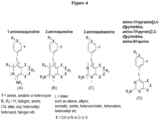
- R 6 may be NR a R b .
- R 3 , R 4 , and R 5 may be heterocycloalkyl, CN, NR m R n , (CO)R 4 , (CO)OR c , SO 2 NR m R n , (CO)NR m R n , C(NH)NR m R n , or NH(CO)R d .
- R 3 , R 4 , and R 5 may be (CO)NR m R n .
- R m may be H and R n may be -(CH 2 ) p -T, -aryl-(CH 2 ) p -T, -(CH 2 ) p -aryl-T, or -heteroaryl-(CH 2 ) p -T, each optionally substituted with alkyl, halo, and OR c .
- T may be NR a R b , O-(CH 2 ) q -NR a R 8 , heterocycloalkyl, aryl, or heteroaryl.
- R m and R a may together with the nitrogen atom they are attached, form a heterocycloalkyl group, optionally substituted with alkyl, cycloalkyl, heterocycloalkyl, NR a R b , NH(CO)R d , NH(CO)OR c , and NH(CO)NR a R b .
- R 1 and R 2 may each independently be H, alkyl, halo, CN, OR c , SR c , or NR a R b .
- the compound of the invention is selected from the group:
- Compounds disclosed but not claimed include: or a pharmaceutically acceptable salt, N -oxide, hydrate, solvate, tautomer, or optical isomer thereof.
- the compound of the invention can be prepared by the methods known in the art and the methods in the reaction schemes and experiments as described herein.
- Scheme 1 provides a general reaction scheme for the preparation of compounds disclosed herein through a halogenation reaction, followed by functionalization.
- Alkyne-containing compounds can be prepared via Sonogashira methodology as described in Scheme 2.
- Scheme 3 describes the preparation of compounds via Suzuki coupling.
- Scheme 5 provides a general synthetic strategy for synthesis of functionalized 1-amino or 2-amino or 3-amino isoquinoline, quinoline/quinazoline and isoquinolines using quinoline or isoquinoline or quinazoline amine as nucleophile.
- Scheme 6 provides a general synthetic strategy for synthesis of 4-Substituted isoquinolines, quinolones and quinazolines.
- Scheme 7 provides synthesis of target compounds via Sonogashira coupling.
- Pd(PPh 3 ) 2 Cl 2 (5 mol%), CuI (5 mol%), PPh 3 (0.1 equiv.), Triethylamine (22 equiv.), 50°C, 12 h.
- the nature and substitution pattern on the amide and amidine head groups remarkably affect the anticancer properties of the compounds.
- the compounds By systematically varying the amide and amidine functionalities, the compounds have been identified that are about two orders of magnitude more potent than the compounds previously reported by Sintim et al. ( PCT/US2015/041551 ).
- the length of the amide head group, substitution pattern and relative position to the alkyne moiety remarkably affects the anticancer activity of the specified compounds against MV4-11 cell line (AML cell line).
- AML cell line MV4-11 cell line
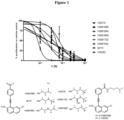
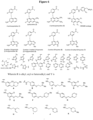
- the nature of the amide group in the molecules shown in Figure 1 had a dramatic effect on the anticancer activities of the molecules tested.
- compounds HSM1669, M731, and HSM1684 differed from each other by a simple methylene group (CH 2 ) yet the anticancer activities against AML are 260 nM (HSM1669), 36 nM (HSM731) and 71 nM (HSM1684). It appears that anticancer potency increases with an additional methylene group (HSM1669 to M731) but then decreases when another methylene group is added (M731 to HSM1684). Further, depending on the nature of the amide linker, the relative positions of the alkyne and amide moieties appear to affect anticancer potencies.
- the relationship between M731 and HSM1688 (para vs meta substitution) is similar to that between HSD79 and HSD82 but whereas the anticancer activity of M731 is higher than that of HSM1688 (36 nM versus 250 nM; almost a fold difference), and that of HSD79 and HSD82 are similar (108 nM versus 150 nM).
- the anticancer activities (IC 50 ) against MV4-11 are 36 nM, 450 nM, and 108 nM, pointing to the essentiality of a nitrogen group at this 4* position.
- the IC50 values are 250 nM for HSM1688 (nitrogen at the 4* position) and 150 nM for HSD82 (carbon at the 4* position).
- stable refers to a compound that is sufficiently robust to survive isolation to a useful degree of purity from a reaction mixture, and preferably capable of formulation into an efficacious therapeutic agent.
- alkyl is meant to refer to a saturated hydrocarbon group which is straight-chained or branched.
- Example alkyl groups include methyl (Me), ethyl (Et), propyl (e.g., n-propyl and isopropyl), butyl (e.g., n-butyl, isobutyl, t-butyl), pentyl (e.g., n-pentyl, isopentyl, neopentyl), and the like.
- An alkyl group can contain from 1 to about 20, from 2 to about 20, from 1 to about 10, from 1 to about 8, from 1 to about 6, from 1 to about 4, or from 1 to about 3 carbon atoms.
- alkenyl refers to an unsaturated monovalent chain of carbon atoms including at least one double bond, which may be optionally branched. It is understood that in compounds that include alkenyl, illustrative variations of those compounds include lower alkenyl, such as C 2 -C 6 , C 2 -C 4 alkenyl, and the like.
- alkynyl refers to an unsaturated monovalent chain of carbon atoms including at least one triple bond, which may be optionally branched. It is understood that in compounds that include alkynyl, illustrative variations of those compounds include lower alkynyl, such as C 2 -C 6 , C 2 -C 4 alkynyl, and the like.
- cycloalkyl refers to non-aromatic carbocycles including cyclized alkyl, alkenyl, and alkynyl groups.
- Cycloalkyl groups can include mono- or polycyclic (e.g., having 2, 3 or 4 fused rings) ring systems, including spirocycles. Cycloalkyl groups can have from 3 to about 20 carbon atoms, 3 to about 14 carbon atoms, 3 to about 10 carbon atoms, or 3 to 7 carbon atoms. Cycloalkyl groups can further have 0, 1, 2, or 3 double bonds and/or 0, 1, or 2 triple bonds.
- cycloalkyl moieties that have one or more aromatic rings fused (i.e., having a bond in common with) to the cycloalkyl ring, for example, benzo derivatives of cyclopentane, cyclopentene, cyclohexane, and the like.
- a cycloalkyl group having one or more fused aromatic rings can be attached through either the aromatic or non-aromatic portion.
- One or more ring-forming carbon atoms of a cycloalkyl group can be oxidized, for example, having an oxo or sulfido substituent.
- Example cycloalkyl groups include cyclopropyl, cyclobutyl, cyclopentyl, cyclohexyl, cycloheptyl, cyclopentenyl, cyclohexenyl, cyclohexadienyl, cycloheptatrienyl, norbornyl, norpinyl, norcarnyl, adamantyl, and the like.
- aryl refers to monocyclic or polycyclic (e.g., having 2, 3 or 4 fused rings) aromatic hydrocarbons such as, for example, phenyl, naphthyl, anthracenyl, phenanthrenyl, and the like. In some embodiments, an aryl group has from 6 to about 20 carbon atoms.
- heteroaryl refers to an aromatic heterocycle having at least one heteroatom ring member such as sulfur, oxygen, or nitrogen.
- Heteroaryl groups include monocyclic and polycyclic (e.g., having 2, 3 or 4 fused rings) systems. Any ring-forming N atom in a heteroaryl group can also be oxidized to form an N-oxo moiety.
- heteroaryl groups include without limitation, pyridyl, N-oxopyridyl, pyrimidinyl, pyrazinyl, pyridazinyl, triazinyl, furyl, quinolyl, isoquinolyl, thienyl, imidazolyl, thiazolyl, indolyl, pyrryl, oxazolyl, benzofuryl, benzothienyl, benzthiazolyl, isoxazolyl, pyrazolyl, triazolyl, tetrazolyl, indazolyl, 1,2,4-thiadiazolyl, isothiazolyl, benzothienyl, purinyl, carbazolyl, benzimidazolyl, indolinyl, and the like.
- the heteroaryl group has from 1 to about 20 carbon atoms, and in further embodiments from about 3 to about 20 carbon atoms.
- the heteroaryl group may contain 3 to about 14, 3 to about 7, or 5 to 6 ring-forming atoms.
- the heteroaryl group may have 1 to about 4, 1 to about 3, or 1 to 2 heteroatoms.
- the "heteroaryl" group may be optionally substituted at any one or more positions capable of bearing a hydrogen atom.
- heterocycloalkyl refers to a non-aromatic heterocycle where one or more of the ring-forming atoms are a heteroatom such as an O, N, or S atom.
- Heterocycloalkyl groups can include mono- or polycyclic (e.g., having 2, 3 or 4 fused rings) ring systems as well as spirocycles.
- Example heterocycloalkyl groups include morpholino, thiomorpholino, piperazinyl, tetrahydrofuranyl, tetrahydrothienyl, 2,3-dihydrobenzofuryl, 1,3-benzodioxole, benzo-1,4-dioxane, piperidinyl, pyrrolidinyl, isoxazolidinyl, isothiazolidinyl, pyrazolidinyl, oxazolidinyl, thiazolidinyl, imidazolidinyl, and the like.
- heterocycloalkyl moieties that have one or more aromatic rings fused (i.e., having a bond in common with) to the nonaromatic heterocyclic ring, for example phthalimidyl, naphthalimidyl, and benzo derivatives of heterocycles.
- a heterocycloalkyl group having one or more fused aromatic rings can be attached though either the aromatic or non-aromatic portion.
- moieties where one or more ring-forming atoms are substituted by 1 or 2 oxo or sulfido groups.
- the heterocycloalkyl group may have from 1 to about 20 carbon atoms, or from about 3 to about 20 carbon atoms.
- the heterocycloalkyl group may contain 3 to about 20, 3 to about 14, 3 to about 7, or 5 to 6 ring-forming atoms.
- the heterocycloalkyl group may have 1 to about 4, 1 to about 3, or 1 to 2 heteroatoms.
- the heterocycloalkyl group may contain 0 to 3 double bonds.
- the heterocycloalkyl group may contain 0 to 2 triple bonds.
- halo or halogen includes fluoro, chloro, bromo, and iodo.
- a "halogen-substitution” or “halo” substitution designates replacement of one or more hydrogen atoms with F, CI, Br or I.
- haloalkyl refers to an alkyl group having one or more halogen substituents.
- Example haloalkyl groups include CF 3 , C 2 F 5 , CHF 2 , CCl 3 , CHCl 2 , C 2 Cl 5 , and the like.
- each of alkyl, cycloalkyl, alkenyl, cycloalkenyl, alkylene, and heterocycle may be optionally substituted with independently selected groups such as alkyl, haloalkyl, hydroxyalkyl, aminoalkyl, carboxylic acid and derivatives thereof, including esters, amides, and nitrites, hydroxy, alkoxy, acyloxy, amino, alky and dialkylamino, acylamino, thio, and the like, and combinations thereof.
- substituted refers to the replacement of a hydrogen moiety with a non-hydrogen moiety in a molecule or group. It can refer to "mono-substituted” or "poly-substituted.”
- the term “mono-substituted” or “poly-substituted” means substituted with one or more than one substituent up to the valence of the substituted group. For example, a mono-substituted group can be substituted with 1 substituent, and a poly-substituted group can be substituted with 2, 3, 4, or 5 substituents. When a list of possible substituents is provided, the substituents can be independently selected from that group.
- Such other functional groups illustratively include, but are not limited to, amino, hydroxyl, CN, halo, thiol, alkyl, haloalkyl, heteroalkyl, aryl, arylalkyl, arylheteroalkyl, heteroaryl, heteroarylalkyl, heteroarylheteroalkyl, nitro, sulfonic acids and derivatives thereof, carboxylic acids and derivatives thereof, and the like.
- any of amino, hydroxyl, CH, thiol, alkyl, haloalkyl, heteroalkyl, aryl, arylalkyl, arylheteroalkyl, heteroaryl, heteroarylalkyl, heteroarylheteroalkyl, and/or sulfonic acid is optionally substituted.
- independently when using the terms “independently,” “independently are,” and “independently selected from” mean that the groups in question may be the same or different. Certain of the herein defined terms may occur more than once in the structure, and upon such occurrence each term shall be defined independently of the other.
- the formulas also include any and all hydrates and/or solvates of the compound formulas. It is appreciated that certain functional groups, such as the hydroxy, amino, and like groups form complexes and/or coordination compounds with water and/or various solvents, in the various physical forms of the compounds. Accordingly, the above formulas are to be understood to include and represent those various hydrates and/or solvates.
- Compounds disclosed herein may be asymmetric (e.g., having one or more stereocenters). All stereoisomers, such as enantiomers and diastereomers, are intended unless otherwise indicated.
- the invention relates to the D form, the L form, and D,L mixtures and also, where more than one asymmetric carbon atom is present, to the diastereomeric forms.
- Those compounds disclosed herein which contain asymmetric carbon atoms, and which as a rule accrue as racemates, can be separated into the optically active isomers in a known manner, for example using an optically active acid.
- Tautomeric forms result from the swapping of a single bond with an adjacent double bond together with the concomitant migration of a proton.
- Tautomeric forms include prototropic tautomers which are isomeric protonation states having the same empirical formula and total charge.
- Example prototropic tautomers include ketone - enol pairs, amide - imidic acid pairs, lactam - lactim pairs, amide - imidic acid pairs, enamine - imine pairs, and annular forms where a proton can occupy two or more positions of a heterocyclic system, for example, 1H- and 3H-imidazole, 1H-, 2H- and 4H- 1,2,4-triazole, 1H- and 2H- isoindole, and 1H- and 2H-pyrazole.
- Tautomeric forms can be in equilibrium or sterically locked into one form by appropriate substitution.
- Compounds disclosed herein can also include all isotopes of atoms occurring in the intermediates or final compounds.
- Isotopes include those atoms having the same atomic number but different mass numbers.
- isotopes of hydrogen include tritium and deuterium.
- compound as used herein, is meant to include all stereoisomers, geometric isomers, tautomers, and isotopes of the structures depicted.
- the compound of the invention is substantially isolated.
- substantially isolated is meant that the compound is at least partially or substantially separated from the environment in which it was formed or detected.
- Partial separation can include, for example, a composition enriched in the compound of the invention.
- Substantial separation can include compositions containing at least about 50%, at least about 60%, at least about 70%, at least about 80%, at least about 90%, at least about 95%, at least about 97%, or at least about 99% by weight of the compound of the invention, or salt thereof. Methods for isolating compounds and their salts are routine in the art.
- the term "therapeutically effective amount” refers to the amount of active compound or pharmaceutical agent that elicits the biological or medicinal response in a tissue system, animal or human that is being sought by a researcher, veterinarian, medical doctor or other clinicians, which includes alleviation of the symptoms of the disease or disorder being treated.
- the therapeutically effective amount is that which may treat or alleviate the disease or symptoms of the disease at a reasonable benefit/risk ratio applicable to any medical treatment.
- Body surface area may be approximately determined from patient height and weight (see, e.g., Scientific Tables, Geigy Pharmaceuticals, Ardley, New York, pages 537-538 (1970 )).
- a therapeutically effective amount of the compounds described herein may be defined as any amount useful for inhibiting the growth of (or killing) a population of malignant cells or cancer cells, such as may be found in a patient in need of relief from such cancer or malignancy.
- effective amounts range from about 5 mg/kg to about 500 mg/kg, from about 5 mg/kg to about 250 mg/kg, and/or from about 5 mg/kg to about 150 mg/kg of compound per patient body weight. It is appreciated that effective doses may also vary depending on the route of administration, optional excipient usage, and the possibility of co-usage of the compound with other conventional and nonconventional therapeutic treatments, including other anti-tumor agents, radiation therapy, and the like.
- the phrase "pharmaceutically acceptable” is employed herein to refer to those compounds, materials, compositions, and/or dosage forms which are, within the scope of sound medical judgment, suitable for use in contact with the tissues of human beings and animals without excessive toxicity, irritation, allergic response, or other problem or complication, commensurate with a reasonable benefit/risk ratio.
- the compound of the present invention also includes "pharmaceutically acceptable salts" of the compounds described herein.
- pharmaceutically acceptable salts refers to derivatives of the disclosed compounds wherein the parent compound is modified by converting an existing acid or base moiety to its salt form.
- examples of pharmaceutically acceptable salts include, but are not limited to, mineral or organic acid salts of basic residues such as amines; alkali or organic salts of acidic residues such as carboxylic acids; and the like.
- the pharmaceutically acceptable salts of the compound of the invention include the conventional non-toxic salts of the parent compound formed, for example, from non-toxic inorganic or organic acids.
- the pharmaceutically acceptable salts of the compound of the invention can be synthesized from the parent compound which contains a basic or acidic moiety by conventional chemical methods.
- such salts can be prepared by reacting the free acid or base forms of these compounds with a stoichiometric amount of the appropriate base or acid in water or in an organic solvent, or in a mixture of the two; generally, nonaqueous media like ether, ethyl acetate, ethanol, isopropanol, or acetonitrile are preferred.
- the pharmaceutically acceptable salts of the compound of the invention can be obtained by converting derivatives which possess tertiary amino groups into the corresponding quaternary ammonium salts in a manner known per se using quaternizing agents.
- suitable quaternizing agents are alkyl halides, such as methyl iodide, ethyl bromide, and n-propyl chloride, and also arylalkyl halides, such as benzyl chloride or 2-phenylethyl bromide.
- the "subject” used here refers to an animal or a human. In some embodiment, the term “subject” refers to a human.
- a pharmaceutical composition comprising a compound of claim 1, or a pharmaceutically acceptable salt, N-oxide, hydrate, or solvate, and a pharmaceutically acceptable carrier or diluent.
- the present invention features a pharmaceutical composition
- a pharmaceutical composition comprising a compound as set out in the claims, or a pharmaceutically acceptable salt, N-oxide, hydrate, or solvate thereof, and a pharmaceutically acceptable carrier or diluent.
- the pharmaceutical composition includes a therapeutically effective amount of the one or more compounds as claimed herein for treating a cancer patient.
- the composition may include other component and/or ingredients, including, but not limited to, other therapeutically active compounds, and/or one or more pharmaceutically acceptable carriers, diluents, excipients, and the like.
- pharmaceutically acceptable carrier or “pharmaceutically acceptable diluent” is art-recognized and refers to a pharmaceutically-acceptable material, composition or vehicle, such as a liquid or solid filler, diluent, excipient, solvent or encapsulating material, involved in carrying or transporting any subject composition or component thereof.
- a pharmaceutically-acceptable material such as a liquid or solid filler, diluent, excipient, solvent or encapsulating material, involved in carrying or transporting any subject composition or component thereof.
- Each carrier must be “acceptable” in the sense of being compatible with the subject composition and its components and not injurious to the patient.
- materials which may serve as pharmaceutically acceptable carriers include: (1) sugars, such as lactose, glucose and sucrose; (2) starches, such as corn starch and potato starch; (3) cellulose, and its derivatives, such as sodium carboxymethyl cellulose, ethyl cellulose and cellulose acetate; (4) powdered tragacanth; (5) malt; (6) gelatin; (7) talc; (8) excipients, such as cocoa butter and suppository waxes; (9) oils, such as peanut oil, cottonseed oil, safflower oil, sesame oil, olive oil, corn oil and soybean oil; (10) glycols, such as propylene glycol; (11) polyols, such as glycerin, sorbitol, mannitol and polyethylene glycol; (12) esters, such as ethyl oleate and ethyl laurate; (13) agar; (14) buffering agents, such as magnesium hydroxide and aluminum hydroxide;
- a therapeutically effective dose of a compound according to the invention is used, in addition to physiologically acceptable carriers, diluents and/or adjuvants for producing a pharmaceutical composition.
- the dose of the active compound can vary depending on the route of administration, the age and weight of the patient, the nature and severity of the diseases to be treated, and similar factors.
- the daily dose can be given as a single dose, which is to be administered once, or be subdivided into two or more daily doses, and is as a rule 0.001-2000 mg. Particular preference is given to administering daily doses of 0.1-500 mg, e.g. 0.1-100 mg.
- Suitable administration forms are oral, parenteral, intravenous, transdermal, topical, inhalative, intranasal and sublingual preparations. Particular preference is given to using oral, parenteral, e.g. intravenous or intramuscular, intranasal, e.g. dry powder or sublingual preparations of the compounds according to the invention.
- the customary galenic preparation forms such as tablets, sugar-coated tablets, capsules, dispersible powders, granulates, aqueous solutions, alcohol-containing aqueous solutions, aqueous or oily suspensions, syrups, juices or drops, are used.
- Solid medicinal forms can comprise inert components and carrier substances, such as calcium carbonate, calcium phosphate, sodium phosphate, lactose, starch, mannitol, alginates, gelatine, guar gum, magnesium stearate, aluminium stearate, methyl cellulose, talc, highly dispersed silicic acids, silicone oil, higher molecular weight fatty acids, (such as stearic acid), gelatine, agar agar or vegetable or animal fats and oils, or solid high molecular weight polymers (such as polyethylene glycol); preparations which are suitable for oral administration can comprise additional flavorings and/or sweetening agents, if desired.
- carrier substances such as calcium carbonate, calcium phosphate, sodium phosphate, lactose, starch, mannitol, alginates, gelatine, guar gum, magnesium stearate, aluminium stearate, methyl cellulose, talc, highly dispersed silicic acids, silicone oil, higher mole
- High molecular weight polymers such as liquid polyethylene oxides, microcrystalline celluloses, carboxymethyl celluloses, polyvinylpyrrolidones, dextrans or gelatine, are suitable for regulating the viscosity.
- solid carrier substances are starch, lactose, mannitol, methyl cellulose, talc, highly dispersed silicic acids, high molecular weight fatty acids (such as stearic acid), gelatine, agar agar, calcium phosphate, magnesium stearate, animal and vegetable fats, and solid high molecular weight polymers, such as polyethylene glycol.
- Oily suspensions for parenteral or topical applications can be vegetable synthetic or semisynthetic oils, such as liquid fatty acid esters having in each case from 8 to 22 C atoms in the fatty acid chains, for example palmitic acid, lauric acid, tridecanoic acid, margaric acid, stearic acid, arachidic acid, myristic acid, behenic acid, pentadecanoic acid, linoleic acid, elaidic acid, brasidic acid, erucic acid or oleic acid, which are esterified with monohydric to trihydric alcohols having from 1 to 6 C atoms, such as methanol, ethanol, propanol, butanol, pentanol or their isomers, glycol or glycerol.
- vegetable synthetic or semisynthetic oils such as liquid fatty acid esters having in each case from 8 to 22 C atoms in the fatty acid chains, for example palmitic acid, lauric acid, tride
- fatty acid esters are commercially available miglyols, isopropyl myristate, isopropyl palmitate, isopropyl stearate, PEG 6-capric acid, caprylic/capric acid esters of saturated fatty alcohols, polyoxyethylene glycerol trioleates, ethyl oleate, waxy fatty acid esters, such as artificial ducktail gland fat, coconut fatty acid isopropyl ester, oleyl oleate, decyl oleate, ethyl lactate, dibutyl phthalate, diisopropyl adipate, polyol fatty acid esters, inter alia.
- Silicone oils of differing viscosity are also suitable. It is furthermore possible to use vegetable oils, such as castor oil, almond oil, olive oil, sesame oil, cotton seed oil, groundnut oil or soybean oil.
- Suitable solvents, gelatinizing agents and solubilizers are water or watermiscible solvents.
- suitable substances are alcohols, such as ethanol or isopropyl alcohol, benzyl alcohol, 2-octyldodecanol, polyethylene glycols, phthalates, adipates, propylene glycol, glycerol, di- or tripropylene glycol, waxes, methyl cellosolve, cellosolve, esters, morpholines, dioxane, dimethyl sulphoxide, dimethylformamide, tetrahydrofuran, cyclohexanone, etc.
- gelatinizing agents and film-forming agents are also perfectly possible.
- ionic macromolecules such as sodium carboxymethyl cellulose, polyacrylic acid, polymethacrylic acid and their salts, sodium amylopectin semiglycolate, alginic acid or propylene glycol alginate as the sodium salt, gum arabic, xanthan gum, guar gum or carrageenan.
- surfactants for example of Na lauryl sulphate, fatty alcohol ether sulphates, di-Na-N-lauryl- ⁇ -iminodipropionate, polyethoxylated castor oil or sorbitan monooleate, sorbitan monostearate, polysorbates (e.g. Tween), cetyl alcohol, lecithin, glycerol monostearate, polyoxyethylene stearate, alkylphenol polyglycol ethers, cetyltrimethylammonium chloride or mono-/dialkylpolyglycol ether orthophosphoric acid monoethanolamine salts can also be required for the formulation.
- surfactants for example of Na lauryl sulphate, fatty alcohol ether sulphates, di-Na-N-lauryl- ⁇ -iminodipropionate, polyethoxylated castor oil or sorbitan monooleate, sorbitan monostearate, polysorbates (e.g. T
- Stabilizers such as montmorillonites or colloidal silicic acids, for stabilizing emulsions or preventing the breakdown of active substances such as antioxidants, for example tocopherols or butylhydroxyanisole, or preservatives, such as p-hydroxybenzoic acid esters, can likewise be used for preparing the desired formulations.
- Preparations for parenteral administration can be present in separate dose unit forms, such as ampoules or vials.
- Use is preferably made of solutions of the active compound, preferably aqueous solution and, in particular, isotonic solutions and also suspensions.
- These injection forms can be made available as ready-to-use preparations or only be prepared directly before use, by mixing the active compound, for example the lyophilisate, where appropriate containing other solid carrier substances, with the desired solvent or suspending agent.
- Intranasal preparations can be present as aqueous or oily solutions or as aqueous or oily suspensions. They can also be present as lyophilisates which are prepared before use using the suitable solvent or suspending agent.
- inhalable preparations can present as powders, solutions or suspensions.
- inhalable preparations are in the form of powders, e.g. as a mixture of the active ingredient with a suitable formulation aid such as lactose.
- the preparations are produced, aliquoted and sealed under the customary antimicrobial and aseptic conditions.
- a compound of the invention may be administered as a combination therapy with further active agents, e.g. therapeutically active compounds useful in the treatment of cancer, for example, prostate cancer, ovarian cancer, lung cancer, or breast cancer.
- the cancer is acute myeloid leukemia, chronic myeloid leukemia, ovarian cancer, cervical cancer, pancreatic cancer, breast cancer, brain cancer, skin cancer, lung cancer, prostate cancer, Lymphoma, Leukemia, colon cancer, head cancer, neck cancer, thyroid cancer, kidney cancer, liver cancer and stomach cancer.
- the active ingredients may be formulated as compositions containing several active ingredients in a single dose form and/or as kits containing individual active ingredients in separate dose forms. The active ingredients used in combination therapy may be coadministered or administered separately.
- Protein kinase inhibitors may be protein kinase inhibitors.
- a method of inhibiting a protein kinase is disclosed, wherein the method comprises contacting the protein kinase with an effective amount of a compound disclosed herein.
- protein kinases includes, but are not limited to, FLT3 and TrkC.
- the protein kinase may be Abl, Abl2, AFK, ALK, AMPK_group, ATM, ATR, Aurora A, Aurora B, Axl, BCKDK, BLK, BMPRIB, BMX, Brk, BRSK1, BTK, CaM-KIalpha, CaM-KIIalpha, CaMKK_group, CaM-KIV, CaM-KKalpha, CaM-KKbeta, CCDPK, CCRK, CDK1,CDK11, CDK2, CDK4, CDK5, CDK6, CDK7, CDK9, CDK_group, CDPK, Chak1, CHK1, CHK2, CK1 alpha, CK1 delta, CK1 epsilon, CK1_group, CK2 alpha, CK2_beta, CK2_group, CLK1,CSF1R, Csk, DAPK1, DAPK2, DAPK3, DAPK_group, DCAMKL1, DMPK_group, DNA-
- a compound of the invention as described herein can be for use in a method for treating, inhibiting, suppressing, or reducing the severity of a disease or a disorder associated with a protein kinase, wherein said disease or disorder is cancer as set out in the claims.
- the method may comprise administering to the subject in need thereof a therapeutically effective amount of a compound of the invention, or a pharmaceutically acceptable salt, N-oxide, hydrate, or solvate thereof.
- the protein kinase may be one known in the art.
- the protein kinase may include, but is not limited to, FLT3 and TrkC.
- the protein kinase may be Abl, Abl2, AFK, ALK, AMPK_group, ATM, ATR, Aurora A, Aurora B, Axl, BCKDK, BLK, BMPRIB, BMX, Brk, BRSK1, BTK, CaM-KIalpha, CaM-KIIalpha, CaMKK_group, CaM-KIV, CaM-KKalpha, CaM-KKbeta, CCDPK, CCRK, CDK1,CDK11, CDK2, CDK4, CDK5, CDK6, CDK7, CDK9, CDK_group, CDPK, Chak1, CHK1, CHK2, CK1 alpha, CK1 delta, CK1 epsilon, CK1_group, CK2 alpha, CK2_beta, CK2 _group, CLK1,CSF1R, Csk, DAPK1, DAPK2, DAPK3, DAPK_group, DCAMKL1, DMPK_group, DNA
- the invention is directed to a compound or pharmaceutical composition for use in a method of treating, inhibiting, suppressing, or reducing the severity of cancer in a subject in need thereof as set out in the claims, wherein the method comprises administering to the subject a therapeutically effective amount of a compound as described herein, or a pharmaceutically acceptable salt, N -oxide, hydrate, or solvate thereof, or a pharmaceutical composition containing one or more of the compounds as described herein.
- the invention disclosed herein relates to compounds or pharmaceutical compositions for use in a method for the treatment of a cancer patient wherein abnormal kinase activities are implicated by administrating a therapeutically effective amount of a compound claimed herein to the patient in need of relief from said cancer.
- the compounds claimed herein may be used alone or in combination with other compounds useful for treating cancer, including those compounds that may be therapeutically effective by the same or different modes of action.
- the compounds claimed herein may be used in combination with other compounds that are administered to treat other symptoms of cancer, such as nausea, vomiting, pain, etc.
- the cancer is selected from the group consisting of acute myeloid leukemia, chronic myeloid leukemia, ovarian cancer, cervical cancer, pancreatic cancer, breast cancer, brain cancer, skin cancer, lung cancer, prostate cancer, Lymphoma, Leukemia, colon cancer, head cancer, neck cancer, thyroid cancer, kidney cancer, liver cancer and stomach cancer. In some embodiments, the cancer is acute myeloid leukemia.
- a compound of the invention as described herein can be for use in a method of treating, inhibiting, suppressing, or reducing the severity of cancer in a subject as set out in the claims, wherein the method comprises administering to the subject in need thereof a therapeutically effective amount of a compound as claimed herein, or a pharmaceutically acceptable salt, N -oxide, hydrate, or solvate thereof, or a pharmaceutical composition containing one or more of the compounds as claimed herein.
- the cancer that can be treated, inhibited, suppressed, or reduced the severity of by a compound as claimed herein may include, but is not limited to, ovarian cancer, pancreatic cancer, breast cancer, brain cancer, skin cancer, lung cancer, prostate cancer, Lymphoma, Leukemia, colon cancer, head cancer, neck cancer, and stomach cancer.
- the cancer includes, but is not limited to, acute myeloid leukemia, chronic myeloid leukemia, ovarian cancer, cervical cancer, pancreatic cancer, breast cancer, brain cancer, skin cancer, lung cancer, prostate cancer, Lymphoma, Leukemia, colon cancer, head cancer, neck cancer, thyroid cancer, kidney cancer, liver cancer and stomach cancer.
- the cander is breast cancer.
- the cancer is ovarian cancer.
- the cancer is prostate cancer.
- the cancer is acute myeloid leukemia.
- the compounds described herein may be protein kinase inhibitors.
- the protein kinase may be one known in the art.
- the protein kinase may include, but is not limited to, FLT3 and TrkC.
- the compounds disclosed herein may exhibit low nanomolar IC50 values in the tests for their anticancer properties, which are desired for clinical translation.
- the compound of the invention is a kinase (especially FLT3, c-Kit, and TrK) inhibitor.
- the compound of the invention inhibits kinases, such as FLT3, TrkC, and c-Kit at the protein level.
- a compound of the invention shows potent anticancer activities (low nanomolar IC50 values) against acute myeloid leukemia.
- a compound of the invention is also active against other cancer cell lines, such as pancreatic, breast, and ovarian cancers.
- the cancer is acute myeloid leukemia, chronic myeloid leukemia, ovarian cancer, cervical cancer, pancreatic cancer, breast cancer, brain cancer, skin cancer, lung cancer, prostate cancer, Lymphoma, Leukemia, colon cancer, head cancer, neck cancer, thyroid cancer, kidney cancer, liver cancer and stomach cancer.
- the cancer is breast cancer.
- the cancer is ovarian cancer.
- the cancer is prostate cancer.
- the cancer is acute myeloid leukemia.
- a compound of the invention In addition to targeting FLT-3, a compound of the invention also inhibits other protein kinase TrkC as well as c-MyC and Ras oncogenic proteins. Due to the multi-targeting of oncogenic drivers, the compound of the invention has superior performance against AML with mutant FLT-3 than what is known in the art. Moreover, due to its multi targeting nature, a compound of the invention is also effective against other cancer cell lines, for example, ovarian cancer, pancreatic cancer, breast cancer, brain cancer, skin cancer, lung cancer, prostate cancer, Lymphoma, Leukemia, colon cancer, head cancer, neck cancer, and stomach cancer. In some embodiments, the cancer is breast cancer.
- the cancer that can be treated, inhibited, suppressed, or reduced the severity of by a compound of the invention as described anywhere herein includes, but is not limited to, acute myeloid leukemia, chronic myeloid leukemia, ovarian cancer, cervical cancer, pancreatic cancer, breast cancer, brain cancer, skin cancer, lung cancer, prostate cancer, Lymphoma, Leukemia, colon cancer, head cancer, neck cancer, thyroid cancer, kidney cancer, liver cancer and stomach cancer.
- the cancer is ovarian cancer.
- the cancer is prostate cancer.
- the cancer is acute myeloid leukemia.
- Compounds disclosed herein may inhibit the proliferation of several cancer cell lines at nano molar concentrations. Further, the compounds disclosed herein may inhibit protein kinase FLT-3 phosphorylation and also inhibit the proliferation of FLT-3 driven cancers, such as MV4-11 (an acute myeloid leukemia) with low (e.g., single digit nanomolar) IC50 values. Potent kinase inhibitors can be used to treat cancers, malaria, arthritis, diseases related to the immune system and other diseased states that kinases play key roles in disease establishment or progression.
- Analytical thin layer chromatography was carried out on silica gel 60 F254 plastic-backed TLC plates. Compounds were visualized with both short and long wavelength UV light and iodine/silica gel staining unless otherwise specified. Flash column chromatography was performed using Teledyne Isco's Combi-Flash Rf+ with RediSep R f silica gel disposable flash coumns, 40-60 microns (Catalog # 692203304). For purities estimated by HPLC, the major peak accounted for ⁇ 95% of the combined total peak area when monitored by a UV detector at 254 nm unless otherwise specified. All yields refer to isolated compounds.
- HotSpot assay platform was used to measure kinase/inhibitor interactions exactly as previously described.
- Kinase and substrate were mixed in a buffer containing 20 mM HEPES pH 7.5, 10 mM MgCl 2 , 1 mM EGTA, 0.02% Brij35, 0.02 mg/mL BSA, 0.1 mM Na 3 VO 4 , 2 mM DTT and 1% DMSO. Single-dose of compounds (500 nM) were then added to each reaction mixture.
- ATP Sigma
- [ ⁇ - 33 P] ATP Perkin Elmer
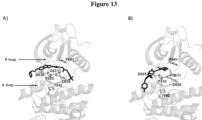
- the docking package CANDOCK 1 was used to identify docking poses of HSW630-1 in the binding site of FLT3 kinases.
- the structure of FLT3 was obtained from the protein databank (PDB# 4XUF). The entire protein was considered flexible. No binding site was provided to CANDOCK and the location of this site was determined by the program automatically.
- CANDOCK used default parameters with interactive flexibility with a maximum iteration of 10 and only the top 2% of the top seed values were used to generate full ligands.
- Molm-14 cells were the kind gift of Dr. Mark Levis from Johns Hopkins University.
- THP-1, MV4-11, K-562 and MRC-5A cells were purchased from ATCC (ATCC, Manassas, VA). All cell lines were grown in 37°C with 5% CO 2 atmosphere with RPMI 1640 (Life technologies, Carlsbad, CA) supplemented with heat-inactivated 10% (V/V) fetal bovine serum. Cell lines were grown and maintained according to ATCC recommendations.
- 96-well plates were seeded the afternoon before treatment. Plates were then treated with compound diluted in dimethyl sulfoxide (DMSO) as well as a DMSO control the following day for 72 hours. After this time the plates were then treated with 10 ⁇ L of CellTiter-Blue Cell Viability Assay (Promega, Madison, WI) for 4 hours. Then the plates were read on a plate reader (Bio-Tek, Winooski, VT). Data was analyzed on Excel as a percent of the DMSO vehicle.
- DMSO dimethyl sulfoxide
- Midostaurin hydrate (control compound) was purchased from Sigma-Aldrich (St. Louis, MO), >98% HPLC purity and used without further purification. Cell lines were seeded into 96-well plates the afternoon prior to treatment. Approximately 18 hours later, compounds were diluted in dimethyl sulfoxide (DMSO) and added to cells. Plates were incubated for 72 hours and cells viability determined with CellTiter-Blue Cell Viability Assay (Promega, Madison, WI). Plates were read after 4 additional hours of incubation at 37 °C using plate reader (Bio-Tek, Winooski, VT). Data was analyzed and graphed using GraphPad Prism Software (Graphpad, La Jolla, CA).
- HSW630-1 Effect of HSW630-1 on protein expression was tested in the MV4-11 leukemia cell line.
- Total protein extracts were prepared using RIPA buffer (SIGMA) supplemented with Complete Mini TM protease inhibitor and PHOStop TM phosphatase inhibitors (Roche). Equal amounts of proteins (up to 25 ⁇ g) were separated on 4-12% NuPAGE gels in 1X MOPS or 1x MES buffer (Invitrogen) and transferred onto PVDF membranes (Millipore).
- the membrane was blocked with 5% dry milk in 1X TBS/0.1% Tween 20 (TBST) for at least 1 h at room temperature and incubated with human specific primary antibodies: FLT3, Phospho-FLT3, c-Myc (Cell Signaling Technologies), KRAS (Santa Cruz), or mouse anti- ⁇ -actin (SIGMA) overnight at 4°C.
- the membrane was washed 3 times in TBST and incubated with a horseradish peroxidase-conjugated secondary anti-rabbit or anti-mouse antibody (Cell Signaling Technologies) for 1 h at room temperature. Blots were again washed and the signal was detected with SuperSignal West Femto Chemiluminescent Substrate (Pierce) and exposed to HyBlot CL ® autoradiography film (Denville).
- Example 1A 6-(3,3-dimethylbut-1-yn-1-yl)isoquinolin-3-amine (outside the scope of the claims)
- Example 1B 6-(hexa-1,5-diyn-1-yl)isoquinolin-3-amine (outside the scope of the claims)
- Example 1C 6-(cyclopropylethynyl)isoquinolin-3-amine (outside the scope of the claims)
- Example 1D 6-(3-(diethylamino)prop-1-yn-1-yl)isoquinolin-3-amine (outside the scope of the claims)
- Example 1E 6-(hex-1-yn-1-yl)isoquinolin-3-amine (outside the scope of the claims)
- Example 1F 6-ethynylisoquinolin-3-amine (outside the scope of the claims)
- Example 1G tert-butyl (3-(3-aminoisoquinolin-6-yl)prop-2-yn-1-yl)carbamate (outside the scope of the claims)
- Example 2B 6-chloroisoquinoline-3,4-diamine (outside the scope of the claims)
- 6-chloroisoquinolin-3-amine was dissolved in 150 ml anhydrous MeOH at 0 °C and stirred for 5 minutes before 675 mg NIS was added in portions slowly in 10 minutes. Stop the reaction by remove all solvents when TLC showed the reaction was completed (usually within 15 minutes).
- 420 mg 6-chloro-4-iodoisoquinolin-3-amine was obtained either by flash column or Combi-flash using 100% hexane -100% ethyl acetate.
- Example 5A 4-ethynyl-N-(3-morpholinopropyl)benzamide (outside the scope of the claims)
- Example 5C 4-ethynyl-N-(3-(4-methylpiperazin-1-yl)propyl)benzamide (outside the scope of the claims)
- Example 5D 4-ethynyl-N-(4-((4-methylpiperazin-1-yl)methyl)phenyl)benzamide (outside the scope of the claims)
- Example 5G 4-ethynyl-N-(3-(piperidin-1-yl)propyl)benzamide (outside the scope of the claims)
- Example 5J tert-butyl 4-(3-(4-ethynylbenzamido)propyl)piperazine-1-carboxylate (outside the scope of the claims)
- Example 5N 4-ethynyl-N-(4-methyl-3-((4-(pyridin-3-yl)pyrimidin-2-yl)amino)phenyl)benzamide (outside the scope of the claims)
- Example 7 4-cyclopropyl-2-(4-ethynylphenyl)-4,5-dihydro-1H-imidazole (outside the scope of the claims)
- Example 12 4-((3-amino-6-chloroisoquinolin-4-yl)ethynyl)-N-(3-morpholinopropyl)benzamide (outside the scope of the claims)
- Example 13 4-((3-amino-6-chloroisoquinolin-4-yl)ethynyl)-N-(4-((4-methylpiperazin-1-yl)methyl)phenyl)benzamide (outside the scope of the claims)
- Example 16 4-((3-amino-6-chloroisoquinolin-4-yl)ethynyl)-N-(3-(pyrrolidin-1-yl)propyl)benzamide (outside the scope of the claims)
- Example 17 4-((3-amino-6-chloroisoquinolin-4-yl)ethynyl)-N-(3-(4-methylpiperazin-1-yl)propyl)benzamide. (outside the scope of the claims)
- Example 18 4-((3-amino-6-chloroisoquinolin-4-yl)ethynyl)-N-(3-(piperidin-1-yl)propyl)benzamide. (outside the scope of the claims)
- Example 19 4-((3-amino-6-chloroisoquinolin-4-yl)ethynyl)-N-(5-(dimethylamino)pentyl)benzamide. (outside the scope of the claims)
- Example 20 4-((3-amino-6-chloroisoquinolin-4-yl)ethynyl)-N-(3-(dimethylamino)-2-hydroxypropyl)benzamide. (outside the scope of the claims)
- Example 23 4-((3-amino-6-chloroisoquinolin-4-yl)ethynyl)-N-(3-(1,3-dioxoisoindolin-2-yl)propyl)benzamide. (outside the scope of the claims)
- Example 24 4-((3-amino-6-chloroisoquinolin-4-yl)ethynyl)-N-(3-aminopropyl)benzamide (outside the scope of the claims)
- Example 25 tert-butyl ((1r,4r)-4-(4-((3-amino-6-chloroisoquinolin-4-yl)ethynyl)benzamido)cyclohexyl)carbamate (outside the scope of the claims)
- Example 27 4-((3-amino-6-chloroisoquinolin-4-yl)ethynyl)-N-methyl-N-(3-(pyrrolidin-1-yl)propyl)benzamide (outside the scope of the claims)
- Example 28 tert-butyl ((1r,4r)-4-(4-((3-amino-6-chloroisoquinolin-4-yl)ethynyl)benzamido)cyclohexyl)carbamate (outside the scope of the claims)
- Example 32 4-((3-amino-6-chloroisoquinolin-4-yl)ethynyl)-N-(2-(piperidin-1-yl)ethyl)benzamide (outside the scope of the claims)
- Example 34 4-((3-amino-6-chloroisoquinolin-4-yl)ethynyl)-N-((1r,4r)-4-aminocyclohexyl)benzamide (outside the scope of the claims)
- Example 35 4-((3-amino-6-chloroisoquinolin-4-yl)ethynyl)-N-(4-(2-(dimethylamino)ethoxy)benzyl)benzamide (outside the scope of the claims)
- Example 48 4-((4-(4,4-dimethyl-4,5-dihydro-1H-imidazol-2-yl)phenyl)ethynyl)-6,7-dimethoxyquinazolin-2-amine (HSN335) (outside the scope of the claims)
- Example 50 Compound HSG33 (outside the scope of the claims)
- Example 62 4-((4-(4,4-dimethyl-4,5-dihydro-1H-imidazol-2-yl)-3-fluorophenyl)ethynyl)quinolin-2-amine (HSM1856) (outside the scope of the claims)
- Example 65 3-((2-amino-6,7-dimethoxyquinazolin-4-yl)amino)-N-hydroxybenzimidamide (HSN301) (outside the scope of the claims)
- Example 70 4-((6-chloro-3-(cyclopropanecarboxamido)isoquinolin-4-yl)ethynyl)-N-(2-(piperidin-1-yl)ethyl)benzamide (HSN329) (outside the scope of the claims)
- Example 71 1-(3-((2-aminoquinolin-4-yl)ethynyl)phenyl)-3-(4-chloro-3-(trifluoromethyl)phenyl)urea (HSN333) (outside the scope of the claims)
- Example 72 3-((8-amino-1,7-naphthyridin-5-yl)ethynyl)-4-methyl-N-(4-((4-methylpiperazin-1-yl)methyl)-3-(trifluoromethyl)phenyl)benzamide (HSN356) (outside the scope of the claims)
- Example 77 3-((3-amino-8-chloroisoquinolin-4-yl)ethynyl)-4-methyl-N-(4-((4-methylpiperazin-1-yl)methyl)-3-(trifluoromethyl)phenyl)benzamide (HSN353) (outside the scope of the claims)
- Example 80 3-((3-amino-1-methylisoquinolin-4-yl)ethynyl)-4-methyl-N-(4-((4-methylpiperazin-1-yl)methyl)-3-(trifluoromethyl)phenyl)benzamide (HSN375) (outside the scope of the claims)
- Example 82 3-((3-amino-6-chloroisoquinolin-4-yl)ethynyl)-4-methyl-N-(4-(4-methyl-1H-imidazol-1-yl)-3-(trifluoromethyl)phenyl)benzamide (HSN380) (outside the scope of the claims)
- Example 84 3-((3-amino-6-chloroisoquinolin-4-yl)ethynyl)-N-(3,5-dichloro-4-(2-(dimethylamino)ethoxy)phenyl)-4-methylbenzamide (HSN391) (outside the scope of the claims)
- Example 90 4-((3-amino-6-chloroisoquinolin-4-yl)ethynyl)-5-methyl-N-(4-((4-methylpiperazin-1-yl)methyl)-3-(trifluoromethyl)phenyl)picolinamide (HSN404) (outside the scope of the claims)
- Example 96 3-((6-amino-1-methyl-1H-pyrazolo[3,4-d]pyrimidin-4-yl)ethynyl)-4-methyl-N-(4-((4-methylpiperazin-1-yl)methyl)-3-(trifluoromethyl)phenyl)benzamide (HSN423) (outside the scope of the claims)
- Example 100 3-((8-amino-1,7-naphthyridin-5-yl)ethynyl)-N-(3-fluoro-4-(4-methylpiperazin-1-yl)phenyl)-4-methylbenzamide (HSN445) (outside the scope of the claims)
- Example 102 3-((2-amino-6,7-dimethoxyquinazolin-4-yl)ethynyl)-N-(4-(2-(dimethylamino)ethoxy)phenyl)-4-methylbenzamide (HSN447) (outside the scope of the claims)
- Example 103 5-((8-amino-1,7-naphthyridin-5-yl)ethynyl)-6-methyl-N-(4-((4-methylpiperazin-1-yl)methyl)-3-(trifluoromethyl)phenyl)nicotinamide (HSN459)
- Example 104 5-((1-aminoisoquinolin-4-yl)ethynyl)-6-methyl-N-(4-((4-methylpiperazin-1-yl)methyl)-3-(trifluoromethyl)phenyl)nicotinamide (HSN461) (outside the scope of the claims)
- Example 105 2-((8-amino-1,7-naphthyridin-5-yl)ethynyl)-5-methyl-N-(4-((4-methylpiperazin-1-yl)methyl)-3-(trifluoromethyl)phenyl)thiazole-4-carboxamide (HSN482) (outside the scope of the claims)
- Example 106 4-((1-aminoisoquinolin-4-yl)ethynyl)-3-methyl-N-(4-((4-methylpiperazin-1-yl)methyl)-3-(trifluoromethyl)phenyl)benzamide (HSN485) (outside the scope of the claims)
- Example 107 4-((3-amino-6-chloroisoquinolin-4-yl)ethynyl)-3-methyl-N-(4-((4-methylpiperazin-1-yl)methyl)-3-(trifluoromethyl)phenyl)benzamide (HSN486) (outside the scope of the claims)
- Example 108 4-((1-aminoisoquinolin-4-yl)ethynyl)-N-(4-((4-methylpiperazin-1-yl)methyl)-3-(trifluoromethyl)phenyl)benzamide (HSN489) (outside the scope of the claims)
- Example 109 4-((3-amino-6-chloroisoquinolin-4-yl)ethynyl)-N-(4-((4-methylpiperazin-1-yl)methyl)-3-(trifluoromethyl)phenyl)benzamide (HSN490) (outside the scope of the claims)
- Example 110 3-((8-amino-1,7-naphthyridin-5-yl)ethynyl)-4-methyl-N-(4-(morpholinomethyl)-3-(trifluoromethyl)phenyl)benzamide (HSN514) (outside the scope of the claims)
- Example 111 3-((8-amino-1,7-naphthyridin-5-yl)ethynyl)-N-(4-((4-ethylpiperazin-1-yl)methyl)-3-(trifluoromethyl)phenyl)-4-methylbenzamide (HSN515) (outside the scope of the claims)
- Example 112 5-((1-aminoisoquinolin-4-yl)ethynyl)-1-methyl-N-(4-((4-methylpiperazin-1-yl)methyl)-3-(trifluoromethyl)phenyl)-1H-pyrazole-3-carboxamide (HSN516) (outside the scope of the claims)
- 6-chloroisoquinolin-3-amine (3.2 mmol) was iodinated by N-Iodosuccinimide (675 mg) and purified by flash column (part 1).
- 4-ethynylbenzaldehyde (1 eq) was dissolved in tert-butyl alcohol and the corresponding diamine (1 eq) was added and stirred for 1 hour at room temperature.
- 1.1 eq of iodine and 3 eq of potassium carbonate were added and the mixture was reflux overnight. Crude product was subject to column purification (part 2).
- Example 120 4-((4-(4,5-dihydro-1H-imidazol-2-yl)phenyl)ethynyl)-1H-pyrrolo[2,3-c]pyridin-5-amine (outside the scope of the claims)
- Example 121 4-((4-(4,5-dihydro-1H-imidazol-2-yl)phenyl)ethynyl)cinnolin-3-amine (outside the scope of the claims)
- Example 122 4-((3-amino-6-chloroisoquinolin-4-yl)ethynyl)benzonitrile (outside the scope of the claims)
- Example 123 4-((4-(4,5-dihydro-1H-imidazol-2-yl)phenyl)ethynyl)isoquinoline (outside the scope of the claims)
- Example 125 4-((3-amino-6-chloroisoquinolin-4-yl)ethynyl)-N-hydroxybenzimidamide (outside the scope of the claims)
- Example 127 Activity Studies against AML Cell Line, MV4-11
- Cells were added to 96 well plates at 2000 cells per well for adherent lines and 4000 cells per well for suspension lines and kept in an incubator overnight. The following day the plates were treated with compounds to give rise to the final concentrations of; 100 ⁇ M, 10 ⁇ M, 5 ⁇ M 1 ⁇ M, 500 nM, 100 nM, 10 nM, 10 pM. The plates were then stored in the incubator for 72 hours. On the third day the cells were assayed with 20 ⁇ L of CellTiter- Blue Cell Viability Assay per well and were incubated for 4 hours. After 4 hours' fluorescence intensity was taken on a plate reader: Excitation: 560/10 Emission: 590/10. IC 50 analysis was performed on GraphPad Prism 7.
- Table 1 Selected IC50 values against AML cell line, MV4-11 Compound IC50 against MV4-11/uM HSM1661 0.016 HSM1611 0.840 HSM1617 0.770 HSM1651 0.008 HSM1688 0.250 HSM1669 0.260 M731 0.036 HSM1674 0.110 HSM1673 0.011 HSM1692 0.450 HSM1693 0.030 HSM1702 0.003 HSM1683 0.003 HSM1684 0.071 HSM1690 3.090 HSM1717 0.050 HSM1721 0.015 HSM1725 0.008 HSN105 0.061 HSN122 0.009 HSN129 0.008 HSN135 0.033 HSN136 0.095 HSN137 0.006 HSD48 0.028
- Table 2 IC50 against MV4-11 (AML cell line) Compound IC50 (nM) HSM1683 42.1 ⁇ 1.3 HSM1693 14.8 ⁇ 1.4 HSM1702 5.5 ⁇ 1.3 HSM1662
- HotSpot assay platform was used to measure kinase/inhibitor interactions exactly as previously described.
- Kinase and substrate were mixed in a buffer containing 20 mM HEPES pH 7.5, 10 mM MgCl 2 , 1 mM EGTA, 0.02% Brij35, 0.02 mg/mL BSA, 0.1 mM Na 3 VO 4 , 2 mM DTT and 1% DMSO. Single-dose of compounds (500 nM) were then added to each reaction mixture.
- ATP Sigma
- [ ⁇ - 33 P] ATP Perkin Elmer
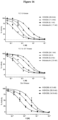
- IC 50 proliferation assay - Cell lines and primary cells were seeded into 96-well plates the afternoon prior to treatment. Approximately 18 hours later, compounds were semi-serially diluted in dimethyl sulfoxide (DMSO) and then growth medium, and added to cells. Plates were incubated for 72 hours prior to addition of Alamar Blue (Life Technologies, Carlsbad, CA). Plates were read after 4 additional hours of incubation at 37°C using a Bio-Tek Synergy HT plate reader (Bio-Tek, Winooski, VT). Data was analyzed and graphed using GraphPad Prism Software (Graphpad, La Jolla, CA). Experimental results are summarized in Table 3.
- IC50 proliferation inhibition against leukemia cell lines MV4-11 and K562.
- HSM1856 also inhibited MiaPaca-2 and HLY-1 with IC50 of 0.4 and 0.08 ⁇ M respectively.
- MiaPaca-2 Pancreatic cell line
- HLY-1 Lymphoma cell line
- MV4-11 AML cell line
- K562 CML cell line.
- Example 129 Inhibition of FLT3, FLT3 ITD and FLT3 D835Y
- test compounds are ⁇ FLT3 inhibitors (Table 4 for percentage enzymatic inhibition at 0.5 ⁇ M compounds).
- Table 4 FLT3 inhibition profile and anti-proliferative activities of the test compounds against different leukemia cancer cell lines.
- Example 130 Inhibition of c-Kit and TrkC Enzymes
- the test compounds inhibited c-Kit and TrkC enzymes.
- Table 5 provides % inhibition of TrkC/c-Kit activities by compounds with stable linkers at concentration of 500 nM, in the presence of 100 ⁇ M radiolabeled ATP.
- Table 5 % Inhibition of Trkc/C-Kit Activities Entry Compound name % inhibition of TrkC at 500 nM % inhibition of c-Kit at 500 nM 1 HSW630-1 99% 68% 2 HSM1651 64% 83% 3 HSM1703 49% 60% 4 HSM1721 52% 80% 5 HSM1743 44% 78% 7 HSM1611 16% 63% 8 HSM1796 7% 3% 9 HSM1798 11% 15% 10 HSM1813 17% 39% 11 HSM1820 74% 86% 12 HSM1819 80% 82% 13 HSM1859 42% 62%
- test compounds could also potently inhibit AML cell lines (Table 5).
- HSM1813 H at 3-position and also lacking Cl at 6-position
- HSM1651 (amino at 3-position and Cl at 6-position) is a good inhibitor of MV4-11 and MOLM-14 proliferation
- compounds HSM1781, 1798 and 1796 which differed from HSM1651 at the isoquinoline part, are ineffective anti-proliferative agents in AML cell lines.
- the amidine group also appears to be important for anti-proliferative activity.
- the cyano analog HSM1611 is ineffective against MV4-11 and MOLM-14 whereas the hydroxyamidine analog (HSM1819), which is derived from HSM1611, is a very potent anti-proliferative in AML cell lines.
- the hydroxyamidine HSM1819 inhibits FLT3 and FLT3 ITD with IC50 of 217 and 240 nM, respectively, in vitro.
- HSM1820 another hydroxyamidine analogue, inhibits FLT3 and FLT3 ITD with IC50 of 359 and 350 nM, respectively, in vitro.
- Table 6A Percent Inhibition of cancer cell line proliferation in the presence of compounds (1 ⁇ M) Comp ound HS N21 0 HS N20 4 HSM 1669 HSM 1812 HS N13 7 HSM 1673 HSM 1683 HS N10 5 HSM 1610 HSM 1674 HS N17 7 HSM 1702 HS N18 4 HSM 1750 HS N14 5 HS N13 9 HS N13 5 HSM 1773 code A3 A4 A5 A6 A7 A9 A10 A1 1 A12 A13 A1 4 A15 A1 6 A17 A2 0 A2 2 A2 3 A24 MV-4-11 10 0 77 83 92 99 98 95 88 90 93 91 99 97 93 99 95 10 0 93 HCT 116 6 21 46 17 60 28 10 40 39 14 15 33 38 20 35 32 21 24 HeLa 16 22 20 97 20 38 49 1 20 8 1 17 51 11 11 35 0 24 MCF-7 1 20 98 100 74 56 57 12 29 36 46 100 92 17
- MV4-11 appeared to be more sensitive to the compounds than the other cell lines (Table 6A). At 1 ⁇ M, most of the compounds could inhibit MV4-11 significantly.
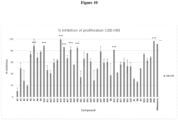
- a lower concentration of compounds 100 nM were used to screen against MV4-11 ( Figure 10 ). From these experiments, potent amide compounds A7, A10, A15, A16, A18, A20, B15 and D30 (as indicated by ***, Figure 10 ) were selected. At 100 nM, these selected compounds inhibited MV4-11 at similar levels to midostaurin, a pan kinase inhibitor that recently completely a Phase III clinical trials ( Figure 10 ).
- amides that contain basic amines are included in compound libraries to improve aqueous solubility but it appears that the presence of a basic amine in the side chain of the compounds also facilitated the actual inhibition of MV4-11 proliferation.
- compounds A1, A2, A21 and A25 which did not have a basic amine side chain, were inactive against MV4-11 whereas many of the other compounds containing a basic amine chain were active against MV4-11.
- Stability of the active compounds, in the presence of mouse liver microsomes revealed that compounds with the D substitution pattern (such as D30) preformed much better in the liver microsomal stability assay compared to the other analogs.
- Example 132 Proliferation Inhibition (IC 50 ) against MV4-11 and MOLM-14
- Compound D30 contains 1-methyl-4-(2-(trifluoromethyl)benzyl)piperazine group, which is found in many kinase inhibitors, including ponatinib.
- Ponatinib which is used to treat imatinib-resistant CML, has been shown to inhibit FLT3-driven AML.
- ponatinib causes adverse cardiovascular effects ( Gainor, J.F., et al. Oncologist, 20(8), 847-848 (2015 )) and it is now given with a black box warning and as a last resort drug against CML ( Talbert, D.R., et al., Toxicol. Sci, 143 (1), 147-155 (2015 ).
- HSN352, HSN353, HSN334, HSN356, HSN285 and HSN325 were prepared via the Sonogashira coupling. These compounds' proliferation inhibition (IC 50 ) against MV4-11 and MOLM-14 (FLT3-driven AML cell lines) were determined (Table 6B).
- HSN286 had an IC 50 against MV-4-11 and MOLM-14 of 0.5 nM and 0.7 nM respectively (Table 7).
- 1-Aminoisoquinoline analogs, HSN334 and HSN356, were also potent proliferation inhibitors of MV4-11 and MOLM-14.
- the degrees of AML proliferation inhibition by the isoquinoline compounds were similar to (or even slightly better than) midostaurin (Table 7).
- there was a good correlation between the percentage inhibition of FLT3 enzymatic reaction obtained as percentage inhibition at 500 nM compound, Reaction Biology) and the inhibition of AML cell lines MV4-11 and MOLM-14 proliferation. Not all of the aminoquinoline compounds were potent inhibitors of the AML cell lines proliferation.
- HSN248, HSN178, HSN247, MXC1702 and HSN315 that also contained the 2-aminoquinoline core were only moderate inhibitors of AML proliferation or FLT3 enzymatic activity.
- the 1-methyl-4-(2-(trifluoromethyl)benzyl)piperazine moiety ( Figure 11 ) is not the sole determinant of FLT3 inhibition.
- Table 7 IC 50 (proliferation) and FMS-like tyrosein kinase 3 inhibition of activity Compound % inhibition of FLT3 activity (500 nM) IC 50 (nM) MV4-11 MOLM14 HSN248 (D7) 73 % 181 ⁇ 6.5 180 ⁇ 7.8 HSN178 (D15) 66 % 144 ⁇ 2.6 187 ⁇ 5.5 HSN247 (D6) 74 % 154 ⁇ 7.1 129 ⁇ 8.2 HSM1702 (A15) 66 % 71 ⁇ 1.1 102 ⁇ 11 HSN315 (D28) 32 % 549 ⁇ 7.4 523 ⁇ 6.4 HSN285 28 % 721 ⁇ 5.8 415 ⁇ 6.9 HSN286 (D30) 97 % 0.49 ⁇ 0.02 0.72 ⁇ 0.02 HSN325 33 % 135 ⁇ 5.87 456 ⁇ 15 HSN334 99 % 1.38 ⁇ 0.1 1.61 ⁇ 0.02 H
- HSN286 was tested against various other cancer lines as well as a normal cell line (MRC5, lung fibroblast cell line) ( Figure 12 ).
- MRC5 lung fibroblast cell line
- the IC 50 of HSN286 was determined to be over 10000 nM.
- the IC 50 values for compound HSN286 against HL60, an acute promyelocytic leukemia cell line and THP1 (another non-FLT3-driven AML line) were 2156 nM and 2315 nM respectively (i.e. more than 2000X less active against these cell lines when compared to FLT3-driven cell lines MV4-11 or MOLM-14).
- IC 50 of compound HSN286 against MRC5 is 1266 nM (over 1000X less compared to IC 50 for MV4-11 or MOLM-14). It therefore appears that HSN286 is selective (at least amongst the cell lines tested) for FLT3-driven leukemia.
- kinase inhibitors that have found clinical success have been multikinase inhibitors.
- sorafenib used to treat kidney cancer, hepatocellular carcinoma and radioiodine-resistant thyroid cancers, also inhibits several kinases, such as RAF, MEK, ERK, VEGFR, PDGFR, FLT3, c-KIT, FGFR-1, DDR2.
- Dasatinib another multikinase inhibitor is a first line treatment for CML and Ph + ALL inhibits multitudes of kinase. This includes BCR-ABL, YES, EPHA8, c-KIT, SRC, LCK, DDR2, FRK, FYN, ARG, BTK, HCK.
- HSN286 and its analogs also inhibited other cancer-related kinases.
- Src-family kinases such as BLK, FGR, FYN, HCK, LYN, SRC and YES
- HCK Src-family kinases
- kinase screening services Reaction Biology and DiscoverX were used to characterize the inhibition of kinase activity (enzymatic activity in the presence of 500 nM of compounds).
- HSN286 and analogs potently inhibit FLT3 and the Src-family kinases but not other kinases such as Aurora A, CDK6 or PIK3Ca. (Table 9).
- the inhibition of the Src-kinase family could be important clinically because these kinases are downstream of FLT3. In the event of FLT3 mutation, the inhibition of the Src-family kinases could still lead to proliferation inhibition.
- IC 50 values for the inhibition of FLT3 kinase enzymatic activity by midostaurin, HSN286, 334 and 356 were determined. All of the four compounds could inhibit FLT3 with low nanomolar values, although midostaurin and HSN356 were better than HSN286 and HSN334 ( Figure 16 ). Midostaurin and HSN356 inhibited FLT3 and FLT3 ITD with single digit IC 50 values. However in the case of Src kinase, HSN286 was the most potent (IC 50 of 4.5 nM). HSN356 is also an effective inhibitor of Src kinase with a IC 50 of 14.9 nM.
- the compounds disclosed herein are novel FLT3 inhibitors which can inhibit the problematic D835 secondary mutants.
- 4-alkyne substituted aminoisoquinolines readily obtained via Sonogashira coupling but not the related quinolines, were potent FLT3 and SRC-kinase inhibitors.
- Extensive structure-activity relationship (SAR) studies revealed that the FLT3 inhibition profiles and anti-proliferative activities against FLT3-driven cancer cell lines, MV4-11 and MOLM-14 were dictated by the substitution pattern and nature of benzamide.
- Table 11 Percentage Kinase Inhibition Data: HSN286, HSN325 and HSM1702 HSN286 HSN325 HSM1702 AKT1 0 0 13 AKT2 3 0 18 ALK 0 2 7 Aurora A 0 0 19 AXL 3 3 0 BLK 100 30 10 BRAF 97 38 3 BRK 92 0 18 BTK 41 4 5 c-MER 0 0 6 c-Met 20 15 4 c-Src 99 30 9 CDK1/cyclin E 0 0 13 CDK2/cyclin A 0 0 18 CDK4/cyclin D1 0 0 16 CDK6/cyclin D3 7 0 50 CDK9/cyclin K 24 7 53 CDK9/cyclin T1 0 0 41 CDK9/cyclin T2 0 0 65 CSK 93 0 1 CTK/MATK 0 5 0 DDR2 77 81 0 DNA-PK 0 0 ND EGFR 44 0 0 EPHA3 96
- HSN286, HSN325 and HSM1702 HSN286 c-kit (61), DAPK1 (9), FGFR2 (96), FGFR3 (88), FGFR4 (82), MEKK2 (52), PDGFRb (96), RIPK2 (25), RIPK3 (96), RIPK4 (32); HSM1702 c-kit (83).
- Example 141 In vivo Efficacy Study
- HSN356, HSN334, HSN286, HSN461 and HSN431 against AML cell line MV4-11 are similar (all have IC50 ⁇ 1 nM against MV4-11) yet the compounds have differing potencies in-vivo.
- HSN286 and HSN286 are both 3-aminoisoquinolines but HSN286 is not efficacious in-vivo whereas HSN431 is efficacious ( Figure 20 ).
- HSN334 only differs from HSN356 and HSN461 via a carbon to nitrogen but the percent survival of mice injected with MV4-11 cell lines of HSN334 is different from both HSN356 and HSN461.
- mice Six week old female NSG mice were injected intravenously with 1 ⁇ 10 6 logarithimically growing MV4-11 cells expressing luciferase (MV4-11). Luciferase expressing leukemia cells were imaged using the IVIS Xenogen system (Perkin Elmer, Waltham MA). On day of imaging, mice are injected IP with 150 mg/kg luciferin (Perkin Elmer, Waltham, MA), anaesthetized and then placed in imaging chamber. Maximal luminescence is recorded and then averaged among each treatment group. Ten days post cell injection, mice were imaged and then sorted into groups so that leukemic burden was similar and dosing started. Mice were dosed either with vehicle (10% DMSO/10% Tween 20/80% saline) or 25 mg/kg of compounds three times per week for the duration of the experiment. Mice were weighed and observed five days per week and imaged once per week.
- test compounds are also active against several other cancers.
- the test compounds are active against lung cancer (Table 17). This is to be expected since the compounds can be tuned to inhibit different kinases, which drive specific tumors (Tables 11-16).
- Table 17 IC50 against NCI H1703 (NSCLC)/ nM Compound IC50 against NCI H1703 (NSCLC)/ nM HSN356 88 HSN379 13 HSN334 98 HSN286 50 HSN459 38 HSN461 157 HSN431 247
- test compounds potently inhibit proliferation of K562 cell lines (CML) (Table 18).
- Table 18 Inhibition of Proliferation of K562 Cell Lines (CML) HSL41 30.1 ⁇ 0.19 nM HSL45 25.3 ⁇ 0.1 nM HSL58 94.5 ⁇ 0.1 nM HSN178 1443 ⁇ 0.21 nM HSN285 1102 ⁇ 0.08 nM HSN316 913 ⁇ 0.1 nM HSN334 6.1 ⁇ 0.1 nM HSN356 1.8 ⁇ 0.03 nM HSL43 10.1 ⁇ 0.1 nM HSL47 161.1 ⁇ 0.11 nM HSL64 1932 ⁇ 0.41 nM HSN247 25.7 ⁇ 0.31 nM HSN286 3.5 ⁇ 0.02 nM HSN317 1483 ⁇ 0.1 nM HSN352 2.4 ⁇ 0.06 nM HSN375 8.8 ⁇ 0.4 nM HSL44 43.5 ⁇ 0.14 nM
Landscapes
- Chemical & Material Sciences (AREA)
- Organic Chemistry (AREA)
- Health & Medical Sciences (AREA)
- Chemical Kinetics & Catalysis (AREA)
- General Chemical & Material Sciences (AREA)
- Medicinal Chemistry (AREA)
- Nuclear Medicine, Radiotherapy & Molecular Imaging (AREA)
- Pharmacology & Pharmacy (AREA)
- Life Sciences & Earth Sciences (AREA)
- Animal Behavior & Ethology (AREA)
- General Health & Medical Sciences (AREA)
- Public Health (AREA)
- Veterinary Medicine (AREA)
- Pharmaceuticals Containing Other Organic And Inorganic Compounds (AREA)
- Nitrogen Condensed Heterocyclic Rings (AREA)
- Pyridine Compounds (AREA)
- Plural Heterocyclic Compounds (AREA)
- Quinoline Compounds (AREA)
- Other In-Based Heterocyclic Compounds (AREA)
Claims (5)
- Verbindung ausgewählt aus der Gruppe:
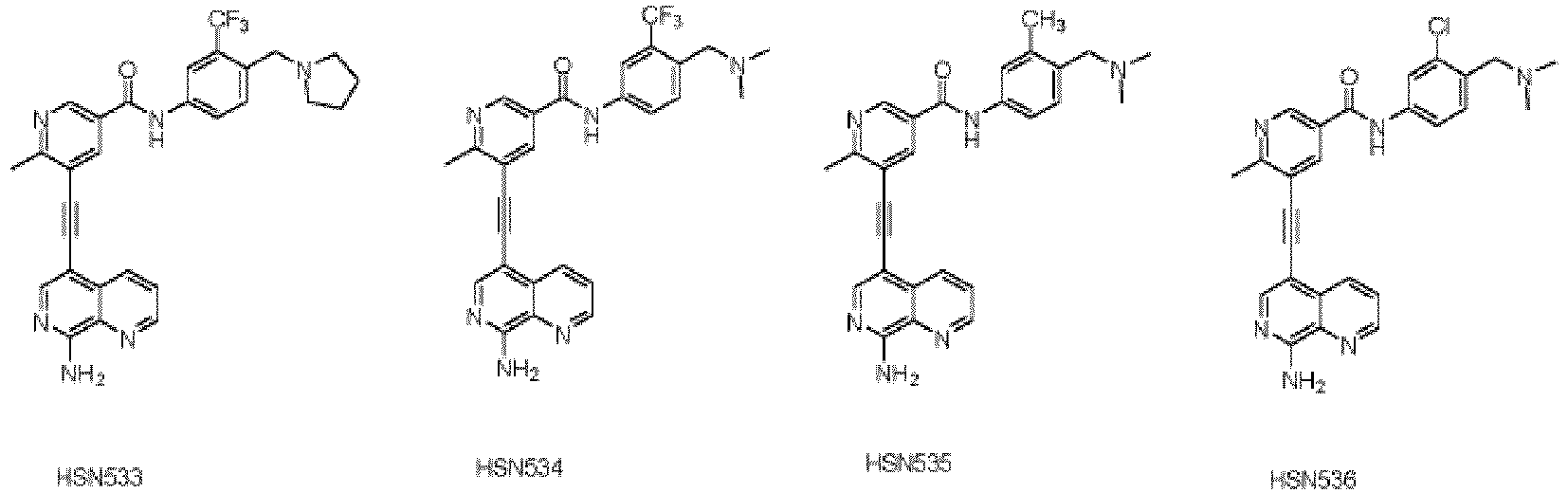


- Pharmazeutische Zusammensetzung, umfassend eine Verbindung nach Anspruch 1 oder ein pharmazeutisch annehmbares Salz, N-Oxid, Hydrat oder Solvat davon und einen pharmazeutisch annehmbaren Träger oder Verdünner.
- Verbindung nach Anspruch 1 oder ein pharmazeutisch annehmbares Salz, N-Oxid, Hydrat oder Solvat davon oder eine pharmazeutische Zusammensetzung nach Anspruch 2 zur Verwendung beim Behandeln, Hemmen, Unterdrücken oder Verringern des Schweregrads von Krebs bei einer Person, die diese benötigt.
- Verbindung oder pharmazeutische Zusammensetzung zur Verwendung nach Anspruch 3, wobei der Krebs aus der Gruppe ausgewählt ist, die aus akuter myeloischer Leukämie, chronischer myeloischer Leukämie und Leukämie besteht.
- Verbindung nach Anspruch 1 oder ein pharmazeutisch annehmbares Salz, N-Oxid, Hydrat oder Solvat davon oder eine pharmazeutische Zusammensetzung nach Anspruch 2 zur Verwendung beim Behandeln, Hemmen, Unterdrücken oder Verringern des Schweregrads einer mit Proteinkinase assoziierten Erkrankung oder eines Krankheitsbilds bei einer Person, die diese benötigt, wobei die Erkrankung oder das Krankheitsbild Krebs ist.
Applications Claiming Priority (4)
| Application Number | Priority Date | Filing Date | Title |
|---|---|---|---|
| US201662375154P | 2016-08-15 | 2016-08-15 | |
| US201762461295P | 2017-02-21 | 2017-02-21 | |
| PCT/US2017/046843 WO2018035072A1 (en) | 2016-08-15 | 2017-08-15 | 4-substituted aminoisoquinoline derivatives |
| EP17841957.8A EP3496717A4 (de) | 2016-08-15 | 2017-08-15 | 4-substituierte aminoisochinolinderivate |
Related Parent Applications (1)
| Application Number | Title | Priority Date | Filing Date |
|---|---|---|---|
| EP17841957.8A Division EP3496717A4 (de) | 2016-08-15 | 2017-08-15 | 4-substituierte aminoisochinolinderivate |
Publications (2)
| Publication Number | Publication Date |
|---|---|
| EP4011882A1 EP4011882A1 (de) | 2022-06-15 |
| EP4011882B1 true EP4011882B1 (de) | 2025-03-05 |
Family
ID=61196993
Family Applications (2)
| Application Number | Title | Priority Date | Filing Date |
|---|---|---|---|
| EP22150686.8A Active EP4011882B1 (de) | 2016-08-15 | 2017-08-15 | 4-substituierte aminoisochinolinderivate |
| EP17841957.8A Withdrawn EP3496717A4 (de) | 2016-08-15 | 2017-08-15 | 4-substituierte aminoisochinolinderivate |
Family Applications After (1)
| Application Number | Title | Priority Date | Filing Date |
|---|---|---|---|
| EP17841957.8A Withdrawn EP3496717A4 (de) | 2016-08-15 | 2017-08-15 | 4-substituierte aminoisochinolinderivate |
Country Status (6)
| Country | Link |
|---|---|
| US (3) | US11001559B2 (de) |
| EP (2) | EP4011882B1 (de) |
| JP (1) | JP7562256B2 (de) |
| CN (1) | CN109843294A (de) |
| CA (2) | CA3033752C (de) |
| WO (1) | WO2018035072A1 (de) |
Families Citing this family (25)
| Publication number | Priority date | Publication date | Assignee | Title |
|---|---|---|---|---|
| US20170283445A1 (en) * | 2016-04-05 | 2017-10-05 | University Of South Carolina | Small Molecule Inhibitors Selective For Polo-Like Kinase Proteins |
| CN108456163A (zh) * | 2017-02-20 | 2018-08-28 | 中国科学院上海药物研究所 | 含邻氨基杂芳环炔基的化合物及其制备方法和用途 |
| JP7060694B2 (ja) | 2018-01-18 | 2022-04-26 | アレイ バイオファーマ インコーポレイテッド | Retキナーゼ阻害剤としての置換ピロロ[2,3-d]ピリミジン化合物 |
| US11472802B2 (en) | 2018-01-18 | 2022-10-18 | Array Biopharma Inc. | Substituted pyrazolyl[4,3-c]pyridine compounds as RET kinase inhibitors |
| PL3829581T3 (pl) * | 2018-07-27 | 2024-07-01 | Arcus Biosciences, Inc. | Antagoniści pirydonu a2r |
| CN117285467A (zh) | 2018-07-31 | 2023-12-26 | 罗索肿瘤学公司 | 喷雾干燥的分散体和制剂 |
| WO2020053812A1 (en) * | 2018-09-12 | 2020-03-19 | Purdue Research Foundation | Alkynyl nicotinamide compounds as kinase inhibitors |
| EP3856724A1 (de) * | 2018-09-30 | 2021-08-04 | F. Hoffmann-La Roche AG | Cinnolinverbindungen und zur behandlung von hpk1-abhängigen erkrankungen wie krebs |
| AU2019387290A1 (en) | 2018-11-29 | 2021-05-27 | Pfizer Inc. | Pyrazoles as modulators of hemoglobin |
| CA3121202A1 (en) | 2018-11-30 | 2020-06-04 | Nuvation Bio Inc. | Pyrrole and pyrazole compounds and methods of use thereof |
| WO2020114487A1 (en) * | 2018-12-07 | 2020-06-11 | Sunshine Lake Pharma Co., Ltd. | Ret inhibitors, pharmaceutical compositions and uses thereof |
| EP3891148A4 (de) * | 2018-12-07 | 2022-09-07 | Sunshine Lake Pharma Co., Ltd. | Ret-inhibitor, pharmazeutische zusammensetzungen und verwendungen davon |
| CN114340734A (zh) * | 2019-06-24 | 2022-04-12 | 博善人工智能生物科技有限公司 | 新化合物和方法 |
| WO2021252123A2 (en) * | 2020-05-19 | 2021-12-16 | Purdue Research Foundation | Continuous flow sonogashira coupling synthesis method |
| WO2021262915A1 (en) * | 2020-06-24 | 2021-12-30 | Purdue Research Foundation | 2,3-disubstituted pyrido[3,4-b]pyrazine-containing compounds as kinase inhibitors |
| WO2022015051A1 (ko) * | 2020-07-14 | 2022-01-20 | 주식회사 보로노이바이오 | 아릴 또는 헤테로아릴 유도체, 및 이를 유효성분으로 포함하는 키나아제 관련 질환 예방 또는 치료용 약학적 조성물 |
| US20230339936A1 (en) * | 2020-07-23 | 2023-10-26 | Cytosinlab Therapeutics Co. Ltd. | Compound having kinase inhibitory activity |
| KR20220099503A (ko) * | 2021-01-05 | 2022-07-13 | 주식회사 비투에스바이오 | 헤테로아릴-에티닐 유도체 화합물 및 이의 용도 |
| CA3208361A1 (en) | 2021-02-19 | 2022-08-25 | Anjali Pandey | Tyk2 inhibitors and uses thereof |
| AU2022222470A1 (en) | 2021-02-19 | 2023-09-21 | Sudo Biosciences Limited | Tyk2 inhibitors and uses thereof |
| EP4294806A1 (de) | 2021-02-19 | 2023-12-27 | Sudo Biosciences Limited | Tyk2-inhibitoren und verwendungen davon |
| WO2023169453A1 (zh) * | 2022-03-11 | 2023-09-14 | 中国科学院上海药物研究所 | 一类含杂芳环炔基化合物及其制备方法和用途 |
| WO2023196930A2 (en) * | 2022-04-06 | 2023-10-12 | Purdue Research Foundation | Nicotinamide- and benzamide-based compounds, conjugates, and compositions as inhibitors of translational- and transcriptional-related kinases |
| CN115851946B (zh) * | 2022-11-24 | 2023-09-01 | 中山大学孙逸仙纪念医院 | CaMK I作为治疗靶点在制备胰腺癌治疗药物中的应用 |
| US20250092031A1 (en) * | 2023-09-20 | 2025-03-20 | Momentum Therapeutics, Inc. | Ripk3 inhibitors and methods of use |
Family Cites Families (21)
| Publication number | Priority date | Publication date | Assignee | Title |
|---|---|---|---|---|
| US4216212A (en) * | 1978-06-08 | 1980-08-05 | The Procter & Gamble Company | Pyrazolidine anti-inflammatory composition and methods of use |
| CA2067221C (en) * | 1989-10-11 | 1997-04-15 | Yasuji Sakuma | Fused pyrimidine derivative, process for preparation of same and pharmaceutical preparation comprising same as active ingredient |
| WO2003024931A1 (en) | 2001-09-14 | 2003-03-27 | Merck & Co., Inc. | Tyrosine kinase inhibitors |
| AU2004253967B2 (en) | 2003-07-03 | 2010-02-18 | Cytovia, Inc. | 4-arylamino-quinazolines as activators of caspases and inducers of apoptosis |
| US7776869B2 (en) | 2004-10-18 | 2010-08-17 | Amgen Inc. | Heteroaryl-substituted alkyne compounds and method of use |
| US7737279B2 (en) | 2005-05-10 | 2010-06-15 | Bristol-Myers Squibb Company | 1,6-dihydro-1,3,5,6-tetraaza-as-indacene based tricyclic compounds and pharmaceutical compositions comprising same |
| CN103435595A (zh) * | 2006-05-08 | 2013-12-11 | 阿里亚德医药股份有限公司 | 炔类杂芳基化合物 |
| WO2008009078A2 (en) | 2006-07-20 | 2008-01-24 | Gilead Sciences, Inc. | 4,6-dl- and 2,4,6-trisubstituted quinazoline derivatives useful for treating viral infections |
| JP2011510004A (ja) | 2008-01-22 | 2011-03-31 | メルク パテント ゲゼルシャフト ミット ベシュレンクテル ハフツング | タンパク質キナーゼ阻害剤及びその使用 |
| MX2010013842A (es) | 2008-07-03 | 2011-01-14 | Merck Patent Gmbh | Naftiridinonas como inhibidores de aurora cinasa. |
| US8383094B2 (en) | 2008-10-01 | 2013-02-26 | Bristol-Myers Squibb Company | Hepatitis C virus inhibitors |
| AR076332A1 (es) | 2009-04-21 | 2011-06-01 | Boehringer Ingelheim Int | Derivados heterociclicos de 5-alquinil-piridinas, composiciones farmaceuticas que los comprenden y uso de los mismos para el tratamiento y/o prevencion del cancer, procesos inflamatorios, autoinmunes, y/o infecciones. |
| JP2013506691A (ja) | 2009-10-02 | 2013-02-28 | バーテックス ファーマシューティカルズ インコーポレイテッド | ホスファチジルイノシトール3−キナーゼのピラゾール阻害薬 |
| SG183233A1 (en) * | 2010-02-22 | 2012-09-27 | Merck Patent Gmbh | Hetarylaminonaphthyridines |
| CN101885722B (zh) | 2010-07-01 | 2013-07-24 | 中国科学院广州生物医药与健康研究院 | 杂环炔苯类化合物及其药用组合物和应用 |
| WO2012097479A1 (en) * | 2011-01-21 | 2012-07-26 | Abbott Laboratories | Bicyclic inhibitors of anaphastic lymphoma kinase |
| CN103030637A (zh) | 2011-10-10 | 2013-04-10 | 上海恒瑞医药有限公司 | 咪唑并喹啉类衍生物及其可药用盐、其制备方法及其在医药上的应用 |
| AU2013237226A1 (en) | 2012-03-19 | 2014-10-09 | Emory University | Quinazoline compounds and their use in therapy |
| CN104211639A (zh) | 2013-06-05 | 2014-12-17 | 中国科学院上海药物研究所 | 一类炔基杂环类化合物及其应用 |
| GB2522226A (en) | 2014-01-17 | 2015-07-22 | Agency Science Tech & Res | Heteroaryl alkyne derivatives and uses thereof |
| US10130625B2 (en) * | 2014-07-22 | 2018-11-20 | University Of Maryland, College Park | Linked diaryl compounds with anticancer properties and methods of using the same |
-
2017
- 2017-08-15 EP EP22150686.8A patent/EP4011882B1/de active Active
- 2017-08-15 CA CA3033752A patent/CA3033752C/en active Active
- 2017-08-15 CA CA3158951A patent/CA3158951A1/en active Pending
- 2017-08-15 JP JP2019508936A patent/JP7562256B2/ja active Active
- 2017-08-15 EP EP17841957.8A patent/EP3496717A4/de not_active Withdrawn
- 2017-08-15 CN CN201780063496.9A patent/CN109843294A/zh active Pending
- 2017-08-15 WO PCT/US2017/046843 patent/WO2018035072A1/en not_active Ceased
- 2017-08-15 US US16/325,022 patent/US11001559B2/en active Active
-
2021
- 2021-03-01 US US17/187,931 patent/US20210198208A1/en not_active Abandoned
-
2024
- 2024-09-17 US US18/887,654 patent/US20250084039A1/en active Pending
Also Published As
| Publication number | Publication date |
|---|---|
| JP2019527725A (ja) | 2019-10-03 |
| US11001559B2 (en) | 2021-05-11 |
| WO2018035072A1 (en) | 2018-02-22 |
| CA3033752C (en) | 2022-05-31 |
| CA3158951A1 (en) | 2018-02-22 |
| CA3033752A1 (en) | 2018-02-22 |
| US20250084039A1 (en) | 2025-03-13 |
| US20210198208A1 (en) | 2021-07-01 |
| US20190177278A1 (en) | 2019-06-13 |
| EP4011882A1 (de) | 2022-06-15 |
| EP3496717A1 (de) | 2019-06-19 |
| CN109843294A (zh) | 2019-06-04 |
| EP3496717A4 (de) | 2020-01-15 |
| JP7562256B2 (ja) | 2024-10-07 |
Similar Documents
| Publication | Publication Date | Title |
|---|---|---|
| US20250084039A1 (en) | 4-substituted aminoisoquinoline derivatives | |
| US20240368184A1 (en) | PIKfyve Inhibitors | |
| US10421761B2 (en) | Compounds for kinase modulation, and indications therefor | |
| JP7427098B2 (ja) | タンパク質キナ-ゼ阻害活性を有する7-アミノ-3,4-ジヒドロピリミドピリミジン-2-オン誘導体およびこれを含む治療用薬学組成物 | |
| EP2499117B1 (de) | Verbindung, Verfahren zu deren Herstellung, pharmazeutische Zusammensetzung, Verwendung einer Verbindung, Verfahren zur Modulierung und Regulierung von Serin-/Threoninkinasen sowie ein Modulierungsmittel für Serin-/Threoninkinasen | |
| EP3929195A1 (de) | Pyrido- 3,4-d] pyrimidin-8-on-derivate mit proteinkinase inhibierender wirkung und pharmazeutische zusammensetzung zur vorbeugung, linderung oder behandlung von krebs, die diese enthält | |
| US8604217B2 (en) | Compound, a process for its preparation, a pharmaceutical composition, use of a compound, a method for modulating or regulating serine/threonine kinases and a serine/threonine kinases modulating agent | |
| EP4010330B1 (de) | Chinolinderivate als proteinkinaseinhibitoren | |
| EA021421B1 (ru) | Производные хинолинов и хиноксалинов в качестве ингибиторов протеинтирозинкиназы, способ их получения, содержащая их фармацевтическая композиция и способ лечения заболеваний с применением таких соединений | |
| CN105492445B (zh) | 化合物(变体)以及其对于治疗肿瘤疾病的应用 | |
| HK40076911A (en) | 4-substituted aminoisoquinoline derivatives | |
| WO2024173234A1 (en) | Inhibitors of parg | |
| KR102329720B1 (ko) | 단백질 키나아제 저해 활성을 갖는 신규한 피리미도[4,5-d]피리미딘-2-온 유도체 | |
| CA3188108A1 (en) | 2,3-disubstituted pyrido[3,4-b]pyrazine-containing compounds as kinase inhibitors | |
| KR102329723B1 (ko) | 단백질 키나아제 저해 활성을 갖는 신규한 피리미도[4,5-d]피리미딘-2-온 유도체 | |
| KR20220041462A (ko) | Flt3 저해 활성을 갖는 신규한 퀴나졸린 유도체 및 이의 용도 | |
| KR20260027534A (ko) | 신규 ret 저해 화합물, 이의 제조방법 및 이의 용도 | |
| KR20180106597A (ko) | [1,2,4]트리아졸로[4,3-a]퀴노잘린 아미노 페닐 유도체 또는 이의 약학적으로 허용가능한 염, 이의 제조방법 및 이를 유효성분으로 포함하는 BET 단백질 관련 질환의 예방 또는 치료용 약학적 조성물 |
Legal Events
| Date | Code | Title | Description |
|---|---|---|---|
| PUAI | Public reference made under article 153(3) epc to a published international application that has entered the european phase |
Free format text: ORIGINAL CODE: 0009012 |
|
| STAA | Information on the status of an ep patent application or granted ep patent |
Free format text: STATUS: THE APPLICATION HAS BEEN PUBLISHED |
|
| AC | Divisional application: reference to earlier application |
Ref document number: 3496717 Country of ref document: EP Kind code of ref document: P |
|
| AK | Designated contracting states |
Kind code of ref document: A1 Designated state(s): AL AT BE BG CH CY CZ DE DK EE ES FI FR GB GR HR HU IE IS IT LI LT LU LV MC MK MT NL NO PL PT RO RS SE SI SK SM TR |
|
| STAA | Information on the status of an ep patent application or granted ep patent |
Free format text: STATUS: REQUEST FOR EXAMINATION WAS MADE |
|
| 17P | Request for examination filed |
Effective date: 20221215 |
|
| RBV | Designated contracting states (corrected) |
Designated state(s): AL AT BE BG CH CY CZ DE DK EE ES FI FR GB GR HR HU IE IS IT LI LT LU LV MC MK MT NL NO PL PT RO RS SE SI SK SM TR |
|
| REG | Reference to a national code |
Ref country code: HK Ref legal event code: DE Ref document number: 40076911 Country of ref document: HK |
|
| STAA | Information on the status of an ep patent application or granted ep patent |
Free format text: STATUS: EXAMINATION IS IN PROGRESS |
|
| 17Q | First examination report despatched |
Effective date: 20231211 |
|
| GRAP | Despatch of communication of intention to grant a patent |
Free format text: ORIGINAL CODE: EPIDOSNIGR1 |
|
| STAA | Information on the status of an ep patent application or granted ep patent |
Free format text: STATUS: GRANT OF PATENT IS INTENDED |
|
| INTG | Intention to grant announced |
Effective date: 20241022 |
|
| RAP3 | Party data changed (applicant data changed or rights of an application transferred) |
Owner name: PURDUE RESEARCH FOUNDATION |
|
| GRAS | Grant fee paid |
Free format text: ORIGINAL CODE: EPIDOSNIGR3 |
|
| GRAA | (expected) grant |
Free format text: ORIGINAL CODE: 0009210 |
|
| STAA | Information on the status of an ep patent application or granted ep patent |
Free format text: STATUS: THE PATENT HAS BEEN GRANTED |
|
| AC | Divisional application: reference to earlier application |
Ref document number: 3496717 Country of ref document: EP Kind code of ref document: P |
|
| AK | Designated contracting states |
Kind code of ref document: B1 Designated state(s): AL AT BE BG CH CY CZ DE DK EE ES FI FR GB GR HR HU IE IS IT LI LT LU LV MC MK MT NL NO PL PT RO RS SE SI SK SM TR |
|
| REG | Reference to a national code |
Ref country code: GB Ref legal event code: FG4D |
|
| REG | Reference to a national code |
Ref country code: CH Ref legal event code: EP |
|
| REG | Reference to a national code |
Ref country code: IE Ref legal event code: FG4D |
|
| REG | Reference to a national code |
Ref country code: DE Ref legal event code: R096 Ref document number: 602017088246 Country of ref document: DE |
|
| PG25 | Lapsed in a contracting state [announced via postgrant information from national office to epo] |
Ref country code: RS Free format text: LAPSE BECAUSE OF FAILURE TO SUBMIT A TRANSLATION OF THE DESCRIPTION OR TO PAY THE FEE WITHIN THE PRESCRIBED TIME-LIMIT Effective date: 20250605 |
|
| PG25 | Lapsed in a contracting state [announced via postgrant information from national office to epo] |
Ref country code: FI Free format text: LAPSE BECAUSE OF FAILURE TO SUBMIT A TRANSLATION OF THE DESCRIPTION OR TO PAY THE FEE WITHIN THE PRESCRIBED TIME-LIMIT Effective date: 20250305 |
|
| REG | Reference to a national code |
Ref country code: NL Ref legal event code: MP Effective date: 20250305 |
|
| PG25 | Lapsed in a contracting state [announced via postgrant information from national office to epo] |
Ref country code: ES Free format text: LAPSE BECAUSE OF FAILURE TO SUBMIT A TRANSLATION OF THE DESCRIPTION OR TO PAY THE FEE WITHIN THE PRESCRIBED TIME-LIMIT Effective date: 20250305 |
|
| REG | Reference to a national code |
Ref country code: LT Ref legal event code: MG9D |
|
| PG25 | Lapsed in a contracting state [announced via postgrant information from national office to epo] |
Ref country code: NO Free format text: LAPSE BECAUSE OF FAILURE TO SUBMIT A TRANSLATION OF THE DESCRIPTION OR TO PAY THE FEE WITHIN THE PRESCRIBED TIME-LIMIT Effective date: 20250605 |
|
| PG25 | Lapsed in a contracting state [announced via postgrant information from national office to epo] |
Ref country code: HR Free format text: LAPSE BECAUSE OF FAILURE TO SUBMIT A TRANSLATION OF THE DESCRIPTION OR TO PAY THE FEE WITHIN THE PRESCRIBED TIME-LIMIT Effective date: 20250305 |
|
| PG25 | Lapsed in a contracting state [announced via postgrant information from national office to epo] |
Ref country code: LV Free format text: LAPSE BECAUSE OF FAILURE TO SUBMIT A TRANSLATION OF THE DESCRIPTION OR TO PAY THE FEE WITHIN THE PRESCRIBED TIME-LIMIT Effective date: 20250305 |
|
| PG25 | Lapsed in a contracting state [announced via postgrant information from national office to epo] |
Ref country code: BG Free format text: LAPSE BECAUSE OF FAILURE TO SUBMIT A TRANSLATION OF THE DESCRIPTION OR TO PAY THE FEE WITHIN THE PRESCRIBED TIME-LIMIT Effective date: 20250305 Ref country code: GR Free format text: LAPSE BECAUSE OF FAILURE TO SUBMIT A TRANSLATION OF THE DESCRIPTION OR TO PAY THE FEE WITHIN THE PRESCRIBED TIME-LIMIT Effective date: 20250606 |
|
| REG | Reference to a national code |
Ref country code: AT Ref legal event code: MK05 Ref document number: 1772881 Country of ref document: AT Kind code of ref document: T Effective date: 20250305 |
|
| PG25 | Lapsed in a contracting state [announced via postgrant information from national office to epo] |
Ref country code: NL Free format text: LAPSE BECAUSE OF FAILURE TO SUBMIT A TRANSLATION OF THE DESCRIPTION OR TO PAY THE FEE WITHIN THE PRESCRIBED TIME-LIMIT Effective date: 20250305 |
|
| PG25 | Lapsed in a contracting state [announced via postgrant information from national office to epo] |
Ref country code: SE Free format text: LAPSE BECAUSE OF FAILURE TO SUBMIT A TRANSLATION OF THE DESCRIPTION OR TO PAY THE FEE WITHIN THE PRESCRIBED TIME-LIMIT Effective date: 20250305 |
|
| PG25 | Lapsed in a contracting state [announced via postgrant information from national office to epo] |
Ref country code: SM Free format text: LAPSE BECAUSE OF FAILURE TO SUBMIT A TRANSLATION OF THE DESCRIPTION OR TO PAY THE FEE WITHIN THE PRESCRIBED TIME-LIMIT Effective date: 20250305 |
|
| PG25 | Lapsed in a contracting state [announced via postgrant information from national office to epo] |
Ref country code: PT Free format text: LAPSE BECAUSE OF FAILURE TO SUBMIT A TRANSLATION OF THE DESCRIPTION OR TO PAY THE FEE WITHIN THE PRESCRIBED TIME-LIMIT Effective date: 20250707 |
|
| PGFP | Annual fee paid to national office [announced via postgrant information from national office to epo] |
Ref country code: DE Payment date: 20250929 Year of fee payment: 9 |
|
| PG25 | Lapsed in a contracting state [announced via postgrant information from national office to epo] |
Ref country code: IT Free format text: LAPSE BECAUSE OF FAILURE TO SUBMIT A TRANSLATION OF THE DESCRIPTION OR TO PAY THE FEE WITHIN THE PRESCRIBED TIME-LIMIT Effective date: 20250305 Ref country code: PL Free format text: LAPSE BECAUSE OF FAILURE TO SUBMIT A TRANSLATION OF THE DESCRIPTION OR TO PAY THE FEE WITHIN THE PRESCRIBED TIME-LIMIT Effective date: 20250305 |
|
| PGFP | Annual fee paid to national office [announced via postgrant information from national office to epo] |
Ref country code: GB Payment date: 20250929 Year of fee payment: 9 |
|
| PG25 | Lapsed in a contracting state [announced via postgrant information from national office to epo] |
Ref country code: AT Free format text: LAPSE BECAUSE OF FAILURE TO SUBMIT A TRANSLATION OF THE DESCRIPTION OR TO PAY THE FEE WITHIN THE PRESCRIBED TIME-LIMIT Effective date: 20250305 |
|
| PGFP | Annual fee paid to national office [announced via postgrant information from national office to epo] |
Ref country code: FR Payment date: 20250925 Year of fee payment: 9 |
|
| PG25 | Lapsed in a contracting state [announced via postgrant information from national office to epo] |
Ref country code: EE Free format text: LAPSE BECAUSE OF FAILURE TO SUBMIT A TRANSLATION OF THE DESCRIPTION OR TO PAY THE FEE WITHIN THE PRESCRIBED TIME-LIMIT Effective date: 20250305 Ref country code: CZ Free format text: LAPSE BECAUSE OF FAILURE TO SUBMIT A TRANSLATION OF THE DESCRIPTION OR TO PAY THE FEE WITHIN THE PRESCRIBED TIME-LIMIT Effective date: 20250305 |
|
| PG25 | Lapsed in a contracting state [announced via postgrant information from national office to epo] |
Ref country code: RO Free format text: LAPSE BECAUSE OF FAILURE TO SUBMIT A TRANSLATION OF THE DESCRIPTION OR TO PAY THE FEE WITHIN THE PRESCRIBED TIME-LIMIT Effective date: 20250305 |
|
| PG25 | Lapsed in a contracting state [announced via postgrant information from national office to epo] |
Ref country code: SK Free format text: LAPSE BECAUSE OF FAILURE TO SUBMIT A TRANSLATION OF THE DESCRIPTION OR TO PAY THE FEE WITHIN THE PRESCRIBED TIME-LIMIT Effective date: 20250305 |
|
| PG25 | Lapsed in a contracting state [announced via postgrant information from national office to epo] |
Ref country code: IS Free format text: LAPSE BECAUSE OF FAILURE TO SUBMIT A TRANSLATION OF THE DESCRIPTION OR TO PAY THE FEE WITHIN THE PRESCRIBED TIME-LIMIT Effective date: 20250705 |
|
| REG | Reference to a national code |
Ref country code: DE Ref legal event code: R097 Ref document number: 602017088246 Country of ref document: DE |
|
| PLBE | No opposition filed within time limit |
Free format text: ORIGINAL CODE: 0009261 |
|
| STAA | Information on the status of an ep patent application or granted ep patent |
Free format text: STATUS: NO OPPOSITION FILED WITHIN TIME LIMIT |
|
| PG25 | Lapsed in a contracting state [announced via postgrant information from national office to epo] |
Ref country code: DK Free format text: LAPSE BECAUSE OF FAILURE TO SUBMIT A TRANSLATION OF THE DESCRIPTION OR TO PAY THE FEE WITHIN THE PRESCRIBED TIME-LIMIT Effective date: 20250305 |
|
| REG | Reference to a national code |
Ref country code: CH Ref legal event code: L10 Free format text: ST27 STATUS EVENT CODE: U-0-0-L10-L00 (AS PROVIDED BY THE NATIONAL OFFICE) Effective date: 20260114 |
|
| 26N | No opposition filed |
Effective date: 20251208 |
|
| REG | Reference to a national code |
Ref country code: CH Ref legal event code: H13 Free format text: ST27 STATUS EVENT CODE: U-0-0-H10-H13 (AS PROVIDED BY THE NATIONAL OFFICE) Effective date: 20260324 |
|
| PG25 | Lapsed in a contracting state [announced via postgrant information from national office to epo] |
Ref country code: MC Free format text: LAPSE BECAUSE OF FAILURE TO SUBMIT A TRANSLATION OF THE DESCRIPTION OR TO PAY THE FEE WITHIN THE PRESCRIBED TIME-LIMIT Effective date: 20250305 |
|
| PG25 | Lapsed in a contracting state [announced via postgrant information from national office to epo] |
Ref country code: LU Free format text: LAPSE BECAUSE OF NON-PAYMENT OF DUE FEES Effective date: 20250815 |
|
| PG25 | Lapsed in a contracting state [announced via postgrant information from national office to epo] |
Ref country code: CH Free format text: LAPSE BECAUSE OF NON-PAYMENT OF DUE FEES Effective date: 20250831 |