EP4012017A1 - Method for preparing pure plant-based microbial culture - Google Patents
Method for preparing pure plant-based microbial culture Download PDFInfo
- Publication number
- EP4012017A1 EP4012017A1 EP20850981.0A EP20850981A EP4012017A1 EP 4012017 A1 EP4012017 A1 EP 4012017A1 EP 20850981 A EP20850981 A EP 20850981A EP 4012017 A1 EP4012017 A1 EP 4012017A1
- Authority
- EP
- European Patent Office
- Prior art keywords
- culture
- lactobacillus
- leuconostoc
- bacillus
- freeze
- Prior art date
- Legal status (The legal status is an assumption and is not a legal conclusion. Google has not performed a legal analysis and makes no representation as to the accuracy of the status listed.)
- Withdrawn
Links
Images


Classifications
-
- A—HUMAN NECESSITIES
- A23—FOODS OR FOODSTUFFS; TREATMENT THEREOF, NOT COVERED BY OTHER CLASSES
- A23L—FOODS, FOODSTUFFS OR NON-ALCOHOLIC BEVERAGES, NOT OTHERWISE PROVIDED FOR; PREPARATION OR TREATMENT THEREOF
- A23L19/00—Products from fruits or vegetables; Preparation or treatment thereof
-
- A—HUMAN NECESSITIES
- A23—FOODS OR FOODSTUFFS; TREATMENT THEREOF, NOT COVERED BY OTHER CLASSES
- A23K—FODDER
- A23K10/00—Animal feeding-stuffs
- A23K10/10—Animal feeding-stuffs obtained by microbiological or biochemical processes
- A23K10/16—Addition of microorganisms or extracts thereof, e.g. single-cell proteins, to feeding-stuff compositions
-
- A—HUMAN NECESSITIES
- A23—FOODS OR FOODSTUFFS; TREATMENT THEREOF, NOT COVERED BY OTHER CLASSES
- A23L—FOODS, FOODSTUFFS OR NON-ALCOHOLIC BEVERAGES, NOT OTHERWISE PROVIDED FOR; PREPARATION OR TREATMENT THEREOF
- A23L33/00—Modifying nutritive qualities of foods; Dietetic products; Preparation or treatment thereof
- A23L33/10—Modifying nutritive qualities of foods; Dietetic products; Preparation or treatment thereof using additives
- A23L33/135—Bacteria or derivatives thereof, e.g. probiotics
-
- A—HUMAN NECESSITIES
- A23—FOODS OR FOODSTUFFS; TREATMENT THEREOF, NOT COVERED BY OTHER CLASSES
- A23L—FOODS, FOODSTUFFS OR NON-ALCOHOLIC BEVERAGES, NOT OTHERWISE PROVIDED FOR; PREPARATION OR TREATMENT THEREOF
- A23L33/00—Modifying nutritive qualities of foods; Dietetic products; Preparation or treatment thereof
- A23L33/10—Modifying nutritive qualities of foods; Dietetic products; Preparation or treatment thereof using additives
- A23L33/14—Yeasts or derivatives thereof
-
- C—CHEMISTRY; METALLURGY
- C12—BIOCHEMISTRY; BEER; SPIRITS; WINE; VINEGAR; MICROBIOLOGY; ENZYMOLOGY; MUTATION OR GENETIC ENGINEERING
- C12N—MICROORGANISMS OR ENZYMES; COMPOSITIONS THEREOF; PROPAGATING, PRESERVING, OR MAINTAINING MICROORGANISMS; MUTATION OR GENETIC ENGINEERING; CULTURE MEDIA
- C12N1/00—Microorganisms; Compositions thereof; Processes of propagating, maintaining or preserving microorganisms or compositions thereof; Processes of preparing or isolating a composition containing a microorganism; Culture media therefor
- C12N1/005—Microorganisms; Compositions thereof; Processes of propagating, maintaining or preserving microorganisms or compositions thereof; Processes of preparing or isolating a composition containing a microorganism; Culture media therefor after treatment of microbial biomass not covered by C12N1/02 - C12N1/08
-
- C—CHEMISTRY; METALLURGY
- C12—BIOCHEMISTRY; BEER; SPIRITS; WINE; VINEGAR; MICROBIOLOGY; ENZYMOLOGY; MUTATION OR GENETIC ENGINEERING
- C12N—MICROORGANISMS OR ENZYMES; COMPOSITIONS THEREOF; PROPAGATING, PRESERVING, OR MAINTAINING MICROORGANISMS; MUTATION OR GENETIC ENGINEERING; CULTURE MEDIA
- C12N1/00—Microorganisms; Compositions thereof; Processes of propagating, maintaining or preserving microorganisms or compositions thereof; Processes of preparing or isolating a composition containing a microorganism; Culture media therefor
- C12N1/04—Preserving or maintaining viable microorganisms
-
- C—CHEMISTRY; METALLURGY
- C12—BIOCHEMISTRY; BEER; SPIRITS; WINE; VINEGAR; MICROBIOLOGY; ENZYMOLOGY; MUTATION OR GENETIC ENGINEERING
- C12N—MICROORGANISMS OR ENZYMES; COMPOSITIONS THEREOF; PROPAGATING, PRESERVING, OR MAINTAINING MICROORGANISMS; MUTATION OR GENETIC ENGINEERING; CULTURE MEDIA
- C12N1/00—Microorganisms; Compositions thereof; Processes of propagating, maintaining or preserving microorganisms or compositions thereof; Processes of preparing or isolating a composition containing a microorganism; Culture media therefor
- C12N1/14—Fungi; Culture media therefor
- C12N1/16—Yeasts; Culture media therefor
-
- C—CHEMISTRY; METALLURGY
- C12—BIOCHEMISTRY; BEER; SPIRITS; WINE; VINEGAR; MICROBIOLOGY; ENZYMOLOGY; MUTATION OR GENETIC ENGINEERING
- C12N—MICROORGANISMS OR ENZYMES; COMPOSITIONS THEREOF; PROPAGATING, PRESERVING, OR MAINTAINING MICROORGANISMS; MUTATION OR GENETIC ENGINEERING; CULTURE MEDIA
- C12N1/00—Microorganisms; Compositions thereof; Processes of propagating, maintaining or preserving microorganisms or compositions thereof; Processes of preparing or isolating a composition containing a microorganism; Culture media therefor
- C12N1/20—Bacteria; Culture media therefor
-
- A—HUMAN NECESSITIES
- A23—FOODS OR FOODSTUFFS; TREATMENT THEREOF, NOT COVERED BY OTHER CLASSES
- A23K—FODDER
- A23K10/00—Animal feeding-stuffs
- A23K10/10—Animal feeding-stuffs obtained by microbiological or biochemical processes
- A23K10/16—Addition of microorganisms or extracts thereof, e.g. single-cell proteins, to feeding-stuff compositions
- A23K10/18—Addition of microorganisms or extracts thereof, e.g. single-cell proteins, to feeding-stuff compositions of live microorganisms
-
- A—HUMAN NECESSITIES
- A23—FOODS OR FOODSTUFFS; TREATMENT THEREOF, NOT COVERED BY OTHER CLASSES
- A23V—INDEXING SCHEME RELATING TO FOODS, FOODSTUFFS OR NON-ALCOHOLIC BEVERAGES AND LACTIC OR PROPIONIC ACID BACTERIA USED IN FOODSTUFFS OR FOOD PREPARATION
- A23V2002/00—Food compositions, function of food ingredients or processes for food or foodstuffs
-
- A—HUMAN NECESSITIES
- A23—FOODS OR FOODSTUFFS; TREATMENT THEREOF, NOT COVERED BY OTHER CLASSES
- A23V—INDEXING SCHEME RELATING TO FOODS, FOODSTUFFS OR NON-ALCOHOLIC BEVERAGES AND LACTIC OR PROPIONIC ACID BACTERIA USED IN FOODSTUFFS OR FOOD PREPARATION
- A23V2200/00—Function of food ingredients
- A23V2200/30—Foods, ingredients or supplements having a functional effect on health
- A23V2200/32—Foods, ingredients or supplements having a functional effect on health having an effect on the health of the digestive tract
- A23V2200/3204—Probiotics, living bacteria to be ingested for action in the digestive tract
Definitions
- the present invention relates to a method for production of a culture of pure plant microorganisms, and more particularly, which includes: forming a culture of pure plant-based microbes using dietary fibers and polysaccharide materials such as fruits and vegetables as a carrier serving as a preservative and coating component for microbes, whereby the culture can be utilized as a raw material that serves as a medium to increase the preservation of microbes, and intestinal expandability and performance for settlement of microbes in the animal and/or human body, and the culture may influence on growth improvement, preservation improvement, and inclusion and even preservation of substances such as vitamins by fixing the culture between textures of the dietary fibers from the time of microbial cultivation, thereby producing a new high-quality microbial culture.
- microbial cultures such as lactic acid bacteria for food, cosmetics and feed are mostly used in products by incubating the bacteria using lactose and milk protein, and then converting the culture product into a form capable of long-term storage and inoculation through a freeze-drying method (or lyophilization).
- Whole milk powder, milk casein, etc. which are mainly used in the lyophilization of existing lactic acid bacteria, are animal raw materials, while vegetable lactic acid bacteria can be used during seed cultivation.
- the above culture is not considered as a pure plant culture since this is not a product obtained by inoculating the seed on a plant medium and fermenting the same.
- the product is further prepared in the form of a liquid lactobacillus beverage.
- this is not an example utilizing lyophilization and, if lyophilization is to be performed, a binder or protein as a material to prevent destruction of live bacteria may be used, therefore, it is also difficult that the resulting product refers to a pure plant culture.
- an object of the present invention is to provide a new type of microbial culture, which is obtained using vegetable raw materials only, according to an optimum incubation and processing method such that generation of bio-colonies is induced by directly adsorbing and growing microbes on dietary fibers or dietary fiber-derived polysaccharides, and the bio-colonies are used in a liquid state as it is or through freeze-drying so as to greatly improve a survival rate in the stomach and intestines while maximizing the growth and settlement thereof in the intestines.
- the method for production of a pure plant-based microbial culture according to the present invention may include: a crushing process of fruits and vegetables of a plant to a size of about 0.01 to 10 mm;
- the present invention may provide a new processing method of syn-biotics that have all features of microbial probiotics as well as prebiotics of dietary fiber and plant-derived components, the method including: firstly using both of liquid and dietary fiber components extracted from plants as a raw material for culturing live bacteria in a processing stage; culturing all raw materials except for other minerals and vitamin complex components with using the plant-derived components; using the dietary fiber as a binder and adsorbing microbes thereto, followed by incubation thereof; and utilizing the culture product as a binder or a fixing material in freeze-dried state to thus produce a complete pure plant-based culture. Since the produced syn-biotics have properties capable of easily dissolved in water, the present invention is beneficial with an advantage that it can be utilized in other processing methods using the above syn-biotics.
- the present invention may use dietary fibers and polysaccharide materials such as fruits and vegetables as a carrier that serves as a preservative and coating component, thereby producing a pure plant-based microbial culture.
- the produced culture may be utilized as a raw material serving as a medium to improve preservation, intestinal expandability and a performance for settlement of microbes in the animal and/or human body, and the culture may influence on growth improvement, preservation improvement, and inclusion and even preservation of substances such as vitamins by fixing the culture between textures of the dietary fibers from the time of microbial cultivation, therefore, the present invention is beneficial with an advantage of producing a new high-quality microbial culture.
- Fruits and vegetables of a plant are crushed into a size of 0.01 to 10 mm.
- Fruit juice is extracted from the crushed fruits or vegetables in a pressurized or reduced pressure extraction manner, and the fibrous component is filtered and separated.
- Solid material of the fibrous component extracted and separated in the extraction and separation process (S2) is dried in a low temperature cold air drying manner.
- the drying is conducted at 5 to 28 °C for 48 hours or more, so as to reach a moisture content of about 10 to 30%.
- the dried solid is pulverized into fine powder
- the extracted and separated fruit juice from the extraction and separation process S2 is sterilized to disinfect microbes through sterilization in pressurized and heating conditions or at low temperature under reduced pressure.
- Lactic acid bacteria may include one or more selected from Leuconostoc citreum, Leuconostoc lactis, Leuconostoc mesenteroides subsp. dextranicum, Leuconostoc mesenteroides subsp. mesenteroides, Leuconostoc carnosum, Leuconostoc gellidum, Leuconostoc kimchii and Leuconostoc inhae, and one or more selected from Lactobacillus paracasei, Lactobacills casei, Lacillus acidophilus, Lactobacillus plantarum, Lactobacillus kimchii, Lactobacillus brevis, Lactobacillus delbrueckii subsp.
- Bacillus may include one or more selected from Bacillus subtillis, Bacillus subtillis natto, Bacillus amyloliquegaciens, Bacillus subtillis sakei, Bacillus polyfermenticus and Bacillus pumilus; and
- Yeasts may include one or more selected from Candida mogii, Candida tropicalis, Saccharomyces cerevisiae and Saccharomyces calsbergensis, wherein a sugar content is adjusted to a range of brix 1 to 25 by adding moisture to the sterilized fruit juice, followed by adding 0.01 to 100 g of yeast extract, 0.001 to 10 g of vitamin complex, 0.01 to 100 g of calcium carbonate, 0.01 to 100 g of sodium hydrogen carbonate, 0.01 to 100 g of magnesium chloride and 0.01 to 100 g of zinc gluconate to 1 liter of culture broth, and then incubating the mixture for 12 to 120 hours.
- the incubated culture broth may be used in a liquid state or freeze-dried depending on use and finally processed forms thereof, however, is not necessarily limited thereto.
- the culture broth cultured in the above culturing process S4 and the pulverized dry fiber powder in the pulverization process S2 2 are admixed in a relative ratio of 1:1 to 1:1.5, followed by incubation for 1 to 48 hours in order to induce formation of biocolonies in the dietary fiber and polysaccharide binder undergoing re-cultivation.
- a mixing ratio of the culture broth and the fiber powder of fruits and vegetables may vary depending upon use thereof, and the mixed culture may be used as a liquid processed product containing the dietary fiber admixed in the mixed culture.
- the advantage of the above processing is that: materials such as microbes and vitamins admixed between the dietary fibers and polysaccharides may exist in the form of colloids aggregated with the mixed binder, so that a porous material may be present between the polysaccharide coatings or dietary fibers from which body fluid was drained. Therefore, the above materials may not easily become extinct by external irritating substances such as gastric juice but be smoothly supplied to the intestine, and viability is improved to thus ensure smooth intestinal supply and settlement in the intestine.
- the mixed and re-cultivated product in the mixing and culturing process S5 is subjected to freeze-drying.
- freeze-dried solid may be pulverized in a suitable form to be processed into powder, liquid, pill or tablet formulation useful for ingestion, thereby completing the process.
- Syn-biotics which are mainly based on dietary fibers and vegetable polysaccharides may induce preferentially dominant strains that can utilize dietary fibers as a substrate among the microbes in the mouth and the digestive organ, thereby leading the growth of mainly beneficial microbes in regard to competition for food and creation of biofilms. Further, syn-biotics may serve as an assistant to make it easier for probiotic microbes used in culture to more easily come to adhesion, growth and diffusion thereof.
- the probiotics adsorbed to the dietary fibers through cultivation using the dietary fibers may be more easily adapted to the oral environment and digestive organs (stomach, intestine, duodenum), thereby maximizing effects of syn-biotics.
- yeast extract, vitamin complex, calcium carbonate, sodium hydrogen carbonate, magnesium and zinc gluconate were partially added thereto and then probiotics strain was further added, followed by incubation for 3 days to obtain a plant-based culture broth.
- the separated solid was first sterilized and then the dried solid was sterilized under pressure and heating conditions or at a low temperature under reduced pressure. Thereafter, the sterilized product was subjected to drying while minimizing discoloration or deterioration through low temperature cold air drying, and then pulverization.
- the pulverized solid may be mixed with the culture broth and transferred to a freeze-drying process as it is, otherwise, after incubation for 1 to 2 days, the freeze-drying process may be implemented.
- freeze-dried culture was crushed and transferred to a packaging process.
- oligosaccharides or other sweeteners, or other dietary fiber culture prepared by the same process may be further included as additional auxiliary substances.
- each harmful strain was incubated in a stacked layer structure to create a culture layer. Then, the composite microbial dietary fiber-based syn-biotics was dissolved in purified water and cultured on the top of the stacked layer for 1 day. For the culture product, antagonism was examined for verification, and a result of the examination is shown in FIG. 2 .
- FIG. 2 a result of examining a change after culture for 1 day is shown in FIG. 2 .
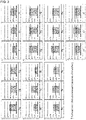
- FIG. 3 show the changes in microbes of the oral cavity after applying the syn-biotics directly to the oral cavity of a male in their late 30s three times for about 2 weeks (July 21, 2018, July 30, 2018, August 08, 2018) through PCR analysis, as shown in the table.
- the above experiment is an example demonstrating that the composite beneficial microbe dietary fiber culture of the present invention may suppress harmful bacteria in the oral cavity and make beneficial microbes to be preferentially dominant.
- the above results are a data proving that the present invention is very effective in creating a dominant situation of beneficial microbes in the oral cavity or intestines, in consideration of microbes in the mouth eventually associated with intestinal microbes.
Landscapes
- Life Sciences & Earth Sciences (AREA)
- Chemical & Material Sciences (AREA)
- Engineering & Computer Science (AREA)
- Health & Medical Sciences (AREA)
- Zoology (AREA)
- Biotechnology (AREA)
- Wood Science & Technology (AREA)
- Genetics & Genomics (AREA)
- Bioinformatics & Cheminformatics (AREA)
- Organic Chemistry (AREA)
- Microbiology (AREA)
- Biochemistry (AREA)
- Biomedical Technology (AREA)
- General Engineering & Computer Science (AREA)
- General Health & Medical Sciences (AREA)
- Virology (AREA)
- Medicinal Chemistry (AREA)
- Tropical Medicine & Parasitology (AREA)
- Polymers & Plastics (AREA)
- Mycology (AREA)
- Food Science & Technology (AREA)
- Nutrition Science (AREA)
- Animal Husbandry (AREA)
- Physiology (AREA)
- Molecular Biology (AREA)
- Botany (AREA)
- Sustainable Development (AREA)
- Coloring Foods And Improving Nutritive Qualities (AREA)
- Micro-Organisms Or Cultivation Processes Thereof (AREA)
Abstract
Description
- The present invention relates to a method for production of a culture of pure plant microorganisms, and more particularly, which includes: forming a culture of pure plant-based microbes using dietary fibers and polysaccharide materials such as fruits and vegetables as a carrier serving as a preservative and coating component for microbes, whereby the culture can be utilized as a raw material that serves as a medium to increase the preservation of microbes, and intestinal expandability and performance for settlement of microbes in the animal and/or human body, and the culture may influence on growth improvement, preservation improvement, and inclusion and even preservation of substances such as vitamins by fixing the culture between textures of the dietary fibers from the time of microbial cultivation, thereby producing a new high-quality microbial culture.
- Existing microbial cultures such as lactic acid bacteria for food, cosmetics and feed are mostly used in products by incubating the bacteria using lactose and milk protein, and then converting the culture product into a form capable of long-term storage and inoculation through a freeze-drying method (or lyophilization).
- Whole milk powder, milk casein, etc., which are mainly used in the lyophilization of existing lactic acid bacteria, are animal raw materials, while vegetable lactic acid bacteria can be used during seed cultivation. However, strictly mentioned, the above culture is not considered as a pure plant culture since this is not a product obtained by inoculating the seed on a plant medium and fermenting the same.
- Further, there are some cases in which, after culturing using soy protein, the product is further prepared in the form of a liquid lactobacillus beverage. However, this is not an example utilizing lyophilization and, if lyophilization is to be performed, a binder or protein as a material to prevent destruction of live bacteria may be used, therefore, it is also difficult that the resulting product refers to a pure plant culture.
- Meanwhile, a number of studies have demonstrated that intestinal bacteria or microbial groups settled in the body are more easily survived by dietary fibers or vegetable polysaccharides, and the dietary fibers or vegetable polysaccharides are more effective for construction of environments for settlement, and therefore, research and development related to the culture and production described above are still required.
- In order to solve the above problems, an object of the present invention is to provide a new type of microbial culture, which is obtained using vegetable raw materials only, according to an optimum incubation and processing method such that generation of bio-colonies is induced by directly adsorbing and growing microbes on dietary fibers or dietary fiber-derived polysaccharides, and the bio-colonies are used in a liquid state as it is or through freeze-drying so as to greatly improve a survival rate in the stomach and intestines while maximizing the growth and settlement thereof in the intestines.
- The method for production of a pure plant-based microbial culture according to the present invention may include: a crushing process of fruits and vegetables of a plant to a size of about 0.01 to 10 mm;
- an extraction and separation process to extract fruit juice from the crushed fruits or vegetables in a pressurized or reduced pressure extraction manner, while filtering and separating fibrous components;
- a sterilization process to disinfect microbes from the juice extracted and separated in the extraction separation process through sterilization;
- a culturing process that includes: adding moisture to the sterilized fruit juice to adjust a sugar content to a range of
brix 1 to 25; inoculating the same with lactic acid bacteria, bacillus and yeast; and adding 0.01 to 100 g of yeast extract, 0.001 to 10 g of vitamin complex, 0.01 to 100 g of calcium carbonate, 0.01 to 100 g of sodium hydrogen carbonate, 0.01 to 100 g of magnesium chloride and 0.01 to 100 g of zinc gluconate to 1 liter of culture broth, followed by incubating the mixture for 12 to 120 hours; - a mixing and culturing process that includes preparing the culture broth cultured in the above culturing process and finely ground ("pulverized") dry fiber powder and then admixing the same in a relative ratio of 1:1 to 1:1.5, followed by incubation for 1 to 48 hours in order to induce formation of bio-colonies in the dietary fiber and polysaccharide binder undergoing re-cultivation; and
- a freeze-drying process of the culture product blended and re-cultured in the above mixing and culturing process S5.
- As described above, the present invention may provide a new processing method of syn-biotics that have all features of microbial probiotics as well as prebiotics of dietary fiber and plant-derived components, the method including: firstly using both of liquid and dietary fiber components extracted from plants as a raw material for culturing live bacteria in a processing stage; culturing all raw materials except for other minerals and vitamin complex components with using the plant-derived components; using the dietary fiber as a binder and adsorbing microbes thereto, followed by incubation thereof; and utilizing the culture product as a binder or a fixing material in freeze-dried state to thus produce a complete pure plant-based culture. Since the produced syn-biotics have properties capable of easily dissolved in water, the present invention is beneficial with an advantage that it can be utilized in other processing methods using the above syn-biotics.
- Further, the present invention may use dietary fibers and polysaccharide materials such as fruits and vegetables as a carrier that serves as a preservative and coating component, thereby producing a pure plant-based microbial culture. The produced culture may be utilized as a raw material serving as a medium to improve preservation, intestinal expandability and a performance for settlement of microbes in the animal and/or human body, and the culture may influence on growth improvement, preservation improvement, and inclusion and even preservation of substances such as vitamins by fixing the culture between textures of the dietary fibers from the time of microbial cultivation, therefore, the present invention is beneficial with an advantage of producing a new high-quality microbial culture.
-
-
FIG. 1 is a block diagram showing an embodiment of the present invention. -
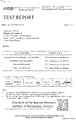
FIG. 2(a) is the first page of the test report illustrating the result of test for antagonism of syn-biotics according to the present invention. -
FIG. 2(b) is the second page of the test report illustrating the result of test for antagonism of syn-biotics according to the present invention. -
FIG. 3 illustrates the result of test for application of syn-biotics according to the present invention in the oral cavity. - First of all, when adding reference numerals to elements in the drawings, it should be noted that the same elements have the same numerals as possible even if they are indicated on different drawings.
- Further, in the description of the present invention, if it is considered that a detailed description of related known configuration or function may obscure the subject matter of the present invention, a detailed description thereof will be omitted.
- Hereinafter, preferred embodiments of the present invention will be described in detail with reference to the accompanying drawings.
- Fruits and vegetables of a plant are crushed into a size of 0.01 to 10 mm.
- Fruit juice is extracted from the crushed fruits or vegetables in a pressurized or reduced pressure extraction manner, and the fibrous component is filtered and separated.
- Solid material of the fibrous component extracted and separated in the extraction and separation process (S2) is dried in a low temperature cold air drying manner.
- At this time, in order to minimize changes in properties such as browning of the solid, the drying is conducted at 5 to 28 °C for 48 hours or more, so as to reach a moisture content of about 10 to 30%.
- The dried solid is pulverized into fine powder
- The extracted and separated fruit juice from the extraction and separation process S2 is sterilized to disinfect microbes through sterilization in pressurized and heating conditions or at low temperature under reduced pressure.
- Lactic acid bacteria may include one or more selected from Leuconostoc citreum, Leuconostoc lactis, Leuconostoc mesenteroides subsp. dextranicum, Leuconostoc mesenteroides subsp. mesenteroides, Leuconostoc carnosum, Leuconostoc gellidum, Leuconostoc kimchii and Leuconostoc inhae, and
one or more selected from Lactobacillus paracasei, Lactobacills casei, Lacillus acidophilus, Lactobacillus plantarum, Lactobacillus kimchii, Lactobacillus brevis, Lactobacillus delbrueckii subsp. bulgaricus, Lactobacillus delbrueckii subsp. Lactis, Lactobacillus gassari, Streptococcus salivarius, Lactobacillus reuteri, Lactobacillus ruburum, Weisella koreensis, Weisella cibaria and Weisella paramesenteroides; - Bacillus may include one or more selected from Bacillus subtillis, Bacillus subtillis natto, Bacillus amyloliquegaciens, Bacillus subtillis sakei, Bacillus polyfermenticus and Bacillus pumilus; and
- Yeasts may include one or more selected from Candida mogii, Candida tropicalis, Saccharomyces cerevisiae and Saccharomyces calsbergensis,
wherein a sugar content is adjusted to a range ofbrix 1 to 25 by adding moisture to the sterilized fruit juice, followed by adding 0.01 to 100 g of yeast extract, 0.001 to 10 g of vitamin complex, 0.01 to 100 g of calcium carbonate, 0.01 to 100 g of sodium hydrogen carbonate, 0.01 to 100 g of magnesium chloride and 0.01 to 100 g of zinc gluconate to 1 liter of culture broth, and then incubating the mixture for 12 to 120 hours. - At this time, the incubated culture broth may be used in a liquid state or freeze-dried depending on use and finally processed forms thereof, however, is not necessarily limited thereto.
- The culture broth cultured in the above culturing process S4 and the pulverized dry fiber powder in the
pulverization process S2 2 are admixed in a relative ratio of 1:1 to 1:1.5, followed by incubation for 1 to 48 hours in order to induce formation of biocolonies in the dietary fiber and polysaccharide binder undergoing re-cultivation. - A mixing ratio of the culture broth and the fiber powder of fruits and vegetables may vary depending upon use thereof, and the mixed culture may be used as a liquid processed product containing the dietary fiber admixed in the mixed culture.
- The advantage of the above processing is that: materials such as microbes and vitamins admixed between the dietary fibers and polysaccharides may exist in the form of colloids aggregated with the mixed binder, so that a porous material may be present between the polysaccharide coatings or dietary fibers from which body fluid was drained. Therefore, the above materials may not easily become extinct by external irritating substances such as gastric juice but be smoothly supplied to the intestine, and viability is improved to thus ensure smooth intestinal supply and settlement in the intestine.
- The mixed and re-cultivated product in the mixing and culturing process S5 is subjected to freeze-drying.
- After proceeding the freeze-drying, freeze-dried solid (or lyophilisate) may be pulverized in a suitable form to be processed into powder, liquid, pill or tablet formulation useful for ingestion, thereby completing the process.
- Syn-biotics which are mainly based on dietary fibers and vegetable polysaccharides may induce preferentially dominant strains that can utilize dietary fibers as a substrate among the microbes in the mouth and the digestive organ, thereby leading the growth of mainly beneficial microbes in regard to competition for food and creation of biofilms. Further, syn-biotics may serve as an assistant to make it easier for probiotic microbes used in culture to more easily come to adhesion, growth and diffusion thereof.
- Further, the probiotics adsorbed to the dietary fibers through cultivation using the dietary fibers may be more easily adapted to the oral environment and digestive organs (stomach, intestine, duodenum), thereby maximizing effects of syn-biotics.
- Hereinafter, a method for producing a syn-biotic culture using melon according to the present invention will be described in detail with reference to
FIGS. 2 and3 . - First, among the melons cultivated in Seongju-gun, an off-grade product was washed and crushed, followed by separating fruit juice and solids using a pressurized juicer.
- After adding water to the extracted juice to adjust a sugar content in the range of
brix 1 to 25, yeast extract, vitamin complex, calcium carbonate, sodium hydrogen carbonate, magnesium and zinc gluconate were partially added thereto and then probiotics strain was further added, followed by incubation for 3 days to obtain a plant-based culture broth. - Even when the cultured crude broth is freeze-dried as it is, it may be processed into a product in which a large amount of dietary fibers exists. However, in order to attain maximum effects of syn-biotics, the separated solid was first sterilized and then the dried solid was sterilized under pressure and heating conditions or at a low temperature under reduced pressure. Thereafter, the sterilized product was subjected to drying while minimizing discoloration or deterioration through low temperature cold air drying, and then pulverization.
- The pulverized solid may be mixed with the culture broth and transferred to a freeze-drying process as it is, otherwise, after incubation for 1 to 2 days, the freeze-drying process may be implemented.
- Following this, the freeze-dried culture was crushed and transferred to a packaging process.
- At this time, oligosaccharides or other sweeteners, or other dietary fiber culture prepared by the same process may be further included as additional auxiliary substances.
- With regard to harmful bacteria inhibitory activity attained using the composite microbial dietary fiber syn-biotics produced above, experiments for antagonism and inhibition against Aggretibactor actinomycetemcomitans, Porphyromonas gingivalis, Tannerella forsythia and Treponema denticola bacteria were conducted.
- First, each harmful strain was incubated in a stacked layer structure to create a culture layer. Then, the composite microbial dietary fiber-based syn-biotics was dissolved in purified water and cultured on the top of the stacked layer for 1 day. For the culture product, antagonism was examined for verification, and a result of the examination is shown in
FIG. 2 . - Accordingly, a result of examining a change after culture for 1 day is shown in
FIG. 2 . - Specifically, more than 90% antagonism to Aggretibactor actinomycetemcomitans, more than 30% antagonism to Porphyromonas gingivalis, more than 50% antanosim to Tannerella forsythia, and more than 70% direct antagonism to Treponema denticola were demonstrated. Further, the results of examinations that apply the culture products to the oral cavity are shown in
FIG. 3 . -
FIG. 3 show the changes in microbes of the oral cavity after applying the syn-biotics directly to the oral cavity of a male in their late 30s three times for about 2 weeks (July 21, 2018, July 30, 2018, August 08, 2018) through PCR analysis, as shown in the table. - It could be seen in
FIG. 3 that: Aggretibactor actinomycetemcomitans was not indicated as completely disappeared. Further, Pg (Popyromonas gingivalis) decreased from 10^5 to 10^4 by one tenth, and other bacteria increased with decrease of Pg, and finally, all harmful bacteria were reduced after 2 weeks. - The above experiment is an example demonstrating that the composite beneficial microbe dietary fiber culture of the present invention may suppress harmful bacteria in the oral cavity and make beneficial microbes to be preferentially dominant.
- Specifically, the above results are a data proving that the present invention is very effective in creating a dominant situation of beneficial microbes in the oral cavity or intestines, in consideration of microbes in the mouth eventually associated with intestinal microbes.
- As such, the above description is merely illustrative of the technical idea of the present invention, and those skilled in the art to which the present invention pertains will be able to design various modifications and variations without departing from the essential characteristics of the present invention.
- Accordingly, the embodiments disclosed in the present invention are not intended to restrict the technical idea of the present invention but to explain the same, and the scope of the technical configurations of the present invention is not limited by these embodiments.
- Therefore, the scope of protection of the present invention should be interpreted by the following claims, and all technical ideas within the scope equivalent thereto should be interpreted as being included in the scope of the present invention.
-
- S1: Crushing process, S2: Extraction and separation process, S2-1: Drying process, S2-2: Pulverization process,
- S3: Sterilization process, S4: Culturing process, S5: Mixing and culturing process, S6: Freeze-drying process
Claims (6)
- A method for production of a pure plant-based microbial culture, comprising:a crushing process of fruits and vegetables of a plant to a size of about 0.01 to 10 mm (S1);an extraction and separation process to extract fruit juice from the crushed fruits or vegetables in a pressurized or reduced pressure extraction manner and filtering and separating fibrous components (S2);a sterilization process to disinfect microbes from the juice extracted and separated in the extraction separation process through sterilization (S3);a culturing process that includes: adding moisture to the sterilized fruit juice to adjust a sugar content to a range of brix 1 to 25; inoculating the same with lactic acid bacteria, bacillus and yeast; and adding 0.01 to 100 g of yeast extract, 0.001 to 10 g of vitamin complex, 0.01 to 100 g of calcium carbonate, 0.01 to 100 g of sodium hydrogen carbonate, 0.01 to 100 g of magnesium chloride and 0.01 to 100 g of zinc gluconate to 1 liter of culture broth, followed by incubating the mixture for 12 to 120 hours (S4);a mixing and culturing process that includes preparing the culture broth obtained in the above culturing process and finely ground ("pulverized") dry fiber powder, and admixing the same in a relative ratio of 1:1 to 1:1.5, followed by incubation for 1 to 48 hours in order to induce formation of bio-colonies in the dietary fiber and polysaccharide binder undergoing re-cultivation (S5); anda freeze-drying process of the cultured mixture blended and re-cultured in the above mixing and culturing process S5 (S6) .
- The method according to claim 1, wherein the extraction and separation process (S2) includes: a drying process to dry solid of fibrous components extracted and separated in the extraction and separation process (S2) in a low temperature cold air drying manner (S2-1), wherein the drying is conducted at 5 to 28 °C for 48 hours or more in order to minimize a change in properties of the solid; and
a pulverization process to pulverize the dried solid into fine powder (S2-2) - The method according to claim 1, wherein lactic acid bacteria in the culturing process (S4) includes one or more selected from Leuconostoc citreum, Leuconostoc lactis, Leuconostoc mesenteroides subsp. dextranicum, Leuconostoc mesenteroides subsp. Mesenteroides, Leuconostoc carnosum, Leuconostoc gellidum, Leuconostoc kimchii and Leuconostoc inhae, andone or more selected from Lactobacillus paracasei, Lactobacills casei, Lacillus acidophilus, Lactobacillus plantarum, Lactobacillus kimchii, Lactobacillus brevis, Lactobacillus delbrueckii subsp. bulgaricus, Lactobacillus delbrueckii subsp. Lactis, Lactobacillus gassari, Streptococcus salivarius, Lactobacillus reuteri, Lactobacillus ruburum, Weisella koreensis, Weisella cibaria and Weisella paramesenteroides;Bacillus includes one or more selected from Bacillus subtillis, Bacillus subtillis natto, Bacillus amyloliquegaciens, Bacillus subtillis sakei, Bacillus polyfermenticus and Bacillus pumilus; andYeasts include one or more selected from Candida mogii, Candida tropicalis, Saccharomyces cerevisiae and Saccharomyces calsbergensis, andwherein the culturing process consists of admixing the above substances and using the same for inoculation.
- The method according to claim 1, wherein the culture broth obtained in the culturing process (S4) is used in either a liquid packaging manner or a packaging manner under freeze-dried condition depending upon use and finally processed forms of the culture broth.
- The method according to claim 1, wherein the culture product in a colloidal form mixed and cultured in the mixing and culturing process (S5) is differently packaged depending upon use and processed forms of the product, and used as a liquid processed product.
- The method according to claim 1, wherein the freeze-dried product of the freeze-drying process (S6) is processed into any one form of powder, liquid, pill and tablet formulations depending upon use and processed forms of the product.
Applications Claiming Priority (2)
| Application Number | Priority Date | Filing Date | Title |
|---|---|---|---|
| KR1020190095469A KR102080753B1 (en) | 2019-08-06 | 2019-08-06 | Production method for micro-organism cultures of pure vegetable |
| PCT/KR2020/010197 WO2021025405A1 (en) | 2019-08-06 | 2020-08-03 | Method for preparing pure plant-based microbial culture |
Publications (1)
| Publication Number | Publication Date |
|---|---|
| EP4012017A1 true EP4012017A1 (en) | 2022-06-15 |
Family
ID=69637098
Family Applications (1)
| Application Number | Title | Priority Date | Filing Date |
|---|---|---|---|
| EP20850981.0A Withdrawn EP4012017A1 (en) | 2019-08-06 | 2020-08-03 | Method for preparing pure plant-based microbial culture |
Country Status (6)
| Country | Link |
|---|---|
| US (1) | US20220267717A1 (en) |
| EP (1) | EP4012017A1 (en) |
| JP (1) | JP2022545343A (en) |
| KR (1) | KR102080753B1 (en) |
| CN (1) | CN114401640A (en) |
| WO (1) | WO2021025405A1 (en) |
Families Citing this family (2)
| Publication number | Priority date | Publication date | Assignee | Title |
|---|---|---|---|---|
| KR102080753B1 (en) * | 2019-08-06 | 2020-02-24 | 선대산 | Production method for micro-organism cultures of pure vegetable |
| CN113100129B (en) * | 2021-04-14 | 2021-12-03 | 中国水产科学研究院黄海水产研究所 | Culture medium and culture method for long-term and continuous culture of back mouth insects |
Family Cites Families (24)
| Publication number | Priority date | Publication date | Assignee | Title |
|---|---|---|---|---|
| JP2860731B2 (en) * | 1992-03-02 | 1999-02-24 | 啓吾 草野 | Dry powdering method for food ingredients |
| JPH09163977A (en) * | 1995-12-18 | 1997-06-24 | Takeda Shokuhin Kogyo Kk | Fermented lactic acid bacterium, lactic acid bacterium fermented product and method for producing the same |
| JP2004357509A (en) * | 2003-06-02 | 2004-12-24 | Nippon Bio Kk | Lactic acid fermented food and method for producing the same |
| KR100565989B1 (en) * | 2003-10-28 | 2006-03-30 | 박경준 | Fermented fermentation method and manufacturing method of food composition based on turmeric |
| JP2006028047A (en) * | 2004-07-14 | 2006-02-02 | Kikkoman Corp | Interleukin 12 production promoter and method for producing the same |
| JP4734060B2 (en) * | 2005-08-05 | 2011-07-27 | アサヒ飲料株式会社 | New microorganism, fermented product of the new microorganism, and food and drink containing the fermented product |
| KR100778886B1 (en) * | 2006-07-28 | 2007-11-29 | (주)진바이오텍 | Method for producing fruit vegetable fermentation, fruit vegetable fermentation product prepared by the method and functional composition comprising the same |
| JP4918412B2 (en) * | 2007-05-31 | 2012-04-18 | 日本デルモンテ株式会社 | Fruit and vegetable fermented products and food and drink containing fruit and vegetable fermented products |
| KR100823940B1 (en) * | 2007-10-26 | 2008-04-22 | (주)청구바이오 | Food using ginseng fruit and its manufacturing method |
| KR100889035B1 (en) * | 2008-08-29 | 2009-03-20 | (주)한국파비스 알엔디 | Method for producing edible plant and animal fermentation, edible plant and plant fermentation produced thereby and food comprising the same |
| KR100891608B1 (en) * | 2008-08-29 | 2009-04-02 | (주)한국파비스 알엔디 | Method for producing edible plant fermentation, edible plant fermentation produced thereby and food comprising the same |
| KR101217917B1 (en) * | 2010-10-20 | 2013-01-02 | 웅진식품주식회사 | Composition Of Fruits And Vegetables Beverage Containing Lactic Acid Bacteria And The Method Thereof |
| KR101054041B1 (en) * | 2011-01-31 | 2011-08-04 | 최재홍 | Manufacturing method and composition for mass processing fermented products and fermented extracts using Hwangchil wood |
| KR20120125042A (en) * | 2011-05-06 | 2012-11-14 | 김영욱 | A process for preparing a fermented broth of herbal medicine by combined microorganisms, a fermented broth prepared by the process, and a fermented food prepared by the fermented broth |
| KR20120133708A (en) | 2011-05-31 | 2012-12-11 | 중앙대학교 산학협력단 | A Composition for fermentation of origin of roughage that contain media waste by available component |
| KR20130038057A (en) * | 2011-10-07 | 2013-04-17 | 김영욱 | A method for cultivating crop comprising bioactive material using a fermented broth of herbal medicine by combined microorganisms, and a crop comprising bioactive material prepared by the method |
| KR20140057838A (en) * | 2012-11-05 | 2014-05-14 | 노길형 | Fermented foods process and production method |
| SK22013A3 (en) * | 2013-01-16 | 2014-08-05 | Gtvt, S.R.O. | Method for activation and cultivation of production microorganisms and fermentation using these microorganisms |
| KR101582728B1 (en) * | 2013-12-31 | 2016-01-21 | 계명대학교 산학협력단 | Method for manufacturing Cornus Officinalis jam using GABA producing Lactobacillus and lactic acid apple pomace |
| CN103859404B (en) * | 2014-03-18 | 2015-08-26 | 蔡之宣 | Tiny ecosystem pectase preparation method |
| KR101955775B1 (en) | 2016-12-27 | 2019-03-07 | 민경갑 | Functional fermented food additive and functionality health food manufacturing method |
| KR20180075986A (en) * | 2016-12-27 | 2018-07-05 | 민경갑 | A Method for functional fermentation composition |
| CN108094792A (en) * | 2017-12-27 | 2018-06-01 | 天津科技大学 | A kind of probiotics fermention functional food for improving male's inferior health and preparation method thereof |
| KR102080753B1 (en) * | 2019-08-06 | 2020-02-24 | 선대산 | Production method for micro-organism cultures of pure vegetable |
-
2019
- 2019-08-06 KR KR1020190095469A patent/KR102080753B1/en not_active Expired - Fee Related
-
2020
- 2020-08-03 JP JP2022507434A patent/JP2022545343A/en active Pending
- 2020-08-03 US US17/633,192 patent/US20220267717A1/en not_active Abandoned
- 2020-08-03 WO PCT/KR2020/010197 patent/WO2021025405A1/en not_active Ceased
- 2020-08-03 CN CN202080055319.8A patent/CN114401640A/en active Pending
- 2020-08-03 EP EP20850981.0A patent/EP4012017A1/en not_active Withdrawn
Also Published As
| Publication number | Publication date |
|---|---|
| US20220267717A1 (en) | 2022-08-25 |
| JP2022545343A (en) | 2022-10-27 |
| WO2021025405A1 (en) | 2021-02-11 |
| CN114401640A (en) | 2022-04-26 |
| KR102080753B1 (en) | 2020-02-24 |
Similar Documents
| Publication | Publication Date | Title |
|---|---|---|
| US12036252B2 (en) | Pairing probiotics and prebiotics, methods for growth and use, separately and in combination | |
| Gupta et al. | Prebiotic efficiency of blue green algae on probiotics microorganisms | |
| CN105054040B (en) | A kind of composition of probiotics fermention ginseng and its preparation method and application | |
| KR101604633B1 (en) | Medium composition for culturing lactic acid bacteria and producing method of powder of lactic acid bacteria using the same | |
| ES2688538T3 (en) | Cryoprotectant compositions and their use | |
| US10576113B2 (en) | Method of preparing stable, water soluble probiotic compositions based on millets and similar cereals | |
| CN102272287B (en) | Freeze-dried powdery bacteria and its production method | |
| TWI465565B (en) | Fermentated foods containing bacteria of the genus bifidobacterium and method of preparing the same | |
| EP4036219B1 (en) | Bacterial strain and the use thereof | |
| JP2003250528A (en) | Method for producing a survival improver, a growth promoter, or a fermentation product containing the bacterium belonging to the genus Bifidobacterium | |
| CN1132927C (en) | Method for preparing probiotics by co-fermentation of probiotics and fungus | |
| CN111920048B (en) | Capsule containing rose fermentation liquor and preparation method thereof | |
| CN109161496A (en) | Lactobacillus rhamnosus high density bacterium solution and its preparation method for embedding bacterium powder | |
| EP4012017A1 (en) | Method for preparing pure plant-based microbial culture | |
| TW201300526A (en) | Method for manufacturing culture medium, and culture medium manufactured by method | |
| RU2440010C2 (en) | Preliminarily fermented symbiotic matrix based on grain product suspension produced using immobilised cells of microorganisms and encapsulated probiotics - product and its production method | |
| Shehata et al. | Plant Extracts in Probiotic Encapsulation: Evaluation of their Effects on Strains Survivability in Juice and Drinkable Yogurt During Storage and an in-vitro Gastrointestinal Model. | |
| CN113952285A (en) | Multiple strain fermentation technology and fermentation product | |
| CN117427023A (en) | Probiotic toothpaste with high SOD activity and high-efficiency antibacterial effect and preparation method thereof | |
| CN105559087A (en) | Probiotic product containing sialic acid and preparation method of probiotic product | |
| CN106947726B (en) | High-density fermentation and cold air drying method for lactobacillus casei | |
| EP3181683A1 (en) | A method of enhancing the survival and recovery of certain strains of bacteria | |
| KR20180091603A (en) | Probiotics Powder Composition Using Biopolymer and Preparation method thereof | |
| KR20160024707A (en) | Functional fermentation foods using solid and liquid phase fermentation method of mushrooms | |
| KR20190019097A (en) | Probiotics Powder Composition Using Biopolymer and Preparation method thereof |
Legal Events
| Date | Code | Title | Description |
|---|---|---|---|
| STAA | Information on the status of an ep patent application or granted ep patent |
Free format text: STATUS: THE INTERNATIONAL PUBLICATION HAS BEEN MADE |
|
| PUAI | Public reference made under article 153(3) epc to a published international application that has entered the european phase |
Free format text: ORIGINAL CODE: 0009012 |
|
| STAA | Information on the status of an ep patent application or granted ep patent |
Free format text: STATUS: REQUEST FOR EXAMINATION WAS MADE |
|
| 17P | Request for examination filed |
Effective date: 20220307 |
|
| AK | Designated contracting states |
Kind code of ref document: A1 Designated state(s): AL AT BE BG CH CY CZ DE DK EE ES FI FR GB GR HR HU IE IS IT LI LT LU LV MC MK MT NL NO PL PT RO RS SE SI SK SM TR |
|
| DAV | Request for validation of the european patent (deleted) | ||
| DAX | Request for extension of the european patent (deleted) | ||
| STAA | Information on the status of an ep patent application or granted ep patent |
Free format text: STATUS: THE APPLICATION IS DEEMED TO BE WITHDRAWN |
|
| 18D | Application deemed to be withdrawn |
Effective date: 20230301 |