EP4017480B1 - Recyclage de polymère super-absorbant en adhésifs sensibles à la pression - Google Patents
Recyclage de polymère super-absorbant en adhésifs sensibles à la pression Download PDFInfo
- Publication number
- EP4017480B1 EP4017480B1 EP20856160.5A EP20856160A EP4017480B1 EP 4017480 B1 EP4017480 B1 EP 4017480B1 EP 20856160 A EP20856160 A EP 20856160A EP 4017480 B1 EP4017480 B1 EP 4017480B1
- Authority
- EP
- European Patent Office
- Prior art keywords
- superabsorbent polymers
- based superabsorbent
- sodium polyacrylate
- decrosslinked
- paa
- Prior art date
- Legal status (The legal status is an assumption and is not a legal conclusion. Google has not performed a legal analysis and makes no representation as to the accuracy of the status listed.)
- Active
Links
Images














Classifications
-
- C—CHEMISTRY; METALLURGY
- C08—ORGANIC MACROMOLECULAR COMPOUNDS; THEIR PREPARATION OR CHEMICAL WORKING-UP; COMPOSITIONS BASED THEREON
- C08F—MACROMOLECULAR COMPOUNDS OBTAINED BY REACTIONS ONLY INVOLVING CARBON-TO-CARBON UNSATURATED BONDS
- C08F20/00—Homopolymers and copolymers of compounds having one or more unsaturated aliphatic radicals, each having only one carbon-to-carbon double bond, and only one being terminated by only one carboxyl radical or a salt, anhydride, ester, amide, imide or nitrile thereof
- C08F20/02—Monocarboxylic acids having less than ten carbon atoms, Derivatives thereof
- C08F20/10—Esters
- C08F20/12—Esters of monohydric alcohols or phenols
-
- C—CHEMISTRY; METALLURGY
- C08—ORGANIC MACROMOLECULAR COMPOUNDS; THEIR PREPARATION OR CHEMICAL WORKING-UP; COMPOSITIONS BASED THEREON
- C08F—MACROMOLECULAR COMPOUNDS OBTAINED BY REACTIONS ONLY INVOLVING CARBON-TO-CARBON UNSATURATED BONDS
- C08F220/00—Copolymers of compounds having one or more unsaturated aliphatic radicals, each having only one carbon-to-carbon double bond, and only one being terminated by only one carboxyl radical or a salt, anhydride ester, amide, imide or nitrile thereof
- C08F220/02—Monocarboxylic acids having less than ten carbon atoms; Derivatives thereof
- C08F220/10—Esters
- C08F220/12—Esters of monohydric alcohols or phenols
- C08F220/16—Esters of monohydric alcohols or phenols of phenols or of alcohols containing two or more carbon atoms
- C08F220/18—Esters of monohydric alcohols or phenols of phenols or of alcohols containing two or more carbon atoms with acrylic or methacrylic acids
- C08F220/1808—C8-(meth)acrylate, e.g. isooctyl (meth)acrylate or 2-ethylhexyl (meth)acrylate
-
- C—CHEMISTRY; METALLURGY
- C08—ORGANIC MACROMOLECULAR COMPOUNDS; THEIR PREPARATION OR CHEMICAL WORKING-UP; COMPOSITIONS BASED THEREON
- C08F—MACROMOLECULAR COMPOUNDS OBTAINED BY REACTIONS ONLY INVOLVING CARBON-TO-CARBON UNSATURATED BONDS
- C08F8/00—Chemical modification by after-treatment
- C08F8/14—Esterification
-
- C—CHEMISTRY; METALLURGY
- C08—ORGANIC MACROMOLECULAR COMPOUNDS; THEIR PREPARATION OR CHEMICAL WORKING-UP; COMPOSITIONS BASED THEREON
- C08F—MACROMOLECULAR COMPOUNDS OBTAINED BY REACTIONS ONLY INVOLVING CARBON-TO-CARBON UNSATURATED BONDS
- C08F8/00—Chemical modification by after-treatment
- C08F8/18—Introducing halogen atoms or halogen-containing groups
-
- C—CHEMISTRY; METALLURGY
- C08—ORGANIC MACROMOLECULAR COMPOUNDS; THEIR PREPARATION OR CHEMICAL WORKING-UP; COMPOSITIONS BASED THEREON
- C08J—WORKING-UP; GENERAL PROCESSES OF COMPOUNDING; AFTER-TREATMENT NOT COVERED BY SUBCLASSES C08B, C08C, C08F, C08G or C08H
- C08J11/00—Recovery or working-up of waste materials
- C08J11/04—Recovery or working-up of waste materials of polymers
- C08J11/10—Recovery or working-up of waste materials of polymers by chemically breaking down the molecular chains of polymers or breaking of crosslinks, e.g. devulcanisation
- C08J11/14—Recovery or working-up of waste materials of polymers by chemically breaking down the molecular chains of polymers or breaking of crosslinks, e.g. devulcanisation by treatment with steam or water
-
- C—CHEMISTRY; METALLURGY
- C08—ORGANIC MACROMOLECULAR COMPOUNDS; THEIR PREPARATION OR CHEMICAL WORKING-UP; COMPOSITIONS BASED THEREON
- C08J—WORKING-UP; GENERAL PROCESSES OF COMPOUNDING; AFTER-TREATMENT NOT COVERED BY SUBCLASSES C08B, C08C, C08F, C08G or C08H
- C08J11/00—Recovery or working-up of waste materials
- C08J11/04—Recovery or working-up of waste materials of polymers
- C08J11/10—Recovery or working-up of waste materials of polymers by chemically breaking down the molecular chains of polymers or breaking of crosslinks, e.g. devulcanisation
- C08J11/16—Recovery or working-up of waste materials of polymers by chemically breaking down the molecular chains of polymers or breaking of crosslinks, e.g. devulcanisation by treatment with inorganic material
-
- C—CHEMISTRY; METALLURGY
- C09—DYES; PAINTS; POLISHES; NATURAL RESINS; ADHESIVES; COMPOSITIONS NOT OTHERWISE PROVIDED FOR; APPLICATIONS OF MATERIALS NOT OTHERWISE PROVIDED FOR
- C09J—ADHESIVES; NON-MECHANICAL ASPECTS OF ADHESIVE PROCESSES IN GENERAL; ADHESIVE PROCESSES NOT PROVIDED FOR ELSEWHERE; USE OF MATERIALS AS ADHESIVES
- C09J133/00—Adhesives based on homopolymers or copolymers of compounds having one or more unsaturated aliphatic radicals, each having only one carbon-to-carbon double bond, and at least one being terminated by only one carboxyl radical, or of salts, anhydrides, esters, amides, imides, or nitriles thereof; Adhesives based on derivatives of such polymers
- C09J133/04—Homopolymers or copolymers of esters
- C09J133/06—Homopolymers or copolymers of esters of esters containing only carbon, hydrogen and oxygen, the oxygen atom being present only as part of the carboxyl radical
- C09J133/08—Homopolymers or copolymers of acrylic acid esters
-
- C—CHEMISTRY; METALLURGY
- C09—DYES; PAINTS; POLISHES; NATURAL RESINS; ADHESIVES; COMPOSITIONS NOT OTHERWISE PROVIDED FOR; APPLICATIONS OF MATERIALS NOT OTHERWISE PROVIDED FOR
- C09J—ADHESIVES; NON-MECHANICAL ASPECTS OF ADHESIVE PROCESSES IN GENERAL; ADHESIVE PROCESSES NOT PROVIDED FOR ELSEWHERE; USE OF MATERIALS AS ADHESIVES
- C09J7/00—Adhesives in the form of films or foils
- C09J7/30—Adhesives in the form of films or foils characterised by the adhesive composition
- C09J7/38—Pressure-sensitive adhesives [PSA]
- C09J7/381—Pressure-sensitive adhesives [PSA] based on macromolecular compounds obtained by reactions involving only carbon-to-carbon unsaturated bonds
- C09J7/385—Acrylic polymers
-
- C—CHEMISTRY; METALLURGY
- C08—ORGANIC MACROMOLECULAR COMPOUNDS; THEIR PREPARATION OR CHEMICAL WORKING-UP; COMPOSITIONS BASED THEREON
- C08J—WORKING-UP; GENERAL PROCESSES OF COMPOUNDING; AFTER-TREATMENT NOT COVERED BY SUBCLASSES C08B, C08C, C08F, C08G or C08H
- C08J2333/00—Characterised by the use of homopolymers or copolymers of compounds having one or more unsaturated aliphatic radicals, each having only one carbon-to-carbon double bond, and only one being terminated by only one carboxyl radical, or of salts, anhydrides, esters, amides, imides, or nitriles thereof; Derivatives of such polymers
- C08J2333/02—Homopolymers or copolymers of acids; Metal or ammonium salts thereof
-
- C—CHEMISTRY; METALLURGY
- C08—ORGANIC MACROMOLECULAR COMPOUNDS; THEIR PREPARATION OR CHEMICAL WORKING-UP; COMPOSITIONS BASED THEREON
- C08J—WORKING-UP; GENERAL PROCESSES OF COMPOUNDING; AFTER-TREATMENT NOT COVERED BY SUBCLASSES C08B, C08C, C08F, C08G or C08H
- C08J2333/00—Characterised by the use of homopolymers or copolymers of compounds having one or more unsaturated aliphatic radicals, each having only one carbon-to-carbon double bond, and only one being terminated by only one carboxyl radical, or of salts, anhydrides, esters, amides, imides, or nitriles thereof; Derivatives of such polymers
- C08J2333/04—Characterised by the use of homopolymers or copolymers of compounds having one or more unsaturated aliphatic radicals, each having only one carbon-to-carbon double bond, and only one being terminated by only one carboxyl radical, or of salts, anhydrides, esters, amides, imides, or nitriles thereof; Derivatives of such polymers esters
- C08J2333/06—Characterised by the use of homopolymers or copolymers of compounds having one or more unsaturated aliphatic radicals, each having only one carbon-to-carbon double bond, and only one being terminated by only one carboxyl radical, or of salts, anhydrides, esters, amides, imides, or nitriles thereof; Derivatives of such polymers esters of esters containing only carbon, hydrogen, and oxygen, the oxygen atom being present only as part of the carboxyl radical
- C08J2333/08—Homopolymers or copolymers of acrylic acid esters
-
- C—CHEMISTRY; METALLURGY
- C09—DYES; PAINTS; POLISHES; NATURAL RESINS; ADHESIVES; COMPOSITIONS NOT OTHERWISE PROVIDED FOR; APPLICATIONS OF MATERIALS NOT OTHERWISE PROVIDED FOR
- C09J—ADHESIVES; NON-MECHANICAL ASPECTS OF ADHESIVE PROCESSES IN GENERAL; ADHESIVE PROCESSES NOT PROVIDED FOR ELSEWHERE; USE OF MATERIALS AS ADHESIVES
- C09J2301/00—Additional features of adhesives in the form of films or foils
- C09J2301/30—Additional features of adhesives in the form of films or foils characterized by the chemical, physicochemical or physical properties of the adhesive or the carrier
-
- C—CHEMISTRY; METALLURGY
- C09—DYES; PAINTS; POLISHES; NATURAL RESINS; ADHESIVES; COMPOSITIONS NOT OTHERWISE PROVIDED FOR; APPLICATIONS OF MATERIALS NOT OTHERWISE PROVIDED FOR
- C09J—ADHESIVES; NON-MECHANICAL ASPECTS OF ADHESIVE PROCESSES IN GENERAL; ADHESIVE PROCESSES NOT PROVIDED FOR ELSEWHERE; USE OF MATERIALS AS ADHESIVES
- C09J2433/00—Presence of (meth)acrylic polymer
-
- Y—GENERAL TAGGING OF NEW TECHNOLOGICAL DEVELOPMENTS; GENERAL TAGGING OF CROSS-SECTIONAL TECHNOLOGIES SPANNING OVER SEVERAL SECTIONS OF THE IPC; TECHNICAL SUBJECTS COVERED BY FORMER USPC CROSS-REFERENCE ART COLLECTIONS [XRACs] AND DIGESTS
- Y02—TECHNOLOGIES OR APPLICATIONS FOR MITIGATION OR ADAPTATION AGAINST CLIMATE CHANGE
- Y02W—CLIMATE CHANGE MITIGATION TECHNOLOGIES RELATED TO WASTEWATER TREATMENT OR WASTE MANAGEMENT
- Y02W30/00—Technologies for solid waste management
- Y02W30/50—Reuse, recycling or recovery technologies
- Y02W30/62—Plastics recycling; Rubber recycling
Definitions
- SAP Sodium polyacrylate-based superabsorbent polymers
- disposable personal hygiene products such as baby diapers, adult incontinence products, and feminine hygiene products.
- SAPs are used predominately in disposable articles, a high percentage of SAPs are disposed of in landfills.
- methods to recycle or "upcycle" SAPs are desired.
- US2005037144A1 discloses a method of applying molten hot melt adhesives, which comprise volatile material, at a constant adhesive mass flow rate.
- the adhesive may be polyacrylate based and is useful for producing absorbent articles for personal hygiene.
- US2010322996A1 relates to a fluid absorbing pressure sensitive adhesive compositions which are prepared from one or more sodium polyacrylate-based superabsorbent polymers.
- US2010330860A1 is concerned with fluid-absorbing hygiene items for use in a garment.
- the item comprising an outer layer; said outer layer comprising a layer of a UV-crosslinking pressure-sensitive adhesive.
- the adhesive comprises a polyacrylate-based superabsorbent polymer.
- US2005101208A1 discusses processes for producing thin absorbent planar structures which may be used in hygiene products to absorb body fluids.
- a mixture of an adhesive in dispersion form and a particulate absorbent is prepared by fluidizing the components and then applied.
- the absorbent comprises essentially diacrylate-crosslinked polyacrylic acid,
- US6095996A relates to an adhesive composition for use in skin applications.
- the composition comprises (a) a polymer or mixture of polymers which act as a pressure-sensitive adhesive; and (b) a water-swellable polymer.
- the polymer may be acrylic acid based.
- the presently disclosed subject matter provides a method for preparing a pressure sensitive adhesive from one or more sodium polyacrylate-based superabsorbent polymers, the method comprising: (a) providing a solution comprising one or more sodium polyacrylate-based superabsorbent polymers; (b) decrosslinking the one or more sodium polyacrylate-based superabsorbent polymers to provide one or more decrosslinked sodium polyacrylate-based superabsorbent polymers; (c) optionally sonicating the one or more decrosslinked sodium polyacrylate-based superabsorbent polymers to provide one or more chain-shortened sodium polyacrylate-based superabsorbent polymers; (d) protonating the one or more decrosslinked and/or chain-shortened sodium polyacrylate-based superabsorbent polymers to provide one or more protonated decrosslinked and/or chain-shortened polyacrylic acid-based superabsorbent polymers; and (e) esterifying the one or more protonated decrosslinked and/or chain-shortened polymers, and
- the one or more sodium polyacrylate-based superabsorbent polymers are derived from a disposable personal hygiene product.
- the disposable personal hygiene product is selected from the group consisting of a baby diaper, an adult incontinence product, and a feminine hygiene product.
- the decrosslinking of the one or more sodium polyacrylate-based superabsorbent polymers comprises contacting the one or more sodium polyacrylate-based superabsorbent polymers with a base to provide one or more decrosslinked sodium polyacrylate-based superabsorbent polymers.
- the base is an inorganic base.
- the inorganic base is selected from the group consisting of NaOH, KOH, Na 2 CO 3 , and K 2 CO 3 .
- the presently disclosed method further comprises removing the base from the one or more decrosslinked sodium polyacrylate-based superabsorbent polymers.
- the removing of the base from the one or more decrosslinked sodium polyacrylate-based superabsorbent polymers comprises dialyzing the one or more decrosslinked sodium polyacrylate-based superabsorbent polymers using a molecular porous membrane tubing.
- the decrosslinking of the one or more sodium polyacrylate-based superabsorbent polymers comprises decrosslinking the one or more sodium polyacrylate-based superabsorbent polymers.
- the presently disclosed method further comprises removing residual crosslinked sodium polyacrylate-based superabsorbent polymers from filtering the one or more decrosslinked sodium polyacrylate-based superabsorbent polymers by one or more methods selected from the group consisting of filtration, centrifugation, and decantation.
- the protonating of the one or more decrosslinked sodium polyacrylate-based superabsorbent polymers comprises contacting the one or more decrosslinked sodium polyacrylate-based superabsorbent polymers with a cation exchange resin to provide one or more protonated polyacrylic acid-based superabsorbent polymers.
- the cation exchange resin comprises a sulfonic acid functional group.
- the protonating of the one or more decrosslinked sodium polyacrylate-based superabsorbent polymers comprises titrating the one or more decrosslinked sodium polyacrylate-based superabsorbent polymers with HCL or H 2 SO 4 to provide one or more protonated polyacrylic acid-based superabsorbent polymers.
- the esterifying of the one or more protonated polyacrylic acid-based superabsorbent polymers comprises contacting the one or more protonated polyacrylic acid-based superabsorbent polymers with one or more organohalide compounds.
- the one or more organohalide compounds comprises a primary or a secondary organohalide compound.
- the primary or secondary organohalide compound comprises at least one halogen atom selected from the group consisting of Cl, Br, and I.
- the primary or secondary organohalide compound comprises a C 1 -C 12 straight-chain or branched alkyl group.
- Representative C 1 -C 12 alkyl groups include, but are not limited to, methyl, ethyl, n-propyl, isopropyl, n-butyl, isobutyl, sec-butyl, tert-butyl, n-pentyl, sec-pentyl, isopentyl, neopentyl, n-hexyl, sec-hexyl, n-heptyl, n-octyl, n-nonyl, n-decyl, undecyl, and dodecyl, and the like.
- the one or more organohalide compound is selected from the group consisting of methyl iodide, ethyl iodide, n-butyl bromide, n-octyl bromide, propargyl bromide (3-bromo-1-propyne), ethyl bromoacetate, ethyl chloroacetate, (1-bromoethyl)benzene, benzyl chloride, benzyl bromide, isobutenyl chloride (3-chloro-2-methylprop-1-ene), 2-ethylhexylbromide, and 2-ethylhexylchloride.
- the organohalide is a protected organohalide including, but not limited to, 2-(Boc-amino)ethyl bromide.
- the one or more organohalide compounds comprises a protecting group to provide one or more protected esterified protonated polyacrylic acid-based superabsorbent polymers.
- the protecting group is selected from the group consisting of tert-butoxycarbonyl (BOC), 9-fluorenylmethoxycarbonyl (FMOC), and the like.
- the presently disclosed method further comprises deprotecting the one or more protected esterified protonated polyacrylic acid-based superabsorbent polymers.
- the esterifying of the one or more protonated polyacrylic acid-based superabsorbent polymers comprises contacting the one or more protonated polyacrylic acid-based superabsorbent polymers with one or more promoters.
- the one or more promoters is selected from the group consisting of 1,1,3,3-tetramethylguanidine (TMG), triethylamine, and pyridine.
- the esterifying of the one or more protonated polyacrylic acid-based superabsorbent polymers is done in a polar aprotic solvent.
- the polar aprotic solvent is selected from the group consisting of dimethyl sulfoxide (DMSO) and N,N-dimethylformamide (DMF).
- the presently disclosed subject matter provides a pressure sensitive adhesive prepared by the presently disclosed methods.
- the presently disclosed subject matter provides an article comprising a pressure sensitive adhesive prepared by the presently disclosed methods.
- the article is selected from the group consisting of pressure sensitive tape, a bandage, a label, note pads, a decal, a stamp, an envelope, a sticker, packaging, automobile trim, and a film.
- the presently disclosed subject matter provides a method for preparing a pressure sensitive adhesive from one or more sodium polyacrylate-based superabsorbent polymers, the method comprising: (a) providing one or more sodium polyacrylate-based superabsorbent polymers, and (b) contacting the one or more sodium polyacrylate-based superabsorbent polymers with one or more alcohols in the presence of an acid for a period of time at a predetermined temperature to provide a pressure sensitive adhesive.
- the one or more alcohols is selected from the group consisting of 2-ethylhexanol, 3-bromopropanol, and combinations thereof. In particular aspects, the one or more alcohols is 2-ethylhexanol.
- the acid is selected from the group consisting of tosylic acid and sulfuric acid.
- the one or more alcohols is present in about a 1:2 ratio relative to an acrylic acid repeat unit of the one or more sodium polyacrylate-based superabsorbent polymers. In certain aspects, the one or more alcohols is present in about a 1:1 ratio relative to an amount of water.
- the predetermined temperature is about 120 °C. In particular aspects, the period of time is about three hours.
- the method does not require a step of removing water. In even yet more particular aspects, the method is performed in a pressure vessel.
- the one or more sodium polyacrylate-based superabsorbent polymers are derived from a disposable personal hygiene product.
- the disposable personal hygiene product is selected from the group consisting of a baby diaper, an adult incontinence product, and a feminine hygiene product.
- the presently disclosed subject matter provides a pressure sensitive adhesive prepared by the presently disclosed methods.
- the presently disclosed subject matter provides an article comprising a pressure sensitive adhesive prepared by the presently disclosed methods.
- the article is selected from the group consisting of pressure sensitive tape, a bandage, a label, note pads, a decal, a stamp, an envelope, a sticker, packaging, automobile trim, and a film.
- the presently disclosed subject matter provides a practical method to upcycle sodium polyacrylate-based superabsorbent polymers (SAP) to pressure sensitive adhesives (PSAs).
- SAP sodium polyacrylate-based superabsorbent polymers
- PSAs pressure sensitive adhesives
- SAP and PSA are used in common consumer products.
- SAP is used prevalently in various absorbent articles including, but not limited to, diapers and feminine hygiene products.
- PSAs are used in a variety of articles including, but not limited to, pressure sensitive tape, bandage, labels, note pads, decals, stamps, envelopes, stickers, various packaging, automobile trims, and films.
- one goal of the presently disclosed subject matter is to recycle discarded SAP for use in a new material, e.g., PSA.
- the SAP described herein is an insoluble, crosslinked network polymer with an absorbency capacity of approximately 50g/g of 0.9%NaCl (aq).
- Methods for the depolymerization of representative SAPs are provided in U.S. Provisional Patent Application No. 62/890,880, entitled "Depolymerization of Polymers, filed August 23, 2019 , which is incorporated herein by reference in its entirety.
- the presently disclosed upcycling method includes de-crosslinking, ultrasound-induced depolymerization, and base-catalyzed co-esterification, with an optional deprotection step.
- the presently disclosed method achieves high molecular weight polyacrylate based PSAs having a molecular weight of about 400 to about 900 kg/mol.
- the presently disclosed subject matter provides a method for preparing a pressure sensitive adhesive from one or more sodium polyacrylate-based superabsorbent polymers, the method comprising: (a) providing a solution comprising one or more sodium polyacrylate-based superabsorbent polymers; (b) decrosslinking the one or more sodium polyacrylate-based superabsorbent polymers to provide one or more decrosslinked sodium polyacrylate-based superabsorbent polymers; (c) optionally sonicating the one or more decrosslinked sodium polyacrylate-based superabsorbent polymers to provide one or more chain-shortened sodium polyacrylate-based superabsorbent polymers; (d) protonating the one or more decrosslinked and/or chain-shortened sodium polyacrylate-based superabsorbent polymers to provide one or more protonated decrosslinked and/or chain-shortened polyacrylic acid-based superabsorbent polymers; and (e) esterifying the one or more protonated decrosslinked and/or
- the one or more sodium polyacrylate-based superabsorbent polymers are derived from a disposable personal hygiene product.
- the disposable personal hygiene product is selected from the group consisting of a baby diaper, an adult incontinence product, and a feminine hygiene product.
- the decrosslinking of the one or more sodium polyacrylate-based superabsorbent polymers comprises contacting the one or more sodium polyacrylate-based superabsorbent polymers with a base to provide one or more decrosslinked sodium polyacrylate-based superabsorbent polymers.
- the base is an inorganic base.
- the inorganic base is selected from the group consisting of NaOH, KOH, Na 2 CO 3 , and K 2 CO 3 .
- the presently disclosed method further comprises removing the base from the one or more decrosslinked sodium polyacrylate-based superabsorbent polymers.
- the removing of the base from the one or more decrosslinked sodium polyacrylate-based superabsorbent polymers comprises dialyzing the one or more decrosslinked sodium polyacrylate-based superabsorbent polymers using a molecular porous membrane tubing.
- Non-limiting examples of desalination processes are membrane processes (e.g., reverse osmosis, forward osmosis, electrodialysis reversal (EDR), nanofiltration, and the like), freezing desalination, solar desalination, geothermal desalination, ion exchange, wave powered desalination, and the like.
- membrane processes e.g., reverse osmosis, forward osmosis, electrodialysis reversal (EDR), nanofiltration, and the like
- freezing desalination e.g., solar desalination, geothermal desalination, ion exchange, wave powered desalination, and the like.
- the decrosslinking of the one or more sodium polyacrylate-based superabsorbent polymers comprises partially decrosslinking the one or more sodium polyacrylate-based superabsorbent polymers.
- the presently disclosed method further comprises removing residual crosslinked sodium polyacrylate-based superabsorbent polymers from filtering the one or more decrosslinked sodium polyacrylate-based superabsorbent polymers by one or more methods selected from the group consisting of filtration, centrifugation, and decantation.
- the protonating of the one or more decrosslinked sodium polyacrylate-based superabsorbent polymers comprises contacting the one or more decrosslinked sodium polyacrylate-based superabsorbent polymers with a cation exchange resin to provide one or more protonated polyacrylic acid-based superabsorbent polymers.
- the cation exchange resin comprises a sulfonic acid functional group.
- the protonating of the one or more decrosslinked sodium polyacrylate-based superabsorbent polymers comprises titrating the one or more decrosslinked sodium polyacrylate-based superabsorbent polymers with HCL or H 2 SO 4 to provide one or more protonated poly acrylic acid-based superabsorbent polymers.
- the one or more organohalide compound is selected from the group consisting of methyl iodide, ethyl iodide, n-butyl bromide, n-octyl bromide, propargyl bromide (3-bromo-1-propyne), ethyl bromoacetate, ethyl chloroacetate, (1-bromoethyl)benzene, benzyl chloride, benzyl bromide, isobutenyl chloride (3-chloro-2-methylprop-1-ene), 2-ethylhexylbromide, and 2-ethylhexylchloride.
- the one or more organohalide compounds comprises a protecting group to provide one or more protected esterified protonated sodium polyacrylate-based superabsorbent polymers.
- the protecting group is selected from the group consisting of tert-butoxycarbonyl (BOC), 9-fluorenylmethoxycarbonyl (FMOC), and the like.
- the presently disclosed method further comprises deprotecting the one or more protected esterified protonated polyacrylic acid-based superabsorbent polymers.
- the esterifying of the one or more protonated polyacrylic acid-based superabsorbent polymers comprises contacting the one or more protonated polyacrylic acid-based superabsorbent polymers with one or more promoters.
- the one or more promoters is selected from the group consisting of 1,1,3,3-tetramethylguanidine (TMG), triethylamine, and pyridine.
- the esterifying of the one or more protonated polyacrylic acid-based superabsorbent polymers is done in a polar aprotic solvent.
- the polar aprotic solvent is selected from the group consisting of dimethyl sulfoxide (DMSO) and N,N-dimethylformamide (DMF).
- the presently disclosed subject matter provides a pressure sensitive adhesive prepared by the presently disclosed methods.
- the presently disclosed subject matter provides an article comprising a pressure sensitive adhesive prepared by the presently disclosed methods.
- the article is selected from the group consisting of pressure sensitive tape, a bandage, a label, note pads, a decal, a stamp, an envelope, a sticker, packaging, automobile trim, and a film.
- the presently disclosed subject matter provides a practical method to upcycle sodium polyacrylate-based superabsorbent polymers (SAP) to pressure sensitive adhesives (PSAs).
- SAP sodium polyacrylate-based superabsorbent polymers
- PSAs pressure sensitive adhesives
- SAP and PSA are used in common consumer products.
- SAP is used prevalently in various absorbent articles including, but not limited to, diapers and feminine hygiene products.
- PSAs are used in a variety of articles including, but not limited to, pressure sensitive tape, bandage, labels, note pads, decals, stamps, envelopes, stickers, various packaging, automobile trims, and films.
- one goal of the presently disclosed subject matter is to recycle discarded SAP for use in a new material, e.g., PSA.
- the SAP described herein is an insoluble, crosslinked network polymer with an absorbency capacity of approximately 50g/g of 0.9%NaCl (aq).
- Methods for the depolymerization of representative SAPs are provided in U.S. Provisional Patent Application No. 62/890,880, entitled "Depolymerization of Polymers, filed August 23, 2019 , which is incorporated herein by reference in its entirety.
- the presently disclosed subject matter provides a method for preparing a pressure sensitive adhesive (PSA) from a polyacrylic acid (PAA), such as one or more sodium polyacrylate-based superabsorbent polymers (SAP), via a process that achieve a high degree of esterification without the need to remove water from the reaction.
- PAA polyacrylic acid
- SAP sodium polyacrylate-based superabsorbent polymers
- Fischer esterification is widely used to alkylate carboxylic acids for a variety of applications. Fischer esterification generally is the preferred method for alkylating carboxylic acids because it is cost effective and greener than the alternatives thereof. Water, which is the reaction byproduct of Fischer esterification, however, can react with the desired product to reform starting material. This byproduct reaction consequently results in low conversions. Due to this challenge, most Fischer esterification processes known in the art propose methods to remove water from the reaction mixture to push the reaction forward.
- the presently disclosed subject matter demonstrates that, unlike small molecule esterification processes that are impeded by water, the high degrees of esterification for polyacrylic acid can be achieved within three hours without the need to remove water. This unexpected result can be achieved at equivalences of alcohol as low as 1:2 relative to the acrylic acid repeat. As provided in more detail herein below, in some embodiments, a 1:1 ratio of alcohol to water was used (in a pressure vessel to avoid water escape) and high degrees of esterification were still achieved.
- the presently disclosed subject matter potentially provides the cheapest and greenest way to access pressure sensitive adhesives and other useful acrylic polymers by esterifying post-consumer polyacrylic acid based materials (e.g., baby diapers).
- PSA pressure sensitive adhesive
- PAA polyacrylic acid
- the presently disclosed method for preparing PSA from PAA offers several advantages over those known in the art including, but not limited to, use of less toxic chemicals, cheaper reagents, and an easier and simpler purification, which uses fewer reagents and less solvents.
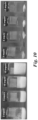
- the poly(2-ethylhexyl acrylate) (PSA) formed by the method above is soluble in alcohol after 3 hrs (see FIG. 10 , right side), whereas the polyacrylic acid (PAA) starting material is not soluble in alcohol (see FIG. 10 , left side).
- PSA poly(2-ethylhexyl acrylate)
- PAA polyacrylic acid
- the presently disclosed subject matter provides a method for preparing a pressure sensitive adhesive from one or more sodium polyacrylate-based superabsorbent polymers, the method comprising: (a) providing one or more sodium polyacrylate-based superabsorbent polymers; and (b) contacting the one or more sodium polyacrylate-based superabsorbent polymers with one or more alcohols in the presence of an acid for a period of time at a predetermined temperature to provide a pressure sensitive adhesive.
- the one or more alcohols is selected from the group consisting of 2-ethylhexanol, 3-bromopropanol, and combinations thereof. In particular embodiments, the one or more alcohols is 2-ethylhexanol.
- alkyl means, unless otherwise stated, a straight (i.e., unbranched) or branched chain, acyclic or cyclic hydrocarbon group, or combination thereof, which may be fully saturated, mono- or polyunsaturated and can include di- and multivalent groups, having the number of carbon atoms designated (i.e., C 1 -C 10 means one to ten carbons).
- alkyl refers to C 1 -C 20 inclusive, linear (i.e., “straight--chain”), branched, or cyclic, saturated or at least partially and in some cases fully unsaturated (i.e., alkenyl and alkynyl) hydrocarbon radicals derived from a hydrocarbon moiety containing between one and twenty carbon atoms by removal of a single hydrogen atom.
- Branched refers to an alkyl group in which a lower alkyl group, such as methyl, ethyl or propyl, is attached to a linear alkyl chain.
- Lower alkyl refers to an alkyl group having 1 to about 8 carbon atoms (i.e., a C 1-8 alkyl), e.g., 1, 2, 3, 4, 5, 6, 7, or 8 carbon atoms.
- Higher alkyl refers to an alkyl group having about 10 to about 20 carbon atoms, e.g., 10, 11, 12, 13, 14, 15, 16, 17, 18, 19, or 20 carbon atoms.
- alkyl refers, in particular, to C 1-8 straight-chain alkyls. In other embodiments, “alkyl” refers, in particular, to C 1-8 branched-chain alkyls.
- Alkyl groups can optionally be substituted (a "substituted alkyl") with one or more alkyl group substituents, which can be the same or different.
- alkyl group substituent includes but is not limited to alkyl, substituted alkyl, halo, arylamino, acyl, hydroxyl, aryloxyl, alkoxyl, alkylthio, arylthio, aralkyloxyl, aralkylthio, carboxyl, alkoxycarbonyl, oxo, and cycloalkyl.
- alkyl alcohols including, but not limited to, methanol, ethanol, n-propanol, isopropanol, n-butanol, isobutanol, sec-butanol, tert-butanol, n-pentanol, sec-pentanol, iso-pentanol, neopentanol, n-hexanol, sec-hexanol, n-heptanol, n-octanol, n-decanol, n-undecanol, dodecanol, each of which can be substituted with one or more substituent groups, including straight-chain or branched alkyl, or halo.
- halo halide
- halogen refer to fluoro, chloro, bromo, and iodo groups.
- the acid comprises an inorganic acid.
- the acid comprises an organic acid.
- Representative inorganic acids include, but are not limited to, hydrochloric acid, nitric acid, phosphoric acid, sulfuric acid, boric acid, hydrofluoric acid, hydrobromic acid, perchloric acid, and hydroiodic acid.
- the inorganic acid is sulfuric acid.
- organic acids include, but are not limited to, arylsulfonic acids, such as benzenesulfonic acid, tosylic acid, p-styrenesulfone, 2-naphthalenesulfonic acid, 4-hydroxybenzenesulfonic acid, 5-sulfosalicylic acid, p-dodecylbenzenesulfonic acid, dihexylbenzenesulfonic acid, 2,5-dihexylbenzenesulfonic acid, dibutylnaphthalenesulfonic acid, 6,7-dibutyl-2-naphthalenesulfonic acid, dodecylnaphthalenesulfonic acid, 3-dodecyl-2-naphthalenesulfonic acid, hexylnaphthalenesulfonic acid, 4-hexyl-1-naphthalenesulfonic acid, octylnaphthalenesulfonic
- the acid is selected from the group consisting of tosylic acid and sulfuric acid.
- the one or more alcohols is present in about a 1:2 ratio relative to an acrylic acid repeat unit of the one or more sodium polyacrylate-based superabsorbent polymers. In certain embodiments, the one or more alcohols is present in about a 1:1 ratio relative to an amount of water.
- the predetermined temperature has range from between about 60 °C to about 180 °C, including 60, 65, 70, 75, 80, 85, 90, 95, 100, 105, 110, 115, 120, 125, 130, 135, 140, 145, 150, 155, 160, 165, 170, 175, and 180 °C. In particular embodiments, the predetermined temperature is about 120 °C.
- the period of time has a range from about 1 hour to about 8 hours, including 1, 2, 3, 4, 5, 6, 7, and 8 hours. In particular embodiments, the period of time is about three hours.
- the one or more sodium polyacrylate-based superabsorbent polymers are derived from a disposable personal hygiene product.
- the disposable personal hygiene product is selected from the group consisting of a baby diaper, an adult incontinence product, and a feminine hygiene product.
- the presently disclosed subject matter provides a pressure sensitive adhesive prepared by the presently disclosed methods.
- the presently disclosed subject matter provides an article comprising a pressure sensitive adhesive prepared by the presently disclosed methods.
- the article is selected from the group consisting of pressure sensitive tape, a bandage, a label, note pads, a decal, a stamp, an envelope, a sticker, packaging, automobile trim, and a film.
- the term "about,” when referring to a value can be meant to encompass variations of, in some embodiments, ⁇ 100% in some embodiments ⁇ 50%, in some embodiments ⁇ 20%, in some embodiments ⁇ 10%, in some embodiments ⁇ 5%, in some embodiments ⁇ 1%, in some embodiments ⁇ 0.5%, and in some embodiments ⁇ 0.1% from the specified amount, as such variations are appropriate to perform the disclosed methods or employ the disclosed compositions.
- Recycling or repurposing commercial polymers can attenuate their environmental impact by minimizing the further depletion of nonrenewable resources, recouping the energy used to make them, and preventing them from becoming pollutants.
- the presently disclosed subject matter provides an approach to repurpose superabsorbent polyacrylates to make pressure-sensitive adhesives.
- the 3-step repurposing method utilizes decrosslinking via alkaline hydrolysis, chain-shortening via sonication, and functionalizing via Fischer esterification.
- the resulting adhesives exhibit low-to-medium storage and loss moduli at room temperature, and as such, are applicable to general-purpose removable adhesive products, including tapes, bandages, and sticky notes.
- Chemical recycling via repurposing uses synthetic methods to generate new materials from polymer waste. Recent examples include C-H functionalization of polyolefins, Williamson et al., 2019, Lewis et al., 2020, and alkane metathesis on polyolefins to generate hydrocarbon fuels. Celik et al., 2019, Jia et al, 2016.
- the presently disclosed subject matter provides a method for repurposing waste superabsorbent polymer into PSAs via three simple steps: (i) decrosslinking to generate linear polymers, (ii) sonicating to lower the average molecular weight, and (iii) functionalizing via esterification to generate tack (Scheme 1 right).
- Scheme 1 Comparing syntheses of pressure-sensitive adhesives from petroleum versus waste diapers as the feedstock.
- the superabsorbent polymer sample provided by Procter & Gamble is sodium poly(acrylate) crosslinked with polyethylene glycol) diacrylate (PAA P&G ).
- PAA P&G polyethylene glycol diacrylate
- Initial attempts at preparing aqueous solutions with > 1% w/v were unsuccessful because the PAA P&G absorbed all of the water. Liang et al., 2018. To circumvent this problem, the acrylate crosslinks were hydrolyzed with NaOH and mild heating to generate highly soluble linear polymers (eq 1 and section 1.9, herein below). Note that higher NaOH concentrations resulted in faster decrosslinking (e.g., 24 h at 0.3 M versus 3 h at 3 M).
- the decrosslinked PAA P&G was soluble at 5% w/v in water, which was the concentration used in the remaining studies.
- linear polyacrylic acid was purchased from Scientific Polymer Products (PAA SPP ).
- the reported M w was 750 kg/mol, however, it was suspected a small amount of crosslinking was present, as no peak was observed in the size-exclusion chromatography (SEC) trace, suggesting that the polymer did not pass through the syringe filter (0.45 ⁇ m).
- SEC size-exclusion chromatography
- Different concentrations of PAA SPP solutions were prepared in deionized water with sodium chloride added to reduce the viscosity. These solutions were sonicated using a 20 kHz sonication horn operating at full (100%) amplitude. Aliquots were collected at time points spanning 1-20 min.
- the maximum specific energy (w max ) was calculated using the maximum power drawn from the outlet and the mass of added PAA.
- the M w was determined relative to polyethylene glycol/polyethylene oxide standards using SEC.
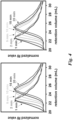
- the shortest fragments achievable within 20 min of sonication exhibited a M w ⁇ 65 kg/mol at 0.5% w/v.
- the polymer should have a M w > 400 kg/mol. Creton, 2003; Pocious, 2012; Tobing, 2001.
- Esterifying PAA using alkyl halides has been achieved under basic conditions (i.e., tetramethylguanidine, ⁇ 98% conversion). Li et al., 2013. This process, however, utilizes expensive solvents (i.e., DMSO and DMF) and stoichiometric quantities of base, both of which would be too costly for large-scale repurposing of waste poly(acrylic acid).
- DMSO and DMF dimethylsulfate
- acid-catalyzed Fischer esterification using inexpensive alcohols as both the reagent and solvent is a common approach used in industry for generating acrylate monomers, Bauer, 2003; Ohara et al., 2012, which is later polymerized to the poly(acrylate).
- PAA fragments were first prepared with varying M w by sonicating samples of PAA SPP (5.0% w/v) or decrosslinked PAA P&G (5.0% w/v) at three different time points (between 2-20 min). After sonication, PAA P&G fragments were dialyzed with DI H 2 O to remove excess NaOH and protonated using DOWEX ion exchange resin. Each sample was then concentrated, freeze-dried, and ground into a fine powder, which was then treated with 2-ethylhexanol (5 equiv relative to the repeat unit) and H 2 SO 4 (0.25 equiv) at 120 °C for 8 h.
- 2-ethylhexanol 5 equiv relative to the repeat unit
- H 2 SO 4 (0.25 equiv
- the resulting poly(2-ethylhexyl acrylate) (P(2-EHA)) was purified by precipitation, followed by drying under high vacuum.
- the resulting polymer M w spanned 450-1000 kg/mol for P(2-EHA) SPP and 700-1200 kg/mol for P(2-EHA) P&G , depending on the sonication time. Li et al., 2015.
- the adhesive properties of the synthesized PSAs were evaluated using rheology and analyzed with respect to Chang's viscoelastic window (VW), which classifies different adhesive types.
- Chang 1991.
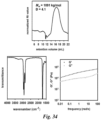
- the VW for each PSA is constructed from the dynamic storage (G') and loss (G") moduli at representative bonding and debonding frequencies of 0.01 and 100 Hz, respectively.
- the corresponding VW for each adhesive is the rectangular region bounded by these four moduli ( FIG. 35 ).
- the G' at each frequency describes an adhesive's resistance to shear, and this term generally increases in samples with more chain entanglements (e.g., with increasing M w ).
- the G" at each frequency describes an adhesive's ability to dissipate energy.
- the presently disclosed subject matter provides a facile, 3-step method to synthesize commercially relevant PSAs by repurposing superabsorbent poly(acrylic acid). Because this process uses waste polymer as the feedstock, it provides a more sustainable alternative to disposal in a landfill or incineration. Advantages of this approach include: (i) the fact that the chain-shortening process requires less energy than needed to synthesize acrylic acid monomer, and (ii) the quantitative esterification without needing to remove the water byproduct.
- the synthesized adhesives fall within the viscoelastic windows utilized in most commercial PSAs. One can target a specific window simply by varying the sonication times to form polymers with different molecular weights. Notably, these adhesives were achieved without the need for crosslinking, which is often necessary for acrylic PSAs. Overall, the sustainable nature and potential scalability of this approach should inspire alternative repurposing methods for petroleum-sourced polymers.
- PAA SPP Polyacyrlic Acid
- PAA SIGMA1 (listed as 240 kg/mol)
- PAA SIGMA2 (listed as 450 kg/mol)
- Dowex ® Marathon TM MSC hydrogen form (23-27 ⁇ m)
- p -toluenesulfonic acid ( p -TsOH)
- 2-ethylhexanol (2-EHOH)
- dimethyl sulfoxide (DMSO) sodium hydroxide
- sulfuric acid, and sodium nitrate were purchased from Millipore Sigma.
- Methanol (MeOH) and sodium chloride (NaCl) were purchased from Fisher Scientific.
- Tetrahydrofuran was purchased from OmniSolv. Glacial acetic acid was purchased from Acros Organics. Deuterated solvents: Chloroform (CDCl 3 ), pyridine-d5, and deuterium oxide (D 2 O) were purchased from Cambridge Isotopes. Sodium polyacrylate (PAA P&G ) was provided by Procter & Gamble. Sonicated polymer fragments were dialyzed in deionized (DI) water using Spectra/Por molecular porous membrane tubing (molecular weight cut-off: 3.5 kg/mol). Pressure tube vessels were purchased from Thomas Scientific. Jacketed beakers were purchased from Sigma Aldrich (cat#: Z202738-1EA).
- Polymer molecular weight ( M ) and dispersity (D) were determined by comparison with PEG/PEO EasiVial standards from Agilent at 40 °C in 0.1 M NaNO 3 (aq) on a Waters SEC (Waters 1515 Isocratic HPLC pump, 717plus autosampler, RI detector Model 214 and UV-PDA detector Model 487) equipped with four Ultrahydrogel columns: 120 (WAT011565), 250 (WAT011525), 500 (WAT011530) and 1000 (WAT011535).
- Polymer molecular weight (M) and dispersity (D) were determined by comparison with poly(methyl methacrylate) ReadyCal-Kit standards from Perfect Separation Solutions at 40 °C in THF on an SEC (Waters APC PUMP and Sample manager, Waters APC RI detector serial #H15URI545M and Wyatt uDAWN 1067UD 3-Angle light scattering detector) equipped with a Shodex HFIP-G 8B Guard Column, 2-Shodex HFIP-806M Columns (serial numbers E28T0045, E2960061, and E2910020, 7.8x300 mm in series).
- PAA SPP 750 kg/mol, 250 mg, 3.47 mmol
- DI H 2 O 50.0 mL each
- the PAA solutions were stirred at 300 rpm for 15 h at rt.
- the PAA solutions were sonicated for 20 min.
- the polymer solutions were concentrated under reduced pressure to dryness, spiked with a known amount of DMSO (1.14, 1.16, and 1.09 mmol, respectively) and redissolved with D 2 O for quantitative 1 H-NMR spectroscopic analysis. An average recovery of 87% was determined based on relative integrations. See FIG. 1 . Table 1.
- Average recovery after sonication determined from three trials based on amount of DMSO (mmol), normalized integration for peak a (I a ), mass of polymer sonicated (250 mg) and molar mass of PAA repeat unit (72.06 g/mol).
- Triplicate batches of PAA SPP solution (0.50, 1.0, and 2.5% w/v) were prepared by dissolving PAA (250, 500, and 1250 mg) with DI H 2 O (50.0 mL each) in jacketed beakers equipped with stir bars. NaCl (100 mg, 1.71 mmol) was added to each batch to lower the solution viscosity.
- the PAA solutions were stirred at 300 rpm for 15 h at rt.
- PAA solutions were sonicated for 20 min while collecting 0.50-1.0 mL aliquots at 1, 2, 5, 10, 15, and 20 min. The aliquots were diluted (to 1-1.5 mg/mL) with 0.1 M NaNO 3 (aq)/ethylene glycol (99:1 v/v) and analyzed via SEC. See FIG. 2 . Table 2. Maximum power (P max ) consumed during sonication for PAA SPP at 0.50% w/v. [PAA] (w/v %) mass (mg) mmol run 1 Pmax (W) run 2 Pmax (W) 0.5 0.25 3.47 220 230
- PAA SIGMA1 and PAA SIGMA2 were used for esterification without chain-shortening.
- PAA SPP and PAA P&G were chain-shortened to shorter fragments respectively before esterification.
- PAA SPP - PAA SPP solution (5.0% w/v) was prepared by dissolving PAA SPP (12.5 g) with DI H 2 O (250 mL) in a 500 mL glass bottle equipped with a stir bar. NaCl (0.30 g, 5.13 mmol) was added to lower the solution viscosity. The PAA solution was stirred at 300 rpm for 10 h at rt, and then divided into 50 mL portions, which were sonicated in jacketed beakers for either 2, 5, 10, or 20 min.
- the sonicated polymer solutions were freeze-dried and ground using a mortar and pestle to achieve fine powders which were labeled PAA SPP-2min , PAA SPP-5min , PAA SPP-10min , and PAA SPP-20min , respectively.
- the freeze-dried polymer is ground with the mortar immersed in a liquid nitrogen bath. After grinding the polymer into a fine powder, the polymer is immediately (to avoid water from condensing) transferred into a vial and dried under high vacuum for 5-10 min.
- PAA P&G - PAA P&G solution (5.0% w/v) was prepared by adding PAA P&G (10.00 g) over 5 min into a 500 mL glass bottle with aq. NaOH (300 mM, 200 mL). The solution was stirred at 80 °C for 24 h for decrosslinking. The decrosslinked PAA P&G solution was divided into 50 mL portions which were sonicated in jacketed beakers for either 2, 5, or 10 min. The polymers were dialyzed to remove the NaOH using DI water (1 gallon), which was changed three times (i.e., every 3-4 h).
- the polymer solution was protonated by passing through a column of DOWEX ion exchange resin (15-20 g).
- the protonated polymer solutions were freeze-dried and ground using a mortar and pestle to achieve fine powders which were labeled PAA P&G-2min , PAA P&G-5min , and PAA P&G-10min , respectively.
- PAA SIGMA1 and PAA SIGMA2 come fine powder form and low molecular weight ( ⁇ 450 kg/mol) relative to the chain-shortened PAA SPP and PAA P&G . Consequently, the chain-shorted PAAs needed longer esterification time (8 h versus 3-5 h for commercial PAAs). High degrees of esterification were qualitatively confirmed when the white heterogenous reaction mixture became clear and homogenous (see FIG. 10 ). Recoveries were difficult to measure due to the stickiness of the sythesized adhesives.
- the vials were subsequently heated to 120 °C, then PAA SIGMA2 (400 mg, 5.60 mmol, 1.0 equiv.) was added.
- the vials were capped and stirred for 3-5 h at 120 °C. Thereafter, the vials were cooled in a rt water bath.
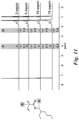
- the poly(2-ethylhexyl acrylate) SIGMA2 (P(2-EHA)) SIGMA2 ) was isolated by precipitating into MeOH (10 mL) and removing the supernatent. Then, the polymer was purified by dissolving in minimal amounts of THF (1 mL), precipitating into MeOH (10 mL) and removing the supernatent repeated three times. The resulting solid was dried under high vacuum at 60 °C for 3 h. See FIG. 11 and FIG. 12 .
- the vessels were cooled in a rt water bath.
- the poly(2-ethylhexyl acrylate) SIGMA1 (P(2-EHA)) SIGMA1 ) was isolated by precipitating into MeOH (10 mL) and removing the supernatent. Then, the polymer was purified by dissolving in minimal amounts of THF (1 mL), precipitating into MeOH (10 mL) and removing the supernatent repeated three times. The resulting solid was dried under high vacuum at 60 °C for 3 h. See FIG. 13 and FIG. 14 .
- the poly(2-ethylhexyl acrylate) SPP-20min (P(2-EHA)) SPP-20min ) was isolated by precipitating into MeOH (10 mL) and removing the supernatent. Then, the polymer was purified by dissolving in minimal amounts of THF (1 mL), precipitating into MeOH (10 mL) and removing the supernatent repeated three times. The resulting solid was dried under high vacuum at 60 °C for 3 h. See FIG. 15 .
- the poly(2-ethylhexyl acrylate-co-3-bromopropyl acrylate) SPP-20min (P(2-EHA- co -3-BPA) SPP-20min ) was isolated by precipitating into MeOH (10 mL) and removing the supernatent. Then, the polymer was purified by dissolving in minimal amounts of THF (2 mL), precipitating into MeOH (10 mL) and removing the supernatent repeated three times. The resulting solid was dried under high vacuum at 60 °C for 3 h. See FIG. 16 .
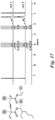
- the poly(2-ethylhexyl acrylate- co -ethyl acrylate) SPP-20min was isolated by precipitating into MeOH (10 mL) and removing the supernatent. Then, the polymer was purified by dissolving in minimal amounts of THF (2 mL), precipitating into MeOH (10 mL) and removing the supernatent repeated three times. The resulting solid was dried under high vacuum at 60 °C for 3 h. See FIG. 17 .
- Nonamers AA 9 , BA 8 AA 1 , AA 8 BA 1 , and BA 9 were constructed using Avogadro, Hanwell et al., 2012, and then solvated in a 3:1 butanol:water cuboid using PACKMOL, Martinez et al., 2009, providing a 12 ⁇ buffer between the nonamer and the edge of the cuboid. This resulted in a 41.841x44.981x45.167 ⁇ box with 480 butanols and 160 waters for BA 8 AA 1 and BA 9 , and a 37.678x40.876x35.483 ⁇ box with 333 butanols and 111 waters for AA 9 and AA 8 BA 1 .
- Electrostatic interactions were modeled using a particle-mesh Ewald method, Darden and Pedersen, 1993; Essmann et al., 1995; Huang et al., 2016, with a grid spacing of 1 ⁇ , interpolation order of 6, and a ⁇ -value of 0.32 ⁇ -1 .
- Van der Waals interactions were modelled using a 9 ⁇ switching radius, 10 ⁇ cutoff radius, and a 12 ⁇ neighbor list. See FIG. 22 .
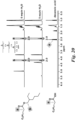
- the poly(2-ethylhexyl acrylate) SPP-20min (P(2-EHA)) SPP-20min ) was isolated by precipitating into MeOH (20 mL) and removing the supernatent. Then, the polymer was purified by dissolving in minimal amounts of THF (5 mL), precipitating into MeOH (20 mL) and removing the supernatent repeated three times. The resulting solid was dried under high vacuum at 60 °C for 3 h. A portion of the P(2-EHA) SPP-20min (650 mg) was used for frequency sweep measurements. See FIG. 23-FIG. 24 .
- the poly(2-ethylhexyl acrylate) SPP-10min (P(2-EHA)) SPP-10min ) was isolated by precipitating into MeOH (20 mL) and removing the supernatent. Then, the polymer was purified by dissolving in minimal amounts of THF (5 mL), precipitating into MeOH (20 mL) and removing the supernatent repeated three times. The resulting solid was dried under high vacuum at 60 °C for 3 h. A portion of the P(2-EHA) SPP-10min (650 mg) was used for frequency sweep measurements. See FIG. 25-FIG. 26 .
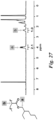
- the poly(2-ethylhexyl acrylate) SPP-2min (P(2-EHA)) SPP-2min ) was isolated by precipitating into MeOH (20 mL) and removing the supernatent. Then, the polymer was purified by dissolving in minimal amounts of THF (5 mL), precipitating into MeOH (20 mL) and removing the supernatent repeated three times. The resulting solid was dried under high vacuum at 60 °C for 3 h. A portion of the P(2-EHA) SPP-2min (650 mg) was used for frequency sweep measurements. See FIG. 27 .
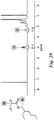
- the poly(2-ethylhexyl acrylate) P&G-10min (P(2-EHA)) P&G-10min ) was isolated by precipitating into MeOH (20 mL) and removing the supernatent. Then, the polymer was purified by dissolving in minimal amounts of THF (5 mL), precipitating into MeOH (20 mL) and removing the supernatent repeated three times. The resulting solid was dried under high vacuum at 60 °C for 3 h. A portion of the P(2-EHA) P&G-10min (650 mg) was used for frequency sweep measurements. See FIG. 29-FIG. 30 .
- the poly(2-ethylhexyl acrylate) P&G-5min (P(2-EHA)) P&G-5min ) was isolated by precipitating into MeOH (20 mL) and removing the supernatent. Then, the polymer was purified by dissolving in minimal amounts of THF (5 mL), precipitating into MeOH (20 mL) and removing the supernatent repeated three times. The resulting solid was dried under high vacuum at 60 °C for 3 h. A portion of the P(2-EHA) P&G-5min (650 mg) was used for frequency sweep measurements. See FIG. 31-FIG. 32 .
- the poly(2-ethylhexyl acrylate) P&G-2min (P(2-EHA)) P&G-2min ) was isolated by precipitating into MeOH (20 mL) and removing the supernatent. Then, the polymer was purified by dissolving in minimal amounts of THF (5 mL), precipitating into MeOH (20 mL) and removing the supernatent repeated three times. The resulting solid was dried under high vacuum at 60 °C for 3 h. A portion of the P(2-EHA) P&G-2min (650 mg) was used for frequency sweep measurements. See FIG. 33-FIG. 34 .
Landscapes
- Chemical & Material Sciences (AREA)
- Organic Chemistry (AREA)
- Chemical Kinetics & Catalysis (AREA)
- Health & Medical Sciences (AREA)
- Medicinal Chemistry (AREA)
- Polymers & Plastics (AREA)
- General Chemical & Material Sciences (AREA)
- Life Sciences & Earth Sciences (AREA)
- Sustainable Development (AREA)
- Adhesives Or Adhesive Processes (AREA)
- Addition Polymer Or Copolymer, Post-Treatments, Or Chemical Modifications (AREA)
- Absorbent Articles And Supports Therefor (AREA)
Claims (15)
- Procédé permettant de préparer un adhésif sensible à la pression à partir d'un ou plusieurs polymères superabsorbants à base de polyacrylate de sodium, le procédé comprenant :(a) la fourniture d'une solution comprenant un ou plusieurs polymères superabsorbants à base de polyacrylate de sodium ;(b) la déréticulation du ou des polymères superabsorbants à base de polyacrylate de sodium pour fournir un ou plusieurs polymères superabsorbants à base de polyacrylate de sodium déréticulés ;(c) le passage facultatif aux ultrasons du ou des polymères superabsorbants à base de polyacrylate de sodium déréticulés pour fournir un ou plusieurs polymères superabsorbants à base de polyacrylate de sodium à chaîne raccourcie ;(d) la protonation du ou des polymères superabsorbants à base de polyacrylate de sodium déréticulés et/ou à chaîne raccourcie pour fournir un ou plusieurs polymères superabsorbants à base d'acide polyacrylique déréticulés et/ou à chaîne raccourcie protonés ; et(e) l'estérification du ou des polymères superabsorbants à base d'acide polyacrylique déréticulés et/ou à chaîne raccourcie protonés pour fournir un adhésif sensible à la pression.
- Procédé selon la revendication 1, dans lequel le ou les polymères superabsorbants à base de polyacrylate de sodium sont dérivés d'un produit d'hygiène personnelle jetable, de préférence dans lequel le produit d'hygiène personnelle jetable est choisi dans le groupe constitué par une couche pour bébés, un produit pour l'incontinence chez l'adulte et un produit d'hygiène féminine.
- Procédé selon la revendication 1 ou 2, dans lequel la déréticulation du ou des polymères superabsorbants à base de polyacrylate de sodium comprend la mise en contact du ou des polymères superabsorbants à base de polyacrylate de sodium avec une base pour fournir un ou plusieurs polymères superabsorbants à base de polyacrylate de sodium déréticulés, de préférence dans lequel la base est une base inorganique, plus préférablement dans lequel la base inorganique est choisie dans le groupe constitué par NaOH, KOH, Na2CO3 et K2CO3.
- Procédé selon la revendication 3, comprenant en outre le fait d'éliminer la base du ou des polymères superabsorbants à base de polyacrylate de sodium déréticulés.
- Procédé selon la revendication 4, dans lequel l'e fait d'éliminer la base du ou des polymères superabsorbants à base de polyacrylate de sodium déréticulés comprend la dialyse du ou des polymères superabsorbants à base de polyacrylate de sodium déréticulés à l'aide d'une tubulure à membrane poreuse moléculaire.
- Procédé selon l'une quelconque des revendications précédentes, dans lequel la déréticulation du ou des polymères superabsorbants à base de polyacrylate de sodium comprend le fait de déréticuler le ou les polymères superabsorbants à base de polyacrylate de sodium.
- Procédé selon l'une quelconque des revendications précédentes, comprenant en outre l'élimination de polymères superabsorbants à base de polyacrylate de sodium réticulés résiduels par un filtrage du ou des polymères superabsorbants à base de polyacrylate de sodium déréticulés par un ou plusieurs procédés choisis dans le groupe constitué par filtration, centrifugation et décantation.
- Procédé selon l'une quelconque des revendications précédentes, dans lequel la protonation du ou des polymères superabsorbants à base de polyacrylate de sodium déréticulés comprend (i) la mise en contact du ou des polymères superabsorbants à base de polyacrylate de sodium déréticulés avec une résine échangeuse de cations ou (ii) la titration du ou des polymères superabsorbants à base de polyacrylate de sodium déréticulés avec HCL ou H2SO4 pour fournir un ou plusieurs polymères superabsorbants à base d'acide polyacrylique protonés, de préférence dans lequel la résine échangeuse de cations comprend un groupe fonctionnel acide sulfonique.
- Procédé selon l'une quelconque des revendications précédentes, dans lequel l'estérification du ou des polymères superabsorbants à base d'acide polyacrylique protonés comprend la mise en contact du ou des polymères superabsorbants à base d'acide polyacrylique protonés avec un ou plusieurs composés halogénure organique.
- Procédé selon la revendication 9, dans lequel le ou les composés halogénure organique comprennent un composé halogénure organique primaire ou secondaire.
- Procédé selon la revendication 10, dans lequel le composé halogénure organique primaire ou secondaire comprend au moins un atome d'halogène choisi dans le groupe constitué par Cl, Br et I.
- Procédé selon la revendication 10, dans lequel le composé halogénure organique primaire ou secondaire comprend un groupe alkyle à chaîne linéaire ou ramifié en C1 à C12.
- Procédé selon la revendication 9, dans lequel le ou les composés halogénure organique sont choisis dans le groupe constitué par iodure de méthyle, iodure d'éthyle, brome de n-butyle, bromure de n-octyle, bromure de propargyle (3-bromo-1-propyne), bromoacétate d'éthyle, chloroacétate d'éthyle, (1-bromoéthyl)benzène, chlorure de benzyle, bromure de benzyle, chlorure d'isobutényle (3-chloro-2-méthylprop-1-ène), bromure de 2-éthylhexyle et bromure de 2-éthylhexyle.
- Procédé selon la revendication 9, dans lequel le ou les composés halogénure organique comprennent un groupe de protection pour fournir un ou plusieurs polymères superabsorbants à base d'acide polyacrylique protonés estérifiés protégés.
- Procédé selon la revendication 14, dans lequel le groupe de protection est choisi dans le groupe constitué par tert-butoxycarbonyle (BOC) ou 9-fluorénylméthoxycarbonyle (FMOC).
Applications Claiming Priority (3)
| Application Number | Priority Date | Filing Date | Title |
|---|---|---|---|
| US201962890943P | 2019-08-23 | 2019-08-23 | |
| US201962947363P | 2019-12-12 | 2019-12-12 | |
| PCT/US2020/047659 WO2021041326A1 (fr) | 2019-08-23 | 2020-08-24 | Recyclage de polymère super-absorbant en adhésifs sensibles à la pression |
Publications (3)
| Publication Number | Publication Date |
|---|---|
| EP4017480A1 EP4017480A1 (fr) | 2022-06-29 |
| EP4017480A4 EP4017480A4 (fr) | 2023-08-23 |
| EP4017480B1 true EP4017480B1 (fr) | 2025-01-15 |
Family
ID=74647338
Family Applications (1)
| Application Number | Title | Priority Date | Filing Date |
|---|---|---|---|
| EP20856160.5A Active EP4017480B1 (fr) | 2019-08-23 | 2020-08-24 | Recyclage de polymère super-absorbant en adhésifs sensibles à la pression |
Country Status (4)
| Country | Link |
|---|---|
| US (1) | US11781045B2 (fr) |
| EP (1) | EP4017480B1 (fr) |
| CN (1) | CN114245738B (fr) |
| WO (1) | WO2021041326A1 (fr) |
Families Citing this family (4)
| Publication number | Priority date | Publication date | Assignee | Title |
|---|---|---|---|---|
| US12187856B2 (en) | 2019-08-23 | 2025-01-07 | The Procter & Gamble Company | Depolymerization of polymers |
| EP4017480B1 (fr) | 2019-08-23 | 2025-01-15 | The Regents Of The University Of Michigan | Recyclage de polymère super-absorbant en adhésifs sensibles à la pression |
| WO2022006128A1 (fr) | 2020-06-29 | 2022-01-06 | The Regents Of The University Of Michigan | Élimination de microplastiques à l'aide d'adhésifs |
| EP4323438A4 (fr) * | 2021-04-13 | 2025-03-05 | The Regents Of The University Of Michigan | Préparation d'adhésifs sensibles à la pression à partir de polymères superabsorbants post-consommation |
Family Cites Families (17)
| Publication number | Priority date | Publication date | Assignee | Title |
|---|---|---|---|---|
| US3677788A (en) * | 1970-02-03 | 1972-07-18 | Johnson & Johnson | Adhesive tape |
| JPH09249711A (ja) | 1996-03-19 | 1997-09-22 | Mitsubishi Gas Chem Co Inc | 吸水性ポリマーの分解方法 |
| GB2325668B (en) | 1997-05-30 | 1999-12-01 | Bristol Myers Squibb Co | Adhesive composition or structure |
| US7250093B2 (en) | 2001-02-19 | 2007-07-31 | Basf Aktiengesellschaft | Method using a dry fluidised bed for producing thin, absorbent surface structures |
| JP4799778B2 (ja) * | 2001-08-23 | 2011-10-26 | 日東電工株式会社 | 医療用粘着組成物及び該組成物を用いてなる粘着テープもしくはシート |
| JP4012058B2 (ja) * | 2001-12-21 | 2007-11-21 | キヤノン株式会社 | リサイクル性重合体、その製造方法、ならびにリサイクル処理方法 |
| ATE486664T1 (de) | 2003-08-11 | 2010-11-15 | Procter & Gamble | Verfahren zum auftragen von klebstoff |
| US20100322996A1 (en) | 2008-02-14 | 2010-12-23 | Avery Dennison Corporation | Fluid Absorbent Adhesive Articles |
| DE102008012247A1 (de) | 2008-03-03 | 2009-09-10 | Henkel Ag & Co. Kgaa | Absorbierendes Hygieneprodukt |
| US7910688B2 (en) | 2008-10-22 | 2011-03-22 | Evonik Stockhausen Inc. | Recycling superabsorbent polymer fines |
| CA2752474C (fr) * | 2009-02-12 | 2017-06-20 | Rhodia Operations | Procedes pour reguler la depolymerisation de compositions polymeres |
| DE102010008163A1 (de) * | 2010-02-16 | 2011-08-18 | Evonik Stockhausen GmbH, 47805 | Verfahren zur Rückführung von Polymerfeinteilchen |
| CA2849735C (fr) * | 2011-09-23 | 2021-08-17 | Zynnovation Llc | Recyclage de couches jetables et applications |
| JP6161669B2 (ja) * | 2014-12-26 | 2017-07-12 | ユニ・チャーム株式会社 | 使用済み吸収性物品のリサイクル方法 |
| JP6523376B2 (ja) * | 2017-06-28 | 2019-05-29 | ユニ・チャーム株式会社 | リサイクル繊維を製造する方法及びリサイクル繊維 |
| US12187856B2 (en) | 2019-08-23 | 2025-01-07 | The Procter & Gamble Company | Depolymerization of polymers |
| EP4017480B1 (fr) | 2019-08-23 | 2025-01-15 | The Regents Of The University Of Michigan | Recyclage de polymère super-absorbant en adhésifs sensibles à la pression |
-
2020
- 2020-08-24 EP EP20856160.5A patent/EP4017480B1/fr active Active
- 2020-08-24 US US17/001,345 patent/US11781045B2/en active Active
- 2020-08-24 WO PCT/US2020/047659 patent/WO2021041326A1/fr not_active Ceased
- 2020-08-24 CN CN202080056187.0A patent/CN114245738B/zh active Active
Also Published As
| Publication number | Publication date |
|---|---|
| CN114245738B (zh) | 2024-03-15 |
| EP4017480A1 (fr) | 2022-06-29 |
| US20210054248A1 (en) | 2021-02-25 |
| WO2021041326A1 (fr) | 2021-03-04 |
| EP4017480A4 (fr) | 2023-08-23 |
| US11781045B2 (en) | 2023-10-10 |
| CN114245738A (zh) | 2022-03-25 |
Similar Documents
| Publication | Publication Date | Title |
|---|---|---|
| EP4017480B1 (fr) | Recyclage de polymère super-absorbant en adhésifs sensibles à la pression | |
| Chazovachii et al. | Giving superabsorbent polymers a second life as pressure-sensitive adhesives | |
| Liu et al. | Degradation of poly (ethylene terephthalate) catalyzed by metal-free choline-based ionic liquids | |
| De Luca Bossa et al. | Fast bulk depolymerization of polymethacrylates by ATRP | |
| Li et al. | A facile and highly efficient strategy for esterification of poly (meth) acrylic acid with halogenated compounds at room temperature promoted by 1, 1, 3, 3-tetramethylguanidine | |
| Zhu et al. | Molecular mechanism of waste polyethylene terephthalate recycling by the 1, 5, 7-triazabicyclo [4.4. 0] decium acetate/zinc acetate deep eutectic solvent: The crucial role of 1, 5, 7-triazabicyclo [4.4. 0] decium cation | |
| Deadman et al. | Taming tosyl azide: the development of a scalable continuous diazo transfer process | |
| EP4183823A1 (fr) | Catalyseur de dépolymérisation d'un polymère comprenant un groupe fonctionnel ester et procédé de dépolymérisation à l'aide de celui-ci | |
| Liang et al. | Valorization of polyethylene terephthalate wastes to terephthalamide via catalyst-free ammonolysis | |
| CN102659590B (zh) | 废聚乳酸材料在离子液体环境下的醇解回收方法 | |
| D'Anna et al. | Boosting the methanolysis of polycarbonate by the synergy between ultrasound irradiation and task specific ionic liquids | |
| CN113336666A (zh) | 一种普适性交联剂及其合成方法与应用 | |
| ZA202400322B (en) | Method and reactor system for depolymerizing a terephthalatepolymer into reusable raw material | |
| Zhang et al. | CO 2 catalyzed recycling of polyester and polycarbonate plastics | |
| Neidhart et al. | Blocky Selective Postpolymerization C–H Functionalization of Polyolefins | |
| Tang et al. | L-proline functionalized pH-responsive copolymers as supported organocatalysts for asymmetric aldol reaction in water | |
| JP2546124B2 (ja) | 多官能性(メタ)アクリレートの製造方法 | |
| Bamoniri et al. | The use of silica sulfuric acid as an efficient catalyst for deprotection of trimethylsilyl ethers to the corresponding alcohols under mild and heterogeneous conditions | |
| Casarano et al. | Acylation of cellulose in a novel solvent system: Solution of dibenzyldimethylammonium fluoride in DMSO | |
| US20220403217A1 (en) | Preparation of pressure sensitive adhesives from post-consumer superabsorbent polymers | |
| Mehta et al. | Towards the valorization of poly (acrylic acid) waste: organophotoredox-catalyzed decarboxylative fluorination | |
| CN113045692A (zh) | 一种后修饰合成官能化聚合物的方法 | |
| Bamoniri et al. | Deprotection of trimethylsilyl ethers to corresponding alcohols promoted by silica chloride: a heterogeneous and eco-friendly protocol | |
| CN104284880A (zh) | (甲基)丙烯酸羟烷基酯及其制备方法 | |
| JP5649049B2 (ja) | ヒドロキシアルキル(メタ)アクリルアミドの製造法 |
Legal Events
| Date | Code | Title | Description |
|---|---|---|---|
| STAA | Information on the status of an ep patent application or granted ep patent |
Free format text: STATUS: THE INTERNATIONAL PUBLICATION HAS BEEN MADE |
|
| PUAI | Public reference made under article 153(3) epc to a published international application that has entered the european phase |
Free format text: ORIGINAL CODE: 0009012 |
|
| STAA | Information on the status of an ep patent application or granted ep patent |
Free format text: STATUS: REQUEST FOR EXAMINATION WAS MADE |
|
| 17P | Request for examination filed |
Effective date: 20220207 |
|
| AK | Designated contracting states |
Kind code of ref document: A1 Designated state(s): AL AT BE BG CH CY CZ DE DK EE ES FI FR GB GR HR HU IE IS IT LI LT LU LV MC MK MT NL NO PL PT RO RS SE SI SK SM TR |
|
| DAV | Request for validation of the european patent (deleted) | ||
| DAX | Request for extension of the european patent (deleted) | ||
| P01 | Opt-out of the competence of the unified patent court (upc) registered |
Effective date: 20230602 |
|
| A4 | Supplementary search report drawn up and despatched |
Effective date: 20230724 |
|
| RIC1 | Information provided on ipc code assigned before grant |
Ipc: D21H 27/02 20060101ALI20230718BHEP Ipc: B32B 5/02 20060101ALI20230718BHEP Ipc: A61K 9/70 20060101AFI20230718BHEP |
|
| GRAP | Despatch of communication of intention to grant a patent |
Free format text: ORIGINAL CODE: EPIDOSNIGR1 |
|
| STAA | Information on the status of an ep patent application or granted ep patent |
Free format text: STATUS: GRANT OF PATENT IS INTENDED |
|
| INTG | Intention to grant announced |
Effective date: 20240610 |
|
| GRAS | Grant fee paid |
Free format text: ORIGINAL CODE: EPIDOSNIGR3 |
|
| GRAA | (expected) grant |
Free format text: ORIGINAL CODE: 0009210 |
|
| STAA | Information on the status of an ep patent application or granted ep patent |
Free format text: STATUS: THE PATENT HAS BEEN GRANTED |
|
| AK | Designated contracting states |
Kind code of ref document: B1 Designated state(s): AL AT BE BG CH CY CZ DE DK EE ES FI FR GB GR HR HU IE IS IT LI LT LU LV MC MK MT NL NO PL PT RO RS SE SI SK SM TR |
|
| REG | Reference to a national code |
Ref country code: CH Ref legal event code: EP Ref country code: GB Ref legal event code: FG4D |
|
| REG | Reference to a national code |
Ref country code: DE Ref legal event code: R096 Ref document number: 602020044959 Country of ref document: DE |
|
| REG | Reference to a national code |
Ref country code: IE Ref legal event code: FG4D |
|
| REG | Reference to a national code |
Ref country code: NL Ref legal event code: MP Effective date: 20250115 |
|
| PG25 | Lapsed in a contracting state [announced via postgrant information from national office to epo] |
Ref country code: NL Free format text: LAPSE BECAUSE OF FAILURE TO SUBMIT A TRANSLATION OF THE DESCRIPTION OR TO PAY THE FEE WITHIN THE PRESCRIBED TIME-LIMIT Effective date: 20250115 |
|
| PG25 | Lapsed in a contracting state [announced via postgrant information from national office to epo] |
Ref country code: RS Free format text: LAPSE BECAUSE OF FAILURE TO SUBMIT A TRANSLATION OF THE DESCRIPTION OR TO PAY THE FEE WITHIN THE PRESCRIBED TIME-LIMIT Effective date: 20250415 |
|
| PG25 | Lapsed in a contracting state [announced via postgrant information from national office to epo] |
Ref country code: FI Free format text: LAPSE BECAUSE OF FAILURE TO SUBMIT A TRANSLATION OF THE DESCRIPTION OR TO PAY THE FEE WITHIN THE PRESCRIBED TIME-LIMIT Effective date: 20250115 |
|
| PG25 | Lapsed in a contracting state [announced via postgrant information from national office to epo] |
Ref country code: PL Free format text: LAPSE BECAUSE OF FAILURE TO SUBMIT A TRANSLATION OF THE DESCRIPTION OR TO PAY THE FEE WITHIN THE PRESCRIBED TIME-LIMIT Effective date: 20250115 |
|
| PG25 | Lapsed in a contracting state [announced via postgrant information from national office to epo] |
Ref country code: ES Free format text: LAPSE BECAUSE OF FAILURE TO SUBMIT A TRANSLATION OF THE DESCRIPTION OR TO PAY THE FEE WITHIN THE PRESCRIBED TIME-LIMIT Effective date: 20250115 |
|
| REG | Reference to a national code |
Ref country code: LT Ref legal event code: MG9D |
|
| PG25 | Lapsed in a contracting state [announced via postgrant information from national office to epo] |
Ref country code: NO Free format text: LAPSE BECAUSE OF FAILURE TO SUBMIT A TRANSLATION OF THE DESCRIPTION OR TO PAY THE FEE WITHIN THE PRESCRIBED TIME-LIMIT Effective date: 20250415 Ref country code: IS Free format text: LAPSE BECAUSE OF FAILURE TO SUBMIT A TRANSLATION OF THE DESCRIPTION OR TO PAY THE FEE WITHIN THE PRESCRIBED TIME-LIMIT Effective date: 20250515 |
|
| REG | Reference to a national code |
Ref country code: AT Ref legal event code: MK05 Ref document number: 1759399 Country of ref document: AT Kind code of ref document: T Effective date: 20250115 |
|
| PG25 | Lapsed in a contracting state [announced via postgrant information from national office to epo] |
Ref country code: HR Free format text: LAPSE BECAUSE OF FAILURE TO SUBMIT A TRANSLATION OF THE DESCRIPTION OR TO PAY THE FEE WITHIN THE PRESCRIBED TIME-LIMIT Effective date: 20250115 |
|
| PG25 | Lapsed in a contracting state [announced via postgrant information from national office to epo] |
Ref country code: LV Free format text: LAPSE BECAUSE OF FAILURE TO SUBMIT A TRANSLATION OF THE DESCRIPTION OR TO PAY THE FEE WITHIN THE PRESCRIBED TIME-LIMIT Effective date: 20250115 Ref country code: PT Free format text: LAPSE BECAUSE OF FAILURE TO SUBMIT A TRANSLATION OF THE DESCRIPTION OR TO PAY THE FEE WITHIN THE PRESCRIBED TIME-LIMIT Effective date: 20250515 |
|
| PG25 | Lapsed in a contracting state [announced via postgrant information from national office to epo] |
Ref country code: BG Free format text: LAPSE BECAUSE OF FAILURE TO SUBMIT A TRANSLATION OF THE DESCRIPTION OR TO PAY THE FEE WITHIN THE PRESCRIBED TIME-LIMIT Effective date: 20250115 Ref country code: GR Free format text: LAPSE BECAUSE OF FAILURE TO SUBMIT A TRANSLATION OF THE DESCRIPTION OR TO PAY THE FEE WITHIN THE PRESCRIBED TIME-LIMIT Effective date: 20250416 |
|
| PG25 | Lapsed in a contracting state [announced via postgrant information from national office to epo] |
Ref country code: AT Free format text: LAPSE BECAUSE OF FAILURE TO SUBMIT A TRANSLATION OF THE DESCRIPTION OR TO PAY THE FEE WITHIN THE PRESCRIBED TIME-LIMIT Effective date: 20250115 |
|
| PG25 | Lapsed in a contracting state [announced via postgrant information from national office to epo] |
Ref country code: SE Free format text: LAPSE BECAUSE OF FAILURE TO SUBMIT A TRANSLATION OF THE DESCRIPTION OR TO PAY THE FEE WITHIN THE PRESCRIBED TIME-LIMIT Effective date: 20250115 |
|
| PG25 | Lapsed in a contracting state [announced via postgrant information from national office to epo] |
Ref country code: SM Free format text: LAPSE BECAUSE OF FAILURE TO SUBMIT A TRANSLATION OF THE DESCRIPTION OR TO PAY THE FEE WITHIN THE PRESCRIBED TIME-LIMIT Effective date: 20250115 |
|
| PG25 | Lapsed in a contracting state [announced via postgrant information from national office to epo] |
Ref country code: DK Free format text: LAPSE BECAUSE OF FAILURE TO SUBMIT A TRANSLATION OF THE DESCRIPTION OR TO PAY THE FEE WITHIN THE PRESCRIBED TIME-LIMIT Effective date: 20250115 |
|
| PGFP | Annual fee paid to national office [announced via postgrant information from national office to epo] |
Ref country code: DE Payment date: 20250702 Year of fee payment: 6 |
|
| PG25 | Lapsed in a contracting state [announced via postgrant information from national office to epo] |
Ref country code: IT Free format text: LAPSE BECAUSE OF FAILURE TO SUBMIT A TRANSLATION OF THE DESCRIPTION OR TO PAY THE FEE WITHIN THE PRESCRIBED TIME-LIMIT Effective date: 20250115 |
|
| PGFP | Annual fee paid to national office [announced via postgrant information from national office to epo] |
Ref country code: GB Payment date: 20250703 Year of fee payment: 6 |
|
| REG | Reference to a national code |
Ref country code: DE Ref legal event code: R097 Ref document number: 602020044959 Country of ref document: DE |
|
| PGFP | Annual fee paid to national office [announced via postgrant information from national office to epo] |
Ref country code: FR Payment date: 20250703 Year of fee payment: 6 |
|
| PG25 | Lapsed in a contracting state [announced via postgrant information from national office to epo] |
Ref country code: CZ Free format text: LAPSE BECAUSE OF FAILURE TO SUBMIT A TRANSLATION OF THE DESCRIPTION OR TO PAY THE FEE WITHIN THE PRESCRIBED TIME-LIMIT Effective date: 20250115 Ref country code: EE Free format text: LAPSE BECAUSE OF FAILURE TO SUBMIT A TRANSLATION OF THE DESCRIPTION OR TO PAY THE FEE WITHIN THE PRESCRIBED TIME-LIMIT Effective date: 20250115 |
|
| PG25 | Lapsed in a contracting state [announced via postgrant information from national office to epo] |
Ref country code: RO Free format text: LAPSE BECAUSE OF FAILURE TO SUBMIT A TRANSLATION OF THE DESCRIPTION OR TO PAY THE FEE WITHIN THE PRESCRIBED TIME-LIMIT Effective date: 20250115 |
|
| PG25 | Lapsed in a contracting state [announced via postgrant information from national office to epo] |
Ref country code: SK Free format text: LAPSE BECAUSE OF FAILURE TO SUBMIT A TRANSLATION OF THE DESCRIPTION OR TO PAY THE FEE WITHIN THE PRESCRIBED TIME-LIMIT Effective date: 20250115 |
|
| PLBE | No opposition filed within time limit |
Free format text: ORIGINAL CODE: 0009261 |
|
| STAA | Information on the status of an ep patent application or granted ep patent |
Free format text: STATUS: NO OPPOSITION FILED WITHIN TIME LIMIT |
|
| REG | Reference to a national code |
Ref country code: CH Ref legal event code: L10 Free format text: ST27 STATUS EVENT CODE: U-0-0-L10-L00 (AS PROVIDED BY THE NATIONAL OFFICE) Effective date: 20251126 |
|
| 26N | No opposition filed |
Effective date: 20251016 |
|
| REG | Reference to a national code |
Ref country code: CH Ref legal event code: H13 Free format text: ST27 STATUS EVENT CODE: U-0-0-H10-H13 (AS PROVIDED BY THE NATIONAL OFFICE) Effective date: 20260324 |
|
| PG25 | Lapsed in a contracting state [announced via postgrant information from national office to epo] |
Ref country code: MC Free format text: LAPSE BECAUSE OF FAILURE TO SUBMIT A TRANSLATION OF THE DESCRIPTION OR TO PAY THE FEE WITHIN THE PRESCRIBED TIME-LIMIT Effective date: 20250115 |
|
| PG25 | Lapsed in a contracting state [announced via postgrant information from national office to epo] |
Ref country code: LU Free format text: LAPSE BECAUSE OF NON-PAYMENT OF DUE FEES Effective date: 20250824 |
|
| PG25 | Lapsed in a contracting state [announced via postgrant information from national office to epo] |
Ref country code: CH Free format text: LAPSE BECAUSE OF NON-PAYMENT OF DUE FEES Effective date: 20250831 |