EP4021933B1 - Analogues d'hémoglobine à réticulation thiosuccinyle et procédés d'utilisation et de préparation associés - Google Patents
Analogues d'hémoglobine à réticulation thiosuccinyle et procédés d'utilisation et de préparation associés Download PDFInfo
- Publication number
- EP4021933B1 EP4021933B1 EP20856942.6A EP20856942A EP4021933B1 EP 4021933 B1 EP4021933 B1 EP 4021933B1 EP 20856942 A EP20856942 A EP 20856942A EP 4021933 B1 EP4021933 B1 EP 4021933B1
- Authority
- EP
- European Patent Office
- Prior art keywords
- hemoglobin
- thiosuccinyl
- crosslinked
- crosslinked hemoglobin
- group
- Prior art date
- Legal status (The legal status is an assumption and is not a legal conclusion. Google has not performed a legal analysis and makes no representation as to the accuracy of the status listed.)
- Active
Links
Images













Classifications
-
- A—HUMAN NECESSITIES
- A61—MEDICAL OR VETERINARY SCIENCE; HYGIENE
- A61K—PREPARATIONS FOR MEDICAL, DENTAL OR TOILETRY PURPOSES
- A61K38/00—Medicinal preparations containing peptides
- A61K38/16—Peptides having more than 20 amino acids; Gastrins; Somatostatins; Melanotropins; Derivatives thereof
- A61K38/41—Porphyrin- or corrin-ring-containing peptides
- A61K38/42—Haemoglobins; Myoglobins
-
- A—HUMAN NECESSITIES
- A61—MEDICAL OR VETERINARY SCIENCE; HYGIENE
- A61P—SPECIFIC THERAPEUTIC ACTIVITY OF CHEMICAL COMPOUNDS OR MEDICINAL PREPARATIONS
- A61P1/00—Drugs for disorders of the alimentary tract or the digestive system
- A61P1/16—Drugs for disorders of the alimentary tract or the digestive system for liver or gallbladder disorders, e.g. hepatoprotective agents, cholagogues, litholytics
-
- A—HUMAN NECESSITIES
- A61—MEDICAL OR VETERINARY SCIENCE; HYGIENE
- A61P—SPECIFIC THERAPEUTIC ACTIVITY OF CHEMICAL COMPOUNDS OR MEDICINAL PREPARATIONS
- A61P13/00—Drugs for disorders of the urinary system
- A61P13/12—Drugs for disorders of the urinary system of the kidneys
-
- A—HUMAN NECESSITIES
- A61—MEDICAL OR VETERINARY SCIENCE; HYGIENE
- A61P—SPECIFIC THERAPEUTIC ACTIVITY OF CHEMICAL COMPOUNDS OR MEDICINAL PREPARATIONS
- A61P25/00—Drugs for disorders of the nervous system
-
- A—HUMAN NECESSITIES
- A61—MEDICAL OR VETERINARY SCIENCE; HYGIENE
- A61P—SPECIFIC THERAPEUTIC ACTIVITY OF CHEMICAL COMPOUNDS OR MEDICINAL PREPARATIONS
- A61P35/00—Antineoplastic agents
-
- A—HUMAN NECESSITIES
- A61—MEDICAL OR VETERINARY SCIENCE; HYGIENE
- A61P—SPECIFIC THERAPEUTIC ACTIVITY OF CHEMICAL COMPOUNDS OR MEDICINAL PREPARATIONS
- A61P7/00—Drugs for disorders of the blood or the extracellular fluid
- A61P7/08—Plasma substitutes; Perfusion solutions; Dialytics or haemodialytics; Drugs for electrolytic or acid-base disorders, e.g. hypovolemic shock
-
- A—HUMAN NECESSITIES
- A61—MEDICAL OR VETERINARY SCIENCE; HYGIENE
- A61P—SPECIFIC THERAPEUTIC ACTIVITY OF CHEMICAL COMPOUNDS OR MEDICINAL PREPARATIONS
- A61P9/00—Drugs for disorders of the cardiovascular system
- A61P9/10—Drugs for disorders of the cardiovascular system for treating ischaemic or atherosclerotic diseases, e.g. antianginal drugs, coronary vasodilators, drugs for myocardial infarction, retinopathy, cerebrovascula insufficiency, renal arteriosclerosis
-
- C—CHEMISTRY; METALLURGY
- C07—ORGANIC CHEMISTRY
- C07K—PEPTIDES
- C07K1/00—General methods for the preparation of peptides, i.e. processes for the organic chemical preparation of peptides or proteins of any length
- C07K1/107—General methods for the preparation of peptides, i.e. processes for the organic chemical preparation of peptides or proteins of any length by chemical modification of precursor peptides
- C07K1/1072—General methods for the preparation of peptides, i.e. processes for the organic chemical preparation of peptides or proteins of any length by chemical modification of precursor peptides by covalent attachment of residues or functional groups
- C07K1/1077—General methods for the preparation of peptides, i.e. processes for the organic chemical preparation of peptides or proteins of any length by chemical modification of precursor peptides by covalent attachment of residues or functional groups by covalent attachment of residues other than amino acids or peptide residues, e.g. sugars, polyols, fatty acids
-
- C—CHEMISTRY; METALLURGY
- C07—ORGANIC CHEMISTRY
- C07K—PEPTIDES
- C07K14/00—Peptides having more than 20 amino acids; Gastrins; Somatostatins; Melanotropins; Derivatives thereof
- C07K14/795—Porphyrin- or corrin-ring-containing peptides
- C07K14/805—Haemoglobins; Myoglobins
-
- A—HUMAN NECESSITIES
- A61—MEDICAL OR VETERINARY SCIENCE; HYGIENE
- A61K—PREPARATIONS FOR MEDICAL, DENTAL OR TOILETRY PURPOSES
- A61K38/00—Medicinal preparations containing peptides
-
- C—CHEMISTRY; METALLURGY
- C07—ORGANIC CHEMISTRY
- C07C—ACYCLIC OR CARBOCYCLIC COMPOUNDS
- C07C323/00—Thiols, sulfides, hydropolysulfides or polysulfides substituted by halogen, oxygen or nitrogen atoms, or by sulfur atoms not being part of thio groups
- C07C323/23—Thiols, sulfides, hydropolysulfides or polysulfides substituted by halogen, oxygen or nitrogen atoms, or by sulfur atoms not being part of thio groups containing thio groups and nitrogen atoms, not being part of nitro or nitroso groups, bound to the same carbon skeleton
- C07C323/39—Thiols, sulfides, hydropolysulfides or polysulfides substituted by halogen, oxygen or nitrogen atoms, or by sulfur atoms not being part of thio groups containing thio groups and nitrogen atoms, not being part of nitro or nitroso groups, bound to the same carbon skeleton at least one of the nitrogen atoms being part of any of the groups, X being a hetero atom, Y being any atom
- C07C323/40—Y being a hydrogen or a carbon atom
- C07C323/41—Y being a hydrogen or an acyclic carbon atom
Definitions
- the present disclosure generally relates to thiosuccinyl-crosslinked hemoglobin analogs, pharmaceutical compositions comprising the same and the methods of use and preparation thereof.
- Hemoglobin is an iron-containing, oxygen-transport metalloprotein present in red blood cells of almost all vertebrates as well as the tissues of some invertebrates. Hemoglobin in red blood cells is responsible for carrying oxygen from the lungs to the rest of the body and then returning carbon dioxide from the body cells to the lungs, where the carbon dioxide can be exhaled. Since hemoglobin has this oxygen transport feature, purified hemoglobin from human- or animal-derived red blood cells is an ideal material for use in the development of potent oxygen therapeutics, if it can be stabilized ex vivo and used in vivo and ex vivo.
- Naturally-occurring hemoglobin is a non-covalently linked heterotetramer composed of 2 ⁇ and 2 ⁇ globin subunits, and it is generally stable when present within red blood cells. However, when naturally-occurring hemoglobin is removed from red blood cells, it becomes unstable and splits into 2 dimers ( ⁇ globin chains) in blood circulation. The dimeric hemoglobin is rapidly cleared from the kidney via glomerular filtration, because of its lower molecular weight (approximately 32kDa) ( Bunn, H.F. et al., 1969, J Exp Med, 129: 909-23 ) or from the liver via the haptoglobin-CD 163 pathway ( Kristiansen, M.
- modified hemoglobin hemoglobin-based oxygen carrier, HBOC
- HBOC hemoglobin-based oxygen carrier
- These HBOCs are developed from hemoglobin purified from human- or animal-derived red blood cells and further modified by intra- or intermolecular cross-linking, polymerization, PEGylation or encapsulation ( Keipert, P.E. et al., 1992, Biomater Artif Cells Immobil Biotechnol, 20: 737-45 ).
- these HBOCs can have longer blood retention and possess different oxygen transport capacities based on the hemoglobin modification strategies used.
- vasoconstriction is another safety concern of HBOC products. It has been shown that acellular hemoglobin is much more effective in scavenging nitric oxide (NO) with respect to hemoglobin inside red blood cells, which results in vasoconstriction and hypertension observed with HBOC administration ( Mozzarelli, A. et. al., 2010, Blood Transfus, 8(S3): s59-s68 ). The mean arterial blood pressure increased immediately after HBOC infusion and such increase is often associated with reduced cardiac output and increased total peripheral resistance ( Hess, J.R. het al., 1993, J Appl Physiol, 74(4):1769-78 ). Vasoconstriction can limit tissue perfusion and oxygenation and is a severe adverse effect for patients that are suffering from blood loss and hemodilution.
- NO nitric oxide
- NO scavenging by HBOCs is considered the primary mechanism leading to vasoconstriction, other possible factors are considered, such as oxygen pressure in the pre-capillary arterioles ( Winslow, R.M., 2003, J Intern Med, 253(5): 508-17 ; Tsai, A.G. et al., 2003, Am J Physiol Heart Circ Physiol, 284(4): H1411-9 ) and solution viscosity ( Gaucher-Di, S.C. et al., 2009, Biomaterials, 30(4): 445-51 ).
- chemical crosslinking is one common approach to form stabilized multimeric hemoglobin through intramolecular bonds within the tetramers as well as intermolecular bonds between the stabilized tetramers.
- Such chemically stabilized hemoglobin can be further modified to form a HBOC with designated properties.
- WO 2011/149602 discloses a hemoglobin crosslinked by bis-3, 5-dibromosalicyl fumarate (DBSF), the production of high temperature stable, purified, cross-linked tetrameric hemoglobin suitable for use in mammals without causing severe renal injury, vascular detrimental effects, and the use of said hemoglobin analogue for oxygenation of in vivo and ex vivo tissue.
- Bis-3,5-dibromosalicyl fumarate (DBSF) a chemical crosslinker used in hemoglobin processing, not only stabilizes hemoglobin through intramolecular crosslinking, but also affects the oxygen affinity of the hemoglobin ( Beanna, J.N. et al. US Patent 5,248,766 ; Wong B.L. et al.
- the stabilized multimeric hemoglobin is the preferred form in order to reduce side effects of stroma-free hemoglobin and increase the circulatory half-life of the hemoglobin.
- the present inventors determined that the fumaryl moieties on the crosslinked hemoglobin react with thiols in vitro and in vivo.
- Conventional hemoglobin products are commonly formulated with the thiol-containing excipients, such as N-acetyl cysteine (NAC) or cysteine (Cys), aiming to reduce the level of dysfunctional methemoglobin in the pharmaceutical composition ( Beanna, J.N. et al. US Patent 5,248,766 ; Timothy, E.E.
- thiols such as glutathione, cysteine (Cys) and homocysteine.
- An imbalance in plasma redox status is found to be associated with cardiovascular disease ( Brunelli, E et al. Oxid Med Cell Longev, 1-11, 2017 ). Therefore, the stabilized multimeric hemoglobin with crosslinkers containing fumaryl group taught by the prior art can cause in-vitro instability of the pharmaceutical composition and in vivo redox system imbalance, is a problem.
- the present disclosure generally relates to thiosuccinyl-crosslinked hemoglobin pharmaceutical compositions comprising the same, and methods of use and preparation thereof. At least one of the thiosuccinyl crosslinkers described herein are useful for hemoglobin stabilization.
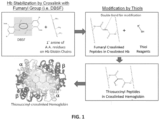
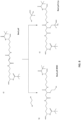
- a schematic diagram of the formation of thiosuccinyl-crosslinked hemoglobin is depicted in Figure 1 .
- the thiosuccinyl-crosslinked hemoglobin can be produced by intermolecular 1,4-addition of thiol to hemoglobin ⁇ - ⁇ crosslinked with at least one fumaryl crosslinkers.
- thiosuccinyl-crosslinked hemoglobin that overcomes the stability issues associated with previously known stabilized hemoglobin with crosslinkers containing a fumaryl group, by avoiding the reaction between the stabilized hemoglobin and thiols in-vitro and in-vivo.
- conjugation of thiols to the fumaryl moieties of the crosslinked hemoglobin also improves the in-vivo tissue oxygenation, but advantageously does not alter its p50 value.
- thiosuccinyl-crosslinked hemoglobin comprising a tetrameric hemoglobin and at least one thiosuccinyl crosslinking moiety of Formula 1:
- R 1 is a moiety of Formula 2:
- n is 1 or 2;
- R is hydrogen;
- R 1 is selected from the group consisting of: and or a pharmaceutically acceptable salt or zwitterion thereof, wherein m is a whole number selected from 1-1000.
- each N* independently represents a nitrogen selected from the group consisting of a nitrogen in a lysine residue side chain in a beta globin chain of the tetrameric hemoglobin and a nitrogen at a N-terminus in a beta globin chain of the tetrameric hemoglobin.
- the thiosuccinyl-crosslinked hemoglobin is substantially pure.
- the thiosuccinyl-crosslinked hemoglobin comprises 1, 2, or 3 thiosuccinyl crosslinking moiety of Formula 1.
- the at least one thiosuccinyl crosslinking moiety crosslinks two beta globin chains of the tetrameric hemoglobin.
- the tetrameric hemoglobin is human hemoglobin, bovine hemoglobin, or porcine hemoglobin.
- the thiosuccinyl-crosslinked hemoglobin is substantially stroma-free.
- a pharmaceutical composition comprising at least one of the thiosuccinyl-crosslinked hemoglobin as described herein and at least one pharmaceutically acceptable excipient.
- the thiosuccinyl-crosslinked hemoglobin is present in the pharmaceutical composition at a weight percentage between 10-90%.
- the pharmaceutical composition comprises thiosuccinyl-crosslinked hemoglobin comprising 1, 2, or 3 thiosuccinyl crosslinking moieties of Formula 1; or a combination thereof.
- a method for preparing the thiosuccinyl-crosslinked hemoglobin as described herein comprising the steps of:
- the fumaryl crosslinking agent is selected from the group consisting of bis-3,5-dibromosalicyl fumarate (DBSF), fumaryl chloride and bis(salicyl) fumarate.
- DBSF bis-3,5-dibromosalicyl fumarate
- fumaryl chloride fumaryl chloride
- bis(salicyl) fumarate bis(salicyl) fumarate
- the thiol has the formula: R 1 SH or a pharmaceutically acceptable salt or zwitterion thereof, wherein R 1 Is alkyl, alkenyl, cycloalkyl, heterocycloalkyl, aryl, aralkyl, heteroaryl, or -(CR 2 ) n Y, wherein n is an integer selected from 0-10; R for each instance is Independently hydrogen, alkyl, aralkyl, alkenyl, cycloalkyl, heterocydoalkyl, aryl, or heteroaryl; or two instances of R taken together form a 3-8 membered cycloalkyl or heterocycloalkyl containing 1, 2, or 3 heteroatoms selected from N, O, and S; and Y Is selected from the group consisting of R 1 is alkyl, alkenyl, cydoalkyl, heterocycloalkyl, aryl, aralkyl, heteroaryl, or -(CR 1 SH or
- the thiol has the Formula 3:
- n is 1 or 2;
- R is hydrogen;
- the thiol is selected from the group consisting of: dithiothreitol, HS(CH 2 CH 2 O) m CH 3 , and HS(CH 2 CH 2 O) m H or a pharmaceutically acceptable salt or zwitterion thereof, wherein m is a whole number selected between 1-1000.
- the step of contacting the fumaryl-crosslinked hemoglobin with a thiol or a pharmaceutically acceptable salt or zwitterion thereof, the fumaryl-crosslinked hemoglobin and the thiol are present in a molar ratio of at least 1:1; 1:2; or 1:3.
- the fumaryl-crosslinked hemoglobin and the thiol are present in a molar ratio of greater than 1:3.
- the thiosuccinyl-crosslinked hemoglobin is in isolated and substantially pure form.
- a method for increasing the volume of the blood circulatory system in a subject in need thereof comprises transfusing into the system of the subject a therapeutically effective amount of the thiosuccinyl-crosslinked hemoglobin described herein
- a method for the treatment of shock in a subject in need thereof comprises transfusing into the system of the subject a therapeutically effective amount of the thiosuccinyl-crosslinked hemoglobin described herein.
- a method of supplying oxygen to the tissues and organs in a subject in need thereof comprises transfusing into the system of the subject a therapeutically effective amount of the thiosuccinyl-crosslinked hemoglobin described herein.
- a method of treating cancer in a subject in need thereof comprises transfusing into the system of the subject a therapeutically effective amount of the thiosuccinyl-crosslinked hemoglobin described herein, wherein the cancer is triple-negative breast cancer or colorectal cancer.
- the thiosuccinyl-crosslinked hemoglobin is substantially pure.
- the present disclosure relates to the modification of the fumaryl-crosslinked hemoglobin by thiols.
- the modification of the fumaryl-crosslinked hemoglobin by thiols alters the p50 value of the fumaryl-crosslinked hemoglobin no greater than 10%.
- the infusion of 650mg/kg cysteinyl-succinyl crosslinked hemoglobin which is produced by the conjugation of cysteine to the fumaryl moieties of the fumaryl-crosslinked hemoglobin, shows a significant increase in liver tissue oxygenation in a shock rat model.
- its efficacy enhancement is further demonstrated by the improved restoration of blood flow in a peripheral artery disease mice model, compared to fumaryl-crosslinked hemoglobin throughout the experiment.
- the present disclosure also provides a method of making the thiosuccinyl-crosslinked hemoglobin.
- the method comprises the steps of 1) reducing the dissolved oxygen level of the solution containing the fumaryl-crosslinked hemoglobin down to 0.1 mg/L; 2) mixing the fumaryl-crosslinked hemoglobin solution with thiol under low oxygen conditions to form the thiosuccinyl-crosslinked hemoglobin under a condition in which at least 95% of the fumaryl bridges react with the thiol reagent as well as the methemoglobin level of the thiosuccinyl-crosslinked hemoglobin is reduced to less than 2% and 3) optionally removing any residual thiols to less than 0.03% (w/w).
- N-acetyl cysteine is added at a concentration of approximately 0.05-0.2% to further reduce the methemoglobin produced from the production process and also prevent its formation during storage.
- the present disclosure further provides a method to prepare the thiosuccinyl-crosslinked hemoglobin in high yield and purity by, e.g., adjusting the equivalence of the thiol reagent used in the coupling reaction, pH value and duration of the reaction.
- the method of the present disclosure can be used to prepare thiosuccinyl-crosslinked hemoglobin having a p50 ranging from about 5-70 mmHg as measured at 37°C and pH 7.4. Different levels of oxygen affinity are desirable, depending upon the intended chemical modification of hemoglobin and medical application.
- the thiol-containing reagents used for conjugating to the fumaryl moieties of crosslinked hemoglobin can include, for example, cysteine, NAC, ⁇ -mercaptoethanol, and other thiol compounds as described herein.
- the thiosuccinyl-crosslinked hemoglobin can be a tetrameric hemoglobin with a molecular weight of about 65kDa containing at least one (1XL), two (2XL) or three (3XL) alkyl thiol crosslinker(s) between ⁇ globin chains.
- a solution containing cysteinyl-succinyl crosslinked bovine hemoglobin is produced by conjugating cysteine to the fumaryl moieties of fumaryl-crosslinked bovine hemoglobin.
- deoxygenated conditions e.g., dissolved oxygen (DO) levels maintained below 0.1 mg/L.
- the residual cysteine/cystine in the reaction mixture can be removed by a filtration step using a 30 kDa NMWCO membrane through which the reaction mixture can be filtered through 10-16 diafiltration volume (DV) with acetate buffer (99mM NaCl, 46mM sodium acetate) to bring the cysteine and cystine levels below 0.03% (w/w).
- the present disclosure also provides a pharmaceutical composition
- a pharmaceutical composition comprising the thiosuccinyl-crosslinked hemoglobin, such as the cysteinyl-succinyl crosslinked hemoglobin.
- Such compositions can be used for improving the delivery of oxygen and treatment against global and regional ischemic/hypoxic conditions, including hemorrhagic shock, myocardial ischemia reperfusion injury, peripheral artery disease and traumatic brain injury.
- such composition is also used for treating autoimmune diseases and cancer treatment.
- compositions of the present teachings can also consist essentially of, or consist of, the recited components, and that the processes of the present teachings can also consist essentially of, or consist of, the recited process steps.
- treatment refers to reducing or ameliorating a disorder/disease and/or symptoms associated therewith. It will be appreciated, although not precluded, treating a disorder or condition does not require that the disorder, condition, or symptoms associated therewith be completely eliminated. In certain embodiments, treatment includes prevention of a disorder or condition, and/or symptoms associated therewith.
- prevention or “prevent” as used herein refers to any action that inhibits or at least delays the development of a disorder, condition, or symptoms associated therewith.
- Prevention can include primary, secondary and tertiary prevention levels, wherein: a) primary prevention avoids the development of a disease; b) secondary prevention activities are aimed at early disease treatment, thereby increasing opportunities for interventions to prevent progression of the disease and emergence of symptoms; and c) tertiary prevention reduces the negative impact of an already established disease by restoring function and reducing disease-related complications.
- subject refers to an animal, typically a mammal or a human, that will be or has been the object of treatment, observation, and/or experiment.
- subject refers to an animal, typically a mammal or a human, that will be or has been the object of treatment, observation, and/or experiment.
- the term is used in conjunction with administration of a compound described herein, then the subject has been the object of treatment, observation, and/or administration of the compound described herein.
- terapéuticaally effective amount means that amount of the compound or pharmaceutical agent that elicits a biological and/or medicinal response in a cell culture, tissue system, subject, animal, or human that is being sought by a researcher, veterinarian, clinician, or physician, which includes alleviation of the symptoms of the disease, condition, or disorder being treated.
- composition is intended to encompass a product comprising the specified ingredients in the specified amounts, as well as any product that results, directly or indirectly, from combinations of the specified ingredients in the specified amounts.
- pharmaceutically acceptable carrier refers to a medium that is used to prepare a desired dosage form of a compound.
- a pharmaceutically acceptable carrier can include one or more solvents, diluents, or other liquid vehicles; dispersion or suspension aids; surface active agents; isotonic agents; thickening or emulsifying agents; preservatives; solid binders; lubricants; and the like.
- Remington's Pharmaceutical Sciences, Fifteenth Edition, E. W. Martin (Mack Publishing Co., Easton, Pa., 1975 ) and Handbook of Pharmaceutical Excipients, Third Edition, A. H. Kibbe ed. (American Pharmaceutical Assoc. 2000 ), disclose various carriers used in formulating pharmaceutical compositions and known techniques for the preparation thereof.
- alkyl refers to a straight-chain or branched saturated hydrocarbon group.
- alkyl groups include methyl-, ethyl-, propyl (e.g., n-propyl and isopropyl), butyl (e.g., n-butyl, iso-butyl, sec-butyl, tert-butyl), pentyl groups (e.g., 1-methylbutyl, 2-methylbutyl, iso-pentyl, tert-pentyl, 1,2-dimethylpropyl, neopentyl, and 1-ethylpropyl), hexyl groups, and the like.
- an alkyl group can have 1 to 40 carbon atoms (i.e., C1-40 alkyl group), for example, 1-30 carbon atoms (i.e., C1-30 alkyl group).
- an alkyl group can have 1 to 6 carbon atoms, and can be referred to as a "lower alkyl group.” Examples of lower alkyl groups include methyl, ethyl, propyl (e.g., n-propyl and isopropyl), and butyl groups (e.g., n-butyl, isobutyl, sec-butyl, tert-butyl).
- alkyl groups can be optionally substituted as described herein.
- An alkyl group is generally not substituted with another alkyl group, an alkenyl group, or an alkynyl group.
- alkenyl refers to a straight-chain or branched alkyl group having one or more carbon-carbon double bonds.
- alkenyl groups include ethenyl, propenyl, butenyl, pentenyl, hexenyl, butadienyl, pentadienyl, hexadienyl groups, and the like.
- the one or more carbon-carbon double bonds can be internal (such as in 2-butene) or terminal (such as in 1-butene).
- an alkenyl group can have 2 to 40 carbon atoms (i.e., C2-40 alkenyl group), for example, 2 to 20 carbon atoms (i.e., C2-20 alkenyl group).
- alkenyl groups can be substituted as described herein.
- An alkenyl group is generally not substituted with another alkenyl group, an alkyl group, or an alkynyl group.
- cycloalkyl by itself or as part of another substituent means, unless otherwise stated, a monocyclic hydrocarbon having between 3-12 carbon atoms in the ring system and includes hydrogen, straight chain, branched chain, and/or cyclic substituents.
- exemplary cycloalkyls include cyclopropyl, cyclobutyl, cyclopentyl, cyclohexyl, cycloheptyl, and the like.
- a "fused ring” or a “fused ring moiety” refers to a polycyclic ring system having at least two rings where at least one of the rings is aromatic and such aromatic ring (carbocyclic or heterocyclic) has a bond in common with at least one other ring that can be aromatic or non-aromatic, and carbocyclic or heterocyclic.
- aromatic ring or heterocyclic
- These polycyclic ring systems can be highly p-conjugated and optionally substituted as described herein.
- heteroatom refers to an atom of any element other than carbon or hydrogen and includes, for example, nitrogen, oxygen, silicon, sulfur, phosphorus, and selenium.
- aryl refers to an aromatic monocyclic hydrocarbon ring system or a polycyclic ring system in which two or more aromatic hydrocarbon rings are fused (i.e., having a bond in common with) together or at least one aromatic monocyclic hydrocarbon ring is fused to one or more cycloalkyl and/or cycloheteroalkyl rings.
- An aryl group can have 6 to 24 carbon atoms in its ring system (e.g., C6-24 aryl group), which can include multiple fused rings.
- a polycyclic aryl group can have 8 to 24 carbon atoms. Any suitable ring position of the aryl group can be covalently linked to the defined chemical structure.
- aryl groups having only aromatic carbocyclic ring(s) include phenyl, 1-naphthyl (bicyclic), 2-naphthyl (bicyclic), anthracenyl (tricyclic), phenanthrenyl (tricyclic), pentacenyl (pentacyclic), and like groups.
- polycyclic ring systems in which at least one aromatic carbocyclic ring is fused to one or more cycloalkyl and/or cycloheteroalkyl rings include, among others, benzo derivatives of cyclopentane (i.e., an indanyl group, which is a 5,6-bicyclic cycloalkyl/aromatic ring system), cyclohexane (i.e., a tetrahydronaphthyl group, which is a 6,6-bicyclic cycloalkyl/aromatic ring system), imidazoline (i.e., a benzimidazolinyl group, which is a 5,6-bicyclic cycloheteroalkyl/aromatic ring system), and pyran (i.e., a chromenyl group, which is a 6,6-bicyclic cycloheteroalkyl/aromatic ring system).
- aryl groups include benzodioxanyl, benzodioxolyl, chromanyl, indolinyl groups, and the like.
- aryl groups can be optionally substituted.
- an aryl group can have one or more halogen substituents, and can be referred to as a "haloaryl" group.
- Perhaloaryl groups i.e., aryl groups where all of the hydrogen atoms are replaced with halogen atoms (e.g ., - C 6 F 5 ), are included within the definition of "haloaryl.”
- an aryl group is substituted with another aryl group and can be referred to as a biaryl group.
- Each of the aryl groups in the biaryl group can be optionally substituted.
- aralkyl refers to an alkyl group substituted with an aryl group.
- heteroaryl refers to an aromatic monocyclic ring system containing at least one ring heteroatom selected from oxygen (O), nitrogen (N), sulfur (S), silicon (Si), and selenium (Se) or a polycyclic ring system where at least one of the rings present in the ring system is aromatic and contains at least one ring heteroatom.
- Polycyclic heteroaryl groups include those having two or more heteroaryl rings fused together, as well as those having at least one monocyclic heteroaryl ring fused to one or more aromatic carbocyclic rings, non-aromatic carbocyclic rings, and/or non-aromatic cycloheteroalkyl rings.
- a heteroaryl group as a whole, can have, for example, 5 to 24 ring atoms and contain 1-5 ring heteroatoms (i.e., 5-20 membered heteroaryl group).
- the heteroaryl group can be attached to the defined chemical structure at any heteroatom or carbon atom that results in a stable structure.
- heteroaryl rings do not contain O-O, S-S, or S-O bonds.
- one or more N or S atoms in a heteroaryl group can be oxidized (e.g., pyridine N-oxide thiophene S-oxide, thiophene S,S-dioxide).
- heteroaryl groups include, for example, the 5- or 6-membered monocyclic and 5-6 bicyclic ring systems shown below: where T is O, S, NH, N-alkyl, N-aryl, N-(arylalkyl) (e.g., N-benzyl), SiH 2 , SiH(alkyl), Si(alkyl) 2 , SiH(arylalkyl), Si(arylalkyl) 2 , or Si(alkyl)(arylalkyl).
- T is O, S, NH, N-alkyl, N-aryl, N-(arylalkyl) (e.g., N-benzyl), SiH 2 , SiH(alkyl), Si(alkyl) 2 , SiH(arylalkyl), Si(arylalkyl) 2 , or Si(alkyl)(arylalkyl).
- heteroaryl rings examples include pyrrolyl, furyl, thienyl, pyridyl, pyrimidyl, pyridazinyl, pyrazinyl, triazolyl, tetrazolyl, pyrazolyl, imidazolyl, isothiazolyl, thiazolyl, thiadiazolyl, isoxazolyl, oxazolyl, oxadiazolyl, indolyl, isoindolyl, benzofuryl, benzothienyl, quinolyl, 2-methylquinolyl, isoquinolyl, quinoxalyl, quinazolyl, benzotriazolyl, benzimidazolyl, benzothiazolyl, benzisothiazolyl, benzisoxazolyl, benzoxadiazolyl, benzoxazolyl, cinnolinyl, IH-indazolyl, 2H-indazolyl
- heteroaryl groups include 4,5,6,7-tetrahydroindolyl, tetrahydroquinolinyl, benzothienopyridinyl, benzofuropyridinyl groups, and the like.
- heteroaryl groups can be substituted as described herein.
- heteroaryl groups can be optionally substituted.
- optionally substituted refers to a chemical group, such as alkyl, cycloalkyl aryl, and the like, wherein one or more hydrogen may be replaced with a substituent as described herein, for example, halogen, azide, alkyl, aralkyl, alkenyl, alkynyl, cycloalkyl, hydroxyl, alkoxyl, amino, nitro, sulfhydryl, imino, amido, phosphonate, phosphinate, carbonyl, carboxyl, silyl, ether, alkylthio, sulfonyl, sulfonamido, ketone, aldehyde, ester, heterocyclyl, aromatic or heteroaromatic moieties, -CF 3 , -CN, or the like
- carrier is art-recognized and refers to an aromatic or non-aromatic ring in which each atom of the ring is carbon.
- nitro is art-recognized and refers to -NO 2 ;
- halogen is art-recognized and refers to -F, -Cl, -Br or -I;
- sulfhydryl is art-recognized and refers to -SH;
- hydroxyl means -OH;
- sulfonyl and “sulfone” is art-recognized and refers to -SO 2 -.
- Halide designates the corresponding anion of the halogens.
- alkylthio refers to a hydrocarbyl group having a sulfur radical attached thereto.
- the "alkylthio" moiety is represented by one of -S-alkyl, -S-alkenyl, or -S-alkynyl.
- Representative alkylthio groups include methylthio, ethylthio, and the like.
- Hydrocarbyl groups include, but are not limited to aryl, heteroaryl, carbocycle, heterocycle, alkyl, alkenyl, alkynyl, and combinations thereof.
- the term "pharmaceutically acceptable salt” refers to those salts which are, within the scope of sound medical judgment, suitable for use in contact with the tissues of subjects without undue toxicity, irritation, allergic response and the like, and are commensurate with a reasonable benefit/risk ratio.
- Pharmaceutically acceptable salts are well known in the art. For example, Berge et al. describes pharmaceutically acceptable salts in detail in J. Pharmaceutical Sciences (1977) 66:1-19 .
- Pharmaceutically acceptable salts of the compounds provided herein include those derived from suitable inorganic and organic acids and bases.
- Examples of pharmaceutically acceptable, nontoxic acid addition salts are salts of an amino group formed with inorganic acids such as hydrochloric acid, hydrobromic acid, phosphoric acid, sulfuric acid and perchloric acid or with organic acids such as acetic acid, oxalic acid, maleic acid, tartaric acid, citric acid, succinic acid or malonic acid or by using other methods used in the art such as ion exchange.
- inorganic acids such as hydrochloric acid, hydrobromic acid, phosphoric acid, sulfuric acid and perchloric acid
- organic acids such as acetic acid, oxalic acid, maleic acid, tartaric acid, citric acid, succinic acid or malonic acid or by using other methods used in the art such as ion exchange.
- salts include adipate, alginate, ascorbate, aspartate, benzenesulfonate, besylate, benzoate, bisulfate, borate, butyrate, camphorate, camphorsulfonate, citrate, cyclopentanepropionate, digluconate, dodecylsulfate, ethanesulfonate, formate, fumarate, glucoheptonate, glycerophosphate, gluconate, hemisulfate, heptanoate, hexanoate, hydroiodide, 2-hydroxy-ethanesulfonate, lactobionate, lactate, laurate, lauryl sulfate, malate, maleate, malonate, methanesulfonate, 2-naphthalenesulfonate, nicotinate, nitrate, oleate, oxalate, palmitate, pamoate,
- organic acids from which salts can be derived include, for example, acetic acid, propionic acid, glycolic acid, pyruvic acid, oxalic acid, maleic acid, malonic acid, succinic acid, fumaric acid, tartaric acid, citric acid, benzoic acid, cinnamic acid, mandelic acid, methanesulfonic acid, ethanesulfonic acid, p-toluenesulfonic acid, salicylic acid, and the like.
- Pharmaceutically acceptable salts derived from appropriate bases include alkali metal, alkaline earth metal, ammonium and N + (C 1-4 alkyl) 4 salts.
- Representative alkali or alkaline earth metal salts include sodium, lithium, potassium, calcium, magnesium, iron, zinc, copper, manganese, aluminum, and the like.
- Further pharmaceutically acceptable salts include, when appropriate, non-toxic ammonium, quaternary ammonium, and amine cations formed using counterions, such as halide, hydroxide, carboxylate, sulfate, phosphate, nitrate, lower alkyl sulfonate, and aryl sulfonate.
- Organic bases from which salts can be derived include, for example, primary, secondary, and tertiary amines, substituted amines including naturally occurring substituted amines, cyclic amines, basic ion exchange resins, and the like, such as isopropylamine, trimethylamine, diethylamine, triethylamine, tripropylamine, and ethanolamine.
- the pharmaceutically acceptable base addition salt is chosen from ammonium, potassium, sodium, calcium, and magnesium salts.
- isolated in connection with a compound described herein means the compound is not in a cell or organism and the compound is separated from some or all of the components that typically accompany it in a cell or organism.
- the term "substantially pure" in connection with a sample of a compound described herein means the sample contains at least 60% by weight of the compound. In certain embodiments, the sample contains at least 70% by weight of the compound; at least 75% by weight of the compound; at least 80% by weight of the compound; at least 85% by weight of the compound; at least 90% by weight of the compound; at least 95% by weight of the compound; or at least 98% by weight of the compound.
- the term "substantially stroma-free" in connection with a sample of a compound described herein means the sample contains less than 5% by weight stroma. In certain embodiments, the samples contains less than 4% by weight stroma; less than 3% by weight stroma; less than 2% by weight stroma; less than 1% by weight stroma; less than 0.5% by weight stroma; less than 0.1% by weight stroma; less than 0.05% by weight stroma; or less than 0.01% by weight stroma.
- the present disclosure provides a thiosuccinyl-crosslinked hemoglobin comprising a tetrameric hemoglobin and at least one thiosuccinyl crosslinking moiety of Formula 1:
- hemoglobin comprising a ⁇ 2 ⁇ 2 tetrameric hemoglobin
- other forms of hemoglobin are also contemplated by the present disclosure, such as other tetrameric hemoglobin, e.g., ⁇ 2 ⁇ 2 ; trimeric hemoglobin, e.g., ⁇ 2 , a 2 ⁇ , ⁇ 2 , and ⁇ 2 ⁇ ; dimeric hemoglobin, e.g., ⁇ and ⁇ ; and the like; as well as polymeric forms of hemoglobin comprising one or more monomeric forms of hemoglobin; and hemoglobin derivatives that have been subjected to other methods of chemical modification including, but not limited to, methods for conjugation to polyalkylene oxide, reaction with pyridoxal phosphate, reaction with a dialdehyde, reaction with bis-diaspirin ester, reaction with iodoacetamide or other thiolblocking reagents
- the tetrameric hemoglobin can comprise naturally occurring and/or non-naturally occurring ⁇ , ⁇ , and ⁇ globin chain polypeptide sequences.
- the tetrameric hemoglobin can be human hemoglobin, bovine hemoglobin, porcine hemoglobin, ovine hemoglobin, equine hemoglobin, or blood from other invertebrates and recombinant and/or transgenically produced hemoglobin.
- each N* may independently represent a nitrogen present in any one or more of amino acid residues at position 1, 8, 12, 17, 41, 57, 61, 62, 91, 100, 128, and 140 of the a globin chains; or at position 1, 9, 18, 60, 62, 66, 67, 83, 96, 121, 133, and 145 of the ⁇ globin chains.
- each N* independently represents a nitrogen present in the amino acid residues at position 100 of the ⁇ globin chains.
- each N* may independently represent a nitrogen present in any one or more of amino acid residues at position 1, 8, 12, 17, 41, 57, 62, 69, 91, 100, 128, and 140 of the a globin chains; or at position 1, 7, 16, 18, 58, 60, 64, 65, 75, 81, 94, 103, 119, and 131 of the ⁇ globin chains.
- each N* independently represents a nitrogen present in any one or more of amino acid residues and 1 and 81 of the ⁇ globin chains.
- each N* may independently represent a nitrogen present in any one or more of amino acid residues at position 1, 7, 11, 16, 40, 56, 61, 68, 90, 99, 127, and 139 of the ⁇ globin chains; or at position 1, 9, 18, 60, 62, 66, 67, 77, 83, 88, 133 and 145 of the ⁇ globin chains.
- the presence of oxygen in the crosslinking reaction is also known to affect the p50 value of the resulting crosslinked hemoglobin.
- the p50 value of the resulting fumaryl-crosslinked hemoglobin, as well as the thiosuccinyl-crosslinked hemoglobin can have a value ranging from 5-70 mmHg.
- the hemoglobin is crosslinked under oxygenated conditions, to give a fumaryl-crosslinked hemoglobin, as well as the thiosuccinyl-crosslinked hemoglobin, with a p50 value of 5-20 mmHg or 10-20 mmHg.
- the hemoglobin is first thioblocked by reaction of the hemoglobin with iodoacetamide thereby forming a thioblocked hemoglobin; crosslinking the thus formed thioblocked hemoglobin with the a fumaryl crosslinking agent thereby forming a fumaryl-crosslinked thioblocked hemoglobin; and contacting the fumaryl-crosslinked thioblocked hemoglobin with a thiol or a pharmaceutically acceptable salt or zwitterion thereof thereby forming a thiosuccinyl-crosslinked thioblocked hemoglobin
- the p50 value of the resulting thiosuccinyl-crosslinked thioblocked hemoglobin crosslinked under deoxygenated conditions can range from 15-50 mmHg; 25-50 mmHg; or 35-50 mmHg, while the p50 value of the resulting thiosuccinyl-crosslinked thioblocked hemoglobin crosslinked under oxygenated condition can range
- R 1 is alkyl or -(CR 2 ) n Y; or R 1 is a moiety selected from the group consisting of: and
- R 1 is -(CR 2 ) n Y
- n can be 0-10, 0-9, 0-8, 0-7, 0-6, 0-5, 0-4, 0-3, 0-2, 0-1, 1-10, 1-9, 1-8, 1-7, 1-6, 1-5, 1-4, 1-3, or 1-2.
- each R is independently hydrogen or alkyl.
- R 1 is -(CH 2 ) n Y.
- R is hydrogen.
- the present disclosure also provides analogs in which the sulfur depicted in Formula 1 is replaced with selenium, disulfide, and diselenides, wherein R 1 and each N* are as defined in any one or more embodiments described herein.
- each N* independently represents a nitrogen selected from the group consisting of a nitrogen in a lysine residue side chain in the hemoglobin and a nitrogen at a N-terminus in the hemoglobin; and R 1 is an alkylthio group.
- the alkylthio group is selected from the group consisting of: or a conjugate salt of zwitterion thereof, wherein m is a whole number selected from 1-1000.
- the present disclosure also provides a pharmaceutical composition
- a pharmaceutical composition comprising a thiosuccinyl-crosslinked hemoglobin described herein and at least one pharmaceutically acceptable excipient and/or pharmaceutically acceptable carrier.
- the thiosuccinyl-crosslinked hemoglobin described herein and their pharmaceutically acceptable salts can be administered to a subject either alone or in combination with pharmaceutically acceptable carriers or diluents in a pharmaceutical composition according to standard pharmaceutical practice.
- the thiosuccinyl-crosslinked hemoglobin can be administered parenterally.
- Parenteral administration includes intravenous, intramuscular, intraperitoneal, subcutaneous and topical, the preferred method being intravenous administration.
- compositions which comprise a therapeutically-effective amount of the thiosuccinyl-crosslinked hemoglobin described herein, formulated together with one or more pharmaceutically acceptable carriers (additives) and/or diluents.
- the pharmaceutical compositions of the present disclosure may be specially formulated for administration in liquid form, including those adapted for the following: (1) parenteral administration, for example, by intravenous as, for example, a sterile solution or suspension.
- certain embodiments of the thiosuccinyl-crosslinked hemoglobin described herein may contain a basic functional group, such as amino, and are, thus, capable of forming pharmaceutically-acceptable salts with pharmaceutically-acceptable acids.
- pharmaceutically-acceptable salts refers to the relatively non-toxic, inorganic and organic acid addition salts of thiosuccinyl-crosslinked hemoglobin of the present disclosure.
- salts can be prepared in situ in the administration vehicle or the dosage form manufacturing process, or by separately reacting a purified thiosuccinyl-crosslinked hemoglobin of the invention in its free base form with a suitable organic or inorganic acid, and isolating the salt thus formed during subsequent purification.
- Representative salts include the bromide, chloride, sulfate, bisulfate, carbonate, bicarbonate, nitrate, acetate, valerate, oleate, palmitate, stearate, laurate, benzoate, lactate, phosphate, tosylate, citrate, maleate, fumarate, succinate, tartrate, napthylate, mesylate, glucoheptonate, lactobionate, and laurylsulphonate salts and the like.
- the pharmaceutically acceptable salts of the compounds of the present disclosure include the conventional nontoxic salts or quaternary ammonium salts of the compounds, e.g., from nontoxic organic or inorganic acids.
- such conventional nontoxic salts include those derived from inorganic acids such as hydrochloride, hydrobromic, sulfuric, sulfamic, phosphoric, nitric, and the like; and the salts prepared from organic acids such as acetic, propionic, succinic, glycolic, stearic, lactic, malic, tartaric, citric, ascorbic, palmitic, maleic, hydroxymaleic, phenylacetic, glutamic, benzoic, salicyclic, sulfanilic, 2-acetoxybenzoic, fumaric, toluenesulfonic, methanesulfonic, ethane disulfonic, oxalic, isothionic, and the like.
- the thiosuccinyl-crosslinked hemoglobin described herein may contain one or more acidic functional groups and, thus, are capable of forming pharmaceutically-acceptable salts with pharmaceutically-acceptable bases.
- pharmaceutically-acceptable salts in these instances refers to the relatively non-toxic, inorganic and organic base addition salts of the thiosuccinyl-crosslinked hemoglobin of the present invention.
- salts can likewise be prepared in situ in the administration vehicle or the dosage form manufacturing process, or by separately reacting the purified compound in its free acid form with a suitable base, such as the hydroxide, carbonate or bicarbonate of a pharmaceutically-acceptable metal cation, with ammonia, or with a pharmaceutically-acceptable organic primary, secondary or tertiary amine.
- a suitable base such as the hydroxide, carbonate or bicarbonate of a pharmaceutically-acceptable metal cation, with ammonia, or with a pharmaceutically-acceptable organic primary, secondary or tertiary amine.
- Representative alkali or alkaline earth salts include the lithium, sodium, potassium, calcium, magnesium, and aluminum salts and the like.
- Representative organic amines useful for the formation of base addition salts include ethylamine, diethylamine, ethylenediamine, ethanolamine, diethanolamine, piperazine and the like.
- wetting agents such as sodium lauryl sulfate and magnesium stearate, as well as coloring agents, release agents, coating agents, sweetening, flavoring and perfuming agents, preservatives, solubilizing agents, buffers and antioxidants can also be present in the compositions.
- Methods of preparing the pharmaceutical comprising the thiosuccinyl-crosslinked hemoglobin include the step of bringing into association a thiosuccinyl-crosslinked hemoglobin described herein with the carrier and, optionally, one or more accessory ingredients.
- the formulations are prepared by uniformly and intimately bringing into association a compound described herein with liquid carriers (liquid formulation), liquid carriers followed by lyophilization (powder formulation for reconstitution with sterile water or the like), or finely divided solid carriers, or both, and then, if necessary, shaping or packaging the product.
- compositions of the present disclosure suitable for parenteral administration comprise one or more thiosuccinyl-crosslinked hemoglobins described herein in combination with one or more pharmaceutically-acceptable sterile isotonic aqueous or non-aqueous solutions, dispersions, suspensions or emulsions, or sterile powders which may be reconstituted into sterile injectable solutions or dispersions just prior to use, which may contain sugars (such as sucrose), alcohols, non-ionic surfactants (such as Tween 20), antioxidants, buffers, bacteriostats, chelating agents, solutes which render the formulation isotonic with the blood of the intended recipient or suspending or thickening agents.
- aqueous and non-aqueous carriers examples include water, ethanol, polyols (such as glycerol, propylene glycol, polyethylene glycol, and the like), and suitable mixtures thereof, vegetable oils, such as olive oil, and injectable organic esters, such as ethyl oleate.
- polyols such as glycerol, propylene glycol, polyethylene glycol, and the like
- vegetable oils such as olive oil
- injectable organic esters such as ethyl oleate.
- Proper fluidity can be maintained, for example, by the use of coating materials, such as lecithin, by the maintenance of the required particle size in the case of dispersions, and by the use of surfactants.
- compositions may also contain adjuvants, such as preservatives, wetting agents, emulsifying agents and dispersing agents.
- adjuvants such as preservatives, wetting agents, emulsifying agents and dispersing agents.
- Prevention of the action of microorganisms upon the compounds of the present disclosure may be ensured by the inclusion of various antibacterial and antifungal agents, for example, paraben, chlorobutanol, phenol sorbic acid, and the like.
- isotonic agents such as sugars, sodium chloride, and the like into the compositions.
- prolonged absorption of the injectable pharmaceutical form may be brought about by the inclusion of agents which delay absorption such as aluminum monostearate and gelatin.
- the pharmaceutical composition may comprise between 3-15g/dL of the thiosuccinyl-crosslinked hemoglobin.
- the pharmaceutical composition comprises between 4-15g/dL; 5-15g/dL; 5-14g/dL; 6-14g/dL; 7-13g/dL; 8-12g/dL; 9-11g/dL; or 9.5-10.5g/dL of the thiosuccinyl-crosslinked hemoglobin.
- the pharmaceutical composition comprises isolated and substantially pure thiosuccinyl-crosslinked hemoglobin.
- the pharmaceutical composition comprises one or more thiosuccinyl-crosslinked hemoglobin selected from the group consisting of thiosuccinyl-crosslinked hemoglobin comprising one, two, and three thiosuccinyl crosslinking moieties of Formula 1.
- the number of different thiosuccinyl-crosslinked hemoglobin present in the pharmaceutical composition and their relative amounts can be readily controlled by modifying the reaction conditions of the crosslinking reaction and/or by separating undesired fumaryl-crosslinked hemoglobin crosslinking and/or thiosuccinyl-crosslinked hemoglobin thiol addition products by purification.
- the pharmaceutical composition comprises a thiosuccinyl-crosslinked hemoglobin having one thiosuccinyl crosslinking moiety of Formula 1 ; a thiosuccinyl-crosslinked hemoglobin having two thiosuccinyl crosslinking moieties of Formula 1 ; and a thiosuccinyl-crosslinked hemoglobin having three thiosuccinyl crosslinking moieties of Formula 1 .
- the pharmaceutical composition comprises a thiosuccinyl-crosslinked hemoglobin having one thiosuccinyl crosslinking moiety of Formula 1 ; a thiosuccinyl-crosslinked hemoglobin having two thiosuccinyl crosslinking moieties of Formula 1 ; and a thiosuccinyl-crosslinked hemoglobin having three thiosuccinyl crosslinking moieties of Formula 1 in a mass ratio of 2.8-3.4:5.6-6.2: 0.7-1.3; 2.9-3.3:5.7-6.1: 0.8-1.2; 3.0-3.2:5.8-6.0:0.9-1.1; or 3.1:5.9:1.0, respectively.
- the pharmaceutical composition comprises a thiosuccinyl-crosslinked hemoglobin having one thiosuccinyl crosslinking moiety of Formula 1 at 0.1-99%; 0.1-95%; 0.1-90%; 0.1-80%; 0.1-70%; 0.1-60%; 0.1-50%; 10-50%; 20-50%; 20-40%; 25-45%; or 25-35% wt/wt with respect to the total weight of all of the thiosuccinyl-crosslinked hemoglobin present in the pharmaceutical composition (e.g., relative to the total weight of the thiosuccinyl-crosslinked hemoglobin having one thiosuccinyl crosslinking moiety of Formula 1 ; the thiosuccinyl-crosslinked hemoglobin having two thiosuccinyl crosslinking moieties of Formula 1 ; and the thiosuccinyl-crosslinked hemoglobin having three thiosuccinyl crosslinking moieties of Formula 1 present in the pharmaceutical
- the pharmaceutical composition comprises a thiosuccinyl-crosslinked hemoglobin having two thiosuccinyl crosslinking moiety of Formula 1 at 0.1-99%; 0.1-95%; 0.1-90%; 10-90%; 20-90%; 20-80%; 20-70%; 30-70%; 40-70%; 50-70%; 50-60%; or 55-65% wt/wt with respect to the total weight of all of the thiosuccinyl-crosslinked hemoglobin present in the pharmaceutical composition.
- the pharmaceutical composition comprises a thiosuccinyl-crosslinked hemoglobin having three thiosuccinyl crosslinking moiety of Formula 1 at 0.1-99%; 0.1-95%; 0.1-90%; 0.1-80%; 0.1-70%; 0.1-60%; 0.1-50%; 0.1-40% ;0.1-30%; 0.1-20%; 5-20%; or 5-15% wt/wt with respect to the total weight of all of the thiosuccinyl-crosslinked hemoglobin present in the pharmaceutical composition.
- the pharmaceutical composition can comprise the fumaryl crosslinked hemoglobin in less than 10%, less than 9%, less 8%, less than 7%, less than 6%, less than 5%, less than 4%, less than 3%, less than 2%, less than 1% by weight, less than 0.5%, or less than 0.1% by weight; or substantially no fumaryl crosslinked hemoglobin.
- the thiosuccinyl-crosslinked hemoglobin and the fumaryl crosslinked hemoglobin may be present in the pharmaceutical composition in a mass ratio of 90:10 to 99.99:0.01.
- the thiosuccinyl-crosslinked hemoglobin and the fumaryl crosslinked hemoglobin may be present in the pharmaceutical composition in a mass ratio of 91:9 to 99.99:0.01; 92:8 to 99.99:0.01; 93:7 to 99.99:0.01; 94:6 to 99.99:0.01; 95:5 to 99.99:0.01; 96:4 to 99.99:0.01; 97:3 to 99.99:0.01; 98:2 to 99.99:0.01; 99:1 to 99.99:0.01; 99.5:0.5 to 99.99:0.01; or 99.9:0.1 to 99.99:0.01, respectively.
- the pharmaceutical composition comprises substantially no fumaryl crosslinked hemoglobin.
- the pharmaceutical composition further comprises an antioxidant.
- antioxidants include, but are not limited to, cysteine, N-acetyl cysteine, ⁇ -glutamyl-cysteine, glutathione, 2,3-dimercapto-l-propanol, 1,4-butanedithiol, sodium dithionite, other biologically compatible thiols and ascorbate.
- the antioxidant can inhibit or reverse the formation of methemoglobin.
- the pharmaceutical composition comprises 5% (w/w) or less of the antioxidant.
- the pharmaceutical composition comprises 4.5% (w/w) or less; 4.0% (w/w) or less; 3.5% (w/w) or less; 3.0% (w/w) or less; 2.5% (w/w) or less; 2.0% (w/w) or less; 1.5% (w/w) or less; 1.0% (w/w) or less; 0.9% (w/w) or less; 0.8% (w/w) or less; 0.7% (w/w) or less; 0.6% (w/w) or less; 0.5% (w/w) or less; 0.4% (w/w) or less; 0.3% (w/w) or less; 0.2% (w/w) or less; or 0.1% (w/w) or less of the antioxidant.
- the pharmaceutical composition comprises between 0.001 to 1% (w/w); 0.01 to 1% (w/w); 0.01 to 1% (w/w); 0.01 to 0.9% (w/w); 0.01 to 0.8% (w/w); 0.01 to 0.7% (w/w); 0.01 to 0.6% (w/w); 0.01 to 0.5% (w/w); 0.01 to 0.4% (w/w); 0.01 to 0.3% (w/w); 0.05 to 0.3% (w/w); 0.1 to 0.3% (w/w); or 0.15 to 0.25% (w/w) antioxidant.
- the pharmaceutical composition includes less than about 10%, 9%, 8%, 7%, 6%, 5%, 4%, 3%, 2%, 1%, 0.5%, or 0.1% by weight methemoglobin.
- a solid pharmaceutical composition comprising a thiosuccinyl-crosslinked hemoglobin as described herein, NAC, sucrose, and Tween 20.
- a pharmaceutical composition comprising a thiosuccinyl-crosslinked hemoglobin as described herein, NAC, NaCl, and sodium acetate.
- the pharmaceutical composition comprising a thiosuccinyl-crosslinked hemoglobin as described herein, NAC, NaCl, sodium acetate, sucrose, and Tween 20.
- the present disclosure also provides methods of preparing the thiosuccinyl-crosslinked hemoglobin described herein.
- the thiosuccinyl-crosslinked hemoglobin can readily be prepared by any number of well-known methods known to those of ordinary skill in the art.
- the method for preparing the thiosuccinyl-crosslinked hemoglobin comprises: contacting a tetrameric hemoglobin with a fumaryl crosslinking agent thereby forming a fumaryl-crosslinked hemoglobin; contacting the fumaryl-crosslinked hemoglobin with a thiol or a pharmaceutically acceptable salt or zwitterion thereof thereby forming the thiosuccinyl-crosslinked hemoglobin.
- any fumaryl crosslinking agent that is capable of intramolecularly crosslinking hemoglobin known in the art can be used in the methods described herein.
- the fumaryl crosslinking agent can be represented by a compound of Formula 4 : wherein each LG can independently be any leaving group in the art.
- Exemplary leaving groups include, but are not limited to, Cl, Br, I, 3,5-dibromosalicylate, salicylate, or the like.
- LG is selected from the group consisting of:
- the compound of Formula 4 can be performed or formed in situ, e.g., by reaction of fumaric acid with a carbonyl activating agent and optionally a coupling additive.
- Exemplary carbonyl activating agents include, but are not limited to, carbodiimide, such as DCC, DIC, EDC, CIC, BMC, CPC, BDDC, PIC, PEC, and BEM, a uronium/aminium salt, such as HATU, HBTU, TATU, TBTU, HAPyU, TAPipU, HAPipU, HBPipU, HAMBU, HBMDU, HAMTU, 5,6-B(HATU), 4,5-B(HATU), HCTU, TCTU, and ACTU, phosphonium salts, such as AOP, BOP, PyAOP, PyBOP, PyOxm, PyNOP, PyFOP, NOP, and PyClock, immonium salts, such as BOMI, BDMP, BMMP, BPMP, and AOMP.
- carbodiimide such as DCC, DIC, EDC, CIC, BMC, CPC, BDDC, PIC
- Exemplary coupling additives include, but are not limited to, HOBt. 6-NO 2 -HOBt, 6-Cl-HOBt, 6-CF 3 -HOBt, HOAt, HODhbt, HODhat, HOSu, and Oxyma.
- the crosslinking agent is a salicyl fumarate analog, wherein the aryl rings of each of the salicyl groups is independently optionally substituted.
- the crosslinking agent is selected from the group consisting of bis-3,5-dibromosalicyl fumarate (DBSF), fumaryl chloride and bis(salicyl) fumarate.
- DBSF bis-3,5-dibromosalicyl fumarate
- fumaryl chloride bis(salicyl) fumarate.
- the molar ratio of the crosslinking agent and the tetrameric hemoglobin can be between 0.8:1 to 20:1, respectively.
- the crosslinking agent and the tetrameric hemoglobin are present a molar ratio between 0.8:1 to 19:1; 0.8:1 to 18:1; 0.8:1 to 17:1; 0.8:1 to 16:1; 0.8:1 to 15:1; 0.8:1 to 14:1; 0.8:1 to 13:1; 0.8:1 to 12:1; 0.8:1 to 11:1; 0.8:1 to 10:1; 0.8:1 to 9:1; 0.8:1 to 8:1; 0.8:1 to 7:1; 0.8:1 to 6:1; 0.8:1 to 5:1; 0.8:1 to 4:1; 0.8:1 to 3.5:1; 0.8:1 to 3:1; 0.8:1 to 2.5:1; 0.8:1 to 0.8:1 to 3:1; 0.8:1 to 2.5:1; 0.8:1 to
- the concentration of the tetrameric hemoglobin can be between 5 - 25 g/dL. In certain embodiments, the concentration of the tetrameric hemoglobin in the step of contacting the crosslinking agent and the tetrameric hemoglobin can be between 5 - 20 g/dL; 10 - 20 g/dL; 10 - 18 g/dL; 10 - 16 g/dL; 10 - 15 g/dL; 11 - 15 g/dL; 12 - 15 g/dL; or 13 - 15 g/dL.
- the tetrameric hemoglobin can be reacted with the crosslinking agent in a polar protic solvent, such as in an aqueous solution.
- the crosslinking reaction takes place in water.
- the pH of the reaction solvent can be maintained at a pH greater than 7.
- the pH of the crosslinking reaction solvent has a pH between 7-10; 8-10; 8.5 to 9.5; 8.7 to 9.3; or 8.9 to 9.1.
- the thus formed fumaryl-crosslinked hemoglobin can optionally purified using any method known to those skilled in the art, such as by filtration, heat-induced precipitation, centrifugation, chromatography, and the like.
- the fumaryl-crosslinked hemoglobin can then reacted with the thiol thereby forming the thiosuccinyl-crosslinked hemoglobin.
- the thiol can be represented by the formula R 1 SH as defined in any embodiment described herein.
- the fumaryl-crosslinked hemoglobin can be present in the reaction with the thiol at a concentration between 5-20 g/dL. In certain embodiments, the fumaryl-crosslinked hemoglobin is present in the reaction with the thiol at a concentration between 5-18 g/dL; 5-16 g/dL; 5-14 g/dL; 5-12 g/dL; 7-12 g/dL; 8-12 g/dL; or 9-11 g/dL.
- the thiol can be present in the reaction with the fumaryl-crosslinked hemoglobin at a concentration between 1-500 mM. In certain embodiments, the thiol can be present in the reaction with the fumaryl-crosslinked hemoglobin at a concentration between 1-450 mM; 1-400 mM; 1-350 mM; 1-300 mM; 1-250 mM; 1-200 mM; 1-180 mM; 1-160 mM; 1-140 mM; 1-120 mM; 1-100 mM; 10-100 mM; 20-100 mM; 30-100 mM; 30-90 mM; 40-80 mM; 77.5-310 mM, 174-3110 mM, 9.7-77.5 mM; 19.4-77.5 mM; or 38.8-77.5 mM.
- the reaction of the thiol and the fumaryl-crosslinked hemoglobin can be conducted at a pH between 7-11.
- the reaction of the thiol and the fumaryl-crosslinked hemoglobin is conducted at a pH between 7-11; 7-10; 7.4 to 10; 7.4 to 9, 7.4 to 8.2, or 8.2 to 9.
- the pH of the thiol addition reaction solvent can be maintained at the desired pH by use of pH buffer within the desired range or the addition of a Br ⁇ nsted base to the reaction mixture, as needed.
- the selection of the appropriate Br ⁇ nsted base or pH buffer is well within the skill of a person of ordinary skill in the art.
- Useful Bronsted bases include, but are not limited to Group I and Group II hydroxides, carbonates, and bicarbonates; organic amines, and the like.
- the fumaryl-crosslinked hemoglobin can be reacted with the thiol in a polar protic solvent, such as in an aqueous solution.
- a polar protic solvent such as in an aqueous solution.
- the thiol addition reaction takes place in water.
- the reaction of the thiol with the fumaryl-crosslinked hemoglobin can generally conducted until all of the fumaryl-crosslinked hemoglobin starting material is converted to the desired thiosuccinyl-crosslinked hemoglobin, the fumaryl-crosslinked hemoglobin no longer is being converted to the desired thiosuccinyl-crosslinked hemoglobin, and/or the concentration of impurities and/or side products increases beyond a desired amount.
- the reaction of the thiol with the fumaryl-crosslinked hemoglobin can take between 1-72 hr; 6-72 hr, 12-72 hr, 24-72 hr, 36-72 hr, 48-72 hr, 60-72 hr, 12-48 hr, or 24-48 hr.
- the rate of reaction of the thiol with the fumaryl-crosslinked hemoglobin is very slow (e.g., such as in the case of certain high molecular weight PEGylated thiols)
- the reaction of the thiol with the fumaryl-crosslinked hemoglobin can take up to one month.
- thiosuccinyl-crosslinked hemoglobin can optionally purified using any method known to those skilled in the art, such as by filtration, heat-induced precipitation, centrifugation, chromatography, and the like.
- the present disclosure also provides therapeutic methods of using the thiosuccinyl-crosslinked hemoglobin described herein.
- the thiosuccinyl-crosslinked hemoglobin can be used in any therapeutic methods that hemoglobin based oxygen carriers can be used.
- the present disclosure provides a method for increasing the volume of the blood circulatory system in a subject in need thereof, wherein the method comprises transfusing into the system of the subject a therapeutically effective amount of the thiosuccinyl-crosslinked hemoglobin according to any embodiment or combination of embodiments described herein.
- the subject suffers from hemorrhagic shock.
- the present disclosure provides a method of supplying oxygen to the tissues and organs in a subject in need thereof, wherein the method comprises transfusing into the system of the subject a therapeutically effective amount of the thiosuccinyl-crosslinked hemoglobin according to any embodiment or combination of embodiments described herein.
- the subject suffers from ischemia, including for example myocardial ischemia-reperfusion injury.
- the ischemia can be global or regional.
- the present disclosure provides a method of treating cancer in a subject in need thereof, wherein the method comprises transfusing into the system of the subject a therapeutically effective amount of the thiosuccinyl-crosslinked hemoglobin according to any embodiment or combination of embodiments described herein.
- the thiosuccinyl-crosslinked hemoglobin can be administered alone or in combination with one or more cancer therapeutics and/or radiotherapy to treat cancer.
- the cancer is selected from the group consisting of leukemia, head and neck cancer, colorectal cancer, lung cancer, breast cancer, liver cancer, nasopharyngeal cancer, esophageal cancer and brain cancer. In certain embodiments, the cancer is triple-negative breast cancer or colorectal cancer.
- the cancer therapeutic can be bortezomib, 5-fluorouracil, doxorubicin, or cisplatin.
- the present disclosure also provides a method of treating systemic lupus erythematosus in a subject in need thereof, wherein the method comprises transfusing into the system of the subject a therapeutically effective amount of the thiosuccinyl-crosslinked hemoglobin according to any embodiment or combination of embodiments described herein.
- the present disclosure also provides a method of treating peripheral artery disease in a subject in need thereof, wherein the method comprises transfusing into the system of the subject a therapeutically effective amount of the thiosuccinyl-crosslinked hemoglobin according to any embodiment or combination of embodiments described herein.
- the present disclosure also provides a method of treating traumatic brain injury in a subject in need thereof, wherein the method comprises transfusing into the system of the subject a therapeutically effective amount of the thiosuccinyl-crosslinked hemoglobin according to any embodiment or combination of embodiments described herein.
- FIG. 2 An exemplary schematic flow diagram of the process of making cysteinyl-succinyl crosslinked hemoglobin, is illustrated in Figure 2 .
- Bovine whole blood collected from the slaughter house was processed, lysed and purified by ultrafiltration step and column chromatography to produce highly purified hemoglobin solution (PHS).
- PHS highly purified hemoglobin solution
- the tetrameric hemoglobin was stabilized by crosslinking reaction with DBSF while the residual DBSF and hydrolyzed derivatives were removed by ultrafiltration step to bring the DBSF and 3-5, dibromosalicylic acid (DBSA) levels to below 0.03% (w/w).
- DBSA dibromosalicylic acid
- the hemoglobin crosslinked by fumaryl bridges was modified by 1,4-addition reaction of cysteine with the fumaryl moieties present in the fumaryl-crosslinked hemoglobin to form cysteinyl-succinyl crosslinked hemoglobin with ⁇ 2% methemoglobin level under deoxygenated conditions and followed by an ultrafiltration purification step to bring the cysteine and cystine levels to below 0.03% (w/w).
- N-acetyl cysteine at a concentration of 0.05% to 0.2% was added to the solution containing the above-mentioned cysteinyl-succinyl crosslinked hemoglobin.
- Blood cells were separated from the whole bovine blood through centrifugation and the collected blood cells were subjected to a cell washing step ( Lima, M.C., 2007, Artif Cells Blood Substit Immobil Biotechnol, 35(4):431-47 ).
- the method for the isolation and purification of hemoglobin from blood cells described in the literature can be used to prepare the hemoglobin used in the current method ( Houtchens, R.A. & Rausch, C.W., 2000, US Patent 6,150,507 ; Wong, B.L. & Kwok, S.Y., 2011, US Patent 7,989,593 B1 ).
- the residual amount of plasma was further removed from the collected blood cells by hollow fiber filtration step.
- a hypotonic solution was mixed with the washed blood cells to release the intracellular hemoglobin through a tightly controlled process.
- the cell debris were removed from cell lysate via a 0.2 ⁇ m filtration step and followed by additional ultrafiltration steps to partially remove the impurities to form a partially purified hemoglobin solution.
- the hemoglobin solution was buffer exchanged to contain minimal salt concentration prior to the negative mode anion column chromatography step. The flow through fraction containing highly purified hemoglobin was collected for which the pH, tHb and salt concentration were adjusted, sterile filtered and stored at 2-8°C prior to the downstream process.
- Table 1 Level of Contaminants and Impurities in Highly Purified Hemoglobin Solution.
- the crosslinking reaction was carried out under deoxygenated conditions, that is, less than 0.1 mg/L dissolved oxygen level in 0.9% w/v aqueous NaCl solution.
- DBSF was added to the highly purified bovine hemoglobin solution to form fumaryl-crosslinked hemoglobin. This stabilization procedure stabilizes the tetrameric form of hemoglobin (-65 kDa), which prevents the dissociation into dimeric forms, which are excreted through the kidneys.
- the reaction pH was maintained by the addition of deoxygenated 0.1 - 0.5 M NaOH solution.
- the reaction mixture was then purified through tangential flow filtration using 30 kDa nominal molecular weight cut off (NMWCO) membrane.
- the concentration of the hemoglobin solution was maintained at 9.5-10.5 g/dL through a continuous feeding of acetate buffer (99mM NaCl, 46mM sodium acetate) into the reaction tank.
- acetate buffer 99mM NaCl, 46mM sodium acetate
- the purification was completed after undergoing 10-16 diafiltration volume.
- the purity of the fumaryl-crosslinked tetrameric hemoglobin obtained was determined by size exclusion chromatography (SEC).
- a UPLC system (ACQUITY UPLC H-class System) equipped with a PDA detector and a size exclusion column (ACQUITY UPLC Protein BEH SEC column, 200A, 1.7um, 4.6mm ⁇ 300mm) was equilibrated with Tris-MgCl 2 Buffer (50mM Tris, 750mM MgCl 2 and 0.116mM EDTA-Na 2 , pH 6.5) at flow rate of 0.25 mL/min for 400 minutes. Sample (3mg/mL) was freshly prepared with water and analyzed by SEC with the detection wavelength set as 280 nm.
- Tris-MgCl 2 Buffer 50mM Tris, 750mM MgCl 2 and 0.116mM EDTA-Na 2 , pH 6.5
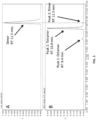
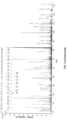
- the reaction mixture can contain at least 85% by weight of crosslinked tetrameric bovine hemoglobin (65 kDa), less than 10% by weight crosslinked octameric hemoglobin, and less than 5% by weight dimeric hemoglobin, as shown in Figure 3B .
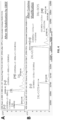
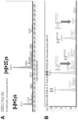
- the tetrameric structure of the bovine fumaryl-crosslinked hemoglobin molecule contained at least 1 to 3 crosslinker(s) between the beta globin chains ( ⁇ - ⁇ crosslink), as shown in Figure 4A .
- thiol-containing molecules such as cysteine, homocysteine, NAC and 2-mercaptoethaol (BME).
- cysteine residues at position 92 of beta globin chain did not react with the fumaryl moieties.
- the fumaryl moieties of the crosslinker between the beta chains were modified by cysteine.
- DO dissolved oxygen
- the residual cysteine/cystine in the reaction mixture was removed by a filtration step using a 30 kDa NMWCO membrane for which the reaction mixture went through 10-16 diafiltration volume (DV) with acetate buffer to bring the cysteine/cystine levels below 0.03% (w/w), as shown in Table 2.
- the levels of the DBSF and its hydrolyzed derivative (DBSA) in the cysteinyl-succinyl crosslinked hemoglobin were also below 0.03% (w/w).
- Table 2 Level of Cysteine and Cystine in Cysteinyl-succinyl Crosslinked Bovine Hemoglobin after Filtration Step.
- a UPLC system (Agilent 6460) equipped with an electrospray ionization triple quadrupole mass spectrometer and a C3 column (Agilent, Poroshell 300SB-C3, 5 ⁇ m, 1.0mm ⁇ 75mm) was equilibrated with acetonitrile with 0.1% formic acid at a flow rate of 0.2mL/min for 30 minutes. Samples (0.3mg/mL) were freshly prepared with water and analyzed by ESI-MS system using positive ion mode.
- a cysteine amino acid (121 Da) was covalently bonded to the fumaryl moieties of these ⁇ - ⁇ crosslinked globin chains, resulting in species of 32,109 Da, 32,310 Da and 32,511 Da, respectively, as shown in Figure 4B .
- the sample was further analyzed by ESI-MS/MS analysis, in order to confirm the fumaryl moiety of the ⁇ - ⁇ crosslink of the fumaryl-crosslinked hemoglobin was modified by the cysteine amino acid.
- Sample was analyzed by 10% SDS-PAGE and visualized using 0.1% Coomassie Brilliant Blue R-250, 20% (v/v) methanol and 10% (v/v) acetic acid.
- the protein band corresponding to the major crosslinked globin chain with ⁇ 32kDa was excised from the SDS-PAGE gel, cut into cubes (1 ⁇ 1mm), and destained with 50% acetonitrile/20% 50mM ammonium bicarbonate solution.
- the destained gel cubes were in-gel digested with 10ng/ ⁇ L sequencing grade trypsin in 50mM ammonium bicarbonate at 37°C overnight. After trypsin digestion, the trypsin-digested peptides were extracted by diffusion into 50% (v/v) acetonitrile and 1% (v/v) trifluoroacetic acid. The supernatant was collected and the solvent was removed by SpeedVac at 45°C. The trypsin-digested peptides were dissolved in 0.1% (v/v) formic acid, separated by reverse phase C18 column and analyzed using Orbitrap-Velos Mass Spectrometer. The EIS-MS/MS data was input into the pLink search engine for the crosslink sites analysis.
- a peptide crosslinked at the N-terminal nitrogen at position 1 and the lysine side chain nitrogen at position 81 of ⁇ globin chains was identified.
- a novel hemoglobin analog comprising cysteinyl-succinylated crosslinker(s) was produced by the above process.
- composition containing cysteinyl-succinyl crosslinked hemoglobin was produced by the reaction of cysteine with the fumaryl moieties of the ⁇ - ⁇ crosslinks of the fumaryl-crosslinked hemoglobin.
- the purity of the cysteinyl-succinylcrosslinked hemoglobin produced by the above embodiments was evaluated by ESI-MS analysis.
- Samples were analyzed by LC-MS on an Agilent 6540 Electrospray Ionization Quadrupole-Time-of-Flight spectrometer connected to an liquid chromatography system (Agilent 6460) with a C3 column (Agilent Poroshell 300SB-C3, 5 ⁇ m, 1.0 mm ⁇ 75 mm) and the mass spectra were deconvoluted using the Maximum Entropy algorithm in the Agilent MassHunter Qualitative Analysis software.
- Crosslinked species were identified by matching the molecular masses from the deconvoluted MS data to theoretical figures. Relative abundances of molecular species were estimated using the area-under-curve of the deconvoluted spectra.
- the fumaryl-crosslinked hemoglobin were found to contain one (1XL), two (2XL) or three (3XL) fumaryl crosslinks present in a molar ratio of 28%, 58% and 15%, respectively, in which at least 1 fumaryl bridge was crosslinked between ⁇ globin chains.
- the peaks corresponding to the mass of unmodified fumaryl-crosslinked ⁇ - ⁇ globin chains were undetectable in the ESI-MS spectrum.
- Table 8 Effects of pH and Reaction Medium on the Reaction Rate of the Fumaryl-thiol Coupling Reaction Between Fumaryl-crosslinked Hemoglobin and ⁇ -mercaptoethanol.
- Reaction Condition Reaction Time Reaction pH 7.4 8.2 9.0 77.5 mM ⁇ -mercaptoethanol in RA-* Buffer 6 hr x x x 24 hr ⁇ x 77.5 mM ⁇ -mercaptoethanol in RA-* Buffer with extra 0.9% NaCl 6 hr x x x 24 hr ⁇ x ⁇ x: Incomplete saturation of fumaryl-thiol coupling reaction ⁇ : Saturation of fumaryl-thiol coupling reaction * Ringer's Acetate Minus Buffer (RA- Buffer)
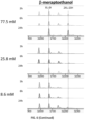
- the fumaryl-thiol reaction rate increased in a concentration dependent manner while the coupling rate of cysteine and ⁇ -mercaptoethanol to the fumaryl moieties were doubled by increasing the concentration from 19.4 mM to 38.8 mM.
- Complete modification of the fumaryl moieties by either cysteine or ⁇ -mercaptoethanol was achieved within 24 hour.
- the reaction rate was substantially decreased in low thiol reagents concentration such as 9.7 mM, saturation of fumaryl bridges was achieved by extending the reaction time to 72 hour.
- Table 9 Effects of Thiol Concentration and Reaction Time on the Reaction Rate of the Fumaryl-thiol Coupling Reaction Between Fumaryl- crosslinked Hemoglobin and Thiols (Cysteine and ⁇ -mercaptoethanol).
- Complete modification of the fumaryl moieties may be limited by the physical-chemical properties of the thiol reagents and suboptimal coupling conditions. Since the reaction conditions leading to the saturation of the fumaryl moieties varies between different thiol reagents, the inherent molecular properties, such as the steric and electronic effects, and the reaction conditions, at least act in combination with the equivalents of the thiol reagents, reaction pH and duration, not only affect the rate of modification but also the overall conversion of the coupling reaction.
- N-acetyl cysteine N-acetyl cysteine
- ESI-MS ESI-MS
- the results showed that the conversion of fumaryl-thiol coupling reaction was found to below 95% for all concentrations at 24 hour.
- the fumaryl-thiol coupling reaction at 95% was observed only when extending the incubation time to 48 hour using 310 mM NAC.
- the concentration of NAC to saturate the fumaryl bridges were 4 times higher and the incubation time was doubled.
- the oxygen affinity properties of hemoglobin can be described by its p50 value, determined from the oxygen dissociation curve.
- the oxygen dissociation curve of the hemoglobin shows the relationship between the hemoglobin saturation at different oxygen tensions, and the p50 is the oxygen tension at which hemoglobin is 50% saturated.
- the p50 value of the thiosuccinyl-crosslinked hemoglobin produced by the complete reaction between fumaryl-crosslinked hemoglobin and different thiol-containing reagents was evaluated.
- the oxygen dissociation curve for the hemoglobin solution was obtained using a Hemox analyzer (TCS Scientific, New Hope, PA). Oxygen tension was measured with a Clark oxygen electrode, and the hemoglobin saturation was measured using a built-in dual wavelength spectrophotometer. The measurement was carried out in Hemox solution (135 mM NaCl, 5 mM KCI and 30 mM TES, pH 7.4) with a final hemoglobin concentration of 0.05g/dL and the temperature maintains at 37°C throughout the measurement.
- Oxygen dissociation parameters were derived by fitting the Adair equations to each oxygen dissociation curve by nonlinear least-squares procedure included in the Hemox analyzer software (TCS Hemox DAQ System, Version 2.0).
- cysteinyl-succinylated moieties in the cysteinyl-succinyl crosslinked hemoglobin was tested in the presence of small molecule thiols such as cysteine, NAC, or glutathione (GSH). These small molecule thiols are commonly used in hemoglobin-based therapeutic drug formulations as excipients, e.g., to reduce the methemoglobin levels.
- the fumaryl-crosslinked hemoglobin and cysteinyl-succinyl crosslinked hemoglobin were incubated with NAC, cysteine, or GSH at 1:4 or 1:8 molar ratios (100mg/mL hemoglobin) under an apoxic environment.
- Samples taken at various time points were analyzed by ESI-MS on an Agilent 6540 Electrospray Ionization Quadrupole-Time-of-Flight spectrometer connected to a liquid chromatography system (Agilent 6460) with a C3 column (Agilent Poroshell 300SB-C3, 5 ⁇ m, 1.0mm x 75mm).
- the mass spectra were deconvoluted using the Maximum Entropy algorithm in the Agilent MassHunter software.
- Crosslinked globin species were identified by matching the molecular masses from the deconvoluted MS data to theoretical figures. Relative abundances of molecular species were estimated using the area-under-curve of the deconvoluted spectra.
- Table 13 shows the estimation of relative abundances of different crosslinked ⁇ - ⁇ species derived from ESI-MS data of cysteinyl-succinyl crosslinked hemoglobin over 12 months in the presence of NAC at an eight-fold molar excess.
- the area under curve (AUC) of the main crosslinked species remained stable after at least 12 months, showing the stability of the abundances of the crosslinked species over time.
- Table 13 Stability of ⁇ - ⁇ Globin Chains in Cysteinyl-succinyl Crosslinked Hemoglobin in the Presence of NAC over 12 Months.
- Percentages are relative abundances of the different crosslinked species, as estimated from deconvoluted LC-MS spectra. "XL”- crosslink, "Cys” - cysteine.
- Percentages are relative abundances of the different crosslinked species, as estimated from deconvoluted LC-MS spectra.
- XL - crosslink
- NAC N-acetyl cysteine.
- Table 15 Stability of ⁇ - ⁇ Globin Chains in Fumaryl-crosslinked Hemoglobin with 4-fold Molar Excess of Cysteine over 4 Hours.
- Percentages are relative abundances of the different crosslinked species, as estimated from deconvoluted LC-MS spectra. "XL” - crosslink, "GSH” - glutathione.
- Thiol-containing compounds are commonly used in hemoglobin-based oxygen therapeutics as excipients for conversion and prevention of dysfunctional methemoglobin.
- NAC was used as an excipient in cysteinyl-succinyl crosslinked hemoglobin solution, and NAC was oxidized to N,N'-diacetyl-L-cystine (NAC 2 ) when reduced the dysfunctional methemoglobin to functional hemoglobin form.
- Samples were taken at various time points over storage and the level of NAC and its oxidation product, NAC 2 , in the cysteinyl-succinyl crosslinked hemoglobin solution were measured by reverse phase liquid chromatography.
- samples were treated with 5% meta-phosphoric acid to precipitate the proteins, and the supernatant was separated on a XBridged C18 column (5 ⁇ m, 4.6 mm ⁇ 250 mm), using an isocratic elution in buffer containing 100 mM sodium phosphate pH 2.3, 5.7 mM sodium 1-octanesulfonate:methanol 91:9 (v/v).
- NAC and NAC 2 were quantified using their respective calibration curves ranging from 9.375 ⁇ g/mL to 300 ⁇ g/mL.
- cysteinyl-succinyl crosslinked hemoglobin had stable levels of thiol excipient NAC over an extended period of time, as depicted in Figure 9B.
- the p50 values of the fumaryl-crosslinked hemoglobin and cysteinyl-succinyl crosslinked hemoglobin solution in the presence of 0.2% NAC were measured using the Hemox analyzer (TCS Scientific Corp). Hemoglobin product samples at 0.5 mg/mL in Hemox buffer (pH 7.4) were oxygenated by bubbling oxygen through for 30 min and then deoxygenated by bubbling nitrogen through until the pO 2 reached 1.9 mmHg. The resulting oxygen equilibrium curves were analyzed using the TCS software, using the Adair equation to adjust for incomplete oxygenation of the sample being measured.
- Cysteinyl-succinyl crosslinked hemoglobin had a stable p50 value over at least 3 months post-production. In contrast, fumaryl-crosslinked hemoglobin showed a 12% increase in p50 values over 10 weeks presumably due to covalent binding of NAC to the ⁇ - ⁇ crosslinks of the crosslinked hemoglobin molecule, as depicted in Table 17.
- Table 17 p50 Stability of Fumaryl-crosslinked Hemoglobin and Cysteinyl-succinyl Crosslinked Hemoglobin, in the Presence of 0.2% NAC, respectively.
- Time Adair's p50 (mmHg) Fumaryl-crosslinked Hemoglobin Cysteinyl-succinyl Crosslinked Hemoglobin At Release 64 67 1 Month 66 67 3 Month 70 67
- Plasma samples were diluted 80000 times in 20 mM Tris-HCl pH 8.9 and loaded onto a HiTrap Q HP column (GE Healthcare) equilibrated in 20 mM Tris-HCl pH 8.9. Hemoglobin products were eluted using a HiTrap Q HP column (GE Healthcare) over a gradient of 0 - 400 mM NaCl in 20 mM Tris-HCl pH 8.9. Enrichment of hemoglobin products were assessed by sodium dodecyl sulfate polyacrylamide gel electrophoresis. Pooled fractions were analyzed by ESI-MS using an Agilent 6540 Electrospray Ionization Quadrupole-Time-of-Flight spectrometer.
- EXAMPLE 15 Restoration of Tissue Oxygenation in Hemorrhagic Shock (Fumarvl-crosslinked Hemoglobin vs. Cvsteinvl-succinvl Crosslinked Hemoglobin)
- Liver tissue oxygenation was evaluated in a severe hemorrhagic shock model in Sprague Dawley rat as follows:
- Sprague Dawley rats were anesthetized and instrumented for surgical procedure. Laparotomy was performed by a large middle incision to expose the liver. A large area oxygen sensor (LAS, Oxford Optronix, UK) was inserted between the right lobe and triangle lobe of the rat liver and allowed for stabilization. After collection of baseline oxygen tension level, rats were rendered hypotensive by hemorrhage in order to trigger oxygen supply/demand imbalance as reflected by an elevated arterial lactate level (8 to 11 mM/L) and an arterial base excess ⁇ -12 mM/L.
- LAS Oxford Optronix
- rats were administered with infusion of either 650mg/kg fumaryl-crosslinked hemoglobin solution (Group 1) or cysteinyl-succinyl crosslinked hemoglobin solution (Group 2).
- the liver oxygen tension levels of these 2 hemoglobin molecules were monitored and compared up to 1 hour post-infusion.
- cysteinyl-succinyl crosslinked hemoglobin has a superior oxygen off-loading capability in ischemic/hypoxic conditions, compared to conventional fumaryl-crosslinked hemoglobin.
- EXAMPLE 16 Restoration of Blood Perfusion in ischemic Limb (Fumaryl-crosslinked Hemoglobin vs. Cvsteinvl-succinvl Crosslinked Hemoalobin)
- ICR To induce critical limb ischemia, ICR (CD-1) mice were anesthetized to perform surgical procedure. The femoral artery was ligated to the distal point where it bifurcated into the saphenous and popliteal arteries. At post 24 hours arterial ligation, mice were administrated with different treatments via bolus tail vein injection. Serial Laser Doppler Imaging analysis (Moor instruments, Devon, UK) was performed to monitor blood flow at baseline, right after ligation, Day 7 post treatment, Day 14 post treatment and Day 21 post treatment and the mean blood flow from the knee to toe was quantified and calculated.
- Tivi600 Tissue viability imager modulating with Tivi106 Oxygen Mapper analyzer was performed to monitor change in oxygenated hemoglobin at baseline, right after ligation, 30 minutes post treatment, 60 minutes post treatment, Day 7 post treatment, Day 14 post treatment and Day 21 post treatment.
- the mean change in oxygenated Hb (Oxy-Hb) from the knee to toe was quantified and calculated.
- mice treated with cysteinyl-succinyl crosslinked hemoglobin solution resulted in a more significant improvement in blood perfusion compared with stabilized fumaryl-crosslinked hemoglobin solution (41.6 ⁇ 4.3%, p ⁇ 0.05 vs control), and RA- buffer (23.5 ⁇ 9.7%).
- cysteinyl-succinyl crosslinked hemoglobin showed better treatment effect than conventional fumaryl-crosslinked hemoglobin, in terms of oxygenated hemoglobin, blood flow and circulating mesenchymal stem cell populations in peripheral artery disease model.
- the cysteinyl-succinyl crosslinked hemoglobin solution of the present disclosure was used for improving the delivery of oxygen and treatment against global and regional ischemic/hypoxic conditions including hemorrhagic shock, myocardial ischemia reperfusion injury, peripheral artery disease and traumatic brain injury.
- the cysteinyl-succinyl crosslinked hemoglobin solution was also used for treating autoimmune diseases and cancer treatment as follows:
- Hemorrhagic Shock a restoration of tissue oxygenation and mean arterial pressure in hemorrhagic shock
- Peripheral Artery Disease a significant restoration of blood flow and increase in Oxy-Hb level in critical limb ischemia
- Myocardial Ischemia Reperfusion Injury a significant reduction of myocardial infraction in heart
- Systemic Lupus Erythematosus a significant reduction in immune complex formation in tissues/organs and amelioration of tissue/organ damages;
- Traumatic Brain Injury a significant improvement in both neurological and motor functions and a reduction of TBI-induced astrocyte activation in controlled cortical impact (CCI) induced traumatic brain injury; and
- TNBC triple-negative breast cancer
- colorectal cancer xenograft model a significant inhibition of tumor growth in triple-negative breast cancer (TNBC) and colorectal cancer xenograft model, respectively.
- the dosage of cysteinyl-succinyl crosslinked hemoglobin is approximately 100-1600mg/kg.
- Cysteinyl-succinyl crosslinked hemoglobin was used for the treatment of severe hemorrhagic shock in cynomolgus monkey.
- Muscle tissue oxygenation and mean arterial pressure were evaluated in a severe hemorrhagic shock model in cynomolgus monkey as follows:
- Cynomolgus monkeys were anesthetized and instrumented for surgical procedure.
- a needle encased oxygen sensor (Oxford Optronix, UK) was inserted in triceps and allowed to stabilize.
- a blood pressure sensor Biopac Systems Inc, US was inserted in the left femoral artery and allowed to stabilize.
- monkeys were rendered hypotensive by hemorrhage to decrease mean arterial pressure to 20mmHg and kept maintaining the mean arterial pressure ranging from 20-24mmHg for 60 minutes.
- monkeys were administered with infusion of either autologous plasma (positive control) or cysteinyl-succinyl crosslinked hemoglobin solution. The muscle oxygenation tension level and mean arterial pressure of these two groups were measured and compared up to 3 hour post-infusion.
- results indicate the infusion of 500mg/kg cysteinyl-succinyl crosslinked hemoglobin solution resulted in an increase in muscle tissue oxygenation after resuscitation and kept better restoration at post 3 hours of resuscitation.
- infusion with the cysteinyl-succinyl crosslinked hemoglobin solution resulted in a better restoration of mean arterial pressure than autologous plasma treatment at post 3 hours time point of resuscitation, as shown in Figure 16 .
- cysteinyl-succinyl crosslinked hemoglobin increased tissue oxygenation and maintained a better restoration of mean arterial pressure in cynomolgus monkey with severe hemorrhagic shock.
- Cysteinyl-succinyl crosslinked hemoglobin was used for blood perfusion and the delivery of oxygen in attenuated critical limb ischemia in mice.
- ICR To induce critical limb ischemia, ICR (CD-1) mice were anesthetized to perform surgical procedure. The femoral artery was ligated to the distal point where it bifurcates into the saphenous and popliteal arteries. At post 24 hours arterial ligation, mice were administrated with different treatments via bolus tail vein injection. Serial laser Doppler imaging analysis (Moor instruments, Devon, UK) was performed to monitor blood flow at baseline, right after ligation, Day 7 post treatment, Day 14 post treatment and Day 21 post treatment and the mean blood flow from the knee to toe was quantified and calculated.
- Tivi600 Tissue viability imager modulating with Tivi106 Oxygen Mapper analyzer was performed to monitor change in oxygenated hemoglobin at baseline, right after ligation, 30 minutes post treatment, 60 minutes post treatment, Day 7 post treatment, Day 14 post treatment and Day 21 post treatment.
- the mean change in oxygenated Hb from the knee to toe was quantified and calculated.
- Cysteinyl-succinyl crosslinked hemoglobin was used as a cardiac protective agent to reduce the myocardial infarct size in a rat model of acute myocardial ischemia-reperfusion. Twelve rats were randomly divided into 2 groups as follows:
- Myocardial ischemia and reperfusion were established in a standard rat model. Briefly, anaesthesia was induced in Wistar rats using isoflurane. Animals were then placed on a heated rodent operating table and internal temperature was continuously monitored with a rectal probe. Animals underwent bladder catheterization to monitor urine output, right jugular cannulation to allow fluid infusion, left carotid cannulation for both continuous arterial pressure monitoring and blood withdrawal, and tracheostomy. After insertion of a peritoneal catheter through a key-hole laparotomy, anaesthesia was maintained with repeated bolus of thiopental sodium 5 mg/kg and analgesia was assured with buprenorphine 0.1 mg/kg sc.
- a fluid bolus of 10 ml/kg was provided before induction of mechanical ventilation (tidal volume 12 ml/kg, PEEP 3 cmH 2 O, RR 80 bpm) and a continuous infusion of a 50-50 mix of Lactated Ringer's solution + glucose 2.5 % (10 ml/kg/h) was used as maintenance.
- a left-sided thoracotomy was performed between the fourth and fifth ribs.
- a snare was placed around the region of myocardium containing the left anterior descending (LAD) coronary artery and ischaemia induced by tightening it.
- the ischaemic phase lasted 40 min of acute ligature followed by 120 min of reperfusion.
- 100 mg/kg of the cysteinyl-succinyl crosslinked hemoglobin solution or Lactated Ringer's solution was infused at 20 mins post-ischaemia and continued until 20 mins post-reperfusion at a rate of 1.5 ml/kg/h.
- Heart rate, mean arterial blood pressure, and temperature were measured continuously and degree of myocardial infarction/injury was assessed histologically as infarction size as a proportion of area at risk.
- Cysteinyl-succinyl crosslinked hemoglobin was used for the treatment of Systemic Lupus Erythematosus (SLE) in mice.
- a chromatin-immunized lupus mouse model was used to examine the therapeutic effect of cysteinyl-succinyl crosslinked hemoglobin solution on lupus nephritis.
- Activated lymphocyte-derived DNA (ALD-DNA) was prepared from sorting-purified apoptotic immune cells.
- murine lupus nephritis was induced in C57BU6 mice immunized with ALD-DNA (100g/mouse) dissolved in Freund's compete adjuvant on Day 1.
- Boost emulsion of ALD-DNA (50g/mouse) with Freund's incomplete adjuvant was performed on Day 14 and 28.
- Cysteinyl-succinyl crosslinked hemoglobin was administrated intravenously at 800 mg/kg on Day 1, 4, 8, and 11 in a 2 week treatment period.
- mice After 12-week disease progression, the mice were scarified and the kidneys were harvested, fixed and sectioned. Renal damage assessment was performed by staining the kidney tissue slides with hematoxylin and eosin (H&E) while glomerular immune complex deposition assessment was performed by immunofluorescence staining of immune complex deposition (IgM and IgG) using fluorochome-labelled antibodies.
- H&E hematoxylin and eosin
- IgM and IgG immune complex deposition
- cysteinyl-succinyl crosslinked hemoglobin significantly ameliorates the development of lupus nephritis in mice.
- Cysteinyl-succinyl crosslinked hemoglobin was used for the treatment of traumatic brain injury (TBI) produced by controlled cortical impact in rat model.
- TBI traumatic brain injury
- cysteinyl-succinyl crosslinked hemoglobin solution administrated as a single dose on functional and histopathological outcomes following TBI was evaluated.
- 21 Sprague Dawley Rats were randomly assigned into 2 groups as follows:
- Each rat was implanted with a femoral vein catheter with BUTONVAB95BS (Instech) button about 14 days before the start of the experiment and housed in pairs in Opti-Rat cages at a 12:12 hour light/dark cycle with food and water offered ad libitum for at least 7 days.
- a femoral vein catheter with BUTONVAB95BS Instech
- Opti-Rat cages at a 12:12 hour light/dark cycle with food and water offered ad libitum for at least 7 days.
- CCI open-skull controlled cortical impact
- rats received either 1.2 mg/kg sustained release buprenorphine (Buprenorphine SR TM Lab) plus 0.03 mg/kg regular buprenorphine (Vetergesic) or 1.2 mg/kg sustained release buprenorphine subcutaneously 30 min or 24 hours before, were anesthetized to perform surgical procedure.
- the skull was exposed by a single incision along the midline using a sterile scalpel-blade then, a 6 mm circular craniotomy was performed using a micro drill device (Harvard Apparatus, 72-6065) in the left parietal bone at the center of the coronal, sagittal and lambdoid sutures used as the outermost boundaries to expose the intact dura.
- Trephination site was then filled with sterile saline until ready for the impact.
- Exposed cortex with intact dura was subjected to controlled cortical impact injury.
- a controlled cortical impact was produced on the exposed cortex by the impactor actuator mounted on the Leica Impact One TM device with a 5.0 mm diameter impactor rod-tip, impacting the cortex at the velocity of 4.0 m/s, and the depth of the cortical deformation set at 3.00 mm with a dwell time of 200 ms to produce injury within the left parietal cortex.
- the wound was cleaned using sterile saline then, the skin wound was closed using single interrupted sutures and the rat was allowed to recover. No supplemental oxygen was given after TBI.
- Neurological functions were assessed using a 21-point neuroscore at 4 hours and at Day 1, 3, and 7 following TBI and sensory-motor functions were also assessed by cylinder and horizontal ladder tests at Day 3 and 7, respectively. Brains were harvested on Day 7 post-TBI and processed for histochemical analysis.
- rats treated with cysteinyl-succinyl crosslinked hemoglobin solution showed significant reduction in TBI-induced astrocyte activation under GFAP immunofluorescence analysis ( *p ⁇ 0.05 ; t-test), as depicted in Figure 26 .
- Example 23A Inhibition of Tumor Growth in Triple-negative Breast Cancer Xenograft Model
- TNBC 4T1 xenograft A significant inhibition of tumor growth in TNBC 4T1 xenograft was observed after administration of cysteinyl-succinyl crosslinked hemoglobin solution.
- a murine triple-negative breast carcinoma xenograft (TNBC) model was employed.
- Murine TNBC 4T1 cells were cultured in DMEM supplemented with 10% FBS, 4mM L-glutamine, 1mM sodium pyruvate, 100U/mL penicillin and 100ug/mL streptomycin at 37°C under 5% CO 2 .
- Approximately 1 ⁇ 10 5 cancer cells (TNBC 4T1 cell line) were injected subcutaneously into four to six week-old female immune competent BALB/C mice. Once the tumor had grown for one week, tumor-bearing mice were randomized into two groups as follows:
- Tumor Volume 1 ⁇ 2 ⁇ LW 2 , where L and W represent the length and width of the tumor mass, measured by a digital caliper (Mitu-toyo Co, Tokyo, Japan) at each measurement.
- mice treated with cysteinyl-succinyl crosslinked hemoglobin solution at 6 days post 2 nd injection compared to the control group, as depicted in Table 18.
- Table 18 Percentage Change of the Normalized Tumor Volume against the Control Group for the Syngeneic 4T1 Model. Measurement Time % Change of the Normalized Tumor Volume against the Control Group Experiment 1 Experiment 2 Experiment 3 Experiment 4 6 Day Post 1 st Injection -39.6% 4.2% -17.0% -25.9% 6 Day Post 2 nd Injection -51.2% -23.4% -49.1% -22.4%
- Example 23B Inhibition of Tumor Growth in Colorectal Cancer Xenograft Model
- CT26 xenograft A significant inhibition of tumor growth in CT26 xenograft was observed after administration of cysteinyl-succinyl crosslinked hemoglobin solution, as shown in Table 13.
- a murine colorectal carcinoma xenograft (TNBC) model was employed.
- Murine CT26 cells were cultured in RPMI-1640 supplemented with 10% FBS, 100U/mL penicillin and 100ug/mL streptomycin at 37°C under 5% CO 2 .
- Approximately 1 ⁇ 10 5 cancer cells (CT26 cell line) were injected subcutaneously into four to six week-old female immune competent BALB/C mice. When the tumor grew for one week, tumor-bearing mice were randomized into two groups as follows:
- Tumor Volume 1 ⁇ 2 ⁇ LW 2 , where L and W represent the length and width of the tumor mass, measured by a digital caliper (Mitu-toyo Co, Tokyo, Japan) at each measurement.
Landscapes
- Health & Medical Sciences (AREA)
- Chemical & Material Sciences (AREA)
- Organic Chemistry (AREA)
- Life Sciences & Earth Sciences (AREA)
- General Health & Medical Sciences (AREA)
- Medicinal Chemistry (AREA)
- Chemical Kinetics & Catalysis (AREA)
- General Chemical & Material Sciences (AREA)
- Veterinary Medicine (AREA)
- Public Health (AREA)
- Pharmacology & Pharmacy (AREA)
- Animal Behavior & Ethology (AREA)
- Nuclear Medicine, Radiotherapy & Molecular Imaging (AREA)
- Engineering & Computer Science (AREA)
- Bioinformatics & Cheminformatics (AREA)
- Proteomics, Peptides & Aminoacids (AREA)
- Gastroenterology & Hepatology (AREA)
- Biophysics (AREA)
- Molecular Biology (AREA)
- Genetics & Genomics (AREA)
- Biochemistry (AREA)
- Urology & Nephrology (AREA)
- Analytical Chemistry (AREA)
- Diabetes (AREA)
- Vascular Medicine (AREA)
- Hematology (AREA)
- Neurosurgery (AREA)
- Heart & Thoracic Surgery (AREA)
- Neurology (AREA)
- Biomedical Technology (AREA)
- Cardiology (AREA)
- Immunology (AREA)
- Epidemiology (AREA)
- Medicines That Contain Protein Lipid Enzymes And Other Medicines (AREA)
- Pharmaceuticals Containing Other Organic And Inorganic Compounds (AREA)
- Peptides Or Proteins (AREA)
Claims (26)
- Hémoglobine réticulée par un groupe thiosuccinyle, comprenant une hémoglobine tétramère et au moins un motif de réticulation thiosuccinyle de formule (1):
 ou un sel ou un zwitterion pharmaceutiquement acceptable de celui-ci, dans laquellechaque N* représente indépendamment un azote choisi dans le groupe constitué par un azote dans une chaîne latérale de résidu lysine dans l'hémoglobine tétramère et un azote à une extrémité N-terminale dans l'hémoglobine tétramère ; etR1 est un groupe alkyle, alcényle, cycloalkyle, hétérocycloalkyle, aryle, aralkyle, hétéroaryle ou -(CR2)nY, où n est un nombre entier choisi parmi 0-10 ; R est dans chaque cas indépendamment un atome d'hydrogène, un groupe alkyle, aralkyle, alcényle, cycloalkyle, hétérocycloalkyle, aryle ou hétéroaryle ; ou deux radicaux de R pris ensemble forment un cycloalkyle ou un hétérocycloalkyle à 3-6 chaînons contenant 1, 2 ou 3 hétéroatomes choisis parmi N, O et S, et Y est choisi dans le groupe constitué par OR4, SR4, N(R4)2, -(C=O)R4, -(C=O)OR4, -O(C=O)R4, -O(C=O)OR4, -(C=O)N(R4)2, -(NR4)(C=O)R4, -(NR4)(C=O)OR4, -O(C=O)N(R4)2, -O(C=NR4)N(R4)2, -(NR4)(C=O)N(R4)2, -(C=NR4)N(R4)2, -(NR4)(C=NR4)N(R4)2, -(S=O)R4, -S(O)2R4, -S(O)2OR4, -S(O)2N(R4)2, -OS(O)2R4, -(NR4)S(O)2R4, -OS(O)2OR4, -OS(O)2N(R4)2, -(NR4)S(O)2N(R4)2, -(NR4)S(O)2OR4, et -(CRR2R3), dans lequel R2 et hydrogène, alkyle, aralkyle, cycloalkyle, hétérocycloalkyle, aryle, hétéroaryle, OR4, SR4, N(R4)2, -(C=O)R4, -(C=O)OR4, -O(C=O)R4, -O(C=O)OR4, -(C=O)N(R4)2, -(NR4)(C=O)R4, -(NR4)(C=O)OR4, -O(C=O)N(R4)2, -O(C=NR4)N(R4)2, -(NR4)(C=O)N(R4)2, -(C=NR4)N(R4)2, -(NR4)(C=NR4)N(R4)2, -(S=O)R4, -S(O)2R4, -S(O)2OR4, -S(O)2N(R4)2, -OS(O)2R4, -(NR4)S(O)2R4, -OS(O)2OR4, -OS(O)2N(R4)2, -(NR4)S(O)2N(R4)2, ou -(NR4)S(O)2OR4; R3 et hydrogène, alkyle, aralkyle, cycloalkyle, hétérocycloalkyle, aryle, hétéroaryle, OR4, SR4, N(R4)2, -(C=O)R4, -(C=O)OR4, -O(C=O)R4, -O(C=O)OR4, -(C=O)N(R4)2, -(NR4)(C=O)R4, -(NR4)(C=O)OR4, -O(C=O)N(R4)2, -O(C=NR4)N(R4)2, -(NR4)(C=O)N(R4)2, -(C=NR4)N(R4)2, -(NR4)(C=NR4)N(R4)2, -(S=O)R4, -S(O)2R4, -S(O)2OR4, -S(O)2N(R4)2, -OS(O)2R4, -(NR4)S(O)2R4, -OS(O)2OR4, -OS(O)2N(R4)2, -(NR4)S(O)2N(R4)2, ou -(NR4)S(O)2OR4; et chaque R4 est indépendamment choisi dans le groupe constitué par l'hydrogène, les groupes alkyle, aralkyle, cycloalkyle, hétérocycloalkyle, aryle et hétéroaryle ; ou R1 et un fragment choisi dans le groupe constitué par :
 N5-(1-((carboxyméthyl)amino)-1-oxo-3λ3-propan-2-yl)glutamine ou un sel pharmaceutiquement acceptable de celle-ci, où m représente un nombre entier de 1 -1000.
 - Hémoglobine réticulée par un thiosuccinyle selon la revendication 1, dans laquelle R1 représente un radical de formule (2),
 dans laquelle n représente un nombre entier choisi dans le groupe constitué par 0, 1, 2, 3, et 4 ;chaque R est indépendamment choisi dans le groupe constitué par l'hydrogène, les groupes alkyle, aralkyle, cycloalkyle, hétérocycloalkyle, aryle et hétéroaryle ;R2 est un hydrogène, un alkyle, un aralkyle, un cycloalkyle, un hétérocycloalkyle, un aryle, un hétéroaryle, -N(R4)2, -NH(C=O)R4, ou -NH(C=O)N(R4)2;R3 est un hydrogène, un alkyle, un aralkyle, un cycloalkyle, un hétérocycloalkyle, un aryle, un hétéroaryle, -CO2R4, -(C=O)NHR4, -OR4, ou -N(R4)2; etchaque R4 est indépendamment choisi dans le groupe constitué par un atome d'hydrogène, un groupe alkyle, aralkyle, cycloalkyle, hétérocycloalkyle, aryle et hétéroaryle ; ouR1 est un fragment choisi dans le groupe constitué par :
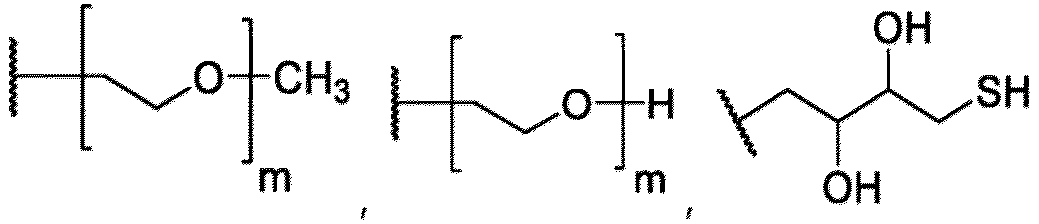 N5-(1-((carboxyméthyl)amino)-1-oxo-3λ3-propan-2-yl)glutamine ou un sel pharmaceutiquement acceptable de celle-ci, où m représente un nombre entier de 1 -1000.
 - Hémoglobine réticulée par thiosuccinyle selon la revendication 2, dans laquellen est 1 ou 2;R est hydrogène;R2 est -NHR4, -NH(C=O)R4, ou -NH(C=O)R4N(R4)2; etR3 est un hydrogène, -OR4, -CO2R4, ou -(C=O)NHR4, oùR4 est dans chaque cas indépendamment choisi dans le groupe constitué par un hydrogène et un alkyle.
- Hémoglobine réticulée par un thiosuccinyle selon la revendication 1, dans laquelle R1 est choisi dans le groupe formé par :


- Hémoglobine réticulée par un thiosuccinyle selon l'une quelconque des revendications 1-4, dans laquelle chaque N* représente indépendamment un azote choisi dans le groupe constitué par un azote dans une chaîne latérale de résidu lysine dans une chaîne bêta-globine de l'hémoglobine tétramère et un azote à une extrémité N-terminale dans une chaîne bêta-globine de l'hémoglobine tétramère.
- Hémoglobine réticulée par un groupe thiosuccinyle selon l'une quelconque des revendications 1 à 5, dans laquelle l'hémoglobine réticulée par un groupe thiosuccinyle est essentiellement pure.
- Hémoglobine réticulée par un thiosuccinyle selon l'une quelconque des revendications 1 à 6, dans laquelle l'hémoglobine réticulée par un thiosuccinyle comprend 1, 2 ou 3 motifs de réticulation thiosuccinyle de formule 1.
- Hémoglobine réticulée par un thiosuccinyle selon l'une quelconque des revendications 1 à 7, dans laquelle ledit au moins un motif de réticulation thiosuccinyle réticule deux chaînes de bêta-globine de l'hémoglobine tétramérique.
- Hémoglobine réticulée par un groupe thiosuccinyle selon l'une quelconque des revendications 1 à 8, dans laquelle l'hémoglobine tétramérique est l'hémoglobine humaine, l'hémoglobine bovine ou l'hémoglobine porcine.
- Hémoglobine réticulée par un thiosuccinyle selon l'une quelconque des revendications 1 à 9, dans laquelle l'hémoglobine réticulée par un thiosuccinyle est sensiblement exempte de stroma.
- Composition pharmaceutique comprenant au moins l'une des hémoglobines réticulées par un groupe thiosuccinyle selon l'une quelconque des revendications 1 à 10 et au moins un excipient pharmaceutiquement acceptable.
- Composition pharmaceutique selon la revendication 11, dans laquelle l'hémoglobine réticulée par un groupe thiosuccinyle est présente dans la composition pharmaceutique à un pourcentage en poids compris entre 10 et 90 %.
- Composition pharmaceutique selon la revendication 11 ou 12, dans laquelle la composition pharmaceutique comprend de l'hémoglobine réticulée par un groupe thiosuccinyle comprenant 1, 2 ou 3 unités de réticulation thiosuccinyle de formule 1; ou une combinaison de celles-ci.
- Procédé de préparation de l'hémoglobine réticulée par un thiosuccinyle selon la revendication 1, comprenant les étapes consistant à :- mise en contact d'une hémoglobine tétramère avec un agent de réticulation fumaryle, formant ainsi une hémoglobine réticulée fumaryle ;- mise en contact de l'hémoglobine réticulée fumaryle avec un thiol ou un sel ou un zwitterion pharmaceutiquement acceptable de celui-ci, formant ainsi l'hémoglobine réticulée thiosuccinyle selon la revendication 1.
- Procédé selon la revendication 14, dans lequel l'agent de réticulation fumaryle est choisi dans le groupe constitué par le fumarate de bis-3,5-dibromosalicyle (DBSF), le chlorure de fumaryle et le fumarate de bis(salicyle).
- Procédé selon la revendication 14 ou 15, dans lequel le thiol répond à la formule : R1SH ou un sel ou un zwitterion pharmaceutiquement acceptable de celui-ci, où R1est un alkyle, un alcényle, un cycloalkyle, un hétérocycloalkyle, un aryle, un aralkyle, un hétéroaryle ou -(CR2)nY, où n est un nombre entier de 0 à 10 ; R est dans chaque cas indépendamment un hydrogène, un alkyle, un aralkyle, un alcényle, un cycloalkyle, un hétérocycloalkyle, un aryle ou un hétéroaryle ; ou deux cas de R pris ensemble forment un cycloalkyle ou un hétérocycloalkyle à 3-6 chaînons contenant 1, 2 ou 3 hétéroatomes choisis parmi N, O et S; et Y est choisi dans le groupe constitué par est un groupe alkyle, alcényle, cycloalkyle, hétérocycloalkyle, aryle, aralkyle, hétéroaryle ou -(CR2)nY, où n est un nombre entier choisi parmi 0-10 ; R est dans chaque cas indépendamment un hydrogène, un alkyle, un aralkyle, un alcényle, un cycloalkyle, un hétérocycloalkyle, un aryle ou un hétéroaryle ; ou deux cas de R pris ensemble forment un cycloalkyle ou un hétérocycloalkyle à 3-6 chaînons contenant 1, 2 ou 3 hétéroatomes choisis parmi N, O, et S ; et Y est choisi dans le groupe constitué par OR4, SR4, N(R4)2, -(C=O)R4, -(C=O)OR4, -O(C=O)R4, -O(C=O)OR4, -(C=O)N(R4)2, -(NR4)(C=O)R4, -(NR4)(C=O)OR4, -O(C=O)N(R4)2, - O(C=NR4)N(R4)2, -(NR4)(C=O)N(R4)2, -(C=NR4)N(R4)2, -(NR4)(C=NR4)N(R4)2, -(S=O)R4, - S(O)2R4, -S(O)2OR4, -S(O)2N(R4)2, -OS(O)2R4, -(NR4)S(O)2R4, -OS(O)2OR4, -OS(O)2N(R4)2, - (NR4)S(O)2N(R4)2, -(NR4)S(O)2OR4, and -(CRR2R3), où R2 est un hydrogène, un alkyle, un aralkyle, un cycloalkyle, un hétérocycloalkyle, un aryle, un hétéroaryle,OR4, SR4, N(R4)2, - (C=O)R4, -(C=O)OR4, -O(C=O)R4, -O(C=O)OR4, -(C=O)N(R4)2, -(NR4)(C=O)R4, - (NR4)(C=O)OR4, -O(C=O)N(R4)2, -O(C=NR4)N(R4)2, -(NR4)(C=O)N(R4)2, -(C=NR4)N(R4)2,-(NR4)(C=NR4)N(R4)2, -(S=O)R4, -S(O)2R4, -S(O)2OR4, -S(O)2N(R4)2, -OS(O)2R4, - (NR4)S(O)2R4, -OS(O)2OR4, -OS(O)2N(R4)2, -(NR4)S(O)2N(R4)2, ou -(NR4)S(O)2OR4; R3 est un hydrogène, un alkyle, un aralkyle, un cycloalkyle, un hétérocycloalkyle, un aryle, un hétéroaryle,OR4, SR4, N(R4)2, -(C=O)R4, -(C=O)OR4, -O(C=O)R4, -O(C=O)OR4, -(C=O)N(R4)2, -(NR4)(C=O)R4, -(NR4)(C=O)OR4, -O(C=O)N(R4)2, -O(C=NR4)N(R4)2, -(NR4)(C=O)N(R4)2, (C=NR4)N(R4)2 -(NR4)(C=NR4)N(R4)2, -(S=O)R4, -S(O)2R4, -S(O)2OR4, -S(O)2N(R4)2, - OS(O)2R4, -(NR4)S(O)2R4, -OS(O)2OR4, -OS(O)2N(R4)2, -(NR4)S(O)2N(R4)2, ou - (NR4)S(O)2OR4 et chaque R4 est indépendamment choisi dans le groupe constitué par l'hydrogène, les groupes alkyle, aralkyle, cycloalkyle, hétérocycloalkyle, aryle et hétéroaryle ; ou R1est un motif choisi dans le groupe constitué par :
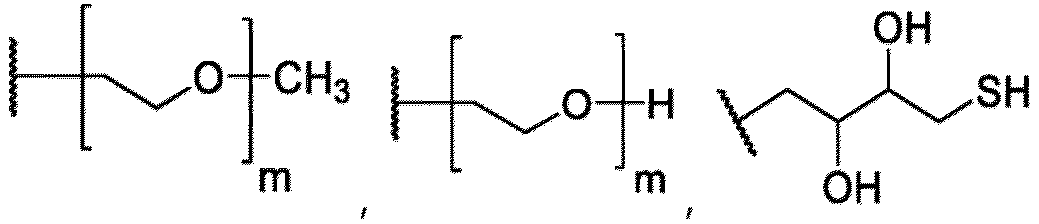
N5-(1-((carboxyméthyl)amino)-1-oxo-3λ3-propan-2-yl)glutamine ou un sel pharmaceutiquement acceptable de celle-ci, où m représente un nombre entier de 1 -1000. - Procédé selon la revendication 16, dans lequel le thiol répond à la formule (3)
 ou un sel ou un zwitterion pharmaceutiquement acceptable de celui-ci, dans lequeln représente un nombre entier choisi dans le groupe formé par 0, 1, 2, 3 et 4 ;chaque R est indépendamment choisi dans le groupe constitué par l'hydrogène, les groupes alkyle, aralkyle, cycloalkyle, hétérocycloalkyle, aryle et hétéroaryle ;R2 est un hydrogène, un alkyle, un aralkyle, un cycloalkyle, un hétérocycloalkyle, un aryle, un hétéroaryle, -N(R4)2, ou -NH(C=O)R4;R3 est un hydrogène, un alkyle, un aralkyle, un cycloalkyle, un hétérocycloalkyle, un aryle, un hétéroaryle, -CO2R4, -(C=O)NHR4, -OR4, ou -N(R4)2; etchaque R4 est indépendamment choisi dans le groupe constitué par un atome d'hydrogène, un groupe alkyle, aralkyle, cycloalkyle, hétérocycloalkyle, aryle et hétéroaryle ; oule thiol est choisi dans le groupe constitué par le dithiothréitol, HS(CH2CH2O)mCH3, HS(CH2CH2O)mH, le glutathion ou un sel pharmaceutiquement acceptable de celui-ci, où m représente un nombre entier compris entre 1 et 1000.
 - Le procédé selon la revendication 17, dans lequel n est égal à 1 ou 2, R est un atome d'hydrogène, R2 est -NHR4, -NH(C=O)R4, ou -NH(C=O)(NR4)2; et R3 est un atome d'hydrogène, -OR4, -CO2R4, ou -(C=O)NHR4, où R4 est dans chaque cas indépendamment choisi dans le groupe constitué par un atome d'hydrogène et un groupe alkyle.
- Procédé selon la revendication 14, dans lequel le thiol est choisi dans le groupe formé par :


- Procédé selon l'une quelconque des revendications 14 à 19, dans lequel l'étape de mise en contact de l'hémoglobine réticulée par un fumaryle avec un thiol ou un sel ou un zwitterion pharmaceutiquement acceptable de celui-ci, l'hémoglobine réticulée par un fumaryle et le thiol sont présents dans un rapport molaire d'au moins 1:1 ; 1:2 ; ou 1:3.
- Procédé selon la revendication 20, dans lequel l'hémoglobine réticulée par un fumaryle et le thiol sont présents dans un rapport molaire supérieur à 1:3.
- Procédé selon l'une quelconque des revendications 14 à 21, dans lequel l'hémoglobine réticulée par un groupe thiosuccinyle est présente sous forme isolée et sensiblement pure.
- Hémoglobine réticulée par un groupe thiosuccinyle selon l'une quelconque des revendications 1 à 10, destinée à être utilisée pour augmenter le volume du système circulatoire sanguin chez un sujet qui en a besoin, une quantité thérapeutiquement efficace de l'hémoglobine réticulée par un groupe thiosuccinyle étant transfusée dans le système du sujet.
- Hémoglobine réticulée par un groupe thiosuccinyle selon l'une quelconque des revendications 1 à 10, destinée à être utilisée dans le traitement d'un choc chez un patient qui en a besoin, une quantité thérapeutiquement efficace d'hémoglobine réticulée par un groupe thiosuccinyle étant transfusée dans le système du patient.
- Hémoglobine réticulée par un groupe thiosuccinyle selon l'une quelconque des revendications 1 à 10, destinée à être utilisée pour l'oxygénation de tissus et d'organes chez un patient qui en a besoin, dans laquelle une quantité thérapeutiquement efficace d'hémoglobine réticulée par un groupe thiosuccinyle est transfusée dans le système du patient.
- Hémoglobine réticulée par un groupe thiosuccinyle selon l'une quelconque des revendications 1 à 10, destinée à être utilisée dans le traitement du cancer chez un patient qui en a besoin, dans laquelle une quantité thérapeutiquement efficace de l'hémoglobine réticulée par un groupe thiosuccinyle est transfusée dans le système du patient, le cancer étant un cancer du sein triple négatif ou un cancer colorectal.
Applications Claiming Priority (2)
| Application Number | Priority Date | Filing Date | Title |
|---|---|---|---|
| US201962893220P | 2019-08-29 | 2019-08-29 | |
| PCT/CN2020/111595 WO2021037109A1 (fr) | 2019-08-29 | 2020-08-27 | Analogues d'hémoglobine à réticulation thiosuccinyle et procédés d'utilisation et de préparation associés |
Publications (4)
| Publication Number | Publication Date |
|---|---|
| EP4021933A1 EP4021933A1 (fr) | 2022-07-06 |
| EP4021933A4 EP4021933A4 (fr) | 2023-09-06 |
| EP4021933C0 EP4021933C0 (fr) | 2024-10-09 |
| EP4021933B1 true EP4021933B1 (fr) | 2024-10-09 |
Family
ID=74681293
Family Applications (1)
| Application Number | Title | Priority Date | Filing Date |
|---|---|---|---|
| EP20856942.6A Active EP4021933B1 (fr) | 2019-08-29 | 2020-08-27 | Analogues d'hémoglobine à réticulation thiosuccinyle et procédés d'utilisation et de préparation associés |
Country Status (9)
| Country | Link |
|---|---|
| US (2) | US11479597B2 (fr) |
| EP (1) | EP4021933B1 (fr) |
| JP (1) | JP2022546993A (fr) |
| KR (1) | KR20220082811A (fr) |
| CN (1) | CN114341174B (fr) |
| AU (1) | AU2020335811A1 (fr) |
| BR (1) | BR112022003751A2 (fr) |
| CA (1) | CA3149234A1 (fr) |
| WO (1) | WO2021037109A1 (fr) |
Families Citing this family (2)
| Publication number | Priority date | Publication date | Assignee | Title |
|---|---|---|---|---|
| WO2022184005A1 (fr) | 2021-03-01 | 2022-09-09 | Billion King International Limited | Conjugués d'hémoglobine à réticulation thiosuccinyle et procédés d'utilisation et de préparation de ceux-ci |
| CN119700997A (zh) * | 2025-02-27 | 2025-03-28 | 中国人民解放军军事科学院军事医学研究院 | 聚乙二醇牛血红蛋白偶联物的应用 |
Family Cites Families (14)
| Publication number | Priority date | Publication date | Assignee | Title |
|---|---|---|---|---|
| US3931270A (en) * | 1975-01-07 | 1976-01-06 | International Flavors & Fragrances Inc. | Process for producing 2-thia substituted 1,4 diones |
| US4529719A (en) * | 1983-05-04 | 1985-07-16 | Tye Ross W | Modified crosslinked stroma-free tetrameric hemoglobin |
| US5281579A (en) | 1984-03-23 | 1994-01-25 | Baxter International Inc. | Purified virus-free hemoglobin solutions and method for making same |
| US5741894A (en) | 1995-09-22 | 1998-04-21 | Baxter International, Inc. | Preparation of pharmaceutical grade hemoglobins by heat treatment in partially oxygenated form |
| US5917020A (en) * | 1997-01-15 | 1999-06-29 | Kluger; Ronald H. | Bis-tetrameric hemoglobin and reagents for its production |
| US7504377B2 (en) | 2006-10-23 | 2009-03-17 | Ikor, Inc. | Nitric oxide-blocked cross-linked tetrameric hemoglobin |
| CN101168565A (zh) * | 2006-10-23 | 2008-04-30 | 爱科有限公司 | 一氧化氮阻断的交联四聚体血红蛋白 |
| US7494974B2 (en) * | 2006-10-24 | 2009-02-24 | Ikor, Inc. | Carboxymethylated cross-linked tetrameric hemoglobin |
| US20130231287A1 (en) * | 2010-02-25 | 2013-09-05 | Parimala Nacharaju | Pegylated albumin polymers and uses thereof |
| US7989593B1 (en) * | 2010-05-27 | 2011-08-02 | Bing Lou Wong | Method for the preparation of a high-temperature stable oxygen-carrier-containing pharmaceutical composition and the use thereof |
| US20110319332A1 (en) * | 2010-06-23 | 2011-12-29 | Bing Lou Wong | Treatment methods using a heat stable oxygen carrier-containing pharmaceutical composition |
| US20130052232A1 (en) * | 2011-08-31 | 2013-02-28 | Bing Lou Wong | Method for the preparation of a heat stable oxygen carrier-containing composition facilating beta-beta cross-linking |
| US20140308260A1 (en) * | 2011-10-07 | 2014-10-16 | Radiorx, Inc. | Methods and compositions comprising a nitrite-reductase promoter for treatment of medical disorders and preservation of blood products |
| JP6657070B2 (ja) * | 2013-03-15 | 2020-03-04 | ウィリアム・シンドラーWilliam Schindler | ポリアルキレンオキシド吉草酸ヘモグロビン接合体 |
-
2020
- 2020-08-27 WO PCT/CN2020/111595 patent/WO2021037109A1/fr not_active Ceased
- 2020-08-27 EP EP20856942.6A patent/EP4021933B1/fr active Active
- 2020-08-27 CA CA3149234A patent/CA3149234A1/fr active Pending
- 2020-08-27 KR KR1020227010125A patent/KR20220082811A/ko not_active Withdrawn
- 2020-08-27 BR BR112022003751A patent/BR112022003751A2/pt not_active Application Discontinuation
- 2020-08-27 AU AU2020335811A patent/AU2020335811A1/en not_active Abandoned
- 2020-08-27 JP JP2022513644A patent/JP2022546993A/ja active Pending
- 2020-08-27 US US16/947,993 patent/US11479597B2/en active Active
- 2020-08-27 CN CN202080061029.4A patent/CN114341174B/zh active Active
-
2022
- 2022-08-25 US US17/822,174 patent/US11692022B2/en active Active
Also Published As
| Publication number | Publication date |
|---|---|
| CN114341174A (zh) | 2022-04-12 |
| EP4021933A1 (fr) | 2022-07-06 |
| CN114341174B (zh) | 2024-05-17 |
| EP4021933A4 (fr) | 2023-09-06 |
| US20230111100A1 (en) | 2023-04-13 |
| WO2021037109A1 (fr) | 2021-03-04 |
| KR20220082811A (ko) | 2022-06-17 |
| BR112022003751A2 (pt) | 2022-05-31 |
| EP4021933C0 (fr) | 2024-10-09 |
| AU2020335811A1 (en) | 2022-03-31 |
| US11692022B2 (en) | 2023-07-04 |
| US11479597B2 (en) | 2022-10-25 |
| CA3149234A1 (fr) | 2021-03-04 |
| US20210061885A1 (en) | 2021-03-04 |
| JP2022546993A (ja) | 2022-11-10 |
Similar Documents
| Publication | Publication Date | Title |
|---|---|---|
| US11692022B2 (en) | Thiosuccinyl-crosslinked hemoglobin analogs and methods of use and preparation thereof | |
| JP5651814B2 (ja) | 熱安定性酸素キャリアを含有する医薬組成物の調製方法 | |
| KR20120052221A (ko) | 헤모글로빈 조성물 | |
| JPH11502846A (ja) | ニトロキシドをバイオ和合性高分子と併用する組成物および方法 | |
| US20110319332A1 (en) | Treatment methods using a heat stable oxygen carrier-containing pharmaceutical composition | |
| JP6100252B2 (ja) | 異なる治療用途のための熱安定性酸素キャリアを含有する医薬組成物 | |
| US8697645B2 (en) | Second generation low oxygen affinity pegylated hemoglobins as oxygen-carrying plasma expanders | |
| ES2399835T3 (es) | Conjugados de hemoglobina-antioxidante | |
| Hwang et al. | Supramolecular hydrogels encapsulating bioengineered mesenchymal stem cells for ischemic therapy | |
| HK40062428B (zh) | 硫代琥珀酰基交联的血红蛋白类似物及其使用和制备方法 | |
| HK40062428A (en) | Thiosuccinyl-crosslinked hemoglobin analogs and methods of use and preparation thereof | |
| WO2022184005A1 (fr) | Conjugués d'hémoglobine à réticulation thiosuccinyle et procédés d'utilisation et de préparation de ceux-ci | |
| US12295991B2 (en) | Hemoglobin derivative co-conjugated with fatty acid-linked PEG and alkoxy PEG as a blood substitute | |
| Savla | Scalable Purification of Ultra-Pure Lumbricus terrestris Mega-Hemoglobin and Surface Modification using Bio-compatible Polymers for use as an Oxygen Therapeutic | |
| JP2006169128A (ja) | 熱傷治療剤 | |
| Wei et al. | Human induced pluripotent stem cell-derived nanovesicles for the treatment of ischemic limb disease | |
| CN115105594A (zh) | 一种mhi-148化学修饰的白蛋白结合型索拉非尼纳米制剂制备方法及应用 | |
| Koehler | Articles in PresS. J Appl Physiol (October 4, 2012). doi: 10.1152/japplphysiol. 01079.2012 | |
| OA17703A (en) | A heat stable oxygen carrier-containing pharmaceutical composition for different treatment applications. |
Legal Events
| Date | Code | Title | Description |
|---|---|---|---|
| STAA | Information on the status of an ep patent application or granted ep patent |
Free format text: STATUS: THE INTERNATIONAL PUBLICATION HAS BEEN MADE |
|
| PUAI | Public reference made under article 153(3) epc to a published international application that has entered the european phase |
Free format text: ORIGINAL CODE: 0009012 |
|
| STAA | Information on the status of an ep patent application or granted ep patent |
Free format text: STATUS: REQUEST FOR EXAMINATION WAS MADE |
|
| 17P | Request for examination filed |
Effective date: 20220317 |
|
| AK | Designated contracting states |
Kind code of ref document: A1 Designated state(s): AL AT BE BG CH CY CZ DE DK EE ES FI FR GB GR HR HU IE IS IT LI LT LU LV MC MK MT NL NO PL PT RO RS SE SI SK SM TR |
|
| DAV | Request for validation of the european patent (deleted) | ||
| DAX | Request for extension of the european patent (deleted) | ||
| A4 | Supplementary search report drawn up and despatched |
Effective date: 20230804 |
|
| RIC1 | Information provided on ipc code assigned before grant |
Ipc: A61K 38/00 20060101ALN20230731BHEP Ipc: C07K 1/107 20060101ALN20230731BHEP Ipc: A61P 35/00 20060101ALI20230731BHEP Ipc: A61P 25/00 20060101ALI20230731BHEP Ipc: A61P 13/12 20060101ALI20230731BHEP Ipc: A61P 9/10 20060101ALI20230731BHEP Ipc: A61P 7/08 20060101ALI20230731BHEP Ipc: A61P 1/16 20060101ALI20230731BHEP Ipc: C07K 14/805 20060101AFI20230731BHEP |
|
| GRAP | Despatch of communication of intention to grant a patent |
Free format text: ORIGINAL CODE: EPIDOSNIGR1 |
|
| STAA | Information on the status of an ep patent application or granted ep patent |
Free format text: STATUS: GRANT OF PATENT IS INTENDED |
|
| RIC1 | Information provided on ipc code assigned before grant |
Ipc: A61K 38/00 20060101ALN20240308BHEP Ipc: C07K 1/107 20060101ALN20240308BHEP Ipc: A61P 35/00 20060101ALI20240308BHEP Ipc: A61P 25/00 20060101ALI20240308BHEP Ipc: A61P 13/12 20060101ALI20240308BHEP Ipc: A61P 9/10 20060101ALI20240308BHEP Ipc: A61P 7/08 20060101ALI20240308BHEP Ipc: A61P 1/16 20060101ALI20240308BHEP Ipc: C07K 14/805 20060101AFI20240308BHEP |
|
| INTG | Intention to grant announced |
Effective date: 20240411 |
|
| RIN1 | Information on inventor provided before grant (corrected) |
Inventor name: WAI, BENJAMIN CHI YIN Inventor name: YEH, COLIN PAK FAI Inventor name: WU, WING FUNG Inventor name: CHONG, HIU CHI Inventor name: WAI, NORMAN FUNG-MAN Inventor name: BUTT, KWOK CHU |
|
| GRAS | Grant fee paid |
Free format text: ORIGINAL CODE: EPIDOSNIGR3 |
|
| GRAA | (expected) grant |
Free format text: ORIGINAL CODE: 0009210 |
|
| STAA | Information on the status of an ep patent application or granted ep patent |
Free format text: STATUS: THE PATENT HAS BEEN GRANTED |
|
| AK | Designated contracting states |
Kind code of ref document: B1 Designated state(s): AL AT BE BG CH CY CZ DE DK EE ES FI FR GB GR HR HU IE IS IT LI LT LU LV MC MK MT NL NO PL PT RO RS SE SI SK SM TR |
|
| REG | Reference to a national code |
Ref country code: CH Ref legal event code: EP |
|
| REG | Reference to a national code |
Ref country code: DE Ref legal event code: R096 Ref document number: 602020039291 Country of ref document: DE |
|
| REG | Reference to a national code |
Ref country code: IE Ref legal event code: FG4D |
|
| U01 | Request for unitary effect filed |
Effective date: 20241106 |
|
| U07 | Unitary effect registered |
Designated state(s): AT BE BG DE DK EE FI FR IT LT LU LV MT NL PT RO SE SI Effective date: 20241114 |
|
| PG25 | Lapsed in a contracting state [announced via postgrant information from national office to epo] |
Ref country code: IS Free format text: LAPSE BECAUSE OF FAILURE TO SUBMIT A TRANSLATION OF THE DESCRIPTION OR TO PAY THE FEE WITHIN THE PRESCRIBED TIME-LIMIT Effective date: 20250209 Ref country code: HR Free format text: LAPSE BECAUSE OF FAILURE TO SUBMIT A TRANSLATION OF THE DESCRIPTION OR TO PAY THE FEE WITHIN THE PRESCRIBED TIME-LIMIT Effective date: 20241009 |
|
| PG25 | Lapsed in a contracting state [announced via postgrant information from national office to epo] |
Ref country code: ES Free format text: LAPSE BECAUSE OF FAILURE TO SUBMIT A TRANSLATION OF THE DESCRIPTION OR TO PAY THE FEE WITHIN THE PRESCRIBED TIME-LIMIT Effective date: 20241009 |
|
| PG25 | Lapsed in a contracting state [announced via postgrant information from national office to epo] |
Ref country code: NO Free format text: LAPSE BECAUSE OF FAILURE TO SUBMIT A TRANSLATION OF THE DESCRIPTION OR TO PAY THE FEE WITHIN THE PRESCRIBED TIME-LIMIT Effective date: 20250109 |
|
| PG25 | Lapsed in a contracting state [announced via postgrant information from national office to epo] |
Ref country code: GR Free format text: LAPSE BECAUSE OF FAILURE TO SUBMIT A TRANSLATION OF THE DESCRIPTION OR TO PAY THE FEE WITHIN THE PRESCRIBED TIME-LIMIT Effective date: 20250110 |
|
| PG25 | Lapsed in a contracting state [announced via postgrant information from national office to epo] |
Ref country code: PL Free format text: LAPSE BECAUSE OF FAILURE TO SUBMIT A TRANSLATION OF THE DESCRIPTION OR TO PAY THE FEE WITHIN THE PRESCRIBED TIME-LIMIT Effective date: 20241009 |
|
| PG25 | Lapsed in a contracting state [announced via postgrant information from national office to epo] |
Ref country code: RS Free format text: LAPSE BECAUSE OF FAILURE TO SUBMIT A TRANSLATION OF THE DESCRIPTION OR TO PAY THE FEE WITHIN THE PRESCRIBED TIME-LIMIT Effective date: 20250109 |
|
| PG25 | Lapsed in a contracting state [announced via postgrant information from national office to epo] |
Ref country code: SM Free format text: LAPSE BECAUSE OF FAILURE TO SUBMIT A TRANSLATION OF THE DESCRIPTION OR TO PAY THE FEE WITHIN THE PRESCRIBED TIME-LIMIT Effective date: 20241009 |
|
| PG25 | Lapsed in a contracting state [announced via postgrant information from national office to epo] |
Ref country code: SK Free format text: LAPSE BECAUSE OF FAILURE TO SUBMIT A TRANSLATION OF THE DESCRIPTION OR TO PAY THE FEE WITHIN THE PRESCRIBED TIME-LIMIT Effective date: 20241009 |
|
| PG25 | Lapsed in a contracting state [announced via postgrant information from national office to epo] |
Ref country code: CZ Free format text: LAPSE BECAUSE OF FAILURE TO SUBMIT A TRANSLATION OF THE DESCRIPTION OR TO PAY THE FEE WITHIN THE PRESCRIBED TIME-LIMIT Effective date: 20241009 |
|
| U20 | Renewal fee for the european patent with unitary effect paid |
Year of fee payment: 6 Effective date: 20250708 |
|
| PLBE | No opposition filed within time limit |
Free format text: ORIGINAL CODE: 0009261 |
|
| STAA | Information on the status of an ep patent application or granted ep patent |
Free format text: STATUS: NO OPPOSITION FILED WITHIN TIME LIMIT |
|
| 26N | No opposition filed |
Effective date: 20250710 |
|
| PGFP | Annual fee paid to national office [announced via postgrant information from national office to epo] |
Ref country code: GB Payment date: 20250707 Year of fee payment: 6 |
|
| REG | Reference to a national code |
Ref country code: CH Ref legal event code: H13 Free format text: ST27 STATUS EVENT CODE: U-0-0-H10-H13 (AS PROVIDED BY THE NATIONAL OFFICE) Effective date: 20260324 |
|
| PG25 | Lapsed in a contracting state [announced via postgrant information from national office to epo] |
Ref country code: MC Free format text: LAPSE BECAUSE OF FAILURE TO SUBMIT A TRANSLATION OF THE DESCRIPTION OR TO PAY THE FEE WITHIN THE PRESCRIBED TIME-LIMIT Effective date: 20241009 |
|
| PG25 | Lapsed in a contracting state [announced via postgrant information from national office to epo] |
Ref country code: CH Free format text: LAPSE BECAUSE OF NON-PAYMENT OF DUE FEES Effective date: 20250831 |