EP4024975B1 - Funkrufvorrichtung - Google Patents
Funkrufvorrichtung Download PDFInfo
- Publication number
- EP4024975B1 EP4024975B1 EP19946401.7A EP19946401A EP4024975B1 EP 4024975 B1 EP4024975 B1 EP 4024975B1 EP 19946401 A EP19946401 A EP 19946401A EP 4024975 B1 EP4024975 B1 EP 4024975B1
- Authority
- EP
- European Patent Office
- Prior art keywords
- cell
- terminal device
- list
- moment
- paging
- Prior art date
- Legal status (The legal status is an assumption and is not a legal conclusion. Google has not performed a legal analysis and makes no representation as to the accuracy of the status listed.)
- Active
Links
Images


Classifications
-
- H—ELECTRICITY
- H04—ELECTRIC COMMUNICATION TECHNIQUE
- H04W—WIRELESS COMMUNICATION NETWORKS
- H04W68/00—User notification, e.g. alerting and paging, for incoming communication, change of service or the like
- H04W68/005—Transmission of information for alerting of incoming communication
-
- H—ELECTRICITY
- H04—ELECTRIC COMMUNICATION TECHNIQUE
- H04W—WIRELESS COMMUNICATION NETWORKS
- H04W68/00—User notification, e.g. alerting and paging, for incoming communication, change of service or the like
- H04W68/02—Arrangements for increasing efficiency of notification or paging channel
-
- H—ELECTRICITY
- H04—ELECTRIC COMMUNICATION TECHNIQUE
- H04L—TRANSMISSION OF DIGITAL INFORMATION, e.g. TELEGRAPHIC COMMUNICATION
- H04L5/00—Arrangements affording multiple use of the transmission path
- H04L5/003—Arrangements for allocating sub-channels of the transmission path
- H04L5/0053—Allocation of signalling, i.e. of overhead other than pilot signals
-
- H—ELECTRICITY
- H04—ELECTRIC COMMUNICATION TECHNIQUE
- H04W—WIRELESS COMMUNICATION NETWORKS
- H04W60/00—Affiliation to network, e.g. registration; Terminating affiliation with the network, e.g. de-registration
- H04W60/04—Affiliation to network, e.g. registration; Terminating affiliation with the network, e.g. de-registration using triggered events
-
- H—ELECTRICITY
- H04—ELECTRIC COMMUNICATION TECHNIQUE
- H04W—WIRELESS COMMUNICATION NETWORKS
- H04W76/00—Connection management
- H04W76/20—Manipulation of established connections
-
- H—ELECTRICITY
- H04—ELECTRIC COMMUNICATION TECHNIQUE
- H04W—WIRELESS COMMUNICATION NETWORKS
- H04W84/00—Network topologies
- H04W84/02—Hierarchically pre-organised networks, e.g. paging networks, cellular networks, WLAN [Wireless Local Area Network] or WLL [Wireless Local Loop]
- H04W84/04—Large scale networks; Deep hierarchical networks
- H04W84/06—Airborne or Satellite Networks
-
- H—ELECTRICITY
- H04—ELECTRIC COMMUNICATION TECHNIQUE
- H04W—WIRELESS COMMUNICATION NETWORKS
- H04W88/00—Devices specially adapted for wireless communication networks, e.g. terminals, base stations or access point devices
- H04W88/08—Access point devices
- H04W88/085—Access point devices with remote components
Definitions
- This application relates to the field of wireless communication technologies, and in particular, to paging.
- a conventional terrestrial network cannot provide seamless coverage for a user equipment (user equipment, UE), especially in places in which a base station cannot be deployed, such as seas, deserts, and the air. Therefore, a non-terrestrial network (non-terrestrial network, NTN) is introduced to a 5G (5th-generation) system.
- NTN non-terrestrial network
- a base station or a part of base station functions is/are deployed on a high-altitude platform or a satellite to provide seamless coverage for a UE, and the high-altitude platform or the satellite is little affected by natural disasters. This can improve reliability of the 5G system.
- NTN non-terrestrial networks
- Release 16 vol. RAN WG3, (20190613)
- 3GPP DRAFT R3-193293_38821-070_REVISIONS
- 3RD GENERATION PARTNERSHIP PROJECT 3GPP
- MOBILE COMPETENCE CENTRE 650, ROUTE DES LUCIOLES ; F-06921 SOPHIA-ANTIPOLIS CEDEX ; FRANCE, relates to NR based solutions for non-terrestrial networks (NTN ).
- This application provides paging apparatuses to reduce signaling overheads of an access network device.
- a paging apparatus includes a centralized unit CU, configured to receive a first paging message, where the first paging message includes a first list, and the first list includes an area identifier of at least one cell.
- the CU is further configured to receive a first configuration update message sent by a second apparatus, where the first configuration update message is used to indicate an area identifier of a first cell at a first moment, and the second apparatus includes a distributed unit DU.
- the CU is further configured to determine the first cell based on the first configuration update message.
- the CU is further configured to send first information to the second apparatus, where the first information is used to indicate the second apparatus to stop paging a terminal device in the first cell.
- the first list is a tracking area identity TAI list, and the area identifier of the first cell is a tracking area code TAC.
- the first list is a list including an access network area RNA and/or a cell global identifier, and the area identifier of the first cell is an access network area code RANAC and/or a cell global identifier.
- the first information is carried in radio resource control RRC signaling, or the first information is carried in a first configuration update acknowledgment ACK message.
- a paging apparatus includes a distributed unit DU, configured to determine a first cell, where an area identifier of the first cell at a first moment is different from an area identifier of the first cell at a second moment, the first moment is a current moment, and the second moment is earlier than the first moment.
- the DU is further configured to send a first configuration update message to a first apparatus, where the first configuration update message is used to indicate the area identifier of the first cell at the first moment, and the first apparatus includes a centralized unit CU.
- the DU is further configured to receive first information sent by the first apparatus, where the first information is used to indicate the DU to stop paging a terminal device in the first cell.
- the first information is carried in radio resource control RRC signaling, or the first information is carried in a first configuration update acknowledgment ACK message.
- a paging apparatus includes a distributed unit DU and a centralized unit CU.
- the CU is configured to receive a first paging message, where the first paging message includes a first list, and the first list includes an area identifier of at least one cell.
- the DU is configured to determine a first cell, where an area identifier of the first cell at a first moment is different from an area identifier of the first cell at a second moment, the first moment is a current moment, and the second moment is earlier than the first moment.
- the CU is configured to receive a first configuration update message sent by the DU, where the first configuration update message is used to indicate the area identifier of the first cell at the first moment.
- the CU is further configured to determine the first cell based on the first configuration update message.
- the CU is further configured to send first information to the DU, where the first information is used to indicate the DU to stop paging a terminal device in the first cell.
- the first cell is a cell covered by the DU.
- the cell covered by the DU may be understood as:
- the DU can provide a communication service for a terminal device in the cell covered by the DU.
- the paging apparatus includes the DU and the CU.
- the CU receives the first paging message.
- the DU determines the first cell, and sends, to the CU, the first configuration update message that carries the area identifier of the first cell at the first moment.
- the CU may send the first information to the DU based on the first configuration update message when the area identifier of the first cell at the first moment does not belong to the first list carried in the first paging message, and the DU stops, based on the first message, paging the terminal device in the first cell, so that the paging apparatus can effectively page the to-be-paged terminal device, to reduce signaling overheads of the paging apparatus, and save power of the paging apparatus.
- the first list is a tracking area identity TAI list, and the area identifier of the first cell is a tracking area code TAC.
- the first list is a list including an access network area RNA and/or a cell global identifier, and the area identifier of the first cell is an access network area code RANAC and/or a cell global identifier.
- the CU receives the first paging message sent by a first core network device.
- the to-be-paged terminal device is in an RRC idle state and a CM idle state, and the core network device knows a tracking area TA in which the to-be-paged terminal device may be located. Therefore, paging of the terminal device is initiated by the core network device.
- This paging mode is paging initiated by a core network (CN paging).
- the CU receives the first paging message sent by a fourth device.
- the terminal device is in an RRC third state and a CM_CONNECTED state.
- the fourth device is an access network device that last serves the to-be-paged terminal device before the to-be-paged terminal device enters the RRC third state from an RRC connected state, and the access network device that last serves the to-be-paged terminal device before the to-be-paged terminal device enters the RRC third state from the RRC connected state knows an RNA and/or the cell in which the to-be-paged terminal device may be located. Therefore, paging of the terminal device is initiated by the access network device that last serves the terminal device before the terminal device enters the RRC third state from the RRC connected state. This paging mode is paging initiated on a base station side (RAN paging).
- RAN paging base station side
- the first information is carried in radio resource control RRC signaling, or the first information is carried in a first configuration update acknowledgment ACK message.
- GSM global system for mobile communications
- CDMA code division multiple access
- WCDMA wideband code division multiple access
- general packet radio service general packet radio service, GPRS
- LTE long term evolution
- LTE frequency division duplex frequency division duplex
- TDD time division duplex
- UMTS universal mobile telecommunications system
- WiMAX worldwide interoperability for microwave access
- 5G future 5th generation
- 5G future 5th generation
- new radio new radio
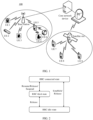
- FIG. 1 is a schematic diagram of a communication system 100 used in the method according to implementations of this application.
- the communication system 100 may include at least one access network device, for example, a gNB (gNB) and a satellite site in a 5G system shown in FIG. 1 .
- the communication system 100 may further include at least one terminal device, for example, a user equipment (user equipment, UE) 1 to a UE 9 shown in FIG. 1 .
- the access network device may communicate with each terminal device over a radio link.
- the access network device may send configuration information to the terminal device, and the terminal device may send uplink data to the access network device based on the configuration information.
- the access network device may send downlink data to the terminal device. Therefore, a communication system may include the gNB and the UE 1 to the UE 6 in FIG. 1 , and another communication system may include the satellite site and the UE 7 to the UE 9 in FIG. 1 .
- the base station and the satellite site are connected to a core network device in different manners, and both may send data to or receive data from the core network device. In this architecture, there may be a plurality of satellite sites or a plurality of base stations, and the satellite site may also serve UE similar to the UE 1 to the UE 6.
- a plurality of antennas may be configured for each communication device, for example, the base station, the satellite site, or the UE 1 to the UE 9.
- the plurality of antennas may include at least one transmit antenna configured to send a signal and at least one receive antenna configured to receive a signal.
- each communication device further additionally includes a transmitter chain and a receiver chain.
- the transmitter chain and the receiver chain each may include a plurality of components (for example, a processor, a modulator, a multiplexer, a demodulator, a demultiplexer, or an antenna) related to signal sending and receiving. Therefore, the base station may communicate with the UE 11 to the UE 6 by using a multiple-antenna technology, and the satellite site may communicate with the UE 7 to the UE 9 by using the multiple-antenna technology.
- a communication system may alternatively include the terminal devices in the communication system 100, for example, the UE 4 to the UE 6.
- the UE 5 may control the UE 4 and the UE 6 to execute corresponding instructions. This is not limited in this application.
- the access network device in the wireless communication system may be any device with a wireless transceiver function.
- the device includes but is not limited to an evolved NodeB (evolved NodeB, eNB or eNodeB), a radio network controller (radio network controller, RNC), a NodeB (NodeB, NB), a base station controller (base station controller, BSC), a base transceiver station (base transceiver station, BTS), a home base station (for example, a home evolved NodeB or a home NodeB, HNB), a baseband unit (baseband unit, BBU), an access point (access point, AP) in a wireless fidelity (wireless fidelity, Wi-Fi) system, a wireless relay node, a wireless backhaul node, a transmission point (transmission point, TP), a transmission reception point (transmission reception point, TRP), and the like.
- RNC radio network controller
- NodeB NodeB
- BSC base station controller
- the device may be a gNB or a transmission point (TRP or TP) in a 5G system such as an NR system, may be one antenna panel or a group of antenna panels (including a plurality of antenna panels) of a base station in a 5G system, or may be a network node, such as a baseband unit (BBU) or a distributed unit (distributed unit, DU), that constitutes a gNB or a transmission point.
- BBU baseband unit
- DU distributed unit
- the access network device may be a CU node, a DU node, or a device including a CU node and a DU node.
- the CU may be classified as an access network device in an access network (radio access network, RAN), or may be classified as an access network device in a core network (core network, CN). This is not limited in this application.
- the terminal device or the access network device includes a hardware layer, an operating system layer running on the hardware layer, and an application layer running on the operating system layer.
- the hardware layer includes hardware such as a central processing unit (central processing unit, CPU), a memory management unit (memory management unit, MMU), and a memory (also referred to as a main memory).
- the operating system may be any one or more computer operating systems that implement service processing through a process (process), for example, a Linux operating system, a UNIX operating system, an Android operating system, an iOS operating system, or a Windows operating system.
- the application layer includes applications such as a browser, a contact list, word processing software, and instant messaging software.
- a specific structure of an execution body of the method provided in implementations of this application is not specifically limited in implementations of this application, provided that a program that records code of the method provided in implementations of this application can be run to perform communication according to the method provided in implementations of this application.
- the method provided in implementations of this application may be performed by the terminal device, the access network device, or a functional module that can invoke and execute the program and that is in the terminal device or the access network device.
- the computer-readable medium may include but is not limited to a magnetic storage component (for example, a hard disk, a floppy disk, or a magnetic tape), an optical disc (for example, a compact disc (compact disc, CD) or a digital versatile disc (digital versatile disc, DVD)), a smart card, and a flash memory component (for example, an erasable programmable read-only memory (erasable programmable read-only memory, EPROM), a card, a stick, or a key drive).
- various storage media described in this specification may indicate one or more devices and/or other machine-readable media that are configured to store information.
- the term "machine-readable media" may include but is not limited to a radio channel and various other media that can store, include, and/or carry instructions and/or data.
- the NTN is a communication scenario in a 5G system.
- a conventional terrestrial network cannot provide seamless coverage for a terminal device, especially in places in which a base station cannot be deployed, such as seas, deserts, and the air. Therefore, the non-terrestrial network is introduced to the 5G system.
- a base station or a part of base station functions is/are deployed on a high-altitude platform or a satellite, to provide seamless coverage for a terminal device, and the high-altitude platform or the satellite is little affected by natural disasters. This can improve reliability of the 5G system.
- Public land mobile network public land mobile network, PLMN
- the terminal device When the terminal device is in the RRC connected state, links have been established between the terminal device and both a base station and a core network, and data may be directly transmitted to the terminal device when arriving in the network.
- the terminal device When the terminal device is in the RRC third state (or the RRC inactive state), it indicates that the links were established between the terminal device and both the base station and the core network, but the link between the terminal device and the base station is released (that is, the terminal device switches from the RRC connected state to the RRC third state).
- the base station stores a context of the terminal device. When data needs to be transmitted, the base station can quickly resume the link between the terminal device and the base station (that is, the terminal device switches from the RRC third state to the RRC connected state).
- the terminal device When the terminal device is in the RRC idle state, there is no link between the terminal device and the base station or the core network.
- the links between the terminal device and both the base station and the core network need to be established (that is, the terminal device switches from the RRC idle state to the RRC connected state).
- Tracking area Tracking Area, TA
- the TA is configured at a cell level.
- a same TA may be configured for a plurality of cells, and one cell belongs to only one TA.
- a TA list includes a plurality of TAs, and the plurality of TAs are allocated to one UE.
- the UE does not need to perform TA update (TA Update, TAU), to reduce frequent interaction with the network.
- TA Update TAU
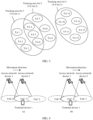
- a TA list 1 includes a TA 1, a TA 2, a TA 3, a TA 4, a TA 5, and a TA 6
- a TA list 2 includes the TA 4, the TA 5, the TA 6, a TA 7, a TA 8, and a TA 9
- a TA list 3 includes a TA 10, a TA 11, a TA 12, a TA 13, a TA 14, and a TA 15.
- the TA list 1 may be allocated to a terminal device 1.
- the terminal device 1 does not need to perform TAU.
- the TA list 2 may be allocated to a terminal device 2.
- the TA list 3 may be allocated to a terminal device 3.
- the terminal device 3 does not need to perform TAU.
- the terminal device When entering a TA that is not in the TA list registered by the terminal device, the terminal device needs to perform TAU, and the core network reallocates a group of TAs to the terminal device, where the newly allocated TAs may also include some TAs in the original TA list.
- the terminal device 1 moves to the TA 9
- the terminal device 1 enters a TA that is not in the TA list 1 registered by the terminal device 1.
- the terminal device 1 needs to perform TAU to add the TA 9 to the TA list 1.
- the terminal device 2 moves to the TA 11
- the terminal device 2 needs to perform TAU to add the TA 11 to the TA list 1.
- the terminal device further periodically performs TAU to enable the core network to know a location of the terminal device.
- RNA Access network area
- RNA is similar to the concept of TA, but the RNA is specific to a terminal device in the RRC third state (or the RRC inactive state). There are two choices for composition of the RNA:
- a base station that last serves the terminal device before the terminal device enters the RRC third state configures the RNA for the terminal device.
- the terminal device does not need to perform RNA update (RNA Update, RNAU).
- RNA Update RNA Update
- the terminal device initiates RNAU if the terminal device enters a TA that is not in the RNA configured for the terminal device by the base station that last serves the terminal device before the terminal device enters the RRC third state.
- the terminal device also periodically performs TAU, so that the base station that last serves the terminal device before the terminal device enters the RRC third state knows the location of the terminal device.
- the terminal device When the terminal device is in the RRC idle state, no link is established between the terminal device and the base station. Alternatively, when the terminal device is in the RRC third state, the link established between the terminal device and the base station is released by the base station. In this case, if data or a voice needs to be sent from a network side to the terminal device, the terminal device is found by using a paging message. After receiving the paging message, the terminal device establishes the link to the base station, to transmit the data or the voice.
- paging is classified into two types:
- a CU determines cells included in the TAI list in the paging message and DUs to which the cells belong, and then sends, to the related DUs, a list of cells that is related to the paging message, so that the DUs generate paging messages, and send the paging messages to all terminal devices connected to the cells related to the DUs.
- the last base station sends the paging message to all base stations in a RANAC list of the terminal device, and then the base stations transparently transmit the paging message to all terminal devices connected to cells related to the base stations.
- a terminal device that detects the paging message checks whether the paging message includes an identity (Identity, ID) of the terminal device. If the paging message includes the ID of the terminal device, the terminal device initiates an RRC setup request to the base station, so that the terminal device is connected to the network. If the paging message does not include the ID of the terminal device, the terminal device ignores the paging request.
- a higher orbit of a satellite indicates a larger area of the satellite and a longer communication delay.
- orbits of satellites may be classified based on heights into:
- a low earth orbit communication satellite is close to the ground, and has a short communication delay and a high data transmission rate.
- a location of an access network device in the conventional terrestrial network is fixed.
- the access network device sends a TAC or a RANAC supported by the access network device to the core network device. Because the location of the access network device is fixed, planning of a TAC or a RANAC supported by each access network device remains unchanged, and a TAC or a RANAC of each cell within coverage of each access network device remains unchanged.
- the access network device 2 sends the paging message to a terminal device connected to a corresponding cell in a TA list 2 or a RANAC list 2, where the TA list 2 or the RANAC list 2 includes a TA 2 corresponding to the TAC 2, and does not include the TA 1 corresponding to the TAC 1.
- the terminal device 1 is still within the TAC 1, and cannot receive the paging message. As a result, the access network device performs ineffective paging.
- the terminal device paged by the access network device may not be within a coverage area, on the ground, of a beam sent by an antenna of the access network device.
- the terminal device cannot receive the paging message of the access network device, and consequently the access network device performs ineffective paging.
- the access network device stops paging the terminal device only when either of the foregoing two conditions is met. This increases signaling overheads of the access network device and causes a waste of power of the access network device.
- core network device in implementations of this application may be an access and mobility management function (access and mobility management function, AMF), but is not limited to the AMF.
- AMF access and mobility management function
- the Uu interface is also referred to as NR-Uu.
- an N 6 interface shown in FIG. 5 is an interface between the CN and a data network (data network).
- An NG interface is used between the CN and the NTN gateway.
- a satellite radio interface (satellite radio interface, SRI)-based NG interface is used between the NTN gateway and a radio access network (radio access network, RAN).
- FIG. 6 is a schematic diagram of another architecture of a communication system used in an implementation of this application.
- a satellite carries payloads having a part of functions of an access network device.
- the satellite may carry a DU, and the DU in the air establishes a wireless feedback link to a CU through a terrestrial NTN gateway.
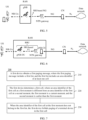
- FIG. 7 is a schematic flowchart of a paging method 200 according to this application. With reference to FIG. 7 , the following describes the paging method 200 provided in an implementation of this application.
- the method 200 includes step 210 to step 230.
- a first device in the method 200 may be the satellite in FIG. 5 , and the first device carries payloads having functions of an entire access network device.
- Step 210 The first device receives a first paging message, where the first paging message includes a first list, and the first list includes an area identifier of at least one cell.
- the first paging message may further include an identity of a terminal device, and the identity of the terminal device is a to-be-paged terminal device.
- the at least one cell is a cell in which the to-be-paged terminal device may be located. That the at least one cell is a cell in which the to-be-paged terminal device may be located may be understood as: The to-be-paged terminal device is in an area covered by the at least one cell.
- the first list is a TAI list, or is a list including an RNA and/or a cell global identifier.
- the first device receives the first paging message sent by a first core network device.
- the terminal device is in an RRC idle state and a CM idle state, and the core network device knows a TA in which the to-be-paged terminal device may be located. Therefore, paging of the terminal device is initiated by the core network device.
- This paging mode is CN paging.
- the first device receives the first paging message sent by a fourth device.
- the terminal device is in an RRC third state and a CM_CONNECTED state.
- the fourth device is an access network device that last serves the terminal device before the terminal device enters the RRC third state from an RRC connected state, and the access network device that last serves the to-be-paged terminal device before the to-be-paged terminal device enters the RRC third state from the RRC connected state knows an RNA and/or the cell in which the to-be-paged terminal device may be located. Therefore, paging of the terminal device is initiated by the access network device that last serves the terminal device before the terminal device enters the RRC third state from the RRC connected state.
- This paging mode is RAN paging.
- the one or more first devices are an access network device related to the area in which the to-be-paged terminal device is located and that is in the first list.
- the access network device A is the first device. In this case, there is one first device.
- the access network device A is the first device. In this case, there is one first device.
- TAs corresponding to the to-be-paged terminal device are a TA list 1, that is, the TAs of the to-be-paged terminal device are a TA 1, a TA2, a TA 3, a TA 4, a TA 5, and a TA6, the TA 1 and the TA 2 are in a coverage area of an access network device 1, the TA3, the TA4, and the TA5 are in a coverage area of an access network device 2, and the TA 6 is in a coverage area of an access network device 3, the access network device 1, the access network device 2, and the access network device 3 are all the first devices. In this case, there are three first devices.
- each first device When there are a plurality of first devices, each first device performs each step included in the method 200.
- Step 220 The first device determines a first cell, where an area identifier of the first cell at a first moment is different from an area identifier of the first cell at a second moment, the first moment is a current moment, and the second moment is earlier than the first moment.
- the area identifier of the first cell is a TAC.
- the area identifier of the first cell is a RANAC and/or a cell global identifier.
- the area identifier of the first cell is the TAC.
- the area identifier of the first cell is the RANAC and/or the cell global identifier.
- That an area identifier of the first cell at a first moment is different from an area identifier of the first cell at a second moment may be understood as:
- the area identifier of the first cell changes within a first time period, where the first time period is a time period between the first moment and the second moment.
- the first cell may be one or more cells that are covered by the first device and whose area identifiers at the first moment and the second moment are different.
- cells covered by the first device are a cell 1, a cell 2, and a cell 3.
- a TAC corresponding to the cell 1 is a TAC 1
- a TAC corresponding to the cell 2 is a TAC 2
- a TAC corresponding to the cell 3 is a TAC 3.
- a TAC corresponding to the cell 1 is the TAC 1
- a TAC corresponding to the cell 2 is the TAC 2
- a TAC corresponding to the cell 3 is a TAC 4.
- the TAC corresponding to the cell 3 at the first moment is different from the TAC corresponding to the cell 3 at the second moment, in other words, the TAC of the cell 3 changes within the time period between the first moment and the second moment. Therefore, at the first moment, the cell 3 is the first cell, in other words, there is one first cell.
- cells covered by the first device are a cell a, a cell b, and a cell c.
- a TAC corresponding to the cell a is a TAC a
- a TAC corresponding to the cell b is a TAC b
- a TAC corresponding to the cell c is a TAC c.
- a TAC corresponding to the cell a is the TAC a
- a TAC corresponding to the cell b is the TAC c
- a TAC corresponding to the cell c is a TAC d.
- the TAC corresponding to the cell b at the first moment is different from the TAC corresponding to the cell b at the second moment
- the TAC corresponding to the cell c at the first moment is different from the TAC corresponding to the cell c at the second moment.
- the TAC of the cell b changes in the time period between the first moment and the second moment
- the TAC of the cell c changes in the time period between the first moment and the second moment. Therefore, at the first moment, both the cell b and the cell c are the first cells, in other words, there are two first cells.
- the cell covered by the first device may be understood as:
- the first device can provide a communication service for a terminal device in the cell covered by the first device.
- the cells covered by the first device are the cell 1, the cell 2, and the cell 3, terminal devices in the cell 1 include a terminal device 1 and a terminal device 2, a terminal device in the cell 2 includes a terminal device 3, and terminal devices in the cell 3 include a terminal device 4, a terminal device 5, and a terminal device 6.
- the first device can provide a communication service for a terminal device in the cell covered by the first device means:
- the first device can provide the communication service for the terminal device 1 and the terminal device 2 in the cell 1, can provide the communication service for the terminal device 3 in the cell 2, and can further provide the communication service for the terminal device 4 and the terminal device 5 in the cell 3.
- Step 230 When the area identifier of the first cell at the first moment does not belong to the first list, the first device stops paging a terminal device in the first cell.
- That the first device stops paging a terminal device in the first cell means: The first device stops sending the first paging message to the terminal device in the first cell through the first cell.
- the TAs of the to-be-paged terminal device are the TA list 2, that is, the TAs of the to-be-paged terminal device are the TA 4, the TA 5, the TA 6, the TA 7, the TA 8, and the TA 9, and the TA 4, the TA 5, the TA 6, the TA 7, the TA 8, and the TA 9 are all in the coverage area of the device A, and if a TA corresponding to the TAC of the first cell of the first device is the TA 3, the identifier of the first cell does not belong to the first list, and the first device stops sending the first paging message through the first cell; or if a TA corresponding to the TAC of the first cell of the first device is the TA 8, the identifier of the first cell belongs to the first list, and the first device sends the first paging message to the terminal device in the first cell through the first cell.
- the first core network device When the first core network device initiates the paging (the to-be-paged terminal device is in the RRC idle state), the first core network device sends the first paging message to the first device.
- the first device determines whether the TAC of the cell covered by the first device, namely, the first cell, belongs to the TAI list of the to-be-paged terminal device.
- the first device sends the first paging message to the terminal device in the first cell through the first cell.
- the TAC of the first cell does not belong to the first list, the first device stops sending the first paging message through the first cell. In this way, signaling overheads of the first device can be reduced, and power of the first device can be saved.
- the fourth device When the fourth device (the fourth device is the access network device that last serves the terminal device before the terminal device enters the RRC third state from the RRC connected state) initiates the paging, the fourth device sends the first paging message to the first device.
- the first device determines whether the RANAC of the cell covered by the first device, namely, the first cell, belongs to the RNA list of the to-be-paged terminal device.
- the RANAC of the first cell belongs to the first list
- the first device sends the first paging message to the terminal device in the first cell through the first cell.
- the RANAC of the first cell does not belong to the first list, the first device stops sending the first paging message through the first cell. In this way, signaling overheads of the first device can be reduced.
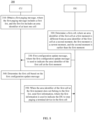
- FIG. 8 is a schematic flowchart of a paging method 300 according to this application. With reference to FIG. 8 , the following describes the paging method 300 provided in an implementation of this application.
- the method 300 includes step 310 to step 350.
- a DU in the method 300 may be the DU carried by the satellite in FIG. 6
- a CU is the CU disposed on the ground in FIG. 6 .
- Step 310 The CU obtains a first paging message, where the first paging message includes a first list, and the first list includes an area identifier of at least one cell.
- the first paging message may further include an identifier of a to-be-paged terminal device.
- the at least one cell is a cell in which the to-be-paged terminal device may be located. That the at least one cell is a cell in which the to-be-paged terminal device may be located may be understood as: The to-be-paged terminal device is in an area covered by the at least one cell.
- the CU When the first list is the TAI list, the CU receives the first paging message sent by a first core network device.
- the terminal device In this case, the terminal device is in an RRC idle state and a CM idle state, and the core network device knows a TA in which the to-be-paged terminal device is located. Therefore, paging of the terminal device is initiated by the core network device.
- This paging mode is CN paging.
- TAs of the to-be-paged terminal device in the first paging message include a TA 1, a TA 2, a TA 3, a TA 4, a TA 5, and a TA 6, where the TA 1 and the TA 2 are in a cell 1, the TA 3 is in a cell 2, and the TA 4, the TA 5, and the TA 6 are in a cell 3.
- DUs connected to the CU include a device 1, a device 2, a device 3, and a device 4, where the device 1 covers the cell 1 and the cell 2, and the device 3 covers the cell 3.
- Step 320 The DU determines a first cell, where an area identifier of the first cell at a first moment is different from an area identifier of the first cell at a second moment, the first moment is a current moment, and the second moment is earlier than the first moment.
- That an area identifier of the first cell at a first moment is different from an area identifier of the first cell at a second moment may be understood as:
- the area identifier of the first cell changes within a first time period, where the first time period is a time period between the first moment and the second moment.
- the area identifier of the first cell is the TAC.
- the area identifier of the first cell is the RANAC and/or the cell global identifier.
- the cell covered by the DU may be understood as:
- the DU can provide a communication service for a terminal device in the cell covered by the DU.
- a cell covered by the DU at a moment t 0 is a cell 1, and a TAC corresponding to the cell 1 is a TAC 1.
- An area covered by the DU on the ground continuously changes with the moment.
- a cell covered by the DU at a moment t 1 is the cell 1, where t 0 is earlier than ti, and a TAC corresponding to the cell 1 is a TAC 2.
- the DU may determine that the cell 1 is the first cell.
- the first cell may be one or more cells that are in cells covered by the DU and whose identifiers at the first moment and the second moment are different.
- Step 330 The CU receives a first configuration update message sent by the DU, where the first configuration update message is used to indicate the area identifier of the first cell at the first moment.
- the DU sends the first configuration update message to the CU.
- the DU when an area identifier of the cell covered by the DU changes, the DU sends the first configuration update message to the CU, where the first configuration update message includes the area identifier that changes and that is of the cell covered by the DU.
- the first configuration update message may be a DU configuration update (DU configuration update) message.
- the CU may determine, based on the first configuration update message, a cell that is in the cells covered by the DU and whose area identifier changes.
- Step 350 When the identifier of the first cell at the first moment does not belong to the first list, the CU sends first information to the DU, where the first information is used to indicate the DU to stop paging a terminal device in the first cell.
- the CU When the area identifier of the first cell at the first moment belongs to the first list, that the CU pages the terminal device in the first cell may be understood as:
- the CU sends the first paging message to the DU, and the DU regenerates the second paging message, and sends the second paging message to the terminal device in the first cell through the first cell, where the second paging message includes the identifier of the first cell and the identifier of the to-be-paged terminal device, so that the DU pages the to-be-paged terminal device through the first cell.
- That the CU stops paging the terminal device in the first cell may be understood as:
- the CU does not send the first paging message to the DU.
- the CU sends the first information to the DU.
- the DU stops sending the second paging message to the terminal device in the first cell.
- the first information is carried in radio resource control RRC signaling, or the first information is carried in a first configuration update acknowledgment ACK message.
- the first core network device When the first core network device initiates the paging, the first core network device sends the first paging message to the CU.
- the CU receives the first configuration update message sent by the DU, and determines whether the TAC of the cell covered by the DU, namely, the first cell, belongs to the TAI list of the to-be-paged terminal device.
- the TAC of the first cell belongs to the first list
- the CU sends the first paging message to the DU, and the DU regenerates the second paging message, and sends the second paging message to the terminal device in the first cell through the first cell.
- the fourth device When the fourth device (the fourth device is the access network device that last serves the terminal device before the terminal device enters the RRC third state from the RRC connected state) initiates the paging, the fourth device sends the first paging message to the CU.
- the CU receives the first configuration update message sent by the DU, and determines whether the RANAC of the cell covered by the DU, namely, the first cell, belongs to the RNA list of the to-be-paged terminal device.
- the RANAC of the first cell belongs to the first list
- the CU sends the first paging message to the DU, and the DU regenerates the second paging message, and sends the second paging message to the terminal device in the first cell through the first cell.
- the CU When the RANAC of the first cell does not belong to the first list, the CU sends the first information to the DU, where the first information is used to indicate the DU to stop paging the terminal device in the first cell, that is, the DU does not send the second paging message to the terminal device in the first cell. In this way, signaling overheads of the CU can be reduced, and power of the CU can be saved.
- FIG. 9 is a schematic flowchart of a paging method 400 according to this application.
- the method 400 includes step 410 to step 430.
- a DU in the method 400 may be the DU carried by the satellite in FIG. 6
- a CU is the CU disposed on the ground in FIG. 6 .
- Step 410 The DU receives a first paging message sent by the CU, where the first paging message includes a first list, and the first list includes an area identifier of at least one cell.
- the CU sends the first paging message to the DU.
- the first paging message further includes an identity of a terminal device, and the identity of the terminal device is an identity of a to-be-paged terminal device.
- the at least one cell is a cell in which the to-be-paged terminal device may be located. That the at least one cell is a cell in which the to-be-paged terminal device may be located may be understood as: The to-be-paged terminal device is in an area covered by the at least one cell.
- the CU When the first list is the TAI list, the CU receives the first paging message sent by a first core network device, and then sends the first paging message to the DU.
- the terminal device In this case, the terminal device is in an RRC idle state and a CM idle state, and the core network device knows a TA in which the to-be-paged terminal device is located. Therefore, paging of the terminal device is initiated by the core network device.
- This paging mode is CN paging.
- the one or more DUs are an access network device related to the area in which the to-be-paged terminal device is located and that is in the first list.
- Step 420 The DU determines the first cell, where an area identifier of the first cell at a first moment is different from an area identifier of the first cell at a second moment, the first moment is a current moment, and the second moment is earlier than the first moment.
- the first cell may be one or more cells that are covered by the DU and whose area identifiers at the first moment and the second moment are different.
- the cell covered by the DU may be understood as:
- the DU can provide a communication service for a terminal device in the cell covered by the DU.
- the DU determines whether the area identifier of the first cell belongs to the first list. When the area identifier of the first cell does not belong to the first list, the DU stops paging the terminal device in the first cell. When the area identifier of the first cell belongs to the first list, the DU pages the terminal device in the first cell.
- That the DU stops paging the terminal device in the first cell may be understood as: The DU does not send the first paging message to the terminal device in the first cell. That the DU pages the terminal device in the first cell may be understood as: The DU sends the first paging message to the terminal device in the first cell.
- the first core network device When the first core network device initiates the paging (the to-be-paged terminal device is in the RRC idle state), the first core network device sends the first paging message to the CU, and the CU sends the first paging message to the DU.
- the DU determines whether the TAC of the cell covered by the DU, namely, the first cell, belongs to the TAI list of the to-be-paged terminal device.
- the DU sends the first paging message to the terminal device in the first cell.
- the DU stops sending the first paging message. In this way, signaling overheads of the DU can be reduced, and power of the DU can be saved.
- the fourth device When the fourth device (the fourth device is the access network device that last serves the terminal device before the terminal device enters the RRC third state from the RRC connected state) initiates the paging, the fourth device sends the first paging message to the CU, and the CU sends the first paging message to the DU.
- the DU determines whether the RANAC of the cell covered by the DU, namely, the first cell, belongs to the RNA list of the to-be-paged terminal device. When the RANAC of the first cell belongs to the first list, the DU sends the first paging message to the terminal device in the first cell. When the RANAC of the first cell does not belong to the first list, the DU stops sending the first paging message. In this way, signaling overheads of the DU can be reduced, and power of the DU can be saved.
- the paging unit 530 is configured to: when the area identifier of the first cell at the first moment does not belong to the first list, stop paging a terminal device in the first cell.
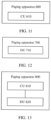
- FIG. 11 is a schematic diagram of a paging apparatus 600 according to this application.
- the paging apparatus 600 includes a CU 610.
- the apparatus 600 may be a first apparatus, or may be a chip in the first apparatus.
- the centralized unit CU 610 is configured to receive a first paging message, where the first paging message includes a first list, and the first list includes an area identifier of at least one cell.
- the CU 610 is further configured to receive a first configuration update message sent by a second apparatus, where the first configuration update message is used to indicate an area identifier of a first cell at a first moment, and the second apparatus includes a distributed unit DU.
- the CU 610 is further configured to determine the first cell based on the first configuration update message.
- the CU is further configured to send first information to the second apparatus, where the first information is used to indicate the second apparatus to stop paging a terminal device in the first cell.
- the first list is a TAI list, and the area identifier of the first cell is a TAC.
- the first list is a list including an RNA and/or a cell global identifier, and the area identifier of the first cell is a RANAC and/or a cell global identifier.
- the first information is carried in radio resource control RRC signaling, or the first information is carried in a first configuration update acknowledgment ACK message.
- the apparatus 600 is configured to perform procedures and steps corresponding to the CU in the foregoing method 400.
- the CU 610 is configured to receive a first paging message, where the first paging message includes a first list, and the first list includes an area identifier of at least one cell.
- the CU 610 is configured to send the first paging message to a second apparatus, where the second apparatus includes a centralized unit DU.
- the first list is a TAI list, and an area identifier of a first cell is a TAC.
- the first list is a list including an RNA and/or a cell global identifier, and an area identifier of a first cell is a RANAC and/or a cell global identifier.
- the paging apparatus 600 may be an access network device, for example, the following base station 80, and a function of the CU 510 may be implemented by a processor 8022 in the base station.
- FIG. 12 is a schematic diagram of a paging apparatus 700 according to this application.
- the second apparatus 700 includes a DU 710.
- the apparatus 700 may be a second apparatus, or may be a chip in the second apparatus.
- the apparatus 700 is configured to perform procedures and steps corresponding to the DU in the foregoing method 300.
- the DU 710 is further configured to send a first configuration update message to a first apparatus, where the first configuration update message is used to indicate the area identifier of the first cell at the first moment, and the first apparatus includes a centralized unit CU.
- the DU 710 is further configured to receive first information sent by the first apparatus, where the first information is used to indicate the DU to stop paging a terminal device in the first cell.
- the first information is carried in radio resource control RRC signaling, or the first information is carried in a first configuration update acknowledgment ACK message.
- the apparatus 700 is configured to perform procedures and steps corresponding to the DU in the foregoing method 400.
- the DU 710 is configured to receive a first paging message sent by a first apparatus, where the first paging message includes a first list, the first list includes an area identifier of at least one cell, and the first apparatus includes a centralized unit CU.
- the DU 710 is further configured to determine a first cell, where an area identifier of the first cell at a first moment is different from an area identifier of the first cell at a second moment, the first moment is a current moment, and the second moment is earlier than the first moment.
- the DU 710 is further configured to stop paging a terminal device in the first cell.
- the first list is a TAI list, and the area identifier of the first cell is a TAC.
- the first list is a list including an RNA and/or a cell global identifier, and the area identifier of the first cell is a RANAC and/or a cell global identifier.
- the paging apparatus 700 may be an access network device, for example, the following base station 80, and a function of the DU 710 may be implemented by a BBU 802 in the base station.
- FIG. 13 is a schematic diagram of a paging apparatus 800 according to this application.
- the paging apparatus 800 includes a CU 810 and a DU 820.
- the DU 820 in the apparatus 800 is configured to perform procedures and steps corresponding to the DU in the foregoing method 300.
- the CU 810 in the apparatus 800 is configured to perform procedures and steps corresponding to the CU in the foregoing method 300.
- the first list is a TAI list, and the area identifier of the first cell is a TAC.
- the first list is a list including an RNA and/or a cell global identifier, and the area identifier of the first cell is a RANAC and/or a cell global identifier.
- the DU 820 in the apparatus 800 is configured to perform procedures and steps corresponding to the DU in the foregoing method 400.
- the CU 810 in the apparatus 800 is configured to perform procedures and steps corresponding to the CU in the foregoing method 400.
- the DU 820 is configured to receive the first paging message sent by the CU 810.
- the DU 820 is further configured to stop paging a terminal device in the first cell.
- the first list is a TAI list, and the area identifier of the first cell is a TAC.
- the first list is a list including an RNA and/or a cell global identifier, and the area identifier of the first cell is a RANAC and/or a cell global identifier.
- the DU 820 is further configured to: when the area identifier of the first cell at the first moment belongs to the first list, page the terminal device in the first cell.
- FIG. 14 is a schematic diagram of a structure of an access network device according to an implementation of this application, for example, may be a schematic diagram of a structure of a base station.
- the base station may be used in the system shown in FIG. 1 , to perform functions of the access network device in the foregoing method implementations.
- the base station 80 may include one or more radio frequency units such as a remote radio unit (remote radio unit, RRU) 801 and one or more baseband units (baseband unit, BBU) (which may also be referred to as digital units (digital unit, DU)) 802.
- RRU remote radio unit
- BBU baseband unit
- the BBU 802 also referred to as a processing unit, is a control center of the base station, and is mainly configured to complete baseband processing functions such as channel coding, multiplexing, modulation, and spectrum spreading.
- the BBU (the processing unit) 802 may be configured to control the base station to perform operation procedures related to the access network device in the foregoing method implementations.
- the memory 8021 and the processor 8022 may serve one or more boards.
- a memory and a processor may be disposed on each board.
- a plurality of boards may share a same memory and a same processor.
- a necessary circuit may be further disposed on each board.
- the memory in implementations of this application may be a volatile memory or a nonvolatile memory, or may include a volatile memory and a nonvolatile memory.
- the nonvolatile memory may be a read-only memory (read-only memory, ROM), a programmable read-only memory (programmable ROM, PROM), an erasable programmable read-only memory (erasable PROM, EPROM), an electrically erasable programmable read-only memory (electrically EPROM, EEPROM), or a flash memory.
- the volatile memory may be a random access memory (random access memory, RAM) that is used as an external cache.
- random access memory random access memory
- static random access memory static random access memory
- DRAM dynamic random access memory
- SDRAM synchronous dynamic random access memory
- double data rate SDRAM double data rate SDRAM
- DDR SDRAM double data rate SDRAM
- enhanced SDRAM enhanced synchronous dynamic random access memory
- synchlink dynamic random access memory synchlink DRAM, SLDRAM
- direct rambus RAM direct rambus RAM, DR RAM
- this application further provides a computer program product.
- the computer program product includes computer program code.
- the computer program code When the computer program code is run on a computer, the computer is enabled to perform the method in any one of the implementations shown in FIG. 7 to FIG. 9 .
- this application further provides a computer-readable medium.
- the computer-readable medium stores program code.
- the program code When the program code is run on a computer, the computer is enabled to perform the method in any one of the implementations shown in FIG. 7 to FIG. 9 .
- this application further provides a chip system, including: a processor, configured to invoke a computer program from a memory and run the computer program, so that a communication device on which the chip system is installed performs the method in any one of the implementations shown in FIG. 7 to FIG. 9 .
- All or some of the foregoing implementations may be implemented by software, hardware, firmware, or any combination thereof.
- the software is used to implement implementations, all or some of the foregoing implementations may be implemented in a form of a computer program product.
- the computer program product includes one or more computer instructions or computer programs. When the computer instructions or the computer programs are loaded and executed on a computer, procedures or functions according to implementations of this application are all or partially generated.
- the computer may be a general-purpose computer, a special-purpose computer, a computer network, or other programmable apparatuses.
- the computer instructions may be stored in a computer-readable storage medium or may be transmitted from one computer-readable storage medium to another computer-readable storage medium.
- the computer instructions may be transmitted from a website, computer, server, or data center to another website, computer, server, or data center in a wired (for example, infrared, radio, or microwave) manner.
- the computer-readable storage medium may be any usable medium accessible by a computer, or a data storage device, such as a server or a data center, integrating one or more usable media.
- the usable medium may be a magnetic medium (for example, a floppy disk, a hard disk, or a magnetic tape), an optical medium (for example, a DVD), or a semiconductor medium.
- the semiconductor medium may be a solid-state drive.
- the disclosed system, apparatus, and method may be implemented in another manner.
- the described apparatus implementations are merely examples.
- the division into units is merely logical function division and may be other division during actual implementation.
- a plurality of units or components may be combined or integrated into another system, or some features may be ignored or not performed.
- the displayed or discussed mutual couplings or direct couplings or communication connections may be implemented by using some interfaces.
- the indirect couplings or communication connections between the apparatuses or the units may be implemented in electrical, mechanical, or other forms.
- the units described as separate parts may or may not be physically separate, and parts displayed as units may or may not be physical units, to be specific, may be located in one position, or may be distributed on a plurality of network units. Some or all of the units may be selected based on an actual requirement to achieve the objectives of the solutions of implementations.
Landscapes
- Engineering & Computer Science (AREA)
- Signal Processing (AREA)
- Computer Networks & Wireless Communication (AREA)
- Mobile Radio Communication Systems (AREA)
Claims (8)
- Funkrufvorrichtung (600), umfassend:
eine zentralisierte Einheit (CU) (610), die dazu konfiguriert ist, eine erste Funkrufnachricht zu empfangen, wobei die erste Funkrufnachricht eine erste Liste umfasst und die erste Liste eine Bereichskennung von mindestens einer Zelle umfasst, dadurch gekennzeichnet, dass:die CU ferner dazu konfiguriert ist, eine erste Konfigurationsaktualisierungsnachricht zu empfangen, die von einer zweiten Vorrichtung gesendet wird, wobei die erste Konfigurationsaktualisierungsnachricht dazu verwendet wird, eine Bereichskennung einer ersten Zelle zu einem ersten Zeitpunkt anzugeben, und die zweite Vorrichtung eine verteilte Einheit (DU) umfasst;die CU ferner dazu konfiguriert ist, die erste Zelle auf Grundlage der ersten Konfigurationsaktualisierungsnachricht zu bestimmen; undwenn die Bereichskennung der ersten Zelle zu dem ersten Zeitpunkt nicht zu der ersten Liste gehört, die CU ferner dazu konfiguriert ist, erste Informationen an die zweite Vorrichtung zu senden, wobei die ersten Informationen dazu verwendet werden, für die zweite Vorrichtung anzugeben, ein Funkrufen einer Endgerätevorrichtung in der ersten Zelle zu beenden. - Vorrichtung nach Anspruch 1, wobei die erste Liste eine Aufzeichnungsbereichskennungsliste (TAI-Liste) ist und die Bereichskennung der ersten Zelle ein Aufzeichnungsbereichscode (TAG) ist; oder
die erste Liste eine Liste ist, die einen Zugangsnetzbereich (RNA) und/oder eine zellenglobale Kennung umfasst, und die Bereichskennung der ersten Zelle ein Zugangsnetzbereichscode (RANAC) und/oder eine zellenglobale Kennung ist. - Vorrichtung nach Anspruch 1, wobei die ersten Informationen in Funkressourcensteuerungssignalisierung (RRC-Signalisierung) übertragen werden oder die ersten Informationen in einer ersten Konfigurationsaktualisierungsbestätigungsnachricht (ACK-Nachricht) übertragen werden.
- Funkrufvorrichtung (700), umfassend:
eine verteilte Einheit (DU) (710), die dazu konfiguriert ist, eine erste Zelle zu bestimmen, wobei sich eine Bereichskennung der ersten Zelle zu einem ersten Zeitpunkt von einer Bereichskennung der ersten Zelle zu einem zweiten Zeitpunkt unterscheidet, wobei der erste Zeitpunkt ein aktueller Zeitpunkt ist und der zweite Zeitpunkt früher als der erste Zeitpunkt ist, dadurch gekennzeichnet, dass:die DU ferner dazu konfiguriert ist, eine erste Konfigurationsaktualisierungsnachricht an eine erste Vorrichtung zu senden, wobei die erste Konfigurationsaktualisierungsnachricht dazu verwendet wird, die Bereichskennung der ersten Zelle zu dem ersten Zeitpunkt anzugeben, und die erste Vorrichtung eine zentralisierte Einheit (CU) umfasst; unddie DU ferner dazu konfiguriert ist, erste Informationen zu empfangen, die von der ersten Vorrichtung gesendet werden, wobei die ersten Informationen dazu verwendet werden, für die DU anzugeben, ein Funkrufen einer Endgerätevorrichtung in der ersten Zelle zu beenden. - Vorrichtung nach Anspruch 4, wobei die ersten Informationen in Funkressourcensteuerungssignalisierung (RRC-Signalisierung) übertragen werden oder die ersten Informationen in einer ersten Konfigurationsaktualisierungsbestätigungsnachricht (ACK-Nachricht) übertragen werden.
- Funkrufvorrichtung (800), umfassend eine verteilte Einheit (DU) (820) und eine zentralisierte Einheit (CU) (810), wobeidie CU dazu konfiguriert ist, eine erste Funkrufnachricht zu empfangen, wobei die erste Funkrufnachricht eine erste Liste umfasst und die erste Liste eine Bereichskennung von mindestens einer Zelle umfasst;die DU dazu konfiguriert ist, eine erste Zelle zu bestimmen, wobei sich eine Bereichskennung der ersten Zelle zu einem ersten Zeitpunkt von einer Bereichskennung der ersten Zelle zu einem zweiten Zeitpunkt unterscheidet, wobei der erste Zeitpunkt ein aktueller Zeitpunkt ist und der zweite Zeitpunkt früher als der erste Zeitpunkt ist; dadurch gekennzeichnet, dass:die CU dazu konfiguriert ist, eine erste Konfigurationsaktualisierungsnachricht zu empfangen, die von der DU gesendet wird, wobei die erste Konfigurationsaktualisierungsnachricht dazu verwendet wird, die Bereichskennung der ersten Zelle zu dem ersten Zeitpunkt anzugeben;die CU ferner dazu konfiguriert ist, die erste Zelle auf Grundlage der ersten Konfigurationsaktualisierungsnachricht zu bestimmen; undwenn die Bereichskennung der ersten Zelle zu dem ersten Zeitpunkt nicht zu der ersten Liste gehört, die CU ferner dazu konfiguriert ist, erste Informationen an die DU zu senden, wobei die ersten Informationen dazu verwendet werden, für die DU anzugeben, ein Funkrufen einer Endgerätevorrichtung in der ersten Zelle zu beenden.
- Vorrichtung nach Anspruch 6, wobei die erste Liste eine Aufzeichnungsbereichskennungsliste (TAI-Liste) ist und die Bereichskennung der ersten Zelle ein Aufzeichnungsbereichscode (TAG) ist; oder
die erste Liste eine Liste ist, die einen Zugangsnetzbereich (RNA) und/oder eine zellenglobale Kennung umfasst, und die Bereichskennung der ersten Zelle ein Zugangsnetzbereichscode (RANAC) und/oder eine zellenglobale Kennung ist. - Vorrichtung nach Anspruch 6, wobei die ersten Informationen in Funkressourcensteuerungssignalisierung (RRC-Signalisierung) übertragen werden oder die ersten Informationen in einer ersten Konfigurationsaktualisierungsbestätigungsnachricht (ACK-Nachricht) übertragen werden.
Applications Claiming Priority (1)
| Application Number | Priority Date | Filing Date | Title |
|---|---|---|---|
| PCT/CN2019/109097 WO2021056548A1 (zh) | 2019-09-29 | 2019-09-29 | 一种寻呼方法和装置 |
Publications (3)
| Publication Number | Publication Date |
|---|---|
| EP4024975A1 EP4024975A1 (de) | 2022-07-06 |
| EP4024975A4 EP4024975A4 (de) | 2022-09-14 |
| EP4024975B1 true EP4024975B1 (de) | 2023-12-20 |
Family
ID=75166305
Family Applications (1)
| Application Number | Title | Priority Date | Filing Date |
|---|---|---|---|
| EP19946401.7A Active EP4024975B1 (de) | 2019-09-29 | 2019-09-29 | Funkrufvorrichtung |
Country Status (4)
| Country | Link |
|---|---|
| US (1) | US12342319B2 (de) |
| EP (1) | EP4024975B1 (de) |
| CN (1) | CN114270967B (de) |
| WO (1) | WO2021056548A1 (de) |
Families Citing this family (9)
| Publication number | Priority date | Publication date | Assignee | Title |
|---|---|---|---|---|
| WO2022205362A1 (zh) * | 2021-04-01 | 2022-10-06 | 北京小米移动软件有限公司 | 寻呼处理方法及装置、通信设备及存储介质 |
| JPWO2022254743A1 (de) * | 2021-06-03 | 2022-12-08 | ||
| CN115623493B (zh) * | 2021-07-16 | 2026-01-16 | 中国移动通信有限公司研究院 | 跟踪区域更新方法、装置、终端、网络设备及存储介质 |
| US12568439B2 (en) * | 2021-08-04 | 2026-03-03 | Qualcomm Incorporated | Sleep wakeup methods for discontinuous coverage in non-terrestrial network |
| CN116634562A (zh) * | 2022-02-14 | 2023-08-22 | 维沃移动通信有限公司 | 寻呼消息的发送方法、装置、核心网设备及接入网设备 |
| US11836480B2 (en) | 2022-03-25 | 2023-12-05 | Dish Wireless L.L.C. | Systems and methods for reducing service downtime during software upgrades |
| US11877163B2 (en) * | 2022-03-25 | 2024-01-16 | Dish Wireless L.L.C. | Systems and methods for operating radio access networks with high service availability |
| WO2024060017A1 (zh) * | 2022-09-20 | 2024-03-28 | 深圳传音控股股份有限公司 | 寻呼方法、通信设备及存储介质 |
| GB2628977B (en) * | 2023-04-11 | 2026-01-14 | Nokia Technologies Oy | Cell selection measurements in non-terrestrial networks |
Family Cites Families (6)
| Publication number | Priority date | Publication date | Assignee | Title |
|---|---|---|---|---|
| US6539200B1 (en) * | 1999-07-29 | 2003-03-25 | Qualcomm, Incorporated | Method and apparatus for paging a user terminal within the “sweet spot” of a satellite |
| CN101262272B (zh) * | 2008-04-25 | 2011-08-10 | 哈尔滨工业大学 | 一种基于联合位置区低轨卫星网络位置更新的方法 |
| US11483877B2 (en) * | 2015-06-17 | 2022-10-25 | Hughes Network Systems, Llc | Approaches for high speed global packet data services for LEO/MEO satellite systems |
| WO2017180055A1 (en) * | 2016-04-15 | 2017-10-19 | Telefonaktiebolaget Lm Ericsson (Publ) | Methods and apparatus for paging an inactive ue in a wireless network |
| EP3707941B1 (de) * | 2017-11-10 | 2023-01-04 | Telefonaktiebolaget LM Ericsson (Publ) | Verfahren und vorrichtungen zur mobilitätsverwaltung |
| US10820297B2 (en) * | 2018-01-12 | 2020-10-27 | Apple Inc. | Next generation node-b (GNB) and methods to indicate a type of access for paging of a user equipment (UE) |
-
2019
- 2019-09-29 EP EP19946401.7A patent/EP4024975B1/de active Active
- 2019-09-29 CN CN201980099602.8A patent/CN114270967B/zh active Active
- 2019-09-29 WO PCT/CN2019/109097 patent/WO2021056548A1/zh not_active Ceased
-
2022
- 2022-03-28 US US17/706,061 patent/US12342319B2/en active Active
Also Published As
| Publication number | Publication date |
|---|---|
| CN114270967B (zh) | 2023-07-18 |
| US12342319B2 (en) | 2025-06-24 |
| CN114270967A (zh) | 2022-04-01 |
| EP4024975A1 (de) | 2022-07-06 |
| WO2021056548A1 (zh) | 2021-04-01 |
| EP4024975A4 (de) | 2022-09-14 |
| US20220295444A1 (en) | 2022-09-15 |
Similar Documents
| Publication | Publication Date | Title |
|---|---|---|
| US12342319B2 (en) | Paging method and apparatus | |
| US12452837B2 (en) | Communication method and apparatus | |
| US20230107526A1 (en) | Handover method, terminal device, and network device | |
| US12302288B2 (en) | Communication method and apparatus | |
| US20200351977A1 (en) | Information transmission method and apparatus, and communication device | |
| EP4167639B1 (de) | Verfahren und vorrichtung zur drahtlosen kommunikation | |
| EP4013100B1 (de) | Kommunikationsverfahren und -vorrichtung sowie computerlesbares speichermedium | |
| US20220110028A1 (en) | Method for Cell Handover, Communication Device, and Satellite | |
| US20230180090A1 (en) | Communication method and apparatus | |
| US20230308975A1 (en) | Group migration method and apparatus and system | |
| US20230113810A1 (en) | Wireless communication method, terminal device and network device | |
| US20250220532A1 (en) | Communication method and apparatus | |
| EP4025007B1 (de) | Kommunikationsverfahren und kommunikationsvorrichtung | |
| US20250159649A1 (en) | Communication method and apparatus | |
| CN110809862B (zh) | 一种指示ue发射端口数量的方法、ue及网络设备 | |
| US20240334223A1 (en) | Communication method and apparatus | |
| US20230080024A1 (en) | Wireless communication method and terminal device | |
| EP4255055B1 (de) | Hilfsroutingverfahren, endgerätevorrichtung und netzwerkvorrichtung | |
| US20230337111A1 (en) | Terminal device and network device | |
| CN116686235A (zh) | 时域参数确定方法、终端设备及网络设备 | |
| US12490320B2 (en) | Data transmission method and network device | |
| US20230099072A1 (en) | Information processing method, terminal device and network device | |
| IL225062A (en) | Relay station, base station and method and wireless communication system | |
| US20260040276A1 (en) | Data transmission method and satellite | |
| US20260143537A1 (en) | Wireless communication method, terminal device, and network device |
Legal Events
| Date | Code | Title | Description |
|---|---|---|---|
| STAA | Information on the status of an ep patent application or granted ep patent |
Free format text: STATUS: THE INTERNATIONAL PUBLICATION HAS BEEN MADE |
|
| PUAI | Public reference made under article 153(3) epc to a published international application that has entered the european phase |
Free format text: ORIGINAL CODE: 0009012 |
|
| STAA | Information on the status of an ep patent application or granted ep patent |
Free format text: STATUS: REQUEST FOR EXAMINATION WAS MADE |
|
| 17P | Request for examination filed |
Effective date: 20220331 |
|
| AK | Designated contracting states |
Kind code of ref document: A1 Designated state(s): AL AT BE BG CH CY CZ DE DK EE ES FI FR GB GR HR HU IE IS IT LI LT LU LV MC MK MT NL NO PL PT RO RS SE SI SK SM TR |
|
| A4 | Supplementary search report drawn up and despatched |
Effective date: 20220818 |
|
| RIC1 | Information provided on ipc code assigned before grant |
Ipc: H04W 88/08 20090101ALN20220811BHEP Ipc: H04W 84/06 20090101ALN20220811BHEP Ipc: H04W 68/02 20090101AFI20220811BHEP |
|
| DAV | Request for validation of the european patent (deleted) | ||
| DAX | Request for extension of the european patent (deleted) | ||
| GRAP | Despatch of communication of intention to grant a patent |
Free format text: ORIGINAL CODE: EPIDOSNIGR1 |
|
| STAA | Information on the status of an ep patent application or granted ep patent |
Free format text: STATUS: GRANT OF PATENT IS INTENDED |
|
| RIC1 | Information provided on ipc code assigned before grant |
Ipc: H04W 88/08 20090101ALN20230728BHEP Ipc: H04W 84/06 20090101ALN20230728BHEP Ipc: H04W 68/02 20090101AFI20230728BHEP |
|
| INTG | Intention to grant announced |
Effective date: 20230816 |
|
| GRAS | Grant fee paid |
Free format text: ORIGINAL CODE: EPIDOSNIGR3 |
|
| GRAA | (expected) grant |
Free format text: ORIGINAL CODE: 0009210 |
|
| STAA | Information on the status of an ep patent application or granted ep patent |
Free format text: STATUS: THE PATENT HAS BEEN GRANTED |
|
| AK | Designated contracting states |
Kind code of ref document: B1 Designated state(s): AL AT BE BG CH CY CZ DE DK EE ES FI FR GB GR HR HU IE IS IT LI LT LU LV MC MK MT NL NO PL PT RO RS SE SI SK SM TR |
|
| REG | Reference to a national code |
Ref country code: GB Ref legal event code: FG4D |
|
| REG | Reference to a national code |
Ref country code: CH Ref legal event code: EP |
|
| REG | Reference to a national code |
Ref country code: DE Ref legal event code: R096 Ref document number: 602019043820 Country of ref document: DE |
|
| REG | Reference to a national code |
Ref country code: IE Ref legal event code: FG4D |
|
| PG25 | Lapsed in a contracting state [announced via postgrant information from national office to epo] |
Ref country code: GR Free format text: LAPSE BECAUSE OF FAILURE TO SUBMIT A TRANSLATION OF THE DESCRIPTION OR TO PAY THE FEE WITHIN THE PRESCRIBED TIME-LIMIT Effective date: 20240321 |
|
| REG | Reference to a national code |
Ref country code: LT Ref legal event code: MG9D |
|
| PG25 | Lapsed in a contracting state [announced via postgrant information from national office to epo] |
Ref country code: LT Free format text: LAPSE BECAUSE OF FAILURE TO SUBMIT A TRANSLATION OF THE DESCRIPTION OR TO PAY THE FEE WITHIN THE PRESCRIBED TIME-LIMIT Effective date: 20231220 |
|
| REG | Reference to a national code |
Ref country code: NL Ref legal event code: MP Effective date: 20231220 |
|
| PG25 | Lapsed in a contracting state [announced via postgrant information from national office to epo] |
Ref country code: ES Free format text: LAPSE BECAUSE OF FAILURE TO SUBMIT A TRANSLATION OF THE DESCRIPTION OR TO PAY THE FEE WITHIN THE PRESCRIBED TIME-LIMIT Effective date: 20231220 |
|
| PG25 | Lapsed in a contracting state [announced via postgrant information from national office to epo] |
Ref country code: LT Free format text: LAPSE BECAUSE OF FAILURE TO SUBMIT A TRANSLATION OF THE DESCRIPTION OR TO PAY THE FEE WITHIN THE PRESCRIBED TIME-LIMIT Effective date: 20231220 Ref country code: GR Free format text: LAPSE BECAUSE OF FAILURE TO SUBMIT A TRANSLATION OF THE DESCRIPTION OR TO PAY THE FEE WITHIN THE PRESCRIBED TIME-LIMIT Effective date: 20240321 Ref country code: FI Free format text: LAPSE BECAUSE OF FAILURE TO SUBMIT A TRANSLATION OF THE DESCRIPTION OR TO PAY THE FEE WITHIN THE PRESCRIBED TIME-LIMIT Effective date: 20231220 Ref country code: ES Free format text: LAPSE BECAUSE OF FAILURE TO SUBMIT A TRANSLATION OF THE DESCRIPTION OR TO PAY THE FEE WITHIN THE PRESCRIBED TIME-LIMIT Effective date: 20231220 Ref country code: BG Free format text: LAPSE BECAUSE OF FAILURE TO SUBMIT A TRANSLATION OF THE DESCRIPTION OR TO PAY THE FEE WITHIN THE PRESCRIBED TIME-LIMIT Effective date: 20240320 |
|
| REG | Reference to a national code |
Ref country code: AT Ref legal event code: MK05 Ref document number: 1643544 Country of ref document: AT Kind code of ref document: T Effective date: 20231220 |
|
| PG25 | Lapsed in a contracting state [announced via postgrant information from national office to epo] |
Ref country code: NL Free format text: LAPSE BECAUSE OF FAILURE TO SUBMIT A TRANSLATION OF THE DESCRIPTION OR TO PAY THE FEE WITHIN THE PRESCRIBED TIME-LIMIT Effective date: 20231220 |
|
| PG25 | Lapsed in a contracting state [announced via postgrant information from national office to epo] |
Ref country code: SE Free format text: LAPSE BECAUSE OF FAILURE TO SUBMIT A TRANSLATION OF THE DESCRIPTION OR TO PAY THE FEE WITHIN THE PRESCRIBED TIME-LIMIT Effective date: 20231220 Ref country code: RS Free format text: LAPSE BECAUSE OF FAILURE TO SUBMIT A TRANSLATION OF THE DESCRIPTION OR TO PAY THE FEE WITHIN THE PRESCRIBED TIME-LIMIT Effective date: 20231220 Ref country code: NO Free format text: LAPSE BECAUSE OF FAILURE TO SUBMIT A TRANSLATION OF THE DESCRIPTION OR TO PAY THE FEE WITHIN THE PRESCRIBED TIME-LIMIT Effective date: 20240320 Ref country code: NL Free format text: LAPSE BECAUSE OF FAILURE TO SUBMIT A TRANSLATION OF THE DESCRIPTION OR TO PAY THE FEE WITHIN THE PRESCRIBED TIME-LIMIT Effective date: 20231220 Ref country code: LV Free format text: LAPSE BECAUSE OF FAILURE TO SUBMIT A TRANSLATION OF THE DESCRIPTION OR TO PAY THE FEE WITHIN THE PRESCRIBED TIME-LIMIT Effective date: 20231220 Ref country code: HR Free format text: LAPSE BECAUSE OF FAILURE TO SUBMIT A TRANSLATION OF THE DESCRIPTION OR TO PAY THE FEE WITHIN THE PRESCRIBED TIME-LIMIT Effective date: 20231220 |
|
| PG25 | Lapsed in a contracting state [announced via postgrant information from national office to epo] |
Ref country code: IS Free format text: LAPSE BECAUSE OF FAILURE TO SUBMIT A TRANSLATION OF THE DESCRIPTION OR TO PAY THE FEE WITHIN THE PRESCRIBED TIME-LIMIT Effective date: 20240420 |
|
| PG25 | Lapsed in a contracting state [announced via postgrant information from national office to epo] |
Ref country code: CZ Free format text: LAPSE BECAUSE OF FAILURE TO SUBMIT A TRANSLATION OF THE DESCRIPTION OR TO PAY THE FEE WITHIN THE PRESCRIBED TIME-LIMIT Effective date: 20231220 Ref country code: AT Free format text: LAPSE BECAUSE OF FAILURE TO SUBMIT A TRANSLATION OF THE DESCRIPTION OR TO PAY THE FEE WITHIN THE PRESCRIBED TIME-LIMIT Effective date: 20231220 |
|
| PG25 | Lapsed in a contracting state [announced via postgrant information from national office to epo] |
Ref country code: SK Free format text: LAPSE BECAUSE OF FAILURE TO SUBMIT A TRANSLATION OF THE DESCRIPTION OR TO PAY THE FEE WITHIN THE PRESCRIBED TIME-LIMIT Effective date: 20231220 |
|
| PG25 | Lapsed in a contracting state [announced via postgrant information from national office to epo] |
Ref country code: SM Free format text: LAPSE BECAUSE OF FAILURE TO SUBMIT A TRANSLATION OF THE DESCRIPTION OR TO PAY THE FEE WITHIN THE PRESCRIBED TIME-LIMIT Effective date: 20231220 Ref country code: SK Free format text: LAPSE BECAUSE OF FAILURE TO SUBMIT A TRANSLATION OF THE DESCRIPTION OR TO PAY THE FEE WITHIN THE PRESCRIBED TIME-LIMIT Effective date: 20231220 Ref country code: RO Free format text: LAPSE BECAUSE OF FAILURE TO SUBMIT A TRANSLATION OF THE DESCRIPTION OR TO PAY THE FEE WITHIN THE PRESCRIBED TIME-LIMIT Effective date: 20231220 Ref country code: IT Free format text: LAPSE BECAUSE OF FAILURE TO SUBMIT A TRANSLATION OF THE DESCRIPTION OR TO PAY THE FEE WITHIN THE PRESCRIBED TIME-LIMIT Effective date: 20231220 Ref country code: IS Free format text: LAPSE BECAUSE OF FAILURE TO SUBMIT A TRANSLATION OF THE DESCRIPTION OR TO PAY THE FEE WITHIN THE PRESCRIBED TIME-LIMIT Effective date: 20240420 Ref country code: EE Free format text: LAPSE BECAUSE OF FAILURE TO SUBMIT A TRANSLATION OF THE DESCRIPTION OR TO PAY THE FEE WITHIN THE PRESCRIBED TIME-LIMIT Effective date: 20231220 Ref country code: CZ Free format text: LAPSE BECAUSE OF FAILURE TO SUBMIT A TRANSLATION OF THE DESCRIPTION OR TO PAY THE FEE WITHIN THE PRESCRIBED TIME-LIMIT Effective date: 20231220 Ref country code: AT Free format text: LAPSE BECAUSE OF FAILURE TO SUBMIT A TRANSLATION OF THE DESCRIPTION OR TO PAY THE FEE WITHIN THE PRESCRIBED TIME-LIMIT Effective date: 20231220 |
|
| PG25 | Lapsed in a contracting state [announced via postgrant information from national office to epo] |
Ref country code: PL Free format text: LAPSE BECAUSE OF FAILURE TO SUBMIT A TRANSLATION OF THE DESCRIPTION OR TO PAY THE FEE WITHIN THE PRESCRIBED TIME-LIMIT Effective date: 20231220 Ref country code: PT Free format text: LAPSE BECAUSE OF FAILURE TO SUBMIT A TRANSLATION OF THE DESCRIPTION OR TO PAY THE FEE WITHIN THE PRESCRIBED TIME-LIMIT Effective date: 20240422 |
|
| PG25 | Lapsed in a contracting state [announced via postgrant information from national office to epo] |
Ref country code: PT Free format text: LAPSE BECAUSE OF FAILURE TO SUBMIT A TRANSLATION OF THE DESCRIPTION OR TO PAY THE FEE WITHIN THE PRESCRIBED TIME-LIMIT Effective date: 20240422 Ref country code: PL Free format text: LAPSE BECAUSE OF FAILURE TO SUBMIT A TRANSLATION OF THE DESCRIPTION OR TO PAY THE FEE WITHIN THE PRESCRIBED TIME-LIMIT Effective date: 20231220 |
|
| REG | Reference to a national code |
Ref country code: DE Ref legal event code: R097 Ref document number: 602019043820 Country of ref document: DE |
|
| PG25 | Lapsed in a contracting state [announced via postgrant information from national office to epo] |
Ref country code: DK Free format text: LAPSE BECAUSE OF FAILURE TO SUBMIT A TRANSLATION OF THE DESCRIPTION OR TO PAY THE FEE WITHIN THE PRESCRIBED TIME-LIMIT Effective date: 20231220 |
|
| PLBE | No opposition filed within time limit |
Free format text: ORIGINAL CODE: 0009261 |
|
| STAA | Information on the status of an ep patent application or granted ep patent |
Free format text: STATUS: NO OPPOSITION FILED WITHIN TIME LIMIT |
|
| PG25 | Lapsed in a contracting state [announced via postgrant information from national office to epo] |
Ref country code: SI Free format text: LAPSE BECAUSE OF FAILURE TO SUBMIT A TRANSLATION OF THE DESCRIPTION OR TO PAY THE FEE WITHIN THE PRESCRIBED TIME-LIMIT Effective date: 20231220 |
|
| PG25 | Lapsed in a contracting state [announced via postgrant information from national office to epo] |
Ref country code: SI Free format text: LAPSE BECAUSE OF FAILURE TO SUBMIT A TRANSLATION OF THE DESCRIPTION OR TO PAY THE FEE WITHIN THE PRESCRIBED TIME-LIMIT Effective date: 20231220 Ref country code: DK Free format text: LAPSE BECAUSE OF FAILURE TO SUBMIT A TRANSLATION OF THE DESCRIPTION OR TO PAY THE FEE WITHIN THE PRESCRIBED TIME-LIMIT Effective date: 20231220 |
|
| 26N | No opposition filed |
Effective date: 20240923 |
|
| PG25 | Lapsed in a contracting state [announced via postgrant information from national office to epo] |
Ref country code: MC Free format text: LAPSE BECAUSE OF FAILURE TO SUBMIT A TRANSLATION OF THE DESCRIPTION OR TO PAY THE FEE WITHIN THE PRESCRIBED TIME-LIMIT Effective date: 20231220 |
|
| REG | Reference to a national code |
Ref country code: CH Ref legal event code: PL |
|
| PG25 | Lapsed in a contracting state [announced via postgrant information from national office to epo] |
Ref country code: LU Free format text: LAPSE BECAUSE OF NON-PAYMENT OF DUE FEES Effective date: 20240929 |
|
| GBPC | Gb: european patent ceased through non-payment of renewal fee |
Effective date: 20240929 |
|
| PG25 | Lapsed in a contracting state [announced via postgrant information from national office to epo] |
Ref country code: GB Free format text: LAPSE BECAUSE OF NON-PAYMENT OF DUE FEES Effective date: 20240929 |
|
| REG | Reference to a national code |
Ref country code: BE Ref legal event code: MM Effective date: 20240930 |
|
| PG25 | Lapsed in a contracting state [announced via postgrant information from national office to epo] |
Ref country code: BE Free format text: LAPSE BECAUSE OF NON-PAYMENT OF DUE FEES Effective date: 20240930 |
|
| PG25 | Lapsed in a contracting state [announced via postgrant information from national office to epo] |
Ref country code: FR Free format text: LAPSE BECAUSE OF NON-PAYMENT OF DUE FEES Effective date: 20240930 |
|
| PG25 | Lapsed in a contracting state [announced via postgrant information from national office to epo] |
Ref country code: CH Free format text: LAPSE BECAUSE OF NON-PAYMENT OF DUE FEES Effective date: 20240930 |
|
| PG25 | Lapsed in a contracting state [announced via postgrant information from national office to epo] |
Ref country code: IE Free format text: LAPSE BECAUSE OF NON-PAYMENT OF DUE FEES Effective date: 20240929 |
|
| PGFP | Annual fee paid to national office [announced via postgrant information from national office to epo] |
Ref country code: DE Payment date: 20250805 Year of fee payment: 7 |
|
| PG25 | Lapsed in a contracting state [announced via postgrant information from national office to epo] |
Ref country code: CY Free format text: LAPSE BECAUSE OF FAILURE TO SUBMIT A TRANSLATION OF THE DESCRIPTION OR TO PAY THE FEE WITHIN THE PRESCRIBED TIME-LIMIT; INVALID AB INITIO Effective date: 20190929 |
|
| PG25 | Lapsed in a contracting state [announced via postgrant information from national office to epo] |
Ref country code: HU Free format text: LAPSE BECAUSE OF FAILURE TO SUBMIT A TRANSLATION OF THE DESCRIPTION OR TO PAY THE FEE WITHIN THE PRESCRIBED TIME-LIMIT; INVALID AB INITIO Effective date: 20190929 |