EP4036213A1 - Microbes bénéfiques pour l'agriculture, compositions microbiennes et consortiums - Google Patents
Microbes bénéfiques pour l'agriculture, compositions microbiennes et consortiums Download PDFInfo
- Publication number
- EP4036213A1 EP4036213A1 EP21216698.7A EP21216698A EP4036213A1 EP 4036213 A1 EP4036213 A1 EP 4036213A1 EP 21216698 A EP21216698 A EP 21216698A EP 4036213 A1 EP4036213 A1 EP 4036213A1
- Authority
- EP
- European Patent Office
- Prior art keywords
- plant
- seed
- microbial
- bci
- microbes
- Prior art date
- Legal status (The legal status is an assumption and is not a legal conclusion. Google has not performed a legal analysis and makes no representation as to the accuracy of the status listed.)
- Withdrawn
Links
Images





Classifications
-
- A—HUMAN NECESSITIES
- A01—AGRICULTURE; FORESTRY; ANIMAL HUSBANDRY; HUNTING; TRAPPING; FISHING
- A01N—PRESERVATION OF BODIES OF HUMANS OR ANIMALS OR PLANTS OR PARTS THEREOF; BIOCIDES, e.g. AS DISINFECTANTS, AS PESTICIDES OR AS HERBICIDES; PEST REPELLANTS OR ATTRACTANTS; PLANT GROWTH REGULATORS
- A01N63/00—Biocides, pest repellants or attractants, or plant growth regulators containing microorganisms, viruses, microbial fungi, animals or substances produced by, or obtained from, microorganisms, viruses, microbial fungi or animals, e.g. enzymes or fermentates
-
- C—CHEMISTRY; METALLURGY
- C12—BIOCHEMISTRY; BEER; SPIRITS; WINE; VINEGAR; MICROBIOLOGY; ENZYMOLOGY; MUTATION OR GENETIC ENGINEERING
- C12N—MICROORGANISMS OR ENZYMES; COMPOSITIONS THEREOF; PROPAGATING, PRESERVING, OR MAINTAINING MICROORGANISMS; MUTATION OR GENETIC ENGINEERING; CULTURE MEDIA
- C12N1/00—Microorganisms; Compositions thereof; Processes of propagating, maintaining or preserving microorganisms or compositions thereof; Processes of preparing or isolating a composition containing a microorganism; Culture media therefor
- C12N1/20—Bacteria; Culture media therefor
-
- A—HUMAN NECESSITIES
- A01—AGRICULTURE; FORESTRY; ANIMAL HUSBANDRY; HUNTING; TRAPPING; FISHING
- A01N—PRESERVATION OF BODIES OF HUMANS OR ANIMALS OR PLANTS OR PARTS THEREOF; BIOCIDES, e.g. AS DISINFECTANTS, AS PESTICIDES OR AS HERBICIDES; PEST REPELLANTS OR ATTRACTANTS; PLANT GROWTH REGULATORS
- A01N63/00—Biocides, pest repellants or attractants, or plant growth regulators containing microorganisms, viruses, microbial fungi, animals or substances produced by, or obtained from, microorganisms, viruses, microbial fungi or animals, e.g. enzymes or fermentates
- A01N63/10—Animals; Substances produced thereby or obtained therefrom
-
- A—HUMAN NECESSITIES
- A01—AGRICULTURE; FORESTRY; ANIMAL HUSBANDRY; HUNTING; TRAPPING; FISHING
- A01N—PRESERVATION OF BODIES OF HUMANS OR ANIMALS OR PLANTS OR PARTS THEREOF; BIOCIDES, e.g. AS DISINFECTANTS, AS PESTICIDES OR AS HERBICIDES; PEST REPELLANTS OR ATTRACTANTS; PLANT GROWTH REGULATORS
- A01N63/00—Biocides, pest repellants or attractants, or plant growth regulators containing microorganisms, viruses, microbial fungi, animals or substances produced by, or obtained from, microorganisms, viruses, microbial fungi or animals, e.g. enzymes or fermentates
- A01N63/20—Bacteria; Substances produced thereby or obtained therefrom
-
- A—HUMAN NECESSITIES
- A01—AGRICULTURE; FORESTRY; ANIMAL HUSBANDRY; HUNTING; TRAPPING; FISHING
- A01N—PRESERVATION OF BODIES OF HUMANS OR ANIMALS OR PLANTS OR PARTS THEREOF; BIOCIDES, e.g. AS DISINFECTANTS, AS PESTICIDES OR AS HERBICIDES; PEST REPELLANTS OR ATTRACTANTS; PLANT GROWTH REGULATORS
- A01N63/00—Biocides, pest repellants or attractants, or plant growth regulators containing microorganisms, viruses, microbial fungi, animals or substances produced by, or obtained from, microorganisms, viruses, microbial fungi or animals, e.g. enzymes or fermentates
- A01N63/20—Bacteria; Substances produced thereby or obtained therefrom
- A01N63/22—Bacillus
-
- A—HUMAN NECESSITIES
- A01—AGRICULTURE; FORESTRY; ANIMAL HUSBANDRY; HUNTING; TRAPPING; FISHING
- A01N—PRESERVATION OF BODIES OF HUMANS OR ANIMALS OR PLANTS OR PARTS THEREOF; BIOCIDES, e.g. AS DISINFECTANTS, AS PESTICIDES OR AS HERBICIDES; PEST REPELLANTS OR ATTRACTANTS; PLANT GROWTH REGULATORS
- A01N63/00—Biocides, pest repellants or attractants, or plant growth regulators containing microorganisms, viruses, microbial fungi, animals or substances produced by, or obtained from, microorganisms, viruses, microbial fungi or animals, e.g. enzymes or fermentates
- A01N63/20—Bacteria; Substances produced thereby or obtained therefrom
- A01N63/25—Paenibacillus
-
- A—HUMAN NECESSITIES
- A01—AGRICULTURE; FORESTRY; ANIMAL HUSBANDRY; HUNTING; TRAPPING; FISHING
- A01N—PRESERVATION OF BODIES OF HUMANS OR ANIMALS OR PLANTS OR PARTS THEREOF; BIOCIDES, e.g. AS DISINFECTANTS, AS PESTICIDES OR AS HERBICIDES; PEST REPELLANTS OR ATTRACTANTS; PLANT GROWTH REGULATORS
- A01N63/00—Biocides, pest repellants or attractants, or plant growth regulators containing microorganisms, viruses, microbial fungi, animals or substances produced by, or obtained from, microorganisms, viruses, microbial fungi or animals, e.g. enzymes or fermentates
- A01N63/20—Bacteria; Substances produced thereby or obtained therefrom
- A01N63/27—Pseudomonas
-
- A—HUMAN NECESSITIES
- A01—AGRICULTURE; FORESTRY; ANIMAL HUSBANDRY; HUNTING; TRAPPING; FISHING
- A01P—BIOCIDAL, PEST REPELLANT, PEST ATTRACTANT OR PLANT GROWTH REGULATORY ACTIVITY OF CHEMICAL COMPOUNDS OR PREPARATIONS
- A01P21/00—Plant growth regulators
-
- C—CHEMISTRY; METALLURGY
- C12—BIOCHEMISTRY; BEER; SPIRITS; WINE; VINEGAR; MICROBIOLOGY; ENZYMOLOGY; MUTATION OR GENETIC ENGINEERING
- C12N—MICROORGANISMS OR ENZYMES; COMPOSITIONS THEREOF; PROPAGATING, PRESERVING, OR MAINTAINING MICROORGANISMS; MUTATION OR GENETIC ENGINEERING; CULTURE MEDIA
- C12N1/00—Microorganisms; Compositions thereof; Processes of propagating, maintaining or preserving microorganisms or compositions thereof; Processes of preparing or isolating a composition containing a microorganism; Culture media therefor
- C12N1/20—Bacteria; Culture media therefor
- C12N1/205—Bacterial isolates
-
- C—CHEMISTRY; METALLURGY
- C12—BIOCHEMISTRY; BEER; SPIRITS; WINE; VINEGAR; MICROBIOLOGY; ENZYMOLOGY; MUTATION OR GENETIC ENGINEERING
- C12R—INDEXING SCHEME ASSOCIATED WITH SUBCLASSES C12C - C12Q, RELATING TO MICROORGANISMS
- C12R2001/00—Microorganisms ; Processes using microorganisms
- C12R2001/01—Bacteria or Actinomycetales ; using bacteria or Actinomycetales
-
- C—CHEMISTRY; METALLURGY
- C12—BIOCHEMISTRY; BEER; SPIRITS; WINE; VINEGAR; MICROBIOLOGY; ENZYMOLOGY; MUTATION OR GENETIC ENGINEERING
- C12R—INDEXING SCHEME ASSOCIATED WITH SUBCLASSES C12C - C12Q, RELATING TO MICROORGANISMS
- C12R2001/00—Microorganisms ; Processes using microorganisms
- C12R2001/01—Bacteria or Actinomycetales ; using bacteria or Actinomycetales
- C12R2001/06—Arthrobacter
-
- C—CHEMISTRY; METALLURGY
- C12—BIOCHEMISTRY; BEER; SPIRITS; WINE; VINEGAR; MICROBIOLOGY; ENZYMOLOGY; MUTATION OR GENETIC ENGINEERING
- C12R—INDEXING SCHEME ASSOCIATED WITH SUBCLASSES C12C - C12Q, RELATING TO MICROORGANISMS
- C12R2001/00—Microorganisms ; Processes using microorganisms
- C12R2001/01—Bacteria or Actinomycetales ; using bacteria or Actinomycetales
- C12R2001/07—Bacillus
- C12R2001/11—Bacillus megaterium
-
- C—CHEMISTRY; METALLURGY
- C12—BIOCHEMISTRY; BEER; SPIRITS; WINE; VINEGAR; MICROBIOLOGY; ENZYMOLOGY; MUTATION OR GENETIC ENGINEERING
- C12R—INDEXING SCHEME ASSOCIATED WITH SUBCLASSES C12C - C12Q, RELATING TO MICROORGANISMS
- C12R2001/00—Microorganisms ; Processes using microorganisms
- C12R2001/01—Bacteria or Actinomycetales ; using bacteria or Actinomycetales
- C12R2001/38—Pseudomonas
Definitions
- the consortia lead to the establishment of other plant-microbe interactions, e.g. by acting as primary colonizers or founding populations that set the trajectory for the future microbiome development.
- an agricultural composition comprises an isolated bacterial strain from Table 4 and an agriculturally acceptable carrier.
- the isolated bacterial strain is present in the agricultural composition at 1 ⁇ 10 3 to 1 ⁇ 10 12 bacterial cells per gram.
- the agricultural composition is formulated as a seed coating.
- a method of imparting at least one beneficial train upon a plant species comprises applying an isolated bacterial strain from Table 4 to the plant, or to a growth medium in which said plant is located.
- a method of imparting at least one beneficial trait upon a plant species comprises applying an agricultural composition of the present disclosure to the plant, or to a growth medium in which said plant is located.
- the microbe can include a 16S nucleic acid sequence having at least 97% sequence identity to a 16S nucleic acid sequence of a bacteria selected from a genus provided in Table 4.
- growth medium is any medium which is suitable to support growth of a plant.
- the media may be natural or artificial including, but not limited to: soil, potting mixes, bark, vermiculite, hydroponic solutions alone and applied to solid plant support systems, and tissue culture gels. It should be appreciated that the media may be used alone or in combination with one or more other media. It may also be used with or without the addition of exogenous nutrients and physical support systems for roots and foliage.
- the present disclosure utilizes microbes to impart beneficial properties (or beneficial traits) to desirable plant species, such as agronomic species of interest.
- beneficial property or “beneficial trait” is used interchangeably and denotes that a desirable plant phenotypic or genetic property of interest is modulated, by the application of a microbe or microbial consortia as described herein.
- a metabolite produced by a given microbe is ultimately responsible for modulating or imparting a beneficial trait to a given plant.
- microbes taught herein provide a wide range of agricultural applications, including: improvements in yield of grain, fruit, and flowers, improvements in growth of plant parts, improved resistance to disease, improved survivability in extreme climate, and improvements in other desired plant phenotypic characteristics.
- the disclosure provides isolated microbial species belonging to genera of: Achromobacter, Agrobacterium, Arthrobacter, Azotobacter, Azospirillum, Bacillus, Bosea, Caulobacter, Chryseobacterium, Delfulviimonas, Duganella, Exiguobacterium, Flavobacterium, Frigidibacter, Herbaspirillum, Leifsonia, Luteibacter, Massilia, Mucilaginibacter, Novosphingobium, Pantoeo, Paenibacillus, Pedobacter, Polaromonas, Pseudoduganella, Pseudomonas, Rahnella, Ramlibacter, Rhizobium, Rhodococcus, Rhodoferax, Sphingobium, Stenotrophomonas and Tumebacillus.
- the consortia of the present disclosure comprise two microbes, or three microbes, or four microbes, or five microbes, or six microbes, or seven microbes, or eight microbes, or nine microbes, or ten or more microbes.
- Said microbes of the consortia are different microbial species, or different strains of a microbial species.
- biologically pure isolates can be obtained through repeated subculture of biological samples, each subculture followed by streaking onto solid media to obtain individual colonies.
- Methods of preparing, thawing, and growing lyophilized bacteria are commonly known, for example, Gherna, R. L. and C. A. Reddy. 2007. Culture Preservation, p 1019-1033 . In C. A. Reddy, T. J. Beveridge, J. A. Breznak, G. A. Marzluf, T. M. Schmidt, and L. R. Snyder, eds. American Society for Microbiology, Washington, D.C., 1033 pages; herein incorporated by reference. Thus freeze dried liquid formulations and cultures stored long term at -70° C in solutions containing glycerol are contemplated for use in providing formulations of the present inventions.
- microbial strains of a species as those that share at least 80%, 85%, 90%, 95%, 97%, 98%, or 99% sequence identity across the 16S rRNA sequence. Comparisons may also be made with 23S rRNA sequences against reference sequences.
- a microbe could be considered to be the same strain only if it shares at least 95% identity.
- substantially similar genetic characteristics means a microbe sharing at least 95% identity.
- the agricultural compositions of the present disclosure comprise solubilizing agents.
- a solubilizing agent is a surfactant, which will form micelles in water at concentrations above the critical micelle concentration. The micelles are then able to dissolve or solubilize water-insoluble materials inside the hydrophobic part of the micelle.
- the types of surfactants usually used for solubilization are non-ionics: sorbitan monooleates; sorbitan monooleate ethoxylates; and methyl oleate esters.
- a microbe of the disclosure may produce a phytohormone selected from the group consisting of an auxin, a cytokinin, a gibberellin, ethylene, a brassinosteroid, and abscisic acid.
- the microbes of the disclosure are present as a population disposed on the surface or within a tissue of a given plant species.
- the microbes mav produce a metabolite in an amount effective to cause a detectable increase in the amount of metabolite that is found on or within the plant, when compared to a reference plant not treated with the microbes or cell-free or inactive preparations of the disclosure.
- the metabolites produced by said microbial population may be beneficial to the plant species.
- the present disclosure teaches that the individual microbes, or microbial consortia, or microbial communities, developed according to the disclosed methods-including any single microorganism or combination of microorganisms disclosed in Tables 1-4 of the specification-can be combined with X-CYTE TM or other similar plant growth regulators.
- X-CYTE TM is described as comprising 0.04% Cytokinin, as kinetin and 99.96% other ingredients.
- the disclosure utilizes synergistic interactions to define microbial consortia. That is, in certain aspects, the disclosure combines together certain isolated microbial species, which act synergistically, into consortia that impart a beneficial trait upon a plant, or which are correlated with increasing a beneficial plant trait.
- the microorganism is unculturable. This should be taken to mean that the microorganism is not known to be culturable or is difficult to culture using methods known to one skilled in the art.
- Pine Pine (Pinus species); Fir (Pseudotsuga species ); Spruce (Picea species); Cypress (Cupressus species); Wattle (Acacia species); Alder ( Alnus species); Oak species (Quercus species); Redwood (Sequoiadendron species); willow (Salix species); birch (Betula species); Cedar (Cedurus species); Ash (Fraxinus species); Larch (Larix species); Eucalyptus species; bamboo ( Bambuseae species) and Poplars (Populus species).
- the biomass increase is statistically significant. In other aspects, the biomass increase is not statistically significant, but is still quantifiable.
- ryegrass plants grown from the seeds treated with the agricultural composition will exhibit a quantifiably higher biomass than the control ryegrass plants.
- the biomass from the treated plants may be about 1-10% higher, 10-20% higher, 20-30% higher, 30-40% higher, 40-50% higher, 50-60% higher, 60-70% higher, 70-80% higher, 80-90% higher, or more.
- the biomass from the treated plants may equate to about a 1 bushel per acre increase over the controls, or a 2 bushel per acre increase, or a 3 bushel per acre increase, or a 4 bushel per acre increase, or a 5 bushel per acre increase, or more.
- the biomass from the treated plants may equate to about a 1 bushel per acre increase over the controls, or a 2 bushel per acre increase, or a 3 bushel per acre increase, or a 4 bushel per acre increase, or a 5 bushel per acre increase, or more.
- a control plot of corn seeds, which are not administered the agricultural composition, will also be planted.
- a control plot of soybean seeds, which are not administered the agricultural composition, will also be planted.
- soybean plants grown from the seeds treated with the agricultural composition will exhibit a quantifiably higher biomass than the control soybean plants.
- wheat seeds were inoculated with individual microbial strains (BCIs), and subjected to a germination test ( Figure 6 A and Figure 6 B) .
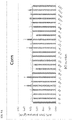
- Table 14 provides a breakout of the shoot and root biomass changes in corn having been inoculated and treated as described above, relative to a water-only control (H2O).
- H2O water-only control
- the two columns immediately to the right of the species reflect the percentage increase over control (%IOC). Both increases and decreases in the biomasses are reflected in the data of table 14.
- a smaller plant reflects potential for in-field conservation of nutrients and water where these resources may be limited by drought or local conditions, thus decreases are hypothesized to be yield relevant.
- Root length and shoot length were measured at four days post treatment. Some of the inoculated strains revealed relative increases in root and/or shoot length at four days point inoculation (DPI) compared to untreated control.
- Microbes from Table 18 were grown on minimal or nutrient-deficient agar plates supplemented with insoluble nutrient substrates to determine biochemical activity.
- NBR1P media containing 5 g/L tricalcium phosphate was determined using NBR1P media containing 5 g/L tricalcium phosphate according to the method Islam et al., (2007).
- the ability to use phytate as the sole source of phosphorus for growth was assessed using media containing (g/L): phytic acid (10) NaNO 3 (3); KCl (0.5); FeSO 4 .7H 2 O (0.01); MgSO 4 .7H 2 O (0.5); glucose (10) and noble agar (15), pH 7.5.
- Growth on low-nitrogen media (Low N) was assessed using NfA media as described above.
- the present methods aim to increase the drought tolerance and water use efficiency for a given crop.
- a control plot of ryegrass seeds, which did not have the isolated microbe applied as a seed coating, will also be planted.
- a control plot of ryegrass seeds, which did not have the microbial consortium applied as a seed coating, will also be planted.
- ryegrass plants grown from the seeds treated with the with the agricultural composition will exhibit a quantifiable and superior ability to tolerate drought conditions and/or exhibit superior water use efficiency, as compared to the control ryegrass plants.
- the drought tolerance and/or water use efficiency can be based on any number of standard tests from the art, e.g leaf water retention, turgor loss point, rate of photosynthesis, leaf color and other phenotypic indications of drought stress, yield performance, and various root morphological and growth patterns.
- a control plot of corn seeds, which are not administered the agricultural composition, will also be planted.
- soybean plants grown from the seeds treated with the seed coating will exhibit a quantifiable and superior ability to tolerate drought conditions and/or exhibit superior water use efficiency, as compared to the control soybean plants.
- a control plot of soybean seeds, which did not have the microbial consortium applied as a seed coating, will also be planted.
- ryegrass plants grown from the seeds treated with the seed coating will exhibit a quantifiable and superior ability to utilize nitrogen, as compared to the control ryegrass plants.
- a farmer will apply the agricultural composition to the ryegrass seeds simultaneously upon broadcasting said seeds into the field. This can be accomplished, for example, by applying the agricultural composition to a hopper or spreader, which contains the ryegrass seeds and which is configured to broadcast the same.
- a control plot of corn seeds, which did not have the isolated microbe applied as a seed coating, will also be planted.
- a fanner will apply the agricultural composition to the corn seeds simultaneously upon planting the seeds into the field. This can be accomplished, for example, by applying the agricultural composition to a hopper/bulk tank on a standard 16 row planter, which contains the corn seeds and which is configured to plant the same into rows. Alternatively, the agricultural composition can be contained in a separate bulk tank on the planter and sprayed into the rows upon planting the corn seed.
- the nitrogen use efficiency can be quantified by recording a measurable change in any of the main nitrogen metabolic pool sizes in the assimilation pathways (e.g ., a measurable change in one or more of the following: nitrate, nitrite, ammonia, glutamic acid, aspartic acid, glutamine, asparagine, lysine, leucine, threonine, methionine, glycine, tryptophan, tyrosine, total protein content of a plant part, total nitrogen content of a plant part, and/or chlorophyll content), or where the treated plant is shown to provide the same or elevated biomass or harvestable yield at lower nitrogen fertilization levels compared to the control plant, or where the treated plant is shown to provide elevated biomass or harvestable yields at the same nitrogen fertilization levels compared to a control plant.
- a measurable change in any of the main nitrogen metabolic pool sizes in the assimilation pathways e.g ., a measurable change in one or more of the following: nit
- an isolated microbe from Tables 1-4 will be applied as a seed coating to seeds of soybean ( Glycine max ) .
- the soybean Upon applying the isolated microbe as a seed coating, the soybean will be planted and cultivated in the standard manner.
- a control plot of soybean seeds, which did not have the microbial consortium applied as a seed coating, will also be planted.
- a farmer will apply the agricultural composition to the soybean seeds simultaneously upon planting the seeds into the field. This can be accomplished, for example, by applying the agricultural composition to a hopper/bulk tank on a standard 16 row planter, which contains the soybean seeds and which is configured to plant the same into rows. Alternatively, the agricultural composition can be contained in a separate bulk tank on the planter and sprayed into the rows upon planting the soybean seed.
- an isolated microbe from Tables 1-4 will be applied as a seed coating to seeds of basil ( Ocium basilicum ) .
- the basil will be planted and cultivated in the standard manner.
- the plants grown from the seeds treated with the seed coating will exhibit a quantifiable increase in a phenotypic trait of interest, as compared to the control plants. It is expected that a synergistic effect may be observed for the phenotypic trait of interest.
- Untreated (no applied microbe) controls were prepared for each experiment. Plants were randomized on trays throughout the growth environment. Between 10 and 30 replicate plants were prepared for each treatment in each experiment. Phenotypes were measured during early vegetative growth, typically before the V3 developmental stage and between 3 and 6 weeks after sowing. Foliage was cut and weighed. Roots were washed, blotted dry and weighed. Results indicate performance of treatments against the untreated control. Shoot Root Microbe sp.
Landscapes
- Life Sciences & Earth Sciences (AREA)
- Engineering & Computer Science (AREA)
- Health & Medical Sciences (AREA)
- Zoology (AREA)
- General Health & Medical Sciences (AREA)
- Wood Science & Technology (AREA)
- Biotechnology (AREA)
- Virology (AREA)
- Chemical & Material Sciences (AREA)
- Microbiology (AREA)
- Plant Pathology (AREA)
- Pest Control & Pesticides (AREA)
- Environmental Sciences (AREA)
- Agronomy & Crop Science (AREA)
- Dentistry (AREA)
- Bioinformatics & Cheminformatics (AREA)
- Organic Chemistry (AREA)
- Genetics & Genomics (AREA)
- Biochemistry (AREA)
- Tropical Medicine & Parasitology (AREA)
- Medicinal Chemistry (AREA)
- Biomedical Technology (AREA)
- General Engineering & Computer Science (AREA)
- Botany (AREA)
- Chemical Kinetics & Catalysis (AREA)
- General Chemical & Material Sciences (AREA)
- Micro-Organisms Or Cultivation Processes Thereof (AREA)
- Agricultural Chemicals And Associated Chemicals (AREA)
- Pretreatment Of Seeds And Plants (AREA)
Applications Claiming Priority (3)
| Application Number | Priority Date | Filing Date | Title |
|---|---|---|---|
| US201562196951P | 2015-07-25 | 2015-07-25 | |
| PCT/US2016/043933 WO2017019633A2 (fr) | 2015-07-25 | 2016-07-25 | Microbes bénéfiques pour l'agriculture, compositions microbiennes et consortiums |
| EP16831212.2A EP3325604B1 (fr) | 2015-07-25 | 2016-07-25 | Microbes bénéfiques pour l'agriculture, compositions microbiennes et consortiums |
Related Parent Applications (2)
| Application Number | Title | Priority Date | Filing Date |
|---|---|---|---|
| EP16831212.2A Division-Into EP3325604B1 (fr) | 2015-07-25 | 2016-07-25 | Microbes bénéfiques pour l'agriculture, compositions microbiennes et consortiums |
| EP16831212.2A Division EP3325604B1 (fr) | 2015-07-25 | 2016-07-25 | Microbes bénéfiques pour l'agriculture, compositions microbiennes et consortiums |
Publications (1)
| Publication Number | Publication Date |
|---|---|
| EP4036213A1 true EP4036213A1 (fr) | 2022-08-03 |
Family
ID=57885288
Family Applications (2)
| Application Number | Title | Priority Date | Filing Date |
|---|---|---|---|
| EP16831212.2A Active EP3325604B1 (fr) | 2015-07-25 | 2016-07-25 | Microbes bénéfiques pour l'agriculture, compositions microbiennes et consortiums |
| EP21216698.7A Withdrawn EP4036213A1 (fr) | 2015-07-25 | 2016-07-25 | Microbes bénéfiques pour l'agriculture, compositions microbiennes et consortiums |
Family Applications Before (1)
| Application Number | Title | Priority Date | Filing Date |
|---|---|---|---|
| EP16831212.2A Active EP3325604B1 (fr) | 2015-07-25 | 2016-07-25 | Microbes bénéfiques pour l'agriculture, compositions microbiennes et consortiums |
Country Status (10)
| Country | Link |
|---|---|
| US (2) | US11102981B2 (fr) |
| EP (2) | EP3325604B1 (fr) |
| CN (2) | CN109072168B (fr) |
| AR (1) | AR105466A1 (fr) |
| AU (1) | AU2016297929B2 (fr) |
| BR (1) | BR112018001522A2 (fr) |
| CA (1) | CA2993188A1 (fr) |
| IL (2) | IL256907B (fr) |
| MX (2) | MX383709B (fr) |
| WO (1) | WO2017019633A2 (fr) |
Families Citing this family (46)
| Publication number | Priority date | Publication date | Assignee | Title |
|---|---|---|---|---|
| NZ588048A (en) * | 2011-03-17 | 2014-01-31 | Biodiscovery New Zealand Ltd | Screening methods |
| US9777267B2 (en) | 2012-09-19 | 2017-10-03 | Biodiscovery New Zealand Limited | Methods of screening for microorganisms that impart beneficial properties to plants |
| US9732335B2 (en) | 2012-09-19 | 2017-08-15 | Biodiscovery New Zealand Limited | Methods of screening for microorganisms that impart beneficial properties to plants |
| US9809812B2 (en) | 2012-09-19 | 2017-11-07 | Biodiscovery New Zealand Limited | Methods of screening for microorganisms that impart beneficial properties to plants |
| NZ726116A (en) | 2013-06-26 | 2018-07-27 | Indigo Ag Inc | Seed-origin endophyte populations, compositions, and methods of use |
| US10602744B2 (en) | 2015-02-09 | 2020-03-31 | Bioconsortia, Inc. | Agriculturally beneficial microbes, microbial compositions, and consortia |
| CN109072168B (zh) | 2015-07-25 | 2023-07-07 | 生物联盟有限公司 | 农业上有利的微生物、微生物组合物以及聚生体 |
| FR3052021B1 (fr) * | 2016-06-02 | 2020-04-17 | Danstar Ferment Ag | Composition et methode pour ameliorer le developpement des plantes |
| CN107189974B (zh) * | 2017-07-31 | 2022-09-30 | 哈尔滨工业大学 | 一株贫营养低温脱氮菌及其应用 |
| CN108441453B (zh) * | 2018-05-10 | 2021-03-19 | 江苏省苏科农化有限责任公司 | 一株具有广谱抗菌活性的萨拉曼卡假单胞菌及其应用 |
| CN108913629B (zh) * | 2018-07-30 | 2021-03-23 | 云南中烟工业有限责任公司 | 一种产纤维素酶的细菌及其制备方法与应用 |
| EP3920705A1 (fr) * | 2019-02-08 | 2021-12-15 | Aphea.bio NV | Moyens et procédés pour améliorer la croissance et le rendement de plantes |
| CN110106101B (zh) * | 2019-03-08 | 2022-03-01 | 大连理工大学 | 赫氏草螺菌、包含该菌株的微生物菌剂及其制备方法 |
| US11001536B2 (en) * | 2019-03-08 | 2021-05-11 | Pontificia Universidad Javeriana | Bioinoculant composition |
| CN110129215B (zh) * | 2019-04-15 | 2020-10-27 | 漳州三炬生物技术有限公司 | 一种复合微生物制剂及其应用 |
| BR112022000884A2 (pt) * | 2019-07-19 | 2022-06-07 | Agriculture Victoria Serv Pty | Cepas de stenotrophomonas e métodos relacionados |
| CN110819553B (zh) * | 2019-08-14 | 2021-04-20 | 浙江树人学院(浙江树人大学) | 一株阿耶波多氏芽孢杆菌及其在丙烯酸降解上的应用 |
| WO2021091365A1 (fr) * | 2019-11-06 | 2021-05-14 | Becerra Carranza Luis Rodrigo | Mélange et produit organique à usage agricole, et leurs procédés de préparation et d'application |
| CN110669705B (zh) * | 2019-11-19 | 2022-02-25 | 曲阜师范大学 | 一株纺锤形赖氨酸芽孢杆菌ca1及其在促进袖珍菇生长中的应用 |
| US20230292764A1 (en) * | 2020-06-17 | 2023-09-21 | Bioconsortia, Inc. | Agriculturally beneficial microbes, microbial compositions, and consortia |
| CN112143679B (zh) * | 2020-09-28 | 2022-05-20 | 内蒙古农业大学 | 一种折叠马赛菌、复合包衣剂及其制备方法和应用 |
| CN112143687B (zh) * | 2020-11-05 | 2022-10-21 | 黑龙江八一农垦大学 | 一种巨大芽孢杆菌及其发酵液在促进植物发芽中的应用 |
| CN112335508B (zh) * | 2020-11-06 | 2021-05-18 | 中国科学院成都生物研究所 | 含壳聚糖/葡聚糖的苔藓孢子体悬浮液在裸地覆绿的应用方法 |
| CN112358990B (zh) * | 2020-11-13 | 2022-03-15 | 河北大学 | 解淀粉芽孢杆菌、其复合菌剂及在促进植物沙套结构形成中的应用 |
| CN112501086B (zh) * | 2020-12-23 | 2023-02-10 | 慕恩(广州)生物科技有限公司 | 一株高效解磷的耐盐节杆菌及其用途 |
| CN112746041B (zh) * | 2021-01-11 | 2022-04-19 | 安徽农业大学 | 广布泛菌lsnsy15-4菌株及其在促进烟草生长方面的应用 |
| JP2024521658A (ja) | 2021-05-14 | 2024-06-04 | プルトン・バイオサイエンシズ・インコーポレイテッド | クリセオバクテリウム属昆虫阻害性微生物組成物並びに作製及び使用方法 |
| BR112023026244A2 (pt) | 2021-06-17 | 2024-03-05 | Aphea Bio Nv | Controle de patógenos de amplo espectro em plantas |
| CN113736701B (zh) * | 2021-09-06 | 2022-05-20 | 江苏省中国科学院植物研究所 | 一株嗜根寡氧单胞菌及其应用 |
| CN114196570B (zh) * | 2021-11-08 | 2022-09-06 | 华南农业大学 | 一种金黄杆菌及其在降解草甘膦中的应用 |
| EP4456713B1 (fr) * | 2021-12-30 | 2025-11-12 | Aphea.Bio NV | Produits et procédés pour améliorer les caractéristiques de croissance végétale |
| WO2024015884A1 (fr) * | 2022-07-12 | 2024-01-18 | Indigo Ag, Inc. | Compositions endophytes et procédés pour améliorer la santé des plantes |
| CA3209635A1 (fr) * | 2022-08-25 | 2024-02-25 | Ceragen Inc. | Inoculants microbiens et methodes |
| CN115927063B (zh) * | 2022-08-29 | 2025-04-29 | 黄河三角洲京博化工研究院有限公司 | 一株大青湖黄金杆菌及其应用 |
| CN115786408A (zh) * | 2022-10-26 | 2023-03-14 | 易安蓝焰煤与煤层气共采技术有限责任公司 | 一种提高低阶煤生物产气量的方法 |
| CN119121969A (zh) * | 2022-11-21 | 2024-12-13 | 重庆交通大学 | 一种微藻固土用布毯 |
| WO2024155671A1 (fr) * | 2023-01-18 | 2024-07-25 | Brightfarms, Inc. | Méthodes et compositions pour améliorer la santé hydroponique d'une plante |
| CN117625436B (zh) * | 2023-09-01 | 2024-05-14 | 贵州省材料产业技术研究院 | 一株降解二甲基乙酰胺的乙酰微小杆菌及培养方法和应用 |
| WO2025137506A1 (fr) * | 2023-12-21 | 2025-06-26 | Harsh Pal Bais | Compositions et procédés de traitement d'une plante ou d'une graine de celle-ci avec des souches bactériennes pour l'acquisition d'azote dans des plantes cultivées |
| CN118947444B (zh) * | 2024-09-23 | 2026-01-30 | 郑州轻工业大学 | 利用紫色杆菌素或产紫色杆菌素的微生物实现羊肚菌栽培稳产提质的方法 |
| CN119061023B (zh) * | 2024-10-30 | 2025-07-22 | 河北省农林科学院石家庄果树研究所 | 一种猕猴桃抗旱基因AeNAC17及其应用 |
| CN119220455A (zh) * | 2024-11-28 | 2024-12-31 | 内蒙古农业大学 | 一种大豆复合促生微生物包衣剂及其包衣方法 |
| CN120097784B (zh) * | 2025-03-06 | 2025-10-31 | 广东工业大学 | 一种溶磷菌剂及其制备方法、生物菌肥及应用 |
| CN120505239B (zh) * | 2025-05-21 | 2025-12-23 | 华南农业大学 | 一株具有N2O还原能力的nosZ II型黏液杆菌A14及其应用 |
| CN120505241B (zh) * | 2025-05-21 | 2025-12-26 | 华南农业大学 | 一株具有N2O还原能力的nosZ II型土地杆菌A33及其应用 |
| CN121472101B (zh) * | 2026-01-07 | 2026-05-05 | 湖南农业大学 | 复合微生物菌悬液、菌剂、烟草种子包衣剂及其制备方法和应用 |
Citations (26)
| Publication number | Priority date | Publication date | Assignee | Title |
|---|---|---|---|---|
| US4245432A (en) | 1979-07-25 | 1981-01-20 | Eastman Kodak Company | Seed coatings |
| US4339456A (en) | 1980-01-14 | 1982-07-13 | Gustafson, Inc. | Peanut seed treating |
| US4634587A (en) | 1982-07-09 | 1987-01-06 | Key Pharmaceuticals, Inc. | Sustained release quinidine dosage form |
| US4735015A (en) | 1983-11-25 | 1988-04-05 | Basf Corporation | Seed protective coating |
| US4759945A (en) | 1986-05-13 | 1988-07-26 | Bayer Aktiengesellschaft | Process for dressing and/or encrusting seed grains |
| US5328942A (en) | 1991-07-19 | 1994-07-12 | Uniroyal Chemical Company, Inc. | Seed film compositions |
| US5389399A (en) | 1987-07-16 | 1995-02-14 | Etablissements Ceres S.A. | Apparatus for the treatment of seed |
| US5554445A (en) | 1992-07-29 | 1996-09-10 | Novasso Oy | Method for seed encrusting |
| US5580544A (en) | 1995-03-29 | 1996-12-03 | Uniroyal Chemical Company, Inc. | Paste formulation useful for seed treatment and foliar treatment of plants |
| US5605793A (en) | 1994-02-17 | 1997-02-25 | Affymax Technologies N.V. | Methods for in vitro recombination |
| US5661103A (en) | 1992-11-05 | 1997-08-26 | Donlar Corporation | Seed treatment composition and method |
| US5791084A (en) | 1995-06-15 | 1998-08-11 | Yazaki Corporation | Method for making a gel of gel-coat seed easily disintegrable |
| US5837458A (en) | 1994-02-17 | 1998-11-17 | Maxygen, Inc. | Methods and compositions for cellular and metabolic engineering |
| US5849320A (en) | 1996-06-13 | 1998-12-15 | Novartis Corporation | Insecticidal seed coating |
| US5876739A (en) | 1996-06-13 | 1999-03-02 | Novartis Ag | Insecticidal seed coating |
| US5916029A (en) | 1996-06-26 | 1999-06-29 | Liphatech, Inc. | Process for producing seeds coated with a microbial composition |
| US5918413A (en) | 1997-02-13 | 1999-07-06 | Dai-Ichi Kogyo Seiyaku Co., Ltd. | Coated seed and process for producing the same |
| US5939356A (en) | 1996-06-21 | 1999-08-17 | Southwest Research Institute | Controlled release coated agricultural products |
| US7097830B2 (en) | 2001-09-04 | 2006-08-29 | Council Of Scientific And Industrial Research | Synergistic bioinoculant composition comprising bacterial strains of accession Nos. NRRL B-30486, NRRL B-30487, and NRRL B-30488 and a method of producing said composition thereof |
| US7213367B2 (en) | 2002-03-26 | 2007-05-08 | Georgia-Pacific Resins, Inc. | Slow release nitrogen seed coat |
| WO2012125050A1 (fr) | 2011-03-17 | 2012-09-20 | Biodiscovery New Zealand Limited | Procédés de criblage |
| US8383097B2 (en) | 2006-08-11 | 2013-02-26 | Novozymes Biologicals, Inc | Bacteria cultures and compositions comprising bacteria cultures |
| US8652490B2 (en) | 2009-01-26 | 2014-02-18 | Pasteuria Bioscience, Inc. | Pasteuria strain |
| WO2014046553A1 (fr) | 2012-09-19 | 2014-03-27 | Biodiscovery New Zealand Limited | Procédés de criblage de micro-organismes conférant des propriétés bénéfiques aux plantes |
| US20140274691A1 (en) * | 2013-03-15 | 2014-09-18 | Spogen Biotech Inc. | Plant growth-promoting bacteria and methods of use |
| WO2017019633A2 (fr) | 2015-07-25 | 2017-02-02 | Bioconsortia, Inc. | Microbes bénéfiques pour l'agriculture, compositions microbiennes et consortiums |
Family Cites Families (5)
| Publication number | Priority date | Publication date | Assignee | Title |
|---|---|---|---|---|
| US20020028228A1 (en) * | 1997-07-22 | 2002-03-07 | Gary C. Bergstrom | Biocontrol for plants with paenibacillus macerans, pseudomonas putida, and sporobolomyces roseus |
| EP2150106A2 (fr) * | 2007-04-26 | 2010-02-10 | Basf Se | Compositions de substances actives phytoprotectrices |
| WO2011011094A1 (fr) | 2009-07-24 | 2011-01-27 | Dowd Scot E | Diagnostic, détection, quantification microbiens universels, et thérapie ciblée sur un échantillon |
| CN101921723B (zh) * | 2010-08-25 | 2012-07-04 | 广东省微生物研究所 | 一种根围金黄杆菌及其应用 |
| US10602744B2 (en) * | 2015-02-09 | 2020-03-31 | Bioconsortia, Inc. | Agriculturally beneficial microbes, microbial compositions, and consortia |
-
2016
- 2016-07-25 CN CN201680043469.0A patent/CN109072168B/zh active Active
- 2016-07-25 BR BR112018001522A patent/BR112018001522A2/pt not_active IP Right Cessation
- 2016-07-25 EP EP16831212.2A patent/EP3325604B1/fr active Active
- 2016-07-25 US US15/747,721 patent/US11102981B2/en active Active
- 2016-07-25 EP EP21216698.7A patent/EP4036213A1/fr not_active Withdrawn
- 2016-07-25 MX MX2018000780A patent/MX383709B/es unknown
- 2016-07-25 CN CN202310726442.3A patent/CN118064294A/zh active Pending
- 2016-07-25 WO PCT/US2016/043933 patent/WO2017019633A2/fr not_active Ceased
- 2016-07-25 CA CA2993188A patent/CA2993188A1/fr active Pending
- 2016-07-25 AR ARP160102259A patent/AR105466A1/es not_active Application Discontinuation
- 2016-07-25 AU AU2016297929A patent/AU2016297929B2/en not_active Expired - Fee Related
-
2018
- 2018-01-14 IL IL256907A patent/IL256907B/en active IP Right Grant
- 2018-01-18 MX MX2021006551A patent/MX2021006551A/es unknown
-
2021
- 2021-03-17 IL IL281604A patent/IL281604A/en unknown
- 2021-07-22 US US17/382,875 patent/US20220022461A1/en not_active Abandoned
Patent Citations (27)
| Publication number | Priority date | Publication date | Assignee | Title |
|---|---|---|---|---|
| US4245432A (en) | 1979-07-25 | 1981-01-20 | Eastman Kodak Company | Seed coatings |
| US4339456A (en) | 1980-01-14 | 1982-07-13 | Gustafson, Inc. | Peanut seed treating |
| US4372080A (en) | 1980-01-14 | 1983-02-08 | Gustafson, Inc. | Treated peanut seeds |
| US4634587A (en) | 1982-07-09 | 1987-01-06 | Key Pharmaceuticals, Inc. | Sustained release quinidine dosage form |
| US4735015A (en) | 1983-11-25 | 1988-04-05 | Basf Corporation | Seed protective coating |
| US4759945A (en) | 1986-05-13 | 1988-07-26 | Bayer Aktiengesellschaft | Process for dressing and/or encrusting seed grains |
| US5389399A (en) | 1987-07-16 | 1995-02-14 | Etablissements Ceres S.A. | Apparatus for the treatment of seed |
| US5328942A (en) | 1991-07-19 | 1994-07-12 | Uniroyal Chemical Company, Inc. | Seed film compositions |
| US5554445A (en) | 1992-07-29 | 1996-09-10 | Novasso Oy | Method for seed encrusting |
| US5661103A (en) | 1992-11-05 | 1997-08-26 | Donlar Corporation | Seed treatment composition and method |
| US5605793A (en) | 1994-02-17 | 1997-02-25 | Affymax Technologies N.V. | Methods for in vitro recombination |
| US5837458A (en) | 1994-02-17 | 1998-11-17 | Maxygen, Inc. | Methods and compositions for cellular and metabolic engineering |
| US5580544A (en) | 1995-03-29 | 1996-12-03 | Uniroyal Chemical Company, Inc. | Paste formulation useful for seed treatment and foliar treatment of plants |
| US5791084A (en) | 1995-06-15 | 1998-08-11 | Yazaki Corporation | Method for making a gel of gel-coat seed easily disintegrable |
| US5849320A (en) | 1996-06-13 | 1998-12-15 | Novartis Corporation | Insecticidal seed coating |
| US5876739A (en) | 1996-06-13 | 1999-03-02 | Novartis Ag | Insecticidal seed coating |
| US5939356A (en) | 1996-06-21 | 1999-08-17 | Southwest Research Institute | Controlled release coated agricultural products |
| US5916029A (en) | 1996-06-26 | 1999-06-29 | Liphatech, Inc. | Process for producing seeds coated with a microbial composition |
| US5918413A (en) | 1997-02-13 | 1999-07-06 | Dai-Ichi Kogyo Seiyaku Co., Ltd. | Coated seed and process for producing the same |
| US7097830B2 (en) | 2001-09-04 | 2006-08-29 | Council Of Scientific And Industrial Research | Synergistic bioinoculant composition comprising bacterial strains of accession Nos. NRRL B-30486, NRRL B-30487, and NRRL B-30488 and a method of producing said composition thereof |
| US7213367B2 (en) | 2002-03-26 | 2007-05-08 | Georgia-Pacific Resins, Inc. | Slow release nitrogen seed coat |
| US8383097B2 (en) | 2006-08-11 | 2013-02-26 | Novozymes Biologicals, Inc | Bacteria cultures and compositions comprising bacteria cultures |
| US8652490B2 (en) | 2009-01-26 | 2014-02-18 | Pasteuria Bioscience, Inc. | Pasteuria strain |
| WO2012125050A1 (fr) | 2011-03-17 | 2012-09-20 | Biodiscovery New Zealand Limited | Procédés de criblage |
| WO2014046553A1 (fr) | 2012-09-19 | 2014-03-27 | Biodiscovery New Zealand Limited | Procédés de criblage de micro-organismes conférant des propriétés bénéfiques aux plantes |
| US20140274691A1 (en) * | 2013-03-15 | 2014-09-18 | Spogen Biotech Inc. | Plant growth-promoting bacteria and methods of use |
| WO2017019633A2 (fr) | 2015-07-25 | 2017-02-02 | Bioconsortia, Inc. | Microbes bénéfiques pour l'agriculture, compositions microbiennes et consortiums |
Non-Patent Citations (45)
| Title |
|---|
| "Bergey's Manual of Systematic Bacteriology", vol. 5, 2012, article "The Bacteroidetes, Spirocbaetes, Tenericutes (Mollicutes), Acidobacteria, Fibrobacteres, Fusobacteria, Dictyoglomi, Gemmatimonadetes, Lentisphaerae, Verrucomicrobia, Chlamydiae, and Planctomycetes" |
| "Chemistry and Technology of Agrochemical Formulations", 1998, KLUWER ACADEMIC PUBLISHERS |
| "Current Protocols in Molecular Biology", vol. 30, 1987 |
| "Manual of Clinical Microbiology", vol. I-III, 1980, AMERICAN SOCIETY FOR MICROBIOLOGY |
| "Methods for General and Molecular Microbiology", 1994, AMERICAN SOCIETY FOR MICROBIOLOGY |
| "PCR Protocols: A Guide to Methods and Applications", 1990, ACADEMIC PRESS |
| "PCR Strategies", 1995, ACADEMIC PRESS |
| AISLABIE J ET AL: "Characterization of Arthrobacter nicotinovorans HIM, an atrazine-degrading bacterium, from agricultural soil New Zealand", FEMS MICROBIOLOGY ECOLOGY, ELSEVIER, NL, vol. 52, no. 2, 1 April 2005 (2005-04-01), pages 279 - 286, XP027779918, ISSN: 0168-6496, [retrieved on 20050401] * |
| ANTHONY O ADESEMOYE ET AL: "Plant-microbes interactions in enhanced fertilizer-use efficiency", APPLIED MICROBIOLOGY AND BIOTECHNOLOGY, SPRINGER, BERLIN, DE, vol. 85, no. 1, 26 August 2009 (2009-08-26), pages 1 - 12, XP019757481, ISSN: 1432-0614, DOI: 10.1007/S00253-009-2196-0 * |
| CALVO ET AL., PLANT SOIL, vol. I-III, 2014, pages 3 - 41 |
| CALVO, PNELSON, LKLOEPPER, J. W.: "Agricultural uses of plant biostimulants", PLANT SOIL, vol. 383, 2014, pages 3 - 41, XP035395225, DOI: 10.1007/s11104-014-2131-8 |
| COLBY, R. S.: "Calculating Synergistic and Antagonistic Responses of Herbicide Combinations", WEEDS, vol. 15, 1967, pages 20 - 22, XP001112961 |
| CRAMERI ET AL., NATURE BIOTECH., vol. 15, 1997, pages 436 - 438 |
| CRAMERI ET AL., NATURE, vol. 391, 1998, pages 288 - 291 |
| DE ALMEIDA ET AL., MOL. GEN. GENETICS, vol. 218, 1989, pages 78 - 86 |
| DOBEREINER JMARRIEL ENERY M: "Ecological distribution of Spirillum lipoferum Beijerinck", CAN. J. MICROBIOL., vol. 22, 1976, pages 1464 - 1473 |
| FAHRAEUS, G., J. GEN MICROBIOL, vol. 16, 1957, pages 374 - 381 |
| GHEMA, R. L.C. A. REDDY., CULTURE PRESERVATION, 2007, pages 1019 - 1033 |
| GOTETI, P. K. ET AL., INTERNATIONAL JOURNAL OF MICROBIOLOGY, no. 869697, 2013, pages 1 - 7 |
| HARTMANN A.BALDANI J.I.: "The genus Azospirillum // The Prokaryotes", vol. 5, 2006, SPRINGER VERLAG, article "Proteobacteria Alpha and Beta Subclasses", pages: 115 - 140 |
| ISLAM, M. T.DEORA, A.HASHIDOKO, Y.RAHMAN, A.ITO, T.TAHARA, S: "Isolation and Identification of Potential Phosphate Solubilizing Bacteria from the Rhizoplane of Oryza sativa L. cv. BR29 of Bangladesh", ZEITSCHRIFT FUR NATURFORSCHUNG C, vol. 62, no. 1-2, 2007, pages 103 - 10 |
| JONES ET AL., EMBO J., vol. 4, 1985, pages 2411 - 2418 |
| JONES, EJVIDO J., vol. 4, 1985, pages 2411 - 2418 |
| MCCUTCHEON'S: "Emulsifiers and Detergents", vol. 1, 1996, MC PUBLISHING COMPANY |
| MERCKCO. V., OLIN MATHIESON CHEMICAL CORP., vol. 253, 1958, pages 156 |
| MICHE, LBALANDREAU, J: "Effects of rice seed surface sterilisation with hypochlorite on inoculated Burkholderia vietamiensis", APPL. ENVIRON. MICROBIOL., vol. 67, no. 7, 2001, pages 3046 - 3052 |
| MOORE ET AL., J. MOL. BIOL., vol. 272, 1997, pages 336 - 347 |
| NAUTIYAL. C.S., FEMS MICROBIOLOGY LETTERS, vol. 170, 1999, pages 265 - 270 |
| P. SHRUTHI: "STUDIES ON ZINC SOLUBILIZING BACTERIA AND THEIR EFFECT ON GROWTH AND YIELD OF MAIZE (Zea mays L.)", 1 June 2013 (2013-06-01), XP055558480, Retrieved from the Internet <URL:http://krishikosh.egranth.ac.in/bitstream/1/87101/1/th10608.pdf> [retrieved on 20190219] * |
| PARMAR, P.SINDHU, S. S.: "Potassium Solubilization by Rhizosphere Bacteria: Influence of Nutritional and Environmental Conditions", JOURNAL OF MICROBIOLOGY RESEARCH, vol. 3, no. 1, 2013, pages 25 - 31 |
| PEREIRA SOFIA I A ET AL: "Phosphate-solubilizing rhizobacteria enhanceZea maysgrowth in agricultural P-deficient soils", ECOLOGICAL ENGINEERING, ELSEVIER, AMSTERDAM, NL, vol. 73, 10 October 2014 (2014-10-10), pages 526 - 535, XP029371660, ISSN: 0925-8574, DOI: 10.1016/J.ECOLENG.2014.09.060 * |
| PEREZ-MIRANDA, S. ET AL., JOURNAL OF MICROBIOLOGICAL METHODS, vol. 70, 2007, pages 127 - 131 |
| PIKOVSKAYA RI: "Mobilization of phosphorus in soil connection with the vital activity of some microbial species", MICROBIOLOGIA, vol. 17, 1948, pages 362 - 370 |
| RANA, A. ET AL.: "Enhancing Micronutrient Uptake and Yield of Wheat Through Bacterial PGPR Consortia", SOIL SCIENCE AND PLANT NUTRITION, vol. 58, no. 5, 2012, pages 573 - 582 |
| RODRIGUEZ, H.REYNALDO, F.: "Phosphate Solubilizing Bacteria and their Role in Plant Growth Promotion", BIOTECHNOLOGY ADVANCES, vol. 17, 1999, pages 319 - 339, XP002553030, DOI: 10.1016/S0734-9750(99)00014-2 |
| RUTH ECKFORD, R.COOK, F.D.SAUL, D.AISLABIE J.J. FOGHT: "Free-living Heterotrophic Bacteria Isolated from Fuel-Contaminated Antarctic Soils", APPL. ENVIRON. MICROBIOL, vol. 68, no. 10, 2002, pages 5181 |
| SAMBROOK: "Molecular Cloning: A Laboratory Manual", 1989, COLD SPRING HARBOR LABORATORY PRESS |
| SHAN WARE, A.S. ET AL., INT.J.CURR.MICROBIOL.APP.SCI, vol. 3, no. 9, 2014, pages 622 - 629 |
| STEMMER, NATURE, vol. 370, 1994, pages 389 - 391 |
| STEMMER, PNAS, vol. 91, 1994, pages 10747 - 10751 |
| STROBEL GDAISY B, MICROBIOLOGY AND MOLECULAR BIOLOGY REVIEWS, vol. 67, no. 4, 2003, pages 491 - 502 |
| VANDAMME ET AL.: "Polyphasic taxonomy, a consensus approach to bacterial systematics", MICROBIOL REV, vol. 60, 1996, pages 407 - 438 |
| YEMMWILLIS, BIOCHEM. J., vol. 57, 1954, pages 508 - 514 |
| ZHANG ET AL., PNAS, vol. 94, 1997, pages 4504 - 4509 |
| ZINNIEL DK ET AL., APPLIED AND ENVIRONMENTAL MICROBIOLOGY, vol. 68, no. 5, 2002, pages 2198 - 2208 |
Also Published As
| Publication number | Publication date |
|---|---|
| CN118064294A (zh) | 2024-05-24 |
| MX383709B (es) | 2025-03-11 |
| IL256907B (en) | 2021-04-29 |
| WO2017019633A3 (fr) | 2017-03-23 |
| CA2993188A1 (fr) | 2017-02-02 |
| EP3325604B1 (fr) | 2022-02-09 |
| AU2016297929A1 (en) | 2018-03-22 |
| EP3325604A4 (fr) | 2019-03-27 |
| BR112018001522A2 (pt) | 2018-10-09 |
| US20220022461A1 (en) | 2022-01-27 |
| MX2021006551A (es) | 2021-07-07 |
| MX2018000780A (es) | 2018-03-23 |
| AR105466A1 (es) | 2017-10-04 |
| WO2017019633A2 (fr) | 2017-02-02 |
| US20190382714A1 (en) | 2019-12-19 |
| IL281604A (en) | 2021-05-31 |
| US11102981B2 (en) | 2021-08-31 |
| CN109072168A (zh) | 2018-12-21 |
| EP3325604A2 (fr) | 2018-05-30 |
| CN109072168B (zh) | 2023-07-07 |
| AU2016297929B2 (en) | 2021-07-01 |
| IL256907A (en) | 2018-03-29 |
Similar Documents
| Publication | Publication Date | Title |
|---|---|---|
| US12102090B2 (en) | Agriculturally beneficial microbes, microbial compositions, and consortia | |
| US20240067922A1 (en) | Agriculturally beneficial microbes, microbial compositions, and consortia | |
| US20220022461A1 (en) | Agriculturally beneficial microbes, microbial compositions, and consortia | |
| US12408672B2 (en) | Agriculturally beneficial microbes, microbial compositions, and consortia | |
| US20240032544A1 (en) | Identification of agriculturally beneficial microbial compositions and uses thereof | |
| WO2023081713A1 (fr) | Procédés et compositions destinés à l'amélioration de la bioactivité microbienne |
Legal Events
| Date | Code | Title | Description |
|---|---|---|---|
| PUAI | Public reference made under article 153(3) epc to a published international application that has entered the european phase |
Free format text: ORIGINAL CODE: 0009012 |
|
| STAA | Information on the status of an ep patent application or granted ep patent |
Free format text: STATUS: THE APPLICATION HAS BEEN PUBLISHED |
|
| AC | Divisional application: reference to earlier application |
Ref document number: 3325604 Country of ref document: EP Kind code of ref document: P |
|
| AK | Designated contracting states |
Kind code of ref document: A1 Designated state(s): AL AT BE BG CH CY CZ DE DK EE ES FI FR GB GR HR HU IE IS IT LI LT LU LV MC MK MT NL NO PL PT RO RS SE SI SK SM TR |
|
| STAA | Information on the status of an ep patent application or granted ep patent |
Free format text: STATUS: REQUEST FOR EXAMINATION WAS MADE |
|
| 17P | Request for examination filed |
Effective date: 20230203 |
|
| RBV | Designated contracting states (corrected) |
Designated state(s): AL AT BE BG CH CY CZ DE DK EE ES FI FR GB GR HR HU IE IS IT LI LT LU LV MC MK MT NL NO PL PT RO RS SE SI SK SM TR |
|
| P01 | Opt-out of the competence of the unified patent court (upc) registered |
Effective date: 20230329 |
|
| STAA | Information on the status of an ep patent application or granted ep patent |
Free format text: STATUS: THE APPLICATION HAS BEEN WITHDRAWN |
|
| 18W | Application withdrawn |
Effective date: 20240906 |