EP4039272A1 - Compositions de vaccin pour le traitement du virus zika - Google Patents
Compositions de vaccin pour le traitement du virus zika Download PDFInfo
- Publication number
- EP4039272A1 EP4039272A1 EP22154128.7A EP22154128A EP4039272A1 EP 4039272 A1 EP4039272 A1 EP 4039272A1 EP 22154128 A EP22154128 A EP 22154128A EP 4039272 A1 EP4039272 A1 EP 4039272A1
- Authority
- EP
- European Patent Office
- Prior art keywords
- zikv
- gag
- seq
- vlp
- protein
- Prior art date
- Legal status (The legal status is an assumption and is not a legal conclusion. Google has not performed a legal analysis and makes no representation as to the accuracy of the status listed.)
- Withdrawn
Links
Images




Classifications
-
- A—HUMAN NECESSITIES
- A61—MEDICAL OR VETERINARY SCIENCE; HYGIENE
- A61K—PREPARATIONS FOR MEDICAL, DENTAL OR TOILETRY PURPOSES
- A61K39/00—Medicinal preparations containing antigens or antibodies
- A61K39/12—Viral antigens
-
- A—HUMAN NECESSITIES
- A61—MEDICAL OR VETERINARY SCIENCE; HYGIENE
- A61P—SPECIFIC THERAPEUTIC ACTIVITY OF CHEMICAL COMPOUNDS OR MEDICINAL PREPARATIONS
- A61P31/00—Antiinfectives, i.e. antibiotics, antiseptics, chemotherapeutics
- A61P31/12—Antivirals
- A61P31/14—Antivirals for RNA viruses
-
- A—HUMAN NECESSITIES
- A61—MEDICAL OR VETERINARY SCIENCE; HYGIENE
- A61P—SPECIFIC THERAPEUTIC ACTIVITY OF CHEMICAL COMPOUNDS OR MEDICINAL PREPARATIONS
- A61P37/00—Drugs for immunological or allergic disorders
- A61P37/02—Immunomodulators
- A61P37/04—Immunostimulants
-
- C—CHEMISTRY; METALLURGY
- C07—ORGANIC CHEMISTRY
- C07K—PEPTIDES
- C07K14/00—Peptides having more than 20 amino acids; Gastrins; Somatostatins; Melanotropins; Derivatives thereof
- C07K14/005—Peptides having more than 20 amino acids; Gastrins; Somatostatins; Melanotropins; Derivatives thereof from viruses
-
- C—CHEMISTRY; METALLURGY
- C12—BIOCHEMISTRY; BEER; SPIRITS; WINE; VINEGAR; MICROBIOLOGY; ENZYMOLOGY; MUTATION OR GENETIC ENGINEERING
- C12N—MICROORGANISMS OR ENZYMES; COMPOSITIONS THEREOF; PROPAGATING, PRESERVING, OR MAINTAINING MICROORGANISMS; MUTATION OR GENETIC ENGINEERING; CULTURE MEDIA
- C12N7/00—Viruses; Bacteriophages; Compositions thereof; Preparation or purification thereof
-
- A—HUMAN NECESSITIES
- A61—MEDICAL OR VETERINARY SCIENCE; HYGIENE
- A61K—PREPARATIONS FOR MEDICAL, DENTAL OR TOILETRY PURPOSES
- A61K39/00—Medicinal preparations containing antigens or antibodies
- A61K2039/51—Medicinal preparations containing antigens or antibodies comprising whole cells, viruses or DNA/RNA
- A61K2039/525—Virus
- A61K2039/5256—Virus expressing foreign proteins
-
- A—HUMAN NECESSITIES
- A61—MEDICAL OR VETERINARY SCIENCE; HYGIENE
- A61K—PREPARATIONS FOR MEDICAL, DENTAL OR TOILETRY PURPOSES
- A61K39/00—Medicinal preparations containing antigens or antibodies
- A61K2039/51—Medicinal preparations containing antigens or antibodies comprising whole cells, viruses or DNA/RNA
- A61K2039/525—Virus
- A61K2039/5258—Virus-like particles
-
- A—HUMAN NECESSITIES
- A61—MEDICAL OR VETERINARY SCIENCE; HYGIENE
- A61K—PREPARATIONS FOR MEDICAL, DENTAL OR TOILETRY PURPOSES
- A61K39/00—Medicinal preparations containing antigens or antibodies
- A61K2039/555—Medicinal preparations containing antigens or antibodies characterised by a specific combination antigen/adjuvant
- A61K2039/55505—Inorganic adjuvants
-
- A—HUMAN NECESSITIES
- A61—MEDICAL OR VETERINARY SCIENCE; HYGIENE
- A61K—PREPARATIONS FOR MEDICAL, DENTAL OR TOILETRY PURPOSES
- A61K39/00—Medicinal preparations containing antigens or antibodies
- A61K2039/57—Medicinal preparations containing antigens or antibodies characterised by the type of response, e.g. Th1, Th2
-
- A—HUMAN NECESSITIES
- A61—MEDICAL OR VETERINARY SCIENCE; HYGIENE
- A61K—PREPARATIONS FOR MEDICAL, DENTAL OR TOILETRY PURPOSES
- A61K39/00—Medicinal preparations containing antigens or antibodies
- A61K2039/57—Medicinal preparations containing antigens or antibodies characterised by the type of response, e.g. Th1, Th2
- A61K2039/575—Medicinal preparations containing antigens or antibodies characterised by the type of response, e.g. Th1, Th2 humoral response
-
- A—HUMAN NECESSITIES
- A61—MEDICAL OR VETERINARY SCIENCE; HYGIENE
- A61K—PREPARATIONS FOR MEDICAL, DENTAL OR TOILETRY PURPOSES
- A61K39/00—Medicinal preparations containing antigens or antibodies
- A61K2039/70—Multivalent vaccine
-
- C—CHEMISTRY; METALLURGY
- C07—ORGANIC CHEMISTRY
- C07K—PEPTIDES
- C07K2319/00—Fusion polypeptide
- C07K2319/40—Fusion polypeptide containing a tag for immunodetection, or an epitope for immunisation
-
- C—CHEMISTRY; METALLURGY
- C12—BIOCHEMISTRY; BEER; SPIRITS; WINE; VINEGAR; MICROBIOLOGY; ENZYMOLOGY; MUTATION OR GENETIC ENGINEERING
- C12N—MICROORGANISMS OR ENZYMES; COMPOSITIONS THEREOF; PROPAGATING, PRESERVING, OR MAINTAINING MICROORGANISMS; MUTATION OR GENETIC ENGINEERING; CULTURE MEDIA
- C12N2740/00—Reverse transcribing RNA viruses
- C12N2740/00011—Details
- C12N2740/10011—Retroviridae
- C12N2740/13011—Gammaretrovirus, e.g. murine leukeamia virus
- C12N2740/13022—New viral proteins or individual genes, new structural or functional aspects of known viral proteins or genes
-
- C—CHEMISTRY; METALLURGY
- C12—BIOCHEMISTRY; BEER; SPIRITS; WINE; VINEGAR; MICROBIOLOGY; ENZYMOLOGY; MUTATION OR GENETIC ENGINEERING
- C12N—MICROORGANISMS OR ENZYMES; COMPOSITIONS THEREOF; PROPAGATING, PRESERVING, OR MAINTAINING MICROORGANISMS; MUTATION OR GENETIC ENGINEERING; CULTURE MEDIA
- C12N2740/00—Reverse transcribing RNA viruses
- C12N2740/00011—Details
- C12N2740/10011—Retroviridae
- C12N2740/13011—Gammaretrovirus, e.g. murine leukeamia virus
- C12N2740/13023—Virus like particles [VLP]
-
- C—CHEMISTRY; METALLURGY
- C12—BIOCHEMISTRY; BEER; SPIRITS; WINE; VINEGAR; MICROBIOLOGY; ENZYMOLOGY; MUTATION OR GENETIC ENGINEERING
- C12N—MICROORGANISMS OR ENZYMES; COMPOSITIONS THEREOF; PROPAGATING, PRESERVING, OR MAINTAINING MICROORGANISMS; MUTATION OR GENETIC ENGINEERING; CULTURE MEDIA
- C12N2740/00—Reverse transcribing RNA viruses
- C12N2740/00011—Details
- C12N2740/10011—Retroviridae
- C12N2740/13011—Gammaretrovirus, e.g. murine leukeamia virus
- C12N2740/13034—Use of virus or viral component as vaccine, e.g. live-attenuated or inactivated virus, VLP, viral protein
-
- C—CHEMISTRY; METALLURGY
- C12—BIOCHEMISTRY; BEER; SPIRITS; WINE; VINEGAR; MICROBIOLOGY; ENZYMOLOGY; MUTATION OR GENETIC ENGINEERING
- C12N—MICROORGANISMS OR ENZYMES; COMPOSITIONS THEREOF; PROPAGATING, PRESERVING, OR MAINTAINING MICROORGANISMS; MUTATION OR GENETIC ENGINEERING; CULTURE MEDIA
- C12N2770/00—MICROORGANISMS OR ENZYMES; COMPOSITIONS THEREOF; PROPAGATING, PRESERVING, OR MAINTAINING MICROORGANISMS; MUTATION OR GENETIC ENGINEERING; CULTURE MEDIA ssRNA viruses positive-sense
- C12N2770/00011—Details
- C12N2770/24011—Flaviviridae
- C12N2770/24111—Flavivirus, e.g. yellow fever virus, dengue, JEV
- C12N2770/24122—New viral proteins or individual genes, new structural or functional aspects of known viral proteins or genes
-
- C—CHEMISTRY; METALLURGY
- C12—BIOCHEMISTRY; BEER; SPIRITS; WINE; VINEGAR; MICROBIOLOGY; ENZYMOLOGY; MUTATION OR GENETIC ENGINEERING
- C12N—MICROORGANISMS OR ENZYMES; COMPOSITIONS THEREOF; PROPAGATING, PRESERVING, OR MAINTAINING MICROORGANISMS; MUTATION OR GENETIC ENGINEERING; CULTURE MEDIA
- C12N2770/00—MICROORGANISMS OR ENZYMES; COMPOSITIONS THEREOF; PROPAGATING, PRESERVING, OR MAINTAINING MICROORGANISMS; MUTATION OR GENETIC ENGINEERING; CULTURE MEDIA ssRNA viruses positive-sense
- C12N2770/00011—Details
- C12N2770/24011—Flaviviridae
- C12N2770/24111—Flavivirus, e.g. yellow fever virus, dengue, JEV
- C12N2770/24123—Virus like particles [VLP]
-
- C—CHEMISTRY; METALLURGY
- C12—BIOCHEMISTRY; BEER; SPIRITS; WINE; VINEGAR; MICROBIOLOGY; ENZYMOLOGY; MUTATION OR GENETIC ENGINEERING
- C12N—MICROORGANISMS OR ENZYMES; COMPOSITIONS THEREOF; PROPAGATING, PRESERVING, OR MAINTAINING MICROORGANISMS; MUTATION OR GENETIC ENGINEERING; CULTURE MEDIA
- C12N2770/00—MICROORGANISMS OR ENZYMES; COMPOSITIONS THEREOF; PROPAGATING, PRESERVING, OR MAINTAINING MICROORGANISMS; MUTATION OR GENETIC ENGINEERING; CULTURE MEDIA ssRNA viruses positive-sense
- C12N2770/00011—Details
- C12N2770/24011—Flaviviridae
- C12N2770/24111—Flavivirus, e.g. yellow fever virus, dengue, JEV
- C12N2770/24134—Use of virus or viral component as vaccine, e.g. live-attenuated or inactivated virus, VLP, viral protein
-
- Y—GENERAL TAGGING OF NEW TECHNOLOGICAL DEVELOPMENTS; GENERAL TAGGING OF CROSS-SECTIONAL TECHNOLOGIES SPANNING OVER SEVERAL SECTIONS OF THE IPC; TECHNICAL SUBJECTS COVERED BY FORMER USPC CROSS-REFERENCE ART COLLECTIONS [XRACs] AND DIGESTS
- Y02—TECHNOLOGIES OR APPLICATIONS FOR MITIGATION OR ADAPTATION AGAINST CLIMATE CHANGE
- Y02A—TECHNOLOGIES FOR ADAPTATION TO CLIMATE CHANGE
- Y02A50/00—TECHNOLOGIES FOR ADAPTATION TO CLIMATE CHANGE in human health protection, e.g. against extreme weather
- Y02A50/30—Against vector-borne diseases, e.g. mosquito-borne, fly-borne, tick-borne or waterborne diseases whose impact is exacerbated by climate change
Definitions
- This invention is in the field of vaccines, in particular virus like particle vaccines for Zika virus (ZIKV).
- ZIKV Zika virus
- ZIKV is a non-segmented, single stranded positive sense RNA virus belonging to the family Flaviviridae in the genus Flavivirus. It is enveloped and icosahedral and it is related to dengue, yellow fever and West Nile virus. ZIKV is spread primarily by mosquitos in the Aedes genus, primarily Aedes aegypti. However, ZIKV can also be spread in the human population by sexual transmission, even in circumstances where the infected partner has no symptoms of infection. ZIKV can be found in the sperm of infected subjects for up to six months following infection thus creating a longterm risk of exposure for partners and unborn children. ZIKV can also be transmitted through blood transfusion.
- ZIKV causes infection in humans, which causes fever, rash, joint pain and headache. Although the symptoms of Zika fever are mild in most patients, infection in adults has been associated with rare cases of Guillain-Barre Syndrome, an autoimmune disease causing muscle weakness, pain and even death ( Cor-Lormeau et al., 2016, Lancet 387: 1531-39 ). Furthermore, infection during pregnancy has been associated with microcephaly, and other severe brain malformations in some babies including loss of normal brain tissue, abnormal brain folding and calcification (infection-related scarring) ( Soares de Oliveira-Szeinfeld et al., 2016, Radiology 281: 203-218 ). ZIKV exposure in utero has also be linked to eye defects, hearing loss and impaired growth.
- ZIKV was first discovered in a monkey in Kenya in 1947 and was identified in humans shortly thereafter. Sporatic outbreaks occurred in Africa and Asia in the 1960's and 1980's. Between 2007 and 2013, outbreaks occurred in Micronesia and Oceania. Three separate lineages of ZIKV have been identified, two associated with the African outbreaks and one associated with the Asian outbreak. In 2015, an outbreak began in Brazil which quickly spread through 25 additional countries in South America and the Caribbean islands with alarming rates of microcephaly reported ( Samarasekera et al., 2016, Lancet 387: 521-524 ). In January, 2016, the U.S. National Institutes of Health confirmed that the ZIKV outbreak in South America and the Caribbean had reached pandemic levels.
- Vaccines have been developed for other flaviruses including yellow fever virus and dengue infection. However, prior to the outbreak of the ZIKV epidemic in the Americas in 2015, little was known about ZIKV immunology. There is currently no commercially available vaccine available for ZIKV.
- Infec. Dis. 53: 296-302 Inactivated virus vaccines frequently show a weak immune response in humans, thus requiring the use of multiple booster injections, which may be impractical to track and deliver in developing countries. Furthermore, inactivated vaccines can have adverse side effects.
- the present disclosure provides methods and compositions useful for prophylaxis and/or study of ZIKV infection. These methods and compositions could also be useful to prevent or reduce damage to testes of patients suffering from ZIKV. More particularly, the present disclosure provides methods for production of, and compositions comprising virus like particles (VLPs) expressing antigens from ZIKV which are useful for prevention, treatment, diagnosis and study of ZIKV.
- VLPs virus like particles
- the present disclosure provides virus-like particles which comprise one or more Moloney Murine leukemia virus (MMLV) core proteins and are surrounded by a lipid bilayer membrane.
- the VLPs include one or more ZIKV polypeptides (e.g., one or more ZIKV polypeptide epitopes) that play a role in induction of virus-neutralizing antibodies.
- the ZIKV polypeptides are envelope glycoproteins.
- the envelope glycoproteins are ZIKV M and E polypeptides.
- the present disclosure provides VLPs having an envelope that comprises a modified ZIKV envelope glycoprotein.
- the present disclosure encompasses production of VLPs having envelopes that include a ZIKV polypeptide in a premature conformation.
- the modified envelope glycoprotein lacks a furin cleavage site.
- the modified envelope glycoprotein lacks a glycosylation site.
- the modified envelope glycoprotein consists solely of the ZIKV E polypeptide, without the presence of the ZIKV M polypeptide.
- the modified envelope glycoprotein has been modified such that the transmembrane domain is replaced with the transmembrane domain of another virus.
- the VLP has a modified envelope glycoprotein comprising an isolated ZIKV E protein, the transmembrane domain and cytoplasmic tail of which ZIKV E protein have been replaced with the transmembrane domain and cytoplasmic tail from vesicular stomatitis virus (VSV).
- VSV vesicular stomatitis virus
- the VLPs of the invention contain one or more epitopes from ZIKV non-structural proteins which are antigens that play a role in induction of cellular immune responses (e.g., T-cell response).
- cellular immune responses e.g., T-cell response
- cell mediated immunity is an important aspect of long term immunity and cellular defense against pathogens.
- the viral non-structural proteins both stimulate formation of T-helper cells and also induce cytotoxic T lymphocytes (CTL) against ZIKV.
- CTL cytotoxic T lymphocytes
- the viral non-structural protein is NS1 from ZIKV.
- the present disclosure further provides VLPs comprising variants of the ZIKV NS1 non-structural protein.
- a variant of a ZIKV non-structural protein is or comprises a modified NS1 protein.
- the modified non-structural NS1 protein is a truncated ZIKV NS1 protein.
- the present disclosure further provides bivalent VLPs comprising an ZIKV envelope protein and a ZIKV non-structural protein.
- ZIKV envelope protein and a ZIKV non-structural protein.
- one or both of these proteins are modified proteins.
- the modified non-structural protein is a truncated ZIKV NS1.
- the invention comprises a bivalent VLP, wherein the bivalent VLP comprises an isolated ZIKV E protein, the transmembrane domain and cytoplasmic tail of which ZIKV E protein have been replaced with the transmembrane domain and cytoplasmic tail from VSV, and a truncated ZIKV NS1 protein.
- this bivalent VLP has been shown to induce both an antibody response, and a T cell response, and thereby produce a strong immunological defence to ZIKV.
- ZIKV like other flaviviruses, is an enveloped virus having an RNA genome of about 11,000 bases. It falls within Group IV of the Baltimore classification system. It contains a nucleocapsid surrounded by a lipid bilayer derived from the host cell that contains two envelope proteins, E and M.
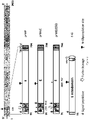
- the open reading frame of the ZIKV encodes a single amino acid sequence consisting of a polyprotein described as follows: 5'-C-prM-E-NS1-NS2A-NS2B-NS3-NS4A-NS4B-NS5-3' (see Figure 1 ) and that is subsequently cleaved into capsid (C), precursor membrane (prM), envelope (E), and non-structural proteins (NS) by host proteases.
- a polyprotein is a large protein that is cleaved into separate smaller proteins with different biological functions. In some cases, an uncleaved polyprotein retains the biological activity of its component parts. There are two non-coding flanking regions known as the 5' NCR and the 3' NCR.
- the E protein is a ZIKV envelope glycoprotein of approx. 500 amino acids which consist of four domains, a stem transmembrane domain that anchors the protein into the membrane and domains I, II, and III that constitute the predominantly beta-strand surface portion of the protein ( Sirohi et al., 2016, Science 352: 467-470 ).
- the seven nonstructural proteins (NS1, NS2A, NS2B, NS3, NS4A, NS4B and NS5) are believed to be involved in replication, assembly and antagonizing the host innate response to infection based on the structure-function relationship of viral proteins in other flaviviruses such as West-Nile virus, Dengue virus and Japanese encephalitis virus, to which ZIKV displays a high degree of homology in its protein sequence and structure.
- the reproductive cycle of the ZIKV follows that of the other flaviviruses. It is initially assembled in the endoplasmic reticulum as trimeric E:prM heterodimer "spikes". During maturation, the prM protein is cleaved into the soluble pr peptide and the mature M protein by the host protease, furin. Removal of the pr peptide during the maturation process exposes the fusion loop, thereby enabling the virus to undergo endosomal fusion and emerge as a "smooth" enveloped virus (Sirohi et al, 2016).
- VLPs are multiprotein structures which are generally composed of one or more viral proteins. VLP's mimic the conformation of viruses but lack genetic material, and therefore are not infectious. They can form (or "self-assemble") upon expression of a viral structural protein under appropriate circumstances. VLP vaccines overcome some of the disadvantages of more traditional vaccines prepared using attenuated viruses because they can be produced without the need to have any live virus present during the production process.
- a wide variety of VLPs have been prepared. For example, VLPs including single or multiple capsid proteins either with or without envelope proteins and/or surface glycoproteins have been prepared.
- VLPs are non-enveloped and assemble by expression of just one major capsid protein.
- VLPs are enveloped and can comprise multiple antigenic proteins found in the corresponding native virus.
- Self-assembly of enveloped VLPs is more complex than non-enveloped VLPs because of the complex reactions required for fusion with the host cell membrane ( Garrone et al., 2011 Science Trans. Med. 3: 1-8 ) and "budding" of the VLP to form a fully enveloped separate particle. Accordingly, self-assembly of enveloped VLPs may not be successful and the formation and stability of enveloped VLP particles is difficult to predict. Formation of intact VLPs can be confirmed by imaging of the particles using electron microscopy.
- VLPs typically resemble their corresponding native virus and can be multivalent particulate structures.
- the present disclosure encompasses the recognition that presentation of ZIKV surface glycoproteins in the context of a VLP is advantageous for induction of neutralizing antibodies against such ZIKV polypeptide as compared to other forms of antigen presentation, e.g., soluble antigens not associated with a VLP.
- Neutralizing antibodies most often recognize tertiary or quaternary structures; this often requires presenting antigenic proteins, like envelope glycoproteins, in their native viral conformation.
- VLPs may be useful for presenting antigens in a context which induces cellular immunity (e.g., T cell response). Antigens present within the internal space of the VLP may induce cellular immunity.
- one of the non-structural proteins of the ZIKV may be included in a VLP to enhance cellular immunity.
- the presence of human leukocyte antigen class II-restricted T cell epitopes within a ZIKV non-structural protein may induce CD4-restricted T helper cell responses that help elicit and sustain both neutralizing antibody and cytotoxic T lymphocyte (CTL) responses.
- CTL cytotoxic T lymphocyte
- the VLPs of the invention comprise retroviral vectors.
- Retroviruses are enveloped RNA viruses that belong to the family Retroviridae. After infection of a host cell by a retrovirus, RNA is transcribed into DNA via the enzyme reverse transcriptase. DNA is then incorporated into the host cell's genome by an integrase enzyme and thereafter replicates as part of the host cell's DNA.
- the Retroviridae family includes the following genera Alpharetrovirus, Betaretrovirus, Gammearetrovirus, Deltaretrovirus, Epsilonretrovirus, Lentivirus and Spumavirus.
- the hosts for this family of retroviruses generally are vertebrates. Retroviruses produce an infectious virion containing a spherical nucleocapsid (the viral genome in complex with viral structural proteins) surrounded by a lipid bilayer derived from the host cell membrane.
- Retroviral vectors can be used to generate VLPs that lack a retrovirus-derived genome and are therefore non-replicating. This is accomplished by replacement of most of the coding regions of the retrovirus with genes or nucleotide sequences to be transferred; so that the vector is incapable of making proteins required for additional rounds of replication. Depending on the properties of the glycoproteins present on the surface of the particles, VLPs have limited ability to bind to and enter the host cell but cannot propagate. Therefore, VLPs can be administered safely as an immunogenic composition (e.g., a vaccine).
- an immunogenic composition e.g., a vaccine
- a structural protein for use in accordance with the present invention is Alpharetrovirus (e.g., Avian Leukosis Virus), Betaretrovirus (Mouse Mammary Tumor Virus), Gammearetrovirus (Murine Leukemia Virus), Deltaretrovirus (Bovine Leukemia Virus), Epsilonretrovirus (Walley Dermal Sarcoma Virus), Lentivirus (Human Immunodeficiency Virus 1) or Spumavirus (Chimpanzee Foamy Virus) structural protein.
- a structural polyprotein is a Murine Leukemia Virus (MLV) structural protein.
- MMV Murine Leukemia Virus
- MMLV Moloney Murine Leukemia Virus
- the retroviral structural protein for use in accordance with the present invention is a Gag polypeptide.
- the Gag proteins of retroviruses have an overall structural similarity and, within each group of retroviruses, are conserved at the amino acid level. Retroviral Gag proteins primarily function in viral assembly. Expression of Gag of some viruses (e.g., murine leukemia viruses, such as MMLV) in some host cells, can result in self-assembly of the expression product into VLPs. The Gag gene expression product in the form of a polyprotein gives rise to the core structural proteins of the VLP.
- viruses e.g., murine leukemia viruses, such as MMLV
- the Gag polyprotein is divided into three domains: the membrane binding domain, which targets the Gag polyprotein to the cellular membrane; the interaction domain which promotes Gag polymerization; and the late domain which facilitates release of nascent virions from the host cell.
- the form of the Gag protein that mediates viral particle assembly is the polyprotein.
- Retroviruses assemble an immature capsid composed of the Gag polyprotein but devoid of other viral elements like viral protease with Gag as the structural protein of the immature virus particle.
- a suitable Gag polypeptide for use in the invention is substantially homologous to a known retroviral Gag polypeptide.
- the MMLV-Gag gene encodes a 65kDa polyprotein precursor which is proteolytically cleaved into 4 structural proteins (Matrix (MA); p12; Capsid (CA); and Nucleocapsid (NC)), by MLV protease, in the mature virion. In the absence of MLV protease, the polyprotein remains uncleaved- and the resulting particle remains in an immature form. The morphology of the immature particle is different from that of the mature particle.
- the Gag sequence does not include a gene encoding MLV protease.
- the gene encoding the MMLV nucleic acid is SEQ ID NO: 2.
- An exemplary codon optimized sequence of MMLV nucleic acid is provided as SEQ ID NO: 3.
- a Gag polypeptide suitable for the present invention is substantially homologous to an MMLV-Gag polypeptide (SEQ ID NO: 1).
- a Gag polypeptide suitable for the present invention has an amino acid sequence at least 50%, 55%, 60%, 65%, 70%, 75%, 80%, 85%, 90%, 91%, 92%, 93%, 94%, 95%, 96%, 97%, 98%, 99% or more homologous to SEQ ID NO:1.
- a Gag polypeptide suitable for the present invention is substantially identical to, or identical to SEQ ID NO: 1.
- a suitable MMLV-Gag polypeptide is encoded by a nucleic acid sequence having at least 80%, 85%, 90%, 91%, 92%, 93%, 94%, 95%, 96%, 97%, 98%, 99% sequence identity to SEQ ID NO:2.
- a suitable MMLV-Gag polypeptide is encoded by a nucleic acid sequence having SEQ ID NO: 2 or a codon degenerate version thereof.
- nucleic acid sequence As is well known to those of skill in the art, it is possible to improve the expression of a nucleic acid sequence in a host organism by replacing the nucleic acids coding for a particular amino acid (i.e. a codon) with another codon which is better expressed in the host organism.
- a codon The process of altering a nucleic acid sequence to achieve better expression based on codon preference is called codon optimization.
- codon optimization Various methods are known in the art to analyze codon use bias in various organisms and many computer algorithms have been developed to implement these analyses in the design of codon optimized gene sequences.
- a suitable MMLV-Gag polypeptide is encoded by a codon optimized version of a nucleic acid sequence encoding MMLV-Gag and having at least 80%, 85%, 90%, 91%, 92%, 93%, 94%, 95%, 96%, 97%, 98%, 99% sequence identity to SEQ ID NO:3.
- a suitable MMLV-Gag polypeptide is encoded by a nucleic acid sequence which is substantially identical to, or identical to, SEQ ID NO: 3.
- amino acid or nucleic acid sequences may be compared using any of a variety of algorithms, including those available in commercial computer programs such as BLASTN for nucleotide sequences and BLASTP, gapped BLAST, and PSI-BLAST for amino acid sequences. Examples of such programs are described in Altschul, et al., 1990, J. Mol. Biol., 215(3): 403-410 ; Altschul, et al., 1996, Methods in Enzymology 266:460-480 ; Altschul, et al., 1997 Nucleic Acids Res.
- two sequences are considered to be substantially homologous if at least 50%, 55%, 60%, 65%, 70%, 75%, 80%, 85%, 90%, 91%, 92%, 93%, 94%, 95%, 96%, 97%, 98%, 99% or more of their corresponding residues are homologous over a relevant stretch of residues.
- the relevant stretch is a complete sequence.
- the relevant stretch is at least 10, 15, 20, 25, 30, 35, 40, 45, 50, 55, 60, 65, 70, 75, 80, 85, 90, 95, 100, 125, 150, 175, 200, 225, 250, 275, 300, 325, 350, 375, 400, 425, 450, 475, 500 or more residues.
- the Gag polypeptide used in the invention may be a modified retroviral Gag polypeptide containing one or more amino acid substitutions, deletions, and/or insertions as compared to a wild-type or naturally-occurring Gag polypeptide while retaining substantial self-assembly activity.
- a Gag protein includes a large C-terminal extension which may contain retroviral protease, reverse transcriptase, and integrase enzymatic activity. Assembly of VLPs, however, generally does not require the presence of such components.
- a retroviral Gag protein alone e.g., lacking a C-terminal extension, lacking one or more of genomic RNA, reverse transcriptase, viral protease, or envelope protein
- a retroviral Gag protein can self-assemble to form VLPs both in vitro and in vivo ( Sharma S et al., 1997, Proc. Natl. Acad. Sci. USA 94: 10803-8 ).
- a Gag polypeptide for use in accordance with the present invention lacks a C-terminal extension and/or contains a modified C-terminal extension.
- a Gag polypeptide may optionally include one or more additional polypeptides (e.g., a heterologous antigen).
- a Gag polypeptide is co-expressed with a heterologous antigen (e.g., under separate promoters and/or as separate proteins).
- a Gag polypeptide is expressed as a fusion protein with a heterologous antigen.
- the Gag polypeptide can be linked to a heterologous antigen to create a fusion protein without altering Gag function.
- a coding sequence for a heterologous antigen may be spliced into the Gag polypeptide coding sequence, e.g., at the 3' end of the Gag polypeptide coding sequence.
- a coding sequence for a heterologous antigen may be spliced in frame into the Gag polypeptide coding sequence.
- a Gag polypeptide-coding sequence and heterologous antigen may be expressed by a single promoter.
- a heterologous antigen is inserted at (e.g., fused to) the C-terminus of a Gag polypeptide.
- the VLP structural components of the present invention comprise a fusion protein of a Gag polypeptide (e.g., MMLV-Gag) and a ZIKV polypeptide.
- the VLP structural components of the present invention comprise a fusion protein of a Gag polypeptide (e.g., MMLV-Gag) and the NS1 polypeptide of ZIKV.
- the VLP structural components of the present invention comprise a fusion protein of a Gag polypeptide (e.g., MMLV-Gag) and a modified version of the NS1 polypeptide of ZIKV.
- the modified version of the NS1 polypeptide is a truncated version.
- VLPs which express ZIKV envelope glycoproteins on the surface which can cause an immune response in a subject.
- a humoral immune response is an immune response mediated by antibody molecules.
- Certain antibodies, called neutralizing antibodies defend cells from infection by a virus and associated biological effects by recognizing and binding to a particular protein or antigen expressed by the virus.
- the envelope proteins of ZIKV are important targets for production of neutralizing antibodies against ZIKV. It is well known to those in the art that retroviral Gag-based enveloped VLPs can be used to express a variety of envelope glycoproteins for the purpose of eliciting neutralizing antibody responses.
- Class I viral fusion proteins such as HIV-1 gp120, metapneumovirus and Influenza HA, as well as Class III fusion proteins such as VSV G protein and CMV gB protein ( Mammano et al., 1997, J. Virol. 71:3341-3345 ; Levy et al., 2013, Vaccine 31:2778-2785 ; Lemaitre et al., 2011, Clin. Microbiol. Infect. 1:732-737 ; Garrone et al, 2011; Kirchmeier et al., 2014, CVI 21: 174-180 ).
- Class I viral fusion proteins such as HIV-1 gp120, metapneumovirus and Influenza HA
- Class III fusion proteins such as VSV G protein and CMV gB protein
- Example 1 describes a failure to express RSV F glycoprotein, a class II viral fusion protein, on the surface of a VLP produced using MLV Gag.
- the inventor hypothesized that the presence of the RSV F glycoprotein interfered with budding of the Gag viral particle through the cell membrane (see column 41, line 50). It was therefore not predictable that a retroviral Gag-based enveloped virus-like particle could be used to successfully express the ZIKV E protein.
- a ZIKV vaccine comprising one or more envelope polypeptide antigens (e.g., E or M) on the surface of a VLP.
- the envelope polypeptide antigens comprise modified polypeptides.
- a VLP of the invention includes a fusion protein of an envelope polypeptide from ZIKV (e.g., all or part of an extracellular portion of an ZIKV envelope polypeptide) and a transmembrane and/or cytoplasmic domain that is not found in nature in the ZIKV protein (e.g., from another virus).
- a fusion protein includes an envelope polypeptide from ZIKV (e.g., all or part of an extracellular portion of a ZIKV envelope polypeptide) and a transmembrane domain and/or cytoplasmic domain found in nature in the glycoprotein G from VSV which is referred to as VSV-G.
- the nucleotide and amino acid sequences of the VSV-G protein are known in the art.
- the transmembrane domain of VSV-G can function to target the viral glycoprotein to the cell membrane ( Compton T et al., 1989, Proc Natl Acad Sci USA 86:4112-4116 ).
- Swapping the transmembrane and cytoplasmic domains of VSV-G for the transmembrane and cytoplasmic domains of another protein has been used to increase the yield of the protein of interest in the VLP preparation and increase immunogenicity to neutralizing antibody response (Garrone et al., 2011). This modification was successful to increase yield and activity of a VLP expressing HCV-E1 protein (Garrone et al, 2011) and CMV-gB protein (Kirchmeier et al, 2014).
- the immunogenic composition of the present invention comprises a VLP comprising a wild type envelope ZIKV polypeptide comprising the ZIKV M and E polypeptides, the sequence of which is SEQ ID NO: 4 or a codon degenerate version of SEQ ID NO: 4.
- a nucleic acid which encodes for the polypeptide is shown as SEQ ID NO: 5.
- a codon optimized version of SEQ ID NO: 5 is shown as SEQ ID NO: 6.
- the present invention comprises an immunogenic composition comprising a VLP comprising a polypeptide having an amino acid sequence which is at least 80%, 85%, 90%, 91%, 92%, 93%, 94%, 95%, 96%, 97%, 98%, 99% or more homologous to SEQ ID NO: 4.
- the present invention comprises an immunogenic composition comprising a VLP comprising a polypeptide having an amino acid sequence which is SEQ ID NO: 4 or a codon degenerate version of SEQ ID NO: 4.
- the polypeptide is encoded by a nucleic acid sequence at least 50%, 55%, 60%, 65%, 70%, 75%, 80%, 85%, 90%, 91%, 92%, 93%, 94%, 95%, 96%, 97%, 98%, 99% or more homologous to SEQ ID NO: 5.
- the polypeptide is encoded by a codon optimized version of the nucleic acid sequence of SEQ ID NO: 5, which is at least 50%, 55%, 60%, 65%, 70%, 75%, 80%, 85%, 90%, 91%, 92%, 93%, 94%, 95%, 96%, 97%, 98%, 99% or more homologous to the SEQ ID NO: 6.
- the mutated polypeptide is encoded by a nucleic acid sequence having SEQ ID NO: 6.
- the immunogenic compositions of the present invention comprise VLPs comprising variants of ZIKV envelope glycoproteins.
- a variant ZIKV envelope glycoprotein has been modified to delete the furin cleavage site from the ZIKV polypeptide.
- the ZIKV envelope glycoprotein has been modified to delete the glycosylation site on the E protein.
- the viral envelope glycoprotein has been modified to delete the M protein.
- the ZIKV polyprotein includes a site where the protease, furin, cleaves the prM polypeptide to give the pr peptide and the M protein during the process of virion maturation.
- a modified ZIKV protein construct was produced wherein the amino acid sequence was modified to remove the furin cleavage site, thus retaining the prM polypeptide in its immature form.
- the inventors have discovered that the furin-cleavage site mutated version of the ZIKV construct, which does not undergo normal cleavage and maturation of the protein, shows enhanced cell receptor binding and cell entry, indicating that immunity against this structure may result in humoral immunity with greater neutralizing activity.
- the immunogenic composition of the invention comprises a VLP comprising a modified ZIKV polypeptide with a mutated furin cleavage site as compared to a wild-type or naturally-occurring ZIKV polypeptide.
- the sequence for the modified ZIKV polypeptide is shown as SEQ ID NO: 7.
- the present invention comprises an immunogenic composition comprising a VLP comprising a polypeptide having an amino acid sequence which is at least 80%, 85%, 90%, 91%, 92%, 93%, 94%, 95%, 96%, 97%, 98%, 99% or more homologous to SEQ ID NO: 7.
- the present invention comprises an immunogenic composition
- a VLP comprising a polypeptide having an amino acid sequence which is SEQ ID NO: 7 or a codon degenerate version of SEQ ID NO: 7.
- the modified polypeptide is encoded by a nucleic acid sequence at least 50%, 55%, 60%, 65%, 70%, 75%, 80%, 85%, 90%, 91%, 92%, 93%, 94%, 95%, 96%, 97%, 98%, 99% or more homologous to the SEQ ID NO: 8.
- the modified polypeptide is encoded by a codon optimized version of the nucleic acid sequence of SEQ ID NO: 8, which is at least 50%, 55%, 60%, 65%, 70%, 75%, 80%, 85%, 90%, 91%, 92%, 93%, 94%, 95%, 96%, 97%, 98%, 99% or more homologous to the SEQ ID NO: 9.
- the mutated polypeptide is encoded by a nucleic acid sequence having SEQ ID NO: 9.
- the immunogenic composition of the invention comprises a VLP comprising a ZIKV polypeptide which has been modified to abrogate the glycosylation site on the E polypeptide as compared to a wild-type or naturally-occurring ZIKV E polypeptide.
- the sequence of the modified polypeptide is shown in SEQ ID NO: 13.
- the present invention comprises an immunogenic composition comprising a VLP comprising a polypeptide having an amino acid sequence which is at least 80%, 85%, 90%, 91%, 92%, 93%, 94%, 95%, 96%, 97%, 98%, 99% or more homologous to SEQ ID NO: 13.
- the present invention comprises an immunogenic composition comprising a VLP comprising a polypeptide having an amino acid sequence which is SEQ ID NO: 13 or a codon degenerate version of SEQ ID NO: 13.
- the modified polypeptide is encoded by a nucleic acid sequence at least 50%, 55%, 60%, 65%, 70%, 75%, 80%, 85%, 90%, 91%, 92%, 93%, 94%, 95%, 96%, 97%, 98%, 99% or more homologous to the SEQ ID NO: 14.
- the modified polypeptide is encoded by a codon optimized version of the nucleic acid sequence of SEQ ID NO: 14, which is at least 50%, 55%, 60%, 65%, 70%, 75%, 80%, 85%, 90%, 91%, 92%, 93%, 94%, 95%, 96%, 97%, 98%, 99% or more homologous to the SEQ ID NO: 15.
- the modified polypeptide is encoded by a nucleic acid sequence having SEQ ID NO: 15.
- the immunogenic composition of the invention comprises a VLP comprising a modified ZIKV polypeptide which has been modified to remove the M glycoprotein, leaving the E glycoprotein as the sole ZIKV glycoprotein.
- the present invention comprises an immunogenic composition comprising a VLP comprising a polypeptide having an amino acid sequence which is at least 80%, 85%, 90%, 91%, 92%, 93%, 94%, 95%, 96%, 97%, 98%, 99% or more homologous to the sequence of the naturally occurring ZIKV E protein.
- the present invention comprises an immunogenic composition comprising a VLP comprising a polypeptide having an amino acid sequence which is the same as the sequence of the naturally occurring ZIKV E polypeptide.
- a VLP described herein comprises a fusion protein comprising an extracellular domain (or a portion thereof) of a ZIKV envelope polypeptide, and a transmembrane domain from an envelope protein from VSV.
- the immunogenic composition of the invention comprises a VLP comprising a modified ZIKV polypeptide which has been modified to remove the M glycoprotein, leaving the E glycoprotein as the sole ZIKV glycoprotein, and this modified ZIKV polypeptide has been further modified to replace the transmembrane domain and cytoplasmic tail with the transmembrane domain and cytoplasmic tail of VSV. This construct is referred to as "EG".
- the present invention comprises an immunogenic composition comprising a VLP comprising a polypeptide having an amino acid sequence which is at least 80%, 85%, 90%, 91%, 92%, 93%, 94%, 95%, 96%, 97%, 98%, 99% or more homologous to SEQ ID NO: 10.
- the modified polypeptide is encoded by a nucleic acid sequence at least 50%, 55%, 60%, 65%, 70%, 75%, 80%, 85%, 90%, 91%, 92%, 93%, 94%, 95%, 96%, 97%, 98%, 99% or more homologous to the SEQ ID NO: 11.
- the modified polypeptide is encoded by a codon optimized version of the nucleic acid sequence of SEQ ID NO: 11, which is at least 50%, 55%, 60%, 65%, 70%, 75%, 80%, 85%, 90%, 91%, 92%, 93%, 94%, 95%, 96%, 97%, 98%, 99% or more homologous to the SEQ ID NO: 12.
- the modified polypeptide is encoded by a nucleic acid sequence having SEQ ID NO: 12.
- the inventors successfully produced VLPs using all four of the ZIKV envelope polypeptides described above.
- the VLPs produced using the ZIKV envelope protein variant in which the glycosylation site was abrogated showed the presence of only trace amounts of the ZIKV E polypeptide. Therefore, no further studies were conducted using this ZIKV VLP construct.
- VLPs produced using the three remaining ZIKV envelope protein constructs were used in a mouse study to determine which of the three constructs would produce the most antigenic effect.
- the mouse study showed that the VLP incorporating the polypeptide having SEQ ID NO: 10 (i.e. the construct having the isolated ZIKV E protein, in which the M polypeptide was removed) showed significantly higher antigenicity than the other VLPs having different ZIKV envelope polypeptide constructs. This result was surprising because the most antigenic construct did not include the ZIKV M polypeptide, which occurs in the natural ZIKV.
- previous studies using ZIKV DNA vaccines demonstrated that higher titres were obtained using the native ZIKV prM-E envelope polypeptide.
- the VLPs of the present invention can contain one or more epitopes from ZIKV non-structural proteins which are antigens that play a role in induction of cellular immune responses (e.g., T-cell response).
- the one or more epitopes from a ZIKV non-structural protein can be present with or without a ZIKV envelope protein.
- the utilized non-structural proteins both stimulate formation of T-helper cells ( T H ) and also induce cytotoxic T lymphocytes (CTL) against ZIKV (e.g., via a cell-mediated immune response).
- T H T-helper cells
- CTL cytotoxic T lymphocytes
- An important aspect of immunological response to an antigen is played by T cell response.
- CD4+ T cells are crucial.
- the NS1 protein is a highly conserved flavivirus protein which is a major target of CD4+ T cells.
- CD4+ T cell response against NS1 has been described in recovered Japanese encephalitis ("JEV") patients 6 years after exposure ( Turtle et al., 2016, J. Exp. Med. 213:1331-1352 ) and in healthy children from JEV endemic areas ( Kumar et al., 2004, J Gen Virol. 85:471-82 ).
- JEV Japanese encephalitis
- the NS1 can be expressed as a fusion protein with the Gag, during VLP assembly.
- the amino acid sequence of a Gag-NS1 fusion protein is SEQ ID NO: 16 (shown above with the NS1 portion of the fusion protein underlined).
- a nucleic acid sequence encoding a Gag-NS1 fusion protein is SEQ ID NO: 17.
- the immunogenic composition of the invention comprises a VLP comprising a ZIKV NS1 protein.
- the NS1 polypeptide is expressed as part of a Gag-NS1 fusion protein encoded by a nucleic acid sequence at least 50%, 55%, 60%, 65%, 70%, 75%, 80%, 85%, 90%, 91%, 92%, 93%, 94%, 95%, 96%, 97%, 98%, 99% or more homologous to the SEQ ID NO: 17.
- the mutated polypeptide is encoded by a codon optimized version of the nucleic acid sequence of SEQ ID NO: 17, which is at least 50%, 55%, 60%, 65%, 70%, 75%, 80%, 85%, 90%, 91%, 92%, 93%, 94%, 95%, 96%, 97%, 98%, 99% or more homologous to the SEQ ID NO: 18.
- the Gag-NS1 fusion polypeptide is encoded by a nucleic acid sequence having SEQ ID NO: 18.
- NS 1 protein Modifications to the ZIKV NS 1 protein were based on an understanding of the NS 1 epitopes from a related flavivirus, Dengue. Analysis of T cell lines isolated from patients diagnosed with Dengue virus infection identified specific epitopes for CD4+ or CD8+ T cells in the NS1 protein ( Rivino et al., 2013, J. Virol. 87:2693-2706 ). The amino acid sequence of NS1 is highly conserved among flavivirus, including Dengue virus, JEV, West Nile virus and ZIKV and the protein structures have very similar features (Sirohi et al., (2016)). The NS1 protein consists of three separate domains, a beta roll, a wing domain and a beta ladder domain.
- NS1 from ZIKV The amino acid sequence of NS1 from ZIKV was aligned with NS1 from Dengue virus and a new NS1 ZIKV construct was designed comprising a fragment of the NS1 sequence consisting of the beta ladder domain (named ⁇ NS1), which includes most of the sections described as potential CD4+ T cell epitopes in the Dengue virus NS1, and corresponding to the C-terminus ⁇ -ladder of NS1.
- ⁇ NS1 can be expressed as a fusion protein with the Gag, during VLP assembly.
- the amino acid sequence of a Gag- ⁇ NS1 fusion protein is SEQ ID NO: 19 (shown above with the ⁇ NS1 portion of the fusion protein underlined).
- a nucleic acid sequence encoding a Gag- ⁇ NS1 fusion protein is SEQ ID NO: 20.
- the immunogenic composition of the invention comprises a VLP comprising a ZIKV ⁇ NS1 protein.
- the NS1 polypeptide is expressed as part of a Gag- ⁇ NS1 fusion protein encoded by a nucleic acid sequence at least 50%, 55%, 60%, 65%, 70%, 75%, 80%, 85%, 90%, 91%, 92%, 93%, 94%, 95%, 96%, 97%, 98%, 99% or more homologous to the SEQ ID NO: 20.
- TLRs Toll-like receptors
- RNA double stranded RNA which is produced at a point in the viral lifecycle.
- West Nile virus double stranded RNA is detected by TLR3 in the host cells.
- NS1 from West Nile virus inhibits TLR3 host cell response thus decreasing the immune response to the virus and one study shows that specific mutations on identified residues abrogate the inhibition ( Morrison et al., 2014,Vir. 458-459:172-82 ).
- a modified NS1 (named ⁇ NS1 ⁇ ) was designed which consisted of the NS1 fragment of ⁇ NS1, with an additional mutation of 4 residues which are potentially responsible for TLR3 interaction in West Nile virus.
- ⁇ NS1 ⁇ can be expressed as a fusion protein with the Gag, during VLP assembly.
- the amino acid sequence of a Gag- ⁇ NS1 ⁇ fusion protein is SEQ ID NO: 21 (shown above with the ⁇ NS1 ⁇ portion of the fusion protein underlined.
- a nucleic acid sequence encoding a Gag- ⁇ NS1 ⁇ fusion protein is SEQ ID NO: 22.
- the immunogenic composition of the invention comprises a VLP comprising a ZIKV ⁇ NS1 ⁇ protein.
- the ⁇ NS1 ⁇ polypeptide is expressed as part of a Gag- ⁇ NS1 ⁇ fusion protein encoded by a nucleic acid sequence at least 50%, 55%, 60%, 65%, 70%, 75%, 80%, 85%, 90%, 91%, 92%, 93%, 94%, 95%, 96%, 97%, 98%, 99% or more homologous to the SEQ ID NO: 22.
- Monovalent VLP expressing the Gag- ⁇ NS1 fusion protein were used in animal studies to determine whether they elicited an immunological response. Not surprisingly, these monovalent VLPs did not produce an antibody response against ZIKV E protein. However, these monovalent VLPs did produce a significant T-cell response in mice, thus indicating that they elicit cellular immunity, which is important for long term, durable immunity against pathogens (see Example 10). Cellular immunity also serves to combat infection within cells, thus raising the prospect that these VLPs could limit damage to the cells of testes in males infected with ZIKV.
- bivalent VLPs were produced which contained both a ZIKV envelope glycoprotein and the modified NS1 polypeptide referred to above as ⁇ NS1.
- ⁇ NS1 modified NS1 polypeptide
- Each of the three modified ZIKV envelope glycoproteins described above were expressed in a bivalent VLP.
- the results are described in Example 8. As is shown in Example 8, VLP particles expressing each of the modified ZIKV envelope glycoproteins and a modified ⁇ NS1 were observed using electron microscopy.
- VLPs were produced which include the EG ZIKV surface polypeptide and the ZIKV ⁇ NS1 protein. These constructs were tested in animal models to compare their antigenicity against a monovalent VLP containing the EG polypeptide alone, and against a combination of two monovalent VLPs (one containing the EG polypeptide alone and a second containing the ⁇ NS1 protein alone).
- bivalent combination of two monovalent VLPs might have somewhat superior antigenicity to a combination of two monovalent VLPs having the same antigens simply because the two antigens are presented together.
- mouse studies demonstrated that the combination of two monovalent VLPs demonstrated surprisingly low antigenicity, lower in fact that the single monovalent VLP having the EG surface polypeptide.
- the bivalent construct, having both the EG and the ZIKV ⁇ NS1 polypeptide demonstrated significantly superior antigenicity to the combination of two monovalent VLPs in mouse studies.
- VLPs containing the ZIKV ⁇ NS1 polypeptide would elicit a T-cell, cellular immune response using the enzyme-linked immunospot (ELISPOT) assay.
- the ELISPOT assay measures the frequency of cytokine-secreting cells.
- the bivalent VLP generated a T-cell response which was roughly equivalent to the cellular immune response elicited by the monovalent VLP expressing only the ZIKV ⁇ NS1 polypeptide. Accordingly, the bivalent VLP was surprisingly superior to the combination of two monovalent VLPs with respect to its activity in generating a T-cell response.
- the bivalent VLP construct containing the ZIKV EG polypeptide described herein and the modified ZIKV ⁇ NS1 polypeptide, described herein elicited both high antibody titres and a strong cellular immune response.
- the bivalent VLP produced a higher antibody titre against ZIKV E than the monovalent VLP expressing only ZIKV EG.
- the bivalent VLP elicited a roughly equivalent cellular immune response to the monovalent VLP expressing only the modified ZIKV ⁇ NS1 polypeptide.
- the bivalent VLP was significantly superior in both antibody titre and cellular immune response to a combination of two monovalent VLPs expressing, individually, similar amounts of the ZIKV EG and modified ZIKV ⁇ NS1 polypeptide.
- This potent combination of immunological responses provides a significant improvement over existing ZIKV vaccines and offers a treatment which harnesses both humoral and cellular immunity to provide a long term and effective immunity against ZIKV.
- a composition comprising VLPs will typically include a mixture of VLPs with a range of sizes. It is to be understood that the diameter values listed below correspond to the most frequent diameter within the mixture. In some embodiments > 90% of the vesicles in a composition will have a diameter which lies within 50% of the most frequent value (e.g., 1000 ⁇ 500 nm). In some embodiments, the distribution may be narrower, e.g., > 90% of the vesicles in a composition may have a diameter which lies within 40, 30, 20, 10 or 5% of the most frequent value. In some embodiments, sonication or ultra-sonication may be used to facilitate VLP formation and/or to alter VLP size. In some embodiments, filtration, dialysis and/or centrifugation may be used to adjust the VLP size distribution.
- VLPs produced in accordance with the methods of the present disclosure may be of any size.
- the composition may include VLPs with diameters in the range of about 20 nm to about 300 nm.
- a VLP is characterized in that it has a diameter within a range bounded by a lower limit of 20, 30, 40, 50, 60, 70, 80, 90, or 100 nm and bounded by an upper limit of 300, 290, 280, 270, 260, 250, 240, 230, 220, 210, 200, 190, 180, or 170 nm.
- VLPs within a population show an average diameter within a range bounded by a lower limit of 20, 30, 40, 50, 60, 70, 80, 90, or 100 nm and bounded by an upper limit of 300, 290, 280, 270, 260, 250, 240, 230, 220, 210, 200, 190, 180, or 170 nm.
- VLPs in a population have a polydispersity index that is less than 0.5 (e.g., less than 0.45, less than 0.4, or less than 0.3).
- VLP diameter is determined by nanosizing.
- VLP diameter is determined by electron microscopy.
- VLPs in accordance with the present invention may be prepared according to general methodologies known to the skilled person.
- nucleic acid molecules, reconstituted vectors or plasmids may be prepared using sequences which are known in the art. Such sequences are available from banks, and material may be obtained from various collections, published plasmids, etc. These elements can be isolated and manipulated using techniques well known to the skilled artisan, or available in the art.
- Various synthetic or artificial sequences may also be produced from computer analysis or through (high throughput) screening of libraries. Recombinant expression of the polypeptides for VLPs requires construction of an expression vector containing a polynucleotide that encodes one or more polypeptide(s).
- the vector for production of the polypeptide may be produced by recombinant DNA technology using techniques known in the art.
- Expression vectors that may be utilized in accordance with the present invention include, but are not limited to mammalian and avian expression vectors, bacculovirus expression vectors, plant expression vectors (e.g., Cauliflower Mosaic Virus (CaMV), Tobacco Mosaic Virus (TMV)), plasmid expression vectors (e.g., Ti plasmid), among others.
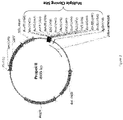
- An exemplary VLP expression plasmid that can be used to express a ZIKV polypeptide is shown in Figure 3 .
- the VLPs of the invention may be produced in any available protein expression system.
- the expression vector is transferred to a host cell by conventional techniques and the transfected cells are then cultured by conventional techniques to produce VLPs.
- VLPs are produced using transient transfection of cells.
- VLPs are produced using stably transfected cells.
- Typical cell lines that may be utilized for VLP production include, but are not limited to, mammalian cell lines such as human embryonic kidney (HEK) 293, WI 38, Chinese hamster ovary (CHO), monkey kidney (COS), HT1080, C10, HeLa, baby hamster kidney (BHK), 3T3, C127, CV-1, HaK, NS/O, and L-929 cells.
- BALB/c mouse myeloma line (NSO/l, ECACC No: 85110503); human retinoblasts (PER.C6 (CruCell, Leiden, The Netherlands)); monkey kidney CV1 line transformed by SV40 (COS-7, ATCC CRL 1651); human embryonic kidney line (293 cells subcloned for growth in suspension culture, Graham et al., J. Gen Virol., 36:59 (1977 )); baby hamster kidney cells (BHK, ATCC CCL 10); Chinese hamster ovary cells +/-DHFR (CHO, Urlaub and Chasin, Proc. Natl. Acad. Sci.
- mice sertoli cells TM4, Mather, Biol. Reprod., 23:243-251 (1980 )); monkey kidney cells (CV1 ATCC CCL 70); African green monkey kidney cells (VERO-76, ATCC CRL-1 587); human cervical carcinoma cells (HeLa, ATCC CCL 2); canine kidney cells (MDCK, ATCC CCL 34); buffalo rat liver cells (BRL 3A, ATCC CRL 1442); human lung cells (W138, ATCC CCL 75); human liver cells (Hep G2, HB 8065); mouse mammary tumor (MMT 060562, ATCC CCL51); TRI cells ( Mather et al., Annals N.Y. Acad.
- cell lines that may be utilized for VLP production include insect (e.g., Sf-9, Sf-21, Tn-368, Hi5) or plant (e.g., Leguminosa , cereal, or tobacco) cells. It will be appreciated in some embodiments, particularly when glycosylation is important for protein function, mammalian cells are preferable for protein expression and/or VLP production (see, e.g., Roldao A et al., 2010 Expt Rev Vaccines 9:1149-76 ).
- a cell strain may be chosen which modulates the expression of the inserted sequences, or modifies and processes the gene product in a specific way.
- modifications e.g., glycosylation
- processing e.g., cleavage or transport to the membrane
- VLP VLP
- additional polypeptide e.g., an adjuvant or additional antigen.
- Different cells have characteristic and specific mechanisms for post-translational processing and modification of proteins and gene products. Appropriate cell lines or host systems can be chosen to ensure the correct modification and processing of the foreign protein expressed.
- eukaryotic host cells also referred to as packaging cells (e.g., 293T human embryo kidney cells) which possess appropriate cellular machinery for proper processing of the primary transcript, glycosylation and phosphorylation of the gene product may be used in accordance with the present invention.
- packaging cells e.g., 293T human embryo kidney cells
- VLPs may be purified according to known techniques, such as centrifugation, gradients, sucrose-gradient ultracentrifugation, tangential flow filtration and chromatography (e.g., ion exchange (anion and cation), affinity and sizing column chromatography), or differential solubility, among others.
- cell supernatant may be used directly, with no purification step.
- Additional entities, such as additional antigens or adjuvants may be added to purified VLPs.
- cells may be transfected with a single expression vector.
- a single expression vector encodes more than one element of a VLP (e.g., more than one of structural polyprotein, ZIKV tegument polypeptide, ZIKV glycoprotein, etc.).
- a single expression vector encodes two or more elements of a VLP.
- a single expression vector encodes three of more elements of a VLP.
- a single expression vector encodes a Gag polypeptide and a ZIKV glycoprotein.
- a single expression vector encodes a Gag polypeptide, a ZIKV glycoprotein and a ZIKV non-structural protein.
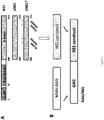
- cells are transfected with two or more expression vectors (see Figure 4 ).
- cells are transfected with a first vector encoding a Gag polypeptide and a second vector encoding a ZIKV envelope glycoprotein and "monovalent" VLPs comprising a ZIKV envelope glycoprotein are produced.
- cells are transfected with a first vector encoding a Gag polypeptide, a second vector encoding a ZIKV envelope glycoprotein and a third vector encoding another ZIKV envelope glycoprotein.
- "bivalent" VLPs comprising two ZIKV envelope glycoproteins are produced.
- cells are transfected with a first vector encoding a Gag fusion polypeptide encoding a Gag and a ZIKV non-structural protein and a second vector encoding a ZIKV envelope glycoprotein.
- "bivalent" VLPs comprising a ZIKV non-structural protein and a ZIKV envelope glycoprotein are produced.
- cells are transfected with a first vector encoding a Gag fusion polypeptide encoding a Gag and a ZIKV non-structural protein, a second vector encoding a ZIKV envelope glycoprotein, and a third vector encoding another ZIKV envelope glycoprotein.
- VLPs comprising a ZIKV non-structural protein and two ZIKV envelope glycoproteins are produced.
- a vector encoding a ZIKV envelope glycoprotein also encodes a second ZIKV glycoprotein.
- monovalent, bivalent, or trivalent VLPs are admixed.
- monovalent and bivalent VLPs are admixed to form a trivalent VLP mixture.
- two monovalent VLPs are admixed to form a bivalentVLP mixture.
- a monovalent VLP having the EG variant of the ZIKV E glycoprotein and a second monovalent VLP having the ZIKV ⁇ NS1 protein are admixed.
- the present invention provides pharmaceutical compositions comprising the VLPs described herein and, optionally, further comprising the glycoproteins, glycoprotein variants, non-structural proteins or non-structural protein variants described herein.
- the present invention provides a VLP and at least one pharmaceutically acceptable excipient, adjuvant and/or carrier.
- Such pharmaceutical compositions may optionally comprise and/or be administered in combination with one or more additional therapeutically active substances.
- the provided pharmaceutical compositions are useful as prophylactic agents (i.e. , vaccines) in the prevention of ZIKV infection or of negative ramifications associated or correlated with ZIKV infection.
- pharmaceutical compositions are formulated for administration to humans.
- compositions provided here may be provided in a sterile injectable form (e.g., a form that is suitable for subcutaneous injection or intravenous infusion).
- a sterile injectable form e.g., a form that is suitable for subcutaneous injection or intravenous infusion.
- pharmaceutical compositions are provided in a liquid dosage form that is suitable for injection.
- pharmaceutical compositions are provided as powders ( e . g . lyophilized and/or sterilized), optionally under vacuum, which are reconstituted with an aqueous diluent (e.g., water, buffer, salt solution, etc.) prior to injection.
- aqueous diluent e.g., water, buffer, salt solution, etc.
- pharmaceutical compositions are diluted and/or reconstituted in water, sodium chloride solution, sodium acetate solution, benzyl alcohol solution, phosphate buffered saline, etc.
- powder should be mixed gently with the aqueous diluent
- provided pharmaceutical compositions comprise one or more pharmaceutically acceptable excipients (e.g., preservative, inert diluent, dispersing agent, surface active agent and/or emulsifier, buffering agent, etc.).
- suitable excipients include, for example, water, saline, dextrose, sucrose, trehalose, glycerol, ethanol, or similar, and combinations thereof.
- Remington's The Science and Practice of Pharmacy, 21st Edition, A. R. Gennaro, (Lippincott, Williams & Wilkins, Baltimore, MD, 2006 ) discloses various excipients used in formulating pharmaceutical compositions and known techniques for the preparation thereof.
- compositions comprise one or more preservatives. In some embodiments, pharmaceutical compositions comprise no preservative.
- a pharmaceutical composition is sufficiently immunogenic as a vaccine (e.g., in the absence of an adjuvant).
- immunogenicity of a pharmaceutical composition is enhanced by including an adjuvant.
- Any adjuvant may be used in accordance with the present invention. A large number of adjuvants are known; a useful compendium of many such compounds is prepared by the National Institutes of Health and can be found (www.niaid.nih.gov/daids/vaccine/pdf/compendium.pdf). See also Allison, 1998, Dev. Biol. Stand., 92:3-11 , Unkeless et al., 1998, Annu. Rev.
- adjuvants include, but are not limited to, cytokines, gel-type adjuvants (e.g., aluminum hydroxide, aluminum phosphate, calcium phosphate, etc.), microbial adjuvants (e.g., immunomodulatory DNA sequences that include CpG motifs; endotoxins such as monophosphoryl lipid A; exotoxins such as cholera toxin, E.
- cytokines e.g., cytokines
- gel-type adjuvants e.g., aluminum hydroxide, aluminum phosphate, calcium phosphate, etc.
- microbial adjuvants e.g., immunomodulatory DNA sequences that include CpG motifs
- endotoxins such as monophosphoryl lipid A
- exotoxins such as cholera toxin, E.
- oil-emulsion and emulsifier-based adjuvants e.g., Freund's Adjuvant, MF59 [Novartis], SAF, etc.
- particulate adjuvants e.g., liposomes, biodegradable microspheres, saponins, etc.
- synthetic adjuvants
- exemplary adjuvants include some polymers (e.g., polyphosphazenes; described in U.S. Patent 5,500,161 , Q57, QS21, squalene, tetrachlorodecaoxide, etc.
- compositions are provided in a form that can be refrigerated and/or frozen. In some embodiments, pharmaceutical compositions are provided in a form that cannot be refrigerated and/or frozen. In some embodiments, reconstituted solutions and/or liquid dosage forms may be stored for a certain period of time after reconstitution (e.g., 2 hours, 12 hours, 24 hours, 2 days, 5 days, 7 days, 10 days, 2 weeks, a month, two months, or longer). In some embodiments, storage of VLP formulations for longer than the specified time results in VLP degradation.
- a pharmaceutical composition in accordance with the invention may be prepared, packaged, and/or sold as a single unit dose, and/or as a plurality of single unit doses.
- a "unit dose" is discrete amount of the pharmaceutical composition comprising a predetermined amount of the active ingredient.
- the amount of the active ingredient is generally equal to a dose which would be administered to a subject and/or a convenient fraction of such a dose such as, for example, one-half or one-third of such a dose.
- Relative amounts of active ingredient, pharmaceutically acceptable excipient, and/or any additional ingredients in a pharmaceutical composition in accordance with the invention may vary, depending upon the identity, size, and/or condition of the subject and/or depending upon the route by which the composition is to be administered.
- the composition may comprise between 0.1% and 100% (w/w) active ingredient.
- compositions and methods of the present disclosure are useful for prophylaxis of ZIKV infection in a subject, including human adults and children. In general however they may be used with any animal. If desired, the methods herein may also be used with farm animals, such as ovine, avian, bovine, porcine and equine breeds.
- vaccination can be administered before, during, and/or after exposure to a disease-causing agent, and in certain embodiments, before, during, and/or shortly after exposure to the agent. In some embodiments, vaccination includes multiple administrations, appropriately spaced in time, of a vaccinating composition.
- compositions described herein will generally be administered in such amounts and for such a time as is necessary or sufficient to induce an immune response.
- Dosing regimens may consist of a single dose or a plurality of doses over a period of time.
- the exact amount of an immunogenic composition (e.g., VLP) to be administered may vary from subject to subject and may depend on several factors. Thus, it will be appreciated that, in general, the precise dose used will depend not only on the weight of the subject and the route of administration, but also on the age of the subject.
- a particular amount of a VLP composition is administered as a single dose.
- a particular amount of a VLP composition is administered as more than one dose (e.g., 1-3 doses that are separated by 1-12 months).
- a provided composition is administered in an initial dose and in at least one booster dose. In some embodiments, a provided composition is administered in an initial dose and two, three or four booster doses. In some embodiments, a provided composition is administered in an initial dose and in at least one booster dose about one month, about two months, about three months, about four months, about five months, or about six months following the initial dose. In some embodiments, a provided composition is administered in a second booster dose about six months, about seven months, about eight months, about nine months, about ten months, about eleven months, or about one year following the initial dose. In some embodiments, a provided composition is administered in a booster dose every 1 year, 2 years, 3 years, 4 years, 5 years, 6 years, 7 years, 8 years, 9 years, or 10 years.
- compositions may be formulated for delivery parenterally, e.g., by injection.
- administration may be, for example, intravenous, intramuscular, intradermal, or subcutaneous, or via by infusion or needleless injection techniques.
- the compositions may be formulated for peroral delivery, oral delivery, intranasal delivery, buccal delivery, sublingual delivery, transdermal delivery, transcutaneous delivery, intraperitoneal delivery, intravaginal delivery, rectal delivery or intracranial delivery.
- VLPs upon administration to a subject, induce a humoral immune response in the subject.
- the humoral immune response in a subject is sustained for at least about 1 month, at least about 2 months, at least about 3 months, at least about 4 months, at least about 5 months, at least about 6 months, at least about 7 months, at least about 8 months, at least about 9 months, at least about 10 months, at least about 11 months, at least about 12 months, at least about 13 months, at least about 14 months, at least about 15 months, at least about 16 months, at least about 17 months, at least about 18 months, at least about 19 months, at least about 20 months, at least about 21 months, at least about 22 months, at least about 23 months, at least about 24 months, at least about 28 months, at least about 32 months, at least about 36 months, at least about 40 months, at least about 44 months, at least about 48 months, or longer.
- VLPs upon administration to a subject, induce a cellular immune response in the subject.
- the cellular immune response in a subject is sustained for at least about 1 month, at least about 2 months, at least about 3 months, at least about 4 months, at least about 5 months, at least about 6 months, at least about 7 months, at least about 8 months, at least about 9 months, at least about 10 months, at least about 11 months, or at least 12 months.
- a standard expression plasmid generally consists of a promoter sequence of mammalian origin, an intron sequence, a PolyAdenylation signal sequence (PolyA), a pUC origin of replication sequence (pUC - pBR322 is a colE1 origin/site of replication initiation and is used to replicate plasmid in bacteria such as E. Coli (DH5 ⁇ )), and an antibiotic resistance gene as a selectable marker for plasmid plaque selection.
- pUC - pBR322 is a colE1 origin/site of replication initiation and is used to replicate plasmid in bacteria such as E. Coli (DH5 ⁇ )
- an antibiotic resistance gene as a selectable marker for plasmid plaque selection.
- Within the plasmid following the intron are a variety of restriction enzyme sites that can be used to splice in a gene or partial gene sequence of interest.
- the Propol II expression plasmid contains the pHCMV (early promoter for HCMV), a Beta-Globin Intron (BGL Intron), a rabbit Globin polyAdenylation signal sequence (PolyA), a pUC origin of replication sequence (pUC - pBR322 is a colE1 origin/site of replication initiation and is used to replicate plasmid in bacteria such as E. coli (DH5 ⁇ )), and an ampicillin resistance gene ⁇ -lactamase (Amp R - selectable marker for plasmid confers resistance to ampicillin (100 ⁇ g/ml) (see Figure 3 ).
- pHCMV head promoter for HCMV
- BGL Intron Beta-Globin Intron
- PolyA rabbit Globin polyAdenylation signal sequence
- pUC - pBR322 is a colE1 origin/site of replication initiation and is used to replicate plasmid in bacteria such as E. coli (DH5 ⁇ )
- a complementary DNA (cDNA) sequence encoding a Gag polyprotein of MMLV (Gag without its C terminus Pol sequence) was cloned in a Propol II expression vector.
- cDNA complementary DNA sequence encoding a Gag polyprotein of MMLV (Gag without its C terminus Pol sequence)
- DNA plasmids were amplified in competent E. coli (DH5 ⁇ ) and purified with endotoxin-free preparation kits according to standard protocols.
- This Example describes methods for production of virus-like particles containing various recombinant ZIKV antigens described in Example 1.
- 293SF-3F6 cell line derived from HEK 293 cells are a proprietary suspension cell culture grown in serum-free chemically defined media ( CA 2,252,972 and US 6,210,922 ).
- HEK 293SF-3F6 cells were scaled up in shaker flasks at 37°C, 5% CO 2 at a speed of 80 rpm and subsequently seeded in a bioreactor using HyQSF4 Transfx293 media supplemented with L-glutamine (GE Bioscience) to obtain a target cell density of 0.9 to 1.2 million cells/ml and high viability (>90%).
- the cells were co-transfected at cell density of about ⁇ 1 million cells/ml with different ratios of plasmids encoding ZIKV envelope polypeptides, plasmids encoding Gag and using high quality polyethyleneimine (PEIpro TM ) as transfection agent.
- the DNA plasmids and transfection agent were prepared in OptiPRO SFM medium (GE Biosciences). The bioreactor was monitored daily ( ⁇ 24 hrs and 48 hrs post transfection) and cell density, viability and cell diameters recorded. The production broth was harvested at 48 hrs post transfection.
- Total protein was determined on an aliquot by a Bradford assay quantification kit (BioRad).
- the Bradford Protein assay is based on the observation that the absorbance maximum for an acidic solution of Coomassie Brilliant Blue G-250 shifts from 465 nm to 595 nm when binding to protein occurs. Both hydrophobic and ionic interactions stabilize the anionic form of the dye, causing a visible color change.
- a spectrophotometer was used to measure the absorbance of the sample and Bradford Protein Reagent dye at 595 nm.
- Residual DNA was quantified by the Quant-iT Picogreen assay.
- Lambda DNA standards were prepared by dilution of 100 ⁇ g/mL commercial stock with 1x Tris-EDTA (TE) buffer. Unknown samples were diluted (at least 1:2 v/v) with 1x TE buffer prior to analysis. 100 ⁇ L of each standard or sample was added to the microplate in duplicates followed by 100 ⁇ L of the Picogreen reagent to each well, and the plate was incubated for 5 min at room temperature in the dark. The fluorescence intensity was measured (485 nm excitation, 535 nm emission) using a microplate reader. A linear standard curve was prepared by plotting the average blank-corrected emission measurement for each lambda DNA standard versus its concentration. The standard curve was used to determine the residual nucleic acid concentration of the unknown sample.
- Gag Concentration of Gag was determined using a GAG sELISA assay based on the common Sandwich ELISA theme.
- p30 Gag protein molecules were captured from detergent-treated VLP samples loaded to wells of a microtiter plate coated with Anti-MuLV p30 mouse monoclonal antibody, clone R187. After washing the plate, goat polyclonal antibody to MuLV p30 was added to bind the captured protein.
- a HRP conjugate rabbit anti-goat IgG HRP conjugate was added to quantify immobilized antibody-enzyme conjugates by monitoring horseradish peroxidase activities in the presence of the substrate. The results were compared to a standard recombinant protein curve.
- VLPs shown in Table 2 were prepared for the purpose of analyzing proteins by Western Blot.
- Table 2 TA VLP description ZIKA plasmid [ ⁇ g/ml] GAG plasmid [ ⁇ g/ml] Cell Line Transfection time (h) 1 prME VLP ZIKV unmodified sequence plasmid 0.05 0.4 HEK 293 Suspension 48 2 prMuE VLP furin cleavage site plasmid 0.05 3 prM-E156 no n-glycosylation 0.05 4 E-G-VSV M polypeptide removed, VSV transmembrane domain 0.2 Proteins were resolved by SDS-PAGE (4-20% polyacrylamide Mini-PROTEAN ® TGX Precast gel from Bio-Rad) and transferred onto a PVDF membrane.
- the membrane was blocked with 5% skim milk in Tris-buffered saline containing 0.05% Tween-20.
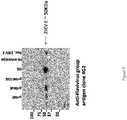
- the ZIKV E proteins bands were probed with monoclonal anti-Flavivirus group antigen clone D1-4G2-4-15, ascites (Cat# MAB10216, EMB Millipore) at 1/2500 dilution followed by incubation with secondary antibody, HRP-conjugated Goat Anti-Mouse IgG (Bethyl, cat#A90-131P-26) at a 1/5000 dilution.
- Blots were developed using Clarity Western ECL Substrate (BIORAD) and analyzed on a Molecular Imager (ChemiDOC XRS with Imaging system, BIORAD) for the appropriate time (few seconds).
- Each sample was preserved in vitrified ice supported by holey carbon films on 400-mesh copper grids.
- Each sample was prepared by applying a 3 ⁇ l drop of sample suspension to a cleaned grid, blotting away with filter paper, and immediately proceeding with vitrification in liquid ethane. Grids were stored under liquid nitrogen until transferred to the electron microscope for imaging. Electron microscopy was performed using an FEI Tecnai T12 electron microscope, operating at 120keV equipped with an FEI Eagle 4k x 4k CCD camera. Vitreous ice grids were transferred into the electron microscope using a cryostage that maintains the grids at a temperature below -170 °C. Samples were imaged undiluted.
- Figure 7 shows a cryoTEM image for each sample at a magnification of 110,000x.
- the prME (SEQ ID NO: 6)- Gag (0.5 mg/ml ZIKV plasmid) sample and the prMuE (SEQ ID NO: 9)- Gag (0.5 mg/ml ZIKV plasmid) sample both clearly show the production of round VLP structures.
- particles were mostly spherical in shape that ranged in size from 110-160nm across in both samples and did not appear spiked. Also seen in the samples were elongated particles with a multi-lobed appearance; these ranged from 200nm to >1,600nm for both samples (image not shown).
- Particles contained three layers: a dense, textured 50-70nm diameter core surrounded by a second layer that increased the particle diameter to 80-100nm, and a third layer that further increased the diameter to 100-160nm (size estimates apply only to spherical particles as sizes vary greatly for elongated particle). Surrounding each layer appeared to be ⁇ 8nm liposomal bilayers. Very few particles appeared to have broken, segmented, or incomplete inner layers. Overall, cryoTEM images provide valuable morphological insight into the structure of ZIKV VLPs, and further confirm successful particle creation.
- nsTEM Negative staining transmission electron microscopy
- Each sample was mixed with a solution containing calibrated polystyrene latex beads with size comparable to the VLP particles.
- the VLP containing samples were loaded onto grids by direct sedimentation using a Beckmann Airfuge ultracentrifuge.
- the circular grids were immersed into the sample solution in a small eppendorf tube and centrifuged using A-100 fixed angle microrotor at 120,000xg for 45 min.
- the grids were dried by blotting with bibulous paper.
- the sample on the grid was stained by adding a drop of 3% phosphotungstic acid (PTA) on the grid.
- the grids with the sample were mounted onto the TEM and examined using a voltage of 75 kV and final magnification of 20,000x or 40,000x. Once the appropriate dilution was achieved, each sample was analyzed in triplicate (i.e., same sample is analyzed on three different grids).
- Figure 9 shows nsTEM images for each of the four samples above. As the images show, each of the samples contained some minor debris and membranes, but overall 85%-99% of VLPs from all samples were in good condition. Particle counts were high: TA1-2.49 ⁇ 10 11 , TA2-2.65 ⁇ 10 11, TA3-3.02 ⁇ 10 10 and TA4-3.05 ⁇ 10 11 .
- the first study was an antibody study conducted using ELISA in accordance with the following protocol. Each animal was dosed with 50 ⁇ g of Gag and three of the test articles described in Example 5. The test articles were adjuvanted with alum phosphate. A summary of the study is shown below in Table 3.
- Serum from the study was analyzed by antibody binding titres to recombinant ZIKV E protein as follows.
- a coating buffer was prepared by dissolving 2.11 g of sodium bicarbonate in 1 L of type 1 water (25 mM sodium bicarbonate), adjusting pH to 9.7 with 1 M NaOH and filtering through 0.22 ⁇ m filter, and store at room temperature.
- ZIKV Recombinant Envelope Protein (Meridian Life Sciences, Cat # R01635, 1.9 mg/mL) was diluted to 1.26 ⁇ g/mL (1/1500 dilution) in coating buffer. 50 ⁇ L of coating solution was added to appropriate wells of half-area 96-well, flat bottom plates (Grenier Bio-One, Cat # 675061).
- EWB ELISA wash buffer
- 10X PBS powder (Fisher, Cat # BP665-1)
- Tween 20 (Sigma, Cat # P7949)
- Blocking solution/sample diluent was prepared using 1% BSA (w/v) in EWB.
- the coating solution was decanted and 150 ⁇ L of cold blocking solution was added to each well. The samples were incubated at 37°C for 1 hr. Wash plates were washed using a plate washer.
- Serum dilutions were prepared in sample diluent (1% BSA in EWB). Dilutions of mouse anti-flavivirus group antigen mAb clone D1-4G2-4-15 (EMD Millipore, Cat # MAB10216) in sample diluent, were prepared as a positive control. 50 ⁇ L of diluted sample and positive control were added to applicable wells, and incubated at 37°C for 1.5 hours. Plates were washed using plate washer.
- the detection antibody (goat x-mouse IgG-Fc Fragment HRP conjugate antibody (Bethyl, Cat # A90-131P, 1 mg/mL)) was diluted 1/5000 in sample diluent: 5 ⁇ L neat antibody + 25 mL sample diluent. 50 ⁇ L of diluted detection antibody was added to each well, and incubated at 37°C for 1.5 hours. Plates were washed using a plate washer. 50 ⁇ L of room temperature TMB Conductivity One Component HRP Microwell Substrate (SurModics, Cat # TMBC-1000-01) was added into each well, and incubated at room temperature for 6 minutes (protected from light). 50 ⁇ L of room temperature 450 nm Liquid Nova-Stop Solution for TMB Microwell Substrates (SurModics, Cat # NSTP-1000-01) was added into each well. OD450 nm was measured by plate reader.
- mice antibody binding titres showed that each of the three test article VLPs described above in Table 4 raised antibodies to the ZIKV E protein.
- the end point titres for each of the three test articles are shown below in Table 4.
- VLP containing the EG VSV version of the ZIKV envelope glycoprotein SEQ ID NO: 12
- SEQ ID NO: 12 showed a substantially higher endpoint titre than the other VLPs.
- this VLP appears to be the most immunogenic of the three monovalent VLPs tested.
- VLPs were prepared in accordance with the method described in Example 2, however instead of plasmids encoding ZIKV proteins, RSV-F expression constructs ("RSV-F") were used which expressed full-length wild type RSV-F protein and a modified version of the RSV-F wherein the transmembrane component was exchanged for the transmembrane sequence from VSV ("RSV-Fg (VSV-G)).
- RSV-F expression constructs were produced by cloning the RSV-F sequences into the Propol II expression vectors using the method described in Example 1.
- the sequence of the expression vector encoding the wild type RSV-F protein is SEQ ID NO: 23.
- the sequence of the expression vector encoding the RSV-Fg (VSV) protein is SEQ ID NO: 24.
- the resulting VLPs were tested in mice in accordance with the method described in this Example 5. Serum from the study was analyzed by antibody binding titres to RSV-F protein using the method described above, except that the Palivizumab antibody produced by Synagis was added to evaluate whether the mouse serum antibodies can compete with the Palivizumab antibody. The results are shown below in Table 5 in comparison with the results from ZIKV from Table 4.
- Table 5 Virus Wild Type Glycoprotein (End point titre) VSV Modified Glycoprotein (End Point titre) ZIKV 100 12500 RSV 2560 No antibodies detected
- the results shown by the ZIKV VLPs were the opposite to those seen in the RSV VLPs. Specifically, VLPs containing an RSV surface antigen modified to incorporate a transmembrane domain from VSV showed no antigenicity (in contrast to the clear antigenicity shown by VLPs containing the wild type RSV antigen) whereas the ZIKV E G VSV construct showed significantly higher immunogenicity than the VLPs containing the ZIKV wild type antigen.
- PRNA virus plaque-reduction neutralization assay
- the basic design of the assay allows for virus-antibody interaction to occur in a microtiter plate, and measurement of antibody effects on viral infectivity by plating the mixture on virus-susceptible cells.
- the cells are overlaid with a semi-solid media that restricts spread of progeny virus.
- Each virus that initiates a productive infection produces a localized area of infection (a plaque), that can be detected in a variety of ways. Plaques are counted and compared back to the starting concentration of virus to determine the percent reduction in total virus infectivity.
- the serum specimen being tested is subjected to serial dilutions prior to mixing with a standardized amount of virus.
- the concentration of virus is held constant such that, when added to susceptible cells and overlaid with semi-solid media, individual plaques can be discerned and counted. In this way, PRNA end-point titers can be calculated for each serum specimen at any selected percent reduction of virus activity.
- a given undiluted serum specimen may neutralize a large amount of virus, e.g., 1 ⁇ 10 7 plaque-forming units (PFUs), in nature the virus dose delivered by a mosquito during a blood meal rarely exceeds 1 ⁇ 10 4 PFUs.
- PFUs plaque-forming units
- PRNA assays were conducted by Southern Research of Birmingham, Alabama using the Puerto Rican strain of ZIKV, PRVABC59, 110 PFU per well. Negative control and testing sera samples started at 1 in 10 diluted, following 4-fold dilutions up to 1 in 10240 (usually to catch the titer of positive control). Positive control dilutions started at 1 in 100 a priori diluted, then followed by 4-fold dilution. Briefly, Vero cells seeded at a concentration of approximately 3 x 10⁵ cells/ml in 24 well plates were incubated for approximately 24 hours. On the day of assay, the input virus and serially dilated serum samples were mixed and incubated for 1 hour at 1 h at 37 + 1°C in the dilution plate.
- the VLPs of the invention demonstrated neutralizing antibody activity. However, the strongest neutralizing activity was observed in the VLP expressing E-G (SEQ ID No: 12)
- This Example describes methods for production of virus-like particles containing the ZIKV NS1 protein or a modified version thereof (the ⁇ NS1 construct).
- the monovalent VLPs described in this Example 7 do not contain the ZIKV protein E surface antigens.
- the NS1 protein and the ⁇ NS1 protein were fused to Gag to create a fusion protein that can be expressed during assembly of the VLP.
- the NS1 Gag fusion protein has SEQ ID NO: 16 and the ⁇ NS1 Gag fusion protein has SEQ ID NO: 19. Plasmids expressing the fusion proteins were prepared as described in Example 1 using the codon optimized sequences, specifically SEQ ID NO: 18 for NS1 GAG and SEQ ID NO: 25 for ⁇ NS1 GAG.
- 293SF-3F6 cell line derived from HEK 293 cells are a proprietary suspension cell culture grown in serum-free chemically defined media ( CA 2,252,972 and US 6,210,922 ).
- HEK 293SF-3F6 cells were scaled up in shaker flasks at 37°C, 5% CO 2 at a speed of 80 rpm and subsequently seeded in a bioreactor using HyQSF4 Transfx293 media supplemented with L-glutamine (GE Bioscience) to obtain a target cell density of 0.9 to 1.2 million cells/ml and high viability (>90%).
- the cells were co-transfected at cell density of about ⁇ 1 million cells/ml with different ratios of plasmids encoding either the NS1 GAG fusion protein or the ⁇ NS1 GAG fusion protein and using high quality polyethyleneimine (PEIpro TM ) as transfection agent.
- the DNA plasmids and transfection agent were prepared in OptiPRO SFM medium (GE Biosciences). The bioreactor was monitored daily ( ⁇ 24 hrs and 48 hrs post transfection) and cell density, viability and cell diameters recorded. The production broth was harvested at 48 hrs post transfection.
- Total protein was determined on an aliquot by a Bradford assay quantification kit (BioRad).
- the Bradford Protein assay is based on the observation that the absorbance maximum for an acidic solution of Coomassie Brilliant Blue G-250 shifts from 465 nm to 595 nm when binding to protein occurs. Both hydrophobic and ionic interactions stabilize the anionic form of the dye, causing a visible color change.
- a spectrophotometer was used to measure the absorbance of the sample and Bradford Protein Reagent dye at 595 nm.
- Gag sELISA assay Concentration of Gag was determined using a Gag sELISA assay based on the common Sandwich ELISA theme.
- p30 Gag protein molecules were captured from detergent-treated VLP samples loaded to wells of a microtiter plate coated with Anti-MuLV p30 mouse monoclonal antibody, clone R187. After washing the plate, goat polyclonal antibody to MuLV p30 was added to bind the captured protein.
- a HRP conjugate rabbit anti-goat IgG HRP conjugate was added to quantify immobilized antibody-enzyme conjugates by monitoring horseradish peroxidase activities in the presence of the substrate. The results were compared to a standard recombinant protein curve. The data fitting and analysis were performed with Softmax Pro 5, using a four-parameter fitting algorithm. Following transfection, samples were visualized using nsTEM as described above in Example 5 and the number of particles per ml was determined.
- Table 8 shows the total protein content and the Gag concentration in the samples prepared using NS1 Gag fusion protein (SEQ ID NO: 16) using three different concentrations of plasmid. As shown in Table 7, the amount of Gag produced was negligible. No particles were observed using nsTEM.
- Table 8 shows the total protein content and the Gag concentration in the samples prepared using ⁇ NS1 Gag fusion protein (SEQ ID NO: 19) using different concentrations of plasmid. As shown in Table 8, Gag was produced in samples wherein the plasmid concentration was 0.2-0.4 ⁇ g/mL. The production of VLP particles was confirmed by nsTEM as shown in Table 8.
- Table 8 VLP and concentration of Plasmid Gag/ ⁇ NS1 [0.05 ⁇ g/mL] Gag/ ⁇ NS1 [0.1 ⁇ g/mL] Gag/ ⁇ NS1 [0.2 ⁇ g/mL] Gag/ ⁇ NS1 [0.4 ⁇ g/mL] Gag/ ⁇ NS1 [1.5 ⁇ g/mL] [Total Protein] by BCA ( ⁇ g/mL) 1257 920.5 2563 2563 4937 [Gag] by ELISA ( ⁇ g/mL) ND 3.72 199.9 160.3 7.23 nsTEM (particles/mL) NT NT 6.44 ⁇ 10 11 6.44 ⁇ 10 10 NT
- This Example describes methods for production of virus-like particles containing the ZIKV protein E antigens described in Example 1 and a second antigen, the modified ⁇ NS1 protein.
- the ⁇ NS1 protein was fused to Gag to create a fusion protein that is expressed during assembly of the VLP.
- the ⁇ NS1 GAG fusion protein was SEQ ID NO: 19. Plasmids expressing the fusion proteins were prepared as described in Example 1 using the codon optimized sequence SEQ ID NO: 25 for ⁇ NS1 GAG.
- 293SF-3F6 cell line derived from HEK 293 cells are a proprietary suspension cell culture grown in serum-free chemically defined media ( CA 2,252,972 and US 6,210,922 ).
- HEK 293SF-3F6 cells were scaled up in shaker flasks at 37°C, 5% CO 2 at a speed of 80 rpm and subsequently seeded in a bioreactor using HyQSF4 Transfx293 media supplemented with L-glutamine (GE Bioscience) to obtain a target cell density of 0.9 to 1.2 million cells/ml and high viability (>90%).
- the cells were co-transfected at cell density of about ⁇ 1 million cells/ml with different ratios of plasmids encoding ZIKV envelope polypeptides (shown below) and plasmids encoding the ⁇ NS1 GAG fusion protein and using high quality polyethyleneimine (PEIpro TM ) as transfection agent.
- the DNA plasmids and transfection agent were prepared in OptiPRO SFM medium (GE Biosciences). The bioreactor was monitored daily ( ⁇ 24 hrs and 48 hrs post transfection) and cell density, viability and cell diameters recorded. The production broth was harvested at 48 hrs post transfection.
- Total protein was determined on an aliquot by a Bradford assay quantification kit (BioRad).
- the Bradford Protein assay is based on the observation that the absorbance maximum for an acidic solution of Coomassie Brilliant Blue G-250 shifts from 465 nm to 595 nm when binding to protein occurs. Both hydrophobic and ionic interactions stabilize the anionic form of the dye, causing a visible color change.
- a spectrophotometer was used to measure the absorbance of the sample and Bradford Protein Reagent dye at 595 nm.
- Gag sELISA assay Concentration of Gag was determined using a Gag sELISA assay based on the common Sandwich ELISA theme.
- p30 Gag protein molecules were captured from detergent-treated VLP samples loaded to wells of a microtiter plate coated with Anti-MuLV p30 mouse monoclonal antibody, clone R187. After washing the plate, goat polyclonal antibody to MuLV p30 was added to bind the captured protein.
- a HRP conjugate rabbit anti-goat IgG HRP conjugate was added to quantify immobilized antibody-enzyme conjugates by monitoring horseradish peroxidase activities in the presence of the substrate. The results were compared to a standard recombinant protein curve. The data fitting and analysis were performed with Softmax Pro 5, using a four-parameter fitting algorithm Following transfection, samples were visualized using nsTEM as described above in Example 5 and the number of particles per ml was determined.
- Table 9 shows the total protein content and the Gag concentration in six samples prepared using the following ZIKV protein E antigen constructs co-transfected with the Gag/ ⁇ NS1 fusion protein (SEQ ID NO: 19):
- Gag was produced in samples wherein the plasmid concentration was 0.2-0.4 ⁇ g/mL.
- the production of VLP particles was confirmed by nsTEM as shown in Table 9.
- Table 9 Sample TA1.
- Bivalent prM-E/ ⁇ NS1 [0.05/0.2 ⁇ g/ml] TA2.
- Bivalent prM-E/ ⁇ NS1 [0.05/0.4 ⁇ g/ml] TA3.
- Bivalent prMu-E/ ⁇ NS1 [0.05/0.2 ⁇ g/ml] TA4.
- Bivalent prMu-E/ ⁇ NS1 [0.05/0.4 ⁇ g/ml] TA5.
- Bivalent E-G/ ⁇ NS1 [0.05/0.2 ⁇ g/ml] TA6.
- bivalent ZIKV VLPs The potency of bivalent ZIKV VLPs were evaluated in vivo in mice. Based on the results of earlier studies, the following bivalent VLP was selected for the study: EG VSV- (SEQ ID NO: 12) - Gag/ ⁇ NS1 (0.05/0.2 ⁇ g/ml) The selected bivalent VLP was compared to the monovalent EG-VSV VLP (SEQ ID NO: 12), the monovalent ⁇ NS1 VLP (SEQ ID NO: 25) and a combination of the two monovalent VLPs. The antigen dose for each of the VLPs was calculated by measuring the protein content using SDS-PAGE or Western blot densitometry.
- the VLPs were tested in 34 female Balb/C mice (6-8 weeks old) with a body weight range of 16 to 24 grams from Charles River Laboratories, Canada Inc. The mice were vaccinated three times. Pre-immunization and post 1 st and post 2 nd immunization blood samples were collected from all mice to assess humoral immune responses (4 mice per group). Collected blood was processed to obtain serum to measure antibody responses by ZIKA IgG ELISA for every time point.
- Table 10 Test Article Description Plasmi d Envelo pe ( ⁇ g/ml) Plasmi d Gag alone ( ⁇ g/m l) Plasmid ⁇ NS1/G ag ( ⁇ g/ml) Final Alu m dose mg/ mou se Ag dose ( ⁇ g E/ mouse ) Ag dose ( ⁇ g ⁇ NS1/Gag / mouse) Rout e of imm.
- IP Imm schedul e (weeks) Analys is Monovalent EG VLP 0.05 0.4 - 0.3 5 - 500 uL per mou se 0, 4, 9 IgG Elisa to ZIKV E PRNA T Cell Respons e Monovalent ⁇ NS1/Gag VLP - - 0.2 - 5 0, 4, 9 Combo immunization with separately produced monovalent EG and monovalent ⁇ NS1/Gag Objective: to see the benefit of having Ag produced on same bivalent VLPs or to have the same Ags produced on separate monovalent VLP, then combined before immunization. 5 5 1000 uL per mou se 0, 4, 9 Bivalent EG / ⁇ NS1/Gag 0.05 - 0.2 3.03 5 500 uL per mou se 0, 4, 9
- Serum from the study was analyzed by antibody binding titres using direct enzyme-linked immunosorbent assay (ELISA) for Detection of Anti-Zika Envelope Protein IgG.
- ELISA enzyme-linked immunosorbent assay
- a ZIKV Recombinant Envelope Protein (Meridian Life Sciences, Cat# R01635, 1.9 mg/mL) was diluted 1/1500 in 25mM NaHCO 3 , pH 9.7 for a coating concentration of 1.23 ⁇ g/mL and was adsorbed overnight at 2-8°C onto a microtiter plate(s).
- EWB ELISA Wash Buffer
- plate(s) were washed in EWB and incubated with detection antibodies diluted 1:5000 in 1% BSA-EWB for 1.5 hours at 37°C ⁇ 2°C; mouse samples (including the mouse monoclonal antibody control) were incubated with a diluted Goat anti-Mouse IgG-Fc HRP (Bethyl, Cat# A90-13 1P, 1 mg/mL) while the human control was incubated with a diluted Goat anti-Human IgG-Fc HRP (Bethyl, Cat# A80-104P, 1 mg/mL).
- Goat anti-Mouse IgG-Fc HRP Bethyl, Cat# A90-13 1P, 1 mg/mL
- Goat anti-Human IgG-Fc HRP Bethyl, Cat# A80-104P, 1 mg/mL
- the results of the ELISA showed unexpected activities of the VLPs.
- the monovalent EG-VSV construct produced a substantially greater antibody response than the combination of this VLP with the monovalent Gag/ ⁇ NS1, despite immunization of mice with similar amounts of EG antigen between the two groups.
- the most surprising result was the significantly better antibody response shown by the single bivalent EG / ⁇ NS1 VLP over the combination of the two monovalent VLPs having the same antigens, the EG and ⁇ NS1.
- the two monovalent VLPs express the same antigens as the single bivalent VLP, the data shows that the single bivalent construct generates an antibodyresponse ten times as powerful as the combination of the two monovalent VLPs. While some enhanced response could, possibly, be attributed to the benefit of presenting two different antigens on a single construct, the enormous improvement generated by the single bivalent construct was far greater than predicted or expected.
- mice Serum samples from the mice, taken 27 days after the second immunization, were used in a virus plaque reduction neutralization assay (PRNA) as previously described in Example 6.
- the PNRA data (shown as PNRA 50 titres) are summarized below in Table 12 Table 12 VLP (s) Sample Description PRNT 50 Titer (PFU/mL) Negative Control Non-immunized mice ⁇ 10 Monovalent EG 20 Monovalent Gag/ ⁇ NSI ⁇ 10 Combination of monovalent Gag/ ⁇ NSI and monovalent EG ⁇ 10 Bivalent Gag/ ⁇ NSI/ EG 44 Positive Control Non-human primate serum 567
- Constructs of bivalent ZIKV VLPs were evaluated in vivo in mice to determine the extent of T-cell response.
- all mice were sacrificed on day 69, 6 days after the 3rd immunization, and spleens were collected.
- Splenocytes were used to perform the Enzyme-Linked Immunospot (ELISPOT) assay to measure cellular immune responses induced with the ZIKV VLP vaccine candidates.
- NS1-specific T cells that secrete IFN- ⁇ or IL-5 (classical Th1 and Th2 cytokines respectively) were quantified by stimulating spleen cells from ZIKV VLP immunized mice at D6 post 3 rd immunization.
- T-cells that secrete IFN- ⁇ are known as Th1 cells and are associated with a proinflammatory cellular immune response.
- T-cells that secrete IL-5 are known as Th2 cells and are associated with an enhanced antibody response.
- ELISPOT assay is highly sensitive and can measure the frequencies of cytokine-secreting cells at single cell level.
- ELISPOT kits produced by Mabtech TM were used in the assays.
- the membrane surface in a 96-well PVDF (polyvinylidene fluoride) membrane microtiter plate is coated with 100 ⁇ l of a capture antibody at a concentration of 15 ⁇ g/ml that can bind to the cytokine being measured.
- Spleen cells from immunized mice were seeded into the wells and cultured either in the presence or absence of a stimulant consisting of an NS-1 peptide mix used at concentrations of 166 ⁇ g/ml and 16.6 ⁇ g/ml.
- Positive controls consisted of 20 ng/ml Phorbol 12-myrstate 13-acetate (PMA) + 1 ⁇ g/ml ionomycin.
- PMA Phorbol 12-myrstate 13-acetate
- NS-1 specific T cells they released cytokine that was captured on the membrane surface by the immobilized capture antibody.
- cells were removed and the secreted cytokine was detected using a 100 ⁇ l of biotinylated detection antibody at 1 ⁇ g/ml followed by a streptavidin-HRP conjugate.
- a precipitating substrate (AEC substrate) was added to the wells to produce visible spots on the membrane surface, where each spot corresponded to an individual cytokine-secreting sample. Spots were counted.
- T cells are not highly responsive to a low amount of antigen unless they have a high sensitivity (or affinity) to that antigen.
- the bivalent VLP showed a significantly higher number of T cells, even in the presence of a low dose of antigen. Therefore, the T cells induced by the bivalent appear to have higher affinity for NS1 Table 12 Spot Forming Cells (SFCs)/10 6 splenocytes when stimulated with 16.6 ⁇ g/mL NS1 peptide mix.
- SFCs Spot Forming Cells
- bivalent VLP The induction of greater frequencies of higher affinity T cells after immunization with the bivalent VLP in comparison to the combination of two monovalent VLPs is unexpected.
- this unexpected activity in the bivalent VLP makes it an excellent vaccine for generating both a humoral (neutralizing antibody) and a high affinity, proinflammatory cellular immune response.
Landscapes
- Health & Medical Sciences (AREA)
- Life Sciences & Earth Sciences (AREA)
- Chemical & Material Sciences (AREA)
- Organic Chemistry (AREA)
- Virology (AREA)
- General Health & Medical Sciences (AREA)
- Medicinal Chemistry (AREA)
- Immunology (AREA)
- Genetics & Genomics (AREA)
- Veterinary Medicine (AREA)
- Pharmacology & Pharmacy (AREA)
- Animal Behavior & Ethology (AREA)
- Public Health (AREA)
- Bioinformatics & Cheminformatics (AREA)
- Microbiology (AREA)
- Engineering & Computer Science (AREA)
- Biochemistry (AREA)
- Molecular Biology (AREA)
- Wood Science & Technology (AREA)
- Zoology (AREA)
- Epidemiology (AREA)
- Mycology (AREA)
- Biophysics (AREA)
- Gastroenterology & Hepatology (AREA)
- Proteomics, Peptides & Aminoacids (AREA)
- Nuclear Medicine, Radiotherapy & Molecular Imaging (AREA)
- General Chemical & Material Sciences (AREA)
- Chemical Kinetics & Catalysis (AREA)
- Biomedical Technology (AREA)
- Biotechnology (AREA)
- General Engineering & Computer Science (AREA)
- Communicable Diseases (AREA)
- Oncology (AREA)
- Peptides Or Proteins (AREA)
- Micro-Organisms Or Cultivation Processes Thereof (AREA)
- Medicines Containing Antibodies Or Antigens For Use As Internal Diagnostic Agents (AREA)
Applications Claiming Priority (4)
| Application Number | Priority Date | Filing Date | Title |
|---|---|---|---|
| US201662363545P | 2016-07-18 | 2016-07-18 | |
| US201662413007P | 2016-10-26 | 2016-10-26 | |
| EP17830136.2A EP3484511A4 (fr) | 2016-07-18 | 2017-07-06 | Compositions vaccinales pour le traitement d'une infection par le virus zika |
| PCT/CA2017/050822 WO2018014113A1 (fr) | 2016-07-18 | 2017-07-06 | Compositions vaccinales pour le traitement d'une infection par le virus zika |
Related Parent Applications (1)
| Application Number | Title | Priority Date | Filing Date |
|---|---|---|---|
| EP17830136.2A Division EP3484511A4 (fr) | 2016-07-18 | 2017-07-06 | Compositions vaccinales pour le traitement d'une infection par le virus zika |
Publications (1)
| Publication Number | Publication Date |
|---|---|
| EP4039272A1 true EP4039272A1 (fr) | 2022-08-10 |
Family
ID=60451981
Family Applications (2)
| Application Number | Title | Priority Date | Filing Date |
|---|---|---|---|
| EP22154128.7A Withdrawn EP4039272A1 (fr) | 2016-07-18 | 2017-07-06 | Compositions de vaccin pour le traitement du virus zika |
| EP17830136.2A Pending EP3484511A4 (fr) | 2016-07-18 | 2017-07-06 | Compositions vaccinales pour le traitement d'une infection par le virus zika |
Family Applications After (1)
| Application Number | Title | Priority Date | Filing Date |
|---|---|---|---|
| EP17830136.2A Pending EP3484511A4 (fr) | 2016-07-18 | 2017-07-06 | Compositions vaccinales pour le traitement d'une infection par le virus zika |
Country Status (6)
| Country | Link |
|---|---|
| US (2) | US9833505B1 (fr) |
| EP (2) | EP4039272A1 (fr) |
| AU (1) | AU2017298576B2 (fr) |
| CA (1) | CA2982796C (fr) |
| MX (1) | MX2019000725A (fr) |
| WO (1) | WO2018014113A1 (fr) |
Families Citing this family (9)
| Publication number | Priority date | Publication date | Assignee | Title |
|---|---|---|---|---|
| AU2017222644B2 (en) | 2016-02-25 | 2021-07-29 | The Trustees Of The University Of Pennsylvania | Novel vaccines against Zika virus |
| MX2019000725A (es) | 2016-07-18 | 2019-07-04 | Variation Biotechnologies Inc | Composiciones de vacuna para tratamiento de virus zika. |
| CN107988239B (zh) * | 2017-11-29 | 2021-03-19 | 南方医科大学 | 一种寨卡病毒的重组基因及其制备方法和应用 |
| KR20230008707A (ko) * | 2020-03-30 | 2023-01-16 | 배리에이션 바이오테크놀로지스 아이엔씨. | 코로나바이러스 치료용 백신 조성물 |
| KR102557824B1 (ko) * | 2020-08-18 | 2023-07-20 | 주식회사 바이오앱 | 식물 발현 재조합 지카바이러스 외피단백질을 포함하는 백신 조성물 및 이의 제조방법 |
| CN112980805B (zh) * | 2021-02-25 | 2022-11-08 | 中国科学院广州生物医药与健康研究院 | 一种重组寨卡病毒减毒株及其制备方法和应用 |
| CN114702577B (zh) * | 2022-06-06 | 2022-08-12 | 中国人民解放军军事科学院军事医学研究院 | 一种广谱识别西尼罗病毒以及寨卡病毒e蛋白diii的抗体 |
| WO2024102703A2 (fr) * | 2022-11-07 | 2024-05-16 | The Regents Of The University Of California | Système de distribution de gènes basé sur zikv |
| CN115850402B (zh) * | 2022-11-24 | 2025-07-25 | 山西锦波生物医药股份有限公司 | 一种寨卡病毒非结构蛋白ns2a多肽及其抗体的制备 |
Citations (5)
| Publication number | Priority date | Publication date | Assignee | Title |
|---|---|---|---|---|
| US5500161A (en) | 1993-09-21 | 1996-03-19 | Massachusetts Institute Of Technology And Virus Research Institute | Method for making hydrophobic polymeric microparticles |
| US6210922B1 (en) | 1998-11-30 | 2001-04-03 | National Research Council Of Canada | Serum free production of recombinant proteins and adenoviral vectors |
| US6589763B1 (en) * | 1998-11-26 | 2003-07-08 | Heinrich-Pette-Institute | Retroviral hybrid vectors pseudotyped with LCMV |
| WO2014128568A2 (fr) * | 2013-02-25 | 2014-08-28 | Variation Biotechnologies, Inc. | Compositions et procédés destinés au traitement de l'hépatite c |
| US8920812B2 (en) | 2009-11-03 | 2014-12-30 | Takeda Vaccines, Inc. | Chimeric RSV-F polypeptide and lentivirus or alpha-retrovirus Gag-based VLPS |
Family Cites Families (2)
| Publication number | Priority date | Publication date | Assignee | Title |
|---|---|---|---|---|
| CA2252972C (fr) | 1998-11-26 | 2012-09-18 | National Research Council Of Canada | Production sans serum de proteines recombinantes et de vecteurs adenoviraux |
| MX2019000725A (es) | 2016-07-18 | 2019-07-04 | Variation Biotechnologies Inc | Composiciones de vacuna para tratamiento de virus zika. |
-
2017
- 2017-07-06 MX MX2019000725A patent/MX2019000725A/es unknown
- 2017-07-06 WO PCT/CA2017/050822 patent/WO2018014113A1/fr not_active Ceased
- 2017-07-06 EP EP22154128.7A patent/EP4039272A1/fr not_active Withdrawn
- 2017-07-06 EP EP17830136.2A patent/EP3484511A4/fr active Pending
- 2017-07-06 AU AU2017298576A patent/AU2017298576B2/en not_active Ceased
- 2017-07-06 US US15/642,950 patent/US9833505B1/en active Active
- 2017-07-06 CA CA2982796A patent/CA2982796C/fr active Active
- 2017-10-27 US US15/795,678 patent/US10456460B2/en active Active
Patent Citations (5)
| Publication number | Priority date | Publication date | Assignee | Title |
|---|---|---|---|---|
| US5500161A (en) | 1993-09-21 | 1996-03-19 | Massachusetts Institute Of Technology And Virus Research Institute | Method for making hydrophobic polymeric microparticles |
| US6589763B1 (en) * | 1998-11-26 | 2003-07-08 | Heinrich-Pette-Institute | Retroviral hybrid vectors pseudotyped with LCMV |
| US6210922B1 (en) | 1998-11-30 | 2001-04-03 | National Research Council Of Canada | Serum free production of recombinant proteins and adenoviral vectors |
| US8920812B2 (en) | 2009-11-03 | 2014-12-30 | Takeda Vaccines, Inc. | Chimeric RSV-F polypeptide and lentivirus or alpha-retrovirus Gag-based VLPS |
| WO2014128568A2 (fr) * | 2013-02-25 | 2014-08-28 | Variation Biotechnologies, Inc. | Compositions et procédés destinés au traitement de l'hépatite c |
Non-Patent Citations (39)
| Title |
|---|
| "Bioinformatics Methods and Protocols", vol. 132, 1999, HUMANA PRESS |
| A. R. GENNARO: "Remington's The Science and Practice of Pharmacy", 2006, LIPPINCOTT, WILLIAMS & WILKINS |
| ALLISON, DEV. BIOL. STAND., vol. 92, 1998, pages 3 - 11 |
| ALTSCHUL ET AL., J. MOL. BIOL., vol. 215, no. 3, 1990, pages 403 - 410 |
| ALTSCHUL ET AL., METHODS IN ENZYMOLOGY, vol. 266, 1996, pages 460 - 480 |
| ALTSCHUL ET AL., NUCLEIC ACIDS RES., vol. 25, pages 3389 - 3402 |
| ANTHONY JS CHUA ET AL: "A novel platform for virus-like particle-display of flaviviral envelope domain III: induction of Dengue and West Nile virus neutralizing antibodies", VIROLOGY JOURNAL, BIOMED CENTRAL, LONDON, GB, vol. 10, no. 1, 24 April 2013 (2013-04-24), pages 129, XP021151291, ISSN: 1743-422X, DOI: 10.1186/1743-422X-10-129 * |
| BROER ET AL., J. VIR., vol. 80, 2006, pages 1302 - 1310 |
| COMPTON T ET AL., PROC NATL ACAD SCI USA, vol. 86, 1989, pages 4112 - 4116 |
| DATABASE EMBL [online] 3 June 2016 (2016-06-03), "Zika virus isolate 05211 polyprotein gene, partial cds.", XP055678373, retrieved from EBI accession no. EMBL:KU758869 Database accession no. KU758869 * |
| DATABASE UniProt [online] 7 September 2016 (2016-09-07), "SubName: Full=Polyprotein {ECO:0000313|EMBL:AML81020.1}; Flags: Precursor; Fragment;", XP055678367, retrieved from EBI accession no. UNIPROT:A0A172HA10 Database accession no. A0A172HA10 * |
| DATABASE USPTO Proteins [online] 17 August 2003 (2003-08-17), "Sequence 13 from patent US 6589763.", retrieved from EBI accession no. USPOP:AAQ51219 Database accession no. AAQ51219 * |
| FAYE ET AL., PLOS NEGL TRAP DIS., vol. 8, 2014, pages e2636 |
| FERRARO ET AL., CLIN. INFEC. DIS., vol. 53, 2011, pages 296 - 302 |
| FLUCKIGER ANNE-CATHERINE ET AL: "ENVELOPED VIRUS-LIKE PARTICLES (eVLPs) EXPRESSING MODIFIED FORMS OF 2 ZIKA VIRUS PROTEINS E AND NS1 PROTECT MICE FROM ZIKA VIRUS INFECTION", BIORXIV, 10 June 2019 (2019-06-10), XP055777227, Retrieved from the Internet <URL:https://www.biorxiv.org/content/10.1101/666966v1.full.pdf> [retrieved on 20210217], DOI: 10.1101/666966 * |
| GARRONE ET AL., SCIENCE TRANS. MED., vol. 3, 2011, pages 1 - 8 |
| GOVERO, J ET AL., NATURE, vol. 540, 2016, pages 438 - 448 |
| GRAHAM ET AL., J. GEN VIROL., vol. 36, 1977, pages 59 |
| KIRCHMEIER ET AL., CVI, vol. 21, 2014, pages 174 - 180 |
| KUMAR ET AL., J GEN VIROL, vol. 85, 2004, pages 471 - 82 |
| LAROCCA ET AL., NATURE: DOI:10.1038, 2016 |
| LEE ET AL., J. VIROL., vol. 84, 2010, pages 5171 - 5180 |
| LEMAITRE ET AL., CLIN. MICROBIOL. INFECT., vol. 1, 2011, pages 732 - 737 |
| LEVY ET AL., VACCINE, vol. 31, 2013, pages 2778 - 2785 |
| MAMMANO ET AL., J. VIROL., vol. 71, 1997, pages 3341 - 3345 |
| MATHER ET AL., ANNALS N.Y. ACAD. SCI., vol. 383, 1982, pages 44 - 68 |
| MATHER, BIOL. REPROD., vol. 23, 1980, pages 243 - 251 |
| MORRISON ET AL., VIR, vol. 458-459, 2014, pages 172 - 82 |
| PHILLIPS ET AL., VACCINE, vol. 10, 1992, pages 151 - 158 |
| RALPH A. TRIPP ET AL: "Development of a Zika vaccine", EXPERT REVIEW OF VACCINES, vol. 15, no. 9, 6 September 2016 (2016-09-06), GB, pages 1083 - 1085, XP055452252, ISSN: 1476-0584, DOI: 10.1080/14760584.2016.1192474 * |
| RIVINO ET AL., J. VIROL., vol. 87, 2013, pages 2693 - 2706 |
| ROLDAO A ET AL., EXPT REV VACCINES, vol. 9, 2010, pages 1149 - 76 |
| SAMARASEKERA ET AL., LANCET, vol. 387, 2016, pages 1531 - 524 |
| SHARMA S ET AL., PROC. NATL. ACAD. SCI. USA, vol. 94, 1997, pages 10803 - 8 |
| SIROHI ET AL., SCIENCE, vol. 352, 2016, pages 467 - 470 |
| SOARES DE OLIVEIRA-SZEINFELD ET AL., RADIOLOGY, vol. 281, 2016, pages 203 - 218 |
| TURTLE ET AL., J. EXP. MED., vol. 213, 2016, pages 1331 - 1352 |
| UNKELESS ET AL., ANNU. REV. IMMUNOL., vol. 6, 1998, pages 251 - 281 |
| URLAUBCHASIN, PROC. NATL. ACAD. SCI. USA, vol. 77, 1980, pages 4216 |
Also Published As
| Publication number | Publication date |
|---|---|
| AU2017298576B2 (en) | 2023-04-13 |
| WO2018014113A1 (fr) | 2018-01-25 |
| AU2017298576A1 (en) | 2019-01-31 |
| CA2982796C (fr) | 2018-10-02 |
| EP3484511A1 (fr) | 2019-05-22 |
| CA2982796A1 (fr) | 2018-01-18 |
| MX2019000725A (es) | 2019-07-04 |
| EP3484511A4 (fr) | 2020-04-29 |
| US10456460B2 (en) | 2019-10-29 |
| US9833505B1 (en) | 2017-12-05 |
| US20180289794A1 (en) | 2018-10-11 |
Similar Documents
| Publication | Publication Date | Title |
|---|---|---|
| US10456460B2 (en) | Vaccine compositions for treatment of Zika virus | |
| RU2737530C1 (ru) | Композиции и способы для лечения цитомегаловируса | |
| US10898566B2 (en) | Zika virus vaccines | |
| US11253587B2 (en) | Vaccine compositions for the treatment of coronavirus | |
| US9637524B2 (en) | Proteolysis-resistant capsid of chimeric hepatitis E virus as an oral delivery vector | |
| US11286502B2 (en) | ZIKA virus like particle (VLP) based vaccine and microneutralization assay | |
| WO2014128568A2 (fr) | Compositions et procédés destinés au traitement de l'hépatite c | |
| US20220193224A1 (en) | Rsv-based virus-like particles and methods of production and use thereof | |
| WO2025106754A1 (fr) | Vaccin anti-coronavirus | |
| JP2022553299A (ja) | チクングニアウイルス様粒子ワクチンおよびその使用方法 | |
| US20240366753A1 (en) | Viral-like particles for the treatment or prevention of an infection by a coronaviridae virus | |
| AU2021330836A1 (en) | Covid-19 vaccines with tocopherol-containing squalene emulsion adjuvants | |
| JP2023538667A (ja) | Sars-cov-2感染症に対するワクチン | |
| US20220233682A1 (en) | Vaccine compositions for the treatment of coronavirus | |
| CN116457011A (zh) | 用于治疗冠状病毒的疫苗组合物 | |
| JP2024503482A (ja) | 複製可能アデノウイルス4型sars-cov-2ワクチンおよびそれらの使用 | |
| CN105431526A (zh) | 免疫原性组合物及其产生方法 | |
| WO2015128731A2 (fr) | Compositions et méthodes pour le traitement de l'hépatite c |
Legal Events
| Date | Code | Title | Description |
|---|---|---|---|
| PUAI | Public reference made under article 153(3) epc to a published international application that has entered the european phase |
Free format text: ORIGINAL CODE: 0009012 |
|
| STAA | Information on the status of an ep patent application or granted ep patent |
Free format text: STATUS: THE APPLICATION HAS BEEN PUBLISHED |
|
| AC | Divisional application: reference to earlier application |
Ref document number: 3484511 Country of ref document: EP Kind code of ref document: P |
|
| AK | Designated contracting states |
Kind code of ref document: A1 Designated state(s): AL AT BE BG CH CY CZ DE DK EE ES FI FR GB GR HR HU IE IS IT LI LT LU LV MC MK MT NL NO PL PT RO RS SE SI SK SM TR |
|
| STAA | Information on the status of an ep patent application or granted ep patent |
Free format text: STATUS: THE APPLICATION IS DEEMED TO BE WITHDRAWN |
|
| 18D | Application deemed to be withdrawn |
Effective date: 20230211 |