EP4040436B1 - Procédé et appareil de codage de la parole, dispositif informatique et support de stockage - Google Patents
Procédé et appareil de codage de la parole, dispositif informatique et support de stockage Download PDFInfo
- Publication number
- EP4040436B1 EP4040436B1 EP21828640.9A EP21828640A EP4040436B1 EP 4040436 B1 EP4040436 B1 EP 4040436B1 EP 21828640 A EP21828640 A EP 21828640A EP 4040436 B1 EP4040436 B1 EP 4040436B1
- Authority
- EP
- European Patent Office
- Prior art keywords
- speech frame
- criticality
- frame
- bit rate
- feature
- Prior art date
- Legal status (The legal status is an assumption and is not a legal conclusion. Google has not performed a legal analysis and makes no representation as to the accuracy of the status listed.)
- Active
Links
Images




Classifications
-
- G—PHYSICS
- G10—MUSICAL INSTRUMENTS; ACOUSTICS
- G10L—SPEECH ANALYSIS TECHNIQUES OR SPEECH SYNTHESIS; SPEECH RECOGNITION; SPEECH OR VOICE PROCESSING TECHNIQUES; SPEECH OR AUDIO CODING OR DECODING
- G10L19/00—Speech or audio signals analysis-synthesis techniques for redundancy reduction, e.g. in vocoders; Coding or decoding of speech or audio signals, using source filter models or psychoacoustic analysis
-
- G—PHYSICS
- G10—MUSICAL INSTRUMENTS; ACOUSTICS
- G10L—SPEECH ANALYSIS TECHNIQUES OR SPEECH SYNTHESIS; SPEECH RECOGNITION; SPEECH OR VOICE PROCESSING TECHNIQUES; SPEECH OR AUDIO CODING OR DECODING
- G10L19/00—Speech or audio signals analysis-synthesis techniques for redundancy reduction, e.g. in vocoders; Coding or decoding of speech or audio signals, using source filter models or psychoacoustic analysis
- G10L19/04—Speech or audio signals analysis-synthesis techniques for redundancy reduction, e.g. in vocoders; Coding or decoding of speech or audio signals, using source filter models or psychoacoustic analysis using predictive techniques
- G10L19/16—Vocoder architecture
- G10L19/18—Vocoders using multiple modes
- G10L19/24—Variable rate codecs, e.g. for generating different qualities using a scalable representation such as hierarchical encoding or layered encoding
-
- G—PHYSICS
- G10—MUSICAL INSTRUMENTS; ACOUSTICS
- G10L—SPEECH ANALYSIS TECHNIQUES OR SPEECH SYNTHESIS; SPEECH RECOGNITION; SPEECH OR VOICE PROCESSING TECHNIQUES; SPEECH OR AUDIO CODING OR DECODING
- G10L19/00—Speech or audio signals analysis-synthesis techniques for redundancy reduction, e.g. in vocoders; Coding or decoding of speech or audio signals, using source filter models or psychoacoustic analysis
- G10L19/02—Speech or audio signals analysis-synthesis techniques for redundancy reduction, e.g. in vocoders; Coding or decoding of speech or audio signals, using source filter models or psychoacoustic analysis using spectral analysis, e.g. transform vocoders or subband vocoders
-
- G—PHYSICS
- G10—MUSICAL INSTRUMENTS; ACOUSTICS
- G10L—SPEECH ANALYSIS TECHNIQUES OR SPEECH SYNTHESIS; SPEECH RECOGNITION; SPEECH OR VOICE PROCESSING TECHNIQUES; SPEECH OR AUDIO CODING OR DECODING
- G10L19/00—Speech or audio signals analysis-synthesis techniques for redundancy reduction, e.g. in vocoders; Coding or decoding of speech or audio signals, using source filter models or psychoacoustic analysis
- G10L19/02—Speech or audio signals analysis-synthesis techniques for redundancy reduction, e.g. in vocoders; Coding or decoding of speech or audio signals, using source filter models or psychoacoustic analysis using spectral analysis, e.g. transform vocoders or subband vocoders
- G10L19/022—Blocking, i.e. grouping of samples in time; Choice of analysis windows; Overlap factoring
- G10L19/025—Detection of transients or attacks for time/frequency resolution switching
-
- G—PHYSICS
- G10—MUSICAL INSTRUMENTS; ACOUSTICS
- G10L—SPEECH ANALYSIS TECHNIQUES OR SPEECH SYNTHESIS; SPEECH RECOGNITION; SPEECH OR VOICE PROCESSING TECHNIQUES; SPEECH OR AUDIO CODING OR DECODING
- G10L19/00—Speech or audio signals analysis-synthesis techniques for redundancy reduction, e.g. in vocoders; Coding or decoding of speech or audio signals, using source filter models or psychoacoustic analysis
- G10L19/04—Speech or audio signals analysis-synthesis techniques for redundancy reduction, e.g. in vocoders; Coding or decoding of speech or audio signals, using source filter models or psychoacoustic analysis using predictive techniques
- G10L19/16—Vocoder architecture
- G10L19/18—Vocoders using multiple modes
- G10L19/22—Mode decision, i.e. based on audio signal content versus external parameters
-
- G—PHYSICS
- G10—MUSICAL INSTRUMENTS; ACOUSTICS
- G10L—SPEECH ANALYSIS TECHNIQUES OR SPEECH SYNTHESIS; SPEECH RECOGNITION; SPEECH OR VOICE PROCESSING TECHNIQUES; SPEECH OR AUDIO CODING OR DECODING
- G10L25/00—Speech or voice analysis techniques not restricted to a single one of groups G10L15/00 - G10L21/00
- G10L25/78—Detection of presence or absence of voice signals
-
- G—PHYSICS
- G10—MUSICAL INSTRUMENTS; ACOUSTICS
- G10L—SPEECH ANALYSIS TECHNIQUES OR SPEECH SYNTHESIS; SPEECH RECOGNITION; SPEECH OR VOICE PROCESSING TECHNIQUES; SPEECH OR AUDIO CODING OR DECODING
- G10L25/00—Speech or voice analysis techniques not restricted to a single one of groups G10L15/00 - G10L21/00
- G10L25/90—Pitch determination of speech signals
-
- G—PHYSICS
- G10—MUSICAL INSTRUMENTS; ACOUSTICS
- G10L—SPEECH ANALYSIS TECHNIQUES OR SPEECH SYNTHESIS; SPEECH RECOGNITION; SPEECH OR VOICE PROCESSING TECHNIQUES; SPEECH OR AUDIO CODING OR DECODING
- G10L25/00—Speech or voice analysis techniques not restricted to a single one of groups G10L15/00 - G10L21/00
- G10L25/93—Discriminating between voiced and unvoiced parts of speech signals
Definitions
- CN110890945(A ) discloses a data transmission method and device, a terminal and a storage medium, and belongs to the technical field of networks.
- the method comprises the following steps of making voice criticality analysis on to-be-transmitted audios; obtaining key levels of to-be-transmitted audio frames in the to-be-transmitted audios; according to current redundancy multiples and redundancy multiple factors corresponding to the key levels of the to-be-transmitted audio frames, determining the to-be-transmitted audio frames; obtaining correction redundancy multiples of the to-be-transmitted audio frames, copying the to-be-transmitted audio frames according to the correction redundancy multiple of each audio frame to be transmitted to obtain at least one redundant data packet, and sending the at least one redundant data packet to the target terminal, so that the anti-packet loss effect of the network can be improved under the condition of not causing network congestion.
- the audio encoding method comprises the following steps: acquiring audio data, and sending the audio data to a preset voice encoder; carrying out key frame detection on the audio data through the voice encoder, and determining an audio key frame corresponding to the audio data; performing key quantification processing on the audio key frame to obtain a key quantification result corresponding to the audio key frame; and based on the audio encoder, according to the key quantization result, allocating the coding bit number of the audio key frame during in-band forward error correction coding so as to complete in-band forward error correction coding of the audio data and generate standard audio data corresponding to the audio data.
- the criticality of the audio frame in the audio data can be analyzed, and then the audio data is encoded according to the criticality of the audio frame, so that the audio quality of the audio data during real-time audio data transmission is improved.
- a speech coding method and apparatus a computer device, and a storage medium are provided.
- the invention is set out in the appended set of claims.
- a computer device includes a memory and a processor.
- the memory stores a computer-readable instruction.
- the computer-readable instruction causes the processor to perform the following steps: obtaining a to-be-encoded speech frame and a subsequent speech frame corresponding to the to-be-encoded speech frame; extracting a to-be-encoded speech frame feature from the to-be-encoded speech frame, and obtaining a to-be-encoded speech frame criticality level corresponding to the to-be-encoded speech frame based on the to-be-encoded speech frame feature; extracting a subsequent speech frame feature from the subsequent speech frame, and obtaining a subsequent speech frame criticality level corresponding to the subsequent speech frame based on the subsequent speech frame feature; obtaining a criticality trend feature based on the to-be-encoded speech frame criticality level and the subsequent speech frame criticality level, and determining an encoding bit rate corresponding to the to-be-encoded speech frame based on the criticality trend
- One or more non-volatile storage medium that stores a computer-readable instruction When executed by one or more processors, the computer-readable instruction causes the one or more processors to perform the following steps: obtaining a to-be-encoded speech frame and a subsequent speech frame corresponding to the to-be-encoded speech frame; extracting a to-be-encoded speech frame feature from the to-be-encoded speech frame, and obtaining a to-be-encoded speech frame criticality level corresponding to the to-be-encoded speech frame based on the to-be-encoded speech frame feature; extracting a subsequent speech frame feature from the subsequent speech frame, and obtaining a subsequent speech frame criticality level corresponding to the subsequent speech frame based on the subsequent speech frame feature; obtaining a criticality trend feature based on the to-be-encoded speech frame criticality level and the subsequent speech frame criticality level, and determining an encoding bit rate corresponding to the to-be-encoded speech frame based on the criticality trend
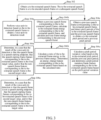
- a speech coding method is provided.
- the method includes the following steps 202 to 210.
- Step 204 Extract at least one to-be-encoded speech frame feature from the to-be-encoded speech frame, and obtain a to-be-encoded speech frame criticality level corresponding to the to-be-encoded speech frame based on the to-be-encoded speech frame feature.
- the speech frame criticality level means a level of contribution made by sound quality of a speech frame to overall speech quality within a period that includes some time points before and after the speech frame. The higher the contribution level, the higher the speech frame criticality level.
- the to-be-encoded speech frame criticality level is a speech frame criticality level corresponding to the to-be-encoded speech frame.
- the subsequent speech frame feature means a speech frame feature corresponding to the subsequent speech frame.
- Each subsequent speech frame has a corresponding subsequent speech frame feature.
- the subsequent speech frame criticality level means the speech frame criticality level corresponding to the subsequent speech frame.
- the terminal extracts the subsequent speech frame feature from the subsequent speech frame based on the speech frame type of the subsequent speech frame.
- a corresponding speech starting frame feature is obtained based on the speech starting frame.
- the subsequent speech frame is an energy burst frame
- a corresponding energy change feature is obtained based on the energy burst frame.
- the subsequent speech frame is a pitch period mutation frame
- a corresponding pitch period mutation frame feature is obtained based on the pitch period mutation frame.
- a corresponding non-speech frame a corresponding non-speech frame feature is obtained based on the non-speech frame.
- the to-be-encoded speech frame feature and the subsequent speech frame feature may be inputted into a criticality measurement model for calculating to obtain the to-be-encoded speech frame criticality level and the subsequent speech frame criticality level.
- the criticality measurement model is a model established by using a linear regression algorithm based on historical speech frame features and historical speech frame criticality levels, and is deployed in the terminal. The speech frame criticality level is identified by using the criticality measurement model, thereby improving accuracy and efficiency.
- Step 208 Obtain a criticality trend feature based on the to-be-encoded speech frame criticality level and the subsequent speech frame criticality level, and determine an encoding bit rate corresponding to the to-be-encoded speech frame based on the criticality trend feature.
- the criticality trend means a trend of speech frame criticality levels of the to-be-encoded speech frame and the corresponding subsequent speech frame.
- the criticality trend is that the speech frame criticality level is increasing, the speech frame criticality level is decreasing, or the speech frame criticality level remains unchanged.
- the criticality trend feature means a feature that reflects the criticality trend, and may be a statistical feature, such as criticality average, criticality difference, and the like.
- the encoding bit rate is used for encoding the to-be-encoded speech frame.
- Step 210 Encode the to-be-encoded speech frame based on the encoding bit rate to obtain an encoding result.
- the to-be-encoded speech frame is encoded with the encoding bit rate to obtain an encoding result.
- the encoding result is a bitstream corresponding to the to-be-encoded speech frame.
- the terminal may store the bitstream in an internal memory, or send the bitstream to a server for storing on the server.
- the to-be-encoded speech frame may be encoded with a speech encoder.
- the to-be-encoded speech frame and the subsequent speech frame corresponding to the to-be-encoded speech frame are obtained.
- the to-be-encoded speech frame criticality level corresponding to the to-be-encoded speech frame and the subsequent speech frame criticality level corresponding to subsequent speech frame are calculated separately.
- the criticality trend feature is obtained based on the to-be-encoded speech frame criticality level and the subsequent speech frame criticality level.
- the encoding bit rate corresponding to the to-be-encoded speech frame is determined by using the criticality trend feature. Therefore, an encoding result is obtained by encoding using the encoding bit rate.
- the encoding bit rate can be regulated based on the criticality trend feature of the speech frame, so that each to-be-encoded speech frame has a regulated encoding bit rate, and then the encoding is performed by using the regulated encoding bit rate. Therefore, when the criticality trend becomes stronger, a higher encoding bit rate is assigned to the to-be-encoded speech frame for encoding. When the criticality trend becomes weaker, a lower encoding bit rate is assigned to the to-be-encoded speech frame for encoding. In this way, the encoding bit rate corresponding to each to-be-encoded speech frame can be adaptively controlled to avoid redundant encoding and improve speech coding quality.
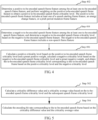
- each of the to-be-encoded speech frame feature and the subsequent speech frame feature includes at least one of a speech starting frame feature or a non-speech frame feature.
- the extracting of the speech starting frame feature and the non-speech frame feature includes the following steps 302, 304a, 306a and 308a.
- Step 302 Obtain a to-be-extracted speech frame.
- the to-be-extracted speech frame is at least one of the to-be-encoded speech frame or the subsequent speech frame.
- the to-be-extracted speech frame is a speech frame for which a speech frame feature needs to be extracted, and may be a to-be-encoded speech frame or a subsequent speech frame.
- Voice activity detection is a process of detecting a speech starting endpoint in a speech signal, that is, a transition point of the speech signal from 0 to 1, by using a VAD algorithm.
- the VAD algorithm may be a decision algorithm based on a sub-band signal-to-noise ratio, a deep neural network (DNN)-based speech frame decision algorithm, a transitory energy-based voice activity detection algorithm, or a dual-threshold-based voice activity detection algorithm, or the like.
- the result of the voice activity detection is a detection result indicating whether the to-be-extracted speech frame is a speech endpoint, that is, whether the speech frame is a speech starting endpoint or the speech frame is not a speech starting endpoint.
- Step 306a Determine, in a case that the voice activity detection result indicates that the to-be-extracted speech frame is a speech starting endpoint, at least one of (i) the speech starting frame feature corresponding to the to-be-extracted speech frame is a first target value, or (ii) the non-speech frame feature corresponding to the to-be-extracted speech frame is a second target value.
- the second target value is used for indicating that the to-be-extracted speech frame is a non-noise speech frame.
- the speech starting frame feature is the second target value
- the second target value is used for indicating that the to-be-extracted speech frame is not a speech starting endpoint.
- the first target value is 1, and the second target value is 0.
- the to-be-extracted speech frame is not a starting point of the speech signal. That is, the to-be-extracted speech frame is a noise signal before the speech signal.
- each of the to-be-encoded speech frame feature and the subsequent speech frame feature includes an energy change feature.
- the extracting of the energy change feature includes the following steps 302, 304b and 306b.
- Step 304b Obtain a previous speech frame corresponding to the to-be-extracted speech frame, calculate to-be-extracted frame energy corresponding to the to-be-extracted speech frame, and calculate previous frame energy corresponding to the previous speech frame.
- the terminal obtains the to-be-extracted speech frame.
- the to-be-extracted speech frame is a to-be-encoded speech frame or a subsequent speech frame.
- the previous speech frame corresponding to the to-be-extracted speech frame is obtained.
- the to-be-extracted frame energy corresponding to the to-be-extracted speech frame is calculated, and the previous frame energy corresponding to previous speech frame is calculated at the same time.
- the to-be-extracted frame energy or the previous frame energy may be obtained by calculating the sum of squares of all digital signals in the to-be-extracted speech frame or the previous speech frame respectively.
- samples may be taken from all digital signals in the to-be-extracted speech frame or the previous speech frame, and the sum of squares of the sampled data is calculated to obtain the to-be-extracted frame energy or the previous speech frame energy.
- the to-be-extracted frame energy and the previous frame energy are calculated.
- the energy change feature corresponding to the to-be-extracted speech frame is determined based on the to-be-extracted frame energy and the previous frame energy, thereby improving accuracy of the obtained energy change feature.
- every 20 ms is one frame, and a sampling rate is 16 kHz. Therefore, the data values of 320 samples are obtained after data sampling.
- the data value of each sample is a 16-bit signed number, and falls within a value range [-32768, 32767].
- the terminal performs data sampling on the previous speech frame to obtain a data value of each sample and the number of samples.
- the terminal calculates a sum of squares of data values of all samples, and calculates a ratio of the sum of squares to the number of samples to obtain the previous frame energy.
- the terminal may use Formula (1) to calculate the previous frame energy corresponding to the previous speech frame.
- each of the to-be-encoded speech frame feature and the subsequent speech frame feature include a pitch period mutation frame feature.
- the extracting of the pitch period mutation frame feature includes the following steps 302, 304c and 306c.
- Step 304c Obtain a previous speech frame corresponding to the to-be-extracted speech frame, and detect pitch periods of the to-be-extracted speech frame and the previous speech frame to obtain a to-be-extracted pitch period and a previous pitch period respectively.
- the pitch period is a time of period in which a vocal cord opens and closes once.
- the to-be-extracted pitch period is a pitch period corresponding to the to-be-extracted speech frame, that is, the pitch period corresponding to the to-be-encoded speech frame or the pitch period corresponding to the subsequent speech frame.
- the terminal obtains the to-be-extracted speech frame.
- the to-be-extracted speech frame may be a to-be-encoded speech frame or a subsequent speech frame.
- the terminal obtains a previous speech frame corresponding to the to-be-extracted speech frame, and detects, by using a pitch period detection algorithm, a pitch period corresponding to the to-be-extracted speech frame and a pitch period corresponding to the previous speech frame separately, so as to obtain a to-be-extracted pitch period and a previous pitch period.
- the pitch period detection algorithm may be classed into a non-time-based pitch period detection method and a time-based pitch period detection method.
- Step 306c Calculate a pitch period variation value based on the to-be-extracted pitch period and the previous pitch period, and determine the pitch period mutation frame feature corresponding to the to-be-extracted speech frame based on the pitch period variation value.
- the pitch period variation value is used for reflecting a variation between the pitch period of the previous speech frame and the pitch period of the to-be-extracted speech frame.
- the previous pitch period and the to-be-extracted pitch period are detected, and the pitch period mutation frame feature is obtained based on the previous pitch period and the to-be-extracted pitch period, thereby improving accuracy of the obtained pitch period mutation frame feature.
- the terminal determines a negative to-be-encoded speech frame feature in the at least one to-be-encoded speech frame feature, and determines a negative to-be-encoded speech frame criticality level based on the negative to-be-encoded speech frame feature.
- the non-speech-frame feature when the non-speech-frame feature is 1, it means that the speech frame is noise. In this case, the speech frame criticality level of the noise is 0.
- the non-speech-frame feature is 0, it means that the speech frame is a collected speech frame. In this case, the speech frame criticality level of the speech is 1.
- the preset first weight is a preset weight corresponding to the to-be-encoded speech frame criticality level.
- the preset second weight is a weight corresponding to the subsequent speech frame criticality level. Each subsequent speech frame has a corresponding subsequent speech frame criticality level. Each subsequent speech frame criticality level has a corresponding weight.
- the first weighted value is a value obtained by weighting the to-be-encoded speech frame criticality level.
- the second weighted value is a value obtained by weighting the subsequent speech frame criticality level.
- the target weighted value is a sum of the first weighted value and the second weighted value.
- the preset bit rate upper limit is a preset maximum value of the encoding bit rate of the speech frame
- the preset bit rate lower limit is a preset minimum value of the encoding bit rate of the speech frame.
- the preset bit rate upper limit is directly used as the encoding bit rate.
- the preset bit rate lower limit is compared with the integrated bit rate. When the integrated bit rate is less than the preset bit rate lower limit, it indicates that the integrated bit rate does not exceed the preset bit rate lower limit. In this case, the preset bit rate lower limit is used as the encoding bit rate.
- bitrate i max min_ bitrate , min max_ bitrate , ⁇ 2 R ⁇ i + ⁇ 2 ⁇ R i
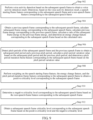
- Step 806 Detect pitch periods of the to-be-encoded speech frame and the previous speech frame to obtain a to-be-encoded pitch period and a previous pitch period, calculate a pitch period variation value based on the to-be-encoded pitch period and the previous pitch period, and determine a pitch period mutation frame feature corresponding to the to-be-encoded speech frame based on the pitch period variation value.
- Step 904 Obtain a previous speech frame corresponding to the subsequent speech frame, calculate subsequent frame energy corresponding to the subsequent speech frame, calculate previous frame energy corresponding to the previous speech frame, calculate a ratio of the subsequent frame energy to the previous frame energy, and determine an energy change feature corresponding to the subsequent speech frame based on the calculated ratio.
- Step 908 Perform weighting on the speech starting frame feature, the energy change feature, and the pitch period mutation frame feature corresponding to the subsequent speech frame to obtain a positive criticality level corresponding to the subsequent speech frame.
- Step 910 Determine a negative criticality level corresponding to the subsequent speech frame based on the non-speech-frame feature corresponding to the subsequent speech frame.
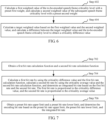
- the calculating the encoding bit rate corresponding to the to-be-encoded speech frame includes the following steps 1002 and 1016.
- Step 1004 Calculate a target weighted value based on the first weighted value and the second weighted value, and calculate a difference between the target weighted value and the to-be-encoded speech frame criticality level to obtain a criticality difference value.
- Step 1008 Obtain a first bit rate calculation function and a second bit rate calculation function.
- Step 1010 Calculate a first bit rate by using the criticality difference value and the first bit rate calculation function. Calculate a second bit rate by using the criticality average value and the second bit rate calculation function. Determine an integrated bit rate based on the first bit rate and the second bit rate.
- Step 1012 Compare the preset bit rate upper limit with the integrated bit rate. In a case that the integrated bit rate is less than the preset bit rate upper limit, compare the preset bit rate lower limit with the integrated bit rate.
- Step 1014 Use the integrated bit rate as the encoding bit rate in a case that the integrated bit rate is greater than the preset bit rate lower limit.
- Step 1016 Transmit the encoding bit rate to a standard encoder through an interface to obtain an encoding result.
- the standard encoder is configured to encode the to-be-encoded speech frame by using the encoding bit rate. Finally, the obtained encoding result is saved.
- an encoding bit rate is set.
- a bit rate in a standard encoder is reset to the encoding bit rate corresponding to the to-be-encoded speech frame.
- the standard encoder encodes the current to-be-encoded speech frame to obtain a bitstream, stores the bitstream, and, during playback, decodes the bitstream to obtain an audio signal.
- a speaker plays the audio signal, so that the broadcasted sound is clearer.
- the terminal 1202 collects a speech signal of the user A, obtains a to-be-encoded speech frame and a subsequent speech frame from the speech signal, extracts a to-be-encoded speech frame feature from the to-be-encoded speech frame, and obtains a to-be-encoded speech frame criticality level corresponding to the to-be-encoded speech frame based on the to-be-encoded speech frame feature.
- the terminal 1202 extracts a subsequent speech frame feature from the subsequent speech frame, and obtains a subsequent speech frame criticality level corresponding to the subsequent speech frame based on the subsequent speech frame feature.
- the terminal 1202 obtains a criticality trend feature based on the to-be-encoded speech frame criticality level and the subsequent speech frame criticality level, determines an encoding bit rate corresponding to the to-be-encoded speech frame by using the criticality trend feature, encodes the to-be-encoded speech frame at the encoding bit rate to obtain a bitstream, and sends the bitstream to the terminal 1206 through the server 1204.
- the user B plays, through the communications application in the terminal 1206, the speech message sent by the user A, the communications application decodes the bitstream to obtain a corresponding speech signal.
- a speaker plays the speech signal. Because the speech coding quality is enhanced, the speech message heard by the user B is clearer, and network bandwidth resources are saved.
- This disclosure further provides an application scenario in which the foregoing speech coding method is applied.
- the speech coding method is applied in the following way.
- a conference audio signal is collected by a microphone during conference recording.
- a to-be-encoded speech frame and 5 subsequent speech frames are determined among the conference audio signal.
- a to-be-encoded speech frame feature corresponding to the to-be-encoded speech frame is extracted.
- a to-be-encoded speech frame criticality level corresponding to the to-be-encoded speech frame is obtained based on the to-be-encoded speech frame feature.
- a subsequent speech frame feature corresponding to each subsequent speech frame is extracted.
- a subsequent speech frame criticality level corresponding to each subsequent speech frame is obtained based on the subsequent speech frame feature.
- a criticality trend feature is obtained based on the to-be-encoded speech frame criticality level and each subsequent speech frame criticality level.
- An encoding bit rate corresponding to the to-be-encoded speech frame is determined by using the criticality trend feature.
- the to-be-encoded speech frame is encoded at the encoding bit rate to obtain a bitstream.
- the bitstream is saved to a specified server address.
- the encoding bit rate which is regulable, can reduce the overall bit rate, and therefore, saves storage resources of the server.
- the users can obtain the saved code bitstream in the server address, decode the bitstream to obtain conference audio signals, and play the conference audio signals. In this way, the conference users or other users can hear the conference content, and use the content conveniently.
- steps in the flowcharts of FIG. 2 to FIG. 10 are sequentially displayed as indicated by arrows, the steps are not necessarily performed in the order indicated by the arrows. Unless otherwise expressly specified herein, the order of performing the steps is not strictly limited, and the steps may be performed in other order. Moreover, at least a part of the steps in FIG. 2 to FIG. 10 may include multiple substeps or stages. The substeps or stages are not necessarily performed at the same time, but may be performed at different times. The substeps or stages are not necessarily performed sequentially, but may take turns or alternate with other steps or at least a part of substeps or stages of other steps.
- a speech coding apparatus 1300 is provided.
- the apparatus may adopt a software module or a hardware module or a combination thereof and may become a part of a computer device.
- the apparatus specifically includes: a speech frame obtaining module 1302, a first criticality calculation module 1304, a second criticality calculation module 1306, a bit rate calculation module 1308, and an encoding module 1310.
- the speech frame obtaining module 1302 is configured to obtain a to-be-encoded speech frame and a subsequent speech frame corresponding to the to-be-encoded speech frame.
- each of the to-be-encoded speech frame feature and the subsequent speech frame feature includes at least one of a speech starting frame feature or a non-speech frame feature
- the speech coding apparatus 1300 further includes a first feature extraction module configured to: obtain a to-be-extracted speech frame, the to-be-extracted speech frame being the to-be-encoded speech frame or the subsequent speech frame; perform voice activity detection on the to-be-extracted speech frame to obtain a voice activity detection result; determine, in a case that the voice activity detection result indicates that the to-be-extracted speech frame is a speech starting endpoint, at least one of (i) the speech starting frame feature corresponding to the to-be-extracted speech frame is a first target value, or (ii) the non-speech frame feature corresponding to the to-be-extracted speech frame is a second target value; and determine, in a case that the voice activity detection result indicates that the to-be-extracted speech frame is not a speech starting endpoint, at least one
- each of the to-be-encoded speech frame feature and the subsequent speech frame feature includes an energy change feature
- the speech coding apparatus 1300 further includes a second feature extraction module configured to: obtain a to-be-extracted speech frame, the to-be-extracted speech frame being the to-be-encoded speech frame or the subsequent speech frame; obtain a previous speech frame corresponding to the to-be-extracted speech frame, calculate to-be-extracted frame energy corresponding to the to-be-extracted speech frame, and calculate previous frame energy corresponding to the previous speech frame; and calculate a ratio of the to-be-extracted frame energy to the previous frame energy, and determine the energy change feature corresponding to the to-be-extracted speech frame based on the calculated ratio.
- each of the to-be-encoded speech frame feature and the subsequent speech frame feature includes a pitch period mutation frame feature
- the speech coding apparatus 1300 further includes a third feature extraction module configured to: obtain a to-be-extracted speech frame, the to-be-extracted speech frame being the to-be-encoded speech frame or the subsequent speech frame; obtain a previous speech frame corresponding to the to-be-extracted speech frame, and detect pitch periods of the to-be-extracted speech frame and the previous speech frame to obtain a to-be-extracted pitch period and a previous pitch period respectively; and calculate a pitch period variation value based on the to-be-extracted pitch period and the previous pitch period, and determine the pitch period mutation frame feature corresponding to the to-be-extracted speech frame based on the pitch period variation value.
- the first criticality calculation module 1304 includes: a positive calculation unit, configured to determine a positive to-be-encoded speech frame feature in the to-be-encoded speech frame feature, and perform weighting on the positive to-be-encoded speech frame feature to obtain a positive to-be-encoded speech frame criticality level, the positive to-be-encoded speech frame feature including at least one of a speech starting frame feature, an energy change feature, or a pitch period mutation frame feature; a negative calculation unit, configured to determine a negative to-be-encoded speech frame feature in the to-be-encoded speech frame feature, and determine a negative to-be-encoded speech frame criticality level based on the negative to-be-encoded speech frame feature, the negative to-be-encoded speech frame feature including a non-speech frame feature; and a criticality calculation unit, configured to obtain the to-be-encoded speech frame criticality level corresponding to the to-be-encoded speech frame based on the positive
- the modules of the speech coding apparatus may be implemented entirely or partly by software, hardware, or a combination thereof.
- the modules may be built in a processor of a computer device in hardware form or independent of the processor, or may be stored in a memory of the computer device in software form, so as to be invoked by the processor to perform the corresponding operations.
- a computer device including a memory and a processor.
- the memory stores a computer-readable instruction.
- the computer-readable instruction causes the processor to implement steps of the method embodiments described above.
Landscapes
- Engineering & Computer Science (AREA)
- Physics & Mathematics (AREA)
- Computational Linguistics (AREA)
- Signal Processing (AREA)
- Health & Medical Sciences (AREA)
- Audiology, Speech & Language Pathology (AREA)
- Human Computer Interaction (AREA)
- Acoustics & Sound (AREA)
- Multimedia (AREA)
- Spectroscopy & Molecular Physics (AREA)
- Quality & Reliability (AREA)
- Compression, Expansion, Code Conversion, And Decoders (AREA)
Claims (15)
- Procédé de codage de la parole, exécuté par un dispositif informatique, le procédé comprenant :l'obtention d'une trame de parole devant être codée et d'une trame de parole ultérieure correspondant à la trame de parole devant être codée (202) ;l'extraction d'une caractéristique de trame de parole devant être codée de la trame de parole devant être codée, et l'obtention d'un niveau de criticité de trame de parole devant être codée correspondant à la trame de parole devant être codée sur la base de la caractéristique de trame de parole devant être codée (204) ;l'extraction d'une caractéristique de trame de parole ultérieure de la trame de parole ultérieure, et l'obtention d'un niveau de criticité de trame de parole ultérieure correspondant à la trame de parole ultérieure sur la base de la caractéristique de trame de parole ultérieure (206) ;l'obtention d'une caractéristique de tendance de criticité sur la base du niveau de criticité de trame de parole devant être codée et du niveau de criticité de trame de parole ultérieure, et la détermination d'un débit binaire de codage correspondant à la trame de parole devant être codée sur la base de la caractéristique de tendance de criticité (208), dans lequel le débit binaire de codage correspondant à chaque trame de parole devant être codée est commandé de manière adaptative sur la base d'une robustesse de tendance de criticité représentée par la caractéristique de tendance de criticité ; etle codage de la trame de parole devant être codée sur la base du débit binaire de codage pour obtenir un résultat de codage (210).
- Procédé selon la revendication 1, dans lequel chacune de la caractéristique de trame de parole devant être codée et de la caractéristique de trame de parole ultérieure comprend au moins une parmi une caractéristique de trame de début de parole ou une caractéristique de trame de non-parole, et l'extraction de la caractéristique de trame de début de parole et de la caractéristique de trame de non-parole comprend :l'obtention d'une trame de parole devant être extraite, la trame de parole devant être extraite étant au moins une parmi la trame de parole devant être codée ou la trame de parole ultérieure (302) ;la réalisation d'une détection d'activité vocale sur la trame de parole devant être extraite pour obtenir un résultat de détection d'activité vocale (304a) ;la détermination, dans un cas où le résultat de détection d'activité vocale indique que la trame de parole devant être extraite est un point d'extrémité de début de parole, d'au moins un parmi (i) la caractéristique de trame de début de parole correspondant à la trame de parole devant être extraite est une première valeur cible, ou (ii) la caractéristique de trame de non-parole correspondant à la trame de parole devant être extraite est une deuxième valeur cible (306a) ; etla détermination, dans un cas où le résultat de détection d'activité vocale indique que la trame de parole devant être extraite n'est pas un point d'extrémité de début de parole, d'au moins un parmi (i) la caractéristique de trame de début de parole correspondant à la trame de parole devant être extraite est la deuxième valeur cible, ou (ii) la caractéristique de trame de non-parole correspondant à la trame de parole devant être extraite est la première valeur cible (308a).
- Procédé selon la revendication 1, dans lequel chacune de la caractéristique de trame de parole devant être codée et de la caractéristique de trame de parole ultérieure comprend une caractéristique de changement d'énergie, et l'extraction de la caractéristique de changement d'énergie comprend :l'obtention d'une trame de parole devant être extraite, la trame de parole devant être extraite étant au moins une parmi la trame de parole devant être codée ou la trame de parole ultérieure (302) ;l'obtention d'une trame de parole précédente correspondant à la trame de parole devant être extraite, le calcul d'une énergie de trame devant être extraite correspondant à la trame de parole devant être extraite, et le calcul d'une énergie de trame précédente correspondant à la trame de parole précédente (304b) ; etle calcul d'un rapport de l'énergie de trame devant être extraite à l'énergie de trame précédente, et la détermination de la caractéristique de changement d'énergie correspondant à la trame de parole devant être extraite sur la base du rapport calculé (306b).
- Procédé selon la revendication 3, dans lequel le calcul d'une énergie de trame devant être extraite correspondant à la trame de parole devant être extraite (304b) comprend :la réalisation d'un échantillonnage de données sur la trame de parole devant être extraite pour obtenir une valeur de données de chaque échantillon et un nombre d'échantillons ; etle calcul d'une somme des carrés de valeurs de données de tous les échantillons, et le calcul d'un rapport de la somme des carrés au nombre d'échantillons pour obtenir l'énergie de trame devant être extraite.
- Procédé selon la revendication 1, dans lequel chacune de la caractéristique de trame de parole devant être codée et de la caractéristique de trame de parole ultérieure comprend une caractéristique de trame de mutation de période de hauteur, et l'extraction de la caractéristique de trame de mutation de période de hauteur comprend :l'obtention d'une trame de parole devant être extraite, la trame de parole devant être extraite étant au moins une parmi la trame de parole devant être codée ou la trame de parole ultérieure (302) ;l'obtention d'une trame de parole précédente correspondant à la trame de parole devant être extraite, et la détection de périodes de hauteur de la trame de parole devant être extraite et de la trame de parole précédente pour obtenir une période de hauteur devant être extraite et une période de hauteur précédente respectivement (304c) ; etle calcul d'une valeur de variation de période de hauteur sur la base de la période de hauteur devant être extraite et de la période de hauteur précédente, et la détermination de la caractéristique de trame de mutation de période de hauteur correspondant à la trame de parole devant être extraite sur la base de la valeur de variation de période de hauteur (306c).
- Procédé selon la revendication 1, dans lequel l'obtention d'un niveau de criticité de trame de parole devant être codée correspondant à la trame de parole devant être codée sur la base de la caractéristique de trame de parole devant être codée (204) comprend :la détermination d'une caractéristique de trame de parole devant être codée positive dans la caractéristique de trame de parole devant être codée, et la réalisation d'une pondération sur la caractéristique de trame de parole devant être codée positive pour obtenir un niveau de criticité de trame de parole devant être codée positif, la caractéristique de trame de parole devant être codée positive comprenant au moins une parmi une caractéristique de trame de début de parole, une caractéristique de changement d'énergie ou une caractéristique de trame de mutation de période de hauteur (402) ;la détermination d'une caractéristique de trame de parole devant être codée négative dans la caractéristique de trame de parole devant être codée, et la détermination d'un niveau de criticité de trame de parole devant être codée négatif sur la base de la caractéristique de trame de parole devant être codée négative, la caractéristique de trame de parole devant être codée négative comprenant une caractéristique de trame de non-parole (404) ; etle calcul d'un niveau de criticité positif sur la base du niveau de criticité de trame de parole devant être codée positif et d'un poids positif prédéfini, le calcul d'un niveau de criticité négatif sur la base du niveau de criticité de trame de parole devant être codée négatif et d'un poids négatif prédéfini, et l'obtention du niveau de criticité de trame de parole devant être codée correspondant à la trame de parole devant être codée sur la base du niveau de criticité positif et du niveau de criticité négatif (406).
- Procédé selon la revendication 1, dans lequel l'obtention d'une caractéristique de tendance de criticité sur la base du niveau de criticité de trame de parole devant être codée et du niveau de criticité de trame de parole ultérieure et la détermination d'un débit binaire de codage correspondant à la trame de parole devant être codée sur la base de la caractéristique de tendance de criticité (208) comprennent :
l'obtention d'un niveau de criticité de trame de parole précédente, l'obtention d'une caractéristique de tendance de criticité cible sur la base du niveau de criticité de trame de parole précédente, du niveau de criticité de trame de parole devant être codée et du niveau de criticité de trame de parole ultérieure, et la détermination du débit binaire de codage correspondant à la trame de parole devant être codée sur la base de la caractéristique de tendance de criticité cible. - Procédé selon la revendication 1, dans lequel l'obtention de la caractéristique de tendance de criticité sur la base du niveau de criticité de trame de parole devant être codée et du niveau de criticité de trame de parole ultérieure et la détermination d'un débit binaire de codage correspondant à la trame de parole devant être codée sur la base de la caractéristique de tendance de criticité (208) comprennent :le calcul d'une valeur de différence de criticité et d'une valeur moyenne de criticité sur la base du niveau de criticité de trame de parole devant être codée et du niveau de criticité de trame de parole ultérieure (502) ; etle calcul du débit binaire de codage correspondant à la trame de parole devant être codée sur la base de la valeur de différence de criticité et de la valeur moyenne de criticité (504).
- Procédé selon la revendication 8, dans lequel le calcul d'une valeur de différence de criticité sur la base du niveau de criticité de trame de parole devant être codée et du niveau de criticité de trame de parole ultérieure (502) comprend :le calcul d'une première valeur pondérée du niveau de criticité de trame de parole devant être codée avec un premier poids prédéfini, et le calcul d'une deuxième valeur pondérée du niveau de criticité de trame de parole ultérieure avec un deuxième poids prédéfini (602) ; etle calcul d'une valeur pondérée cible sur la base de la première valeur pondérée et de la deuxième valeur pondérée, et le calcul d'une différence entre la valeur pondérée cible et le niveau de criticité de trame de parole devant être codée pour obtenir la valeur de différence de criticité (604), dans lequella valeur pondérée cible est une somme de la première valeur pondérée et de la deuxième valeur pondérée ; etla valeur de différence de criticité est calculée en utilisant la formule suivante
 où ΔR(i) est la valeur de différence de criticité ; et N est un nombre total de trames des trames de parole devant être codées et des trames de parole ultérieures ; r(i) désigne le niveau de criticité de trame de parole devant être codée correspondant à la trame de parole devant être codée ; et r(j) désigne le niveau de criticité de trame de parole ultérieure correspondant à une jième trame de parole ultérieure ; a signifie qu'une plage de valeurs du poids est (0, 1) ; lorsque j est égal à 0, a0 est le premier poids prédéfini, lorsque j est supérieur à 0, aj est le deuxième poids prédéfini ; aj augmente avec l'augmentation de j ;
- Procédé selon la revendication 8, dans lequel le calcul d'une valeur moyenne de criticité sur la base du niveau de criticité de trame de parole devant être codée et du niveau de criticité de trame de parole ultérieure (502) comprend :l'obtention d'une quantité de trames totale de la trame de parole devant être codée et de la trame de parole ultérieure, dans lequel la quantité de trames totale signifie une somme du nombre des trames de parole devant être codées et du nombre des trames de parole ultérieures ; etl'obtention d'un niveau de criticité intégré sur la base du niveau de criticité de trame de parole devant être codée et du niveau de criticité de trame de parole ultérieure, et le calcul d'un rapport du niveau de criticité intégré à la quantité de trames totale pour obtenir la valeur moyenne de criticité.
- Procédé selon la revendication 8, dans lequel le calcul du débit binaire de codage correspondant à la trame de parole devant être codée sur la base de la valeur de différence de criticité et de la valeur moyenne de criticité (504) comprend :l'obtention d'une première fonction de calcul de débit binaire et d'une deuxième fonction de calcul de débit binaire (702) ;le calcul d'un premier débit binaire en utilisant la valeur moyenne de criticité et la première fonction de calcul de débit binaire, le calcul d'un deuxième débit binaire en utilisant la valeur de différence de criticité et la deuxième fonction de calcul de débit binaire, et la détermination d'un débit binaire intégré sur la base du premier débit binaire et du deuxième débit binaire, le premier débit binaire étant proportionnel à la valeur moyenne de criticité, et le deuxième débit binaire étant proportionnel à la valeur de différence de criticité (704) ; etl'obtention d'une limite supérieure de débit binaire prédéfini et d'une limite inférieure de débit binaire prédéfini, et la détermination du débit binaire de codage sur la base de la limite supérieure de débit binaire prédéfini, de la limite inférieure de débit binaire prédéfini et du débit binaire intégré (706).
- Procédé selon la revendication 11, dans lequel la détermination du débit binaire de codage sur la base de la limite supérieure de débit binaire prédéfini, de la limite inférieure de débit binaire prédéfini et du débit binaire intégré (706) comprend :la comparaison de la limite supérieure de débit binaire prédéfini avec le débit binaire intégré ;la comparaison de la limite inférieure de débit binaire prédéfini avec le débit binaire intégré dans un cas où le débit binaire intégré est inférieur à la limite supérieure de débit binaire prédéfini ; etl'utilisation du débit binaire intégré comme débit binaire de codage dans un cas où le débit binaire intégré est supérieur à la limite inférieure de débit binaire prédéfini.
- Appareil de codage de la parole (1300), comprenant :un module d'obtention de trame de parole (1302), configuré pour obtenir une trame de parole devant être codée et une trame de parole ultérieure correspondant à la trame de parole devant être codée ;un premier module de calcul de criticité (1304), configuré pour extraire une caractéristique de trame de parole devant être codée de la trame de parole devant être codée, et obtenir un niveau de criticité de trame de parole devant être codée correspondant à la trame de parole devant être codée sur la base de la caractéristique de trame de parole devant être codée ;un deuxième module de calcul de criticité (1306), configuré pour extraire une caractéristique de trame de parole ultérieure de la trame de parole ultérieure, et obtenir un niveau de criticité de trame de parole ultérieure correspondant à la trame de parole ultérieure sur la base de la caractéristique de trame de parole ultérieure ;un module de calcul de débit binaire (1308), configuré pour obtenir une caractéristique de tendance de criticité sur la base du niveau de criticité de trame de parole devant être codée et du niveau de criticité de trame de parole ultérieure, et déterminer un débit binaire de codage correspondant à la trame de parole devant être codée sur la base de la caractéristique de tendance de criticité, dans lequel le débit binaire de codage correspondant à chaque trame de parole devant être codée est commandé de manière adaptative sur la base d'une robustesse de tendance de criticité représentée par la caractéristique de tendance de criticité ; etun module de codage (1310), configuré pour coder la trame de parole devant être codée sur la base du débit binaire de codage pour obtenir un résultat de codage.
- Dispositif informatique, comprenant une mémoire et un processeur, dans lequel la mémoire stocke une instruction lisible par ordinateur ; lorsqu'elle est exécutée par le processeur, l'instruction lisible par ordinateur amène le processeur à réaliser des opérations du procédé selon l'une quelconque des revendications 1 à 12.
- Un ou plusieurs supports de stockage non volatils qui stockent une instruction lisible par ordinateur, dans lequel lorsqu'elle est exécutée par un ou plusieurs processeurs, l'instruction lisible par ordinateur amène les un ou plusieurs processeurs à réaliser des opérations du procédé selon l'une quelconque des revendications 1 à 12.
Applications Claiming Priority (2)
| Application Number | Priority Date | Filing Date | Title |
|---|---|---|---|
| CN202010585545.9A CN112767953B (zh) | 2020-06-24 | 2020-06-24 | 语音编码方法、装置、计算机设备和存储介质 |
| PCT/CN2021/095714 WO2021258958A1 (fr) | 2020-06-24 | 2021-05-25 | Procédé et appareil de codage de la parole, dispositif informatique et support de stockage |
Publications (4)
| Publication Number | Publication Date |
|---|---|
| EP4040436A1 EP4040436A1 (fr) | 2022-08-10 |
| EP4040436A4 EP4040436A4 (fr) | 2023-01-18 |
| EP4040436B1 true EP4040436B1 (fr) | 2024-07-10 |
| EP4040436C0 EP4040436C0 (fr) | 2024-07-10 |
Family
ID=75693048
Family Applications (1)
| Application Number | Title | Priority Date | Filing Date |
|---|---|---|---|
| EP21828640.9A Active EP4040436B1 (fr) | 2020-06-24 | 2021-05-25 | Procédé et appareil de codage de la parole, dispositif informatique et support de stockage |
Country Status (5)
| Country | Link |
|---|---|
| US (1) | US12322403B2 (fr) |
| EP (1) | EP4040436B1 (fr) |
| JP (1) | JP7471727B2 (fr) |
| CN (1) | CN112767953B (fr) |
| WO (1) | WO2021258958A1 (fr) |
Families Citing this family (1)
| Publication number | Priority date | Publication date | Assignee | Title |
|---|---|---|---|---|
| CN112767953B (zh) * | 2020-06-24 | 2024-01-23 | 腾讯科技(深圳)有限公司 | 语音编码方法、装置、计算机设备和存储介质 |
Family Cites Families (32)
| Publication number | Priority date | Publication date | Assignee | Title |
|---|---|---|---|---|
| CA2483324C (fr) * | 1991-06-11 | 2008-05-06 | Qualcomm Incorporated | Vocodeur a debit variable |
| JPH05175941A (ja) * | 1991-12-20 | 1993-07-13 | Fujitsu Ltd | 符号化率可変伝送方式 |
| TW271524B (fr) * | 1994-08-05 | 1996-03-01 | Qualcomm Inc | |
| US6278735B1 (en) * | 1998-03-19 | 2001-08-21 | International Business Machines Corporation | Real-time single pass variable bit rate control strategy and encoder |
| US20070036227A1 (en) * | 2005-08-15 | 2007-02-15 | Faisal Ishtiaq | Video encoding system and method for providing content adaptive rate control |
| KR100746013B1 (ko) * | 2005-11-15 | 2007-08-06 | 삼성전자주식회사 | 무선 네트워크에서의 데이터 전송 방법 및 장치 |
| JP4548348B2 (ja) * | 2006-01-18 | 2010-09-22 | カシオ計算機株式会社 | 音声符号化装置及び音声符号化方法 |
| US20090319261A1 (en) * | 2008-06-20 | 2009-12-24 | Qualcomm Incorporated | Coding of transitional speech frames for low-bit-rate applications |
| CN101847412B (zh) | 2009-03-27 | 2012-02-15 | 华为技术有限公司 | 音频信号的分类方法及装置 |
| US8352252B2 (en) * | 2009-06-04 | 2013-01-08 | Qualcomm Incorporated | Systems and methods for preventing the loss of information within a speech frame |
| JP5235168B2 (ja) | 2009-06-23 | 2013-07-10 | 日本電信電話株式会社 | 符号化方法、復号方法、符号化装置、復号装置、符号化プログラム、復号プログラム |
| CA2839345A1 (fr) * | 2011-06-14 | 2012-12-20 | Zhou Wang | Procede et systeme d'optimisation debit-distorsion basee sur la similarite structurale pour le codage video perceptuel |
| JP6039678B2 (ja) | 2011-10-27 | 2016-12-07 | エルジー エレクトロニクス インコーポレイティド | 音声信号符号化方法及び復号化方法とこれを利用する装置 |
| CN102543090B (zh) * | 2011-12-31 | 2013-12-04 | 深圳市茂碧信息科技有限公司 | 一种应用于变速率语音和音频编码的码率自动控制系统 |
| US9047863B2 (en) * | 2012-01-12 | 2015-06-02 | Qualcomm Incorporated | Systems, methods, apparatus, and computer-readable media for criticality threshold control |
| US9208798B2 (en) | 2012-04-09 | 2015-12-08 | Board Of Regents, The University Of Texas System | Dynamic control of voice codec data rate |
| CN103841418B (zh) * | 2012-11-22 | 2016-12-21 | 中国科学院声学研究所 | 一种3g网络中视频监控器码率控制的优化方法及系统 |
| CN103050122B (zh) * | 2012-12-18 | 2014-10-08 | 北京航空航天大学 | 一种基于melp的多帧联合量化低速率语音编解码方法 |
| CN103338375A (zh) * | 2013-06-27 | 2013-10-02 | 公安部第一研究所 | 一种宽带集群系统中基于视频数据重要性的动态码率分配方法 |
| CN104517612B (zh) * | 2013-09-30 | 2018-10-12 | 上海爱聊信息科技有限公司 | 基于amr-nb语音信号的可变码率编码器和解码器及其编码和解码方法 |
| CN106534862B (zh) * | 2016-12-20 | 2019-12-10 | 杭州当虹科技股份有限公司 | 一种视频编码方法 |
| KR102613286B1 (ko) * | 2017-04-26 | 2023-12-12 | 디티에스, 인코포레이티드 | 프레임 그룹에 대한 비트 레이트 제어 |
| CN109151470B (zh) * | 2017-06-28 | 2021-03-16 | 腾讯科技(深圳)有限公司 | 编码分辨率控制方法及终端 |
| CN110166780B (zh) * | 2018-06-06 | 2023-06-30 | 腾讯科技(深圳)有限公司 | 视频的码率控制方法、转码处理方法、装置和机器设备 |
| CN110166781B (zh) * | 2018-06-22 | 2022-09-13 | 腾讯科技(深圳)有限公司 | 一种视频编码方法、装置、可读介质和电子设备 |
| US10349059B1 (en) * | 2018-07-17 | 2019-07-09 | Wowza Media Systems, LLC | Adjusting encoding frame size based on available network bandwidth |
| CN109729353B (zh) * | 2019-01-31 | 2021-01-19 | 深圳市迅雷网文化有限公司 | 一种视频编码方法、装置、系统及介质 |
| CN110740334B (zh) * | 2019-10-18 | 2021-08-31 | 福州大学 | 一种帧级别的应用层动态fec编码方法 |
| CN110890945B (zh) * | 2019-11-20 | 2022-02-22 | 腾讯科技(深圳)有限公司 | 数据传输方法、装置、终端及存储介质 |
| CN113593585A (zh) * | 2020-04-30 | 2021-11-02 | 华为技术有限公司 | 音频信号的比特分配方法和装置 |
| CN112767953B (zh) * | 2020-06-24 | 2024-01-23 | 腾讯科技(深圳)有限公司 | 语音编码方法、装置、计算机设备和存储介质 |
| CN112767955B (zh) * | 2020-07-22 | 2024-01-23 | 腾讯科技(深圳)有限公司 | 音频编码方法及装置、存储介质、电子设备 |
-
2020
- 2020-06-24 CN CN202010585545.9A patent/CN112767953B/zh active Active
-
2021
- 2021-05-25 EP EP21828640.9A patent/EP4040436B1/fr active Active
- 2021-05-25 WO PCT/CN2021/095714 patent/WO2021258958A1/fr not_active Ceased
- 2021-05-25 JP JP2022554706A patent/JP7471727B2/ja active Active
-
2022
- 2022-05-09 US US17/740,309 patent/US12322403B2/en active Active
Also Published As
| Publication number | Publication date |
|---|---|
| CN112767953B (zh) | 2024-01-23 |
| JP7471727B2 (ja) | 2024-04-22 |
| EP4040436A1 (fr) | 2022-08-10 |
| US12322403B2 (en) | 2025-06-03 |
| WO2021258958A1 (fr) | 2021-12-30 |
| EP4040436A4 (fr) | 2023-01-18 |
| JP2023517973A (ja) | 2023-04-27 |
| CN112767953A (zh) | 2021-05-07 |
| EP4040436C0 (fr) | 2024-07-10 |
| US20220270622A1 (en) | 2022-08-25 |
Similar Documents
| Publication | Publication Date | Title |
|---|---|---|
| EP4239630B1 (fr) | Procédé de codage audio, procédé de décodage audio, appareil, dispositif informatique, support de stockage et produit de programme informatique | |
| CN101689369B (zh) | 用于编码和解码分音的幅度的方法和装置 | |
| CN112767955B (zh) | 音频编码方法及装置、存储介质、电子设备 | |
| RU2713852C2 (ru) | Оценивание фонового шума в аудиосигналах | |
| CN114338623B (zh) | 音频的处理方法、装置、设备及介质 | |
| CN115101082B (zh) | 语音增强方法、装置、设备、存储介质及程序产品 | |
| CN112489665A (zh) | 语音处理方法、装置以及电子设备 | |
| CN111816197A (zh) | 音频编码方法、装置、电子设备和存储介质 | |
| CN113571072A (zh) | 一种语音编码方法、装置、设备、存储介质及产品 | |
| EP4040436B1 (fr) | Procédé et appareil de codage de la parole, dispositif informatique et support de stockage | |
| RU2317595C1 (ru) | Способ обнаружения пауз в речевых сигналах и устройство его реализующее | |
| WO2020001570A1 (fr) | Procédé de codage et de décodage de signal stéréo et appareil de codage et de décodage | |
| CN111105815B (zh) | 一种基于语音活动检测的辅助检测方法、装置及存储介质 | |
| CN115641857A (zh) | 音频处理方法、装置、电子设备、存储介质及程序产品 | |
| Basov et al. | Optimization of pitch tracking and quantization | |
| HK40043832A (en) | Audio coding method and apparatus, storage medium, and electronic device | |
| TWI820333B (zh) | 方法,電腦程式,編碼器和監控裝置 | |
| CN113473108A (zh) | 数据处理方法及系统、电子设备、智能音箱及声音输出设备 | |
| HK40043832B (zh) | 音频编码方法及装置、存储介质、电子设备 | |
| KR100388454B1 (ko) | 배경잡음 예측을 통한 음성 출력 이득 조정 방법 | |
| HK40052238A (en) | Multimedia file processing method and apparatus, device, and medium | |
| HK40084136A (en) | Audio encoding and decoding method, device, medium and electronic equipment | |
| HK40069959A (en) | Audio processing method, device, equipment and medium | |
| HK40043822A (en) | Audio encoding method and apparatus, computer device and medium | |
| HK40043822B (en) | Audio encoding method and apparatus, computer device and medium |
Legal Events
| Date | Code | Title | Description |
|---|---|---|---|
| STAA | Information on the status of an ep patent application or granted ep patent |
Free format text: STATUS: THE INTERNATIONAL PUBLICATION HAS BEEN MADE |
|
| PUAI | Public reference made under article 153(3) epc to a published international application that has entered the european phase |
Free format text: ORIGINAL CODE: 0009012 |
|
| STAA | Information on the status of an ep patent application or granted ep patent |
Free format text: STATUS: REQUEST FOR EXAMINATION WAS MADE |
|
| 17P | Request for examination filed |
Effective date: 20220630 |
|
| AK | Designated contracting states |
Kind code of ref document: A1 Designated state(s): AL AT BE BG CH CY CZ DE DK EE ES FI FR GB GR HR HU IE IS IT LI LT LU LV MC MK MT NL NO PL PT RO RS SE SI SK SM TR |
|
| A4 | Supplementary search report drawn up and despatched |
Effective date: 20221219 |
|
| RIC1 | Information provided on ipc code assigned before grant |
Ipc: G10L 19/22 20130101ALI20221213BHEP Ipc: G10L 19/025 20130101ALI20221213BHEP Ipc: G10L 19/24 20130101AFI20221213BHEP |
|
| DAV | Request for validation of the european patent (deleted) | ||
| DAX | Request for extension of the european patent (deleted) | ||
| GRAP | Despatch of communication of intention to grant a patent |
Free format text: ORIGINAL CODE: EPIDOSNIGR1 |
|
| STAA | Information on the status of an ep patent application or granted ep patent |
Free format text: STATUS: GRANT OF PATENT IS INTENDED |
|
| INTG | Intention to grant announced |
Effective date: 20240311 |
|
| GRAS | Grant fee paid |
Free format text: ORIGINAL CODE: EPIDOSNIGR3 |
|
| GRAA | (expected) grant |
Free format text: ORIGINAL CODE: 0009210 |
|
| STAA | Information on the status of an ep patent application or granted ep patent |
Free format text: STATUS: THE PATENT HAS BEEN GRANTED |
|
| AK | Designated contracting states |
Kind code of ref document: B1 Designated state(s): AL AT BE BG CH CY CZ DE DK EE ES FI FR GB GR HR HU IE IS IT LI LT LU LV MC MK MT NL NO PL PT RO RS SE SI SK SM TR |
|
| REG | Reference to a national code |
Ref country code: CH Ref legal event code: EP |
|
| REG | Reference to a national code |
Ref country code: DE Ref legal event code: R096 Ref document number: 602021015630 Country of ref document: DE |
|
| U01 | Request for unitary effect filed |
Effective date: 20240731 |
|
| U07 | Unitary effect registered |
Designated state(s): AT BE BG DE DK EE FI FR IT LT LU LV MT NL PT RO SE SI Effective date: 20240902 |
|
| PG25 | Lapsed in a contracting state [announced via postgrant information from national office to epo] |
Ref country code: NO Free format text: LAPSE BECAUSE OF FAILURE TO SUBMIT A TRANSLATION OF THE DESCRIPTION OR TO PAY THE FEE WITHIN THE PRESCRIBED TIME-LIMIT Effective date: 20241010 |
|
| PG25 | Lapsed in a contracting state [announced via postgrant information from national office to epo] |
Ref country code: GR Free format text: LAPSE BECAUSE OF FAILURE TO SUBMIT A TRANSLATION OF THE DESCRIPTION OR TO PAY THE FEE WITHIN THE PRESCRIBED TIME-LIMIT Effective date: 20241011 Ref country code: PL Free format text: LAPSE BECAUSE OF FAILURE TO SUBMIT A TRANSLATION OF THE DESCRIPTION OR TO PAY THE FEE WITHIN THE PRESCRIBED TIME-LIMIT Effective date: 20240710 |
|
| PG25 | Lapsed in a contracting state [announced via postgrant information from national office to epo] |
Ref country code: IS Free format text: LAPSE BECAUSE OF FAILURE TO SUBMIT A TRANSLATION OF THE DESCRIPTION OR TO PAY THE FEE WITHIN THE PRESCRIBED TIME-LIMIT Effective date: 20241110 |
|
| PG25 | Lapsed in a contracting state [announced via postgrant information from national office to epo] |
Ref country code: HR Free format text: LAPSE BECAUSE OF FAILURE TO SUBMIT A TRANSLATION OF THE DESCRIPTION OR TO PAY THE FEE WITHIN THE PRESCRIBED TIME-LIMIT Effective date: 20240710 |
|
| PG25 | Lapsed in a contracting state [announced via postgrant information from national office to epo] |
Ref country code: ES Free format text: LAPSE BECAUSE OF FAILURE TO SUBMIT A TRANSLATION OF THE DESCRIPTION OR TO PAY THE FEE WITHIN THE PRESCRIBED TIME-LIMIT Effective date: 20240710 Ref country code: RS Free format text: LAPSE BECAUSE OF FAILURE TO SUBMIT A TRANSLATION OF THE DESCRIPTION OR TO PAY THE FEE WITHIN THE PRESCRIBED TIME-LIMIT Effective date: 20241010 |
|
| PG25 | Lapsed in a contracting state [announced via postgrant information from national office to epo] |
Ref country code: RS Free format text: LAPSE BECAUSE OF FAILURE TO SUBMIT A TRANSLATION OF THE DESCRIPTION OR TO PAY THE FEE WITHIN THE PRESCRIBED TIME-LIMIT Effective date: 20241010 Ref country code: PL Free format text: LAPSE BECAUSE OF FAILURE TO SUBMIT A TRANSLATION OF THE DESCRIPTION OR TO PAY THE FEE WITHIN THE PRESCRIBED TIME-LIMIT Effective date: 20240710 Ref country code: NO Free format text: LAPSE BECAUSE OF FAILURE TO SUBMIT A TRANSLATION OF THE DESCRIPTION OR TO PAY THE FEE WITHIN THE PRESCRIBED TIME-LIMIT Effective date: 20241010 Ref country code: IS Free format text: LAPSE BECAUSE OF FAILURE TO SUBMIT A TRANSLATION OF THE DESCRIPTION OR TO PAY THE FEE WITHIN THE PRESCRIBED TIME-LIMIT Effective date: 20241110 Ref country code: HR Free format text: LAPSE BECAUSE OF FAILURE TO SUBMIT A TRANSLATION OF THE DESCRIPTION OR TO PAY THE FEE WITHIN THE PRESCRIBED TIME-LIMIT Effective date: 20240710 Ref country code: GR Free format text: LAPSE BECAUSE OF FAILURE TO SUBMIT A TRANSLATION OF THE DESCRIPTION OR TO PAY THE FEE WITHIN THE PRESCRIBED TIME-LIMIT Effective date: 20241011 Ref country code: ES Free format text: LAPSE BECAUSE OF FAILURE TO SUBMIT A TRANSLATION OF THE DESCRIPTION OR TO PAY THE FEE WITHIN THE PRESCRIBED TIME-LIMIT Effective date: 20240710 |
|
| PG25 | Lapsed in a contracting state [announced via postgrant information from national office to epo] |
Ref country code: SM Free format text: LAPSE BECAUSE OF FAILURE TO SUBMIT A TRANSLATION OF THE DESCRIPTION OR TO PAY THE FEE WITHIN THE PRESCRIBED TIME-LIMIT Effective date: 20240710 |
|
| PG25 | Lapsed in a contracting state [announced via postgrant information from national office to epo] |
Ref country code: CZ Free format text: LAPSE BECAUSE OF FAILURE TO SUBMIT A TRANSLATION OF THE DESCRIPTION OR TO PAY THE FEE WITHIN THE PRESCRIBED TIME-LIMIT Effective date: 20240710 |
|
| PG25 | Lapsed in a contracting state [announced via postgrant information from national office to epo] |
Ref country code: SK Free format text: LAPSE BECAUSE OF FAILURE TO SUBMIT A TRANSLATION OF THE DESCRIPTION OR TO PAY THE FEE WITHIN THE PRESCRIBED TIME-LIMIT Effective date: 20240710 |
|
| PLBE | No opposition filed within time limit |
Free format text: ORIGINAL CODE: 0009261 |
|
| STAA | Information on the status of an ep patent application or granted ep patent |
Free format text: STATUS: NO OPPOSITION FILED WITHIN TIME LIMIT |
|
| 26N | No opposition filed |
Effective date: 20250411 |
|
| U20 | Renewal fee for the european patent with unitary effect paid |
Year of fee payment: 5 Effective date: 20250516 |
|
| REG | Reference to a national code |
Ref country code: CH Ref legal event code: H13 Free format text: ST27 STATUS EVENT CODE: U-0-0-H10-H13 (AS PROVIDED BY THE NATIONAL OFFICE) Effective date: 20251223 |
|
| PG25 | Lapsed in a contracting state [announced via postgrant information from national office to epo] |
Ref country code: CH Free format text: LAPSE BECAUSE OF NON-PAYMENT OF DUE FEES Effective date: 20250531 |
|
| PG25 | Lapsed in a contracting state [announced via postgrant information from national office to epo] |
Ref country code: MC Free format text: LAPSE BECAUSE OF FAILURE TO SUBMIT A TRANSLATION OF THE DESCRIPTION OR TO PAY THE FEE WITHIN THE PRESCRIBED TIME-LIMIT Effective date: 20240710 |
|
| PGFP | Annual fee paid to national office [announced via postgrant information from national office to epo] |
Ref country code: GB Payment date: 20260324 Year of fee payment: 6 |
|
| PG25 | Lapsed in a contracting state [announced via postgrant information from national office to epo] |
Ref country code: IE Free format text: LAPSE BECAUSE OF NON-PAYMENT OF DUE FEES Effective date: 20250525 |