EP4043489A1 - Immungenetische beschränkung der elazitation von antikörpern - Google Patents
Immungenetische beschränkung der elazitation von antikörpern Download PDFInfo
- Publication number
- EP4043489A1 EP4043489A1 EP21202176.0A EP21202176A EP4043489A1 EP 4043489 A1 EP4043489 A1 EP 4043489A1 EP 21202176 A EP21202176 A EP 21202176A EP 4043489 A1 EP4043489 A1 EP 4043489A1
- Authority
- EP
- European Patent Office
- Prior art keywords
- antibody
- antibodies
- cdr
- influenza
- amino acid
- Prior art date
- Legal status (The legal status is an assumption and is not a legal conclusion. Google has not performed a legal analysis and makes no representation as to the accuracy of the status listed.)
- Pending
Links
Images






Classifications
-
- C—CHEMISTRY; METALLURGY
- C07—ORGANIC CHEMISTRY
- C07K—PEPTIDES
- C07K16/00—Immunoglobulins [IG], e.g. monoclonal or polyclonal antibodies
- C07K16/08—Immunoglobulins [IG], e.g. monoclonal or polyclonal antibodies against material from viruses
- C07K16/10—RNA viruses
- C07K16/108—Orthomyxoviridae (F), e.g. influenza virus
-
- A—HUMAN NECESSITIES
- A61—MEDICAL OR VETERINARY SCIENCE; HYGIENE
- A61K—PREPARATIONS FOR MEDICAL, DENTAL OR TOILETRY PURPOSES
- A61K39/00—Medicinal preparations containing antigens or antibodies
- A61K39/395—Antibodies; Immunoglobulins; Immune serum, e.g. antilymphocytic serum
-
- A—HUMAN NECESSITIES
- A61—MEDICAL OR VETERINARY SCIENCE; HYGIENE
- A61K—PREPARATIONS FOR MEDICAL, DENTAL OR TOILETRY PURPOSES
- A61K47/00—Medicinal preparations characterised by the non-active ingredients used, e.g. carriers or inert additives; Targeting or modifying agents chemically bound to the active ingredient
- A61K47/50—Medicinal preparations characterised by the non-active ingredients used, e.g. carriers or inert additives; Targeting or modifying agents chemically bound to the active ingredient the non-active ingredient being chemically bound to the active ingredient, e.g. polymer-drug conjugates
- A61K47/51—Medicinal preparations characterised by the non-active ingredients used, e.g. carriers or inert additives; Targeting or modifying agents chemically bound to the active ingredient the non-active ingredient being chemically bound to the active ingredient, e.g. polymer-drug conjugates the non-active ingredient being a modifying agent
- A61K47/68—Medicinal preparations characterised by the non-active ingredients used, e.g. carriers or inert additives; Targeting or modifying agents chemically bound to the active ingredient the non-active ingredient being chemically bound to the active ingredient, e.g. polymer-drug conjugates the non-active ingredient being a modifying agent the modifying agent being an antibody, an immunoglobulin or a fragment thereof, e.g. an Fc-fragment
- A61K47/6835—Medicinal preparations characterised by the non-active ingredients used, e.g. carriers or inert additives; Targeting or modifying agents chemically bound to the active ingredient the non-active ingredient being chemically bound to the active ingredient, e.g. polymer-drug conjugates the non-active ingredient being a modifying agent the modifying agent being an antibody, an immunoglobulin or a fragment thereof, e.g. an Fc-fragment the modifying agent being an antibody or an immunoglobulin bearing at least one antigen-binding site
- A61K47/6839—Medicinal preparations characterised by the non-active ingredients used, e.g. carriers or inert additives; Targeting or modifying agents chemically bound to the active ingredient the non-active ingredient being chemically bound to the active ingredient, e.g. polymer-drug conjugates the non-active ingredient being a modifying agent the modifying agent being an antibody, an immunoglobulin or a fragment thereof, e.g. an Fc-fragment the modifying agent being an antibody or an immunoglobulin bearing at least one antigen-binding site the antibody targeting material from viruses
- A61K47/6841—Medicinal preparations characterised by the non-active ingredients used, e.g. carriers or inert additives; Targeting or modifying agents chemically bound to the active ingredient the non-active ingredient being chemically bound to the active ingredient, e.g. polymer-drug conjugates the non-active ingredient being a modifying agent the modifying agent being an antibody, an immunoglobulin or a fragment thereof, e.g. an Fc-fragment the modifying agent being an antibody or an immunoglobulin bearing at least one antigen-binding site the antibody targeting material from viruses the antibody targeting a RNA virus
-
- A—HUMAN NECESSITIES
- A61—MEDICAL OR VETERINARY SCIENCE; HYGIENE
- A61P—SPECIFIC THERAPEUTIC ACTIVITY OF CHEMICAL COMPOUNDS OR MEDICINAL PREPARATIONS
- A61P31/00—Antiinfectives, i.e. antibiotics, antiseptics, chemotherapeutics
- A61P31/12—Antivirals
- A61P31/14—Antivirals for RNA viruses
-
- C—CHEMISTRY; METALLURGY
- C12—BIOCHEMISTRY; BEER; SPIRITS; WINE; VINEGAR; MICROBIOLOGY; ENZYMOLOGY; MUTATION OR GENETIC ENGINEERING
- C12Q—MEASURING OR TESTING PROCESSES INVOLVING ENZYMES, NUCLEIC ACIDS OR MICROORGANISMS; COMPOSITIONS OR TEST PAPERS THEREFOR; PROCESSES OF PREPARING SUCH COMPOSITIONS; CONDITION-RESPONSIVE CONTROL IN MICROBIOLOGICAL OR ENZYMOLOGICAL PROCESSES
- C12Q1/00—Measuring or testing processes involving enzymes, nucleic acids or microorganisms; Compositions therefor; Processes of preparing such compositions
- C12Q1/68—Measuring or testing processes involving enzymes, nucleic acids or microorganisms; Compositions therefor; Processes of preparing such compositions involving nucleic acids
- C12Q1/6876—Nucleic acid products used in the analysis of nucleic acids, e.g. primers or probes
-
- G—PHYSICS
- G01—MEASURING; TESTING
- G01N—INVESTIGATING OR ANALYSING MATERIALS BY DETERMINING THEIR CHEMICAL OR PHYSICAL PROPERTIES
- G01N33/00—Investigating or analysing materials by specific methods not covered by groups G01N1/00 - G01N31/00
- G01N33/48—Biological material, e.g. blood, urine; Haemocytometers
- G01N33/50—Chemical analysis of biological material, e.g. blood, urine; Testing involving biospecific ligand binding methods; Immunological testing
- G01N33/5005—Chemical analysis of biological material, e.g. blood, urine; Testing involving biospecific ligand binding methods; Immunological testing involving human or animal cells
- G01N33/5008—Chemical analysis of biological material, e.g. blood, urine; Testing involving biospecific ligand binding methods; Immunological testing involving human or animal cells for testing or evaluating the effect of chemical or biological compounds, e.g. drugs, cosmetics
- G01N33/5044—Chemical analysis of biological material, e.g. blood, urine; Testing involving biospecific ligand binding methods; Immunological testing involving human or animal cells for testing or evaluating the effect of chemical or biological compounds, e.g. drugs, cosmetics involving specific cell types
- G01N33/5047—Cells of the immune system
- G01N33/5052—Cells of the immune system involving B-cells
-
- C—CHEMISTRY; METALLURGY
- C07—ORGANIC CHEMISTRY
- C07K—PEPTIDES
- C07K2317/00—Immunoglobulins specific features
- C07K2317/20—Immunoglobulins specific features characterized by taxonomic origin
- C07K2317/21—Immunoglobulins specific features characterized by taxonomic origin from primates, e.g. man
-
- C—CHEMISTRY; METALLURGY
- C07—ORGANIC CHEMISTRY
- C07K—PEPTIDES
- C07K2317/00—Immunoglobulins specific features
- C07K2317/50—Immunoglobulins specific features characterized by immunoglobulin fragments
- C07K2317/54—F(ab')2
-
- C—CHEMISTRY; METALLURGY
- C07—ORGANIC CHEMISTRY
- C07K—PEPTIDES
- C07K2317/00—Immunoglobulins specific features
- C07K2317/50—Immunoglobulins specific features characterized by immunoglobulin fragments
- C07K2317/55—Fab or Fab'
-
- C—CHEMISTRY; METALLURGY
- C07—ORGANIC CHEMISTRY
- C07K—PEPTIDES
- C07K2317/00—Immunoglobulins specific features
- C07K2317/50—Immunoglobulins specific features characterized by immunoglobulin fragments
- C07K2317/56—Immunoglobulins specific features characterized by immunoglobulin fragments variable (Fv) region, i.e. VH and/or VL
-
- C—CHEMISTRY; METALLURGY
- C07—ORGANIC CHEMISTRY
- C07K—PEPTIDES
- C07K2317/00—Immunoglobulins specific features
- C07K2317/50—Immunoglobulins specific features characterized by immunoglobulin fragments
- C07K2317/56—Immunoglobulins specific features characterized by immunoglobulin fragments variable (Fv) region, i.e. VH and/or VL
- C07K2317/565—Complementarity determining region [CDR]
-
- C—CHEMISTRY; METALLURGY
- C07—ORGANIC CHEMISTRY
- C07K—PEPTIDES
- C07K2317/00—Immunoglobulins specific features
- C07K2317/50—Immunoglobulins specific features characterized by immunoglobulin fragments
- C07K2317/56—Immunoglobulins specific features characterized by immunoglobulin fragments variable (Fv) region, i.e. VH and/or VL
- C07K2317/567—Framework region [FR]
-
- C—CHEMISTRY; METALLURGY
- C07—ORGANIC CHEMISTRY
- C07K—PEPTIDES
- C07K2317/00—Immunoglobulins specific features
- C07K2317/60—Immunoglobulins specific features characterized by non-natural combinations of immunoglobulin fragments
- C07K2317/62—Immunoglobulins specific features characterized by non-natural combinations of immunoglobulin fragments comprising only variable region components
- C07K2317/622—Single chain antibody (scFv)
-
- C—CHEMISTRY; METALLURGY
- C07—ORGANIC CHEMISTRY
- C07K—PEPTIDES
- C07K2317/00—Immunoglobulins specific features
- C07K2317/70—Immunoglobulins specific features characterized by effect upon binding to a cell or to an antigen
- C07K2317/76—Antagonist effect on antigen, e.g. neutralization or inhibition of binding
-
- C—CHEMISTRY; METALLURGY
- C07—ORGANIC CHEMISTRY
- C07K—PEPTIDES
- C07K2317/00—Immunoglobulins specific features
- C07K2317/90—Immunoglobulins specific features characterized by (pharmaco)kinetic aspects or by stability of the immunoglobulin
- C07K2317/92—Affinity (KD), association rate (Ka), dissociation rate (Kd) or EC50 value
-
- C—CHEMISTRY; METALLURGY
- C12—BIOCHEMISTRY; BEER; SPIRITS; WINE; VINEGAR; MICROBIOLOGY; ENZYMOLOGY; MUTATION OR GENETIC ENGINEERING
- C12Q—MEASURING OR TESTING PROCESSES INVOLVING ENZYMES, NUCLEIC ACIDS OR MICROORGANISMS; COMPOSITIONS OR TEST PAPERS THEREFOR; PROCESSES OF PREPARING SUCH COMPOSITIONS; CONDITION-RESPONSIVE CONTROL IN MICROBIOLOGICAL OR ENZYMOLOGICAL PROCESSES
- C12Q2600/00—Oligonucleotides characterized by their use
- C12Q2600/106—Pharmacogenomics, i.e. genetic variability in individual responses to drugs and drug metabolism
-
- C—CHEMISTRY; METALLURGY
- C12—BIOCHEMISTRY; BEER; SPIRITS; WINE; VINEGAR; MICROBIOLOGY; ENZYMOLOGY; MUTATION OR GENETIC ENGINEERING
- C12Q—MEASURING OR TESTING PROCESSES INVOLVING ENZYMES, NUCLEIC ACIDS OR MICROORGANISMS; COMPOSITIONS OR TEST PAPERS THEREFOR; PROCESSES OF PREPARING SUCH COMPOSITIONS; CONDITION-RESPONSIVE CONTROL IN MICROBIOLOGICAL OR ENZYMOLOGICAL PROCESSES
- C12Q2600/00—Oligonucleotides characterized by their use
- C12Q2600/158—Expression markers
-
- G—PHYSICS
- G01—MEASURING; TESTING
- G01N—INVESTIGATING OR ANALYSING MATERIALS BY DETERMINING THEIR CHEMICAL OR PHYSICAL PROPERTIES
- G01N2800/00—Detection or diagnosis of diseases
- G01N2800/52—Predicting or monitoring the response to treatment, e.g. for selection of therapy based on assay results in personalised medicine; Prognosis
Definitions
- This invention relates generally to influenza neutralizing antibodies, the structural determinants of such antibodies, as well as to methods for use thereof.
- influenza pandemic represents one of the greatest acute infectious threats to human health. Vaccination remains the principle means of preventing seasonal and pandemic influenza and its complications.
- a "universal" influenza vaccine that induces broad immunity against multiple subtypes of influenza viruses has been a long sought goal in medical research.
- the recent discovery of human broadly neutralizing "heterosubtypic" antibodies binding to a highly conserved hydrophobic pocket on the stem of HA (sBnAb) have reignited efforts to develop such a vaccine.
- sBnAbs only very low concentrations of sBnAbs are detected in the sera of seasonal influenza or H5N1 vaccines, or in commercial intravenous immunoglobulin (IVIG) preparations.
- mAbs monoclonal antibodies
- drugs for immunotherapies against the influenza virus Specifically, efforts are directed to development of a therapeutic compound that neutralizes all of the various influenza strais.
- mAbs were isolated by panning phage antibody libraries and by screening B-cells from vaccinated volunteers.
- an increased understanding of characteristics of broadly neutralizing influenza antibodies may be useful to incorporate certain structural determinants in a more rational design approach for discovery and production of a broad panel of neutralizing influenza antibodies.
- the present invention is based upon the discovery of structural determinants in broadly neutralizing anti-influenza antibodies. These structural determinants are important for high affinity to a broad spectrum of influenza strains via recognition of the stem region of the hemagglutinnin (HA) protein of the influenza virus.
- the present invention is based upon various methods of use and antibodies derived from these studies.
- the present invention features isolated humanized antibodies that neutralizes an influenza virus.
- the antibody binds to the stem region of HA of the influenza virus.
- the influenza virus is an influenza A virus.
- the influenza virus is a Group I influenza virus.
- the antibody is a single chain Fv antibody, an F ab fragment, an F ab' fragment, or an F (ab')2 fragment.
- the antibody is linked to a therapeutic agent.
- the therapeutic agent is a toxin, a radiolabel, a siRNA, a small molecule, or a cytokine.
- the antibodies comprise a heavy chain comprising a CDR1 comprising any one of the amino acid sequences SEQ ID NOs: 1-36 and 217-246; a CDR2 comprising any one of the amino acid sequences SEQ ID NOs: 37-72 and 247-276; and a CDR3 comprising any one of the amino acid sequences SEQ ID NOs: 73-108 and 277-306; and a light chain comprising a CDR1 comprising any one of the amino acid sequences SEQ ID NOs: 109-144 and 307-336; a CDR2 comprising any one of the amino acid sequences SEQ ID NOs: 145-180 and 337-366; and a CDR3 comprising any one of the amino acid sequences SEQ ID NOs: 181-216 and 367-396.
- the antibody comprises a V H amino acid sequence selected from any one of SEQ ID NOS: 469, 471, 473, 475, 477, 479, 481, 483, 485, 487, 489, 491, 493, 495, 497, 499, 501, 503, 505, 507, 509, 511, 513, 515, 517, 519, 521, 523, 525, 527, 529, 531, 533, 535, 537, 539, 601, 603, 605, 607, 609, 611, 613, 615, 617, 619, 621, 623, 625, 627, 629, 631, 633, 635, 637, 639, 641, 643, 645, 647, 649, 651, 653, 655, 657, and 659; and a V L amino acid sequence selected from any one of SEQ ID NOS: 470, 472, 474, 476, 478, 480, 482, 484, 486, 488,
- the nucleic acid sequence of the antibodies described herein comprise a nucleic acid sequence selected from SEQ ID NOs: 397-468 and 541-600.
- the nucleic acid sequence of the antibodies described herein encode a polypeptide comprising an amino acid sequence selected from SEQ ID NOs: 469-540 and 601-660.
- the polypeptides disclosed herein comprise amino acids sequences selected from SEQ ID NOs: 469-540 and 601-660.
- the present invention includes a vector containing nucleic acid sequences selected from SEQ ID NOs: 397-468 and 541-600 or encoding an amino acid sequence selected from SEQ ID NOs: 469-540 and 601-660.
- the present invention includes a cell containing the vector described above.
- the present invention further provides a cell producing any of the antibodies disclosed herein.
- the present invention also features a composition comprising any of the antibodies disclosed herein, and a carrier.
- the carrier is a pharmaceutically-acceptable excipient.
- the present invention further provides a method for treating a disease or disorder caused by an influenza virus, by administering to a person at risk of suffering from said disease or disorder, a therapeutically effective amount of any of the monoclonal antibodies described herein.
- the present invention also provides a method of improving the neutralization capacity or affinity of antibodies that bind to the HA protein of an influenza virus by mutating at least one amino acid in the VH domain, wherein the at least one mutation is selected from the following: a serine at position 24, a valine at position 27, an isoleucine or proline at position 28, a serine at position 29, an arginine at position 30, a valine at position 34, a serine at position 52, a glycine or an alanine at position 52a, a lysine at position 58, a glutamine at position 73, a phenylalanine at position 74, a methionine, isoleucine or leucine at position 53, a phenylalanine at position 54, a tyrosine at position 98, and a tyrosine at position 99, or any combination thereof.
- the present invention further features a method of screening an immunogen or vaccine composition to induce broadly neutralizing influenza antibodies by (a) contacting a population of B-cells having at least one copy of the 51p1 allele with the immunogen or vaccine composition under conditions capable of eliciting antibodies from the B-cells; (b) collecting the antibodies elicited from said B-cells in step (a); and (c) determining the presence or absence of the antibodies from step (b) that are encoded by the VH1-69 germline gene or the 51p1 allele; wherein the presence of antibodies encoded by the VH1-69 germline gene or the 51p1 allele indicates that the immunogen or vaccine composition is capable of inducing broadly neutralizing influenza antibodies.
- step (c) is performed by measuring the reactivity of the antibodies with a reagent that specifically detects antibodies encoded by the VH1-69 germline gene or the 51p1 allele.
- the reagent is an anti-idiotype antibody, such as anti-51p1 monoclonal G6 antibody or an antigen-binding fragment thereof.
- the present invention further features a method of predicting the efficacy of an influenza vaccine in a subject by (a) obtaining a blood or serum sample from the subject; (b) isolating the genomic DNA from the sample; and (c) determining the copy number of the 51p1 and hv1263 genes; wherein one or more copies of the 51p1 gene indicates that the influenza vaccine will elicit broadly neutralizing influenza antibodies in said subject, and wherein one or more copies of the hv1263 gene without at least one copy of the 51p1 gene indicates that the influenza vaccine will not be efficacious in eliciting broadly neutralizing influenza antibodies in said subject.
- the present invention also features a method of predicting the efficacy of an influenza vaccine in a subject by (a) obtaining a blood or serum sample from the subject; (b) isolating the serum-derived immunoglobulins from the sample; and (c) analyzing the reactivity of the serum-derived immunoglobulins to an antibody that specifically recognizes antibodies encoded by the IGVH1-69 germline gene; wherein reactivity to said antibody indicates that the influenza vaccine will elicit broadly neutralizing influenza antibodies in said subject.
- the antibody that specifically recognizes antibodies encoded by the IGVH1-69 germline gene is, for example, an anti-51p1 monoclonal G6 antibody or an antigen-binding fragment thereof.
- the step of analyzing the reactivity of the serum-derived immunoglobulins is performed by immunoblotting or ELISA.
- the present invention also provides a method of predicting the efficacy of an influenza vaccine in a subject by (a) obtaining a blood sample from the subject; (b) isolating a nucleic acid from the sample; and (c) determining the presence or absence of a broadly-neutralizing antibody molecular signature by nucleic acid analysis; wherein the presence of said broadly-neutralizing antibody molecular signature indicates that the influenza vaccine will be or has been efficacious in eliciting broadly neutralizing antibodies in said subject.
- the nucleic acid is genomic DNA or RNA.
- the nucleic acid analysis is next generation sequencing, such as Illumina sequencing.
- the broadly-neutralizing antibody molecular signature includes any one of the following: at least one copy of the 51p1 allele; a nucleic acid encoding an immunoglobulin variable heavy chain comprising any one of the following: a serine at position 24, a valine at position 27, an isoleucine or proline at position 28, a serine at position 29, an arginine at position 30, a valine at position 34, a serine at position 52, a glycine or an alanine at position 52a, a lysine at position 58, a glutamine at position 73, a phenylalanine at position 74, a methionine, isoleucine or leucine at position 53, a phenylalanine at position 54, a tyrosine at position 98, and a tyrosine at position 99, or any combination thereof; or a nucleic acid encoding an immunoglobulin variable heavy chain comprising a phenylalanine at position 54
- antibody molecular signatures include a nucleic acid encoding an immunoglobulin comprising a heavy chain comprising any one of the following: a serine at position 24, a valine at position 27, an isoleucine or proline at position 28, a serine at position 29, an arginine at position 30, a valine at position 34, a serine at position 52, a glycine or an alanine at position 52a, a lysine at position 58, a glutamine at position 73, a phenylalanine at position 74, a methionine, isoleucine, valine or leucine at position 53, or a phenylalanine at position 54; and a tyrosine at positions 97, 98, and/or 99; a nucleic acid encoding an immunoglobulin comprising a heavy chain comprising a glycine at position 52a and a tyrosine at positions 97, 98 or 99, or any combination thereof;
- the present invention further provides a method of predicting prior immunologic exposure or memory to an influenza virus or responsiveness to an influenza virus by (a) obtaining a blood sample from the subject; (b) isolating a nucleic acid from the sample; and (c) determining the presence or absence of a broadly-neutralizing antibody molecular signature by nucleic acid analysis.
- the method of predicting prior immunologic exposure or memory to an influenza virus or antigen responsiveness to vaccine or influenza virus infection includes: (a) obtaining a blood sample from the subject; (b) isolating at least one B cell population from the blood sample; (c) isolating RNA from the at least one B cell population; (e) detecting RNA encoding immunoglobulins; (f) determining the presence of immunoglobulins comprising a broadly-neutralizing antibody molecular signature; and (g) calculating the ratios or absolute frequency of B cell receptor precursors in at least one B cell population comprising the broadly-neutralizing antibody molecular signature; wherein said ratio is used to predict prior exposure or memory to an influenza virus or antigen responsiveness to vaccine or influenza virus infection.
- the B cell population may be naive B cells or memory B cells.
- the immunoglobulins are IgG, IgM, IgA, IgD, or IgE.
- the present invention also provides methods for selecting a vaccine regimen, wherein subjects with at least one 51p1-like allele or a broadly-neutralizing antibody molecular signature does not receive a vaccine and wherein subjects without a 51p1-like allele, or without a broadly-neutralizing antibody molecular signature would receive a vaccine.
- the present invention further provides kits for any of the methods described herein.
- the kit includes a reagent for detecting the 51p1 and/or the hv1263 allele and instructions for their use.
- the reagent for detecting the 51p1 allele is an anti-51p1 monoclonal G6 antibody.
- the reagent for detecting the 51p1 allele is a primer pair that hybridizes to the 5 1p1 allele.
- a method of identifying a subject that will be responsive to an influenza vaccine comprises: a) obtaining a blood or serum sample from the subject; b) isolating the genomic DNA from the sample; c) determining the copy number of the 51p1 and hv1263 genes; wherein the subject will be responsive to the influenza vaccine if said subject contains one or more copies of the 51p1 gene, and wherein the subject will not be responsive to the influenza vaccine if said subject has one or more copies of the hv1263 gene without at least one copy of the 51p1 gene; and d) administering the influenza vaccine to the subject that is determined to be responsive to the influenza vaccine.
- a method of identifying a subject that will be or has been responsive to an influenza vaccine comprises: a) obtaining a blood sample from the subject; b) isolating a nucleic acid from the sample; and c) determining the presence or absence of a broadly-neutralizing antibody molecular signature by nucleic acid analysis; wherein the presence of said broadly-neutralizing antibody molecular signature indicates that the subject will be or has been responsive to the influenza vaccine; and d) administering the influenza vaccine to the subject that is determined to be responsive to the influenza vaccine.
- sBnAb human broadly neutralizing "heterosubtypic” antibodies binding to a highly conserved hydrophobic pocket ( 1-3 ) on the stem of HA
- sBnAbs were identified either by panning phage-Ab libraries ( 1, 2, 4, 5 ), or were recovered from B-cells of infected and vaccinated influenza donors ( 6-9 ) ( Table 9 ).
- IGHV1-69 germline gene is highly utilized in the population ( 13 ), it is unclear what constrains the elicitation of HV1-69-sBnAbs by vaccination or seasonal influenza infection to levels high enough to universally protect the population against group 1 influenza A subtypes.
- the highly immunogenic globular head ( 6 , 7 , 10 ) and the cryptic nature of the stem on mature virions ( 14 ) have been thought as the main impediments for sBnAb elicitation.
- IGHV1-69 polymorphism plays a role in restricting HV1-69-sBnAb elicitation, as CDR-H2 Phe54 is only present in seven of 13 IGHV1-69 alleles, which belong to the 51p1 allele like group ( 15 ) that are lacking in a significant proportion of the general population ( 16 ).
- the present invention is based upon the discovery of structural determinants found in influenza hemagglutinin (HA) stem-directed broadly-neutralizing antibodies (HV1-69-sBnAbs). These structural determinants can be used for rational design of broadly neutralizing influenza antibodies with higher affinity, and production of a broad, polyclonal panel of HV1-69-sBnAbs.
- HA hemagglutinin
- HV1-69-sBnAbs broadly-neutralizing antibodies
- the present invention provides antibodies produced using a semi-synthetic IGHV1-69 antibody library using the structural determinants disclosed herein to yield novel broadly neutralizing influenza antibodies.
- the antibodies disclosed herein bind to the hydrophobic pocket on the stem of HA influenza protein.
- the libraries were panned against trimeric HA proteins H5VN04 and H1CA0409. 36/36 and 28/30 unique stem targeted phage-Ab clones were isolated by the panning method.
- the antibodies isolated from panning against H5VN04 are 1C2, 2B8, 2C4, 2D3, 2D9, 2E1, 2H4, 2H5, 4C4, 4E5, 4F5, 4G3, 4G5, 5A6, 5A8, 5B9, 6A2, 6C2, 6F3, 8A1, 8C1, 8D6, 9A1, 9C1, 9D11, 9E4, 9E7, 9H3, 10D4, 11A11, 11A6, 11B5, 11C6, 11E9, and 11F8.
- the antibodies isolated from panning against HICA0409 are 1D9, 1E6, 1F1, 1F12, 1F3, 1F5, 1F6, 1H2, 1H4, 2A1, 2A11, 2A12, 2B11, 2B6, 2C1, 2E11, 2E12, 2F1, 2G3, 2H3, 2H4, 4C4, 4F5, 5A8, 5B9, 6F3, and 9H3.
- Six antibodies were commonly identified in both panning methods, specifically, antibodies 4C4, 4F5, 6F3, 5A8, 5B9, and 9H3.
- Antibodies 2B11 and 2A12 do not bind to the stem region of HA.
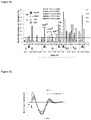
- the antibodies disclosed herein have heterosubtypic binding activity, as shown in Figures 16A and 16D .
- the nucleic acid sequences and amino acid sequences of each of these antibodies are disclosed herein.
- the structural determinants identified in the experiments disclosed herein can also be used as a tool to evaluate the efficacy of influenza vaccines, and characterize individual patients and their immunological reaction to influenza vaccines (i.e., the ability to produce high or low titers of HV1-69-sBnAbs).
- the present invention provides structural determinants that were found to occur at high frequency in HV1-69-sBnAbs. These structural determinants are found in the variable heavy chain encoded by VH germline genes that belong to the IGHV1-69 51p1 allele related group, which is mainly defined by Phe54, wherein the amino acid at position 53 is a hydrophobic amino acid (i.e. methionine, isoleucine, or leucine), position 54 is a phenylalanine, and positions 97, 98, and/or 99 is a tyrosine. Preferably, the amino acid at position 54 and the amino acid at position 98 is a tyrosine.
- the amino acid at position 54 and the amino acid at position 98 is a tyrosine.
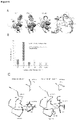
- the side-chains of Phe54 converge in one location, packing on top of a prominent loop in the fusion peptide (residues 18 2 -21 2 ), and orthogonally against the Trp21 2 side-chain of H5VN04 ( Figs 1B and 6 ).
- the C ⁇ positions of Phe54 diverge, so that the upstream residues at position 53 adopt distinct locations along a groove formed at the interface between HA1 and HA2 elements of the same H5 subunit.
- CDR-H2 Phe54 and CDR-H3-Tyr have been shown by alanine substitution mutagenesis assays, which demonstrated that alanines at position 54 or 98 significantly reduce binding to HA. Although these residues do not play a role in directly contacting the HA, they play a critical role in the formation of the structure of the antibody to recognize the HA stem domain with high affinity.
- mutations are located in the Framework 1 region: A24S; mutations located in CDR-H1: G27V, T28I, T28P, F29S, and S30R; mutations located in Framework 2 region: I34V; mutations located in CDR-H2: I52S, P52aG, P52aA; mutations located in Framework 3 region: N58K; mutations located in CDR-H4: E73Q and S74F.
- Mutagenesis analysis revealed that revertant mutations to the germline IGHV1-69 residues resulted in drastic reduction or ablation of binding kinetics and reactivity to influenza HA protein. Therefore, these additional structural determinants may also be utilized for the development or rational design of novel HV1-69-sBnAbs.
- the present invention provides methods for utilizing the structural determinants described herein to improve or increase the neutralization capacity or affinity of anti-influenza antibodies.
- These structural determinants can be introduced into nucleotide sequences that encode anti-influenza HA protein antibodies, or nucleic acid expression vectors containing such sequences, to increase the affinity of the antibodies to influenza HA.
- the present invention provides a method of improving the neutralization capacity or affinity of antibodies that bind to the HA protein of an influenza virus by any one of the following: mutating the amino acid at position 24 to a serine, mutating the amino acid at position 27 to a valine, mutating the amino acid at position 28 to an isoleucine or proline, mutating the amino acid at position 29 to a serine, mutating the amino acid at position 30 to an arginine, mutating the amino acid at position 34 to a valine, mutating the amino acid at position 52 to a serine, mutating the amino acid at position 52a to a glycine or an alanine, mutating the amino acid at position 58 to a lysine, mutating the amino acid at position 73 to a glutamine, mutating the amino acid at position 74 to a phenylalanine, mutating the amino acid at position 53 to a methionine, isoleucine or leucine,
- the numbering of the amino acid sequence of the antibody used herein is the Kabat numbering system ( Kabat, EA, et al., Sequences of Protein of immunological interest, Fifth Edition, US Department of Health and Human Services, US Government Printing Office (1991 )).
- the mutations can be any one of the following: A24S, G27V, T28I, T28P, F29S, S30R, I34V, I52S, P52aG, P52aA, N58K, E73Q, and S74F or any combination thereof.
- any of the structural determinants described herein can be introduced to a synthetic antibody library for the rational design of a panel of broadly neutralizing influenza antibodies.
- the structural determinants include, a serine at position 24, a valine at position 27, an isoleucine or proline at position 28, a serine at position 29, an arginine at position 30, a valine at position 34, a serine at position 52, a glycine or an alanine at position 52a, a lysine at position 58, a glutamine at position 73, a phenylalanine at position 74, a methionine, isoleucine or leucine at position 53, a phenylalanine at position 54, a tyrosine at position 98, and a tyrosine at position 99, or any combination thereof.
- the substitution or mutations of the germline IGHV1-69 gene can be readily performed by the ordinarily skilled artisan by recombinant methods known in the art.
- Antibody affinity to influenza HA protein can be assayed by ELISA or other immunoassay techniques.
- Kinetic studies, such as surface plasmon resonance can be used to determine the on and off rates of the antibody to the antigen or epitope.
- Neutralization capacity for the identified antibodies to neutralize influenza virus can be assayed using in vitro or in vivo neutralization assays.
- animal models can be infected with influenza virus (i.e. , a lethal dose), administered anti-influenza antibodies, and symptoms can be monitored for alleviation of symptoms with effective neutralizing antibodies.
- assays can be performed to identify anti-influenza antibodies that recognize HA and inhibit fusion of the viral envelope to the host cell. Additional assays to determine antibody affinity and neutralization capacity are readily known by the ordinarily skilled artisan.
- vaccine efficacy is meant the ability of a vaccine to induce or elicit particular anti-influenza antibodies after vaccination, for example, broad neutralizing influenza antibodies that recognize the HA stem domain (HV1-69-sBnAbs).
- a vaccine is considered efficacious if vaccination or exposure to the vaccine composition results in elicitation HV1-69-sBnAbs, or broadly neutralizing influenza antibodies.
- the anti-influenza antibodies that are elicited are derived from the IGHV1-69 germline genes, specifically, the 51p1-like allele group.
- the anti-influenza antibodies are characterized by the presence of any one of the following structural determinants, a methionine, isoleucine or leucine at position 53, a phenylalanine at position 54, a tyrosine at position 98, and a tyrosine at position 99, or any combination thereof.
- the IGHV1-69 germline gene alleles can be subdivided into two alleles groups, those which belong to the 51p1-like (also known as 51p1-related) allele group and those which belong to the hv1263-like allele group. Sequence analysis studies have shown that HV1-69-sBnAbs arise mainly from the 5 1p1-like allele group, as the 5 1p1-like allele group is characterized by a phenylalanine at amino acid position 54 (Phe54) in CDR-H2. In contrast, the hv1263-like allele group is characterized by a leucine at position 54 (Leu54) in CDR-H2.
- IGHV1-69 gene copy number is variable among individuals due to gene duplication and deletions (24). Moreover, expression of 51p1-like alleles is reported to be proportional to its germline gene copy number. ( 16 ). However, the 51p1-like allele does not appear in all individuals, roughly 25% of the population lacks the 5 1p1-like alleles. As a result, individuals who are devoid of 51p1-like alleles or have a low frequency of B-cells bearing 51p1 allele related B cell receptors (BCRs), may have lower titers of HV1-69-sBnAbs.
- BCRs 51p1 allele related B cell receptors
- 5 1p1-like alleles can be found, for example, in databases readily available such as the global ImMunoGeneTics (IMGT) Web Resource for Immunoglobulins (http://www.imgt.org/IMGTrepertoire/Proteins/taballeles/human/IGH/IGHV/Hu_IGHVall.ht ml).
- IMGT ImMunoGeneTics
- Examples of 5 1p1-allele-like genes include, but are not limited to those listed in Table A: Table A. 51p1-allele like genes and nucleic acid sequences IGHV allele name Accession No.
- hv1263 allele-like genes include, but are not limited to those listed in Table B: Table B. hv1263 allele-like genes and nucleic acid sequences IGHV allele name Accession No. Sequence IGHV1-69 ⁇ 02 Z27506.1 IGHV1-69 ⁇ 04 M83132.1 IGHV1-69 ⁇ 08 Z14309.1 IGHV1-69 ⁇ 09 Z14307.1 IGHV1-69 ⁇ 10 Z14300.1 IGHV1-69 ⁇ 11 Z14296.1
- Figure 5 shows that individuals homogenous for the 51p1-like allele group are characterized by higher ability of their serum to block F10 binding to H1-CA0409 than the hv1263-like homogenous group.
- the present invention provides methods for determining the efficacy of a particular influenza vaccine.
- the present invention provides methods for analyzing the occurrence or frequency of anti-influenza antibodies elicited in pre-vaccinated and post-vaccinated B-cell samples from subjects to determine the efficacy of a particular influenza vaccine for a particular subject.
- B cell samples from the subject are obtained and prepared using methods known in the art to analyze secreted immunoglobulins before vaccination and after vaccination.
- the presence or absence, levels, or frequency of anti-influenza antibodies that recognize the HA stem protein or are derived from the IGHV1-69 germline gene can be determined.
- the antibodies are tested for the presence or absence of the structural determinants disclosed herein, for example, Met, Ile or Leu at position 53, Phe at position 54, and Tyr at positions 97, 98 or 99, or any combination thereof in the variable heavy chain (as determined by Kabat numbering).
- a higher level or frequency of antibodies having one or more structural determinant after vaccination indicates that the vaccine was successful in the elicitation of HV1-69-sBnAbs.
- the present invention also provides methods for screening an immunogen or vaccine composition to induce broadly neutralizing influenza virus antibodies that bind to the influenza HA protein by presenting the immunogen or vaccine composition to a population of B cells under conditions for elicitation of antibodies from the B cells, wherein the B cells have at least one copy of a 51p1-like allele or IGHV1-69 germline gene; and determining the presence or absence or level of antibodies secreted from the B cells that recognize the HA stem domain, have the structural determinants of the variable heavy chain as described herein, or are encoded by either a 51p 1-like allele or the IGHV1-69 germline gene.
- immunogens and vaccines designed specifically to elicit sBnAbs may be useful to those individuals that are identified to possess the 51p1-like allele ( i.e. at least one copy), while immunogens and/or vaccine compositions that do not elicit sBnAbs may be useful for individuals that do not possess the 5 1p1-like allele ( i.e. , possess the hv1263-like allele).
- the B cells are in culture and antibody production is induced in culture.
- methods for eliciting antibody production from a population of B cells in culture are well known.
- methods for eliciting antibody production may involve using antigen-presenting cells (i.e. , dendritic cells) that present the immunogen or vaccine composition to be tested.
- antigen-presenting cells i.e. , dendritic cells
- B cells at various stages of their ontogeny for example: Pro-B, Pre-B, immature-B, transitional B, naive B cells, memory B cells, B-1 B cells, and plasma cells can be isolated from biological samples such as blood or a fraction OF the blood, according to methods known in the art.
- B cells can be isolated from whole blood, serum, or PBMCs (peripheral blood mononuclear cells) by various cell separation methods known in the art, such as differential centrifugation, filtration, flow cytometry sorting, immuno-affinity techniques; or magnetic sorting.
- Specific populations of B cell subsets may be isolated using cell surface markers by using positive or negative selection procedures. The following is a non-inclusive list of B-cell subset of interest and their associated CD markers ( See, http://www.bdbiosciences.com/documents/Bcell_Brochure.pdf):
- CD19 i.e. , CD19+
- CD27 i.e. , CD27+
- CD27- do not express CD27
- the immunogenetic composition of the antibody repertoire secreted by the mature B cells can be determined, for example, by isolating the nucleic acids from the B cells.
- genomic DNA is isolated from the sample and the genomic sequences which encode the antibodies are analyzed or sequenced by various DNA sequencing methods known in the art (i.e. , next generation sequencing platforms).
- RNA is isolated. Specific sequences of interest can be identified, for example, the presence or absence of the 51p1-like allele, the sequences in the IGHV1-69 germline gene comprising somatic mutations or sequences that encode any of the structural determinants described herein by use of techniques utilizing hybridizing primers and/or reporter probes.
- RNA i.e.
- mRNA can be isolated from the B cells and reverse-transcribed using art-recognized methods into cDNA.
- the antibody molecular signature of the B cells or the sample can be determined by nucleic acid analysis techniques. Examples of suitable nucleic acid analysis techniques include RT-PCR, quantitative PCR analysis, and next generation sequencing technologies, including Illumina sequencing platforms, Solexa sequencing platforms, 454 pyrosequencing, SOLiD, Ion Torrent (proton), PacBio SMRT, or Nanopore.
- the approach of personalized medicine is based on the understanding that genomic differences among individuals should be considered in therapy. This is also relevant to vaccines as it is known that immunological reaction to vaccines is highly variable among individuals.
- the Ig VH polymorphism can be the main cause of such variability, and therefore, assessment of the presence or absence of Ig VH polymorphisms (such as 51p1-like alleles and hv1263-like alleles) can indicate the efficacy of a vaccine in a subject, or the ability of the subject to elicit HV1-69-sBnAbs after vaccination.
- prediction of prior immunologic exposure or memory to an influenza virus and prediction of antigen responsiveness to vaccine or an influenza virus infection is useful information for a clinician for determining efficacy of a vaccine, selecting a type of vaccine for a subject, and predicting the response of the subject to subsequent influenza viral infection after vaccination.
- a personalized medicine approach allows for a method of identifying a subject that will be responsive to an influenza vaccine. This approach can incorporate determining the copy number of 51p1 and hv1263 genes in a subject.
- the identification of a subject that will be or has been responsive to an influenza vaccine can also be determined by the presence or absence of a broadly-neutralizing antibody molecular signature, by various assays, including, but not limited to, nucleic acid analysis. Following these determinations, the subjects that are determined to be responsive to the influenza vaccine can be administered said vaccine.
- individuals whom are 5 1p1-null (and express hv1263 alleles), are characterized by an anti-HA memory derived antibody repertoire that is significantly different than that of 51p1 allele-bearing individuals as 51p1-null individuals are not expected to produce HV1-69-sBnAbs.
- a different vaccination approach than that used for the general population or for 51p1 allele bearing individuals may be needed.
- a vaccine regimen can be tailored to result in the robust elicitation of sBnAbs.
- IGHV polymorphism might also prove to be important factor in responsiveness to new strains of influenza viruses.
- 51p1 allele-bearing individuals would be better protected against new emerging/pandemic group 1 influenza subtypes since HV1-69-sBnAbs (elicited by the 51p1 allele) mainly neutralize group 1 influenza subtypes.
- 51p1 allele bearing individuals might be excluded from emergency vaccination procedures to the emerging pandemic strain while 51p1-null individuals would receive vaccinations.
- the present invention also provides methods for predicting or evaluating the efficacy of a particular vaccine regimen based on the immunogenetic composition of the subject. For example, analysis and characterization of the subject's immunogenetic polymorphisms may indicate a favorable immunological reaction to a vaccine, i.e. increased elicitation of HV1-69-sBnAbs after vaccination.
- the immunogenetic composition of a subject comprises an antibody molecular signature.
- the antibody molecular signature comprises the nucleic acid sequences encoding immunoglobulins.
- the genotypic (or immunogenetic) composition of a subject is used to predict the efficacy of a vaccine in a subject, or the ability of the subject to elicit HV1-69-sBnAbs after vaccination.
- a sample from the subject is obtained, for example, a serum sample.
- the genomic DNA can be isolated by methods known in the art. In this assay, the copy number of 51p1-like alleles or hv1263-like alleles is determined, for example using quantitative real-time PCR or TaqMan protocols known in the art. Exemplary Taqman primers and probes are described in Example 1.
- the efficacy of a vaccine can be determined by the copy number of the 51p1-like allele, wherein at least 1, at least 2, at least 3, at least 4, at least 5, at least 10, or at least 20 copies of the 51p1-like allele indicates that the vaccine will be effective in the subject.
- the copy number is 1 copy, 2 copies, 3 copies, or 4 copies.
- vaccines that are designed to elicit HV1-69-sBnAbs may not be effective in subjects that have one or more copies of hv1623 and do not have any copies of 51p1-like allele. Therefore, the methods described herein can be used to distinguish which subjects should receive a vaccine designed to elicit robust HV1-69-sBnAbs from those subjects that should not.
- the methods described herein can also be used to distinguish subjects with low or no copies of the 51p1-like allele, in which the vaccine would not elicit any or only a very low frequency of HV1-69-sBnAbs, and should not receive a vaccine designed specifically for HV1-69-sBnAbs elicitation.
- the phenotypic composition of a subject is used to predict the efficacy of a vaccine in a subject, or the ability of the subject to elicit HV1-69-sBnAbs after vaccination.
- Serum is obtained from the subject and the serum-derived immunoglobulins are isolated by any methods known in the art (i.e. immunoprecipitation, protein extraction).
- the reactivity of the serum-derived immunoglobulins can be tested with an anti-idiotype antibody, for example, an anti-51p1 antibody.
- an anti-51p1 antibody includes the monoclonal anti-51p1 allele G6 antibody (as described in Mageed et al., Rheumatol.
- any known or developed derivatives of the 5 1p1-recognizing antibodies for example, the derivatives described in International Publication No. WO2011/153380 (the contents of which are hereby incorporated by reference in its entirety).
- the subjects that exhibit reactivity with the anti-51p1 antibody have the 51p1-like allele, and therefore can elicit HV1-69-sBnAbs after vaccination.
- those subjects that do not exhibit reactivity with the anti-51p1 antibody do not have the 51p1-like allele, and therefore cannot elicit HV1-69-sBnAbs after vaccination.
- the method described herein can be used to predict the efficacy of a vaccine, or the ability of the vaccine to elicit HV1-69-sBnAbs after vaccination.
- the method can be used to distinguish those subjects that have the 51p1 allele, in which the vaccine will be effective from those subjects that do not have the 51p1 allele, in which the vaccine will be ineffective.
- a sample is obtained from a subject, such as a blood or serum sample.
- a population of B cells is isolated from the sample, for example, by magnetic beads.
- the B cells can be, for example, CD19+ cells.
- naive B cells and memory B cells are isolated, such as CD27+ and/or CD27- cells.
- Nucleic acids are then isolated from the B cell population(s), such as genomic DNA or RNA.
- the isolated RNA is reverse transcribed to complementary DNA (cDNA) using methods and kits known and commercially available in the art.
- the molecular signature of the nucleic acids isolated from the sample is then detected or analyzed from the isolated nucleic acids.
- the molecular signature is a broadly neutralizing antibody molecular signature, wherein the signature includes, at least one copy of the 51p1 allele, and optionally, does not contain any hv1263 alleles; a nucleic acid encoding an immunoglobulin variable heavy chain comprising any one of the following: a serine at position 24, a valine at position 27, an isoleucine or proline at position 28, a serine at position 29, an arginine at position 30, a valine at position 34, a serine at position 52, a glycine or an alanine at position 52a, a lysine at position 58, a glutamine at position 73, a phenylalanine at position 74, a methionine, isoleucine, valine or leucine at position 53, a phenyla
- the molecule signature of the present invention comprises any combination of the above V-segment amino acids with CDR-H3 Tyrs at either positions 97, 98, 99 as well as these combinations: Gly52a with double or triple CDR-H3 Tyrs at positions 97-to-99; Gly52a with Met53 or with Val52;Val27 with Ser52 and with Gln73; Ser52 and with Gln73; Pro28 with Arg30; Pro28 with Arg30 with Ala52a; Arg30 and Ala52a; Ile28 with Ala52a; Ile28 with Arg30 and with Ala52a; Ile28 with Arg30.
- Detection of the nucleic acid sequences described herein that contribute to the molecular signature can be performed by using primers that recognize and amplify immunoglobulin transcripts, such as IgG, IgM, IgA, IgD, or IgE.
- Next generation sequencing can also be used to determine the presence, absence, or level of any of the nucleic acid sequences described herein that contribute to the molecular signature.
- the ratio or absolute frequency indicates the antigen responsiveness of a subject to a vaccine or influenza virus vaccine.
- the ratios can be derived from analysis of antibody libraries generated by next generation sequencing.
- the antibody library is generated from the naive B cell pool of a certain individual.
- 1e5 Ab members are 51p1 allele germline based and they bear CDR-H3 Tyrs at either positions 97, 98, 99. Therefore it can be stated that in this particular individual the absolute frequency of naive B-cells that are potential precursor HV1-69 B-cells is 1% (1e5/1e7).
- HV1-69-sBnAb like Abs can be determined based on the occurrence of HV1-69-sBnAbs associated molecular signatures.
- Estimating if HV1-69-sBnAbs were elicitated in response to the influenza virus can be deduced by dividing the frequency of memory Ab members that are 51p1 germline based and bear CDR-H3-Tyr 97,98,99 with their respective frequency as analyzed in the naive Ab pool. If the ratio is higher than 1 then it is likely that HV1-69-sBnAbs were elicitated . If the ratio is less than 1 then it unlikely that there was robust elicitation of HV1-69-sBnAbs.
- the circulating antibodyome of an individual is sampled by isolating all CD19+ B cells from a tube of blood, using magnetic beads (or other known techniques in the art) to separate naive (CD27-) and memory (CD27+) B cells.
- RNA is isolated from each B cell population (CD27- and CD27+), and cDNA is prepared from the isolated RNA.
- IgM and IgG isotype specific primers are used to amplify the IgM and IgG transcripts for next generation sequencing (NGS) using Illumina or other NGS technologies.
- IgM+CD27-, IgM+CD27+ Marginal zone B cells
- IgG+CD27-, and IgG+CD27+ switch memory cells.
- BCR B cell receptor
- the antibodies isolated from panning against H5VN04 are 1C2, 2B8, 2C4, 2D3, 2D9, 2E1, 2H4, 2H5, 4C4, 4E5, 4F5, 4G3, 4G5, 5A6, 5A8, 5B9, 6A2, 6C2, 6F3, 8A1, 8C1, 8D6, 9A1, 9C1, 9D11, 9E4, 9E7, 9H3, 10D4, 11A11, 11A6, 11B5, 11C6, 11E9, and 11F8.
- the antibodies isolated from panning against H1CA0409 are 1D9, 1E6, 1F1, 1F12, 1F3, 1F5, 1F6, 1H2, 1H4, 2A1, 2A11, 2A12, 2B11, 2B6, 2C1, 2E11, 2E12, 2F1, 2G3, 2H3, 2H4, 4C4, 4F5, 5A8, 5B9, 6F3, and 9H3.
- Six antibodies were commonly identified in both panning methods, specifically, antibodies 4C4, 4F5, 6F3, 5A8, 5B9, and 9H3.
- Antibodies 2B11 and 2A12 did not bind to the stem region of HA.
- the antibodies disclosed herein have heterosubtypic binding activity, as shown in Figures 16A and 16D .
- the nucleic acid sequences and amino acid sequences of each of these antibodies are disclosed herein.
- the amino acid sequences for the CDR regions of the heavy and light chains of the anti-H5VN04 antibodies are shown in Tables 1 and 2. Definition of the CDR domains was based on the IMGT definitions and numbering is based on the Kabat numbering system. Table 1. Amino acid sequences for heavy chain CDRs for anti-H5VN04 antibodies.
- VH-CDR1 SEQ ID NO: VH-CDR2 SEQ ID NO: VH-CDR3 SEQ ID NO: 1C2 GGPFSSYA 1 ISPMFGTA 37 ARDDGYAPSGGLREFDV 73 2B8 GGIFSSYA 2 ISPIFGTA 38 ARGRGAYMGPSMDV 74 2C4 GGTFSSY A 3 ISPIFGTA 39 ARGARYYAGGYFDV 75 2D3 GVTFSSY A 4 ISPIFGTA 40 ARDSGNYDGYGPGSRFDV 76 2D9 GVTFSSY A 5 IMPMFGTA 41 ARERGSWSFGYFDV 77 2E1 GVTFSSY A 6 ISPLFGT A 42 ARSRTYADGRTFDV 78 2H4 GGTFSSY A 7 ISPIFGTA 43 ARELGYLAGSPSPGFDY 79 2H5 GGTFSSY A 8 ISPIFGTA 44 ARSRRYWADGGFDY 80 4C4 GGTFSSY A 9 ISPMFG
- H5VN04 Ab VL-CDR1 SEQ ID NO: VL-CDR2 SEQ ID NO: VL-CDR3 SEQ ID NO: 1C2 RSVLYSSNNKNY 109 WAS 145 QQYYSGSWT 181 2B8 NIGSKS 110 DDS 146 QVWDRSSDHVV 182 2C4 QTVSNY 111 AAS 147 QQYDNLPPVT 183 2D3 SSNIGSNT 112 SNN 148 SAWDDSLGGEV 184 2D9 HIGSKS 113 SDT 149 QVWDSSNDHPV 185 2E1 SSDVGGYNH 114 DVS 150 TSYAGSNSLV 186 2H4 SSDVGGYNY 115 EVT 151 SSYAGGKWV 187 2H5 SSNMGRNT 116 DND 152 AAWDDSLNGPV 188 4C4 SGSIASTY 117 EDH 153
- nucleic acid and amino acid sequences of the light and heavy chains for the anti-H5VN04 antibodies are shown in Tables 3 and 4. Table 3. Nucleic acid sequences of the light and heavy chains for the anti-H5-VN04 antibodies.
- anti-H5VN0 4Ab VH or VL Nucleic Acid Sequence SEQ ID NO: 1C2 VH 397 1C2 VL 398 2B8 VH 399 2B8 VL 400 2C4 VH 401 2C4 VL 402 2D3 VH 403 2D3 VL 404 2D9 VH 405 2D9 VL 406 2E1 VH 407 2E1 VL 408 2H4 VH 409 2H4 VL 410 2H5 VH 411 2H5 VL 412 4C4 VH 413 4C4 VL 414 4E5 VH 415 4E5 VL 416 4F5 VH 417 4F5 VL 418 4G3 VH 419 4G3 VL 420 4
- anti-H5VN 04Ab VH or VL Amino Acid Sequence SEQ ID NO: 1C2 VH 469 1C2 VL 470 2B8 VH 471 2B8 VL 472 2C4 VH 473 2C4 VL 474 2D3 VH 475 2D3 VL 476 2D9 VH 477 2D9 VL 478 2E1 VH 479 2E1 VL 480 2H4 VH 481 2H4 VL 482 2H5 VH 483 2H5 VL 484 4C4 VH 485 4C4 VL 486 4E5 VH 487 4E5 VL 488 4F5 VH 489 4F5 VL 490 4G3 VH 491 4G3 VL 492 4G5 VH 493 4G5 VL 494 5A6 VH 495 5A6 VL 496 5A8 VH 497 5A8 VL
- anti-H1CA0409 Ab VH-CDR1 SEQ ID NO: VH-CDR2 SEQ ID NO: VH-CDR3 SEQ ID NO: 1D9 GGTFSSY A 217 IITIFGTA 247 ARGATGFYDV 277 1E6 GVTFSSY A 218 ISPIFGTA 248 ARGREYYASNGDSFDV 278 1F1 GGTFSSY A 219 ISAIFGTA 249 ARGSGYYVAASGAFDV 279 1F12 GGIFSSYA 220 ITPIFGTA 250 ARDLSRDSLNLPGSSPGYDL 280 1F3 GVIFSSYA 221 ISPIFGTA 251 ARSRGYAPGTSFHYDV 281 1F5 GGTFSSY A 222 ISPIFGTA 252
- anti-H1CA0409 Ab VL-CDR1 SEQ ID NO: VL-CDR2 SEQ ID NO: VL-CDR3 SEQ ID NO: 1D9 SSNIGSNT 307 SNN 337 AAWDDSLNGPV 367 1E6 NIATKS 308 HDS 338 AAWDDSLSGPWV 368 1F1 INNVGDQG 309 RNS 339 SAWDSSLSDWV 369 1F12 QSVSSN 310 GAS 340 QQYSSSPYT 370 1F3 NIGSKS 311 YDS 341 QLWDHTNSHVV 371 1F5 SNNVGNQG 312 RNN 342 SAWDNTVSGWV 372 1F6 TSNIGNNA 313 SLN 343 EAWDDSLSGPV 373 1H2 GSNVGSNV 314 RNN 344 AAWDDRLNGFV 374 1H4 SSNIGR
- nucleic acid and amino acid sequences of the light and heavy chains for the anti-H1-CA0409 antibodies are shown in Tables 7 and 8. Table 7. Nucleic acid sequences of the light and heavy chains for the anti-H1CA0409 antibodies.
- anti-H1CA 0409 Ab VH or VL Nucleic Acid Sequence SEQ ID NO: 1D9 VH 541 1D9 VL 542 1E6 VH 543 1E6 VL 544 1F1 VH 545 1F1 VL 546 1F12 VH 547 1F12 VL 548 1F3 VH 549 1F3 VL 550 1F5 VH 551 1F5 VL 552 1F6 VH 553 1F6 VL 554 1H2 VH 555 1H2 VL 556 1H4 VH 557 1H4 VL 558 1H8 VH 559 1H8 VL 560 2A1 VH 561 2A1 VL 562 2A11 VH 563 2A11 VL 564 2
- nucleic acid sequences of the light and heavy chains for the anti-H1CA0409 antibodies Nucleic acid sequences of the light and heavy chains for the anti-H1CA0409 antibodies.
- anti-H1CA 0409 Ab VH or VL Amino Acid Sequence SEQ ID NO: 1D9 VH 601 1D9 VL 602 1E6 VH 603 1E6 VL 604 1F1 VH 605 1F1 VL 606 1F12 VH 607 1F12 VL 608 1F3 VH 609 1F3 VL 610 1F5 VH 611 1F5 VL 612 1F6 VH 613 1F6 VL 614 1H2 VH 615 1H2 VL 616 1H4 VH 617 1H4 VL 618 1H8 VH 619 1H8 VL 620 2A1 VH 621 2A1 VL 622 2A11 VH 623 2A11 VL 624 2A12 VH 625 2A12 VL 626 2
- antibody refers to immunoglobulin molecules and immunologically active portions of immunoglobulin (Ig) molecules, i . e ., molecules that contain an antigen binding site that specifically binds (immunoreacts with) an antigen.
- immunoglobulin immunoglobulin
- immunoglobulin immunoglobulin
- binds or “immunoreacts with” is meant that the antibody reacts with one or more antigenic determinants of the desired antigen and does not react with other polypeptides.
- Antibodies include, but are not limited to, polyclonal, monoclonal, chimeric, dAb (domain antibody), single chain, F ab , F ab' and F (ab')2 fragments, scFvs, and F ab expression libraries.
- a single chain Fv (“scFv”) polypeptide molecule is a covalently linked V H : :V L heterodimer, which can be expressed from a gene fusion including V H - and V L -encoding genes linked by a peptide-encoding linker.
- V H : :V L heterodimer covalently linked to V H : :V L heterodimer, which can be expressed from a gene fusion including V H - and V L -encoding genes linked by a peptide-encoding linker.
- Huston et al. (1988) Proc Nat Acad Sci USA 85(16):5879-5883 A number of methods have been described to discern chemical structures for converting the naturally aggregated, but chemically separated, light and heavy polypeptide chains from an antibody V region into an scFv molecule, which will fold into a three dimensional structure substantially similar to the structure of an antigen-binding site. See, e.g., U.S. Patent No
- Very large naive human scFv libraries have been and can be created to offer a large source of rearranged antibody genes against a plethora of target molecules. Smaller libraries can be constructed from individuals with infectious diseases in order to isolate disease-specific antibodies. (See Barbas et al., Proc. Natl. Acad. Sci. USA 89:9339-43 (1992 ); Zebedee et al., Proc. Natl. Acad. Sci. USA 89:3175-79 (1992 )).
- antibody molecules obtained from humans relate to any of the classes IgG, IgM, IgA, IgE and IgD, which differ from one another by the nature of the heavy chain present in the molecule. Certain classes have subclasses as well, such as IgG 1 , IgG 2 , and others. Furthermore, in humans, the light chain may be a kappa chain or a lambda chain.
- antigen binding site refers to the part of the immunoglobulin molecule that participates in antigen binding.
- the antigen binding site is formed by amino acid residues of the N-terminal variable ("V") regions of the heavy ("H") and light (“L”) chains.
- V N-terminal variable
- H heavy
- L light
- FR framework regions
- the three hypervariable regions of a light chain and the three hypervariable regions of a heavy chain are disposed relative to each other in three dimensional space to form an antigen-binding surface.
- the antigen-binding surface is complementary to the three-dimensional surface of a bound antigen, and the three hypervariable regions of each of the heavy and light chains are referred to as "complementarity-determining regions,” or "CDRs.”
- epitopic determinants includes any protein determinant capable of specific binding to an immunoglobulin, an scFv, or a T-cell receptor.
- Epitopic determinants usually consist of chemically active surface groupings of molecules such as amino acids or sugar side chains and usually have specific three dimensional structural characteristics, as well as specific charge characteristics.
- antibodies may be raised against N-terminal or C-terminal peptides of a polypeptide.
- immunological binding refers to the non-covalent interactions of the type which occur between an immunoglobulin molecule and an antigen for which the immunoglobulin is specific.
- the strength, or affinity of immunological binding interactions can be expressed in terms of the dissociation constant (K d ) of the interaction, wherein a smaller K d represents a greater affinity.
- Immunological binding properties of selected polypeptides can be quantified using methods well known in the art. One such method entails measuring the rates of antigen-binding site/antigen complex formation and dissociation, wherein those rates depend on the concentrations of the complex partners, the affinity of the interaction, and geometric parameters that equally influence the rate in both directions.
- both the "on rate constant” (K on ) and the “off rate constant” (K off ) can be determined by calculation of the concentrations and the actual rates of association and dissociation. ( See Nature 361:186-87 (1993 )).
- the ratio of K off /K on enables the cancellation of all parameters not related to affinity, and is equal to the dissociation constant K d . ( See, generally, Davies et al. (1990) Annual Rev Biochem 59:439-473 ).
- An antibody of the present invention is said to specifically bind to a influenza epitope when the equilibrium binding constant (K d ) is ⁇ 1 ⁇ M, preferably ⁇ 100 nM, more preferably ⁇ 10 nM, and most preferably ⁇ 100 pM to about 1 pM, as measured by assays such as radioligand binding assays or similar assays known to those skilled in the art.
- K d equilibrium binding constant
- influenza protein e.g ., HA or neuramindase
- an influenza protein of the invention or a derivative, fragment, analog, homolog or ortholog thereof, may be utilized as an immunogen in the generation of antibodies that immunospecifically bind these protein components.
- a human monoclonal antibody has the same specificity as a human monoclonal antibody of the invention by ascertaining whether the former prevents the latter from binding to the HA protein of the influenza virus. If the human monoclonal antibody being tested competes with the human monoclonal antibody of the invention, as shown by a decrease in binding by the human monoclonal antibody of the invention, then it is likely that the two monoclonal antibodies bind to the same, or to a closely related, epitope.
- Another way to determine whether a human monoclonal antibody has the specificity of a human monoclonal antibody of the invention is to pre-incubate the human monoclonal antibody of the invention with the influenza HA protein, with which it is normally reactive, and then add the human monoclonal antibody being tested to determine if the human monoclonal antibody being tested is inhibited in its ability to bind the HA protein. If the human monoclonal antibody being tested is inhibited then, in all likelihood, it has the same, or functionally equivalent, epitopic specificity as the monoclonal antibody of the invention. Screening of human monoclonal antibodies of the invention, can be also carried out by utilizing the influenza virus and determining whether the test monoclonal antibody is able to neutralize the influenza virus.
- Antibodies can be purified by well-known techniques, such as affinity chromatography using protein A or protein G, which provide primarily the IgG fraction of immune serum. Subsequently, or alternatively, the specific antigen which is the target of the immunoglobulin sought, or an epitope thereof, may be immobilized on a column to purify the immune specific antibody by immunoaffinity chromatography. Purification of immunoglobulins is discussed, for example, by D. Wilkinson (The Engineer, published by The Engineer, Inc., Philadelphia PA, Vol. 14, No. 8 (April 17, 2000), pp. 25-28 ).
- monoclonal antibody or “MAb” or “monoclonal antibody composition”, as used herein, refers to a population of antibody molecules that contain only one molecular species of antibody molecule consisting of a unique light chain gene product and a unique heavy chain gene product.
- CDRs complementarity determining regions
- MAbs contain an antigen binding site capable of immunoreacting with a particular epitope of the antigen characterized by a unique binding affinity for it.
- Monoclonal antibodies can be prepared using hybridoma methods, such as those described by Kohler and Milstein, Nature, 256:495 (1975 ).
- a hybridoma method a mouse, hamster, or other appropriate host animal, is typically immunized with an immunizing agent to elicit lymphocytes that produce or are capable of producing antibodies that will specifically bind to the immunizing agent.
- the lymphocytes can be immunized in vitro.
- the immunizing agent will typically include the protein antigen, a fragment thereof or a fusion protein thereof.
- peripheral blood lymphocytes are used if cells of human origin are desired, or spleen cells or lymph node cells are used if non-human mammalian sources are desired.
- the lymphocytes are then fused with an immortalized cell line using a suitable fusing agent, such as polyethylene glycol, to form a hybridoma cell ( Goding, Monoclonal Antibodies: Principles and Practice, Academic Press, (1986) pp. 59-103 ).
- Immortalized cell lines are usually transformed mammalian cells, particularly myeloma cells of rodent, bovine and human origin.
- rat or mouse myeloma cell lines are employed.
- the hybridoma cells can be cultured in a suitable culture medium that preferably contains one or more substances that inhibit the growth or survival of the unfused, immortalized cells.
- a suitable culture medium that preferably contains one or more substances that inhibit the growth or survival of the unfused, immortalized cells.
- the culture medium for the hybridomas typically will include hypoxanthine, aminopterin, and thymidine (“HAT medium”), which substances prevent the growth of HGPRT-deficient cells.
- Preferred immortalized cell lines are those that fuse efficiently, support stable high level expression of antibody by the selected antibody-producing cells, and are sensitive to a medium such as HAT medium. More preferred immortalized cell lines are murine myeloma lines, which can be obtained, for instance, from the Salk Institute Cell Distribution Center, San Diego, California and the American Type Culture Collection, Manassas, Virginia. Human myeloma and mouse-human heteromyeloma cell lines also have been described for the production of human monoclonal antibodies. ( See Kozbor, J. Immunol., 133:3001 (1984 ); Brodeur et al., Monoclonal Antibody Production Techniques and Applications, Marcel Dekker, Inc., New York, (1987) pp. 51-63 )).
- the culture medium in which the hybridoma cells are cultured can then be assayed for the presence of monoclonal antibodies directed against the antigen.
- the binding specificity of monoclonal antibodies produced by the hybridoma cells is determined by immunoprecipitation or by an in vitro binding assay, such as radioimmunoassay (RIA) or enzyme-linked immunoabsorbent assay (ELISA).
- RIA radioimmunoassay
- ELISA enzyme-linked immunoabsorbent assay
- the binding affinity of the monoclonal antibody can, for example, be determined by the Scatchard analysis of Munson and Pollard, Anal. Biochem., 107:220 (1980 ).
- the clones can be subcloned by limiting dilution procedures and grown by standard methods. ( See Goding, Monoclonal Antibodies: Principles and Practice, Academic Press, (1986) pp. 59-103 ).
- Suitable culture media for this purpose include, for example, Dulbecco's Modified Eagle's Medium and RPMI-1640 medium.
- the hybridoma cells can be grown in vivo as ascites in a mammal.
- the monoclonal antibodies secreted by the subclones can be isolated or purified from the culture medium or ascites fluid by conventional immunoglobulin purification procedures such as, for example, protein A-Sepharose, hydroxylapatite chromatography, gel electrophoresis, dialysis, or affinity chromatography.
- Monoclonal antibodies can also be made by recombinant DNA methods, such as those described in U.S. Patent No. 4,816,567 .
- DNA encoding the monoclonal antibodies of the invention can be readily isolated and sequenced using conventional procedures (e.g ., by using oligonucleotide probes that are capable of binding specifically to genes encoding the heavy and light chains of murine antibodies).
- the hybridoma cells of the invention serve as a preferred source of such DNA.
- the DNA can be placed into expression vectors, which are then transfected into host cells such as simian COS cells, Chinese hamster ovary (CHO) cells, or myeloma cells that do not otherwise produce immunoglobulin protein, to obtain the synthesis of monoclonal antibodies in the recombinant host cells.
- host cells such as simian COS cells, Chinese hamster ovary (CHO) cells, or myeloma cells that do not otherwise produce immunoglobulin protein, to obtain the synthesis of monoclonal antibodies in the recombinant host cells.
- the DNA also can be modified, for example, by substituting the coding sequence for human heavy and light chain constant domains in place of the homologous murine sequences ( see U.S. Patent No. 4,816,567 ; Morrison, Nature 368, 812-13 (1994 )) or by covalently joining to the immunoglobulin coding sequence all or part of the coding sequence for a non-immunoglobulin polypeptid
- non-immunoglobulin polypeptide can be substituted for the constant domains of an antibody of the invention, or can be substituted for the variable domains of one antigen-combining site of an antibody of the invention to create a chimeric bivalent antibody.
- Fully human antibodies are antibody molecules in which the entire sequence of both the light chain and the heavy chain, including the CDRs, arise from human genes. Such antibodies are termed "human antibodies", or “fully human antibodies” herein.
- Human monoclonal antibodies can be prepared by using trioma technique; the human B-cell hybridoma technique ( see Kozbor, et al., 1983 Immunol Today 4: 72 ); and the EBV hybridoma technique to produce human monoclonal antibodies ( see Cole, et al., 1985 In: MONOCLONAL ANTIBODIES AND CANCER THERAPY, Alan R. Liss, Inc., pp. 77-96 ).
- Human monoclonal antibodies may be utilized and may be produced by using human hybridomas (see Cote, et al., 1983. Proc Natl Acad Sci USA 80: 2026-2030 ) or by transforming human B-cells with Epstein Barr Virus in vitro (see Cole, et al., 1985 In: MONOCLONAL ANTIBODIES AND CANCER THERAPY, Alan R. Liss, Inc., pp. 77-96 ).
- human antibodies can also be produced using additional techniques, including phage display libraries. (see Hoogenboom and Winter, J. Mol. Biol., 227:381 (1991 ); Marks et al., J. Mol. Biol., 222:581 (1991 )).
- human antibodies can be made by introducing human immunoglobulin loci into transgenic animals, e.g. , mice in which the endogenous immunoglobulin genes have been partially or completely inactivated. Upon challenge, human antibody production is observed, which closely resembles that seen in humans in all respects, including gene rearrangement, assembly, and antibody repertoire. This approach is described, for example, in U.S. Patent Nos.
- Human antibodies may additionally be produced using transgenic nonhuman animals which are modified so as to produce fully human antibodies rather than the animal's endogenous antibodies in response to challenge by an antigen.
- transgenic nonhuman animals which are modified so as to produce fully human antibodies rather than the animal's endogenous antibodies in response to challenge by an antigen.
- the endogenous genes encoding the heavy and light immunoglobulin chains in the nonhuman host have been incapacitated, and active loci encoding human heavy and light chain immunoglobulins are inserted into the host's genome.
- the human genes are incorporated, for example, using yeast artificial chromosomes containing the requisite human DNA segments. An animal which provides all the desired modifications is then obtained as progeny by crossbreeding intermediate transgenic animals containing fewer than the full complement of the modifications.
- the preferred embodiment of such a nonhuman animal is a mouse, and is termed the Xenomouse TM as disclosed in PCT publications WO 96/33735 and WO 96/34096 .
- This animal produces B cells which secrete fully human immunoglobulins.
- the antibodies can be obtained directly from the animal after immunization with an immunogen of interest, as, for example, a preparation of a polyclonal antibody, or alternatively from immortalized B cells derived from the animal, such as hybridomas producing monoclonal antibodies.
- the genes encoding the immunoglobulins with human variable regions can be recovered and expressed to obtain the antibodies directly, or can be further modified to obtain analogs of antibodies such as, for example, single chain Fv (scFv) molecules.
- U.S. Patent No. 5,939,598 An example of a method of producing a nonhuman host, exemplified as a mouse, lacking expression of an endogenous immunoglobulin heavy chain is disclosed in U.S. Patent No. 5,939,598 . It can be obtained by a method, which includes deleting the J segment genes from at least one endogenous heavy chain locus in an embryonic stem cell to prevent rearrangement of the locus and to prevent formation of a transcript of a rearranged immunoglobulin heavy chain locus, the deletion being effected by a targeting vector containing a gene encoding a selectable marker; and producing from the embryonic stem cell a transgenic mouse whose somatic and germ cells contain the gene encoding the selectable marker.
- U.S. Patent No. 5,916,771 One method for producing an antibody of interest, such as a human antibody, is disclosed in U.S. Patent No. 5,916,771 .
- This method includes introducing an expression vector that contains a nucleotide sequence encoding a heavy chain into one mammalian host cell in culture, introducing an expression vector containing a nucleotide sequence encoding a light chain into another mammalian host cell, and fusing the two cells to form a hybrid cell.
- the hybrid cell expresses an antibody containing the heavy chain and the light chain.
- the antibody can be expressed by a vector containing a DNA segment encoding the single chain antibody described above.
- Vectors can include vectors, liposomes, naked DNA, adjuvant-assisted DNA, gene gun, catheters, etc.
- Vectors include chemical conjugates such as described in WO 93/64701 , which has targeting moiety (e.g . a ligand to a cellular surface receptor), and a nucleic acid binding moiety (e.g. polylysine), viral vector (e.g. a DNA or RNA viral vector), fusion proteins such as described in PCT/US 95/02140 ( WO 95/22618 ) which is a fusion protein containing a target moiety (e.g . an antibody specific for a target cell) and a nucleic acid binding moiety (e.g. a protamine), plasmids, phage, etc.
- the vectors can be chromosomal, non-chromosomal or synthetic.
- Retroviral vectors include moloney murine leukemia viruses. DNA viral vectors are preferred. These vectors include pox vectors such as orthopox or avipox vectors, herpesvirus vectors such as a herpes simplex I virus (HSV) vector (see Geller, A. I. et al., J. Neurochem, 64:487 (1995 ); Lim, F., et al., in DNA Cloning: Mammalian Systems, D. Glover, Ed. (Oxford Univ. Press, Oxford England) (1995 ); Geller, A. I. et al., Proc Natl. Acad. Sci.: U.S.A.
- HSV herpes simplex I virus
- Pox viral vectors introduce the gene into the cells cytoplasm.
- Avipox virus vectors result in only a short term expression of the nucleic acid.
- Adenovirus vectors, adeno-associated virus vectors and herpes simplex virus (HSV) vectors are preferred for introducing the nucleic acid into neural cells.
- the adenovirus vector results in a shorter term expression (about 2 months) than adeno-associated virus (about 4 months), which in turn is shorter than HSV vectors.
- the particular vector chosen will depend upon the target cell and the condition being treated.
- the introduction can be by standard techniques, e.g . infection, transfection, transduction or transformation. Examples of modes of gene transfer include e.g. , naked DNA, CaPO 4 precipitation, DEAE dextran, electroporation, protoplast fusion, lipofection, cell microinjection, and viral vectors.
- the vector can be employed to target essentially any desired target cell.
- stereotaxic injection can be used to direct the vectors (e.g . adenovirus, HSV) to a desired location.
- the particles can be delivered by intracerebroventricular (icv) infusion using a minipump infusion system, such as a SynchroMed Infusion System.
- icv intracerebroventricular
- a method based on bulk flow, termed convection has also proven effective at delivering large molecules to extended areas of the brain and may be useful in delivering the vector to the target cell.
- convection A method based on bulk flow, termed convection, has also proven effective at delivering large molecules to extended areas of the brain and may be useful in delivering the vector to the target cell.
- Other methods that can be used include catheters, intravenous, parenteral, intraperitoneal and subcutaneous injection, and oral or other known routes of administration.
- vectors can be used to express large quantities of antibodies that can be used in a variety of ways. For example, to detect the presence ofan influenza virus in a sample.
- the antibody can also be used to try to bind to and disrupt influenza virus cell membrane fusion.
- Techniques can be adapted for the production of single-chain antibodies specific to an antigenic protein of the invention (see e.g., U.S. Patent No. 4,946,778 ).
- methods can be adapted for the construction of F ab expression libraries (see e.g., Huse, et al., 1989 Science 246: 1275-1281 ) to allow rapid and effective identification of monoclonal F ab fragments with the desired specificity for a protein or derivatives, fragments, analogs or homologs thereof.
- Antibody fragments that contain the idiotypes to a protein antigen may be produced by techniques known in the art including, but not limited to: (i) an F (ab')2 fragment produced by pepsin digestion of an antibody molecule; (ii) an F ab fragment generated by reducing the disulfide bridges of an F (ab')2 fragment; (iii) an F ab fragment generated by the treatment of the antibody molecule with papain and a reducing agent and (iv) F v fragments.
- Heteroconjugate antibodies are also within the scope of the present invention.
- Heteroconjugate antibodies are composed of two covalently joined antibodies. Such antibodies have, for example, been proposed to target immune system cells to unwanted cells ( see U.S. Patent No. 4,676,980 ), and for treatment of HIV infection (see WO 91/00360 ; WO 92/200373 ; EP 03089 ).
- the antibodies can be prepared in vitro using known methods in synthetic protein chemistry, including those involving crosslinking agents.
- immunotoxins can be constructed using a disulfide exchange reaction or by forming a thioether bond. Examples of suitable reagents for this purpose include iminothiolate and methyl-4-mercaptobutyrimidate and those disclosed, for example, in U.S. Patent No. 4,676,980 .
- an antibody of the invention can be modified with respect to effector function, so as to enhance, e.g. , the effectiveness of the antibody in treating influenza.
- cysteine residue(s) can be introduced into the Fc region, thereby allowing interchain disulfide bond formation in this region.
- the homodimeric antibody thus generated can have improved internalization capability and/or increased complement-mediated cell killing and antibody-dependent cellular cytotoxicity (ADCC).
- ADCC antibody-dependent cellular cytotoxicity
- an antibody can be engineered that has dual Fc regions and can thereby have enhanced complement lysis and ADCC capabilities. ( See Stevenson et al., Anti-Cancer Drug Design, 3: 219-230 (1989 )).
- the invention also pertains to immunoconjugates comprising an antibody conjugated to a cytotoxic agent such as a toxin (e.g ., an enzymatically active toxin of bacterial, fungal, plant, or animal origin, or fragments thereof), or a radioactive isotope ( i . e ., a radioconjugate).
- a cytotoxic agent such as a toxin (e.g ., an enzymatically active toxin of bacterial, fungal, plant, or animal origin, or fragments thereof), or a radioactive isotope ( i . e ., a radioconjugate).
- Enzymatically active toxins and fragments thereof that can be used include diphtheria A chain, nonbinding active fragments of diphtheria toxin, exotoxin A chain (from Pseudomonas aeruginosa), ricin A chain, abrin A chain, modeccin A chain, alpha-sarcin, Aleurites fordii proteins, dianthin proteins, Phytolaca americana proteins (PAPI, PAPII, and PAP-S), momordica charantia inhibitor, curcin, crotin, sapaonaria officinalis inhibitor, gelonin, mitogellin, restrictocin, phenomycin, enomycin, and the tricothecenes.
- a variety of radionuclides are available for the production of radioconjugated antibodies. Examples include 212 Bi, 131 I, 131 In, 90 Y, and 186 Re.
- Conjugates of the antibody and cytotoxic agent are made using a variety of bifunctional protein-coupling agents such as N-succinimidyl-3-(2-pyridyldithiol) propionate (SPDP), iminothiolane (IT), bifunctional derivatives of imidoesters (such as dimethyl adipimidate HCL), active esters (such as disuccinimidyl suberate), aldehydes (such as glutareldehyde), bis-azido compounds (such as bis (p-azidobenzoyl) hexanediamine), bis-diazonium derivatives (such as bis-(p-diazoniumbenzoyl)-ethylenediamine), diisocyanates (such as tolyene 2,6-diisocyanate), and bis-active fluorine compounds (such as 1,5-difluoro-2,4-dinitrobenzene).
- SPDP N-succinimidyl-3-(
- a ricin immunotoxin can be prepared as described in Vitetta et al., Science 238: 1098 (1987 ).
- Carbon-14-labeled 1-isothiocyanatobenzyl-3-methyldiethylene triaminepentaacetic acid (MX-DTPA) is an exemplary chelating agent for conjugation of radionucleotide to the antibody. ( See WO94/11026 ).
- Coupling may be accomplished by any chemical reaction that will bind the two molecules so long as the antibody and the other moiety retain their respective activities.
- This linkage can include many chemical mechanisms, for instance covalent binding, affinity binding, intercalation, coordinate binding and complexation.
- the preferred binding is, however, covalent binding.
- Covalent binding can be achieved either by direct condensation of existing side chains or by the incorporation of external bridging molecules.
- Many bivalent or polyvalent linking agents are useful in coupling protein molecules, such as the antibodies of the present invention, to other molecules.
- representative coupling agents can include organic compounds such as thioesters, carbodiimides, succinimide esters, diisocyanates, glutaraldehyde, diazobenzenes and hexamethylene diamines.
- linkers include: (i) EDC (1-ethyl-3-(3-dimethylamino-propyl) carbodiimide hydrochloride; (ii) SMPT (4-succinimidyloxycarbonyl-alpha-methyl-alpha-(2-pridyl-dithio)-toluene (Pierce Chem. Co., Cat.
- linkers described above contain components that have different attributes, thus leading to conjugates with differing physio-chemical properties.
- sulfo-NHS esters of alkyl carboxylates are more stable than sulfo-NHS esters of aromatic carboxylates.
- NHS-ester containing linkers are less soluble than sulfo-NHS esters.
- the linker SMPT contains a sterically hindered disulfide bond, and can form conjugates with increased stability.
- Disulfide linkages are in general, less stable than other linkages because the disulfide linkage is cleaved in vitro, resulting in less conjugate available.
- Sulfo-NHS in particular, can enhance the stability of carbodimide couplings.
- Carbodimide couplings (such as EDC) when used in conjunction with sulfo-NHS, forms esters that are more resistant to hydrolysis than the carbodimide coupling reaction alone.
- the antibodies disclosed herein can also be formulated as immunoliposomes.
- Liposomes containing the antibody are prepared by methods known in the art, such as described in Epstein et al., Proc. Natl. Acad. Sci. USA, 82: 3688 (1985 ); Hwang et al., Proc. Natl Acad. Sci. USA, 77: 4030 (1980 ); and U.S. Pat. Nos. 4,485,045 and 4,544,545 .
- Liposomes with enhanced circulation time are disclosed in U.S. Patent No. 5,013,556 .
- Particularly useful liposomes can be generated by the reverse-phase evaporation method with a lipid composition comprising phosphatidylcholine, cholesterol, and PEG-derivatized phosphatidylethanolamine (PEG-PE). Liposomes are extruded through filters of defined pore size to yield liposomes with the desired diameter.
- Fab' fragments of the antibody of the present invention can be conjugated to the liposomes as described in Martin et al., J. Biol. Chem., 257: 286-288 (1982 ) via a disulfide-interchange reaction.
- Methods for the screening of antibodies that possess the desired specificity include, but are not limited to, enzyme linked immunosorbent assay (ELISA) and other immunologically mediated techniques known within the art.
- ELISA enzyme linked immunosorbent assay
- Antibodies directed against a influenza virus protein such as HA may be used in methods known within the art relating to the localization and/or quantitation of a influenza virus protein (e.g ., for use in measuring levels of the influenza virus protein within appropriate physiological samples, for use in diagnostic methods, for use in imaging the protein, and the like).
- antibodies specific to an influenza virus protein, or derivative, fragment, analog or homolog thereof, that contain the antibody derived antigen binding domain are utilized as pharmacologically active compounds (referred to hereinafter as "Therapeutics").
- An antibody specific for an influenza virus protein of the invention can be used to isolate an influenza virus polypeptide by standard techniques, such as immunoaffinity, chromatography or immunoprecipitation.
- Antibodies directed against an influenza virus protein (or a fragment thereof) can be used diagnostically to monitor protein levels in tissue as part of a clinical testing procedure, e.g. , to, for example, determine the efficacy of a given treatment regimen. Detection can be facilitated by coupling ( i.e., physically linking) the antibody to a detectable substance.
- detectable substances include various enzymes, prosthetic groups, fluorescent materials, luminescent materials, bioluminescent materials, and radioactive materials.
- suitable enzymes include horseradish peroxidase, alkaline phosphatase, ⁇ -galactosidase, or acetylcholinesterase;
- suitable prosthetic group complexes include streptavidin/biotin and avidin/biotin;
- suitable fluorescent materials include umbelliferone, fluorescein, fluorescein isothiocyanate, rhodamine, dichlorotriazinylamine fluorescein, dansyl chloride or phycoerythrin;
- an example of a luminescent material includes luminol;
- examples of bioluminescent materials include luciferase, luciferin, and aequorin, and examples of suitable radioactive material include 125 I, 131 I, 35 S or 3 H.
- Antibodies of the invention may be used as therapeutic agents. Such agents will generally be employed to treat or prevent an influenza virus -related disease or pathology (e.g. , bird flu) in a subject.
- An antibody preparation preferably one having high specificity and high affinity for its target antigen, is administered to the subject and will generally have an effect due to its binding with the target.
- Administration of the antibody may abrogate or inhibit or interfere with the internalization of the virus into a cell. In this case, the antibody binds to the target and masks a binding site of the naturally occurring ligand, thereby blocking fusion the virus to the cell membrane inhibiting internalization of the virus.
- a therapeutically effective amount of an antibody of the invention relates generally to the amount needed to achieve a therapeutic objective. As noted above, this may be a binding interaction between the antibody and its target antigen that, in certain cases, interferes with the functioning of the target.
- the amount required to be administered will furthermore depend on the binding affinity of the antibody for its specific antigen, and will also depend on the rate at which an administered antibody is depleted from the free volume other subject to which it is administered.
- Common ranges for therapeutically effective dosing of an antibody or antibody fragment of the invention may be, by way of nonlimiting example, from about 0.1 mg/kg body weight to about 50 mg/kg body weight. Common dosing frequencies may range, for example, from twice daily to once a week.
- Antibodies specifically binding an influenza virus protein or a fragment thereof of the invention, as well as other molecules identified by the screening assays disclosed herein, can be administered for the treatment of an influenza virus -related disorders in the form of pharmaceutical compositions.
- Principles and considerations involved in preparing such compositions, as well as guidance in the choice of components are provided, for example, in Remington: The Science And Practice Of Pharmacy 19th ed. (Alfonso R. Gennaro, et al., editors) Mack Pub.
- the smallest inhibitory fragment that specifically binds to the binding domain of the target protein is preferred.
- peptide molecules can be designed that retain the ability to bind the target protein sequence.
- Such peptides can be synthesized chemically and/or produced by recombinant DNA technology. ( See, e.g., Marasco et al., Proc. Natl. Acad. Sci. USA, 90: 7889-7893 (1993 )).
- the formulation can also contain more than one active compound as necessary for the particular indication being treated, preferably those with complementary activities that do not adversely affect each other.
- the composition can comprise an agent that enhances its function, such as, for example, a cytotoxic agent, cytokine, chemotherapeutic agent, or growth-inhibitory agent.
- an agent that enhances its function such as, for example, a cytotoxic agent, cytokine, chemotherapeutic agent, or growth-inhibitory agent.
- Such molecules are suitably present in combination in amounts that are effective for the purpose intended.
- the active ingredients can also be entrapped in microcapsules prepared, for example, by coacervation techniques or by interfacial polymerization, for example, hydroxymethylcellulose or gelatin-microcapsules and poly-(methylmethacrylate) microcapsules, respectively, in colloidal drug delivery systems (for example, liposomes, albumin microspheres, microemulsions, nano-particles, and nanocapsules) or in macroemulsions.
- colloidal drug delivery systems for example, liposomes, albumin microspheres, microemulsions, nano-particles, and nanocapsules
- the formulations to be used for in vivo administration must be sterile. This is readily accomplished by filtration through sterile filtration membranes.
- sustained-release preparations can be prepared. Suitable examples of sustained-release preparations include semipermeable matrices of solid hydrophobic polymers containing the antibody, which matrices are in the form of shaped articles, e.g ., films, or microcapsules. Examples of sustained-release matrices include polyesters, hydrogels (for example, poly(2-hydroxyethyl-methacrylate), or poly(vinylalcohol)), polylactides ( U.S. Pat. No.
- copolymers of L-glutamic acid and ⁇ ethyl-L-glutamate copolymers of L-glutamic acid and ⁇ ethyl-L-glutamate, non-degradable ethylene-vinyl acetate, degradable lactic acid-glycolic acid copolymers such as the LUPRON DEPOT TM (injectable microspheres composed of lactic acid-glycolic acid copolymer and leuprolide acetate), and poly-D-(-)-3-hydroxybutyric acid. While polymers such as ethylene-vinyl acetate and lactic acid-glycolic acid enable release of molecules for over 100 days, certain hydrogels release proteins for shorter time periods.
- An antibody according to the invention can be used as an agent for detecting the presence of an influenza virus (or a protein or a protein fragment thereof) in a sample.
- the antibody contains a detectable label.
- Antibodies can be polyclonal, or more preferably, monoclonal.
- An intact antibody, or a fragment thereof e.g ., F ab , scFv, or F (ab)2 ) can be used.
- the term "labeled", with regard to the probe or antibody is intended to encompass direct labeling of the probe or antibody by coupling ( i . e ., physically linking) a detectable substance to the probe or antibody, as well as indirect labeling of the probe or antibody by reactivity with another reagent that is directly labeled.
- biological sample is intended to include tissues, cells and biological fluids isolated from a subject, as well as tissues, cells and fluids present within a subject. Included within the usage of the term "biological sample”, therefore, is blood and a fraction or component of blood including blood serum, blood plasma, or lymph. That is, the detection method of the invention can be used to detect an analyte mRNA, protein, or genomic DNA in a biological sample in vitro as well as in vivo.
- in vitro techniques for detection of an analyte mRNA include Northern hybridizations and in situ hybridizations.
- In vitro techniques for detection of an analyte protein include enzyme linked immunosorbent assays (ELISAs), Western blots, immunoprecipitations, and immunofluorescence.
- In vitro techniques for detection of an analyte genomic DNA include Southern hybridizations. Procedures for conducting immunoassays are described, for example in " ELISA: Theory and Practice: Methods in Molecular Biology", Vol. 42, J. R. Crowther (Ed.) Human Press, Totowa, NJ, 1995 ; " Immunoassay", E. Diamandis and T.
- in vivo techniques for detection of an analyte protein include introducing into a subject a labeled anti-analyte protein antibody.
- the antibody can be labeled with a radioactive marker whose presence and location in a subject can be detected by standard imaging techniques.
- compositions suitable for administration can be incorporated into pharmaceutical compositions suitable for administration.
- Such compositions typically comprise the antibody or agent and a pharmaceutically acceptable carrier.
- pharmaceutically acceptable carrier is intended to include any and all solvents, dispersion media, coatings, antibacterial and antifungal agents, isotonic and absorption delaying agents, and the like, compatible with pharmaceutical administration. Suitable carriers are described in the most recent edition of Remington's Pharmaceutical Sciences, a standard reference text in the field, which is incorporated herein by reference.
- Such carriers or diluents include, but are not limited to, water, saline, ringer's solutions, dextrose solution, and 5% human serum albumin. Liposomes and non-aqueous vehicles such as fixed oils may also be used.
- the use of such media and agents for pharmaceutically active substances is well known in the art. Except insofar as any conventional media or agent is incompatible with the active compound, use thereof in the compositions is contemplated. Supplementary active compounds can also be incorporated into the compositions.
- a pharmaceutical composition of the invention is formulated to be compatible with its intended route of administration.
- routes of administration include parenteral, e.g., intravenous, intradermal, subcutaneous, oral ( e.g., inhalation), transdermal ( i.e., topical), transmucosal, and rectal administration.
- Solutions or suspensions used for parenteral, intradermal, or subcutaneous application can include the following components: a sterile diluent such as water for injection, saline solution, fixed oils, polyethylene glycols, glycerine, propylene glycol or other synthetic solvents; antibacterial agents such as benzyl alcohol or methyl parabens; antioxidants such as ascorbic acid or sodium bisulfite; chelating agents such as ethylenediaminetetraacetic acid (EDTA); buffers such as acetates, citrates or phosphates, and agents for the adjustment of tonicity such as sodium chloride or dextrose.
- the pH can be adjusted with acids or bases, such as hydrochloric acid or sodium hydroxide.
- the parenteral preparation can be enclosed in ampoules, disposable syringes or multiple dose vials made of glass or plastic.
- compositions suitable for injectable use include sterile aqueous solutions (where water soluble) or dispersions and sterile powders for the extemporaneous preparation of sterile injectable solutions or dispersion.
- suitable carriers include physiological saline, bacteriostatic water, Cremophor EL TM (BASF, Parsippany, N.J.) or phosphate buffered saline (PBS).
- the composition must be sterile and should be fluid to the extent that easy syringeability exists. It must be stable under the conditions of manufacture and storage and must be preserved against the contaminating action of microorganisms such as bacteria and fungi.
- the carrier can be a solvent or dispersion medium containing, for example, water, ethanol, polyol (for example, glycerol, propylene glycol, and liquid polyethylene glycol, and the like), and suitable mixtures thereof.
- the proper fluidity can be maintained, for example, by the use of a coating such as lecithin, by the maintenance of the required particle size in the case of dispersion and by the use of surfactants.
- Prevention of the action of microorganisms can be achieved by various antibacterial and antifungal agents, for example, parabens, chlorobutanol, phenol, ascorbic acid, thimerosal, and the like.
- isotonic agents for example, sugars, polyalcohols such as manitol, sorbitol, sodium chloride in the composition.
- Prolonged absorption of the injectable compositions can be brought about by including in the composition an agent which delays absorption, for example, aluminum monostearate and gelatin.
- Sterile injectable solutions can be prepared by incorporating the active compound in the required amount in an appropriate solvent with one or a combination of ingredients enumerated above, as required, followed by filtered sterilization.
- dispersions are prepared by incorporating the active compound into a sterile vehicle that contains a basic dispersion medium and the required other ingredients from those enumerated above.
- methods of preparation are vacuum drying and freeze-drying that yields a powder of the active ingredient plus any additional desired ingredient from a previously sterile-filtered solution thereof.
- Oral compositions generally include an inert diluent or an edible carrier. They can be enclosed in gelatin capsules or compressed into tablets. For the purpose of oral therapeutic administration, the active compound can be incorporated with excipients and used in the form of tablets, troches, or capsules. Oral compositions can also be prepared using a fluid carrier for use as a mouthwash, wherein the compound in the fluid carrier is applied orally and swished and expectorated or swallowed. Pharmaceutically compatible binding agents, and/or adjuvant materials can be included as part of the composition.
- the tablets, pills, capsules, troches and the like can contain any of the following ingredients, or compounds of a similar nature: a binder such as microcrystalline cellulose, gum tragacanth or gelatin; an excipient such as starch or lactose, a disintegrating agent such as alginic acid, Primogel, or corn starch; a lubricant such as magnesium stearate or Sterotes; a glidant such as colloidal silicon dioxide; a sweetening agent such as sucrose or saccharin; or a flavoring agent such as peppermint, methyl salicylate, or orange flavoring.
- a binder such as microcrystalline cellulose, gum tragacanth or gelatin
- an excipient such as starch or lactose, a disintegrating agent such as alginic acid, Primogel, or corn starch
- a lubricant such as magnesium stearate or Sterotes
- a glidant such as colloidal silicon dioxide
- the compounds are delivered in the form of an aerosol spray from pressured container or dispenser which contains a suitable propellant, e.g., a gas such as carbon dioxide, or a nebulizer.
- a suitable propellant e.g., a gas such as carbon dioxide, or a nebulizer.
- Systemic administration can also be by transmucosal or transdermal means.
- penetrants appropriate to the barrier to be permeated are used in the formulation.
- penetrants are generally known in the art, and include, for example, for transmucosal administration, detergents, bile salts, and fusidic acid derivatives.
- Transmucosal administration can be accomplished through the use of nasal sprays or suppositories.
- the active compounds are formulated into ointments, salves, gels, or creams as generally known in the art.
- the compounds can also be prepared in the form of suppositories (e.g ., with conventional suppository bases such as cocoa butter and other glycerides) or retention enemas for rectal delivery.
- suppositories e.g ., with conventional suppository bases such as cocoa butter and other glycerides
- retention enemas for rectal delivery.
- the active compounds are prepared with carriers that will protect the compound against rapid elimination from the body, such as a controlled release formulation, including implants and microencapsulated delivery systems.
- a controlled release formulation including implants and microencapsulated delivery systems.
- Biodegradable, biocompatible polymers can be used, such as ethylene vinyl acetate, polyanhydrides, polyglycolic acid, collagen, polyorthoesters, and polylactic acid. Methods for preparation of such formulations will be apparent to those skilled in the art.
- the materials can also be obtained commercially from Alza Corporation and Nova Pharmaceuticals, Inc.
- Liposomal suspensions (including liposomes targeted to infected cells with monoclonal antibodies to viral antigens) can also be used as pharmaceutically acceptable carriers. These can be prepared according to methods known to those skilled in the art, for example, as described in U.S. Patent No. 4,522,811 .
- Dosage unit form refers to physically discrete units suited as unitary dosages for the subject to be treated; each unit containing a predetermined quantity of active compound calculated to produce the desired therapeutic effect in association with the required pharmaceutical carrier.
- the specification for the dosage unit forms of the invention are dictated by and directly dependent on the unique characteristics of the active compound and the particular therapeutic effect to be achieved, and the limitations inherent in the art of compounding such an active compound for the treatment of individuals.
- compositions can be included in a container, pack, or dispenser together with instructions for administration.
- the invention provides methods (also referred to herein as “screening assays") for identifying modulators, i.e., candidate or test compounds or agents (e.g., peptides, peptidomimetics, small molecules or other drugs) that modulate or otherwise interfere with the fusion of an influenza virus to the cell membrane. Also provided are methods of indentifying compounds useful to treat influenza infection. The invention also encompasses compounds identified using the screening assays described herein.
- the invention provides assays for screening candidate or test compounds which modulate the interaction between the influenza virus and the cell membrane.
- the test compounds of the invention can be obtained using any of the numerous approaches in combinatorial library methods known in the art, including: biological libraries; spatially addressable parallel solid phase or solution phase libraries; synthetic library methods requiring deconvolution; the "one-bead one-compound” library method; and synthetic library methods using affinity chromatography selection.
- the biological library approach is limited to peptide libraries, while the other four approaches are applicable to peptide, non-peptide oligomer or small molecule libraries of compounds. ( See, e.g., Lam, 1997. Anticancer Drug Design 12: 145 ).
- a "small molecule” as used herein, is meant to refer to a composition that has a molecular weight of less than about 5 kD and most preferably less than about 4 kD.
- Small molecules can be, e.g ., nucleic acids, peptides, polypeptides, peptidomimetics, carbohydrates, lipids or other organic or inorganic molecules.
- Libraries of chemical and/or biological mixtures, such as fungal, bacterial, or algal extracts, are known in the art and can be screened with any of the assays of the invention.
- a candidate compound is introduced to an antibody-antigen complex and determining whether the candidate compound disrupts the antibody-antigen complex, wherein a disruption of this complex indicates that the candidate compound modulates the interaction between an influenza virus and the cell membrane.
- the antibody may be monoclonal antibody D7, D8, F10, G17, H40, A66, D80, E88, E90, and H98 and the antigen may be located on the HA protein of an influenza virus.
- At least one HA protein is provided, which is exposed to at least one neutralizing monoclonal antibody. Formation of an antibody-antigen complex is detected, and one or more candidate compounds are introduced to the complex. If the antibody-antigen complex is disrupted following introduction of the one or more candidate compounds, the candidate compounds is useful to treat a an influenza virus -related disease or disorder, e.g. bird flu.
- the at least one influenza virus protein may be provided as an influenza virus molecule.
- Determining the ability of the test compound to interfere with or disrupt the antibody-antigen complex can be accomplished, for example, by coupling the test compound with a radioisotope or enzymatic label such that binding of the test compound to the antigen or biologically-active portion thereof can be determined by detecting the labeled compound in a complex.
- test compounds can be labeled with 125 I, 35 S, 14 C, or 3 H, either directly or indirectly, and the radioisotope detected by direct counting of radioemission or by scintillation counting.
- test compounds can be enzymatically-labeled with, for example, horseradish peroxidase, alkaline phosphatase, or luciferase, and the enzymatic label detected by determination of conversion of an appropriate substrate to product.
- the assay comprises contacting an antibody-antigen complex with a test compound, and determining the ability of the test compound to interact with the antigen or otherwise disrupt the existing antibody-antigen complex.
- determining the ability of the test compound to interact with the antigen and/or disrupt the antibody-antigen complex comprises determining the ability of the test compound to preferentially bind to the antigen or a biologically-active portion thereof, as compared to the antibody.
- the assay comprises contacting an antibody-antigen complex with a test compound and determining the ability of the test compound to modulate the antibody-antigen complex. Determining the ability of the test compound to modulate the antibody-antigen complex can be accomplished, for example, by determining the ability of the antigen to bind to or interact with the antibody, in the presence of the test compound.
- the antibody may be a an influenza virus neutralizing antibody, such as monoclonal antibody D7, D8, F10, G17, H40, A66, D80, E88, E90, and H98.
- the antigen may be a HA protein, or a portion thereof.
- the ability of a candidate compound to interfere with the binding between the D7, D8, F10, G17, H40, A66, D80, E88, E90, and H98 monoclonal antibody and the HA protein indicates that the candidate compound will be able to interfere with or modulate the fusion of the influenza virus and the cell membrane Moreover, because the binding of the HA protein to cell is responsible for influenza virus entry into cells such candidate compounds will also be useful in the treatment of a influenza virus related disease or disorder, e.g. bird flu..
- the screening methods disclosed herein may be performed as a cell-based assay or as a cell-free assay.
- the cell-free assays of the invention are amenable to use of both the soluble form or the membrane-bound form of the HA proteins and fragments thereof.
- solubilizing agents include non-ionic detergents such as n-octylglucoside, n-dodecylglucoside, n-dodecylmaltoside, octanoyl-N-methylglucamide, decanoyl-N-methylglucamide, Triton ® X-100, Triton ® X-114, Thesit ® , Isotridecypoly(ethylene glycol ether) n , N-dodecyl--N,N-dimethyl-3-ammonio-1-propane sulfonate, 3-(3-cholamidopropyl) dimethylamminiol-1-propane sulfonate (CHAPS), or 3-(3-cholamidopropyl)dimethylamminiol-2-hydroxy-1-propane sulfonate (CHAP SO).
- non-ionic detergents such as n-octylgluco
- a fusion protein can be provided that adds a domain that allows one or both of the proteins to be bound to a matrix.
- GST-antibody fusion proteins or GST-antigen fusion proteins can be adsorbed onto glutathione sepharose beads (Sigma Chemical, St.
- the test compound is then combined with the test compound, and the mixture is incubated under conditions conducive to complex formation (e.g. , at physiological conditions for salt and pH).
- conditions conducive to complex formation e.g. , at physiological conditions for salt and pH.
- the beads or microtiter plate wells are washed to remove any unbound components, the matrix immobilized in the case of beads, complex determined either directly or indirectly.
- the complexes can be dissociated from the matrix, and the level of antibody-antigen complex formation can be determined using standard techniques.
- the antibody or the antigen e.g . the can be immobilized utilizing conjugation of biotin and streptavidin.
- Biotinylated antibody or antigen molecules can be prepared from biotin-NHS (N-hydroxy-succinimide) using techniques well-known within the art (e.g ., biotinylation kit, Pierce Chemicals, Rockford, Ill.), and immobilized in the wells of streptavidin-coated 96 well plates (Pierce Chemical).
- antibodies reactive with the antibody or antigen of interest can be derivatized to the wells of the plate, and unbound antibody or antigen trapped in the wells by antibody conjugation.
- Methods for detecting such complexes include immunodetection of complexes using such other antibodies reactive with the antibody or antigen.
- the invention further pertains to novel agents identified by any of the aforementioned screening assays and uses thereof for treatments as described herein.
- Antibodies of the present invention can be detected by appropriate assays, e.g. , conventional types of immunoassays.
- a an assay can be performed in which a influenza protein (e.g ., HA1, HA 2 or neurominidase) or fragment thereof is affixed to a solid phase. Incubation is maintained for a sufficient period of time to allow the antibody in the sample to bind to the immobilized polypeptide on the solid phase. After this first incubation, the solid phase is separated from the sample. The solid phase is washed to remove unbound materials and interfering substances such as non-specific proteins which may also be present in the sample.
- influenza protein e.g ., HA1, HA 2 or neurominidase
- the solid phase containing the antibody of interest bound to the immobilized polypeptide is subsequently incubated with a second, labeled antibody or antibody bound to a coupling agent such as biotin or avidin.
- This second antibody may be another anti-influenza antibody or another antibody.
- Labels for antibodies are well-known in the art and include radionuclides, enzymes (e.g. maleate dehydrogenase, horseradish peroxidase, glucose oxidase, catalase), fluors (fluorescein isothiocyanate, rhodamine, phycocyanin, fluorescarmine), biotin, and the like.
- the labeled antibodies are incubated with the solid and the label bound to the solid phase is measured. These and other immunoassays can be easily performed by those of ordinary skill in the art.
- An exemplary method for detecting the presence or absence of a influenza virus (in a biological sample involves obtaining a biological sample from a test subject and contacting the biological sample with a labeled monoclonal or scFv antibody according to the invention such that the presence of the influenza virus is detected in the biological sample.
- the term "labeled”, with regard to the probe or antibody, is intended to encompass direct labeling of the probe or antibody by coupling ( i . e ., physically linking) a detectable substance to the probe or antibody, as well as indirect labeling of the probe or antibody by reactivity with another reagent that is directly labeled.
- indirect labeling include detection of a primary antibody using a fluorescently-labeled secondary antibody and end-labeling of a DNA probe with biotin such that it can be detected with fluorescently-labeled streptavidin.
- biological sample is intended to include tissues, cells and biological fluids isolated from a subject, as well as tissues, cells and fluids present within a subject.
- the detection method of the invention can be used to detect an influenza virus in a biological sample in vitro as well as in vivo.
- in vitro techniques for detection of an influenza virus include enzyme linked immunosorbent assays (ELISAs), Western blots, immunoprecipitations, and immunofluorescence.
- in vivo techniques for detection of an influenza virus include introducing into a subject a labeled anti-influenza virus antibody.
- the antibody can be labeled with a radioactive marker whose presence and location in a subject can be detected by standard imaging techniques.
- the biological sample contains protein molecules from the test subject.
- One preferred biological sample is a peripheral blood leukocyte sample isolated by conventional means from a subject.
- kits for detecting the presence of an influenza virus in a biological sample can comprise: a labeled compound or agent capable of detecting an influenza virus (e.g ., an anti-influenza scFv or monoclonal antibody) in a biological sample; means for determining the amount of an influenza virus in the sample; and means for comparing the amount of an influenza virus in the sample with a standard.
- the compound or agent can be packaged in a suitable container.
- the kit can further comprise instructions for using the kit to detect an influenza virus in a sample.
- Passive immunization has proven to be an effective and safe strategy for the prevention and treatment of viral diseases.
- Passive immunization using neutralizing human monoclonal antibodies could provide an immediate treatment strategy for emergency prophylaxis and treatment of influenza such as bird flu while the alternative and more time-consuming development of vaccines and new drugs in underway.
- Subunit vaccines potentially offer significant advantages over conventional immunogens. They avoid the safety hazards inherent in production, distribution, and delivery of conventional killed or attenuated whole-pathogen vaccines. Furthermore, they can be rationally designed to include only confirmed protective epitopes, thereby avoiding suppressive T epitopes ( see Steward et al., J. Virol. 69:7668 (1995 )) or immunodominant B epitopes that subvert the immune system by inducing futile, non-protective responses (e.g . "decoy” epitopes). ( See Garrity et al., J. Immunol. 159:279 (1997 )).
- an added advantage of using an antigen-Ig chimera is that either the variable or the Fc region of the antigen-Ig chimera can be used for targeting professional antigen-presenting cells (APCs).
- APCs professional antigen-presenting cells
- recombinant Igs have been generated in which the complementarity-determining regions (CDRs) of the heavy chain variable gene (V H ) are replaced with various antigenic peptides recognized by B or T cells.
- CDRs complementarity-determining regions
- V H heavy chain variable gene
- Such antigen-Ig chimeras have been used to induce both humoral and cellular immune responses. ( See Bona et al., Immunol. Today 19:126-33 (1998 )).
- Chimeras with specific epitopes engrafted into the CDR3 loop have been used to induce humoral responses to either HIV-1 gp120 V3-loop or the first extracellular domain (D1) of human CD4 receptor.
- D1 the first extracellular domain of human CD4 receptor.
- the immune sera were able to prevent infection of CD4 SupT1 cells by HIV-1MN (anti-gp120 V3C) or inhibit syncytia formation (anti-CD4-D1).
- the CDR2 and CDR3 can be replaced with peptide epitopes simultaneously, and the length of peptide inserted can be up to 19 amino acids long.
- one group has developed a "troybody” strategy in which peptide antigens are presented in the loops of the Ig constant (C) region and the variable region of the chimera can be used to target IgD on the surface of B-cells or MHC class II molecules on professional APCs including B-cells, dendritic cells (DC) and macrophages.
- C constant
- DC dendritic cells
- macrophages See Lunde et al., Biochem. Soc. Trans. 30:500-6 (2002 )).
- An antigen-Ig chimera can also be made by directly fusing the antigen with the Fc portion of an IgG molecule. You et al., Cancer Res. 61:3704-11 (2001 ) were able to obtain all arms of specific immune response, including very high levels of antibodies to hepatitis B virus core antigen using this method.
- DNA vaccines are stable, can provide the antigen an opportunity to be naturally processed, and can induce a longer-lasting response. Although a very attractive immunization strategy, DNA vaccines often have very limited potency to induce immune responses. Poor uptake of injected DNA by professional APCs, such as dendritic cells (DCs), may be the main cause of such limitation. Combined with the antigen-Ig chimera vaccines, a promising new DNA vaccine strategy based on the enhancement of APC antigen presentation has been reported ( see Casares, et al., Viral Immunol. 10:129-36 (1997 ); Gerloni et al., Nat. Biotech. 15:876-81 (1997 ); Gerloni et al., DNA Cell Biol. 16:611-25 (1997 ); You et al., Cancer Res. 61:3704-11 (2001 )), which takes advantage of the presence of Fc receptors (FcyRs) on the surface of DCs.
- FcyRs Fc receptor
- DNA vaccine encoding an antigen (Ag)-Ig chimera.
- Ag-Ig fusion proteins Upon immunization, Ag-Ig fusion proteins will be expressed and secreted by the cells taking up the DNA molecules. The secreted Ag-Ig fusion proteins, while inducing B-cell responses, can be captured and internalized by interaction of the Fc fragment with FcyRs on DC surface, which will promote efficient antigen presentation and greatly enhance antigen-specific immune responses.
- DNA encoding antigen-Ig chimeras carrying a functional anti-MHC II specific scFv region gene can also target the immunogens to all three types of APCs.
- the immune responses could be further boosted with use of the same protein antigens generated in vitro (i.e .,”prime and boost"), if necessary.
- specific cellular and humoral immune responses against infection of influenza virus were accomplished through intramuscular (i.m.) injection of a DNA vaccine. ( See Casares et al., Viral. Immunol. 10:129-36 (1997 )).
- compositions are provided herein, which generally comprise mixtures of one or more monoclonal antibodies or ScFvs and combinations thereof.
- the prophylactic vaccines can be used to prevent an influenza virus infection and the therapeutic vaccines can be used to treat individuals following an influenza virus infection.
- Prophylactic uses include the provision of increased antibody titer to an influenza virus in a vaccination subject. In this manner, subjects at high risk of contracting influenza can be provided with passive immunity to an influenza virus
- cytokines can be administered in conjunction with ancillary immunoregulatory agents.
- cytokines including, but not limited to, IL-2, modified IL-2 (Cys125 ⁇ Ser125), GM-CSF, IL-12, ⁇ -interferon, IP-10, MIP1 ⁇ , and RANTES.
- the vaccines of the present invention have superior immunoprotective and immunotherapeutic properties over other anti-viral vaccines
- the invention provides a method of immunization, e.g., inducing an immune response, of a subject.
- a subject is immunized by administration to the subject a composition containing a membrane fusion protein of a pathogenic enveloped virus.
- the fusion protein is coated or embedded in a biologically compatible matrix.
- the fusion protein is glycosylated, e.g. contains acarbohydrate moiety.
- the carbohydrate moiety may be in the form of a monosaccharide, disaccharide(s). oligosaccharide(s), polysaccharide(s), or their derivatives (e.g. sulfo- or phospho-substituted).
- the carbohydrate is linear or branched.
- the carbohydrate moiety is N-linked or O-linked to a polypeptide. N-linked glycosylation is to the amide nitrogen of asparagine side chains and O-linked glycosylation is to the hydroxy oxygen of serine and threonine side chains.
- the carbohydrate moiety is endogenous to the subject being vaccinated. Alternatively, the carbohydrate moiety is exogenous to the subject being vaccinated.
- the carbohydrate moiety are carbohydrate moieties that are not typically expressed on polypeptides of the subject being vaccinated.
- the carbohydrate moieties are plant-specific carbohydrates. Plant specific carbohydrate moieties include for example N-linked glycan having a core bound ⁇ 1,3 fucose or a core bound ⁇ 1,2 xylose.
- the carbohydrate moiety are carbohydrate moieties that are expressed on polypeptides or lipids of the subject being vaccinate. For example many host cells have been genetically engineered to produce human proteins with human-like sugar attachments.
- the fusion protein is a trimeric hemagglutinin protein.
- the hemagglutinin protein is produced in a non-mammalian cell such as a plant cell.
- Enveloped viruses include for example, epstein-barr virus, herpes simplex virus, type 1 and 2, human cytomegalovirus, human herpesvirus, type 8, varicella zoster virus, hepatitis B virus, hepatitis C virus, human immunodeficiency virus, influenza virus, measles virus, mumps virus, parainfluenza virus, respiratory syncytial virus, rabies virus, and rubella virus.
- the methods described herein lead to a reduction in the severity or the alleviation of one or more symptoms of a viral infection.
- Infections are diagnosed and or monitored, typically by a physician using standard methodologies
- a subject requiring immunization is identified by methods know in the art.
- subjects are immunized as outlined in the CDC's General Recommendation on Immunization (51(RR02) pp1-36) Cancer is diagnosed for example by physical exam, biopsy, blood test, or x-ray.
- the subject is e.g., any mammal, e.g., a human, a primate, mouse, rat, dog, cat, cow, horse, pig, a fish or a bird.
- the treatment is administered prior to diagnosis of the infection. Alternatively, treatment is administered after diagnosis.
- Efficaciousness of treatment is determined in association with any known method for diagnosing or treating the particular disorder or infection. Alleviation of one or more symptoms of the disorder indicates that the compound confers a clinical benefit.
- a vaccine candidate targeting humoral immunity must fulfill at least three criteria to be successful: it must provoke a strong antibody response ("immunogenicity”); a significant fraction of the antibodies it provokes must cross-react with the pathogen ("immunogenic fitness”); and the antibodies it provokes must be protective. While immunogenicity can often be enhanced using adjuvants or carriers, immunogenic fitness and the ability to induce protection (as evidenced by neutralization) are intrinsic properties of an antigen which will ultimately determine the success of that antigen as a vaccine component.
- Immunogenic fitness is defined as the fraction of antibodies induced by an antigen that cross-react with the pathogen. ( See Matthews et al., J. Immunol. 169:837 (2002 )). It is distinct from immunogenicity, which is gauged by the titer of all of the antibodies induced by an antigen, including those antibodies that do not cross-react with the pathogen. Inadequate immunogenic fitness has probably contributed to the disappointing track record of peptide vaccines to date. Peptides that bind with high affinity to antibodies and provoke high antibody titers frequently lack adequate immunogenic fitness, and, therefore, they fail as potential vaccine components. Therefore, it is important to include immunogenic fitness as one of the criteria for selecting influenza vaccine candidates.
- a common explanation for poor immunogenic fitness is the conformational flexibility of most short peptides. Specifically, a flexible peptide may bind well to antibodies from patients, and elicit substantial antibody titers in naive subjects. However, if the peptide has a large repertoire of conformations, a preponderance of the antibodies it induces in naive subjects may fail to cross-react with the corresponding native epitope on intact pathogen.
- APFs Like short peptides, some APFs may be highly flexible and, therefore may fail as vaccine components.
- the most immunogenically fit APFs are likely to consist of self-folding protein subdomains that are intrinsically constrained outside the context of the whole protein.
- immunogenic fitness is primarily a property of the APF itself, and not of the responding immune system, immunogenic fitness can be evaluated in an animal model ( e.g. in mice) even though ultimately the APF will have to perform in humans.
- the immunogenic fitness achieved by APFs is evaluated by immunosorption of anti-APF sera with purified spike or membrane protein, in a procedure analogous to that described in Matthews et al., J. Immunol. 169:837 (2002 ).
- IgG is purified from sera collected from mice that have been immunized.
- Purified, biotinylated proteins (as appropriate, depending on the particular APF with which the mice were immunized) are mixed with the mouse IgG and incubated. Streptavidin-coated sepharose beads are then added in sufficient quantity to capture all of the biotinylated protein, along with any bound IgG.
- streptavidin-coated beads are removed by centrifugation at 13,000 rpm in a microcentrifuge, leaving IgG that has been depleted of antibodies directed against the protein, respectively. Mock immunoabsorptions are performed in parallel in the same way, except that biotinylated BSA will be substituted for influenza protein as a mock absorbent.
- the absorbed antibodies and the mock-absorbed antibodies are titered side-by-side in ELISA against the immunizing APF.
- the antigen for these ELISAs will be purified APF-GST fusion proteins.
- the antigen for these ELISAs will be APF-Fc fusion proteins secreted by mammalian cells and purified with protein A.
- the percentage decrease in the anti-APF titer of absorbed antibodies compared with the mock-absorbed antibodies will provide a measure of the immunogenic fitness of the APF.
- the invention provides for both prophylactic and therapeutic methods of treating a subject at risk of (or susceptible to) an influenza virus-related disease or disorder.
- diseases or disorders include but are not limited to, e.g. , bird flu.
- the invention provides methods for preventing an influenza virus -related disease or disorder in a subject by administering to the subject a monoclonal antibody or scFv antibody of the invention or an agent identified according to the methods of the invention.
- a monoclonal antibody or scFv antibody of the invention or an agent identified according to the methods of the invention For example, scFv and/or monoclonal antibody 8-A1, 1-C2, 4-G3, 4-C4, 4-F5, 9-C1, 2-D3, 11-F8, 5-B9, and 6-A2 may be administered in therapeutically effective amounts.
- two or more anti-influenza antibodies are co-administered.
- Subjects at risk for an influenza virus -related diseases or disorders include patients who have come into contact with an infected person or who have been exposed to the influenza virus in some other way. Administration of a prophylactic agent can occur prior to the manifestation of symptoms characteristic of the influenza virus -related disease or disorder, such that a disease or disorder is prevented or, alternatively, delayed in its progression.
- the appropriate agent can be determined based on screening assays described herein.
- the agent to be administered is a scFv or monoclonal antibody that neutralizes an influenza virus that has been identified according to the methods of the invention.
- Another aspect of the invention pertains to methods of treating an influenza virus-related disease or disorder in a patient.
- the method involves administering an agent (e.g. , an agent identified by a screening assay described herein and/or an scFv antibody or monoclonal antibody identified according to the methods of the invention), or combination of agents that neutralize the influenza to a patient suffering from the disease or disorder.
- an agent e.g. , an agent identified by a screening assay described herein and/or an scFv antibody or monoclonal antibody identified according to the methods of the invention
- the anti-HA antibodies F10, A66, G17, and D8 were previously described in the study of Sui et al (1) and International Application No. WO 2009/079259 , herein incorporated by reference in their entireties.
- the mAbs CR6261 and CR6331 were synthesized by Genewiz, North Brunswick, NJ. Recombinant HA of H5VN04 was produced as described (1).
- A/California/04/2009 (H1CA0409) and A/Singapore/1/57 (H2SIN57) recombinant HAs were supplied by Biodefense and Emerging Infections Research Resources Repository (BEI Resources)
- IGHV1-69 ⁇ 01 germline V-segment was synthesized by Geneart (Regensburg, Germany).
- the germline variant of IGHV1-69 /F10 was constructed by ligating the IGHV1-69 ⁇ 01 gene (Ncol 5' , BssHII 3') with F10 gene segment that included the CDR-H3+light chain (BssHII 5' NotI 3') into the pET22b vector, which was digested with NcoI-NotI..
- HV1-69-sBnAbs derivatives of F10, A66, G17, D8, CR6261, and CR6331, as well as the F10 and A66 CDR-H2 variants were constructed using QuikChange ® Lightning Site-Directed Mutagenesis kit.
- the scFv antibody sequences were cloned into the bacterial expression vector pET22b with an in-frame fusion of streptactin tag at the carboxy-terminus end. Plasmids were transformed into the expression BL21 (DE3) strain and the scFvs were produced by using the overnight express TM medium ( 29 ) according to the manufacturer protocol (Novagen). The scFvs were purified from clear bacterial cell lysates using the high-bind sepharose streptactin beads.
- SPR Surface plasmon resonance
- Standard ELISA assay was used to detect binding of the scFvs to H5VN04. Briefly, 2 ⁇ g/ml of H5VN04 was coated onto 384-well plates. Upon blocking with 2%BSA, purified strep-tagged scFvs were added onto the H5-coated plates and the binding was detected with Strep-Tactin ® -HRP mAb conjugate (IBA, GMBH) using PolarStar at 450nm.
- Strep-Tactin ® -HRP mAb conjugate IBA, GMBH
- the Sector ® Imager 2400 from Meso Scale Discovery (MSD, Rockville, MD) is utilized for interrogating the binding activities between antibody and their respective antigens based on the manufacturer's instructions.
- MSD Meso Scale Discovery
- 6.25 ng of purified H5VN04 HA antigens were spot-coated onto 384-well high-bind MSD plates followed by incubation with serially diluted phage-Ab prep in triplicates.
- phage-Abs were added in duplicates to a plate precoated with purified HA from H5VN04 or H1CA0409, and blocked with F10-scFv or an irrelevant control scFv. Phage-Ab binding was detected with Sulfo-tagged anti-M13 mAb and assayed with a MSD Sector ® Imager 2400.
- biotiniylated-F10 was added for additional 45 min at a concentration corresponding to ⁇ 50% of the maximal signal (320 ng/ml), followed by washing and addition of streptavidin-sulfo-tagged mAb for detection in Sector ® Imager 2400.
- B-cell activation induced by BCR cross-linking was performed according to the study of Hoot et al ( 30 ) .
- Panning of the phage display libraries was performed by standard immunotube approach ( 1 ).
- Phage-Ab mediated neutralization assay with H5V04 or H1PR8 pseudotyped luciferase-reporter lentiviral particles was performed according to previous published protocol ( 1 ) using purified phage-Abs at the concentration of 1.07e13 phage particles per ml.
- Taqman probes were custom synthesized 51p1 primers hv1263 Forward: TGGACAAGGGCTTGAGTGGAT (SEQ ID NO: 663) hv1263 Reverse: CCCTGGAACTTCTGTGCGTAGT (SEQ ID NO: 664) hv1263 Reporter Sequence : CCTATCCTTGGTATAGCA (SEQ ID NO: 665) hv1263 primers VH1-69 51p1 Forward: TGGACAAGGGCTTGAGTGGAT (SEQ ID NO: 666) VH1-69 51p1 Reverse: CCCTGGAACTTCTGTGCGTAGT (SEQ ID NO: 667) 51p1 Reporter Sequence : CCCTATCTTTGGTACAGC (SEQ ID NO: 668)
- HV1-69-sBnAb sequences were obtained through the NCBI website or published patents.
- the reference dataset of functional IGHV1-69 51p1-allele germline based Abs was constructed using the Ig Blast website. Default parameters were kept for the categories of length and identity, synthetic Ab sequences were excluded, and in the germline gene name category the IGHV1-69 51p1 allele group gene were entered as IGHV1-69 ⁇ 01, 03, 05, 06, 07, 12 and 13.
- the retrieved 7 datasets were compiled into one 51p1 allele based Ab dataset and duplicated sequences were removed.
- the dataset was first mapped to the reference IGHV1-69 ⁇ 01 gene to crop Ab sequences that start with Q1.
- the cropped dataset was then mapped against a consensus J-segment (WGQGTLVTVSS; SEQ ID NO: 669) allowing the deletion of nucleotide sequences that go beyond S113 from the dataset.
- C92-to-W103 C92-to-W103
- a sequence similarity matrix was organized by the name of the study. Studies found to be composed of identical CDR-H3 sequences (100% sequence identity) were taken out of the dataset. The resultant dataset was further cleaned by removal of sequence characterized by ambiguous nucleotide notations and of the studies detailed in Table 9. The entire dataset was translated, and was deleted of duplicated V-segments.
- the main goal of the semi-synthetic IGHV1-69 Ab library diversification scheme was to obtain an Ab library characterized by the V-segment molecular determinants associated with HV1-69-sBnAbs, while maintaining overall low V-segment amino acid substitution frequency.
- the library was designed our knowledge of V-segment molecular determinants of IGHV1-69 -sBnAbs was based on the structural analysis of F10 and CR6261 solved structures, and from an alignment made of HV1-69-sBnAbs reported by Thorsby et al., (2008)( 2 ) Sui et al., (2009)( 1 ) and Corti et al (2010)( 6 ).
- the strategy was to have an equal presentation of CDR-H3 lengths of 5, 7, 9, 10, 11, 12, 13, and 15, whereby diversification scheme ( Fig 14B ) was based on the natural diversity observed in alignment composed of 1217 non-duplicated IGHV1-69 51p1 allele based Abs.
- the CDR-H3 sequences were aligned and deleted of amino acids post position 100 (which is Phe in IGHJ1-5).
- the CDR-H3 sequences were also omitted of IGHJ6's quintuple tyrosine residues (YYYYYGMDVWGQGTTVTVSS; SEQ ID NO: 670) as these were found to distort the amino acid frequency and diversity in the alignment.
- the design of the J-segment was based on a consensus sequence of: F D V WGQGTLVTVSS (SEQ ID NO: 671), in which F and V were diversified according to the frequency scheme presented in Fig 14A .
- the library light chains were obtained from the previously constructed Mehta I/II naive human light chain Ab libraries and were linked to the VH synthetic library via a (GLY 3 SER) 4 linker (GGGSGGGSGGGSGGGS; SEQ ID NO: 672).
- Synthesis of the IGHV1-69 library was performed by MorphosysGmBH based on the technology developed by Sloning GmBH. Construction of scFv phage display libraries was performed as described previously ( 33 ). Phage library size consisted of 7.7 ⁇ 10 8 members. Randomly sequencing of 164 Ab library members validated the diversification scheme (data not shown) and confirmed low V-segment amino acid diversity with a mean of 1.9 ⁇ 1.1 amino acid substitutions per V-segment.
- EXAMPLE 2 IDENTIFICATION OF ANCHOR RESIDUES IN THE HEAVY CHAINS OF HVI-69-SBNABS.
- the F54A mutation completely ablated binding of F10 and reduced the CR6261 binding by 800-fold, which is consistent with previous studies ( 2 , 18 ) .
- the Y98A reduced binding by >3000-fold and >4,000-fold for F10 and CR6261, respectively, indicating Tyr98 contributes significantly in HA stem recognition.
- Fig 2A shows that hydrophobic residues are always found at CDR-H2 position 53; Phe54 is nearly invariant, and tyrosines are highly frequent in the CDR-H3 domain, clustering around positions 97-99 in 27 out of the 38 HV1-69-sBnAbs ( Fig 8B ).
- EXAMPLE 3 GENETIC ANALYSIS OF SOMATIC MUTATIONS IN REARRANGED IGHV1-69 GENES OF THE SBNABS.
- V-segment substitutions are found among the published HV1-69-sBnAbs, ranging from 5 in CR6331/CR6432 to 22 in FE43/CR6334 ( Fig 2B ), which is similar to the average range for rearranged IGHV genes ( 21 ). This distribution indicates the pathways for potent HV1-69-sBnAbs formation do not necessarily require multiple maturation events, but rather the incorporation of key residues. Further examination of the V-segments of HV1-69-sBnAbs revealed common substitutions such as the hydrophobic residue at position 74 (in CDR-H4) and changes in CDR-H1 and CDR-H2 ( Fig 2A ).
- Thirteen HV1-69-sBnAb distinctive V-segment substitutions were identified using Fisher's exact test with Bonferroni adjustment (highlighted in Fig 2A and respective frequencies shown in Fig 2C ).
- Ranking showed that the CDR-H1 and CDR-H2 substitutions are highly enriched in the HV1-69-sBnAbs dataset (f1) ( Fig 10A- C), but are scarce in the IGHV1-69- Ab reference dataset (f0).
- HV1-69-sBnAbs associated substitutions such as CDR-H2 I52S and P52aG/A ( Fig 2D ) and CDR-H1 G27V, T28P/I and F29S ( Fig 11 ) occur in positions that are otherwise relatively conserved in the IGHV1-69- Ab reference dataset.
- EXAMPLE 4 CONFIRMING THE IMPORTANCE OF THE CDR-H2 SUBSTITUTIONS IN HVI-69-SBNABS.
- EXAMPLE 5 UNDERSTANDING THE STRUCTURAL ROLE OF THE UNIQUE CDR-H2 AMINO ACID SUBSTITUTIONS OF SER52, GLY52A AND ALA52A.
- Ser52 of F10 and CR9114 do not form high energy contacts with the respective H5VN04 HAs as indicated by Van der Waals (VDW) contact analysis ( Fig 8A ), thus direct HA contacts are not responsible for the dramatic effect of Ser52.
- VDW Van der Waals
- Examination of the distances between Phe54 and Tyr98 in F10, CR9114 and CR6261 suggests that I52S substitution in F10 and CR9114 allows Phe54 to make a close, orthogonal, contact with TYR98 without steric interference while presence of germline Ile52 will cause steric clashes ( Fig 3D, right panel ).
- the 2 rings are further apart and nearly coplanar thus Ile52 can be accommodated.
- HV1-69-sBnAbs characterized by the P52aG/A substitutions This claim is supported by the observation that HV1-69-sBnAbs characterized by I52S/P52aG/P52aA substitutions are also characterized by a narrow distribution of CDR-H3 Tyr residues clustered around positions 97-to-99 ( Fig 8B ).
- EXAMPLE 6 VALIDATING THE STRUCTURAL ROLES OF THE SER52 AND TYR98 IN HV1-69-SBNABS USING SEMI-SYNTHETIC IGHV1-69 LIBRARIES.
- Heterosubtypic neutralization activity was tested for thirty-one anti-H5VN04-stem phage-Abs by using H5VN04 and H1PR8 pseudotyped viruses.
- Figure 4B heavy chain CDR sequences are shown for the 10 phage-Ab characterized by >95% neutralization activity against both strains.
- Chi 2 based statistical analysis of these 10 neutralizing Abs that compares the frequency of substituted amino acids before and after selection ( Figure 4C ) reveals a sequence solution conveyed by the two distinctive HV1-69-sBnAb substitutions of CDR-H1 Val27 (6/10), CDR-H2 Ser52 (9/10) and CDR-H3 CDR-H3-Tyr 98 (9/10).
- Figure 16A also shows that the dominant sequence motif of Ser52/Tyr98 occurs in both the heterosubtypic (16/21) and the non-heterosubtypic anti-H5VN04 phage-Ab subsets (8/15).
- the composition of the CDR-H3 domain of the two subsets was analyzed separately for the occurrence of enriched residues.
- FIG. 14 The unexpected predominant recovery of Ser52 over Gly52a and Ala52a encoding phage-Abs from the pannings despite similar coding frequency in the library ( Figure 14 ) was examined.
- Figure 2A shows that the frequency of Gly52a or Ala52a substitutions is even higher than Ser52 for the naturally occurring HV1-69-sBnAbs.
- the Gly52a subset is restricted to double or triple tyrosines in the CDR-H3 domain, whereas the Ala52a subset is shown to be strongly associated with CDR-H1 Arg30 (6/8).
- the Ser52 does not appear to be as strongly associated with other V-segment substitutions.
- the incorporation of Ser52 likely provides a higher diversity of structural solutions than that of Gly52a and Ala52a, which may be more restricted.
Landscapes
- Health & Medical Sciences (AREA)
- Life Sciences & Earth Sciences (AREA)
- Chemical & Material Sciences (AREA)
- Immunology (AREA)
- Engineering & Computer Science (AREA)
- Virology (AREA)
- Molecular Biology (AREA)
- Organic Chemistry (AREA)
- General Health & Medical Sciences (AREA)
- Medicinal Chemistry (AREA)
- Proteomics, Peptides & Aminoacids (AREA)
- Bioinformatics & Cheminformatics (AREA)
- Biochemistry (AREA)
- Animal Behavior & Ethology (AREA)
- Pharmacology & Pharmacy (AREA)
- Public Health (AREA)
- Veterinary Medicine (AREA)
- Analytical Chemistry (AREA)
- Biomedical Technology (AREA)
- Microbiology (AREA)
- Biophysics (AREA)
- Genetics & Genomics (AREA)
- Epidemiology (AREA)
- Zoology (AREA)
- Hematology (AREA)
- Cell Biology (AREA)
- Urology & Nephrology (AREA)
- Physics & Mathematics (AREA)
- Biotechnology (AREA)
- Wood Science & Technology (AREA)
- Tropical Medicine & Parasitology (AREA)
- Pathology (AREA)
- Communicable Diseases (AREA)
- General Engineering & Computer Science (AREA)
- Toxicology (AREA)
- General Physics & Mathematics (AREA)
- Food Science & Technology (AREA)
- Nuclear Medicine, Radiotherapy & Molecular Imaging (AREA)
- Chemical Kinetics & Catalysis (AREA)
- General Chemical & Material Sciences (AREA)
Applications Claiming Priority (4)
| Application Number | Priority Date | Filing Date | Title |
|---|---|---|---|
| US201461955678P | 2014-03-19 | 2014-03-19 | |
| US201461974297P | 2014-04-02 | 2014-04-02 | |
| PCT/US2015/021529 WO2015143194A2 (en) | 2014-03-19 | 2015-03-19 | Immunogenetic restriction on elicitation of antibodies |
| EP15714134.2A EP3119804A2 (de) | 2014-03-19 | 2015-03-19 | Immungenetisch beschränkung der induzierung von antikörpern |
Related Parent Applications (1)
| Application Number | Title | Priority Date | Filing Date |
|---|---|---|---|
| EP15714134.2A Division EP3119804A2 (de) | 2014-03-19 | 2015-03-19 | Immungenetisch beschränkung der induzierung von antikörpern |
Publications (1)
| Publication Number | Publication Date |
|---|---|
| EP4043489A1 true EP4043489A1 (de) | 2022-08-17 |
Family
ID=52808188
Family Applications (2)
| Application Number | Title | Priority Date | Filing Date |
|---|---|---|---|
| EP15714134.2A Ceased EP3119804A2 (de) | 2014-03-19 | 2015-03-19 | Immungenetisch beschränkung der induzierung von antikörpern |
| EP21202176.0A Pending EP4043489A1 (de) | 2014-03-19 | 2015-03-19 | Immungenetische beschränkung der elazitation von antikörpern |
Family Applications Before (1)
| Application Number | Title | Priority Date | Filing Date |
|---|---|---|---|
| EP15714134.2A Ceased EP3119804A2 (de) | 2014-03-19 | 2015-03-19 | Immungenetisch beschränkung der induzierung von antikörpern |
Country Status (5)
| Country | Link |
|---|---|
| US (3) | US20170174751A1 (de) |
| EP (2) | EP3119804A2 (de) |
| AU (2) | AU2015231164B2 (de) |
| CA (1) | CA2940196C (de) |
| WO (1) | WO2015143194A2 (de) |
Families Citing this family (6)
| Publication number | Priority date | Publication date | Assignee | Title |
|---|---|---|---|---|
| US20170174751A1 (en) * | 2014-03-19 | 2017-06-22 | Dana-Farber Cancer Institute, Inc. | Immunogenetic restriction on elicitation of antibodies |
| KR102923234B1 (ko) | 2014-12-19 | 2026-02-04 | 다나-파버 캔서 인스티튜트 인크. | 키메라 항원 수용체 및 이의 사용 방법 |
| CN110214152B (zh) | 2016-10-14 | 2025-06-13 | 丹娜法伯癌症研究所公司 | 模块化四聚体双特异性抗体平台 |
| WO2019178356A1 (en) | 2018-03-14 | 2019-09-19 | Dana-Farber Cancer Institute, Inc. | Engineered cells, t cell immune modulating antibodies and methods for using the same |
| CN108409841B (zh) * | 2018-04-10 | 2021-06-04 | 北京康亿鸿科技发展有限公司 | 用于检测特异性过敏原IgE的单域结合蛋白及应用 |
| US20220088174A1 (en) * | 2018-10-26 | 2022-03-24 | Dana-Farber Cancer Institute, Inc. | Genomic variants in ig gene regions and uses of same |
Citations (34)
| Publication number | Priority date | Publication date | Assignee | Title |
|---|---|---|---|---|
| US3773919A (en) | 1969-10-23 | 1973-11-20 | Du Pont | Polylactide-drug mixtures |
| EP0003089A1 (de) | 1978-01-06 | 1979-07-25 | Bernard David | Trockner für durch Siebdruck bedruckte Bogen |
| US4485045A (en) | 1981-07-06 | 1984-11-27 | Research Corporation | Synthetic phosphatidyl cholines useful in forming liposomes |
| US4522811A (en) | 1982-07-08 | 1985-06-11 | Syntex (U.S.A.) Inc. | Serial injection of muramyldipeptides and liposomes enhances the anti-infective activity of muramyldipeptides |
| US4544545A (en) | 1983-06-20 | 1985-10-01 | Trustees University Of Massachusetts | Liposomes containing modified cholesterol for organ targeting |
| US4676980A (en) | 1985-09-23 | 1987-06-30 | The United States Of America As Represented By The Secretary Of The Department Of Health And Human Services | Target specific cross-linked heteroantibodies |
| US4816567A (en) | 1983-04-08 | 1989-03-28 | Genentech, Inc. | Recombinant immunoglobin preparations |
| WO1990004701A1 (en) | 1988-10-20 | 1990-05-03 | Rosemount Inc. | Solid state differential pressure sensor with overpressure stop and free edge construction |
| US4946778A (en) | 1987-09-21 | 1990-08-07 | Genex Corporation | Single polypeptide chain binding molecules |
| WO1991000360A1 (en) | 1989-06-29 | 1991-01-10 | Medarex, Inc. | Bispecific reagents for aids therapy |
| US5013556A (en) | 1989-10-20 | 1991-05-07 | Liposome Technology, Inc. | Liposomes with enhanced circulation time |
| US5030719A (en) | 1986-08-28 | 1991-07-09 | Teijin Limited | Cytotoxic antibody conjugates and a process for preparation thereof |
| US5091513A (en) | 1987-05-21 | 1992-02-25 | Creative Biomolecules, Inc. | Biosynthetic antibody binding sites |
| US5132405A (en) | 1987-05-21 | 1992-07-21 | Creative Biomolecules, Inc. | Biosynthetic antibody binding sites |
| WO1992020373A1 (en) | 1991-05-14 | 1992-11-26 | Repligen Corporation | Heteroconjugate antibodies for treatment of hiv infection |
| US5223409A (en) | 1988-09-02 | 1993-06-29 | Protein Engineering Corp. | Directed evolution of novel binding proteins |
| US5233409A (en) | 1992-02-25 | 1993-08-03 | Schwab Karl W | Color analysis of organic constituents in sedimentary rocks for thermal maturity |
| WO1994002602A1 (en) | 1992-07-24 | 1994-02-03 | Cell Genesys, Inc. | Generation of xenogeneic antibodies |
| WO1994011026A2 (en) | 1992-11-13 | 1994-05-26 | Idec Pharmaceuticals Corporation | Therapeutic application of chimeric and radiolabeled antibodies to human b lymphocyte restricted differentiation antigen for treatment of b cell lymphoma |
| WO1995022618A1 (en) | 1994-02-22 | 1995-08-24 | Dana-Farber Cancer Institute | Nucleic acid delivery system, method of synthesis and uses thereof |
| US5545806A (en) | 1990-08-29 | 1996-08-13 | Genpharm International, Inc. | Ransgenic non-human animals for producing heterologous antibodies |
| US5545807A (en) | 1988-10-12 | 1996-08-13 | The Babraham Institute | Production of antibodies from transgenic animals |
| US5569825A (en) | 1990-08-29 | 1996-10-29 | Genpharm International | Transgenic non-human animals capable of producing heterologous antibodies of various isotypes |
| WO1996033735A1 (en) | 1995-04-27 | 1996-10-31 | Abgenix, Inc. | Human antibodies derived from immunized xenomice |
| WO1996034096A1 (en) | 1995-04-28 | 1996-10-31 | Abgenix, Inc. | Human antibodies derived from immunized xenomice |
| US5625126A (en) | 1990-08-29 | 1997-04-29 | Genpharm International, Inc. | Transgenic non-human animals for producing heterologous antibodies |
| US5633425A (en) | 1990-08-29 | 1997-05-27 | Genpharm International, Inc. | Transgenic non-human animals capable of producing heterologous antibodies |
| US5661016A (en) | 1990-08-29 | 1997-08-26 | Genpharm International Inc. | Transgenic non-human animals capable of producing heterologous antibodies of various isotypes |
| US5916771A (en) | 1996-10-11 | 1999-06-29 | Abgenix, Inc. | Production of a multimeric protein by cell fusion method |
| US5939598A (en) | 1990-01-12 | 1999-08-17 | Abgenix, Inc. | Method of making transgenic mice lacking endogenous heavy chains |
| WO1999053049A1 (en) | 1998-04-15 | 1999-10-21 | Abgenix, Inc. | Epitope-driven human antibody production and gene expression profiling |
| WO2009079259A2 (en) | 2007-12-06 | 2009-06-25 | Dana-Farber Cancer Institute, Inc. | Antibodies against influenza virus and methods of use thereof |
| WO2011153380A2 (en) | 2010-06-02 | 2011-12-08 | Dana-Farber Cancer Institute, Inc. | Humanized monoclonal antibodies and methods of use |
| US9502140B2 (en) | 2013-03-22 | 2016-11-22 | Kabushiki Kaisha Toshiba | Semiconductor memory device |
Family Cites Families (8)
| Publication number | Priority date | Publication date | Assignee | Title |
|---|---|---|---|---|
| AU681997B2 (en) | 1991-09-05 | 1997-09-18 | University Of Connecticut, The | Targeted delivery of poly- or oligonucleotides to cells |
| EP2059532B1 (de) * | 2006-09-07 | 2012-12-26 | Crucell Holland B.V. | Humane bindungsmoleküle, die in der lage sind, das grippevirus h5n1 zu neutralisieren, und anwendungen davon |
| US20120128684A1 (en) * | 2008-08-25 | 2012-05-24 | Burnham Institute For Medical Research | Conserved Hemagglutinin Epitope, Antibodies to the Epitope and Methods of Use |
| EP3418300B1 (de) * | 2011-07-18 | 2020-10-28 | Institute for Research in Biomedicine | Neutralisierende antiinfluenza-a-virus-antikörper verwendungen davon |
| CN104114186B (zh) * | 2011-08-03 | 2017-05-03 | 儿童医疗中心有限公司 | 识别流行性感冒血凝素的受体‑结合袋状结构的广泛中和人类抗体 |
| CA2852474A1 (en) * | 2011-10-18 | 2013-04-25 | Emory University | Antibodies directed against influenza |
| US20170174751A1 (en) * | 2014-03-19 | 2017-06-22 | Dana-Farber Cancer Institute, Inc. | Immunogenetic restriction on elicitation of antibodies |
| AU2016246065B2 (en) * | 2015-04-08 | 2021-06-03 | Dana-Farber Cancer Institute, Inc. | Humanized influenza monoclonal antibodies and methods of use thereof |
-
2015
- 2015-03-19 US US15/127,404 patent/US20170174751A1/en not_active Abandoned
- 2015-03-19 EP EP15714134.2A patent/EP3119804A2/de not_active Ceased
- 2015-03-19 AU AU2015231164A patent/AU2015231164B2/en active Active
- 2015-03-19 WO PCT/US2015/021529 patent/WO2015143194A2/en not_active Ceased
- 2015-03-19 CA CA2940196A patent/CA2940196C/en active Active
- 2015-03-19 EP EP21202176.0A patent/EP4043489A1/de active Pending
-
2019
- 2019-01-28 US US16/259,209 patent/US11104722B2/en active Active
-
2020
- 2020-07-08 AU AU2020204542A patent/AU2020204542A1/en not_active Abandoned
-
2021
- 2021-07-26 US US17/385,465 patent/US20220135655A1/en not_active Abandoned
Patent Citations (34)
| Publication number | Priority date | Publication date | Assignee | Title |
|---|---|---|---|---|
| US3773919A (en) | 1969-10-23 | 1973-11-20 | Du Pont | Polylactide-drug mixtures |
| EP0003089A1 (de) | 1978-01-06 | 1979-07-25 | Bernard David | Trockner für durch Siebdruck bedruckte Bogen |
| US4485045A (en) | 1981-07-06 | 1984-11-27 | Research Corporation | Synthetic phosphatidyl cholines useful in forming liposomes |
| US4522811A (en) | 1982-07-08 | 1985-06-11 | Syntex (U.S.A.) Inc. | Serial injection of muramyldipeptides and liposomes enhances the anti-infective activity of muramyldipeptides |
| US4816567A (en) | 1983-04-08 | 1989-03-28 | Genentech, Inc. | Recombinant immunoglobin preparations |
| US4544545A (en) | 1983-06-20 | 1985-10-01 | Trustees University Of Massachusetts | Liposomes containing modified cholesterol for organ targeting |
| US4676980A (en) | 1985-09-23 | 1987-06-30 | The United States Of America As Represented By The Secretary Of The Department Of Health And Human Services | Target specific cross-linked heteroantibodies |
| US5030719A (en) | 1986-08-28 | 1991-07-09 | Teijin Limited | Cytotoxic antibody conjugates and a process for preparation thereof |
| US5132405A (en) | 1987-05-21 | 1992-07-21 | Creative Biomolecules, Inc. | Biosynthetic antibody binding sites |
| US5091513A (en) | 1987-05-21 | 1992-02-25 | Creative Biomolecules, Inc. | Biosynthetic antibody binding sites |
| US4946778A (en) | 1987-09-21 | 1990-08-07 | Genex Corporation | Single polypeptide chain binding molecules |
| US5223409A (en) | 1988-09-02 | 1993-06-29 | Protein Engineering Corp. | Directed evolution of novel binding proteins |
| US5545807A (en) | 1988-10-12 | 1996-08-13 | The Babraham Institute | Production of antibodies from transgenic animals |
| WO1990004701A1 (en) | 1988-10-20 | 1990-05-03 | Rosemount Inc. | Solid state differential pressure sensor with overpressure stop and free edge construction |
| WO1991000360A1 (en) | 1989-06-29 | 1991-01-10 | Medarex, Inc. | Bispecific reagents for aids therapy |
| US5013556A (en) | 1989-10-20 | 1991-05-07 | Liposome Technology, Inc. | Liposomes with enhanced circulation time |
| US5939598A (en) | 1990-01-12 | 1999-08-17 | Abgenix, Inc. | Method of making transgenic mice lacking endogenous heavy chains |
| US5625126A (en) | 1990-08-29 | 1997-04-29 | Genpharm International, Inc. | Transgenic non-human animals for producing heterologous antibodies |
| US5661016A (en) | 1990-08-29 | 1997-08-26 | Genpharm International Inc. | Transgenic non-human animals capable of producing heterologous antibodies of various isotypes |
| US5633425A (en) | 1990-08-29 | 1997-05-27 | Genpharm International, Inc. | Transgenic non-human animals capable of producing heterologous antibodies |
| US5545806A (en) | 1990-08-29 | 1996-08-13 | Genpharm International, Inc. | Ransgenic non-human animals for producing heterologous antibodies |
| US5569825A (en) | 1990-08-29 | 1996-10-29 | Genpharm International | Transgenic non-human animals capable of producing heterologous antibodies of various isotypes |
| WO1992020373A1 (en) | 1991-05-14 | 1992-11-26 | Repligen Corporation | Heteroconjugate antibodies for treatment of hiv infection |
| US5233409A (en) | 1992-02-25 | 1993-08-03 | Schwab Karl W | Color analysis of organic constituents in sedimentary rocks for thermal maturity |
| WO1994002602A1 (en) | 1992-07-24 | 1994-02-03 | Cell Genesys, Inc. | Generation of xenogeneic antibodies |
| WO1994011026A2 (en) | 1992-11-13 | 1994-05-26 | Idec Pharmaceuticals Corporation | Therapeutic application of chimeric and radiolabeled antibodies to human b lymphocyte restricted differentiation antigen for treatment of b cell lymphoma |
| WO1995022618A1 (en) | 1994-02-22 | 1995-08-24 | Dana-Farber Cancer Institute | Nucleic acid delivery system, method of synthesis and uses thereof |
| WO1996033735A1 (en) | 1995-04-27 | 1996-10-31 | Abgenix, Inc. | Human antibodies derived from immunized xenomice |
| WO1996034096A1 (en) | 1995-04-28 | 1996-10-31 | Abgenix, Inc. | Human antibodies derived from immunized xenomice |
| US5916771A (en) | 1996-10-11 | 1999-06-29 | Abgenix, Inc. | Production of a multimeric protein by cell fusion method |
| WO1999053049A1 (en) | 1998-04-15 | 1999-10-21 | Abgenix, Inc. | Epitope-driven human antibody production and gene expression profiling |
| WO2009079259A2 (en) | 2007-12-06 | 2009-06-25 | Dana-Farber Cancer Institute, Inc. | Antibodies against influenza virus and methods of use thereof |
| WO2011153380A2 (en) | 2010-06-02 | 2011-12-08 | Dana-Farber Cancer Institute, Inc. | Humanized monoclonal antibodies and methods of use |
| US9502140B2 (en) | 2013-03-22 | 2016-11-22 | Kabushiki Kaisha Toshiba | Semiconductor memory device |
Non-Patent Citations (108)
| Title |
|---|
| "Contributions to Microbiology and Immunology", 1989, CARGER PRESS, article "Conjugate Vaccines" |
| "Pandemic H1N1 Influenza Infection and Vaccination in Humans Induces Cross-Protective Antibodies that Target the Hemagglutinin Stem.", FRONTIERS IN IMMUNOLOGY, vol. 3, 2012, pages 87 |
| A. FAHMYG. WAGNER: "Optimization of van der Waals energy for protein side-chain placement and design", BIOPHYSICAL JOURNAL, vol. 101, 5 October 2011 (2011-10-05), pages 1690 |
| A. K. KASHYAP ET AL.: "Combinatorial antibody libraries from survivors of the Turkish H5N1 avian influenza outbreak reveal virus neutralization strategies", PROC NATL ACAD, vol. 105, 22 April 2008 (2008-04-22), pages 5986, XP002488075, DOI: 10.1073/pnas.0801367105 |
| B. S. BRINEYJ. R. WILLISJ. E. CROWE, JR.: "Location and length distribution of somatic hypermutation-associated DNA insertions and deletions reveals regions of antibody structural plasticity", GENES AND IMMUNITY, vol. 13, October 2012 (2012-10-01), pages 523 |
| BOBO ET AL., PROC. NATL. ACAD. SCI. USA, vol. 91, 1994, pages 2076 - 2080 |
| BONA ET AL., IMMUNOL. TODAY, vol. 19, 1998, pages 126 - 33 |
| BURTON, NATL. REV. IMMUNOL., vol. 2, 2002, pages 706 - 13 |
| C. DREYFUS ET AL: "Structure of a Classical Broadly Neutralizing Stem Antibody in Complex with a Pandemic H2 Influenza Virus Hemagglutinin", JOURNAL OF VIROLOGY, vol. 87, no. 12, 15 June 2013 (2013-06-15), US, pages 7149 - 7154, XP055299607, ISSN: 0022-538X, DOI: 10.1128/JVI.02975-12 * |
| C. G. VINUESAM. A. LINTERMANC. C. GOODNOWK. L. RANDALL: "T cells and follicular dendritic cells in germinal center B-cell formation and selection", IMMUNOLOGICAL REVIEWS, vol. 237, September 2010 (2010-09-01), pages 72 |
| C. T. WATSON ET AL.: "Complete Haplotype Sequence of the Human Immunoglobulin Heavy-Chain Variable, Diversity, and Joining Genes and Characterization of Allelic and Copy-Number Variation", AMERICAN JOURNAL OF HUMAN GENETICS, 26 March 2013 (2013-03-26) |
| C.DREYFUS: "Highly conserved protective epitopes on influenza B viruses.", SCIENCE, vol. 337, 14 September 2012 (2012-09-14), pages 1343, XP002693350, DOI: 10.1126/science.1222908 |
| CARON ET AL., J. EXP MED., vol. 176, 1992, pages 1191 - 1195 |
| CARRELL ET AL., ANGEW. CHEM. INT. ED. ENGL., vol. 33, 1994, pages 2061 |
| CASADEVALL, NAT. BIOTECHNOL., vol. 20, 2002, pages 114 |
| CASARES ET AL., VIRAL IMMUNOL, vol. 10, 1997, pages 129 - 36 |
| CASARES ET AL., VIRAL. IMMUNOL., vol. 10, 1997, pages 129 - 36 |
| COTE ET AL., PROC NATL ACAD SCI USA, vol. 80, 1983, pages 2026 - 2030 |
| CWIRLA ET AL., PROC. NATL. ACAD. SCI. U.S.A., vol. 87, 1990, pages 6378 - 6382 |
| D. C. EKIERT ET AL.: "Antibody recognition of a highly conserved influenza virus epitope", SCIENCE, vol. 324, 10 April 2009 (2009-04-10), pages 246, XP055448448, DOI: 10.1126/science.1171491 |
| D. CORTI ET AL.: "Heterosubtypic neutralizing antibodies are produced by individuals immunized with a seasonal influenza vaccine", J CLIN INVEST, vol. 120, 3 May 2010 (2010-05-03), pages 1663 |
| D. LINGWOOD ET AL.: "Structural and genetic basis for development of broadly neutralizing influenza antibodies", NATURE, vol. 489, 27 September 2012 (2012-09-27), pages 566 |
| D. WILKINSON: "The Scientist", vol. 14, 17 April 2000, THE SCIENTIST, INC., pages: 25 - 28 |
| DANIEL LINGWOOD ET AL: "Structural and genetic basis for development of broadly neutralizing influenza antibodies", NATURE, vol. 489, no. 7417, 29 August 2012 (2012-08-29), pages 566 - 570, XP055087997, ISSN: 0028-0836, DOI: 10.1038/nature11371 * |
| DAVIDSON ET AL., NAT. GENET, vol. 3, 1993, pages 219 |
| DAVIES ET AL., ANNUAL REV BIOCHEM, vol. 59, 1990, pages 439 - 473 |
| DEWITT ET AL., PROC. NATL. ACAD. SCI. U.S.A., vol. 90, 1993, pages 6909 |
| E. DIAMANDIST. CHRISTOPOULUS: "Immunoassay", 1996, ACADEMIC PRESS, INC. |
| E. F. PETTERSEN ET AL.: "UCSF Chimera--a visualization system for exploratory research and analysis", JOURNAL OF COMPUTATIONAL CHEMISTRY, vol. 25, October 2004 (2004-10-01), pages 1605 |
| E. H. SASSOT. JOHNSONT. J. KIPPS: "Expression of the immunoglobulin VH gene 5 lp 1 is proportional to its germline gene copy number", J CLIN INVEST, vol. 97, 1 May 1996 (1996-05-01), pages 2074, XP002690349, DOI: 10.1172/JCI118644 |
| EPSTEIN ET AL., PROC. NATL. ACAD. SCI. USA, vol. 82, 1985, pages 3688 - 96 |
| ERB ET AL., PROC. NATL. ACAD. SCI. U.S.A., vol. 91, 1994, pages 11422 |
| F.W.STUDIER: "Protein production by auto-induction in high density shaking cultures.", PROTEIN EXPRESSION AND PURIFICATION, vol. 41, May 2005 (2005-05-01), pages 207, XP027430000, DOI: 10.1016/j.pep.2005.01.016 |
| FISHWILD ET AL., NATURE BIOTECHNOLOGY, vol. 14, 1996, pages 826 - 51 |
| FODOR, NATURE, vol. 364, 1993, pages 555 - 556 |
| G. C. IPPOLITO ET AL.: "Antibody repertoires in humanized NOD-scid-IL2Rgamma(null) mice and human B cells reveals human-like diversification and tolerance checkpoints in the mouse", PLOS ONE, vol. 7, 2012, pages e35497, XP002701124, DOI: 10.1371/JOURNAL.PONE.0035497 |
| G. M. LI ET AL.: "Pandemic H1N1 influenza vaccine induces a recall response in humans that favors broadly cross-reactive memory B cells", PROC NATL ACAD SCI USA, vol. 109, 5 June 2012 (2012-06-05), pages 9047, XP055194512, DOI: 10.1073/pnas.1118979109 |
| GARRITY ET AL., J. IMMUNOL., vol. 159, 1997, pages 279 |
| GELLER, A. I. ET AL., J. NEUROCHEM, vol. 64, 1995, pages 487 |
| GELLER, A. I. ET AL., PROC NATL. ACAD. SCI USA, vol. 87, 1990, pages 1149 |
| GELLER, A. I. ET AL., PROC NATL. ACAD. SCI.: U.S.A., vol. 90, 1993, pages 7603 |
| GERLONI ET AL., DNA CELL BIOL., vol. 16, 1997, pages 611 - 25 |
| GERLONI ET AL., NAT. BIOTECH., vol. 15, 1997, pages 876 - 81 |
| GODING: "Monoclonal Antibodies: Principles and Practice", 1986, ACADEMIC PRESS, pages: 59 - 103 |
| HARLOW ELANE D: "Antibodies: A Laboratory Manual", 1988, COLD SPRING HARBOR LABORATORY PRESS |
| HOOGENBOOMWINTER, J. MOL. BIOL., vol. 222, 1991, pages 301 - 310 |
| HOUGHTEN, BIOTECHNIQUES, vol. 13, 1992, pages 412 - 421 |
| HUSE ET AL., SCIENCE, vol. 246, 1989, pages 1275 - 1281 |
| HUSTON ET AL., PROC NAT ACAD SCI USA, vol. 85, no. 16, 1988, pages 5879 - 5883 |
| HWANG ET AL., PROC. NATL ACAD. SCI. USA, vol. 77, 1980, pages 4030 |
| I. B. ROGOZINY. I. PAVLOVK. BEBENEKT. MATSUDAT. A. KUNKEL: "Somatic mutation hotspots correlate with DNA polymerase eta error spectrum", NATURE IMMUNOLOGY, vol. 2, June 2001 (2001-06-01), pages 530 |
| IGARASHI ET AL., NAT. MED., vol. 5, 1999, pages 211 - 16 |
| IVANOV, II ET AL.: "Development of the expressed Ig CDR-H3 repertoire is marked by focusing of constraints in length, amino acid use, and charge that are first established in early B cell progenitors", J IMMUNOL, vol. 174, 15 June 2005 (2005-06-15), pages 7773 |
| J. SUI ET AL.: "Structural and functional bases for broad-spectrum neutralization of avian and human influenza A viruses", NAT STRUCT MOL BIOL, vol. 16, March 2009 (2009-03-01), pages 265, XP002538005, DOI: 10.1038/nsmb.1566 |
| J. SUI ET AL.: "Wide prevalence of heterosubtypic broadly neutralizing human anti-influenza A antibodies", CLINICAL INFECTIOUS DISEASES : AN OFFICIAL PUBLICATION OF THE INFECTIOUS DISEASES SOCIETY OF AMERICA, vol. 52, 15 April 2011 (2011-04-15), pages 1003, XP055044420, DOI: 10.1093/cid/cir121 |
| J. U. PELED ET AL.: "The biochemistry of somatic hypermutation", ANNUAL REVIEW OF IMMUNOLOGY, vol. 26, 2008, pages 481, XP055046834, DOI: 10.1146/annurev.immunol.26.021607.090236 |
| J. WRAMMERT ET AL.: "Broadly cross-reactive antibodies dominate the human B cell response against 2009 pandemic H1N1 influenza virus infection", THE JOURNAL OF EXPERIMENTAL MEDICINE, vol. 208, 17 January 2011 (2011-01-17), pages 181, XP002707586, DOI: 10.1084/jem.20101352 |
| JANSEN ET AL., IMMUNOLOGICAL REVIEWS, vol. 62, 1982, pages 185 - 216 |
| K. N. POTTERY. LIR. A. MAGEEDR. JEFFERISJ. D. CAPRA: "Molecular characterization of the VH1-specific variable region determinants recognized by anti-idiotypic monoclonal antibodies G6 and G8", SCANDINAVIAN JOURNAL OF IMMUNOLOGY, vol. 50, July 1999 (1999-07-01), pages 14, XP002712116, DOI: 10.1046/j.1365-3083.1999.00524.x |
| KAPLITT, M. G. ET AL., NAT. GENET., vol. 8, 1994, pages 148 |
| KELLER ET AL., CLIN. MICROBIOL. REV., vol. 13, 2000, pages 602 - 14 |
| KILLENLINDSTROM, JOUR. IMMUN., vol. 133, 1984, pages 1335 - 2549 |
| KOHLERMILSTEIN, NATURE, vol. 256, 1975, pages 495 |
| KOZBOR ET AL., IMMUNOL TODAY, vol. 4, 1983, pages 72 |
| KOZBOR, J. IMMUNOL., vol. 133, 1984, pages 3001 |
| L. M. MEIRELESA. S. DOMLINGC. J. CAMACHO: "ANCHOR: a web server and database for analysis of protein-protein interaction binding pockets for drug discovery", NUCLEIC ACIDS RESEARCH, vol. 38, July 2010 (2010-07-01), pages W407 |
| L. OHM-LAURSENT. BARINGTON: "Analysis of 6912 unselected somatic hypermutations in human VDJ rearrangements reveals lack of strand specificity and correlation between phase II substitution rates and distance to the nearest 3' activation-induced cytidine deaminase target", J, vol. 178, 1 April 2007 (2007-04-01), pages 4322 |
| LAM, ANTICANCER DRUG DESIGN, vol. 12, 1997, pages 145 |
| LAM, NATURE, vol. 354, 1991, pages 82 - 84 |
| LANGHORNE, PA.: "Drug Absorption Enhancement: Concepts, Possibilities, Limitations, And Trends", vol. 4, 1991, HARWOOD ACADEMIC PUBLISHERS, article "Peptide And Protein Drug Delivery" |
| LEGAL LASALLE ET AL., SCIENCE, vol. 261, 1993, pages 1303 |
| LONBERG ET AL., NATURE, vol. 368, 1994, pages 856 - 859 |
| LONBERGHUSZAR, INTERN. REV. IMMUNOL., vol. 13, 1995, pages 65 - 93 |
| LUNDE ET AL., BIOCHEM. SOC. TRANS., vol. 30, 2002, pages 500 - 6 |
| M. S. MILLER ET AL.: "H1N1 influenza virus vaccines boost anti-hemagglutinin stalk antibodies in humans", THE JOURNAL OF INFECTIOUS DISEASES, vol. 207, 1976, pages 98 |
| M. THROSBY ET AL.: "Heterosubtypic neutralizing monoclonal antibodies cross-protective against H5N1 and H1N1 recovered from human IgM+ memory B cells", PLOS ONE, vol. 3, 2008, pages e3942, XP002541082, DOI: 10.1371/journal.pone.0003942 |
| MAGEED ET AL., RHEUMATOL. INT., vol. 6, 1986, pages 179 - 183 |
| MARASCO ET AL., PROC. NATL. ACAD. SCI. USA, vol. 90, 1993, pages 11683 - 7893 |
| MARKS ET AL., BIO/TECHNOLOGY, vol. 10, 1992, pages 779 - 783 |
| MARTIN ET AL., J. BIOL. CHEM., vol. 257, 1982, pages 286 - 288 |
| MATTHEWS ET AL., J. IMMUNOL., vol. 169, 2002, pages 837 |
| MORRISON ET AL., AM. J. PHYSIOL., vol. 266, 1994, pages 292 - 305 |
| MUNSONPOLLARD, ANAL. BIOCHEM., vol. 107, 1980, pages 220 |
| N. PICA ET AL.: "Hemagglutinin stalk antibodies elicited by the 2009 pandemic influenza virus as a mechanism for the extinction of seasonal H1N1 viruses", PROC NATL ACAD SCI USA, vol. 109, 14 February 2012 (2012-02-14), pages 2573, XP055194502, DOI: 10.1073/pnas.1200039109 |
| O'CONNELL DBECERRIL BROY-BURMAN ADAWS MMARKS JD: "Phage versus phagemid libraries for generation of human monoclonal antibodies", J MOL BIOL, vol. 321, 2002, pages 49 - 56, XP009081320, DOI: 10.1016/S0022-2836(02)00561-2 |
| P. D. KWONGI. A. WILSON: "HIV-1 and influenza antibodies: seeing antigens in new ways", NATURE IMMUNOLOGY, vol. 10, June 2009 (2009-06-01), pages 573 |
| P. TIJSSEN: "Practice and Theory of Enzyme Immunoassays", 1985, ELSEVIER SCIENCE PUBLISHERS |
| PARREN ET AL., ADV. IMMUNOL., vol. 77, 2001, pages 195 - 262 |
| RAMAKRISHNAN, S. ET AL., CANCER RES., vol. 44, 1984, pages 201 - 208 |
| S. D. BOYD ET AL.: "Individual variation in the germline Ig gene repertoire inferred from variable region gene rearrangements", J, vol. 184, 15 June 2010 (2010-06-15), pages 6986, XP055106889, DOI: 10.4049/jimmunol.1000445 |
| S. HOOT ET AL.: "Recombinant HIV Envelope Proteins Fail to Engage Germline Versions of Anti-CD4bs bNAbs", PLOS PATHOGENS, vol. 9, January 2013 (2013-01-01), pages el003106 |
| S. KUCHEN ET AL.: "Essential role of IL-21 in B cell activation, expansion, and plasma cell generation during CD4+ T cell-B cell collaboration", J IMMUNOL, vol. 179, 1 November 2007 (2007-11-01), pages 5886 |
| S. W. FANNINGJ. R. HORN: "An anti-hapten camelid antibody reveals a cryptic binding site with significant energetic contributions from a nonhypervariable loop", PROTEIN SCIENCE : A PUBLICATION OF THE PROTEIN SOCIETY, vol. 20, July 2011 (2011-07-01), pages 1196 |
| SCOTTSMITH, SCIENCE, vol. 249, 1990, pages 404 - 406 |
| SHOPES, J. IMMUNOL., vol. 148, 1992, pages 2918 - 2922 |
| STEVENSON ET AL., ANTI-CANCER DRUG DESIGN, vol. 3, 1989, pages 219 - 230 |
| STEWARD ET AL., J. VIROL., vol. 69, 1995, pages 7668 |
| SUI JIANHUA ET AL: "Structural and functional bases for broad-spectrum neutralization of avian and human influenza A viruses (Supplementary Information)", NATURE STRUCTURAL & MOLECULAR BIOLOGY, vol. 16, no. 3, 22 February 2009 (2009-02-22), New York, XP055936975, ISSN: 1545-9993, Retrieved from the Internet <URL:http://www.nature.com/articles/nsmb.1566> DOI: 10.1038/nsmb.1566 * |
| SUI JIANHUA ET AL: "Structural and functional bases for broad-spectrum neutralization of avian and human influenza A viruses", NATURE STRUCTURAL & MOLECULAR BIOLOGY, NATURE PUBLISHING GROUP US, NEW YORK, vol. 16, no. 3, 22 February 2009 (2009-02-22), pages 265 - 273, XP037066001, ISSN: 1545-9993, [retrieved on 20090222], DOI: 10.1038/NSMB.1566 * |
| T. A. SCHWICKERT ET AL.: "A dynamic T cell-limited checkpoint regulates affinity-dependent B cell entry into the germinal center", THE JOURNAL OF EXPERIMENTAL MEDICINE, vol. 208, 6 June 2011 (2011-06-06), pages 1243 |
| T. HANW. A. MARASCO: "Structural basis of influenza virus neutralization", ANNALS OF THE NEW YORK ACADEMY OF SCIENCES, vol. 1217, January 2011 (2011-01-01), pages 178, XP055044178, DOI: 10.1111/j.1749-6632.2010.05829.x |
| T. R. POULSENA. JENSENJ. S. HAURUMP. S. ANDERSEN: "Limits for antibody affinity maturation and repertoire diversification in hypervaccinated humans", J IMMUNOL, vol. 187, 15 October 2011 (2011-10-15), pages 4229, XP002733660, DOI: 10.4049/jimmunol.1000928 |
| VITETTA ET AL., SCIENCE, vol. 238, 1987, pages 1098 - 63 |
| YOU ET AL., CANCER RES., vol. 61, 2001, pages 3704 - 11 |
| ZAGHOUANI ET AL., PROC. NATL. ACAD. SCI. USA, vol. 92, 1995, pages 631 - 35 |
| ZANETTI, NATURE, vol. 355, 1992, pages 476 - 77 |
| ZEBEDEE ET AL., PROC. NATL. ACAD. SCI. USA, vol. 89, 1992, pages 1865 - 1869 |
| ZUCKERMANN ET AL., J. MED. CHEM., vol. 37, 1994, pages 1233 |
Also Published As
| Publication number | Publication date |
|---|---|
| US20190276519A1 (en) | 2019-09-12 |
| WO2015143194A3 (en) | 2015-11-12 |
| AU2020204542A1 (en) | 2020-07-30 |
| CA2940196C (en) | 2023-03-07 |
| CA2940196A1 (en) | 2015-09-24 |
| US20220135655A1 (en) | 2022-05-05 |
| US20170174751A1 (en) | 2017-06-22 |
| EP3119804A2 (de) | 2017-01-25 |
| WO2015143194A2 (en) | 2015-09-24 |
| US11104722B2 (en) | 2021-08-31 |
| AU2015231164B2 (en) | 2020-04-09 |
| AU2015231164A1 (en) | 2016-09-08 |
Similar Documents
| Publication | Publication Date | Title |
|---|---|---|
| US11505597B2 (en) | Middle east respiratory syndrome coronavirus neutralizing antibodies and methods of use thereof | |
| US7750123B2 (en) | Antibodies against SARS-CoV and methods of use thereof | |
| US11104722B2 (en) | Immunogenetic restriction on elicitation of antibodies | |
| US10899825B2 (en) | Flavivirus neutralizing antibodies and methods of use thereof | |
| KR102668588B1 (ko) | 인간화된 인플루엔자 모노클로날 항체 및 그의 사용 방법 | |
| WO2007044695A2 (en) | ANTIBODIES AGAINST SARS-CoV AND METHODS OF USE THEREOF |
Legal Events
| Date | Code | Title | Description |
|---|---|---|---|
| PUAI | Public reference made under article 153(3) epc to a published international application that has entered the european phase |
Free format text: ORIGINAL CODE: 0009012 |
|
| STAA | Information on the status of an ep patent application or granted ep patent |
Free format text: STATUS: THE APPLICATION HAS BEEN PUBLISHED |
|
| AC | Divisional application: reference to earlier application |
Ref document number: 3119804 Country of ref document: EP Kind code of ref document: P |
|
| AK | Designated contracting states |
Kind code of ref document: A1 Designated state(s): AL AT BE BG CH CY CZ DE DK EE ES FI FR GB GR HR HU IE IS IT LI LT LU LV MC MK MT NL NO PL PT RO RS SE SI SK SM TR |
|
| STAA | Information on the status of an ep patent application or granted ep patent |
Free format text: STATUS: REQUEST FOR EXAMINATION WAS MADE |
|
| 17P | Request for examination filed |
Effective date: 20230217 |
|
| RBV | Designated contracting states (corrected) |
Designated state(s): AL AT BE BG CH CY CZ DE DK EE ES FI FR GB GR HR HU IE IS IT LI LT LU LV MC MK MT NL NO PL PT RO RS SE SI SK SM TR |
|
| STAA | Information on the status of an ep patent application or granted ep patent |
Free format text: STATUS: EXAMINATION IS IN PROGRESS |
|
| 17Q | First examination report despatched |
Effective date: 20250818 |