EP4044552A1 - Système et procédé pour autoriser l'accès à des dispositifs intelligents dans un environnement local - Google Patents
Système et procédé pour autoriser l'accès à des dispositifs intelligents dans un environnement local Download PDFInfo
- Publication number
- EP4044552A1 EP4044552A1 EP21157054.4A EP21157054A EP4044552A1 EP 4044552 A1 EP4044552 A1 EP 4044552A1 EP 21157054 A EP21157054 A EP 21157054A EP 4044552 A1 EP4044552 A1 EP 4044552A1
- Authority
- EP
- European Patent Office
- Prior art keywords
- network node
- client device
- local
- local environment
- challenge
- Prior art date
- Legal status (The legal status is an assumption and is not a legal conclusion. Google has not performed a legal analysis and makes no representation as to the accuracy of the status listed.)
- Withdrawn
Links
Images


Classifications
-
- H—ELECTRICITY
- H04—ELECTRIC COMMUNICATION TECHNIQUE
- H04L—TRANSMISSION OF DIGITAL INFORMATION, e.g. TELEGRAPHIC COMMUNICATION
- H04L9/00—Cryptographic mechanisms or cryptographic arrangements for secret or secure communications; Network security protocols
- H04L9/32—Cryptographic mechanisms or cryptographic arrangements for secret or secure communications; Network security protocols including means for verifying the identity or authority of a user of the system or for message authentication, e.g. authorization, entity authentication, data integrity or data verification, non-repudiation, key authentication or verification of credentials
- H04L9/321—Cryptographic mechanisms or cryptographic arrangements for secret or secure communications; Network security protocols including means for verifying the identity or authority of a user of the system or for message authentication, e.g. authorization, entity authentication, data integrity or data verification, non-repudiation, key authentication or verification of credentials involving a third party or a trusted authority
- H04L9/3213—Cryptographic mechanisms or cryptographic arrangements for secret or secure communications; Network security protocols including means for verifying the identity or authority of a user of the system or for message authentication, e.g. authorization, entity authentication, data integrity or data verification, non-repudiation, key authentication or verification of credentials involving a third party or a trusted authority using tickets or tokens, e.g. Kerberos
-
- H—ELECTRICITY
- H04—ELECTRIC COMMUNICATION TECHNIQUE
- H04L—TRANSMISSION OF DIGITAL INFORMATION, e.g. TELEGRAPHIC COMMUNICATION
- H04L63/00—Network architectures or network communication protocols for network security
- H04L63/10—Network architectures or network communication protocols for network security for controlling access to devices or network resources
- H04L63/105—Multiple levels of security
-
- H—ELECTRICITY
- H04—ELECTRIC COMMUNICATION TECHNIQUE
- H04L—TRANSMISSION OF DIGITAL INFORMATION, e.g. TELEGRAPHIC COMMUNICATION
- H04L63/00—Network architectures or network communication protocols for network security
- H04L63/04—Network architectures or network communication protocols for network security for providing a confidential data exchange among entities communicating through data packet networks
- H04L63/0407—Network architectures or network communication protocols for network security for providing a confidential data exchange among entities communicating through data packet networks wherein the identity of one or more communicating identities is hidden
-
- H—ELECTRICITY
- H04—ELECTRIC COMMUNICATION TECHNIQUE
- H04L—TRANSMISSION OF DIGITAL INFORMATION, e.g. TELEGRAPHIC COMMUNICATION
- H04L67/00—Network arrangements or protocols for supporting network services or applications
- H04L67/01—Protocols
- H04L67/12—Protocols specially adapted for proprietary or special-purpose networking environments, e.g. medical networks, sensor networks, networks in vehicles or remote metering networks
-
- H—ELECTRICITY
- H04—ELECTRIC COMMUNICATION TECHNIQUE
- H04L—TRANSMISSION OF DIGITAL INFORMATION, e.g. TELEGRAPHIC COMMUNICATION
- H04L9/00—Cryptographic mechanisms or cryptographic arrangements for secret or secure communications; Network security protocols
- H04L9/08—Key distribution or management, e.g. generation, sharing or updating, of cryptographic keys or passwords
- H04L9/0816—Key establishment, i.e. cryptographic processes or cryptographic protocols whereby a shared secret becomes available to two or more parties, for subsequent use
- H04L9/0819—Key transport or distribution, i.e. key establishment techniques where one party creates or otherwise obtains a secret value, and securely transfers it to the other(s)
-
- H—ELECTRICITY
- H04—ELECTRIC COMMUNICATION TECHNIQUE
- H04L—TRANSMISSION OF DIGITAL INFORMATION, e.g. TELEGRAPHIC COMMUNICATION
- H04L9/00—Cryptographic mechanisms or cryptographic arrangements for secret or secure communications; Network security protocols
- H04L9/08—Key distribution or management, e.g. generation, sharing or updating, of cryptographic keys or passwords
- H04L9/0816—Key establishment, i.e. cryptographic processes or cryptographic protocols whereby a shared secret becomes available to two or more parties, for subsequent use
- H04L9/0819—Key transport or distribution, i.e. key establishment techniques where one party creates or otherwise obtains a secret value, and securely transfers it to the other(s)
- H04L9/0825—Key transport or distribution, i.e. key establishment techniques where one party creates or otherwise obtains a secret value, and securely transfers it to the other(s) using asymmetric-key encryption or public key infrastructure [PKI], e.g. key signature or public key certificates
-
- H—ELECTRICITY
- H04—ELECTRIC COMMUNICATION TECHNIQUE
- H04L—TRANSMISSION OF DIGITAL INFORMATION, e.g. TELEGRAPHIC COMMUNICATION
- H04L9/00—Cryptographic mechanisms or cryptographic arrangements for secret or secure communications; Network security protocols
- H04L9/08—Key distribution or management, e.g. generation, sharing or updating, of cryptographic keys or passwords
- H04L9/0816—Key establishment, i.e. cryptographic processes or cryptographic protocols whereby a shared secret becomes available to two or more parties, for subsequent use
- H04L9/0838—Key agreement, i.e. key establishment technique in which a shared key is derived by parties as a function of information contributed by, or associated with, each of these
-
- H—ELECTRICITY
- H04—ELECTRIC COMMUNICATION TECHNIQUE
- H04L—TRANSMISSION OF DIGITAL INFORMATION, e.g. TELEGRAPHIC COMMUNICATION
- H04L9/00—Cryptographic mechanisms or cryptographic arrangements for secret or secure communications; Network security protocols
- H04L9/08—Key distribution or management, e.g. generation, sharing or updating, of cryptographic keys or passwords
- H04L9/088—Usage controlling of secret information, e.g. techniques for restricting cryptographic keys to pre-authorized uses, different access levels, validity of crypto-period, different key- or password length, or different strong and weak cryptographic algorithms
-
- H—ELECTRICITY
- H04—ELECTRIC COMMUNICATION TECHNIQUE
- H04L—TRANSMISSION OF DIGITAL INFORMATION, e.g. TELEGRAPHIC COMMUNICATION
- H04L9/00—Cryptographic mechanisms or cryptographic arrangements for secret or secure communications; Network security protocols
- H04L9/32—Cryptographic mechanisms or cryptographic arrangements for secret or secure communications; Network security protocols including means for verifying the identity or authority of a user of the system or for message authentication, e.g. authorization, entity authentication, data integrity or data verification, non-repudiation, key authentication or verification of credentials
- H04L9/3271—Cryptographic mechanisms or cryptographic arrangements for secret or secure communications; Network security protocols including means for verifying the identity or authority of a user of the system or for message authentication, e.g. authorization, entity authentication, data integrity or data verification, non-repudiation, key authentication or verification of credentials using challenge-response
-
- H—ELECTRICITY
- H04—ELECTRIC COMMUNICATION TECHNIQUE
- H04W—WIRELESS COMMUNICATION NETWORKS
- H04W12/00—Security arrangements; Authentication; Protecting privacy or anonymity
- H04W12/02—Protecting privacy or anonymity, e.g. protecting personally identifiable information [PII]
-
- H—ELECTRICITY
- H04—ELECTRIC COMMUNICATION TECHNIQUE
- H04L—TRANSMISSION OF DIGITAL INFORMATION, e.g. TELEGRAPHIC COMMUNICATION
- H04L63/00—Network architectures or network communication protocols for network security
- H04L63/08—Network architectures or network communication protocols for network security for authentication of entities
- H04L63/0807—Network architectures or network communication protocols for network security for authentication of entities using tickets, e.g. Kerberos
-
- H—ELECTRICITY
- H04—ELECTRIC COMMUNICATION TECHNIQUE
- H04L—TRANSMISSION OF DIGITAL INFORMATION, e.g. TELEGRAPHIC COMMUNICATION
- H04L63/00—Network architectures or network communication protocols for network security
- H04L63/10—Network architectures or network communication protocols for network security for controlling access to devices or network resources
- H04L63/108—Network architectures or network communication protocols for network security for controlling access to devices or network resources when the policy decisions are valid for a limited amount of time
-
- H—ELECTRICITY
- H04—ELECTRIC COMMUNICATION TECHNIQUE
- H04L—TRANSMISSION OF DIGITAL INFORMATION, e.g. TELEGRAPHIC COMMUNICATION
- H04L63/00—Network architectures or network communication protocols for network security
- H04L63/12—Applying verification of the received information
- H04L63/126—Applying verification of the received information the source of the received data
-
- H—ELECTRICITY
- H04—ELECTRIC COMMUNICATION TECHNIQUE
- H04W—WIRELESS COMMUNICATION NETWORKS
- H04W4/00—Services specially adapted for wireless communication networks; Facilities therefor
- H04W4/30—Services specially adapted for particular environments, situations or purposes
- H04W4/33—Services specially adapted for particular environments, situations or purposes for indoor environments, e.g. buildings
-
- H—ELECTRICITY
- H04—ELECTRIC COMMUNICATION TECHNIQUE
- H04W—WIRELESS COMMUNICATION NETWORKS
- H04W4/00—Services specially adapted for wireless communication networks; Facilities therefor
- H04W4/70—Services for machine-to-machine communication [M2M] or machine type communication [MTC]
Definitions
- the present invention generally relates to access authorization. More specifically, the present invention relates to technical provisions for providing authorization of access to smart devices in a local environment.
- IoT Internet of Things
- An IoT-based system is a system of interrelated "things", such as computing devices, mechanical and digital machines, objects, and even animals or people. Each thing within the IoT-system is generally provided with a unique identifier, so that it can be identified, transfer data, and communicate with other things within the system without requiring human interaction.
- the benefits of IoT-based systems are many, and involve, for instance, an improved quality of life, process monitoring, money and time savings, an increase in productivity, an increased revenue stream, and so forth.
- a computer-implemented system for authorizing access to one or more smart devices provided in a local environment comprises a client device provided in, or external to, the local environment; a local network node provided in the local environment; and a remote network node provided external to the local environment.
- the client device is configured to generate a challenge, and provide the challenge and a personal identifier to the local network node.
- the local network node is configured to store the challenge and the personal identifier provided by the client device, generate authorization data comprising at least an authorization code, and send the authorization data, the challenge and the personal identifier to the remote network node.
- the remote network node is configured to receive the authorization data, the challenge and the personal identifier from the local network node, store the authorization data and the challenge, generate a link based on at least parts of the authorization data, and send the link to an address associated with the personal identifier, and in response to the client device having executed the link, send the authorization code to the client device.
- Either one of the local network node, upon the client device being provided in the local environment, or the remote network node, upon the client device being provided external to the local environment, is further configured to receive an access token request from the client device, the access token request comprising the authorization code, validate the authorization code based on the stored challenge, and upon successful validation of the authorization code: generate an access token, and send the access token to the client device, thereby authorizing the client device access to the one or more smart devices in the local environment.
- the client device after receiving the access token, the client device is enabled to send one or more control instructions together with the access token to the one or more smart devices.
- the access token comprises an authorization signature and an expiry time, and is associated with a unique client device identifier.
- either one of the local network node, upon the client device being provided in the local environment, or the remote network node, upon the client device being provided external to the local environment, is configured to verify the one or more control instructions by verifying that the authorization signature is valid, the expiry time has not passed, and the unique client device identifier is associated with the client device.
- either one of the local network node, upon the client device being provided in the local environment, or the remote network node, upon the client device being provided external to the local environment is configured to generate a refresh token being associated with the access token, send the refresh token to the client device together with the access token, and send the refresh token to the local network node upon being generated by the remote network node, or send the refresh token to the remote network node upon being generated by the local network node, wherein the refresh token comprises an expiry time and is associated with a unique client device identifier.
- the local network node and the remote network node are configured to maintain a record of each generated refresh token.
- the local network node upon the client device being provided in the local environment, or the remote network node, upon the client device being provided external to the local environment, is configured to generate a new access token upon the previous access token being invalid, based on data in the record of the refresh token being associated with the previous access token.
- the local network node upon the client device being provided in the local environment, or the remote network node, upon the client device being provided external to the local environment, is configured to generate a new refresh token upon the expiry time of the previous refresh token having passed, or the client device having requested a new access token using the previous refresh token.
- the authorization data comprises one or more randomly generated numbers, wherein the link is based on the one or more randomly generated numbers.
- the remote network node in response to the client device having executed the link, is configured to discard the one or more randomly generated numbers, and send the authorization code to the client device.
- the authorization code in the access token request further comprises a verifier associated with the challenge, and wherein validating the authorization code involves generating a control challenge for the authorization code based on the verifier, and comparing said generated control challenge to the stored challenge.
- the local network node and/or the remote network node is/are configured to discard the authorization data.
- the link identifies a resource at the remote network node, and wherein execution of the link by the client device triggers the identified resource at the remote network node, thereby validating the integrity of the link.
- the one or more smart devices are selected from the group consisting of home furnishing, home appliances, home equipment, office furnishing, office appliances and office equipment.
- the local environment is a smart home or office.
- a computer-implemented method for authorizing access to one or more smart devices provided in a local environment involves, by a client device provided in, or external to, the local environment, generating a challenge, and providing the challenge and a personal identifier to a local network node provided in the local environment.
- the method further involves, by the local network node, storing the challenge and the personal identifier provided by the client device, generating authorization data comprising at least an authorization code, and sending the authorization data, the challenge and the personal identifier to a remote network node provided external to the local environment.
- the method further involves, by the remote network node, receiving the authorization data, the challenge and the personal identifier from the local network node, storing the authorization data and the challenge, generating a link based on at least parts of the authorization data, and sending the link to an address associated with the personal identifier, and in response to the client device having executed the link, sending the authorization code to the client device.
- the method further involves, by either one of the local network node, upon the client device being provided in the local environment, or the remote network node, upon the client device being provided external to the local environment, receiving an access token request from the client device, the access token request comprising the authorization code, validating the authorization code based on the stored challenge, and upon successful validation of the authorization code: generating an access token, and sending the access token to the client device, thereby authorizing the client device access to the one or more smart devices in the local environment.
- a local environment 20 illustrating a smart home is shown.
- the local environment 20 shown is to be viewed as a mere example of a potential smart home, in which the inventive concepts of the present disclosure can be applied.
- other environments may serve a similar purpose.
- a computer-implemented system 100 is provided in the local environment 20.
- the computer-implemented system 100 comprises a plurality of smart "things" 10, such as speakers, lamps, a TV, a clock and electric blinds. Each one of these "things" will hereinafter be referred to as a smart device 10.
- the system 100 further comprises a local network node 40, and a user 5 that is holding a client device 30.
- Seen in Figure 1a is also a second user 5' standing outside of the house, i.e. external to the local environment 20.
- the user 5' is holding a respective client device 30', which is connected to the local network node 40 via a remote network node 50, depicted as a cloud.
- the components of the system 100 will now be explained thoroughly with reference to Figure 1b .
- FIG. 1b illustrates a block diagram of a computer-implemented system 100 according to some inventive aspects of the present disclosure.
- the smart devices 10 depicted in Figure 1a are represented as blocks.
- the system 100 is an IoT-based system 100, or simply an IoT-system 100. These different wordings will be used interchangeably throughout the description.
- the IoT-based system 100 is a system of interrelated "things", such as computing devices, electrical, mechanical and digital appliances, equipment, machines, objects, etc. (i.e. smart devices 10).
- the one or more smart devices 10 is to be interpreted as any type of device, structure, entity or object that, in some sense, is arranged or configured with communication means.
- the communication means are configured to enable the associated smart device 10 to communicate with other devices, structures, entities or objects that are provided or arranged in the same local environment 20 and also comprise some type of communication means.
- the communication means may hence be any type of controller, interface, sensor and/or intelligent device.
- the local environment 20 is a smart home or office.
- a home or an office location is in this sense to be interpreted as where people live or work.
- the local environment 20 may be interpreted in the widest of sense, namely as any type of physical location that can be called a home or an office.
- a home or office may in such embodiments be e.g. any type of physical location having a defined area where people or animals live, visit, rent or spend time in, such as houses, accommodations, hotels, lobbies, theaters, planes, airports, lounges, trailers, campers, maritime vessels, and so forth.
- the term "smart" as used in relation with smart offices or homes is referring to the fact that said homes or offices provide, host or contain one or more smart devices 10.
- the one or more smart devices 10 are being selected from a group consisting of home furnishing, home appliances, home equipment, office furnishing, office appliances and office equipment.
- a home or office furnishing, appliance or equipment may be any type of object, device, structure or entity that is commonly found in a home or work location, that can appropriately be connected to an IoT-system for smart control, such at the IoT-system 100.
- a home or office appliance, furnishing or equipment may thus be one or more "things" associated with the IoT-system 100, including but not limited to a computer, phone, tablet, TV, speaker system, lighting system, sensors such as motion or light sensors, ventilation system, air condition, air purifier, heating system, electrical equipment or tool, bed, alarm system, alarm clock, garage port, planter, sauna, video game console, locking arrangement, vacuum cleaner, electric blind or curtain, desk, fridge, oven, stove, microwave, coffee machine or hot-tub.
- the skilled person can conceive other types of appropriate "things” that may potentially be represented as one or more smart devices 10.
- the one or more smart devices 10 may be any other type of device, object, structure or entity that is found in any of the kinds of local environments 20 listed above being appropriately configured with smart means for communication.
- the system 100 further comprises a local network node 40.
- the local network node 40 is arranged somewhere within the local environment 20.
- the local network node 40 may be a local hub in the local environment 20, that is configured to be able to receive, send, store, and process data that is being sent between things associated with the local environment 20, such as for instance the one or more smart devices 10.
- the local network node 40 is a gateway being configured as a local access point that is able to communicate with devices being connected thereto, as well as with other networks being provided external to the gateway. More preferably, the local network node 40 is an IoT-gateway based on known technologies in the art of IoT-gateways.
- An IoT-gateway may be configured as either one of a bus-based exchange protocol (data-centric), e.g. DDS, REST or XMPP, or broker-based exchange protocol (message-centric), e.g. AMQP, CoAP, MQTT, JMI.
- the local network node 40 may be a router or a switch, or additional similar types of networking hardware devices.
- the local network node 40 may be one device arranged at a specific location within the local environment 20.
- the local network node 40 may be two or more physical devices that are operatively connected and arranged at different locations within the local environment 20.
- the system 100 further comprises a remote network node 50.
- the remote network node 50 is configured as a remote service that is capable of communicating with the local network node 40, e.g. through Internet. Such communication involves receiving and transmitting data.
- the remote network node 50 may be accessible external to the local environment 20, and is typically not configured to be able to communicate directly with the smart devices 10 without data first being routed through the local network node 40.
- the remote network node 50 is configured to directly communicate with the one or more smart devices 10.
- the remote network node 50 is a cloud-based service.
- a cloud-based service may be based on commonly known cloud-computing platforms such as e.g. Amazon Web Services, Google Cloud Platform, Microsoft Azure, DigitalOcean, IBM Bluemix or Facebook Cloud.
- the remote network node 50 may be configured as other types of networks that are distributed or provided external to the local environment 20.
- the local network node 40 and the remote network node 50 each comprises some type of storage means configured to store data associated with the system 100.
- the storage means may be based on different or similar technologies.
- the storage means may be physical hardware such as one or more or a combination of hard-disk drives, solid state drives, USB sticks or memory cards.
- the storage means may be maintained by and/or configured as a cloud-based service, such as the cloud-based service of the remote network node 50. Connection to cloud-based storage means may be established using DBaaS (Database-as-a-service).
- DBaaS Database-as-a-service
- cloud-based storage means may be deployed as a SQL data model such as MySQL, PostgreSQL or Oracle RDBMS.
- DBaaS technologies include, but are not limited to Amazon Aurora, EnterpriseDB, Oracle Database Cloud Service or Google Cloud.
- the storage means is a cloud storage gateway.
- the system 100 further comprises a client device 30.
- the client device 30 is depicted with dashed lines. The dashed lines indicate that the client device 30 may be provided inside or external to the local environment 20.
- the client device 30 may access the IoT-system 100 and/or instruct the one or more smart devices 10 using two different modes.
- the first mode wherein the client device 30 is provided external to the local environment 20, corresponds to remote access and will from now on be referred to as Access Away From Home (AAFH) (not shown).
- AAFH mode may be requested whenever the client device 30 is accessing the one or more smart devices 10 from a location not being within the local environment 20, such as the home or office environment.
- the client device 30 may want to control pre-heating of an oven, turn on the air condition, activate the electric blinds if it is sunny outside, and so forth, while being located external to the local environment 20.
- the second mode wherein the client device 30 is provided within the local environment 20, e.g.
- LA Local Access
- the term “within” means that the client device 30 is directly connected to the local environment 20 via e.g. an associated local network node 40.
- the client device 30 and the local network node 40 can be connected to the same Wi-Fi (i.e. Wireless local network WLAN) and/or Local Area Network (LAN).
- the term “external to” means the opposite, i.e. that the client device 30 is not connected to the local environment 20 via an associated local network node 40. The two modes will be described thoroughly later on in this disclosure with reference to Figures 2-6 .
- the client device 30 is a smart mobile communication device, such as a mobile phone, or alternatively a tablet computer, personal digital assistant, smart glasses, smart watch, smart bracelet, or any combination thereof. In alternative embodiments, the client device 30 is a personal computer, or similar.
- the client device 30 comprises functionalities for running or executing computer programs, such as a native, web-based or hybrid application.
- the application may have a backend (server-side service), a frontend (client-side service) and an associated Application Programming Interface (API).
- the client device 30 may be configured to receive input through one or more different input sources.
- the user e.g. the user 5 or 5' shown in Figure 1a
- the client device 30 may execute different functions by interacting with or manipulating the computer program, via e.g. a graphical user interface, speech-to-text interface, haptic interface, command line interface, gesture-based interface, augmented reality interface, or any similar type of interface technology.
- Executable functions requested by the user may involve, for instance, access authorization or control instructions to the one or more smart devices 10. This will be thoroughly described with reference to Figures 2-6 .
- the IoT-system 100 comprises a plurality of communication means.
- the communication means may be provided for the one or more smart devices 10 as to enable communication within the local environment 20. This is however not the only prevalent communication within the system 100, as the client device 30, the local network node 40 and the remote network node 50 also comprise similar or different types of means for communication.
- Communication means are necessary in order to enable the IoT-system 100 to perform its intended functionality and thus some of the inventive aspects of this disclosure. Communication is enabled in two directions, generally between a start node and an end node, wherein the smart devices 10, the local network node, the remote network node 50, and/or the client device 30 may be considered as end nodes or start nodes.
- the plurality of communication means may be any known short-range or long-range communication techniques, or any combination thereof.
- Long-range communication techniques involve e.g. W-CDMA/HSPA, GSM, UTRAN, LTE, LTE-A, STARLINK or any technique configured to be available with the fifth generation (5G) communication standard.
- Short-range communication techniques involve e.g. wireless RF standards based on IEEE 802.11, IEEE 802.15, ZigBee, WirelessHART, WiFi, Bluetooth ® , BLE, RFID, WLAN, mesh communication, or any other form of proximity-based device-to-device radio communication signal such as LTE Direct.
- Some known IoT-communication services which may be employed for short-range communication involve e.g.
- Communication techniques may also include, but not be limited to a beacon protocol such as iBeacon, AltBeacon, URIBeacon or Eddystone.
- NFC or (ultra)sound communication can also be used as short-range communication in the local environment 20.
- communication between the one or more smart devices 10 and the local network node 40 is enabled using short-range standards.
- communication between the local network node and the remote network node 50 is enabled using long-range standards.
- communication between the client device 30 and the remote network node 50 is enabled using long-range standards.
- communication between the client device 30 and the local network node 40 is enabled using short-range standards. The skilled person realizes that different configurations may apply.
- FIGS 2-3 two flowcharts of different embodiments of access authorization are visualized, which employ some of the inventive concepts of this disclosure.
- the flowcharts serve as exemplifying illustrations, which means that the access authorizations are by no means limited to the illustrations and description presented with reference to Figures 2-3 .
- additional or fewer associated steps may be involved.
- a client device 30 is provided in the local environment 20 and is requesting access in a LA mode 105.
- the flowchart also illustrates the remote network node 50 provided external to the local environment 20, the local network node 40 provided in the local environment 20, and the user 5 of the client device 30.
- the user 5 is in most use cases present within the local environment 20, although certain scenarios where the user 5 is outside of the local environment 20 and interacting with the client device 30 being provided in the local environment 20 may be conceived.
- the local network node 40 and the remote network node 50 have exchanged signing or encryption keys.
- Such keys can, for instance, be provided using known public/private-key, or asymmetric, cryptography techniques.
- the exchange of signing or encryption keys may be involve configuring the local network node 40 to generate a key pair used for token signing and validation.
- the local network node 40 may then send the public key from that key pair to the remote network node 50.
- the remote network node 50 may then generate a key pair used for token signing and validation that is specific for that local network node 40.
- the remote network node 50 may send the public key from that key pair to the local network node 40.
- the local and remote network nodes 40, 50 can sign tokens that the other party will trust.
- the respective private signing keys will preferably never leave the respective nodes 40, 50.
- the access authorization is initiated by the user 5 performing 110 an access request by interacting with the client device 30 via any of the previously mentioned interface techniques.
- the client device 30 is configured to generate 111a verifier 33.
- the verifier 33 may be generated using e.g. a high-entropy cryptographic random string comprising a plurality of characters.
- the client device 30 is further configured to hash the verifier 33, thereby generating 112 a challenge 32.
- the verifier 33 may be hashed using any known cryptographic hash functions, such as e.g. SHA-1, SHA-2, SHA-3, SHA-256, MD5, CRC32, RIPEMD or BLAKE2.
- a salt may be added to the verifier 33 before it is being hashed.
- the challenge 32 may further be encoded using any suitable encoding function, such as base64 URL
- the client device 30 When the client device 30 has generated the challenge 32, the client device 30 is further configured to provide 113 the challenge 32, together with a personal identifier 34, denoted PI in the figure, to the local network node 40.
- the personal identifier 34 is preferably associated with an email address.
- the personal identifier 34 may alternatively be associated with any type of identifier that appropriately identifies the user 5.
- the local network node 40 is configured to store 114 the challenge 32 and the personal identifier 34 provided by the client device, and generate 115 authorization data 42.
- the authorization data 42 comprises at least an authorization code 42a.
- the authorization data 42 may further comprise one or more randomly generated numbers.
- the authorization code 42a is not bound to personal details of the user 5, and may for instance be a random one-time hashed value which is insusceptible to e.g. potential crack attacks.
- the quantity of randomly generated numbers may vary, and different configurations may have a different quantity of randomly generated numbers.
- the quantity of numbers may vary depending on safety, regulatory and compliance requirements associated with the IoT-system 100. For instance, providing access authorization to lower-security systems wherein it is possible to e.g. control a lamp in a home environment may only require one randomly generated number, whereas access authorization for high-security business process environments may require several randomly generated numbers.
- the authorization data 42 comprises two randomly generated numbers. If the authorization code 42a has been validated, it is an indication that the client device 30 has been provided access to one or more smart devices 10 in the system 100.
- the local network node 40 is further configured to send 116 a payload comprising the authorization data 42, the challenge 32, the personal identifier 34, and in some embodiments also a unique client device identifier 36, denoted UID in the figure, to the remote network node 50.
- the unique client device identifier 36 may be the same identifier for different client devices 30 of the same user 5.
- the unique client device identifier 36 is an identifier that is associated with the client device 30 in the IoT-system 100.
- the unique client device identifier 36 may, for instance, assume a value corresponding to an addition of an identifier of the local network node 40 and an additional randomly generated value.
- the identifier of the local network node 40 is an identifier that is unique for said local network node 40 in the associated IoT-system 100.
- the unique client device identifier 36 may, for instance, be a predetermined value that has been determined before the access authorization of the client device 30 is initiated.
- the remote network node 50 In response to receiving the authorization data 42, the challenge 32, the personal identifier 34 and the unique client device identifier 36, the remote network node 50 is configured to store 117 the received authorization data 42, the challenge 32 and the unique client device identifier 36. Note that the personal identifier 34 is not stored. Not storing the personal identifier 34 at the remote network node 50 is an important design consideration, since it provides a maintained integrity of the user 5 of the client device 30. Since the personal identifier 34 is not stored in the remote network node 50, a person or software with malicious intent will not know what user is associated with the authorization data 42 or the challenge 32. The person or software with malicious intent trying to intercept, decrypt or decode information at the remote network node 50 will therefore be at loss.
- the remote network node 50 is configured to generate and send 118 a link 52 to an address associated with the personal identifier 34.
- the link 52 is preferably a URL, or alternatively any similar type of string that identifies a virtual resource, e.g. a web page.
- the link 52 is based on at least parts of the authorization data 42, such as the authorization code 42a and/or the randomly generated numbers. Sending the link 52 may be handled by an appropriate email service known in the art, such as Amazon SES.
- the link 52 is easy to open on the client device 30. In another embodiment, the link 52 may be opened on any other appropriate device(s) associated with the user 5. It may therefore possible to request access from the client device 30, and open the link 52 and trigger execution of the link 52 on a different device.
- the link 52 may be generated as a composition of the randomly generated numbers, and it may identify a resource in the remote network node 50. "Identify a resource” is in this sense referring to that the link 52 is associated with a functionality of the remote network node 50.
- the link 52 may be capable of triggering execution of e.g. instructions, a task, a program or other types of resources or backend functionalities of the remote network node 50. Such execution may be triggered in response to the link 52 being executed by the client device 30.
- the link 52 can only be used one time, which makes it ineligible to fabricate false duplicate links 52 and thereby authorize a device 30 that is not supposed to be authorized.
- the link 52 is associated with or comprises a timer. Such timer may determine for how long the link 52 can be executed before it being automatically invalidated. For instance, the timer of the link 52 may be indicative of a time-to-live (TTL) of approximately 10 minutes.
- TTL-value may be different depending on system configurations and security standards. The skilled person realizes that the TTL-value may assume an arbitrary value suitable for these type of authorization processes.
- the link 52 can be seen as "secret” or “anonymous”, in the sense that it is not associated with the user 5, and that it is generated from one or more completely randomly generated numbers. This makes it very difficult for the malicious person or software to discover the identity of the user 5, fabricate a false link 52, or in any other way intercept the access authorization flows described herein for gaining unauthorized access to the client device 30, the smart devices 10, the local network node 40 or the remote network node 50.
- the resource of the remote network node 50 may be a resource that is maintained and/or executable by any of the previously mentioned cloud technologies.
- the resource may be directly associated with the remote network node 50.
- the resource may be implemented as a separate backend service that is in communication with the remote network node 50.
- the next step shown in the flowchart in Figure 2 is for the user 5 to select 119 the link 52 on the client device 30 (e.g. by clicking it in an email received from an email service of the remote network node 50, such as Amazon SES), or alternatively on another device from which the link 52 can safely be accessed.
- the client device 30 is configured to execute it at 120.
- the identified resource of the remote network node 50 is triggered 121, by extracting information the randomly generated numbers in the link 52 and extracting the identifier of the local network node 40.
- the remote network node 50 may be configured to discard the one or more randomly generated numbers and sending 123 part of the authorization data 42 to the client device 30.
- the authorization code 42a that is being sent 123 to the client device 30.
- This process is effectively performed while still maintaining the integrity of the user 5, i.e. not exposing any sensitive personal information such as e.g. the personal identifier 34.
- Discarding the one or more randomly generated numbers provides particular security improvements over known art as it eliminates future traceability associated with the authorization process. Moreover, discarding the randomly generated numbers makes sure that the link previously sent cannot be triggered again. Triggering the identified resource at the remote network node 50 enables validation 122 of the integrity of the link 52, which improves the overall security of the system.
- the validation 122 of the integrity of the link 52 is in one embodiment done by extracting link parameters from the link, such as the one or more randomly generated numbers, and compare the link parameters to data stored 117 in the remote network node 50 to validate that the link 52 indeed is valid. If the link parameters can be found among the stored data, the link is valid. If not found, the link is not valid.
- data records such as the authorization data 42
- the security may be improved since the user must trigger the link before the associated authorization data 42 is deleted at the remote network node.
- the link 52 can only be used/triggered one time.
- the local network node 40 is further configured to convert the validated authorization code 42a into an access token 60 (denoted AT in the figure) to be used by the client device 30 when controlling the one or more smart devices 10. This process involves receiving 124 an access token request 124a from the client device 30, wherein the access token request 124a comprises the authorization code 42a.
- the local network node 40 may further be configured to receive a verifier 33 in addition to, or together with, the access token request 124.
- the verifier 33 is the same verifier 33 that was previously generated in step 111, and used to generate 112 the challenge 32.
- the verification procedure 125 may, for instance, involve generating a control challenge (not shown) for the authorization code 42a being based on the verifier 33 using the same hashing technique as was used for generating 112 the challenge 32.
- This control challenge may then be compared with the stored challenge 32 as received 113 from the client device 30. If there is a match, i.e. the control challenge matches the stored challenge 32, an access token 60 is generated 126 and sent 128 to the client device 30.
- the access token 60 may comprise an authorization signature and an expiry time, and is associated with the unique client device identifier 36. The expiry time may vary, but are in most cases approximately 24 hours.
- the client device 30 is given access control to the IoT-system 100 in different ways. Such access control will be further discussed with reference to Figures 4 and 5 .
- the local network node 40 is configured to generate 126 a refresh token (denoted RT in the figure) 70 together with the access token 60. This is also shown in Figure 2 . Both the access token 60 and the refresh token 70 are preferably generated as JSON web tokens, or any similar token technology such as e.g. OAuth2, Auth0 or Amazon Cognito. The tokens 60, 70 may in some embodiments be encrypted if sensitive information is to be stored therein.
- the refresh token 70 may comprise an expiry time and is associated with the unique client device identifier 36.
- the local network node 40 is configured to send 128 the refresh token 70 to the client device 30 together with the access token 60. Moreover, the local network node 40 is configured to send 129 the refresh token 70 to the remote network node 50.
- the local network node 40 may be configured to maintain 127 a record 72 of said refresh token 70.
- This record 72 is responsible for maintaining relevant data associated with the refresh token 70 for the specific client device 30 which it was generated for. Such relevant data may involve instructions for generating a new access token 60 if it has expired.
- the record 72 may also be an overall record 72 comprising information of all the refresh tokens 72 which have been generated for any number of users. For instance, the record 72 may maintain a list of refresh tokens 70 and unique client device identifiers 36 associated with each token 70.
- Additional relevant data which may be appropriate to keep track of may include expiry times of each refresh token 70, access tokens 60 associated with the refresh tokens 70, a number of generated access tokens 60 and/or refresh tokens 70, statistical data related to access or control, and so forth.
- the remote network node 50 may be configured to maintain 127 a record of said refresh token 70, using a similar procedure as the local network node 40.
- Another situation may be that the client device 30, provided by the refresh token 70, has requested a new access token 60. Yet another situation may be conceived, wherein the expiry time of the refresh token 70 is about to pass, and an access token 60 has been generated. This may cause the local network node 40 to trigger generation of a new refresh token 70, so as to avoid a situation where the user 5 is required to re-authenticate to the system 100 at a later stage when the old refresh token 70 would have been expired.
- Figure 2 further shows a step after the tokens 60, 70 have been generated and distributed, and the record 72 maintained, wherein the local network node 40 is configured to transmit 130 a message to the remote network node 50.
- This message indicates that the authorization data 42 has been used, and particularly that the validated authorization code 42a has been consumed. Consequently, to further improve upon the integrity of the user 5, the remote network node 50 is configured to discard 131 the remainder of the authorization data 42, i.e. the stored authorization code 42a.
- a person or software with malicious intent will not be able to retrieve any of the authorization data 42 by listening to or trying to attack the remote network node 50 once the access and refresh tokens 60, 70 have been generated and distributed.
- a client device 30 is provided external to the local environment 20 and is requesting access in the AAFH mode 105'.
- the flowchart also illustrates the remote network node 50 provided external to the local environment 20, the local network node 40 provided in the local environment 20, and the user 5 of the client device 30.
- the user 5 is in most use cases located external to the local environment 20, although certain scenarios where the user 5 is inside the local environment 20 and interacting with the client device 30 being provided external to the local environment 20 may be conceived.
- the local network node 40 and the client device 30 ideally have a pre-established relationship. Such relationship may be required in order for the remote network node 50 not to store any personal details of the user 5 during the AAFH 105' authorization process.
- the pre-established relationship may, for instance, relate to the client device 30 being provided with some type of information, such as the identifier of the local network node 40. This is to ensure that the client device 30 knows what local network node 40 the one or more smart devices 10 are in communication with.
- the client device 30 As the client device 30 is located external to the local environment 20, communication is not initiated directly with the local network node 40, but instead with the remote network node 50.
- the client device 30 is hence configured to transmit 113' the generated challenge 32 and the personal identifier 34 to the remote network node 50. By doing so, the remote network node 50 will also receive the unique client device identifier 36.
- An important aspect, however, is that the remote network node 50 does not store any personal details of the user 5 that may compromise the integrity of said user 5.
- the remote network node 50 is further configured to route 113" the challenge 32 and the personal identifier 34 to the local network node 40.
- the client device 30 is configured to provide the challenge 32 and the personal identifier 34 to the local network node 40, via the remote network node 50.
- the steps 114', 115', 116', 117', 118', 119', 120', 121' and 122' are, preferably, performed similarly to those described with reference to Figure 2 (114, 115, 116, 118, 119, 120, 121). Note that the unique client identifier 36 has already been stored at the remote network node 50, as it was received at 113.
- the AAFH 105' authorization mode it is not the local network node 40, but instead the remote network node 50, that is configured to validate 125' the authorization code 42a.
- the remote network node 50 is configured to perform this process similarly as the local network node 40 did with reference to Figure 2 .
- the remote network node 50 is further configured to generate 126' the access token 60. Moreover, the remote network node 50 may be configured to generate 126' the refresh token 70 together with the access token 60. This may be performed generally in accordance with what was described with reference to Figure 2 , along with distribution 128' of the tokens 60, 70. However, as it is the remote network node 50 that is configured to generate 126' the tokens 60, 70, and not the local network node 40, it is instead configured to transmit 129' the refresh token 70 to the local network node 40. Moreover, both the remote network node 50 and the local network node 40 are configured to maintain 127' the record 72 of the refresh token 70 generally in accordance with what was described with reference to Figure 2 .
- the remote network node 50 When the tokens 60, 70 have been generated and distributed, the remote network node 50 is configured to transmit 130' a message to the local network node 40 stating that the authorization data 42 has been used, and particularly that the validated authorization code 42a has been consumed. Consequently, to further improve upon the integrity of the user 5, the remote network node 50 is configured to discard 131' the remainder of the authorization data 42, i.e. the authorization code 42a. In one embodiment, as further described above, the remainder of the authorization data 42, i.e. the authorization code 42a and the one or more random values, may be associated with a time stamp.
- time stamp may assure that the remaining data will be discarded after some time, in case either one of the local network node 40 or the remote network node 50 for some reason does not receive the message as described above.
- the time stamp may, for instance, assume a value of five minutes. The skilled person realizes that any appropriate time stamp value can be assumed.
- the local network node 40 previously generated the authorization data 42 at 115', it is now configured to discard the remainder of it at 131" as the authorization has been performed.
- the access authorization may be initiated in the LA-mode and finished in the AAFH-mode, shall the client device 30 exit the local environment 20 at any point in the procedure.
- the access authorization may be initiated in the AAFH-mode and finished in the LA-mode, shall the client device 30 enter the local environment 20 at any point in the procedure.
- the request 110 for authorization may be done when the user is within the local environment, while the triggering 119 of the link may be done when the user external to the local environment, or vice versa.
- the access authorization in either one of the LA-mode or the AAFH-mode enables further control of the one or more smart devices 10 in either one of the LA-mode or the AAFH-mode.
- control of the smart device(s) 10 may be performed in either one of the modes, regardless of how the access was provided.
- FIGS 4-5 illustrate flowcharts of communication between the client device 30 and the one or more smart devices 10. As is apparent from the drawings, this communication is performed after the client device 30 has authorized access, i.e. having received the access token 60.
- the client device 30 may be configured to send 133 one or more control instructions 62, together with the access token 60, to the one or more smart devices 10. If the client device 30 is has received the access token 60, it proves that either one of the local or remote network node 40, 50 has generated the access token 60 and distributed it to the client device 30. To put it in other words, by having received the access token 60, the client device 30 is authorized to control the one or more smart devices 10 in which the client device 30 has previously requested access to control.
- the control instructions 62 may be sent in response to the user 5 having selected 132 a control choice from e.g. a mobile application of the client device 30. This may be performed using any of the previously mentioned interaction and/or manipulation techniques.
- the control choice(s) may be indicative of any type of instruction that the smart devices 10 can receive.
- the control choice may, for instance, involve instructing a smart device 10 to perform a task, activate or deactivate itself or a part thereof, send a message to the local network node 40, the remote network node 50 or to any other smart device 10 within the local environment 20, and so forth.
- Such tasks may involve e.g. turning a light bulb on or off, dimming a light bulb, turning on or off a power outlet, controlling the volume of a speaker or activating electric blinds, etc.
- the client device 30 is in the LA mode 105.
- the one or more control instructions 62 are preferably verified before control, so that the client device 30 is authorized to control the smart devices 10.
- the local network node 40 is configured to verify 134 the one or more control instructions 62.
- the verification process may involve several steps being related to verifying the authenticity of the access token 60 as provided by the client device 30. Verifying the authenticity of the access token 60 may, for instance, involve verifying that the authorization signature is valid, that the expiry time has not passed, and that the unique client device identifier (not shown) is associated with the client device 30 having sent the one or more control instructions 62.
- the local network node 40 is configured to route 135 the instructions 62 directly to the target smart device 10.
- the user 5 of the client device 30 may decide the target smart device 10, along with the control selection.
- the client device 30 may have access authorization on different levels, corresponding to performing different actions or tasks for different smart devices 10. For instance, the client device 30 may be authorized to instruct a light bulb to deactivate itself, but the same client device 30 may not be authorized to unlock or lock a smart lock. Different smart devices 10 may thus be associated with different security levels, which may be regulated by e.g. the smart device itself 10, the local network node 40 and/or the remote network node 50. The access token 60 and/or the refresh token 70 may be associated with such security level information, so that the client device 30 can via e.g. a user interface view its current access level.
- action may be taken.
- the user 5 of the client device 30 may be notified that access has been denied for the requested control choice.
- Such notification may involve a message, an error code as to why access was denied, and a possible remediation procedure to be performed for reconnection, if viable.
- the access denied message may be sent to a remote central for further action. For instance, if it is detected that an unauthorized user is constantly sending a large number of control choices to the one or more smart devices 10, it may be an indication of a DDOS attack (Distributed Denial of Service). Hence, the user(s) being authorized in the associated IoT-system 100 may be notified, and the unauthorized user sending the plurality of control instructions 62 may be prohibited from doing so for a predetermined time period.
- DDOS attack Distributed Denial of Service
- the client device 30 is in the AAFH mode 105'.
- the client device 30 is provided with the access token 60, meaning that authorization has been given so as to enable the client device 30 to control the one or more smart devices 10.
- the client device 30 may be configured to send one or more control instructions 62, together with the access token 60, to the one or more smart devices 10. Further, the one or more control instructions 62 must first be verified so that the client device 30 is authorized to control the smart devices 10.
- the remote network node 50 is configured to verify 134' the one or more control instructions 62. The verification process typically involves similar verification steps as in the LA mode 105.
- the remote network node 50 is configured to transmit 135', 135" instructions 62 via the local network node 40, before arriving at the target smart device 10. This is simply due the remote network node 50 not being directly connected to the smart devices 10, and communication need to pass the local network node 40 within the IoT-system 100.
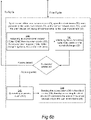
- Figures 6a-b illustrate a computer-implemented method for authorizing access to the one or more smart devices 10 that are provided in the local environment 20.
- the shown method steps, 210, 212, 220, 222, 224, 230, 232, 234, 236, 238, 239, 240, 241 242, and 244 are generally performed in accordance with the flowcharts and description presented with reference to Figures 2 and 3 .
Landscapes
- Engineering & Computer Science (AREA)
- Computer Security & Cryptography (AREA)
- Computer Networks & Wireless Communication (AREA)
- Signal Processing (AREA)
- Computing Systems (AREA)
- Computer Hardware Design (AREA)
- General Engineering & Computer Science (AREA)
- Health & Medical Sciences (AREA)
- General Health & Medical Sciences (AREA)
- Medical Informatics (AREA)
- Small-Scale Networks (AREA)
- Mobile Radio Communication Systems (AREA)
Priority Applications (3)
| Application Number | Priority Date | Filing Date | Title |
|---|---|---|---|
| EP21157054.4A EP4044552A1 (fr) | 2021-02-15 | 2021-02-15 | Système et procédé pour autoriser l'accès à des dispositifs intelligents dans un environnement local |
| PCT/EP2022/053525 WO2022171867A1 (fr) | 2021-02-15 | 2022-02-14 | Système et procédé d'autorisation d'accès à des dispositifs intelligents dans un environnement local |
| US17/731,455 US12028456B2 (en) | 2021-02-15 | 2022-04-28 | System and method for authorizing access of local and remote client devices to smart devices in a local environment |
Applications Claiming Priority (1)
| Application Number | Priority Date | Filing Date | Title |
|---|---|---|---|
| EP21157054.4A EP4044552A1 (fr) | 2021-02-15 | 2021-02-15 | Système et procédé pour autoriser l'accès à des dispositifs intelligents dans un environnement local |
Publications (1)
| Publication Number | Publication Date |
|---|---|
| EP4044552A1 true EP4044552A1 (fr) | 2022-08-17 |
Family
ID=74625849
Family Applications (1)
| Application Number | Title | Priority Date | Filing Date |
|---|---|---|---|
| EP21157054.4A Withdrawn EP4044552A1 (fr) | 2021-02-15 | 2021-02-15 | Système et procédé pour autoriser l'accès à des dispositifs intelligents dans un environnement local |
Country Status (3)
| Country | Link |
|---|---|
| US (1) | US12028456B2 (fr) |
| EP (1) | EP4044552A1 (fr) |
| WO (1) | WO2022171867A1 (fr) |
Cited By (3)
| Publication number | Priority date | Publication date | Assignee | Title |
|---|---|---|---|---|
| WO2023209087A1 (fr) * | 2022-04-28 | 2023-11-02 | Inter Ikea Systems B.V. | Système et procédé d'autorisation d'accès à des dispositifs intelligents dans un environnement local |
| WO2024099873A1 (fr) * | 2022-11-07 | 2024-05-16 | Telefonaktiebolaget Lm Ericsson (Publ) | Autorisation de partage de modèle ai/ml entre différents vendeurs |
| US12028456B2 (en) | 2021-02-15 | 2024-07-02 | Inter Ikea Systems B.V. | System and method for authorizing access of local and remote client devices to smart devices in a local environment |
Families Citing this family (1)
| Publication number | Priority date | Publication date | Assignee | Title |
|---|---|---|---|---|
| KR20250047273A (ko) | 2022-07-28 | 2025-04-03 | 트루 매뉴팩쳐링 코., 인크. | 냉장 기기들을 위한 자산 관리 및 iot 디바이스 |
Citations (1)
| Publication number | Priority date | Publication date | Assignee | Title |
|---|---|---|---|---|
| US20170192402A1 (en) * | 2014-06-23 | 2017-07-06 | Google, Inc. | Methods and apparatus for using smart environment devices via application program interfaces |
Family Cites Families (7)
| Publication number | Priority date | Publication date | Assignee | Title |
|---|---|---|---|---|
| US20110219427A1 (en) * | 2010-03-04 | 2011-09-08 | RSSBus, Inc. | Smart Device User Authentication |
| EP2650810A1 (fr) * | 2012-04-13 | 2013-10-16 | Jordi Baylina Melé | Procédé pour identifier et authentifier un utilisateur par l'intermédiaire d'un dispositif portable |
| US20160277413A1 (en) * | 2015-03-20 | 2016-09-22 | Kabushiki Kaisha Toshiba | Access Permission Device, Access Permission Method, Program, and Communicating System |
| US10397731B2 (en) * | 2015-08-21 | 2019-08-27 | Rachio, Inc. | Remote and shared access for sprinkler systems |
| US10812462B2 (en) * | 2019-01-08 | 2020-10-20 | Servicenow, Inc. | Session management for mobile devices |
| US10862689B1 (en) * | 2019-07-23 | 2020-12-08 | Cyberark Software Ltd. | Verification of client identities based on non-distributed data |
| EP4044552A1 (fr) | 2021-02-15 | 2022-08-17 | Inter IKEA Systems B.V. | Système et procédé pour autoriser l'accès à des dispositifs intelligents dans un environnement local |
-
2021
- 2021-02-15 EP EP21157054.4A patent/EP4044552A1/fr not_active Withdrawn
-
2022
- 2022-02-14 WO PCT/EP2022/053525 patent/WO2022171867A1/fr not_active Ceased
- 2022-04-28 US US17/731,455 patent/US12028456B2/en active Active
Patent Citations (1)
| Publication number | Priority date | Publication date | Assignee | Title |
|---|---|---|---|---|
| US20170192402A1 (en) * | 2014-06-23 | 2017-07-06 | Google, Inc. | Methods and apparatus for using smart environment devices via application program interfaces |
Non-Patent Citations (1)
| Title |
|---|
| SEBASTIEN STORMACQ: "Alexa Account Linking: 5 Steps to Seamlessly Link Your Alexa Skill to User Systems That Require Authentication : Alexa Blogs", 20 January 2019 (2019-01-20), XP055825092, Retrieved from the Internet <URL:https://web.archive.org/web/20190120170846/https://developer.amazon.com/blogs/post/Tx3CX1ETRZZ2NPC/Alexa-Account-Linking-5-Steps-to-Seamlessly-Link-Your-Alexa-Skill-with-Login-wit> [retrieved on 20210716] * |
Cited By (3)
| Publication number | Priority date | Publication date | Assignee | Title |
|---|---|---|---|---|
| US12028456B2 (en) | 2021-02-15 | 2024-07-02 | Inter Ikea Systems B.V. | System and method for authorizing access of local and remote client devices to smart devices in a local environment |
| WO2023209087A1 (fr) * | 2022-04-28 | 2023-11-02 | Inter Ikea Systems B.V. | Système et procédé d'autorisation d'accès à des dispositifs intelligents dans un environnement local |
| WO2024099873A1 (fr) * | 2022-11-07 | 2024-05-16 | Telefonaktiebolaget Lm Ericsson (Publ) | Autorisation de partage de modèle ai/ml entre différents vendeurs |
Also Published As
| Publication number | Publication date |
|---|---|
| US12028456B2 (en) | 2024-07-02 |
| WO2022171867A1 (fr) | 2022-08-18 |
| US20220329429A1 (en) | 2022-10-13 |
Similar Documents
| Publication | Publication Date | Title |
|---|---|---|
| US11831770B2 (en) | Relay service for communication between controllers and accessories | |
| US12028456B2 (en) | System and method for authorizing access of local and remote client devices to smart devices in a local environment | |
| US10382203B1 (en) | Associating applications with Internet-of-things (IoT) devices using three-way handshake | |
| KR101972724B1 (ko) | 컴퓨터 네트워크를 개선하기 위한 컴퓨터로-구현되는 암호화 방법, 및 단말, 시스템 및 이를 위한 컴퓨터-판독 가능한 매체 | |
| JP6166484B2 (ja) | コントローラとアクセサリとの通信のための統一的通信プロトコル | |
| Burke et al. | Securing instrumented environments over content-centric networking: The case of lighting control and NDN | |
| JP6255091B2 (ja) | プライベートデータを保護するセキュアプロキシ | |
| US20200259667A1 (en) | Distributed management system for remote devices and methods thereof | |
| Zhang et al. | Sovereign: Self-contained smart home with data-centric network and security | |
| CN106961334A (zh) | 控制器和附件之间的安全无线通信 | |
| KR20110108300A (ko) | 스마트폰의 관리하에서 스마트폰의 베어러 및 서버 독립 부모 제어를 위한 방법 및 장치 | |
| CN113572740A (zh) | 一种基于国密的云管理平台认证加密方法 | |
| KR102604713B1 (ko) | 모듈에 기반한 공동 주택 관리를 위한 보안 시스템 및 그 동작 방법 | |
| Cirani et al. | Effective authorization for the Web of Things | |
| EP4515898B1 (fr) | Système et procédé d'autorisation d'accès à des dispositifs intelligents dans un environnement local | |
| WO2018172776A1 (fr) | Transfert sécurisé de données entre des dispositifs de l'internet des objets | |
| TWI673622B (zh) | 配對認證系統及方法 | |
| KR102736048B1 (ko) | 코드에 기반한 공동 주택 관리를 위한 보안 시스템 및 그 동작 방법 | |
| Bourdoucen | Securing Communication Channels in IoT using an Android Smart Phone | |
| JP2018067327A (ja) | プライベートデータを保護するセキュアプロキシ | |
| Horálek et al. | Design and Realization of the Intelligent System for Identification of the IoT Devices | |
| KR20250071163A (ko) | 데이터베이스 접근 제어를 위한 사용자 인증을 지원하는 게이트웨이 서비스 시스템 및 방법 |
Legal Events
| Date | Code | Title | Description |
|---|---|---|---|
| PUAI | Public reference made under article 153(3) epc to a published international application that has entered the european phase |
Free format text: ORIGINAL CODE: 0009012 |
|
| STAA | Information on the status of an ep patent application or granted ep patent |
Free format text: STATUS: THE APPLICATION HAS BEEN PUBLISHED |
|
| AK | Designated contracting states |
Kind code of ref document: A1 Designated state(s): AL AT BE BG CH CY CZ DE DK EE ES FI FR GB GR HR HU IE IS IT LI LT LU LV MC MK MT NL NO PL PT RO RS SE SI SK SM TR |
|
| STAA | Information on the status of an ep patent application or granted ep patent |
Free format text: STATUS: THE APPLICATION IS DEEMED TO BE WITHDRAWN |
|
| 18D | Application deemed to be withdrawn |
Effective date: 20230218 |