EP4044656B1 - Übertragung von zeitempfindlichen daten über brücken zwischen portpaaren verschiedener arten - Google Patents
Übertragung von zeitempfindlichen daten über brücken zwischen portpaaren verschiedener arten Download PDFInfo
- Publication number
- EP4044656B1 EP4044656B1 EP20896814.9A EP20896814A EP4044656B1 EP 4044656 B1 EP4044656 B1 EP 4044656B1 EP 20896814 A EP20896814 A EP 20896814A EP 4044656 B1 EP4044656 B1 EP 4044656B1
- Authority
- EP
- European Patent Office
- Prior art keywords
- port
- information
- related information
- pair
- delay
- Prior art date
- Legal status (The legal status is an assumption and is not a legal conclusion. Google has not performed a legal analysis and makes no representation as to the accuracy of the status listed.)
- Active
Links
Images




Classifications
-
- H—ELECTRICITY
- H04—ELECTRIC COMMUNICATION TECHNIQUE
- H04J—MULTIPLEX COMMUNICATION
- H04J3/00—Time-division multiplex systems
- H04J3/02—Details
- H04J3/06—Synchronising arrangements
- H04J3/0635—Clock or time synchronisation in a network
- H04J3/0682—Clock or time synchronisation in a network by delay compensation, e.g. by compensation of propagation delay or variations thereof, by ranging
-
- H—ELECTRICITY
- H04—ELECTRIC COMMUNICATION TECHNIQUE
- H04B—TRANSMISSION
- H04B17/00—Monitoring; Testing
- H04B17/30—Monitoring; Testing of propagation channels
- H04B17/309—Measuring or estimating channel quality parameters
- H04B17/364—Delay profiles
-
- H—ELECTRICITY
- H04—ELECTRIC COMMUNICATION TECHNIQUE
- H04W—WIRELESS COMMUNICATION NETWORKS
- H04W28/00—Network traffic management; Network resource management
- H04W28/02—Traffic management, e.g. flow control or congestion control
- H04W28/10—Flow control between communication endpoints
-
- H—ELECTRICITY
- H04—ELECTRIC COMMUNICATION TECHNIQUE
- H04L—TRANSMISSION OF DIGITAL INFORMATION, e.g. TELEGRAPHIC COMMUNICATION
- H04L12/00—Data switching networks
- H04L12/28—Data switching networks characterised by path configuration, e.g. LAN [Local Area Networks] or WAN [Wide Area Networks]
- H04L12/46—Interconnection of networks
-
- H—ELECTRICITY
- H04—ELECTRIC COMMUNICATION TECHNIQUE
- H04W—WIRELESS COMMUNICATION NETWORKS
- H04W24/00—Supervisory, monitoring or testing arrangements
- H04W24/02—Arrangements for optimising operational condition
-
- H—ELECTRICITY
- H04—ELECTRIC COMMUNICATION TECHNIQUE
- H04W—WIRELESS COMMUNICATION NETWORKS
- H04W28/00—Network traffic management; Network resource management
- H04W28/02—Traffic management, e.g. flow control or congestion control
- H04W28/0231—Traffic management, e.g. flow control or congestion control based on communication conditions
- H04W28/0236—Traffic management, e.g. flow control or congestion control based on communication conditions radio quality, e.g. interference, losses or delay
Definitions
- the present invention relates to the field of communication technologies, and in particular, to an information transmission method, a communications device, and a computer-readable storage medium.
- time-sensitive communication In the industrial Internet, there is time-sensitive data, such as a robot instruction, that needs to be sequentially executed within a specified time.
- time-sensitive data such as a robot instruction
- a network transmission resource is shared, and data transmission has delay and jitter and cannot support time-sensitive data. Therefore, a time-sensitive network is proposed to support transmission of time-sensitive data
- a wireless connection may be a transmission medium in a time-sensitive network. Therefore, how to support the control and management of bridge-related information is a technical problem that needs to be solved urgently at present.
- 5GS Bridge Management discloses that port number of Ethernet port on the DS, for the PDU Session is assigned by the UPP during PDU session establishment and stored at the SMF.
- SMF provides the port numbers and MAC addresses of the Ethernet ports in DS-TT and NW-TT of the related PDU session to the TSN AF via PCF.
- a function of 5GS includes propagation delay per port (transmission propagation delay) and also discloses DS-TT and NW-TT correspond to disclose the type of TT.
- TSN parameters discloses that SMF has determined the 5GS Bridge information, which may contain Bridge address, port number associated with the NW-TT and DS-TT, UE DS-TT MAC address, the UE-DS-TT Residence time.
- EP 4033701A1 discloses an information transmission method and a communications device.
- the method includes: obtaining first information; and sending the first information; where the first information includes bridge related information of a first port pair; the first port par includes a first port and a second port; the first port is a port of a first TT, and the second port is a port of a second TT; and the first TT is a first DS-TT and the second TT is a second DS-TT; or the first TT is a first NW-TT and the second TT is a second NW-TT.
- Embodiments of the present invention provide an information transmission method and a communications device, to resolve the problem of how to support the control and management of bridge-related information.
- an embodiment of the present invention provides an information transmission method, which is defined in claim 1
- the term such as "exemplary” or “for example” is used to represent an example, an instance, or a description. Any embodiment or design solution described as “exemplary” or “for example” in the embodiments of the present invention should not be construed as being more preferred or advantageous than other embodiments or design solutions. Exactly, use of the word such as “exemplary” or “example” is intended to present a concept in a specific manner.
- the wireless communications system may be a 5G system, an evolved long term evolution (evolved Long Term Evolution, eLTE) system, or a subsequent evolved communications system.
- eLTE evolved Long Term Evolution
- time-sensitive can also be referred to as periodic deterministic (Periodic deterministic).
- Time-sensitive communication can also be referred to as periodic deterministic communication (Periodic deterministic communication).
- the time-sensitive data stream can also be referred to as a periodic deterministic data stream.
- An example of a time-sensitive network technology is IEEE time-sensitive network (TSN).
- TSN time-sensitive network
- FIG. 1 is a schematic architectural diagram of an applicable wireless communications system according to an embodiment of the present invention.
- a transmit end of the time-sensitive data stream is called a talker
- a receive end of the time-sensitive data stream is called a listener.
- One or multiple bridges are used between the talker and the listener for data forwarding.
- An end station (End Station) node can be a talker or a listener.
- a bridge is responsible for data transmission between a talker and a listener.
- the terminal User Equipment, UE
- the time-sensitive translator and the wireless communication network constitute a bridge (the 5G bridge will be used as an example in the following).
- a port of a device-side time-sensitive network translator (Device-side TSN translator, DS-TT) can be an egress port of data
- a port of a network-side time-sensitive network translator (Network-side TSN translator, NW-TT) is an ingress port of data.
- NW-TT Network-side TSN translator
- a NW-TT port can be an ingress port of data
- a DS-TT port is an egress port of data.
- the terminal can be co-located with the DS-TT.
- a user plane function (UPF) can be co-located with the NW-TT
- one terminal can be connected to one or more DS-TTs, and one DS-TT can have one or more ports.
- One 5G bridge can have one UPF, and one or more ports can be enabled on the NW-TT of the UPF.
- the terminal can act as a proxy of the DS-TT port and establish a protocol data unit (PDU) session with the UPF.
- PDU protocol data unit
- the DS-TT port is associated with the NW-TT port co-located with the UPF.
- the DS-TT port becomes a port of the 5G bridge.
- Both the DS-TT port and the NW-TT port can be connected separately to a TSN bridge and/or an end station (End Station). Through the 5G bridge, the TSN bridge and/or the end station connected to the port of the TT can perform communication.
- FIG. 1 is only a schematic diagram of an example.
- the structure of the 5G bridge and the connection relationship between ports in the 5G bridge are not limited.
- One DS-TT port and multiple NW-TT ports can form a port pair.
- ports on the DS-TT side are multiple ports A1 and A2.
- the port pair can be [A1, B1], [A1, B2], [A1, B3], [A2, B1], [A2, B2], and [A3, B3].
- an AF calculates delays of different port pairs, and the delay of a port pair is the time required for a packet to transmit from one port of the port pair to another port.
- a port pair formed by two DS-TT ports there can be three types of port pairs: a port pair formed by two DS-TT ports, a port pair formed by one DS-TT port and one NW-TT port, and a port pair formed by two NW-TT ports. It can be understood that the delays of the three types of port pairs are calculated in different manners. Therefore, to form a port pair and determine the delay of the port pair, the type of the TT of the port is required. However, currently, an AF does not distinguish between a DS-TT port and a NW-TT port.
- the processing time between the terminal and the DS-TT port is the delay of transmitting the packet between the DS-TT port and the terminal and is related to the DS-TT port.
- a packet delay budget (PDB) is the time taken to transmit a packet between the terminal and the NW-TT port and should be related to the NW-TT port.
- the PDB is the same for NW-TT ports.
- the same PDB is configured for each NW-TT port, that is, the time taken to transmit a packet between the terminal and any NW-TT port is the same.
- different PDBs are configured for NW-TT ports. PDBs are different for NW-TT ports.
- Problem 3 Different packets received from one NW-TT port may be sent to different DS-TT ports. Different DS-TT packets correspond to different PDU sessions, and SMFs of different PDU sessions may be different.
- the NW-TT currently lacks information in selection of a DS-TT port.
- the UPF also lacks information in selection of a PDU session corresponding to a DS-TT port.
- the NW-TT port is not associated with and should not be associated with a PDU session of the DS-TT. This is because different packets received from one NW-TT port may be sent to different DS-TT ports; and different packets received from one DS-TT port may also be sent to different NW-TT ports.
- the port related information of the NW-TT port is sent through related signaling of the PDU session related to the DS-TT port.
- the UPF sends the port related information of the NW-TT port to the SMF of the PDU session related to the DS-TT port
- the SMF sends the port related information of the NW-TT port to the PCF of a PDU session policy related to the DS-TT port.
- the PCF then sends the port related information of the NW-TT port to the AF.
- the port related information of the NW-TT cannot be sent to the AF when generated or updated. Therefore, the port related information of the NW-TT is forwarded after the PDU session of the DS-TT is established.
- an action of obtaining may be understood as generation, obtaining by a configuration, obtaining through receiving, obtaining after receiving by a request, obtaining through self-learning, obtaining through inferring based on information that is not received, or obtaining after processing based on received information. This may be specifically determined based on an actual requirement, and is not limited in the embodiments of the present invention. For example, when specific capability indication information sent by a device is not received, it may be inferred that the device does not support the capability.
- an action of sending may include broadcasting, broadcasting in a system message, and returning after responding to a request.
- pre-configuration can be referred to as default.
- the port management container may also be referred to as a port management information container.
- the port management container is a container that carries port control information (also referred to as port management information).
- the port related information includes: a port management container.
- the port related information may be understood as any one or more pieces of port information in bridge management (for example, port related configuration information in bridge management in 802.1Q).
- the port may be one of the following: an Ethernet port and an IP port.
- the data channel may include, but is not limited to one of the following: a PDU session, a PDN connection, a QoS flow, a bearer, and an internet protocol security (IPsec) channel, where the bearer may be an evolved radio access bearer (E-RAB), a radio access bearer (RAB), a data radio bearer (DRB), a signaling radio bearer (SRB), or the like.
- E-RAB evolved radio access bearer
- RAB radio access bearer
- DRB data radio bearer
- SRB signaling radio bearer
- a port pair is formed by two ports, for example: formed by two ports of the same DS-TT, or formed by two ports of different DS-TTs, or formed by two ports of the same NW-TT, or formed by two ports of different NW-TTs.
- the delay of a port pair may refer to the time taken for a packet to transmit from one port to another port.
- the two ports may be two ports of the same bridge (for example, a 5G bridge). It can be understood that the bridge delay can be the time taken for a packet to pass through the bridge.
- a first port pair is formed by a first port and a second port
- the delay of the port pair may refer to the time taken for a packet to transmit from the first port to the second port.
- the delay of a port pair may be a bridge delay per traffic class (per traffic class).
- Each port can support one or more traffic classes. The transmission performance of each traffic class is different. Therefore, it can be understood that each traffic class of an egress port has the delay of the port pair. The delays of port pairs of each traffic class can be different.
- the port delay may also refer to the bridge delay of a specific traffic class.
- the bridge delays of different traffic classes may be the same or different.
- the TT port, the port of the TT, the port on the TT, the port on the TT side, and the TT side port represent the same meaning and may be used in combination.
- the DS-TT port and the port of the DS-TT both represent ports on the DS-TT and can be used in combination.
- the NW-TT port and the port of the NW-TT both represent the ports on the NW-TT and can be used in combination.
- a DS-TT port may also be equivalent to a device-side port; and a NW-TT port may also be equivalent to a network-side port.
- a DS-TT port it can be equivalent to that the port is a device-side port; when the type of the TT of the port is NW-TT, it can be equivalent to that the port is a network-side port.
- the related information of the TT on which the first port is located may be simply referred to as the related information of the TT in which the first port is located or the TT related information of the first port.
- the data channel corresponding to the port is generally associated with a DS-TT port.
- the wireless communication network may be simply referred to as a network.
- the wireless communication network may be at least one of the following: a public network and a non-public network.
- the non-public network is an abbreviation of a non-public network.
- the non-public network may be referred to as one of the following: a non-public communications network.
- the non-public network may include at least one of the following deployment modes: a non-public network (such as an SNPN) of standalone networking, and a non-public network of non-standalone networking (such as a closed access group (CAG)).
- the non-public network may include or be referred to as a private network.
- a private network may be referred to as one of the following: a private communication network, a private network, a local area network (LAN), a private virtual network (PVN), an isolated communication network, a dedicated communication network, or other names. It should be noted that, in the embodiments of the present invention, the naming manner is not specifically limited.
- the public network (such as a PLMN) is an abbreviation for public network.
- the public network may be referred to as one of the following: a public communications network or another name. It should be noted that, in the embodiments of the present invention, the naming manner is not specifically limited.
- a communications device may include at least one of the following: a communications network element and a terminal.
- a communications network element may include at least one of the following: a network element of a core network and a network element of a radio access network.
- a network element of a core network may include, but is not limited to, at least one of the following: a core network device, a core network node, a core network function, a core network network element, a mobility management entity (MME), an access management function (AMF), a session management function (SMF), a user plane function (UPF), a serving gateway (SGW), a PDN gateway (PDN gateway), a policy control function (PCF), a policy and charging rules function (PCRF), a serving GPRS support node (SGSN), a gateway GPRS support node (GGSN), a unified data management (UDM), a unified data repository (UDR), a home subscriber server (HSS), and an application function (AF), and a centralized network configuration (CNC).
- MME mobility management entity
- AMF access management function
- SMF session management function
- UPF user plane function
- SGW serving gateway
- PDN gateway PDN gateway
- PCF policy control function
- PCRF policy and charging
- a network element of a radio access network may include but is not limited to at least one of the following: a radio access network device, a radio access network node, a radio access network function, a radio access network unit, a Third Generation Partnership Project (3GPP) radio access network, a non-3GPP radio access network, a centralized unit (CU), a distributed unit (DU), a base station, an evolved NodeB (eNB), a 5G base station (gNB), a radio network controller (RNC), a NodeB (NodeB), a non-3GPP interworking function (N3IWF), an access controller (AC) node, an access point (AP) device, a wireless local area network (WLAN) node, and an N3IWF.
- 3GPP Third Generation Partnership Project
- 3GPP Third Generation Partnership Project
- a non-3GPP radio access network a centralized unit (CU), a distributed unit (DU), a base station, an evolved NodeB (eNB), a 5G base station (
- the base station may be a base transceiver station (BTS) in a Global System for Mobile Communications (GSM) or Code Division Multiple Access (CDMA), or may be a NodeB (NodeB, NB) in Wideband Code Division Multiple Access (WCDMA), or may be an evolved NodeB (eNB) in LTE, or a base station (gNB) in 5G.
- BTS base transceiver station
- GSM Global System for Mobile Communications
- CDMA Code Division Multiple Access
- NodeB NodeB
- WCDMA Wideband Code Division Multiple Access
- eNB evolved NodeB
- LTE Long Term Evolution
- gNB base station
- the embodiments of the present invention are not limited thereto.
- UE is a terminal.
- the terminal may include a relay that supports a terminal function and/or a terminal that supports a relay function.
- the terminal may also be referred to as a terminal device or user equipment (User Equipment, UE).
- the terminal may be a terminal side device such as a mobile phone, a tablet personal computer (Tablet Personal Computer), a laptop computer (Laptop Computer), a personal digital assistant (PDA), a mobile internet device (MID), a wearable device (Wearable Device), or an in-vehicle device. It should be noted that a specific type of the terminal is not limited in embodiments of the present invention.
- the method and the communications device provided in the embodiments of the present invention may be applied to a wireless communications system.
- the wireless communications system may be a fifth-generation (5G) system, an evolved packet system (EPS), or a subsequent evolved communications system.
- the wireless communication network in the embodiments of the present invention may be a fifth-generation mobile communication network (5GS) or an LTE network.
- an embodiment out of the scope of the present invention provides an information transmission method, applied to a first communications device.
- the first communications device includes, but is not limited to a terminal, a TT (such as one of the following: a DS-TT, a NW-TT, a first DS-TT, a second DS-TT, a first NW-TT, and a second NW-TT), a CN network element (such as one of the following: an SMF, a UPF, a PCF, a NEF, and an AF), and a RAN network element.
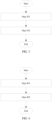
- the method includes the following steps.
- Step 201 Perform a related operation of a first port.
- Step 202 Send first information.
- the related operation of the first port includes at least one of the following: obtaining port related information of the first port, determining related information of a TT in which the first port is located, and determining delay related information of the first port.
- the first information includes at least one of the following: the port related information of the first port, the related information of the TT in which the first port is located, and the delay related information of the first port.
- the first port is a port of a time-sensitive network translator TT.
- the first port may be a DS-TT port or a NW-TT port.
- the first port may be an ingress port, or may be an egress port. That is, data is received from the first port, or data is sent from the first port.
- the port related information of the first port may be a port management container including the information of the first port.
- the port related information of the first port includes at least one of the following:
- the port related information of the first port does not include at least one of the following:
- the obtained first information may include related information of the TT in which the first port is located.
- the first communications device only forwards the first information.
- the obtained first information does not include related information of the TT in which the first port is located.
- the first communications device may determine the related information of the TT in which the first port is located, and when sending the first information, simultaneously send the related information of the TT in which the first port is located.
- the obtained first information may include delay related information of the first port.
- the first communications device only forwards the first information.
- the obtained first information does not include delay related information of the first port.
- the first communications device may determine the delay related information of the first port, and when sending the first information, simultaneously send the delay related information of the first port.
- the delay related information of the first port may be understood as the delay of the first port.
- the related information of the TT includes at least one of the following: a type of the TT, identification information of the TT, and serial number information of the TT.
- the type of the TT is: DS-TT or NW-TT.
- the first port is a DS-TT port
- the first port is a NW-TT port
- the identification information of the TT may be information used to identify the TT, and different TTs have different identification information.
- the serial number information of the TT may be the serial number of the TT.
- the delay related information of the first port includes at least one of the following:
- the PDB is a PDB corresponding to the traffic class.
- the PDB includes a PDB per traffic class of the first port.
- the delay related information of the first port when the delay related information of the first port includes a PDB, it may be determined that the type of the TT in which the first port is located is NW-TT. In another implementation manner, when the delay related information of the first port includes the processing time between the terminal and the DS-TT, it can be determined that the type of the TT in which the first port is located is DS-TT.
- the first information can be received from the terminal, and it is determined that the type of the TT in which the first port is located is DS-TT; or the first information can be received from the UPF, and it is determined that the type of the TT in which the first port is located is NW-TT.
- the delay related information of the first port includes the processing time between the terminal and the DS-TT.
- the delay related information of the first port includes a PDB.
- the sending first information includes at least one of the following:
- the port related information of the first port does not include related information of the TT in which the first port is located.
- the port related information of the first port and the related information of the TT in which the first port is located are sent.
- the SMF sends the port related information of the first port to the PCF or the PCF sends the port related information of the first port to the AF
- the type of the TT in which the first port is located is additionally included.
- the port related information of the first port does not include the delay related information of the first port.
- the port related information of the first port and the delay related information of the first port are sent. For example, when the SMF sends the port related information of the first port to the PCF or the PCF sends the port related information of the first port to the AF, the delay related information of the first port is additionally included.
- the port related information of the first port includes related information of the TT in which the first port is located and/or delay related information of the first port.
- the port related information of the first port may be sent.
- the SMF sends the received port related information of the first port to the PCF; and the PCF sends the port related information of the first port to the AF.
- the port related information of the first port when sending the port related information of the first port, is included in a port management container of the first port, or is not included in the port management container of the first port.
- the port related information of the first port is included in the port management container of the first port, and the related information of the TT in which the first port is located is not included in the port management container of the first port.
- the port related information of the first port is included in the port management container of the first port, and the delay related information of the first port is not included in the port management container of the first port.
- the related information of the TT in which the first port is located is included in the port management container of the first port.
- the delay related information of the first port is included in the port management container of the first port.
- the port related information of the first port includes related information of the TT in which the first port is located.
- the port management container When sending the port related information of the first port, it is indicated in the port management container whether the type of the TT of the port is DS-TT or NW-TT.
- the port related information of the first port when sending the port related information of the first port, is included in a first container (such as a port management container of a type A), to indicate that the type of the TT of the port is DS-TT.
- the first container (such as a port management container of a type A) is used to transmit the port related information of the DS-TT port and/or the related information of the DS-TT.
- the port related information of the first port is included in a second container (such as a port management container of a type B), to indicate that the type of the TT of the port is NW-TT.
- the second container (such as a port management container of a type B) is used to transmit the port related information of the NW-TT port and/or the related information of the NW-TT.
- the first communications device is a DS-TT and can send the first information to the terminal.
- the first port is a DS-TT port.
- the port related information of the first port sent by the DS-TT includes related information of the TT in which the first port is located.
- the port related information of the first port sent by the DS-TT does not include the related information of the TT in which the first port is located.
- the first communications device is a NW-TT and can send the first information to the UPF.
- the first port is a NW-TT port.
- the port related information of the first port sent by the NW-TT includes related information of the TT in which the first port is located.
- the port related information of the first port sent by the NW-TT does not include the related information of the TT in which the first port is located.
- the first communications device is a terminal or a UPF, and can send the first information to the SMF.
- the first communications device is an SMF, and can send the first information to the PCF.
- the SMF obtains the port related information of the first port, and after determining the related information of the TT in which the first port is located (for example, determines the type of the TT in which the first port is located), sends the port related information of the first port and the related information of the TT in which the first port is located to the PCF.
- the SMF obtains the port related information of the first port, and after determining the delay related information of the first port, sends the port related information of the first port and the delay related information of the first port to the PCF.
- the first communications device is a PCF and can send the first information to the AF.
- the related operation of the first port is performed; and the first information is sent; where the related operation of the first port includes at least one of the following: obtaining the port related information of the first port, determining the related information of the TT in which the first port is located, and determining the delay related information of the first port; the first information includes at least one of the following: the port related information of the first port, the related information of the TT in which the first port is located, and the delay related information of the first port; and the first port is a port of a time-sensitive network translator TT. Therefore, this can support the construction of a port pair and the calculation of the delay of the port pair, to support the management and control of time-sensitive bridge related information
- an embodiment of the present invention provides an information transmission method, applied to a second communications device.
- the second communications device includes, but is not limited to a terminal, a TT (such as one of the following: a DS-TT, a NW-TT, a first DS-TT, a second DS-TT, a first NW-TT, and a second NW-TT), a CN network element (such as one of the following: an SMF, a UPF, a PCF, a NEF, and an AF), and a RAN network element.
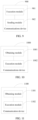
- the method includes the following steps.
- Step 301 Obtain second information.
- Step 302 Perform a port related operation according to the second information.
- the second information includes at least one of the following: first information (the first information includes related information of a TT in which the first port is located, and delay related information of the first port).
- the first port is a port of a time-sensitive network translator TT.
- the first port For the first information, the first port, a port related information of the first port, the related information of the TT in which the first port is located, the delay related information of the first port, a first container, and a second container, refer to corresponding descriptions of the embodiment shown in FIG. 2 .
- the first container (such as a port management container of a type A) is used to transmit port related information of a DS-TT port and/or related information of a DS-TT.
- the second container (such as a port management container of a type B) is used to transmit the port related information of the NW-TT port and/or the related information of the NW-TT.
- the port related information of the first port includes, but is not limited to at least one of the following:
- the port related information of the first port does not include at least one of the following:
- the related information of the TT includes: a type of the TT, and optionally identification information of the TT, and/or serial number information of the TT.
- the type of the TT is: DS-TT or NW-TT.
- the delay related information of the first port includes at least one of the following:
- the PDB includes a PDB per traffic class of the first port.
- the obtaining the second information includes: obtaining the first information.
- the first information includes at least one of the following: the port related information of the first port, the related information of the TT in which the first port is located, and the delay related information of the first port.
- the obtaining the first information may include one of the following: obtaining the first information, where the first information is contained in a port management container;
- the port related operation includes at least one of the following:
- constructing a port pair may be combining ports into a port pair.
- the delay related information of the port pair may be understood as the bridge delay of the port pair.
- the determining the type of the TT in which the first port is located includes one of the following:
- the data channel is associated with a DS-TT
- the MAC address of the data channel is the MAC address of the DS-TT port. Therefore, it can be determined that the type of the TT in which the first port is located corresponding to the MAC address of the data channel is DS-TT.
- the data channel is not associated with a NW-TT. Therefore, it can be determined that the type of the TT in which the first port is located that does not correspond to the MAC address of the data channel is NW-TT.
- the constructing a port pair includes at least one of the following:
- the second communications device constructs at least one port pair according to the type of the TT of the port: a first port pair formed by [NW-TT port and DS-TT port], a second port pair formed by [DS-TT port 1 and DS-TT port 2], and a third port pair formed by [NW-TT port 1 and NW-TT port 2].
- the first port pair may be a port pair formed by any NW-TT port and any DS-TT port
- the second port pair may be a port pair formed by any two DS-TT ports
- the third port pair may be a port pair formed by any two NW-TT ports.
- the determining the delay related information of the port pair includes at least one of the following:
- the delay related information of the port pair may be referred to as the bridge delay of the port pair.
- the first DS-TT and the second DS-TT are the same DS-TT;
- the ports of the same DS-TT are constructed as a port pair.
- DS-TT ports that are of different DS-TTs but access a network through the same terminal are constructed as a port pair, for example: a first port of a first DS-TT and a second port of a second DS-TT are constructed as a port pair.
- DS-TT ports that are of different DS-TTs and access a network through different terminals are constructed as a port pair, for example, a first port of a first DS-TT and a second port of a second DS-TT are constructed as a port pair.
- the delay related information of the first-type port pair is the processing delay between the DS-TT port and the terminal + the PDB related to the NW-TT port.
- the delay related information of the second-type port pair is the processing delay between the first DS-TT port and the first terminal + the first PDB + the processing delay between the second DS-TT port and the second terminal + the second PDB.
- the delay related information of the second-type port pair is the processing delay between the first DS-TT port and the first terminal + the processing delay between the second DS-TT port and the second terminal.
- the delay related information of the second-type port pair is a transmission delay between the first DS-TT port and the second DS-TT port.
- the delay related information of the third-type port pair is a transmission delay between the first NW-TT port and the second NW-TT port.
- the second communications device is an AF and can obtain the second information from the PCF.
- the second communications device is a PCF, and can obtain the second information from the SMF.
- the second communications device is an SMF, and can obtain the second information from the UE or the UPF.
- the port related operation is performed according to the second information. Therefore, this can support the construction of a port pair and the calculation of the delay of the port pair, to support the management and control of time-sensitive bridge related information.
- an embodiment out of the scope of the present invention further provides an information transmission method, applied to a third communications device.
- the third communications device includes, but is not limited to: a terminal, a DS-TT, a NW-TT, a CN network element (such as one of the following: an SMF, a UPF, a PCF, a NEF, and an AF), and a RAN network element.
- the method includes the following steps.
- Step 401 Obtain data routing information, where the data routing information includes at least one of the following: data stream identification information and port related information.
- Step 402 Perform a related operation on a downlink data stream according to the data routing information
- the third communications device is a NW-TT or a UPF.
- the data routing information is related to the downlink data stream, for example, the data routing information is at least one of data routing information and packet header information of the downlink data stream.
- the data stream identification information includes at least one of the following: a target MAC address and a VLAN identifier.
- the data routing information is static filter entry (Static Filter entry) information
- the port related information may be a port map, and the port map includes, but is not limited to an egress port and a port operation (forwarding or blocking).
- the performing a related operation on the downlink data stream includes at least one of the following:
- the data communication is a PDU session.
- the selecting a data channel may be selecting a PDU session corresponding to the DS-TT port according to the data routing information.
- the port operation includes: forwarding or blocking.
- the downlink data stream is forwarded, and the transmission of the downlink data stream is blocked
- a related operation is performed on the downlink data stream according to the data routing information, to process the downlink data stream in the time-sensitive bridge, thereby supporting management and control of time-sensitive bridge related information.
- an embodiment out of the scope of the present invention also provides an information transmission method, applied to a fourth communications device.
- the fourth communications device includes, but is not limited to: a terminal, a DS-TT, a NW-TT, a CN network element (such as one of the following: an SMF, a UPF, a PCF, a NEF, and an AF), and a RAN network element.
- the method includes the following steps.
- Step 501 Obtain port related information of a second port.
- Step 502 Send the port related information of the second port.
- the second port is a NW-TT port (that is, located on a NW-TT).
- the second port may be an ingress port, or may be an egress port. That is, data is received from the second port, or data is sent from the second port.
- the fourth communications device is a NW-TT or a UPF.
- the port related information of the second port includes, but is not limited to at least one of the following: a port management information container including second port information, a port number, a bridge identifier, a port address (such as a MAC address and/or an IP address), related information of the TT of the second port, and delay related information of the second port.
- a port management information container including second port information, a port number, a bridge identifier, a port address (such as a MAC address and/or an IP address), related information of the TT of the second port, and delay related information of the second port.
- the port related information of the second port includes, but is not limited to at least one of the following:
- the related information of the TT includes at least one of the following: identification information of the TT, and serial number information of the TT.
- the delay related information of the second port includes at least one of the following:
- the sending the port related information of the second port includes:
- data communication may be a PDU session or bearer or the like.
- any data channel is selected and the port related information of the second port is sent to a communications device related to the selected data channel, for example: the port related information of the second port is sent to the SMF or the PCF. If at least one PDU session established with the fourth communications device exists, the port related information of the second port is sent to any SMF or PCF.
- the selected communications device includes:
- an SMF or a PCF related to any PDU session may be selected and port related information of the second port may be sent to the selected SMF or PCF.
- an SMF or a PCF related to any PDU session in the bridge may be selected and port related information of the second port may be sent to the selected SMF or PCF.
- an SMF or a PCF related to any PDU session established with the fourth communications device may be selected and the port related information of the second port may be sent to the selected SMF or PCF
- the sending the port related information of the second port includes:
- the port related information of the second port is sent to the SMF after a PDU session related to at least one DS-TT port is established.
- the port related information of the second port is sent to any SMF or PCF or a default SMF or PCF.
- the data channel includes: a data channel related to a DS-TT port.
- the data channel is a PDU session related to a DS-TT port.
- the port related information of the second port is obtained, and the port related information of the second port is sent. Therefore, transmission of the port related information of the second port can be supported, to achieve the beneficial effect of supporting the management and control of bridge related information.
- This embodiment is shown in FIG. 6 and includes the following steps.
- Step 1 The UE requests to establish a PDU session related to a DS-TT port.
- port related information of the DS-TT port is indicated, for example, related information of a TT of the DS-TT port.
- the related information of the TT includes at least one of the following: a type of the TT, a serial number of the TT (such as a DS-TT serial number), and an identifier of the TT (such as a DS-TT identifier).
- the DS-TT serial number can be used to distinguish different DS-TTs. For example, a port associated with a TT serial number 1 of a DS-TT of the port and a port associated with a TT serial number 2 of a DS-TT of the port belong to different DS-TTs.
- the related information of the TT may be included in the port management information container or outside the port management information container.
- Step 2 The AMF sends a PDU session modification request message or a PDU session establishment request message to the SMF.
- the request message includes port related information of the DS-TT port.
- the type of the TT in the port related information of the DS-TT port is DS-TT.
- Step 3 The SMF sends an N4 session modification request message or an N4 session establishment request message to the UPF.
- Step 4 The UPF sends an N4 session modification response message or an N4 session establishment response message to the SMF.
- the response message includes port related information of the NW-TT port.
- the type of the TT in the port related information of the NW-TT port is NW-TT.
- Step 5 The SMF sends a modification request message associated with a session management policy triggered by the SMF or an establishment request message associated with a session management policy triggered by the SMF to the PCF.
- the request message includes port related information of the DS-TT port and/or port related information of the NW-TT port.
- the type of the TT in the port related information of the DS-TT port is DS-TT.
- the type of the TT in the port related information of the NW-TT port is NW-TT.
- the port related information from the SMF to the PCF includes at least one of the following: TT related information of the TT associated with the port, PDB information, and UE-DS-TT residence time (which may be the processing time between the port and the terminal).
- the PDB information is a PDB per NW-TT port per traffic class (PDB per UE per traffic class).
- the UE-DS-TT residence time may be UE-DS-TT residence time per DS-TT port per traffic class (UE-DS-TT residence time per port per traffic class).
- Step 6 The PCF sends port related information to the AF, including at least one of the following: TT related information of the TT associated with the port, PDB information (PDB per UE per traffic class), and UE-DS-TT residence time (UE-DS-TT residence time per port per traffic class).
- the AF can perform one of the following according to the related information of the TT of the port:
- the delay of the first port pair may be UE-DS-TT residence time+PDB.
- the delay of the second port pair may be the first UE-DS-TT residence time+the first PDB+the second UE-DS-TT residence time+the second PDB.
- Step 7 The AF sends an event notification response to the PCF.
- Step 8 The PCF sends a modification response associated with a session management policy triggered by the SMF/an establishment response associated with a session management policy triggered by the SMF to the SMF.
- Step 9 The SMF sends a PDU session-session management context update response/a PDU session-session management context establishment response to the AMF.
- Step 10 The AMF sends a NAS message to the UE, where the NAS message includes the PDU session modification acceptance/PDU session establishment acceptance.
- This embodiment includes the following steps.
- Step 1 A NW-TT receives a downlink data stream and performs at least one of the following according to data routing information (such as a static filtering entry) and the packet header information:
- the data routing information includes at least one of the following: a target MAC address, a VLAN ID, and an egress port.
- This embodiment is shown in FIG. 7 and includes the following steps.
- Step 1 The UPF obtains port related information of a NW-TT port (which may be information of one port or information of multiple ports).
- the UPF sends the information of the NW-TT port to a first SMF.
- the first SMF is one of the following: an SMF of a PDU session related to any DS-TT, any PDU session in the bridge, an SMF associated with any PDU session established with the UPF, and a default SMF.
- the UPF sends the port related information of the NW-TT port to the first SMF after a PDU session related to at least one DS-TT port is established.
- the first SMF is an SMF in the PDU session related to the at least one DS-TT port. The first SMF is described above and is no longer repeated herein.
- the UPF sends the port related information of the NW-TT port to the first SMF.
- the UPF may send the port related information of the NW-TT port through an N4 session report.
- Step 2 The SMF sends an N4 session report acknowledge to the UPF.
- Step 3 When the first SMF is an SMF related to a PDU session, the first SMF selects a policy-associated PCF associated with the PDU session to send the port-related information of the NW-TT port.
- the first SMF When the first SMF is a default SMF, the first SMF selects a default PCF to send the port related information of the NW-TT port.
- Step 4 The PCF sends the port related information of the NW-TT port to the AF.
- the AF reports the port related information of the NW-TT port to the CNC.
- Step 5 The AF sends an event notification response to the PCF.
- Step 6 The PCF sends an SMF-triggered session management policy control update response to the SMF.
- This embodiment is shown in FIG. 8 and includes the following steps.
- Step 1 The AF obtains port related information of a NW-TT port (which may be information of one port or information of multiple ports).
- the UPF When PDU sessions related to one or more DS-TT ports exist, the UPF sends the information of the NW-TT port to a first PCF.
- the first PCF is one of the following: a PCF associated with a PDU session related to any DS-TT, a PCF associated with any PDU session in the bridge, a PCF associated with any PDU session established with the UPF, and a default PCF.
- the UPF sends the port related information of the NW-TT port to the first PCF after a PDU session related to at least one DS-TT port is established.
- the first PCF is a PCF associated with the PDU session related to the at least one DS-TT port. The first PCF is described above and is no longer repeated herein.
- Step 2 The UPF sends the port related information of the NW-TT port to the first PCF.
- Step 3 When the first PCF is a PCF related to the PDU session, the SMF of the PDU session bound to the first PCF sends the port related information of the NW-TT port.
- the first PCF When the first PCF is a default PCF, the first PCF selects a default SMF to send the port related information of the NW-TT port.
- Step 4 The SMF sends the port related information of the NW-TT port to the UPF.
- the UPF reports the port-related information of the NW-TT port to the NW-TT.
- Step 5 The UPF returns a response to the SMF.
- the port related information of the first port includes at least one of the following:
- the related information of the TT includes at least one of the following: a type of the TT, identification information of the TT, and serial number information of the TT.
- the type of the TT is: DS-TT or NW-TT.
- the delay related information of the first port includes at least one of the following:
- the PDB includes a PDB per traffic class of the first port.
- the communications device 900 can implement processes implemented by the first communications device in the method embodiments of the present invention and achieve the same beneficial effect. To avoid repetition, details are not described herein again.
- an embodiment of the present invention provides another communications device.
- the communications device is a second communications device.
- the second communications device includes, but is not limited to a terminal, a DS-TT, a NW-TT, a CN network element (such as one of the following: an SMF, a UPF, a PCF, a NEF, and an AF), and a RAN network element.
- the communications device 1000 includes:
- the port related information of the first port includes at least one of the following:
- the related information of the TT includes at least one of the following: a type of the TT, identification information of the TT, and serial number information of the TT.
- the type of the TT is: DS-TT or NW-TT.
- the obtaining second information includes: obtaining first information;
- the delay related information of the first port includes at least one of the following:
- the constructing a port pair includes at least one of the following:
- the first DS-TT and the second DS-TT are the same DS-TT; or
- an embodiment out of the scope of the present invention provides another communications device.
- the communications device is a third communications device.
- the third communications device includes, but is not limited to a terminal, a DS-TT, a NW-TT, a CN network element (such as one of the following: an SMF, a UPF, a PCF, a NEF, and an AF), and a RAN network element.
- the communications device 1100 includes:
- the performing a related operation on the downlink data stream includes at least one of the following:
- the port operation includes: forwarding or blocking.
- the communications device is a fourth communications device.
- the fourth communications device includes, but is not limited to a terminal, a DS-TT, a NW-TT, a CN network element (such as one of the following: an SMF, a UPF, a PCF, a NEF, and an AF), and a RAN network element.
- the communications device 1200 includes:
- the sending the port related information of the second port includes:
- the sending the port related information of the second port includes:
- the communications device 1200 can implement processes implemented by the fourth communications device in the method embodiments of the present invention and achieve the same beneficial effect. To avoid repetition, details are not described herein again.
- FIG. 13 is a structural diagram of another communications device.
- a communications device 1300 includes: a memory 1301, a processor 1302, a computer program 13011 stored in the memory 1301 and executable on the processor 1302, and a transceiver 1303.
- the port related information of the first port includes at least one of the following:
- the related information of the TT includes at least one of the following: a type of the TT, identification information of the TT, and serial number information of the TT.
- the delay related information of the first port includes at least one of the following:
- the PDB includes a PDB per traffic class of the first port.
- the port related information of the first port includes at least one of the following:
- the related information of the TT includes at least one of the following: a type of the TT, identification information of the TT, and serial number information of the TT.
- the type of the TT is: DS-TT or NW-TT.
- the obtaining second information includes: obtaining first information;
- the delay related information of the first port includes at least one of the following:
- the PDB includes a PDB per traffic class of the first port.
- the port related operation includes at least one of the following:
- the constructing a port pair includes at least one of the following:
- the determining the delay related information of the port pair includes at least one of the following:
- the first DS-TT and the second DS-TT are the same DS-TT; or
- the performing a related operation on the downlink data stream includes at least one of the following:
- the port operation includes: forwarding or blocking.
- the sending the port related information of the second port includes:
- the sending the port related information of the second port includes:
- the data channel includes: a data channel related to a device-side time-sensitive network translator DS-TT port.
- the selected communications device includes:
- the communications device 1300 can implement processes implemented by the communications device in the foregoing method embodiments. To avoid repetition, details are not described herein again.
- An embodiment of the present invention further provides a computer-readable storage medium.
- the computer-readable storage medium stores a computer program, and when the computer program is executed by a processor, the processes of the foregoing method embodiment of the information transmission method are implemented and a same technical effect can be achieved. To avoid repetition, details are not described herein again.
- the computer-readable storage medium is, for example, a read-only memory (ROM), a random access memory (RAM), a magnetic disk, or an optical disc.
- the foregoing method embodiments may be implemented by using software and a required universal hardware platform, or certainly may be implemented by using hardware. However, in many cases, the former is a better implementation.
- the technical solutions of the present invention essentially or the part contributing to the prior art may be implemented in a form of a software product.
- the computer software product is stored in a storage medium (such as a ROM/RAM, a hard disk, or an optical disc), and includes several instructions for instructing a terminal (which may be mobile phone, a computer, a server, an air conditioner, a network device, or the like) to perform the methods described in the embodiments of the present invention.
Landscapes
- Engineering & Computer Science (AREA)
- Computer Networks & Wireless Communication (AREA)
- Signal Processing (AREA)
- Quality & Reliability (AREA)
- Physics & Mathematics (AREA)
- Electromagnetism (AREA)
- Mobile Radio Communication Systems (AREA)
- Data Exchanges In Wide-Area Networks (AREA)
- Computer And Data Communications (AREA)
Claims (13)
- Procédé de transmission d'informations, appliqué à un second dispositif de communication, comprenant :obtenir (301) des secondes informations ; eteffectuer (302) une opération liée au port selon les secondes informations ; dans lequelles secondes informations comprennent au moins un des éléments suivants : des informations relatives à un traducteur de réseau sensible au temps, TT, dans lequel se trouve le premier port, des informations relatives au retard du premier port, etle premier port est un port du TT, le TT est un traducteur de réseau sensible au temps côté réseau, NW-TT ou un traducteur de réseau sensible au temps côté périphérique, DS-TT, et le TT, un terminal et un réseau de communication sans fil constituent un pont ;caractérisé en ce que les informations relatives au TT incluent : un type du TT ;les informations relatives au retard du premier port comprennent au moins un des éléments suivants : un budget de retard de paquet, PDB, et un temps de traitement entre un terminal et un DS-TT ;l'opération liée au port inclut au moins un des éléments suivants :construire une paire de ports en fonction du type de TT ; etdéterminer un retard de la paire de ports de deuxième type ou un retard de la paire de ports de troisième type en fonction des informations relatives au retard du premier port ; dans lequella paire de ports de deuxième type est une paire de ports formée par un premier port DS-TT et un second port DS-TT ; etla paire de ports de troisième type est une paire de ports formée par un premier port NW-TT et un second port NW-TT ;le retard de la paire de ports de deuxième type est un retard de traitement entre le premier port DS-TT et un premier terminal, un premier PDB, un retard de traitement entre le second port DS-TT et un second terminal, un second PDB ; etle retard de la paire de ports de troisième type est un retard de transmission entre le premier port NW-TT et le second port NW-TT ; dans lequelle second dispositif de communication comprend un terminal, un TT, un élément de réseau CN et un élément de réseau RAN.
- Procédé selon la revendication 1, dans lequel les informations relatives au TT incluent en outre au moins un des éléments suivants : des informations d'identification du TT et des informations de numéro de série du TT.
- Procédé selon la revendication 1, dans lequel l'obtention (301) de secondes informations comprend : l'obtention de premières informations ; dans lequelles premières informations comprennent au moins un des éléments suivants : les informations relatives au port du premier port, les informations relatives au TT dans lequel le premier port est situé et les informations relatives au retard du premier port ; etl'obtention des premières informations comprend un des éléments suivants :obtention des premières informations, les premières informations étant incluses dans un conteneur de gestion de port ;obtention des premières informations, les premières informations n'étant pas incluses dans un conteneur de gestion de port ;obtention des premières informations, une partie des premières informations étant incluse dans un conteneur de gestion de port, et une autre partie des premières informations n'étant pas incluse dans le conteneur de gestion de port ;obtention des premières informations, les premières informations étant incluses dans un premier conteneur ; etobtention des premières informations, les premières informations étant incluses dans un second conteneur ; dans lequelle premier conteneur est utilisé pour transmettre des informations relatives au port d'un port de traducteur de réseau sensible au temps côté périphérique, DS-TT et/ou des informations relatives à un DS-TT ; etle second conteneur est utilisé pour transmettre des informations relatives au port d'un port de traducteur de réseau sensible au temps côté réseau, NW-TT, et/ou des informations relatives à un NW-TT.
- Procédé selon la revendication 1, dans lequel les informations relatives au retard du premier port incluent en outre au moins un des éléments suivants : une classe de trafic correspondant au PDB et une classe de trafic correspondant au temps de traitement.
- Procédé selon la revendication 1, dans lequel la construction d'une paire de ports comprend au moins un des éléments suivants :construire une paire de ports comprenant le premier port ;construire une paire de ports de premier type ;construire une paire de ports de deuxième type ; etconstruire une paire de ports de troisième type ;la paire de ports comprenant le premier port comprenant au moins un des éléments suivants :un port de traducteur de réseau sensible au temps côté réseau, NW-TT, et un port de traducteur de réseau sensible au temps côté périphérique, DS-TT, dans lequel le premier port est un port du port NW-TT ou du port DS-TT ; oudeux ports NW-TT, le premier port étant un port des deux ports NW-TT ; oudeux ports DS-TT, le premier port étant un port des deux ports DS-TT ;la paire de ports de premier type est une paire de ports formée par un port NW-TT et un port DS-TT ;la paire de ports de deuxième type est une paire de ports formée par un premier port DS-TT et un second port DS-TT ; etla paire de ports de troisième type est une paire de ports formée par un premier port NW-TT et un second port NW-TT ; etles informations relatives au retard déterminant de la paire de ports comprennent au moins un des éléments suivants :déterminer les informations relatives au retard de la paire de ports comprenant le premier port ;déterminer les informations relatives au retard de la paire de ports de premier type ;déterminer un retard de la paire de ports de deuxième type ; et déterminer un retard de la paire de ports de troisième type ; dans lequella paire de ports de premier type est une paire de ports formée par un port NW-TT et un port DS-TT ;la paire de ports de deuxième type est une paire de ports formée par un premier port DS-TT et un second port DS-TT ; etla paire de ports de troisième type est une paire de ports formée par un premier port NW-TT et un second port NW-TT.
- Procédé selon la revendication 5, dans lequel le premier DS-TT et le second DS-TT sont un même DS-TT ; oule premier DS-TT et le second DS-TT sont des DS-TT différents, et le premier DS-TT et le second DS-TT accèdent à un réseau via un même terminal ; oule premier DS-TT et le second DS-TT sont des DS-TT différents, et le premier DS-TT et le second DS-TT accèdent à un réseau via différents terminaux.
- Dispositif de communication (1000), le dispositif de communication (1000) étant un second dispositif de communication et comprenant :un module d'obtention (1001), configuré pour obtenir des secondes informations ; etun module d'exécution (1002), configuré pour effectuer une opération liée au port selon les secondes informations ; dans lequelles secondes informations comprennent au moins un des éléments suivants : des informations relatives au port d'un premier port, des informations relatives à un traducteur de réseau sensible au temps, TT, dans lequel le premier port est situé, des informations relatives au retard du premier port, un premier conteneur, un second conteneur et une adresse de canal de données, MAC ; et le premier port est un port du TT ;caractérisé en ce que les informations relatives au TT incluent : un type du TT ;les informations relatives au retard du premier port comprennent au moins un des éléments suivants : un budget de retard de paquet, PDB, et un temps de traitement entre un terminal et un DS-TT ;l'opération liée au port inclut au moins un des éléments suivants :construire une paire de ports en fonction du type de TT ; etdéterminer un retard de la paire de ports de deuxième type ou un retard de la paire de ports de troisième type en fonction des informations relatives au retard du premier port ; dans lequella paire de ports de deuxième type est une paire de ports formée par un premier port DS-TT et un second port DS-TT ; etla paire de ports de troisième type est une paire de ports formée par un premier port NW-TT et un second port NW-TT ;le retard de la paire de ports de deuxième type est un retard de traitement entre le premier port DS-TT et un premier terminal, un premier PDB, un retard de traitement entre le second port DS-TT et un second terminal, un second PDB ; etle retard de la paire de ports de troisième type est un retard de transmission entre le premier port NW-TT et le second port NW-TT ; dans lequelle second dispositif de communication comprend un terminal, un TT, un élément de réseau CN et un élément de réseau RAN.
- Dispositif de communication (1000) selon la revendication 7, dans lequel les informations associées du TT incluent en outre au moins un des éléments suivants : des informations d'identification du TT et des informations de numéro de série du TT.
- Dispositif de communication (1000) selon la revendication 7, dans lequel l'obtention (301) de secondes informations comprend : l'obtention de premières informations ; dans lequelles premières informations comprennent au moins un des éléments suivants : les informations relatives au port du premier port, les informations relatives au TT dans lequel le premier port est situé et les informations relatives au retard du premier port ; etl'obtention des premières informations comprend un des éléments suivants :obtenir les premières informations, les premières informations étant incluses dans un conteneur de gestion de port ;obtenir les premières informations, les premières informations n'étant pas incluses dans un conteneur de gestion de port ;obtenir les premières informations, une partie des premières informations étant incluse dans un conteneur de gestion de port, et une autre partie des premières informations n'étant pas incluse dans le conteneur de gestion de port ;obtenir les premières informations, les premières informations étant incluses dans un premier conteneur ; etobtenir les premières informations, les premières informations étant incluses dans un second conteneur ; dans lequelle premier conteneur est utilisé pour transmettre des informations relatives au port d'un port de traducteur de réseau sensible au temps côté périphérique, DS-TT et/ou des informations relatives à un DS-TT ; etle second conteneur est utilisé pour transmettre des informations relatives au port d'un port de traducteur de réseau sensible au temps côté réseau, NW-TT, et/ou des informations relatives à un NW-TT.
- Dispositif de communication (1000) selon la revendication 7, dans lequel les informations relatives au retard du premier port incluent en outre au moins un des éléments suivants : une classe de trafic correspondant au PDB et une classe de trafic correspondant au temps de traitement.
- Dispositif de communication (1000) selon la revendication 7, dans lequel la construction d'une paire de ports comprend au moins un des éléments suivants :construire une paire de ports comprenant le premier port ;construire une paire de ports de premier type ;construire une paire de ports de deuxième type ; etconstruire une paire de ports de troisième type ;la paire de ports comprenant le premier port comprenant au moins un des éléments suivants :un port de traducteur de réseau sensible au temps côté réseau, NW-TT, et un port de traducteur de réseau sensible au temps côté périphérique, DS-TT, dans lequel le premier port est un port du port NW-TT ou du port DS-TT ; oudeux ports NW-TT, le premier port étant un port des deux ports NW-TT ; oudeux ports DS-TT, le premier port étant un port des deux ports DS-TT ;la paire de ports de premier type est une paire de ports formée par un port NW-TT et un port DS-TT ;la paire de ports de deuxième type est une paire de ports formée par un premier port DS-TT et un second port DS-TT ; etla paire de ports de troisième type est une paire de ports formée par un premier port NW-TT et un second port NW-TT ; etles informations relatives au retard déterminant de la paire de ports comprennent au moins un des éléments suivants :déterminer les informations relatives au retard de la paire de ports comprenant le premier port ;déterminer les informations relatives au retard de la paire de ports de premier type ;déterminer un retard de la paire de ports de deuxième type ; etdéterminer un retard de la paire de ports de troisième type ; dans lequella paire de ports de premier type est une paire de ports formée par un port NW-TT et un port DS-TT ;la paire de ports de deuxième type est une paire de ports formée par un premier port DS-TT et un second port DS-TT ; etla paire de ports de troisième type est une paire de ports formée par un premier port NW-TT et un second port NW-TT.
- Dispositif de communication (1000) selon la revendication 11, dans lequel le premier DS-TT et le second DS-TT sont un même DS-TT ; oule premier DS-TT et le second DS-TT sont des DS-TT différents, et le premier DS-TT et le second DS-TT accèdent à un réseau via un même terminal ; oule premier DS-TT et le second DS-TT sont des DS-TT différents, et le premier DS-TT et le second DS-TT accèdent à un réseau via différents terminaux.
- Support de stockage lisible par ordinateur, le support de stockage lisible par ordinateur stockant un programme informatique, et lorsque le programme informatique est exécuté par un processeur (1302) d'un dispositif de communication (1300), les étapes du procédé de transmission d'informations selon l'une quelconque des revendications 1 à 6 sont mises en oeuvre.
Priority Applications (1)
| Application Number | Priority Date | Filing Date | Title |
|---|---|---|---|
| EP24219227.6A EP4498619A3 (fr) | 2019-12-03 | 2020-12-02 | Procédé de transmission d'informations et dispositif de communication |
Applications Claiming Priority (2)
| Application Number | Priority Date | Filing Date | Title |
|---|---|---|---|
| CN201911222880.6A CN112910584B (zh) | 2019-12-03 | 2019-12-03 | 信息传输方法及通信设备 |
| PCT/CN2020/133292 WO2021110021A1 (fr) | 2019-12-03 | 2020-12-02 | Procédé de transmission d'informations et dispositif de communication |
Related Child Applications (2)
| Application Number | Title | Priority Date | Filing Date |
|---|---|---|---|
| EP24219227.6A Division EP4498619A3 (fr) | 2019-12-03 | 2020-12-02 | Procédé de transmission d'informations et dispositif de communication |
| EP24219227.6A Division-Into EP4498619A3 (fr) | 2019-12-03 | 2020-12-02 | Procédé de transmission d'informations et dispositif de communication |
Publications (3)
| Publication Number | Publication Date |
|---|---|
| EP4044656A1 EP4044656A1 (fr) | 2022-08-17 |
| EP4044656A4 EP4044656A4 (fr) | 2022-12-14 |
| EP4044656B1 true EP4044656B1 (fr) | 2025-01-22 |
Family
ID=76104714
Family Applications (2)
| Application Number | Title | Priority Date | Filing Date |
|---|---|---|---|
| EP24219227.6A Pending EP4498619A3 (fr) | 2019-12-03 | 2020-12-02 | Procédé de transmission d'informations et dispositif de communication |
| EP20896814.9A Active EP4044656B1 (fr) | 2019-12-03 | 2020-12-02 | Übertragung von zeitempfindlichen daten über brücken zwischen portpaaren verschiedener arten |
Family Applications Before (1)
| Application Number | Title | Priority Date | Filing Date |
|---|---|---|---|
| EP24219227.6A Pending EP4498619A3 (fr) | 2019-12-03 | 2020-12-02 | Procédé de transmission d'informations et dispositif de communication |
Country Status (5)
| Country | Link |
|---|---|
| US (1) | US12477402B2 (fr) |
| EP (2) | EP4498619A3 (fr) |
| CN (2) | CN112910584B (fr) |
| ES (1) | ES3010481T3 (fr) |
| WO (1) | WO2021110021A1 (fr) |
Families Citing this family (4)
| Publication number | Priority date | Publication date | Assignee | Title |
|---|---|---|---|---|
| EP4366387A3 (fr) * | 2020-05-05 | 2024-07-03 | Apple Inc. | Communications sensibles au temps entre équipements utilisateur |
| CN113972957B (zh) * | 2020-07-24 | 2022-12-13 | 维沃移动通信有限公司 | 信息控制方法、装置及通信设备 |
| CN116074806A (zh) * | 2021-10-30 | 2023-05-05 | 华为技术有限公司 | 信息传输方法及装置 |
| CN117597900A (zh) * | 2021-11-03 | 2024-02-23 | 英特尔公司 | 用于时间敏感通信的静态过滤条目的方法和装置 |
Family Cites Families (11)
| Publication number | Priority date | Publication date | Assignee | Title |
|---|---|---|---|---|
| US8392631B1 (en) * | 2008-10-02 | 2013-03-05 | Apple Inc. | Methods and apparatus for transmitting data streams via a heterogeneous network |
| WO2017082779A1 (fr) * | 2015-11-09 | 2017-05-18 | Telefonaktiebolaget Lm Ericsson (Publ) | Procédé de traitement de paquets pour un réseau de communications |
| US11006311B2 (en) * | 2017-05-16 | 2021-05-11 | Qualcomm Incorporated | Ethernet over cellular |
| ES2797781T3 (es) * | 2017-08-29 | 2020-12-03 | Siemens Ag | Método de sincronización de transmisión de paquetes de datos |
| WO2019155561A1 (fr) * | 2018-02-08 | 2019-08-15 | 三菱電機株式会社 | Système de mesure de mesure de qualité de canal et procédé de mesure de qualité de canal |
| EP3759878B1 (fr) * | 2018-02-28 | 2025-09-17 | Nokia Technologies Oy | Intégration transparente de réseau 3gpp dans un réseau industriel à base de tsn |
| CN109787919B (zh) * | 2018-12-27 | 2023-04-07 | 瑞斯康达科技发展股份有限公司 | 一种信息传输的方法、装置、计算机存储介质及终端 |
| CN110267312B (zh) * | 2019-06-17 | 2023-09-19 | 腾讯科技(深圳)有限公司 | 数据传输的方法、管理服务质量流的方法、设备及介质 |
| JP7369214B2 (ja) * | 2019-06-17 | 2023-10-25 | 中興通訊股▲ふん▼有限公司 | 無線通信ネットワークにおけるセッション確立のための方法、装置、およびシステム |
| CN110213007B (zh) * | 2019-06-24 | 2021-08-03 | 腾讯科技(深圳)有限公司 | 一种时钟漂移处理的方法、网络功能网元及存储介质 |
| KR102822364B1 (ko) * | 2019-09-19 | 2025-06-17 | 비보 모바일 커뮤니케이션 컴퍼니 리미티드 | 정보 전송 방법 및 통신 기기 |
-
2019
- 2019-12-03 CN CN201911222880.6A patent/CN112910584B/zh active Active
- 2019-12-03 CN CN202210834034.5A patent/CN115118374B/zh active Active
-
2020
- 2020-12-02 EP EP24219227.6A patent/EP4498619A3/fr active Pending
- 2020-12-02 EP EP20896814.9A patent/EP4044656B1/fr active Active
- 2020-12-02 ES ES20896814T patent/ES3010481T3/es active Active
- 2020-12-02 WO PCT/CN2020/133292 patent/WO2021110021A1/fr not_active Ceased
-
2022
- 2022-05-23 US US17/751,645 patent/US12477402B2/en active Active
Also Published As
| Publication number | Publication date |
|---|---|
| WO2021110021A1 (fr) | 2021-06-10 |
| CN115118374A (zh) | 2022-09-27 |
| EP4498619A2 (fr) | 2025-01-29 |
| CN112910584B (zh) | 2022-08-02 |
| CN115118374B (zh) | 2025-01-10 |
| US12477402B2 (en) | 2025-11-18 |
| ES3010481T3 (en) | 2025-04-03 |
| CN112910584A (zh) | 2021-06-04 |
| US20220286913A1 (en) | 2022-09-08 |
| EP4498619A3 (fr) | 2025-04-16 |
| EP4044656A1 (fr) | 2022-08-17 |
| EP4044656A4 (fr) | 2022-12-14 |
Similar Documents
| Publication | Publication Date | Title |
|---|---|---|
| EP4044656B1 (fr) | Übertragung von zeitempfindlichen daten über brücken zwischen portpaaren verschiedener arten | |
| US12349235B2 (en) | Method for supporting time-sensitive communication and communications device | |
| WO2020177764A1 (fr) | Procédé de garantie de transmission de données et dispositif de communication | |
| US12556959B2 (en) | Method for supporting time sensitive communication and communications device | |
| US12490319B2 (en) | Information transmission method and communications device | |
| US20240388952A1 (en) | Qos control method and communication device | |
| JP2022538695A (ja) | ポート制御のサポート方法及び機器 | |
| US12160327B2 (en) | Method for supporting port association, gateway selection method, and communications device | |
| CN112532503B (zh) | 信息传输方法及通信设备 | |
| HK40064262A (en) | Method for supporting port association, method for selecting gateway, and communication device | |
| HK40055615A (en) | Method for supporting time-sensitive communication and communication device |
Legal Events
| Date | Code | Title | Description |
|---|---|---|---|
| STAA | Information on the status of an ep patent application or granted ep patent |
Free format text: STATUS: THE INTERNATIONAL PUBLICATION HAS BEEN MADE |
|
| PUAI | Public reference made under article 153(3) epc to a published international application that has entered the european phase |
Free format text: ORIGINAL CODE: 0009012 |
|
| STAA | Information on the status of an ep patent application or granted ep patent |
Free format text: STATUS: REQUEST FOR EXAMINATION WAS MADE |
|
| 17P | Request for examination filed |
Effective date: 20220511 |
|
| AK | Designated contracting states |
Kind code of ref document: A1 Designated state(s): AL AT BE BG CH CY CZ DE DK EE ES FI FR GB GR HR HU IE IS IT LI LT LU LV MC MK MT NL NO PL PT RO RS SE SI SK SM TR |
|
| A4 | Supplementary search report drawn up and despatched |
Effective date: 20221111 |
|
| RIC1 | Information provided on ipc code assigned before grant |
Ipc: H04B 17/364 20150101ALI20221107BHEP Ipc: H04W 24/02 20090101AFI20221107BHEP |
|
| DAV | Request for validation of the european patent (deleted) | ||
| DAX | Request for extension of the european patent (deleted) | ||
| GRAP | Despatch of communication of intention to grant a patent |
Free format text: ORIGINAL CODE: EPIDOSNIGR1 |
|
| STAA | Information on the status of an ep patent application or granted ep patent |
Free format text: STATUS: GRANT OF PATENT IS INTENDED |
|
| INTG | Intention to grant announced |
Effective date: 20240829 |
|
| GRAS | Grant fee paid |
Free format text: ORIGINAL CODE: EPIDOSNIGR3 |
|
| GRAA | (expected) grant |
Free format text: ORIGINAL CODE: 0009210 |
|
| STAA | Information on the status of an ep patent application or granted ep patent |
Free format text: STATUS: THE PATENT HAS BEEN GRANTED |
|
| AK | Designated contracting states |
Kind code of ref document: B1 Designated state(s): AL AT BE BG CH CY CZ DE DK EE ES FI FR GB GR HR HU IE IS IT LI LT LU LV MC MK MT NL NO PL PT RO RS SE SI SK SM TR |
|
| REG | Reference to a national code |
Ref country code: GB Ref legal event code: FG4D |
|
| REG | Reference to a national code |
Ref country code: CH Ref legal event code: EP |
|
| REG | Reference to a national code |
Ref country code: IE Ref legal event code: FG4D |
|
| REG | Reference to a national code |
Ref country code: DE Ref legal event code: R096 Ref document number: 602020045354 Country of ref document: DE |
|
| REG | Reference to a national code |
Ref country code: NL Ref legal event code: FP |
|
| PG25 | Lapsed in a contracting state [announced via postgrant information from national office to epo] |
Ref country code: RS Free format text: LAPSE BECAUSE OF FAILURE TO SUBMIT A TRANSLATION OF THE DESCRIPTION OR TO PAY THE FEE WITHIN THE PRESCRIBED TIME-LIMIT Effective date: 20250422 |
|
| PG25 | Lapsed in a contracting state [announced via postgrant information from national office to epo] |
Ref country code: FI Free format text: LAPSE BECAUSE OF FAILURE TO SUBMIT A TRANSLATION OF THE DESCRIPTION OR TO PAY THE FEE WITHIN THE PRESCRIBED TIME-LIMIT Effective date: 20250122 |
|
| PG25 | Lapsed in a contracting state [announced via postgrant information from national office to epo] |
Ref country code: PL Free format text: LAPSE BECAUSE OF FAILURE TO SUBMIT A TRANSLATION OF THE DESCRIPTION OR TO PAY THE FEE WITHIN THE PRESCRIBED TIME-LIMIT Effective date: 20250122 |
|
| REG | Reference to a national code |
Ref country code: LT Ref legal event code: MG9D |
|
| PG25 | Lapsed in a contracting state [announced via postgrant information from national office to epo] |
Ref country code: IS Free format text: LAPSE BECAUSE OF FAILURE TO SUBMIT A TRANSLATION OF THE DESCRIPTION OR TO PAY THE FEE WITHIN THE PRESCRIBED TIME-LIMIT Effective date: 20250522 Ref country code: NO Free format text: LAPSE BECAUSE OF FAILURE TO SUBMIT A TRANSLATION OF THE DESCRIPTION OR TO PAY THE FEE WITHIN THE PRESCRIBED TIME-LIMIT Effective date: 20250422 |
|
| REG | Reference to a national code |
Ref country code: AT Ref legal event code: MK05 Ref document number: 1762389 Country of ref document: AT Kind code of ref document: T Effective date: 20250122 |
|
| PG25 | Lapsed in a contracting state [announced via postgrant information from national office to epo] |
Ref country code: HR Free format text: LAPSE BECAUSE OF FAILURE TO SUBMIT A TRANSLATION OF THE DESCRIPTION OR TO PAY THE FEE WITHIN THE PRESCRIBED TIME-LIMIT Effective date: 20250122 |
|
| PG25 | Lapsed in a contracting state [announced via postgrant information from national office to epo] |
Ref country code: PT Free format text: LAPSE BECAUSE OF FAILURE TO SUBMIT A TRANSLATION OF THE DESCRIPTION OR TO PAY THE FEE WITHIN THE PRESCRIBED TIME-LIMIT Effective date: 20250522 Ref country code: LV Free format text: LAPSE BECAUSE OF FAILURE TO SUBMIT A TRANSLATION OF THE DESCRIPTION OR TO PAY THE FEE WITHIN THE PRESCRIBED TIME-LIMIT Effective date: 20250122 |
|
| PG25 | Lapsed in a contracting state [announced via postgrant information from national office to epo] |
Ref country code: GR Free format text: LAPSE BECAUSE OF FAILURE TO SUBMIT A TRANSLATION OF THE DESCRIPTION OR TO PAY THE FEE WITHIN THE PRESCRIBED TIME-LIMIT Effective date: 20250423 Ref country code: BG Free format text: LAPSE BECAUSE OF FAILURE TO SUBMIT A TRANSLATION OF THE DESCRIPTION OR TO PAY THE FEE WITHIN THE PRESCRIBED TIME-LIMIT Effective date: 20250122 |
|
| PG25 | Lapsed in a contracting state [announced via postgrant information from national office to epo] |
Ref country code: AT Free format text: LAPSE BECAUSE OF FAILURE TO SUBMIT A TRANSLATION OF THE DESCRIPTION OR TO PAY THE FEE WITHIN THE PRESCRIBED TIME-LIMIT Effective date: 20250122 |
|
| PG25 | Lapsed in a contracting state [announced via postgrant information from national office to epo] |
Ref country code: SE Free format text: LAPSE BECAUSE OF FAILURE TO SUBMIT A TRANSLATION OF THE DESCRIPTION OR TO PAY THE FEE WITHIN THE PRESCRIBED TIME-LIMIT Effective date: 20250122 |
|
| PG25 | Lapsed in a contracting state [announced via postgrant information from national office to epo] |
Ref country code: SM Free format text: LAPSE BECAUSE OF FAILURE TO SUBMIT A TRANSLATION OF THE DESCRIPTION OR TO PAY THE FEE WITHIN THE PRESCRIBED TIME-LIMIT Effective date: 20250122 |
|
| PG25 | Lapsed in a contracting state [announced via postgrant information from national office to epo] |
Ref country code: DK Free format text: LAPSE BECAUSE OF FAILURE TO SUBMIT A TRANSLATION OF THE DESCRIPTION OR TO PAY THE FEE WITHIN THE PRESCRIBED TIME-LIMIT Effective date: 20250122 |
|
| PG25 | Lapsed in a contracting state [announced via postgrant information from national office to epo] |
Ref country code: IT Free format text: LAPSE BECAUSE OF FAILURE TO SUBMIT A TRANSLATION OF THE DESCRIPTION OR TO PAY THE FEE WITHIN THE PRESCRIBED TIME-LIMIT Effective date: 20250122 |
|
| PG25 | Lapsed in a contracting state [announced via postgrant information from national office to epo] |
Ref country code: CZ Free format text: LAPSE BECAUSE OF FAILURE TO SUBMIT A TRANSLATION OF THE DESCRIPTION OR TO PAY THE FEE WITHIN THE PRESCRIBED TIME-LIMIT Effective date: 20250122 Ref country code: EE Free format text: LAPSE BECAUSE OF FAILURE TO SUBMIT A TRANSLATION OF THE DESCRIPTION OR TO PAY THE FEE WITHIN THE PRESCRIBED TIME-LIMIT Effective date: 20250122 |
|
| REG | Reference to a national code |
Ref country code: DE Ref legal event code: R097 Ref document number: 602020045354 Country of ref document: DE |
|
| PG25 | Lapsed in a contracting state [announced via postgrant information from national office to epo] |
Ref country code: RO Free format text: LAPSE BECAUSE OF FAILURE TO SUBMIT A TRANSLATION OF THE DESCRIPTION OR TO PAY THE FEE WITHIN THE PRESCRIBED TIME-LIMIT Effective date: 20250122 |
|
| PG25 | Lapsed in a contracting state [announced via postgrant information from national office to epo] |
Ref country code: SK Free format text: LAPSE BECAUSE OF FAILURE TO SUBMIT A TRANSLATION OF THE DESCRIPTION OR TO PAY THE FEE WITHIN THE PRESCRIBED TIME-LIMIT Effective date: 20250122 |
|
| PLBE | No opposition filed within time limit |
Free format text: ORIGINAL CODE: 0009261 |
|
| STAA | Information on the status of an ep patent application or granted ep patent |
Free format text: STATUS: NO OPPOSITION FILED WITHIN TIME LIMIT |
|
| PGFP | Annual fee paid to national office [announced via postgrant information from national office to epo] |
Ref country code: NL Payment date: 20251112 Year of fee payment: 6 |
|
| 26N | No opposition filed |
Effective date: 20251023 |
|
| PGFP | Annual fee paid to national office [announced via postgrant information from national office to epo] |
Ref country code: DE Payment date: 20251028 Year of fee payment: 6 |
|
| PGFP | Annual fee paid to national office [announced via postgrant information from national office to epo] |
Ref country code: GB Payment date: 20251030 Year of fee payment: 6 |
|
| PGFP | Annual fee paid to national office [announced via postgrant information from national office to epo] |
Ref country code: FR Payment date: 20251110 Year of fee payment: 6 |
|
| PGFP | Annual fee paid to national office [announced via postgrant information from national office to epo] |
Ref country code: ES Payment date: 20260114 Year of fee payment: 6 |