EP4052499B1 - Erkennung von sim-kartenwechselbetrug - Google Patents
Erkennung von sim-kartenwechselbetrug Download PDFInfo
- Publication number
- EP4052499B1 EP4052499B1 EP19797652.5A EP19797652A EP4052499B1 EP 4052499 B1 EP4052499 B1 EP 4052499B1 EP 19797652 A EP19797652 A EP 19797652A EP 4052499 B1 EP4052499 B1 EP 4052499B1
- Authority
- EP
- European Patent Office
- Prior art keywords
- subscriber
- entity
- update data
- data request
- request messages
- Prior art date
- Legal status (The legal status is an assumption and is not a legal conclusion. Google has not performed a legal analysis and makes no representation as to the accuracy of the status listed.)
- Active
Links
Images
Classifications
-
- H—ELECTRICITY
- H04—ELECTRIC COMMUNICATION TECHNIQUE
- H04W—WIRELESS COMMUNICATION NETWORKS
- H04W12/00—Security arrangements; Authentication; Protecting privacy or anonymity
- H04W12/60—Context-dependent security
- H04W12/69—Identity-dependent
- H04W12/72—Subscriber identity
-
- H—ELECTRICITY
- H04—ELECTRIC COMMUNICATION TECHNIQUE
- H04W—WIRELESS COMMUNICATION NETWORKS
- H04W12/00—Security arrangements; Authentication; Protecting privacy or anonymity
- H04W12/12—Detection or prevention of fraud
- H04W12/126—Anti-theft arrangements, e.g. protection against subscriber identity module [SIM] cloning
Definitions
- Embodiments presented herein relate to a method, a classifier entity, a computer program, and a computer program product for detecting subscriber identity module (SIM) swap fraud.
- SIM subscriber identity module
- SIM swap fraud is defined by the process according to which an attacker ports over the phone number of a victim to its own SIM card, where the attacker then might perform one or more malicious actions, such as malicious extraction of funds from mobile banking systems, malicious sending of two factor authentication codes that uses text messages, malicious access of voice mail, and so forth.
- the attacker might need to carry out actions, represented by the following steps: 1) obtain the international mobile subscriber identity (IMSI) and (optionally) a secret key, Ki) of the victim subscriber(s) SIM card, 2) move the Mobile Station International Subscriber Directory Number (MSISDN) of the victim to the IMSI of the attacker, thus performing SIM swap, 3) perform one or more fraudulent actions, and 4) (optionally) swap the MSISDN of the victim back to their correct IMSI.
- IMSI international mobile subscriber identity
- Ki a secret key
- MSISDN Mobile Station International Subscriber Directory Number
- Steps 1, 2 and 4 are performed using provisioning requests.
- SIM swap fraud relies on implementing controls in the customer interaction with an operator customer care organization (such as showing the ID/passport in person) or notification and confirmation to the subscriber before the activity is executed. However, such control might be insufficient to prevent the above disclosed scenario.
- AU 2016 204 016 A1 discloses a method of authenticating a messaging route in a mobile telecommunications network comprising at least a home network and at least one other network which is not the home network, the method including sending, by a signalling module, a first signalling request to the current or last-known home network to determine whether or not the mobile subscriber exists and sending, by the signalling module, a second signalling request to the other network to determine whether or not the mobile subscriber.
- the method includes determining, by a control modile, that the messaging route with the mobile subscriber is authentic in response to both the first signalling request succeeding and the second signalling request failing, and determining that the messaging route with the mobile subscriber is not authentic in response to either one of the first signalling request failing or the second signalling request succeeding.
- Mohammad Raheel Kamal Qualcomm USA: "Methods for Addressing Duplicate Device Identifier and genuine Devices; C1", ITU-T Draft, Study period 2017-2020, Study group 11, Series C1, International Telecommunication Union, Geneva, Ch, vol. 15/11 June 2019 , relates to method for addressing duplicate device identifiers and genuine devices. In discusses mechanisms to enable detection of duplicate or cloned mobile devices present on operator networks.
- ZA 200 906 538 B relates to a method of communicating with a wireless device having a DIM (Subscriber Identity Module), the method including generating a message by appending to a message body an indication of a telephone number associated with the SIM and an indication of an identification number, other than the telephone number, which is non-removably associated with one selected from the group composed of the SIM and the wireless device.
- the message then includes sending the message between a gateway and an application device.
- An object of embodiments herein is to provide efficient detection of SIM swap fraud.
- one challenge is to identify only fraudulent requests, especially those requests coming from an entity within the mobile network, i.e., from an entity having access to the mobile network.
- a particular object is therefore to identify those valid requests that are associated with SIM swap fraud.
- a method for detecting SIM swap fraud is performed by a classifier entity.
- the method comprises monitoring subscriber update data request messages sent as part of an update data procedure between a first network entity and a second network entity in a mobile network.
- the method comprises determining that one or more of the subscriber update data request messages is associated with SIM swap fraud by verifying that the subscriber update data request messages fulfil a set of conditions.
- the set of conditions pertain at least to: an MSISDN of a first subscriber entity in the mobile network within a first predefined timeframe is associated with more than one IMSI, and/or an IMSI of a second subscriber entity in the mobile network within a second predefined timeframe is associated with more than one MSISDN.
- the method comprises performing, upon the set of conditions is fulfilled for the one or more of the subscriber update data request messages, an action according to which the IMSI of the second subscriber entity is associated with SIM swap fraud.
- a classifier entity for detecting SIM swap fraud.
- the classifier entity comprises processing circuitry.
- the processing circuitry is configured to cause the classifier entity to monitor subscriber update data request messages sent as part of an update data procedure between a first network entity and a second network entity in a mobile network.
- the processing circuitry is configured to cause the classifier entity to determine that one or more of the subscriber update data request messages is associated with SIM swap fraud by verifying that the subscriber update data request messages fulfil a set of conditions.
- the set of conditions pertain at least to: an MSISDN of a first subscriber entity in the mobile network within a first predefined timeframe is associated with more than one IMSI, and/or an IMSI of a second subscriber entity in the mobile network within a second predefined timeframe is associated with more than one MSISDN.
- the processing circuitry is configured to cause the classifier entity to perform, upon the set of conditions is fulfilled for the one or more of the subscriber update data request messages, an action according to which the IMSI of the second subscriber entity is associated with SIM swap fraud.
- the classifier entity comprises a monitor module configured to monitor subscriber update data request messages sent as part of an update data procedure between a first network entity and a second network entity in a mobile network.
- the classifier entity comprises a determine module configured to determine that one or more of the subscriber update data request messages is associated with SIM swap fraud by verifying that the subscriber update data request messages fulfil a set of conditions.
- the set of conditions pertain at least to: an MSISDN of a first subscriber entity in the mobile network within a first predefined timeframe is associated with more than one IMSI, and/or an IMSI of a second subscriber entity in the mobile network within a second predefined timeframe is associated with more than one MSISDN.
- the classifier entity comprises an action module configured to perform, upon the set of conditions is fulfilled for the one or more of the subscriber update data request messages, an action according to which the IMSI of the second subscriber entity is associated with SIM swap fraud.
- a computer program for detecting SIM swap fraud comprising computer program code which, when run on a classifier entity, causes the classifier entity to perform a method according to the first aspect.
- a computer program product comprising a computer program according to the fourth aspect and a computer readable storage medium on which the computer program is stored.
- the computer readable storage medium could be a non-transitory computer readable storage medium.
- this provides efficient detection of SIM swap fraud.
- this provides efficient identification of those valid requests that are associated with SIM swap fraud.
- this provides a mechanism for a network operator to efficiently detect the occurrence of SIM swap fraud in a timely manner.
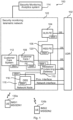
- Fig. 1 is a schematic diagram illustrating a mobile network 100 where embodiments presented herein can be applied. Interfaces (in terms of Ud interface, provisioning interface, customer adaptation interface, network interface) between the entities are also illustrated in Fig. 1 .
- the mobile network 100 comprises a Unified Data Repository (UDR) 102, a security monitoring telemetric network 122, and a security monitoring analytics system 114.
- UDR Unified Data Repository
- the security monitoring telemetric network 122 comprises Front Ends (FEs) such as a Home Location Register (HLR) FE 104, a Home Subscriber Server (HSS) FE 106, and a customer care / provisioning FE 108, a mediation/provisioning entity 110 (or gateway), a customer care system 112, an Operations Support System (OSS) 116, a network node 118 in which the OSS is provided, and Security Monitoring Agents (SMAs) 120.
- the security monitoring analytics system 114 or at least one of the SMAs 120 might comprise a classifier entity 200.
- An Authentication Centre (AuC) might be co-located within the HLR.
- the UDR might represent a Centralized User Database (CUDB).
- CUDB Centralized User Database
- the provisioning FE is an application FE for the purpose of provisioning the UDR.
- the provisioning FE provides means to create, delete, modify and retrieve user data, see 3GPP TS 23.335 version 15.0.0 Release 15, page 9.
- the provisioning gateway provides a single logical point for consistent provisioning of user data for all services in the UDR, see 3GPP TS 32.181 version 15.0.0 Release 15, page 20.
- the UDR is a database that stores MSISDNs and IMSIs which are user identifiers.
- the procedures relating to a SIM swap generally occur from the customer care / provisioning Front-End or mediation / provisioning gateway to an application FE (HLR FE, AuC in the HLR FE, or HSS FE) towards the UDR.
- HLR FE application FE
- AuC in the HLR FE AuC in the HLR FE
- HSS FE HSS FE
- Two or more subscriber entities 130a, 130b are operatively connected to the mobile network 100 via the network node 118.
- UE User Equipment
- subscriber entities 130a, 130b are operatively connected to the mobile network 100 via the network node 118.
- one of the subscriber entities will be denoted a first subscriber entity 130a (and is associated with a first IMSI, denoted IMSI1, and a first MSISDN, denoted MSISDN1) and another of the subscriber entities will be denoted a second subscriber entity 130b (and is associated with a second IMSI, denoted IMSI2, and a second MSISDN, denoted MSISDN2).
- the first subscriber entity 130a will act as a victim of SIM swap fraud whereas the second subscriber entity 130b will act as an attacker performing the SIM swap fraud.
- the herein disclosed embodiments are based on configuring the classifier entity 200 to identify a specific sequence of requests that indicates a high probability of SIM swap fraud occurring in the mobile network 100.
- the embodiments disclosed herein relate to mechanisms for detecting SIM swap fraud.
- a classifier entity 200 a method performed by the classifier entity 200, a computer program product comprising code, for example in the form of a computer program, that when run on a classifier entity 200, causes the classifier entity 200 to perform the method.
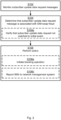
- Fig. 2 is a flowchart illustrating embodiments of methods for detecting SIM swap fraud.
- the methods are performed by the classifier entity 200.
- the methods are advantageously provided as computer programs 620.
- the classifier entity 200 monitors subscriber update data request messages.
- the subscriber update data request messages are sent as part of an update data procedure between a first network entity and a second network entity in the mobile network 100.
- the classifier entity 200 determines that one or more of the subscriber update data request messages is associated with SIM swap fraud. The classifier entity 200 determines this by verifying that the subscriber update data request messages fulfil a set of conditions.
- the set of conditions thus pertain at least to: an MSISDN of a first subscriber entity 130a served in the mobile network 100 within a first predefined timeframe is associated with more than one IMSI, and/or an IMSI of a second subscriber entity 130b served in the mobile network 100 is, within a second predefined timeframe, associated with more than one MSISDN.
- the classifier entity 200 performs, upon the set of conditions being fulfilled for the one or more of the subscriber update data request messages, an action according to which the IMSI of the second subscriber entity 130b is associated with SIM swap fraud.
- Subscriber update data request messages are thus monitored and analyzed to detect a specific pattern of events occurring in the mobile network 100, where the specific pattern of events indicates if a SIM swap fraud is occurring, or has occurred, in the in the mobile network 100 so that an appropriate action can be performed.
- the classifier entity 200 monitors the subscriber update data request messages in S102.
- the classifier entity 200 is configured to in S102 intercept the subscriber update data request messages online.
- the classifier entity 200 is configured to in S102 retrieve the subscriber update data request messages offline.
- the subscriber update data request messages are monitored either by being intercepted online between the first network entity and the second network entity or by being retrieved offline from a database.
- the classifier entity 200 might be configured to intercept the subscriber update data request messages through passive network taps or data transfer from a provisioning system.
- the subscriber update data request messages might be fed into the classifier entity 200 either in-line (proxy) or out of bounds via port mirroring. For retrieval offline from a database, log content from a provisioning system might be fed into the classifier entity 200.
- the subscriber update data request messages are sent, and thus intercepted by the classifier entity 200.
- the subscriber update data request messages are intercepted over the Ud interface, a provisioning interface, a customer adaptation interface or a network interface. These interfaces are illustrated in Fig. 1 .
- the subscriber update data request messages are sent from the second network entity towards the first network entity.
- the second network entity is any of: a customer care / provisioning Front-End, a customer care system, a mediation / provisioning gateway.
- the first network entity is any of: an HLR FE, an AuC in the HLR FE, an HSS FE, and a CUDB in the UDR.
- a subscriber update data request message sent as part of an update data procedure used by an application FE to modify user data in the UDR might thus be intercepted and used by the classifier entity 200.
- the classifier entity might also intercept subscriber update data request messages between the OSS or anther node (e.g., customer care system) over a provisioning interface towards the provisioning FE or provisioning gateway as opposed to over the Ud interface.
- the subscriber update data request messages are sent over the Ud interface between any of an HLR FE, AuC in the HLR FE, or HSS FE, and a mediation / provisioning gateway.
- the subscriber update data request messages are sent over the provisioning interface between any of an OSS, other customer care system, or mediation system and any of a provisioning FE, or a provisioning gateway.
- the subscriber update data request messages are sent over the customer adaptation interface towards a mediation / provisioning gateway, or a subscriber data management system, which issues the relevant messages towards any of an HLR FE, HSS FE, and CUDB in the UDR.
- subscriber update data request messages There might be different types of subscriber update data request messages.
- the type of subscriber update data request message depends on over which interface the message is sent and between what types of network entities the message is sent.
- the subscriber update data request messages might pertain to modifying user data in the UDR.
- the subscriber update data request messages might thus be update data request messages sent as part of the update data procedure to modify user data in the UDR.
- the determination involves checking whether the subscriber update data request messages can be matched to an initial event invoking the update data procedure with a customer care system in the mobile network 100.
- the classifier entity 200 is configured to perform S104a as part of the determination in S104: S104a: The classifier entity 200 verifies that the one or more of the subscriber update data request messages cannot be matched to any initial event invoking the update data procedure with a customer care system in the mobile network 100.
- a first scenario where the one or more of the subscriber update data request messages that the classifier entity 200 monitors are indicative of SIM swap fraud is where it could be suspected that one or more of the subscriber update data request messages pertains to the MSISDN of the first subscriber entity 130a being swapped to the IMSI of the second subscriber entity 130b.
- the one or more of the subscriber update data request messages pertains to a first move of the MSISDN of the first subscriber entity 130a to be associated with the IMSI of the second subscriber entity 130b.
- a second scenario where the one or more of the subscriber update data request messages that the classifier entity 200 monitors are indicative of SIM swap fraud is where it could be suspected that one or more of the subscriber update data request messages pertains to the MSISDN of the first subscriber entity 130a being swapped back to the IMSI of the first subscriber entity 130a.
- the one or more of the subscriber update data request messages pertains to a second move of the MSISDN of the first subscriber entity 130a back to be associated with the IMSI of the first subscriber entity 130a.
- the classifier entity 200 might be configured to, when monitoring the subscriber update data request messages, measure the amount of time between when the MSISDN of the first subscriber entity 130a being swapped to the IMSI of the second subscriber entity 130b and when the MSISDN of the first subscriber entity 130a being swapped back to the IMSI of the first subscriber entity 130a. This represents a combination of the first scenario and the second scenario.
- the classifier entity 200 might therefore be configured to, when monitoring the subscriber update data request messages, start a timer when the one or more of the subscriber update data request messages pertains to a first move of the MSISDN of the first subscriber entity 130a to be associated with the IMSI of the second subscriber entity 130b, and stop the timer when the one or more of the subscriber update data request messages pertains to a second move of the MSISDN of the first subscriber entity 130a back to be associated with the IMSI of the first subscriber entity 130a.
- the classifier entity 200 might then compare the time duration between when the timer was started and when the timer was stopped to the first predefined timeframe.
- the set of conditions further pertains to the second move occurring within a time threshold, corresponding to the first predefined timeframe, from the first move having occurred. If, within the first predefined timeframe, the MSISDN of the first subscriber entity 130a has its IMSI changed twice, with the IMSI of the second change being the IMSI of the first subscriber entity 130a and the IMSI of the first change being the IMSI of the second subscriber entity 130b, this increases the probability that the second subscriber entity 130b is performing SIM swap fraud.
- An attacker might repeatedly swap the MSISDN of the victim across multiple IMSIs in sequence in an attempt to make it more difficult to identify the IMSI of the attacker.
- a third scenario where the one or more of the subscriber update data request messages that the classifier entity 200 monitors are indicative of SIM swap fraud is thus where it could be suspected that one or more of the subscriber update data request messages pertains to the MSISDN of the first subscriber entity 130a is swapped, in turn, to two or more respective IMSIs of one or more second subscriber entities.
- the set of conditions further pertains to there, within a time threshold corresponding to a third predefined timeframe, being sent two or more of the subscriber update data request messages that pertain to moves of the MSISDN of the first subscriber entity 130a to be associated respective IMSIs of the second subscriber entity 130b. If, within the third predefined timeframe, the MSISDN of the first subscriber entity 130a has its IMSI changed more than twice, with the IMSI of the last change being the IMSI of the first subscriber entity 130a and the IMSI of any of the other changes being the IMSI of the second subscriber entity 130b, this increases the probability that the second subscriber entity 130b is performing SIM swap fraud.
- the one or more of the subscriber update data request messages pertains to a respective first move of MSISDNs of two or more first subscriber entities in the mobile network 100 to be associated with one and the same IMSI of the second subscriber entity 130b. This might indicate that the second subscriber entity 130b is performing SIM swap fraud.
- the one or more of the subscriber update data request messages pertains to the MSISDNs of two or more first subscriber entities being swapped back to the respective IMSIs of the two or more first subscriber entities, this could be an indication of that the two or more first subscriber entities are victims of SIM swap fraud.
- the one or more of the subscriber update data request messages pertains to a respective second move of the MSISDNs of the two or more first subscriber entities back to be associated with the respective IMSIs of the two or more first subscriber entities.
- the classifier entity 200 might be configured to, when monitoring the subscriber update data request messages, measure the amount of time between when the respective MSISDNs of the two or more first subscriber entities being swapped to the IMSI of the second subscriber entity 130b and when the respective MSISDNs of the two or more first subscriber entities being swapped back to the respective IMSIs of the two or more first subscriber entities.
- this might be implemented by starting and stopping timers.
- the set of conditions further pertains to all the respective second moves occurring within a time threshold, corresponding to the second predefined timeframe, from all respective first moves having occurred.
- the IMSI of the second subscriber entity 130b is associated with MSISDNs of two or more first subscriber entities, this increases the probability that the second subscriber entity 130b is performing SIM swap fraud.
- the second subscriber entity 130b is identified as performing SIM swap fraud.
- the second subscriber entity 130b as a result of the set of conditions being fulfilled, is by the classifier entity 200 identified as being responsible of the SIM swap fraud.
- the classifier entity 200 is configured to perform in S106.
- operation of the IMSI of the second subscriber entity 130b is blocked.
- the classifier entity 200 is configured to perform S106a as part of the determination in S106: S106a: The classifier entity 200 initiates blocking operation of the IMSI of the second subscriber entity 130b served in the mobile network 100.
- the classifier entity 200 is configured to perform S106b as part of the determination in S106: S106b: The classifier entity 200 reports the IMSI of the second subscriber entity 130b to a network management system.
- S106a is performed in combination with that the classifier entity 200 is configured to in S102 intercept the subscriber update data request messages online.
- S106b is performed in combination with that the classifier entity 200 is configured to in S102 retrieve the subscriber update data request messages offline.
- the IMSIs used for the SIM swap fraud might thus be identified and either blocked during real-time analysis or reported during offline analysis.
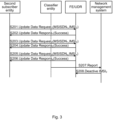
- the first subscriber entity 130a represents the victim of the SIM swap fraud and is associated with a first MSISDN, denoted MSISDN1, and a first IMSI, denoted IMSI1
- the second subscriber entity 130b represents the attacker and is associated with a second MSISDN, denoted MSISDN2, and a second IMSI, denoted IMSI2.
- the second subscriber entity 130b requests, by causing the second network entity to send a subscriber update data request message to the FE/UDR, MSISDN1 to be associated with IMSI2.
- S202 The FE/UDR, upon having been updated accordingly, responds with a subscriber update data response message indicating success of the request.
- S203 The second subscriber entity 130b requests, by causing the second network entity to send a subscriber update data request message to the FE/UDR, MSISDN1 to again be associated with IMSI1.
- S204 The FE/UDR, upon having been updated accordingly, responds with a subscriber update data response message indicating success of the request.
- the second subscriber entity 130b requests, by causing the second network entity to send a subscriber update data request message to the FE/UDR, the MSISDN (denoted MSISDNx) of another first subscriber entity representing another victim of the SIM swap fraud to be associated with IMSI2.
- S206 The FE/UDR, upon having been updated accordingly, responds with a subscriber update data response message indicating success of the request.
- the second subscriber entity 130b might then, similar as in S203 and S204, request MSISDNx to again be associated with said another first subscriber entity representing said another victim.
- IMSI2 is associated with three different MSISDNs; first its own MSISDN, i.e., MSISDN2, then MSISDN1 belonging to the first victim, and then MSISDNx belonging to the second victim.
- the classifier entity 200 is thus enabled to, depending on its configuration, detect the SIM swap fraud and identify the second subscriber entity 130b as responsible for the SIM swap fraud and report this as in S207:
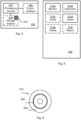
- Fig. 4 schematically illustrates, in terms of a number of functional units, the components of a classifier entity 200 according to an embodiment.
- Processing circuitry 210 is provided using any combination of one or more of a suitable central processing unit (CPU), multiprocessor, microcontroller, digital signal processor (DSP), etc., capable of executing software instructions stored in a computer program product 610 (as in Fig. 6 ), e.g. in the form of a storage medium 230.
- the processing circuitry 210 may further be provided as at least one application specific integrated circuit (ASIC), or field programmable gate array (FPGA).
- ASIC application specific integrated circuit
- FPGA field programmable gate array
- the processing circuitry 210 is configured to cause the classifier entity 200 to perform a set of operations, or steps, as disclosed above.
- the storage medium 230 may store the set of operations
- the processing circuitry 210 may be configured to retrieve the set of operations from the storage medium 230 to cause the classifier entity 200 to perform the set of operations.
- the set of operations may be provided as a set of executable instructions.
- the processing circuitry 210 is thereby arranged to execute methods as herein disclosed.
- the storage medium 230 may also comprise persistent storage, which, for example, can be any single one or combination of magnetic memory, optical memory, solid state memory or even remotely mounted memory.
- the classifier entity 200 may further comprise a communications interface 220 at least configured for communications with other entities, node, functions, and devices of the mobile network 100.
- the communications interface 220 may comprise one or more transmitters and receivers, comprising analogue and digital components.
- the processing circuitry 210 controls the general operation of the classifier entity 200 e.g. by sending data and control signals to the communications interface 220 and the storage medium 230, by receiving data and reports from the communications interface 220, and by retrieving data and instructions from the storage medium 230.
- Other components, as well as the related functionality, of the classifier entity 200 are omitted in order not to obscure the concepts presented herein.
- Fig. 5 schematically illustrates, in terms of a number of functional modules, the components of a classifier entity 200 according to an embodiment.
- the classifier entity 200 of Fig. 5 comprises a number of functional modules; a monitor module 210 configured to perform step S102, a determine module 210b configured to perform step S104, and an action module 210d configured to perform step S106.
- the classifier entity 200 of Fig. 5 may further comprise a number of optional functional modules, such as any of a verify module 210c configured to perform step S104a, an initiate module 210e configured to perform step S106a, and a report module 210f configured to perform step S106b.
- each functional module 210a-210f may in one embodiment be implemented only in hardware and in another embodiment with the help of software, i.e., the latter embodiment having computer program instructions stored on the storage medium 230 which when run on the processing circuitry makes the classifier entity 200 perform the corresponding steps mentioned above in conjunction with Fig 5 .
- the modules correspond to parts of a computer program, they do not need to be separate modules therein, but the way in which they are implemented in software is dependent on the programming language used.
- one or more or all functional modules 210a-210f may be implemented by the processing circuitry 210, possibly in cooperation with the communications interface 220 and/or the storage medium 230.
- the processing circuitry 210 may thus be configured to from the storage medium 230 fetch instructions as provided by a functional module 210a-210f and to execute these instructions, thereby performing any steps as disclosed herein.
- the classifier entity 200 may be provided as a standalone device or as a part of at least one further device. As disclosed above, the classifier entity 200 might be part of a Security Monitoring Agent. The classifier entity 200 may be provided in a node of the radio access network or in a node of the core network. Alternatively, functionality of the classifier entity 200 may be distributed between at least two devices, or nodes. These at least two nodes, or devices, may either be part of the same network part (such as the radio access network or the core network) or may be spread between at least two such network parts.
- a first portion of the instructions performed by the classifier entity 200 may be executed in a first device, and a second portion of the of the instructions performed by the classifier entity 200 may be executed in a second device; the herein disclosed embodiments are not limited to any particular number of devices on which the instructions performed by the classifier entity 200 may be executed.
- the methods according to the herein disclosed embodiments are suitable to be performed by a classifier entity 200 residing in a cloud computational environment. Therefore, although a single processing circuitry 210 is illustrated in Fig. 4 the processing circuitry 210 may be distributed among a plurality of devices, or nodes. The same applies to the functional modules 210a-210f of Fig. 5 and the computer program 620 of Fig. 6 .
- Fig. 6 shows one example of a computer program product 610 comprising computer readable storage medium 630.
- a computer program 620 can be stored, which computer program 620 can cause the processing circuitry 210 and thereto operatively coupled entities and devices, such as the communications interface 220 and the storage medium 230, to execute methods according to embodiments described herein.
- the computer program 620 and/or computer program product 610 may thus provide means for performing any steps as herein disclosed.
- the computer program product 610 is illustrated as an optical disc, such as a CD (compact disc) or a DVD (digital versatile disc) or a Blu-Ray disc.
- the computer program product 610 could also be embodied as a memory, such as a random access memory (RAM), a read-only memory (ROM), an erasable programmable read-only memory (EPROM), or an electrically erasable programmable read-only memory (EEPROM) and more particularly as a non-volatile storage medium of a device in an external memory such as a USB (Universal Serial Bus) memory or a Flash memory, such as a compact Flash memory.
- the computer program 620 is here schematically shown as a track on the depicted optical disk, the computer program 620 can be stored in any way which is suitable for the computer program product 610.
Landscapes
- Engineering & Computer Science (AREA)
- Computer Security & Cryptography (AREA)
- Computer Networks & Wireless Communication (AREA)
- Signal Processing (AREA)
- Mobile Radio Communication Systems (AREA)
Claims (17)
- Verfahren zur Erkennung eines SIM-Kartenwechselbetrugs, wobei das Verfahren von einer Klassifikator-Entität (200) durchgeführt wird, und das Verfahren umfasst:Überwachen (S102) von Teilnehmeraktualisierungsdaten-Anforderungsnachrichten, die als Teil einer Aktualisierungsdatenprozedur zwischen einer ersten Netzwerk-Entität und einer zweiten Netzwerk-Entität in einem Mobilfunknetzwerk (100) gesendet werden;Bestimmen (S104), dass eine oder mehrere der Teilnehmeraktualisierungsdaten-Anforderungsnachrichten mit einem SIM-Kartenwechselbetrug assoziiert sind, indem verifiziert wird, dass die Teilnehmeraktualisierungsdaten-Anforderungsnachrichten einen Satz von Bedingungen erfüllen, der zumindest Folgendes betrifft: eine MSISDN einer ersten Teilnehmer-Entität (130a) im Mobilfunknetzwerk (100) innerhalb eines ersten vordefinierten Zeitrahmens ist mit mehr als einer IMSI assoziiert und/oder eine IMSI einer zweiten Teilnehmer-Entität (130b) im Mobilfunknetzwerk (100) innerhalb eines zweiten vordefinierten Zeitrahmens ist mit mehr als einer MSISDN assoziiert; undDurchführen (S106) einer Aktion, gemäß der die IMSI der zweiten Teilnehmer-Entität (130b) mit dem SIM-Kartenwechselbetrug assoziiert wird, wenn der Satz von Bedingungen für die eine oder die mehreren Teilnehmeraktualisierungsdaten-Anforderungsnachrichten erfüllt wird.
- Verfahren nach Anspruch 1, wobei das Bestimmen umfasst:
Verifizieren (S104a), dass die eine oder die mehreren Teilnehmeraktualisierungsdaten-Anforderungsnachrichten mit keinem anfänglichen Ereignis übereinstimmen, das die Aktualisierungsdatenprozedur mit einem Kundenbetreuungssystem im Mobilfunknetzwerk (100) aufruft. - Verfahren nach Anspruch 1 oder 2, wobei die eine oder die mehreren der Teilnehmeraktualisierungsdaten-Anforderungsnachrichten eine erste Verschiebung der mit der IMSI der zweiten Teilnehmer-Entität (130b) zu assoziierenden MSISDN der ersten Teilnehmer-Entität (130a) betreffen.
- Verfahren nach Anspruch 3, wobei die eine oder die mehreren der Teilnehmeraktualisierungsdaten-Anforderungsnachrichten eine zweite Verschiebung zurück der mit der IMSI der ersten Teilnehmer-Entität (130a) zu assoziierenden MSISDN der ersten Teilnehmer-Entität (130a) betreffen.
- Verfahren nach Anspruch 4, wobei der Satz von Bedingungen ferner die zweite Verschiebung betrifft, die innerhalb einer Zeitschwelle, die dem ersten vordefinierten Zeitrahmen entspricht, ab dem Eintritt der ersten Verschiebung eintritt.
- Verfahren nach einem der vorhergehenden Ansprüche, wobei der Satz von Bedingungen sich ferner darauf bezieht, dass innerhalb einer Zeitschwelle, die einem dritten vordefinierten Zeitrahmen entspricht, zwei oder mehr der Teilnehmeraktualisierungsdaten-Anforderungsnachrichten gesendet werden, die Verschiebungen der mit jeweiligen IMSIs der zweiten Teilnehmer-Entität (130b) zu assoziierenden MSISDN der ersten Teilnehmer-Entität (130a) betreffen.
- Verfahren nach einem der vorhergehenden Ansprüche, wobei die eine oder die mehreren der Teilnehmeraktualisierungsdaten-Anforderungsnachrichten eine jeweilige erste Verschiebung von mit ein und derselben IMSI der zweiten Teilnehmer-Entität (130b) zu assoziierenden MSISDNs von zwei oder mehr ersten Teilnehmer-Entitäten im Mobilfunknetzwerk (100) betreffen.
- Verfahren nach Anspruch 7, wobei die eine oder die mehreren der Teilnehmeraktualisierungsdaten-Anforderungsnachrichten eine jeweilige zweite Verschiebung zurück der mit der IMS der zwei oder mehr ersten Teilnehmer-Entitäten zu assoziierenden MSISDNs der zwei oder mehr ersten Teilnehmer-Entitäten betreffen.
- Verfahren nach Anspruch 8, wobei der Satz von Bedingungen ferner alle jeweiligen zweiten Verschiebungen betrifft, die innerhalb einer Zeitschwelle, die dem zweiten vordefinierten Zeitrahmen entspricht, ab dem Eintritt aller jeweiligen ersten Verschiebungen eintreten.
- Verfahren nach einem der vorhergehenden Ansprüche, wobei die zweite Teilnehmer-Entität (130b) als Ergebnis der Erfüllung des Satzes von Bedingungen durch die Klassifikator-Entität (200) als für den SIM-Kartenwechselbetrug verantwortlich identifiziert wird.
- Verfahren nach einem der vorhergehenden Ansprüche, wobei die Teilnehmeraktualisierungsdaten-Anforderungsnachrichten entweder dadurch, dass sie online zwischen der ersten Netzwerk-Entität und der zweiten Netzwerk-Entität abgefangen werden, oder dadurch überwacht werden, dass sie offline von einer Datenbank abgerufen werden.
- Verfahren nach Anspruch 11, wobei die Teilnehmeraktualisierungsdaten-Anforderungsnachrichten über die Ud-Schnittstelle, eine Bereitstellungsschnittstelle, eine Kundenanpassungsschnittstelle oder eine Netzwerkschnittstelle abgefangen werden.
- Verfahren nach einem der vorhergehenden Ansprüche, wobei die Teilnehmeraktualisierungsdaten-Anforderungsnachrichten von der zweiten Netzwerk-Entität, die eines von einem Kundenbetreuungs-/Bereitstellungs-Frontend, einem Kundenbetreuungssystem, einem Vermittlungs-/Bereitstellungs-Gateway ist, an die erste Netzwerk-Entität gesendet werden, die eines von einem Heimatregister-Frontend, einer Authentifizierungsstelle, einem Heimat-Teilnehmerserver-Frontend und einer zentralen Benutzerdatenbank in einem einheitlichen Daten-Repository ist.
- Verfahren nach einem der vorhergehenden Ansprüche, wobei die Teilnehmeraktualisierungsdaten-Anforderungsnachrichten ein Modifizieren von Benutzerdaten in einem einheitlichen Daten-Repository betreffen.
- Klassifikator-Entität (200) zum Erkennen eines SIM-Kartenwechselbetrugs, wobei die Klassifikator-Entität (200) Verarbeitungsschaltungsanordnung (210) umfasst, wobei die Verarbeitungsschaltungsanordnung so konfiguriert ist, dass sie die Klassifikator-Entität (200) veranlasst zum:Überwachen von Teilnehmeraktualisierungsdaten-Anforderungsnachrichten, die als Teil einer Aktualisierungsdatenprozedur zwischen einer ersten Netzwerkentität und einer zweiten Netzwerkentität in einem Mobilfunknetzwerk (100) gesendet werden;Bestimmen, dass eine oder mehrere der Teilnehmeraktualisierungsdaten-Anforderungsnachrichten mit einem SIM-Kartenwechselbetrug assoziiert sind, indem verifiziert wird, dass die Teilnehmeraktualisierungsdaten-Anforderungsnachrichten einen Satz von Bedingungen erfüllen, der zumindest Folgendes betrifft: eine MSISDN einer ersten Teilnehmer-Entität (130a) im Mobilfunknetzwerk (100) innerhalb eines ersten vordefinierten Zeitrahmens ist mit mehr als einer IMSI assoziiert und/oder eine IMSI einer zweiten Teilnehmer-Entität (130b) im Mobilfunknetzwerk (100) innerhalb eines zweiten vordefinierten Zeitrahmens ist mit mehr als einer MSISDN assoziiert; undDurchführen einer Aktion, gemäß der die IMSI der zweiten Teilnehmer-Entität (130b) mit dem SIM-Kartenwechselbetrug assoziiert wird, wenn der Satz von Bedingungen für die eine oder die mehreren Teilnehmeraktualisierungsdaten-Anforderungsnachrichten erfüllt wird.
- Klassifikator-Entität (200) nach Anspruch 15, die ferner zum Durchführen des Verfahrens nach einem der Ansprüche 2 bis 14 konfiguriert ist.
- Computerprogramm (620) zum Erkennen eines SIM-Kartenwechselbetrugs, wobei das Computerprogramm Computercode umfasst, der bei Ausführung auf Verarbeitungsschaltungsanordnung (210) einer Klassifikator-Entität (200) die Klassifikator-Entität (200) veranlasst zum:Überwachen (S102) von Teilnehmeraktualisierungsdaten-Anforderungsnachrichten, die als Teil einer Aktualisierungsdatenprozedur zwischen einer ersten Netzwerk-Entität und einer zweiten Netzwerk-Entität in einem Mobilfunknetzwerk (100) gesendet werden;Bestimmen (S104), dass eine oder mehrere der Teilnehmeraktualisierungsdaten-Anforderungsnachrichten mit einem SIM-Kartenwechselbetrug assoziiert sind, indem verifiziert wird, dass die Teilnehmeraktualisierungsdaten-Anforderungsnachrichten einen Satz von Bedingungen erfüllen, der zumindest Folgendes betrifft: eine MSISDN einer ersten Teilnehmer-Entität (130a) im Mobilfunknetzwerk (100) innerhalb eines ersten vordefinierten Zeitrahmens ist mit mehr als einer IMSI assoziiert und/oder eine IMSI einer zweiten Teilnehmer-Entität (130b) im Mobilfunknetzwerk (100) innerhalb eines zweiten vordefinierten Zeitrahmens ist mit mehr als einer MSISDN assoziiert; undDurchführen (S106) einer Aktion, gemäß der die IMSI der zweiten Teilnehmer-Entität (130b) mit dem SIM-Kartenwechselbetrug assoziiert wird, wenn der Satz von Bedingungen für die eine oder die mehreren Teilnehmeraktualisierungsdaten-Anforderungsnachrichten erfüllt wird.
Applications Claiming Priority (1)
| Application Number | Priority Date | Filing Date | Title |
|---|---|---|---|
| PCT/EP2019/079622 WO2021083503A1 (en) | 2019-10-30 | 2019-10-30 | Sim swap fraud detection |
Publications (2)
| Publication Number | Publication Date |
|---|---|
| EP4052499A1 EP4052499A1 (de) | 2022-09-07 |
| EP4052499B1 true EP4052499B1 (de) | 2024-01-10 |
Family
ID=68426450
Family Applications (1)
| Application Number | Title | Priority Date | Filing Date |
|---|---|---|---|
| EP19797652.5A Active EP4052499B1 (de) | 2019-10-30 | 2019-10-30 | Erkennung von sim-kartenwechselbetrug |
Country Status (3)
| Country | Link |
|---|---|
| US (1) | US12302108B2 (de) |
| EP (1) | EP4052499B1 (de) |
| WO (1) | WO2021083503A1 (de) |
Families Citing this family (6)
| Publication number | Priority date | Publication date | Assignee | Title |
|---|---|---|---|---|
| US11902786B1 (en) * | 2021-09-03 | 2024-02-13 | T-Mobile Usa, Inc. | SIM swap fraud prevention |
| US12041453B2 (en) * | 2021-09-23 | 2024-07-16 | At&T Intellectual Property I, L.P. | Carrier grade identification of subscriber identity module card-related fraudulent events |
| US12425850B2 (en) | 2022-09-23 | 2025-09-23 | At&T Intellectual Property I, L.P. | Telecommuncation network verification for two-factor authentication |
| US12363087B2 (en) * | 2022-11-17 | 2025-07-15 | At&T Intellectual Property I, L.P. | Machine learning model feature sharing for subscriber identity module hijack prevention |
| WO2025126225A1 (en) * | 2023-12-13 | 2025-06-19 | Jio Platforms Limited | System and method for managing a subscriber identity module (sim) swap information |
| US12598470B2 (en) * | 2024-08-12 | 2026-04-07 | T-Mobile Innovations Llc | Using subscriber identity module (SIM) card as a security key for SIM swap fraud prevention |
Family Cites Families (6)
| Publication number | Priority date | Publication date | Assignee | Title |
|---|---|---|---|---|
| US20030212616A1 (en) * | 2002-05-09 | 2003-11-13 | Casabyte, Inc. | Method, apparatus and article to remotely associate wireless communications devices with subscriber identities and/or proxy wireless communications devices |
| AP3366A (en) | 2008-09-19 | 2015-07-31 | Knowledge Farm Investiments Cc | A method of communicating with a wireless device |
| US9384479B2 (en) * | 2012-03-15 | 2016-07-05 | Moqom Limited | Mobile phone takeover protection system and method |
| GB2517276B (en) | 2014-06-18 | 2015-09-30 | Validsoft Uk Ltd | Detecting porting or redirection of a mobile telephone number |
| AU2016204016B2 (en) | 2015-06-17 | 2020-11-05 | Truteq International (Pty) Ltd | A method and system for authenticating a messaging route with a mobile subscriber of a mobile device |
| US11019063B2 (en) * | 2017-08-23 | 2021-05-25 | Jpmorgan Chase Bank, N.A. | System and method for aggregating client data and cyber data for authentication determinations |
-
2019
- 2019-10-30 US US17/772,814 patent/US12302108B2/en active Active
- 2019-10-30 WO PCT/EP2019/079622 patent/WO2021083503A1/en not_active Ceased
- 2019-10-30 EP EP19797652.5A patent/EP4052499B1/de active Active
Also Published As
| Publication number | Publication date |
|---|---|
| US20220400384A1 (en) | 2022-12-15 |
| EP4052499A1 (de) | 2022-09-07 |
| WO2021083503A1 (en) | 2021-05-06 |
| US12302108B2 (en) | 2025-05-13 |
Similar Documents
| Publication | Publication Date | Title |
|---|---|---|
| EP4052499B1 (de) | Erkennung von sim-kartenwechselbetrug | |
| EP3834450B1 (de) | Methoden, systeme und computer-lesbare medien zur durchführung einer zeitunterschieds-sicherheits- gegenmassnahme für ausgangs-roaming-teilnehmer unter verwendung eines diameter edge agent | |
| EP4055896B1 (de) | Verfahren und vorrichtungen zum verwalten kompromittierter kommunikationsvorrichtungen in einem kommunikationsnetz | |
| EP1865744B1 (de) | Geräteerkennung in mobilen Netzwerken | |
| EP3993471B1 (de) | Sim-kartenwechsel-betrugsschutz durch passive überwachung | |
| KR101550482B1 (ko) | 비정상 검출 방법 및 디바이스 | |
| US20230085233A1 (en) | Cloud-based spam detection | |
| CN100381006C (zh) | 用于获得通信网络中被监控用户的识别信息的方法和系统 | |
| WO2019018243A1 (en) | DATA ENHANCEMENTS FOR ESIM PROFILE OPERATIONS RECALLS | |
| US12137346B2 (en) | Classifier-based message routing in a telecommunications network | |
| EP2756703B1 (de) | Verfahren zum schutz vor betrug oder vor missbrauch bei verwendung eines bestimmten dienstes eines öffentlichen landfunknetzes durch ein benutzergerät, teilnehmeridentitätsmodul und anwendungsprogramm | |
| US8897809B2 (en) | Method and system to automatically identify unknown identities | |
| US8380165B1 (en) | Identifying a cloned mobile device in a communications network | |
| US20230164740A1 (en) | Learning apparatus, determination system, learning method, and non-transitory computer readable medium | |
| US9374474B1 (en) | System, method, and computer program for detecting duplicated telecommunications events in a consumer telecommunications network | |
| US20220295259A1 (en) | Conditional message routing in a telecommunications network | |
| US10506096B2 (en) | Generation of information based on event data of a call | |
| US12598470B2 (en) | Using subscriber identity module (SIM) card as a security key for SIM swap fraud prevention | |
| IE20140006U1 (en) | Mobile phone SIM takeover protection | |
| IE20130096U1 (en) | Mobile phone SIM takeover protection |
Legal Events
| Date | Code | Title | Description |
|---|---|---|---|
| STAA | Information on the status of an ep patent application or granted ep patent |
Free format text: STATUS: UNKNOWN |
|
| STAA | Information on the status of an ep patent application or granted ep patent |
Free format text: STATUS: THE INTERNATIONAL PUBLICATION HAS BEEN MADE |
|
| PUAI | Public reference made under article 153(3) epc to a published international application that has entered the european phase |
Free format text: ORIGINAL CODE: 0009012 |
|
| STAA | Information on the status of an ep patent application or granted ep patent |
Free format text: STATUS: REQUEST FOR EXAMINATION WAS MADE |
|
| 17P | Request for examination filed |
Effective date: 20220316 |
|
| AK | Designated contracting states |
Kind code of ref document: A1 Designated state(s): AL AT BE BG CH CY CZ DE DK EE ES FI FR GB GR HR HU IE IS IT LI LT LU LV MC MK MT NL NO PL PT RO RS SE SI SK SM TR |
|
| DAV | Request for validation of the european patent (deleted) | ||
| DAX | Request for extension of the european patent (deleted) | ||
| REG | Reference to a national code |
Ref country code: DE Ref legal event code: R079 Free format text: PREVIOUS MAIN CLASS: H04W0012120000 Ipc: H04W0012126000 Ref country code: DE Ref legal event code: R079 Ref document number: 602019044951 Country of ref document: DE Free format text: PREVIOUS MAIN CLASS: H04W0012120000 Ipc: H04W0012126000 |
|
| RIC1 | Information provided on ipc code assigned before grant |
Ipc: H04W 12/126 20210101AFI20230712BHEP |
|
| GRAP | Despatch of communication of intention to grant a patent |
Free format text: ORIGINAL CODE: EPIDOSNIGR1 |
|
| STAA | Information on the status of an ep patent application or granted ep patent |
Free format text: STATUS: GRANT OF PATENT IS INTENDED |
|
| INTG | Intention to grant announced |
Effective date: 20230829 |
|
| GRAS | Grant fee paid |
Free format text: ORIGINAL CODE: EPIDOSNIGR3 |
|
| GRAA | (expected) grant |
Free format text: ORIGINAL CODE: 0009210 |
|
| STAA | Information on the status of an ep patent application or granted ep patent |
Free format text: STATUS: THE PATENT HAS BEEN GRANTED |
|
| AK | Designated contracting states |
Kind code of ref document: B1 Designated state(s): AL AT BE BG CH CY CZ DE DK EE ES FI FR GB GR HR HU IE IS IT LI LT LU LV MC MK MT NL NO PL PT RO RS SE SI SK SM TR |
|
| REG | Reference to a national code |
Ref country code: GB Ref legal event code: FG4D |
|
| REG | Reference to a national code |
Ref country code: CH Ref legal event code: EP |
|
| REG | Reference to a national code |
Ref country code: DE Ref legal event code: R096 Ref document number: 602019044951 Country of ref document: DE |
|
| REG | Reference to a national code |
Ref country code: IE Ref legal event code: FG4D |
|
| REG | Reference to a national code |
Ref country code: LT Ref legal event code: MG9D |
|
| REG | Reference to a national code |
Ref country code: NL Ref legal event code: MP Effective date: 20240110 |
|
| REG | Reference to a national code |
Ref country code: AT Ref legal event code: MK05 Ref document number: 1649816 Country of ref document: AT Kind code of ref document: T Effective date: 20240110 |
|
| PG25 | Lapsed in a contracting state [announced via postgrant information from national office to epo] |
Ref country code: NL Free format text: LAPSE BECAUSE OF FAILURE TO SUBMIT A TRANSLATION OF THE DESCRIPTION OR TO PAY THE FEE WITHIN THE PRESCRIBED TIME-LIMIT Effective date: 20240110 |
|
| PG25 | Lapsed in a contracting state [announced via postgrant information from national office to epo] |
Ref country code: NL Free format text: LAPSE BECAUSE OF FAILURE TO SUBMIT A TRANSLATION OF THE DESCRIPTION OR TO PAY THE FEE WITHIN THE PRESCRIBED TIME-LIMIT Effective date: 20240110 |
|
| PG25 | Lapsed in a contracting state [announced via postgrant information from national office to epo] |
Ref country code: IS Free format text: LAPSE BECAUSE OF FAILURE TO SUBMIT A TRANSLATION OF THE DESCRIPTION OR TO PAY THE FEE WITHIN THE PRESCRIBED TIME-LIMIT Effective date: 20240510 |
|
| PG25 | Lapsed in a contracting state [announced via postgrant information from national office to epo] |
Ref country code: LT Free format text: LAPSE BECAUSE OF FAILURE TO SUBMIT A TRANSLATION OF THE DESCRIPTION OR TO PAY THE FEE WITHIN THE PRESCRIBED TIME-LIMIT Effective date: 20240110 |
|
| PG25 | Lapsed in a contracting state [announced via postgrant information from national office to epo] |
Ref country code: GR Free format text: LAPSE BECAUSE OF FAILURE TO SUBMIT A TRANSLATION OF THE DESCRIPTION OR TO PAY THE FEE WITHIN THE PRESCRIBED TIME-LIMIT Effective date: 20240411 |
|
| PG25 | Lapsed in a contracting state [announced via postgrant information from national office to epo] |
Ref country code: RS Free format text: LAPSE BECAUSE OF FAILURE TO SUBMIT A TRANSLATION OF THE DESCRIPTION OR TO PAY THE FEE WITHIN THE PRESCRIBED TIME-LIMIT Effective date: 20240410 Ref country code: HR Free format text: LAPSE BECAUSE OF FAILURE TO SUBMIT A TRANSLATION OF THE DESCRIPTION OR TO PAY THE FEE WITHIN THE PRESCRIBED TIME-LIMIT Effective date: 20240110 |
|
| PG25 | Lapsed in a contracting state [announced via postgrant information from national office to epo] |
Ref country code: ES Free format text: LAPSE BECAUSE OF FAILURE TO SUBMIT A TRANSLATION OF THE DESCRIPTION OR TO PAY THE FEE WITHIN THE PRESCRIBED TIME-LIMIT Effective date: 20240110 |
|
| PG25 | Lapsed in a contracting state [announced via postgrant information from national office to epo] |
Ref country code: AT Free format text: LAPSE BECAUSE OF FAILURE TO SUBMIT A TRANSLATION OF THE DESCRIPTION OR TO PAY THE FEE WITHIN THE PRESCRIBED TIME-LIMIT Effective date: 20240110 |
|
| PG25 | Lapsed in a contracting state [announced via postgrant information from national office to epo] |
Ref country code: RS Free format text: LAPSE BECAUSE OF FAILURE TO SUBMIT A TRANSLATION OF THE DESCRIPTION OR TO PAY THE FEE WITHIN THE PRESCRIBED TIME-LIMIT Effective date: 20240410 Ref country code: NO Free format text: LAPSE BECAUSE OF FAILURE TO SUBMIT A TRANSLATION OF THE DESCRIPTION OR TO PAY THE FEE WITHIN THE PRESCRIBED TIME-LIMIT Effective date: 20240410 Ref country code: LT Free format text: LAPSE BECAUSE OF FAILURE TO SUBMIT A TRANSLATION OF THE DESCRIPTION OR TO PAY THE FEE WITHIN THE PRESCRIBED TIME-LIMIT Effective date: 20240110 Ref country code: IS Free format text: LAPSE BECAUSE OF FAILURE TO SUBMIT A TRANSLATION OF THE DESCRIPTION OR TO PAY THE FEE WITHIN THE PRESCRIBED TIME-LIMIT Effective date: 20240510 Ref country code: HR Free format text: LAPSE BECAUSE OF FAILURE TO SUBMIT A TRANSLATION OF THE DESCRIPTION OR TO PAY THE FEE WITHIN THE PRESCRIBED TIME-LIMIT Effective date: 20240110 Ref country code: GR Free format text: LAPSE BECAUSE OF FAILURE TO SUBMIT A TRANSLATION OF THE DESCRIPTION OR TO PAY THE FEE WITHIN THE PRESCRIBED TIME-LIMIT Effective date: 20240411 Ref country code: ES Free format text: LAPSE BECAUSE OF FAILURE TO SUBMIT A TRANSLATION OF THE DESCRIPTION OR TO PAY THE FEE WITHIN THE PRESCRIBED TIME-LIMIT Effective date: 20240110 Ref country code: BG Free format text: LAPSE BECAUSE OF FAILURE TO SUBMIT A TRANSLATION OF THE DESCRIPTION OR TO PAY THE FEE WITHIN THE PRESCRIBED TIME-LIMIT Effective date: 20240110 Ref country code: AT Free format text: LAPSE BECAUSE OF FAILURE TO SUBMIT A TRANSLATION OF THE DESCRIPTION OR TO PAY THE FEE WITHIN THE PRESCRIBED TIME-LIMIT Effective date: 20240110 |
|
| PG25 | Lapsed in a contracting state [announced via postgrant information from national office to epo] |
Ref country code: PL Free format text: LAPSE BECAUSE OF FAILURE TO SUBMIT A TRANSLATION OF THE DESCRIPTION OR TO PAY THE FEE WITHIN THE PRESCRIBED TIME-LIMIT Effective date: 20240110 Ref country code: PT Free format text: LAPSE BECAUSE OF FAILURE TO SUBMIT A TRANSLATION OF THE DESCRIPTION OR TO PAY THE FEE WITHIN THE PRESCRIBED TIME-LIMIT Effective date: 20240510 |
|
| PG25 | Lapsed in a contracting state [announced via postgrant information from national office to epo] |
Ref country code: SE Free format text: LAPSE BECAUSE OF FAILURE TO SUBMIT A TRANSLATION OF THE DESCRIPTION OR TO PAY THE FEE WITHIN THE PRESCRIBED TIME-LIMIT Effective date: 20240110 Ref country code: PT Free format text: LAPSE BECAUSE OF FAILURE TO SUBMIT A TRANSLATION OF THE DESCRIPTION OR TO PAY THE FEE WITHIN THE PRESCRIBED TIME-LIMIT Effective date: 20240510 Ref country code: PL Free format text: LAPSE BECAUSE OF FAILURE TO SUBMIT A TRANSLATION OF THE DESCRIPTION OR TO PAY THE FEE WITHIN THE PRESCRIBED TIME-LIMIT Effective date: 20240110 Ref country code: LV Free format text: LAPSE BECAUSE OF FAILURE TO SUBMIT A TRANSLATION OF THE DESCRIPTION OR TO PAY THE FEE WITHIN THE PRESCRIBED TIME-LIMIT Effective date: 20240110 |
|
| PG25 | Lapsed in a contracting state [announced via postgrant information from national office to epo] |
Ref country code: DK Free format text: LAPSE BECAUSE OF FAILURE TO SUBMIT A TRANSLATION OF THE DESCRIPTION OR TO PAY THE FEE WITHIN THE PRESCRIBED TIME-LIMIT Effective date: 20240110 |
|
| REG | Reference to a national code |
Ref country code: DE Ref legal event code: R097 Ref document number: 602019044951 Country of ref document: DE |
|
| PG25 | Lapsed in a contracting state [announced via postgrant information from national office to epo] |
Ref country code: SM Free format text: LAPSE BECAUSE OF FAILURE TO SUBMIT A TRANSLATION OF THE DESCRIPTION OR TO PAY THE FEE WITHIN THE PRESCRIBED TIME-LIMIT Effective date: 20240110 |
|
| PG25 | Lapsed in a contracting state [announced via postgrant information from national office to epo] |
Ref country code: EE Free format text: LAPSE BECAUSE OF FAILURE TO SUBMIT A TRANSLATION OF THE DESCRIPTION OR TO PAY THE FEE WITHIN THE PRESCRIBED TIME-LIMIT Effective date: 20240110 Ref country code: CZ Free format text: LAPSE BECAUSE OF FAILURE TO SUBMIT A TRANSLATION OF THE DESCRIPTION OR TO PAY THE FEE WITHIN THE PRESCRIBED TIME-LIMIT Effective date: 20240110 |
|
| PG25 | Lapsed in a contracting state [announced via postgrant information from national office to epo] |
Ref country code: SK Free format text: LAPSE BECAUSE OF FAILURE TO SUBMIT A TRANSLATION OF THE DESCRIPTION OR TO PAY THE FEE WITHIN THE PRESCRIBED TIME-LIMIT Effective date: 20240110 |
|
| PG25 | Lapsed in a contracting state [announced via postgrant information from national office to epo] |
Ref country code: SM Free format text: LAPSE BECAUSE OF FAILURE TO SUBMIT A TRANSLATION OF THE DESCRIPTION OR TO PAY THE FEE WITHIN THE PRESCRIBED TIME-LIMIT Effective date: 20240110 Ref country code: SK Free format text: LAPSE BECAUSE OF FAILURE TO SUBMIT A TRANSLATION OF THE DESCRIPTION OR TO PAY THE FEE WITHIN THE PRESCRIBED TIME-LIMIT Effective date: 20240110 Ref country code: RO Free format text: LAPSE BECAUSE OF FAILURE TO SUBMIT A TRANSLATION OF THE DESCRIPTION OR TO PAY THE FEE WITHIN THE PRESCRIBED TIME-LIMIT Effective date: 20240110 Ref country code: EE Free format text: LAPSE BECAUSE OF FAILURE TO SUBMIT A TRANSLATION OF THE DESCRIPTION OR TO PAY THE FEE WITHIN THE PRESCRIBED TIME-LIMIT Effective date: 20240110 Ref country code: DK Free format text: LAPSE BECAUSE OF FAILURE TO SUBMIT A TRANSLATION OF THE DESCRIPTION OR TO PAY THE FEE WITHIN THE PRESCRIBED TIME-LIMIT Effective date: 20240110 Ref country code: CZ Free format text: LAPSE BECAUSE OF FAILURE TO SUBMIT A TRANSLATION OF THE DESCRIPTION OR TO PAY THE FEE WITHIN THE PRESCRIBED TIME-LIMIT Effective date: 20240110 |
|
| PLBE | No opposition filed within time limit |
Free format text: ORIGINAL CODE: 0009261 |
|
| STAA | Information on the status of an ep patent application or granted ep patent |
Free format text: STATUS: NO OPPOSITION FILED WITHIN TIME LIMIT |
|
| PG25 | Lapsed in a contracting state [announced via postgrant information from national office to epo] |
Ref country code: IT Free format text: LAPSE BECAUSE OF FAILURE TO SUBMIT A TRANSLATION OF THE DESCRIPTION OR TO PAY THE FEE WITHIN THE PRESCRIBED TIME-LIMIT Effective date: 20240110 |
|
| 26N | No opposition filed |
Effective date: 20241011 |
|
| PG25 | Lapsed in a contracting state [announced via postgrant information from national office to epo] |
Ref country code: IT Free format text: LAPSE BECAUSE OF FAILURE TO SUBMIT A TRANSLATION OF THE DESCRIPTION OR TO PAY THE FEE WITHIN THE PRESCRIBED TIME-LIMIT Effective date: 20240110 |
|
| PG25 | Lapsed in a contracting state [announced via postgrant information from national office to epo] |
Ref country code: SI Free format text: LAPSE BECAUSE OF FAILURE TO SUBMIT A TRANSLATION OF THE DESCRIPTION OR TO PAY THE FEE WITHIN THE PRESCRIBED TIME-LIMIT Effective date: 20240110 |
|
| REG | Reference to a national code |
Ref country code: CH Ref legal event code: PL |
|
| PG25 | Lapsed in a contracting state [announced via postgrant information from national office to epo] |
Ref country code: MC Free format text: LAPSE BECAUSE OF FAILURE TO SUBMIT A TRANSLATION OF THE DESCRIPTION OR TO PAY THE FEE WITHIN THE PRESCRIBED TIME-LIMIT Effective date: 20240110 |
|
| PG25 | Lapsed in a contracting state [announced via postgrant information from national office to epo] |
Ref country code: LU Free format text: LAPSE BECAUSE OF NON-PAYMENT OF DUE FEES Effective date: 20241030 Ref country code: BE Free format text: LAPSE BECAUSE OF NON-PAYMENT OF DUE FEES Effective date: 20241031 |
|
| PG25 | Lapsed in a contracting state [announced via postgrant information from national office to epo] |
Ref country code: FR Free format text: LAPSE BECAUSE OF NON-PAYMENT OF DUE FEES Effective date: 20241031 |
|
| PG25 | Lapsed in a contracting state [announced via postgrant information from national office to epo] |
Ref country code: CH Free format text: LAPSE BECAUSE OF NON-PAYMENT OF DUE FEES Effective date: 20241031 |
|
| REG | Reference to a national code |
Ref country code: BE Ref legal event code: MM Effective date: 20241031 |
|
| PG25 | Lapsed in a contracting state [announced via postgrant information from national office to epo] |
Ref country code: FI Free format text: LAPSE BECAUSE OF FAILURE TO SUBMIT A TRANSLATION OF THE DESCRIPTION OR TO PAY THE FEE WITHIN THE PRESCRIBED TIME-LIMIT Effective date: 20240110 |
|
| PG25 | Lapsed in a contracting state [announced via postgrant information from national office to epo] |
Ref country code: IE Free format text: LAPSE BECAUSE OF NON-PAYMENT OF DUE FEES Effective date: 20241030 |
|
| PGFP | Annual fee paid to national office [announced via postgrant information from national office to epo] |
Ref country code: DE Payment date: 20251029 Year of fee payment: 7 |
|
| PGFP | Annual fee paid to national office [announced via postgrant information from national office to epo] |
Ref country code: GB Payment date: 20251027 Year of fee payment: 7 |
|
| PG25 | Lapsed in a contracting state [announced via postgrant information from national office to epo] |
Ref country code: HU Free format text: LAPSE BECAUSE OF FAILURE TO SUBMIT A TRANSLATION OF THE DESCRIPTION OR TO PAY THE FEE WITHIN THE PRESCRIBED TIME-LIMIT; INVALID AB INITIO Effective date: 20191030 |
|
| PG25 | Lapsed in a contracting state [announced via postgrant information from national office to epo] |
Ref country code: CY Free format text: LAPSE BECAUSE OF FAILURE TO SUBMIT A TRANSLATION OF THE DESCRIPTION OR TO PAY THE FEE WITHIN THE PRESCRIBED TIME-LIMIT; INVALID AB INITIO Effective date: 20191030 |