EP4053122B1 - Verbindung, die einen ezh2-inhibitor und einen e3-ligase-binder umfasst, und pharmazeutische zusammensetzung zum vorbeugen oder behandeln von ezh2-assoziierten krankheiten, die denselben als wirkstoff umfasst - Google Patents
Verbindung, die einen ezh2-inhibitor und einen e3-ligase-binder umfasst, und pharmazeutische zusammensetzung zum vorbeugen oder behandeln von ezh2-assoziierten krankheiten, die denselben als wirkstoff umfasst Download PDFInfo
- Publication number
- EP4053122B1 EP4053122B1 EP20882583.6A EP20882583A EP4053122B1 EP 4053122 B1 EP4053122 B1 EP 4053122B1 EP 20882583 A EP20882583 A EP 20882583A EP 4053122 B1 EP4053122 B1 EP 4053122B1
- Authority
- EP
- European Patent Office
- Prior art keywords
- methyl
- cancer
- amino
- ethyl
- mmol
- Prior art date
- Legal status (The legal status is an assumption and is not a legal conclusion. Google has not performed a legal analysis and makes no representation as to the accuracy of the status listed.)
- Active
Links
Images



Classifications
-
- A—HUMAN NECESSITIES
- A61—MEDICAL OR VETERINARY SCIENCE; HYGIENE
- A61K—PREPARATIONS FOR MEDICAL, DENTAL OR TOILETRY PURPOSES
- A61K31/00—Medicinal preparations containing organic active ingredients
- A61K31/33—Heterocyclic compounds
- A61K31/395—Heterocyclic compounds having nitrogen as a ring hetero atom, e.g. guanethidine or rifamycins
- A61K31/435—Heterocyclic compounds having nitrogen as a ring hetero atom, e.g. guanethidine or rifamycins having six-membered rings with one nitrogen as the only ring hetero atom
- A61K31/44—Non condensed pyridines; Hydrogenated derivatives thereof
- A61K31/445—Non condensed piperidines, e.g. piperocaine
- A61K31/4523—Non condensed piperidines, e.g. piperocaine containing further heterocyclic ring systems
- A61K31/4545—Non condensed piperidines, e.g. piperocaine containing further heterocyclic ring systems containing a six-membered ring with nitrogen as a ring hetero atom, e.g. pipamperone, anabasine
-
- A—HUMAN NECESSITIES
- A61—MEDICAL OR VETERINARY SCIENCE; HYGIENE
- A61K—PREPARATIONS FOR MEDICAL, DENTAL OR TOILETRY PURPOSES
- A61K47/00—Medicinal preparations characterised by the non-active ingredients used, e.g. carriers or inert additives; Targeting or modifying agents chemically bound to the active ingredient
- A61K47/50—Medicinal preparations characterised by the non-active ingredients used, e.g. carriers or inert additives; Targeting or modifying agents chemically bound to the active ingredient the non-active ingredient being chemically bound to the active ingredient, e.g. polymer-drug conjugates
- A61K47/51—Medicinal preparations characterised by the non-active ingredients used, e.g. carriers or inert additives; Targeting or modifying agents chemically bound to the active ingredient the non-active ingredient being chemically bound to the active ingredient, e.g. polymer-drug conjugates the non-active ingredient being a modifying agent
- A61K47/54—Medicinal preparations characterised by the non-active ingredients used, e.g. carriers or inert additives; Targeting or modifying agents chemically bound to the active ingredient the non-active ingredient being chemically bound to the active ingredient, e.g. polymer-drug conjugates the non-active ingredient being a modifying agent the modifying agent being an organic compound
- A61K47/545—Heterocyclic compounds
-
- A—HUMAN NECESSITIES
- A61—MEDICAL OR VETERINARY SCIENCE; HYGIENE
- A61K—PREPARATIONS FOR MEDICAL, DENTAL OR TOILETRY PURPOSES
- A61K47/00—Medicinal preparations characterised by the non-active ingredients used, e.g. carriers or inert additives; Targeting or modifying agents chemically bound to the active ingredient
- A61K47/50—Medicinal preparations characterised by the non-active ingredients used, e.g. carriers or inert additives; Targeting or modifying agents chemically bound to the active ingredient the non-active ingredient being chemically bound to the active ingredient, e.g. polymer-drug conjugates
- A61K47/51—Medicinal preparations characterised by the non-active ingredients used, e.g. carriers or inert additives; Targeting or modifying agents chemically bound to the active ingredient the non-active ingredient being chemically bound to the active ingredient, e.g. polymer-drug conjugates the non-active ingredient being a modifying agent
- A61K47/54—Medicinal preparations characterised by the non-active ingredients used, e.g. carriers or inert additives; Targeting or modifying agents chemically bound to the active ingredient the non-active ingredient being chemically bound to the active ingredient, e.g. polymer-drug conjugates the non-active ingredient being a modifying agent the modifying agent being an organic compound
- A61K47/55—Medicinal preparations characterised by the non-active ingredients used, e.g. carriers or inert additives; Targeting or modifying agents chemically bound to the active ingredient the non-active ingredient being chemically bound to the active ingredient, e.g. polymer-drug conjugates the non-active ingredient being a modifying agent the modifying agent being an organic compound the modifying agent being also a pharmacologically or therapeutically active agent, i.e. the entire conjugate being a codrug
-
- A—HUMAN NECESSITIES
- A61—MEDICAL OR VETERINARY SCIENCE; HYGIENE
- A61P—SPECIFIC THERAPEUTIC ACTIVITY OF CHEMICAL COMPOUNDS OR MEDICINAL PREPARATIONS
- A61P35/00—Antineoplastic agents
-
- C—CHEMISTRY; METALLURGY
- C07—ORGANIC CHEMISTRY
- C07D—HETEROCYCLIC COMPOUNDS
- C07D405/00—Heterocyclic compounds containing both one or more hetero rings having oxygen atoms as the only ring hetero atoms, and one or more rings having nitrogen as the only ring hetero atom
- C07D405/02—Heterocyclic compounds containing both one or more hetero rings having oxygen atoms as the only ring hetero atoms, and one or more rings having nitrogen as the only ring hetero atom containing two hetero rings
- C07D405/12—Heterocyclic compounds containing both one or more hetero rings having oxygen atoms as the only ring hetero atoms, and one or more rings having nitrogen as the only ring hetero atom containing two hetero rings linked by a chain containing hetero atoms as chain links
-
- C—CHEMISTRY; METALLURGY
- C07—ORGANIC CHEMISTRY
- C07D—HETEROCYCLIC COMPOUNDS
- C07D405/00—Heterocyclic compounds containing both one or more hetero rings having oxygen atoms as the only ring hetero atoms, and one or more rings having nitrogen as the only ring hetero atom
- C07D405/14—Heterocyclic compounds containing both one or more hetero rings having oxygen atoms as the only ring hetero atoms, and one or more rings having nitrogen as the only ring hetero atom containing three or more hetero rings
-
- C—CHEMISTRY; METALLURGY
- C07—ORGANIC CHEMISTRY
- C07D—HETEROCYCLIC COMPOUNDS
- C07D417/00—Heterocyclic compounds containing two or more hetero rings, at least one ring having nitrogen and sulfur atoms as the only ring hetero atoms, not provided for by group C07D415/00
- C07D417/14—Heterocyclic compounds containing two or more hetero rings, at least one ring having nitrogen and sulfur atoms as the only ring hetero atoms, not provided for by group C07D415/00 containing three or more hetero rings
-
- C—CHEMISTRY; METALLURGY
- C07—ORGANIC CHEMISTRY
- C07D—HETEROCYCLIC COMPOUNDS
- C07D471/00—Heterocyclic compounds containing nitrogen atoms as the only ring hetero atoms in the condensed system, at least one ring being a six-membered ring with one nitrogen atom, not provided for by groups C07D451/00 - C07D463/00
- C07D471/02—Heterocyclic compounds containing nitrogen atoms as the only ring hetero atoms in the condensed system, at least one ring being a six-membered ring with one nitrogen atom, not provided for by groups C07D451/00 - C07D463/00 in which the condensed system contains two hetero rings
- C07D471/10—Spiro-condensed systems
-
- C—CHEMISTRY; METALLURGY
- C07—ORGANIC CHEMISTRY
- C07D—HETEROCYCLIC COMPOUNDS
- C07D487/00—Heterocyclic compounds containing nitrogen atoms as the only ring hetero atoms in the condensed system, not provided for by groups C07D451/00 - C07D477/00
- C07D487/02—Heterocyclic compounds containing nitrogen atoms as the only ring hetero atoms in the condensed system, not provided for by groups C07D451/00 - C07D477/00 in which the condensed system contains two hetero rings
- C07D487/10—Spiro-condensed systems
Definitions
- the present invention relates to a compound of Formula 2 comprising an EZH2 inhibitor and an E3 ligase binder, and a pharmaceutical composition for use in preventing or treating EZH2-associated disease.
- PcG protein was first known to inhibit Hox gene transcription, which plays an important role in the early development of Drosophila, through a mutation experiment using Drosophila. It is known that this function is opposite to that of Trithorax Group (TrxG) proteins found in Drosophila, which promotes specific gene transcription. It was demonstrated that the functions of PcG proteins were well conserved in vertebrates as spinal malformations appeared in the mutants in which the functions of PcG proteins were suppressed. It is known that the gene transcriptional repression by PcG protein is caused by changing the structure of histone that is bound to a specific gene.
- PcG proteins can be referred to as enzyme complexes that play the role of methyltransferase and ubiquitin ligase.
- some PcG proteins induce histone deacetylation or induce DNA methylation. Therefore, transcription of a specific gene is suppressed according to the activity of PcG proteins, and a phenotypic change of a specific cell occurs by this function.
- PcG proteins form two well-conserved complexes in eukaryotes, and divided into polycomb repressive complex 1 (PRC1) and polycomb repressive complex 2 (PRC2).
- PRC1 polycomb repressive complex 1
- PRC2 polycomb repressive complex 2
- the EZH2 (enhancer of zeste homolog 2) is a major catalytic subunit of polycomb repressive complex 2 (PRC2) that promotes methylation of histone H3 lysine 27 (H3K27), and trimethylation of H3K27 (H3K27me3) is a transcriptionally repressive epigenetic mark that regulates gene expression, differentiation and development.
- PRC2 polycomb repressive complex 2
- H3K27 histone H3 lysine 27
- H3K27me3 trimethylation of H3K27
- dysregulation of other PRC2 components eg EED and SUZ12
- H3K27 trimethylation is associated with a number of cancers.
- EZH2 is overexpressed in a wide range of cancers including prostate cancer, breast cancer, myeloma and lymphoma, and it has been known that high EZH2 expression is associated with a bad prognosis of cancer.
- Hyper-trimethylation of H3K27 catalyzed by PRC2 induces tumorigenesis and progression of cancers including diffused large B cell lymphoma (DLBCL) and malignant rhabdoid tumor (MRT).
- DLBCL diffused large B cell lymphoma
- MRT malignant rhabdoid tumor
- EZH2 inhibitors that effectively inhibit the methyltransferase activity of EZH2 have been demonstrated to exhibit robust antiproliferative activity in DLBCL and MRT cells and animal models, and many EZH2 inhibitors have been reported.
- EPZ-6438, GSK126, CPI-1205 and PF-06821497 are in the I/II clinical trial stage to treat lymphoma and several subtypes of MRT.
- EZH2 has been shown to downregulate the tumor/metastasis suppressor RKIP (Raf-1 kinase inhibitor protein), the tumor suppressor KLF2 (Kruppel-like factor), the forkhead box transcription factor FOXC1 (Forkhead box C1), and the tumor suppressor RUNX3 (Runt-related transcription factor 3) .
- PROTAC Protein-targeting chimaera
- Intracellular protein degradation occurs through two pathways by lysosomes and proteasomes. Most (80%) of cellular proteins are labeled with ubiquitin and then degraded in the cytoplasm and nucleus by the proteasome. This process is called ubiquitin-proteasome system (UPS).
- UPS ubiquitin-proteasome system
- a series of enzymes (E1, E2 and E3) are involved in the ubiquitination process in which ubiquitin is labeled to selectively degrade proteins, and the labeled protein is degraded by the 26S proteasome, an ATP-dependent protease complex.
- E3 In humans, it is estimated that there are 2 types of E1, 40 types of E2, and 600-700 types of E3.
- E3 is divided into HECT, RING-finger, U-Box, and PHD-finger according to the structure and function.
- E3 binds to both E2 and substrate proteins, providing specificity for recognizing substrate proteins to be labeled with ubiquitin. That is, the selection of the target protein to be degraded is determined by the E3 enzyme in the ubiquitination process. At this time, all substrate proteins have a recognition site by a specific E3 enzyme and an ubiquitin linkage site.
- E2 complexed with E3 ligase polyubiquitination is induced on the lysine residue of the target protein, and the target protein is degraded by the proteosome.
- PROTAC technology is a bifunctional small molecule composed of E3 ligase binding module-connector-target protein binding module, and by the above mechanism, in vivo degradation of disease-causing target proteins is induced through ubiquitination.
- the PROTAC-based low-molecular compound used in this way has the advantage that it can be reused.
- the present inventors have developed a pharmaceutical composition having the configuration of E3 ligase binding module-connector-EZH2 inhibitor by targeting EZH2 as a target protein.
- the present invention provides a compound represented by formula 2, a stereoisomer thereof, a solvate thereof, a hydrate thereof or a pharmaceutically acceptable salt thereof.
- formula 2 n is an integer of 1, is and L 1 is any one selected from the group consisting of and and is or
- the present invention provides a compound represented by formula 2, a stereoisomer thereof, a solvate thereof, a hydrate thereof or a pharmaceutically acceptable salt thereof for use in the prevention or treatment of cancer.
- the present invention provides a compound represented by formula 2, a stereoisomer thereof, a solvate thereof, a hydrate thereof or a pharmaceutically acceptable salt thereof for use in the selective degradation of EZH2 protein.
- the compound of the present invention comprising an EZH2 inhibitor and an E3 ligase binder can selectively degrade EZH2. Therefore, the compound of the present invention can be effectively used for the treatment of EZH2-related diseases and cancers, particularly, cancers in which EZH2 is overexpressed, and can be usefully used for the selective degradation of EZH2.
- the compound represented by formula 1 is intended to be introduced into PROTAC technology, and targets EZH2 as a target protein, and is not limited as long as it is a compound having a residue capable of binding to EZH2.
- an EZH2 inhibitor was introduced.
- the EZH2 inhibitor can be a low molecular weight compound known as an EZH2 inhibitor or a derivative thereof, and can be a compound selected from the following compound group or a derivative thereof.
- a derivative of tazemethostat epz6438, EZH-6438, E-7438
- EZH2 inhibitor a derivative of tazemethostat
- an EZH1/EZH2 dual inhibitor can be used, and Valemetostat (DS-3201), which is widely known as an EZH1/EZH2 dual inhibitor (not according to the present invention.
- the compound represented by formula 1 is intended to be introduced into PROTAC technology.
- an E3 ligase binder was introduced.
- the E3 ligase binder can be any one selected from the group consisting of a ⁇ -TRCP binder, a MDM2 binder, a cIAP/XIAP binder, a VHL binder, a HyT binder, an IAP binder, a Bestatin amido binder and a CRBN binder.
- thalidomide as a CRBN binder, (S,R,S)-AHPC hydrochloride as a VHL binder, and bestatin as an IAP binder were introduced.
- an EZH2 inhibitor and an E3 ligase binder are connected by a linker containing -CH 2 - and L 1 is a spacer and represents a site where and an E3 ligase binder are connected.
- the spacer can be any one selected from the group consisting of and
- n can be an integer of 1-3, can be an integer of 1-2, and can be 1.
- the present invention provides a compound represented by formula 2, a stereoisomer thereof, a solvate thereof, a hydrate thereof or a pharmaceutically acceptable salt thereof.
- formula 2 n is an integer of 1, is and L 1 is any one selected from the group consisting of and and is or
- Examples of the compound represented by formula 2 according to the present invention include the following compounds:
- the compound represented by formula 2 of the present invention can be used as a form of a pharmaceutically acceptable salt, in which the salt is preferably acid addition salt formed by pharmaceutically acceptable free acids.
- the acid addition salt herein can be obtained from inorganic acids such as hydrochloric acid, nitric acid, phosphoric acid, sulfuric acid, hydrobromic acid, hydroiodic acid, nitrous acid, and phosphorous acid; non-toxic organic acids such as aliphatic mono/dicarboxylate, phenyl-substituted alkanoate, hydroxy alkanoate, alkandioate, aromatic acids, and aliphatic/aromatic sulfonic acids; or organic acids such as acetic acid, benzoic acid, citric acid, lactic acid, maleic acid, gluconic acid, methanesulfonic acid, 4-toluenesulfonic acid, tartaric acid, and fumaric acid.
- inorganic acids such as hydrochloric acid, nitric
- the pharmaceutically non-toxic salts are exemplified by sulfate, pyrosulfate, bisulfate, sulphite, bisulphite, nitrate, phosphate, monohydrogen phosphate, dihydrogen phosphate, metaphosphate, pyrophosphate, chloride, bromide, iodide, fluoride, acetate, propionate, decanoate, caprylate, acrylate, formate, isobutylate, caprate, heptanoate, propiolate, oxalate, malonate, succinate, suberate, cabacate, fumarate, maliate, butyne-1,4-dioate, hexane-1,6-dioate, benzoate, chlorobenzoate, methylbenzoate, dinitrobenzoate, hydroxybenzoate, methoxybenzoate, phthalate, terephthalate, benzenesulfonate, tolu
- the acid addition salt according to the present invention can be prepared by the conventional method known to those in the art.
- the compound represented by formula 2 is dissolved in an organic solvent such as methanol, ethanol, acetone, methylenechloride, and acetonitrile, to which organic acid or inorganic acid is added to induce precipitation.
- an organic solvent such as methanol, ethanol, acetone, methylenechloride, and acetonitrile
- organic acid or inorganic acid is added to induce precipitation.
- the precipitate is filtered and dried to give the salt.
- the solvent and the excessive acid are distillated under reduced pressure, and dried to give the salt.
- the precipitate is crystallized in an organic solvent to give the same.
- a pharmaceutically acceptable metal salt can be prepared by using a base.
- Alkali metal or alkali earth metal salt is obtained by the following processes: dissolving the compound in excessive alkali metal hydroxide or alkali earth metal hydroxide solution; filtering non-soluble compound salt; evaporating the remaining solution and drying thereof.
- the metal salt is preferably prepared in the pharmaceutically suitable form of sodium, potassium, or calcium salt.
- the corresponding salt is prepared by the reaction of alkali metal or alkali earth metal salt with proper silver salt (ex; silver nitrate).
- the present invention includes not only the compound represented by formula 2 but also a pharmaceutically acceptable salt thereof, and a solvate, an optical isomer, or a hydrate possibly produced from the same.
- hydrate refers to a compound or a salt thereof of the present invention containing a stoichiometric or non-stoichiometric amount of water bound by a non-covalent intermolecular force.
- the hydrate of the compound represented by formula 2 of the present invention can contain a stoichiometric or non-stoichiometric amount of water bonded by a non-covalent intermolecular force.
- the hydrate can contain 1 equivalent or more of water, preferably 1 to 5 equivalents of water.
- the hydrate can be prepared by crystallizing the compound represented by formula 2, the isomer thereof, or the pharmaceutically acceptable salt thereof from water or the solvent containing water.
- solvate refers to a compound or a salt thereof of the present invention containing a stoichiometric or non-stoichiometric amount of solvent bound by a non-covalent intermolecular force.
- Preferred solvents therefor include volatile, non-toxic, and/or solvents suitable for administration to human.
- isomers refers to a compound or a salt thereof of the present invention having the same chemical formula or molecular formula, but structurally or sterically different.
- isomers include structural isomers such as tautomers, R or S isomers having an asymmetric carbon center, stereoisomers such as geometric isomers (trans, cis), and optical isomers (enantiomers).
- stereoisomers and mixtures thereof are also included in the scope of the present invention.
- the compound represented by formula 2 of the present invention can be prepared according to the preparation method shown in the following examples, but this is only an example and is not limited thereto. For each preparation step, the method well known to those skilled in the art can be used.
- the present invention provides a compound represented by formula 2, a stereoisomer thereof, a solvate thereof, a hydrate thereof or a pharmaceutically acceptable salt thereof as an active ingredient for use in the prevention or treatment of cancer.
- the cancer can be at least one selected from the group consisting of pseudomyxoma, intrahepatic biliary tract cancer, hepatoblastoma, liver cancer, thyroid cancer, colon cancer, testis cancer, myelodysplastic syndrome, glioblastoma, oral cancer, lib cancer, mycosis fungoides, acute myeloid leukemia, acute lymphoid leukemia, basal cell carcinoma, ovarian epithelial cancer, ovarian germ cell cancer, male breast cancer, brain cancer, pituitary adenoma, multiple myeloma, gallbladder cancer, biliary tract cancer, colorectal cancer, chronic myelogenous leukemia, chronic lymphocytic leukemia, retinoblastoma, choroidal melanoma, ampullar of vater cancer, bladder cancer, peritoneal cancer, parathyroid cancer, adrenal cancer, nasal cavity cancer, non-small cell lung cancer, tongue cancer, astrocytoma, small cell
- the present invention provides a compound represented by formula 2, a stereoisomer thereof, a solvate thereof, a hydrate thereof or a pharmaceutically acceptable salt thereof for use in the selective degradation of EZH2 protein.
- the compound represented by formula 2 of the present invention targets EZH2 as a target protein, and has tazemethostat (epz6438, EZH-6438, E-7438) as the EZH2 inhibitor having a residue capable of binding to EZH2, and thalidomide (cereblon), (S,R,S)-AHPC hydrochloride and bestatin as the E3 ligase binders.
- tazemethostat epz6438, EZH-6438, E-7438
- cereblon thalidomide
- S,R,S)-AHPC hydrochloride thalidomide
- bestatin as the E3 ligase binders.
- the compound of the present invention can selectively degrade EZH2.
- the compound represented by formula 2 of the present invention can be effectively used for the treatment of EZH2-related diseases and cancers, particularly, cancers in which EZH2 is overexpressed, and can be usefully used for the selective degradation of EZH2.
- the compounds for use in preventing or treating cancer of the present invention can be administered alone or in combination with an existing anticancer agent.
- the compound represented by formula 2 or the pharmaceutically acceptable salt thereof can be administered in various oral and parenteral formulations during clinical administration, more preferably can be a parenteral formulation.
- formulation it is prepared using diluents or excipients such as generally used fillers, extenders, binders, wetting agents, disintegrants, and surfactants.
- Solid formulations for oral administration are tablets, pills, powders, granules and capsules. These solid formulations are prepared by mixing one or more compounds with one or more suitable excipients such as starch, calcium carbonate, sucrose or lactose, gelatin, etc. Except for the simple excipients, lubricants, for example magnesium stearate, talc, etc, can be used.
- Liquid formulations for oral administrations are suspensions, solutions, emulsions and syrups, and the above-mentioned formulations can contain various excipients such as wetting agents, sweeteners, aromatics and preservatives in addition to generally used simple diluents such as water and liquid paraffin.
- Formulations for parenteral administration are sterilized aqueous solutions, water-insoluble excipients, suspensions and emulsions.
- Water insoluble excipients and suspensions can contain, in addition to the active compound or compounds, propylene glycol, polyethylene glycol, vegetable oil like olive oil, injectable ester like ethylolate, etc.
- the pharmaceutical composition comprising the compound represented by formula 2 or the pharmaceutically acceptable salt thereof as an active ingredient can be administered by parenterally and the parenteral administration includes subcutaneous injection, intravenous injection, intramuscular injection, or intrathoracic injection.
- the compound represented by formula 2 or the pharmaceutically acceptable salt thereof is mixed with a stabilizer or a buffering agent in water to produce a solution or suspension, which is then formulated as ampoules or vials.
- the composition herein can be sterilized and additionally contains preservatives, stabilizers, wettable powders or emulsifiers, salts and/or buffers for the regulation of osmotic pressure, and other therapeutically useful materials, and the composition can be formulated by the conventional mixing, granulating or coating method.
- the formulations for oral administration are exemplified by tablets, pills, hard/soft capsules, solutions, suspensions, emulsions, syrups, granules, elixirs, and troches, etc.
- These formulations can include diluents (for example, lactose, dextrose, sucrose, mannitol, sorbitol, cellulose, and/or glycine) and lubricants (for example, silica, talc, stearate and its magnesium or calcium salt, and/or polyethylene glycol) in addition to the active ingredient.
- Tablets can include binding agents such as magnesium aluminum silicate, starch paste, gelatin, methylcellulose, sodium carboxymethylcellulose and/or polyvinylpyrolidone, and if necessary disintegrating agents such as starch, agarose, alginic acid or its sodium salt or azeotropic mixtures and/or absorbents, coloring agents, flavours, and sweeteners can be additionally included thereto.
- binding agents such as magnesium aluminum silicate, starch paste, gelatin, methylcellulose, sodium carboxymethylcellulose and/or polyvinylpyrolidone
- disintegrating agents such as starch, agarose, alginic acid or its sodium salt or azeotropic mixtures and/or absorbents, coloring agents, flavours, and sweeteners can be additionally included thereto.
- the present document also describes a health functional food comprising a compound represented by formula 2, an isomer thereof, a solvate thereof, a hydrate thereof or a pharmaceutically acceptable salt thereof as an active ingredient for use in the prevention or amelioration of cancer.
- references to methods of treatment in the subsequent paragraphs of this description are to be interpreted as references to the compounds, pharmaceutical compositions and medicaments of the present invention for use in a method for treatment of the human (or animal) body by therapy (or for diagnosis).
- the present document also describes a method for preventing or treating cancer, which comprises a step of administering a pharmaceutical composition or a health functional food comprising a compound represented by formula 2, a stereoisomer thereof, a solvate thereof, a hydrate thereof or a pharmaceutically acceptable salt thereof as an active ingredient to a subject in need.
- Examples 21, 30, 33, 37, 37, 44, 45, 46, 49 are examples according to the present invention.
- Step 1 Preparation of tert-butyl (2-((2-(2,6-dioxopiperidine-3-yl)-1,3-dioxoisoindoline-4-yl)amino)ethyl)carbamate
- Step 2 Preparation of 4-((2-aminoethyl)amino)-2-(2,6-dioxopiperidine-3-yl)isoindoline-1,3-dione, 2,2,2-trifluoroacetic acid salt
- step 1 The compound prepared in step 1 (0.07 g, 0.168 mmol) was dissolved in dichloromethane (2 ml), trifluoroacetic acid (1 ml, 12.98 mmol) was added thereto, and the mixture was stirred at room temperature for 1 hour. Upon completion of the reaction, the reaction mixture was concentrated under reduced pressure to give a target compound, and the obtained compound was used in the next step without further purification.
- Step 3 Preparation of tert-butyl 4-((3'-(((4,6-dimethyl-2-oxo-1,2-dihydropyridine-3-yl)methyl)carbamoyl)-5'-(ethyl(tetrahydro-2H-pyran-4-yl)amino)-4'-methyl-[1,1'-pipenyl]-4-yl)methyl)piperazine-1-carboxylate
- Step 4 Preparation of N-((4,6-dimethyl-2-oxo-1,2-dihydropyridine-3-yl)methyl)-5-(ethyl(tetrahydro-2H-pyran-4-yl)amino)-4-methyl-4'-(piperazine-1-ylmethyl)-[1,1'-pipenyl]-3-carboxamide
- step 3 The compound prepared in step 3 (3.84 g, 5.72 mmol) was dissolved in dichloromethane (16 ml), trifluoroacetic acid (8 ml, 104 mmol) was added thereto, and the mixture was stirred at room temperature for 1 hour. Upon completion of the reaction, the mixture was diluted with dichloromethane and neutralized by addition of a sodium hydrogen carbonate aqueous solution. After washing with water and brine, the residue of the organic layer was dried over anhydrous sodium sulfate, filtered and concentrated, and then purified by MPLC to give a target compound (2.87 g, 88%, yellow solid).
- Step 5 Preparation of ethyl 2-(4-((3'-(((4,6-dimethyl-2-oxo-1,2-dihydropyridine-3-yl)methyl)carbamoyl)-5'-(ethyl(tetrahydro-2H-pyran-4-yl)amino)-4'-methyl-[1,1'-pipenyl]-4-yl)methyl)piperazine-1-yl)acetate
- step 4 The compound prepared in step 4 (2 g, 3.50 mmol) was dissolved in toluene (2.3 mL), to which triethylamine (0.975 ml, 7.00 mmol) and ethyl 2-bromoacetate (0.701 g, 4.20 mmol) were added at 0°C, followed by stirring at room temperature for 4 hours. Upon completion of the reaction, the reaction mixture was diluted with dichloromethane and washed with water and brine. The residue of the organic layer was dried over anhydrous sodium sulfate, filtered and concentrated, and then purified by MPLC to give a target compound (1.97 g, 86%, yellow solid).
- Step 6 Preparation of 2-(4-((3'-(((4,6-dimethyl-2-oxo-1,2-dihydropyridine-3-yl)methyl)carbamoyl)-5'-(ethyl(tetrahydro-2H-pyran-4-yl)amino)-4'-methyl- [1,1'-pipenyl]-4-yl)methyl)piperazine-1-yl)acetic acid
- step 5 The compound prepared in step 5 (2.97 g, 4.52 mmol) was dissolved in tetrahydrofuran/methanol (1:1, 30 ml), to which lithium hydroxide (0.32 g, 13.57 mmol) dissolved in water (15 ml) was added, followed by stirring at room temperature for 1 hour. Upon completion of the reaction, 1N hydrochloric acid solution was added until the pH of the reaction mixture reached 7, the mixture was diluted with dichloromethane, and washed several times with water and brine. The residue of the organic layer was dried over anhydrous sodium sulfate, filtered and concentrated to give a target compound. The obtained compound was used in the next step without further purification.
- Step 7 Preparation of 2-(4-((3'-(((4,6-dimethyl-2-oxo-1,2-dihydropyridine-3-yl)methyl)carbamoyl)-5'-(ethyl(tetrahydro-2H-pyran-4-yl)amino)-4'-methyl- [1,1'-pipenyl]-4-yl)methyl)piperazine-1-yl)acetic acid
- step 6 The compound prepared in step 6 (0.1 g, 0.159 mmol) was dissolved in N,N-dimethylformamide (2 ml), to which HATU (0.091 g, 0.238 mmol), N,N-diisopropylethylamine (0.083 ml, 0.476 mmol) and the compound prepared in step 2 (0.072 g, 0.167 mmol) were added, followed by stirring at room temperature for 12 hours. Upon completion of the reaction, the reaction mixture was purified by Prep HPLC, and neutralized by adding sodium hydrogen carbonate aqueous solution to give a target compound (0.038 g, 26%, yellow solid).
- Step 1 Preparation of N-((4,6-dimethyl-2-oxo-1,2-dihydropyridine-3-yl)methyl)-4'-((4-(5-(1,3-dioxoisoindoline-2-yl)pentyl)piperazine-1-yl)methyl)-5-(ethyl(tetrahydro-2H-pyran-4-yl)amino)-4-methyl-[1,1'-pipenyl]-3-carboxamide
- Step 2 Preparation of 4'-((4-(5-aminopentyl)piperazine-1-yl)methyl)-N-((4,6-dimethyl-2-oxo-1,2-dihydropyridine-3-yl)methyl)-5-(ethyl(tetrahydro-2H-pyran-4-yl)amino)-4-methyl-[1,1'-pipenyl]-3-carboxamide
- step 1 The compound prepared in step 1 (0.134 g, 0.171 mmol) was dissolved in ethanol (2 ml), to which hydrazinyl hydrate (0.042 ml, 0.857 mmol) was added, followed by stirring at room temperature for 12 hours. Upon completion of the reaction, the reaction mixture was concentrated under reduced pressure and purified by MPLC to give a target compound (0.085 g, 76%, yellow solid).
- Step 3 Preparation of N-((4,6-dimethyl-2-oxo-1,2-dihydropyridine-3-yl)methyl)-4'-((4-(5-((2-(2,6-dioxopiperidine-3-yl)-1,3-dioxoisoindoline-4-yl)amino)pentyl)piperazine-1-yl)methyl)-5-(ethyl(tetrahydro-2H-pyran-4-yl)amino)-4-methyl-[1,1'-biphenyl]-3-carboxamide
- step 2 The compound prepared in step 2 (0.040 g, 0.061 mmol) was dissolved in N-methyl-2-pyrrolidone (1 ml), to which 2-(2,6-dioxopiperidine-3-yl)-4-fluoroisoindoline-1,3-dione (0.015 g, 0.055 mmol) and N,N-diisopropylethylamine (0.019 ml, 0.111 mmol) were added, followed by heating at 90°C for 1 hour. Upon completion of the reaction, the temperature of the reaction mixture was lowered to room temperature, the mixture was diluted with ethyl acetate, and washed with water and brine.
- Example 3 A target compound was prepared in the same manner as described in Example 1.
- Step 1 Preparation of tert-butyl1-(4-((3'-(((4,6-dimethyl-2-oxo-1,2-dihydropyridine-3-yl)methyl)carbamoyl)-5'-(ethyl(tetrahydro-2H-pyran-4-yl)amino)-4'-methyl-[1,1'-pipenyl]-4-yl)methyl)piperazine-1-yl)-2-oxo-6,9,12-trioxa-3-azapentadecane-15-oate
- Step 2 Preparation of 1-(4-((3'-(((4,6-dimethyl-2-oxo-1,2-dihydropyridine-3-yl)methyl)carbamoyl)-5'-(ethyl(tetrahydro-2H-pyran-4-yl)amino)-4'-methyl-[1,1'-pipenyl]-4-yl)methyl)piperazine-1-yl)-2-oxo-6,9,12-trioxa-3-azapentadecane-15-oic acid
- step 1 The compound prepared in step 1 (0.282 g, 0.317 mmol) was dissolved in dichloromethane (4 ml), to which trifluoroacetic acid (2 ml, 26.0 mmol) was added, followed by stirring at room temperature for 1 hour. Upon completion of the reaction, the reaction mixture was concentrated under reduced pressure, diluted with dichloromethane, and neutralized by addition of a sodium hydrogen carbonate aqueous solution to give a target compound. The obtained compound was used in the next step without further purification.
- Step 3 Preparation of N-((4,6-dimethyl-2-oxo-1,2-dihydropyridine-3-yl)methyl)-4'-((4-(18-((2-(2,6-dioxopiperidine-3-yl)-1,3-dioxoisoindoline-4-yl)amino)-2,15-dioxo-6,9,12-trioxa-3,16-diazaoctadecyl)piperazine-1-yl)methyl)-5-(ethyl(tetrahydro-2H-pyran-4-yl)amino)-4-methyl-[1,1'-biphenyl]-3-carboxamide
- step 3 The compound prepared in step 3 (0.060 g, 0.072 mmol) was dissolved in N,N-dimethylformamide (1 ml), to which the compound prepared in [Example 1-Step 2] (0.031 g, 0.072 mmol), N,N-diisopropylethylamine (0.038 ml, 0.216 mmol) and HATU (0.041 g, 0.108 mmol) were added, followed by stirring at room temperature for 12 hours. Upon completion of the reaction, the reaction mixture was purified by Prep HPLC, and neutralized by adding a sodium hydrogen carbonate aqueous solution to give a target compound (0.046 g, 57%, yellow solid).
- Step 1 Preparation of tert-butyl (2-((2-(2,6-dioxopiperidine-3-yl)-1,3-dioxoisoindoline-4-yl)oxy)ethyl)carbamate
- Step 2 Preparation of 4-(2-aminoethoxy)-2-(2,6-dioxopiperidine-3-yl)isoindoline-1,3-dione, 2,2,2-trifluoroacetic acid salt
- step 1 The compound prepared in step 1 (0.0418 g, 0.070 mmol) was dissolved in dichloromethane (2 ml), to which trifluoroacetic acid (1 ml, 12.98 mmol) was added, followed by stirring at room temperature for 1 hour. Upon completion of the reaction, the reaction mixture was concentrated under reduced pressure to give a target compound, and the obtained compound was used in the next step without further purification.
- Step 3 Preparation of N-((4,6-dimethyl-2-oxo-1,2-dihydropyridine-3-yl)methyl)-4'-((4-(2-((2-((2-(2,6-dioxopiperidine-3-yl)-1,3-dioxoisoindoline-4-yl)oxy)ethyl)amino)-2-oxoethyl)piperazine-1-yl)methyl)-5-(ethyl(tetrahydro-2H-pyran-4-yl)amino)-4-methyl-[1,1'-biphenyl]-3-carboxamide
- the compound (0.044 g, 0.070 mmol) prepared in [Example 1-Step 6] was dissolved in N,N-dimethylformamide (2 ml), to which the compound prepared in step 2 (0.030 g, 0.070 mmol), N,N-diisopropylethylamine (0.036 ml, 0.209 mmol) and HATU (0.040 g, 0.104 mmol) were added, followed by stirring at room temperature for 12 hours.
- the reaction mixture was purified by Prep HPLC, and neutralized by adding a sodium hydrogen carbonate aqueous solution to give a target compound (0.022 g, 34%, yellow solid).
- Example 6 A target compound was prepared in the same manner as described in Example 1.
- Example 7, 8 Target compound were prepared in the same manner as described in Example 5.
- Step 1 Preparation of 4-((5- (benzyloxy)pentyl)oxy)-2-(2,6-dioxopiperidine-3- yl)isoindoline-1,3-dione
- Step 2 Preparation of 2-(2,6-dioxopiperidine-3- yl)-4-((5-hydroxypentyl)oxy)isoindoline-1,3-dione
- step 1 The compound prepared in step 1 (0.3277 g, 0.727 mmol) was dissolved in tetrahydrofuran (4 ml) and methanol (1 ml), to which Pd(OH) 2 /C (0.163 g, 1.164 mmol) and two drops of concentrated hydrochloric acid were added, followed by stirring at room temperature for 1 hour under a hydrogen atmosphere. Upon completion of the reaction, the reaction mixture was filtered through Celite. The separated filtrate was concentrated under reduced pressure to give a target compound, and the obtained compound was used in the next step without further purification.
- Step 3 Preparation of 5-((2-(2,6-dioxopiperidine-3-yl)-1,3-dioxoisoindoline-4-yl)oxy)pentanal
- step 2 The compound prepared in step 2 (0.262 g, 0.727 mmol) was dissolved in dichloromethane (3.6 ml), to which Dess-MartinPeriodinane (0.401 g, 0.945 mmol) was added at 0°C, followed by stirring at room temperature for 4 hours. Upon completion of the reaction, the reaction mixture was diluted with dichloromethane, and washed with water and a sodium hydrogen carbonate aqueous solution. The residue of the organic layer was dried over anhydrous sodium sulfate, filtered and concentrated, and then purified by MPLC to give a target compound (0.093 g, 36%, yellow solid).
- Step 4 Preparation of N-((4,6-dimethyl-2-oxo-1,2-dihydropyridine-3-yl)methyl)-4'-((4-(5-((2-(2,6-dioxopiperidine-3-yl)-1,3-dioxoisoindoline-4-yl)oxy)pentyl)piperazine-1-yl)methyl)-5-(ethyl(tetrahydro-2H-pyran-4-yl)amino)-4-methyl-[1,1'-biphenyl]-3-carboxamide
- Example 10 A target compound was prepared in the same manner as described in Example 9.
- Example 11 A target compound was prepared in the same manner as described in Example 2.
- Step 1 Preparation of 4'-((4-(2-bromoacetyl)piperazine-1-yl)methyl)-N-((4,6-dimethyl-2-oxo-1,2-dihydropyridine-3-yl)methyl)-5-(ethyl(tetrahydro-2H-pyran-4-yl)amino)-4-methyl-[1,1'-biphenyl]-3-carboxamide
- Step 2 Preparation of N-((4,6-dimethyl-2-oxo- 1,2-dihydropyridine-3-yl)methyl)-4'-((4-((4-((2-(2,6- dioxopiperidine-3-yl)-1,3-dioxoisoindoline-4-yl)amino)butyl)glycyl)piperazine-1-yl)methyl)-5-(ethyl(tetrahydro-2H-pyran-4-yl)amino)-4-methyl-[1,1'-biphenyl]-3-carboxamide
- step 1 The compound prepared in step 1 (0.044 g, 0.064 mmol) was dissolved in N,N-dimethylformamide (1 mL), to which the compound (0.041 g, 0.095 mmol) prepared in [Example 1-Step 2] and triethylamine (0.027 mL, 0.191 mmol) were added, followed by stirring at room temperature for 1 hour. Upon completion of the reaction, the reaction mixture was purified by Prep HPLC, and neutralized by adding a sodium hydrogen carbonate aqueous solution to give a target compound (0.015 g, 26%, yellow solid).
- Step 1 Preparation of tert-butyl(2-(3-bromopropoxy)ethyl)carbamate
- Step 2 Preparation of tert-butyl(2-(3-azidopropoxy)ethyl)carbamate
- step 1 The compound prepared in step 1 (1 g, 3.54 mmol) was dissolved in N,N-dimethylformamide (6 mL), to which sodium azide (1.15 g, 17.72 mmol) was added, followed by stirring at room temperature for 4 hours. Upon completion of the reaction, the reaction mixture was diluted with dichloromethane, and washed with water and brine. The residue of the organic layer was dried over anhydrous sodium sulfate, filtered and concentrated, and then purified by MPLC to give a target compound (0.86 g, 100%).
- step 2 The compound prepared in step 2 (0.2 g, 0.819 mmol) was dissolved in dichloromethane (5 mL), to which trifluoroacetic acid (2 mL, 26.0 mmol) was added, followed by stirring at room temperature for 1 hour. Upon completion of the reaction, the reaction mixture was concentrated under reduced pressure to give a target compound, and the obtained compound was used in the next step without further purification.
- Step 4 Preparation of 4-((2-(3-azidopropoxy)ethyl)amino)-2-(2,6-dioxopiperidine-3-yl)isoindoline-1,3-dione
- Step 5 Preparation of 4-((2-(3-aminopropoxy)ethyl)amino)-2-(2,6-dioxopiperidine-3-yl)isoindoline-1,3-dione
- step 4 The compound prepared in step 4 (0.28 g, 0.699 mmol) was dissolved in methanol (7 ml), to which Pd/C (0.074 g, 0.070 mmol) was added, followed by stirring at room temperature for 48 hours under a hydrogen atmosphere. Upon completion of the reaction, the reaction mixture was filtered through Celite. The separated filtrate was concentrated under reduced pressure to give a target compound, and the obtained compound was used in the next step without further purification.
- Step 6 Preparation of N-((4,6-dimethyl-2-oxo-1,2-dihydropyridine-3-yl)methyl)-4'-((4-(2-((3-(2-((2-(2,6-dioxopiperidine-3-yl)-1,3-dioxoisoindoline-4- yl)amino)ethoxy)propyl)amino)-2-oxoethyl)piperazine-1- yl)methyl)-5-(ethyl(tetrahydro-2H-pyran-4-yl)amino)-4-methyl-[1,1'-biphenyl]-3-carboxamide
- the compound (0.078 g, 0.104 mmol) prepared in [Example 1-Step 6] was dissolved in N,N-dimethylformamide (2 mL), to which the compound prepared in step 5 (0.030 g, 0.070 mmol), N,N-diisopropylethylamine (0.091 mL, 0.522 mmol) and HATU (0.060 g, 0.157 mmol) were added, followed by stirring at room temperature for 16 hours.
- the reaction mixture was purified by Prep HPLC, and neutralized by adding a sodium hydrogen carbonate aqueous solution to give a target compound (8.5 mg, 8%, yellow solid).
- Example 16 A target compound was prepared in the same manner as described in Example 15.
- Example 17, 18 Target compounds were prepared in the same manner as described in Example 5.
- step 1 The compound prepared in step 1 (94 mg, 0.25 mmol) was dissolved in a 3:1 solution (3 ml) of ethyl acetate and methanol, followed by stirring under palladium and hydrogen for 3 hours. Upon completion of the reaction, the reaction mixture was filtered and concentrated to give a target compound (70 mg, 98%, colorless liquid).
- step 2 The compound prepared in step 2 (70 mg, 0.24 mmol) was dissolved in dichloromethane (1.2 ml), to which carbon tetrabromide (88 mg, 0.26 mmol) and triphenylphosphine (107 mg, 0.41 mmol) were added, followed by stirring at room temperature for 20 hours. Then, the reaction mixture was diluted with hexane, filtered and concentrated, and then purified by MPLC to give a target compound (69 mg, 81%, colorless liquid) .
- Step 4 Preparation of N-((4,6-dimethyl-2-oxo-1-2-dihydropyridine-3-yl)methyl)-4'-((4-(2-((6-(1,3-dioxoisoindoline-2-yl)hexyl)oxy)ethyl)piperazine-1-yl)methyl)-5-(ethyl(tetrahydro-2H-pyran-4-yl)amino)-4-methyl-[1,1'-biphenyl]-3-carboxamide
- step 3 The compound prepared in step 3 (69 mg, 0.195 mmol) was dissolved in N,N-dimethylformamide (5 ml) , to which the compound (101 mg, 0.177 mmol) prepared in [Example 1 - step 4] and potassium carbonate (122 mg, 0.88 mmol) were added, followed by stirring at 70°C for 3 hours. Upon completion of the reaction, the reaction mixture was diluted with ethyl acetate, and washed with water. The residue of the organic layer was dried over anhydrous sodium sulfate, filtered and concentrated, and then purified by MPLC to give a target compound (60 mg, 40%, yellow liquid).
- Step 5 Preparation of 4'-((4-(2-((6-aminohexyl)oxy)ethyl)piperazine-1-yl)methyl)-N-((4,6-dimethyl-2-oxo-1,2-dihydropyridine-3-yl)methyl)-5-(ethyl(tetrahydro-2H-pyran-4-yl)amino)-4-methyl-[1,1'-biphenyl]-3-carboxamide
- step 4 The compound prepared in step 4 (60 mg, 0.071 mmol) was dissolved in ethanol (1 ml), to which hydrazinyl hydrate (0.017 ml, 0.35 mmol) was added, followed by stirring at room temperature for 3 hours. Upon completion of the reaction, the reaction mixture was concentrated under reduced pressure and purified by MPLC to give a target compound (48 mg, 95%, yellow liquid).
- Step 6 Preparation of N-((4,6-dimethyl-2-oxo-1,2-dihydropyridine-3yl)methyl)-4'-((4-(2-((6-((2-(2,6-dioxopiperidine-3-yl)-1,3-dioxoisoindoline-4-yl)amino)hexyl)oxy)ethyl)piperazine-1-yl)methyl)-5-(ethyl(tetrahydro-2H-pyran-4-yl)amino)-4-methyl-[1,1'-biphenyl]-3-carboxamide
- step 5 The compound prepared in step 5 (48 mg, 0.067 mmol) was dissolved in N,N-dimethylformamide (1 ml), to which 2-(2,6-dioxopiperidine-3-yl)-4-fluoroisoindoline-1,3-dione (0.028 g, 0.101 mmol) and N,N-diisopropylethylamine (0.035 ml, 0.20 mmol) were added, followed by stirring at 90°C for 4 hours. Upon completion of the reaction, the temperature of the reaction mixture was lowered to room temperature, diluted with ethyl acetate, and washed with water and brine.
- Example 20 A target compound was prepared in the same manner as described in Example 1.
- Step 1 Preparation of 2- (2,6-dioxopiperidine-3-yl)-4-((6-hydroxyhexyl)amino)isoindoline-1,3-dione
- Step 2 Preparation of 6-((2-(2,6-dioxopiperidine-3-yl)-1,3-dioxoisoindoline-4-yl)amino)hexanal
- step 1 The compound prepared in step 1 (0.1215 g, 0.325 mmol) was dissolved in dichloromethane (2 mL), to which Dess-MartinPeriodinane (0.179 g, 0.423 mmol) was added at 0°C, followed by stirring at room temperature for 4 hours. Upon completion of the reaction, the reaction mixture was diluted with dichloromethane, and washed with water and brine. The residue of the organic layer was dried over anhydrous sodium sulfate, filtered and concentrated, and then purified by MPLC to give a target compound (0.124 g, 100%).
- Step 3 Preparation of tert-butyl(2-(4-((3'-(((4,6-dimethyl-2-oxo-1,2-dihydropyridine-3-yl)methyl)carbamoyl)-5'-(ethyl(tetrahydro-2H-pyran-4-yl)amino)-4'-methyl-[1,1'-biphenyl]-4-yl)methyl)piperazine-1-yl)ethyl)carbamate
- Step 4 Preparation of 4'((4-(2-aminoethyl)piperazine-1-yl)methyl)-N-((4,6-dimethyl-2-oxo-1,2-dihydropyridine-3-yl)methyl)-5-(ethyl(tetrahydro-2H-pyran-4-yl)amino)-4-methyl-[1,1'- biphenyl]-3-carboxamide2,2,2-trifluoroacetic acid salt
- step 3 The compound prepared in step 3 (0.1044 g, 0.146 mmol) was dissolved in dichloromethane (2 mL), to which trifluoroacetic acid (1 mL, 26.0 mmol) was added, followed by stirring at room temperature for 1 hour. Upon completion of the reaction, the reaction mixture was concentrated under reduced pressure to give a target compound, and the obtained compound was used in the next step without further purification.
- Step 5 Preparation of N-((4,6-dimethyl-2-oxo-1,2-dihydropyridine-3-yl)methyl)-4'-((4-(2-((6-((2-(2,6-dioxopiperidine-3-yl)-1,3-dioxoisoindoline-4-yl)amino)hexyl)amino)ethyl)piperazine-1-yl)methyl)-5-(ethyl(tetrahydro-2H-pyran-4-yl)amino)-4-methyl-[1,1'-biphenyl]-3-carboxamide
- step 4 The compound prepared in step 4 (0.0341 g, 0.055 mmol) was dissolved in dichloroethane (2 ml), to which the compound prepared in step 2 (0.021 g, 0.055 mmol), NaBH 3 CN (0.024 g, 0.111 mmol) and two drops of acetic acid were added at 0°C, followed by stirring at room temperature for 6 hours. Upon completion of the reaction, the reaction mixture was diluted with dichloromethane, and washed with water and a sodium hydrogen carbonate aqueous solution.
- Example 22 A target compound was prepared in the same manner as described in Example 1.
- Step 1 Preparation of 4-((3-azidopropyl)amino)- 2-(2,6-dioxopiperidine-3-yl)isoindoline-1,3-dione
- Step 2 Preparation of N-((4,6-dimethyl-2-oxo-1,2-dihydropyridine-3-yl)methyl)-5-(ethyl(tetrahydro-2H-pyran-4-yl)amino)-4-methyl-4'-((4-prop-2-yn-1-yl)piperazine-1-yl)methyl)-[1,1'-biphenyl]-3-carboxamide
- Step 3 Preparation of N-((4,6-dimethyl-2-oxo-1,2-dihydropyridine-3-yl)methyl)-4'-((4-((1-(3-((2-(2,6-dioxopiperidine-3-yl)-1,3-dioxoisoindoline-4-yl)amino)propyl)-1H-1,2,3-triazole-4-yl)methyl)piperazine-1-yl)methyl)-5-(ethyl(tetrahydro-2H-pyran-4-yl)amino)-4-methyl-[1,1'-biphenyl]-3-carboxamide
- step 1 The compound prepared in step 1 (23.4 mg, 0.066 mmol) and the compound prepared in step 2 (20 mg, 0.033 mmol) were dissolved in tetrahydrofuran (1 ml), to which copper sulfate (0.52 mg, 0.003 mmol), sodium ascorbate (1.3 mg, 0.006 mmol) and water (0.2 ml) were added, followed by stirring at room temperature for 12 hours. Upon completion of the reaction, the reaction mixture was diluted with ethyl acetate, and washed with water.
- Example 24 A target compound was prepared in the same manner as described in Example 23.
- Step 1 Preparation of N-((4,6-dimethyl-2-oxo-1,2-dihydropyridine-3-yl)methyl)-5-(ethyl(tetrahydro-2H-pyran-4-yl)amino)-4-methyl-4'-((4-propioloylpiperazine-1-yl)methyl)-[1,1'-biphenyl]-3-carboxamide
- Step 2 Preparation of N-((4,6-dimethyl-2-oxo-1,2-dihydropyridine-3-yl)methyl)-4'-((4-(1-(3-((2-(2,6-dioxopiperidine-3-yl)-1,3-dioxoisoindoline-4-yl)amino)propyl)-1H-1,2,3-triazole-4-carbonyl)piperazine-1-yl)methyl)-5-(ethyl(tetrahydro-2H-pyran-4-yl)amino)-4-methyl-[1,1'-biphenyl]-3-carboxamide
- Example 26 A target compound was prepared in the same manner as described in Example 5.
- Step 2 Preparation of tert-butyl 2-(3-((5-(benzyloxy)pentyl)oxy)propoxy)acetate
- step 1 The compound prepared in step 1 (1.4319 g, 5.67 mmol) was dissolved in toluene (8 mL), to which tert-butyl bromoacetate (2.77 g, 14.19 mmol) and tetrabutylammonium bromide (0.36 g, 1.135 mmol) were added, and 35% sodium hydroxide aqueous solution (7.5 mL) was added at 0°C, followed by stirring at room temperature for 16 hours. Upon completion of the reaction, the reaction mixture was diluted with dichloromethane, and washed with water and brine. The residue of the organic layer was dried over anhydrous sodium sulfate, filtered and concentrated, and then purified by MPLC to give a target compound (1.71 g, 82%).
- Step 3 Preparation of tert-butyl2-(3-((5-hydroxypentyl)oxy)propoxy)acetate
- step 2 The compound prepared in step 2 (1.7121 g, 4.67 mmol) was dissolved in ethyl acetate (35 mL) and methanol (11 mL), to which Pd/C (0.621 g, 5.84 mmol) was added, followed by stirring at room temperature for 3 hours under a hydrogen atmosphere. Upon completion of the reaction, the reaction mixture was filtered through Celite. The separated filtrate was concentrated under reduced pressure to give a target compound, and the obtained compound was used in the next step without further purification.
- Step 4 Preparation of tert-butyl2-(3-((5-bromopentyl)oxy)propoxy)acetate
- step 3 The compound prepared in step 3 (1.291 g, 4.67 mmol) was dissolved in dichloromethane (11 mL), to which carbon tetrabromide (1.859 g, 5.61 mmol) and triphenylphosphine (1.470 g, 5.61 mmol) were added at 0°C, followed by stirring for 30 minutes. Then, the reaction mixture was further stirred at room temperature for 4 hours. Upon completion of the reaction, the reaction mixture was concentrated under reduced pressure, and purified by MPLC to give a target compound (1.2 g, 77%).
- Step 5 Preparation of tert-butyl2-(3-((5-azidopentyl)oxy)propoxy)acetate
- step 4 The compound prepared in step 4 (1.118 g, 3.30 mmol) was dissolved in N,N-dimethylformamide (11 mL), to which sodium azide (1.071 g, 16.48 mmol) was added, followed by stirring at room temperature for 4 hours. Upon completion of the reaction, the reaction mixture was diluted with dichloromethane, and washed with water and brine. The residue of the organic layer was dried over anhydrous sodium sulfate, filtered and concentrated, and then purified by MPLC to give a target compound (0.89 g, 91%).
- Step 6 Preparation of tert-butyl2-(3-((5-aminopentyl)oxy)propoxy)acetate
- step 5 The compound prepared in step 5 (0.648 g, 2.150 mmol) was dissolved in ethyl acetate (10 mL), to which Pd/C (0.229 g, 2.150 mmol) was added, followed by stirring for 2 hours under a hydrogen atmosphere. Upon completion of the reaction, the reaction mixture was filtered through Celite. The separated filtrate was concentrated under reduced pressure to give a target compound, and the obtained compound was used in the next step without further purification.
- Step 7 Preparation of tert-butyl 2-(3-((5-(2-(4-((3'-(((4,6-dimethyl-2-oxo-1,2-dihydropyridine-3-yl)methyl)carbamoyl)-5'-(ethyl(tetrahydro-2H-pyran-4-yl)amino)-4'-methyl-[1,1'-biphenyl]-4-yl)methyl)piperazine-1-yl)acetamido)pentyl)oxy)propoxy)acetate
- Step 8 Preparation of 2-(3-((5-(2-(4-((3'-(((4,6-dimethyl-2-oxo-1,2-dihydropyridine-3-yl)methyl)carbamoyl)-5'-(ethyl(tetrahydro-2H-pyran-4-yl)amino)-4'-methyl-[1,1'-biphenyl]-4-yl)methyl)piperazine-1-yl)acetamido)pentyl)oxy)propoxy)acetate
- step 7 The compound prepared in step 7 (0.2 g, 0.225 mmol) was dissolved in dichloromethane (3 mL), to which 2,2,2-trifluoroacetic acid (1 mL, 12.98 mmol) was added, followed by stirring at room temperature for 1 hour. Upon completion of the reaction, the reaction mixture was concentrated under reduced pressure to give a target compound, and the obtained compound was used in the next step without further purification.
- Step 9 Preparation of N-((4,6-dimethyl-2-oxo-1,2-dihydropyridine-3-yl)methyl)-4'-((4-(2-((5-(3-(2- ( (2-(2,6-dioxopiperidine-3-yl)-1-oxoisoindoline-4-yl)amino)-2-oxoethoxy)propoxy)pentyl)amino)-2-oxoethyl)piperazine-1-yl)methyl)-5-(ethyl(tetrahydro-2H-pyran-4-yl)amino)-4-methyl-[1,1'-biphenyl]-3-carboxamide
- step 8 The compound prepared in step 8 (0.094 g, 0.113 mmol) was dissolved in N,N-dimethylformamide (2 mL), to which 3-(4-amino-1-oxoisoindoline-2-yl)piperidine-2,6-dione (0.032 g, 0.124 mmol), propylphosphonic anhydride solution in DMF (0.396 mL, 0.679 mmol) and pyridine (0.018 mL, 0.226 mmol) were added, followed by stirring at 80 °C for 4 hours. Upon completion of the reaction, the reaction mixture was diluted with dichloromethane, and washed with water and brine. The residue of the organic layer was dried over anhydrous sodium sulfate, filtered and concentrated, and then purified by MPLC to give a target compound (0.032 g, 27%, yellow solid).
- Example 28 A target compound was prepared in the same manner as described in Example 27.
- Step 1 Preparation of tert-butyl 4-(2-(2-(4-((3'-(((4,6-dimethyl-2-oxo-1,2-dihydropyridine-3-yl)methyl)carbamoyl)-5'-(ethyl(tetrahydro-2H-pyran-4-yl)amino)-4'-methyl-[1,1'-biphenyl]-4-yl)methyl)piperazine-1-yl)acetamido)ethyl)piperazine-1-carboxylate
- Step 2 Preparation of N-((4,6-dimethyl-2-oxo-1,2-dihydropyridine-3-yl)methyl)-5-(ethyl(tetrahydro-2H-pyran-4-yl)amino)-4-methyl-4'-((4-(2-oxo-2-((2-(piperazine-1-yl)ethyl)amino)ethyl)piperazine-1-yl)methyl)-[1,1'-biphenyl]-3-carboxamide 2,2,2-trifluoroacetic acid salt
- step 1 The compound prepared in step 1 (0.082 g, 0.097 mmol) was dissolved in dichloromethane (3 mL), to which 2,2,2-trifluoroacetic acid (1 mL, 12.98 mmol) was added, followed by stirring at room temperature for 1 hour. Upon completion of the reaction, the reaction mixture was concentrated under reduced pressure to give a target compound, and the obtained compound was used in the next step without further purification.
- Step 3 Preparation of 4'-((4-(2-((2-(4-(2-aminoethyl)piperazine-1-yl)ethyl)amino)-2-oxoethyl)piperazine-1-yl)methyl)-N-((4,6-dimethyl-2-oxo-1,2-dihydropyridine-3-yl)methyl)-5-(ethyl(tetrahydro-2H-pyran-4-yl)amino)-4-methyl-[1,1'-biphenyl]-3-carboxamide
- step 2 The compound prepared in step 2 (0.083 g, 0.097 mmol) was dissolved in N,N-dimethylformamide (1 mL), to which potassium carbonate (0.040 g, 0.291 mmol) and 2-bromoethylamine hydrobromide (0.024 g, 0.116 mmol) were added, followed by stirring at 70°C for 1 hour. Upon completion of the reaction, the reaction mixture was diluted with dichloromethane, and washed with water and brine. The residue of the organic layer was dried over anhydrous sodium sulfate, filtered and concentrated, and then purified by MPLC to give a target compound (0.013 g, 18%).
- Step 4 Preparation of N-((4,6-dimethyl-2-oxo-1,2-dihydropyridine-3-yl)methyl)-4'-((4-(2-((2-(4-(2-((2-(2,6-dioxopiperidine-3-yl)-1,3-dioxoisoindoline-4-yl)amino)ethyl)piperazine-1-yl)ethyl)amino)-2- oxoethyl)piperazine-1-yl)methyl)-5-(ethyl(tetrahydro- 2H-pyran-4-yl)amino)-4-methyl-[1,1'-biphenyl]-3-carboxamide
- step 3 The compound prepared in step 3 (0.0139 g, 0.018 mmol) was dissolved in N-methyl-2-pyrrolidone (1 mL), to which 2-(2,6-dioxopiperidine-3-yl)-4-fluoroisoindoline-1,3-dione (4.90 mg, 0.018 mmol) and N,N-diisopropylethylamine (6.19 ⁇ l, 0.035 mmol) were added, followed by stirring at 90°C for 16 hours. The residue of the organic layer was dried over anhydrous sodium sulfate, filtered and concentrated, purified by Prep HPLC, and neutralized by adding a sodium hydrogen carbonate aqueous solution to give a target compound (5 mg, 27%, yellow solid).
- Example 30 A target compound was prepared in the same manner as described in Example 29.
- Step 1 Preparation of N-(2-(2,6-dioxopiperidine-3-yl)-1,3-dioxoisoindoline-4-yl)-2-(4-(4- hydroxybutyl)-1H-1,2,3-triazole-1-yl)acetamide
- Step 2 Preparation of 2-(4-(4-bromobutyl)-1H-1,2,3-triazole-1-yl)-N-(2-(2,6-dioxopiperidine-3-yl)-1,3-dioxoisoindoline-4-yl)acetamide
- step 1 The compound prepared in step 1 (43 mg, 0.095 mmol) was dissolved in dichloromethane (1 ml), to which carbon tetrabromide (34.5 mg, 0.104 mmol) and triphenylphosphine (27.3 mg, 0.104 mmol) were added, followed by stirring at room temperature for 20 hours. Then, the reaction mixture was diluted with hexane, filtered and concentrated, and then purified by MPLC to give a target compound (34 mg, 70%, yellow solid).
- Step 3 Preparation of N-((4,6-dimethyl-2-oxo-1,2-dihydropyridine-3-yl)methyl)-4'-((4-(4-(1-(2-((2-(2,6-dioxopiperidine-3-yl)-1,3-dioxoisoindoline-4-yl)amino)-2-oxoethyl)-1H-1,2,3-triazole-4-yl)-butyl)piperazine-1-yl)methyl)-5-(ethyl(tetrahydro-2H-pyran-4-yl)amino)-4-methyl-[1,1'-biphenyl]-3-carboxamide
- Example 32 A target compound was prepared in the same manner as described in Example 25.
- Example 33, 34 Target compounds were prepared in the same manner as described in Example 29.
- Step 1 Preparation of t-butyl 6-(4-(1,3-dioxoisoindoline-2-yl)butyl)-2,6-diazaspiro[3.3]heptane-2-carboxylate
- Step 2 Preparation of t-butyl 6-(4-aminobutyl)-2,6-diazaspiro[3.3]heptane-2-carboxylate
- step 1 The compound prepared in step 1 (0.108 g, 0.27 mmol) was dissolved in ethanol (2.7 ml), to which hydrazinyl hydrate (0.066 ml, 1.35 mmol) was added, followed by stirring at room temperature for 12 hours. Upon completion of the reaction, the reaction mixture was concentrated under reduced pressure, and then purified by MPLC to give a target compound (50 mg, 69%, yellow liquid).
- Step 3 Preparation of t-butyl 6-(4-((2-(2,6-dioxopiperidine-3-yl)-1,3-dioxoisoindoline-4-yl)amino)butyl)-2,6-diazaspiro[3.3]heptane-2-carboxylate
- step 2 The compound prepared in step 2 (50 mg, 0.186 mmol) was dissolved in N-methyl-2-pyrrolidone (1 ml), to which 2-(2,6-dioxopiperidine-3-yl)-4-fluoroisoindoline-1,3-dione (51.3 mg, 0.186 mmol) and N,N-diisopropylethylamine (0.097 ml, 0.557 mmol) were added, followed by stirring at 110°C for 12 hours. Upon completion of the reaction, the temperature of the reaction mixture was lowered to room temperature, diluted with ethyl acetate, and washed with water and brine. The residue of the organic layer was dried over anhydrous sodium sulfate, filtered and concentrated, and then purified by MPLC to give a target compound (41 mg, 42%, yellow solid).
- Step 4 Preparation of 4-((4-(2,6-diazaspiro[3.3]heptane-2-yl)butyl)amino)-2-(2,6-dioxopiperidine-3-yl)isoindoline-1,3-dione 2,2,2-trifluoroacetate
- step 3 The compound prepared in step 3 (41 mg, 0.078 mmol) was dissolved in dichloromethane (1 ml), to which 2,2,2-trifluoroacetic acid (0.3 ml) was added, followed by stirring at room temperature for 3 hours. Upon completion of the reaction was completed, the reaction mixture was concentrated under reduced pressure to give a target compound, and the obtained compound was used in the next step without further purification.
- Step 5 Preparation of N-((4,6-dimethyl-2-oxo-1,2-dihydropyridine-3-yl)methyl)-4'-((4-(2-(6-4((2-(2,6-dioxopiperidine-3-yl)-1,3-dioxoisoindoline-4-yl-amino)butyl)-2,6-diazaspiro[3,3]heptane-2-yl)-2-oxoethyl)piperazine-1-yl)methyl)-5-(ethyl-(tetrahydro-2H-pyran-4-yl)amino)-4-methyl-[1,1'-biphenyl]-3-carboxamide
- step 4 The compound prepared in step 4 (42.1 mg, 0.078 mmol) and the compound (49.1 mg, 0.078 mmol) prepared in [Example 1 - Step 6] were dissolved in N,N-dimethylformamide (1 ml), to which EDC (22.4 mg, 0.117 mmol), HOBT (41.8 mg, 0.27 mmol) and N,N-diisopropylethylamine (0.068 ml, 0.39 mmol) were added, followed by stirring at room temperature for 16 hours. Upon completion of the reaction, the reaction mixture was diluted with ethyl acetate, and washed with water and brine. The residue of the organic layer was dried over anhydrous sodium sulfate, filtered and concentrated, purified by Prep HPLC, and neutralized by adding a sodium hydrogen carbonate aqueous solution to give a target compound (7 mg, 8%, yellow solid).
- Example 36 A target compound was prepared in the same manner as described in Example 35.
- Step 2 Preparation of (2S,4R)-1-((S)-2-(2-(3-((5-azidopentyl)oxy)propoxy)acetamido)-3,3-dimethylbutanoyl)-4-hydroxy-N-(4-(4-methylthiazole-5-yl)benzyl)pyrrolidine-2-carboxamide
- reaction mixture Upon completion of the reaction, the reaction mixture was diluted with dichloromethane, and washed with water and brine. The residue of the organic layer was dried over anhydrous sodium sulfate, filtered and concentrated, and then purified by MPLC to give a target compound (0.15 g, 71%).
- Step 3 Preparation of (2S,4R)-1-((S)-2-(2-(3-((5-aminopentyl)oxy)propoxy)acetamido)-3,3-dimethylbutanoyl)-4-hydroxy-N-(4-(4-methylthiazole-5-yl)benzyl)pyrrolidine-2-carboxamide
- step 2 The compound prepared in step 2 (0.1538 g, 0.234 mmol) was dissolved in tetrahydrofuran (2 mL) and water (0.1 mL), to which triphenylphosphine (0.307 g, 1.169 mmol) was added, followed by stirring at room temperature for 16 hours. Upon completion of the reaction, the reaction mixture was diluted with dichloromethane, and washed with water and brine. The residue of the organic layer was dried over anhydrous sodium sulfate, filtered and concentrated, and then purified by MPLC to give a target compound (0.10 g, 73%).
- Step 4 Preparation of (2S,4R)-1-((S)-2-(tert-butyl)-18-(4-((3'-(((4,6-dimethyl-2-oxo-1,2-dihydropyridine-3-yl)methyl)carbamoyl)-5'-(ethyl(tetrahydro-2H-pyran-4-yl)amino)-4'-methyl-[1,1'-biphenyl]-4-yl)methyl)piperazine-1-yl)-4,17-dioxo-6,10-dioxa-3,16-diazaoctadecanoyl)-4-hydroxy-N-(4-(4-methylthiazole-5-yl)benzyl)pyrrolidine-2-carboxamide
- the compound (0.059 g, 0.079 mmol) prepared in [Example 1-Step 6] was dissolved in N,N-dimethylformamide (1 mL), to which the compound prepared in step 3 (0.05 g, 0.079 mmol), N,N-diisopropylethylamine (0.138 mL, 0.791 mmol) and HATU (0.045 g, 0.119 mmol) were added, followed by stirring at room temperature for 16 hours. Upon completion of the reaction, the reaction mixture was diluted with dichloromethane, and washed with water and brine. The residue of the organic layer was dried over anhydrous sodium sulfate, filtered and concentrated, and then purified by MPLC to give a target compound (5.2 mg, 5%, white solid).
- Example 38, 39, 40, 41, 42, 43, 44, 45, 46 Target compounds were prepared in the same manner as described in Example 37.
- Step 1 Preparation of (2S, 4R)-1-((S)-2-(3-azidopropanamido)-3,3-dimethylbutanoil)-4-hydroxy-N-(4-(4-methylthiazol-5-yl)benzyl)pyrrolidine-2-carboxamide
- the reaction mixture was diluted with ethyl acetate, and washed with water. The residue of the organic layer was dried over anhydrous sodium sulfate, filtered and concentrated, and then purified by MPLC to give a target compound (0.239 g, 65%, white solid).
- Step 2 Preparation of (2S, 4R)-1-((S)-2-(3-(4-(4-((3'-(((4,6-dimethyl-2-oxo-1,2-dihydropyridine-3-yl)methyl)carbamoyl)-5'-(ethyl(tetrahydro-2H-pyran-4-yl)amino)-4'-methyl-[1,1'-biphenyl]-4-yl)methyl)piperazine-1-carbonyl)-1H-1,2,3-triazole-1-yl)propanamido)-3,3-dimethylbutanoyl)-4-hydroxy-N-(4-(4-methylthiazol-5-yl)benzyl)pyrrolidine-2-carboxamide
- step 1 The compound prepared in step 1 (42.3 mg, 0.08 mmol) and the compound (50 mg, 0.08 mmol) prepared in [Example 25 - Step 1] were dissolved in tetrahydrofuran (1 ml), to which copper sulfate (7 mg, 0.044 mmol), sodium ascorbate (14 mg, 0.07 mmol) and water (0.2 ml) were added, followed by stirring at room temperature for 12 hours. Upon completion of the reaction, the reaction mixture was diluted with ethyl acetate, and washed with water.
- Example 48 A target compound was prepared in the same manner as described in Example 47.
- Example 49 A target compound was prepared in the same manner as described in Example 37.
- Step 1 Preparation of t-butyl (6-(2-(4-((3"-(((4,6-dimethyl-2-oxo-1,2-dihydropyridine-3-yl)methyl)carbamoyl)-5'-(ethyl(tetrahydro-2H-pyran-4-yl)amino)-4'-methyl-[1,1'-biphenyl]-4-yl)methyl)piperazine-1-yl)acetamido)hexyl)carbamate
- Step 2 Preparation of 4'-((4-(2-((6-aminohexyl)amino)-2-oxoethyl)piperazine-1-yl)methyl)-N-((4,6-dimethyl-2-oxo-1,2-dihydropyridine-3-yl)methyl)-5-(ethyl(tetrahydro-2H-pyran-4-yl)amino)-4-methyl-[1,1"-biphenyl]-3-carboxamide
- step 1 The compound prepared in step 1 (64 mg, 0.077 mmol) was dissolved in dichloromethane (1 ml), to which trifluoroacetic acid (0.2 ml) was added, followed by stirring at room temperature for 3 hours. Upon completion of the reaction, the reaction mixture was concentrated under reduced pressure to give a target compound, and the obtained compound was used in the next step without further purification.
- Step 3 Preparation of ((2R)-3-((t-butoxycarbonyl)amino)-2-hydroxy-4-penylbutanoyl)-L-leucine
- Step 4 Preparation of t-butyl ((3S)-4-(((S)-1-((6-(2-(4-((3'-(((4,6-dimethyl-2-oxo-1,2-dihydropyridine-3-yl)methyl)carbamoyl)-5'-(ethyl(tetrahydro-2H-pyran-4-yl)amino)-4'-methyl-[1,1'-biphenyl]-4-yl)methyl)piperazine-1-yl)acetamido)hexyl)amino)-4-methyl-1-oxopentane-2-yl)amino)-3-hydroxy-4-oxo-1-phenylbutane-2-yl)carbamate
- step 2 The compound prepared in step 2 (64.8 mg, 0.077 mmol) and the compound prepared in step 3 (47.2 mg, 0.116 mmol) were dissolved in N,N-dimethylformamide (1 ml), to which N,N-diisopropylethylamine (49.8 mg, 0.385 mmol), EDC (22.14 mg, 0.116 mmol) and HOBT (41.3 mg, 0.27 mmol) were added, followed by stirring at room temperature for 16 hours. Upon completion of the reaction, the reaction mixture was diluted with ethyl acetate, and washed with water. The residue of the organic layer was dried over anhydrous sodium sulfate, filtered and concentrated, and then purified by Prep HPLC to give a target compound (28 mg, 33%, white solid).
- Step 5 Preparation of 4'-((4-(2-((6-((2S)-2-((2S)-3-amino-2-hydroxy-4-phenylbutanamido)-4-methylpentanamido)hexyl)amino)-2-oxoethyl)piperazine-1-yl)methyl)-N-((4,6-dimethyl-2-oxo-1,2-dihydropyridine-3-yl)methyl)-5-(ethyl(tetrahydro-2H-pyran-4-yl)amino)-4-methyl-[1,1'-biphenyl]-3-carboxamide
- step 4 The compound prepared in step 4 (28 mg, 0.023 mmol) was dissolved in dichloromethane (1 ml), to which trifluoroacetic acid (0.3 ml) was added, followed by stirring at room temperature for 2 hours. Upon completion of the reaction, the reaction mixture was diluted with dichloromethane, neutralized by adding a sodium hydrogen carbonate aqueous solution, and washed with water. The residue of the organic layer was dried over anhydrous sodium sulfate, filtered and concentrated to give a target compound (11.5 mg, 49%, white solid).
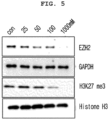
- each well was treated with the example compound at the final concentrations of 25 nM, 50 nM, 100 nM, and 1000 nM.
- One well was treated with DMSO at the same percentage.
- the cells were collected and lysed using RIPA buffer (50 mM Tris, pH 7.5, 150 mM NaCl, 1% Triton X-100, 0.1% SDS, 2 mM EDTA, 0.5% deoxycholate, and protease inhibitor cocktail), followed by sonication (30 sec on /30 sec off, 5 cycles) to prepare a cell lysate.
- RIPA buffer 50 mM Tris, pH 7.5, 150 mM NaCl, 1% Triton X-100, 0.1% SDS, 2 mM EDTA, 0.5% deoxycholate, and protease inhibitor cocktail
- the grade is the percent value of the protein degradation for each section when treated with 1 ⁇ M, and the values for each grade are as follows.
- the compounds of the present invention were excellent in the effect of degrading EZH2 protein when treated to colorectal cancer cells.
- the compounds of Examples 21, 30, 33, 37, 45, 48 and 49 exhibit excellent effects.
- the novel compound according to the present invention is a Degraducer compound that induces degradation of EZH2, the target protein, and significantly induces degradation of the target protein through UPS (Ubiquitin Proteasome System). Therefore, it can be seen that the pharmaceutical composition for preventing or treating EZH2-related diseases or conditions containing the compound as an active ingredient has a preventive or ameliorating effect on the diseases.
- the CRISPR/Cas9 technique was used to construct a stable cell line of HiBiT-EZH2.
- EZH2 targeted CRISPR/Cas9 vector and single-stranded oligo-deoxynucleotide (ssODN) containing HiBiT nucleotide sequence into HEK293T cells
- cell stabilization was performed for 2-3 days.
- the cell solution was prepared at a concentration of 1 cell/100 ul, and 100 ul of the cell solution was dispensed into each well of a 96-well plate and seeded so that a single cell could proliferate in each well.
- the example compounds of the present invention (Examples 37, 30, 46 and 49) exhibited significantly better EZH2 proteolytic ability compared to comparative compound 1 comparative compound 2 and comparative compound 3 the EZH2 proteolytic PROTAC patented substances of other companies. Therefore, it was confirmed that the example compounds according to the present invention have EZH2 proteolytic activity, and can be effectively used for the treatment of EZH2-related diseases and cancers, in particular, cancers in which EZH2 is overexpressed.
Landscapes
- Chemical & Material Sciences (AREA)
- Organic Chemistry (AREA)
- Health & Medical Sciences (AREA)
- Life Sciences & Earth Sciences (AREA)
- Veterinary Medicine (AREA)
- Medicinal Chemistry (AREA)
- Pharmacology & Pharmacy (AREA)
- Animal Behavior & Ethology (AREA)
- General Health & Medical Sciences (AREA)
- Public Health (AREA)
- Bioinformatics & Cheminformatics (AREA)
- Engineering & Computer Science (AREA)
- Epidemiology (AREA)
- Chemical Kinetics & Catalysis (AREA)
- General Chemical & Material Sciences (AREA)
- Nuclear Medicine, Radiotherapy & Molecular Imaging (AREA)
- Pharmaceuticals Containing Other Organic And Inorganic Compounds (AREA)
- Plural Heterocyclic Compounds (AREA)
Claims (7)
- Verbindung, die durch die Formel 2 dargestellt ist, ein Stereoisomer davon, ein Solvat davon, ein Hydrat davon oder ein pharmazeutisch unbedenkliches Salz davon:
 n eine ganze Zahl von 1 ist;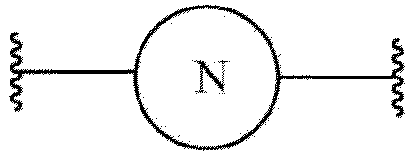

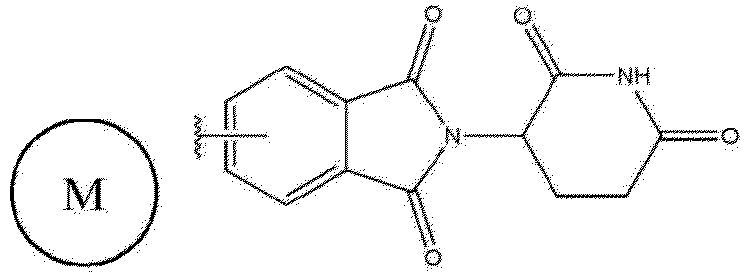
 L1 eine beliebige ist, die ausgewählt ist aus der Gruppe bestehend aus


- Verbindung, das Stereoisomer davon, das Solvat davon, das Hydrat davon oder das pharmazeutisch unbedenkliche Salz davon nach Anspruch 1, wobei die Verbindung, die durch die Formel 2 dargestellt ist, ausgewählt ist aus der Gruppe bestehend aus den folgenden Verbindungen:(21) N-((4,6-Dimethyl-2-oxo-1,2-dihydropyridin-3-yl)methyl)-4'-((4-(2-((6-((2-(2,6-dioxopiperidin-3-yl)-1,3-dioxoisoindolin-4-yl)amino)hexyl)amino)ethyl)piperazin-1-yl)methyl)-5-(ethyl(tetrahydro-2H-pyran-4-yl)amino)-4-methyl-[1,1'-biphenyl]-3-carboxamid(30) N-((4,6-Dimethyl-2-oxo-1,2-dihydropyridin-3-yl)methyl)-4'-((4-(2-(9-(2-((2-(2,6-dioxopiperidin-3-yl)-1,3-dioxoisoindolin-4-yl)amino)ethyl)-3,9-diazaspiro[5.5]undecan-3-yl)-2-oxoethyl)piperazin-1-yl)methyl)-5-(ethyl(tetrahydro-2H-pyran-4-yl)amino)-4-methyl-[1,1'-biphenyl]-3-carboxamid(33) N-((4,6-Dimethyl-2-oxo-1,2-dihydropyridin-3-yl)methyl)-4'-((4-(2-(9-(4-((2-(2,6-dioxopiperidin-3-yl)-1,3-dioxoisoindolin-4-yl)amino)butyl)-3,9-diazaspiro[5.5]undecan-3-yl)-2-oxoethyl)piperazin-1-yl)methyl)-5-(ethyl(tetrahydro-2H-pyran-4-yl)amino)-4-methyl-[1,1'-biphenyl]-3-carboxamid(37) (2S,4R)-1-((S)-2-(tert.-Butyl)-18-(4-((3'-(((4,6-dimethyl-2-oxo-1,2-dihydropyridin-3-yl)methyl)carbamoyl)-5'-(ethyl(tetrahydro-2H-pyran-4-yl)amino)-4'-methyl-[1,1'-biphenyl]-4-yl)methyl)piperazin-1-yl)-4,17-dioxo-6,10-dioxa-3,16-diazaoctadecanoyl)-4-hydroxy-N-(4-(4-methylthiazol-5-yl)benzyl)pyrrolidin-2-carboxamid(44) (2S,4R)-1-((S)-2-(tert.-Butyl)-18-(4-((3'-(((4,6-dimethyl-2-oxo-1,2-dihydropyridin-3-yl)methyl)carbamoyl)-5'-(ethyl(tetrahydro-2H-pyran-4-yl)amino)-4'-methyl-[1,1'-biphenyl]-4-yl)methyl)piperazin-1-yl)-4,17-dioxo-7,10-dioxa-3,16-diazaoctadecanoyl)-4-hydroxy-N-(4-(4-methylthiazol-5-yl)benzyl)pyrrolidin-2-carboxamid(45) (2S,4R)-1-((S)-2-(4-(9-(2-(4-((3'-(((4,6-Dimethyl-2-oxo-1,2-dihydropyridin-3-yl)methyl)carbamoyl)-5'-(ethyl(tetrahydro-2H-pyran-4-yl)amino)-4'-methyl-[1,1'-biphenyl]-4-yl)methyl)piperazin-1-yl)acetyl)-3,9-diazaspiro[5.5]undecan-3-yl)butanamido)-3,3-dimethylbutanoyl)-4-hydroxy-N-(4-(4-methylthiazol-5-yl)benzyl)pyrrolidin-2-carboxamid(46) (2S,4R)-1-((S)-2-(2-((6-(2-(4-((3'-(((4,6-Dimethyl-2-oxo-1,2-dihydropyridin-3-yl)methyl)carbamoyl)-5'-(ethyl(tetrahydro-2H-pyran-4-yl)amino)-4'-methyl-[1,1'-biphenyl]-4-yl)methyl)piperazin-1-yl)acetamido)hexyl)oxy)acetamido)-3,3-dimethylbutanoyl)-4-hydroxy-N-(4-(4-methylthiazol-5-yl)benzyl)pyrrolidin-2-carboxamid und(49) (2S,4R)-1-((S)-2-(2-((9-(2-(4-((3'-(((4,6-Dimethyl-2-oxo-1,2-dihydropyridin-3-yl)methyl)carbamoyl)-5'-(ethyl(tetrahydro-2H-pyran-4-yl)amino)-4'-methyl-[1,1'-biphenyl]-4-yl)methyl)piperazin-1-yl)acetamido)nonyl)oxy)acetamido)-3,3-dimethylbutanoyl)-4-hydroxy-N-(4-(4-methylthiazol-5-yl)benzyl)pyrrolidin-2-carboxamid.
- Verbindung, die durch die Formel 2 dargestellt ist, nach Anspruch 1, ein Stereoisomer davon, ein Solvat davon, ein Hydrat davon oder ein pharmazeutisch unbedenkliches Salz davon zur Verwendung bei der Prävention oder Behandlung einer Krebserkrankung.
- Verbindung zur Verwendung nach Anspruch 3, wobei die Krebserkrankung eine Krebserkrankung ist, bei der EZH2 überexprimiert wird.
- Verbindung zur Verwendung nach Anspruch 3, wobei die Krebserkrankung mindestens eine ist, die ausgewählt ist aus der Gruppe bestehend aus Pseudomyxom, intrahepatischem Cholangiokarzinom, Hepatoblastom, Leberkrebs, Schilddrüsenkrebs, Dickdarmkrebs, Hodenkrebs, myelodysplastischem Syndrom, Glioblastom, Mundkrebs, Lippenkrebs, Mycosis fungoides, akuter myeloischer Leukämie, akuter lymphatischer Leukämie, Basalzellkarzinom, epithelialem Eierstockkrebs, Eierstock-Keimzelltumor, Brustkrebs beim Mann, Hirntumor, Hypophysenadenom, multiplem Myelom, Gallenblasenkrebs, Choliangokarzinom, kolorektalem Karzinom, chronischer myeloischer Leukämie, chronischer lymphatischer Leukämie, Retinoblastom, choroidalem Melanom, Karzinom der Vater-Ampulle, Blasenkrebs, Peritonealkrebs, Nebenschilddrüsenkrebs, Nebennierenkrebs, Nasenhöhlenkrebs, nicht-kleinzelligem Lungenkrebs, Zungenkrebs, Astrozytom, kleinzelligem Lungenkrebs, Hirntumor im Kindesalter, Lymphom im Kindesalter, Leukämie im Kindesalter, Dünndarmkrebs, Meningiom, Speiseröhrenkrebs, Gliom, Nierenbeckenkrebs, Nierenkrebs, Herztumor, Zwölffingerdarmkrebs, malignem Weichteiltumor, malignem Knochenkrebs, malignem Lymphom, malignem Mesotheliom, malignem Melanom, Augenkrebs, Vulvakrebs, Urethrakrebs, Harnröhrenkrebs, unbekanntem Primärtumor, Magenlymphom, Magenkrebs, Karzinoidtumor des Magens, gastrointestinalem Stromatumor, Wilms-Tumor, Brustkrebs, Sarkom, Peniskrebs, Rachenkrebs, gestationsbedingtem Trophoblasttumor, Gebärmutterhalskrebs, Endometriumkarzinom, Uterussarkom, Prostatakrebs, metastasierendem Knochenkrebs, metastasierendem Hirnkrebs, Mediastinaltumor, Rektalkrebs, Rektumkarzinom, Scheidenkrebs, Rückenmarkkrebs, Akustikustumor, Bauchspeicheldrüsenkrebs, Speicheldrüsenkrebs, Kaposi-Sarkom, Morbus Paget, Mandelkrebs, Plattenepithelkarzinom, Lungenadenokarzinom, Lungenkrebs, Plattenepithelkarzinom der Lunge, Hautkrebs, Analkrebs, Rhabdomyosarkom, Kehlkopfkrebs, Pleurakrebs, Blutkrebs und Thymuskrebs.
- Verbindung zur Verwendung nach Anspruch 3, wobei die Verbindung EZH2 selektiv abbaut.
- Verbindung nach Anspruch 1, ein Stereoisomer davon, ein Solvat davon, ein Hydrat davon oder ein pharmazeutisch unbedenkliches Salz davon als ein Wirkbestandteil zur Verwendung beim selektiven Abbau von EZH2-Protein.
Applications Claiming Priority (2)
| Application Number | Priority Date | Filing Date | Title |
|---|---|---|---|
| KR20190137938 | 2019-10-31 | ||
| PCT/KR2020/014936 WO2021086069A1 (ko) | 2019-10-31 | 2020-10-29 | Ezh2 저해제 및 e3 리가제 바인더를 포함하는 화합물 및 이를 유효성분으로 함유하는 ezh2 관련 질환의 예방 또는 치료용 약학적 조성물 |
Publications (3)
| Publication Number | Publication Date |
|---|---|
| EP4053122A1 EP4053122A1 (de) | 2022-09-07 |
| EP4053122A4 EP4053122A4 (de) | 2023-01-18 |
| EP4053122B1 true EP4053122B1 (de) | 2024-10-09 |
Family
ID=75716075
Family Applications (1)
| Application Number | Title | Priority Date | Filing Date |
|---|---|---|---|
| EP20882583.6A Active EP4053122B1 (de) | 2019-10-31 | 2020-10-29 | Verbindung, die einen ezh2-inhibitor und einen e3-ligase-binder umfasst, und pharmazeutische zusammensetzung zum vorbeugen oder behandeln von ezh2-assoziierten krankheiten, die denselben als wirkstoff umfasst |
Country Status (4)
| Country | Link |
|---|---|
| US (1) | US12502434B2 (de) |
| EP (1) | EP4053122B1 (de) |
| KR (1) | KR102505664B1 (de) |
| WO (1) | WO2021086069A1 (de) |
Families Citing this family (20)
| Publication number | Priority date | Publication date | Assignee | Title |
|---|---|---|---|---|
| CN113956233B (zh) * | 2021-10-22 | 2023-06-06 | 南方医科大学 | 一种酰胺类化合物或其药学上可接受的盐及其制备方法和应用 |
| CN115260161B (zh) * | 2022-08-22 | 2024-02-09 | 西安交通大学 | 一种具有肿瘤细胞特异性的自组装蛋白降解剂及其制备方法和应用 |
| CN116284215B (zh) * | 2023-03-21 | 2025-08-26 | 沈阳药科大学 | 一种ezh2配体protac衍生物及其制备方法和用途 |
| CN116621839B (zh) * | 2023-03-30 | 2026-04-03 | 四川大学 | 一种ezh2降解剂及其制备方法和用途 |
| WO2024226422A1 (en) * | 2023-04-22 | 2024-10-31 | H. Lee Moffitt Cancer Center And Research Institute, Inc. | Helicase degraders |
| TW202508595A (zh) | 2023-05-04 | 2025-03-01 | 美商銳新醫藥公司 | 用於ras相關疾病或病症之組合療法 |
| KR20260030731A (ko) * | 2023-05-12 | 2026-03-06 | 타이페이 메디컬 유니이버시티 | Ezh2-hsp90 이중 억제제 |
| US20250049810A1 (en) | 2023-08-07 | 2025-02-13 | Revolution Medicines, Inc. | Methods of treating a ras protein-related disease or disorder |
| AU2024360465A1 (en) | 2023-10-12 | 2026-04-09 | Revolution Medicines, Inc. | Macrocyclic ras inhibitors |
| WO2025171296A1 (en) | 2024-02-09 | 2025-08-14 | Revolution Medicines, Inc. | Ras inhibitors |
| TW202547461A (zh) | 2024-05-17 | 2025-12-16 | 美商銳新醫藥公司 | Ras抑制劑 |
| WO2025255438A1 (en) | 2024-06-07 | 2025-12-11 | Revolution Medicines, Inc. | Methods of treating a ras protein-related disease or disorder |
| WO2025265060A1 (en) | 2024-06-21 | 2025-12-26 | Revolution Medicines, Inc. | Therapeutic compositions and methods for managing treatment-related effects |
| WO2026006747A1 (en) | 2024-06-28 | 2026-01-02 | Revolution Medicines, Inc. | Ras inhibitors |
| WO2026015801A1 (en) | 2024-07-12 | 2026-01-15 | Revolution Medicines, Inc. | Methods of treating a ras related disease or disorder |
| WO2026015790A1 (en) | 2024-07-12 | 2026-01-15 | Revolution Medicines, Inc. | Methods of treating a ras related disease or disorder |
| WO2026015796A1 (en) | 2024-07-12 | 2026-01-15 | Revolution Medicines, Inc. | Methods of treating a ras related disease or disorder |
| WO2026015825A1 (en) | 2024-07-12 | 2026-01-15 | Revolution Medicines, Inc. | Use of ras inhibitor for treating pancreatic cancer |
| WO2026050446A1 (en) | 2024-08-29 | 2026-03-05 | Revolution Medicines, Inc. | Ras inhibitors |
| WO2026072904A2 (en) | 2024-09-26 | 2026-04-02 | Revolution Medicines, Inc. | Compositions and methods for treating lung cancer |
Family Cites Families (6)
| Publication number | Priority date | Publication date | Assignee | Title |
|---|---|---|---|---|
| BR112017028269A2 (pt) * | 2015-07-13 | 2018-09-04 | Arvinas Inc | composto, composição farmacêutica, uso de uma quantidade efetiva de um composto, estado ou condição de doença, e, método para identificar um composto. |
| WO2017210395A1 (en) | 2016-06-01 | 2017-12-07 | Epizyme, Inc. | Use of ezh2 inhibitors for treating cancer |
| KR20190084063A (ko) * | 2016-10-28 | 2019-07-15 | 이칸 스쿨 오브 메디슨 엣 마운트 시나이 | Ezh2-매개성 암 치료용 조성물 및 방법 |
| US11191741B2 (en) * | 2016-12-24 | 2021-12-07 | Arvinas Operations, Inc. | Compounds and methods for the targeted degradation of enhancer of zeste homolog 2 polypeptide |
| CN111303133A (zh) * | 2020-03-25 | 2020-06-19 | 清华大学 | 降解ezh2蛋白的小分子化合物 |
| CN112920176B (zh) * | 2020-05-25 | 2022-11-04 | 四川大学华西医院 | 可诱导prc2蛋白复合物核心亚基降解的双功能化合物和药物组合物及应用 |
-
2020
- 2020-10-29 EP EP20882583.6A patent/EP4053122B1/de active Active
- 2020-10-29 US US17/773,325 patent/US12502434B2/en active Active
- 2020-10-29 WO PCT/KR2020/014936 patent/WO2021086069A1/ko not_active Ceased
- 2020-10-29 KR KR1020200142264A patent/KR102505664B1/ko active Active
Also Published As
| Publication number | Publication date |
|---|---|
| US20230010508A1 (en) | 2023-01-12 |
| EP4053122A4 (de) | 2023-01-18 |
| EP4053122A1 (de) | 2022-09-07 |
| KR102505664B1 (ko) | 2023-03-03 |
| US12502434B2 (en) | 2025-12-23 |
| KR20210052331A (ko) | 2021-05-10 |
| WO2021086069A1 (ko) | 2021-05-06 |
Similar Documents
| Publication | Publication Date | Title |
|---|---|---|
| EP4053122B1 (de) | Verbindung, die einen ezh2-inhibitor und einen e3-ligase-binder umfasst, und pharmazeutische zusammensetzung zum vorbeugen oder behandeln von ezh2-assoziierten krankheiten, die denselben als wirkstoff umfasst | |
| TWI843372B (zh) | 用於降解突變kras蛋白之化合物及其應用 | |
| KR102548191B1 (ko) | 표적 단백질 분해 화합물, 이의 항종양 응용, 이의 중간체 및 중간체의 응용 | |
| EP3455204B1 (de) | Cyclopropyl-amid-verbindungen als duale lsd1/hdac-inhibitoren | |
| CN112321566B (zh) | Egfr蛋白降解剂及其抗肿瘤应用 | |
| JP2022174114A (ja) | Alkタンパク質分解剤及びそれらの癌療法における使用 | |
| CA2976350C (en) | Kdm1a inhibitors for the treatment of disease | |
| ES2728353T3 (es) | Compuesto de (6S,9aS)-N-bencil-6-[(4-hidroxifenil)metil]-4,7-dioxo-8-({6-[3-(piperazin-1-il)azetidin-1-il]piridin-2-il}metil)-2-(prop-2-en-1-il)-octahidro-1H-pirazino[2,1-c][1,2,4]triazin-1-carboxamida | |
| EP3116859B1 (de) | Neuartige verbindungen als histondeacetylase-6-inhibitoren und pharmazeutische zusammensetzungen damit | |
| WO2022228576A1 (zh) | 一种靶向蛋白调节剂的化合物及其应用 | |
| US11639343B2 (en) | Compounds targeting and degrading BCR-ABL protein and its antitumor application | |
| HK1248702A1 (zh) | 取代的吡咯烷-2-甲酰胺 | |
| EP4212522A1 (de) | Verbindungen zur unterdrückung von egfr-mutantem krebs und pharmazeutische verwendung davon | |
| AU2011319685B2 (en) | Pochoxime conjugates useful for the treatment of HSP90 related pathologies | |
| TW202206423A (zh) | 用於突變體ras降解之化合物 | |
| KR20250139899A (ko) | 엑사테칸 유도체 및 이의 항체-약물 접합체 | |
| EP4349828A1 (de) | Stickstoffhaltige heterocyclische verbindung, herstellungsverfahren dafür und anwendung davon | |
| WO2022215020A1 (en) | 1,3,4-oxadiazole thiocarbonyl compounds as histone deacetylase 6 inhibitor, and pharmaceutical composition comprising the same | |
| KR102276072B1 (ko) | 환상 아민 유도체 및 그 의약 용도 | |
| EP3419973B1 (de) | Neuartige kaliumkanalinhibitoren | |
| EP3470410A1 (de) | Kristalline form einer verbindung zur unterdrückung der protein-kinase-aktivität und anwendung davon | |
| CN114929675A (zh) | 作为粘着斑激酶抑制剂的新型金刚烷衍生物 | |
| EP4361148A1 (de) | Heterocycloalkyl-substituiertes polyheteroazolderivat als medizinisches arzneimittel zur behandlung und/oder prävention von infektionskrankheiten des rs-virus | |
| CN116987073B (zh) | 一种PI3Kα/HDAC6亚型选择性双重抑制剂及其应用 | |
| JP2025525290A (ja) | Wee1阻害剤およびその製造と用途 |
Legal Events
| Date | Code | Title | Description |
|---|---|---|---|
| STAA | Information on the status of an ep patent application or granted ep patent |
Free format text: STATUS: THE INTERNATIONAL PUBLICATION HAS BEEN MADE |
|
| PUAI | Public reference made under article 153(3) epc to a published international application that has entered the european phase |
Free format text: ORIGINAL CODE: 0009012 |
|
| STAA | Information on the status of an ep patent application or granted ep patent |
Free format text: STATUS: REQUEST FOR EXAMINATION WAS MADE |
|
| 17P | Request for examination filed |
Effective date: 20220524 |
|
| AK | Designated contracting states |
Kind code of ref document: A1 Designated state(s): AL AT BE BG CH CY CZ DE DK EE ES FI FR GB GR HR HU IE IS IT LI LT LU LV MC MK MT NL NO PL PT RO RS SE SI SK SM TR |
|
| A4 | Supplementary search report drawn up and despatched |
Effective date: 20221216 |
|
| RIC1 | Information provided on ipc code assigned before grant |
Ipc: A61P 35/00 20060101ALI20221212BHEP Ipc: A61K 31/496 20060101ALI20221212BHEP Ipc: A61K 31/4545 20060101ALI20221212BHEP Ipc: C07D 405/12 20060101ALI20221212BHEP Ipc: C07D 405/14 20060101AFI20221212BHEP |
|
| DAV | Request for validation of the european patent (deleted) | ||
| DAX | Request for extension of the european patent (deleted) | ||
| STAA | Information on the status of an ep patent application or granted ep patent |
Free format text: STATUS: EXAMINATION IS IN PROGRESS |
|
| 17Q | First examination report despatched |
Effective date: 20231128 |
|
| GRAP | Despatch of communication of intention to grant a patent |
Free format text: ORIGINAL CODE: EPIDOSNIGR1 |
|
| STAA | Information on the status of an ep patent application or granted ep patent |
Free format text: STATUS: GRANT OF PATENT IS INTENDED |
|
| INTG | Intention to grant announced |
Effective date: 20240607 |
|
| GRAS | Grant fee paid |
Free format text: ORIGINAL CODE: EPIDOSNIGR3 |
|
| GRAA | (expected) grant |
Free format text: ORIGINAL CODE: 0009210 |
|
| STAA | Information on the status of an ep patent application or granted ep patent |
Free format text: STATUS: THE PATENT HAS BEEN GRANTED |
|
| P01 | Opt-out of the competence of the unified patent court (upc) registered |
Free format text: CASE NUMBER: APP_48138/2024 Effective date: 20240821 |
|
| AK | Designated contracting states |
Kind code of ref document: B1 Designated state(s): AL AT BE BG CH CY CZ DE DK EE ES FI FR GB GR HR HU IE IS IT LI LT LU LV MC MK MT NL NO PL PT RO RS SE SI SK SM TR |
|
| REG | Reference to a national code |
Ref country code: CH Ref legal event code: EP |
|
| REG | Reference to a national code |
Ref country code: DE Ref legal event code: R096 Ref document number: 602020039323 Country of ref document: DE |
|
| REG | Reference to a national code |
Ref country code: IE Ref legal event code: FG4D |
|
| REG | Reference to a national code |
Ref country code: LT Ref legal event code: MG9D |
|
| REG | Reference to a national code |
Ref country code: NL Ref legal event code: MP Effective date: 20241009 |
|
| REG | Reference to a national code |
Ref country code: AT Ref legal event code: MK05 Ref document number: 1730501 Country of ref document: AT Kind code of ref document: T Effective date: 20241009 |
|
| PG25 | Lapsed in a contracting state [announced via postgrant information from national office to epo] |
Ref country code: NL Free format text: LAPSE BECAUSE OF FAILURE TO SUBMIT A TRANSLATION OF THE DESCRIPTION OR TO PAY THE FEE WITHIN THE PRESCRIBED TIME-LIMIT Effective date: 20241009 |
|
| PG25 | Lapsed in a contracting state [announced via postgrant information from national office to epo] |
Ref country code: NL Free format text: LAPSE BECAUSE OF FAILURE TO SUBMIT A TRANSLATION OF THE DESCRIPTION OR TO PAY THE FEE WITHIN THE PRESCRIBED TIME-LIMIT Effective date: 20241009 |
|
| PG25 | Lapsed in a contracting state [announced via postgrant information from national office to epo] |
Ref country code: HR Free format text: LAPSE BECAUSE OF FAILURE TO SUBMIT A TRANSLATION OF THE DESCRIPTION OR TO PAY THE FEE WITHIN THE PRESCRIBED TIME-LIMIT Effective date: 20241009 Ref country code: IS Free format text: LAPSE BECAUSE OF FAILURE TO SUBMIT A TRANSLATION OF THE DESCRIPTION OR TO PAY THE FEE WITHIN THE PRESCRIBED TIME-LIMIT Effective date: 20250209 Ref country code: PT Free format text: LAPSE BECAUSE OF FAILURE TO SUBMIT A TRANSLATION OF THE DESCRIPTION OR TO PAY THE FEE WITHIN THE PRESCRIBED TIME-LIMIT Effective date: 20250210 |
|
| PG25 | Lapsed in a contracting state [announced via postgrant information from national office to epo] |
Ref country code: FI Free format text: LAPSE BECAUSE OF FAILURE TO SUBMIT A TRANSLATION OF THE DESCRIPTION OR TO PAY THE FEE WITHIN THE PRESCRIBED TIME-LIMIT Effective date: 20241009 |
|
| PG25 | Lapsed in a contracting state [announced via postgrant information from national office to epo] |
Ref country code: BG Free format text: LAPSE BECAUSE OF FAILURE TO SUBMIT A TRANSLATION OF THE DESCRIPTION OR TO PAY THE FEE WITHIN THE PRESCRIBED TIME-LIMIT Effective date: 20241009 |
|
| PG25 | Lapsed in a contracting state [announced via postgrant information from national office to epo] |
Ref country code: ES Free format text: LAPSE BECAUSE OF FAILURE TO SUBMIT A TRANSLATION OF THE DESCRIPTION OR TO PAY THE FEE WITHIN THE PRESCRIBED TIME-LIMIT Effective date: 20241009 |
|
| PG25 | Lapsed in a contracting state [announced via postgrant information from national office to epo] |
Ref country code: NO Free format text: LAPSE BECAUSE OF FAILURE TO SUBMIT A TRANSLATION OF THE DESCRIPTION OR TO PAY THE FEE WITHIN THE PRESCRIBED TIME-LIMIT Effective date: 20250109 |
|
| PG25 | Lapsed in a contracting state [announced via postgrant information from national office to epo] |
Ref country code: AT Free format text: LAPSE BECAUSE OF FAILURE TO SUBMIT A TRANSLATION OF THE DESCRIPTION OR TO PAY THE FEE WITHIN THE PRESCRIBED TIME-LIMIT Effective date: 20241009 Ref country code: LV Free format text: LAPSE BECAUSE OF FAILURE TO SUBMIT A TRANSLATION OF THE DESCRIPTION OR TO PAY THE FEE WITHIN THE PRESCRIBED TIME-LIMIT Effective date: 20241009 Ref country code: GR Free format text: LAPSE BECAUSE OF FAILURE TO SUBMIT A TRANSLATION OF THE DESCRIPTION OR TO PAY THE FEE WITHIN THE PRESCRIBED TIME-LIMIT Effective date: 20250110 |
|
| PG25 | Lapsed in a contracting state [announced via postgrant information from national office to epo] |
Ref country code: PL Free format text: LAPSE BECAUSE OF FAILURE TO SUBMIT A TRANSLATION OF THE DESCRIPTION OR TO PAY THE FEE WITHIN THE PRESCRIBED TIME-LIMIT Effective date: 20241009 |
|
| PG25 | Lapsed in a contracting state [announced via postgrant information from national office to epo] |
Ref country code: RS Free format text: LAPSE BECAUSE OF FAILURE TO SUBMIT A TRANSLATION OF THE DESCRIPTION OR TO PAY THE FEE WITHIN THE PRESCRIBED TIME-LIMIT Effective date: 20250109 |
|
| REG | Reference to a national code |
Ref country code: DE Ref legal event code: R119 Ref document number: 602020039323 Country of ref document: DE |
|
| REG | Reference to a national code |
Ref country code: CH Ref legal event code: PL |
|
| PG25 | Lapsed in a contracting state [announced via postgrant information from national office to epo] |
Ref country code: SM Free format text: LAPSE BECAUSE OF FAILURE TO SUBMIT A TRANSLATION OF THE DESCRIPTION OR TO PAY THE FEE WITHIN THE PRESCRIBED TIME-LIMIT Effective date: 20241009 |
|
| PG25 | Lapsed in a contracting state [announced via postgrant information from national office to epo] |
Ref country code: MC Free format text: LAPSE BECAUSE OF FAILURE TO SUBMIT A TRANSLATION OF THE DESCRIPTION OR TO PAY THE FEE WITHIN THE PRESCRIBED TIME-LIMIT Effective date: 20241009 |
|
| PG25 | Lapsed in a contracting state [announced via postgrant information from national office to epo] |
Ref country code: DE Free format text: LAPSE BECAUSE OF NON-PAYMENT OF DUE FEES Effective date: 20250501 |
|
| PG25 | Lapsed in a contracting state [announced via postgrant information from national office to epo] |
Ref country code: DK Free format text: LAPSE BECAUSE OF FAILURE TO SUBMIT A TRANSLATION OF THE DESCRIPTION OR TO PAY THE FEE WITHIN THE PRESCRIBED TIME-LIMIT Effective date: 20241009 |
|
| PG25 | Lapsed in a contracting state [announced via postgrant information from national office to epo] |
Ref country code: BE Free format text: LAPSE BECAUSE OF NON-PAYMENT OF DUE FEES Effective date: 20241031 Ref country code: LU Free format text: LAPSE BECAUSE OF NON-PAYMENT OF DUE FEES Effective date: 20241029 |
|
| PG25 | Lapsed in a contracting state [announced via postgrant information from national office to epo] |
Ref country code: EE Free format text: LAPSE BECAUSE OF FAILURE TO SUBMIT A TRANSLATION OF THE DESCRIPTION OR TO PAY THE FEE WITHIN THE PRESCRIBED TIME-LIMIT Effective date: 20241009 |
|
| PG25 | Lapsed in a contracting state [announced via postgrant information from national office to epo] |
Ref country code: CH Free format text: LAPSE BECAUSE OF NON-PAYMENT OF DUE FEES Effective date: 20241031 |
|
| PG25 | Lapsed in a contracting state [announced via postgrant information from national office to epo] |
Ref country code: RO Free format text: LAPSE BECAUSE OF FAILURE TO SUBMIT A TRANSLATION OF THE DESCRIPTION OR TO PAY THE FEE WITHIN THE PRESCRIBED TIME-LIMIT Effective date: 20241009 |
|
| PG25 | Lapsed in a contracting state [announced via postgrant information from national office to epo] |
Ref country code: SK Free format text: LAPSE BECAUSE OF FAILURE TO SUBMIT A TRANSLATION OF THE DESCRIPTION OR TO PAY THE FEE WITHIN THE PRESCRIBED TIME-LIMIT Effective date: 20241009 |
|
| PG25 | Lapsed in a contracting state [announced via postgrant information from national office to epo] |
Ref country code: CZ Free format text: LAPSE BECAUSE OF FAILURE TO SUBMIT A TRANSLATION OF THE DESCRIPTION OR TO PAY THE FEE WITHIN THE PRESCRIBED TIME-LIMIT Effective date: 20241009 |
|
| PG25 | Lapsed in a contracting state [announced via postgrant information from national office to epo] |
Ref country code: IT Free format text: LAPSE BECAUSE OF FAILURE TO SUBMIT A TRANSLATION OF THE DESCRIPTION OR TO PAY THE FEE WITHIN THE PRESCRIBED TIME-LIMIT Effective date: 20241009 |
|
| REG | Reference to a national code |
Ref country code: BE Ref legal event code: MM Effective date: 20241031 |
|
| PLBE | No opposition filed within time limit |
Free format text: ORIGINAL CODE: 0009261 |
|
| STAA | Information on the status of an ep patent application or granted ep patent |
Free format text: STATUS: NO OPPOSITION FILED WITHIN TIME LIMIT |
|
| PG25 | Lapsed in a contracting state [announced via postgrant information from national office to epo] |
Ref country code: SE Free format text: LAPSE BECAUSE OF FAILURE TO SUBMIT A TRANSLATION OF THE DESCRIPTION OR TO PAY THE FEE WITHIN THE PRESCRIBED TIME-LIMIT Effective date: 20241009 |
|
| 26N | No opposition filed |
Effective date: 20250710 |
|
| GBPC | Gb: european patent ceased through non-payment of renewal fee |
Effective date: 20250109 |
|
| PG25 | Lapsed in a contracting state [announced via postgrant information from national office to epo] |
Ref country code: GB Free format text: LAPSE BECAUSE OF NON-PAYMENT OF DUE FEES Effective date: 20250109 |
|
| PGFP | Annual fee paid to national office [announced via postgrant information from national office to epo] |
Ref country code: FR Payment date: 20250908 Year of fee payment: 6 |
|
| PG25 | Lapsed in a contracting state [announced via postgrant information from national office to epo] |
Ref country code: IE Free format text: LAPSE BECAUSE OF NON-PAYMENT OF DUE FEES Effective date: 20241029 |
|
| PG25 | Lapsed in a contracting state [announced via postgrant information from national office to epo] |
Ref country code: HU Free format text: LAPSE BECAUSE OF FAILURE TO SUBMIT A TRANSLATION OF THE DESCRIPTION OR TO PAY THE FEE WITHIN THE PRESCRIBED TIME-LIMIT; INVALID AB INITIO Effective date: 20201029 |
|
| PG25 | Lapsed in a contracting state [announced via postgrant information from national office to epo] |
Ref country code: CY Free format text: LAPSE BECAUSE OF FAILURE TO SUBMIT A TRANSLATION OF THE DESCRIPTION OR TO PAY THE FEE WITHIN THE PRESCRIBED TIME-LIMIT; INVALID AB INITIO Effective date: 20201029 |