EP4054205A1 - Verfahren zur synchronisierung von audiosystemdaten und audiokomponente - Google Patents
Verfahren zur synchronisierung von audiosystemdaten und audiokomponente Download PDFInfo
- Publication number
- EP4054205A1 EP4054205A1 EP21734752.5A EP21734752A EP4054205A1 EP 4054205 A1 EP4054205 A1 EP 4054205A1 EP 21734752 A EP21734752 A EP 21734752A EP 4054205 A1 EP4054205 A1 EP 4054205A1
- Authority
- EP
- European Patent Office
- Prior art keywords
- audio data
- packet
- cycle
- receiving
- audio
- Prior art date
- Legal status (The legal status is an assumption and is not a legal conclusion. Google has not performed a legal analysis and makes no representation as to the accuracy of the status listed.)
- Granted
Links
Images


Classifications
-
- H—ELECTRICITY
- H04—ELECTRIC COMMUNICATION TECHNIQUE
- H04R—LOUDSPEAKERS, MICROPHONES, GRAMOPHONE PICK-UPS OR LIKE ACOUSTIC ELECTROMECHANICAL TRANSDUCERS; ELECTRIC HEARING AIDS; PUBLIC ADDRESS SYSTEMS
- H04R3/00—Circuits for transducers
- H04R3/12—Circuits for transducers for distributing signals to two or more loudspeakers
-
- H—ELECTRICITY
- H04—ELECTRIC COMMUNICATION TECHNIQUE
- H04L—TRANSMISSION OF DIGITAL INFORMATION, e.g. TELEGRAPHIC COMMUNICATION
- H04L65/00—Network arrangements, protocols or services for supporting real-time applications in data packet communication
- H04L65/1066—Session management
- H04L65/1069—Session establishment or de-establishment
-
- H—ELECTRICITY
- H04—ELECTRIC COMMUNICATION TECHNIQUE
- H04L—TRANSMISSION OF DIGITAL INFORMATION, e.g. TELEGRAPHIC COMMUNICATION
- H04L65/00—Network arrangements, protocols or services for supporting real-time applications in data packet communication
- H04L65/60—Network streaming of media packets
-
- H—ELECTRICITY
- H04—ELECTRIC COMMUNICATION TECHNIQUE
- H04B—TRANSMISSION
- H04B5/00—Near-field transmission systems, e.g. inductive or capacitive transmission systems
-
- H—ELECTRICITY
- H04—ELECTRIC COMMUNICATION TECHNIQUE
- H04B—TRANSMISSION
- H04B5/00—Near-field transmission systems, e.g. inductive or capacitive transmission systems
- H04B5/70—Near-field transmission systems, e.g. inductive or capacitive transmission systems specially adapted for specific purposes
- H04B5/72—Near-field transmission systems, e.g. inductive or capacitive transmission systems specially adapted for specific purposes for local intradevice communication
-
- H—ELECTRICITY
- H04—ELECTRIC COMMUNICATION TECHNIQUE
- H04L—TRANSMISSION OF DIGITAL INFORMATION, e.g. TELEGRAPHIC COMMUNICATION
- H04L1/00—Arrangements for detecting or preventing errors in the information received
- H04L1/12—Arrangements for detecting or preventing errors in the information received by using return channel
- H04L1/16—Arrangements for detecting or preventing errors in the information received by using return channel in which the return channel carries supervisory signals, e.g. repetition request signals
- H04L1/1607—Details of the supervisory signal
-
- H—ELECTRICITY
- H04—ELECTRIC COMMUNICATION TECHNIQUE
- H04L—TRANSMISSION OF DIGITAL INFORMATION, e.g. TELEGRAPHIC COMMUNICATION
- H04L1/00—Arrangements for detecting or preventing errors in the information received
- H04L1/12—Arrangements for detecting or preventing errors in the information received by using return channel
- H04L1/16—Arrangements for detecting or preventing errors in the information received by using return channel in which the return channel carries supervisory signals, e.g. repetition request signals
- H04L1/18—Automatic repetition systems, e.g. Van Duuren systems
- H04L1/1829—Arrangements specially adapted for the receiver end
-
- H—ELECTRICITY
- H04—ELECTRIC COMMUNICATION TECHNIQUE
- H04L—TRANSMISSION OF DIGITAL INFORMATION, e.g. TELEGRAPHIC COMMUNICATION
- H04L1/00—Arrangements for detecting or preventing errors in the information received
- H04L1/12—Arrangements for detecting or preventing errors in the information received by using return channel
- H04L1/16—Arrangements for detecting or preventing errors in the information received by using return channel in which the return channel carries supervisory signals, e.g. repetition request signals
- H04L1/18—Automatic repetition systems, e.g. Van Duuren systems
- H04L1/1867—Arrangements specially adapted for the transmitter end
-
- H—ELECTRICITY
- H04—ELECTRIC COMMUNICATION TECHNIQUE
- H04L—TRANSMISSION OF DIGITAL INFORMATION, e.g. TELEGRAPHIC COMMUNICATION
- H04L5/00—Arrangements affording multiple use of the transmission path
- H04L5/003—Arrangements for allocating sub-channels of the transmission path
- H04L5/0053—Allocation of signalling, i.e. of overhead other than pilot signals
- H04L5/0055—Physical resource allocation for ACK/NACK
-
- H—ELECTRICITY
- H04—ELECTRIC COMMUNICATION TECHNIQUE
- H04W—WIRELESS COMMUNICATION NETWORKS
- H04W56/00—Synchronisation arrangements
-
- H—ELECTRICITY
- H04—ELECTRIC COMMUNICATION TECHNIQUE
- H04L—TRANSMISSION OF DIGITAL INFORMATION, e.g. TELEGRAPHIC COMMUNICATION
- H04L1/00—Arrangements for detecting or preventing errors in the information received
- H04L1/12—Arrangements for detecting or preventing errors in the information received by using return channel
- H04L1/16—Arrangements for detecting or preventing errors in the information received by using return channel in which the return channel carries supervisory signals, e.g. repetition request signals
- H04L1/18—Automatic repetition systems, e.g. Van Duuren systems
- H04L1/1867—Arrangements specially adapted for the transmitter end
- H04L1/1887—Scheduling and prioritising arrangements
-
- H—ELECTRICITY
- H04—ELECTRIC COMMUNICATION TECHNIQUE
- H04R—LOUDSPEAKERS, MICROPHONES, GRAMOPHONE PICK-UPS OR LIKE ACOUSTIC ELECTROMECHANICAL TRANSDUCERS; ELECTRIC HEARING AIDS; PUBLIC ADDRESS SYSTEMS
- H04R2430/00—Signal processing covered by H04R, not provided for in its groups
- H04R2430/01—Aspects of volume control, not necessarily automatic, in sound systems
-
- H—ELECTRICITY
- H04—ELECTRIC COMMUNICATION TECHNIQUE
- H04W—WIRELESS COMMUNICATION NETWORKS
- H04W4/00—Services specially adapted for wireless communication networks; Facilities therefor
- H04W4/80—Services using short range communication, e.g. near-field communication [NFC], radio-frequency identification [RFID] or low energy communication
Definitions
- the present disclosure relates to the technical field of audio data synchronization, in particular to an audio system data synchronization method (i.e. a data synchronization method for an audio system) and an audio component.
- an audio system data synchronization method i.e. a data synchronization method for an audio system
- an audio component i.e. a data synchronization method for an audio system
- the conventional wireless Bluetooth audio system is generally provided with a wireless connection established by two audio players (for example, two earphones or two sounds, etc.) with an audio gateway (which may be a mobile phone or a tablet, etc.) through a Bluetooth protocol.
- One of the two audio players serves as a master device, and the other serves as a slave device.
- the master device acquires an audio data packet from the audio gateway, and then transmits the audio data packet to the slave device, so that the two audio players may play the audio data synchronously.
- the time when the master device and the slave device receive the same audio data packet using this method may be inconsistent, resulting in asynchronous playing that easily occurs, so that sound quality is relatively poor.
- an embodiment of the present disclosure provides an audio system data synchronization method and an audio component, for example, interference occurring between feedback packets sent by two devices may be avoided, and the power consumption of a first device and a second device may be coordinated and synchronism of the audio data may be improved.
- An embodiment of the present disclosure provides an audio system data synchronization method, wherein the audio system includes an audio data source, a first device, and a second device; and the method includes:
- the method further includes:
- the first device and the second device are configured with a synchronized timing signal; and the step of one device of the first device and the second device sending an ACK packet to the audio data source includes:
- both the first device and the second device are configured with a count value for recording the number of successful receiving of the two devices; and the step of one device of the first device and the second device sending an ACK packet to the audio data source includes:
- the step that one device of the first device and the second device whose receiving is failed sends a first special acknowledge packet in the n-th cycle if the receiving of the first device and/or the second device is failed includes:
- the step that one device of the first device and the second device whose receiving is failed sends a first special acknowledge packet in the n-th cycle if the receiving of the first device and/or the second device is failed includes: if receiving is failed and not receiving the first additional field in the first special acknowledge packet sent by the first device at the first time point of the n-th cycle, the second device sending the first special acknowledge packet at a second time point of the n-th cycle; making the audio data source re-send the audio data in the n+1-th cycle after receiving the NAK packet in the first special acknowledge packet; and making the first device stop sending a signal in the n-th cycle after receiving the first additional field in the first special acknowledge packet, and receive in the n+1-th cycle the re-sent audio data packet in synchronization with the second device, wherein the second time point is later than the first time point.
- the method further includes:
- the method further includes:
- the step of the first device receiving an audio data packet sent by the audio data source in an n-th cycle includes: the first device receiving the audio data packet from an air interface in the n-th cycle, wherein the audio data packet is pre-sent by the audio data source to the air interface.
- the step of the second device receiving the audio data packet sent by the audio data source in the n-th cycle includes: the second device receiving the audio data packet from the air interface in the n-th cycle, wherein the audio data packet is pre-sent by the audio data source to the air interface.
- the step that one device of the first device and the second device whose receiving is failed sends a first special acknowledge packet in the n-th cycle includes: one device of the first device and the second device whose receiving is failed sending the first special acknowledge packet to the air interface in the n-th cycle, so that the other device of the first device and the second device and the audio data source receive the first special acknowledge packet from the air interface.
- the first device and the second device receive the audio data packet on a same receiving time slot.
- the method includes: the other device judging whether the received audio data packet re-sent by the audio data source is the same as the audio data packet previously received, wherein if same, the audio data packet re-sent by the audio data source is deleted.
- the step of one device of the first device and the second device sending an ACK packet to the audio data source further includes: only one device of the first device and the second device sending the ACK packet to the audio data source.
- An embodiment of the present disclosure further provides an audio component, including a first device and a second device, wherein the audio component stores computer readable instructions, and when the computer readable instructions are executed by the audio component, the method according to any one of the above is run.
- the first device and the second device are earphones; or the first device and the second device are loudspeaker boxes.
- An embodiment of the present disclosure further provides an audio system data synchronization method, wherein the audio system includes an audio data source, a first device, and a second device; and the method is applied to the first device, and includes:
- An embodiment of the present disclosure further provides an audio system data synchronization method, wherein the audio system includes an audio data source, a first device, and a second device; and the method is applied to the second device, and includes:
- An embodiment of the present disclosure provides a storage medium, stored thereon with computer programs, wherein the computer programs, when being executed by a processor, run the steps of the methods provided in the above embodiments of the present disclosure.
- the first device receives the audio data packet sent by the audio data source in the n-th cycle, and judges whether the receiving is successful; the second device receives the audio data packet sent by the audio data source in the n-th cycle, and judges whether receiving is successful; if the receiving of the first device and/or the second device is failed, one device of the first device and the second device whose receiving is failed sends the first special acknowledge packet in the n-th cycle, wherein the first special acknowledge packet includes the first additional field and the NAK packet; after receiving the NAK packet, the audio data source is made to re-send the audio data packet in the n+1-th cycle; after receiving the first additional field, the other device is made to stop sending the signal in the n-th cycle, and receive, in synchronization with the device whose receiving is failed, in the n+1-th cycle the audio data packet re-sent by the audio data source, thus interference occurring between feedback packets caused by the fact that the two devices both send
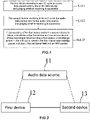
- FIG. 1 is a flowchart of an audio system data synchronization method in an embodiment of the present disclosure.
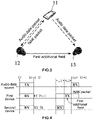
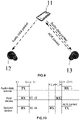
- the audio system may include an audio data source 11, a first device 12, and a second device 13.
- this method may be integrated in the first device 12 and the second device 13 in a form of a computer program.
- the audio data source 11 may be a mobile phone, a PAD or a computer etc.
- the first device 12 and the second device 13 may be earphones, respectively, or the first device 12 and the second device 13 also may be loudspeaker boxes, respectively.
- the first device 12 and the audio data source 11 may establish a Bluetooth connection therebetween.
- both the first device 12 and the second device 13 may exchange data with the audio data source 11 through a Bluetooth link.
- the audio data source 11 there is only one Bluetooth link with the first device 12 and the second device 13 at a single moment.
- the first device 12 and the second device 13 may be connected through a Bluetooth link or other wireless links.
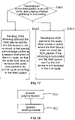
- the audio system data synchronization method may include the following steps.
- the first device receives an audio data packet sent by the audio data source in an n-th cycle, and judges whether receiving is successful.
- the second device receives the audio data packet sent by the audio data source in the n-th cycle, and judges whether receiving is successful.
- the receiving of the first device and/or the second device is failed, one device of the first device and the second device whose receiving is failed sends a first special acknowledge packet in the n-th cycle, wherein the first special acknowledge packet includes a first additional field and an NAK packet; after receiving the NAK packet in the first special acknowledge packet, the audio data source is made to re-send the audio data packet in an n+1-th cycle; and after receiving the first additional field in the first special acknowledge packet, the other device is made to stop sending a signal in the n-th cycle and receive in the n+1-th cycle the audio data packet re-sent by the audio data source, in synchronization with the device whose receiving is failed.
- the first special acknowledge packet includes a first additional field and an NAK packet
- the cycle may be a cycle of receiving and sending the audio data, and each cycle may include one audio data transmission time slot and one audio data receiving time slot.
- step S101 and the step S102 are performed in synchronization.
- the step that the first device receives an audio data packet sent by the audio data source in an n-th cycle includes: the first device receiving the audio data packet from an air interface in the n-th cycle, wherein the audio data packet is pre-sent by the audio data source to the air interface.
- the step that the second device receives the audio data packet sent by the audio data source in the n-th cycle includes: the second device receiving the audio data packet from the air interface in the n-th cycle, wherein the audio data packet is pre-sent by the audio data source to the air interface.
- the audio data source may pre-send the audio data packet to the air interface (also referred to as "air interface"), and the first device and the second device may receive the audio data packet from the air interface at a preset moment of the n-th cycle.
- successful receiving of the audio data packet means that the audio data packet is completely received and parsing is completed correctly, and failed receiving means that the receiving of the audio data packet is incomplete or the parsing is wrong.
- the step that one device of the first device and the second device whose receiving is failed sends a first special acknowledge packet in the n-th cycle includes: one device of the first device and the second device whose receiving is failed sending the first special acknowledge packet to the air interface in the n-th cycle, so that the audio data source and the other device of the first device and the second device receive the first special acknowledge packet from the air interface.
- step S103 if the receiving of the first device is failed and the second device successfully receives, or the first device successfully receives and the receiving of the second device is failed, or both the first device and the second device fail to receive, one device of the first device and the second device whose receiving is failed may send the first special acknowledge packet to the air interface in the n-th cycle, to be received by the other device and the audio data source.
- the structure of the first special acknowledge packet is specifically as shown in the following table: Ext-preamble Access CODE Header Payload Data
- the first additional field is Ext-preamble field in the table above.
- a front L1 field of the Ext-preamble field is a field indicating whether the first device successfully receives
- a back L2 field of the Ext-preamble field is an empty field (for example, filled with 0).
- a length of the Ext-preamble field is L2
- the Ext-preamble field is a field indicating whether the second device successfully receives.
- the NAK packet is composed of three fields (Access CODE segment, Header segment, and Payload Data segment) behind the Ext-preamble field.
- each cycle includes a transmission time slot and a receiving time slot.
- the audio data source may transmit the audio data packet in the transmission time slot.
- the audio data source may receive in the receiving time slot the ACK packet or the NAK packet in the first special acknowledge packet sent by the first device or the second device.
- the step S103 may include the following substeps.
- the first device sends the first special acknowledge packet at a first time point of the n-th cycle; the audio data source is made to re-send the audio data in the n+1-th cycle after receiving the NAK packet in the first special acknowledge packet; and the second device is made to stop sending a signal in the n-th cycle after receiving the first additional field in the first special acknowledge packet, and receive the re-sent audio data packet in synchronization with the first device in the n+1-th cycle.
- the second device sends the first special acknowledge packet at a second time point of the n-th cycle; the audio data source is made to re-send the audio data in the n+1-th cycle after receiving the NAK packet in the first special acknowledge packet; and the first device is made to stop sending a signal in the n-th cycle after receiving the first additional field in the first special acknowledge packet, and receive in the n+1-th cycle the re-sent audio data packet in synchronization with the second device, wherein the second time point is later than the first time point.
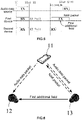
- the audio data source may send the audio data packet in a TX time slot (transmission time slot) thereof, and the first device 12 and the second device 13 may receive the audio data packet in the same time period (namely, RX time slot, i.e., receiving time slot). If the receiving of the first device 12 is failed, and the second device 13 successfully receives, the first device 12 may transmit the first special acknowledge packet to the air interface at the first time point of the n-th cycle.
- TX time slot transmission time slot
- the first device should start to transmit the first special acknowledge packet at (SlotS1+1)-L1-L2, i.e., the first time point, the second device opens an RX window between (SlotS1+1)-L1-L2 and (SlotS1+1)-L2 to receive the front L1 field in the first additional field, and the audio data source opens a receiving window at the time point SlotS1+1 to receive the NAK packet in the first special acknowledge packet.
- the audio data source 11 will recognize the NAK packet after receiving the NAK packet in the first acknowledge packet, so as to learn that there is one device of the first device 12 and the second device 13 whose receiving is failed, and thus re-send the audio data packet that fails to be received, in the transmission time slot of the n+1-th cycle.
- the second device 13 learns that the receiving of the first device 12 is failed after receiving the first additional field in the first special acknowledge packet, and therefore, will close a signal receiving and a signal transmission window from the time recognizing the first additional field to the end of the n-th cycle, and may open the signal receiving window in the n+1-th cycle to re-receive the audio data packet at the air interface in synchronization with the first device.
- the audio data packet may be automatically deleted or ignored.
- both the first device 12 and the second device 13 both fail to receive.
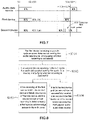
- the audio data source may send the audio data packet in the TX time slot (transmission time slot) thereof, and the first device 12 and the second device 13 may receive the audio data packet in the same time period (RX time slot, i.e., receiving time slot). If the receiving of the first device 12 is failed and the receiving of the second device 13 is failed, the first device 12 may transmit the first special acknowledge packet to the air interface at the first time point of the n-th cycle.
- the second device opens the RX window between (SlotS1+1)-L1-L2 and (SlotS1+1)-L2 to receive the front L1 field in the first additional field, and the audio data source opens the receiving window at the time point SlotS1+1 to receive the NAK packet in the first special acknowledge packet.
- the audio data source 11 will recognize the NAK packet after receiving the NAK packet in the first acknowledge packet, so as to learn that there is a device of the first device 12 and the second device 13 whose receiving is failed, and thus re-send, in the transmission time slot of the n+1-th cycle, the audio data packet that fails to be received.
- the second device 13 learns that the receiving of the first device 12 is failed, after receiving the first additional field in the first special acknowledge packet, and therefore, will close the signal receiving and the signal transmission window from the time recognizing the first additional field to the end of the n-th cycle, and may open the signal receiving window in the n+1-th cycle to re-receive the audio data packet at the air interface in synchronization with the first device, wherein if the second device determines that the audio data packet is a received audio data packet, the audio data packet may be automatically deleted or ignored.
- the first device 12 successfully receives, and the receiving of the second device 13 is failed.
- the audio data source may send the audio data packet in the TX time slot (transmission time slot) thereof, and the first device 12 and the second device 13 may receive the audio data packet in the same time period (RX time slot, i.e., receiving time slot). If the first device 12 successfully receives and the receiving of the second device 13 is failed, the second device 13 may transmit the first special acknowledge packet to the air interface at the second time point ((SlotS1+1)-L2) of the n-th cycle.
- the first device opens the RX window between (SlotS1+1) -L2 and (SlotS1+1) to receive the L2 field in the first additional field, and the audio data source opens the receiving window at the time point SlotS1+1 to receive the NAK packet in the first special acknowledge packet.
- the audio data source 11 will recognize the NAK packet after receiving the NAK packet in the first acknowledge packet, so as to learn that there is a device of the first device 12 and the second device 13 whose receiving is failed, and thus re-send, in the transmission time slot of the n+1-th cycle, the audio data packet that fails to be received.
- the first device 12 learns that the receiving of the second device 13 is failed, after receiving the first additional field in the first special acknowledge packet, and therefore, from the time recognizing the first additional field to the end of the n-th cycle, will close the signal receiving and the signal transmission window, and may open the signal receiving window in the n+1-th cycle to re-receive the audio data packet at the air interface in synchronization with the second device, wherein if the first device determines that the audio data packet is a received audio data packet, the audio data packet may be automatically deleted or ignored
- step S101 and the step S102 the following steps may further be included.
- the first device and the second device alternately send the ACK packet to the audio data source.
- the ACK packet may be transmitted by one of the devices: as shown in FIG. 9 and FIG. 10 , the second device is adopted to send the ACK packet; and as shown in FIG. 11 and FIG. 12 , the first device is adopted to send the ACK packet.
- the first device successfully receives and does not receive, at the second time point of the n-th cycle, the first additional field in the first special acknowledge packet sent by the second device, it may be determined that both devices successfully receive.
- the second device successfully receives and does not receive, at the first time point of the n-th cycle, the first additional field in the first special acknowledge packet sent by the first device, it may be determined that both devices successfully receive.
- the power consumption may be thereby reduced, and signal interference also may be avoided.
- both the first device and the second device are configured with a count value for recording the number of successful receiving of the two devices; and the step that one device of the first device and the second device sends the ACK packet to the audio data source may include: S1041, if the count value is an odd number, the first device sending the ACK packet to the audio data source, and S1042, if the count value is an even number, the second device sending the ACK packet to the audio data source.
- the count value determines which device of the first device and the second device sends the ACK packet, so that the number of times that the first device and the second device send the ACK packet may be balanced, then the balance of power consumption of the first device and the second device may be improved.
- both the first device and the second device are configured with a synchronized timing signal; and the step that one device of the first device and the second device sends the ACK packet to the audio data source includes: S1043, the first device sending the ACK packet to the audio data source when the timing signal satisfies a predetermined first condition; S1044, the second device sending the ACK packet to the audio data source when the timing signal satisfies a predetermined second condition, wherein the predetermined first condition and the predetermined second condition are mutually exclusive. For example, when the timing signal is an odd number, the first device sends the ACK packet, and when the timing signal is an even number, the second device sends the ACK packet.
- the present disclosure may improve the efficiency, without the need of additionally setting other signals for judgment.
- the audio system data synchronization method further may include the following steps. when sending synchronization information to the second device in a k+1-th cycle, the first device sends a second special acknowledge packet at a third time point of a k-th cycle, wherein the second special acknowledge packet includes a second additional field; the second device is made to stop sending a signal in the k-th cycle according to the second additional field in the second special acknowledge packet, and exchange the synchronization information in the k+1-th cycle according to a link rule of the first device and the second device, wherein the synchronization information is control information or data information.
- k is a positive integer.
- the second special acknowledge packet may include the NAK packet or may not include the NAK packet.
- the third time point and the first time point are the same time point.
- the second device When the second device needs to send the synchronization information to the first device in the k+1-th cycle, if the second device does not receive the second additional field in the second special acknowledge packet sent by the first device at the third time point of the k-th cycle, the second device sends the second special acknowledge packet at a fourth time point of the k-th cycle; the first device is made to exchange the synchronization information according to the link rule of the first device and the second device in the k+1-th cycle according to the second additional field in the second special acknowledge packet sent by the second device, where k is a positive integer.
- the second special acknowledge packet herein may include the NAK packet or may not include the NAK packet, and the synchronization information is control information or data information.
- the link rule may be rule of a Bluetooth link, may also be a WIFI link rule, or may also be other near-field communication link rules.
- the fourth time point and the second time point are the same time point.
- the synchronization information may be a control instruction, for example, when the first device adjusts its own sound volume, the first device may synchronize to the second device the instruction for adjusting the sound volume, so that the second device synchronously adjusts the volume, and if the first device adjusts a playing speed, the first device will synchronize to the second device the instruction for adjusting the playing speed, so that the second device synchronously adjusts the playing speed.
- the corresponding control instruction also will be synchronized to the first device, so that the two perform synchronous adjustment.
- the structure of the second special acknowledge packet is similar to the format of the first special acknowledge packet. If it is the second additional field sent by the first device to the second device, the front L1 field of the Ext-preamble field is an instruction indicating whether the first device needs to perform information synchronization, and the back L2 field of the Ext-preamble field is an empty field (for example, filled with 0).
- the Ext-preamble field has a length of L2, and it is used to indicate an instruction of whether the second device needs to perform information synchronization.
- the NAK packet or the ACK packet is composed of three fields (Access CODE segment, Header segment, and Payload Data segment) behind the Ext-preamble field.
- the audio data source sends the audio data packet to the air interface in the transmission time slot of the k-th cycle, and the first device and the second device respectively receive the audio data packet from the air interface at a same time point Slot S5.
- the first device will send the second special acknowledge packet at the next first time point, i.e., (SlotS5+1)-L1-L2), wherein the second additional field of the second special acknowledge packet is between (SlotS5+1)-L1-L2 and (SlotS5+1), and the NAK packet in the second special acknowledge packet is located behind the time point (SlotS5+1).
- the second device When parsing the front L1 field in the second additional field of the special second special acknowledge packet, the second device will stop signal receiving and signal sending. At the next time point Slot(Slot S5+2), the first device may exchange the synchronization information on the Bluetooth link or other links established by the first device and the second device.
- the audio data source sends the audio data packet to the air interface in the transmission time slot of the k-th cycle, and the first device and the second device respectively receive the audio data packet from the air interface at the same time point Slot S5.
- the second device will send the second special acknowledge packet at the next second time point, i.e., (SlotS5+1)-L2, wherein the second additional field of the second special acknowledge packet is between (SlotS5+1)- L2 and (SlotS5+1), and the ACK packet or the NAK packet in the second special acknowledge packet is located behind the time point (SlotS5+1).
- the first device When parsing the second additional field of the second special acknowledge packet, the first device will stop signal receiving and signal sending. At the next time point Slot(Slot S5+2), the second device may exchange the synchronization information with the first device.
- the NAK packet is a feedback packet generated when the receiving fails
- the ACK packet is a feedback packet generated when the receiving succeeds.
- the audio data source may re-send the audio data packet of the current cycle in the next cycle after receiving the NAK packet.
- the audio data source may re-send in the next cycle the next audio data packet of the audio data packet of the current cycle after receiving the ACK packet.
- the first device receives the audio data packet sent by the audio data source in the n-th cycle, and judges whether the receiving is successful; the second device receives the audio data packet sent by the audio data source in the n-th cycle, and judges whether receiving is successful; if the receiving of the first device and/or the second device is failed, one device of the first device and the second device whose receiving is failed sends the first special acknowledge packet in the n-th cycle, wherein the first special acknowledge packet includes the first additional field and the NAK packet; after receiving the NAK packet, the audio data source is made to re-send the audio data packet in the n+1-th cycle; after receiving the first additional field, the other device is made to stop sending the signal in the n-th cycle, and receive in the n+1-th cycle the audio data packet re-sent by the audio data source, in synchronization with the device whose receiving is failed, so that when the two audio devices fail to
- an embodiment of the present disclosure further provides an audio system data synchronization method, wherein the audio system includes an audio data source, a first device, and a second device; and the method is applied to the first device, and includes: S201, receiving an audio data packet sent by the audio data source in an n-th cycle, and judging whether receiving is successful.
- S202 sending, if the receiving fails, a first special acknowledge packet, wherein the first special acknowledge packet includes a first additional field and an NAK packet, making, after receiving the NAK packet, the audio data source re-send the audio data packet in an n+1-th cycle, and making, after receiving the first additional field, the second device stop sending a signal in the n-th cycle and receive in the n+1-th cycle the audio data packet re-sent by the audio data source, in synchronization with the first device.
- the first special acknowledge packet includes a first additional field and an NAK packet
- step S201 to the step S203 are already described in detail in the above embodiments, and thus are not repeatedly described herein again.
- an embodiment of the present disclosure further provides an audio system data synchronization device, wherein the audio system includes an audio data source, a first device, and a second device; and the audio system data synchronization device is used in the first device, and includes: a first judging module 301 and a first sending module 302.
- the first judging module 301 is configured to receive an audio data packet sent by the audio data source in an n-th cycle, and judge whether receiving is successful.
- the first sending module 302 is configured to send, if the receiving fails, a first special acknowledge packet, wherein the first special acknowledge packet includes a first additional field and an NAK packet; make, after receiving the NAK packet, the audio data source re-send the audio data packet in an n+1-th cycle; and make, after receiving the first additional field, the second device stop sending a signal in the n-th cycle and receive in the n+1-th cycle the audio data packet re-sent by the audio data source, in synchronization with the first device.
- the first sending module 302 is further configured to send an ACK packet to the audio data source in cases where the second device does not send the ACK packet, if the receiving is successful and the NAK packet in the first special acknowledge packet sent by the second device is not received in the n-th cycle.
- an embodiment of the present disclosure further provides an audio system data synchronization method, wherein the audio system includes an audio data source, a first device, and a second device; and the method is applied to the second device, and includes:
- step S401 to the step S403 are already described in detail in the above embodiments, and thus are not repeatedly described herein again.
- an embodiment of the present disclosure further provides an audio system data synchronization device, wherein the audio system includes an audio data source, a first device, and a second device; and the audio system data synchronization device is used in the second device, and includes: a second judging module 501 and a second sending module 502.
- the second judging module 501 is configured to receive an audio data packet sent by the audio data source in an n-th cycle, and judge whether receiving is successful.
- the second sending module 502 is configured to send, if the receiving fails and the NAK packet sent by the first device is not received, a first special acknowledge packet at a second time point of the n-th cycle; make the audio data source re-send the audio data packet in an n+1-th cycle according to the NAK packet in the first special acknowledge packet; and make the first device receive, in synchronization with the second device in the n+1-th cycle, the audio data packet re-sent by audio data source according to the first additional field in the first special acknowledge packet, wherein the second time point is later than the first time point. If the receiving is successful and the NAK packet sent by the first device is not received in the n-th cycle, the ACK packet is sent to the audio data source in cases where the first device does not send the ACK packet.
- An embodiment of the present disclosure further provides an audio component, including a first device and a second device, wherein the audio component stores computer readable instructions, and when the computer readable instructions are executed by the audio component, the audio system data synchronization method according to any one of the above embodiments is run.
- the first device and the second device are earphones; or the first device and the second device are loudspeaker boxes. Certainly, they are not limited thereto.
- the steps executed by the first device are stored in the first device in a form of computer program.
- the steps executed by the second device are present in the second device in a form of computer program.
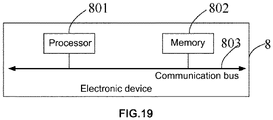
- FIG. 19 is a schematic structural view of an electronic device provided in an embodiment of the present disclosure.
- the present disclosure provides an electronic device 8, including a processor 801 and a memory 802, wherein the processor 801 and the memory 802 are interconnected and communicate with each other via a communication bus 803 and/or other forms of connection mechanisms (not shown), the memory 802 stores a computer program executable by the processor 801.
- the processor 801 executes the computer program, so as to execute the method in any optional implementation of the above embodiments.
- An embodiment of the present disclosure provides a storage medium, and when the computer program is executed by a processor, the method in any optional implementation of the above embodiments is executed.
- the storage medium may be implemented by any type of volatile or non-volatile memory device or combination thereof, for example, Static Random Access Memory (SRAM for short), Electrically Erasable Programmable Read-Only Memory (EEPROM for short), Erasable Programmable Read-Only Memory (EPROM for short), Programmable Read-Only Memory (PROM for short), Read-Only Memory (ROM for short), magnetic memory, flash memory, magnetic disk or optical disk.
- SRAM Static Random Access Memory
- EEPROM Electrically Erasable Programmable Read-Only Memory
- EPROM Erasable Programmable Read-Only Memory
- PROM Programmable Read-Only Memory
- ROM Read-Only Memory
- the device and the method disclosed may be implemented in other manners.
- the apparatus embodiment described in the above is merely exemplary, for example, the units are merely divided according to logical functions, but they may be divided in other manners in practical implementation, for another example, multiple units or components may be combined or may be integrated into another system, or some features may be omitted, or not executed.
- mutual couplings or direct coupling or communication connection as shown or discussed may be indirect coupling or communication connection via some communication interfaces, means or units, and may be in an electrical form, a mechanical form or other forms.
- the units described as separate parts may be or also may not be physically separated, the parts displayed as units may be or also may not be physical units, i.e., they may be located at one place, or also may be distributed on a plurality of network units.
- the objective of the solution of the present embodiment may be realized by selecting part or all of the units thereof as actually required.
- various functional modules in various embodiments of the present disclosure may be integrated together to form one independent portion, and it is also possible that various modules exist independently, or that two or more modules are integrated to form one independent part.
- relational terms such as first and second are merely for distinguishing one entity or operation from another entity or operation, while it is not necessarily required or implied that these entities or operations have any such practical relation or order.
- the embodiments of the present disclosure provide the audio system data synchronization method and the audio component.
- the audio system data synchronization method in the embodiment of the present disclosure can enable the first device and the second device to receive audio data packet simultaneously, the synchronism of audio data is improved, and only one device sends the first special acknowledge packet when the audio data packet fails to be received, so that signal interference caused by the fact that the two devices both send the first special acknowledge packet is avoided, and the power consumption is reduced; moreover, as the audio synchronization method in the embodiment of the present disclosure includes the steps that the first device sends the ACK packet to the audio data source when the timing signal satisfies the predetermined first condition and the second device sends the ACK packet to the audio data source when the timing signal satisfies the predetermined second condition, wherein the predetermined first condition and the predetermined second condition are mutually exclusive, the times that the first device and the second device send the ACK packet are balanced, further improving the balance of power consumption of the two devices.
Landscapes
- Engineering & Computer Science (AREA)
- Signal Processing (AREA)
- Computer Networks & Wireless Communication (AREA)
- Multimedia (AREA)
- Health & Medical Sciences (AREA)
- General Business, Economics & Management (AREA)
- Business, Economics & Management (AREA)
- General Health & Medical Sciences (AREA)
- Otolaryngology (AREA)
- Physics & Mathematics (AREA)
- Acoustics & Sound (AREA)
- Mobile Radio Communication Systems (AREA)
- Detection And Prevention Of Errors In Transmission (AREA)
- Communication Control (AREA)
Applications Claiming Priority (2)
| Application Number | Priority Date | Filing Date | Title |
|---|---|---|---|
| CN202110085454.3A CN112423198B (zh) | 2021-01-22 | 2021-01-22 | 音频系统数据同步方法以及音频组件 |
| PCT/CN2021/088492 WO2022156081A1 (zh) | 2021-01-22 | 2021-04-20 | 音频系统数据同步方法以及音频组件 |
Publications (4)
| Publication Number | Publication Date |
|---|---|
| EP4054205A1 true EP4054205A1 (de) | 2022-09-07 |
| EP4054205A4 EP4054205A4 (de) | 2022-09-07 |
| EP4054205C0 EP4054205C0 (de) | 2023-11-15 |
| EP4054205B1 EP4054205B1 (de) | 2023-11-15 |
Family
ID=74782955
Family Applications (1)
| Application Number | Title | Priority Date | Filing Date |
|---|---|---|---|
| EP21734752.5A Active EP4054205B1 (de) | 2021-01-22 | 2021-04-20 | Verfahren zur synchronisierung von audiosystemdaten und audiokomponente |
Country Status (4)
| Country | Link |
|---|---|
| US (1) | US12177276B2 (de) |
| EP (1) | EP4054205B1 (de) |
| CN (1) | CN112423198B (de) |
| WO (1) | WO2022156081A1 (de) |
Families Citing this family (4)
| Publication number | Priority date | Publication date | Assignee | Title |
|---|---|---|---|---|
| CN112423198B (zh) | 2021-01-22 | 2021-04-27 | 成都市安比科技有限公司 | 音频系统数据同步方法以及音频组件 |
| CN115209476B (zh) * | 2021-04-01 | 2025-07-04 | Oppo广东移动通信有限公司 | 发送ack消息的方法、音频接收器、音频设备及耳机 |
| CN116186152A (zh) * | 2021-11-29 | 2023-05-30 | 中国石油天然气集团有限公司 | 一种数据同步方法、装置、电子设备及存储介质 |
| WO2023177883A1 (en) * | 2022-03-17 | 2023-09-21 | Bose Corporation | Wireless data packet acknowledgment schemes |
Family Cites Families (16)
| Publication number | Priority date | Publication date | Assignee | Title |
|---|---|---|---|---|
| US8255754B2 (en) * | 2007-05-15 | 2012-08-28 | Texas Instruments Incorporated | Range extension and noise mitigation for wireless communication links utilizing a CRC based single and multiple bit error correction mechanism |
| US8908672B2 (en) * | 2010-08-12 | 2014-12-09 | Qualcomm Incorporated | Uplink synchronization in a multi-SIM user equipment |
| US8768252B2 (en) * | 2010-09-02 | 2014-07-01 | Apple Inc. | Un-tethered wireless audio system |
| WO2014086388A1 (en) * | 2012-12-03 | 2014-06-12 | Phonak Ag | Wireless streaming of an audio signal to multiple audio receiver devices |
| US20190104424A1 (en) * | 2017-09-29 | 2019-04-04 | Apple Inc. | Ultra-low latency audio over bluetooth |
| US10244307B1 (en) | 2018-02-09 | 2019-03-26 | Bestechnic (Shanghai) Co., Ltd. | Communication of wireless headphones |
| CN108337074B (zh) * | 2018-06-22 | 2018-09-11 | 恒玄科技(上海)有限公司 | 高可靠性的蓝牙耳机无线通信方法 |
| US10880045B2 (en) * | 2019-04-05 | 2020-12-29 | Qualcomm Incorporated | Retransmission and new packet detection in wireless systems |
| CN109905925B (zh) * | 2019-05-10 | 2019-08-16 | 恒玄科技(上海)有限公司 | 无线设备组件及无线设备组件的通信方法 |
| CN109995479A (zh) * | 2019-06-03 | 2019-07-09 | 南京中感微电子有限公司 | 一种音频数据通信方法、系统及音频通信设备 |
| CN210075543U (zh) * | 2019-09-10 | 2020-02-14 | 深圳市睿良实业发展有限公司 | 一种无线组网蓝牙耳机 |
| CN110519742B (zh) | 2019-09-16 | 2022-02-18 | 安徽华米信息科技有限公司 | 一种音频同步播放方法、装置及tws蓝牙耳机 |
| CN110753284A (zh) * | 2019-10-24 | 2020-02-04 | 珠海慧联科技有限公司 | 无线耳机通信方法、系统及无线耳机 |
| CN111031437B (zh) * | 2019-12-27 | 2021-05-28 | 恒玄科技(北京)有限公司 | 一种无线耳机组件及其通信方法 |
| CN110769347B (zh) * | 2019-12-27 | 2020-04-03 | 恒玄科技(北京)有限公司 | 耳机组件的同步播放方法及耳机组件 |
| CN112423198B (zh) * | 2021-01-22 | 2021-04-27 | 成都市安比科技有限公司 | 音频系统数据同步方法以及音频组件 |
-
2021
- 2021-01-22 CN CN202110085454.3A patent/CN112423198B/zh active Active
- 2021-04-20 US US17/425,965 patent/US12177276B2/en active Active
- 2021-04-20 EP EP21734752.5A patent/EP4054205B1/de active Active
- 2021-04-20 WO PCT/CN2021/088492 patent/WO2022156081A1/zh not_active Ceased
Also Published As
| Publication number | Publication date |
|---|---|
| EP4054205C0 (de) | 2023-11-15 |
| US20230283650A1 (en) | 2023-09-07 |
| CN112423198B (zh) | 2021-04-27 |
| WO2022156081A1 (zh) | 2022-07-28 |
| US12177276B2 (en) | 2024-12-24 |
| EP4054205A4 (de) | 2022-09-07 |
| EP4054205B1 (de) | 2023-11-15 |
| CN112423198A (zh) | 2021-02-26 |
Similar Documents
| Publication | Publication Date | Title |
|---|---|---|
| EP4054205B1 (de) | Verfahren zur synchronisierung von audiosystemdaten und audiokomponente | |
| US11950066B2 (en) | TWS earphone interaction method and system using residual slots | |
| CN111031437B (zh) | 一种无线耳机组件及其通信方法 | |
| US12143854B2 (en) | Data transmission method, apparatus and device | |
| CN113194528B (zh) | 同步控制方法、芯片、电子设备及存储介质 | |
| US11722976B2 (en) | Time code synchronization method | |
| CN111435844A (zh) | 双无线蓝牙通信音频数据更正方法、装置、设备及系统 | |
| EP3843467B1 (de) | Drahtloses verbindungsverfahren, gerätegruppe, system und speichermedium | |
| WO2022111342A1 (zh) | 通信同步方法、装置、存储介质、芯片及相关设备 | |
| US11129119B2 (en) | Data synchronization method, device and storage medium | |
| CN103369662A (zh) | 适配器、基带处理单元和基站系统 | |
| US20230254798A1 (en) | Earphone synchronization method and true wireless earphone system | |
| AU2019435757B2 (en) | Communication method and apparatus, and device | |
| EP4114036A1 (de) | Verfahren und system zum drahtlosen übertragen von audiodaten | |
| CN106788916A (zh) | 用于总线的数据传输方法及数据传输装置 | |
| WO2025251591A1 (zh) | 时钟同步方法及无线通信系统 | |
| CN112218197B (zh) | 音频补偿方法及对应使用此方法的无线音频输出装置 | |
| US10681761B2 (en) | Apparatus for distributing short-range wireless signals using an interconnection protocol for electronic devices | |
| CN104734838A (zh) | 一种同步数据的方法、系统及交换矩阵 | |
| CN114007211B (zh) | 一种无线蓝牙音频系统多连接调度方法 | |
| US20250220645A1 (en) | Wireless audio data transmission method and related device | |
| CN102547986A (zh) | 一种配置终端的方法和系统 | |
| JP5877389B2 (ja) | 無線通信システム及び無線通信装置及び無線通信方法 | |
| JP2014241533A (ja) | 無線通信システム | |
| CN114827974A (zh) | 一种tws系统的带宽优化方法 |
Legal Events
| Date | Code | Title | Description |
|---|---|---|---|
| STAA | Information on the status of an ep patent application or granted ep patent |
Free format text: STATUS: UNKNOWN |
|
| STAA | Information on the status of an ep patent application or granted ep patent |
Free format text: STATUS: THE INTERNATIONAL PUBLICATION HAS BEEN MADE |
|
| PUAI | Public reference made under article 153(3) epc to a published international application that has entered the european phase |
Free format text: ORIGINAL CODE: 0009012 |
|
| STAA | Information on the status of an ep patent application or granted ep patent |
Free format text: STATUS: REQUEST FOR EXAMINATION WAS MADE |
|
| STAA | Information on the status of an ep patent application or granted ep patent |
Free format text: STATUS: EXAMINATION IS IN PROGRESS |
|
| 17P | Request for examination filed |
Effective date: 20210706 |
|
| A4 | Supplementary search report drawn up and despatched |
Effective date: 20220407 |
|
| AK | Designated contracting states |
Kind code of ref document: A1 Designated state(s): AL AT BE BG CH CY CZ DE DK EE ES FI FR GB GR HR HU IE IS IT LI LT LU LV MC MK MT NL NO PL PT RO RS SE SI SK SM TR |
|
| 17Q | First examination report despatched |
Effective date: 20220819 |
|
| GRAP | Despatch of communication of intention to grant a patent |
Free format text: ORIGINAL CODE: EPIDOSNIGR1 |
|
| STAA | Information on the status of an ep patent application or granted ep patent |
Free format text: STATUS: GRANT OF PATENT IS INTENDED |
|
| DAV | Request for validation of the european patent (deleted) | ||
| DAX | Request for extension of the european patent (deleted) | ||
| INTG | Intention to grant announced |
Effective date: 20230616 |
|
| GRAS | Grant fee paid |
Free format text: ORIGINAL CODE: EPIDOSNIGR3 |
|
| GRAA | (expected) grant |
Free format text: ORIGINAL CODE: 0009210 |
|
| STAA | Information on the status of an ep patent application or granted ep patent |
Free format text: STATUS: THE PATENT HAS BEEN GRANTED |
|
| AK | Designated contracting states |
Kind code of ref document: B1 Designated state(s): AL AT BE BG CH CY CZ DE DK EE ES FI FR GB GR HR HU IE IS IT LI LT LU LV MC MK MT NL NO PL PT RO RS SE SI SK SM TR |
|
| REG | Reference to a national code |
Ref country code: CH Ref legal event code: EP Ref country code: GB Ref legal event code: FG4D |
|
| REG | Reference to a national code |
Ref country code: DE Ref legal event code: R096 Ref document number: 602021006890 Country of ref document: DE |
|
| REG | Reference to a national code |
Ref country code: IE Ref legal event code: FG4D |
|
| U01 | Request for unitary effect filed |
Effective date: 20231212 |
|
| U07 | Unitary effect registered |
Designated state(s): AT BE BG DE DK EE FI FR IT LT LU LV MT NL PT SE SI Effective date: 20231218 |
|
| PG25 | Lapsed in a contracting state [announced via postgrant information from national office to epo] |
Ref country code: GR Free format text: LAPSE BECAUSE OF FAILURE TO SUBMIT A TRANSLATION OF THE DESCRIPTION OR TO PAY THE FEE WITHIN THE PRESCRIBED TIME-LIMIT Effective date: 20240216 |
|
| PG25 | Lapsed in a contracting state [announced via postgrant information from national office to epo] |
Ref country code: IS Free format text: LAPSE BECAUSE OF FAILURE TO SUBMIT A TRANSLATION OF THE DESCRIPTION OR TO PAY THE FEE WITHIN THE PRESCRIBED TIME-LIMIT Effective date: 20240315 |
|
| PG25 | Lapsed in a contracting state [announced via postgrant information from national office to epo] |
Ref country code: ES Free format text: LAPSE BECAUSE OF FAILURE TO SUBMIT A TRANSLATION OF THE DESCRIPTION OR TO PAY THE FEE WITHIN THE PRESCRIBED TIME-LIMIT Effective date: 20231115 |
|
| PG25 | Lapsed in a contracting state [announced via postgrant information from national office to epo] |
Ref country code: IS Free format text: LAPSE BECAUSE OF FAILURE TO SUBMIT A TRANSLATION OF THE DESCRIPTION OR TO PAY THE FEE WITHIN THE PRESCRIBED TIME-LIMIT Effective date: 20240315 Ref country code: GR Free format text: LAPSE BECAUSE OF FAILURE TO SUBMIT A TRANSLATION OF THE DESCRIPTION OR TO PAY THE FEE WITHIN THE PRESCRIBED TIME-LIMIT Effective date: 20240216 Ref country code: ES Free format text: LAPSE BECAUSE OF FAILURE TO SUBMIT A TRANSLATION OF THE DESCRIPTION OR TO PAY THE FEE WITHIN THE PRESCRIBED TIME-LIMIT Effective date: 20231115 |
|
| U20 | Renewal fee for the european patent with unitary effect paid |
Year of fee payment: 4 Effective date: 20240417 |
|
| PG25 | Lapsed in a contracting state [announced via postgrant information from national office to epo] |
Ref country code: RS Free format text: LAPSE BECAUSE OF FAILURE TO SUBMIT A TRANSLATION OF THE DESCRIPTION OR TO PAY THE FEE WITHIN THE PRESCRIBED TIME-LIMIT Effective date: 20231115 Ref country code: PL Free format text: LAPSE BECAUSE OF FAILURE TO SUBMIT A TRANSLATION OF THE DESCRIPTION OR TO PAY THE FEE WITHIN THE PRESCRIBED TIME-LIMIT Effective date: 20231115 Ref country code: NO Free format text: LAPSE BECAUSE OF FAILURE TO SUBMIT A TRANSLATION OF THE DESCRIPTION OR TO PAY THE FEE WITHIN THE PRESCRIBED TIME-LIMIT Effective date: 20240215 Ref country code: HR Free format text: LAPSE BECAUSE OF FAILURE TO SUBMIT A TRANSLATION OF THE DESCRIPTION OR TO PAY THE FEE WITHIN THE PRESCRIBED TIME-LIMIT Effective date: 20231115 |
|
| PG25 | Lapsed in a contracting state [announced via postgrant information from national office to epo] |
Ref country code: CZ Free format text: LAPSE BECAUSE OF FAILURE TO SUBMIT A TRANSLATION OF THE DESCRIPTION OR TO PAY THE FEE WITHIN THE PRESCRIBED TIME-LIMIT Effective date: 20231115 |
|
| PG25 | Lapsed in a contracting state [announced via postgrant information from national office to epo] |
Ref country code: SK Free format text: LAPSE BECAUSE OF FAILURE TO SUBMIT A TRANSLATION OF THE DESCRIPTION OR TO PAY THE FEE WITHIN THE PRESCRIBED TIME-LIMIT Effective date: 20231115 |
|
| PG25 | Lapsed in a contracting state [announced via postgrant information from national office to epo] |
Ref country code: SM Free format text: LAPSE BECAUSE OF FAILURE TO SUBMIT A TRANSLATION OF THE DESCRIPTION OR TO PAY THE FEE WITHIN THE PRESCRIBED TIME-LIMIT Effective date: 20231115 Ref country code: SK Free format text: LAPSE BECAUSE OF FAILURE TO SUBMIT A TRANSLATION OF THE DESCRIPTION OR TO PAY THE FEE WITHIN THE PRESCRIBED TIME-LIMIT Effective date: 20231115 Ref country code: RO Free format text: LAPSE BECAUSE OF FAILURE TO SUBMIT A TRANSLATION OF THE DESCRIPTION OR TO PAY THE FEE WITHIN THE PRESCRIBED TIME-LIMIT Effective date: 20231115 Ref country code: CZ Free format text: LAPSE BECAUSE OF FAILURE TO SUBMIT A TRANSLATION OF THE DESCRIPTION OR TO PAY THE FEE WITHIN THE PRESCRIBED TIME-LIMIT Effective date: 20231115 |
|
| REG | Reference to a national code |
Ref country code: DE Ref legal event code: R097 Ref document number: 602021006890 Country of ref document: DE |
|
| PLBE | No opposition filed within time limit |
Free format text: ORIGINAL CODE: 0009261 |
|
| STAA | Information on the status of an ep patent application or granted ep patent |
Free format text: STATUS: NO OPPOSITION FILED WITHIN TIME LIMIT |
|
| 26N | No opposition filed |
Effective date: 20240819 |
|
| PG25 | Lapsed in a contracting state [announced via postgrant information from national office to epo] |
Ref country code: MC Free format text: LAPSE BECAUSE OF FAILURE TO SUBMIT A TRANSLATION OF THE DESCRIPTION OR TO PAY THE FEE WITHIN THE PRESCRIBED TIME-LIMIT Effective date: 20231115 |
|
| PG25 | Lapsed in a contracting state [announced via postgrant information from national office to epo] |
Ref country code: MC Free format text: LAPSE BECAUSE OF FAILURE TO SUBMIT A TRANSLATION OF THE DESCRIPTION OR TO PAY THE FEE WITHIN THE PRESCRIBED TIME-LIMIT Effective date: 20231115 |
|
| REG | Reference to a national code |
Ref country code: CH Ref legal event code: PL |
|
| PG25 | Lapsed in a contracting state [announced via postgrant information from national office to epo] |
Ref country code: CH Free format text: LAPSE BECAUSE OF NON-PAYMENT OF DUE FEES Effective date: 20240430 |
|
| PG25 | Lapsed in a contracting state [announced via postgrant information from national office to epo] |
Ref country code: IE Free format text: LAPSE BECAUSE OF NON-PAYMENT OF DUE FEES Effective date: 20240420 |
|
| U20 | Renewal fee for the european patent with unitary effect paid |
Year of fee payment: 5 Effective date: 20250424 |
|
| PG25 | Lapsed in a contracting state [announced via postgrant information from national office to epo] |
Ref country code: CY Free format text: LAPSE BECAUSE OF FAILURE TO SUBMIT A TRANSLATION OF THE DESCRIPTION OR TO PAY THE FEE WITHIN THE PRESCRIBED TIME-LIMIT; INVALID AB INITIO Effective date: 20210420 |
|
| PG25 | Lapsed in a contracting state [announced via postgrant information from national office to epo] |
Ref country code: HU Free format text: LAPSE BECAUSE OF FAILURE TO SUBMIT A TRANSLATION OF THE DESCRIPTION OR TO PAY THE FEE WITHIN THE PRESCRIBED TIME-LIMIT; INVALID AB INITIO Effective date: 20210420 |
|
| PGFP | Annual fee paid to national office [announced via postgrant information from national office to epo] |
Ref country code: GB Payment date: 20260306 Year of fee payment: 6 |