EP4058029B1 - Compositions multimodales et méthodes de traitement - Google Patents
Compositions multimodales et méthodes de traitement Download PDFInfo
- Publication number
- EP4058029B1 EP4058029B1 EP20820711.8A EP20820711A EP4058029B1 EP 4058029 B1 EP4058029 B1 EP 4058029B1 EP 20820711 A EP20820711 A EP 20820711A EP 4058029 B1 EP4058029 B1 EP 4058029B1
- Authority
- EP
- European Patent Office
- Prior art keywords
- diazepam
- dbf
- seizures
- dose
- less
- Prior art date
- Legal status (The legal status is an assumption and is not a legal conclusion. Google has not performed a legal analysis and makes no representation as to the accuracy of the status listed.)
- Active
Links
Images




Classifications
-
- A—HUMAN NECESSITIES
- A61—MEDICAL OR VETERINARY SCIENCE; HYGIENE
- A61K—PREPARATIONS FOR MEDICAL, DENTAL OR TOILETRY PURPOSES
- A61K31/00—Medicinal preparations containing organic active ingredients
- A61K31/33—Heterocyclic compounds
- A61K31/395—Heterocyclic compounds having nitrogen as a ring hetero atom, e.g. guanethidine or rifamycins
- A61K31/55—Heterocyclic compounds having nitrogen as a ring hetero atom, e.g. guanethidine or rifamycins having seven-membered rings, e.g. azelastine, pentylenetetrazole
- A61K31/551—Heterocyclic compounds having nitrogen as a ring hetero atom, e.g. guanethidine or rifamycins having seven-membered rings, e.g. azelastine, pentylenetetrazole having two nitrogen atoms, e.g. dilazep
- A61K31/5513—1,4-Benzodiazepines, e.g. diazepam or clozapine
-
- A—HUMAN NECESSITIES
- A61—MEDICAL OR VETERINARY SCIENCE; HYGIENE
- A61K—PREPARATIONS FOR MEDICAL, DENTAL OR TOILETRY PURPOSES
- A61K47/00—Medicinal preparations characterised by the non-active ingredients used, e.g. carriers or inert additives; Targeting or modifying agents chemically bound to the active ingredient
- A61K47/06—Organic compounds, e.g. natural or synthetic hydrocarbons, polyolefins, mineral oil, petrolatum or ozokerite
- A61K47/08—Organic compounds, e.g. natural or synthetic hydrocarbons, polyolefins, mineral oil, petrolatum or ozokerite containing oxygen, e.g. ethers, acetals, ketones, quinones, aldehydes, peroxides
- A61K47/10—Alcohols; Phenols; Salts thereof, e.g. glycerol; Polyethylene glycols [PEG]; Poloxamers; PEG/POE alkyl ethers
-
- A—HUMAN NECESSITIES
- A61—MEDICAL OR VETERINARY SCIENCE; HYGIENE
- A61K—PREPARATIONS FOR MEDICAL, DENTAL OR TOILETRY PURPOSES
- A61K47/00—Medicinal preparations characterised by the non-active ingredients used, e.g. carriers or inert additives; Targeting or modifying agents chemically bound to the active ingredient
- A61K47/06—Organic compounds, e.g. natural or synthetic hydrocarbons, polyolefins, mineral oil, petrolatum or ozokerite
- A61K47/08—Organic compounds, e.g. natural or synthetic hydrocarbons, polyolefins, mineral oil, petrolatum or ozokerite containing oxygen, e.g. ethers, acetals, ketones, quinones, aldehydes, peroxides
- A61K47/12—Carboxylic acids; Salts or anhydrides thereof
-
- A—HUMAN NECESSITIES
- A61—MEDICAL OR VETERINARY SCIENCE; HYGIENE
- A61K—PREPARATIONS FOR MEDICAL, DENTAL OR TOILETRY PURPOSES
- A61K47/00—Medicinal preparations characterised by the non-active ingredients used, e.g. carriers or inert additives; Targeting or modifying agents chemically bound to the active ingredient
- A61K47/06—Organic compounds, e.g. natural or synthetic hydrocarbons, polyolefins, mineral oil, petrolatum or ozokerite
- A61K47/08—Organic compounds, e.g. natural or synthetic hydrocarbons, polyolefins, mineral oil, petrolatum or ozokerite containing oxygen, e.g. ethers, acetals, ketones, quinones, aldehydes, peroxides
- A61K47/14—Esters of carboxylic acids, e.g. fatty acid monoglycerides, medium-chain triglycerides, parabens or PEG fatty acid esters
-
- A—HUMAN NECESSITIES
- A61—MEDICAL OR VETERINARY SCIENCE; HYGIENE
- A61K—PREPARATIONS FOR MEDICAL, DENTAL OR TOILETRY PURPOSES
- A61K47/00—Medicinal preparations characterised by the non-active ingredients used, e.g. carriers or inert additives; Targeting or modifying agents chemically bound to the active ingredient
- A61K47/06—Organic compounds, e.g. natural or synthetic hydrocarbons, polyolefins, mineral oil, petrolatum or ozokerite
- A61K47/16—Organic compounds, e.g. natural or synthetic hydrocarbons, polyolefins, mineral oil, petrolatum or ozokerite containing nitrogen, e.g. nitro-, nitroso-, azo-compounds, nitriles, cyanates
- A61K47/18—Amines; Amides; Ureas; Quaternary ammonium compounds; Amino acids; Oligopeptides having up to five amino acids
- A61K47/183—Amino acids, e.g. glycine, EDTA or aspartame
-
- A—HUMAN NECESSITIES
- A61—MEDICAL OR VETERINARY SCIENCE; HYGIENE
- A61K—PREPARATIONS FOR MEDICAL, DENTAL OR TOILETRY PURPOSES
- A61K9/00—Medicinal preparations characterised by special physical form
- A61K9/0012—Galenical forms characterised by the site of application
- A61K9/0053—Mouth and digestive tract, i.e. intraoral and peroral administration
- A61K9/0056—Mouth soluble or dispersible forms; Suckable, eatable, chewable coherent forms; Forms rapidly disintegrating in the mouth; Lozenges; Lollipops; Bite capsules; Baked products; Baits or other oral forms for animals
-
- A—HUMAN NECESSITIES
- A61—MEDICAL OR VETERINARY SCIENCE; HYGIENE
- A61K—PREPARATIONS FOR MEDICAL, DENTAL OR TOILETRY PURPOSES
- A61K9/00—Medicinal preparations characterised by special physical form
- A61K9/0012—Galenical forms characterised by the site of application
- A61K9/0053—Mouth and digestive tract, i.e. intraoral and peroral administration
- A61K9/006—Oral mucosa, e.g. mucoadhesive forms, sublingual droplets; Buccal patches or films; Buccal sprays
-
- A—HUMAN NECESSITIES
- A61—MEDICAL OR VETERINARY SCIENCE; HYGIENE
- A61K—PREPARATIONS FOR MEDICAL, DENTAL OR TOILETRY PURPOSES
- A61K9/00—Medicinal preparations characterised by special physical form
- A61K9/0012—Galenical forms characterised by the site of application
- A61K9/0053—Mouth and digestive tract, i.e. intraoral and peroral administration
- A61K9/0065—Forms with gastric retention, e.g. floating on gastric juice, adhering to gastric mucosa, expanding to prevent passage through the pylorus
-
- A—HUMAN NECESSITIES
- A61—MEDICAL OR VETERINARY SCIENCE; HYGIENE
- A61P—SPECIFIC THERAPEUTIC ACTIVITY OF CHEMICAL COMPOUNDS OR MEDICINAL PREPARATIONS
- A61P25/00—Drugs for disorders of the nervous system
-
- A—HUMAN NECESSITIES
- A61—MEDICAL OR VETERINARY SCIENCE; HYGIENE
- A61P—SPECIFIC THERAPEUTIC ACTIVITY OF CHEMICAL COMPOUNDS OR MEDICINAL PREPARATIONS
- A61P25/00—Drugs for disorders of the nervous system
- A61P25/08—Antiepileptics; Anticonvulsants
Definitions
- This invention relates to pharmaceutical compositions and methods of treatment.
- a seizure is a sudden, uncontrolled electrical disturbance in the brain. It can cause changes in behavior, movements or feelings, and in levels of consciousness. If two or more seizures or a tendency for recurrent seizures occurs, a subject is often diagnosed with epilepsy.
- Epilepsy is a neurological disorder marked by sudden recurrent episodes of sensory disturbance, loss of consciousness, or convulsions, associated with abnormal electrical activity in the brain.
- Benzodiazepines are often used to treat medical conditions such as seizures, anxiety, insomnia, alcohol withdrawal, and amnesia. They can be used as a muscle relaxant. They are sometimes provided before an anesthetic, such as before surgery.
- benzodiazepines are alprazolam (Xanax), lorazepam (Ativan), chlordiazepoxide (Librium), and diazepam (Valium).
- Benzodiazepines can be used to treat CNS (central nervous system) disorders.
- Rogawski Michael A et al: "Diazepam buccal film for the treatment of acute seizures" discloses Diazepam buccal film (DBF) for delivering diazepam transbucally and via the gastric route. DBF was found to be a convenient alternative for out-of-hospital treatment of seizure exacerbations.
- the invention relates to diazepam for use in the treatment of seizures, wherein the diazepam is orally administered with a multimodal delivery profile, wherein the diazepam is delivered from a mucoadhesive matrix including a permeation enhancer, wherein permeation of at least a portion of the diazepam through a mucosal tissue is promoted, and wherein a dose of diazepam is adjusted to compensate for a food effect by increasing the dose to offset the food effect such that a subject achieves a safe and efficacious dose in a fed state.
- the multimodal profile is a bimodal delivery profile.
- At least about 5-50 % of the diazepam is administered via an oral transmucosal route.
- At least about 5% of the diazepam is administered via a gastrointestinal route.
- the diazepam is for use in the treatment of generalized seizures, focal seizures, focal aware seizures, focal aware impaired seizures, bilateral tonic seizures, absence seizures, atypical absence seizures, tonic-clonic seizures, atonic seizures, or clonic seizures.
- the diazepam is for use in the treatment of tonic seizures, myoclonic seizures, gelastic and dacrystic seizures, febrile seizures, non-epileptic seizures or refractory seizures.
- the diazepam is administered in a fed state or in a fasted state.
- about 2.5 mg, about 5mg, about 7.5 mg, about 10 mg, about 12.5 mg, about 15 mg, about 17.5 mg, about 20 mg, about 25 mg, or about 30 mg of diazepam is delivered in a single dose.
- a dose of diazepam is administered according to a weight-based regimen.
- the matrix is a pharmaceutical film with a residence time of less than 30 minutes, less than 15 minutes, less than 10 minutes or less than 5 minutes in an oral cavity.
- Seizure clusters occur in many patients with epilepsy, despite treatment with antiepilepsy medications. Available treatment options remain limited.
- Benzodiazepines including diazepam and midazolam, are the mainstay of treatment for seizure emergencies, including acute repetitive seizures.
- Non-parenteral dosage forms are used when parenteral (intravenous or intramuscular) dosing is not feasible.
- Currently available non-parenteral dosage forms have limitations in terms of usability, accuracy of dosing, irritation potential, patient and caregiver acceptance, speed of action, and portability.
- Benzodiazepines can produce toxic effects and can be intentionally or accidentally taken in overdose. Accordingly, a dosing regimen that allows for improved dosing and control, compliance, speed of action, accountability and usability would supply a critical and yet unmet need.
- a gel formulation of diazepam intended for rectal administration (e.g., Diastat ® Rectal Gel) is administered for certain patients with epilepsy.
- the drug is administered to patients who require occasional use of diazepam to control bouts of increased seizure activity.
- Common side effects of this medication include somnolence, sleepiness or drowsiness.
- Other side effects include dizziness, headache, pain, abdominal pain, nervousness, vasodilation, diarrhea, ataxia or incoordination, euphoria, asthma, rhinitis (irritation of the nose similar to an allergy or a cold) and rash.
- Diazepam and other currently available products for the treatment of ARS and acute convulsive seizures have significant limitations.
- Rectal administration is unwieldy, may be embarrassing for patients and caregivers, and use may be restricted by social and legal constraints, and intranasal administration is often poorly accepted by patients due to inaccurate dosing and nasal irritation, which can negatively impact compliance.
- Most oral tablet forms of benzodiazepines such as lorazepam, diazepam and clonazepam must be swallowed with water and this is only feasible when the patient is awake and alert.
- Some sublingual or buccal dosage forms may also require patient cooperation depending on the properties of the pharmaceutical composition.
- Lorazepam in an orodispersible tablet form (Temesta Expidet ® ) which has been used sublingually in the treatment of acute seizures in children but it and other available oral dosage forms may not act as rapidly as rectal diazepam.
- ARS also commonly referred to as seizure clusters or seizure flurries, represents a series of seizures grouped consecutively, typically with short (or shorter than usual) interictal periods. More generally, ARS can be considered a change in frequency of seizures for which treatment is desired.
- ARS neurodegenerative disease 2019
- ARS neurodegenerative disease 2019
- parenteral (intravenous or intramuscular) dosing is preferred for seizure rescue therapy, particularly in the emergency treatment of status epilepticus.
- Alternative non-parental dosage forms are used when parenteral therapy is not feasible or when a patient has such frequent episodes that parenteral therapy is not practical.
- the objective of therapy may be to prevent seizure recurrence, interrupt progression of a sequence of seizures, or terminate an ongoing seizure.
- Oral mucosal drug delivery is an alternative method of systemic drug delivery that offers several advantages over both injectable, nasal, rectal and enteral methods of administration. Because the oral mucosa is highly vascularised, drugs that are absorbed through the oral mucosa directly enter the systemic circulation, bypassing the gastrointestinal tract and first-pass metabolism in the liver. For some drugs, this results in rapid onset of action via a more comfortable and convenient delivery route than the intravenous route.
- the absorption through the oral mucosa may be 100%. In certain embodiments, the absorption through the oral mucosa may be less than 100%. For example, in certain embodiments, the absorption through the oral mucosa can be approximately less than 90%.
- the absorption through the oral mucosa can be approximately greater than 10%, greater than 20%, greater than 30%, greater than 40%, greater than 50%, greater than 60%, greater than 70%, greater than 80%, or greater than 90%.
- Diazepam buccal film is a novel formulation that incorporates diazepam in a dissolving polymer matrix in a manner that is compact, portable and designed to be easily administered, with a pharmacokinetic profile comparable to rectally administered diazepam, but with multimodal delivery.
- Multimodal delivery refers to the fact that the active ingredient is delivered in more than one route, e.g., transmucosal and gastrointestinal routes.
- DBF can be applied to the buccal mucosa inside the cheek where the film adheres, hydrates and releases diazepam such that it is absorbed transbucally and is also swallowed allowing some enteral absorption as well.
- DBF diazepam rectal gel
- Peak exposures were less variable.
- DBF is a convenient alternative for out-of-hospital treatment of seizure exacerbations. DBF is also useful to treat acute seizure emergencies.
- diazepam is administered with a multimodal delivery profile.
- Diazepam can be administered with a bimodal delivery profile.
- the absorption of diazepam through the mucosa is governed by several factors including i) the release rate from the film, ii) the surface area of the film, iii) the residence time of the film and iv) the ability of the molecule to permeate and traverse the oral mucosa to reach the vascular system.
- i) the release rate from the film ii) the surface area of the film
- iii) the residence time of the film iv) the ability of the molecule to permeate and traverse the oral mucosa to reach the vascular system.
- a penetration enhancer into the formulation, only a portion of the diazepam is delivered transmucosally. The remainder of the diazepam is washed away through salivary flow or swallowed and drains into the gastrointestinal tract where it is absorbed into the body.
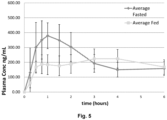
- diazepam When delivered orally as in the present invention, diazepam is typically absorbed rapidly and completely by the gastrointestinal tract. Onset of absorption can be as rapid as about 15 min or less and Tmax can also be observed in the range of about 1 hr to 1.5 hours for example. However, after a moderate fat meal, onset of absorption can be delayed to approximately 45 min and Tmax is pushed to about 2-3hours. Along with the delay in absorption comes a reduction in Cmax as absorption is spread out over a longer duration of time. The Cmax is reported to decrease by approximately 28% after a moderate fat meal.
- the recommended DBF dose for each weight class as defined in the DRG label was selected (1) to provide a dose sufficiently high to ensure that the predicted median of the resulting diazepam Cmax following a moderate fat meal was similar to the median Cmax following the labeled dose of Diastat rectal gel, and (2) to provide a dose for which the predicted median of the resulting diazepam Cmax under fasting conditions would not exceed the median Cmax values observed and demonstrated as safe in Phase 1 studies with DBF. It was demonstrated that the predicted median diazepam Cmax values with the proposed regimen administered under fasting conditions did not meaningfully exceed the median Cmax values observed in the 104 healthy volunteers (adult men and women) who received DBF 15 mg under fasting conditions in Phase 1 studies conducted by Aquestive.
- the median Cmax among these 104 healthy subjects was 467 ng/mL.
- the proposed DBF dosing regimen produces a Cmax similar to the Cmax expected following the corresponding labeled dose of Diastat rectal gel (DRG).
- DRG Diastat rectal gel
- high and low dose formulations were tested in pilot clinical trials against DRG at 5mg and 20mg strengths. The results showed excellent agreement between the 5mg DBF and 5mg DRG and also supported dose proportionality between the 20mg DBF and 5mg DBF. This is in contrast to the lack of proportionality between the 5mg DRG to the 20mg DRG as shown in Fig. 1C .
- The20 mg DBF was predicated to achieve about 367 ng/ml, but unexpectedly achieved over 600 ng/ml, or over 180% of the Target Cmax.
- DBF can reach a therapeutic window within 1 hour or less. In certain conditions, DBF can reach a therapeutic window within 45 minutes, within 30 minutes, within 15 minutes, within 10 minutes, or within 5 minutes or less. In certain conditions, DBF can reach a therapeutic window in 5 minutes or more. In certain conditions, DBF can reach a therapeutic window in greater than 10 minutes, greater than 15 minutes, greater than 30 minutes, or greater than 45 minutes. In a therapeutic window for DBF, blood levels of no less than 100 ng/ml, 90 ng/ml, 80 ng/ml, 70 ng/ml, 60 ng/ml, 50 ng/ml, 40 ng/ml, 30 ng/ml.
- a therapeutic window for DBF results in blood levels of no more than 10 ng/ml, 20 ng/ml, 30 ng/ml, 40 ng/ml, 50 ng/ml, 60 ng/ml, 70 ng/ml, 80 ng/ml. 90 ng/ml, or 100 ng/ml DBF can be observed.
- 17.5 mg DBF unexpectedly delivers same bioavailability as DRG. Moreover, 17.5 mg DBF was also found unexpectedly deliver the same Cmax under moderate fat conditions, as 20 mg DRG.
- DBF differed from DRG in the following respects (1) DBF exhibited higher bioavailability than DRG; (2) The PK behavior of DBF was linear. Specifically, for DBF both Cmax and AUC increased in proportion to the dose. In contrast, the PK behavior of DRG was not linear. Specifically, for DRG, Cmax increased with dose to a degree that was less than dose-proportional, whereas AUC increased in proportion to the dose. (3) DBF exhibited a food effect ( ⁇ 45% reduction on average in Cmax after a high fat meal and ⁇ 33% reduction on average after a moderate fat meal with no change in AUC). In contrast, it is assumed that DRG, because of its rectal route of administration, is not affected by food. There can be less intersubject variability with a transmucosal or transbuccal film as compared to a rectally delivered Diastat gel.
- the recommended DBF dose corresponding to each weight class as defined in the Diastat rectal gel label was selected (1) to provide a dose sufficiently high to ensure that the predicted median of the resulting diazepam Cmax following a moderate fat meal was similar to the median Cmax following the labeled dose of Diastat rectal gel, and (2) to provide a dose for which the predicted median of the resulting diazepam Cmax under fasting conditions would not exceed the median Cmax values observed and demonstrated as safe in Phase 1 healthy volunteer studies with DBF. Simulations based on population PK modeling demonstrated that under conditions of a moderate fat meal, the proposed DBF dosing regimen produced for each weight class a Cmax similar to the Cmax expected following the labeled dose of Diastat rectal gel.
- the dosing regime can be as indicated in the following charts: Weight (Kg) DRG (mg) DBF Weight - Adjusted (mg) 14 to 25 5 5 26 to 38 7.5 7.5 38 to 50 10 10 51 to 62 12.5 12.5 63 to 75 15 15 76 to 87 17.5 15 88 to 111 20 17.5 Weight (Kg) DRG (mg) DBF Weight - Adjusted (mg) 14 to 25 5 5 26 to 38 7.5 7.5 38 to 50 10 10 51 to 62 12.5 12.5 63 to 75 15 15 76 to 87 17.5 17.5 88 to 111 20 17.5 Weight (Kg) DRG (mg) DBF Weight - Adjusted (mg) 14 to 25 5 5 26 to 38 7.5 7.5 38 to 50 10 10 51 to 62 12.5 15 63 to 75 15 15 76 to 87 17.5 17.5 88 to 111 20 17.5 Weight (Kg) DRG (mg) DBF Weight - Adjusted (mg) 14 to 25 5 5 26
- the method of treating a medical condition includes delivering 0.1-0.4 mg/kg of diazepam, for example, 0.1-0.3 mg/kg of diazepam.
- the dose can be lower than the comparable Diastat dose for a weight class of subject, for example, in the fasted state. In other embodiments, the dose can be higher than the comparable Diastat dose for a weight class of subject, for example, in the fed state.
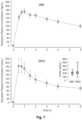
- DBF doses of 5 mg to 15 mg exhibited rapid absorption and linear dose-proportional pharmacokinetics.
- diazepam rectal gel showed sublinear dose-proportional pharmacokinetics for Cmax.
- Recent studies in animal models indicate that plasma diazepam concentrations in the range of 70 ng/ml are associated with an elevation in seizure threshold. See, e.g. Dhir A, Rogawski MA. Determination of minimal steady-state plasma level of diazepam causing seizure threshold elevation in rats. Epilepsia. 2018 May; 59(5):935-944. doi: 10.1111/epi.14069. Epub 2018 Apr 6. PubMed PMID: 29682729 ; PubMed Central PMCID: PMC5934328. At 15 min after application to the buccal mucosa, the mean plasma concentration following a 15 mg DBF dose exceeds this level (70 ng/ml).
- the straight-line interpolated Cmax value for a 12.5 mg DBF dose in fasted healthy volunteers based on the data presented in Fig. 1A is 417 ng/mL, which is substantially greater than the geometric mean Cmax values obtained in the study with subjects with epilepsy.
- Diazepam is N-demethylated by CYP3A4 and CYP2C19 so that its clearance is increased by inducers of these isozymes. See, e.g., Riss J, Cloyd J, Gates J, Collins S. Benzodiazepines in epilepsy: pharmacology and pharmacokinetics. Acta Neurol Scand. 2008 Aug;118(2):69-86. doi: 10.1111/j.1600-0404.2008.01004.x.
- the food effect observed after administration of DBF is more pronounced than that described for orally administered diazepam. It is postulated that this is a result of the portion of the dose being absorbed through the buccal mucosa and a portion being absorbed orally. This portion of the dose is not subject to a food effect and therefore, in the fed state only a portion of the absorption profile is moved to longer times.
- the Cmax of the resulting profile which, under fasting conditions is a combination of both routes of absorption, is unexpectedly reduced because the portion orally absorbed is not only reduced due to the presence of the food, but the profile is decoupled from buccal absorption profile.
- Solubility and permeability of the pharmaceutically active component in vivo, in particular, in the mouth of a subject, can vary tremendously.
- a particular class of permeation enhancer can improve the uptake and bioavailability of the pharmaceutically active component in vivo.
- the permeation enhancer when delivered to the mouth via a film, can improve the permeability of the pharmaceutically active component through the mucosa and into the blood stream of the subject.
- the permeation enhancer can improve absorption rate and amount of the pharmaceutically active component by more than 5%, more than 10%, more than 20%, more than 30%, more than 40%, more than 50%, more than 60%, more than 70%, more than 80%, more than 90%, more than 100%, more than 150%, about 200% or more, or less than 200%, less than 150%, less than 100%, less than 90%, less than 80%, less than 70%, less than 60%, less than 50%, less than 40%, less than 30%, less than 20%, less than 10%, or less than 5%, or a combination of these ranges, depending on the other components in the composition.
- suitable permeation enhancers are shown, for example, U.S. Patent Application 15/587,364 and U.S. Patent Application 15/791,249 .
- a pharmaceutical composition has a suitable nontoxic, nonionic alkyl glycoside having a hydrophobic alkyl group joined by a linkage to a hydrophilic saccharide in combination with a mucosal delivery-enhancing agent selected from: (a) an aggregation inhibitory agent; (b) a charge-modifying agent; (c) a pH control agent; (d) a degradative enzyme inhibitory agent; (e) a mucolytic or mucus clearing agent; (f) a ciliostatic agent; (g) a membrane penetration-enhancing agent selected from: (i) a surfactant; (ii) a bile salt; (ii) a phospholipid additive, mixed micelle, liposome, or carrier; (iii) an alcohol; (iv) an enamine; (v) an NO donor compound; (vi) a long chain amphipathic molecule; (vii) a small hydrophobic penetration enhancer; (viii) sodium or a salicylic acid derivative
- the oral mucosa might be an attractive site for the delivery of therapeutic agents into the systemic circulation. Due to the direct drainage of blood from the buccal epithelium into the internal jugular vein first-pass metabolism in the liver and intestine may be avoided. First-pass effect can be a major reason for the poor bioavailability of some compounds when administered orally. Additionally, the mucosa lining in the oral cavity is easily accessible, which ensures that a dosage form can be applied to the required site and can be removed easily in the case of an emergency. However, like the skin, the buccal mucosa acts as a barrier to the absorption of xenobiotics, which can hinder the permeation of compounds across this tissue. The presence of no or little oral irritation is also a factor that is important when utilizing a transmucosal delivery system. Consequently, the identification of safe and effective penetration enhancers has become a major goal in the quest to improve oral mucosal drug delivery.
- Chemical penetration enhancers are substances that control the permeation rate of a coadministered or sequentially administered drug through a biological membrane. While extensive research has focused on obtaining an improved understanding of how penetration enhancers might alter intestinal and transdermal permeability, far less is known about the mechanisms involved in buccal and sublingual penetration enhancement.
- the buccal mucosa delineates the inside lining of the cheek as well as the area between the gums and upper and lower lips and it has an average surface area of 100 cm 2 .
- the surface of the buccal mucosa consists of a stratified squamous epithelium which is separated from the underlying connective tissue (lamina intestinal and submucosa) by an undulating basement membrane (a continuous layer of extracellular material approximately 1-2 ⁇ m in thickness).
- This stratified squamous epithelium consists of differentiating layers of cells which change in size, shape, and content as they travel from the basal region to the superficial region, where the cells are shed. There are approximately 40-50 cell layers, resulting in a buccal mucosa which is 500-600 ⁇ m thick.
- the sublingual mucosa is comparable to the buccal mucosa but the thickness of this epithelium is 100-200 ⁇ m. This membrane is also non-keratinised and being relatively thinner has been demonstrated to be more permeable than buccal mucosa. Blood flow to the sublingual mucosal is slower compared with the buccal mucosa and is of the order of 1.0 ml/ min -1 /cm -2 . However, the salivary flow to the sublingual region is greater than the buccal mucosa thereby offering challenges that can prematurely cause dilution and subsequent swallowing of the drug before it can penetrate the sublingual mucosa.
- the permeability of the buccal mucosa is greater than that of the skin, but less than that of the intestine.
- the differences in permeability are the result of structural differences between each of the tissues.
- the absence of organized lipid lamellae in the intercellular spaces of the buccal mucosa results in greater permeability of exogenous compounds, compared to keratinized epithelia of the skin; while the increased thickness and lack of tight junctions results in the buccal mucosa being less permeable than intestinal tissue.
- the primary barrier properties of the buccal mucosa have been attributed to the upper one-third to one-quarter of the buccal epithelium.
- researchers have learned that beyond the surface epithelium, the permeability barrier of nonkeratinized oral mucosa could also be attributed to contents extruded from the membrane-coating granules into the epithelial intercellular spaces.
- the intercellular lipids of the nonkeratinized regions of the oral cavity are of a more polar nature than the lipids of the epidermis, palate, and gingiva, and this difference in the chemical nature of the lipids may contribute to the differences in permeability observed between these tissues. Consequently, it appears that it is not only the greater degree of intercellular lipid packing in the stratum corneum of keratinized epithelia that creates a more effective barrier, but also the chemical nature of the lipids present within that barrier.
- hydrophilic and lipophilic regions in the oral mucosa have led researchers to postulate the existence of two routes of drug transport through the buccal mucosa which are paracellular (between the cells) and transcellular (across the cells).
- a chemical penetration enhancer, or absorption promoter is a substance added to a pharmaceutical formulation in order to increase the membrane permeation or absorption rate of the coadministered drug, without damaging the membrane and/or causing toxicity.
- chemical penetration enhancers have been many studies investigating the effect of chemical penetration enhancers on the delivery of compounds across the skin, nasal mucosa, and intestine. In recent years, more attention has been given to the effect of these agents on the permeability of the buccal mucosa. Since permeability across the buccal mucosa is considered to be a passive diffusion process the steady state flux (Jss) should increase with increasing donor chamber concentration (CD) according to Fick's first law of diffusion.
- the permeation enhancers can be applied in an oral mucosa, e.g. in buccal or sublingual administration.
- a permeation enhancer can be a synthetic compound.
- a permeation enhancer can be a biosynthetic compound.
- a permeation enhancer can be a natural compound.
- a permeation enhancer can include a combination of compounds from one or more of these categories of compounds.
- Fatty acids have been shown to enhance the permeation of a number of drugs through the skin, and this has been shown by differential scanning calorimetry and Fourier transform infrared spectroscopy to be related to an increase in the fluidity of intercellular lipids.
- pretreatment with ethanol has been shown to enhance the permeability of tritiated water and albumin across ventral tongue mucosa, and to enhance caffeine permeability across porcine buccal mucosa.
- Azone ® a biocompatible and biodegradable polymer
- Oral transmucosal drug delivery is the administration of pharmaceutically active agents through the oral mucosa to achieve systemic effects. Permeation pathways and predictive models for OTDD are described, e.g. in M. Sattar, Oral transmucosal drug delivery - Current status and future prospects, Int'l. Journal of Pharmaceutics, 47(2014) 498-506 . OTDD continues to attract the attention of academic and industrial scientists.
- buccal penetration can be improved by using various classes of transmucosal and transdermal penetration enhancers such as bile salts, surfactants, fatty acids and their derivatives, chelators, cyclodextrins and chitosan.
- transmucosal and transdermal penetration enhancers such as bile salts, surfactants, fatty acids and their derivatives, chelators, cyclodextrins and chitosan.
- bile salts are the most common.
- Chitosan has also been shown to promote absorption of small polar molecules and peptide / protein drugs through nasal mucosa in animal models and human volunteers. Other studies have shown an enhancing effect on penetration of compounds across the intestinal mucosa and cultured Caco-2 cells.
- the permeation enhancer can be a phytoextract.
- a phytoextract can be an essential oil or composition including essential oils extracted by distillation of the plant material.
- the phytoextract can include synthetic analogues of the compounds extracted from the plant material (i.e., compounds made by organic synthesis).
- the phytoextract can include a phenylpropanoid, for example, phenyl alanine, eugenol, eugenol acetate, a cinnamic acid, a cinnamic acid ester, a cinnamic aldehyde, a hydrocinnamic acid, chavicol, or safrole, or a combination thereof.
- the phytoextract can be an essential oil extract of a clove plant, for example, from the leaf, stem or flower bud of a clove plant.
- the clove plant can be Syzygium aromaticum.
- the phytoextract can include 20-95% eugenol, including 40-95% eugenol, including 60-95% eugenol, and for example, 80-95% eugenol.
- the extract can also include 5% to 15% eugenol acetate.
- the extract can also include caryophyllene.
- the extract can also include up to 2.1% ⁇ -humulen.
- Other volatile compounds included in lower concentrations in clove essential oil can be ⁇ -pinene, limonene, farnesol, benzaldehyde, 2-heptanone and ethyl hexanoate.
- Other permeation enhancers may be added to the composition to improve absorption of the drug.
- Suitable permeation enhancers include natural or synthetic bile salts such as sodium fusidate; glycocholate or deoxycholate and their salts; fatty acids and derivatives such as sodium laurate, oleic acid, oleyl alcohol, monoolein, and palmitoylcarnitine; chelators such as disodium EDTA, sodium citrate and sodium lauryl sulfate, azone, sodium cholate, sodium 5-methoxysalicylate, sorbitan laurate, glyceryl monolaurate, octoxynonyl-9, laureth-9, polysorbates, sterols, or glycerides, such as caprylocaproyl polyoxylglycerides, e.g., Labrasol.
- the permeation enhancer can include phytoextract derivatives and/or monolignols.
- the permeation enhancer can also be a fungal extract.
- vasodilatory effect Some natural products of plant origin have been known to have a vasodilatory effect. There are several mechanisms or modes by which plant-based products can evoke vasodilation. For review, see McNeill J.R. and Jurgens, T.M., Can. J. Physiol. Pharmacol. 84:803-821 (2006 . Specifically, vasorelaxant effects of eugenol have been reported in a number of animal studies. See, e.g., Lahlou, S., et al., J. Cardiovasc. Pharmacol. 43:250-57 (2004 ), Damiani, C.E.N., et al., Vascular Pharmacol.
- Fatty acids can be used as inactive ingredients in drug preparations or drug vehicles. Fatty acids can also be used as formulation ingredients due to their certain functional effects and their biocompatible nature. Fatty acid, both free and as part of complex lipids, are major metabolic fuel (storage and transport energy), essential components of all membranes and gene regulators. For review, see Rustan A.C. and Drevon, C.A., Fatty Acids: Structures and Properties, Encyclopedia of Life Sciences (2005 ). There are two families of essential fatty acids that are metabolized in the human body: ⁇ -3 and ⁇ -6 polyunsaturated fatty acids (PUFAs). If the first double bond is found between the third and the fourth carbon atom from the ⁇ carbon, they are called ⁇ -3 fatty acids.
- PUFAs polyunsaturated fatty acids
- PUFAs are further metabolized in the body by the addition of carbon atoms and by desaturation (extraction of hydrogen).
- Linoleic acid which is a ⁇ -6 fatty acid, is metabolized to ⁇ -linolenic acid, dihomo- ⁇ -linolinic acid, arachidonic acid, adrenic acid, tetracosatetraenoic acid, tetracosapentaenoic acid, docosapentaenoic acid, ⁇ -linolenic acid, which is a ⁇ -3 fatty acid is metabolized to octadecatetraenoic acid, eicosatetraenoic acid, eicosapentaenoic acid (EPA), docosapentaenoic acid, tetracosapentaenoic acid, tetracosahexaen
- the pulmonary vascular response to arachidonic acid can be either vasoconstrictive or vasodilative, depending on the dose, animal species, the mode of arachidonic acid administration, and the tones of the pulmonary circulation.
- arachidonic acid has been reported to cause cyclooxygenase-dependent and -independent pulmonary vasodilation. See, Feddersen, C.O. et al., J. Appl. Physiol. 68(5):1799-808 (1990 ); and see, Spannhake, E.W., et al., J. Appl. Physiol. 44:397-495 (1978 ) and Wicks, T.C. et al., Circ. Res. 38:167-71 (1976 ).
- the arrangement, order, or sequence of penetration enhancer(s) and active pharmaceutical ingredient(s) (API(s) - diazepam in the present invention) delivered to the desired mucosal surface can vary in order to deliver a desired pharmacokinetic profile. For example, one can apply the permeation enhancer(s) first by a film, by swab, spray, gel, rinse or by a first layer of a film then apply the API(s) by single film, by swab, or by a second layer of a film.
- the sequence can be reversed or modified, for example, by applying the API(s) first by film, by swab, or by a first layer of a film, and then applying the permeation enhancer(s) by a film, by swab, spray, gel, rinse or by a second layer of a film.
- the penetration enhancer(s) can be used as a pretreatment alone or in combination with at least one API to precondition the mucosa for further absorption of the API(s).
- the treatment can be followed by another treatment with neat penetration enhancer(s) to follow the at least one API mucosal application.
- the pretreatment can be applied as a separate treatment (film, gel, solution, swab etc.) or as a layer within a multilayered film construction of one or more layers.
- the pretreatment may be contained within a distinct domain of a single film, designed to dissolve and release to the mucosa prior to release of the secondary domains with or without penetration enhancer(s) or API(s).
- the active ingredient may then be delivered from a second treatment, alone or in combination with additional penetration enhancer(s).
- additional penetration enhancer(s) There may also be a tertiary treatment or domain that delivers additional penetration enhancer(s) and/or at least one API(s) or prodrug(s), either at a different ratio relative to each other or relative to the overall loading of the other treatments.
- This allows a custom pharmacokinetic profile to be obtained.
- the product may have single or multiple domains, with penetration enhancer(s) and API(s) that can vary in mucosal application order, composition, concentration, or overall loading that leads to the desired absorption amounts and/or rates that achieve the intended pharmacokinetic profile and/or pharmacodynamic effect.
- the film format can be oriented such that no distinct sides, or such that the film has at least one side of a multiple layer film where the edges are co-terminus (having or meeting at a shared border or limit).
- the pharmaceutical composition can be a chewable or gelatin or lyophilized or inhalation based dosage form, spray, gum, gel, cream, tablet, capsule, liquid or film.
- Microneedles can be used to enhance the delivery of drugs through the oral mucosa, particularly with the claimed compositions.
- the microneedles create micron sized pores in the oral mucosa which can enhance the delivery of drugs across the mucosa.
- Solid, hollow or dissolving microneedles can be fabricated out of suitable materials including, but not limited to, metal, polymer, glass and ceramics.
- the microfabrication process can include photolithography, silicon etching, laser cutting, metal electroplating, metal electro polishing and molding.
- Microneedles could be solid which is used to pretreat the tissue and are removed before applying the film.
- the drug loaded polymer film described in this application can be used as the matrix material of the microneedles itself. These films can have microneedles or micro protrusions fabricated on their surface which will dissolve after forming microchannels in the mucosa through which drugs can permeate.
- film can include films and sheets, in any shape, including rectangular, square, or other desired shape.
- a film can be any desired thickness and size.
- a film can have a thickness and size such that it can be administered to a user, for example, placed into the oral cavity of the user.
- a film can have a relatively thin thickness of from about 0.0025mm to about 0.250mm, or a film can have a somewhat thicker thickness of from about 0.250mm to about1.0mm. For some films, the thickness may be even larger, i.e., greater than about 1.0mm or thinner, i.e., less than about 0.0025mm.
- a film can be a single layer or a film can be multi-layered, including laminated or multiple cast films.
- a permeation enhancer and pharmaceutically active component can be combined in a single layer, each contained in separate layers, or can each be otherwise contained in discrete regions of the same dosage form.
- the pharmaceutically active component contained in the polymeric matrix can be dispersed in the matrix.
- the permeation enhancer being contained in the polymeric matrix can be dispersed in the matrix.
- Oral dissolving films can fall into three main classes: fast dissolving, moderate dissolving and slow dissolving. Oral dissolving films can also include a combination of any of the above categories.
- Fast dissolving films can dissolve in about 1 second to about 30 seconds in the mouth, including more than 1 second, more than 5 seconds, more than 10 seconds, more than 20 seconds, or less than 30 seconds.
- Moderate dissolving films can dissolve in about 1 to about 30 minutes in the mouth including more than 1 minute, more than 5 minutes, more than 10 minutes, more than 20 minutes or less than 30 minutes, and slow dissolving films can dissolve in more than 30 minutes in the mouth.
- fast dissolving films can include (or consist of) low molecular weight hydrophilic polymers (e.g., polymers having a molecular weight between about 1,000 to 9,000 daltons, or polymers having a molecular weight up to 200,000 daltons).
- slow dissolving films generally include high molecular weight polymers (e.g., having a molecular weight in millions). Moderate dissolving films can tend to fall in between the fast and slow dissolving films.
- Moderate dissolving films can dissolve rather quickly, but also have a good level of mucoadhesion.
- Moderate dissolving films can also be flexible, quickly wettable, and are typically non-irritating to the user.
- Such moderate dissolving films can provide a quick enough dissolution rate, most desirably between about 1 minute and about 20 minutes, while providing an acceptable mucoadhesion level such that the film is not easily removable once it is placed in the oral cavity of the user. This can ensure delivery of a pharmaceutically active component to a user.
- the pharmaceutically active component is diazepam.
- the composition includes a polymeric mucoadhesive matrix. Any desired polymeric matrix may be used, provided that it is orally dissolvable or erodible.
- the dosage should have enough bioadhesion to not be easily removed and it should form a gel like structure when administered. They can be moderate-dissolving in the oral cavity and particularly suitable for delivery of pharmaceutically active components, although both fast release, delayed release, controlled release and sustained release compositions are also among the various embodiments contemplated.
- the pharmaceutical composition film can include dendritic polymers which can include highly branched macromolecules with various structural architectures.
- the dendritic polymers can include dendrimers, dendronised polymers (dendrigrafted polymers), linear dendritic hybrids, multi-arm star polymers, or hyperbranched polymers.
- Hyperbranched polymers are highly branched polymers with imperfections in their structure. However, they can be synthesized in a single step reaction which can be an advantage over other dendritic structures and are therefore suitable for bulk volume applications. The properties of these polymers apart from their globular structure are the abundant functional groups, intramolecular cavities, low viscosity and high solubility. Dendritic polymers have been used in several drug delivery applications. See, e.g., Dendrimers as Drug Carriers: Applications in Different Routes of Drug Administration. J Pharm Sci, VOL. 97, 2008, 123-143 .
- the dendritic polymers can have internal cavities which can encapsulate drugs.
- the steric hindrance caused by the highly dense polymer chains might prevent the crystallization of the drugs.
- branched polymers can provide additional advantages in formulating crystallizable drugs in a polymer matrix.
- Suitable dendritic polymers include poly(ether) based dendrons, dendrimers and hyperbranched polymers, poly(ester) based dendrons, dendrimers and hyperbranched polymers, poly(thioether) based dendrons, dendrimers and hyperbranched polymers, poly(amino acid) based dendrons dendrimers and hyperbranched polymers, poly(arylalkylene ether) based dendrons, dendrimers and hyperbranched polymers, poly(alkyleneimine) based dendrons, dendrimers and hyperbranched polymers, poly(amidoamine) based dendrons, dendrimers or hyperbranched polymers.
- hyperbranched polymers include poly(amines)s, polycarbonates, poly(ether ketone)s, polyurethanes, polycarbosilanes, polysiloxanes, poly(ester amine)s, poly(sulfone amine)s, poly(urea urethane)s and polyether polyols such as polyglycerols.
- a film can be produced by a combination of at least one polymer and a solvent, optionally including other components.
- the solvent may be water, a polar organic solvent including, but not limited to, ethanol, isopropanol, acetone, or any combination thereof.
- the solvent may be a non-polar organic solvent, such as methylene chloride.
- the film may be prepared by utilizing a selected casting or deposition method and a controlled drying process. For example, the film may be prepared through a controlled drying processes, which include application of heat and/or radiation energy to the wet film matrix to form a visco-elastic structure, thereby controlling the uniformity of content of the film.
- the controlled drying processes can include air alone, heat alone or heat and air together contacting the top of the film or bottom of the film or the substrate supporting the cast or deposited or extruded film or contacting more than one surface at the same time or at different times during the drying process.
- Some of such processes are described in more detail in U.S. Patent No. 8,765,167 and U.S. Patent No. 8,652,378 .
- the films may be extruded as described in U.S. Patent Publication No. 2005/0037055 A1 .
- a polymer included in the films may be water-soluble, water-swellable, water-insoluble, or a combination of one or more either water-soluble, water-swellable or water-insoluble polymers.
- the polymer may include cellulose, cellulose derivatives or gums.
- useful water-soluble polymers include, but are not limited to, polyethylene oxide, pullulan, hydroxypropylmethyl cellulose, hydroxyethyl cellulose, hydroxypropyl cellulose, polyvinyl pyrrolidone, carboxymethyl cellulose, polyvinyl alcohol, sodium alginate, polyethylene glycol, xanthan gum, tragancanth gum, guar gum, acacia gum, arabic gum, polyacrylic acid, methylmethacrylate copolymer, carboxyvinyl copolymers, starch, gelatin, and combinations thereof.
- useful water-insoluble polymers include, but are not limited to, ethyl cellulose, hydroxypropyl ethyl cellulose, cellulose acetate phthalate, hydroxypropyl methyl cellulose phthalate and combinations thereof.
- ethyl cellulose hydroxypropyl ethyl cellulose
- cellulose acetate phthalate hydroxypropyl methyl cellulose phthalate
- combinations thereof it may be desirable to incorporate a polymer that provides a high level of viscosity as compared to lower dosages.
- water-soluble polymer and variants thereof refer to a polymer that is at least partially soluble in water, and desirably fully or predominantly soluble in water, or absorbs water. Polymers that absorb water are often referred to as being water-swellable polymers.
- the materials useful with the present invention may be water-soluble or water-swellable at room temperature and other temperatures, such as temperatures exceeding room temperature. Moreover, the materials may be water-soluble or water-swellable at pressures less than atmospheric pressure. In some embodiments, films formed from such water-soluble polymers may be sufficiently water-soluble to be dissolvable upon contact with bodily fluids.
- biodegradable polymers include materials that chemically degrade, as opposed to materials that physically break apart (i.e., bioerodable materials).
- bioerodable materials include materials that chemically degrade, as opposed to materials that physically break apart (i.e., bioerodable materials).
- the polymers incorporated in the films can also include a combination of biodegradable or bioerodable materials.
- poly(glycolic acid) PGA
- poly(lactic acid) PLA
- polydioxanes polyoxalates
- poly(alpha-esters) polyanhydrides
- polyacetates polycaprolactones
- poly(orthoesters) polyamino acids
- polyaminocarbonates polyurethanes
- polycarbonates polyamides
- poly(alkyl cyanoacrylates) poly(alkyl cyanoacrylates)
- Additional useful polymers include, stereopolymers of L- and D-lactic acid, copolymers of bis(p-carboxyphenoxy)propane acid and sebacic acid, sebacic acid copolymers, copolymers of caprolactone, poly(lactic acid)/poly(glycolic acid)/polyethyleneglycol copolymers, copolymers of polyurethane and (poly(lactic acid), copolymers of alpha-amino acids, copolymers of alpha-amino acids and caproic acid, copolymers of alpha-benzyl glutamate and polyethylene glycol, copolymers of succinate and poly(glycols), polyphosphazene, polyhydroxy-alkanoates or mixtures thereof.
- the polymer matrix can include one, two, three, four or more components.
- the polymers provide mucoadhesive properties to the film, as well as a desired dissolution and/or disintegration rate.
- the time period for which it is desired to maintain the film in contact with the mucosal tissue depends on the type of pharmaceutically active component contained in the composition. Some pharmaceutically active components may only require a few minutes for delivery through the mucosal tissue, whereas other pharmaceutically active components may require up to several hours or even longer. Accordingly, in some embodiments, one or more water-soluble polymers, as described above, may be used to form the film.
- water-soluble polymers and polymers that are water-swellable, water-insoluble and/or biodegradable may be desirable to use combinations of water-soluble polymers and polymers that are water-swellable, water-insoluble and/or biodegradable, as provided above.
- the inclusion of one or more polymers that are water-swellable, water-insoluble and/or biodegradable may provide films with slower dissolution or disintegration rates than films formed from water-soluble polymers alone. As such, the film may adhere to the mucosal tissue for longer periods of time, such as up to several hours, which may be desirable for delivery of certain pharmaceutically active components.
- an individual film dosage of the pharmaceutical film can have a suitable thickness, and small size, which is between about 0.0625-3 inch by about 0.0625-3 inch.
- the film size can also be greater than 0.0625 inch, greater than 0.5 inch, greater than 1 inch, greater than 2 inches, about 3 inches, and greater than 3 inches, less than 3 inches, less than 2 inches, less than 1 inch, less than 0.5 inch, less than 0.0625 inch in at least one aspect, or greater than 0.0625 inch, greater than 0.5 inch, greater than 1 inch, greater than 2 inches, or greater than 3 inches, about 3 inches, less than 3 inches, less than 2 inches, less than 1 inch, less than 0.5 inch, less than 0.0625 inch in another aspect.
- the aspect ratio including thickness, length, and width can be optimized by a person of ordinary skill in the art based on the chemical and physical properties of the polymeric matrix, the active pharmaceutical ingredient, dosage, enhancer, and other additives involved as well as the dimensions of the desired dispensing unit.
- the film dosage should have good adhesion when placed in the buccal cavity or in the sublingual region of the user. Further, the film dosage should disperse and dissolve at a moderate rate, most desirably dispersing within about 1 minute and dissolving within about 3 minutes.
- the film dosage may be capable of dispersing and dissolving at a rate of between about 1 to about 30 minutes, for example, about 1 to about 20 minutes, or more than 1 minute, more than 5 minutes, more than 7 minutes, more than 10 minutes, more than 12 minutes, more than 15 minutes, more than 20 minutes, more than 30 minutes, about 30 minutes, or less than 30 minutes, less than 20 minutes, less than 15 minutes, less than 12 minutes, less than 10 minutes, less than 7 minutes, less than 5 minutes, or less than 1 minute.
- Sublingual dispersion rates may be shorter than buccal dispersion rates.
- the films may include polyethylene oxide alone or in combination with a second polymer component.
- the second polymer may be another water-soluble polymer, a water-swellable polymer, a water-insoluble polymer, a biodegradable polymer or any combination thereof.
- Suitable water-soluble polymers include, without limitation, any of those provided above.
- the water-soluble polymer may include hydrophilic cellulosic polymers, such as hydroxypropyl cellulose and/or hydroxypropylmethyl cellulose.
- one or more water-swellable, water-insoluble and/or biodegradable polymers also may be included in the polyethylene oxide-based film.
- the second polymer component may be employed in amounts of about 0% to about 80% by weight in the polymer component, more specifically about 30% to about 70% by weight, and even more specifically about 40% to about 60% by weight, including greater than 5%, greater than 10%, greater than 15%, greater than 20%, greater than 30%, greater than 40%, greater than 50%, greater than 60%, and greater than 70%, about 70%, less than 70%, less than 60%, less than 50%, less than 40%, less than 30%, less than 20%, less than 10% or less than 5% by weight.
- Additives may be included in the films.
- classes of additives include preservatives, antimicrobials, excipients, lubricants, buffering agents, stabilizers, blowing agents, pigments, coloring agents, fillers, bulking agents, sweetening agents, flavoring agents, fragrances, release modifiers, adjuvants, plasticizers, flow accelerators, mold release agents, polyols, granulating agents, diluents, binders, buffers, absorbents, glidants, adhesives, anti-adherents, acidulants, softeners, resins, demulcents, solvents, surfactants, emulsifiers, elastomers, anti-tacking agents, anti-static agents and mixtures thereof.
- additives may be added with the pharmaceutically active component(s).
- stabilizer means an excipient capable of preventing aggregation or other physical degradation, as well as chemical degradation, of the active pharmaceutical ingredient, another excipient, or the combination thereof.
- Stabilizers may also be classified as antioxidants, sequestrants, pH modifiers, emulsifiers and/or surfactants, or UV stabilizers.
- Antioxidants include, in particular, the following substances: tocopherols and the esters thereof, sesamol of sesame oil, coniferyl benzoate of benzoin resin, nordihydroguaietic resin and nordihydroguaiaretic acid (NDGA), gallates (among others, methyl, ethyl, propyl, amyl, butyl, lauryl gallates), butylated hydroxyanisole (BHA/BHT, also butyl-p-cresol); ascorbic acid and salts and esters thereof (for example, acorbyl palmitate), erythorbinic acid (isoascorbinic acid) and salts and esters thereof, monothioglycerol, sodium formaldehyde sulfoxylate, sodium metabisulfite, sodium bisulfite, sodium sulfite,
- Typical antioxidants are tocopherol such as, for example, ⁇ -tocopherol and the esters thereof, butylated hydroxytoluene and butylated hydroxyanisole.
- tocopherol also includes esters of tocopherol.
- a known tocopherol is ⁇ -tocopherol.
- ⁇ -tocopherol includes esters of ⁇ -tocopherol (for example, ⁇ -tocopherol acetate).
- Sequestrants i.e., any compounds which can engage in host-guest complex formation with another compound, such as the active ingredient or another excipient; also referred to as a sequestering agent
- a sequestering agent include calcium chloride, calcium disodium ethylene diamine tetra-acetate, glucono delta-lactone, sodium gluconate, potassium gluconate, sodium tripolyphosphate, sodium hexametaphosphate, and combinations thereof.
- Sequestrants also include cyclic oligosaccharides, such as cyclodextrins, cyclomannins (5 or more ⁇ -D-mannopyranose units linked at the 1,4 positions by ⁇ linkages), cyclogalactins (5 or more ⁇ -D-galactopyranose units linked at the 1,4 positions by ⁇ linkages), cycloaltrins (5 or more ⁇ -D-altropyranose units linked at the 1,4 positions by ⁇ linkages), and combinations thereof.
- cyclic oligosaccharides such as cyclodextrins, cyclomannins (5 or more ⁇ -D-mannopyranose units linked at the 1,4 positions by ⁇ linkages), cyclogalactins (5 or more ⁇ -D-galactopyranose units linked at the 1,4 positions by ⁇ linkages), cycloaltrins (5 or more ⁇ -D-altropyranose units linked at the 1,4 positions by ⁇ linkages
- pH modifiers or stabilizers include acids (e.g., tartaric acid, citric acid, lactic acid, fumaric acid, phosphoric acid, ascorbic acid, acetic acid, succinic acid, adipic acid and maleic acid), acidic amino acids (e.g., glutamic acid, aspartic acid, etc.), inorganic salts (alkali metal salt, alkaline earth metal salt, ammonium salt, etc.) of such acidic substances, a salt of such acidic substance with an organic base (e.g., basic amino acid such as lysine, arginine and the like, meglumine and the like), and a solvate (e.g., hydrate) thereof.
- acids e.g., tartaric acid, citric acid, lactic acid, fumaric acid, phosphoric acid, ascorbic acid, acetic acid, succinic acid, adipic acid and maleic acid
- acidic amino acids e.g., glutamic acid, aspart
- pH modifiers include silicified microcrystalline cellulose, magnesium aluminometasilicate, calcium salts of phosphoric acid (e.g., calcium hydrogen phosphate anhydrous or hydrate, calcium, sodium or potassium carbonate or hydrogencarbonate and calcium lactate or mixtures thereof), sodium and/or calcium salts of carboxymethyl cellulose, cross-linked carboxymethylcellulose (e.g., croscarmellose sodium and/or calcium), polacrilin potassium, sodium and or/calcium alginate, docusate sodium, magnesium calcium, aluminium or zinc stearate, magnesium palmitate and magnesium oleate, sodium stearyl fumarate, and combinations thereof.
- phosphoric acid e.g., calcium hydrogen phosphate anhydrous or hydrate, calcium, sodium or potassium carbonate or hydrogencarbonate and calcium lactate or mixtures thereof
- carboxymethyl cellulose e.g., croscarmellose sodium and/or calcium
- polacrilin potassium sodium and or/calcium alginate
- emulsifiers and/or surfactants include poloxamers or pluronics, polyethylene glycols, polyethylene glycol monostearate, polysorbates, sodium lauryl sulfate, polyethoxylated and hydrogenated castor oil, alkyl polyoside, a grafted water soluble protein on a hydrophobic backbone, lecithin, glyceryl monostearate, glyceryl monostearate/polyoxyethylene stearate, ketostearyl alcohol/sodium lauryl sulfate, carbomer, phospholipids, (C 10 -C 20 )-alkyl and alkylene carboxylates, alkyl ether carboxylates, fatty alcohol sulfates, fatty alcohol ether sulfates, alkylamide sulfates and sulfonates, fatty acid alkylamide polyglycol ether sulfates, alkanesulfonates and hydroxyalkane
- UV stabilizers examples include UV absorbers (e.g., benzophenones), UV quenchers (i.e., any compound that dissipates UV energy as heat, rather than allowing the energy to have a degradation effect), scavengers (i.e., any compound that eliminates free radicals resulting from exposure to UV radiation), and combinations thereof.
- UV absorbers e.g., benzophenones
- UV quenchers i.e., any compound that dissipates UV energy as heat, rather than allowing the energy to have a degradation effect
- scavengers i.e., any compound that eliminates free radicals resulting from exposure to UV radiation
- stabilizers include ascorbyl palmitate, ascorbic acid, alpha tocopherol, butylated hydroxytoluene, buthylated hydroxyanisole, cysteine HC1, citric acid, ethylenediamine tetra acetic acid (EDTA), methionine, sodium citrate, sodium ascorbate, sodium thiosulfate, sodium metabi sulfite, sodium bisulfite, propyl gallate, glutathione, thioglycerol, singlet oxygen quenchers, hydroxyl radical scavengers, hydroperoxide removing agents, reducing agents, metal chelators, detergents, chaotropes, and combinations thereof.
- EDTA ethylenediamine tetra acetic acid
- “Singlet oxygen quenchers” include, but are not limited to, alkyl imidazoles (e.g., histidine, L-camosine, histamine, imidazole 4-acetic acid), indoles (e.g., tryptophan and derivatives thereof, such as N-acetyl-5-methoxytryptamine, N-acetylserotonin, 6-methoxy-1,2,3,4-tetrahydro-beta-carboline), sulfur-containing amino acids (e.g., methionine, ethionine, djenkolic acid, lanthionine, N-formyl methionine, felinine, S-allyl cysteine, S-aminoethyl-L-cysteine), phenolic compounds (e.g., tyrosine and derivatives thereof), aromatic acids (e.g., ascorbate, salicylic acid, and derivatives thereof), azide (e.g., sodium azide
- Hydroxyl radical scavengers include, but are not limited to azide, dimethyl sulfoxide, histidine, mannitol, sucrose, glucose, salicylate, and L-cysteine.
- Hydrodroperoxide removing agents include, but are not limited to catalase, pyruvate, glutathione, and glutathione peroxidases.
- Reducing agents include, but are not limited to, cysteine and mercaptoethylene.
- Methodal chelators include, but are not limited to, EDTA, EGTA, o-phenanthroline, and citrate.
- Detergents include, but are not limited to, SDS and sodium lauroyl sarcosyl.
- Chaotropes include, but are not limited to guandinium hydrochloride, isothiocyanate, urea, and formamide.
- stabilizers can be present in 0.0001%-50% by weight, including greater than 0.0001%, greater than 0.001%, greater than 0.01%, greater than 0.1%, greater than 1%, greater than 5%, greater than 10%, greater than 20%, greater than 30%, greater than 40%, greater than 50%, less than 50%, less than 40%, less than 30%, less than 20%, less than 10%, less than 1%, less than 0.1%, less than 0.01%, less than 0.001%, or less than 0.0001% by weight.
- Useful additives can include, for example, gelatin, gelatin hydrosylates, recombinant gelatin, vegetable proteins such as sunflower protein, soybean proteins, cotton seed proteins, peanut proteins, grape seed proteins, whey proteins, whey protein isolates, blood proteins, egg proteins, acrylated proteins, water-soluble polysaccharides such as alginates, carrageenans, guar gum, agar-agar, xanthan gum, gellan gum, gum arabic and related gums (gum ghatti, gum karaya, gum tragancanth), pectin, water-soluble derivatives of cellulose: alkylcelluloses hydroxyalkylcelluloses and hydroxyalkylalkylcelluloses, such as methylcellulose, hydroxymethylcellulose, hydroxyethylcellulose, hydroxypropylcellulose, hydroxyethylmethylcellulose, hydroxypropylmethylcellulose, hydroxybutylmethylcellulose, cellulose esters and hydroxyalkylcellulose esters such as cellulose acetate phthal
- Stabilizers can include nanoparticulate stabilizers, such as a dispersant layer around a nanoparticulate surface. See, e.g., Langmuir 2007, (23)3, 1081-1090, December 20, 2006, https://doi.org/10.1021/1a062042s .
- Stabilizers can include stabilizer ligands, e.g., monomers bearing functional groups that can get chemisorbed on nanoparticles to form polymerizable monolayers. See, e.g., Jadhav et al https://doi.org/10.1002/ppsc.201400074.
- Stabilizers can include surface stabilizers. See, e.g., U.S. Pat. No. 6428814 and Japanese Pat.
- Surface stabilizers can include tyloxapol ( U.S. Pat. No. 5,429,824 ), polyalkylene block copolymers ( U.S. Pat. No. 5,565,188 ), sulfated non-ionic block copolymers ( U.S. Pat. No. 5,569,448 ), high molecular weight, linear, poly(ethylene oxide) polymers ( U.S. Pat. No. 5,580,579 ), butylene oxide-ethylene oxide block copolymers ( U.S. Pat. No. 5,587,143 ), hydroxypropyl cellulose ( U.S. Pat. No. 5,591,456 ), and sugar based surface stabilizers ( U.S. Pat.
- Stabilizers can include peptide stabilizers. See, e.g., WO2006097748A2 . Stabilizers can include for example, L-cysteine hydrochloride, glycine hydrochloride, malic acid, sodium metabisulfite, citric acid, tartaric acid, and L-cystine dihydrochloride. See, e.g., U.S. Pat. 6,153,223 . Stabilizers can include natural compounds. Stabilizers can include synthetic compounds. Stabilizers can include a blend of one of more compounds or categories of compounds described above. Stabilizers can be function to protect the metabolism of a prodrug until a desired time or until it reaches a specific target, tissue or environment.
- the additional components can range up to about 80%, desirably about 0.005% to 50% and more desirably within the range of 1% to 20% based on the weight of all composition components, including greater than 1%, greater than 5%, greater than 10%, greater than 20%, greater than 30%, greater than 40%, greater than 50%, greater than 60%, greater than 70%, about 80%, greater than 80%, less than 80%, less than 70%, less than 60%, less than 50%, less than 40%, less than 30%, less than 20%, less than 10%, less than 5%, about 3%, or less than 1%.
- Other additives can include anti-tacking, flow agents and opacifiers, such as the oxides of magnesium aluminum, silicon, titanium, etc.
- the composition can include plasticizers, which can include polyalkylene oxides, such as polyethylene glycols, polypropylene glycols, polyethylene-propylene glycols, organic plasticizers with low molecular weights, such as glycerol, glycerol monoacetate, diacetate or triacetate, triacetin, polysorbate, cetyl alcohol, propylene glycol, sugar alcohols sorbitol, sodium diethylsulfosuccinate, triethyl citrate, tributyl citrate, phytoextracts, fatty acid esters, fatty acids, oils and the like, added in concentrations ranging from about 0.1% to about 40%, and desirably ranging from about 0.5% to about 20% based on the weight of the composition including greater than 0.5%, greater than 1%, greater than 1.5%, greater than 2%, greater than 4%, greater than 5%, greater than 10%, greater than 15%, about 20%, greater than 20%, less than 20%, less than 15%,
- composition can further be added compounds to improve the texture properties of the film material such as animal or vegetable fats, desirably in their hydrogenated form.
- the composition can also include compounds to improve the textural properties of the product.
- Other ingredients can include binders which contribute to the ease of formation and general quality of the films.
- binders include starches, natural gums, pregelatinized starches, gelatin, polyvinylpyrrolidone, methylcellulose, sodium carboxymethylcellulose, ethylcellulose, polyacrylamides, polyvinyloxoazolidone, or polyvinylalcohols.
- Such agents include solubility enhancing agents, such as substances that form inclusion compounds with active components. Such agents may be useful in improving the properties of very insoluble and/or unstable actives.
- these substances are doughnut-shaped molecules with hydrophobic internal cavities and hydrophilic exteriors. Insoluble and/or instable pharmaceutically active components may fit within the hydrophobic cavity, thereby producing an inclusion complex, which is soluble in water. Accordingly, the formation of the inclusion complex permits very insoluble and/or unstable pharmaceutically active components to be dissolved in water.
- a particularly desirable example of such agents are cyclodextrins, which are cyclic carbohydrates derived from starch. Other similar substances, however, are considered well within the scope of the present invention.
- Suitable coloring agents include food, drug and cosmetic colors (FD&C), drug and cosmetic colors (D&C), or external drug and cosmetic colors (Ext. D&C). These colors are dyes, their corresponding lakes, and certain natural and derived colorants. Lakes are dyes absorbed on aluminum hydroxide. Other examples of coloring agents include known azo dyes, organic or inorganic pigments, or coloring agents of natural origin.
- Inorganic pigments are preferred, such as the oxides or iron or titanium, these oxides, being added in concentrations ranging from about 0.001 to about 10%, and preferably about 0.5 to about 3%, including greater than 0.001%, greater than 0.01%, greater than 0.1%, greater than 0.5%, greater than 1%, greater than 2%, greater than 5%, about 10%, greater than 10%, less than 10%, less than 5%, less than 2%, less than 1%, less than 0.5%, less than 0.1%, less than 0.01%, or less than 0.001%, based on the weight of all the components.
- Flavors may be chosen from natural and synthetic flavoring liquids.
- An illustrative list of such agents includes volatile oils, synthetic flavor oils, flavoring aromatics, oils, liquids, oleoresins or extracts derived from plants, leaves, flowers, fruits, stems and combinations thereof.
- a non-limiting representative list of examples includes mint oils, cocoa, and citrus oils such as lemon, orange, lime and grapefruit and fruit essences including apple, pear, peach, grape, strawberry, raspberry, cherry, plum, pineapple, apricot or other fruit flavors.
- aldehydes and esters such as benzaldehyde (cherry, almond), citral i.e., alphacitral (lemon, lime), neral, i.e., beta-citral (lemon, lime), decanal (orange, lemon), aldehyde C-8 (citrus fruits), aldehyde C-9 (citrus fruits), aldehyde C-12 (citrus fruits), tolyl aldehyde (cherry, almond), 2,6-dimethyloctanol (green fruit), or 2-dodecenal (citrus, mandarin), combinations thereof and the like.
- aldehydes and esters such as benzaldehyde (cherry, almond), citral i.e., alphacitral (lemon, lime), neral, i.e., beta-citral (lemon, lime), decanal (orange, lemon), aldehyde C-8 (citrus fruits), aldeh
- the sweeteners may be chosen from the following non-limiting list: saccharides, glucose (corn syrup), dextrose, invert sugar, fructose, and combinations thereof, saccharin and its various salts such as the sodium salt; dipeptide based sweeteners such as aspartame, neotame, advantame; dihydrochalcone compounds, glycyrrhizin; Stevia Rebaudiana (Stevioside); chloro derivatives of sucrose such as sucralose; sugar alcohols such as sorbitol, mannitol, xylitol, and the like.
- hydrogenated starch hydrolysates and the synthetic sweetener 3,6-dihydro-6-methyl-1-1-1,2,3-oxathiazin-4-one-2,2-dioxide particularly the potassium salt (acesulfame-K), and sodium and calcium salts thereof, and natural intensive sweeteners, such as Lo Han Kuo.
- Other sweeteners may also be used.
- Anti-foaming and/or de-foaming components may also be used with the films. These components aid in the removal of air, such as entrapped air, from the film-forming compositions. Such entrapped air may lead to non-uniform films.
- Simethicone is one particularly useful anti-foaming and/or de-foaming agent.
- the present invention is not so limited and other suitable anti-foam and/or de-foaming agents may be used.
- Simethicone and related agents may be employed for densification purposes. More specifically, such agents may facilitate the removal of voids, air, moisture, and similar undesired components, thereby providing denser and thus more uniform films. Agents or components which perform this function can be referred to as densification or densifying agents. As described above, entrapped air or undesired components may lead to non-uniform films.
- the film compositions further desirably contain a buffer so as to control the pH of the film composition.
- a buffer so as to control the pH of the film composition.
- Any desired level of buffer may be incorporated into the film composition so as to provide the desired pH level encountered as the pharmaceutically active component is released from the composition.
- the buffer is preferably provided in an amount sufficient to control the release from the film and/or the absorption into the body of the pharmaceutically active component.
- the buffer may include sodium citrate, citric acid, bitartrate salt and combinations thereof.
- the film dosage composition is formed by first preparing a wet composition, the wet composition including a polymeric carrier matrix and a therapeutically effective amount of a pharmaceutically active component.
- the wet composition is cast into a film and then sufficiently dried to form a self-supporting film composition.
- the wet composition may be cast into individual dosages, or it may be cast into a sheet, where the sheet is then cut into individual dosages.
- the pharmaceutical composition can adhere to a mucosal surface.
- the composition carries a pharmaceutical (diazepam), and upon application and adherence to the mucosal surface, offers a layer of protection and delivers the pharmaceutical to the treatment site, the surrounding tissues, and other bodily fluids.
- the composition provides an appropriate residence time for effective drug delivery at the treatment site, given the control of erosion in aqueous solution or bodily fluids such as saliva, and the slow, natural erosion of the film concomitant or subsequent to the delivery.
- the residence time of the composition depends on the erosion rate of the water erodible polymers used in the formulation and their respective concentrations.
- the erosion rate may be adjusted, for example, by mixing together components with different solubility characteristics or chemically different polymers, such as hydroxyethyl cellulose and hydroxypropyl cellulose; by using different molecular weight grades of the same polymer, such as mixing low and medium molecular weight hydroxyethyl cellulose; by using excipients or plasticizers of various lipophilic values or water solubility characteristics (including essentially insoluble components); by using water soluble organic and inorganic salts; by using crosslinking agents such as glyoxal with polymers such as hydroxyethyl cellulose for partial crosslinking; or by post-treatment irradiation or curing, which may alter the physical state of the film, including its crystallinity or phase transition, once obtained.
- the pharmaceutical composition film adheres to the mucosal surface and is held in place. Water absorption softens the composition, thereby diminishing the foreign body sensation.
- delivery of the drug occurs. Residence times may be adjusted over a wide range depending upon the desired timing of the delivery of the chosen pharmaceutical and the desired lifespan of the carrier. Generally, however, the residence time is modulated between about a few seconds to about a few days. Preferably, the residence time for most pharmaceuticals is adjusted from about 5 seconds to about 24 hours. More preferably, the residence time is adjusted from about 5 seconds to about 30 minutes.
- the composition adheres to the mucosal surface, it also provides protection to the treatment site, acting as an erodible bandage. Lipophilic agents can be designed to slow down erodibility to decrease disintegration and dissolution.
- excipients which are sensitive to enzymes such as amylase, very soluble in water such as water soluble organic and inorganic salts.
- Suitable excipients may include the sodium and potassium salts of chloride, carbonate, bicarbonate, citrate, trifluoroacetate, benzoate, phosphate, fluoride, sulfate, or tartrate.
- the amount added can vary depending upon how much the erosion kinetics is to be altered as well as the amount and nature of the other components in the composition.
- Emulsifiers typically used in the water-based emulsions described above are, preferably, either obtained in situ if selected from the linoleic, palmitic, myristoleic, lauric, stearic, cetoleic or oleic acids and sodium or potassium hydroxide, or selected from the laurate, palmitate, stearate, or oleate esters of sorbitol and sorbitol anhydrides, polyoxyethylene derivatives including monooleate, monostearate, monopalmitate, monolaurate, fatty alcohols, alkyl phenols, allyl ethers, alkyl aryl ethers, sorbitan monostearate, sorbitan monooleate and/or sorbitan monopalmitate.
- the amount of pharmaceutically active component (diazepam) to be used depends on the desired treatment strength and the composition of the layers, although preferably, the pharmaceutical component comprises from about 0.001% to about 99%, more preferably from about 0.003 to about 75%, and most preferably from about 0.005% to about 50% by weight of the composition, including, more than 0.005%, more than 0.05%, more than 0.5%, more than 1%, more than 5%, more than 10%, more than 15%, more than 20%, more than 30%, about 50%, more than 50%, less than 50%, less than 30%, less than 20%, less than 15%, less than 10%, less than 5%, less than 1%, less than 0.5%, less than 0.05%, or less than 0.005%.
- the amounts of other components may vary depending on the drug or other components but typically these components comprise no more than 50%, preferably no more than 30%, and most preferably no more than 15% by total weight of the composition.
- the thickness of the film may vary, depending on the thickness of each of the layers and the number of layers. As stated above, both the thickness and amount of layers may be adjusted in order to vary the erosion kinetics.
- the thickness ranges from 0.005 mm to 2 mm, preferably from 0.01 to 1 mm, and more preferably from 0.1 to 0.5 mm, including greater than 0.1 mm, greater than 0.2 mm, about 0.5 mm, greater than 0.5 mm, less than 0.5 mm, less than 0.2 mm, or less than 0.1 mm.
- the thickness of each layer may vary from 10 to 90% of the overall thickness of the layered composition, and preferably varies from 30 to 60%, including greater than 10%, greater than 20%, greater than 30%, greater than 40%, greater than 50%, greater than 70%, greater than 90%, about 90%, less than 90%, less than 70%, less than 50%, less than 40%, less than 30%, less than 20%, or less than 10%.
- the preferred thickness of each layer may vary from 0.01 mm to 0.9 mm, or from 0.03 to 0.5 mm.
- the proposed dosing regimen for diazepam buccal film was designed to provide diazepam exposure in patients equivalent to the exposure achieved when the reference drug, Diastat Rectal Gel (DRG), which is administered according to its approved product label (Table 1 below).
- the Diastat label provides a weight-adjusted dosing regimen that categorizes patients first according to three age groups: 2-5 years, 6-11 years, and 12+ years.
- the recommended dose on mg/kg basis is approximately 0.5 mg/kg, 0.3 mg/kg, and 0.2 mg/kg for the three age groups, respectively. Within each age group, the recommended dose for an individual patient is determined based on 7 weight categories.
- Invention of an appropriate dosing regimen for DBF was equivalent to creating a mapping such that an appropriate DBF dose in mg could be specified for any patient based on age group and weight category in the Diastat label.
- the appropriate dose of DBF would be that dose expected to provide equivalent exposure to diazepam as the exposure provided by labeled dose of Diastat.
- the initial emphasis of this effort was to create this mapping for adult age group (patients age 12 and older). This effort was complicated by two observations that differentiated DBF from DRG: (1) The pharmacokinetics of DBF were linear. For DBF, both Cmax and AUC were proportional to the dose, whereas for DRG the Cmax was less than proportional to the dose. (2) DBF exhibited a food effect.
- Cmax for DBF was reduced on average by approximately 33% following a moderate fat meal, and on average approximately 45% following a high-fat meal with no effect on AUC. It was assumed that DRG, because of its rectal administration, was not subject to a significant food effect.
- the approved label for DRG (Diastat rectal gel) does not report a food effect study and no information pertinent to any effect of food is provided in the Diastat label.
- the dose proportionality of DBF was formally investigated in a crossover study in healthy volunteers at doses of 5mg, 10mg and 15mg. A 15mg dose was included as the top dose in the proportionality study to establish linearity and provide flexibility as a potential titration dose. This study demonstrated dose-proportionality for both Cmax and AUC as shown in Figure 1A and Figure 1 B .
- the two-arm food effect study showed that a high fat meal taken within 30 minutes of administration reduced Cmax on average by approximately 45% with no effect on AUC.
- the four-arm study showed that position (whether upright or reclining) had no effect on diazepam PK.
- Per the Valium label Diazepam, taken orally has a reduction in exposure following a moderate fat meal. A 20% reduction in Cmax, and a 27% reduction in AUC was reported along with an up to 2.5 hr shift in Tmax. Accordingly, when conducting the food effect study for DBF, it was anticipated that the portion of the drug swallowed, would then be subject to a food effect as well. However, surprisingly, the study showed that the unique attributes of the formulation resulted in a different food effect when compared to oral Valium. Following the administration of a high fat meal, DBF demonstrated a food effect that had a 47% reduction in Cmax, but no reduction in AUC. This was clearly unexpected and significantly greater than what was reported in the literature for Cmax associated with oral Valium, while differing from what was reported in the literature for AUC for oral Valium.
- DBF DBF was administered with the subjects sitting upright with the film applied to the buccal mucosa for a period of 5 min. At this time, they swallowed any remaining drug product.
- DBF was administered with the subject reclining on his or her side with the film placed the film on the lower buccal mucosa (such that all saliva pooled to the sight of administration). With subjects in this reclining position, DBF was administered in crossover fashion under conditions of fasting, a moderate fat meal, and high fat meal. The time that subjects were requested to swallow was increased from 5 min to 15 min to increase residence time.
- DBF Pharmacokinetic (PK) studies in healthy volunteers demonstrated that DBF was not bioequivalent to DRG.
- DBF differed from DRG in the following respects (1) DBF exhibited higher bioavailability than DRG; (2) The PK behavior of DBF was linear. Specifically, for DBF both Cmax and AUC increased in proportion to the dose. In contrast, the PK behavior of DRG was not linear. Specifically, for DRG, Cmax increased with dose to a degree that was less than dose-proportional, whereas AUC increased in proportion to the dose. (3) DBF exhibited a food effect ( ⁇ 45% reduction on average in Cmax after a high fat meal and ⁇ 33% reduction on average after a moderate fat meal with no change in AUC). In contrast, it is assumed that DRG, because of its rectal route of administration, is not affected by food.
- Aquestive used population PK modeling to select a dosing regimen to compensate for the differences in PK between DBF and DRG (Table 4).
- the recommended DBF dose corresponding to each adult weight class as defined in the Diastat rectal gel label was selected (1) to provide a dose sufficiently high to ensure that the predicted median of the resulting diazepam Cmax following a moderate fat meal was similar to the median Cmax following the labeled dose of Diastat rectal gel, and (2) to provide a dose for which the predicted median of the resulting diazepam Cmax under fasting conditions would not exceed the median Cmax values observed and demonstrated as safe in Phase 1 healthy volunteer studies with DBF.
- pharmacokinetic parameters were derived from a single-dose, crossover study in which plasma samples for determination of diazepam concentrations were drawn at various times up to 4 h after administration of 12.5 mg DBF either when no seizure activity had been observed in the preceding 3 h (interictal) or within 5 min of a seizure (periictal).
- the study subjects were 35 adult men and women ages 17-65 with poorly controlled tonic-clonic seizures or focal seizures with impaired awareness. Patients were excluded from analysis if both treatments were not completed (4 subjects), critical time points were missing (6 subjects), pre-dose diazepam concentrations were >5% of the subsequent C max (2 subjects), or DBF was administered in a manner contrary to instructions (5 subjects).
- AUC 0-4h area under the plasma concentration-time curve from 0 to 4 h after dosing; C max , maximum plasma drug concentration; T max , time to reach maximum plasma concentration. From Rogawski et al. See, e.g., Rogawski MA, Gong H, Liow K, Aboumatar S, Klein P, Gelfand MA, Jung C, Wargacki S, Mehta R, Heller AH.
- DBF was administered according to the proposed weight-adjusted dosing regimen in Table 4 and Diastat (DRG) was administered according to the dosing regimen for Diastat in the FDA-approved label.
- patients could enroll in an optional third period to receive DBF after a high-fat meal.
- a secondary objective of the study was to compare the PK performance of DBF administered after a high fat meal with Diastat (DRG) administered after a moderate fat meal. Results of the primary comparison are shown in the Table 7, below.
- the ratio [DBF/DRG] of the Cmax values in this head-to-head study was 96.70% with 90% CI 70.53-132.58 % (Table 7 demonstrating successfully that the diazepam Cmax following a moderate fat meal was similar to the Cmax following the labeled dose of DRG (an outcome consistent with predictions from population PK modeling). This result serves to validate the proposed DBF dosing algorithm. Note also that the AUC values (ratio [DBF/DRG] of geometric means for AUC(0-inf) was greater than 100%, despite equal or lower mg doses for DBF, are also consistent with the results of population PK modelling indicating that DBF exhibits higher bioavailability than DRG.
- the proposed DBF dose regimen also performed well within each weight category and yielded Cmax values more consistent across the weight categories than those following administration of Diastat.
- results of the secondary comparison are shown in Table 8.
- the ratio [DBF (high-fat)/DRG] of the Cmax values (geometric means) was 82.67% with 90% CI 55.61-122.91 %. This ratio ( ⁇ 82.5%) was consistent with the value predicted by population PK modelling and also serves to validate the proposed DBF dosing algorithm.
- DRG Dose a 38-50 10 mg 10 mg (2 mL) 51-62 12.5 mg 12.5 mg (2.5 mL) 63-75 15 mg 15 mg (3 mL) 76-87 15 mg 17.5 mg (3.5 mL) ⁇ 88 17.5 mg 20 mg (4 mL) a DRG was administered according to the weight-based regimen recommended in the FDA-approved label (ref. 16). • For each dose of study drug, patients were confined to the clinic from approximately 14 hours before dosing until after the 24-hour post-dose blood draw.
Landscapes
- Health & Medical Sciences (AREA)
- Chemical & Material Sciences (AREA)
- Life Sciences & Earth Sciences (AREA)
- Veterinary Medicine (AREA)
- Animal Behavior & Ethology (AREA)
- Public Health (AREA)
- General Health & Medical Sciences (AREA)
- Medicinal Chemistry (AREA)
- Pharmacology & Pharmacy (AREA)
- Epidemiology (AREA)
- Chemical Kinetics & Catalysis (AREA)
- Engineering & Computer Science (AREA)
- General Chemical & Material Sciences (AREA)
- Oil, Petroleum & Natural Gas (AREA)
- Nutrition Science (AREA)
- Physiology (AREA)
- Biomedical Technology (AREA)
- Bioinformatics & Cheminformatics (AREA)
- Neurology (AREA)
- Neurosurgery (AREA)
- Nuclear Medicine, Radiotherapy & Molecular Imaging (AREA)
- Organic Chemistry (AREA)
- Pain & Pain Management (AREA)
- Zoology (AREA)
- Proteomics, Peptides & Aminoacids (AREA)
- Medicinal Preparation (AREA)
- Pharmaceuticals Containing Other Organic And Inorganic Compounds (AREA)
- Medicines That Contain Protein Lipid Enzymes And Other Medicines (AREA)
- Acyclic And Carbocyclic Compounds In Medicinal Compositions (AREA)
Claims (10)
- Diazépam pour une utilisation dans le traitement de crises convulsives, dans lequel le diazépam est administré oralement avec un profil d'administration multimodal,dans lequel le diazépam est administré à partir d'une matrice mucoadhésive comprenant un activateur de perméation,dans lequel la perméation d'au moins une partie du diazépam à travers un tissu muqueux est favorisée, et dans lequel une dose de diazépam est ajustée pour compenser un effet alimentaire en augmentant la dose pour compenser l'effet alimentaire de sorte qu'un sujet atteint une dose sûre et efficace dans un état nourri.
- Diazépam pour l'utilisation selon la revendication 1, dans lequel le profil multimodal est un profil d'administration bimodal.
- Diazépam pour l'utilisation selon la revendication 1, dans lequel au moins environ 5-50 % du diazépam est administré par une voie transmuqueuse orale.
- Diazépam pour l'utilisation selon la revendication 1, dans lequel au moins environ 5 % du diazépam est administré par une voie gastro-intestinale.
- Diazépam pour l'utilisation selon la revendication 1, dans lequel le diazépam est pour une utilisation dans le traitement des crises généralisées, des crises focales, des crises focales conscientes, des crises focales conscientes altérées, des crises toniques bilatérales, des crises d'absence, des crises d'absence atypiques, des crises tonico-cloniques, des crises atoniques ou des crises cloniques.
- Diazépam pour l'utilisation selon la revendication 1, dans lequel le diazépam est pour une utilisation dans le traitement de crises toniques, de crises myocloniques, de crises gélastiques et dacrystiques, de crises fébriles, de crises non épileptiques ou de crises réfractaires.
- Diazépam pour l'utilisation selon la revendication 1, dans lequel le diazépam est administré dans un état nourri ou dans un état à jeun.
- Diazépam pour l'utilisation selon la revendication 1, dans lequel environ 2,5 mg, environ 5 mg, environ 7,5 mg, environ 10 mg, environ 12,5 mg, environ 15 mg, environ 17,5 mg, environ 20 mg, environ 25 mg ou environ 30 mg de diazépam sont administrés en une seule dose.
- Diazépam pour l'utilisation selon la revendication 1, dans lequel une dose de diazépam est administrée selon un régime basé sur le poids.
- Diazépam pour l'utilisation selon la revendication 1, dans lequel la matrice est un film pharmaceutique ayant un temps de séjour inférieur à 30 minutes, inférieur à 15 minutes, inférieur à 10 minutes ou inférieur à 5 minutes dans une cavité buccale.
Applications Claiming Priority (2)
| Application Number | Priority Date | Filing Date | Title |
|---|---|---|---|
| US201962935460P | 2019-11-14 | 2019-11-14 | |
| PCT/US2020/060464 WO2021097247A1 (fr) | 2019-11-14 | 2020-11-13 | Compositions multimodales et méthodes de traitement |
Publications (3)
| Publication Number | Publication Date |
|---|---|
| EP4058029A1 EP4058029A1 (fr) | 2022-09-21 |
| EP4058029B1 true EP4058029B1 (fr) | 2025-03-26 |
| EP4058029C0 EP4058029C0 (fr) | 2025-03-26 |
Family
ID=73740600
Family Applications (1)
| Application Number | Title | Priority Date | Filing Date |
|---|---|---|---|
| EP20820711.8A Active EP4058029B1 (fr) | 2019-11-14 | 2020-11-13 | Compositions multimodales et méthodes de traitement |
Country Status (8)
| Country | Link |
|---|---|
| US (1) | US20210145731A1 (fr) |
| EP (1) | EP4058029B1 (fr) |
| JP (1) | JP2023502069A (fr) |
| KR (1) | KR20220126287A (fr) |
| CN (1) | CN115038451A (fr) |
| BR (1) | BR112022008784A2 (fr) |
| CA (1) | CA3159389A1 (fr) |
| WO (1) | WO2021097247A1 (fr) |
Families Citing this family (3)
| Publication number | Priority date | Publication date | Assignee | Title |
|---|---|---|---|---|
| US12465564B2 (en) * | 2021-10-25 | 2025-11-11 | Aquestive Therapeutics, Inc. | Oral and nasal compositions and methods of treatment |
| CN115889420A (zh) * | 2022-12-23 | 2023-04-04 | 青岛农业大学 | 一种碱性霉酚酸菌渣中去除霉酚酸的方法 |
| US20250114314A1 (en) * | 2023-10-05 | 2025-04-10 | Margo Harrison | Composition and method for treating menstruation related symptoms |
Family Cites Families (31)
| Publication number | Priority date | Publication date | Assignee | Title |
|---|---|---|---|---|
| US5429824A (en) | 1992-12-15 | 1995-07-04 | Eastman Kodak Company | Use of tyloxapole as a nanoparticle stabilizer and dispersant |
| US5587143A (en) | 1994-06-28 | 1996-12-24 | Nanosystems L.L.C. | Butylene oxide-ethylene oxide block copolymer surfactants as stabilizer coatings for nanoparticle compositions |
| US5569448A (en) | 1995-01-24 | 1996-10-29 | Nano Systems L.L.C. | Sulfated nonionic block copolymer surfactants as stabilizer coatings for nanoparticle compositions |
| US5622938A (en) | 1995-02-09 | 1997-04-22 | Nano Systems L.L.C. | Sugar base surfactant for nanocrystals |
| US5591456A (en) | 1995-02-10 | 1997-01-07 | Nanosystems L.L.C. | Milled naproxen with hydroxypropyl cellulose as a dispersion stabilizer |
| US5580579A (en) | 1995-02-15 | 1996-12-03 | Nano Systems L.L.C. | Site-specific adhesion within the GI tract using nanoparticles stabilized by high molecular weight, linear poly (ethylene oxide) polymers |
| US5565188A (en) | 1995-02-24 | 1996-10-15 | Nanosystems L.L.C. | Polyalkylene block copolymers as surface modifiers for nanoparticles |
| US6153223A (en) | 1998-06-05 | 2000-11-28 | Watson Pharmaceuticals, Inc. | Stabilized pharmaceutical compositions |
| US6428814B1 (en) | 1999-10-08 | 2002-08-06 | Elan Pharma International Ltd. | Bioadhesive nanoparticulate compositions having cationic surface stabilizers |
| ATE277048T1 (de) | 1999-06-15 | 2004-10-15 | Bristol Myers Squibb Pharma Co | Substituierte hetercyclisch kondensierte gamma carboline |
| US6713471B1 (en) | 1999-06-15 | 2004-03-30 | Bristol-Myers Squibb Pharma Company | Substituted heterocycle fused gamma-carbolines |
| US7071186B2 (en) | 1999-06-15 | 2006-07-04 | Bristol-Myers Squibb Pharma Co. | Substituted heterocycle fused gamma-carbolines |
| US7425292B2 (en) | 2001-10-12 | 2008-09-16 | Monosol Rx, Llc | Thin film with non-self-aggregating uniform heterogeneity and drug delivery systems made therefrom |
| US7666337B2 (en) | 2002-04-11 | 2010-02-23 | Monosol Rx, Llc | Polyethylene oxide-based films and drug delivery systems made therefrom |
| US7357891B2 (en) | 2001-10-12 | 2008-04-15 | Monosol Rx, Llc | Process for making an ingestible film |
| US8603514B2 (en) | 2002-04-11 | 2013-12-10 | Monosol Rx, Llc | Uniform films for rapid dissolve dosage form incorporating taste-masking compositions |
| US8765167B2 (en) | 2001-10-12 | 2014-07-01 | Monosol Rx, Llc | Uniform films for rapid-dissolve dosage form incorporating anti-tacking compositions |
| EP1471887B1 (fr) | 2002-02-04 | 2010-04-21 | Elan Pharma International Ltd. | Compositions nanoparticulaires a stabilisateur superficiel de lysozyme |
| GB0505420D0 (en) | 2005-03-16 | 2005-04-20 | Isogenica Ltd | Stable ligand selection method |
| KR102107954B1 (ko) | 2007-03-12 | 2020-05-07 | 인트라-셀룰라 써래피스, 인코퍼레이티드. | 치환된 헤테로환 융합 감마-카르볼린 합성 |
| US8530463B2 (en) * | 2007-05-07 | 2013-09-10 | Hale Biopharma Ventures Llc | Multimodal particulate formulations |
| AU2009223701B2 (en) | 2008-03-12 | 2015-04-16 | Intra-Cellular Therapies, Inc. | Substituted heterocycle fused gamma-carbolines solid |
| EP3085231A1 (fr) | 2008-05-27 | 2016-10-26 | Intra-Cellular Therapies, Inc. | Procédé et compositions pour des troubles du sommeil et d'autres troubles |
| CA2796756A1 (fr) | 2010-04-22 | 2011-10-27 | Intra-Cellular Therapies, Inc. | Pyrido(3',4':4,5)pyrrolo(1,2,3-de)quinoxalines substituees destinees au traitement de troubles du systeme nerveux central |
| KR20140146192A (ko) | 2012-04-14 | 2014-12-24 | 인트라-셀룰라 써래피스, 인코퍼레이티드. | 유기 화합물 |
| US9708322B2 (en) | 2013-03-15 | 2017-07-18 | Intra-Cellular Therapies, Inc. | Substituted pyrido[3',4':4,5]pyrrolo[1,2,3-de]quinoxalines for inhibiting serotonin reuptake transporter activity |
| KR102373288B1 (ko) | 2013-12-03 | 2022-03-10 | 인트라-셀룰라 써래피스, 인코퍼레이티드. | 신규한 방법 |
| CA2944755A1 (fr) | 2014-04-04 | 2015-10-08 | Intra-Cellular Therapies, Inc. | Composes organiques |
| US10077267B2 (en) | 2014-04-04 | 2018-09-18 | Intra-Cellular Therapies, Inc. | Organic compounds |
| WO2015191554A1 (fr) | 2014-06-09 | 2015-12-17 | Intra-Cellular Therapies, Inc. | Composés et leurs procédés d'utilisation pour traiter la schizophrénie |
| BR112018072467A2 (pt) * | 2016-05-05 | 2019-02-19 | Aquestive Therapeutics, Inc. | composições farmacêuticas com permeação aumentada |
-
2020
- 2020-11-13 KR KR1020227020143A patent/KR20220126287A/ko active Pending
- 2020-11-13 CA CA3159389A patent/CA3159389A1/fr active Pending
- 2020-11-13 WO PCT/US2020/060464 patent/WO2021097247A1/fr not_active Ceased
- 2020-11-13 CN CN202080092463.9A patent/CN115038451A/zh active Pending
- 2020-11-13 BR BR112022008784A patent/BR112022008784A2/pt unknown
- 2020-11-13 EP EP20820711.8A patent/EP4058029B1/fr active Active
- 2020-11-13 JP JP2022528074A patent/JP2023502069A/ja active Pending
- 2020-11-14 US US17/098,324 patent/US20210145731A1/en active Pending
Also Published As
| Publication number | Publication date |
|---|---|
| KR20220126287A (ko) | 2022-09-15 |
| CN115038451A (zh) | 2022-09-09 |
| BR112022008784A2 (pt) | 2022-07-26 |
| WO2021097247A1 (fr) | 2021-05-20 |
| EP4058029A1 (fr) | 2022-09-21 |
| EP4058029C0 (fr) | 2025-03-26 |
| CA3159389A1 (fr) | 2021-05-20 |
| JP2023502069A (ja) | 2023-01-20 |
| US20210145731A1 (en) | 2021-05-20 |
Similar Documents
| Publication | Publication Date | Title |
|---|---|---|
| US20230138361A1 (en) | Enhanced delivery epinephrine compositions | |
| CN102548535B (zh) | 舌下和口腔用薄膜组合物 | |
| CN102481250B (zh) | 舌下和口腔膜组合物 | |
| JP2019048882A (ja) | 舌下及び頬用フィルム組成物 | |
| IL318880A (en) | Pharmaceutical preparations with increased penetration | |
| IL321263A (en) | Pharmaceutical preparations with improved penetration | |
| EP4058029B1 (fr) | Compositions multimodales et méthodes de traitement | |
| US11273131B2 (en) | Pharmaceutical compositions with enhanced permeation | |
| US20250108017A1 (en) | Enhanced delivery epinephrine and prodrug compositions | |
| US20190022022A1 (en) | Pharmaceutical compositions with enhanced permeation | |
| US20190091281A1 (en) | Delivery pharmaceutical compositions including permeation enhancers | |
| US20240016734A1 (en) | Enhanced delivery epinephrine and prodrug compositions | |
| JP2024540936A (ja) | 増大された安定性プロファイルを有する医薬組成物 | |
| US20260027045A1 (en) | Methods of administering enhanced delivery epinephrine and prodrug compositions | |
| US20260108422A1 (en) | Pharmaceutical film storage and dispenser device | |
| WO2026090387A1 (fr) | Procédés d'administration compositions de promédicament et d'épinéphrine à administration améliorée pour traiter une allergie |
Legal Events
| Date | Code | Title | Description |
|---|---|---|---|
| STAA | Information on the status of an ep patent application or granted ep patent |
Free format text: STATUS: UNKNOWN |
|
| STAA | Information on the status of an ep patent application or granted ep patent |
Free format text: STATUS: THE INTERNATIONAL PUBLICATION HAS BEEN MADE |
|
| PUAI | Public reference made under article 153(3) epc to a published international application that has entered the european phase |
Free format text: ORIGINAL CODE: 0009012 |
|
| STAA | Information on the status of an ep patent application or granted ep patent |
Free format text: STATUS: REQUEST FOR EXAMINATION WAS MADE |
|
| 17P | Request for examination filed |
Effective date: 20220606 |
|
| AK | Designated contracting states |
Kind code of ref document: A1 Designated state(s): AL AT BE BG CH CY CZ DE DK EE ES FI FR GB GR HR HU IE IS IT LI LT LU LV MC MK MT NL NO PL PT RO RS SE SI SK SM TR |
|
| DAV | Request for validation of the european patent (deleted) | ||
| DAX | Request for extension of the european patent (deleted) | ||
| STAA | Information on the status of an ep patent application or granted ep patent |
Free format text: STATUS: EXAMINATION IS IN PROGRESS |
|
| 17Q | First examination report despatched |
Effective date: 20230417 |
|
| P01 | Opt-out of the competence of the unified patent court (upc) registered |
Effective date: 20230522 |
|
| GRAP | Despatch of communication of intention to grant a patent |
Free format text: ORIGINAL CODE: EPIDOSNIGR1 |
|
| STAA | Information on the status of an ep patent application or granted ep patent |
Free format text: STATUS: GRANT OF PATENT IS INTENDED |
|
| INTG | Intention to grant announced |
Effective date: 20241105 |
|
| GRAS | Grant fee paid |
Free format text: ORIGINAL CODE: EPIDOSNIGR3 |
|
| GRAA | (expected) grant |
Free format text: ORIGINAL CODE: 0009210 |
|
| STAA | Information on the status of an ep patent application or granted ep patent |
Free format text: STATUS: THE PATENT HAS BEEN GRANTED |
|
| AK | Designated contracting states |
Kind code of ref document: B1 Designated state(s): AL AT BE BG CH CY CZ DE DK EE ES FI FR GB GR HR HU IE IS IT LI LT LU LV MC MK MT NL NO PL PT RO RS SE SI SK SM TR |
|
| REG | Reference to a national code |
Ref country code: GB Ref legal event code: FG4D |
|
| REG | Reference to a national code |
Ref country code: CH Ref legal event code: EP |
|
| REG | Reference to a national code |
Ref country code: DE Ref legal event code: R096 Ref document number: 602020048427 Country of ref document: DE |
|
| REG | Reference to a national code |
Ref country code: IE Ref legal event code: FG4D |
|
| P04 | Withdrawal of opt-out of the competence of the unified patent court (upc) registered |
Free format text: CASE NUMBER: APP_18376/2025 Effective date: 20250416 |
|
| U01 | Request for unitary effect filed |
Effective date: 20250414 |
|
| U07 | Unitary effect registered |
Designated state(s): AT BE BG DE DK EE FI FR IT LT LU LV MT NL PT RO SE SI Effective date: 20250422 |
|
| PG25 | Lapsed in a contracting state [announced via postgrant information from national office to epo] |
Ref country code: RS Free format text: LAPSE BECAUSE OF FAILURE TO SUBMIT A TRANSLATION OF THE DESCRIPTION OR TO PAY THE FEE WITHIN THE PRESCRIBED TIME-LIMIT Effective date: 20250626 |
|
| PG25 | Lapsed in a contracting state [announced via postgrant information from national office to epo] |
Ref country code: NO Free format text: LAPSE BECAUSE OF FAILURE TO SUBMIT A TRANSLATION OF THE DESCRIPTION OR TO PAY THE FEE WITHIN THE PRESCRIBED TIME-LIMIT Effective date: 20250626 |
|
| PG25 | Lapsed in a contracting state [announced via postgrant information from national office to epo] |
Ref country code: HR Free format text: LAPSE BECAUSE OF FAILURE TO SUBMIT A TRANSLATION OF THE DESCRIPTION OR TO PAY THE FEE WITHIN THE PRESCRIBED TIME-LIMIT Effective date: 20250326 |
|
| PG25 | Lapsed in a contracting state [announced via postgrant information from national office to epo] |
Ref country code: GR Free format text: LAPSE BECAUSE OF FAILURE TO SUBMIT A TRANSLATION OF THE DESCRIPTION OR TO PAY THE FEE WITHIN THE PRESCRIBED TIME-LIMIT Effective date: 20250627 |
|
| PG25 | Lapsed in a contracting state [announced via postgrant information from national office to epo] |
Ref country code: SM Free format text: LAPSE BECAUSE OF FAILURE TO SUBMIT A TRANSLATION OF THE DESCRIPTION OR TO PAY THE FEE WITHIN THE PRESCRIBED TIME-LIMIT Effective date: 20250326 |
|
| PG25 | Lapsed in a contracting state [announced via postgrant information from national office to epo] |
Ref country code: ES Free format text: LAPSE BECAUSE OF FAILURE TO SUBMIT A TRANSLATION OF THE DESCRIPTION OR TO PAY THE FEE WITHIN THE PRESCRIBED TIME-LIMIT Effective date: 20250326 |
|
| PG25 | Lapsed in a contracting state [announced via postgrant information from national office to epo] |
Ref country code: PL Free format text: LAPSE BECAUSE OF FAILURE TO SUBMIT A TRANSLATION OF THE DESCRIPTION OR TO PAY THE FEE WITHIN THE PRESCRIBED TIME-LIMIT Effective date: 20250326 |
|
| PGFP | Annual fee paid to national office [announced via postgrant information from national office to epo] |
Ref country code: GB Payment date: 20250925 Year of fee payment: 6 |
|
| PG25 | Lapsed in a contracting state [announced via postgrant information from national office to epo] |
Ref country code: SK Free format text: LAPSE BECAUSE OF FAILURE TO SUBMIT A TRANSLATION OF THE DESCRIPTION OR TO PAY THE FEE WITHIN THE PRESCRIBED TIME-LIMIT Effective date: 20250326 |
|
| PG25 | Lapsed in a contracting state [announced via postgrant information from national office to epo] |
Ref country code: IS Free format text: LAPSE BECAUSE OF FAILURE TO SUBMIT A TRANSLATION OF THE DESCRIPTION OR TO PAY THE FEE WITHIN THE PRESCRIBED TIME-LIMIT Effective date: 20250726 |
|
| U20 | Renewal fee for the european patent with unitary effect paid |
Year of fee payment: 6 Effective date: 20251008 |
|
| PG25 | Lapsed in a contracting state [announced via postgrant information from national office to epo] |
Ref country code: CZ Free format text: LAPSE BECAUSE OF FAILURE TO SUBMIT A TRANSLATION OF THE DESCRIPTION OR TO PAY THE FEE WITHIN THE PRESCRIBED TIME-LIMIT Effective date: 20250326 |
|
| PLBE | No opposition filed within time limit |
Free format text: ORIGINAL CODE: 0009261 |
|
| STAA | Information on the status of an ep patent application or granted ep patent |
Free format text: STATUS: NO OPPOSITION FILED WITHIN TIME LIMIT |
|
| REG | Reference to a national code |
Ref country code: CH Ref legal event code: L10 Free format text: ST27 STATUS EVENT CODE: U-0-0-L10-L00 (AS PROVIDED BY THE NATIONAL OFFICE) Effective date: 20260211 |
|
| 26N | No opposition filed |
Effective date: 20260105 |