EP4059948A1 - Banque de vésicules extracellulaires à code-barres - Google Patents
Banque de vésicules extracellulaires à code-barres Download PDFInfo
- Publication number
- EP4059948A1 EP4059948A1 EP20888429.6A EP20888429A EP4059948A1 EP 4059948 A1 EP4059948 A1 EP 4059948A1 EP 20888429 A EP20888429 A EP 20888429A EP 4059948 A1 EP4059948 A1 EP 4059948A1
- Authority
- EP
- European Patent Office
- Prior art keywords
- extracellular vesicle
- protein
- barcode
- rnas
- active fragment
- Prior art date
- Legal status (The legal status is an assumption and is not a legal conclusion. Google has not performed a legal analysis and makes no representation as to the accuracy of the status listed.)
- Pending
Links
Images




Classifications
-
- C—CHEMISTRY; METALLURGY
- C12—BIOCHEMISTRY; BEER; SPIRITS; WINE; VINEGAR; MICROBIOLOGY; ENZYMOLOGY; MUTATION OR GENETIC ENGINEERING
- C12N—MICROORGANISMS OR ENZYMES; COMPOSITIONS THEREOF; PROPAGATING, PRESERVING, OR MAINTAINING MICROORGANISMS; MUTATION OR GENETIC ENGINEERING; CULTURE MEDIA
- C12N15/00—Mutation or genetic engineering; DNA or RNA concerning genetic engineering, vectors, e.g. plasmids, or their isolation, preparation or purification; Use of hosts therefor
- C12N15/09—Recombinant DNA-technology
- C12N15/10—Processes for the isolation, preparation or purification of DNA or RNA
- C12N15/1034—Isolating an individual clone by screening libraries
- C12N15/1044—Preparation or screening of libraries displayed on scaffold proteins
-
- C—CHEMISTRY; METALLURGY
- C40—COMBINATORIAL TECHNOLOGY
- C40B—COMBINATORIAL CHEMISTRY; LIBRARIES, e.g. CHEMICAL LIBRARIES
- C40B40/00—Libraries per se, e.g. arrays, mixtures
- C40B40/04—Libraries containing only organic compounds
- C40B40/06—Libraries containing nucleotides or polynucleotides, or derivatives thereof
-
- C—CHEMISTRY; METALLURGY
- C07—ORGANIC CHEMISTRY
- C07K—PEPTIDES
- C07K14/00—Peptides having more than 20 amino acids; Gastrins; Somatostatins; Melanotropins; Derivatives thereof
- C07K14/005—Peptides having more than 20 amino acids; Gastrins; Somatostatins; Melanotropins; Derivatives thereof from viruses
-
- C—CHEMISTRY; METALLURGY
- C07—ORGANIC CHEMISTRY
- C07K—PEPTIDES
- C07K14/00—Peptides having more than 20 amino acids; Gastrins; Somatostatins; Melanotropins; Derivatives thereof
- C07K14/435—Peptides having more than 20 amino acids; Gastrins; Somatostatins; Melanotropins; Derivatives thereof from animals; from humans
- C07K14/705—Receptors; Cell surface antigens; Cell surface determinants
- C07K14/70596—Molecules with a "CD"-designation not provided for elsewhere
-
- C—CHEMISTRY; METALLURGY
- C12—BIOCHEMISTRY; BEER; SPIRITS; WINE; VINEGAR; MICROBIOLOGY; ENZYMOLOGY; MUTATION OR GENETIC ENGINEERING
- C12N—MICROORGANISMS OR ENZYMES; COMPOSITIONS THEREOF; PROPAGATING, PRESERVING, OR MAINTAINING MICROORGANISMS; MUTATION OR GENETIC ENGINEERING; CULTURE MEDIA
- C12N15/00—Mutation or genetic engineering; DNA or RNA concerning genetic engineering, vectors, e.g. plasmids, or their isolation, preparation or purification; Use of hosts therefor
- C12N15/09—Recombinant DNA-technology
- C12N15/11—DNA or RNA fragments; Modified forms thereof; Non-coding nucleic acids having a biological activity
- C12N15/111—General methods applicable to biologically active non-coding nucleic acids
-
- C—CHEMISTRY; METALLURGY
- C12—BIOCHEMISTRY; BEER; SPIRITS; WINE; VINEGAR; MICROBIOLOGY; ENZYMOLOGY; MUTATION OR GENETIC ENGINEERING
- C12N—MICROORGANISMS OR ENZYMES; COMPOSITIONS THEREOF; PROPAGATING, PRESERVING, OR MAINTAINING MICROORGANISMS; MUTATION OR GENETIC ENGINEERING; CULTURE MEDIA
- C12N15/00—Mutation or genetic engineering; DNA or RNA concerning genetic engineering, vectors, e.g. plasmids, or their isolation, preparation or purification; Use of hosts therefor
- C12N15/09—Recombinant DNA-technology
- C12N15/11—DNA or RNA fragments; Modified forms thereof; Non-coding nucleic acids having a biological activity
- C12N15/113—Non-coding nucleic acids modulating the expression of genes, e.g. antisense oligonucleotides; Antisense DNA or RNA; Triplex- forming oligonucleotides; Catalytic nucleic acids, e.g. ribozymes; Nucleic acids used in co-suppression or gene silencing
- C12N15/1138—Non-coding nucleic acids modulating the expression of genes, e.g. antisense oligonucleotides; Antisense DNA or RNA; Triplex- forming oligonucleotides; Catalytic nucleic acids, e.g. ribozymes; Nucleic acids used in co-suppression or gene silencing against receptors or cell surface proteins
-
- C—CHEMISTRY; METALLURGY
- C12—BIOCHEMISTRY; BEER; SPIRITS; WINE; VINEGAR; MICROBIOLOGY; ENZYMOLOGY; MUTATION OR GENETIC ENGINEERING
- C12N—MICROORGANISMS OR ENZYMES; COMPOSITIONS THEREOF; PROPAGATING, PRESERVING, OR MAINTAINING MICROORGANISMS; MUTATION OR GENETIC ENGINEERING; CULTURE MEDIA
- C12N5/00—Undifferentiated human, animal or plant cells, e.g. cell lines; Tissues; Cultivation or maintenance thereof; Culture media therefor
- C12N5/0006—Modification of the membrane of cells, e.g. cell decoration
-
- C—CHEMISTRY; METALLURGY
- C12—BIOCHEMISTRY; BEER; SPIRITS; WINE; VINEGAR; MICROBIOLOGY; ENZYMOLOGY; MUTATION OR GENETIC ENGINEERING
- C12N—MICROORGANISMS OR ENZYMES; COMPOSITIONS THEREOF; PROPAGATING, PRESERVING, OR MAINTAINING MICROORGANISMS; MUTATION OR GENETIC ENGINEERING; CULTURE MEDIA
- C12N9/00—Enzymes; Proenzymes; Compositions thereof; Processes for preparing, activating, inhibiting, separating or purifying enzymes
- C12N9/14—Hydrolases (3)
- C12N9/16—Hydrolases (3) acting on ester bonds (3.1)
- C12N9/22—Ribonucleases [RNase]; Deoxyribonucleases [DNase]
-
- C—CHEMISTRY; METALLURGY
- C12—BIOCHEMISTRY; BEER; SPIRITS; WINE; VINEGAR; MICROBIOLOGY; ENZYMOLOGY; MUTATION OR GENETIC ENGINEERING
- C12Q—MEASURING OR TESTING PROCESSES INVOLVING ENZYMES, NUCLEIC ACIDS OR MICROORGANISMS; COMPOSITIONS OR TEST PAPERS THEREFOR; PROCESSES OF PREPARING SUCH COMPOSITIONS; CONDITION-RESPONSIVE CONTROL IN MICROBIOLOGICAL OR ENZYMOLOGICAL PROCESSES
- C12Q1/00—Measuring or testing processes involving enzymes, nucleic acids or microorganisms; Compositions therefor; Processes of preparing such compositions
- C12Q1/68—Measuring or testing processes involving enzymes, nucleic acids or microorganisms; Compositions therefor; Processes of preparing such compositions involving nucleic acids
- C12Q1/6806—Preparing nucleic acids for analysis, e.g. for polymerase chain reaction [PCR] assay
-
- C—CHEMISTRY; METALLURGY
- C12—BIOCHEMISTRY; BEER; SPIRITS; WINE; VINEGAR; MICROBIOLOGY; ENZYMOLOGY; MUTATION OR GENETIC ENGINEERING
- C12Q—MEASURING OR TESTING PROCESSES INVOLVING ENZYMES, NUCLEIC ACIDS OR MICROORGANISMS; COMPOSITIONS OR TEST PAPERS THEREFOR; PROCESSES OF PREPARING SUCH COMPOSITIONS; CONDITION-RESPONSIVE CONTROL IN MICROBIOLOGICAL OR ENZYMOLOGICAL PROCESSES
- C12Q1/00—Measuring or testing processes involving enzymes, nucleic acids or microorganisms; Compositions therefor; Processes of preparing such compositions
- C12Q1/68—Measuring or testing processes involving enzymes, nucleic acids or microorganisms; Compositions therefor; Processes of preparing such compositions involving nucleic acids
- C12Q1/6869—Methods for sequencing
-
- C—CHEMISTRY; METALLURGY
- C07—ORGANIC CHEMISTRY
- C07K—PEPTIDES
- C07K2319/00—Fusion polypeptide
- C07K2319/01—Fusion polypeptide containing a localisation/targetting motif
- C07K2319/03—Fusion polypeptide containing a localisation/targetting motif containing a transmembrane segment
-
- C—CHEMISTRY; METALLURGY
- C07—ORGANIC CHEMISTRY
- C07K—PEPTIDES
- C07K2319/00—Fusion polypeptide
- C07K2319/85—Fusion polypeptide containing an RNA binding domain
-
- C—CHEMISTRY; METALLURGY
- C12—BIOCHEMISTRY; BEER; SPIRITS; WINE; VINEGAR; MICROBIOLOGY; ENZYMOLOGY; MUTATION OR GENETIC ENGINEERING
- C12N—MICROORGANISMS OR ENZYMES; COMPOSITIONS THEREOF; PROPAGATING, PRESERVING, OR MAINTAINING MICROORGANISMS; MUTATION OR GENETIC ENGINEERING; CULTURE MEDIA
- C12N2310/00—Structure or type of the nucleic acid
- C12N2310/10—Type of nucleic acid
- C12N2310/20—Type of nucleic acid involving clustered regularly interspaced short palindromic repeats [CRISPR]
-
- C—CHEMISTRY; METALLURGY
- C12—BIOCHEMISTRY; BEER; SPIRITS; WINE; VINEGAR; MICROBIOLOGY; ENZYMOLOGY; MUTATION OR GENETIC ENGINEERING
- C12N—MICROORGANISMS OR ENZYMES; COMPOSITIONS THEREOF; PROPAGATING, PRESERVING, OR MAINTAINING MICROORGANISMS; MUTATION OR GENETIC ENGINEERING; CULTURE MEDIA
- C12N2310/00—Structure or type of the nucleic acid
- C12N2310/30—Chemical structure
- C12N2310/32—Chemical structure of the sugar
- C12N2310/323—Chemical structure of the sugar modified ring structure
- C12N2310/3231—Chemical structure of the sugar modified ring structure having an additional ring, e.g. LNA, ENA
-
- C—CHEMISTRY; METALLURGY
- C12—BIOCHEMISTRY; BEER; SPIRITS; WINE; VINEGAR; MICROBIOLOGY; ENZYMOLOGY; MUTATION OR GENETIC ENGINEERING
- C12N—MICROORGANISMS OR ENZYMES; COMPOSITIONS THEREOF; PROPAGATING, PRESERVING, OR MAINTAINING MICROORGANISMS; MUTATION OR GENETIC ENGINEERING; CULTURE MEDIA
- C12N2330/00—Production
- C12N2330/30—Production chemically synthesised
- C12N2330/31—Libraries, arrays
-
- C—CHEMISTRY; METALLURGY
- C12—BIOCHEMISTRY; BEER; SPIRITS; WINE; VINEGAR; MICROBIOLOGY; ENZYMOLOGY; MUTATION OR GENETIC ENGINEERING
- C12N—MICROORGANISMS OR ENZYMES; COMPOSITIONS THEREOF; PROPAGATING, PRESERVING, OR MAINTAINING MICROORGANISMS; MUTATION OR GENETIC ENGINEERING; CULTURE MEDIA
- C12N2501/00—Active agents used in cell culture processes, e.g. differentation
- C12N2501/70—Enzymes
- C12N2501/72—Transferases [EC 2.]
- C12N2501/727—Kinases (EC 2.7.)
-
- C—CHEMISTRY; METALLURGY
- C12—BIOCHEMISTRY; BEER; SPIRITS; WINE; VINEGAR; MICROBIOLOGY; ENZYMOLOGY; MUTATION OR GENETIC ENGINEERING
- C12N—MICROORGANISMS OR ENZYMES; COMPOSITIONS THEREOF; PROPAGATING, PRESERVING, OR MAINTAINING MICROORGANISMS; MUTATION OR GENETIC ENGINEERING; CULTURE MEDIA
- C12N2501/00—Active agents used in cell culture processes, e.g. differentation
- C12N2501/70—Enzymes
- C12N2501/73—Hydrolases (EC 3.)
-
- C—CHEMISTRY; METALLURGY
- C12—BIOCHEMISTRY; BEER; SPIRITS; WINE; VINEGAR; MICROBIOLOGY; ENZYMOLOGY; MUTATION OR GENETIC ENGINEERING
- C12N—MICROORGANISMS OR ENZYMES; COMPOSITIONS THEREOF; PROPAGATING, PRESERVING, OR MAINTAINING MICROORGANISMS; MUTATION OR GENETIC ENGINEERING; CULTURE MEDIA
- C12N2501/00—Active agents used in cell culture processes, e.g. differentation
- C12N2501/70—Enzymes
- C12N2501/73—Hydrolases (EC 3.)
- C12N2501/734—Proteases (EC 3.4.)
-
- C—CHEMISTRY; METALLURGY
- C12—BIOCHEMISTRY; BEER; SPIRITS; WINE; VINEGAR; MICROBIOLOGY; ENZYMOLOGY; MUTATION OR GENETIC ENGINEERING
- C12N—MICROORGANISMS OR ENZYMES; COMPOSITIONS THEREOF; PROPAGATING, PRESERVING, OR MAINTAINING MICROORGANISMS; MUTATION OR GENETIC ENGINEERING; CULTURE MEDIA
- C12N2501/00—Active agents used in cell culture processes, e.g. differentation
- C12N2501/999—Small molecules not provided for elsewhere
-
- C—CHEMISTRY; METALLURGY
- C12—BIOCHEMISTRY; BEER; SPIRITS; WINE; VINEGAR; MICROBIOLOGY; ENZYMOLOGY; MUTATION OR GENETIC ENGINEERING
- C12N—MICROORGANISMS OR ENZYMES; COMPOSITIONS THEREOF; PROPAGATING, PRESERVING, OR MAINTAINING MICROORGANISMS; MUTATION OR GENETIC ENGINEERING; CULTURE MEDIA
- C12N2510/00—Genetically modified cells
-
- C—CHEMISTRY; METALLURGY
- C12—BIOCHEMISTRY; BEER; SPIRITS; WINE; VINEGAR; MICROBIOLOGY; ENZYMOLOGY; MUTATION OR GENETIC ENGINEERING
- C12N—MICROORGANISMS OR ENZYMES; COMPOSITIONS THEREOF; PROPAGATING, PRESERVING, OR MAINTAINING MICROORGANISMS; MUTATION OR GENETIC ENGINEERING; CULTURE MEDIA
- C12N2510/00—Genetically modified cells
- C12N2510/02—Cells for production
-
- C—CHEMISTRY; METALLURGY
- C12—BIOCHEMISTRY; BEER; SPIRITS; WINE; VINEGAR; MICROBIOLOGY; ENZYMOLOGY; MUTATION OR GENETIC ENGINEERING
- C12N—MICROORGANISMS OR ENZYMES; COMPOSITIONS THEREOF; PROPAGATING, PRESERVING, OR MAINTAINING MICROORGANISMS; MUTATION OR GENETIC ENGINEERING; CULTURE MEDIA
- C12N2740/00—Reverse transcribing RNA viruses
- C12N2740/00011—Details
- C12N2740/10011—Retroviridae
- C12N2740/16011—Human Immunodeficiency Virus, HIV
- C12N2740/16041—Use of virus, viral particle or viral elements as a vector
- C12N2740/16043—Use of virus, viral particle or viral elements as a vector viral genome or elements thereof as genetic vector
-
- C—CHEMISTRY; METALLURGY
- C12—BIOCHEMISTRY; BEER; SPIRITS; WINE; VINEGAR; MICROBIOLOGY; ENZYMOLOGY; MUTATION OR GENETIC ENGINEERING
- C12N—MICROORGANISMS OR ENZYMES; COMPOSITIONS THEREOF; PROPAGATING, PRESERVING, OR MAINTAINING MICROORGANISMS; MUTATION OR GENETIC ENGINEERING; CULTURE MEDIA
- C12N2795/00—Bacteriophages
- C12N2795/00011—Details
- C12N2795/10011—Details dsDNA Bacteriophages
- C12N2795/10311—Siphoviridae
- C12N2795/10322—New viral proteins or individual genes, new structural or functional aspects of known viral proteins or genes
-
- C—CHEMISTRY; METALLURGY
- C12—BIOCHEMISTRY; BEER; SPIRITS; WINE; VINEGAR; MICROBIOLOGY; ENZYMOLOGY; MUTATION OR GENETIC ENGINEERING
- C12N—MICROORGANISMS OR ENZYMES; COMPOSITIONS THEREOF; PROPAGATING, PRESERVING, OR MAINTAINING MICROORGANISMS; MUTATION OR GENETIC ENGINEERING; CULTURE MEDIA
- C12N2795/00—Bacteriophages
- C12N2795/00011—Details
- C12N2795/18011—Details ssRNA Bacteriophages positive-sense
- C12N2795/18111—Leviviridae
- C12N2795/18122—New viral proteins or individual genes, new structural or functional aspects of known viral proteins or genes
Definitions
- the present invention relates to a library of barcoded extracellular vesicles.
- EVs extracellular vesicles
- the former is membrane vesicles with a diameter of about 30 to 200 nm, and the membrane thereof comprises a large amount of exosomes that are thought to be mainly derived from endosomes.
- Exosomes also have heterogeneity, but it is thought that many of them plentifully comprise endosome-binding proteins, such as RabGTPase, SNARE, annexin, and phloretin, and tetraspanins (CD63, CD81, CD9, etc.) which are a transmembrane protein family.
- the large EV comprises, as main constitutional components of the cell membrane, for example, a microvesicle (MV, or also referred to as ectosome) which is thought to be a main component of membrane and an apoptotic body formed by fragmentation of a cell on apoptosis (PTLs 1, 2, and 3).
- MV microvesicle
- ectosome apoptotic body formed by fragmentation of a cell on apoptosis
- MV is formed by being directly torn off from cell membrane and is a vesicle having a size of about 200 nm to 1000 nm.
- MV comprises an integrin, a selectin, CD40, etc.
- An apoptotic body is also similarly formed by being directly torn off from cell membrane, but is a vesicle having a size of 500 nm to 2000 nm and contains a fragmented genomic DNA, a histone protein, etc.
- an exosome released from a cell functions as an antigen-presenting vesicle and induces, for example, response in antitumor immunity and immune tolerance to suppress inflammation (NPL 4).
- a pathogenic protein such as prion and ⁇ -amyloid peptide, uses an exosome when it propagates to another cell.
- An exosome is low in immunogenicity, has characteristics, such as passing through the blood brain barrier, and comprises various nucleic acids (such as an mRNA, an miRNA, an shRNA, and an ncRNA), in addition to proteins, in the inside thereof. It is known that these nucleic acids function in an exosome-receiving cell and influence the function of the exosome-receiving cell.
- nucleic acids such as an mRNA, an miRNA, an shRNA, and an ncRNA
- the present inventors also have developed exosomes suitable for a DDS (NPL 10).
- NPLs 11 and 12 suggest that there is a relationship between the type of an integrin existing on the exosome surface and the type of an organ to which cancer metastasizes.
- extracellular vesicles not only are those characteristic to animals but also exist in plants and play an important role in biological defense (plant immunity) against pathogens and so on, but the functions of extracellular vesicles are not well known (NPL 13).
- the present inventors succeeded in creating a library of extracellular vesicles containing nucleic acids for comprehensively screening factors that influence the properties of extracellular vesicles (i.e., pharmacokinetics of an extracellular vesicle, secretion level of an extracellular vesicle, the contained substances (e.g., protein and nucleic acid), and the composition of extracellular vesicle membrane (e.g., phospholipid constituting the membrane and protein localized in the extracellular vesicle membrane).
- the properties of extracellular vesicles i.e., pharmacokinetics of an extracellular vesicle, secretion level of an extracellular vesicle, the contained substances (e.g., protein and nucleic acid), and the composition of extracellular vesicle membrane (e.g., phospholipid constituting the membrane and protein localized in the extracellular vesicle membrane).
- the present invention can be used for developing an efficient drug delivery system using an extracellular vesicle, biology research for extracellular vesicles, and drug discovery research targeting an extracellular vesicle secretory path.
- a "comprising" state encompasses an “essentially comprising” state and a “consisting of” state.
- An embodiment of the present invention is a nucleic acid encoding a fusion protein comprising a protein existing in an extracellular vesicle and an RNA-binding protein, or a fusion protein comprising a protein existing in an extracellular vesicle and an RNA-binding protein.
- the extracellular (secretory) vesicle is a vesicle that is used for releasing an intracellular substance to the outside of the cell and is formed of a phospholipid double layer.
- lipid compositions include sphingomyelin and phosphatidylserine.
- the size thereof is 10 nm to 10 ⁇ m, 30 nm to 5000 nm, or 50 nm to 3000 nm in diameter, and a small EV (mainly including an exosome and a microvesicle) having a diameter of 10 nm or more, 20 nm or more, 30 nm or more, 40 nm or more, or 50 nm or more and 500 nm or less, 400 nm or less, 300 nm, or 200 nm or less is suitable in the present invention, but the present invention is not limited thereto.
- the origin thereof is preferably a eukaryote, but is not particularly limited.
- Preferred is an extracellular vesicle derived from a human, a non-human mammal (such as a mouse and a rat), a higher plant, or a microorganism (such as an enterobacterium).
- the protein existing in an extracellular vesicle is preferably a marker of the extracellular vesicle, that is, a protein that demonstrates the presence of a (specific) extracellular vesicle through the detection of the protein (i.e., a protein that abundantly exists in an extracellular vesicle or specifically exists in an extracellular vesicle).
- the origin thereof is not particularly limited and is preferably derived from a human, a non-human mammal (such as a mouse and a rat), a higher plant, or a microorganism (such as an enterobacterium).
- the markers of mammalian extracellular vesicles are classified as follows:
- the membrane proteins or GPI-anchored proteins that can be used as marker proteins of extracellular vesicles are, for example,
- the protein existing in an extracellular vesicle may be a naturally occurring protein (including polymorphism, orthologue, and paralogue).
- the protein may be an artificial mutant in which some of the amino acids are added, substituted, or deleted or may be a fragment thereof (e.g., "exoTOPE"), but is preferably an artificial mutant or fragment that does not change the localization of the protein.
- RNA-binding protein refers to a protein that can bind to an RNA with or without dependence on the sequence of the RNA.
- the dissociation constant (Kd) to an RNA is preferably 1 ⁇ M or less, 500 nM or less, 300 nM or less, 100 nM or less, 50 nM or less, 30 nM or less, 10 nM or less, 5 nM or less, 3 nM or less, 1 nM or less, 500 pM or less, 300 pM or less, 100 pM or less, 50 pM or less, 30 pM or less, 10 pM or less, 5 pM or less, or 3 pM or less.
- RNA-binding protein examples include bacteriophage MS2 coat proteins (maturation gene products) (Kd with an RNA comprising an MS2 recognition sequence is 3 to 300 nM), CAS (CRISPR-associated gene) products (Cas9 (including SpCas9, SaCas9, and a mutant (dCas9) lacking the endonuclease activity, Kd with a gRNA is 10 pM), Cpf1 (such as Cas12a and Cas13), L7Ae, ⁇ bacteriophage antiterminator protein N, and HuR (human antigen R).
- the RNA-binding protein may be a naturally occurring protein (including polymorphism, orthologue, and paralogue).
- the protein may be an artificial mutant in which some of the amino acids are added, substituted, or deleted or may be a fragment thereof, but is preferably an (active) artificial mutant or (active) fragment maintaining the RNA-binding ability (it is preferable to have a binding ability of at least 50% or more, 60% or more, 70% or more, 80% or more, 90% or more, or 100% or more of the binding ability of the corresponding natural protein).
- the fusion protein of a protein existing in an extracellular vesicle and an RNA-binding protein may further comprise a transcription factor, a transcriptional activator (e.g., VP64, p65, Rta, or VPH), a transcriptional repressor (e.g., KRAB), or an active fragment thereof.
- the fusion protein may be further fused with a marker peptide (e.g., GFP or HisTag).
- the fusion protein of a protein existing in an extracellular vesicle and an RNA-binding protein may comprise post-translational modification (e.g., glycosylation or phosphorylation).
- An embodiment of the present invention includes a nucleic acid that influences a property of an extracellular vesicle.
- nucleic acid that influences a property of an extracellular vesicle examples include nucleic acids that cause changes when a cell secreting an extracellular vesicle comprises the nucleic acid.
- the changes are, for example, as follows:
- the nucleic acid may be a naturally occurring DNA or RNA or may be a mixture thereof.
- the nucleic acid may be one that does not exist in nature (for example, a nucleic acid in which some or all of the nucleotides are S-modified (phosphorothioated) without bonding to each other with a phosphorylation ester (P), or a peptide nucleic acid (PNA)).
- P phosphorylation ester
- PNA peptide nucleic acid
- nucleic acid causing (1) above examples include nucleic acids encoding proteins, such as a nucleic acid encoding the endogenous protein itself, a nucleic acid encoding a transcription factor that controls the transcription of the endogenous protein, a nucleic acid encoding a factor involved in post-translational modification of the endogenous protein, and a nucleic acid encoding a factor involved in chaperoning (including folding and intracellular transportation) of the endogenous protein; and an antisense RNA (siRNA), miRNA (microRNA), shRNA (small hairpin RNA), and snRNA (small nuclear RNA) that positively or negatively control the expression of the endogenous protein, and a nucleic acid (e.g., gRNA that is used in CRISPR/Cas9 system) for modifying a gene encoding the endogenous protein in genome-editing technology (e.g., ZFN (zinc-finger nuclease), TALEN (transcription activator-
- nucleic acid causing (2) above examples include a nucleic acid encoding a factor that influences the secretion level of an extracellular vesicle and a nucleic acid encoding a factor that controls transcription, translation, and expression of a factor influencing the secretion level itself of an extracellular vesicle; and an antisense RNA, miRNA, shRNA, and snRNA that positively or negatively control the expression of a factor that influences the secretion level of an extracellular vesicle or a factor that controls transcription, translation, and expression of a factor influencing the secretion level itself of an extracellular vesicle, and a nucleic acid (e.g., gRNA that is used in CRISPR/Cas9 system) for modifying a gene encoding a factor that influences the secretion level of an extracellular vesicle or a factor that controls the transcription, translation, and expression of a factor influencing the secretion level itself of an extracellular vesicle
- nucleic acid causing (3) above examples include a nucleic acid encoding an enzyme for synthesizing lipid membrane constituting extracellular vesicle membrane, and a nucleic acid encoding a factor that controls the transcription, translation, and expression of an enzyme for synthesizing lipid membrane constituting extracellular vesicle membrane; and an antisense RNA, miRNA, shRNA, and snRNA that negatively or positively control the expression of an enzyme for synthesizing lipid membrane constituting extracellular vesicle membrane or a factor that controls transcription, translation, and expression of an enzyme for synthesizing lipid membrane constituting extracellular vesicle membrane, and a nucleic acid (e.g., gRNA that is used in CLISPR/Cas9 system) for modifying a gene encoding an enzyme for synthesizing lipid membrane constituting extracellular vesicle membrane or a factor that controls transcription, translation, and expression of an enzyme for synthesizing lipid membrane constituting extracellular ves
- nucleic acid causing (4) above examples include a nucleic acid encoding an exogenous protein.
- the nucleic acid that influences a property of an extracellular vesicle may comprise an mRNA or an ncRNA and may further comprise a recognition sequence for an RNA-binding protein.
- mRNA refers to an RNA comprising an RNA (cRNA: coding RNA) having nucleotide sequence information and structure that can be translated into a protein (or peptide), and includes not only a naturally occurring mRNA but also an RNA not having an m7G cap on the 5'-end or an RNA not having a polyadenylated (poly A) 3'-end.
- cRNA coding RNA
- a premature mRNA that can become nucleotide sequence information and structure for translation into a protein when appropriate splicing occurs in a cell is also included.
- ncRNA non-coding RNA refers to an RNA (functional nucleic acid) that does not have nucleotide sequence information or structure that can be translated into a protein but have a certain function in vivo.
- a small nuclear RNA (snRNA) and a small nucleolar RNA (snoRNA) that form a complex with a protein in a nucleus and an miRNA (including pre-miRNA) and an siRNA (including pre-siRNA (e.g., shRNA (small hairpin RNA)) that binds to another RNA are included.
- the ncRNA may include a guide RNA (gRNA, including a single-stranded guide RNA) (RNA that guides an RNA-protein complex to a target nucleic acid molecule by complementary binding) may be included.
- gRNA guide RNA
- a crRNA CRISPR RNA
- tracrRNA transactivating crRNA
- RNA-binding protein refers to a sequence to which an RNA protein can bind.
- the RNA protein can bind to the sequence in a monomer state or in a multimer or can bind in a heteromultimeric form with another factor.
- ACAUGAGGAUCACCCAUGU SEQ ID NO: 1
- Cas9 GGGUACCGUGAUCCGAAAGGUGAGUACCC
- LBAPN ⁇ bacteriophage antiterminator protein N
- GCCCUGAAGAAGGGC SEQ ID NO: 4
- HuR AUUUACCCAUUUACCCAUUUACCCAUUUACCCAUUUACCCAUUUACCCAUUUACCCAUUUA
- the cell that secrets an extracellular vesicle according to the present invention is not particularly limited as long as its origin is derived from a eukaryote, and is preferably derived from a human, a non-human animal (such as a mouse or a rat), or a higher plant.
- the mammalian cell may be a stem cell (including an induced pluripotent stem cell (iPS cell), an embryonic stem cell (ES cell), and a somatic stem cell (including a mesenchymal stem cell, an adipose stem cell, a hematopoietic stem cell, a neural stem cell, a vascular endothelial stem cell, a hepatic stem cell, and an epithelia stem cell)), a cell differentially induced from a stem cell, an epithelial cell, an endothelial cell, a fibroblast cell, a cancer cell, an immune cell (dendritic cell or blood cell), or a nerve cell, or a cell line established from these cells.
- the cell may be a cultured cell (e.g., HEK293T cell).
- An embodiment of the present invention is a method for creating a library of extracellular vesicles comprising barcode RNAs and a screening method using the library.
- the screening method comprises identification of a specific barcode RNA comprised in an extracellular vesicle.
- the barcode RNA is an RNA comprising an mRNA and/or an ncRNA and enables distinguishment of an intracellular vesicle by being comprised in the intracellular vesicle.
- the library of extracellular vesicles containing barcode RNAs of an embodiment of the present invention comprises at least two or more extracellular vesicles, and the distinguishment of an extracellular vesicle is performed by determining the sequence of a barcode RNA contained therein.
- the library preferably comprises 5000 or more, 6000 or more, 7000 or more, 8000 or more, 9000 or more, or 10000 or more extracellular vesicles.
- the method for introducing a barcode RNA into a cell is not particularly limited, and a barcode RNA itself may be introduced into a cell (for example, using a method such as a microinjection method, an electroporation method, or a gene transfer method using a cationic liposome), or a barcode RNA may be introduced by introducing an expression vector (such as a DNA vector or an RNA vector (including virus vector)) expressing a barcode RNA into a cell and transcribing the barcode RNA in the cell.
- an expression vector such as a DNA vector or an RNA vector (including virus vector)
- a library of extracellular vesicles can be obtained by collecting extracellular vesicles secreted from cells comprising barcode RNAs. For example, the secreted extracellular vesicles can be collected from the cell culture supernatant.
- a specific type of extracellular vesicle only may be collected by using the marker of the specific extracellular vesicle as an indicator.
- the marker of the specific extracellular vesicle as an indicator.
- an antibody that recognizes a membrane protein, such as a tetraspanin, existing in the membrane of an extracellular vesicle it is possible to collect only an extracellular vesicle comprising the tetraspanin on the membrane surface without breaking the extracellular vesicle.
- Barcode RNAs are collected from cells, tissue, body fluid, or extracellular vesicles, and sequences thereof are determined. In the case of tissue or body fluid, extracellular vesicles are isolated from them once, and barcode RNAs may be collected from the isolated extracellular vesicles.
- the extraction method is not particularly limited, but is preferably performed using an RNA isolation reagent, such as a TRIzol reagent mainly composed of phenol and guanidine isothiocyanate, or a generic RNA purification kit.
- the collected barcode RNA is amplified, and the sequence thereof is then determined.
- reverse transcription and amplification are preferably performed using multiple types of primers.
- the screening method of a library can be used, for example, for
- the target factor can be identified by introducing an expression vector or barcode RNA expressing a barcode RNA into an extracellular vesicle-secreting cell, and comparatively analyzing the barcode RNA collected from the extracellular vesicle secreted by the extracellular vesicle-secreting cell after the introduction and the barcode RNA remaining in the extracellular vesicle-secreting cell.
- the influence of a specific agent on the change in the secretion level of an extracellular vesicle may be examined by administering the agent to an extracellular vesicle-secreting cell and collecting the extracellular vesicle after a certain period of time.
- a factor involved in localization of a specific protein in and on the membrane of an extracellular vesicle can be identified by subjecting the library of collected barcoded extracellular vesicles to precipitation with an antibody (or antibody binding beads) that recognizes the specific protein and analyzing the barcode RNA in the extracellular vesicle having the specific protein on the surface thereof.
- examples of the factor involved in localization of a specific protein in and on the membrane of an extracellular vesicle include a factor that influences the transcription and translation of the specific protein (e.g., a transcription factor), a factor involved in the post-translational modification of the specific protein (e.g., an enzyme performing glycosylation including GPI anchor binding), and a factor involved in chaperoning (including folding and intracellular transportation) of the specific protein.
- a factor that influences the transcription and translation of the specific protein e.g., a transcription factor
- a factor involved in the post-translational modification of the specific protein e.g., an enzyme performing glycosylation including GPI anchor binding
- a factor involved in chaperoning including folding and intracellular transportation
- the specific protein is preferably a protein existing on the membrane surface or in the membrane of an extracellular vesicle and may be the same as or different from the protein to be used for fusion with the RNA-binding protein.
- examples thereof include tetraspanins, cell adhesion factors such as various integrins, and an interferon-induced transmembrane protein (IFITM3), which is one of the factors that are thought to link the relationship between cellular aging and EVs.
- the target factor can be identified by administering the library of extracellular vesicles prepared in the present invention to a subject, isolating tissue or body fluid of the subject after a certain period of time, and detecting the barcode RNA in the isolated tissue or body fluid.
- the target factor can be identified by administering the library of extracellular vesicles prepared in the present invention to a subject cell and detecting a barcode RNA from the cell after a certain period of time.
- the influence of a specific agent may be examined by administering the agent to a subject (cell) before, after, or simultaneously with administration of the library of extracellular vesicles to the subject (cell) and collecting the extracellular vesicle after a certain period of time.
- body fluid that exists in the body of an animal and fills the spaces between tissues, body cavities, or tubes and circulatory system spreading throughout the body and body fluid that is secreted and excreted inside and outside the body, such as saliva, sweat, semen, and urine, are included.
- examples thereof include blood (including whole blood, serum, and plasma), saliva, urine, amniotic fluid, cerebrospinal fluid, pericardial fluid, pleural fluid, ascites fluid, feces, sweat, and semen.
- the tissue in (4) above may be normal tissue (e.g. tissue forming various organs such as nervous tissue, immune tissue, muscle tissue, and digestive tract) or benign or malignant tumor tissue (including blood cancer) of a eukaryote (such as a human, a non-human animal, and a plant) or abnormal tissue such as tissue infected with a pathogen.
- normal tissue e.g. tissue forming various organs such as nervous tissue, immune tissue, muscle tissue, and digestive tract
- benign or malignant tumor tissue including blood cancer
- a eukaryote such as a human, a non-human animal, and a plant
- abnormal tissue such as tissue infected with a pathogen.
- the cell in (5) above is a cell that can receive an extracellular vesicle and may be a normal cell (e.g., a differentiated or undifferentiated cell (such as a stem cell)) or an abnormal cell such as a cancer cell of a eukaryote (such as a human, a non-human animal, and a plant) or a cell line established from these cells, a plant cell (such as a callus cell), or a single-celled microorganism (such as an enterobacterium).
- a normal cell e.g., a differentiated or undifferentiated cell (such as a stem cell)
- an abnormal cell such as a cancer cell of a eukaryote (such as a human, a non-human animal, and a plant) or a cell line established from these cells, a plant cell (such as a callus cell), or a single-celled microorganism (such as an enterobacterium).
- Identification of such a factor is performed by comparing quantity ratios of barcode RNAs. Although there is no particular limitation, identification may be performed using, as a standard, one having a quantity ratio of 1.5 times or more, 2 times or more, or 3 times or more or 0.3 times or less, 0.5 times or less, or 0.67 times or less.
- the quantity ratios of barcode RNAs in a DNA library or an RNA library (such as expression vector) used when a library of extracellular vesicles is created and the quantity ratios of barcode RNAs collected from a cell, tissue, body fluid, or an extracellular vesicle may be compared.
- An embodiment of the present invention is an extracellular vesicle secretion promoter or secretion inhibitor in vitro or in vivo.
- the extracellular vesicle is preferably an extracellular vesicle expressing a tetraspanin (CD63, CD9, CD81, or CD82) on the surface thereof.
- a tetraspanin CD63, CD9, CD81, or CD82
- Examples of the extracellular vesicle secretion promoter include a PI4KA (phosphatidylinositol 4-kinase alpha) inhibitor, a CYB5B (cytochrome B5 type B) inhibitor, a PIK3C3 (phosphatidylinositol 3-kinase catalytic subunit type 3) inhibitor, a PTPN23 (protein tyrosine phosphatase non-receptor type 23) inhibitor, a PIK3R4 (phosphoinositide-3-kinase regulatory subunit 4) inhibitor, and a METAP1 (methionyl aminopeptidase 1) inhibitor.
- PI4KA phosphatidylinositol 4-kinase alpha
- CYB5B cytochrome B5 type B
- a PIK3C3 phosphatidylinositol 3-kinase catalytic subunit type 3
- PTPN23 protein tyros
- extracellular vesicle secretion inhibitor examples include an MMAA (metabolism of cobalamin associated A) inhibitor.
- the inhibitor may be an miRNA (including pre-miRNA) or an siRNA (pre-siRNA (e.g., shRNA (small hairpin RNA)) that inhibits the expression of these genes, or may be a low molecular weight compound (a molecular weight of 2000 or less, preferably a molecular weight of 1000 or less, and more preferably a molecular weight of 600 or less), an aptamer, or an antibody (including a binding fragment) that binds to these gene products to inhibit their functions.
- miRNA including pre-miRNA
- siRNA pre-siRNA
- shRNA small hairpin RNA
- the inhibitor of PI4KA (phosphatidylinositol 4-kinase alpha), which is a low molecular weight compound, is preferably GSK-A1 (5-(2-amino-1-(4-morpholinophenyl)-1H-benzo[d]imidazol-6-yl)-N-(2-fluorophenyl)-2-methoxypyridine-3-sulfonamide).
- Liquid biopsy is technology for diagnosis or prediction of therapeutic effect mainly in the area of cancer using body fluid samples, such as blood (including whole blood, serum, and plasma), saliva, urine, amniotic fluid, cerebrospinal fluid, pericardial fluid, pleural fluid, ascites fluid, and feces, instead of conventional biopsy collecting tumor tissue with an endoscope or a needle.
- body fluid samples such as blood (including whole blood, serum, and plasma), saliva, urine, amniotic fluid, cerebrospinal fluid, pericardial fluid, pleural fluid, ascites fluid, and feces, instead of conventional biopsy collecting tumor tissue with an endoscope or a needle.
- Research for diagnosis and prediction of therapeutic effect is being performed by detecting a circulating free DNA, a circulating tumor DNA, a circulating free RNA, an extracellular vesicle, or the like that exists in body fluid, and the extracellular vesicle secretion promoter according to the present invention can increase the accuracy of the diagnosis and prediction of therapeutic effect through liquid biopsy by promoting secretion of an extracellular vesicle that is secreted from a cancer cell or the like.
- the extracellular vesicle secretion inhibitor can be applied to cancer therapy. Inhibition of secretion of an extracellular vesicle not only prevents cancer metastasis but also can prevent the primary lesion from programming the circumference of itself by secretion of a small EV and influencing the primary lesion itself.
- HEK293T cells were transfected with a fusion protein expression vector (pRK320: CD63-L7Ae, pKK47: CD63-MS2, or pKK60: CD63-dCas9) and, according to the need, a CRISPR vector (pRK300 or pKK56), and drug resistance selection was performed to establish each stable expression cell line.
- a fusion protein expression vector pRK320: CD63-L7Ae, pKK47: CD63-MS2, or pKK60: CD63-dCas9
- CRISPR vector pRK300 or pKK56
- a bidirectional promoter (amplified from pSBbi-RB Addgene #60522) sequence, an MS2 recognition sequence ⁇ 3, a sequence encoding RVGLamp2b (synthesized by modifying a sequence so as to comprise a desired restriction enzyme recognition sequence from pcDNA GNSTM-3-RVG-10-Lamp2b-HA, Addgene, plasmid #71294), and a sequence encoding bGH poly A were introduced in the site cleaved with NheI and Sbfl (excision of the part sandwiched by sequences encoding cPPT and PuroR) using pCRISPRia-v2 (Addgene, plasmid #84832) as a backbone.
- the RPBSA promoter in the bidirectional promoter was introduced in the forward direction with respect to PuroR, and the EF1a promoter, MS2 recognition sequence ⁇ 3, RVGLamp2b, and bGH poly A were in the reverse direction.
- an existing gRNA library can be used as it is.
- Each plasmid library or a gRNA plasmid for each individual gene, lentiviral packaging plasmid psPAX2 (Addgene, plasmid #122260), and pMD2.G (Addgene, plasmid #12259) were transfected to Lenti-X (registered trademark) 293T cells (Takara Bio Inc., Japan). After culturing for 6 to 16 hours, the medium was replaced, the culture supernatant after culturing for 48 hours was subjected to filtration, and a solution comprising lentivirus was collected.
- EV-producing cells were infected with the collected lentivirus, and the titer (MOI) of the lentivirus was determined by monitoring a fluorescent marker that was separately encoded in a library expression cassette or by cell viability assay using an antibiotic-resistant gene separately encoded in a library expression cassette.
- MOI titer
- EV-producing cells were infected with lentivirus according to the measured titer. After the infection, the cells were cultured for 4 days or more in the presence of puromycin.
- the culture medium was replaced by OptiMEM (registered trademark) medium (Thermo Fisher Scientific K.K., Japan), and after culturing for 48 hours, the culture supernatant comprising extracellular vesicles was collected. Subsequently, the supernatant was centrifuged at 300G for 5 minutes and then at 1500G for 10 minutes and was passed through a 0.22 ⁇ m filter to remove cells and cell debris. Subsequently, the extracellular vesicles were purified and concentrated from the supernatant by ultracentrifugation.
- OptiMEM registered trademark
- EV-producing cells for CD63-MS2 (HEK293T CD63-MS2, dCas9-VPR-expressing line) were transfected with (one or two) vectors expressing gRNA for each of CD274, CD47, CD55, CD59, CD81, ICAM1, ITGAL, LRP1, and IL1B, respectively, and the culture supernatants comprising extracellular vesicles were collected and mixed.
- Extracellular vesicles were purified from the collected culture supernatant by ultracentrifugation and were suspended in PBS at about 1 ⁇ 10 11 to 10 12 vesicles/mL in total.
- the prepared EV solution (100 ⁇ L) was injected intravenously in the tail of a Jcl:ICR mouse.
- the prepared EV solution before injection to a mouse was subjected to the same treatment as above except EV isolation from serum by the total exosome isolation reagent, the sequence of each gRNA was determined, and the quantity ratio thereof was calculated. Furthermore, the amount of each gRNA collected from blood was calculated by setting the control as 1.
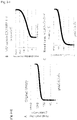
- the 17 gRNAs used were all detected, and the quantity ratios thereof were also stably detected ( Fig. 1 ).
- CD63-MS2-expressing EV library CD63-dCas9-expressing EV library
- a gRNA library including MS2box in the backbone was created by performing cloning as described as above using Addgene #83985, Human Subpooled CRISPRa-v2 Libraries Membrane proteins - gRNA pooled library (1.3 ⁇ 10 4 types), and the created library was packaged in lentivirus and was infected to EV-producing cells (HEK293T CD63-MS2, dCas9-VPR stable expression cell line).
- CD63-dCas9-expressing EV library a library of Addgene #83985 was directly packaged in lentivirus and was infected to EV-producing cells (HEK293T CD63-dCas9, dCas9-VPR stable expression cell line).
- the cells after infection were cultured under the same conditions, and extracellular vesicles were collected from the culture supernatant.
- RNAs were extracted from the collected extracellular vesicles and were reverse-transcribed and amplified, the sequences were determined, and the quantity ratios thereof were calculated.
- the sequence of the original gRNA library itself was also determined, and the quantity ratio thereof was calculated.
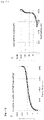
- barcoded extracellular vesicles were detected in 60711 gRNAs of 63950 gRNAs (detection rate: 94.9%) in the CD63-dCas9-expressing EV library using Gecko V2A (Addgene #1000000048) library ( Fig. 2D ), and barcoded extracellular vesicles were detected in 24285 gRNAs of 24569 gRNAs (detection rate: 98.8%) in the CD63-dCas9-expressing EV library using DTKP library (Addgene #101927) ( Fig. 2E ).
- CD63-MS2-expressing EV library for random peptide-Lamp2b
- the plasmid library created in ⁇ Library for each fusion protein> 2(2) above was packaged in lentivirus and was infected to EV-producing cells (HEK293T CD63-MS2, dCas9-VPR stable expression cell line). The cells after infection were cultured under the same conditions, and extracellular vesicles were collected from the culture supernatant.
- RNAs were extracted from the collected extracellular vesicles and were reverse-transcribed and amplified, the sequences were determined, and the quantity ratios thereof were calculated ( Fig. 2G ).
- RNAs were extracted from the EV-producing cells themselves after collection of the culture supernatant and were reverse-transcribed and amplified. The sequences were determined, and the quantity ratios thereof were calculated ( Fig. 2F ).
- Vesicles (3.0 ⁇ 10 10 vesicles) of the CD63-dCas9-expressing EV library created in the above C were injected intravenously in the tail of a mouse. Blood was collected from the mouse 30 minutes after injection, and extracellular vesicles were isolated from the collected blood.
- RNAs were extracted from the isolated extracellular vesicles, reverse transcription and amplification were performed, and the sequences were determined.
- RNAs were extracted from the CD63-dCas9-expressing EV library before injection and were reverse-transcribed and amplified. The sequences were determined, and the quantity ratios thereof were calculated. Furthermore, the amount of each gRNA collected from blood was calculated by setting the control as 1.
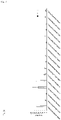
- gRNAs of which the component ratios in blood were significantly increased could be identified ( Fig. 3 ).
- HEK293T cells were transfected with a CD63-dCas9 expression vector only and were subjected to drug resistance selection to establish a stable expression cell line (hereinafter, referred to as Cas9(-) EV-producing cell).
- HEK293T cells were transfected with a CD63-dCas9 expression vector and a pRK300 plasmid and were subjected to drug resistance selection to establish a stable expression cell line (hereinafter, referred to as Cas9(+) EV-producing cell).
- the Cas9(-) EV-producing cell and the Cas9(+) EV-producing cell were infected with lentivirus comprising a DTKP library. After the infection, the cells were cultured for 7 days or more in the presence of puromycin. The culture media were then replaced by OptiMEM (registered trademark) medium (Thermo Fisher Scientific K.K., Japan), and after culturing for 48 hours, the culture supernatants comprising extracellular vesicles were collected. The supernatants were centrifuged at 300 ⁇ g for 5 minutes and then at 1500 ⁇ g for 10 minutes and were each passed through a 0.22 ⁇ m filter to remove cells and cell debris. Subsequently, the extracellular vesicles (Cas9(-) EV and Cas9(+) EV) were purified and concentrated from the cell supernatants by ultracentrifugation.
- OptiMEM registered trademark
- RNAs were extracted from the collected extracellular vesicles and were reverse-transcribed and amplified, and the sequences were determined and quantitatively measured with a next generation sequencer.
- RNAs were extracted also from the cultured EV-producing cells and were reverse-transcribed and amplified, and the sequences were determined and quantitatively measured with a next generation sequencer.
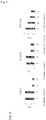
- the quantity ratio of the gRNA corresponding to each gene was calculated using CRISPR AnalyzeR (bioRxiv 2017, http://crispr-analyzer.dkfz.de/) for Cas9(-) EV/Cas9(+) EV or Cas9(+) EV/Cas9(+) EV-producing cell ( Figs. 4 and 5 ).
- a PI4KA inhibitor, GSK-A1 was administered to HEK293T cells expressing CD63-nanoLuc (pDB30), and the amount of secreted extracellular vesicles was measured by luminescence assay (Promega Corporation, Nanoglo luciferase assay system) that measures the nluc activity in a culture supernatant or by nanoparticle tracking analysis (NTA) using Nanosight (Malvern Panalytical Ltd.).
- NTA nanoparticle tracking analysis
- the same experiment was performed without administering GSK-A1, and the EV secretion level at each GSK-A1 concentration was calculated by setting the EV secretion level of the control as 1.
- the use of the barcoded exosome according to the present invention can be utilized for development of an efficient drug delivery system using an exosome, biology research of an exosome (for example, investigation of EV secretion in various cells), and drug discovery research targeting an exosome secretory path (for example, identification of a factor that changes the EV secretion level in a cell-specific manner).
- the present invention can also be used for analysis of networks via exosomes that transcend the boundaries of living organisms.
- exosomes that transcend the boundaries of living organisms.
- enterobacteria that they constantly interact with each other
- yeast in food etc. build relationships such that they constantly interact with each other
- the present invention can also be useful for research of exosomes that are generated by a community of these different living organisms.
- the extracellular vesicle secretion promoter or inhibitor according to the present invention can also be used for analysis of the physiological role of specific population of a specific extracellular vesicle by in vivo or in vitro administration to a subject to promote or inhibit the sub-population of the extracellular vesicle.
Landscapes
- Life Sciences & Earth Sciences (AREA)
- Health & Medical Sciences (AREA)
- Chemical & Material Sciences (AREA)
- Organic Chemistry (AREA)
- Engineering & Computer Science (AREA)
- Genetics & Genomics (AREA)
- Zoology (AREA)
- Wood Science & Technology (AREA)
- Molecular Biology (AREA)
- Biomedical Technology (AREA)
- Bioinformatics & Cheminformatics (AREA)
- Biotechnology (AREA)
- Biochemistry (AREA)
- General Engineering & Computer Science (AREA)
- General Health & Medical Sciences (AREA)
- Biophysics (AREA)
- Proteomics, Peptides & Aminoacids (AREA)
- Microbiology (AREA)
- Physics & Mathematics (AREA)
- Medicinal Chemistry (AREA)
- Immunology (AREA)
- Plant Pathology (AREA)
- Cell Biology (AREA)
- Gastroenterology & Hepatology (AREA)
- Analytical Chemistry (AREA)
- Toxicology (AREA)
- Chemical Kinetics & Catalysis (AREA)
- Crystallography & Structural Chemistry (AREA)
- Bioinformatics & Computational Biology (AREA)
- Virology (AREA)
- General Chemical & Material Sciences (AREA)
- Measuring Or Testing Involving Enzymes Or Micro-Organisms (AREA)
- Medicines That Contain Protein Lipid Enzymes And Other Medicines (AREA)
- Pharmaceuticals Containing Other Organic And Inorganic Compounds (AREA)
- Micro-Organisms Or Cultivation Processes Thereof (AREA)
Applications Claiming Priority (2)
| Application Number | Priority Date | Filing Date | Title |
|---|---|---|---|
| JP2019207329 | 2019-11-15 | ||
| PCT/JP2020/042416 WO2021095842A1 (fr) | 2019-11-15 | 2020-11-13 | Banque de vésicules extracellulaires à code-barres |
Publications (2)
| Publication Number | Publication Date |
|---|---|
| EP4059948A1 true EP4059948A1 (fr) | 2022-09-21 |
| EP4059948A4 EP4059948A4 (fr) | 2024-05-29 |
Family
ID=75912781
Family Applications (1)
| Application Number | Title | Priority Date | Filing Date |
|---|---|---|---|
| EP20888429.6A Pending EP4059948A4 (fr) | 2019-11-15 | 2020-11-13 | Banque de vésicules extracellulaires à code-barres |
Country Status (4)
| Country | Link |
|---|---|
| US (1) | US20220411785A1 (fr) |
| EP (1) | EP4059948A4 (fr) |
| JP (2) | JP7691113B2 (fr) |
| WO (1) | WO2021095842A1 (fr) |
Cited By (1)
| Publication number | Priority date | Publication date | Assignee | Title |
|---|---|---|---|---|
| EP4291164A4 (fr) * | 2021-02-12 | 2024-11-13 | Wake Forest University Health Sciences | Vésicules extracellulaires modifiées et leurs utilisations |
Families Citing this family (7)
| Publication number | Priority date | Publication date | Assignee | Title |
|---|---|---|---|---|
| EP4417693A1 (fr) * | 2021-10-11 | 2024-08-21 | THEORIA Science Inc. | Amplificateur de sécrétion de vésicules extracellulaires pour amplifier la sécrétion de vésicule extracellulaire, et son utilisation |
| CN118591632A (zh) * | 2022-01-27 | 2024-09-03 | 国家纳米科学中心 | 细菌外膜囊泡来源的核酸纳米疫苗及其应用 |
| WO2024129672A1 (fr) * | 2022-12-12 | 2024-06-20 | The Broad Institute, Inc. | Arn en circulation pour évaluer la connectivité cellule-cellule et la neuroanatomie |
| JPWO2024172152A1 (fr) * | 2023-02-17 | 2024-08-22 | ||
| WO2024230738A1 (fr) * | 2023-05-08 | 2024-11-14 | 天津外泌体科技有限公司 | Protéine de fusion de vésicule extracellulaire et son utilisation |
| WO2025106594A1 (fr) * | 2023-11-13 | 2025-05-22 | Gene Company (Pty)Ltd. | Composition pharmaceutique comprenant de l'élastine et sa méthode d'utilisation |
| WO2025184273A1 (fr) * | 2024-02-28 | 2025-09-04 | The Regents Of The University Of Michigan | Nano-compartiments bactériens basés sur des protéines |
Family Cites Families (8)
| Publication number | Priority date | Publication date | Assignee | Title |
|---|---|---|---|---|
| EP3395957B1 (fr) * | 2011-04-25 | 2020-08-12 | Bio-Rad Laboratories, Inc. | Procédés et compositions d'analyse d'acide nucléique |
| EP3049067A4 (fr) * | 2013-09-24 | 2017-05-03 | The Regents of the University of California | Capteurs et systèmes de capteurs encapsulés pour biodosages et diagnostics et leurs procédés de fabrication et d'utilisation |
| US10538570B2 (en) | 2013-09-30 | 2020-01-21 | Northwestern University | Targeted and modular exosome loading system |
| WO2016007839A1 (fr) * | 2014-07-11 | 2016-01-14 | President And Fellows Of Harvard College | Méthodes de marquage et de détection à haut rendement de caractéristiques biologiques in situ à l'aide de microscopie |
| US10624849B2 (en) * | 2015-09-28 | 2020-04-21 | Northwestern University | Targeted extracellular vesicles comprising membrane proteins with engineered glycosylation sites |
| US10731166B2 (en) * | 2016-03-18 | 2020-08-04 | Caris Science, Inc. | Oligonucleotide probes and uses thereof |
| GB2568255A (en) * | 2017-11-08 | 2019-05-15 | Evox Therapeutics Ltd | Exosomes comprising RNA therapeutics |
| WO2019199941A1 (fr) * | 2018-04-10 | 2019-10-17 | Northwestern University | Vésicules extracellulaires comprenant des protéines membranaires de ciblage à base d'un domaine d'affinité |
-
2020
- 2020-11-13 WO PCT/JP2020/042416 patent/WO2021095842A1/fr not_active Ceased
- 2020-11-13 EP EP20888429.6A patent/EP4059948A4/fr active Pending
- 2020-11-13 US US17/776,404 patent/US20220411785A1/en active Pending
- 2020-11-13 JP JP2021556168A patent/JP7691113B2/ja active Active
-
2025
- 2025-05-23 JP JP2025086152A patent/JP2025128161A/ja active Pending
Cited By (1)
| Publication number | Priority date | Publication date | Assignee | Title |
|---|---|---|---|---|
| EP4291164A4 (fr) * | 2021-02-12 | 2024-11-13 | Wake Forest University Health Sciences | Vésicules extracellulaires modifiées et leurs utilisations |
Also Published As
| Publication number | Publication date |
|---|---|
| JP7691113B2 (ja) | 2025-06-11 |
| JPWO2021095842A1 (fr) | 2021-05-20 |
| US20220411785A1 (en) | 2022-12-29 |
| JP2025128161A (ja) | 2025-09-02 |
| EP4059948A4 (fr) | 2024-05-29 |
| WO2021095842A1 (fr) | 2021-05-20 |
Similar Documents
| Publication | Publication Date | Title |
|---|---|---|
| EP4059948A1 (fr) | Banque de vésicules extracellulaires à code-barres | |
| AU2020217747B2 (en) | Telomerase-containing exosomes for treatment of diseases associated with aging and age-related organ dysfunction | |
| US9376679B2 (en) | Microvesicles carrying small interfering RNAs, preparation methods and uses thereof | |
| EP3655961A1 (fr) | Atlas de cellules de tissus barrières sains et malades | |
| EP3565891B1 (fr) | Procédés de modification de l'expression génique par perturbation de multimères du facteur de transcription qui structurent les boucles régulatrices | |
| EP3314020A1 (fr) | Expression génique tumorale et micro-environnementale, compositions de matières et ses procédés d'utilisation | |
| JP7620938B2 (ja) | Klf誘導心筋再生 | |
| US20230000912A1 (en) | Genetic, developmental and micro-environmental programs in idh-mutant gliomas, compositions of matter and methods of use thereof | |
| AU2019255765B2 (en) | Therapeutic modulation of tumor suppressors using exosomes | |
| Matz et al. | Polyplex exposure inhibits cell cycle, increases inflammatory response, and can cause protein expression without cell division | |
| US9642872B2 (en) | Treatment of B-cell lymphoma with microRNA | |
| US11814626B2 (en) | Compositions and methods for loading extracellular vesicles with chemical and biological agents/molecules | |
| WO2021251271A1 (fr) | Cellule présentant une expression supprimée du complexe majeur d'histocompatibilité (cmh) de classe i | |
| JP2025156372A (ja) | 免疫療法に対する腫瘍細胞の感作のための方法及び組成物 | |
| WO2024196875A9 (fr) | Compositions et procédés utiles pour le traitement et la gestion d'un dysfonctionnement métabolique associé à l'obésité | |
| JP7640570B2 (ja) | Meox1調節剤及びMeox1阻害剤を同定する方法 | |
| CN119923264A (zh) | 抑制基因毒性应激以改善t细胞工程化 | |
| WO2023164615A2 (fr) | Séquençage de ciblage de nanoparticules à cellule unique (envoyé-seq) | |
| US8673875B2 (en) | Method for treating atherosclerosis | |
| US20260117226A1 (en) | Long non-coding rnas as target for treating fibrosis and cancer | |
| WO2025160114A1 (fr) | Compositions et méthodes pour le traitement de l'artériosclérose | |
| Charla | Investigating extracellular vesicle release from human coronary artery vascular smooth muscle cells in atherosclerosis | |
| HK40120084A (zh) | 细胞外囊泡的制造和应用方法 | |
| Minello et al. | A recurrent pathogenic BRCA2 truncating variant reveals a role for BRCA2-PCAF complex in modulating NF-κB-driven transcription | |
| Caldoni | Dissecting the role of IGF2BP3 in the stress-adaptive response and in intercellular communication in Ewing Sarcoma. |
Legal Events
| Date | Code | Title | Description |
|---|---|---|---|
| STAA | Information on the status of an ep patent application or granted ep patent |
Free format text: STATUS: THE INTERNATIONAL PUBLICATION HAS BEEN MADE |
|
| PUAI | Public reference made under article 153(3) epc to a published international application that has entered the european phase |
Free format text: ORIGINAL CODE: 0009012 |
|
| STAA | Information on the status of an ep patent application or granted ep patent |
Free format text: STATUS: REQUEST FOR EXAMINATION WAS MADE |
|
| 17P | Request for examination filed |
Effective date: 20220614 |
|
| AK | Designated contracting states |
Kind code of ref document: A1 Designated state(s): AL AT BE BG CH CY CZ DE DK EE ES FI FR GB GR HR HU IE IS IT LI LT LU LV MC MK MT NL NO PL PT RO RS SE SI SK SM TR |
|
| DAV | Request for validation of the european patent (deleted) | ||
| DAX | Request for extension of the european patent (deleted) | ||
| P01 | Opt-out of the competence of the unified patent court (upc) registered |
Effective date: 20230527 |
|
| A4 | Supplementary search report drawn up and despatched |
Effective date: 20240430 |
|
| STAA | Information on the status of an ep patent application or granted ep patent |
Free format text: STATUS: EXAMINATION IS IN PROGRESS |
|
| 17Q | First examination report despatched |
Effective date: 20250828 |
|
| REG | Reference to a national code |
Ref country code: DE Ref legal event code: R079 Free format text: PREVIOUS MAIN CLASS: C07K0014010000 Ipc: C12Q0001680600 |
|
| GRAP | Despatch of communication of intention to grant a patent |
Free format text: ORIGINAL CODE: EPIDOSNIGR1 |
|
| STAA | Information on the status of an ep patent application or granted ep patent |
Free format text: STATUS: GRANT OF PATENT IS INTENDED |