EP4063400A1 - Sulfhydrylmodifizierte hyaluronsäure, herstellungsverfahren dafür und verwendung davon - Google Patents
Sulfhydrylmodifizierte hyaluronsäure, herstellungsverfahren dafür und verwendung davon Download PDFInfo
- Publication number
- EP4063400A1 EP4063400A1 EP20889423.8A EP20889423A EP4063400A1 EP 4063400 A1 EP4063400 A1 EP 4063400A1 EP 20889423 A EP20889423 A EP 20889423A EP 4063400 A1 EP4063400 A1 EP 4063400A1
- Authority
- EP
- European Patent Office
- Prior art keywords
- hyaluronic acid
- sulfhydryl
- compound
- group
- modified
- Prior art date
- Legal status (The legal status is an assumption and is not a legal conclusion. Google has not performed a legal analysis and makes no representation as to the accuracy of the status listed.)
- Withdrawn
Links
- -1 Sulfhydryl modified hyaluronic acid Chemical class 0.000 title claims abstract description 53
- 238000002360 preparation method Methods 0.000 title claims abstract description 49
- KIUKXJAPPMFGSW-DNGZLQJQSA-N (2S,3S,4S,5R,6R)-6-[(2S,3R,4R,5S,6R)-3-Acetamido-2-[(2S,3S,4R,5R,6R)-6-[(2R,3R,4R,5S,6R)-3-acetamido-2,5-dihydroxy-6-(hydroxymethyl)oxan-4-yl]oxy-2-carboxy-4,5-dihydroxyoxan-3-yl]oxy-5-hydroxy-6-(hydroxymethyl)oxan-4-yl]oxy-3,4,5-trihydroxyoxane-2-carboxylic acid Chemical compound CC(=O)N[C@H]1[C@H](O)O[C@H](CO)[C@@H](O)[C@@H]1O[C@H]1[C@H](O)[C@@H](O)[C@H](O[C@H]2[C@@H]([C@@H](O[C@H]3[C@@H]([C@@H](O)[C@H](O)[C@H](O3)C(O)=O)O)[C@H](O)[C@@H](CO)O2)NC(C)=O)[C@@H](C(O)=O)O1 KIUKXJAPPMFGSW-DNGZLQJQSA-N 0.000 claims abstract description 213
- 229920002674 hyaluronan Polymers 0.000 claims abstract description 130
- 229960003160 hyaluronic acid Drugs 0.000 claims abstract description 127
- 150000001875 compounds Chemical class 0.000 claims abstract description 83
- 238000006243 chemical reaction Methods 0.000 claims abstract description 78
- 238000000034 method Methods 0.000 claims description 92
- 125000003396 thiol group Chemical group [H]S* 0.000 claims description 76
- 229920000642 polymer Polymers 0.000 claims description 36
- 125000003118 aryl group Chemical group 0.000 claims description 27
- 125000003178 carboxy group Chemical group [H]OC(*)=O 0.000 claims description 24
- 125000001931 aliphatic group Chemical group 0.000 claims description 19
- 229910052736 halogen Inorganic materials 0.000 claims description 19
- 150000002367 halogens Chemical group 0.000 claims description 19
- 229910052739 hydrogen Inorganic materials 0.000 claims description 17
- 239000001257 hydrogen Substances 0.000 claims description 17
- 229920001223 polyethylene glycol Polymers 0.000 claims description 13
- 239000002537 cosmetic Substances 0.000 claims description 12
- 150000002431 hydrogen Chemical group 0.000 claims description 12
- 230000003064 anti-oxidating effect Effects 0.000 claims description 11
- 239000012634 fragment Substances 0.000 claims description 9
- 230000036541 health Effects 0.000 claims description 7
- 229960000074 biopharmaceutical Drugs 0.000 claims description 6
- 239000002202 Polyethylene glycol Substances 0.000 claims description 5
- 150000001408 amides Chemical group 0.000 claims description 4
- 125000000732 arylene group Chemical group 0.000 claims description 4
- 125000000743 hydrocarbylene group Chemical group 0.000 claims description 4
- 239000002904 solvent Substances 0.000 claims description 4
- HFBMWMNUJJDEQZ-UHFFFAOYSA-N acryloyl chloride Chemical compound ClC(=O)C=C HFBMWMNUJJDEQZ-UHFFFAOYSA-N 0.000 claims description 3
- 125000000896 monocarboxylic acid group Chemical group 0.000 claims description 3
- 238000003786 synthesis reaction Methods 0.000 abstract description 36
- 230000015572 biosynthetic process Effects 0.000 abstract description 33
- 239000000203 mixture Substances 0.000 abstract description 24
- 230000003647 oxidation Effects 0.000 abstract description 13
- 238000007254 oxidation reaction Methods 0.000 abstract description 13
- 239000003153 chemical reaction reagent Substances 0.000 abstract description 11
- 125000000524 functional group Chemical group 0.000 abstract description 9
- 238000006845 Michael addition reaction Methods 0.000 abstract description 4
- 230000004071 biological effect Effects 0.000 abstract description 3
- 230000008859 change Effects 0.000 abstract description 3
- 231100000419 toxicity Toxicity 0.000 abstract description 3
- 230000001988 toxicity Effects 0.000 abstract description 3
- 102000010834 Extracellular Matrix Proteins Human genes 0.000 abstract description 2
- 108010037362 Extracellular Matrix Proteins Proteins 0.000 abstract description 2
- 210000002744 extracellular matrix Anatomy 0.000 abstract description 2
- 238000004519 manufacturing process Methods 0.000 abstract description 2
- 239000011159 matrix material Substances 0.000 abstract description 2
- LSDPWZHWYPCBBB-UHFFFAOYSA-N Methanethiol Chemical compound SC LSDPWZHWYPCBBB-UHFFFAOYSA-N 0.000 abstract 2
- 239000002994 raw material Substances 0.000 abstract 1
- 239000000243 solution Substances 0.000 description 128
- XLYOFNOQVPJJNP-UHFFFAOYSA-N water Substances O XLYOFNOQVPJJNP-UHFFFAOYSA-N 0.000 description 69
- 238000000502 dialysis Methods 0.000 description 46
- 238000000425 proton nuclear magnetic resonance spectrum Methods 0.000 description 44
- VEXZGXHMUGYJMC-UHFFFAOYSA-N Hydrochloric acid Chemical compound Cl VEXZGXHMUGYJMC-UHFFFAOYSA-N 0.000 description 38
- 239000008367 deionised water Substances 0.000 description 32
- 229910021641 deionized water Inorganic materials 0.000 description 32
- 230000004048 modification Effects 0.000 description 24
- 238000012986 modification Methods 0.000 description 24
- 239000007787 solid Substances 0.000 description 23
- 125000004432 carbon atom Chemical group C* 0.000 description 21
- 238000003756 stirring Methods 0.000 description 21
- 210000004027 cell Anatomy 0.000 description 20
- 238000012360 testing method Methods 0.000 description 20
- 239000000523 sample Substances 0.000 description 19
- 210000001519 tissue Anatomy 0.000 description 19
- 206010016807 Fluid retention Diseases 0.000 description 18
- ZMXDDKWLCZADIW-UHFFFAOYSA-N N,N-Dimethylformamide Chemical compound CN(C)C=O ZMXDDKWLCZADIW-UHFFFAOYSA-N 0.000 description 18
- 239000000047 product Substances 0.000 description 14
- 150000003573 thiols Chemical class 0.000 description 13
- 125000001072 heteroaryl group Chemical group 0.000 description 12
- 238000010521 absorption reaction Methods 0.000 description 11
- 239000000463 material Substances 0.000 description 11
- 125000003342 alkenyl group Chemical group 0.000 description 10
- 125000000217 alkyl group Chemical group 0.000 description 10
- VHJLVAABSRFDPM-QWWZWVQMSA-N dithiothreitol Chemical compound SC[C@@H](O)[C@H](O)CS VHJLVAABSRFDPM-QWWZWVQMSA-N 0.000 description 10
- 230000008901 benefit Effects 0.000 description 9
- 125000000623 heterocyclic group Chemical group 0.000 description 9
- 239000002244 precipitate Substances 0.000 description 9
- 230000002194 synthesizing effect Effects 0.000 description 9
- CSCPPACGZOOCGX-UHFFFAOYSA-N Acetone Chemical compound CC(C)=O CSCPPACGZOOCGX-UHFFFAOYSA-N 0.000 description 8
- 125000000304 alkynyl group Chemical group 0.000 description 8
- 230000000694 effects Effects 0.000 description 8
- 230000008569 process Effects 0.000 description 8
- 150000003254 radicals Chemical class 0.000 description 8
- 238000006467 substitution reaction Methods 0.000 description 8
- 229920000249 biocompatible polymer Polymers 0.000 description 7
- 125000000392 cycloalkenyl group Chemical group 0.000 description 7
- 125000000753 cycloalkyl group Chemical group 0.000 description 7
- 238000005227 gel permeation chromatography Methods 0.000 description 7
- LMDZBCPBFSXMTL-UHFFFAOYSA-N 1-Ethyl-3-(3-dimethylaminopropyl)carbodiimide Substances CCN=C=NCCCN(C)C LMDZBCPBFSXMTL-UHFFFAOYSA-N 0.000 description 6
- FPQQSJJWHUJYPU-UHFFFAOYSA-N 3-(dimethylamino)propyliminomethylidene-ethylazanium;chloride Chemical compound Cl.CCN=C=NCCCN(C)C FPQQSJJWHUJYPU-UHFFFAOYSA-N 0.000 description 6
- IJGRMHOSHXDMSA-UHFFFAOYSA-N Atomic nitrogen Chemical compound N#N IJGRMHOSHXDMSA-UHFFFAOYSA-N 0.000 description 6
- IAZDPXIOMUYVGZ-UHFFFAOYSA-N Dimethylsulphoxide Chemical compound CS(C)=O IAZDPXIOMUYVGZ-UHFFFAOYSA-N 0.000 description 6
- HEMHJVSKTPXQMS-UHFFFAOYSA-M Sodium hydroxide Chemical compound [OH-].[Na+] HEMHJVSKTPXQMS-UHFFFAOYSA-M 0.000 description 6
- ZMANZCXQSJIPKH-UHFFFAOYSA-N Triethylamine Chemical compound CCN(CC)CC ZMANZCXQSJIPKH-UHFFFAOYSA-N 0.000 description 6
- 238000006731 degradation reaction Methods 0.000 description 6
- 125000002887 hydroxy group Chemical group [H]O* 0.000 description 6
- 239000013558 reference substance Substances 0.000 description 6
- 239000012488 sample solution Substances 0.000 description 6
- 239000012086 standard solution Substances 0.000 description 6
- LFQSCWFLJHTTHZ-UHFFFAOYSA-N Ethanol Chemical compound CCO LFQSCWFLJHTTHZ-UHFFFAOYSA-N 0.000 description 5
- 238000002835 absorbance Methods 0.000 description 5
- 238000003556 assay Methods 0.000 description 5
- 210000000845 cartilage Anatomy 0.000 description 5
- 230000015556 catabolic process Effects 0.000 description 5
- 230000000875 corresponding effect Effects 0.000 description 5
- 230000006870 function Effects 0.000 description 5
- 239000000499 gel Substances 0.000 description 5
- 238000004192 high performance gel permeation chromatography Methods 0.000 description 5
- 125000001183 hydrocarbyl group Chemical group 0.000 description 5
- 229910052757 nitrogen Inorganic materials 0.000 description 5
- 230000009257 reactivity Effects 0.000 description 5
- 238000011160 research Methods 0.000 description 5
- 210000001179 synovial fluid Anatomy 0.000 description 5
- ATGUDZODTABURZ-UHFFFAOYSA-N thiolan-2-ylideneazanium;chloride Chemical compound Cl.N=C1CCCS1 ATGUDZODTABURZ-UHFFFAOYSA-N 0.000 description 5
- 239000012224 working solution Substances 0.000 description 5
- UFHFLCQGNIYNRP-UHFFFAOYSA-N Hydrogen Chemical compound [H][H] UFHFLCQGNIYNRP-UHFFFAOYSA-N 0.000 description 4
- 239000000872 buffer Substances 0.000 description 4
- UFULAYFCSOUIOV-UHFFFAOYSA-N cysteamine Chemical compound NCCS UFULAYFCSOUIOV-UHFFFAOYSA-N 0.000 description 4
- 230000007812 deficiency Effects 0.000 description 4
- 238000009826 distribution Methods 0.000 description 4
- 239000003814 drug Substances 0.000 description 4
- 125000005842 heteroatom Chemical group 0.000 description 4
- 239000007788 liquid Substances 0.000 description 4
- 238000000569 multi-angle light scattering Methods 0.000 description 4
- 125000002924 primary amino group Chemical group [H]N([H])* 0.000 description 4
- 229910052717 sulfur Inorganic materials 0.000 description 4
- VOVUARRWDCVURC-UHFFFAOYSA-N thiirane Chemical compound C1CS1 VOVUARRWDCVURC-UHFFFAOYSA-N 0.000 description 4
- NHJVRSWLHSJWIN-UHFFFAOYSA-N 2,4,6-trinitrobenzenesulfonic acid Chemical compound OS(=O)(=O)C1=C([N+]([O-])=O)C=C([N+]([O-])=O)C=C1[N+]([O-])=O NHJVRSWLHSJWIN-UHFFFAOYSA-N 0.000 description 3
- 241000561734 Celosia cristata Species 0.000 description 3
- QVGXLLKOCUKJST-UHFFFAOYSA-N atomic oxygen Chemical compound [O] QVGXLLKOCUKJST-UHFFFAOYSA-N 0.000 description 3
- 230000001413 cellular effect Effects 0.000 description 3
- 239000003795 chemical substances by application Substances 0.000 description 3
- 210000001520 comb Anatomy 0.000 description 3
- 239000003431 cross linking reagent Substances 0.000 description 3
- 125000004122 cyclic group Chemical group 0.000 description 3
- OOTFVKOQINZBBF-UHFFFAOYSA-N cystamine Chemical compound CCSSCCN OOTFVKOQINZBBF-UHFFFAOYSA-N 0.000 description 3
- 229940099500 cystamine Drugs 0.000 description 3
- 150000002016 disaccharides Chemical class 0.000 description 3
- YVKSGVDJQXLXDV-BYPYZUCNSA-N ethyl (2r)-2-amino-3-sulfanylpropanoate Chemical compound CCOC(=O)[C@@H](N)CS YVKSGVDJQXLXDV-BYPYZUCNSA-N 0.000 description 3
- 239000000017 hydrogel Substances 0.000 description 3
- 238000001727 in vivo Methods 0.000 description 3
- 125000002496 methyl group Chemical group [H]C([H])([H])* 0.000 description 3
- VMGAPWLDMVPYIA-HIDZBRGKSA-N n'-amino-n-iminomethanimidamide Chemical compound N\N=C\N=N VMGAPWLDMVPYIA-HIDZBRGKSA-N 0.000 description 3
- 229950006780 n-acetylglucosamine Drugs 0.000 description 3
- 239000013642 negative control Substances 0.000 description 3
- RPQRDASANLAFCM-UHFFFAOYSA-N oxiran-2-ylmethyl prop-2-enoate Chemical compound C=CC(=O)OCC1CO1 RPQRDASANLAFCM-UHFFFAOYSA-N 0.000 description 3
- 229910052760 oxygen Inorganic materials 0.000 description 3
- 239000001301 oxygen Substances 0.000 description 3
- 230000035790 physiological processes and functions Effects 0.000 description 3
- 229920005862 polyol Polymers 0.000 description 3
- 238000006722 reduction reaction Methods 0.000 description 3
- BOLDJAUMGUJJKM-LSDHHAIUSA-N renifolin D Natural products CC(=C)[C@@H]1Cc2c(O)c(O)ccc2[C@H]1CC(=O)c3ccc(O)cc3O BOLDJAUMGUJJKM-LSDHHAIUSA-N 0.000 description 3
- 210000003491 skin Anatomy 0.000 description 3
- 239000013589 supplement Substances 0.000 description 3
- 230000004083 survival effect Effects 0.000 description 3
- 210000003954 umbilical cord Anatomy 0.000 description 3
- 230000002792 vascular Effects 0.000 description 3
- NWZSZGALRFJKBT-KNIFDHDWSA-N (2s)-2,6-diaminohexanoic acid;(2s)-2-hydroxybutanedioic acid Chemical compound OC(=O)[C@@H](O)CC(O)=O.NCCCC[C@H](N)C(O)=O NWZSZGALRFJKBT-KNIFDHDWSA-N 0.000 description 2
- 125000004169 (C1-C6) alkyl group Chemical group 0.000 description 2
- HBEDSQVIWPRPAY-UHFFFAOYSA-N 2,3-dihydrobenzofuran Chemical compound C1=CC=C2OCCC2=C1 HBEDSQVIWPRPAY-UHFFFAOYSA-N 0.000 description 2
- HWWPXJZINVJNBM-UHFFFAOYSA-N 2-aminobutane-1,4-dithiol hydrochloride Chemical compound Cl.NC(CS)CCS HWWPXJZINVJNBM-UHFFFAOYSA-N 0.000 description 2
- JJSYPAGPNHFLML-UHFFFAOYSA-N 2-ethyl-2-(hydroxymethyl)propane-1,3-diol;3-sulfanylpropanoic acid Chemical compound OC(=O)CCS.OC(=O)CCS.OC(=O)CCS.CCC(CO)(CO)CO JJSYPAGPNHFLML-UHFFFAOYSA-N 0.000 description 2
- KIUMMUBSPKGMOY-UHFFFAOYSA-N 3,3'-Dithiobis(6-nitrobenzoic acid) Chemical compound C1=C([N+]([O-])=O)C(C(=O)O)=CC(SSC=2C=C(C(=CC=2)[N+]([O-])=O)C(O)=O)=C1 KIUMMUBSPKGMOY-UHFFFAOYSA-N 0.000 description 2
- 241000894006 Bacteria Species 0.000 description 2
- PEDCQBHIVMGVHV-UHFFFAOYSA-N Glycerine Chemical compound OCC(O)CO PEDCQBHIVMGVHV-UHFFFAOYSA-N 0.000 description 2
- XUJNEKJLAYXESH-REOHCLBHSA-N L-Cysteine Chemical compound SC[C@H](N)C(O)=O XUJNEKJLAYXESH-REOHCLBHSA-N 0.000 description 2
- 241001465754 Metazoa Species 0.000 description 2
- OVRNDRQMDRJTHS-UHFFFAOYSA-N N-acelyl-D-glucosamine Chemical group CC(=O)NC1C(O)OC(CO)C(O)C1O OVRNDRQMDRJTHS-UHFFFAOYSA-N 0.000 description 2
- OVRNDRQMDRJTHS-FMDGEEDCSA-N N-acetyl-beta-D-glucosamine Chemical group CC(=O)N[C@H]1[C@H](O)O[C@H](CO)[C@@H](O)[C@@H]1O OVRNDRQMDRJTHS-FMDGEEDCSA-N 0.000 description 2
- 206010060932 Postoperative adhesion Diseases 0.000 description 2
- 241000589517 Pseudomonas aeruginosa Species 0.000 description 2
- PMZURENOXWZQFD-UHFFFAOYSA-L Sodium Sulfate Chemical compound [Na+].[Na+].[O-]S([O-])(=O)=O PMZURENOXWZQFD-UHFFFAOYSA-L 0.000 description 2
- 229920002385 Sodium hyaluronate Polymers 0.000 description 2
- 241000194017 Streptococcus Species 0.000 description 2
- NINIDFKCEFEMDL-UHFFFAOYSA-N Sulfur Chemical compound [S] NINIDFKCEFEMDL-UHFFFAOYSA-N 0.000 description 2
- NIXOWILDQLNWCW-UHFFFAOYSA-N acrylic acid group Chemical group C(C=C)(=O)O NIXOWILDQLNWCW-UHFFFAOYSA-N 0.000 description 2
- 125000002252 acyl group Chemical group 0.000 description 2
- 125000003545 alkoxy group Chemical group 0.000 description 2
- 125000002947 alkylene group Chemical group 0.000 description 2
- 230000009435 amidation Effects 0.000 description 2
- 238000007112 amidation reaction Methods 0.000 description 2
- 125000003368 amide group Chemical group 0.000 description 2
- 125000003277 amino group Chemical group 0.000 description 2
- 230000003110 anti-inflammatory effect Effects 0.000 description 2
- 230000004888 barrier function Effects 0.000 description 2
- 125000004196 benzothienyl group Chemical group S1C(=CC2=C1C=CC=C2)* 0.000 description 2
- 125000002619 bicyclic group Chemical group 0.000 description 2
- 239000012620 biological material Substances 0.000 description 2
- 230000003139 buffering effect Effects 0.000 description 2
- SMTOKHQOVJRXLK-UHFFFAOYSA-N butane-1,4-dithiol Chemical compound SCCCCS SMTOKHQOVJRXLK-UHFFFAOYSA-N 0.000 description 2
- 238000004113 cell culture Methods 0.000 description 2
- 230000003833 cell viability Effects 0.000 description 2
- 230000002490 cerebral effect Effects 0.000 description 2
- 238000010382 chemical cross-linking Methods 0.000 description 2
- 238000007385 chemical modification Methods 0.000 description 2
- 238000009833 condensation Methods 0.000 description 2
- 230000005494 condensation Effects 0.000 description 2
- 239000013068 control sample Substances 0.000 description 2
- 238000005859 coupling reaction Methods 0.000 description 2
- 238000004132 cross linking Methods 0.000 description 2
- 231100000433 cytotoxic Toxicity 0.000 description 2
- 230000001472 cytotoxic effect Effects 0.000 description 2
- 231100000135 cytotoxicity Toxicity 0.000 description 2
- 230000003013 cytotoxicity Effects 0.000 description 2
- 238000001514 detection method Methods 0.000 description 2
- 238000009792 diffusion process Methods 0.000 description 2
- 201000010099 disease Diseases 0.000 description 2
- 208000037265 diseases, disorders, signs and symptoms Diseases 0.000 description 2
- HHEAADYXPMHMCT-UHFFFAOYSA-N dpph Chemical compound [O-][N+](=O)C1=CC([N+](=O)[O-])=CC([N+]([O-])=O)=C1[N]N(C=1C=CC=CC=1)C1=CC=CC=C1 HHEAADYXPMHMCT-UHFFFAOYSA-N 0.000 description 2
- 238000012377 drug delivery Methods 0.000 description 2
- 125000004185 ester group Chemical group 0.000 description 2
- 125000001495 ethyl group Chemical group [H]C([H])([H])C([H])([H])* 0.000 description 2
- 238000002474 experimental method Methods 0.000 description 2
- 238000000855 fermentation Methods 0.000 description 2
- 230000004151 fermentation Effects 0.000 description 2
- 238000011049 filling Methods 0.000 description 2
- 239000012530 fluid Substances 0.000 description 2
- 239000011521 glass Substances 0.000 description 2
- 150000004676 glycans Chemical class 0.000 description 2
- IKDUDTNKRLTJSI-UHFFFAOYSA-N hydrazine monohydrate Substances O.NN IKDUDTNKRLTJSI-UHFFFAOYSA-N 0.000 description 2
- 125000000717 hydrazino group Chemical group [H]N([*])N([H])[H] 0.000 description 2
- 230000006872 improvement Effects 0.000 description 2
- 230000000968 intestinal effect Effects 0.000 description 2
- 230000002427 irreversible effect Effects 0.000 description 2
- 238000005461 lubrication Methods 0.000 description 2
- 210000004072 lung Anatomy 0.000 description 2
- 230000014759 maintenance of location Effects 0.000 description 2
- 239000008204 material by function Substances 0.000 description 2
- 239000002609 medium Substances 0.000 description 2
- 125000005395 methacrylic acid group Chemical group 0.000 description 2
- 238000002715 modification method Methods 0.000 description 2
- 125000002950 monocyclic group Chemical group 0.000 description 2
- 125000004433 nitrogen atom Chemical group N* 0.000 description 2
- 230000000399 orthopedic effect Effects 0.000 description 2
- LFGREXWGYUGZLY-UHFFFAOYSA-N phosphoryl Chemical group [P]=O LFGREXWGYUGZLY-UHFFFAOYSA-N 0.000 description 2
- 239000002861 polymer material Substances 0.000 description 2
- 229920001282 polysaccharide Polymers 0.000 description 2
- 239000005017 polysaccharide Substances 0.000 description 2
- 239000011148 porous material Substances 0.000 description 2
- 230000002265 prevention Effects 0.000 description 2
- ARJOQCYCJMAIFR-UHFFFAOYSA-N prop-2-enoyl prop-2-enoate Chemical compound C=CC(=O)OC(=O)C=C ARJOQCYCJMAIFR-UHFFFAOYSA-N 0.000 description 2
- 238000011403 purification operation Methods 0.000 description 2
- 230000001172 regenerating effect Effects 0.000 description 2
- 230000008929 regeneration Effects 0.000 description 2
- 238000011069 regeneration method Methods 0.000 description 2
- 238000007142 ring opening reaction Methods 0.000 description 2
- 125000006413 ring segment Chemical group 0.000 description 2
- 229920006395 saturated elastomer Polymers 0.000 description 2
- 229940010747 sodium hyaluronate Drugs 0.000 description 2
- 229910052938 sodium sulfate Inorganic materials 0.000 description 2
- 235000011152 sodium sulphate Nutrition 0.000 description 2
- YWIVKILSMZOHHF-QJZPQSOGSA-N sodium;(2s,3s,4s,5r,6r)-6-[(2s,3r,4r,5s,6r)-3-acetamido-2-[(2s,3s,4r,5r,6r)-6-[(2r,3r,4r,5s,6r)-3-acetamido-2,5-dihydroxy-6-(hydroxymethyl)oxan-4-yl]oxy-2-carboxy-4,5-dihydroxyoxan-3-yl]oxy-5-hydroxy-6-(hydroxymethyl)oxan-4-yl]oxy-3,4,5-trihydroxyoxane-2- Chemical compound [Na+].CC(=O)N[C@H]1[C@H](O)O[C@H](CO)[C@@H](O)[C@@H]1O[C@H]1[C@H](O)[C@@H](O)[C@H](O[C@H]2[C@@H]([C@@H](O[C@H]3[C@@H]([C@@H](O)[C@H](O)[C@H](O3)C(O)=O)O)[C@H](O)[C@@H](CO)O2)NC(C)=O)[C@@H](C(O)=O)O1 YWIVKILSMZOHHF-QJZPQSOGSA-N 0.000 description 2
- 210000004872 soft tissue Anatomy 0.000 description 2
- 125000000475 sulfinyl group Chemical group [*:2]S([*:1])=O 0.000 description 2
- 125000000472 sulfonyl group Chemical group *S(*)(=O)=O 0.000 description 2
- 239000011593 sulfur Substances 0.000 description 2
- 125000004434 sulfur atom Chemical group 0.000 description 2
- 231100000331 toxic Toxicity 0.000 description 2
- 230000002588 toxic effect Effects 0.000 description 2
- 125000005913 (C3-C6) cycloalkyl group Chemical group 0.000 description 1
- 125000004514 1,2,4-thiadiazolyl group Chemical group 0.000 description 1
- 125000004973 1-butenyl group Chemical group C(=CCC)* 0.000 description 1
- 125000006023 1-pentenyl group Chemical group 0.000 description 1
- 125000006017 1-propenyl group Chemical group 0.000 description 1
- 125000000530 1-propynyl group Chemical group [H]C([H])([H])C#C* 0.000 description 1
- 125000004974 2-butenyl group Chemical group C(C=CC)* 0.000 description 1
- 125000003903 2-propenyl group Chemical group [H]C([*])([H])C([H])=C([H])[H] 0.000 description 1
- 125000001494 2-propynyl group Chemical group [H]C#CC([H])([H])* 0.000 description 1
- 125000004975 3-butenyl group Chemical group C(CC=C)* 0.000 description 1
- 125000000474 3-butynyl group Chemical group [H]C#CC([H])([H])C([H])([H])* 0.000 description 1
- 125000006042 4-hexenyl group Chemical group 0.000 description 1
- ZCYVEMRRCGMTRW-UHFFFAOYSA-N 7553-56-2 Chemical compound [I] ZCYVEMRRCGMTRW-UHFFFAOYSA-N 0.000 description 1
- 241000283690 Bos taurus Species 0.000 description 1
- 108091003079 Bovine Serum Albumin Proteins 0.000 description 1
- WKBOTKDWSSQWDR-UHFFFAOYSA-N Bromine atom Chemical compound [Br] WKBOTKDWSSQWDR-UHFFFAOYSA-N 0.000 description 1
- 125000000882 C2-C6 alkenyl group Chemical group 0.000 description 1
- OKTJSMMVPCPJKN-UHFFFAOYSA-N Carbon Chemical compound [C] OKTJSMMVPCPJKN-UHFFFAOYSA-N 0.000 description 1
- ZAMOUSCENKQFHK-UHFFFAOYSA-N Chlorine atom Chemical compound [Cl] ZAMOUSCENKQFHK-UHFFFAOYSA-N 0.000 description 1
- 150000008156 D-glucuronides Chemical group 0.000 description 1
- 239000006144 Dulbecco’s modified Eagle's medium Substances 0.000 description 1
- KCXVZYZYPLLWCC-UHFFFAOYSA-N EDTA Chemical compound OC(=O)CN(CC(O)=O)CCN(CC(O)=O)CC(O)=O KCXVZYZYPLLWCC-UHFFFAOYSA-N 0.000 description 1
- 238000002965 ELISA Methods 0.000 description 1
- 239000004593 Epoxy Substances 0.000 description 1
- PXGOKWXKJXAPGV-UHFFFAOYSA-N Fluorine Chemical compound FF PXGOKWXKJXAPGV-UHFFFAOYSA-N 0.000 description 1
- IAJILQKETJEXLJ-UHFFFAOYSA-N Galacturonsaeure Natural products O=CC(O)C(O)C(O)C(O)C(O)=O IAJILQKETJEXLJ-UHFFFAOYSA-N 0.000 description 1
- SXRSQZLOMIGNAQ-UHFFFAOYSA-N Glutaraldehyde Chemical compound O=CCCCC=O SXRSQZLOMIGNAQ-UHFFFAOYSA-N 0.000 description 1
- 229920002683 Glycosaminoglycan Polymers 0.000 description 1
- XLYOFNOQVPJJNP-ZSJDYOACSA-N Heavy water Chemical compound [2H]O[2H] XLYOFNOQVPJJNP-ZSJDYOACSA-N 0.000 description 1
- 241000282412 Homo Species 0.000 description 1
- 150000001204 N-oxides Chemical class 0.000 description 1
- 229910017711 NHRa Inorganic materials 0.000 description 1
- 238000005481 NMR spectroscopy Methods 0.000 description 1
- 229930182555 Penicillin Natural products 0.000 description 1
- JGSARLDLIJGVTE-MBNYWOFBSA-N Penicillin G Chemical compound N([C@H]1[C@H]2SC([C@@H](N2C1=O)C(O)=O)(C)C)C(=O)CC1=CC=CC=C1 JGSARLDLIJGVTE-MBNYWOFBSA-N 0.000 description 1
- OAICVXFJPJFONN-UHFFFAOYSA-N Phosphorus Chemical compound [P] OAICVXFJPJFONN-UHFFFAOYSA-N 0.000 description 1
- 241000700159 Rattus Species 0.000 description 1
- QTENRWWVYAAPBI-YZTFXSNBSA-N Streptomycin sulfate Chemical compound OS(O)(=O)=O.OS(O)(=O)=O.OS(O)(=O)=O.CN[C@H]1[C@H](O)[C@@H](O)[C@H](CO)O[C@H]1O[C@@H]1[C@](C=O)(O)[C@H](C)O[C@H]1O[C@H]1[C@H](N=C(N)N)[C@@H](O)[C@H](N=C(N)N)[C@@H](O)[C@@H]1O.CN[C@H]1[C@H](O)[C@@H](O)[C@H](CO)O[C@H]1O[C@@H]1[C@](C=O)(O)[C@H](C)O[C@H]1O[C@H]1[C@H](N=C(N)N)[C@@H](O)[C@H](N=C(N)N)[C@@H](O)[C@@H]1O QTENRWWVYAAPBI-YZTFXSNBSA-N 0.000 description 1
- 102000019259 Succinate Dehydrogenase Human genes 0.000 description 1
- 108010012901 Succinate Dehydrogenase Proteins 0.000 description 1
- XSTXAVWGXDQKEL-UHFFFAOYSA-N Trichloroethylene Chemical compound ClC=C(Cl)Cl XSTXAVWGXDQKEL-UHFFFAOYSA-N 0.000 description 1
- GTTSNKDQDACYLV-UHFFFAOYSA-N Trihydroxybutane Chemical compound CCCC(O)(O)O GTTSNKDQDACYLV-UHFFFAOYSA-N 0.000 description 1
- 241000251539 Vertebrata <Metazoa> Species 0.000 description 1
- 125000000218 acetic acid group Chemical group C(C)(=O)* 0.000 description 1
- 230000002378 acidificating effect Effects 0.000 description 1
- 125000003647 acryloyl group Chemical group O=C([*])C([H])=C([H])[H] 0.000 description 1
- 230000004913 activation Effects 0.000 description 1
- 150000001336 alkenes Chemical class 0.000 description 1
- 150000001345 alkine derivatives Chemical class 0.000 description 1
- AEMOLEFTQBMNLQ-WAXACMCWSA-N alpha-D-glucuronic acid Chemical compound O[C@H]1O[C@H](C(O)=O)[C@@H](O)[C@H](O)[C@H]1O AEMOLEFTQBMNLQ-WAXACMCWSA-N 0.000 description 1
- HSFWRNGVRCDJHI-UHFFFAOYSA-N alpha-acetylene Natural products C#C HSFWRNGVRCDJHI-UHFFFAOYSA-N 0.000 description 1
- 239000007864 aqueous solution Substances 0.000 description 1
- 125000004429 atom Chemical group 0.000 description 1
- 125000002393 azetidinyl group Chemical group 0.000 description 1
- 230000009286 beneficial effect Effects 0.000 description 1
- 125000003785 benzimidazolyl group Chemical group N1=C(NC2=C1C=CC=C2)* 0.000 description 1
- BNBQRQQYDMDJAH-UHFFFAOYSA-N benzodioxan Chemical compound C1=CC=C2OCCOC2=C1 BNBQRQQYDMDJAH-UHFFFAOYSA-N 0.000 description 1
- 125000004618 benzofuryl group Chemical group O1C(=CC2=C1C=CC=C2)* 0.000 description 1
- 125000001164 benzothiazolyl group Chemical group S1C(=NC2=C1C=CC=C2)* 0.000 description 1
- 125000004541 benzoxazolyl group Chemical group O1C(=NC2=C1C=CC=C2)* 0.000 description 1
- 230000001588 bifunctional effect Effects 0.000 description 1
- 238000012925 biological evaluation Methods 0.000 description 1
- GDTBXPJZTBHREO-UHFFFAOYSA-N bromine Substances BrBr GDTBXPJZTBHREO-UHFFFAOYSA-N 0.000 description 1
- 229910052794 bromium Inorganic materials 0.000 description 1
- 239000006227 byproduct Substances 0.000 description 1
- 125000000609 carbazolyl group Chemical group C1(=CC=CC=2C3=CC=CC=C3NC12)* 0.000 description 1
- 150000001718 carbodiimides Chemical class 0.000 description 1
- 229910052799 carbon Inorganic materials 0.000 description 1
- 239000011203 carbon fibre reinforced carbon Substances 0.000 description 1
- 230000010261 cell growth Effects 0.000 description 1
- 238000012512 characterization method Methods 0.000 description 1
- 238000012822 chemical development Methods 0.000 description 1
- 239000000460 chlorine Substances 0.000 description 1
- 229910052801 chlorine Inorganic materials 0.000 description 1
- 238000004737 colorimetric analysis Methods 0.000 description 1
- 230000000052 comparative effect Effects 0.000 description 1
- 238000006482 condensation reaction Methods 0.000 description 1
- 210000002808 connective tissue Anatomy 0.000 description 1
- 238000013270 controlled release Methods 0.000 description 1
- 230000001276 controlling effect Effects 0.000 description 1
- 238000012937 correction Methods 0.000 description 1
- 230000002596 correlated effect Effects 0.000 description 1
- 239000007822 coupling agent Substances 0.000 description 1
- 239000011243 crosslinked material Substances 0.000 description 1
- 239000013078 crystal Substances 0.000 description 1
- 125000004093 cyano group Chemical group *C#N 0.000 description 1
- 125000001047 cyclobutenyl group Chemical group C1(=CCC1)* 0.000 description 1
- 125000001995 cyclobutyl group Chemical group [H]C1([H])C([H])([H])C([H])(*)C1([H])[H] 0.000 description 1
- 125000000596 cyclohexenyl group Chemical group C1(=CCCCC1)* 0.000 description 1
- 125000000113 cyclohexyl group Chemical group [H]C1([H])C([H])([H])C([H])([H])C([H])(*)C([H])([H])C1([H])[H] 0.000 description 1
- 125000002433 cyclopentenyl group Chemical group C1(=CCCC1)* 0.000 description 1
- 125000001511 cyclopentyl group Chemical group [H]C1([H])C([H])([H])C([H])([H])C([H])(*)C1([H])[H] 0.000 description 1
- 125000000298 cyclopropenyl group Chemical group [H]C1=C([H])C1([H])* 0.000 description 1
- 125000001559 cyclopropyl group Chemical group [H]C1([H])C([H])([H])C1([H])* 0.000 description 1
- XUJNEKJLAYXESH-UHFFFAOYSA-N cysteine Natural products SCC(N)C(O)=O XUJNEKJLAYXESH-UHFFFAOYSA-N 0.000 description 1
- 235000018417 cysteine Nutrition 0.000 description 1
- 239000012024 dehydrating agents Substances 0.000 description 1
- 230000018044 dehydration Effects 0.000 description 1
- 238000006297 dehydration reaction Methods 0.000 description 1
- 238000011161 development Methods 0.000 description 1
- 230000018109 developmental process Effects 0.000 description 1
- 238000010586 diagram Methods 0.000 description 1
- BNIILDVGGAEEIG-UHFFFAOYSA-L disodium hydrogen phosphate Chemical compound [Na+].[Na+].OP([O-])([O-])=O BNIILDVGGAEEIG-UHFFFAOYSA-L 0.000 description 1
- 229910000397 disodium phosphate Inorganic materials 0.000 description 1
- 235000019800 disodium phosphate Nutrition 0.000 description 1
- AFOSIXZFDONLBT-UHFFFAOYSA-N divinyl sulfone Chemical compound C=CS(=O)(=O)C=C AFOSIXZFDONLBT-UHFFFAOYSA-N 0.000 description 1
- 230000009881 electrostatic interaction Effects 0.000 description 1
- 238000010828 elution Methods 0.000 description 1
- 230000032050 esterification Effects 0.000 description 1
- 238000005886 esterification reaction Methods 0.000 description 1
- 125000002534 ethynyl group Chemical group [H]C#C* 0.000 description 1
- 238000011156 evaluation Methods 0.000 description 1
- 230000003203 everyday effect Effects 0.000 description 1
- 210000001723 extracellular space Anatomy 0.000 description 1
- 239000012091 fetal bovine serum Substances 0.000 description 1
- 238000001914 filtration Methods 0.000 description 1
- 229910052731 fluorine Inorganic materials 0.000 description 1
- 239000011737 fluorine Substances 0.000 description 1
- 125000002485 formyl group Chemical group [H]C(*)=O 0.000 description 1
- 238000004108 freeze drying Methods 0.000 description 1
- 238000007306 functionalization reaction Methods 0.000 description 1
- 125000002541 furyl group Chemical group 0.000 description 1
- 235000011187 glycerol Nutrition 0.000 description 1
- VOZRXNHHFUQHIL-UHFFFAOYSA-N glycidyl methacrylate Chemical compound CC(=C)C(=O)OCC1CO1 VOZRXNHHFUQHIL-UHFFFAOYSA-N 0.000 description 1
- 239000001963 growth medium Substances 0.000 description 1
- 231100001261 hazardous Toxicity 0.000 description 1
- 125000004051 hexyl group Chemical group [H]C([H])([H])C([H])([H])C([H])([H])C([H])([H])C([H])([H])C([H])([H])* 0.000 description 1
- 125000005980 hexynyl group Chemical group 0.000 description 1
- 238000000265 homogenisation Methods 0.000 description 1
- 230000002209 hydrophobic effect Effects 0.000 description 1
- RCCPEORTSYDPMB-UHFFFAOYSA-N hydroxy benzenecarboximidothioate Chemical compound OSC(=N)C1=CC=CC=C1 RCCPEORTSYDPMB-UHFFFAOYSA-N 0.000 description 1
- 125000002883 imidazolyl group Chemical group 0.000 description 1
- 238000000338 in vitro Methods 0.000 description 1
- 125000003453 indazolyl group Chemical group N1N=C(C2=C1C=CC=C2)* 0.000 description 1
- 125000003387 indolinyl group Chemical group N1(CCC2=CC=CC=C12)* 0.000 description 1
- 125000001041 indolyl group Chemical group 0.000 description 1
- 238000009776 industrial production Methods 0.000 description 1
- 230000003993 interaction Effects 0.000 description 1
- 239000013067 intermediate product Substances 0.000 description 1
- 239000011630 iodine Substances 0.000 description 1
- 229910052740 iodine Inorganic materials 0.000 description 1
- 125000000959 isobutyl group Chemical group [H]C([H])([H])C([H])(C([H])([H])[H])C([H])([H])* 0.000 description 1
- 125000001449 isopropyl group Chemical group [H]C([H])([H])C([H])(*)C([H])([H])[H] 0.000 description 1
- 125000005956 isoquinolyl group Chemical group 0.000 description 1
- 125000001786 isothiazolyl group Chemical group 0.000 description 1
- 125000000842 isoxazolyl group Chemical group 0.000 description 1
- 210000001503 joint Anatomy 0.000 description 1
- 238000004811 liquid chromatography Methods 0.000 description 1
- 238000005259 measurement Methods 0.000 description 1
- 229940127554 medical product Drugs 0.000 description 1
- 230000002503 metabolic effect Effects 0.000 description 1
- 230000004060 metabolic process Effects 0.000 description 1
- 230000037323 metabolic rate Effects 0.000 description 1
- DCUFMVPCXCSVNP-UHFFFAOYSA-N methacrylic anhydride Chemical compound CC(=C)C(=O)OC(=O)C(C)=C DCUFMVPCXCSVNP-UHFFFAOYSA-N 0.000 description 1
- 125000004170 methylsulfonyl group Chemical group [H]C([H])([H])S(*)(=O)=O 0.000 description 1
- 210000003470 mitochondria Anatomy 0.000 description 1
- 239000011259 mixed solution Substances 0.000 description 1
- 125000002757 morpholinyl group Chemical group 0.000 description 1
- 238000007040 multi-step synthesis reaction Methods 0.000 description 1
- 125000004108 n-butyl group Chemical group [H]C([H])([H])C([H])([H])C([H])([H])C([H])([H])* 0.000 description 1
- 125000004123 n-propyl group Chemical group [H]C([H])([H])C([H])([H])C([H])([H])* 0.000 description 1
- 125000001624 naphthyl group Chemical group 0.000 description 1
- 230000007935 neutral effect Effects 0.000 description 1
- 125000000449 nitro group Chemical group [O-][N+](*)=O 0.000 description 1
- 239000012434 nucleophilic reagent Substances 0.000 description 1
- 210000000056 organ Anatomy 0.000 description 1
- 239000003960 organic solvent Substances 0.000 description 1
- 125000002971 oxazolyl group Chemical group 0.000 description 1
- 125000003566 oxetanyl group Chemical group 0.000 description 1
- 125000004430 oxygen atom Chemical group O* 0.000 description 1
- 229940049954 penicillin Drugs 0.000 description 1
- FVGBHSIHHXTYTH-UHFFFAOYSA-N pentane-1,1,1-triol Chemical compound CCCCC(O)(O)O FVGBHSIHHXTYTH-UHFFFAOYSA-N 0.000 description 1
- 125000001147 pentyl group Chemical group C(CCCC)* 0.000 description 1
- 125000005981 pentynyl group Chemical group 0.000 description 1
- 125000001997 phenyl group Chemical group [H]C1=C([H])C([H])=C(*)C([H])=C1[H] 0.000 description 1
- 229910052698 phosphorus Inorganic materials 0.000 description 1
- 239000011574 phosphorus Substances 0.000 description 1
- 230000010399 physical interaction Effects 0.000 description 1
- 125000004193 piperazinyl group Chemical group 0.000 description 1
- 125000005936 piperidyl group Chemical group 0.000 description 1
- 239000004033 plastic Substances 0.000 description 1
- 229920003023 plastic Polymers 0.000 description 1
- 125000003367 polycyclic group Chemical group 0.000 description 1
- 229920000570 polyether Polymers 0.000 description 1
- 150000003077 polyols Chemical class 0.000 description 1
- 150000003138 primary alcohols Chemical class 0.000 description 1
- ZJLMKPKYJBQJNH-UHFFFAOYSA-N propane-1,3-dithiol Chemical compound SCCCS ZJLMKPKYJBQJNH-UHFFFAOYSA-N 0.000 description 1
- 125000002568 propynyl group Chemical group [*]C#CC([H])([H])[H] 0.000 description 1
- 235000018102 proteins Nutrition 0.000 description 1
- 108090000623 proteins and genes Proteins 0.000 description 1
- 102000004169 proteins and genes Human genes 0.000 description 1
- 125000000561 purinyl group Chemical group N1=C(N=C2N=CNC2=C1)* 0.000 description 1
- 125000003373 pyrazinyl group Chemical group 0.000 description 1
- 125000003226 pyrazolyl group Chemical group 0.000 description 1
- 125000002098 pyridazinyl group Chemical group 0.000 description 1
- UBQKCCHYAOITMY-UHFFFAOYSA-N pyridin-2-ol Chemical compound OC1=CC=CC=N1 UBQKCCHYAOITMY-UHFFFAOYSA-N 0.000 description 1
- 125000004076 pyridyl group Chemical group 0.000 description 1
- 125000000714 pyrimidinyl group Chemical group 0.000 description 1
- 125000000168 pyrrolyl group Chemical group 0.000 description 1
- 125000005493 quinolyl group Chemical group 0.000 description 1
- 230000035484 reaction time Effects 0.000 description 1
- 230000009467 reduction Effects 0.000 description 1
- 230000002441 reversible effect Effects 0.000 description 1
- 125000002914 sec-butyl group Chemical group [H]C([H])([H])C([H])([H])C([H])(*)C([H])([H])[H] 0.000 description 1
- 238000007086 side reaction Methods 0.000 description 1
- 150000003384 small molecules Chemical group 0.000 description 1
- 239000007858 starting material Substances 0.000 description 1
- 239000011550 stock solution Substances 0.000 description 1
- 239000000126 substance Substances 0.000 description 1
- 125000001424 substituent group Chemical group 0.000 description 1
- 238000011410 subtraction method Methods 0.000 description 1
- 230000002195 synergetic effect Effects 0.000 description 1
- 229920001059 synthetic polymer Polymers 0.000 description 1
- 125000000999 tert-butyl group Chemical group [H]C([H])([H])C(*)(C([H])([H])[H])C([H])([H])[H] 0.000 description 1
- 238000010998 test method Methods 0.000 description 1
- 125000003718 tetrahydrofuranyl group Chemical group 0.000 description 1
- 125000001412 tetrahydropyranyl group Chemical group 0.000 description 1
- 125000004632 tetrahydrothiopyranyl group Chemical group S1C(CCCC1)* 0.000 description 1
- 125000003831 tetrazolyl group Chemical group 0.000 description 1
- 230000001225 therapeutic effect Effects 0.000 description 1
- BUGOPWGPQGYYGR-UHFFFAOYSA-N thiane 1,1-dioxide Chemical compound O=S1(=O)CCCCC1 BUGOPWGPQGYYGR-UHFFFAOYSA-N 0.000 description 1
- NNLBRYQGMOYARS-UHFFFAOYSA-N thiane 1-oxide Chemical compound O=S1CCCCC1 NNLBRYQGMOYARS-UHFFFAOYSA-N 0.000 description 1
- 125000000335 thiazolyl group Chemical group 0.000 description 1
- 125000001544 thienyl group Chemical group 0.000 description 1
- 125000003944 tolyl group Chemical group 0.000 description 1
- 231100000167 toxic agent Toxicity 0.000 description 1
- 239000003440 toxic substance Substances 0.000 description 1
- 125000004306 triazinyl group Chemical group 0.000 description 1
- 125000001425 triazolyl group Chemical group 0.000 description 1
- 125000000391 vinyl group Chemical group [H]C([*])=C([H])[H] 0.000 description 1
Images









Classifications
-
- C—CHEMISTRY; METALLURGY
- C08—ORGANIC MACROMOLECULAR COMPOUNDS; THEIR PREPARATION OR CHEMICAL WORKING-UP; COMPOSITIONS BASED THEREON
- C08B—POLYSACCHARIDES; DERIVATIVES THEREOF
- C08B37/00—Preparation of polysaccharides not provided for in groups C08B1/00 - C08B35/00; Derivatives thereof
- C08B37/006—Heteroglycans, i.e. polysaccharides having more than one sugar residue in the main chain in either alternating or less regular sequence; Gellans; Succinoglycans; Arabinogalactans; Tragacanth or gum tragacanth or traganth from Astragalus; Gum Karaya from Sterculia urens; Gum Ghatti from Anogeissus latifolia; Derivatives thereof
- C08B37/0063—Glycosaminoglycans or mucopolysaccharides, e.g. keratan sulfate; Derivatives thereof, e.g. fucoidan
- C08B37/0072—Hyaluronic acid, i.e. HA or hyaluronan; Derivatives thereof, e.g. crosslinked hyaluronic acid (hylan) or hyaluronates
-
- C—CHEMISTRY; METALLURGY
- C08—ORGANIC MACROMOLECULAR COMPOUNDS; THEIR PREPARATION OR CHEMICAL WORKING-UP; COMPOSITIONS BASED THEREON
- C08B—POLYSACCHARIDES; DERIVATIVES THEREOF
- C08B37/00—Preparation of polysaccharides not provided for in groups C08B1/00 - C08B35/00; Derivatives thereof
- C08B37/0006—Homoglycans, i.e. polysaccharides having a main chain consisting of one single sugar, e.g. colominic acid
- C08B37/0024—Homoglycans, i.e. polysaccharides having a main chain consisting of one single sugar, e.g. colominic acid beta-D-Glucans; (beta-1,3)-D-Glucans, e.g. paramylon, coriolan, sclerotan, pachyman, callose, scleroglucan, schizophyllan, laminaran, lentinan or curdlan; (beta-1,6)-D-Glucans, e.g. pustulan; (beta-1,4)-D-Glucans; (beta-1,3)(beta-1,4)-D-Glucans, e.g. lichenan; Derivatives thereof
- C08B37/0027—2-Acetamido-2-deoxy-beta-glucans; Derivatives thereof
- C08B37/003—Chitin, i.e. 2-acetamido-2-deoxy-(beta-1,4)-D-glucan or N-acetyl-beta-1,4-D-glucosamine; Chitosan, i.e. deacetylated product of chitin or (beta-1,4)-D-glucosamine; Derivatives thereof
-
- C—CHEMISTRY; METALLURGY
- C08—ORGANIC MACROMOLECULAR COMPOUNDS; THEIR PREPARATION OR CHEMICAL WORKING-UP; COMPOSITIONS BASED THEREON
- C08B—POLYSACCHARIDES; DERIVATIVES THEREOF
- C08B37/00—Preparation of polysaccharides not provided for in groups C08B1/00 - C08B35/00; Derivatives thereof
- C08B37/006—Heteroglycans, i.e. polysaccharides having more than one sugar residue in the main chain in either alternating or less regular sequence; Gellans; Succinoglycans; Arabinogalactans; Tragacanth or gum tragacanth or traganth from Astragalus; Gum Karaya from Sterculia urens; Gum Ghatti from Anogeissus latifolia; Derivatives thereof
- C08B37/0063—Glycosaminoglycans or mucopolysaccharides, e.g. keratan sulfate; Derivatives thereof, e.g. fucoidan
- C08B37/0069—Chondroitin-4-sulfate, i.e. chondroitin sulfate A; Dermatan sulfate, i.e. chondroitin sulfate B or beta-heparin; Chondroitin-6-sulfate, i.e. chondroitin sulfate C; Derivatives thereof
-
- Y—GENERAL TAGGING OF NEW TECHNOLOGICAL DEVELOPMENTS; GENERAL TAGGING OF CROSS-SECTIONAL TECHNOLOGIES SPANNING OVER SEVERAL SECTIONS OF THE IPC; TECHNICAL SUBJECTS COVERED BY FORMER USPC CROSS-REFERENCE ART COLLECTIONS [XRACs] AND DIGESTS
- Y02—TECHNOLOGIES OR APPLICATIONS FOR MITIGATION OR ADAPTATION AGAINST CLIMATE CHANGE
- Y02P—CLIMATE CHANGE MITIGATION TECHNOLOGIES IN THE PRODUCTION OR PROCESSING OF GOODS
- Y02P20/00—Technologies relating to chemical industry
- Y02P20/50—Improvements relating to the production of bulk chemicals
- Y02P20/55—Design of synthesis routes, e.g. reducing the use of auxiliary or protecting groups
Definitions
- the present disclosure relates to the field of biomaterials, in particular to a sulfhydryl-modified hyaluronic acid, a preparation method therefor and use thereof.
- Biocompatible polymers have many important physiological functions. Common biocompatible polymers include polysaccharides, proteins, synthetic polymers and the like, among which hyaluronic acid (HA) is representative.
- HA hyaluronic acid
- hyaluronic acid which is a natural heteropolysaccharide composed of alternating units of d-glucuronide and N-acetyl-d-glucosamine, from the lens of bovine eye.
- hyaluronic acid was found to be widely present in connective tissues of humans and other vertebrates, for example, in tissues and organs such as the intercellular space, tissues of the deployable joints, umbilical cord, skin, cartilage, vascular wall, synovial fluid and cockscomb.
- Hyaluronic acid is a linear polymer polysaccharide with disaccharide repeating units in its structure.
- d-glucuronic acid in the repeating units is linked to N-acetyl-d-glucosamine through ⁇ -1,3 glycosidic bonds, and thousands of disaccharide repeating units are linked through ⁇ -1,4 glycosidic bonds to form a fully straight-chain and linear polymer structure.
- the chain length of HA varies from about 200 kDa to about 10 MDa, with the range from 2 MDa to 5 MDa being the most common. More than 50% of HA is present in skin, lung and intestinal tissue. In addition, it is also present in interstitial tissues such as synovial fluid, cartilage, umbilical cord, and vascular wall.
- HA in the human body mainly exerts physiological functions such as lubrication and buffering, filling and diffusion barrier, and free radical removal.
- physiological functions such as lubrication and buffering, filling and diffusion barrier, and free radical removal.
- Currently marketed HA products can be extracted from animal tissues such as cockscomb, lens of eye, cerebral cartilage and synovial fluid, or prepared by the fermentation of bacteria such as streptococcus and pseudomonas aeruginosa.
- HA Although natural HA has excellent biocompatibility and anti-inflammatory effects, it has poor mechanical strength and degradability when in a pure state. Therefore, as a scaffold material for tissue engineering, HA must be chemically modified in a suitable way or used in combination with other materials to improve those deficiencies, to better exert its biological effects, and to provide a good environment for the survival and function of cells and the repairing and regeneration of tissues.
- HA can be temporarily physically cross-linked through intermolecular physical interactions such as hydrogen bonding, electrostatic interactions, hydrophobic interactions and inter-chain entanglement, which is a reversible cross-linking. Unmodified HA is hardly synergistic and cannot form stable hydrogels.
- the natural HA which is easy to degrade can be chemically modified to obtain better physical stability and mechanical strength.
- the chemical cross-linking of HA can be realized by intramolecular or intermolecular cross-linking of HA using micromolecular cross-linking agents, or by chemical modification of HA to introduce reactive functional groups.
- HA has a large number of primary and secondary hydroxyl groups and carboxyl groups in its molecular structure, and thus can be cross-linked using bifunctional micromolecular cross-linking agents, such as epoxy compounds, glutaraldehyde, divinyl sulfone, and multifunctional hydrazide compounds.
- functional HA can be obtained by chemical modification of groups on the side chain of HA, such as aldehyde-modified HA, hydrazide-modified HA, thiolated HA (i.e., sulfhydrylated HA), and double-bonded HA.
- the functional HA is cross-linked by itself or with other components to obtain a class of hydrogels with excellent mechanical and degradation properties.
- HA can also be matched with other biological functional materials to make up for each other's deficiencies, thereby obtaining three-dimensional scaffold materials with excellent properties.
- the sulfhydrylated HA is very suitable for the application in the fields such as antioxidation health care products, biopharmaceuticals, medical cosmetology and cosmetics due to its specific chemical properties.
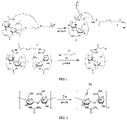
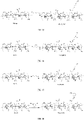
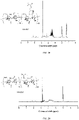
- the existing preparation methods for the sulfhydrylated HA mainly includes the following: Prestwich and Shu, Xizozheng et al firstly reported a dithiodihydrazide method for synthesizing a sulfhydryl-modified hyaluronic acid derivative, hereinafter referred to as HA-SH, the structure of which is shown in FIG. 1 (document 1: Biomacromolecules, 2002, 3, 1304 and Patent Publication No. CN101511875A ).
- a dihydrazide compound containing disulfide bonds needs to be synthesized in advance through a reaction of multiple steps, in which the reagents used are high in toxicity, for example, hydrazine hydrate, which is a highly toxic compound with an oral LD50 of 129 mg/kg in rats.
- the hyaluronic acid was subsequently cross-linked with the dithiodihydrazide compound to form a gel by condensation reaction with EDCI, i.e., a carbodiimide dehydrating agent. It is not easy to obtain a uniform sulfhydryl derivative because the reaction system is gelled as a whole and cannot be continuously stirred to maintain an optimum reaction condition of pH 4.75.
- the resulting gel was subjected to dithiothreitol reduction reaction to obtain the sulfhydryl-modified hyaluronic acid derivative.
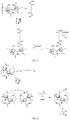
- Prestwich et al reported a method for synthesizing HA-SH by a thiocycloethane modification, as shown in FIG. 2 (document 2: Biomaterials, 2008, 29, 1388 ).
- a modifying reagent does not need to be synthesized in advance, but the modification ratio is relatively low due to the limitation on the low reactivity of primary alcohol of hyaluronic acid.
- the hydrazide-modified hyaluronic acid derivative was modified by using Traut's reagent before subjected to a series of purification operations to obtain the sulfhydryl-modified hyaluronic acid derivative.
- the Traut's reagent used in the second step of the reaction is expensive, with the reference price of 374 €/g (Sigma, purity 98%). This greatly hinders the large-scale industrial production of HA-SH by this method.
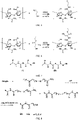
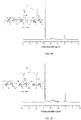
- C. Yan et al reported a method for synthesizing HA-SH by modifying the hyaluronic acid with ⁇ -mercaptoethylamine, as shown in FIG. 5 (document 5: Acta Biomaterialia, 2012, 8, 3643 ).
- a thiol-containing small molecule compound was used to directly modify the carboxyl of hyaluronic acid, and thiol groups were not protected in the reaction process.
- the product obtained by this method is actually a mixture of sulfhydryl-modified and amino-modified hyaluronic acids, and has a degree of substitution of thiol far lower than that of HA-SH synthesized by the hydrazide method.
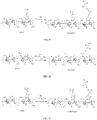
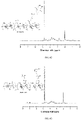
- Patent Publication No. CN101200504A discloses a method for synthesizing HA-SH by modifying hyaluronic acid with a modified dithiodihydrazide compound, as shown in FIG. 7 . Since the modified dithiodihydrazide compound used in this method has a longer backbone structure, the reactivity of the sulfhydryl in the resulting HA-SH is higher than that of thiol obtained by a conventional dithiodihydrazide method. However, the modified dithiodihydrazide needs to be prepared by a multi-step synthesis method, thereby having a relatively high industrial cost.
- Patent Publication No. CN103613686A discloses a series of methods for synthesizing HA-SH, which includes the structure of HA-SH in the conventional dithiodihydrazide method (i.e., document 1 and Patent Publication No. CN101511875A ), as shown in FIG. 8 .
- the above methods for preparing the sulfhydryl-modified HA can be categorized into the following three types: 1, performing an amidation modification on a side chain carboxyl of a polymer compound to add a sulfhydryl-containing small molecule fragment; 2, performing an amidation modification or a hydrazidation modification on a side chain carboxyl of a polymer compound, then performing secondary functionalization through a reduction reaction or a ring-opening reaction to obtain a sulfhydryl-containing side chain structure; 3, performing a ring-opening reaction of ethylene sulfide on a side chain hydroxyl of a polymer compound under the strong alkaline condition to obtain a sulfhydryl-containing side chain structure.
- the first object of the present disclosure is to provide a series of sulfhydryl-modified hyaluronic acid compounds with a novel structure, which have advantages of better viscosity, better water retention and stronger oxidation resistance, as well as high reactivity and high degree of sulfhydrylation, furthermore with controllable structure and excellent bioactivity, etc.
- the sulfhydryl-modified hyaluronic acid is more suitable for use in the fields such as antioxidation health care products, biopharmaceuticals, medical cosmetology and cosmetics.
- the second object of the present disclosure is to provide a preparation method for the series of sulfhydryl-modified hyaluronic acid compounds, which overcomes many disadvantages and shortcomings in the prior art and is highly promising for application.
- the method overcomes the following disadvantages and shortcomings in the prior art: 1) the modifying reagent needs to be synthesized through a reaction of multiple steps, such as the dithiodihydrazide method and the modified dithiodihydrazide method; 2) in the synthesis of the modifying reagent, highly toxic organics such as hydrazine hydrate need to be applied, which does not meet the development requirement of green chemistry or environment-friendly society; 3) in the sulfhydryl modification method involving the EDCI coupling agent, the pH of the reaction system needs to be maintained at 4.75 in the activation stage, and the reaction system cannot be stabilized and homogenized through homogenization such as stirring in the gel stage, leading to highly difficult industrial operations; 4) the synthesis of HA-SH by the
- the present disclosure provides a sulfhydryl-modified hyaluronic acid, wherein part or all of -COOH and/or -OH comprised in a side chain of a repeating unit of the hyaluronic acid are modified to form a side chain with the following terminal group: in the above group, ⁇ represents a linking site;
- the present disclosure provides a preparation method for the sulfhydryl-modified hyaluronic acid, which comprises the following steps:
- the present disclosure provides use of the sulfhydryl-modified hyaluronic acid for the fields such as antioxidation health care products, biopharmaceuticals, medical cosmetology and cosmetics (e.g., at least one selected from antioxidation cosmetics and water retention and moisture supplement cosmetics).
- the present disclosure proposes a brand-new sulfhydryl-modified hyaluronic acid, which unexpectedly has significant differences and improvements in viscosity, water retention and oxidation resistance in addition to the predictable or presumable increase in thiol content and little change in molecular weight of the main chain of the molecule, as compared to those of the hyaluronic acid and hyaluronic acid derivatives before modification.
- the present disclosure provides a series of sulfhydryl-modified hyaluronic acid compounds with a novel structure, which are hyaluronic acids modified by various side chains with thiol groups mentioned in the present disclosure, and has the following characteristics:
- the sulfhydryl-modified hyaluronic acid is more suitable for use in the fields such as antioxidation health care products, biopharmaceuticals, medical cosmetology and cosmetics.
- the present disclosure also proposes a brand-new method preparation method for the sulfhydryl-modified hyaluronic acid, specifically comprising: performing the Michael addition reaction of a thiol with a conjugated double bond using hyaluronic acid modified with an acryloyl compound and a polysulfhydryl compound to prepare a sulfhydryl-modified hyaluronic acid.
- the preparation method has the following advantages in addition to achieving the objective of obtaining the compounds with the novel structure described herein: capable of flexibly and effectively controlling the structure and composition of a synthetic product, the variety and content of a large number of terminal functional groups of the compounds and the like; adopting the highly biocompatible reagent to effectively control the production cost and reduce the toxicity in the synthetic process; ensuring the obtaining of the sulfhydryl-modified hyaluronic acid with good retention of the structure and bioactivity of the starting material and controllable type and content of functional groups as desired that can be used as extracellular matrix materials under the conditions of safe reagents and simple reaction steps, to meet the requirements of various clinical applications.
- the method has the advantages that:
- the present disclosure proves a series of sulfhydryl-modified hyaluronic acid compounds with a novel structure, wherein part or all of -COOH and/or -OH comprised in a side chain of a repeating unit of the hyaluronic acid are modified to form a side chain with the following terminal group: in the above group, ⁇ represents a linking site;
- the terminal group is linked to the -COOH and/or the -OH through an R group or directly to the -COOH and/or the -OH to form a side chain of at least one of the following structures: in the structures a, b, c and d, R is selected from hydrocarbylene, arylene, an amide residue, a hydrazide residue, and the like; ⁇ represents a linking site; 1 ⁇ represents a linking site to a left-hand group of R; 2 ⁇ represents a linking site to a right-hand group of R; R1, R2, R3 and R4 are defined as above.
- the sulfhydryl-modified hyaluronic acid has a molecular weight ranging from 5 kDa to 20 MDa.
- the molecular weight of the sulfhydryl-modified hyaluronic acid changes little or remains substantially unchanged before and after modification.
- a sulfhydryl content of the sulfhydryl-modified hyaluronic acid as determined by the Ellman method is 0.01-30 mmol/g, for example, 0.1-10.0 mmol/g, for another example, 0.3-5.0 mmol/g, and for yet another example, 0.5-3.0 mmol/g.
- the sulfhydryl-modified hyaluronic acid of the present disclosure comprises at least one of the following structures: wherein in the above structures, R, R1, R2, R3 and R4 are defined as above; (n2+n3)/(n1+n2+n3) represents a degree of acryloylation; n3/(n1+n2+n3) represents a degree of sulfhydrylation corresponding to the above sulfhydryl content of the sulfhydryl-modified polymer compound as determined by the Ellman method; the n1 can be 0, and if it is 0, the degree of acryloylation is not limited, and n3/(n2+n3) alone represents the degree of sulfhydrylation corresponding to the above sulfhydryl content of the sulfhydryl-modified polymer compound as determined by the Ellman method; the n2 can be 0, and if it is 0, n3/(n1+n3) represents both the degree of
- n1, n2, n3, n4, n5, n6, m1 and m2 are the number of repeating units in the structural formula unless otherwise specified.
- the range of values falls within conventional ranges known in the art.
- R1 is selected from hydrogen, halogen, an aliphatic group, an aromatic group, and the like
- R2 and R3 are the same or different and are independently selected from hydrogen, halogen, an aliphatic group, an aromatic group, and the like.
- the R may be selected from hydrocarbylene, arylene, an amide residue, a hydrazide residue, and the like.
- the halogen refers to fluorine, chlorine, bromine or iodine.
- the aliphatic group is, for example, a straight-chain or branched saturated/unsaturated aliphatic group, specifically may be alkyl, alkenyl or alkynyl.
- hydrocarbyl used herein alone or as a suffix or prefix is, for example, a straight-chain or branched saturated/unsaturated aliphatic group, specifically may be alkyl, alkenyl or alkynyl.
- alkyl used herein alone or as a suffix or prefix is intended to include both branched and straight-chain saturated aliphatic hydrocarbyl groups having 1-20, preferably 1-6, carbon atoms.
- C1-6 alkyl refers to a straight-chain or branched alkyl group having 1, 2, 3, 4, 5 or 6 carbon atoms.
- alkyl include, but are not limited to, methyl, ethyl, n-propyl, isopropyl, n-butyl, isobutyl, sec-butyl, tert-butyl, pentyl, and hexyl.
- alkenyl used herein alone or as a suffix or prefix is intended to include both branched and straight-chain aliphatic hydrocarbyl groups comprising alkenyl or alkene having 2-20, preferably 2-6, carbon atoms (or the specific number of carbon atoms if provided).
- C2-6 alkenyl refers to an alkenyl group having 2, 3, 4, 5 or 6 carbon atoms.
- alkenyl examples include, but are not limited to, ethenyl, allyl, 1-propenyl, 1-butenyl, 2-butenyl, 3-butenyl, 2-methylbut-2-enyl, 3-methylbut-1-enyl, 1-pentenyl, 3-pentenyl, and 4-hexenyl.
- alkynyl used herein alone or as a suffix or prefix is intended to include both branched and straight-chain aliphatic hydrocarbyl groups comprising alkynyl or alkyne having 2-20, preferably 2-6 carbon atoms (or the specific number of carbon atoms if provided).
- alkynyl e.g., 1-propynyl, 2-propynyl
- 3-butynyl pentynyl, hexynyl and 1-methylpent-2-ynyl.
- hydrocarbylene used herein is a group obtained by removing one hydrogen from the "hydrocarbyl”.
- the aromatic group refers to an aromatic ring structure composed of 5-20 carbon atoms.
- the aromatic ring structure containing 5, 6, 7 and 8 carbon atoms may be a monocyclic aromatic group, e.g., phenyl; the ring structure containing 8, 9, 10, 11, 12, 13 or 14 carbon atoms may be a polycyclic aromatic group, e.g., naphthyl.
- the aromatic ring may be substituted at one or more ring positions with substituents such as alkyl and halogen, e.g., tolyl.
- aryl also includes polycyclic ring systems having two or more rings in which two or more carbons are common to two adjacent rings (the rings are "fused rings"), and at least one of the rings is aromatic and the other rings may be, for example, cycloalkyl, cycloalkenyl, cycloalkynyl, aryl and/or heterocyclyl.
- polycyclic rings include, but are not limited to, 2,3-dihydro-1,4-benzodioxine and 2,3-dihydro-1-benzofuran.
- arylene used herein is a group obtained by removing one hydrogen from the "aromatic group”.
- the "amide residue” used herein is a group obtained by removing one hydrogen from the "amide group”.
- the "hydrazide residue” used herein is a group obtained by removing one hydrogen from the "hydrazide group”.
- cycloalkyl used herein is intended to include saturated cyclic groups having the specified number of carbon atoms. These terms may include fused or bridged polycyclic ring systems.
- the cycloalkyl has 3-40 carbon atoms in its ring structure. In one embodiment, the cycloalkyl has 3, 4, 5 or 6 carbon atoms in its ring structure.
- C3-6 cycloalkyl refers to a group such as cyclopropyl, cyclobutyl, cyclopentyl or cyclohexyl.
- cycloalkenyl used herein is intended to include cyclic groups comprising at least one alkenyl group having the specified number of carbon atoms. These terms may include fused or bridged polycyclic ring systems.
- the cycloalkenyl has 3-40 carbon atoms in its ring structure. In one embodiment, the cycloalkenyl has 3, 4, 5 or 6 carbon atoms in its ring structure.
- C3-6 cycloalkenyl refers to a group such as cyclopropenyl, cyclobutenyl, cyclopentenyl or cyclohexenyl.
- cycloalkynyl used herein is intended to include cyclic groups comprising at least one alkynyl group having the specified number of carbon atoms. These terms may include fused or bridged polycyclic ring systems.
- the cycloalkynyl has 6-40 carbon atoms in its ring structure. In one embodiment, the cycloalkynyl has 6 carbon atoms in its ring structure.
- C3-6 cycloalkynyl refers to a group such as cyclopropynyl, cyclobutynyl, cyclopentynyl or cyclohexynyl.
- heteroaryl used herein refers to a heteroaromatic heterocycle having at least one ring heteroatom (e.g., sulfur, oxygen, or nitrogen).
- the heteroaryl include monocyclic ring systems and polycyclic ring systems (e.g., having 2, 3 or 4 fused rings).
- heteroaryl examples include, but are not limited to, pyridinyl, pyrimidinyl, pyrazinyl, pyridazinyl, triazinyl, furyl, quinolyl, isoquinolyl, thienyl, imidazolyl, thiazolyl, indolyl, pyrrolyl, oxazolyl, benzofuryl, benzothienyl, benzothiazolyl, isoxazolyl, pyrazolyl, triazolyl, tetrazolyl, indazolyl, 1,2,4-thiadiazolyl, isothiazolyl, benzothienyl, purinyl, carbazolyl, benzimidazolyl, benzoxazolyl, azabenzoxazolyl, imidazothiazolyl, benzo[1,4]dioxanyl, benzo[1,3]dioxolyl, and the like.
- the heteroaryl has 3-40 carbon atoms, and in other embodiments, 3-20 carbon atoms. In some embodiments, the heteroaryl contains 3-14, 4-14, 3-7, or 5-6 ring atoms. In some embodiments, the heteroaryl has 1-4, 1-3, or 1-2 heteroatoms. In some embodiments, the heteroaryl has 1 heteroatom.
- heterocyclyl refers to a saturated, unsaturated or partially saturated monocyclic, bicyclic or tricyclic ring containing 3-20 atoms, wherein 1, 2, 3, 4 or 5 ring atoms are selected from nitrogen, sulfur, oxygen or phosphorus, which, unless otherwise stated, may be linked through carbon or nitrogen, wherein the -CH2- group is optionally replaced by -C(O)-; wherein unless otherwise stated to the contrary, the ring nitrogen atom or the ring sulfur atom is optionally oxidized to form an N-oxide or S-oxide, or the ring nitrogen atom is optionally quaternized; wherein -NH in the ring is optionally substituted with acetyl, formyl, methyl, or methanesulfonyl; and the ring is optionally substituted with one or more halogens.
- heterocyclyl is a bicyclic or tricyclic ring, at least one ring may optionally be a heteroaromatic or aromatic ring, provided that at least one ring is non-heteroaromatic. If the heterocyclyl is a monocyclic ring, it cannot be aromatic.
- heterocyclyl examples include, but are not limited to, piperidyl, N-acetylpiperidyl, N-methylpiperidyl, N-formylpiperazinyl, N-methanesulfonylpiperazinyl, homopiperazinyl, piperazinyl, azetidinyl, oxetanyl, morpholinyl, tetrahydroisoquinolyl, tetrahydroquinolyl, indolinyl, tetrahydropyranyl, dihydro-2H-pyranyl, tetrahydrofuranyl, tetrahydrothiopyranyl, tetrahydrothiopyran-1-oxide, tetrahydrothiopyran-1,1-dioxide, 1H-pyridin-2-one, and 2,5-dioxoimidazolidinyl.
- hydrazino used herein refers to the -NHNHRa group, wherein Ra is defined as above.
- amine group used herein refers to the -NHRa group or the -N(Ra)2 group, wherein Ra is defined as above.
- amino used herein refers to the -NH2 group.
- R4 is a fragment of the polysulfhydryl compound, that is, an -S-R4-SH fragment can be introduced from the polysulfhydryl compounds including but not limited to: wherein n4 is an integer from 2 to 30, such as 2, 3, 4, 5 or 6; n5 is an integer from 1 to 30, such as 1, 2, 3, 4 or 5; n6 is an integer from 1 to 30, such as 1, 2, 3, 4 or 5; 4-arm-PEG-SH represents a PEG polymer containing four sulfhydryl groups; 6-arm-PEG-SH represents a PEG polymer containing six sulfhydryl groups; 8-arm-PEG-SH represents a PEG polymer containing eight sulfhydryl groups; the PEG is an abbreviation for polyethylene glycol.
- the sulfhydryl-modified hyaluronic acid has at least one of the structures including but not limited to: in the above structural formulas, n1, n2 and n3 are defined as above.
- the sulfhydryl-modified hyaluronic acid of the present disclosure there are three indexes and determination methods commonly used to characterize the physicochemical properties: intrinsic viscosity determination, in which the intrinsic viscosity is an effective parameter for characterizing the molecular weight of a polymer compound, corresponding to high performance gel permeation chromatography and multi-angle laser light scattering combined with gel permeation chromatography; water retention rate determination; and oxidation resistance determination.
- the viscosity, water retention, and oxidation resistance are the main physicochemical properties of the hyaluronic acid, which are closely related to the application range of the hyaluronic acid.
- the viscosity is the most important performance index, which is not only an external index of molecular weight, but also a key index that affects the therapeutic or plastic effect of each sulfhydryl-modified hyaluronic acid in human body.
- Large viscosity makes the sulfhydryl-modified hyaluronic acid more difficult to disperse in tissues, thereby reducing the absorption rate of such compounds by tissues, and keeping them in human body for a longer period of time, i.e., increasing their metabolic half-life in vivo.
- the water retention and moisture supplement function is an important functional index of such compounds used in clinic, cosmetics and the like, and the water retention rate is an important index for evaluating such compounds and a comparative index for superiority.
- the oxidation resistance is also a main functional index of the sulfhydryl-modified hyaluronic acid involved in the present disclosure, and is also a main functional index of such compounds used in antioxidation cosmetics, antioxidation health care products and antioxidation medical products. There have been perfect testing methods and evaluation systems for determining the oxidation resistance.
- the intrinsic viscosity determination is a method for calculating the molecular weight of a polymer by utilizing the rheological property thereof, which is simple and easy to implement, and is widely used today.
- the sodium hyaluronate examination item recorded in European pharmacopoeia and British pharmacopoeia is used to control the quality and hence the molecular weight of the sodium hyaluronate by the intrinsic viscosity determination.
- This determination does not need reference substances, but it is greatly affected by the purity of the sample, and the content of hyaluronic acid in the solution needs to be accurately determined.
- the intrinsic viscosity determination is the most commonly used method for determining the molecular weight of hyaluronic acid because it does not require expensive equipments, and has simple operation and accurate results. At present, when determining the molecular weight of hyaluronic acid solution by this determination, the solution is first precipitated with ethanol, and the precipitate is collected and dried to obtain a solid before determination. However, this determination has poor accuracy in terms of the complex results, and is time consuming.
- the intrinsic viscosity determination is close to the method for directly determining the viscosity of such polymer compounds that is also an important characteristic physicochemical index related to the molecular weight of such polymer compounds.
- the other two methods for characterizing the molecular weight of such polymer compounds are high performance gel permeation chromatography and multi-angle laser light scattering combined with gel permeation chromatography.
- High performance gel permeation chromatography is a liquid chromatography technique for separating molecules according to their size, with the retention time of a material passing through a column being linearly and negatively correlated with the logarithm of its molecular weight.
- the method has good reproducibility and high speed, and can measure the average molecular weight and the distribution thereof.
- the determination of molecular weight by HPGPC requires the correction of the corresponding reference substance, and the hyaluronic acid reference substance is generally difficult to obtain, so that only samples with similar structures can be selected as the reference substance. Due to the different structure from the hyaluronic acid, the reference substance has different molecular weight, which causes the determined molecular weights of the sample to deviate from the true value.
- Multi-angle laser light scattering combined with gel permeation chromatography can obtain the concentration and molecular weight of each fraction point in the sample elution profile for polymer samples in any molecular weight range regardless of the molecular state in the mobile phase.
- This method can obtain the molecular weight of the sample without a reference substance, and the determination result is accurate and reliable.
- the instrument is expensive, and in ultra-high molecular weight measurements, the sample may undergo shear degradation in the porous medium or block the gel column. Therefore, the application of this method is limited.
- the water retention rate determination comprises the following steps: on the basis of selecting a proper sample and an effect comparison sample, the water retention property of different biocompatible high polymer materials is determined, mainly including indexes such as water absorption multiple in pure water, liquid absorption multiple in proper solutions, water absorption rate in pure water or proper solutions, water retention, repeated water absorption, liquid absorption property of the simulated liquid for use in the a human body environment and the like, wherein the simulated liquid for use in the a human body environment includes the simulated tissue fluid, the simulated cell fluid and the like. All tests must be repeated and validated.
- the water absorption multiples (Q) of different water-retaining agents are determined according to the following formula: (m2 - m1) / m1, where m1 and m2 represents the mass of the water-retaining agent for the biocompatible polymer compound in a dry state of the mass standard and in a saturated state by water absorption, which is usually expressed in grams.
- the dry state of the mass standard means that the water content of the finished product does not exceed 10%.
- the water absorption rates of different biocompatible polymer compounds are determined according to the filtration method for determining the water absorption rate. Several parts of about 1 g or proper weights of biocompatible polymer are taken, precisely weighed, placed in water or different solutions and left to stand, and then filtered and weighed at different time points in sequence to obtain the water absorption rate of the water-retaining agent at different time points.
- the oxidation resistance determination the oxidation resistance determination of biocompatible polymer materials related to the present patent: the oxidation resistance of each biocompatible polymer compound is evaluated by the capacity of removing free radicals, wherein the removing free radicals mainly refers to removing oxygen free radicals, which has a mature and well-known determination method in the pharmaceutical industry.
- the present disclosure provides a preparation method for the sulfhydryl-modified hyaluronic acid, which comprises the following steps:
- the step 1) is as follows: acryloylating the hyaluronic acid, namely linking at least one from the -COOH and the -OH comprised in the side chain of the repeating unit of the hyaluronic acid, via an R group or directly, to the terminal group to form the side chain of at least one of the following structures: in the structures a, b, c and d, R, R1, R2, R3 and R4 are defined as above, and ⁇ represents a linking site.
- the acryloylating step can be performed by reacting a hyaluronic acid to be modified with an acrylate compound, or by reacting the hyaluronic acid to be modified with an acryloyl chloride compound or an acrylic anhydride compound.
- the acrylate compound may be one or more of an alkyl acrylate compound, an aryl acrylate compound and a glycidyl acrylate polyol compound.
- the polyol in the glycidyl acrylate polyol compound is, for example, a triol, specifically, glycerin, butanetriol, pentanetriol, and the like.
- the acryloylating step may be a conventional reaction step, which can be performed under existing conventional conditions. Generally, it is performed by reacting acryloyl chloride and derivatives thereof or acrylic anhydride and derivatives thereof with the hyaluronic acid to be modified. It is also performed by reacting glycidyl acrylate and derivatives thereof with the hyaluronic acid to be modified.
- the acryloylating step can be an unconventional reaction step, namely using a method other than the above method to synthesize a polymer compound comprising at least one selected from the structures a, b, c and d.
- step 1) the structure of the product obtained from the acryloylating step is at least one of the following structures: in the above structures, R, R1, R2 and R3 are defined as above, and (m2)/(m1+m2) represents the degree of acryloylation.
- step 2) the reaction with the polysulfhydryl compound HS-R4-SH is performed in a solvent.
- the solvent is, for example, water or an organic solvent, and further can be deionized water or dimethylformamide.
- step 2) the reaction with the polysulfhydryl compound HS-R4-SH is performed under low to high temperature conditions.
- the reaction temperature is 0-80 °C, and further can be 10-70 °C, and for example, the reaction can be performed at room temperature.
- step 2) the reaction time for the reaction with the polysulfhydryl compound HS-R4-SH is 0.1-100 h.
- step 2) the pH range for the reaction with the polysulfhydryl compound HS-R4-SH is -1 to 15.
- the reaction pH can be 6-8, and for another example, 7.
- step 2) the reaction further comprises a post-treatment step.
- a dialysis method is adopted. Specifically, the solution after the reaction is filled into a dialysis bag (for example, a dialysis bag with a molecular weight cutoff of 2 kDa or more), dialyzed against a hydrochloric acid solution (for example, at pH 4) for several days (for example, 1-10 days, for another example, 5 days, and the like), optionally refreshed with water (for example, refreshed with water every day or every other day) for several times (for example, twice or more, and the like), and finally collected and dried (for example, lyophilized) to obtain a solid, i.e., the sulfhydryl-modified hyaluronic acid derivative.
- a dialysis bag for example, a dialysis bag with a molecular weight cutoff of 2 kDa or more
- a hydrochloric acid solution for example, at pH 4
- water for example, refreshed with water every day or every other day
- times for example, twice or more, and the
- the present disclosure firstly provides a preparation method for the sulfhydryl-modified hyaluronic acid by the Michael addition reaction of the sulfhydryl of the polysulfhydryl compound with the carbon-carbon double bond in the acryloyl group.
- the method has a high degree of sulfhydrylation, mild conditions for the sulfhydrylation reaction (can be performed at room temperature in an aqueous solution) and no pollution, and the prepared sulfhydryl-modified hyaluronic acid has high purity and is particularly suitable for further use in the fields such as pharmaceuticals, cosmetology and medicine.
- the present disclosure also provides use of the sulfhydryl-modified hyaluronic acid for the fields such as antioxidation health care products, biopharmaceuticals, medical cosmetology and cosmetics (e.g., at least one selected from antioxidation cosmetics and water retention and moisture supplement cosmetics).
- hyaluronic acid is a linear, non-branched macromolecular acidic mucopolysaccharide polymer composed of repeated and alternating linkages of disaccharides (the structural units are ⁇ -(1,4)-N-acetyl-d-glucosamine and ⁇ -(1,3)-d-glucuronic acid).
- the chain length of HA varies from about 5 kDa to 20 MDa, with the range from 2 MDa to 5 MDa being the most common.
- More than 50% of hyaluronic acid is present in skin, lung and intestinal tissue. In addition, it is also present in interstitial tissues such as synovial fluid, cartilage, umbilical cord, and vascular wall.
- Hyaluronic acid in the human body mainly exerts physiological functions such as lubrication and buffering, filling and diffusion barrier, and free radical removal.
- hyaluronic acid products can be extracted from animal tissues (such as cockscomb, lens of eye, cerebral cartilage and synovial fluid), or prepared by the fermentation of bacteria (such as streptococcus and pseudomonas aeruginosa).
- HA has been widely used in the pharmaceutical field, such as for the preparation of drug delivery systems, for the treatment of orthopedic and ophthalmic diseases, and for the prevention of post-operative adhesions and the repairing of soft tissues, which has become a research hot spot in the fields of tissue engineering and regenerative medicine.
- natural HA has excellent biocompatibility and anti-inflammatory effects, it has poor mechanical strength and degradability when in a pure state. Therefore, as a scaffold material for tissue engineering, HA must be chemically modified in a suitable way or used in combination with other materials to improve those deficiencies, to better exert its biological effects, and to provide a good environment for the survival and function of cells and the repairing and regeneration of tissues.
- the sulfhydryl-modified hyaluronic acid is prepared and recorded as HA-SH, which can be cross-linked by thiol oxidation to form a stable cross-linked material (e.g., hydrogel) with excellent mechanical properties, good physical stability and mechanical strength; in addition, the in vivo metabolic rate is controllable, and the HA-SH can also be used with other components of biological functional materials make up for each other's deficiencies, thus obtaining a three-dimensional scaffold material with excellent properties that can meet the requirements of most tissue engineering applications.
- HA-SH stable cross-linked material
- the 1H-NMR spectrum is determined by a Varian 400 MHz nuclear magnetic resonance spectrometer, with the test temperature of 25 °C, the relaxation time of 1 s, and the number of scanning of 8. Specifically, 8-10 mg of the test sample is dissolved in 750 ⁇ L of deuterated water, and the obtained sample solution is determined for the 1H-NMR spectrum.
- HA-A1 (921 mg, yield 92.1%) as a white flocculent solid.
- m2/(m1+m2) represents the degree of acryloylation
- m1 + m2 n
- n is the number of repeating units of an un-modified hyaluronic acid.
- the 1H-NMR spectrum of HA-A1 is shown in FIG. 26 , wherein a nuclear magnetic peak belonging to the acrylic functional group located between 6 ppm and 6.5 ppm can be seen, demonstrating that the group is successfully grafted into the structure of the hyaluronic acid.
- HA-A2 (789 mg, yield 78.9%) as a white flocculent solid.
- HA-A2 The structural formula of HA-A2 is shown in FIG. 27 .
- the 1H-NMR spectrum of HA-A2 is shown in FIG. 27 , wherein a nuclear magnetic peak belonging to the acrylic functional group located between 5.8 ppm and 6.4 ppm can be seen, demonstrating that the group is successfully grafted into the structure of the hyaluronic acid.
- HA-MA1 859 mg, yield 85.9%
- HA-MA1 The structural formula of HA-MA1 is shown in FIG. 28 .
- the 1H-NMR spectrum of HA-MA1 is shown in FIG. 28 , wherein a nuclear magnetic peak belonging to the methacrylic functional group located between 5.8 ppm and 6.2 ppm can be seen, demonstrating that the group is successfully grafted into the structure of the hyaluronic acid.
- HA-MA2 846 mg, yield 84.6%) as a white flocculent solid.
- HA-MA2 The structural formula of HA-MA2 is shown in FIG. 29 .
- the 1H-NMR spectrum of HA-MA2 is shown in FIG. 29 , wherein a nuclear magnetic peak belonging to the methacrylic functional group located between 5.8 ppm and 6.2 ppm can be seen, demonstrating that the group is successfully grafted into the structure of the hyaluronic acid.
- HA-A1 prepared according to the method of Preparation Example 1, 0.3 g of dithiothreitol (VWR) and 100 mL of deionized water, and the mixture was dissolved with stirring at room temperature to obtain a transparent solution. The resulting transparent solution was stirred for an additional 12 h. The resulting solution was filled into a dialysis bag (Spectrumlabs, molecular weight cutoff: 8 kDa) and dialyzed against 5 L of hydrochloric acid solution at pH 4 for 5 days, with water refreshed twice a day. Finally, the solution in the dialysis bag was collected and lyophilized to obtain HA-A1-SH1 (842 mg, yield 84.2%) as a white flocculent solid.
- VWR dithiothreitol
- the 1H-NMR spectrum of HA-A1-SH1 is shown in FIG. 30 , wherein a nuclear magnetic peak belonging to a sulfhydryl side chain located between 2.3 ppm and 2.8 ppm can be seen, demonstrating that the sulfhydryl group is successfully grafted into the structure of the hyaluronic acid.
- HA-A2 prepared according to the method of Preparation Example 2, 0.3 g of dithiothreitol (VWR) and 100 mL of deionized water, and the mixture was dissolved with stirring at room temperature to obtain a transparent solution. The resulting transparent solution was stirred for an additional 12 h. The resulting solution was filled into a dialysis bag (Spectrumlabs, molecular weight cutoff: 8 kDa) and dialyzed against 5 L of hydrochloric acid solution at pH 4 for 5 days, with water refreshed twice a day. Finally, the solution in the dialysis bag was collected and lyophilized to obtain HA-A2-SH1 (827 mg, yield 82.7%) as a white flocculent solid.
- VWR dithiothreitol
- the 1H-NMR spectrum of HA-A2-SH1 is shown in FIG. 31 , wherein a nuclear magnetic peak belonging to a sulfhydryl side chain located between 2.6 ppm and 2.9 ppm can be seen, demonstrating that the sulfhydryl group is successfully grafted into the structure of the hyaluronic acid.
- HA-MA1 prepared according to the method of Preparation Example 3, 0.3 g of dithiothreitol (VWR) and 100 mL of deionized water, and the mixture was dissolved with stirring at room temperature. The resulting transparent solution was stirred for an additional 12 h. The resulting solution was filled into a dialysis bag (Spectrumlabs, molecular weight cutoff: 8 kDa) and dialyzed against 5 L of hydrochloric acid solution at pH 4 for 5 days, with water refreshed twice a day. Finally, the solution in the dialysis bag was collected and lyophilized to obtain HA-MA1-SH1 (854 mg, yield 85.4%) as a white flocculent solid.
- VWR dithiothreitol
- the 1H-NMR spectrum of HA-MA1-SH1 is shown in FIG. 32 , wherein a nuclear magnetic peak belonging to a sulfhydryl side chain located between 2.6 ppm and 3.0 ppm can be seen, demonstrating that the sulfhydryl group is successfully grafted into the structure of the hyaluronic acid.
- HA-MA2 prepared according to the method of Preparation Example 4, 0.3 g of dithiothreitol (VWR) and 100 mL of deionized water, and the mixture was dissolved with stirring at room temperature. The resulting transparent solution was stirred for an additional 12 h. The resulting solution was filled into a dialysis bag (Spectrumlabs, molecular weight cutoff: 8 kDa) and dialyzed against 5 L of hydrochloric acid solution at pH 4 for 5 days, with water refreshed twice a day. Finally, the solution in the dialysis bag was collected and lyophilized to obtain HA-MA2-SH1 (833 mg, yield 83.3%) as a white flocculent solid.
- VWR dithiothreitol
- the 1H-NMR spectrum of HA-MA2-SH1 is shown in FIG. 33 , wherein a nuclear magnetic peak belonging to a sulfhydryl side chain located between 2.6 ppm and 3.0 ppm can be seen, demonstrating that the sulfhydryl group is successfully grafted into the structure of the hyaluronic acid.
- HA-A1 prepared according to the method of Preparation Example 1, 0.42 g of 1,4-butanedithiol (Sigma) and 100 mL of deionized water, and the mixture was dissolved with stirring at room temperature to obtain a transparent solution. The resulting transparent solution was stirred for an additional 12 h. The resulting solution was filled into a dialysis bag (Spectrumlabs, molecular weight cutoff: 8 kDa) and dialyzed against 5 L of hydrochloric acid solution at pH 4 for 5 days, with water refreshed twice a day. Finally, the solution in the dialysis bag was collected and lyophilized to obtain HA-A1-SH2 (852 mg, yield 85.2%) as a white flocculent solid.
- a dialysis bag Spectrumlabs, molecular weight cutoff: 8 kDa
- the 1H-NMR spectrum of HA-A1-SH2 is shown in FIG. 34 , wherein a nuclear magnetic peak belonging to a sulfhydryl side chain located between 1.6 ppm and 1.9 ppm can be seen, demonstrating that the sulfhydryl group is successfully grafted into the structure of the hyaluronic acid.
- HA-A1 prepared according to the method of Preparation Example 1, 0.43 g of 2-amino-1,4-butanedithiol hydrochloride (Sigma) and 100 mL of deionized water, and the mixture was dissolved with stirring at room temperature to obtain a transparent solution. The resulting transparent solution was stirred for an additional 12 h. The resulting solution was filled into a dialysis bag (Spectrumlabs, molecular weight cutoff: 8 kDa) and dialyzed against 5 L of hydrochloric acid solution at pH 4 for 5 days, with water refreshed twice a day. Finally, the solution in the dialysis bag was collected and lyophilized to obtain HA-A1-SH3 (843 mg, yield 84.3%) as a white flocculent solid.
- a dialysis bag Spectrumlabs, molecular weight cutoff: 8 kDa
- the 1H-NMR spectrum of HA-A1-SH3 is shown in FIG. 35 , wherein a nuclear magnetic peak belonging to a sulfhydryl side chain located between 3.0 ppm and 3.2 ppm can be seen, demonstrating that the sulfhydryl group is successfully grafted into the structure of the hyaluronic acid.
- HA-A2 prepared according to the method of Preparation Example 2, 0.42 g of 1,4-butanedithiol (Sigma) and 100 mL of deionized water, and the mixture was dissolved with stirring at room temperature to obtain a transparent solution. The resulting transparent solution was stirred for an additional 12 h. The resulting solution was filled into a dialysis bag (Spectrumlabs, molecular weight cutoff: 8 kDa) and dialyzed against 5 L of hydrochloric acid solution at pH 4 for 5 days, with water refreshed twice a day. Finally, the solution in the dialysis bag was collected and lyophilized to obtain HA-A2-SH2 (827 mg, yield 82.7%) as a white flocculent solid.
- a dialysis bag Spectrumlabs, molecular weight cutoff: 8 kDa
- the 1H-NMR spectrum of HA-A2-SH2 is shown in FIG. 36 , wherein a nuclear magnetic peak belonging to a sulfhydryl side chain located between 1.6 ppm and 1.9 ppm can be seen, demonstrating that the sulfhydryl group is successfully grafted into the structure of the hyaluronic acid.
- HA-A2 prepared according to the method of Preparation Example 2, 0.43 g of 2-amino-1,4-butanedithiol hydrochloride (Sigma) and 100 mL of deionized water, and the mixture was dissolved with stirring at room temperature to obtain a transparent solution. The resulting transparent solution was stirred for an additional 12 h. The resulting solution was filled into a dialysis bag (Spectrumlabs, molecular weight cutoff: 8 kDa) and dialyzed against 5 L of hydrochloric acid solution at pH 4 for 5 days, with water refreshed twice a day. Finally, the solution in the dialysis bag was collected and lyophilized to obtain HA-A2-SH3 (833 mg, yield 83.3%) as a white flocculent solid.
- the 1H-NMR spectrum of HA-A2-SH3 is shown in FIG. 37 , wherein a nuclear magnetic peak belonging to a sulfhydryl side chain located between 3.0 ppm and 3.2 ppm can be seen, demonstrating that the sulfhydryl group is successfully grafted into the structure of the hyaluronic acid.
- HA-A2 prepared according to the method of Preparation Example 2, 0.38 g of 1,3-propanedithiol (Sigma) and 100 mL of deionized water, and the mixture was dissolved with stirring at room temperature to obtain a transparent solution. The resulting transparent solution was stirred for an additional 12 h. The resulting solution was filled into a dialysis bag (Spectrumlabs, molecular weight cutoff: 8 kDa) and dialyzed against 5 L of hydrochloric acid solution at pH 4 for 5 days, with water refreshed twice a day. Finally, the solution in the dialysis bag was collected and lyophilized to obtain HA-A2-SH4 (814 mg, yield 81.4%) as a white flocculent solid.
- the 1H-NMR spectrum of HA-A2-SH4 is shown in FIG. 38 , wherein a nuclear magnetic peak belonging to a sulfhydryl side chain located between 2.5 ppm and 2.8 ppm can be seen, demonstrating that the sulfhydryl group is successfully grafted into the structure of the hyaluronic acid.
- HA-A2 prepared according to the method of Preparation Example 2, 0.52 g of 1,3-phenyldithiophenol (Sigma) and 100 mL of deionized water, and the mixture was dissolved with stirring at room temperature to obtain a transparent solution. The resulting transparent solution was stirred for an additional 12 h. The resulting solution was filled into a dialysis bag (Spectrumlabs, molecular weight cutoff: 8 kDa) and dialyzed against 5 L of hydrochloric acid solution at pH 4 for 5 days, with water refreshed twice a day. Finally, the solution in the dialysis bag was collected and lyophilized to obtain HA-A2-SH5 (836 mg, yield 83.6%) as a white flocculent solid.
- the 1H-NMR spectrum of HA-A2-SH5 is shown in FIG. 39 , wherein a nuclear magnetic peak belonging to a sulfhydryl side chain located between 6.9 ppm and 7.4 ppm can be seen, demonstrating that the sulfhydryl group is successfully grafted into the structure of the hyaluronic acid.
- HA-A2 prepared according to the method of Preparation Example 2, 0.52 g of 1,4-phenyldithiophenol (Sigma) and 100 mL of deionized water, and the mixture was dissolved with stirring at room temperature to obtain a transparent solution. The resulting transparent solution was stirred for an additional 12 h. The resulting solution was filled into a dialysis bag (Spectrumlabs, molecular weight cutoff: 8 kDa) and dialyzed against 5 L of hydrochloric acid solution at pH 4 for 5 days, with water refreshed twice a day. Finally, the solution in the dialysis bag was collected and lyophilized to obtain HA-A2-SH6 (831 mg, yield 83.1%) as a white flocculent solid.
- HA-A2-SH6 831 mg, yield 83.1%) as a white flocculent solid.
- the 1H-NMR spectrum of HA-A2-SH6 is shown in FIG. 40 , wherein a nuclear magnetic peak belonging to a sulfhydryl side chain located between 6.8 ppm and 7.0 ppm can be seen, demonstrating that the sulfhydryl group is successfully grafted into the structure of the hyaluronic acid.
- HA-A2 prepared according to the method of Preparation Example 2, 0.96 g of sulfhydryl polyethylene glycol (Sigma) and 100 mL of deionized water, and the mixture was dissolved with stirring at room temperature to obtain a transparent solution. The resulting transparent solution was stirred for an additional 12 h. The resulting solution was filled into a dialysis bag (Spectrumlabs, molecular weight cutoff: 8 kDa) and dialyzed against 5 L of hydrochloric acid solution at pH 4 for 5 days, with water refreshed twice a day. Finally, the solution in the dialysis bag was collected and lyophilized to obtain HA-A2-SH7 (894 mg, yield 89.4%) as a white flocculent solid.
- the 1H-NMR spectrum of HA-A2-SH7 is shown in FIG. 41 , wherein a nuclear magnetic peak belonging to a sulfhydryl side chain located at 3.6 ppm can be seen, demonstrating that the sulfhydryl group is successfully grafted into the structure of the hyaluronic acid.
- HA-A2 prepared according to the method of Preparation Example 2, 0.74 g of trimethylolpropane-tris(3-sulfhydrylpropionate) (Sigma), 50 mL of deionized water and 50 mL of dimethylformamide, and the mixture was dissolved with stirring at room temperature to obtain a transparent solution. The resulting transparent solution was stirred for an additional 12 h. The resulting solution was filled into a dialysis bag (Spectrumlabs, molecular weight cutoff: 8 kDa) and dialyzed against 5 L of hydrochloric acid solution at pH 4 for 5 days, with water refreshed twice a day. Finally, the solution in the dialysis bag was collected and lyophilized to obtain HA-A2-SH8 (785 mg, yield 78.5%) as a white flocculent solid.
- the 1H-NMR spectrum of HA-A2-SH8 is shown in FIG. 42 , wherein nuclear magnetic peaks belonging to a sulfhydryl side chain located between 0.8 ppm and 1.0 ppm, at 1.5 ppm, and between 2.6 ppm and 2.9 ppm can be seen, demonstrating that the sulfhydryl group is successfully grafted into the structure of the hyaluronic acid.
- HA-MA1 prepared according to the method of Preparation Example 3, 0.50 g of 1,3-phenyldithiophenol (Sigma) and 100 mL of deionized water, and the mixture was dissolved with stirring at room temperature to obtain a transparent solution. The resulting transparent solution was stirred for an additional 12 h. The resulting solution was filled into a dialysis bag (Spectrumlabs, molecular weight cutoff: 8 kDa) and dialyzed against 5 L of hydrochloric acid solution at pH 4 for 5 days, with water refreshed twice a day. Finally, the solution in the dialysis bag was collected and lyophilized to obtain HA-MA1-SH5 (828 mg, yield 82.8%) as a white flocculent solid.
- a dialysis bag Spectrumlabs, molecular weight cutoff: 8 kDa
- the 1H-NMR spectrum of HA-MA1-SH5 is shown in FIG. 43 , wherein a nuclear magnetic peak belonging to a sulfhydryl side chain located between 6.9 ppm and 7.4 ppm can be seen, demonstrating that the sulfhydryl group is successfully grafted into the structure of the hyaluronic acid.
- HA-MA1 prepared according to the method of Preparation Example 3, 0.50 g of 1,4-phenyldithiophenol (Sigma) and 100 mL of deionized water, and the mixture was dissolved with stirring at room temperature to obtain a transparent solution. The resulting transparent solution was stirred for an additional 12 h. The resulting solution was filled into a dialysis bag (Spectrumlabs, molecular weight cutoff: 8 kDa) and dialyzed against 5 L of hydrochloric acid solution at pH 4 for 5 days, with water refreshed twice a day. Finally, the solution in the dialysis bag was collected and lyophilized to obtain HA-MA1-SH6 (833 mg, yield 83.3%) as a white flocculent solid.
- the 1H-NMR spectrum of HA-MA1-SH6 is shown in FIG. 44 , wherein a nuclear magnetic peak belonging to a sulfhydryl side chain located between 6.9 ppm and 7.0 ppm can be seen, demonstrating that the sulfhydryl group is successfully grafted into the structure of the hyaluronic acid.
- HA-MA2 prepared according to the method of Preparation Example 4, 0.92 g of sulfhydryl polyethylene glycol (Sigma) and 100 mL of deionized water, and the mixture was dissolved with stirring at room temperature to obtain a transparent solution. The resulting transparent solution was stirred for an additional 12 h. The resulting solution was filled into a dialysis bag (Spectrumlabs, molecular weight cutoff: 8 kDa) and dialyzed against 5 L of hydrochloric acid solution at pH 4 for 5 days, with water refreshed twice a day. Finally, the solution in the dialysis bag was collected and lyophilized to obtain HA-MA2-SH7 (876 mg, yield 87.6%) as a white flocculent solid.
- HA-MA2-SH7 876 mg, yield 87.6%
- the 1H-NMR spectrum of HA-MA2-SH7 is shown in FIG. 45 , wherein a nuclear magnetic peak belonging to a sulfhydryl side chain located at 3.6 ppm can be seen, demonstrating that the sulfhydryl group is successfully grafted into the structure of the hyaluronic acid.
- HA-MA2 prepared according to the method of Preparation Example 4, 0.68 g of trimethylolpropane-tris(3-sulfhydrylpropionate) (Sigma), 50 mL of deionized water and 50 mL of dimethylformamide, and the mixture was dissolved with stirring at room temperature to obtain a transparent solution. The resulting transparent solution was stirred for an additional 12 h. The resulting solution was filled into a dialysis bag (Spectrumlabs, molecular weight cutoff: 8 kDa) and dialyzed against 5 L of hydrochloric acid solution at pH 4 for 5 days, with water refreshed twice a day. Finally, the solution in the dialysis bag was collected and lyophilized to obtain HA-MA2-SH8 (825 mg, yield 82.5%) as a white flocculent solid.
- the 1H-NMR spectrum of HA-MA2-SH8 is shown in FIG. 46 , wherein nuclear magnetic peaks belonging to a sulfhydryl side chain located between 0.8 ppm and 1.0 ppm, at 1.5 ppm, and between 2.6 ppm and 2.9 ppm can be seen, demonstrating that the sulfhydryl group is successfully grafted into the structure of the hyaluronic acid.
- the standard curve of the sulfhydryl content is shown in FIG. 47 , and the determination results of the sulfhydryl content are shown in Table 1.
- the mobile phase of GPC was 0.05 M sodium sulfate solution, with a flow rate of 1 mL/min and a column temperature of 30 °C.
- the curve of the standard polyethylene glycol polymer was used as the standard curve.
- sulfhydryl-modified HA 50 mg was added to a 20 mL glass bottle weighed in advance, and dissolved with 5 mL of deionized water to obtain a 1% solution.
- the mass of the solution m0 was obtained by the mass subtraction method.
- the glass bottle was placed in a shaker at 37 °C, and weighed at regular intervals to obtain the mass of the solution mt.
- Table 3 Comparison table of water retention rate index Sample Water retention rate Time point (day) 0 1 2 4 6 HA-A1-SH1 100% 92.7% 81.1% 50.3% 25.9% HA-A2-SH1 100% 93.4% 81.7% 49.1% 27.6% HA-MA1-SH1 100% 91.6% 79.1% 46.9% 25.4% HA-MA2-SH1 100% 92.6% 82.3% 48.5% 28.1% HA-A1-SH2 100% 89.4% 76.1% 39.5% 16.9% HA-A1-SH3 100% 89.2% 77.6% 41.6% 18.5% HA-A2-SH2 100% 88.6% 74.4% 36.7% 15.6% HA-A2-SH3 100% 86.9% 77.8% 33.2% 13.9% HA-A2-SH4 100% 91.5% 81.5% 38.3% 21.4% HA-A2-SH5 100% 89.4% 80.5% 38.8% 21.1%
- Example 22 Determination of Oxidation Resistance of Sulfhydryl-Modified HA by DPPH Free Radical Capture Method
- TNBS 1,1-diphenyl-2-trinitrophenylhydrazine
- the PBS solutions of sulfhydryl-modified HA were precisely prepared to obtain a series of test sample solutions at 0.1 mg/mL.
- the DPPH standard curve is shown in FIG. 48 .
- the free radical capture capacity is shown in FIG. 49 .
- Example 23 Superior Example of Cellular Activity of HA-SH of the Present Disclosure
- MTT method also known as MTT colorimetric method, is a method used to detect the survival and growth of cells.
- the detection principle is that succinate dehydrogenase in mitochondria of living cells can reduce exogenous MTT into water-insoluble purple crystalline Formazan and deposit the Formazan in the cells, while dead cells do not have this function.
- Dimethyl sulfoxide can dissolve formazan in cells, and its absorbance at 490 nm can be determined by using an enzyme linked immunosorbent assay detector, so that the number of living cells can be indirectly reflected. Within a certain range of cell number, MTT crystals are formed in an amount proportional to the cell number.
- the specific test procedures and results are as follows: The sulfhydryl-acrylate-modified hyaluronic acids prepared in Examples 1-4 were prepared as 10 mg/mL PBS solutions with the pH adjusted to 7.35-7.45.
- test samples of the present disclosure were diluted to the following concentrations using cell culture prepared with Dulbecco's Modified Eagle Medium, 10% fetal bovine serum and 1% penicillin/streptomycin solution: 100 ⁇ g/mL, 500 ⁇ g/mL, 1000 ⁇ g/mL, 2500 ⁇ g/mL, 5000 ⁇ g/mL and 10000 ⁇ g/mL.
- the blank control sample was the solvent.
- the negative control sample was the cell culture. L929 cells were seeded into a 96-well plate at 8000 cells/well, and cultured overnight until the cells were adhered to the wall.
- the culture medium was refreshed with 100 ⁇ L of sample solution, and the cells were cultured in a cell incubator at 37 °C with 5% CO2 and > 90% humidity for 24 h.
- the test samples and the control sample were co-cultured with the cells.
- the cell activity was determined for each test concentration and compared to the cell activity of the negative control sample.
- the negative control group was 100% active. Changes in cell morphology due to cytotoxic effects of each sample were first observed and recorded after 24 h. The results showed that no change in cell morphology was caused by the different concentrations of the test samples.
- the medium was removed and 20 ⁇ L of 5 mg/mL MTT was added to each well and further incubated for 4 h.
Landscapes
- Chemical & Material Sciences (AREA)
- Health & Medical Sciences (AREA)
- Life Sciences & Earth Sciences (AREA)
- Chemical Kinetics & Catalysis (AREA)
- Molecular Biology (AREA)
- Engineering & Computer Science (AREA)
- Biochemistry (AREA)
- Materials Engineering (AREA)
- General Health & Medical Sciences (AREA)
- Medicinal Chemistry (AREA)
- Polymers & Plastics (AREA)
- Organic Chemistry (AREA)
- Dermatology (AREA)
- Polysaccharides And Polysaccharide Derivatives (AREA)
- Cosmetics (AREA)
- Pharmaceuticals Containing Other Organic And Inorganic Compounds (AREA)
Applications Claiming Priority (2)
| Application Number | Priority Date | Filing Date | Title |
|---|---|---|---|
| CN201911130065.7A CN112812201B (zh) | 2019-11-18 | 2019-11-18 | 巯基改性透明质酸及其制备方法和用途 |
| PCT/CN2020/079821 WO2021098098A1 (zh) | 2019-11-18 | 2020-03-18 | 巯基改性透明质酸及其制备方法和用途 |
Publications (2)
| Publication Number | Publication Date |
|---|---|
| EP4063400A1 true EP4063400A1 (de) | 2022-09-28 |
| EP4063400A4 EP4063400A4 (de) | 2022-12-28 |
Family
ID=75852824
Family Applications (1)
| Application Number | Title | Priority Date | Filing Date |
|---|---|---|---|
| EP20889423.8A Withdrawn EP4063400A4 (de) | 2019-11-18 | 2020-03-18 | Sulfhydrylmodifizierte hyaluronsäure, herstellungsverfahren dafür und verwendung davon |
Country Status (8)
| Country | Link |
|---|---|
| US (1) | US20230022581A1 (de) |
| EP (1) | EP4063400A4 (de) |
| JP (1) | JP2023502470A (de) |
| KR (1) | KR20220103143A (de) |
| CN (1) | CN112812201B (de) |
| AU (1) | AU2020389341B9 (de) |
| CA (1) | CA3163070A1 (de) |
| WO (1) | WO2021098098A1 (de) |
Families Citing this family (5)
| Publication number | Priority date | Publication date | Assignee | Title |
|---|---|---|---|---|
| CN115429902B (zh) * | 2021-06-04 | 2023-08-18 | 中南大学 | 磁性氧化铁细胞标记材料及其制备和应用 |
| CN114316087B (zh) * | 2021-12-31 | 2022-10-28 | 常州百瑞吉生物医药有限公司 | 一种透明质酸交联活性材料、制备方法及其应用 |
| CN114854017B (zh) * | 2022-05-26 | 2023-02-07 | 浙江大学 | 一种主链含硫醚基团的高分子及其合成方法 |
| CN118878717B (zh) * | 2024-07-22 | 2026-01-06 | 徐州医科大学附属医院 | 一种巯基化透明质酸的制备方法及应用 |
| CN119177214B (zh) * | 2024-09-29 | 2025-05-02 | 广州赛基特生物科技有限公司 | 一种免疫细胞培养扩增培养基及其制备方法 |
Family Cites Families (22)
| Publication number | Priority date | Publication date | Assignee | Title |
|---|---|---|---|---|
| KR100737954B1 (ko) * | 2006-01-03 | 2007-07-13 | 고려대학교 산학협력단 | 조직재생을 위한 히알루론산-기초된 주사형 하이드로겔 |
| KR100849185B1 (ko) * | 2006-01-19 | 2008-07-30 | 서울산업대학교 산학협력단 | 키토산 또는 히알루론산-폴리에틸렌옥사이드 및키토산-히알루론산-폴리에틸렌옥사이드를 기저로 하는하이드로젤과 이의 제조방법 |
| WO2008008857A2 (en) | 2006-07-11 | 2008-01-17 | University Of Utah Research Foundation | Thiolated macromolecules and methods of making and using thereof |
| CN101200504B (zh) | 2006-12-11 | 2010-05-12 | 上海百瑞吉生物医药有限公司 | 高分子巯基化改性衍生物及其交联材料 |
| TWI483996B (zh) * | 2009-12-08 | 2015-05-11 | Novartis Ag | 具有共價貼合塗層之聚矽氧水凝膠鏡片 |
| CN104140541A (zh) * | 2013-05-10 | 2014-11-12 | 北京化工大学 | 注射型透明质酸水凝胶的制备方法及其应用 |
| CN104224688B (zh) * | 2013-06-09 | 2017-10-10 | 北京化工大学 | 负载纳米药物的丙烯酸酯化透明质酸水凝胶及其制备方法 |
| CN103613686B (zh) | 2013-11-12 | 2015-08-19 | 广州恩轲肽医药科技有限公司 | 巯基化透明质酸的制备方法及其应用 |
| FR3026299B1 (fr) * | 2014-09-30 | 2016-11-25 | Oreal | Procede cosmetique pour attenuer les rides |
| FR3026298B1 (fr) * | 2014-09-30 | 2017-12-01 | Oreal | Procede cosmetique pour attenuer les rides |
| CN104774903A (zh) * | 2015-02-04 | 2015-07-15 | 周光前 | 立体化培养细胞在骨科药物筛选中的应用 |
| CN105732989B (zh) * | 2016-03-14 | 2018-11-06 | 武汉纺织大学 | 一种紫外光3d打印用水凝胶基质的制备方法 |
| US11491233B2 (en) * | 2016-06-13 | 2022-11-08 | Purdue Research Foundation | Responsive elastic polymers and methods of making and using same |
| CN106478841B (zh) * | 2016-09-20 | 2019-02-19 | 海南大学 | 通过冷冻干燥与硫醇-烯点击化学制备的半胱氨酸透明质酸结合物及其合成方法和应用 |
| CN107095859B (zh) * | 2017-04-24 | 2020-03-10 | 四川大学 | 一种具有肿瘤细胞生物还原性微环境敏感的载药纳米胶囊及其制备方法 |
| US11419941B2 (en) * | 2017-05-30 | 2022-08-23 | Brenda K. Mann | Vaginal hydrogel |
| CN107200854A (zh) * | 2017-06-13 | 2017-09-26 | 武汉纺织大学 | 一种紫外光3d打印用透明质酸水凝胶基质的制备方法 |
| CN109666168A (zh) * | 2017-10-17 | 2019-04-23 | 翁秋梅 | 一种自修复性固态杂化动态聚合物及其应用 |
| CN107899075A (zh) * | 2017-10-20 | 2018-04-13 | 浙江大学 | 一种基于特异性相互作用的自组装水凝胶及其制备方法 |
| CN108676178B (zh) * | 2018-04-26 | 2021-02-09 | 济南大学 | 改性多糖水凝胶的制备方法及制备的改性多糖水凝胶 |
| CA3099732A1 (en) * | 2018-05-09 | 2019-11-14 | The Johns Hopkins University | Nanofiber-hydrogel composites for cell and tissue delivery |
| CN112812200B (zh) * | 2019-11-18 | 2023-06-16 | 孛朗孚(杭州)生物科技有限公司 | 巯基改性高分子化合物及其制备方法和用途 |
-
2019
- 2019-11-18 CN CN201911130065.7A patent/CN112812201B/zh active Active
-
2020
- 2020-03-18 US US17/756,182 patent/US20230022581A1/en not_active Abandoned
- 2020-03-18 KR KR1020227020480A patent/KR20220103143A/ko not_active Ceased
- 2020-03-18 EP EP20889423.8A patent/EP4063400A4/de not_active Withdrawn
- 2020-03-18 CA CA3163070A patent/CA3163070A1/en active Pending
- 2020-03-18 JP JP2022529530A patent/JP2023502470A/ja active Pending
- 2020-03-18 AU AU2020389341A patent/AU2020389341B9/en active Active
- 2020-03-18 WO PCT/CN2020/079821 patent/WO2021098098A1/zh not_active Ceased
Also Published As
| Publication number | Publication date |
|---|---|
| CN112812201A (zh) | 2021-05-18 |
| CN112812201B (zh) | 2023-06-16 |
| AU2020389341B2 (en) | 2024-02-08 |
| AU2020389341A1 (en) | 2022-07-21 |
| CA3163070A1 (en) | 2021-05-27 |
| WO2021098098A1 (zh) | 2021-05-27 |
| JP2023502470A (ja) | 2023-01-24 |
| KR20220103143A (ko) | 2022-07-21 |
| EP4063400A4 (de) | 2022-12-28 |
| AU2020389341B9 (en) | 2024-02-29 |
| US20230022581A1 (en) | 2023-01-26 |
Similar Documents
| Publication | Publication Date | Title |
|---|---|---|
| EP4063400A1 (de) | Sulfhydrylmodifizierte hyaluronsäure, herstellungsverfahren dafür und verwendung davon | |
| EP4063399B1 (de) | Thiol-modifizierte polymerverbindung, herstellungsverfahren dafür und verwendung davon | |
| Wang et al. | Injectable dextran hydrogels fabricated by metal-free click chemistry for cartilage tissue engineering | |
| EP4063433B1 (de) | Hydrogel aus mercapto-modifizierter makromolekularer verbindung, herstellungsverfahren dafür und verwendung davon | |
| EP2222712B1 (de) | Liponsäure-polysaccharidderivate, deren herstellung, deren verwendung als kosmetika für die haut und medizinische gegenstände | |
| ES2812223T3 (es) | Método de desacetilación de biopolímeros | |
| AU2660000A (en) | Cross-linked hyaluronic acids and medical uses thereof | |
| MX2011005528A (es) | Metodo para producir derivados funcionalizados con acido hialuronico y formacion de sus hidrogeles. | |
| JP2011174079A (ja) | ヒアルロン酸アミドおよびそれらの誘導体、並びにそれらの製造法 | |
| Zhang et al. | Improved method for synthesis of cysteine modified hyaluronic acid for in situ hydrogel formation | |
| CN103910886A (zh) | 半胱氨酸功能化的透明质酸结合物及其合成方法以及在可注射原位形成的水凝胶中的应用 | |
| Bao et al. | Development and characterization of a photo-cross-linked functionalized type-I collagen (Oreochromis niloticus) and polyethylene glycol diacrylate hydrogel | |
| KR20120022944A (ko) | 다당류 유도체 및 그 하이드로겔 | |
| CN112842929A (zh) | 一种巯基化透明质酸及其制备方法和应用 | |
| CN116178588A (zh) | 一种巯基化天然多糖衍生物的制备方法 | |
| CA3163069C (en) | Hydrogel of mercapto-modified macromolecular compound, and preparation method therefor and use thereof | |
| KR20220005465A (ko) | 작용화된 히알루론산의 가교결합 중합체 및 염증 상태의 치료에서의 이의 용도 | |
| CN119505032B (zh) | 一种双官能化吡喃环衍生物及其制备方法和应用 | |
| Xiao et al. | Optimized preparation of thiolated hyaluronic acid hydrogel with controllable degree of substitution |
Legal Events
| Date | Code | Title | Description |
|---|---|---|---|
| STAA | Information on the status of an ep patent application or granted ep patent |
Free format text: STATUS: THE INTERNATIONAL PUBLICATION HAS BEEN MADE |
|
| PUAI | Public reference made under article 153(3) epc to a published international application that has entered the european phase |
Free format text: ORIGINAL CODE: 0009012 |
|
| STAA | Information on the status of an ep patent application or granted ep patent |
Free format text: STATUS: REQUEST FOR EXAMINATION WAS MADE |
|
| 17P | Request for examination filed |
Effective date: 20220616 |
|
| AK | Designated contracting states |
Kind code of ref document: A1 Designated state(s): AL AT BE BG CH CY CZ DE DK EE ES FI FR GB GR HR HU IE IS IT LI LT LU LV MC MK MT NL NO PL PT RO RS SE SI SK SM TR |
|
| A4 | Supplementary search report drawn up and despatched |
Effective date: 20221128 |
|
| RIC1 | Information provided on ipc code assigned before grant |
Ipc: C08B 37/08 20060101AFI20221122BHEP |
|
| DAV | Request for validation of the european patent (deleted) | ||
| DAX | Request for extension of the european patent (deleted) | ||
| RAP1 | Party data changed (applicant data changed or rights of an application transferred) |
Owner name: BLAFAR LIMITED |
|
| RAP1 | Party data changed (applicant data changed or rights of an application transferred) |
Owner name: BLAFAR BIOTECHNOLOGY (HANGZHOU) LTD |
|
| STAA | Information on the status of an ep patent application or granted ep patent |
Free format text: STATUS: THE APPLICATION HAS BEEN WITHDRAWN |
|
| 18W | Application withdrawn |
Effective date: 20240403 |