EP4063504A1 - Oligonucléotide double brin spécifique du gène ctgf et composition pour la prévention et le traitement de maladies fibrotiques et de maladies liées à la respiration comprenant celui-ci - Google Patents
Oligonucléotide double brin spécifique du gène ctgf et composition pour la prévention et le traitement de maladies fibrotiques et de maladies liées à la respiration comprenant celui-ci Download PDFInfo
- Publication number
- EP4063504A1 EP4063504A1 EP20890649.5A EP20890649A EP4063504A1 EP 4063504 A1 EP4063504 A1 EP 4063504A1 EP 20890649 A EP20890649 A EP 20890649A EP 4063504 A1 EP4063504 A1 EP 4063504A1
- Authority
- EP
- European Patent Office
- Prior art keywords
- stranded oligonucleotide
- ctgf
- double
- structural formula
- fibrosis
- Prior art date
- Legal status (The legal status is an assumption and is not a legal conclusion. Google has not performed a legal analysis and makes no representation as to the accuracy of the status listed.)
- Pending
Links
Images



Classifications
-
- A—HUMAN NECESSITIES
- A61—MEDICAL OR VETERINARY SCIENCE; HYGIENE
- A61K—PREPARATIONS FOR MEDICAL, DENTAL OR TOILETRY PURPOSES
- A61K31/00—Medicinal preparations containing organic active ingredients
- A61K31/70—Carbohydrates; Sugars; Derivatives thereof
- A61K31/7088—Compounds having three or more nucleosides or nucleotides
- A61K31/713—Double-stranded nucleic acids or oligonucleotides
-
- A—HUMAN NECESSITIES
- A61—MEDICAL OR VETERINARY SCIENCE; HYGIENE
- A61K—PREPARATIONS FOR MEDICAL, DENTAL OR TOILETRY PURPOSES
- A61K9/00—Medicinal preparations characterised by special physical form
- A61K9/14—Particulate form, e.g. powders, Processes for size reducing of pure drugs or the resulting products, Pure drug nanoparticles
- A61K9/19—Particulate form, e.g. powders, Processes for size reducing of pure drugs or the resulting products, Pure drug nanoparticles lyophilised, i.e. freeze-dried, solutions or dispersions
-
- A—HUMAN NECESSITIES
- A61—MEDICAL OR VETERINARY SCIENCE; HYGIENE
- A61P—SPECIFIC THERAPEUTIC ACTIVITY OF CHEMICAL COMPOUNDS OR MEDICINAL PREPARATIONS
- A61P11/00—Drugs for disorders of the respiratory system
-
- A—HUMAN NECESSITIES
- A61—MEDICAL OR VETERINARY SCIENCE; HYGIENE
- A61P—SPECIFIC THERAPEUTIC ACTIVITY OF CHEMICAL COMPOUNDS OR MEDICINAL PREPARATIONS
- A61P43/00—Drugs for specific purposes, not provided for in groups A61P1/00-A61P41/00
-
- C—CHEMISTRY; METALLURGY
- C12—BIOCHEMISTRY; BEER; SPIRITS; WINE; VINEGAR; MICROBIOLOGY; ENZYMOLOGY; MUTATION OR GENETIC ENGINEERING
- C12N—MICROORGANISMS OR ENZYMES; COMPOSITIONS THEREOF; PROPAGATING, PRESERVING, OR MAINTAINING MICROORGANISMS; MUTATION OR GENETIC ENGINEERING; CULTURE MEDIA
- C12N15/00—Mutation or genetic engineering; DNA or RNA concerning genetic engineering, vectors, e.g. plasmids, or their isolation, preparation or purification; Use of hosts therefor
- C12N15/09—Recombinant DNA-technology
- C12N15/11—DNA or RNA fragments; Modified forms thereof; Non-coding nucleic acids having a biological activity
- C12N15/113—Non-coding nucleic acids modulating the expression of genes, e.g. antisense oligonucleotides; Antisense DNA or RNA; Triplex- forming oligonucleotides; Catalytic nucleic acids, e.g. ribozymes; Nucleic acids used in co-suppression or gene silencing
- C12N15/1136—Non-coding nucleic acids modulating the expression of genes, e.g. antisense oligonucleotides; Antisense DNA or RNA; Triplex- forming oligonucleotides; Catalytic nucleic acids, e.g. ribozymes; Nucleic acids used in co-suppression or gene silencing against growth factors, growth regulators, cytokines, lymphokines or hormones
-
- B—PERFORMING OPERATIONS; TRANSPORTING
- B82—NANOTECHNOLOGY
- B82Y—SPECIFIC USES OR APPLICATIONS OF NANOSTRUCTURES; MEASUREMENT OR ANALYSIS OF NANOSTRUCTURES; MANUFACTURE OR TREATMENT OF NANOSTRUCTURES
- B82Y5/00—Nanobiotechnology or nanomedicine, e.g. protein engineering or drug delivery
-
- C—CHEMISTRY; METALLURGY
- C12—BIOCHEMISTRY; BEER; SPIRITS; WINE; VINEGAR; MICROBIOLOGY; ENZYMOLOGY; MUTATION OR GENETIC ENGINEERING
- C12N—MICROORGANISMS OR ENZYMES; COMPOSITIONS THEREOF; PROPAGATING, PRESERVING, OR MAINTAINING MICROORGANISMS; MUTATION OR GENETIC ENGINEERING; CULTURE MEDIA
- C12N2310/00—Structure or type of the nucleic acid
- C12N2310/10—Type of nucleic acid
- C12N2310/11—Antisense
-
- C—CHEMISTRY; METALLURGY
- C12—BIOCHEMISTRY; BEER; SPIRITS; WINE; VINEGAR; MICROBIOLOGY; ENZYMOLOGY; MUTATION OR GENETIC ENGINEERING
- C12N—MICROORGANISMS OR ENZYMES; COMPOSITIONS THEREOF; PROPAGATING, PRESERVING, OR MAINTAINING MICROORGANISMS; MUTATION OR GENETIC ENGINEERING; CULTURE MEDIA
- C12N2310/00—Structure or type of the nucleic acid
- C12N2310/10—Type of nucleic acid
- C12N2310/14—Type of nucleic acid interfering nucleic acids [NA]
-
- C—CHEMISTRY; METALLURGY
- C12—BIOCHEMISTRY; BEER; SPIRITS; WINE; VINEGAR; MICROBIOLOGY; ENZYMOLOGY; MUTATION OR GENETIC ENGINEERING
- C12N—MICROORGANISMS OR ENZYMES; COMPOSITIONS THEREOF; PROPAGATING, PRESERVING, OR MAINTAINING MICROORGANISMS; MUTATION OR GENETIC ENGINEERING; CULTURE MEDIA
- C12N2310/00—Structure or type of the nucleic acid
- C12N2310/30—Chemical structure
- C12N2310/31—Chemical structure of the backbone
- C12N2310/315—Phosphorothioates
-
- C—CHEMISTRY; METALLURGY
- C12—BIOCHEMISTRY; BEER; SPIRITS; WINE; VINEGAR; MICROBIOLOGY; ENZYMOLOGY; MUTATION OR GENETIC ENGINEERING
- C12N—MICROORGANISMS OR ENZYMES; COMPOSITIONS THEREOF; PROPAGATING, PRESERVING, OR MAINTAINING MICROORGANISMS; MUTATION OR GENETIC ENGINEERING; CULTURE MEDIA
- C12N2310/00—Structure or type of the nucleic acid
- C12N2310/30—Chemical structure
- C12N2310/35—Nature of the modification
- C12N2310/351—Conjugate
-
- C—CHEMISTRY; METALLURGY
- C12—BIOCHEMISTRY; BEER; SPIRITS; WINE; VINEGAR; MICROBIOLOGY; ENZYMOLOGY; MUTATION OR GENETIC ENGINEERING
- C12N—MICROORGANISMS OR ENZYMES; COMPOSITIONS THEREOF; PROPAGATING, PRESERVING, OR MAINTAINING MICROORGANISMS; MUTATION OR GENETIC ENGINEERING; CULTURE MEDIA
- C12N2310/00—Structure or type of the nucleic acid
- C12N2310/30—Chemical structure
- C12N2310/35—Nature of the modification
- C12N2310/351—Conjugate
- C12N2310/3515—Lipophilic moiety, e.g. cholesterol
-
- C—CHEMISTRY; METALLURGY
- C12—BIOCHEMISTRY; BEER; SPIRITS; WINE; VINEGAR; MICROBIOLOGY; ENZYMOLOGY; MUTATION OR GENETIC ENGINEERING
- C12N—MICROORGANISMS OR ENZYMES; COMPOSITIONS THEREOF; PROPAGATING, PRESERVING, OR MAINTAINING MICROORGANISMS; MUTATION OR GENETIC ENGINEERING; CULTURE MEDIA
- C12N2320/00—Applications; Uses
- C12N2320/10—Applications; Uses in screening processes
- C12N2320/11—Applications; Uses in screening processes for the determination of target sites, i.e. of active nucleic acids
-
- C—CHEMISTRY; METALLURGY
- C12—BIOCHEMISTRY; BEER; SPIRITS; WINE; VINEGAR; MICROBIOLOGY; ENZYMOLOGY; MUTATION OR GENETIC ENGINEERING
- C12N—MICROORGANISMS OR ENZYMES; COMPOSITIONS THEREOF; PROPAGATING, PRESERVING, OR MAINTAINING MICROORGANISMS; MUTATION OR GENETIC ENGINEERING; CULTURE MEDIA
- C12N2320/00—Applications; Uses
- C12N2320/30—Special therapeutic applications
- C12N2320/32—Special delivery means, e.g. tissue-specific
Definitions
- the present invention relates to a double-stranded oligonucleotide capable of very specifically inhibiting CTGF expression with high efficiency, a double-stranded oligonucleotide construct including the double-stranded oligonucleotide, nanoparticles including the same, and the use thereof for the prevention or treatment of fibrosis or respiratory diseases.
- RNAi double-stranded RNA
- RNAi RNA interference
- technology for inhibiting gene expression is able to regulate the expression of specific genes, target genes in cancer, genetic diseases and the like, which are caused by overexpression of specific genes, may be eliminated at the mRNA level, based on which this technology may be used as an important tool for the development of therapeutic agents for disease treatment and verification of targets.
- technology for introducing a transgene to the target gene is disclosed, and examples thereof include a method of introducing a transgene in the reverse direction (antisense) of the promoter and a method of introducing a transgene in the forward direction (sense) of the promoter.
- RNA therapy targeting RNA is a method that removes the function of the corresponding gene using oligonucleotides for target RNA, and is said to be different from conventional therapies, such as those using antibodies and small molecules, which mainly target proteins.
- oligonucleotides for target RNA There are two major approaches to targeting RNA: double-stranded-RNA-mediated RNAi and use of an antisense oligonucleotide (ASO).
- ASO antisense oligonucleotide
- An antisense oligonucleotide (hereinafter referred to as 'ASO') is short synthetic DNA designed to bind to a target gene based on Watson-Crick base pairing, and has been used to study gene function and to develop therapeutics capable of treating diseases such as cancer at the molecular level because it is capable of specifically inhibiting the expression of a certain nucleotide sequence of a gene.
- ASO has an advantage in that it may be easily produced by variously setting the inhibition of gene expression, and there have been studies on the use of the same to inhibit the expression of oncogenic genes and the growth of cancer cells.
- ASO inhibits the expression of a specific gene is achieved by eliminating mRNA due to RNase H activity induced by binding to a complementary mRNA sequence or by interfering with the formation and progression of a ribosome complex for protein translation. It has also been reported that ASO binds to genomic DNA to form a triple-helix structure, thereby inhibiting gene transcription. Although ASO has the above potential, in order to use the same in clinical practice, it is necessary to improve resistance to nucleases and to be efficiently delivered into target tissues or cells so as to specifically bind to the nucleotide sequence of a gene of interest.
- the secondary and tertiary structures of gene mRNA are important for specific binding of ASO, and since a region in which less of the secondary structure of mRNA is formed is very advantageous for ASO to access, efforts have been made to effectively achieve gene-specific inhibition in vitro as well as in vivo by systematically analyzing a region in which less of the secondary structure of mRNA is formed before ASO synthesis.
- This ASO is more stable than siRNA, which is a kind of RNA, and has the advantage of being easily soluble in water and saline.
- FDA Federal Drug Administration
- RNA interference (hereinafter referred to as 'RNAi') has been found to act on sequence-specific mRNA in various types of mammalian cells ( Barik, S., J. Mol. Med. (2005) 83: 764-773 ) .
- RNA small interfering RNA
- RISC RNA-induced silencing complex
- inhibiting the function of a target gene in an infectious virus or cancer cell will be useful in developing a treatment method for the disease, and it has been reported that siRNA is able to inhibit the expression of target genes based on the results of in-vitro studies and in-vivo studies using experimental animals.
- siRNA for the same target gene has a strong inhibitory effect on the expression of mRNA in vitro and in vivo compared to an antisense oligonucleotide (ASO), and that this effect lasts for a long time.
- ASO antisense oligonucleotide
- the mechanism of action of siRNA is to regulate the expression of a target gene in a sequence-specific manner by complementary binding to target mRNA, it is advantageous in that the range of targets to which siRNA is applicable is dramatically expanded compared to conventional antibody-based drugs or small molecule drugs ( M.A. Behlke, MOLECULAR THERAPY. 2006 13 (4) : 664-670 ) .
- siRNA Despite the excellent effect of siRNA and the wide range of use thereof, for siRNA to be developed as a therapeutic agent, siRNA must be effectively delivered to target cells by improving in-vivo stability of siRNA and increasing cell delivery efficiency ( F.Y. Xie, Drug Discov. Today, 2006 Jan.; 11(1-2):67-73 ).
- F.Y. Xie Drug Discov. Today, 2006 Jan.; 11(1-2):67-73
- a carrier such as a viral vector, liposome or nanoparticles, etc.
- a delivery system using a viral vector such as an adenovirus or a retrovirus has high transfection efficacy, but immunogenicity and oncogenicity are high.
- a non-viral delivery system including nanoparticles has lower cell delivery efficiency than a viral delivery system, but is advantageous because in-vivo stability is high, target-specific delivery is possible, RNAi oligonucleotides are taken up by and internalized into cells or tissues, and there is almost no cytotoxicity or immune stimulation, so the non-viral delivery system is currently considered to be a powerful delivery method compared to the viral delivery system ( Akhtar S., J. Clin. Invest. 2007 December 3; 117(12): 3623-3632 ).
- the method of use of a nanocarrier includes forming nanoparticles using various polymers such as liposomes, cationic polymer complexes, and the like and loading siRNA on such nanoparticles, namely nanocarriers, to thus deliver the same to cells.
- specific examples of the nanocarrier may include polymeric nanoparticles, polymer micelles, lipoplexes, and the like.
- the lipoplex which is composed of cationic lipids, interacts with the anionic lipids of the cellular endosome to induce a destabilizing effect of the endosome, thereby realizing intracellular delivery.
- siRNA passenger (sense) strand it is known that it is possible to induce high efficiency in vivo by linking a chemical to the end portion of an siRNA passenger (sense) strand to impart enhanced pharmacokinetics ( J. Soutschek, Nature 11; 432(7014):173-8, 2004 ).
- the stability of siRNA varies depending on the properties of the chemical bound to the end of the siRNA sense (passenger) or antisense (guide) strand.
- siRNA in a form in which a polymer compound such as polyethylene glycol (PEG) is conjugated interacts with the anionic phosphate group of siRNA in the presence of a cationic material to form a complex, thereby obtaining a delivery carrier having improved siRNA stability ( S.H. Kim, J.
- micelles composed of polymer complexes are extremely small in size compared to other systems used as drug delivery carriers, such as microspheres or nanoparticles, but the distribution thereof is very uniform and occurs spontaneously, resulting in easy formulation quality control and reproducibility.
- siRNA conjugate in which a biocompatible polymer hydrophilic material (e.g. polyethylene glycol (PEG)) is conjugated to siRNA through a simple covalent bond or a linker-mediated covalent bond ( Korean Patent No. 883471 ).
- PEG polyethylene glycol
- a double-stranded oligo RNA construct in which hydrophilic and hydrophobic materials are bound to an oligonucleotide, particularly double-stranded oligo RNA such as siRNA, has been developed, and the construct forms self-assembled nanoparticles called SAMiRNA TM (self-assembled micelle inhibitory RNA) through hydrophobic interaction of the hydrophobic material ( Korean Patent No. 1224828 ).
- SAMiRNA TM technology is capable of realizing homogenous nanoparticles having a very small size compared to conventional delivery methods.
- a hydrophilic material such as PEG (polyethylene glycol) or HEG (hexaethylene glycol) is used.
- PEG polyethylene glycol
- HEG hexaethylene glycol
- PEG is a synthetic polymer and is often used to increase the solubility of pharmaceuticals, particularly proteins, and to control pharmacokinetics.
- PEG is a polydisperse material, and a polymer in one batch is composed of a sum of different numbers of monomers, so the molecular weight thereof shows a Gaussian curve, and a polydispersity value (Mw/Mn) represents the extent of homogeneity of a material.
- PEG having a low molecular weight (3 to 5 kDa)
- PEG having a high molecular weight (20 kDa)
- a material having a low polydispersity value has to be produced through improvement in PEG synthesis and purification processes.
- siRNA is rapidly degraded by various enzymes present in the blood when injected in vivo, thus resulting in poor delivery efficiency to target cells or tissues, and the improved SAMiRNA TM also shows that variation in stability and expression inhibition efficiency is observed depending on the target gene. Therefore, the present inventors have attempted to enhance the expression inhibitory effect and stability of the target gene by applying a double-stranded oligonucleotide in a DNA-RNA hybrid form using a DNA sequence that is an ASO sense strand as a guide and an RNA sequence that is an antisense strand as a passenger, in order to more stably and effectively inhibit the expression of a target gene using improved self-assembled nanoparticles SAMiRNA TM .
- 'COPD' Chronic obstructive pulmonary disease
- 'COPD' Chronic obstructive pulmonary disease
- COPD is a disease caused by pathological changes in the bronchiole and lung parenchyma due to inflammation of the airways and lung parenchyma, and is characterized by bronchiolitis obliterans and emphysema (destruction of the lung parenchyma).
- Examples of COPD include chronic obstructive bronchitis, chronic bronchiolitis, and emphysema.
- cytokines such as GM-CSF, TNF- ⁇ , IL-8, and MIP-2 is increased.
- the airways become inflamed, the muscle walls thicken, and mucus secretion increases, resulting in bronchial obstruction.
- the alveoli are enlarged and damaged, oxygen and carbon dioxide exchange capacity is reduced, and the incidence of respiratory failure increases.
- COPD Chronic Obstructive Pulmonary Disease
- COPD Chronic Obstructive Pulmonary Disease
- a genetic risk factor that has been demonstrated to date is genetic deficiency of ⁇ 1-antitrypsin.
- smoking significantly increases the risk of developing COPD development of rapidly progressive panlobular emphysema at a young age and reduction in lung function appear both in nonsmokers and smokers having severe genetic deficiencies.
- No genes other than the ⁇ 1-antitrypsin gene have been confirmed to be related to the pathogenesis of COPD, but attempts are being made to identify biomarkers of diseases through research on the basic cellular, molecular, and genetic abnormalities in COPD patients and to use the biomarkers for diagnosis or for discovery of new treatment methods ( P.J.
- Idiopathic pulmonary fibrosis which is a kind of fibrosis, is a disease in which chronic inflammatory cells infiltrate the walls of the alveoli (pulmonary alveolus) and various changes that harden the lungs occur, causing severe structural changes in the lung tissue, gradually deteriorating lung function, and eventually leading to death.
- IPF Idiopathic pulmonary fibrosis
- There is still no effective treatment method for IPF and when IPF symptoms appear and the patients are diagnosed with IPF, the average survival time of the patients is only about 3 to 5 years, and thus, IPF is a disease with a very poor prognosis.
- the incidence thereof is reported to be about 3-5 out of 100,000 persons, and it is known that the incidence rate is usually higher after the age of 50, and males are twice as likely to be diagnosed with the disease as females.
- IPF intracellular matrix
- apoptosis of epithelial cells increases, migration thereof is restricted, differentiation thereof is not controlled, and proliferation is inhibited, so soluble factors (TGF, HGF, KGF, angiotensin II, ROS, etc.) are secreted and apoptosis of mesenchymal cells along with ECM is inhibited, resulting in increased myofibroblast differentiation, pulmonary fibrosis due to ECM deposition, or re-stimulation of epithelial cells.
- TGF, HGF, KGF, angiotensin II, ROS, etc. soluble factors
- mesenchymal cells along with ECM is inhibited, resulting in increased myofibroblast differentiation, pulmonary fibrosis due to ECM deposition, or re-stimulation of epithelial cells.
- lung inflammation directly causes pulmonary fibrosis, but it means that lung inflammation occurs first and then pulmonary fibrosis occurs due to the difference between IPF patients and normal people in the process of healing to restore normal tissue.
- IPF may be induced by Th1/Th2 cytokine imbalance.
- the Th1 cytokine response is related to cellmediated immunity, which restores damaged tissue areas to normal tissue, whereas the Th2 cytokine induces ECM deposition and fibrosis through activation and proliferation of fibroblasts. It has been reported that, when IFN- ⁇ is administered to a bleomycin-induced pulmonary fibrosis model, it is able to prevent pulmonary fibrosis by reducing mRNA of TGF- ⁇ and procollagen. However, since the etiology thereof is not exactly known, it is necessary to identify initial causative factors that cause fibrosis and to develop materials that are able to inhibit IPF-related genes and the TGF- ⁇ signaling system.
- Fibrosis is a general term for a condition in which a tissue or organ becomes hard due to excessive fibrosis of the connective tissue for some reason, and all processes in which fibrosis occurs, regardless of the area, follow the same route as the process of scar healing. There are few cures for fibrosis symptoms to date, and treatment methods are under development and study. Effective fibrosis therapeutic agents may be applied not only to typical fibrosis, such as cirrhosis, liver fibrosis, myelofibrosis, myocardial fibrosis, renal fibrosis, and pulmonary fibrosis, but also to various diseases accompanied by fibrosis, so there is an urgent need to develop an effective therapeutic agent for fibrosis.
- CTGF connective tissue growth factor
- CTGF in relation to fibrotic disease, CTGF is known to play a role in promoting the production of ECM (extracellular matrix) under conditions that induce either sustained fibrosis or fibrosis along with TGF- ⁇ growth factor- ⁇ , and in recent years, it is known that ocular disorders or muscular dystrophy caused by abnormal expression of CTGF may be treated using a sample or material that inhibits the expression of CTGF or the action thereof ( U.S. Patent No. 7622454 , U.S. Patent Application Publication No. 20120164151 ).
- RNAi therapeutic agents for CTGF and delivery systems thereof are still insignificant, and the market demand for a double-stranded oligonucleotide therapeutic agent capable of specifically inhibiting CTGF expression with high efficiency and delivery technology therefor is very high.
- CTGF to be a gene related to respiratory diseases including COPD and fibrosis including IPF, selected a double-stranded oligonucleotide targeting CTGF, and verified an RNAi therapeutic agent capable of inhibiting CTGF expression and a delivery carrier thereof, thus culminating in the present invention.
- It is an object of the present invention to provide a double-stranded oligonucleotide capable of very specifically inhibiting the expression of CTGF with high efficiency preferably a double-stranded oligonucleotide in the form of RNA/RNA, DNA/DNA, or DNA/RNA hybrid, most preferably a double-stranded oligonucleotide including the sequence in a DNA/RNA hybrid form, a double-stranded oligonucleotide construct including the double-stranded oligonucleotide, and nanoparticles including the double-stranded oligonucleotide or the double-stranded oligonucleotide construct.
- the present invention provides a double-stranded oligonucleotide including a sense strand including any one sequence selected from the group consisting of SEQ ID NOs: 1 to 16, preferably any one sequence selected from the group consisting of SEQ ID NOs: 1, 2, 10, and 15, more preferably the sequence of SEQ ID NO: 10 and an antisense strand including a sequence complementary thereto.
- the present invention provides a double-stranded oligonucleotide construct including the double-stranded oligonucleotide and nanoparticles including the double-stranded oligonucleotide or the double-stranded oligonucleotide construct.
- the present invention provides a pharmaceutical composition for preventing or treating fibrosis or a respiratory disease, including a double-stranded oligonucleotide including a sense strand including any one sequence selected from the group consisting of SEQ ID NOs: 1 to 16, preferably any one sequence selected from the group consisting of SEQ ID NOs: 1, 2, 10, and 15, more preferably the sequence of SEQ ID NO: 10 and an antisense strand including a sequence complementary thereto, a double-stranded oligonucleotide construct including the double-stranded oligonucleotide, and/or nanoparticles including the double-stranded oligonucleotide or the double-stranded oligonucleotide construct.
- a pharmaceutical composition for preventing or treating fibrosis or a respiratory disease including a double-stranded oligonucleotide including a sense strand including any one sequence selected from the group consisting of SEQ ID NOs: 1 to 16, preferably any one sequence selected
- the present invention provides a method of preventing or treating fibrosis or a respiratory disease including administering the double-stranded oligonucleotide, the double-stranded oligonucleotide construct, and/or the nanoparticles to a subject in need of prevention or treatment of fibrosis or a respiratory disease.
- the present invention provides a method of preventing or treating fibrosis or a respiratory disease including administering the pharmaceutical composition for the prevention or treatment of fibrosis or a respiratory disease to a subject in need of prevention or treatment of fibrosis or a respiratory disease.
- the double-stranded oligonucleotide including a sense strand including any one sequence selected from the group consisting of SEQ ID NOs: 1 to 16, preferably any one sequence selected from the group consisting of SEQ ID NOs: 1, 2, 10, and 15, more preferably the sequence of SEQ ID NO: 10 and an antisense strand including a sequence complementary thereto according to an aspect of the present invention
- the double-stranded oligonucleotide construct including the double-stranded oligonucleotide, and/or the nanoparticles including the double-stranded oligonucleotide or the double-stranded oligonucleotide construct are capable of very efficiently inhibiting the expression of CTGF, so the double-stranded oligonucleotide, the double-stranded oligonucleotide construct, and the nanoparticles according to the present invention are useful for preventing or treating fibrosis or respiratory diseases.
- sequences of SEQ ID NOs: 1, 2, 10, and 15 included in the preferred double-stranded oligonucleotide that is provided in order to accomplish the above objects are as follows.
- the double-stranded oligonucleotide according to the present invention is understood to include any material having general RNAi (RNA interference) action, and the mRNA-specific double-stranded oligonucleotide encoding the CTGF protein also includes CTGF-specific shRNA, as will be apparent to those skilled in the art to which the invention belongs. Simply put, the oligonucleotide may be siRNA, shRNA, or miRNA.
- CTGF-specific siRNA including the sense strand including the sequence in which at least one nucleotide is substituted, deleted, or inserted and the antisense strand thereof and antisense oligonucleotides are also included in the scope of the present invention, as will be apparent to those skilled in the art.
- each of the sense strand and the antisense strand may independently be DNA or RNA, and a hybrid form in which the sense strand is DNA and the antisense strand is RNA or in which the sense strand is RNA and the antisense strand is DNA may be used.
- SEQ ID NOs: 1, 2, 10, and 15 are described in the form of DNA, but when RNA is used, the sequences of SEQ ID NOs: 1, 2, 10, and 15 may be provided in the corresponding RNA sequence form in which T is changed to U.
- the double-stranded oligonucleotide according to the present invention includes not only a perfect match in which the sense strand of the sequence is a nucleotide sequence 100% complementary to the binding site of the CTGF gene, but also a mismatch in which some nucleotide sequences do not match, so long as specificity to CTGF is maintained.
- the double-stranded oligonucleotide according to the present invention may include an overhang structure in which one or more unpaired nucleotides are provided at the 3' end of one or both strands.
- the sense strand or the antisense strand is preferably composed of 19 to 31 nucleotides, but the present invention is not limited thereto.
- the double-stranded oligonucleotide including a sense strand including any one sequence selected from the group consisting of SEQ ID NOs: 1, 2, 10, and 15 and an antisense strand including a sequence complementary thereto is specific to CTGF (connective tissue growth factor), but the present invention is not limited thereto.
- the sense strand or the antisense strand of the double-stranded oligonucleotide includes any chemical modification in order to improve in-vivo stability or confer nuclease resistance and reduce nonspecific immune responses.
- the chemical modification may include, but is not limited to, at least one selected from the group consisting of a modification in which the hydroxyl group (-OH) at the 2' carbon position of the sugar structure in the nucleotide is substituted with any one selected from the group consisting of methyl (-CH 3 ), methoxy (-OCH 3 ), amine (-NH 2 ), fluorine (-F), O-2-methoxyethyl, O-propyl, O-2-methylthioethyl, O-3-aminopropyl, O-3-dimethylaminopropyl, O-N-methylacetamido, and O-dimethylamidooxyethyl; a modification in which oxygen of the sugar structure in the nucleotide is substituted
- At least one phosphate group may be bound to the 5' end of the antisense strand of the double-stranded oligonucleotide.
- Another aspect of the present invention pertains to a double-stranded oligonucleotide construct having the structure of Structural Formula (1) below, in which A is a hydrophilic material, B is a hydrophobic material, X and Y are each independently a simple covalent bond or a linker-mediated covalent bond, and R is a double-stranded oligonucleotide.
- Structural Formula (1) A-X-R-Y-B
- the double-stranded oligonucleotide construct including the CTGF-specific sequence according to the present invention has the structure of Structural Formula (1) below.
- Structural Formula (1) A-X-R-Y-B
- A is a hydrophilic material
- B is a hydrophobic material
- X and Y are each independently a simple covalent bond or a linker-mediated covalent bond
- R is a CTGF-specific double-stranded oligonucleotide.
- the double-stranded oligonucleotide according to the present invention is preferably in the form of a DNA-RNA hybrid, siRNA (short interfering RNA), shRNA (short hairpin RNA), or miRNA (microRNA), but is not limited thereto, and also includes a single-stranded miRNA inhibitor that serves as an antagonist to miRNA.
- double-stranded oligonucleotide according to the present invention will be described based on RNA, but may be applied to other double-stranded oligonucleotides (e.g. DNA/RNA hybrids) having the same properties as the double-stranded oligonucleotide of the present invention, as will be apparent to those skilled in the art.
- double-stranded oligonucleotide e.g. DNA/RNA hybrids
- the double-stranded oligonucleotide construct including the CTGF-specific double-stranded oligonucleotide according to the present invention has the structure of Structural Formula (2) below.
- Structural Formula (2) A-X-S-Y-B AS
- Structural Formula (2) A, B, X, and Y are as defined in Structural Formula (1), S represents the sense strand of the CTGF-specific nucleotide sequence, and AS represents the antisense strand of the CTGF-specific double-stranded oligonucleotide.
- the double-stranded oligonucleotide construct including the CTGF-specific double-stranded oligonucleotide has the structure of Structural Formula (3) or (4) below.
- Structural Formula (3) A - X - S' S 3' - Y - B
- Structural Formula (4) A - ⁇ - 3' S S' - Y - 8 AS
- Structural Formula (3) and Structural Formula (4) are as defined in Structural Formula (2), and 5' and 3' respectively represent the 5' end and the 3' end of the sense strand of the CTGF-specific double-stranded oligonucleotide.
- the hydrophilic material may be selected from the group consisting of polyethylene glycol (PEG), polyvinylpyrrolidone, and polyoxazoline, but is not limited thereto.
- RNA In the double-stranded oligonucleotide construct including the CTGF-specific double-stranded oligonucleotide according to Structural Formula (1) to Structural Formula (4), one to three phosphate groups may be bound at the 5' end of the antisense strand, and shRNA may be used instead of RNA, as will be apparent to those skilled in the art.
- the hydrophilic material in Structural Formula (1) to Structural Formula (4) is preferably a polymer material having a molecular weight of 200 to 10,000, more preferably a polymer material having a molecular weight of 1,000 to 2,000.
- the hydrophilic polymer material may be a nonionic hydrophilic polymer compound such as polyethylene glycol, polyvinylpyrrolidone, polyoxazoline, etc., but is not necessarily limited thereto.
- the hydrophilic material (A) in Structural Formula (1) to Structural Formula (4) may be used in the form of a hydrophilic material block represented by Structural Formula (5) or Structural Formula (6) below.
- these hydrophilic material blocks are used in an appropriate number (n in Structural Formula (5) or Structural Formula (6)) depending on the need, problems due to polydispersity that may occur in the case of using general synthetic polymer materials, etc. may be greatly alleviated.
- A' is a hydrophilic material monomer
- J is a linker connecting m hydrophilic material monomers to each other or connecting m hydrophilic material monomers and an oligonucleotide to each other
- m is an integer of 1 to 15
- n is an integer of 1 to 10
- the repeating unit represented by (A' m -J) or (J-A' m ) is the basic unit of the hydrophilic material block.
- the double-stranded oligonucleotide construct including the CTGF-specific double-stranded oligonucleotide according to the present invention may have the structure of Structural Formula (7) or Structural Formula (8) below.
- Structural Formula (7) and Structural Formula (8) X, R, Y, and B are as defined in Structural Formula (1), and A', J, m, and n are as defined in Structural Formula (5) and Structural Formula (6).
- any hydrophilic material monomer (A') may be used without limitation, so long as it meets the purpose of the present invention among the monomers of the nonionic hydrophilic polymer.
- the monomer represented by compound (1) may be introduced with various functional groups, may exhibit superior biocompatibility such as having good in-vivo affinity and inducing less immune response, and may have the advantage of increasing the in-vivo stability of the double-stranded oligonucleotide contained in the construct according to Structural Formula (7) or Structural Formula (8) and increasing delivery efficiency, so it is very suitable for the production of the construct according to the present invention.
- the hydrophilic material in Structural Formula (5) to Structural Formula (8) preferably has a total molecular weight in the range of 1,000 to 2,000.
- the molecular weight of the hexaethylene glycol spacer is 344, and thus the number of repetitions (n) is preferably 3 to 5.
- the repeating unit of the hydrophilic group represented by (A' m -J) n or (J-A' m ) n in Structural Formula (5) and Structural Formula (6), namely the hydrophilic material block may be used in an appropriate number represented by n, depending on the need.
- the hydrophilic material monomer A and the linker J included in each hydrophilic material block may be independently the same or different between hydrophilic material blocks.
- hydrophilic material monomers may be used for respective hydrophilic material blocks, such as using the hydrophilic material monomer according to compound (1) for the first block, the hydrophilic material monomer according to compound (2) for the second block, and the hydrophilic material monomer according to compound (3) for the third block, or alternatively, any one hydrophilic material monomer selected from among the hydrophilic material monomers according to compounds (1) to (3) may be identically used for all of the hydrophilic material blocks.
- the linker that mediates the binding of the hydrophilic material monomers the same or different linkers may be used for hydrophilic material blocks.
- m which is the number of hydrophilic material monomers
- the linker (J) is preferably selected from the group consisting of -PO 3 - -, -SO 3 -, and -CO 2 -, but is not limited thereto. Any linker may be used, so long as it meets the purpose of the present invention depending on the monomer of the hydrophilic material that is used, as will be apparent to those skilled in the art.
- the hydrophobic material (B) in Structural Formula (1) to Structural Formula (4) and in Structural Formula (7) and Structural Formula (8) serves to form nanoparticles composed of the double-stranded oligonucleotide construct according to Structural Formula (1) to Structural Formula (4) and according to Formula (7) and Structural Formula (8) through hydrophobic interaction.
- the hydrophobic material preferably has a molecular weight of 250 to 1,000, and examples thereof may include, but are not limited to, a steroid derivative, glyceride derivative, glycerol ether, polypropylene glycol, C 12 to C 50 unsaturated or saturated hydrocarbon, diacylphosphatidylcholine, fatty acid, phospholipid, lipopolyamine, etc. Any hydrophobic material may be used, so long as it meets the purpose of the present invention, as will be apparent to those skilled in the art.
- the steroid derivative may be selected from the group consisting of cholesterol, cholestanol, cholic acid, cholesteryl formate, cholestanyl formate, and colesteryl amine, and the glyceride derivative may be selected from among mono-, di-, and tri-glycerides.
- the fatty acid of glyceride is preferably a C 12 to C 50 unsaturated or saturated fatty acid.
- a saturated or unsaturated hydrocarbon or cholesterol is preferable in that it facilitates binding in the step of synthesis of the double-stranded oligonucleotide construct according to the present invention, and a C 24 hydrocarbon, particularly a form including a disulfide bond, is most preferred.
- the hydrophobic material is bound to the distal end of the hydrophilic material, and may be bound to any position of the sense strand or the antisense strand of siRNA.
- CTGF-specific double-stranded oligonucleotide and the hydrophilic or hydrophobic material in Structural Formula (1) to Structural Formula (4) and in Structural Formula (7) and Structural Formula (8) according to the present invention are bound through a simple covalent bond or a linker-mediated covalent bond (X or Y).
- the linker mediating the covalent bond is covalently bound to the hydrophilic material or the hydrophobic material at the end of the CTGF-specific double-stranded oligonucleotide, and is not particularly limited, so long as it provides a degradable bond in a certain environment, as necessary.
- the linker may be any compound that binds to activate the CTGF-specific double-stranded oligonucleotide and/or the hydrophilic material (or the hydrophobic material) during the production of the double-stranded oligonucleotide construct according to the present invention.
- the covalent bond may be either a nondegradable bond or a degradable bond.
- the nondegradable bond includes an amide bond or a phosphate bond
- the degradable bond includes a disulfide bond, an acid-degradable bond, an ester bond, an anhydride bond, a biodegradable bond, or an enzyme-degradable bond, but the present invention is not limited thereto.
- CTGF-specific double-stranded oligonucleotide represented by R (or S and AS) in Structural Formula (1) to Structural Formula (4) and in Structural Formula (7) and Structural Formula (8) may be used without limitation, so long as it is a double-stranded oligonucleotide capable of specifically binding to mRNA of CTGF.
- it is composed of a sense strand including any one sequence selected from among SEQ ID NOs: 1, 2, 10, and 15 and an antisense strand including a sequence complementary thereto.
- an amine group or a polyhistidine group may be additionally introduced to the end of the hydrophilic material opposite the end to which the oligonucleotide is bound.
- the primary amine group modified at the end or the outside of the carrier forms a conjugate through electrostatic interaction with a negatively charged gene while protonated at an in-vivo pH and also that the carrier may be protected from degradation of the lysosome because endosomal escape is facilitated due to the internal tertiary amine having a buffering effect at the low pH of the endosome after intracellular introduction ( Gene transfer and expression inhibition using polymer-based hybrid material. Polymer Sci. Technol., Vol. 23, No.3, pp254-259 ).
- histidine which is a nonessential amino acid, has an imidazole ring (pK R 6.04) at the residue (-R), and thus increases buffering capacity in endosomes and lysosomes, so histidine modification may be used to increase endosomal escape efficiency in non-viral gene carriers, including liposomes ( Novel histidine-conjugated galactosylated cationic liposomes for efficient hepatocyte selective gene transfer in human hepatoma HepG2 cells. J. Controlled Release 118, pp262-270 ).
- the amine group or polyhistidine group may be connected to the hydrophilic material or hydrophilic material block via at least one linker.
- Structural Formula (9) P-J 1 -J 2 -A-X-R-Y-B
- A, B, R, X, and Y are as defined in Structural Formula (1).
- J 1 and J 2 are linkers.
- J 1 and J 2 may be independently selected from among a simple covalent bond, PO 3 - , SO 3 , CO 2 , C 2-12 alkyl, alkenyl, and alkynyl, but are not limited thereto, and any linker may be used as J 1 and J 2 meeting the purpose of the present invention depending on the hydrophilic material that is used, as will be apparent to those skilled in the art.
- J 2 be a simple covalent bond or PO 3 - and that J 1 be a C 6 alkyl, but the present invention is not limited thereto.
- J 2 be a simple covalent bond or PO 3 - and that J 1 be compound (4), but the present invention is not limited thereto.
- the hydrophilic material of the double-stranded oligonucleotide construct according to Structural Formula (9) is a hydrophilic material block according to Structural Formula (5) or Structural Formula (6) and an amine group or polyhistidine group is introduced thereto
- the structure represented by Structural Formula (10) or Structural Formula (11) below may be provided.
- Structural Formula (10) P-J 1 -J 2 -(A' m -J) n -X-R-Y-B
- Structural Formula (11) P - J 1 - J 2 - (J - A' m ) n -X-R-Y-B
- Structural Formula (10) and Structural Formula (11) X, R, Y, B, A', J, m, and n are as defined in Structural Formula (5) or Structural Formula (6), and P, J 1 , and J 2 are as defined in Structural Formula (9) .
- the hydrophilic material is preferably in a form bound to the 3' end of the sense strand of the CTGF-specific double-stranded oligonucleotide.
- Structural Formula (9) to Structural Formula (11) may be represented by Structural Formula (12) to Structural Formula (14) below.
- Structural Formula (12) to Structural Formula (14) X, R, Y, B, A, A' J, m, n, P, J 1 , and J 2 are as defined in Structural Formula (9) to Structural Formula (11), and 5' and 3' respectively represent the 5' end and the 3' end of the sense strand of the CTGF-specific double-stranded oligonucleotide.
- the amine group that may be introduced in the present invention may include primary to tertiary amine groups, particularly preferably a primary amine group.
- the amine group that is introduced may be provided in the form of an amine salt, and the salt of the primary amine group may be provided in the form of, for example, NH 3 + .
- polyhistidine group that may be introduced in the present invention may include 3 to 10 histidines, preferably 5 to 8 histidines, most preferably 6 histidines. Additionally, at least one cysteine may be included, in addition to histidine.
- a targeting moiety is provided to the double-stranded oligonucleotide construct including the CTGF-specific double-stranded oligonucleotide according to the present invention and the nanoparticles formed therefrom, efficient delivery to a target cell may be promoted, and thus delivery thereof to a target cell is possible even at a relatively low concentration, thereby exhibiting a strong effect of regulating target gene expression and preventing a nonspecific CTGF-specific double-stranded oligonucleotide from being delivered to other organs and cells.
- the present invention provides a double-stranded oligo RNA construct in which a ligand (L), particularly a ligand that specifically binds to a receptor that promotes target-cell internalization through receptor-mediated endocytosis (RME), is additionally bound to the construct according to Structural Formula (1) to Structural Formula (4) and according to Structural Formula (7) and Structural Formula (8).
- a ligand particularly a ligand that specifically binds to a receptor that promotes target-cell internalization through receptor-mediated endocytosis (RME)
- RME receptor-mediated endocytosis
- the form in which a ligand is bound to the double-stranded oligo RNA construct according to Structural Formula (1) has the structure of Structural Formula (15) below.
- A, B, X, and Y are as defined in Structural Formula (1), L is a ligand that specifically binds to a receptor that promotes target-cell internalization through receptor-mediated endocytosis (RME), and i is an integer of 1 to 5, preferably an integer of 1 to 3.
- RME receptor-mediated endocytosis
- the ligand in Structural Formula (15) is preferably selected from among target-receptor-specific antibodies, aptamers, and peptides having RME properties that promote target-cell-specific cell internalization; and chemicals including folate (generally folate and folic acid are used interchangeably, and folate in the present invention refers to folate in a natural state or an activated state in the human body), hexosamines such as N-acetylgalactosamine (NAG), and sugars or carbohydrates such as glucose and mannose, but is not limited thereto.
- folate generally folate and folic acid are used interchangeably, and folate in the present invention refers to folate in a natural state or an activated state in the human body
- hexosamines such as N-acetylgalactosamine (NAG)
- sugars or carbohydrates such as glucose and mannose
- hydrophilic material A in Structural Formula (15) may be used in the form of a hydrophilic material block according to Structural Formula (5) and Structural Formula (6).
- Still another aspect of the present invention pertains to a method of producing a double-stranded oligonucleotide construct including a CTGF-specific double-stranded oligonucleotide.
- the process of producing the double-stranded oligonucleotide construct including the CTGF-specific double-stranded oligonucleotide according to the present invention includes, for example:
- the solid support in the present invention is preferably controlled pore glass (CPG), but is not limited thereto, and polystyrene (PS), polymethyl methacrylate (PMMA) silica gel, cellulose paper, etc. may be used.
- CPG preferably has a diameter of 40 to 180 ⁇ m and a pore size of 500 to 3000 ⁇ .
- step (4) of synthesizing a single-stranded oligonucleotide having a sequence complementary to the sequence of the single-stranded oligonucleotide synthesized in step (2) may be performed before step (1) or during any one of steps (1) to (5).
- the single-stranded oligonucleotide having the sequence complementary to the sequence of the single-stranded oligonucleotide synthesized in step (2) may be used in a form in which a phosphate group is bound to the 5' end.
- a method of producing a double-stranded oligonucleotide construct in which a ligand is additionally bound to the double-stranded oligonucleotide construct including the CTGF-specific double-stranded oligonucleotide according to the present invention is provided.
- the method of producing the ligand-bound double-stranded oligonucleotide construct including the CTGF-specific double-stranded oligonucleotide includes, for example:
- the produced ligand/oligonucleotide/polymer construct and the single-stranded oligonucleotide having the complementary sequence are separated and purified, and the molecular weights thereof are then measured using a MALDI-TOF mass spectrometer to determine whether a desired ligand/oligonucleotide/polymer construct and complementary oligonucleotide are produced.
- the ligand/double-stranded oligonucleotide construct may be produced through annealing of the ligand/oligonucleotide/polymer construct and the single-stranded oligonucleotide having the complementary sequence.
- step (4) of synthesizing a single-stranded oligonucleotide having the sequence complementary to the sequence of the single-stranded oligonucleotide synthesized in step (3) may be an independent synthesis process, and may be performed before step (1) or during any one of steps (1) to (6).
- nanoparticles including the double-stranded oligonucleotide construct according to the present invention.
- the double-stranded oligonucleotide construct according to the present invention forms self-assembled nanoparticles through hydrophobic interaction of the hydrophobic material ( Korean Patent No. 1224828 ).
- These nanoparticles not only have vastly superior delivery efficiency into the body and in-vivo stability, but also have excellent particle size uniformity, which facilitates quality control (QC), thereby simplifying the process of manufacture into a drug.
- QC quality control
- the nanoparticles may be characterized in that double-stranded oligonucleotide constructs including double-stranded oligonucleotides including different sequences are mixed.
- the nanoparticles may include one type of CTGF-specific double-stranded oligonucleotide including a sense strand including any one sequence selected from among SEQ ID NOs: 1, 2, 10, and 15 and an antisense strand including a sequence complementary thereto
- the nanoparticles may include different types of CTGF-specific double-stranded oligonucleotides including a sense strand including any one sequence selected from among SEQ ID NOs: 1, 2, 10, and 15 and an antisense strand including a sequence complementary thereto, and may also include a CTGF-specific double-stranded oligonucleotide not disclosed in the present invention.
- Still yet another aspect of the present invention pertains to a pharmaceutical composition for preventing or treating fibrosis or a respiratory disease containing the double-stranded oligonucleotide, the double-stranded oligonucleotide construct, or the nanoparticles according to the present invention as an active ingredient.
- the pharmaceutical composition for the prevention or treatment of fibrosis or a respiratory disease inhibits connective tissue remodeling, particularly pulmonary artery remodeling and airway remodeling, and is thus effective at preventing or treating fibrosis or a respiratory disease.
- the respiratory disease may be chronic obstructive pulmonary disease (COPD), asthma, acute and chronic bronchitis, allergic rhinitis, productive cough, bronchitis, bronchiolitis, laryngopharyngitis, tonsillitis, or laryngitis
- the fibrosis may be selected from among idiopathic pulmonary fibrosis (IPF), liver fibrosis, cirrhosis, myelofibrosis, myocardial fibrosis, renal fibrosis, keloid, pulmonary fibrosis, cardiac fibrosis, and radiation-induced fibrosis, but the present invention is not limited thereto.
- the radiation-induced fibrosis is a side effect frequently induced by radiation therapy commonly used for the treatment of cancer, tumors, etc., and may be used interchangeably with radiation fibrosis syndrome (RFS).
- RFS radiation fibrosis syndrome
- composition of the present invention may be prepared by including at least one pharmaceutically acceptable carrier in addition to the active ingredient described above for administration.
- the pharmaceutically acceptable carrier must be compatible with the active ingredient of the present invention, and may include saline, sterile water, Ringer's solution, buffered saline, dextrose solution, maltodextrin solution, glycerol, and ethanol, which may be used alone or in combinations of two or more thereof.
- Other typical additives such as antioxidants, buffers, and bacteriostats may be added as necessary.
- diluents, dispersants, surfactants, binders, and lubricants may be additionally added to form an injectable formulation such as an aqueous solution, suspension, emulsion, and the like.
- a lyophilized formulation it is preferable to provide a lyophilized formulation.
- a method commonly known in the art to which the present invention belongs may be used, and a stabilizer for lyophilization may be added.
- composition of the present invention may be determined by those skilled in the art based on the symptoms of a typical patient and the severity of the disease.
- it may be formulated in various forms such as powders, tablets, capsules, solutions, injections, ointments, syrups, and the like, and may be provided in unit-dose or multiple-dose containers, for example, sealed ampoules and bottles.
- the composition of the present invention may be administered orally or parenterally.
- the route of administration of the composition according to the present invention is not limited thereto, and for example, oral, inhalational, intravenous, intramuscular, intraarterial, intramedullary, intradural, intracardiac, transdermal, subcutaneous, intraperitoneal, enteral, sublingual, or topical administration is possible.
- administration to the lungs through endobronchial instillation is also possible.
- the dosage of the composition according to the present invention varies depending on the patient's body weight, age, gender, health status, diet, administration time, method, excretion rate, severity of disease, etc., and may be easily decided by those skilled in the art.
- the composition of the present invention may be formulated into a suitable dosage form for clinical administration using known techniques.
- Even still yet another aspect of the present invention pertains to a lyophilized formulation including the pharmaceutical composition according to the present invention.
- a further aspect of the present invention pertains to a method of preventing or treating fibrosis or a respiratory disease including administering the pharmaceutical composition for the prevention or treatment of fibrosis or a respiratory disease according to the present invention to a subject in need of prevention or treatment of fibrosis or a respiratory disease.
- the respiratory disease may be chronic obstructive pulmonary disease (COPD), asthma, acute and chronic bronchitis, allergic rhinitis, productive cough, bronchitis, bronchiolitis, laryngopharyngitis, tonsillitis, or laryngitis
- the fibrosis may be idiopathic pulmonary fibrosis (IPF), cirrhosis, myelofibrosis, myocardial fibrosis, renal fibrosis, keloid, pulmonary fibrosis, cardiac fibrosis, liver fibrosis, or radiation-induced fibrosis, but the present invention is not limited thereto.
- Still a further aspect of the present invention pertains to the use of the double-stranded oligonucleotide, the double-stranded oligonucleotide construct including the double-stranded oligonucleotide, and the nanoparticles including the same for the prevention or treatment of fibrosis or a respiratory disease.
- Yet a further aspect of the present invention pertains to the use of the pharmaceutical composition for the prevention or treatment of fibrosis or a respiratory disease.
- Still yet a further aspect of the present invention pertains to the use of the double-stranded oligonucleotide, the double-stranded oligonucleotide construct including the double-stranded oligonucleotide, and the nanoparticles including the double-stranded oligonucleotide or the double-stranded oligonucleotide construct for the prevention or treatment of fibrosis or a respiratory disease.
- a further aspect of the present invention pertains to a method of preventing or treating fibrosis or a respiratory disease including administering the double-stranded oligonucleotide, the double-stranded oligonucleotide construct, and/or the nanoparticles to a subject in need of prevention or treatment of fibrosis or a respiratory disease.
- a further aspect of the present invention pertains to the use of the double-stranded oligonucleotide, the double-stranded oligonucleotide construct including the double-stranded oligonucleotide, and the nanoparticles including the double-stranded oligonucleotide or the double-stranded oligonucleotide construct for the manufacture of a medicament for the prevention or treatment of fibrosis or a respiratory disease.
- CTGF expression was effectively inhibited by complementary binding thereof to mRNA encoding CTGF, thereby effectively treating fibrosis and respiratory diseases.
- Example 1 Algorithm for screening of SAMiRNA targeting CTGF and selection of candidate sequences
- SAMiRNA-based drug high-throughput screening is a method for generating all possible candidate sequences by applying a 1-base or 2-base sliding-window algorithm to an entire mRNA sample, removing unnecessary candidate sequences by performing homology filtering, and determining the extent of inhibition of expression of the corresponding gene by all of the finally selected SAMiRNAs.
- a design process for SAMiRNA candidate sequences for CTGF was performed in a manner in which a 2-base sliding-window algorithm was applied to NM_001901.2 (2,358 bp), which is human CTGF mRNA, to thus finally select 1,162 SAMiRNA candidate sequences each composed of 19 nucleotides, and the extent of inhibition of CTGF thereby was evaluated.
- the double-stranded oligo RNA construct (SAMiRNA) produced in the present invention has a structure according to the following structural formula.
- SAMiRNA double-stranded oligo RNA construct
- DMT dim
- the synthesized single-stranded RNA and oligo (DNA or RNA)/polymer construct were separated from CPG using 28% (v/v) ammonia in a water bath at 60°C, followed by a deprotection reaction to remove protective residues. After removal of the protective residues, the single-stranded RNA and the oligo (DNA or RNA)/polymer construct were treated with N-methylpyrrolidone, triethylamine, and triethylamine trihydrofluoride at a volume ratio of 10:3:4 in an oven at 70°C to remove 2'-dimethylsilyl.
- RNA, the oligo (DNA or RNA)/polymer construct, and the ligand-bound oligo (DNA or RNA)/polymer construct were separated from the reaction products through high-performance liquid chromatography (HPLC), and the molecular weights thereof were measured using a TOF mass spectrometer (MALDI TOF-MS, SHIMADZU, Japan) to determine whether they matched the nucleotide sequence and the oligo/polymer construct to be synthesized.
- HPLC high-performance liquid chromatography
- the sense strand and the antisense strand were mixed in equal amounts, added to a 1X annealing buffer (30 mM HEPES, 100 mM potassium acetate, 2 mM magnesium acetate, pH 7.0), allowed to react in a constant-temperature water bath at 90°C for 3 minutes, and allowed to react at 37°C again, thereby producing desired SAMiRNA.
- Annealing of the double-stranded oligo RNA constructs thus produced was confirmed through electrophoresis.
- 1,162 SAMiRNAs targeting the CTGF sequence synthesized in Example 2 were dissolved in 1X Dulbecco's phosphate-buffered saline (DPBS) (WELGENE, KR) and lyophilized for 5 days in a freeze dryer (LGJ-100F, CN).
- DPBS Dulbecco's phosphate-buffered saline
- LGJ-100F freeze dryer
- the lyophilized nanoparticle powder was dissolved and homogenized in 1.429 ml of deionized distilled water (Bioneer, KR) and used in the experiments for the present invention.
- MDA-MB231 which is a human-derived breast cancer cell line, was used to discover SAMiRNA that inhibits CTGF expression, and the MDA-MB231 cell line was cultured at 37°C and 5% CO 2 in a Gibco TM RPMI 1640 medium (Thermo, US) containing 10% fetal bovine serum (Hyclone, US) and 1% penicillin-streptomycin (Hyclone, US).
- the MDA-MB231 cell line was dispensed at a density of 2 ⁇ 10 4 cells/well in a 96-well plate (Costar, US), and the next day, SAMiRNA homogenized with deionized distilled water in Example 3.1 was diluted to 200 nM or 600 nM with 1X DPBS and added to the cells. Cell treatment with SAMiRNA was performed a total of 4 times, once every 12 hours, and culture was carried out at 37°C and 5% CO 2 .
- Total RNA was extracted from the cell line treated with SAMiRNA in Example 3-2 and was synthesized into cDNA, after which the relative mRNA expression level of the CTGF gene was quantified using real-time PCR.
- a 300 nM CTGF forward primer, a 300 nM CTGF reverse primer, a 300 nM CTGF probe, a 200 nM RPL13A forward primer, a 200 nM RPL13A reverse primer, a 300 nM RPL13A probe, a 400 nM TBP forward primer, a 400 nM TBP reverse primer, and a 300 nM TBP probe were added to each well of an AccuPower ® Dual-HotStart RT-qPCR kit (Bioneer, Korea) and dried (Table 2). The performance of the prepared kit was determined based on PCR amplification efficiency (Table 3) by creating a calibration curve using A549 cell total RNA.
- RT-qPCR was performed under reaction conditions of 95°C for 10 minutes and then (95°C for 5 seconds and 58°C for 15 seconds) x 45 cycles, and a protocol in which the fluorescence value was detected at each cycle was followed.
- the SAMiRNA-treated 96-well plate (Costar, US) was subjected to total RNA extraction and one-step RT-qPCR according to an automated program using ExiStation HT TM Korea, which is an automated apparatus that performs all procedures from total RNA extraction to RT-qPCR, an HT DNA/RNA extraction kit (Bioneer, Korea), and an AccuPower ® Dual-HotStart RT-qPCR kit (Bioneer, Korea) that is separately prepared by including primers and probes for quantitative analysis of CTGF gene mRNA.
- ExiStation HT TM Korea is an automated apparatus that performs all procedures from total RNA extraction to RT-qPCR, an HT DNA/RNA extraction kit (Bioneer, Korea), and an AccuPower ® Dual-HotStart RT-qPCR kit (Bioneer, Korea) that is separately prepared by including primers and probes for quantitative analysis of CTGF gene mRNA.
- the relative mRNA expression level (%) of the CTGF gene in the experimental group compared to the control group was calculated through relative quantitative analysis using a 2(-Delta Delta C(T)) method [ Livak K. J., Schmittgen T. D. 2001. Analysis of relative gene expression data using real-time quantitative PCR and the 2(-Delta Delta C(T)) Method. Methods. Dec;25(4):402-8 ].
- a lung cancer cell line A549 was treated with sequences having the highest efficiency of reduction of the mRNA expression level of CTGF at a final concentration of 200 nM or 600 nM compared to the control group, namely 16 sequences having reduction efficiency > 60% or more (secondary screening results for a total of 49 types of SAMiRNA-hCTGF), at concentrations of 500 nM and 1000 nM, and the sequence information of the corresponding SAMiRNA is shown in Table 4 below.
- the four SAMiRNAs that inhibit CTGF gene expression most effectively were finally selected from among 1,162 SAMiRNAs targeting CTGF ( FIG. 2 ).
- CTGF-specific SAMiRNA candidate sequences selected through 2-base sliding-window screening and high-throughput screening (HTS) SEQ ID NO: Accession No. Position Sequence (DNA/RNA) 1 NM_001901.2 1890-1908 Sense ATGTACAGTTATCTAAGTT 17 Antisense AACUUAGAUAACUGUACAU 2 NM_001901.2 1891-1909 Sense TGTACAGTTATCTAAGTTA 18 Antisense UAACUUAGAUAACUGUACA 3 NM_001901.2 1982-2000 Sense GTACAGTTATCTAAGTTAA 19 Antisense UUAACUUAGAUAACUGUAC 4 NM_001901.2 2042-2060 Sense ATGGAAATTCTGCTCAGAT 20 Antisense AUCUGAGCAGAAUUUCCAU 5 NM_001901.2 2043-2061 Sense TGGAAATTCTGCTCAGATA 21 Antisense UAUCUGAGCAGAAUUUCCA 6 NM_001901.2 2044-2062 Sense GGAAATTCTGCTCTCTCAG
- the lung cancer cell line A549 was treated with SAMiRNA having, as the sense strand, each of the sequences of SEQ ID NOs: 1, 2, 10, and 15 selected in Example 3, and the mRNA expression pattern of CTGF in the cell line was analyzed.
- A549 (ATCC ® CCL-185 TM , Manassas, VA), which is a human-derived lung cancer cell line, was used to discover SAMiRNA that inhibits CTGF expression, and the A549 cell line was cultured at 37°C and 5% CO 2 in a Gibco TM F-12K (Kaighn's) medium (Thermo, US) containing 10% fetal bovine serum (Hyclone, US) and 1% penicillin-streptomycin (Hyclone, US).
- the A549 cell line was dispensed at a density of 8 ⁇ 10 4 cells/well in a 12-well plate (Costar, US), and the next day, SAMiRNA homogenized with deionized distilled water in Example 3.1 was diluted to 50, 100, 200, 500, or 1000 nM with 1X DPBS and added to the cells. Cell treatment with SAMiRNA was performed a total of 4 times, once every 12 hours, and culture was carried out at 37°C and 5% CO 2 .
- RNA was extracted from the cell line treated with SAMiRNA in Example 4-1 and was synthesized into cDNA, and then the relative mRNA expression level of the CTGF gene was quantified using real-time PCR.
- the relative mRNA expression level of CTGF compared to the SAMiRNA control sample was analyzed in the following manner through SYBR green real-time qPCR using the cDNA synthesized in Example 4-2-1 as a template.
- the cDNA synthesized in Example 4-2-1 was diluted 5-fold with distilled water, and for analysis of the mRNA expression level of CTGF, 3 ⁇ l of the diluted cDNA, 25 ⁇ l of AccuPower ® GreenStar TM (Korea), 19 ⁇ l of distilled water, and 3 ⁇ l of CTGF qPCR primers (SEQ ID NOs: 7 and 8 (Table 5); 10 pmol/ ⁇ l, respectively, Bioneer, Korea) were added to each well of a 96-well plate to obtain a mixed solution.
- GAPDH glycosylcholine dehydrogenase
- HK housekeeping gene
- the 96-well plate containing the mixed solution was subjected to the following reaction using an Exicycler TM Real-Time Quantitative Thermal Block (Bioneer, Korea): reaction at 95°C for 15 minutes to activate the enzyme and remove the secondary structure of cDNA, 42 cycles each including four processes of denaturation at 94°C for 30 seconds, annealing at 58°C for 30 seconds, extension at 72°C for 30 seconds, and SYBR green scan, and final extension at 72°C for 3 minutes, after which the temperature was maintained at 55°C for 1 minute and the melting curve from 55°C to 95°C was analyzed.
- Exicycler TM Real-Time Quantitative Thermal Block (Bioneer, Korea): reaction at 95°C for 15 minutes to activate the enzyme and remove the secondary structure of cDNA, 42 cycles each including four processes of denaturation at 94°C for 30 seconds, annealing at 58°C for
- the Ct (threshold cycle) value of each target gene was corrected using the GAPDH gene, and then a difference ⁇ Ct in Ct values was calculated using a control group treated with SAMiRNA (SAMiCONT) (sense: 5'-CUUACGCUGAGUACUUCGA-3' (19mer) (SEQ ID NO: 59), antisense: 5'-UCGAAGUACUCAGCGUAAG-3' (19mer) (SEQ ID NO: 60)), which is a control sequence that does not induce gene expression inhibition.
- SAMiCONT sense: 5'-CUUACGCUGAGUACUUCGA-3' (19mer) (SEQ ID NO: 59)
- antisense: 5'-UCGAAGUACUCAGCGUAAG-3' (19mer) (SEQ ID NO: 60) which is a control sequence that does not induce gene expression inhibition.
- the relative expression level of the target gene in the cells treated with CTGF-specific SAMiRNA was quantified using the ⁇ Ct value and equation 2 (- ⁇
- SAMiRNA #10 having, as the sense strand, the sequence having the highest efficiency of reduction of the mRNA expression level of CTGF at a final concentration of 50, 100, 200, 500, or 1000 nM compared to the control group, namely the sequence of SEQ ID NO: 10, was finally selected.
- SAMiRNA #10 which inhibits CTGF gene expression most effectively, was finally selected from among eight SAMiRNAs targeting CTGF, and the IC 50 value of SAMiRNA was determined by analyzing the mRNA expression pattern of CTGF in the cell line.
- the sequence information of the corresponding SAMiRNA is shown in Table 6 below.
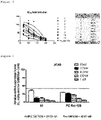
- CTGF-specific SAMiRNAs having the sequence of SEQ ID NO: 10 as the sense strand reduced the mRNA expression level of CTGF by 50% or more even at a low concentration of 50 nM, thereby inhibiting the CTGF expression with very high efficiency.
- IC 50 was determined to be 30.75 nM for the CTGF-specific SAMiRNA having the sequence of SEQ ID NO: 10 as the sense strand, indicating that CTGF gene expression was inhibited most effectively, and a superior inhibitory effect was also confirmed when compared to Rxi-109 IC 50 .
- Example 5 Comparative analysis of inhibition of human CTGF expression by DNA/RNA hybrid and RNA/RNA hybrid SAMiRNA including selected sequence of SEQ ID NO: 10 as sense strand
- a lung cancer cell line A549 was treated using a double-stranded oligo DNA/RNA hybrid and RNA/RNA hybrid including CTGF-specific SAMiRNA having the sequence of SEQ ID NO: 10 selected in Example 4 as a sense strand, and the relative mRNA expression level (%) of CTGF in the cell line was analyzed.
- A549 which is a human-derived lung cancer cell line, was used to discover SAMiRNA that inhibits CTGF expression, and the A549 cell line was cultured at 37°C and 5% CO 2 in a Gibco TM F-12K (Kaighn's) medium (Thermo, US) containing 10% fetal bovine serum (Hyclone, US) and 1% penicillin-streptomycin (Hyclone, US).
- the A549 cell line was dispensed at a density of 8 ⁇ 10 4 cells/well in a 12-well plate (Costar, US), and the next day, SAMiRNA homogenized with deionized distilled water in Example 3.1 was diluted to 200 nM or 600 nM with 1X DPBS and added to the cells. Cell treatment with SAMiRNA was performed a total of 4 times, once every 12 hours, and culture was carried out at 37°C and 5% CO 2 .
- Total RNA was extracted from the cell line treated with SAMiRNA in Example 5-1 and was synthesized into cDNA, after which the relative mRNA expression level of the CTGF gene was quantified using real-time PCR.
- RNA was extracted from the cell line treated with SAMiRNA in Example 5-1 using an RNA extraction kit (AccuPrep Cell total RNA extraction kit, Bioneer, Korea), and the extracted RNA was synthesized into cDNA in the following manner using RNA reverse transcriptase (AccuPower ® RocketScript TM oligo (dT)20, Bioneer, Korea). Specifically, 1 ⁇ g of the extracted RNA was added to AccuPower ® RocketScript TM (Korea) contained in each of 0.25 ml Eppendorf tubes, and DEPC (diethyl pyrocarbonate)-treated distilled water was added thereto to achieve a total volume of 20 ⁇ l.
- the relative mRNA expression level of CTGF compared to the SAMiRNA control sample was analyzed in the following manner through SYBR green real-time qPCR using the cDNA synthesized in Example 5-2-1 as a template.
- the cDNA synthesized in Example 5-2-1 was diluted 5-fold with distilled water, and for analysis of the mRNA expression level of CTGF, 3 ⁇ l of the diluted cDNA, 25 ⁇ l of AccuPower ® (Korea), 19 ⁇ l of distilled water, and 3 ⁇ l of CTGF qPCR primers (SEQ ID NOs: 44 and 45 (Table 5); 10 pmol/ ⁇ l, respectively, Bioneer, Korea) were added to each well of a 96-well plate to obtain a mixed solution.
- GAPDH glycosylcholine dehydrogenase
- HK housekeeping gene
- the 96-well plate containing the mixed solution was subjected to the following reaction using an Exicycler TM Quantitative Thermal Block (Bioneer, Korea): reaction at 95°C for 15 minutes to activate the enzyme and remove the secondary structure of cDNA, 42 cycles each including four processes of denaturation at 94°C for 30 seconds, annealing at 58°C for 30 seconds, extension at 72°C for 30 seconds, and SYBR green scan, and final extension at 72°C for 3 minutes, after which the temperature was maintained at 55°C for 1 minute and the melting curve from 55°C to 95°C was analyzed.
- Exicycler TM Quantitative Thermal Block (Bioneer, Korea): reaction at 95°C for 15 minutes to activate the enzyme and remove the secondary structure of cDNA, 42 cycles each including four processes of denaturation at 94°C for 30 seconds, annealing at 58°C for 30 seconds, extension at 72
- the Ct (threshold cycle) value of each target gene was corrected using the GAPDH gene, and then the difference ⁇ in values was calculated using a control group treated with SAMiRNA (SAMiCONT), which is a control sequence that does not induce gene expression inhibition.
- SAMiCONT SAMiRNA
- the relative expression level of the target gene in the cells treated with CTGF-specific SAMiRNA was quantified using the ⁇ value and equation 2 (- ⁇ x100).
- SAMiRNA which is a DNA/RNA hybrid having, as the sense strand, the sequence having the highest efficiency of reduction of the mRNA expression level of CTGF at a final concentration of 200 nM or 600 nM compared to the control group, namely the DNA sequence of SEQ ID NO: 10, was finally selected.
- DNA/RNA hybrid SAMiRNA #10 which inhibits CTGF gene expression most effectively, was finally selected from among the double-stranded oligo DNA/RNA hybrid and RNA/RNA hybrid including the selected CTGF-specific SAMiRNA.
- siRNA therapeutic agents it is difficult to discover the optimal sequence that may be commonly applied to different strains.
- US FDA guidelines are provided to verify pharmacological efficacy due to inhibition of expression of the corresponding gene and toxicity due to inhibition of expression of the corresponding gene by designing an siRNA sequence (surrogate sequence; mouse gene-specific siRNA) specific to an animal model (confirmed through an in-vivo efficacy test) that analyzes the therapeutic effect (presentation by Robert T. Dorsam Ph.D. Pharmacology/Toxicology Reviewer, FDA/CDER).
- the SAMiRNA-based sequence was discovered using a conventional algorithm-based siRNA design program (Turbo-si-designer owned by the applicant).
- a total of 94 candidate siRNA sequences were generated from rat CTGF gene (NM_022266.2) full transcript sequences, and the corresponding SAMiRNA was synthesized, after which the rat liver-cancer-derived H4-II-E cell line was treated therewith at 500 nM under cell culture conditions containing 10% FBS, so the in-vitro expression inhibitory effect was primarily screened using the primers shown in Table 8 below (primer sequence information for qPCR) ( FIG. 6 ).
- SAMiRNA-rat CTGF #46 having, as the sense strand, the sequence having the highest efficiency of reduction of the mRNA expression level of rat CTGF at a final concentration of 25, 50, 100, 200, 400, or 800 nM compared to the control group, namely the sequence of SEQ ID NO: 46, was finally selected.
- IC 50 was determined to be 122.9 nM for rat-CTGF-specific SAMiRNA having the sequence of SEQ ID NO: 46 as the sense strand, indicating that rat CTGF gene expression was most effectively inhibited.
- DNA/RNA hybrid SAMiRNA #46 which inhibits rat CTGF gene expression most effectively, was finally selected from among the double-stranded oligo DNA/RNA hybrid and RNA/RNA hybrid including the selected rat-CTGF-specific SAMiRNA.
- Example 7 Verification of efficacy of SAMiRNA-rat CTGF through intradermal administration in wound-induced keloid animal model
- the rat skin tissue treated with SAMiRNA was obtained and primarily ground using a mortar and pestle and liquid nitrogen.
- the ground tissue was placed in a lysis buffer of an RNA extraction kit (AccuPrep Cell total RNA extraction kit, Bioneer, Korea) and secondarily ground using a homogenizer. Thereafter, total RNA was extracted according to the manufacturer's protocol.
- the extracted RNA was synthesized into cDNA using RNA reverse transcriptase (AccuPower ® RocketScript TM RT Premix with oligo (dT)20, Bioneer, Korea) in the following manner.
- the relative expression level of total mRNA in each group was analyzed in the following manner through SYBR green real-time qPCR using the synthesized cDNA as a template. Specifically, the synthesized cDNA was diluted 10-fold with distilled water, and for analysis of the mRNA expression level of CTGF, 10 ⁇ l of the diluted cDNA, 25 ⁇ l of AccuPower ® GreenStar TM (Korea), 20 ⁇ l of distilled water, and 5 ⁇ l of CTGF qPCR primers (3 pmol/ ⁇ l each, Table 11) were added to each well of a 96-well plate to obtain a mixed solution.
- RPL13A which is a housekeeping (HK) gene
- Ct (threshold cycle) value of each target gene was corrected using the RPL13A gene
- the ⁇ Ct value of the target gene was determined, and then the ⁇ Ct value thereof compared to the control group was calculated.
- the relative expression levels of CTGF, fibronectin, and Col3 ⁇ 1 genes were quantified using the ⁇ Ct value and equation 2 (- ⁇ Ctx100).
- CTGF expression was significantly reduced in the group treated with 1200 ⁇ g of SAMiRNA-rCTGF(D/R) compared to the group treated with saline in wound-induced rats, and a statistically significant reduction was also confirmed in the group treated with 1200 ⁇ g of SAMiRNA-rCTGF(D/R) compared to the group treated with 1200 ⁇ g of SAMiRNA-rCTGF (R/R) .
- a double-stranded oligonucleotide construct including a CTGF-specific double-stranded oligonucleotide and a pharmaceutical composition containing the same as an active ingredient are capable of inhibiting the expression of CTGF with high efficiency without side effects, and are very effective at preventing and treating diseases and respiratory diseases caused by excessive fibrosis.
Landscapes
- Health & Medical Sciences (AREA)
- Life Sciences & Earth Sciences (AREA)
- Engineering & Computer Science (AREA)
- Chemical & Material Sciences (AREA)
- Genetics & Genomics (AREA)
- Bioinformatics & Cheminformatics (AREA)
- General Health & Medical Sciences (AREA)
- Organic Chemistry (AREA)
- Biomedical Technology (AREA)
- Molecular Biology (AREA)
- Pharmacology & Pharmacy (AREA)
- Animal Behavior & Ethology (AREA)
- Medicinal Chemistry (AREA)
- Public Health (AREA)
- Veterinary Medicine (AREA)
- Zoology (AREA)
- Wood Science & Technology (AREA)
- Biotechnology (AREA)
- General Engineering & Computer Science (AREA)
- Biochemistry (AREA)
- Nuclear Medicine, Radiotherapy & Molecular Imaging (AREA)
- General Chemical & Material Sciences (AREA)
- Chemical Kinetics & Catalysis (AREA)
- Epidemiology (AREA)
- Physics & Mathematics (AREA)
- Microbiology (AREA)
- Endocrinology (AREA)
- Plant Pathology (AREA)
- Biophysics (AREA)
- Pulmonology (AREA)
- Pharmaceuticals Containing Other Organic And Inorganic Compounds (AREA)
- Medicines That Contain Protein Lipid Enzymes And Other Medicines (AREA)
- Measuring Or Testing Involving Enzymes Or Micro-Organisms (AREA)
- Medicinal Preparation (AREA)
Applications Claiming Priority (2)
| Application Number | Priority Date | Filing Date | Title |
|---|---|---|---|
| KR1020190151673A KR102757180B1 (ko) | 2019-11-22 | 2019-11-22 | Ctgf 유전자 특이적 이중가닥 올리고뉴클레오티드 및 이를 포함하는 섬유증 관련 질환 및 호흡기 관련 질환 예방 및 치료용 조성물 |
| PCT/KR2020/014948 WO2021101113A1 (fr) | 2019-11-22 | 2020-10-29 | Oligonucléotide double brin spécifique du gène ctgf et composition pour la prévention et le traitement de maladies fibrotiques et de maladies liées à la respiration comprenant celui-ci |
Publications (2)
| Publication Number | Publication Date |
|---|---|
| EP4063504A1 true EP4063504A1 (fr) | 2022-09-28 |
| EP4063504A4 EP4063504A4 (fr) | 2024-03-06 |
Family
ID=75981318
Family Applications (1)
| Application Number | Title | Priority Date | Filing Date |
|---|---|---|---|
| EP20890649.5A Pending EP4063504A4 (fr) | 2019-11-22 | 2020-10-29 | Oligonucléotide double brin spécifique du gène ctgf et composition pour la prévention et le traitement de maladies fibrotiques et de maladies liées à la respiration comprenant celui-ci |
Country Status (9)
| Country | Link |
|---|---|
| US (1) | US20230042493A1 (fr) |
| EP (1) | EP4063504A4 (fr) |
| JP (1) | JP7464709B2 (fr) |
| KR (1) | KR102757180B1 (fr) |
| CN (1) | CN114981433B (fr) |
| AU (1) | AU2020388330B2 (fr) |
| BR (1) | BR112022009834A2 (fr) |
| MX (1) | MX2022006122A (fr) |
| WO (1) | WO2021101113A1 (fr) |
Families Citing this family (2)
| Publication number | Priority date | Publication date | Assignee | Title |
|---|---|---|---|---|
| CN120210190A (zh) * | 2023-12-27 | 2025-06-27 | 天津天士力圣特制药有限公司 | 抑制CTGF基因表达的siRNA及其用途 |
| WO2025218742A1 (fr) * | 2024-04-17 | 2025-10-23 | 上海赛增医疗科技有限公司 | Arnsi pour inhiber l'expression du gène ctgf, et composition associée |
Family Cites Families (22)
| Publication number | Priority date | Publication date | Assignee | Title |
|---|---|---|---|---|
| US6005087A (en) | 1995-06-06 | 1999-12-21 | Isis Pharmaceuticals, Inc. | 2'-modified oligonucleotides |
| US5660985A (en) | 1990-06-11 | 1997-08-26 | Nexstar Pharmaceuticals, Inc. | High affinity nucleic acid ligands containing modified nucleotides |
| US5386023A (en) | 1990-07-27 | 1995-01-31 | Isis Pharmaceuticals | Backbone modified oligonucleotide analogs and preparation thereof through reductive coupling |
| US6277967B1 (en) | 1998-07-14 | 2001-08-21 | Isis Pharmaceuticals, Inc. | Carbohydrate or 2′-modified oligonucleotides having alternating internucleoside linkages |
| US6175001B1 (en) | 1998-10-16 | 2001-01-16 | The Scripps Research Institute | Functionalized pyrimidine nucleosides and nucleotides and DNA's incorporating same |
| US6965025B2 (en) | 2001-12-10 | 2005-11-15 | Isis Pharmaceuticals, Inc. | Antisense modulation of connective tissue growth factor expression |
| TWI386225B (zh) | 2004-12-23 | 2013-02-21 | Alcon Inc | 用於治療眼睛病症的結締組織生長因子(CTGF)RNA干擾(RNAi)抑制技術 |
| CA2619533C (fr) | 2005-08-17 | 2014-02-04 | Bioneer Corporation | Conjugues siarn-polymeres hydrophiles pour l'administration intracellulaire de petits arn interferents et methode associee |
| JP2010507387A (ja) * | 2006-10-25 | 2010-03-11 | クアーク・ファーマスーティカルス、インコーポレイテッド | 新規のsiRNAおよびその使用方法 |
| RU2487716C2 (ru) * | 2007-10-03 | 2013-07-20 | Кварк Фармасьютикалс, Инк. | Новые структуры малых интерферирующих рнк (sirna) |
| CA2715289C (fr) | 2008-02-11 | 2019-12-24 | Rxi Pharmaceuticals Corporation | Polynucleotides d'arni modifies et leurs utilisations |
| EP2408916A2 (fr) | 2009-03-19 | 2012-01-25 | Merck Sharp&Dohme Corp. | Inhibition médiée par arn interférence de l'expression génique de facteur de croissance de tissu conjonctif (ctgf) en utilisant un acide nucléique interférant court (ansi) |
| KR101224828B1 (ko) | 2009-05-14 | 2013-01-22 | (주)바이오니아 | siRNA 접합체 및 그 제조방법 |
| EP2448971A1 (fr) | 2009-07-02 | 2012-05-09 | Fibrogen, Inc. | Procédés pour le traitement de la dystrophie musculaire |
| EP3560503B1 (fr) | 2010-03-24 | 2021-11-17 | Phio Pharmaceuticals Corp. | Interférence d'arn dans des indications dermiques et fibrotiques |
| PT2670411T (pt) * | 2011-02-02 | 2019-06-18 | Excaliard Pharmaceuticals Inc | Compostos anti sentido visando um fator de crescimento do tecido conetivo (ctfg) para utilização num método de tratamento de queloides ou cicatrizes hipertróficas |
| US8802839B2 (en) * | 2011-07-15 | 2014-08-12 | Fibrogen, Inc. | Connective tissue growth factor antisense oligonucleotides |
| US20140065162A1 (en) | 2011-11-08 | 2014-03-06 | Fibrogen, Inc. | Compositions and Methods for Treating Brain Tumors |
| KR101567576B1 (ko) | 2012-05-22 | 2015-11-10 | 올릭스 주식회사 | 세포 내 관통능을 가지고 rna 간섭을 유도하는 핵산 분자 및 그 용도 |
| CN110592082A (zh) * | 2013-07-05 | 2019-12-20 | 柏业公司 | 呼吸疾病相关基因特异性siRNA、含有siRNA的双螺旋寡RNA结构及其用途 |
| EP3128008B1 (fr) * | 2014-04-04 | 2024-05-29 | Bioneer Corporation | Oligo-arn à double brin et composition pharmaceutique le comprenant pour la prévention ou le traitement de la fibrose ou de maladies respiratoires |
| CN108251420B (zh) * | 2016-12-28 | 2024-08-02 | 苏州瑞博生物技术股份有限公司 | 抑制人和动物中CTGF基因表达的siRNA、包含其的组合物及其应用 |
-
2019
- 2019-11-22 KR KR1020190151673A patent/KR102757180B1/ko active Active
-
2020
- 2020-10-29 US US17/778,836 patent/US20230042493A1/en active Pending
- 2020-10-29 WO PCT/KR2020/014948 patent/WO2021101113A1/fr not_active Ceased
- 2020-10-29 MX MX2022006122A patent/MX2022006122A/es unknown
- 2020-10-29 AU AU2020388330A patent/AU2020388330B2/en active Active
- 2020-10-29 EP EP20890649.5A patent/EP4063504A4/fr active Pending
- 2020-10-29 BR BR112022009834A patent/BR112022009834A2/pt unknown
- 2020-10-29 JP JP2022529798A patent/JP7464709B2/ja active Active
- 2020-10-29 CN CN202080093194.8A patent/CN114981433B/zh active Active
Also Published As
| Publication number | Publication date |
|---|---|
| JP2023503121A (ja) | 2023-01-26 |
| KR102757180B1 (ko) | 2025-01-21 |
| AU2020388330B2 (en) | 2024-05-30 |
| EP4063504A4 (fr) | 2024-03-06 |
| CN114981433B (zh) | 2026-02-06 |
| JP7464709B2 (ja) | 2024-04-09 |
| MX2022006122A (es) | 2022-09-07 |
| BR112022009834A2 (pt) | 2022-08-02 |
| US20230042493A1 (en) | 2023-02-09 |
| KR20210063137A (ko) | 2021-06-01 |
| CA3158896A1 (fr) | 2021-05-27 |
| WO2021101113A1 (fr) | 2021-05-27 |
| AU2020388330A1 (en) | 2022-06-09 |
| CN114981433A (zh) | 2022-08-30 |
Similar Documents
| Publication | Publication Date | Title |
|---|---|---|
| JP6899509B2 (ja) | 呼吸器疾患関連遺伝子特異的siRNA、そのようなsiRNAを含む二重らせんオリゴRNA構造体およびこれを含む呼吸器疾患予防または治療用組成物 | |
| KR102208588B1 (ko) | 신규 이중 나선 올리고 rna 및 이를 포함하는 섬유증 또는 호흡기 질환의 예방 또는 치료용 약학조성물 | |
| JP7645849B2 (ja) | アンフィレグリン遺伝子特異的二重鎖オリゴヌクレオチド及びこれを含む線維症関連疾患及び呼吸器関連疾患の予防及び治療用組成物 | |
| EP4183879A1 (fr) | Oligonucléotide double brin et composition pour le traitement de la covid-19 le contenant | |
| AU2020388330B2 (en) | CTGF gene-specific double-stranded oligonucleotide, and a composition for preventing and treating fibrotic diseases and respiratory-related diseases comprising same | |
| KR20150064065A (ko) | 엠피레귤린 특이적 이중 나선 올리고 rna, 그러한 이중나선 올리고 rna 를 포함하는 이중나선 올리고 rna 구조체 및 이를 포함하는 호흡기 질환의 예방 또는 치료용 조성물 | |
| RU2807108C1 (ru) | Двухцепочечный олигонуклеотид, специфичный к гену ctgf, и содержащая его композиция для профилактики и лечения фиброзных заболеваний и заболеваний, связанных с дыхательной системой | |
| CA3158896C (fr) | Oligonucleotide double brin specifique du gene ctgf et composition pour la prevention et le traitement de maladies fibrotiques et de maladies liees a la respiration comprenant celui-c | |
| KR102671315B1 (ko) | 엠피레귤린 특이적 이중가닥 올리고뉴클레오티드 구조체를 포함하는 비만 관련 질환의 예방 및 치료용 조성물 | |
| RU2795179C2 (ru) | Специфичные для гена амфирегулина двухцепочечные олигонуклеотиды и содержащие их композиции для профилактики и лечения связанных с фиброзом заболеваний и респираторных заболеваний | |
| HK40120222A (zh) | 用於预防和治疗纤维化相关疾病和呼吸系统疾病的双调蛋白基因特异性双链寡核苷酸和包含其的组合物 | |
| HK40051564A (en) | Amphiregulin gene-specific double-stranded oligonucleotide and composition, for preventing and treating fibrosis-related diseases and respiratory diseases, comprising same |
Legal Events
| Date | Code | Title | Description |
|---|---|---|---|
| STAA | Information on the status of an ep patent application or granted ep patent |
Free format text: STATUS: THE INTERNATIONAL PUBLICATION HAS BEEN MADE |
|
| PUAI | Public reference made under article 153(3) epc to a published international application that has entered the european phase |
Free format text: ORIGINAL CODE: 0009012 |
|
| STAA | Information on the status of an ep patent application or granted ep patent |
Free format text: STATUS: REQUEST FOR EXAMINATION WAS MADE |
|
| 17P | Request for examination filed |
Effective date: 20220526 |
|
| AK | Designated contracting states |
Kind code of ref document: A1 Designated state(s): AL AT BE BG CH CY CZ DE DK EE ES FI FR GB GR HR HU IE IS IT LI LT LU LV MC MK MT NL NO PL PT RO RS SE SI SK SM TR |
|
| DAV | Request for validation of the european patent (deleted) | ||
| DAX | Request for extension of the european patent (deleted) | ||
| A4 | Supplementary search report drawn up and despatched |
Effective date: 20240205 |
|
| RIC1 | Information provided on ipc code assigned before grant |
Ipc: B82Y 5/00 20110101ALI20240130BHEP Ipc: A61P 43/00 20060101ALI20240130BHEP Ipc: A61P 11/00 20060101ALI20240130BHEP Ipc: A61K 9/19 20060101ALI20240130BHEP Ipc: A61K 31/713 20060101ALI20240130BHEP Ipc: C12N 15/113 20100101AFI20240130BHEP |