EP4069866B1 - Procédés d'identification de microbes dans un environnement clinique et non clinique - Google Patents
Procédés d'identification de microbes dans un environnement clinique et non clinique Download PDFInfo
- Publication number
- EP4069866B1 EP4069866B1 EP20821430.4A EP20821430A EP4069866B1 EP 4069866 B1 EP4069866 B1 EP 4069866B1 EP 20821430 A EP20821430 A EP 20821430A EP 4069866 B1 EP4069866 B1 EP 4069866B1
- Authority
- EP
- European Patent Office
- Prior art keywords
- pcr
- microbial
- species
- rrna
- region
- Prior art date
- Legal status (The legal status is an assumption and is not a legal conclusion. Google has not performed a legal analysis and makes no representation as to the accuracy of the status listed.)
- Active
Links
Images



Classifications
-
- C—CHEMISTRY; METALLURGY
- C12—BIOCHEMISTRY; BEER; SPIRITS; WINE; VINEGAR; MICROBIOLOGY; ENZYMOLOGY; MUTATION OR GENETIC ENGINEERING
- C12Q—MEASURING OR TESTING PROCESSES INVOLVING ENZYMES, NUCLEIC ACIDS OR MICROORGANISMS; COMPOSITIONS OR TEST PAPERS THEREFOR; PROCESSES OF PREPARING SUCH COMPOSITIONS; CONDITION-RESPONSIVE CONTROL IN MICROBIOLOGICAL OR ENZYMOLOGICAL PROCESSES
- C12Q1/00—Measuring or testing processes involving enzymes, nucleic acids or microorganisms; Compositions therefor; Processes of preparing such compositions
- C12Q1/68—Measuring or testing processes involving enzymes, nucleic acids or microorganisms; Compositions therefor; Processes of preparing such compositions involving nucleic acids
- C12Q1/6876—Nucleic acid products used in the analysis of nucleic acids, e.g. primers or probes
- C12Q1/6888—Nucleic acid products used in the analysis of nucleic acids, e.g. primers or probes for detection or identification of organisms
- C12Q1/689—Nucleic acid products used in the analysis of nucleic acids, e.g. primers or probes for detection or identification of organisms for bacteria
-
- C—CHEMISTRY; METALLURGY
- C12—BIOCHEMISTRY; BEER; SPIRITS; WINE; VINEGAR; MICROBIOLOGY; ENZYMOLOGY; MUTATION OR GENETIC ENGINEERING
- C12Q—MEASURING OR TESTING PROCESSES INVOLVING ENZYMES, NUCLEIC ACIDS OR MICROORGANISMS; COMPOSITIONS OR TEST PAPERS THEREFOR; PROCESSES OF PREPARING SUCH COMPOSITIONS; CONDITION-RESPONSIVE CONTROL IN MICROBIOLOGICAL OR ENZYMOLOGICAL PROCESSES
- C12Q1/00—Measuring or testing processes involving enzymes, nucleic acids or microorganisms; Compositions therefor; Processes of preparing such compositions
- C12Q1/68—Measuring or testing processes involving enzymes, nucleic acids or microorganisms; Compositions therefor; Processes of preparing such compositions involving nucleic acids
- C12Q1/6809—Methods for determination or identification of nucleic acids involving differential detection
-
- C—CHEMISTRY; METALLURGY
- C12—BIOCHEMISTRY; BEER; SPIRITS; WINE; VINEGAR; MICROBIOLOGY; ENZYMOLOGY; MUTATION OR GENETIC ENGINEERING
- C12Q—MEASURING OR TESTING PROCESSES INVOLVING ENZYMES, NUCLEIC ACIDS OR MICROORGANISMS; COMPOSITIONS OR TEST PAPERS THEREFOR; PROCESSES OF PREPARING SUCH COMPOSITIONS; CONDITION-RESPONSIVE CONTROL IN MICROBIOLOGICAL OR ENZYMOLOGICAL PROCESSES
- C12Q1/00—Measuring or testing processes involving enzymes, nucleic acids or microorganisms; Compositions therefor; Processes of preparing such compositions
- C12Q1/68—Measuring or testing processes involving enzymes, nucleic acids or microorganisms; Compositions therefor; Processes of preparing such compositions involving nucleic acids
- C12Q1/6844—Nucleic acid amplification reactions
- C12Q1/686—Polymerase chain reaction [PCR]
-
- G—PHYSICS
- G16—INFORMATION AND COMMUNICATION TECHNOLOGY [ICT] SPECIALLY ADAPTED FOR SPECIFIC APPLICATION FIELDS
- G16B—BIOINFORMATICS, i.e. INFORMATION AND COMMUNICATION TECHNOLOGY [ICT] SPECIALLY ADAPTED FOR GENETIC OR PROTEIN-RELATED DATA PROCESSING IN COMPUTATIONAL MOLECULAR BIOLOGY
- G16B30/00—ICT specially adapted for sequence analysis involving nucleotides or amino acids
- G16B30/10—Sequence alignment; Homology search
-
- C—CHEMISTRY; METALLURGY
- C12—BIOCHEMISTRY; BEER; SPIRITS; WINE; VINEGAR; MICROBIOLOGY; ENZYMOLOGY; MUTATION OR GENETIC ENGINEERING
- C12Q—MEASURING OR TESTING PROCESSES INVOLVING ENZYMES, NUCLEIC ACIDS OR MICROORGANISMS; COMPOSITIONS OR TEST PAPERS THEREFOR; PROCESSES OF PREPARING SUCH COMPOSITIONS; CONDITION-RESPONSIVE CONTROL IN MICROBIOLOGICAL OR ENZYMOLOGICAL PROCESSES
- C12Q2600/00—Oligonucleotides characterized by their use
- C12Q2600/166—Oligonucleotides used as internal standards, controls or normalisation probes
-
- Y—GENERAL TAGGING OF NEW TECHNOLOGICAL DEVELOPMENTS; GENERAL TAGGING OF CROSS-SECTIONAL TECHNOLOGIES SPANNING OVER SEVERAL SECTIONS OF THE IPC; TECHNICAL SUBJECTS COVERED BY FORMER USPC CROSS-REFERENCE ART COLLECTIONS [XRACs] AND DIGESTS
- Y02—TECHNOLOGIES OR APPLICATIONS FOR MITIGATION OR ADAPTATION AGAINST CLIMATE CHANGE
- Y02A—TECHNOLOGIES FOR ADAPTATION TO CLIMATE CHANGE
- Y02A90/00—Technologies having an indirect contribution to adaptation to climate change
- Y02A90/10—Information and communication technologies [ICT] supporting adaptation to climate change, e.g. for weather forecasting or climate simulation
Definitions
- the invention is in the field of microbial diagnostics, in particular to rapid identification of microbes in samples at the species or strain level, in particular bacteria in clinical and non-clinical samples.
- the invention relates to methods of rapid microbial identification based on DNA analysis and systems for performing such methods.
- Amplicon verification may include the use of hybridization probes, the detection of restriction sites in the amplicon, confirmation of the expected length of the amplicon in number of nucleotides, or the sequencing of the amplicon.
- US2017321257A1 describes methods and oligonucleotide reagents for identification of bacteria by high resolution melting (HRM) analysis.
- HRM high resolution melting
- Pietzka et al. 2011 J Mol Diagn. 13(1):57-63 ) disclose a method of typing clinical L. monocytogenes isolates by high-resolution melting (HRM) curve analysis of a specific locus of the internalin B gene (inlB).
- HRM high resolution melting
- Probes 23(1):10-15 disclose a polymerase chain reaction (PCR)-coupled high resolutionmelting-curve (HRM) analysis method, utilizing the second internal transcribed spacer (ITS-2) of nuclearribosomal DNA as the genetic marker, for the diagnosis of Cryptosporidium hominis , C. parvum or C.meleagridis infection.
- HRM polymerase chain reaction
- ITS-2 second internal transcribed spacer
- Negative results are of extreme importance in clinical microbiology, as some of the most important clinical decisions are made based on negative results, examples of which include finding an alternative cause for a disease than an infection, stopping antibiotics, discharging patients, removal of indwelling devices (postoperative drains, and iv catheters), and decisions on maintaining highly important foreign bodies in a patient (prosthetic joints, osteosynthesis plates and others). Because of the importance of negative results and the inability of qPCR to accurately provide these, culture is still maintained as the mainstay of microbiological diagnostics, despite its obvious limitations.
- the present inventor has now unexpectedly discovered a method for broad microbial identification that can be also applied in the clinic.
- the present inventor has realized that the development of still more species- and strain-specific PCR amplification tests, to add to the existing array of available diagnostic tests for specific pathogens, is not going to solve the problem.
- the present inventor has adopted the approach of combining less-specific amplification protocols as a first part, with highly specific detection/verification procedures as a second part, wherein both parts can be run at high throughput.
- the method of the present invention uses a more "universal" amplification of a microbial rRNA internal transcribed spacer (ITS) region from genomic DNA, instead of amplifying a species- or strain-specific sequence.
- the identity of the microbe from which this ITS region is amplified is then determined by combining information of amplicon length with the DNA melting curve of the amplicon. It was surprisingly found that this method provided for a very high level of resolution at the species and strain level, could be universally applied to a large number of microbial organisms, and resulted in a build-up of a database with data on amplicon length and melting curve annotated to species and strains that improved accuracy of identification of microbes in subsequent samples. Most surprisingly, this relatively simple method was capable of providing clinically relevant information based upon which the clinician could make a treatment decision, even for the highly important negative samples (no microorganism detected).
- the amplification of an rRNA internal transcribed spacer (ITS) region of microbial genomic DNA is essentially not species- or strain-specific. Although highest resolution at the strain level may be attained by the use of species-specific amplification protocols, in a method of the invention, it is intended that the amplification procedure targets an rRNA ITS region of a large number of microbial species (covering a broader range of several taxonomic genera, families, orders, classes, phyla, or even kingdoms), such that the amplicon is derived from a potentially large group of microbes.
- ITS internal transcribed spacer
- the "universal" DNA amplification is therefore preferably performed by using higher taxon level or group-specific primers such as genus-specific, family-specific, order-specific, class-specific, phylum-specific, kingdom-specific and/or domain-specific amplification primers for amplifying an rRNA ITS region of microbial genomic DNA suspected of being present in a sample.
- group-specific primers such as genus-specific, family-specific, order-specific, class-specific, phylum-specific, kingdom-specific and/or domain-specific amplification primers for amplifying an rRNA ITS region of microbial genomic DNA suspected of being present in a sample.
- the present inventor has found a way to make a universal PCR approach available for clinical use despite above mentioned problems by combining in said universal PCR approach two techniques that together provide for a clinically sufficient sensitivity and specificity, namely the technique of (i) high resolution melting curve analysis (hrMCA) of amplified PCR products, and (ii) PCR amplicon length analysis by performing, for instance, capillary electrophoretic separation and subsequent fragment length analysis of amplified PCR products (i.e. amplicons).
- hrMCA high resolution melting curve analysis
- PCR amplicon length analysis by performing, for instance, capillary electrophoretic separation and subsequent fragment length analysis of amplified PCR products (i.e. amplicons).
- the present invention now provides a method for detecting and identifying a microorganism at species or strain level in a biological sample by polymerase chain reaction (PCR), said method comprising the steps of:
- the method of the invention can be used to identify a microorganism present in a sample to the species or strain level, wherein the microorganisms may for instance be a microorganism capable of causing disease or a microorganism that contaminates a product that should be sterile, such as a bacterium, a virus, a protozoa, or a fungus.
- the microorganisms may for instance be a microorganism capable of causing disease or a microorganism that contaminates a product that should be sterile, such as a bacterium, a virus, a protozoa, or a fungus.
- the presently claimed method provides for an assay that has a broad scope (i.e. many different micro-organisms can be detected; e.g. universal bacterial), can potentially be performed very fast, is scalable and has a clinically relevant (i.e. very high) sensitivity and specificity because high resolution melting curve (hrMC) analysis, which discriminates on the basis of DNA sequence, and PCR amplicon length analysis, which discriminates on the basis of amplicon length, are used in combination and the confidence on the accuracy of each respective outcome (hrMC characteristics vs. length of amplicon) is interpreted on the basis of the other outcome.
- hrMC high resolution melting curve
- PCR amplicon length analysis which discriminates on the basis of amplicon length
- each outcome in isolation may ordinarily not be sufficient to arrive at an unambiguous species designation, or may mistake a contaminating human DNA for microbial DNA, to uniquely find a hrMC outcome to combine or match with a length measurement of an amplicon, provides for an extremely accurate identification of the microbial origin of the amplicons, and thus of the microbe present in the sample.
- Each outcome is compared to a database comprising hrMC data annotated to microbial strains or species, as well as amplicon length data annotated to microbial strains or species. A microbial species or strain is only then positively identified when both outcomes are annotated to the same species or strains in the database.
- High resolution melting curves are dependent on length and sequence of an amplicon, but may show overlap between different amplicons as the combination of a differing length with a differing sequence may still lead to comparable melting curve.
- Combining mrMC with length measurement of amplicons solves this problem.
- amplicons When amplicons have the same melting curve and the same length, they must originate from the same microorganism, as amplicons of the same length with the same melting curve must be almost identical in sequence and thus derive from the same species (the sequences of rRNA ITS regions are highly variable between different species, thus small variations can only be found within the same species).
- amplicons that do not derive from the same microorganism, yet show comparable melting curves must have a differing length and conversely amplicons that do not derive from the same species, yet show comparable length must have a differing melting curve. Discrimination of an rRNA ITS amplicon on the basis of melting curve data and amplicon length thereby provides for a highly robust clinical method for microbial identification.
- the amplicon When length and hrMC coincide with a microbial signature, the amplicon must be from that micro-organism (as length and hrMC are the same, sequence must be almost identical). If the combination does not coincide with a microbial signature, the amplicon is not of microbial origin.
- a library of hrMC and lengths of human amplicons can be constructed, enabling their straightforward positive identification as being a-specific.
- an assay can be made that can accurately give positive as well as negative results on clinical specimens, both of which results can be used for clinical decision making.
- a database comprising high resolution melting curves and PCR amplicon lengths of reference amplicons generated from reference microbial species or strains of known taxonomic identity as described herein, may further comprise high resolution melting curves and PCR amplicon lengths of reference amplicons generated from human sequences as controls for aspecific amplicon generation using said set of broad-taxonomic range amplification primers.
- the term "aspecific amplicon generation" must be understood herein as referring to non-microbial, wherein non-specific binding of the primers to a non-target DNA template occurs.
- hrMC Point Of Care
- amplicon length detection opens up the possibility of miniaturisation of detection devices, paving the way towards Point Of Care (POC) application of a broad scope microbial detection assay.
- POC Point Of Care
- machinery needed to measure hrMC or amplicon length are typically large and expensive. It is envisioned, however, that these measurements may also be made on very small and relatively cheap devices, such a lab-on-a-chip (LOC) device.
- LOC lab-on-a-chip
- An amplicon length may not be measured with an accuracy of 1 nucleotide, but e.g. with 5 nucleotides.
- a high resolution is essential (and even then lacks specificity).
- the requirements for resolution of each of these measurements separately may be less stringent. For example, if three different bacterial species were to have 16S-23S ITS amplicon lengths separated by only two nucleotides in length, only a very accurate measurement would be able to differentiate them. However, the fact that these amplicons derive from different bacterial species, implies that the 16S-23S ITS region must be different in sequence (the sequence of the ribosomal DNA and its spacers are unique to every bacterial species).
- the biological sample is a sample from a human body, an animal body, a plant, a food item, a pharmaceutical or chemical product, a laboratory culture or an environmental sample, such as a sample from a soil or water body.
- the biological sample is a patient bodily sample selected from a bodily fluid or exudate, including but not limited to uterine fluid, whole blood, serum, plasma, lymph fluid, mucus, saliva, sputum, stool/feces, sweat, wound fluid, pus/purulence, gastric content, ascites/ascitic fluid, bile, urine, semen, cerebrospinal fluid/liquor, and breast milk; or selected from a body sample in the form of a swab, a biopsy, a lavage, or paper point sample, including but not limited to a sample from the skin, an organ, a tissue, the oral cavity, the urogenital tract, the vaginal tract, the gastrointestinal tract, respiratory tract or pulmonary system, and the cardiovascular system.
- a bodily fluid or exudate including but not limited to uterine fluid, whole blood, serum, plasma, lymph fluid, mucus, saliva, sputum, stool/feces, sweat, wound fluid, pus/purulence
- the microorganism is selected from archaea, bacteria, viruses, protozoa, and fungi, preferably said microorganism is a pathogenic microorganism capable of causing disease, preferably selected from pathogenic bacteria, viruses, protozoa, or fungi, most preferably bacteria.
- the microorganism or microbial nucleic acid sequences in aspects of this invention may be prokaryotic or eukaryotic.
- ITS internal transcribed spacers
- the internal transcribed spacers (ITS) in the genome of these microorganisms is the spacer DNA situated between the small-subunit ribosomal RNA (rRNA) and large-subunit rRNA genes in the chromosome or the corresponding transcribed region in the polycistronic rRNA precursor transcript.
- rRNA small-subunit ribosomal RNA
- rRNA small-subunit ribosomal RNA
- large-subunit rRNA genes in the chromosome or the corresponding transcribed region in the polycistronic rRNA precursor transcript.
- Bacteria and archaea have to ITS regions.
- the first ITS is located between the 16S and 23S rRNA genes, herein referred to as the 16S-23S rRNA ITS region, the second is located between the 23S and 5S rRNA genes, herein referred to as the 23S-5S rRNA ITS region.
- ITS1 is located between 18S and 5.8S rRNA genes and is herein referred to as the 18S-5.8S rRNA ITS region
- ITS2 is located between the 5.8S and 26S (plants) or (28S other eukaryotes) rRNA genes and is herein referred to as the 5.8S-26S/28S rRNA ITS region.
- At least one rRNA ITS region may therefore be selected from an 16S-23S rRNA ITS region, a 23S-5S rRNA ITS region, an 18S-5.8S rRNA ITS region and a 5.8S-26S/28S rRNA ITS region.
- the at least one rRNA ITS region is an 16S-23S rRNA ITS region.
- the reference amplicons in the database comprise amplicons generated by an in vivo and/or in silico PCR amplification reaction for amplifying the corresponding rRNA internal transcribed spacer (ITS) region of a reference microbial species or strain of known taxonomic identity.
- ITS internal transcribed spacer
- the reference microbial species or strain is of the same microbial phylum, more preferably of the same microbial kingdom, most preferably from the kingdom bacteria.
- the databases in step d) and e) are combined into a single database, and wherein said database comprises data on bacteria.
- the broad-taxonomic range amplification primers are for amplifying a microbial rRNA ITS region of multiple, preferably essentially all strains or species from a microbial genus, family, order, class, phylum, kingdom and/or domain, preferably essentially all strains or species from a microbial phylum, more preferably essentially all strains or species from a microbial kingdom, most preferably bacteria.
- strains or species preferably refers to a situation wherein more than 50%, preferably more than 60%, 70%, 80%, 90% or more of the microbial strains or species comprised in said genus, family, order, class, phylum, kingdom and/or domain, are amplified by said broad-taxonomic range amplification primers.
- the broad-taxonomic range amplification primers for amplifying at least one rRNA internal transcribed spacer (ITS) region comprise a forward and reverse primer for amplifying a 16S-23S rRNA ITS region, a 23S-5S rRNA ITS region, an 18S-5.8S rRNA ITS region or a 5.8S-26S/28S rRNA ITS region.
- the broad-taxonomic range amplification primers for amplifying the at least one rRNA internal transcribed spacer (ITS) regions comprise a forward and reverse primer for amplifying a 16S-23S rRNA ITS region.
- microbial rRNA ITS region refers to the embodiment wherein a microbial rRNA ITS region is amplified over its entire length.
- microbial rRNA ITS region requires the presence of identical sequences (or sequences having a high level of sequence similarity, e.g. more than 90%, preferably more than 95%, 96%, 97%, 98%, or 99% sequence similarity over the entire length of the sequence) in the genomic DNA of a large number of taxonomically related strains or species to function as primer annealing sites.
- taxonomic identity may occur by considering only a part of the microbial rRNA ITS of interest or a part of the PCR amplicon generated in methods of this invention, although it is foreseen that this preferably occurs by considering the microbial rRNA ITS as amplified in its entirety.
- the set of broad-taxonomic range amplification primers comprises each of the amplification primers of SEQ ID NOs: 1 and 3-5, or each of the amplification primers of SEQ ID NOs: 2-5, or each of the amplification primers of SEQ ID NOs: 1-5.
- the set of broad-taxonomic range amplification primers comprises each of the amplification primers of SEQ ID NOs: 6 and 7-13.
- the set of broad-taxonomic range amplification primers is a set of universal bacterial amplification primers, said set preferably comprising each of the amplification primers of SEQ ID NOs: 14-15.
- the step of PCR amplifying comprises qPCR.
- the length of the PCR amplicons is recorded by capillary electrophoresis.
- the PCR amplification reaction further comprises a PCR calibrator system, comprising a set of PCR amplification primers at least one of which primers comprises a label, and a set of at least two PCR calibrators, each PCR calibrator consisting of a DNA fragment comprising a spacer region having a DNA sequence of a given length flanked by upstream and downstream adapter DNA sequences that comprise primer binding sites for binding of said PCR amplification primers wherein said set of PCR amplification primers is for PCR amplifying the spacer region DNA sequence of all PCR calibrators in said set of at least two PCR calibrators, wherein the spacer region DNA sequence comprised in each of said PCR calibrators in said set of at least two PCR calibrators is of a different length, and wherein each PCR calibrator in said set of at least two PCR calibrators is present in equal amount or in a known amount relative to other PCR calibrators in said set; and wherein said step b) of
- the broad-taxonomic range amplification primers for amplifying the at least one rRNA internal transcribed spacer (ITS) regions comprise a labelled forward and/or labelled reverse primer, preferably a labelled forward primer, more preferably a fluorescently labelled forward primer.
- nucleic acid sequence refers to the base sequence of a DNA or RNA molecule in single or double stranded form, particularly a DNA sequence encoding an ITS region of the ribosomal RNA gene.
- isolated nucleic acid sequence refers to a nucleic acid sequence which is no longer in the natural environment from which it was isolated.
- the term inter alia refers to a nucleic acid molecule that has been separated from at least about 50%, 75%, 90%, or more of proteins, lipids, carbohydrates, or other materials with which it is naturally associated, e.g. in a microbial host cell.
- microorganism refers to a subject as originating from a microorganism, or microbe, which generally refers to an organism that is microscopic, which means too small to be seen by the unaided human eye.
- target microbial nucleic acid sequence refers to the nucleic acid fragment targeted for replication (or amplification) and subsequent detection and that is diagnostic of a particular microorganism whose presence is to be determined.
- PCR polymerase chain reaction
- the DNA polymerase synthesizes a new DNA strand complementary to the target by extending the primer, usually at a temperature of about 72°C.
- the thermal cycling scheme of denaturing/primer annealing/ primer extension is repeated numerous times with the DNA synthesized during the previous cycles serving as a template for each subsequent cycle. The result is a doubling of the target DNA present with each cycle, and exponential accumulation of target DNA sequences over the course of 20-40 cycles.
- a heating block with an automatic thermal cycler is used for precise temperature control.
- a preferred method for use in the present invention is qPCR amplification (also known as real-time PCR), wherein typically the amplification of a targeted DNA molecule is monitored during the PCR (i.e., in real time), using non-specific fluorescent dyes that intercalate with any double-stranded DNA or sequence-specific DNA probes consisting of oligonucleotides that are labelled with a fluorescent reporter for the detection of PCR products in real-time.
- qPCR amplification also known as real-time PCR
- template refers to the nucleic acid from which the target sequence is amplified in a nucleic acid amplification reaction.
- amplifiable template refers to a template that, when amplified, results in a single amplicon. Amplifiable templates comprise primer binding sites for hybridization of amplification primers.
- isolated refers to an in vitro process wherein nucleic acids, preferably genomic DNA, are extracted from a sample of interest.
- the process may generally involve, but is not limited to, lysis of a (cells in) biological sample using a guanidine-detergent lysing solution that permits selective precipitation of DNA from a (cell) lysate, and precipitation of the genomic DNA from the lysate with ethanol. Following an ethanol wash, precipitated DNA may be solubilized in either water or 8 mM NaOH and used as template in a PCR reaction.
- Genomic DNA samples analysis with diagnostic purpose may be obtained by using generally known techniques for DNA isolation.
- the total genomic DNA may be purified by using, for instance, a combination of physical and chemical methods.
- Very suitably commercially available systems for DNA isolation may be used, such as the NucliSENS ® easyMAG ® nucleic acid extraction system (bioMérieux, Marcy l'Etoile, France) or the MagNA Pure 96 System (Roche Diagnostics GmbH, Mannheim, Germany).
- PCR mixture refers to the small volume of biochemical reactants in aqueous liquid for performing the PCR reaction comprising the (genomic) template DNA comprising the target DNA sequence(s), a set of at least two oligonucleotide primers that hybridize to opposite strands of the target DNA sequence(s) and flank the region to be amplified, a thermo-stable DNA polymerase, the four deoxyribonucleoside triphosphates (dNTPs), and Mg2+ ions.
- dNTPs deoxyribonucleoside triphosphates
- amplification primers refers to the oligonucleotide primers that hybridize to opposite strands of the target DNA sequence(s) and flank the region to be amplified.
- amplification product refers to a nucleic acid fragment that is the product of a nucleic acid amplification or replication event, such as for instance formed in the polymerase chain reaction (PCR).
- PCR amplicon refers to the PCR product or amplified target DNA.
- high resolution melting curve (hrMC) analysis refers to a post-PCR analysis method used to identify variations in nucleic acid sequences. The method is based on detecting small differences in PCR melting (dissociation) curves.
- the temperature-dependent dissociation between two DNA-strands can be measured using a DNA-intercalating fluorophore such as SYBR green, EvaGreen or a "saturation dye” (a dye that does not inhibit PCR even if used at concentrations that give maximum fluorescence (saturation)) like LCGreen ® I, LCGreen Plus or Cyto9, in conjunction with real-time PCR instrumentation that has precise temperature ramp control and advanced (fluorescence) data capture capabilities.
- a DNA-intercalating fluorophore such as SYBR green, EvaGreen or a "saturation dye” (a dye that does not inhibit PCR even if used at concentrations that give maximum fluorescence (saturation)) like LCGreen ® I, LCGreen Plus or Cyto9
- High resolution melt curves are generated by slowly ramping through a temperature gradient with a high level of accuracy (e.g. 0.1 °C or less), and measuring the level of fluorescence of an intercalating dye at each step.
- the melting temperature of a DNA molecule is determined by nucleic acid sequence and length, and differences in these nucleotide sequences between samples result in melting profiles that are unique to a particular species, even when amplicons are isolated using universal primers. Details of the hrMC analysis procedure are well known to those skilled in the art and are for instance described in Reed GH, Kent JO, Wittwer CT (2007) High-resolution DNA melting analysis for simple and efficient molecular diagnostics. Pharmacogenomics,8, 597-608 ; US7,297,484 ; US7,387,887 ; US7,524,632 ; US20090117553 and US20100041044 .
- high resolution melting curve refers to the dissociation curve describing the temperature-dependent dissociation between two DNA-strands as measured using a DNA-intercalating fluorophore.
- the high resolution melting curve may refer to the graph of the negative first derivative of the melting-curve which makes it easier to pin-point the temperature of dissociation (defined as 50% dissociation), by virtue of the peaks thus formed.
- electrophoretic separation and amplicon length analysis refers to the technique whereby mixtures of charged molecules, preferably nucleic acids, in particular PCR amplified DNA fragments, loaded on a gel matrix are caused to migrate from the negative electrode (cathode) toward the positive electrode (anode), on the basis of size, charge, and structure, through the gel when said gel is placed in an electrical field, whereby shorter nucleic acid fragments migrate more rapidly than longer ones, resulting in separation based on size.
- Electrophoretic separation and amplicon length analysis is preferably performed by capillary electrophoresis, whereby the DNA is detected either by UV absorption or by fluorescent labeling. In the presence of appropriate standards, fragments can be accurately sized based on relative electrophoretic mobility, for instance using a ABI Prism 3500 Genetic Analyzer (Applied Biosystems) or similar analyzers.
- Electrophoretic separation and amplicon length analysis may also be performed by DNA sequencing of the amplicons. DNA sequencing may provide accurate information on the length of the amplicon.
- negative control reaction refers to a post-PCR mixture comprising no PCR amplicon(s) as a result of the deliberate absence of target nucleic acid sequences or template DNA in the pre-PCR mixture.
- primer dimer refers to a potential by-product in PCR, consisting of primer molecules that have annealed (hybridized) to each other because of strings of complementary bases in the primers.
- the DNA polymerase amplifies the PD, leading to competition for PCR reagents, thus potentially inhibiting amplification of the DNA sequence targeted for PCR amplification.
- PDs may interfere with accurate quantification.
- non-specific PCR amplicon refers to a potential by-product in PCR, consisting of amplified DNA that is not target DNA, usually resulting from a-specific annealed (hybridization) of the primer molecules to other nucleic acid sequences in the template DNA, such as human DNA.
- a non-specific PCR amplicon results in a hrMC that is different from the PCR amplicon generated from a target microbial DNA sequence.
- human PCR amplicon refers to a non-specific PCR amplicon whereby primer molecules have annealed to human nucleic acid sequences in the template DNA instead of microbial DNA sequences.
- a human PCR amplicon results in a hrMC that is different from the PCR amplicon generated from the (microbial) target DNA.
- Cq quantification cycle
- the term "quantification cycle” or “Cq” as used herein includes reference to a measurement taken in a real time PCR assay or qPCR assay, whereby a positive reaction is detected by accumulation of a signal, such as a fluorescent signal.
- the Cq (quantification cycle) can be defined as the number of cycles required for the signal to cross the threshold (i.e. exceeds background level).
- Cq levels are inversely proportional to the amount of target nucleic acid in the sample (i.e. the lower the Cq level the greater the amount of target nucleic acid in the sample).
- sample or “biological sample”, as used herein, includes reference to a sample from a human body, an animal body, a plant, a laboratory culture, an environmental sample or a food item, a pharmaceutical or chemical product, preferably wherein said food item, pharmaceutical or chemical product is intended to be devoid of microbes or microbial DNA.
- subject as used herein is intended to refer to any individual or patient to which the method described herein is performed. Generally the subject is human, although as will be appreciated by those in the art, the subject may be an animal. Thus other animals, including mammals and birds are included within the definition of subject.
- a step of amplifying DNA is performed by the polymerase chain reaction (PCR).
- PCR polymerase chain reaction
- PCR is a qPCR or real-time PCR.
- the present invention relates to broad-taxonomic range amplification or universal amplification of at least one rRNA ITS region of microbial genomic DNA in a sample, i.e. a taxon-specific amplification of genomic DNA of a whole microbial genus, family, order, class, phylum or kingdom.
- a method of the invention is for detecting or identifying a bacterium or bacterial DNA in a sample.
- Exemplary primer sets for amplifying a 16S-23S rRNA ITS region from genomic DNA of one or more of the bacterial phyla Firmicutes , Bacteriodetes or Proteobacteria are provided as SEQ ID NOs:1-13.
- An exemplary primer set for universally amplifying a 16S-23S rRNA ITS region from genomic DNA of bacteria is provided as SEQ ID NOs: 14-15. It is within the routine capabilities of the skilled person to design further primer sets that allow for broad-taxonomic range amplification of microbial, preferably bacterial, DNA.
- Nucleic acid characterization by high resolution Melting Curve (hrMC) analysis is a powerful technique for identifying sequence variation during PCR or in a post-PCR sample.
- hrMC Melting Curve
- the hrMC dye is selected from the group consisting of, but not limited to, LC Green, SYTO9, Eva Green, Chromofy, BEBO, or SYBR Green, preferably Eva Green.
- the saturating intercalating dye should preferably not inhibit PCR.
- a hrMC profile for the PCR amplicons may be generated during the step of PCR amplification, or after the step of PCR amplification, by measuring the fluorescence of a saturating intercalating dye of amplicons present in a post-PCR sample.
- a "melting profile" refers to a profile generated by hrMC analysis.
- One of skill in the art is well aware how hrMC is to be performed. Ample guidance can be found, for instance in Reed et al. 2007 Pharmacogenomics 8(6): 597-608 and Wittwer et al. 2003 Clin Chem. 49:853-860 .
- a hrMC profile of a post-PCR sample is generated.
- the PCR is a qPCR or real-time PCR.
- the generated hrMC profile is compared to (predetermined) reference hrMC profiles of one or more corresponding 16S-23S rRNA ITS amplicons of known (i.e., taxonomically identified) strains or species of microbes.
- said reference hrMC profiles of one or more corresponding 16S-23S rRNA ITS amplicons of known strains or species is comprised in a library or database of reference hrMC profiles.
- Such a library or database can be established by (i) in vitro generating 16S-23S rRNA ITS PCR amplicons of individual strains and/or species of microbes, (ii) performing an hrMC analysis of said amplicons, and (iii) storing said reference hrMC profiles in a library or database of reference hrMC profiles, wherein the species or strain identity is annotated to the hrMC profile.
- a database or library of reference hrMC profiles can be generated by in silico prediction of an hrMC profile of one or more 16S-23S rRNA ITS PCR amplicons of individual strains and/or species of microbes.
- a hrMC profile of a 16S-23S rRNA ITS PCR amplicon in a PCR sample indicates that a microbe, such as a bacterium, is present in said clinical sample
- the clinician can already make an important first treatment decision: start administering a therapeutic amount of an anti-microbial agent if a microbe is present that is sensitive to said anti-microbial agent. For instance, if it is determined on the basis of hrMC analysis that a bacterium is present, the clinician can make the treatment decision of starting administration of an antibiotic.
- hrMC analysis of the PCR product can provide a definitive answer as to the identity of the microbe if there is a match with a reference hrMC profile only in the case that a single microbe is present in a sample. In other cases, such as when more than one microbe is present in said sample, hrMC analysis generally does not provide actionable information to the clinician regarding the identity of the microbe(s).
- the present inventor has discovered that it is highly beneficial in terms of increasing sensitivity and specificity of PCR-based microbial identification assays to combine in one clinical assay sequence-discriminating hrMC analysis with PCR fragment length analysis which discriminates on the basis of fragment length.
- This combinatorial approach allows for interpretation of the generated hrMC profile on the basis of a PCR fragment length profile, and vice versa, which greatly increases specificity.
- Combining the two techniques provides the clinician with actionable information on microbe identity.
- the specificity (of microbial identification) provided by a method of the invention is preferably at least 90%, more preferably at least 91%, 92%, 93%, 94%, 95%, 96%, 97%, 98% or at least 99%.
- a method of the invention involves a step of amplicon fragment length analysis performed on amplicons in a PCR sample in order to generate a fragment length profile of the amplicons present therein.
- capillary gel electrophoresis is a capillary gel electrophoresis method referred to as the IS-pro method as described in Budding et al., FASEB J., 24, 4556-4564 (2010 ), WO2008/125365 and WO2015/170979 and may, in preferred embodiments, involve bacterial species differentiation on the basis of the length of the 16S-23S rDNA ITS region with taxonomic classification by phylum-specific fluorescent labelling of PCR primers.
- the IS-pro method is described in the aforementioned publication. For instance, a method for analysis of populations of micro-organisms is described on for instance page 4, lines 11 and further of WO2008/125365 , including primer sets.
- the PCR calibrator system and its use is described in WO 2015/170979 (see e.g. p.44 and further), the IS-pro analysis as described in WO 2015/170979 (see e.g. p.53 and further), primer sets and probes as described in WO 2015/170979 (see e.g. 65 and 66 of WO 2015/170979 ), and types of patient samples as described in WO 2015/170979 (see e.g. p. 11, line 18 and further).
- sequences of conserved DNA regions comprised in the 16S and 23S rRNA gene sequences flanking the intergenic region in the genomic DNA of the microorganism are used as primer binding sites for amplification of the (polymorphic) ITS DNA region.
- the taxonomic diversity analysis of IS-pro is based on the fact that prokaryotic microorganisms, including bacteria and archaea, comprise in their genome one or more copies of the rrn operon comprising the genes for the 5S, 16S and 23S ribosomal RNAs.
- the ribosomal genes in the operon are in the order 16S-23S-5S and are co-transcribed in a single polycistronic RNA that is processed to provide the RNA species present in the mature ribosome.
- the spacer between the 16S and 23S genes contains regions with secondary structures and sometimes tRNA genes.
- the variation in the spacers of the rRNA operons found among relatively close taxa is very high.
- the extreme divergence in size and sequence of the spacers among different groups of prokaryotes makes them ideally suited as taxonomic markers.
- the 16S-23S rRNA intergenic spacer (ITS) region is amplified using primers directed to conserved regions in the ribosomal gene sequences. More preferably, the conserved DNA regions are those located nearest to the 3'-end of the 16S rRNA gene and nearest to the 5'-end of the 23S rRNA gene.
- phylum-specific primer sets may be used. Suitable phylum-specific primer sets in IS-pro include such primer sets that allow simultaneously amplification of multiple sequences in a single reaction in a process referred to as multiplex PCR.
- a suitable primer set includes: FirISf: 5'-CTGGATCACCTCCTTTCTAWG-3' (SEQ ID NO: 1) as the forward primer and one of DUISrI : 5' -AGGCATCCACCGTGCGCCCT-3' (SEQ ID NO:3), DUISr2 : 5' -AGGCATTCACCRTGCGCCCT-3' (SEQ ID NO:4) and DUISr3: 5'-AGGCATCCRCCATGCGCCCT-3' (SEQ ID NO:5) as the reverse primer.
- the FirISf primer is labeled with a fluorescent label.
- the reverse primers are non-labeled.
- Genera within the phylum Firmicutes include: Bacilli , order Bacillales ( Bacillus , Listeria , Staphylococcus ); Bacilli , order Lactobacillales (Enterococcus, Lactobacillus, Lactococcus, Leuconostoc, Pectinatus , Pediococcus, Streptococcus); Clostridia (Acetobacterium, Clostridium, Eubacterium , Heliobacterium , Heliospirillum , Sporomusa ); Mollicutes (Mycoplasma, Spiroplasma , Ureaplasma , Erysipelothrix).
- a suitable primer set includes: BacISf: 5' -CTGGAACACCTCCTTTCTGGA-3' (SEQ ID NO:2) as the forward primer and one or more, preferably all, of DUISrI : 5' - AGGCATCCACCGTGCGCCCT-3' (SEQ ID NO:3), DUISr2 : 5' - AGGCATTCACCRTGCGCCCT-3' (SEQ ID NO:4) and DUISr3: 5'-AGGCATCCRCCATGCGCCCT-3' (SEQ ID NO:5) as the reverse primer.
- the BacISf primer is labeled with a fluorescent label.
- the reverse primers are non-labeled.
- the intergenic spacer region of bacteria from the phyla Firmicuta and Actinobacteria can be amplified in a single multiplex reaction with the intergenic spacer region of bacteria from the phylum Bacteroides.
- both forward primers FirISf and BacISf as well as all three reverse primers are included in the PCR mixture.
- the FirISf primer is labeled with a first fluorescent label, e.g. FAM
- the BacISf primer is labeled with a second fluorescent label, e.g. HEX.
- the reverse primers are non-labeled.
- the intergenic spacer region of bacteria from the phylum Proteobacteria may be amplified, a suitable primer set for which includes: ProtISf: 5'-CCGCCCGTCACACCATGG-3' (SEQ ID NO:6) as the forward primer and one or more, preferably all, of DPISr1: 5'-AATCTCGGTTGATTTCTTTTCCT-3' (SEQ ID NO:7), DPISr2: 5'-AATCTCGGTTGATTTCTTCTCCT-3' (SEQ ID NO:8), DPISr3: 5'-AATCTCTTTTGATTTCTTTTCCTCG-3' (SEQ ID NO:9), DPISr4: 5'-AATCTCATTTGATGTCTTTTCCTCG-3' (SEQ ID NO:10), DPISr5: 5'-AATCTCTTTTGATTTCTTTTCCTTCG-3' (SEQ ID NO:11), DPISr6: 5'-AATCTCTCTCTCTCTCTCCT-3' (
- Bacteroidetes include the genera Bacteroides (an abundant organism in the feces of warm-blooded animals including humans; including for example B. acidifaciens , B. distasonis , B. gracilis , B. fragilis , B. oris , B. ovatus , B. putredinis , B. pyogenes , B. stercoris , B. suis , B. tectus , B. thetaiotaomicron , B. vulgatus ), and Porphyromonas , a group of organisms inhabiting the human oral cavity.
- Bacteroides an abundant organism in the feces of warm-blooded animals including humans; including for example B. acidifaciens , B. distasonis , B. gracilis , B. fragilis , B. oris , B. ovatus , B. putredinis , B. pyogenes
- the amplification of the phylum of Proteobacteria is very beneficially performed by carrying out a multiplex PCR in order to provide sufficient taxonomic resolution within the proteobacterial phylum (see WO 2015/170979 ).
- Preferred microorganisms in aspects of this invention belong to bacterial phyla selected from the group consisting of Firmicutes , Fusobacterium , Deferribacteres , Spirochaetes , Cyanobacteria , Acidobacteria , Nitrospina , Nitrospirae , Caldithrix , Haloanaerobiales , Verrrucomicrobia , Chlamydiae , Planctomycetes , Gemmimonas , Fibrobacteres , Chlorobi , Bacteroidetes , Proteobacteria , Thermotogae , Corprothermobacter , Synergites, Thermodesulfobacteria , Desulfurobacterium , Aquificae , Deinococcus-Thermus , Chloroflexi , Tenericutes and Actinobacteria.
- More preferred phyla targeted in methods of this invention comprise Bacteroidetes , Firmicutes , Actinobacteria , Proteobacteria , Fusobacteria and Verrrucomicrobia. Highly preferred are Bacteroidetes , Firmicutes , Actinobacteria and Proteobacteria.
- ITS 16S-23S rRNA internal transcribed spacer
- a universal amplification of bacterial 16S-23S rRNA internal transcribed spacer (ITS) region of genomic DNA can be employed in a method of the invention.
- ITS internal transcribed spacer
- the samples on which a method of the present invention may be performed may be from any environment comprising microorganisms, but are preferably samples from mammals such as humans. Suitable sample materials include for example samples from humans, plants, animals, water, food (like dairy products), yeast cultures (e.g. used in industry) or soil.
- microbial DNA is suitably, and generally, isolated by an automated isolation procedure (e.g. EasyMag, Biomerieux, Marcy l'Etoile, France) according to the manufacturer's instructions.
- microbial DNA is preferably isolated from a sample in the form of genomic DNA.
- an automated isolation procedure e.g. EasyMag, Biomerieux, Marcy l'Etoile, France.
- Amplification of 16S-23S rRNA ITS regions with phylum-specific fluorescently labeled PCR primers from isolated microbial DNA is then performed with the IS-pro assay (inBiome, Amsterdam, the Netherlands) according to the protocol provided by the manufacturer, or by using any of the primer sets described above.
- IS-pro involves amplification of 16S-23S rRNA ITS regions and subsequent identification of the microbial species as the source of the DNA template from which the amplicon is generated based on the length of the amplicon.
- appropriately diluted isolated DNA can be amplified in a standardized PCR amplification.
- a standardized PCR amplification includes the use of phylum-specific primer sets for amplification of the 16S-23S rRNA ITS region of the combined phyla of Firmicutes , Actinobacteria , Fusobacteria , and Verrucomicrobia (FAFV).
- Another example of a standardized PCR amplification includes the use of phylum-specific primer sets for amplification of the 16S-23S rRNA ITS region of the phylum Bacteroidetes.
- the 16S-23S rRNA ITS region of the phyla Firmicutes , and Bacteroidetes may be amplified in a single reaction to provide amplicons from any bacterial species from these phyla from a DNA sample (for instance using the primers of SEQ ID NO: 1-5 in a single multiplex reaction).
- a standardized PCR amplification includes the use of phylum-specific primer sets for amplification of the 16S-23S rRNA ITS region of the phylum Proteobacteria (for instance using the primers of SEQ ID NO:6 and 7-13).
- Still another example of a standardized PCR amplification includes the use of kingdom specific primer sets for amplification of the 16S-23S rRNA ITS region of microorganisms belonging to the kingdom Bacteria (for instance using the primers of SEQ ID NO: 14 and 15).
- a small aliquot of the PCR product may then be separated and analysed by capillary electrophoresis to reveal the 16S-23S rRNA ITS amplicon length, for instance in an ABI Prism 3500 Genetic Fragment Analyzer (Applied Biosystems Carlsbad, California, USA).
- distinct bacterial species having distinct 16S-23S ITS DNA sequences generate amplicons of different length when using broad-taxonomic range or universal amplification primers for amplifying 16S-23S rRNA ITS region from a microbial genomic DNA template in a sample, which amplicons are readily separated by capillary gel electrophoresis, thereby providing a profile of distinct DNA fragments, each representing a separate 16S-23S ITS DNA sequence having a characteristic length (in number of nucleotides or base pairs).
- each fragment is considered to represent a single ITS region from a distinct bacterial species or operational taxonomic unit (OTU).
- OTU operational taxonomic unit
- different bacterial species generate a 16S-23S ITS amplicon of identical length.
- genomes may comprise multiple rrn operons with different ITS region sequences, not every fragment necessarily represents a distinct microbial species.
- different peaks amplicons of distinct length
- small biological length variations in the ITS sequence may complicate straightforward species identification based on length measurement alone.
- hrMC analysis may result in the separate identification of the individual species that generate amplicons of identical length (i.e. that give a single electrophoresis peak).
- the hrMC analysis enables identification of sequence differences between amplicons of identical length and, hence, allows for individual identification of the species that underlie the same CE peak.
- multiple different length amplicons originating from a single species may be unambiguously assigned to the correct species by the addition of the hrMC step.
- fragments that may in combination originate from either a single species or from (multiple) distinct species may be classified and assigned to a either originating from particular species or strain, or originating from multiple species or strains. This can be done either in complex and non-complex microbial populations alike.
- a method of the present invention includes the step of adding a hrMC dye prior to, during or after PCR amplification, and performing hrMC analysis on the post-PCR mixture, in particular the PCR amplicon(s).
- hrMC analysis can add in the speed of the procedure.
- the hrMC of a reaction product Once the hrMC of a reaction product is known, one may perform the electrophoretic separation and amplicon length analysis for a predetermined length range of fragments only, based on the hrMC data (e.g. only separating and analyzing fragments in length between 300-500 bp). For instance, if the hrMC indicates the presence of one of three possible species, one may immediately "zoom in" on the amplicon lengths known for those species to resolve the matter.
- Methods of the present invention may be used to type, diagnose, investigate, analyse and monitor such diverse microbe harbouring samples as those associated with the gut or gastrointestinal tract, the skin, the urogenital tract, the oral cavity, and the pulmonary system, and diagnose, monitor or predict disease.
- the methods may be used for diagnostic purpose such as for diagnosing, monitoring or predicting (incl.
- a microbial infection early detection of) a microbial infection, and may even be used for environmental diagnostics, such as for determining the microbial status of a sample source, wherein said sample source is of environmental, plant, animal or food origin, or a sample of a pharmaceutical or chemical product intended to be devoid of microbes or microbial DNA and wherein specific profiles of ITS regions (or the absence thereof) are indicative of sterility of said sample, quality of the environment, microbial safety of a food, pharmaceutical product, the quality of a chemical product or the health of plant or animal.
- An alternative method for determining a PCR amplicon length is by a step of DNA sequencing performed on amplicons in said post-PCR sample.
- said step of DNA sequencing is performed by next-generation sequencing methods that are capable of determining a sequence length of amplicons having a length in base pairs in the range of 100-1200 bps, which range generally resembles the overall variation in length of the 16S-23S ITS DNA sequence between different microbial species.
- Suitable next-generation sequencing methods to determine amplicon length include nanopore-based approaches (e.g. devices manufactured by Oxford Nanopore) or Pacific-Biosciences or single molecule real-time sequencing approaches (e.g. devices manufactured by Pacific Biosciences).
- an amplicon length profile can be generated.
- Such a generated amplicon length profile can be compared to one or more reference or control amplicon length profiles of a corresponding 16S-23S rRNA internal transcribed spacer (ITS) region of a known strain or species of microbe.
- said reference amplicon length profile of a corresponding 16S-23S rRNA internal transcribed spacer (ITS) region of a known strain or species of microbe is comprised in a library or database of reference amplicon length profiles.
- Such a library or database can be established by (i) in vitro generating PCR amplicons of a target 16S-23S rRNA internal transcribed spacer (ITS) region of genomic DNA of known individual strains and/or species of microbes, (ii) performing a fragment length analysis of said amplicons, and (iii) storing said reference fragment length profiles in a library or database of reference fragment length profiles.
- ITS internal transcribed spacer
- a method of the invention may include the step of analyzing amplification products or amplicons (in a post-PCR) based on length differences in said amplification products to thereby provide an amplicon length profile of the composition of a population of microorganisms in a microbiome or a sample as disclosed herein; and comparing said fragment length profile with at least one reference fragment length profile of a known micro-organisms.
- Example 1 Combining melting curve and fragment length data for unambiguous species identification.
- DNA regions that are broadly conserved throughout taxonomical groups may be used when they have specific characteristics. Important characteristics are the presence of conserved regions in the DNA, which may be used to amplify the DNA of many different species, with the use of broad-range primers, and the presence of variable regions flanked by conserved regions, which may be used to discriminate different species. There are different methods to analyze the variable regions, with differing suitability based on the specific characteristics of the variable region.
- a DNA region that is present in all life forms and harbors interspersed conserved and variable regions is the ribosomal DNA (rDNA).
- the 16S-23S interspace (IS) region is of particular interest, as it is present in almost all bacteria, shows great variability in sequence composition and length and is flanked by highly conserved regions, which are highly suitable for targeting by broad-range primers.
- Melting curves of the 16S-23S Interspace (IS) fragment in bacteria can be used to discriminate different bacterial species. Additionally, length measurements can also discriminate different bacterial species. While melting curve analysis or fragment analysis alone may be applied to identify bacterial species, there are many instances where this is not possible. In these instances, either fragment profiles are identical between species or melting curves do not give enough discrimination between species. When combining fragment length analysis with melting curve analysis, and comparing results to a database, unambiguous species identification can be made. Here, we will demonstrate that the combination of fragment length analysis with melting curve analysis can unambiguously discriminate bacteria up to the species level, where either fragment length analysis or melting curve analysis alone are unable to do so.
- Bacteroides fragilis Bacteroides thetaiotaomicron, Enterococcus faecalis, Escherichia coli, Staphylococcus epidermidis, Staphylococcus aureus, Streptococcus cristatus, Streptococcus pyogenes, Corynebacterium jeikeium, Pseudomonas aeruginosa, Klebsiella pneumoniae and Enterobacter cloaace.
- Aerobic bacteria were cultured at 37°C on sheep blood agar (BioMerieux), incubated for 2 days aerobically, anaerobic bacteria were cultured on Schaedler agar (Oxoid), incubated for 3 days anaerobically. Identification of bacterial colonies was done by MALDI-TOF (VITEK MS system, Biomérieux).
- DNA was isolated by adding 200 ⁇ l of suspended bacteria (0,1 McFarland) to 400 ⁇ l AL buffer (Qiagen, Hilden, Germany) and 40 ⁇ l proteinase K in an Eppendorf container. This mixture was centrifuged for 10 seconds at 9000 g, then vortexed and incubated at 56°C while shaking at 1400 rpm for 1h. An easyMAG automated DNA isolation machine (Biomérieux) was used for further DNA extraction.
- Sample mixtures (640 pl) were transported to an 8-welled easyMAG container and suspended in 2 ml nucliSENS lysis buffer as provided by the manufacturer. After incubation at room temperature for 1h, 70 pl of magnetic silica beads were added, as provided with the easyMAG machine. Afterward, the mixture was inserted in the easyMAG machine, and the "specific A" protocol was chosen, selecting the off-board workflow and eluting DNA in 110 ⁇ l of NucliSens easyMAG extraction buffer 3 as provided by the manufacturer (Biomérieux). All DNA was stored at 4°C.
- the first two PCRs were used for phylum-specific amplification of 16S-23S regions and fragment analysis
- the third PCR was used for universal amplification of 16S-23S regions, fragment analysis and melting curve analysis.
- the first PCR contained two different fluorescently labeled forward primers (SEQ ID NO: 1 and 2) targeting different bacterial groups and three reverse primers providing universal coverage for those groups (SEQ ID NOs:3-5).
- the first forward primer (SEQ ID NO:1) was specific for the phyla Firmicutes, Actinobacteria, Fusobacteria and Verrucomicrobia (FAFV)
- the second labeled forward primer was specific for the phylum Bacteroidetes.
- the second PCR with a labeled forward primer (SEQ ID NO:6) combined with seven reverse primers (SEQ ID NOs:7-13) was specific for the phylum Proteobacteria (See Table 1).
- the third PCR reaction mix contained a set of primers recognizing a broad collection of bacteria: FOR: 5' CGGTGAATACGTTCCCGGIIIIIGTACAC 3' (SEQ ID NO: 14) and REV 5' CGTCCTTCDTCGVCTBIIIIIGCCARG-3' (SEQ ID NO: 15).
- the inosines bind to all 4 DNA bases, ensuring broad reactivity.
- the FOR primer contains an ATTO550 fluorescent moiety.
- the PCR reaction mix contains EvaGreen, which is an intercalating dye, that becomes fluorescent upon binding to double-stranded DNA.
- Amplifications of the first two PCRs were carried out on a GeneAmp PCR system9700 (Applied Biosystems, Foster City, CA).
- the third PCR included the melting curve analysis and was performed in a LightCycler480 (Roche) using the cycling schedule shown in Figure 1 (cycling schedule was identical for all three PCRs, only a melting curve analysis was added on the lightCycler machine).
- the program ends with a melting curve, where all PCR amplicons are slowly heated.
- the temperature at which the DNA strands part is dependent on sequence and length.
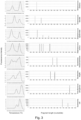
- a derivative of the fluorescence is then converted to 1 of more melting temperatures of the PCR product. For an example, see figure 2 .
- Species identification by melting curve analysis can be done by comparison to a proprietary melting curve database (inBiome).
- Peaks lower than 128RFU were regarded as background noise and were discarded from further analysis.
- the whole procedure, from DNA isolation to analyzed data could be done within four hours.
- the situation may occur that when either a melting curve or a fragment length profile of a species is similar to that of another species.
- melting curve data By combining melting curve data with fragment length data an unambiguous identification can still be made.
- An exemplary, real-life, situation in which fragment length profiles are similar is given in this example.
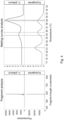
- Melting temperature of a fragment is determined by two factors: length and sequence of a fragment. Therefore, when fragment lengths of two different species is identical, the sequence is necessarily different and therefore the melting curve signature has to be different. This situation is displayed in Figure 4 , for two clinically highly relevant bacterial species, Streptococcus pyogenes and Corynebacterium jeikeium , for which species-level identification is crucial for correct treatment of patients.
- melting curves are dependent on length and sequence of fragments, it is possible that, while lengths and sequences differ, the interplay between length and sequence might still give rise to similar melting curves.
- Similarity in melting curves may additionally be caused by the presence of multiple (PCR) fragments, of which the individual melting curves are superimposed on one another. This gives rise to complex melting curves, which may show a reduced resolution. This phenomenon can be particularly problematic in closely related species in which each species harbors multiple rRNA operons, and thus 16S-23S IS PCR fragments. In these cases, combining melting curve data with fragment length analysis can still uniquely identify each bacterial species. An exemplary, real-life, situation of this is illustrated in the analysis of the 16S-23S IS profiles of closely related species in the family of Enterobacteriaceae, a highly relevant bacterial family in clinical microbiology, containing many human pathogens.
- melting curves and fragment length analyses of Enterobacter cloacae and Klebsiella pneumoniae are shown. While melting curves are difficult to discriminate because of many similar IS-fragments in these closely related species, a unique length profile can still discriminate these species (See Figure 5 ).
Landscapes
- Chemical & Material Sciences (AREA)
- Life Sciences & Earth Sciences (AREA)
- Organic Chemistry (AREA)
- Proteomics, Peptides & Aminoacids (AREA)
- Analytical Chemistry (AREA)
- Health & Medical Sciences (AREA)
- Engineering & Computer Science (AREA)
- Wood Science & Technology (AREA)
- Zoology (AREA)
- Physics & Mathematics (AREA)
- Biophysics (AREA)
- Biotechnology (AREA)
- Bioinformatics & Cheminformatics (AREA)
- General Health & Medical Sciences (AREA)
- Molecular Biology (AREA)
- Microbiology (AREA)
- Biochemistry (AREA)
- Immunology (AREA)
- General Engineering & Computer Science (AREA)
- Genetics & Genomics (AREA)
- Chemical Kinetics & Catalysis (AREA)
- Bioinformatics & Computational Biology (AREA)
- Evolutionary Biology (AREA)
- Medical Informatics (AREA)
- Spectroscopy & Molecular Physics (AREA)
- Theoretical Computer Science (AREA)
- Measuring Or Testing Involving Enzymes Or Micro-Organisms (AREA)
Claims (15)
- Procédé d'identification d'un micro-organisme au niveau de l'espèce ou de la souche dans un échantillon biologique par réaction en chaîne par polymérase (PCR), ledit procédé comprenant les étapes consistant à :a) fournir un échantillon biologique qui a été obtenu et qui est suspecté de comprendre des microbes, et facultativement isoler des séquences d'acide nucléique comprises dans ledit échantillon biologique ;b) amplifier par PCR en au moins une région d'espaceur transcrit interne d'ARNr microbien (ITS) comprise dans lesdites séquences d'acide nucléique, facultativement isolées, à l'aide d'un ensemble d'amorces d'amplification à large plage taxonomique pour amplifier ledit au moins un ITS d'ARNr microbien, pour ainsi générer des amplicons de PCR ;c) enregistrer une courbe de fusion à haute résolution pour les amplicons de PCR générés à l'étape b), et enregistrer la longueur des amplicons de PCR générés à l'étape b) ;d) comparer la courbe de fusion à haute résolution enregistrée à l'étape c) avec une base de données comprenant des courbes de fusion à haute résolution d'amplicons de référence générés à partir d'espèces microbiennes ou de souches de référence d'identité taxonomique connue à l'aide du même ensemble d'amorces d'amplification, pour ainsi obtenir un premier indicateur d'identité taxonomique d'un micro-organisme présent dans ledit échantillon ;e) comparer la longueur de chaque amplicon de PCR ayant une longueur distincte enregistrée à l'étape c) avec une base de données comprenant des longueurs d'amplicon de PCR d'amplicons de référence générés à partir d'espèces microbiennes ou de souches de référence d'identité taxonomique connue à l'aide du même ensemble d'amorces d'amplification, pour ainsi obtenir un second indicateur d'identité taxonomique d'un micro-organisme présent dans ledit échantillon ;f) identifier un micro-organisme présent dans ledit échantillon au niveau de l'espèce ou de la souche si les premier et second indicateurs d'identité taxonomique correspondent.
- Procédé selon la revendication 1, dans lequel l'échantillon biologique suspecté de comprendre des microbes est un échantillon biologique suspecté de comprendre des archées, des bactéries, des virus, des protozoaires ou des champignons, ou une combinaison de ceux-ci.
- Procédé selon la revendication 1 ou 2, dans lequel les amplicons de référence dans ladite base de données comprennent des amplicons générés par une réaction d'amplification par PCR in vivo et/ou in silico pour amplifier la région d'ITS d'ARNr correspondante d'une espèce ou d'une souche microbienne de référence d'identité taxonomique connue à l'aide du même ensemble d'amorces d'amplification à large plage taxonomique pour amplifier ladite au moins une région d'ITS d'ARNr microbien.
- Procédé selon l'une quelconque des revendications précédentes, dans lequel lesdites bases de données à l'étape d) et e) sont combinées en une base de données unique, de préférence dans lequel ladite base de données comprend des séquences d'ITS d'ARNr et des données d'identité taxonomique correspondantes sur des bactéries.
- Procédé selon l'une quelconque des revendications précédentes, dans lequel lesdites amorces d'amplification à large plage taxonomique sont destinées à amplifier une région d'ITS d'ARNr microbien de multiples souches ou espèces, de préférence sensiblement toutes, d'un genre, d'une famille, d'un ordre, d'une classe, d'un phylum, d'un règne et/ou d'un domaine microbien, de préférence sensiblement toutes les souches ou espèces d'un phylum microbien, de manière plus préférée sensiblement toutes les souches ou espèces d'un règne microbien, de la manière la plus préférée des bactéries.
- Procédé selon l'une quelconque des revendications précédentes, dans lequel lesdites amorces d'amplification à large plage taxonomique pour amplifier ladite au moins une région d'ITS d'ARNr microbien comprennent une amorce directe et inverse pour amplifier une région d'ITS d'ARNr 16S-23S, une région d'ITS d'ARNr 23S-5S, une région d'ITS d'ARNr microbien 18S-5.8S, ou une région d'ITS d'ARNr microbien 5.8S-26S/28S, de préférence une amorce directe et inverse pour amplifier une région d'ITS d'ARNr 16S-23S.
- Procédé selon l'une quelconque des revendications précédentes, dans lequel l'échantillon biologique est un échantillon corporel d'un sujet choisi parmi un fluide ou un exsudat corporel, y compris, mais sans s'y limiter, le fluide utérin, le sang entier, le sérum, le plasma, le fluide lymphatique, le mucus, la salive, les expectorations, les selles/excréments, la sueur, le fluide de plaie, le pus/la purulence, le contenu gastrique, les ascites/le fluide ascitique, la bile, l'urine, le sperme, le fluide/la liqueur cérébrospinal(e) et le lait maternel ; ou un échantillon corporel d'un sujet sous la forme d'un écouvillon, d'une biopsie, d'un lavage ou d'un échantillon ponctuel de papier, y compris, mais sans s'y limiter, un échantillon de la peau, d'un organe, d'un tissu, de la cavité buccale, du tractus urogénital, du tractus vaginal, du tractus gastro-intestinal, du tractus respiratoire ou du système pulmonaire et du système cardiovasculaire.
- Procédé selon l'une quelconque des revendications précédentes, dans lequel l'ensemble d'amorces d'amplification à large plage taxonomique est un ensemble d'amorces d'amplification pour amplifier au moins une région d'ITS d'ARNr de bactéries du phylum Bacteriodetes et/ou Firmicutes.
- Procédé selon l'une quelconque des revendications précédentes, dans lequel ledit ensemble d'amorces d'amplification à large plage taxonomique comprend chacune des amorces d'amplification des SEQ ID NOs : 1 et 3 à 5, ou chacune des amorces d'amplification des SEQ ID NOs : 2 à 5, ou chacune des amorces d'amplification des SEQ ID NOs : 1 à 5.
- Procédé selon l'une quelconque des revendications précédentes, dans lequel ledit ensemble d'amorces d'amplification à large plage taxonomique comprend chacune des amorces d'amplification de SEQ ID NOs : 6 et 7 à 13.
- Procédé selon l'une quelconque des revendications précédentes, dans lequel ledit ensemble d'amorces d'amplification à large plage taxonomique est un ensemble d'amorces d'amplification bactérienne universelle, ledit ensemble comprenant de préférence chacune des amorces d'amplification des SEQ ID NOs : 14 et 15.
- Procédé selon l'une quelconque des revendications précédentes, dans lequel à l'étape c), la longueur des amplicons de PCR est enregistrée par électrophorèse capillaire ou séquençage.
- Procédé selon l'une quelconque des revendications précédentes, dans lequel l'étape c), et facultativement également l'étape b), est réalisée dans un dispositif miniaturisé, de préférence un dispositif de laboratoire sur puce (LOC).
- Procédé selon l'une quelconque des revendications précédentes, dans lequel ladite base de données comprenant des courbes de fusion à haute résolution et des longueurs d'amplicon de PCR d'amplicons de référence générés à partir d'espèces ou de souches microbiennes de référence d'identité taxonomique connue comprend en outre des courbes de fusion à haute résolution et des longueurs d'amplicon de PCR d'amplicons de référence générés à partir de séquences humaines en tant que témoins pour une génération d'amplicon aspécifique à l'aide dudit ensemble d'amorces d'amplification à large plage taxonomique.
- Procédé selon l'une quelconque des revendications précédentes, dans lequel l'ensemble d'amorces d'amplification à large plage taxonomique pour amplifier au moins une région d'ITS d'ARNr microbien comprend une amorce avant marquée et/ou une amorce inverse marquée, de préférence une amorce avant marquée, de manière plus préférée une amorce avant marquée par fluorescence.
Applications Claiming Priority (2)
| Application Number | Priority Date | Filing Date | Title |
|---|---|---|---|
| EP19212955 | 2019-12-02 | ||
| PCT/NL2020/050753 WO2021112673A1 (fr) | 2019-12-02 | 2020-12-02 | Procédés d'identification de microbes dans un environnement clinique et non clinique. |
Publications (3)
| Publication Number | Publication Date |
|---|---|
| EP4069866A1 EP4069866A1 (fr) | 2022-10-12 |
| EP4069866C0 EP4069866C0 (fr) | 2024-05-22 |
| EP4069866B1 true EP4069866B1 (fr) | 2024-05-22 |
Family
ID=68762659
Family Applications (1)
| Application Number | Title | Priority Date | Filing Date |
|---|---|---|---|
| EP20821430.4A Active EP4069866B1 (fr) | 2019-12-02 | 2020-12-02 | Procédés d'identification de microbes dans un environnement clinique et non clinique |
Country Status (7)
| Country | Link |
|---|---|
| US (1) | US20230040474A1 (fr) |
| EP (1) | EP4069866B1 (fr) |
| JP (1) | JP7610601B2 (fr) |
| CN (1) | CN115315526B (fr) |
| BR (1) | BR112022010665A2 (fr) |
| CA (1) | CA3159676A1 (fr) |
| WO (1) | WO2021112673A1 (fr) |
Families Citing this family (9)
| Publication number | Priority date | Publication date | Assignee | Title |
|---|---|---|---|---|
| CN114038503A (zh) * | 2021-10-26 | 2022-02-11 | 艾德范思(北京)医学检验实验室有限公司 | 基于高通量测序的人体母乳样本特征菌数据分析识别方法 |
| US20240355421A1 (en) * | 2022-05-27 | 2024-10-24 | Boe Technology Group Co., Ltd. | Method, apparatus and device for identifying source primer of nonspecific amplication sequence |
| WO2024026440A1 (fr) * | 2022-07-29 | 2024-02-01 | The Regents Of The University Of Michigan | Identification microbienne universelle |
| CN114958992A (zh) * | 2022-08-02 | 2022-08-30 | 斯贝福(北京)生物技术有限公司 | 一种实验动物隔离系统内微生物的检测方法 |
| CL2022002672A1 (es) * | 2022-09-29 | 2023-03-24 | Taag Genetics S A | Método para determinar identidad celular desde una muestra biológica compleja por pcr-hrm y análisis matemático |
| CN117171675B (zh) * | 2023-11-02 | 2024-01-12 | 北京建工环境修复股份有限公司 | 基于多源数据的水环境微生物检测方法、系统及介质 |
| EP4597502A1 (fr) * | 2024-02-02 | 2025-08-06 | Biomiris Capital Group B.V. | Analyse d'un ensemble d'échantillons biologiques pour l'identification de micro-organismes |
| GB202407032D0 (en) * | 2024-05-17 | 2024-07-03 | Kromek Ltd | monitoring biological pathogens |
| WO2026019325A1 (fr) | 2024-07-18 | 2026-01-22 | Biomiris Capital Group B.V. | Sondes denses combinatoires pour identifier des sous-ensembles d'espèces de micro-organismes dans des échantillons cliniques |
Family Cites Families (9)
| Publication number | Priority date | Publication date | Assignee | Title |
|---|---|---|---|---|
| US7297484B2 (en) | 2002-04-26 | 2007-11-20 | Idaho Technology | Characterization of single stranded nucleic acids by melting analysis of secondary structure using double strand-specific nucleic acid dye |
| CA2501144C (fr) | 2002-10-23 | 2015-10-06 | University Of Utah Research Foundation | Analyse de fusion par amplicon avec colorants de saturation |
| US7387887B2 (en) | 2004-04-20 | 2008-06-17 | University Of Utah Research Foundation | Nucleic acid melting analysis with saturation dyes |
| EP1985712A1 (fr) | 2007-04-17 | 2008-10-29 | Vereniging voor christelijk hoger onderwijs, wetenschappelijk onderzoek en patiëntenzorg | Analyse de population microbienne |
| WO2015170979A1 (fr) | 2014-05-06 | 2015-11-12 | Is-Diagnostics Ltd. | Analyse d'une population microbienne |
| US10570464B2 (en) * | 2016-05-09 | 2020-02-25 | The Board Of Trustees Of The Leland Stanford Junior University | Bacterial pathogen identification by high resolution melting analysis |
| JP7377544B2 (ja) | 2017-05-17 | 2023-11-10 | マイクロバイオ・プロプライエタリー・リミテッド | バイオマーカーおよびその使用 |
| EA202092443A1 (ru) | 2018-05-22 | 2021-04-26 | Артпред Б.В. | Способ и набор для прогнозирования результата процедуры вспомогательных репродуктивных технологий |
| WO2021201675A1 (fr) * | 2020-03-28 | 2021-10-07 | Inbiome B.V. | Triage de maladies infectieuses respiratoires |
-
2020
- 2020-12-02 JP JP2022532589A patent/JP7610601B2/ja active Active
- 2020-12-02 CN CN202080094290.4A patent/CN115315526B/zh active Active
- 2020-12-02 EP EP20821430.4A patent/EP4069866B1/fr active Active
- 2020-12-02 BR BR112022010665A patent/BR112022010665A2/pt unknown
- 2020-12-02 WO PCT/NL2020/050753 patent/WO2021112673A1/fr not_active Ceased
- 2020-12-02 US US17/781,480 patent/US20230040474A1/en active Pending
- 2020-12-02 CA CA3159676A patent/CA3159676A1/fr active Pending
Non-Patent Citations (4)
| Title |
|---|
| BHASKARAN ARCHANA ET AL: "Interpretation of positive molecular tests of common viruses in the cerebrospinal fluid", DIAGNOSTIC MICROBIOLOGY AND INFECTIOUS DISEASE, ELSEVIER, AMSTERDAM, NL, vol. 77, no. 3, 12 September 2013 (2013-09-12), pages 236 - 240, XP028736254, ISSN: 0732-8893, DOI: 10.1016/J.DIAGMICROBIO.2013.07.017 * |
| GASCOYNE-BINZI D M ET AL: "False negative polymerase chain reaction on cerebrospinal fluid samples in tuberculous meningitis", JOURNAL OF NEUROLOGY NEUROSURGERY & PSYCHIATRY., vol. 67, no. 2, 1 August 1999 (1999-08-01), GB, pages 249 - 260, XP093043397, ISSN: 0022-3050, DOI: 10.1136/jnnp.67.2.250 * |
| PANOUSIS KONSTANTINOS ET AL: "Poor predictive value of broad-range PCR for the detection of arthroplasty infection in 92 cases", ACTA ORTHOPAEDICA, vol. 76, no. 3, 1 January 2005 (2005-01-01), GB, pages 341 - 346, XP093105042, ISSN: 1745-3674, DOI: 10.1080/00016470510030805 * |
| STEPHANIE I. FRALEY ET AL: "Nested Machine Learning Facilitates Increased Sequence Content for Large-Scale Automated High Resolution Melt Genotyping", SCIENTIFIC REPORTS, vol. 6, 18 January 2016 (2016-01-18), pages 19218, XP055305851, DOI: 10.1038/srep19218 * |
Also Published As
| Publication number | Publication date |
|---|---|
| JP2023504258A (ja) | 2023-02-02 |
| EP4069866C0 (fr) | 2024-05-22 |
| BR112022010665A2 (pt) | 2022-08-16 |
| US20230040474A1 (en) | 2023-02-09 |
| CN115315526A (zh) | 2022-11-08 |
| CN115315526B (zh) | 2025-07-22 |
| WO2021112673A1 (fr) | 2021-06-10 |
| JP7610601B2 (ja) | 2025-01-08 |
| CA3159676A1 (fr) | 2021-06-10 |
| EP4069866A1 (fr) | 2022-10-12 |
Similar Documents
| Publication | Publication Date | Title |
|---|---|---|
| EP4069866B1 (fr) | Procédés d'identification de microbes dans un environnement clinique et non clinique | |
| Peters et al. | The prevalence of three species of feline haemoplasmas in samples submitted to a diagnostics service as determined by three novel real-time duplex PCR assays | |
| Pincus et al. | Yeast identification—past, present, and future methods | |
| Paolucci et al. | Conventional and molecular techniques for the early diagnosis of bacteraemia | |
| US20090263809A1 (en) | Methods for Identification of Bioagents | |
| EP3192878B1 (fr) | Procédé de détection de mycoplasme | |
| WO2015023616A2 (fr) | Procédé de discrimination exhaustive, quantitative et hautement sensible de séquences d'acides nucléiques dans des populations homogènes et hétérogènes | |
| EP2947158A1 (fr) | Procédé de diagnostic | |
| Reddington et al. | Novel multiplex real-time PCR diagnostic assay for identification and differentiation of Mycobacterium tuberculosis, Mycobacterium canettii, and Mycobacterium tuberculosis complex strains | |
| US10030276B1 (en) | Detection of Mycobacterium tuberculosis complex nucleic acids | |
| JP2014501494A (ja) | 核酸標的の定量的多重同定 | |
| Derzelle et al. | Use of high-resolution melting and melting temperature-shift assays for specific detection and identification of Bacillus anthracis based on single nucleotide discrimination | |
| US20150024953A1 (en) | Methods for identifying eubacteria | |
| US20250115967A1 (en) | A Method of Profiling a Microbiotic Composition | |
| US8741563B2 (en) | Metronidazole resistance in trichomonas vaginalis and single nucleotide polymorphisms | |
| KR101765677B1 (ko) | 결핵 및 비결핵 항산균 검출용 프라이머 세트 및 이를 이용한 검출 방법 | |
| US7749696B2 (en) | Method and kit for the specific detection of M. tuberculosis | |
| Figueroa et al. | Principles and Applications of Genomic Diagnostic Techniques | |
| CN107110864B (zh) | 用于检测高毒力艰难梭菌菌株的存在的方法 | |
| US10190176B2 (en) | Primers, probes, and methods for mycobacterium tuberculosis specific diagnosis | |
| WO2026019326A1 (fr) | Analyse de courbe de fusion à résolution de sonde pour identifier des micro-organismes dans des échantillons cliniques | |
| Aboulela et al. | Non-sequencing based molecular bacterial typing as an affordable tool for outbreak investigation in low-income countries | |
| Maity et al. | A comprehensive review of molecular insights in endodontic microbiology | |
| Swathi et al. | A Simple Method for Direct Detection and Discrimination of A. baumannii in Tracheal Aspirates without Culture Isolation | |
| JP2006061155A (ja) | 抗酸菌属細菌同定キット |
Legal Events
| Date | Code | Title | Description |
|---|---|---|---|
| STAA | Information on the status of an ep patent application or granted ep patent |
Free format text: STATUS: UNKNOWN |
|
| STAA | Information on the status of an ep patent application or granted ep patent |
Free format text: STATUS: THE INTERNATIONAL PUBLICATION HAS BEEN MADE |
|
| PUAI | Public reference made under article 153(3) epc to a published international application that has entered the european phase |
Free format text: ORIGINAL CODE: 0009012 |
|
| STAA | Information on the status of an ep patent application or granted ep patent |
Free format text: STATUS: REQUEST FOR EXAMINATION WAS MADE |
|
| 17P | Request for examination filed |
Effective date: 20220622 |
|
| AK | Designated contracting states |
Kind code of ref document: A1 Designated state(s): AL AT BE BG CH CY CZ DE DK EE ES FI FR GB GR HR HU IE IS IT LI LT LU LV MC MK MT NL NO PL PT RO RS SE SI SK SM TR |
|
| DAV | Request for validation of the european patent (deleted) | ||
| DAX | Request for extension of the european patent (deleted) | ||
| TPAC | Observations filed by third parties |
Free format text: ORIGINAL CODE: EPIDOSNTIPA |
|
| GRAP | Despatch of communication of intention to grant a patent |
Free format text: ORIGINAL CODE: EPIDOSNIGR1 |
|
| STAA | Information on the status of an ep patent application or granted ep patent |
Free format text: STATUS: GRANT OF PATENT IS INTENDED |
|
| INTG | Intention to grant announced |
Effective date: 20231214 |
|
| GRAS | Grant fee paid |
Free format text: ORIGINAL CODE: EPIDOSNIGR3 |
|
| GRAA | (expected) grant |
Free format text: ORIGINAL CODE: 0009210 |
|
| STAA | Information on the status of an ep patent application or granted ep patent |
Free format text: STATUS: THE PATENT HAS BEEN GRANTED |
|
| AK | Designated contracting states |
Kind code of ref document: B1 Designated state(s): AL AT BE BG CH CY CZ DE DK EE ES FI FR GB GR HR HU IE IS IT LI LT LU LV MC MK MT NL NO PL PT RO RS SE SI SK SM TR |
|
| REG | Reference to a national code |
Ref country code: GB Ref legal event code: FG4D |
|
| REG | Reference to a national code |
Ref country code: CH Ref legal event code: EP |
|
| REG | Reference to a national code |
Ref country code: DE Ref legal event code: R096 Ref document number: 602020031386 Country of ref document: DE |
|
| REG | Reference to a national code |
Ref country code: IE Ref legal event code: FG4D |
|
| U01 | Request for unitary effect filed |
Effective date: 20240619 |
|
| REG | Reference to a national code |
Ref country code: LT Ref legal event code: MG9D |
|
| REG | Reference to a national code |
Ref country code: NL Ref legal event code: MP Effective date: 20240522 |
|
| U07 | Unitary effect registered |
Designated state(s): AT BE BG DE DK EE FI FR IT LT LU LV MT NL PT RO SE SI Effective date: 20240902 |
|
| PG25 | Lapsed in a contracting state [announced via postgrant information from national office to epo] |
Ref country code: IS Free format text: LAPSE BECAUSE OF FAILURE TO SUBMIT A TRANSLATION OF THE DESCRIPTION OR TO PAY THE FEE WITHIN THE PRESCRIBED TIME-LIMIT Effective date: 20240922 |
|
| PG25 | Lapsed in a contracting state [announced via postgrant information from national office to epo] |
Ref country code: HR Free format text: LAPSE BECAUSE OF FAILURE TO SUBMIT A TRANSLATION OF THE DESCRIPTION OR TO PAY THE FEE WITHIN THE PRESCRIBED TIME-LIMIT Effective date: 20240522 |
|
| PG25 | Lapsed in a contracting state [announced via postgrant information from national office to epo] |
Ref country code: GR Free format text: LAPSE BECAUSE OF FAILURE TO SUBMIT A TRANSLATION OF THE DESCRIPTION OR TO PAY THE FEE WITHIN THE PRESCRIBED TIME-LIMIT Effective date: 20240823 |
|
| PG25 | Lapsed in a contracting state [announced via postgrant information from national office to epo] |
Ref country code: ES Free format text: LAPSE BECAUSE OF FAILURE TO SUBMIT A TRANSLATION OF THE DESCRIPTION OR TO PAY THE FEE WITHIN THE PRESCRIBED TIME-LIMIT Effective date: 20240522 |
|
| PG25 | Lapsed in a contracting state [announced via postgrant information from national office to epo] |
Ref country code: PL Free format text: LAPSE BECAUSE OF FAILURE TO SUBMIT A TRANSLATION OF THE DESCRIPTION OR TO PAY THE FEE WITHIN THE PRESCRIBED TIME-LIMIT Effective date: 20240522 |
|
| PG25 | Lapsed in a contracting state [announced via postgrant information from national office to epo] |
Ref country code: PL Free format text: LAPSE BECAUSE OF FAILURE TO SUBMIT A TRANSLATION OF THE DESCRIPTION OR TO PAY THE FEE WITHIN THE PRESCRIBED TIME-LIMIT Effective date: 20240522 Ref country code: NO Free format text: LAPSE BECAUSE OF FAILURE TO SUBMIT A TRANSLATION OF THE DESCRIPTION OR TO PAY THE FEE WITHIN THE PRESCRIBED TIME-LIMIT Effective date: 20240822 Ref country code: IS Free format text: LAPSE BECAUSE OF FAILURE TO SUBMIT A TRANSLATION OF THE DESCRIPTION OR TO PAY THE FEE WITHIN THE PRESCRIBED TIME-LIMIT Effective date: 20240922 Ref country code: HR Free format text: LAPSE BECAUSE OF FAILURE TO SUBMIT A TRANSLATION OF THE DESCRIPTION OR TO PAY THE FEE WITHIN THE PRESCRIBED TIME-LIMIT Effective date: 20240522 Ref country code: GR Free format text: LAPSE BECAUSE OF FAILURE TO SUBMIT A TRANSLATION OF THE DESCRIPTION OR TO PAY THE FEE WITHIN THE PRESCRIBED TIME-LIMIT Effective date: 20240823 Ref country code: ES Free format text: LAPSE BECAUSE OF FAILURE TO SUBMIT A TRANSLATION OF THE DESCRIPTION OR TO PAY THE FEE WITHIN THE PRESCRIBED TIME-LIMIT Effective date: 20240522 Ref country code: RS Free format text: LAPSE BECAUSE OF FAILURE TO SUBMIT A TRANSLATION OF THE DESCRIPTION OR TO PAY THE FEE WITHIN THE PRESCRIBED TIME-LIMIT Effective date: 20240822 |
|
| U20 | Renewal fee for the european patent with unitary effect paid |
Year of fee payment: 5 Effective date: 20241119 |
|
| PG25 | Lapsed in a contracting state [announced via postgrant information from national office to epo] |
Ref country code: CZ Free format text: LAPSE BECAUSE OF FAILURE TO SUBMIT A TRANSLATION OF THE DESCRIPTION OR TO PAY THE FEE WITHIN THE PRESCRIBED TIME-LIMIT Effective date: 20240522 |
|
| PG25 | Lapsed in a contracting state [announced via postgrant information from national office to epo] |
Ref country code: SK Free format text: LAPSE BECAUSE OF FAILURE TO SUBMIT A TRANSLATION OF THE DESCRIPTION OR TO PAY THE FEE WITHIN THE PRESCRIBED TIME-LIMIT Effective date: 20240522 |
|
| PG25 | Lapsed in a contracting state [announced via postgrant information from national office to epo] |
Ref country code: SK Free format text: LAPSE BECAUSE OF FAILURE TO SUBMIT A TRANSLATION OF THE DESCRIPTION OR TO PAY THE FEE WITHIN THE PRESCRIBED TIME-LIMIT Effective date: 20240522 Ref country code: CZ Free format text: LAPSE BECAUSE OF FAILURE TO SUBMIT A TRANSLATION OF THE DESCRIPTION OR TO PAY THE FEE WITHIN THE PRESCRIBED TIME-LIMIT Effective date: 20240522 |
|
| REG | Reference to a national code |
Ref country code: DE Ref legal event code: R097 Ref document number: 602020031386 Country of ref document: DE |
|
| PLBE | No opposition filed within time limit |
Free format text: ORIGINAL CODE: 0009261 |
|
| STAA | Information on the status of an ep patent application or granted ep patent |
Free format text: STATUS: NO OPPOSITION FILED WITHIN TIME LIMIT |
|
| 26N | No opposition filed |
Effective date: 20250225 |
|
| PG25 | Lapsed in a contracting state [announced via postgrant information from national office to epo] |
Ref country code: MC Free format text: LAPSE BECAUSE OF FAILURE TO SUBMIT A TRANSLATION OF THE DESCRIPTION OR TO PAY THE FEE WITHIN THE PRESCRIBED TIME-LIMIT Effective date: 20240522 |
|
| PG25 | Lapsed in a contracting state [announced via postgrant information from national office to epo] |
Ref country code: IE Free format text: LAPSE BECAUSE OF NON-PAYMENT OF DUE FEES Effective date: 20241202 |
|
| REG | Reference to a national code |
Ref country code: CH Ref legal event code: U11 Free format text: ST27 STATUS EVENT CODE: U-0-0-U10-U11 (AS PROVIDED BY THE NATIONAL OFFICE) Effective date: 20260101 |
|
| PGFP | Annual fee paid to national office [announced via postgrant information from national office to epo] |
Ref country code: GB Payment date: 20251219 Year of fee payment: 6 |
|
| U20 | Renewal fee for the european patent with unitary effect paid |
Year of fee payment: 6 Effective date: 20251230 |
|
| PG25 | Lapsed in a contracting state [announced via postgrant information from national office to epo] |
Ref country code: CY Free format text: LAPSE BECAUSE OF FAILURE TO SUBMIT A TRANSLATION OF THE DESCRIPTION OR TO PAY THE FEE WITHIN THE PRESCRIBED TIME-LIMIT; INVALID AB INITIO Effective date: 20201202 |
|
| PG25 | Lapsed in a contracting state [announced via postgrant information from national office to epo] |
Ref country code: SM Free format text: LAPSE BECAUSE OF FAILURE TO SUBMIT A TRANSLATION OF THE DESCRIPTION OR TO PAY THE FEE WITHIN THE PRESCRIBED TIME-LIMIT; INVALID AB INITIO Effective date: 20201202 |
|
| PGFP | Annual fee paid to national office [announced via postgrant information from national office to epo] |
Ref country code: CH Payment date: 20260101 Year of fee payment: 6 |