EP4075875B1 - Verfahren zum aufbau einer sitzung auf datenebene eines benutzergerätes oder für ein benutzergerät mit einem telekommunikationsnetzwerk mit einem zugangsnetzwerk des telekommunikationsnetzwerks, telekommunikationsnetzwerk, netzwerksteuerknoten oder element zum steuern einer weiterleitungseinheit eines telekommunikationsnetzwerks, programm und computerlesbares medium - Google Patents
Verfahren zum aufbau einer sitzung auf datenebene eines benutzergerätes oder für ein benutzergerät mit einem telekommunikationsnetzwerk mit einem zugangsnetzwerk des telekommunikationsnetzwerks, telekommunikationsnetzwerk, netzwerksteuerknoten oder element zum steuern einer weiterleitungseinheit eines telekommunikationsnetzwerks, programm und computerlesbares medium Download PDFInfo
- Publication number
- EP4075875B1 EP4075875B1 EP21168450.1A EP21168450A EP4075875B1 EP 4075875 B1 EP4075875 B1 EP 4075875B1 EP 21168450 A EP21168450 A EP 21168450A EP 4075875 B1 EP4075875 B1 EP 4075875B1
- Authority
- EP
- European Patent Office
- Prior art keywords
- data
- data path
- network
- user equipment
- forwarding entity
- Prior art date
- Legal status (The legal status is an assumption and is not a legal conclusion. Google has not performed a legal analysis and makes no representation as to the accuracy of the status listed.)
- Active
Links
Images

Classifications
-
- H—ELECTRICITY
- H04—ELECTRIC COMMUNICATION TECHNIQUE
- H04W—WIRELESS COMMUNICATION NETWORKS
- H04W40/00—Communication routing or communication path finding
- H04W40/02—Communication route or path selection, e.g. power-based or shortest path routing
-
- H—ELECTRICITY
- H04—ELECTRIC COMMUNICATION TECHNIQUE
- H04W—WIRELESS COMMUNICATION NETWORKS
- H04W40/00—Communication routing or communication path finding
- H04W40/24—Connectivity information management, e.g. connectivity discovery or connectivity update
-
- H—ELECTRICITY
- H04—ELECTRIC COMMUNICATION TECHNIQUE
- H04L—TRANSMISSION OF DIGITAL INFORMATION, e.g. TELEGRAPHIC COMMUNICATION
- H04L45/00—Routing or path finding of packets in data switching networks
- H04L45/302—Route determination based on requested QoS
-
- H—ELECTRICITY
- H04—ELECTRIC COMMUNICATION TECHNIQUE
- H04L—TRANSMISSION OF DIGITAL INFORMATION, e.g. TELEGRAPHIC COMMUNICATION
- H04L45/00—Routing or path finding of packets in data switching networks
- H04L45/74—Address processing for routing
-
- H—ELECTRICITY
- H04—ELECTRIC COMMUNICATION TECHNIQUE
- H04L—TRANSMISSION OF DIGITAL INFORMATION, e.g. TELEGRAPHIC COMMUNICATION
- H04L47/00—Traffic control in data switching networks
- H04L47/10—Flow control; Congestion control
- H04L47/22—Traffic shaping
Definitions
- the present invention relates a method for establishing a data plane session of or for a user equipment with a telecommunications network using an access network of the telecommunications network, wherein establishing the data plane session requires the existence of a data path in or through a forwarding entity of the telecommunications network, the forwarding entity especially being part of the access network or being an IP edge network node, wherein the data path within the forwarding entity is or corresponds to a programmed data path in or through the forwarding entity.
- the present invention relates to a telecommunications network for establishing a data plane session of or for a user equipment with the telecommunications network using an access network of the telecommunications network, wherein establishing the data plane session requires the existence of a data path in or through a forwarding entity of the telecommunications network, the forwarding entity especially being part of the access network or being an IP edge network node, wherein the data path within the forwarding entity is or corresponds to a programmed data path in or through the forwarding entity.
- the present invention relates to a network control node or element for controlling a forwarding entity of an inventive telecommunications network.
- the present invention relates to a program, and a computer-readable medium or hardware logic description product comprising instructions which, when executed on a computer or on a network node of a telecommunications network or on a network control node or element or on a forwarding entity, causes the computer or the network node of the telecommunications network or the network control node or element or the forwarding entity to perform an inventive method.
- network packet processing chips or integrated circuits which are typically used in high-performance network switches or traffic forwarding entities, are used to process and forward payload to serve subscribers connected to a telecommunications network.
- ASICs application-specific integrated circuit
- each data path denotes the path that a frame or a (data) packet takes through the network (or through the forwarding entity), i.e. this includes the data path through the forwarding entity or network element.
- the data path denotes the sequential stages that a frame or (data) packet undergoes when being transported from an ingress to an egress port of the forwarding (or other) network entity.
- US 2012/0281540 A1 describes a method in which a data flow is received from a mobile network and subscriber data identifying a service path is used to route packets of the data flow.
- An object of the present invention is to provide a technically simple, effective and cost effective solution for establishing a data plane session of or for a user equipment with a telecommunications network using an access network of the telecommunications network involving a data path in or through a forwarding entity of the telecommunications network.
- a further object of the present invention is to provide a corresponding telecommunications network, a corresponding network control node or element for controlling a forwarding entity of the telecommunications network, and a corresponding program and computer-readable medium or hardware logic description product.
- the object of the present invention is achieved by a method according to claim 1.
- This enables to dramatically shorten the time to establish the data plane session for a user equipment - especially in case that a certain number of user equipments is requesting a respective data plane session simultaneously or quasi-simultaneously.
- data path configuration information comprising, e.g. a specific (IPv4 and/or IPv6) internet address, and/or a session identifier information or the like.
- such configuration information is used - while the data path is in operative use - to identify the respective user equipment and/or the respective data plane session using the considered data path.
- this information is assigned first to a specific connection request (typically triggered by or received from a user equipment) - i.e. necessarily at a point in time after such a connection (or session establishment) request occurred -, and the corresponding data path (involving the specific one (piece of) configuration information considered) is established only thereafter.
- the time interval between the initial connection request (or setup request to establish the respective user (data) session), on the one hand, and the point in time when the requested connection or session is actually operative typically necessarily includes the time to setup or establish the data path within the forwarding entity.
- the respective data path does typically not yet exist (or is not yet (fully or at least almost fully) established) at the time when the initial connection request or setup request to establish the respective user (data) session is issued or generated - it cannot be guaranteed that the respective resources, required in order to establish the respective data path (especially resources within the forwarding entity) are actually available.
- a data path typically refers to a networking entity-internal path (i.e. within a networking entity (or forwarding entity, typically an ASIC), typically having a plurality of ingress ports and a plurality of egress ports, a data path is programmatically defined, realizing a path within this networking or forwarding entity for the processing of data, especially data packets (or data frames).
- a data path is, in the context of the present invention, especially (but not necessarily) restricted to the (data) path through a single functional entity (or forwarding entity), in most cases a computer chip such as an ASIC.
- such a data path comprises (or is programmatically defined such as to comprise) (data path) actions as sequence of processing steps configured with per-subscriber session information (i.e. the data path configuration information), such as IP address and session number as well as parameters that may or may not differ for various subscriber such as shaping rate and classification lists.
- data path actions as sequence of processing steps configured with per-subscriber session information (i.e. the data path configuration information), such as IP address and session number as well as parameters that may or may not differ for various subscriber such as shaping rate and classification lists.
- the (data) path is programmed.
- a parser classifies the (data) packet then sets it on a pre-programmed path according to the classification. All (data) packets (together), belonging to a certain classification, constitute a so-called flow (of (data) packets).
- a flow is programmed per subscriber, a subscriber being the representation of all traffic to and from a certain access device (or user equipment) such as residential gateway or smart phone.
- the data path of such a subscriber flow typically includes general actions that apply to many subscribers as well as specific actions that, e.g., depend on the respective specific IP address of the subscriber and/or the respective specific session identifier and/or the maximum bandwidth allowed, etc.
- the programming of the paths of the subscribers needs to be done when all information such is available. This usually happens as soon as the network attachment is finished (e.g.
- the PPPoE session setup point-to-point-protocol over Ethernet session setup
- the GTP session setup GPRS tunneling protocol, general packet radio service tunneling protocol, session setup
- Programming an individual (i.e. subscriber-specific) path or at least: an individual (data) path, having subscriber-specific parts or processing steps or stages) through a modern chipset, especially an ASIC, requires a certain amount of time that can slow down the time it takes for getting the subscriber, requesting the respective communication service, into service.
- an accurate model is lacking to predict resource availability of the processing elements in the data path, it might also arrive that such an attempted programming fails.
- the path programming times are reduced, especially for cases where a larger number of paths need to be programmed at the same time or quasi-simultaneously. Furthermore, it is advantageously possible to pre-provision (data) paths in order to keep resources available (or to provide resources) in advance, not having to risk a path not being able to be set up (due to a lack of resources).
- the reduction of the required setup time is typically from around 10 minutes (or even more than 10 minutes) to basically an instantaneous setup of user sessions (or a reduction of time in the order of at least 2 orders of magnitude, i.e. from around 600 seconds to less than a couple of seconds or even less than one second).
- the management system of the telecommunications network is able to always guarantee the setup of (or the possibility to be able to set up) a (requested) data session since (as such a management system is typically always fully aware of the available resources) the corresponding data path is already available and the corresponding resources on the chipset have been granted.
- the establishment of the data plane session typically requires the existence of a data path in or through a forwarding entity, especially being part of the access network or being an IP edge network node of the telecommunications network.
- the data path is a programmed data path in or through the forwarding entity, and is defined, at least in part, by means of data path configuration information, wherein the data path configuration information are, at least partly, used to identify the respective user equipment and/or the respective data plane session using the data path (while the data path being in operative use).
- the data plane session is able to be set up or established by means of firstly establishing (or configuring) the data path (such that it exists within the forwarding entity as an at least partly programmed and/or pre-provisioned data path comprising the data path configuration information, at least a part thereof being used to identify the respective user equipment and/or the respective data plane session), and secondly establishing the data plane session of or for the user equipment (involving the data plane session and/or the user equipment to be assigned to the existing pre-provisioned data path).
- the telecommunications network according to the present invention might be a fixed-line telecommunications network or a mobile communication network but preferably is a telecommunications network having both aspects (or parts) of a fixed-line telecommunications network (or being a fixed-line telecommunications network in such parts) and aspects (or parts) of a mobile communication network (or being a mobile communication network in such parts); such networks are also known under the term fixed-mobile-convergence networks (FMC networks).
- FMC networks fixed-mobile-convergence networks
- the data path configuration information comprises at least one of the following pieces of information:
- pre-configure or pre-provision a number of data paths in a comparatively small number of groups of data paths corresponding to the main required configurations It is then possible, at least in average in more than 80% of the cases of session requests, to use one of the pre-provisioned data paths - either directly and in unmodified form, or by means of applying only a slight modification regarding the configuration of the considered data path.
- establishing the data plane session of or for the user equipment involves the user equipment requesting the session and providing an access identifier, especially to a network attachment service control plane entity or functionality, wherein the access identifier, especially at the access line, preferably corresponds to a virtual local area network identifier, VLAN ID, MPLS label information, information and/or a media access control address, MAC address, information.
- the session setup procedure is not modified, at least not modified from the perspective of the user equipment or of other network nodes of the telecommunications network that are not involved in the control data exchange between the network attachment service control plane entity or functionality, the forwarding entity, and perhaps a path database entity or functionality.
- each one of the pre-provisioned data paths is identified by means of at least one internal unique identifier, wherein, in order to establish the data plane session or to put it into operation and to assign one of the pre-provisioned data paths to the data plane session and/or the user equipment, the at least one internal unique identifier is associated or assigned to one piece of information of the data path configuration information, wherein especially each one of the data paths comprises an uplink data path component and a downlink data path component, wherein each of the data path components are, within or as part of the forwarding entity, pre-provisioned data path components and are, respectively, likewise identified by means of an internal unique identifier, wherein especially the internal unique identifier is or corresponds to:
- the data paths are established and/or configured using first values of the corresponding data path configuration information, respectively, and regarding a second group of data paths, the data paths are established and/or configured using second values of the corresponding data path configuration information, respectively, wherein, in the second step, the data plane session and/or the user equipment is assigned to an available existent data path of one of either the first or second groups of data paths, in dependence of the first or second groups having values of the data path configuration information suitable to the respective user equipment and/or to the respective data plane session to be established.
- a path database entity or functionality is used to monitor and identify the available pre-provisioned data paths, wherein especially the path database comprises, regarding each data path, the respective data path configuration information, wherein especially the path database comprises, regarding each data path, the respective internal unique identifier.
- the data plane session of or for the user equipment is initiated or established by means of using one of the pre-provisioned data paths, thereby forcing the use of the respective data path configuration information, assigned to the respective data path, for the respective data plane session and/or the respective user equipment while in operative use.
- the data plane session is operated by means of using the forwarding entity with the programmed data path on the basis of the data path configuration information, wherein especially the data path configuration information regarding the data path is modified such as to be suitable to the respective user equipment and/or to the respective data plane session prior to the third step.
- the present invention relates to a telecommunications network according to claim 10.
- the present invention relates to a network control node or element for controlling a forwarding entity of an inventive telecommunications network, the network control node or element especially being configured such that data paths exist within the forwarding entity as at least partly programmed and/or pre-provisioned data paths, wherein data plane sessions are established by means of assigning such data plane sessions and/or user equipments to the existing pre-provisioned data paths, respectively.
- the present invention relates to a program comprising a computer readable program code or hardware logic description which, when executed on a computer or on a network node of a telecommunications network or on a network control node or element or on a forwarding entity, causes the computer or the network node of the telecommunications network or the network control node or element or the forwarding entity to perform the inventive method.
- the present invention relates to a computer-readable medium or hardware logic description product comprising instructions which, when executed on a computer or on a network node of a telecommunications network or on a network control node or element or on a forwarding entity, causes the computer or the network node of the telecommunications network or the network control node or element or the forwarding entity to perform the inventive method.
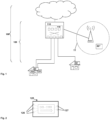
- a telecommunications network 100 is schematically shown, having a fixed line part and a mobile (or cellular) part.
- User equipments or client devices 50, 50', 50" are connected to the telecommunications network 100 by means of an access network 120 (regarding the fixed line part of the telecommunications network 100, the access network 120 is especially a broadband access network).
- the telecommunications network 100 comprises a logical or physical central office point of delivery 110 that is preferably realized within a data center and that is especially handling different access requirements, especially different access possibilities, of the client devices or user equipments 50, 50', 50" to network functionalities provided by the telecommunications network 100 or via the telecommunications network 100.
- further devices (or client devices) 51, 52 are connected to the logical or physical central office point of delivery 110 by means of a user equipment 50 in the form of a home gateway or customer premises equipment device or by means of a customer premises equipment functionality (or user equipment functionality) that might be built in the further devices 51, 52 (or client devices).
- the central office point of delivery 110 comprises a switching fabric 115 comprising a plurality of spine network nodes and typically also a plurality of leaf network nodes which are not explicitly represented in Figure 1 .
- a base station entity 111 is schematically shown, having a radio coverage area or radio cell, schematically being represented by means of a dashed-line circle designated by reference sign 11.
- a user equipment 50" is linked to the base station entity 111 using a radio connection (not specifically shown in Figure 1 ), and the base station entity 111 is linked or connected to (or part of) the access network 120.
- FIG 2 schematically illustrates a packet processing system or network component or entity or forwarding entity 125 according to the present invention, having ingress ports 126 as well as egress ports 127, and processing components (not specifically indicated by means of reference signs in Figure 1 ), thereby being able to realize data paths.
- the forwarding entity 125 is especially provided as a P4 processor or P4-capable processor (relating to the P4 ("Programming Protocol-Independent Packet Processors") programming language allowing a programmer to fully arbitrarily define how (data) packets traversing programmable forwarding entities 125 (or dataplane blocks) will be processed).
- Figure 3 schematically illustrates a part of a telecommunications network 100 according to the present invention with a (exemplary) user equipment 50, a forwarding entity 125, as well as a control entity 130 (or network control node or element 130, or also network attachment service control plane entity or functionality 130), and a path database entity or functionality 135.
- a first data path 150, a second data path 151, and a third data path 152 are schematically shown as examples of data paths realized or configured within the forwarding entity 125.
- a first group 161 of data paths and a second group 162 of data paths are schematically shown.
- the first data path 150 is shown with an internal unique identifier 159.
- a (yet subscriber-unspecific) data path is established and/or configured, and (already) exists within the forwarding entity 125 as an at least partly programmed and/or pre-provisioned data path comprising the data path configuration information.
- the first data path 150 is taken as an exemplary data path, and an exemplary data path configuration information 155 is schematically represented, and in Figure 3 , the three data paths 150, 151, 152 are schematically shown as examples of data paths. According to the present invention, it is only in a second step (i.e.
- the data plane session subsequent to the establishment or configuration of a data path, after the considered data path already exists within the forwarding entity 125 as a completely (or at least partly) programmed and/or pre-provisioned data path) that the data plane session is established, especially after being requested by the respective user equipment 50.
- This establishment of the data plane session of or for the user equipment 50 involves, according to the present invention, the data plane session and/or the user equipment 50 being assigned (or 'stitched') to the (already) existing pre-provisioned data path 150.
- the respective data plane session is non-existent (not yet existent), especially due to the user equipment 50 not yet having requested the data plane session.
- the data plane session is (operatively) operated by means of using the forwarding entity 125 with the respective specific programmed data path 150 on the basis of the respective specific data path configuration information 155.
- the existing pre-provisioned data path 150 already exactly corresponds to the required configuration (for the respective specific user equipment 50 or data plane session); in this case, of course, no modification of the data path 150 is required.
- the data path configuration information 155 regarding such a data path 150 is (partly or slightly) modified such as to be suitable to the respective user equipment 50 and/or to the respective data plane session; such modification is typically applied prior to the data plane session being (operatively) operated by means of using the forwarding entity 125 with the respective specific programmed data path 150.
- not only one data path is established or configured beforehand but a plurality of such data paths is generally generated, i.e. further data paths 151, 152 (besides the data path 150 or first data path 150) are established and/or configured during the first step of the inventive method, and all these data paths 150, 151, 152 are existing within the forwarding entity 125 as at least partly programmed and/or pre-provisioned data paths 150, 151, 152; especially all these data paths 150, 151, 152 are, upon their generation or establishment, not yet associated or assigned to the user equipment 50 or to other user equipments 50', 50" during the first step.
- Figure 4 schematically illustrates a representation of an exemplary data path 150 (or first data path 150). More specifically, a typical data path according to the present invention comprises an uplink data path component and a downlink data path component, wherein each of the data path components are, within or as part of the forwarding entity 125, pre-provisioned data path components, being, respectively, identified by means of an internal unique identifier 159.
- Figure 4 represents a downlink data path component (or downstream data path), e.g. for a broadband subscriber session in downstream (or downlink) direction.
- a typical data path (or data path component)
- several pieces of identifier information are specific to the subscriber such as the internet protocol address (or prefix), the access tunnel session identifier, specific service parameters such as the maxiumum bandwidth or access control lists that are collectively referred to by the term data path configuration information 155.
- data path or data path component
- the first data path action or element 1501 might relate to: a count and to sub/queue;
- the second data path action or element 1502 might relate to: shape/port/group and to port;
- the third data path action or element 1503 might relate to: shape/port/group and to sub/queue;
- the fourth data path action or element 1504 might relate to: layer 2 encapsulation with a per-subscriber tunneling header (e.g. PPPoE or GTP);
- the fifth data path action or element 1505 might be the traffic classification rules for the shaping:
- the sixth data path action or element 1506 may be the access control / firewall rules;
- the seventh data path action or element 1507 may be the removal of IP-backbone VPN labels or aggregate tunnel labels (e.g.
- the eighth data path action or element 1508 might be IP routing table entries to map to a specific subscriber tunnel; especially, this example relates to the situation of a downstream processing of data packets, i.e. the data packets enter (or are received) at the eighth data path action or element 1508, and exits (or are outputted) at the first data path action or element 1501.
- the system (and especially the forwarding entity 125) is pre-programmed with a certain number of subscriber data paths (representing a corresponding number of (potential) subscriber sessions), exemplarily represented by the first, second and third data path 150, 151, 152. It is furthermore preferred that, additionally, these pre-programmed or pre-provisioned data paths 150, 151, 152 are established forming groups of data paths such that a first group 161 of data paths are established and/or configured using first values of data path configuration information 155, respectively, and such that a second group 162 of data paths are established and/or configured using second values of data path configuration information 155, respectively.
- the data plane session and/or the user equipment 50 is assigned to a pre-provisioned available (i.e. existing) data path of one of either the first or second groups 161, 162 of data paths, in dependency of the first or second groups 161, 162 having values of the data path configuration information 155 suitable to the respective user equipment 50 and/or to the respective data plane session to be established.
- a first group 161 of data paths comprising, e.g., 100 data paths
- a second group 162 of data paths comprising, e.g., 50 data paths is established.
- the first group 161 of data paths i.e. 100 (one hundred) data paths (being able to handle 100 data sessions) are realized or established or programmed; as part of the respective data path configuration information 155 of each respective one of these data paths,
- the assignment (or association) of the user equipment 50 (or its requested user data session) to the respective data paths especially occurs as follows, involving the following processing steps:
- the user equipment 50 interacts with the central network attachment service control plane unit (NAS-CP) 130 for negotiating the subscriber session setup.
- the physical data flow for these control plane packets usually also passes through the forwarding entity 125.
- the NAS-CP 130 interacts with the path database entity or functionality 135 (Path-DB) that has an up-to-date inventory of the pre-provisioned data paths in the forwarding entity 125.
- the forwarding entity 125 is the chipset that provides the data path and all features for packet manipulation according to the required service.
- the internal unique identifier 159 is used; it is especially configured at the fifth processing step 5 and enables the data path communication of the user equipment 50 with the telecommunications network 100.
- a method and a system is provided to manage pre-provisioned data paths 150, 151, 152 on forwarding plane elements (forwarding element 125) in a broadband access network 120 (or in mobile network) and using these pre-provisioned data paths 150, 151, 152 during the setup of new subscriber sessions by effectively cross connecting (using as matching entry especially the internal unique identifier 159 of the respective data path within the forwarding entity 125, or a handle thereof) to the user equipment 50 and assigning the user equipment 50 the pre-provisioned parameters of the respective chosen data path. It is advantageously especially possible to update the respective data path after it had been assigned to a user equipment 50.
Landscapes
- Engineering & Computer Science (AREA)
- Computer Networks & Wireless Communication (AREA)
- Signal Processing (AREA)
- Data Exchanges In Wide-Area Networks (AREA)
- Mobile Radio Communication Systems (AREA)
Claims (13)
- Verfahren zum Herstellen einer Datenebenensitzung einer, oder für eine, Benutzerausrüstung (50) mit einem Telekommunikationsnetz (100) unter Verwendung eines Zugangsnetzes (120) des Telekommunikationsnetzes (100), wobei das Herstellen der Datenebenensitzung das Vorhandensein eines Datenpfades (150) durch eine Weiterleitungsentität (125) des Telekommunikationsnetzes (100) hindurch erfordert, wobei die Weiterleitungsentität (125) insbesondere Teil des Zugangsnetzes (120) ist oder ein IP-Randnetzknoten ist, wobei die Weiterleitungsentität (125) ein Chip oder Chipsatz ist,wobei der Datenpfad (150) innerhalb der Weiterleitungsentität (125) ein programmierter Datenpfad (150) durch die Weiterleitungsentität (125) hindurch ist oder einem solchen Datenpfad entspricht, der mindestens teilweise mittels Datenpfadkonfigurationsinformationen (155) definiert ist, wobei die Datenpfadkonfigurationsinformationen (155) mindestens teilweise dafür verwendet werden - während der Datenpfad (150) in betrieblichem Gebrauch ist - die jeweilige Benutzerausrüstung und/oder die jeweilige Datenebenensitzung, die den Datenpfad (150) verwendet, zu identifizieren,dadurch gekennzeichnet, dass das Verfahren, um die Datenebenensitzung herzustellen oder aufzubauen, die folgenden Schritte umfasst:- in einem ersten Schritt wird der Datenpfad (150) hergestellt und/oder konfiguriert und ist innerhalb der Weiterleitungsentität (125) als ein mindestens teilweise programmierter und/oder zuvor bereitgestellter Datenpfad (150) vorhanden, der die Datenpfadkonfigurationsinformationen (155) umfasst, wobei bei der Herstellung und/oder Konfiguration des Datenpfades (150) die jeweilige Datenebenensitzung nicht vorhanden ist,- in einem zweiten Schritt, im Anschluss an den ersten Schritt, wird die Datenebenensitzung hergestellt, insbesondere nach Anforderung durch die Benutzerausrüstung (50), wobei das Herstellen der Datenebenensitzung der, oder für die, Benutzerausrüstung (50) umfasst, dass die Datenebenensitzung und/oder die Benutzerausrüstung (50) dem vorhandenen zuvor bereitgestellten Datenpfad (150) zugewiesen wird.
- Verfahren nach Anspruch 1, wobei in dem ersten Schritt weitere Datenpfade (151, 152) - neben dem Datenpfad (150)- eingerichtet und/oder konfiguriert werden, wobei alle diese Datenpfade (150, 151, 152) innerhalb der Weiterleitungsentität (125) als mindestens teilweise programmierte und/oder zuvor bereitgestellte Datenpfade (150, 151, 152) vorhanden sind, wobei insbesondere während des ersten Schrittes die Datenpfade (150, 151, 152) noch nicht der Benutzerausrüstung (50) oder anderen Benutzerausrüstungen (50) zugeordnet oder zugewiesen werden.
- Verfahren nach einem der vorangehenden Ansprüche, wobei die Datenpfadkonfigurationsinformationen (155) mindestens eine der folgenden Informationselemente umfassen:- eine Internetprotokolladresse, die für die Benutzerausrüstung (50) innerhalb der Datenebenensitzung verwendet wird,- eine Sitzungsnummer oder einen Sitzungsidentifikator der Datenebenensitzung, insbesondere eine Zugangstunnel-Sitzungsnummer oder einen Zugangstunnel-Sitzungsidentifikator,- Verkehrsformungsraten pro Datenebenensitzung oder Teilfluss in der Datenebenensitzung,- Paket-/Frameklassifizierungslisten zum Zuweisen von Paketen zu QoS-Klassen oder Anwenden von IP-Filtern oder ähnlichen Nutzungsfällen.
- Verfahren nach einem der vorangehenden Ansprüche, wobei das Herstellen der Datenebenensitzung der, oder für die, Benutzerausrüstung (50) umfasst, dass die Benutzerausrüstung (50) die Sitzung anfordert und einen Zugangsidentifikator, insbesondere an eine Netzanschlussdienst-Steuerungsebenenentität oderfunktionalität (130), übermittelt, wobei der Zugangsidentifikator, insbesondere auf der Zugangsleitung, bevorzugt einer Virtual Local Area Network Identifier (VLAN ID) MPLS Label Information-Information und/oder einer Media Access Control Address (MAC Address)-Information entspricht.
- Verfahren nach einem der vorangehenden Ansprüche, wobei, innerhalb oder als Teil der Weiterleitungsentität (125), jeder der zuvor bereitgestellten Datenpfade (150, 151, 152) mittels mindestens eines internen eindeutigen Identifikators (159) identifiziert wird, wobei, um die Datenebenensitzung herzustellen oder in Betrieb zu nehmen und einen der zuvor bereitgestellten Datenpfade (150, 151, 152) der Datenebenensitzung und/oder der Benutzerausrüstung (50) zuzuweisen, der mindestens eine interne eindeutige Identifikator (159) einem einzelnen Informationselement der Datenpfadkonfigurationsinformationen (155) zugeordnet oder zugewiesen wird,wobei insbesondere jeder der Datenpfade (150, 151, 152) eine Uplink-Datenpfadkomponente und eine Downlink-Datenpfadkomponente umfasst, wobei jede der Datenpfadkomponenten, innerhalb oder als Teil der Weiterleitungsentität (125), zuvor bereitgestellte Datenpfadkomponenten sind und jeweils ebenfalls mittels eines internen eindeutigen Identifikators (159) identifiziert werden,wobei insbesondere der interne eindeutige Identifikator (159) Folgendes ist oder Folgendem entspricht:- die bzw. der Nummer der Verarbeitungstabelle der Weiterleitungsentität (125),- zugehörige bzw. zugehörigen Metadatenidentifikatoren, die auf eine Teilmenge der Konfigurationsinformationen (155) verweisen oder eine solche Teilmenge umfassen können.
- Verfahren nach einem der vorangehenden Ansprüche, wobei bezüglich einer ersten Gruppe (161) von Datenpfaden die Datenpfade unter Verwendung erster Werte der entsprechenden Datenpfadkonfigurationsinformationen (155) hergestellt und/oder konfiguriert werden und bezüglich einer zweiten Gruppe (162) von Datenpfaden die Datenpfade unter Verwendung zweiter Werte der entsprechenden Datenpfadkonfigurationsinformationen (155) hergestellt und/oder konfiguriert werden, wobei in dem zweiten Schritt die Datenebenensitzung und/oder die Benutzerausrüstung (50) einem verfügbaren vorhandenen Datenpfad entweder der ersten oder der zweiten Gruppe (161, 162) von Datenpfaden in Abhängigkeit davon zugewiesen wird, dass die erste oder die zweite Gruppe (161, 162) Werte der Datenpfadkonfigurationsinformationen (155) aufweist, die für die jeweilige Benutzerausrüstung (50) und/oder für die jeweilige herzustellende Datenebenensitzung geeignet sind.
- Verfahren nach einem der vorangehenden Ansprüche, wobei eine Pfaddatenbankentität oder -funktionalität (135) verwendet wird, um die verfügbaren zuvor bereitgestellten Datenpfade (150, 151, 152) zu überwachen und zu identifizieren, wobei insbesondere die Pfaddatenbank bezüglich jedes Datenpfades die jeweiligen Datenpfadkonfigurationsinformationen (155) umfasst,
wobei insbesondere die Pfaddatenbank bezüglich jedes Datenpfades den jeweiligen internen eindeutigen Identifikator (159) umfasst. - Verfahren nach einem der vorangehenden Ansprüche, wobei die Datenebenensitzung der, oder für die, Benutzerausrüstung (50) durch Verwendung eines der zuvor bereitgestellten Datenpfade (150, 151, 152) initiiert oder hergestellt wird, wodurch die Verwendung der jeweiligen Datenpfadkonfigurationsinformationen (155), die dem jeweiligen Datenpfad zugewiesen sind, für die jeweilige Datenebenensitzung und/oder die jeweilige Benutzerausrüstung (50) während der betrieblichen Verwendung erzwungen wird.
- Verfahren nach einem der vorangehenden Ansprüche, wobei in einem dritten Schritt, im Anschluss an den zweiten Schritt, die Datenebenensitzung durch Verwendung der Weiterleitungsentität (125) mit dem programmierten Datenpfad (150) auf der Grundlage der Datenpfadkonfigurationsinformationen (155) betrieben wird, wobei insbesondere die Datenpfadkonfigurationsinformationen (155) bezüglich des Datenpfades (150) so modifiziert werden, dass sie für die jeweilige Benutzerausrüstung (50) und/oder für die jeweilige Datenebenensitzung vor dem dritten Schritt geeignet sind.
- Telekommunikationsnetz (100) zum Herstellen einer Datenebenensitzung einer, oder für eine, Benutzerausrüstung (50) mit dem Telekommunikationsnetz (100) unter Verwendung eines Zugangsnetzes (120) des Telekommunikationsnetzes (100), wobei das Herstellen der Datenebenensitzung das Vorhandensein eines Datenpfades (150) durch eine Weiterleitungsentität (125) des Telekommunikationsnetzes (100) hindurch erfordert, wobei die Weiterleitungsentität (125) insbesondere Teil des Zugangsnetzes (120) ist oder ein IP-Randnetzknoten ist, wobei die Weiterleitungsentität (125) ein Chip oder Chipsatz ist,wobei der Datenpfad (150) innerhalb der Weiterleitungsentität (125) ein programmierter Datenpfad (150) durch die Weiterleitungsentität (125) hindurch ist, oder einem solchen Datenpfad entspricht, der mindestens teilweise mittels Datenpfadkonfigurationsinformationen (155) definiert ist, wobei die Datenpfadkonfigurationsinformationen (155) mindestens teilweise dafür verwendet werden - während der Datenpfad (150) in betrieblichem Gebrauch ist - die jeweilige Benutzerausrüstung und/oder die jeweilige Datenebenensitzung, die den Datenpfad (150) verwendet, zu identifizieren,dadurch gekennzeichnet, dass, um die Datenebenensitzung herzustellen oder aufzubauen, das Telekommunikationsnetz (100) so konfiguriert ist, dass:- der Datenpfad (150) hergestellt und/oder konfiguriert wird und innerhalb der Weiterleitungsentität (125) als ein mindestens teilweise programmierter und/oder zuvor bereitgestellter Datenpfad (150) vorhanden ist, der die Datenpfadkonfigurationsinformationen (155) umfasst, wobei bei der Herstellung und/oder Konfiguration des Datenpfades (150) die jeweilige Datenebenensitzung nicht vorhanden ist,- die Datenebenensitzung, insbesondere nach Anforderung durch die Benutzerausrüstung (50), hergestellt wird, wobei das Herstellen der Datenebenensitzung der, oder für die, Benutzerausrüstung (50) umfasst, dass die Datenebenensitzung und/oder die Benutzerausrüstung (50) dem vorhandenen zuvor bereitgestellten Datenpfad (150) zugewiesen wird.
- Netzsteuerknoten oder Netzsteuerelement (130) zum Steuern einer Weiterleitungsentität (125) eines Telekommunikationsnetzes (100) nach Anspruch 10, wobei der Netzsteuerknoten oder das Netzsteuerelement insbesondere so konfiguriert sind, dass innerhalb der Weiterleitungsentität (125) Datenpfade (150, 151, 152) als mindestens teilweise programmierte und/oder zuvor bereitgestellte Datenpfade (150, 151, 152) vorhanden sind, wobei Datenebenensitzungen mittels Zuweisung solcher Datenebenensitzungen und/oder Benutzerausrüstungen zu den vorhandenen zuvor bereitgestellten Datenpfaden (150, 151, 152) hergestellt werden.
- Programm, umfassend einen computerlesbaren Programmcode oder eine Hardware-Logikbeschreibung, der bzw. die, wenn sie auf einem Computer oder in einem Netzknoten eines Telekommunikationsnetzes (100) oder in einem Netzsteuerknoten oder Netzsteuerelement oder in einer Weiterleitungsentität (125) ausgeführt wird, den Computer oder den Netzknoten des Telekommunikationsnetzes (100) oder den Netzsteuerknoten oder das Netzsteuerelement oder die Weiterleitungsentität (125) veranlasst, ein Verfahren nach einem der Ansprüche 1 bis 9 durchzuführen.
- Computerlesbares Medium oder Hardware-Logikbeschreibungsprodukt, umfassend Instruktionen, die, wenn sie auf einem Computer oder in einem Netzknoten eines Telekommunikationsnetzes (100) oder in einem Netzsteuerknoten oder Netzsteuerelement oder in einer Weiterleitungsentität (125) ausgeführt wird, den Computer oder den Netzknoten des Telekommunikationsnetzes (100) oder den Netzsteuerknoten oder das Netzsteuerelement oder die Weiterleitungsentität (125) veranlasst Instruktionen umfasst Verfahren nach einem der Ansprüche 1 bis 9 durchzuführen.
Priority Applications (4)
| Application Number | Priority Date | Filing Date | Title |
|---|---|---|---|
| ES21168450T ES2941613T3 (es) | 2021-04-14 | 2021-04-14 | Procedimiento para establecer una sesión de plano de datos de o para un equipo de usuario con una red de telecomunicaciones mediante el uso de una red de acceso de la red de telecomunicaciones, red de telecomunicaciones, nodo o elemento de control de red para controlar una entidad remitente de una red de telecomunicaciones, programa y medio legible por ordenador |
| EP21168450.1A EP4075875B1 (de) | 2021-04-14 | 2021-04-14 | Verfahren zum aufbau einer sitzung auf datenebene eines benutzergerätes oder für ein benutzergerät mit einem telekommunikationsnetzwerk mit einem zugangsnetzwerk des telekommunikationsnetzwerks, telekommunikationsnetzwerk, netzwerksteuerknoten oder element zum steuern einer weiterleitungseinheit eines telekommunikationsnetzwerks, programm und computerlesbares medium |
| US18/553,736 US12238628B2 (en) | 2021-04-14 | 2022-04-07 | Establishing a data plane session for a user equipment with a telecommunications network using an access network of the telecommunications network |
| PCT/EP2022/059225 WO2022218805A1 (en) | 2021-04-14 | 2022-04-07 | Method for establishing a data plane session of or for a user equipment with a telecommunications network using an access network of the telecommunications network, telecommunications network, network control node or element for controlling a forwarding entity of a telecommunications network, program and computer-readable medium |
Applications Claiming Priority (1)
| Application Number | Priority Date | Filing Date | Title |
|---|---|---|---|
| EP21168450.1A EP4075875B1 (de) | 2021-04-14 | 2021-04-14 | Verfahren zum aufbau einer sitzung auf datenebene eines benutzergerätes oder für ein benutzergerät mit einem telekommunikationsnetzwerk mit einem zugangsnetzwerk des telekommunikationsnetzwerks, telekommunikationsnetzwerk, netzwerksteuerknoten oder element zum steuern einer weiterleitungseinheit eines telekommunikationsnetzwerks, programm und computerlesbares medium |
Publications (2)
| Publication Number | Publication Date |
|---|---|
| EP4075875A1 EP4075875A1 (de) | 2022-10-19 |
| EP4075875B1 true EP4075875B1 (de) | 2023-03-15 |
Family
ID=75539089
Family Applications (1)
| Application Number | Title | Priority Date | Filing Date |
|---|---|---|---|
| EP21168450.1A Active EP4075875B1 (de) | 2021-04-14 | 2021-04-14 | Verfahren zum aufbau einer sitzung auf datenebene eines benutzergerätes oder für ein benutzergerät mit einem telekommunikationsnetzwerk mit einem zugangsnetzwerk des telekommunikationsnetzwerks, telekommunikationsnetzwerk, netzwerksteuerknoten oder element zum steuern einer weiterleitungseinheit eines telekommunikationsnetzwerks, programm und computerlesbares medium |
Country Status (4)
| Country | Link |
|---|---|
| US (1) | US12238628B2 (de) |
| EP (1) | EP4075875B1 (de) |
| ES (1) | ES2941613T3 (de) |
| WO (1) | WO2022218805A1 (de) |
Families Citing this family (1)
| Publication number | Priority date | Publication date | Assignee | Title |
|---|---|---|---|---|
| ES2998814T3 (en) * | 2023-01-02 | 2025-02-21 | Deutsche Telekom Ag | Method for connecting a user equipment to a virtual network as part of a cloud provider infrastructure, user equipment, telecommunication network, program and computer-readable medium |
Family Cites Families (8)
| Publication number | Priority date | Publication date | Assignee | Title |
|---|---|---|---|---|
| US7110356B2 (en) * | 2001-11-15 | 2006-09-19 | Fujitsu Limited | Pre-provisioning a light path setup |
| US8743885B2 (en) * | 2011-05-03 | 2014-06-03 | Cisco Technology, Inc. | Mobile service routing in a network environment |
| US9055557B1 (en) * | 2012-03-26 | 2015-06-09 | Juniper Networks, Inc. | Policy and charging control rule programming and lookup in wireless connectivity access networks |
| US10972552B2 (en) * | 2016-09-30 | 2021-04-06 | Huawei Technologies Co., Ltd. | Method and system for user plane path selection |
| US10601877B2 (en) * | 2017-12-21 | 2020-03-24 | At&T Intellectual Property I, L.P. | High-definition voice for fixed mobile convergence on mobile and wireline networks |
| CN113329276B (zh) * | 2020-02-28 | 2022-10-28 | 华为技术有限公司 | 数据传输方法、装置、网关、芯片及存储介质 |
| GB2593499B (en) | 2020-03-25 | 2023-04-05 | British Telecomm | Cellular telecommunications network |
| GB2602794A (en) | 2021-01-06 | 2022-07-20 | Canon Kk | Management of radio link failure and deficiencies in integrated access backhauled networks |
-
2021
- 2021-04-14 EP EP21168450.1A patent/EP4075875B1/de active Active
- 2021-04-14 ES ES21168450T patent/ES2941613T3/es active Active
-
2022
- 2022-04-07 US US18/553,736 patent/US12238628B2/en active Active
- 2022-04-07 WO PCT/EP2022/059225 patent/WO2022218805A1/en not_active Ceased
Also Published As
| Publication number | Publication date |
|---|---|
| US20240187961A1 (en) | 2024-06-06 |
| WO2022218805A1 (en) | 2022-10-20 |
| ES2941613T3 (es) | 2023-05-24 |
| US12238628B2 (en) | 2025-02-25 |
| EP4075875A1 (de) | 2022-10-19 |
Similar Documents
| Publication | Publication Date | Title |
|---|---|---|
| US11533781B2 (en) | Policy mapping methods and apparatus for use in interconnecting software-defined wide area network (SD-WAN) fabrics with mobile networks for communications with UEs | |
| US11463353B2 (en) | Methods and apparatus for use in providing transport and data center segmentation in a mobile network | |
| US9130774B2 (en) | Data mirroring in a service | |
| US6952728B1 (en) | Providing desired service policies to subscribers accessing internet | |
| EP3893450B1 (de) | Verfahren zur weiterleitung eines ethernet-rahmens durch eine mittels eines mobilfunkkommunikationssystems bereitgestellte zeitsensitive netzwerk-ethernet-brücke und mobilfunkkommunikationssystemanordnung | |
| JP2013009406A (ja) | インターネットにアクセスする加入者への所望のサービス・ポリシーの提供 | |
| US20110142017A1 (en) | Differentiated QoS for Wi-Fi clients connected to a cable/DSL network | |
| EP2909993B1 (de) | Verfahren und system zur verarbeitung von teilnehmer-netzwerk-verkehr | |
| US10033589B1 (en) | Management of services to subscriber groups in a distributed service plane environment | |
| US12238628B2 (en) | Establishing a data plane session for a user equipment with a telecommunications network using an access network of the telecommunications network | |
| EP4352922B1 (de) | System und verfahren zum aufbau einer zweischichtigen pdu-sitzung | |
| EP4175255B1 (de) | Gateway-vorrichtung, system und verfahren zur bereitstellung einer weiterleitungspolitik | |
| CN115134296A (zh) | 一种智能网关 | |
| EP3107268A1 (de) | Verfahren zur konfiguration eines netzwerkknotens eines telekommunikationsnetzwerks, telekommunikationsnetzwerk, programm und computerprogrammprodukt | |
| HK1039990A1 (en) | Providing desired service policies to subscribers accessing internet |
Legal Events
| Date | Code | Title | Description |
|---|---|---|---|
| STAA | Information on the status of an ep patent application or granted ep patent |
Free format text: STATUS: EXAMINATION IS IN PROGRESS |
|
| PUAI | Public reference made under article 153(3) epc to a published international application that has entered the european phase |
Free format text: ORIGINAL CODE: 0009012 |
|
| 17P | Request for examination filed |
Effective date: 20220224 |
|
| AK | Designated contracting states |
Kind code of ref document: A1 Designated state(s): AL AT BE BG CH CY CZ DE DK EE ES FI FR GB GR HR HU IE IS IT LI LT LU LV MC MK MT NL NO PL PT RO RS SE SI SK SM TR |
|
| GRAP | Despatch of communication of intention to grant a patent |
Free format text: ORIGINAL CODE: EPIDOSNIGR1 |
|
| STAA | Information on the status of an ep patent application or granted ep patent |
Free format text: STATUS: GRANT OF PATENT IS INTENDED |
|
| INTG | Intention to grant announced |
Effective date: 20221201 |
|
| GRAS | Grant fee paid |
Free format text: ORIGINAL CODE: EPIDOSNIGR3 |
|
| GRAA | (expected) grant |
Free format text: ORIGINAL CODE: 0009210 |
|
| STAA | Information on the status of an ep patent application or granted ep patent |
Free format text: STATUS: THE PATENT HAS BEEN GRANTED |
|
| AK | Designated contracting states |
Kind code of ref document: B1 Designated state(s): AL AT BE BG CH CY CZ DE DK EE ES FI FR GB GR HR HU IE IS IT LI LT LU LV MC MK MT NL NO PL PT RO RS SE SI SK SM TR |
|
| REG | Reference to a national code |
Ref country code: CH Ref legal event code: EP Ref country code: GB Ref legal event code: FG4D |
|
| REG | Reference to a national code |
Ref country code: DE Ref legal event code: R096 Ref document number: 602021001610 Country of ref document: DE |
|
| REG | Reference to a national code |
Ref country code: IE Ref legal event code: FG4D |
|
| REG | Reference to a national code |
Ref country code: AT Ref legal event code: REF Ref document number: 1554676 Country of ref document: AT Kind code of ref document: T Effective date: 20230415 |
|
| REG | Reference to a national code |
Ref country code: ES Ref legal event code: FG2A Ref document number: 2941613 Country of ref document: ES Kind code of ref document: T3 Effective date: 20230524 |
|
| REG | Reference to a national code |
Ref country code: LT Ref legal event code: MG9D |
|
| REG | Reference to a national code |
Ref country code: NL Ref legal event code: MP Effective date: 20230315 |
|
| PG25 | Lapsed in a contracting state [announced via postgrant information from national office to epo] |
Ref country code: RS Free format text: LAPSE BECAUSE OF FAILURE TO SUBMIT A TRANSLATION OF THE DESCRIPTION OR TO PAY THE FEE WITHIN THE PRESCRIBED TIME-LIMIT Effective date: 20230315 Ref country code: NO Free format text: LAPSE BECAUSE OF FAILURE TO SUBMIT A TRANSLATION OF THE DESCRIPTION OR TO PAY THE FEE WITHIN THE PRESCRIBED TIME-LIMIT Effective date: 20230615 Ref country code: LV Free format text: LAPSE BECAUSE OF FAILURE TO SUBMIT A TRANSLATION OF THE DESCRIPTION OR TO PAY THE FEE WITHIN THE PRESCRIBED TIME-LIMIT Effective date: 20230315 Ref country code: LT Free format text: LAPSE BECAUSE OF FAILURE TO SUBMIT A TRANSLATION OF THE DESCRIPTION OR TO PAY THE FEE WITHIN THE PRESCRIBED TIME-LIMIT Effective date: 20230315 Ref country code: HR Free format text: LAPSE BECAUSE OF FAILURE TO SUBMIT A TRANSLATION OF THE DESCRIPTION OR TO PAY THE FEE WITHIN THE PRESCRIBED TIME-LIMIT Effective date: 20230315 |
|
| REG | Reference to a national code |
Ref country code: AT Ref legal event code: MK05 Ref document number: 1554676 Country of ref document: AT Kind code of ref document: T Effective date: 20230315 |
|
| PG25 | Lapsed in a contracting state [announced via postgrant information from national office to epo] |
Ref country code: SE Free format text: LAPSE BECAUSE OF FAILURE TO SUBMIT A TRANSLATION OF THE DESCRIPTION OR TO PAY THE FEE WITHIN THE PRESCRIBED TIME-LIMIT Effective date: 20230315 Ref country code: NL Free format text: LAPSE BECAUSE OF FAILURE TO SUBMIT A TRANSLATION OF THE DESCRIPTION OR TO PAY THE FEE WITHIN THE PRESCRIBED TIME-LIMIT Effective date: 20230315 Ref country code: GR Free format text: LAPSE BECAUSE OF FAILURE TO SUBMIT A TRANSLATION OF THE DESCRIPTION OR TO PAY THE FEE WITHIN THE PRESCRIBED TIME-LIMIT Effective date: 20230616 Ref country code: FI Free format text: LAPSE BECAUSE OF FAILURE TO SUBMIT A TRANSLATION OF THE DESCRIPTION OR TO PAY THE FEE WITHIN THE PRESCRIBED TIME-LIMIT Effective date: 20230315 |
|
| PG25 | Lapsed in a contracting state [announced via postgrant information from national office to epo] |
Ref country code: SM Free format text: LAPSE BECAUSE OF FAILURE TO SUBMIT A TRANSLATION OF THE DESCRIPTION OR TO PAY THE FEE WITHIN THE PRESCRIBED TIME-LIMIT Effective date: 20230315 Ref country code: RO Free format text: LAPSE BECAUSE OF FAILURE TO SUBMIT A TRANSLATION OF THE DESCRIPTION OR TO PAY THE FEE WITHIN THE PRESCRIBED TIME-LIMIT Effective date: 20230315 Ref country code: PT Free format text: LAPSE BECAUSE OF FAILURE TO SUBMIT A TRANSLATION OF THE DESCRIPTION OR TO PAY THE FEE WITHIN THE PRESCRIBED TIME-LIMIT Effective date: 20230717 Ref country code: EE Free format text: LAPSE BECAUSE OF FAILURE TO SUBMIT A TRANSLATION OF THE DESCRIPTION OR TO PAY THE FEE WITHIN THE PRESCRIBED TIME-LIMIT Effective date: 20230315 Ref country code: CZ Free format text: LAPSE BECAUSE OF FAILURE TO SUBMIT A TRANSLATION OF THE DESCRIPTION OR TO PAY THE FEE WITHIN THE PRESCRIBED TIME-LIMIT Effective date: 20230315 Ref country code: AT Free format text: LAPSE BECAUSE OF FAILURE TO SUBMIT A TRANSLATION OF THE DESCRIPTION OR TO PAY THE FEE WITHIN THE PRESCRIBED TIME-LIMIT Effective date: 20230315 |
|
| PG25 | Lapsed in a contracting state [announced via postgrant information from national office to epo] |
Ref country code: SK Free format text: LAPSE BECAUSE OF FAILURE TO SUBMIT A TRANSLATION OF THE DESCRIPTION OR TO PAY THE FEE WITHIN THE PRESCRIBED TIME-LIMIT Effective date: 20230315 Ref country code: PL Free format text: LAPSE BECAUSE OF FAILURE TO SUBMIT A TRANSLATION OF THE DESCRIPTION OR TO PAY THE FEE WITHIN THE PRESCRIBED TIME-LIMIT Effective date: 20230315 Ref country code: IS Free format text: LAPSE BECAUSE OF FAILURE TO SUBMIT A TRANSLATION OF THE DESCRIPTION OR TO PAY THE FEE WITHIN THE PRESCRIBED TIME-LIMIT Effective date: 20230715 |
|
| REG | Reference to a national code |
Ref country code: DE Ref legal event code: R097 Ref document number: 602021001610 Country of ref document: DE |
|
| PG25 | Lapsed in a contracting state [announced via postgrant information from national office to epo] |
Ref country code: LU Free format text: LAPSE BECAUSE OF NON-PAYMENT OF DUE FEES Effective date: 20230414 |
|
| REG | Reference to a national code |
Ref country code: BE Ref legal event code: MM Effective date: 20230430 |
|
| PG25 | Lapsed in a contracting state [announced via postgrant information from national office to epo] |
Ref country code: MC Free format text: LAPSE BECAUSE OF FAILURE TO SUBMIT A TRANSLATION OF THE DESCRIPTION OR TO PAY THE FEE WITHIN THE PRESCRIBED TIME-LIMIT Effective date: 20230315 |
|
| PLBE | No opposition filed within time limit |
Free format text: ORIGINAL CODE: 0009261 |
|
| STAA | Information on the status of an ep patent application or granted ep patent |
Free format text: STATUS: NO OPPOSITION FILED WITHIN TIME LIMIT |
|
| PG25 | Lapsed in a contracting state [announced via postgrant information from national office to epo] |
Ref country code: SI Free format text: LAPSE BECAUSE OF FAILURE TO SUBMIT A TRANSLATION OF THE DESCRIPTION OR TO PAY THE FEE WITHIN THE PRESCRIBED TIME-LIMIT Effective date: 20230315 Ref country code: MC Free format text: LAPSE BECAUSE OF FAILURE TO SUBMIT A TRANSLATION OF THE DESCRIPTION OR TO PAY THE FEE WITHIN THE PRESCRIBED TIME-LIMIT Effective date: 20230315 Ref country code: DK Free format text: LAPSE BECAUSE OF FAILURE TO SUBMIT A TRANSLATION OF THE DESCRIPTION OR TO PAY THE FEE WITHIN THE PRESCRIBED TIME-LIMIT Effective date: 20230315 |
|
| REG | Reference to a national code |
Ref country code: IE Ref legal event code: MM4A |
|
| 26N | No opposition filed |
Effective date: 20231218 |
|
| PG25 | Lapsed in a contracting state [announced via postgrant information from national office to epo] |
Ref country code: BE Free format text: LAPSE BECAUSE OF NON-PAYMENT OF DUE FEES Effective date: 20230430 |
|
| PG25 | Lapsed in a contracting state [announced via postgrant information from national office to epo] |
Ref country code: IE Free format text: LAPSE BECAUSE OF NON-PAYMENT OF DUE FEES Effective date: 20230414 |
|
| PG25 | Lapsed in a contracting state [announced via postgrant information from national office to epo] |
Ref country code: IE Free format text: LAPSE BECAUSE OF NON-PAYMENT OF DUE FEES Effective date: 20230414 |
|
| PG25 | Lapsed in a contracting state [announced via postgrant information from national office to epo] |
Ref country code: BG Free format text: LAPSE BECAUSE OF FAILURE TO SUBMIT A TRANSLATION OF THE DESCRIPTION OR TO PAY THE FEE WITHIN THE PRESCRIBED TIME-LIMIT Effective date: 20230315 |
|
| PG25 | Lapsed in a contracting state [announced via postgrant information from national office to epo] |
Ref country code: BG Free format text: LAPSE BECAUSE OF FAILURE TO SUBMIT A TRANSLATION OF THE DESCRIPTION OR TO PAY THE FEE WITHIN THE PRESCRIBED TIME-LIMIT Effective date: 20230315 |
|
| REG | Reference to a national code |
Ref country code: CH Ref legal event code: PL |
|
| PGFP | Annual fee paid to national office [announced via postgrant information from national office to epo] |
Ref country code: FR Payment date: 20241220 Year of fee payment: 5 |
|
| PG25 | Lapsed in a contracting state [announced via postgrant information from national office to epo] |
Ref country code: CH Free format text: LAPSE BECAUSE OF NON-PAYMENT OF DUE FEES Effective date: 20240430 |
|
| PGFP | Annual fee paid to national office [announced via postgrant information from national office to epo] |
Ref country code: IT Payment date: 20241216 Year of fee payment: 5 |
|
| PGFP | Annual fee paid to national office [announced via postgrant information from national office to epo] |
Ref country code: DE Payment date: 20241212 Year of fee payment: 5 |
|
| PGFP | Annual fee paid to national office [announced via postgrant information from national office to epo] |
Ref country code: ES Payment date: 20250519 Year of fee payment: 5 |
|
| PG25 | Lapsed in a contracting state [announced via postgrant information from national office to epo] |
Ref country code: CY Free format text: LAPSE BECAUSE OF FAILURE TO SUBMIT A TRANSLATION OF THE DESCRIPTION OR TO PAY THE FEE WITHIN THE PRESCRIBED TIME-LIMIT; INVALID AB INITIO Effective date: 20210414 |
|
| PG25 | Lapsed in a contracting state [announced via postgrant information from national office to epo] |
Ref country code: HU Free format text: LAPSE BECAUSE OF FAILURE TO SUBMIT A TRANSLATION OF THE DESCRIPTION OR TO PAY THE FEE WITHIN THE PRESCRIBED TIME-LIMIT; INVALID AB INITIO Effective date: 20210414 |
|
| PG25 | Lapsed in a contracting state [announced via postgrant information from national office to epo] |
Ref country code: TR Free format text: LAPSE BECAUSE OF FAILURE TO SUBMIT A TRANSLATION OF THE DESCRIPTION OR TO PAY THE FEE WITHIN THE PRESCRIBED TIME-LIMIT Effective date: 20230315 |
|
| PGFP | Annual fee paid to national office [announced via postgrant information from national office to epo] |
Ref country code: GB Payment date: 20260324 Year of fee payment: 6 |