EP4075904B1 - Informationsübertragungsverfahren und -gerät sowie vorrichtung und speichermedium - Google Patents
Informationsübertragungsverfahren und -gerät sowie vorrichtung und speichermedium Download PDFInfo
- Publication number
- EP4075904B1 EP4075904B1 EP19955894.1A EP19955894A EP4075904B1 EP 4075904 B1 EP4075904 B1 EP 4075904B1 EP 19955894 A EP19955894 A EP 19955894A EP 4075904 B1 EP4075904 B1 EP 4075904B1
- Authority
- EP
- European Patent Office
- Prior art keywords
- dci
- channel group
- feedback information
- terminal device
- target
- Prior art date
- Legal status (The legal status is an assumption and is not a legal conclusion. Google has not performed a legal analysis and makes no representation as to the accuracy of the status listed.)
- Active
Links
Images





Classifications
-
- H—ELECTRICITY
- H04—ELECTRIC COMMUNICATION TECHNIQUE
- H04L—TRANSMISSION OF DIGITAL INFORMATION, e.g. TELEGRAPHIC COMMUNICATION
- H04L5/00—Arrangements affording multiple use of the transmission path
- H04L5/003—Arrangements for allocating sub-channels of the transmission path
- H04L5/0053—Allocation of signalling, i.e. of overhead other than pilot signals
-
- H—ELECTRICITY
- H04—ELECTRIC COMMUNICATION TECHNIQUE
- H04L—TRANSMISSION OF DIGITAL INFORMATION, e.g. TELEGRAPHIC COMMUNICATION
- H04L1/00—Arrangements for detecting or preventing errors in the information received
- H04L1/12—Arrangements for detecting or preventing errors in the information received by using return channel
- H04L1/16—Arrangements for detecting or preventing errors in the information received by using return channel in which the return channel carries supervisory signals, e.g. repetition request signals
- H04L1/18—Automatic repetition systems, e.g. Van Duuren systems
- H04L1/1829—Arrangements specially adapted for the receiver end
- H04L1/1861—Physical mapping arrangements
-
- H—ELECTRICITY
- H04—ELECTRIC COMMUNICATION TECHNIQUE
- H04L—TRANSMISSION OF DIGITAL INFORMATION, e.g. TELEGRAPHIC COMMUNICATION
- H04L1/00—Arrangements for detecting or preventing errors in the information received
- H04L1/12—Arrangements for detecting or preventing errors in the information received by using return channel
- H04L1/16—Arrangements for detecting or preventing errors in the information received by using return channel in which the return channel carries supervisory signals, e.g. repetition request signals
- H04L1/18—Automatic repetition systems, e.g. Van Duuren systems
- H04L1/1829—Arrangements specially adapted for the receiver end
- H04L1/1854—Scheduling and prioritising arrangements
-
- H—ELECTRICITY
- H04—ELECTRIC COMMUNICATION TECHNIQUE
- H04L—TRANSMISSION OF DIGITAL INFORMATION, e.g. TELEGRAPHIC COMMUNICATION
- H04L1/00—Arrangements for detecting or preventing errors in the information received
- H04L1/12—Arrangements for detecting or preventing errors in the information received by using return channel
- H04L1/16—Arrangements for detecting or preventing errors in the information received by using return channel in which the return channel carries supervisory signals, e.g. repetition request signals
- H04L1/18—Automatic repetition systems, e.g. Van Duuren systems
- H04L1/1829—Arrangements specially adapted for the receiver end
- H04L1/1864—ARQ related signaling
-
- H—ELECTRICITY
- H04—ELECTRIC COMMUNICATION TECHNIQUE
- H04W—WIRELESS COMMUNICATION NETWORKS
- H04W72/00—Local resource management
- H04W72/04—Wireless resource allocation
- H04W72/044—Wireless resource allocation based on the type of the allocated resource
- H04W72/0446—Resources in time domain, e.g. slots or frames
-
- H—ELECTRICITY
- H04—ELECTRIC COMMUNICATION TECHNIQUE
- H04W—WIRELESS COMMUNICATION NETWORKS
- H04W72/00—Local resource management
- H04W72/20—Control channels or signalling for resource management
- H04W72/23—Control channels or signalling for resource management in the downlink direction of a wireless link, i.e. towards a terminal
Definitions
- the present disclosure relates to the field of communication technologies and, in particular, to an information transmission method, apparatus, a device and a storage medium.
- NR-U New Radio
- ACK/NACK acknowledgement/negative acknowledgement
- a network device such as a base station, sends downlink control information (DCI) to a terminal device, indicating channel group information to which a physical downlink shared channel (PDSCH) scheduled by the DCI belongs, or indicating the channel group information to which a physical downlink control channel (PDCCH) carrying the DCI belongs.
- DCI downlink control information
- the base station sends the DCI to the terminal device, the DCI indicates the terminal device to feed back ACK/NACK information corresponding to a certain channel group, then the terminal device will feed back feedback information corresponding to the PDSCH or PDCCH belonging to the channel group to the base station together.
- the base station can trigger the terminal device to feed back the ACK/NACK information of a certain channel group multiple times, that is, realize an ACK/NACK retransmission.
- the terminal device when the terminal device receives two DCI signaling for a same time unit (for example, a slot), if the two DCI signaling indicates the terminal device to feed back the feedback information of different channel groups, it will cause inconsistent understandings of transmission channels and the feedback information between the base station and the terminal device, and cause the base station to fail to receive the feedback information of the terminal device correctly, which in turn cause a transmission performance of uplink control information to decrease, and affects the communication efficiency of a communication system.
- a same time unit for example, a slot
- EP3905573A1 discloses a communication method, a communications apparatus, and a storage medium. It discloses that a network device identifies, according to the control channel resource for the received uplink information, whether the uplink information includes the A-CSI.
- the information transmission method, apparatus, the device and the storage medium provided by the embodiments of the present disclosure, when a terminal device receives a first DCI and a second DCI sent by a network device, the terminal device sends feedback information corresponding to a channel group indicated by the second DCI to the network device; even if two DCIs for a same time unit indicate to feed back the feedback information of different channel groups, it can ensure consistent understandings for transmission channels and the feedback information between the network device and the terminal device, so as to ensure that the network device can receive the feedback information of the terminal device correctly, thereby improving a transmission performance of uplink control information and improving a communication efficiency of a communication system.
- a process, method, system, product or device that includes a series of steps or units is not necessarily limited to the steps or units clearly listed, but includes other steps or units that are not clearly listed or other steps or units which are inherent to these processes, methods, products, or devices.
- system and “network” herein are often used interchangeably herein.
- the term “and/or” herein is only an association relationship describing associated objects, which means that there can be three kinds of relationships, for example, A and/or B, which can mean three cases that: A alone exists, A and B exist at the same time, B alone exists.
- the character “/” herein generally indicates that the associated objects before and after are in an "or” relationship.
- a terminal device determines time for sending feedback information corresponding to the DCI according to a timing indicator information field in the DCI. For example, the terminal device determines the time for sending the feedback information corresponding to the DCI according to the PDSCH-to-HARQ_feedback timing indicator information field in the DCI. Specifically, if the end position of the PDSCH scheduled by the DCI is in slot n, then corresponding ACK/NACK feedback information is transmitted in slot n+k, where k is indicated by the PDSCH-to-HARQ_feedback timing indicator information field.
- NR-U NR-based Access to Unlicensed Spectrum
- a feedback method based on an Acknowledgement/Negative Acknowledge of two channel groups is supported. If a base station sends DCI to a terminal device, the DCI indicates the terminal device to feed back ACK/NACK information corresponding to a certain channel group in a target slot, then the terminal device will feed back feedback information corresponding to a PDSCH or PDCCH belonging to the channel group to the base station together.
- the 3rd generation partnership project (3GPP) determined to introduce 1 bit information in the DCI format, such as DCI format 1_1, to indicate to trigger the channel group; when a value of the bit is "0", it means to trigger a transmission of the feedback information of the channel group in the PDSCH scheduled by the current DCI, and when the value of the bit is "1", it means to trigger the transmission of the feedback information of two channel group.
- the terminal device when the terminal device receives two DCIs for the same time unit, such as a slot, if the two DCI signaling indicate to feed back the feedback information of different channel groups, it will cause inconsistent understandings of transmission channels and the feedback information between the base station and the terminal device, and cause the base station to fail to receive the feedback information of the terminal device correctly, which in turn cause a transmission performance of uplink control information to decrease, and affects a communication efficiency of a communication system.
- the embodiments of the present disclosure provide an information transmission method.
- the terminal device receives a first DCI and a second DCI sent by the network device, where the first DCI indicates the terminal device to send feedback information corresponding to a first channel group within a target time unit, and the second DCI indicates the terminal device to send feedback information corresponding to a second channel group within the target time unit, then the terminal device sends the feedback information corresponding to the second channel group to the network device within the target time unit.
- the terminal device when receiving the first DCI and the second DCI sent by the network device, the terminal device sends the feedback information corresponding to the channel group indicated by the second DCI to the network device, or sends the feedback information corresponding to the channel groups indicated by the first DCI and the second DCI to the network device, even if the two DCIs indicate to feed back the feedback information of different channel groups for the same time unit, it can ensure consistent understandings for transmission channels and the feedback information between the network device and the terminal device, so as to ensure that the network device can receive the feedback information of the terminal device correctly, thereby improving a transmission performance of uplink control information and improving a communication efficiency of a communication system.
- GSM global system of mobile communication
- CDMA code division multiple access
- WCDMA wideband code division multiple access
- GPRS general packet radio service
- LTE long term evolution
- TDD LTE time division duplex
- LTE-A advanced long term evolution
- NR new radio
- NR NR
- NR-U NR-based access to unlicensed spectrum
- UMTS universal mobile telecommunication system
- WiMAX worldwide interoperability for microwave access
- WiMAX wireless local area networks
- WLAN wireless fidelity
- WiFi next-generation communication systems or other communication systems, etc.
- D2D device to device
- M2M machine to machine
- MTC machine type communication
- V2V vehicle to vehicle
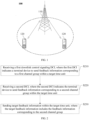
- FIG. 1 is a schematic diagram of a communication system applied in an embodiment of the present disclosure.
- the communication system 100 may include a network device 110, and the network device 110 may be devices communicate with a terminal device 120 (or called a communication terminal or terminal).
- the network device 110 may provide communication coverage for a specific geographic area, and may communicate with terminal devices located within the coverage area.
- the network device 110 may be a base transceiver station (BTS) in a GSM system or a CDMA system, a NodeB (NB) in a WCDMA system, an evolutional Node B (eNB or eNodeB)in an LTE system or a wireless controller in a cloud radio access network CRAN), or the network equipment can be a mobile switching center, a relay station, an access point, a vehicle-mounted device, a wearable device, a hub, a switch, a bridge, a router, a network equipment in the 5G network or in a public land mobile network (PLMN) of future evolution and so forth.
- BTS base transceiver station
- NB NodeB
- eNB or eNodeB evolutional Node B
- LTE Long Term Evolutional Node B
- CRAN cloud radio access network
- the network equipment can be a mobile switching center, a relay station, an access point, a vehicle-mounted device, a wearable device, a hub,
- the communication system 100 further includes at least one terminal device 120 located within a coverage of the network device 110.
- terminal device includes, but is not limited to, connection via wired lines, such as connection via public switched telephone networks (PSTN), digital subscriber line (DSL), digital cables and direct cable; and/or via another data connection/network; and/or via wireless interfaces, such as cellular networks, wireless local area networks (WLAN), digital TV networks (e.g., DVB-H networks), satellite networks and AM-FM broadcast transmitter; and/or another apparatus of other terminal device that is set to receive/send communication signals; and/or internet of things (IoT) devices.
- PSTN public switched telephone networks
- DSL digital subscriber line
- wireless interfaces such as cellular networks, wireless local area networks (WLAN), digital TV networks (e.g., DVB-H networks), satellite networks and AM-FM broadcast transmitter; and/or another apparatus of other terminal device that is set to receive/send communication signals; and/or internet of things (IoT) devices.
- IoT
- a terminal device set to communicate through a wireless interface may be referred to as a "wireless communication terminal", a “wireless terminal” or a “mobile terminal”.
- mobile terminals include, but are not limited to, satellite or cellular phones; personal communications system (PCS) terminals that can combine cellular radio phones with data processing, fax and data communication capabilities; which can include radio phones, pagers, Internet/intranet access, Web browser, memo pad, calendar, and/or PAD of a global positioning system (GPS) receiver; as well as conventional laptop and/or palmtop receivers or others electronic devices including radio telephone transceivers.
- PCS personal communications system
- GPS global positioning system
- the terminal device can refer to access terminals, user equipment (UE), user units, user stations, mobile stations, mobile platforms, remote stations, remote terminals, mobile equipment, user terminals, terminals, wireless communication equipment, user agents, or user apparatus.
- the access terminal can be cellular phones, cordless phones, session initiation protocol (SIP) phones, wireless local loop (WLL) stations, personal digital assistants (PDA), handheld devices with wireless communication function, computing devices or other processing devices connected to wireless modems, vehicle-mounted devices, wearable devices, terminal devices in 5G networks, or terminal devices in the future evolution of PLMN and so forth.
- a device to device (D2D) communication may be performed between the terminal devices 120, that is, the technical solution provided in the present disclosure may also be applied to a communication between two terminal devices.
- D2D device to device
- a 5G system or 5G network may also be referred to as a new radio (NR) system or NR network.
- NR new radio
- FIG. 1 exemplarily shows one network device and two terminal devices.
- the communication system 100 may include multiple network devices and other numbers of terminal devices may be located within the coverage of each network device, which are not limited in the embodiment of the present disclosure.
- the network device may be the access device, for example, it may be the access device in an NR-U system, such as a next generation Node B (gNB) of the new radio access technology (NR) in 5G, a small station or a micro station, it may also be a relay station, a transmission and reception point (TRP), a road side unit (RSU) and so forth.
- gNB next generation Node B
- NR new radio access technology
- 5G new radio access technology
- small station or a micro station it may also be a relay station, a transmission and reception point (TRP), a road side unit (RSU) and so forth.
- TRP transmission and reception point
- RSU road side unit
- the terminal device may also be referred to as the mobile terminal, the user equipment (UE), the access terminal, the user unit, the user station, the mobile station, the mobile platform, the user terminal, the terminal, the wireless communication equipment, the user agent or the user apparatus.
- UE user equipment
- the terminal device may be a smart phone, the cellular phone, the cordless phone, the personal digital assistant (PDA) device, the handheld device with wireless communication function or other processing devices connected to the wireless modem, the vehicle-mounted device, the wearable device and so forth.
- the terminal device has an interface for communicating with the network device (for example, the cellular network).
- the communication system 100 may also include other network entities such as a network controller and a mobility management entity, which are not limited in the embodiment of the present disclosure.
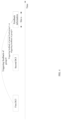
- FIG. 2 is a schematic flowchart of a first embodiment of an information transmission method provided by an embodiments of the application.
- the information transmission method can be applied between a network device and a terminal device, and specifically includes the following steps: S210: receiving a first downlink control information DCI, where the first DCI indicates the terminal device to send feedback information corresponding to a first channel group within a target time unit.
- the terminal device receives the first DCI sent by the network device, and the first DCI indicates the terminal device to send feedback information, such as ACK/NACK feedback information, corresponding to the first channel group to the network device within the target time unit.
- the first DCI contains one bit information, which is used to indicate the feedback information of which channel group the terminal device sends within the target time unit.
- a value of the bit information is "0" it means that the terminal device sends the feedback information of the channel group to which a PDSCH scheduled by the current DCI belongs within the target time unit, or means the feedback information of the channel group to which a PDCCH carrying the DCI belongs, and the value of the bit information is "1" means that the feedback information of the two channel groups is triggered to be transmitted.
- target time unit may be a slot, or other appropriate time-domain transmission units such as subframes, symbols and so forth, which are not specifically limited in the present disclosure.
- the number of the first channel group is one or more.
- the first channel group may be channel group 0 or channel group 1, or may be channel group 0 and channel group 1.
- S220 receiving a second DCI, where the second DCI indicates the terminal device to send feedback information corresponding to a second channel group within the target time unit.
- the terminal device receives the second DCI sent by the network device, and the second DCI indicates the terminal device to send feedback information corresponding to the second channel group within the target time unit, the second DCI may be a DCI received after receiving the first DCI.
- the receiving time of the second DCI is after the receiving time of the first DCI, but which is not limited in the embodiment of the present disclosure, and the receiving time of the second DCI may also be before the receiving time of the first DCI, which are not specifically limited in the present disclosure.
- the number of the second channel group is one or more.
- the second channel group may be channel group 0 or channel group 1, or channel group 0 and channel group 1.
- S230 sending target feedback information within the target time unit, where the target feedback information includes the feedback information corresponding to the second channel group.
- the terminal device sends the target feedback information to the network device through a physical uplink control channel (PUCCH) within the target time unit, where the target feedback information includes the feedback information corresponding to the second channel group.
- PUCCH physical uplink control channel
- the target feedback information includes the feedback information corresponding to the second channel group. For example, if the second channel group is channel group 0 or channel group 1, the target feedback information includes the feedback information corresponding to the channel group 0 or channel group 1; if the second channel is channel group 0 and channel group 1, the target feedback information includes the feedback information corresponding to the channel group 0 and channel group 1.
- the terminal device sends the target feedback information through the PUCCH is taking as an example, it should be understood by those skilled in the art that in the example embodiments of the present disclosure, the physical uplink shared channel (PUSCH) may also be used to send the target feedback information, which are not specifically limited in the present disclosure.
- PUSCH physical uplink shared channel
- the terminal device when the terminal device receives the first DCI and the second DCI sent by the network device, it sends the feedback information corresponding to the channel group indicated by the second DCI to the network device, even if the two DCI indicates to feed back the feedback information of different channel groups for the same time unit, and the consistent understandings for transmission channels and the feedback information between the network device and the terminal device can still be ensured, so as to ensure that the network device can receive the feedback information of the terminal device correctly, and then can improve a transmission performance of uplink control information and improve a communication efficiency of a communication system.
- a transmission resource for example, PUCCH resource
- the transmission resource for sending the target feedback information can be determined in one of the following two manners.
- the terminal device determines a target transmission resource based on indication information in the second DCI, where the target transmission resource is used to send the target feedback information, and the target transmission resource is located within the target time unit in a time domain. For example, the terminal device determines a target PUCCH based on a PUCCH resource indicator information field in the second DCI, where the target PUCCH is used to send the target feedback information to the network device within the target time unit. After the target transmission resource is determined, the target feedback information is sent to the network through the target transmission resource within the target time unit.
- the terminal device determines the target transmission resource based on a number of the target feedback information bits and the indication information in the second DCI, where the target transmission resource is used to send the target feedback information, and the target transmission resource is located within the target time unit in the time domain. For example, after determining the target time unit (for example, a slot) for transmitting the feedback information, the terminal device determines a total number of the feedback information bits transmitted within the target time unit, and determines a PUCCH resource set from a pre-configured PUCCH resource sets according to the total number of the feedback information bits.
- the target time unit for example, a slot
- the network device configures a maximum of 4 PUCCH resource sets (or called a PUCCH resource group) through high-level signaling, and each PUCCH resource set includes a maximum of 16 PUCCH resources.
- a range of the number of uplink control information (UCI) bits carried by each of the PUCCH resource set is different, specifically as follows:
- the terminal device determines a PUCCH resource set according to the number of the feedback information bits in UCI information to be transmitted. Then, a PUCCH resource actually used is obtained from the PUCCH resource set according to an indication of PUCCH resource indicator (resource indicator) information field in the DCI.
- PUCCH resource indicator resource indicator
- the second channel group indicated by the second DCI includes the first channel group indicated by the first DCI
- the target feedback information is the feedback information corresponding to the second channel group. For example, if the first channel group is channel group 0, the second channel group is channel group 0 and 1, or the second channel group is channel group 0. If the first channel group is channel group 0, and the second channel group is channel group 0 or 1, the target feedback information is the feedback information corresponding to channel group 0 or 1. If the first channel group is channel group 0, and the second channel group is channel group 0, the target feedback information is the feedback information corresponding to channel group 0.
- the target feedback information can be sent to the network device through one of the following manners.
- the terminal device determines a first transmission resource according to the indication information in the first DCI, and determines a second transmission resource according to the indication information in the second DCI; if the first transmission resource and the second transmission resource do not overlap (for example, do not overlap in a time domain and/or a frequency domain), the terminal device sends the feedback information corresponding to the first channel group through the first transmission resource within the target time unit, and sends the feedback information corresponding to the second channel group through the second transmission resource within the target time unit.
- the terminal device determines the first transmission resource according to the number of the feedback information bits corresponding to the first channel group and the indication information in the first DCI; and determines the second transmission resource according to the number of the feedback information bits corresponding to the second channel group and the indication information in the second DCI; if the first transmission resource and the second transmission resource do not overlap (for example, do not overlap in the time domain and/or the frequency domain ), the terminal device sends the feedback information corresponding to the first channel group through the first transmission resource within the target time unit; and sends the feedback information corresponding to the second channel group through the second transmission resource within the target time unit.
- the terminal device determines the first transmission resource according to the indication information in the first DCI, and determines the second transmission resource according to the indication information in the second DCI; if the first transmission resource overlaps the second transmission resource (for example, overlaps in the time domain), the terminal device sends the target feedback information through the second transmission resource within the target time unit.
- the terminal device determines the first transmission resource according to the number of the feedback information bits corresponding to the first channel group and the indication information in the first DCI; and determines the second transmission resource according to the number of the feedback information bits corresponding to the second channel group and the indication information in the second DCI. If the first transmission resource overlaps the second transmission resource (for example, overlaps in the time domain), the terminal device determines a third transmission resource according to a total number of the target feedback information bits and the indication information in the second DCI, sends the target feedback information to the network device through the third transmission resource within the target time unit, the target feedback information includes the feedback information corresponding to the first channel group and the feedback information corresponding to the second channel group.
- first transmission resource and the second transmission resource may partially or completely overlap, which is not specifically limited in the present disclosure.
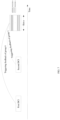
- FIG. 3 is a schematic flowchart of a second embodiment of an information transmission method provided by an embodiment of the present disclosure.
- a network device sends a first DCI to a terminal device, and the first DCI indicates the terminal device to send feedback information corresponding to a first channel group within a target time unit.
- the target time unit may be a slot, or may be other appropriate time domain transmission units such as subframes, symbols and so forth, which are not specifically limited in the present disclosure.
- the number of the first channel group is one or more.
- the first channel group may be channel group 0 or channel group 1, or may be channel group 0 and channel group 1.
- step S320 the terminal device receives the first DCI sent by the network device.
- step S330 the network device sends a second DCI to the terminal device, and the second DCI indicates the terminal device to send feedback information corresponding to a second channel group within the target time unit.
- the second DCI may be a DCI received after receiving the first DCI, and a format of the second DCI is one of DCI format 1_1, DCI format 1_2, DCI format 0_1, and DCI format 0_2.
- receiving time of the second DCI is after the receiving time of the first DCI, but which is not limited in the embodiment of the present disclosure, and the receiving time of the second DCI may also be before the receiving time of the first DCI, which are not specifically limited in the present disclosure.
- the number of the second channel group is one or more.
- the second channel group may be channel group 0 or channel group 1, or channel group 0 and channel group 1.
- step S340 the terminal device receives the second DCI sent by the network device.
- step S350 the terminal device sends target feedback information to the network device within the target time unit, where the target feedback information includes the feedback information corresponding to the second channel group.
- the terminal device sends the target feedback information to the network device through the PUCCH within the target time unit, and the target feedback information includes the feedback information corresponding to the second channel group.
- the target feedback information includes the feedback information corresponding to the channel group 0 or channel group 1; if the second channel is channel group 0 and channel group 1, the target feedback information includes the feedback information corresponding to the channel group 0 and channel group 1.
- step S360 the network device receives the target feedback information sent by the terminal device within the target time unit.
- Case 1 The terminal device receives the first DCI, where the first DCI indicates the terminal device to send the feedback information of the first channel group within the target time unit; and the terminal device receives the second DCI, where the second DCI indicates the terminal device to send the feedback information of the second channel group within the target time unit.
- transmission time of the second DCI is after the transmission time of the first DCI, and the second channel group includes the first channel group.
- the terminal device sends the feedback information corresponding to the second channel group within the target time unit.
- the terminal device uses physical resources, such as PUCCH resources or PUSCH resources, indicated by the second DCI to transmit the feedback information corresponding to the second channel group.
- the second DCI is not the DCI format 1_0 or the DCI format 0_0; or the second DCI is one of the DCI format 1_1, DCI format 0_1, DCI format 1_2 and DCI format 0_2.
- the DCI performs an increment to trigger channel groups, that is, the channel group that be triggered to feed back by the DCI transmitted later is the same as the channel group that be triggered to feed back by the DCI transmitted earlier, or the channel group that be triggered to feed back by the DCI transmitted later adds a new feedback channel group on the basis of the channel group that be triggered to feed back by the DCI transmitted earlier.
- the terminal device does not expect that the channel group that be triggered to feed back by the DCI transmitted later does not include the channel group that be triggered to feed back by the DCI transmitted earlier. For example, if the first channel group is channel group 0, the second channel group is channel groups 0 and 1, or the second channel group is channel group 0.
- the information transmission method in the exemplary embodiment of the Case 1 will be described in detail below with reference to FIG. 4 .
- the first DCI is transmitted earlier, which triggers the terminal device to send the feedback information, that is, ACK/NACK information corresponding to channel group 0 in the slot n.
- the second DCI is transmitted after the first DCI, and the second DCI triggers the terminal device to send one of the following two types of the feedback information in the slot n:
- the terminal device uses the PUCCH resource indicated by the second DCI to transmit the ACK/NACK information corresponding to the channel group 0; or, the terminal device determines the number of ACK/NACK information bits corresponding to the channel group 0, and the terminal device determines the PUCCH resource according to the number of bits and an indication of the PUCCH resource indicator information field in the second DCI.
- the terminal uses the PUCCH resource indicated by the second DCI to transmit the ACK/NACK information corresponding to the channel group 0 and channel group 1; or, the terminal device determines the number of ACK/NACK information bits corresponding to the channel group 0 and channel group 1, and the terminal device determines the PUCCH resource according to the number of bits and the indication of the PUCCH resource indicator information field in the second DCI.
- Case 2 the terminal device receives the first DCI, where the first DCI indicates the terminal device to send the feedback information of the first channel group within the target time unit; and the terminal device receives the second DCI, where the second DCI indicates the terminal device to send the feedback information of the second channel group within the target time unit.
- the transmission time of the second DCI is after the transmission time of the first DCI, and the second channel group does not include the first channel group.
- the terminal device determines the PUCCH resource within the target time unit according to the second DCI, and the terminal device uses the determined PUCCH resource to transmit the ACK/NACK information corresponding to the first channel group and the second channel group; or, the terminal device uses the determined PUCCH resource to transmit the ACK/NACK information corresponding to the second channel group.
- the ACK/NACK information corresponding to the first channel group will not be transmitted within the target time unit.
- the format of the second DCI is DCI format 1_0 or DCI format 0_0.
- the first DCI is transmitted earlier, which triggers the terminal device to send the ACK/NACK information corresponding to the channel group 0 in the slot n.
- the second DCI is transmitted after the first DCI, and the second DCI triggers the terminal device to send the ACK/NACK information corresponding to the channel group 1 in the slot n.
- Case 3 the terminal device receives the first DCI, the first DCI indicates the terminal device to send the feedback information of the first channel group within the target time unit; the terminal device receives the second DCI, and the second DCI indicates the terminal device to send the feedback information of the second channel group within the target time unit, and the second channel group is different from the first channel group.
- the transmission time of the second DCI is after the transmission time of the first DCI, and the second channel group does not include the first channel group.
- the terminal device determines the first PUCCH resource within the target time unit according to the first DCI.
- the terminal device determines the second PUCCH resource within the target time unit according to the second DCI.
- Case 3 the following two embodiments are included:
- the first DCI is transmitted earlier, which triggers the terminal device to send the ACK/NACK information of channel group 0 in the slot n.
- the terminal device determines a PUCCH 0 in the slot n according to an indication of the PUCCH resource indicator information field in the first DCI, or the terminal device determines the PUCCH 0 in the slot n according to the number of ACK/NACK bits corresponding to the channel group 0 and the indication of the PUCCH resource indicator information field in the first DCI.
- the second DCI is transmitted after the first DCI, and the second DCI triggers the terminal device to send the ACK/NACK information of the channel group 1 in the slot n.
- the terminal device determines a PUCCH 1 in the slot n according to the indication of the PUCCH resource indicator information field in the second DCI, or the terminal device determines the PUCCH 1 in the slot n according to the number of ACK/NACK bits corresponding to the channel group 1 and the indication of the PUCCH resource indicator information field in the second DCI.
- the PUCCH 0 and the PUCCH 1 occupy different time domain symbols for transmission, that is, the time domain does not overlap.
- the terminal device uses the PUCCH 0 to transmit the ACK/NACK information corresponding to the channel group 0, and uses the PUCCH 1 to transmit the ACK/NACK information corresponding to the channel group 1.
- the PUCCH 0 and the PUCCH 1 occupy different frequency domain resources for transmission, that is, the frequency domains do not overlap.
- the terminal device uses the PUCCH 0 to transmit the ACK/NACK information corresponding to the channel group 0, and uses the PUCCH 1 to transmit the ACK/NACK information corresponding to the channel group 1.
- the first DCI is transmitted earlier, which triggers the terminal device to send the ACK/NACK information corresponding to the channel group 0 in slot n.
- the terminal device determines to obtain PUCCH 0 in the slot n according to the indication of the PUCCH resource indicator information field in the first DCI, or the terminal device determines to obtain the PUCCH 0 in the slot n according to a number of ACK/NACK bits corresponding to the channel group 0 and the indication of the PUCCH resource indicator information field in the first DCI.
- the second DCI is transmitted after the first DCI, and the second DCI triggers the terminal device to send the ACK/NACK information of the channel group 1 in the slot n.
- the terminal device determines to obtain PUCCH 1 in the slot n according to the indication of the PUCCH resource indicator information field in the second DCI, or the terminal device determines to obtain the PUCCH 1 in the slot n according to a number of the ACK/NACK bits corresponding to the channel group 1 and the indication of the PUCCH resource indicator information field in the second DCI.
- the terminal device sends the feedback information in one of the following two manners:
- the terminal device when the terminal device receives the first DCI and the second DCI sent by the network device, it sends the feedback information corresponding to the channel group indicated by the second DCI to the network device, or sends the feedback information corresponding to the channel groups indicated by the first DCI and the second DCI to the network device, even if two DCIs indicate to feed back the feedback information of different channel groups for the same time unit, the consistent understandings of the transmission channels and the feedback information between the network device and the terminal device can still be ensured, which can ensure that the network device can receive the feedback information of the terminal device correctly, thereby improving the transmission performance of the uplink control information and improving the communication efficiency of the communication system.
- FIG. 9 is a schematic flowchart of an eighth embodiment of an information transmission method provided by an embodiment of the present disclosure.
- the information transmission method is applied to a network terminal, and the information transmission method includes steps S910 to S930.
- the information transmission method will be described in detail below with reference to the drawings.
- step S910 sending a first downlink control information DCI, and the first DCI indicates the terminal device to send feedback information corresponding to a first channel group within a target time unit;
- a transmission time of the second DCI is after the transmission time of the first DCI.
- the second channel group includes the first channel group.
- the second DCI is one of DCI format 1_1, DCI format 1_2, DCI format 0_1, and DCI format 0_2.
- the second channel group does not include the first channel group
- the target feedback information further includes the feedback information corresponding to the first channel group
- the receiving the target feedback information sent within the target time unit includes: receiving the target feedback information sent through a target transmission resource, where the target transmission resource is determined according to the second DCI, and the target transmission resource is located within the target time unit in a time domain.
- the receiving the target feedback information sent within the target time unit includes: receiving the target feedback information sent through the target transmission resource, where the target transmission resource is determined according to the number of the target feedback information bits and the second DCI, the target transmission resource is located within the target time unit in the time domain.
- the second channel group does not include the first channel group
- the receiving the target feedback information sent within the target time unit includes: receiving the feedback information corresponding to the first channel group sent through a first transmission resource within the target time unit; receiving the feedback information corresponding to the second channel group sent through a second transmission resource within the target time unit, where the first transmission resource and the second transmission resource do not overlap, the first transmission resource is determined according to the first DCI, or the first transmission resource is determined according to a number of the feedback information bits corresponding to the first channel group and the first DCI; the second transmission resource is determined according to the second DCI, or the second transmission resource is determined according to the number of the feedback information bits corresponding to the second channel group and the second DCI OK.
- the second channel group does not include the first channel group
- the receiving the target feedback information sent within the target time unit includes: receiving the target feedback information sent through the second channel within the target time unit, where the first transmission resource overlaps the second transmission resource, and the first transmission resource is determined according to the first DCI, or the first transmission resource is determined according to the number of the feedback information bits corresponding to the first channel group and the first DCI; the second transmission resource is determined according to the second DCI, or the second transmission resource is determined according to the number of the feedback information bits corresponding to the second group and the second DCI.
- the second channel group does not include the first channel group
- the receiving the target feedback information sent within the target time unit includes: receiving the target feedback information sent through the a transmission resource within the target time unit, where the target feedback information further includes the feedback information corresponding to the first channel group, and the third transmission resource is determined according to the total number of the target feedback information bits and the second DCI, the first transmission resource overlaps the second transmission resource, the first transmission resource is determined according to the first DCI, and the second transmission resource is determined according to the number of the feedback information bits corresponding to the second channel group and the second DCI.
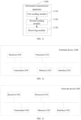
- FIG. 10 is a schematic structural diagram of a first embodiment of an information transmission apparatus according to an embodiment of the present disclosure.
- the information transmission apparatus 1000 is applied to a terminal device, and the information transmission apparatus 1000 includes: a first receiving module 1010, configured to receive a first downlink control information DCI, the first DCI indicates the terminal device to send feedback information corresponding to a first channel group within a target time unit; a second receiving module 1020, configured to receive a second DCI, the second DCI indicates the terminal device to send feedback information corresponding to a second channel group within the target time unit; a sending module 1030, configured to send target feedback information within the target time unit, where the target feedback information includes the feedback information corresponding to the second channel group.
- a first receiving module 1010 configured to receive a first downlink control information DCI
- the first DCI indicates the terminal device to send feedback information corresponding to a first channel group within a target time unit
- a second receiving module 1020 configured to receive a second DCI, the second DCI indicates the terminal device to
- receiving time of the second DCI is after the receiving time of the first DCI.
- the second channel group includes the first channel group.
- the second DCI is one of DCI format 1_1, DCI format 1_2, DCI format 0_1, and DCI format 0_2.
- the second channel group does not include the first channel group
- the target feedback information further includes the feedback information corresponding to the first channel group
- the apparatus further includes: a first channel determining module, configured to determine a target transmission resource according to the second DCI, where the target transmission resource is located within the target time unit in a time domain, the target transmission resource is used to send the target feedback information.
- the apparatus further includes: a second channel determining module, configured to determine the target transmission resource according to a number of the target feedback information bits and the second DCI, where the target transmission resource is located within the target time unit in the time domain, and the target transmission resource is used to send the target feedback information.
- a second channel determining module configured to determine the target transmission resource according to a number of the target feedback information bits and the second DCI, where the target transmission resource is located within the target time unit in the time domain, and the target transmission resource is used to send the target feedback information.
- the second channel group does not include the first channel group
- the target feedback information further includes feedback information corresponding to the first channel group
- the sending module includes: a first sending unit, configured to send the feedback information corresponding to the first channel group through a first transmission resource within the target time unit if the first transmission resource and the second transmission resource do not overlap; a second sending unit, configured to send the feedback information corresponding to the second channel group through a second transmission resource within the target time unit, where the first transmission resource is determined according to indication information in the first DCI, or the first transmission resource is determined according to the number of the feedback information bits corresponding to the first channel group and the indication information in the first DCI, and the second transmission resource is determined according to the indication information in the second DCI, or the second transmission resource is determined according to the number of the feedback information bits corresponding to the second channel group and the indication information in the second DCI.
- the sending module includes: a third sending unit, configured to send the target feedback information through the second transmission resource within the target time unit the first transmission resource overlaps the second transmission resource, where the first transmission resource is determined according to the indication information in the first DCI, or the first transmission resource is determined according to the number of the feedback information bits corresponding to the first channel group and the indication information in the first DCI, the second transmission resource is determined according to the indication information in the second DCI, or the second transmission resource is determined according to the number of the feedback information bits corresponding to the second channel group and the indication information in the second DCI.
- the sending module includes: a fourth sending unit, configured to send the target feedback information through a third transmission resource within the target time unit if the first transmission resource overlaps the second transmission resource, and the target feedback information further includes the feedback information corresponding to the first channel group, the first transmission resource is determined according to the indication information in the first DCI, the second transmission resource is determined according to the number of the feedback information bits corresponding to the second channel group and the indication information in the second DCI, and the third transmission resource is determined according to a total number of the target feedback information bits and the indication information in the second DCI.
- the information transmission apparatus provided by any of the foregoing embodiments is used to implement the technical solution on the terminal device side in any of the foregoing method embodiments, and its implementation principles and technical effects are similar, which will not be repeated herein.
- FIG. 11 is a schematic structural diagram of a first Embodiment of an information transmission apparatus according to an embodiment of the application.
- the information transmission apparatus 1100 is applied to a network device, and the information transmission apparatus 1100 includes: a first sending module 1110, configured to send a first downlink control information DCI, the first DCI indicates a terminal device to send feedback information corresponding to a first channel group within a target time unit; a second sending module 1120, configured to send a second DCI, the second DCI indicates the terminal device to send the feedback information corresponding to a second channel group within the target time unit, and a receiving module 1130, configured to receive target feedback information sent within the target time unit, where the target feedback information includes the feedback information corresponding to the second channel group.
- a first sending module 1110 configured to send a first downlink control information DCI
- the first DCI indicates a terminal device to send feedback information corresponding to a first channel group within a target time unit
- a second sending module 1120 configured to send a second DCI,
- transmission time of the second DCI is after the transmission time of the first DCI.
- the second channel group includes the first channel group.
- the second DCI is one of DCI format 1_1, DCI format 1_2, DCI format 0_1, and DCI format 0_2.
- the second channel group does not include the first channel group
- the target feedback information further includes the feedback information corresponding to the first channel group
- the receiving module includes: a first receiving unit, configured to receive the target feedback information sent through a target transmission resource, the target transmission resource is determined according to the second DCI, and the target transmission resource is located within a target time unit in a time domain.
- the receiving module includes: a second receiving unit, configured to receive the target feedback information sent through the target transmission resource, the target transmission resource is determined according to a number of the target feedback information bits and the second DCI, and the target transmission resource is located within the target time unit in the time domain.
- the second channel group does not include the first channel group
- the target feedback information further includes the feedback information corresponding to the first channel group
- the receiving module includes: a third receiving unit, configured to receive the feedback information corresponding to the first channel group sent through a first transmission resource within the target time unit; a fourth receiving unit, configured to receive the feedback information corresponding to the second channel group sent through a second transmission resource within the target time unit, where the first transmission resource and the second transmission resource do not overlap, and the first transmission resource is determined according to the first DCI, or the first transmission resource is determined according to the number of the feedback information bits corresponding to the first channel group and the first DCI, the second transmission resource is determined according to the second DCI, or the second transmission resource is determined according to the number of the feedback information bits corresponding to the second channel group and the second DCI.
- the second channel group does not include the first channel group
- the receiving module includes: a fifth receiving unit, configured to receive the target feedback information sent through the second transmission resource within the target time unit, where the first transmission resource overlaps the second transmission resource, the first transmission resource is determined according to the first DCI, or the first transmission resource is determined according to the number of the feedback information bits corresponding to the first channel group and the first DCI, the second transmission resource is determined according to the second DCI, or the second transmission resource is determined according to the number of the feedback information bits corresponding to the second channel group and the second DCI.
- the second channel group does not include the first channel group
- the receiving module includes: a sixth receiving unit, configured to receive the target feedback information sent through a third transmission resource within the target time unit, where the target feedback information further includes the feedback information corresponding to the first channel group, and the third transmission resource is determined according to a total number of the target feedback information bits and the second DCI, the first transmission resource overlaps the second transmission resource, the first transmission resource is determined according to the first DCI, and the second transmission resource is determined according to the number of the feedback information bits corresponding to the second channel group and the second DCI.
- the information transmission apparatus provided in any of the foregoing embodiments is used to implement the technical solution on the network device side in any of the foregoing method embodiments, and its implementation principles and technical effects are similar, which will not be elaborate herein.
- FIG. 12 is a schematic structural diagram of a first embodiment of a terminal device according to an embodiment of the present disclosure. As shown in FIG. 12 , the terminal device 1200 includes:
- FIG. 13 is a schematic structural diagram of a first embodiment of a network device provided by an embodiment of the present disclosure.
- the network device 1300 includes: a processor 1310, a memory 1320, a transmitter 1340 and an interface 1350 for communicating with a terminal device; in an implementation, the network device 1300 further includes a receiver 1330;
- the memory, the processor and the interface may be connected by a bus; in an implementation, the memory may be integrated inside the processor.
- the present disclosure also provides a computer-readable storage medium in which stores computer-executable indications, and the computer-executable indications are used to implement technical solutions on a terminal device side in any of the foregoing method embodiments when executed by a processor.
- the present disclosure also provides a computer-readable storage medium in which stores computer-executable indications, and the computer-executable indications are used to implement technical solutions on a network device side in any of the foregoing method embodiments when executed by a processor.
- Embodiments of the present disclosure also provide a computer program product, including program indications, and the program indications are used to implement technical solutions on a terminal device side in the foregoing method embodiments.
- Embodiments of the present disclosure also provide a computer program product, including program indications, and the program indications are used to implement technical solutions on a network device side in the foregoing method embodiments.
- Embodiments of the present disclosure also provides a chip, including a processing module and a communication interface, and the processing module can execute technical solutions on a terminal device in the foregoing method embodiment.
- the chip further includes a storage module (such as a memory), the storage module is used to store indications, the processing module is used to execute the indications stored in the storage module, and an execution of the indications stored in the storage module causes the processing module to execute technical solutions on the terminal device side.
- a storage module such as a memory
- the storage module is used to store indications
- the processing module is used to execute the indications stored in the storage module
- an execution of the indications stored in the storage module causes the processing module to execute technical solutions on the terminal device side.
- the embodiment of the present disclosure further provides a chip, including a processing module and a communication interface, and the processing module can execute technical solutions on a network device side in the foregoing method embodiment.
- the chip further includes a storage module (such as a memory), the storage module is used to store indications, the processing module is used to execute the indications stored in the storage module, and an execution of the indications stored in the storage module causes the processing module to execute technical solutions on the network device side.
- a storage module such as a memory
- the storage module is used to store indications
- the processing module is used to execute the indications stored in the storage module
- an execution of the indications stored in the storage module causes the processing module to execute technical solutions on the network device side.
- the disclosed system, apparatus and method may be implemented in other ways.
- the apparatus embodiments described above are merely illustrative, for example, a division of units is only a logical function division, and there may be other divisions in actual implementation, for example, multiple units or components can be combined or integrated into another system; or some features can be ignored, or not implemented.
- the displayed or discussed mutual coupling or direct coupling or communication connection may be indirect coupling or communication connection through some interfaces, apparatus or units, and may be in electrical, mechanical or other forms.
- a processor may be a central processing unit (CPU), or may be other general-purpose processors, digital signal processor (DSP), application specific integrated circuit (ASIC), and so forth.
- the general-purpose processor may be a microprocessor or the processor may also be any conventional processor and so forth. Steps of the method disclosed in the present disclosure may be directly embodied as being executed and completed by a hardware processor, or executed and completed by a combination of hardware and software modules in the processor.
- All or part of the steps in the foregoing method embodiments can be implemented by a program indication relevant hardware.
- the foregoing program can be stored in a readable memory.
- the program executes the steps including the foregoing method embodiments when executed; and the foregoing memory (storage medium) includes: read-only memory (ROM), random access memory (RAM), Flash memory, hard disk, solid state drive, magnetic tape, floppy disk, optical disk and any combination thereof.
Landscapes
- Engineering & Computer Science (AREA)
- Signal Processing (AREA)
- Computer Networks & Wireless Communication (AREA)
- Mobile Radio Communication Systems (AREA)
Claims (14)
- Informationsübertragungsverfahren, das auf eine Endgerätvorrichtung angewendet wird, wobei das Verfahren Folgendes umfasst:Empfangen (S210) erster Abwärtsstrecken-Steuerinformationen, DCI, wobei die ersten DCI der Endgerätvorrichtung angeben, Rückmeldungsinformationen, die einer ersten Abwärtsstrecken-Kanalgruppe entsprechen, innerhalb einer Ziel-Zeiteinheit zu senden;gekennzeichnet durchEmpfangen (S220) nach den ersten DCI zweiter DCI, wobei die zweiten DCI der Endgerätvorrichtung angeben, Rückmeldungsinformationen, die einer zweiten Abwärtsstrecken-Kanalgruppe entsprechen, innerhalb der Ziel-Zeiteinheit zu senden, wobei die zweite Abwärtsstrecken-Kanalgruppe die erste Abwärtsstrecken-Kanalgruppe und eine weitere Abwärtsstrecken-Kanalgruppe umfasst;Senden (S230) von Ziel-Rückmeldungsinformationen innerhalb der Ziel-Zeiteinheit, wobei die Ziel-Rückmeldungsinformationen die Rückmeldungsinformationen umfassen, die der zweiten Abwärtsstrecken-Kanalgruppe entsprechen.
- Verfahren nach Anspruch 1, wobei die Ziel-Zeiteinheit ein Schlitz oder wenigstens ein Symbol ist.
- Verfahren nach Anspruch 1 oder 2, wobei die zweiten DCI ein DCI-Format 1_1 sind.
- Informationsübertragungsverfahren, das auf eine Netzvorrichtung angewendet wird, wobei das Verfahren Folgendes umfasst:Senden (S910) erster Abwärtsstrecken-Steuerinformationen, DCI, wobei die ersten DCI einer Endgerätvorrichtung angeben, Rückmeldungsinformationen, die einer ersten Abwärtsstrecken-Kanalgruppe entsprechen, innerhalb einer Ziel-Zeiteinheit zu senden;gekennzeichnet durchSenden (S920) nach den ersten DCI zweiter DCI, wobei die zweiten DCI der Endgerätvorrichtung angeben, Rückmeldungsinformationen, die einer zweiten Abwärtsstrecken-Kanalgruppe entsprechen, innerhalb der Ziel-Zeiteinheit zu senden, wobei die zweite Abwärtsstrecken-Kanalgruppe die erste Abwärtsstrecken-Kanalgruppe und eine weitere Abwärtsstrecken-Kanalgruppe umfasst;Empfangen (S930) von Ziel-Rückmeldungsinformationen, die innerhalb der Ziel-Zeiteinheit gesendet werden, wobei die Ziel-Rückmeldungsinformationen die Rückmeldungsinformationen umfassen, die der zweiten Abwärtsstrecken-Kanalgruppe entsprechen.
- Verfahren nach Anspruch 4, wobei die Ziel-Zeiteinheit ein Schlitz oder wenigstens ein Symbol ist.
- Verfahren nach Anspruch 4 oder 5, wobei die zweiten DCI ein DCI-Format 1_1 sind.
- Informationsübertragungsvorrichtung (1000), die auf eine Endgerätvorrichtung angewendet wird, wobei die Vorrichtung Folgendes umfasst:ein erstes Empfangsmodul (1010), das konfiguriert ist, erste Abwärtsstrecken-Steuerinformationen, DCI, zu empfangen, wobei die ersten DCI der Endgerätvorrichtung angeben, Rückmeldungsinformationen, die einer ersten Abwärtsstrecken-Kanalgruppe entsprechen, innerhalb einer Ziel-Zeiteinheit zu senden;gekennzeichnet durchein zweites Empfangsmodul (1020), das konfiguriert ist, nach dem Empfangen der ersten DCI zweite DCI zu empfangen, wobei die zweiten DCI der Endgerätvorrichtung angeben, Rückmeldungsinformationen, die einer zweiten Abwärtsstrecken-Kanalgruppe entsprechen, innerhalb der Ziel-Zeiteinheit zu senden, wobei die zweite Abwärtsstrecken-Kanalgruppe die erste Abwärtsstrecken-Kanalgruppe und eine weitere Abwärtsstrecken-Kanalgruppe umfasst; undein Sendemodul (1030), das konfiguriert ist, Ziel-Rückmeldungsinformationen innerhalb der Ziel-Zeiteinheit zu senden, wobei die Ziel-Rückmeldungsinformationen die Rückmeldungsinformationen umfassen, die der zweiten Abwärtsstrecken-Kanalgruppe entsprechen.
- Vorrichtung (1000) nach Anspruch 7, wobei die Ziel-Zeiteinheit ein Schlitz oder wenigstens ein Symbol ist.
- Vorrichtung (1000) nach Anspruch 7 oder 8, wobei die zweiten DCI ein DCI-Format 1_1 sind.
- Informationsübertragungsvorrichtung (1100), die auf eine Netzvorrichtung angewendet wird, wobei die Vorrichtung Folgendes umfasst:ein erstes Sendemodul (1110), das konfiguriert ist, erste Abwärtsstrecken-Steuerinformationen, DCI, zu senden, wobei die ersten DCI einer Endgerätvorrichtung angeben, Rückmeldungsinformationen, die einer ersten Abwärtsstrecken-Kanalgruppe entsprechen, innerhalb einer Ziel-Zeiteinheit zu senden;ein zweites Sendemodul (1120), das konfiguriert ist, nach dem Senden der ersten DCI zweite DCI zu senden, wobei die zweiten DCI der Endgerätvorrichtung angeben, Rückmeldungsinformationen, die einer zweiten Abwärtsstrecken-Kanalgruppe entsprechen, innerhalb der Ziel-Zeiteinheit zu senden, wobei die zweite Abwärtsstrecken-Kanalgruppe die erste Abwärtsstrecken-Kanalgruppe und eine weitere Abwärtsstrecken-Kanalgruppe umfasst; undeine Empfangsmodul (1130), das konfiguriert ist, Ziel-Rückmeldungsinformationen, die innerhalb der Ziel-Zeiteinheit gesendet werden, zu empfangen, wobei die Ziel-Rückmeldungsinformationen die Rückmeldungsinformationen umfassen, die der zweiten Abwärtsstrecken-Kanalgruppe entsprechen.
- Vorrichtung (1100) nach Anspruch 10, wobei die Ziel-Zeiteinheit ein Schlitz oder wenigstens ein Symbol ist.
- Vorrichtung (1100) nach Anspruch 10 oder 11, wobei die zweiten DCI ein DCI-Format 1_1 sind.
- Computerlesbares Speichermedium, wobei das computerlesbare Speichermedium computerausführbare Anweisungen speichert und die computerausführbaren Anweisungen verwendet werden, um das Informationsübertragungsverfahren nach einem der Ansprüche 1 bis 3 zu implementieren, wenn sie durch einen Prozessor ausgeführt werden.
- Computerlesbares Speichermedium, wobei das computerlesbare Speichermedium computerausführbare Anweisungen speichert und die computerausführbaren Anweisungen verwendet werden, um das Informationsübertragungsverfahren nach einem der Ansprüche 4 bis 6 zu implementieren, wenn sie durch einen Prozessor ausgeführt werden.
Applications Claiming Priority (1)
| Application Number | Priority Date | Filing Date | Title |
|---|---|---|---|
| PCT/CN2019/124397 WO2021114108A1 (zh) | 2019-12-10 | 2019-12-10 | 信息传输方法、装置、设备及存储介质 |
Publications (3)
| Publication Number | Publication Date |
|---|---|
| EP4075904A1 EP4075904A1 (de) | 2022-10-19 |
| EP4075904A4 EP4075904A4 (de) | 2023-03-29 |
| EP4075904B1 true EP4075904B1 (de) | 2025-02-12 |
Family
ID=76329147
Family Applications (1)
| Application Number | Title | Priority Date | Filing Date |
|---|---|---|---|
| EP19955894.1A Active EP4075904B1 (de) | 2019-12-10 | 2019-12-10 | Informationsübertragungsverfahren und -gerät sowie vorrichtung und speichermedium |
Country Status (4)
| Country | Link |
|---|---|
| US (1) | US12267840B2 (de) |
| EP (1) | EP4075904B1 (de) |
| CN (2) | CN113273291A (de) |
| WO (1) | WO2021114108A1 (de) |
Families Citing this family (2)
| Publication number | Priority date | Publication date | Assignee | Title |
|---|---|---|---|---|
| EP4075904B1 (de) | 2019-12-10 | 2025-02-12 | Guangdong Oppo Mobile Telecommunications Corp., Ltd. | Informationsübertragungsverfahren und -gerät sowie vorrichtung und speichermedium |
| CN116684044A (zh) * | 2022-02-21 | 2023-09-01 | 大唐移动通信设备有限公司 | 一种信息处理方法、装置及可读存储介质 |
Family Cites Families (12)
| Publication number | Priority date | Publication date | Assignee | Title |
|---|---|---|---|---|
| BR112018072923A2 (pt) * | 2016-05-12 | 2019-02-19 | Huawei Tech Co Ltd | método de envio de mensagem de feedback, método, aparelho e meio de recebimento de mensagem de feedback |
| CN110392993B (zh) * | 2017-02-24 | 2021-03-09 | Oppo广东移动通信有限公司 | 传输反馈信息的方法、终端设备、网络设备和存储介质 |
| ES2893859T3 (es) * | 2017-03-20 | 2022-02-10 | Guangdong Oppo Mobile Telecommunications Corp Ltd | Método de transmisión de datos y dispositivo terminal |
| CA3074604C (en) * | 2017-09-05 | 2023-03-07 | Guangdong Oppo Mobile Telecommunications Corp., Ltd. | Information transmission method and related product |
| US11330569B2 (en) * | 2018-04-06 | 2022-05-10 | Apple Inc. | Multiplexing of multiple uplink control information types on an uplink physical control channel in new radio |
| WO2019204995A1 (zh) * | 2018-04-24 | 2019-10-31 | 北京小米移动软件有限公司 | 调度请求传输方法及装置和资源分配方法及装置 |
| US11139926B2 (en) * | 2018-05-10 | 2021-10-05 | FG Innovation Company Limited | User equipments, base stations and methods for physical downlink control channel monitoring in downlink |
| CN111431682B (zh) * | 2019-01-10 | 2022-02-08 | 华为技术有限公司 | 通信方法、通信装置及存储介质 |
| US11171745B2 (en) * | 2019-07-04 | 2021-11-09 | Qualcomm Incorporated | Group-based acknowledgment feedback techniques for wireless communications |
| US11632196B2 (en) * | 2019-07-18 | 2023-04-18 | Samsung Electronics Co., Ltd | System and method for providing dynamic hybrid automatic repeat request (HARQ) codebook with multiple valid unicast downlink control information (DCI) per monitoring occasion index per serving cell |
| AU2019474027B2 (en) * | 2019-11-15 | 2024-01-18 | Nec Corporation | Methods, devices and computer readable media for communication on unlicensed band |
| EP4075904B1 (de) | 2019-12-10 | 2025-02-12 | Guangdong Oppo Mobile Telecommunications Corp., Ltd. | Informationsübertragungsverfahren und -gerät sowie vorrichtung und speichermedium |
-
2019
- 2019-12-10 EP EP19955894.1A patent/EP4075904B1/de active Active
- 2019-12-10 WO PCT/CN2019/124397 patent/WO2021114108A1/zh not_active Ceased
- 2019-12-10 CN CN201980068733.XA patent/CN113273291A/zh active Pending
- 2019-12-10 CN CN202110772909.9A patent/CN113489578B/zh active Active
-
2021
- 2021-12-09 US US17/547,041 patent/US12267840B2/en active Active
Also Published As
| Publication number | Publication date |
|---|---|
| CN113273291A (zh) | 2021-08-17 |
| EP4075904A1 (de) | 2022-10-19 |
| EP4075904A4 (de) | 2023-03-29 |
| WO2021114108A1 (zh) | 2021-06-17 |
| CN113489578B (zh) | 2023-04-07 |
| US12267840B2 (en) | 2025-04-01 |
| US20220104247A1 (en) | 2022-03-31 |
| CN113489578A (zh) | 2021-10-08 |
Similar Documents
| Publication | Publication Date | Title |
|---|---|---|
| CN112655262B (zh) | 资源分配的方法、终端设备和网络设备 | |
| US12356346B2 (en) | Wireless communication method, terminal device and network device | |
| CN114339974B (zh) | 无线通信的方法、终端设备和网络设备 | |
| EP4024999A1 (de) | Kommunikationsverfahren, vorrichtung und speichermedium | |
| US20220070681A1 (en) | Method and device for transmitting uplink information on unlicensed carrier | |
| WO2020198983A1 (zh) | 一种用于非授权频谱的无线通信方法及装置、通信设备 | |
| KR20210151233A (ko) | 데이터 전송 방법, 단말기 디바이스 및 네트워크 디바이스 | |
| CN112703699A (zh) | 传输数据信道的方法和终端设备 | |
| TW202025838A (zh) | 通訊方法、終端設備和網路設備 | |
| US11758541B2 (en) | Information transmission method, terminal device and network device | |
| US12484050B2 (en) | Information transmission method and apparatus, and devices | |
| CN114287163A (zh) | 混合自动重传请求应答码本确定方法、装置及其设备 | |
| WO2022104755A1 (zh) | 一种随机接入方法、通信设备及存储介质 | |
| CN112119595B (zh) | 一种信号加扰方法及装置、通信设备 | |
| US12267840B2 (en) | Information transmission method, apparatus, device and storage medium | |
| WO2022236535A1 (en) | Uplink control information (uci) multiplexing for semi-persistent scheduling (sps) hybrid automatic repeat request (harq) skipping | |
| CN112449761B (zh) | 一种传输数据的方法和终端设备 | |
| WO2021207958A1 (zh) | 参考信号处理方法、装置及可读存储介质 | |
| US11533754B2 (en) | Control channel transmission method and device, and storage medium | |
| CN115065455A (zh) | 一种信号传输方法及装置、终端、网络设备 | |
| CN114375054A (zh) | 无线通信方法、装置和通信设备 | |
| CN111698062A (zh) | 无线通信方法和通信设备 | |
| CN113273274B (zh) | 无线通信的方法和设备 | |
| CN114270988A (zh) | 传输数据的方法、终端设备和网络设备 | |
| WO2022151266A1 (zh) | 一种媒体接入访问mac信令适用时间的确定方法和装置 |
Legal Events
| Date | Code | Title | Description |
|---|---|---|---|
| STAA | Information on the status of an ep patent application or granted ep patent |
Free format text: STATUS: THE INTERNATIONAL PUBLICATION HAS BEEN MADE |
|
| PUAI | Public reference made under article 153(3) epc to a published international application that has entered the european phase |
Free format text: ORIGINAL CODE: 0009012 |
|
| STAA | Information on the status of an ep patent application or granted ep patent |
Free format text: STATUS: REQUEST FOR EXAMINATION WAS MADE |
|
| 17P | Request for examination filed |
Effective date: 20211108 |
|
| AK | Designated contracting states |
Kind code of ref document: A1 Designated state(s): AL AT BE BG CH CY CZ DE DK EE ES FI FR GB GR HR HU IE IS IT LI LT LU LV MC MK MT NL NO PL PT RO RS SE SI SK SM TR |
|
| DAV | Request for validation of the european patent (deleted) | ||
| DAX | Request for extension of the european patent (deleted) | ||
| A4 | Supplementary search report drawn up and despatched |
Effective date: 20230223 |
|
| RIC1 | Information provided on ipc code assigned before grant |
Ipc: H04L 1/1829 20230101ALI20230217BHEP Ipc: H04W 72/12 20090101AFI20230217BHEP |
|
| RIC1 | Information provided on ipc code assigned before grant |
Ipc: H04L 1/1829 20230101ALI20230605BHEP Ipc: H04W 72/12 20090101AFI20230605BHEP |
|
| STAA | Information on the status of an ep patent application or granted ep patent |
Free format text: STATUS: EXAMINATION IS IN PROGRESS |
|
| 17Q | First examination report despatched |
Effective date: 20240304 |
|
| GRAP | Despatch of communication of intention to grant a patent |
Free format text: ORIGINAL CODE: EPIDOSNIGR1 |
|
| STAA | Information on the status of an ep patent application or granted ep patent |
Free format text: STATUS: GRANT OF PATENT IS INTENDED |
|
| INTG | Intention to grant announced |
Effective date: 20240906 |
|
| GRAJ | Information related to disapproval of communication of intention to grant by the applicant or resumption of examination proceedings by the epo deleted |
Free format text: ORIGINAL CODE: EPIDOSDIGR1 |
|
| STAA | Information on the status of an ep patent application or granted ep patent |
Free format text: STATUS: EXAMINATION IS IN PROGRESS |
|
| GRAP | Despatch of communication of intention to grant a patent |
Free format text: ORIGINAL CODE: EPIDOSNIGR1 |
|
| STAA | Information on the status of an ep patent application or granted ep patent |
Free format text: STATUS: GRANT OF PATENT IS INTENDED |
|
| GRAS | Grant fee paid |
Free format text: ORIGINAL CODE: EPIDOSNIGR3 |
|
| INTG | Intention to grant announced |
Effective date: 20241129 |
|
| GRAA | (expected) grant |
Free format text: ORIGINAL CODE: 0009210 |
|
| STAA | Information on the status of an ep patent application or granted ep patent |
Free format text: STATUS: THE PATENT HAS BEEN GRANTED |
|
| AK | Designated contracting states |
Kind code of ref document: B1 Designated state(s): AL AT BE BG CH CY CZ DE DK EE ES FI FR GB GR HR HU IE IS IT LI LT LU LV MC MK MT NL NO PL PT RO RS SE SI SK SM TR |
|
| REG | Reference to a national code |
Ref country code: GB Ref legal event code: FG4D |
|
| REG | Reference to a national code |
Ref country code: CH Ref legal event code: EP |
|
| REG | Reference to a national code |
Ref country code: DE Ref legal event code: R096 Ref document number: 602019066008 Country of ref document: DE |
|
| REG | Reference to a national code |
Ref country code: IE Ref legal event code: FG4D |
|
| P01 | Opt-out of the competence of the unified patent court (upc) registered |
Free format text: CASE NUMBER: APP_9785/2025 Effective date: 20250226 |
|
| REG | Reference to a national code |
Ref country code: NL Ref legal event code: MP Effective date: 20250212 |
|
| PG25 | Lapsed in a contracting state [announced via postgrant information from national office to epo] |
Ref country code: RS Free format text: LAPSE BECAUSE OF FAILURE TO SUBMIT A TRANSLATION OF THE DESCRIPTION OR TO PAY THE FEE WITHIN THE PRESCRIBED TIME-LIMIT Effective date: 20250512 |
|
| PG25 | Lapsed in a contracting state [announced via postgrant information from national office to epo] |
Ref country code: FI Free format text: LAPSE BECAUSE OF FAILURE TO SUBMIT A TRANSLATION OF THE DESCRIPTION OR TO PAY THE FEE WITHIN THE PRESCRIBED TIME-LIMIT Effective date: 20250212 |
|
| PG25 | Lapsed in a contracting state [announced via postgrant information from national office to epo] |
Ref country code: PL Free format text: LAPSE BECAUSE OF FAILURE TO SUBMIT A TRANSLATION OF THE DESCRIPTION OR TO PAY THE FEE WITHIN THE PRESCRIBED TIME-LIMIT Effective date: 20250212 |
|
| PG25 | Lapsed in a contracting state [announced via postgrant information from national office to epo] |
Ref country code: ES Free format text: LAPSE BECAUSE OF FAILURE TO SUBMIT A TRANSLATION OF THE DESCRIPTION OR TO PAY THE FEE WITHIN THE PRESCRIBED TIME-LIMIT Effective date: 20250212 |
|
| REG | Reference to a national code |
Ref country code: LT Ref legal event code: MG9D |
|
| PG25 | Lapsed in a contracting state [announced via postgrant information from national office to epo] |
Ref country code: IS Free format text: LAPSE BECAUSE OF FAILURE TO SUBMIT A TRANSLATION OF THE DESCRIPTION OR TO PAY THE FEE WITHIN THE PRESCRIBED TIME-LIMIT Effective date: 20250612 Ref country code: NO Free format text: LAPSE BECAUSE OF FAILURE TO SUBMIT A TRANSLATION OF THE DESCRIPTION OR TO PAY THE FEE WITHIN THE PRESCRIBED TIME-LIMIT Effective date: 20250512 |
|
| PG25 | Lapsed in a contracting state [announced via postgrant information from national office to epo] |
Ref country code: NL Free format text: LAPSE BECAUSE OF FAILURE TO SUBMIT A TRANSLATION OF THE DESCRIPTION OR TO PAY THE FEE WITHIN THE PRESCRIBED TIME-LIMIT Effective date: 20250212 |
|
| PG25 | Lapsed in a contracting state [announced via postgrant information from national office to epo] |
Ref country code: HR Free format text: LAPSE BECAUSE OF FAILURE TO SUBMIT A TRANSLATION OF THE DESCRIPTION OR TO PAY THE FEE WITHIN THE PRESCRIBED TIME-LIMIT Effective date: 20250212 |
|
| PG25 | Lapsed in a contracting state [announced via postgrant information from national office to epo] |
Ref country code: LV Free format text: LAPSE BECAUSE OF FAILURE TO SUBMIT A TRANSLATION OF THE DESCRIPTION OR TO PAY THE FEE WITHIN THE PRESCRIBED TIME-LIMIT Effective date: 20250212 Ref country code: PT Free format text: LAPSE BECAUSE OF FAILURE TO SUBMIT A TRANSLATION OF THE DESCRIPTION OR TO PAY THE FEE WITHIN THE PRESCRIBED TIME-LIMIT Effective date: 20250612 |
|
| PG25 | Lapsed in a contracting state [announced via postgrant information from national office to epo] |
Ref country code: BG Free format text: LAPSE BECAUSE OF FAILURE TO SUBMIT A TRANSLATION OF THE DESCRIPTION OR TO PAY THE FEE WITHIN THE PRESCRIBED TIME-LIMIT Effective date: 20250212 Ref country code: GR Free format text: LAPSE BECAUSE OF FAILURE TO SUBMIT A TRANSLATION OF THE DESCRIPTION OR TO PAY THE FEE WITHIN THE PRESCRIBED TIME-LIMIT Effective date: 20250513 |
|
| REG | Reference to a national code |
Ref country code: AT Ref legal event code: MK05 Ref document number: 1767302 Country of ref document: AT Kind code of ref document: T Effective date: 20250212 |
|
| PG25 | Lapsed in a contracting state [announced via postgrant information from national office to epo] |
Ref country code: SE Free format text: LAPSE BECAUSE OF FAILURE TO SUBMIT A TRANSLATION OF THE DESCRIPTION OR TO PAY THE FEE WITHIN THE PRESCRIBED TIME-LIMIT Effective date: 20250212 |
|
| PG25 | Lapsed in a contracting state [announced via postgrant information from national office to epo] |
Ref country code: SM Free format text: LAPSE BECAUSE OF FAILURE TO SUBMIT A TRANSLATION OF THE DESCRIPTION OR TO PAY THE FEE WITHIN THE PRESCRIBED TIME-LIMIT Effective date: 20250212 |
|
| PG25 | Lapsed in a contracting state [announced via postgrant information from national office to epo] |
Ref country code: DK Free format text: LAPSE BECAUSE OF FAILURE TO SUBMIT A TRANSLATION OF THE DESCRIPTION OR TO PAY THE FEE WITHIN THE PRESCRIBED TIME-LIMIT Effective date: 20250212 |
|
| PG25 | Lapsed in a contracting state [announced via postgrant information from national office to epo] |
Ref country code: IT Free format text: LAPSE BECAUSE OF FAILURE TO SUBMIT A TRANSLATION OF THE DESCRIPTION OR TO PAY THE FEE WITHIN THE PRESCRIBED TIME-LIMIT Effective date: 20250212 |
|
| PG25 | Lapsed in a contracting state [announced via postgrant information from national office to epo] |
Ref country code: AT Free format text: LAPSE BECAUSE OF FAILURE TO SUBMIT A TRANSLATION OF THE DESCRIPTION OR TO PAY THE FEE WITHIN THE PRESCRIBED TIME-LIMIT Effective date: 20250212 |
|
| PG25 | Lapsed in a contracting state [announced via postgrant information from national office to epo] |
Ref country code: EE Free format text: LAPSE BECAUSE OF FAILURE TO SUBMIT A TRANSLATION OF THE DESCRIPTION OR TO PAY THE FEE WITHIN THE PRESCRIBED TIME-LIMIT Effective date: 20250212 Ref country code: CZ Free format text: LAPSE BECAUSE OF FAILURE TO SUBMIT A TRANSLATION OF THE DESCRIPTION OR TO PAY THE FEE WITHIN THE PRESCRIBED TIME-LIMIT Effective date: 20250212 |
|
| PG25 | Lapsed in a contracting state [announced via postgrant information from national office to epo] |
Ref country code: RO Free format text: LAPSE BECAUSE OF FAILURE TO SUBMIT A TRANSLATION OF THE DESCRIPTION OR TO PAY THE FEE WITHIN THE PRESCRIBED TIME-LIMIT Effective date: 20250212 |
|
| PG25 | Lapsed in a contracting state [announced via postgrant information from national office to epo] |
Ref country code: SK Free format text: LAPSE BECAUSE OF FAILURE TO SUBMIT A TRANSLATION OF THE DESCRIPTION OR TO PAY THE FEE WITHIN THE PRESCRIBED TIME-LIMIT Effective date: 20250212 |
|
| REG | Reference to a national code |
Ref country code: DE Ref legal event code: R097 Ref document number: 602019066008 Country of ref document: DE |
|
| PLBE | No opposition filed within time limit |
Free format text: ORIGINAL CODE: 0009261 |
|
| STAA | Information on the status of an ep patent application or granted ep patent |
Free format text: STATUS: NO OPPOSITION FILED WITHIN TIME LIMIT |
|
| PGFP | Annual fee paid to national office [announced via postgrant information from national office to epo] |
Ref country code: DE Payment date: 20251212 Year of fee payment: 7 |
|
| PGFP | Annual fee paid to national office [announced via postgrant information from national office to epo] |
Ref country code: GB Payment date: 20251211 Year of fee payment: 7 |
|
| PGFP | Annual fee paid to national office [announced via postgrant information from national office to epo] |
Ref country code: FR Payment date: 20251212 Year of fee payment: 7 |
|
| 26N | No opposition filed |
Effective date: 20251113 |