EP4077720B1 - Multiplextest unter verwendung von differenzieller fragmentgrösse zur identifizierung von krebsspezifischer zellfreier dna - Google Patents
Multiplextest unter verwendung von differenzieller fragmentgrösse zur identifizierung von krebsspezifischer zellfreier dna Download PDFInfo
- Publication number
- EP4077720B1 EP4077720B1 EP20901413.3A EP20901413A EP4077720B1 EP 4077720 B1 EP4077720 B1 EP 4077720B1 EP 20901413 A EP20901413 A EP 20901413A EP 4077720 B1 EP4077720 B1 EP 4077720B1
- Authority
- EP
- European Patent Office
- Prior art keywords
- targets
- short
- target
- sample
- reverse
- Prior art date
- Legal status (The legal status is an assumption and is not a legal conclusion. Google has not performed a legal analysis and makes no representation as to the accuracy of the status listed.)
- Active
Links
Images


Classifications
-
- C—CHEMISTRY; METALLURGY
- C12—BIOCHEMISTRY; BEER; SPIRITS; WINE; VINEGAR; MICROBIOLOGY; ENZYMOLOGY; MUTATION OR GENETIC ENGINEERING
- C12Q—MEASURING OR TESTING PROCESSES INVOLVING ENZYMES, NUCLEIC ACIDS OR MICROORGANISMS; COMPOSITIONS OR TEST PAPERS THEREFOR; PROCESSES OF PREPARING SUCH COMPOSITIONS; CONDITION-RESPONSIVE CONTROL IN MICROBIOLOGICAL OR ENZYMOLOGICAL PROCESSES
- C12Q1/00—Measuring or testing processes involving enzymes, nucleic acids or microorganisms; Compositions therefor; Processes of preparing such compositions
- C12Q1/68—Measuring or testing processes involving enzymes, nucleic acids or microorganisms; Compositions therefor; Processes of preparing such compositions involving nucleic acids
- C12Q1/6876—Nucleic acid products used in the analysis of nucleic acids, e.g. primers or probes
- C12Q1/6883—Nucleic acid products used in the analysis of nucleic acids, e.g. primers or probes for diseases caused by alterations of genetic material
- C12Q1/6886—Nucleic acid products used in the analysis of nucleic acids, e.g. primers or probes for diseases caused by alterations of genetic material for cancer
-
- C—CHEMISTRY; METALLURGY
- C12—BIOCHEMISTRY; BEER; SPIRITS; WINE; VINEGAR; MICROBIOLOGY; ENZYMOLOGY; MUTATION OR GENETIC ENGINEERING
- C12Q—MEASURING OR TESTING PROCESSES INVOLVING ENZYMES, NUCLEIC ACIDS OR MICROORGANISMS; COMPOSITIONS OR TEST PAPERS THEREFOR; PROCESSES OF PREPARING SUCH COMPOSITIONS; CONDITION-RESPONSIVE CONTROL IN MICROBIOLOGICAL OR ENZYMOLOGICAL PROCESSES
- C12Q1/00—Measuring or testing processes involving enzymes, nucleic acids or microorganisms; Compositions therefor; Processes of preparing such compositions
- C12Q1/68—Measuring or testing processes involving enzymes, nucleic acids or microorganisms; Compositions therefor; Processes of preparing such compositions involving nucleic acids
- C12Q1/6844—Nucleic acid amplification reactions
- C12Q1/6851—Quantitative amplification
-
- C—CHEMISTRY; METALLURGY
- C12—BIOCHEMISTRY; BEER; SPIRITS; WINE; VINEGAR; MICROBIOLOGY; ENZYMOLOGY; MUTATION OR GENETIC ENGINEERING
- C12Q—MEASURING OR TESTING PROCESSES INVOLVING ENZYMES, NUCLEIC ACIDS OR MICROORGANISMS; COMPOSITIONS OR TEST PAPERS THEREFOR; PROCESSES OF PREPARING SUCH COMPOSITIONS; CONDITION-RESPONSIVE CONTROL IN MICROBIOLOGICAL OR ENZYMOLOGICAL PROCESSES
- C12Q1/00—Measuring or testing processes involving enzymes, nucleic acids or microorganisms; Compositions therefor; Processes of preparing such compositions
- C12Q1/68—Measuring or testing processes involving enzymes, nucleic acids or microorganisms; Compositions therefor; Processes of preparing such compositions involving nucleic acids
- C12Q1/6806—Preparing nucleic acids for analysis, e.g. for polymerase chain reaction [PCR] assay
-
- C—CHEMISTRY; METALLURGY
- C12—BIOCHEMISTRY; BEER; SPIRITS; WINE; VINEGAR; MICROBIOLOGY; ENZYMOLOGY; MUTATION OR GENETIC ENGINEERING
- C12Q—MEASURING OR TESTING PROCESSES INVOLVING ENZYMES, NUCLEIC ACIDS OR MICROORGANISMS; COMPOSITIONS OR TEST PAPERS THEREFOR; PROCESSES OF PREPARING SUCH COMPOSITIONS; CONDITION-RESPONSIVE CONTROL IN MICROBIOLOGICAL OR ENZYMOLOGICAL PROCESSES
- C12Q2600/00—Oligonucleotides characterized by their use
- C12Q2600/106—Pharmacogenomics, i.e. genetic variability in individual responses to drugs and drug metabolism
-
- C—CHEMISTRY; METALLURGY
- C12—BIOCHEMISTRY; BEER; SPIRITS; WINE; VINEGAR; MICROBIOLOGY; ENZYMOLOGY; MUTATION OR GENETIC ENGINEERING
- C12Q—MEASURING OR TESTING PROCESSES INVOLVING ENZYMES, NUCLEIC ACIDS OR MICROORGANISMS; COMPOSITIONS OR TEST PAPERS THEREFOR; PROCESSES OF PREPARING SUCH COMPOSITIONS; CONDITION-RESPONSIVE CONTROL IN MICROBIOLOGICAL OR ENZYMOLOGICAL PROCESSES
- C12Q2600/00—Oligonucleotides characterized by their use
- C12Q2600/118—Prognosis of disease development
-
- C—CHEMISTRY; METALLURGY
- C12—BIOCHEMISTRY; BEER; SPIRITS; WINE; VINEGAR; MICROBIOLOGY; ENZYMOLOGY; MUTATION OR GENETIC ENGINEERING
- C12Q—MEASURING OR TESTING PROCESSES INVOLVING ENZYMES, NUCLEIC ACIDS OR MICROORGANISMS; COMPOSITIONS OR TEST PAPERS THEREFOR; PROCESSES OF PREPARING SUCH COMPOSITIONS; CONDITION-RESPONSIVE CONTROL IN MICROBIOLOGICAL OR ENZYMOLOGICAL PROCESSES
- C12Q2600/00—Oligonucleotides characterized by their use
- C12Q2600/16—Primer sets for multiplex assays
Definitions
- CRC Colorectal cancer
- the most commonly employed cfDNA integrity/concentration assessment method targets sequences of a single ALU element, and thus the two fragments analyzed are not independent. This precludes use of these targets in a single multiplexed assay for maximum accuracy, efficiency and practical clinical use.
- This prior art method poses several particular problems. First, evaluating the first sequence and the second sequence in conventional single-plex polymerase chain reactions (PCR) wherein a single target is amplified in a single reaction well rather than multiplexing the two sequences into a single reaction mixture introduces well-to-well variability into the results.
- PCR polymerase chain reactions
- CRC colorectal cancer
- CEA carcinoembryonic antigen
- CEA one component of the current standard of care for CRC post-treatment monitoring, has relatively low sensitivity and specificity for early (stages I and II) and late (stages III and IV) disease (early: 36% sensitivity and 87% specificity; late: 74% sensitivity and 83% specificity) ( Fakih, M. G.; Padmanabhan, A., Oncology 20(6): 579-587 (2006 )). Given this performance, CEA is not recommended for CRC diagnosis according to the National Comprehensive Cancer Network guidelines for CRC ( Ms-PSEE, Hunt, S., NCCN, Clinical Practice Guidelines in Oncology (NCCN Guidelines®) Colon Cancer, 2013 ).
- imaging tests such as computerized tomography (CT) scans, bone scan, magnetic resonance imaging (MRI), positron emission tomography (PET) scan, ultrasound, and x-ray, among other radiological imaging, may be used to monitor disease progression and therapeutic effectiveness.
- CT computerized tomography
- MRI magnetic resonance imaging
- PET positron emission tomography
- ultrasound ultrasound
- x-ray among other radiological imaging
- Circulating cfDNA is derived from both the nuclear and mitochondrial genomes of normal and tumor cells (Mandel and Matais 1948, referenced supra; Zhong, S; Ng, M CY; Lo, Y MD; Chan, JC N; Johnson, P J; Kong H., J. Clin. Pathol. 53: 466-469 (2000 )). Both coding and noncoding portions of the genome are represented among circulating cfDNA ( Bettegowda, C, et al., Sci. Transl. Med. 6(224): 224ra24 (2014), doi: 10.1126/ scitranslmed.3007094.Detecti on).
- tumor cells turn over using a diversity of cell death pathways, not only apoptosis, but also necrosis, autophagy, and mitotic catastrophe ( Jin, Z; El-Deiry, W S, Cancer Biology & Therapy 4(2): 139-163 (2005), available at http ://fly-bay.net/ journals/cbt/jin4-2.pdf (accessed 15 Dec. 2014 )).
- Non-apoptotic pathways non-specifically and incompletely degrade DNA, generating substantially longer DNA fragments, up to 21 kilo bases in the case of necrosis (Rob, S., cited supra ) .
- cfDNAs have variable half-life within the body, ranging from minutes to hours ( Lo Y MD; Zhang J; Leung TN; Lau T K; Chang AM Z; Hjelm NM, Am. J. Hum. Genet. 64: 218-224(1999 ); Emlen W; Mannik M., Clin. Exp. Immunol. 56(1): 185-192 (1984 ); Corcoran and Chabner, N Engl J Med 2018;379:1754-65 ). Short half-life implies that circulating cfDNA levels provide a dynamic measure of the physiological and pathological state of an individual.
- Circulating cfDNAs from patients with and without cancer differ in a number of ways. Tumor genomes harbor specific genetic and epigenetic alterations that distinguish them from normal genomes, and these differences are reflected in cfDNAs. Nonspecific characteristics of cfDNA, such as concentration and integrity, differ between cancer patients and control subjects due to the specific mechanisms of cfDNA release into the blood by normal versus tumor cells. cfDNA concentration and integrity have often been found to be elevated in patients with cancer due to high rate of tumor cell death (reviewed in Schwarzenbach H; Hoon D S B; Pantel K., Nature Reviews Cancer 11: 426-437 (2011 ), doi: 10.
- cfDNA cell-free DNA
- cfDNA has been suggested as a new surrogate marker for therapy response, disease progression and/or detecting early relapse. More recent studies have begun to explore the potential use of circulating tumor DNA (ctDNA) and oncogene biomarkers for prognostic uses ( Elazezy, M. and S.A. Joosse, Comput Struct Biotechnol J, 2018. 16: p. 370-378 .); Tie, J., et al., Ann Oncol, 2015. 26(8): p. 1715-22 ).
- cfDNA is circulating in every individual's blood while elevated in cancer patients.
- CCA Carcinoembryonic Antigen
- cfDNA or ctDNA levels demonstrated cfDNA had the highest correlation compared to RECIST for tumor burden and tumor volume of the main lesion ( Henley, et al., Invasive Cancer Incidence, 2004-2013, and Deaths, 2006-2015, in Nonmetropolitan and Metropolitan Counties - United States. 2017 (cited 2020 Nov. 6); Available from: https ://www. cdc.gov/ mmwr/volumes /66/ss/ss6614a1 .htm ).
- This study highlights a great potential use of cfDNA for cancer monitoring, which can track the change in tumor burden.
- Retrotransposable Elements are mobile element insertion polymorphisms that are essentially homoplasy-free characters, identical by descent and easy to genotype (reviewed in Batzer M A; Deininger, P L, Nat. Rev. Genet. 3(5): 370-9 (2002), doi:10.1038/nrg798 ).
- ALUs are REs that are approximately 300 bp insertions and are distributed throughout the human genome in large copy number.
- REs include smaller families of transposons such as SVA or long interspersed element ("LINE").
- SVA elements named after its main components, short interspersed element (“SINE”), variable number tandem repeat (“VNTR”) and Alu element (“ALU”), contain the hallmarks of retrotransposons, in that they are flanked by target site duplications (“TSDs”), terminate in a poly(A) tail and they are occasionally truncated and inverted during their integration into the genome ( Ono, M; Kawakami, M; Takezawa, T, Nucleic Acids Res. 15(21): 8725-8737 (1987 ); Wang, H, et al., J. Mol. Biol. 354( 4 ): 994-1007 (2005), doi: 10.1016/j jmb.2005.09.085 ).
- SINE short interspersed element
- VNTR variable number tandem repeat
- ALU Alu element
- LINE Long-interspersed Elements
- RE-based quantitation methods are advantageous when compared to current, commercially available systems due to the presence of a large number of fixed insertions.
- these human-specific DNA assays have a very sensitive dynamic range of 1 pg to 100 ng ( Nicklas, J A; Buel, E., J. Forensic Sci. 48(5): 1-9 (2003 )).
- the ALUYb lineage contains approximately 1800 copies per genome and SVA contains approximately 1700 full length element copies per genome (Wang, H., referenced supra ; Carter, A B, et al., Hum. Genomics 1(3): 167-178 (2004 )). This large copy number minimizes the effect of variation between individuals, resulting in highly reproducible quantitation values.
- U.S. Patent Publication 2014/0051075 A1 to Sudhir K. Sinha , is entitled "Development of a Highly Sensitive Quantification System for Assessing DNA Degradation and Quality in Forensic Samples" and describes the detection of DNA quality with a multiplex reaction using ALU and SVA for human DNA quantification. Though very useful for forensic purposes, the described method does not detail specific application to cell free DNA from plasma and/or serum. The amplicon sizes needed for a cfDNA assay are different from those needed for forensic applications, and other details of the two methods such as amplification conditions and primer/probe concentrations differ as well.
- Exemplary embodiments of prior art methods and systems for multiplex determination of cfDNA in a sample are disclosed in WO 2016/109604 A2 , US 2018/288982 A1 and WO 2014/028531 A2 .
- a majority of healthy (non-cancer) human cfDNA fragment sizes are around 140-180bp long.
- Cell free DNA released from cancer cells (often called circulating tumor DNA or ctDNA) are shorter than the cfDNA released from normal cells.
- ctDNA circulating tumor DNA
- the majority of cfDNA fragments from non-cancer humans are generated from apoptotic cells, generating around 180 bp-long (or 140-180bp) fragments equivalent to the length of DNA that wraps around 1 nucleosome, and sometimes accompanied by DNA fragments with sizes in multiples of 180 bp.
- the assays provide accurate, minimally invasive, rapid, high-throughput, and cost-effective methods with the potential to complement for characterizing minimum residual disease, therapeutic effectiveness, and disease, e.g., cancer, progression in humans, thereby improving patient outcomes.
- RE interspersed element
- the methods described herein have low Cost of Goods Sold, are based on commonly used qPCR lab methodology and have a fast Turnaround Time (TAT), e.g., the DNA integrity and concentration can be assayed and a conclusion as to the presence of cancer cells or if a cancer therapy is ineffective and whether a patient has progressive disease can be completed quickly, e.g., in less than 24 hours, less than 18 hours, less than 12 hours, or less than about 4 hours.
- TAT Turnaround Time
- An embodiment of the invention is a method whereby RE targets are simultaneously assayed in a single, highly sensitive qPCR reaction, wherein a single RE target is amplified in a single qPCR reaction vessel, e.g., a well, (singleplex qPCR) or wherein multiple RE targets are amplified in a single qPCR reaction vessel, e.g., a well (multiplex qPCR) , optionally including an internal positive control to monitor the presence of PCR inhibitors potentially present in the sample of blood serum, plasma, urine, or other biological fluid.
- This method enables development of an accurate, rapid, affordable, minimally invasive, high throughput, cost effective clinical test to complement or replace existing procedures and improve characterizing minimum residual disease, therapeutic effectiveness, and disease progression in humans.
- one embodiment of the invention is a qPCR method that accurately quantitates cfDNA in a patient's biological fluids including, e.g., blood plasma or serum as an indication of cancer cells present in the patient or as an indication of the ineffectiveness of a neoadjuvant or a cancer therapy or as an indication the patient has progressive disease.
- the method may be singleplex wherein a single RE target is amplified in a single qPCR reaction well or the method may be multiplex wherein multiple RE targets are amplified in a single qPCR reaction well.
- Another embodiment of the invention is a qPCR method that accurately provides a determination of the extent of fragmentation or integrity of cfDNA in biological fluids including, e.g., blood plasma or serum, as an indication in the level of "minimum residual disease" ("MRD").
- the method may be singleplex wherein a single RE target is amplified in a single qPCR reaction well or the method may be multiplex wherein multiple RE targets are amplified in a single qPCR reaction well.
- a three RE target (a first "short” RE target, a second “short” RE target, and one "long” RE target) multiplex RE-qPCR assay to accurately and robustly obtain cfDNA concentration, a determination of fragmentation and integrity, and DNA integrity index ("DII” or "DI") of biological samples from normal controls and patients having cancer, e.g. colorectal cancer (CRC), by direct qPCR from plasma or serum samples with or without DNA purification.
- the assay may also include one internal positive control synthetic target.
- the short RE targets are preferably about 60bp to about 135bp in length, about 70 bp to about 130bp, or about 60 to about 120 bp in length with the proviso that the short RE targets differ sufficiently, e.g., in length and sequence, so that their amplification products generated in the qPCR assay can be distinguished from each other, e.g., the short RE targets may differ at least by about 10bp, at least by about 15 bp, or at least by about 20 bp in length.
- the third long RE target is preferably about 200 bp to 300 bp in length, or 207 bp to 270 bp, e.g., about 260 bp to 267 bp.
- DII indicates a level of cfDNA fragmentation and is a ratio of long target quantities to a short target quantity.
- DII as used herein is a ratio of the long RE target, e.g., 265 base-pairs to the short RE targets, e.g., 80 base-pairs (265 bp/80 bp).
- DII (265 bp/80 bp) is lower than 0.4, it indicates the major source of cfDNA is from apoptotic cells.
- DII (265 bp/80 bp) is above 0.4, cfDNA are also generated through necrosis. Information on DNA integrity and DII, is found in Sinha et al., Surgery, DOI: https :// doi.
- An embodiment of the invention is a multiplexed method to quantitate the integrity of circulating cell free human DNA in a test subject, comprising providing a sample of serum, plasma, urine, or other biological fluid from the test subject, the sample comprising cell free human DNA, and the cell free human DNA comprising a first and second short RE target each having a length of between about 60 and 135bp, about 70 to about 130 bp or about 60 and 120 base pairs, then using a multiplex quantitative polymerase chain reaction (qPCR) method to quantitate the short RE targets, obtaining for the quantitated RE targets a threshold cycle number, comparing each threshold cycle number with a standard curve to determine a quantity of the RE targets that was present in the sample, and determining the quantity of each of the RE targets is higher in the test subject's sample as compared to a control sample, e.g.
- qPCR quantitative polymerase chain reaction
- the test subject should receive a treatment and administering the treatment to the test subject.
- the cfDNA concentration measured for a first short RE target of 80 bp (Yb-8-80bp), and a second RE target of 120 bp (Yb-8-120bp), and a third RE target of 265 bp (SVA 265), in plasma samples from 40 healthy controls and 39 cancer patients is set forth in Table 1.
- the RE targets were amplified using the primer pairs for Yb-8-80bp, Yb-8-120bp and SVA 265 set forth in Tables 2A and 2B.
- the data in Table 1 demonstrate that while the absolute levels of the retrotransposable element targets are all different in each sample the amount of cfDNA in cancer patients is greater than that in control subjects.
- the concentration of the shortest 80 bp target is consistently higher than the longer the 120 bp target and the 265 bp target indicating that the cfDNA is highly degraded (apoptotic cell death).
- the method may further comprise the step of concluding the subject is in need of a cancer therapy or has progressive disease based on the difference in the amount of the short targets being above the threshold amount in a control sample, and optionally also based on the DII of the sample, and then administering the treatment to the subject.
- a multiplexed method to quantitate the integrity of circulating cell free human DNA comprising providing a sample of serum, plasma, urine, or other biological fluid, preferably a plasma sample, the sample comprising cell free human DNA, the cell free human DNA comprising two retrotransposable element (RE) targets, a short RE target sequence between 60bp and 135 base pairs or between, 60bp and 120 base pairs, or about 70bp to about 130bp, and a long RE target sequence between 200bp-300bp, about 207bp to about 270bp, or about 260 bp to about 265 base pairs, the retrotransposable element genomic targets are preferably independent of each other, using a multiplex quantitative polymerase chain reaction (qPCR) method to separately and simultaneously quantitate the short and long RE targets, obtaining for each quantitated RE target a threshold cycle number, comparing each threshold cycle number with a standard curve to determine for each quantitated RE target a quantity of the RE targets that were present in the sample, and (i) calculating
- a multiplexed method to identify a neoadjuvant or cancer therapy as ineffective or identify a subject who has a progressive cancer, is in remission, or has MRD comprising,
- the retrotransposable element genomic targets may be an interspersed ALU, SVA or LINE1 element. In certain embodiments of the multiplexed method of the present invention, the retrotransposable element genomic targets may be each independently an interspersed ALU, SVA, or LINE element. In certain embodiments, these retrotransposable element genomic targets may each have a copy number in excess of 1000 copies per genome.
- Some embodiments of the multiplexed method of the present invention further comprise a step of adding a synthetic DNA sequence to the sample as an internal positive control (IPC) prior to the using step/ qPCR quantitation step, quantitating the internal positive control in the using step, and utilizing the quantitative internal positive control result in the comparing step to improve the accuracy and reliability of the comparing step to determine the amounts of the RE targets.
- IPC internal positive control
- the use of an internal positive control enables a determination of the concentration of cell free DNA in the sample.
- the sample of serum, plasma, urine, or other biological fluid may be placed in a single tube, and the qPCR reactions for quantitation of the nucleic acid fragments may be carried out in that same single tube.
- each nucleic acid fragment may be separately and simultaneously amplified in separate tubes.
- the ratio of the quantity of the longer RE target to the quantity of a shorter RE target may serve as the DII of circulating cell free DNA for diagnostic and therapeutic applications.
- diagnostic applications may include one or more of the characterizing minimum residual disease, therapeutic effectiveness, and disease progression in human patients, and treating such patients.
- the multiplexed method of the present invention may include a step of deactivating or eliminating proteins that bind to the short nucleic acid fragment or the long nucleic acid fragment. This may be done by mixing the sample with a buffer including a surfactant and chelating agent, enzymatically digesting the protein, then using heat to deactivate and inactivate the digested protein, followed by centrifugation. Alternatively, dilution of the sample using 40 parts sterile water to one part sample by volume may have the effect of deactivating or eliminating these proteins.
- the multiplexed methods of the present invention may include a step of separating amplification products obtained from the qPCR reaction using electrophoresis.
- the amplification products of the qPCR method used in the methods of this invention may be detected and/or quantified using electrical biosensors (see Liu, et al., Single-Nucleotide Polymorphism Genotyping Using a Novel Multiplexed Electrochemical Biosensor with Nonfouling Surface. Biosens. Bioelectron. 2013, 42, 516-521 ).
- the multiplexed methods of the present invention may include a step of determining an optimum temperature for the qPCR reaction.
- the multiplexed methods of the present invention may include a sample that comes from an individual who is suffering from cancer, is in remission from cancer, or who is at risk for developing cancer, who has received a treatment for cancer, e.g., a targeted therapy, chemotherapy, immunotherapy, targeted-immunotherapy, surgery to remove a tumor, or a radiotherapy.
- a treatment for cancer e.g., a targeted therapy, chemotherapy, immunotherapy, targeted-immunotherapy, surgery to remove a tumor, or a radiotherapy.
- Targeted therapy is a type of cancer treatment that uses drugs or other substances to precisely identify and attack certain types of cancer cells.
- a targeted therapy can be used by itself or in combination with other treatments, such as traditional or standard chemotherapy, surgery, or radiation therapy.
- the present invention may take the form of a multiplexed system for evaluating the effectiveness or ineffectiveness of a cancer therapy or for characterizing cancer in humans, the system including a sample of serum, plasma, urine, or other biological fluid, preferably a plasma sample, the sample comprising cell free DNA.
- the cell free DNA comprises one short retrotransposable element targets, or two short retrotransposable element targets, and optionally a long retrotranspoable element target.
- the short retrotransposable element targets may have a length in the range of about 60 base pairs to about 135 base pairs, about 70 to about 130bp, or 60 base pairs to about 120 base pairs, and two short retrotransposable element targets, may each with a length of 60 base pairs to 135 base pairs, or about 70 bp to about 130 bp, or about 60 base pairs to about 120 base pairs, preferably the two short RE targets differ in size and sequence sufficiently to distinguish their amplification products generated in the qPCR assay, e.g., the short RE targets differ in size by at least about 10 bp, at least about 15 bp, or at least about 20.
- the third RE target being a fragment of another multi-copy retrotransposon with a length of about 200 bp to about 300bp, e.g., 207 bp to 265 base pairs.
- the retrotransposable element targets are independent of one another.
- the system may further comprise an internal positive control (IPC) comprising synthetic DNA, a TaqMan ® probe corresponding to each RE target and IPC, each probe comprising a detectable label that is distinct from the labels incorporated into the other probes, a forward primer and a reverse primer pair for amplifying each RE target and IPC, a DNA standard for generating standard curves for each RE target and IPC, a qPCR system for simultaneously amplifying each RE target and IPC and for producing a threshold cycle number for each RE target and IPC, and a qPCR data analysis system for producing DNA quantitation values for each RE target by interpolation using threshold cycle numbers and linear standard curves and for using the DNA quantitation values to produce an indication of the integrity of the cell free DNA and for characterizing cancer in a human.
- IPC internal positive control
- one or more of the retrotransposable element targets used in the methods and systems of the invention described herein are an ALU (e.g. ALU-Yb8) target or an SVA.
- the ALU target may be, for example, a 60 bp target, a 65 bp target, a 71bp target, an 80 bp target, a 97 bp target, a 105 bp target.
- the targets may be amplified with forward and reverse primers.
- PCR blockers/PNA clamping may be included to limit extension from the primers beyond the position of the blockers, thus limiting the extension from a primer pair used to amplify one RE target into the other RE target and thereby enhancing the specificity by limiting the production of extraneous or overlapping products.
- the PCR blockers are peptide nucleic acid (PNA) oligos and bind to the retrotransposable element between the targets to be amplified.
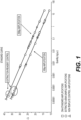
- Figure 2 depicting the position of the forward and reverse primers used to amplify an 80 base pair target and 97 bp target on an ALU, e.g., ALU-Yb8, and the position of the 80 bp blocker that limits extension from the 80 bp forward primer, and a 97 bp blocker that limits extension from the 97 bp blocker.
- ALU e.g., ALU-Yb8
- the 80 base pair and 97 base pair specific forward primer and reverse primer hybridize to their respective sites on the ALU, but extension from the primers is limited by the presence of the PCR blocker at their respective sites.
- CRC colorectal cancer
- the most commonly employed method conducted by others in the field of cfDNA integrity and concentration assessment for cancer detection and monitoring is qPCR using the ALU 247/115 index.
- the methods described herein for assessing integrity and concentration of cfDNA and ctDNA quantitates "short" retrotransposable element targets having lengths between 60bp and 135bp, 70 bp to 130bp, or between 60bp and 120 bp to reliably indicate therapy effectiveness or ineffectiveness.
- the ranges between 60bp and 135bp, between 70 to about 130bp, e.g., 71bp to 132bp, or between 60bp and 120 bp ranges of ALU, SVA and LINE1 retrotransposable elements targets are also useful for discriminating between normal (non-cancer) human and humans with cancer, particularly progressive disease, or the presence of MRD.
- the retrotransposable elements are ALU, e.g., Yb-8 ALU, SVA, or LINE1.
- MRD refers to the small number of malignant cancer cells that remain in the body during or after treatment (see NCI Dictionary of Cancer Terms, https://www.cancer. gov/publications/dictionaries/ cancer-terms/def/797386). Even when a patient is in remission from cancer and the solid tumor has shrunk beyond detection, the patient may still have MRD.
- the MRD assessment is used to determine if additional treatment is necessary, if a treatment already administered has been effective in reducing tumor load, or to select and administer a particular treatment of the subject. MRD assessment is mainly used in blood cancers (leukemia, lymphoma and myeloma), but is being studied in other solid cancers.
- MRD assessment has been used in guiding the treatment of cancer patients in cases of, e.g., resected hepatoma, resection of mastectomy, esophageal cancer, rectal cancer, anal cancer, head and neck cancer, colon cancer, lung cancer, breast cancer, neu metastatic breast cancer.
- Cancer patients in remission must undergo quarterly imaging (e.g. MRI, x-ray, CT scan, or other radiology studies) to determine whether the cancer has returned.
- quarterly imaging e.g. MRI, x-ray, CT scan, or other radiology studies
- some patients in remission may not have a solid tumor that is detectable by imaging studies, but may still have MRD.
- the methods described herein for quantitating the integrity and concentration of cfDNA by using short retrotrasposable elements target(s) having a length between 60bp and 135bp, 70bp to 130bp, or 60 to 120bp, may be used to characterize cancer or MRD.
- the change in the amount of the quantitated short RE target sequence between 60bp and 135bp, 70 bp to 130bp or 60 bp to 120 bp over time may be used alone or in conjunction with standard assays to reliably identify subjects who have MRD or cancer progression or evaluate the ineffectiveness of a cancer therapy. Based upon a determination that the subject has MRD or progressive cancer, or the ineffectiveness of a therapy, additional rounds of therapy or another therapy may be administered to the subject.
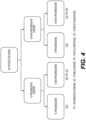
- cfDNA comprising elevated or increasing amounts of short ALU Yb8 targets of 60 base pair to 135 base pair, about 70bp to about 130bp, or 60bp to about 120bp sequence as compared to the amount of long RE targets, e.g., SVA or LINE targets, between 200 bp and about 300 bp, or between 207 bp and about 270 bp, between 260bp and 265bp, e.g., 265bp or 267 to be highly effective in discriminating between normal humans (non-cancer) and humans with cancer (see e.g., Figure 3 and Figure 4 ).
- long RE targets e.g., SVA or LINE targets
- the methods herein do not rely on detecting CEA, the methods are "agnostic" and can be applied to samples from patients having or suspected of having any type of cancer, e.g., colorectal cancer (CRC), hepatoma, esophageal cancer, rectal cancer, anal cancer, head and neck cancer, colon cancer, lung cancer, e.g., non-small cell lung cancer (NSCLC), small cell lung cancer (SCLC) breast cancer, and blood cancers, e.g., leukemia.
- CRC colorectal cancer
- hepatoma hepatoma
- esophageal cancer rectal cancer
- rectal cancer anal cancer
- head and neck cancer colon cancer
- lung cancer e.g., non-small cell lung cancer (NSCLC), small cell lung cancer (SCLC) breast cancer
- blood cancers e.g., leukemia.
- the methods described herein for assessing cfDNA integrity and concentration, using a sample from a subject, e.g., a plasma or serum sample or another bodily fluid sample, and RE targets, are useful in detecting, measuring, or monitoring cancer and are an additional parameter for use in the assessment of tumor load, cancer progression, therapy ineffectiveness and or MRD such that an appropriate treatment is administered to the subject.
- the methods described herein allow for detection of cancer cells in patients who have a nearly undetectable level as determined by standard clinical tests, such as imaging assays, e.g., CT scans or Xrays, or detection of cancer cells in a blood or tissue sample.
- the patients may be a patient suspected of having or treated for hepatoma, esophageal cancer, rectal cancer, anal cancer, head and neck cancer, colon cancer, colorectal cancer (CRC), lung cancer, e.g., non-small cell lung cancer (NSCLC), small cell lung cancer (SCLC) breast cancer, and blood cancers, e.g., leukemia.
- CRC colorectal cancer
- lung cancer e.g., non-small cell lung cancer (NSCLC), small cell lung cancer (SCLC) breast cancer
- blood cancers e.g., leukemia.
- the methods described herein are an improvement over existing methods because they reduce patients' exposure to radiation from imaging studies.
- Patients diagnosed with cancer may be categorized based on their disease progression, e.g., following a cycle of chemotherapy or immunotherapy or other therapeutic regime.
- a "complete response” (“CR”) patient is one where there is no evidence of the disease due to a disappearance of all target lesions as determined by standard methods, e.g., such as CT scans or detection of cancer cells in a blood or tissue sample.
- a “stable disease” (“SD”) patient is one where there is neither sufficient shrinkage of cancer lesion size to qualify for partial response (“PR”) nor sufficient increase in lesion size to qualify for "progressive disease” (“PD”) using as a reference the smallest sum of diameter of target lesions.
- a PR patient is one who demonstrates at least a 30% decrease in the sum of the diameters of target lesions vs. the baseline sum of the diameters of the target lesions. Additionally, the sum of the diameters of the target lesions must demonstrate an absolute increase of at least 5 mm or one or more new lesions have been detected to be considered PR.
- a PD patient is one where there is at least a 20% increase in the sum of the diameters of the target lesions vs. the smallest sum of target lesions, which may be the baseline sum.
- the present invention is non-invasive and may also be used for screening high risk patients for onset of cancer, e.g., hepatoma, esophageal cancer, rectal cancer, anal cancer, head and neck cancer, colon cancer, colorectal cancer, lung cancer, breast cancer, neu metastatic breast cancer and blood cancers, e.g., leukemia.
- Patients may be considered "high risk” for a variety of reasons including past family history of cancer, environmental exposure, and lifestyle. However, it is not feasible, highly wasteful, and harmful for patients to be exposed to radiological scans to screen them for cancer.
- the present invention may be used to distinguish between therapy ineffectiveness or futility and therapies that are partially ineffective.
- Current methods make it burdensome, costly, and inefficient to determine whether a therapy is ineffective in a patient or the patient experience a partial response to a therapy.
- the present invention allows clinical providers to detect noninvasively and quickly whether the therapy is entirely ineffective or partially ineffective. This allows providers to make quicker and better informed clinical decisions about patient therapy and administer an appropriate therapy.
- DII is a ratio of long fragments quantities to short fragment quantities. DII indicates a level of cfDNA fragmentation. When the DII using the ratio of 265bp to 80bp targets is calculated and determined to be lower than 0.4, it indicates the major source of cfDNA is from apoptotic cells. When the DII using the ratio of 265bp to 80bp targets is calculated and determined to be above 0.4, cfDNA are also generated through necrosis. This DII may be used in the methods of this invention to assess cell necrosis.
- Described herein are methods and systems for quantitating the integrity of circulating cell free human DNA and implementing a treatment of a patient.
- a method for quantitating the integrity of circulating cell free human DNA and implementing a treatment of a patient comprising:
- the bodily fluid samples used in the methods of this invention should be treated so as to remove cells.
- Suitable bodily fluids include, e.g., serum, plasma, urine, saliva, tears or other biological fluid.
- the sample used in the methods and system of this invention is a plasma sample.
- two or more short retrotransposable element targets of between 60 to 135bp, about 70 to about 130 bp or 60 bp to about 120 bp, may be subjected to the quantitative polymerase chain reaction (qPCR) method to quantitate the targets.
- qPCR quantitative polymerase chain reaction
- the methods of this invention may further comprise a step of adding a synthetic DNA sequence to the sample as an internal positive control (IPC) and quantitating the retrotransposable element targets and the IPC, and utilizing the quantitative IPC result in the step of comparing the qPCR threshold cycle numbers to a standard curve to improve the accuracy and reliability of the comparing step.
- IPC also enables a determination of a concentration of cell free DNA in the sample when quantitating the RE targets by qPCR in a single tube.
- the methods of this invention may further comprise a step of adding a hybridization probe that hybridizes to the RE targets to detect the targets.
- the probe may be added to the sample before the target(s) are subject to q-PCR or thereafter.
- the probe may include an observable label. Any observable label routinely used in the art for labeling nucleic acid probes could be used to label the probe, e.g., a fluorescent label. Suitable fluorescent probes include, e.g., FAM, Cy5, Hex, or Cy3).
- the observable label may be detected using a microfluidic device.
- the retrotransposable elements of the methods of this invention include e.g., an ALU, particularly ALU Yb8, an SVA, or a LINE element.
- the retrotransposable element may have a copy number in excess of 1000 copies per genome.
- the short retrotransposable element targets may have a length from about 60 base pairs to about 135 base pairs, about 60 base pairs to about 120 base pairs, about 60 base pairs to about 120 base pairs, and about 70 bp to about 130 bp,.
- the retrotransposable element target may have a length of e.g. 60bp, 65bp, 71 bp, 80 bp, 97 bp, 105 bp, or 120 bp.
- the RE targets may be amplified with the forward and reverse primer pairs set forth in Table 2A, and/or 2B: Table 2A : ALU-Yb8 targets' primer and probe sequences Name Size Primer Type Primer & Probe Sequence SEQ ID NO Yb8-80bp 80bp Forward GGAAGCGGAGCTTGCAGTGA 1 Reverse AGACGGAGTCTCGCTCTGTCGC 2 Probe AGATTGCGCCACTGCAGTCCGCAGT 3 Yb8-71bp 71bp Forward CTTGCAGTGAGCCGAGATT 4 Reverse GAGACGGAGTCTCGCTCTGTC 5 Probe ACTGCAGTCCGCAGTCCGGCCT 6 Yb8-97bp 97bp Forward GTGGCTCACGCCTGTAAT 7 Reverse GGGTTTCACCTTGTTAGCCA 8 Probe TGGATCATGAGGTCAGGAGAT 9 Yb8-105bp 105bp Forward AGGCAGGAGAATGGCGTGAACC 10 Reverse AGACGGAGTCTCGCTCTGTCGC 11 Probe
- the samples used in the methods of this invention may be from a patient has been diagnosed as having a has stage I, stage II, stage III or stage IV cancer, is suffering from cancer, is in remission from cancer, is at risk for developing cancer, has had surgery to remove a tumor, has undergone a neoadjuvant therapy, a targeted therapy, a chemotherapy, immunotherapy and/or radiotherapy to treat a cancer.
- the methods of this invention are also useful in further evaluating the patient having a minimum residual disease diagnosis to implement a disease treatment. For example, in an embodiment of this invention a determination is made that the quantity of the short RE targets as compared to the long Re targets is higher in the sample from the patient than that of a control sample, e.g., a sample from a healthy subject, and in view of that determination an appropriate treatment of the patient is instituted, e.g., a targeted therapy, cancer chemotherapy, immunotherapy, or radiotherapy is administered.
- a control sample e.g., a sample from a healthy subject
- Such treatment might include e.g., antineoplastic agents, alkylating agents, topoisomerase inhibitors, mitotic inhibitors, methotrexate, vinca alkaloids, antimetabolites, antifolates, pyrimidine antagonists, purine analogs, purine antagonists, proteasome inhibitors, tyrosine kinase inhibitors, nitrogen mustards, or another cancer therapy.
- a determination of a threshold cycle number of the quantitated nucleic acid fragment is made and based on that number the clinical provider administers the treatment to the patient.
- a method to quantitate the integrity of circulating cell free human DNA and optionally to implement a treatment of a subject comprising: providing a sample from a subject, preferably a sample that has been treated to remove cells, the sample comprising cell free human DNA comprising a first RE target being 97 base pairs and the second RE target having a length between 260 and 265 base pairs, e.g., 263 bp; using a quantitative polymerase chain reaction (qPCR) method to quantitate the first and second RE targets; obtaining for the quantitated RE targets a threshold cycle number; comparing the threshold cycle number with a standard curve to determine a quantity of each of the RE targets that was present in the sample; calculating a ratio of the quantity of the 97 RE target to the quantity of the between 260 and 265 base pair nucleic acid fragment; and using the quantitated nucleic acid fragment to quantitate the integrity of the circulating cell free human DNA and optionally to implement treatment of a patient.
- qPCR quantitative polymerase chain reaction
- the subj ect's sample may be serum, plasma, urine, or other biological fluid from a human, preferably the sample is a plasma sample.
- the targets may be amplified in singleplex qPCR wherein a single target is amplified in a single reaction well or the targets may be amplified in a multiplex qPCR wherein all the targets are amplified in a single reaction well.
- a method to quantitate the integrity of circulating cell free human DNA and optionally to implement a treatment of a subject comprising: providing a sample from a subject, preferably a sample that has been treated to remove cells, , the sample comprising cell free human DNA comprising a first short RE nucleic acid target having a length between 60 and 135 base pairs, 70bp and about 130bp, e.g., 71 and 132 base pairs, or between 60 and 120bp (the first RE target), and the second RE nucleic acid target having a length between 200 to 300 base pairs, between about 207 and 270 bp, or between 260 and 265 base pairs; using a quantitative polymerase chain reaction (qPCR) method to quantitate the first and second RE targets; obtaining for the quantitated RE nucleic acid targets a threshold cycle number; comparing the threshold cycle number with a standard curve to determine a quantity of each of the RE nucleic acid targets that was present in the sample; calculating a ratio of the quantity of the short
- the subject's sample may be serum, plasma, urine, or other biological fluid from a human, preferably the sample is a plasma sample.
- the first and second RE target may be a target of the same retrotransposable element or may be different retrotransposable elements. If they are from the same retrotransposable element then PCR blockers may be included to limit extension from the primers beyond the position of the blockers, thus limiting the extension from a primer pair used to amplify one RE target into the other RE target and thereby enhancing the specificity by limiting the production of extraneous or overlapping products.
- the first and second RE targets are targets of an ALU, an SVA or a LINE1 target.
- the first and second RE targets are targets of an ALU or SVA target or a LINE1 target.
- the short RE target is an ALU or an SVA target, e.g., a Yb8 ALU target
- the long RE element is an SVA or LINE1 target.
- the prime pairs used in the qPCR to quantitate the RE targets are selected from the primer pairs of Table 2A and 2B and 2C .
- the targets may be amplified in singleplex qPCR wherein a single target is amplified in a single reaction well or the targets may be amplified in a multiplex qPCR wherein all the targets are amplified in a single reaction well.
- An embodiment of this invention is a method to quantitate the integrity of circulating cell free human DNA and optionally to implement a treatment of a subject, comprising:
- an embodiment of this invention is a method for identifying a subject having progressive cancer or MRD, said method comprising:
- a subject identified as having progressive disease or MRD may be administered a cancer therapy or MRD therapy.
- the method may further comprise the step of determining the DNA integrity index (DII) of the cfDNA in the sample
- an increase in Frag2 as compared to Frag1 may be determined by subtracting Frag1 from Frag2 to generate a value, FragDiff, that is compared to a threshold value and based on that comparison it is concluded that the ctDNA has increased and identifies the subject as having progressive disease or MRD and an appropriate therapy may be administered.
- Neoadjuvant therapies which include, e.g., chemotherapy, hormone therapy, immunotherapy, radiation therapy, and targeted therapy are delivered to a subject before the main treatment is administered to help reduce the size of a tumor or kill cancer cells that have spread.
- Neoadjuvant therapies are recommended when a patient with early-stage cancer, stage I, stage II or stage III, undergoes surgery or radiation therapy.
- the methods of this invention may be applied to a sample of subject having a stage I, stage II, stage III or stage IV cancer wherein the samples are obtained from the subject before and after the neoadjuvant therapy to quantitate the integrity of circulating cell free human DNA and to implement a treatment of a subject.
- the methods of this invention may also be applied to samples from a subject who has had a therapy for hepatoma, esophageal cancer, rectal cancer, anal cancer, head and neck cancer, colon cancer, colorectal cancer, lung cancer, breast cancer, neu metastatic breast cancer or a blood cancer, e.g., leukemia, and the first sample was taken from the subject before administering the a first cycle of therapy and the second sample was taken from the subject after administering the first therapy cycle, but before the administration of another cycle of therapy, and as such the first and second samples may be obtained from the subject at least 1 week apart, at least 2 weeks apart, at least 3 weeks apart, at least 4 weeks apart, e.g. 12 to 21 days apart.
- the first sample was taken
- the therapy may be a targeted therapy, a chemotherapy, immunotherapy or radiotherapy.
- the therapy may be treatment with an antineoplastic agents, alkylating agents, topoisomerase inhibitors, mitotic inhibitors, methotrexate, vinca alkaloids, antimetabolites, antifolates, pyrimidine antagonists, purine analogs, purine antagonists, proteasome inhibitors, tyrosine kinase inhibitors, nitrogen mustards, immunotherapy, or another cancer therapy.
- the short and long retrotransposable elements may have a copy number in excess of 1000 copies per genome, e.g., the short retrotransposable interspersed element may be an ALU or an SVA and the long RE may be an ALU, SVA or LINE.
- the short RE targets may be from about 60 base pairs to about 135 base pairs, or from about 60 base pairs to about 120 base pairs, or from about 70 base pairs to about 130 base pairs, or from about 80 base pairs to about 100 base pairs.
- the long RE target may be about 200 bp to about 300 bp or about 207 bp to about 270 bp, or about 260 bp to about 265 bp in length.
- the forward and reverse primer pairs used to amplify the short and long target sequences in the qPCR may be selected from the following forward and reverse primer pairs of Tables 2A, 2B, or 2C.
- samples used in the methods described herein may be a sample of serum, plasma, urine, or other biological fluid, preferably the sample is a plasma sample.
- the method may further comprise a step of adding a synthetic DNA sequence as an internal positive control (IPC) to the samples prior to quantitating each of the short and long RE targets in the first and second samples by qPCR, and then quantitating the IPC and utilizing the quantitative IPC result in the step of comparing the threshold cycle number of each quantitated RE target with a standard curve to improve the accuracy and reliability of the comparing step.
- IPC internal positive control
- the use of the IPC enables a determination of a concentration of cell free DNA in the sample.
- the quantitation of the short and long retrotransposable interspersed elements of each sample by qPCR may be carried out in a single tube or well.
- the amplified RE targets may be detected with one or more hybridization probes that hybridize specifically to the RE targets sequences.
- the probes may comprise an observable label, e.g., a fluorescent label, e.g., FAM, Cy5, Hex, or Cy3.
- the observable label could be detected using a microfluidic device.
- the amplification products of the qPCR method used in the methods of this invention may be detected and/or quantified using electrical biosensors (see Liu et al. Single-Nucleotide Polymorphism Genotyping Using a Novel Multiplexed Electrochemical Biosensor with Nonfouling Surface. Biosens. Bioelectron. 2013, 42, 516-521 ).
- an embodiment of this invention is a system for characterizing cancer or MRD in a patient, the system comprising:
- the patient may be a patient who is suffering from a cancer, e.g., is diagnosed as having a stage 1, stage II or stage III cancer, is in remission from cancer, is at high risk for developing cancer, has been categorized by another method as having a complete response (“CR”), a stable disease (“SD”), a partial response (“PR”), or progressive disease (“PD”), or has had a neoadjuvant therapy, has had surgery to remove a tumor, or has undergone chemotherapy, immunotherapy or radiotherapy to treat the cancer or MRD.
- CR complete response
- SD stable disease
- PR partial response
- PD progressive disease
- the cfDNA in the multiplex system may further comprise cfDNA comprising a long retrotransposable element target having a length of between 200 bp and 300 bp, or 207 bp to 270 bp, e.g., 260-267 bp, a TaqMan probe corresponding to the long RE target, and forward and reverse primers for amplifying the long RE target.
- the forward primer and reverse primer pair for amplifying the RE targets are selected from Table 2A, 2B or 2C.
- the method of this invention are contemplated for allow for the quantitated RE target amounts to be correlated to one cancer cell in 500,000 total cells or greater, one cancer cell in 1,000,000 total cells or greater, one cancer cell in 1,500,000 cells or greater.
- Serum and plasma separation were performed according to the standard protocol and within four hours of collection, and stored at -80°C until they were processed. Care was taken to avoid freeze-thaw cycles.
- whole blood is collected in the commercially available red-topped test tube Vacutainer (Becton Dickinson).
- plasma specimens whole blood is collected in the commercially available anticoagulant-treated tubes e.g., EDTA-treated or citrate-treated.
- the first method includes deactivation or elimination of proteins that bind to template DNA or DNA polymerase and might invalidate qPCR results. Briefly, a volume of 20 ⁇ L of each serum or plasma sample was mixed with 20 ⁇ L of a preparation buffer that contains 25 mL/L Tween 20, 50 mM Tris, and 1 mM EDTA. This mixture was then digested with 16 ⁇ g of proteinase K solution (Qiagen) at 50°C. for 20 min, followed by 5 min of heat deactivation and inactivation at 95°C.
- proteinase K solution Qiagen
- cfDNA was purified by magnetic bead extraction or by using the silica based membrane QIAamp DNA Investigator Kit (Qiagen).
- primers and labeled probes used in the qPCR reactions may be obtained from Eurofins MWG/Operon, Integrated DNA Technologies, or a variety of other vendors.
- Short ALU primer sets were designed to produce amplicon lengths of 80 bp, 97 bp, 105bp, 120 bp, and 123 bp among others, were developed for use in the assays of the present invention.
- the primer sequences are shown in Table 2A.
- Primer pairs to produce amplicon lengths from SVA of 100bp, 104bp, 106 bp, 116bp, 118bp, 126bp, 132bp, 207 bp, 257 bp, 265 bp, 290 bp, or to produce amplicon lengths of 252bp, 257bp, 262bp, and 267bp from LINE1, among others are set forth in Table 2B and 2C.
- the primer pairs were developed using Primer 3 software and an SVA or LINE1 (genebank ID: AH005269 (PUBMED 10655552) retrotransposon sequence. Because the SVA and LINE1 sequences are truncated in many individuals and also have sequence similarities with ALU sequences in certain regions, the target SVA sequences were selected from the SVA-R region, and the target LINE1 sequence was selected from the LINE1 ORF2 region, which have no or minimal sequence similarity as compared with the ALU sequence.
- the primer sequences and probes that hybridize to the amplified targets are shown in Table 2A, 2B and 2C.
- Additional primer design based on ALU Yb8, SVA and LINE1 may be done using Primer software ( Koressaar, T; Remm, M, Bioinformatics 23(10): 1289-91 (2007), doi:10.1093/bioinformatics /btm091 ; Untergasser A, et al., Nucleic Acids Res. 40(15): e115 (2012), doi:10.1093/nar/gks596 ).
- the qPCR assays were run on an Applied Biosystems 7500 Real Time PCR instrument and/or the Biorad CFX, but useful instrument platforms are not limited thereto.
- the qPCR assays of the present invention may be adapted to work on most Real-Time PCR instruments.
- both short and long fragments may be amplified and quantified.
- the short fragment primer sets may amplify the short (apoptotic) DNA fragments, whereas the long fragment primer sets may amplify the long (non-apoptotic) DNA fragments.
- the RE-qPCR multiplex reaction may contain three targets in a Taqman based assay: a short RE target, a long RE target, and a synthetic IPC sequence.
- the hybridization probes detecting each target may be labeled with different fluorophores (e.g. FAM, Cy5, Hex, or Cy3) to enable simultaneous detection.
- fluorophores e.g. FAM, Cy5, Hex, or Cy3
- the following PCR conditions may be used, but they can be modified as necessary: 10 min 95°C denaturation cycle, followed by 32 cycles of 2-step qPCR (15 s at 95 °C and 2 min at 61 °C combined annealing/extension time) at maximum ramp speed. Additional PCR parameters (i.e. cycle number, denaturation and annealing/extension times and temperatures) are investigated to obtain a robust, sensitive qPCR multiplex.
- Short Yb8 and long SVA primer pairs selected from those shown in Table 2A and 2B were combined into eight different multiplex sets (Yb8-80 & SVA-207, Yb8-80 & SVA-257, Yb8-80 & SVA-265, Yb8-80 & SVA-290, Yb8-120 & SVA-207, Yb8-120 & SVA-257, Yb8-120 & SVA-265, and Yb8-120 & SVA-290).
- the optimal temperature for each multiplex was determined by a temperature gradient ranging from 64.0 °C to 55.0 °C.
- the concentration of primers and additives including DMSO and additional MgCh were optimized for each multiplex set.
- the reaction mixture of each multiplex Yb8-SVA-qPCR included a template, forward primer and reverse primer pairs, fluorescent probe, Brilliant Multiplex QPCR Master Mix (Agilent) and the additives bovine serum albumin (BSA), dimethyl sulfoxide (DMSO), and magnesium chloride (MgCh).
- BSA bovine serum albumin
- DMSO dimethyl sulfoxide
- MgCh magnesium chloride
- Real-time PCR amplification was performed with pre-cycling heat activation of DNA polymerase at 95 °C for 10 min followed by 32 cycles of denaturation at 95 °C for 15 sec and extension at 61-62.5 °C (adapted to the multiplex set) in a CFX96 Touch Real-Time PCR Detection System (Bio-Rad Laboratories).
- the quantification of DNA in each sample was determined by use of a calibration curve with serial dilutions (20ng/ul to 0.6pg/ul).
- the qPCR assays may be run on an Applied Biosystems 7500 Real Time PCR instrument and/or the Biorad CFX, but useful instrument platforms are not limited thereto.
- the qPCR assays of the present invention may be adapted to work on most Real-Time PCR instruments.
- plasma samples of control (healthy subjects) and test (samples from patients with metastatic colorectal cancer (mCRC)) containing cfDNA was combined with the 97 bp forward primer (GTGGCTCACGCCTGTAAT)(SEQ ID NO: 7) , 97 bp reverse primer (GGGTTTCACCTTGTTAGCCA) (SEQ ID NO: 8), a fluorescent probe comprising TGGATCATGAGGTCAGGAGAT (SEQ ID NO: 9), Brilliant Multiplex QPCR Master Mix (Agilent) and the additives bovine serum albumin (BSA), dimethyl sulfoxide (DMSO), and magnesium chloride (MgCh).
- BSA bovine serum albumin
- DMSO dimethyl sulfoxide
- MgCh magnesium chloride
- Real-time PCR amplification was performed with pre-cycling heat activation of DNA polymerase at 95 °C for 10 min followed by 40 cycles of denaturation at 90-95 °C for 10-15 sec and extension at 61-64 °C (depending on the multiplex set) in an ABI 7500 Instrument (ThermoFisher Scientific). The quantification of DNA in each sample was determined by use of a calibration curve with serial dilutions (20 ng/ul to 0.6 pg/ul)
- both 80bp and 97bp fragments of ALU Yb8 are amplified and quantified.
- the RE-qPCR multiplex reaction contains three targets in a TaqMan ® based assay: 80 bp ALU Yb8 forward and reverse primers (GGAAGCGGAGCTTGCAGTGA (SEQ ID NO:1) and AGACGGAGTCTCGCTCTGT CGC (SEQ ID NO: 2)) , the 97 bp ALU Yb8 RE forward and reverse primers GTGGCTCACGCCTGTAAT (SEQ ID NO: 7) and GGGTTTCACCTTGTTAGCCA(SEQ ID NO:8)), an 80R- blocker, peptide nucleic acid (PNA) oligo which binds to the 80 bp ALU Yb8 fragment, a 97R-PNA blocker a PNA which binds to the 97 bp ALU Yb8 fragment and probes that hybridize to the 80 b
- PNA peptide nucleic
- PNA oligo mimics DNA.
- the negatively-charged sugar phosphate backbone of DNA is replaced with an uncharged pseudo-peptide backbone.
- the two strands of a PNA/DNA hybrid therefore lack the electrostatic repulsion as observed for DNA/DNA duplexes, giving rise to thermal stability.
- Hybridization probes are also included in some instances for detecting each target and the probes are labeled with different fluorophores (e.g. FAM, Cy5, Hex, or Cy3) to enable simultaneous detection.
- the reaction mixture includes the forward primers, reverse primers, the blockers, the fluorescent probe, Brilliant Multiplex QPCR Master Mix (Agilent) and the additives bovine serum albumin (BSA), dimethyl sulfoxide (DMSO), and magnesium chloride (MgCh).
- Absorbent Brilliant Multiplex QPCR Master Mix
- BSA bovine serum albumin
- DMSO dimethyl sulfoxide
- MgCh magnesium chloride
- Real-time PCR amplification is performed with pre-cycling heat activation of DNA polymerase at 95 °C for 10 min followed by 32 cycles of denaturation at 95 °C for 15 sec and extension at 61-62.5 °C (depending on the multiplex set) in a CFX96 Touch Real-Time PCR Detection System (Bio-Rad Laboratories).
- the quantification of DNA in each sample is determined by use of a calibration curve with serial dilutions (20ng/ul to 0.6pg/ul).
- Figure 2 shows the two PCR target regions of 80bp and 97bp on the Yb8 sequence.
- PNA peptide nucleic acid
- 80R-Blocker binds Alu-Yb8 sequence between 97bp and 80bp target regions and prevents DNA elongation from the 80bp reverse primer beyond the region where the 80bp forward primer binds.
- Plasma from 40 control subjects, healthy subjects without cancer and 39 subjects having cancer were subjected to qPCR assays to assess the level of ctDNA.
- the qPCR assays were run on an Applied Biosystems 7500 Real Time PCR instrument and/or the Biorad CFX, but useful instrument platforms are not limited thereto.
- the qPCR assays of the present invention may be adapted to work on most Real-Time PCR instruments.
- a first ALU Yb8 target of 80 bp, and a second ALU Yb8 target of 120 bp and an SVA target of 265 bp were amplified and quantified in a RE-qPCR multiplex reaction.
- the RE-qPCR multiplex reaction contained three targets in a Taqman based assay: the first ALU Yb8 target of 80 bp , the second ALU Yb8 target of 120 bp, a third SVA target of 265 bp, and a synthetic internal positive control (IPC) sequence.
- the hybridization probes detecting each amplified target were labeled with different fluorophores (FAM, Cy5, or Hex) to enable simultaneous detection.
- FAM fluorophores
- the following PCR conditions are used: 10 min 95°C denaturation cycle, followed by 40 cycles of 2-step qPCR (15 s at 96 °C and 2 min at 64 °C combined annealing/extension time) at maximum ramp speed.
- the reaction mixture of each multiplex Yb8-qPCR included the forward primers and reverse primers for the first Yb8-80 target and for the second ALU Yb8-120 target, and the long SVA 265 target (see Table 2A and 3B for primer pair sequences).
- the fluorescent probes for detecting the amplified fragments Brilliant Multiplex QPCR Master Mix (Agilent) and the additives bovine serum albumin (BSA), dimethyl sulfoxide (DMSO), and magnesium chloride (MgCl 2 ).
- Real-time PCR amplification was performed with pre-cycling heat activation of DNA polymerase at 95 °C for 10 min followed by 40 cycles of denaturation at 95 °C for 15 sec and extension at 61-62.5 °C (depending on the multiplex set) in a CFX96 Touch Real-Time PCR Detection System (Bio-Rad Laboratories). The quantification of the targets in each sample was determined by use of a calibration curve with serial dilutions (20ng/ul to 0.6pg/ul).
- Table 3 sets forth the quantitated amounts of the 80bp target, the 120 bp target and the 265 bp target in each sample and the difference in the quantitated amount of 80 bp Yb8 target and the quantitated amount of 120 bp Yb8 target.
- DNA integrity index is calculated as the ratio of concentrations ([concentration of long RE marker]/[concentration of short RE marker]). Quality metrics, including PCR efficiencies (i.e. slope) of both short and long targets, Y-intercept values, and verification of no true amplification in negative controls was assessed.
- Plasma samples of plasma from 66 cancer patients were subjected to a qPCR to assess the level of ctDNA using the methods described herein and identify patients as having progressive disease.
- the plasma samples were from patients who had been previously diagnosed as having either colorectal cancer, non-small cell lung cancer, small cell lung cancer or breast cancer and had received either chemotherapy, targeted therapy, immunotherapy, or a combination of therapies.
- a first plasma sample was obtained from the patients before receiving a cycle of therapy and a second plasma sample was obtained 12 days to 21 days after the cycle of therapy and before receiving another cycle of therapy.
- the qPCR assays were run on an Applied Biosystems 7500 Real Time PCR instrument and/or the Biorad CFX, but useful instrument platforms are not limited thereto and the qPCR assays of the present invention may be adapted to work on most Real-Time PCR instruments.
- a first ALU Yb8 target of 80 bp, and a second ALU Yb8 target of 105 bp and an SVA target of 265 bp were amplified and quantified in a RE-qPCR multiplex reaction.
- the sequence of the primer pairs used to amplify yb-8-80, yb-8 105 and SVA 265 are set forth in Table 1.
- the RE-qPCR multiplex reaction was a Taqman ® based assay comprising Brilliant Multiplex QPCR Master Mix (Agilent), bovine serum albumin (BSA), dimethyl sulfoxide (DMSO), and magnesium chloride (MgCh), and comprised the plasma sample, a primer pair for amplifying the first ALU yb-8 target of 80 bp, a primer pair for amplifying the second ALU Yb8 target of 105 bp, and a primer pair for amplifying a third SVA target of 265 bp, and a synthetic internal positive control (IPC).
- Agilent Brilliant Multiplex QPCR Master Mix
- BSA bovine serum albumin
- DMSO dimethyl sulfoxide
- MgCh magnesium chloride
- the amplification products were detected with hybridization probes for the Yb-8 80bp target, the Yb8-105bp target and the SVA 265 bp target, each labeled with a different fluorophore to enable simultaneous detection of the different amplified targets.
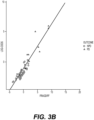
- Figure 3 depicts the FragDiff of the 66 patients, who had been classified as having progressive disease (triangles), or having non-progressive disease (circles).
- Figure 3 demonstrates that the method disclosed herein rapidly assesses cfDNA integrity.
- Figure 3 also demonstrates that based upon the FragDiff being above a threshold level, the method rapidly and reliably identifies a patient as having progressive disease see also Figure 4 .
- the method described herein can also be used as a factor for rapidly concluding the patient has progressive disease or the cancer treatment was not effective. This is in contrast to other standard assays, e.g., CT scans, Xrays, and CEA measurements, that require weeks, if not months, before it is determined the patient has progressive disease and a therapy can be identified as ineffective.
Landscapes
- Chemical & Material Sciences (AREA)
- Life Sciences & Earth Sciences (AREA)
- Health & Medical Sciences (AREA)
- Organic Chemistry (AREA)
- Proteomics, Peptides & Aminoacids (AREA)
- Engineering & Computer Science (AREA)
- Zoology (AREA)
- Wood Science & Technology (AREA)
- Immunology (AREA)
- Analytical Chemistry (AREA)
- Genetics & Genomics (AREA)
- Pathology (AREA)
- General Engineering & Computer Science (AREA)
- General Health & Medical Sciences (AREA)
- Microbiology (AREA)
- Molecular Biology (AREA)
- Biotechnology (AREA)
- Biophysics (AREA)
- Physics & Mathematics (AREA)
- Biochemistry (AREA)
- Bioinformatics & Cheminformatics (AREA)
- Oncology (AREA)
- Hospice & Palliative Care (AREA)
- Chemical Kinetics & Catalysis (AREA)
- Measuring Or Testing Involving Enzymes Or Micro-Organisms (AREA)
- Investigating Or Analysing Biological Materials (AREA)
- Medicines That Contain Protein Lipid Enzymes And Other Medicines (AREA)
Claims (15)
- Verfahren zur Quantifizierung der Integrität zirkulierender zellfreier humaner DNA und Implementierung einer Behandlung eines Patienten, wobei das Verfahren Folgendes umfasst:(a) Bereitstellen einer ersten und einer zweiten Probe von Serum, Plasma, Urin oder einer anderen biologischen Flüssigkeit von einer Person, wobei die erste und die zweite Probe in einem Mindestabstand von einer Woche, in einem Mindestabstand von 2 Wochen, in einem Mindestabstand von 3 Wochen oder in einem Mindestabstand von 4 Wochen gewonnen werden, die erste und die zweite Probe zellfreie humane DNA, cell free human DNA - (cfDNA), umfassen, die cfDNA eine erste und eine zweite kurze Zielsequenz mit retrotransponierbaren eingestreuten Elementen, retrotransposable interspersed element - (RE), mit einer Länge zwischen ungefähr 60 Basenpaaren und ungefähr 135 Basenpaaren umfasst, wobei das erste und das zweite kurze Ziel unterschiedlich lang sind;(b) Quantifizieren jedes des ersten und des zweiten kurzen RE-Ziels in der ersten und der zweiten Probe unter Verwendung eines Verfahrens der quantitativen Polymerase-Kettenreaktion, quantitative polymerase chain reaction - (qPCR);(c) Erlangen, für jedes der quantifizierten RE-Ziele in der ersten und der zweiten Probe, einer Schwellenzyklusanzahl;(d) Vergleichen der Schwellenzyklusanzahl jedes quantifizierten RE-Ziels mit einer Standardkurve, um eine Menge jedes der quantifizierten RE-Ziele, die in den Proben vorhanden waren, zu bestimmen, wobei die Menge von kurzen RE-Zielen in den zweiten Proben die Integrität der zirkulierenden zellfreien DNA angibt;(e) Bestimmen einer Zunahme der Menge von kurzen RE-Zielen in der zweiten Probe im Vergleich zu der ersten Probe oberhalb eines Schwellenwertes und(f) Bestimmen einer Behandlung für einen Patienten, der eine Zunahme der Menge von kurzen RE-Zielen in der zweiten Probe im Vergleich zu der ersten Probe oberhalb eines Schwellenwertes aufweist.
- Verfahren nach Anspruch 1, wobei die erste Probe vor der Anwendung einer neoadjuvanten Therapie von der Person gewonnen wird und die zweite Probe nach der Anwendung der neoadjuvanten Therapie und vor der Anwendung einer anderen Therapie von der Person gewonnen wird; oder wobei die erste Probe vor der Anwendung eines Therapiezyklus von der Person gewonnen wird und die zweite Probe nach der Anwendung des Therapiezyklus und vor der Anwendung eines nächsten Therapiezyklus von der Person gewonnen wird.
- Verfahren nach Anspruch 1, wobei die Schritte (a) bis (f) mehrere Therapiezyklen hindurch wiederholt werden.
- Verfahren nach Anspruch 3, wobei eine Zunahme der Menge von kurzen RE-Zielen in der zweiten Probe im Vergleich zu der ersten Probe oberhalb eines Schwellenwertes die Therapie als wirkungslos identifiziert.
- Verfahren nach Anspruch 1, wobei eine Zunahme der Menge von kurzen RE-Zielen in der zweiten Probe im Vergleich zu der ersten Probe oberhalb eines Schwellenwertes den Patienten als einen Patienten mit einer fortschreitenden Erkrankung identifiziert oder wobei eine Zunahme der Menge von kurzen RE-Zielen in der zweiten Probe im Vergleich zu der ersten Probe oberhalb eines Schwellenwertes den Patienten als einen Patienten mit einer minimalen Resterkrankung, minimum residual disease - (MRD), identifiziert.
- Verfahren nach Anspruch 1, wobei die kurzen RE-Ziele eine Länge von 70 bp bis ungefähr 130 bp oder von 60 bp bis 120 bp aufweisen; vorzugsweise das erste kurze RE-Ziel eine Länge zwischen 70 und 80 bp aufweist und das zweite kurze RE-Ziel eine Länge zwischen 105 und 120 bp aufweist.
- Verfahren nach Anspruch 1, wobei das qPCR-Verfahren Primerpaare verwendet, die in Tabelle 2A oder 2B ausgewiesen sind.
- Verfahren nach Anspruch 1, wobei das Paar aus Vorwärtsprimer und Rückwärtsprimer zur Amplifizierung der kurzen Zielsequenzen aus den folgenden Vorwärts- und Rückwärtsprimerpaaren ausgewählt wird:
Fragmentname Größe Primertyp Primersequenz SEQ ID NR. Yb8-80bp 80 bp Vorwärts GGAAGCGGAGCTTGCAGTGA Rückwärts AGACGGAGTCTCGCTCTGTCGC Yb8-71bp 71 bp Vorwärts CTTGCAGTGAGCCGAGATT Rückwärts GAGACGGAGTCTCGCTCTGTC Yb8-97bp 97 bp Vorwärts GTGGCTCACGCCTGTAAT Rückwärts GTGGCTCACGCCTGTAAT Yb8-105bp 105 bp Vorwärts AGGCAGGAGAATGGCGTGAACC Rückwärts AGACGGAGTCTCGCTCTGTCGC Yb8-120bp 120 bp Vorwärts TGGATCATGAGGTCAGGAGAT Rückwärts CCGAGTAGCTGGGACTACA SVA-100bp 100 bp Vorwärts AATGGCGGCTTTGTGGAATA Rückwärts GTCTCCCATGTCTACTTCTTTCTAC SVA-101bp 101 bp Vorwärts AACCCTGTGCTCTCTGAAAC Rückwärts ACGCTGCCTTCAAGCAT SVA-103bp 103 bp Vorwärts GCCCAACAGCTCATTGAGAA Rückwärts ACGGCAACCATCCGATTT SVA-104bp 104 bp Vorwärts TGTCCACTCAGGGTTAAATGG Rückwärts GATTAGGGATTGGTGATAACTCTTA SVA-106bp 106 bp Vorwärts TGTGTCCACTCAGGGTTAAAT Rückwärts GATTAGGGATTGGTGATGACTCT SVA-106bp-v2 106 bp Vorwärts TGTGCCCAACAGCTCATT Rückwärts ACGGCAACCATCCGATTT SVA-116bp 116 bp Vorwärts CTGTGTCCACTCAGGGTTAAATG Rückwärts ATTACTTGAGATTAGGGATTGGTGATG SVA-116bp-v2 116 bp Vorwärts CCCAACAGCTCATTGAGAACG Rückwärts CTTTCTACACAGACACGGCAA SVA-118bp 118 bp Vorwärts CTCTCTGAAACATGTGCTGTGT Rückwärts GGGATTGGTGATGACTCTTAACG SVA-118bp-v2 118 bp Vorwärts CTGTGTCCACTCAGGGTTAAAT Rückwärts TGATTACTTGAGATTAGGGATTGGT SVA-126bp 126 bp Vorwärts CTGTGTCCACTCAGGGTTAAAT Rückwärts TGTGTCCCTGATTACTTGAGATTAG SVA-126bp-V2 126 bp Vorwärts CCTGTTGATCTGTGACCTTACC Rückwärts ACGCTGCCTTCAAGCAT SVA-128bp 128 bp Vorwärts GTTGCCGTGTCTGTGTAGAA Rückwärts TTTCAGAGAGCACAGGGTTG SVA-132bp 132 bp Vorwärts AACCCTGTGCTCTCTGAAAC Rückwärts GATTAGGGATTGGTGATAACTCTTA - Verfahren nach Anspruch 1, ferner umfassend einen Schritt des Hinzufügens einer synthetischen DNA-Sequenz als interne Positivkontrolle vor Schritt (b), das Quantifizieren der internen Positivkontrolle in Schritt (b) und das Verwenden des quantitativen Ergebnisses der internen Positivkontrolle in dem Vergleichsschritt, um die Genauigkeit und Zuverlässigkeit des Vergleichsschrittes zu verbessern; wobei vorzugsweise die Verwendung der internen Positivkontrolle eine Bestimmung einer Konzentration zellfreier DNA in der Probe ermöglicht.
- Verfahren nach Anspruch 1, wobei die Schritte (b)-(f) in einem einzigen Röhrchen oder Well durchgeführt werden.
- Verfahren nach Anspruch 1, wobei der Bereitstellungsschritt ferner das Bereitstellen einer Hybridisierungssonde umfasst, die an das RE-Ziel hybridisiert; wobei vorzugsweise die Hybridisierungssonde eine beobachtbare Markierung aufweist; wobei besonders bevorzugt die beobachtbare Markierung eine Fluoreszenzmarkierung ist.
- Verfahren nach Anspruch 1, wobei die Menge des ersten und des zweiten kurzen RE-Ziels in der ersten und der zweiten Probe, amplifiziert im Zuge des Verfahrens der quantitativen Polymerase-Kettenreaktion, quantitative polymerase chain reaction - (qPCR), unter Verwendung eines elektrischen Biosensors gemessen wird.
- Verfahren nach Anspruch 1, wobei die quantifizierte Menge von kurzen RE-Zielen eine Krebszelle bei einer Gesamtzahl von 500.000 Zellen oder mehr, bei einer Gesamtzahl von 1.000.000 Zellen oder mehr oder bei 1.500.000 Zellen oder mehr bei dem Patienten darstellt.
- Multiplexsystem zur Durchführung eines Verfahrens nach einem der Ansprüche 1 bis 13 zur Identifizierung einer wirkungslosen neoadjuvanten oder Krebsbehandlung oder zur Kennzeichnung von Krebs oder MRD beim Menschen, wobei das System Folgendes umfasst:a. eine Probe von Serum, Plasma, Urin oder einer anderen biologischen Flüssigkeit von einem Menschen, wobei die Probe zellfreie DNA umfasst, die zellfreie DNA zwei kurze RE-Ziele umfasst, die kurzen RE-Ziele eine Länge zwischen 60 bp und 135 bp aufweisen, mit der Maßgabe, dass die zwei kurzen RE-Ziele sich in ausreichendem Maße in ihrer Größe unterscheiden, um ihre Amplicone zu unterscheiden, wobei die Probe ferner eine interne Positivkontrolle, internal positive control - (IPC), umfasst, die synthetische DNA umfasst;b. eine TaqMan®-Sonde, die sowohl den kurzen RE-Zielen als auch der IPC entspricht, wobei jede Sonde eine detektierbare Markierung umfasst, die sich von den Markierungen, die in die anderen Sonden eingebracht sind, unterscheidet;c. einen Vorwärtsprimer und einen Rückwärtsprimer zur Amplifizierung sowohl des kurzen RE-Ziels als auch der IPC;d. einen DNA-Standard zur Erzeugung von Standardkurven für RE-Ziele;e. ein qPCR-System zur gleichzeitigen Amplifizierung der kurzen RE-Ziele und der IPC und zur Erzeugung einer Schwellenzyklusanzahl für jedes Ziel; undf. ein qPCR-Datenanalysesystem zur Erzeugung von DNA-Quantifizierungswerten für jedes RE-Ziel durch Interpolation unter Verwendung von Schwellenzyklusanzahlen und Standardkurven und zur Verwendung der DNA-Quantifizierungswerte zur Erzeugung einer Angabe bezüglich der Integrität der zellfreien DNA.
- System nach Anspruch 14, wobei die zwei kurzen RE-Ziele sich in ihrer Länge um mindestens 10 bp, 15 bp, 20 bp oder 25 bp unterscheiden.
Applications Claiming Priority (2)
| Application Number | Priority Date | Filing Date | Title |
|---|---|---|---|
| US201962950830P | 2019-12-19 | 2019-12-19 | |
| PCT/US2020/066048 WO2021127462A1 (en) | 2019-12-19 | 2020-12-18 | Multiplexed assay using differential fragment size to identify cancer specific cell-free dna |
Publications (3)
| Publication Number | Publication Date |
|---|---|
| EP4077720A1 EP4077720A1 (de) | 2022-10-26 |
| EP4077720A4 EP4077720A4 (de) | 2023-07-19 |
| EP4077720B1 true EP4077720B1 (de) | 2024-10-09 |
Family
ID=76478337
Family Applications (1)
| Application Number | Title | Priority Date | Filing Date |
|---|---|---|---|
| EP20901413.3A Active EP4077720B1 (de) | 2019-12-19 | 2020-12-18 | Multiplextest unter verwendung von differenzieller fragmentgrösse zur identifizierung von krebsspezifischer zellfreier dna |
Country Status (6)
| Country | Link |
|---|---|
| US (1) | US20230054587A1 (de) |
| EP (1) | EP4077720B1 (de) |
| JP (1) | JP2023507796A (de) |
| CA (1) | CA3164737A1 (de) |
| IL (1) | IL293681A (de) |
| WO (1) | WO2021127462A1 (de) |
Families Citing this family (1)
| Publication number | Priority date | Publication date | Assignee | Title |
|---|---|---|---|---|
| JPWO2024048659A1 (de) * | 2022-08-30 | 2024-03-07 |
Family Cites Families (6)
| Publication number | Priority date | Publication date | Assignee | Title |
|---|---|---|---|---|
| US10988803B2 (en) | 2014-12-29 | 2021-04-27 | Life Genetics Lab, Llc | Multiplexed assay for quantitating and assessing integrity of cell-free DNA in biological fluids for cancer diagnosis, prognosis and surveillance |
| US9957557B2 (en) * | 2012-08-13 | 2018-05-01 | Life Genetics Lab, Llc | Development of a highly sensitive quantification system for assessing DNA degradation and quality in forensic samples |
| US10993418B2 (en) | 2012-08-13 | 2021-05-04 | Life Genetics Lab, Llc | Method for measuring tumor burden in patient derived xenograft (PDX) mice |
| WO2017155858A1 (en) * | 2016-03-07 | 2017-09-14 | Insilixa, Inc. | Nucleic acid sequence identification using solid-phase cyclic single base extension |
| US11702697B2 (en) * | 2018-05-14 | 2023-07-18 | Roche Sequencing Solutions, Inc. | Quality testing of DNA samples |
| CN112805563B (zh) * | 2018-05-18 | 2025-06-13 | 约翰·霍普金斯大学 | 用于评估和/或治疗癌症的无细胞dna |
-
2020
- 2020-12-18 WO PCT/US2020/066048 patent/WO2021127462A1/en not_active Ceased
- 2020-12-18 IL IL293681A patent/IL293681A/en unknown
- 2020-12-18 CA CA3164737A patent/CA3164737A1/en active Pending
- 2020-12-18 EP EP20901413.3A patent/EP4077720B1/de active Active
- 2020-12-18 JP JP2022538206A patent/JP2023507796A/ja active Pending
- 2020-12-18 US US17/786,969 patent/US20230054587A1/en active Pending
Also Published As
| Publication number | Publication date |
|---|---|
| CA3164737A1 (en) | 2021-06-24 |
| US20230054587A1 (en) | 2023-02-23 |
| JP2023507796A (ja) | 2023-02-27 |
| EP4077720A4 (de) | 2023-07-19 |
| EP4077720A1 (de) | 2022-10-26 |
| WO2021127462A1 (en) | 2021-06-24 |
| IL293681A (en) | 2022-08-01 |
Similar Documents
| Publication | Publication Date | Title |
|---|---|---|
| US12545954B2 (en) | Multiplexed assay for quantitating and assessing integrity of cell-free DNA in biological fluids for cancer diagnosis, prognosis and surveillance | |
| Juratli et al. | TERT promoter mutation detection in cell-free tumor-derived DNA in patients with IDH wild-type glioblastomas: a pilot prospective study | |
| Madic et al. | Pyrophosphorolysis-activated polymerization detects circulating tumor DNA in metastatic uveal melanoma | |
| US9957572B2 (en) | Personalized tumor biomarkers | |
| Kotoula et al. | Targeted KRAS mutation assessment on patient tumor histologic material in real time diagnostics | |
| Sumbal et al. | Circulating tumor DNA in blood: Future genomic biomarkers for cancer detection | |
| EP2426217A1 (de) | Analytische Verfahren für zellfreie Nucleinsäuren und Anwendungen | |
| JP2008545418A (ja) | 癌の診断、予後診断、および治療のための遊離循環dnaの使用 | |
| Parsons et al. | Circulating plasma tumor DNA | |
| WO2013070950A1 (en) | Identification of a dna methylation marker for blood-based detection of ovarian cancer | |
| KR102203850B1 (ko) | 신경교종의 진단 또는 예후 예측용 조성물 및 이에 관한 정보를 제공하는 방법 | |
| Zhang et al. | Single-tube qPCR detection and quantitation of hotspot mutations down to 0.01% variant allele fraction | |
| Jamieson et al. | Selective utilization of circulating tumor DNA testing enables disease monitoring in endometrial and ovarian carcinomas | |
| WO2022157764A1 (en) | Non-invasive cancer detection based on dna methylation changes | |
| EP4077720B1 (de) | Multiplextest unter verwendung von differenzieller fragmentgrösse zur identifizierung von krebsspezifischer zellfreier dna | |
| JP7722675B2 (ja) | Egfr変異非小細胞肺がんにおけるegfrチロシンキナーゼ阻害剤の治療奏功性の予測方法 | |
| EP3129509B1 (de) | Verfahren und kits zur identifizierung von präkanzerösen kolorektalen polypen und kolorektalkrebs | |
| Chen et al. | Establishment of multiplex allele-specific blocker PCR for enrichment and detection of 4 common EGFR mutations in non-small cell lung cancer | |
| CN110869516A (zh) | 检测突变基因的方法 | |
| JP2022008193A (ja) | リンチ症候群大腸がん検査方法、及びそれに用いるリンチ症候群大腸がん検査用キット | |
| JP2016189746A (ja) | プライマー対、プローブ、薬剤耐性c型肝炎ウイルスの検出キット、薬剤耐性c型肝炎ウイルスの検出方法およびc型肝炎の予後予測方法 | |
| EP1576187B1 (de) | Verfahren zur Bestimmung von zirkulierender DNS in Plasma und zum Nachweis von Krebs | |
| WO2024048753A1 (ja) | ヘリコバクター・ピロリ除菌後の患者が胃癌を発症するリスクを評価する方法、ポリヌクレオチド及びキット | |
| Debeljak et al. | Validation Strategy for Ultrasensitive Mutation Detection | |
| Sasayama et al. | PATH-44. MULTIPLE BIOMARKER ALGORITHM BASED ON CXCL13, IL-10, IL-2 RECEPTOR, AND β2-MICROGLOBULIN IN CEREBROSPINAL FLUID TO DIAGNOSE CENTRAL NERVOUS SYSTEM LYMPHOMA |
Legal Events
| Date | Code | Title | Description |
|---|---|---|---|
| STAA | Information on the status of an ep patent application or granted ep patent |
Free format text: STATUS: THE INTERNATIONAL PUBLICATION HAS BEEN MADE |
|
| PUAI | Public reference made under article 153(3) epc to a published international application that has entered the european phase |
Free format text: ORIGINAL CODE: 0009012 |
|
| STAA | Information on the status of an ep patent application or granted ep patent |
Free format text: STATUS: REQUEST FOR EXAMINATION WAS MADE |
|
| 17P | Request for examination filed |
Effective date: 20220624 |
|
| AK | Designated contracting states |
Kind code of ref document: A1 Designated state(s): AL AT BE BG CH CY CZ DE DK EE ES FI FR GB GR HR HU IE IS IT LI LT LU LV MC MK MT NL NO PL PT RO RS SE SI SK SM TR |
|
| DAV | Request for validation of the european patent (deleted) | ||
| DAX | Request for extension of the european patent (deleted) | ||
| REG | Reference to a national code |
Ref country code: DE Ipc: C12Q0001688600 Ref country code: DE Ref legal event code: R079 Ref document number: 602020039352 Country of ref document: DE Free format text: PREVIOUS MAIN CLASS: C12Q0001682700 Ipc: C12Q0001688600 |
|
| REG | Reference to a national code |
Ref country code: HK Ref legal event code: DE Ref document number: 40083302 Country of ref document: HK |
|
| A4 | Supplementary search report drawn up and despatched |
Effective date: 20230616 |
|
| RIC1 | Information provided on ipc code assigned before grant |
Ipc: C12Q 1/6886 20180101AFI20230612BHEP |
|
| RIC1 | Information provided on ipc code assigned before grant |
Ipc: C12Q 1/6886 20180101AFI20240326BHEP |
|
| GRAP | Despatch of communication of intention to grant a patent |
Free format text: ORIGINAL CODE: EPIDOSNIGR1 |
|
| STAA | Information on the status of an ep patent application or granted ep patent |
Free format text: STATUS: GRANT OF PATENT IS INTENDED |
|
| INTG | Intention to grant announced |
Effective date: 20240510 |
|
| GRAS | Grant fee paid |
Free format text: ORIGINAL CODE: EPIDOSNIGR3 |
|
| GRAA | (expected) grant |
Free format text: ORIGINAL CODE: 0009210 |
|
| STAA | Information on the status of an ep patent application or granted ep patent |
Free format text: STATUS: THE PATENT HAS BEEN GRANTED |
|
| AK | Designated contracting states |
Kind code of ref document: B1 Designated state(s): AL AT BE BG CH CY CZ DE DK EE ES FI FR GB GR HR HU IE IS IT LI LT LU LV MC MK MT NL NO PL PT RO RS SE SI SK SM TR |
|
| REG | Reference to a national code |
Ref country code: CH Ref legal event code: EP |
|
| REG | Reference to a national code |
Ref country code: DE Ref legal event code: R096 Ref document number: 602020039352 Country of ref document: DE |
|
| REG | Reference to a national code |
Ref country code: IE Ref legal event code: FG4D |
|
| REG | Reference to a national code |
Ref country code: LT Ref legal event code: MG9D |
|
| REG | Reference to a national code |
Ref country code: NL Ref legal event code: MP Effective date: 20241009 |
|
| REG | Reference to a national code |
Ref country code: AT Ref legal event code: MK05 Ref document number: 1730664 Country of ref document: AT Kind code of ref document: T Effective date: 20241009 |
|
| PG25 | Lapsed in a contracting state [announced via postgrant information from national office to epo] |
Ref country code: NL Free format text: LAPSE BECAUSE OF FAILURE TO SUBMIT A TRANSLATION OF THE DESCRIPTION OR TO PAY THE FEE WITHIN THE PRESCRIBED TIME-LIMIT Effective date: 20241009 |
|
| PG25 | Lapsed in a contracting state [announced via postgrant information from national office to epo] |
Ref country code: NL Free format text: LAPSE BECAUSE OF FAILURE TO SUBMIT A TRANSLATION OF THE DESCRIPTION OR TO PAY THE FEE WITHIN THE PRESCRIBED TIME-LIMIT Effective date: 20241009 |
|
| PG25 | Lapsed in a contracting state [announced via postgrant information from national office to epo] |
Ref country code: IS Free format text: LAPSE BECAUSE OF FAILURE TO SUBMIT A TRANSLATION OF THE DESCRIPTION OR TO PAY THE FEE WITHIN THE PRESCRIBED TIME-LIMIT Effective date: 20250209 Ref country code: HR Free format text: LAPSE BECAUSE OF FAILURE TO SUBMIT A TRANSLATION OF THE DESCRIPTION OR TO PAY THE FEE WITHIN THE PRESCRIBED TIME-LIMIT Effective date: 20241009 Ref country code: PT Free format text: LAPSE BECAUSE OF FAILURE TO SUBMIT A TRANSLATION OF THE DESCRIPTION OR TO PAY THE FEE WITHIN THE PRESCRIBED TIME-LIMIT Effective date: 20250210 |
|
| PG25 | Lapsed in a contracting state [announced via postgrant information from national office to epo] |
Ref country code: FI Free format text: LAPSE BECAUSE OF FAILURE TO SUBMIT A TRANSLATION OF THE DESCRIPTION OR TO PAY THE FEE WITHIN THE PRESCRIBED TIME-LIMIT Effective date: 20241009 |
|
| PG25 | Lapsed in a contracting state [announced via postgrant information from national office to epo] |
Ref country code: BG Free format text: LAPSE BECAUSE OF FAILURE TO SUBMIT A TRANSLATION OF THE DESCRIPTION OR TO PAY THE FEE WITHIN THE PRESCRIBED TIME-LIMIT Effective date: 20241009 |
|
| PG25 | Lapsed in a contracting state [announced via postgrant information from national office to epo] |
Ref country code: ES Free format text: LAPSE BECAUSE OF FAILURE TO SUBMIT A TRANSLATION OF THE DESCRIPTION OR TO PAY THE FEE WITHIN THE PRESCRIBED TIME-LIMIT Effective date: 20241009 |
|
| PG25 | Lapsed in a contracting state [announced via postgrant information from national office to epo] |
Ref country code: NO Free format text: LAPSE BECAUSE OF FAILURE TO SUBMIT A TRANSLATION OF THE DESCRIPTION OR TO PAY THE FEE WITHIN THE PRESCRIBED TIME-LIMIT Effective date: 20250109 |
|
| PG25 | Lapsed in a contracting state [announced via postgrant information from national office to epo] |
Ref country code: LV Free format text: LAPSE BECAUSE OF FAILURE TO SUBMIT A TRANSLATION OF THE DESCRIPTION OR TO PAY THE FEE WITHIN THE PRESCRIBED TIME-LIMIT Effective date: 20241009 Ref country code: AT Free format text: LAPSE BECAUSE OF FAILURE TO SUBMIT A TRANSLATION OF THE DESCRIPTION OR TO PAY THE FEE WITHIN THE PRESCRIBED TIME-LIMIT Effective date: 20241009 Ref country code: GR Free format text: LAPSE BECAUSE OF FAILURE TO SUBMIT A TRANSLATION OF THE DESCRIPTION OR TO PAY THE FEE WITHIN THE PRESCRIBED TIME-LIMIT Effective date: 20250110 |
|
| PG25 | Lapsed in a contracting state [announced via postgrant information from national office to epo] |
Ref country code: PL Free format text: LAPSE BECAUSE OF FAILURE TO SUBMIT A TRANSLATION OF THE DESCRIPTION OR TO PAY THE FEE WITHIN THE PRESCRIBED TIME-LIMIT Effective date: 20241009 |
|
| PG25 | Lapsed in a contracting state [announced via postgrant information from national office to epo] |
Ref country code: RS Free format text: LAPSE BECAUSE OF FAILURE TO SUBMIT A TRANSLATION OF THE DESCRIPTION OR TO PAY THE FEE WITHIN THE PRESCRIBED TIME-LIMIT Effective date: 20250109 |
|
| PG25 | Lapsed in a contracting state [announced via postgrant information from national office to epo] |
Ref country code: SM Free format text: LAPSE BECAUSE OF FAILURE TO SUBMIT A TRANSLATION OF THE DESCRIPTION OR TO PAY THE FEE WITHIN THE PRESCRIBED TIME-LIMIT Effective date: 20241009 |
|
| PG25 | Lapsed in a contracting state [announced via postgrant information from national office to epo] |
Ref country code: MC Free format text: LAPSE BECAUSE OF FAILURE TO SUBMIT A TRANSLATION OF THE DESCRIPTION OR TO PAY THE FEE WITHIN THE PRESCRIBED TIME-LIMIT Effective date: 20241009 |
|
| PG25 | Lapsed in a contracting state [announced via postgrant information from national office to epo] |
Ref country code: DK Free format text: LAPSE BECAUSE OF FAILURE TO SUBMIT A TRANSLATION OF THE DESCRIPTION OR TO PAY THE FEE WITHIN THE PRESCRIBED TIME-LIMIT Effective date: 20241009 |
|
| REG | Reference to a national code |
Ref country code: DE Ref legal event code: R097 Ref document number: 602020039352 Country of ref document: DE |
|
| PG25 | Lapsed in a contracting state [announced via postgrant information from national office to epo] |
Ref country code: EE Free format text: LAPSE BECAUSE OF FAILURE TO SUBMIT A TRANSLATION OF THE DESCRIPTION OR TO PAY THE FEE WITHIN THE PRESCRIBED TIME-LIMIT Effective date: 20241009 |
|
| PG25 | Lapsed in a contracting state [announced via postgrant information from national office to epo] |
Ref country code: RO Free format text: LAPSE BECAUSE OF FAILURE TO SUBMIT A TRANSLATION OF THE DESCRIPTION OR TO PAY THE FEE WITHIN THE PRESCRIBED TIME-LIMIT Effective date: 20241009 |
|
| PG25 | Lapsed in a contracting state [announced via postgrant information from national office to epo] |
Ref country code: SK Free format text: LAPSE BECAUSE OF FAILURE TO SUBMIT A TRANSLATION OF THE DESCRIPTION OR TO PAY THE FEE WITHIN THE PRESCRIBED TIME-LIMIT Effective date: 20241009 |
|
| PG25 | Lapsed in a contracting state [announced via postgrant information from national office to epo] |
Ref country code: CZ Free format text: LAPSE BECAUSE OF FAILURE TO SUBMIT A TRANSLATION OF THE DESCRIPTION OR TO PAY THE FEE WITHIN THE PRESCRIBED TIME-LIMIT Effective date: 20241009 |
|
| PG25 | Lapsed in a contracting state [announced via postgrant information from national office to epo] |
Ref country code: IT Free format text: LAPSE BECAUSE OF FAILURE TO SUBMIT A TRANSLATION OF THE DESCRIPTION OR TO PAY THE FEE WITHIN THE PRESCRIBED TIME-LIMIT Effective date: 20241009 |
|
| REG | Reference to a national code |
Ref country code: CH Ref legal event code: PL |
|
| PLBE | No opposition filed within time limit |
Free format text: ORIGINAL CODE: 0009261 |
|
| STAA | Information on the status of an ep patent application or granted ep patent |
Free format text: STATUS: NO OPPOSITION FILED WITHIN TIME LIMIT |
|
| PG25 | Lapsed in a contracting state [announced via postgrant information from national office to epo] |
Ref country code: LU Free format text: LAPSE BECAUSE OF NON-PAYMENT OF DUE FEES Effective date: 20241218 |
|
| PG25 | Lapsed in a contracting state [announced via postgrant information from national office to epo] |
Ref country code: SE Free format text: LAPSE BECAUSE OF FAILURE TO SUBMIT A TRANSLATION OF THE DESCRIPTION OR TO PAY THE FEE WITHIN THE PRESCRIBED TIME-LIMIT Effective date: 20241009 |
|
| 26N | No opposition filed |
Effective date: 20250710 |
|
| REG | Reference to a national code |
Ref country code: BE Ref legal event code: MM Effective date: 20241231 |
|
| PG25 | Lapsed in a contracting state [announced via postgrant information from national office to epo] |
Ref country code: BE Free format text: LAPSE BECAUSE OF NON-PAYMENT OF DUE FEES Effective date: 20241231 |
|
| PG25 | Lapsed in a contracting state [announced via postgrant information from national office to epo] |
Ref country code: CH Free format text: LAPSE BECAUSE OF NON-PAYMENT OF DUE FEES Effective date: 20241231 |
|
| PG25 | Lapsed in a contracting state [announced via postgrant information from national office to epo] |
Ref country code: IE Free format text: LAPSE BECAUSE OF NON-PAYMENT OF DUE FEES Effective date: 20241218 |
|
| PGFP | Annual fee paid to national office [announced via postgrant information from national office to epo] |
Ref country code: DE Payment date: 20251216 Year of fee payment: 6 |
|
| PGFP | Annual fee paid to national office [announced via postgrant information from national office to epo] |
Ref country code: GB Payment date: 20251211 Year of fee payment: 6 |
|
| PGFP | Annual fee paid to national office [announced via postgrant information from national office to epo] |
Ref country code: FR Payment date: 20251222 Year of fee payment: 6 |
|
| REG | Reference to a national code |
Ref country code: DE Ref legal event code: R081 Ref document number: 602020039352 Country of ref document: DE Owner name: ONECELL DIAGNOSTICS, INC. (N.D.GES. DES STAATE, US Free format text: FORMER OWNER: CADEX GENOMICS, CORP., ST. LOUIS, MO, US |
|
| REG | Reference to a national code |
Ref country code: GB Ref legal event code: 732E Free format text: REGISTERED BETWEEN 20260115 AND 20260121 |