EP4079313A1 - Composition pour la prévention ou le traitement de maladies rénales, comprenant des exosomes dérivés de cellules précurseurs de cellules souches mésenchymateuses dérivées de cellules souches pluripotentes induites - Google Patents
Composition pour la prévention ou le traitement de maladies rénales, comprenant des exosomes dérivés de cellules précurseurs de cellules souches mésenchymateuses dérivées de cellules souches pluripotentes induites Download PDFInfo
- Publication number
- EP4079313A1 EP4079313A1 EP20888516.0A EP20888516A EP4079313A1 EP 4079313 A1 EP4079313 A1 EP 4079313A1 EP 20888516 A EP20888516 A EP 20888516A EP 4079313 A1 EP4079313 A1 EP 4079313A1
- Authority
- EP
- European Patent Office
- Prior art keywords
- cells
- exosomes
- mesenchymal stem
- bxc
- ipsc
- Prior art date
- Legal status (The legal status is an assumption and is not a legal conclusion. Google has not performed a legal analysis and makes no representation as to the accuracy of the status listed.)
- Pending
Links
Images
















Classifications
-
- A—HUMAN NECESSITIES
- A61—MEDICAL OR VETERINARY SCIENCE; HYGIENE
- A61K—PREPARATIONS FOR MEDICAL, DENTAL OR TOILETRY PURPOSES
- A61K35/00—Medicinal preparations containing materials or reaction products thereof with undetermined constitution
- A61K35/12—Materials from mammals; Compositions comprising non-specified tissues or cells; Compositions comprising non-embryonic stem cells; Genetically modified cells
- A61K35/28—Bone marrow; Haematopoietic stem cells; Mesenchymal stem cells of any origin, e.g. adipose-derived stem cells
-
- A—HUMAN NECESSITIES
- A61—MEDICAL OR VETERINARY SCIENCE; HYGIENE
- A61P—SPECIFIC THERAPEUTIC ACTIVITY OF CHEMICAL COMPOUNDS OR MEDICINAL PREPARATIONS
- A61P13/00—Drugs for disorders of the urinary system
- A61P13/12—Drugs for disorders of the urinary system of the kidneys
-
- A—HUMAN NECESSITIES
- A61—MEDICAL OR VETERINARY SCIENCE; HYGIENE
- A61K—PREPARATIONS FOR MEDICAL, DENTAL OR TOILETRY PURPOSES
- A61K35/00—Medicinal preparations containing materials or reaction products thereof with undetermined constitution
- A61K35/12—Materials from mammals; Compositions comprising non-specified tissues or cells; Compositions comprising non-embryonic stem cells; Genetically modified cells
- A61K35/48—Reproductive organs
- A61K35/54—Ovaries; Ova; Ovules; Embryos; Foetal cells; Germ cells
- A61K35/545—Embryonic stem cells; Pluripotent stem cells; Induced pluripotent stem cells; Uncharacterised stem cells
-
- C—CHEMISTRY; METALLURGY
- C12—BIOCHEMISTRY; BEER; SPIRITS; WINE; VINEGAR; MICROBIOLOGY; ENZYMOLOGY; MUTATION OR GENETIC ENGINEERING
- C12N—MICROORGANISMS OR ENZYMES; COMPOSITIONS THEREOF; PROPAGATING, PRESERVING, OR MAINTAINING MICROORGANISMS; MUTATION OR GENETIC ENGINEERING; CULTURE MEDIA
- C12N5/00—Undifferentiated human, animal or plant cells, e.g. cell lines; Tissues; Cultivation or maintenance thereof; Culture media therefor
- C12N5/06—Animal cells or tissues; Human cells or tissues
- C12N5/0602—Vertebrate cells
- C12N5/0652—Cells of skeletal and connective tissues; Mesenchyme
- C12N5/0662—Stem cells
-
- C—CHEMISTRY; METALLURGY
- C12—BIOCHEMISTRY; BEER; SPIRITS; WINE; VINEGAR; MICROBIOLOGY; ENZYMOLOGY; MUTATION OR GENETIC ENGINEERING
- C12N—MICROORGANISMS OR ENZYMES; COMPOSITIONS THEREOF; PROPAGATING, PRESERVING, OR MAINTAINING MICROORGANISMS; MUTATION OR GENETIC ENGINEERING; CULTURE MEDIA
- C12N5/00—Undifferentiated human, animal or plant cells, e.g. cell lines; Tissues; Cultivation or maintenance thereof; Culture media therefor
- C12N5/06—Animal cells or tissues; Human cells or tissues
- C12N5/0602—Vertebrate cells
- C12N5/0696—Artificially induced pluripotent stem cells, e.g. iPS
-
- C—CHEMISTRY; METALLURGY
- C12—BIOCHEMISTRY; BEER; SPIRITS; WINE; VINEGAR; MICROBIOLOGY; ENZYMOLOGY; MUTATION OR GENETIC ENGINEERING
- C12N—MICROORGANISMS OR ENZYMES; COMPOSITIONS THEREOF; PROPAGATING, PRESERVING, OR MAINTAINING MICROORGANISMS; MUTATION OR GENETIC ENGINEERING; CULTURE MEDIA
- C12N2501/00—Active agents used in cell culture processes, e.g. differentation
- C12N2501/05—Adjuvants
- C12N2501/052—Lipopolysaccharides [LPS]
-
- C—CHEMISTRY; METALLURGY
- C12—BIOCHEMISTRY; BEER; SPIRITS; WINE; VINEGAR; MICROBIOLOGY; ENZYMOLOGY; MUTATION OR GENETIC ENGINEERING
- C12N—MICROORGANISMS OR ENZYMES; COMPOSITIONS THEREOF; PROPAGATING, PRESERVING, OR MAINTAINING MICROORGANISMS; MUTATION OR GENETIC ENGINEERING; CULTURE MEDIA
- C12N2501/00—Active agents used in cell culture processes, e.g. differentation
- C12N2501/06—Anti-neoplasic drugs, anti-retroviral drugs, e.g. azacytidine, cyclophosphamide
-
- C—CHEMISTRY; METALLURGY
- C12—BIOCHEMISTRY; BEER; SPIRITS; WINE; VINEGAR; MICROBIOLOGY; ENZYMOLOGY; MUTATION OR GENETIC ENGINEERING
- C12N—MICROORGANISMS OR ENZYMES; COMPOSITIONS THEREOF; PROPAGATING, PRESERVING, OR MAINTAINING MICROORGANISMS; MUTATION OR GENETIC ENGINEERING; CULTURE MEDIA
- C12N2501/00—Active agents used in cell culture processes, e.g. differentation
- C12N2501/10—Growth factors
- C12N2501/115—Basic fibroblast growth factor (bFGF, FGF-2)
-
- C—CHEMISTRY; METALLURGY
- C12—BIOCHEMISTRY; BEER; SPIRITS; WINE; VINEGAR; MICROBIOLOGY; ENZYMOLOGY; MUTATION OR GENETIC ENGINEERING
- C12N—MICROORGANISMS OR ENZYMES; COMPOSITIONS THEREOF; PROPAGATING, PRESERVING, OR MAINTAINING MICROORGANISMS; MUTATION OR GENETIC ENGINEERING; CULTURE MEDIA
- C12N2501/00—Active agents used in cell culture processes, e.g. differentation
- C12N2501/30—Hormones
- C12N2501/335—Glucagon; Glucagon-like peptide [GLP]; Exendin
-
- C—CHEMISTRY; METALLURGY
- C12—BIOCHEMISTRY; BEER; SPIRITS; WINE; VINEGAR; MICROBIOLOGY; ENZYMOLOGY; MUTATION OR GENETIC ENGINEERING
- C12N—MICROORGANISMS OR ENZYMES; COMPOSITIONS THEREOF; PROPAGATING, PRESERVING, OR MAINTAINING MICROORGANISMS; MUTATION OR GENETIC ENGINEERING; CULTURE MEDIA
- C12N2506/00—Differentiation of animal cells from one lineage to another; Differentiation of pluripotent cells
- C12N2506/45—Differentiation of animal cells from one lineage to another; Differentiation of pluripotent cells from artificially induced pluripotent stem cells
Definitions
- the present disclosure relates to a composition for prevention or treatment of kidney disease, the composition comprising, as an active ingredient, exosomes derived from induced pluripotent stem cell-derived mesenchymal stem cell progenitor cells treated with or without a pretreatment material.
- Mesenchymal stem cells are multipotent stromal cells that can differentiate into a variety of cell types including osteoblasts, chondrocytes, myocytes, adipocytes, and the like. Having a potential of differentiating into various connective tissues such as cartilages, bone tissues, ligaments, bone marrow stroma, etc., mesenchymal stem cells are being studied for use in therapy of various diseases including soft tissue defects caused by arthritis, trauma, burn, etc.
- the kidneys are a pair of organs located on the left and right in the retroperitoneal space. Each kidney contains around 1 million nephrons, which are structural and functional units. One nephron is composed of a tuft of capillaries, called glomerulus, and a renal tubule, which are responsible for filtration and absorption.
- Kidney disease is a condition in which the kidneys are generally damaged or undergo abnormalities, failing to normally perform excretion, control, metabolism, and endocrine functions. Kidney disease is classified into acute and chronic kidney diseases according to progression thereof. Also, pathological factors are used as criteria for classification into: glomerulonephritis due to the inflammation of small blood vessels in the kidneys; diabetic nephropathy due to the complication of diabetes mellitus or hypertension, toxic nephropathy due to the effect of a drug such as an antibiotic or an anticancer agent, and urinary tract infection due to bacterial infection.
- Kidney disease is apt to develop into chronic renal dysfunction irrespective of causes thereof. Once being lowered to 50% or less, the glomerular filtration rate continues, for the most part, to decrease, ultimately giving rise to kidney failure. This disease is usually accompanied with the incidence of complications, such as serological abnormality, neurologic complications, gastrointestinal complications, immunological complications, infections, or osteodystrophy, which may lead to death when seriously aggravated.
- Kidney disease is increasing in incidence every year around the world, and moreover, the patients with kidney failure are often diagnosed to be in a terminal stage even at an initial diagnosis as the symptoms do not appear or are not well recognized. As of the time, kidney failure cases amount to approximately 450,000 in South Korea, but are predicted to be higher in consideration of undetected early kidney failure. Periodical dialysis and renal transplantation, although suggested as therapeutic means for kidney failure, cannot become solutions to the problems with early- and mid-stage chronic kidney failure, and put a severe economic burden on countries and patient families due to the high cost thereof.
- an aspect of the present disclosure is to provide a pharmaceutical composition
- a pharmaceutical composition comprising exosomes isolated from progenitor cells of induced pluripotent stem cell (iPSC)-derived mesenchymal stem cells (MSCs) as an active ingredient for prevention or treatment of kidney disease.
- iPSC induced pluripotent stem cell
- MSCs mesenchymal stem cells
- Another aspect of the present disclosure is to provide exosomes isolated from progenitor cells of induced pluripotent stem cell (iPSC)-derived mesenchymal stem cells (MSCs).
- iPSC induced pluripotent stem cell
- MSCs mesenchymal stem cells
- a further object of the present disclosure is to provide a pharmaceutical composition for prevention or treatment of kidney disease, the composition comprising, as an active ingredient, exosomes isolated from induced pluripotent stem cell (iPSC)-derived mesenchymal stem cell (MSC) progenitor cells treated with a pretreatment material.
- iPSC induced pluripotent stem cell
- MSC mesenchymal stem cell
- Another object of the present disclosure is to provide exosomes isolated from induced pluripotent stem cell (iPSC)-derived mesenchymal stem cell (MSC) progenitor cells treated with a pretreatment material.
- iPSC induced pluripotent stem cell
- MSC mesenchymal stem cell
- the present disclosure relates to exosomes isolated from progenitor cells of induced pluripotent stem cell (iPSC)-derived mesenchymal stem cells (MSCs), a pharmaceutical composition comprising the same as an active ingredient for prevention or treatment of kidney disease, exosomes isolated from pretreatment material-treated progenitor cells of induced pluripotent stem cell (iPSC)-derived mesenchymal stem cells (MSCs) and a pharmaceutical composition comprising the same as an active ingredient for prevention or treatment of kidney disease.
- iPSC induced pluripotent stem cell
- MSCs induced pluripotent stem cell
- An aspect of the present disclosure pertains to a pharmaceutical composition
- a pharmaceutical composition comprising exosomes isolated from progenitor cells of induced pluripotent stem cell (iPSC)-derived mesenchymal stem cells (MSCs) as an active ingredient for prevention or treatment of kidney disease.
- iPSC induced pluripotent stem cell
- MSCs mesenchymal stem cells
- stem cell refers to an undifferentiated cell with self-renewal and potency to differentiate into two or more different types of cells.
- the stem cells of the present disclosure may be autologous or allogenic stem cells.
- iPSC induced pluripotent stem cell
- the dedifferentiation is induced by introducing and expressing specific genes (e.g., Sox2, c-Myc, Klf4, Oct-4, etc.) or by introducing dedifferentiation inducing proteins expressed in cells possessing the specific genes therein.
- specific genes e.g., Sox2, c-Myc, Klf4, Oct-4, etc.
- Pluripotency describes the ability of a cell to differentiate into the three primary germ cell layers of the early embryo, that is, tissues or organs of endoderm, mesoderm, and ectoderm origins.
- mesenchymal stem cell refers to a pluripotent cell having the potential of differentiating into various cells including osteoblast cells, chondrocytes, myocytes, adipocytes, and the like.
- the mesenchymal stem cells may be, for the most part, bone marrow-derived mesenchymal stem cells and may be derived from umbilical cord or umbilical cord blood, adipose tissues, amniotic fluid, tooth buds of molar teeth in addition to the bone marrow.
- the mesenchymal stem cell is also called stromal cell.
- the progenitor cells of mesenchymal stem cells are progenitor cells of mesenchymal stem cells derived from induced pluripotent stem cells (iPSCs), but not general mesenchymal stem cells.
- iPSCs induced pluripotent stem cells
- induced pluripotent stem cells refers to cells that had been induced to have pluripotent differentiation potential through an artificial reprogramming process from differentiated cells, and also called reprogrammed stem cells.
- the artificial reprogramming process is performed by the introduction of viral-mediated reprogramming factors using retroviruses, lentiviruses, and Sendai viruses, or non-viral-mediated reprogramming factors using non-viral vectors, proteins, and cellular extracts, or the process includes reprogramming by stem cell extracts, compounds, and the like.
- Induced pluripotent stem cells have almost the same characteristics as embryonic stem cells, and specifically show similar cell morphology, are similar in view of gene and protein expression patterns, have in vitro and in vivo pluripotency, form teratoma, form chimeric mice when inserted into mouse blastocysts, and enable germ line transmission of genes.
- the induced pluripotent stem cells of the present disclosure include induced pluripotent stem cells derived from all mammalian species, such as humans, monkeys, pigs, horses, cows, sheep, dogs, cats, mice, rats, and rabbits, but are preferably human-derived induced pluripotent stem cells.
- somatic cells before reprogramming into the induced pluripotent stem cells may be somatic cells derived from umbilical cord, cord blood, bone marrow, fat, muscle, nerve, skin, amniotic membrane, amniotic fluid, or placenta, but are not limited thereto.
- the somatic cells include fibroblasts, hepatocytes, adipose cells, epithelial cells, epidermal cells, chondrocytes, muscle cells, cardiac muscle cells, melanocytes, neural cells, glial cells, astroglial cells, monocytes, and macrophages, but are not limited thereto.
- the progenitor cells of mesenchymal stem cells of the present disclosure express at least one gene selected from the group consisting of ANKRD1, CPE, NKAIN4, LCP1, CCDC3, MAMDC2, CLSTN2, SFTA1P, EPB41L3, PDE1C, EMILIN2, SULT1C4, TRIM58, DENND2A, CADM4, AIF1L, NTM, SHISA2, RASSF4, and ACKR3 at a higher level than the equal number of the mesenchymal stem cells.
- the progenitor cells of mesenchymal stem cells of the present disclosure express at least one gene selected from the group consisting of DHRS3, BMPER, IFI6, PRSS12, RDH10, and KCNE4 at a lower level than the equal number of the mesenchymal stem cells.
- the progenitor cells of mesenchymal stem cells and an equal number of mesenchymal stem cells are derived from allogenic tissues. More specifically, the progenitor cells of mesenchymal stem cells are progenitor cells of mesenchymal stem cells derived from induced pluripotent stem cells.
- the progenitor cells of mesenchymal stem cells are progenitor cells of mesenchymal stem cells derived from umbilical cord tissue-derived induced pluripotent stem cells, and the mesenchymal stem cells compared in an equal number therewith are umbilical cord tissue-derived mesenchymal stem cells.
- the present inventors named the progenitor cells of induced pluripotent stem cell-derived mesenchymal stem cells as Brexogen stem cells (BxC).
- BxC Brexogen stem cells
- the "progenitor cells of induced pluripotent stem cell-derived mesenchymal stem cells (BxC)” is also expressed as "induced pluripotent stem cell-derived mesenchymal progenitor cells”.
- the progenitor cells (BxC) of mesenchymal stem cells of the same tissue (e.g., umbilical cord tissue)-derived induced pluripotent stem cells according to the present disclosure had no chromosomal karyotype abnormalities and is excellent in proliferative capacity compared with mesenchymal stem cells (MSC) derived from the same tissue (e.g., umbilical cord tissue).
- MSC mesenchymal stem cells
- the BxC of the present disclosure exhibited 10-fold or greater proliferative capacity than mesenchymal stem cells (MSC) derived from the same tissue. Even after 12 or more passages, the proliferative capacity is not observed to decrease.
- BxC also showed 2-fold or higher expression levels of Ki67, which is a marker associated with cell proliferative capacity.
- the progenitor cells (BxC) of induced pluripotent stem cell-derived mesenchymal stem cells secret larger amounts of functional proteins, such as endostatin, endothelin-1, VEGF-A, thrombospondin-2, PIGF, PDGF-AA, beta-NGF, and HB-EGF, compared with an equal number of mesenchymal stem cells.
- functional proteins such as endostatin, endothelin-1, VEGF-A, thrombospondin-2, PIGF, PDGF-AA, beta-NGF, and HB-EGF
- Endostatin is a 20-kDa C-terminal fragment derived from naturally occurring type XVIII collagen, and is reported as an anti-angiogenic agent.
- Endothelin-1 also known as preproendothelin-1 (PPET1), is a protein that is encoded by EDN1 gene and produced in vascular endothelial cells. Endothelin-1 functions as a strong vasoconstrictor.
- VEGF-A Vascular endothelial growth factor A
- VEGFA Vascular endothelial growth factor A
- Thrombospondin-2 is a protein encoded by THBS2 gene and functions to mediate cell-cell interactions or cell-matrix interactions. Thrombospondin-2, although controversial for its role in cancer, is known to regulate cell surface characteristics of mesenchymal stem cells and to be involved in cell adhesion and cell migration.
- Placental growth factor is a protein encoded by PGF protein and is a member of the VEGF subfamily that plays a main role in angiogenesis and vasculogenesis during embryogenesis.
- Platelet-derived growth factor is a growth factor that regulates cell growth and division and plays a significant role in blood vessel formation, the growth of blood vessels, and the proliferation, chemotaxis, and migration of mesenchymal stem cells.
- Nerve growth factor is a neurotrophic factor and neuropeptide mainly involved in growth, maintenance, proliferation, and survival of neurons.
- NGF is a complex of three proteins (alpha-NGF, beta-NGF, and gamma-NGF) expressed at a ratio of about 2:1:2.
- Gamma-NGF functions as serine protease, and cleaves the N-terminal of beta-NGF to activate NGF.
- Heparin-binding EGF-like growth factor is a member of the EGF family of proteins that is encoded by HBEGF gene. HB-EGF has been shown to plays a key role in cardiac development and vasculature and is essential for epithelialization required for cutaneous wound healing.
- exosome refers to a membrane vesicle that is extracellularly secreted from a cell or has a membrane structure composed of a lipid-bilayer present in the cell, and the exosome exists in the body fluid of almost all eukaryotes. Exosomes have a diameter of approximately 30-100 nm, and exosomes are released from cells when multivesicular bodies are fused to cell membranes, or released directly from cell membranes. Exosomes are well known to serve to transport intracellular biomolecules, such as proteins, bioactive lipids, and RNA (miRNA), so as to perform a functional role of mediating coagulation, cell-cell communication, and cellular immunity.
- miRNA RNA
- exosomes encompasses microvesicles.
- the marker proteins of exosomes are known to be CD63, CD81, or the like.
- cell surface receptors such as EGFR, signaling-related molecules, cell adhesion-related proteins, MSC-associated antigens, heat shock proteins, and vesiculation-related Alix are also known.
- exosomes isolated from progenitor cells of induced pluripotent stem cell (iPSC)-derived mesenchymal stem cells (MSCs) may be those present within the progenitor cells (BxC) of iPS-derived MSCs or those released from BxC.
- the term “comprising as an active ingredient” means comprising exosomes isolated from progenitor cells of induced pluripotent stem cell (iPSC)-derived mesenchymal stem cells (MSCs) in a sufficient amount to achieve preventive or therapeutic activity for kidney disease.
- iPSC induced pluripotent stem cell
- MSCs mesenchymal stem cells
- kidney disease examples include, but are not limited to, renal fibrosis, diabetic nephropathy, hypertensive nephropathy, glomerulitis, pyelonephritis, interstitial nephritis, lupus nephritis, polycystic kidney disease, kidney failure, glomerulosclerosis, acute rejection after transplantation, and/or drug-caused kidney damage.
- the drug may be an anticancer agent, for example, cisplatin, but is not limited thereto.
- prevention refers to all acts of suppressing a kidney disease or disorder or delaying the progress of a kidney disease or disorder by administering the composition of the present disclosure.
- treatment refers to: (a) suppressing the development of a kidney disease; (b) alleviating a kidney disease; and (c) removing a kidney disease.
- the pharmaceutical composition of the present disclosure may comprise a pharmaceutically acceptable carrier in addition to the active ingredient.
- a pharmaceutically acceptable carrier that is usually used for formulation may be available in the present disclosure.
- the carrier include, but are not limited to, lactose, dextrose, sucrose, sorbitol, mannitol, starch, acacia gum, calcium phosphate, alginate, gelatin, calcium silicate, microcrystalline cellulose, polyvinylpyrrolidone, cellulose, water, syrup, methyl cellulose, methyl hydroxybenzoate, propyl hydroxybenzoate, talc, magnesium stearate, mineral oil, and the like.
- the pharmaceutical composition of the present disclosure may further comprise a lubricant, a humectant, a sweetener, a flavoring agent, an emulsifier, a suspending agent, a preservative, and the like.
- the pharmaceutical composition of the present disclosure may be administered orally or parenterally (e.g., intravenously, subcutaneously, intraperitoneally, or topically).
- the dose of the pharmaceutical composition may be appropriately selected by a person skilled in the art according to the state and weight of the patient, the severity of disease, the type of drug, and the route and duration of administration.
- the pharmaceutical composition of the present disclosure may be administered at a pharmaceutically effective dose.
- pharmaceutically effective dose refers to an amount that is sufficient to treat a disease at a reasonable benefit/risk ratio applicable to medical therapy.
- the effective amount may vary depending on various factors including the type of disease, the severity of disease, drug activity, sensitivity to the drug, the mode of administration, the route of administration, excretion rate, the duration of treatment, drugs simultaneously used, and other elements well known in the medicinal field.
- the pharmaceutical composition of the present disclosure may be administered as a single therapeutic agent or in combination with other therapeutic agent(s).
- the pharmaceutical composition may be administered sequentially or simultaneously with conventional therapeutic agent(s) and at a single dose or multiple doses.
- the dose of the pharmaceutical composition of the present disclosure may vary depending on factors including patient's age, sex, state, and weight, in-vivo absorption rate, inactivation rate, and excretion rate of the active ingredient, kinds of disease, and drugs to be co-administered.
- Another aspect of the present disclosure pertains to exosomes isolated from progenitor cells of induced pluripotent stem cell (iPSC)-derived mesenchymal stem cells (MSCs).
- iPSC induced pluripotent stem cell
- MSCs mesenchymal stem cells
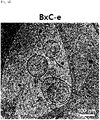
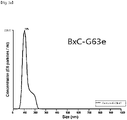
- exosomes (BxC-e) isolated from progenitor cells of induced pluripotent stem cell (iPSC)-derived mesenchymal stem cells (MSCs) retain the trait of conventional exosomes.
- the exosomes isolated from progenitor cells of induced pluripotent stem cell (iPSC)-derived mesenchymal stem cells (MSCs) has an excellent effect of regenerating renal cells ( FIG. 2 ).
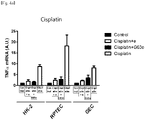
- BxC-e of the present disclosure was identified to inhibit cell death as well as inflammation in the kidney failure-induced renal cells and suppress endoplasmic reticulum stress ( FIGS. 4a to 6b ).
- a further aspect of the present disclosure pertains to a method for treating a kidney disease, the method comprising a step of administering exosomes isolated from progenitor cells of induced pluripotent stem cell (iPSC)-derived mesenchymal stem cells (MSCs) to a subject.
- iPSC induced pluripotent stem cell
- MSCs mesenchymal stem cells
- subject refers to a target in need of treatment of the disease and is intended to encompass humans, non-human primates, and mammals such as mice, dogs, cats, horses, and cattle.
- Yet another aspect of the present disclosure pertains to a use of exosomes isolated from progenitor cells of induced pluripotent stem cell (iPSC)-derived mesenchymal stem cells (MSCs) in treating a kidney disease.
- iPSC induced pluripotent stem cell
- MSCs mesenchymal stem cells
- kidney disease treating method and the therapeutic use share constituents with the exosomes isolated from iPSC-derived MSC progenitor cells and the pharmaceutical composition comprising same, the common contents therebetween are omitted in order to avoid undue complexity of the specification.
- a yet further aspect of the present disclosure pertains to a pharmaceutical composition for prevention or treatment of a kidney disease, the composition comprising, as an active ingredient, the exosomes isolated from induced pluripotent stem cell (iPSC)-derived mesenchymal stem cell (MSC) progenitor cells treated with a pretreatment material.
- iPSC induced pluripotent stem cell
- MSC mesenchymal stem cell
- pretreatment refers to a process of contacting induced pluripotent stem cell (iPSC)-derived mesenchymal stem cell (MSC) progenitor cells with a cell culture medium containing a pretreatment material in a culturing procedure.
- iPSC induced pluripotent stem cell
- MSC mesenchymal stem cell
- the pretreatment may be conducted by culturing the progenitor cells of induced pluripotent stem cell (iPSC)-derived mesenchymal stem cells (MSCs) in a cell culture medium containing the pretreatment material.
- iPSC induced pluripotent stem cell
- MSCs mesenchymal stem cells
- any medium may be used in the present disclosure.
- the cell culture medium include DMEM (Dulbecco's modification of Eagle's medium), a mixture of DMEM and F12, Eagle's MEM (Eagle's minimum essential medium), ⁇ -MEM, Iscove's MEM, 199 medium, CMRL 1066, RPMI 1640, F12, F10, Way-mouth's MB752/1, McCoy's 5A, and MCDB series.
- the culturing may be conducted for 6 to 48 hours.
- the culturing may be conducted 6 to 42 hours, 6 to 36 hours, 6 to 30 hours, 6 to 27 hours, 12 to 48 hours, 12 to 42 hours, 12 to 36 hours, 12 to 30 hours, 12 to 27 hours, 18 to 48 hours, 18 to 42 hours, 18 to 36 hours, 18 to 30 hours, 18 to 27 hours, 21 to 48 hours, 21 to 42 hours, 21 to 36 hours, 21 to 30 hours, or 21 to 27 hours.
- the pretreatment material may be exendin-4.
- Exendin-4 is a peptide agonist of glucagon-like peptide (GLP) receptor. Exendin-4 promotes insulin secretion and has been clinically used for treatment of diabetes mellitus type II and Parkinson's disease.
- GLP glucagon-like peptide
- Exendin-4 may be contained at a concentration of 1 to 100 nM in a cell culture medium.
- exendin-4 may be contained at a concentration of 1 to 90 nM, 1 to 80 nM, 1 to 70 nM, 1 to 60 nM, 1 to 50 nM, 1 to 40 nM, 1 to 30 nM, 10 to 90 nM, 10 to 80 nM, 10 to nM, 10 to 60 nM, 10 to 50 nM, 10 to 40 nM, and 10 to 30 nM in a cell culture medium.
- the pretreatment material may be lanifibranor.
- Lanifibranor is a small molecule acting as a peroxisome proliferator-activated receptor (PPAR) agonist to activate the three PPAR isomers PPAR ⁇ , PPAR ⁇ , and PPAR ⁇ to induce antifibrosis, antiinflammation, and a beneficial metabolism change in the body.
- PPARs are ligand-activated transcription factors of nuclear hormone receptor superfamily which regulate the expression of genes. PPARs are play essential roles in the regulation of cellular differentiation, development, and tumorigenesis. When activated, PPAR that regulates fibrosis is known to reduce abnormal growth of connective tissues.
- lanifibranor has been clinically used as a therapeutic agent for systemic sclerosis, idiopathic lung fibrosis, etc.
- Lanifibranor may be contained at a concentration of 1 to 100 nM in a cell culture medium.
- lanifibranor may be contained at a concentration of 1 to 1000 ⁇ M, 1 to 500 ⁇ M, 1 to 100 ⁇ M, 1 to 90 ⁇ M, 1 to 80 ⁇ M, 1 to 70 ⁇ M, 1 to 60 ⁇ M, 1 to 50 ⁇ M, 1 to 40 ⁇ M, 1 to 30 ⁇ M, 1 to 20 ⁇ M, 5 to 1000 ⁇ M, 5 to 500 ⁇ M, 5 to 100 ⁇ M, 5 to 90 ⁇ M, 5 to 80 ⁇ M, 5 to 70 ⁇ M, 5 to 60 ⁇ M, 5 to 50 ⁇ M, 5 to 40 ⁇ M, 5 to 30 ⁇ M, or 5 to 20 ⁇ M in a cell culture medium.
- Still another aspect of the present disclosure pertains to exosomes isolated from progenitor cells of induced pluripotent stem cell (iPSC)-derived mesenchymal stem cell (MSC) progenitor cells treated with a pretreatment material.
- iPSC induced pluripotent stem cell
- MSC mesenchymal stem cell
- exosomes isolated from progenitor cells of induced pluripotent stem cell (iPSC)-derived mesenchymal stem cell (MSC) progenitor cells pretreated with a pretreatment material retain the trait of conventional exosomes.
- iPSC induced pluripotent stem cell
- MSC mesenchymal stem cell
- a yet still further aspect of the present disclosure pertains to a method for treating a kidney disease, the method comprising a step of administering exosomes isolated from induced pluripotent stem cell (iPSC)-derived mesenchymal stem cell (MSC) progenitor cells treated with a pretreatment material to a subject.
- iPSC induced pluripotent stem cell
- MSC mesenchymal stem cell
- subject refers to a target in need of treatment of the disease and is intended to encompass humans, non-human primates, and mammals such as mice, dogs, cats, horses, and cattle.
- Yet further another aspect of the present disclosure pertains to a use of exosomes isolated from induced pluripotent stem cell (iPSC)-derived mesenchymal stem cell (MSC) progenitor cells pretreated with a pretreatment material in treating a kidney disease. Since the kidney disease treating method and the therapeutic use share constituents with the exosomes isolated from iPSC-derived MSC progenitor cells pretreated with a pretreatment material and the pharmaceutical composition comprising same, the common contents therebetween are omitted in order to avoid undue complexity of the specification.
- iPSC induced pluripotent stem cell
- MSC mesenchymal stem cell
- the present disclosure is concerned with a pharmaceutical composition
- a pharmaceutical composition comprising exosomes isolated from iPSC-derived MSC progenitor cells treated with or without a pretreatment material as an active ingredient for prevention or treatment of a kidney disease.
- exosomes of the present disclosure can be advantageously applied to the related research and development and commercialization.
- a pharmaceutical composition comprising induced pluripotent stem cell (iPSC)-derived mesenchymal stem cell (MSC) progenitor cells as an active ingredient for prevention or treatment of kidney disease.
- iPSC induced pluripotent stem cell
- MSC mesenchymal stem cell
- % used to express the concentration of a specific material, unless otherwise particularly stated, refers to (wt/wt) % for solid/solid, (wt/vol) % for solid/liquid, and (vol/vol) % for liquid/liquid.
- induced pluripotent stem cells were cultured in DMEM supplemented with 10% FBS and 10 ng/ml bFGF for 7 days. Then, stage-specific embryonic antigen 4 (SSEA-4) (-) cells, which have no SSEA-4 protein expressed on the surface thereof, were isolated from the cultured induced pluripotent stem cells through FACS. The isolated SSEA-4 (-) cells were passaged, and further cultured in the same medium as above for 7 days, thereby preparing progenitor cells of induced pluripotent stem cell-derived mesenchymal stem cells of the present disclosure.
- the progenitor cells of induced pluripotent stem cell (iPSC)-derived mesenchymal stem cells (MSCs) were named BxC (brexogen stem cell).
- the progenitor cells of iPSC-derived MSCs were further cultured in a culture medium [high glucose DMEM (Gibco, Cat no.11995-065), 10% Fetal bovine Serum (HyClone), 1% MEM Non-Essential Amino Acids Solution(100X)(Gibco, Cat no.11140-050)].
- EXAMPLE 1 Isolation of Exosomes from iPSC-derived MSC Progenitor Cell (BxC)
- the culture medium in which the induced pluripotent stem cell (iPSC)-derived mesenchymal stem cell (MSC) progenitor cells (hereinafter referred to as "BxC”) had been cultured was collected and centrifuged at 300xg for 10 min to remove the cells and cell debris as a pellet.
- the supernatant was filtered through a 0.22- ⁇ m filter and centrifuged at 10,000xg and 4°C for 70 min using a high-speed centrifuge.
- the supernatant thus formed was again centrifuged at 100,000xg and 4°C for 90 min using an ultracentrifuge. After removal of the supernatant, exosomes were obtained as a pellet, diluted in PBS (phosphate buffered saline), and used in subsequent experiments.
- PBS phosphate buffered saline
- BxC-e The exosomes isolated in Example 1 were measured for size distribution by nanoparticle tracking assay (NanoSight NS300, Malvern) and morphologically identified using an electron microscope.
- Example 1 Examination was made of the regenerative effect of the exosomes isolated in Example 1 on renal cells damaged by treatment with cisplatin or LPS (lipopolysaccharide).
- the epithelial cell line HK-2 Kerean Cell Line Bank
- the kidney epithelial cells RPTEC Renal Proximal Tubule Epithelial Cells, Lonza, CC-2553
- GEC Glomerular Endothelial Cells, Cell Systems, ACBRI 1278 were each seeded at a density of 1 ⁇ 10 4 cells/well into 96-well culture dishes.
- the cells were checked for the state thereof and treated for 24 hours with 25 ⁇ M cisplatin (Sigma P4394) in a serum-free growth medium. After 24 hours, the supernatant was discarded and the cells were washed with DPBS (HyClone SH30028.02) and incubated for 48 hours with 50 ⁇ g (low dose) or 100 ⁇ g (high dose) of the exosomes isolated in Example 1 in a fresh serum-free growth medium.
- DPBS HyClone SH30028.02
- CCK-8 solution cell counting kit-8, Enzo ALX-850-039-KI01
- the exosomes (BxC-e) isolated from BxC according to the present disclosure have an excellent regenerative effect on various renal cells.
- EXAMPLE 2 Isolation of Exosome (BxC-G63e) from iPSC-Derived MSC Progenitor Cell According to Treatment with Pretreatment Material
- the iPSC-derived MSC progenitor cells (BxC) prepared in the Preparation Example were cultured for 24 hours in a culture medium [high glucose DMEM (Gibco, Cat no.11995-065); 10% Fetal bovine Serum (HyClone), 1% MEM Non-Essential Amino Acids Solution(100X)(Gibco, Cat no.11140-050)] containing 20 nM exendin-4.
- a culture medium [high glucose DMEM (Gibco, Cat no.11995-065); 10% Fetal bovine Serum (HyClone), 1% MEM Non-Essential Amino Acids Solution(100X)(Gibco, Cat no.11140-050)] containing 20 nM exendin-4.
- exendin-4-pretreated BxC was washed and additionally cultured for 72 hours in a medium supplemented with exosome-depleted 10% fetal bovine serum (FBS).
- FBS fetal bovine serum
- the BxC culture medium treated with the pretreatment material was collected and centrifuged at 300xg for 10 min to remove remaining cells and cell debris as a pellet.
- the supernatant was taken and filtered through a 0.22- ⁇ m filter, followed by centrifugation at 10,000xg and 4°C for 70 min in a high-speed centrifuge.
- the supernatant thus formed was subjected to ultracentrifugation at 100,000xg and 4°C for 90 min. Exosomes were obtained as a pellet, diluted in PBS (phosphate buffered saline), and used in subsequent experiments.
- PBS phosphate buffered saline
- the iPSC-derived MSC progenitor cells (BxC) prepared in the Preparation Example were cultured for 24 hours in a culture medium [high glucose DMEM (Gibco, Cat no.11995-065); 10% Fetal bovine Serum (HyClone), 1% MEM Non-Essential Amino Acids Solution(100X) (Gibco, Cat no.11140-050)] containing 10 ⁇ M lanifibranor.
- a culture medium high glucose DMEM (Gibco, Cat no.11995-065); 10% Fetal bovine Serum (HyClone), 1% MEM Non-Essential Amino Acids Solution(100X) (Gibco, Cat no.11140-050)
- the lanifibranor-pretreated BxC was washed and additionally cultured for 72 hours in a medium supplemented with exosome-depleted 10% fetal bovine serum (FBS).
- FBS fetal bovine serum
- the BxC culture medium treated with the pretreatment material was collected and centrifuged at 300xg for 10 min to remove remaining cells and cell debris as a pellet.
- the supernatant was taken and filtered through a 0.22- ⁇ m filter, followed by centrifugation at 10,000xg and 4°C for 70 min in a high-speed centrifuge.
- the supernatant thus formed was subjected to ultracentrifugation at 100,000xg and 4°C for 90 min. Exosomes were obtained as a pellet, diluted in PBS (phosphate buffered saline), and used in subsequent experiments.
- PBS phosphate buffered saline
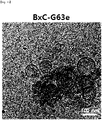
- Example 2 The exosomes isolated in Example 2 (BxC-G63e, BxC-V37e) were measured for size distribution by nanoparticle tracking assay (NanoSight NS300, Malvern) and morphologically identified using an electron microscope.
- EXPERIMENTAL EXAMPLE 4 Assay for Therapeutic Activity of Exosome (BxC-G63e) Isolated from iPSC-Derived MSC Progenitor Cell Treated with Exendin-4 for Kidney Disease
- Example 1 Exosomes isolated in Example 1 (BxC-e) and Example 2-1 (BxC-G63e) were assayed as follows.
- the epithelial cell line HK-2 Kerean Cell Line Bank
- the kidney epithelial cells RPTEC and GEC were each seeded at a density of 1 ⁇ 10 5 cells/well into 6-well culture dishes.
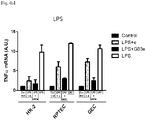
- the cells were checked for the state thereof and treated for 24 hours with 25 ⁇ M cisplatin or 20 ⁇ g/mL LPS and 100 ⁇ g of the exosomes (BxC-e) isolated in Example 1 or the exosomes (BxC-G63e) isolated in Example 2.
- As a positive control a group in which kidney failure had been induced by treatment with cisplatin or LPS alone was used.
- the exosomes (BxC-e and BxC-G63e) of the present disclosure exhibited an effect of remarkably inhibiting inflammation in various renal cells in which toxicity had been caused by treatment with cisplatin or LPS.
- the epithelial cell line HK-2 Kerean Cell Line Bank
- the kidney epithelial cells RPTEC and GEC were each seeded at a density of 1 ⁇ 10 5 cells/well into 6-well culture dishes.
- the cells were checked for the state thereof and treated for 24 hours with 25 ⁇ M cisplatin or 20 ⁇ g/mL LPS and 100 ⁇ g of the exosomes (BxC-e) isolated in Example 1 or the exosomes (BxC-G63e) isolated in Example 2.
- As a positive control a group in which kidney failure had been induced by treatment with cisplatin or LPS alone was used.
- the exosomes (BxC-e and BxC-G63e) of the present disclosure exhibited an effect of remarkably inhibiting apoptosis in various renal cells in which toxicity had been caused by treatment with cisplatin or LPS.
- the epithelial cell line HK-2 Kerean Cell Line Bank
- the kidney epithelial cells RPTEC and GEC were each seeded at a density of 1 ⁇ 10 5 cells/well into 6-well culture dishes.
- the cells were checked for the state thereof and treated for 24 hours with 25 ⁇ M cisplatin or 20 ⁇ g/mL LPS and 100 ⁇ g of the exosomes (BxC-e) isolated in Example 1 or the exosomes (BxC-G63e) isolated in Example 2.
- As a positive control a group in which kidney failure had been induced by treatment with cisplatin or LPS alone was used.
- the exosomes (BxC-e and BxC-G63e) of the present disclosure exhibited an effect of remarkably inhibiting endoplasmic reticulum stress in various renal cells in which toxicity had been caused by treatment with cisplatin or LPS.
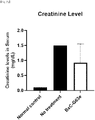
- exosomes (BxC-G63e) isolated from iPSC-derived MSC progenitor cells pretreated with exendin-4 were examined for the function to treat and recover from renal damage in a mouse renal damage model in which kidney failure had been induced by cisplatin.
- Cisplatin (15mg/kg) was injected intraperitoneally into Balb/c male mice 8 weeks old to induce renal damage. After injection of cisplatin, the exosomes (BxC-G63e) isolated from iPSC-derived MSC progenitor cells treated with exendin-4 were administered IV. Three days later, a blood sample was taken and measured for creatinine and BUN levels to determine the ability of BxC-G63e to treat and recover from renal damage. TABLE 1 Normal control No treatment BxC-G63e BUN level (mg/dL) 21.2 316 157 TABLE 2 Normal control No treatment BxC-G63e Creatinine level (mg/dL) 0.1 1.5 0.9
- FIGS. 7a and 7b and Tables 1 and 2 show the ability of the exosomes (BxC-G63e) isolated from iPSC-derived MSC progenitor cells pretreated with exendin-4 to remarkably reduce the levels of blood urea nitrogen and creatinine in the kidney, demonstrating that the BxC-G63e exosomes have an excellent effect of recovering the renal function from a damage state.
- EXPERIMENTAL EXAMPLE 5 Assay for Therapeutic Activity of Exosome (BxC-V37e) Isolated from iPSC-Derived MSC Progenitor Cell Treated with Lanifibranor for Kidney Disease
- Kidney epithelial cells were seeded at a density of 1 ⁇ 10 5 cells/well into 6-well culture dishes. At 16 hours after cell seeding, the cells were checked for the state thereof and treated for 24 hours with TGF- ⁇ (10 ng/mL), together with 100 ⁇ g of the exosomes (BxC-e) isolated in Example 1 or the exosomes (BxC-V37e) isolated from iPSC-derived MSC progenitor cells treated with lanifibranor, in a serum-free growth medium. As a positive control, a group in which kidney failure had been induced by treatment with cisplatin or TGF- ⁇ alone was used.
- the exosomes (BxC-e and BxC-V37e) of the present disclosure exhibited an effect of remarkably inhibiting apoptosis in renal cells in which fibrosis had been caused by treatment with TGF- ⁇ .
- Kidney epithelial cells were seeded at a density of 1 ⁇ 10 5 cells/well into 6-well culture dishes. At 16 hours after cell seeding, the cells were checked for the state thereof and treated for 24 hours with TGF- ⁇ (10 ng/mL), together with 100 ⁇ g of the exosomes (BxC-e) isolated in Example 1 or the exosomes (BxC-V37e) isolated from iPSC-derived MSC progenitor cells treated with lanifibranor, in a serum-free growth medium. As a positive control, a group in which kidney failure had been induced by treatment with TGF- ⁇ alone was used.
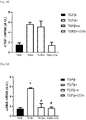
- the exosomes (BxC-e and BxC-V37e) of the present disclosure were found to remarkably reduce expression of the fibrosis-related genes Collagen I, CTGF, ⁇ -SMA, and Fibronectin genes in renal cells in which kidney failure had been induced by treatment with TGF- ⁇ .
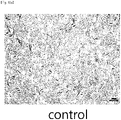
- Kidney epithelial cells were seeded at a density of 1 ⁇ 10 5 cells/well into 6-well culture dishes. Upon cell seeding, the cells were checked for the state thereof and treated for 24 hours with TGF- ⁇ (10 ng/mL), together with 100 ⁇ g of the exosomes (BxC-e) isolated in Example 1 or the exosomes (BxC-V37e) isolated from iPSC-derived MSC progenitor cells treated with lanifibranor in a serum-free growth medium. As a positive control, a group in which kidney failure had been induced by treatment with TGF- ⁇ alone was used. After 24 hours, the supernatant was discarded and the cells were washed with DPBS.
- TGF- ⁇ 10 ng/mL
- the exosomes (BxC-e and BxC-V37e) of the present disclosure were found to remarkably reduce the generation of nodules formed in the renal cells in which kidney failure had been induced by treatment with TGF ⁇ .
- Kidney epithelial cells were seeded at a density of 1 ⁇ 10 5 cells/well into 6-well culture dishes. At 16 hours after cell seeding, the cells were checked for the state thereof and treated for 24 hours with TGF- ⁇ (10 ng/mL), together with 100 ⁇ g of the exosomes (BxC-e) isolated in Example 1 or the exosomes (BxC-V37e) isolated from iPSC-derived MSC progenitor cells treated with lanifibranor, in a serum-free growth medium. As a positive control, a group in which kidney failure had been induced by treatment with TGF- ⁇ alone was used.
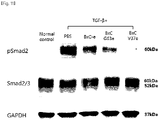
- the exosomes (BxC-e and BxC-V37e) of the present disclosure were found to inhibit the TGF- ⁇ -induced phosphorylation of Smad2 protein in renal cells in which kidney failure had been induced by treatment with TGF ⁇ .
- EMT epithelial-mesenchymal transition
- Kidney epithelial cells were seeded at a density of 1 ⁇ 10 5 cells/well into 6-well culture dishes. At 16 hours after cell seeding, the cells were checked for the state thereof and treated for 24 hours with TGF- ⁇ (10 ng/mL), together with 100 ⁇ g of the exosomes (BxC-e) isolated in Example 1 or the exosomes (BxC-V37e) isolated from iPSC-derived MSC progenitor cells treated with lanifibranor, in a serum-free growth medium. As a positive control, a group in which kidney failure had been induced by treatment with TGF- ⁇ alone was used.
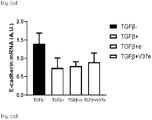
- exosomes (BxC-e and BxC-V37e) of the present disclosure were found to effectively regulate the epithelial-mesenchymal transition (EMT) pathway, which is an important mechanism for fibrosis, in renal cells in which kidney failure had been induced by treatment with TGF- ⁇ .
- EMT epithelial-mesenchymal transition
- Kidney epithelial cells were seeded at a density of 1 ⁇ 10 5 cells/well into 6-well culture dishes. At 16 hours after cell seeding, the cells were checked for the state thereof and treated for 24 hours with TGF- ⁇ (10 ng/mL), together with 100 ⁇ g of the exosomes (BxC-e) isolated in Example 1 or the exosomes (BxC-V37e) isolated from iPSC-derived MSC progenitor cells treated with lanifibranor, in a serum-free growth medium. As a positive control, a group in which kidney failure had been induced by treatment with TGF- ⁇ alone was used.
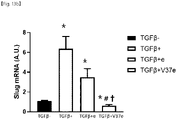
- exosomes (BxC-e and BxC-V37e) of the present disclosure were found to effectively regulate snail and slug mRNA expression responsible for signals downstream of the epithelial-mesenchymal transition (EMT) pathway, which is an important mechanism for fibrosis, in renal cells in which kidney failure had been induced by treatment with TGF- ⁇ .
- EMT epithelial-mesenchymal transition
- exosomes (BxC-V37e) isolated from iPSC-derived MSC progenitor cells pretreated with lanifibranor were examined for the function to treat and recover from renal damage in a mouse renal damage model in which kidney failure had been induced by cisplatin.
- Cisplatin (15mg/kg) was injected intraperitoneally into Balb/c male mice 8 weeks old to induce renal damage. After injection of cisplatin, the exosomes (BxC-V63e) isolated from iPSC-derived MSC progenitor cells treated with lanifibranor were administered IV. Three days later, a blood sample was taken and measured for creatinine and BUN levels to determine the ability of BxC-G63e to treat and recover from renal damage. TABLE 18 Normal control No treatment BxC-V37e BUN level (mg/dL) 21.2 316 212 TABLE 19 Normal control No treatment BxC-V37e Creatinine level (mg/dL) 0.1 1.5 0.3
- FIGS. 14a and 14b and Tables 18 and 19 show the ability of the exosomes (BxC-V37e) isolated from iPSC-derived MSC progenitor cells pretreated with exendin-4 to remarkably reduce the levels of blood urea nitrogen (BUN) and creatinine in the kidney, demonstrating that the BxC-V37e exosomes have an excellent effect of recovering the renal function from a damage state.
- BxC-V37e blood urea nitrogen
- BxC-e, BxC-G63e, and BxC-V37e have excellent prophylactic or therapeutic efficacy as they are inhibitory of inflammation and apoptosis of kidney failure-induced renal cells as well as endoplasmic reticulum stress.
- the present disclosure is concerned with a composition comprising exosomes isolated from iPSC-derived MSC progenitor cells treated with or without a pretreatment material as an active ingredient for preventing or treating kidney disease.
Landscapes
- Health & Medical Sciences (AREA)
- Life Sciences & Earth Sciences (AREA)
- Engineering & Computer Science (AREA)
- Chemical & Material Sciences (AREA)
- Biomedical Technology (AREA)
- Developmental Biology & Embryology (AREA)
- Cell Biology (AREA)
- General Health & Medical Sciences (AREA)
- Biotechnology (AREA)
- Zoology (AREA)
- Bioinformatics & Cheminformatics (AREA)
- Organic Chemistry (AREA)
- Veterinary Medicine (AREA)
- Animal Behavior & Ethology (AREA)
- Public Health (AREA)
- Pharmacology & Pharmacy (AREA)
- Medicinal Chemistry (AREA)
- Immunology (AREA)
- Genetics & Genomics (AREA)
- Wood Science & Technology (AREA)
- Epidemiology (AREA)
- Virology (AREA)
- Microbiology (AREA)
- Nuclear Medicine, Radiotherapy & Molecular Imaging (AREA)
- General Chemical & Material Sciences (AREA)
- Chemical Kinetics & Catalysis (AREA)
- Hematology (AREA)
- Urology & Nephrology (AREA)
- Biochemistry (AREA)
- General Engineering & Computer Science (AREA)
- Reproductive Health (AREA)
- Transplantation (AREA)
- Rheumatology (AREA)
- Gynecology & Obstetrics (AREA)
- Medicines Containing Material From Animals Or Micro-Organisms (AREA)
Applications Claiming Priority (2)
| Application Number | Priority Date | Filing Date | Title |
|---|---|---|---|
| KR20190144420 | 2019-11-12 | ||
| PCT/KR2020/015790 WO2021096220A1 (fr) | 2019-11-12 | 2020-11-11 | Composition pour la prévention ou le traitement de maladies rénales, comprenant des exosomes dérivés de cellules précurseurs de cellules souches mésenchymateuses dérivées de cellules souches pluripotentes induites |
Publications (2)
| Publication Number | Publication Date |
|---|---|
| EP4079313A1 true EP4079313A1 (fr) | 2022-10-26 |
| EP4079313A4 EP4079313A4 (fr) | 2023-10-18 |
Family
ID=76157818
Family Applications (1)
| Application Number | Title | Priority Date | Filing Date |
|---|---|---|---|
| EP20888516.0A Pending EP4079313A4 (fr) | 2019-11-12 | 2020-11-11 | Composition pour la prévention ou le traitement de maladies rénales, comprenant des exosomes dérivés de cellules précurseurs de cellules souches mésenchymateuses dérivées de cellules souches pluripotentes induites |
Country Status (3)
| Country | Link |
|---|---|
| EP (1) | EP4079313A4 (fr) |
| KR (1) | KR102630220B1 (fr) |
| CN (1) | CN114728024B (fr) |
Families Citing this family (2)
| Publication number | Priority date | Publication date | Assignee | Title |
|---|---|---|---|---|
| CN115040544A (zh) * | 2022-07-11 | 2022-09-13 | 深圳市弘际生物科技有限责任公司 | 干细胞外泌体在制备用于治疗慢性肾病的药物中的应用 |
| CN117431208B (zh) * | 2023-12-18 | 2024-03-29 | 南昌大学 | 一种trim15高表达细胞外囊泡的制备及应用 |
Family Cites Families (8)
| Publication number | Priority date | Publication date | Assignee | Title |
|---|---|---|---|---|
| SG11201804117XA (en) * | 2015-11-18 | 2018-06-28 | Univ Georgia | Neural cell extracellular vessicles |
| KR101826208B1 (ko) | 2016-02-05 | 2018-02-06 | 경북대학교 산학협력단 | 뉴로펩타이드 y를 유효성분으로 포함하는, 신장질환의 예방 또는 치료용 약학적 조성물 |
| KR102046381B1 (ko) * | 2016-12-02 | 2019-11-19 | 주식회사 미래셀바이오 | 기능성이 향상된 신규 간엽성 전구세포를 포함하는 혈관 재생용 또는 혈관 손상 방지용 세포치료제 조성물, 및 이의 제조방법 |
| KR102095628B1 (ko) * | 2018-01-05 | 2020-04-01 | 재단법인 아산사회복지재단 | 유도만능 줄기세포 유래 중간엽 줄기세포 및 이로부터 유래된 엑소좀을 포함하는 피부질환의 개선, 예방 또는 치료용 조성물 |
| KR102135036B1 (ko) * | 2019-06-10 | 2020-07-20 | 브렉소젠 주식회사 | 엑센딘-4를 포함하는 줄기세포 유래 엑소좀 생성 촉진 및 줄기세포능 증가용 조성물 |
| KR102199640B1 (ko) * | 2020-01-06 | 2021-01-07 | 브렉소젠 주식회사 | 라니피브라노르를 포함하는 줄기세포 유래 엑소좀 생성 촉진 및 줄기세포기능 강화용 조성물 |
| KR102284117B1 (ko) * | 2019-07-26 | 2021-08-02 | 브렉소젠 주식회사 | 유도만능줄기세포-유래 중간엽 줄기세포 전구세포 및 그의 제조방법 |
| KR102386464B1 (ko) * | 2019-08-22 | 2022-04-18 | 브렉소젠 주식회사 | 유도만능줄기세포-유래 중간엽 줄기세포 전구세포로부터 유래된 엑소좀을 포함하는 비알콜성 지방간염의 예방 또는 치료용 조성물 |
-
2020
- 2020-11-11 KR KR1020200149965A patent/KR102630220B1/ko active Active
- 2020-11-11 CN CN202080079648.6A patent/CN114728024B/zh active Active
- 2020-11-11 EP EP20888516.0A patent/EP4079313A4/fr active Pending
Also Published As
| Publication number | Publication date |
|---|---|
| KR20210057689A (ko) | 2021-05-21 |
| KR102630220B1 (ko) | 2024-01-29 |
| CN114728024B (zh) | 2024-05-14 |
| CN114728024A (zh) | 2022-07-08 |
| EP4079313A4 (fr) | 2023-10-18 |
Similar Documents
| Publication | Publication Date | Title |
|---|---|---|
| EP3926041B1 (fr) | Compositions et procédés de préparation de cellules des voies aériennes | |
| AU2020228303B2 (en) | Amniotic fluid-derived extracellular vesicles and uses thereof for wound healing | |
| EP3209306B1 (fr) | Cellules souches neurales stables comprenant un polynucléotide exogène codant pour un facteur de croissance et leurs méthodes d'utilisation | |
| US11040072B2 (en) | Composition for inducing beige adipocyte differentiation containing exosome derived from stem cells | |
| CN113728091A (zh) | 用于促进干细胞来源外泌体产生和增加干性的组合物 | |
| US12491212B2 (en) | Composition for preventing or treating renal diseases, comprising exosomes derived from precursor cells of induced pluripotent stem cell-derived mesenchymal stem cells | |
| EP4019027B1 (fr) | Composition comprenant des exosomes dérivés de cellules souches mésenchymateuses dérivée d'une cellule souche pluripotente induite pour la prévention ou le traitement de la stéatohépatite non alcoolique | |
| KR102630220B1 (ko) | 유도만능줄기세포-유래 중간엽 줄기세포 전구세포로부터 유래된 엑소좀을 포함하는 신장 질환의 예방 또는 치료용 조성물 | |
| Huang et al. | Induced pluripotent stem cells (iPSC)-derived mesenchymal stem cells (MSCs) showed comparable effects in repair of acute kidney injury as compared to adult MSCs | |
| CN117750964A (zh) | 含有成纤维细胞的肾疾病治疗用医药组合物 | |
| KR102386464B1 (ko) | 유도만능줄기세포-유래 중간엽 줄기세포 전구세포로부터 유래된 엑소좀을 포함하는 비알콜성 지방간염의 예방 또는 치료용 조성물 | |
| WO2020241132A1 (fr) | Procédé de prolifération cellulaire, agent de prolifération cellulaire et milieu de prolifération cellulaire | |
| KR101780597B1 (ko) | TIF1γ의 발현 또는 활성 증강제를 유효성분으로 포함하는 간 섬유화 또는 간경화 예방 또는 치료용 조성물 | |
| KR101903964B1 (ko) | 간세포의 재생 증대를 위한 중간엽 줄기세포의 제조방법 및 이를 이용한 간 경화 치료용 조성물 | |
| KR101776787B1 (ko) | 간세포의 재생 증대를 위한 중간엽 줄기세포의 제조방법 및 이를 이용한 간 경화 치료용 조성물 | |
| KR20250004520A (ko) | 중간엽 줄기세포 유래 세포외 소포체 및 이의 용도 | |
| Bellayr | The Role of Matrix Metalloproteinases In Influencing Stem Cell Behavior and Skeletal Muscle Healing |
Legal Events
| Date | Code | Title | Description |
|---|---|---|---|
| STAA | Information on the status of an ep patent application or granted ep patent |
Free format text: STATUS: THE INTERNATIONAL PUBLICATION HAS BEEN MADE |
|
| PUAI | Public reference made under article 153(3) epc to a published international application that has entered the european phase |
Free format text: ORIGINAL CODE: 0009012 |
|
| STAA | Information on the status of an ep patent application or granted ep patent |
Free format text: STATUS: REQUEST FOR EXAMINATION WAS MADE |
|
| 17P | Request for examination filed |
Effective date: 20220504 |
|
| AK | Designated contracting states |
Kind code of ref document: A1 Designated state(s): AL AT BE BG CH CY CZ DE DK EE ES FI FR GB GR HR HU IE IS IT LI LT LU LV MC MK MT NL NO PL PT RO RS SE SI SK SM TR |
|
| DAV | Request for validation of the european patent (deleted) | ||
| DAX | Request for extension of the european patent (deleted) | ||
| A4 | Supplementary search report drawn up and despatched |
Effective date: 20230918 |
|
| RIC1 | Information provided on ipc code assigned before grant |
Ipc: C12N 5/074 20100101ALI20230912BHEP Ipc: A61P 13/12 20060101ALI20230912BHEP Ipc: A61K 35/28 20150101AFI20230912BHEP |
|
| STAA | Information on the status of an ep patent application or granted ep patent |
Free format text: STATUS: EXAMINATION IS IN PROGRESS |
|
| 17Q | First examination report despatched |
Effective date: 20250429 |