EP4082609B1 - Optimisation d'un traitement par thermoradiothérapie - Google Patents
Optimisation d'un traitement par thermoradiothérapie Download PDFInfo
- Publication number
- EP4082609B1 EP4082609B1 EP21170669.2A EP21170669A EP4082609B1 EP 4082609 B1 EP4082609 B1 EP 4082609B1 EP 21170669 A EP21170669 A EP 21170669A EP 4082609 B1 EP4082609 B1 EP 4082609B1
- Authority
- EP
- European Patent Office
- Prior art keywords
- plan
- treatment
- hyperthermia
- radiation
- optimization
- Prior art date
- Legal status (The legal status is an assumption and is not a legal conclusion. Google has not performed a legal analysis and makes no representation as to the accuracy of the status listed.)
- Active
Links
Images
Classifications
-
- A—HUMAN NECESSITIES
- A61—MEDICAL OR VETERINARY SCIENCE; HYGIENE
- A61N—ELECTROTHERAPY; MAGNETOTHERAPY; RADIATION THERAPY; ULTRASOUND THERAPY
- A61N5/00—Radiation therapy
- A61N5/10—X-ray therapy; Gamma-ray therapy; Particle-irradiation therapy
- A61N5/103—Treatment planning systems
- A61N5/1031—Treatment planning systems using a specific method of dose optimization
-
- G—PHYSICS
- G16—INFORMATION AND COMMUNICATION TECHNOLOGY [ICT] SPECIALLY ADAPTED FOR SPECIFIC APPLICATION FIELDS
- G16H—HEALTHCARE INFORMATICS, i.e. INFORMATION AND COMMUNICATION TECHNOLOGY [ICT] SPECIALLY ADAPTED FOR THE HANDLING OR PROCESSING OF MEDICAL OR HEALTHCARE DATA
- G16H20/00—ICT specially adapted for therapies or health-improving plans, e.g. for handling prescriptions, for steering therapy or for monitoring patient compliance
- G16H20/40—ICT specially adapted for therapies or health-improving plans, e.g. for handling prescriptions, for steering therapy or for monitoring patient compliance relating to mechanical, radiation or invasive therapies, e.g. surgery, laser therapy, dialysis or acupuncture
-
- A—HUMAN NECESSITIES
- A61—MEDICAL OR VETERINARY SCIENCE; HYGIENE
- A61N—ELECTROTHERAPY; MAGNETOTHERAPY; RADIATION THERAPY; ULTRASOUND THERAPY
- A61N5/00—Radiation therapy
- A61N5/10—X-ray therapy; Gamma-ray therapy; Particle-irradiation therapy
- A61N5/103—Treatment planning systems
- A61N5/1038—Treatment planning systems taking into account previously administered plans applied to the same patient, i.e. adaptive radiotherapy
-
- A—HUMAN NECESSITIES
- A61—MEDICAL OR VETERINARY SCIENCE; HYGIENE
- A61N—ELECTROTHERAPY; MAGNETOTHERAPY; RADIATION THERAPY; ULTRASOUND THERAPY
- A61N1/00—Electrotherapy; Circuits therefor
- A61N1/40—Applying electric fields by inductive or capacitive coupling ; Applying radio-frequency signals
- A61N1/403—Applying electric fields by inductive or capacitive coupling ; Applying radio-frequency signals for thermotherapy, e.g. hyperthermia
-
- A—HUMAN NECESSITIES
- A61—MEDICAL OR VETERINARY SCIENCE; HYGIENE
- A61N—ELECTROTHERAPY; MAGNETOTHERAPY; RADIATION THERAPY; ULTRASOUND THERAPY
- A61N5/00—Radiation therapy
- A61N5/02—Radiation therapy using microwaves
- A61N5/022—Apparatus adapted for a specific treatment
- A61N5/025—Warming the body, e.g. hyperthermia treatment
Definitions
- the present invention relates to the planning of multimodality treatments combining radiation therapy and hyperthermia treatment. Such treatments are often referred to as thermoradiotherapy, or hyperthermia-enhanced radiotherapy.
- Radiotherapy or radiation therapy (RT) involves submitting a patient's body to radiation.
- Hyperthermia therapy refers to the treatment of malignant diseases by heating the tissue.
- Various heating techniques may be used, including, but not limited to, liquid agents, capacitive heating systems, exposure by electromagnetic radiation (radiofrequency, microwaves, or infrared), acoustic waves (ultrasound).
- the use of HT also enhances the effects of RT and some systemic types of treatment, such as chemotherapy.
- Raising the tumor temperatures to approximately 39-45°C, in combination with RT and/or systemic therapies has been found to increase the tumor control probability (TCP) compared to single modality treatments, and with practically no increase in late normal tissue complication probability (NTCP).
- TCP tumor control probability
- NTCP late normal tissue complication probability
- This synergistic effect is due to various sensitization effects of HT, which include inhibition of DNA repair mechanisms and reoxygenation, as well as direct HT cell kill of radioresistant hypoxic tumor cells and triggering of multiple immune responses.
- the radiosensitizing effect can be quantified mathematically using known concepts like the equivalent radiation dose (EQD) including temperature-dependent parameters for the radiation, biological models including TCP and NTCP which could be dependent on the temperature-dependent EQD, the thermal enhancement ratio (TER), which is defined as the ratio of the radiation dose needed to produce a specific therapeutic effect without HT treatment, and the radiation dose needed to produce the same therapeutic effect combined with HT treatment.
- EQD equivalent radiation dose
- TER thermal enhancement ratio
- RTHT treatments typically consists of approximately 5-35 RT fractions delivered daily, with a HT boost 1-2 times/week resulting in a total of approximately 1-10 HT fractions.
- the same RT treatment is delivered independently of whether or not a HT fraction is delivered on the same day, although strategies for adapting the RT plan on the days of HT delivery exist.
- the optimization of such multimodality treatment involves the optimization of at least one RT plan and at least one HT plan.
- a general aim in all such treatments is to optimize the therapeutic effect of the treatment on the patient.
- this involves exploiting the synergistic effects as much as possible.
- For a RTHT treatment this includes exploiting effects related to co-localization of hot or cold temperature voxels, respectively, with RT doses, to account for the temperature-dependent radiosensitization in each voxel.
- the disclosure aims to provide an improved planning method for multimodality treatments involving both radiation therapy and hyperthermia therapy.
- the invention and its most advantageous embodiments are defined in the appended set of claims.
- the disclosure relates to a computer-based method for generating a set of treatment plans including a radiation treatment plan and a hyperthermia treatment plan, for thermoradiotherapy treatment for a treatment volume of a patient, the method comprising the steps of:
- the synergistic effects of RTHT treatments can be enhanced, since treatments are optimized and planned together.
- the invention enables determining a more correct co-location of the temperature distribution, the radiation dose distribution, and optionally the effect of additional systemic therapies in the patient so that the synergistic effects of the treatments can be exploited more efficiently.
- the radiation treatment plan is an external beam radiation treatment plan.
- Issues related to the co-localization of hot or cold temperature voxels with corresponding RT doses can be mitigated, by increasing or reducing the dose in a voxel by accounting for the temperature-dependent sensitization of the radiation dose. In some cases, such issues may even be taken advantage of. For example, a radiation dose to a target may be reduced while maintaining a predetermined TCP if the temperature in the target is increased.
- a combination of high temperature and high radiation dose should be avoided, because the combination may result in an increased NTCP.
- This can be achieved by lowering the temperature and/or the radiation dose in the corresponding voxels in sequential optimization strategies, where the quantity of the modality optimized second is adjusted accounting for the combined predicted effect, or in a co-optimization strategy where both modalities are optimized simultaneously.
- the enhanced effect caused by a combination of high temperature and high radiation dose may be desired.
- high temperatures and high radiation doses can be co-localized to the same voxel(s) within the target volume of the multimodality treatment to enhance the TCP using both sequential and co-optimization strategies.
- the method may include the step of defining the set of treatment plans including the hyperthermia plan and the radiotherapy plan and at least one other type of plan, such as surgery or a plan for a type of systemic treatment including chemotherapy, immunotherapy and hormone therapy.
- plans to optimize are predetermined.
- the set of treatment plans may for example comprise at least a first and a second radiotherapy plan, where the first radiotherapy plan is optimized for delivery on the same day as the at least one hyperthermia plan and the second radiotherapy plan is optimized for delivery on the days where another hyperthermia plan or no hyperthermia plan is delivered.
- the set of treatment plans comprises at least one additional therapy plan along with the at least one hyperthermia plan and at least one radiotherapy plan, said at least one additional therapy plan related to a systemic treatment such as chemotherapy.
- the set of treatment plans may further include plans for one or more additional types of treatment.
- additional types of treatment primarily include systemic therapies such as chemotherapy, hormone therapy and immunotherapy, but may also include surgery.
- the method involves the step of generating the at least one of the radiation treatment plan and the hyperthermia treatment plan comprises co-optimization of the hyperthermia plan and the radiotherapy plan, the optimization problem including information on a combined predicted effect of temperature and dose for each voxel.
- a pre-existing radiation treatment plan has been obtained and the step of generating the at least one of the radiation treatment plan and the hyperthermia treatment plan comprises optimizing the hyperthermia plan accounting for the predicted effect of at least one pre-existing radiotherapy plan, wherein the optimization problem includes the predicted effect of the radiation dose for each voxel.
- a pre-existing hyperthermia plan has been obtained before the step of obtaining the optimization problem, and the step of generating the at least one of the radiation treatment plan and the hyperthermia treatment plan comprises optimizing the radiotherapy plan accounting for the predicted effect of at least one pre-existing hyperthermia plan, wherein the optimization problem includes temperature dependence information for the biological parameters for each voxel.
- the optimization problem may also comprise one or more constraints defining parameters that must be maintained during optimization.
- the optimization problem preferably comprises a biological or a physical objective.
- the optimization problem may also comprise at least one objective function for machine parameter optimization of one or both of the heat delivery system and the radiation delivery system.
- the optimization problem may also include at least one constraint related to machine limitations of at least one delivery machine that will be used to deliver hyperthermia treatment and/or radiation treatment as constraints or objectives.
- the optimization problem includes a simplified machine model for either the heating system or the RT system for which the parameters are optimized, such as radiation fluence optimization and power optimization for the heating system.
- the model used as a basis for the optimization problem may be a biological model.
- the optimization problem advantageously comprises a biological or a physical objective.
- the model and the objectives may relate to factors such as radiation dose, temperature, equivalent radiation dose (EQD), equivalent uniform distribution (EUD), biological effective dose (BED) and thermal enhancement ratio (TER) limits to targets and organs at risk (OAR) in the treatment volume, dose or temperature volume histograms (DVH and TVH) limits, probability limits for tumor control probability (TCP), and normal tissue complication probability (NTCP), complication free cure probability, secondary cancer and overall survival, linear energy transfer (LET) limits related to the radiation, the location where the particles stop and/or homogeneity and conformity indices.
- factors such as radiation dose, temperature, equivalent radiation dose (EQD), equivalent uniform distribution (EUD), biological effective dose (BED) and thermal enhancement ratio (TER) limits to targets and organs at risk (OAR) in the treatment volume, dose or temperature volume histograms (DVH and TVH) limits, probability
- aspects of the invention also relate to a computer program product comprising computer-readable code which when run in a processor will cause the processor to perform the method according to the embodiments discussed above.
- the computer program product may be stored on non-transitory storage unit.
- aspects of the invention also relate to a computer comprising a processor and a program memory, wherein the program memory holds such a computer program product for being executed in the processor.
- the methods according to embodiments of the invention relate to optimization of treatment plans.
- optimization is performed by applying an optimization problem that has been designed for the situation at hand, based on clinical goals and one or more biological models.
- the optimization problem is defined by objective functions, which define goals that the optimization should strive towards, for example minimizing dose to tissue surrounding a target, and constraints, which place absolute requirements, for example a minimum dose to the target.
- Constraints may also reflect machine limitations of at least one delivery machine that will be used to deliver hyperthermia treatment and/or radiation treatment. The skilled person is acquainted with such constraints, which include maximum speed of mechanical parts, maximum radiation delivery per time unit, and other limitations.
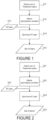
- FIG. 1 is a flow chart detailing a method according to a first embodiment of the disclosure, in which an RT plan is optimized considering the predicted effect of an HT plan that has been obtained in advance.
- a thermoradiotherapy treatment is defined as a set of treatment plans corresponding to the treatment modalities involved.
- the set of plans in this embodiment includes a hyperthermia plan and a radiotherapy plan and may optionally also include plans of other modalities, such as surgery, immunotherapy, hormone therapy or chemotherapy.
- the following information may be needed:
- an optimization problem is obtained for optimizing the set of plans together.
- the optimization problem must include at least one objective function related to the combined treatment including hyperthermia and radiation, and optionally the other plan or plans included in the set.
- the optimization problem comprises optimization functions where the temperature dependence of the biological parameters is included for each voxel of interest.
- the equivalent radiation dose (EQD) in 2-Gy fractions (EQD2) of the multimodality treatment could be optimized using the linear-quadratic (LQ) model for cell survival.
- the LQ-parameters ⁇ and ⁇ are known to vary with temperature as an increased temperature increase the radio sensitivity.
- EQD2 By incorporating models for the temperature dependency of the LQ-parameter it is possible to optimize directly on the EQD2 for the combined predicted therapeutic effect of radiation dose and temperature. Objectives may be set for, for example, maximum/minimum EQD2, DVH limits as well as uniform EQD2.
- EQD2 could be incorporated in one or more suitable models for optimization.
- Such models include equivalent uniform dose (EUD), tumor control probability (TCP) and normal tissue complication probability (NTCP) models. This could include using objective functions defined based on EQD2, including temperature dependency. It could also include using objective functions defined as models that are based on EQD2, including temperature dependency. In this manner the temperature dependent EQD2, EUD, TCP and/or NTCP will be optimized to fulfil the stated clinical goals.
- EUD equivalent uniform dose
- TCP tumor control probability
- NTCP normal tissue complication probability
- a pre-existing temperature distribution of a hyperthermia plan is used as input for the optimization of a radiotherapy plan, and in step S 14, the RT plan is optimized while considering the radiosensitization caused by the temperature distribution resulting from the pre-existing HT plan S 13.
- the output S 15 of step S 14 is the set of plans including the pre-existing HT plan and the RT plan optimized using the optimization problem obtained in step S13. Modifications of the order of delivery, or of the number of fractions of the HT plan may be made to enhance the combined effect of RT and HT.
- FIG. 2 is a flowchart of a second embodiment of the method according to the invention, in which an HT plan is optimized while considering the combined effect with the radiation dose distribution resulting from a pre-existing RT plan.
- a thermoradiotherapy treatment is defined as a set of treatment plans corresponding to the modalities of treatment involved.
- the set of plans includes a hyperthermia plan and a radiotherapy plan and may optionally also include other types of plans, such as surgery, immunotherapy, hormone therapy or chemotherapy, or a second radiotherapy plan related to a different type of radiotherapy.
- an optimization problem is obtained for optimizing the set of plans together.
- the optimization problem must include at least one objective function related to the combined treatment including hyperthermia and radiation, and optionally the other plan or plans included in the set.
- the objective function comprises optimization functions where the effect of the radiation dose resulting from the previously obtained radiotherapy plan is included for each voxel of interest.
- optimization strategies using e.g., EQD2, TCP, and NTCP models could be used for the optimization of the hyperthermia plan.
- a pre-existing dose distribution of a radiotherapy treatment plan is used as input for the optimization of a hyperthermia treatment plan, and in step S24, the HT plan is optimized while taking into account the dose distribution resulting from the pre-existing RT plan.
- the output S25 of step S24 is the set of treatment plans including the previously obtained RT plan and the HT plan optimized using the optimization problem obtained in step S22.
- thermoradiotherapy treatment is defined as a set of treatment plans corresponding to the types of treatment involved.
- the set of plans includes one or more hyperthermia plans and one or more radiotherapy plans and may optionally also include other types of plans, such as surgery, immunotherapy, hormone therapy or chemotherapy.
- an optimization problem is obtained for optimizing the set of plans together.
- the optimization problem must include at least one objective function related to the combined treatment including hyperthermia and radiation, and optionally the other plan or plans included in the set.
- the objective function comprises optimization functions where the predicted combined effect of temperature and dose are included for each voxel of interest.
- optimization strategies using e.g., EQD2, EUD, TCP, and NTCP models could be used; however, in this embodiment the temperature and dose distributions are simultaneously co-optimized in the search for the optimal treatment in terms of the combined predicted therapeutic effect.
- step S33 the HT plan and the RT plan are optimized in one optimization operation.
- the output S34 of step S33 is the set of treatment plans including the HT plan and the RT plan optimized together using the optimization problem obtained in step S32.
- the first step of each of the methods above, S11, S21, S31 may in many cases not be needed. It may be predefined which treatment plans are to be included, or the possible types of treatment may be restricted by the available equipment, for example. Co-optimization of HT and RT is advantageous because these types of treatment are known to have a strong direct influence on each other and strong synergistic effects.
- the step of obtaining the optimization problem may include retrieving an existing optimization problem or defining a new optimization problem, or adapting a predefined optimization problem to a specific situation by including or modifying objective functions and/or constraints.
- two radiotherapy plans may be included in the set of treatment plans in addition to the hyperthermia treatment plan. Including two separate radiotherapy plans may be useful in the cases where two different types of radiation treatment should be combined. It is also possible to include a first radiotherapy plan including the fractions to be delivered in conjunction with hyperthermia treatments, and a second radiotherapy plan including the fractions to be delivered without the effect of hyperthermia treatment. In conjunction within this context means so near in time that the effects of the radiation and the hyperthermia overlap and enhance each other.
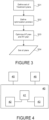
- Figure 4 shows schematically a computer 40 in which the methods according to the invention may be performed.
- the computer 40 comprises a processor 41, a program memory 42 and a data memory 43.
- the program and data memories 42, 43 may be implemented in any suitable way, in the form of one or more memories, internally or externally to the computer 40.
- the computer comprises, or is connected to, one or more user input/output devices, such as a screen, a keyboard, a mouse, audio input/output means, and any other suitable devices.
- the program memory 42 holds a computer program arranged to be run in the processor 41 to perform a method according to the invention, for example according to one of the embodiments discussed above.
- the data memory 43 or memories hold input data to be used in the method, such as patient data, information about the set of plans and, in the case of Figures 1 and 2 , of the previously obtained plans used as input to the optimization.
- the data memory 43 may also hold the resulting set of plans that forms the output from the method.
- the treatment plans may be planned for delivery by any suitable type of delivery equipment.
- different apparatuses are normally used for delivery of HT and RT, respectively.
- the HT delivery apparatus may use any suitable technique, including, but not limited to, liquid agents, capacitive heating systems, exposure by electromagnetic radiation, acoustic waves (ultrasound), and magnetic HT where nanoparticles are injected in the tumor and subsequently heated by varying magnetic field over the tumor region.
- Electromagnetic radiation is often used and may include of electromagnetic radiation of any suitable wavelength, including radiofrequency, microwaves, or infrared.
- the RT delivery apparatus is preferably an external beam radiation therapy device, for delivering any type of radiotherapy to a patient, including photon, electron or ion radiotherapy. Delivery apparatuses for both RT and HT are well known in the art and will not be discussed in more detail here. Also, the skilled person is familiar with apparatuses and equipment used for other types of treatments, such as surgery and systemic treatments, and their effects. Systemic treatments include chemotherapy, hormone therapy and immunotherapy, all of which are commonly used in the treatment of, for example, cancer patients.
Landscapes
- Health & Medical Sciences (AREA)
- Engineering & Computer Science (AREA)
- Biomedical Technology (AREA)
- General Health & Medical Sciences (AREA)
- Public Health (AREA)
- Nuclear Medicine, Radiotherapy & Molecular Imaging (AREA)
- Veterinary Medicine (AREA)
- Animal Behavior & Ethology (AREA)
- Pathology (AREA)
- Life Sciences & Earth Sciences (AREA)
- Radiology & Medical Imaging (AREA)
- Surgery (AREA)
- Urology & Nephrology (AREA)
- Epidemiology (AREA)
- Medical Informatics (AREA)
- Primary Health Care (AREA)
- Radiation-Therapy Devices (AREA)
- Surgical Instruments (AREA)
Claims (16)
- Procédé informatique permettant de générer un ensemble de plans de traitement comportant un plan de traitement par rayonnement et un plan de traitement par hyperthermie, pour un traitement de thermoradiothérapie pour un volume de traitement d'un patient, le procédé comprenant les étapes consistant à :a. obtenir (S12 ; S22 ; S32) un problème d'optimisation comportant au moins une fonction objective se rapportant au traitement multimodal comportant une hyperthermie et un rayonnement, en fonction d'un modèle prenant en compte l'effet combiné prédit de la chaleur et de la dose de rayonnement,b. générer (S14 ; S24 ; S33) au moins l'un parmi le plan de traitement par rayonnement et le plan de traitement par hyperthermie par optimisation de la valeur de fonction objective évaluée pour l'effet combiné prédit sur l'ensemble de plans de traitement.
- Procédé selon la revendication 1, dans lequel le plan de traitement par rayonnement est un plan de traitement par rayonnement à faisceau externe.
- Procédé selon l'une quelconque des revendications précédentes, dans lequel l'étape de génération de l'au moins un parmi le plan de traitement par rayonnement et le plan de traitement par hyperthermie comprend une cooptimisation (S33) du plan d'hyperthermie et du plan de radiothérapie, le problème d'optimisation comportant des informations relatives à un effet combiné prédit de la température et de la dose pour chaque voxel.
- Procédé selon l'une quelconque des revendications 1 à 2, dans lequel un plan d'hyperthermie préexistant a été obtenu (S13) avant l'étape d'obtention (S14) du problème d'optimisation, et dans lequel l'étape de génération de l'au moins un parmi le plan de traitement par rayonnement et le plan de traitement par hyperthermie comprend l'optimisation (S14) du plan de radiothérapie en tenant compte de l'effet prédit d'au moins un plan d'hyperthermie préexistant, dans lequel le problème d'optimisation comporte des informations de dépendance à la température pour les paramètres biologiques pour chaque voxel.
- Procédé selon l'une quelconque des revendications 1 à 2, dans lequel un plan de traitement par rayonnement préexistant a été obtenu (S23) et dans lequel l'étape de génération de l'au moins un parmi le plan de traitement par rayonnement et le plan de traitement par hyperthermie comprend l'optimisation (S24) du plan d'hyperthermie en tenant compte de l'effet prédit d'au moins un plan de radiothérapie préexistant, dans lequel le problème d'optimisation comporte l'effet de la dose de rayonnement pour chaque voxel.
- Procédé selon l'une quelconque des revendications précédentes, dans lequel le modèle comporte un ou plusieurs de ce qui suit : dose de rayonnement équivalente - EQD, distribution uniforme équivalente - EUD, dose efficace biologique - BED, rapport de renforcement thermique - TER, probabilité de maîtrise de tumeur - TCP, probabilité de complication de tissu normal - NTCP, probabilité de guérison sans complication, cancer secondaire, et/ou survie globale.
- Procédé selon l'une quelconque des revendications précédentes, dans lequel le problème d'optimisation comprend des contraintes qui définissent des paramètres qui sont maintenus pendant l'optimisation.
- Procédé selon l'une quelconque des revendications précédentes, dans lequel le problème d'optimisation comprend un objectif biologique ou physique.
- Procédé selon l'une quelconque des revendications précédentes, dans lequel le problème d'optimisation est défini pour optimiser des paramètres de machine d'au moins l'un parmi les systèmes d'administration de chaleur et le système d'administration de rayonnement en guise de variables.
- Procédé selon l'une quelconque des revendications précédentes, dans lequel le problème d'optimisation comporte au moins une contrainte se rapportant à des limitations de machine d'au moins une machine d'administration qui sera utilisée pour administrer un traitement par hyperthermie et/ou un traitement par rayonnement en guise de contraintes ou d'objectifs.
- Procédé selon l'une quelconque des revendications précédentes, dans lequel le problème d'optimisation comporte un modèle de machine simplifié soit pour le système de chauffage soit pour le système RT pour lequel les paramètres sont optimisés, tel qu'une optimisation de fluence de rayonnement et une optimisation de puissance pour le système de chauffage.
- Procédé selon l'une quelconque des revendications précédentes, comprenant en outre l'étape, mise en oeuvre avant les étapes de la revendication 1, consistant à définir (S11 ; S21 ; S31) l'ensemble de plans de traitement comportant le plan d'hyperthermie et le plan de radiothérapie et au moins un autre type de plan, tel qu'une intervention chirurgicale ou un plan pour un type de traitement systémique comportant une chimiothérapie, une immunothérapie et une thérapie hormonale.
- Procédé selon l'une quelconque des revendications précédentes, dans lequel l'ensemble de plans de traitement comprend au moins un premier et un second plan de radiothérapie, où le premier plan de radiothérapie est optimisé pour administration le même jour que l'au moins un plan d'hyperthermie et le second plan de radiothérapie est optimisé pour administration les jours où aucun plan d'hyperthermie n'est administré.
- Procédé selon l'une quelconque des revendications précédentes, dans lequel l'ensemble de plans de traitement comprend au moins un plan de thérapie supplémentaire en même temps que l'au moins un plan d'hyperthermie et au moins un plan de radiothérapie, ledit au moins un plan de thérapie supplémentaire se rapportant à un traitement systémique tel qu'une chimiothérapie.
- Produit programme d'ordinateur comprenant un moyen de code lisible par ordinateur qui lorsqu'il est exécuté dans un processeur amènera le processeur à mettre en oeuvre le procédé selon l'une quelconque des revendications précédentes.
- Ordinateur (40) comprenant un processeur (41) et une mémoire de programme (42), dans lequel la mémoire de programme (42) contient un produit programme d'ordinateur selon la revendication 14, destiné à être exécuté dans le processeur (41).
Priority Applications (5)
| Application Number | Priority Date | Filing Date | Title |
|---|---|---|---|
| EP21170669.2A EP4082609B1 (fr) | 2021-04-27 | 2021-04-27 | Optimisation d'un traitement par thermoradiothérapie |
| CN202280023012.9A CN117120142B (zh) | 2021-04-27 | 2022-04-13 | 热放疗治疗的优化 |
| JP2023547138A JP7856664B2 (ja) | 2021-04-27 | 2022-04-13 | 温熱放射線治療の最適化 |
| US18/555,004 US12700492B2 (en) | 2021-04-27 | 2022-04-13 | Optimization of thermoradiotherapy treatment |
| PCT/EP2022/059879 WO2022228899A1 (fr) | 2021-04-27 | 2022-04-13 | Optimisation du traitement de thermoradiothérapie |
Applications Claiming Priority (1)
| Application Number | Priority Date | Filing Date | Title |
|---|---|---|---|
| EP21170669.2A EP4082609B1 (fr) | 2021-04-27 | 2021-04-27 | Optimisation d'un traitement par thermoradiothérapie |
Publications (2)
| Publication Number | Publication Date |
|---|---|
| EP4082609A1 EP4082609A1 (fr) | 2022-11-02 |
| EP4082609B1 true EP4082609B1 (fr) | 2024-12-18 |
Family
ID=75690199
Family Applications (1)
| Application Number | Title | Priority Date | Filing Date |
|---|---|---|---|
| EP21170669.2A Active EP4082609B1 (fr) | 2021-04-27 | 2021-04-27 | Optimisation d'un traitement par thermoradiothérapie |
Country Status (5)
| Country | Link |
|---|---|
| US (1) | US12700492B2 (fr) |
| EP (1) | EP4082609B1 (fr) |
| JP (1) | JP7856664B2 (fr) |
| CN (1) | CN117120142B (fr) |
| WO (1) | WO2022228899A1 (fr) |
Families Citing this family (2)
| Publication number | Priority date | Publication date | Assignee | Title |
|---|---|---|---|---|
| EP4082609B1 (fr) * | 2021-04-27 | 2024-12-18 | RaySearch Laboratories AB | Optimisation d'un traitement par thermoradiothérapie |
| JP7891713B2 (ja) * | 2023-02-28 | 2026-07-17 | 株式会社日立製作所 | 治療計画装置、方法、およびプログラム |
Family Cites Families (21)
| Publication number | Priority date | Publication date | Assignee | Title |
|---|---|---|---|---|
| US7179449B2 (en) * | 2001-01-30 | 2007-02-20 | Barnes-Jewish Hospital | Enhanced ultrasound detection with temperature-dependent contrast agents |
| CN1537653A (zh) * | 2003-10-22 | 2004-10-20 | 高春平 | 手术中联合放疗和热疗的装置 |
| US9750954B2 (en) * | 2008-10-28 | 2017-09-05 | The University Of Toledo | Concurrent delivery of interstitial thermobrachytherapy (hyperthermia and brachytherapy) in the treatment of cancer |
| EP2343103A1 (fr) | 2010-01-12 | 2011-07-13 | Koninklijke Philips Electronics N.V. | Appareil thérapeutique |
| EP2683440B1 (fr) * | 2011-03-10 | 2015-11-04 | MagForce AG | Outil de simulation assisté par ordinateur destiné à aider un utilisateur lorsqu'il planifie une thermothérapie |
| US10201718B2 (en) * | 2011-05-19 | 2019-02-12 | The Trustees Of Dartmouth College | Method and system for using Cherenkov radiation to monitor beam profiles and radiation therapy |
| RU2635481C2 (ru) * | 2012-04-12 | 2017-11-13 | Профаунд Медикал Инк. | Сфокусированный ультразвук высокой интенсивности для нагрева целевой зоны, большей, чем электронная зона фокусировки |
| US9468776B2 (en) * | 2012-06-01 | 2016-10-18 | Raysearch Laboratories Ab | Method and a system for optimizing a radiation treatment plan based on a reference dose distribution |
| JP2015100455A (ja) | 2013-11-22 | 2015-06-04 | 三菱重工業株式会社 | 治療計画装置、治療計画生成方法およびプログラム |
| RU2548770C1 (ru) | 2014-04-25 | 2015-04-20 | Федеральное государственное бюджетное учреждение "Научно-исследовательский институт онкологии" Сибирского отделения Российской академии медицинских наук (ФГБУ "НИИ онкологии" СО РАМН) | Способ термохимиолучевого лечения неоперабельного немелкоклеточного рака легкого |
| US20170091409A1 (en) * | 2015-09-28 | 2017-03-30 | Lan Jiang | Cancer therapeutic window evaluation method |
| EP3368155B1 (fr) * | 2015-10-30 | 2019-09-25 | Koninklijke Philips N.V. | Planification de traitement adaptatif pour radiothérapie améliorée par hyperthermie |
| US20210002338A1 (en) | 2015-12-21 | 2021-01-07 | Gholam A. Peyman | Cancer Treatment Methods Using Thermotherapy And/Or Enhanced Immunotherapy |
| CN105521562B (zh) * | 2016-01-27 | 2018-11-09 | 湖北科技学院 | 一种肿瘤热疗的温度场预示与控制装置及方法 |
| KR101971585B1 (ko) * | 2017-04-19 | 2019-04-23 | 동서메디케어 주식회사 | 통전전류 피드백을 통한 온열 암 치료 장치 및 방법 |
| EP4344736A3 (fr) | 2017-06-22 | 2024-07-03 | RefleXion Medical, Inc. | Procédés de calcul d'histogrammes de volume de dose limité (dvh) pour évaluer un plan de traitement |
| EP3563814A1 (fr) * | 2018-05-02 | 2019-11-06 | Elmedix Bvba | Système d'hyperthermie de la totalité du corps |
| US11367520B2 (en) * | 2019-07-16 | 2022-06-21 | Elekta Ab (Publ) | Compressing radiotherapy treatment plan optimization problems |
| EP4082609B1 (fr) * | 2021-04-27 | 2024-12-18 | RaySearch Laboratories AB | Optimisation d'un traitement par thermoradiothérapie |
| EP4112123A1 (fr) * | 2021-07-02 | 2023-01-04 | RaySearch Laboratories AB | Planification et optimisation de thérapie à multimodalité |
| EP4646262A1 (fr) * | 2023-01-05 | 2025-11-12 | RefleXion Medical, Inc. | Vérification en temps réel d'opération de système d'administration de radiothérapie |
-
2021
- 2021-04-27 EP EP21170669.2A patent/EP4082609B1/fr active Active
-
2022
- 2022-04-13 US US18/555,004 patent/US12700492B2/en active Active
- 2022-04-13 WO PCT/EP2022/059879 patent/WO2022228899A1/fr not_active Ceased
- 2022-04-13 JP JP2023547138A patent/JP7856664B2/ja active Active
- 2022-04-13 CN CN202280023012.9A patent/CN117120142B/zh active Active
Also Published As
| Publication number | Publication date |
|---|---|
| CN117120142A (zh) | 2023-11-24 |
| JP7856664B2 (ja) | 2026-05-11 |
| WO2022228899A9 (fr) | 2023-06-15 |
| WO2022228899A1 (fr) | 2022-11-03 |
| US20240221899A1 (en) | 2024-07-04 |
| US12700492B2 (en) | 2026-08-04 |
| JP2024516056A (ja) | 2024-04-12 |
| CN117120142B (zh) | 2025-12-05 |
| EP4082609A1 (fr) | 2022-11-02 |
Similar Documents
| Publication | Publication Date | Title |
|---|---|---|
| US7817778B2 (en) | Interactive treatment plan optimization for radiation therapy | |
| Nwankwo et al. | Knowledge-based radiation therapy (KBRT) treatment planning versus planning by experts: validation of a KBRT algorithm for prostate cancer treatment planning | |
| Wu et al. | A dosimetric evaluation of knowledge‐based VMAT planning with simultaneous integrated boosting for rectal cancer patients | |
| Guerrero et al. | Simultaneous integrated intensity-modulated radiotherapy boost for locally advanced gynecological cancer: radiobiological and dosimetric considerations | |
| Yu et al. | Planning and delivery of intensity‐modulated radiation therapy | |
| CN109982748A (zh) | 在外部射束放射治疗中控制在治疗靶标之外的剂量分布并使所述剂量分布成形 | |
| Oud et al. | Fast and fully-automated multi-criterial treatment planning for adaptive HDR brachytherapy for locally advanced cervical cancer | |
| US20090326615A1 (en) | Method for controlling modulation strength in radiation therapy | |
| JP2022093434A (ja) | 放射療法処置のための処置計画生成 | |
| US20240221899A1 (en) | Optimization of thermoradiotherapy treatment | |
| Poulin et al. | Adaptation of the CVT algorithm for catheter optimization in high dose rate brachytherapy | |
| Yu et al. | Dosimetric and planning efficiency comparison for lung SBRT: CyberKnife vs VMAT vs knowledge-based VMAT | |
| Nasser et al. | A head and neck treatment planning strategy for a CBCT‐guided ring‐gantry online adaptive radiotherapy system | |
| De Roover et al. | Automated treatment planning of prostate stereotactic body radiotherapy with focal boosting on a fast‐rotating O‐ring linac: Plan quality comparison with C‐arm linacs | |
| Preziosi et al. | AI-driven online adaptive radiotherapy in prostate cancer treatment: considerations on activity time and dosimetric benefits | |
| US20250349412A1 (en) | Planning and optimization of multimodality therapy | |
| He et al. | Automated treatment planning for liver cancer stereotactic body radiotherapy | |
| US20040146141A1 (en) | Predictive organ dynamics database and code | |
| Sugano et al. | Optimization of the fractionated irradiation scheme considering physical doses to tumor and organ at risk based on dose–volume histograms | |
| Hong et al. | Clinical experience of automated SBRT paraspinal and other metastatic tumor planning with constrained hierarchical optimization | |
| Cilla et al. | Automated treatment planning as a dose escalation strategy for stereotactic radiation therapy in pancreatic cancer | |
| JP2024516056A5 (fr) | ||
| Palmiero et al. | Predicting the effect of indirect cell kill in the treatment of multiple brain metastases via single‐isocenter/multitarget volumetric modulated arc therapy stereotactic radiosurgery | |
| Widesott et al. | Role of the parameters involved in the plan optimization based on the generalized equivalent uniform dose and radiobiological implications | |
| Kuo et al. | Geometric dose prediction model for hemithoracic intensity‐modulated radiation therapy in mesothelioma patients with two intact lungs |
Legal Events
| Date | Code | Title | Description |
|---|---|---|---|
| PUAI | Public reference made under article 153(3) epc to a published international application that has entered the european phase |
Free format text: ORIGINAL CODE: 0009012 |
|
| STAA | Information on the status of an ep patent application or granted ep patent |
Free format text: STATUS: THE APPLICATION HAS BEEN PUBLISHED |
|
| AK | Designated contracting states |
Kind code of ref document: A1 Designated state(s): AL AT BE BG CH CY CZ DE DK EE ES FI FR GB GR HR HU IE IS IT LI LT LU LV MC MK MT NL NO PL PT RO RS SE SI SK SM TR |
|
| STAA | Information on the status of an ep patent application or granted ep patent |
Free format text: STATUS: REQUEST FOR EXAMINATION WAS MADE |
|
| 17P | Request for examination filed |
Effective date: 20221214 |
|
| RBV | Designated contracting states (corrected) |
Designated state(s): AL AT BE BG CH CY CZ DE DK EE ES FI FR GB GR HR HU IE IS IT LI LT LU LV MC MK MT NL NO PL PT RO RS SE SI SK SM TR |
|
| P01 | Opt-out of the competence of the unified patent court (upc) registered |
Effective date: 20230731 |
|
| GRAP | Despatch of communication of intention to grant a patent |
Free format text: ORIGINAL CODE: EPIDOSNIGR1 |
|
| STAA | Information on the status of an ep patent application or granted ep patent |
Free format text: STATUS: GRANT OF PATENT IS INTENDED |
|
| RIC1 | Information provided on ipc code assigned before grant |
Ipc: A61N 5/10 20060101AFI20240927BHEP |
|
| GRAS | Grant fee paid |
Free format text: ORIGINAL CODE: EPIDOSNIGR3 |
|
| INTG | Intention to grant announced |
Effective date: 20241014 |
|
| RIN1 | Information on inventor provided before grant (corrected) |
Inventor name: TRANEUS, ERIK Inventor name: FREDRIKSSON, ALBIN Inventor name: ERIKSSON, KJELL Inventor name: OEDEN, JAKOB |
|
| GRAA | (expected) grant |
Free format text: ORIGINAL CODE: 0009210 |
|
| STAA | Information on the status of an ep patent application or granted ep patent |
Free format text: STATUS: THE PATENT HAS BEEN GRANTED |
|
| AK | Designated contracting states |
Kind code of ref document: B1 Designated state(s): AL AT BE BG CH CY CZ DE DK EE ES FI FR GB GR HR HU IE IS IT LI LT LU LV MC MK MT NL NO PL PT RO RS SE SI SK SM TR |
|
| REG | Reference to a national code |
Ref country code: CH Ref legal event code: EP |
|
| REG | Reference to a national code |
Ref country code: DE Ref legal event code: R096 Ref document number: 602021023432 Country of ref document: DE |
|
| REG | Reference to a national code |
Ref country code: IE Ref legal event code: FG4D |
|
| REG | Reference to a national code |
Ref country code: LT Ref legal event code: MG9D |
|
| PG25 | Lapsed in a contracting state [announced via postgrant information from national office to epo] |
Ref country code: HR Free format text: LAPSE BECAUSE OF FAILURE TO SUBMIT A TRANSLATION OF THE DESCRIPTION OR TO PAY THE FEE WITHIN THE PRESCRIBED TIME-LIMIT Effective date: 20241218 |
|
| PG25 | Lapsed in a contracting state [announced via postgrant information from national office to epo] |
Ref country code: FI Free format text: LAPSE BECAUSE OF FAILURE TO SUBMIT A TRANSLATION OF THE DESCRIPTION OR TO PAY THE FEE WITHIN THE PRESCRIBED TIME-LIMIT Effective date: 20241218 |
|
| PG25 | Lapsed in a contracting state [announced via postgrant information from national office to epo] |
Ref country code: BG Free format text: LAPSE BECAUSE OF FAILURE TO SUBMIT A TRANSLATION OF THE DESCRIPTION OR TO PAY THE FEE WITHIN THE PRESCRIBED TIME-LIMIT Effective date: 20241218 |
|
| PG25 | Lapsed in a contracting state [announced via postgrant information from national office to epo] |
Ref country code: NO Free format text: LAPSE BECAUSE OF FAILURE TO SUBMIT A TRANSLATION OF THE DESCRIPTION OR TO PAY THE FEE WITHIN THE PRESCRIBED TIME-LIMIT Effective date: 20250318 |
|
| REG | Reference to a national code |
Ref country code: NL Ref legal event code: MP Effective date: 20241218 |
|
| PG25 | Lapsed in a contracting state [announced via postgrant information from national office to epo] |
Ref country code: GR Free format text: LAPSE BECAUSE OF FAILURE TO SUBMIT A TRANSLATION OF THE DESCRIPTION OR TO PAY THE FEE WITHIN THE PRESCRIBED TIME-LIMIT Effective date: 20250319 Ref country code: LV Free format text: LAPSE BECAUSE OF FAILURE TO SUBMIT A TRANSLATION OF THE DESCRIPTION OR TO PAY THE FEE WITHIN THE PRESCRIBED TIME-LIMIT Effective date: 20241218 |
|
| PG25 | Lapsed in a contracting state [announced via postgrant information from national office to epo] |
Ref country code: RS Free format text: LAPSE BECAUSE OF FAILURE TO SUBMIT A TRANSLATION OF THE DESCRIPTION OR TO PAY THE FEE WITHIN THE PRESCRIBED TIME-LIMIT Effective date: 20250318 |
|
| PG25 | Lapsed in a contracting state [announced via postgrant information from national office to epo] |
Ref country code: NL Free format text: LAPSE BECAUSE OF FAILURE TO SUBMIT A TRANSLATION OF THE DESCRIPTION OR TO PAY THE FEE WITHIN THE PRESCRIBED TIME-LIMIT Effective date: 20241218 |
|
| REG | Reference to a national code |
Ref country code: AT Ref legal event code: MK05 Ref document number: 1751778 Country of ref document: AT Kind code of ref document: T Effective date: 20241218 |
|
| PG25 | Lapsed in a contracting state [announced via postgrant information from national office to epo] |
Ref country code: SM Free format text: LAPSE BECAUSE OF FAILURE TO SUBMIT A TRANSLATION OF THE DESCRIPTION OR TO PAY THE FEE WITHIN THE PRESCRIBED TIME-LIMIT Effective date: 20241218 |
|
| PG25 | Lapsed in a contracting state [announced via postgrant information from national office to epo] |
Ref country code: PL Free format text: LAPSE BECAUSE OF FAILURE TO SUBMIT A TRANSLATION OF THE DESCRIPTION OR TO PAY THE FEE WITHIN THE PRESCRIBED TIME-LIMIT Effective date: 20241218 |
|
| PG25 | Lapsed in a contracting state [announced via postgrant information from national office to epo] |
Ref country code: ES Free format text: LAPSE BECAUSE OF FAILURE TO SUBMIT A TRANSLATION OF THE DESCRIPTION OR TO PAY THE FEE WITHIN THE PRESCRIBED TIME-LIMIT Effective date: 20241218 |
|
| PG25 | Lapsed in a contracting state [announced via postgrant information from national office to epo] |
Ref country code: IS Free format text: LAPSE BECAUSE OF FAILURE TO SUBMIT A TRANSLATION OF THE DESCRIPTION OR TO PAY THE FEE WITHIN THE PRESCRIBED TIME-LIMIT Effective date: 20250418 |
|
| PG25 | Lapsed in a contracting state [announced via postgrant information from national office to epo] |
Ref country code: PT Free format text: LAPSE BECAUSE OF FAILURE TO SUBMIT A TRANSLATION OF THE DESCRIPTION OR TO PAY THE FEE WITHIN THE PRESCRIBED TIME-LIMIT Effective date: 20250421 |
|
| PG25 | Lapsed in a contracting state [announced via postgrant information from national office to epo] |
Ref country code: EE Free format text: LAPSE BECAUSE OF FAILURE TO SUBMIT A TRANSLATION OF THE DESCRIPTION OR TO PAY THE FEE WITHIN THE PRESCRIBED TIME-LIMIT Effective date: 20241218 |
|
| PG25 | Lapsed in a contracting state [announced via postgrant information from national office to epo] |
Ref country code: AT Free format text: LAPSE BECAUSE OF FAILURE TO SUBMIT A TRANSLATION OF THE DESCRIPTION OR TO PAY THE FEE WITHIN THE PRESCRIBED TIME-LIMIT Effective date: 20241218 Ref country code: RO Free format text: LAPSE BECAUSE OF FAILURE TO SUBMIT A TRANSLATION OF THE DESCRIPTION OR TO PAY THE FEE WITHIN THE PRESCRIBED TIME-LIMIT Effective date: 20241218 |
|
| PG25 | Lapsed in a contracting state [announced via postgrant information from national office to epo] |
Ref country code: SK Free format text: LAPSE BECAUSE OF FAILURE TO SUBMIT A TRANSLATION OF THE DESCRIPTION OR TO PAY THE FEE WITHIN THE PRESCRIBED TIME-LIMIT Effective date: 20241218 |
|
| PG25 | Lapsed in a contracting state [announced via postgrant information from national office to epo] |
Ref country code: CZ Free format text: LAPSE BECAUSE OF FAILURE TO SUBMIT A TRANSLATION OF THE DESCRIPTION OR TO PAY THE FEE WITHIN THE PRESCRIBED TIME-LIMIT Effective date: 20241218 |
|
| PG25 | Lapsed in a contracting state [announced via postgrant information from national office to epo] |
Ref country code: IT Free format text: LAPSE BECAUSE OF FAILURE TO SUBMIT A TRANSLATION OF THE DESCRIPTION OR TO PAY THE FEE WITHIN THE PRESCRIBED TIME-LIMIT Effective date: 20241218 |
|
| PG25 | Lapsed in a contracting state [announced via postgrant information from national office to epo] |
Ref country code: SE Free format text: LAPSE BECAUSE OF FAILURE TO SUBMIT A TRANSLATION OF THE DESCRIPTION OR TO PAY THE FEE WITHIN THE PRESCRIBED TIME-LIMIT Effective date: 20241218 |
|
| REG | Reference to a national code |
Ref country code: DE Ref legal event code: R097 Ref document number: 602021023432 Country of ref document: DE |
|
| PG25 | Lapsed in a contracting state [announced via postgrant information from national office to epo] |
Ref country code: DK Free format text: LAPSE BECAUSE OF FAILURE TO SUBMIT A TRANSLATION OF THE DESCRIPTION OR TO PAY THE FEE WITHIN THE PRESCRIBED TIME-LIMIT Effective date: 20241218 |
|
| PLBE | No opposition filed within time limit |
Free format text: ORIGINAL CODE: 0009261 |
|
| STAA | Information on the status of an ep patent application or granted ep patent |
Free format text: STATUS: NO OPPOSITION FILED WITHIN TIME LIMIT |
|
| REG | Reference to a national code |
Ref country code: CH Ref legal event code: L10 Free format text: ST27 STATUS EVENT CODE: U-0-0-L10-L00 (AS PROVIDED BY THE NATIONAL OFFICE) Effective date: 20251029 |
|
| REG | Reference to a national code |
Ref country code: CH Ref legal event code: H13 Free format text: ST27 STATUS EVENT CODE: U-0-0-H10-H13 (AS PROVIDED BY THE NATIONAL OFFICE) Effective date: 20251125 |
|
| 26N | No opposition filed |
Effective date: 20250919 |
|
| PG25 | Lapsed in a contracting state [announced via postgrant information from national office to epo] |
Ref country code: LU Free format text: LAPSE BECAUSE OF NON-PAYMENT OF DUE FEES Effective date: 20250427 |
|
| PG25 | Lapsed in a contracting state [announced via postgrant information from national office to epo] |
Ref country code: MC Free format text: LAPSE BECAUSE OF FAILURE TO SUBMIT A TRANSLATION OF THE DESCRIPTION OR TO PAY THE FEE WITHIN THE PRESCRIBED TIME-LIMIT Effective date: 20241218 |
|
| REG | Reference to a national code |
Ref country code: BE Ref legal event code: MM Effective date: 20250430 |
|
| PG25 | Lapsed in a contracting state [announced via postgrant information from national office to epo] |
Ref country code: BE Free format text: LAPSE BECAUSE OF NON-PAYMENT OF DUE FEES Effective date: 20250430 |
|
| PG25 | Lapsed in a contracting state [announced via postgrant information from national office to epo] |
Ref country code: CH Free format text: LAPSE BECAUSE OF NON-PAYMENT OF DUE FEES Effective date: 20250430 |
|
| PGFP | Annual fee paid to national office [announced via postgrant information from national office to epo] |
Ref country code: GB Payment date: 20260319 Year of fee payment: 6 |
|
| PG25 | Lapsed in a contracting state [announced via postgrant information from national office to epo] |
Ref country code: IE Free format text: LAPSE BECAUSE OF NON-PAYMENT OF DUE FEES Effective date: 20250427 |
|
| PGFP | Annual fee paid to national office [announced via postgrant information from national office to epo] |
Ref country code: FR Payment date: 20260320 Year of fee payment: 6 |
|
| PG25 | Lapsed in a contracting state [announced via postgrant information from national office to epo] |
Ref country code: CY Free format text: LAPSE BECAUSE OF FAILURE TO SUBMIT A TRANSLATION OF THE DESCRIPTION OR TO PAY THE FEE WITHIN THE PRESCRIBED TIME-LIMIT Effective date: 20241218 |
|
| PG25 | Lapsed in a contracting state [announced via postgrant information from national office to epo] |
Ref country code: LT Free format text: LAPSE BECAUSE OF FAILURE TO SUBMIT A TRANSLATION OF THE DESCRIPTION OR TO PAY THE FEE WITHIN THE PRESCRIBED TIME-LIMIT Effective date: 20241218 |
|
| PGFP | Annual fee paid to national office [announced via postgrant information from national office to epo] |
Ref country code: DE Payment date: 20260319 Year of fee payment: 6 |