EP4085059B1 - Composés hétéroaryle en tant qu'inhibiteurs de la voie de nécrose programmée, composition et procédé faisant appel à ceux-ci - Google Patents
Composés hétéroaryle en tant qu'inhibiteurs de la voie de nécrose programmée, composition et procédé faisant appel à ceux-ci Download PDFInfo
- Publication number
- EP4085059B1 EP4085059B1 EP21736180.7A EP21736180A EP4085059B1 EP 4085059 B1 EP4085059 B1 EP 4085059B1 EP 21736180 A EP21736180 A EP 21736180A EP 4085059 B1 EP4085059 B1 EP 4085059B1
- Authority
- EP
- European Patent Office
- Prior art keywords
- alkyl
- cycloalkyl
- halide
- independently selected
- alkoxy
- Prior art date
- Legal status (The legal status is an assumption and is not a legal conclusion. Google has not performed a legal analysis and makes no representation as to the accuracy of the status listed.)
- Active
Links
Images


Classifications
-
- C—CHEMISTRY; METALLURGY
- C07—ORGANIC CHEMISTRY
- C07D—HETEROCYCLIC COMPOUNDS
- C07D495/00—Heterocyclic compounds containing in the condensed system at least one hetero ring having sulfur atoms as the only ring hetero atoms
- C07D495/02—Heterocyclic compounds containing in the condensed system at least one hetero ring having sulfur atoms as the only ring hetero atoms in which the condensed system contains two hetero rings
- C07D495/04—Ortho-condensed systems
-
- A—HUMAN NECESSITIES
- A61—MEDICAL OR VETERINARY SCIENCE; HYGIENE
- A61P—SPECIFIC THERAPEUTIC ACTIVITY OF CHEMICAL COMPOUNDS OR MEDICINAL PREPARATIONS
- A61P35/00—Antineoplastic agents
-
- C—CHEMISTRY; METALLURGY
- C07—ORGANIC CHEMISTRY
- C07D—HETEROCYCLIC COMPOUNDS
- C07D417/00—Heterocyclic compounds containing two or more hetero rings, at least one ring having nitrogen and sulfur atoms as the only ring hetero atoms, not provided for by group C07D415/00
- C07D417/02—Heterocyclic compounds containing two or more hetero rings, at least one ring having nitrogen and sulfur atoms as the only ring hetero atoms, not provided for by group C07D415/00 containing two hetero rings
- C07D417/12—Heterocyclic compounds containing two or more hetero rings, at least one ring having nitrogen and sulfur atoms as the only ring hetero atoms, not provided for by group C07D415/00 containing two hetero rings linked by a chain containing hetero atoms as chain links
-
- C—CHEMISTRY; METALLURGY
- C07—ORGANIC CHEMISTRY
- C07D—HETEROCYCLIC COMPOUNDS
- C07D495/00—Heterocyclic compounds containing in the condensed system at least one hetero ring having sulfur atoms as the only ring hetero atoms
- C07D495/02—Heterocyclic compounds containing in the condensed system at least one hetero ring having sulfur atoms as the only ring hetero atoms in which the condensed system contains two hetero rings
- C07D495/10—Spiro-condensed systems
-
- C—CHEMISTRY; METALLURGY
- C07—ORGANIC CHEMISTRY
- C07D—HETEROCYCLIC COMPOUNDS
- C07D495/00—Heterocyclic compounds containing in the condensed system at least one hetero ring having sulfur atoms as the only ring hetero atoms
- C07D495/12—Heterocyclic compounds containing in the condensed system at least one hetero ring having sulfur atoms as the only ring hetero atoms in which the condensed system contains three hetero rings
- C07D495/20—Spiro-condensed systems
-
- C—CHEMISTRY; METALLURGY
- C07—ORGANIC CHEMISTRY
- C07D—HETEROCYCLIC COMPOUNDS
- C07D497/00—Heterocyclic compounds containing in the condensed system at least one hetero ring having oxygen and sulfur atoms as the only ring hetero atoms
- C07D497/02—Heterocyclic compounds containing in the condensed system at least one hetero ring having oxygen and sulfur atoms as the only ring hetero atoms in which the condensed system contains two hetero rings
- C07D497/04—Ortho-condensed systems
-
- C—CHEMISTRY; METALLURGY
- C07—ORGANIC CHEMISTRY
- C07D—HETEROCYCLIC COMPOUNDS
- C07D497/00—Heterocyclic compounds containing in the condensed system at least one hetero ring having oxygen and sulfur atoms as the only ring hetero atoms
- C07D497/02—Heterocyclic compounds containing in the condensed system at least one hetero ring having oxygen and sulfur atoms as the only ring hetero atoms in which the condensed system contains two hetero rings
- C07D497/10—Spiro-condensed systems
-
- C—CHEMISTRY; METALLURGY
- C07—ORGANIC CHEMISTRY
- C07D—HETEROCYCLIC COMPOUNDS
- C07D519/00—Heterocyclic compounds containing more than one system of two or more relevant hetero rings condensed among themselves or condensed with a common carbocyclic ring system not provided for in groups C07D453/00 or C07D455/00
Definitions
- the present invention generally relates to heteroaryl compounds and, more particularly, relates to novel heteroaryl compounds that are inhibitors of programmed necrosis pathway.
- the present invention also relates to compositions comprising the heteroaryl compounds, their method of making, and their applications the therapies targeting necrosis mediated diseases including receptor-interacting protein kinase-3 (RIP3) related diseases, including tumors, autoimmune diseases, neurodegenerative diseases, metabolic diseases, and aging.
- necrosis mediated diseases including receptor-interacting protein kinase-3 (RIP3) related diseases, including tumors, autoimmune diseases, neurodegenerative diseases, metabolic diseases, and aging.
- RIP3 receptor-interacting protein kinase-3
- Receptor-interacting protein kinase 3 is a multi-functional protein involved in cell death pathways and a member of the receptor-interacting protein family.
- the human rip3 gene is located on chromosome 14 ( FEBS Lett. 2000; 473:285-291 ).
- RIP3 is a polypeptide of 518 amino acids, having an active Ser/Thr kinase domain in its N terminus. Its substrates include Receptor-interacting protein kinase 1 (RIP1) from the same kinase family and metabolic enzymes ( Nat Rev Mol Cell Biol. 2010; 11: 700-714 ).
- RIP3 can impact cell survival, ontogeny, immunity, and other physiological and pathological response processes (see, e.g., Nature 2011; 471: 368-472 ; Proc Natl Acad Sci USA 2011; 108: 15312-15317 ; Immunol. 2011; 12: 1143-1149 ).
- RIP3 via its RIP homotypic interaction motif (RHIM) motif, interacts with RIP to recruit Fas-associated death domain (FADD) and cysteine-aspartic acid protease 8 (caspase-8) to form a signaling complex known as Complex II, thereby initiating cell death.
- FADD Fas-associated death domain
- caspase-8 cysteine-aspartic acid protease 8
- the inhibition or deletion of casepase-8 in complex II converts complex II into complex IIc, also known as the necrosome, composing mainly of RIP1 and RIP3, combined via the RHIM.
- Necrosome is critical to programmed necrosis or necroptosis.
- RIP3 can be auto-phosphorylated in the necrosome. Hyperphosphorylated RIP3 also activates the kinase activity of RIP1.
- Serine/threonine residues are the favored phosphorylation sites on RIP3.
- One phosphorylation site on RIP3, Ser227, is particularly important for recruitment and activation of mixed-lineage kinase domain-like (MLKL), a crucial downstream substrate of RIP3 in the necrosis pathway.
- MLKL mixed-lineage kinase domain-like
- Interaction of RIPS with MLKL leads to MLKL phosphorylation and transduction of necroptosis signaling.
- RIP3-dependent plasma membrane localization of MLKL is necessary for programmed necrotic cell death to occur (see, e.g., Nature 2011; 471: 363-367 ; Cell 2012; 150: 339-350 ; Nat Immun. 2018; 19; 912-922 ).
- RIP3 signaling is involved in controlling multiple viral infections including: influenza A virus (IAV) ( FEBS J. 2016; 283: 2616-2625 ), vaccinia virus ( Cell 2014; 137: 1112-1123 ), herpes simplex virus-1 (HSV-1) ( Cell Host Microbe 2015; 17: 229-242 ), Murine cytomegalovirus (MCMV) ( Cell Host Microbe 2010; 7: 302-313 ), and West Nile virus (WNV) ( Cell 2017; 169: 1-13 ).
- IAV influenza A virus
- HSV-1 herpes simplex virus-1
- MCMV Murine cytomegalovirus
- WNV West Nile virus
- TNF Tumor necrosis factor
- CLP cecal ligation and puncture
- RIP3 can also mediate epithelial cell necrosis and chronic intestinal inflammation ( Nature 2011; 477: 330-334 ). Deletion of RIP3 can improve the condition of acute pancreatitis induced by cerulean ( Science 2009; 325: 332-336 ; Cell 2009; 137: 1100-1111 ). In an animal model for atherosclerosis, deletion of RIP3 can lead to a significant reduction of macrophage primary necrosis ( Cell Rep. 2013; 3: 200-210 ).
- RIP3 can inhibit photoreceptor cell loss in an animal model of retinal detachment and deter necrotic cone cell death in retinitis pigementosa ( Proc Natl Acad Sci 2010; 107: 21695-21700 ; Proc Natl Acad Sci 2012; 109: 14598-14603 ).
- Male reproductive organs of both Ripk 3- and Mlkl-knockout mice retain "youthful" morphology and function into advanced age, while those of age-matched wild-type mice deteriorate ( Elife. 2017 Aug 15; 6: e27692 ).
- RIP3 is an essential part of the cellular machinery that executes "programmed” or “regulated” necrosis, reduced or silenced RIP3 expression and the associated repressed programmed necrosis have been observed in cancer cells including acute myeloid leukemia, breast cancer and colorectal cancer ( Cell Res 2015; 25: 707-725 ; Cell Death Dis 2017; 8: e3084 ; Cell Death Dis 2014; 5: e1384 ; Neoplasma 2015; 62: 592-601 ). Deficiency of RIP3 may promote hepatocarcinogenesis in TAK1-deficient liver ( Cell Rep 2013; 4(4): 776-790 ).
- RIP3 is associated with various diseases including tumors, autoimmune diseases, neurodegenerative diseases, metabolic diseases, and aging. RIP3 can be a potential therapeutic target for some diseases. Therefore, the development of small molecule inhibitors that inhibit the RIP3 kinase may block the RIP3-dependent programmed necrosis, slow down the progression of the diseases or pathological states caused by the programmed necrosis, and afford preventive or therapeutic effects. Accordingly, in order to treat the afore-mentioned diseases caused by programmed necrosis, there is a need for effective inhibitors of RIP3.
- heteroaryl compounds as inhibitors of RIP3, and compositions and applications thereof. These disclosed heteroaryl compounds, and compositions and applications thereof, may effectively inhibit programmed necrosis, thereby finding application in treatments of necrotic pathway-related diseases and disorders mediated by RIP3, including, for example, inflammation, tumors, metabolic diseases and neurodegenerative diseases.
- An aspect of the present disclosure provides a compound of Formula I: or a pharmaceutically acceptable salt, solvate, isotope-labeled derivative, stereoisomer or tautomer thereof, wherein
- the compound has Formula II: or a pharmaceutically acceptable salt, solvate, isotope-labeled derivative, stereoisomer or tautomer thereof, wherein
- the compound has Formula III: or a pharmaceutically acceptable salt, solvate, isotope-labeled derivative, stereoisomer or tautomer thereof, wherein
- the compound of Formula II has:
- the compound of Formula II comprises R 3 selected from the group consisting of: --H --D --Me ---F --CI ---Br ---I --OH --NH 2 --CN unsubstituted or substituted with 1 to 3 groups of -OH, C 1-3 alkoxy, -NH(C 1-3 alkyl), -N(C 1-3 alkyl) 2 , cyclopropyl, halide, deuterium, R 8 or R 9 .
- the compound of Formula II is selected from the group consisting of: or a pharmaceutically acceptable salt, solvate, isotope-labeled derivative, stereoisomer or tautomer thereof.
- the compound of Formula III has ring A selected from the group consisting of: ring A is unsubstituted or substituted with 1 to 3 groups independently selected from deuterium, halide, -OH, C 1-3 alkyl and C 1-3 alkoxy.
- the compound of Formula III is selected from the group consisting of: or a pharmaceutically acceptable salt, solvate, isotope-labeled derivative, stereoisomer or tautomer thereof.
- the compound of Formulas I, II and III: X is N.
- compositions comprising a therapeutically effective amount of a compound of any one of Formulas I, II and III or any compound disclosed herein or a pharmaceutically acceptable salt, solvate, isotope-labeled derivative, stereoisomer or tautomer thereof, and a pharmaceutically acceptable carrier.
- compositions comprising: (i) a compound of any one of Formulas I, II and III or any compound disclosed herein or a pharmaceutically acceptable salt, solvate, isotope-labeled derivative, stereoisomer or tautomer thereof; and (ii) at least one additional therapeutic agent selected from the group consisting of anti-tumor agent, agent treating autoimmune disease, anti-neurodegenerative agent, agent treating metabolic disease, and anti-aging agent.
- compositions comprising: (i) a pharmaceutical composition comprising a therapeutically effective amount of a compound of any one of Formulas I, II and III or any compound disclosed herein or a pharmaceutically acceptable salt, solvate, isotope-labeled derivative, stereoisomer or tautomer thereof, and a pharmaceutically acceptable carrier; and (ii) at least one additional therapeutic agent selected from the group consisting of anti-tumor agent, agent treating autoimmune disease, anti-neurodegenerative agent, agent treating metabolic disease, and anti-aging agent.
- Still another aspect of the present disclosure provides a compound or pharmaceutical composition described herein for use in treating a disease or disorder associated with programmed necrosis pathway in a mammal suffering therefrom, wherein the disease or disorder is systematic inflammatory response, autoimmune diseases, tumor, cancer, metabolic diseases or neurodegenerative diseases.
- Another aspect of the present disclosure provides a compound or pharmaceutical composition described herein for use in treating a disease or disorder associated with programmed necrosis pathway in a mammal suffering therefrom, wherein the disease or disorder is uveitis, dermatitis, acute lung injury, type 2 diabetes mellitus, arthritis, ulcerative colitis, Crohn's disease, early-onset inflammatory bowel disease, extraintestinal inflammatory bowel disease, prevention of ischemia reperfusion injury in solid organ transplant, non-alcohol steatohepatitis, alcohol steatohepatitis, autoimmune hepatitis, asthma, graft versus host disease, systemic lupus erythematosus, sarcoidosis, Blau syndrome/early-onset sarcoidosis, Wegener's granulomatosis, interstitial lung disease, lung fibrosis, kidney fibrosis, liver fibrosis, myocardial infarction, hypersensitivity pneumonitis, ankylosing spondy
- halogen or "halide” as used herein generally refers to fluorine, chlorine, bromine, and iodine.
- haloalkyl as used herein generally refers to an alkyl group that is substituted with one or more independently chosen halogens (e.g., "C 1 -C 6 haloalkyl” groups have from 1 to 6 carbon atoms and at least one halogen).
- haloalkyl groups include, but are not limited to, mono-, di- or tri-fluoromethyl; mono-, di- or tri-chloromethyl; mono-, di-, tri-, tetra- or penta-fluoroethyl; mono-, di-, tri-, tetra- or penta-chloroethyl; and 1,2,2,2-tetrafluoro-1-trifluoromethyl-ethyl.
- alkyl generally refers to a straight or branched chain saturated aliphatic hydrocarbon.
- Alkyl groups include groups having from 1 to 8 carbon atoms (C 1-8 alkyl), from 1 to 6 carbon atoms (C 1-6 alkyl) and from 1 to 4 carbon atoms (C 1 -C 4 alkyl), including, for example, methyl, ethyl, propyl, isopropyl, n-butyl, sec-butyl, isobutyl, tert-butyl, pentyl, 2-pentyl, 3-pentyl, 2-methyl-2-butyl, 3-methyl-2-butyl, 3-methyl-1-butyl, 2-methyl-1-butyl, hexyl, 2-hexyl, 3-hexyl, 2-methyl-2-pentyl, 3-methyl-2-pentyl, 4-methyl-2-pentyl, 3-methyl-3-pentyl, 2-methyl-3-pentyl, 2,3
- a substituent of an alkyl group is specifically indicated.
- cyanoalkyl refers to an alkyl group substituted with at least one cyano substituent.
- C 1-10 alkyl is, preferably, methyl, ethyl, n-propyl, isopropyl or tert-butyl.
- alkenyl as used herein generally refers to straight or branched chain alkene groups, which comprise at least one unsaturated carbon-carbon double bond.
- Alkenyl groups include C 2-8 alkenyl, C 2-6 alkenyl and C 2-4 alkenyl groups, which have from 2 to 8, 2 to 6 or 2 to 4 carbon atoms, respectively, including, for example, ethenyl, allyl or isopropenyl.
- alkynyl as used herein generally refers to straight or branched chain alkyne groups, which have one or more unsaturated carbon-carbon bonds, at least one of which is a triple bond.
- Alkynyl groups include C 2-8 alkynyl, C 2-6 alkynyl and C 2-4 alkynyl groups, which have from 2 to 8, 2 to 6 or 2 to 4 carbon atoms, respectively.
- alkoxy generally refers to an alkyl group as described above attached via an oxygen bridge to another chemical moiety.
- Alkoxy groups include different length of the alkyl groups, such as, for example, C 1-6 alkoxy and C 1-4 alkoxy groups, which have from 1 to 6 or from 1 to 4 carbon atoms, respectively.
- OC 1-6 alkyl as used herein generally refers to alkoxy groups include an alkyl group (with 1 to 6 carbon atoms) attached to an oxygen atom.
- Methoxy, ethoxy, n-propoxy, isopropoxy, n-butoxy, sec-butoxy, isobutoxy, tert-butoxy, n-pentoxy, 2-pentoxy, 3-pentoxy, isopentoxy, neopentoxy, hexoxy, 2-hexoxy, 3-hexoxy, and 3-methylpentoxy are representative alkoxy groups.
- cycloalkyl as used herein generally refers to a group that comprises one or more saturated rings in which all ring members are carbon.
- certain cycloalkyl groups are C 3-8 cycloalkyl, in which the cycloalkyl group contains one or more rings having from 3 to 8 ring members, all of which are carbon, including, for example, cyclopropyl, cyclobutyl, cyclopentyl, cyclohexyl, cycloheptyl, and cyclooctyl.
- Other example of cycloalkyl group includes adamantyl.
- Cycloalkyl groups do not comprise an aromatic ring or a heterocyclic ring.
- cycloalkenyl as used herein generally refers to a group that comprises one or more unsaturated rings in which all ring members are carbon.
- heterocyclic or “heterocycle” as used herein generally refers to a ring structure containing 3-12 ring atoms (3-12 membered heterocycle), 3-8 ring atoms (3-8 membered heterocycle), 3-6 ring atoms (3-6 membered heterocycle), or 5-6 ring atoms (5-6 membered heterocycle), in which at least one ring atom is carbon and at least one ring atom is heteroatom selected from N, O, and S.
- a heterocyclic group may be aromatic or non-aromatic.
- Piperidine and oxetane are non-limiting examples of non-aromatic heterocycles.
- Thiazole and pyridine are non-limiting examples of aromatic heterocycles.
- Other examples of heterocycle include: aziridinyl, azetidinyl, oxetanyl, pyrrolidinyl, tetrahydrofuranyl, tetrahydrothienyl, piperidinyl, morpholinyl, piperazinyl, thiomorpholinyl, tetrahydropyranyl, 1,1-dioxothiomorpholinyl, butyrolactam, valerolactam, caprolactam, butyrolactone, valerolactone and caprolactone.
- Aryl refers to an all-carbon monocyclic or fused-ring polycyclic groups of 6 to 12 (C 6-12 aryl) or 6 to 10 carbon atoms (C 6-10 aryl) having a completely conjugated pi-electron system.
- aryl groups are phenyl, naphthalenyl, tetrahydronaphthyl, indanyl, biphenyl, and anthracenyl.
- the aryl group may be substituted or unsubstituted.
- Typical substituents include halo, trihalomethyl, alkyl, hydroxy, alkoxy, aryloxy, mercapto, alkylthio, arylthio, cyano, nitro, carbonyl, thiocarbonyl, C-carboxy, O-carboxy, O-carbamyl, N-carbamyl, O-thiocarbamyl, N-thiocarbamyl, C-amido, N-amido, sulfinyl, sulfonyl, amino and -NR X R Y , wherein R X and R Y are independently selected from the group consisting of hydrogen, alkyl, cycloalkyl, aryl, carbonyl, acetyl, sulfonyl, trifluoromethanesulfonyl and, combined, a five- or six-membered heteroalicyclic ring.
- Illustrative substituted alkyl group include, but are not limited to, fluoromethyl, difluoromethyl, trifluoromethyl, aminomethyl, aminoethyl, hydoxymethyl, methoxymethyl, 2-fluoroethyl, and 2-methoxyethyl, etc.
- heteroaryl as used herein generally refers to an aromatic group in which at least one aromatic ring comprises at least one heteroatom selected from N, O and S.
- Heteroaryls include, for example, 5-12 membered heteroaryls, 5-10 membered heteroaryls, 5-7 membered single ring structures or 7-12 membered double ring structures.
- the number of heteroatoms in a heteroaryl can be 1, 2, 3, 4, or more.
- the heteroaryl group may be substituted or unsubstituted.
- Typical substituents include halo, trihalomethyl, alkyl, hydroxy, alkoxy, aryloxy, mercapto, alkylthio, arylthio, cyano, nitro, carbonyl, thiocarbonyl, C-carboxy, O-carboxy, O-carbamyl, N-carbamyl, O-thiocarbamyl, N-thiocarbamyl, C-amido, N-amido, sulfinyl, sulfonyl, amino and -NR X R Y , with R X and R Y as defined above.
- amino as used herein generally refers to primary amino group (-NH 2 ), secondary amino group (-NH-), and tertiary amino group
- alkylamino generally refers to a secondary or tertiary amine that has the general structure -NH-R 1 or -N(R 1 )(R 2 ), respectively, wherein R 1 and R 2 are selected independently from alkyl, cycloalkyl and (cycloalkyl)alkyl groups.
- groups include, but are not limited to, for example, mono- and di-(C 1-6 alkyl)amino groups, in which each C 1-6 alkyl may be the same or different.
- alkyl as used in the term “alkylamino” differs from the definition of "alkyl” used for all other alkyl-containing groups, in the inclusion of cycloalkyl and (cycloalkyl)alkyl groups.
- alkylthio as used herein generally refers to an alkyl-substituted thio group, wherein the term alkyl is as defined above.
- substituted and “substituted,” as used herein, generally denote that a molecular moiety is covalently bonded to an atom within a molecule of interest.
- a ring substituent may be a moiety such as a halogen, alkyl group, haloalkyl group or other group that is covalently bonded to an atom (preferably a carbon or nitrogen atom) that is a ring member.
- Substituents of aromatic groups are generally covalently bonded to a ring carbon atom.
- a straight chain substituent may be a moiety such as a halogen, alkyl group, haloalkyl group or other group that is covalently bonded to an atom (preferably a carbon or nitrogen atom) that is a member of a straight chain.
- bicycloheteroalkyl as used herein generally refers to a double ring structure which shares one or two atoms and which comprise at least one hetero atom independently selected from the group consisting of N, O, and S in the ring.
- bicycloheteroalkylene as used herein generally refers to a di-radical of bicycloheteroalkyl group, which may bind to two other groups.
- cycloalkylamine as used herein generally refers to either a ring structure with an amino group attached to a carbon atom in the ring or a ring structure with a nitrogen atom as member of the ring.
- cycloalkylamide as used herein generally refers to either a ring structure with an amid group attached to a carbon atom in the ring via the amide carbon or a ring structure with both the amide nitrogen and amide carbon atoms becoming members of the ring.
- cyclourea as used herein generally refers to a ring structure with the urea carbon and both urea nitrogen atoms becoming members of the ring.
- cyclourea is oxoimidazolidine.
- pharmaceutically acceptable generally refers to a form of the compound that is safe for administration to a subject.
- FDA Food and Drug Administration
- salts include pharmaceutically acceptable salt forms of the free-base compounds.
- pharmaceutically-acceptable salts generally refers to salts, commonly used to form alkali metal salts and to form addition salts of free acids or free bases, which have been approved by a regulatory agency. Salts are formed from ionic associations, charge-charge interactions, covalent bonding, complexation, coordination, etc. The nature of the salt is not critical, provided that it is pharmaceutically acceptable.
- the term "pharmaceutically acceptable salt” refers to those salts which are, within the scope of sound medical judgment, suitable for use in contact with the tissues of subjects without undue toxicity, irritation, allergic response and the like, and are commensurate with a reasonable benefit/risk ratio.
- Pharmaceutically acceptable salts of the compounds provided herein include those derived from suitable inorganic and organic acids and bases. Inorganic acids from which salts can be derived include, but are not limited to, hydrochloric acid, hydrobromic acid, sulfuric acid, nitric acid, phosphoric acid, and the like.
- Organic acids from which salts can be derived include, but are not limited to, acetic acid, propionic acid, glycolic acid, pyruvic acid, oxalic acid, maleic acid, malonic acid, succinic acid, fumaric acid, tartaric acid, citric acid, benzoic acid, cinnamic acid, mandelic acid, methanesulfonic acid, ethanesulfonic acid, p-toluenesulfonic acid, salicylic acid, and the like.
- Examples of pharmaceutically acceptable, nontoxic acid addition salts are salts of an amino group formed with inorganic acids such as hydrochloric acid, hydrobromic acid, phosphoric acid, sulfuric acid and perchloric acid or with organic acids such as acetic acid, oxalic acid, maleic acid, tartaric acid, citric acid, succinic acid or malonic acid or by using other methods used in the art such as ion exchange.
- inorganic acids such as hydrochloric acid, hydrobromic acid, phosphoric acid, sulfuric acid and perchloric acid
- organic acids such as acetic acid, oxalic acid, maleic acid, tartaric acid, citric acid, succinic acid or malonic acid or by using other methods used in the art such as ion exchange.
- salts include adipate, alginate, ascorbate, aspartate, benzenesulfonate, besylate, benzoate, bisulfate, borate, butyrate, camphorate, camphorsulfonate, citrate, cyclopentanepropionate, digluconate, dodecylsulfate, ethanesulfonate, formate, fumarate, glucoheptonate, glycerophosphate, gluconate, hemisulfate, heptanoate, hexanoate, hydroiodide, 2-hydroxy-ethanesulfonate, lactobionate, lactate, laurate, lauryl sulfate, malate, maleate, malonate, methanesulfonate, 2-naphthalenesulfonate, nicotinate, nitrate, oleate, oxalate, palmitate, pamoate,
- organic acids from which salts can be derived include, for example, acetic acid, propionic acid, glycolic acid, pyruvic acid, oxalic acid, maleic acid, malonic acid, succinic acid, fumaric acid, tartaric acid, citric acid, benzoic acid, cinnamic acid, mandelic acid, methanesulfonic acid, ethanesulfonic acid, p-toluenesulfonic acid, salicylic acid, and the like.
- Pharmaceutically acceptable salts derived from appropriate bases include alkali metal, alkaline earth metal, ammonium and other amine salt.
- Inorganic bases from which salts can be derived include, but are not limited to, sodium, potassium, lithium, ammonium, calcium, magnesium, iron, zinc, copper, manganese, aluminum, and the like.
- Organic bases from which salts can be derived include, but are not limited to, primary, secondary, and tertiary amines, substituted amines, including naturally occurring substituted amines, cyclic amines, basic ion exchange resins, and the like, examples include, but are not limited to, isopropylamine, trimethylamine, diethylamine, triethylamine, tripropylamine, and ethanolamine.
- the pharmaceutically acceptable base addition salt is ammonium, potassium, sodium, calcium, or magnesium salts.
- Representative alkali or alkaline earth metal salts include sodium, lithium, potassium, calcium, magnesium, iron, zinc, copper, manganese, aluminum, and the like.
- Further pharmaceutically acceptable salts include, when appropriate, nontoxic ammonium, quaternary ammonium, and amine cations formed using counterions such as halide, hydroxide, carboxylate, sulfate, phosphate, nitrate, lower alkyl sulfonate and aryl sulfonate.
- Organic bases from which salts can be derived include, for example, primary, secondary, and tertiary amines, substituted amines including naturally occurring substituted amines, cyclic amines, basic ion exchange resins, and the like, such as isopropylamine, trimethylamine, diethylamine, triethylamine, tripropylamine, and ethanolamine.
- the pharmaceutically acceptable base addition salt is chosen from ammonium, potassium, sodium, calcium, and magnesium salts.
- Bis salts (i.e. , two counterions) and higher salts (e.g. , three or more counterions) are encompassed within the meaning of pharmaceutically acceptable salts.
- solvate refers to compounds that further include a stoichiometric or non-stoichiometric amount of solvent bound by non-covalent intermolecular forces.
- the solvate can be of a disclosed compound or a pharmaceutically acceptable salt thereof. Where the solvent is water, the solvate is a "hydrate".
- Other solvates include, but are not limited to, methanol, ethanol, isopropanol, ethyl acetate, tetrahydrofuran, dimethyl sulfoxide, and N , N -dimethylformamide.
- Pharmaceutically acceptable solvates and hydrates are complexes that, for example, can include 1 to about 100, or 1 to about 10, or one to about 2, 3 or 4, solvent or water molecules.
- isotope-labelled refers to unnatural proportions of atomic isotopes at one or more of atoms that constitute such compounds.
- the compounds can be radiolabeled with radioactive isotopes, such as, for example, tritium ( 3 H), iodine-125 ( 125 I), carbon-14 ( 14 C).
- the compounds can also be isotope-lablled with 2 H, 11 C, 13 C, 15 N, 17 O, 18 O, 18 F, 32 P, 15 S, and 36 Cl.
- isotope-labeled disclosed compounds are useful in compound and/or substrate tissue distribution assays. Tritiated (i.e., 3 H) and carbon-14 (i.e., 14 C) isotopes can allow for ease of preparation and detectability. Further, substitution with heavier isotopes such as deuterium (i.e., H) can afford certain therapeutic advantages resulting from greater metabolic stability (e.g. , increased in vivo half -life or reduced dosage requirements). Isotopically labeled disclosed compounds can generally be prepared by substituting an isotopically labeled reagent for a non-isotopically labeled reagent.
- provided herein are compounds that can also contain unnatural proportions of atomic isotopes at one or more of atoms that constitute such compounds. All isotopic variations of compounds of the present disclosure, whether radioactive or not, are encompassed within the scope of the present disclosure.
- isomers as used herein generally refers to different compounds that have the same molecular formula, including any and all geometric isomers and stereoisomers.
- Stepoisomers are isomers that differ only in the way the atoms are arranged in space.
- isomers include geometric double bond cis- and trans-isomers, also termed E- and Z-isomers; R- and S-enantiomers; diastereomers, (d)-isomers and (l)-isomers, racemic mixtures thereof; and other mixtures thereof, as falling within the scope of this disclosure, unless specified otherwise.
- tautomer is a type of isomer that includes two or more interconvertible compounds resulting from at least one formal migration of a hydrogen atom and at least one change in valency (e.g., a single bond to a double bond, a triple bond to a single bond, or vice versa).
- the compound(s) of Formulas I, II or III is used to treat a subject by administering the compound(s) as a pharmaceutical composition.
- the compound(s) in one embodiment, is combined with one or more pharmaceutically acceptable excipients, including carriers, diluents or adjuvants, to form a suitable composition, which is described in more detail herein.
- excipient generally refers to any pharmaceutically acceptable additive, carrier, adjuvant, or other suitable ingredient, other than the active pharmaceutical ingredient (API), which is typically included for formulation and/or administration purposes.
- API active pharmaceutical ingredient
- diluent generally refers to an agent used as filler in order to achieve the desired composition volume or weight.
- the diluent may be present in the pharmaceutical composition within granules in the form of a single compound or in the form of a mixture of compounds.
- Non-limiting examples of diluent include lactose, starch, pregelatinized starch, microcrystalline cellulose, silicified microcrystalline cellulose, cellulose acetate, dextrose, mannitol, sodium phosphate, potassium phosphate, calcium phosphate, fructose, maltose, sorbitol, or sucrose.
- adjuvant generally refers to any substance or mixture of substances that increases the efficacy or potency of a compound disclosed herein on a target where the adjuvant is used together with the compound disclosed herein. However, when the adjuvant is used alone, no pharmacological effect is observed on the same target.
- treat generally refer to therapy, including without limitation, curative therapy, prophylactic therapy, and preventative therapy.
- Prophylactic treatment generally constitutes either preventing the onset of disorders altogether or delaying the onset of a pre-clinically evident stage of disorders in individuals.
- the phrase "effective amount” as used herein generally refers to quantifying the amount of each agent, which will achieve the goal of improvement in disorder severity and the frequency of incidence over treatment of each agent by itself, while avoiding adverse side effects typically associated with alternative therapies.
- the effective amount in one embodiment, is administered in a single dosage form or in multiple dosage forms.
- the compounds of the present invention which may be used in a suitable hydrated form, and/or the pharmaceutical compositions of the present invention, are formulated into pharmaceutically acceptable dosage forms or by other conventional methods known to those of skill in the art.
- Actual dosage levels of the active ingredients in the pharmaceutical compositions of the present invention may be varied so as to obtain an effective amount of the active ingredient to achieve the desired therapeutic response for a particular patient, composition, and mode of administration, without being toxic to the patient.
- the selected dosage level will depend upon a variety of factors including the activity of the particular compound of the present invention employed, the route of administration, the time of administration, the rate of excretion of the particular compound being employed, the duration of the treatment, other drugs, compounds and/or materials used in combination with the particular hedgehog inhibitor employed, the age, sex, weight, condition, general health and prior medical history of the patient being treated, and like factors well known in the medical arts.
- a physician or veterinarian having ordinary skill in the art can readily determine and prescribe the effective amount of the pharmaceutical composition required.
- the physician or veterinarian could start doses of the compounds of the invention employed in the pharmaceutical composition at levels lower than that required in order to achieve the desired therapeutic effect and gradually increase the dosage until the desired effect is achieved.
- a suitable daily dose of a compound of the invention will be that amount of the compound which is the lowest dose effective to produce a therapeutic effect. Such an effective dose will generally depend upon the factors described above. Generally, intravenous, intracerebroventricular and subcutaneous doses of the compounds of this invention for a patient will range from about 0.0001 to about 100 mg per kilogram of body weight per day. The mode of administration can have a large effect on dosage. Higher doses may be used for localized routes of delivery.
- the effective daily dose of the active compound may be administered as two, three, four, five, six or more sub-doses administered separately at appropriate intervals throughout the day, optionally, in unit dosage forms.
- dose levels can vary as a function of the specific compound, the severity of the symptoms and the susceptibility of the subject to side effects. Dosages for a given compound disclosed herein are readily determinable by those of skill in the art by a variety of means.
- One embodiment provides a pharmaceutical composition
- a pharmaceutical composition comprising a compound of Formulas I, II or III, or a stereoisomer, tautomer, hydrate, solvate or pharmaceutically acceptable salt thereof, and at least one pharmaceutically acceptable excipient.
- the compounds described herein are formulated into pharmaceutical compositions.
- Pharmaceutical compositions are formulated in a conventional manner using one or more pharmaceutically acceptable inactive ingredients that facilitate processing of the active compounds into preparations that can be used pharmaceutically. Proper formulation is dependent upon the route of administration chosen.
- a summary of pharmaceutical compositions described herein can be found, for example, in Remington: The Science and Practice of Pharmacy, Nineteenth Ed., Easton, Pa.: Mack Publishing Company (1995 ); Hoover, John E., Remington's Pharmaceutical Sciences, Mack Publishing Co., Easton, Pennsylvania (1975 ); Liberman, H.A. and Lachman, L., Eds., Pharmaceutical Dosage Forms, Marcel Decker, New York, N.Y. (1980 ); and Pharmaceutical Dosage Forms and Drug Delivery Systems, Seventh Ed., Lippincott Williams & Wilkins (1999 ).
- a pharmaceutical composition refers to a mixture of a compound of Formulas I, II or III with other chemical components (i.e. pharmaceutically acceptable inactive ingredients), such as carriers, excipients, binders, filling agents, suspending agents, flavoring agents, sweetening agents, disintegrating agents, dispersing agents, surfactants, lubricants, colorants, diluents, solubilizers, moistening agents, plasticizers, stabilizers, penetration enhancers, wetting agents, anti-foaming agents, antioxidants, preservatives, or one or more combination thereof.
- the pharmaceutical composition facilitates administration of the compound to an organism.
- therapeutically effective amounts of compounds described herein are administered in a pharmaceutical composition to a mammal having a disease, disorder, or condition to be treated.
- methods of treatment are not included in the scope of the invention but described for illustrative purposes only. Instead, the invention provides compounds and pharmaceutical compositions for use in such methods.
- the mammal is a human.
- a therapeutically effective amount can vary widely depending on the severity of the disease, the age and relative health of the subject, the potency of the compound used and other factors.
- the compounds can be used singly or in combination with one or more therapeutic agents as components of mixtures.
- the pharmaceutical formulations described herein are provided for administration to a subject by appropriate administration routes, including but not limited to, oral, parenteral (e.g., intravenous, subcutaneous, intramuscular), intranasal, buccal, topical, rectal, or transdermal administration routes.
- the pharmaceutical formulations described herein include, but are not limited to, aqueous liquid dispersions, self-emulsifying dispersions, solid solutions, liposomal dispersions, aerosols, solid dosage forms, powders, immediate release formulations, controlled release formulations, fast melt formulations, tablets, capsules, pills, delayed release formulations, extended release formulations, pulsatile release formulations, multiparticulate formulations, and mixed immediate and controlled release formulations.
- All formulations for oral administration are in dosages suitable for such administration.
- dosage units are tablets or capsules.
- these contain an amount of active ingredient from about 1 to 2000 mg, advantageously from about 1 to 500 mg, and typically from about 5 to 150 mg.
- a suitable daily dose for a human or other mammal vary widely depending on the condition of the patient and other factors, but, once again, can be determined using routine methods and practices.
- Conventional formulation techniques include, e.g., one or a combination of methods: (1) dry mixing, (2) direct compression, (3) milling, (4) dry or non-aqueous granulation, (5) wet granulation, or (6) fusion.
- Other methods include, e.g., spray drying, pan coating, melt granulation, granulation, fluidized bed spray drying or coating (e.g., wurster coating), tangential coating, top spraying, tableting, extruding and the like.
- Methods of the present invention may include the use of at least one compound of Formula I, II or III, which inhibits programmed necrosis in the regulation of repair and/or functional performance of a wide range of cells, tissues and organs, and have therapeutic and cosmetic applications ranging from regulation of neural tissues, bone and cartilage formation and repair, regulation of spermatogenesis, regulation of smooth muscle, regulation of lung, liver and other organs arising from the primitive gut, regulation of hematopoietic function, regulation of skin and hair growth, etc.
- the methods and compositions of the present invention include the use of the subject inhibitors for all such uses as inhibitors of programmed necrosis may be implicated.
- the subject methods can be performed on cells which are provided in culture ( in vitro ) , or on cells in a whole animal ( in vivo ) . Methods carried out in vivo are not included in the scope of the invention.
- the compounds of the present invention can be prepared using various synthetic routes, including those described below, starting from commercially available materials.
- Starting materials of the invention are either known, commercially available, or can be synthesized in analogy to or according to methods that are known in the art. Many starting materials may be prepared according to known processes and, in particular, can be prepared using processes described in the examples. In synthesizing starting materials, functional groups in some cases are protected with suitable protecting groups when necessary. Functional groups may be removed according to known procedures in the art.
- Intermediate compounds include structures produced from the synthetic procedures described, whether isolated or not, prior to obtaining the finally desired compound. Structures resulting from carrying out steps from a transient starting material, structures resulting from divergence from the described method(s) at any stage, and structures forming starting materials under the reaction conditions are all "intermediates”. Further, structures produced by using starting materials in the form of a reactive derivative or salt, or produced by a compound obtainable by means of the process according to the invention and structures resulting from processing the compounds of the invention in situ are also conceivable but not included in the scope of the invention.
- New starting materials and/or intermediates, as well as processes for the preparation thereof, can be applied. Such starting materials can be used and reaction conditions so selected as to obtain the desired compound(s).
- Starting materials of the invention are either known, commercially available, or can be synthesized in analogy to or according to methods that are known in the art. Many starting materials may be prepared according to known processes and, in particular, can be prepared using processes described in the examples. In synthesizing starting materials, functional groups in some cases are protected with suitable protecting groups when necessary. Protecting groups, their introduction and removal are described above.
- reagents and solvents were obtained commercially unless stated otherwise. All commercial reagents and solvent were used without purification unless stated otherwise. When required, some reagents and solvents were purified by standard techniques. For example, tetrahydrofuran may be purified by distillation from sodium. All thin-layer chromatography (TLC, GF254) analyses and column purification (100-200 mesh) were performed on silica gel (Qingdao Haiyang Chemical Co. Ltd. or Yantai Chemical Co. Ltd.), using petroleum ether (b.p.
- the HPCL column is an Agela Durashell C18 3.5 ⁇ m 4.6 ⁇ 50 mm column. Gradients were run using 0.1 NH 4 HCO 3 aqueous solution and acetonitrile with gradient 5/95 to 95/5 in the run time indicated (for example, 5 min), flow rate at 1.8 mL/min.
- a work-up involves generally quenching of a reaction to terminate any remaining catalytic activity and starting reagents. This is generally followed by addition of an organic solvent and separation of the aqueous layer from the organic layer. The product is typically obtained from the organic layer and unused reactants and other spurious side products and unwanted chemicals are generally trapped in the aqueous layer and discarded.
- the work-up in standard organic synthetic procedures found throughout the literature is generally followed by drying the product by exposure to a drying agent, such as anhydrous Na 2 SO 4 , to remove any excess water or aqueous byproducts remaining partially dissolved in the organic layer and concentration of the remaining organic layer.
- Concentration of product dissolved in solvent may be achieved by any known means, such as evaporation under pressure, evaporation under increased temperature and pressure, and the like. Such concentrating may be achieved by use of standard laboratory equipment such as rotary-evaporator distillation, and the like. This is optionally followed by one or more purification steps which may include, but is not limited to, flash column chromatography, filtration through various media and/or other preparative methods known in the art and/or crystallization/recrystallization. (See, for instance, Addison Ault, "Techniques and Experiments for Organic Chemistry," 6th Ed., University Science Books, Sausalito, Calif., 1998, Ann B. McGuire, Ed., pp. 45-59 ).
- Methods A-F are embodiments for some general synthetic routes leading to compounds of Formula I, II or III. Detailed reaction conditions for each Method can be found in the examples shown vide infra.
- step b O-chloroaryl ketone or aldehyde was reacted with methyl 2-mercaptoacetate under basic condition to form substituted methyl 5-nitrobenzo[ b ]thiophene-2-carboxylate.
- Standard saponification resulted in a carboxylic acid (step b), which was subsequently decarboxylated with copper powder to give the desired product (step c).
- the ester of starting material was reduced to alcohol with NaBH 4 (step a).
- the alcohol was oxidized to aldehyde by Dess-Martin reagent (step b).
- Treatment of the aldehyde with methyltriphenylphosphonium bromide was yielded olefin containing intermediate (step c).
- the olefin containing intermediate was reduced with H 2 , Pd/C to form the desired product (step d).
- the target compound was synthesized from 5-nitro-2-vinylbenzo[ b ]thiophene.
- Alkene azide was obtained from olefin through addition reaction with NaN 3 , ICl and elimination reaction with t -BuOK (step a).
- the ketone was obtaineded under acidic condition (step b).
- Treatment of the ketone with methyltriphenylphosphonium bromide yielded olefin contained intermediate via Suzuki reaction (step c).
- the olefin contained intermediate was reduced with H 2 , Pd/C to form the desired product (step d).
- step a The final product was achieved by cyclization with sodium alkyl sulfonate under basic condition (step a).
- step b The final product was achieved by cyclization with sodium alkyl sulfonate under basic condition (step a).
- step b The final product was achieved by cyclization with sodium alkyl sulfonate under basic condition (step a).
- step b The final product was achieved by cyclization with sodium alkyl sulfonate under basic condition.
- step b elimination reaction
- the hydroxyl was substituted with chlorine by reacting with SOCl 2 (step a).
- the chlorine contained intermediate was reduced by NaBH 3 CN to form the desired product (step b).
- the final product was achieved by bromination with NBS (step a).
- step a The amino group was protected by (Boc) 2 O (step a). Then the nitro group was reduced to amine with iron powder to form the desired product (step b).
- the desired compound was synthesized from 4-methylbenzaldehyde under nitration reaction with HNO 3 , H 2 SO 4 (step a) followed by reduction reaction with NaBH 4 (step b). Alcohol group was chlorinated with SOCl 2 (step c). Then displacement of chlorine with potassium 1,3-dioxoisoindolin-2-ide formed a protected amino contained intermediate (step d). Nitro group was reduced to an amino group with Fe, NH 4 Cl (step e).
- 2-Fluoro-5-methylpyridine was reacted with I 2 , LDA (step a) followed by halogen jumping reaction to form a 4-subsitited iodopyridine (step b). Fluorine of the pyridine core was substituted by PMBNH 2 under basic condition (step c) to form the desired compound.
- the desired product was achieved via substitution reaction with allyl bromide (step a) and Ring-Closing Metathesis (RCM) cyclization with Grubbs 1st catalyst (step b).
- RCM Ring-Closing Metathesis
- the starting material was reacted with methyl 2-sulfanylacetate (step a). Nitro group was reduced to amino group with Fe, NH 4 Cl (step b) then the amino group was protected by acetyl (step c). Sulfur atom was oxidized with m -CPBA (step d). Ring was made by double substitution reaction with dibromoalkane (step e). The ester group was reduced to alcohol with NaBH 4 (step f) followed by intramolecular cyclization to form the desired product (step g).
- step a Palladium catalyzed coupling of starting material with methyl acrylate provided methyl (E)-3-(5-nitrobenzo[b]thiophen-3-yl)acrylate (step a). Both of the nitro and the ester groups were reduced by combination of NaBH 4 and AlCl 3 to provide primary alcohol (step b). Conversion of the amino to nitro and the sulfur to sulfone was done by m-CPBA (step c).
- Substituted 5-aminobenzo[ b ]thiophene 1,1-dioxide was obtained through oxidizing sulfur atom of the thiophene ring by m -CPBA (step a) followed by converting nitro group to amino group by reduction (step b) or de-acetylation (step c).
- Amino group reacted with 5-(methoxymethylene)-2,2-dimethyl-1,3-dioxane-4,6-dione (step d) followed by cyclization reaction to form a pyridine ring under high temperature (step e).
- Chlorination with POCl 3 provided chlorinated heterocycle (step f), which reacted with aromatic amine to form the final product (step g).
- the desired compound was obtained through Michael addition reaction with ethylene glycol (step a) and ring opening under basic condition (step b).
- step a The starting material reacted with PMBNH 2 followed by deprotection with TFA (step a) to provide the amino group. Then the amino contained intermediate reacted with aryl halide through Buchwald reaction (step b) to form the desired product.
- Protected alcohol or amine could be treated with conc. HCl to remove the Acetyl or MOM group to form the desired product (step a).
- the target was obtained through hydrazinolysis reaction (step a).
- the alkene of the starting material was reduced by H 2 , Pd/C to form the final product (step a).
- the final compound was obtained through hydrolysis reaction under acidic condition (step a).
- step a Amino intermediate reacted with NaBr, Oxone (step b), then reacted with 5-(methoxymethylene)-2,2-dimethyl-1,3-dioxane-4,6-dione to form reactive intermediate (step c), which was cyclized under high temperature (step d).
- step d Treating quinolin-4-ol with POCl 3 provided chloropyridine, which reacted with various aromatic amines or heterocyclic aromatic amines (step e).
- step f Dehalogenation with H 2 , Pd/C provided the final products (step f)
- the desired product was obtained through Suzuki reaction with methyltriphenylphosphonium bromide, n-BuLi (step a).
- the desired product was obtained through Grignard reaction or reduction with NaBH 4 (step a).
- the desired product was obtained through Suzuki reaction with cyclopropylboronic acid, Pd(OAc) 2 , PCy 3 and K 3 PO 4 (step a).
- step a The starting material reacted with dimethyl carbonate under basic condition to give dimethyl 2-(2-fluorophenyl)malonate (step a), which reacted with ((chloromethoxy)methyl)benzene in the presence of Cs 2 CO 3 (step b).
- step b Treatment with LAH yielded primary alcohol.
- Intramolecular cyclization provided oxetane derivative (step c).
- step e De-benzyl with H 2 , Pd/C provided alcohol (step e) which was replaced by chlorine atom via Appel reaction (step f).
- Nitration reaction was accomplished with concentration H 2 SO 4 and HNO 3 (step g), Intramolecular cyclization with Na 2 S•9H 2 O (step h) followed by oxidation reaction with m- CPBA (step i) provided the tricyclic intermediate.
- Reduction with Fe, NH 4 Cl (step j) gave substituted aniline, which reacted with 5-(methoxymethylene)-2,2-dimethyl-1,3-dioxane-4,6-dione (step k) followed by cyclization reaction (step l) to form the tricyclic pyridine analogues.
- Treatment with trifluoroacetic anhydride (step m) followed by Buchwald-Hartwig reaction afforded the desired product (step n).
- Step a methyl 5-nitrobenzo [b] thiophene-2-carboxylate
- Step b N -(4-((2-chloroallyl)thio)phenyl)acetamide
- Step d N -(2-methyl-1,1-dioxidobenzo[ b ]thiophen-5-yl)acetamide
- Step a 2-(1-azidovinyl)-5-nitrobenzo[ b ]thiophene
- Step b 1-(5-nitrobenzo[ b ]thiophen-2-yl)ethan-1-one
- Step b (cyclopropylmethyl)(2-(dimethoxymethyl)-4-nitrophenyl)sulfane
- Step a 3-cyclopropyl-3-hydroxy-5-nitro-2,3-dihydrobenzo[ b ]thiophene 1,1-dioxide
- Step b 3-cyclopropyl-5-nitrobenzo[ b ]thiophene 1,1-dioxide
- Step b 7-methoxy-5-nitrobenzo[ b ]thiophene
- Step a tert-butyl 7-nitro-3,4-dihydroisoquinoline-2(1H)-carboxylate
- Step b tert-butyl 7-amino-3,4-dihydroisoquinoline-2(1H)-carboxylate
- Step c 4-iodo-N-(4-methoxybenzyl)-5-methylpyridin-2-amine
- Step b 5-nitro-3H-spiro[benzo[ b ]thiophene-2,1'-cyclopentan]-3'-en-3-one 1,1-dioxide
- Step a methyl 2-((2-fluoro-4-nitrophenyl)thio)acetate
- Step b methyl 2-((4-amino-2-fluorophenyl)thio)acetate
- Step c methyl 2-((4-acetamido-2-fluorophenyl)thio)acetate
- Step d methyl 2-((4-acetamido-2-fluorophenyl)sulfonyl)acetate
- Step e methyl 1-((4-acetamido-2-fluorophenyl)sulfonyl)cyclobutane-1-carboxylate
- Step f N-(3-fluoro-4-((1-(hydroxymethyl)cyclobutyl)sulfonyl)phenyl)acetamide
- Step g N-(4,4-dioxido-2H-spiro[benzo[b][1,4]oxathiine-3,1'-cyclobutan]-7-yl)acetamide
- Step b 3-(5-aminobenzo[b]thiophen-3-yl)propan-1-ol
- Step c 5-(((3-bromo-1,1-dioxidobenzo[b]thiophen-5-yl)amino)methylene)-2,2-dimethyl-1,3-dioxane-4,6-dione
- Step f 8-(benzo[d]thiazol-5-ylamino)-3-bromothieno[2,3-g]quinoline 1,1-dioxide
- Example 18 Preparation of 8-(benzo[d]thiazol-5-ylamino)-2H-spiro[thieno[2,3-g]quinoline-3,2'-[1,3]dioxolane] 1,1-dioxide (B2) and 8-(benzo[d]thiazol-5-ylamino)-3-(2-hydroxyethoxy)thieno[2,3-g]quinoline 1,1-dioxide (A16) (Method BC)
- Step a 8-(benzo[d]thiazol-5-ylamino)-2H-spiro[thieno[2,3-g]quinoline-3,2'-[1,3]dioxolane] 1,1-dioxide (B2)
- Step b 8-(benzo[d]thiazol-5-ylamino)-3-(2-hydroxyethoxy)thieno[2,3-g]quinoline 1,1-dioxide (A16)
- Step a 8-(benzo[d]thiazol-5-ylamino)-3-methoxythieno[2,3-g]quinoline 1,1-dioxide
- Step a 8-(benzo[d]thiazol-5-ylamino)-3-(4-fluorophenyl)thieno[2,3-g]quinoline 1,1-dioxide
- Step b 8-(imidazo[1,2- a ]pyridin-7-ylamino)-2-methylthieno[2,3- g ]quinoline 1,1-dioxide
- Step a 8-((2-aminopyridin-4-yl)amino)-2-methylthieno[2,3-g]quinoline 1,1-dioxide
- Step a 8-((5-(aminomethyl)-2-methylphenyl)amino)-2-methylthieno[2,3-g]quinoline 1,1-dioxide
- Step a 8-((4-amino-6-fluoropyridin-2-yl)amino)-2-methylthieno[2,3-g]quinoline 1,1-dioxide
- Step a 8-(benzo[ d ]thiazol-5-ylamino)-2,3-dihydrothieno[2,3- g ]quinoline 1,1-dioxide
- Step a 8-(benzo[ d ]thiazol-5-ylamino)thieno[2,3- g ]quinolin-3( 2H )-one 1,1-dioxide hydrochloride
- Step b 5-amino-4-bromo-2,2-dimethylbenzo[ b ]thiophen-3( 2H )-one 1,1-dioxide
- Step c 5-(((4-bromo-2,2-dimethyl-1,1-dioxido-3-oxo-2,3-dihydrobenzo[ b ]thiophen-5-yl)amino)methylene)-2,2-dimethyl-1,3-dioxane-4,6-dione
- Step d 4-bromo-8-hydroxy-2,2-dimethylthieno[2,3- g ]quinolin-3( 2H )-one 1,1-dioxide
- Step e 8-(benzo[ d ]thiazol-5-ylamino)-4-bromo-2,2-dimethylthieno[2,3- g ]quinolin-3( 2H )-one 1,1-dioxide
- Step f 8-(benzo[d]thiazol-5-ylamino)-2,2-dimethylthieno[2,3- g ]quinolin-3(2H)-one 1,1-dioxide
- Step a 8-(benzo[ d ]thiazol-5-ylamino)-2,2-dimethyl-3-methylene-2,3-dihydrothieno[2,3- g ]quinoline 1,1-dioxide
- Step a 8-(benzo[ d ]thiazol-5-ylamino)-3-hydroxy-2,2,3-trimethyl-2,3-dihydrothieno[2,3- g ]quinoline 1,1-dioxide
- Step a 8-(benzo[ d ]thiazol-5-ylamino)-4-cyclopropyl-2,2-dimethylthieno[2,3- g ]quinolin-3( 2H )-one 1,1-dioxide
- Step b Dimethyl 2-((benzyloxy)methyl)-2-(2-fluorophenyl)malonate
- Step c 2-((benzyloxy)methyl)-2-(2-fluorophenyl)propane-1,3-diol
- Step k 5-(((1,1-dioxido-2H-spiro[benzo[b]thiophene-3,3'-oxetan]-5-yl)amino)methylene)-2,2-dimethyl-1,3-dioxane-4,6-dione
- Step l 8'-hydroxy-2'H-spiro[oxetane-3,3'-thieno[2,3-g]quinoline] 1',1'-dioxide
- Step m 8'-(benzo[d]thiazol-5-ylamino)-2'H-spiro[oxetane-3,3'-thieno[2,3-g]quinoline] 1',1'-dioxide
- Table 1 shows selected compounds that were prepared according to the methods disclosed herein. The method used for each compound is indicated in the third column of the table.
- Example 32 in Vitro HT-29 Cell Viability Assay
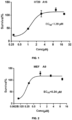
- HT-29 cells Human colon cancer HT-29 cells were used in a necroptosis assay. For this assay, HT-29 cells were added to 96-well plates. The compounds at different concentrations (0.3, 1.0, 3.0, 10. 0, 20.0 ⁇ M) were then preprocessed for two hours. TNF- ⁇ (40 ng/mL), Smac mimetic (100 nM) and z-VAD (20 ⁇ M) were added, and the mixture was incubated for 40 h. Quantitative analysis of cell viability was conducted. DMSO pretreatment group was used as a negative control. Concentration for 50% of maximal effect was calculated according to the curve of the survival rate measured at different concentrations. FIG. 1 depicts the EC 50 curves of compound A16. Table 2.
- FIG. 2 depicts the EC 50 curves of compound A9.
- Table 3 Results of the compounds of the present invention tested by MEF cell viability assay NO. EC 50 ( ⁇ M) NO. EC 50 ( ⁇ M) NO. EC 50 ( ⁇ M) A9 0.24 A13 0.20 A14 0.29 A17 0.30 A20 0.31 A21 0.44 A22 0.83 A33 0.38 B2 0.435 B4 9.33 B8 1.77
- L929 cells were added to 96-well plate. The compounds at different concentrations (0.3, 1.0, 3.0, 10. 0, 20.0 ⁇ M) were then preprocessed for two hours. TNF- ⁇ (40 ng/mL), and z-VAD (20 ⁇ M) were added, and the mixture was incubated for 16 h. Quantitative analysis of cell survival was conducted. DMSO pretreatment was used as a negative control. Concentration for 50% of maximal effect was calculated according to the curve of the survival rate measured at different concentrations. FIG. 3 depicts the EC 50 curves of compound A3. Table 4. Results of the compounds of the present invention tested by L929 cell viability assay NO. EC 50 ( ⁇ M) NO. EC 50 ( ⁇ M) NO. EC 50 ( ⁇ M) A3 1.94 A7 0.24 A9 0.21 A13 0.78 A20 0.42 A21 8.73 B1 64 B2 0.43
- the heteroaryl compounds of the present disclosure can be effective inhibitors for RIP3, and can be used in treating or preventing diseases caused by or associate with activated necrotic pathways.
Landscapes
- Chemical & Material Sciences (AREA)
- Organic Chemistry (AREA)
- Health & Medical Sciences (AREA)
- Chemical Kinetics & Catalysis (AREA)
- General Chemical & Material Sciences (AREA)
- Medicinal Chemistry (AREA)
- Nuclear Medicine, Radiotherapy & Molecular Imaging (AREA)
- Pharmacology & Pharmacy (AREA)
- Life Sciences & Earth Sciences (AREA)
- Animal Behavior & Ethology (AREA)
- General Health & Medical Sciences (AREA)
- Public Health (AREA)
- Veterinary Medicine (AREA)
- Pharmaceuticals Containing Other Organic And Inorganic Compounds (AREA)
Claims (15)
- Composé de formule I:
 ou sel, solvate, dérivé marqué par un isotope, stéréoisomère ou tautomère pharmaceutiquement acceptable de celui-ci, oùX est N ou CR6;Z est
 où lorsque Z est
 le cycle A est un aryle en C6-10 ou un hétéroaryle à 5 à 10 chaînons, où hétéroaryle comprend 1 à 4 hétéroatomes choisis indépendamment parmi N, O et S, où aryle en C6-10 et hétéroaryle à 5 à 10 chaînons sont non substitués ou substitués par 1 à 4 groupes R7;R1 est indépendamment H, deutérium, alkyle en C1-3 ou cycloalkyle en C3-6, où alkyle en C1-3 et cycloalkyle en C3-6 sont non substitués ou substitués par 1 à 3 groupes choisis indépendamment parmi halogénure et deutérium;R2 est indépendamment H, deutérium, halogénure, amino, -OH, -CO2H, - CO2(alkyle en C1-6), -CN, alkyle en C1-6, cycloalkyle en C3-6, alcoxy en C1-6, - NH(alkyle en C1-6), -N(alkyle en C1-6)2, alcényle en C2-6 ou alcynyle en C2-6, où alkyle en C1-6, cycloalkyle en C3-6, alcoxy en C1-6, alcényle en C2-6 et alcynyle en C2-6 sont non substitués ou substitués par 1 à 3 groupes choisis indépendamment parmi -OH, halogénure et deutérium;R3 est indépendamment H, deutérium, halogénure, amino, -OH, -CO2H, - CO2(alkyle en C1-6), -CN, alkyle en C1-6, cycloalkyle en C3-6, hétérocycle à 3 à 6 chaînons, alcoxy en C1-6, -NH(alkyle en C1-6), -N(alkyle en C1-6)2, alcényle en C2-6 ou alcynyle en C2-6, où alkyle en C1-6, cycloalkyle en C3-6, alcoxy en C1-6, alcényle en C2-6 et alcynyle en C2-6 sont non substitués ou substitués par 1 à 3 groupes choisis indépendamment parmi -OH, alcoxy en C1-3, -NH(alkyle en C1-3), - N(alkyle en C1-3)2, cyclopropyle, halogénure et deutérium;ou R3 est aryle en C6-10 ou hétéroaryle à 5 à 10 chaînons, où hétéroaryle comprend 1 à 3 hétéroatomes choisis indépendamment parmi N, O et S, où aryle en C6-10 et hétéroaryle à 5 à 10 chaînons sont non substitués ou substitués par 1 à 3 groupes R8;ou R3 est L-BB, où L est -O-, -S-, -NH- ou -CH2-, BB est cycloalkyle en C3-8 ou hétérocycle à 3 à 8 chaînons, où hétéroaryle à 3 à 8 chaînons comprend 1 à 3 hétéroatomes choisis indépendamment parmi N, O et S, où cycloalkyle en C3-8 et hétérocycle à 3 à 8 chaînons sont non substitués ou substitués par 1 à 3 groupes Rg;chacun de R4, R8 et R6 est choisi indépendamment dans le groupe consistant en H, deutérium, -CN, halogénure, -OH, amino, alkyle en C1-6, -NH(alkyle en C1-6), - N(alkyle en C1-6)2, cycloalkyle en C3-6, alcoxy en C1-6, alcényle en C2-6 ou alcynyle en C2-6, où alkyle en C1-6, cycloalkyle en C3-6, alcoxy en C1-6, alcényle en C2-6 et alcynyle en C2-6 sont non substitués ou substitués par 1 à 3 groupes choisis indépendamment parmi halogénure et -OH;R7 est indépendamment H, deutérium, -CN, halogénure, -OH, amino, alkyle en C1-6, -NH(alkyle en C1-6), -N(alkyle en C1-6)2, cycloalkyle en C3-6, alcoxy en C1-8, alcényle en C2-6, alcynyle en C2-6, -C(=O)NH2 ou CO2(alkyle en C1-6) où amino, alkyle en C1-6, alcoxy en C1-8, alcényle en C2-6 et alcynyle en C2-6 sont non substitués ou substitués par 1 à 3 groupes choisis indépendamment parmi halogénure, -OH, amino, acétyle et deutérium, ou deux groupes R7 adjacents étant liés pour former un cycle avec les atomes auxquels ils sont liés; etchacun de R8 et R9 est choisi indépendamment dans le groupe consistant en H, deutérium, -CN, halogénure, -OH, amino, alkyle en C1-6, -NH(alkyle en C1-6), - N(alkyle en C1-6)2, cycloalkyle en C3-6, alcoxy en C1-8, alcényle en C2-6, alcynyle en C2-6 et -CO2(alkyle en C1-6), où amino, alkyle en C1-6, cycloalkyle en C3-6, alcoxy en C1-8, alcényle en C2-6 et alcynyle en C2-6 sont non substitués ou substitués par 1 à 3 groupes choisis indépendamment parmi halogénure, -OH, amino, acétyle et deutérium;
 où quand Z estn est 1 ou 2;Y est O, NR7a ou CR7aR8a;le cycle A est aryle en C6-10 ou hétéroaryle à 5 à 10 chaînons, où hétéroaryle comprend 1 à 4 hétéroatomes choisis indépendamment parmi N, O et S, où aryle en C6-10 et hétéroaryle à 5 à 10 chaînons sont non substitués ou substitués par 1 à 4 groupes R9a;R1 est indépendamment H, deutérium, alkyle en C1-6 ou cycloalkyle en C3-6, où alkyle en C1-6 et cycloalkyle en C3-6 sont non substitués ou substitués par 1 à 3 groupes choisis indépendamment parmi halogénure et deutérium;chacun de R2a et R3a est indépendamment H, deutérium, halogénure, amino, -OH, -CO2H, -CO2(alkyle en C1-6), -CN, alkyle en C1-6, cycloalkyle en C3-6, alcoxy en C1-6, -NH(alkyle en C1-6), -N(alkyle en C1-6)2, alcényle en C2-6 ou alcynyle en C2-6, où alkyle en C1-6, cycloalkyle en C3-6, alcoxy en C1-6, alcényle en C2-6 et alcynyle en C2-6 sont non substitués ou substitués par 1 à 3 groupes choisis indépendamment parmi -OH, halogénure et cyclopropyle, ou R2a et R3a formant le cycle B avec les atomes liés à R2a ou R3a;chacun de R4, R5 et R6 est choisi indépendamment dans le groupe consistant en H, deutérium, -CN, halogénure, -OH, amino, alkyle en C1-6, -NH(alkyle en C1-6), - N(alkyle en C1-6)2, cycloalkyle en C3-6, alcoxy en C1-6, alcényle en C2-6 et alcynyle en C2-6, où alkyle en C1-6, cycloalkyle en C3-6, alcoxy en C1-6, alcényle en C2-6 et alcynyle en C2-6 sont non substitués ou substitués par 1 à 3 groupes choisis indépendamment parmi halogénure et -OH;R7a est H, deutérium, halogénure, amino, -OH, -CO2H, -CO2(alkyle en C1-6), -CN, alkyle en C1-6, cycloalkyle en C3-6, alcoxy en C1-6, -NH(alkyle en C1-6), -N(alkyle en C1-6)2, alcényle en C2-6 ou alcynyle en C2-6, où alkyle en C1-6, cycloalkyle en C3-6, alcoxy en C1-6, alcényle en C2-6 et alcynyle en C2-6 sont non substitués ou substitués par 1 à 3 groupes choisis indépendamment parmi -OH, halogénure et cyclopropyle;R8a est H, deutérium, halogénure, amino, -OH, -CO2H, -CO2(alkyle en C1-6), -CN, -SOR20, -SO2R20, alkyle en C1-6, cycloalkyle en C3-6, hétérocycle à 3 à 6 chaînons comprenant 1 à 3 hétéroatomes choisis indépendamment parmi N, O et S, alcoxy en C1-6, -NH(alkyle en C1-6), -N(alkyle en C1-6)2, alcényle en C2-6, alcynyle en C2-6, -C(=O)NH2 ou -CO2(alkyle en C1-6), où amino, alkyle en C1-6, alcoxy en C1-6, cycloalkyle en C3-6, alcényle en C2-6 et alcynyle en C2-6 sont non substitués ou substitués par 1 à 3 groupes choisis indépendamment parmi -OH, alcoxy en C1-3, cyclopropyle, halogénure et deutérium,ou R8a est aryle en C6-10 ou hétéroaryle à 5 à 10 chaînons, où hétéroaryle comprend 1 à 3 hétéroatomes choisis indépendamment parmi N, O et S, où aryle en C6-10 et hétéroaryle à 5 à 10 chaînons sont non substitués ou substitués par 1 à 3 groupes R10a;ou R7a et R8a avec le carbone auquel ils sont liés sont C=O ou C=CH2;ou R7a et R8a forment le cycle C avec les atomes liés à R7a et R8a;chacun du cycle B et du cycle C est choisi indépendamment dans le groupe consistant en cycloalkyle en C3-8, hétérocycle à 3 à 8 chaînons, cycloalcényle en C4-8 et hétérocycloalcényle en C4-8, où cycloalkyle en C3-8, hétérocycle à 3 à 8 chaînons, cycloalcényle en C4-8 et hétérocycloalcényle en C4-8 sont non substitués ou substitués par 1 à 3 groupes R11a, où hétérocycle à 3 à 8 chaînons et hétérocycloalcényle en C4-8 comprennent 1 à 3 groupes choisis indépendamment dans le groupe consistant en un ou plusieurs hétéroatomes de N, O et S, et un ou plusieurs groupes hétéro de -C(=O)N(R11a)-, -C(=O)O¬, -C(=O)-, -C(=S)-, - S(=O)-, -S(=O)2- et -NHC(=O)NH-;chacun de R9a et R10a est choisi indépendamment dans le groupe consistant en H, deutérium, -CN, halogénure, -OH, amino, alkyle en C1-6, -NH(alkyle en C1-6), - N(alkyle en C1-6)2, cycloalkyle en C3-6, alcoxy en C1-8, alcényle en C2-6, alcynyle en C2-6 et -CO2(alkyle en C1-6), où amino, alkyle en C1-6, cycloalkyle en C3-6, alcoxy en C1-8, alcényle en C2-6 et alcynyle en C2-6 sont non substitués ou substitués par 1 à 3 groupes choisis indépendamment parmi halogénure, -OH, amino, acétyle et deutérium;R11a est indépendamment H, deutérium, alkyle en C1-3 ou cycloalkyle en C3-6, où alkyle en C1-3 et cycloalkyle en C3-6 sont non substitués ou substitués par 1 à 3 groupes choisis indépendamment parmi halogénure et deutérium; etR2a est alkyle en C1-6 ou cycloalkyle en C3-6, où alkyle en C1-6 et cycloalkyle en C3-6 sont non substitués ou substitués par 1 à 3 groupes choisis indépendamment parmi halogénure et deutérium.
 - Composé selon la revendication 1 ayant la Formule II:
 ou sel, solvate, dérivé marqué par un isotope, stéréoisomère ou tautomère pharmaceutiquement acceptable de celui-ci, oùX est N ou CR6;le cycle A est aryle en C6-10 ou hétéroaryle à 5 à 10 chaînons, où hétéroaryle comprend 1 à 4 hétéroatomes choisis indépendamment parmi N, O et S, où aryle en C6-10 et hétéroaryle à 5 à 10 chaînons sont non substitués ou substitués par 1 à 4 groupes R7;R1 est indépendamment H, deutérium, alkyle en C1-3 ou cycloalkyle en C3-6, où alkyle en C1-3 et cycloalkyle en C3-6 sont non substitués ou substitués par 1 à 3 groupes choisis indépendamment parmi halogénure et deutérium;R2 est indépendamment H, deutérium, halogénure, amino, -OH, -CO2H, - CO2(alkyle en C1-6), -CN, alkyle en C1-6, cycloalkyle en C3-6, alcoxy en C1-6, - NH(alkyle en C1-6), -N(alkyle en C1-6)2, alcényle en C2-6 ou alcynyle en C2-6, où alkyle en C1-6, cycloalkyle en C3-6, alcoxy en C1-6, alcényle en C2-6 et alcynyle en C2-6 sont non substitués ou substitués par 1 à 3 groupes choisis indépendamment parmi -OH, halogénure et deutérium;R3 est indépendamment H, deutérium, halogénure, amino, -OH, -CO2H, - CO2(alkyle en C1-6), -CN, alkyle en C1-6, cycloalkyle en C3-6, hétérocycle à 3 à 6 chaînons, alcoxy en C1-6, -NH(alkyle en C1-6), -N(alkyle en C1-6)2, alcényle en C2-6 ou alcynyle en C2-6, où alkyle en C1-6, cycloalkyle en C3-6, alcoxy en C1-6, alcényle en C2-6 et alcynyle en C2-6 sont non substitués ou substitués par 1 à 3 groupes choisis indépendamment parmi -OH, alcoxy en C1-3, -NH(alkyle en C1-3), - N(alkyle en C1-3)2, cyclopropyle, halogénure et deutérium;ou R3 est aryle en C6-10 ou hétéroaryle à 5 à 10 chaînons, où hétéroaryle comprend 1 à 3 hétéroatomes choisis indépendamment parmi N, O et S, où aryle en C6-10 et hétéroaryle à 5 à 10 chaînons sont non substitués ou substitués par 1 à 3 groupes R8;ou R3 est L-BB, où L est -O-, -S-, -NH- ou -CH2-, BB est cycloalkyle en C3-8 ou hétérocycle à 3 à 8 chaînons, où hétéroaryle à 3 à 8 chaînons comprend 1 à 3 hétéroatomes choisis indépendamment parmi N, O et S, où cycloalkyle en C3-8 et hétérocycle à 3 à 8 chaînons sont non substitués ou substitués par 1 à 3 groupes R9;chacun de R4, R5 et R6 est choisi indépendamment dans le groupe consistant en H, deutérium, -CN, halogénure, -OH, amino, alkyle en C1-6, -NH(alkyle en C1-6), - N(alkyle en C1-6)2, cycloalkyle en C3-6, alcoxy en C1-6, alcényle en C2-6 et alcynyle en C2-6, où alkyle en C1-6, cycloalkyle en C3-6, alcoxy en C1-6, alcényle en C2-6 et alcynyle en C2-6 sont non substitués ou substitués par 1 à 3 groupes choisis indépendamment parmi halogénure et -OH;R7 est indépendamment H, deutérium, -CN, halogénure, -OH, amino, alkyle en C1-6, -NH(alkyle en C1-6), -N(alkyle en C1-6)2, cycloalkyle en C3-6, alcoxy en C1-8, alcényle en C2-6, alcynyle en C2-6, -C(=O)NH2 ou -CO2(alkyle en C1-6), où amino, alkyle en C1-6, alcoxy en C1-8, alcényle en C2-6 et alcynyle en C2-6 sont non substitués ou substitués par 1 à 3 groupes choisis indépendamment parmi halogénure, -OH, amino, acétyle et deutérium, ou deux groupes R7 adjacents étant liés pour former un cycle avec les atomes auxquels ils sont liés; etchacun de R8 et R9 est choisi indépendamment dans le groupe consistant en H, deutérium, -CN, halogénure, -OH, amino, alkyle en C1-6, -NH(alkyle en C1-6), - N(alkyle en C1-6)2, cycloalkyle en C3-6, alcoxy en C1-8, alcényle en C2-6, alcynyle en C2-6 et -CO2(alkyle en C1-6), où amino, alkyle en C1-6, cycloalkyle en C3-6, alcoxy en C1-8, alcényle en C2-6 et alcynyle en C2-6 sont non substitués ou substitués par 1 à 3 groupes choisis indépendamment parmi halogénure, -OH, amino, acétyle et deutérium.
 - Composé selon la revendication 1, ayant la formule III:
 ou sel, solvate, dérivé marqué par un isotope, stéréoisomère ou tautomère pharmaceutiquement acceptable de celui-ci, oùn est 1 ou 2;X est N ou CR6;Y est O, NR7a ou CR7aR8a;le cycle A est aryle en C6-10 ou hétéroaryle à 5 à 10 chaînons, où hétéroaryle comprend 1 à 4 hétéroatomes choisis indépendamment parmi N, O et S, où aryle en C6-10 et hétéroaryle à 5 à 10 chaînons sont non substitués ou substitués par 1 à 4 groupes R9a;R1 est indépendamment H, deutérium, alkyle en C1-6 ou cycloalkyle en C3-6, où alkyle en C1-6 et cycloalkyle en C3-6 sont non substitués ou substitués par 1 à 3 groupes choisis indépendamment parmi halogénure et deutérium;chacun de R2a et R3a est indépendamment H, deutérium, halogénure, amino, -OH, -CO2H, -CO2(alkyle en C1-6), -CN, alkyle en C1-6, cycloalkyle en C3-6, alcoxy en C1-6, -NH(alkyle en C1-6), -N(alkyle en C1-6)2, alcényle en C2-6 ou alcynyle en C2-6, où alkyle en C1-6, cycloalkyle en C3-6, alcoxy en C1-6, alcényle en C2-6 et alcynyle en C2-6 sont non substitués ou substitués par 1 à 3 groupes choisis indépendamment parmi -OH, halogénure et cyclopropyle, ou R2a et R3a formant le cycle B avec les atomes liés à R2a ou R3a;chacun de R4, R5 et R6 est choisi indépendamment dans le groupe consistant en H, deutérium, -CN, halogénure, -OH, amino, alkyle en C1-6, -NH(alkyle en C1-6), - N(alkyle en C1-6)2, cycloalkyle en C3-6, alcoxy en C1-6, alcényle en C2-6 et alcynyle en C2-6, où alkyle en C1-6, cycloalkyle en C3-6, alcoxy en C1-6, alcényle en C2-6 et alcynyle en C2-6 sont non substitués ou substitués par 1 à 3 groupes choisis indépendamment parmi halogénure et -OH;R7a est H, deutérium, halogénure, amino, -OH, -CO2H, -CO2(alkyle en C1-6), -CN, alkyle en C1-6, cycloalkyle en C3-6, alcoxy en C1-6, -NH(alkyle en C1-6), -N(alkyle en C1-6)2, alcényle en C2-6 ou alcynyle en C2-6, où alkyle en C1-6, cycloalkyle en C3-6, alcoxy en C1-6, alcényle en C2-6 et alcynyle en C2-6 sont non substitués ou substitués par 1 à 3 groupes choisis indépendamment parmi -OH, halogénure et cyclopropyle;R8a est H, deutérium, halogénure, amino, -OH, -CO2H, -CO2(alkyle en C1-6), -CN, -SOR20, -SO2R20, alkyle en C1-6, cycloalkyle en C3-6, hétérocycle à 3 à 6 chaînons comprenant 1 à 3 hétéroatomes choisis indépendamment parmi N, O et S, alcoxy en C1-6, -NH(alkyle en C1-6), -N(alkyle en C1-6)2, alcényle en C2-6, alcynyle en C2-6, -C(=O)NH2 ou -CO2(alkyle en C1-6), où amino, alkyle en C1-6, alcoxy en C1-6, cycloalkyle en C3-6, alcényle en C2-6 et alcynyle en C2-6 sont non substitués ou substitués par 1 à 3 groupes choisis indépendamment parmi -OH, alcoxy en C1-3, cyclopropyle, halogénure et deutérium,ou R8a est aryle en C6-10 ou hétéroaryle à 5 à 10 chaînons, où hétéroaryle comprend 1 à 3 hétéroatomes choisis indépendamment parmi N, O et S, où aryle en C6-10 et hétéroaryle à 5 à 10 chaînons sont non substitués ou substitués par 1 à 3 groupes R10a;ou R7a et R8a avec le carbone auquel ils sont liés sont C=O ou C=CH2;ou R7a et R8a forment le cycle C avec les atomes liés à R7a et R8a;chacun du cycle B et du cycle C est choisi indépendamment dans le groupe consistant en cycloalkyle en C3-8, hétérocycle à 3 à 8 chaînons, cycloalcényle en C4-8 et hétérocycloalcényle en C4-8, où cycloalkyle en C3-8, hétérocycle à 3 à 8 chaînons, cycloalcényle en C4-8 et hétérocycloalcényle en C4-8 sont non substitués ou substitués par 1 à 3 groupes R11a, où hétérocycle à 3 à 8 chaînons et hétérocycloalcényle en C4-8 comprennent 1 à 3 groupes choisis indépendamment dans le groupe consistant en un ou plusieurs hétéroatomes de N, O et S, et un ou plusieurs groupes hétéro de -C(=O)N(R11a)-, -C(=O)O¬, -C(=O)-, -C(=S)-, - S(=O)-, -S(=O)2- et NHC(=O)NH-;chacun de R9a et R10a est choisi indépendamment dans le groupe consistant en H, deutérium, -CN, halogénure, -OH, amino, alkyle en C1-6, -NH(alkyle en C1-6), - N(alkyle en C1-6)2, cycloalkyle en C3-6, alcoxy en C1-8, alcényle en C2-6, alcynyle en C2-6 et -CO2(alkyle en C1-6), où amino, alkyle en C1-6, cycloalkyle en C3-6, alcoxy en C1-8, alcényle en C2-6 et alcynyle en C2-6 sont non substitués ou substitués par 1 à 3 groupes choisis indépendamment parmi halogénure, -OH, amino, acétyle et deutérium;R11a est indépendamment H, deutérium, alkyle en C1-3 ou cycloalkyle en C3-6, où alkyle en C1-3 et cycloalkyle en C3-6 sont non substitués ou substitués par 1 à 3 groupes choisis indépendamment parmi halogénure et deutérium; etR20 est alkyle en C1-6 ou cycloalkyle en C3-6, où alkyle en C1-6 et cycloalkyle en C3-6 sont non substitués ou substitués par 1 à 3 groupes choisis indépendamment parmi halogénure et deutérium.
 - Composé selon la revendication 2, oùle cycle A est aryle en C6-10 ou hétéroaryle à 5 à 10 chaînons, où hétéroaryle comprend 1 à 4 hétéroatomes choisis indépendamment parmi N, O et S, où aryle en C6-10 et hétéroaryle à 5 à 10 chaînons sont non substitués ou substitués par 1 à 4 groupes R7; etR7 est indépendamment H, deutérium, -CN, halogénure, -OH, amino, alkyle en C1-6, -NH(alkyle en C1-6), -N(alkyle en C1-6)2, cycloalkyle en C3-6, alcoxy en C1-8, alcényle en C2-6, alcynyle en C2-6, -C(=O)NH2 ou -CO2(alkyle en C1-6), où amino, alkyle en C1-6, alcoxy en C1-8, alcényle en C2-6 et alcynyle en C2-6 sont non substitués ou substitués par 1 à 3 groupes choisis indépendamment parmi halogénure, -OH, amino, acétyle et deutérium, ou deux groupes R7 adjacents étant liés pour former un cycle à 4 à 8 chaînons avec les atomes auxquels ils sont liés.
- Composé selon la revendication 2, oùR3 est indépendamment H, deutérium, halogénure, amino, -OH, -CO2H, - CO2(alkyle en C1-6), -CN, alkyle en C1-6, cycloalkyle en C3-6, hétérocycle à 3 à 6 chaînons, alcoxy en C1-6, -NH(alkyle en C1-6), -N(alkyle en C1-6)2, alcényle en C2-6 ou alcynyle en C2-6, où alkyle en C1-6, cycloalkyle en C3-6, alcoxy en C1-6, alcényle en C2-6 et alcynyle en C2-6 sont non substitués ou substitués par 1 à 3 groupes choisis indépendamment parmi -OH, alcoxy en C1-3, -NH(alkyle en C1-3), - N(alkyle en C1-3)2, cyclopropyle, halogénure et deutérium;ou R3 est aryle en C6-10 ou hétéroaryle à 5 à 10 chaînons, où hétéroaryle comprend 1 à 3 hétéroatomes choisis indépendamment parmi N, O et S, où aryle en C6-10 et hétéroaryle à 5 à 10 chaînons sont non substitués ou substitués par 1 à 3 groupes R8;ou R3 est L-BB, où L est -O-, -S-, -NH- ou -CH2-, BB est cycloalkyle en C3-8 ou hétérocycle à 4 à 7 chaînons, où hétéroaryle à 4 à 7 chaînons comprend 1 à 3 hétéroatomes choisis indépendamment parmi N, O et S, où cycloalkyle en C3-8 et hétérocycle à 3 à 8 chaînons sont non substitués ou substitués par 1 à 3 groupes R9; etchacun de R8 et R9 est choisi indépendamment dans le groupe consistant en H, deutérium, -CN, halogénure, -OH, amino, alkyle en C1-6, -NH(alkyle en C1-6), - N(alkyle en C1-6)2, cycloalkyle en C3-6 ou alcoxy en C1-8, où amino, alkyle en C1-6, cycloalkyle en C3-6 et alcoxy en C1-8 sont non substitués ou substitués par 1 à 3 groupes choisis indépendamment parmi halogénure, -OH, amino, acétyle et deutérium.
- Composé selon la revendication 2, oùle cycle A est choisi dans le groupe consistant en:


 le cycle A est non substitué ou substitué par 1 à 3 groupes choisis indépendamment parmi deutérium, halogénure, -OH, alkyle en C1-3 et alcoxy en C1-3.
 - Composé selon la revendication 2, où R3 est choisi dans le groupe consistant en: --H --D --Me ---F --Cl ---Br ---I - OH --NH2 --CN


- Composé selon la revendication 2 choisi dans le groupe consistant en:


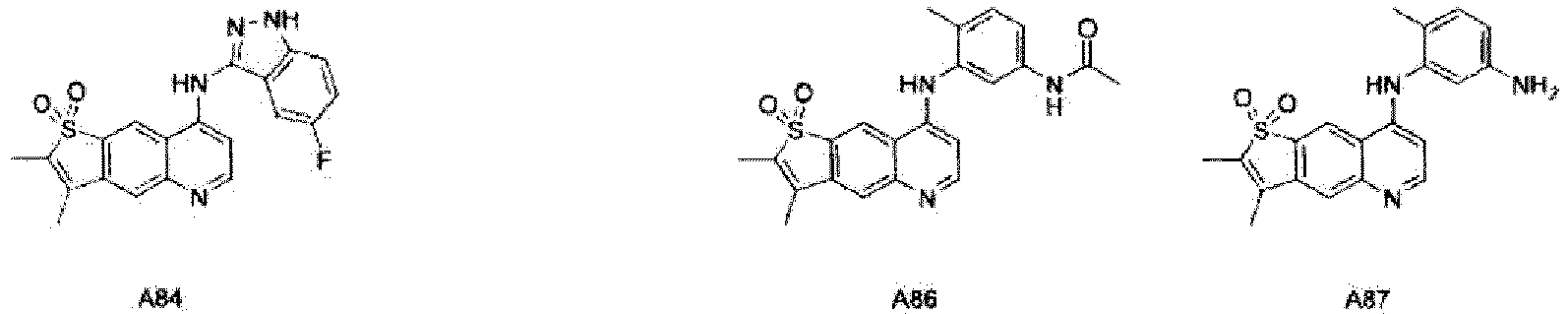


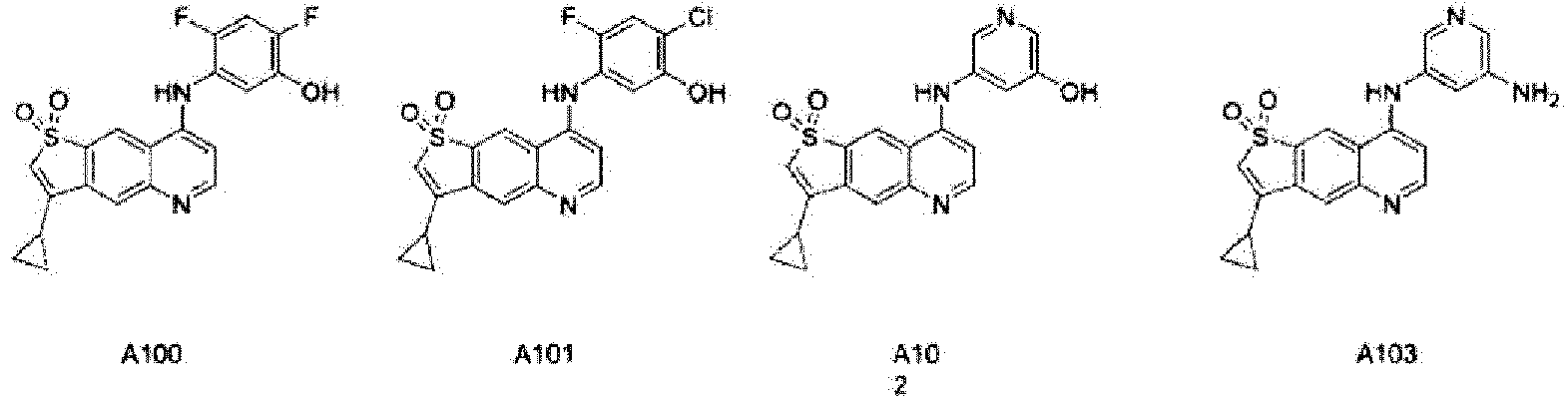


- Composé selon la revendication 3, oùlorsque R7a et R8a avec le carbone auquel ils sont liés sont C=O ou C=CH ou lorsque R7a et R8a forment le cycle C avec les atomes liés à R7a et R8a, chacun de R2a et R3a est indépendamment H, deutérium, halogénure, amino, -OH, -CO2H, -CO2(alkyle en C1-6), -CN, alkyle en C1-6, cycloalkyle en C3-6, alcoxy en C1-6, -NH(alkyle en C1-6), -N(alkyle en C1-6)2, alcényle en C2-6 ou alcynyle en C2-6, où alkyle en C1-6, cycloalkyle en C3-6, alcoxy en C1-6, alcényle en C2-6 et alcynyle en C2-6 sont non substitués ou substitués par 1 à 3 groupes choisis indépendamment parmi -OH, halogénure et cyclopropyle, ou R2a et R3a formant le cycle B avec les atomes liés à R2a ou R3a;ou lorsque R2a et R3a forment le cycle B avec les atomes liés à R2a ou R3a, R8a est H, deutérium, halogénure, amino, -OH, -CO2H, -CO2(alkyle en C1-6), - CN, alkyle en C1-6, cycloalkyle en C3-6, hétérocycle à 3 à 6 chaînons comprenant 1 à 3 hétéroatomes choisis indépendamment parmi N, O et S, alcoxy en C1-6, - NH(alkyle en C1-6), -N(alkyle en C1-6)2, alcényle en C2-6, alcynyle en C2-6, - C(=O)NH2 ou -CO2(alkyle en C1-6), où amino, alkyle en C1-6, alcoxy en C1-6, cycloalkyle en C3-6, alcényle en C2-6 et alcynyle en C2-6 sont non substitués ou substitués par 1 à 3 groupes choisis indépendamment parmi -OH, alcoxy en C1-3, cyclopropyle, halogénure et deutérium, ou R8a est aryle en C6-10 ou hétéroaryle à 5 à 10 chaînons, où hétéroaryle comprend 1 à 3 hétéroatomes choisis indépendamment parmi N, O et S, où aryle en C6-10 et hétéroaryle à 5 à 10 chaînons sont non substitués ou substitués par 1 à 3 groupes R10a.
- Composé selon la revendication 3, où le cycle A est choisi dans le groupe consistant en:







- Composé selon la revendication 3 choisi dans le groupe consistant en:


- Composé selon l'une quelconque des revendications 1 à 7, 9 et 10 ou sel, solvate, dérivé marqué par un isotope, stéréoisomère ou tautomère pharmaceutiquement acceptable de celui-ci, où X est N.
- Composition pharmaceutique comprenant une quantité thérapeutiquement efficace du composé selon l'une quelconque des revendications 1 à 12 ou d'un sel, solvate, dérivé marqué par un isotope, stéréoisomère ou tautomère pharmaceutiquement acceptable de celui-ci, et un véhicule pharmaceutiquement acceptable.
- Composition comprenant(i) le composé selon l'une quelconque des revendications 1 à 12 ou un sel, solvate, dérivé marqué par un isotope, stéréoisomère ou tautomère pharmaceutiquement acceptable de celui-ci, ou la composition pharmaceutique selon la revendication 13; et(ii) au moins un agent thérapeutique supplémentaire choisi dans le groupe consistant en un agent antitumoral, un agent traitant les maladies auto-immunes, un agent anti-neurodégénératif, un agent traitant les maladies métaboliques et agent un anti-vieillissement.
- Composé selon l'une quelconque des revendications 1 à 12 ou sel, solvate, dérivé marqué par un isotope, stéréoisomère ou tautomère pharmaceutiquement acceptable de celui-ci ou composition pharmaceutique selon la revendication 13, destiné à être utilisé dans le traitement d'une maladie ou d'un trouble associé à une voie de nécrose programmée chez un mammifère qui en souffre, où la maladie ou le trouble est une réponse inflammatoire systématique, des maladies auto-immunes, une tumeur, un cancer, des maladies métaboliques ou des maladies neurodégénératives;
de préférence, la maladie ou le trouble est l'uvéite, la dermatite, une lésion pulmonaire aiguë, le diabète sucré de type 2, l'arthrite, la colite ulcéreuse, la maladie de Crohn, une maladie inflammatoire de l'intestin à début précoce, une maladie inflammatoire de l'intestin extra-intestinale, la prévention d'une lésion d'ischémie-reperfusion lors d'une transplantation d'organe solide, la stéatohépatite non alcoolique, la stéatohépatite alcoolique, l'hépatite auto-immune, l'asthme, la maladie du greffon contre l'hôte, le lupus érythémateux systémique, la sarcoïdose, le syndrome de Blau/la sarcoïdose à début précoce, la granulomatose de Wegener, une maladie pulmonaire interstitielle, la fibrose pulmonaire, la fibrose rénale, la fibrose hépatique, l'infarctus du myocarde, la pneumopathie d'hypersensibilité, la spondylarthrite ankylosante, la sclérose en plaques, la sclérose systémique, la polymyosite, la polyarthrite rhumatoïde, la myasthénie grave, le diabète de type 1, la glomérulonéphrite, la thyroïdite auto-immune, le rejet de greffe, la maladie de Crohn, la sclérodermie, le psoriasis, la dermatite, la rétinite pigmentaire, la vitréorétinopathie proliférative, la dystrophie maculaire vitelliforme de Best, l'eczéma, l'urticaire, la vasculite, la fasciite à éosinophiles, la dégénérescence maculaire liée à l'âge humide, la dégénérescence maculaire liée à l'âge sèche, la rétinopathie diabétique, la rétinopathie des prématurés (ROP), l'oedème maculaire diabétique, l'uvéite, l'occlusion veineuse rétinienne, l'oedème maculaire cystoïde, le glaucome, la maladie de Parkinson, la maladie d'Alzheimer, la maladie de Huntington, le cancer du sein, le cancer du poumon, le cancer de la vessie, le cancer du pancréas, le cancer du foie, le carcinome épidermoïde de la tête et du cou, le cancer de la thyroïde, le sarcome, l'ostéosarcome, une tumeur desmoïde, le mélanome, le cancer de la prostate, le cancer colorectal, le cancer de l'ovaire, le cancer du col de l'utérus, le cancer de l'oesophage, le cancer gastrique, le myélome, le lymphome, le lymphome à cellules du manteau, le lymphome cutané à cellules T, l'anémie chronique et non progressive, la thrombocytémie primaire ou essentielle, la leucémie, la leucémie aiguë, la leucémie chronique, la leucémie lymphoïde, la leucémie myéloïde, le syndrome myélodysplasique, le trouble myéloprolifératif, une tumeur cérébrale, l'astrocytome, le médulloblastome, le schwannome, une tumeur neuroectodermique primitive ou une tumeur hypophysaire.
Applications Claiming Priority (3)
| Application Number | Priority Date | Filing Date | Title |
|---|---|---|---|
| CN202010002951.8A CN113061142B (zh) | 2020-01-02 | 2020-01-02 | 一类具有程序性细胞坏死通路抑制活性的杂环化合物及其应用 |
| CN202010013699.0A CN113150009B (zh) | 2020-01-07 | 2020-01-07 | 一类具有程序性细胞坏死通路抑制活性的杂环化合物及其应用 |
| PCT/US2021/012124 WO2021138694A1 (fr) | 2020-01-02 | 2021-01-04 | Composés hétéroaryle en tant qu'inhibiteurs de la voie de nécrose programmée, composition et procédé faisant appel à ceux-ci |
Publications (4)
| Publication Number | Publication Date |
|---|---|
| EP4085059A1 EP4085059A1 (fr) | 2022-11-09 |
| EP4085059A4 EP4085059A4 (fr) | 2023-08-23 |
| EP4085059C0 EP4085059C0 (fr) | 2024-03-20 |
| EP4085059B1 true EP4085059B1 (fr) | 2024-03-20 |
Family
ID=76686970
Family Applications (1)
| Application Number | Title | Priority Date | Filing Date |
|---|---|---|---|
| EP21736180.7A Active EP4085059B1 (fr) | 2020-01-02 | 2021-01-04 | Composés hétéroaryle en tant qu'inhibiteurs de la voie de nécrose programmée, composition et procédé faisant appel à ceux-ci |
Country Status (3)
| Country | Link |
|---|---|
| US (1) | US12612413B2 (fr) |
| EP (1) | EP4085059B1 (fr) |
| WO (1) | WO2021138694A1 (fr) |
Family Cites Families (9)
| Publication number | Priority date | Publication date | Assignee | Title |
|---|---|---|---|---|
| ATE445617T1 (de) | 2004-12-22 | 2009-10-15 | Bayer Schering Pharma Ag | Chinolinderivat, dessen verwendung, herstellung und dieses enthaltendes arzneimittel |
| DE102006029446A1 (de) * | 2006-06-21 | 2007-12-27 | Bayer Schering Pharma Ag | Neue 3-substituierte-Chinoline als Kinase-Inhibitoren |
| EP2566477B1 (fr) * | 2010-05-07 | 2015-09-02 | GlaxoSmithKline Intellectual Property Development Limited | Amino-quinoléines en tant qu'inhibiteurs de kinase |
| US9604963B2 (en) * | 2011-03-04 | 2017-03-28 | Glaxosmithkline Intellectual Property Development Limited | Amino-quinolines as kinase inhibitors |
| US20170015677A1 (en) | 2014-03-31 | 2017-01-19 | Boston Biomedical, Inc. | New tricyclic quinone derivative |
| KR20160066490A (ko) | 2014-12-02 | 2016-06-10 | 주식회사 씨앤드씨신약연구소 | 헤테로사이클 유도체 및 그의 용도 |
| WO2016101885A1 (fr) | 2014-12-24 | 2016-06-30 | National Institute Of Biological Sciences, Beijing | Inhibiteurs de nécrose |
| CN107158385B (zh) * | 2016-03-14 | 2020-07-14 | 苏州大学 | Rip3抑制剂在制备抗血小板血栓药物中的用途 |
| WO2018192416A1 (fr) * | 2017-04-17 | 2018-10-25 | National Institute Of Biological Sciences, Beijing | Traitement de la sénescence masculine |
-
2021
- 2021-01-04 EP EP21736180.7A patent/EP4085059B1/fr active Active
- 2021-01-04 WO PCT/US2021/012124 patent/WO2021138694A1/fr not_active Ceased
- 2021-01-04 US US17/790,728 patent/US12612413B2/en active Active
Also Published As
| Publication number | Publication date |
|---|---|
| EP4085059C0 (fr) | 2024-03-20 |
| US20230121233A1 (en) | 2023-04-20 |
| WO2021138694A1 (fr) | 2021-07-08 |
| EP4085059A4 (fr) | 2023-08-23 |
| EP4085059A1 (fr) | 2022-11-09 |
| US12612413B2 (en) | 2026-04-28 |
Similar Documents
| Publication | Publication Date | Title |
|---|---|---|
| CA2736097C (fr) | Composes de carbazole destines a inhiber l'activite de nf-kb | |
| TWI445705B (zh) | 經苯基及苯并二基取代之吲唑衍生物 | |
| KR910002583B1 (ko) | 피페라진 유도체 또는 이의 염, 이의 제조방법 및 활성 성분으로서 이를 함유하는 약제학적 조성물 | |
| EP1828152B1 (fr) | Composes heterocycliques utilises comme inhibiteurs du facteur viia | |
| CN107176933B (zh) | 一种含氮烷基化和芳基化亚砜亚胺的吲哚胺-2,3-双加氧酶抑制剂 | |
| EP3267794B1 (fr) | Inhibiteurs de triazole biaryle du facteur inhibiteur de la migration des macrophages | |
| WO2006036024A1 (fr) | Inhibiteurs de pompe a protons | |
| EP3808747B1 (fr) | Composé d'imidazopyridinone | |
| US11518766B2 (en) | Tricyclic compound, preparation method therefor and use thereof | |
| EP3247360B1 (fr) | Inhibiteurs hétérocycliques de transporteurs de monocarboxylate | |
| KR20250023339A (ko) | 페닐 트라이아졸 mll1-wdr5 단백질-단백질 상호작용 저해제 | |
| KR20240006641A (ko) | Tyk2 억제제로서의 헤테로아릴 화합물, 이의 조성물 및 용도 | |
| JP7050054B2 (ja) | Pde4阻害剤としての縮合環系化合物 | |
| EP4085059B1 (fr) | Composés hétéroaryle en tant qu'inhibiteurs de la voie de nécrose programmée, composition et procédé faisant appel à ceux-ci | |
| JP6200495B2 (ja) | α−置換グリシンアミド誘導体 | |
| WO2010004198A2 (fr) | Derives anticancereux, leur preparation et leur application en therapeutique | |
| WO2014083529A1 (fr) | Composés hétérocycliques comme inhibiteurs du symport sodium/iodure | |
| HK40083221A (en) | Heteroaryl compounds as inhibitors of programmed necrosis pathway, composition and method using the same | |
| HK40083221B (en) | Heteroaryl compounds as inhibitors of programmed necrosis pathway, composition and method using the same | |
| KR102938808B1 (ko) | Rip2 키나아제 억제제로서의 헤테로아릴 화합물, 이의 조성물 및 용도 | |
| EP4692094A1 (fr) | Composé sulfonamide, composition pharmaceutique de celui-ci et utilisation associée | |
| CN116348114A (zh) | 硫代苯并咪唑衍生物或其药学上可接受的盐及其用途 | |
| CN116217458B (zh) | 2-羰基-5-苯基吡咯类化合物及其制备方法、应用和衍生物、药物组合物 | |
| CN113150009B (zh) | 一类具有程序性细胞坏死通路抑制活性的杂环化合物及其应用 | |
| WO2019191410A1 (fr) | Inhibitors pour l'interaction protéine-protéine bêta-caténine/facteur des lymphocytes t |
Legal Events
| Date | Code | Title | Description |
|---|---|---|---|
| STAA | Information on the status of an ep patent application or granted ep patent |
Free format text: STATUS: THE INTERNATIONAL PUBLICATION HAS BEEN MADE |
|
| PUAI | Public reference made under article 153(3) epc to a published international application that has entered the european phase |
Free format text: ORIGINAL CODE: 0009012 |
|
| STAA | Information on the status of an ep patent application or granted ep patent |
Free format text: STATUS: REQUEST FOR EXAMINATION WAS MADE |
|
| 17P | Request for examination filed |
Effective date: 20220727 |
|
| AK | Designated contracting states |
Kind code of ref document: A1 Designated state(s): AL AT BE BG CH CY CZ DE DK EE ES FI FR GB GR HR HU IE IS IT LI LT LU LV MC MK MT NL NO PL PT RO RS SE SI SK SM TR |
|
| DAV | Request for validation of the european patent (deleted) | ||
| DAX | Request for extension of the european patent (deleted) | ||
| RAP3 | Party data changed (applicant data changed or rights of an application transferred) |
Owner name: ZHANG, XIAOHU Owner name: ACCRO BIOSCIENCE (HK) LIMITED |
|
| REG | Reference to a national code |
Ref country code: HK Ref legal event code: DE Ref document number: 40083221 Country of ref document: HK |
|
| REG | Reference to a national code |
Ref country code: DE Ref legal event code: R079 Ipc: A61P0035000000 Ref country code: DE Ref legal event code: R079 Ref document number: 602021010728 Country of ref document: DE Free format text: PREVIOUS MAIN CLASS: C07D0471040000 Ipc: A61P0035000000 |
|
| A4 | Supplementary search report drawn up and despatched |
Effective date: 20230721 |
|
| RIC1 | Information provided on ipc code assigned before grant |
Ipc: A61K 31/4743 20060101ALI20230717BHEP Ipc: A61K 31/428 20060101ALI20230717BHEP Ipc: C07D 497/10 20060101ALI20230717BHEP Ipc: C07D 495/20 20060101ALI20230717BHEP Ipc: C07D 495/10 20060101ALI20230717BHEP Ipc: C07D 417/12 20060101ALI20230717BHEP Ipc: C07D 519/00 20060101ALI20230717BHEP Ipc: C07D 495/04 20060101ALI20230717BHEP Ipc: A61P 35/00 20060101AFI20230717BHEP |
|
| GRAP | Despatch of communication of intention to grant a patent |
Free format text: ORIGINAL CODE: EPIDOSNIGR1 |
|
| STAA | Information on the status of an ep patent application or granted ep patent |
Free format text: STATUS: GRANT OF PATENT IS INTENDED |
|
| INTG | Intention to grant announced |
Effective date: 20231005 |
|
| GRAS | Grant fee paid |
Free format text: ORIGINAL CODE: EPIDOSNIGR3 |
|
| GRAA | (expected) grant |
Free format text: ORIGINAL CODE: 0009210 |
|
| STAA | Information on the status of an ep patent application or granted ep patent |
Free format text: STATUS: THE PATENT HAS BEEN GRANTED |
|
| AK | Designated contracting states |
Kind code of ref document: B1 Designated state(s): AL AT BE BG CH CY CZ DE DK EE ES FI FR GB GR HR HU IE IS IT LI LT LU LV MC MK MT NL NO PL PT RO RS SE SI SK SM TR |
|
| REG | Reference to a national code |
Ref country code: GB Ref legal event code: FG4D |
|
| REG | Reference to a national code |
Ref country code: CH Ref legal event code: EP |
|
| REG | Reference to a national code |
Ref country code: IE Ref legal event code: FG4D |
|
| REG | Reference to a national code |
Ref country code: DE Ref legal event code: R096 Ref document number: 602021010728 Country of ref document: DE |
|
| U01 | Request for unitary effect filed |
Effective date: 20240411 |
|
| U07 | Unitary effect registered |
Designated state(s): AT BE BG DE DK EE FI FR IT LT LU LV MT NL PT SE SI Effective date: 20240516 |
|
| PG25 | Lapsed in a contracting state [announced via postgrant information from national office to epo] |
Ref country code: GR Free format text: LAPSE BECAUSE OF FAILURE TO SUBMIT A TRANSLATION OF THE DESCRIPTION OR TO PAY THE FEE WITHIN THE PRESCRIBED TIME-LIMIT Effective date: 20240621 |
|
| PG25 | Lapsed in a contracting state [announced via postgrant information from national office to epo] |
Ref country code: RS Free format text: LAPSE BECAUSE OF FAILURE TO SUBMIT A TRANSLATION OF THE DESCRIPTION OR TO PAY THE FEE WITHIN THE PRESCRIBED TIME-LIMIT Effective date: 20240620 Ref country code: HR Free format text: LAPSE BECAUSE OF FAILURE TO SUBMIT A TRANSLATION OF THE DESCRIPTION OR TO PAY THE FEE WITHIN THE PRESCRIBED TIME-LIMIT Effective date: 20240320 |
|
| PG25 | Lapsed in a contracting state [announced via postgrant information from national office to epo] |
Ref country code: RS Free format text: LAPSE BECAUSE OF FAILURE TO SUBMIT A TRANSLATION OF THE DESCRIPTION OR TO PAY THE FEE WITHIN THE PRESCRIBED TIME-LIMIT Effective date: 20240620 Ref country code: NO Free format text: LAPSE BECAUSE OF FAILURE TO SUBMIT A TRANSLATION OF THE DESCRIPTION OR TO PAY THE FEE WITHIN THE PRESCRIBED TIME-LIMIT Effective date: 20240620 Ref country code: HR Free format text: LAPSE BECAUSE OF FAILURE TO SUBMIT A TRANSLATION OF THE DESCRIPTION OR TO PAY THE FEE WITHIN THE PRESCRIBED TIME-LIMIT Effective date: 20240320 Ref country code: GR Free format text: LAPSE BECAUSE OF FAILURE TO SUBMIT A TRANSLATION OF THE DESCRIPTION OR TO PAY THE FEE WITHIN THE PRESCRIBED TIME-LIMIT Effective date: 20240621 |
|
| PG25 | Lapsed in a contracting state [announced via postgrant information from national office to epo] |
Ref country code: IS Free format text: LAPSE BECAUSE OF FAILURE TO SUBMIT A TRANSLATION OF THE DESCRIPTION OR TO PAY THE FEE WITHIN THE PRESCRIBED TIME-LIMIT Effective date: 20240720 |
|
| PG25 | Lapsed in a contracting state [announced via postgrant information from national office to epo] |
Ref country code: SM Free format text: LAPSE BECAUSE OF FAILURE TO SUBMIT A TRANSLATION OF THE DESCRIPTION OR TO PAY THE FEE WITHIN THE PRESCRIBED TIME-LIMIT Effective date: 20240320 |
|
| PG25 | Lapsed in a contracting state [announced via postgrant information from national office to epo] |
Ref country code: ES Free format text: LAPSE BECAUSE OF FAILURE TO SUBMIT A TRANSLATION OF THE DESCRIPTION OR TO PAY THE FEE WITHIN THE PRESCRIBED TIME-LIMIT Effective date: 20240320 |
|
| PG25 | Lapsed in a contracting state [announced via postgrant information from national office to epo] |
Ref country code: CZ Free format text: LAPSE BECAUSE OF FAILURE TO SUBMIT A TRANSLATION OF THE DESCRIPTION OR TO PAY THE FEE WITHIN THE PRESCRIBED TIME-LIMIT Effective date: 20240320 |
|
| PG25 | Lapsed in a contracting state [announced via postgrant information from national office to epo] |
Ref country code: PL Free format text: LAPSE BECAUSE OF FAILURE TO SUBMIT A TRANSLATION OF THE DESCRIPTION OR TO PAY THE FEE WITHIN THE PRESCRIBED TIME-LIMIT Effective date: 20240320 |
|
| PG25 | Lapsed in a contracting state [announced via postgrant information from national office to epo] |
Ref country code: SK Free format text: LAPSE BECAUSE OF FAILURE TO SUBMIT A TRANSLATION OF THE DESCRIPTION OR TO PAY THE FEE WITHIN THE PRESCRIBED TIME-LIMIT Effective date: 20240320 |
|
| PG25 | Lapsed in a contracting state [announced via postgrant information from national office to epo] |
Ref country code: SM Free format text: LAPSE BECAUSE OF FAILURE TO SUBMIT A TRANSLATION OF THE DESCRIPTION OR TO PAY THE FEE WITHIN THE PRESCRIBED TIME-LIMIT Effective date: 20240320 Ref country code: SK Free format text: LAPSE BECAUSE OF FAILURE TO SUBMIT A TRANSLATION OF THE DESCRIPTION OR TO PAY THE FEE WITHIN THE PRESCRIBED TIME-LIMIT Effective date: 20240320 Ref country code: RO Free format text: LAPSE BECAUSE OF FAILURE TO SUBMIT A TRANSLATION OF THE DESCRIPTION OR TO PAY THE FEE WITHIN THE PRESCRIBED TIME-LIMIT Effective date: 20240320 Ref country code: PL Free format text: LAPSE BECAUSE OF FAILURE TO SUBMIT A TRANSLATION OF THE DESCRIPTION OR TO PAY THE FEE WITHIN THE PRESCRIBED TIME-LIMIT Effective date: 20240320 Ref country code: IS Free format text: LAPSE BECAUSE OF FAILURE TO SUBMIT A TRANSLATION OF THE DESCRIPTION OR TO PAY THE FEE WITHIN THE PRESCRIBED TIME-LIMIT Effective date: 20240720 Ref country code: ES Free format text: LAPSE BECAUSE OF FAILURE TO SUBMIT A TRANSLATION OF THE DESCRIPTION OR TO PAY THE FEE WITHIN THE PRESCRIBED TIME-LIMIT Effective date: 20240320 Ref country code: CZ Free format text: LAPSE BECAUSE OF FAILURE TO SUBMIT A TRANSLATION OF THE DESCRIPTION OR TO PAY THE FEE WITHIN THE PRESCRIBED TIME-LIMIT Effective date: 20240320 |
|
| REG | Reference to a national code |
Ref country code: DE Ref legal event code: R097 Ref document number: 602021010728 Country of ref document: DE |
|
| U20 | Renewal fee for the european patent with unitary effect paid |
Year of fee payment: 5 Effective date: 20241203 |
|
| PLBE | No opposition filed within time limit |
Free format text: ORIGINAL CODE: 0009261 |
|
| STAA | Information on the status of an ep patent application or granted ep patent |
Free format text: STATUS: NO OPPOSITION FILED WITHIN TIME LIMIT |
|
| 26N | No opposition filed |
Effective date: 20241223 |
|
| REG | Reference to a national code |
Ref country code: CH Ref legal event code: PL |
|
| PG25 | Lapsed in a contracting state [announced via postgrant information from national office to epo] |
Ref country code: MC Free format text: LAPSE BECAUSE OF FAILURE TO SUBMIT A TRANSLATION OF THE DESCRIPTION OR TO PAY THE FEE WITHIN THE PRESCRIBED TIME-LIMIT Effective date: 20240320 |
|
| GBPC | Gb: european patent ceased through non-payment of renewal fee |
Effective date: 20250104 |
|
| PG25 | Lapsed in a contracting state [announced via postgrant information from national office to epo] |
Ref country code: GB Free format text: LAPSE BECAUSE OF NON-PAYMENT OF DUE FEES Effective date: 20250104 |
|
| PG25 | Lapsed in a contracting state [announced via postgrant information from national office to epo] |
Ref country code: CH Free format text: LAPSE BECAUSE OF NON-PAYMENT OF DUE FEES Effective date: 20250131 |
|
| PG25 | Lapsed in a contracting state [announced via postgrant information from national office to epo] |
Ref country code: IE Free format text: LAPSE BECAUSE OF NON-PAYMENT OF DUE FEES Effective date: 20250104 |
|
| U20 | Renewal fee for the european patent with unitary effect paid |
Year of fee payment: 6 Effective date: 20251229 |