EP4086897A2 - Reconnaissance d'un discours accentué - Google Patents
Reconnaissance d'un discours accentué Download PDFInfo
- Publication number
- EP4086897A2 EP4086897A2 EP22180626.8A EP22180626A EP4086897A2 EP 4086897 A2 EP4086897 A2 EP 4086897A2 EP 22180626 A EP22180626 A EP 22180626A EP 4086897 A2 EP4086897 A2 EP 4086897A2
- Authority
- EP
- European Patent Office
- Prior art keywords
- accent
- utterance
- speech
- data
- library
- Prior art date
- Legal status (The legal status is an assumption and is not a legal conclusion. Google has not performed a legal analysis and makes no representation as to the accuracy of the status listed.)
- Granted
Links
Images




Classifications
-
- G—PHYSICS
- G10—MUSICAL INSTRUMENTS; ACOUSTICS
- G10L—SPEECH ANALYSIS TECHNIQUES OR SPEECH SYNTHESIS; SPEECH RECOGNITION; SPEECH OR VOICE PROCESSING TECHNIQUES; SPEECH OR AUDIO CODING OR DECODING
- G10L15/00—Speech recognition
-
- G—PHYSICS
- G10—MUSICAL INSTRUMENTS; ACOUSTICS
- G10L—SPEECH ANALYSIS TECHNIQUES OR SPEECH SYNTHESIS; SPEECH RECOGNITION; SPEECH OR VOICE PROCESSING TECHNIQUES; SPEECH OR AUDIO CODING OR DECODING
- G10L15/00—Speech recognition
- G10L15/22—Procedures used during a speech recognition process, e.g. man-machine dialogue
-
- G—PHYSICS
- G06—COMPUTING OR CALCULATING; COUNTING
- G06F—ELECTRIC DIGITAL DATA PROCESSING
- G06F40/00—Handling natural language data
- G06F40/10—Text processing
- G06F40/166—Editing, e.g. inserting or deleting
- G06F40/174—Form filling; Merging
-
- G—PHYSICS
- G10—MUSICAL INSTRUMENTS; ACOUSTICS
- G10L—SPEECH ANALYSIS TECHNIQUES OR SPEECH SYNTHESIS; SPEECH RECOGNITION; SPEECH OR VOICE PROCESSING TECHNIQUES; SPEECH OR AUDIO CODING OR DECODING
- G10L15/00—Speech recognition
- G10L15/01—Assessment or evaluation of speech recognition systems
-
- G—PHYSICS
- G10—MUSICAL INSTRUMENTS; ACOUSTICS
- G10L—SPEECH ANALYSIS TECHNIQUES OR SPEECH SYNTHESIS; SPEECH RECOGNITION; SPEECH OR VOICE PROCESSING TECHNIQUES; SPEECH OR AUDIO CODING OR DECODING
- G10L15/00—Speech recognition
- G10L15/06—Creation of reference templates; Training of speech recognition systems, e.g. adaptation to the characteristics of the speaker's voice
- G10L15/063—Training
-
- G—PHYSICS
- G10—MUSICAL INSTRUMENTS; ACOUSTICS
- G10L—SPEECH ANALYSIS TECHNIQUES OR SPEECH SYNTHESIS; SPEECH RECOGNITION; SPEECH OR VOICE PROCESSING TECHNIQUES; SPEECH OR AUDIO CODING OR DECODING
- G10L15/00—Speech recognition
- G10L15/28—Constructional details of speech recognition systems
- G10L15/30—Distributed recognition, e.g. in client-server systems, for mobile phones or network applications
-
- G—PHYSICS
- G10—MUSICAL INSTRUMENTS; ACOUSTICS
- G10L—SPEECH ANALYSIS TECHNIQUES OR SPEECH SYNTHESIS; SPEECH RECOGNITION; SPEECH OR VOICE PROCESSING TECHNIQUES; SPEECH OR AUDIO CODING OR DECODING
- G10L15/00—Speech recognition
- G10L15/005—Language recognition
-
- G—PHYSICS
- G10—MUSICAL INSTRUMENTS; ACOUSTICS
- G10L—SPEECH ANALYSIS TECHNIQUES OR SPEECH SYNTHESIS; SPEECH RECOGNITION; SPEECH OR VOICE PROCESSING TECHNIQUES; SPEECH OR AUDIO CODING OR DECODING
- G10L15/00—Speech recognition
- G10L15/08—Speech classification or search
- G10L15/18—Speech classification or search using natural language modelling
- G10L15/1807—Speech classification or search using natural language modelling using prosody or stress
-
- G—PHYSICS
- G10—MUSICAL INSTRUMENTS; ACOUSTICS
- G10L—SPEECH ANALYSIS TECHNIQUES OR SPEECH SYNTHESIS; SPEECH RECOGNITION; SPEECH OR VOICE PROCESSING TECHNIQUES; SPEECH OR AUDIO CODING OR DECODING
- G10L15/00—Speech recognition
- G10L15/08—Speech classification or search
- G10L15/18—Speech classification or search using natural language modelling
- G10L15/183—Speech classification or search using natural language modelling using context dependencies, e.g. language models
- G10L15/187—Phonemic context, e.g. pronunciation rules, phonotactical constraints or phoneme n-grams
-
- G—PHYSICS
- G10—MUSICAL INSTRUMENTS; ACOUSTICS
- G10L—SPEECH ANALYSIS TECHNIQUES OR SPEECH SYNTHESIS; SPEECH RECOGNITION; SPEECH OR VOICE PROCESSING TECHNIQUES; SPEECH OR AUDIO CODING OR DECODING
- G10L15/00—Speech recognition
- G10L15/06—Creation of reference templates; Training of speech recognition systems, e.g. adaptation to the characteristics of the speaker's voice
- G10L15/063—Training
- G10L2015/0635—Training updating or merging of old and new templates; Mean values; Weighting
-
- G—PHYSICS
- G10—MUSICAL INSTRUMENTS; ACOUSTICS
- G10L—SPEECH ANALYSIS TECHNIQUES OR SPEECH SYNTHESIS; SPEECH RECOGNITION; SPEECH OR VOICE PROCESSING TECHNIQUES; SPEECH OR AUDIO CODING OR DECODING
- G10L15/00—Speech recognition
- G10L15/22—Procedures used during a speech recognition process, e.g. man-machine dialogue
- G10L2015/226—Procedures used during a speech recognition process, e.g. man-machine dialogue using non-speech characteristics
- G10L2015/227—Procedures used during a speech recognition process, e.g. man-machine dialogue using non-speech characteristics of the speaker; Human-factor methodology
Definitions
- Another partial solution to address this problem requires a user to go to a special user interface and speak a list of particular words. Requiring users with accents to find this special user interface and speak a list of words does not provide an excellent user experience, and thus often will simply not be performed by users. Further, requiring this effort from users does not enable current technologies to recognize accents sufficiently well. Further still, even if a user that owns a device goes to this effort, it is unlikely to be performed by another user borrowing the owner's device, such as when a device's owner is driving and a passenger uses the owner's device.
- This disclosure describes techniques and apparatuses for recognizing accented speech using an accent library, and, in some embodiments, using different speech recognition correction levels based on an application field into which recognized words are set to be provided.
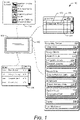
- FIG. 1 illustrates an example environment 100 in which techniques for recognizing accented speech can be implemented.
- Example environment 100 includes a computing device 102 having one or more processors 104, computer-readable storage media (storage media) 106, a display 108, and an input mechanism 110.
- Computing device 102 is shown as a smart phone having an integrated microphone 112 as one example of input mechanism 110.
- Various types of computing devices and input mechanisms may be used, however, such as a personal computer having a separate, standalone microphone, a cellular phone connected to a pico-net (e.g., Bluetooth TM ) headset having a microphone, or tablet and laptop computers with an integrated stereo microphone, to name but a few.
- a pico-net e.g., Bluetooth TM
- Computer-readable storage media 106 includes an accent module 114, device data 116, mined data 118, and applications 120.
- Accent module 114 includes a linguistic library 122 and one or more accent libraries 124.
- Accent module 114 may operate with, operate without, include, be integral with, and/or supplement a speech recognition engine (not shown).
- Accent module 114 is capable of recognizing accented speech, such as by determining, based on device data 116, an accent library of accent libraries 124 to use to recognize speech in conjunction with linguistic library 122.
- Linguistic library 122 is associated with a language or dialect thereof, such as Australian English, American (US) English, British (King's) English, and so forth. Linguistic library 122 and a known speech recognition engine may operate to perform known speech recognition, though use of either or both is not required. Thus, accent module 114, in some embodiments, uses one of accent libraries 124 to supplement a known speech recognition engine using a known type of linguistic library 122.
- FIG. 2 illustrates example linguistic libraries 122 and accent libraries 124 of FIG. 1 .
- example linguistic libraries Australian English 204 and US English 206
- accent libraries 208 and 210 are associated with each of these linguistic libraries 204 and 206.
- Accent libraries 208 include eight examples, though many more are contemplated by the techniques, including Australian (AU) English-Mandarin 208-1, AU English-New South (N.S.) Wales 208-2, AU English-New Zealand (NZ) Auckland 208-3, AU English-NA Wales 208-4, AU English-Scuba-Diver 208-5, AU English-Outback 208-6, AU English-Perth 208-7, and AU English-Indonesia 208-8. As is clear from the names, each of these accent libraries is associated with a large language group (Australian English) and accents present within that language group, whether it be recent Mandarin-speaking immigrants or persons involved in scuba diving.
- accent libraries 210 include eight examples, US English-Mandarin 210-1, US English-Cantonese 210-2, US English-Boston 210-3, US English-Surfer 210-4, US English-Hearing Impaired 210-5, US English-Rural 210-6, US English-South 210-7, and US English-Alaska 210-8.
- the Mandarin accent libraries 208-1 and 210-1 can be different, as each is associated with a different linguistic library. There may, however, be some common elements between the accent libraries due to common traits of Mandarin speakers, whether speaking English in an Australian dialect or a US dialect. Note that these accent libraries are nearly unlimited in number and in accents addressed. Regional accents, accents common to small or large immigrant groups, interests and subcultures, and even common physical characteristics, such as persons that are hearing impaired having some commonality in accent.
- each of accent libraries 124 contain supplemental information or algorithms for use by linguistic library 122.
- linguistic library 122 is used for a large language group (e.g., that has more, an average, or a median for a larger number of persons), which is supplemented by one or more of accent libraries 124.
- accent module 114 may forgo use of a linguistic library or a known speech recognition engine.
- Accent module 114 may instead provide its own algorithms and engine without use of other engines or libraries, relying instead on accent library 124 without linguistic library 122 but including algorithms or information useful for recognizing speech of a large number of persons.
- Accent module 114 may determine which of accent libraries 124 to use to recognize accented speech based on device data 116 and/or mined data 118 (both of FIG. 1 ).
- Device data 116 can include device personal data 126, as well as data specific to computing device 102.
- Data specific to computing device 102 can include the date of manufacture or purchase of computing device 102 (e.g., a recently-released mobile phone or tablet) and information about computing device 102, such a manufacturer, hardware capabilities, and so forth.
- Device personal data 126 includes data created or determined based on a user's interaction with computing device 102, such as names of contacts, installed applications, receiving country or regions of messages, a user's name, contact information, non-standard keyboards (e.g., for a particular language other than the language for which computing device 102 is set), and contextual application information (e.g., search terms).
- names of contacts may indicate a country of origin of the user or a non-standard type of keyboard may indicate that a language other than the language setting for the computing device is the user's native language.
- a receiving country or region for messages may include addresses in countries in which the language setting for the computing device is not a most-spoken language, e.g., the receiving country of Indonesia with a setting of Australian English, such as shown in FIG. 2 with Australian English 204 and AU English-Indonesia 208-8.
- emails or addresses in a user's contacts may indicate a nationality or ethnic origin of the user (e.g., Slavic first or last names).
- the addresses may indicate a native location of, or current location of, the user, as well as other details about the user that may be used to determine an accent library 124 for the user.
- Names in email address lines or text in those emails may indicate the user's friends' nationalities, origins, subcultures, or the user's business, or the user's interests. These interests, as noted further below, may indicate an accent, such as user's interest in surfing, scuba diving, or cooking. Some words and how these words are spoken can depend on these interests, and thus subcultures.
- a person involved in scuba diving may use the terms “re-breather” and “Barotrauma,” which, but for an accent library associated with scuba diving, might be incorrectly recognized.
- a person involved in surfing might use the terms “goofy foot,” “cutback,” or “closed out,” which might also be incorrectly recognized from a user's speech.
- "La Creuset,” “rotisserie,” and “braising” may be incorrectly recognized without the current techniques.
- Device personal data 126 may also include other information useful in determining an accent and thus an accent library, such as Slavic-language books in the user's e-book library, Slavic-language news articles, articles and books about Tru, a saved weather channel for Warsaw, Tru, information about fishing in Estonia, a web search entry for accordion music, polka music in the user's music library, and so forth.
- an accent library such as Slavic-language books in the user's e-book library, Slavic-language news articles, articles and books about Tru, a saved weather channel for Warsaw, Poland, information about fishing in Estonia, a web search entry for accordion music, polka music in the user's music library, and so forth.
- Mined data 118 may also or instead be used by accent module 114 to determine which of accent libraries 124 to use to recognize speech.
- Mined data 118 includes mined personal data 128, which may include any personal data that may be found about a user of computing device 102, either through the Internet or otherwise.
- mined personal data 128 may include the user's search terms, purchases, location, demographics, income, and so forth.
- computer-readable storage media 106 also includes applications 120, such as email application 130, social network application 132, or spreadsheet application 134 all of FIG. 1 .
- Each of applications 120 includes one or more application fields 136, which, in some embodiments, are used to determine a speech recognition correction level.
- application fields 136 are used to determine a speech recognition correction level.
- a number-only cell 138 and a general-text cell 140 are each an example of application field 136. Number-only cell 138 may require more-precise text than general-text cell 140, and thus a different speech recognition correction level.
- FIG. 3 illustrates example methods 300 for recognizing accented speech using an accent library determined based on device data.
- the order in which blocks of these and other methods are described is not intended to be construed as a limitation, and any number or combination of the described blocks in these and other methods herein can be combined in any order to implement a method or an alternate method.
- device data is received for a computing device.
- Device data can be received responsive to an active retrieval performed at block 302.
- accent module 114 may retrieve device data 116 at block 302, such as by searching contact data on computing device 102 and technological details about computing device 102.
- device data 116 may include device personal data 126 and other, non-personal data associated with computing device 102.
- device data 116 indicates that computing device 102 is a smartphone released just 30 days ago that has significant computing power. This may be used in part to determine an appropriate accent library 124 based on demographics indicating that users of this smartphone, at least when recently released, are early adopters, technologically savvy, and aged between 18 and 32.
- device personal data 126 includes contact names and addresses indicating a statistically relevant quantity of Asian last names and Asian first names. This statistical relevance can be determined in various manners, such as by comparison with a typical person's contact list that uses the same linguistic library 122. Thus, while the average number of Asian first names for an American (US) English linguistic library user's contact list may be 1.3% and Asian last names 11% assume here that this user's contact list has 14% Asian first names and 29% Asian last names. Statistical analysis considers this statistically relevant based on it being one or more standard deviations from average.
- US American
- device personal data 126 indicates that the user's name is "Molly Chin," substantial numbers and durations of trips to the beach, a purchase of surfing gear, and that the user lives in southern California.
- an accent library is determined based on the device data received. This accent library is determined for use in speech recognition.
- accent module 114 correlates device data 116 with known accents associated with this type of device data, thereby determining that two different accent libraries 124 are likely, that of US English-Mandarin 210-1 and US English-Surfer 210-4 both of FIG. 2 .
- the surfer accent library is determined to be more likely based on the young age projected for the user (as an early adopter and so forth), trips to the beach, an English first name (Molly), surfer-based purchases, and so forth.
- accent module 114 determines accent libraries 124 based on device data 116, though accent module 114 may also or instead base this determination on mined data 118 and information about prior speech received by computing device 102.
- Speech is received at the computing device. Speech can be received in various manners, such as input mechanism 110 described above. Continuing the ongoing example, assume that the user says the following for entry into a text message to a friend "Jean, is it closed out?"
- accent module 114 uses, along with a speech recognition engine, linguistic library US English 206 and accent library US English-Surfer 210-4 selected based on device data as noted above.
- linguistic library US English 206 and accent library US English-Surfer 210-4 selected based on device data as noted above.
- accent module 114 acts to correctly recognize Molly's speech as "Jean, is it closed out?”
- Accent module 114 passes this text to the text field.
- accent module 114 being able to select between multiple options for how to recognize Molly's speech, including an option that, but for the accent library, would have been considered a low-probability option for a current speech recognition engine relative to other likely options of "close now,” “hosed out,” and "closet.”
- accent library US English-Surfer 210-4 adds words, changes probabilities of words and phrases, and alters algorithms to change how certain sounds are interpreted (e.g., surfers have a different speech pattern, which is part of an accent, not just the words used).
- methods 300 proceed to blocks 310 and/or blocks 312-318.
- the accent library is updated based on corrected errors made during recognition of the speech.
- Block 310 may work in conjunction with, or separate from, methods 400 as described below.
- methods 300 correctly recognized Molly's speech. Were it incorrect, correction by the user (Molly Chin) can be recorded and used to update the accent library.
- other speech is received at the computing device, the other speech received from a different speaker than the speech received at block 302.
- Molly passes her smart phone to her father because she is driving. Assume that Molly asks her father to request a good Thai restaurant. Assume also that her father is a native Mandarin speaker and that English is a second language for him. Further, assume that, like many native Mandarin speakers, Molly's father uses tones to differentiate words, while English speakers use intonation (pitch patterns in sentences). Further, assume that Molly's father, like many Mandarin speakers, has problems pronouncing "I" sounds at the end of a syllable.
- the other speech is dynamically determined not to be associated with the accent library determined at block 304.
- Accent module 114 determines, in real time on receiving the speech "Find Tew Restaurant" that the speaker is not Molly and thus that accent library US English-Surfer 210-4 does not apply. Accent module 114 may determine this based on the "Tew” or other indicators, such as tonal variances within the word “Restaurant,” which is common to both Mandarin and Cantonese speakers, or simply that a history of speech received from Molly indicates that it is not Molly. This can be performed in numerous ways, such as Molly having a generally high-pitched voice and Molly's father not having this high pitch, speaking speed differences between Molly and Molly's father, and so forth.
- accent module 114 determines, based on tonal variances within the word "Restaurant" that Molly's father is either a native Mandarin or Cantonese speaker. Further, assume that accent module 114, determines that Molly's personal data indicates that she has friends and addresses associated more closely with a region of China in which Mandarin is the dominant language (e.g., Beijing) rather than regions associated with Cantonese (e.g., Hong Kong). This information may have already been determined at block 304 as noted above.
- the other speech is recognized with the other accent library or with no accent library, as determined above.
- accent module 114 recognizes Molly's father's speech of "Find Tew Restaurant” as “Find Thai Restaurant” by using accent library US English-Mandarin 210-1 of FIG. 2 rather than incorrectly recognize this speech as "Find Two Restaurants.”
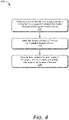
- FIG. 4 illustrates example methods 400 for altering an accent library to more-accurately recognize accented speech.
- a correction to a speech element is received.
- This correction corrects a speech element that was incorrectly recognized using an accent library.
- the correction can be received from a remote computing device, though this is not required.
- speech recognition using an accent library may be incorrect and then corrected by a user.
- One or many corrections associated with an accent library can be received, such as from thousands of remote computing devices (e.g., smart phones, laptops, tablets, desktops and so forth).
- the computing device can be computing device 102 of FIG. 1 but in this embodiment is a server computer remote from computing device 102 and at which corrections are recorded and accent libraries 124 are updated to improve recognition.
- an accent library is altered to provide an updated accent library, the updated accent library able to more-accurately recognize the speech element.
- the accent library US English-Mandarin 210-1 incorrectly recognized Molly's father's speech as "Find The Restaurant” instead of "Find Thai Restaurant.”
- Molly's Father corrected the incorrect recognition to "Thai.”
- the updating entity can be accent module 114 on computing device 102, or another accent module or other entity on a server computer.
- the updated accent library is provided to the remote computing device or devices effective to enable the remote computing device or devices to more-accurately recognize the speech element.
- the speech element "Tew” will be more likely to be correctly recognized as “Thai” than "The” using the updated accent library.
- device data can also be received from the remote computing device or devices that is associated with a user of the remote computing device and based on which the accent library was determined to be used for speech recognition of speech from the user.
- the accent library was determined to be used for speech recognition of speech from the user.
- the update to the appropriate accent library may then be tailored to certain device data or other data. This, in effect, may act to provide subcategories of accent libraries over time.
- a speaker such as a person having similarities to Molly Chin may receive an update for US English-Surfer 210-4 based on her similarities in age (18-30) and region (Southern California) that another speaker using US English-Surfer 210-4 will not, such as a man (aged 45-60) living in a different region (Miami, Florida).
- updates can be provided to users based on whether the users or their computing devices have one or more same elements of device or mined data as the device or mined data of the remote computing device from which the correction was received.
- FIG. 5 illustrates example methods 500 for recognizing speech at a speech recognition level based on an application field, which may use an accent library.
- speech is received at a computing device. This can be as set forth in the various examples above.
- a speech recognition correction level is determined based on an application field to which recognized text are set to be provided.
- an application field to which recognized text are set to be provided.
- One example of this can be example application fields 136 of FIG. 1 , namely number-only cell 138 and a general-text cell 140 of spreadsheet application 134.
- accent module 114 may determine a speech recognition correction level based on the application fields, such as it likely needing highly accurate speech recognition or less accurate and/or faster recognition.
- FIG. 6 which illustrates an example email application's user interface 602 having application fields 604 and 606.
- Application field 604 is an address field and application field 606 is a body field.
- Molly Chin from the above examples says "Surf Girl Seven Seven Seven At Gee Mail Dot Com.”
- accent module 114 determines that a maximum level of correction should be used for the address field. In such a case, accent module 114 uses an appropriate accent library 124 or makes other refinements that improve accuracy. Improving accuracy, however, can come at a cost in terms of time to recognize text and computing resources (processor and battery), to name but a few. Therefore, higher speech correction levels may not always be appropriate.
- accent module 114 may apply different correction levels by determining to use none, one, or multiple accent libraries 114, such as both a Mandarin and a Surfer accent library, for example. Further, accent module 114 may determine correction levels without use, or lack of use, of accent libraries 124. For example, accent module 114 may use a different linguistic library 122 for some application fields or use an accent library 124 that is directed to spoken numbers rather than accents in normal speech. Thus, one of linguistic libraries 122 may be directed to recognizing speech that is numerical or for addresses and another that is directed to recognizing speech that is conversational. In these and other ways set forth herein, the techniques may act to improve speech recognition.
- the speech received is recognized at the speech recognition correction level to produce recognized text.
- accent module 114 recognizes speech at the determined speech recognition level, here at a maximum level using one or more accent libraries 124 and/or alternative linguistic libraries 122 directed to the expected speech.
- recognized words and other text are provided to the application field.
- accent module 114 recognizes the speech of "Surf Girl Seven Seven Seven At Gee Mail Dot Com” not as words but, based on the accent library 124 and/or linguistic library 122, as a combination of words and text, and also because it is an address field for an email, the "at” as the "@” symbol. Thus, the speech is recognized as "surfgirl777@GMail.com".
- the techniques use a less-than-maximum speech correction level when the application field is a body of an email, blog, social networking entry, or word-processing document.
- the techniques for address fields, number-only fields in spreadsheets, phone numbers, and so forth may use maximum speech correction levels and/or alternative linguistic libraries 122 or accent libraries 124.
- FIG. 7 illustrates various components of an example device 700 including accent module 114 including or having access to other modules, these components implemented in hardware, firmware, and/or software and as described with reference to any of the previous FIGs. 1-6 .
- Example device 700 can be implemented in a fixed or mobile device being one or a combination of a media device, computing device (e.g., computing device 102 of FIG. 1 ), television set-top box, video processing and/or rendering device, appliance device (e.g., a closed-and-sealed computing resource, such as some digital video recorders or global-positioning-satellite devices), gaming device, electronic device, vehicle, and/or workstation.
- a media device e.g., computing device 102 of FIG. 1
- computing device e.g., computing device 102 of FIG. 1
- television set-top box e.g., video processing and/or rendering device
- appliance device e.g., a closed-and-sealed computing resource, such as some digital video recorders or global-positioning-satellite devices
- gaming device e.g., gaming device, electronic device, vehicle, and/or workstation.
- Example device 700 can be integrated with electronic circuitry, a microprocessor, memory, input-output (I/O) logic control, communication interfaces and components, other hardware, firmware, and/or software needed to run an entire device.
- Example device 700 can also include an integrated data bus (not shown) that couples the various components of the computing device for data communication between the components.
- Example device 700 includes various components such as an input-output (I/O) logic control 702 (e.g., to include electronic circuitry) and microprocessor(s) 704 (e.g., microcontroller or digital signal processor).
- Example device 700 also includes a memory 706, which can be any type of random access memory (RAM), a low-latency nonvolatile memory (e.g., flash memory), read only memory (ROM), and/or other suitable electronic data storage.
- Memory 706 includes or has access to accent module 114, linguistic libraries 122, and accent libraries 124 and, in some embodiments, a speech recognition engine (not shown).
- Example device 700 can also include various firmware and/or software, such as an operating system 708, which, along with other components, can be computer-executable instructions maintained by memory 706 and executed by microprocessor 704.
- Example device 700 can also include other various communication interfaces and components, wireless LAN (WLAN) or wireless PAN (WPAN) components, other hardware, firmware, and/or software.
- WLAN wireless LAN
- WPAN wireless PAN
- modules can be implemented as computer-executable instructions maintained by memory 706 and executed by microprocessor 704 to implement various embodiments and/or features described herein.
- any or all of these components can be implemented as hardware, firmware, fixed logic circuitry, or any combination thereof that is implemented in connection with the I/O logic control 702 and/or other signal processing and control circuits of example device 700.
- some of these components may act separate from device 700, such as when remote (e.g., cloud-based) libraries perform services for accent module 114.
Landscapes
- Engineering & Computer Science (AREA)
- Physics & Mathematics (AREA)
- Audiology, Speech & Language Pathology (AREA)
- Computational Linguistics (AREA)
- Health & Medical Sciences (AREA)
- Human Computer Interaction (AREA)
- Multimedia (AREA)
- Acoustics & Sound (AREA)
- Artificial Intelligence (AREA)
- Theoretical Computer Science (AREA)
- General Health & Medical Sciences (AREA)
- General Physics & Mathematics (AREA)
- General Engineering & Computer Science (AREA)
- Machine Translation (AREA)
- Document Processing Apparatus (AREA)
Applications Claiming Priority (4)
| Application Number | Priority Date | Filing Date | Title |
|---|---|---|---|
| US13/772,373 US9734819B2 (en) | 2013-02-21 | 2013-02-21 | Recognizing accented speech |
| PCT/US2014/012922 WO2014130205A1 (fr) | 2013-02-21 | 2014-01-24 | Reconnaissance d'un discours accentué |
| EP14705615.4A EP2959476B1 (fr) | 2013-02-21 | 2014-01-24 | Reconnaissance d'un discours accentué |
| EP19197342.9A EP3605528A1 (fr) | 2013-02-21 | 2014-01-24 | Reconnaissance d'un discours accentué |
Related Parent Applications (2)
| Application Number | Title | Priority Date | Filing Date |
|---|---|---|---|
| EP19197342.9A Division EP3605528A1 (fr) | 2013-02-21 | 2014-01-24 | Reconnaissance d'un discours accentué |
| EP14705615.4A Division EP2959476B1 (fr) | 2013-02-21 | 2014-01-24 | Reconnaissance d'un discours accentué |
Publications (3)
| Publication Number | Publication Date |
|---|---|
| EP4086897A2 true EP4086897A2 (fr) | 2022-11-09 |
| EP4086897A3 EP4086897A3 (fr) | 2022-11-30 |
| EP4086897B1 EP4086897B1 (fr) | 2025-07-16 |
Family
ID=50150774
Family Applications (3)
| Application Number | Title | Priority Date | Filing Date |
|---|---|---|---|
| EP19197342.9A Withdrawn EP3605528A1 (fr) | 2013-02-21 | 2014-01-24 | Reconnaissance d'un discours accentué |
| EP22180626.8A Active EP4086897B1 (fr) | 2013-02-21 | 2014-01-24 | Reconnaissance d'un discours accentué |
| EP14705615.4A Active EP2959476B1 (fr) | 2013-02-21 | 2014-01-24 | Reconnaissance d'un discours accentué |
Family Applications Before (1)
| Application Number | Title | Priority Date | Filing Date |
|---|---|---|---|
| EP19197342.9A Withdrawn EP3605528A1 (fr) | 2013-02-21 | 2014-01-24 | Reconnaissance d'un discours accentué |
Family Applications After (1)
| Application Number | Title | Priority Date | Filing Date |
|---|---|---|---|
| EP14705615.4A Active EP2959476B1 (fr) | 2013-02-21 | 2014-01-24 | Reconnaissance d'un discours accentué |
Country Status (4)
| Country | Link |
|---|---|
| US (7) | US9734819B2 (fr) |
| EP (3) | EP3605528A1 (fr) |
| CN (2) | CN105408952A (fr) |
| WO (1) | WO2014130205A1 (fr) |
Families Citing this family (173)
| Publication number | Priority date | Publication date | Assignee | Title |
|---|---|---|---|---|
| US8645137B2 (en) | 2000-03-16 | 2014-02-04 | Apple Inc. | Fast, language-independent method for user authentication by voice |
| US8677377B2 (en) | 2005-09-08 | 2014-03-18 | Apple Inc. | Method and apparatus for building an intelligent automated assistant |
| US9318108B2 (en) | 2010-01-18 | 2016-04-19 | Apple Inc. | Intelligent automated assistant |
| US8977255B2 (en) | 2007-04-03 | 2015-03-10 | Apple Inc. | Method and system for operating a multi-function portable electronic device using voice-activation |
| US10002189B2 (en) | 2007-12-20 | 2018-06-19 | Apple Inc. | Method and apparatus for searching using an active ontology |
| US9330720B2 (en) | 2008-01-03 | 2016-05-03 | Apple Inc. | Methods and apparatus for altering audio output signals |
| US8996376B2 (en) | 2008-04-05 | 2015-03-31 | Apple Inc. | Intelligent text-to-speech conversion |
| US20100030549A1 (en) | 2008-07-31 | 2010-02-04 | Lee Michael M | Mobile device having human language translation capability with positional feedback |
| US8676904B2 (en) | 2008-10-02 | 2014-03-18 | Apple Inc. | Electronic devices with voice command and contextual data processing capabilities |
| US10241644B2 (en) | 2011-06-03 | 2019-03-26 | Apple Inc. | Actionable reminder entries |
| US10255566B2 (en) | 2011-06-03 | 2019-04-09 | Apple Inc. | Generating and processing task items that represent tasks to perform |
| US10241752B2 (en) | 2011-09-30 | 2019-03-26 | Apple Inc. | Interface for a virtual digital assistant |
| US9431006B2 (en) | 2009-07-02 | 2016-08-30 | Apple Inc. | Methods and apparatuses for automatic speech recognition |
| US10276170B2 (en) | 2010-01-18 | 2019-04-30 | Apple Inc. | Intelligent automated assistant |
| US8682667B2 (en) | 2010-02-25 | 2014-03-25 | Apple Inc. | User profiling for selecting user specific voice input processing information |
| US9262612B2 (en) | 2011-03-21 | 2016-02-16 | Apple Inc. | Device access using voice authentication |
| US10057736B2 (en) | 2011-06-03 | 2018-08-21 | Apple Inc. | Active transport based notifications |
| US10134385B2 (en) | 2012-03-02 | 2018-11-20 | Apple Inc. | Systems and methods for name pronunciation |
| US9280610B2 (en) | 2012-05-14 | 2016-03-08 | Apple Inc. | Crowd sourcing information to fulfill user requests |
| US10417037B2 (en) | 2012-05-15 | 2019-09-17 | Apple Inc. | Systems and methods for integrating third party services with a digital assistant |
| US9721563B2 (en) | 2012-06-08 | 2017-08-01 | Apple Inc. | Name recognition system |
| US9547647B2 (en) | 2012-09-19 | 2017-01-17 | Apple Inc. | Voice-based media searching |
| DE112014000709B4 (de) | 2013-02-07 | 2021-12-30 | Apple Inc. | Verfahren und vorrichtung zum betrieb eines sprachtriggers für einen digitalen assistenten |
| US9734819B2 (en) * | 2013-02-21 | 2017-08-15 | Google Technology Holdings LLC | Recognizing accented speech |
| US10652394B2 (en) | 2013-03-14 | 2020-05-12 | Apple Inc. | System and method for processing voicemail |
| US10748529B1 (en) | 2013-03-15 | 2020-08-18 | Apple Inc. | Voice activated device for use with a voice-based digital assistant |
| US9582608B2 (en) | 2013-06-07 | 2017-02-28 | Apple Inc. | Unified ranking with entropy-weighted information for phrase-based semantic auto-completion |
| WO2014197334A2 (fr) | 2013-06-07 | 2014-12-11 | Apple Inc. | Système et procédé destinés à une prononciation de mots spécifiée par l'utilisateur dans la synthèse et la reconnaissance de la parole |
| WO2014197335A1 (fr) | 2013-06-08 | 2014-12-11 | Apple Inc. | Interprétation et action sur des commandes qui impliquent un partage d'informations avec des dispositifs distants |
| KR101959188B1 (ko) | 2013-06-09 | 2019-07-02 | 애플 인크. | 디지털 어시스턴트의 둘 이상의 인스턴스들에 걸친 대화 지속성을 가능하게 하기 위한 디바이스, 방법 및 그래픽 사용자 인터페이스 |
| US10176167B2 (en) | 2013-06-09 | 2019-01-08 | Apple Inc. | System and method for inferring user intent from speech inputs |
| KR101749009B1 (ko) | 2013-08-06 | 2017-06-19 | 애플 인크. | 원격 디바이스로부터의 활동에 기초한 스마트 응답의 자동 활성화 |
| US10296160B2 (en) | 2013-12-06 | 2019-05-21 | Apple Inc. | Method for extracting salient dialog usage from live data |
| US9430463B2 (en) | 2014-05-30 | 2016-08-30 | Apple Inc. | Exemplar-based natural language processing |
| US9633004B2 (en) | 2014-05-30 | 2017-04-25 | Apple Inc. | Better resolution when referencing to concepts |
| US10170123B2 (en) | 2014-05-30 | 2019-01-01 | Apple Inc. | Intelligent assistant for home automation |
| WO2015184186A1 (fr) | 2014-05-30 | 2015-12-03 | Apple Inc. | Procédé d'entrée à simple énoncé multi-commande |
| US9715875B2 (en) | 2014-05-30 | 2017-07-25 | Apple Inc. | Reducing the need for manual start/end-pointing and trigger phrases |
| US9338493B2 (en) | 2014-06-30 | 2016-05-10 | Apple Inc. | Intelligent automated assistant for TV user interactions |
| US9818400B2 (en) | 2014-09-11 | 2017-11-14 | Apple Inc. | Method and apparatus for discovering trending terms in speech requests |
| US9646609B2 (en) * | 2014-09-30 | 2017-05-09 | Apple Inc. | Caching apparatus for serving phonetic pronunciations |
| US10074360B2 (en) | 2014-09-30 | 2018-09-11 | Apple Inc. | Providing an indication of the suitability of speech recognition |
| US9668121B2 (en) | 2014-09-30 | 2017-05-30 | Apple Inc. | Social reminders |
| US10127911B2 (en) | 2014-09-30 | 2018-11-13 | Apple Inc. | Speaker identification and unsupervised speaker adaptation techniques |
| US10152299B2 (en) | 2015-03-06 | 2018-12-11 | Apple Inc. | Reducing response latency of intelligent automated assistants |
| US9886953B2 (en) | 2015-03-08 | 2018-02-06 | Apple Inc. | Virtual assistant activation |
| US10567477B2 (en) | 2015-03-08 | 2020-02-18 | Apple Inc. | Virtual assistant continuity |
| US9721566B2 (en) | 2015-03-08 | 2017-08-01 | Apple Inc. | Competing devices responding to voice triggers |
| US10460227B2 (en) | 2015-05-15 | 2019-10-29 | Apple Inc. | Virtual assistant in a communication session |
| US10083688B2 (en) | 2015-05-27 | 2018-09-25 | Apple Inc. | Device voice control for selecting a displayed affordance |
| US10200824B2 (en) | 2015-05-27 | 2019-02-05 | Apple Inc. | Systems and methods for proactively identifying and surfacing relevant content on a touch-sensitive device |
| US9578173B2 (en) | 2015-06-05 | 2017-02-21 | Apple Inc. | Virtual assistant aided communication with 3rd party service in a communication session |
| US11025565B2 (en) | 2015-06-07 | 2021-06-01 | Apple Inc. | Personalized prediction of responses for instant messaging |
| US20160378747A1 (en) | 2015-06-29 | 2016-12-29 | Apple Inc. | Virtual assistant for media playback |
| US10008199B2 (en) * | 2015-08-22 | 2018-06-26 | Toyota Motor Engineering & Manufacturing North America, Inc. | Speech recognition system with abbreviated training |
| US10671428B2 (en) | 2015-09-08 | 2020-06-02 | Apple Inc. | Distributed personal assistant |
| US10331312B2 (en) | 2015-09-08 | 2019-06-25 | Apple Inc. | Intelligent automated assistant in a media environment |
| US10740384B2 (en) | 2015-09-08 | 2020-08-11 | Apple Inc. | Intelligent automated assistant for media search and playback |
| US10747498B2 (en) | 2015-09-08 | 2020-08-18 | Apple Inc. | Zero latency digital assistant |
| US10366158B2 (en) | 2015-09-29 | 2019-07-30 | Apple Inc. | Efficient word encoding for recurrent neural network language models |
| US11010550B2 (en) | 2015-09-29 | 2021-05-18 | Apple Inc. | Unified language modeling framework for word prediction, auto-completion and auto-correction |
| US11587559B2 (en) | 2015-09-30 | 2023-02-21 | Apple Inc. | Intelligent device identification |
| US20170109332A1 (en) * | 2015-10-16 | 2017-04-20 | Successfactors, Inc. | Matching user input provided to an input method editor with text |
| US10691473B2 (en) | 2015-11-06 | 2020-06-23 | Apple Inc. | Intelligent automated assistant in a messaging environment |
| US10956666B2 (en) | 2015-11-09 | 2021-03-23 | Apple Inc. | Unconventional virtual assistant interactions |
| US10049668B2 (en) | 2015-12-02 | 2018-08-14 | Apple Inc. | Applying neural network language models to weighted finite state transducers for automatic speech recognition |
| US10223066B2 (en) | 2015-12-23 | 2019-03-05 | Apple Inc. | Proactive assistance based on dialog communication between devices |
| US10446143B2 (en) | 2016-03-14 | 2019-10-15 | Apple Inc. | Identification of voice inputs providing credentials |
| US20170337923A1 (en) * | 2016-05-19 | 2017-11-23 | Julia Komissarchik | System and methods for creating robust voice-based user interface |
| US9934775B2 (en) | 2016-05-26 | 2018-04-03 | Apple Inc. | Unit-selection text-to-speech synthesis based on predicted concatenation parameters |
| US9972304B2 (en) | 2016-06-03 | 2018-05-15 | Apple Inc. | Privacy preserving distributed evaluation framework for embedded personalized systems |
| US10249300B2 (en) | 2016-06-06 | 2019-04-02 | Apple Inc. | Intelligent list reading |
| US11227589B2 (en) | 2016-06-06 | 2022-01-18 | Apple Inc. | Intelligent list reading |
| US10049663B2 (en) | 2016-06-08 | 2018-08-14 | Apple, Inc. | Intelligent automated assistant for media exploration |
| DK179588B1 (en) | 2016-06-09 | 2019-02-22 | Apple Inc. | INTELLIGENT AUTOMATED ASSISTANT IN A HOME ENVIRONMENT |
| US12223282B2 (en) | 2016-06-09 | 2025-02-11 | Apple Inc. | Intelligent automated assistant in a home environment |
| US10490187B2 (en) | 2016-06-10 | 2019-11-26 | Apple Inc. | Digital assistant providing automated status report |
| US10586535B2 (en) | 2016-06-10 | 2020-03-10 | Apple Inc. | Intelligent digital assistant in a multi-tasking environment |
| US10192552B2 (en) | 2016-06-10 | 2019-01-29 | Apple Inc. | Digital assistant providing whispered speech |
| US10067938B2 (en) | 2016-06-10 | 2018-09-04 | Apple Inc. | Multilingual word prediction |
| US10509862B2 (en) | 2016-06-10 | 2019-12-17 | Apple Inc. | Dynamic phrase expansion of language input |
| DK179343B1 (en) | 2016-06-11 | 2018-05-14 | Apple Inc | Intelligent task discovery |
| DK179049B1 (en) | 2016-06-11 | 2017-09-18 | Apple Inc | Data driven natural language event detection and classification |
| DK179415B1 (en) | 2016-06-11 | 2018-06-14 | Apple Inc | Intelligent device arbitration and control |
| US12197817B2 (en) | 2016-06-11 | 2025-01-14 | Apple Inc. | Intelligent device arbitration and control |
| DK201670540A1 (en) | 2016-06-11 | 2018-01-08 | Apple Inc | Application integration with a digital assistant |
| CN106098069B (zh) * | 2016-06-21 | 2019-12-20 | 佛山科学技术学院 | 一种身份认证方法、及终端设备 |
| CN106128477B (zh) * | 2016-06-23 | 2017-07-04 | 南阳理工学院 | 一种口语识别校正系统 |
| CN106328146A (zh) * | 2016-08-22 | 2017-01-11 | 广东小天才科技有限公司 | 一种视频的字幕生成方法及装置 |
| US10474753B2 (en) | 2016-09-07 | 2019-11-12 | Apple Inc. | Language identification using recurrent neural networks |
| US10043516B2 (en) | 2016-09-23 | 2018-08-07 | Apple Inc. | Intelligent automated assistant |
| US11281993B2 (en) | 2016-12-05 | 2022-03-22 | Apple Inc. | Model and ensemble compression for metric learning |
| US10593346B2 (en) | 2016-12-22 | 2020-03-17 | Apple Inc. | Rank-reduced token representation for automatic speech recognition |
| CN108288466B (zh) * | 2016-12-30 | 2020-10-16 | 中国移动通信集团浙江有限公司 | 一种提高语音识别准确率的方法及装置 |
| US11204787B2 (en) | 2017-01-09 | 2021-12-21 | Apple Inc. | Application integration with a digital assistant |
| US10417266B2 (en) | 2017-05-09 | 2019-09-17 | Apple Inc. | Context-aware ranking of intelligent response suggestions |
| DK201770383A1 (en) | 2017-05-09 | 2018-12-14 | Apple Inc. | USER INTERFACE FOR CORRECTING RECOGNITION ERRORS |
| US10446136B2 (en) * | 2017-05-11 | 2019-10-15 | Ants Technology (Hk) Limited | Accent invariant speech recognition |
| US10726832B2 (en) | 2017-05-11 | 2020-07-28 | Apple Inc. | Maintaining privacy of personal information |
| US10395654B2 (en) | 2017-05-11 | 2019-08-27 | Apple Inc. | Text normalization based on a data-driven learning network |
| DK201770439A1 (en) | 2017-05-11 | 2018-12-13 | Apple Inc. | Offline personal assistant |
| DK180048B1 (en) | 2017-05-11 | 2020-02-04 | Apple Inc. | MAINTAINING THE DATA PROTECTION OF PERSONAL INFORMATION |
| DK179745B1 (en) | 2017-05-12 | 2019-05-01 | Apple Inc. | SYNCHRONIZATION AND TASK DELEGATION OF A DIGITAL ASSISTANT |
| DK201770428A1 (en) | 2017-05-12 | 2019-02-18 | Apple Inc. | LOW-LATENCY INTELLIGENT AUTOMATED ASSISTANT |
| DK179496B1 (en) | 2017-05-12 | 2019-01-15 | Apple Inc. | USER-SPECIFIC Acoustic Models |
| US11301477B2 (en) | 2017-05-12 | 2022-04-12 | Apple Inc. | Feedback analysis of a digital assistant |
| DK201770411A1 (en) | 2017-05-15 | 2018-12-20 | Apple Inc. | Multi-modal interfaces |
| DK201770432A1 (en) | 2017-05-15 | 2018-12-21 | Apple Inc. | Hierarchical belief states for digital assistants |
| DK201770431A1 (en) | 2017-05-15 | 2018-12-20 | Apple Inc. | Optimizing dialogue policy decisions for digital assistants using implicit feedback |
| US20180336892A1 (en) | 2017-05-16 | 2018-11-22 | Apple Inc. | Detecting a trigger of a digital assistant |
| US10403278B2 (en) | 2017-05-16 | 2019-09-03 | Apple Inc. | Methods and systems for phonetic matching in digital assistant services |
| US10311144B2 (en) | 2017-05-16 | 2019-06-04 | Apple Inc. | Emoji word sense disambiguation |
| DK179560B1 (en) | 2017-05-16 | 2019-02-18 | Apple Inc. | FAR-FIELD EXTENSION FOR DIGITAL ASSISTANT SERVICES |
| US10303715B2 (en) | 2017-05-16 | 2019-05-28 | Apple Inc. | Intelligent automated assistant for media exploration |
| US10657328B2 (en) | 2017-06-02 | 2020-05-19 | Apple Inc. | Multi-task recurrent neural network architecture for efficient morphology handling in neural language modeling |
| CN107452379B (zh) * | 2017-08-17 | 2021-01-05 | 广州腾猴科技有限公司 | 一种方言语言的识别方法及虚拟现实教学方法和系统 |
| US10445429B2 (en) | 2017-09-21 | 2019-10-15 | Apple Inc. | Natural language understanding using vocabularies with compressed serialized tries |
| US10755051B2 (en) | 2017-09-29 | 2020-08-25 | Apple Inc. | Rule-based natural language processing |
| US10636424B2 (en) | 2017-11-30 | 2020-04-28 | Apple Inc. | Multi-turn canned dialog |
| US10395649B2 (en) * | 2017-12-15 | 2019-08-27 | International Business Machines Corporation | Pronunciation analysis and correction feedback |
| US10733982B2 (en) | 2018-01-08 | 2020-08-04 | Apple Inc. | Multi-directional dialog |
| US10650844B2 (en) * | 2018-01-18 | 2020-05-12 | Wipro Limited | Method and response recommendation system for recommending a response for a voice-based user input |
| US10733375B2 (en) | 2018-01-31 | 2020-08-04 | Apple Inc. | Knowledge-based framework for improving natural language understanding |
| US10789959B2 (en) | 2018-03-02 | 2020-09-29 | Apple Inc. | Training speaker recognition models for digital assistants |
| US10592604B2 (en) | 2018-03-12 | 2020-03-17 | Apple Inc. | Inverse text normalization for automatic speech recognition |
| US10818288B2 (en) | 2018-03-26 | 2020-10-27 | Apple Inc. | Natural assistant interaction |
| US10909331B2 (en) | 2018-03-30 | 2021-02-02 | Apple Inc. | Implicit identification of translation payload with neural machine translation |
| US10928918B2 (en) | 2018-05-07 | 2021-02-23 | Apple Inc. | Raise to speak |
| US11145294B2 (en) | 2018-05-07 | 2021-10-12 | Apple Inc. | Intelligent automated assistant for delivering content from user experiences |
| US10984780B2 (en) | 2018-05-21 | 2021-04-20 | Apple Inc. | Global semantic word embeddings using bi-directional recurrent neural networks |
| US11386266B2 (en) | 2018-06-01 | 2022-07-12 | Apple Inc. | Text correction |
| DK179822B1 (da) | 2018-06-01 | 2019-07-12 | Apple Inc. | Voice interaction at a primary device to access call functionality of a companion device |
| DK180639B1 (en) | 2018-06-01 | 2021-11-04 | Apple Inc | DISABILITY OF ATTENTION-ATTENTIVE VIRTUAL ASSISTANT |
| US10892996B2 (en) | 2018-06-01 | 2021-01-12 | Apple Inc. | Variable latency device coordination |
| DK201870355A1 (en) | 2018-06-01 | 2019-12-16 | Apple Inc. | VIRTUAL ASSISTANT OPERATION IN MULTI-DEVICE ENVIRONMENTS |
| US10504518B1 (en) | 2018-06-03 | 2019-12-10 | Apple Inc. | Accelerated task performance |
| CN110797009A (zh) * | 2018-07-17 | 2020-02-14 | 上海航空电器有限公司 | 一种针对巴基斯坦口音英语的飞机座舱指令识别装置 |
| CN109036406A (zh) * | 2018-08-01 | 2018-12-18 | 深圳创维-Rgb电子有限公司 | 一种语音信息的处理方法、装置、设备和存储介质 |
| US11010561B2 (en) | 2018-09-27 | 2021-05-18 | Apple Inc. | Sentiment prediction from textual data |
| US11462215B2 (en) | 2018-09-28 | 2022-10-04 | Apple Inc. | Multi-modal inputs for voice commands |
| US10839159B2 (en) | 2018-09-28 | 2020-11-17 | Apple Inc. | Named entity normalization in a spoken dialog system |
| US11170166B2 (en) | 2018-09-28 | 2021-11-09 | Apple Inc. | Neural typographical error modeling via generative adversarial networks |
| US11475898B2 (en) | 2018-10-26 | 2022-10-18 | Apple Inc. | Low-latency multi-speaker speech recognition |
| US11638059B2 (en) | 2019-01-04 | 2023-04-25 | Apple Inc. | Content playback on multiple devices |
| US11348573B2 (en) | 2019-03-18 | 2022-05-31 | Apple Inc. | Multimodality in digital assistant systems |
| US11475884B2 (en) | 2019-05-06 | 2022-10-18 | Apple Inc. | Reducing digital assistant latency when a language is incorrectly determined |
| US11307752B2 (en) | 2019-05-06 | 2022-04-19 | Apple Inc. | User configurable task triggers |
| DK201970509A1 (en) | 2019-05-06 | 2021-01-15 | Apple Inc | Spoken notifications |
| US11423908B2 (en) | 2019-05-06 | 2022-08-23 | Apple Inc. | Interpreting spoken requests |
| US11140099B2 (en) | 2019-05-21 | 2021-10-05 | Apple Inc. | Providing message response suggestions |
| US11289073B2 (en) | 2019-05-31 | 2022-03-29 | Apple Inc. | Device text to speech |
| DK201970510A1 (en) | 2019-05-31 | 2021-02-11 | Apple Inc | Voice identification in digital assistant systems |
| DK180129B1 (en) | 2019-05-31 | 2020-06-02 | Apple Inc. | User activity shortcut suggestions |
| US11496600B2 (en) | 2019-05-31 | 2022-11-08 | Apple Inc. | Remote execution of machine-learned models |
| US11227599B2 (en) | 2019-06-01 | 2022-01-18 | Apple Inc. | Methods and user interfaces for voice-based control of electronic devices |
| US11360641B2 (en) | 2019-06-01 | 2022-06-14 | Apple Inc. | Increasing the relevance of new available information |
| WO2021000068A1 (fr) * | 2019-06-29 | 2021-01-07 | 播闪机械人有限公司 | Procédé et appareil de reconnaissance vocale utilisés par un locuteur non natif |
| CN110415679B (zh) * | 2019-07-25 | 2021-12-17 | 北京百度网讯科技有限公司 | 语音纠错方法、装置、设备和存储介质 |
| CN110619874B (zh) * | 2019-08-30 | 2020-10-23 | 珠海格力电器股份有限公司 | 语音控制方法、装置、计算机设备和存储介质 |
| US11488406B2 (en) | 2019-09-25 | 2022-11-01 | Apple Inc. | Text detection using global geometry estimators |
| CN111179928A (zh) * | 2019-12-30 | 2020-05-19 | 上海欣能信息科技发展有限公司 | 一种基于语音交互的变配电站智能控制方法 |
| US11183193B1 (en) | 2020-05-11 | 2021-11-23 | Apple Inc. | Digital assistant hardware abstraction |
| US11061543B1 (en) | 2020-05-11 | 2021-07-13 | Apple Inc. | Providing relevant data items based on context |
| US12301635B2 (en) | 2020-05-11 | 2025-05-13 | Apple Inc. | Digital assistant hardware abstraction |
| US11755276B2 (en) | 2020-05-12 | 2023-09-12 | Apple Inc. | Reducing description length based on confidence |
| CN111559675A (zh) * | 2020-05-22 | 2020-08-21 | 云知声智能科技股份有限公司 | 语音控制电梯的方法 |
| US11490204B2 (en) | 2020-07-20 | 2022-11-01 | Apple Inc. | Multi-device audio adjustment coordination |
| US11438683B2 (en) | 2020-07-21 | 2022-09-06 | Apple Inc. | User identification using headphones |
| US12165646B2 (en) * | 2022-04-29 | 2024-12-10 | Zoom Video Communications, Inc. | Delta models for providing privatized speech-to-text during virtual meetings |
| US12400649B2 (en) * | 2022-07-21 | 2025-08-26 | Sony Interactive Entertainment LLC | Customized dialogue support |
| WO2024182319A1 (fr) * | 2023-02-28 | 2024-09-06 | Google Llc | Regroupement et exploration vocale accentuée pour reconnaissance vocale inclusive et équitable |
| DE102023107661A1 (de) | 2023-03-27 | 2024-10-02 | Fraunhofer-Gesellschaft zur Förderung der angewandten Forschung eingetragener Verein | Verfahren zur Vokaltraktformung zum verbesserten Erlernen einer Fremdsprache |
| US12400088B1 (en) | 2024-04-25 | 2025-08-26 | Height Ventures, LLC | Communication channel quality improvement system using machine conversions |
Citations (5)
| Publication number | Priority date | Publication date | Assignee | Title |
|---|---|---|---|---|
| GB2323694A (en) * | 1997-03-27 | 1998-09-30 | Forum Technology Limited | Adaptation in speech to text conversion |
| US20030191639A1 (en) * | 2002-04-05 | 2003-10-09 | Sam Mazza | Dynamic and adaptive selection of vocabulary and acoustic models based on a call context for speech recognition |
| US20070233487A1 (en) * | 2006-04-03 | 2007-10-04 | Cohen Michael H | Automatic language model update |
| US20110054894A1 (en) * | 2007-03-07 | 2011-03-03 | Phillips Michael S | Speech recognition through the collection of contact information in mobile dictation application |
| US20110313767A1 (en) * | 2010-06-18 | 2011-12-22 | At&T Intellectual Property I, L.P. | System and method for data intensive local inference |
Family Cites Families (102)
| Publication number | Priority date | Publication date | Assignee | Title |
|---|---|---|---|---|
| US6459910B1 (en) * | 1995-06-07 | 2002-10-01 | Texas Instruments Incorporated | Use of speech recognition in pager and mobile telephone applications |
| DE19533541C1 (de) | 1995-09-11 | 1997-03-27 | Daimler Benz Aerospace Ag | Verfahren zur automatischen Steuerung eines oder mehrerer Geräte durch Sprachkommandos oder per Sprachdialog im Echtzeitbetrieb und Vorrichtung zum Ausführen des Verfahrens |
| US5897616A (en) * | 1997-06-11 | 1999-04-27 | International Business Machines Corporation | Apparatus and methods for speaker verification/identification/classification employing non-acoustic and/or acoustic models and databases |
| JP4267101B2 (ja) | 1997-11-17 | 2009-05-27 | インターナショナル・ビジネス・マシーンズ・コーポレーション | 音声識別装置、発音矯正装置およびこれらの方法 |
| US6182039B1 (en) * | 1998-03-24 | 2001-01-30 | Matsushita Electric Industrial Co., Ltd. | Method and apparatus using probabilistic language model based on confusable sets for speech recognition |
| US6665644B1 (en) | 1999-08-10 | 2003-12-16 | International Business Machines Corporation | Conversational data mining |
| US6778959B1 (en) | 1999-10-21 | 2004-08-17 | Sony Corporation | System and method for speech verification using out-of-vocabulary models |
| US20080147404A1 (en) * | 2000-05-15 | 2008-06-19 | Nusuara Technologies Sdn Bhd | System and methods for accent classification and adaptation |
| CN1328321A (zh) * | 2000-05-31 | 2001-12-26 | 松下电器产业株式会社 | 通过语音提供信息的装置和方法 |
| US6424935B1 (en) | 2000-07-31 | 2002-07-23 | Micron Technology, Inc. | Two-way speech recognition and dialect system |
| US7219058B1 (en) | 2000-10-13 | 2007-05-15 | At&T Corp. | System and method for processing speech recognition results |
| US7457750B2 (en) | 2000-10-13 | 2008-11-25 | At&T Corp. | Systems and methods for dynamic re-configurable speech recognition |
| US6876966B1 (en) | 2000-10-16 | 2005-04-05 | Microsoft Corporation | Pattern recognition training method and apparatus using inserted noise followed by noise reduction |
| US6915262B2 (en) | 2000-11-30 | 2005-07-05 | Telesector Resources Group, Inc. | Methods and apparatus for performing speech recognition and using speech recognition results |
| US6714911B2 (en) | 2001-01-25 | 2004-03-30 | Harcourt Assessment, Inc. | Speech transcription and analysis system and method |
| US20050234727A1 (en) | 2001-07-03 | 2005-10-20 | Leo Chiu | Method and apparatus for adapting a voice extensible markup language-enabled voice system for natural speech recognition and system response |
| US7953219B2 (en) | 2001-07-19 | 2011-05-31 | Nice Systems, Ltd. | Method apparatus and system for capturing and analyzing interaction based content |
| CN1234109C (zh) * | 2001-08-22 | 2005-12-28 | 国际商业机器公司 | 语调生成方法、语音合成装置、语音合成方法及语音服务器 |
| US6959276B2 (en) | 2001-09-27 | 2005-10-25 | Microsoft Corporation | Including the category of environmental noise when processing speech signals |
| US6950796B2 (en) | 2001-11-05 | 2005-09-27 | Motorola, Inc. | Speech recognition by dynamical noise model adaptation |
| US6898567B2 (en) * | 2001-12-29 | 2005-05-24 | Motorola, Inc. | Method and apparatus for multi-level distributed speech recognition |
| US7177814B2 (en) * | 2002-02-07 | 2007-02-13 | Sap Aktiengesellschaft | Dynamic grammar for voice-enabled applications |
| US7203907B2 (en) * | 2002-02-07 | 2007-04-10 | Sap Aktiengesellschaft | Multi-modal synchronization |
| US6882974B2 (en) * | 2002-02-15 | 2005-04-19 | Sap Aktiengesellschaft | Voice-control for a user interface |
| US7246063B2 (en) * | 2002-02-15 | 2007-07-17 | Sap Aktiengesellschaft | Adapting a user interface for voice control |
| US7224981B2 (en) | 2002-06-20 | 2007-05-29 | Intel Corporation | Speech recognition of mobile devices |
| DE10230983A1 (de) | 2002-07-10 | 2004-01-22 | Bayer Ag | Mehrschichtiges Erzeugnis enthaltend Polycarbonat |
| JP4109063B2 (ja) | 2002-09-18 | 2008-06-25 | パイオニア株式会社 | 音声認識装置及び音声認識方法 |
| US20040073425A1 (en) * | 2002-10-11 | 2004-04-15 | Das Sharmistha Sarkar | Arrangement for real-time automatic recognition of accented speech |
| US7263486B1 (en) * | 2002-10-25 | 2007-08-28 | At&T Corp. | Active learning for spoken language understanding |
| JP4352790B2 (ja) | 2002-10-31 | 2009-10-28 | セイコーエプソン株式会社 | 音響モデル作成方法および音声認識装置ならびに音声認識装置を有する乗り物 |
| DE60219030T2 (de) * | 2002-11-06 | 2007-12-06 | Swisscom Fixnet Ag | Verfahren zur mehrsprachigen Spracherkennung |
| US7457745B2 (en) | 2002-12-03 | 2008-11-25 | Hrl Laboratories, Llc | Method and apparatus for fast on-line automatic speaker/environment adaptation for speech/speaker recognition in the presence of changing environments |
| US7593849B2 (en) * | 2003-01-28 | 2009-09-22 | Avaya, Inc. | Normalization of speech accent |
| US7533023B2 (en) | 2003-02-12 | 2009-05-12 | Panasonic Corporation | Intermediary speech processor in network environments transforming customized speech parameters |
| US7958443B2 (en) * | 2003-02-28 | 2011-06-07 | Dictaphone Corporation | System and method for structuring speech recognized text into a pre-selected document format |
| US7809565B2 (en) * | 2003-03-01 | 2010-10-05 | Coifman Robert E | Method and apparatus for improving the transcription accuracy of speech recognition software |
| US7392188B2 (en) | 2003-07-31 | 2008-06-24 | Telefonaktiebolaget Lm Ericsson (Publ) | System and method enabling acoustic barge-in |
| US7369998B2 (en) | 2003-08-14 | 2008-05-06 | Voxtec International, Inc. | Context based language translation devices and methods |
| JP4548646B2 (ja) | 2003-09-12 | 2010-09-22 | 株式会社エヌ・ティ・ティ・ドコモ | 音声モデルの雑音適応化システム、雑音適応化方法、及び、音声認識雑音適応化プログラム |
| CN100464555C (zh) * | 2004-01-20 | 2009-02-25 | 联想(北京)有限公司 | 一种基于voicexml的电话语音实时交互系统和方法 |
| US20050203729A1 (en) * | 2004-02-17 | 2005-09-15 | Voice Signal Technologies, Inc. | Methods and apparatus for replaceable customization of multimodal embedded interfaces |
| US7634095B2 (en) | 2004-02-23 | 2009-12-15 | General Motors Company | Dynamic tuning of hands-free algorithm for noise and driving conditions |
| JP2005292770A (ja) * | 2004-03-10 | 2005-10-20 | Advanced Telecommunication Research Institute International | 音響モデル生成装置及び音声認識装置 |
| US7392186B2 (en) * | 2004-03-30 | 2008-06-24 | Sony Corporation | System and method for effectively implementing an optimized language model for speech recognition |
| US8204884B2 (en) | 2004-07-14 | 2012-06-19 | Nice Systems Ltd. | Method, apparatus and system for capturing and analyzing interaction based content |
| JP2007024960A (ja) * | 2005-07-12 | 2007-02-01 | Internatl Business Mach Corp <Ibm> | システム、プログラムおよび制御方法 |
| US8156114B2 (en) | 2005-08-26 | 2012-04-10 | At&T Intellectual Property Ii, L.P. | System and method for searching and analyzing media content |
| US7610278B2 (en) | 2005-12-14 | 2009-10-27 | Tyloon, Inc. | Electronic business information system |
| US7698140B2 (en) | 2006-03-06 | 2010-04-13 | Foneweb, Inc. | Message transcription, voice query and query delivery system |
| US8041568B2 (en) | 2006-10-13 | 2011-10-18 | Google Inc. | Business listing search |
| US7890326B2 (en) | 2006-10-13 | 2011-02-15 | Google Inc. | Business listing search |
| JP2008134475A (ja) * | 2006-11-28 | 2008-06-12 | Internatl Business Mach Corp <Ibm> | 入力された音声のアクセントを認識する技術 |
| US7941189B2 (en) | 2007-02-07 | 2011-05-10 | Denso Corporation | Communicating road noise control system, in-vehicle road noise controller, and server |
| US20090030687A1 (en) | 2007-03-07 | 2009-01-29 | Cerra Joseph P | Adapting an unstructured language model speech recognition system based on usage |
| US20080221901A1 (en) | 2007-03-07 | 2008-09-11 | Joseph Cerra | Mobile general search environment speech processing facility |
| US20080290987A1 (en) | 2007-04-22 | 2008-11-27 | Lehmann Li | Methods and apparatus related to content sharing between devices |
| CN101681484B (zh) * | 2007-05-18 | 2013-10-16 | 速函移动公司 | 用于通过小数据速率通信系统的增强型通信的系统和方法 |
| US8041555B2 (en) | 2007-08-15 | 2011-10-18 | International Business Machines Corporation | Language translation based on a location of a wireless device |
| US8521766B1 (en) * | 2007-11-12 | 2013-08-27 | W Leo Hoarty | Systems and methods for providing information discovery and retrieval |
| AU2008333773B2 (en) | 2007-12-05 | 2013-09-26 | Facebook, Inc. | Community translation on a social network |
| US20090164929A1 (en) | 2007-12-20 | 2009-06-25 | Microsoft Corporation | Customizing Search Results |
| US8660993B2 (en) | 2007-12-20 | 2014-02-25 | International Business Machines Corporation | User feedback for search engine boosting |
| US20090204402A1 (en) | 2008-01-09 | 2009-08-13 | 8 Figure, Llc | Method and apparatus for creating customized podcasts with multiple text-to-speech voices |
| US8175882B2 (en) * | 2008-01-25 | 2012-05-08 | International Business Machines Corporation | Method and system for accent correction |
| US7487096B1 (en) * | 2008-02-20 | 2009-02-03 | International Business Machines Corporation | Method to automatically enable closed captioning when a speaker has a heavy accent |
| US8831950B2 (en) * | 2008-04-07 | 2014-09-09 | Nuance Communications, Inc. | Automated voice enablement of a web page |
| KR20090107365A (ko) * | 2008-04-08 | 2009-10-13 | 엘지전자 주식회사 | 이동 단말기 및 그 메뉴 제어방법 |
| US8121837B2 (en) | 2008-04-24 | 2012-02-21 | Nuance Communications, Inc. | Adjusting a speech engine for a mobile computing device based on background noise |
| US8195460B2 (en) | 2008-06-17 | 2012-06-05 | Voicesense Ltd. | Speaker characterization through speech analysis |
| US20090326939A1 (en) * | 2008-06-25 | 2009-12-31 | Embarq Holdings Company, Llc | System and method for transcribing and displaying speech during a telephone call |
| US8583418B2 (en) | 2008-09-29 | 2013-11-12 | Apple Inc. | Systems and methods of detecting language and natural language strings for text to speech synthesis |
| US20100082658A1 (en) | 2008-09-30 | 2010-04-01 | Yahoo! Inc. | Systems and methods for surfacing contextually relevant information |
| US9418662B2 (en) * | 2009-01-21 | 2016-08-16 | Nokia Technologies Oy | Method, apparatus and computer program product for providing compound models for speech recognition adaptation |
| US8548807B2 (en) | 2009-06-09 | 2013-10-01 | At&T Intellectual Property I, L.P. | System and method for adapting automatic speech recognition pronunciation by acoustic model restructuring |
| US8190420B2 (en) | 2009-08-04 | 2012-05-29 | Autonomy Corporation Ltd. | Automatic spoken language identification based on phoneme sequence patterns |
| US8255217B2 (en) * | 2009-10-16 | 2012-08-28 | At&T Intellectual Property I, Lp | Systems and methods for creating and using geo-centric language models |
| US9865263B2 (en) | 2009-12-01 | 2018-01-09 | Nuance Communications, Inc. | Real-time voice recognition on a handheld device |
| US8589163B2 (en) | 2009-12-04 | 2013-11-19 | At&T Intellectual Property I, L.P. | Adapting language models with a bit mask for a subset of related words |
| US8346549B2 (en) * | 2009-12-04 | 2013-01-01 | At&T Intellectual Property I, L.P. | System and method for supplemental speech recognition by identified idle resources |
| US8892443B2 (en) | 2009-12-15 | 2014-11-18 | At&T Intellectual Property I, L.P. | System and method for combining geographic metadata in automatic speech recognition language and acoustic models |
| US8265928B2 (en) | 2010-04-14 | 2012-09-11 | Google Inc. | Geotagged environmental audio for enhanced speech recognition accuracy |
| US8468012B2 (en) * | 2010-05-26 | 2013-06-18 | Google Inc. | Acoustic model adaptation using geographic information |
| CN101859425B (zh) * | 2010-06-02 | 2014-11-05 | 中兴通讯股份有限公司 | 一种提供应用列表的方法及装置 |
| US8417530B1 (en) | 2010-08-20 | 2013-04-09 | Google Inc. | Accent-influenced search results |
| WO2012056324A1 (fr) * | 2010-10-29 | 2012-05-03 | France Telecom | Procédé et système pour recommander à un nouveau dispositif des applications provenant d'un marché d'applications |
| US8676574B2 (en) * | 2010-11-10 | 2014-03-18 | Sony Computer Entertainment Inc. | Method for tone/intonation recognition using auditory attention cues |
| EP2656237A4 (fr) * | 2010-12-23 | 2016-10-12 | Nokia Technologies Oy | Procédés, appareil et produits programme d'ordinateur pour assurer une reconnaissance d'application mobile automatique et incrémentale |
| TWI413105B (zh) * | 2010-12-30 | 2013-10-21 | Ind Tech Res Inst | 多語言之文字轉語音合成系統與方法 |
| US9274746B2 (en) * | 2011-02-18 | 2016-03-01 | Nuance Communications, Inc. | Latency hiding techniques for multi-modal user interfaces |
| US20120222132A1 (en) | 2011-02-25 | 2012-08-30 | Microsoft Corporation | Permissions Based on Behavioral Patterns |
| US8856004B2 (en) * | 2011-05-13 | 2014-10-07 | Nuance Communications, Inc. | Text processing using natural language understanding |
| US20120323574A1 (en) * | 2011-06-17 | 2012-12-20 | Microsoft Corporation | Speech to text medical forms |
| US20140046891A1 (en) * | 2012-01-25 | 2014-02-13 | Sarah Banas | Sapient or Sentient Artificial Intelligence |
| US9275635B1 (en) * | 2012-03-08 | 2016-03-01 | Google Inc. | Recognizing different versions of a language |
| US9009049B2 (en) * | 2012-06-06 | 2015-04-14 | Spansion Llc | Recognition of speech with different accents |
| US9231898B2 (en) * | 2013-02-08 | 2016-01-05 | Machine Zone, Inc. | Systems and methods for multi-user multi-lingual communications |
| US9734819B2 (en) * | 2013-02-21 | 2017-08-15 | Google Technology Holdings LLC | Recognizing accented speech |
| JP6585154B2 (ja) * | 2014-07-24 | 2019-10-02 | ハーマン インターナショナル インダストリーズ インコーポレイテッド | 単一音響モデルと自動アクセント検出を用いたテキスト規則ベースの複数アクセントの音声認識 |
| US20160253050A1 (en) * | 2015-02-26 | 2016-09-01 | Fingertips Lab, Inc. | System and method for audio and tactile based browsing |
| US20180277132A1 (en) * | 2017-03-21 | 2018-09-27 | Rovi Guides, Inc. | Systems and methods for increasing language accessability of media content |
| SG11202102795YA (en) * | 2018-02-19 | 2021-04-29 | Power Hero Corp | A method and device for converting standalone ev charging stations into intelligent stations with remote communications connectivity and control |
-
2013
- 2013-02-21 US US13/772,373 patent/US9734819B2/en not_active Expired - Fee Related
-
2014
- 2014-01-24 EP EP19197342.9A patent/EP3605528A1/fr not_active Withdrawn
- 2014-01-24 EP EP22180626.8A patent/EP4086897B1/fr active Active
- 2014-01-24 EP EP14705615.4A patent/EP2959476B1/fr active Active
- 2014-01-24 WO PCT/US2014/012922 patent/WO2014130205A1/fr not_active Ceased
- 2014-01-24 CN CN201480013019.8A patent/CN105408952A/zh active Pending
- 2014-01-24 CN CN202111143050.1A patent/CN113793603B/zh active Active
-
2017
- 2017-03-21 US US15/465,345 patent/US10347239B2/en active Active
- 2017-03-21 US US15/464,668 patent/US10242661B2/en active Active
-
2019
- 2019-05-21 US US16/417,867 patent/US10832654B2/en active Active
-
2020
- 2020-10-14 US US17/070,283 patent/US11651765B2/en active Active
-
2023
- 2023-04-14 US US18/301,060 patent/US12027152B2/en active Active
-
2024
- 2024-06-20 US US18/748,464 patent/US12334050B2/en active Active
Patent Citations (5)
| Publication number | Priority date | Publication date | Assignee | Title |
|---|---|---|---|---|
| GB2323694A (en) * | 1997-03-27 | 1998-09-30 | Forum Technology Limited | Adaptation in speech to text conversion |
| US20030191639A1 (en) * | 2002-04-05 | 2003-10-09 | Sam Mazza | Dynamic and adaptive selection of vocabulary and acoustic models based on a call context for speech recognition |
| US20070233487A1 (en) * | 2006-04-03 | 2007-10-04 | Cohen Michael H | Automatic language model update |
| US20110054894A1 (en) * | 2007-03-07 | 2011-03-03 | Phillips Michael S | Speech recognition through the collection of contact information in mobile dictation application |
| US20110313767A1 (en) * | 2010-06-18 | 2011-12-22 | At&T Intellectual Property I, L.P. | System and method for data intensive local inference |
Also Published As
| Publication number | Publication date |
|---|---|
| US20170193990A1 (en) | 2017-07-06 |
| US10832654B2 (en) | 2020-11-10 |
| CN113793603A (zh) | 2021-12-14 |
| EP3605528A1 (fr) | 2020-02-05 |
| CN113793603B (zh) | 2024-08-16 |
| US20170193989A1 (en) | 2017-07-06 |
| EP2959476B1 (fr) | 2019-09-25 |
| US20240339108A1 (en) | 2024-10-10 |
| EP4086897B1 (fr) | 2025-07-16 |
| US11651765B2 (en) | 2023-05-16 |
| US9734819B2 (en) | 2017-08-15 |
| US20140236595A1 (en) | 2014-08-21 |
| WO2014130205A1 (fr) | 2014-08-28 |
| EP4086897A3 (fr) | 2022-11-30 |
| EP2959476A1 (fr) | 2015-12-30 |
| US20210027763A1 (en) | 2021-01-28 |
| US20190341022A1 (en) | 2019-11-07 |
| US12334050B2 (en) | 2025-06-17 |
| US10347239B2 (en) | 2019-07-09 |
| US12027152B2 (en) | 2024-07-02 |
| CN105408952A (zh) | 2016-03-16 |
| US20230252976A1 (en) | 2023-08-10 |
| US10242661B2 (en) | 2019-03-26 |
Similar Documents
| Publication | Publication Date | Title |
|---|---|---|
| US12334050B2 (en) | Recognizing accented speech | |
| KR102100389B1 (ko) | 개인화된 엔티티 발음 학습 | |
| US10896681B2 (en) | Speech recognition with selective use of dynamic language models | |
| JP6357458B2 (ja) | 音声合成における同綴異音異義語の曖昧さの解消 | |
| EP3736807B1 (fr) | Appareil de prononciation d'entité multimédia utilisant un apprentissage profond | |
| TWI509595B (zh) | 用於名稱發音之系統與方法 | |
| US20210366462A1 (en) | Emotion classification information-based text-to-speech (tts) method and apparatus | |
| EP3770903A1 (fr) | Modélisation de langage de classe dynamique évolutif | |
| US20130289989A1 (en) | Sampling Training Data for an Automatic Speech Recognition System Based on a Benchmark Classification Distribution | |
| HK1225504A1 (en) | Disambiguating heteronyms in speech synthesis | |
| US20180288109A1 (en) | Conference support system, conference support method, program for conference support apparatus, and program for terminal | |
| US20190073994A1 (en) | Self-correcting computer based name entity pronunciations for speech recognition and synthesis | |
| JP6625772B2 (ja) | 検索方法及びそれを用いた電子機器 | |
| US12482456B2 (en) | Speech recognition biasing | |
| JP2025514770A (ja) | ユーザ入力認識の機械学習によるコンテキスト意識訂正 |
Legal Events
| Date | Code | Title | Description |
|---|---|---|---|
| PUAI | Public reference made under article 153(3) epc to a published international application that has entered the european phase |
Free format text: ORIGINAL CODE: 0009012 |
|
| STAA | Information on the status of an ep patent application or granted ep patent |
Free format text: STATUS: REQUEST FOR EXAMINATION WAS MADE |
|
| PUAL | Search report despatched |
Free format text: ORIGINAL CODE: 0009013 |
|
| 17P | Request for examination filed |
Effective date: 20220623 |
|
| AC | Divisional application: reference to earlier application |
Ref document number: 2959476 Country of ref document: EP Kind code of ref document: P Ref document number: 3605528 Country of ref document: EP Kind code of ref document: P |
|
| AK | Designated contracting states |
Kind code of ref document: A2 Designated state(s): AL AT BE BG CH CY CZ DE DK EE ES FI FR GB GR HR HU IE IS IT LI LT LU LV MC MK MT NL NO PL PT RO RS SE SI SK SM TR |
|
| AK | Designated contracting states |
Kind code of ref document: A3 Designated state(s): AL AT BE BG CH CY CZ DE DK EE ES FI FR GB GR HR HU IE IS IT LI LT LU LV MC MK MT NL NO PL PT RO RS SE SI SK SM TR |
|
| RIC1 | Information provided on ipc code assigned before grant |
Ipc: G10L 15/18 20130101ALN20221024BHEP Ipc: G10L 15/187 20130101ALN20221024BHEP Ipc: G10L 15/00 20130101ALN20221024BHEP Ipc: G10L 15/22 20060101AFI20221024BHEP |
|
| STAA | Information on the status of an ep patent application or granted ep patent |
Free format text: STATUS: EXAMINATION IS IN PROGRESS |
|
| 17Q | First examination report despatched |
Effective date: 20230908 |
|
| GRAP | Despatch of communication of intention to grant a patent |
Free format text: ORIGINAL CODE: EPIDOSNIGR1 |
|
| STAA | Information on the status of an ep patent application or granted ep patent |
Free format text: STATUS: GRANT OF PATENT IS INTENDED |
|
| RIC1 | Information provided on ipc code assigned before grant |
Ipc: G10L 15/18 20130101ALN20250206BHEP Ipc: G10L 15/187 20130101ALN20250206BHEP Ipc: G10L 15/00 20130101ALN20250206BHEP Ipc: G10L 15/22 20060101AFI20250206BHEP |
|
| INTG | Intention to grant announced |
Effective date: 20250214 |
|
| GRAS | Grant fee paid |
Free format text: ORIGINAL CODE: EPIDOSNIGR3 |
|
| GRAA | (expected) grant |
Free format text: ORIGINAL CODE: 0009210 |
|
| STAA | Information on the status of an ep patent application or granted ep patent |
Free format text: STATUS: THE PATENT HAS BEEN GRANTED |
|
| P01 | Opt-out of the competence of the unified patent court (upc) registered |
Free format text: CASE NUMBER: APP_25884/2025 Effective date: 20250530 |
|
| AC | Divisional application: reference to earlier application |
Ref document number: 3605528 Country of ref document: EP Kind code of ref document: P Ref document number: 2959476 Country of ref document: EP Kind code of ref document: P |
|
| AK | Designated contracting states |
Kind code of ref document: B1 Designated state(s): AL AT BE BG CH CY CZ DE DK EE ES FI FR GB GR HR HU IE IS IT LI LT LU LV MC MK MT NL NO PL PT RO RS SE SI SK SM TR |
|
| REG | Reference to a national code |
Ref country code: GB Ref legal event code: FG4D |
|
| REG | Reference to a national code |
Ref country code: CH Ref legal event code: EP Ref country code: DE Ref legal event code: R096 Ref document number: 602014092161 Country of ref document: DE |
|
| REG | Reference to a national code |
Ref country code: IE Ref legal event code: FG4D |
|
| REG | Reference to a national code |
Ref country code: NL Ref legal event code: MP Effective date: 20250716 |
|
| PG25 | Lapsed in a contracting state [announced via postgrant information from national office to epo] |
Ref country code: PT Free format text: LAPSE BECAUSE OF FAILURE TO SUBMIT A TRANSLATION OF THE DESCRIPTION OR TO PAY THE FEE WITHIN THE PRESCRIBED TIME-LIMIT Effective date: 20251117 |
|
| PG25 | Lapsed in a contracting state [announced via postgrant information from national office to epo] |
Ref country code: NL Free format text: LAPSE BECAUSE OF FAILURE TO SUBMIT A TRANSLATION OF THE DESCRIPTION OR TO PAY THE FEE WITHIN THE PRESCRIBED TIME-LIMIT Effective date: 20250716 |
|
| REG | Reference to a national code |
Ref country code: AT Ref legal event code: MK05 Ref document number: 1814844 Country of ref document: AT Kind code of ref document: T Effective date: 20250716 |
|
| PG25 | Lapsed in a contracting state [announced via postgrant information from national office to epo] |
Ref country code: IS Free format text: LAPSE BECAUSE OF FAILURE TO SUBMIT A TRANSLATION OF THE DESCRIPTION OR TO PAY THE FEE WITHIN THE PRESCRIBED TIME-LIMIT Effective date: 20251116 |
|
| PG25 | Lapsed in a contracting state [announced via postgrant information from national office to epo] |
Ref country code: NO Free format text: LAPSE BECAUSE OF FAILURE TO SUBMIT A TRANSLATION OF THE DESCRIPTION OR TO PAY THE FEE WITHIN THE PRESCRIBED TIME-LIMIT Effective date: 20251016 |
|
| REG | Reference to a national code |
Ref country code: LT Ref legal event code: MG9D |
|
| PG25 | Lapsed in a contracting state [announced via postgrant information from national office to epo] |
Ref country code: AT Free format text: LAPSE BECAUSE OF FAILURE TO SUBMIT A TRANSLATION OF THE DESCRIPTION OR TO PAY THE FEE WITHIN THE PRESCRIBED TIME-LIMIT Effective date: 20250716 |
|
| PG25 | Lapsed in a contracting state [announced via postgrant information from national office to epo] |
Ref country code: FI Free format text: LAPSE BECAUSE OF FAILURE TO SUBMIT A TRANSLATION OF THE DESCRIPTION OR TO PAY THE FEE WITHIN THE PRESCRIBED TIME-LIMIT Effective date: 20250716 |
|
| PG25 | Lapsed in a contracting state [announced via postgrant information from national office to epo] |
Ref country code: HR Free format text: LAPSE BECAUSE OF FAILURE TO SUBMIT A TRANSLATION OF THE DESCRIPTION OR TO PAY THE FEE WITHIN THE PRESCRIBED TIME-LIMIT Effective date: 20250716 |
|
| PG25 | Lapsed in a contracting state [announced via postgrant information from national office to epo] |
Ref country code: GR Free format text: LAPSE BECAUSE OF FAILURE TO SUBMIT A TRANSLATION OF THE DESCRIPTION OR TO PAY THE FEE WITHIN THE PRESCRIBED TIME-LIMIT Effective date: 20251017 |
|
| PG25 | Lapsed in a contracting state [announced via postgrant information from national office to epo] |
Ref country code: SE Free format text: LAPSE BECAUSE OF FAILURE TO SUBMIT A TRANSLATION OF THE DESCRIPTION OR TO PAY THE FEE WITHIN THE PRESCRIBED TIME-LIMIT Effective date: 20250716 |
|
| PG25 | Lapsed in a contracting state [announced via postgrant information from national office to epo] |
Ref country code: LV Free format text: LAPSE BECAUSE OF FAILURE TO SUBMIT A TRANSLATION OF THE DESCRIPTION OR TO PAY THE FEE WITHIN THE PRESCRIBED TIME-LIMIT Effective date: 20250716 |
|
| PG25 | Lapsed in a contracting state [announced via postgrant information from national office to epo] |
Ref country code: BG Free format text: LAPSE BECAUSE OF FAILURE TO SUBMIT A TRANSLATION OF THE DESCRIPTION OR TO PAY THE FEE WITHIN THE PRESCRIBED TIME-LIMIT Effective date: 20250716 Ref country code: PL Free format text: LAPSE BECAUSE OF FAILURE TO SUBMIT A TRANSLATION OF THE DESCRIPTION OR TO PAY THE FEE WITHIN THE PRESCRIBED TIME-LIMIT Effective date: 20250716 |
|
| PG25 | Lapsed in a contracting state [announced via postgrant information from national office to epo] |
Ref country code: RS Free format text: LAPSE BECAUSE OF FAILURE TO SUBMIT A TRANSLATION OF THE DESCRIPTION OR TO PAY THE FEE WITHIN THE PRESCRIBED TIME-LIMIT Effective date: 20251016 |
|
| PG25 | Lapsed in a contracting state [announced via postgrant information from national office to epo] |
Ref country code: ES Free format text: LAPSE BECAUSE OF FAILURE TO SUBMIT A TRANSLATION OF THE DESCRIPTION OR TO PAY THE FEE WITHIN THE PRESCRIBED TIME-LIMIT Effective date: 20250716 |
|
| PG25 | Lapsed in a contracting state [announced via postgrant information from national office to epo] |
Ref country code: SM Free format text: LAPSE BECAUSE OF FAILURE TO SUBMIT A TRANSLATION OF THE DESCRIPTION OR TO PAY THE FEE WITHIN THE PRESCRIBED TIME-LIMIT Effective date: 20250716 |
|
| PGFP | Annual fee paid to national office [announced via postgrant information from national office to epo] |
Ref country code: GB Payment date: 20260127 Year of fee payment: 13 |
|
| PG25 | Lapsed in a contracting state [announced via postgrant information from national office to epo] |
Ref country code: DK Free format text: LAPSE BECAUSE OF FAILURE TO SUBMIT A TRANSLATION OF THE DESCRIPTION OR TO PAY THE FEE WITHIN THE PRESCRIBED TIME-LIMIT Effective date: 20250716 |
|
| PGFP | Annual fee paid to national office [announced via postgrant information from national office to epo] |
Ref country code: DE Payment date: 20260128 Year of fee payment: 13 |
|
| PG25 | Lapsed in a contracting state [announced via postgrant information from national office to epo] |
Ref country code: IT Free format text: LAPSE BECAUSE OF FAILURE TO SUBMIT A TRANSLATION OF THE DESCRIPTION OR TO PAY THE FEE WITHIN THE PRESCRIBED TIME-LIMIT Effective date: 20250716 |
|
| PG25 | Lapsed in a contracting state [announced via postgrant information from national office to epo] |
Ref country code: CZ Free format text: LAPSE BECAUSE OF FAILURE TO SUBMIT A TRANSLATION OF THE DESCRIPTION OR TO PAY THE FEE WITHIN THE PRESCRIBED TIME-LIMIT Effective date: 20250716 |
|
| PG25 | Lapsed in a contracting state [announced via postgrant information from national office to epo] |
Ref country code: EE Free format text: LAPSE BECAUSE OF FAILURE TO SUBMIT A TRANSLATION OF THE DESCRIPTION OR TO PAY THE FEE WITHIN THE PRESCRIBED TIME-LIMIT Effective date: 20250716 Ref country code: SK Free format text: LAPSE BECAUSE OF FAILURE TO SUBMIT A TRANSLATION OF THE DESCRIPTION OR TO PAY THE FEE WITHIN THE PRESCRIBED TIME-LIMIT Effective date: 20250716 |