EP4089105A2 - Antigène d'allergie et épitope associé - Google Patents
Antigène d'allergie et épitope associé Download PDFInfo
- Publication number
- EP4089105A2 EP4089105A2 EP22173659.8A EP22173659A EP4089105A2 EP 4089105 A2 EP4089105 A2 EP 4089105A2 EP 22173659 A EP22173659 A EP 22173659A EP 4089105 A2 EP4089105 A2 EP 4089105A2
- Authority
- EP
- European Patent Office
- Prior art keywords
- seq
- amino acid
- amino acids
- acid sequence
- polypeptide
- Prior art date
- Legal status (The legal status is an assumption and is not a legal conclusion. Google has not performed a legal analysis and makes no representation as to the accuracy of the status listed.)
- Pending
Links
Images



Classifications
-
- C—CHEMISTRY; METALLURGY
- C07—ORGANIC CHEMISTRY
- C07K—PEPTIDES
- C07K14/00—Peptides having more than 20 amino acids; Gastrins; Somatostatins; Melanotropins; Derivatives thereof
- C07K14/435—Peptides having more than 20 amino acids; Gastrins; Somatostatins; Melanotropins; Derivatives thereof from animals; from humans
- C07K14/46—Peptides having more than 20 amino acids; Gastrins; Somatostatins; Melanotropins; Derivatives thereof from animals; from humans from vertebrates
- C07K14/461—Peptides having more than 20 amino acids; Gastrins; Somatostatins; Melanotropins; Derivatives thereof from animals; from humans from vertebrates from fish
-
- G—PHYSICS
- G01—MEASURING; TESTING
- G01N—INVESTIGATING OR ANALYSING MATERIALS BY DETERMINING THEIR CHEMICAL OR PHYSICAL PROPERTIES
- G01N33/00—Investigating or analysing materials by specific methods not covered by groups G01N1/00 - G01N31/00
- G01N33/48—Biological material, e.g. blood, urine; Haemocytometers
- G01N33/50—Chemical analysis of biological material, e.g. blood, urine; Testing involving biospecific ligand binding methods; Immunological testing
- G01N33/68—Chemical analysis of biological material, e.g. blood, urine; Testing involving biospecific ligand binding methods; Immunological testing involving proteins, peptides or amino acids
- G01N33/6854—Immunoglobulins
-
- A—HUMAN NECESSITIES
- A23—FOODS OR FOODSTUFFS; TREATMENT THEREOF, NOT COVERED BY OTHER CLASSES
- A23L—FOODS, FOODSTUFFS OR NON-ALCOHOLIC BEVERAGES, NOT OTHERWISE PROVIDED FOR; PREPARATION OR TREATMENT THEREOF
- A23L17/00—Food-from-the-sea products; Fish products; Fish meal; Fish-egg substitutes; Preparation or treatment thereof
-
- A—HUMAN NECESSITIES
- A23—FOODS OR FOODSTUFFS; TREATMENT THEREOF, NOT COVERED BY OTHER CLASSES
- A23L—FOODS, FOODSTUFFS OR NON-ALCOHOLIC BEVERAGES, NOT OTHERWISE PROVIDED FOR; PREPARATION OR TREATMENT THEREOF
- A23L17/00—Food-from-the-sea products; Fish products; Fish meal; Fish-egg substitutes; Preparation or treatment thereof
- A23L17/30—Fish eggs, e.g. caviar; Fish-egg substitutes
-
- A—HUMAN NECESSITIES
- A23—FOODS OR FOODSTUFFS; TREATMENT THEREOF, NOT COVERED BY OTHER CLASSES
- A23L—FOODS, FOODSTUFFS OR NON-ALCOHOLIC BEVERAGES, NOT OTHERWISE PROVIDED FOR; PREPARATION OR TREATMENT THEREOF
- A23L33/00—Modifying nutritive qualities of foods; Dietetic products; Preparation or treatment thereof
- A23L33/40—Complete food formulations for specific consumer groups or specific purposes, e.g. infant formula
-
- A—HUMAN NECESSITIES
- A23—FOODS OR FOODSTUFFS; TREATMENT THEREOF, NOT COVERED BY OTHER CLASSES
- A23L—FOODS, FOODSTUFFS OR NON-ALCOHOLIC BEVERAGES, NOT OTHERWISE PROVIDED FOR; PREPARATION OR TREATMENT THEREOF
- A23L5/00—Preparation or treatment of foods or foodstuffs, in general; Food or foodstuffs obtained thereby; Materials therefor
- A23L5/20—Removal of unwanted matter, e.g. deodorisation or detoxification
-
- A—HUMAN NECESSITIES
- A61—MEDICAL OR VETERINARY SCIENCE; HYGIENE
- A61K—PREPARATIONS FOR MEDICAL, DENTAL OR TOILETRY PURPOSES
- A61K39/00—Medicinal preparations containing antigens or antibodies
-
- A—HUMAN NECESSITIES
- A61—MEDICAL OR VETERINARY SCIENCE; HYGIENE
- A61K—PREPARATIONS FOR MEDICAL, DENTAL OR TOILETRY PURPOSES
- A61K39/00—Medicinal preparations containing antigens or antibodies
- A61K39/35—Allergens
-
- A—HUMAN NECESSITIES
- A61—MEDICAL OR VETERINARY SCIENCE; HYGIENE
- A61P—SPECIFIC THERAPEUTIC ACTIVITY OF CHEMICAL COMPOUNDS OR MEDICINAL PREPARATIONS
- A61P37/00—Drugs for immunological or allergic disorders
- A61P37/08—Antiallergic agents
-
- C—CHEMISTRY; METALLURGY
- C12—BIOCHEMISTRY; BEER; SPIRITS; WINE; VINEGAR; MICROBIOLOGY; ENZYMOLOGY; MUTATION OR GENETIC ENGINEERING
- C12Q—MEASURING OR TESTING PROCESSES INVOLVING ENZYMES, NUCLEIC ACIDS OR MICROORGANISMS; COMPOSITIONS OR TEST PAPERS THEREFOR; PROCESSES OF PREPARING SUCH COMPOSITIONS; CONDITION-RESPONSIVE CONTROL IN MICROBIOLOGICAL OR ENZYMOLOGICAL PROCESSES
- C12Q1/00—Measuring or testing processes involving enzymes, nucleic acids or microorganisms; Compositions therefor; Processes of preparing such compositions
- C12Q1/48—Measuring or testing processes involving enzymes, nucleic acids or microorganisms; Compositions therefor; Processes of preparing such compositions involving transferase
-
- C—CHEMISTRY; METALLURGY
- C12—BIOCHEMISTRY; BEER; SPIRITS; WINE; VINEGAR; MICROBIOLOGY; ENZYMOLOGY; MUTATION OR GENETIC ENGINEERING
- C12Q—MEASURING OR TESTING PROCESSES INVOLVING ENZYMES, NUCLEIC ACIDS OR MICROORGANISMS; COMPOSITIONS OR TEST PAPERS THEREFOR; PROCESSES OF PREPARING SUCH COMPOSITIONS; CONDITION-RESPONSIVE CONTROL IN MICROBIOLOGICAL OR ENZYMOLOGICAL PROCESSES
- C12Q1/00—Measuring or testing processes involving enzymes, nucleic acids or microorganisms; Compositions therefor; Processes of preparing such compositions
- C12Q1/68—Measuring or testing processes involving enzymes, nucleic acids or microorganisms; Compositions therefor; Processes of preparing such compositions involving nucleic acids
- C12Q1/6876—Nucleic acid products used in the analysis of nucleic acids, e.g. primers or probes
- C12Q1/6883—Nucleic acid products used in the analysis of nucleic acids, e.g. primers or probes for diseases caused by alterations of genetic material
-
- C—CHEMISTRY; METALLURGY
- C12—BIOCHEMISTRY; BEER; SPIRITS; WINE; VINEGAR; MICROBIOLOGY; ENZYMOLOGY; MUTATION OR GENETIC ENGINEERING
- C12Q—MEASURING OR TESTING PROCESSES INVOLVING ENZYMES, NUCLEIC ACIDS OR MICROORGANISMS; COMPOSITIONS OR TEST PAPERS THEREFOR; PROCESSES OF PREPARING SUCH COMPOSITIONS; CONDITION-RESPONSIVE CONTROL IN MICROBIOLOGICAL OR ENZYMOLOGICAL PROCESSES
- C12Q1/00—Measuring or testing processes involving enzymes, nucleic acids or microorganisms; Compositions therefor; Processes of preparing such compositions
- C12Q1/68—Measuring or testing processes involving enzymes, nucleic acids or microorganisms; Compositions therefor; Processes of preparing such compositions involving nucleic acids
- C12Q1/6876—Nucleic acid products used in the analysis of nucleic acids, e.g. primers or probes
- C12Q1/6888—Nucleic acid products used in the analysis of nucleic acids, e.g. primers or probes for detection or identification of organisms
-
- G—PHYSICS
- G01—MEASURING; TESTING
- G01N—INVESTIGATING OR ANALYSING MATERIALS BY DETERMINING THEIR CHEMICAL OR PHYSICAL PROPERTIES
- G01N33/00—Investigating or analysing materials by specific methods not covered by groups G01N1/00 - G01N31/00
- G01N33/48—Biological material, e.g. blood, urine; Haemocytometers
- G01N33/50—Chemical analysis of biological material, e.g. blood, urine; Testing involving biospecific ligand binding methods; Immunological testing
- G01N33/53—Immunoassay; Biospecific binding assay; Materials therefor
-
- G—PHYSICS
- G01—MEASURING; TESTING
- G01N—INVESTIGATING OR ANALYSING MATERIALS BY DETERMINING THEIR CHEMICAL OR PHYSICAL PROPERTIES
- G01N33/00—Investigating or analysing materials by specific methods not covered by groups G01N1/00 - G01N31/00
- G01N33/48—Biological material, e.g. blood, urine; Haemocytometers
- G01N33/50—Chemical analysis of biological material, e.g. blood, urine; Testing involving biospecific ligand binding methods; Immunological testing
- G01N33/53—Immunoassay; Biospecific binding assay; Materials therefor
- G01N33/564—Immunoassay; Biospecific binding assay; Materials therefor for pre-existing immune complex or autoimmune disease, i.e. systemic lupus erythematosus, rheumatoid arthritis, multiple sclerosis, rheumatoid factors or complement components C1-C9
-
- G—PHYSICS
- G01—MEASURING; TESTING
- G01N—INVESTIGATING OR ANALYSING MATERIALS BY DETERMINING THEIR CHEMICAL OR PHYSICAL PROPERTIES
- G01N33/00—Investigating or analysing materials by specific methods not covered by groups G01N1/00 - G01N31/00
- G01N33/48—Biological material, e.g. blood, urine; Haemocytometers
- G01N33/50—Chemical analysis of biological material, e.g. blood, urine; Testing involving biospecific ligand binding methods; Immunological testing
- G01N33/68—Chemical analysis of biological material, e.g. blood, urine; Testing involving biospecific ligand binding methods; Immunological testing involving proteins, peptides or amino acids
-
- G—PHYSICS
- G01—MEASURING; TESTING
- G01N—INVESTIGATING OR ANALYSING MATERIALS BY DETERMINING THEIR CHEMICAL OR PHYSICAL PROPERTIES
- G01N33/00—Investigating or analysing materials by specific methods not covered by groups G01N1/00 - G01N31/00
- G01N33/48—Biological material, e.g. blood, urine; Haemocytometers
- G01N33/50—Chemical analysis of biological material, e.g. blood, urine; Testing involving biospecific ligand binding methods; Immunological testing
- G01N33/68—Chemical analysis of biological material, e.g. blood, urine; Testing involving biospecific ligand binding methods; Immunological testing involving proteins, peptides or amino acids
- G01N33/6893—Chemical analysis of biological material, e.g. blood, urine; Testing involving biospecific ligand binding methods; Immunological testing involving proteins, peptides or amino acids related to diseases not provided for elsewhere
-
- A—HUMAN NECESSITIES
- A23—FOODS OR FOODSTUFFS; TREATMENT THEREOF, NOT COVERED BY OTHER CLASSES
- A23V—INDEXING SCHEME RELATING TO FOODS, FOODSTUFFS OR NON-ALCOHOLIC BEVERAGES AND LACTIC OR PROPIONIC ACID BACTERIA USED IN FOODSTUFFS OR FOOD PREPARATION
- A23V2002/00—Food compositions, function of food ingredients or processes for food or foodstuffs
-
- A—HUMAN NECESSITIES
- A23—FOODS OR FOODSTUFFS; TREATMENT THEREOF, NOT COVERED BY OTHER CLASSES
- A23V—INDEXING SCHEME RELATING TO FOODS, FOODSTUFFS OR NON-ALCOHOLIC BEVERAGES AND LACTIC OR PROPIONIC ACID BACTERIA USED IN FOODSTUFFS OR FOOD PREPARATION
- A23V2200/00—Function of food ingredients
- A23V2200/30—Foods, ingredients or supplements having a functional effect on health
- A23V2200/304—Foods, ingredients or supplements having a functional effect on health having a modulation effect on allergy and risk of allergy
-
- C—CHEMISTRY; METALLURGY
- C07—ORGANIC CHEMISTRY
- C07K—PEPTIDES
- C07K14/00—Peptides having more than 20 amino acids; Gastrins; Somatostatins; Melanotropins; Derivatives thereof
- C07K14/435—Peptides having more than 20 amino acids; Gastrins; Somatostatins; Melanotropins; Derivatives thereof from animals; from humans
- C07K14/46—Peptides having more than 20 amino acids; Gastrins; Somatostatins; Melanotropins; Derivatives thereof from animals; from humans from vertebrates
- C07K14/47—Peptides having more than 20 amino acids; Gastrins; Somatostatins; Melanotropins; Derivatives thereof from animals; from humans from vertebrates from mammals
-
- C—CHEMISTRY; METALLURGY
- C12—BIOCHEMISTRY; BEER; SPIRITS; WINE; VINEGAR; MICROBIOLOGY; ENZYMOLOGY; MUTATION OR GENETIC ENGINEERING
- C12N—MICROORGANISMS OR ENZYMES; COMPOSITIONS THEREOF; PROPAGATING, PRESERVING, OR MAINTAINING MICROORGANISMS; MUTATION OR GENETIC ENGINEERING; CULTURE MEDIA
- C12N15/00—Mutation or genetic engineering; DNA or RNA concerning genetic engineering, vectors, e.g. plasmids, or their isolation, preparation or purification; Use of hosts therefor
- C12N15/09—Recombinant DNA-technology
-
- G—PHYSICS
- G01—MEASURING; TESTING
- G01N—INVESTIGATING OR ANALYSING MATERIALS BY DETERMINING THEIR CHEMICAL OR PHYSICAL PROPERTIES
- G01N2333/00—Assays involving biological materials from specific organisms or of a specific nature
- G01N2333/435—Assays involving biological materials from specific organisms or of a specific nature from animals; from humans
- G01N2333/46—Assays involving biological materials from specific organisms or of a specific nature from animals; from humans from vertebrates
- G01N2333/47—Assays involving proteins of known structure or function as defined in the subgroups
-
- G—PHYSICS
- G01—MEASURING; TESTING
- G01N—INVESTIGATING OR ANALYSING MATERIALS BY DETERMINING THEIR CHEMICAL OR PHYSICAL PROPERTIES
- G01N2800/00—Detection or diagnosis of diseases
- G01N2800/24—Immunology or allergic disorders
Definitions
- the present invention relates to a novel antigen of an allergy to fish.
- the present invention also relates to a kit, a composition, and a method for diagnosing allergy to fish.
- the present invention also relates to a pharmaceutical composition comprising such an antigen, fish, fish egg or processed products of such fish or fish egg in which such an antigen is eliminated or reduced, and fish that delivers such fish egg or is born from such fish egg.
- the present invention further relates to a tester for determining the presence or absence of a fish antigen in an object of interest.
- the present invention also relates to a polypeptide comprising an epitope of an antigen.
- the present invention also relates to a kit, a composition and a method for diagnosing an allergy, comprising such a polypeptide.
- the present invention also relates to a pharmaceutical composition comprising such a polypeptide, and a raw material or a processed product in which such a polypeptide is eliminated or reduced.
- the present invention further relates to a method for producing a processed product in which such a polypeptide is eliminated or reduced.
- the present invention further relates to a tester for determining the presence or absence of an antigen comprising such a polypeptide in an object of interest.
- IgE antibodies specific to particular antigens are produced. Physiological consequences caused by interaction between such IgE antibodies and such particular antigens elicit allergic reactions.
- antigen reagents are commonly prepared simply by grinding a candidate allergenic food, cooking ingredients or the like (Patent Literature 1).
- the reagents contain an enormous number of proteins and contain these individual proteins in very small amounts.
- a protein acting as a particular antigen protein (an allergen component) that causes such allergic reaction is present in an amount exceeding a threshold that allows determination of a positive reaction for binding to an IgE antibody.
- diagnosis efficiency was not sufficiently high when using a conventional allergy testing agent in patients possessing an IgE antibody binding to an allergen component present in small amounts in an allergen such as food and cooking ingredients.
- the severity and symptoms of an allergic reaction do not necessarily correlate with the content of an allergen component. Even when a patient's IgE antibody reacts with an allergen component present in trace amounts in a candidate allergic food, cooking ingredients or the like, the allergic reaction may develop allergic symptoms or may affect the severity of those symptoms.
- Non Patent Literature 1-4 An attempt to increase the diagnostic efficiency is being made by examining IgE antibodies to protein composing food and cooking ingredients to distinguish sensitization that directly contributes to a diagnosis from sensitization based on cross-antigenicity by a pan-allergen or the like. Fish allergens shown in the table below, etc. are currently known (Non Patent Literature 1-4).
- Electric charge-based purification methods can be exemplified by column chromatography using ion exchange resins, and isoelectric focusing. Purifications based on molecular weight difference can be exemplified by centrifugal separation, molecular-sieve column chromatography, and SDS-PAGE (sodium dodecyl sulfate-polyacrylamide gel electrophoresis).
- Allergen-specific IgE antibodies recognize and bind to epitopes that are particular amino acid sequences in allergen components. However, only a slight number of analyses have been made on epitopes as to the allergen components (Non Patent Literature 5), but such analyses are still totally quite rare. Furthermore, any kit for diagnosing an allergy using a polypeptide comprising an epitope has not yet emerged in the market.
- the present invention provides novel antigens of an allergy to fish.
- the present invention also provides methods and kits for diagnosing allergy to fish.
- the present invention also provides pharmaceutical compositions comprising such an antigen, fish, fish egg or processed products of such fish or fish egg in which such an antigen is eliminated or reduced, and fish that delivers such fish egg or is born from such fish egg.
- the present invention further provides testers for determining the presence or absence of a fish antigen in an object of interest.
- the present invention also provides polypeptides comprising an epitope of an antigen.
- the present invention also provides kits, compositions and methods for diagnosing an allergy including such a polypeptides.
- the present invention also provides pharmaceutical compositions comprising such a polypeptide, and raw materials or processed products in which an antigen comprising such a polypeptide is eliminated or reduced.
- the present invention further relates to methods for producing a processed product in which such an antigen is eliminated or reduced.
- the present invention further relates to testers for determining the presence or absence of an antigen comprising such a polypeptide in an object of interest.
- the present inventors had made intensive studies to identify causative antigens of an allergy to fish. As a result, the inventors succeeded in identifying novel antigens to which an IgE antibody in the serum of a fish allergic patient specifically binds. The present invention has been completed based on this finding.
- the present invention can be as defined below.
- the present invention can provide novel antigens of an allergy to fish. Since the novel antigens (allergen components) that trigger a fish allergy were identified according to this invention, this invention can provide highly sensitive methods and kits for diagnosing an allergy to fish, pharmaceutical compositions comprising such an antigen, fish, fish egg, or processed products of such fish or fish egg in which such an antigen is eliminated or reduced, fish that delivers such fish egg or is born from such fish egg, and testers for determining the presence or absence of a fish antigen in an object of interest.
- the present invention can provide novel polypeptides comprising an epitope of an antigen.
- Use of the polypeptide of the present invention enables provision of highly sensitive kits, compositions and methods for diagnosing an allergy, pharmaceutical compositions comprising such a polypeptide, testers for determining the presence or absence of an antigen comprising such a polypeptide in an object of interest, raw materials or processed products in which such a polypeptide is eliminated or reduced, and a method for producing the processed products.
- the "allergy” refers to the state in which, when a certain antigen enters the body of a living individual sensitized to said antigen, the living individual shows a hypersensitive reaction detrimental to him/her.
- An allergic reaction can be produced upon contact with an antigen or consumption of the antigen.
- the contact refers to touch to an object and, particularly, as for the human body, refers to attachment to the skin, the mucosa (eyes, lips, etc.) or the like.
- the consumption refers to incorporation into the body and refers to incorporation by inhalation, through an oral route, or the like.
- allergic reactions caused by consumption of foods are particularly referred to as food allergies.
- the allergy may be a food allergy.
- IgE antibodies specific to antigens are produced.
- IgE antibodies bind to mast cells or basophils.
- an antigen specific to such an IgE antibody enters again the body of a patient with an allergic disease, said antigen combines with the IgE antibody bound to mast cells or basophils, and the IgE antibody crosslinks said antigen on the cell surface, resulting in physiological effects of IgE antibody-antigen interaction. Examples of such physiological effects include release of histamine, serotonin, heparin, eosinophil chemotactic factors, leucotrienes, or the like. These released substances provoke an allergic reaction resulting from the combination of an IgE antibody with particular antigens.
- IgE antibodies recognize and bind to epitopes that are particular amino acid sequences in particular antigens. Allergic reactions caused by such antigens occur through the aforementioned pathway.
- the allergy of interest is not particularly limited as long as it is an allergy to an allergen comprising an epitope to be used.
- an allergy may include allergies to plants of the family Oleaceae , the family Compositae , the family Poaceae , the family Bromeliaceae , the family Juglandaceae , the family Cucurbitaceae , and the family Leguminosae , allergies to animals of the family Phasianidae and the family Bovidae , allergies to seafood of the family Carangidae , the family Sparidae , the family Salmonidae , the family Penaeidae , the family Lithodidae , the family Octopodidae , and the family Veneridae, and parasites of the family Anisakidae.
- Examples of the plant of the family Oleaceae include olive (scientific name: Olea europaea ) .
- Examples of the plant of the family Compositae include artichoke (scientific name: Cynara scolymus ).
- Examples of the plant of the family Poaceae include bread wheat (scientific name: Triticum aestivum ) and Tausch's goatgrass (scientific name: Aegilops tauschii ) .
- Examples of the plant of the family Bromeliaceae include pineapple (scientific name: Ananas comosus ) .
- Examples of the plant of the family Juglandaceae include walnut (scientific name: Juglans regia ) .
- Examples of the plant of the family Cucurbitaceae include squash (scientific name: Cucurbita moschata ) .
- Examples of the plant of the family Leguminosae include soybean (scientific name: Glycine max ) .
- Examples of the animal of the family Phasianidae include Japanese quail (scientific name: Coturnix japonica ) and wild turkey (scientific name: Meleagris gallopavo ) .
- Examples of the animal of the family Bovidae include cattle (scientific name: Bos taurus ) .
- Examples of the seafood of the family Carangidae include greater amberjack (scientific name: Seriola dumerili ) .
- Examples of the seafood of the family Sparidae include red seabream (scientific name: Pagrus major ) .
- Examples of the seafood of the family Salmonidae include rainbow trout (scientific name: Oncorhynchus mykiss ) .
- Examples of the seafood of the family Penaeidae include whiteleg shrimp (scientific name: Litopenaeus vannamei ) .
- Examples of the seafood of the family Lithodidae include red king crab (scientific name: Paralithodes camtschaticus ) .
- Examples of the seafood of the family Octopodidae include North Pacific giant octopus (scientific name: Enteroctopus dofleini ) .
- Examples of the seafood of the family Veneridae include Manila clam (scientific name: Ruditapes philippinarum ) .
- Examples of the parasite of the family Anisakidae include anisakis ( Anisakis simplex ) .
- the fish means, among fishes, a bony fish or a cartilage fish, preferably a bony fish, more preferably a fish belonging to the order Salmoniformes , the order Perciformes , the order Anguilliformes , the order Gadiformes , or the order Pleuronectiformes , further preferably a fish belonging to the family Salmonidae , the family Carangidae , the family Congridae , the family Sparidae , the family Scombridae , the family Gadidae , the family Anguillidae , or the family Paralichthyidae , still further preferably salmon, horse mackerel, conger, blackhead seabream, mackerel, sea bream, cod, amberjack, eel, or bastard halibut.
- the fish may be edible.
- the "fish egg” means an egg of a fish and is discriminated from the “egg", which typically means an egg of a bird.
- the fish egg may be edible.
- the allergy to fish refers to the state in which an individual has an allergic reaction caused by proteins, etc. present in fish which act as an antigen.
- the allergy to fish can produce an allergic reaction upon contact with an antigen present in fish or consumption of the antigen.
- allergic reactions caused by consumption of foods are particularly referred to as food allergies.
- the allergy to fish may be a food allergy.
- the "antigen” refers to a substance that provokes an allergic reaction, and is also referred to as an "allergen component”.
- the antigen is preferably a protein.
- the "protein” refers to a molecule having a structure in which naturally occurring amino acids are joined together by peptide bond.
- the number of amino acids present in a protein is not particularly limited.
- the term “polypeptide” also means a molecule having a structure in which naturally occurring amino acids are joined together by peptide bond.
- the number of amino acids present in a polypeptide is not particularly limited.
- the “polypeptide” conceptually includes the “protein”.
- polypeptides having about 2 to 50 amino acids joined together by peptide bond are in some cases called “peptides", especially. In the case where amino acids can form different enantiomers, the amino acids are understood to form an L-enantiomer, unless otherwise indicated.
- amino acid sequences of proteins, polypeptides, or peptides as used herein are represented by one-letter symbols of amino acids in accordance with standard usage and the notational convention commonly used in the art.
- the leftward direction represents the amino-terminal direction
- the rightward direction represents the carboxy-terminal direction.
- X can be any substance having an amino group and a carboxyl group that can bind to amino acids at both ends, and particularly represents that any of 20 types of naturally occurring amino acids are acceptable.
- the residue of X is an amino acid residue at a site where binding activity against IgE antibodies from allergic patients was maintained even after substitution by alanine in alanine scanning described in Example 10. It is well known to those skilled in the art that even when such a site is substituted by any other amino acids, it is highly probable that this binding activity against IgE antibodies is maintained.
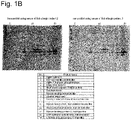
- Proteins contained in fish were analyzed by the aforementioned technique to identify antigens of an allergy to fish. To be specific, proteins were extracted from fish meat and subjected to two-dimensional electrophoresis under the conditions described below.
- the electrophoresis in the first dimension was isoelectric focusing, which was performed using isoelectric focusing gels with a gel-strip length of 5 to 10 cm and a gel pH range of 3 to 10.
- the isoelectric focusing was performed using the IPG gels, Immobiline Drystrip (pH3-10NL), produced by GE Healthcare Bio-Sciences Corporation (hereinafter abbreviated as "GE").
- the electrophoresis system used was IPGphor produced by GE.
- the maximum current of the electrophoresis system was limited to 75 ⁇ A per gel strip.
- the voltage program adopted to perform the first-dimensional isoelectric focusing was as follows: (1) a constant voltage step was performed at a constant voltage of 300 V until the volt-hours reached 750 Vhr (the current variation width during electrophoresis for 30 minutes before the end of this step was 5 ⁇ A); (2) the voltage was increased gradually to 1000 V for 300 Vhr; (3) the voltage was further increased gradually to 5000 V for 4500 Vhr; and then (4) the voltage was held at a constant voltage of 5000 V until the total Vhr reached 12000.
- the electrophoresis in the second dimension was SDS-PAGE, which was performed using polyacrylamide gels whose gel concentration at the distal end in the direction of electrophoresis was set to 3 to 6% and whose gel concentration at the proximal end was set to a higher value than that at the distal end. More specifically, the SDS-PAGE was performed using NuPAGE 4-12% Bris-Tris Gels (IPG well, Mini, 1 mm) produced by Life Technologies. The electrophoresis system used was XCell SureLock Mini-Cell produced by Life Technologies. The electrophoresis was run at a constant voltage of 200 V for about 45 minutes using an electrophoresis buffer composed of 50 mM MOPS, 50 mM Tris base, 0.1% (w/v) SDS and 1 mM EDTA.
- the mass spectroscopic data (SEQ ID NOs: 71-108) obtained for spot 10 on a mass spectrometer was analyzed by comparing the data against the NCBI protein data, and as a result, myosin heavy chain, fast skeletal muscle-like (amino acid sequence: SEQ ID NO: 70, encoding nucleotide sequence: SEQ ID NO: 69) was identified.
- SEQ ID NO: 71 corresponds to amino acids 13-19 of SEQ ID NO: 70
- SEQ ID NO: 72 corresponds to amino acids 262-271 of SEQ ID NO: 70
- SEQ ID NO: 73 corresponds to amino acids 996-1014 of SEQ ID NO: 70
- SEQ ID NO: 74 corresponds to amino acids 951-961 of SEQ ID NO: 70
- SEQ ID NO: 75 corresponds to amino acids 1293-1303 of SEQ ID NO: 70
- SEQ ID NO: 76 corresponds to amino acids 1082-1091 of SEQ ID NO: 70
- SEQ ID NO: 77 corresponds to amino acids 1847-1856 of SEQ ID NO: 70
- SEQ ID NO: 78 corresponds to amino acids 172-186 of SEQ ID NO: 70
- SEQ ID NO: 79 corresponds to amino acids 919-937 of SEQ ID NO: 70
- SEQ ID NO: 80 corresponds to amino acids 249-258 of SEQ ID NO: 70
- SEQ ID NO: 81 corresponds to amino
- the antigen in spot 10 in the present invention can be any of below in (10A-a) to (10A-e), and (10B):
- the proteins as defined above in (10A-a) to (10A-e) and (10B) include those proteins whose amino acid residues are modified by phosphorylation, sugar chain modification, aminoacylation, ring-opening, deamination or the like.
- the proteins as defined above in (10A-a) to (10A-e) and (10B) can be proteins that are found in a protein spot with a molecular weight of around 160 kDa to 300 kDa, preferably around 160 kDa to 260 kDa, more preferably around 200 kDa to 230 kDa and an isoelectric point of 3.0 to 7.0, preferably 4.0 to 6.0, more preferably 4.5 to 5.5 on gels used in the two-dimensional electrophoresis performed under the conditions described above in the subsection titled "Identification of antigens".
- a protein that is an antigen in spot 10 is an antigen of an allergy to fish.
- Epitopes of the aforementioned antigens (10A-a) to (10A-e) and (10B) reside in amino acids 61-75 (SEQ ID NO: 179), amino acids 471-485 (SEQ ID NO: 180), amino acids 621-635 (SEQ ID NO: 181), amino acids 981-995 (SEQ ID NO: 182), amino acids 1011-1025 (SEQ ID NO: 183), amino acids 1041-1055 (SEQ ID NO: 184), and amino acids 1741-1755 (SEQ ID NO: 185) of SEQ ID NO: 70.
- amino acids corresponding to at least one of these epitopes may retain the sequence in SEQ ID NO: 70.
- the antigen in spot 10 may be the following variant.
- the antigen in spot 10 contains a variation in the amino acid sequence of SEQ ID NO: 70
- the antigen may have an amino acid sequence of SEQ ID NO: 70 in which the amino acids at positions 1-11 of amino acids 61-75 are SEQ ID NO: 327 or 328 or the amino acids at positions 1-9 thereof are SEQ ID NO: 330 or 331.
- the antigen in spot 10 contains a variation in the amino acid sequence of SEQ ID NO: 70
- the antigen may have an amino acid sequence of SEQ ID NO: 70 in which the amino acids at positions 7-15 of amino acids 471-485 are SEQ ID NO: 333 or 334.
- the antigen in spot 10 contains a variation in the amino acid sequence of SEQ ID NO: 70
- the antigen may have an amino acid sequence of SEQ ID NO: 70 in which the amino acids at positions 1-10 of amino acids 621-635 are SEQ ID NO: 336 or 337.
- sites of amino acids other than X in SEQ ID NO: 339 or 340 corresponding to the positions of the amino acids at positions 2-9, SEQ ID NO: 342 or 343 corresponding to the positions of the amino acids at positions 2-11, SEQ ID NO: 345 or 346 corresponding to the positions of the amino acids at positions 7-15, or SEQ ID NO: 348 or 349 corresponding to the positions of the amino acids at positions 9-14 in SEQ ID NO: 182 are important for binding to IgE antibodies from allergic patients.
- the antigen in spot 10 contains a variation in the amino acid sequence of SEQ ID NO: 70
- the antigen may have an amino acid sequence of SEQ ID NO: 70 in which the amino acids at positions 2-9 of amino acids 981-995 are SEQ ID NO: 339 or 340, the amino acids at positions 2-11 thereof are SEQ ID NO: 342 or 343, the amino acids at positions 7-15 thereof are SEQ ID NO: 345 or 346, or the amino acids at positions 9-14 thereof are SEQ ID NO: 348 or 349.
- the antigen in spot 10 contains a variation in the amino acid sequence of SEQ ID NO: 70
- the antigen may have an amino acid sequence of SEQ ID NO: 70 in which the amino acids at positions 5-14 of amino acids 1011-1025 are SEQ ID NO: 351 or 352.
- the antigen in spot 10 contains a variation in the amino acid sequence of SEQ ID NO: 70
- the antigen may have an amino acid sequence of SEQ ID NO: 70 in which the amino acids at positions 5-12 of amino acids 1041-1055 are SEQ ID NO: 354 or 355 or the amino acids at positions 9-15 thereof are SEQ ID NO: 357 or 358.
- the antigen in spot 10 contains a variation in the amino acid sequence of SEQ ID NO: 70
- the antigen may have an amino acid sequence of SEQ ID NO: 70 in which the amino acids at positions 5-12 of amino acids 1741-1755 are SEQ ID NO: 360 or 361 or the amino acids at positions 7-15 thereof are SEQ ID NO: 363 or 364.
- the mass spectroscopic data (SEQ ID NOs: 111-119) obtained for spot 11 on a mass spectrometer was analyzed by comparing the data against the NCBI protein data, and as a result, glycogen phosphorylase, muscle form-like (amino acid sequence: SEQ ID NO: 110, encoding nucleotide sequence: SEQ ID NO: 109) was identified.
- SEQ ID NO: 111 corresponds to amino acids 471-479 of SEQ ID NO: 110
- SEQ ID NO: 112 corresponds to amino acids 547-555 of SEQ ID NO: 110
- SEQ ID NO: 113 corresponds to amino acids 203-215 of SEQ ID NO: 110
- SEQ ID NO: 114 corresponds to amino acids 727-741 of SEQ ID NO: 110
- SEQ ID NO: 115 corresponds to amino acids 508-520 of SEQ ID NO: 110
- SEQ ID NO: 116 corresponds to amino acids 742-755 of SEQ ID NO: 110
- SEQ ID NO: 117 corresponds to amino acids 13-29 of SEQ ID NO: 110
- SEQ ID NO: 118 corresponds to amino acids 775-784 of SEQ ID NO: 110
- SEQ ID NO: 119 corresponds to amino acids 643-656 of SEQ ID NO: 110.
- the antigens in spot 11 in the present invention can be any of below in (11A-a) to (11A-e) and (11B):
- the proteins as defined above in (11A-a) to (11A-e) and (11B) include those proteins whose amino acid residues are modified by phosphorylation, sugar chain modification, aminoacylation, ring-opening, deamination or the like.
- the proteins as defined above in (11A-a) to (11A-e) and (11B) can be proteins that are found in a protein spot with a molecular weight of around 80 kDa to 160 kDa, preferably around 80 kDa to 110 kDa, more preferably around 90 kDa to 110 kDa and an isoelectric point of 4.0 to 8.0, preferably 5.0 to 7.5, more preferably 6.5 to 7.0 on gels used in the two-dimensional electrophoresis performed under the conditions described above in the subsection titled "Identification of antigens".
- a protein that is an antigen in spot 11 is an antigen of an allergy to fish.
- Epitopes of the aforementioned antigens (11A-a) to (11A-e) and (11B) reside in amino acids 261-275 (SEQ ID NO: 186) of SEQ ID NO: 110.
- amino acids corresponding to this epitope may retain the sequence in SEQ ID NO: 110.
- the antigen in spot 11 may be the following variant.
- the antigen in spot 11 contains a variation in the amino acid sequence of SEQ ID NO: 110
- the antigen may have an amino acid sequence of SEQ ID NO: 110 in which the amino acids at positions 1-10 of amino acids 261-275 are SEQ ID NO: 366 or the amino acids at positions 11-15 thereof are SEQ ID NO: 368 or 369.
- the mass spectroscopic data (SEQ ID NOs: 122-136) obtained for spot 12 on a mass spectrometer was analyzed by comparing the data against the NCBI protein data, and as a result, myosin-binding protein C, fast-type-like (amino acid sequence: SEQ ID NO: 121, encoding nucleotide sequence: SEQ ID NO: 120) was identified.
- SEQ ID NO: 122 corresponds to amino acids 197-204 of SEQ ID NO: 121
- SEQ ID NO: 123 corresponds to amino acids 421-434 of SEQ ID NO: 121
- SEQ ID NO: 124 corresponds to amino acids 329-336 of SEQ ID NO: 121
- SEQ ID NO: 125 corresponds to amino acids 413-420 of SEQ ID NO: 121
- SEQ ID NO: 126 corresponds to amino acids 240-246 of SEQ ID NO: 121
- SEQ ID NO: 127 corresponds to amino acids 214-228 of SEQ ID NO: 121
- SEQ ID NO: 128 corresponds to amino acids 1014-1024 of SEQ ID NO: 121
- SEQ ID NO: 129 corresponds to amino acids 842-855 of SEQ ID NO: 121
- SEQ ID NO: 130 corresponds to amino acids 260-274 of SEQ ID NO: 121
- SEQ ID NO: 131 corresponds to amino acids 672-685 of SEQ ID NO:
- the antigen in spot 12 in the present invention can be any of below in (12A-a) to (12A-e), and (12B):
- the proteins as defined above in (12A-a) to (12A-e) and (12B) include those proteins whose amino acid residues are modified by phosphorylation, sugar chain modification, aminoacylation, ring-opening, deamination or the like.
- the proteins as defined above in (12A-a) to (12A-e) and (12B) can be proteins that are found in a protein spot with a molecular weight of around 100 kDa to 160 kDa, preferably around 110 kDa to 150 kDa, more preferably around 120 kDa to 140 kDa and an isoelectric point of 4.0 to 7.0, preferably 4.0 to 6.0, more preferably 5.0 to 6.0 on gels used in the two-dimensional electrophoresis performed under the conditions described above in the subsection titled "Identification of antigens".
- a protein that is an antigen in spot 12 is an antigen of an allergy to fish.
- Epitopes of the aforementioned antigens (12A-a) to (12A-e) and (12B) reside in amino acids 181-195 (SEQ ID NO: 187), amino acids 211-225 (SEQ ID NO: 188), amino acids 221-235 (SEQ ID NO: 189), amino acids 231-245 (SEQ ID NO: 190), amino acids 251-265 (SEQ ID NO: 191), amino acids 371-385 (SEQ ID NO: 192), amino acids 491-505 (SEQ ID NO: 193), amino acids 651-665 (SEQ ID NO: 194), amino acids 831-845 (SEQ ID NO: 195), and amino acids 951-965 (SEQ ID NO: 196) of SEQ ID NO: 121.
- amino acids corresponding to at least one of these epitopes may retain the sequence in SEQ ID NO: 121.
- the antigen in spot 12 may be the following variant.
- the antigen in spot 12 contains a variation in the amino acid sequence of SEQ ID NO: 121
- the antigen may have an amino acid sequence of SEQ ID NO: 121 in which the amino acids at positions 2-11 of amino acids 181-195 are SEQ ID NO: 371 or 372 or the amino acids at positions 7-14 thereof are SEQ ID NO: 374 or 375.
- the antigen in spot 12 contains a variation in the amino acid sequence of SEQ ID NO: 121
- the antigen may have an amino acid sequence of SEQ ID NO: 121 in which the amino acids at positions 1-10 of amino acids 211-225 are SEQ ID NO: 377 or 378 or the amino acids at positions 8-15 thereof are SEQ ID NO: 380 or 381.
- the antigen in spot 12 contains a variation in the amino acid sequence of SEQ ID NO: 121
- the antigen may have an amino acid sequence of SEQ ID NO: 121 in which the amino acids at positions 2-8 of amino acids 221-235 are SEQ ID NO: 383.
- sites of amino acids other than X in SEQ ID NO: 385 corresponding to the positions of the amino acids at positions 2-9, SEQ ID NO: 387 corresponding to the positions of the amino acids at positions 1-10, or SEQ ID NO: 389 corresponding to the positions of the amino acids at positions 9-15 in SEQ ID NO: 190 are important for binding to IgE antibodies from allergic patients.
- the antigen in spot 12 contains a variation in the amino acid sequence of SEQ ID NO: 121
- the antigen may have an amino acid sequence of SEQ ID NO: 121 in which the amino acids at positions 2-9 of amino acids 231-245 are SEQ ID NO: 385, the amino acids at positions 1-10 thereof are SEQ ID NO: 387, or the amino acids at positions 9-15 thereof are SEQ ID NO: 389.
- the antigen in spot 12 contains a variation in the amino acid sequence of SEQ ID NO: 121
- the antigen may have an amino acid sequence of SEQ ID NO: 121 in which the amino acids at positions 6-11 of amino acids 251-265 are SEQ ID NO: 391 or the amino acids at positions 6-12 thereof are SEQ ID NO: 393 or 394.
- the antigen in spot 12 contains a variation in the amino acid sequence of SEQ ID NO: 121
- the antigen may have an amino acid sequence of SEQ ID NO: 121 in which the amino acids at positions 5-8 of amino acids 371-385 are SEQ ID NO: 396 or the amino acids at positions 7-15 thereof are SEQ ID NO: 398 or 399.
- the antigen in spot 12 contains a variation in the amino acid sequence of SEQ ID NO: 121
- the antigen may have an amino acid sequence of SEQ ID NO: 121 in which the amino acids at positions 1-7 of amino acids 491-505 are SEQ ID NO: 401 or the amino acids at positions 6-15 thereof are SEQ ID NO: 403 or 404.
- the antigen in spot 12 contains a variation in the amino acid sequence of SEQ ID NO: 121
- the antigen may have an amino acid sequence of SEQ ID NO: 121 in which the amino acids at positions 3-7 of amino acids 651-665 are SEQ ID NO: 406.
- the antigen in spot 12 contains a variation in the amino acid sequence of SEQ ID NO: 121
- the antigen may have an amino acid sequence of SEQ ID NO: 121 in which the amino acids at positions 2-13 of amino acids 831-845 are SEQ ID NO: 408.
- the antigen in spot 12 contains a variation in the amino acid sequence of SEQ ID NO: 121
- the antigen may have an amino acid sequence of SEQ ID NO: 121 in which the amino acids at positions 1-10 of amino acids 951-965 are SEQ ID NO: 410 or the amino acids at positions 1-8 thereof are SEQ ID NO: 412.
- the mass spectroscopic data (SEQ ID NOs: 139-142) obtained for spot 13 on a mass spectrometer was analyzed by comparing the data against the NCBI protein data, and as a result, ATP synthase subunit beta, mitochondrial (amino acid sequence: SEQ ID NO: 138, encoding nucleotide sequence: SEQ ID NO: 137) was identified.
- SEQ ID NO: 139 corresponds to amino acids 191-201 of SEQ ID NO: 138
- SEQ ID NO: 140 corresponds to amino acids 449-469 of SEQ ID NO: 138
- SEQ ID NO: 141 corresponds to amino acids 202-214 of SEQ ID NO: 138
- SEQ ID NO: 142 corresponds to amino acids 178-187 of SEQ ID NO: 138.
- the antigen in spot 13 in the present invention can be any of the proteins as defined below in (13A-a) to (13A-e) and (13B).
- the proteins as defined above in (13A-a) to (13A-e) and (13B) include those proteins whose amino acid residues are modified by phosphorylation, sugar chain modification, aminoacylation, ring-opening, deamination or the like.
- the proteins as defined above in (13A-a) to (13A-e) and (13B) can be proteins that are found in a protein spot with a molecular weight of around 30 kDa to 70 kDa, preferably around 40 kDa to 60 kDa, more preferably around 45 kDa to 55 kDa and an isoelectric point of 3.0 to 7.0, preferably 3.0 to 6.0, more preferably 4.0 to 5.5 on gels used in the two-dimensional electrophoresis performed under the conditions described above in the subsection titled "Identification of antigens".
- a protein that is an antigen in spot 13 is an antigen of an allergy to fish.
- amino acids corresponding to this epitope may retain the sequence in SEQ ID NO: 138.
- the antigen in spot 13 may be the following variant.
- the antigen in spot 13 contains a variation in the amino acid sequence of SEQ ID NO: 138
- the antigen may have an amino acid sequence of SEQ ID NO: 138 in which the amino acids at positions 7-10 of amino acids 211-225 are SEQ ID NO: 414 or the amino acids at positions 9-14 thereof are SEQ ID NO: 416.
- the mass spectroscopic data (SEQ ID NOs: 145-149) obtained for spot 14 on a mass spectrometer was analyzed by comparing the data against the NCBI protein data, and as a result, L-lactate dehydrogenase A chain-like (amino acid sequence: SEQ ID NO: 144, encoding nucleotide sequence: SEQ ID NO: 143) was identified.
- SEQ ID NO: 145 corresponds to amino acids 119-126 of SEQ ID NO: 144
- SEQ ID NO: 146 corresponds to amino acids 7-22 of SEQ ID NO: 144
- SEQ ID NO: 147 corresponds to amino acids 9-22 of SEQ ID NO: 144
- SEQ ID NO: 148 corresponds to amino acids 270-278 of SEQ ID NO: 144
- SEQ ID NO: 149 corresponds to amino acids 91-118 of SEQ ID NO: 144.
- the antigen in spot 14 in the present invention can be any of the proteins as defined below in (14A-a) to (14A-e) and (14B).
- the proteins as defined above in (14A-a) to (14A-e) and (14B) include those proteins whose amino acid residues are modified by phosphorylation, sugar chain modification, aminoacylation, ring-opening, deamination or the like.
- the proteins as defined above in (14A-a) to (14A-e) and (14B) can be proteins that are found in a protein spot with a molecular weight of around 20 kDa to 50 kDa, preferably around 30 kDa to 50 kDa, more preferably around 30 kDa to 40 kDa and an isoelectric point of 5.0 to 9.0, preferably 6.0 to 8.0, more preferably 6.5 to 7.5 on gels used in the two-dimensional electrophoresis performed under the conditions described above in the subsection titled "Identification of antigens".
- a protein that is an antigen in spot 14 is an antigen of an allergy to fish.
- amino acids corresponding to this epitope may retain the sequence in SEQ ID NO: 144.
- the antigen in spot 14 may be the following variant.
- the antigen in spot 14 contains a variation in the amino acid sequence of SEQ ID NO: 144
- the antigen may have an amino acid sequence of SEQ ID NO: 144 in which the amino acids at positions 5-13 of amino acids 11-25 are SEQ ID NO: 418 or 419.
- deletion, substitution, insertion or addition of one or several amino acids in relation to amino acid sequence, it is meant that in an amino acid sequence of interest, one or several amino acids (e.g., 30%, preferably 25%, 20%, 15%, 10%, 5%, 3%, 2% or 1%, of amino acids with respect to the total length of the amino acid sequence) are deleted, one or several amino acids are substituted by any other amino acids, any other amino acids are inserted, and/or any other amino acids are added.
- amino acids e.g., 30%, preferably 25%, 20%, 15%, 10%, 5%, 3%, 2% or 1%, of amino acids with respect to the total length of the amino acid sequence
- substitution is preferably conservative substitution.
- the "conservative substitution” refers to the substitution of a certain amino acid residue by a different amino acid residue having similar physicochemical characteristics, and can be any type of substitution as long as it does not substantially change the characteristics of the structure of the original sequence for example, any type of substitution is acceptable as long as any substituted amino acids do not disrupt the helical structure of the original sequence or other secondary structures that characterize the original sequence.
- the following gives examples of separate groups of amino acid residues that are conservatively substitutable with each other, but substitutable amino acid residues are not limited to the examples given below.
- one member belonging to one of the aforementioned groups can be replaced with a member belong to any other group.
- amino acids of group B, D or E as listed above may be substituted by those of any other group.
- cysteines may be deleted or substituted by any other amino acids to prevent them from being folded into a protein in its tertiary structure.
- any amino acids may be substituted in consideration of the hydropathy scales of amino acids, which are a measure of the hydrophilic and hydrophobic properties of amino acids ( J. Kyte and R. Doolittle, J. Mol. Biol., Vol. 157, p.105-132, 1982 ).
- substitution of the original amino acid by an amino acid with less steric hindrance for example, substitution of group F by group A, B, C, D or E; or substitution of an amino acid having an electric charge by an amino acid having no electric charge, for example, substitution of group B by group C, may be performed. This may improve binding activity against IgE antibodies.
- the percent identity between two amino acid sequences can be determined by visual inspection and mathematical calculation.
- the percent identity can be determined using a computer program. Examples of such computer programs include BLAST and ClustalW. In particular, various conditions (parameters) for identity searches with the BLAST program are described in Altschul, et al. (Nucl. Acids. Res., 25, p.3389-3402, 1997 ), and are publicly available on the websites of the National Center for Biotechnology Information (NCBI) and DNA Data Bank of Japan (DDBJ) (Altschul, et al., BLAST Handbook, Altschul, et al., NCB/NLM/NIH Bethesda, MD 20894 ). Also, the percent identity can be determined using a genetic information processing software program, such as GENETYX Ver.7 (Genetyx Corporation), DINASIS Pro (Hitachi Software Engineering Co., Ltd.), or Vector NTI (Infomax Inc.).
- deletion, substitution, insertion or addition of one or several nucleotides in relation to nucleotide sequence, it is meant that in a nucleotide sequence of interest, one or several nucleotides (e.g., 30%, preferably 25%, 20%, 15%, 10%, 5%, 3%, 2% or 1%, of amino acid with respect to the total length of the nucleotide sequence, or e.g., 1, 5, 10, 15, 20, 25 or 30 nucleotides) are deleted, one or several nucleotides are substituted by any other nucleotides, any other nucleotides are inserted, and/or any other nucleotides are added. It is preferable that such a nucleotide deletion, substitution, insertion or addition should not give rise to a frame shift in an amino acid coding sequence.
- the percent identity between two nucleotide sequences can be determined by visual inspection and mathematical calculation.
- the percent identity can be determined using a computer program.
- sequence comparison computer programs include the BLASTN program, version 2.2.7, available on the website of the National Library of Medicine (http://www.ncbi.nlm.nih.gov/blast/bl2seq/bls.html) ( Altschul, et al. (1990) J. Mol. Biol., 215: 403-10 ), or the WU-BLAST 2.0 algorithm. Standard default parameter settings for WU-BLAST 2.0 are found and available on the following website: http://blast.wustl.edu.
- under stringent conditions means that hybridization takes place under moderately or highly stringent conditions.
- the moderately stringent conditions can be easily determined by those having ordinary skill in the art on the basis of, for example, the length of DNA. Basic conditions are described in Sambrook, et al., Molecular Cloning: A Laboratory Manual, 3rd ed., ch.6-7, Cold Spring Harbor Laboratory Press, 2001 .
- the moderately stringent conditions include hybridization under the conditions of preferably 1 ⁇ SSC to 6xSSC at 42°C to 55°C, more preferably 1 ⁇ SSC to 3xSSC at 45°C to 50°C, most preferably 2xSSC at 50°C.
- the highly stringent conditions can be easily determined by those having ordinary skill in the art on the basis of, for example, the length of DNA.
- the highly stringent (high stringent) conditions include hybridization and/or washing at a higher temperature and/or a lower salt concentration than those adopted under the moderately stringent conditions.
- hybridization is carried out under the conditions of 0.1 ⁇ SSC to 2 ⁇ SSC at 55°C to 65°C, more preferably 0.1 ⁇ SSC to 1 ⁇ SSC at 60°C to 65°C, most preferably 0.2 ⁇ SSC at 63°C.
- Washing is carried out under the conditions of 0.2 ⁇ SSC to 2 ⁇ SSC at 50°C to 68°C, more preferably 0.2xSSC at 60 to 65°C.
- Antigens may be obtained by separating and purifying them from fish using a combination of protein purification methods well known to those skilled in the art. Also, antigens may be obtained by expressing them as recombinant proteins using a genetic recombination technique well known to those skilled in the art and by separating and purifying them using protein purification methods well known to those skilled in the art.
- Exemplary protein purification methods include: solubility-based purification methods such as salt precipitation and solvent precipitation; purification methods based on molecular weight difference, such as dialysis, ultrafiltration, gel filtration and SDS-PAGE; charge-based purification methods such as ion exchange chromatography and hydroxylapatite chromatography; specific affinity-based purification methods such as affinity chromatography; purification methods based on hydrophobicity difference, such as reverse-phase high-performance liquid chromatography; and purification methods based on isoelectric point difference, such as isoelectric focusing.
- solubility-based purification methods such as salt precipitation and solvent precipitation
- purification methods based on molecular weight difference such as dialysis, ultrafiltration, gel filtration and SDS-PAGE
- charge-based purification methods such as ion exchange chromatography and hydroxylapatite chromatography
- specific affinity-based purification methods such as affinity chromatography
- purification methods based on hydrophobicity difference such as reverse-phase high
- Preparation of a protein by a genetic recombination technique is carried out by preparing an expression vector comprising an antigen-encoding nucleic acid, introducing the expression vector into appropriate host cells by gene transfer or genetic transformation, culturing the host cells under suitable conditions for expression of a recombinant protein, and recovering the recombinant protein expressed in the host cells.
- the "vector” refers to a nucleic acid that can be used to introduce a nucleic acid attached thereto into host cells.
- the "expression vector” is a vector that can induce the expression of a protein encoded by a nucleic acid introduced therethrough.
- Exemplary vectors include plasmid vectors and viral vectors.
- Those skilled in the art can select an appropriate expression vector for the expression of a recombinant protein depending on the type of host cells to be used.
- an affinity tag such as His ⁇ 6 residues may be contained therein.
- the vector may be synthesized such that a protein containing a signal sequence is secreted from cells.
- the "host cells” refers to cells that undergo gene transfer or genetic transformation by a vector.
- the host cells can be appropriately selected by those skilled in the art depending on the type of the vector to be used.
- the host cells can be derived from prokaryotes such as E. coli.
- the antigen of the present invention may be designed to contain an N-terminal methionine residue in order to facilitate the expression of a recombinant protein in the prokaryotic cells.
- the N-terminal methionine can be cleaved from the recombinant protein after expression.
- the host cells may be cells derived from eukaryotes, such as single-cell eukaryotes like yeast, plant cells and animal cells (e.g., human cells, monkey cells, hamster cells, rat cells, murine cells or insect cells) or silkworm.
- eukaryotes such as single-cell eukaryotes like yeast
- plant cells and animal cells e.g., human cells, monkey cells, hamster cells, rat cells, murine cells or insect cells
- silkworm e.g., silkworm.
- Gene transfer or genetic transformation of an expression vector into host cells can be carried out as appropriate by following a technique known to those skilled in the art.
- Those skilled in the art can make possible the expression of a recombinant protein by selecting suitable conditions for the expression of the recombinant protein as appropriate depending on the type of host cells and culturing the host cells under the selected conditions. Then, those skilled in the art can homogenize the host cells having the expressed recombinant protein, and separate and purify an antigen expressed as the recombinant protein from the resulting homogenate by using an appropriate combination of such protein purification methods as mentioned above.
- the present invention provides a method for providing an indicator for diagnosing an allergy to fish in a subject, the method comprising the steps of:
- the sample obtained from a subject is a solution containing an IgE antibody, as collected from the subject.
- solutions include blood, saliva, sputum, snivel, urine, sweat, and tear.
- the sample obtained from the subject may be subjected to pretreatment for increasing the concentration of an IgE antibody in the sample before being contacted with an antigen.
- the pretreatment of a sample may involve, for example, collection of the serum or the plasma from the blood.
- a Fab moiety that is an antigen-binding moiety may be purified.
- the step (i) mentioned above is carried out by contacting an IgE antibody present in the serum obtained from a subject with an antigen.
- the IgE antibody may be the IgE antibody itself or may be mast cells or the like bound to IgE antibodies.
- Detection of contact and binding between the sample obtained from a subject and an antigen can be carried out by using a known method. Examples of such methods that can be used include detection by ELISA (Enzyme-Linked Immunosorbent Assay), sandwich immunoassay, immunoblotting, immunoprecipitation, or immunochromatography. These are all techniques for contacting and binding an IgE antibody from a subject with an antigen, and detecting the IgE antibody specifically bound to the antigen.
- Examples thereof include a method for allowing an enzymatically labelled secondary antibody to act on the IgE antibody specifically bound to the antigen, and adding an enzyme substrate (generally, chromogenic or luminescent reagent) to detect an enzymatic reaction product, a method for allowing a biotin-labeled secondary antibody to act on the IgE antibody specifically bound to the antigen, adding an avidin-bound dye, and detecting the dye, and a method for detecting a fluorescently labeled secondary antibody.
- detection by a measurement method capable of evaluating binding between an antigen and an IgE antibody, such as surface plasmon resonance (SPR), can also be used.
- a plurality of antigen-specific IgE antibodies may be mixed.
- the antigen may be provided as an isolated antigen in a state immobilized on a carrier.
- the steps (i) and (ii) mentioned above can be carried out using ELISA, sandwich immunoassay, immunochromatography, surface plasmon resonance, or the like.
- the step (i) mentioned above can be carried out by contacting the sample obtained from a subject with an antigen-immobilized surface.
- the isolated antigen may be obtained by separating and purifying it from fish using a combination of protein purification methods well known to those skilled in the art, or by preparing it using a genetic recombination technique.
- the antibody to bind to the antigen may be used in a state immobilized on a carrier.
- the antigen may be in a state unimmobilized on a carrier.
- flow cytometry or the like can be used in the aforementioned steps (i) and (ii), and the presence of the antigen bound to the antibody can be confirmed with laser beam.
- this method include a basophil activation test (BAT) which is a method in which the amount of a surface antigen CD203c that appears when basophils in a sample are activated by the binding of the antigen to an antibody is measured.
- BAT basophil activation test
- HRT histamine release test
- the antigen may be detected by immunoblotting method by transferring from a state separated by two-dimensional electrophoresis.
- the two-dimensional electrophoresis is a technique for separating a protein sample by performing isoelectric focusing in the first dimension and performing SDS-PAGE (SDS-polyacrylamide gel electrophoresis) in the second dimension.
- the conditions for two-dimensional electrophoresis are not particularly limited as long as the conditions permit the separation of the antigen of the present invention.
- the conditions for two-dimensional electrophoresis as described above in the subsection titled "Identification of antigens" can be adopted.
- the electrophoresis conditions may be defined by reference to the descriptions in Patent Literatures 1 to 4 mentioned above.
- two-dimensional electrophoresis can be carried out under the conditions that satisfy at least one selected from the group consisting of the following requirements:
- the aforementioned antigens (10) to (14) are antigens that specifically bind to IgE antibodies from patients with allergy to fish. Therefore, when binding between an IgE antibody from a subject and the antigen is detected, an indicator of the fact that the subject is allergic to fish is provided.
- the present invention further provides a kit for diagnosing an allergy to fish, comprising at least one of the aforementioned antigens (10) to (14).
- the diagnosis kit of this invention may be used in the aforementioned method for providing an indicator for diagnosing an allergy to fish or in a diagnosis method as described later.
- the diagnosis kit of this invention may comprise not only the at least one of the aforementioned antigens (10) to (14), but also an anti-IgE antibody labeled with an enzyme and a chromogenic or luminescent substrate serving as a substrate for the enzyme, or an anti-IgE antibody labeled with biotin and an avidin-bound dye binding to the biotin. Also, a fluorescent-labeled anti-IgE antibody may be used.
- the antigen may be provided in a state immobilized on a carrier.
- the diagnosis kit of this invention may also be provided together with instructions on the procedure for diagnosis or a package containing said instructions.
- the aforementioned diagnosis kit comprises a companion diagnostic agent for an allergy to fish.
- the companion diagnostic agent is used for identifying patients expected to respond to pharmaceutical products or identifying patients having the risk of severe adverse reactions to pharmaceutical products, or for studying the reactivity of pharmaceutical products in order to optimize treatment using the pharmaceutical products.
- the optimization of treatment includes, for example, determination of dosage and administration, judgment regarding discontinuation of administration, and confirmation of an allergen component that is used to cause immunological tolerance.
- the present invention further provides a composition for diagnosing an allergy to fish, comprising at least one of the aforementioned antigens (10) to (14).
- the diagnosis composition of this invention can be used in a diagnosis method as described below.
- the diagnosis composition of this invention may further comprise a pharmaceutically acceptable carrier and/or additives commonly used with the antigen of this invention depending on the need.
- the present invention provides a method for diagnosing an allergy to fish in a subject, the method comprising:
- the present invention provides a method for diagnosing an allergy to fish in a subject, the method comprising administering to the subject at least one of the aforementioned antigens (10) to (14).
- This method may be performed in the form of a skin test characterized by applying the antigen onto the skin.
- Examples of the skin test include various forms of tests, such as: a prick test in which a diagnosis composition is applied onto the skin and then a tiny prick to such an extent as not to provoke bleeding is made in the skin to allow an antigen to penetrate the skin, thereby observing a skin reaction; a scratch test in which a diagnosis composition is applied onto the skin and then the skin is lightly scratched to observe a reaction; a patch test in which a diagnosis composition in the form of cream, ointment, etc. is applied onto the skin to observe a reaction; and an intracutaneous test in which an antigen is administered intracutaneously to observe a reaction.
- a prick test in which a diagnosis composition is applied onto the skin and then a tiny prick to such an extent as not to provoke bleeding is made in the skin to allow an antigen to penetrate the skin, thereby observing a skin reaction
- a scratch test in which a diagnosis composition is applied onto the skin and then the skin is lightly scratched to observe a reaction
- a patch test
- the method for allowing the diagnosis composition to penetrate the skin in the prick test or the scratch test may be a method in which the tip of a lancet is contacted with the diagnosis composition, and the contact site is inserted to the skin so that a prick is made in the skin to allow the diagnosis composition to penetrate the skin. If a skin reaction such as swelling occurs in a skin portion to which the antigen has been applied, the subject of interest is diagnosed as having an allergy to fish.
- the amount of the antigen to be applied to the skin in such tests can be, for example, not more than 100 ⁇ g per dose.
- the antigen protein to be used in the load test may be a protein that has been expressed and purified and may be a protein that has been expressed in food or cooking ingredients, such as rice-based vaccine expressing pollen allergens which are obtained by transforming rice with a gene of a cedar pollen antigen and expressing the antigen protein in the rice.
- the present invention provides at least one of the aforementioned antigens (10) to (14), intended for use in the diagnosis of an allergy to fish. This also includes the provision of at least one of the aforementioned antigens (10) to (14) mixed with a known antigen.
- the present invention provides use of at least one of the aforementioned antigens (10) to (14) for the production of a diagnostic agent for an allergy to fish.
- the present invention provides a pharmaceutical composition comprising at least one of the aforementioned antigens (10) to (14).
- the aforementioned pharmaceutical composition is used for the treatment and diagnosis of an allergy to fish.
- the treatment of an allergy increases the limit amount of an antigen in which the allergy does not develop even if the antigen is incorporated into the body, and finally aims for the state where the allergy does not develop by the common amount of the antigen to be consumed (remission).
- the present invention also provides a method for treating an allergy to fish, the method comprising administering at least one of the aforementioned antigens (10) to (14) to a patient in need of a treatment for an allergy to fish.
- the present invention provides at least one of the aforementioned antigens (10) to (14), intended for use in the treatment for an allergy to fish.
- the present invention provides use of at least one of the aforementioned antigens (10) to (14) for the production of a therapeutic agent for an allergy to fish.
- a hyposensitization therapy aiming to induce immunological tolerance by administering an antigen to a patient is often adopted.
- the at least one of the aforementioned antigens (10) to (14) can be used as an active ingredient for a hyposensitization therapy for an allergy to fish.
- the antigen protein to be used in the hyposensitization therapy may be a protein that has been expressed and purified and may be a protein that has been expressed in food or cooking ingredients, such as rice-based vaccine expressing pollen allergens which are obtained by transforming rice with a gene of a cedar pollen antigen and expressing the antigen protein in the rice.
- the pharmaceutical composition of the present invention can be administered by common administration routes.
- common administration routes include oral, sublingual, percutaneous, intracutaneous, subcutaneous, intravascular, intranasal, intramuscular, intraperitoneal, and intrarectal administrations.
- the pharmaceutical composition of the present invention can be used as a pharmaceutical composition to which a commonly used pharmaceutically acceptable adjuvant or excipient or any other additives (e.g., stabilizer, solubilizer, emulsifier, buffer, preservative, colorant) are added by a conventional method together with the antigen of this invention depending on the need.
- a commonly used pharmaceutically acceptable adjuvant or excipient or any other additives e.g., stabilizer, solubilizer, emulsifier, buffer, preservative, colorant
- the dosage form of the pharmaceutical composition can be selected by those skilled in the art as appropriate depending on the administration route.
- the pharmaceutical composition can be in the form of, for example, tablet, capsule, troche, sublingual tablet, parenteral injection, intranasal spray, poultice, solution, cream, lotion, or suppository.
- the administration dose, frequency and/or period of the pharmaceutical composition of this invention can be selected by a physician as appropriate depending on the administration route and the patient's condition and characteristics such as age and body weight.
- the pharmaceutical composition may be administered to an adult patient at a dose of not more than 100 ⁇ g per dose.
- the administration interval can be, for example, once daily, once weekly, twice weekly, once per three months or so.
- the administration period can be, for example, several weeks to several years.
- the pharmaceutical composition may be administered in such a manner that the dose is increased in incremental steps over the administration period.
- the present invention provides a tester comprising an antibody for at least one of the aforementioned antigens (10) to (14).
- the antibody can be prepared by a conventional method.
- the antibody may be prepared by immunizing a mammal such as rabbit with one of the aforementioned antigens (10) to (14).
- the antibody may be an IgE antibody, a polyclonal antibody, a monoclonal antibody, or an antigen-binding fragment thereof (e.g., Fab, F(ab') 2 , Fab').
- the antibody may be provided in a form bound to a carrier.
- the type of the carrier is not particularly limited as long as it is usable for detection of binding between an antibody and an antigen. Any given carrier known to those skilled in the art can be used.
- Examples of a method for determining the presence or absence of an antigen include the following methods:
- Another mode of the present invention includes a tester for determining the presence or absence of an antigen of an allergy to fish in an object of interest, the tester comprising a primer having a nucleotide sequence complementary to a portion of at least one of the nucleotide sequences of SEQ ID NOs: 69, 109, 120, 137, and 143.
- the primer has, for example, but not limited to, a nucleotide sequence complementary to, preferably, 12 residues, 15 bases, 20 bases, or 25 bases, in a 3'-terminal portion or central sequence in a sequence of at least one of the nucleotide sequences of SEQ ID NOs: 69, 109, 120, 137, and 143.
- the tester when mRNA is of interest, has a complementary primer of a poly-A tail.
- the tester comprising the primer mentioned above may further comprise a primer comprising a 5'-terminal nucleotide sequence, preferably a nucleotide sequence of 12 bases, 15 bases, 20 bases, or 25 bases, of at least one of the nucleotide sequences of SEQ ID NOs: 69, 109, 120, 137, and 143.
- DNA or cDNA is amplified by PCR (Polymerase Chain Reaction) including RT-PCR using templated DNA or mRNA obtained from a fish and the aforementioned primer, and the sequence of the amplified DNA or cDNA is compared with the nucleotide sequence of SEQ ID NO: 69, 109, 120, 137 or 143 to determine the presence or absence of the antigen.
- PCR Polymerase Chain Reaction
- RT-PCR Ribonucleic acid sequence obtained from a fish
- sequence of the amplified DNA or cDNA is compared with the nucleotide sequence of SEQ ID NO: 69, 109, 120, 137 or 143 to determine the presence or absence of the antigen.
- mRNA amplification methods by PCR can be exemplified by RACE.
- the antigen is present when the amino acid sequence encoded by the DNA or the cDNA has at least 70%, preferably at least 80, 90, 95, 98, or 99% identity to the amino acid sequence of SEQ ID NO: 70, 110, 121, 138 or 144.
- the aforementioned tester is used to determine the presence or absence of an antigen in cooking ingredients (a fish or a fish egg) or in products of interest in a food production line.
- the tester may also be used for quality inspection of production lines and pre-shipment products by manufacturers, or may be used for self-checking of the presence or absence of an antigen in a food or cooking ingredients of interest by consumers.
- the present invention provides a fish, fish egg or processed product of such fish or fish egg in which at least one of the aforementioned antigens (10) to (14) is eliminated or reduced, or a fish that delivers such fish egg or is born from such fish egg.
- the method for eliminating or reducing the antigen of the present invention in a fish, fish egg or processed products of such fish or fish egg, a fish that delivers such fish egg or is born from such fish egg is not limited.
- the elimination or reduction of the antigen may be conducted by any method, as long as the method permits the elimination or reduction of the antigen.
- the fish or fish egg of the present invention whose antigen is eliminated or reduced may be obtained by preparing a fish or fish egg in which the expression of the antigen of the present invention is knocked out, using a gene knock-out technique.
- any technique known to those skilled in the art can be used as the gene knock-out technique.
- Oishi, et al. (Scientific Reports, Vol. 6, Article number: 23980, 2016, doi:10.1038/srep23980 ) states that individuals with allergen protein gene deletion are obtained by applying a genome editing technique CRISPER/Cas9 to primordial germ cells.
- the fish or fish egg of the present invention whose antigen is eliminated may be obtained through the use of a similar technique.
- the fish or fish egg of the present invention whose antigen is eliminated or reduced may be obtained by mating through artificial insemination with fishes or fish eggs containing no antigen or containing the antigen in a small amount.
- the artificial crossing of fishes or fish eggs can be performed by a conventional method.
- An antigen of the present invention may be the artefact that an antigen of the present invention assumed the removal or a reduced fish or fish egg raw material as for the removal or the reduced processed products of fish or fish egg.
- a treatment for removing or reducing the antigen of this invention is performed before or after preparation of a processed product of fish or fish egg.
- the methods for removing or reducing the antigen of the present invention in the processed products of fish or fish egg which assumed an ordinary fish or fish egg raw material include a method to remove protein component in food or a cooking ingredient such as a high pressure treatment and elution with the neutral salt solution or the high temperature steam, and a method to perform hydrolysis, denaturation, or amino acid alteration (chemical modification, elimination, or the like of a side chain) by heat treatment and acid treatment.
- the fish of the present invention whose antigen is eliminated or reduced may be a fish grown from hatched fish eggs in which the aforementioned antigen of the present invention is eliminated or reduced.
- the fish egg of the present invention whose antigen is eliminated or reduced may be obtained from fishes in which the aforementioned antigen of the present invention is eliminated or reduced.
- the present invention provides a method for producing a processed product of fish or fish egg in which an antigen is eliminated or reduced, the method comprising the step of confirming that the antigen is eliminated or reduced, in a production process of the processed product, wherein the antigen is at least one of the aforementioned antigens (10) to (14).
- the step of confirming that the antigen is eliminated or reduced, in a production process of the processed product of fish or fish egg in which an antigen is eliminated or reduced may be performed by confirming the presence or absence of an antigen by the method described above in the subsection titled "Tester (1)".
- the production of the processed product of fish or fish egg in which an antigen is eliminated or reduced may be performed by the method described above in the subsection titled "Allergen-free food and the like".
- Epitopes and amino acids important for binding activity against IgE antibodies from allergic patients within the epitopes were identified as shown in Example 10 as to antigens identified as shown in Examples 2, 3 and 5 to 8 and known antigens aldolase and ⁇ -enolase of an allergy to salmon or the like and known antigen glyceraldehyde-3-phosphate dehydrogenase of an allergy to sardine.
- the present invention provides polypeptides of the following (1 ⁇ ) to (17 ⁇ ) as polypeptides comprising an amino acid sequence specifically binding to an IgE antibody from an allergic patient.
- polypeptide (1 ⁇ ) can be any polypeptide selected from the group consisting of (1 ⁇ -1) to (1 ⁇ -6) as defined below:
- a polypeptide comprising the amino acid sequence of DKXXXR (SEQ ID NO: 208), preferably a polypeptide comprising an amino acid sequence in which any 1, 2 or 3 of the amino acids at positions 3-5 of SEQ ID NO: 210 are substituted by other amino acids, preferably alanine.
- a polypeptide comprising the amino acid sequence of XXXXXXDPM (SEQ ID NO: 211), preferably a polypeptide comprising the amino acid sequence of YXXXXKDDPM (SEQ ID NO: 212), more preferably a polypeptide comprising an amino acid sequence in which any 1, 2, 3, 4, 5, 6 or 7 of the amino acids at positions 1-7 of SEQ ID NO: 213 are substituted by other amino acids, preferably alanine, further preferably a polypeptide comprising an amino acid sequence in which any 1, 2, 3 or 4 of the amino acids at positions 2-5 of SEQ ID NO: 213 are substituted by other amino acids, preferably alanine.
- a polypeptide comprising the amino acid sequence of XXXXXDXPM (SEQ ID NO: 214), preferably a polypeptide comprising the amino acid sequence of YSXXXDXPM (SEQ ID NO: 215), more preferably a polypeptide comprising an amino acid sequence in which any 1, 2, 3, 4, 5, 6 or 7 of the amino acids at positions 1-6 and 8 of SEQ ID NO: 213 are substituted by other amino acids, preferably alanine, further preferably a polypeptide comprising an amino acid sequence in which any 1, 2, 3, 4 or 5 of the amino acids at positions 3-6 and 8 of SEQ ID NO: 213 are substituted by other amino acids, preferably alanine.
- a polypeptide comprising the amino acid sequence of PXGXLXX (SEQ ID NO: 216), preferably a polypeptide comprising the amino acid sequence of PXGNLNT (SEQ ID NO: 217), more preferably a polypeptide comprising an amino acid sequence in which any 1, 2, 3 or 4 of the amino acids at positions 2, 4, 6 and 7 of SEQ ID NO: 218 are substituted by other amino acids, preferably alanine, further preferably a polypeptide comprising an amino acid sequence in which the amino acid at position 2 of SEQ ID NO: 218 is substituted by another amino acid, preferably alanine.
- (1 ⁇ -4) a polypeptide comprising the amino acid sequence of SXFYHAFAGAEQAET (SEQ ID NO: 219), preferably a polypeptide comprising an amino acid sequence in which the amino acid at position 2 of SEQ ID NO: 152 is substituted by another amino acid, preferably alanine.
- a polypeptide comprising the amino acid sequence of TXLXXXNXPXXXXSE (SEQ ID NO: 220), preferably a polypeptide comprising the amino acid sequence of TXLRLXNRPXXXXSE (SEQ ID NO: 221), more preferably a polypeptide comprising an amino acid sequence in which any 1, 2, 3, 4, 5, 6, 7, 8 or 9 of the amino acids at positions 2, 4-6, 8 and 10-13 of SEQ ID NO: 153 are substituted by other amino acids, preferably alanine, further preferably a polypeptide comprising an amino acid sequence in which any 1, 2, 3, 4, 5 or 6 of the amino acids at positions 2, 6 and 10-13 of SEQ ID NO: 153 are substituted by other amino acids, preferably alanine.
- a polypeptide comprising the amino acid sequence of SXKTXXXXXEXR (SEQ ID NO: 222), preferably a polypeptide comprising the amino acid sequence of SDKTXXXXELR (SEQ ID NO: 223), more preferably a polypeptide comprising an amino acid sequence in which any 1, 2, 3, 4, 5, 6 or 7 of the amino acids at positions 2, 5-9 and 11 of SEQ ID NO: 224 are substituted by other amino acids, preferably alanine, further preferably a polypeptide comprising an amino acid sequence in which any 1, 2, 3, 4 or 5 of the amino acids at positions 5-9 of SEQ ID NO: 224 are substituted by other amino acids, preferably alanine.
- a polypeptide comprising the amino acid sequence of XXRE (SEQ ID NO: 225), preferably a polypeptide comprising the amino acid sequence of LXRE (SEQ ID NO: 226), more preferably a polypeptide comprising an amino acid sequence in which any 1 or 2 of the amino acids at positions 1 and 2 of SEQ ID NO: 227 are substituted by other amino acids, preferably alanine, further preferably a polypeptide comprising an amino acid sequence in which the amino acid at position 2 of SEQ ID NO: 227 is substituted by another amino acid, preferably alanine.
- the polypeptide (1 ⁇ ) may not comprise a variant or a homolog having 100% or at least 90%, at least 80% or at least 70% identity to the full-length amino acid sequence (SEQ ID NO: 2) of alpha-actinin-3.
- polypeptide (2 ⁇ ) can be any polypeptide selected from the group consisting of (2 ⁇ -1) and (2 ⁇ -2) as defined below:
- the polypeptide (2 ⁇ ) may not comprise a variant or a homolog having 100% or at least 90%, at least 80% or at least 70% identity to the full-length amino acid sequence (SEQ ID NO: 5) of EEF1A2 binding protein-like.
- polypeptide (3 ⁇ ) can be any polypeptide selected from the group consisting of (3 ⁇ -1) to (3 ⁇ -3) as defined below:
- a polypeptide comprising the amino acid sequence of GGYXQXXLXR (SEQ ID NO: 233), preferably a polypeptide comprising the amino acid sequence of GGYIQXXLDR (SEQ ID NO: 234), more preferably a polypeptide comprising an amino acid sequence in which any 1, 2, 3 or 4 of the amino acids at positions 4, 6, 7 and 9 of SEQ ID NO: 235 are substituted by other amino acids, preferably alanine, further preferably a polypeptide comprising an amino acid sequence in which any 1 or 2 of the amino acids at positions 6 and 7 of SEQ ID NO: 235 are substituted by other amino acids, preferably alanine.
- polypeptide comprising the amino acid sequence of RXKXXXDY (SEQ ID NO: 236), preferably a polypeptide comprising an amino acid sequence in which any 1, 2, 3 or 4 of the amino acids at positions 2 and 4-6 of SEQ ID NO: 237 are substituted by other amino acids, preferably alanine.
- the polypeptide (3 ⁇ ) may not comprise a variant or a homolog having 100% or at least 90%, at least 80% or at least 70% identity to the full-length amino acid sequence (SEQ ID NO: 10) of alpha-1,4-glucan phosphorylase.
- polypeptide (4 ⁇ ) can be any polypeptide selected from the group consisting of (4 ⁇ -1) to (4 ⁇ -3) as defined below:
- a polypeptide comprising the amino acid sequence of KKXXXRN (SEQ ID NO: 240), preferably a polypeptide comprising the amino acid sequence of KKSNXRN (SEQ ID NO: 241), more preferably a polypeptide comprising an amino acid sequence in which any 1, 2 or 3 of the amino acids at positions 3-5 of SEQ ID NO: 242 are substituted by other amino acids, preferably alanine, further preferably a polypeptide comprising an amino acid sequence in which the amino acid at position 5 of SEQ ID NO: 242 is substituted by another amino acid, preferably alanine.
- polypeptide comprising the amino acid sequence of LXXXLXXKXXI (SEQ ID NO: 243), preferably a polypeptide comprising the amino acid sequence of LXDXLXXKXXI (SEQ ID NO: 244), more preferably a polypeptide comprising an amino acid sequence in which any 1, 2, 3, 4, 5, 6 or 7 of the amino acids at positions 2-4, 6, 7, 9 and 10 of SEQ ID NO: 245 are substituted by other amino acids, preferably alanine, further preferably a polypeptide comprising an amino acid sequence in which any 1, 2, 3, 4, 5 or 6 of the amino acids at positions 2, 4, 6, 7, 9 and 10 of SEQ ID NO: 245 are substituted by other amino acids, preferably alanine.
- a polypeptide comprising the amino acid sequence of GKXXXXXXXS (SEQ ID NO: 246), preferably a polypeptide comprising an amino acid sequence in which any 1, 2, 3, 4, 5, 6, 7 or 8 of the amino acids at positions 3-10 of SEQ ID NO: 247 are substituted by other amino acids, preferably alanine.
- the polypeptide (4 ⁇ ) may not comprise a variant or a homolog having 100% or at least 90%, at least 80% or at least 70% identity to the full-length amino acid sequence (SEQ ID NO: 19) of elongation factor 2.
- polypeptide (5 ⁇ ) can be any polypeptide selected from the group consisting of (5 ⁇ -1) to (5 ⁇ -4) as defined below:
- a polypeptide comprising the amino acid sequence of XDXXXDK (SEQ ID NO: 253), preferably a polypeptide comprising the amino acid sequence of DDVXXDK (SEQ ID NO: 254), more preferably a polypeptide comprising an amino acid sequence in which any 1, 2, 3 or 4 of the amino acids at positions 1 and 3-5 of SEQ ID NO: 255 are substituted by other amino acids, preferably alanine, further preferably a polypeptide comprising an amino acid sequence in which any 1 or 2 of the amino acids at positions 4 and 5 of SEQ ID NO: 255 are substituted by other amino acids, preferably alanine.
- polypeptide comprising the amino acid sequence of KXSXEXK (SEQ ID NO: 256), preferably a polypeptide comprising the amino acid sequence of KLSXEDK (SEQ ID NO: 257), more preferably a polypeptide comprising an amino acid sequence in which any 1, 2 or 3 of the amino acids at positions 2, 4 and 6 of SEQ ID NO: 258 are substituted by other amino acids, preferably alanine, further preferably a polypeptide comprising an amino acid sequence in which the amino acid at position 4 of SEQ ID NO: 258 is substituted by another amino acid, preferably alanine.
- a polypeptide comprising the amino acid sequence of QXXXDKC (SEQ ID NO: 259), preferably a polypeptide comprising the amino acid sequence of QKIXDKC (SEQ ID NO: 260), more preferably a polypeptide comprising an amino acid sequence in which any 1, 2 or 3 of the amino acids at positions 2-4 of SEQ ID NO: 261 are substituted by other amino acids, preferably alanine, further preferably a polypeptide comprising an amino acid sequence in which the amino acid at position 4 of SEQ ID NO: 261 is substituted by another amino acid, preferably alanine.
- the polypeptide (5 ⁇ ) may not comprise a variant or a homolog having 100% or at least 90%, at least 80% or at least 70% identity to the full-length amino acid sequence (SEQ ID NO: 26) of heat shock cognate 70 kDa protein.
- polypeptide (6 ⁇ ) can be any polypeptide selected from the group consisting of (6 ⁇ -1) to (6 ⁇ -5) as defined below:
- a polypeptide comprising the amino acid sequence of VXVXKKXX (SEQ ID NO: 264), preferably a polypeptide comprising the amino acid sequence of VAVAKKGXE (SEQ ID NO: 265), more preferably a polypeptide comprising an amino acid sequence in which any 1, 2, 3, 4 or 5 of the amino acids at positions 2, 4 and 7-9 of SEQ ID NO: 266 are substituted by other amino acids, preferably alanine, further preferably a polypeptide comprising an amino acid sequence in which the amino acid at position 8 of SEQ ID NO: 266 is substituted by another amino acid, preferably alanine.
- a polypeptide comprising the amino acid sequence of XKXXXXEX (SEQ ID NO: 267), preferably a polypeptide comprising the amino acid sequence of XKXGXGEX (SEQ ID NO: 268), more preferably a polypeptide comprising an amino acid sequence in which any 1, 2, 3, 4, 5 or 6 of the amino acids at positions 1, 3-6 and 8 of SEQ ID NO: 269 are substituted by other amino acids, preferably alanine, further preferably a polypeptide comprising an amino acid sequence in which any 1, 2, 3 or 4 of the amino acids at positions 1, 3, 5 and 8 of SEQ ID NO: 269 are substituted by other amino acids, preferably alanine.
- a polypeptide comprising the amino acid sequence of XXKXM (SEQ ID NO: 270), preferably a polypeptide comprising an amino acid sequence in which any 1, 2 or 3 of the amino acids at positions 1, 2 and 4 of SEQ ID NO: 271 are substituted by other amino acids, preferably alanine.
- a polypeptide comprising the amino acid sequence of VTNFXXXS (SEQ ID NO: 272), preferably a polypeptide comprising an amino acid sequence in which any 1, 2 or 3 of the amino acids at positions 5-7 of SEQ ID NO: 273 are substituted by other amino acids, preferably alanine.
- a polypeptide comprising the amino acid sequence of YXYXXXXC (SEQ ID NO: 274), preferably a polypeptide comprising the amino acid sequence of YXYNXXFXC (SEQ ID NO: 275), more preferably a polypeptide comprising an amino acid sequence in which any 1, 2, 3, 4, 5 or 6 of the amino acids at positions 2 and 4-8 of SEQ ID NO: 276 are substituted by other amino acids, preferably alanine, further preferably a polypeptide comprising an amino acid sequence in which any 1, 2, 3 or 4 of the amino acids at positions 2, 5, 6 and 8 of SEQ ID NO: 276 are substituted by other amino acids, preferably alanine.
- a polypeptide comprising the amino acid sequence of XXCLV (SEQ ID NO: 277), preferably a polypeptide comprising the amino acid sequence of FXCLV (SEQ ID NO: 278), more preferably a polypeptide comprising an amino acid sequence in which any 1 or 2 of the amino acids at positions 1 and 2 of SEQ ID NO: 279 are substituted by other amino acids, preferably alanine, further preferably a polypeptide comprising an amino acid sequence in which the amino acid at position 2 of SEQ ID NO: 279 is substituted by another amino acid, preferably alanine.
- the polypeptide (6 ⁇ ) may not comprise a variant or a homolog having 100% or at least 90%, at least 80% or at least 70% identity to the full-length amino acid sequence (SEQ ID NO: 33) of serotransferrin.
- polypeptide (7 ⁇ ) can be any polypeptide selected from the group consisting of (7 ⁇ -1) to (7 ⁇ -5) as defined below:
- a polypeptide comprising the amino acid sequence of NIXIP (SEQ ID NO: 283), preferably a polypeptide comprising an amino acid sequence in which the amino acid at position 3 of SEQ ID NO: 284 is substituted by another amino acid, preferably alanine.
- a polypeptide comprising the amino acid sequence of SXEXXXKXXXF (SEQ ID NO: 285), preferably a polypeptide comprising the amino acid sequence of SXEXCXKXXF (SEQ ID NO: 286), more preferably a polypeptide comprising an amino acid sequence in which any 1, 2, 3, 4, 5, 6 or 7 of the amino acids at positions 2, 4-6 and 8-10 of SEQ ID NO: 287 are substituted by other amino acids, preferably alanine, further preferably a polypeptide comprising an amino acid sequence in which any 1, 2, 3, 4, 5 or 6 of the amino acids at positions 2, 4, 6, and 8-10 of SEQ ID NO: 287 are substituted by other amino acids, preferably alanine.
- a polypeptide comprising the amino acid sequence of KXDXFXXK (SEQ ID NO: 288), preferably a polypeptide comprising the amino acid sequence of KXDXFXDK (SEQ ID NO: 289), more preferably a polypeptide comprising an amino acid sequence in which any 1, 2, 3 or 4 of the amino acids at positions 2, 4, 6 and 7 of SEQ ID NO: 290 are substituted by other amino acids, preferably alanine, further preferably a polypeptide comprising an amino acid sequence in which any 1, 2 or 3 of the amino acids at positions 2, 4 and 6 of SEQ ID NO: 290 are substituted by other amino acids, preferably alanine.
- a polypeptide comprising the amino acid sequence of EXXXYXXXXXXXD (SEQ ID NO: 291), preferably a polypeptide comprising an amino acid sequence in which any 1, 2, 3, 4, 5, 6, 7, 8, 9, 10 or 11 of the amino acids at positions 2-4 and 6-13 of SEQ ID NO: 292 are substituted by other amino acids, preferably alanine.
- a polypeptide comprising the amino acid sequence of XNXXYXXIXX (SEQ ID NO: 293), preferably a polypeptide comprising the amino acid sequence of DNXXYXXIXT (SEQ ID NO: 294), more preferably a polypeptide comprising an amino acid sequence in which any 1, 2, 3, 4, 5, 6 or 7 of the amino acids at positions 1, 3, 4, 6, 7, 9 and 10 of SEQ ID NO: 295 are substituted by other amino acids, preferably alanine, further preferably a polypeptide comprising an amino acid sequence in which any 1, 2, 3, 4 or 5 of the amino acids at positions 3, 4, 6, 7 and 9 of SEQ ID NO: 295 are substituted by other amino acids, preferably alanine.
- a polypeptide comprising the amino acid sequence of YXXIXT (SEQ ID NO: 296), preferably a polypeptide comprising an amino acid sequence in which any 1, 2 or 3 of the amino acids at positions 2, 3 and 5 of SEQ ID NO: 297 are substituted by other amino acids, preferably alanine.
- a polypeptide comprising the amino acid sequence of XXXISXGG (SEQ ID NO: 298), preferably a polypeptide comprising the amino acid sequence of YXMISXGG (SEQ ID NO: 299), more preferably a polypeptide comprising an amino acid sequence in which any 1, 2, 3 or 4 of the amino acids at positions 1-3 and 6 of SEQ ID NO: 300 are substituted by other amino acids, preferably alanine, further preferably a polypeptide comprising an amino acid sequence in which any 1 or 2 of the amino acids at positions 2 and 6 of SEQ ID NO: 300 are substituted by other amino acids, preferably alanine.
- the polypeptide (7 ⁇ ) may not comprise a variant or a homolog having 100% or at least 90%, at least 80% or at least 70% identity to the full-length amino acid sequence (SEQ ID NO: 43) of myosin binding protein H-like.
- polypeptide (8 ⁇ ) can be any polypeptide selected from the group consisting of (8 ⁇ -1) to (8 ⁇ -4) as defined below:
- a polypeptide comprising the amino acid sequence of XKXKXXXN (SEQ ID NO: 304), preferably a polypeptide comprising the amino acid sequence of YKSKXSDLN (SEQ ID NO: 305), more preferably a polypeptide comprising an amino acid sequence in which any 1, 2, 3, 4, 5 or 6 of the amino acids at positions 1, 3 and 5-8 of SEQ ID NO: 306 are substituted by other amino acids, preferably alanine, further preferably a polypeptide comprising an amino acid sequence in which the amino acid at position 5 of SEQ ID NO: 306 is substituted by another amino acid, preferably alanine.
- a polypeptide comprising the amino acid sequence of VXKN (SEQ ID NO: 307), preferably a polypeptide comprising an amino acid sequence in which the amino acid at position 2 of SEQ ID NO: 308 is substituted by another amino acid, preferably alanine.
- a polypeptide comprising the amino acid sequence of DXGRXXE (SEQ ID NO: 309), preferably a polypeptide comprising an amino acid sequence in which any 1, 2 or 3 of the amino acids at positions 2, 5 and 6 of SEQ ID NO: 310 are substituted by other amino acids, preferably alanine.
- the polypeptide (8 ⁇ ) may not comprise a variant or a homolog having 100% or at least 90%, at least 80% or at least 70% identity to the amino acid sequence (SEQ ID NO: 56) of desmin (fragment).
- polypeptide (9 ⁇ ) can be any polypeptide selected from the group consisting of (9 ⁇ -1) to (9 ⁇ -5) as defined below:
- a polypeptide comprising the amino acid sequence of SKXXK (SEQ ID NO: 313), preferably a polypeptide comprising an amino acid sequence in which any 1 or 2 of the amino acids at positions 3 and 4 of SEQ ID NO: 314 are substituted by other amino acids, preferably alanine.
- a polypeptide comprising the amino acid sequence of XXXXXQXKXXG (SEQ ID NO: 315), preferably a polypeptide comprising the amino acid sequence of HXXXXQXKSSG (SEQ ID NO: 316), more preferably a polypeptide comprising an amino acid sequence in which any 1, 2, 3, 4, 5, 6, 7 or 8 of the amino acids at positions 1-5, 7, 9 and 10 of SEQ ID NO: 317 are substituted by other amino acids, preferably alanine, further preferably a polypeptide comprising an amino acid sequence in which any 1, 2, 3, 4 or 5 of the amino acids at positions 2-5 and 7 of SEQ ID NO: 317 are substituted by other amino acids, preferably alanine.
- a polypeptide comprising the amino acid sequence of XDXXNXXRS (SEQ ID NO: 321), preferably a polypeptide comprising the amino acid sequence of KDXXNXLRS (SEQ ID NO: 322), more preferably a polypeptide comprising an amino acid sequence in which any 1, 2, 3, 4 or 5 of the amino acids at positions 1, 3, 4, 6 and 7 of SEQ ID NO: 323 are substituted by other amino acids, preferably alanine, further preferably a polypeptide comprising an amino acid sequence in which any 1, 2 or 3 of the amino acids at positions 3, 4 and 6 of SEQ ID NO: 323 are substituted by other amino acids, preferably alanine.
- a polypeptide comprising the amino acid sequence of QKYRQXXKXXX (SEQ ID NO: 324), preferably a polypeptide comprising the amino acid sequence of QKYRQXXKXLXQ (SEQ ID NO: 325), more preferably a polypeptide comprising an amino acid sequence in which any 1, 2, 3, 4, 5 or 6 of the amino acids at positions 6, 7 and 9-12 of SEQ ID NO: 326 are substituted by other amino acids, preferably alanine, further preferably a polypeptide comprising an amino acid sequence in which any 1, 2, 3 or 4 of the amino acids at positions 6, 7, 9 and 11 of SEQ ID NO: 326 are substituted by other amino acids, preferably alanine.
- the polypeptide (9 ⁇ ) may not comprise a variant or a homolog having 100% or at least 90%, at least 80% or at least 70% identity to the full-length amino acid sequence (SEQ ID NO: 61) of capping protein (actin filament) muscle Z-line beta.
- polypeptide (10 ⁇ ) can be any polypeptide selected from the group consisting of (10 ⁇ -1) to (10 ⁇ -8) as defined below:
- a polypeptide comprising the amino acid sequence of XXEXXEXD (SEQ ID NO: 330), preferably a polypeptide comprising the amino acid sequence of FREXXEXXD (SEQ ID NO: 331), more preferably a polypeptide comprising an amino acid sequence in which any 1, 2, 3, 4, 5 or 6 of the amino acids at positions 1, 2, 4, 5, 7 and 8 of SEQ ID NO: 332 are substituted by other amino acids, preferably alanine, further preferably a polypeptide comprising an amino acid sequence in which any 1, 2, 3 or 4 of the amino acids at positions 4, 5, 7 and 8 of SEQ ID NO: 332 are substituted by other amino acids, preferably alanine.
- a polypeptide comprising the amino acid sequence of LXXNFTXXK (SEQ ID NO: 333), preferably a polypeptide comprising the amino acid sequence of LXINFTNEK (SEQ ID NO: 334), more preferably a polypeptide comprising an amino acid sequence in which any 1, 2, 3 or 4 of the amino acids at positions 2, 3, 7 and 8 of SEQ ID NO: 335 are substituted by other amino acids, preferably alanine, further preferably a polypeptide comprising an amino acid sequence in which the amino acid at position 2 of SEQ ID NO: 335 is substituted by another amino acid, preferably alanine.
- a polypeptide comprising the amino acid sequence of XYXPPPXXXK (SEQ ID NO: 336), preferably a polypeptide comprising the amino acid sequence of LYXPPPXXXK (SEQ ID NO: 337), more preferably a polypeptide comprising an amino acid sequence in which any 1, 2, 3, 4 or 5 of the amino acids at positions 1, 3 and 7-9 of SEQ ID NO: 338 are substituted by other amino acids, preferably alanine, further preferably a polypeptide comprising an amino acid sequence in which any 1, 2, 3 or 4 of the amino acids at positions 3 and 7-9 of SEQ ID NO: 338 are substituted by other amino acids, preferably alanine.
- a polypeptide comprising the amino acid sequence of XXDEXVXK (SEQ ID NO: 339), preferably a polypeptide comprising the amino acid sequence of SXDEXVXK (SEQ ID NO: 340), more preferably a polypeptide comprising an amino acid sequence in which any 1, 2, 3 or 4 of the amino acids at positions 1, 2, 5 and 7 of SEQ ID NO: 341 are substituted by other amino acids, preferably alanine, further preferably a polypeptide comprising an amino acid sequence in which any 1, 2 or 3 of the amino acids at positions 2, 5 and 7 of SEQ ID NO: 341 are substituted by other amino acids, preferably alanine.
- a polypeptide comprising the amino acid sequence of XXDXXXAKXT (SEQ ID NO: 342), preferably a polypeptide comprising the amino acid sequence of SXDEXVAKXT (SEQ ID NO: 343), more preferably a polypeptide comprising an amino acid sequence in which any 1, 2, 3, 4, 5 or 6 of the amino acids at positions 1, 2, 4-6 and 9 of SEQ ID NO: 344 are substituted by other amino acids, preferably alanine, further preferably a polypeptide comprising an amino acid sequence in which any 1, 2 or 3 of the amino acids at positions 2, 5 and 9 of SEQ ID NO: 344 are substituted by other amino acids, preferably alanine.
- a polypeptide comprising the amino acid sequence of VXXXKXKK (SEQ ID NO: 345), preferably a polypeptide comprising the amino acid sequence of VAXXXKXKK (SEQ ID NO: 346), more preferably a polypeptide comprising an amino acid sequence in which any 1, 2, 3, 4 or 5 of the amino acids at positions 2-5 and 7 of SEQ ID NO: 347 are substituted by other amino acids, preferably alanine, further preferably a polypeptide comprising an amino acid sequence in which any 1, 2, 3 or 4 of the amino acids at positions 3-5 and 7 of SEQ ID NO: 347 are substituted by other amino acids, preferably alanine.
- a polypeptide comprising the amino acid sequence of KXXKXK (SEQ ID NO: 348), preferably a polypeptide comprising the amino acid sequence of KXXKEK (SEQ ID NO: 349), more preferably a polypeptide comprising an amino acid sequence in which any 1, 2 or 3 of the amino acids at positions 2, 3 and 5 of SEQ ID NO: 350 are substituted by other amino acids, preferably alanine, further preferably a polypeptide comprising an amino acid sequence in which any 1 or 2 of the amino acids at positions 2 and 3 of SEQ ID NO: 350 are substituted by other amino acids, preferably alanine.
- a polypeptide comprising the amino acid sequence of XNXXXKXKXK (SEQ ID NO: 351), preferably a polypeptide comprising the amino acid sequence of XNXXXKXKTK (SEQ ID NO: 352), more preferably a polypeptide comprising an amino acid sequence in which any 1, 2, 3, 4, 5 or 6 of the amino acids at positions 1, 3-5, 7 and 9 of SEQ ID NO: 353 are substituted by other amino acids, preferably alanine, further preferably a polypeptide comprising an amino acid sequence in which any 1, 2, 3, 4 or 5 of the amino acids at positions 1, 3-5 and 7 of SEQ ID NO: 353 are substituted by other amino acids, preferably alanine.
- a polypeptide comprising the amino acid sequence of DXXXSXXK (SEQ ID NO: 354), preferably a polypeptide comprising the amino acid sequence of DXXXSXRK (SEQ ID NO: 355), more preferably a polypeptide comprising an amino acid sequence in which any 1, 2, 3, 4 or 5 of the amino acids at positions 2-4, 6 and 7 of SEQ ID NO: 356 are substituted by other amino acids, preferably alanine, further preferably a polypeptide comprising an amino acid sequence in which any 1, 2, 3 or 4 of the amino acids at positions 2-4 and 6 of SEQ ID NO: 356 are substituted by other amino acids, preferably alanine.
- a polypeptide comprising the amino acid sequence of SXXKXEX (SEQ ID NO: 357), preferably a polypeptide comprising the amino acid sequence of SXRKXEG (SEQ ID NO: 358), more preferably a polypeptide comprising an amino acid sequence in which any 1, 2, 3 or 4 of the amino acids at positions 2, 3, 5 and 7 of SEQ ID NO: 359 are substituted by other amino acids, preferably alanine, further preferably a polypeptide comprising an amino acid sequence in which any 1 or 2 of the amino acids at positions 2 and 5 of SEQ ID NO: 359 are substituted by other amino acids, preferably alanine.
- a polypeptide comprising the amino acid sequence of XXRXXEXK (SEQ ID NO: 360), preferably a polypeptide comprising the amino acid sequence of EXRXXEEK (SEQ ID NO: 361), more preferably a polypeptide comprising an amino acid sequence in which any 1, 2, 3, 4 or 5 of the amino acids at positions 1, 2, 4, 5 and 7 of SEQ ID NO: 362 are substituted by other amino acids, preferably alanine, further preferably a polypeptide comprising an amino acid sequence in which any 1, 2 or 3 of the amino acids at positions 2, 4 and 5 of SEQ ID NO: 362 are substituted by other amino acids, preferably alanine.
- a polypeptide comprising the amino acid sequence of XXXEXKXKK (SEQ ID NO: 363), preferably a polypeptide comprising the amino acid sequence of RXXEEKXKK (SEQ ID NO: 364), more preferably a polypeptide comprising an amino acid sequence in which any 1, 2, 3, 4 or 5 of the amino acids at positions 1-3, 5 and 7 of SEQ ID NO: 365 are substituted by other amino acids, preferably alanine, further preferably a polypeptide comprising an amino acid sequence in which any 1, 2 or 3 of the amino acids at positions 2, 3 and 7 of SEQ ID NO: 365 are substituted by other amino acids, preferably alanine.
- polypeptide (11 ⁇ ) can be any polypeptide selected from the group consisting of (11 ⁇ -1) and (11 ⁇ -2) as defined below:
- a polypeptide comprising the amino acid sequence of NLXXN (SEQ ID NO: 368), preferably a polypeptide comprising the amino acid sequence of NLXEN (SEQ ID NO: 369), more preferably a polypeptide comprising an amino acid sequence in which any 1 or 2 of the amino acids at positions 3 and 4 of SEQ ID NO: 370 are substituted by other amino acids, preferably alanine, further preferably a polypeptide comprising an amino acid sequence in which the amino acid at position 3 of SEQ ID NO: 370 is substituted by another amino acid, preferably alanine.
- polypeptide (12 ⁇ ) can be any polypeptide selected from the group consisting of (12 ⁇ -1) to (12 ⁇ -11) as defined below:
- a polypeptide comprising the amino acid sequence of KXKPVVXX (SEQ ID NO: 374), preferably a polypeptide comprising the amino acid sequence of KXKPVVDE (SEQ ID NO: 375), more preferably a polypeptide comprising an amino acid sequence in which any 1, 2 or 3 of the amino acids at positions 2, 7 and 8 of SEQ ID NO: 376 are substituted by other amino acids, preferably alanine, further preferably a polypeptide comprising an amino acid sequence in which the amino acid at position 2 of SEQ ID NO: 376 is substituted by another amino acid, preferably alanine.
- a polypeptide comprising the amino acid sequence of YXXXXFXXXI (SEQ ID NO: 377), preferably a polypeptide comprising the amino acid sequence of YXXIXFEYXI (SEQ ID NO: 378), more preferably a polypeptide comprising an amino acid sequence in which any 1, 2, 3, 4, 5, 6 or 7 of the amino acids at positions 2-5 and 7-9 of SEQ ID NO: 379 are substituted by other amino acids, preferably alanine, further preferably a polypeptide comprising an amino acid sequence in which any 1, 2, 3 or 4 of the amino acids at positions 2, 3, 5 and 9 of SEQ ID NO: 379 are substituted by other amino acids, preferably alanine.
- a polypeptide comprising the amino acid sequence of XXIXDXRG (SEQ ID NO: 380), preferably a polypeptide comprising the amino acid sequence of YXIXDXRG (SEQ ID NO: 381), more preferably a polypeptide comprising an amino acid sequence in which any 1, 2, 3 or 4 of the amino acids at positions 1, 2, 4 and 6 of SEQ ID NO: 382 are substituted by other amino acids, preferably alanine, further preferably a polypeptide comprising an amino acid sequence in which any 1, 2 or 3 of the amino acids at positions 2, 4 and 6 of SEQ ID NO: 382 are substituted by other amino acids, preferably alanine.
- a polypeptide comprising the amino acid sequence of DXRGXXK (SEQ ID NO: 383), preferably a polypeptide comprising an amino acid sequence in which any 1, 2 or 3 of the amino acids at positions 2, 5 and 6 of SEQ ID NO: 384 are substituted by other amino acids, preferably alanine.
- a polypeptide comprising the amino acid sequence of KMXXXXPK (SEQ ID NO: 385), preferably a polypeptide comprising an amino acid sequence in which any 1, 2, 3 or 4 of the amino acids at positions 3-6 of SEQ ID NO: 386 are substituted by other amino acids, preferably alanine.
- a polypeptide comprising the amino acid sequence of KXXKXXPKH (SEQ ID NO: 387), preferably a polypeptide comprising an amino acid sequence in which any 1, 2, 3, 4 or 5 of the amino acids at positions 2, 3 and 5-7 of SEQ ID NO: 388 are substituted by other amino acids, preferably alanine.
- a polypeptide comprising the amino acid sequence of KXXXXFL (SEQ ID NO: 389), preferably a polypeptide comprising an amino acid sequence in which any 1, 2, 3 or 4 of the amino acids at positions 2-5 of SEQ ID NO: 390 are substituted by other amino acids, preferably alanine.
- a polypeptide comprising the amino acid sequence of KGKKXX (SEQ ID NO: 391), preferably a polypeptide comprising an amino acid sequence in which any 1 or 2 of the amino acids at positions 5 and 6 of SEQ ID NO: 392 are substituted by other amino acids, preferably alanine.
- a polypeptide comprising the amino acid sequence of KXKXXXLXXE (SEQ ID NO: 393), preferably a polypeptide comprising the amino acid sequence of KXKXXXLQXE (SEQ ID NO: 394), more preferably a polypeptide comprising an amino acid sequence in which any 1, 2, 3, 4, 5 or 6 of the amino acids at positions 2, 4-6, 8 and 9 of SEQ ID NO: 395 are substituted by other amino acids, preferably alanine, further preferably a polypeptide comprising an amino acid sequence in which any 1, 2, 3, 4 or 5 of the amino acids at positions 2, 4-6 and 9 of SEQ ID NO: 395 are substituted by other amino acids, preferably alanine.
- a polypeptide comprising the amino acid sequence of TXKX (SEQ ID NO: 396), preferably a polypeptide comprising an amino acid sequence in which any 1 or 2 of the amino acids at positions 2 and 4 of SEQ ID NO: 397 are substituted by other amino acids, preferably alanine.
- a polypeptide comprising the amino acid sequence of KYXXKKXX (SEQ ID NO: 398), preferably a polypeptide comprising the amino acid sequence of KYXXKKDGL (SEQ ID NO: 399), more preferably a polypeptide comprising an amino acid sequence in which any 1, 2, 3, 4 or 5 of the amino acids at positions 3, 4 and 7-9 of SEQ ID NO: 400 are substituted by other amino acids, preferably alanine, further preferably a polypeptide comprising an amino acid sequence in which any 1 or 2 of the amino acids at positions 3 and 4 of SEQ ID NO: 400 are substituted by other amino acids, preferably alanine.
- a polypeptide comprising the amino acid sequence of YXXXPDG (SEQ ID NO: 401), preferably a polypeptide comprising an amino acid sequence in which any 1, 2 or 3 of the amino acids at positions 2-4 of SEQ ID NO: 402 are substituted by other amino acids, preferably alanine.
- a polypeptide comprising the amino acid sequence of DGYXXSXSXK (SEQ ID NO: 403), preferably a polypeptide comprising the amino acid sequence of DGYXLSLSXK (SEQ ID NO: 404), more preferably a polypeptide comprising an amino acid sequence in which any 1, 2, 3 or 4 of the amino acids at positions 4, 5, 7 and 9 of SEQ ID NO: 405 are substituted by other amino acids, preferably alanine, further preferably a polypeptide comprising an amino acid sequence in which any 1 or 2 of the amino acids at positions 4 and 9 of SEQ ID NO: 405 are substituted by other amino acids, preferably alanine.
- a polypeptide comprising the amino acid sequence of PVTXX (SEQ ID NO: 406), preferably a polypeptide comprising an amino acid sequence in which any 1 or 2 of the amino acids at positions 4 and 5 of SEQ ID NO: 407 are substituted by other amino acids, preferably alanine.
- a polypeptide comprising the amino acid sequence of QXXXXXXXDKXN (SEQ ID NO: 408), preferably a polypeptide comprising an amino acid sequence in which any 1, 2, 3, 4, 5, 6, 7 or 8 of the amino acids at positions 2-8 and 11 of SEQ ID NO: 409 are substituted by other amino acids, preferably alanine.
- a polypeptide comprising the amino acid sequence of YXXXXXDXKT (SEQ ID NO: 410), preferably a polypeptide comprising an amino acid sequence in which any 1, 2, 3, 4, 5 or 6 of the amino acids at positions 2-6 and 8 of SEQ ID NO: 411 are substituted by other amino acids, preferably alanine.
- a polypeptide comprising the amino acid sequence of YXXQXXXK (SEQ ID NO: 412), preferably a polypeptide comprising an amino acid sequence in which any 1, 2, 3, 4 or 5 of the amino acids at positions 2, 3 and 5-7 of SEQ ID NO: 413 are substituted by other amino acids, preferably alanine.
- polypeptide (13 ⁇ ) can be any polypeptide selected from the group consisting of (13 ⁇ -1) and (13 ⁇ -2) as defined below:
- a polypeptide comprising the amino acid sequence of YXXXXG (SEQ ID NO: 416), preferably a polypeptide comprising an amino acid sequence in which any 1, 2, 3 or 4 of the amino acids at positions 2-5 of SEQ ID NO: 417 are substituted by other amino acids, preferably alanine.
- polypeptide (14 ⁇ ) can be any polypeptide selected from the group consisting of (14 ⁇ -1) and (14 ⁇ -2) as defined below:
- polypeptide (15 ⁇ ) can be any polypeptide selected from the group consisting of (15 ⁇ -1) and (15 ⁇ -2) as defined below:
- polypeptide comprising the amino acid sequence of SXXKXXG (SEQ ID NO: 424), preferably a polypeptide comprising an amino acid sequence in which any 1, 2, 3 or 4 of the amino acids at positions 2, 3, 5 and 6 of SEQ ID NO: 425 are substituted by other amino acids, preferably alanine.
- the polypeptide (15 ⁇ ) may not comprise a variant or a homolog having 100% or at least 90%, at least 80% or at least 70% identity to the full-length amino acid sequence (NCBI protein accession number: NP_001133180.1, SEQ ID NO: 445) of aldolase.
- polypeptide (16 ⁇ ) can be any polypeptide selected from the group consisting of (16 ⁇ -1) to (16 ⁇ -4) as defined below:
- a polypeptide comprising the amino acid sequence of DXXXHXDVXL (SEQ ID NO: 432), preferably a polypeptide comprising the amino acid sequence of DXXXHKDVIL (SEQ ID NO: 433), more preferably a polypeptide comprising an amino acid sequence in which any 1, 2, 3, 4 or 5 of the amino acids at positions 2-4, 6 and 9 of SEQ ID NO: 434 are substituted by other amino acids, preferably alanine, further preferably a polypeptide comprising an amino acid sequence in which any 1, 2 or 3 of the amino acids at positions 2-4 of SEQ ID NO: 434 are substituted by other amino acids, preferably alanine.
- a polypeptide comprising the amino acid sequence of IKXXXXKDAT (SEQ ID NO: 435), preferably a polypeptide comprising an amino acid sequence in which any 1, 2, 3 or 4 of the amino acids at positions 3-6 of SEQ ID NO: 436 are substituted by other amino acids, preferably alanine.
- the polypeptide (16 ⁇ ) may not comprise a variant or a homolog having 100% or at least 90%, at least 80% or at least 70% identity to the full-length amino acid sequence (NCBI protein accession number: NP_001133193.1, SEQ ID NO: 446) of ⁇ -enolase.
- polypeptide (17 ⁇ ) can be any polypeptide selected from the group consisting of (17 ⁇ -1) to (17 ⁇ -3) as defined below:
- a polypeptide comprising the amino acid sequence of IKKXXK (SEQ ID NO: 442), preferably a polypeptide comprising the amino acid sequence of IKKVXK (SEQ ID NO: 443), more preferably a polypeptide comprising an amino acid sequence in which any 1 or 2 of the amino acids at positions 4 and 5 of SEQ ID NO: 444 are substituted by other amino acids, preferably alanine, further preferably a polypeptide comprising an amino acid sequence in which the amino acid at position 5 of SEQ ID NO: 444 is substituted by another amino acid, preferably alanine.
- the polypeptide (17 ⁇ ) may not comprise a variant or a homolog having 100% or at least 90%, at least 80% or at least 70% identity to the full-length amino acid sequence (NCBI protein accession number: NP_001117033.1, SEQ ID NO: 447) of glyceraldehyde-3-phosphate dehydrogenase.
- the lengths of the aforementioned polypeptides (1 ⁇ ) to (17 ⁇ ) are not particularly limited. In a preferred mode, the lengths of the aforementioned polypeptides (1 ⁇ ) to (17 ⁇ ) can be 500 amino acids or less, 300 amino acids or less, 200 amino acids or less, 100 amino acids or less, 50 amino acids or less, 30 amino acids or less, 20 amino acids or less, 15 amino acids or less, 10 amino acids or less, or 5 amino acids or less.
- polypeptides (1 ⁇ ) to (17 ⁇ ) may be prepared by a technique of chemical synthesis such as solid-phase peptide synthesis.
- polypeptides comprising an epitope may be obtained by expressing them as recombinant proteins using a genetic recombination technique well known to those skilled in the art and by separating and producing them using protein producing methods well known to those skilled in the art.
- the present invention provides a method for providing an indicator for diagnosing an allergy in a subject, the method comprising the steps of:
- the polypeptide that is at least one of the aforementioned polypeptides (1 ⁇ ) to (17 ⁇ ), or the polypeptide in which two or more of the aforementioned polypeptides (1 ⁇ ) to (17 ⁇ ) are joined together via or without a spacer is referred to as the "antigen including (1 ⁇ ) to (17 ⁇ )" in the present specification.
- the type of the spacer is not particularly limited, and an ordinary spacer that is used by those skilled in the art for joining together two or more peptides can be used.
- the spacer may be, for example, a hydrocarbon chain such as Acp(6)-OH.
- Detection of contact and binding between the sample obtained from a subject and the antigen can be carried out by using a known method described above in the subsection titled "Diagnosis kit and method (1)", such as ELISA (Enzyme-Linked Immunosorbent Assay), sandwich immunoassay, immunoblotting, immunoprecipitation, or immunochromatography.
- ELISA Enzyme-Linked Immunosorbent Assay
- sandwich immunoassay immunoblotting
- immunoprecipitation immunochromatography
- the antigen including (1 ⁇ ) to (17 ⁇ ) may be provided in a state immobilized on a carrier.
- the steps (i) and (ii) mentioned above can be carried out using ELISA, sandwich immunoassay, immunochromatography, surface plasmon resonance, or the like.
- the step (i) mentioned above can be carried out by contacting the sample obtained from a subject with a surface on which the antigen including (1 ⁇ ) to (17 ⁇ ) is immobilized.
- the IgE antibody from the subject may be used in a state immobilized on a carrier, and binding to the antigen including (1 ⁇ ) to (17 ⁇ ) may be detected by the aforementioned technique.
- the antigen including (1 ⁇ ) to (17 ⁇ ) may be in a state unimmobilized on a carrier.
- flow cytometry or the like can be used in the aforementioned steps (i) and (ii), and the presence of IgE antibody-bound antigen including (1 ⁇ ) to (17 ⁇ ) can be confirmed with laser beam.
- this method include a basophil activation test (BAT) which is a method in which a surface antigen CD203c that appears when basophils are activated by the contact of the antigen including (1 ⁇ ) to (17 ⁇ ) is detected.
- BAT basophil activation test
- HRT histamine release test
- the antigen including (1 ⁇ ) to (17 ⁇ ) is an antigen specifically binding to IgE antibodies from allergic patients. Therefore, when binding between an IgE antibody from a subject and the antigen is detected, an indicator of the fact that the subject is allergic to fish is provided.
- the present invention further provides a kit for diagnosing an allergy, comprising at least one antigen including (1 ⁇ ) to (17 ⁇ ).
- the diagnosis kit of this invention may be used in the aforementioned method for providing an indicator for diagnosing an allergy or in a diagnosis method as described later.
- the diagnosis kit of this invention may comprise not only the at least one antigen including (1 ⁇ ) to (17 ⁇ ), but also an anti-IgE antibody labeled with an enzyme and a chromogenic or luminescent substrate serving as a substrate for the enzyme. Also, a fluorescent-labeled anti-IgE antibody may be used.
- the antigen including (1 ⁇ ) to (17 ⁇ ) may be provided in a state immobilized on a carrier.
- the diagnosis kit of this invention may also be provided together with instructions on the procedure for diagnosis or a package containing said instructions.
- the aforementioned diagnosis kit comprises a companion diagnostic agent for an allergy.
- the companion diagnostic agent is used for identifying patients expected to respond to pharmaceutical products or identifying patients having the risk of severe adverse reactions to pharmaceutical products, or for studying the reactivity of pharmaceutical products in order to optimize treatment using the pharmaceutical products.
- the optimization of treatment includes, for example, determination of dosage and administration, judgment regarding discontinuation of administration, and confirmation of an allergen component that is used to cause immunological tolerance.
- the present invention further provides a composition for diagnosing an allergy, comprising at least one antigen including (1 ⁇ ) to (17 ⁇ ).
- the diagnosis composition of this invention can be used in a diagnosis method as described below.
- the diagnosis composition of this invention may further comprise a pharmaceutically acceptable carrier and/or additives commonly used with the antigen of this invention depending on the need.
- the present invention provides a method for diagnosing an allergy in a subject, the method comprising:
- the present invention provides a method for diagnosing an allergy in a subject, the method comprising administering to the subject at least one antigen including (1 ⁇ ) to (17 ⁇ ).
- This method may be performed in the form of a skin test characterized by applying the antigen including (1 ⁇ ) to (17 ⁇ ) onto the skin.
- Examples of the skin test include various forms of tests, such as: a prick test in which a diagnosis composition is applied onto the skin and then a tiny prick to such an extent as not to provoke bleeding is made in the skin to allow the antigen including (1 ⁇ ) to (17 ⁇ ) to penetrate the skin, thereby observing a skin reaction; a scratch test in which a diagnosis composition is applied onto the skin and then the skin is lightly scratched to observe a reaction; a patch test in which a diagnosis composition in the form of cream, ointment, etc. is applied onto the skin to observe a reaction; and an intracutaneous test in which the antigen including (1 ⁇ ) to (17 ⁇ ) is administered intracutaneously to observe a reaction.
- a prick test in which a diagnosis composition is applied onto the skin and then a tiny prick to such an extent as not to provoke bleeding is made in the skin to allow the antigen including (1 ⁇ ) to (17 ⁇ ) to penetrate the skin, thereby observing a skin reaction
- a scratch test in which a diagnosis composition is
- the subject of interest is diagnosed as having an allergy.
- the amount of the antigen including (1 ⁇ ) to (17 ⁇ ) to be applied to the skin in such tests can be, for example, not more than 100 ⁇ g per dose.
- the allergen component to be used in the load test may be a polypeptide that has been expressed and purified and may be a protein that has been expressed in food or cooking ingredients, such as rice-based vaccine expressing pollen allergens which are obtained by transforming rice with a gene of a cedar pollen antigen and expressing the antigen protein in the rice.
- the present invention provides at least one antigen including (1 ⁇ ) to (17 ⁇ ), intended for use in the diagnosis of an allergy.
- the present invention provides use of at least one antigen including (1 ⁇ ) to (17 ⁇ ) for the production of a diagnostic agent for an allergy.
- the allergy to be diagnosed or detected can be allergies to the antigen including (1 ⁇ ) to (17 ⁇ ).
- detection of the allergy can be detection of not only an allergy to a single antigen including (1 ⁇ ) to (17 ⁇ ), but also allergies including cross-reactivity.
- the present invention provides a pharmaceutical composition comprising at least one antigen including (1 ⁇ ) to (17 ⁇ ).
- the aforementioned pharmaceutical composition is used for the treatment of an allergy.
- the treatment of an allergy increases the limit amount of an antigen in which the allergy does not develop even if the antigen is incorporated into the body, and finally aims for the state where the allergy does not develop by the common amount of the antigen to be consumed (remission).
- the present invention also provides a method for treating an allergy, the method comprising administering at least one antigen including (1 ⁇ ) to (17 ⁇ ) to a patient in need of a treatment for an allergy.
- the present invention provides at least one antigen including (1 ⁇ ) to (17 ⁇ ), intended for use in the treatment for an allergy.
- the present invention provides use of at least one antigen including (1 ⁇ ) to (17 ⁇ ) for the production of a therapeutic agent for an allergy.
- a hyposensitization therapy aiming to induce immunological tolerance by administering an antigen to a patient is often adopted.
- the at least one antigen including (1 ⁇ ) to (17 ⁇ ) can be used as an active ingredient for hyposensitization therapy for an allergy.
- the allergen component to be used in the hyposensitization therapy may be a polypeptide that has been expressed and purified and may be a polypeptide that has been expressed in food or a cooking ingredient, such as rice-based vaccine expressing pollen allergens.
- the administration route, administration dose, frequency and/or period of the pharmaceutical composition of this invention, and other ingredients to be contained in the pharmaceutical composition, and the dosage form can be as described above in the subsection titled "Pharmaceutical composition and treatment method (1)".
- the dose to an adult patient may be a dose of not more than 100 ⁇ g per dose.
- the allergy to be treated can be allergies to the antigen including (1 ⁇ ) to (17 ⁇ ).
- treatment of the allergy can be treatment of not only an allergy to a single antigen including (1 ⁇ ) to (17 ⁇ ), but also allergies including cross-reactivity.
- the present invention provides a tester comprising an antibody for at least one antigen including (1 ⁇ ) to (17 ⁇ ).
- the antibody can be prepared by a conventional method.
- the antibody may be prepared by immunizing a mammal such as rabbit with the aforementioned antigen including (1 ⁇ ) to (17 ⁇ ).
- the antibody may be an Ig antibody, a polyclonal antibody, a monoclonal antibody, or an antigen-binding fragment thereof (e.g., Fab, F(ab') 2 , Fab').
- the antibody may be provided in a form bound to a carrier.
- the type of the carrier is not particularly limited as long as it is usable for detection of binding between an antibody and the antigen including (1 ⁇ ) to (17 ⁇ ). Any given carrier known to those skilled in the art can be used.
- the antibody for the antigen including (1 ⁇ ) to (17 ⁇ ) is preferably an antibody for the epitopes described above in the subsection titled "Epitope of antigen". This can attain a tester that can also detect cross-reactivity.
- Examples of a method for determining the presence or absence of the antigen including (1 ⁇ ) to (17 ⁇ ) include the following methods:
- Another mode of the present invention includes a tester for determining the presence or absence of the antigen including (1 ⁇ ) to (17 ⁇ ) of an allergy in an object of interest, the tester comprising a primer appropriate for an epitope.
- the primer is not limited and may be designed so as to comprise, for example, a portion of the nucleotide sequence of a nucleic acid encoding any of the amino acid sequences defined above in (1 ⁇ ) to (17 ⁇ ), or a complementary strand thereof.
- the primer may be designed so as to be the nucleotide sequence of a region upstream of a portion encoding an epitope that is any of the amino acid sequences defined above in (1 ⁇ ) to (17 ⁇ ), in a nucleic acid encoding a protein comprising the epitope, or the nucleotide sequence of a complementary strand of a region downstream of the portion encoding the epitope.
- Examples of such a primer include a primer which is a portion of at least one of the nucleotide sequences of SEQ ID NOs: 1, 4, 9, 18, 25, 32, 42, 55, 60, 69, 109, 120, 137, 143, 448, 449 and 450 and/or a primer which is a portion of a sequence complementary to at least one of the nucleotide sequences of SEQ ID NOs: 1, 4, 9, 18, 25, 32, 42, 55, 60, 69, 109, 120, 137, 143, 448, 449 and 450.
- the position of the epitope in the full-length sequence of an antigen is as defined in Table 2 of Example 10 given below.
- the tester has a complementary primer of a poly-A tail.
- DNA is amplified by PCR (Polymerase Chain Reaction) including RT-PCR using templated DNA or mRNA obtained from a sample and the aforementioned primer, and the presence or absence of a nucleic acid encoding the amino acid sequences defined above in (1 ⁇ ) to (17 ⁇ ) in the sequence of the amplified DNA is determined to determine the presence or absence of the antigen including (1 ⁇ ) to (17 ⁇ ).
- Amplification methods by PCR for mRNA of interest can be exemplified by RACE.
- one of amino acid sequences encoded by three possible open reading frames in the amplified DNA comprises any of the amino acid sequences defined above in (1 ⁇ ) to (17 ⁇ )
- it is determined that the antigen is present.
- no DNA is amplified, it is determined that the antigen is absent.
- the aforementioned tester is used to determine the presence or absence of the antigen including (1 ⁇ ) to (17 ⁇ ) in raw materials or processed products of interest in a food production line.
- the raw material may be a cooking ingredient or may be a cosmetic raw material, a pharmaceutical raw material or the like.
- the processed product may be an edible processed product or may be a cosmetic, a pharmaceutical product or the like.
- the tester may also be used for search for organism species contained in raw materials, may be used for quality inspection of production lines and pre-shipment products by manufacturers, or may be used for self-checking of the presence or absence of an antigen in raw materials or processed products of interest by consumers or users.
- the present invention provides a raw material or a processed product in which at least one antigen including (1 ⁇ ) to (17 ⁇ ) is eliminated or reduced.
- the method for eliminating or reducing the antigen of the present invention in a raw material or a processed product is not limited.
- the elimination or reduction of the antigen may be conducted by any method, as long as the method permits the elimination or reduction of the antigen including (1 ⁇ ) to (17 ⁇ ).
- the techniques described above in the subsection titled "Allergen-free food and the like" may be used.
- Elimination or reduction of at least one antigen including (1 ⁇ ) to (17 ⁇ ) may be achieved by eliminating or reducing the whole antigen or may be achieved by cleaving or removing the sequence moiety defined in (1 ⁇ ) to (17 ⁇ ) from the antigen protein.
- the "removal” includes deletion and modification of the whole or a portion of a sequence moiety defined above in (1 ⁇ ) to (17 ⁇ ).
- the raw material in which the antigen including (1 ⁇ ) to (17 ⁇ ) is eliminated or reduced may be obtained by preparing a raw material in which the expression of the antigen including (1 ⁇ ) to (17 ⁇ ) is knocked out, using a gene knock-out technique. Any technique known to those skilled in the art such as genetic modification can be used as the gene knock-out technique.
- the processed product in which the antigen including (1 ⁇ ) to (17 ⁇ ) is eliminated or reduced may be a processed product of the raw material in which the antigen including (1 ⁇ ) to (17 ⁇ ) is eliminated or reduced, such as powdered milk obtained with purified peptide as a raw material.
- a treatment for eliminating or reducing the antigen including (1 ⁇ ) to (17 ⁇ ) is performed before or after preparation of a processed product.
- the techniques described in the subsection titled "Allergen-free food and the like" may be used as methods for eliminating or reducing the antigen including (1 ⁇ ) to (17 ⁇ ) in a processed product obtained with an ordinary raw material.
- Examples of the method for cleaving the antigen including (1 ⁇ ) to (17 ⁇ ) include a method in which the antigen is treated by cleavage with a particular digestive enzyme.
- the present invention provides a method for producing a processed product in which an antigen is eliminated or reduced, the method comprising the step of confirming that the antigen is eliminated or reduced, in a production process of the processed product, wherein the antigen is at least one of the aforementioned antigens including (1 ⁇ ) to (17 ⁇ ).
- elimination or reduction of an antigen means that at least one antigen including (1 ⁇ ) to (17 ⁇ ) is eliminated or reduced, or the sequence moiety defined in (1 ⁇ ) to (17 ⁇ ) are cleaved or removed from the antigen.
- a technique of confirming that the antigen is eliminated or reduced in the production process of the processed product is not particularly limited, and any technique capable of detecting at least one of the aforementioned antigen including (1 ⁇ ) to (17 ⁇ ) may be used.
- the presence or absence of the polypeptide or the antigen in the processed product may be confirmed from the binding activity of an antibody for at least one of the aforementioned antigen including (1 ⁇ ) to (17 ⁇ ) against a sample containing a material resulting from the production process of the processed product. Details of such a method are as described above in the subsection titled "Diagnosis kit and method (2)".
- the "IgE antibody from a subject" described above in the subsection titled “Diagnosis kit and method (2)” is replaced with the "antibody for at least one of the aforementioned antigen including (1 ⁇ ) to (17 ⁇ )", and the "antigen” described above in the subsection titled “Diagnosis kit and method (2)” is replaced with the "sample containing a material resulting from the production process of the processed product”.
- the techniques described above in the subsection titled “Diagnosis kit and method (2)” can be used to confirm that the antigen is eliminated or reduced in the production process of the processed product.
- the testers described above in the subsection titled “Tester (2)” can also be used.
- Proteins contained in salmons were investigated using a two-dimensional electrophoresis method described below.
- the precipitation procedure was repeated twice using a 2D-CleanUP Kit (produced by GE).
- the collected liquid protein extract was precipitated by adding TCA (trichloroacetic acid) thereto and the precipitated product produced by this procedure (TCA-precipitated product) was collected.
- TCA-precipitated product the precipitated product produced by this procedure
- the second round of precipitation the TCA-precipitated product collected above was further precipitated by adding acetone thereto and the precipitated product (sample) produced by this procedure was collected.
- An electrophoresis tray was filled with silicone oil.
- Filter paper moisten with water was positioned at both ends of the gel strips impregnated with the sample, and the gel strips were set in the electrophoresis tray such that the gel strips were covered with silicone oil. Electrodes were placed on the gel strips with the filter paper intervening therebetween.
- the maximum current of the isoelectric focusing system was set to 75 ⁇ A per gel strip, and the first-dimensional isoelectric focusing was carried out according to the following voltage program: (1) a constant voltage step was performed at a constant voltage of 300 V until the volt-hours reached 750 Vhr (the current variation width during electrophoresis for 30 minutes before the end of this step was 5 ⁇ A); (2) the voltage was increased gradually to 1000 V for 300 Vhr; (3) the voltage was further increased gradually to 5000 V for 4500 Vhr; and then (4) the voltage was held at a constant voltage of 5000 V until the total Vhr reached 12000.
- the gel strips were taken out of the isoelectric focusing system, immersed in an equilibration buffer containing a reducing agent, and shaken at room temperature for 15 minutes.
- the constituents of the equilibration buffer containing the reducing agent are as mentioned below.
- the equilibration buffer containing the reducing agent was removed, and then the gel strips were immersed in an equilibration buffer containing an alkylating agent and shaken at room temperature for 15 minutes to obtain SDS-equilibrated gels.
- the constituents of the equilibration buffer containing the alkylating agent are as mentioned below.
- the XCell SureLock Mini-Cell electrophoresis system produced by Life Technologies was used.
- the second-dimensional electrophoresis gels used were NuPAGE 4-12% Bis-Tris Gels produced by Life Technologies.
- an electrophoresis buffer composed of the following constituents was prepared and used.
- an agarose solution for gel adhesion was used in this example, which was prepared by dissolving 0.5% (w/v) Agarose S (produced by Nippon Gene Co., Ltd.) and a moderate amount of BPB (bromophenol blue) in the electrophoresis buffer.
- SDS-PAGE wells were washed well with the electrophoresis buffer, and then the buffer used for the washing was removed. Next, the washed wells were charged with the fully dissolved agarose solution for gel adhesion. Next, the SDS-equilibrated gel strips were immersed in agarose and closely adhered to second-dimensional electrophoresis gels using tweezers. After it was confirmed that agarose was fully fixed with the gels being closely adhered to each other, electrophoresis was performed at a constant voltage of 200 V for about 45 minutes.
- the gels were fluorescently stained with SYPRO Ruby (produced by Life Technologies).
- an airtight container to be used was washed well in advance with 98% (v/v) ethanol.
- the electrophoresed second-dimensional electrophoresis gel strips were taken out of the SDS-PAGE system, placed onto the washed airtight container, and treated twice by immersion in 50% (v/v) methanol and 7% (v/v) aqueous solution containing acetic acid for 30 minutes. Then, a further immersion treatment was done for 10 minutes, with the solution being replaced by water.
- the second-dimensional electrophoresis gel strips were immersed in 40 mL of SYPRO Ruby and shaken at room temperature overnight.
- the second-dimensional electrophoresis gels obtained through the foregoing series of treatments were subjected to fluorescent image scanning on Typhoon9500 (produced by GE).
- the results of the two-dimensional electrophoresis as to the proteins contained in the salmon meat are shown in the left diagram Fig. 1A .
- Molecular weight marker bands are found at the left of the photograph of the gel. The positions of the bands denote particular molecular weights (in KDa).
- Transfer to membrane was done using the following transfer system and transfer buffer.
- proteins in the second-dimensional electrophoresis gels were transferred to a membrane (PVDF membrane) according to the following procedure.
- Immunoblotting of the membrane was carried out using, as a primary antibody, a serum sample from patient 1 with a fish allergy or a serum sample from a non-fish-allergic subject.
- This fish-allergic patient 1 was a patient diagnosed with immediate-type allergy to fish. This patient developed allergy symptoms to salmon, horse mackerel, conger, blackhead seabream, mackerel, sea bream, cod, and amberjack and exhibited positivity in the prick test.
- the membrane obtained through the foregoing series of treatments was subjected to fluorescent image scanning on Typhoon9500 (produced by GE).
- the immunoblots obtained with the serum from the fish-allergic patient 1 were compared with those obtained with the control serum from the non-fish-allergic subject.
- spots were detected, which are different from the spots detected when the serum of the non-fish-allergic subject was used ( Fig. 3 ) and different from those of the known salmon allergen proteins.
- the detected spots are shown in the immunoblot (the right diagram of Fig. 1A ).
- the molecular weights and isoelectric points of the 9 spots are as follows.
- amino acid sequences of the antigens that form the 9 protein spots were identified by mass spectroscopy.
- spots were identified as the following proteins by the analysis of the mass data obtained from the mass spectrometer for the spots at NCBI for spot 1 and at UniProt for spots 2 to 9.
- the immunoblots obtained with the serum from the fish-allergic patient 1 were compared with those obtained with the control serum from the non-fish-allergic subject.
- spots were detected, which are different from the spots detected when the serum of the non-fish-allergic subject was used ( Fig. 3 ) and corresponded to some of the 9 spots obtained in salmon.
- the immunoblots obtained with the serum from a fish-allergic patient were compared with those obtained with the control serum from the non-fish-allergic subject in the same manner as in Example 2.
- 3 spots spots 11, 12 and 14
- spots 11, 12 and 14 were newly detected, which are different from the spots detected when the serum of the non-fish-allergic subject was used ( Fig. 3 ) and different from those of the known salmon allergen proteins, in addition to 7 (spots 1 to 6 and 9) out of the 9 spots detected in Example 2.
- a total of 10 spots are shown in the immunoblot (the left diagram of Fig. 1B ).
- the molecular weights and isoelectric points of the newly detected 3 spots are as follows.
- spots were identified as the following proteins by the analysis of the mass data obtained from the mass spectrometer for the spots at NCBI.
- the immunoblots obtained with the serum from a fish-allergic patient were compared with those obtained with the control serum from the non-fish-allergic subject in the same manner as in Example 2.
- 2 spots spots 10 and 13
- spots 7 and 8 spots were newly detected, which are different from the spots detected when the serum of the non-fish-allergic subject was used ( Fig. 3 ) and different from those of the known salmon allergen proteins, in addition to 2 (spots 7 and 8) out of the 9 spots detected in Example 2.
- a total of 4 spots are shown in the immunoblot (the right diagram of Fig. 1B ).
- the molecular weights and isoelectric points of the newly detected 2 spots are as follows.
- spots were identified as the following proteins by the analysis of the mass data obtained from the mass spectrometer for the spots at NCBI.
- Epitope mapping was carried out using a library of overlapping peptides (length: 15 amino acids) corresponding to the amino acid sequences identified as allergy components of fish and the amino acid sequences of known fish allergy antigens aldolase, ⁇ -enolase, and glyceraldehyde-3-phosphate dehydrogenase (Non Patent Literature 2-4).
- the library of overlapping peptides was prepared on the basis of the amino acid sequences of SEQ ID NO: 2 for alpha-actinin-3, SEQ ID NO: 5 for EEF1A2 binding protein-like, SEQ ID NO: 10 for alpha-1,4-glucan phosphorylase, SEQ ID NO: 19 for elongation factor 2, SEQ ID NO: 26 for heat shock cognate 70 kDa protein, SEQ ID NO: 33 for serotransferrin, SEQ ID NO: 43 for myosin binding protein H-like, SEQ ID NO: 56 for desmin (fragment), SEQ ID NO: 61 for capping protein (actin filament) muscle Z-line beta, SEQ ID NO: 70 for myosin heavy chain, fast skeletal muscle-like, SEQ ID NO: 110 for glycogen phosphorylase, muscle form-like, SEQ ID NO: 121 for myosin-binding protein C, fast-type-like, SEQ ID NO: 138 for ATP synthase subunit beta,
- each peptide had an overlap of 5 amino acids with each of the peptides previous and subsequent thereto.
- the Intavis CelluSpots(TM) technique was used for preparation of peptide arrays.
- the peptide arrays were prepared by the following procedure: (1) synthesizing peptides of interest on amino-modified cellulose disks using an automated chemical synthesis apparatus (Intavis MultiPep RS), (2) dissolving the amino-modified cellulose disks to obtain a cellulose-bound peptide solution, and (3) spotting the cellulose-bound peptides onto coated glass slides. The details of each procedure are as described below.
- Peptide synthesis was carried out in incremental steps through 9-fluorenylmethoxycarbonyl (Fmoc) chemical reaction on amino-modified cellulose disks in 384-well synthesis plates.
- Fmoc 9-fluorenylmethoxycarbonyl
- amino acids in which a Fmoc group is bonded to an amino group were activated in a solution of N,N'-diisopropylcarbodiimide (DIC) and 1-hydroxybenzotriazole (HOBt) in dimethylformamide (DMF) and added dropwise to the cellulose disks so that the Fmoc group-bound amino acids were bound to the amino groups on the cellulose disks (coupling).
- DIC N,N'-diisopropylcarbodiimide
- HOBt 1-hydroxybenzotriazole
- DMF dimethylformamide
- peptides-bound cellulose disks of interest obtained above in the subsection titled "(1) Synthesis of peptide” were transferred to 96-well plates and treated with a side chain deprotection mixed solution of trifluoroacetic acid (TFA), dichloromethane, triisopropylsilane (TIPS), and water for deprotection of amino acid side chains.
- TFA trifluoroacetic acid
- TIPS triisopropylsilane
- the deprotected cellulose-bound peptides were dissolved in a mixed solution of TFA, perfluoromethanesulfonic acid (TFMSA), TIPS, and water and precipitated in tetrabutyl methyl ether (TBME), and the precipitate was resuspended in dimethyl sulfoxide (DMSO) and mixed with a mixed solution of NaCl, sodium citrate, and water to obtain a peptide solution for slide spotting.
- TFA perfluoromethanesulfonic acid
- TIPS tetrabutyl methyl ether
- TBME tetrabutyl methyl ether
- the presence or absence of binding, to each peptide fragment, of an IgE antibody present in the serum of a fish-allergic patient was measured through antigen-antibody reaction using the peptide arrays. The measurement was carried out according to the following procedure.
- Chemiluminescence intensity in images obtained by the measurement described above in (7) was converted into a numeric value using ImageQuant TL (GE Healthcare).
- the average value of numeric values determined from images obtained from results about the serum of 5 patients was divided by the average value of numeric values determined from images obtained from results about the serum of 4 non-fish-allergic subjects. It was determined that a peptide having a calculated value (average value of the patient group / average value of the non-fish-allergic subject group) of at least 1.5 and a significant difference of at least 0.05 in the Mann-Whitney U test was a peptide bound to an IgE antibody in a patient-specific manner.
- each peptide had an overlap of 9 amino acids with each of the peptides previous and subsequent thereto.
- the library was prepared by the same procedure as described above in (A), and the presence or absence of binding of an IgE antibody present in the serum of a patient and a non-fish-allergic subject to each peptide fragment was measured by the same technique as described above.
- Amino acids at positions where the binding activity against IgE antibodies from patients were lost or decreased in the peptides shifted by one amino acid while binding activity against IgE antibodies from non-fish-allergic subjects arose were confirmed as amino acids adversely affecting the specificity of binding to IgE antibodies.
- This analysis found regions important for binding to IgE antibodies from patients, in the sequences serving as the basis of overlapping.
- Non Patent Literature 5 a library of peptide fragments in which N-terminal amino acids were substituted one by one by alanine according to a technique called alanine scanning (Non Patent Literature 5) was prepared by the same technique as described above. The presence or absence of binding of an IgE antibody present in the serum of a patient and a non-fish-allergic subject to each peptide fragment was measured by the same technique as described above.
- amino acids at positions where the binding activity against IgE antibodies from patients were lost or decreased by the substitution by alanine while binding activity against IgE antibodies from non-fish-allergic subjects arose were confirmed as amino acids important for exertion of original antigenicity, or amino acids influencing exertion of original antigenicity. Also, amino acids at positions where the binding activity against IgE antibodies from patients was maintained even after the substitution by alanine while binding activity against IgE antibodies from non-fish-allergic subjects did not arise were confirmed as substitutable positions that were not important for exertion of original antigenicity,
- epitope Nos. 1-5 peptides having the amino acid sequences of SEQ ID NOs: 150-154, respectively
- epitope No. 6 a peptide having the amino acid sequence of SEQ ID NO: 155) for EEF1A2 binding protein-like
- epitope Nos. 7 and 8 peptides having the amino acid sequences of SEQ ID NOs: 156 and 157, respectively for alpha-1,4-glucan phosphorylase, epitope Nos.
- epitope Nos. 26-29 peptides having the amino acid sequences of SEQ ID NOs: 175-178, respectively
- capping protein actin filament
- epitope Nos. 30-36 peptides having the amino acid sequences of SEQ ID NOs: 179-185, respectively
- myosin heavy chain fast skeletal muscle-like
- epitope No. 37 a peptide having the amino acid sequence of SEQ ID NO: 186) for glycogen phosphorylase, muscle form-like, epitope Nos.
- Amino acids important for binding of the epitope sequences to IgE antibodies from allergic patients were identified by the procedures of (B) and (C) mentioned above as to each of the epitopes.
- SEQ ID NO: 150 SEQ ID NO: 207 corresponding to the amino acids at positions 1-10 and SEQ ID NO: 210 corresponding to the amino acids at positions 9-14 were identified as regions important for binding to IgE antibodies from patients.
- amino acids at positions 7-9 were identified as amino acids particularly important for binding to IgE antibodies from allergic patients, and the amino acids at positions 1 and 10 were identified as amino acids influencing binding to IgE antibodies from allergic patients.
- the amino acids at positions 2-6 of SEQ ID NO: 207 had no influence on the binding activity against IgE antibodies from allergic patients when substituted by alanine.
- amino acids at positions 1, 2 and 6 were identified as amino acids particularly important for binding to IgE antibodies from allergic patients.
- the amino acids at positions 3-5 of SEQ ID NO: 210 had no influence on the binding activity against IgE antibodies from allergic patients when substituted by alanine.
- Amino acids other than particularly important amino acids in the region (SEQ ID NO: 250) important for binding, in epitope No. 11 having the amino acid sequence "SMVLVKMKEIAEAYL” (SEQ ID NO: 160) found in salmon heat shock cognate 70 kDa protein in Table 3 were defined as any given amino acid (X). NCBI was searched for proteins having the resulting amino acid sequence "EXXXXYL” (SEQ ID NO: 248). As a result, the amino acid sequence "AMVLVKMKETAEAYL” (SEQ ID NO: 451) of bastard halibut heat shock 70 kDa protein (accession number: XP_019944736.1) was identified.
- the binding activity of peptides comprising the amino acid sequences of SEQ ID NOs: 160 and 451 against an IgE antibody from one patient having allergies to salmons and bastard halibut, a peach and an apple was confirmed by ELISA.
- the peptides were synthesized such that the peptides were N-terminally biotinylated by the Fmoc method.
- ELISA was carried out according to the following procedure.
- a peptide having this amino acid sequence "AMVLVKMKETAEAYL” of bastard halibut heat shock 70 kDa protein and a peptide having the amino acid sequence "SMVLVKMKEIAEAYL” of salmon heat shock cognate 70 kDa protein were each prepared by the same procedure as in Example 10(A), and the presence or absence of binding thereto of IgE antibodies present in the serum of a fish-allergic patient having allergy symptoms to salmon and bastard halibut and the serum of a non-fish-allergic subject (serum mixture from 4 subjects) was measured by the same technique as therein. The results are shown in Fig. 5 .
- epitope No. 11 was confirmed as an epitope exhibiting cross-reactivity between the fish species salmon and bastard halibut.
- epitope No. 1 to No. 55 SEQ ID NOs: 150-204 identified in Example 10 were also confirmed to have cross-reactivity.
- epitopes have cross-reactivity with bastard halibut as well as horse mackerel, conger, blackhead seabream, mackerel, sea bream, cod, amberjack, eel, and the like. This indicates that these epitopes can be used for detecting antigen cross-reactivity irrespective of fish species.
Landscapes
- Health & Medical Sciences (AREA)
- Life Sciences & Earth Sciences (AREA)
- Chemical & Material Sciences (AREA)
- Engineering & Computer Science (AREA)
- Immunology (AREA)
- Molecular Biology (AREA)
- General Health & Medical Sciences (AREA)
- Organic Chemistry (AREA)
- Proteomics, Peptides & Aminoacids (AREA)
- Medicinal Chemistry (AREA)
- Hematology (AREA)
- Urology & Nephrology (AREA)
- Biomedical Technology (AREA)
- Analytical Chemistry (AREA)
- Microbiology (AREA)
- Zoology (AREA)
- Biochemistry (AREA)
- Food Science & Technology (AREA)
- Biotechnology (AREA)
- Physics & Mathematics (AREA)
- Pathology (AREA)
- Cell Biology (AREA)
- General Physics & Mathematics (AREA)
- Genetics & Genomics (AREA)
- Wood Science & Technology (AREA)
- Pharmacology & Pharmacy (AREA)
- Public Health (AREA)
- Veterinary Medicine (AREA)
- Animal Behavior & Ethology (AREA)
- Biophysics (AREA)
- Bioinformatics & Cheminformatics (AREA)
- Polymers & Plastics (AREA)
- Nutrition Science (AREA)
- Mycology (AREA)
- Epidemiology (AREA)
- General Engineering & Computer Science (AREA)
- Marine Sciences & Fisheries (AREA)
- Toxicology (AREA)
- Gastroenterology & Hepatology (AREA)
- Pulmonology (AREA)
Applications Claiming Priority (4)
| Application Number | Priority Date | Filing Date | Title |
|---|---|---|---|
| JP2016119919 | 2016-06-16 | ||
| PCT/JP2017/017018 WO2017217128A1 (fr) | 2016-06-16 | 2017-04-28 | Antigène d'allergie au poisson |
| PCT/JP2017/045832 WO2018198430A1 (fr) | 2016-06-16 | 2017-12-20 | Antigène d'allergie et épitope pour celui-ci |
| EP17907256.6A EP3617707A4 (fr) | 2016-06-16 | 2017-12-20 | Antigène d'allergie et épitope pour celui-ci |
Related Parent Applications (1)
| Application Number | Title | Priority Date | Filing Date |
|---|---|---|---|
| EP17907256.6A Division EP3617707A4 (fr) | 2016-06-16 | 2017-12-20 | Antigène d'allergie et épitope pour celui-ci |
Publications (2)
| Publication Number | Publication Date |
|---|---|
| EP4089105A2 true EP4089105A2 (fr) | 2022-11-16 |
| EP4089105A3 EP4089105A3 (fr) | 2023-01-18 |
Family
ID=60663992
Family Applications (3)
| Application Number | Title | Priority Date | Filing Date |
|---|---|---|---|
| EP17813033.2A Pending EP3474013A4 (fr) | 2016-06-16 | 2017-04-28 | Antigène d'allergie au poisson |
| EP17907256.6A Withdrawn EP3617707A4 (fr) | 2016-06-16 | 2017-12-20 | Antigène d'allergie et épitope pour celui-ci |
| EP22173659.8A Pending EP4089105A3 (fr) | 2016-06-16 | 2017-12-20 | Antigène d'allergie et épitope associé |
Family Applications Before (2)
| Application Number | Title | Priority Date | Filing Date |
|---|---|---|---|
| EP17813033.2A Pending EP3474013A4 (fr) | 2016-06-16 | 2017-04-28 | Antigène d'allergie au poisson |
| EP17907256.6A Withdrawn EP3617707A4 (fr) | 2016-06-16 | 2017-12-20 | Antigène d'allergie et épitope pour celui-ci |
Country Status (6)
| Country | Link |
|---|---|
| US (4) | US20190256566A1 (fr) |
| EP (3) | EP3474013A4 (fr) |
| JP (6) | JP6830605B2 (fr) |
| KR (5) | KR102464848B1 (fr) |
| CN (4) | CN109313182B (fr) |
| WO (2) | WO2017217128A1 (fr) |
Families Citing this family (7)
| Publication number | Priority date | Publication date | Assignee | Title |
|---|---|---|---|---|
| KR102464848B1 (ko) | 2016-06-16 | 2022-11-09 | 호유 가부시키가이샤 | 생선 알레르기의 항원 |
| EP3546946A1 (fr) * | 2018-03-29 | 2019-10-02 | Rüdiger Lange | Procédé de diagnostic de l'endommagement du muscle cardiaque |
| CN109503699B (zh) * | 2019-01-08 | 2021-08-31 | 福建农林大学 | 一种带鱼鱼肉降血压肽 |
| CN111474281B (zh) * | 2020-05-27 | 2022-08-05 | 中国检验检疫科学研究院 | 一种利用特征标识肽段鉴别三文鱼种类的方法 |
| JP7796376B2 (ja) * | 2021-03-31 | 2026-01-09 | 学校法人藤田学園 | 牛乳アレルギーの新規抗原 |
| CN116082483B (zh) * | 2022-09-09 | 2024-05-28 | 大连工业大学 | 一种具有改善骨质疏松、增强骨密度的多肽制备方法及应用 |
| CN118772238B (zh) * | 2024-08-14 | 2025-05-16 | 成都大学 | 免疫调节九肽及应用 |
Citations (5)
| Publication number | Priority date | Publication date | Assignee | Title |
|---|---|---|---|---|
| JP2002286716A (ja) | 2001-03-28 | 2002-10-03 | Iatron Lab Inc | 複数項目同時分析可能なイムノクロマトグラフ法及びイムノクロマトグラフ用ストリップ |
| JP2011033548A (ja) | 2009-08-04 | 2011-02-17 | Hoyu Co Ltd | 2次元電気泳動方法 |
| JP2011033547A (ja) | 2009-08-04 | 2011-02-17 | Hoyu Co Ltd | 2次元電気泳動方法 |
| JP2011033546A (ja) | 2009-08-04 | 2011-02-17 | Hoyu Co Ltd | 等電点電気泳動方法及び粗雑物除去の判定方法 |
| JP2011033544A (ja) | 2009-08-04 | 2011-02-17 | Hoyu Co Ltd | 等電点電気泳動用ゲル及び等電点電気泳動方法 |
Family Cites Families (26)
| Publication number | Priority date | Publication date | Assignee | Title |
|---|---|---|---|---|
| AU6602890A (en) * | 1989-10-05 | 1991-04-28 | Exoxemis, Inc. | Haloperoxidase acid optimum chemiluminescence assay system |
| ES2383002T3 (es) * | 1998-01-30 | 2012-06-15 | Allertein Therapeutics, Llc | Prueba pronóstica de alergia |
| JP2000125775A (ja) * | 1998-10-23 | 2000-05-09 | Nippon Meat Packers Inc | 低アレルゲン性ゼラチン |
| CO5271699A1 (es) * | 2000-01-24 | 2003-04-30 | Pfizer Prod Inc | Procedimiento para el tratamiento de cardiomiopatia utilizando inhibidores de la glucogeno fosforilasa |
| JP4613441B2 (ja) * | 2000-04-26 | 2011-01-19 | チッソ株式会社 | 新規ルシフェラーゼおよび発光蛋白質 |
| US20040161746A1 (en) * | 2000-12-21 | 2004-08-19 | Yoshiko Matsumoto | Method of testing allergic disease |
| JP2002360252A (ja) * | 2001-04-27 | 2002-12-17 | Toshiji Suzuki | アミロイド前駆体タンパク質代謝分解の阻害因子 |
| JP2004000155A (ja) * | 2002-02-28 | 2004-01-08 | Sankyo Co Ltd | 心不全の病態予測用マーカーおよびその利用方法 |
| AU2002951411A0 (en) * | 2002-09-16 | 2002-09-26 | The University Of Sydney | Genotype screen |
| JP4841494B2 (ja) * | 2006-12-11 | 2011-12-21 | 株式会社マルハニチロ水産 | 食品中タンパク質の高感度検出法 |
| WO2009078806A2 (fr) | 2007-12-19 | 2009-06-25 | Bror Christer Malm | Protéome du muscle squelettique, fonction du muscle et performances physiques |
| JP2009236809A (ja) * | 2008-03-28 | 2009-10-15 | Itea Inc | アレルゲン特定用標準アレルゲン及びアレルゲン検出用抗体並びにその利用 |
| CN101492495B (zh) * | 2009-02-24 | 2011-08-31 | 中国农业科学院哈尔滨兽医研究所 | 一组抗原表位多肽及其应用 |
| EP2478373B1 (fr) * | 2009-09-14 | 2019-01-09 | Icahn School of Medicine at Mount Sinai | Méthodes de caractérisation de l'affinité de liaison et de la diversité épitopique des anticorps dans une allergie alimentaire |
| KR101123843B1 (ko) | 2009-09-25 | 2012-03-19 | 홍석희 | 가시설 구조체의 평형 상태 평가, 조정, 예측 방법 및 그 장치 |
| KR101060752B1 (ko) | 2009-09-25 | 2011-08-30 | 한국전력공사 | 나선형 파형관용 이음장치 |
| KR20110033546A (ko) | 2009-09-25 | 2011-03-31 | 장동원 | 바스켓이 구비된 저수형 오수받이 |
| KR101046284B1 (ko) | 2009-09-25 | 2011-07-04 | 한국건설기술연구원 | 자연환기식 유니트의 필터 교체구조 |
| US20110243993A1 (en) * | 2010-03-29 | 2011-10-06 | Broo Kerstin S | Method for diagnosing and creating immunogenic tolerance in contact allergy and other epithelial immunotoxicological ailments |
| WO2013113325A1 (fr) * | 2012-01-31 | 2013-08-08 | Curevac Gmbh | Complexes chargés négativement comprenant des acides nucléiques pour l'immunostimulation |
| ES3006307T3 (en) * | 2013-06-27 | 2025-03-18 | Vitro Flat Glass Llc | Glass manufacturing system incorporating an optical low-coherence interferometry assembly |
| RU2016110800A (ru) | 2013-09-25 | 2017-10-30 | Пронутриа Биосайенсис, Инк. | Составы и композиции для поддержания и увеличения мышечной массы, силы и результативности, и способы их производства и использования |
| WO2015112485A1 (fr) * | 2014-01-21 | 2015-07-30 | Immune Design Corp. | Compositions à utiliser pour le traitement d'états allergiques |
| CN103931936B (zh) * | 2014-04-09 | 2015-08-19 | 长沙学院 | 一种淡水鱼小清蛋白过敏原抑制剂 |
| JP5894695B1 (ja) * | 2015-05-25 | 2016-03-30 | ホーユー株式会社 | ウズラの卵アレルギーの抗原 |
| KR102464848B1 (ko) | 2016-06-16 | 2022-11-09 | 호유 가부시키가이샤 | 생선 알레르기의 항원 |
-
2017
- 2017-04-28 KR KR1020217036859A patent/KR102464848B1/ko active Active
- 2017-04-28 EP EP17813033.2A patent/EP3474013A4/fr active Pending
- 2017-04-28 CN CN201780037718.XA patent/CN109313182B/zh active Active
- 2017-04-28 JP JP2018523566A patent/JP6830605B2/ja active Active
- 2017-04-28 KR KR1020227038525A patent/KR102687458B1/ko active Active
- 2017-04-28 US US16/309,453 patent/US20190256566A1/en not_active Abandoned
- 2017-04-28 CN CN202210664922.7A patent/CN115032405A/zh active Pending
- 2017-04-28 WO PCT/JP2017/017018 patent/WO2017217128A1/fr not_active Ceased
- 2017-04-28 KR KR1020187034023A patent/KR102327467B1/ko active Active
- 2017-12-20 CN CN202410183061.XA patent/CN118146343A/zh active Pending
- 2017-12-20 US US16/608,361 patent/US20200268877A1/en not_active Abandoned
- 2017-12-20 KR KR1020237041049A patent/KR20230167444A/ko not_active Ceased
- 2017-12-20 KR KR1020197032672A patent/KR20200002887A/ko not_active Ceased
- 2017-12-20 CN CN201780092716.0A patent/CN110832326A/zh active Pending
- 2017-12-20 JP JP2019515087A patent/JPWO2018198430A1/ja active Pending
- 2017-12-20 EP EP17907256.6A patent/EP3617707A4/fr not_active Withdrawn
- 2017-12-20 EP EP22173659.8A patent/EP4089105A3/fr active Pending
- 2017-12-20 WO PCT/JP2017/045832 patent/WO2018198430A1/fr not_active Ceased
-
2021
- 2021-01-07 JP JP2021001438A patent/JP7038386B2/ja active Active
-
2022
- 2022-02-28 JP JP2022029307A patent/JP7255824B2/ja active Active
- 2022-08-10 JP JP2022127820A patent/JP7470934B2/ja active Active
- 2022-12-29 US US18/147,789 patent/US20230295251A1/en active Pending
-
2023
- 2023-10-20 US US18/491,287 patent/US12528845B2/en active Active
-
2024
- 2024-03-28 JP JP2024054192A patent/JP7727288B2/ja active Active
Patent Citations (5)
| Publication number | Priority date | Publication date | Assignee | Title |
|---|---|---|---|---|
| JP2002286716A (ja) | 2001-03-28 | 2002-10-03 | Iatron Lab Inc | 複数項目同時分析可能なイムノクロマトグラフ法及びイムノクロマトグラフ用ストリップ |
| JP2011033548A (ja) | 2009-08-04 | 2011-02-17 | Hoyu Co Ltd | 2次元電気泳動方法 |
| JP2011033547A (ja) | 2009-08-04 | 2011-02-17 | Hoyu Co Ltd | 2次元電気泳動方法 |
| JP2011033546A (ja) | 2009-08-04 | 2011-02-17 | Hoyu Co Ltd | 等電点電気泳動方法及び粗雑物除去の判定方法 |
| JP2011033544A (ja) | 2009-08-04 | 2011-02-17 | Hoyu Co Ltd | 等電点電気泳動用ゲル及び等電点電気泳動方法 |
Non-Patent Citations (11)
| Title |
|---|
| "NCBI", Database accession no. XP _014051545.1 |
| "UniProt", Database accession no. B5DFX6 |
| ALTSCHUL ET AL., J. MOL. BIOL., vol. 215, 1990, pages 403 - 10 |
| ALTSCHUL ET AL., NUCL. ACIDS. RES., vol. 25, 1997, pages 3389 - 3402 |
| GONZALEZ-MANCEBO, E. ET AL., ANN. ALLERGY ASTHMA IMMUNOL., vol. 113, no. 1, 2014, pages 114 - 115 |
| J. KYTER. DOOLITTLE, J. MOL. BIOL., vol. 157, 1982, pages 105 - 132 |
| KUEHN, A. ET AL., CLIN. EXP. ALLERGY, vol. 43, no. 7, 2013, pages 811 - 22 |
| MATSUO, H. ET AL., J. BIOL. CHEM., vol. 279, no. 13, 2004, pages 12135 - 12140 |
| OISHI ET AL., SCIENTIFIC REPORTS, vol. 6, 2016 |
| SAMBROOK ET AL.: "Molecular Cloning: A Laboratory Manual", 2001, COLD SPRING HARBOR LABORATORY PRESS |
| VAN DER VENTEL, M. L. ET AL., MOL. IMMUNOL., vol. 48, no. 4, 2011, pages 637 - 646 |
Also Published As
Similar Documents
| Publication | Publication Date | Title |
|---|---|---|
| US20230295251A1 (en) | Allergy antigen and epitope for same | |
| US12558418B2 (en) | Egg allergy antigen | |
| US20240108719A1 (en) | Allergy antigen and epitope thereof | |
| US20240393292A1 (en) | Allergy antigen and epitope thereof | |
| EP3425395A1 (fr) | Antigène d'allergie au soja | |
| US11298419B2 (en) | Quail egg allergy antigen | |
| US20260125433A1 (en) | Fish allergy antigen | |
| US20210231678A1 (en) | Allergy antigen and epitope thereof | |
| US12440558B2 (en) | Soybean allergy antigen |
Legal Events
| Date | Code | Title | Description |
|---|---|---|---|
| PUAI | Public reference made under article 153(3) epc to a published international application that has entered the european phase |
Free format text: ORIGINAL CODE: 0009012 |
|
| STAA | Information on the status of an ep patent application or granted ep patent |
Free format text: STATUS: THE APPLICATION HAS BEEN PUBLISHED |
|
| AC | Divisional application: reference to earlier application |
Ref document number: 3617707 Country of ref document: EP Kind code of ref document: P |
|
| AK | Designated contracting states |
Kind code of ref document: A2 Designated state(s): AL AT BE BG CH CY CZ DE DK EE ES FI FR GB GR HR HU IE IS IT LI LT LU LV MC MK MT NL NO PL PT RO RS SE SI SK SM TR |
|
| PUAL | Search report despatched |
Free format text: ORIGINAL CODE: 0009013 |
|
| AK | Designated contracting states |
Kind code of ref document: A3 Designated state(s): AL AT BE BG CH CY CZ DE DK EE ES FI FR GB GR HR HU IE IS IT LI LT LU LV MC MK MT NL NO PL PT RO RS SE SI SK SM TR |
|
| RIC1 | Information provided on ipc code assigned before grant |
Ipc: G01N 33/68 20060101ALI20221215BHEP Ipc: C07K 14/46 20060101AFI20221215BHEP |
|
| STAA | Information on the status of an ep patent application or granted ep patent |
Free format text: STATUS: REQUEST FOR EXAMINATION WAS MADE |
|
| 17P | Request for examination filed |
Effective date: 20230718 |
|
| RBV | Designated contracting states (corrected) |
Designated state(s): AL AT BE BG CH CY CZ DE DK EE ES FI FR GB GR HR HU IE IS IT LI LT LU LV MC MK MT NL NO PL PT RO RS SE SI SK SM TR |
|
| STAA | Information on the status of an ep patent application or granted ep patent |
Free format text: STATUS: EXAMINATION IS IN PROGRESS |
|
| 17Q | First examination report despatched |
Effective date: 20260323 |