EP4090332B1 - Compositions de pyrazolopyrimidines substituées et leurs utilisations - Google Patents
Compositions de pyrazolopyrimidines substituées et leurs utilisations Download PDFInfo
- Publication number
- EP4090332B1 EP4090332B1 EP21741728.6A EP21741728A EP4090332B1 EP 4090332 B1 EP4090332 B1 EP 4090332B1 EP 21741728 A EP21741728 A EP 21741728A EP 4090332 B1 EP4090332 B1 EP 4090332B1
- Authority
- EP
- European Patent Office
- Prior art keywords
- solid dispersion
- formula
- cancer
- compound
- amorphous
- Prior art date
- Legal status (The legal status is an assumption and is not a legal conclusion. Google has not performed a legal analysis and makes no representation as to the accuracy of the status listed.)
- Active
Links
Images










Classifications
-
- A—HUMAN NECESSITIES
- A61—MEDICAL OR VETERINARY SCIENCE; HYGIENE
- A61K—PREPARATIONS FOR MEDICAL, DENTAL OR TOILETRY PURPOSES
- A61K31/00—Medicinal preparations containing organic active ingredients
- A61K31/33—Heterocyclic compounds
- A61K31/395—Heterocyclic compounds having nitrogen as a ring hetero atom, e.g. guanethidine or rifamycins
- A61K31/495—Heterocyclic compounds having nitrogen as a ring hetero atom, e.g. guanethidine or rifamycins having six-membered rings with two or more nitrogen atoms as the only ring heteroatoms, e.g. piperazine or tetrazines
- A61K31/505—Pyrimidines; Hydrogenated pyrimidines, e.g. trimethoprim
- A61K31/519—Pyrimidines; Hydrogenated pyrimidines, e.g. trimethoprim ortho- or peri-condensed with heterocyclic rings
- A61K31/52—Purines, e.g. adenine
- A61K31/522—Purines, e.g. adenine having oxo groups directly attached to the heterocyclic ring, e.g. hypoxanthine, guanine, acyclovir
-
- A—HUMAN NECESSITIES
- A61—MEDICAL OR VETERINARY SCIENCE; HYGIENE
- A61K—PREPARATIONS FOR MEDICAL, DENTAL OR TOILETRY PURPOSES
- A61K47/00—Medicinal preparations characterised by the non-active ingredients used, e.g. carriers or inert additives; Targeting or modifying agents chemically bound to the active ingredient
- A61K47/30—Macromolecular organic or inorganic compounds, e.g. inorganic polyphosphates
- A61K47/32—Macromolecular compounds obtained by reactions only involving carbon-to-carbon unsaturated bonds, e.g. carbomers, poly(meth)acrylates, or polyvinyl pyrrolidone
-
- A—HUMAN NECESSITIES
- A61—MEDICAL OR VETERINARY SCIENCE; HYGIENE
- A61K—PREPARATIONS FOR MEDICAL, DENTAL OR TOILETRY PURPOSES
- A61K47/00—Medicinal preparations characterised by the non-active ingredients used, e.g. carriers or inert additives; Targeting or modifying agents chemically bound to the active ingredient
- A61K47/30—Macromolecular organic or inorganic compounds, e.g. inorganic polyphosphates
- A61K47/36—Polysaccharides; Derivatives thereof, e.g. gums, starch, alginate, dextrin, hyaluronic acid, chitosan, inulin, agar or pectin
- A61K47/38—Cellulose; Derivatives thereof
-
- A—HUMAN NECESSITIES
- A61—MEDICAL OR VETERINARY SCIENCE; HYGIENE
- A61K—PREPARATIONS FOR MEDICAL, DENTAL OR TOILETRY PURPOSES
- A61K9/00—Medicinal preparations characterised by special physical form
- A61K9/10—Dispersions; Emulsions
-
- A—HUMAN NECESSITIES
- A61—MEDICAL OR VETERINARY SCIENCE; HYGIENE
- A61K—PREPARATIONS FOR MEDICAL, DENTAL OR TOILETRY PURPOSES
- A61K9/00—Medicinal preparations characterised by special physical form
- A61K9/14—Particulate form, e.g. powders, Processes for size reducing of pure drugs or the resulting products, Pure drug nanoparticles
- A61K9/141—Intimate drug-carrier mixtures characterised by the carrier, e.g. ordered mixtures, adsorbates, solid solutions, eutectica, co-dried, co-solubilised, co-kneaded, co-milled, co-ground products, co-precipitates, co-evaporates, co-extrudates, co-melts; Drug nanoparticles with adsorbed surface modifiers
- A61K9/146—Intimate drug-carrier mixtures characterised by the carrier, e.g. ordered mixtures, adsorbates, solid solutions, eutectica, co-dried, co-solubilised, co-kneaded, co-milled, co-ground products, co-precipitates, co-evaporates, co-extrudates, co-melts; Drug nanoparticles with adsorbed surface modifiers with organic macromolecular compounds
-
- A—HUMAN NECESSITIES
- A61—MEDICAL OR VETERINARY SCIENCE; HYGIENE
- A61K—PREPARATIONS FOR MEDICAL, DENTAL OR TOILETRY PURPOSES
- A61K9/00—Medicinal preparations characterised by special physical form
- A61K9/14—Particulate form, e.g. powders, Processes for size reducing of pure drugs or the resulting products, Pure drug nanoparticles
- A61K9/16—Agglomerates; Granulates; Microbeadlets ; Microspheres; Pellets; Solid products obtained by spray drying, spray freeze drying, spray congealing,(multiple) emulsion solvent evaporation or extraction
- A61K9/1682—Processes
-
- A—HUMAN NECESSITIES
- A61—MEDICAL OR VETERINARY SCIENCE; HYGIENE
- A61P—SPECIFIC THERAPEUTIC ACTIVITY OF CHEMICAL COMPOUNDS OR MEDICINAL PREPARATIONS
- A61P43/00—Drugs for specific purposes, not provided for in groups A61P1/00-A61P41/00
-
- C—CHEMISTRY; METALLURGY
- C07—ORGANIC CHEMISTRY
- C07D—HETEROCYCLIC COMPOUNDS
- C07D487/00—Heterocyclic compounds containing nitrogen atoms as the only ring hetero atoms in the condensed system, not provided for by groups C07D451/00 - C07D477/00
- C07D487/02—Heterocyclic compounds containing nitrogen atoms as the only ring hetero atoms in the condensed system, not provided for by groups C07D451/00 - C07D477/00 in which the condensed system contains two hetero rings
- C07D487/04—Ortho-condensed systems
Definitions
- the present disclosure relates to pharmaceutical formulations comprising substituted pyrazolopyrimidines. More particularly, this disclosure relates to bioavailable amorphous solid dispersions of substituted pyrazolopyrimidines. This disclosure also relates to processes for preparing these amorphous solid dispersions, pharmaceutical compositions comprising such dispersions, and to methods of use thereof.
- U.S. Provisional Patent Appl. No. 62/946,263 discloses compounds of Formula II and Formula III.
- an amorphous solid dispersion comprising:
- the compound is 6-(4-cyclopropyl-6-methoxypyrimidin-5-yl)-1-(4-(1-isopropyl-4-(trifluoromethyl)-1H-imidazol-2-yl) benzyl)-1H-pyrazolo[3,4-d]pyrimidine of Formula II: or a pharmaceutically acceptable salt, thereof.
- the compound is 6-(4-cyclopropyl-6-methoxypyrimidin-5-yl)-1-(4-(5-methyl-3-(trifluoromethyl)-1H-pyrazol-1-yl) benzyl)-1H-pyrazolo[3,4-d] pyrimidine of Formula (III): or a pharmaceutically acceptable salt, thereof.
- Another aspect of the present invention provides a method of making the amorphous solid dispersions.
- Another aspect of the present invention provides an oral dosage form comprising the amorphous solid dispersions disclosed herein.
- the present invention relates to methods of treating cancer by administering one of said solid amorphous dispersion, pharmaceutical composition or dosage form to a patient in need thereof.
- solid dispersions have attracted attention in the field of oral preparations, especially as one mechanism for formulating poorly soluble compounds.
- identification of an appropriate carrier that is compatible with the drug is necessary.
- the solid dispersions prepared from different methods may differ in properties, such as porosity, surface area, density, stability, hygroscopicity, dissolution and consequently, bioavailability.
- Amorphous solid dispersions are high energy formulations that may present additional challenges since they are, by nature, thermodynamically unstable. Consequently, their successful development depends in good measure on the understanding of the specific interactions responsible for their stabilization ( Serajuddin, A. T. M. J. Pharm. Sci. 1999, 88, 1058-1066 ; Janssens, S. and Van den Mooter, G. J. Pharm. Phamacol. 2009, 61, 1571-1586 ).
- Amorphous solid dispersions described herein show a significant enhancement in oral bioavailability and/or an improvement in dose linearity at higher doses.
- the present invention provides an amorphous solid dispersion, comprising a compound of Formula I: or a pharmaceutically acceptable salt thereof, wherein R is C 1-3 alkyl; and X 1 and X 2 are independently selected from the group consisting of N and C, wherein said compound is in a substantially amorphous form and is dispersed in a polymer.
- the compound is 6-(4-cyclopropyl-6-methoxypyrimidin-5-yl)-1-(4-(1-isopropyl-4-(trifluoromethyl)-1H-imidazol-2-yl)benzyl)-1H-pyrazolo[3,4-d]pyrimidine of Formula II: or a pharmaceutically acceptable salt, thereof.
- the compound is 6-(4-cyclopropyl-6-methoxypyrimidin-5-yl)-1-(4-(5-methyl-3-(trifluoromethyl)-1H-pyrazol-1-yl)benzyl)-1H-pyrazolo[3,4-d]pyrimidine of Formula (III): or a pharmaceutically acceptable salt, thereof.
- the starting material of the solid dispersions can be crystalline forms, amorphous form, salts, or solvates thereof of a compound of Formula II.
- the starting material of the solid dispersions is a crystalline form of a compound of Formula II.
- the starting material of the solid dispersions can be crystalline forms, amorphous form, salts, or solvates thereof of a compound of Formula III.
- the starting material of the solid dispersions is a crystalline form of a compound of Formula III.
- polymer used in amorphous dispersion is found to play a role in stabilizing amorphous solid dispersions.
- suitable polymers include those that reduce or prevent the conversion of amorphous compounds of this invention to a crystalline form.
- suitable polymers include ionic cellulosic polymers which include, without limitation, carboxymethylcellulose (CMC) and its sodium or calcium salts;
- suitable polymers include nonionic cellulosic polymers which include, without limitation, methylcellulose (MC); ethyl cellulose (EC); hydroxyethyl cellulose (HEC); hydroxypropyl cellulose (HPC); hydroxypropyl methylcellulose (HPMC); hydroxypropyl methylcellulose acetate; hydroxyethyl methylcellulose; hydroxyethyl cellulose acetate; hydroxyethyl ethylcellulose; and mixtures thereof.
- MC methylcellulose
- EC ethyl cellulose
- HEC hydroxyethyl cellulose
- HPC hydroxypropyl cellulose
- HPMC hydroxypropyl methylcellulose
- suitable polymers include methacrylic acid copolymers and aminoalkyl methacrylate copolymers, which are available, for example, under the trade names EUDRAGIT ® L, S, NE, RL, RS, and E.
- Other exemplary polymers include carboxylic acid functionalized polymethacrylates and amine-functionalized polymethacrylates; poly(vinyl acetal) diethylaminoacetate; polyvinyl alcohol (PVA); and polyvinyl alcohol/polyvinyl acetate (PVA/PVAc) copolymers; and mixtures thereof.
- suitable polymers include homopolymers of N-polyvinyl pyrrolidone (NVP), including, for example, water-soluble polyvinylpyrrolidones (PVPs or povidones), such as KOLLIDON ® 12 PF, 17 PF, 25, 30, and 90 F; water-soluble copolymers of PVP and vinylacetate (VA), such as KOLLIDON ® VA64; and water-insoluble cross-linked polyvinylpyrrolidones (crospovidone), such as KOLLIDON ® CL, CL-M, and SR, which are available from BASF; and mixtures thereof.
- NRP N-polyvinyl pyrrolidone
- PVPs or povidones water-soluble polyvinylpyrrolidones
- VA vinylacetate
- crospovidone water-insoluble cross-linked polyvinylpyrrolidones
- suitable polymers include polymeric ethers and esters of polyhydric alcohols, polyethylene glycol (PEG) and polypropylene glycol (PPG) homopolymers and copolymers (PEG/PPG); polyethylene/polyvinyl alcohol (PE/PVA) copolymers; dextrin; pullulan; acacia; tragacanth; sodium alginate; propylene glycol alginate; agar powder; gelatin; starch; processed starch; glucomannan; chitosan; and mixtures thereof.
- PEG polyethylene glycol
- PPG polypropylene glycol
- PE/PVA polyethylene/polyvinyl alcohol copolymers
- polymeric ethers include polyethylene oxides, polypropylene oxides, and polyoxyethylene-polyoxypropylene block copolymers (poloxamers) such as those available from BASF under the trade names LUTROL ® F 68, F 127, and F 127-M; and mixtures thereof.
- the polymer is hydroxypropyl methylcellulose acetate succinate (HPMCAS).
- the polymer is poly (methacylic acid)-co-methyl methacrylate (EUDRAGIT L-100 ® or EUDRAGIT L100-55 ® )).
- the amorphous solid dispersion comprises a compound of Formula II dispersed in hydroxypropyl methylcellulose acetate succinate.
- the amorphous solid dispersion comprises a compound of Formula II dispersed in poly (methacylic acid)-co-methyl methacrylate.
- the amorphous solid dispersion comprises a compound of Formula III dispersed in hydroxypropyl methylcellulose acetate succinate.
- the amorphous solid dispersion comprises a compound of Formula III dispersed in poly (methacylic acid)-co-methyl methacrylate
- the polymer generally comprises about 40% to about 95% of the resulting solid dispersion, often of the solid dispersion, and more typically, about 50% to about 70% of the solid dispersion, based on weight.
- the drug loading in solid amorphous dispersions has been found to be important. Above a certain drug loading, there is a high probability in re-crystallization of amorphous solid dispersion during shelf life and this diminishes the benefit of the improved solubility and bioavailability.
- the amorphous solid dispersions comprise from about 1% to about 50% w/w of compound of Formula II.
- the amorphous solid dispersions comprise about 20% w/w or about 33% w/w or about 50% w/w of compound of Formula II.
- the amorphous solid dispersions comprise about 1% to about 50% w/w of compound of Formula III.
- the amorphous solid dispersions comprise about 20% w/w or about 33% w/w or about 50% w/w of compound of Formula III.
- compositions comprising solid dispersions of compounds of Formula II as disclosed by present invention comprise less than about 20% crystalline compound of Formula II, less than about 15% crystalline compound of Formula II, less than about 10% crystalline compound of Formula II, less than about 8% crystalline compound of Formula II, less than about 5% crystalline compound of Formula II, less than about 2% crystalline compound of Formula II, less than about 1% crystalline compound of Formula II, or less than about 0.5% crystalline compound of Formula II.
- pharmaceutical compositions of the invention are substantially free of crystalline compound of Formula II as determined by XRPD.
- compositions comprising solid dispersions of compounds of Formula III as disclosed by present invention comprise less than about 20% crystalline compound of Formula III, less than about 15% crystalline compound of Formula III, less than about 10% crystalline compound of Formula III, less than about 8% crystalline compound of Formula III, less than about 5% crystalline compound of Formula III, less than about 2% crystalline compound of Formula III, less than about 1% crystalline compound of Formula III, or less than about 0.5% crystalline compound of Formula III.
- pharmaceutical compositions of the invention are substantially free of crystalline compound of Formula III as determined by XRPD.
- solid dispersion means a system in a solid state comprising at least two components, wherein one component is dispersed throughout the other component.
- amorphous refers to a state in which the material lacks long-range order at the molecular level and, depending upon temperature, may exhibit the physical properties of a solid or a liquid. Typically, such materials do not give distinctive X-ray diffraction patterns.
- crystalline refers to a solid phase in which the material has a regular ordered internal structure at the molecular level and gives a distinctive X-ray diffraction pattern with defined peaks.
- substantially amorphous as used herein is intended to mean that greater than 50%; or greater than 55%; or greater than 60%; or greater than 65%; or greater than 70%; or greater than 75%; or greater than 80%; or greater than 85%; or greater than 90%; or greater than 95%, or greater than 99% of the compound present in a composition is in amorphous form.
- treat refers to therapeutic, prophylactic, palliative or preventative measures.
- Beneficial or desired clinical results include, but are not limited to, alleviation of symptoms, diminishment of extent of disease, stabilized (i.e., not worsening) state of disease, delay or slowing of disease progression, amelioration or palliation of the disease state, and remission (whether partial or total), whether detectable or undetectable.
- Treatment can also mean prolonging survival as compared to expected survival if not receiving treatment.
- Those in need of treatment include those already with the condition or disorder, as well as those prone to have the condition or disorder or those in which the condition or disorder is to be prevented.
- terapéuticaally effective amount refers to an amount of the drug Substance present in the amorphous dispersion or pharmaceutical composition being administered that is sufficient to prevent development of or alleviate to some extent one or more of the symptoms of the disease being treated.
- a therapeutically effective amount of a pharmaceutical composition refers to an amount of such composition that is Sufficient to prevent development of, or alleviate to some extent, one or more of the symptoms of the disease being treated.
- solid dispersions of the present invention can be prepared by melt-extrusion, spray-drying, lyophilization, and solution-evaporation.
- Melt-extrusion is the process of embedding a compound in a thermoplastic carrier.
- the mixture is processed at elevated temperatures and pressures, which disperses the compound in the matrix at a molecular level to form a solid solution.
- Extruded material can be further processed into a variety of dosage forms, including capsules, tablets and transmucosal systems.
- the solid dispersion can be made by a) mixing the compound and polymer in a solvent to provide a feeder Solution; and b) spray drying the feeder solution to provide the solid dispersion.
- the compound and carrier can be co-dissolved in a common solvent, frozen and sublimed to obtain a lyophilized molecular dispersion.
- the solid dispersion can be prepared by dissolving the compound in a suitable liquid solvent and then incorporating the solution directly into the melt of a polymer, which is then evaporated until a clear, solvent free film is left, the film is further dried to constant weight.
- solid dispersions of the present invention are prepared by spray drying.
- Solvents suitable for spray-drying can be any organic compound with relatively low toxicity in which the drug and polymer are mutually soluble.
- suitable solvents include alcohols such as methanol, ethanol, n-propanol, iso-propanol, butanol, ketones such as acetone, methyl ethyl ketone and methyl iso-butyl ketone; esters such as ethyl acetate and propylacetate; and various other solvents such as acetonitrile, methylene chloride, toluene, 1,1,1-trichloroethane, dimethyl acetamide, dimethylsulfoxide and mixtures thereof.
- alcohols such as methanol, ethanol, n-propanol, iso-propanol, butanol
- ketones such as acetone, methyl ethyl ketone and methyl iso-butyl ketone
- esters such as ethyl acetate and propylacetate
- various other solvents such as acetonitrile, methylene chloride, toluene, 1,1,
- mixtures of solvents such as 50% methanol and 50% acetone, can also be used, as can mixtures with water, so long as the polymer and drug are sufficiently soluble to make the spray-drying process practicable.
- the amorphous solid dispersions as disclosed herein were subjected to accelerated stability studies by exposing the formulations to stress conditions 25°C, 30%RH; 25°C, 75%RH; 40°C, 75%RH. The samples were analyzed for the presence of crystallinity, at different time points (5 days and 12 days).
- the solid dispersions of compound of Formula II as described herein exhibit stability against recrystallization when exposed to humidity and temperature over time.
- solid dispersions of compound of Formula II dispersed in HPMC-AS exhibited superior stability when exposed to humidity and temperature over time.
- the solid dispersions of compound of Formula III as described herein exhibit stability against recrystallization when exposed to humidity and temperature over time.
- solid dispersions of compound of Formula III dispersed in HPMC-AS exhibited superior stability when exposed to humidity and temperature over time.
- physical stability of the dispersions was determined using DSC and XRPD.
- the amorphous solid dispersion of the present invention may be used in a wide variety of dosage forms for administration by a wide variety of routes, including, but not limited to, oral, nasal, rectal, vaginal, transdermal, buccal, subcutaneous, intravenous, and pulmonary.
- the amorphous solid dispersion as disclosed herein is formulated as an oral dosage form.
- exemplary oral dosage forms include powders or granules that can be taken orally either dry or reconstituted by addition of water to form a paste, slurry, suspension or solution, tablets, capsules, or pills.
- Various additives can be mixed, ground or granulated with the solid dispersion as described herein to form a material suitable for the above dosage forms.
- Potentially beneficial additives may fall generally into the following classes: other matrix materials or diluents, Surface active agents, fillers, disintegrants, binders, lubricants, and pH modifiers (e.g., acids, bases, or buffers).
- Examples of other matrix materials, fillers, or diluents include lactose, mannitol, xylitol, micro crystalline cellulose, calcium diphosphate, and starch.
- Examples of surface active agents include sodium lauryl sulfate and polysorbate 80.
- the oral dosage form of the present invention is a suspension.
- compositions comprising substituted pyrazolopyrimidines as disclosed herein can be used to inhibit the activity of a USP1 protein.
- a method of inhibiting a USP1 protein comprises contacting the USP1 protein with a pharmaceutical formulations as disclosed herein. The contacting can occur in vitro or in vivo.
- compositions comprising substituted pyrazolopyrimidines as disclosed herein can be used to treat a "USP1 protein mediated disorder."
- a USP1 protein mediated disorder is any pathological condition in which a USP1 protein is known to play a role.
- a USP1 protein mediated disorder is a proliferative disease such as cancer.
- exemplary diseases and disorders that may be treated with the pharmaceutical formulations comprising substituted pyrazolopyrimidines include, but are not limited to, cancer.
- methods of treating cancer with pharmaceutical formulations comprising substituted pyrazolopyrimidines comprise administering to a subject with cancer a therapeutically effective amount of pharmaceutical formulation as disclosed herein.
- the cancer to be treated with pharmaceutical formulations comprising substituted pyrazolopyrimidines as disclosed herein is selected from a hematological cancer, a lymphatic cancer, and a DNA damage repair pathway deficient cancer.
- the cancer to be treated with a pharmaceutical formulations comprising substituted pyrazolopyrimidines as disclosed herein is a cancer that comprises cancer cells with a mutation in a gene encoding p53.
- the cancer to be treated with pharmaceutical formulations comprising substituted pyrazolopyrimidines as disclosed herein is a cancer that comprises cancer cells with a loss of function mutation in a gene encoding p53.
- the cancer to be treated with pharmaceutical formulations comprising substituted pyrazolopyrimidines as disclosed herein is a cancer that comprises cancer cells with a mutation in a gene encoding BRCA1.
- the cancer to be treated with pharmaceutical formulations comprising substituted pyrazolopyrimidines as disclosed herein is a cancer that comprises cancer cells with a mutation in a gene encoding BRCA2.
- the cancer to be treated with pharmaceutical formulations comprising substituted pyrazolopyrimidines as disclosed herein is a cancer that comprises cancer cells with a loss of function mutation in a gene encoding ATM.
- the cancer to be treated with pharmaceutical formulations comprising substituted pyrazolopyrimidines as disclosed herein is selected from non-small cell lung cancer (NSCLC), osteosarcoma, ovarian cancer, and breast cancer.
- NSCLC non-small cell lung cancer
- the cancer is ovarian cancer or breast cancer.
- the cancer is ovarian cancer.
- the cancer is breast cancer.
- the cancer is a triple negative breast cancer.
- the cancer to be treated with pharmaceutical formulations comprising substituted pyrazolopyrimidines as disclosed herein is selected from the group consisting of bone cancer, including osteosarcoma and chondrosarcoma; brain cancer, including glioma, glioblastoma, astrocytoma, medulloblastoma, and meningioma; soft tissue cancer, including rhabdoid and sarcoma; kidney cancer; bladder cancer; skin cancer, including melanoma; and lung cancer, including non-small cell lung cancer; colon cancer, uterine cancer; nervous system cancer; head and neck cancer; pancreatic cancer; and cervical cancer.
- bone cancer including osteosarcoma and chondrosarcoma
- brain cancer including glioma, glioblastoma, astrocytoma, medulloblastoma, and meningioma
- soft tissue cancer including rhabdoid and sarcoma
- kidney cancer including melanoma
- a therapeutically effective amount of pharmaceutical formulation as disclosed herein is administered to a subject with cancer, wherein the cancer comprises cancer cells with elevated levels of RAD18.
- the elevated levels of RAD18 are elevated RAD18 protein levels.
- the elevated levels of RAD18 are elevated RAD18 mRNA levels.
- elevated levels of RAD18 e.g., RAD18 protein and/or RAD18 mRNA
- have been detected e.g., in a cancer sample obtained from the subject
- such methods comprise (a) identifying a cancer in a subject as a USP1 inhibitor-sensitive cancer and then (b) administering a therapeutically effective amount of a pharmaceutical formulation as disclosed herein to the subject.
- such methods comprise (a) detecting levels of RAD18 (e.g., RAD18 protein and/or RAD18 mRNA) in cancer cells (e.g., in a cancer sample obtained from the subject) and then (b) administering a therapeutically effective amount of a pharmaceutical formulation as disclosed herein to a subject having a cancer comprising cells with elevated levels of RAD18.
- RAD18 e.g., RAD18 protein and/or RAD18 mRNA
- such methods comprise administering to a subject with triple negative breast cancer a therapeutically effective amount of a pharmaceutical formulation as disclosed herein.
- pharmaceutical formulations comprising substituted pyrazolopyrimidines as disclosed herein is used to treat a cancer, wherein the cancer is a homologous-recombination deficient cancer.
- pharmaceutical formulations comprising substituted pyrazolopyrimidines as disclosed herein is used to treat a cancer, wherein the cancer comprises cancer cells with a mutation in a gene encoding p53.
- pharmaceutical formulations comprising substituted pyrazolopyrimidines as disclosed herein is used to treat a cancer, wherein the cancer comprises cancer cells with a loss of function mutation in a gene encoding p53.
- pharmaceutical formulations comprising substituted pyrazolopyrimidines as disclosed herein is used to treat a cancer that does not have a defect in the homologous recombination pathway.
- pharmaceutical formulations comprising substituted pyrazolopyrimidines as disclosed herein is used to treat a cancer, wherein the cancer is a BRCA1 mutant cancer. In some aspects, pharmaceutical formulations comprising substituted pyrazolopyrimidines as disclosed herein is used to treat a cancer, wherein the cancer is a BRCA2 mutant cancer. In some aspects pharmaceutical formulations comprising substituted pyrazolopyrimidines as disclosed herein is used to treat a cancer, wherein the cancer is a BRCA1 mutant cancer and a BRCA2 mutant cancer. In some aspects, the cancer is not a BRCA1 mutant cancer or a BRCA2 mutant cancer. In some aspects, the cancer is a BRCA1 deficient cancer. In some aspects, the cancer is a BRCA2 deficient cancer. In some aspects, the cancer is a BRCA1 deficient cancer and a BRCA2 mutant cancer.
- pharmaceutical formulations comprising substituted pyrazolopyrimidines as disclosed herein is used to treat a cancer, wherein the cancer is an ATM mutant cancer.
- the cancer is not an ATM mutant cancer.
- the cancer is an ATM deficient cancer.
- pharmaceutical formulations comprising substituted pyrazolopyrimidines as disclosed herein is used to treat a cancer, wherein the cancer is a PARP inhibitor resistant or refractory cancer.
- pharmaceutical formulations comprising substituted pyrazolopyrimidines as disclosed herein is used to treat a cancer, wherein the cancer is a PARP inhibitor resistant or refractory BRCA1-deficient cancer.
- the cancer is a BRCA1 and/or BRCA2 mutant cancer, wherein the cancer comprises cells with elevated levels of RAD18, e.g., wherein the elevated levels of RAD18 are at least as high as the RAD18 protein and/or mRNA levels in ES2 cells or wherein the elevated levels of RAD18 are higher than the RAD18 protein and/or mRNA levels in HEP3B217 cells.
- a triple negative breast cancer is a BRCA1 and/or BRCA2 mutant cancer.
- the cancer is a solid cancer. In some instances, the cancer is a hematological/lymphatic cancer. In some instances, the cancer is a DNA damage repair pathway deficient cancer. In some instances, the cancer is a homologous-recombination deficient cancer. In some instances, the cancer comprises cancer cells with a mutation in a gene encoding p53. In some instances, the cancer comprises cancer cells with a loss of function mutation in a gene encoding p53. In some instances, the cancer is selected from the group consisting of non-small cell lung cancer (NSCLC), osteosarcoma, ovarian cancer, and breast cancer (including triple negative breast cancer). In some instances, the cancer is ovarian cancer or breast cancer (including triple negative breast cancer). In some instances, the cancer is ovarian cancer. In some instances, the cancer is breast cancer (including triple negative breast cancer.)
- NSCLC non-small cell lung cancer
- osteosarcoma osteosarcoma
- ovarian cancer and breast cancer (including triple negative breast cancer).
- pharmaceutical formulations comprising substituted pyrazolopyrimidines as disclosed herein is used in combination with one or more additional therapeutic agents to treat cancer. It has been reported that p53 status determines PARP inhibitor sensitization ( Sa et al. Genome Biology, (2019) 20:253 ) and that BRCA1/2 status predicts the efficacy of PARP inhibitors in the clinic ( Audeh et al. Lancet (2010) 376 (9737), 245-51 ). As shown below, p53 mutant cancers and BRCA mutant cancers have increased sensitivity to USP1 inhibitors. Accordingly, in some aspects, pharmaceutical formulations comprising substituted pyrazolopyrimidines as disclosed herein is used in combination with a PARP inhibitor to treat cancer.
- compositions comprising substituted pyrazolopyrimidines for use as a medicament or for use in preparing a medicament, e.g., for the treatment of cancer.
- XRPD was performed with a Panalytical X'Pert 3 Powder XRPD on a Si zero-background holder. The 2 ⁇ position was calibrated against a Panalytical Si reference standard disc. The parameters used are listed in Table 1. Table 1 XRPD parameters Parameters Reflection Mode X-Ray wavelength Cu, k ⁇ K ⁇ 1 ( ⁇ ): 1.540598, K ⁇ 2 ( ⁇ ): 1.544426, K ⁇ 2/K ⁇ 1 intensity ratio: 0.50 X-Ray tube setting 45 kV, 40 mA Divergence slit Fixed 1/8° Scan mode Continuous Scan range (° 2 ⁇ ) 3-40 Scan step time [s] 18.87 Step size (° 2 ⁇ ) 0.0131 Test Time 4 min 15 s
- TGA Thermogravimetric Analysis
- DSC Differential Scanning Calorimetry
- TGA data was collected using a TA Discovery 550 TGA from TA Instruments.
- DSC was performed using a TA Q2000 DSC from TA Instruments.
- DSC was calibrated with Indium reference standard and the TGA was calibrated using nickel reference standard.
- Table 2 TGA and DSC Parameters Parameters TGA DSC Method Ramp Ramp Ramp Rate - 3 °C/min Sample pan Aluminum, open Aluminum, crimped Temperature RT ⁇ 350 °C RT ⁇ 200 °C Heating rate 10 °C/min - Purge gas N 2 N 2 Modulation - 60 s Amplitude - ⁇ 1 °C
- ASDs of 20%, 33%, and 50% API in excipients were prepared by spray drying. About 0.4-0.8 g API material and corresponding excipient were weighed into a glass vial followed by addition of about 80 mL acetone/water (4:6, v/v) to dissolve the solids (acetone used first, then added water). The inlet temperature for spray drying was set as 150 °C and the outlet temperature was measured around 70 °C.
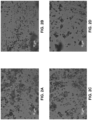
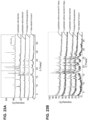
- the ASDs were characterized by XRPD ( FIG. 1 ) and PLM. The results are summarized in Table 4. PLM images displayed in FIG. 2a to FIG. 2d show that all ASD samples were fine particles without birefringence.
- ASDs of 20%, 33%, and 50% API in excipients were prepared by spray drying. About 0.4-0.8 g API material and corresponding excipient were weighed into a glass vial followed by addition of about 80 mL acetone/water (4:6, v/v) to dissolve the solids (acetone used first, then added water). The inlet temperature for spray drying was set as 150 °C and the outlet temperature was measured around 70 °C.
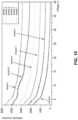
- the ASDs were characterized by XRPD, FIG 10 . The results are summarized in Table 9. PLM images are displayed in FIG 11 a through FIG. 11d show all the ASD samples were made of fine particles without birefringence.
- the stability of the six ASDs were evaluated in three stations (25 °C/30%RH, 25 °C/75%RH, 40°C/75% RH) over 5 days and 12 days (Table 10 and Table 11, respectively).
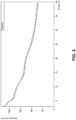
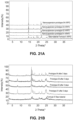
- the XRPD pattern overlay of the six ASDs under stressed conditions at 40°C/75% RH over 12 days are shown in FIG. 23 .
- ASDs prepared with both polymers exhibited good physical stability, as no apparent crystalline materials were observed via XRPD.
- ASD 3.012 g API, compound of Formula III, and 6.016 g HPMCAS-HG
- ASD was prepared by spray drying (33% API loading) in ⁇ 150 mL acetone/water (4:6, v/v) as solvent.
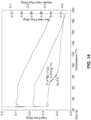
- the batch was dried under vacuum at RT and then characterized by XRPD, TGA, mDSC, PLM and HPLC. 4.181g ASD was obtained (46.4% yield). Results are summarized in Table 13.
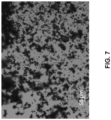
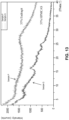
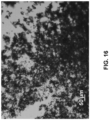
- the XRPD results in FIG. 15 showed that the ASD is amorphous. Fine particles were observed without birefringence was observed in PLM, as shown in FIG.16 .
- XRPD patterns were measured on a Bruker PDS-PF-XRD-01 X-ray powder diffractometer using Cu-k ⁇ radiation.
- the tube voltage and amperage were set to 40 kV and 40 mA, respectively.
- a two-theta (2 ⁇ °) scanning rate of 10°/min with a scan scope ranging from 3° to 40° was used.
- TGA and DSC data were collected using a TA Q2000 using a 10°C/min heating range (temperature range from RT to 300°C) in an N 2 atmosphere. Roller mixing was carried out using a Stoneware 755 RMV.
- a Nicomp 380/ZLS was used for zeta potential and particle size measurements.
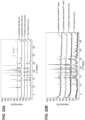
- the raw material of Formula II and Formula III were characterized by XRPD, TGA, and DSC.
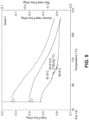
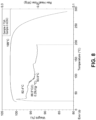
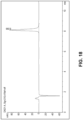
- TGA and DSC results for Formula II showed that the starting material exhibited a weight loss of 1.1571% in total up to 200°C and an endothermic peak at 161.33°C, as shown in FIG.20a .
- TGA and DSC results for Formula III showed that the starting material exhibited a weight loss of 0.6824% in total up to 200°C and an endothermic peak at 145.365°C, as shown in FIG. 20b .
- Nanosuspensions were prepared with four different vehicles (0.5% HPMC E5/0.5%Tween ® 80, 0.5% HPMC E5/0.5% PVP K30/0.2% SLS, 0.5% HPMC E5/0.5% PVP K30/0.5% Tween ® 80, and. 1% Poloxamer 188/0.5% Tween ® 80). Briefly, 50 mg of active pharmaceutical ingredient (API) was weighed into a 30 mL bottle and 0.5 mL of 0.5% hydroxypropyl methylcellulose (HPMC) E5/0.5% Tween ® 80 was added. Then 0.25 mL or 0.5 mL of 0.8mm zirconium beads were added. The bottle was put onto roller mixer for continuous milling (up to 3 days).
- API active pharmaceutical ingredient
- Stability measurements for the nanosuspensions were evaluated at 3 days and 7 days under two different conditions (room temperature and 4°C). Stability results for Formula II nanosuspensions are shown in Table 16. Stability results for Formula III nanosuspensions are shown in Table 17. Table 16 Stability of Formula II nanosuspensions Prototype 1 Prototype 2 Prototype 3 Prototype 4 Initial PSD (D90, nm) 385.3 310.9 377.5 281.0 Appearance Homogeneous suspension Homogeneous suspension Homogeneous suspension Homogeneous suspension pH 6.82 6.87 5.19 6.00 Conc.
- Lyophilized powder for Formula II was evaluated for stability under two conditions for up to two weeks, results summarized in Table 19. After 1 week, lyophilized powders were found to be physically and chemically stable after reconstitution into water. After 2 weeks, particle size under two conditions increased after reconstitution into water.
Landscapes
- Health & Medical Sciences (AREA)
- Chemical & Material Sciences (AREA)
- General Health & Medical Sciences (AREA)
- Medicinal Chemistry (AREA)
- Pharmacology & Pharmacy (AREA)
- Life Sciences & Earth Sciences (AREA)
- Animal Behavior & Ethology (AREA)
- Public Health (AREA)
- Veterinary Medicine (AREA)
- Epidemiology (AREA)
- Organic Chemistry (AREA)
- Engineering & Computer Science (AREA)
- Bioinformatics & Cheminformatics (AREA)
- Inorganic Chemistry (AREA)
- Dispersion Chemistry (AREA)
- Chemical Kinetics & Catalysis (AREA)
- General Chemical & Material Sciences (AREA)
- Nuclear Medicine, Radiotherapy & Molecular Imaging (AREA)
- Pharmaceuticals Containing Other Organic And Inorganic Compounds (AREA)
Claims (15)
- Dispersion solide amorphe, comprenant un composé de formule I :
 ou un sel pharmaceutiquement acceptable de celui-ci,dans laquelle R représente un alkyle en C1-3 ; etX1 et X2 sont indépendamment choisis dans le groupe constitué par N et C, dans laquelle le composé est sous une forme solide sensiblement amorphe et est dispersé dans un polymère.
 - Dispersion solide amorphe selon la revendication 1, dans laquelle le composé est la 6-(4-cyclopropyl-6-méthoxypyrimidine-5-yl)-1-(4-(1-isopropyl-4-(trifluorométhyl)-1H-imidazol-2-yl)benzyl)-1H-pyrazolo[3,4-d]pyrimidine de formule (II)

- Dispersion solide amorphe selon la revendication 1, dans laquelle le composé est la 6-(4-cyclopropyl-6-méthoxypyrimidine-5-yl)-1-(4-(5-méthyl-3-(trifluorométhyl)-1H-pyrazol-1-yl)benzyl)-1H-pyrazolo[3,4-d]pyrimidine de formule (III)

- Dispersion solide amorphe selon l'une quelconque des revendications 1, 2 et 3, dans laquelle le polymère est choisi dans le groupe constitué par la polyvinylpyrrolidone (PVP), l'alcool polyvinylique (APV), le poly(éthylène glycol) (PEG), le poly(oxyde d'éthylène) (PEO), l'hydroxypropylcellulose (HPC), l'hydroxypropylméthylcellulose (HPMC), la copovidone, l'acétate succinate d'hydroxypropylméthylcellulose, un copolymère d'acide méthacrylique, les polyacrylates et des mélanges de ceux-ci ; éventuellement, dans laquelle le polymère est présent en une quantité comprise entre environ 40 % et environ 95 % du poids total de la dispersion solide.
- Dispersion solide amorphe selon l'une quelconque des revendications 1, 2 et 3, dans laquelle le polymère est choisi dans le groupe constitué par l'acétate succinate d'hydroxypropylméthylcellulose, l'hydroxypropylméthylcellulose et un copolymère d'acide méthacrylique ; éventuellement, dans laquelle le polymère est présent en une quantité comprise entre environ 40 % et environ 95 % du poids total de la dispersion solide.
- Dispersion solide amorphe selon la revendication 5, dans laquelle le polymère est l'acétate succinate d'hydroxypropylméthylcellulose.
- Dispersion solide amorphe selon la revendication 5, dans laquelle le polymère est le poly(acide méthacrylique)-co-méthacrylate de méthyle.
- Dispersion solide amorphe selon la revendication 6, dans laquelle le composé de formule II est dispersé dans l'acétate succinate d'hydroxypropylméthylcellulose.
- Dispersion solide amorphe selon la revendication 7, dans laquelle le composé de formule II est dispersé dans le poly(acide méthacrylique)-co-méthacrylate de méthyle.
- Dispersion solide amorphe selon la revendication 6, dans laquelle le composé de formule III est dispersé dans l'acétate succinate d'hydroxypropylméthylcellulose.
- Dispersion solide amorphe selon la revendication 7, dans laquelle le composé de formule III est dispersé dans le poly(acide méthacrylique)-co-méthacrylate de méthyle.
- Composition pharmaceutique comprenant un véhicule pharmaceutiquement acceptable et une quantité thérapeutiquement efficace de la dispersion solide amorphe selon la revendication 1, éventuellement, dans laquelle la composition est sous la forme d'une forme galénique solide orale.
- Dispersion solide amorphe selon la revendication 1 pour une utilisation dans le traitement d'un cancer.
- Dispersion solide amorphe selon la revendication 1, dans laquelle ladite dispersion solide est préparée par extrusion thermofusible, lyophilisation ou séchage par pulvérisation.
- Procédé de fabrication d'une dispersion solide selon la revendication 1, comprenant :a) le mélange du composé de formule I et du polymère dans un solvant pour fournir une solution d'alimentation ; etb) le séchage par pulvérisation de la solution d'alimentation pour fournir la dispersion solide ;éventuellement dans lequel le composé de formule I est fourni sous la forme de base libre, sel ou solvate ; etéventuellement dans lequel le solvant est choisi parmi l'acétone, l'éthanol, le méthanol ou le dichlorométhane.
Applications Claiming Priority (2)
| Application Number | Priority Date | Filing Date | Title |
|---|---|---|---|
| US202062961486P | 2020-01-15 | 2020-01-15 | |
| PCT/US2021/013369 WO2021146378A1 (fr) | 2020-01-15 | 2021-01-14 | Compositions de pyrazolopyrimidines substituées et leurs utilisations |
Publications (4)
| Publication Number | Publication Date |
|---|---|
| EP4090332A1 EP4090332A1 (fr) | 2022-11-23 |
| EP4090332A4 EP4090332A4 (fr) | 2024-02-14 |
| EP4090332B1 true EP4090332B1 (fr) | 2025-03-12 |
| EP4090332C0 EP4090332C0 (fr) | 2025-03-12 |
Family
ID=76864812
Family Applications (1)
| Application Number | Title | Priority Date | Filing Date |
|---|---|---|---|
| EP21741728.6A Active EP4090332B1 (fr) | 2020-01-15 | 2021-01-14 | Compositions de pyrazolopyrimidines substituées et leurs utilisations |
Country Status (5)
| Country | Link |
|---|---|
| US (1) | US20230065636A1 (fr) |
| EP (1) | EP4090332B1 (fr) |
| ES (1) | ES3025474T3 (fr) |
| PL (1) | PL4090332T3 (fr) |
| WO (1) | WO2021146378A1 (fr) |
Families Citing this family (6)
| Publication number | Priority date | Publication date | Assignee | Title |
|---|---|---|---|---|
| CA3168009A1 (fr) * | 2020-02-14 | 2021-08-19 | KSQ Therapeutics, Inc. | Combinaisons therapeutiques comprenant des inhibiteurs de protease 1 de traitement specifique de l'ubiquitine et des inhibiteurs de poly (adp-ribose) polymerase (parp) |
| KR20230098186A (ko) | 2020-10-30 | 2023-07-03 | 케이에스큐 세러퓨틱스 인코포레이티드 | 치환된 피라졸로피리미딘의 고체 상태 형태 및 이의 용도 |
| WO2024006879A1 (fr) * | 2022-06-29 | 2024-01-04 | Zentaur Therapeutics Usa Inc. | Inhibiteurs de usp1 et utilisations associées |
| WO2025096487A1 (fr) * | 2023-10-31 | 2025-05-08 | Bristol-Myers Squibb Company | Composés de type protéase 1 spécifique de l'ubiquitine (usp1) |
| WO2025224298A1 (fr) * | 2024-04-26 | 2025-10-30 | Janssen Pharmaceutica Nv | Inhibiteurs de malt1 et méthodes pour leur utilisation |
| WO2025223551A1 (fr) * | 2024-04-26 | 2025-10-30 | Janssen Pharmaceutica Nv | Formulations, formes cristallines et schémas posologiques d'un inhibiteur de malt1 |
Citations (4)
| Publication number | Priority date | Publication date | Assignee | Title |
|---|---|---|---|---|
| US20100190787A1 (en) * | 2007-01-30 | 2010-07-29 | Srinivas Rao Kasibhatla | Modulators of Mitotic Kinases |
| US20120252779A1 (en) * | 2009-10-20 | 2012-10-04 | Nigel Ramsden | Heterocyclyl pyrazolopyrimidine analogues as jak inhibitors |
| CN106146511A (zh) * | 2015-04-03 | 2016-11-23 | 安润医药科技(苏州)有限公司 | 吡唑并嘧啶衍生物、制备方法、药物组合物及用途 |
| WO2020132269A1 (fr) * | 2018-12-20 | 2020-06-25 | KSQ Therapeutics, Inc. | Pyrazolopyrimidines substituées et purines substituées et leur utilisation en tant qu'inhibiteurs de protéase 1 de traitement spécifique de l'ubiquitine |
-
2021
- 2021-01-14 ES ES21741728T patent/ES3025474T3/es active Active
- 2021-01-14 WO PCT/US2021/013369 patent/WO2021146378A1/fr not_active Ceased
- 2021-01-14 US US17/792,472 patent/US20230065636A1/en active Pending
- 2021-01-14 EP EP21741728.6A patent/EP4090332B1/fr active Active
- 2021-01-14 PL PL21741728.6T patent/PL4090332T3/pl unknown
Patent Citations (4)
| Publication number | Priority date | Publication date | Assignee | Title |
|---|---|---|---|---|
| US20100190787A1 (en) * | 2007-01-30 | 2010-07-29 | Srinivas Rao Kasibhatla | Modulators of Mitotic Kinases |
| US20120252779A1 (en) * | 2009-10-20 | 2012-10-04 | Nigel Ramsden | Heterocyclyl pyrazolopyrimidine analogues as jak inhibitors |
| CN106146511A (zh) * | 2015-04-03 | 2016-11-23 | 安润医药科技(苏州)有限公司 | 吡唑并嘧啶衍生物、制备方法、药物组合物及用途 |
| WO2020132269A1 (fr) * | 2018-12-20 | 2020-06-25 | KSQ Therapeutics, Inc. | Pyrazolopyrimidines substituées et purines substituées et leur utilisation en tant qu'inhibiteurs de protéase 1 de traitement spécifique de l'ubiquitine |
Non-Patent Citations (5)
| Title |
|---|
| DATABASE PubChem 5 December 2007 (2007-12-05) * |
| SANNA MONICA ET AL: "Water Solubility Enhancement of Pyrazolo[3,4- d ]pyrimidine Derivatives via Miniaturized Polymer-Drug Microarrays", ACS MEDICINAL CHEMISTRY LETTERS, vol. 9, no. 3, 29 January 2018 (2018-01-29), US, pages 193 - 197, XP093115608, ISSN: 1948-5875, DOI: 10.1021/acsmedchemlett.7b00456 * |
| SANNA MONICA ET AL: "Water Solubility Enhancement of Pyrazolo[3,4- d ]pyrimidine Derivatives via Miniaturized Polymer-Drug Microarrays", ACS MEDICINAL CHEMISTRY LETTERS, vol. 9, no. 3, 29 January 2018 (2018-01-29), US, pages 193 - 197, XP93115608, ISSN: 1948-5875, DOI: 10.1021/acsmedchemlett.7b00456 * |
| SANNA MONICA ET AL: "Water Solubility Enhancement of Pyrazolo[3,4-d]pyrimidine Derivatives via Miniaturized Polymer-Drug Microarrays", ACS MEDICINAL CHEMISTRY LETTERS, 8 March 2018 (2018-03-08), United States, pages 193 - 197, XP093115629, Retrieved from the Internet <URL:https://www.ncbi.nlm.nih.gov/pmc/articles/PMC5846050/> [retrieved on 20240103], DOI: 10.1021/acsmedchemlett.7b00456 * |
| SANNA MONICA ET AL: "Water Solubility Enhancement of Pyrazolo[3,4-d]pyrimidine Derivatives via Miniaturized Polymer-Drug Microarrays", ACS MEDICINAL CHEMISTRY LETTERS, 8 March 2018 (2018-03-08), United States, pages 193 - 197, XP93115629, Retrieved from the Internet <URL:https://www.ncbi.nlm.nih.gov/pmc/articles/PMC5846050/> [retrieved on 20240103], DOI: 10.1021/acsmedchemlett.7b00456 * |
Also Published As
| Publication number | Publication date |
|---|---|
| WO2021146378A1 (fr) | 2021-07-22 |
| US20230065636A1 (en) | 2023-03-02 |
| PL4090332T3 (pl) | 2025-07-07 |
| EP4090332A1 (fr) | 2022-11-23 |
| EP4090332C0 (fr) | 2025-03-12 |
| EP4090332A4 (fr) | 2024-02-14 |
| ES3025474T3 (en) | 2025-06-09 |
Similar Documents
| Publication | Publication Date | Title |
|---|---|---|
| EP4090332B1 (fr) | Compositions de pyrazolopyrimidines substituées et leurs utilisations | |
| JP6192244B2 (ja) | 改良されたバイオアベイラビリティを有する薬学的組成物 | |
| JP6878398B2 (ja) | Parp阻害剤固形医薬剤型及びその使用 | |
| EP2346495B2 (fr) | Formulation pharmaceutique 514 | |
| JP2001527044A (ja) | イトラコナゾール(itraconazole)経口用製剤及びその製造方法 | |
| EP2599486A1 (fr) | Dispersion solide de dronédarone et son procédé d'élaboration | |
| EP3811932A1 (fr) | Forme posologique d'apalutamide | |
| WO2017041679A1 (fr) | Dispersion solide de tadalafil et d'excipients pharmaceutiques, et procédé de préparation de la dispersion solide | |
| EP3820451B1 (fr) | Dispersion solide comprenant un composé anticancéreux ayant une solubilité et une efficacité améliorées | |
| JP4376628B2 (ja) | 三環性トリアゾロベンゾアゼピン誘導体の非晶質物質 | |
| JP7796751B2 (ja) | 非晶質固体分散体 | |
| KR102195162B1 (ko) | 타다라필 함유 고체분산체 및 이의 제조방법 | |
| WO2026002056A1 (fr) | Formulation pharmaceutique comprenant une dispersion solide de sonrotoclax et son procédé de préparation | |
| WO2025252204A1 (fr) | Dispersions solides amorphes d'un inhibiteur de braf | |
| WO2026019401A1 (fr) | Composition de nanosuspension comprenant de la canagliflozine | |
| WO2018007556A1 (fr) | Dispersion solide pharmaceutique d'un inhibiteur de bcl-2, compositions pharmaceutiques associées et utilisations dans le traitement du cancer | |
| WO2026052846A1 (fr) | Formulation pharmaceutique comprenant de l'apalutamide | |
| WO2025231052A1 (fr) | Dispersions solides de 6-chloro-3-[(1r)-1-[3,6-diméthyl-2-(2-méthylindazol-5-yl)-4-oxo-chromén-8-yl] éthoxy]pyridine-2-carboxamide | |
| TW202604488A (zh) | 包含索托克拉固體分散體之醫藥調配物及其製備方法 | |
| WO2026021558A1 (fr) | Composition de formulation pharmaceutique et son procédé de préparation | |
| WO2023128905A1 (fr) | Composition pharmaceutique comprenant du tolvaptan amorphe | |
| HK1158528B (en) | Pharmaceutical formulation 514 |
Legal Events
| Date | Code | Title | Description |
|---|---|---|---|
| STAA | Information on the status of an ep patent application or granted ep patent |
Free format text: STATUS: THE INTERNATIONAL PUBLICATION HAS BEEN MADE |
|
| PUAI | Public reference made under article 153(3) epc to a published international application that has entered the european phase |
Free format text: ORIGINAL CODE: 0009012 |
|
| STAA | Information on the status of an ep patent application or granted ep patent |
Free format text: STATUS: REQUEST FOR EXAMINATION WAS MADE |
|
| 17P | Request for examination filed |
Effective date: 20220816 |
|
| AK | Designated contracting states |
Kind code of ref document: A1 Designated state(s): AL AT BE BG CH CY CZ DE DK EE ES FI FR GB GR HR HU IE IS IT LI LT LU LV MC MK MT NL NO PL PT RO RS SE SI SK SM TR |
|
| DAV | Request for validation of the european patent (deleted) | ||
| DAX | Request for extension of the european patent (deleted) | ||
| REG | Reference to a national code |
Ref country code: DE Ref legal event code: R079 Free format text: PREVIOUS MAIN CLASS: A61K0031519000 Ipc: A61K0009100000 Ref document number: 602021027528 Country of ref document: DE |
|
| A4 | Supplementary search report drawn up and despatched |
Effective date: 20240112 |
|
| RIC1 | Information provided on ipc code assigned before grant |
Ipc: A61K 31/522 20060101ALI20240108BHEP Ipc: C07D 487/04 20060101ALI20240108BHEP Ipc: A61P 43/00 20060101ALI20240108BHEP Ipc: A61K 47/38 20060101ALI20240108BHEP Ipc: A61K 9/14 20060101ALI20240108BHEP Ipc: A61K 9/10 20060101AFI20240108BHEP |
|
| GRAP | Despatch of communication of intention to grant a patent |
Free format text: ORIGINAL CODE: EPIDOSNIGR1 |
|
| STAA | Information on the status of an ep patent application or granted ep patent |
Free format text: STATUS: GRANT OF PATENT IS INTENDED |
|
| INTG | Intention to grant announced |
Effective date: 20241002 |
|
| GRAS | Grant fee paid |
Free format text: ORIGINAL CODE: EPIDOSNIGR3 |
|
| GRAA | (expected) grant |
Free format text: ORIGINAL CODE: 0009210 |
|
| STAA | Information on the status of an ep patent application or granted ep patent |
Free format text: STATUS: THE PATENT HAS BEEN GRANTED |
|
| AK | Designated contracting states |
Kind code of ref document: B1 Designated state(s): AL AT BE BG CH CY CZ DE DK EE ES FI FR GB GR HR HU IE IS IT LI LT LU LV MC MK MT NL NO PL PT RO RS SE SI SK SM TR |
|
| REG | Reference to a national code |
Ref country code: GB Ref legal event code: FG4D |
|
| REG | Reference to a national code |
Ref country code: CH Ref legal event code: EP |
|
| REG | Reference to a national code |
Ref country code: DE Ref legal event code: R096 Ref document number: 602021027528 Country of ref document: DE |
|
| REG | Reference to a national code |
Ref country code: IE Ref legal event code: FG4D |
|
| U01 | Request for unitary effect filed |
Effective date: 20250411 |
|
| U07 | Unitary effect registered |
Designated state(s): AT BE BG DE DK EE FI FR IT LT LU LV MT NL PT RO SE SI Effective date: 20250422 |
|
| REG | Reference to a national code |
Ref country code: ES Ref legal event code: FG2A Ref document number: 3025474 Country of ref document: ES Kind code of ref document: T3 Effective date: 20250609 |
|
| PG25 | Lapsed in a contracting state [announced via postgrant information from national office to epo] |
Ref country code: RS Free format text: LAPSE BECAUSE OF FAILURE TO SUBMIT A TRANSLATION OF THE DESCRIPTION OR TO PAY THE FEE WITHIN THE PRESCRIBED TIME-LIMIT Effective date: 20250612 |
|
| PG25 | Lapsed in a contracting state [announced via postgrant information from national office to epo] |
Ref country code: NO Free format text: LAPSE BECAUSE OF FAILURE TO SUBMIT A TRANSLATION OF THE DESCRIPTION OR TO PAY THE FEE WITHIN THE PRESCRIBED TIME-LIMIT Effective date: 20250612 |
|
| PG25 | Lapsed in a contracting state [announced via postgrant information from national office to epo] |
Ref country code: HR Free format text: LAPSE BECAUSE OF FAILURE TO SUBMIT A TRANSLATION OF THE DESCRIPTION OR TO PAY THE FEE WITHIN THE PRESCRIBED TIME-LIMIT Effective date: 20250312 |
|
| REG | Reference to a national code |
Ref country code: GR Ref legal event code: EP Ref document number: 20250401055 Country of ref document: GR Effective date: 20250613 |
|
| PG25 | Lapsed in a contracting state [announced via postgrant information from national office to epo] |
Ref country code: SM Free format text: LAPSE BECAUSE OF FAILURE TO SUBMIT A TRANSLATION OF THE DESCRIPTION OR TO PAY THE FEE WITHIN THE PRESCRIBED TIME-LIMIT Effective date: 20250312 |
|
| PG25 | Lapsed in a contracting state [announced via postgrant information from national office to epo] |
Ref country code: CZ Free format text: LAPSE BECAUSE OF FAILURE TO SUBMIT A TRANSLATION OF THE DESCRIPTION OR TO PAY THE FEE WITHIN THE PRESCRIBED TIME-LIMIT Effective date: 20250312 |
|
| PG25 | Lapsed in a contracting state [announced via postgrant information from national office to epo] |
Ref country code: SK Free format text: LAPSE BECAUSE OF FAILURE TO SUBMIT A TRANSLATION OF THE DESCRIPTION OR TO PAY THE FEE WITHIN THE PRESCRIBED TIME-LIMIT Effective date: 20250312 |
|
| PG25 | Lapsed in a contracting state [announced via postgrant information from national office to epo] |
Ref country code: IS Free format text: LAPSE BECAUSE OF FAILURE TO SUBMIT A TRANSLATION OF THE DESCRIPTION OR TO PAY THE FEE WITHIN THE PRESCRIBED TIME-LIMIT Effective date: 20250712 |
|
| PLBE | No opposition filed within time limit |
Free format text: ORIGINAL CODE: 0009261 |
|
| STAA | Information on the status of an ep patent application or granted ep patent |
Free format text: STATUS: NO OPPOSITION FILED WITHIN TIME LIMIT |
|
| REG | Reference to a national code |
Ref country code: CH Ref legal event code: L10 Free format text: ST27 STATUS EVENT CODE: U-0-0-L10-L00 (AS PROVIDED BY THE NATIONAL OFFICE) Effective date: 20260121 |
|
| PGFP | Annual fee paid to national office [announced via postgrant information from national office to epo] |
Ref country code: PL Payment date: 20251219 Year of fee payment: 6 |
|
| REG | Reference to a national code |
Ref country code: CH Ref legal event code: U11 Free format text: ST27 STATUS EVENT CODE: U-0-0-U10-U11 (AS PROVIDED BY THE NATIONAL OFFICE) Effective date: 20260201 |
|
| 26N | No opposition filed |
Effective date: 20251215 |
|
| U20 | Renewal fee for the european patent with unitary effect paid |
Year of fee payment: 6 Effective date: 20260127 |
|
| PGFP | Annual fee paid to national office [announced via postgrant information from national office to epo] |
Ref country code: GB Payment date: 20260127 Year of fee payment: 6 |
|
| PGFP | Annual fee paid to national office [announced via postgrant information from national office to epo] |
Ref country code: ES Payment date: 20260202 Year of fee payment: 6 |
|
| PGFP | Annual fee paid to national office [announced via postgrant information from national office to epo] |
Ref country code: TR Payment date: 20260112 Year of fee payment: 6 |