EP4095008A1 - Procédé et dispositif de commande de véhicule - Google Patents
Procédé et dispositif de commande de véhicule Download PDFInfo
- Publication number
- EP4095008A1 EP4095008A1 EP20921938.5A EP20921938A EP4095008A1 EP 4095008 A1 EP4095008 A1 EP 4095008A1 EP 20921938 A EP20921938 A EP 20921938A EP 4095008 A1 EP4095008 A1 EP 4095008A1
- Authority
- EP
- European Patent Office
- Prior art keywords
- vehicle
- driver assistance
- assistance system
- speed range
- vehicle speed
- Prior art date
- Legal status (The legal status is an assumption and is not a legal conclusion. Google has not performed a legal analysis and makes no representation as to the accuracy of the status listed.)
- Granted
Links
Images



Classifications
-
- B—PERFORMING OPERATIONS; TRANSPORTING
- B60—VEHICLES IN GENERAL
- B60W—CONJOINT CONTROL OF VEHICLE SUB-UNITS OF DIFFERENT TYPE OR DIFFERENT FUNCTION; CONTROL SYSTEMS SPECIALLY ADAPTED FOR HYBRID VEHICLES; ROAD VEHICLE DRIVE CONTROL SYSTEMS FOR PURPOSES NOT RELATED TO THE CONTROL OF A PARTICULAR SUB-UNIT
- B60W30/00—Purposes of road vehicle drive control systems not related to the control of a particular sub-unit, e.g. of systems using conjoint control of vehicle sub-units
- B60W30/14—Adaptive cruise control
- B60W30/16—Control of distance between vehicles, e.g. keeping a distance to preceding vehicle
-
- B—PERFORMING OPERATIONS; TRANSPORTING
- B60—VEHICLES IN GENERAL
- B60W—CONJOINT CONTROL OF VEHICLE SUB-UNITS OF DIFFERENT TYPE OR DIFFERENT FUNCTION; CONTROL SYSTEMS SPECIALLY ADAPTED FOR HYBRID VEHICLES; ROAD VEHICLE DRIVE CONTROL SYSTEMS FOR PURPOSES NOT RELATED TO THE CONTROL OF A PARTICULAR SUB-UNIT
- B60W30/00—Purposes of road vehicle drive control systems not related to the control of a particular sub-unit, e.g. of systems using conjoint control of vehicle sub-units
- B60W30/08—Active safety systems predicting or avoiding probable or impending collision or attempting to minimise its consequences
- B60W30/09—Taking automatic action to avoid collision, e.g. braking and steering
-
- B—PERFORMING OPERATIONS; TRANSPORTING
- B60—VEHICLES IN GENERAL
- B60W—CONJOINT CONTROL OF VEHICLE SUB-UNITS OF DIFFERENT TYPE OR DIFFERENT FUNCTION; CONTROL SYSTEMS SPECIALLY ADAPTED FOR HYBRID VEHICLES; ROAD VEHICLE DRIVE CONTROL SYSTEMS FOR PURPOSES NOT RELATED TO THE CONTROL OF A PARTICULAR SUB-UNIT
- B60W30/00—Purposes of road vehicle drive control systems not related to the control of a particular sub-unit, e.g. of systems using conjoint control of vehicle sub-units
- B60W30/08—Active safety systems predicting or avoiding probable or impending collision or attempting to minimise its consequences
- B60W30/095—Predicting travel path or likelihood of collision
- B60W30/0953—Predicting travel path or likelihood of collision the prediction being responsive to vehicle dynamic parameters
-
- B—PERFORMING OPERATIONS; TRANSPORTING
- B60—VEHICLES IN GENERAL
- B60W—CONJOINT CONTROL OF VEHICLE SUB-UNITS OF DIFFERENT TYPE OR DIFFERENT FUNCTION; CONTROL SYSTEMS SPECIALLY ADAPTED FOR HYBRID VEHICLES; ROAD VEHICLE DRIVE CONTROL SYSTEMS FOR PURPOSES NOT RELATED TO THE CONTROL OF A PARTICULAR SUB-UNIT
- B60W30/00—Purposes of road vehicle drive control systems not related to the control of a particular sub-unit, e.g. of systems using conjoint control of vehicle sub-units
- B60W30/08—Active safety systems predicting or avoiding probable or impending collision or attempting to minimise its consequences
- B60W30/095—Predicting travel path or likelihood of collision
- B60W30/0956—Predicting travel path or likelihood of collision the prediction being responsive to traffic or environmental parameters
-
- B—PERFORMING OPERATIONS; TRANSPORTING
- B60—VEHICLES IN GENERAL
- B60W—CONJOINT CONTROL OF VEHICLE SUB-UNITS OF DIFFERENT TYPE OR DIFFERENT FUNCTION; CONTROL SYSTEMS SPECIALLY ADAPTED FOR HYBRID VEHICLES; ROAD VEHICLE DRIVE CONTROL SYSTEMS FOR PURPOSES NOT RELATED TO THE CONTROL OF A PARTICULAR SUB-UNIT
- B60W30/00—Purposes of road vehicle drive control systems not related to the control of a particular sub-unit, e.g. of systems using conjoint control of vehicle sub-units
- B60W30/14—Adaptive cruise control
- B60W30/16—Control of distance between vehicles, e.g. keeping a distance to preceding vehicle
- B60W30/17—Control of distance between vehicles, e.g. keeping a distance to preceding vehicle with provision for special action when the preceding vehicle comes to a halt, e.g. stop and go
-
- B—PERFORMING OPERATIONS; TRANSPORTING
- B60—VEHICLES IN GENERAL
- B60W—CONJOINT CONTROL OF VEHICLE SUB-UNITS OF DIFFERENT TYPE OR DIFFERENT FUNCTION; CONTROL SYSTEMS SPECIALLY ADAPTED FOR HYBRID VEHICLES; ROAD VEHICLE DRIVE CONTROL SYSTEMS FOR PURPOSES NOT RELATED TO THE CONTROL OF A PARTICULAR SUB-UNIT
- B60W30/00—Purposes of road vehicle drive control systems not related to the control of a particular sub-unit, e.g. of systems using conjoint control of vehicle sub-units
- B60W30/18—Propelling the vehicle
- B60W30/182—Selecting between different operative modes, e.g. comfort and performance modes
-
- B—PERFORMING OPERATIONS; TRANSPORTING
- B60—VEHICLES IN GENERAL
- B60W—CONJOINT CONTROL OF VEHICLE SUB-UNITS OF DIFFERENT TYPE OR DIFFERENT FUNCTION; CONTROL SYSTEMS SPECIALLY ADAPTED FOR HYBRID VEHICLES; ROAD VEHICLE DRIVE CONTROL SYSTEMS FOR PURPOSES NOT RELATED TO THE CONTROL OF A PARTICULAR SUB-UNIT
- B60W40/00—Estimation or calculation of non-directly measurable driving parameters for road vehicle drive control systems not related to the control of a particular sub unit, e.g. by using mathematical models
- B60W40/10—Estimation or calculation of non-directly measurable driving parameters for road vehicle drive control systems not related to the control of a particular sub unit, e.g. by using mathematical models related to vehicle motion
- B60W40/105—Speed
-
- B—PERFORMING OPERATIONS; TRANSPORTING
- B60—VEHICLES IN GENERAL
- B60W—CONJOINT CONTROL OF VEHICLE SUB-UNITS OF DIFFERENT TYPE OR DIFFERENT FUNCTION; CONTROL SYSTEMS SPECIALLY ADAPTED FOR HYBRID VEHICLES; ROAD VEHICLE DRIVE CONTROL SYSTEMS FOR PURPOSES NOT RELATED TO THE CONTROL OF A PARTICULAR SUB-UNIT
- B60W50/00—Details of control systems for road vehicle drive control not related to the control of a particular sub-unit, e.g. process diagnostic or vehicle driver interfaces
- B60W50/06—Improving the dynamic response of the control system, e.g. improving the speed of regulation or avoiding hunting or overshoot
-
- B—PERFORMING OPERATIONS; TRANSPORTING
- B60—VEHICLES IN GENERAL
- B60W—CONJOINT CONTROL OF VEHICLE SUB-UNITS OF DIFFERENT TYPE OR DIFFERENT FUNCTION; CONTROL SYSTEMS SPECIALLY ADAPTED FOR HYBRID VEHICLES; ROAD VEHICLE DRIVE CONTROL SYSTEMS FOR PURPOSES NOT RELATED TO THE CONTROL OF A PARTICULAR SUB-UNIT
- B60W2520/00—Input parameters relating to overall vehicle dynamics
-
- B—PERFORMING OPERATIONS; TRANSPORTING
- B60—VEHICLES IN GENERAL
- B60W—CONJOINT CONTROL OF VEHICLE SUB-UNITS OF DIFFERENT TYPE OR DIFFERENT FUNCTION; CONTROL SYSTEMS SPECIALLY ADAPTED FOR HYBRID VEHICLES; ROAD VEHICLE DRIVE CONTROL SYSTEMS FOR PURPOSES NOT RELATED TO THE CONTROL OF A PARTICULAR SUB-UNIT
- B60W2554/00—Input parameters relating to objects
- B60W2554/40—Dynamic objects, e.g. animals, windblown objects
- B60W2554/402—Type
- B60W2554/4029—Pedestrians
-
- B—PERFORMING OPERATIONS; TRANSPORTING
- B60—VEHICLES IN GENERAL
- B60W—CONJOINT CONTROL OF VEHICLE SUB-UNITS OF DIFFERENT TYPE OR DIFFERENT FUNCTION; CONTROL SYSTEMS SPECIALLY ADAPTED FOR HYBRID VEHICLES; ROAD VEHICLE DRIVE CONTROL SYSTEMS FOR PURPOSES NOT RELATED TO THE CONTROL OF A PARTICULAR SUB-UNIT
- B60W2554/00—Input parameters relating to objects
- B60W2554/40—Dynamic objects, e.g. animals, windblown objects
- B60W2554/404—Characteristics
- B60W2554/4041—Position
-
- B—PERFORMING OPERATIONS; TRANSPORTING
- B60—VEHICLES IN GENERAL
- B60W—CONJOINT CONTROL OF VEHICLE SUB-UNITS OF DIFFERENT TYPE OR DIFFERENT FUNCTION; CONTROL SYSTEMS SPECIALLY ADAPTED FOR HYBRID VEHICLES; ROAD VEHICLE DRIVE CONTROL SYSTEMS FOR PURPOSES NOT RELATED TO THE CONTROL OF A PARTICULAR SUB-UNIT
- B60W2554/00—Input parameters relating to objects
- B60W2554/80—Spatial relation or speed relative to objects
-
- B—PERFORMING OPERATIONS; TRANSPORTING
- B60—VEHICLES IN GENERAL
- B60W—CONJOINT CONTROL OF VEHICLE SUB-UNITS OF DIFFERENT TYPE OR DIFFERENT FUNCTION; CONTROL SYSTEMS SPECIALLY ADAPTED FOR HYBRID VEHICLES; ROAD VEHICLE DRIVE CONTROL SYSTEMS FOR PURPOSES NOT RELATED TO THE CONTROL OF A PARTICULAR SUB-UNIT
- B60W2556/00—Input parameters relating to data
- B60W2556/45—External transmission of data to or from the vehicle
-
- B—PERFORMING OPERATIONS; TRANSPORTING
- B60—VEHICLES IN GENERAL
- B60W—CONJOINT CONTROL OF VEHICLE SUB-UNITS OF DIFFERENT TYPE OR DIFFERENT FUNCTION; CONTROL SYSTEMS SPECIALLY ADAPTED FOR HYBRID VEHICLES; ROAD VEHICLE DRIVE CONTROL SYSTEMS FOR PURPOSES NOT RELATED TO THE CONTROL OF A PARTICULAR SUB-UNIT
- B60W2556/00—Input parameters relating to data
- B60W2556/45—External transmission of data to or from the vehicle
- B60W2556/65—Data transmitted between vehicles
-
- B—PERFORMING OPERATIONS; TRANSPORTING
- B60—VEHICLES IN GENERAL
- B60W—CONJOINT CONTROL OF VEHICLE SUB-UNITS OF DIFFERENT TYPE OR DIFFERENT FUNCTION; CONTROL SYSTEMS SPECIALLY ADAPTED FOR HYBRID VEHICLES; ROAD VEHICLE DRIVE CONTROL SYSTEMS FOR PURPOSES NOT RELATED TO THE CONTROL OF A PARTICULAR SUB-UNIT
- B60W2720/00—Output or target parameters relating to overall vehicle dynamics
- B60W2720/10—Longitudinal speed
Definitions
- This application relates to the field of intelligent driving technologies, and more specifically, to a vehicle control method and apparatus.
- the intelligent connected vehicles are equipped with advanced on-board sensors, controllers, actuators, and other apparatuses, and integrate modern communication and network technologies to implement vehicle-to-everything (vehicle-to-everything, V2X).
- vehicle-to-everything vehicle-to-everything, V2X.
- the development trend of the intelligent connected vehicles is to integrate the autonomous driving technology and networked communication technology to give full play to the technical advantages of both technologies.
- a driver assistance system is a generic term of various systems that assist a driver in performing a driving task or actively avoid/mitigate a collision hazard by using an autonomous driving technology.
- Such system includes an adaptive cruise control (adaptive cruise control, ACC) system, or a traffic jam assist (traffic jam assist, TJA) system.
- the driver assistance system corresponds to a vehicle speed range, and different driver assistance systems may correspond to different vehicle speed ranges. Once a vehicle speed exceeds a vehicle speed range corresponding to a driver assistance system, the driver assistance system is deactivated, and exits control over the vehicle. For safety or other considerations, when a vehicle speed matching a driving environment is not within a vehicle speed range corresponding to the driver assistance system, if the driver assistance system is still in an active state and controls a driving speed of the vehicle to remain within the corresponding vehicle speed range, a safety hazard is caused. If a driver takes over the driving task in this case, continuity of autonomous driving of the vehicle is affected, and user experience is poor.
- This application provides a vehicle control method, applied to the field of intelligent driving technologies, to improve safety performance of autonomous driving of a vehicle and user experience.
- a vehicle control method may be performed by a first vehicle, or may be performed by a chip, a circuit, a component, a system, or a mobile terminal disposed on the first vehicle, or may be performed by another device (for example, a road side unit RSU or an application server) in the vehicle-to-everything. This is not limited in this application.
- the vehicle control method is applied to the first vehicle, the first vehicle is configured with at least one driver assistance system, the at least one driver assistance system is applied to at least one vehicle speed range when being in an active state, and the method includes: obtaining first information of a moving object near the first vehicle; determining a first parameter based on the first information; terminating, based on the first parameter, an active state of a driver assistance system that is currently in an active state and that is in the at least one driver assistance system; and further setting, based on the first parameter, the first vehicle to run at a first vehicle speed beyond the at least one vehicle speed range.
- a driver assistance system is in an active state means that a vehicle configured with the driver assistance system is under automatic control of the driver assistance system, and the vehicle may be controlled without intervention of a driver; or this may indicate that the driver assistance system is in a working state or a running state. It is easy to understand that when the driver assistance system does not control the vehicle configured with the driver assistance system, this may indicate that the driver assistance system is in a deactivated state, an inactive state, a non-working state, or a non-running state.
- the moving object near the first vehicle may be a moving object in front of the first vehicle, or the moving object near the first vehicle may be a moving object behind the first vehicle, or the moving object near the first vehicle may be a moving object on a side of the first vehicle.
- a quantity of moving objects near the first vehicle is not limited in embodiments of this application.
- the first vehicle may separately obtain first information about the plurality of moving objects.
- a possible form of the moving object includes a pedestrian, a vehicle, or another movable object.
- the moving object near the first vehicle may be another vehicle (referred to as a second vehicle for differentiation) near the first vehicle.
- the active state of the driver assistance system that is currently in the active state is terminated based on the first parameter determined based on the obtained first information of the moving object near the first vehicle, and the first vehicle is controlled, based on the first parameter, to run at a vehicle speed beyond a vehicle speed range to which the at least one configured driver assistance system is applied. Therefore, when a safe speed matching a driving environment is not within a vehicle speed range corresponding to the driver assistance system, the first vehicle can still implement safe autonomous driving without intervention of a driver, so that safety performance of autonomous driving of the vehicle and user experience is improved.
- the determining a first parameter based on the first information may be directly determining the first parameter based on the first information, or may be indirectly determining the first parameter based on the first information.
- the directly determining the first parameter based on the first information may be obtaining the first parameter through calculation based on the obtained first information, or may be obtaining the first parameter through table lookup based on the obtained first information.
- the indirectly determining the first parameter based on the first information may be obtaining a second parameter through calculation and/or table lookup based on the obtained first information, where the second parameter is used to determine the first parameter.
- the terminating, based on the first parameter, an active state of a driver assistance system that is currently in an active state and that is in the at least one driver assistance system may be directly terminating the active state based on the first parameter, or may be indirectly terminating the active state based on the first parameter, for example, terminating the active state based on a result obtained after other data processing is performed by using the first parameter.
- the setting, based on the first parameter, the first vehicle to run at a first vehicle speed beyond the at least one vehicle speed range may be directly setting the first vehicle speed based on the first parameter, or may be indirectly setting the first vehicle speed based on the first parameter, for example, setting the first vehicle speed based on a result obtained after other data processing is performed by using the first parameter.
- the method further includes: obtaining updated first information; updating the first parameter based on the updated first information; setting, based on an updated first parameter, the first vehicle to run at a second vehicle speed within the at least one vehicle speed range; and activating one of the at least one driver assistance system based on the updated first parameter.
- a vehicle speed of the first vehicle may be controlled based on the first parameter, so that the vehicle speed of the first vehicle reaches a vehicle speed range applied when another driver assistance system (for example, a second driver assistance system) of the at least one configured driver assistance system is in an active state, and the another driver assistance system is activated, so that the first vehicle is under control of the another driver assistance system, to improve safety performance of autonomous driving of the vehicle.
- another driver assistance system for example, a second driver assistance system
- the obtaining first information of a moving object near the first vehicle includes: The first vehicle receives the first information from the moving object by using a communication unit; or obtains the first information of the moving object through measurement by using a sensor.
- the first information may be obtained in the following manners:
- the communication unit disposed on the first vehicle may receive the first information sent by the moving object, or the sensor disposed on the first vehicle may obtain the first information of the moving object. Different manners of obtaining the first information are proposed, to improve flexibility of the solution.
- the first parameter includes a due driving speed range that the first vehicle is supposed to have when there is no hazard of collision between the first vehicle and the moving object.
- the first parameter may be the due driving speed range that the first vehicle is supposed to have when there is no hazard of collision between the first vehicle and the moving object.
- a driving speed of the first vehicle is set based on the first parameter, so that collision between the first vehicle and the moving object can be avoided, and autonomous driving safety is improved.
- the first parameter includes a parameter used to determine whether there is a hazard of collision between the first vehicle and the moving object.
- a driving speed range of the first vehicle includes the due driving speed range.
- the first parameter may be used to determine whether there is a hazard of collision between the first vehicle and the moving object, and when there is no hazard of collision between the first vehicle and the moving object, the first vehicle runs at a speed within the due driving speed range.
- the driving speed of the first vehicle is set based on the first parameter, so that a collision between the first vehicle and the moving object can be avoided, and autonomous driving safety is improved.
- the first information includes speed information of the moving object and location information of the moving object.
- the first parameter includes estimated time to collision TTC of the first vehicle and the moving object.
- the determining the first parameter based on the first information includes: calculating a relative speed of the first vehicle and the moving object based on a speed of the moving object and the vehicle speed of the first vehicle; calculating an inter-vehicle distance between the first vehicle and the moving object based on a location of the moving object and a location of the first vehicle; and calculating the TTC based on the inter-vehicle distance and the relative speed.
- the first vehicle determines that there is no hazard of collision between the first vehicle and the moving object.
- the first preset threshold may be a value of the TTC when there is a hazard of collision between the first vehicle and the moving object. In other words, the first preset threshold may be used to determine a possibility of collision between the first vehicle and the moving object.
- the first information includes the location information of the moving object
- the first parameter includes a time headway TI between the first vehicle and the moving object.
- the calculating the first parameter based on the first information includes: calculating an inter-vehicle distance between the first vehicle and the second vehicle based on the location information of the moving object and the location of the first vehicle; and calculating the TI based on the inter-vehicle distance and the speed of the first vehicle.
- the first vehicle determines that there is no hazard of collision between the first vehicle and the moving object.
- the second preset threshold may be a value of the TI when there is a hazard of collision between the first vehicle and the moving object. In other words, the second preset threshold may be used to determine a possibility of collision between the first vehicle and the moving object.
- Embodiments of this application provide a plurality of solutions for determining, based on the first parameter, whether there is a hazard of collision between the first vehicle and the moving object, to improve flexibility of the solutions.
- the terminating, based on the first parameter, an active state of a driver assistance system that is currently in an active state and that is in the at least one driver assistance system includes: The first vehicle determines that the due driving speed range has no intersection with a vehicle speed range to which the driver assistance system in the active state is applied; and the first vehicle terminates the active state of the driver assistance system in the active state.
- whether to terminate the active state of the first driver assistance system may be determined based on whether there is an intersection between the due driving speed range and a vehicle speed range to which the first driver assistance system in the active state is applied, and a specific implementation of terminating an active state of a driver assistance system is provided.
- the first vehicle speed is within the due driving speed range, to meet the vehicle speed matching the driving environment.
- the first parameter includes the due driving speed range that the first vehicle is supposed to have when there is no hazard of collision between the first vehicle and the moving object.
- the setting, based on an updated first parameter, the first vehicle to run at a second vehicle speed within the at least one vehicle speed range includes: determining that the due driving speed range has an intersection with the at least one vehicle speed range; and setting, based on the updated first parameter, the first vehicle to run at the second vehicle speed in the intersection between the due driving speed range and the at least one vehicle speed range.
- the driving speed of the first vehicle may be determined and set based on the intersection between the due driving speed range and the at least one vehicle speed range to which the at least one driver assistance system configured for the first vehicle is applied. In this way, the driving speed of the first vehicle is within the intersection between the due driving speed range and the at least one vehicle speed range, to ensure that the first vehicle can automatically drive for longer time under control of the configured driver assistance system.
- the activating one of the at least one driver assistance system based on the updated first parameter includes: activating one of the at least one driver assistance system, where a vehicle speed range corresponding to an active state of the one driver assistance system includes the second vehicle speed.
- a driver assistance system in the at least one driver assistance system configured for the first vehicle is activated may be understood as that a vehicle speed range applied when the driver assistance system configured for the first vehicle is in the active state includes the second vehicle speed.
- the first vehicle is configured with at least one driver assistance system, and the at least one driver assistance system is applied to at least one vehicle speed range when being in an active state includes: The first vehicle is configured with a first driver assistance system and a second driver assistance system, the first driver assistance system is applied to a first vehicle speed range when being in an active state, the second driver assistance system is applied to a second vehicle speed range when being in an active state, and the first vehicle speed range and the second vehicle speed range have no intersection.
- the terminating, based on the first parameter, an active state of a driver assistance system that is currently in an active state and that is in the at least one driver assistance system includes: terminating, based on the first parameter, the active state of the first driver assistance system that is currently in the active state.
- the activating one of the at least one driver assistance system based on the updated first parameter includes: activating the first driver assistance system or the second driver assistance system based on the updated first parameter.
- the first vehicle when the first vehicle is configured with the first driver assistance system and the second driver assistance system, and there is no intersection between the first vehicle speed range to which the first driver assistance system is applied and the second vehicle speed range to which the second driver assistance system is applied, when the vehicle speed reaches an upper limit or a lower limit of the first vehicle speed range, the first vehicle can determine the first parameter based on the obtained first information, and determine and continue to control, based on the first parameter, the first vehicle to accelerate or decelerate, so that the vehicle speed of the first vehicle exceeds the first vehicle speed range and further reaches the second vehicle speed range, to activate the second driver assistance system.
- the first vehicle can automatically control the speed of the first vehicle and activate the second driver assistance system when the first driver assistance system exits.
- the first vehicle can determine the first parameter based on the obtained first information, and determine and continue to control the vehicle speed of the first vehicle based on the first parameter, so that the vehicle speed of the first vehicle exceeds the first vehicle speed range.
- the vehicle speed is controlled to return to the first vehicle speed range, so as to reactivate the first driver assistance system.
- the first vehicle can automatically control the speed of the first vehicle when the first driver assistance system exits, and reactivate the first driver assistance system when the driving environment permits.
- the activating the first driver assistance system or the second driver assistance system does not need to be taken over by a driver. This improves autonomous driving continuity of the first vehicle.
- the controlling the vehicle speed of the first vehicle based on the first parameter, so that one of the at least one driver assistance system is in the active state includes:
- the first vehicle when the first vehicle is configured with the first driver assistance system, after the first driver assistance system exits, the first vehicle may be controlled, based on the first parameter, to accelerate and then decelerate, or the first vehicle may be controlled, based on the first parameter, to decelerate and then accelerate, so that the first vehicle returns to the control of the first driver assistance system.
- This can increase time for controlling a vehicle by a driver assistance system, thereby improving autonomous driving performance of the vehicle.
- the moving object includes the second vehicle.
- the moving object in front of the first vehicle may be the second vehicle in front of the first vehicle, and the first information includes a location and a speed of the second vehicle.
- the first information further includes type information of the moving object.
- the first information may further include the type information of the moving object, for example, a model and a size of the vehicle.
- a vehicle control apparatus is provided.
- the vehicle control apparatus is applied to a first vehicle, the first vehicle is configured with at least one driver assistance system, and the at least one driver assistance system is applied to at least one vehicle speed range when being in an active state.
- the vehicle control apparatus includes a processor, configured to run computer program instructions to implement the method described in any one of the first aspect and the possible implementations of the first aspect.
- the vehicle control apparatus may further include a memory, and the memory is configured to store program instructions and data.
- the memory is coupled to the processor, and the processor may invoke and execute the program instructions stored in the memory, to implement the method described in any one of the first aspect and the possible implementations of the first aspect.
- the vehicle control apparatus may further include a communication interface, and the communication interface is used by the vehicle control apparatus to communicate with another device.
- the communication interface is a transceiver, an input/output interface, a circuit, or the like.
- the vehicle control apparatus includes a processor and a communication interface.
- the processor communicates with an external device through the communication interface.
- the processor is configured to run a computer program, so that the apparatus implements any method described in any one of the first aspect and the possible implementations of the first aspect.
- the external device may be an object other than the processor, or an object other than the apparatus.
- the vehicle control apparatus is a chip or a chip system.
- the communication interface may be an input/output interface, an interface circuit, an output circuit, an input circuit, a pin, a related circuit, or the like in the chip or the chip system.
- the processor may alternatively be embodied as a processing circuit or a logic circuit.
- a computer-readable storage medium stores a computer program.
- the vehicle control apparatus is enabled to implement the method according to any one of the first aspect and the possible implementations of the first aspect.
- a computer program product including instructions is provided.
- the vehicle control apparatus is enabled to implement the method according to any one of the first aspect and the possible implementations of the first aspect.
- a vehicle control apparatus is provided.
- the vehicle control apparatus is applied to a first vehicle, the first vehicle is configured with at least one driver assistance system, the at least one driver assistance system is applied to at least one vehicle speed range when being in an active state, and the vehicle control apparatus includes an obtaining unit and a processing unit.
- the obtaining unit is configured to obtain first information of a moving object near the first vehicle.
- the processing unit is configured to determine a first parameter based on the first information.
- the processing unit is further configured to terminate, based on the first parameter, an active state of a driver assistance system that is currently in an active state and that is in the at least one driver assistance system.
- the processing unit is further configured to set, based on the first parameter, the first vehicle to run at a first vehicle speed beyond the at least one vehicle speed range.
- the obtaining unit is further configured to obtain an updated first information; the processing unit is further configured to update the first parameter based on the updated first information; the processing unit is further configured to set, based on an updated first parameter, the first vehicle to run at a second vehicle speed within the at least one vehicle speed range; and the processing unit is further configured to activate one of the at least one driver assistance system based on the updated first parameter.
- the moving object includes a second vehicle
- the first information includes at least one of a location, a speed, a size, or a model of the second vehicle.
- the obtaining unit includes a receiving unit or a measurement unit.
- the receiving unit is configured to receive the first information from the moving object; or the measurement unit is configured to obtain the first information of the moving object through measurement.
- the first parameter includes a due driving speed range that the first vehicle is supposed to have when there is no hazard of collision between the first vehicle and the moving object.
- that the processing unit terminates, based on the first parameter, an active state of a driver assistance system that is currently in an active state and that is in the at least one driver assistance system includes: The processing unit determines that the due driving speed range has no intersection with a vehicle speed range corresponding to the active state of the driver assistance system in the active state; and the processing unit terminates the active state of the driver assistance system in the active state.
- the first vehicle speed is within the due driving speed range.
- the first parameter includes the due driving speed range that the first vehicle is supposed to have when there is no hazard of collision between the first vehicle and the moving object. That the processing unit sets, based on an updated first parameter, the first vehicle to run at a second vehicle speed within the at least one vehicle speed range includes: The processing unit determines that the due driving speed range has an intersection with the at least one vehicle speed range; and the processing unit sets, based on the updated first parameter, the first vehicle to run at the second vehicle speed in the intersection between the due driving speed range and the at least one vehicle speed range.
- processing unit activates one of the at least one driver assistance system based on the updated first parameter includes: The processing unit activates one of the at least one driver assistance system.
- a vehicle speed range corresponding to an active state of the one driver assistance system includes the second vehicle speed.
- the first vehicle is configured with at least one driver assistance system, and the at least one driver assistance system is applied to at least one vehicle speed range when being in an active state includes: The first vehicle is configured with a first driver assistance system and a second driver assistance system, the first driver assistance system is applied to a first vehicle speed range when being in an active state, the second driver assistance system is applied to a second vehicle speed range when being in an active state, and the first vehicle speed range and the second vehicle speed range have no intersection.
- That the processing unit terminates, based on the first parameter, an active state of a driver assistance system that is currently in an active state and that is in the at least one driver assistance system includes: The processing unit terminates, based on the first parameter, the active state of the first driver assistance system that is currently in the active state. That the processing unit activates one of the at least one driver assistance system based on the updated first parameter includes: The processing unit activates the first driver assistance system or the second driver assistance system based on the updated first parameter.
- references to "one embodiment” or “some embodiments” described in this specification or the like means that one or more embodiments of this application include a particular feature, structure, or characteristic described in combination with the embodiment. Therefore, statements such as “in an embodiment”, “in some embodiments”, “in some other embodiments”, and “in other embodiments” that appear at different places in this specification do not necessarily mean referring to a same embodiment. Instead, the statements mean “one or more but not all of embodiments", unless otherwise specifically emphasized in another manner.
- the terms “include”, “contain”, “have”, and their variants all mean “include but are not limited to", unless otherwise specifically emphasized in another manner.
- the technical solutions in embodiments of this application may be applied to a V2X communication system.
- a V2X communication system With continuous development of the society, popularity of vehicles has risen. While bringing convenience to people in traveling, vehicles also have some negative impact on human society. A rapid increase in a quantity of vehicles causes a series of problems such as urban traffic congestion, frequent traffic accidents, and worse environment quality. In aspects such as personal safety, transportation efficiency, environmental protection, and economic effects, a complete set of intelligent transportation system (intelligent transportation system, ITS) is needed. Currently, the ITS has naturally become a global concern.
- a vehicle may obtain timely road condition information or receive timely service information through communication manners such as vehicle to vehicle (vehicle to vehicle, V2V), vehicle to infrastructure (vehicle to infrastructure, V2I), vehicle to pedestrian (vehicle to pedestrian, V2P), or vehicle to network (vehicle to network, V2N).
- V2V vehicle to vehicle
- V2I vehicle to infrastructure
- V2P vehicle to pedestrian
- V2N vehicle to network
- FIG. 1 is a schematic diagram of an intelligent driving scenario to which an embodiment of this application is applied.
- the scenario includes V2V communication, V2P communication, and V2I/N communication.
- V2V communication communication between vehicles is performed through V2V.
- a vehicle may broadcast information about the vehicle such as a driving speed, a driving direction, a specific location, and abrupt deceleration to a surrounding vehicle, so that a driver of the surrounding vehicle can obtain the information to better learn of a traffic condition outside a line of sight, to predict a danger and further avoid the danger.
- Communication between the vehicle and roadside infrastructure is performed through V2I.
- the roadside infrastructure may provide access of various types of service information and data networks for the vehicle.
- the roadside infrastructure such as a road side unit (road side unit, RSU) includes two types.
- One type is an RSU in a terminal device type. Because the RSU is distributed on the roadside, the RSU in the terminal device type is in a non-mobile state, and mobility does not need to be considered.
- the other type is an RSU in a network device type.
- the RSU in the network device type may provide timing synchronization and resource scheduling for a vehicle communicating with the network device.
- Vehicle-to-human (for example, vehicle-to-pedestrian, vehicle-to-cyclist, vehicle-to-driver, or vehicle-to-passenger) communication is performed through V2P.
- Vehicle-to-network communication is performed through V2N.
- V2N and V2I may be collectively referred to as V2I/N.
- FIG. 1 is merely an example of a schematic diagram, and constitutes no limitation on this application.
- FIG. 1 describes a scenario to which an embodiment of this application is applicable.
- FIG. 1 describes a scenario to which an embodiment of this application is applicable.
- the intelligent connected vehicle is a next-generation vehicle that is equipped with advanced on-board sensors, controllers, actuators, and other apparatuses, integrates modern communication and network technologies to implement V2X intelligent information exchange and sharing, and provides functions such as complex environment awareness, intelligent decision-making, and collaborative control to implement safe, efficient, comfortable, and energy-saving driving and finally implement driving with human intervention.
- the development trend of intelligent connected vehicles is to integrate the autonomous driving technology and networked communication technology to give full play to the technical advantages of both technologies.
- the autonomous driving technology gradually evolves from a low-level advanced driver assistance system to a high-level autonomous driving system.
- the advanced driver assistance system is a generic term of various systems that use sensing, communication, decision-making, execution, and other apparatuses installed on a vehicle to monitor a driver, a vehicle, and a driving environment in real time, and assist the driver in executing a driving task or actively avoid/mitigate a collision hazard through information and/or motion control, for example, an ACC system.
- the networked communication technology most common vehicle-to-vehicle communication is used.
- a vehicle may broadcast information such as a driving speed, a driving direction, a specific location, and vehicle information (a wheel base and a vehicle size) of the vehicle to a surrounding vehicle through V2V communication, so that an autonomous driving system of the surrounding vehicle can make a corresponding driving action decision based on the V2V information, for example, accelerate, decelerate, and make a lane change.
- Vehicle cruise means that a vehicle runs at a constant speed. Therefore, a cruise control system (cruise control system, CCS) of a vehicle is also referred to as a constant-speed control system.
- the ACC system is an intelligent automatic speed control system developed based on the cruise control technology. Because the adaptive cruise control system may automatically take proper measures (for example, accelerate, decelerate, and brake) based on a traffic condition, the adaptive cruise control system can well adapt to driving on a road with a complex road condition.
- the ACC system has a fixed vehicle speed range, which is generally 65 km/h to 120 km/h.
- the ACC system controls longitudinal motion of the vehicle (for example, acceleration, deceleration, or driving at a constant speed) by continuously controlling an engine, a drive system, or a braking system of the vehicle, and keeps a proper distance from a front vehicle to reduce labor intensity of the driver and ensure driving safety.
- the vehicle speed range for example, a vehicle speed is less than 65 km/h or greater than 120 km/h
- the ACC system automatically exits and cannot be activated.
- the TJA system also has a fixed vehicle speed range, which is generally 0 km/h to 60 km/h. Within the vehicle speed range, the TJA system continuously controls lateral (steering system) and longitudinal motions of the vehicle, so that the vehicle keeps in a same lane and follows the front vehicle, to reduce driving burden of the driver. Beyond the vehicle speed range (for example, the vehicle speed exceeds 60 km/h), the TJA system automatically exits and cannot be activated.
- the ACC system and the TJA system are merely examples for describing a driver assistance system that may be currently configured for the vehicle, and do not constitute any limitation on the protection scope of this application.
- Another driver assistance system may be further configured for the vehicle, to assist the driver in driving.
- each driver assistance system has a fixed vehicle speed range, and a vehicle speed range corresponding to a driver assistance system of each vehicle depends on performance of a sensor (for example, a detection distance and target recognition resolution of a sensor) used by a vehicle manufacturer.
- a sensor for example, a detection distance and target recognition resolution of a sensor
- each driver assistance system has a fixed vehicle speed range of the driver assistance system. Once a vehicle speed is not within a vehicle speed range corresponding to the driver assistance system, the driver assistance system exits lateral and/or longitudinal control of the vehicle. Alternatively, when a vehicle speed does not match a vehicle speed matching a current traffic environment, the driver assistance system cannot provide a high-quality assistance service.
- a traffic jam is alleviated, and the front vehicle (a vehicle that is followed by the ego vehicle) has extended a distance from the ego vehicle at a speed higher than 60 km/h.
- a TJA system running on the ego vehicle still keeps running at a speed of 60 km/h. This is prone to cause a security hazard (rear-end collision).
- a vehicle is configured with a plurality of driver assistance systems
- settings of vehicle speed ranges in different driver assistance systems configured for the vehicle may be discontinuous.
- the vehicle is configured with both the ACC system and the TJA system.
- a maximum vehicle speed of the TJA system is 60 km/h, but a minimum vehicle speed for activating the ACC system is 65 km/h.
- the ACC system and the TJA system cannot run continuously. When the vehicle runs on a loop or on a highway, the driver assistance system exits frequently, and the driver takes over a driving task. This affects continuity of autonomous driving of the vehicle and causes poor experience.
- a vehicle is configured with one driver assistance system
- a vehicle speed of the vehicle reaches an upper limit or a lower limit of a vehicle speed range to which the driver assistance system is applied, whether to further accelerate or decelerate and how to further accelerate or decelerate need to be determined and operated by a driver.
- This also affects autonomous driving performance of the vehicle.
- the vehicle is configured with the TJA system.
- a maximum vehicle speed of the TJA system is 60 km/h
- this application provides a vehicle control method.
- Vehicle speed control is added between different driver assistance systems, so that the different driver assistance systems are effectively connected, to resolve a problem that system driving is discontinuous because a driver is takes over a vehicle when a vehicle speed exceeds a vehicle speed range of a driver assistance system.
- the vehicle speed of the vehicle reaches an upper limit or a lower limit of a vehicle speed range to which a driver assistance system is applied, the vehicle automatically determines and controls the vehicle to accelerate or decelerate, so as to resolve a problem that a driver takes over the vehicle.
- the vehicle control method provided in this application is mainly applied to a vehicle configured with at least one driver assistance system, and the vehicle has a V2V communication function.
- the vehicle control method provided in this application may be applied to the scenario shown in FIG. 1 , and the V2X scenario may include at least two vehicles.
- the driver assistance system configured for the vehicle has a longitudinal and/or lateral control function.
- Lateral vehicle motion control refers to real-time and continuous vehicle motion control performed on the vehicle along a Y axis (for example, a Y direction in FIG. 2 ), and longitudinal vehicle motion control refers to real-time and continuous vehicle motion control performed on the vehicle along an X axis (for example, an X direction in FIG. 2).
- FIG. 2 is a schematic diagram of a movement direction of a vehicle according to an embodiment of this application.
- a first vehicle in the following embodiment shown in FIG. 3(a) is configured with a first driver assistance system (for example, a first vehicle is configured with the foregoing ACC system or TJA system).
- a first driver assistance system for example, a first vehicle is configured with the foregoing ACC system or TJA system.
- the driver assistance system may be a driver assistance system known in the conventional technology, or may be a driver assistance system proposed in the future based on development of a vehicle control technology.
- the first vehicle when a vehicle speed matching a driving environment is not within a first vehicle speed range corresponding to the first driver assistance system, the first vehicle may be controlled to terminate an active state of the first driver assistance system that is currently in the active state. Further, in this implementation, the first vehicle may be controlled to run at a vehicle speed beyond the first vehicle speed range.
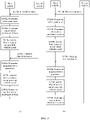
- FIG. 3 is a flowchart of a vehicle control method according to an embodiment of this application.
- FIG. 3(a) relates to the first vehicle and a moving object.
- the moving object may be a pedestrian near the first vehicle.
- the moving object may be a second vehicle near the first vehicle.
- the moving object may be another movable object near the first vehicle.
- moving object is not limited in this embodiment of this application, and a quantity of moving objects near the first vehicle is not limited either (there may be one or more moving objects).
- near the first vehicle may be understood as in front of, behind, or on a side of the first vehicle.
- a specific orientation is not limited in this application, and is subject to that the first vehicle can obtain related information of the moving object.
- FIG. 3(a) relates to the first vehicle and the second vehicle.
- a vehicle control method in a scenario with more than two vehicles may be similar to a control method of the first vehicle provided in the following embodiment.
- An application scenario of the vehicle control method is not described in detail in this application.
- the vehicle control method includes at least some of the following steps.
- S310a The first vehicle obtains first information of the second vehicle.
- the first information in this embodiment of this application includes information about a moving object ahead that is obtained by the first vehicle when a vehicle speed of the first vehicle reaches an upper limit or a lower limit of a first vehicle speed range.
- the first vehicle obtains the information about the moving object ahead in real time. Regardless of before the vehicle speed of the first vehicle reaches the upper limit or the lower limit of the first vehicle speed range or when the vehicle speed of the first vehicle reaches the upper limit or the lower limit of the first vehicle speed range, the information about the moving object ahead that is obtained by the first vehicle may be the first information.
- the first vehicle definitely needs to obtain the information about the moving object ahead in real time.
- the first vehicle may start to obtain the information about the moving object ahead only when the vehicle speed of the first vehicle approaches the upper limit or the lower limit of the first vehicle speed range, because when the vehicle speed of the first vehicle does not reach the upper limit or the lower limit of the first vehicle speed range, the first driver assistance system controls the first vehicle.
- the moving object is the second vehicle
- the first information may also be referred to as information about the second vehicle.
- the second vehicle sends the information about the second vehicle to the first vehicle.
- both the first vehicle and the second vehicle have a V2V communication function, and the first vehicle and the second vehicle exchange respective information by using V2V communication units.
- This implementation may be understood as that the second vehicle sends the information about the second vehicle to the first vehicle, and the V2V communication unit in the first vehicle receives the information about the second vehicle.
- a sensor disposed on the first vehicle obtains the information about the second vehicle.
- the sensor may be a radar, and the first vehicle may obtain the information about the second vehicle by using the radar.
- the sensor may be a camera, and the first vehicle may obtain the information about the second vehicle by using the camera. This implementation may be understood as that the first vehicle actively obtains the information about the second vehicle.
- the first vehicle may obtain the information about the second vehicle by using another vehicle in the system.
- a third vehicle further exists in the system.
- the third vehicle can receive the information about the second vehicle, and forward the information about the second vehicle to the first vehicle.
- the first vehicle when the first vehicle obtains the first information, that the first vehicle is controlled by the first driver assistance system may be understood as that the first driver assistance system is in an active state.
- the first vehicle and the second vehicle can continuously communicate with each other in a running process.
- the ACC system controls the first vehicle to keep a proper distance from the second vehicle, so as to reduce labor intensity of a driver.
- a driver assistance system in this embodiment of this application is in an active state means that a vehicle configured with the driver assistance system is under automatic control of the driver assistance system, and the vehicle may be controlled without intervention of a driver.
- the second vehicle can send the information about the second vehicle to the first vehicle because the second vehicle has the V2V communication function.
- the first vehicle may also send information about the first vehicle to the second vehicle.
- an example in which the first vehicle is controlled is mainly used for description. Therefore, whether the first vehicle sends the information about the first vehicle to the second vehicle and how to send the information about the first vehicle to the second vehicle are not limited.
- the communication module may be integrated into a V2X control system, or the communication module may be integrated into a system terminal (for example, a vehicle-mounted device such as a T-BoX) in which the vehicle exchanges in-vehicle information.
- a system terminal for example, a vehicle-mounted device such as a T-BoX
- a communication module disposed in the second vehicle is configured to send (or broadcast) related information (for example, a vehicle speed, a location, and vehicle model information) of the second vehicle to the first vehicle (or another vehicle); and a communication module disposed in the first vehicle is configured to receive the information about the second vehicle that is sent by the second vehicle.
- a communication module disposed in the second vehicle is configured to send (or broadcast) related information (for example, a vehicle speed, a location, and vehicle model information) of the second vehicle to the first vehicle (or another vehicle); and a communication module disposed in the first vehicle is configured to receive the information about the second vehicle that is sent by the second vehicle.
- the second vehicle is a front vehicle in a same lane as the first vehicle.
- the second vehicle is a vehicle that is about to change lane to a lane of the first vehicle and that is located in front of the first vehicle.
- the second vehicle is a vehicle that is about to change lane to an adjacent lane of the lane of the first vehicle and that is located in front of the first vehicle.
- the second vehicle is a vehicle in front of the first vehicle that may have a collision hazard or does not have a collision hazard.
- the first vehicle can determine a first parameter based on the first information.
- the method procedure shown in FIG. 3(a) further includes S320a: The first vehicle determines the first parameter.
- the first vehicle can terminate, based on the first parameter, the active state of the first driver assistance system that is currently in the active state.
- the method procedure shown in FIG. 3(a) further includes S330a: The first vehicle terminates the first driver assistance system.
- that the first vehicle terminates, based on the first parameter, the active state of the first driver assistance system that is currently in the active state includes: If the first vehicle determines, based on the first parameter, that there is no intersection between a due driving speed range of the first vehicle and the first vehicle speed range, the first vehicle may terminate the first driver assistance system in the active state, that is, the first driver assistance system exits the active state and switches to an inactive state.
- the due driving speed range of the first vehicle indicates a speed range to which a driving speed of the first vehicle belongs when there is no hazard of collision between the first vehicle and the second vehicle.
- the first vehicle can set, based on the first parameter, the first vehicle to run at a first vehicle speed beyond the first vehicle speed range.
- the method procedure shown in FIG. 3(a) further includes S340a: Set the first vehicle to run at the first vehicle speed.
- the first vehicle sets, based on the first parameter, the first vehicle to run at a first vehicle speed beyond the first vehicle speed range includes: The first vehicle sets, based on the first parameter, the first vehicle to run at a vehicle speed within the due driving speed range.
- the first parameter indicates the due driving speed range that the first vehicle is supposed to have when there is no hazard of collision between the first vehicle and the second vehicle.
- the due driving speed range of the first vehicle may be determined based on whether there is a hazard of collision between the first vehicle and the second vehicle, and whether there is a hazard of collision between the first vehicle and the second vehicle may be determined based on the first information.
- the first driver assistance system is the ACC system
- the applied first vehicle speed range is 65 km/h to 120 km/h
- the first vehicle determines, based on the first information, that to avoid a hazard of collision between the first vehicle and the second vehicle, the driving speed of the first vehicle should be less than 65 km/h. It may be understood that the first vehicle obtains the first information when the vehicle speed of the first vehicle reaches 65 km/h, and determines, based on the first information, that if the first vehicle runs at 65 km/h, the first vehicle may collide with the second vehicle. In this case, the first vehicle further determines, based on the first information, that the first vehicle needs to decelerate and continue to run at a first vehicle speed lower than 65 km/h, to avoid a collision. In this case, the first vehicle terminates, based on the first parameter, the active state of the ACC system that is currently in the active state, and sets, based on the first parameter, the first vehicle to run at a vehicle speed less than 65 km/h
- the first parameter includes a parameter used to determine whether there is a hazard of collision between the first vehicle and the moving object.
- a driving speed range of the first vehicle includes the due driving speed range.
- the determining first parameter based on the first information may be that the first vehicle obtains the first parameter through calculation based on the obtained first information, or may be that the first vehicle obtains the first parameter through table lookup based on the obtained first information. The following briefly describes how to obtain the first parameter through calculation based on the first information.
- the first parameter obtained by the first vehicle through calculation includes the following two possibilities.
- the first parameter includes an estimated time to collision (time to collision, TTC) of the first vehicle and the second vehicle.
- TTC time to collision
- FIG. 4 is a schematic diagram of a scenario of calculating a first parameter according to an embodiment of this application. Specifically, based on the scenario shown in FIG. 4(a) , that the first vehicle calculates the first parameter includes the following procedures.
- the first vehicle learns of a vehicle speed of the second vehicle based on the vehicle speed information of the second vehicle included in the first information.
- the first vehicle calculates a relative vehicle speed (Vl(t) - V2(t)) between the first vehicle and the second vehicle based on the vehicle speed of the second vehicle and the vehicle speed of the first vehicle.
- the first vehicle may further learn of a location of the second vehicle based on the location information of the second vehicle included in the first information.
- the first vehicle calculates an inter-vehicle distance (X(t)) between the first vehicle and the second vehicle based on the location of the second vehicle and a location of the first vehicle.
- the first parameter includes a time interval (time interval, TI) of the first vehicle and the second vehicle.
- TI time interval
- the first vehicle continuously calculates the TI.
- the parameter TI is denoted as TI(t) in this application. Specifically, based on the scenario shown in FIG. 4(b) , that the first vehicle calculates the first parameter includes the following procedures.
- the first vehicle may further learn of a location of the second vehicle based on the location information of the second vehicle included in the first information.
- the first vehicle calculates an inter-vehicle distance between the first vehicle and the second vehicle based on the location of the second vehicle and a location of the first vehicle.
- the first information may further include other information in the possibility 1 and/or the possibility 2.
- TTC(t) when the first information includes the location information of the second vehicle and the vehicle speed information of the second vehicle, TTC(t) may be obtained through calculation, and when the information about the second vehicle includes the location information of the second vehicle, TI(t) may be obtained through calculation.
- the first parameter may also be TI(t) in the possibility 1.
- the information about the second vehicle may further include vehicle model information (such as a vehicle size) of the second vehicle.
- the first vehicle can obtain updated first information, and determine an updated first parameter based on the updated first information.
- the method procedure shown in FIG. 3(a) further includes S350a: The first vehicle obtains the updated first information; and S360a: The first vehicle determines the updated first parameter.
- the first vehicle sets, based on the updated first parameter, the first vehicle to run at a second vehicle speed within the first vehicle speed range. That is, the method procedure shown in FIG. 3(a) further includes S370a: Set the first vehicle to run at the second vehicle speed.
- That the first vehicle sets, based on the updated first parameter, the first vehicle to run at a second vehicle speed within the first vehicle speed range includes the following: The first vehicle determines that there is an intersection between the due driving speed range and the first vehicle speed range.
- the first vehicle sets the first vehicle to run at the second vehicle speed in the intersection between the due driving speed range and the first vehicle speed range.
- the method procedure shown in FIG. 3(a) further includes S380a: The first vehicle reactivates the first driver assistance system.
- the first vehicle reactivates the first driver assistance system in the following several possible manners.
- the first parameter is TTC(t), and the first vehicle is configured with the foregoing first driver assistance system.
- the first driver assistance system controls the first vehicle to accelerate.
- the vehicle speed reaches the upper limit of the first vehicle speed range
- the first vehicle determines, based on the TTC(t), that there is no hazard of collision between the first vehicle and the second vehicle. If the first vehicle determines that the due driving speed range of the first vehicle exceeds the first vehicle speed range, the first vehicle indicates the first driver assistance system to exit, and controls the first vehicle to continue to accelerate to run at the first vehicle speed beyond the first vehicle speed range.
- the first vehicle may obtain the updated first information, determine the updated first parameter based on the updated first information, and then control, based on the updated first parameter (for example, the updated first parameter indicates that there is a hazard of collision between the first vehicle and the second vehicle, and the first vehicle may determine that the vehicle speed of the first vehicle is within the first vehicle speed range), the first vehicle to decelerate, so that the vehicle speed of the first vehicle returns to the first vehicle speed range, and the first driver assistance system is in a running state again.
- the updated first parameter indicates that there is a hazard of collision between the first vehicle and the second vehicle, and the first vehicle may determine that the vehicle speed of the first vehicle is within the first vehicle speed range
- the first vehicle to decelerate, so that the vehicle speed of the first vehicle returns to the first vehicle speed range, and the first driver assistance system is in a running state again.
- the first driver assistance system is the TJA system (an applied vehicle speed range is 0 km/h to 60 km/h).
- the first vehicle determines, based on the first parameter, that there is no hazard of collision, determines that a vehicle speed range in which the first vehicle can run is greater than 60 km/h, indicates the first driver assistance system to exit, controls the first vehicle to continue to accelerate, and sets the first vehicle to run at a vehicle speed beyond 0 km/h to 60 km/h.
- the first vehicle may obtain the updated first information, and determine the updated first parameter based on the updated first information.
- the first vehicle If the updated first parameter indicates that there is a hazard of collision between the first vehicle and the second vehicle, the first vehicle is supposed to run at a vehicle speed within 0 km/h to 60 km/h. In this case, the first vehicle makes the vehicle speed of the first vehicle return to 60 km/h, and reactivates the TJA system.
- the first preset threshold includes a value of TTC(t) when there is a hazard of collision between the first vehicle and the second vehicle.
- the first preset threshold includes a value greater than the value of TTC(t) when there is a hazard of collision between the first vehicle and the second vehicle.
- the first preset threshold includes another preset value.
- An example is not described herein. What only needs to be limited is that when the calculated TTC is greater than the first preset threshold, there is no hazard of collision between the first vehicle and the second vehicle.
- the first parameter is TTC(t), and the first vehicle is configured with the foregoing first driver assistance system.
- the first driver assistance system controls the first vehicle to decelerate.
- the vehicle speed reaches the lower limit of the first vehicle speed range
- the first vehicle determines, based on the TTC(t), that there is a hazard of collision between the first vehicle and the second vehicle. If the first vehicle determines that the due driving speed range of the first vehicle is lower than the first vehicle speed range, the first vehicle indicates the first driver assistance system to exit, and controls the first vehicle to continue to decelerate to run at the first vehicle speed lower than the first vehicle speed range.
- the first vehicle may obtain the updated first information, determine the updated first parameter based on the updated first information, and then control, based on the updated first parameter (for example, the updated first parameter indicates that there is no hazard of collision between the first vehicle and the second vehicle, and the first vehicle may determine that the vehicle speed of the first vehicle is within the first vehicle speed range), the first vehicle to accelerate, so that the vehicle speed of the first vehicle returns to the first vehicle speed range, and the first driver assistance system is in a running state again.
- the updated first parameter indicates that there is no hazard of collision between the first vehicle and the second vehicle, and the first vehicle may determine that the vehicle speed of the first vehicle is within the first vehicle speed range
- the first driver assistance system is the ACC system (an applied vehicle speed range is 65 km/h to 120 km/h).
- the first vehicle determines, based on the first parameter, that there is a hazard of collision, determines that a vehicle speed range in which the first vehicle can run is less than 65 km/h, indicates the first driver assistance system to exit, controls the first vehicle to continue to decelerate, and sets the first vehicle to run at a vehicle speed beyond 65 km/h to 120 km/h.
- the first vehicle may obtain the updated first information, and determine the updated first parameter based on the updated first information.
- the first vehicle If the updated first parameter indicates that there is no hazard of collision between the first vehicle and the second vehicle, the first vehicle is supposed to run at a vehicle speed within 65 km/h to 120 km/h. In this case, the first vehicle makes the vehicle speed of the first vehicle return to 65 km/h, and reactivates the ACC system.
- the first parameter is TI(t), and the first vehicle is configured with the foregoing first driver assistance system.
- the first driver assistance system controls the first vehicle to accelerate.
- the vehicle speed reaches the upper limit of the first vehicle speed range
- the first vehicle determines, based on the TI(t), that there is no hazard of collision between the first vehicle and the second vehicle. If the first vehicle determines that the due driving speed range of the first vehicle exceeds the first vehicle speed range, the first vehicle indicates the first driver assistance system to exit, and controls the first vehicle to continue to accelerate to run at the first vehicle speed beyond the first vehicle speed range.
- the first vehicle may obtain the updated first information, determine the updated first parameter based on the updated first information, and then control, based on the updated first parameter (for example, the first parameter indicates that there is a hazard of collision between the first vehicle and the second vehicle, and the first vehicle may determine that the vehicle speed of the first vehicle is within the first vehicle speed range), the first vehicle to decelerate, so that the vehicle speed of the first vehicle returns to the first vehicle speed range, and the first driver assistance system is in a running state again.
- the updated first parameter for example, the first parameter indicates that there is a hazard of collision between the first vehicle and the second vehicle, and the first vehicle may determine that the vehicle speed of the first vehicle is within the first vehicle speed range
- the second preset threshold includes a value of TI(t) when there is a hazard of collision between the first vehicle and the second vehicle.
- the second preset threshold includes a value greater than the value of TI(t) when there is a hazard of collision between the first vehicle and the second vehicle.
- the second preset threshold includes another preset value.
- An example is not described herein. What only needs to be limited is that when the calculated TI is greater than the second preset threshold, there is no hazard of collision between the first vehicle and the second vehicle.
- the first parameter is TI(t), and the first vehicle is configured with the foregoing first driver assistance system.
- the first driver assistance system controls the first vehicle to decelerate.
- the vehicle speed reaches the lower limit of the first vehicle speed range
- the first vehicle determines, based on the TI(t), that there is a hazard of collision between the first vehicle and the second vehicle. If the first vehicle determines that the due driving speed range of the first vehicle is lower than the first vehicle speed range, the first vehicle indicates the first driver assistance system to exit, and controls the first vehicle to continue to decelerate to run at the first vehicle speed lower than the first vehicle speed range.
- the first vehicle may obtain the updated first information, determine the updated first parameter based on the updated first information, and then control, based on the updated first parameter (for example, the first parameter indicates that there is no hazard of collision between the first vehicle and the second vehicle, and the first vehicle may determine that the vehicle speed of the first vehicle is within the first vehicle speed range), the first vehicle to accelerate, so that the vehicle speed of the first vehicle returns to the first vehicle speed range, and the first driver assistance system is in a running state again.
- the updated first parameter for example, the first parameter indicates that there is no hazard of collision between the first vehicle and the second vehicle, and the first vehicle may determine that the vehicle speed of the first vehicle is within the first vehicle speed range
- Manner 1 to Manner 4 describe content that when the first vehicle is configured with the first driver assistance system, when the vehicle speed of the first vehicle reaches the upper limit or the lower limit of the first vehicle speed range to which the first driver assistance system is applied, the first vehicle may terminate the first driver assistance system based on the first parameter, and set the first vehicle to run at the first vehicle speed beyond the first vehicle speed range. Further, in a process in which the first vehicle runs at the first vehicle speed beyond the first vehicle speed range, the first vehicle may obtain the updated first parameter, reactivate the first driver assistance system based on the updated first parameter, and set the first vehicle to run at the second vehicle speed within the first vehicle speed range. In this process, the driver does not need to take over the vehicle. This improves autonomous driving performance of the vehicle.
- Manner 1 to Manner 4 indicate that the first vehicle can reactivate the configured first driver assistance system based on the updated first parameter.
- the first vehicle may activate, based on the updated first parameter, a driver assistance system in the plurality of configured driver assistance systems. The following provides description with reference to FIG. 3(b) .
- the first vehicle in the following embodiment shown in FIG. 3(b) is configured with two or more driver assistance systems. It is assumed that the first vehicle is configured with the first driver assistance system and a second driver assistance system (for example, the first vehicle is configured with the ACC system and the TJA system), and there is no intersection between the first vehicle speed range to which the first driver assistance system is applied and a second vehicle speed range to which the second driver assistance system is applied.
- a second driver assistance system for example, the first vehicle is configured with the ACC system and the TJA system
- the first driver assistance system is the ACC system
- the second driver assistance system is the TJA system, 0 km/h ⁇ second vehicle speed range ⁇ 60 km/h
- the first driver assistance system is the TJA system
- the second driver assistance system is the ACC system, 65 km/h ⁇ second vehicle speed range ⁇ 120 km/h
- the driver assistance system may be a driver assistance system known in the conventional technology, or may be a driver assistance system proposed in the future based on development of a vehicle control technology.
- vehicle speed ranges to which the first driver assistance system and the second driver assistance system are separately applied are not limited, and it is only limited that there is no intersection between the vehicle speed ranges to which the first driver assistance system and the second driver assistance system are separately applied, that is, continuous running of the two driver assistance systems cannot be implemented directly. It may be understood that, when there is an intersection between the vehicle speed ranges to which the first driver assistance system and the second driver assistance system are separately applied, when a vehicle speed of a vehicle falls within a vehicle speed range covered by the intersection, a conflict between different driver assistance systems may be caused, and a safety problem is caused.
- a specific quantity of driver assistance systems configured in the first vehicle is not limited, and there may be two or more driver assistance systems.
- two driver assistance systems the first driver assistance system and the second driver assistance system
- the first driver assistance system and the second driver assistance system are configured in the first vehicle
- at least two driver assistance systems are configured in the first vehicle, for how to implement continuity between different driver assistance systems, refer to the following solution for implementing continuity between the first driver assistance system and the second driver assistance system.
- a case in which at least two driver assistance systems are configured in the first vehicle is not described in detail in this application.
- FIG. 3(b) With reference to FIG. 3(b) , the following describes in detail how to control the first vehicle in this implementation.
- FIG. 3(b) relates to the first vehicle and a moving object.
- the moving object in the embodiment corresponding to FIG. 3(b) is similar to the moving object in the embodiment corresponding to FIG. 3(a) . Details are not described herein again. Similar to the embodiment corresponding to FIG. 3(a) , the moving object in the embodiment corresponding to FIG. 3(b) is described by using the second vehicle in front of the first vehicle as an example.
- the vehicle control method includes at least some of the following steps.
- S310b The first vehicle obtains first information of the second vehicle. This is similar to S310a, and details are not described herein again.
- the first vehicle can determine a first parameter based on the first information.
- the method procedure shown in FIG. 3(b) further includes S320b: The first vehicle determines the first parameter. This is similar to S320a, and details are not described herein again.
- the first vehicle can terminate, based on the first parameter, an active state of the first driver assistance system that is currently in the active state, and set, based on the first parameter, the first vehicle to run at a first vehicle speed beyond the first vehicle speed range.
- the first vehicle can terminate, based on the first parameter, the active state of the first driver assistance system that is currently in the active state.
- the method procedure shown in FIG. 3(b) further includes S330b: The first vehicle terminates the first driver assistance system. This is similar to S330a, and details are not described herein again.
- the first vehicle can set, based on the first parameter, the first vehicle to run at the first vehicle speed beyond the first vehicle speed range.
- the method procedure shown in FIG. 3(b) further includes S340b: Set the first vehicle to run at the first vehicle speed. This is similar to S340a, and details are not described herein again.
- the first vehicle can maintain, based on the first parameter, the active state of the first driver assistance system that is currently in the active state, and set, based on the first parameter, the first vehicle to run at a vehicle speed within the first vehicle speed range.
- the first vehicle can maintain, based on the first parameter, the active state of the first driver assistance system that is currently in the active state.
- the first vehicle can obtain updated first information, and determine an updated first parameter based on the updated first information.
- the method procedure shown in FIG. 3(b) further includes S350b: The first vehicle obtains the updated first information; and S360b: The first vehicle determines the updated first parameter.
- the first vehicle sets, based on the updated first parameter, the first vehicle to run at a second vehicle speed within the second vehicle speed range. That is, the method procedure shown in FIG. 3(b) further includes S370a: Set the first vehicle to run at the second vehicle speed.
- That the first vehicle sets, based on the updated first parameter, the first vehicle to run at a second vehicle speed within the second vehicle speed range includes the following: The first vehicle determines that there is an intersection between a due driving speed range and the second vehicle speed range.
- the first vehicle sets the first vehicle to run at the second vehicle speed in the intersection between the due driving speed range and the second vehicle speed range.
- the first vehicle runs at the second vehicle speed within the second vehicle speed range indicates that the first vehicle can activate the second driver assistance system based on the updated first parameter. That is, the method procedure shown in FIG. 3(b) further includes S380b: The first vehicle activates the second driver assistance system.
- the first vehicle can control, based on the first parameter, the first driver assistance system to maintain a running state, or when a vehicle speed of the first vehicle reaches an upper limit of the first vehicle speed range or a lower limit of the first vehicle speed range, the first vehicle may further determine, based on the first parameter, whether there is a hazard of collision between the first vehicle and the second vehicle.
- the first vehicle determines that the due driving speed range of the first vehicle is not within the first vehicle speed range, the first vehicle terminates the active state of the first driver assistance system, controls the first vehicle to accelerate or decelerate to run at the first vehicle speed beyond the first vehicle speed range, and makes, based on the updated first parameter, the vehicle speed of the first vehicle reach an upper limit of the second vehicle speed range or a lower limit of the second vehicle speed range, to activate the second driver assistance system.
- a driver does not need to frequently take over and control the vehicle.
- the first vehicle can terminate the active state of the first driver assistance system, and automatically control the vehicle speed of the first vehicle, so that the vehicle speed of the first vehicle reaches the upper limit or the lower limit of the second vehicle speed range corresponding to the second driver assistance system.
- the second driver assistance system takes over control of the first vehicle. In this procedure, there is no driver intervention, and autonomous driving continuity is improved.
- the first vehicle controls the first vehicle in the following several manners: Manner 1: Corresponding to the possibility 1 in S320, the first parameter is TTC(t).
- the first vehicle controls, based on the TTC(t), the first driver assistance system to maintain the active state.
- the TTC(t) when the TTC(t) is a non-positive number (for example, Vl(t) - V2(t) is 0 or a negative number), it indicates that the vehicle speed of the first vehicle is less than or equal to a vehicle speed of the second vehicle. Since no collision occurs currently, when the vehicle speed of the first vehicle is less than or equal to the vehicle speed of the second vehicle, a collision is not likely to occur. It is considered that when the TTC(t) is a non-positive number, there is no hazard of collision between the first vehicle and the second vehicle.
- Vl(t) - V2(t) 0 or a negative number
- the first driver assistance system is the ACC system (the applied first vehicle speed range is 65 km/h to 120 km/h), and the second driver assistance system is the TJA system (the applied second vehicle speed range is 0 km/h to 60 km/h).
- the first driver assistance system is the ACC system
- the second driver assistance system is the TJA system
- Manner 1 an example in which the first driver assistance system is the ACC system and the second driver assistance system is the TJA system is used for description.
- FIG. 5 is a flowchart of controlling a first vehicle according to an embodiment of this application.
- a specific procedure in which the first vehicle controls the first vehicle based on a first parameter includes the following: S510: The first vehicle obtains information about a second vehicle.
- the information about the second vehicle includes vehicle speed information of the second vehicle and location information of the second vehicle.
- S530 The first vehicle determines whether the TTC#1(t) is a non-positive number.
- the TTC#1(t) may be a non-positive number.
- S540 The first vehicle determines whether the TTC#1(t) is greater than a first preset threshold.
- the TTC#1(t) may be a value greater than the first preset threshold.
- S540 may be performed after S520 is performed, or S540 may be performed after S530 is performed (for example, when a determining result is No in S530). This is not limited in this embodiment.
- S550 The ACC maintains an active state.
- a moving speed of the first vehicle is maintained within a first vehicle speed range to which the ACC is applied.
- the first vehicle may accelerate, but a speed range is not greater than 120 km/h
- the first vehicle may obtain updated information about the second vehicle, determine, based on the obtained updated information about the second vehicle, whether a collision is to occur, and control the first vehicle based on a determining result.
- the first parameter is TTC(t).
- the first driver assistance system controls the first vehicle to accelerate.
- the vehicle speed reaches the upper limit of the first vehicle speed range
- the first vehicle determines, based on the TTC(t), that there is no hazard of collision between the first vehicle and the second vehicle. If the first vehicle determines that a due driving speed range of the first vehicle exceeds the first vehicle speed range, the first vehicle indicates the first driver assistance system to exit, and controls the first vehicle to continue to accelerate to run at a first vehicle speed beyond the first vehicle speed range.
- the first vehicle may obtain updated first information, determine an updated first parameter based on the updated first information, and then control, based on the updated first parameter (for example, the updated first parameter indicates that there is no hazard of collision between the first vehicle and the second vehicle, and the first vehicle may determine that the vehicle speed of the first vehicle is within the second vehicle speed range), the first vehicle to accelerate, so that the vehicle speed of the first vehicle reaches the lower limit of the second vehicle speed range, to activate a second driver assistance system.
- the updated first parameter indicates that there is no hazard of collision between the first vehicle and the second vehicle, and the first vehicle may determine that the vehicle speed of the first vehicle is within the second vehicle speed range
- the first driver assistance system is the TJA system (the applied first vehicle speed range is 0 km/h to 60 km/h), and the second driver assistance system is the ACC system (the applied second vehicle speed range is 65 km/h to 120 km/h).
- the first driver assistance system is the TJA system
- the second driver assistance system is the ACC system
- Manner 2 an example in which the first driver assistance system is the TJA system and the second driver assistance system is the ACC system is used for description.
- FIG. 6 is another flowchart of controlling a first vehicle according to an embodiment of this application. Specifically, in Manner 2, a specific procedure in which the first vehicle controls the first vehicle includes the following: S610: The first vehicle obtains information about a second vehicle.
- the information about the second vehicle includes vehicle speed information of the second vehicle and location information of the second vehicle.
- S630 The first vehicle determines whether the TTC#2(t) is a non-positive number.
- the TTC#2(t) may be a non-positive number.
- S640 The first vehicle determines whether the TTC#2(t) is greater than a first preset threshold.
- the TTC#2(t) may be a value greater than the first preset threshold.
- S640 may be performed after S620 is performed, or S640 may be performed after S630 is performed (for example, when a determining result is No in S630). This is not limited in this embodiment.
- TJA controls the first vehicle to accelerate. That is, the procedure shown in FIG. 6 further includes S650: Maintain the TJA.
- S660 Determine whether the vehicle speed of the first vehicle reaches an upper limit of a first vehicle speed range.
- the first vehicle determines, based on the TTC#2(t), that there is no hazard of collision, and indicates a first driver assistance system to exit a running state.
- the first vehicle controls, based on the TTC#2(t), the first vehicle to continue to accelerate, so that the vehicle speed of the first vehicle reaches a lower limit of a second vehicle speed range, to activate a second driver assistance system. That is, the procedure shown in FIG. 6 further includes S680: Activate ACC.
- the first vehicle determines, based on the TTC#2(t), that there is still no hazard of collision, and the first driver assistance system exits.
- the driver takes over the first vehicle to accelerate.
- the first driver assistance system controls the first vehicle to accelerate and the speed reaches the upper limit of the first vehicle speed range
- the first vehicle determines, based on the TTC#2(t), that there is still no hazard of collision, the first driver assistance system exits the running state, and a control system (for example, may be referred to as a V2X control system) in the vehicle takes over the first vehicle to continue to accelerate, so that the vehicle speed of the first vehicle reaches the lower limit of the second vehicle speed range, to activate the second driver assistance system.
- a control system for example, may be referred to as a V2X control system
- the second driver assistance system is activated, and the second driver assistance system takes over the first vehicle.
- the driver does not need to take over the first vehicle.
- the first driver assistance system controls the first vehicle to accelerate, and continues to monitor, in an acceleration process, whether there is a hazard of collision with the second vehicle.
- the first driver assistance system controls the first vehicle to accelerate and the speed reaches the upper limit of the first vehicle speed range to which the first driver assistance system is applied, if there is still no hazard of collision between the first vehicle and the second vehicle, the first driver assistance system exits, and a control system (for example, may be referred to as a V2X control system) in the first vehicle controls the first vehicle to continue to accelerate.
- a control system for example, may be referred to as a V2X control system
- the second driver assistance system is activated, and the second driver assistance system takes over the first vehicle.
- the control system controls the first vehicle to continue to accelerate, the first vehicle continues to monitor whether there is a hazard of collision with the second vehicle.
- the control system controls the first vehicle to decelerate, so that the vehicle speed of the first vehicle reaches the upper limit of the first vehicle speed range, and the first driver assistance system is reactivated.
- control system improves continuity of switching between the first driver assistance system and the second driver assistance system is mainly described.
- a specific vehicle speed control function of the control system is not described in detail. It should be noted that the control system can continuously control a vehicle speed based on the first parameter.
- the first parameter is TTC(t).
- the first driver assistance system controls the first vehicle to decelerate.
- the vehicle speed reaches the lower limit of the first vehicle speed range
- the first vehicle determines, based on the TTC(t), that there is a hazard of collision between the first vehicle and the second vehicle. If the first vehicle determines that the due driving speed range of the first vehicle is less than the first vehicle speed range, the first vehicle indicates the first driver assistance system to exit, and controls the first vehicle to continue to decelerate to run at a first vehicle speed lower than the first vehicle speed range.
- the first vehicle may obtain updated first information, determine an updated first parameter based on the updated first information, and then control, based on the updated first parameter (for example, the updated first parameter indicates that there is no hazard of collision between the first vehicle and the second vehicle, and the first vehicle may determine that the vehicle speed of the first vehicle is within the second vehicle speed range), the first vehicle to continue to decelerate, so that the vehicle speed of the first vehicle reaches the lower limit of the second vehicle speed range, to activate a second driver assistance system.
- the updated first parameter indicates that there is no hazard of collision between the first vehicle and the second vehicle, and the first vehicle may determine that the vehicle speed of the first vehicle is within the second vehicle speed range
- the first driver assistance system is the ACC system (the applied first vehicle speed range is 65 km/h to 120 km/h), and the second driver assistance system is the TJA system (the applied second vehicle speed range is 0 km/h to 60 km/h).
- the first driver assistance system is the ACC system
- the second driver assistance system is the TJA system
- Manner 3 an example in which the first driver assistance system is the ACC system and the second driver assistance system is the TJA system is used for description.
- FIG. 7 is still another flowchart of controlling a first vehicle according to an embodiment of this application. Specifically, in Manner 3, a specific procedure in which the first vehicle controls the first vehicle includes the following:
- S710 The first vehicle obtains information about a second vehicle.
- the information about the second vehicle includes vehicle speed information of the second vehicle and location information of the second vehicle.
- S730 The first vehicle determines whether the TTC#3(t) is a non-positive number.
- TTC#3(t) is a positive number.
- the first vehicle determines whether the TTC#3(t) is greater than a first preset threshold.
- the TTC#3(t) is a value less than or equal to the first preset threshold.
- S740 may be performed after S730 is performed, that is, after it is determined that the TTC#3(t) is a positive number, it is determined that the TTC#3(t) is a value less than or equal to the first preset threshold.
- S740 and S730 may be combined into one step, that is, after S720, it is directly determined whether the TTC#3(t) is a value greater than 0 and less than or equal to the first preset threshold. This is not limited in this embodiment.
- ACC controls the first vehicle to decelerate. That is, the procedure shown in FIG. 7 further includes S750: Maintain the ACC.
- S760 Determine whether the vehicle speed of the first vehicle reaches a lower limit of a first vehicle speed range.
- S770 When the vehicle speed of the first vehicle reaches the lower limit of the first vehicle speed range, the first vehicle determines, based on the TTC#3(t), that there is a hazard of collision, and indicates a first driver assistance system to exit a running state. The first vehicle controls, based on the TTC#3(t), the first vehicle to continue to decelerate, so that the vehicle speed of the first vehicle reaches an upper limit of a second vehicle speed range, to activate a second driver assistance system to be in a running state. That is, the procedure shown in FIG. 7 further includes S780: Activate TJA.
- the first vehicle determines, based on the TTC#3(t), that there is a hazard of collision, and the first driver assistance system exits.
- the driver takes over the first vehicle to decelerate.
- the first driver assistance system controls the first vehicle to decelerate and the speed reaches the lower limit of the first vehicle speed range
- the first vehicle determines, based on the TTC#3(t), that there is a hazard of collision, the first driver assistance system exits the running state, and a control system (for example, may be referred to as a V2X control system) in the vehicle takes over the first vehicle to continue to decelerate, so that the vehicle speed of the first vehicle reaches the upper limit of the second vehicle speed range, to activate the second driver assistance system.
- a control system for example, may be referred to as a V2X control system
- the second driver assistance system when the vehicle speed of the first vehicle reaches the upper limit of the second vehicle speed range, the second driver assistance system is activated, and the second driver assistance system takes over the first vehicle.
- the driver does not need to take over the first vehicle.
- the first driver assistance system controls the first vehicle to decelerate, and continues to monitor whether there is a hazard of collision with the second vehicle in a deceleration process.
- the first driver assistance system controls the first vehicle to decelerate and the speed reaches the lower limit of the first vehicle speed range to which the first driver assistance system is applied, if there is still a hazard of collision between the first vehicle and the second vehicle, the first driver assistance system exits, and a control system (for example, may be referred to as a V2X control system) in the first vehicle controls the first vehicle to continue to decelerate.
- a control system for example, may be referred to as a V2X control system
- the second driver assistance system is activated, and the second driver assistance system takes over the first vehicle.
- the first vehicle continues to monitor whether there is a hazard of collision with the second vehicle.
- the control system controls the first vehicle to accelerate, so that the vehicle speed of the first vehicle reaches the lower limit of the first vehicle speed range, and the first driver assistance system is reactivated.
- the second vehicle speed range to which the second driver assistance system is applied is 10 km/h to 60 km/h, if the vehicle speed of the first vehicle reaches 10 km/h, it is determined, based on the updated TTC#3(t), that a collision may further occur.
- the procedure shown in FIG. 7 further includes S790: Determine whether the vehicle speed of the first vehicle reaches a lower limit of the second vehicle speed range.
- the first vehicle determines, based on the updated TTC#3(t), that there is a hazard of collision, and the second driver assistance system exits the running state.
- the first vehicle controls, based on the updated TTC#3(t), the first vehicle to continue to decelerate until the speed of the first vehicle is 0 km/h.
- the first parameter is TTC(t).
- the first vehicle controls, based on the TTC(t), the first driver assistance system to maintain a running state.
- the first driver assistance system is the TJA system (the applied first vehicle speed range is 0 km/h to 60 km/h), and the second driver assistance system is the ACC system (the applied second vehicle speed range is 65 km/h to 120 km/h).
- the first driver assistance system is the TJA system
- the second driver assistance system is the ACC system
- Manner 4 an example in which the first driver assistance system is the TJA system and the second driver assistance system is the ACC system is used for description.
- FIG. 8 is yet another flowchart of controlling a first vehicle according to an embodiment of this application.
- a specific procedure in which the first vehicle controls the first vehicle includes the following: S810: The first vehicle obtains information about a second vehicle.
- the information about the second vehicle includes vehicle speed information of the second vehicle and location information of the second vehicle.
- S820 The first vehicle calculates TTC#4(t).
- S830 The first vehicle determines whether the TTC#4(t) is a non-positive number.
- TTC#4(t) is a positive number.
- S840 The first vehicle determines whether the TTC#4(t) is greater than a first preset threshold.
- the TTC#4(t) is a value less than or equal to the first preset threshold.
- S840 may be performed after S830 is performed, that is, after it is determined that the TTC#4(t) is a positive number, it is determined that the TTC#4(t) is a value less than or equal to the first preset threshold.
- S840 and S830 may be combined into one step, that is, after S820, it is directly determined whether the TTC#4(t) is a value greater than 0 and less than or equal to the first preset threshold. This is not limited in this embodiment.
- the first vehicle When the TTC#4(t) is a positive number less than or equal to the first preset threshold, the first vehicle needs to decelerate. Because an upper limit of a first vehicle speed range is less than a lower limit of a second vehicle speed range, a first driver assistance system that currently controls the first vehicle controls the first vehicle to decelerate.
- the procedure shown in FIG. 8 further includes S850: TJA maintains an active state.
- the TJA controls the first vehicle to decelerate.
- the first vehicle obtains updated information about the second vehicle, determines, based on the obtained updated information about the second vehicle, whether a collision is to occur, and controls the first vehicle based on a determining result. If it is continuously determined, based on updated TTC#4(t), that a collision may occur, the TJA may control the first vehicle to decelerate until the speed of the first vehicle is 0 km/h
- the first vehicle speed range to which the first driver assistance system is applied when the first vehicle speed range to which the first driver assistance system is applied does not include 0 km/h, for example, the first vehicle speed range to which the first driver assistance system is applied is 10 km/h to 60 km/h, if the vehicle speed of the first vehicle reaches 10 km/h, it is determined, based on the updated TTC#4(t), that a collision may further occur.
- the procedure shown in FIG. 8 further includes S860: Determine whether the vehicle speed of the first vehicle reaches a lower limit of the first vehicle speed range.
- the first vehicle determines, based on the updated TTC#4(t), that there is a hazard of collision, and the first driver assistance system exits the running state.
- the first vehicle controls, based on the updated TTC#4(t), the first vehicle to continue to decelerate until the speed of the first vehicle is 0 km/h
- the information about the second vehicle in Manner 1 to Manner 4 may include other information other than the vehicle speed information of the second vehicle and the location information of the second vehicle, for example, further include size information, vehicle model information, or the like of the second vehicle.
- the information about the second vehicle is not described in detail herein again.
- the first parameter is TI(t).
- the first vehicle controls, based on the TI(t), a first driver assistance system to maintain an active state.
- the TI(t) is greater than the second preset threshold, there is no hazard of collision between the first vehicle and the second vehicle.
- the lower limit of the first vehicle speed range is greater than the upper limit of the second vehicle speed range, there is no intersection between the first vehicle speed range to which the first driver assistance system is applied and the second vehicle speed range to which the second driver assistance system is applied, and the lower limit of the first vehicle speed range to which the first driver assistance system is applied is greater than the upper limit of the second vehicle speed range to which the second driver assistance system is applied.
- the first driver assistance system is the ACC system (the applied first vehicle speed range is 65 km/h to 120 km/h), and the second driver assistance system is the TJA system (the applied second vehicle speed range is 0 km/h to 60 km/h).
- the first driver assistance system is the ACC system
- the second driver assistance system is the TJA system
- Manner 1 an example in which the first driver assistance system is the ACC system and the second driver assistance system is the TJA system is used for description.
- FIG. 9 is still yet another flowchart of controlling a first vehicle according to an embodiment of this application.
- a specific procedure in which the first vehicle controls the first vehicle based on a first parameter includes the following: S910: The first vehicle obtains information about a second vehicle.
- the information about the second vehicle includes location information of the second vehicle.
- S930 The first vehicle determines whether the TI#1(t) is greater than a second preset threshold.
- the TI#1(t) is a value greater than the second preset threshold.
- a moving speed of the first vehicle is maintained within a first vehicle speed range to which the ACC is applied.
- the first vehicle may accelerate, but a speed range is not greater than 120 km/h
- the first vehicle may obtain updated information about the second vehicle, determine, based on the obtained updated information about the second vehicle, whether a collision is to occur, and control the first vehicle based on a determining result.
- the first parameter is TI(t).
- the first driver assistance system controls the first vehicle to accelerate.
- the vehicle speed exceeds the upper limit of the first vehicle speed range
- the first vehicle determines, based on the TI(t), that there is no hazard of collision between the first vehicle and the second vehicle. If the first vehicle determines that a due driving speed range of the first vehicle exceeds the first vehicle speed range, the first vehicle indicates the first driver assistance system to exit, and controls the first vehicle to continue to accelerate to run at a first vehicle speed beyond the first vehicle speed range.
- the first vehicle may obtain updated first information, determine an updated first parameter based on the updated first information, and then control, based on the updated first parameter (for example, the updated first parameter indicates that there is no hazard of collision between the first vehicle and the second vehicle, and the first vehicle may determine that the vehicle speed of the first vehicle is within the second vehicle speed range), the first vehicle to accelerate, so that the vehicle speed of the first vehicle reaches the lower limit of the second vehicle speed range, to activate a second driver assistance system.
- the updated first parameter indicates that there is no hazard of collision between the first vehicle and the second vehicle, and the first vehicle may determine that the vehicle speed of the first vehicle is within the second vehicle speed range
- the first driver assistance system is the TJA system (the applied first vehicle speed range is 0 km/h to 60 km/h), and the second driver assistance system is the ACC system (the applied second vehicle speed range is 65 km/h to 120 km/h).
- the first driver assistance system is the TJA system and the second driver assistance system is the ACC system is used for description.
- FIG. 10 is a further flowchart of controlling a first vehicle according to an embodiment of this application. Specifically, in Manner 6, a specific procedure in which the first vehicle controls the first vehicle includes the following: S1010: The first vehicle obtains information about a second vehicle.
- the information about the second vehicle includes location information of the second vehicle.
- S1020 The first vehicle calculates TI#2(t).
- S1030 The first vehicle determines whether the TI#1(t) is greater than a second preset threshold.
- the TI#2(t) is a value greater than the second preset threshold.
- TJA controls the first vehicle to accelerate. That is, the procedure shown in FIG. 10 further includes S1040: Maintain the TJA.
- S1050 Determine whether the vehicle speed of the first vehicle reaches an upper limit of a first vehicle speed range.
- S1060 When the vehicle speed of the first vehicle reaches the upper limit of the first vehicle speed range, the first vehicle determines, based on the TI#2(t), that there is no hazard of collision, and indicates a first driver assistance system to exit a running state. The first vehicle controls, based on the TI#2(t), the first vehicle to continue to accelerate, so that the vehicle speed of the first vehicle reaches a lower limit of a second vehicle speed range, to activate a second driver assistance system. That is, the procedure shown in FIG. 10 further includes S1070: Activate ACC.
- the first vehicle determines, based on the TI#2(t), that there is still no hazard of collision, and the first driver assistance system exits.
- the driver takes over the first vehicle to accelerate.
- the first driver assistance system controls the first vehicle to accelerate and the speed reaches the upper limit of the first vehicle speed range
- the first vehicle determines, based on the TI#2(t), that there is still no hazard of collision, the first driver assistance system exits the running state, and a control system (for example, may be referred to as a V2X control system) in the vehicle takes over the first vehicle to continue to accelerate, so that the vehicle speed of the first vehicle reaches the lower limit of the second vehicle speed range, to activate the second driver assistance system.
- a control system for example, may be referred to as a V2X control system
- the second driver assistance system is activated, and the second driver assistance system takes over the first vehicle.
- the driver does not need to take over the first vehicle.
- the first driver assistance system controls the first vehicle to accelerate, and continues to monitor whether there is a hazard of collision with the second vehicle in an acceleration process.
- the first driver assistance system controls the first vehicle to accelerate and the speed reaches the upper limit of the first vehicle speed range to which the first driver assistance system is applied, if there is still no hazard of collision between the first vehicle and the second vehicle, the first driver assistance system exits, and a control system (for example, may be referred to as a V2X control system) in the first vehicle controls the first vehicle to continue to accelerate.
- a control system for example, may be referred to as a V2X control system
- the second driver assistance system is activated, and the second driver assistance system takes over the first vehicle.
- the first parameter is TI(t).
- the first driver assistance system controls the first vehicle to decelerate.
- the vehicle speed reaches the lower limit of the first vehicle speed range
- the first vehicle determines, based on the TI(t), that there is a hazard of collision between the first vehicle and the second vehicle. If the first vehicle determines that the due driving speed range of the first vehicle is less than the first vehicle speed range, the first vehicle indicates the first driver assistance system to exit, and controls the first vehicle to continue to decelerate to run at a first vehicle speed lower than the first vehicle speed range.
- the first vehicle may obtain updated first information, determine an updated first parameter based on the updated first information, and then control, based on the updated first parameter (for example, the updated first parameter indicates that there is no hazard of collision between the first vehicle and the second vehicle, and the first vehicle may determine that the vehicle speed of the first vehicle is within the second vehicle speed range), the first vehicle to continue to decelerate, so that the vehicle speed of the first vehicle reaches the lower limit of the second vehicle speed range, to activate a second driver assistance system.
- the updated first parameter indicates that there is no hazard of collision between the first vehicle and the second vehicle, and the first vehicle may determine that the vehicle speed of the first vehicle is within the second vehicle speed range
- the first driver assistance system is the ACC system (the applied first vehicle speed range is 65 km/h to 120 km/h), and the second driver assistance system is the TJA system (the applied second vehicle speed range is 0 km/h to 60 km/h).
- the first driver assistance system is the ACC system
- the second driver assistance system is the TJA system
- Manner 7 an example in which the first driver assistance system is the ACC system and the second driver assistance system is the TJA system is used for description.
- FIG. 11 is a still further flowchart of controlling a first vehicle according to an embodiment of this application.
- a specific procedure in which the first vehicle controls the first vehicle includes the following: S1110: The first vehicle obtains information about a second vehicle.
- the information about the second vehicle includes location information of the second vehicle.
- S1120 The first vehicle calculates TI#3(t).
- S1130 The first vehicle determines whether the TI#3(t) is greater than a second preset threshold.
- the TI#3(t) is a value less than or equal to the second preset threshold.
- ACC controls the first vehicle to decelerate. That is, the procedure shown in FIG. 11 further includes S1140: Maintain the ACC.
- S1150 Determine whether the vehicle speed of the first vehicle reaches a lower limit of a first vehicle speed range.
- S1160 When the vehicle speed of the first vehicle reaches the lower limit of the first vehicle speed range, the first vehicle determines, based on the TI#3(t), that there is a hazard of collision, and indicates a first driver assistance system to exit a running state. The first vehicle controls, based on the TI#3(t), the first vehicle to continue to decelerate, so that the vehicle speed of the first vehicle reaches an upper limit of a second vehicle speed range, to activate a second driver assistance system. That is, the procedure shown in FIG. 11 further includes S1170: Activate TJA.
- the first vehicle determines, based on the TI#3(t), that there is a hazard of collision, and the first driver assistance system exits.
- the driver takes over the first vehicle to decelerate.
- the first driver assistance system controls the first vehicle to decelerate and the speed reaches the lower limit of the first vehicle speed range
- the first vehicle determines, based on the TI#3(t), that there is a hazard of collision, the first driver assistance system exits the running state, and a control system (for example, may be referred to as a V2X control system) in the vehicle takes over the first vehicle to continue to decelerate, so that the vehicle speed of the first vehicle reaches the upper limit of the second vehicle speed range, to activate the second driver assistance system.
- a control system for example, may be referred to as a V2X control system
- the second driver assistance system when the vehicle speed of the first vehicle reaches the upper limit of the second vehicle speed range, the second driver assistance system is activated, and the second driver assistance system takes over the first vehicle.
- the driver does not need to take over the first vehicle.
- the first driver assistance system controls the first vehicle to decelerate, and continues to monitor whether there is a hazard of collision with the second vehicle in a deceleration process.
- the first driver assistance system controls the first vehicle to decelerate and the speed reaches the lower limit of the first vehicle speed range to which the first driver assistance system is applied, if there is still a hazard of collision between the first vehicle and the second vehicle, the first driver assistance system exits, and a control system (for example, may be referred to as a V2X control system) in the first vehicle controls the first vehicle to continue to decelerate.
- a control system for example, may be referred to as a V2X control system
- the second driver assistance system is activated, and the second driver assistance system takes over the first vehicle.
- the second vehicle speed range to which the second driver assistance system is applied is 10 km/h to 60 km/h, if the vehicle speed of the first vehicle reaches 10 km/h, it is determined, based on the updated TI#3(t), that a collision may further occur.
- the procedure shown in FIG. 11 further includes S1180: Determine whether the vehicle speed of the first vehicle reaches a lower limit of the second vehicle speed range.
- the first vehicle determines, based on the updated TI#3(t), that there is a hazard of collision, and the second driver assistance system exits the running state.
- the first vehicle controls, based on the updated TTC, the first vehicle to continue to decelerate until the speed of the first vehicle is 0 km/h
- the first parameter is TI(t).
- the first vehicle controls, based on the TI(t), the first driver assistance system to maintain a running state.
- the first driver assistance system is the TJA system (the applied first vehicle speed range is 0 km/h to 60 km/h), and the second driver assistance system is the ACC system (the applied second vehicle speed range is 65 km/h to 120 km/h).
- the first driver assistance system is the TJA system and the second driver assistance system is the ACC system is used for description.
- FIG. 12 is a yet further flowchart of controlling a first vehicle according to an embodiment of this application. Specifically, in Manner 8, a specific procedure in which the first vehicle controls the first vehicle includes the following: S1210: The first vehicle obtains information about a second vehicle.
- the information about the second vehicle includes location information of the second vehicle.
- S1220 The first vehicle calculates TI#4(t).
- S1230 The first vehicle determines whether the TI#4(t) is greater than a second preset threshold.
- the TI#4(t) is a value less than or equal to the second preset threshold.
- the first vehicle needs to decelerate. Because an upper limit of a first vehicle speed range is less than a lower limit of a second vehicle speed range, a first driver assistance system that currently controls the first vehicle controls the first vehicle to decelerate.
- the procedure shown in FIG. 12 further includes S1240: TJA maintains an active state.
- the TJA controls the first vehicle to decelerate.
- the first vehicle obtains updated information about the second vehicle, determines, based on the obtained updated information about the second vehicle, whether a collision is to occur, and controls the first vehicle based on a determining result. If it is continuously determined, based on the determining result, that a collision may occur, the TJA may control the first vehicle to decelerate until the speed of the first vehicle is 0 km/h
- the first vehicle speed range to which the first driver assistance system is applied when the first vehicle speed range to which the first driver assistance system is applied does not include 0 km/h, for example, the first vehicle speed range to which the first driver assistance system is applied is 10 km/h to 60 km/h, if the vehicle speed of the first vehicle reaches 10 km/h, it is determined, based on the TI#4(t), that a collision may further occur.
- the procedure shown in FIG. 12 further includes S1250: Determine whether the vehicle speed of the first vehicle reaches a lower limit of the first vehicle speed range. When the vehicle speed of the first vehicle reaches the lower limit of the first vehicle speed range, the first vehicle determines, based on the TI#4(t), that there is a hazard of collision, and the first driver assistance system exits the running state. The first vehicle controls, based on the TI#4(t), the first vehicle to continue to decelerate until the speed of the first vehicle is 0 km/h
- the information about the second vehicle in Manner 5 to Manner 8 may include other information other than the location information of the second vehicle, for example, further include vehicle speed information of the second vehicle and/or size information of the second vehicle.
- the information about the second vehicle is not described in detail herein again.
- the TI may also be calculated in Manner 1 to Manner 4, and the controlling the first vehicle based on the TI(t) is similar to that in Manner 5 to Manner 8. Details are not described herein again.
- the first vehicle may further control turning of the first vehicle based on the first parameter. For example, when determining that the first parameter is obtained and determining that there is a hazard of collision between the first vehicle and the second vehicle, the first vehicle may change a traveling lane of the first vehicle by controlling the turning of the first vehicle, to avoid a collision.
- This application mainly relates to how to improve continuity of switching between different driver assistance systems and how to improve autonomous driving performance. Details about how to avoid a collision are not described herein.
- a manner in which the first vehicle controls the first vehicle based on the first parameter is as follows: When the first vehicle obtains the first parameter through calculation and determines that there is a hazard of collision between the first vehicle and the second vehicle, the first vehicle may accelerate to avoid the hazard.
- Sequence numbers of the foregoing processes do not mean execution sequences in the foregoing method embodiments.
- the execution sequences of the processes should be determined based on functions and internal logic of the processes, and should not constitute any limitation on the implementation processes in embodiments of this application. In addition, it is possible that not all operations in the foregoing method embodiment need to be performed.
- the first vehicle in the foregoing method embodiments may perform a part or all of the steps in the embodiments. These steps or operations are merely examples. Embodiments of this application may further include performing other operations or variations of various operations.
- FIG. 13 is a structural block diagram of a vehicle control apparatus 1300 according to this application. As shown in FIG. 13 , the apparatus 1300 includes an obtaining unit 1310 and a processing unit 1320.
- the obtaining unit 1310 is configured to obtain first information of a moving object near a first vehicle.
- the processing unit 1320 is configured to determine a first parameter based on the first information.
- the processing unit 1320 is further configured to: terminate, based on the first parameter, an active state of a driver assistance system that is currently in an active state and that is in at least one driver assistance system; and set, based on the first parameter, the first vehicle to run at a first vehicle speed beyond at least one vehicle speed range.
- the obtaining unit 1310 is further configured to obtain updated first information.
- the processing unit 1320 is further configured to update the first parameter based on the updated first information.
- the processing unit 1320 is further configured to set, based on an updated first parameter, the first vehicle to run at a second vehicle speed within the at least one vehicle speed range.
- the processing unit 1320 is further configured to activate one of the at least one driver assistance system based on the updated first parameter.
- the obtaining unit 1310 includes a receiving unit or a measurement unit.
- That the obtaining unit 1310 obtains first information of a moving object near a first vehicle includes the following: The receiving unit is configured to receive the first information from the moving object; or the measurement unit is configured to obtain the first information of the moving object through measurement.
- That the processing unit 1320 terminates, based on the first parameter, an active state of a driver assistance system that is currently in an active state and that is in at least one driver assistance system includes the following: The processing unit 1320 determines that a due driving speed range has no intersection with a vehicle speed range corresponding to the active state of the driver assistance system in the active state.
- the processing unit 1320 terminates the active state of the driver assistance system in the active state.
- the first parameter includes the due driving speed range that the first vehicle is supposed to have when there is no hazard of collision between the first vehicle and the moving object. That the processing unit 1320 sets, based on an updated first parameter, the first vehicle to run at a second vehicle speed within the at least one vehicle speed range includes the following: The processing unit 1320 determines that there is an intersection between the due driving speed range and the at least one vehicle speed range.
- the processing unit 1320 sets the second vehicle speed to be within the intersection between the due driving speed range and the at least one vehicle speed range.
- processing unit 1320 activates one of the at least one driver assistance system based on the updated first parameter includes the following:
- the processing unit 1320 activates one of the at least one driver assistance system.
- a vehicle speed range corresponding to an active state of the one driver assistance system includes the second vehicle speed.
- That the processing unit 1320 terminates, based on the first parameter, an active state of a driver assistance system that is currently in an active state and that is in at least one driver assistance system includes the following:
- the processing unit 1320 terminates, based on the first parameter, the active state of the first driver assistance system that is currently in the active state.
- That the processing unit 1320 activates one of the at least one driver assistance system based on the updated first parameter includes the following: The processing unit 1320 activates the first driver assistance system or the second driver assistance system based on the updated first parameter.
- the apparatus 1300 is corresponding to an execution body of the method embodiments shown in FIG. 3 to FIG. 12 .
- the apparatus 1300 may be the first vehicle in the method embodiments, or a chip, a circuit, a component, a system, or a functional module in the first vehicle in the method embodiments may be another device (for example, a road side unit RSU or an application server) in the vehicle-to-everything.
- Corresponding units of the apparatus 1300 are configured to perform corresponding steps in the method embodiments shown in FIG. 3 to FIG. 12 .
- the obtaining unit 1310 in the apparatus 1300 is configured to perform corresponding obtaining-related steps of the first vehicle in the method embodiments, for example, perform step S310a of obtaining first information in FIG. 3(a) , perform step S350a of obtaining updated first information in FIG. 3(a) , perform step S310b of obtaining first information in FIG. 3(b) , perform step S350b of obtaining updated first information in FIG. 3(b) , and perform steps of obtaining information about a second vehicle in FIG. 5 to FIG. 12 .
- the processing unit 1320 in the apparatus 1300 is configured to perform corresponding processing-related steps of the first vehicle in the method embodiments, for example, perform step S320a of determining the first parameter in FIG. 3(a) , perform step S330a of terminating the first driver assistance system in FIG. 3(a) , perform step S330a of setting the first vehicle to run at the first vehicle speed in FIG. 3(a) , perform step S360a of determining the updated first parameter in FIG. 3(a) , perform step S370a of setting the first vehicle to run at the second vehicle speed in FIG. 3(a) , perform step S380a of reactivating the first driver assistance system in FIG. 3(a) , perform step S320b of determining the first parameter in FIG.
- step S330b of terminating the first driver assistance system in FIG. 3(b) perform step S330b of setting the first vehicle to run at the first vehicle speed in FIG. 3(b) , perform step S360b of determining the updated first parameter in FIG. 3(b) , perform step S370b of setting the first vehicle to run at the second vehicle speed in FIG. 3(b) , perform step S380b of activating the second driver assistance system in FIG. 3(b) , perform steps of calculating the TTC in FIG. 4 to FIG. 8 , perform steps of determining a value relationship between the TTC and 0 and a value relationship between the TTC and a first threshold in FIG. 4 to FIG.
- step S330a of reactivating the first driver assistance system in FIG. 3(a) performs step S330b of controlling the first vehicle in FIG. 3(b) , and perform steps of controlling the first vehicle in FIG. 4 to FIG. 8 .
- the software or firmware includes but is not limited to computer program instructions or code, and may be executed by a hardware processor.
- the hardware includes but is not limited to various integrated circuits, for example, a central processing unit (CPU), a digital signal processor (DSP), a field programmable gate array (FPGA), or an application-specific integrated circuit (ASIC).
- CPU central processing unit
- DSP digital signal processor
- FPGA field programmable gate array
- ASIC application-specific integrated circuit
- FIG. 14 is a structural block diagram of a first vehicle 1400 applicable to an embodiment of this application.
- the first vehicle 1400 may be applied to the system shown in FIG. 1 .
- FIG. 14 shows only main components of the first vehicle.
- the first vehicle 1400 includes a processor, a memory, a control circuit, an antenna, and an input/output apparatus.
- the memory stores computer program instructions.
- the processor runs the computer program instructions to perform the vehicle control method described in the method embodiments shown in FIG. 3 to FIG. 12 .
- the antenna and the input/output apparatus may be configured to obtain the first information.
- the control circuit may be configured to control a vehicle power apparatus, so that the vehicle runs at a speed set by the processor.
- FIG. 14 shows only one memory and only one processor.
- the first vehicle may include a plurality of processors and memories.
- the memory may also be referred to as a storage medium, a storage device, or the like. This is not limited in embodiments of this application.
- FIG. 15 is a schematic diagram of a structure of a first vehicle 1500 applicable to an embodiment of this application.
- the first vehicle 1500 may be applied to the system shown in FIG. 1 .
- FIG. 15 shows only main components of the first vehicle.
- the first vehicle 1500 includes a processor 1510, a memory 1520, and a sensor 1530.
- the memory 1520 stores computer program instructions.
- the processor 1510 runs the computer program instructions to perform the vehicle control method described in the method embodiments shown in FIG. 3 to FIG. 12 .
- the sensor 1530 may be configured to obtain the first information.
- This application further provides a computer-readable storage medium.
- the computer-readable storage medium stores instructions. When the instructions are run on a computer, the vehicle control apparatus is enabled to perform the steps in the methods shown in FIG. 3 to FIG. 12 .
- This application further provides a computer program product including instructions.
- the vehicle control apparatus is enabled to perform the steps in the methods shown in FIG. 3 to FIG. 12 .
- This application further provides a chip, including a processor.
- the processor is configured to: read and run a computer program stored in a memory, to perform the corresponding operation and/or procedure performed by the first vehicle in the vehicle control method provided in this application.
- the chip further includes a memory.
- the memory and the processor are connected to the memory by using a circuit or a wire.
- the processor is configured to read and execute the computer program in the memory.
- the chip includes a communication interface.
- the processor is connected to the communication interface.
- the communication interface is configured to receive data and/or information that need/needs to be processed.
- the processor obtains the data and/or information from the communication interface, and processes the data and/or information.
- the communication interface may be an input/output interface, an interface circuit, an output circuit, an input circuit, a pin, a related circuit, or the like in the chip.
- the processor may alternatively be embodied as a processing circuit or a logic circuit.
- the foregoing chip may alternatively be replaced with a chip system. Details are not described herein again.
- the processor includes but is not limited to various CPUs, a DSP, a microcontroller, a microprocessor, or an artificial intelligence processor.
- the terms “include”, “have”, and any other variants mean to cover the non-exclusive inclusion, for example, a process, method, system, product, or device that includes a list of steps or units is not necessarily limited to those steps or units that are clearly listed, but may include other steps or units not expressly listed or inherent to such a process, method, product, or device.
- a and/or B may represent the following three cases: Only A exists, both A and B exist, and only B exists.
- the character "/" in this specification generally indicates an "or” relationship between the associated objects.
- the term "at least one” in this application may represent “one" and "two or more”. For example, at least one of A, B, and C may indicate the following seven cases: Only A exists, only B exists, only C exists, both A and B exist, both A and C exist, both C and B exist, and A, B, and C exist.
- the program may be stored in a computer-readable storage medium. When the program is executed, some or all of the steps of the method embodiments are performed.
- the foregoing storage medium includes various media that can store program code, such as a ROM, a RAM, a magnetic disk, or an optical disc.
- All or some of the foregoing embodiments may be implemented by using software, hardware, firmware, or any combination thereof.
- software is used to implement the embodiments, all or a part of the embodiments may be implemented in a form of a computer program product.
- the computer program product includes one or more computer instructions.
- the computer may be a general-purpose computer, a dedicated computer, a computer network, or other programmable apparatuses.
- the computer instructions may be stored in a computer-readable storage medium, or may be transmitted from a computer-readable storage medium to another computer-readable storage medium.
- the computer instructions may be transmitted from a website, computer, server, or data center to another website, computer, server, or data center in a wired (for example, a coaxial cable, an optical fiber, or a digital subscriber line (DSL)) or wireless (for example, infrared, radio, or microwave) manner.
- the computer-readable storage medium may be any usable medium accessible by the computer, or a data storage device, for example, a server or a data center, integrating one or more usable media.
- the usable medium may be a magnetic medium (for example, a floppy disk, a hard disk, or a magnetic tape), an optical medium (for example, a DVD), a semiconductor medium (for example, a solid state disk Solid State Disk (SSD)), or the like.
- a magnetic medium for example, a floppy disk, a hard disk, or a magnetic tape
- an optical medium for example, a DVD
- a semiconductor medium for example, a solid state disk Solid State Disk (SSD)
Landscapes
- Engineering & Computer Science (AREA)
- Automation & Control Theory (AREA)
- Transportation (AREA)
- Mechanical Engineering (AREA)
- Human Computer Interaction (AREA)
- Physics & Mathematics (AREA)
- Mathematical Physics (AREA)
- Traffic Control Systems (AREA)
- Control Of Driving Devices And Active Controlling Of Vehicle (AREA)
Applications Claiming Priority (2)
| Application Number | Priority Date | Filing Date | Title |
|---|---|---|---|
| CN202010116095.9A CN113370986B (zh) | 2020-02-25 | 2020-02-25 | 控制车辆的方法和装置 |
| PCT/CN2020/115115 WO2021169248A1 (fr) | 2020-02-25 | 2020-09-14 | Procédé et dispositif de commande de véhicule |
Publications (3)
| Publication Number | Publication Date |
|---|---|
| EP4095008A1 true EP4095008A1 (fr) | 2022-11-30 |
| EP4095008A4 EP4095008A4 (fr) | 2023-06-28 |
| EP4095008B1 EP4095008B1 (fr) | 2025-05-07 |
Family
ID=77490635
Family Applications (1)
| Application Number | Title | Priority Date | Filing Date |
|---|---|---|---|
| EP20921938.5A Active EP4095008B1 (fr) | 2020-02-25 | 2020-09-14 | Procédé et dispositif de commande de véhicule |
Country Status (5)
| Country | Link |
|---|---|
| US (1) | US20220402490A1 (fr) |
| EP (1) | EP4095008B1 (fr) |
| JP (1) | JP7462779B2 (fr) |
| CN (2) | CN120003472A (fr) |
| WO (1) | WO2021169248A1 (fr) |
Families Citing this family (3)
| Publication number | Priority date | Publication date | Assignee | Title |
|---|---|---|---|---|
| CN114026008B (zh) * | 2019-07-05 | 2023-09-01 | 本田技研工业株式会社 | 车辆的控制系统、车辆的控制方法以及存储介质 |
| JP2024086127A (ja) * | 2022-12-16 | 2024-06-27 | トヨタ自動車株式会社 | 表示制御装置 |
| CN116279549A (zh) * | 2023-02-28 | 2023-06-23 | 长城汽车股份有限公司 | 辅助驾驶功能变更方法、装置、电子设备及车辆 |
Family Cites Families (15)
| Publication number | Priority date | Publication date | Assignee | Title |
|---|---|---|---|---|
| US6708099B2 (en) * | 2002-01-17 | 2004-03-16 | Ford Global Technologies, Llc | Stop and go adaptive cruise control system |
| DE102005031608A1 (de) * | 2005-07-06 | 2007-02-08 | Robert Bosch Gmbh | Fahrerassistenzsystem mit Einrichtung zur Reaktion auf stehende Ziele |
| US20130297196A1 (en) * | 2010-12-22 | 2013-11-07 | Toyota Jidosha Kabushiki Kaisha | Vehicular driving assist apparatus, method, and vehicle |
| GB201202878D0 (en) * | 2012-02-20 | 2012-04-04 | Jaguar Cars | Improvements in vehicle autonomous cruise control |
| CN104123851B (zh) * | 2014-08-06 | 2017-04-19 | 清华大学 | 一种基于车路通讯的交叉口车辆快速通行辅助方法及装置 |
| EP3018027B1 (fr) * | 2014-11-10 | 2017-06-07 | Volvo Car Corporation | Dispositif de commande conçu pour commander un véhicule autonome, agencement d'entraînement autonome, véhicule et procédé |
| CN105035071B (zh) * | 2015-05-29 | 2017-11-17 | 武汉理工大学 | 一种面向城市环境下汽车低速走停工况的自动跟车系统的控制方法 |
| FR3048666B1 (fr) * | 2016-03-09 | 2019-09-06 | Valeo Embrayages | Procede d'assistance a la conduite d'un vehicule |
| CN105946620A (zh) * | 2016-06-07 | 2016-09-21 | 北京新能源汽车股份有限公司 | 电动汽车及其主动限速控制方法和系统 |
| CN106080600A (zh) * | 2016-06-30 | 2016-11-09 | 深圳市赛格导航科技股份有限公司 | 一种基于v2v的汽车距离控制系统及方法 |
| US20180208195A1 (en) * | 2017-01-20 | 2018-07-26 | Pcms Holdings, Inc. | Collaborative risk controller for vehicles using v2v |
| CN108569282B (zh) * | 2017-03-15 | 2021-11-19 | 奥迪股份公司 | 用于车辆的辅助驾驶设备和方法 |
| CN109878535B (zh) * | 2017-12-01 | 2022-04-15 | 奥迪股份公司 | 驾驶辅助系统和方法 |
| JP7037454B2 (ja) * | 2018-08-24 | 2022-03-16 | 株式会社Subaru | 車両の走行制御システム |
| CN110316192B (zh) * | 2019-07-01 | 2021-03-16 | 百度在线网络技术(北京)有限公司 | 自动驾驶方法、装置、车辆及存储介质 |
-
2020
- 2020-02-25 CN CN202510173856.7A patent/CN120003472A/zh active Pending
- 2020-02-25 CN CN202010116095.9A patent/CN113370986B/zh active Active
- 2020-09-14 EP EP20921938.5A patent/EP4095008B1/fr active Active
- 2020-09-14 JP JP2022550994A patent/JP7462779B2/ja active Active
- 2020-09-14 WO PCT/CN2020/115115 patent/WO2021169248A1/fr not_active Ceased
-
2022
- 2022-08-25 US US17/895,491 patent/US20220402490A1/en active Pending
Also Published As
| Publication number | Publication date |
|---|---|
| US20220402490A1 (en) | 2022-12-22 |
| EP4095008A4 (fr) | 2023-06-28 |
| CN113370986A (zh) | 2021-09-10 |
| WO2021169248A1 (fr) | 2021-09-02 |
| EP4095008B1 (fr) | 2025-05-07 |
| CN120003472A (zh) | 2025-05-16 |
| JP2023515155A (ja) | 2023-04-12 |
| JP7462779B2 (ja) | 2024-04-05 |
| CN113370986B (zh) | 2025-02-28 |
Similar Documents
| Publication | Publication Date | Title |
|---|---|---|
| US12351206B2 (en) | Vehicle control device, vehicle control method, and storage medium | |
| US10676101B2 (en) | Vehicle control system, vehicle control method, and vehicle control program | |
| US20190391582A1 (en) | Apparatus and method for controlling the driving of a vehicle | |
| CN112261098B (zh) | 用于车联网的车速控制方法、装置及系统 | |
| US10967877B2 (en) | Vehicle control system, vehicle control method, and vehicle control program | |
| US20220402490A1 (en) | Vehicle Control Method and Apparatus | |
| JP7292495B2 (ja) | 経路調停装置 | |
| CN114450211B (zh) | 交通控制系统、交通控制方法和控制装置 | |
| JPWO2021038741A1 (ja) | 車線変更経路指示装置及び車線変更経路指示システム | |
| CN115315670B (zh) | 用于调用远程操作驾驶会话的方法、计算机程序和装置 | |
| WO2022052872A1 (fr) | Procédé et appareil de conduite autonome | |
| CN115331461B (zh) | 一种无信号交叉口混合交通通行控制方法、装置及车辆 | |
| US11975712B2 (en) | Adaptive cruise control activation | |
| US11772653B2 (en) | Vehicle control device, vehicle control method, and non-transitory computer readable storage medium | |
| CN117715809B (zh) | 一种车辆驾驶方法、装置及系统 | |
| KR102635088B1 (ko) | 차량 통신 데이터의 패킷 필터링 방법 및 그를 수행하는 차량용 통신 단말 장치 | |
| WO2021229671A1 (fr) | Dispositif d'aide au déplacement et procédé d'aide au déplacement | |
| US20210219379A1 (en) | Communication device, base station, and communication system | |
| JP7019768B1 (ja) | 走行経路指示装置及び走行経路指示システム | |
| US20250265930A1 (en) | Information processing device, method, and program | |
| CN114596727A (zh) | 用于车辆的辅助方法、系统、相应的车辆和存储介质 | |
| CN119928746B (zh) | 车辆控制信号传输方法、装置、电子设备及存储介质 | |
| US20250385873A1 (en) | System and method for selecting an upstream message in a cooperative vehicle platoon | |
| US20260001530A1 (en) | Autonomous driving vehicle and a control method thereof | |
| JP2025022595A (ja) | 車両制御装置、車両制御プログラム |
Legal Events
| Date | Code | Title | Description |
|---|---|---|---|
| STAA | Information on the status of an ep patent application or granted ep patent |
Free format text: STATUS: THE INTERNATIONAL PUBLICATION HAS BEEN MADE |
|
| PUAI | Public reference made under article 153(3) epc to a published international application that has entered the european phase |
Free format text: ORIGINAL CODE: 0009012 |
|
| STAA | Information on the status of an ep patent application or granted ep patent |
Free format text: STATUS: REQUEST FOR EXAMINATION WAS MADE |
|
| 17P | Request for examination filed |
Effective date: 20220824 |
|
| AK | Designated contracting states |
Kind code of ref document: A1 Designated state(s): AL AT BE BG CH CY CZ DE DK EE ES FI FR GB GR HR HU IE IS IT LI LT LU LV MC MK MT NL NO PL PT RO RS SE SI SK SM TR |
|
| DAV | Request for validation of the european patent (deleted) | ||
| DAX | Request for extension of the european patent (deleted) | ||
| A4 | Supplementary search report drawn up and despatched |
Effective date: 20230601 |
|
| RIC1 | Information provided on ipc code assigned before grant |
Ipc: B60W 40/105 20120101AFI20230525BHEP |
|
| STAA | Information on the status of an ep patent application or granted ep patent |
Free format text: STATUS: EXAMINATION IS IN PROGRESS |
|
| 17Q | First examination report despatched |
Effective date: 20240327 |
|
| GRAP | Despatch of communication of intention to grant a patent |
Free format text: ORIGINAL CODE: EPIDOSNIGR1 |
|
| STAA | Information on the status of an ep patent application or granted ep patent |
Free format text: STATUS: GRANT OF PATENT IS INTENDED |
|
| INTG | Intention to grant announced |
Effective date: 20241203 |
|
| RAP1 | Party data changed (applicant data changed or rights of an application transferred) |
Owner name: SHENZHEN YINWANG INTELLIGENTTECHNOLOGIES CO., LTD. |
|
| GRAS | Grant fee paid |
Free format text: ORIGINAL CODE: EPIDOSNIGR3 |
|
| GRAA | (expected) grant |
Free format text: ORIGINAL CODE: 0009210 |
|
| STAA | Information on the status of an ep patent application or granted ep patent |
Free format text: STATUS: THE PATENT HAS BEEN GRANTED |
|
| AK | Designated contracting states |
Kind code of ref document: B1 Designated state(s): AL AT BE BG CH CY CZ DE DK EE ES FI FR GB GR HR HU IE IS IT LI LT LU LV MC MK MT NL NO PL PT RO RS SE SI SK SM TR |
|
| REG | Reference to a national code |
Ref country code: GB Ref legal event code: FG4D |
|
| REG | Reference to a national code |
Ref country code: CH Ref legal event code: EP |
|
| REG | Reference to a national code |
Ref country code: DE Ref legal event code: R096 Ref document number: 602020051102 Country of ref document: DE |
|
| REG | Reference to a national code |
Ref country code: IE Ref legal event code: FG4D |
|
| REG | Reference to a national code |
Ref country code: NL Ref legal event code: MP Effective date: 20250507 |
|
| PG25 | Lapsed in a contracting state [announced via postgrant information from national office to epo] |
Ref country code: FI Free format text: LAPSE BECAUSE OF FAILURE TO SUBMIT A TRANSLATION OF THE DESCRIPTION OR TO PAY THE FEE WITHIN THE PRESCRIBED TIME-LIMIT Effective date: 20250507 Ref country code: ES Free format text: LAPSE BECAUSE OF FAILURE TO SUBMIT A TRANSLATION OF THE DESCRIPTION OR TO PAY THE FEE WITHIN THE PRESCRIBED TIME-LIMIT Effective date: 20250507 Ref country code: PT Free format text: LAPSE BECAUSE OF FAILURE TO SUBMIT A TRANSLATION OF THE DESCRIPTION OR TO PAY THE FEE WITHIN THE PRESCRIBED TIME-LIMIT Effective date: 20250908 |
|
| PGFP | Annual fee paid to national office [announced via postgrant information from national office to epo] |
Ref country code: DE Payment date: 20250827 Year of fee payment: 6 |
|
| REG | Reference to a national code |
Ref country code: LT Ref legal event code: MG9D |
|
| PG25 | Lapsed in a contracting state [announced via postgrant information from national office to epo] |
Ref country code: NO Free format text: LAPSE BECAUSE OF FAILURE TO SUBMIT A TRANSLATION OF THE DESCRIPTION OR TO PAY THE FEE WITHIN THE PRESCRIBED TIME-LIMIT Effective date: 20250807 Ref country code: GR Free format text: LAPSE BECAUSE OF FAILURE TO SUBMIT A TRANSLATION OF THE DESCRIPTION OR TO PAY THE FEE WITHIN THE PRESCRIBED TIME-LIMIT Effective date: 20250808 |
|
| PG25 | Lapsed in a contracting state [announced via postgrant information from national office to epo] |
Ref country code: NL Free format text: LAPSE BECAUSE OF FAILURE TO SUBMIT A TRANSLATION OF THE DESCRIPTION OR TO PAY THE FEE WITHIN THE PRESCRIBED TIME-LIMIT Effective date: 20250507 Ref country code: PL Free format text: LAPSE BECAUSE OF FAILURE TO SUBMIT A TRANSLATION OF THE DESCRIPTION OR TO PAY THE FEE WITHIN THE PRESCRIBED TIME-LIMIT Effective date: 20250507 |
|
| PGFP | Annual fee paid to national office [announced via postgrant information from national office to epo] |
Ref country code: IT Payment date: 20250827 Year of fee payment: 6 |
|
| REG | Reference to a national code |
Ref country code: AT Ref legal event code: MK05 Ref document number: 1792189 Country of ref document: AT Kind code of ref document: T Effective date: 20250507 |
|
| PG25 | Lapsed in a contracting state [announced via postgrant information from national office to epo] |
Ref country code: BG Free format text: LAPSE BECAUSE OF FAILURE TO SUBMIT A TRANSLATION OF THE DESCRIPTION OR TO PAY THE FEE WITHIN THE PRESCRIBED TIME-LIMIT Effective date: 20250507 |
|
| PGFP | Annual fee paid to national office [announced via postgrant information from national office to epo] |
Ref country code: GB Payment date: 20250821 Year of fee payment: 6 |
|
| PG25 | Lapsed in a contracting state [announced via postgrant information from national office to epo] |
Ref country code: HR Free format text: LAPSE BECAUSE OF FAILURE TO SUBMIT A TRANSLATION OF THE DESCRIPTION OR TO PAY THE FEE WITHIN THE PRESCRIBED TIME-LIMIT Effective date: 20250507 |
|
| PG25 | Lapsed in a contracting state [announced via postgrant information from national office to epo] |
Ref country code: AT Free format text: LAPSE BECAUSE OF FAILURE TO SUBMIT A TRANSLATION OF THE DESCRIPTION OR TO PAY THE FEE WITHIN THE PRESCRIBED TIME-LIMIT Effective date: 20250507 |
|
| PGFP | Annual fee paid to national office [announced via postgrant information from national office to epo] |
Ref country code: FR Payment date: 20250821 Year of fee payment: 6 |
|
| PG25 | Lapsed in a contracting state [announced via postgrant information from national office to epo] |
Ref country code: RS Free format text: LAPSE BECAUSE OF FAILURE TO SUBMIT A TRANSLATION OF THE DESCRIPTION OR TO PAY THE FEE WITHIN THE PRESCRIBED TIME-LIMIT Effective date: 20250807 |
|
| PG25 | Lapsed in a contracting state [announced via postgrant information from national office to epo] |
Ref country code: IS Free format text: LAPSE BECAUSE OF FAILURE TO SUBMIT A TRANSLATION OF THE DESCRIPTION OR TO PAY THE FEE WITHIN THE PRESCRIBED TIME-LIMIT Effective date: 20250907 |
|
| PG25 | Lapsed in a contracting state [announced via postgrant information from national office to epo] |
Ref country code: LV Free format text: LAPSE BECAUSE OF FAILURE TO SUBMIT A TRANSLATION OF THE DESCRIPTION OR TO PAY THE FEE WITHIN THE PRESCRIBED TIME-LIMIT Effective date: 20250507 |
|
| PG25 | Lapsed in a contracting state [announced via postgrant information from national office to epo] |
Ref country code: SM Free format text: LAPSE BECAUSE OF FAILURE TO SUBMIT A TRANSLATION OF THE DESCRIPTION OR TO PAY THE FEE WITHIN THE PRESCRIBED TIME-LIMIT Effective date: 20250507 Ref country code: DK Free format text: LAPSE BECAUSE OF FAILURE TO SUBMIT A TRANSLATION OF THE DESCRIPTION OR TO PAY THE FEE WITHIN THE PRESCRIBED TIME-LIMIT Effective date: 20250507 |
|
| PG25 | Lapsed in a contracting state [announced via postgrant information from national office to epo] |
Ref country code: CZ Free format text: LAPSE BECAUSE OF FAILURE TO SUBMIT A TRANSLATION OF THE DESCRIPTION OR TO PAY THE FEE WITHIN THE PRESCRIBED TIME-LIMIT Effective date: 20250507 |
|
| PG25 | Lapsed in a contracting state [announced via postgrant information from national office to epo] |
Ref country code: EE Free format text: LAPSE BECAUSE OF FAILURE TO SUBMIT A TRANSLATION OF THE DESCRIPTION OR TO PAY THE FEE WITHIN THE PRESCRIBED TIME-LIMIT Effective date: 20250507 |
|
| PG25 | Lapsed in a contracting state [announced via postgrant information from national office to epo] |
Ref country code: SK Free format text: LAPSE BECAUSE OF FAILURE TO SUBMIT A TRANSLATION OF THE DESCRIPTION OR TO PAY THE FEE WITHIN THE PRESCRIBED TIME-LIMIT Effective date: 20250507 |
|
| PG25 | Lapsed in a contracting state [announced via postgrant information from national office to epo] |
Ref country code: RO Free format text: LAPSE BECAUSE OF FAILURE TO SUBMIT A TRANSLATION OF THE DESCRIPTION OR TO PAY THE FEE WITHIN THE PRESCRIBED TIME-LIMIT Effective date: 20250507 |
|
| REG | Reference to a national code |
Ref country code: DE Ref legal event code: R097 Ref document number: 602020051102 Country of ref document: DE |
|
| PLBE | No opposition filed within time limit |
Free format text: ORIGINAL CODE: 0009261 |
|
| STAA | Information on the status of an ep patent application or granted ep patent |
Free format text: STATUS: NO OPPOSITION FILED WITHIN TIME LIMIT |
|
| REG | Reference to a national code |
Ref country code: CH Ref legal event code: L10 Free format text: ST27 STATUS EVENT CODE: U-0-0-L10-L00 (AS PROVIDED BY THE NATIONAL OFFICE) Effective date: 20260318 |
|
| 26N | No opposition filed |
Effective date: 20260210 |