EP4096784B1 - Biomarker, verfahren und zusammensetzungen davon zur beurteilung oder verwaltung der nierenfunktion oder zur diagnose oder als hilfsmittel bei der diagnose von nierenfunktionsstörungen oder nierenerkrankungen - Google Patents
Biomarker, verfahren und zusammensetzungen davon zur beurteilung oder verwaltung der nierenfunktion oder zur diagnose oder als hilfsmittel bei der diagnose von nierenfunktionsstörungen oder nierenerkrankungen Download PDFInfo
- Publication number
- EP4096784B1 EP4096784B1 EP21747785.0A EP21747785A EP4096784B1 EP 4096784 B1 EP4096784 B1 EP 4096784B1 EP 21747785 A EP21747785 A EP 21747785A EP 4096784 B1 EP4096784 B1 EP 4096784B1
- Authority
- EP
- European Patent Office
- Prior art keywords
- prougn
- kidney
- disease
- ckd
- stage
- Prior art date
- Legal status (The legal status is an assumption and is not a legal conclusion. Google has not performed a legal analysis and makes no representation as to the accuracy of the status listed.)
- Active
Links
Images


Classifications
-
- G—PHYSICS
- G01—MEASURING; TESTING
- G01N—INVESTIGATING OR ANALYSING MATERIALS BY DETERMINING THEIR CHEMICAL OR PHYSICAL PROPERTIES
- G01N33/00—Investigating or analysing materials by specific methods not covered by groups G01N1/00 - G01N31/00
- G01N33/48—Biological material, e.g. blood, urine; Haemocytometers
- G01N33/50—Chemical analysis of biological material, e.g. blood, urine; Testing involving biospecific ligand binding methods; Immunological testing
- G01N33/68—Chemical analysis of biological material, e.g. blood, urine; Testing involving biospecific ligand binding methods; Immunological testing involving proteins, peptides or amino acids
- G01N33/6893—Chemical analysis of biological material, e.g. blood, urine; Testing involving biospecific ligand binding methods; Immunological testing involving proteins, peptides or amino acids related to diseases not provided for elsewhere
-
- G—PHYSICS
- G01—MEASURING; TESTING
- G01N—INVESTIGATING OR ANALYSING MATERIALS BY DETERMINING THEIR CHEMICAL OR PHYSICAL PROPERTIES
- G01N2800/00—Detection or diagnosis of diseases
- G01N2800/34—Genitourinary disorders
- G01N2800/347—Renal failures; Glomerular diseases; Tubulointerstitial diseases, e.g. nephritic syndrome, glomerulonephritis; Renovascular diseases, e.g. renal artery occlusion, nephropathy
-
- G—PHYSICS
- G01—MEASURING; TESTING
- G01N—INVESTIGATING OR ANALYSING MATERIALS BY DETERMINING THEIR CHEMICAL OR PHYSICAL PROPERTIES
- G01N2800/00—Detection or diagnosis of diseases
- G01N2800/52—Predicting or monitoring the response to treatment, e.g. for selection of therapy based on assay results in personalised medicine; Prognosis
Definitions
- CKD Chronic kidney disease
- KDIGO Kidney International Suppl, 3, 5-14, 2013
- KDOQITM Kidney Disease Outcomes Quality Initiative
- KDIGO classified or KDOQI TM defined individuals with CKD into five stages defined by the level of GFR, with higher stages representing lower GFR levels, categorized as follows:
- CKD chronic kidney disease
- Glomerular filtration rate is the volume of fluid filtered from the renal (kidney) glomerular capillaries into the Bowman's capsule per unit time.
- GFR glomerular filtration rate
- eGFR glomerular filtration rate
- Creatinine clearance is used to measure GFR. Creatinine is produced naturally by the body (creatinine is a metabolite of creatine, which is found in muscle). It is freely filtered by the glomerulus, but also actively secreted by the renal tubules in very small amounts such that creatinine clearance overestimates actual GFR by 10-20%. This margin of error is acceptable considering the ease with which creatinine clearance is measured.
- the standard of care laboratory tests currently used to screen and diagnose kidney dysfunction are based on the serum creatinine, which utilizes an equation-based scale to generate an estimated glomerular filtration rate (eGFR), and the urine albumin-creatinine ratio (UACR) [1-3].
- eGFR estimated glomerular filtration rate
- UCR urine albumin-creatinine ratio
- kidney diseases are largely considered "silent diseases", as most often there are no apparent symptoms in the early stages [16, 17]. As such, diagnosis is considered difficult, and many patients with the disease are commonly unaware of their condition [3, 5, 15, 17-20].
- NHANES National Health and Nutrition Examination Survey
- NHANES estimates that adults who were clinically confirmed by laboratory measurements to have CKD, the percentage aware of their disease was ⁇ 10% for Stages 1-3 and ⁇ 60% for Stage 4 [1-3, 13, 19, 20]. Additionally, the rate of clinical diagnosis of US adults with CKD is only 26.5% (95% confidence interval, 17.9 to 35.1), or in other words, >70% of patients with CKD are currently undiagnosed [39].
- Rationale to improve diagnostic efficacy on single-assessment for kidney disease is validated by the significant proportion of patients who are lost to follow-up after the initial screening test(s), and hence cannot be clinically diagnosed. Responsively, critical milestones that focus on preventing, diagnosing, and treating kidney disease are determined by Healthy People 2030, specifically, Goal CKD-03: Increase the proportion of high-risk patients who have a follow-up evaluation of their kidney function 3 months after renal damage or low renal function is detected (i.e., only "10.5% of Medicare beneficiaries who incurred AKI had a follow-up evaluation of their kidney function within 3 months post discharge").
- CKD-02 Increase the proportion of persons with chronic kidney disease (CKD) who know they have impaired renal function.
- NIDDK National Institute of Diabetes and Digestive and Kidney Diseases
- NIH National Institutes of Health
- New drugs are currently being evaluated that may improve kidney function if implemented early in the clinical course [24, 25], however there are no authentic and valid innovations in biomarkers for CKD that can assess renal function and dysfunction early in the stage of disease, improve diagnostic efficiency of CKD, or help determine efficacy of the new medications following implementation.
- NDEP National Kidney Disease Educational Program
- the prohormone biomarker proUGN is released apically into the lumen and basolaterally into the vascular space and bloodstream [28-32].
- This precedent pertains not only to intestinal enteroendocrine and enterochromaffin cells [33-35], but also to specific epithelial cells lining the nephron [36-40], pancreas [41, 42], and hypothalamic neurosecretory cells [43, 44].
- the prohormone is then cut near the site of the kidney receptor lining within the lumen of the nephron into its 16-amino acid bioactive moiety, termed uroguanylin (UGN) [45-47].
- proUGN production of and presence of intraluminal, circulating, and urinary proUGN is derived from many sources, including basolateral secretion from specific renal tubule cells into the bloodstream, the accumulation of proUGN in the blood or any other biological fluid requires, in part, a failure of the kidney to process the proUGN prohormone to its active UGN form and/or filtration of proUGN by the kidney, a novel discovery critical to the methods and development of the invention described herein.
- the present invention is also directed as a kit for:
- the method can be used for stratifying a patient suffering from undiagnosed CKD into "Early CKD", or one of Stages 1, 2, or 3 from those having a more severe form of the disease, or "Late CKD", such as Stages 4 or 5, wherein Stage 5 is also defined as end-stage renal disease (“ESRD”) [53]; and differentiating those groups from a population whose kidney function is determined to be within normal limits.
- ESRD end-stage renal disease
- the method can be used for determining whether an individual has renal dysfunction comprising determining the level of proUGN in a biological fluid sample from the patient by contacting the sample with a solid-state device comprising a substrate having an activated surface onto which is applied an antibody to proUGN to discreet areas of the activated surface and comparing the level of proUGN in the sample to a control value threshold of proUGN, wherein an increase in proUGN compared to the control value indicates the patient has renal dysfunction or renal disease.
- the method can be used for determining the efficacy of a treatment for CKD, comprising stratifying the stage of a patient suffering from CKD according to the method of the fourth aspect of the present invention before and after treatment, wherein a decrease in proUGN level or reduction in renal disease stage indicates treatment success.
- the method is based on the use of the biomarker, proUGN, and/or fragments or post-translational modifications thereof, associated with normal kidney function that advances the diagnostic efficiency of kidney disease alone or with other biomarkers (i.e., proUGN levels appear to be complementary, in part, to filtration-dependent markers). Additionally, methods thereof provide a diagnostic or screening test that is simple to use, stratifies patients by level or risk, determines severity or stage, and determines treatment based on the determined level or risk. Overall, utilization of methods thereof provides means of clinical decision-making regarding treatment and management.
- the present invention relates to methods and compositions for diagnosis, monitoring, classifying, staging, and determination of treatment regimens in subjects suffering or at risk of suffering from reduced renal function, state of kidney disease chronicity, renal injury or renal failure by determining the level of proUGN in a biological fluid sample from a patient and comparing the level of proUGN with a control reference range or threshold value. An increased level of proUGN in the sample compared to the control indicates that the patient suffers from renal dysfunction. Further, based on the detection of renal dysfunction, the subject can be treated, which is not part of the claimed invention.
- renal dysfunction is defined in the context of the present invention as ailments or diseases related to decreased kidney function relative to a healthy patient population.
- renal ailments or diseases may include but are not limited to chronic kidney disease (CKD), acute kidney injury (AKI), diabetic nephropathy, cystic diseases of the kidney, glomerulonephritis, minimal-change disease, focal glomerulosclerosis, IgA nephropathy, amyloidosis, immune complex nephropathies, lupus nephritis, as well as blood vessel pathologies such as nephrosclerosis, malignant hypertension, or thrombotic microangiopathies.
- CKD chronic kidney disease
- AKI acute kidney injury
- diabetic nephropathy cystic diseases of the kidney
- glomerulonephritis minimal-change disease
- focal glomerulosclerosis IgA nephropathy, amyloidosis
- immune complex nephropathies lupus nephritis
- Renal dysfunction in the context of the present invention may also include drug-induced kidney injury or graft rejection. Renal dysfunction in the context of the present invention may also be characterized as renal insufficiency.
- chronic kidney disease or “CKD” is defined as abnormalities of kidney structure or function present for at least 3-months, with implications for health.
- the term "subject” as used herein refers to a human or non-human organism.
- the methods and compositions described herein are applicable to both human and veterinary disease for clinical, medical, or research purposes.
- a subject is preferably a living organism, the invention described herein may be used in post-mortem analysis as well.
- Preferred subjects are humans, and most preferably "patients,” which as used herein refers to living humans that are receiving medical care for a disease or condition. This includes persons with no defined illness who are being investigated for potential signs of disease.
- control reference range or “threshold value” is defined in the context of the present invention as the quantification of a specific biomarker that is most commonly measured from a healthy patient population, wherein the “control reference range” include the amounts or levels of proUGN or fragments or post-translational modifications thereof, from a sample that imply a certain state of normal renal function, wherein “threshold value” is defined as the indicated level of proUGN or fragments or post-translational modifications thereof, from a sample in which renal function demonstrates transition to a lower or to a higher state of renal function or stage of renal disease.
- a control value can be determined by analyzing the sample of a healthy patient or by calculating an average value from a healthy patient population or may be the value understood by the skilled person to be considered normal among healthy patients. The skilled person would understand that the control value is determined by sample analysis of a healthy individual or by reference range of values predetermined as the typical value found in healthy patients, i.e. a normal range of values for subjects without renal disease, by the assay manufacturer or developer.
- biological fluid sample refers to a sample of bodily fluid used for the purpose of diagnosis, prognosis, classification or evaluation of a subject of interest, such as a patient or transplant donor.
- the biological fluid sample matrix isolated from the patient is preferably serum, but is not limited in this nature, and may also include plasma, urine, whole blood, saliva, or another similar matrix.
- the determination of the level of proUGN may be done on one or more samples from the patient. In certain embodiment, such a sample may be used for the purpose of determining the outcome of an ongoing condition, or the effect of a treatment regimen on a condition..
- Diagnosis or “aid to diagnosis” as used herein refers to methods by which the skilled artisan can estimate and/or determine the probability ("a likelihood") of whether or not a patient is suffering from a given disease or condition, or aid thereof.
- diagnosis includes using the results from an assay, most preferably an immunoassay, for a novel biomarker of kidney dysfunction, optionally together with other clinical characteristics, to arrive at a diagnosis (that is, the occurrence or nonoccurrence) of kidney dysfunction, most preferably the early diagnosis of CKD, for the subject from which a sample was obtained and assayed. That such a diagnosis is "determined” is not meant to imply that the diagnosis is 100% accurate.
- a measured biomarker level below or above a predetermined diagnostic threshold value or control reference range indicates a decreased or increased likelihood of the occurrence of disease in the given subject.
- proUGN In healthy individuals, the levels of proUGN are present at a low maintenance level supporting their role in the regulation of sodium retention.
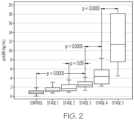
- the present inventors have found a rise in proUGN levels in a stepwise fashion significantly above normal levels in individuals with kidney dysfunction and that there is a stepwise increase in proUGN in samples obtained from patients with clinically diagnosed CKD henceforth providing objective information that may be used to identify or stage disease and progression thereof.
- Early CKD is understood to mean any of the first to third stages of CKD as defined by the KDOQI classification; whereas "Late CKD” is understood to mean either fourth or fifth stages of CKD as defined by the KDOQI classification; whereas “ESRD” is defined as the fifth stage of CKD or dependent on the use of dialysis as defined by KDOQI classification.
- the present invention may be used to diagnose CKD at any given stage significantly more early in the disease course compared to current clinical diagnostic techniques, therefore allowing earlier implementation of stage-specific treatment or management.
- stratification of patients as in one of the stages of CKD is useful to assess whether a patient would benefit from one treatment type compared to another, and also to monitor whether a treatment is successful. Stratification of patients also aids in determining short- and long-term prognosis of the patient, thereby enabling future care requirements.
- the method of the current invention identifies renal disease in a patient by comparing the levels of proUGN to a control reference range, wherein guidance of treatment is provided by stratification of renal disease by grade of severity or stage by comparison of proUGN levels to predetermined threshold values, wherein the patient is indicated to begin either "Early CKD” or "Late CKD” clinical management protocol; wherein a diagnosis of ESRD indicates the need for dialysis treatment (as shown in Example 6).
- Estimated GFR is inversely correlated to creatinine levels.
- An increase in creatinine compared to a control value in patients presenting with increased levels of proUGN allow the patients to be stratified as Stage 1 or Stage 2 CKD.
- the method of the invention may further compromise the level of creatinine in the sample and comparing the levels with normal ranges suggested by the assay's instructions for use (as shown in Example 5).
- Patients having increased levels of proUGN compared to a normal control reference range of values and below a predetermined lower threshold and creatinine levels within a range of control values are indicated to have Stage 1 or 2 CKD (as shown in Examples 4 and 5); wherein patients having proUGN levels above the lower limit of control values defined by a predetermined lower threshold value and below a predetermined intermediate threshold value are classed as Stage 3 CKD; wherein patients having increased levels of proUGN compared to an upper limit of an intermediate threshold value may be classed as Stage 4 or 5 CKD and are indicated to be "Late Stage"; where patients having increased levels of proUGN compared to the upper limit of a range of control values defined by a predetermined upper threshold value indicates "ESRD".
- the methods of the present invention allow for the stratification of a patient having renal dysfunction as a non-CKD patient or a patient at one of the Stages 1 to 5 of CKD and further indicating a stage-specific treatment protocol.
- the stratification of the patient may be defined by the preferred clinical indicia, wherein one skilled in the art is aware that it is not meant to be a limiting embodiment but to be exemplary in nature only, which is detailed by the following criteria:
- the methods of the present invention may use methods for determining the level of proUGN known in the art, such as enzymatic and/or chemical protein determination or immunological assay-based methods.
- Immunological assays for determining the level of proUGN can be performed in a variety of formats including sandwich assays (i.e., enzyme linked immunosorbent assay; ELISA), competition assays (i.e., competitive radioimmunoassay; RIA), lateral flow assays, and non-competitive assay formats, to generate a signal that is related to the presence or amount of the biomarker of interest.
- Suitable assay formats also include chromatographic, mass spectrographic, and protein "blotting" methods.
- the quantitative measure of prouroguanylin comprises an immunological assay selected from the group consisting of enzyme linked immunosorbent assay (ELISA), lateral flow assay, counting immunoassay (CIA), chemiluminescence immunoassay (CLIA), radioimmunoassay (RIA), immunoradiometric assay (IRMA) and Western blot, preferably ELISA.
- the lateral flow assay comprises capturing the proUGN with a capture monoclonal antibody, and binding a detection monoclonal antibody to the proUGN.
- certain methods and devices such as biosensors and optical immunoassays, may be employed to determine the presence or level of analytes without the need for a labeled molecule.
- robotic instrumentation including but not limited to Beckman ACCESS ® , Abbott AXSYM ® , Roche ELECSYS ® , Dade Behring STRATUS ® systems are among the immunoassay analyzers that are capable of performing immunoassays.
- Methods for determining the level of proUGN include contacting the patient sample with antibodies that binds to proUGN and detection binding.
- immunoassays are specific binding assays that involve contacting a sample containing or suspected of containing a biomarker of interest with at least one antibody that specifically binds to the biomarker. A signal is then generated indicative of the presence or level of complexes formed by the binding of polypeptides in the sample to the antibody. The signal is then related to the presence or amount of the biomarker in the sample.
- GC-C receptor is naturally expressed in humans and has an exceptionally high affinity for proUGN.
- Aptamers are oligonucleic acid or peptide molecules that bind to a specific target molecule. Aptamers are created by selection from large random sequence pools, but natural aptamers also exist. High-affinity aptamers containing modified nucleotides conferring improved characteristics on the ligand, such as improved in vivo stability or improved delivery characteristics.
- binding moiety is a non-Ig-scaffold binding protein.
- the binding moiety is specific for prouroguanylin (proUGN), or fragments or post-translational modifications thereof.
- the binding moiety is an antibody, an antibody fragment, or a non-Ig-scaffold binding protein.
- the binding moiety binds to a region of at least 4 amino acids of full-length prouroguanylin (proUGN), an N-terminal fragment of proUGN, or a C-terminal fragment of proUGN.
- proUGN The full-length prouroguanylin (proUGN) has the sequence "vyiqyqgfrvqlesmkklsdleaqwapsprlqaqsllpavchhpalpqdlqpvcasqeassifktlrtianddcelcvnvactgcl " (SEQ ID NO: 1)
- the N-terminal fragment of proUGN has the sequence "vyiqyqgfrvqlesmkklsdleaqwapsprlqaqsllpavchhpalpqdlqpvcasqeassifktlrtia”
- the C-terminal fragment of proUGN has the sequence "tianddcelcvnvactgcl" (SEQ ID NO: 3) and the C-terminal fragment of proUGN has the sequence "nddcelcvnvactgcl” (SEQ ID NO: 4).
- a solid-state device may be used to determine the level of proUGN in the sample isolated from the patient.
- the solid-state device comprises a substrate having an activated surface on to which is applied antibodies or other polypeptides to proUGN may be immobilized to discreet areas of the activated surface.
- a device that may be used in the invention may be prepared by activating the surface of a suitable substrate, and applying an array of antibodies onto discrete sites on the surface.
- Antibodies or other polypeptides may be immobilized onto a variety of particles or other solid supports, and that solid support immobilized to the device surface.
- Solid phases that may be used to immobilize specific binding members include those developed and/or used as solid phases in solid phase binding assays. Examples of suitable solid phases include membrane filters, cellulose-based papers, beads (including polymeric, latex and paramagnetic particles), glass, silicon wafers, microparticles, nanoparticles, TentaGels, AgroGels, PEGA gels, SPOCC gels, and multiple-well plates.
- An assay strip could be prepared by coating the antibody or a plurality of antibodies in an array on solid support. This strip could then be dipped into the test sample and then processed quickly through washes and detection steps to generate a measurable signal, such as a colored spot. Antibodies or other polypeptides may be bound to specific zones of assay devices either by conjugating directly to an assay device surface, or by indirect binding.
- Detectable labels may include molecules that are themselves detectable (e.g., fluorescent moieties, electrochemical labels, metal chelates, etc.) as well as molecules that may be indirectly detected by production of a detectable reaction product (i.e., enzymes such as horseradish peroxidase, alkaline phosphatase, etc.) or by a specific binding molecule which itself may be detectable (i.e., biotin, digoxigenin, maltose, oligohistidine, 2,4-dintrobenzene, phenylarsenate, ssDNA, dsDNA, etc.).
- a detectable reaction product i.e., enzymes such as horseradish peroxidase, alkaline phosphatase, etc.
- a specific binding molecule which itself may be detectable (i.e., biotin, digoxigenin, maltose, oligohistidine, 2,4-dintrobenzene, phenylarsenate
- Cross-linking reagents contain at least two reactive groups, and are divided generally into homofunctional cross-linkers (i.e., containing identical reactive groups) and heterofunctional cross-linkers (i.e., containing non-identical reactive groups).
- homofunctional cross-linkers i.e., containing identical reactive groups
- heterofunctional cross-linkers i.e., containing non-identical reactive groups.
- Homobifunctional cross-linkers that couple through amines, sulfhydryls or react non-specifically are available from many commercial sources.
- Maleimides, alkyl- and arylhalides, alpha-haloacyls and pyridyl disulfides are thiol reactive groups.
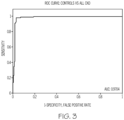
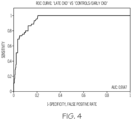
- a perfect test will have an area under the ROC curve of 1.0; a random test will have an area of 0.5.
- a threshold value is selected to be the clinical cut-off line that discerns between the presence or absence of a diseased state within an individual patient and provides an acceptable level of specificity and sensitivity.
- An immortalized human kidney cell line stably transfected with a codon-optimized nucleic acid sequence comprising a gene encoding a human target protein and employing a human cell expression vector including but not limited to mammalian transfection vector pcDNA 3.1 that constitutively expresses the target protein can be made by conventional means known to people skilled in the art of molecular biology.
- Said immortalized human kidney cell line does not derive from a human embryonic cell.
- the human embryonic kidney cell selected from 293 cells can be transfected with a mammalian transfection vector that includes and comprises the gene encoding human preprouroguanylin (NCBI human gene ID: 2981, GUCA2B) without any tags and containing the necessary and required N-terminal sequence for appropriate intracellular processing, folding, packaging, and secretion of the proUGN.
- HEK293 cells can be initially cultured in DMEM/F-12 supplemented with 10% FBS in adherent format.
- HEK293 cells can be seeded at 0.35 x 10 6 in a 6-well plate one day prior to transfection to ensure ⁇ 70-80% confluency in 24-hrs under standard growth conditions for HEK293 cells.
- the mammalian transfection vector ( ⁇ 6 ug) can be transfected using standard protocols, antibiotic additives, and growth conditions according to manufacturer's instructions and by methods described by Thomas and Smart, 51(3), p187-200, 2005 and Aydin et al., J. Vis. Exp. 65, e4041, 2012 .
- Successfully transfected cells can be sorted by flow cytometry and identified by Western blot and ELISA for the target protein.
- Individual clones expressing and secreting the target protein can be selected and seeded into twelve 96-well plates at 1 ⁇ 2 cell per well, and allowed to grow in culture media until 100% confluency.
- the cell media / cell supernate can be removed and tested for proUGN by Western blot and ELISA.
- Positive wells / clones can be collected and each clone can be seeded again to twelve 96-well plates at 1 ⁇ 2 cell per well, and grown to confluency. Confirmation of proUGN expression and secretion into the cellular media / cell supernate is confirmed through Western blot analyses and ELISA.
- a third round of selection for high and efficient proUGN-expressing HEK293 cells can be performed and evaluated by Western blot analyses and proUGN ELISA, and selected.
- the clone(s) with the highest expression of proUGN can be transitioned to serum-free media in a stepwise fashion decreasing the FBS supplement by 50% every 7-14 days until which time the HEK293 cells are grown and sustained in serum-free media.
- the selected cells can be grown in serum-free media for at least seven passages to confirm complete stable HEK293 cells that express and secrete full-length, appropriately folded native human proUGN.
- the gene and mRNA for human preprouroguanylin can be confirmed by PCR, RT-PCR, Southern and Northern analyses.
- This method can be enhanced by repeat immunization, immunization at different sites such as intradermal, intramuscular, intraperitoneal, and other sites, and through the inclusion of adjuvants such as Freund's adjuvant, saponins, alum, variants of Lipid A, block copolymers, peptide hormones, and many other adjuvants used to promote antigenic responses and antibody development.
- adjuvants such as Freund's adjuvant, saponins, alum, variants of Lipid A, block copolymers, peptide hormones, and many other adjuvants used to promote antigenic responses and antibody development.
- specific monoclonal antibodies can be created to different overlapping segments of genetically expressed full-length human proUGN - specifically the native form of the protein that is found in the circulation - not a denatured E. coli or non-mammalian recombinant protein.
- Sample Buffer i.e., 1-part clinical specimen with 9 parts Sample Buffer (Sample Buffer: 10 mM MOPS, protein-free, pH 6.3-7.3).
- Sample Buffer 10 mM MOPS, protein-free, pH 6.3-7.3.
- the diluted biological sample is then added to one of the wells of the Capture Plate.
- the sample is incubated in the well for specified amount of time. In one embodiment, the sample is incubated for approximately one hour (55-65 minutes) in the microtiter well at room temperature (20-25°C).
- the samples are aspirated out of the well, and the well is washed.
- the well is washed and aspirated three times with 350 uL of Plate-Wash Buffer (10-25 mM Tris, 150 mM NaCl, 0.05-0.5% Tween-20, pH 7.8).
- the analyte, or proUGN (3) or fragments or post-translational modifications thereof, within the biological sample is captured by the capture mAb (3).
- the "detection" mAb (4) is added, which is conjugated to a detectable marker.
- the detectable or conjugated marker is an enzyme such as horseradish peroxidase (HRP) (5).
- the detection mAb (2) may be conjugated to other enzymes such as alkaline phosphatase or a fluorophore.
- the detection mAb/enzyme complex is incubated in the microtiter well (1). In one embodiment, the detection complex is incubated in the microtiter well for one hour at room temperature (as described above). Following incubation, the detection mAb solution is aspirated out of the microtiter well, and again, the well is washed with Plate-Wash Buffer. In one embodiment, the well is washed and aspirated three times with 350 uL of Plate-Wash Buffer.
- a solution of enzyme substrate i.e., TMB (tetramethylbenzidine)
- TMB tetramethylbenzidine
- the incubation is for twenty minutes at room temperature (20-25°C).
- the TMB reaction is quenched with the addition of Acid/(0.12N HCL, 0.16M H 2 SO 4 )/STOP-Solution (in the case where TMB is used, the color of the wells will turn from blue to yellow), and the wells / plate is read at an O.D. 450 nm and 650 nm (absorbance readings at A630-A650 act as a reference absorbance only).
- Example 4 Expression of proUGN in Serum from Patients with Renal Disease.
- GFR CKD ⁇ EPI 141 ⁇ min creatinine / k , 1 ⁇ ⁇ max creatinine / k , 1 ⁇ 1.209 ⁇ 0.993 Age ⁇ 1.018 if female Where k is 0.7 for females and 0.9 for males, ⁇ is -0.329 for females and -0.411 for males, min indicates the minimum of creatinine/k or 1, and max indicates the maximum of creatinine/k or 1.
- the CKD sample cohort was composed of:
- SEM Standard Error of the Mean
- the current invention also demonstrates that patient serum samples with CKD Stage 1 / CKD Stage 2 have significantly higher proUGN levels than the normal control group, which is defined by a normal control reference range that is established by the present embodiment of the invention and determined by the formula defined by Stern et al (Essential Medical Statistics, Oxford Blackwell Science, p. 48, 2003 ); the lower limit of the control reference range of proUGN levels in serum of a healthy patient cohort is calculated to be 0.03 (90% CI, 0.01 - 0.11) ng/mL; wherein the upper limit of the control reference range is calculated to be 1.63 (90% CI, 1.55 - 1.71) ng/mL.
Landscapes
- Life Sciences & Earth Sciences (AREA)
- Health & Medical Sciences (AREA)
- Engineering & Computer Science (AREA)
- Molecular Biology (AREA)
- Chemical & Material Sciences (AREA)
- Biomedical Technology (AREA)
- Urology & Nephrology (AREA)
- Hematology (AREA)
- Immunology (AREA)
- Biotechnology (AREA)
- Microbiology (AREA)
- Cell Biology (AREA)
- Proteomics, Peptides & Aminoacids (AREA)
- Food Science & Technology (AREA)
- Medicinal Chemistry (AREA)
- Physics & Mathematics (AREA)
- Analytical Chemistry (AREA)
- Biochemistry (AREA)
- General Health & Medical Sciences (AREA)
- General Physics & Mathematics (AREA)
- Pathology (AREA)
- Investigating Or Analysing Biological Materials (AREA)
Claims (18)
- Verfahren zur(i) Diagnose einer Nierenfunktionsstörung oder -krankheit und/oder von Nierenkomplikationen einer Krankheit bei einem Subjekt, oder(ii) Diagnose oder Überwachung der Nierenfunktion bei einem Subjekt, oder(iii) Diagnose einer Nierenkrankheit oder von Nierenkomplikationen vor dem Einsetzen der Nierendegeneration bei einem Subjekt, oder(iv) Vorhersage oder Überwachung des Risikos eines unerwünschten Ereignisses bei einem Subjekt mit Nierenkrankheit, wobei das unerwünschte Ereignis ausgewählt ist aus der Gruppe, umfassend eine Verschlechterung von Nierenfunktionsstörung, einschließlich Nierenversagen, Verlust der Nierenfunktion, Entwicklung eines verwandten komorbiden Zustands, Nierenkrankheit im Endstadium oder Tod, oder(v) Vorhersage oder Überwachung des Erfolgs einer Therapie oder Intervention bei einem Subjekt mit Nierenkrankheit, das Verfahren umfassend:(a) Messen eines Pegels oder einer Menge von Prouroguanylin (proUGN) in einer biologischen Probe,(b) Vergleichen des Messwerts mit einem Referenzbereich oder Schwellenwert,(c) Bestimmen, ob der Messwert von proUGN über dem Referenzbereich oder Schwellenwert ist.
- Das Verfahren nach Anspruch 1, wobei der Referenzbereich oder der Schwellenwert ein normaler Bereich von Werten für Subjekte ohne Nierenkrankheit ist.
- Das Verfahren nach Anspruch 1 oder 2, wobei ein Messen des Pegels oder der Menge von proUGN in der biologischen Probe ein Bestimmen des Pegels von Prouroguanylin (proUGN) oder Fragmenten oder posttranslationalen Modifikationen davon umfasst.
- Das Verfahren nach Anspruch 3, wobei ein Messen des Pegels oder der Menge von proUGN in der biologischen Probe ein Verwenden mindestens einer für Prouroguanylin (proUGN) spezifischen Bindungsgruppierung oder von Fragmenten oder posttranslationalen Modifikationen davon umfasst.
- Das Verfahren nach Anspruch 4, wobei die mindestens eine Bindungsgruppierung ein Antikörper, ein Antikörperfragment oder ein nicht-Ig-Gerüst-Bindungsprotein ist.
- Das Verfahren nach Anspruch 5, wobei die mindestens eine Bindungsgruppierung an eine Region von mindestens 4 Aminosäuren von Prouroguanylin (proUGN) voller Länge, ein N-terminales Fragment von proUGN oder ein C-terminales Fragment von proUGN bindet.
- Das Verfahren nach Anspruch 6, wobei das Prouroguanylin (proUGN) voller Länge die Sequenz vyiqyqgfrvqlesmkklsdleaqwapsprlqaqsllpavchhpalpqdlqpvcasqeassifktlrtian ddcelcvnvactgcl (SEQ ID NO: 1) aufweist, das N-terminale Fragment von proUGN die Sequenz vyiqyqgfrvqlesmkklsdleaqwapsprlqaqsllpavchhpalpqdlqpvcasqeassifktlrtia (SEQ ID NO: 2) aufweist, und das C-terminale Fragment von proUGN die Sequenz tianddcelcvnvactgcl (SEQ ID NO: 3) aufweist und das C-terminale Fragment von proUGN die Sequenz nddcelcvnvactgcl (SEQ ID NO: 4) aufweist.
- Das Verfahren nach einem der vorherigen Ansprüche, wobei Schritt (a) eine quantitative Messung von Prouroguanylin (proUGN) ist, die einen immunologischen Assay umfasst, der ausgewählt ist aus der Gruppe, bestehend aus Enzymimmunoassay (ELISA), Lateral-Flow-Assay, Counting-Immunoassay (CIA), Chemilumineszenz-Immunoassay (CLIA), Radioimmunoassay (RIA), immunoradiometrischen Assay (IRMA) und Western Blot, vorzugsweise ELISA
- Das Verfahren nach einem der vorherigen Ansprüche, wobei die biologische Probe ausgewählt ist aus der Gruppe, bestehend aus Urin, Blut, Serum, Plasma, Speichel, Liquor, Zerebrospinalflüssigkeit, Lungen- oder Nasenspülung und Magen-Darm-Flüssigkeit.
- Das Verfahren nach Anspruch 8, wobei der ELISA Folgendes umfasst:Überführen der biologischen Probe auf eine Fangplatte, umfassend einen immobilisierten monoklonalen proUGN-Antikörper;Entfernen der biologischen Probe von der Fangplatte;Hinzufügen eines zweiten monoklonalen proUGN-Antikörpers zu der Fangplatte, wobei der zweite monoklonale proUGN-Antikörper mit einem detektierbaren Marker konjugiert ist; undBestimmen eines Pegels des detektierbaren Markers.
- Das Verfahren nach einem der vorherigen Ansprüche, wobei der Referenzbereich oder Schwellenwert 0,91 ng/ml proUGN entspricht.
- Das Verfahren nach Anspruch 10, wobei der Pegel des detektierbaren Markers oberhalb des Referenzbereichs oder Schwellenwerts indikativ für eine chronische Nierenkrankheit in Stadium 1, Stadium 2, Stadium 3, Stadium 4 oder Stadium 5 ist.
- Das Verfahren nach Anspruch 8, wobei der Lateral-Flow-Assay ein Fangen des proUGN mit einem monoklonalen Fang-Antikörper und ein Binden eines monoklonalen Detektions-Antikörpers an das proUGN umfasst.
- Das Verfahren nach einem der vorherigen Ansprüche, wobei die Krankheit eine chronische Nierenkrankheit (CKD) ist.
- Kit zur(i) Diagnose einer Nierenfunktionsstörung oder -krankheit und/oder von Nierenkomplikationen einer Krankheit bei einem Subjekt, oder(ii) Diagnose oder Überwachung der Nierenfunktion bei einem Subjekt, oder(iii) Diagnose einer Nierenkrankheit oder von Nierenkomplikationen vor dem Einsetzen der Nierendegeneration bei einem Subjekt, oder(iv) Vorhersage oder Überwachung des Risikos eines unerwünschten Ereignisses bei einem Subjekt mit Nierenkrankheit, wobei das unerwünschte Ereignis ausgewählt ist aus der Gruppe, umfassend eine Verschlechterung von Nierenfunktionsstörung, einschließlich Nierenversagen, Verlust der Nierenfunktion, Entwicklung eines verwandten komorbiden Zustands, Nierenkrankheit im Endstadium oder Tod, oder(v) Vorhersage oder Überwachung des Erfolgs einer Therapie oder Intervention bei einem Subjekt mit Nierenkrankheit,Umschließen eines oder mehrerer Behälter, umfassend:(a) ein Substrat, das eine Oberfläche und einen ersten proUGN-Antikörper, der an der Oberfläche haftet, aufweist;(b) einen zweiten proUGN-Antikörper, umfassend einen detektierbaren Marker;
wobei mindestens einer von dem ersten und dem zweiten proUGN-Antikörper monoklonale Antikörper sind, die spezifisch an menschliches proUGN oder ein Fragment oder eine posttranslationale Modifikation davon binden, wobei das menschliche proUGN oder das Fragment oder die posttranslationale Modifikation davon von einer menschlichen Nierenzelle sezerniert wird; und(c) Anweisungen zum Durchführen einer oder mehrerer der in einem der Punkte (i) bis (v) genannten diagnostischen und/oder prognostischen Korrelationen. - Kit nach Anspruch 15, wobei der erste und der zweite proUGN-Antikörper monoklonale Antikörper sind.
- Kit nach Anspruch 15 oder 16, wobei der erste und der zweite proUGN-Antikörper in der Lage sind, proUGN zu binden, das die in SEQ ID NO: 1 dargelegte Sequenz aufweist.
- Kit nach einem der Ansprüche 15 bis 17, wobei die Krankheit eine chronische Nierenkrankheit (CKD) ist.
Applications Claiming Priority (2)
| Application Number | Priority Date | Filing Date | Title |
|---|---|---|---|
| US202062968637P | 2020-01-31 | 2020-01-31 | |
| PCT/US2021/015391 WO2021154922A1 (en) | 2020-01-31 | 2021-01-28 | Biomarker, methods, and compositions thereof for evaluation or management of kidney function or diagnosing or aid in diagnosing kidney dysfunction or kidney disease |
Publications (4)
| Publication Number | Publication Date |
|---|---|
| EP4096784A1 EP4096784A1 (de) | 2022-12-07 |
| EP4096784A4 EP4096784A4 (de) | 2024-01-10 |
| EP4096784C0 EP4096784C0 (de) | 2025-07-02 |
| EP4096784B1 true EP4096784B1 (de) | 2025-07-02 |
Family
ID=77079789
Family Applications (1)
| Application Number | Title | Priority Date | Filing Date |
|---|---|---|---|
| EP21747785.0A Active EP4096784B1 (de) | 2020-01-31 | 2021-01-28 | Biomarker, verfahren und zusammensetzungen davon zur beurteilung oder verwaltung der nierenfunktion oder zur diagnose oder als hilfsmittel bei der diagnose von nierenfunktionsstörungen oder nierenerkrankungen |
Country Status (6)
| Country | Link |
|---|---|
| US (1) | US20210263047A1 (de) |
| EP (1) | EP4096784B1 (de) |
| CA (1) | CA3169588A1 (de) |
| ES (1) | ES3036835T3 (de) |
| PL (1) | PL4096784T3 (de) |
| WO (1) | WO2021154922A1 (de) |
Families Citing this family (1)
| Publication number | Priority date | Publication date | Assignee | Title |
|---|---|---|---|---|
| US20240345103A1 (en) * | 2023-04-11 | 2024-10-17 | PrognostX Health Inc. | Method of diagnosing and treating chronic kidney disease |
Family Cites Families (3)
| Publication number | Priority date | Publication date | Assignee | Title |
|---|---|---|---|---|
| US4208479A (en) * | 1977-07-14 | 1980-06-17 | Syva Company | Label modified immunoassays |
| WO2001025266A1 (en) * | 1999-10-06 | 2001-04-12 | Pharmacia Corporation | Uroguanylin as an intestinal cancer inhibiting agent |
| CN1984668A (zh) * | 2004-05-14 | 2007-06-20 | 北卡罗来纳大学查珀尔希尔分校 | 作为涉及盐和/或体液稳态的疾病的治疗剂和诊断剂的尿鸟苷蛋白原及合成的类似物或自其衍生的蛋白酶解产物 |
-
2021
- 2021-01-28 PL PL21747785.0T patent/PL4096784T3/pl unknown
- 2021-01-28 US US17/160,661 patent/US20210263047A1/en active Pending
- 2021-01-28 ES ES21747785T patent/ES3036835T3/es active Active
- 2021-01-28 CA CA3169588A patent/CA3169588A1/en active Pending
- 2021-01-28 WO PCT/US2021/015391 patent/WO2021154922A1/en not_active Ceased
- 2021-01-28 EP EP21747785.0A patent/EP4096784B1/de active Active
Also Published As
| Publication number | Publication date |
|---|---|
| EP4096784C0 (de) | 2025-07-02 |
| PL4096784T3 (pl) | 2025-09-08 |
| EP4096784A4 (de) | 2024-01-10 |
| WO2021154922A1 (en) | 2021-08-05 |
| US20210263047A1 (en) | 2021-08-26 |
| ES3036835T3 (en) | 2025-09-24 |
| CA3169588A1 (en) | 2021-08-05 |
| EP4096784A1 (de) | 2022-12-07 |
Similar Documents
| Publication | Publication Date | Title |
|---|---|---|
| EP3540440B1 (de) | Verfahren und verwendungen zur bewertung von nierenschäden und nierenstatus | |
| EP2834638B1 (de) | Verfahren zur diagnose und prognose von sepsis | |
| US20200400686A1 (en) | Methods and compositions for diagnosis and prognosis of appendicitis and differentiation of causes of abdominal pain | |
| EP2828282B1 (de) | Biomarker | |
| CN102334031B (zh) | 组合的尿钠肽检测 | |
| EP3068893A1 (de) | Verfahren und zusammensetzungen zur diagnose und prognose von sepsis | |
| JP7271442B2 (ja) | 腎機能を診断またはモニターする方法、または腎機能障害を診断することを補助する方法 | |
| JP5518836B2 (ja) | 肺動脈高血圧を診断するための方法 | |
| ES3036835T3 (en) | Biomarker, methods, and compositions thereof for evaluation or management of kidney function or diagnosing or aid in diagnosing kidney dysfunction or kidney disease | |
| JP7612666B2 (ja) | 小児患者における腎機能を診断若しくはモニタリングする、又は腎機能障害を診断する方法 | |
| EP3311164B1 (de) | Verfahren und zusammensetzungen zur diagnose und prognose von appendizitis und differenzierung von ursachen für bauchschmerzen | |
| EP2882767B1 (de) | Bewertung von nierenläsionen mithilfe von hyaluronsäure | |
| RU2832638C2 (ru) | Способ диагностики или мониторинга функции почек или диагностики дисфункции почек у пациентов детского возраста | |
| HK40016117A (en) | A method for diagnosing or monitoring kidney function or diagnosing kidney dysfunction | |
| WO2011143412A1 (en) | Methods for the detection and monitoring of acute myocardial infarction | |
| HK1248808A1 (zh) | 用於肾损伤和肾衰竭的诊断和预後的方法和组合物 |
Legal Events
| Date | Code | Title | Description |
|---|---|---|---|
| STAA | Information on the status of an ep patent application or granted ep patent |
Free format text: STATUS: THE INTERNATIONAL PUBLICATION HAS BEEN MADE |
|
| PUAI | Public reference made under article 153(3) epc to a published international application that has entered the european phase |
Free format text: ORIGINAL CODE: 0009012 |
|
| STAA | Information on the status of an ep patent application or granted ep patent |
Free format text: STATUS: REQUEST FOR EXAMINATION WAS MADE |
|
| 17P | Request for examination filed |
Effective date: 20220817 |
|
| AK | Designated contracting states |
Kind code of ref document: A1 Designated state(s): AL AT BE BG CH CY CZ DE DK EE ES FI FR GB GR HR HU IE IS IT LI LT LU LV MC MK MT NL NO PL PT RO RS SE SI SK SM TR |
|
| DAV | Request for validation of the european patent (deleted) | ||
| DAX | Request for extension of the european patent (deleted) | ||
| A4 | Supplementary search report drawn up and despatched |
Effective date: 20231213 |
|
| RIC1 | Information provided on ipc code assigned before grant |
Ipc: A61P 9/12 20060101ALI20231207BHEP Ipc: A61P 7/10 20060101ALI20231207BHEP Ipc: A61P 7/00 20060101ALI20231207BHEP Ipc: A61P 13/12 20060101ALI20231207BHEP Ipc: A61P 1/16 20060101AFI20231207BHEP |
|
| STAA | Information on the status of an ep patent application or granted ep patent |
Free format text: STATUS: EXAMINATION IS IN PROGRESS |
|
| 17Q | First examination report despatched |
Effective date: 20241023 |
|
| REG | Reference to a national code |
Ref country code: DE Ref legal event code: R079 Free format text: PREVIOUS MAIN CLASS: A61P0001160000 Ipc: G01N0033680000 Ref country code: DE Ref legal event code: R079 Ref document number: 602021033397 Country of ref document: DE Free format text: PREVIOUS MAIN CLASS: A61P0001160000 Ipc: G01N0033680000 |
|
| GRAP | Despatch of communication of intention to grant a patent |
Free format text: ORIGINAL CODE: EPIDOSNIGR1 |
|
| STAA | Information on the status of an ep patent application or granted ep patent |
Free format text: STATUS: GRANT OF PATENT IS INTENDED |
|
| RIC1 | Information provided on ipc code assigned before grant |
Ipc: G01N 33/68 20060101AFI20250408BHEP |
|
| GRAS | Grant fee paid |
Free format text: ORIGINAL CODE: EPIDOSNIGR3 |
|
| INTG | Intention to grant announced |
Effective date: 20250429 |
|
| GRAA | (expected) grant |
Free format text: ORIGINAL CODE: 0009210 |
|
| STAA | Information on the status of an ep patent application or granted ep patent |
Free format text: STATUS: THE PATENT HAS BEEN GRANTED |
|
| AK | Designated contracting states |
Kind code of ref document: B1 Designated state(s): AL AT BE BG CH CY CZ DE DK EE ES FI FR GB GR HR HU IE IS IT LI LT LU LV MC MK MT NL NO PL PT RO RS SE SI SK SM TR |
|
| REG | Reference to a national code |
Ref country code: GB Ref legal event code: FG4D |
|
| REG | Reference to a national code |
Ref country code: CH Ref legal event code: EP |
|
| REG | Reference to a national code |
Ref country code: DE Ref legal event code: R096 Ref document number: 602021033397 Country of ref document: DE |
|
| REG | Reference to a national code |
Ref country code: IE Ref legal event code: FG4D |
|
| U01 | Request for unitary effect filed |
Effective date: 20250707 |
|
| U07 | Unitary effect registered |
Designated state(s): AT BE BG DE DK EE FI FR IT LT LU LV MT NL PT RO SE SI Effective date: 20250711 |
|
| REG | Reference to a national code |
Ref country code: ES Ref legal event code: FG2A Ref document number: 3036835 Country of ref document: ES Kind code of ref document: T3 Effective date: 20250924 |
|
| PG25 | Lapsed in a contracting state [announced via postgrant information from national office to epo] |
Ref country code: IS Free format text: LAPSE BECAUSE OF FAILURE TO SUBMIT A TRANSLATION OF THE DESCRIPTION OR TO PAY THE FEE WITHIN THE PRESCRIBED TIME-LIMIT Effective date: 20251102 |
|
| PG25 | Lapsed in a contracting state [announced via postgrant information from national office to epo] |
Ref country code: NO Free format text: LAPSE BECAUSE OF FAILURE TO SUBMIT A TRANSLATION OF THE DESCRIPTION OR TO PAY THE FEE WITHIN THE PRESCRIBED TIME-LIMIT Effective date: 20251002 |
|
| PG25 | Lapsed in a contracting state [announced via postgrant information from national office to epo] |
Ref country code: HR Free format text: LAPSE BECAUSE OF FAILURE TO SUBMIT A TRANSLATION OF THE DESCRIPTION OR TO PAY THE FEE WITHIN THE PRESCRIBED TIME-LIMIT Effective date: 20250702 |
|
| PG25 | Lapsed in a contracting state [announced via postgrant information from national office to epo] |
Ref country code: GR Free format text: LAPSE BECAUSE OF FAILURE TO SUBMIT A TRANSLATION OF THE DESCRIPTION OR TO PAY THE FEE WITHIN THE PRESCRIBED TIME-LIMIT Effective date: 20251003 |
|
| PG25 | Lapsed in a contracting state [announced via postgrant information from national office to epo] |
Ref country code: RS Free format text: LAPSE BECAUSE OF FAILURE TO SUBMIT A TRANSLATION OF THE DESCRIPTION OR TO PAY THE FEE WITHIN THE PRESCRIBED TIME-LIMIT Effective date: 20251002 |
|
| PG25 | Lapsed in a contracting state [announced via postgrant information from national office to epo] |
Ref country code: SM Free format text: LAPSE BECAUSE OF FAILURE TO SUBMIT A TRANSLATION OF THE DESCRIPTION OR TO PAY THE FEE WITHIN THE PRESCRIBED TIME-LIMIT Effective date: 20250702 |
|
| U21 | Renewal fee for the european patent with unitary effect paid with additional fee |
Year of fee payment: 6 Effective date: 20260227 |
|
| PG25 | Lapsed in a contracting state [announced via postgrant information from national office to epo] |
Ref country code: SK Free format text: LAPSE BECAUSE OF FAILURE TO SUBMIT A TRANSLATION OF THE DESCRIPTION OR TO PAY THE FEE WITHIN THE PRESCRIBED TIME-LIMIT Effective date: 20250702 |
|
| PLBE | No opposition filed within time limit |
Free format text: ORIGINAL CODE: 0009261 |
|
| STAA | Information on the status of an ep patent application or granted ep patent |
Free format text: STATUS: NO OPPOSITION FILED WITHIN TIME LIMIT |