EP4098277A1 - Stabile pharmazeutische anti-pd-1-antikörper-zubereitung - Google Patents
Stabile pharmazeutische anti-pd-1-antikörper-zubereitung Download PDFInfo
- Publication number
- EP4098277A1 EP4098277A1 EP21747862.7A EP21747862A EP4098277A1 EP 4098277 A1 EP4098277 A1 EP 4098277A1 EP 21747862 A EP21747862 A EP 21747862A EP 4098277 A1 EP4098277 A1 EP 4098277A1
- Authority
- EP
- European Patent Office
- Prior art keywords
- pharmaceutical formulation
- antibody
- surfactant
- acid
- mixture
- Prior art date
- Legal status (The legal status is an assumption and is not a legal conclusion. Google has not performed a legal analysis and makes no representation as to the accuracy of the status listed.)
- Pending
Links
Images

Classifications
-
- C—CHEMISTRY; METALLURGY
- C07—ORGANIC CHEMISTRY
- C07K—PEPTIDES
- C07K16/00—Immunoglobulins [IG], e.g. monoclonal or polyclonal antibodies
- C07K16/18—Immunoglobulins [IG], e.g. monoclonal or polyclonal antibodies against material from animals or humans
- C07K16/28—Immunoglobulins [IG], e.g. monoclonal or polyclonal antibodies against material from animals or humans against receptors, cell surface antigens or cell surface determinants
- C07K16/2896—Immunoglobulins [IG], e.g. monoclonal or polyclonal antibodies against material from animals or humans against receptors, cell surface antigens or cell surface determinants against molecules with a "CD"-designation, not provided for elsewhere
-
- A—HUMAN NECESSITIES
- A61—MEDICAL OR VETERINARY SCIENCE; HYGIENE
- A61K—PREPARATIONS FOR MEDICAL, DENTAL OR TOILETRY PURPOSES
- A61K39/00—Medicinal preparations containing antigens or antibodies
- A61K39/395—Antibodies; Immunoglobulins; Immune serum, e.g. antilymphocytic serum
- A61K39/39591—Stabilisation, fragmentation
-
- A—HUMAN NECESSITIES
- A61—MEDICAL OR VETERINARY SCIENCE; HYGIENE
- A61P—SPECIFIC THERAPEUTIC ACTIVITY OF CHEMICAL COMPOUNDS OR MEDICINAL PREPARATIONS
- A61P35/00—Antineoplastic agents
-
- A—HUMAN NECESSITIES
- A61—MEDICAL OR VETERINARY SCIENCE; HYGIENE
- A61K—PREPARATIONS FOR MEDICAL, DENTAL OR TOILETRY PURPOSES
- A61K47/00—Medicinal preparations characterised by the non-active ingredients used, e.g. carriers or inert additives; Targeting or modifying agents chemically bound to the active ingredient
- A61K47/06—Organic compounds, e.g. natural or synthetic hydrocarbons, polyolefins, mineral oil, petrolatum or ozokerite
- A61K47/08—Organic compounds, e.g. natural or synthetic hydrocarbons, polyolefins, mineral oil, petrolatum or ozokerite containing oxygen, e.g. ethers, acetals, ketones, quinones, aldehydes, peroxides
- A61K47/12—Carboxylic acids; Salts or anhydrides thereof
-
- A—HUMAN NECESSITIES
- A61—MEDICAL OR VETERINARY SCIENCE; HYGIENE
- A61K—PREPARATIONS FOR MEDICAL, DENTAL OR TOILETRY PURPOSES
- A61K47/00—Medicinal preparations characterised by the non-active ingredients used, e.g. carriers or inert additives; Targeting or modifying agents chemically bound to the active ingredient
- A61K47/06—Organic compounds, e.g. natural or synthetic hydrocarbons, polyolefins, mineral oil, petrolatum or ozokerite
- A61K47/16—Organic compounds, e.g. natural or synthetic hydrocarbons, polyolefins, mineral oil, petrolatum or ozokerite containing nitrogen, e.g. nitro-, nitroso-, azo-compounds, nitriles, cyanates
- A61K47/18—Amines; Amides; Ureas; Quaternary ammonium compounds; Amino acids; Oligopeptides having up to five amino acids
- A61K47/183—Amino acids, e.g. glycine, EDTA or aspartame
-
- A—HUMAN NECESSITIES
- A61—MEDICAL OR VETERINARY SCIENCE; HYGIENE
- A61K—PREPARATIONS FOR MEDICAL, DENTAL OR TOILETRY PURPOSES
- A61K47/00—Medicinal preparations characterised by the non-active ingredients used, e.g. carriers or inert additives; Targeting or modifying agents chemically bound to the active ingredient
- A61K47/06—Organic compounds, e.g. natural or synthetic hydrocarbons, polyolefins, mineral oil, petrolatum or ozokerite
- A61K47/22—Heterocyclic compounds, e.g. ascorbic acid, tocopherol or pyrrolidones
-
- A—HUMAN NECESSITIES
- A61—MEDICAL OR VETERINARY SCIENCE; HYGIENE
- A61K—PREPARATIONS FOR MEDICAL, DENTAL OR TOILETRY PURPOSES
- A61K47/00—Medicinal preparations characterised by the non-active ingredients used, e.g. carriers or inert additives; Targeting or modifying agents chemically bound to the active ingredient
- A61K47/06—Organic compounds, e.g. natural or synthetic hydrocarbons, polyolefins, mineral oil, petrolatum or ozokerite
- A61K47/26—Carbohydrates, e.g. sugar alcohols, amino sugars, nucleic acids, mono-, di- or oligo-saccharides; Derivatives thereof, e.g. polysorbates, sorbitan fatty acid esters or glycyrrhizin
-
- A—HUMAN NECESSITIES
- A61—MEDICAL OR VETERINARY SCIENCE; HYGIENE
- A61K—PREPARATIONS FOR MEDICAL, DENTAL OR TOILETRY PURPOSES
- A61K9/00—Medicinal preparations characterised by special physical form
- A61K9/0012—Galenical forms characterised by the site of application
- A61K9/0019—Injectable compositions; Intramuscular, intravenous, arterial, subcutaneous administration; Compositions to be administered through the skin in an invasive manner
-
- C—CHEMISTRY; METALLURGY
- C07—ORGANIC CHEMISTRY
- C07K—PEPTIDES
- C07K16/00—Immunoglobulins [IG], e.g. monoclonal or polyclonal antibodies
- C07K16/18—Immunoglobulins [IG], e.g. monoclonal or polyclonal antibodies against material from animals or humans
- C07K16/28—Immunoglobulins [IG], e.g. monoclonal or polyclonal antibodies against material from animals or humans against receptors, cell surface antigens or cell surface determinants
- C07K16/2803—Immunoglobulins [IG], e.g. monoclonal or polyclonal antibodies against material from animals or humans against receptors, cell surface antigens or cell surface determinants against the immunoglobulin superfamily
- C07K16/2818—Immunoglobulins [IG], e.g. monoclonal or polyclonal antibodies against material from animals or humans against receptors, cell surface antigens or cell surface determinants against the immunoglobulin superfamily against CD28 or CD152
-
- A—HUMAN NECESSITIES
- A61—MEDICAL OR VETERINARY SCIENCE; HYGIENE
- A61K—PREPARATIONS FOR MEDICAL, DENTAL OR TOILETRY PURPOSES
- A61K39/00—Medicinal preparations containing antigens or antibodies
- A61K2039/505—Medicinal preparations containing antigens or antibodies comprising antibodies
-
- A—HUMAN NECESSITIES
- A61—MEDICAL OR VETERINARY SCIENCE; HYGIENE
- A61K—PREPARATIONS FOR MEDICAL, DENTAL OR TOILETRY PURPOSES
- A61K39/00—Medicinal preparations containing antigens or antibodies
- A61K2039/545—Medicinal preparations containing antigens or antibodies characterised by the dose, timing or administration schedule
Definitions
- the present disclosure relates to stable anti-PD-1 antibody pharmaceutical formulations and preparation methods thereof.
- An anti-PD-1 antibody pharmaceutical formulation includes a buffer, a stabilizer, and a surfactant to attain pharmaceutical stability.
- ROS reactive oxygen species
- An aspect provides a stable anti-PD-1 antibody pharmaceutical formulation comprising: (a) an anti-PD-1 antibody or an antigen binding fragment thereof; (b) a stabilizer; and (c) a buffer, wherein the pharmaceutical formulation does not comprise a surfactant and has a pH of about 4.5 to about 6.5.
- Another aspect provides a method for treating a cancer, comprising administering the pharmaceutical formulation to a subject.
- Still another aspect provides a method for preparing the pharmaceutical formulation.
- An aspect provides a stable anti-PD-1 antibody pharmaceutical formulation comprising: (a) an anti-PD-1 antibody or an antigen binding fragment thereof; (b) a stabilizer; and (c) a buffer, wherein the pharmaceutical formulation does not comprise a surfactant and has a pH of about 4.5 to about 6.5.
- the pharmaceutical formulation does not comprise a surfactant, but a desired environment for preservation of an anti-PD-1 antibody may be provided to maintain the stability.
- the pH of the pharmaceutical formulation may be, for example, pH 4.5 to pH 6.5, pH 4.5 to pH 6.3, pH 4.8 to pH 6.3, pH 5 to pH 6.3, pH 5.2 to pH 6.3, pH 4.5 to pH 6.0, pH 4.8 to pH 6.0, pH 5.0 to pH 6.0, pH 5.2 to pH 6.0, pH 4.5 to pH 5.8, pH 4.8 to pH 5.8, pH 5.0 to pH 5.8, pH 5.2 to pH 5.8, pH 4.5 to pH 5.6, pH 4.8 to pH 5.6, pH 5.0 to pH 5.6, pH 5.2 to pH 5.6, pH 4.9 to pH 5.5, pH 4.9, pH 5.0, pH 5.1, pH 5.2, pH 5.3, pH 5.4, or pH 5.5.
- antibody refers to any type of antibody having the activity to specifically bind to PD-1.
- the antibody includes a monoclonal antibody, a polyclonal antibody, a humanized antibody, a human antibody and a chimeric antibody.
- the antibody may be a pembrolizumab.
- the pharmaceutical formulation not comprising an ingredient A may mean that the pharmaceutical formulation does not include an ingredient A or substantially does not include an ingredient A.
- the phrase "substantially does not include an ingredient A” may be interpreted to include cases that an ingredient A is not included at all, A is present in a trace amount that cannot substantially affect features of the pharmaceutical formulation in any way, or A is present in an amount impossible to detect.
- antigen binding fragment is a fragment that is capable of binding to a PD-1 antigen in an anti-PD-1 antibody, including, for example, Fab fragment, F(ab') 2 fragment, Fc fragment, or scFv fragment.
- a “pembrolizumab” is a humanized antibody used in cancer immunotherapy and is currently marketed under the trade name KEYTRUDA ® which is one of several trade names.
- Pembrolizumab may be used in treating melanoma, lung cancer including non-small cell lung cancer (NSCLC), head and neck cancer including head and neck squamous cell cancer (HNSCC), Hodgkin lymphoma including classical Hodgkin lymphoma (cHL), urothelial cancer, renal cell carcinoma, stomach cancer, microsatellite instability-high cancer (MSI-H), mismatch repair deficient (dMMR) solid cancer, cervical cancer, liver cancer, Merkel cell carcinoma (MCC), or the like.
- NSCLC non-small cell lung cancer
- HNSCC head and neck cancer
- Hodgkin lymphoma including classical Hodgkin lymphoma (cHL)
- cHL urothelial cancer
- renal cell carcinoma stomach cancer
- MSI-H microsatellite instability-
- the pembrolizumab may also include biosimilars or biobetters of active pembrolizumab present in commercially available KEYTRUDA products.
- the pembrolizumab may include a heavy chain complementarity-determining region (CDR)1 having an amino acid sequence of SEQ ID NO: 1, a heavy chain CDR2 having an amino acid sequence of SEQ ID NO: 2, a heavy chain CDR3 having an amino acid sequence of SEQ ID NO: 3, a light chain CDR1 having an amino acid sequence of SEQ ID NO: 4, a light chain CDR2 having an amino acid sequence of SEQ ID NO: 5, and a light chain CDR3 having an amino acid sequence of SEQ ID NO: 6.
- the pembrolizumab may include a heavy chain variable region having an amino acid sequence of SEQ ID NO: 7, and a light chain variable region having an amino acid sequence of SEQ ID NO: 8.
- Pembrolizumab targets a programmed cell death protein 1 (PD-1) receptor of a lymphocyte.
- Pembrolizumab is an IgG 4 iso-type antibody allowing the immune system to kill cancer cells by blocking the protection mechanism of cancer cells.
- Pembrolizumab was approved for medical use in the United States in 2014.
- pembrolizumab was approved for treatment of unresectable or metastatic solid tumor having certain genetic anomalies, for example, mismatch repair deficiency or microsatellite instability, in 2017. Further, pembrolizumab may be used alone or in combination with other chemical therapeutic agents.
- Pembrolizumab may be administered by intravenous or subcutaneous injection.
- Pembrolizumab may be produced by a general method that is known in the related art.
- US Patent 9,834,605 and WO2008/156712A1 disclose methods which those skilled in the art may use in producing a pembrolizumab. The methods are herein incorporated by reference in the present disclosure.
- pembrolizumab may be produced by recombinant expression of immunoglobulin light and heavy chain genes in the host cell.
- a concentration of the anti-PD-1 antibody for example, a pembrolizumab, or an antigen binding fragment thereof, may be a therapeutically effective amount for treatment of a cancer.
- the concentration of the anti-PD-1 antibody for example, a pembrolizumab, or an antigen binding fragment thereof, may be selected in consideration of the stability, viscosity, etc. of the pharmaceutical formulation.
- the concentration of the anti-PD-1 antibody may be, for example, 5 mg/mL to 300 mg/mL, 5 mg/mL to 250 mg/mL, 5 mg/mL to 200 mg/mL, 10 mg/mL to 200 mg/mL, 10 mg/mL to 165 mg/mL, 15 mg/mL to 160 mg/mL, 5 mg/mL to 45 mg/mL, 10 mg/mL to 40 mg/mL, 15 mg/mL to 35 mg/mL, 20 mg/mL to 30 mg/mL, 130 mg/mL to 170 mg/mL, 135 mg/mL to 165 mg/mL, 140 mg/mL to 160 mg/mL, 145 mg/mL to 155 mg/mL, about 25 mg/ml, or about 150 mg/ml.
- the anti-PD-1 antibody for example, a pembrolizumab, or an antigen binding fragment thereof, may contribute to contribute to
- the stabilizer may be one or more selected from the group consisting of polyols, amino acids, and metal salts.
- polyol refers to an excipient having multiple hydroxyl groups.
- the polyol may include a sugar, a sugar alcohol, or a sugar acid.
- the sugar refers to a soluble carbohydrate.
- the sugar may be a monosaccharide, a disaccharide, an oligosaccharide, or a polysaccharide.
- the sugar alcohol is an organic compound derived from sugar, and each carbon atom thereof has a hydroxyl group.
- the sugar acid refers to a sugar having a carboxyl group at one or both side(s) of the chain.
- the polyol includes an anhydride or a hydrate of a polyol.
- trehalose may include trehalose dehydrate as well as trehalose.
- the polyol may be one or more selected from the group consisting of glucose, fructose, mannose, galactose, sucrose, lactose, maltose, trehalose, mannitol, sorbitol, and polyethylene glycol.
- the polyol may be sorbitol, sucrose, trehalose, mannose, maltose, mannitol, or a mixture thereof.
- a concentration of the polyol may be freely adjusted within a desirable range for maintaining the stability of an anti-PD-1 antibody, for example, a pembrolizumab, or an antigen binding fragment thereof in the pharmaceutical formulation, and for maintaining the viscosity of the pharmaceutical formulation, and may individually vary depending on the specific type of polyols, sugar alcohols or sugar acids.
- a concentration of the sugar may be 1.0%(w/v) to 15.0 %(w/v), 3.0 %(w/v) to 15.0 %(w/v), 5.0 %(w/v)to 15.0 %(w/v), 7.0 %(w/v)to 15.0 %(w/v), 1.0 %(w/v) to 10.0 %(w/v), 3.0 %(w/v) to 10.0 %(w/v), 4.0 %(w/v) to 10.0 %(w/v), 5.0 %(w/v) to 10.0 %(w/v), 7.0 %(w/v) to 10.0 %(w/v), 3.0 %(w/v) to 7.0 %(w/v), 4.0 %(w/v) to 7.0 %(w/v), 1.0 %(w/v) to 5.0 %(w/v), 2.0 %(w/v) to 5.0 %(w/v), 3.0
- a concentration of the sugar alcohol may be 1.0 %(w/v) to 20.0 %(w/v), for example, 1.0 %(w/v) to 15.0 %(w/v), 1.0 %(w/v) to 10.0 %(w/v), 2.5 %(w/v) to 10.0 %(w/v), 3.0 %(w/v) to 10.0 %(w/v), 3.5 %(w/v) to 10.0 %(w/v), 4.0 %(w/v) to 10.0 %(w/v), 1.0 %(w/v) to 8.0 %(w/v), 2.5 %(w/v) to 8.0 %(w/v), 3.0 %(w/v) to 8.0 %(w/v), 3.5 %(w/v) to 8.0 %(w/v), 4.0 %(w/v) to 8.0 %(w/v), 1.0 %(w/v) to 6.0 %(w/
- the amino acid may be glycine, alanine, valine, leucine, isoleucine, proline, phenylalanine, tyrosine, tryptophan, serine, threonine, cysteine, methionine, asparagine, glutamine, lysine, arginine, histidine, aspartic acid, glutamic acid, a pharmaceutically acceptable salt thereof, or a mixture thereof.
- the amino acid may be, for example, glycine, proline, phenylalanine, tyrosine, tryptophan, lysine, arginine, a pharmaceutically acceptable salt thereof, or a mixture thereof.
- a concentration of the amino acid as the stabilizer may be in a range of 0.1 mM to 300.0 mM, 0.5 mM to 300.0 mM, 1.0 mM to 300.0 mM, 5.0 mM to 300.0 mM, 10.0 mM to 300.0 mM, 25.0 mM to 300.0 mM, 30.0 mM to 300.0 mM, 50.0 mM to 300.0 mM, 80.0 mM to 300.0 mM, 100.0 mM to 300.0 mM, 120.0 mM to 300.0 mM, 0.1 mM to 250.0 mM, 0.5 mM to 250.0 mM, 1.0 mM to 250.0 mM, 5.0 mM to 250.0 mM, 10.0 mM to 250.0 mM, 25.0 mM to 250.0 mM, 30.0 mM to 250.0 mM, 50.0 mM to 250.0 mM, 80.0 mM to 250.0
- the amino acid may be 17 mM to 29 mM of arginine, a pharmaceutically acceptable salt thereof, or a mixture thereof. In another specific embodiment, the amino acid may be 24 mM to 29 mM of glycine, a pharmaceutically acceptable salt thereof, or a mixture thereof.
- the concentration of the amino acid may be freely adjusted within the range in which the desired pH of the pharmaceutical formulation is not affected and the stability of an anti-PD-1 antibody, for example, a pembrolizumab, or an antigen binding fragment thereof, is not affected, and may individually vary depending on the specific type of the amino acid.
- the metal salt may be NaCl, KCI, NaF, KBr, NaBr, Na 2 SO 4 , NaSCN, CaCl 2 , MgCl 2 , or K 2 SO 4 .
- the metal salt may be, for example, NaCl or Na 2 SO 4 .
- a concentration of the metal salt may be 1.0 mM to 300.0 mM, 5.0 mM to 150.0 mM, 10.0 mM to 150.0 mM, 30.0 mM to 150.0 mM, 50.0 mM to 150.0 mM, 80.0 mM to 150.0 mM, 100.0 mM to 150.0 mM, 120.0 mM to 150.0 mM, 5.0 mM to 125.0 mM, 10.0 mM to 125.0 mM, 30.0 mM to 125.0 mM, 50.0 mM to 125.0 mM, 80.0 mMto 125.0 mM, 100.0 mM to 125.0 mM, 120.0 mM to 125.0 mM, 5.0 mM to 100.0 mM, 10.0 mM to 100.0 mM, 30.0 mM to 100.0 mM, 50.0 mM to 100.0 mM, 80.0 mM to 100.0 mM, 50.0 mM to
- the metal salt may be sodium chloride in a concentration of 5.0 mM to 150.0 mM, 20.0 to 140.0 mM, or about 100.0 mM.
- concentration of the metal salt may be freely adjusted within the range in which the stability of an anti-PD-1 antibody in the pharmaceutical formulation according to the present disclosure, for example, a pembrolizumab or an antigen binding fragment thereof, is maintained without precipitation, and may individually vary depending on the specific type of metal salts.
- buffer refers to a composition added to allow the pharmaceutical formulation to resist a change in pH.
- the buffer may act to maintain pH of the pharmaceutical formulation within a tolerable range.
- the buffer generally allows the pharmaceutical formulation to resist a change in pH through actions of acid-base conjugate components thereof.
- concentration refers to a molarity of the buffer in the form of a free acid or a free base thereof.
- the buffer may be at least one selected from buffers that have buffering capacity.
- the buffer may be at least one selected from the group consisting of, for example, phosphoric acid, acetic acid, citric acid, succinic acid, carbonic acid, amino acid, ionic forms thereof, or pharmaceutically acceptable salts thereof.
- the amino acid may be histidine.
- the concentration of the amino acid may be freely adjusted within the range in which the desired pH of the liquid formulation is not affected and the stability of an antibody or an antigen binding fragment thereof is not affected, and may individually vary depending on the specific type of the amino acid.
- the salt may be an alkali metal salt or a hydrochloric acid salt.
- the alkali metal may be sodium or potassium.
- the buffer may be at least one selected from the group consisting of, phosphoric acid, acetic acid, citric acid, succinic acid, carbonic acid, histidine, ionic forms thereof, or pharmaceutically acceptable salts thereof.
- the buffer may be at least one selected from acetic acid, acetate, succinic acid, succinate, histidine, phosphoric acid, phosphate, citric acid, citrate, carbonic acid, carbonate, and pharmaceutically acceptable salts thereof.
- a concentration of the buffer may be 1 mM to 100 mM, 1 mM to 70 mM, 1 mM to 50 mM, 1 mM to 40 mM, 1 mM to 30 mM, 1 mM to 25 mM, 1 mM to 22 mM, 1 mM to 20 mM, 5 mM to 100 mM, 5 mM to 70 mM, 5 mM to 50 mM, 5 mM to 40 mM, 5 mM to 30 mM, 5 mM to 25 mM, 5 mM to 22 mM, 5 mM to 20 mM, 10 mM to 100 mM, 10 mM to 70 mM, 10 mM to 50 mM, 10 mM to 40 mM, 10 mM to 30 mM, 10 mM to 25 mM, 10 mM to 22 mM, 10 mM to 20 mM, 10 mM to 100
- the pharmaceutical formulation may not include a surfactant.
- the surfactant may be a non-ionic surfactant.
- the non-ionic surfactant may be polysorbate, poloxamer, sorbitan ester of another fatty acid, or a mixture thereof.
- the polysorbate may be polysorbate 20, polysorbate 40, polysorbate 60, polysorbate 80, or a mixture thereof.
- the poloxamer may be poloxamer 188.
- the pharmaceutical formulation may be liquid.
- the pharmaceutical formulation may be administered by subcutaneous or intravenous injection.
- the pharmaceutical formulation may further include an appropriate aqueous carrier appropriate for the injection.
- the aqueous carrier is a safe, non-toxic, pharmaceutically acceptable carrier that may be administered to a human, and examples thereof may include water, a saline solution, a Ringer's solution, dextrose, or a mixture thereof.
- the pharmaceutical formulation may have an osmotic pressure in a range appropriate for subcutaneous or intravenous injection.
- An osmotic pressure may be, for example, 200 mOsm/kg to 400 mOsm/kg, 200 mOsm/kg to 350 mOsm/kg, 250 mOsm/kg to 300 mOsm/kg, 250 mOsm/kg to 290 mOsm/kg, 270 mOsm/kg to 328 mOsm/kg, 250 mOsm/kg to 269 mOsm/kg, or 328 mOsm/kg to 350 mOsm/kg.
- the osmotic pressure may be appropriately adjusted to minimize a pain that may be caused when the pharmaceutical formulation is administered.
- the pharmaceutical formulation may have viscosity in a range suitable for subcutaneous or intravenous injection.
- the viscosity may be, for example, 0.5 cp to 100 cp, 0.5 cp to 90 cp, 0.5 cp to 80 cp, 0.5 cp to 70 cp, 0.5 cp to 60 cp, 0.5 cp to 50 cp, 0.5 cp to 40 cp, 0.5 cp to 30 cp, 0.5 cp to 20 cp, 0.5 cp to 15 cp, or 0.5 cp to 10 cp.
- the viscosity may be appropriately adjusted to minimize a pain that may be caused when the pharmaceutical formulation is administered.
- the anti-PD-1 antibody for example, a pembrolizumab, or the antigen binding fragment thereof, may be contained in a concentration of 5 mg/mL to 300 mg/mL, 5 mg/mL to 200 mg/mL, 15 mg/mL to 30 mg/mL, 140 mg/mL to 160 mg/mL
- the stabilizer may be sucrose, glucose, galactose, maltose, fructose, trehalose, sorbitol, mannitol, arginine, lysine, proline, glycine, phenylalanine, tyrosine, tryptophan, a hydrate thereof, a pharmaceutically acceptable salt thereof, or a mixture thereof
- the pharmaceutical formulation may have a pH in the range of 4.5 to 6.5.
- the stabilizer may be sucrose, glucose, galactose, maltose, fructose, trehalose, a hydrate thereof, or a mixture thereof, and a concentration of the stabilizer may be 1.0 %(w/v) to 15.0 %(w/v), 3.0 %(w/v) to 15.0 %(w/v), 5.0 %(w/v) to 15.0 %(w/v), 7.0 %(w/v) to 15.0 %(w/v), 1.0 %(w/v) to 10.0 %(w/v), 3.0 %(w/v) to 10.0 %(w/v), 5.0 %(w/v) to 10.0 %(w/v), 7.0 %(w/v) to 10.0 %(w/v), 1.0 %(w/v) to 7.0 %(w/v), 2.0 %(w/v) to 7.0 %(w/v), 3.0 %(w/v) to 7.0
- the stabilizer may be sorbitol, mannitol, a hydrate thereof, or a mixture thereof, and a concentration of the stabilizer may be 1.0 %(w/v) to 20.0 %(w/v), for example, 1.0 %(w/v) to 15.0 %(w/v), 1.0 %(w/v) to 10.0 %(w/v), 2.5 %(w/v) to 10.0 %(w/v), 3.0 %(w/v) to 10.0 %(w/v), 3.5 %(w/v) to 10.0 %(w/v), 4.0 %(w/v) to 10.0 %(w/v), 1.0 %(w/v) to 8.0 %(w/v), 2.5 %(w/v) to 8.0 %(w/v), 3.0 %(w/v) to 8.0 %(w/v), 3.5 %(w/v) to 8.0 %(w/v), 4.0 %(
- the stabilizer may be arginine, lysine, proline, glycine, phenylalanine, tyrosine, tryptophan, a hydrate thereof, a pharmaceutically acceptable salt thereof, or a mixture thereof, and a concentration of the stabilizer may be 0.1 mM to 300.0 mM, 0.5 mM to 300.0 mM, 1.0 mM to 300.0 mM, 5.0 mM to 300.0 mM, 10.0 mM to 300.0 mM, 25.0 mM to 300.0 mM, 30.0 mM to 300.0 mM, 50.0 mM to 300.0 mM, 80.0 mM to 300.0 mM, 100.0 mM to 300.0 mM, 120.0 mM to 300.0 mM, 0.1 mM to 250.0 mM, 0.5 mM to 250.0 mM, 1.0 mM to 250.0 mM, 5.0 mM to 250.0 mM, 10.0
- the buffer may include phosphoric acid, acetic acid, citric acid, succinic acid, carbonic acid, histidine, or pharmaceutically acceptable salts thereof.
- the salt may be an alkali metal salt or a hydrochloric acid salt.
- the alkali metal may be sodium or potassium.
- a concentration of the buffer may be 1 mM to 100 mM, 1 mM to 70 mM, 1 mM to 50 mM, 1 mM to 40 mM, 1 mM to 30 mM, 1 mM to 25 mM, 1 mM to 22 mM, 1 mM to 20 mM, 5 mM to 100 mM, 5 mM to 70 mM, 5 mM to 50 mM, 5 mM to 40 mM, 5 mM to 30 mM, 5 mM to 25 mM, 5 mM to 22 mM, 5 mM to 20 mM, 10 mM to 100 mM, 10 mM to 70 mM, 10 mM to 50 mM, 10 mM to 40 mM, 10 mM to 30 mM, 10 mM to 25 mM, 10 mM to 22 mM, 10 mM to 20 mM, 10 mM to 100
- the anti-PD-1 antibody for example, a pembrolizumab, or the antigen binding fragment thereof
- stabilization may mean that an anti-PD-1 antibody, for example, a pembrolizumab, or an antigen binding fragment thereof, substantially retains its physical stability, chemical stability and/or biological activity before and after administration, and during additional manufacturing processes, preservation or storage.
- the physical stability, chemical stability and/or biological activity may be evaluated by commonly known methods.
- the stability of an anti-PD-1 antibody or an antigen binding fragment thereof may meet one or more of the following details.
- the stability may be measured at a selected temperature for a selected time period.
- a stable formulation is a formulation in which no significant change is observed at 2 °C to 8 °C for 12 months or more.
- a stable formulation is a formulation in which no significant change is observed at 2 °C to 8 °C for 18 months or more.
- a stable formulation is a formulation in which no significant change is observed at 23 °C to 27 °C for 3 months or more.
- a stable formulation is a formulation in which no significant change is observed at 23 °C to 27 °C for 6 months or more.
- a stable formulation is a formulation in which no significant change is observed at 23 °C to 27 °C for 12 months or more. In another specific embodiment, a stable formulation is a formulation in which no significant change is observed at 23 °C to 27 °C for 18 months or more.
- the followings are stability criteria for an antibody formulation. When measured by size exclusion-high-performance liquid chromatography (SE-HPLC), 10% or less, for example, 5% or less, or 2.5% or less of antibody monomers is denatured. The antibody has a potency within a range of 60 % to 140 %, or 80 % to 120 % of that of a control group or a standard antibody.
- LMW low molecular weight
- HMW high molecular weight
- a concentration and pH of the formulation may be changed in a range of ⁇ 10 % or less, ⁇ 5 % or less, or ⁇ 2.5 % or less.
- the HMW or pH of the pharmaceutical formulation is changed within a range of 10 % or less, 5 % or less, or 2.5 % or less.
- the HMW or pH of the pharmaceutical formulation is changed within a range of 10 % or less, 5 % or less, or 2.5 % or less.
- the pembrolizumab or the antigen binding fragment thereof retains its chemical stability in the pharmaceutical formulation in a case it is chemically stable in a predetermined time period in which the biological activity is considered to be retained.
- the chemical stability may be evaluated by detecting and quantifying chemically modified pembrolizumab.
- the chemical modification includes size modification or charge change.
- the charge change may be a change resulting from, for example, de-amidation.
- the size modification may be evaluated by size-exclusion high-performance liquid chromatography (SE-HPLC), sodium dodecyl sulfate-polyacrylamide gel electrophoresis (SDS-PAGE), capillary electrophoresis-sodium dodecyl sulfate (CE-SDS) assay, and matrix-assisted laser desorption/ionization/time-of-flight mass spectrometry (MALDI/TOF MS).
- SE-HPLC size-exclusion high-performance liquid chromatography
- SDS-PAGE sodium dodecyl sulfate-polyacrylamide gel electrophoresis
- CE-SDS capillary electrophoresis-sodium dodecyl sulfate
- MALDI/TOF MS matrix-assisted laser desorption/ionization/time-of-flight mass spectrometry
- the charge change may be evaluated by ion exchange chromatograph (IEC), and imaging capillary isoelectric
- the PD-1 ligand binding assay may be performed by enzyme-linked immunosorbent assay (ELISA).
- ELISA enzyme-linked immunosorbent assay
- a relative binding rate (%) of pembrolizumab binding to PD-1 ligand is measured.
- a pembrolizumab sample is reacted with PD-1 ligand on ELISA plate, and an absorbance is measured at 450 nm to obtain a relative binding rate (%).
- the anti-PD-1 antibody for example, a pembrolizumab, or an antigen binding fragment thereof retains the biological activity in the pharmaceutical formulation.
- the biological activity of the anti-PD-1 antibody or the antigen binding fragment thereof in the pharmaceutical formulation is within about 30 %, about 20 %, or about 10 % (or within an analysis error range) of the biological activity exhibited at a manufacturing time point of the pharmaceutical formulation, the pharmaceutical formulation is considered to retain its biological activity.
- the biological activity may be determined by, for example, antigen binding assay.
- the stability may be evaluated by measuring % HMW, % monomer and/or % LMW by using size-exclusion HPLC (SE-HPLC) after applying temperature stress, for example, at 40 °C for 1 week to 4 weeks, freeze-thaw stress, for example, by repeating a cycle of freezing at -70 °C and thawing at room temperature 5 times, or stirring stress, for example, by applying a rotational force at 400 rpm for 72 hours in a stirrer.
- ⁇ %HMW, ⁇ %LMW, or ⁇ % monomer values of the pharmaceutical formulation may be equal to or smaller than those of Keytruda ® .
- a %HMW variance that is, %HMW value at week 4 - %HMW value at week 0, may be 10.0 % or less, 5.0 % or less, or 2.5 %, as measured by general size exclusion chromatography (SEC) after 0.3 mL to 1 mL of the formulation is put into a type I, 2 cc glass vial (Schott Inc.) and then stored at 40 °C for 4 weeks.
- SEC general size exclusion chromatography
- Another aspect provides a method for treating a cancer using the pharmaceutical formulation.
- the pharmaceutical formulation is the same as described above.
- the method for treating a cancer may comprise administering the pharmaceutical formulation in a therapeutically effective amount to a subject.
- the subject may be a human.
- the term "cancer” refers to or describes pathological conditions in mammals, typically characterized by up-regulated cell growth.
- the cancer includes carcinoma, lymphoma, leukemia, blastoma and sarcoma, but is not limited thereto.
- the cancer may include, for example, squamous cell carcinoma, myeloma, small cell lung cancer, non-small cell lung cancer, glioma, Hodgkin lymphoma, non-Hodgkin lymphoma, gastrointestinal cancer or gastrointestinal tract cancer, renal cancer, ovarian cancer, liver cancer, lymphoblastic leukemia, lymphocytic leukemia, colorectal cancer, endometrial cancer, kidney cancer, prostate cancer, thyroid cancer, melanoma, chondrosarcoma, neuroblastoma, pancreatic cancer, glioblastoma multiforme, cervical cancer, brain cancer, stomach cancer, bladder cancer, hepatoma, breast cancer, colon carcinoma, Merkel cell cancer, high microsatellite instability cancer
- Another aspect provides a method for preparing a stable pharmaceutical formulation, comprising: preparing a mixed solution by adding a stabilizer to a solvent; and adding an anti-PD-1 antibody or an antigen binding fragment thereof to the mixed solution; or comprising: preparing a solution of an anti-PD-1 antibody or an antigen binding fragment thereof by adding the anti-PD-1 antibody or the antigen binding fragment thereof to a solvent; and adding a stabilizer to the solution, wherein the preparation method is performed without adding a buffer.
- the solvent may be an aqueous solvent, for example, water or a saline solution.
- the method may further comprise adding a surfactant to the mixed solution having the anti-PD-1 antibody or the antigen binding fragment thereof added thereto.
- the anti-PD-1 antibody may be stably maintained even without having a surfactant.
- the cancer may be efficiently treated in the subject.
- the stable anti-PD-1 antibody pharmaceutical formulation may be efficiently prepared.
- HMW high molecular weight species
- LMW low molecular weight species
- Aggregates in each sample were measured by dynamic light scattering assay. Specifically, each sample was diluted using each buffer and loaded onto wells of a 96-well plate. The plate was loaded onto DynoPro ® Plate Reader TM II instrument (Wyatt Technology). The temperature of the sample was increased at a rate of 0.15 °C/min in a range of 25 °C to 70 °C, and sizes of aggregates in the pharmaceutical formulation were measured by dynamic light scattering (DLS) assay. Evaluation of stability is performed by measuring the temperature at a time point at which the aggregate size varies, and a higher T agg value means a higher level of stability.
- DLS dynamic light scattering
- a buffer and a stabilizer except for pembrolizumab and a surfactant, were added to sterilized distilled water to prepare a buffer solution.
- Pembrolizumab was introduced into a dialysis cassette (Slide-A-Lyzer cassette, Thermo Fisher Scientific) and then placed in a beaker containing a solution of each of the compositions listed in Table 1 to perform dialysis, thereby exchanging the existing pembrolizumab solution with the buffer solution.
- PS80 surfactant was added to the pembrolizumab solution so that the concentration of the surfactant in the prepared buffer solution reached a 1x concentration.
- the surfactant is PS80, that is, polysorbate 80.
- T agg values of formulations 1A, 1B, 1C, 2A, 2B, 2C, 3A, 3B, 3C, 4A, 4B, and 4C were measured by dynamic light scattering (DLS) assay.
- Table 2 shows compositions of formulations having different amounts of a PS80 surfactant and a histidine buffer and T agg values measured therefrom.
- FIG. 1 shows T agg values of formulations including different amounts of a surfactant and a histidine buffer.
- the T agg values of formulations that do not include a PS80 surfactant or formulations including PS80 in an amount of 0.02 % were higher than T agg values of formulations including PS80 in an amount of 0.10 % or 0.20 %.
- the formulations including PS80 in an amount less than 0.10 % i.e., the formulations 1A, 1B, 1C, 2A, 2B, and 2C, have a higher temperature of aggregation than the formulations including PS80 in an amount of 0.10 % or more, i.e., the formulations 3A, 3B, 3C, 4A, 4B, and 4C.
- formulations including less than 0.1 % of PS80 are more stable than formulations including 0.10 % or more of PS80. Meanwhile, in formulations having PS80 concentrations of less than 0.10 %, amounts of histidine did not significantly affect T agg variation, as shown when comparing 1B with 1C, and 2B with 2C.
- T agg value of 1B which does not include PS80 was the highest and higher than T agg values of formulations that include PS80, i.e., 2B, 3B, and 4B.
- T agg value of a formulation including 0.02% of PS80, i.e., 2C was higher than T agg values of 1C, 3C, and 4C.
- the temperature stress was applied in the manner that 0.3 mL of each of the formulations was put into a type I, 2 cc glass vial and the vial was exposed to a 40 °C temperature stress condition for 4 weeks in a stability thermostat (JEIO TECH Co., Ltd.). Specifically, the vial was placed in the stability thermostat and maintained under the conditions of a temperature of 40 ⁇ 2 °C and a relative humidity of 75 ⁇ 5 % for 4 weeks. SEC analysis was performed on the formulations stored for 4 weeks in the above-described manner.
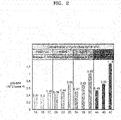
- Table 3 shows compositions of formulations including different amounts of a buffer and PS80, and purities of the formulations after applying temperature stress thereto for 4 weeks, as indicated by %HMW.
- FIG. 2 shows ⁇ %HMW values of formulations including different amounts of buffers and PS80 after applying temperature stress thereto for 4 weeks.
- ⁇ %HMW value of 1A which does not include PS80 was the lowest and lower than ⁇ %HMW value of formulations including PS80, i.e., 2A, 3A, and 4A.
- ⁇ %HMW value of 1B which does not include PS80 was the lowest and lower than ⁇ %HMW value of formulations including PS80, i.e., 2B, 3B, and 4B.
- ⁇ %HMW value of 1C which does not include PS80 was the lowest and lower than ⁇ %HMW values of formulations that include PS80, i.e., 2C, 3C, and 4C. This indicates that formulations of group 1 (1A, 1B, and 1C) which do not include a PS80 surfactant are more stable that formulations of group 2, 3, or 4 which include PS80.
Landscapes
- Health & Medical Sciences (AREA)
- Chemical & Material Sciences (AREA)
- Life Sciences & Earth Sciences (AREA)
- Medicinal Chemistry (AREA)
- General Health & Medical Sciences (AREA)
- Pharmacology & Pharmacy (AREA)
- Veterinary Medicine (AREA)
- Public Health (AREA)
- Animal Behavior & Ethology (AREA)
- Immunology (AREA)
- General Chemical & Material Sciences (AREA)
- Organic Chemistry (AREA)
- Chemical Kinetics & Catalysis (AREA)
- Epidemiology (AREA)
- Engineering & Computer Science (AREA)
- Oil, Petroleum & Natural Gas (AREA)
- Biochemistry (AREA)
- Proteomics, Peptides & Aminoacids (AREA)
- Molecular Biology (AREA)
- Genetics & Genomics (AREA)
- Biophysics (AREA)
- Nuclear Medicine, Radiotherapy & Molecular Imaging (AREA)
- Mycology (AREA)
- Microbiology (AREA)
- Bioinformatics & Cheminformatics (AREA)
- Dermatology (AREA)
- Medicines Containing Antibodies Or Antigens For Use As Internal Diagnostic Agents (AREA)
- Medicinal Preparation (AREA)
- Peptides Or Proteins (AREA)
Applications Claiming Priority (2)
| Application Number | Priority Date | Filing Date | Title |
|---|---|---|---|
| KR1020200011353A KR20210097882A (ko) | 2020-01-30 | 2020-01-30 | 안정한 항-pd-1 항체 약제학적 제제 |
| PCT/KR2021/001210 WO2021154027A1 (ko) | 2020-01-30 | 2021-01-29 | 안정한 항-pd-1 항체 약제학적 제제 |
Publications (2)
| Publication Number | Publication Date |
|---|---|
| EP4098277A1 true EP4098277A1 (de) | 2022-12-07 |
| EP4098277A4 EP4098277A4 (de) | 2024-01-31 |
Family
ID=77078404
Family Applications (1)
| Application Number | Title | Priority Date | Filing Date |
|---|---|---|---|
| EP21747862.7A Pending EP4098277A4 (de) | 2020-01-30 | 2021-01-29 | Stabile pharmazeutische anti-pd-1-antikörper-zubereitung |
Country Status (6)
| Country | Link |
|---|---|
| US (1) | US20230119778A1 (de) |
| EP (1) | EP4098277A4 (de) |
| JP (2) | JP2023512961A (de) |
| KR (1) | KR20210097882A (de) |
| AU (1) | AU2021214521A1 (de) |
| WO (1) | WO2021154027A1 (de) |
Cited By (1)
| Publication number | Priority date | Publication date | Assignee | Title |
|---|---|---|---|---|
| EP4398932A4 (de) * | 2021-09-07 | 2025-10-22 | Dr Reddys Laboratories Ltd | Formulierungen von immun-checkpoint-inhibitoren oder dergleichen |
Families Citing this family (5)
| Publication number | Priority date | Publication date | Assignee | Title |
|---|---|---|---|---|
| US20230054413A1 (en) * | 2019-12-13 | 2023-02-23 | Samsung Bioepis Co., Ltd. | Stable anti-pd1 antibody pharmaceutical formulations |
| CR20220596A (es) | 2020-05-26 | 2023-01-23 | Boehringer Ingelheim Int | Anticuerpos anti-pd-1 |
| WO2025116637A1 (ko) * | 2023-12-01 | 2025-06-05 | 삼성바이오에피스 주식회사 | 항-IL-4Rα 항체의 안정한 액상 제형 |
| KR20250106231A (ko) * | 2023-12-29 | 2025-07-09 | (주)셀트리온 | 안정한 약제학적 제제 |
| WO2025193962A1 (en) * | 2024-03-15 | 2025-09-18 | OncoC4, Inc. | Anti-vegf and pd-1 bispecific antibodies and uses thereof |
Family Cites Families (10)
| Publication number | Priority date | Publication date | Assignee | Title |
|---|---|---|---|---|
| BR122017025062B8 (pt) | 2007-06-18 | 2021-07-27 | Merck Sharp & Dohme | anticorpo monoclonal ou fragmento de anticorpo para o receptor de morte programada humano pd-1, polinucleotídeo e composição compreendendo o referido anticorpo ou fragmento |
| MX2017002875A (es) * | 2014-09-08 | 2017-05-30 | Celgene Corp | Metodos para tratar una enfermedad o trastorno usando formulaciones orales de analogos de citidina en combinacion con un anticuerpo monoclonal anti-pd1 o anti-pdl1. |
| KR20250004095A (ko) * | 2015-04-17 | 2025-01-07 | 브리스톨-마이어스 스큅 컴퍼니 | 항-pd-1 항체 및 또 다른 항체의 조합물을 포함하는 조성물 |
| CN106999591B (zh) * | 2015-09-28 | 2021-02-23 | 苏州盛迪亚生物医药有限公司 | 一种抗pd-1抗体制剂及其在医药上的应用 |
| KR20180101479A (ko) * | 2016-01-13 | 2018-09-12 | 젠맵 에이/에스 | 항체 및 그의 약물 접합체를 위한 제제 |
| WO2018153925A1 (en) * | 2017-02-22 | 2018-08-30 | Amneal Pharmaceuticals Company Gmbh | Stable pharmaceutical compositions comprising macitentan |
| US11603407B2 (en) * | 2017-04-06 | 2023-03-14 | Regeneron Pharmaceuticals, Inc. | Stable antibody formulation |
| JOP20190260A1 (ar) * | 2017-05-02 | 2019-10-31 | Merck Sharp & Dohme | صيغ ثابتة لأجسام مضادة لمستقبل الموت المبرمج 1 (pd-1) وطرق استخدامها |
| US20230054413A1 (en) * | 2019-12-13 | 2023-02-23 | Samsung Bioepis Co., Ltd. | Stable anti-pd1 antibody pharmaceutical formulations |
| JP2023535384A (ja) * | 2020-07-31 | 2023-08-17 | 江蘇恒瑞医薬股▲ふん▼有限公司 | 抗pd-1抗体医薬組成物及びその用途 |
-
2020
- 2020-01-30 KR KR1020200011353A patent/KR20210097882A/ko active Pending
-
2021
- 2021-01-29 AU AU2021214521A patent/AU2021214521A1/en active Pending
- 2021-01-29 JP JP2022544201A patent/JP2023512961A/ja active Pending
- 2021-01-29 EP EP21747862.7A patent/EP4098277A4/de active Pending
- 2021-01-29 WO PCT/KR2021/001210 patent/WO2021154027A1/ko not_active Ceased
- 2021-01-29 US US17/796,289 patent/US20230119778A1/en active Pending
-
2025
- 2025-11-21 JP JP2025201723A patent/JP2026048681A/ja active Pending
Cited By (1)
| Publication number | Priority date | Publication date | Assignee | Title |
|---|---|---|---|---|
| EP4398932A4 (de) * | 2021-09-07 | 2025-10-22 | Dr Reddys Laboratories Ltd | Formulierungen von immun-checkpoint-inhibitoren oder dergleichen |
Also Published As
| Publication number | Publication date |
|---|---|
| JP2026048681A (ja) | 2026-03-17 |
| KR20210097882A (ko) | 2021-08-10 |
| WO2021154027A1 (ko) | 2021-08-05 |
| JP2023512961A (ja) | 2023-03-30 |
| US20230119778A1 (en) | 2023-04-20 |
| AU2021214521A1 (en) | 2022-09-22 |
| EP4098277A4 (de) | 2024-01-31 |
Similar Documents
| Publication | Publication Date | Title |
|---|---|---|
| EP4098277A1 (de) | Stabile pharmazeutische anti-pd-1-antikörper-zubereitung | |
| US20230054413A1 (en) | Stable anti-pd1 antibody pharmaceutical formulations | |
| KR102397713B1 (ko) | 안정한 액체 약제학적 제제 | |
| ES2823279T3 (es) | Formulación farmacéutica acuosa que comprende el anticuerpo anti-PD-1 Avelumab | |
| RU2731418C2 (ru) | Стабильный фармацевтический препарат на основе антитела к pd-1 и его применение в медицине | |
| US20110158987A1 (en) | Novel antibody formulation | |
| JP2005513110A (ja) | Egf受容体に対する抗体を含む凍結乾燥製剤 | |
| TWI857996B (zh) | 含高濃度抗vegf抗體之蛋白質溶液配製物 | |
| WO2019085982A1 (zh) | 一种抗pd-l1人源化单克隆抗体的药物组合物 | |
| KR102934808B1 (ko) | 안정한 액체 약제학적 제제 | |
| WO2008029908A1 (fr) | Préparation pharmaceutique lyophilisée stable comprenant un anticorps | |
| CN112618482A (zh) | 新型蛋白制剂 | |
| US20240287185A1 (en) | Formulations of anti-pd1 antibodies | |
| CN114392352A (zh) | 一种稳定的抗pd-1抗体的药物制剂 | |
| TW202114639A (zh) | 包含抗pd-1/her2雙特異性抗體的製劑及其製備方法和用途 | |
| CN120239616A (zh) | 抗体制剂 | |
| CN117561079A (zh) | 抗pd1抗体的制剂 | |
| CN120346170A (zh) | 抗EpCAM和CD3双特异性抗体药物组合物 | |
| CN118078988A (zh) | 包含靶向il-17a的抗体药物组合物 | |
| HK1171673A (zh) | 抗体配制剂 |
Legal Events
| Date | Code | Title | Description |
|---|---|---|---|
| STAA | Information on the status of an ep patent application or granted ep patent |
Free format text: STATUS: THE INTERNATIONAL PUBLICATION HAS BEEN MADE |
|
| PUAI | Public reference made under article 153(3) epc to a published international application that has entered the european phase |
Free format text: ORIGINAL CODE: 0009012 |
|
| STAA | Information on the status of an ep patent application or granted ep patent |
Free format text: STATUS: REQUEST FOR EXAMINATION WAS MADE |
|
| 17P | Request for examination filed |
Effective date: 20220830 |
|
| AK | Designated contracting states |
Kind code of ref document: A1 Designated state(s): AL AT BE BG CH CY CZ DE DK EE ES FI FR GB GR HR HU IE IS IT LI LT LU LV MC MK MT NL NO PL PT RO RS SE SI SK SM TR |
|
| DAV | Request for validation of the european patent (deleted) | ||
| DAX | Request for extension of the european patent (deleted) | ||
| REG | Reference to a national code |
Ref country code: DE Ref legal event code: R079 Free format text: PREVIOUS MAIN CLASS: A61K0039395000 Ipc: C07K0016280000 |
|
| A4 | Supplementary search report drawn up and despatched |
Effective date: 20240105 |
|
| RIC1 | Information provided on ipc code assigned before grant |
Ipc: A61P 35/00 20060101ALI20231222BHEP Ipc: A61K 47/12 20060101ALI20231222BHEP Ipc: A61K 47/22 20060101ALI20231222BHEP Ipc: A61K 47/18 20170101ALI20231222BHEP Ipc: A61K 47/26 20060101ALI20231222BHEP Ipc: A61K 39/395 20060101ALI20231222BHEP Ipc: C07K 16/28 20060101AFI20231222BHEP |