EP4101862A1 - Antitumorfusionsprotein, herstellungsverfahren dafür und anwendung davon - Google Patents
Antitumorfusionsprotein, herstellungsverfahren dafür und anwendung davon Download PDFInfo
- Publication number
- EP4101862A1 EP4101862A1 EP21741405.1A EP21741405A EP4101862A1 EP 4101862 A1 EP4101862 A1 EP 4101862A1 EP 21741405 A EP21741405 A EP 21741405A EP 4101862 A1 EP4101862 A1 EP 4101862A1
- Authority
- EP
- European Patent Office
- Prior art keywords
- fusion protein
- tat
- tumor
- cells
- shp2
- Prior art date
- Legal status (The legal status is an assumption and is not a legal conclusion. Google has not performed a legal analysis and makes no representation as to the accuracy of the status listed.)
- Pending
Links
Images





Classifications
-
- A—HUMAN NECESSITIES
- A61—MEDICAL OR VETERINARY SCIENCE; HYGIENE
- A61K—PREPARATIONS FOR MEDICAL, DENTAL OR TOILETRY PURPOSES
- A61K38/00—Medicinal preparations containing peptides
- A61K38/16—Peptides having more than 20 amino acids; Gastrins; Somatostatins; Melanotropins; Derivatives thereof
- A61K38/43—Enzymes; Proenzymes; Derivatives thereof
- A61K38/46—Hydrolases (3)
- A61K38/465—Hydrolases (3) acting on ester bonds (3.1), e.g. lipases, ribonucleases
-
- A—HUMAN NECESSITIES
- A61—MEDICAL OR VETERINARY SCIENCE; HYGIENE
- A61P—SPECIFIC THERAPEUTIC ACTIVITY OF CHEMICAL COMPOUNDS OR MEDICINAL PREPARATIONS
- A61P29/00—Non-central analgesic, antipyretic or antiinflammatory agents, e.g. antirheumatic agents; Non-steroidal antiinflammatory drugs [NSAID]
-
- A—HUMAN NECESSITIES
- A61—MEDICAL OR VETERINARY SCIENCE; HYGIENE
- A61K—PREPARATIONS FOR MEDICAL, DENTAL OR TOILETRY PURPOSES
- A61K9/00—Medicinal preparations characterised by special physical form
- A61K9/0012—Galenical forms characterised by the site of application
- A61K9/0014—Skin, i.e. galenical aspects of topical compositions
-
- A—HUMAN NECESSITIES
- A61—MEDICAL OR VETERINARY SCIENCE; HYGIENE
- A61P—SPECIFIC THERAPEUTIC ACTIVITY OF CHEMICAL COMPOUNDS OR MEDICINAL PREPARATIONS
- A61P35/00—Antineoplastic agents
-
- A—HUMAN NECESSITIES
- A61—MEDICAL OR VETERINARY SCIENCE; HYGIENE
- A61P—SPECIFIC THERAPEUTIC ACTIVITY OF CHEMICAL COMPOUNDS OR MEDICINAL PREPARATIONS
- A61P35/00—Antineoplastic agents
- A61P35/02—Antineoplastic agents specific for leukemia
-
- C—CHEMISTRY; METALLURGY
- C07—ORGANIC CHEMISTRY
- C07K—PEPTIDES
- C07K14/00—Peptides having more than 20 amino acids; Gastrins; Somatostatins; Melanotropins; Derivatives thereof
- C07K14/435—Peptides having more than 20 amino acids; Gastrins; Somatostatins; Melanotropins; Derivatives thereof from animals; from humans
- C07K14/46—Peptides having more than 20 amino acids; Gastrins; Somatostatins; Melanotropins; Derivatives thereof from animals; from humans from vertebrates
- C07K14/47—Peptides having more than 20 amino acids; Gastrins; Somatostatins; Melanotropins; Derivatives thereof from animals; from humans from vertebrates from mammals
-
- C—CHEMISTRY; METALLURGY
- C12—BIOCHEMISTRY; BEER; SPIRITS; WINE; VINEGAR; MICROBIOLOGY; ENZYMOLOGY; MUTATION OR GENETIC ENGINEERING
- C12N—MICROORGANISMS OR ENZYMES; COMPOSITIONS THEREOF; PROPAGATING, PRESERVING, OR MAINTAINING MICROORGANISMS; MUTATION OR GENETIC ENGINEERING; CULTURE MEDIA
- C12N15/00—Mutation or genetic engineering; DNA or RNA concerning genetic engineering, vectors, e.g. plasmids, or their isolation, preparation or purification; Use of hosts therefor
- C12N15/09—Recombinant DNA-technology
- C12N15/63—Introduction of foreign genetic material using vectors; Vectors; Use of hosts therefor; Regulation of expression
- C12N15/70—Vectors or expression systems specially adapted for E. coli
-
- C—CHEMISTRY; METALLURGY
- C12—BIOCHEMISTRY; BEER; SPIRITS; WINE; VINEGAR; MICROBIOLOGY; ENZYMOLOGY; MUTATION OR GENETIC ENGINEERING
- C12N—MICROORGANISMS OR ENZYMES; COMPOSITIONS THEREOF; PROPAGATING, PRESERVING, OR MAINTAINING MICROORGANISMS; MUTATION OR GENETIC ENGINEERING; CULTURE MEDIA
- C12N9/00—Enzymes; Proenzymes; Compositions thereof; Processes for preparing, activating, inhibiting, separating or purifying enzymes
- C12N9/14—Hydrolases (3)
- C12N9/16—Hydrolases (3) acting on ester bonds (3.1)
-
- C—CHEMISTRY; METALLURGY
- C12—BIOCHEMISTRY; BEER; SPIRITS; WINE; VINEGAR; MICROBIOLOGY; ENZYMOLOGY; MUTATION OR GENETIC ENGINEERING
- C12Y—ENZYMES
- C12Y301/00—Hydrolases acting on ester bonds (3.1)
- C12Y301/03—Phosphoric monoester hydrolases (3.1.3)
- C12Y301/03048—Protein-tyrosine-phosphatase (3.1.3.48)
-
- A—HUMAN NECESSITIES
- A61—MEDICAL OR VETERINARY SCIENCE; HYGIENE
- A61K—PREPARATIONS FOR MEDICAL, DENTAL OR TOILETRY PURPOSES
- A61K38/00—Medicinal preparations containing peptides
-
- C—CHEMISTRY; METALLURGY
- C07—ORGANIC CHEMISTRY
- C07K—PEPTIDES
- C07K2319/00—Fusion polypeptide
-
- C—CHEMISTRY; METALLURGY
- C07—ORGANIC CHEMISTRY
- C07K—PEPTIDES
- C07K2319/00—Fusion polypeptide
- C07K2319/01—Fusion polypeptide containing a localisation/targetting motif
- C07K2319/10—Fusion polypeptide containing a localisation/targetting motif containing a tag for extracellular membrane crossing, e.g. TAT or VP22
-
- C—CHEMISTRY; METALLURGY
- C07—ORGANIC CHEMISTRY
- C07K—PEPTIDES
- C07K2319/00—Fusion polypeptide
- C07K2319/70—Fusion polypeptide containing domain for protein-protein interaction
- C07K2319/72—Fusion polypeptide containing domain for protein-protein interaction containing SH2 domain
-
- C—CHEMISTRY; METALLURGY
- C12—BIOCHEMISTRY; BEER; SPIRITS; WINE; VINEGAR; MICROBIOLOGY; ENZYMOLOGY; MUTATION OR GENETIC ENGINEERING
- C12N—MICROORGANISMS OR ENZYMES; COMPOSITIONS THEREOF; PROPAGATING, PRESERVING, OR MAINTAINING MICROORGANISMS; MUTATION OR GENETIC ENGINEERING; CULTURE MEDIA
- C12N2800/00—Nucleic acids vectors
- C12N2800/22—Vectors comprising a coding region that has been codon optimised for expression in a respective host
Definitions
- the present invention relates to the fields of biology and medicine, and more particularly to an anti-tumor fusion protein and its preparation method and application.
- Immune checkpoint blocking agent has become an important target of tumor immunotherapy.
- Immune checkpoint blocking therapy targeting PD-1/PD-L1 is to use the body's own immune system to resist and fight against malignant tumors, a new generation of anticancer immunotherapies that substantially improve patient overall survival.
- several studies have reported that only a minority of 20% to 30% of patients respond to the blocking agent, and some patients develop drug resistance after receiving drug treatment.
- the development of new immune checkpoint blocking drugs and the combination strategy of different immune checkpoint drugs have become new ways to improve the response rate of patients.
- the problems of low clinical response rate and drug resistance cannot be completely solved, and the combined application of multiple therapies has problems such as joint timing, dose optimization, and pharmacoeconomics. Therefore, designing a universal immune checkpoint blocking agent (Universal immune check point blockade, UICB) targeting the common targets of different immune checkpoints may be a key breakthrough for the above problems.
- UICB Universal immune check point blockade
- the purpose of the present invention is to provide a more effective anti-tumor fusion protein.
- the present invention provides a fusion protein, and the fusion protein has the structure as shown in Formula I or II from the N-terminus to the C-terminus: Z 1 ⁇ L ⁇ Z 2 Z 2 ⁇ L ⁇ Z 1 wherein
- the Z1 and Z2 are connected in a head-to-head, head-to-tail, tail-to-head, or tail-to-tail manner.
- the "head” refers to the N-terminus of a polypeptide or a fragment thereof, especially the N-terminus of a wild-type polypeptide or a fragment thereof.
- the "tail” refers to the C-terminus of a polypeptide or a fragment thereof, especially the C-terminus of a wild-type polypeptide or a fragment thereof.
- the Z1 and Z2 are D-type or L-type amino acids.
- the Z1 and Z2 are L-type or D-type amino acids.
- the Z1 and Z2 are L-type or D-type amino acids.
- the CPP element is derived from a human or non-human mammal.
- the CPP element includes wild type and mutant type.
- the CPP element includes full-length, mature form of CPP, or an active fragment thereof, preferably 5-30 amino acids in length.
- the CPP element is a TAT penetrating peptide.
- the CPP element is selected from the group consisting of poly-L-arginine (R5-9), MPG, CADY, pVEC, Penetratin, Kaposi fibroblast growth factor peptide, VP22, and a combination thereof.
- sequence of the CPP element is shown in any one of SEQ ID NO.: 1, 15-21.
- L consists of glycine and serine.
- L has the following structure: -(Gly-Ser)n-; wherein, n is 1-5, preferably 1-3.
- L has the following structure: -(Gly-Ser-Ser-Ser-Ser)n-; wherein, n is 1-5, preferably 1-3.
- L contains 1-6 prolines, preferably 1-3 prolines.
- the Z2 is derived from a human or non-human mammal.
- the Z2 includes wild type and mutant type.
- the Z2 comprises a full-length, mature form of the SH2 domain of SHP2 or SHP1, or an active fragment thereof.
- Z2 is selected from the group consisting of N-terminal SH2 domain, C-terminal SH2 domain, and a combination thereof.
- Z2 also includes an ITIM motif binding region of the C-terminal SH2 domain.
- Z2 is the N-terminal SH2 domain of SHP2, with amino acids on postions 1-99 or 9-51 in SEQ ID NO.:2, preferably containing amino acids on postions 9, 28, 49 and 51 in SEQ ID No.: 2, and the length is 43-99 amino acids.
- Z2 is the C-terminal SH2 domain of SHP2, having amino acids on positions 27-39 or 29-37 in SEQ ID NO.:3, preferably containing amino acids on positions 29, 31, 36 and 37 in SEQ ID NO.:3, and 9-108 or 13-108 amino acids in length.
- Z2 is the N-terminal SH2 domain of SHP1, with amino acids on positions 9-51 in SEQ ID NO.:12, preferably containing amino acids on positions 9, 28, 49, 51 in SEQ ID NO.: 12 and 43-99 amino acids in length.
- Z2 is the C-terminal SH2 domain of SHP1, having amino acids on positions 29-37 in SEQ ID NO.:13, preferably containing amino acids on positions 29, 31, 36, 37 in SEQ ID NO.: 13 and 9-107 amino acids in length.
- Z2 has the structure as shown in Formula III from N-terminal to C-terminal: A ⁇ L ′ ⁇ B wherein
- element A is the N-terminal SH2 domain of SHP2, having positions 1-99 or 9-51 in SEQ ID NO.: 2, preferably containing positions 9, 28, 49 and 51 in SEQ ID No.: 2 and 43-99 amino acids in length.
- element B is the C-terminal SH2 domain of SHP2, having the sequence as shown in SEQ ID NO.:3, and containing positions 27-39 or 29-37 in SEQ ID NO.:3, preferably containing positions 29, 31, 36 and 37 in SEQ ID NO.:3, and 9-108 or 13-108 amino acids in length.
- element A is the N-terminal SH2 domain of SHP1, with amino acids on positions 9-51 in SEQ ID NO.: 12, preferably containing amino acids on positions 9, 28, 49, 51 in SEQ ID NO.: 12, and 43-99 amino acids in length.
- element B has the C-terminal SH2 domain of SHP1, having amino acids on positions 29-37 in SEQ ID NO.: 13, preferably containing amino acids on positions 29, 31, 36, 37 in SEQ ID NO.: 13, and the length is 9-107 amino acids.
- the length of the L' is 1-20aa, preferably 3-15aa, more preferably 5-10aa.
- amino acid sequence of L' is selected from the group consisting of:
- Z2 has the sequence as shown in SEQ ID NO.: 11 or 14.
- sequence of Z2 is shown in SEQ ID NO.: 11 or 14.
- the length of the peptide linker is 0-10 amino acids, preferably 0-5 amino acids.
- the fusion protein is selected from the group consisting of:
- amino acid sequence of the fusion protein is shown in any of SEQ ID NO.: 4-8.
- a second aspect of the present invention provides an isolated polynucleotide encoding the fusion protein according to the first aspect of the present invention.
- the polynucleotide additionally contains auxiliary elements selected from the group consisting of a signal peptide, a secretory peptide, a tag sequence (e.g., 6His), and a combination thereof, flanking the ORF of the mutant protein or fusion protein.
- auxiliary elements selected from the group consisting of a signal peptide, a secretory peptide, a tag sequence (e.g., 6His), and a combination thereof, flanking the ORF of the mutant protein or fusion protein.
- the polynucleotide is selected from the group consisting of DNA sequence, RNA sequence, and a combination thereof.
- a vector which contains the polynucleotide as described in the second aspect of the present invention.
- the vector comprises one or more promoters operably linked to the nucleic acid sequence, enhancer, transcription termination signal, polyadenylation sequence, origin of replication, selectable marker, nucleic acid restriction site, and/or homologous recombination site.
- the vector includes a plasmid and viral vector.
- the viral vector is selected from the group consisting of adeno-associated virus (AAV), adenovirus, lentivirus, retrovirus, herpes virus, SV40, poxvirus, and a combination thereof.
- AAV adeno-associated virus
- adenovirus adenovirus
- lentivirus lentivirus
- retrovirus lentivirus
- herpes virus SV40
- poxvirus a combination thereof.
- the vector includes an expression vector, a shuttle vector, and an integration vector.
- a host cell contains the vector of the third aspect of the present invention, or the polynucleotide of the second aspect of the present invention is integrated into its genome.
- the host cell is an eukaryotic cell, such as yeast cell, plant cell or mammalian cell (including a human and non-human mammal).
- the host cell is a prokaryotic cell, such as Escherichia coli.
- the yeast cell is selected from one or more sources of yeast from the group consisting of: Pichia pastoris, Kluyveromyces and a combination thereof; preferably, the yeast cell includes: Kluyveromyces, more preferably Kluyveromyces marxianus, and/or Kluyveromyces lactis.
- the host cell is selected from the group consisting of Escherichia coli, wheat germ cell, insect cell, SF9, Hela, HEK293, CHO, yeast cell, and a combination thereof.
- a fifth aspect of the present invention provides a method for producing the fusion protein of the first aspect of the present invention, the method comprising the steps of: Under conditions suitable for expression, culturing the host cell according to the fourth aspect of the present invention, thereby expressing the fusion protein; and/or isolating the fusion protein.
- a pharmaceutical composition comprising the fusion protein of the first aspect of the present invention and a pharmaceutically acceptable carrier thereof.
- the pharmaceutical composition further includes other drugs for inhibiting tumor activity.
- other drugs for inhibiting tumor activity are selected from the group consisting of: PD-1 antibody, PD-L1 antibody, HER2 monoclonal antibody, BTLA antibody, CTLA-4 antibody, CD47 antibody, NKG2A antibody, NKTR- 214, GDF-15 antibody, LILRB4 antibody, LAIR1 antibody, Tim-3 antibody, Lag-3 antibody, Tight antibody, CD160 antibody, KLRG-1 antibody, GP49B antibody, CD31 antibody, CD38 antibody, Lair-1 antibody, CD200/CD200R antibody, Catumaxomab, Blinatumomab, EGFR monoclonal antibody, CD20 monoclonal antibody, VEGF/VEGFR monoclonal antibody, Licartin, Zevalin, Bexxar, Mylotarg, Kadcyla, Aflibercept, Conbercept, Apalutamide (ARN-509), Rova-T, TNF ⁇ , IFN ⁇ , IL-2, T ⁇ 4, EGFR-targeted small molecule inhibitor
- the PD-1 antibody is selected from the group consisting of: nivolumab, pembrolizumab, cemiplimab, Toripalimab, Sintilimab, camrelizumab, Tislelizumab, and a combination thereof.
- the PD-L1 antibody is selected from the group consisting of atezolizumab, durvalumab, avelumab, and a combination thereof.
- the HER2 monoclonal antibody is selected from the group consisting of trastuzumab, pertuzumab, T-DM1, and a combination thereof.
- the CTLA-4 antibody includes Ipilimumab.
- the EGFR monoclonal antibody includes Necitumumab, Panitumumab, Nimotuzumab, and Cetuximab.
- the CD20 monoclonal antibody is selected from the group consisting of rituximab, Ibritumomab, Tositumomab, ofatumumab, Ocrelizumab, and obinutuzumab, and a combination thereof.
- the VEGF/VEGFR monoclonal antibody is selected from the group consisting of bevacizumab, Ramucirumab, Lucentis, and a combination thereof.
- the EGFR-targeted small molecule inhibitor is selected from the group consisting of erlotinib, gefitinib, icotinib, afatinib (including afatinib dimaleate, Dacomitinib, osimertinib, Nazartinib, neratinib (including neratinib maleate), sorafenib, Apatinib (such as Apatinib Mesylate Tablets), imatinib, sunitinib, dasatinib, lapatinib, Pazopanib, crizotinib, vandetanib, Regorafenib, axitinib, ponatinib, neratinib, Zanubrutinib, anlotinib, ceritinib, Fruquintinib, Pyrotinib, lenvatinib, and a combination thereof.
- a seventh aspect of the present invention provides a use of the fusion protein as described in the first aspect of the present invention, the polynucleotide as described in the second aspect of the present invention, the vector as described in the third aspect of the present invention, and the host cell as described in the fourth aspect of the present invention for preparing a composition or preparation, the composition or preparation is used for the treatment or prevention of tumor.
- composition or preparation is also used for one or more purposes selected from the group consisting of:
- the composition is a pharmaceutical composition.
- the tumor is selected from the group consisting of breast cancer, colon cancer, lung cancer, colorectal cancer, gastric cancer, esophagus cancer, pancreatic cancer, ovarian cancer, prostate cancer, kidney cancer, liver cancer, brain cancer, melanoma, multiple myeloma, leukemia, lymphoma, head and neck tumor, thyroid cancer, and a combination thereof.
- the tumor cells are from one or more tumors selected from the group consisting of breast cancer, colon cancer, lung cancer, colorectal cancer, gastric cancer, esophagus cancer, pancreatic cancer, ovarian cancer, prostate cancer, kidney cancer, liver cancer, brain cancer, melanoma, multiple myeloma, leukemia, lymphoma, head and neck tumor, thyroid cancer, and a combination thereof.
- an in vitro non-therapeutic method for inhibiting tumor growth comprising the steps of: In the presence of the fusion protein according to the first aspect of the present invention, culturing a tumor cell, thereby inhibiting the tumor growth.
- the tumor cell is from one or more tumors selected from the group consisting of breast cancer, colon cancer, lung cancer, colorectal cancer, gastric cancer, esophagus cancer, pancreatic cancer, ovarian cancer, prostate cancer, kidney cancer, liver cancer, brain cancer, melanoma, multiple myeloma, leukemia, lymphoma, head and neck tumor, thyroid cancer, and a combination thereof.
- the tumor cell is a cell cultured in vitro.
- a ninth aspect of the present invention provides a method for treating tumors, comprising the step of: administering the fusion protein as described in the first aspect of the present invention to a subject in need.
- the fusion protein is administered in the form of monomers and/or dimers.
- the subject is a human.
- the fusion protein obtained by the present invention has extremely excellent killing activity against tumors, and the fusion protein of the present invention can also significantly enhance the killing effect of T cells on tumor cells.
- the present invention has been completed on this basis.
- CPPs Cell penetrating peptides
- CPPs are a class of polypeptides composed of 5-30 amino acid residues with cell membrane penetrating ability, which can carry biological macromolecules such as proteins and nucleic acids into cells.
- CPP-mediated entry of biological macromolecules into cells is the most successful delivery system that can directly transport biological macromolecules in vivo and in vitro due to safer and more efficient than traditional methods.
- TAT arginine-rich polypeptide
- HAV-1 human immunodeficiency virus
- TAT-PTD TAT-protein transduction domain
- CPPs can be divided into three categories according to their chemical properties: (1) Cationic, rich in arginine and lysine residues, with a strong positive charge at physiological pH, mainly including TAT, R9, hLF, etc. (2) The positive charge of amphiphilic peptides is provided by lysine residues, such CPPs contain hydrophobic and hydrophilic domains, and their amphipathic characteristics are jointly determined by its primary and secondary structures. It mainly includes MPG, CADY, pVEC, SAP and so on. (3) Hydrophobic CPPs have lower net charges and are mainly composed of non-polar amino acids. Such as Kaposi fibroblast growth factor (K-FGF) peptide.
- K-FGF Kaposi fibroblast growth factor
- the CPP element of the present invention is a TAT penetrating peptide.
- the CPP element of the present invention is selected from the group consisting of poly-L-arginine (R5-9), MPG (consisting of the fusion protein domain of the gp41 protein of human autoimmune deficiency virus type 1 and the nuclear localization sequence region of the simian vacuolar virus large T antigen, the amino acid sequence: GLAFLGFLGAAGSTMGAWSQPKKKRKV (SEQ ID NO.: 15)), CADY (a secondary amphiphilic peptide consisting of 20 amino acids containing tryptophan residues and arginine residues, the amino acid sequence: GLWRALWRLLRSLWRLLWKA (SEQ ID NO.
- pVEC derived from murine vascular endothelial cell cadherin, the amino acid sequence: LLIILRRRIRKQAHAHSK (SEQ ID NO.: 17)), Penetratin (sequences 43-58 with more positive charges in the third ⁇ -helix of Drosophila antennal homeotic transcription factor protein, the amino acid sequence: RQIKIWFQNRRMKWKK (SEQ ID NO.: 18)), Kaposi fibroblast growth factor peptide (K -FGF, amino acid sequence: AAVLLPVLLAAP (SEQ ID NO.: 19)), VP22 (herpes simplex virus type 1 intermediate layer protein, amino acid sequence: DAATATRGRSAASRPTERPRAPARSASRPRRVD (SEQ ID NO.:20)), and a combination thereof.
- ITIM Immunoreceptor tyrosine-based inhibitory motif
- ITIMs immunoreceptor tyrosine based inhibitor motifs
- ITIM is a common domain that exerts inhibitory effects on many immune checkpoints, and it is also a key target for the design of generic drugs against immune checkpoints.
- SHP1 and SHP2 are highly homologous and are frequently recruited to the same binding sites, and the distinct roles of SHP1 and SHP2 phosphatases are currently unclear.
- Protein tyrosine phosphatase-1 (SH2 domain-containing protein tyrosine phosphates, SHP1) is mainly expressed in various human hematopoietic cells and is an important negative regulator that controls the level of phosphorylated tyrosine in the signaling pathway between lymphocytes.
- SHP1 contains two SH2 domains, N-SH2 (3-101) and C-SH2 (109-215), a catalytic (PTP) domain (272-514), a tail rich in proline groups and tyrosine phosphorylation sites.
- SHP2 is a protein tyrosine phosphatase encoded by the human non-receptor protein tyrosine phosphatase 11 (Protein Tyrosine Phosphatase, Non Receptor Type 11, PTPN11) gene, containing two SH2 domains, respectively N-SH2 (5-103) and C-SH2 (111-218), a catalytic (PTP) domain (276-523), a tail rich in proline groups and tyrosine phosphorylation sites.
- the PTPN11 gene comprises 16 exons and produces a ubiquitously expressed 7 kb transcript containing a 1.779 bp open reading frame encoding a 593 amino acid protein.
- human and mouse SHP2 gene sequence homology is 100%.
- the N-SH2 domain of SHP2/SHP1 makes extensive contacts with the catalytic domain PTP through charge-charge interactions, and part of the SH2 domain (NXGDY/F motif) is inserted into the catalytic cracks, preventing the substrate from entering the active site and loses catalytic activity.
- the conformational change switch in the SH2 domain changes from an inactive state to an active state. This conformational change in the N-SH2 domain of SHP2/SHP1 disrupts the interaction between the SH2 domain and the phosphatase domain, abolishing self-inhibition and allowing substrate entry.
- Fusion proteins and mimetic polypeptides of N-SH2 and C-SH2 domains of SHP2/SHP1 that can bind to ITIM were designed and prepared by using genetic engineering and polypeptide solid-phase synthesis techniques.
- the transmembrane peptide TAT is fused to the N-terminus of the fusion protein and the C-terminus of the polypeptide.
- the transactivator protein (TAT) of HIV1 can efficiently and rapidly introduce polypeptides and proteins into cells without affecting the normal structure and function of cells.
- the fusion proteins and polypeptides After the fusion proteins and polypeptides enter the cells, they can compete with the normally expressed SHP2/SHP1 in T lymphocytes to bind to the ITIM of the intracellular segment of the inhibitory receptor, so that the SHP2/SHP1 in the immune cells are always in an inactive state, thereby inactivating the inhibitory effect of immunosuppressive receptors, which is the development idea of the general immune checkpoint inhibitor designed in the present invention with ITIM as the target.
- fusion protein of the present invention refers to the fusion protein of the first aspect of the present invention.
- the structure of the fusion protein is shown as Z1-L-Z2 (I) or Z2-L-Z1 (II), wherein B is CCP protein; L is no or connecting element; and Z2 is the SH2 domain of SHP2 or SHP1 or an active fragment thereof.
- the fusion protein has the amino acid sequence as shown in any of SEQ ID NO.: 4-8.
- fusion protein also includes variant forms of fusion proteins (such as the sequences set forth in any of SEQ ID NO.: 4-8) having the above-mentioned activities. These variants include (but are not limited to): deletions, insertions and/or substitutions of 1-3 (usually 1-2, more preferably 1) amino acids, and additions or deletions of one or several (usually within 3, preferably within 2, more preferably within 1) amino acids at the C-terminus and/or N-terminus. For example, in the art, substitutions with amino acids of close or similar properties generally do not alter the function of the protein. For another example, addition or deletion of one or several amino acids at the C-terminus and/or N-terminus usually does not alter the structure and function of the protein. Furthermore, the term also includes monomeric and multimeric forms of the polypeptides of the invention. The term also includes linear as well as nonlinear polypeptides (e.g., cyclic peptides).
- the present invention also includes active fragments, derivatives and analogs of the above fusion proteins.
- fragment refers to polypeptides that substantially retain the function or activity of the fusion proteins of the present invention.
- polypeptide fragments, derivatives or analogs of the present invention may be (i) a polypeptide in which one or several conservative or non-conservative amino acid residues (preferably conservative amino acid residues) have been substituted, or (ii) a polypeptide having a substituent group in one or more amino acid residues, or (iii) a polypeptide formed by fusion of an antigenic peptide with another compound (such as a compound that prolongs the half-life of a polypeptide, such as polyethylene glycol), or (iv) a polypeptide formed by fusing an additional amino acid sequence with this polypeptide sequence (a fusion protein formed by fusing with a leader sequence, a secretory sequence, or a tag sequence such as 6 ⁇ His).
- a class of preferred active derivatives refers to that compared with the amino acid sequence of Formula I or Formula II, at most 3, preferably at most 2, more preferably at most 1 amino acid is replaced by amino acids with close or similar properties to form a polypeptide. These conservatively variant polypeptides are best produced by amino acid substitutions according to Table A.
- the present invention also provides analogs of the fusion proteins of the present invention.
- the differences between these analogs and the polypeptides shown in any of SEQ ID NO.:4-8 may be differences in amino acid sequence, differences in modified forms that do not affect the sequence, or both.
- Analogs also include analogs with residues other than natural L-amino acids (e.g., D-amino acids), as well as analogs with non-naturally occurring or synthetic amino acids (e.g., beta, gamma-amino acids). It should be understood that the polypeptides of the present invention are not limited to the representative polypeptides as exemplified above.
- Modified (generally without altering the primary structure) forms include chemically derivatized forms such as acetylation or carboxylation of the polypeptide in vivo or in vitro. Modifications also include glycosylation, such as those resulting from glycosylation modifications in the synthesis and processing of the polypeptide or in further processing steps. Such modifications can be accomplished by exposing the polypeptide to enzymes that perform glycosylation, such as mammalian glycosylases or deglycosylases. Modified forms also include sequences with phosphorylated amino acid residues (eg, phosphotyrosine, phosphoserine, phosphothreonine). Also included are polypeptides that have been modified to increase their resistance to proteolysis or to optimize their solubility properties.
- the present invention also relates to vectors comprising the polynucleotides of the present invention, as well as host cells produced by genetic engineering with the vectors of the present invention or the coding sequences of fusion proteins of the present invention, and methods for producing the polypeptides of the present invention by recombinant techniques.
- polynucleotide sequences of the present invention can be used to express or produce recombinant fusion proteins by conventional recombinant DNA techniques. Generally there are the following steps:
- the polynucleotide sequence encoding the fusion protein can be inserted into a recombinant expression vector.
- recombinant expression vector refers to bacterial plasmids, bacteriophages, yeast plasmids, plant cell viruses, mammalian cell viruses such as adenoviruses, retroviruses, or other vectors well known in the art. Any plasmids and vectors can be used as long as they are replicable and stable in the host.
- An important feature of expression vectors is that they typically contain an origin of replication, a promoter, marker genes and translational control elements.
- Methods well known to those skilled in the art can be used to construct expression vectors containing the DNA sequences encoding the fusion proteins of the invention and appropriate transcriptional/translational control signals. These methods include in vitro recombinant DNA technology, DNA synthesis technology, in vivo recombinant technology, and the like.
- the DNA sequence can be operably linked to an appropriate promoter in an expression vector to direct mRNA synthesis. Representative examples of these promoters are: the lac or trp promoter of E.
- Expression vectors also include a ribosome binding site for translation initiation and a transcription terminator.
- the expression vector preferably contains one or more selectable marker genes to provide phenotypic traits for selection of transformed host cells, such as dihydrofolate reductase for eukaryotic cell culture, neomycin resistance, and green fluorescent protein (GFP), or Tetracycline or ampicillin resistance for E. coli.
- selectable marker genes to provide phenotypic traits for selection of transformed host cells, such as dihydrofolate reductase for eukaryotic cell culture, neomycin resistance, and green fluorescent protein (GFP), or Tetracycline or ampicillin resistance for E. coli.
- Vectors comprising the appropriate DNA sequences described above, together with appropriate promoter or control sequences, can be used to transform appropriate host cells so that they can express the protein.
- Host cells can be prokaryotic cells (eg, E. coli), or lower eukaryotic cells, or higher eukaryotic cells, such as yeast cells, plant cells, or mammalian cells (including humans and non-human mammals). Representative examples are: Escherichia coli, wheat germ cells, insect cells, SF9, Hela, HEK293, CHO, yeast cells, etc.
- select yeast cells such as Pichia pastoris, Kluyveromyces, or a combination thereof; preferably, the yeast cells include: Kluyveromyces, more preferably Kluyveromyces marxianus, and/or Kluyveromyces lactis) as the host cell.
- Enhancers are cis-acting elements of DNA, usually about 10 to 300 base pairs in length, that act on a promoter to enhance transcription of a gene.
- Illustrative examples include the 100 to 270 base pair SV40 enhancer on the late side of the replication origin, the polyoma enhancer on the late side of the replication origin, and adenovirus enhancers, among others.
- Transformation of host cells with recombinant DNA can be performed using conventional techniques well known to those skilled in the art.
- the host is a prokaryotic organism such as E. coli
- competent cells capable of uptake of DNA can be harvested after exponential growth phase and treated with the CaCl 2 method using procedures well known in the art. Another way is to use MgCl 2 .
- transformation can also be performed by electroporation.
- the following DNA transfection methods can be used: calcium phosphate co-precipitation method, conventional mechanical methods such as microinjection, electroporation, liposome packaging and the like.
- the obtained transformants can be cultured by conventional methods to express the polypeptides encoded by the genes of the present invention.
- the medium used in the culture can be selected from various conventional media depending on the host cells used. Cultivation is carried out under conditions suitable for growth of the host cells. After the host cells have grown to an appropriate cell density, the promoter of choice is induced by a suitable method (eg, temperature switching or chemical induction), and the cells are cultured for an additional period of time.
- recombinant polypeptide in the above method can be expressed intracellularly, or on the cell membrane, or secreted outside the cell.
- recombinant proteins can be isolated and purified by various isolation methods utilizing their physical, chemical and other properties. These methods are well known to those skilled in the art. Examples of such methods include, but are not limited to: conventional renaturation treatment, treatment with protein precipitants (salting-out method), centrifugation, osmotic disruption, ultratreatment, ultracentrifugation, molecular sieve chromatography (gel filtration), adsorption chromatography, ion exchange chromatography, high performance liquid chromatography (HPLC) and various other liquid chromatography techniques and combinations of these methods.
- the present invention provides a fusion protein, which may optionally contain a peptide linker.
- Peptide linker size and complexity may affect protein activity.
- the peptide linker should be of sufficient length and flexibility to ensure that the two proteins connected have enough degrees of freedom in space to exert their functions. At the same time, the influence of the formation of ⁇ helix or ⁇ sheet in the peptide linker on the stability of the fusion protein is avoided.
- the length of the linker peptide is generally 0-10 amino acids, preferably 0-5 amino acids.
- the present invention also provides a pharmaceutical composition.
- the composition is a pharmaceutical composition, which contains the above-mentioned fusion protein, and a pharmaceutically acceptable carrier, diluent, stabilizer and/or thickener, and can be prepared as a lyophilized powder, Tablet, Capsule, Syrup, Solution or Suspension.
- “Pharmaceutically acceptable carrier or excipient” means: one or more compatible solid or liquid filler or gel substances, which are suitable for human use and which must be of sufficient purity and sufficient low toxicity. "Compatibility” as used herein means that the components of the composition can be blended with the active ingredients of the present invention and with each other without significantly reducing the efficacy of the active ingredients.
- compositions may be liquid or solid, such as powders, gels or pastes.
- the composition is a liquid, preferably an injectable liquid. Suitable excipients will be known to those skilled in the art.
- Examples of pharmaceutically acceptable carrier moieties include cellulose and its derivatives (such as sodium carboxymethyl cellulose, sodium ethyl cellulose, cellulose acetate, etc.), gelatin, talc, solid lubricants (such as stearic acid, magnesium stearate), calcium sulfate, vegetable oils (such as soybean oil, sesame oil, peanut oil, olive oil, etc.), polyols (such as propylene glycol, glycerol, mannitol, sorbitol, etc.), emulsifiers (such as Tween ® ), wetting agents (such as Sodium lauryl Sulfates), colorants, flavouring agents, stabilizers, antioxidants, preservatives, pyrogen-free water, etc.
- cellulose and its derivatives such as sodium carboxymethyl cellulose, sodium ethyl cellulose, cellulose acetate, etc.
- gelatin such as sodium carboxymethyl cellulose, sodium ethyl cellulose, cellulose a
- compositions may comprise physiologically acceptable sterile aqueous or anhydrous solutions, dispersions, suspensions or emulsions, and sterile powders for reconstitution into sterile injectable solutions or dispersions.
- Suitable aqueous and non-aqueous carriers, diluents, solvents or excipients include water, ethanol, polyols and suitable mixtures thereof.
- these materials can be formulated in a non-toxic, inert and pharmaceutically acceptable aqueous carrier medium, usually at a pH of about 5-8, preferably at a pH of about 6-8, although the pH may vary depending on the nature of the substance being formulated and the condition being treated.
- the formulated pharmaceutical compositions can be administered by conventional routes including, but not limited to, intraperitoneal, intravenous, or topical administration.
- the pharmaceutical composition is used for (a) treating or preventing tumors; (b) enhancing the killing effect of T cells on tumor cells; (c) inhibiting the growth of tumors; (d) inhibiting the apoptosis of T cells; (e) increasing the level of IL-2 secreted by T cells.
- the recombinant TAT-N-SH2 fusion protein of the present invention connects the TAT penetrating peptide and N-SH2 through glycine and serine (TAT-N-SH2), and the connection method is: TAT-Gly-Ser-N-SH2; Its amino acid sequence is shown in SEQ ID NO.:4.
- the nucleotide sequence of the recombinant TAT-N-SH2 fusion protein was the nucleotide sequence of connecting the TAT penetrating peptide and the N-terminal SH2 domain of SHP2 with a BamHI Restriction Enzyme cutting site, and an NdeI Restriction Enzyme cutting site was added at the 5' end, a termination codon TGA and a SalI Restriction Enzyme cutting site were added to the 3' end, and the connection method was: NdeI Restriction Enzyme cutting site -TAT gene-BamHI Restriction Enzyme cutting site -N-SH2 gene-TGA-Sall Restriction Enzyme cutting site, its nucleotide sequence is shown in SEQ ID NO.:9.
- Recombinant TAT-N-SH2 fusion protein nucleotides were constructed in expression vector or recombinant plasmid pET-22b(+)-TAT-N-SH2, by NdeI Restriction Enzyme cutting site and SalI NdeI Restriction Enzyme cutting site, the plasmid pET-22b(+) was ligated with the recombinant TAT-N-SH2 fusion protein nucleotides of claim 3 by double digestion to obtain the pET-22b(+)-TAT-N-SH2.
- the amino acid sequences of TAT and N-SH2 were converted into gene sequences, and the gene sequences of TAT and N-SH2 were connected with the BamHI Restriction Enzyme cutting site, and the Nde I Restriction Enzyme cutting site was added at the 5' end.
- a stop codon TGA and a SalI Restriction Enzyme cutting site were added to the 3' end to synthesize the TAT-N-SH2 gene. Its nucleotide sequence is as follows:
- the recombinant plasmid pET-22b(+)-TAT-N-SH2 was transformed into BL21 competent cells, and after culturing in a 37°C incubator for 12 hours, a monoclonal colony was picked and inoculated in LB medium containing 100 mg/L ampicillin, after culturing at 37°C on a shaker, harvesting bacteria and extracting plasmids, double digested with Nde I and Sal I , and identified by agarose gel electrophoresis.
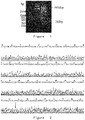
- the expected 342bp insert was obtained ( Figure 1 ).
- the DNA sequencing results ( Figure 2 ) show that it is consistent with the synthesized sequence.
- pET The -22b(+)-TAT-N-SH2 recombinant plasmid was constructed successfully.
- the obtained recombinant plasmid pET-22b(+)TAT-SHP2-N-SH2 was double digested with Nde I and Sal I enzymes, and then subjected to agarose gel electrophoresis.
- the red arrow is the target fragment.
- the lysed supernatant which has been crudely extracted by split bacteria, is dialyzed and centrifuged, and then further separated by SP-cation exchange chromatography. Collect peaks at different detection wavelengths, finally, it is found that the target protein can only be detected at the wavelength of 215nm, and a total of 1 pass-through peak and 4 elution peaks are received, namely: pass-through peak, SP peak 1, SP peak 2, SP peak 3, SP peak 4 (as shown in Figure 5 ); each peak is analyzed by SDS-PAGE, and the peak of the target protein is detected as SP4 (as shown in Figure 6 ).
- the purified fusion protein was detected by HPLC, 20 ⁇ L of sample was injected into the needle, the running time was 20 min, the flow rate was 0.8 mL/min, the detection wavelength was 280 nm, and the area of the main peak was used to determine the purity of the sample.
- the results show that the purity of the fusion protein is 95.92% ( Figure 8 ).
- Example 2 Fusion polypeptides of four TAT penetrating peptides and the ITIM motif binding region of the C-terminal SH2 domain of SHP2
- the purity of the synthesized polypeptide was analyzed by HPLC, 20 ⁇ L of sample was injected into the needle, the running time was 20 min, the flow rate was 1.0 mL/min, the detection wavelength was 220 nm, and the area of the main peak was used to determine the purity of the sample.
- the results show that the purity of L1 polypeptide is 96.74% ( Fig. 9A ), the purity of L2 polypeptide is 98.1% ( Fig. 9B ), the purity of D1 polypeptide is 99.27% ( Fig. 9C ), and the purity of D2 polypeptide is 96.66% ( Fig. 9D ).
- the molecular weight of the synthesized polypeptides was detected by mass spectrometry. The results show that: the molecular weight of L1 polypeptide is 3206 ( Fig. 10A ), the molecular weight of L2 polypeptide is 3206.67 ( Fig. 10B ), the molecular weight of D1 polypeptide is 3206.63 ( Fig. 10C ), and the molecular weight of D2 polypeptide is 3206.79 ( Fig. 10D ), which is consistent with the theoretical molecular weight.
- Example 3 The penetrating peptide TAT can assist recombinant fusion proteins and polypeptides into T lymphocytes
- TAT-N-SH2 fusion proteins and polypeptides The ability of recombinant TAT-N-SH2 fusion proteins and polypeptides to enter T lymphocytes is the precondition for their binding to the inhibitory receptor intracellular segment ITIM on their cell membranes.
- the penetrating peptide TAT is a positively charged short peptide, which can assist various substances to pass through the cell membrane to exert their biological functions.
- TAT-N-SH2 fusion protein, L1 polypeptide and control peptide with FITC we labeled TAT-N-SH2 fusion protein, L1 polypeptide and control peptide with FITC, and observed their entry into T lymphocytes by confocal microscopy, the action time was 0, 0.5, 4, 24, 72, 96, 120 and 144 h ( Fig.
- TAT-N-SH2 fusion protein and L1 TAT-SHP2-C-SH2 polypeptide
- TAT-SHP2-C-SH2 L1
- TAT-SHP2-C-SH2 polypeptide 80 ⁇ g/mL TAT-SHP2-N-SH2 fusion protein and TAT-SHP2-C-SH2 polypeptide to stimulate T lymphocytes for 3 days, respectively.
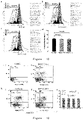
- the results show that the proliferation rate of T lymphocytes in the control group is 62.83% ( Figure 12a ).
- the proliferation rate of T lymphocytes in the recombinant TAT-N-SH2 fusion protein group is 61.05% ( Fig.
- T lymphocytes were stimulated with recombinant TAT-N-SH2 fusion protein and L1 polypeptide for 3 days and the apoptosis of T lymphocytes in different treatment groups was detected by flow cytometry.
- Figure 13 a-d shows the effect of Annexin V-FITC detection peptide on T lymphocyte apoptosis, resuspended cells were added to different groups to treat untreated groups SHP2-NC, SHP2-N-SH2 (80 ⁇ g/mL), TAT-SHP2 -C-SH2 polypeptide (80 ⁇ g/mL) and then continue to culture on EASY-T-stimulated culture plates (add 50ng PD-L1 antibody 3 hours before adding cell mixture to coat 24-well plate at 37°C) for 3 days, cells were collected and stained with FITC and PI for detection by flow cytometry.
- T lymphocytes stimulated by recombinant TAT-N-SH2 fusion protein and L1 (TAT-SHP2-C-SH2) polypeptide for 3 days were collected to detect the changes in the phosphorylation levels of ERK, AKT and JNK molecules.
- T lymphocytes stimulated by recombinant TAT-N-SH2 fusion protein and L1 polypeptide for 3 days were collected to detect the level of cytokine IL-2 secreted.
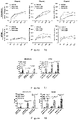
- the results show that, compared with the control group, through TAT-SHP2-N-SH2 fusion protein and SHP2-C-SH polypeptide stimulation, the level of IL-2 secreted by T lymphocytes is significantly increased ( Fig. 15 ).
- the experimental results show that, compared with the untreated group, the recombinant TAT-N-SH2 fusion protein and L1 polypeptide have no direct toxic effect on tumor cells MDA-MB-231 and SW480, which indicates that the recombinant TAT-N-SH2 fusion protein and L1 polypeptides play a role in killing tumor cells by acting on T cells ( Figure 16 ).
- TAT-SHP2-N-SH2 fusion protein Three protein concentrations (20 ⁇ g/mL, 40 ⁇ g/mL, 80 ⁇ g/mL) of TAT-SHP2-N-SH2 fusion protein were selected to stimulate human T lymphocytes and the killing effect on tumor cells MDA-MB-231 and SW480, respectively at an effector-target ratio of 30:1 was detected by CytoTox 96 non-radioactive cytotoxicity assay.
- the protein groups at three concentrations are all significantly higher than the non-administered groups (untreated group) ( Figure 17 , Table 1). It shows that TAT-SHP2-N-SH2 fusion protein can enhance the effect of T cells in killing tumor cells, and the effect of killing colon cancer cells is better than that of breast cancer cells. Table 1.
- CytoTox 96 non-radioactive cytotoxicity assay was used to detect the killing effect of human T lymphocytes stimulated by TAT-SHP2-C-SH2 polypeptide (20 ( ⁇ g/mL, 40 ( ⁇ g/mL, 80 ⁇ g/mL) for 4 days on tumor cell lines MDA-MB-231 and SW480, respectively.
- TAT-SHP2-C-SH2 polypeptide concentrations were 40 ⁇ g/mL and 80 ( ⁇ g/mL, respectively, compared with the control group, the ability of T lymphocytes stimulated with TAT-SHP2-C-SH2 polypeptide to kill MDA-MB-231 and SW480 is significantly enhanced ( Figure 18 , Table 2). Table 2.
- CytoTox 96 non-radioactive cytotoxicity assay was used to detect the killing effect of LI, L2, D1 and D2 polypeptides (40 ⁇ g/mL) on lung cancer cells H460 after stimulating human T lymphocytes for 4 days, respectively.
- the effector-target ratio is 20:1, compared with the untreated group and the control peptide, the ability of T lymphocytes stimulated by LI, L2, D1, and D2 polypeptides to kill lung cancer cells H460 is significantly improved, and the D2 polypeptide has the strongest effect.
- Figure 19 Table 3
- Table 3 The killing effect of T cells stimulated by L1, L2, D1 and D2 polypeptides on lung cancer cells H460.
- a subcutaneous tumor model of MC38 colon cancer mice was established.
- the dose of 50 ⁇ g/mouse ⁇ PD-1 antibody was used as the positive control drug, and select the TAT-SHP2-N-SH2 fusion protein with a concentration of 1.25 ⁇ g/mouse (N1.25), 2.5 ⁇ g/mouse (N2.5), 5 ⁇ g/mouse (N5) and 10 ⁇ g/mouse (N10) by intraperitoneal injection.
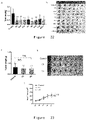
- the tumor-bearing mice were dissected and weighed, and it is found that the tumor weight in the TAT-SHP2-N-SH2 fusion protein group is significantly smaller than that in the control group, and the tumor weight in the N5 group is smaller than that in the ⁇ PD-1 antibody group ( Figure 20 , a-b), the N5 group has the highest tumor inhibition rate (Table 4), reaching 80.9%.
- Table 4 tumor inhibition rate
- Tumor inhibition rate of TAT-SHP2-N-SH2 fusion protein on colon cancer tumor-bearing mice Tumor weight (g) Tumor inhibition rate % Control 0.81 ⁇ 0.11 ⁇ PD-1 0.44 ⁇ 0.06 ⁇ 45.9 N1.25 0.36 ⁇ 0.11 ⁇ 55.3 N2.5 0.3 8 ⁇ 0.11 ⁇ 53.5 N5 0.16 ⁇ 0.03 ⁇ 80.9 N10 0.34 ⁇ 0.08 ⁇ 57.8 Compared with Control group, ⁇ p ⁇ 0.05, ⁇ p ⁇ 0.01, ⁇ p ⁇ 0.001
- TAT-SHP2-C-SH2 polypeptide The effect of TAT-SHP2-C-SH2 polypeptide on tumor growth in mice was evaluated by the established MC38 colon cancer mouse subcutaneous tumor-bearing model, administered by intraperitoneal injection of 1.25 ⁇ g/mouse (C1.25), 2.5 ⁇ g/mouse (C2.5), 5 ⁇ g/mouse (C5) and 10 ⁇ g/mouse (C10) TAT-SHP2-C-SH2 polypeptide and at the same time, a dose of 50 ⁇ g/mouse ⁇ PD-1 antibody ( ⁇ PD-1) was used as the positive control drug and adding TAT-SHP2-N-SH2 (5 ⁇ g/mouse) group and a combination group (TAT-SHP2-N-SH2 fusion protein and TAT-SHP2C-SH2 polypeptide, each 5 ⁇ g/mouse), it is found that compared with the control group, TAT-SHP2-C-SH2 polypeptide group, ⁇ PD-1
- the combination group has the best tumor inhibitory effect, followed by the N5 group, and the TAT-SHP2-C-SH2 polypeptide at a dose of 5 ⁇ g/mouse has the slowest tumor growth ( Figure 21 , a-b); the combination group has the best tumor inhibition rate, followed by the N5 group (Table 5).
- Table 5 The results show that different dose groups have inhibitory effects on the growth of mouse tumors, and the combination group has the best effect. Table 5.
- Tumor inhibition rate of TAT-SHP2-C-SH2 polypeptide on colon cancer tumor-bearing mice Tumor weight (g) Tumor inhibition rate % Control 1.12 ⁇ 0.08 C1.25 0.34 ⁇ 0.09 *** 60.2 C2.5 0.44 ⁇ 0.09 *** 70 C5 0.34 ⁇ 0.05 *** 72.8 C10 0.36 ⁇ 0.09 ⁇ 70.6 ⁇ PD-1 0.38 ⁇ 0.14 ⁇ 69.2 N5 0.26 ⁇ 0.07 ⁇ 77.1 N5+C5 0.24 ⁇ 0.07 ⁇ 80.4 Compared with the Control group, ⁇ p ⁇ 0.001
- TAT-SHP2SHP2-N-SH2 fusion protein and TAT-SHP2SHP2-C-SH2 polypeptide were evaluated the effects of TAT-SHP2SHP2-N-SH2 fusion protein and TAT-SHP2SHP2-C-SH2 polypeptide on tumor growth in mice by establishing a subcutaneous tumor-bearing model of EMT breast cancer mice.
- TAT-SHP2SHP2-C-SH2 polypeptide at 5 ⁇ g/mouse (C5), 10 ⁇ g/ mouse (C10), 15 ⁇ g/ mouse (C15) and 2 ⁇ g/ mouse (N2), 5 ⁇ g/ mouse (N5), 10 ⁇ g/ mouse (N10), 15 ⁇ g/ mouse (N15) of TAT-SHP2SHP2-N-SH2 fusion protein were administered by intraperitoneal injection and at the same time, the dose of 50 ⁇ g/mouse ⁇ PD-1 antibody ( ⁇ PD-1) was used as the positive control drug.
- ⁇ PD-1 antibody ⁇ PD-1
- TAT-SHP2SHP2-C-SH2 polypeptide group ⁇ PD-1 antibody group
- TAT-SHP2SHP2-N-SH2 fusion protein group is significantly smaller than that in the control group
- TAT-SHP2SHP2-N-SH2 fusion protein 5 ⁇ g/ mouse
- TAT-SHP2SHP2 or SHP1-C-SH2 polypeptide 5 ⁇ g/mouse
- TAT-N-SH2 fusion protein and L1 TAT-SHP2-C-SH2
- mice were randomly divided into three groups with 6 mice in each group.
- the administration dose is the same as above, administered once every other day for a total of 8 doses, 4 days to measure tumor size, the growth curve was drawn, and the mice were sacrificed to measure the body weight on day 21. It is found that compared with the control group, there is no significant difference in tumor volume, tumor weight and tumor inhibition rate between the recombinant TAT-N-SH2 fusion protein and L1 (TAT-SHP2-C-SH2) polypeptide treatment group.
- TAT-N-SH2 fusion protein and L1 (TAT-SHP2-C-SH2) polypeptide can not directly inhibit tumor cells, but it inhibits breast cancer tumor growth through immune cells ( Fig. 24 , a-c, Table 8).
- Table 8 Tumor inhibition rate of recombinant TAT-N-SH2 fusion protein and L1 polypeptide on breast cancer in nude mice Tumor weight (g) Tumor inhibition rate % Control 0.90 ⁇ 0.13 C5 0.81 ⁇ 0.10 ns 9.8 N5 0.82 ⁇ 0.13 ns 8.3 Compared with Control group, ns p>0.05
- TAT-N-SH2 fusion protein and LI TAT-SHP2-C-SH2
- TAT-SHP2-C-SH2 Recombinant TAT-N-SH2 fusion protein and LI (TAT-SHP2-C-SH2) polypeptide target the ITIM motif of inhibitory receptors. Therefore the therapeutic range thereof is wider than that of PD-1 monoclonal antibodies that block PD-1, an inhibitory receptor and it is theoretically possible to treat tumors that do not respond to PD-1 antibody therapy.
- a breast cancer EMT-6 cell line stably knocked out PD-L1 (PD-L1-KO-EMT6), inoculated into the mouse mammary fat pad, and the recombinant TAT-N-SH2 fusion protein (N5) and TAT-SHP2-C-SH2 polypeptide (C5) were administered by intraperitoneal injection at 5 ⁇ g/mouse, respectively and at the same time, a dose of 50 ⁇ g/mouse ⁇ PD-1 antibody ( ⁇ PD-1) was used as the control drug.
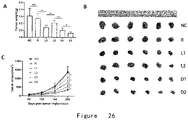
- the D2 group has the best tumor inhibition effect and the strongest tumor inhibition rate (P ⁇ 0.001), which is consistent with the results of the in vitro killing experiments ( Figure 26 , a-c , Table 10).
- Table 10 Antitumor effect of L1, L2, D1, D2 polypeptides on mouse lung cancer Groups dose Tumor weight (g) Tumor inhibition rate (%) NC 0.1ml 1.56 ⁇ 0.53 - R 5 ⁇ g 1.38 ⁇ 0.33 #### 11.54 L1 5 ⁇ g 0.73 ⁇ 0.14 ⁇ ### 53.21 L2 5 ⁇ g 1.05 ⁇ 0.16 ⁇ #### 32.70 D1 5 ⁇ g 0.53 ⁇ 0.16 ⁇ # 66.03 D2 5 ⁇ g 0.32 ⁇ 0.10 ⁇ 79.49 Compared with the control group, ⁇ P ⁇ 0.05, ⁇ P ⁇ 0.01, ⁇ P ⁇ 0.001; Compared with group D2, #P ⁇ 0.05, ##P ⁇ 0.01, ###P ⁇ 0.001, ####P ⁇ 0.0001
Landscapes
- Health & Medical Sciences (AREA)
- Life Sciences & Earth Sciences (AREA)
- Chemical & Material Sciences (AREA)
- Organic Chemistry (AREA)
- Genetics & Genomics (AREA)
- Engineering & Computer Science (AREA)
- General Health & Medical Sciences (AREA)
- Bioinformatics & Cheminformatics (AREA)
- Zoology (AREA)
- Wood Science & Technology (AREA)
- Medicinal Chemistry (AREA)
- General Engineering & Computer Science (AREA)
- Biochemistry (AREA)
- Pharmacology & Pharmacy (AREA)
- Animal Behavior & Ethology (AREA)
- Biotechnology (AREA)
- Biomedical Technology (AREA)
- Veterinary Medicine (AREA)
- Public Health (AREA)
- Molecular Biology (AREA)
- Microbiology (AREA)
- Nuclear Medicine, Radiotherapy & Molecular Imaging (AREA)
- General Chemical & Material Sciences (AREA)
- Chemical Kinetics & Catalysis (AREA)
- Biophysics (AREA)
- Proteomics, Peptides & Aminoacids (AREA)
- Gastroenterology & Hepatology (AREA)
- Epidemiology (AREA)
- Physics & Mathematics (AREA)
- Plant Pathology (AREA)
- Hematology (AREA)
- Oncology (AREA)
- Immunology (AREA)
- Toxicology (AREA)
- Dermatology (AREA)
- Pain & Pain Management (AREA)
- Rheumatology (AREA)
- Peptides Or Proteins (AREA)
- Medicines That Contain Protein Lipid Enzymes And Other Medicines (AREA)
- Measuring Or Testing Involving Enzymes Or Micro-Organisms (AREA)
Applications Claiming Priority (2)
| Application Number | Priority Date | Filing Date | Title |
|---|---|---|---|
| CN202010033954.8A CN113105554B (zh) | 2020-01-13 | 2020-01-13 | 一种抗肿瘤融合蛋白及其制法和应用 |
| PCT/CN2021/071335 WO2021143695A1 (zh) | 2020-01-13 | 2021-01-12 | 一种抗肿瘤融合蛋白及其制法和应用 |
Publications (2)
| Publication Number | Publication Date |
|---|---|
| EP4101862A1 true EP4101862A1 (de) | 2022-12-14 |
| EP4101862A4 EP4101862A4 (de) | 2024-01-17 |
Family
ID=76709244
Family Applications (1)
| Application Number | Title | Priority Date | Filing Date |
|---|---|---|---|
| EP21741405.1A Pending EP4101862A4 (de) | 2020-01-13 | 2021-01-12 | Antitumorfusionsprotein, herstellungsverfahren dafür und anwendung davon |
Country Status (5)
| Country | Link |
|---|---|
| US (1) | US12558403B2 (de) |
| EP (1) | EP4101862A4 (de) |
| JP (1) | JP7758279B2 (de) |
| CN (1) | CN113105554B (de) |
| WO (1) | WO2021143695A1 (de) |
Families Citing this family (2)
| Publication number | Priority date | Publication date | Assignee | Title |
|---|---|---|---|---|
| CN116376844B (zh) * | 2023-05-31 | 2023-08-11 | 四川大学华西医院 | 包含shp2 sh2结构域的靶向her2阳性肿瘤的car-t及制备方法和应用 |
| CN119331105B (zh) * | 2024-09-03 | 2025-10-28 | 中国人民解放军空军军医大学 | 靶向多种免疫检查点的通用多肽-protac及其应用 |
Family Cites Families (14)
| Publication number | Priority date | Publication date | Assignee | Title |
|---|---|---|---|---|
| US20040105871A1 (en) * | 2000-03-02 | 2004-06-03 | Robinson Harriet L. | Compositions and methods for generating an immune response |
| LT2336315T (lt) * | 2005-12-01 | 2017-11-10 | Nuevolution A/S | Fermentiniai kodavimo būdai, skirti efektyviai didelių bibliotekų sintezei |
| CN101712964B (zh) * | 2008-10-08 | 2013-05-08 | 上海科新生物技术股份有限公司 | 抑制破骨细胞形成的融合蛋白、其制备方法及药物组合物 |
| WO2011140365A1 (en) | 2010-05-05 | 2011-11-10 | Auburn University | Targeted particles comprising landscape phage fusion proteins and heterologous nucleic acid |
| CN103184230B (zh) * | 2013-03-20 | 2014-04-02 | 中国科学院水生生物研究所 | 一种融合蛋白基因TAT-sVP7及其应用 |
| HUE045872T2 (hu) | 2014-05-21 | 2020-01-28 | Entrada Therapeutics Inc | Sejteket penetráló peptidek és ezek elõállítására és alkalmazására szolgáló eljárások |
| WO2016168702A1 (en) | 2015-04-16 | 2016-10-20 | The Regents Of The University Of California | Targeting giv-gef-gi signaling for treating diverse diseases |
| WO2017079723A1 (en) | 2015-11-07 | 2017-05-11 | Board Of Regents, The University Of Texas System | Targeting proteins for degradation |
| GB201620070D0 (en) * | 2016-11-28 | 2017-01-11 | Autolus Ltd | Signal transduction modifying protein |
| CN107254484A (zh) * | 2017-07-28 | 2017-10-17 | 广州医科大学附属第五医院 | 一种cpp‑luc嵌合蛋白及其在检测细胞内atp中的应用 |
| CN110064044B (zh) * | 2018-01-20 | 2022-09-09 | 中国科学院武汉病毒研究所 | 一种肠道病毒71型的抑制剂及应用 |
| WO2019240431A1 (ko) * | 2018-06-14 | 2019-12-19 | (주) 에빅스젠 | 세포 투과 펩티드 및 rpe65의 융합 단백질을 포함하는 레버 선천성 흑암시 치료용 약학적 조성물 |
| CN113473990A (zh) * | 2018-10-08 | 2021-10-01 | 锐新医药公司 | 用于治疗癌症的shp2抑制剂组合物 |
| CN109553660B (zh) | 2018-11-19 | 2021-11-02 | 南方医科大学 | 靶向rage胞浆内段接头slp76及其sam的用途 |
-
2020
- 2020-01-13 CN CN202010033954.8A patent/CN113105554B/zh active Active
-
2021
- 2021-01-12 JP JP2022543131A patent/JP7758279B2/ja active Active
- 2021-01-12 EP EP21741405.1A patent/EP4101862A4/de active Pending
- 2021-01-12 WO PCT/CN2021/071335 patent/WO2021143695A1/zh not_active Ceased
- 2021-01-12 US US17/758,676 patent/US12558403B2/en active Active
Also Published As
| Publication number | Publication date |
|---|---|
| EP4101862A4 (de) | 2024-01-17 |
| JP2023510893A (ja) | 2023-03-15 |
| CN113105554B (zh) | 2022-07-26 |
| JP7758279B2 (ja) | 2025-10-22 |
| US20230226157A1 (en) | 2023-07-20 |
| US12558403B2 (en) | 2026-02-24 |
| CN113105554A (zh) | 2021-07-13 |
| WO2021143695A1 (zh) | 2021-07-22 |
Similar Documents
| Publication | Publication Date | Title |
|---|---|---|
| US12269881B2 (en) | Antigen binding proteins specifically binding MAGE-A | |
| DK2970512T3 (en) | IMMUNO MODULATOR FUSION PROTEINS AND PROCEDURES FOR PRODUCING THEREOF | |
| US11466088B2 (en) | VEGFR-2 car immune cells to treat cancers | |
| US11292841B2 (en) | Anti-PD-1 nano-antibody and application thereof | |
| CN110835375B (zh) | 一种抗pd-1/egfr双特异性抗体及其用途 | |
| WO2021023657A1 (en) | Modified bi specific anti cd3 antibodies | |
| EP3360893B1 (de) | Hochaffines und lösliches pdl-1-molekül | |
| CN103483452A (zh) | 双信号独立的嵌合抗原受体及其用途 | |
| CN113179631B (zh) | 通过临近使能反应疗法开发的共价蛋白质药物 | |
| KR20240046645A (ko) | 고형암을 위한 키메라 항원 수용체 및 키메라 항원 수용체가 발현된 t 세포 | |
| KR20240004935A (ko) | Prame에 특이적으로 결합하는 항원 결합 단백질 | |
| US12558403B2 (en) | Anti-tumor fusion protein, preparation method therefor and application thereof | |
| US20220153781A1 (en) | Tumor Targeting Polypeptide and Method of Use Thereof | |
| WO2024175072A1 (zh) | 一种通过相分离改造t细胞的方法及其应用 | |
| CN110115758B (zh) | Pik3ip1蛋白在调节t细胞反应和制备抗肿瘤药物中的应用 | |
| CN109422814A (zh) | 一种抗La/SSB嵌合体抗原修饰的NK细胞、其制备方法及其应用 | |
| CN115109754A (zh) | 抗EGFR和cMet双特异性嵌合抗原受体及其应用 | |
| WO2025113557A1 (zh) | 一种基于相分离改造嵌合抗原受体的方法及其应用 | |
| JP2025501358A (ja) | T細胞受容体、その製造方法、及び使用 | |
| CN117924517A (zh) | 一种靶向穿膜重组蛋白及其应用 | |
| NZ757552A (en) | Chimeric antigen receptor | |
| CN103483453A (zh) | 结合egfr家族蛋白的嵌合抗原受体、其组合物及用途 |
Legal Events
| Date | Code | Title | Description |
|---|---|---|---|
| STAA | Information on the status of an ep patent application or granted ep patent |
Free format text: STATUS: THE INTERNATIONAL PUBLICATION HAS BEEN MADE |
|
| PUAI | Public reference made under article 153(3) epc to a published international application that has entered the european phase |
Free format text: ORIGINAL CODE: 0009012 |
|
| STAA | Information on the status of an ep patent application or granted ep patent |
Free format text: STATUS: REQUEST FOR EXAMINATION WAS MADE |
|
| 17P | Request for examination filed |
Effective date: 20220812 |
|
| AK | Designated contracting states |
Kind code of ref document: A1 Designated state(s): AL AT BE BG CH CY CZ DE DK EE ES FI FR GB GR HR HU IE IS IT LI LT LU LV MC MK MT NL NO PL PT RO RS SE SI SK SM TR |
|
| XX | Miscellaneous (additional remarks) |
Free format text: IF DETAILS ARE NOT FULLY DISCERNIBLE, THAT IS DUE TO THE QUALITY OF THE DRAWINGS FILED BY THE APPLICANT. |
|
| DAV | Request for validation of the european patent (deleted) | ||
| DAX | Request for extension of the european patent (deleted) | ||
| A4 | Supplementary search report drawn up and despatched |
Effective date: 20231215 |
|
| RIC1 | Information provided on ipc code assigned before grant |
Ipc: A61P 29/00 20060101ALI20231211BHEP Ipc: A61K 47/42 20170101ALI20231211BHEP Ipc: A61K 38/16 20060101ALI20231211BHEP Ipc: C07K 19/00 20060101ALI20231211BHEP Ipc: C07K 14/00 20060101AFI20231211BHEP |
|
| STAA | Information on the status of an ep patent application or granted ep patent |
Free format text: STATUS: EXAMINATION IS IN PROGRESS |
|
| 17Q | First examination report despatched |
Effective date: 20240816 |